Home Blog Page 4

A 19th-Century Grist Mill in Clinton Is Quietly Running One of New Jersey’s Best Late-Summer Art Lineups

A working stone mill that once ground grain along the Raritan River now grinds out something entirely different, four simultaneous, genuinely praised contemporary art exhibitions, and all of them close September 6. That’s the current state of the Hunterdon Art Museum, and if you haven’t made the trip to Clinton yet this summer, the clock on this particular lineup is already running.

The museum itself occupies Dunham’s Mill, a 19th-century stone grist mill listed on the National Register of Historic Places, and the building’s history is impossible to separate from its setting. It sits directly across the Raritan River from the Red Mill Museum Village, one of the most photographed historic landmarks in this part of New Jersey, and the two institutions have built a genuine collaborative relationship rather than just tolerating proximity. Locals call it the Mill to Mill experience, art history and industrial history sitting on opposite banks of the same waterfall, close enough to visit both comfortably in one unhurried afternoon.

This summer’s exhibition slate earned a full critical review from NJ Arts, and reading through what’s actually on display, it’s easy to see why. Claybash anchors the season as the museum’s signature event, a triennial juried national exhibition built specifically to showcase experimental, unconventional contemporary ceramics rather than the safe, predictable pottery most people picture when they hear the word. It’s the kind of show that rewards walking slowly, since the work here is deliberately pushing against what clay is supposed to look like once it leaves the kiln.

Bascha Mon: Mindscapes takes the opposite emotional register entirely, a retrospective spanning more than sixty years of the artist’s career, built around patient, emotionally rich paintings and colorful abstract landscapes. Sixty years is a genuinely rare span to see compressed into a single exhibition, and it gives visitors a chance to actually watch an artist’s eye evolve across decades rather than catching one isolated moment of a much longer career.

Valerie Huhn’s exhibition, titled The Wound Is the Place Where the Light Enters You, is the one visitors seem to talk about longest after leaving. It’s a conceptual show built around genuinely unexpected materials, including fingerprints pinned onto racing shoes, used to make pointed sociological observations rather than simply decorating a gallery wall. [Your Story Here] Work like this tends to divide a room, some visitors find it striking and necessary, others find it uncomfortable, and honestly, that tension is probably exactly what the artist intended.

Rounding out the lineup, the Steamroller Group’s Uncharted Territories takes a genuinely collaborative approach, presenting a handbound, limited-edition book combining art and poetry from a large collective of local artists and poets. There’s something quietly powerful about a regional museum making room for a project built entirely on community collaboration rather than a single celebrated name, and it fits a museum that’s clearly invested in supporting working artists close to home rather than only importing established reputations from elsewhere.

Beyond the art itself, the museum has clearly put real thought into who actually gets through the door, and the admissions structure reflects that. General admission runs a genuinely modest $7 for adults, $5 for seniors, students, and military, and completely free for children under 12, pricing that keeps a museum visit within reach for a family outing rather than treating it as a luxury activity. New Jersey residents receiving SNAP, WIC, Child Care Subsidy, or WFNJ benefits qualify for entirely free admission, a policy that actively removes cost as a barrier for exactly the families who might otherwise assume a museum trip isn’t for them. Bank of America and Merrill cardholders get free general admission during the first full weekend of every month through the Museums on Us program, and the museum’s participation in the North American Reciprocal Museum network means members of other participating institutions walk in free as well.

Accessibility inside the historic building deserves real credit too, since retrofitting a 19th-century stone mill for modern accessibility standards is genuinely difficult work that plenty of historic sites never fully commit to. The museum features an automated entrance door, a full elevator servicing all four gallery floors complete with Braille lettering, and high-contrast Braille signage in its unisex restrooms. Large-print copies of every gallery and exhibition label are available at the front desk on request, meaning visitors with low vision aren’t left guessing at wall text the rest of the room can read easily. Getting all of that right inside a building this old takes real, deliberate investment rather than a token accommodation bolted on as an afterthought.

Practically speaking, parking shouldn’t be the thing that talks you out of the trip. The immediate downtown area can get competitive on busy weekends, but plenty of free municipal lots and street parking sit a short, easy walk away throughout Clinton’s historic Victorian shopping district, the kind of walk that doubles as its own small tour of the town before you’ve even reached the museum doors.

With all four exhibitions closing September 6, this is genuinely a use-it-or-lose-it window rather than something to file away for later. A sixty-year retrospective, a national ceramics showcase, a conceptual exhibition built to unsettle, and a community-built book of art and poetry, all inside a working 19th-century mill, with a nationally significant historic village sitting directly across the water. Clinton doesn’t need much of an excuse to justify a day trip this summer, and right now it has one of the strongest lineups it’s had in a while.

A Merger Nearly Two Decades Ago Built One of New Jersey’s Biggest Orthopedic Networks, and It Just Earned Statewide Recognition

Two separate regional medical groups decided in 2007 that patients would be better served combined than competing. Nearly two decades later, that decision has grown into the Advanced Orthopedics and Sports Medicine Institute, and the practice just earned recognition as an NJ Top Docs Practice for 2026, a distinction that reflects almost twenty years of steady, deliberate expansion rather than a single lucky break.

What makes AOSMI genuinely different from a typical orthopedic office is the sheer breadth of what happens under one roof. This isn’t a single surgeon’s practice that added a few extra services over time. It’s a full multi-specialty operation staffed by board-certified, fellowship-trained physicians, surgeons, podiatrists, and physical therapists, all coordinated around one shared goal, treating the entire spectrum of musculoskeletal problems without forcing patients to bounce between disconnected specialists and separate paperwork every time their treatment plan evolves.

Sports medicine sits at the core of that offering, and the practice moves fast when an athlete needs it. Rapid treatment for sports-related injuries, ligament repairs, and arthroscopic rotator cuff procedures all fall under this umbrella, alongside more specialized approaches like Kinesio taping for supporting injured muscles and joints during recovery. Anyone who’s watched a season slip away waiting weeks for a specialist referral understands exactly why speed matters this much in sports medicine specifically. An injury evaluated and treated within days behaves completely differently than the same injury left to compound for a month.

On the surgical side, AOSMI has clearly invested in staying current with where orthopedic technique has actually moved over the last decade. The practice offers minimally invasive procedures, joint preservation techniques aimed at delaying or avoiding full replacement surgery when possible, and robotic-assisted methods for cases that do require intervention. For patients facing genuinely complex reconstructions, the practice handles total joint replacements including direct anterior hip replacement, an approach that accesses the joint from the front of the hip rather than the side or back, generally associated with less muscle disruption and a faster path back to walking normally compared to older surgical approaches.

Spine and pain management round out a huge piece of the practice’s daily work, an area that affects an enormous, often invisible population of patients living with chronic neck and back conditions. AOSMI offers non-surgical therapies as a genuine first line of treatment rather than rushing toward the operating room, alongside cortisone injections, EPAT shockwave therapy for stubborn soft tissue issues, and full interventional pain management for patients whose conditions need more sustained, careful attention than a single office visit can provide. Podiatry and hand and extremity care extend that same comprehensive approach further, addressing complex foot and ankle trauma, carpal tunnel syndrome, and upper extremity issues that might otherwise send a patient searching for an entirely separate specialist outside the practice.

The detail that ties the whole model together, though, is on-site rehabilitation. AOSMI integrates state-of-the-art physical therapy facilities directly with its medical team, which genuinely streamlines the post-surgical recovery process in a way patients feel immediately. Recovering from a joint replacement or ligament repair somewhere entirely disconnected from the surgeon who performed the procedure creates real friction, communication gaps, scheduling headaches, and inconsistent progress tracking. Keeping physical therapy under the same roof as the surgical team means recovery actually gets monitored as one continuous process instead of two separate relationships that occasionally compare notes.

Geographically, AOSMI has built out a genuinely substantial footprint across central and coastal New Jersey. The main facility operates out of Pond View Professional Park in Freehold, with a significant additional presence in Monroe Township inside the Renaissance Crossing Medical Arts Building and a Toms River location serving Ocean County out of the Hospital Drive medical block. Beyond those anchor sites, the practice runs targeted offices and standalone physical therapy hubs in Manalapan, Belmar, and North Bergen, giving patients across a wide swath of the state realistic access to the same coordinated care model regardless of which specific location they walk into.

Leadership talent runs deep across the practice. Dr. Michael J. Greller, a prominent orthopedic surgeon and sports medicine specialist, holds a five out of five star rating across more than 380 patient reviews, a genuinely rare consistency at that review volume, and he’s served as a team physician for multiple collegiate and professional organizations, the kind of credential that only comes from performing under real, high-stakes pressure repeatedly. He’s supported by a deep bench of surgical and pain specialists, including Dr. Gregg Berkowitz, Dr. Stacey Gallacher, and Dr. Eric Buxbaum, alongside podiatric specialist Dr. Alison DeWaters, giving the practice genuine depth across nearly every specialty it advertises rather than relying on one standout name to carry the entire reputation.

None of that comprehensive care matters much if patients can’t actually access it, and AOSMI has clearly prioritized keeping the practice accessible to a genuinely broad patient base. The practice accepts a wide range of major insurance networks across its locations, including Horizon Blue Cross Blue Shield, Aetna, Medicare, QualCare, UnitedHealthcare, TRICARE Prime, and New Jersey Workers’ Compensation coverage. That breadth matters enormously for a multi-specialty practice this size, since a patient dealing with a workplace injury, a military family relying on TRICARE, and a retiree on Medicare should all be able to walk through the same doors and receive the same standard of coordinated, comprehensive care without insurance coverage becoming the deciding factor in where they seek treatment.

Earning NJ Top Docs recognition for 2026 isn’t a surprise given all of this, it’s the natural result of nearly two decades spent building exactly the kind of integrated, accessible, multi-specialty model that patients actually need but rarely find assembled this completely in one place. A merger that started with two regional groups deciding to combine forces back in 2007 has grown into a genuine backbone of orthopedic and sports medicine care across central and coastal New Jersey, and this recognition is a fair reflection of that long, deliberate build.

Two Advisors From a Martinsville Firm Just Landed on a National List, and the Firm Behind Them Has Been Quietly Building Toward This for 35 Years

A billion dollars under management didn’t happen overnight in Martinsville, New Jersey. It happened one client relationship at a time, over more than three decades, and this week two of the people responsible for a meaningful share of that growth got recognized on a national stage for it.

Tanya Walliser, a Certified Financial Planner, and Jeanette Lucas, who holds credentials as a CFP, Chartered Special Needs Consultant, and Certified Divorce Financial Analyst, were both named to InvestmentNews’ Top Female Financial Advisors $100 Million Club. That’s not a participation trophy list. It’s a national recognition specifically reserved for advisors managing serious individual books of business, and having two advisors from the same firm land on it simultaneously says something real about the culture that firm has built around developing talent rather than just hiring it.

That firm is Condor Capital Wealth Management, an independent, employee-owned registered investment advisory founded back in 1988 by CEO Ken Schapiro. Thirty-five-plus years is a genuinely long time to survive in an industry that eats firms alive during every recession, market crash, and regulatory shift that comes along, and Condor hasn’t just survived that stretch, it’s grown into a firm managing over a billion dollars in assets for clients spread across the entire country from a single New Jersey headquarters.

The firm’s structural DNA explains a lot about why it’s lasted this long without drifting from its founding principles. Condor operates on a strict fee-only model, meaning it earns nothing from trade commissions and sells no third-party financial products whatsoever. Every dollar the firm makes ties directly back to total assets under management, which eliminates an entire category of conflict of interest that quietly plagues plenty of advisory relationships elsewhere in the industry. When an advisor’s compensation is linked purely to growing your portfolio’s value rather than to which specific product they happen to be pushing that quarter, the incentives actually point in the same direction as the client’s.

One genuinely distinctive piece of Condor’s offering deserves real attention rather than a passing mention. The firm provides unlimited, complimentary financial planning advice as a built-in part of standard investment management, not an upsell, not a separate line item, not something reserved for a premium tier of clients paying extra. That’s a meaningfully different business philosophy than the industry norm, where comprehensive planning conversations often get metered out or priced separately from portfolio management itself. Baking that access in for everyone signals a firm that sees planning and investing as one continuous conversation rather than two separate revenue streams competing for a client’s wallet.

Condor’s client base reflects a genuinely broad cross-section of financial lives rather than one narrow niche. Retirees, corporate executives, young professionals building their first real investment strategy, small business owners juggling personal and company finances simultaneously, and non-profit organizations managing institutional funds all show up in the firm’s client mix. Serving that range well requires real flexibility in how a team approaches each relationship, since a retiree drawing down assets and a young professional accumulating them for the first time need fundamentally different guidance, not a one-size-fits-all playbook stretched to fit everyone.

On the investment side, Condor’s committee builds diversified portfolios blending active and passive management, leaning heavily toward efficient, low-cost index funds among its top institutional holdings, including substantial allocations across various Vanguard and iShares ETF products. That’s a disciplined, cost-conscious approach rather than one chasing flashy, high-fee alternative products for the sake of appearing sophisticated, and it tends to be exactly the kind of strategy that compounds well for clients over genuinely long time horizons rather than just looking good in a single strong quarter.

Leadership at the firm runs deep too. Schapiro still actively leads the company alongside President Michael Walliser, and Schapiro himself has repeatedly landed on major industry recognition lists, including placement among Barron’s Top Financial Advisors in New Jersey. That’s the kind of individual accolade that tends to follow founders who’ve stayed hands-on with their firm’s direction rather than stepping back once the business reached a comfortable size.

What makes this week’s recognition of Walliser and Lucas genuinely meaningful, though, is what it says about the next generation of leadership Condor has actually built underneath its founder rather than just talked about building. The $100 Million Club distinction specifically honors advisors managing serious individual client relationships at scale, and having two women from the same Martinsville firm earn that recognition together suggests Condor isn’t just retaining talented advisors, it’s actively developing them into the kind of professionals capable of building substantial books of business on their own. That’s a meaningfully harder thing for a firm to cultivate than simply hiring credentialed people and hoping for the best, and it’s exactly the kind of organizational depth that tends to separate advisory firms built to last another thirty-five years from ones that quietly fade once their founder eventually steps back.

A Freehold Company Spends Its Days Hunting for Spy Gear, and the Federal Government Just Took Notice

Somewhere in a boardroom, a hotel suite, or the back seat of a luxury sedan, there might be a microphone the size of a grain of rice, powered down and waiting, invisible to anything but the right equipment. Finding that microphone is the entire business of USA Bugsweeps, a Freehold, New Jersey company that started as a local operation and has since built itself into one of the largest counter-surveillance networks operating anywhere in the country.

Founded by security investigator Jimmie Mesis and headquartered on US Highway 9 in Freehold, the firm occupies a genuinely narrow, specialized corner of the security industry. This isn’t a private investigation agency that also happens to do bug sweeps on the side. USA Bugsweeps does exactly one thing, Technical Surveillance Countermeasures, commonly abbreviated TSCM, the formal term for professionally detecting hidden spying equipment. They don’t track cheating spouses through parking lots or run background checks on prospective hires. Their entire operation exists to find electronic threats that someone deliberately hid, and nothing else.

That kind of specialization requires serious hardware, not the consumer-grade bug detectors sold online for a hundred dollars that mostly catch nothing worth catching. USA Bugsweeps deploys more than $150,000 worth of what amounts to military-grade detection equipment, including advanced RF spectrum analyzers capable of identifying signals far beyond what a basic frequency scanner would ever notice. Their sweeps cover the full range of ways someone might actually try to spy on another person or organization. They check for planted microphones and active wiretaps, hidden voice-activated recorders, and covert pinhole cameras tucked inside everyday objects nobody thinks twice about, smoke detectors, alarm clocks, wall chargers, even ordinary lightbulbs. They check vehicles for hidden GPS trackers attached underneath, the kind that can quietly document someone’s exact movements for weeks without a single visible sign anything’s wrong.

The detail that actually separates a serious TSCM operation from an amateur one, though, is the ability to catch devices that aren’t even transmitting at the moment of the sweep. Sophisticated surveillance equipment can sit dormant, powered down or in a low-power sleep state specifically to avoid triggering basic radio-frequency detection. A cheap bug detector scanning for active signals would walk right past a device like that and report the room clean. USA Bugsweeps’ equipment is built to catch exactly that kind of dormant threat, which is precisely the difference between a real security sweep and expensive theater that gives someone false confidence in a room that isn’t actually safe.

Who actually calls a company like this in the first place is its own genuinely revealing story about where privacy anxiety runs hottest in modern life. On the residential side, individuals navigating high-stakes divorce or child custody battles make up a real share of the client base, people who have legitimate reason to suspect an ex-partner has planted something to monitor them during an already painful legal fight. On the corporate side, executive boardrooms, private offices, and conference spaces get swept regularly by companies worried about corporate espionage or leaked trade secrets, the kind of quiet, expensive threat that never makes headlines until a competitor mysteriously beats a company to market with suspiciously similar plans. USA Bugsweeps also sweeps vehicles and hotel rooms ahead of sensitive meetings, luxury cars, rental vehicles, private suites, anywhere a confidential conversation might happen away from an office’s normal security protocols. Perhaps most strikingly, schools are also part of the client mix, with classrooms, administrative offices, and locker rooms getting swept specifically to protect student and faculty privacy, a use case that says a lot about how seriously institutions now take the possibility of hidden recording devices in spaces meant to be safe.

The firm’s reach extends far past Monmouth County despite staying headquartered there. Its technician network covers all fifty states, meaning a client anywhere in the country can bring in genuinely qualified counter-surveillance expertise without needing New Jersey-based specialists to fly out personally for every job. That’s a meaningful operational achievement for a company that started as a regional operation, and it explains how a firm founded and still based in Freehold has become a recognized national name in an industry most people never think about until they suddenly, urgently need it.

That national reputation just received a genuinely notable federal stamp of approval. The U.S. Department of Labor recently selected founder Jimmie Mesis to serve as an expert contributor to the Occupational Information Network, known as O*NET, the government’s official database defining and classifying occupations across the entire American economy. Getting tapped by a federal agency to help formally define and describe a profession as niche and specialized as technical surveillance countermeasures is a real form of recognition, and it signals that TSCM work has matured from a shadowy, unregulated specialty into something the federal government now considers worth formally documenting as a legitimate occupational category. For an industry that spends its entire existence looking for things other people are trying to hide, having the government publicly acknowledge the profession itself is a fitting, almost ironic form of validation.

I’ll be direct about why a company like this deserves genuine respect rather than skepticism about whether any of this is really necessary. Modern surveillance technology has gotten cheap, small, and genuinely good enough that planting a working bug or hidden camera no longer requires any real technical skill, just intent and a credit card. That reality makes a company built entirely around finding those devices, backed by real equipment and now backed by federal recognition of the profession itself, considerably more relevant to ordinary people’s lives than it would have been even a decade ago. A business built in Freehold, New Jersey, quietly protecting boardrooms, custody battles, and classrooms across all fifty states from exactly that kind of intrusion, is exactly the sort of understated, essential work this state doesn’t get nearly enough credit for producing.

A Montville Advisory Firm Just Hit Ten Years, and It Never Once Sold a Client a Commission Product

Zero dollars under management. That’s where Bobby Mascia started in 2016 when he founded Green Ridge Wealth Planning out of Montville, New Jersey. A decade later, the firm is managing roughly $384 million in client assets, an independent, SEC-registered investment advisory built specifically around a promise a lot of financial firms talk about but far fewer actually structure their entire business model around delivering.

That promise is the fiduciary standard, and Green Ridge doesn’t treat it as a marketing tagline. The firm operates on a strict fee-only structure, meaning it doesn’t collect commissions and doesn’t sell third-party financial products of any kind. That distinction matters enormously more than most clients realize when they’re shopping for financial advice. A commission-based advisor has a built-in incentive, even a well-intentioned one, to recommend products that pay them better, whereas a fee-only fiduciary is legally bound to act purely in the client’s best interest, full stop, with no product sale sitting anywhere in the background of that recommendation. Ten years running on that model without deviating from it is a genuinely meaningful track record, not just a compliance checkbox.

What actually sets Green Ridge apart from a typical wealth management shop is who they’ve chosen to serve and how they’ve structured the advice around that specific audience. The firm focuses primarily on entrepreneurs, small business owners, corporate executives, and high-net-worth families, a client base with financial lives considerably more tangled than the standard retirement-and-college-savings client most advisory firms are built around. Business owners in particular face a genuinely different set of problems. Their personal wealth and their company’s financial health are rarely separable, and a lot of traditional advisors simply aren’t equipped to think about both halves of that equation at once.

Green Ridge’s answer to that problem is refusing to let financial planning happen in silos in the first place. Rather than operating as an isolated investment manager handing over quarterly statements and calling it a relationship, the firm actively coordinates with a client’s existing CPA and estate attorneys, making sure tax strategy, legal structuring, and the actual investment portfolio are all pulling in the same direction instead of working against each other by accident. Anyone who’s ever had an accountant recommend one move and a financial advisor recommend a conflicting one, only to realize months later that nobody was talking to each other, understands exactly why this kind of coordination is worth paying for.

One of the firm’s most specialized offerings speaks directly to that entrepreneur-focused client base, business exit and succession planning. Helping an entrepreneur maximize their company’s equity value and actually execute a clean transition timeline, whether that means selling the business outright or passing it down to the next generation, is a genuinely different discipline from standard portfolio management, and it’s the kind of planning that can make or break decades of a founder’s work in the final stretch. Getting that transition wrong, tax-inefficiently or without a clear timeline, has cost plenty of business owners a meaningful chunk of what they spent a career building.

On the investment side, Green Ridge builds model portfolios that lean heavily on liquid, publicly traded exchange-traded funds, balanced out with alternative assets brought in specifically for diversification. That’s a sensible, transparent foundation rather than a portfolio stuffed with opaque, hard-to-value holdings that are difficult for a client to actually understand or exit if circumstances change. The firm has also built out a proprietary planning framework it calls Wealthficiency, designed to align tax strategy, life insurance planning, retirement timelines, and a business owner’s corporate cash flow into one coordinated approach rather than four separate conversations happening on four separate schedules. Whether a name like that resonates with everyone is a matter of taste, but the underlying idea, treating a client’s financial life as one integrated system instead of a pile of disconnected accounts, is exactly the kind of thinking that separates a genuinely useful advisory relationship from a transactional one.

Here’s my honest read on why a milestone like this deserves real attention rather than a passing mention. Financial advisory firms come and go constantly, and plenty of them survive by quietly drifting away from whatever founding principle got them started once growth pressure sets in. A firm that’s grown from literally nothing to a few hundred million dollars in assets over a decade, while sticking to a fee-only, no-commission structure the entire time, has demonstrated something a lot of firms in this industry never actually prove. It’s possible to build a genuinely profitable advisory business without ever quietly compromising on whose interest actually comes first. For entrepreneurs and families weighing where to trust their financial future, that’s not a small distinction. It’s the entire point.

STG Logistics Just Paid $2.8 Million for Treating Truck Drivers Like Employees While Calling Them Contractors

Hundreds of truck drivers hauling freight through the Port of New York and New Jersey are about to see real money land in their accounts, and it’s coming from a company that spent years insisting they were never actually its employees to begin with.

STG Logistics, an Ohio-based transportation and logistics provider with more than 60 locations across North America, agreed to pay at least $2.8 million to settle a driver misclassification case brought by the New Jersey Attorney General’s Office and the state Department of Labor and Workforce Development. The announcement landed July 29, and the math behind it breaks down cleanly. Roughly $2.2 million goes directly to the drivers themselves as back wages, money the state says they should have received all along. Another $555,000 heads to the state itself, covering wage and hour penalties along with contributions to unemployment and disability benefit funds. On top of all that, the settlement carries real teeth going forward, an additional $7.5 million penalty if STG violates the agreement’s terms.

This case actually started years before STG ever entered the picture. New Jersey’s Department of Labor opened an investigation back in 2019 into XPO Logistics’ intermodal operation in Newark, long before anyone had heard the name STG in this context. STG acquired that operation in 2022, and when it did, it inherited more than just trucks and contracts. It took on liability for whatever employment practices had already been in place, a detail that matters enormously for any company weighing an acquisition in an industry where labor classification questions run this deep.

What investigators actually found paints a pretty clear picture of a company that wanted the control of an employer relationship without any of the corresponding obligations. According to the state, STG required these drivers to display the company’s name directly on their trucks, forced them into exclusive equipment leases with the company, assigned them specific routes and rates rather than letting them operate independently, installed GPS tracking devices on their vehicles, and had them sign independent contractor agreements with no room for negotiation. Read that list again and ask yourself honestly how much independence these drivers actually had. Mandatory branding, exclusive leasing, assigned routes, tracked movements, and a take-it-or-leave-it contract isn’t what an independent business relationship looks like. It’s what an employment relationship looks like wearing a disguise.

New Jersey’s ABC test exists specifically to cut through exactly this kind of arrangement, and it’s worth understanding why the standard is built the way it is. Under state law, workers are presumed to be employees unless a company can prove three separate things simultaneously, that the worker operates free from the company’s control, that the work performed falls outside the company’s usual line of business, and that the worker runs a genuinely independent, established business of their own. Fail even one of those three prongs and the presumption of employee status stands. State officials said flatly that STG failed to satisfy any of them, not a close call on one technical point, but a clean miss across the board.

The state filed its lawsuit in December 2023, and this case carries genuine legal significance beyond just STG’s bottom line. It marked the first case ever brought under a 2021 New Jersey law specifically granting the attorney general authority to sue employers directly over worker misclassification. That’s a meaningful first, and it tells other companies operating in this state exactly how seriously New Jersey intends to use that authority going forward.

Here’s where the story gets genuinely more complicated, because this settlement didn’t happen in a vacuum of corporate stability. STG filed for Chapter 11 bankruptcy protection earlier this year in the U.S. Bankruptcy Court for the District of New Jersey, working to restructure close to a billion dollars in debt stemming from a rough freight market downturn, acquisition-related liabilities, and ongoing litigation with lenders. The company actually emerged from that bankruptcy process with a 90 percent reduction in its funded debt obligations and $150 million in fresh capital earmarked for technology, service improvements, and operations. That’s a company that just got a genuine financial reset, and the state made sure this settlement carries priority status within that bankruptcy proceeding specifically so these drivers get paid before other creditors get their cut. That’s a smart, deliberate legal move, because plenty of workers owed money by bankrupt or restructuring companies end up watching their claims get buried under secured lenders and bondholders who negotiated better protection for themselves years earlier.

Attorney General Jennifer Davenport didn’t mince words about the underlying principle at stake, arguing that companies shouldn’t be able to pad profits by exploiting the very workers keeping their operations running. Acting Labor Commissioner Kevin Jarvis added that this was the state’s first-ever Superior Court misclassification case, one that survived a corporate sale, a bankruptcy filing, and years of litigation before finally reaching resolution. That’s a genuinely notable point on its own. Cases like this frequently die quietly somewhere in the gap between a company changing hands and a bankruptcy court reshuffling who owes what to whom. This one didn’t, and that persistence matters for every other misclassified worker watching to see whether the state actually follows through once a case gets legally complicated.

STG’s local footprint runs through Linden, Newark, and North Bergen, sites directly tied to port drayage and freight handling operations connected to the Port of New York and New Jersey, some of the busiest cargo infrastructure on the entire East Coast. A representative from the company didn’t immediately respond to a request for comment on the settlement, which leaves this story currently told entirely from the state’s side of the ledger. Going forward, STG is now required to comply fully with New Jersey labor law and provide ongoing information to the Department of Labor to verify that compliance continues. I’ll say plainly what I think this case actually demonstrates. Misclassification isn’t a minor paperwork technicality companies can shrug off as an accounting choice. It’s a real cost shifted directly onto workers who lose out on minimum wage protections, overtime pay, paid sick leave, workers’ compensation coverage, and standard employment benefits, all while the company enjoys the labor without the liability. New Jersey just proved it will chase that kind of arrangement through a corporate sale and a bankruptcy filing to get workers what they’re actually owed, and that’s exactly the kind of follow-through that gives real weight to a law that would otherwise just sit on the books looking tough.

Atlantic City Lifeguard Charged Following Cherry Hill Child Luring Sting

An Egg Harbor Township man’s summer took a drastic turn this week, and it started the moment he walked into a Cherry Hill apartment complex expecting to meet a teenage girl. Instead, Camden County Prosecutor’s Office detectives were waiting.

Stephen M. Pagnoni, 38, worked as a lifeguard with the Atlantic City Beach Patrol before his arrest on July 28. Investigators say he arranged to meet someone he believed was a 15-year-old girl in exchange for money, the culmination of an undercover operation the prosecutor’s office had been running online. The girl he believed he was speaking with never existed. He was communicating the entire time with detectives posing as a minor, a standard and effective tool law enforcement agencies use specifically to intercept this kind of predatory behavior before any real child is ever put at risk.

The charges filed against Pagnoni are serious and numerous, reflecting both the online conduct that preceded the meeting and what prosecutors say he intended to do once he arrived. He faces a first-degree charge of attempted manufacturing of child sexual abuse material, along with multiple second-degree charges covering luring, attempted sexual assault, and attempted prostitution involving a minor. Additional third-degree charges include attempting to send obscene material and endangering the welfare of a child, and he’s also facing disorderly persons charges related to prostitution. Taken together, that charging list reflects a coordinated investigation built to hold someone accountable for the full scope of alleged conduct, not just the moment he physically showed up at the park.

Following his arrest, Pagnoni was remanded to the Camden County Correctional Facility to await a detention hearing, and the Atlantic City Beach Patrol moved immediately to suspend him from his position once the charges became public. That’s the appropriate, swift response from an employer in a role that involves regular contact with families and children on the beach, and it’s the kind of decisive action that should reassure a community rattled by news like this rather than leave lingering uncertainty about whether the person is still in a position of public trust.

It’s worth being precise about where this case actually stands right now. Pagnoni has been charged, not convicted, and the allegations described here reflect what prosecutors say happened, not a finalized legal determination of guilt. The American justice system operates on that distinction deliberately, and it matters even in cases this disturbing.

What’s genuinely worth understanding, without walking through the specific tactics predators use online, is why law enforcement runs operations like this one in the first place rather than waiting for an actual victim to come forward. Undercover stings let detectives identify and intervene against predatory intent before a real child is ever exposed to it. By the time a suspect arrives at a physical meeting point believing he’s about to encounter a minor, investigators already have the digital evidence needed to build a case, and no actual child was ever placed in harm’s way to get there. That’s the entire point of this kind of proactive policing, and it’s precisely why the Camden County Prosecutor’s Office was able to intervene at the park in Cherry Hill before anything worse could happen.

This is a difficult story, and it’s fair to feel unsettled reading it. If you or someone you know has concerns about a child’s online safety or has encountered a situation like this, reaching out to local law enforcement or the National Center for Missing and Exploited Children is always the right first step.

Ten Women Are About to Prove New Jersey’s Business Community Runs on More Than One Kind of Leadership

Healthcare, biotech, telecom, insurance, accounting, journalism, government, and artificial intelligence rarely share a stage. This October, they will. The New Jersey Chamber of Commerce is bringing together ten women from every corner of the state’s economy for its 2026 Women of Inspiration Awards Reception, set for October 22 at The National Conference Center in East Windsor, and the sheer range of industries represented says something worth noticing about where real influence actually sits in this state right now.

Chamber president and CEO Tom Bracken framed the honor as a reflection of the strength and range running through New Jersey’s business community, and looking at this particular list, that’s not just a nice line for a press release. It’s an accurate description. These aren’t ten women pulled from the same industry or the same career path dressed up to look diverse. They’ve built careers in genuinely different fields, facing genuinely different challenges, and they’re being recognized together specifically because leadership in this state doesn’t come from one mold.

The night’s top honor, the Alice H. Parker Outstanding Woman of Inspiration Award, goes to Amy Mansue, CEO of Inspira Health Network. Mansue’s spent four decades moving through healthcare, government, and statewide leadership roles, a career arc long enough to have shaped an entire region’s approach to health system management. She served as Inspira’s president and CEO from 2020 through 2025, and rather than stepping back afterward, she’s stayed on as CEO, now focused squarely on the organization’s long-term strategic direction. Forty years in an industry as demanding as healthcare tends to either burn people out or turn them into exactly the kind of institutional anchor Inspira clearly has in her.

Government gets its own moment in the spotlight too, with the Employer Advocate Award going to Kellie Doucette, chief operating officer to Governor Mikie Sherrill. Doucette holds a genuinely new role in New Jersey government, the state’s first-ever chief operating officer, a position built specifically to coordinate across state agencies and turn policy decisions into actual, functioning action rather than letting good intentions stall out in bureaucratic handoffs. She’s also been a driving force behind Sherrill’s 21-county business outreach tour, the kind of on-the-ground, county-by-county engagement that either builds real relationships with the state’s business community or doesn’t, depending entirely on whether the person running it actually shows up and listens. Whatever your politics, a role built to make government machinery actually work for businesses is worth recognizing when someone’s doing it well.

Corporate technology leadership gets recognized through Heather Staples, who serves as executive vice president of enterprise operations, business and technology solutions, and chief information officer at Horizon Blue Cross Blue Shield of New Jersey. Staples joined Horizon in 2024 and now oversees an enormous portfolio, technology infrastructure, information security, enterprise program management, analytics, and day-to-day operations, at one of the state’s largest insurers. That’s the Outstanding Corporate Leader Award, and running information security alone for an organization handling that much sensitive health data is a genuinely high-stakes responsibility most people never think about until something goes wrong.

Debbie Hart earns the Association Advocate Award for her work leading BioNJ, the organization she co-founded back in 1994 and has spent over three decades building into one of the strongest voices representing New Jersey’s biotechnology and life sciences industry. That’s not a short resume line. Building an industry association from scratch and sustaining its relevance for thirty-plus years, through multiple economic cycles and constant shifts in biotech regulation and funding, requires the kind of persistence most organizations never actually achieve.

Telecom policy gets its due through Eileen Mannion, vice president of public policy and state and local government affairs at Verizon, who takes home the Issues Advocate Award. Mannion runs Verizon’s public policy operation across New Jersey specifically while also supporting the company’s broader state and local government affairs work nationally, a dual role that requires understanding both the granular local regulatory landscape and the bigger national picture simultaneously.

The remaining honorees round out a genuinely impressive slate. Liat Krawczyk, executive director of the New Jersey AI Hub, receives the Business Innovation Award, recognition that arrives at exactly the moment artificial intelligence policy and infrastructure are becoming genuinely urgent conversations for state economies everywhere. Michele Siekerka, president and CEO of the New Jersey Business and Industry Association, earns the Business Advocate Award for her ongoing work representing the state’s business community at large. Aiysha Johnson, known widely as A.J., CEO and executive director of the NJCPA, receives the Outstanding NJ Chamber Service Award. Fatema Raza, partner and national real estate practice leader at Withum, takes home the Young Professional Award, a recognition aimed specifically at rising leadership rather than decades-long tenure, and a signal that the Chamber is thinking as much about who’s next as who’s already arrived. Rounding out the list, Joanna Gagis, senior correspondent at NJ Spotlight News, receives the Business Communications Award, recognizing the often-overlooked work of actually explaining New Jersey’s business landscape clearly to the public that depends on understanding it.

Here’s my honest take on why this particular list matters beyond a single October reception. Business recognition events can sometimes feel like a rotating cast of the same handful of executives getting celebrated year after year for occupying senior titles. This list doesn’t read that way. It spans a first-of-its-kind government role, a four-decade healthcare career, a newly minted AI hub director, a journalist covering the exact beat these honorees operate in, and a young professional still building her reputation. That’s a genuinely broader definition of business leadership than these kinds of ceremonies usually manage, and it’s worth the Chamber getting real credit for building the list that way rather than defaulting to the safest, most predictable names available.

The October 22 reception will include networking time alongside the formal recognition, giving attendees a real chance to actually meet these honorees rather than just applauding from a banquet seat. For anyone building a career in New Jersey’s business community, regardless of industry, that room is going to be worth being in.

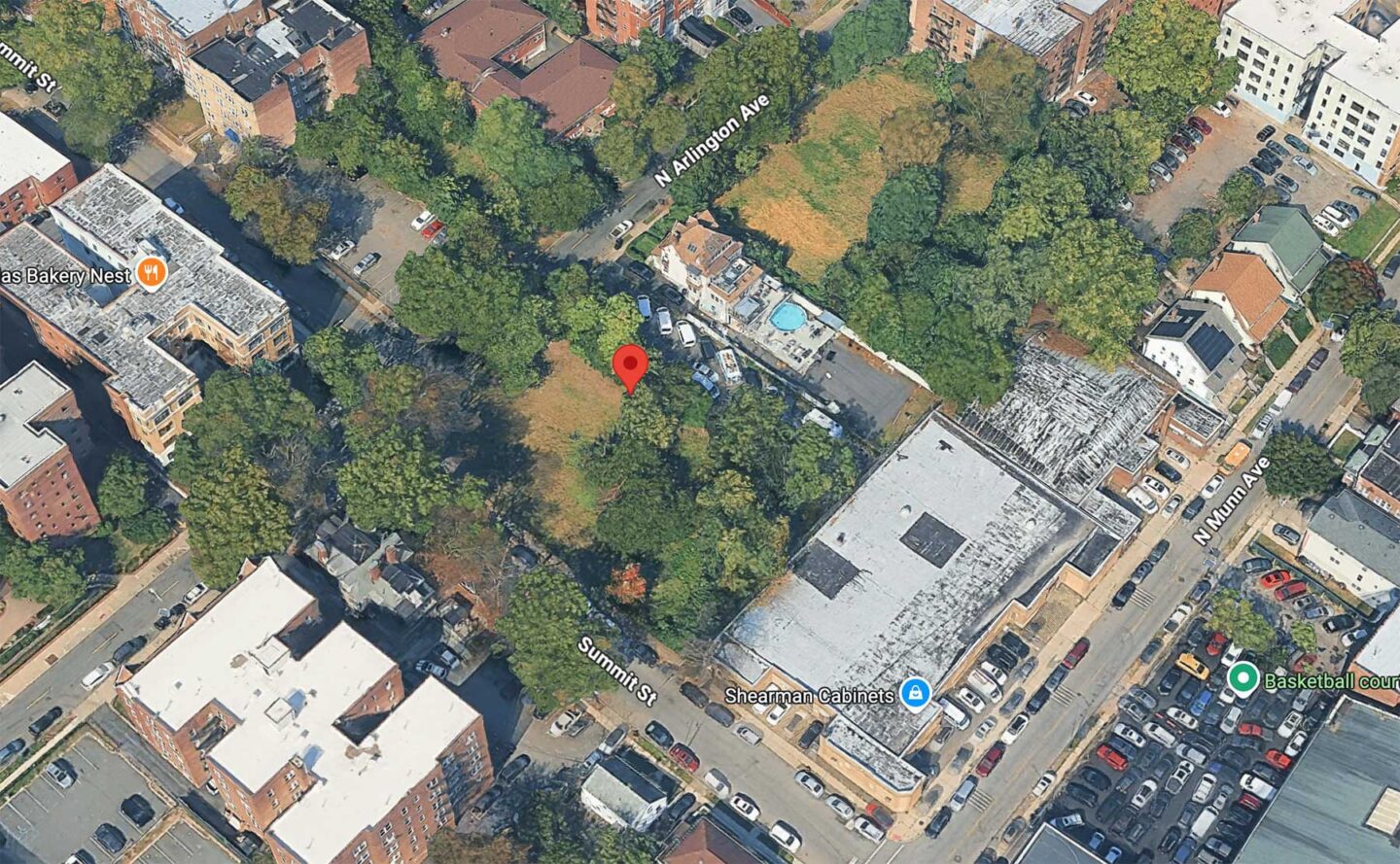
A Failed Foreclosure Sale Just Became the Foundation for East Orange’s Newest Senior Housing Project

An empty lot on North Arlington Avenue has a complicated backstory, and East Orange’s city council just approved a thirty-year tax break to finally give that story a proper ending. The council voted unanimously on June 22 to grant the incentive to 150 N Arlington Ave Propco LLC, clearing the way for a five-story, fully affordable senior housing building where a very different project once collapsed entirely.

The plan itself is genuinely well thought out for the population it’s targeting. According to city meeting materials, the development will span roughly 32,000 square feet and deliver 50 units total for residents over the age of 54, including 44 one-bedroom apartments, five supportive housing units specifically, and one unit set aside for an onsite superintendent. Add in 46 parking spaces, plus shared amenities like a social interaction lounge, an exercise room, and a dedicated health consultant room, and this reads like a project built around the actual daily needs of older residents rather than a bare-bones affordable housing checkbox. That distinction matters more than it might sound. A lot of affordable senior developments get built to satisfy a zoning requirement and stop there. Including a health consultant space specifically suggests someone involved in this design actually thought through what aging in place looks like day to day, not just what gets a certificate of occupancy signed off.

There’s a small wrinkle worth flagging, though, since it says something about how these approvals actually move through a city bureaucracy. The city council’s ordinance calls for 46 parking spaces. The East Orange Planning Board’s earlier resolution, approved less than two months before the council vote, specified 51 parking spaces for the exact same project. That’s not a massive discrepancy in the grand scheme of a development this size, but it’s the kind of inconsistency that tends to slip through when two different municipal bodies review overlapping paperwork on their own separate timelines, and it’s worth someone at the city actually reconciling before shovels hit the ground, since parking count differences have a way of becoming real headaches for both residents and enforcement down the line.

Here’s where the project’s backstory gets genuinely interesting, and honestly, a little bit of a cautionary tale about how affordable housing financing can unravel even with good intentions behind it. This isn’t a brand-new proposal on a previously vacant lot. It’s a second attempt, built on the wreckage of a project that failed years earlier. Essex County Register records show that New York-based real estate finance firm Neighborhood Properties of NJ LLC, an affiliate of Local Initiatives Support Corporation, acquired the two underlying lots in August 2025 through a sheriff’s auction, the kind of forced sale that only happens when a mortgage has gone seriously, irreversibly sideways.

The original mortgage belonged to ProudLiving Companies, an East Orange-based real estate firm that Local Initiatives had actually funded back in July 2021 with $1.4 million to build a 51-unit, mixed-income apartment building on that same site. That loan carried a 6.5 percent interest rate, and by December 2023, ProudLiving owed roughly $1.6 million on it, an outstanding balance that had clearly grown well past the original principal. The state’s Chancery Division ordered the parcels sold in January 2024 to satisfy that debt, and Local Initiatives, the very same firm that had extended the original financing, ended up as the sole bidder at the sheriff’s sale. They won both parcels for a combined $100.

Sit with that number for a second, because it’s a genuinely striking detail buried in an otherwise procedural municipal story. A hundred dollars for two parcels that ProudLiving-affiliated ownership had purchased back in December 2017 for $310,000. That’s not a typo and it’s not a clerical quirk of how sheriff’s sales work either, though the mechanics do help explain it. When a lender is owed far more than a property could realistically fetch from an outside buyer, and no other bidder shows up willing to take on that debt exposure, the lender often ends up simply reclaiming the collateral for a nominal, symbolic amount rather than paying real money against a debt they’re already owed. It’s less a bargain purchase than a foreclosure formality, but it still tells you plainly how far this project’s original financing had deteriorated before anyone pulled the plug.

ProudLiving itself isn’t some fly-by-night operation that got in over its head on a single bad deal, either, which makes the collapse of this particular project a bit more notable. The firm’s own materials describe involvement in at least eleven properties across East Orange since its founding in 2008, a real, established local track record. Even experienced developers hit projects that don’t survive their financing structure, and this one clearly didn’t. What’s genuinely encouraging is that the underlying land didn’t just sit vacant and forgotten after the foreclosure. It got recycled into a new, apparently better-structured proposal that just cleared its final major municipal hurdle. For what it’s worth, the Essex County Tax Board has the combined assessed value of both parcels sitting at $528,000 for each of the last three years, a number that puts the entire financial arc, from a $310,000 purchase, to a $1.4 million loan, to a $1.6 million default, to a $100 foreclosure sale, into some useful perspective.

The same council meeting that approved this project also pulled a separate ordinance entirely, one that would have granted a tax break for rehabilitating an existing apartment building at 50 South Munn Avenue. That legislation would have funded improvements across 205 units of senior and disabled housing, a considerably larger scale than the North Arlington project, and it got pulled from consideration after the council held a public hearing on it. No official explanation accompanied that withdrawal in what’s been made public so far, and pulling an ordinance after a public hearing usually signals either genuine unresolved concerns raised during that hearing or a need to renegotiate terms before bringing it back. Either way, 205 units of senior and disabled housing not getting their planned rehabilitation funding this round is worth watching closely, especially in a city that clearly has real, ongoing demand for exactly this kind of housing.

Put both stories side by side and East Orange’s senior housing picture looks like a city actively working through real complexity rather than coasting on easy wins. One genuinely promising project just cleared its last hurdle after rising from a foreclosure that could have easily left that land vacant for years. Another, larger rehabilitation effort hit a pause that deserves real scrutiny and a clear public explanation before it quietly disappears from the agenda altogether. Both outcomes matter enormously to the actual residents waiting on stable, affordable places to live as they age, and that’s exactly the kind of stake that deserves more attention than a single unanimous vote count typically gets.

A Parking Lot Shouting Match in Sussex County Just Became a Preview of New Jersey’s Bigger Fight

Forty or fifty people showed up to protest a vote everyone already knew the outcome of. That’s the strange part of what happened at the Sussex County Administrative Center this week, a meeting where the result was never actually in doubt, yet the room, and eventually the parking lot outside it, turned into something close to a shouting match anyway.

Sussex County’s Board of County Commissioners is entirely Republican, and has been for longer than most residents can remember, with registered Republicans outnumbering Democrats in the county by nearly two to one. So when the board called a special meeting to pass a pair of resolutions, the outcome was never genuinely in question. Both measures passed unanimously. What made the meeting newsworthy wasn’t the vote count. It was everything surrounding it.

The first resolution demanded an independent investigation into recent problems with New Jersey’s voter registration system, specifically the roughly 6,600 people who got registered to vote despite indicating on their own MVC paperwork that they weren’t citizens. Here’s the detail that gives this resolution an odd, almost theatrical quality. Governor Mikie Sherrill’s administration had already launched exactly this kind of investigation before Sussex County ever called its meeting, going as far as retaining an outside law firm led by a prominent Republican attorney to lead the review. Supporters of the resolution argue that a formal, independent local demand still adds pressure and visibility regardless of what the state was already doing. Critics counter that the entire measure was symbolic theater dressed up as urgent oversight, aimed at a problem the state government had already moved to fix on its own initiative. Both of those readings can be true at once, and reasonable people watching the same meeting walked away with genuinely different conclusions about whether the resolution accomplished anything beyond a headline.

The second resolution carried real teeth, or at least real intent, opposing a package of state laws designed to limit how much local police can cooperate with federal immigration enforcement. That fight traces back to a law Governor Sherrill signed banning ICE agents and other law enforcement officers from wearing masks or face coverings during public arrests. The state’s argument is straightforward. Masked agents erode public trust and make it dangerously easy for someone to impersonate a federal officer during an arrest, a legitimate public safety concern that’s hard to dismiss outright. The Trump administration’s Department of Homeland Security sued New Jersey almost immediately, arguing the state has no constitutional authority to dictate how federal officers operate, pointing to the Supremacy Clause, and countering that agents wear coverings specifically to protect themselves and their families from being doxxed or targeted by people opposed to their work. That’s also a legitimate concern, and it’s the kind of genuine constitutional and safety tension that doesn’t resolve cleanly in either direction no matter how forcefully either side argues it.

Sussex County’s resolution effectively told the state it sides with federal ICE agents over New Jersey’s own governor on this question, and the commissioners didn’t shy away from mocking the mask ban specifically during the meeting. That’s where the human moment of the night actually landed. A former student at the county-run community college stood up and asked the board directly whether they had any concern about international students at that same college potentially becoming ICE targets under looser cooperation rules. The commissioners didn’t engage with the question. They moved on. Whatever you think of the underlying policy debate, declining to even acknowledge a direct, specific question about students at an institution the board itself oversees is the kind of moment that tends to stick with people longer than the resolution’s actual text does.

What happened after the vote is honestly the part of this story that deserves the most attention. Despite Sussex County’s overwhelming Republican lean, forty to fifty protesters turned out, described by at least one local official as mostly older women, hardly the picture of outside agitators that gets invoked in these situations. Some reportedly followed resolution supporters out into the parking lot afterward, yelling at them directly. That’s a genuine breakdown in civility regardless of which side of the immigration debate you land on, and it’s worth naming plainly rather than excusing because the underlying politics feel urgent to one side or the other.

The next day, county Republican chairman Joseph LaBarbera escalated things considerably further, describing the protesters as “dark forces” working to make elections “chaotic” and “untrustworthy.” That’s a significant rhetorical jump, from a local zoning-adjacent meeting about resolutions to language pulled straight from national conversations about mail-in ballots and voting software integrity. I’ll say plainly what I think about that particular choice of words. Calling a group of mostly older women who showed up to protest a symbolic vote “dark forces” isn’t persuasive rhetoric aimed at winning anyone over. It’s the kind of language built to rally an already-convinced base rather than actually engage with the substance of what critics were saying, and it tends to deepen exactly the kind of local division this meeting created rather than settle anything.

Here’s what’s actually true underneath all the noise. New Jersey has a real, unresolved legal fight going on right now between the state and the federal government over how ICE agents are allowed to operate here, a fight that’s already produced a federal lawsuit and touches on genuine constitutional questions about state versus federal authority that courts, not county commissioners, will ultimately have to sort out. Sussex County’s resolution didn’t settle that fight. It couldn’t have, symbolic county resolutions don’t carry legal weight over federal immigration enforcement or state law. What it did do was put a very local, very human face on a much larger national argument, complete with a defiant board, a determined group of protesters willing to show up even in hostile political territory, and a party chairman whose chosen words the next morning did more to inflame the moment than explain it. Whatever comes of the actual state versus federal legal battle over ICE masks and cooperation, this meeting made one thing clear. That fight has fully arrived in New Jersey’s smallest, reddest corners, and it’s not staying confined to courtrooms and press releases.

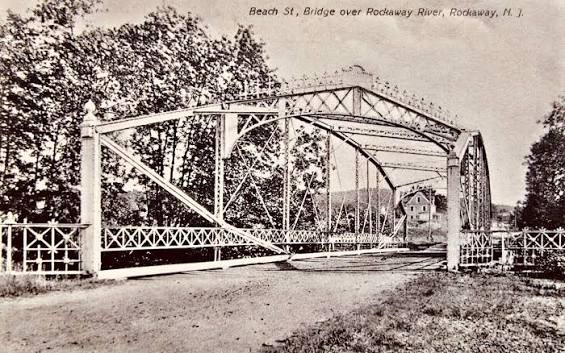
A Fifty-Five-Year-Old Bridge in Rockaway Borough Is About to Get a New Lease on Life, and Your Commute Will Feel It

Three months. That’s how long Rockaway Borough drivers should plan around once Beach Street shuts down to through traffic on or about August 13, when crews move in to finally deal with a bridge deck that’s been quietly falling apart for years.

The Beach Street Bridge crosses the Rockaway River on a single-span steel girder structure that’s been standing since 1970, and here’s the part worth understanding clearly before anyone panics about safety. The steel itself is fine. Engineers have confirmed the underlying structure remains sound. What’s actually failing is the concrete driving surface sitting on top of it, worn down by decades of traffic, weather, and the kind of freeze-thaw cycles New Jersey winters are famous for putting road surfaces through. Morris County has apparently been patching that deck for years, and if you’ve driven Beach Street recently and felt your car dip into a pothole that seemed to reappear no matter how many times it got filled, that’s exactly the problem this project is finally solving instead of masking.

Work is set to run Monday through Friday, 7 a.m. to 4 p.m., avoiding the kind of overnight or weekend closures that would otherwise disrupt residents trying to get home late or run errands on a Saturday. That’s a smart scheduling choice, frankly, and one that shows the county thought through the actual impact on daily life rather than just optimizing for contractor convenience. The tradeoff is a genuine three-month closure to through traffic, which is a real inconvenience no matter how sensibly it’s scheduled.

Drivers who normally rely on Beach Street will need to follow a signed detour running roughly 1.75 miles via East Main Street, Jackson Avenue, Union Street, and Stickle Avenue. That’s not a dramatic reroute in terms of distance, but anyone who’s driven through a construction detour knows the real cost isn’t mileage, it’s the unpredictability. New turn patterns, unfamiliar traffic light timing, and other drivers who don’t know the route as well as you do all add up to real delays even over a short distance. Anyone commuting through this stretch of Rockaway Borough should build in extra time for the next several months, especially during the morning and evening rush windows when Beach Street traffic typically peaks.

The scope of the actual repair work goes beyond just repouring concrete, too. Once the deck comes up, crews are also sandblasting and repainting the bridge’s structural steel girders, a maintenance step that protects the underlying frame from corrosion for decades going forward rather than just addressing the immediate surface problem. That’s the difference between a quick patch job and genuine infrastructure investment, and it’s exactly the kind of unglamorous, preventive work that keeps a fifty-plus-year-old bridge safely in service instead of turning into an emergency replacement project a decade from now.

Colonnelli Brothers Inc., based in Hackensack, is handling the work under contract with Morris County, and the full project comes in at $1,268,008. I’ll be honest, that figure is worth appreciating for what it represents rather than glossing over as just another line item in a county budget report. A bridge deck replacement combined with a full steel repainting for barely more than $1.2 million is genuinely efficient work, especially compared to what a full structural replacement would cost if this deterioration had been allowed to continue unchecked for another decade.

None of that makes the next three months painless for anyone who lives or drives through Rockaway Borough regularly. Detours are annoying no matter how well planned they are, and 1.75 extra miles during a rainy rush hour commute feels considerably longer than it sounds on paper. But a properly maintained bridge that’s protected against corrosion for decades, delivered on a scheduled weekday-only timeline rather than around-the-clock disruption, is exactly the kind of tradeoff worth making. Plan your route now, build in the extra time, and by November, Beach Street should be back open with a deck that won’t need another decade of patchwork before this whole conversation starts over again.

The Devils Just Bet on a Reclamation Project, and the Timing Says a Lot About Where This Roster Is Headed

Colin White has already tasted the Stanley Cup Final. Now he’s chasing a roster spot in New Jersey on a two-way contract, and honestly, that tells you almost everything you need to know about where his career sits right now, and where the Devils think it could still go.

New Jersey signed the 29-year-old forward to a one-year, two-way deal worth $900,000 at the NHL level and $400,000 in the AHL, another move stamped with the dual signatures of general manager Sunny Mehta and assistant GM Braden Birch, who doubles as the Utica Comets’ GM. That pairing keeps showing up on these announcements, and it’s not an accident. It signals a front office that’s treating its AHL pipeline as genuinely connected tissue to the NHL roster rather than a separate operation running on its own track.

White’s résumé is the kind that makes scouts lean forward and casual fans squint at the box score before understanding why. He spent the last two seasons in the San Jose organization, and last year specifically, he tore up the AHL with the San Jose Barracuda, putting up 48 points on 21 goals and 27 assists across 46 regular season games. Every one of those numbers, goals, assists, total points, represented a career high for a single AHL season. Rank him against his own teammates and he finished second on the entire Barracuda roster in scoring. That’s not a fringe minor leaguer padding stats against weak competition. That’s a legitimate offensive threat who, for whatever reason, hasn’t found a permanent NHL home to match that production.

Here’s where the story gets more complicated, and more interesting. San Jose originally signed White in January of 2025, and he got exactly three NHL games with the club that season. Three. Meanwhile he was posting 25 points in 48 AHL games that same year, including a career-best three shorthanded goals, second on the team in that specific category. When a player’s underlying AHL numbers keep climbing while his NHL opportunities stay this scarce, something in the equation isn’t matching up, whether that’s organizational depth ahead of him, system fit, or simple bad timing. I don’t pretend to know exactly which explanation applies here, and I’d be lying if I said the answer was obvious from box scores alone.

What isn’t in question is the NHL pedigree White’s actually built over a genuinely long career. He’s appeared in 323 career NHL regular season games, dating back to his debut with Ottawa on April 3, 2017, against Detroit. Ottawa drafted him 21st overall back in 2015, and he stuck around the organization through the 2021-22 season before a stint in Florida the following year, where he actually got real playoff minutes, 21 postseason games during the Panthers’ run all the way to the 2022-23 Stanley Cup Final. That’s meaningful. Playing significant minutes on a Cup Final roster isn’t a participation trophy, it’s proof a player can hold up when games matter most. After Florida, White split time between Pittsburgh and Montreal in 2023-24 before landing in San Jose. His best individual NHL season came early, back in 2018-19 with Ottawa, when he posted 14 goals and 27 assists for 41 points, numbers that still represent his career ceiling at the highest level.

Go back further and the pattern of real, sustained achievement only gets clearer. Born in Hanover, Massachusetts, White spent two seasons in the USA Hockey National Team Development Program before landing at Boston College, where he racked up 76 points across 72 games and finished top three in team scoring in both his seasons there. He won Hockey East Rookie of the Year in 2016 and made the conference’s Second All-Star Team that same season. His international résumé is arguably even more impressive. He represented the United States at three separate U-18 and U-20 World Junior Championships, and at the 2014-15 U-18 tournament, he scored the actual game-winning goal in the Gold Medal round against Finland. He added a Bronze at the 2015-16 WJC, another Gold at the 2016-17 WJC, and later a Bronze at the 2017-18 World Championship. That’s a player who’s won at every single level he’s ever competed at, except, so far, at the very top of the NHL on a consistent basis.

That’s precisely the kind of profile worth taking a low-risk flyer on, and I’d argue this signing is exactly the right kind of bet for where the Devils currently sit. A two-way, one-year deal at under a million dollars carries almost no downside. If White’s AHL scoring translates even partially into a bottom-six NHL role, New Jersey gets a proven, well-traveled forward on a bargain contract. If it doesn’t work out, the team’s out a modest AHL salary and nothing more. Compare that risk profile to what other clubs are paying for depth forwards on the open market right now, and this move looks like disciplined asset management rather than a desperate reach.

It’s also worth zooming out, because White’s signing didn’t happen in isolation. New Jersey’s had an active offseason across the board. On the outside additions side, the Devils brought in forward Anthony Mantha on a two-year deal worth $9.5 million, added forward Riley Tufte on a one-year, $850,000 contract, signed defenseman Vladislav Kolyachonok to a similar one-year, $850,000 deal, and brought in goaltender David Rittich on a one-year, $1 million contract. White’s the most recent name added to that external list. Internally, the club has been busy locking down its own core and depth pieces too, re-signing forward Arseny Gritsyuk to a three-year deal at a $3.25 million average, extending captain-caliber center Nico Hischier for five years at $11.7 million annually, bringing back goaltender Nico Daws on a two-year, $1.1 million deal, and re-signing a handful of depth forwards including Marc McLaughlin, Xavier Parent, Amadeus Lombardi, and Ben Steeves, along with goaltender Jakub Malek. Add defenseman Topias Vilen’s recent restricted free agent re-signing to that pile, and it’s clear the front office spent this summer building out organizational depth methodically rather than chasing a single splashy move.

Not every offseason story ends with a jersey number, though, and it’s worth acknowledging the players New Jersey chose to let walk. Defenseman Calen Addison, goaltender Tyler Brennan, forward Dylan Wendt, and forward Paul Cotter, who signed with Vancouver, weren’t qualified as restricted free agents. On the unrestricted side, defenseman Dennis Cholowski landed with the Rangers, forward Brian Halonen signed in Boston, forward Zack MacEwen went to Toronto, defenseman Colton White signed with Columbus, and forward Ryan Schmelzer returned to Utica on an AHL deal for a sixth season there. A couple of names, forward Jonathan Gruden and forward Nathan Légaré, who signed overseas with Traktor Chelyabinsk in the KHL, round out the group heading elsewhere entirely.

Put the whole picture together and you get a franchise treating its NHL roster and AHL pipeline as one connected project rather than two separate departments. Colin White is a low-cost, potentially high-reward addition to that pipeline, a player with legitimate Stanley Cup Final experience and a scoring touch that’s never fully translated at the NHL level despite years of trying. Whether Utica or New Jersey ends up being the place that finally unlocks it remains to be seen. But for a nine-hundred-thousand-dollar bet, the Devils have very little to lose and a genuinely interesting reclamation story to gain.

Explore New Jersey’s Weekly Picks: July 30 to August 5

This Week in New Jersey: Rides, Rock Shows, and One Very Serious Pickle Festival – Pickles, Peaches, and Fireworks Sales: New Jersey’s Week Ahead Has Range – New Jersey’s Best Events This Week: July 30 to August 5

Explore New Jersey

This Week’s Top Picks

July 30 through August 5, 2026

Busiest Multi-Day Carnival

Manasquan Fireman’s Fair

July 28 to August 1 · Nightly, 6:00 PM to 10:00 PM
Mallard Park, Manasquan

A 50-plus-year Monmouth County tradition pulling in over 30,000 visitors, with Skelly’s Amusements rides, Elks Lodge carnival games, a $25,000 Super 50/50 raffle, and a Leggetts beer garden. Free admission; ride tickets from $2, unlimited wristbands $30, 5-night Mega Passes $60.

Event details
Quirkiest Festival

NY/NJ Pickle Festival

July 31 · 11:00 AM
NJ Convention and Exposition Center, Edison

An indoor haven for pickle devotees, with dozens of vendors serving everything from traditional half-sours to pickle juice shooters and pickle-flavored ice cream. Tickets required for entry.

Event details
Best Fair for Little Ones

Watershed Butterfly Festival

August 1 · 9:30 AM to 3:00 PM
The Watershed Institute, Pennington

Guided tours through the Kate Gorrie Butterfly House, live animal shows with Eyes of the Wild, and the beloved Butterfly and Bug Parade for costumed toddlers. Registration required; food and butterfly wings available on-site.

Event details
Juiciest Festival

Peach & Summer Harvest Festival Weekend

August 1 to 2 · 9:00 AM to 4:30 PM
Alstede Farms, Chester

Hay wagon rides, live music, peach bakery treats, and a Sunday Farm-to-Table Peach Harvest Breakfast, plus free access to the Blooming Giants Sunflower Trail. Admission $18.99 to $95.99 depending on package.

Event details

The Full Week, Day by Day

July 30Thursday

Ken Ludwig’s Baskerville: A Sherlock Holmes Mystery

Through August 4 · F.M. Kirby Shakespeare Theatre, Madison

The Shakespeare Theatre of New Jersey stages one of the season’s funniest theatrical experiments, a fast-paced Holmes mystery played entirely for laughs.

Event details

Mala Aria

Through August 2 · Bauer Boucher Theatre Center, Union

An award-winning new drama at Kean University exploring science, family, and identity through the global fight against malaria.

Event details

Five Finger Death Punch

8:00 PM · PNC Bank Arts Center, Holmdel

The hard rock veterans bring their 20th anniversary world tour to one of the summer’s biggest arena rock nights.

Event details

Leeds United vs. Sunderland AFC

5:00 PM · Sports Illustrated Stadium, Harrison

English football’s international spotlight lands in New Jersey for a marquee club matchup.

Event details

Brantley Gilbert

7:00 PM · ParkStage, East Freehold Showgrounds, Freehold

Country-rock energy headlines another night in ParkStage’s breakout summer concert season.

Event details

Endearments and The Tide Bends

7:00 PM · Bradley Beach

Dream pop and modern indie rock take over the Jersey Shore’s beloved summer concert series.

Event details

Change of Position

Through August 2 · New Jersey Repertory Company, Long Branch

A bold, unflinching new play about survival and identity from one of the shore’s most ambitious theater companies.

Event details

Music in the Plaza: Animal House Band

7:30 PM · Byrne Plaza, Wildwood

Wildwood’s free summer concert series continues with a party-band favorite on the boardwalk.

Event details

Leeds United and Sunderland AFC

7:30 PM · Sports Illustrated Stadium, Harrison

A second listing for the day’s marquee showdown, with kickoff coverage continuing into the evening.

Event details

True West

Through August 1 · Princeton Summer Theater, Hamilton Murray Theater

Sam Shepard’s classic study of sibling rivalry closes out Princeton Summer Theater’s season.

Event details

Herb Alpert & The Tijuana Brass & Other Delights

8:00 PM · State Theatre New Jersey, New Brunswick

A defining American sound returns to the stage for one night only.

Event details

Billy Bob Thornton & The Boxmasters

8:00 PM · The Newton Theatre, Newton

The 2026 Morro Rock Tour brings timeless sound and modern songcraft to Sussex County.

Event details

Closer Than Ever

Through August 9 · Sitnik Theatre, Hackettstown

An intimate, powerful musical headlines Summerfest 2026.

Event details

Manasquan Fireman’s Fair

Through August 1 · Mallard Park, Manasquan

See spotlight above. Nightly rides, games, food, and live music through Saturday.

Event details

Live Music with Vinny Rugnetta

4:30 to 7:30 PM · Local wine bar circuit

A relaxed Thursday evening set, paired with a $2-off wine-by-the-glass special.

July 31Friday

Soulstice Music & Arts Festival

Through August 2 · Red Mill Museum Village, Clinton

Three days of live music, wellness programming, and art at one of the state’s most scenic festival grounds.

Event details

Jason Isbell and the 400 Unit with Patty Griffin

7:00 PM · ParkStage, East Freehold Showgrounds, Freehold

One of America’s most respected songwriting catalogs takes over ParkStage for a landmark summer night.

Event details

The Return of the Carnival of Sins: Mötley Crüe

8:00 PM · PNC Bank Arts Center, Holmdel

Four decades in and Mötley Crüe still knows how to throw the summer’s biggest rock celebration.

Event details

The Billy Walton Band with The Plaid Salmon Horns

8:00 PM · Somers Point Beach

Jersey blues meets shoreline soul in a high-energy night of rock, blues, and funk on the sand.

Event details

NY/NJ Pickle Festival

11:00 AM · NJ Convention and Exposition Center, Edison

See spotlight above. The ultimate pickle experience opens its doors.

Event details

Open Mic Night with Kevin McGowan

4:30 to 7:30 PM · Local wine bar circuit

Local talent takes the mic, with food trucks including Bob’s Kitchen and Grill starting at 3:00 PM.

August 1Saturday

Lake Street Dive with The Dip

7:00 PM · ParkStage, East Freehold Showgrounds, Freehold

A joyful, genre-blending night celebrating connection, community, and live music at its best.

Event details

Little Johnny Rivero & His Giants

7:30 PM · The Back Deck at The Morris Museum, Morristown

Master percussionist Little Johnny Rivero, known for his decades alongside Eddie Palmieri, brings explosive Afro-Caribbean and Latin jazz energy to Back Deck 2026.

Event details

Zac Brown Tribute Band

8:00 PM · The Strand Theater, Lakewood

A full night of country hits capturing the spirit and sound of Zac Brown Band.

Event details

Watershed Butterfly Festival

9:30 AM to 3:00 PM · The Watershed Institute, Pennington

See spotlight above. The Butterfly and Bug Parade is the highlight for young families.

Event details

Peach & Summer Harvest Festival Weekend

9:00 AM to 4:30 PM · Alstede Farms, Chester

See spotlight above. Hay rides, peach treats, and the Blooming Giants Sunflower Trail.

Event details

Red Bull New York vs. Orlando City SC

3:00 PM BULLevard festivities, 7:30 PM kickoff · Sports Illustrated Stadium, Harrison

Food trucks, family activities, and free matchday posters precede a full match. Supporter section access in the South Ward starts at $20.26.

Event details

Live Music with The Williamsboy & Trenton Animal Shelter Adoption Event

11:00 AM to 5:00 PM · Local wine bar circuit

An afternoon of live music paired with an adoption event, plus food trucks including Bada Bing Bites starting at noon.

August 2Sunday

Brook Writers Group Summer Reading Series

4:00 PM · Brook Arts Center, Bound Brook

The inaugural reading series opens the curtain on new literary voices from New Jersey’s writing community.

Event details

Live Music with Erin McAndrew

1:00 to 5:00 PM · Local wine bar circuit

A laid-back Sunday afternoon set, with food trucks including Legends Grille and BtchNBacon starting at noon.

August 3Monday

Minute by Minute: The Music of Michael McDonald

7:00 PM · Wiggins Waterfront Park, Camden

A masterclass tribute to one of American music’s most distinctive voices.

Event details

Gary U.S. Bonds & The Houserockers

7:00 PM · Kennedy Plaza, Atlantic City

Rock and roll history returns to the boardwalk as Mardi Gras on the Boardwalk continues.

Event details
August 4Tuesday

Free Summer Event: Joshua Van Ness & Garrett Lash

7:00 PM · Mayo Performing Arts Center, Morristown

An evening of original New Jersey music at Morristown’s free summer concert series.

Event details

The SpongeBob Movie: Search for SquarePants

8:00 PM · State Theatre New Jersey, New Brunswick

A high-energy free family screening anchors the summer movie series.

Event details

Jimmy Buffett’s Coral Reefer Band

8:00 PM

The Keep the Party Going Tour brings a celebration of music, memories, and Parrothead spirit to New Jersey.

Event details
August 5Wednesday

Terrance Simien & The Zydeco Experience

7:00 PM · Kennedy Plaza, Atlantic City

Grammy-winning Louisiana energy joins Mardi Gras on the Boardwalk for a heartbeat of zydeco on the shore.

Event details

Vandenberg: My Whitesnake Years

8:00 PM · The Newton Theatre, Newton

A rare, high-voltage night of classic rock mastery from a genuine genre veteran.

Event details

The Concert: A Tribute to ABBA

8:00 PM · Mayo Performing Arts Center, Morristown

The music, style, and spirit of a pop phenomenon returns for one night in Morristown.

Event details

The Concert: A Tribute to ABBA

0

The Concert: A Tribute to ABBA Brings the Music, Style, and Spirit of a Pop Phenomenon to New Jersey

August 5 @ 8:00 PM 11:30 PM

For generations of music fans, the songs of ABBA have remained timeless. Their catalog has crossed decades, cultures, and generations, becoming part of weddings, celebrations, movie soundtracks, Broadway productions, and playlists around the world. Now New Jersey audiences have another opportunity to experience those unforgettable songs performed live as The Concert: A Tribute to ABBA arrives for an evening dedicated to one of the most successful pop groups in recording history.

Scheduled for Wednesday, August 5, 2026, at 7:30 p.m., this special performance promises an energetic celebration of the music that helped define an era while continuing to attract new listeners every year. Whether you grew up with ABBA’s original recordings or discovered their music through Mamma Mia, streaming platforms, or live theater, this production offers an entertaining concert experience centered entirely around the songs that made the Swedish quartet an international sensation.

Presented by 21st Century Artists, The Concert: A Tribute to ABBA has spent more than two decades performing throughout North America, earning a reputation for recreating the excitement, musicianship, and visual style that audiences associate with the legendary group. Rather than attempting to imitate history, the production focuses on delivering faithful live performances of the songs that have remained radio staples for nearly fifty years. The result is a concert that celebrates the music while giving audiences the opportunity to sing, dance, and relive some of popular music’s most recognizable moments.

The evening’s setlist is expected to feature many of ABBA’s biggest international hits, including “Dancing Queen,” “Waterloo,” “Mamma Mia,” “S.O.S.,” “Money, Money, Money,” “Knowing Me, Knowing You,” and “Gimme! Gimme! Gimme!” These songs helped establish ABBA as one of the highest selling recording artists of all time, with hundreds of millions of albums sold worldwide and a catalog that continues to reach new audiences decades after its original release.

Part of what makes this production so successful is its commitment to capturing the excitement of a live concert rather than simply recreating a recording. Powerful vocal harmonies, an accomplished live band, colorful stage costumes, and the unmistakable melodies that made ABBA famous combine to create an atmosphere that encourages audience participation from the opening number through the final encore. Fans rarely remain seated for long as familiar choruses quickly transform the venue into a giant singalong celebrating one of pop music’s greatest songbooks.

ABBA’s influence extends well beyond the recording studio. Their music has inspired successful Broadway productions, blockbuster films, international touring productions, and countless artists across multiple genres. Songs originally released during the 1970s continue to receive extensive radio airplay while remaining fixtures at sporting events, celebrations, and live entertainment venues around the world. Very few artists have created a catalog with the enduring popularity that ABBA enjoys today, making tribute productions like this one especially appealing for audiences who want to experience these songs performed live.

Unlike many tribute productions that focus primarily on appearance, The Concert: A Tribute to ABBA places equal emphasis on musical precision. Every performance showcases the arrangements, harmonies, and instrumentation that made the original recordings so memorable while delivering the energy expected from a contemporary live concert. The combination appeals equally to longtime fans who remember the original releases and younger audiences discovering these classics in a live setting for the first time.

One of the reasons this production continues to tour successfully across North America is the universal appeal of the material itself. ABBA’s music effortlessly blends infectious melodies, polished songwriting, emotional storytelling, and danceable rhythms that remain just as engaging today as when they first topped international charts. Those qualities make every performance accessible regardless of age, creating an event where multiple generations often share the experience together.

For New Jersey concertgoers looking for an evening built around timeless music, polished musicianship, and nonstop audience interaction, this performance offers exactly that. From soaring ballads to dance floor favorites, the concert delivers a celebration of songs that have become woven into the fabric of popular culture. Every chorus invites participation, every familiar melody sparks memories, and every performance reminds audiences why ABBA’s catalog has remained one of the most beloved in music history.

Tickets for The Concert: A Tribute to ABBA range from $45 to $101, with VIP package options also available. The performance begins at 7:30 p.m. on Wednesday, August 5, 2026, making it one of the standout live music events on New Jersey’s summer entertainment calendar. Guests attending the performance should note that the venue utilizes all-inclusive ticket pricing, with service fees already incorporated into the advertised ticket prices.

It is important to note that The Concert: A Tribute to ABBA is an independent tribute production and is not affiliated with the original members of ABBA or the Mamma Mia franchise. Instead, the production serves as a celebration of one of the greatest catalogs in popular music, bringing together audiences who continue to appreciate the songs that have defined generations of listeners around the world. For anyone who loves classic pop, unforgettable melodies, and the excitement of live performance, this promises to be an evening filled with nostalgia, celebration, and music that remains as vibrant today as ever.

Mayo Performing Arts Center (MPAC)

973.539.8008

View Organizer Website

Mayo Performing Arts Center (MPAC)

100 South Street , NJ
Morristown, New Jersey 07960 United States
+ Google Map
973-539-8008
View Venue Website

Free Summer Event: Joshua Van Ness & Garrett Lash

0

Experience an Evening of Original New Jersey Music with Joshua Van Ness and Garrett Lash at Morristown’s Free Summer Concert Series

August 4 @ 7:00 PM 11:30 PM

New Jersey’s music scene has long been defined by exceptional songwriters who value authenticity over trends, craftsmanship over spectacle, and meaningful performances that connect directly with audiences. That tradition continues this summer when acclaimed singer songwriter Joshua Van Ness takes the stage alongside Morristown Onstage performer Garrett Lash for a free outdoor concert on Tuesday, August 4, 2026, at 6:00 p.m. The performance will be held on the beautiful grounds of the historic Vail Mansion in downtown Morristown, offering music lovers an opportunity to enjoy an evening of original songs in one of North Jersey’s most inviting community settings.

Presented as part of Morristown’s popular Arts in the Community series, the concert reflects the continuing commitment to making live arts accessible to everyone. Admission is completely free, allowing residents and visitors alike to discover accomplished New Jersey musicians in a relaxed and welcoming outdoor environment. Should weather require an alternate location, the performance will move indoors to St. Peter’s Church Parish Hall, ensuring the evening goes on regardless of the forecast.

Joshua Van Ness has quietly become one of New Jersey’s most respected independent artists, building a career through relentless touring, thoughtful songwriting, and a dedication to creating music that feels both timeless and contemporary. Rather than chasing fleeting musical trends, Van Ness has established himself as an artist whose work is grounded in honest storytelling, memorable melodies, and performances that place the song above everything else.

His voice immediately distinguishes him from many contemporary performers. With a soulful, naturally weathered vocal style, Van Ness delivers lyrics that feel conversational, personal, and emotionally genuine. His songs often explore everyday experiences, relationships, perseverance, and personal growth, creating music that listeners can connect with on a deeply human level. That authenticity has become one of the defining characteristics of his career and has earned him an increasingly loyal audience throughout New Jersey and beyond.

As a guitarist, Joshua Van Ness embraces a philosophy that many of the greatest singer songwriters have shared throughout music history. Every arrangement begins with the strength of the song itself. His performances are driven by rhythm, dynamics, and melody rather than unnecessary complexity, allowing the stories within each composition to remain at the center of the performance. The result is music that feels both intimate and expansive, equally effective in a small listening room or on a large festival stage.

While many audiences recognize Van Ness as a compelling solo performer, his versatility as a musician extends well beyond acoustic performances. He is also an accomplished drummer who has become a sought after collaborator throughout the regional music community. His work with respected acts including The Wag, Remember Jones, The Bryan Hansen Band, Natalie Farrell, and numerous other artists demonstrates both his technical ability and his reputation as one of New Jersey’s most dependable professional musicians.

That versatility has also led to an impressive touring career. Whether performing throughout the United States, Canada, the United Kingdom, or additional international destinations, Joshua Van Ness continues to introduce new audiences to his distinctive songwriting while representing the strength of New Jersey’s independent music community on stages around the world.

Throughout his career, Van Ness has shared concert bills with an extraordinary collection of acclaimed artists spanning multiple genres. His opening performances for legendary musicians including Richie Havens, Phillip Phillips, Gavin DeGraw, Ben Folds, Jefferson Starship, The Revivalists, King’s X, Will Hoge, The Motels, The Weeklings, and many others reflect the respect he has earned within the live music industry. Those opportunities have allowed him to perform before diverse audiences while continually refining his own distinctive artistic voice.

Joining Joshua Van Ness for this special Morristown performance is Garrett Lash, whose appearance further highlights the depth of musical talent emerging from New Jersey’s vibrant arts community. As a performer recognized through Morristown Onstage, Lash brings his own unique perspective and creative energy to an evening dedicated to celebrating original music and local artistry. Together, the two performers promise a concert that showcases not only exceptional musicianship but also the collaborative spirit that continues to define New Jersey’s creative landscape.

The setting itself adds another memorable dimension to the evening. The historic Vail Mansion has become one of Morristown’s most recognizable landmarks, providing a beautiful backdrop for outdoor performances throughout the summer. Surrounded by the energy of downtown while maintaining an intimate atmosphere, the venue allows audiences to experience live music in a setting that encourages community, conversation, and genuine appreciation for the performing arts.

Events like this represent far more than free entertainment. They strengthen local communities by providing opportunities for residents to gather, discover new artists, and support working musicians whose careers are built on dedication, creativity, and years of professional experience. Programs such as Arts in the Community continue to demonstrate the importance of investing in accessible cultural programming that welcomes audiences of every age and background.

For visitors exploring Morristown, the concert also offers the perfect opportunity to experience one of New Jersey’s most vibrant downtown districts. Before the performance, guests can enjoy the area’s restaurants, cafés, boutiques, and historic attractions before settling in for an evening of live music beneath the summer sky. The combination of local culture, historic architecture, and exceptional musicianship makes the event an ideal destination for anyone looking to experience the best of New Jersey’s arts community.

Joshua Van Ness continues to release original music across all major streaming platforms, allowing audiences to explore his growing catalog long after the final song of the evening. Yet like many accomplished singer songwriters, his music reaches another level during live performance, where every lyric, melody, and musical nuance is delivered with the sincerity and spontaneity that only a live concert can provide.

As summer continues across New Jersey, performances like this remind audiences that some of the state’s finest musical experiences are found not in massive arenas but in community spaces where talented artists share their work directly with listeners. Joshua Van Ness and Garrett Lash represent the enduring strength of New Jersey’s independent music scene, combining exceptional musicianship, thoughtful songwriting, and authentic performances that celebrate the timeless connection between artist and audience.

For anyone searching for an evening filled with outstanding original music, accomplished local talent, and the welcoming atmosphere of a community celebration, this free performance in Morristown promises to be one of the highlights of the summer concert season. It is an opportunity to discover remarkable artists, support New Jersey’s thriving creative community, and enjoy an unforgettable evening where great songs and genuine performances take center stage.

Mayo Performing Arts Center (MPAC)

973.539.8008

View Organizer Website

Mayo Performing Arts Center (MPAC)

100 South Street , NJ
Morristown, New Jersey 07960 United States
+ Google Map
973-539-8008
View Venue Website

Zac Brown Tribute Band

0

Zac Brown Tribute Band Brings the Spirit and Sound of Zac Brown Band to New Jersey for a Night of Country Hits and Unforgettable Live Music

August 1 @ 8:00 PM 11:30 PM

Country music fans in New Jersey will have the opportunity to experience the songs, musicianship, and concert atmosphere that have made the Zac Brown Band one of the most successful touring acts of the past two decades when the Zac Brown Tribute Band takes the stage in Lakewood. Doors open at 7:00 p.m., with the performance beginning at 8:00 p.m., promising an evening that celebrates one of modern country’s most recognizable catalogs while delivering a live experience designed to capture the energy, musicianship, and audience connection that define a Zac Brown Band concert.

As tribute performances continue to grow in popularity, audiences have become increasingly selective. Fans no longer want performers who simply imitate another artist. They expect exceptional musicianship, authentic arrangements, and a live production that recreates the excitement of seeing the original act. The Zac Brown Tribute Band has built its reputation by meeting those expectations, earning recognition as one of the country’s leading tribute productions dedicated to honoring the music of the multi Grammy Award winning Zac Brown Band.

Since bursting onto the national scene in 2008 with the release of “Chicken Fried,” Zac Brown Band has become one of the defining voices of contemporary country music. Blending country, southern rock, bluegrass, folk, reggae, and pop influences into a signature sound, the group has consistently pushed the boundaries of the genre while producing a remarkable string of chart topping singles and critically acclaimed albums. Their combination of elite musicianship and memorable songwriting has earned multiple Grammy Awards, numerous Country Music Association honors, and millions of devoted fans around the world.

The Zac Brown Tribute Band celebrates that remarkable legacy by faithfully recreating the songs that have become staples of country radio and concert stages across America. Throughout the evening, audiences can expect performances of beloved favorites including “Chicken Fried,” “Toes,” “Free,” “Knee Deep,” “Colder Weather,” “Highway 20 Ride,” “Keep Me In Mind,” “Homegrown,” “Loving You Easy,” and the uplifting anthem “Same Boat.” These songs have become part of the soundtrack for countless road trips, beach vacations, backyard gatherings, and summer celebrations, making them just as meaningful today as when they first climbed the charts.

What separates the Zac Brown Tribute Band from many tribute acts is its commitment to recreating not only the music but also the atmosphere that has made Zac Brown Band concerts legendary among country music fans. The original band’s live performances are known for their exceptional musicianship, extended arrangements, and genuine interaction with audiences. Those qualities remain central to every Zac Brown Tribute Band performance, creating an environment where fans are encouraged to sing along, celebrate together, and become part of the show.

One of the defining characteristics of Zac Brown Band concerts has always been musical variety. While country music serves as the foundation, the band has built a reputation for seamlessly incorporating classic rock, southern rock, alternative rock, and even heavy metal into its live sets. The Zac Brown Tribute Band embraces that same philosophy, delivering a concert that extends well beyond country radio favorites. Audiences may hear energetic renditions of songs such as “Enter Sandman,” “Ants Marching,” “Little Lion Man,” and other familiar classics that showcase the band’s versatility while keeping the evening fresh and unpredictable.

The musicians themselves bring an impressive range of professional experience to the stage. Members of the ensemble come from diverse musical backgrounds that include advanced academic training, extensive touring careers, professional theater productions, and performances around the world. That collective experience allows the group to faithfully reproduce the intricate harmonies, instrumental precision, and dynamic arrangements that have become synonymous with Zac Brown Band’s live performances.

The chemistry among the performers is another hallmark of every show. Rather than functioning as a collection of individual musicians, the band emphasizes the same sense of camaraderie and teamwork that has always been central to the Zac Brown Band’s identity. That genuine connection translates directly to the audience, creating an inviting concert experience that feels less like a formal performance and more like a gathering of friends brought together by a shared appreciation for great music.

Over the years, the Zac Brown Tribute Band has performed in an extraordinary variety of venues, reflecting its broad appeal and growing reputation. From intimate neighborhood clubs and concert theaters to military installations, waterfront festivals, outdoor amphitheaters, community events, and large scale entertainment venues, the group has continued to expand its audience while developing a loyal following that returns year after year. Those dedicated fans proudly refer to themselves as members of the ZBTB Social Club, a testament to the band’s ability to build lasting connections wherever it performs.

The appeal of the music itself remains remarkably broad. While longtime country fans appreciate the faithful performances of Zac Brown Band’s biggest hits, audiences who enjoy classic rock, southern rock, folk, bluegrass, and contemporary pop also find plenty to enjoy throughout the evening. The diversity of the setlist makes the concert an ideal outing for families, groups of friends, and music lovers with varying tastes, ensuring that nearly everyone in attendance hears something familiar.

Beyond the music, the performance reflects many of the themes that have defined Zac Brown Band’s career from the beginning. Songs celebrating family, friendship, freedom, travel, small town life, resilience, and appreciation for life’s simple pleasures continue to resonate with audiences because they capture experiences that are both deeply personal and universally shared. Those timeless messages have helped transform the band’s catalog into something that extends far beyond commercial success, creating songs that continue to connect with listeners across generations.

As the lights come up in Lakewood and the first familiar notes fill the theater, audiences can expect far more than a tribute performance. They will experience an evening dedicated to celebrating one of country music’s most influential bands through exceptional musicianship, authentic performances, and an atmosphere built around bringing people together. Whether singing along to chart topping favorites, enjoying unexpected musical surprises, or simply appreciating the talent of a group of accomplished performers, concertgoers will be reminded why the music of Zac Brown Band continues to hold such a special place in American music.

For New Jersey country music fans, the Zac Brown Tribute Band offers an opportunity to experience the songs, spirit, and unmistakable concert energy that have made Zac Brown Band one of the most beloved live acts of the modern era. It is a celebration of outstanding songwriting, remarkable musicianship, and the enduring power of live music to create unforgettable memories long after the final encore.

The Strand Center for the Arts

732-367-7789

View Organizer Website

Mayo Performing Arts Center (MPAC)

100 South Street , NJ
Morristown, New Jersey 07960 United States
+ Google Map
973-539-8008
View Venue Website

Five Finger Death Punch

0

Five Finger Death Punch Brings Its 20th Anniversary World Tour to New Jersey for One of the Summer’s Biggest Hard Rock Concerts

July 30 @ 8:00 AM 5:00 PM

Few modern rock bands have sustained the momentum, consistency, and commercial success that Five Finger Death Punch has achieved over the past two decades. Since emerging from Las Vegas in 2005, the multi platinum group has become one of the defining forces in contemporary hard rock and heavy metal, combining aggressive musicianship with emotionally charged songwriting that has resonated with millions of fans around the world. This summer, the band celebrates that remarkable journey with its 20th Anniversary World Tour, making a highly anticipated stop at PNC Bank Arts Center in Holmdel on Wednesday, August 5, 2026, at 6:45 p.m.

The New Jersey performance arrives as part of an ambitious 48 city North American tour that showcases not only the band’s extensive catalog of chart topping hits but also its continued evolution as one of rock’s premier live acts. Over the last twenty years, Five Finger Death Punch has established an extraordinary commercial record, earning billions of global streams, numerous multi platinum certifications, and an unprecedented run of thirteen consecutive number one singles on Billboard’s Mainstream Rock chart. Those accomplishments have positioned the band among the most successful rock artists of the modern era while building one of the most loyal fan communities in heavy music.

Anniversary tours often become opportunities to revisit career highlights, but Five Finger Death Punch has approached this milestone with an eye toward the future as much as the past. Rather than simply revisiting familiar material, the band is using the tour to introduce audiences to new music while continuing to deliver the explosive performances that have become its trademark.

One of the biggest surprises of the current tour came during its opening performances when fans were treated to the live debut of “Legacy,” a brand new song from the band’s forthcoming tenth studio album. Introducing previously unheard material during an anniversary tour demonstrates the group’s confidence in its creative direction and reinforces that Five Finger Death Punch remains focused on writing the next chapter of its career rather than relying solely on past accomplishments.

Concertgoers attending the Holmdel performance can expect an evening built around many of the songs that helped establish the band’s reputation as one of hard rock’s most consistent hitmakers. Powerful anthems including “Wrong Side of Heaven,” “Jekyll and Hyde,” “Wash It All Away,” “Bad Company,” “Lift Me Up,” “The Bleeding,” and “Burn MF” have become staples of the live experience, combining thunderous guitar work, massive singalong choruses, and an intensity that consistently transforms amphitheaters into unforgettable celebrations of modern rock music.

The band’s concerts are known for balancing sheer power with emotional depth. Throughout its career, Five Finger Death Punch has explored themes including resilience, personal struggle, military service, recovery, sacrifice, and perseverance. Those subjects have allowed the group’s music to connect with audiences on a deeply personal level, particularly among members of the military, first responders, veterans, and fans who identify with the band’s messages of determination and overcoming adversity.

Adding another compelling dimension to the evening is one of the year’s most unexpected touring lineups. Rather than assembling a traditional metal package, Five Finger Death Punch has invited platinum selling country artist Cody Jinks as the direct support act. Jinks has earned widespread respect for his independent approach to country music, blending outlaw country traditions with southern rock influences that naturally complement the heavier atmosphere of the tour. His authentic songwriting and commanding live performances have attracted audiences well beyond traditional country music, making his appearance one of the tour’s most intriguing collaborations.

Opening the evening is Detroit based rock band Eva Under Fire, one of the fastest rising acts in modern rock. Known for energetic performances and emotionally driven songwriting, the group continues to build momentum with material from its latest album, introducing many concertgoers to one of the genre’s emerging talents before the night’s headlining performance.

For fans arriving early, PNC Bank Arts Center offers a full evening experience that extends well beyond the music itself. Parking lots open during the afternoon, creating a familiar gathering place where fans reconnect before the show. Throughout the venue, conversations revolve around favorite albums, memorable concerts, and anticipation for what surprises the anniversary tour may bring to the stage. By the time the gates open, the atmosphere has already become part of the event itself.

The production accompanying the 20th Anniversary World Tour reflects the scale expected from one of modern rock’s biggest touring acts. Massive video screens, elaborate lighting systems, dramatic stage effects, synchronized visuals, and arena quality sound combine to create an immersive concert experience that matches the intensity of the music. Every performance is carefully designed to deliver the energy and spectacle that longtime fans have come to expect from a Five Finger Death Punch headline show.

Beyond the music, the tour also carries an important charitable mission. One dollar from every ticket sold is being donated to support American athletes preparing for the 2028 Summer Olympic Games in Los Angeles. Specifically, proceeds will benefit USA Judo and USA Cycling’s BMX programs, providing meaningful assistance to athletes training to compete on the world’s biggest sporting stage. The initiative reflects the band’s ongoing commitment to supporting organizations dedicated to discipline, perseverance, and excellence, values that closely mirror the themes found throughout its music.

Few bands have maintained the level of consistency Five Finger Death Punch has demonstrated over two decades. Album after album, the group has remained a fixture on rock radio while continually expanding its audience around the globe. Its success has never depended on following trends. Instead, the band has cultivated a distinct musical identity built around memorable songwriting, uncompromising performances, and a genuine connection with its audience.

That connection is perhaps most evident during live performances, where every chorus becomes a shared experience between the band and thousands of fans singing in unison. Whether performing longtime favorites or introducing brand new material, Five Finger Death Punch creates concerts that feel both intensely personal and overwhelmingly powerful, a combination that has helped elevate the group into the upper tier of modern rock touring acts.

As the 20th Anniversary World Tour continues across North America, the New Jersey stop promises to be one of the season’s premier hard rock events. With a dynamic lineup featuring Cody Jinks and Eva Under Fire, an ambitious production, a setlist spanning two decades of hit songs, and the excitement surrounding new music from the band’s upcoming album, the evening offers something for longtime followers as well as those experiencing Five Finger Death Punch live for the first time.

For New Jersey’s rock community, August 5 represents more than another concert date. It is an opportunity to celebrate twenty years of one of the most influential hard rock bands of the twenty first century, a group that continues to evolve while remaining true to the sound, intensity, and authenticity that made it a global force. As Five Finger Death Punch takes the stage in Holmdel, fans can expect an unforgettable night of powerful music, world class production, and the relentless energy that has defined the band’s remarkable career from its very beginning.

Live Nation Entertainment

1 (800) 653-8000

View Organizer Website

Mayo Performing Arts Center (MPAC)

100 South Street , NJ
Morristown, New Jersey 07960 United States
+ Google Map
973-539-8008
View Venue Website

0

Jimmy Buffett’s Coral Reefer Band Brings the Keep the Party Going Tour to New Jersey for a Celebration of Music, Memories, and the Parrothead Spirit

August 4 @ 8:00 PM 11:30 PM

Some concerts are built around new albums, elaborate productions, or reunion tours. Others become something much more meaningful. When Jimmy Buffett’s Coral Reefer Band arrives at PNC Bank Arts Center in Holmdel on Tuesday, August 4, 2026, at 7:30 p.m., audiences will experience an evening that celebrates one of America’s most beloved musical legacies while honoring the artist whose songs transformed the beach lifestyle into a worldwide community.

Following the passing of Jimmy Buffett in September 2023, many fans wondered what would become of the musicians who spent decades sharing stages, recording albums, and creating unforgettable concerts alongside him. Buffett himself answered that question before his death, making it clear that he wanted his band to continue performing. His message was simple, heartfelt, and unmistakable. Keep the party going.

That wish has become the foundation of the Coral Reefer Band’s 2026 North American Keep the Party Going Tour, a celebration of Buffett’s extraordinary career that brings together the musicians who helped define his unmistakable tropical rock sound. Rather than attempting to replace Jimmy Buffett, the Coral Reefer Band embraces its role as the guardian of his music, presenting the songs with authenticity, respect, and the joyful spirit that has always defined the Parrothead community.

For generations of fans, the Coral Reefer Band has never been just a backing group. These musicians helped shape Buffett’s catalog for more than three decades, contributing to countless recordings, live performances, and some of the most recognizable songs in American popular music. Their chemistry was built over thousands of concerts, countless miles on the road, and a shared understanding of how Buffett wanted every performance to feel. That history gives this tour a level of authenticity that simply cannot be recreated.

Leading the band is Mac McAnally, one of Nashville’s most respected songwriters, producers, and musicians. A ten time recipient of the Country Music Association’s Musician of the Year honor, McAnally was Jimmy Buffett’s longtime collaborator, trusted guitarist, songwriter, and close friend. His voice, musicianship, and personal connection to Buffett make him the ideal person to guide audiences through an evening dedicated to celebrating the music they created together.

Joining McAnally are many of the musicians who became familiar faces to concertgoers over decades of touring. Guitarist Peter Mayer continues to deliver the melodic performances that became synonymous with Buffett’s concerts, while bassist Jim Mayer, drummer Roger Guth, steel pan virtuoso Robert Greenidge, and powerhouse vocalist Nadirah Shakoor all return to recreate the unmistakable sound that Parrotheads have cherished for generations. The touring lineup also welcomes acclaimed singer songwriters Scotty Emerick and Will Kimbrough, whose own musical backgrounds complement the Coral Reefer tradition while adding fresh energy to the performances.

The concerts themselves are far more than nostalgic retrospectives. They are celebrations that embrace the music’s enduring ability to bring people together. Fans can expect generous setlists featuring many of Buffett’s signature songs, including “Margaritaville,” “Cheeseburger in Paradise,” “Come Monday,” “Volcano,” “Changes in Latitudes, Changes in Attitudes,” “A Pirate Looks at Forty,” “Fins,” and numerous other favorites that have become staples of American popular culture. Alongside those classics, audiences are treated to deeper album cuts, memorable collaborations, and carefully selected covers that reflect Buffett’s broad musical influences.

One of the evening’s most moving moments comes before a single note is played. At center stage stands an empty microphone, intentionally left in place as a quiet tribute to Jimmy Buffett. The simple gesture serves as a reminder that while Buffett is no longer physically present, his music, philosophy, and unmistakable spirit remain at the heart of every performance. It is a powerful symbol that resonates deeply with longtime fans while reinforcing that this tour is not about replacing a legend, but about celebrating everything he created.

For anyone who has attended a Jimmy Buffett concert, the atmosphere surrounding these performances will feel immediately familiar. Long before the lights dim, parking lots become festive gathering places filled with colorful Hawaiian shirts, tropical hats, leis, pirate costumes, beach balls, and smiling fans reconnecting with friends they’ve made through years of concerts. Tailgating has always been an essential part of the Buffett experience, transforming each venue into a temporary island paradise where strangers quickly become friends united by a shared appreciation for the music and lifestyle Buffett inspired.

That community remains remarkably strong today. Across North America, Parrotheads continue to gather not only for concerts but also for charitable events, beach cleanups, fundraising initiatives, and local club activities that reflect Buffett’s lifelong commitment to giving back. The Keep the Party Going Tour celebrates that enduring sense of community while reminding audiences that the songs continue to provide the soundtrack for countless summer memories.

Jimmy Buffett occupied a unique place in American music. Rather than following trends, he created an entirely original musical identity that blended country, rock, folk, Gulf Coast rhythms, Caribbean influences, and storytelling into a sound that became instantly recognizable. His songs painted vivid portraits of beaches, boats, sunsets, friendships, adventure, and the pursuit of a simpler, more joyful life. Over the course of an extraordinary career, he built a devoted following that extended far beyond traditional music fans, creating a cultural movement that continues to thrive.

His influence also stretched well beyond the stage. Buffett became a successful author, entrepreneur, restaurateur, and businessman, proving that authenticity and optimism could become the foundation of an internationally recognized lifestyle brand. Yet despite his remarkable success, his concerts always remained centered on the music and the connection between artist and audience.

The Coral Reefer Band understands that legacy better than anyone. These musicians experienced every chapter firsthand, helping shape the recordings and performances that introduced millions of listeners to Buffett’s distinctive world. Their shared history allows every performance to feel genuine because the stories behind the songs belong to them as much as they belong to the audiences who have embraced them for decades.

The New Jersey performance at PNC Bank Arts Center represents one of the tour’s most anticipated stops in the Northeast before the band continues to nearby Jones Beach Theater on August 6. For longtime fans, it offers the opportunity to reconnect with familiar songs performed by the musicians who helped create them. For newcomers, it provides an introduction to one of popular music’s most welcoming and enduring concert traditions.

As summer continues across the Garden State, few evenings promise the combination of music, celebration, nostalgia, and genuine community found at a Coral Reefer Band concert. The Keep the Party Going Tour is more than a tribute. It is a living continuation of Jimmy Buffett’s vision, reminding audiences that great songs never fade, lasting friendships endure, and the spirit of the islands can exist wherever people gather to sing together.

When the Coral Reefer Band takes the stage in Holmdel, they will do exactly what Jimmy Buffett asked them to do. They will keep the music alive, celebrate the memories that unite generations of fans, and keep the party going, one song at a time.

Live Nation Entertainment

1 (800) 653-8000

View Organizer Website

The Return Of The Carnival Of Sins: Mötley Crüe

0

The Return of the Carnival of Sins Brings Mötley Crüe’s Biggest Summer Celebration to New Jersey

July 31 @ 8:00 PM 11:00 PM

For more than four decades, Mötley Crüe has remained one of rock music’s defining live acts, combining arena sized anthems with theatrical performances that helped redefine the modern concert experience. In 2026, the band has returned to the road with one of its most ambitious productions in years, The Return of the Carnival of Sins, a North American tour that celebrates both the band’s remarkable longevity and one of the most memorable productions in its history. As the tour arrives in New Jersey, fans have an opportunity to witness a production that honors the past while embracing a new era for one of hard rock’s most influential bands.

This year’s tour represents far more than another collection of summer concerts. It commemorates the twentieth anniversary of the original Carnival of Sins production that captivated audiences during the band’s celebrated 2005 reunion tour, while also marking forty five years since Mötley Crüe first emerged from Los Angeles and helped define the sound and attitude of 1980s hard rock. Rather than attempting to recreate the original stage production scene for scene, the band has chosen to reinvent the concept with updated staging, modern visual technology, and a renewed emphasis on musicianship that reflects where the group stands today.

Produced by Live Nation, the extensive North American tour began on July 17, 2026, in Burgettstown, Pennsylvania, before embarking on a 33 city journey across the United States and Canada. The tour is scheduled to conclude on September 26 in Ridgefield, Washington, making it one of the band’s largest touring commitments in recent years. Throughout the summer, amphitheaters and stadiums have welcomed generations of fans, from those who experienced the band’s rise during the 1980s to younger audiences discovering the music that helped shape modern hard rock.

The lineup remains anchored by original members Vince Neil, Nikki Sixx, and Tommy Lee, whose chemistry continues to define the unmistakable Mötley Crüe sound. Joining them is acclaimed guitarist John 5, who has permanently stepped into the role previously held by founding guitarist Mick Mars. Widely respected for his extraordinary technical ability and versatility, John 5 brings both precision and energy to the band’s classic catalog while respecting the spirit of the original recordings. His presence has allowed the group to move confidently into its next chapter while maintaining the songs that fans have embraced for decades.

Adding even more value to the evening are opening performances from Tesla and Extreme, two legendary rock bands whose own catalogs have earned devoted followings. Together, the three acts create a concert experience that spans multiple generations of rock music, offering audiences an evening filled with classic hits, powerful musicianship, and the kind of live performances that continue to define the genre.

One of the most notable aspects of The Return of the Carnival of Sins is its willingness to surprise longtime fans. While audiences can expect signature songs including “Kickstart My Heart,” “Dr. Feelgood,” “Girls, Girls, Girls,” “Shout at the Devil,” and “Home Sweet Home,” the band has also reached deeper into its catalog. Early performances on the tour generated excitement with the return of “Afraid,” originally released on the 1997 album Generation Swine. The song had not appeared in a live set for more than a decade, making its return one of the tour’s biggest talking points among dedicated fans.

That willingness to revisit overlooked material demonstrates a band that is not simply relying on nostalgia. Instead, Mötley Crüe has crafted a performance that balances familiar favorites with unexpected selections, giving longtime concertgoers new reasons to experience the band while ensuring first time attendees hear the songs that established their legendary reputation.

The production itself has also undergone a significant evolution. The original Carnival of Sins tour became famous for its elaborate theatrical presentation, featuring circus inspired imagery, oversized stage pieces, pyrotechnics, and visual storytelling that blurred the line between rock concert and theatrical spectacle. The 2026 version retains that ambitious spirit while utilizing modern lighting systems, high definition video production, enhanced staging, and contemporary visual effects to create an immersive experience suited to today’s concert audiences.

Beyond the music and production, the tour also reflects the band’s commitment to supporting future generations of artists. Through its charitable partnership, one dollar from every ticket sold is donated directly to the After School Arts Program, helping provide young people with access to music education, creative opportunities, and hands on artistic experiences. It is a meaningful initiative that connects one of rock’s most successful bands with the next generation of musicians and performers.

The 2026 tour has also taken on added significance following an announcement from Nikki Sixx regarding the band’s future touring schedule. During the current run, Sixx confirmed that Mötley Crüe has intentionally cleared its calendar for all of 2027. Rather than immediately planning another extensive tour, the band will step away from the road, allowing members time to focus on family and personal priorities. For fans considering whether to attend this summer’s performances, the announcement has transformed the tour into something even more meaningful, offering what may be the last opportunity to experience Mötley Crüe live for an extended period.

That reality has created an unmistakable atmosphere throughout the tour. Concerts have become celebrations not only of the band’s music but also of its remarkable endurance. Few groups have sustained careers spanning forty five years while continuing to headline major venues across North America. Even fewer have managed to evolve their productions while remaining true to the songs and personalities that built their legacy.

Mötley Crüe’s influence extends well beyond record sales and concert attendance. Their impact can be heard across generations of hard rock and heavy metal artists who adopted elements of their songwriting, stagecraft, and unapologetic approach to live performance. Albums including Shout at the Devil, Theatre of Pain, Girls, Girls, Girls, and Dr. Feelgood remain essential parts of rock history, while countless bands continue to cite Mötley Crüe as a formative influence.

For New Jersey audiences, the arrival of The Return of the Carnival of Sins represents one of the summer’s premier live music events. Combined with performances from Tesla and Extreme, the evening delivers a celebration of arena rock that spans decades while demonstrating why these artists continue to command enthusiastic audiences around the world.

Whether attending for the unforgettable production, the classic songs, the rare deep cuts, or simply the opportunity to see one of rock’s defining bands before their scheduled touring hiatus, fans can expect a concert that embraces the spectacle, excitement, and larger than life energy that have always defined Mötley Crüe. The Return of the Carnival of Sins is more than a tour title. It is a celebration of an enduring legacy, an evolution of an iconic production, and a reminder that some of rock’s greatest performances are still unfolding on stages across North America.

Live Nation Entertainment

1 (800) 653-8000

View Organizer Website

Mayo Performing Arts Center (MPAC)

100 South Street , NJ
Morristown, New Jersey 07960 United States
+ Google Map
973-539-8008
View Venue Website

New Jersey’s Restaurant Industry Is Getting Its Own AI Reckoning This Fall, and It’s Happening in East Windsor

Every restaurant owner in this state has had the same conversation lately, usually somewhere between the third and fourth espresso of the morning shift. What actually helps, and what’s just another vendor pitch dressed up as innovation? The New Jersey Restaurant and Hospitality Association is putting that exact question front and center this September, gathering the people actually running kitchens and dining rooms across the state to sort out an answer together.

The organization’s annual Hospitality Innovation Summit lands on September 30 at the National Conference Center in East Windsor, sponsored by Clover, and it’s built around a premise that’s become impossible to ignore in this industry. Restaurants aren’t just competing on food and service anymore. They’re competing on technology, and the gap between operators who’ve figured that out and operators still running everything on instinct and a battered POS terminal keeps widening every quarter.

NJRHA President and CEO Daniel Klim framed the stakes plainly, arguing that the hospitality operators who end up leading the industry forward will be the ones willing to innovate and adapt rather than wait for change to arrive on someone else’s timeline. That’s not just a motivational line for a press release. It’s an accurate read of where this business actually sits right now. Artificial intelligence, modern payment infrastructure, culinary innovation, and evolving guest expectations are converging fast, and the operators sitting this conversation out risk falling behind competitors who show up, learn, and implement.

The summit itself is structured as an afternoon program aimed squarely at the people who actually need this information, restaurant owners, operators, chefs, hospitality executives, and the industry partners who support them day to day. Rather than one long keynote, expect expert led discussions covering the full spread of what’s reshaping the industry right now, artificial intelligence tools that are actually proving useful in kitchens and front of house operations, guest experience strategies that go beyond generic loyalty apps, genuine culinary innovation, modern payment technology, and the regulatory compliance issues that never seem to slow down no matter how much operators wish they would.

What makes this event genuinely worth attending, rather than just another industry mixer with a fancy name, is the lineup of people actually running successful hospitality businesses who are showing up to speak. Chef and restaurateur David Burke brings decades of culinary reputation to the stage. Francis Schott, who owns Stage Left Steak House and Catherine Lombardi’s, has built a career on exactly the kind of operational discipline this summit is trying to teach. Anthony Bucco serves as chief culinary officer at By Landmark, bringing a multi concept perspective that smaller independent operators rarely get direct access to. Matthew Borowski founded and runs Death of Hospitality Restaurant Group, a name that tends to grab attention and stick in people’s memory the moment they hear it. Ryan Dorchak, owner of Cloverleaf Tavern, represents the kind of single location operator who’s built something genuinely successful without a massive corporate backing behind him. Adenah Bayoh brings entrepreneur and developer experience through Foya Hospitality Group, and Tim Selcov rounds out the announced lineup as CEO of Triple T Hospitality Group. More speakers and panelists are expected to be announced in the coming weeks, which suggests the organizers are still building out an already strong roster.

Here’s my honest take on why this particular summit deserves attention beyond the usual trade event circuit. A huge amount of the AI and technology conversation happening in hospitality right now comes from vendors selling something, which means the advice tends to arrive pre loaded with a sales pitch attached. This lineup skews heavily toward actual operators, people who’ve had to make these calls themselves with their own capital and their own staff on the line. That’s a fundamentally different kind of credibility than a software company’s regional sales rep standing at a podium. When an owner who’s run a restaurant through payroll crunches, supply shortages, and a pandemic tells you what technology actually moved the needle, that’s worth more than any glossy product demo.

I remember sitting across from an operator who’d just installed a new payment system that was supposed to cut checkout friction, and watching the whole thing crash during a Friday dinner rush while a line of hungry guests waited. [Your Story Here] That’s the exact scenario events like this are designed to help prevent, giving operators a chance to hear directly from peers about what’s actually reliable before they commit real money and real operational risk to an unproven system.

If you’re running a restaurant or hospitality business anywhere in New Jersey, this is worth clearing an afternoon for. September 30 in East Windsor isn’t just another conference date on the calendar. It’s a chance to hear directly from people who’ve already made the mistakes and found the wins, before you have to learn either lesson the expensive way yourself.

A Software Glitch at the MVC Just Triggered One of the Biggest Voting Fights in the Country, and New Jersey Just Won Round One in Court

Roughly 6,600 people got registered to vote in New Jersey between June 2023 and June 2024 despite telling the state, in writing, that they weren’t citizens. That single sentence has since pulled Governor Mikie Sherrill’s administration into a national fight over election data, a federal lawsuit, and a court ruling that’s now the eighteenth straight loss for the Trump administration’s Justice Department on this exact issue.

Here’s how the mess actually happened. When New Jersey residents apply for a driver’s license or state ID through the Motor Vehicle Commission, they’re asked directly whether they’re U.S. citizens. Thousands of people answered no. The MVC’s computer system, built on software from vendor Idemia, transmitted their information for voter registration anyway, apparently ignoring their own stated answer entirely. State officials say the underlying flaw was corrected back in June 2024, but nobody in the previous administration disclosed the problem publicly until Sherrill’s team surfaced it this year. Fewer than 400 of the roughly 6,600 affected individuals actually cast ballots, according to the state’s own figures, a detail that matters enormously depending on which side of this fight you’re listening to.

Sherrill, who took office in January, has said she learned about the issue last week and ordered an independent investigation immediately. She didn’t mince words about the underlying failure either, calling it unacceptable that a vendor released software with an error this significant, unacceptable that it took roughly a year to fix, and unacceptable that nobody in the prior administration flagged it or demanded accountability when it happened. On that point, frankly, I don’t think there’s much room for real disagreement. A voter registration system silently overriding a citizen’s own written answer is a serious operational failure regardless of party, and it deserved public disclosure the moment anyone in state government understood what had occurred.

Cleanup is already underway. New Jersey’s Division of Elections has moved to directly remove approximately 4,500 confirmed noncitizens from the voter rolls. A separate group of roughly 2,100 flagged individuals isn’t being automatically scrubbed, though, because early review suggests some of them may actually be legal citizens caught up by clerical mistakes rather than genuine noncitizen registrations. Those names have been referred to local county election officials for individual, manual verification rather than a blanket removal, and the state has begun mailing notices directly to affected residents so nobody discovers their registration status changed without warning.

That’s where the story should have ended, a messy but fixable administrative failure being corrected in real time. Instead, it collided directly with an existing federal lawsuit. The Justice Department had already sued New Jersey months earlier seeking the state’s complete, unredacted voter registration database, part of a broader campaign that’s now produced similar lawsuits against roughly two dozen states and localities. When the MVC error became public, DOJ moved quickly to use it as fresh justification, arguing the newly disclosed registrations strengthened its case for obtaining the state’s full voter data, including names, birthdates, and addresses of everyone affected.

Sherrill refused. She informed Assistant Attorney General Harmeet Dhillon directly that the federal request had no legal basis, pointing to protections under the federal Privacy Act and the Driver’s Privacy Protection Act as reasons the state wouldn’t hand over private, identifying information on the individuals involved. New Jersey is instead treating this as its own investigation to run, not a federal takeover to accommodate.

The legal question landed in front of U.S. District Judge Zahid Quraishi, and his ruling came down decisively. He dismissed the Justice Department’s lawsuit with prejudice, finding that the Civil Rights Act of 1960, the law DOJ was relying on, simply doesn’t cover the kind of computerized statewide voter list the department was demanding. In his written opinion, Quraishi noted plainly that the MVC’s software error had no bearing on the actual legal question in front of him, since the case turned on statutory authority rather than the merits of New Jersey’s registration troubles. He also pointed out that his court was joining at least sixteen other federal district courts, along with one federal appeals court, in rejecting nearly identical DOJ demands elsewhere in the country. Add it up and the federal government now stands at zero wins and eighteen losses pursuing this exact legal theory nationwide, a losing streak that’s hard to characterize as anything other than a consistent, cross-jurisdictional signal from the judiciary.

Dhillon wasn’t shy about her reaction. She accused Sherrill of protecting illegitimate voters who, in her framing, canceled out the ballots of legitimate New Jersey citizens, and made clear the department intends to keep pursuing the state’s data regardless of the dismissal. Sherrill, for her part, has argued the administration is more interested in weaponizing the MVC’s mistake politically than in genuinely securing elections, and her office has pointed to the state’s own removal and referral process as proof New Jersey is handling this responsibly without federal intervention.

Both sides are making arguments that deserve to be taken seriously rather than dismissed outright. The Justice Department’s underlying concern, that thousands of ineligible registrations sat on the books for over a year without public disclosure, is a legitimate thing to want transparency about. New Jersey’s position, that handing over the private identifying information of thousands of residents to federal authorities requires an actual legal basis the courts haven’t found DOJ to have, is also a legitimate constitutional argument, and so far it’s the one holding up in court after court across the country. Where you land on the broader fight over federal versus state control of voter data probably depends on priors you walked in with. What’s not really in dispute anymore is that New Jersey’s software failure has been publicly acknowledged, is actively being fixed through direct removals and individual county reviews, and that eighteen federal judges in a row have now told the Justice Department it doesn’t have the legal standing it claims to have. This story isn’t finished, DOJ has signaled it plans to keep pushing, but round one clearly went to Trenton.

The Lawyer Who Got Thrown Out of a Fauci Hearing Has Been in New Jersey’s Courtrooms Before

Capitol Police don’t escort attorneys out of Senate hearing rooms every day. It happened this week, and the man being walked out has a New Jersey résumé most of the country watching didn’t know about.

Anthony Fauci sat before the Senate Homeland Security and Governmental Affairs Committee on Wednesday and invoked his Fifth Amendment right against self-incrimination over and over, declining to answer question after question about his handling of the pandemic, the origins of COVID-19, and entries in a personal diary that Committee Chairman Rand Paul had released ahead of the hearing. That alone would have made for a tense three hour session. What actually dominated the headlines afterward was what happened to the man sitting beside him.

David Schertler, Fauci’s attorney, kept trying to speak on his client’s behalf without being formally recognized by the chair. Paul cut him off repeatedly, eventually telling him directly that he wasn’t there to testify and that the committee wouldn’t tolerate the interruptions, before ordering Capitol Police to physically remove him from the room. It’s the kind of moment that would dominate any hearing regardless of who was involved. It’s an even bigger story here, because New Jersey already knows exactly who David Schertler is.

He’s the same defense attorney who represented former New Jersey Senator Bob Menendez during his federal corruption and bribery trial, one of the most closely watched political prosecutions this state has seen in a generation. Schertler also represented Menendez’s wife, Nadine, earlier in that same sprawling case, before a conflict of interest tied to his own conversations with prosecutors led him to step aside ahead of her separate trial. Say what you want about how that case ultimately ended for both Menendezes. Schertler’s reputation as the lawyer politically connected clients call when things get genuinely serious has followed him from Trenton and Manhattan federal courtrooms straight into a Senate hearing room this week, and that continuity says something about the kind of legal firepower Fauci decided he needed at the table.

After being escorted into the hallway, Schertler didn’t back down from the moment. He told reporters he’d simply been trying to establish, on the record, that his client had a legitimate constitutional right to protect himself from further questioning. In a separate statement, he went considerably further, accusing Paul of pursuing what he called an outrageous, biased proceeding driven by years of personal fixation on Fauci. Paul, for his part, has been direct about his own reasoning. He’s argued that Fauci’s use of the Fifth Amendment doesn’t hold up given that former President Biden issued Fauci a preemptive pardon before leaving office, and he’s said plainly that the committee intends to vote next week on whether to hold Fauci in contempt of Congress over his refusal to answer.

Fauci’s own explanation for invoking the Fifth wasn’t subtle either. He told the committee that his decision came despite the respect he holds for the legislative branch and his long record of cooperating with Congress, framing the choice as a defensive one rather than an admission of anything. He’s characterized Paul’s pursuit of him as rooted in an “obsession” aimed at eventually seeing him jailed, language that’s been echoed almost verbatim across multiple outlets covering the hearing. Democrats on the committee pushed back hard on the proceeding’s framing too, with the panel’s ranking member arguing the entire exercise was designed to relitigate a conclusion Republicans had already reached years earlier rather than genuinely investigate anything new.

Here’s where I’ll offer an actual opinion rather than just laying out both sides and walking away. Watching a sitting committee chairman physically remove a defense attorney from a Senate hearing is a genuinely rare and significant escalation, regardless of which side of the underlying pandemic origins debate you land on. That’s not a small procedural footnote. It’s the kind of moment that tends to get remembered longer than the substance of whatever question prompted it. Whether Fauci’s Fifth Amendment invocation holds up as valid given his pardon, and whether Paul’s multi-year pursuit of Fauci reflects legitimate oversight or something more personal, are both genuinely contested questions that reasonable people are arguing furiously about right now, and neither one has a clean, settled answer yet.

What isn’t contested is the Jersey angle running quietly underneath all of it. A defense attorney seasoned by one of this state’s biggest corruption prosecutions just became the central character in a national Senate hearing meltdown, and the contempt vote scheduled for next week means this story isn’t finished unfolding. Whatever the committee decides, expect Schertler’s name, and his New Jersey history, to keep coming up as this plays out.

A Senior Housing Tower in Haddon Township Gets a New Owner, a Tax Deal, and Some Legal Closure

Eight stories tall, 100 units strong. One address two towns. Rohrer Towers II is located on 300 West Crystal Lake Avenue with a Haddonfield mailing address and ZIP code, but is located on the border, inside the limits of Haddon Township. Generally that’s not a huge deal. Today it’s an important detail because the building is the subject of multiple headlines, with an ownership sale, a new tax agreement on the books, and a pending legal case finally concluded.

Focus first on the deal affecting the residents, a 30 year Payment In Lieu Of Taxes agreement, because that’s the vital sign most needed by those senior citizens living in the apartments. The township board voted to authorize the sale to Standard Rohrer Venture Urban Renewal LP, which will renovate the complex, secure in the knowledge that they will have a predictable tax burden for the 30 year period. In turn, Haddon Township will get a steady, dependable stream of revenue from whichever entity owns the building for the next three decades, rather than trying to budget with the uncertainty of annual property tax collections from a building under active construction.

Most important of all is why this specific financing structure was chosen for this specific building. It’s designed to ensure that current residents pay no higher rents while the work takes place, an outcome that’s far too often not the case for similar projects. This new ownership structure is set to allow the necessary funding for the renovations to happen, without increased costs on the people most needing the services offered by this township.

The renovations themselves aren’t chintzy fixes either. The township is set to see the entire building’s interiors refurbished, with building common areas and the units themselves receiving much needed updates. The building, constructed in 1979, serves the critical function of providing subsidized housing to seniors, and has done so for almost 50 years now. The work on this particular building is scheduled to happen late 2025 into early or mid-2027, so improvements can be expected to visibly update the complex in the near future.

That function of providing subsidized housing to seniors is a key detail when it comes to the importance of this complex to the township, as is it’s location near the Westmont PATCO station, a half mile or so from the stop on foot, allowing residents to easily access the transportation system linking Haddon Township to Center City Philadelphia. Being within the township’s school district boundaries is an added bonus for the residents, most of whom are likely to already own cars, but for those amongst them who don’t drive or can’t drive the access to a regional public transportation system is a huge benefit. These are all benefits to the residents, not just the township, which has reason enough to want to keep them.

The other major issue tied to this building for some time, a shooting fatality in 2024, had its legal matter concluded this week as well. The case against Haddon Township Police Officer Luke Falkenberg was closed by a NJ grand jury, who voted to not indict the officer in the shooting death of an individual at the complex. The vote came after the full state police investigation into the shooting during a November 2025 burglary call ended, with the grand jury finding no criminal charges were warranted against Falkenberg for the fatality. The vote represents the legal matter’s conclusion, as far as the state is concerned, and serves as a sort of resolution for the family of the victim and the township itself as well.

I think it’s important that news outlets report on such matters with the resolution or lack thereof, rather than with only partial information. That’s why I bring it up here, because details like this tend to be forgotten when not properly documented. Grand juries serve the civic purpose of reviewing such evidence and deciding for themselves whether criminal charges should be brought, and that process can be very important. Such information should be presented with as much care as possible.

Consider, if you will, all these factors and their effects, and you’ll see that Rohrer Towers II is getting off to a solid new chapter in its history. A new owner, a tax agreement designed to keep the residents safe and happy, renovations befitting the complex’s long service to the township, and resolution of the high profile shooting case from 2024. None of this takes away the tragedy of that fatality or Falkenberg’s harassment of residents, but it goes a very long way towards improving this township and its residents’ everyday lives.

Jersey City’s Skyline Keeps Climbing, and One Group Is Making Sure the Ground Beneath It Still Feels Like Home

A million dollars doesn’t buy a single tower in Jersey City anymore. It’s buying something arguably more valuable right now, the soul of the neighborhoods sitting underneath all that new construction, and the Exchange Place Alliance is the one spending it.

The organization, a special improvement district with a mandate that’s quietly outgrown the typical SID playbook, is rolling out a fresh wave of projects across the city, and the scope of it caught my attention immediately. This isn’t the usual sidewalk cleaning and holiday lights operation most improvement districts run. EPA’s rehabilitating the iconic Welcome to Jersey City sign downtown, adding new public art installations at Exchange Place, restoring the Cathedral of Oviedo sculpture, and pushing forward a full beautification effort outside City Hall, all at once, all while continuing the monument conservation work that’s already become something of a signature for the group.

That City Hall relationship matters more than it might look on paper. After EPA successfully restored the Soldiers and Sailors monument last year, something shifted in how the city and the Alliance work together. Mayor James Solomon called the partnership a genuine driver of investment in the public spaces that define the city, and honestly, that’s not the usual boilerplate mayoral quote you skim past. City government doesn’t typically hand this much cultural runway to a business improvement district, but Jersey City clearly likes what it’s seeing.

Part of why EPA can operate at this scale comes down to plain budget math. Executive Director Deidre Reynolds has pointed out that the Alliance’s budget runs roughly eight times larger than a typical local improvement district’s, and that kind of financial headroom changes what’s actually possible. Most SIDs are stretching dollars to keep streetlights working and trash cans emptied. EPA’s stretching dollars to fund actual restoration work led by conservator Jakki Godfrey of Boro 6 Art Conservation, the same team behind the earlier monument work, and to commission new sculpture. The current lineup of active restorations includes the Katyn Memorial, an obelisk, the 9/11 Memorial, the Philippine War Memorial bust, and the Korean War Memorial, on top of the previously completed Police Memorial restoration that earned considerable community goodwill when it wrapped. Individually, the newest restorations and art acquisitions are running close to $300,000 apiece, which tells you this isn’t small, symbolic patchwork. It’s real capital investment in things you can’t put a normal ROI calculation on.

Here’s my honest take on why that spending actually matters right now, not just as a nice gesture but as something close to necessary. Jersey City’s waterfront is in the middle of a genuinely staggering construction boom. More than ten thousand units are currently under construction citywide, and CoStar data cited in recent local reporting puts the waterfront pipeline alone at over 6,600 units, a 28 percent jump over existing inventory that reportedly makes it the tightest construction-to-inventory ratio of any multifamily submarket in the entire New York region. Developers like Tishman Speyer and Related aren’t circling this market by accident. They’re circling because the demand is real and the momentum is obvious.

But raw density isn’t the same thing as a place people actually want to live. Reynolds put it plainly, recalling that walking the waterfront fifteen years ago meant literally tripping over old railroad ties, remnants of an industrial past that hasn’t fully disappeared even as glass towers rise around it. That history doesn’t vanish just because a new building goes up next to it, and the Alliance seems to understand that better than most developers do. As Reynolds framed it, public art signals something specific about a place, that its community actually values a diverse cultural identity rather than treating every lot as interchangeable square footage. I think that’s exactly right, and it’s the piece most rapid-growth neighborhoods get wrong until it’s too late to fix cheaply.

The memorials themselves make that point better than any mission statement could. A Korean War Memorial standing near a Katyn Memorial honoring Polish victims, standing near a Philippine War Memorial bust, isn’t decorative coincidence. Meredith Burns, executive artistic director at Art House and a longtime collaborator on these efforts, described it as a direct reflection of the cultures that built Jersey City into what it is today, and argued those public spaces deserve real maintenance rather than slow, quiet neglect. Burns isn’t speaking as an outside consultant here either. Her family has lived in Jersey City for four generations, tracing back to Irish immigrant ancestors who worked the waterfront factories before most of that industry disappeared entirely. That’s not a small detail. It’s the difference between people managing a neighborhood’s change from a spreadsheet and people who’ve actually watched it happen across their own family history.

EPA isn’t stopping at restoration, either. The group plans to add up to four brand new public art installations, with two or three landing at 108 1st Street near the light rail stop, joining the Puppy Love and Convergence pieces unveiled there last year, and at least one more slated for a future park still a couple of years out. Alongside the sculpture walk expansion, the Alliance is refreshing existing installations like Labyrinth for Reflection and Generation of Love, pushing forward the Ice House Creative Center on Washington Street, and building what’s being called Morgan Park, a children’s park planned for the Powerhouse Arts District. Making room for that park meant relocating a community garden the Boys and Girls Club had maintained on the site, and EPA handled that relocation directly rather than just displacing it. There’s more on the horizon too, with Nathanael Greene Park, Morris Canal Park, and Colgate Clock Park all flagged for future attention, and Reynolds has talked about eventually partnering with the state to turn that land into genuinely functional green space rather than leaving it as an afterthought.

Board President Michael DeMarco summed up the philosophy behind all of it about as well as anyone could, saying public art gets overlooked far too often as a meaningful community benefit, and that changing that perception is exactly the point. I’d go a step further than that. In a neighborhood adding thousands of new units a year, the monuments, sculptures, and parks aren’t decoration competing for attention against the skyline. They’re the thing that keeps a rapidly rising skyline from turning into a placeless one, and Jersey City is lucky to have people this personally invested making sure that distinction doesn’t get lost in the construction dust.

Mario’s Bar Is Finally Getting Its Wrecking Ball, and Hoboken Just Signed Off on It

Seventy five years of history sat empty on Park Avenue for over ten years. Now, all that time is being put to a final end. On July 21, the Hoboken Zoning Board approved development plans for the site at 301-303 Park Avenue for the first time since its opening in 1949, and this time, the wrecking ball is finally coming.

For those unfamiliar with Mario’s Bar’s storied past, it was a cash-only, no-frills establishment that survived through decades of more fashionable bars rising and falling around it. Locals say that it’s known to have been a haunt for actor Mickey Rourke during his formative years in the 1980s before he exploded into a major Hollywood star. It’s unclear what if anything of this is actually true, but few would argue that its mystique has helped it survive in this location for so long. As of 2014, the bar was shuttered for good and sold to a family member in 2016, who subsequently moved on with a complicated ownership and planning history for the parcel. It was bought by a Brooklyn-based developer in June of this year, 2023, who moved through a chain of approvals that had begun in 2018. Those approvals, finalized in 2022, would have seen the current owners maintain the bar as is, while adding on a large expansion to 303 Park Avenue that would have seen four large apartments built on top of the existing building. This latest plan has come from a different owner, Arbat Investments, which owns the property through an address in Hoboken, and has drawn on significantly different development goals for the site. The new proposed project, from MVMK Architecture and Design, would see the entire parcel razed and replaced with a four story residential building, with five apartments built atop roughly 1,000 square feet of ground floor retail space. There is an elevator, which is something of a necessity for a four story building that is likely to gain a significant number of elderly residents alongside families, and a shared courtyard built into the northeastern corner of the parcel for the residents on the upper floors to enjoy. The exterior walls are made of urban grey brick and cement board, with the latter being used extensively to give the appearance of a less flashy, and more grounded feel for the building’s potential residents. That doesn’t mean that the architecture firm doesn’t aim for style, because it does; this plan represents a subtle shift in the architectural landscape of Hoboken to a more “accessible,” modern style without sacrificing the feel of an old New Jersey building entirely.

The plan also required a significant number of variances to be approved by the Zoning Board in order to be implemented, including “d” variances for building height and density, and a number of “c” variances for building coverage, bulk, and rear yard and lower roof deck requirements, among other things. This is a surprisingly extensive list of variances to grant for a single site, and shows how much leeway the developer is asking for in order to realize this plan.

As for my own opinion on the matter, I can understand why a number of long-time residents of Hoboken would be dissapointed to see a local landmark such as Mario’s Bar go, especially in favor of a more generic development that few would argue has any particular charm or personality whatsoever, even with the addition of Mickey Rourke’s name to its legacy. However, there is also a significant amount to be said for a building that has stood empty for over ten years finally getting its due. Ten years of silence is far too long to wait for history to be forgotten, and ten years of sitting empty on Park Avenue is far too long to let pass when a building should be replaced. After all, commercial space along Park Avenue is something that Hoboken has long needed, and the return to retail in this building, albeit far smaller than the original, will help to preserve at least a fraction of that vital presence. Five new units built atop this former bar is also far from an insignificant addition to Hoboken’s housing stock either, especially one as constrained as its current market demands. It has already begun construction under the old development plans, and it is unclear exactly when the new construction is set to begin, much less when the demolition of the old building is set to occur. But when it does come, it will undoubtedly mark the end of an era and the quiet beginning of a new one.

A South Plainfield Lab Just Became One of the Few Places on Earth Doing This Level of Genome Work

Most people driving past 126 Corporate Boulevard in South Plainfield have no idea what’s happening inside that building. Genomes get mapped in there. Cancer gets caught earlier because of work done in there. And now, that same New Jersey facility has earned a certification that puts it in a genuinely small club of labs worldwide capable of doing best-in-class long-read sequencing.

Admera Health just secured PacBio Certified Service Provider status, adding Revio HiFi long-read sequencing to a genomics portfolio that already covered nearly everything a research team could need, from structural variant detection all the way down to isoform level detail. If that sentence sounds dense, here’s the plain version. Older sequencing technology reads DNA in short, choppy fragments, which is fine for a lot of research but genuinely struggles with the messier, more complex parts of the genome, the repetitive regions and structural rearrangements that short reads tend to miss or misassemble. Long-read sequencing reads much larger continuous stretches of DNA at once, and PacBio’s HiFi technology does it with a level of accuracy that used to require serious tradeoffs between read length and precision. Admera can now offer both simultaneously, in house, in New Jersey.

This company didn’t appear out of nowhere. Admera spun out in 2014 from Genewiz, itself a major New Jersey genomics name, and it’s operated ever since as a contract research organization built around next-generation sequencing, single-cell genomics, and bioinformatics. Everything, and I mean every single phase of the lab work, the data processing, the actual research support that biopharma clients and academic scientists depend on, happens at that one South Plainfield facility. There’s no outsourcing the hard part to some overseas lab and slapping a New Jersey address on the letterhead. The science happens here.

That decision to stay rooted in this state wasn’t sentimental, either. It was strategic, and honestly, a smart read of the map. New Jersey sits inside one of the densest concentrations of biopharmaceutical headquarters and research infrastructure on the planet, and staying close to that ecosystem means Admera’s clients, many of them major pharmaceutical and biotech players, don’t have to ship samples across the country or wait on results from a lab three time zones removed from their own R&D teams. The New Jersey Economic Development Authority backed that growth early on too, providing support that helped the company build out its lab space and bring regional scientific talent on board rather than recruiting purely from outside the state. That’s public investment paying off exactly the way it’s supposed to, quietly, in a lab most residents will never step foot in.

What Admera actually does for clients breaks down into a few distinct lanes, and each one matters for a different reason. On the sequencing side, they help biopharma companies and academic researchers map genomes that are far too complex for basic tools, work that underpins a huge amount of the genetic research happening across the industry right now. On the precision medicine side, they’ve built out serious pharmacogenomics capability, developing genetic panels that show how a specific patient’s genetic makeup will respond to a given prescription drug, which is exactly the kind of personalized medicine that’s supposed to replace decades of prescribing by trial and error. And on the diagnostics side, they’re developing molecular tests aimed at non-invasive cancer screening and tracking disease progression without needing the kind of invasive procedures patients understandably dread.

The lab’s track record backs up the ambition here too. Admera became the first certified service provider anywhere in the world for Takara Bio’s Shasta Single Cell System, a serious technical distinction that put a New Jersey facility ahead of labs in far larger, more heavily funded research hubs. They’ve also partnered with academic institutions to build AI-driven platforms aimed at biomarker discovery for conditions like Alzheimer’s disease, the kind of research that moves painfully slowly most years but occasionally produces the breakthrough that changes how an entire disease gets caught and treated.

I’ll say plainly what I think this all adds up to. New Jersey doesn’t get nearly enough credit for being a genuine hub of frontier level biotech work, not just pharmaceutical headquarters and sales offices, but actual bench science happening at a globally competitive level. A lab in South Plainfield now holds a certification that puts it among the very few facilities anywhere capable of this specific kind of sequencing work, and that’s not a small local achievement dressed up for a press release. That’s the kind of infrastructure that keeps major biopharma research anchored in this state instead of drifting elsewhere, and it’s exactly the sort of quiet, high-stakes progress that deserves a lot more attention than it usually gets.

New Jersey has quietly become a crossroads for the independent publishing world…but few people seem to realize it

Every year, literary agents and marketers from around the world gather in a hotel conference room on the edge of the airport corridor. This is thanks to a New Jersey magazine, which has recently undergone a complete redesign

BookCAMP magazine is a niche publication for (independent) authors, self-publishers, hybrid publishers and the publishing professionals who work with them. Unlike many writing magazines that caters to all comers, BookCAMP focuses on the practicalities of books: content development, book design, metadata, distribution, etc. The magazine is published 5 times a year by Printed Word Reviews, and features articles and interviews with publishing professionals and independent writers.

The man behind many of these efforts is Ted Olczak, who balances his time between publishing/marketing executives and organizing book related events in New Jersey. This is an important qualification for someone in the book publishing world, since too often, the people running magazines and other media outlets have little direct experience in the industry. In fact, the ability to straddle both worlds is what makes many of these magazines so successful. This is the same quality that makes BookCAMP stand out from other similar magazines.

The most notable of these is the IPA’s BookCAMP & Literary Book Fair, an annual conference that takes place at DoubleTree by Hilton hotel chain near Newark Airport. It is common for conferences of this sort to be held in centers of gravity, places that are desirable for people to meet at. In this case, the organizers have taken advantage of the fact that New Jersey is a convenient middle ground between the East and West coasts and a great place to meet for international visitors: flights to and from the area are easy on both time and money for people arriving from either direction. In other words, New Jersey is the perfect compromise for people who want to meet in person but find it hard to get together due to the sheer distance involved.

Meanwhile, the conferences themselves are all about facilitating meetings between agents and publishers who might not have met otherwise. Talks by marketing experts provide valuable perspective on what actually works and doesn’t work, while still focusing on the basics of business development. This is a unique mix that manages to avoid the traps of both the purely inspirational and the purely transactional conference environments. The combination is a winning one that leaves attendees with both business contacts and the knowledge of how to engage with the publishing world (or, for many, to get their work noticed in the first place). I’ve been to many conferences, and this is probably the most useful one I’ve ever seen.

Meanwhile, the magazine itself has also seen a major redesign. This is also a good sign, one that suggests momentum and energy in the organization. The new edition promises to bring in some notable voices, such as Brian O’Leary, Executive Director of the Book Industry Study Group. O’Leary is well regarded for his writings on the future of publishing, and his column provides much needed perspective on the forces shaping the industry. In addition, the new edition also features a serialized work of fiction, the For Racial Healing by J. Chester Johnson. It is always refreshing to see book magazines that are willing to go above and beyond in promoting literature, and serializing a full-length work of fiction goes far beyond what other magazines typically offer. Finally, it should also be noted that in addition to the redesign, the magazine will also be featuring a more extensive free webinar series while also updating the awards platform as part of the larger Independent Press Award network. This means the magazine continues to evolve and serve the needs of the independent publishing community. And that’s really what this all is about, isn’t it?

The independent publishing world has always been somewhat diffuse enterprise that required people to get serious about doing things their own way. Ted Olczak and his colleagues are providing much needed infrastructure for the emerging independent publishing world. It is unlikely to replace traditional publishing and its powerful vertical integration anytime soon, but what it does is provide a sort of professional home for independent writers, helping them connect with others in both the online and physical worlds. It is hard to overstate how important such a service is, which is why I think New Jersey’s role in facilitating this particular segment of the economy is noteworthy. Not only do we have the physical space for conferences to happen, but we also have the critical mass of infrastructure that allows businesses to grow and thrive.

A Hackensack Company Just Made Itself the Adult in the Room on Healthcare AI

Every industry right now has the same problem. Too much AI noise, not enough signal, and doctors’ offices are drowning in both. Qventive Healthcare just planted a flag in that mess, launching a new advisory service built for one specific job: helping private medical practices figure out which artificial intelligence tools are actually worth their time, and which ones are just expensive distractions dressed up in a pitch deck.

This isn’t a startup chasing a trend, either. Qventive’s been doing healthcare IT work since 1994, which in tech years is closer to ancient than established. The company is family owned, headquartered right on Passaic Street in Hackensack, and it’s spent three decades in a lane most people never think about unless something breaks. Electronic health records, practice management systems, cybersecurity for medical groups, the unglamorous backend plumbing that keeps a doctor’s office running without anyone in the waiting room ever noticing it exists. That’s Qventive’s whole world, and honestly, it’s exactly the kind of company you want deciding what counts as legitimate AI in a clinical setting rather than some venture backed newcomer trying to move fast and figure out HIPAA compliance later.

Geography matters here more than people realize. From that Hackensack base, Qventive covers eleven counties across Northern and Central New Jersey, promising on-site infrastructure support and emergency response within sixty minutes across more than forty cities, Bergen, Hudson, Essex, Morris, and Passaic among them. That’s not a marketing number pulled out of thin air. That’s a company that’s built actual regional density, the kind you only get by showing up in person for decades instead of running everything through a call center three states away.

What Qventive actually does day to day is worth spelling out plainly, because it’s easy to misunderstand. The company doesn’t treat a single patient. It builds and secures the digital networks that doctors and nurses across New Jersey rely on to do their jobs, which is a very different business than most people picture when they hear healthcare technology. Its client base leans heavily on regional multi-specialty groups, including sizable ophthalmology and cardiac practices throughout the northern and central parts of the state, all of which need their systems compliant with federal health IT standards and MIPS reporting requirements. Get that wrong and a practice doesn’t just look sloppy, it risks real financial penalties and, worse, patient data exposure. That’s the stakes Qventive’s been operating under this whole time, quietly, long before AI ever entered the conversation.

Now it’s stepping into the AI advisory space specifically for the tri-state area, and I think that’s the right instinct at exactly the right moment. Private practices are getting pitched constantly right now, ambient scribing tools, diagnostic algorithms, chatbot triage systems, half of which are genuinely useful and half of which are solutions hunting for a problem. A firm that already understands HIPAA, MIPS, and the actual clinical workflow inside a cardiology or ophthalmology office is in a far better position to sort the wheat from the chaff than a generic AI consultant parachuting in from outside healthcare entirely. That’s the whole value proposition, and it’s a smart one.

There’s a genuinely nice thread connecting this back to the Hypertrophic Cardiomyopathy Association news making waves right now, too. Qventive’s client roster already includes cardiac practices across this exact region, the same kind of clinical environment where HCM patients get diagnosed, monitored, and referred onward. And it turns out the geography lines up almost perfectly. The HCMA itself is headquartered in Denville, New Jersey, which means a meaningful chunk of its outreach work, local clinical registries, and patient facing events happen right here in state rather than somewhere distant and abstract. The organization’s annual patient meeting actually takes place in Morristown, a short drive from both Denville and Hackensack. New Jersey isn’t just adjacent to this national HCM care story. It’s sitting at the center of it, quietly, the way this state so often does with things that matter more than the headlines suggest.

Put those two stories side by side and you get a small but genuinely encouraging picture of what good healthcare infrastructure looks like when it’s built locally instead of imposed from somewhere else. Better AI screening and navigation tools mean nothing if the underlying systems running a practice are outdated, insecure, or poorly integrated. Qventive’s advisory push is the kind of unglamorous groundwork that makes bigger initiatives like the HCMA and American Heart Association partnership actually function at the ground level, inside real offices, on real patient charts, not just in a press release. That’s not a flashy story. It’s the right one.

A Heart Condition That Affects Millions Just Got a Better Roadmap for Care

A diagnosis is only useful if it leads somewhere. That’s the quiet problem the Hypertrophic Cardiomyopathy Association and the American Heart Association just decided to tackle head on, announcing a new joint effort aimed at fixing exactly what’s been broken about care for people living with this condition for years: getting diagnosed and then having absolutely no clear path forward.

Hypertrophic cardiomyopathy, HCM for short, isn’t some rare curiosity buried in a medical textbook. It’s actually the most common inherited heart disease out there, showing up in anywhere from 1 in 200 to 1 in 500 people worldwide. Do the math on that across a country this size and you’re talking about a condition sitting quietly inside a huge number of families who may not even know it’s there yet. HCM causes the walls of the heart to thicken and stiffen over time, which forces the organ to work considerably harder just to push oxygen-rich blood where it needs to go. Left unmanaged, that extra strain isn’t just uncomfortable. It can escalate into heart failure, atrial fibrillation, stroke, and in rare but devastating cases, sudden cardiac arrest.

Here’s the part that should frustrate anyone paying attention. A meaningful chunk of people carrying this condition don’t know they have it. Underdiagnosis has been one of HCM’s biggest quiet dangers, and it’s exactly the kind of gap that doesn’t announce itself until something goes seriously wrong. That’s precisely why this new partnership between HCMA and the American Heart Association matters as much as it does. It’s not just another awareness campaign. It’s a structural fix aimed at the actual machinery of how patients move through the healthcare system, from that first troubling test result all the way through long-term treatment.

The collaboration is built around a handful of concrete goals, and I’ll be honest, all of them are overdue. First, there’s a real push to standardize patient navigation, giving people a clear, evidence-based path to follow the moment they’re diagnosed instead of leaving them to piece together next steps on their own. Second, the partnership is expanding direct patient support services into the diagnostic and treatment centers where HCM patients actually show up, rather than keeping that support siloed somewhere disconnected from the clinical experience. Third, and maybe most urgently, the initiative is rolling out better screening metrics and algorithms specifically designed to catch HCM earlier, chipping away at that undiagnosed population before complications have a chance to develop. Fourth, it’s working to connect local community cardiologists with specialized HCM Centers of Excellence, closing a referral gap that’s historically left patients bouncing between providers who aren’t always talking to each other.

None of this exists in a vacuum, either. It builds directly on a multi-year initiative the American Heart Association has already been running to standardize HCM care nationally. That groundwork includes growing a national HCM registry powered by the organization’s Get With The Guidelines program, alongside expanding certification opportunities for clinical centers so advanced cardiac care becomes available in underserved communities rather than staying concentrated in a handful of major metro hospitals. Read between the lines and the intent is obvious. This isn’t a one-time press release moment. It’s a sustained effort to make sure where you live doesn’t determine whether your heart condition gets caught in time.

I’ve sat across from people who found out about a heart condition the hard way, after a scare rather than a routine screening, and there’s a specific kind of frustration that comes with realizing earlier detection could have changed the whole trajectory. That’s the exact gap this collaboration is trying to close, and it’s why I think this deserves more attention than it’s likely to get outside of cardiology circles.

For a condition this common, hiding in plain sight inside so many families, closing the distance between a diagnosis and an actual plan isn’t a minor administrative fix. It’s the difference between managing a chronic condition well for decades and getting blindsided by it. This partnership won’t catch every case overnight, and nobody involved is pretending it will. But building a clearer, connected system for the people who do get diagnosed, and casting a wider net for the ones who haven’t been yet, is exactly the kind of unglamorous work that ends up saving lives quietly, one referral and one earlier test at a time.

The CD-11 Rematch Nobody’s Talking About, and Maybe Should Be

Twenty points sounds like a landslide until you remember elections happen twice. That’s the situation unfolding in New Jersey’s 11th District right now, where Analilia Mejia and Joseph Hathaway are gearing up for round two, and this time the stakes are a full term in Congress rather than a few months filling out someone else’s.

Rewind to February, and this seat was one of the more crowded, chaotic races in the state. A double digit field of candidates lined up to succeed Mikie Sherrill, and for a while it looked wide open. Then AIPAC, the American Israel Public Affairs Committee, poured serious resources into the primary and effectively sank Tom Malinowski’s comeback bid. With that lane cleared, Mejia emerged from the pack and locked up the Democratic nomination. Two months after that, she beat Hathaway comfortably in the special election, winning by roughly twenty points in a district that covers slices of Essex, Morris, and Passaic counties.

On paper, this rematch shouldn’t be close either. Democrats hold a registration advantage of around 65,000 voters across the district, and Mejia’s already proven she can win it decisively once. That combination is exactly why most political watchers have filed this race under “settled” and moved on to flashier contests elsewhere in the state. Hathaway clearly hasn’t gotten that memo, and he’s campaigning like a man who thinks the math is softer than it looks.

His argument, consistently, is that Mejia sits too far to the left for a district that’s suburban at its core, whatever its voter registration numbers say. He’s been making that case in person rather than just in press releases. Just days ago, his campaign documented stops at three small businesses in Parsippany, Lazy Café, Wash N Wag, and Gourmet Cafe, framing each visit around the same target: Mejia’s proposal to eventually raise the minimum wage to $25 an hour. Hathaway told business owners that rising costs and regulatory pressure were already squeezing them before anyone added a wage mandate into the mix.

Context matters here, and it’s worth adding some. Mejia has indeed floated a $25 federal minimum, but she’s been explicit that it’s a phased target, not a switch flipped overnight. Right now, New Jersey’s own state minimum sits close to $16 an hour, while the federal floor has been frozen at $7.25 since 2009, a number so old it predates the first iPhone update most of us remember. That federal rate only governs states that haven’t set their own higher minimum, which is exactly why the gap between New Jersey’s number and the national one is so wide in the first place.

Mejia, for her part, isn’t playing defense on any of this. She just marked one hundred days in office with a video reminding constituents, somewhat pointedly, that the clock is running on both her tenure and the countdown to November 3, which lands just under a hundred days out from that milestone. She’s framing her short time in Washington as proof of motion rather than mere presence, describing her approach as bringing leadership that answers to voters rather than donors. She’s pointed to co-sponsoring more than eighty pieces of legislation touching everything from Medicare expansion to voting rights to Supreme Court reform, and she’s highlighted introducing federal minimum wage legislation in her very first week in office, along with launching a task force focused on due process and constitutional protections. She’s also been vocal about pushing for oversight of ICE, arguing the agency has operated without enough accountability.

Whether any of that shifts a race that already broke twenty points in her favor is a fair question, and it’s genuinely an open one. Special elections and general elections don’t always behave the same way. Turnout patterns shift, off-year enthusiasm looks different from special election urgency, and a rematch gives the losing side a second data point to sharpen their message against. Hathaway’s betting that hammering the wage issue at the small business level chips away at suburban voters who lean fiscally cautious even if they lean Democratic on the ballot. Mejia’s betting that a fast, visible legislative record beats that argument before it ever fully lands. Both bets are reasonable. Only one of them wins in November.

We’ll be tracking this race and breaking down the numbers further on tomorrow’s radio show, along with what a rematch this lopsided on paper can still tell us about how the rest of the state’s competitive districts might shake out. If you’ve got questions about CD-11 or want to weigh in on what you’re hearing on the ground in Essex, Morris, or Passaic counties, that’s exactly the conversation we want to have on air.