

- This event has passed.
Little Johnny Rivero & His Giants
Little Johnny Rivero & His Giants Bring the Spirit of Latin Jazz, Salsa, and Afro-Caribbean Rhythm to Back Deck 2026 at the Morris Museum
August 1 @ 7:30 PM – 11:30 PM
Summer concert series have become an essential part of New Jersey’s cultural identity, especially when they successfully blend world-class musicianship with intimate atmosphere, regional character, and a setting that feels genuinely connected to the audience experience. Over the past several years, the Back Deck concert series at the Morris Museum has evolved into exactly that kind of destination. What began as an innovative outdoor performance experiment during a difficult cultural period has transformed into one of the most respected and creatively ambitious live music series in the state. Now entering another major season in 2026, the series continues expanding its artistic reach with performances that move fluidly between classical music, jazz, global traditions, chamber ensembles, crossover experimentation, and genre-defying contemporary artists.
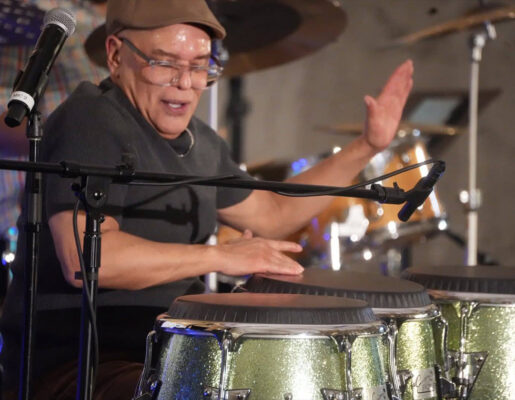
One of the most anticipated performances of the entire season arrives on Saturday, August 1, 2026, when legendary percussionist Little Johnny Rivero and His Giants headline the Back Deck with a special presentation titled Tribute to our Legends of Jazz & Latin Jazz. Scheduled for 7:30 PM at the Morris Museum’s celebrated outdoor performance space, the concert promises to deliver an electrifying fusion of Afro-Caribbean rhythm, salsa energy, jazz improvisation, and deeply rooted musical tradition in one of New Jersey’s most unique live music environments.
For audiences familiar with Latin jazz history, Little Johnny Rivero represents far more than simply another accomplished percussionist appearing on a summer concert calendar. He is one of the living connective figures to an entire era of groundbreaking Latin music innovation that helped redefine jazz, salsa, and Afro-Caribbean fusion across generations. His career spans decades of collaboration with some of the most influential names in Latin music history, most notably his celebrated tenure with piano legend Eddie Palmieri, whose fearless fusion of jazz complexity and Afro-Caribbean rhythm transformed Latin jazz into one of the most adventurous musical forms of the twentieth century.
Rivero’s reputation has long been built on more than technical skill alone. Countless percussionists can play quickly. Very few can command rhythm with the authority, emotional intuition, and cultural depth that Rivero brings to the stage. His playing reflects generations of Afro-Caribbean musical lineage while remaining remarkably alive, contemporary, and improvisational. That combination is precisely what has allowed Latin jazz to endure for decades without becoming frozen as a museum piece or nostalgia act. At its best, the genre remains living music built on movement, spontaneity, communication, and collective energy.
That spirit should feel especially powerful within the Back Deck environment itself. Since launching in July 2020, the Morris Museum’s elevated outdoor concert series has steadily established itself as one of New Jersey’s most imaginative cultural venues. Located atop the museum’s parking structure and transformed into a sophisticated open-air performance setting, the Back Deck has now hosted more than seventy performances while welcoming over 11,000 attendees. What initially made the series stand out was its atmosphere. Rather than presenting audiences with rigid formal concert structures, the Back Deck encouraged a more relaxed but still deeply attentive listening experience built around elegant outdoor gatherings, picnics, sunset performances, and close artist-audience connection.
That atmosphere becomes especially meaningful for music built around rhythm and communal energy. Latin jazz has always thrived in spaces where audiences feel connected not just to performers, but to each other. The music depends on interaction. It breathes through conversation between instruments, spontaneous rhythmic dialogue, improvisation, call-and-response dynamics, and emotional momentum that expands outward from the stage into the crowd itself. Unlike some musical forms built primarily around stillness and restraint, Latin jazz invites physical reaction. Even audiences sitting quietly often feel the rhythm internally, pulled into the groove structure whether consciously or not.
Rivero’s performance is expected to channel exactly that kind of immersive experience. The evening’s Tribute to our Legends of Jazz & Latin Jazz concept positions the concert not simply as a standard live set, but as a celebration of the musicians, traditions, and cultural movements that shaped the evolution of Afro-Cuban jazz, salsa, and Latin improvisational music over the last century. That legacy stretches through countless foundational artists whose innovations permanently altered American music itself, influencing jazz, funk, soul, rock, hip-hop, and contemporary global fusion genres in ways many listeners may not even fully realize.
The roots of Latin jazz extend back to the powerful musical intersections between Cuban rhythm traditions and American jazz during the mid-twentieth century, particularly in New York City where immigrant communities, jazz musicians, and experimental composers collided creatively. The result was a revolutionary fusion that combined sophisticated jazz harmony and improvisation with polyrhythmic percussion structures rooted in Afro-Caribbean musical traditions. Artists like Tito Puente, Machito, Mongo Santamaría, Dizzy Gillespie, Eddie Palmieri, and countless others helped create a musical language that remains among the most rhythmically sophisticated forms of modern music.
Rivero emerged directly from that ecosystem, absorbing its traditions while helping carry them forward into new eras. His performances are known for explosive rhythmic energy balanced with disciplined musical communication, allowing percussion to function not merely as accompaniment, but as narrative force. Congas, timbales, hand percussion, syncopated accents, groove structures, and ensemble interplay become emotional storytelling devices as much as rhythmic foundations.
What makes Rivero particularly compelling as a performer is his ability to bridge generations of listeners simultaneously. Longtime Latin jazz fans recognize the authenticity and historical depth of his musicianship. Younger audiences increasingly drawn toward global rhythm traditions, jazz fusion, and groove-centered live music often discover how modern and contemporary these sounds still feel. The rhythmic sophistication of Latin jazz has aged remarkably well precisely because it was never built around trend cycles. The music is fundamentally physical, emotional, and communal.
The Back Deck setting should further amplify that emotional accessibility. One reason the series has become such an important part of New Jersey’s arts landscape is because it successfully eliminates much of the stiffness that can sometimes discourage newer audiences from engaging with jazz, chamber music, or global music traditions. Patrons arrive early, often beginning their evenings around 6:30 PM to enjoy wine, small picnics, and social gathering before performances begin. Guests bring chairs, refreshments, and their own sense of relaxed participation, transforming the concert into a complete summer evening experience rather than a narrowly structured performance event.
That communal atmosphere aligns naturally with the emotional core of Latin jazz itself. Salsa, rumba, mambo, Afro-Cuban jazz, and related traditions were never designed purely as intellectual exercises. They are deeply social forms of music rooted in gathering, movement, release, storytelling, improvisation, and emotional exchange. Rivero’s appearance at the Back Deck therefore feels less like a standard booking and more like a perfect cultural fit between artist and venue identity.
Importantly, the concert also continues the Morris Museum’s larger commitment to presenting stylistically diverse programming that reflects the breadth of contemporary cultural life in New Jersey itself. The state has long served as a crossroads for immigrant communities, global musical traditions, and multicultural artistic exchange. Latin music in particular has become inseparable from New Jersey’s cultural fabric across generations, influencing local club scenes, festivals, dance culture, jazz education, and regional performance circuits throughout the state.
The broader Back Deck 2026 season reflects that same diversity. From chamber ensembles and crossover classical artists to jazz vocalists, experimental global fusion performers, orchestral presentations, and genre-blending collaborations, the series increasingly resembles a curated snapshot of modern musical pluralism rather than a narrowly defined concert schedule. Rivero’s performance stands out not only because of his legendary status, but because it embodies the series’ willingness to embrace rhythm-driven music traditions with the same seriousness and artistic respect often reserved for more traditionally institutional concert forms.
The logistical structure surrounding the event remains consistent with the overall Back Deck experience. Tickets are sold in designated outdoor blocks accommodating either one or two attendees, allowing audiences to create personalized viewing spaces throughout the elevated concert environment. Concertgoers are encouraged to arrive early, settle into the atmosphere, and experience the performance as part of a full evening rather than a rushed entertainment stop. In the event of inclement weather, performances shift indoors to the Morris Museum’s Bickford Theatre, preserving the event regardless of conditions.
Support for the Back Deck series itself also reflects the increasing recognition of its importance within New Jersey’s arts ecosystem. Leadership support continues through the Lot of Strings Concert Series along with contributions from longtime arts patrons and regional business partners including Gary’s Wine & Marketplace and the Morris County Tourism Bureau. That combination of cultural investment, tourism partnership, and community engagement demonstrates how seriously the series has become integrated into the state’s broader arts identity.
By the time Little Johnny Rivero and His Giants take the stage on August 1, the Back Deck season will already have delivered weeks of acclaimed performances across genres and traditions. Yet Rivero’s appearance may ultimately become one of the most emotionally charged and physically exhilarating evenings of the entire summer. Latin jazz, at its highest level, creates a uniquely immersive live experience because it collapses the distance between technical virtuosity and emotional immediacy. Audiences do not need academic understanding to feel its power. The rhythm itself communicates directly.
That is precisely why artists like Rivero continue to matter so profoundly within live music culture. They preserve tradition without treating it as static. They honor musical history while still performing with urgency, vitality, and improvisational life. And in an era where so much modern entertainment feels increasingly digital, isolated, and fragmented, performances built around live rhythm, collective energy, and shared physical experience feel more valuable than ever.
On a warm August evening atop the Morris Museum’s celebrated outdoor stage, surrounded by summer air, conversation, movement, and world-class musicianship, Little Johnny Rivero & His Giants are poised to deliver exactly the kind of unforgettable live music experience that continues making the Back Deck one of New Jersey’s most important and distinctive cultural destinations.











