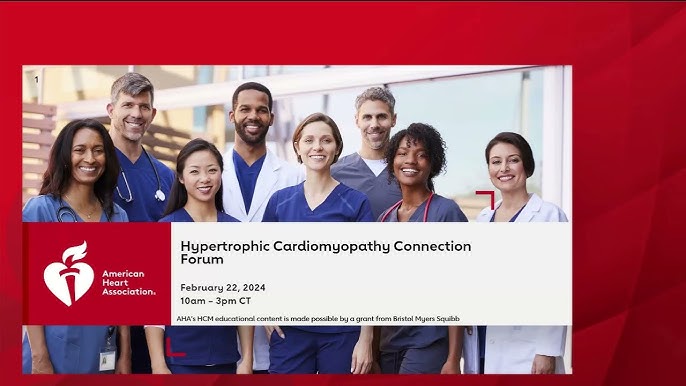

A diagnosis is only useful if it leads somewhere. That’s the quiet problem the Hypertrophic Cardiomyopathy Association and the American Heart Association just decided to tackle head on, announcing a new joint effort aimed at fixing exactly what’s been broken about care for people living with this condition for years: getting diagnosed and then having absolutely no clear path forward.
Hypertrophic cardiomyopathy, HCM for short, isn’t some rare curiosity buried in a medical textbook. It’s actually the most common inherited heart disease out there, showing up in anywhere from 1 in 200 to 1 in 500 people worldwide. Do the math on that across a country this size and you’re talking about a condition sitting quietly inside a huge number of families who may not even know it’s there yet. HCM causes the walls of the heart to thicken and stiffen over time, which forces the organ to work considerably harder just to push oxygen-rich blood where it needs to go. Left unmanaged, that extra strain isn’t just uncomfortable. It can escalate into heart failure, atrial fibrillation, stroke, and in rare but devastating cases, sudden cardiac arrest.
Here’s the part that should frustrate anyone paying attention. A meaningful chunk of people carrying this condition don’t know they have it. Underdiagnosis has been one of HCM’s biggest quiet dangers, and it’s exactly the kind of gap that doesn’t announce itself until something goes seriously wrong. That’s precisely why this new partnership between HCMA and the American Heart Association matters as much as it does. It’s not just another awareness campaign. It’s a structural fix aimed at the actual machinery of how patients move through the healthcare system, from that first troubling test result all the way through long-term treatment.
The collaboration is built around a handful of concrete goals, and I’ll be honest, all of them are overdue. First, there’s a real push to standardize patient navigation, giving people a clear, evidence-based path to follow the moment they’re diagnosed instead of leaving them to piece together next steps on their own. Second, the partnership is expanding direct patient support services into the diagnostic and treatment centers where HCM patients actually show up, rather than keeping that support siloed somewhere disconnected from the clinical experience. Third, and maybe most urgently, the initiative is rolling out better screening metrics and algorithms specifically designed to catch HCM earlier, chipping away at that undiagnosed population before complications have a chance to develop. Fourth, it’s working to connect local community cardiologists with specialized HCM Centers of Excellence, closing a referral gap that’s historically left patients bouncing between providers who aren’t always talking to each other.
None of this exists in a vacuum, either. It builds directly on a multi-year initiative the American Heart Association has already been running to standardize HCM care nationally. That groundwork includes growing a national HCM registry powered by the organization’s Get With The Guidelines program, alongside expanding certification opportunities for clinical centers so advanced cardiac care becomes available in underserved communities rather than staying concentrated in a handful of major metro hospitals. Read between the lines and the intent is obvious. This isn’t a one-time press release moment. It’s a sustained effort to make sure where you live doesn’t determine whether your heart condition gets caught in time.
I’ve sat across from people who found out about a heart condition the hard way, after a scare rather than a routine screening, and there’s a specific kind of frustration that comes with realizing earlier detection could have changed the whole trajectory. That’s the exact gap this collaboration is trying to close, and it’s why I think this deserves more attention than it’s likely to get outside of cardiology circles.
For a condition this common, hiding in plain sight inside so many families, closing the distance between a diagnosis and an actual plan isn’t a minor administrative fix. It’s the difference between managing a chronic condition well for decades and getting blindsided by it. This partnership won’t catch every case overnight, and nobody involved is pretending it will. But building a clearer, connected system for the people who do get diagnosed, and casting a wider net for the ones who haven’t been yet, is exactly the kind of unglamorous work that ends up saving lives quietly, one referral and one earlier test at a time.