
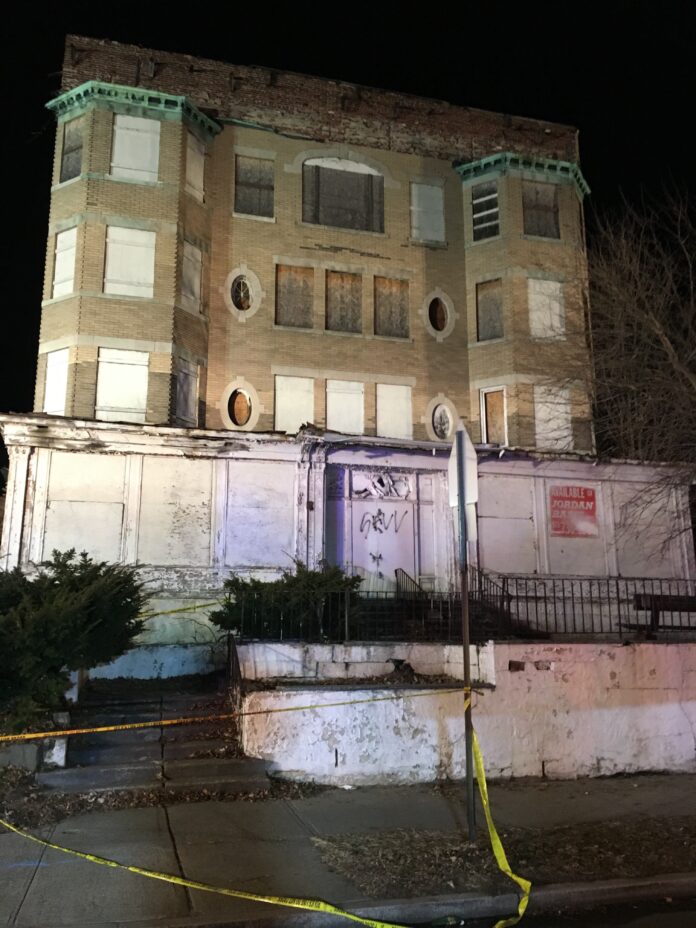

An empty lot on North Arlington Avenue has a complicated backstory, and East Orange’s city council just approved a thirty-year tax break to finally give that story a proper ending. The council voted unanimously on June 22 to grant the incentive to 150 N Arlington Ave Propco LLC, clearing the way for a five-story, fully affordable senior housing building where a very different project once collapsed entirely.
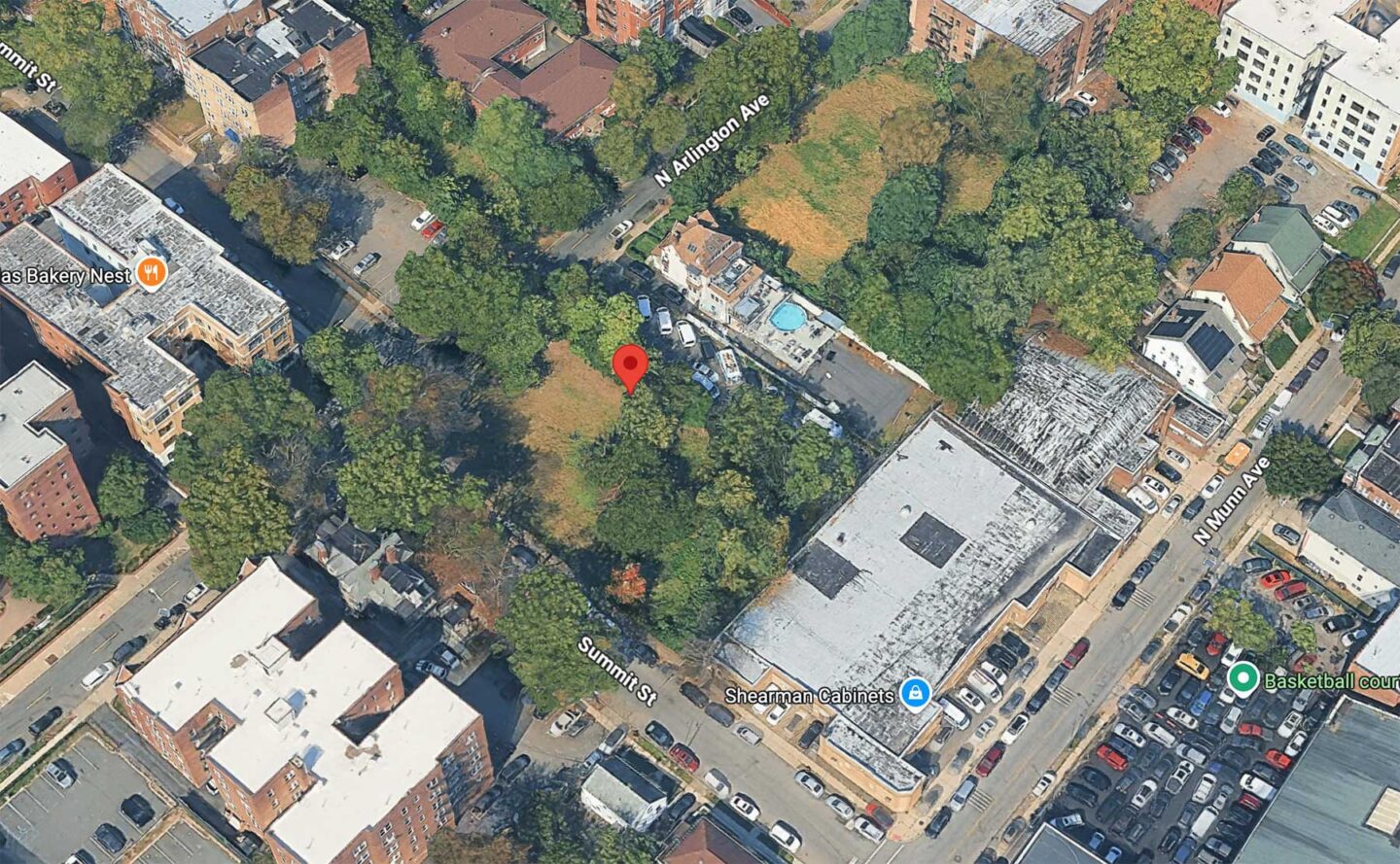
The plan itself is genuinely well thought out for the population it’s targeting. According to city meeting materials, the development will span roughly 32,000 square feet and deliver 50 units total for residents over the age of 54, including 44 one-bedroom apartments, five supportive housing units specifically, and one unit set aside for an onsite superintendent. Add in 46 parking spaces, plus shared amenities like a social interaction lounge, an exercise room, and a dedicated health consultant room, and this reads like a project built around the actual daily needs of older residents rather than a bare-bones affordable housing checkbox. That distinction matters more than it might sound. A lot of affordable senior developments get built to satisfy a zoning requirement and stop there. Including a health consultant space specifically suggests someone involved in this design actually thought through what aging in place looks like day to day, not just what gets a certificate of occupancy signed off.
There’s a small wrinkle worth flagging, though, since it says something about how these approvals actually move through a city bureaucracy. The city council’s ordinance calls for 46 parking spaces. The East Orange Planning Board’s earlier resolution, approved less than two months before the council vote, specified 51 parking spaces for the exact same project. That’s not a massive discrepancy in the grand scheme of a development this size, but it’s the kind of inconsistency that tends to slip through when two different municipal bodies review overlapping paperwork on their own separate timelines, and it’s worth someone at the city actually reconciling before shovels hit the ground, since parking count differences have a way of becoming real headaches for both residents and enforcement down the line.
Here’s where the project’s backstory gets genuinely interesting, and honestly, a little bit of a cautionary tale about how affordable housing financing can unravel even with good intentions behind it. This isn’t a brand-new proposal on a previously vacant lot. It’s a second attempt, built on the wreckage of a project that failed years earlier. Essex County Register records show that New York-based real estate finance firm Neighborhood Properties of NJ LLC, an affiliate of Local Initiatives Support Corporation, acquired the two underlying lots in August 2025 through a sheriff’s auction, the kind of forced sale that only happens when a mortgage has gone seriously, irreversibly sideways.
The original mortgage belonged to ProudLiving Companies, an East Orange-based real estate firm that Local Initiatives had actually funded back in July 2021 with $1.4 million to build a 51-unit, mixed-income apartment building on that same site. That loan carried a 6.5 percent interest rate, and by December 2023, ProudLiving owed roughly $1.6 million on it, an outstanding balance that had clearly grown well past the original principal. The state’s Chancery Division ordered the parcels sold in January 2024 to satisfy that debt, and Local Initiatives, the very same firm that had extended the original financing, ended up as the sole bidder at the sheriff’s sale. They won both parcels for a combined $100.
Sit with that number for a second, because it’s a genuinely striking detail buried in an otherwise procedural municipal story. A hundred dollars for two parcels that ProudLiving-affiliated ownership had purchased back in December 2017 for $310,000. That’s not a typo and it’s not a clerical quirk of how sheriff’s sales work either, though the mechanics do help explain it. When a lender is owed far more than a property could realistically fetch from an outside buyer, and no other bidder shows up willing to take on that debt exposure, the lender often ends up simply reclaiming the collateral for a nominal, symbolic amount rather than paying real money against a debt they’re already owed. It’s less a bargain purchase than a foreclosure formality, but it still tells you plainly how far this project’s original financing had deteriorated before anyone pulled the plug.
ProudLiving itself isn’t some fly-by-night operation that got in over its head on a single bad deal, either, which makes the collapse of this particular project a bit more notable. The firm’s own materials describe involvement in at least eleven properties across East Orange since its founding in 2008, a real, established local track record. Even experienced developers hit projects that don’t survive their financing structure, and this one clearly didn’t. What’s genuinely encouraging is that the underlying land didn’t just sit vacant and forgotten after the foreclosure. It got recycled into a new, apparently better-structured proposal that just cleared its final major municipal hurdle. For what it’s worth, the Essex County Tax Board has the combined assessed value of both parcels sitting at $528,000 for each of the last three years, a number that puts the entire financial arc, from a $310,000 purchase, to a $1.4 million loan, to a $1.6 million default, to a $100 foreclosure sale, into some useful perspective.
The same council meeting that approved this project also pulled a separate ordinance entirely, one that would have granted a tax break for rehabilitating an existing apartment building at 50 South Munn Avenue. That legislation would have funded improvements across 205 units of senior and disabled housing, a considerably larger scale than the North Arlington project, and it got pulled from consideration after the council held a public hearing on it. No official explanation accompanied that withdrawal in what’s been made public so far, and pulling an ordinance after a public hearing usually signals either genuine unresolved concerns raised during that hearing or a need to renegotiate terms before bringing it back. Either way, 205 units of senior and disabled housing not getting their planned rehabilitation funding this round is worth watching closely, especially in a city that clearly has real, ongoing demand for exactly this kind of housing.
Put both stories side by side and East Orange’s senior housing picture looks like a city actively working through real complexity rather than coasting on easy wins. One genuinely promising project just cleared its last hurdle after rising from a foreclosure that could have easily left that land vacant for years. Another, larger rehabilitation effort hit a pause that deserves real scrutiny and a clear public explanation before it quietly disappears from the agenda altogether. Both outcomes matter enormously to the actual residents waiting on stable, affordable places to live as they age, and that’s exactly the kind of stake that deserves more attention than a single unanimous vote count typically gets.
















