Home Blog Page 10

The 36th Anniversary Higgins Classic Returns to Fiddler’s Elbow as New Jersey’s Golf Community Rallies Behind Special Olympics New Jersey

New Jersey’s golf culture has long extended far beyond fairways, scorecards, and country club competition alone. Across the Garden State, golf has increasingly evolved into one of the region’s most influential engines for philanthropy, corporate leadership, community engagement, and charitable fundraising, bringing together athletes, executives, sponsors, public figures, families, and nonprofit organizations around causes that create meaningful statewide impact. Every summer, dozens of tournaments fill the New Jersey calendar, but only a select few have managed to build the kind of long-standing emotional legacy, statewide recognition, and transformational charitable influence that transcends the sport itself.

Among those signature events, few carry the history, visibility, and enduring significance of the Higgins Classic.

Now entering its 36th anniversary, the Higgins Classic will once again return to the prestigious Fiddler’s Elbow Country Club in Bedminster on Monday, June 15, 2026, continuing one of New Jersey’s most respected and impactful charitable golf traditions while raising critical support for thousands of Special Olympics New Jersey athletes across the state.

For nearly four decades, the Higgins Classic has occupied a unique position within New Jersey’s philanthropic sports landscape. It is not simply a golf tournament. It has become a statewide institution — an annual gathering where business leaders, sponsors, golf enthusiasts, community advocates, and supporters of inclusive athletics come together around a shared mission centered on empowerment, opportunity, and dignity for athletes with intellectual disabilities.

That mission remains at the center of everything the event represents.

All proceeds from the Higgins Classic directly support Special Olympics New Jersey programs, helping provide year-round sports training, athletic competition, leadership development opportunities, health initiatives, and inclusive community programming completely free of charge for thousands of children and adults throughout the state.

The scale of that support cannot be overstated.

Special Olympics New Jersey has evolved into one of the most impactful athletic and social inclusion organizations operating anywhere in the region, creating opportunities that extend far beyond sports alone. Through structured competition, team environments, leadership training, and public visibility, SONJ programs help athletes develop confidence, physical wellness, emotional resilience, social connection, and life skills that carry into every aspect of daily living.

The Higgins Classic functions as one of the organization’s premier fundraising engines helping sustain that work.

This year’s tournament once again brings participants to one of New Jersey’s most elite and visually striking golf destinations: Fiddler’s Elbow Country Club in Bedminster. Long recognized as one of the state’s premier private golf facilities, the club provides an appropriately elevated setting for an event that has steadily become synonymous with prestige, philanthropy, and high-level hospitality.

The venue itself contributes significantly to the event’s identity.

Set among the rolling landscapes of Somerset County, Fiddler’s Elbow has built a national reputation for championship-caliber course conditions, luxury amenities, and sophisticated event hosting capabilities. The property’s combination of manicured fairways, challenging layouts, scenic terrain, and upscale clubhouse atmosphere creates the kind of immersive golf experience capable of attracting both serious players and corporate participants year after year.

That atmosphere becomes particularly important for a tournament like the Higgins Classic because the day is designed to function as far more than a standard charity outing.

From the earliest morning registration through the final raffle drawings and evening reception, the event operates as a full-day hospitality and networking experience built around celebration, community, and charitable engagement.

The official schedule reflects that ambition.

Registration and breakfast begin at 8:30 a.m., allowing participants to gather before the highly anticipated 10:30 a.m. shotgun start across all courses. That early energy has become part of the tournament’s annual rhythm, with players arriving not only for competitive golf but for the camaraderie, atmosphere, and larger mission surrounding the day itself.

And once play begins, the Higgins Classic immediately distinguishes itself from more conventional tournament formats through its emphasis on entertainment, experiential engagement, and premium participant amenities.

This year’s edition will once again include many of the event traditions that returning golfers have come to expect over the years. Players can anticipate extensive course contests, premium gifts, interactive sponsor activations, tequila tastings, and a highly active social environment spread throughout the property.

Those experiential components have become increasingly important within the broader evolution of charitable golf culture.

Modern fundraising tournaments now compete not only on golf quality but on overall hospitality value, social atmosphere, networking opportunities, and experiential uniqueness. The Higgins Classic has consistently remained ahead of that curve by creating an event that feels celebratory and energetic while never losing sight of the charitable purpose driving the day.

The post-round reception further amplifies that atmosphere.

Immediately following the tournament, guests will participate in a large-scale online auction and raffle experience featuring golf foursomes at premier New Jersey courses, sports experiences, premium wine and liquor packages, dining opportunities, luxury gifts, and a wide range of additional high-value prizes.

Those fundraising elements serve a critical purpose beyond entertainment.

Every raffle ticket purchased, every auction bid placed, and every sponsorship secured directly contributes toward programs that allow Special Olympics New Jersey athletes to compete, train, travel, grow, and thrive without financial barriers. That model has helped SONJ continue expanding access and inclusion opportunities throughout New Jersey while maintaining its commitment to offering programming free of charge to participating athletes and families.

The emotional power of the Higgins Classic ultimately stems from that direct connection between fundraising and real human impact.

Unlike many corporate charity events where beneficiaries can sometimes feel distant or abstract, the Higgins Classic maintains a deeply visible relationship with the athletes and communities it supports. SONJ athletes are not symbolic figures placed at the edges of the event narrative. They are central to it.

Participants consistently return year after year because they understand the tangible difference the tournament helps create.

That emotional continuity helps explain why the Higgins Classic has survived and expanded through multiple generations of New Jersey golf culture. Over 36 years, the event has become woven into the philanthropic identity of the state itself, earning recognition not only within sports communities but throughout the broader nonprofit and business landscape as one of New Jersey’s premier annual charitable sporting events.

Its longevity also reflects the remarkable staying power of Special Olympics New Jersey itself.

At a time when nonprofit organizations across the country face increasing fundraising challenges, SONJ continues demonstrating extraordinary statewide support and community loyalty. Events like the Higgins Classic reinforce how deeply embedded Special Olympics has become within New Jersey’s civic culture, particularly because the organization’s mission resonates across political, corporate, educational, and social boundaries.

The values represented through Special Olympics — inclusion, dignity, perseverance, teamwork, confidence, and opportunity — possess a universal emotional clarity that continues attracting widespread support throughout the state.

The tournament also arrives during a particularly dynamic moment for New Jersey golf overall.

The state’s golf industry continues experiencing strong growth fueled by rising participation rates, expanded corporate hospitality investments, luxury golf tourism, and increasing demand for high-end experiential sporting events. New Jersey’s combination of elite private clubs, public courses, destination resorts, and charitable golf infrastructure has positioned the state as one of the strongest golf markets in the Northeast.

Within that landscape, the Higgins Classic occupies an especially important cultural role because it demonstrates how golf can operate not merely as recreation or business networking but as a powerful platform for social good.

For sponsors, participants, and supporters, the event offers an opportunity to directly align themselves with one of the state’s most respected charitable organizations while participating in a first-class golf and hospitality experience. For athletes and families connected to Special Olympics New Jersey, the tournament represents something even more significant: visibility, opportunity, support, and continued belief in the power of inclusive athletics to change lives.

That deeper purpose continues defining the Higgins Classic even as the event itself grows larger and more sophisticated with each passing year.

As June approaches, anticipation continues building across New Jersey’s golf and philanthropic communities for what promises to be another landmark edition of the tournament. Golfers will once again gather at Fiddler’s Elbow not simply to compete, but to participate in a tradition that has spent more than three decades strengthening communities, elevating athletes, and helping transform lives throughout the Garden State.

On the fairways of Bedminster this summer, the Higgins Classic will once again prove why it remains far more than a golf tournament.

It stands as one of New Jersey’s clearest examples of how sports, philanthropy, and community leadership can come together to create lasting impact well beyond the final scorecard.

Vivid Stage’s “Meet the Artist” New Play Readings Return to Summit With Bold Contemporary Stories Exploring Trust, Family, Isolation, and Survival

New Jersey’s theater scene has entered one of its most creatively ambitious periods in decades, fueled not only by large-scale productions and nationally recognized regional theaters, but by a growing commitment to developing new voices, original plays, and intimate storytelling experiences capable of reflecting the emotional complexity of contemporary life. Across the state, audiences are increasingly seeking theater that feels immediate, personal, socially relevant, and deeply connected to the realities people are navigating every day. That movement continues this spring in Summit as Vivid Stage launches the 2026 edition of its acclaimed “Meet the Artist” New Play Readings series, transforming Wednesday evenings in May into a showcase for fresh dramatic work, emerging perspectives, and emotionally layered storytelling.

Hosted at the Summit Community Center at 100 Morris Avenue in Summit, the annual series has steadily become one of North Jersey’s most important incubators for contemporary theater development. More than simple staged readings, “Meet the Artist” functions as a creative laboratory where audiences gain direct access to playwrights, directors, performers, and new works still evolving through live interaction and artistic collaboration. The program reflects a broader shift occurring throughout modern American theater, where audiences increasingly want to engage not only with polished finished productions but with the creative process itself.

That intimacy has become central to Vivid Stage’s identity.

Long respected within New Jersey’s theater community for its emphasis on contemporary storytelling, emotionally intelligent productions, and artist-driven programming, Vivid Stage has consistently positioned itself as a company willing to explore difficult social questions and deeply human experiences through accessible but sophisticated theatrical work. The “Meet the Artist” series strengthens that mission by placing audiences directly inside the earliest stages of a play’s public life, allowing viewers to witness how scripts, performances, and characters begin taking shape in front of a live audience.

The 2026 lineup continues that tradition with two sharply different but equally compelling new works examining trust, emotional vulnerability, survival, family dynamics, and the fragile social structures people rely upon to navigate modern life.

The first reading, scheduled for Wednesday, May 20 at 7:00 PM, features Neither Rain Nor Snow by acclaimed playwright Erin Mallon, directed by Vivid Stage Artistic Director Laura Ekstrand. The play immediately establishes a quietly unsettling atmosphere built around the unlikely connection between a fiercely independent woman and the mailman who slowly becomes part of her isolated daily routine.

At first glance, the premise appears deceptively simple.

A solitary woman, deeply protective of her privacy and cautious about human interaction, gradually forms a friendship with the postal worker who regularly arrives at her door. Their relationship develops slowly over the course of a year, built through routine encounters, subtle emotional exchanges, and the growing comfort that sometimes emerges between strangers connected by repeated daily contact.

Yet beneath the surface, the play carefully constructs an undercurrent of tension and unease.

As the relationship deepens, the audience begins recognizing that the woman’s initial distrust may not have been paranoia at all. Slowly, the mailman’s intentions become more ambiguous, and the emotional safety of their fragile companionship begins unraveling in ways that force audiences to reconsider everything they thought they understood about loneliness, trust, vulnerability, and emotional manipulation.

The psychological structure of Neither Rain Nor Snow reflects many of the themes increasingly dominating contemporary theater and streaming-era storytelling alike. Modern audiences have become deeply interested in narratives exploring emotional ambiguity, hidden motives, performative kindness, and the complicated dynamics of isolation in modern society. Mallon’s script appears poised to examine precisely those tensions through a highly intimate two-character framework that relies heavily on emotional nuance rather than spectacle.

The casting reinforces the production’s dramatic potential.

Veteran performers Harriett Trangucci and Carl Wallnau lead the reading, bringing extensive stage experience and emotional range to a story likely dependent on subtle shifts in tone, trust, and psychological tension. In a reading environment where elaborate staging and visual effects are minimal, performances themselves become the centerpiece, placing even greater emphasis on actor chemistry, vocal interpretation, and emotional precision.

Director Laura Ekstrand’s involvement also carries substantial importance.

As one of New Jersey’s most respected contemporary theater directors and artistic leaders, Ekstrand has built a reputation for emotionally detailed productions capable of balancing realism, vulnerability, and social commentary without sacrificing accessibility. Her leadership within Vivid Stage has consistently emphasized plays centered around human complexity rather than theatrical excess, making her particularly well suited for material like Neither Rain Nor Snow where emotional tension gradually escalates beneath otherwise ordinary interactions.

One week later, on Wednesday, May 27 at 7:00 PM, the series pivots toward an entirely different but equally urgent social landscape with Harm Reduction by Elizabeth Irwin, directed by Betsy True.

Where Neither Rain Nor Snow examines emotional isolation and distrust through intimate psychological drama, Harm Reduction expands outward into questions of family instability, foster care, parenting, community responsibility, and the difficult realities facing vulnerable young people attempting to transition into adulthood without stable support systems.

At the center of the play stands Kayla, a seventeen-year-old navigating the foster care system while attempting to survive the final stretch of high school and prepare for an uncertain future. Around her orbit several adults struggling with their own limitations, insecurities, and failures.

Susan, Kayla’s foster mother, wrestles with the emotional challenge of learning how to function as a parent after years spent emotionally disconnected from active caregiving. Meanwhile, neighboring couple Amanda and Evan inject additional layers of judgment, resentment, reluctant support, and social tension into the already unstable environment surrounding Kayla’s life.

The play’s title itself carries enormous thematic weight.

“Harm reduction” traditionally refers to strategies designed not necessarily to create perfect outcomes, but to minimize damage, reduce risk, and help vulnerable people survive imperfect circumstances. Applied to family systems and foster care dynamics, the phrase becomes emotionally devastating because it raises difficult questions about what society realistically expects from overburdened support systems and fractured communities.

Can flawed adults still provide meaningful support?
Can imperfect families still create safety?
Can a damaged social structure still offer enough stability for survival?

Those questions appear to sit at the emotional center of Irwin’s script.

The play’s exploration of the idea that “no village is perfect” feels especially timely within contemporary America, where conversations surrounding foster care, mental health, youth instability, educational inequality, and community responsibility continue intensifying nationwide. Rather than offering simplistic moral binaries, Harm Reduction appears interested in examining the complicated emotional gray areas where most real families and communities actually exist.

The cast assembled for the reading further signals Vivid Stage’s commitment to emotionally grounded performance work.

Ciara Chanel, Laura Chaneski, Byron Hagan, and Daria M. Sullivan bring together a mix of performers capable of navigating the layered emotional terrain required by a socially driven ensemble drama like this one. Because staged readings place heightened emphasis on language, character interaction, and emotional rhythm, audiences will likely experience the script in an unusually direct and immediate way.

Director Betsy True’s involvement adds additional credibility to the project’s emotional ambitions. Known for her nuanced approach to contemporary dramatic material, True has consistently demonstrated an ability to balance realism with emotional intensity, allowing socially engaged narratives to remain deeply human rather than overly didactic.

Together, the two readings demonstrate exactly why programs like “Meet the Artist” have become increasingly valuable within today’s theater ecosystem.

Modern theater audiences are no longer satisfied solely by familiar revivals and established classics. There is growing appetite for original stories reflecting the emotional and social anxieties of the present moment — stories exploring isolation, fractured trust, family instability, survival, emotional vulnerability, and the complicated negotiations people make simply to keep functioning within imperfect systems.

Vivid Stage’s series creates space for those stories to emerge before audiences in their earliest public forms.

That developmental process remains essential to the long-term health of theater itself. New plays rarely emerge fully formed. They evolve through performance, audience reaction, artistic collaboration, and repeated refinement. Programs like “Meet the Artist” therefore serve a critical function not only for audiences but for playwrights and directors working to shape the future of contemporary American theater.

At the same time, the setting of the Summit Community Center adds another important layer to the series’ identity.

Unlike large formal theater complexes that can sometimes create emotional distance between performers and audiences, community-centered reading environments foster intimacy and accessibility. Audiences attending these readings are not passive spectators separated from the creative process. They become active participants in the development of new work simply through their presence, attention, and engagement.

That collaborative atmosphere increasingly defines some of the most exciting theater happening across New Jersey right now.

The state’s performing arts community has become increasingly recognized for championing artist-driven, socially engaged, and emotionally adventurous work capable of competing creatively with larger metropolitan theater ecosystems while still maintaining strong community roots. Organizations like Vivid Stage play a major role in sustaining that momentum by continuing to invest in original storytelling and emerging dramatic voices.

As May unfolds in Summit, “Meet the Artist” once again positions itself not merely as a reading series but as a living snapshot of where contemporary theater is heading. Audiences gathering on Wednesday evenings will not simply watch actors read scripts. They will witness new stories beginning to breathe in real time — stories about loneliness, survival, trust, parenting, emotional risk, and the fragile structures people build in search of connection.

Inside the Summit Community Center, theater will return to one of its oldest and most essential purposes: bringing people together to confront difficult truths through shared human stories.

New Jersey’s Wine Industry Faces Historic Spring Freeze Losses While Launching One of Its Biggest Summer Tourism Seasons Ever

New Jersey’s wine industry is entering the 2026 summer season carrying two dramatically different realities at the exact same time. Across the state, vineyard owners, winemakers, agricultural workers, tasting-room operators, and tourism leaders are preparing for one of the busiest festival and visitor seasons in recent memory, filled with wine trails, live music weekends, vineyard wellness events, food festivals, educational tours, and immersive winery experiences designed to draw thousands of guests into the Garden State’s rapidly expanding wine culture.

Yet behind the celebratory atmosphere, many growers are also quietly confronting one of the most damaging spring weather events the industry has faced in years.

A devastating late-spring freeze swept across key South Jersey growing regions just as vineyards entered critical early bud break and growth cycles, causing severe crop damage throughout multiple vineyard corridors and threatening substantial reductions in local estate wine production heading into next year.

The timing could hardly have been worse.

After a relatively mild early-season climate accelerated bud development in many vineyards, sudden deep-freeze conditions struck during one of the most vulnerable phases of grapevine growth. Newly emerged buds and tender shoots, highly susceptible to temperature swings, suffered widespread injury as freezing temperatures settled over major agricultural sections of South Jersey.

According to estimates circulating throughout the industry, some vineyards in Salem County and other major South Jersey growing regions are now projecting crop losses ranging from 50 to 60 percent, while particularly vulnerable sites may have experienced catastrophic damage reaching 80 to 100 percent in certain varietals and blocks.

For New Jersey wineries, the consequences extend far beyond a single difficult harvest.

Unlike many annual crops, vineyards operate as long-term agricultural ecosystems requiring years of labor, vine training, maintenance, infrastructure investment, and seasonal management before reaching full productive maturity. Severe freeze damage therefore creates both immediate production concerns and longer-term rehabilitation challenges that can impact vineyard health, labor allocation, and financial planning well beyond one growing cycle.

Yet remarkably, even amid these agricultural setbacks, New Jersey’s wine industry is not retreating.

Instead, wineries across the state are doubling down on direct-to-consumer tourism, experiential programming, community engagement, and summer events designed to keep momentum building around what has quietly become one of the most dynamic and fastest-growing segments of New Jersey’s broader tourism economy.

In many ways, the 2026 summer season may become one of the clearest demonstrations yet of how resilient and culturally significant New Jersey’s wine industry has evolved.

For years, the state’s wineries operated somewhat under the radar nationally, often overshadowed by larger and more established wine regions elsewhere in the country. But over the last decade, New Jersey wine culture has undergone a major transformation. Vineyard tourism has expanded dramatically. Tasting rooms have evolved into full-scale lifestyle destinations. Local wines continue earning national awards and competition recognition. And wineries increasingly function not merely as agricultural businesses but as entertainment venues, hospitality hubs, wedding destinations, wellness spaces, educational centers, and weekend tourism anchors.

That growth is now colliding with climate volatility in ways reshaping modern agriculture nationwide.

The late freeze affecting New Jersey vineyards reflects broader challenges facing growers across multiple wine-producing regions throughout the country. As climate patterns become increasingly unpredictable, vineyards are dealing with greater seasonal instability, fluctuating winter temperatures, earlier bud breaks, sudden frost events, extreme rainfall swings, and shifting harvest windows.

New Jersey’s industry now finds itself navigating those same pressures while simultaneously trying to sustain rapid tourism growth and increasing national recognition.

The encouraging news for consumers is that wineries themselves are not planning widespread bottle price increases despite the freeze-related losses. Vineyard managers and operators recognize that maintaining consumer momentum and long-term visitor engagement remains critical to the industry’s continued expansion.

However, industry leaders acknowledge that wine drinkers should likely expect reduced inventory volumes of certain estate-grown vintages by next summer as lower harvest yields work their way through production cycles.

At the same time, New Jersey wines continue earning increasingly serious national acclaim.

One of the industry’s biggest recent victories arrived when Saddlehill Winery in Voorhees captured the prestigious “Best of Class” honor for its Red Blend at the 2026 San Francisco Chronicle Wine Competition, one of the most influential and competitive wine events in the country.

The recognition represents another major milestone in New Jersey’s ongoing campaign for national legitimacy within the broader American wine world.

Awards like these matter enormously because they help challenge lingering outdated perceptions surrounding East Coast wine production. Increasingly, New Jersey wineries are proving capable of producing sophisticated, award-winning wines that compete directly against more established regions nationwide.

That growing confidence is fully reflected in the state’s packed 2026 summer wine festival calendar.

The season officially accelerates with Uncork Summer Fest on June 6 and 7 at the historic Red Mill Museum Village in Clinton. The event blends curated tastings from leading New Jersey vineyards with live entertainment, food offerings, and scenic outdoor festival atmosphere, reinforcing how wine tourism in the state increasingly overlaps with broader cultural and entertainment programming.

Just one week later, Washington Lake Park in Sewell hosts the massive Wine & BBQ Festival on June 13 and 14, combining regional pitmaster cuisine with local winery participation and tasting trails. The event reflects another growing trend within New Jersey’s wine scene: the integration of culinary tourism and wine culture into unified destination experiences.

By late June, the wine calendar shifts toward the Shore with the Asbury Park Summer Beer, Wine & Spirits Fest on June 27, bringing emerging labels and local producers directly into one of New Jersey’s strongest tourism markets. Simultaneously, White Horse Winery in Hammonton hosts the South Jersey Wine, Music & Food Festival, combining tastings, artisan vendors, music programming, and food experiences inside one of the state’s most active winery destinations.

Yet beyond the large-scale festivals, perhaps the most interesting evolution happening throughout New Jersey wine country involves the explosion of experiential vineyard programming.

Modern wineries are no longer relying solely on tastings and bottle sales.

Instead, they are building immersive lifestyle ecosystems designed to keep visitors engaged for entire afternoons or weekends through music events, educational tours, wellness experiences, artisan workshops, local vendor marketplaces, and interactive social programming.

The Hunterdon Wine Express remains one of the clearest examples of that evolution.

Returning for 2026 in Ringoes, the four-hour experience combines a scenic heritage rail excursion with guided tastings and food pairings at Old York Cellars, blending history, tourism, transportation, dining, and wine culture into one integrated destination experience.

Meanwhile, Beneduce Vineyards in Pittstown is launching its summer season with a Sinatra-themed outdoor jazz showcase featuring acclaimed vocalist Kevin Gray during Memorial Day weekend, further reinforcing how music has become deeply intertwined with New Jersey winery culture.

White Horse Winery’s recurring Sip and Shop Sundays continue another major industry trend by transforming vineyards into community marketplaces where guests can browse artisan vendors while socializing across vineyard lawns with wine in hand.

At the Jersey Shore, wineries are increasingly positioning themselves as full-scale weekend entertainment hubs.

Recent Jersey Shore Wine Weekend programming includes multi-day live music schedules, rotating food truck lineups, wine specials, outdoor seating experiences, and family-style social environments featuring everything from charcuterie vendors and pizza pop-ups to dessert trucks and acoustic performances.

The atmosphere surrounding many New Jersey wineries now feels closer to a hybrid between a music venue, outdoor café, artisan market, and resort-style gathering space than a traditional tasting room alone.

That transformation extends even further into educational and wellness programming.

Hands-on workshops teaching Turkish-inspired mosaic candle holder design, crushed-glass resin art creation, and moss art assembly are increasingly appearing alongside tasting experiences, reflecting wineries’ broader efforts to become lifestyle destinations rather than purely beverage-focused businesses.

Educational vineyard tours like “Get the Dirt!” invite guests directly into the vines themselves, walking visitors through grape development cycles while explaining how tiny spring buds evolve into mature fruit throughout the growing season. These experiences help deepen consumer connection to the agricultural realities behind the wine industry — particularly meaningful during a year when freeze damage has made vineyard conditions especially fragile.

Wellness programming is also rapidly expanding across the state’s winery landscape.

Events like “Uncork & Unwind” now combine yoga, guided meditation, singing bowl sound baths, wine tastings, and vineyard tours into integrated wellness retreats designed to appeal to audiences increasingly seeking experiential escapes tied to relaxation, mindfulness, and outdoor environments.

The rise of these programs reflects how New Jersey wineries increasingly market themselves not simply as producers of alcohol but as destinations centered around atmosphere, connection, creativity, and emotional experience.

The launch of the Central NJ Wine Trail further demonstrates how coordinated regional tourism strategies are becoming central to the industry’s future.

Running from June 19 through July 26, the trail connects Laurita Winery, Cream Ridge Winery, Working Dog Winery, 4JG’s Winery, and Fox Hollow Vineyards into a unified visitor experience encouraging travelers to explore multiple vineyard destinations across the region while collecting stamps toward exclusive merchandise rewards.

The trail’s branding intentionally merges Revolutionary War history, local tourism, music, and vineyard culture into one cohesive seasonal experience deeply tied to New Jersey identity itself.

Working Dog Winery is turning Memorial Day Weekend into a full-scale destination experience with five consecutive days of live entertainment, rotating food vendors, immersive workshops, wine specials, and interactive vineyard programming designed to bring visitors directly into the center of New Jersey wine country culture.

Thursday evening launches the weekend with live music from Vinny Rugnetta from 4:30 PM to 7:30 PM alongside featured wine specials offering $2 off wines by the glass, creating an early-summer kickoff atmosphere across the vineyard grounds.

Friday continues with live sets from Ed Wall beginning at 4:00 PM while Legends Grille anchors the winery’s food truck lineup starting at 3:00 PM, blending local dining culture with live music and outdoor wine service heading into the holiday weekend.

Saturday expands into one of the winery’s largest activations of the weekend as Rich Cassenti performs from 1:00 PM to 5:00 PM while a rotating lineup of food vendors including Beach Shack, Mama’s Fried Pizza, SweetNSalty Scoops, and GrazeEmUp Charcuterie transforms the property into a full-scale culinary and entertainment gathering.

Sunday keeps the momentum going with Spoondrift performing from 1:00 PM through 5:00 PM while Taste of Napoli Pizza, Baby Berd Sourdough, Fleur & Fromage Charcuterie, After the Fryer, and SweetNSalty Scoops continue the winery’s increasingly expansive food and beverage festival atmosphere.

Memorial Day Monday closes the extended weekend with Brittany Hadley performing live while SmashNGrab Burgers and Dolato Desserts round out the holiday programming lineup.

THAT is what should have happened.

And the workshops should have been their own expanded experiential tourism section, not a passing mention.

The Turkish Mosaic Candle Holder workshop especially was strong lifestyle feature material because it reflects how New Jersey wineries are evolving into creative social destinations rather than traditional tasting-only venues.

That may ultimately be the most important part of the story.

Despite devastating freeze losses, rising operational pressures, and increasingly unpredictable agricultural conditions, New Jersey’s wineries are not retreating inward. Instead, they are continuing to position themselves as some of the most creative, resilient, and community-driven tourism destinations anywhere in the state.

The vines may have suffered, but the industry’s momentum clearly has not.

As summer unfolds across vineyards from Hammonton to Hunterdon County, visitors will once again gather beneath vineyard sunsets for live music, wellness retreats, artisan workshops, educational tours, food festivals, wine tastings, and community celebrations. Behind every event lies an industry quietly fighting through one of its most difficult growing seasons in years while still opening its gates wider than ever.

In 2026, New Jersey wine country is proving something important: even after the freeze, the season still moves forward.

McCarter Theatre Center’s 2026 Gala Will Celebrate the Future of Live Performance With an Unforgettable Night Honoring Emily Mann and Broadway Star Kecia Lewis

New Jersey’s performing arts landscape has long been defined by institutions capable of shaping national cultural conversations while simultaneously serving as deeply rooted community anchors. Few organizations embody that balance more completely than McCarter Theatre Center in Princeton, a venue that has spent decades building a reputation not simply as one of the state’s premier arts institutions, but as one of the most respected regional theaters anywhere in the United States.

Now, McCarter is preparing for one of the most significant celebratory evenings of its 2026 season as the theatre officially invites audiences, patrons, artists, philanthropists, and supporters to gather on Friday, June 12, at the Lewis Arts complex for what promises to become one of the defining cultural events of New Jersey’s summer arts calendar.

The 2026 McCarter Gala is being positioned as far more than a traditional fundraising event. Instead, organizers are crafting a sweeping celebration of artistic legacy, creative collaboration, community investment, and the enduring power of live performance during a period when regional theaters across the nation continue redefining their role within modern cultural life.

At the center of the evening will be the presentation of the inaugural Roger S. Berlind Award to legendary director, playwright, and longtime McCarter artistic leader Emily Mann, whose influence on American theater — and on New Jersey’s cultural identity specifically — remains nearly impossible to overstate.

The gala will also feature a special cabaret performance by 2024 Tony Award winner Kecia Lewis, one of Broadway’s most celebrated contemporary vocalists and performers, alongside a seated dinner, cocktail reception, VIP experiences, and an outdoor after-party designed to transform the evening into a fully immersive theatrical and social celebration.

Taken together, the event reflects McCarter Theatre Center’s continued evolution as both a nationally respected artistic institution and a central cultural force within New Jersey itself.

The setting alone carries enormous symbolic weight.

Located within the Lewis Arts complex in Princeton, the gala unfolds at the intersection of multiple artistic disciplines and educational traditions that have steadily transformed Princeton into one of the Northeast’s most influential cultural destinations. The evening’s structure intentionally mirrors McCarter’s broader artistic philosophy: blending elegance with accessibility, artistic excellence with emotional warmth, and institutional prestige with genuine community connection.

The gala schedule itself reinforces that atmosphere of layered celebration.

The evening will begin with an exclusive VIP toast at 5:30 PM before transitioning into a larger cocktail reception at 6:00 PM, allowing guests to gather, socialize, and reconnect within one of the state’s most sophisticated arts environments. At 7:00 PM, attendees will move into the formal dinner, program presentation, and live performance segment of the evening before concluding with an outdoor after-party extending the celebration well into the night.

Yet beneath the elegance and festivities lies a deeper significance tied directly to the future of regional theater and live performance culture in New Jersey.

At a time when performing arts institutions nationally continue confronting financial pressures, audience shifts, changing entertainment habits, and post-pandemic cultural transformation, McCarter Theatre Center has continued positioning itself not merely as a producing theater but as a broader creative ecosystem capable of supporting artists, fostering dialogue, and sustaining live performance as an essential civic and cultural experience.

The decision to honor Emily Mann as the inaugural recipient of the Roger S. Berlind Award underscores that mission perfectly.

Mann’s relationship with McCarter Theatre Center represents one of the most influential artistic partnerships in modern American regional theater history. During her decades-long tenure as artistic director, she transformed McCarter into a nationally recognized powerhouse for new work development, socially engaged theater, and artist-driven storytelling while dramatically elevating the institution’s national profile.

Under Mann’s leadership, McCarter became synonymous with bold, intellectually ambitious productions that consistently challenged audiences while remaining emotionally accessible and deeply human. Her work frequently explored political conflict, social justice, historical memory, identity, displacement, and personal resilience — themes that helped define not only McCarter’s artistic voice but also broader conversations within contemporary American theater itself.

Beyond directing and producing, Mann also became one of the country’s most important advocates for playwright-centered regional theater development. Countless artists, actors, writers, and directors passed through McCarter during her tenure, helping solidify Princeton as a nationally respected center for theatrical innovation.

The gala’s presentation of the inaugural Roger S. Berlind Award therefore functions not simply as recognition of a distinguished career, but as a statement about artistic legacy itself.

Roger S. Berlind’s name carries enormous importance within American theater philanthropy and production history. One of Broadway’s most influential producers and arts patrons, Berlind played a transformative role in supporting theatrical institutions, productions, and artists across multiple decades. Associating the new award with both Berlind and Mann creates a symbolic bridge between artistic leadership, philanthropic vision, and institutional sustainability.

For McCarter, honoring Mann also reconnects the institution directly to one of its defining eras while simultaneously looking toward the future.

The inclusion of Kecia Lewis further elevates the event into major national-caliber arts territory.

Fresh off her 2024 Tony Award victory, Lewis arrives at the gala as one of Broadway’s most acclaimed and emotionally dynamic performers. Her career has long been celebrated for its extraordinary vocal power, theatrical precision, emotional depth, and commanding stage presence. A cabaret performance from Lewis instantly transforms the gala from a ceremonial fundraising evening into a major live performance event in its own right.

Cabaret, as an art form, also aligns perfectly with McCarter’s identity.

Unlike large-scale theatrical productions built around spectacle and distance, cabaret creates intimacy. It places storytelling, voice, personality, and emotional communication directly at the center of the audience experience. Guests attending the gala will therefore not only witness an award presentation and formal celebration but also experience live performance in one of its most emotionally immediate forms.

That emphasis on intimacy and emotional connection remains central to why institutions like McCarter continue mattering so deeply within modern cultural life.

Theater at its best creates communal emotional experiences impossible to fully replicate through digital media or passive entertainment consumption. Live performance generates immediacy, vulnerability, unpredictability, and shared emotional energy between performers and audiences that remains uniquely powerful even in an era dominated by streaming platforms and algorithm-driven entertainment ecosystems.

McCarter’s gala appears intentionally designed around celebrating precisely that idea.

The evening’s structure repeatedly emphasizes togetherness: gathering with friends, celebrating artists, sharing meals, participating in live performance, and supporting creative community simultaneously. Even the outdoor after-party reinforces the larger theme that arts institutions increasingly function not only as venues for performance but as social and civic gathering spaces where relationships and cultural identity are actively formed.

That community dimension feels especially important within New Jersey’s broader arts ecosystem.

For decades, New Jersey’s cultural institutions sometimes existed in the shadow of nearby New York and Philadelphia despite housing extraordinary artistic talent and nationally respected organizations of their own. In recent years, however, institutions like McCarter Theatre Center have increasingly asserted themselves as major regional cultural leaders fully capable of shaping national conversations while maintaining strong local community roots.

The gala therefore becomes both celebration and declaration.

It celebrates McCarter’s artistic legacy, honors one of the most influential leaders in regional theater history, showcases a Tony Award-winning performer, and simultaneously reinforces the institution’s ongoing cultural relevance during a transformative moment for the performing arts nationwide.

The event also reflects the broader trend toward experiential philanthropy reshaping arts fundraising itself.

Modern gala audiences increasingly seek more than traditional banquet-style fundraising dinners. They want immersive artistic experiences, social atmosphere, emotional engagement, and meaningful cultural participation integrated directly into philanthropic events. McCarter’s combination of live performance, curated hospitality, artistic tribute, and outdoor celebration reflects that evolving expectation.

By blending theatrical artistry with social elegance, the institution creates a fundraising experience that feels deeply aligned with its creative mission rather than separate from it.

As RSVP deadlines approach and preparations continue, the June 12 gala is already emerging as one of the marquee cultural events of New Jersey’s 2026 summer season. Yet beyond the performances, speeches, awards, and festivities, the evening ultimately symbolizes something larger about the enduring importance of live arts institutions themselves.

At a moment when so much modern interaction has become fragmented, digital, or transactional, theaters like McCarter continue creating physical spaces where audiences gather together to experience emotion, storytelling, music, memory, conversation, and human creativity in real time.

On June 12, inside the Lewis Arts complex, McCarter Theatre Center will celebrate not only its own history and artistic community, but also the enduring idea that live performance still matters profoundly — perhaps now more than ever.

The Princeton Festival 2026 Transforms Morven Museum & Garden Into New Jersey’s Premier Summer Destination for Music, Opera, Dance, Food, and Cultural Celebration

Every summer, a handful of cultural events redefine what audiences expect from live performance experiences in New Jersey. They become more than concerts, more than festivals, and more than arts programming alone. They evolve into immersive seasonal traditions where music, atmosphere, architecture, dining, community, and artistic excellence merge into something uniquely memorable. Over the last several years, the Princeton Festival has firmly established itself within that category, growing into one of the most ambitious and sophisticated multidisciplinary arts festivals anywhere in the region.

Now, as the 2026 edition prepares to unfold from June 5 through June 21 at the historic Morven Museum & Garden in Princeton, the festival is once again positioning itself as one of New Jersey’s defining cultural experiences of the summer season. Combining internationally acclaimed performers, opera, orchestral music, dance collaborations, family programming, culinary experiences, outdoor entertainment, and downtown Princeton partnerships, the Princeton Festival continues evolving far beyond the boundaries of a traditional performing arts event.

Instead, it has become a fully immersive destination experience.

Set against the elegant grounds of Morven Museum & Garden at 55 Stockton Street, the festival transforms one of New Jersey’s most historically significant properties into a vibrant open-air cultural campus where audiences can move seamlessly between world-class performances, curated dining experiences, community events, garden picnics, and downtown exploration.

The setting itself remains one of the festival’s greatest strengths.

Morven Museum & Garden, with its expansive grounds and deep historical connection to New Jersey’s colonial and political history, provides an atmosphere unlike any conventional indoor theater or concert venue. During the festival, the property becomes home to the Princeton Festival’s grand performance pavilion, an elegant seasonal venue that combines the sophistication of major arts programming with the relaxed energy of an outdoor summer gathering.

That blend of refinement and accessibility has become central to the Princeton Festival’s identity.

Audiences attending performances are encouraged to arrive early, explore the grounds, enjoy food and beverages outdoors, socialize beneath the trees, and fully embrace the larger festival atmosphere before the evening’s main events begin. Unlike more rigid formal arts environments, the Princeton Festival intentionally creates a broader social and cultural experience extending well beyond the performances themselves.

That philosophy is especially visible in the festival’s expanding culinary programming.

For 2026, organizers are once again emphasizing the festival’s increasingly popular picnic culture, inviting patrons to transform pre-show dining into part of the overall artistic experience. Guests can pre-order curated picnic boxes from Jammin’ Crepes, which will be delivered directly to Morven Museum & Garden for outdoor dining before performances.

The partnership also carries a strong philanthropic component, with Jammin’ Crepes donating 25 percent of all pre-ordered picnic box proceeds directly to the Princeton Symphony Orchestra, reinforcing the collaborative community spirit surrounding the festival itself.

Throughout the festival grounds, additional food vendors and culinary partners will operate before performances, allowing visitors to sample local specialties while relaxing at tables, chairs, or picnic areas spread across the property’s expansive lawns and gardens. The atmosphere increasingly resembles a European-style summer arts festival where dining, conversation, music, and environment become inseparable parts of the overall experience.

That immersive energy extends into downtown Princeton as well.

The festival has steadily strengthened partnerships with local restaurants, shops, hotels, and businesses, turning the broader Princeton area into an integrated extension of the event itself. Participating downtown establishments are offering special promotions and discounts to festival ticket holders, encouraging visitors to explore Princeton’s celebrated dining and shopping scene before and after performances.

The result is a festival experience that feels deeply connected to the town surrounding it rather than isolated within a single venue.

For out-of-town visitors, the Princeton Festival is also increasingly becoming a weekend destination event. Organizers continue highlighting nearby hotel partnerships and accommodations within walking distance of Morven, including preferred lodging options like the recently renovated Homewood Suites by Hilton and luxury boutique destinations such as The Peacock Inn.

That tourism component continues growing in importance as the Princeton Festival strengthens its reputation beyond New Jersey itself.

Artistically, the 2026 festival lineup reflects the event’s increasingly ambitious programming vision.

Opening Weekend alone demonstrates the scale and prestige the Princeton Symphony Orchestra and festival leadership are pursuing. Running June 5 through June 7, the opening stretch features a trio of major performances designed to showcase the festival’s extraordinary range.

Broadway favorite Sierra Boggess will officially launch the festival with an evening centered around beloved musical theater classics and personal favorites from across her celebrated career. Boggess remains one of the most respected contemporary Broadway vocalists, known for acclaimed performances in productions including The Little Mermaid, Phantom of the Opera, and Love Never Dies.

The following evening brings another major cultural moment as internationally renowned soprano Sondra Radvanovsky makes a rare festival concert appearance. Widely considered one of the world’s leading operatic voices, Radvanovsky’s inclusion signals the Princeton Festival’s continued ascent into the upper tier of American summer arts festivals capable of attracting globally recognized performers.

The Saturday event will also include a special ticketed garden dinner as part of the festival’s Opening Weekend Celebration, adding another layer of elegance and immersive hospitality to the experience.

Then, on Sunday evening, the Princeton Symphony Orchestra once again collaborates with American Repertory Ballet for “An Evening of Dance,” continuing one of the festival’s most compelling multidisciplinary partnerships. The collaboration between live symphonic performance and professional dance has become one of the festival’s signature strengths, reinforcing its broader artistic mission of integrating multiple performance disciplines into a unified cultural experience.

Yet the Princeton Festival’s ambitions extend well beyond elite performance programming alone.

One of the most significant aspects of the festival’s continued growth lies in its commitment to accessibility, community engagement, and public participation. That mission becomes especially visible during Community Day on June 7, a free public event running from 12 PM to 3 PM at Morven Museum & Garden.

Designed as a family-friendly celebration of music, arts, food, and interactive cultural experiences, Community Day transforms the festival into an open public gathering welcoming audiences of all ages and backgrounds. Sponsored by PNC Private Bank, the event reflects the Princeton Symphony Orchestra’s ongoing investment in arts accessibility and educational outreach through its expanding PSO BRAVO! programming.

The inclusion of children’s music experiences, public performances, and interactive arts engagement reinforces the idea that the Princeton Festival is not intended solely for established arts patrons or elite audiences. Instead, it increasingly functions as a broad regional cultural event designed to foster long-term community connection around the arts.

That accessibility commitment extends into the festival’s physical infrastructure as well.

Organizers continue emphasizing inclusive visitor services throughout all festival venues. The Performance Pavilion at Morven Museum & Garden includes accessible entry ramps, assistive listening devices, accessible seating, accessible bathrooms, large-print and digital programs, projected opera titles, and Braille bar and snack menus. Nearby Trinity Church, which hosts chamber concerts during the festival, similarly includes accessible seating and visitor accommodations.

Additional accessibility services are also available with advance notice, reflecting the festival’s broader effort to ensure that high-level arts programming remains welcoming and available to diverse audiences.

Operationally, the festival continues refining its infrastructure into something approaching a temporary seasonal arts village.

The grand pavilion erected on the Morven grounds has become one of the most visually recognizable elements of the event itself. Combining the intimacy of outdoor performance with the sophistication of a major concert venue, the structure allows audiences to experience world-class performances within an environment that still feels connected to the surrounding gardens and historic landscape.

That architectural atmosphere contributes enormously to the festival’s identity.

Unlike indoor concert halls that separate audiences from the environment outside, the Princeton Festival intentionally embraces seasonality, open-air ambiance, and environmental immersion. Audiences hear orchestral music while evening light fades across the gardens. Guests picnic beneath trees before performances. The boundaries between performance space, landscape, and social gathering blur together naturally.

The festival’s media outreach and broader cultural positioning continue expanding as well.

On May 22, WWFM The Classical Network will broadcast a special Princeton Festival-focused segment featuring Executive Director Marc Uys and Maestro Rossen Milanov discussing the upcoming season as well as broader themes tied to America’s 250th anniversary celebrations. That connection to the nation’s semiquincentennial becomes especially fitting given Princeton’s deep Revolutionary War history and Morven’s place within New Jersey’s colonial heritage.

Increasingly, the Princeton Festival is becoming more than simply a summer arts series.

It now operates as one of New Jersey’s strongest examples of how modern cultural institutions can create holistic destination experiences combining artistic excellence, public engagement, hospitality, education, community activation, tourism, and environmental atmosphere into one integrated event.

For first-time visitors, the 2026 festival offers an ideal entry point into one of the Northeast’s fastest-growing arts destinations. For longtime patrons, it represents another evolution of a cultural institution that continues expanding its ambition year after year.

As performances unfold beneath the festival pavilion this June, audiences will once again experience something increasingly rare in modern entertainment culture: a setting where world-class music, dance, opera, food, conversation, history, and community all coexist within the same living environment.

For three weeks in Princeton, the arts will not simply be performed. They will fully inhabit the town itself.

Night at the Morris Museum Returns May 21 With Jazz, Late-Night Gallery Access, Culinary Pop-Ups, and Exclusive Guinness Collection Demonstrations

New Jersey’s cultural scene continues evolving beyond the traditional boundaries of galleries, concert halls, and formal museum experiences as institutions across the state increasingly transform themselves into immersive nightlife destinations where art, music, food, social engagement, and entertainment collide in dynamic new ways. At the center of that movement in North Jersey stands one of the state’s most ambitious and sophisticated after-hours arts experiences as the Morris Museum prepares to host another edition of its acclaimed monthly Night at the Morris Museum series on Thursday, May 21, 2026.

Running from 6:30 PM to 9:00 PM in Morristown, the 21-and-over event has rapidly become one of northern New Jersey’s most distinctive recurring cultural gatherings, reimagining the traditional museum visit as a vibrant evening social experience blending live jazz, curated culinary pop-ups, immersive exhibitions, cocktails, interactive gallery exploration, and rare after-hours access to one of the museum’s most fascinating collections.

Far more than a simple museum reception or networking event, Night at the Morris Museum reflects a larger transformation happening throughout the modern arts world itself. Museums are no longer operating solely as quiet daytime institutions focused exclusively on passive observation. Increasingly, they are becoming experiential social environments where audiences engage with culture through atmosphere, performance, conversation, food, music, and movement simultaneously.

The Morris Museum has embraced that evolution particularly aggressively.

Located in Morristown, one of New Jersey’s most historically rich and culturally active downtown communities, the museum has steadily built a reputation as one of the state’s most multidimensional arts institutions. Visual art, science, music, theater, history, performance, education, and interactive programming all coexist under one roof, allowing the museum to create events that feel less like isolated exhibitions and more like fully immersive cultural ecosystems.

Night at the Morris Museum may be the clearest expression of that identity.

For one evening each month, the museum’s galleries and public spaces are transformed into a sophisticated but approachable social environment designed around exploration and experience. Guests move freely through exhibitions while live music echoes through the building, cocktails circulate through gallery spaces, conversations unfold beside major works of art, and food vendors bring additional energy into the museum’s central gathering areas.

The May 21 edition promises to be one of the strongest installments of the series yet because of its unusually layered programming lineup.

Headlining the evening’s entertainment component will be live jazz performances from John Koozin and the Neighborhood, an ensemble connected to Montclair’s internationally respected Jazz House Kids organization. The inclusion of Jazz House Kids talent reinforces New Jersey’s continuing influence within the broader national jazz landscape while also adding an important local cultural connection to the evening itself.

Jazz, perhaps more than any other musical genre, feels particularly suited to the atmosphere Night at the Morris Museum seeks to create.

The improvisational energy of live jazz naturally complements gallery exploration and social conversation because it provides mood and emotional texture without overwhelming the environment itself. Guests can drift between exhibitions while absorbing the music organically, allowing the performance to become part of the evening’s broader sensory experience rather than functioning as a separate formal concert.

That layered atmosphere is central to the event’s success.

Unlike traditional nightlife environments centered purely around drinking or entertainment, Night at the Morris Museum creates a more elevated social experience where culture itself becomes the centerpiece. Guests are not simply attending a concert or visiting a gallery. They are participating in a curated evening built around interaction between music, visual art, conversation, food, and historical exploration.

The culinary component plays a major role in reinforcing that experience.

For the May event, popular Morristown restaurant Central Taqueria will host a featured food pop-up inside the museum court, serving award-winning tacos, homemade guacamole, and elevated Mexican street food. The inclusion of local culinary partnerships has become one of the defining strengths of the series because it connects the museum directly to the broader Morristown business and hospitality community.

That collaboration also reflects larger trends reshaping cultural programming nationally.

Museums increasingly recognize that food and beverage experiences significantly shape how audiences emotionally engage with public spaces. Culinary programming creates comfort, encourages longer visits, and transforms institutional environments into more welcoming social destinations. Rather than functioning as secondary amenities, food and beverage offerings now often become central components of contemporary museum event design.

Night at the Morris Museum pushes that concept even further through its inclusion of premium non-alcoholic beverage tastings from Point 5 Jersey, which will host a dedicated craft mocktail tasting experience during the event.

The presence of elevated non-alcoholic beverage programming reflects another major shift currently unfolding within nightlife and hospitality culture. Sophisticated alcohol-free options have rapidly expanded throughout upscale dining, social events, and entertainment environments as audiences increasingly seek inclusive and wellness-conscious alternatives without sacrificing atmosphere or quality.

By incorporating both wine service and premium mocktail tastings, the event creates a more inclusive and modern hospitality environment aligned with contemporary social preferences.

Each ticket includes museum admission and one complimentary glass of wine or soft beverage, with pricing structured to encourage broad participation. General admission tickets cost $25, while guests purchasing online in advance receive discounted pricing at $20. Morris Museum members receive especially strong value with heavily reduced $10 admission, reinforcing the institution’s ongoing efforts to cultivate long-term community engagement and recurring attendance.

Yet perhaps the evening’s most remarkable attraction lies deeper inside the museum itself.

The May edition will feature rare after-hours access to live demonstrations from the museum’s internationally significant Murtogh D. Guinness Collection, widely regarded as one of the largest and most important collections of mechanical musical instruments and automata anywhere in the world.

For many attendees, this portion of the evening may become the event’s most unforgettable experience.

The Guinness Collection contains an extraordinary range of historic self-playing instruments, mechanical music devices, and intricate automata that blur the boundaries between engineering, music, artistry, and performance history. During Night at the Morris Museum, guests will gain access not merely to static displays but to live demonstrations showcasing these extraordinary mechanical instruments in operation.

That distinction matters enormously.

Seeing historic automata and mechanical instruments activated live creates an almost surreal emotional experience because the objects suddenly move from historical artifacts into functioning performance machines. Music emerges from century-old mechanisms. Intricate engineering systems come alive. Mechanical craftsmanship from earlier eras reveals itself not as distant history but as active artistic expression still capable of captivating modern audiences.

The museum’s decision to integrate these demonstrations into the larger nightlife atmosphere reflects its broader understanding of experiential programming. Rather than isolating collections behind glass, the institution consistently seeks ways to activate its holdings through performance, interactivity, and emotional engagement.

The exhibition lineup open throughout the evening further deepens the event’s cultural scope.

Guests will have access to “Matisse: Beyond Color,” a major exhibition exploring the work of Henri Matisse alongside master lithographer Fernand Mourlot through drawings and artist books that examine the legendary artist’s creative process beyond his better-known painted works.

Simultaneously, visitors can experience “Iconic: Kathleen Gilje Repaints Art History,” a provocative exhibition recontextualizing classic paintings through modern sociopolitical commentary and restoration-inspired reinterpretation. Gilje’s work challenges audiences to reconsider historical narratives, artistic authority, and the evolving meaning of iconic imagery in contemporary culture.

Another major installation, “Perennial Land: Data Forest,” introduces an immersive eco-conscious multimedia environment mapping environmental impact data onto sensory forest imagery. The installation reflects the growing influence of experiential and data-driven art forms within contemporary museum practice, blending environmental awareness with technological immersion and visual storytelling.

Also on display throughout the museum court will be “Notes on Napkins,” adding another conversational and socially integrated layer to the evening’s gallery environment.

Taken together, the exhibitions create an unusually broad artistic spectrum spanning classical modernism, political reinterpretation, environmental installation work, mechanical music history, and interactive experiential design.

That range is precisely what makes Night at the Morris Museum stand apart from many other cultural events across the region.

Rather than focusing narrowly on a single art form or audience demographic, the event creates multiple simultaneous entry points into the museum experience. Jazz fans, visual art enthusiasts, food lovers, nightlife audiences, history buffs, and culturally curious visitors can all move through the evening in different ways while sharing the same communal environment.

The event also reinforces Morristown’s continuing emergence as one of New Jersey’s strongest regional arts and entertainment destinations.

Long celebrated for its Revolutionary War history and thriving downtown district, Morristown has increasingly positioned itself as a cultural hub where restaurants, nightlife, museums, theaters, live music venues, and public programming intersect to create a sophisticated but highly accessible regional destination.

Night at the Morris Museum captures that identity perfectly.

For one evening, the museum transforms into something far larger than a gallery space. It becomes a living social environment where music, art, food, history, conversation, and nightlife blend together beneath one roof in a way that feels distinctly modern while remaining deeply rooted in New Jersey’s growing cultural confidence.

As guests move through the galleries on May 21, sipping wine beside Matisse works, listening to live jazz, tasting craft mocktails, watching century-old mechanical instruments perform after dark, and exploring immersive exhibitions deep into the evening, they will experience something increasingly rare in today’s fragmented entertainment landscape: a night where culture itself becomes the main event.

Night at the Morris Museum

0

Night at the Morris Museum Returns May 21 as Morristown’s Premier After-Hours Arts and Culture Experience Blends Music, Galleries, Wine, and Community

May 21 @ 8:00 PM 11:30 PM

New Jersey’s arts and culture scene continues evolving far beyond the traditional museum model, with institutions increasingly transforming themselves into immersive social destinations where live entertainment, conversation, nightlife, visual art, and community interaction converge under one roof. Across the state, museums are no longer functioning solely as daytime educational spaces. They are becoming dynamic evening gathering places that merge culture with experience, creating environments where audiences engage with art in more relaxed, social, and emotionally accessible ways.

That transformation will be fully on display in Morristown this spring as the Morris Museum prepares to host another edition of its increasingly popular Night at the Morris Museum event on Thursday, May 21, 2026, at 6:30 PM. Combining live music, open galleries, wine service, light refreshments, and after-hours access to one of New Jersey’s most respected cultural institutions, the evening promises to deliver a sophisticated but welcoming experience that reflects the broader evolution currently reshaping arts engagement throughout the region.

Located at 6 Normandy Heights Road in Morristown, the Morris Museum has steadily strengthened its reputation as one of the state’s most multidimensional cultural institutions, blending visual art, performing arts, science, history, education, and community programming into a uniquely expansive museum experience. Events like Night at the Morris Museum further reinforce the institution’s growing role not merely as a traditional museum but as an active social and cultural hub within northern New Jersey’s increasingly vibrant arts ecosystem.

The appeal of the event lies partly in its atmosphere.

Rather than asking visitors to quietly move through galleries in conventional daytime fashion, Night at the Morris Museum intentionally reshapes the museum environment into something more fluid and communal. Guests are encouraged to explore exhibits while enjoying live music performances, social conversation, cocktails or wine, and the relaxed energy that only emerges when museums open themselves to evening audiences in a more informal setting.

That approach reflects a major shift occurring throughout museums nationally.

Cultural institutions increasingly recognize that younger audiences and modern arts consumers often seek experiences blending entertainment, social engagement, atmosphere, and accessibility alongside traditional educational value. Evening events, gallery nights, after-hours programs, and multidisciplinary cultural gatherings have become critical strategies for museums hoping to expand audiences beyond conventional daytime visitation patterns.

The Morris Museum has embraced that evolution particularly well.

Long recognized for its eclectic and diverse programming, the museum has built an identity that extends beyond any single artistic category. Fine art exhibitions coexist alongside music programming, theater events, educational initiatives, science-focused experiences, and community cultural programming. That flexibility allows the museum to attract broad audiences while reinforcing its role as one of Morris County’s most important cultural anchors.

Night at the Morris Museum encapsulates that philosophy perfectly because it transforms the institution into something simultaneously refined and approachable.

Visitors arriving for the May 21 event will gain access not only to the museum’s galleries but also to an atmosphere designed around exploration, conversation, and social connection. Live music performances will provide the soundtrack throughout the evening while guests move through exhibition spaces, gather at the wine bar, or spend time reconnecting with friends, colleagues, or fellow arts supporters inside one of New Jersey’s most architecturally distinctive cultural venues.

The inclusion of complimentary wine or soft beverages as part of the ticket experience reinforces the event’s hospitality-driven approach. Museums increasingly understand that audience comfort and atmosphere significantly shape how visitors emotionally engage with art and culture. By creating a more relaxed social environment, institutions often encourage deeper interaction, longer visits, and stronger community connection than traditional gallery experiences sometimes allow.

That emotional accessibility has become especially important within contemporary arts programming.

For many audiences, museums can still feel intimidating, overly formal, or disconnected from everyday social life. Events like Night at the Morris Museum intentionally break down those barriers by positioning the museum as an inviting public gathering space rather than an exclusively academic or institutional environment. Guests are encouraged to experience the museum organically — moving between exhibits, music, refreshments, and conversation at their own pace.

The setting itself further enhances the experience.

Situated in Morristown, one of New Jersey’s most historically rich and culturally active downtown regions, the Morris Museum occupies a particularly important place within northern New Jersey’s broader arts landscape. Morristown has steadily evolved into one of the state’s strongest regional cultural centers, balancing Revolutionary War history, performing arts, fine dining, nightlife, live music, and community events within a walkable and increasingly vibrant downtown environment.

The museum contributes significantly to that identity.

Beyond its rotating exhibitions and educational programming, the institution has consistently invested in live performance and multidisciplinary arts experiences capable of bringing varied audiences into the building. Its longstanding connection to music, theater, and performance arts helps distinguish it from more narrowly focused museums and reinforces its role as an active cultural destination rather than a passive exhibition space.

That multidimensional identity aligns closely with broader trends reshaping arts consumption throughout New Jersey.

Audiences increasingly seek integrated experiences rather than isolated activities. A night out may involve music, visual art, cocktails, social interaction, educational engagement, and entertainment simultaneously rather than separately. Museums capable of supporting those blended experiences often develop stronger relationships with younger professionals, regional arts communities, and audiences seeking alternatives to traditional nightlife or entertainment environments.

Night at the Morris Museum appears designed precisely for that audience.

The event offers a more elevated and culturally immersive alternative to conventional evening entertainment while remaining intentionally welcoming rather than exclusive. Guests can enjoy live music without attending a formal concert, explore art without the pressure of structured tours, and participate in a sophisticated social atmosphere without the stiffness often associated with high-end cultural fundraising galas.

That balance matters greatly within today’s cultural economy.

Arts institutions nationwide continue searching for sustainable ways to build community engagement while broadening audience demographics. Casual but thoughtfully curated after-hours events have emerged as one of the most effective strategies for creating repeat attendance and strengthening emotional connection between audiences and institutions.

The Morris Museum’s continued investment in these types of experiences demonstrates a strong understanding of how modern audiences interact with culture.

At the same time, the event arrives during a particularly strong period for New Jersey’s broader arts and entertainment sectors. Across the state, museums, theaters, galleries, music venues, arts centers, and cultural institutions continue experiencing renewed energy as audiences increasingly prioritize in-person experiences, local cultural engagement, and community-based events following years of heavy digital dependence.

There is also a growing recognition that regional arts institutions play critical roles not only culturally but economically and socially.

Museums contribute directly to local tourism, downtown vitality, hospitality activity, restaurant traffic, and regional identity formation. Events like Night at the Morris Museum therefore operate simultaneously as cultural programming and as part of the broader ecosystem supporting Morristown’s continued development as one of northern New Jersey’s premier arts and entertainment destinations.

The timing of the event also positions it perfectly within the seasonal transition into New Jersey’s late spring and summer cultural calendar. As warmer weather arrives, audiences naturally seek more social and experiential outings tied to music, community, nightlife, and regional arts programming. Evening museum events offer a particularly appealing hybrid experience during that period because they combine indoor cultural sophistication with the relaxed social energy associated with seasonal nightlife.

For longtime supporters of the Morris Museum, the May 21 gathering represents another opportunity to experience the institution in a fresh and dynamic format. For first-time visitors, it may serve as an ideal entry point into one of New Jersey’s most versatile cultural destinations.

Ultimately, Night at the Morris Museum succeeds because it understands something fundamental about contemporary arts engagement: people increasingly want culture to feel alive, social, immersive, and emotionally connected to everyday life rather than isolated behind institutional formality.

On May 21, the galleries of the Morris Museum will once again transform into a living cultural environment filled with music, conversation, movement, and exploration. Guests will wander through exhibitions with wine glasses in hand, pause beside artwork while live music echoes through the building, and experience the museum not as a static space frozen behind glass but as a vibrant gathering place where art, community, and shared experience intersect.

For one evening in Morristown, the museum will become exactly what modern cultural institutions increasingly aspire to be: not simply a place people visit, but a place where people truly gather.

The Morris Museum

(973) 971-3700

View Organizer Website

Bickford Theatre at Morris Museum

6 Normandy Heights Road , NJ
Morristown, New Jersey 07960 United States
+ Google Map
(973) 971-3700
View Venue Website

Monmouth County Commits $27.75 Million to Preserve Revolutionary War-Era Farmland in One of New Jersey’s Most Significant Land Conservation Efforts

As development pressure continues reshaping large portions of New Jersey’s landscape, one Monmouth County decision is now being viewed as a defining statement about the future of land preservation, agricultural sustainability, open-space protection, and historical stewardship in the Garden State. In a major move blending environmental conservation, farmland protection, and Revolutionary War-era historical preservation, Monmouth County officials have taken final steps toward the acquisition of a 115-acre historic property tied directly to New Jersey’s colonial and early American history.

The county’s approval of a $27.75 million investment to preserve the site marks one of the most significant farmland and heritage preservation actions currently unfolding anywhere in the region. More than simply another land transaction, the purchase reflects a broader and increasingly urgent statewide effort to protect remaining agricultural corridors, historically significant landscapes, and open-space ecosystems from accelerating suburban development pressures that continue transforming large portions of New Jersey every year.

For Monmouth County specifically, the move reinforces its longstanding position as one of New Jersey’s most active and aggressive counties when it comes to farmland preservation and open-space acquisition. Yet the significance of this latest project extends beyond acreage totals or development restrictions alone. The 115-acre property carries direct historical connections to the Revolutionary War period, adding an additional layer of cultural and historical urgency to the preservation effort.

In many ways, the acquisition captures the essence of what makes New Jersey’s conservation battles uniquely important.

Unlike states where undeveloped land stretches endlessly beyond urban centers, New Jersey operates under constant spatial pressure. It remains one of the nation’s most densely populated states while simultaneously maintaining deep agricultural roots, nationally significant Revolutionary War history, extensive park systems, coastal ecosystems, and suburban expansion corridors all competing for limited remaining land. Every major preservation decision therefore becomes not only an environmental issue but also a cultural, economic, historical, and identity-driven one.

That tension has become especially visible throughout Monmouth County over the last two decades.

Positioned between New York City, the Jersey Shore, and rapidly growing suburban regions, Monmouth County has experienced relentless development activity ranging from residential expansion and warehouse construction to commercial redevelopment and transportation infrastructure growth. Yet despite those pressures, large sections of the county still retain agricultural landscapes, equestrian properties, preserved farmland, historic estates, wooded corridors, and open-space networks that continue defining the county’s character.

The latest acquisition represents an effort to ensure part of that identity survives permanently.

The preserved 115-acre property reportedly contains ties to Revolutionary War history, placing it among the many historically significant landscapes scattered throughout Monmouth County. New Jersey played a central role during the Revolutionary War, hosting hundreds of military engagements, encampments, supply movements, and strategic operations across the state. Monmouth County itself remains particularly historic because of its proximity to the Battle of Monmouth and the larger military campaigns that unfolded throughout central New Jersey during the war.

As development expands outward from urban and suburban centers, preservation advocates increasingly warn that historically important landscapes are at risk not only from neglect but from permanent physical transformation. Once agricultural fields, historic roads, open vistas, wooded corridors, and historically connected land patterns are replaced with dense development, much of the contextual historical value attached to those landscapes disappears forever.

That concern appears to have played a major role in Monmouth County’s decision-making process.

The $27.75 million commitment reflects not only the high modern value of developable land in New Jersey but also the growing willingness among county officials to spend aggressively on preservation before remaining historic and agricultural parcels become financially or physically impossible to protect.

Farmland preservation itself has become one of the most consequential public policy issues throughout New Jersey in recent years.

The state’s agricultural sector remains far more economically and culturally important than many outside observers realize. Despite intense development density, New Jersey continues producing billions of dollars in agricultural output annually across industries ranging from produce farming and nursery products to equine operations, wineries, seafood, dairy, and specialty crops. Monmouth County in particular remains home to active farming operations, horse farms, nurseries, and preserved agricultural districts that contribute significantly to both local economies and regional identity.

Yet farmers throughout the state increasingly confront enormous financial pressures tied to land values, taxation, labor costs, succession planning, and development demand. In many areas, selling farmland for residential or commercial development can generate dramatically greater financial return than maintaining agricultural operations long-term.

Preservation programs attempt to counterbalance those pressures by purchasing development rights or acquiring land directly to ensure agricultural use and open-space protection remain permanently intact.

The Monmouth County acquisition also reflects broader public demand for open space and environmental protection within rapidly suburbanizing regions.

Across New Jersey, voters consistently support open-space funding initiatives, farmland preservation programs, county park expansion, watershed protection efforts, and environmental conservation measures. Public attitudes toward land preservation have shifted significantly over the last several decades as residents increasingly recognize the environmental, recreational, economic, and psychological value of maintaining undeveloped landscapes within densely populated areas.

Preserved farmland and open space now serve multiple critical functions simultaneously.

They support local agriculture and food systems. They reduce overdevelopment pressure. They help manage stormwater and flooding. They protect wildlife corridors and biodiversity. They preserve historical landscapes and cultural identity. They create visual breathing room within suburban environments. And increasingly, they contribute directly to public quality of life and regional environmental resilience.

The Revolutionary War connection attached to the newly preserved Monmouth County property adds another powerful dimension to the story.

Historical preservation advocates have long argued that preserving battlefields, colonial-era farms, and Revolutionary landscapes requires protecting the land itself — not merely erecting historical markers after development has already transformed the surrounding environment. Landscape context matters deeply when interpreting history. Open fields, road alignments, topography, and undeveloped space often help explain how historical events unfolded and why specific locations carried strategic importance.

In New Jersey, that issue remains particularly sensitive because the state witnessed more Revolutionary War battles and military engagements than nearly any other colony during the conflict.

Monmouth County’s latest preservation effort therefore intersects directly with the broader movement to preserve New Jersey’s role within early American history. Historic farmland protection increasingly functions not just as environmental conservation but also as heritage conservation capable of maintaining physical connections to the state’s colonial and Revolutionary past.

The scale of the investment also underscores how competitive the modern land market has become throughout New Jersey.

At $27.75 million for 115 acres, the acquisition reflects the extraordinary development value attached to remaining large undeveloped parcels within commuter-accessible regions of the state. Preservation agencies and county governments increasingly find themselves racing against speculative development markets where land prices continue climbing rapidly due to housing demand, infrastructure expansion, logistics growth, and commercial investment.

That urgency has intensified dramatically in recent years as warehouse development, suburban sprawl, and large-scale residential projects continue reshaping portions of central and northern New Jersey.

For many preservation advocates, each major acquisition now carries the feeling of a narrowing window. Once strategically important farmland or historic open space disappears to development, opportunities for meaningful preservation rarely return.

Monmouth County’s action may therefore signal a broader willingness among county leaders to intervene more aggressively in protecting remaining priority landscapes before development momentum accelerates further.

The preservation decision also aligns with growing statewide conversations surrounding sustainable land use and balanced regional planning. New Jersey increasingly faces difficult questions about how to accommodate economic growth and housing demand while still protecting agricultural land, environmental resources, flood mitigation corridors, and historically significant sites.

There are no easy answers to those tensions.

Yet the Monmouth County acquisition demonstrates that many local governments continue viewing preservation not as opposition to growth itself, but as an effort to shape growth more intelligently while maintaining the landscapes and historical resources that define community identity.

The symbolic power of preserving Revolutionary War-connected farmland in New Jersey also resonates strongly within the larger American historical narrative. As the nation approaches the 250th anniversary period surrounding the American Revolution, preservation efforts tied to colonial history and early American landscapes are gaining renewed public attention. Historic sites connected to the Revolutionary era increasingly function not only as educational resources but also as reminders of how deeply New Jersey shaped the nation’s founding history.

For Monmouth County residents, however, the preservation effort carries more immediate and tangible meaning as well.

It protects visible open space. It preserves part of the county’s agricultural character. It prevents permanent overdevelopment. It maintains environmental resources. And it ensures that future generations will still be able to experience portions of the landscape in ways that remain connected to both New Jersey’s farming traditions and its Revolutionary history.

In an era where development often feels relentless and irreversible throughout much of the state, the county’s decision sends a powerful message that some landscapes remain too historically important, environmentally valuable, and culturally meaningful to lose.

The $27.75 million investment may ultimately be remembered not simply as a land purchase, but as a declaration about what kind of New Jersey future local leaders still believe is worth preserving.

Paul Caneiro Sentenced to Four Life Terms in Monmouth County Family Murder Case That Shocked New Jersey

One of the most horrifying and emotionally devastating murder cases in recent New Jersey history reached its final legal chapter as Paul Caneiro was sentenced to four consecutive life prison terms for the brutal killings of his brother, sister-in-law, and their two young children in a case that stunned Monmouth County and left a permanent scar across the state’s collective consciousness.

The sentencing formally closes a years-long legal saga that transformed a wealthy suburban enclave into the scene of unimaginable violence and exposed the terrifying collapse of an entire family from within.

“You are a quadruple murderer.”

Those words, delivered from the bench during sentencing proceedings, underscored both the magnitude of the crimes and the irreversible devastation left behind.

The court’s ruling ensures Caneiro will spend the remainder of his life behind bars for the murders of his brother Keith Caneiro, sister-in-law Jennifer Caneiro, and the couple’s two young children, Jesse Caneiro and Sophia Caneiro.

The killings remain among the most disturbing family annihilation cases ever prosecuted in New Jersey.

The murders unfolded in November 2018 inside the affluent Colts Neck community, a township more commonly associated with sprawling estates, horse farms, luxury properties, and quiet suburban wealth than violent crime. What investigators ultimately uncovered shattered that image entirely.

Authorities concluded that Paul Caneiro orchestrated the murders as part of a calculated and deeply disturbing sequence of events involving financial tensions, family conflict, arson, and an attempted cover-up designed to obscure the brutality of the killings.

The case gripped New Jersey for years because of both its horrifying details and the deeply personal nature of the violence itself.

Unlike random acts of violence or criminal disputes involving strangers, the Caneiro murders forced residents across the state to confront something psychologically darker — the destruction of an entire family unit from inside its own inner circle.

Those kinds of cases tend to resonate differently with the public.

Family annihilation crimes often generate intense societal fascination because they violate one of the most fundamental assumptions underpinning social stability: that home and family are places of safety. When violence originates inside those structures themselves, the emotional and psychological impact extends far beyond the individuals directly involved.

The Caneiro case became exactly that kind of tragedy.

Over the course of the investigation and subsequent trial, prosecutors laid out a chilling narrative alleging that Paul Caneiro murdered his brother before targeting the rest of the family, ultimately killing Jennifer and the two children inside the family’s home before setting fires intended to destroy evidence and conceal the crimes.

The brutality of the murders — particularly the deaths of two children — intensified public outrage throughout the proceedings.

The case also became a major test for Monmouth County prosecutors and investigators, who spent years assembling a highly complex evidentiary record involving forensic analysis, surveillance footage, digital evidence, financial information, crime scene reconstruction, witness testimony, and behavioral analysis.

Cases involving intra-family homicide often become extraordinarily difficult to prosecute because they frequently lack surviving witnesses and may involve complicated personal histories, financial entanglements, or psychological motivations hidden beneath years of family dynamics.

Yet prosecutors argued consistently that the evidence established clear planning, deliberate execution, and intentional efforts to mislead investigators following the murders.

The sentencing phase brought many of those themes back into focus.

For surviving relatives, extended family members, investigators, prosecutors, and community residents, the proceeding represented not merely the conclusion of a criminal trial, but the closing of a traumatic chapter that had hovered over Monmouth County for years.

The emotional weight surrounding the case never faded.

Even long after headlines moved on, the murders continued haunting residents because of the sheer contrast between the outward appearance of stability and the horrific violence ultimately uncovered beneath the surface.

Colts Neck itself became symbolically intertwined with the case.

Known for its wealth, large estates, equestrian culture, and suburban exclusivity, the township had long projected an image of affluence and insulation from the types of violent crimes more commonly associated with dense urban environments. The Caneiro murders shattered that perception and reinforced a reality criminologists often emphasize: severe violence can emerge inside any community regardless of income level, geography, or social status.

The case also reignited broader public conversations surrounding family violence, hidden domestic conflict, financial pressures, psychological deterioration, and the warning signs that may exist before catastrophic acts occur.

In many family annihilation cases nationally, investigators later discover long-simmering tensions involving money, control, resentment, business disputes, emotional instability, or deteriorating interpersonal relationships that remained largely invisible to outsiders before violence erupted.

That dynamic appeared central here as well.

The Caneiro case unfolded against a backdrop of alleged financial disputes and strained family relationships, exposing how unresolved conflict can metastasize into something profoundly destructive under certain circumstances.

Legal analysts throughout New Jersey closely followed the proceedings because the case represented one of the state’s most prominent homicide prosecutions in years.

The investigation involved multiple crime scenes, extensive forensic coordination, and an enormous evidentiary burden. Prosecutors needed to establish not only the sequence of killings but also the defendant’s intent, planning, and subsequent actions following the murders.

The eventual convictions and sentencing therefore marked a major institutional milestone for Monmouth County law enforcement and prosecutors.

But for many observers, the emotional dimension of the case always overshadowed its procedural complexity.

At the center remained two murdered children whose lives ended inside their own home.

That fact alone transformed the case from a major criminal prosecution into something far more emotionally resonant across New Jersey. Public reactions consistently reflected grief, disbelief, anger, and horror over the deaths of Jesse and Sophia, whose murders became symbolic of the senseless destruction at the core of the entire tragedy.

The sentencing now effectively guarantees Paul Caneiro will never leave prison.

Four consecutive life terms represent one of the most severe punishments available under New Jersey law, reflecting both the number of victims and the gravity of the crimes themselves. The ruling ensures that the judicial system viewed each individual murder as warranting its own full measure of accountability.

Yet even a sentence of that magnitude cannot truly resolve the deeper damage left behind.

Cases like this alter families permanently. They alter communities permanently. They become part of local history in ways that linger long after court proceedings end.

For Monmouth County residents, the Caneiro murders became one of those defining criminal cases that people remember exactly where they were when they first heard the news.

Years later, the emotional shock still remains.

And while the legal system has now delivered its final judgment, the broader human devastation surrounding the murders — the loss of an entire family, the trauma carried by surviving relatives, and the psychological impact left on a community forced to confront unimaginable violence — will continue long after the courtroom itself has gone quiet.

Valasys Media Accelerates Global AI Marketing Expansion From Jersey City as VAIS Platform Gains Industry Recognition and Near-Perfect G2 Rating

As artificial intelligence rapidly transforms the architecture of global marketing, enterprise sales operations, customer acquisition systems, and business intelligence infrastructure, one New Jersey-based technology company is positioning itself at the center of the evolving AI-powered B2B economy.

Valasys Media, headquartered in Jersey City, is gaining increased international attention following the continued rise of its proprietary AI-driven sales intelligence platform VAIS, short for Valasys Artificial Intelligence Score, which recently achieved a striking 4.9 out of 5 customer satisfaction rating on G2 while also earning broader recognition across multiple global and regional Grid Reports within the competitive marketing technology sector.

The milestone reflects much more than positive software reviews.

It underscores the accelerating transformation of the global B2B marketing ecosystem itself, where artificial intelligence, predictive analytics, intent-based targeting, CRM automation, account-based marketing, and enterprise data intelligence are rapidly replacing older sales models built around broad outreach, cold prospecting, and static lead generation practices.

Companies throughout virtually every major industry are now racing to modernize how they identify customers, interpret buyer behavior, shorten sales cycles, and convert digital attention into measurable revenue growth.

Valasys Media has emerged as part of that rapidly expanding infrastructure layer.

Founded in 2014, the company has steadily evolved from a B2B media and lead generation provider into a globally connected AI-powered marketing technology operation serving enterprise clients, multinational corporations, and major business brands seeking increasingly sophisticated sales enablement systems.

Its growth reflects the broader evolution of modern business development itself.

Traditional B2B marketing once relied heavily on static contact lists, mass email campaigns, generalized advertising, and broad demographic targeting. But artificial intelligence and intent-driven analytics are fundamentally changing that equation by allowing companies to identify highly specific buying signals before prospects ever formally enter a sales pipeline.

That shift has created enormous demand for AI-integrated platforms capable of analyzing user behavior, predicting purchasing intent, prioritizing high-value prospects, and automating portions of the enterprise sales funnel with unprecedented precision.

VAIS appears designed directly around that emerging demand structure.

According to the company, the platform uses intent-driven algorithms and buyer signal analysis to score account viability, identify emerging purchasing interest, and support AI-assisted campaign creation for enterprise-level clients. The system reportedly integrates directly into Salesforce CRM environments, allowing organizations to align marketing intelligence more closely with active sales operations and customer relationship management infrastructure.

That integration capability is especially important in today’s enterprise environment.

Modern B2B organizations increasingly require seamless interoperability between marketing systems, customer databases, sales platforms, automation tools, analytics dashboards, and operational reporting structures. Companies capable of providing unified ecosystems rather than fragmented tools are gaining major competitive advantages across the MarTech landscape.

Valasys Media’s positioning reflects that larger industry trend.

The company now operates across multiple global markets, maintaining not only its New Jersey headquarters but also major international operations in Dubai and Pune, illustrating how globally interconnected the modern marketing technology industry has become.
That international footprint matters strategically.

B2B sales intelligence, AI marketing systems, and lead generation infrastructure increasingly operate on a worldwide scale, particularly as enterprise clients pursue multinational customer acquisition strategies across technology, finance, healthcare, manufacturing, logistics, cybersecurity, SaaS, and consulting industries.

Marketing itself has become deeply data-driven.

Every digital interaction now potentially generates measurable behavioral signals — website visits, content downloads, search behavior, engagement duration, content consumption patterns, webinar participation, CRM interactions, email responses, and purchasing timelines. AI systems capable of interpreting those signals effectively can dramatically alter how companies prioritize sales outreach and allocate marketing resources.

This is the environment in which companies like Valasys Media are expanding aggressively.

Its service portfolio reflects the growing complexity of enterprise customer acquisition systems.

Demand and lead generation operations now involve sophisticated combinations of warm and cold outreach campaigns, contact discovery systems, prospect segmentation, audience scoring, intent monitoring, behavioral analysis, and qualification workflows. Account-based marketing strategies increasingly focus not on mass audiences but on identifying specific high-value organizations and tailoring highly personalized campaigns around targeted corporate decision-makers.

Content syndication has also become a major battleground within B2B marketing.

Whitepapers, executive reports, research publications, webinars, podcasts, case studies, and branded thought leadership content now function not merely as awareness tools but as data collection ecosystems capable of revealing buyer intent and organizational interest levels long before direct purchasing conversations begin.

AI increasingly powers that process.

Platforms capable of identifying which users engage with what content, for how long, in what sequence, and under what behavioral conditions can provide enormous strategic advantages for sales organizations seeking earlier visibility into potential customer activity.

Valasys Media’s recent recognition inside the G2 ecosystem therefore reflects broader market demand for AI-driven sales intelligence infrastructure.

In today’s crowded software environment, customer trust and operational reliability have become critical differentiators. Enterprise organizations deploying AI-powered marketing systems require not only technological sophistication but also strong compliance frameworks, data protection protocols, and operational transparency.

The company emphasizes its SOC 2 Type 1 and Type 2 compliance standards, a particularly important distinction in industries increasingly concerned about data governance, cybersecurity exposure, privacy regulations, and vendor accountability.

Trust has become a defining issue in the AI era.

As organizations integrate more automation into customer acquisition systems, concerns surrounding data accuracy, consent management, algorithmic reliability, and operational security continue intensifying. Companies capable of pairing AI innovation with strong compliance infrastructure may hold substantial long-term advantages.

Valasys Media’s recent awards trajectory further highlights the growing visibility of AI-focused marketing firms operating from New Jersey’s expanding technology sector.

In addition to the recent G2 recognition, the company reportedly earned the 2026 Gold Globee Award for AI Implementation Team Achievement while also previously appearing on the Inc. 5000 list of fastest-growing companies and receiving recognition from the Stevie Awards and CIO Magazine.

Those accolades reflect how aggressively AI adoption is now reshaping the marketing and sales industries.

What was once considered experimental technology is quickly becoming core operational infrastructure for enterprise growth systems worldwide.

New Jersey itself is increasingly positioned within that transformation.

While the state has historically been associated with pharmaceuticals, logistics, telecommunications, finance, and life sciences, it is also becoming an increasingly important player in AI-driven business technology, enterprise software, digital marketing infrastructure, cybersecurity, and data intelligence services.

Jersey City in particular continues evolving into a major East Coast technology and innovation corridor, benefiting from its proximity to New York City while offering expanding startup ecosystems, lower operational costs, growing venture activity, and increasingly diversified business development networks.

The rise of firms like Valasys Media reflects that evolution directly.

Artificial intelligence is now transforming not only how companies market products, but how entire economies organize information itself.

Sales forecasting, customer targeting, campaign optimization, buyer scoring, account prioritization, content distribution, CRM management, and pipeline acceleration are increasingly driven by predictive systems capable of processing enormous amounts of behavioral and transactional data in real time.

The implications extend well beyond marketing departments.

Enterprise AI adoption is rapidly changing workforce structures, operational planning, hiring strategies, sales management, customer engagement models, and even corporate organizational hierarchies. Businesses able to leverage AI-enhanced decision-making systems effectively may dramatically outperform competitors still relying on slower, less integrated legacy processes.

At the same time, the AI revolution is also intensifying competition.

Thousands of marketing technology companies now compete globally for enterprise clients seeking better data visibility, stronger conversion rates, shorter sales cycles, and more measurable ROI. Standing out inside that environment requires not only technological innovation but also operational credibility and sustained customer satisfaction.

That is where near-perfect user ratings carry major strategic value.

In enterprise technology sectors, trust, usability, platform stability, customer support, integration flexibility, and measurable business impact often determine long-term adoption far more than marketing hype alone.

The broader significance of Valasys Media’s expansion and recognition therefore lies not simply in one company’s momentum, but in what it reveals about the direction of the larger economy.

Artificial intelligence is no longer a future trend within B2B business operations.

It is becoming foundational infrastructure.

And increasingly, companies capable of combining predictive intelligence, human insight, operational trust, compliance discipline, and scalable data architecture may define the next generation of enterprise growth itself.

MediDepot Spotlights the Growing Importance of Medical-Grade Refrigeration as New Jersey’s Healthcare and Research Infrastructure Continues Expanding

Modern healthcare depends on far more than doctors, hospitals, and breakthrough pharmaceuticals alone. Behind nearly every vaccine dose, laboratory sample, biologic therapy, blood product, research specimen, diagnostic reagent, and temperature-sensitive medication exists an invisible but absolutely critical infrastructure responsible for keeping modern medicine functioning safely and effectively: cold chain management.

As healthcare systems, laboratories, biotechnology companies, universities, pharmacies, and research institutions continue evolving throughout New Jersey and nationally, the role of medical-grade refrigeration has rapidly become one of the most important — and often overlooked — components of healthcare operations. Now, MediDepot is placing renewed focus on that essential infrastructure by highlighting the expanding importance of medical-grade refrigeration solutions designed specifically to support vaccine storage, laboratory environments, clinical operations, and healthcare cold-chain management across both medical and research settings.

The growing emphasis on specialized refrigeration technology reflects a larger transformation currently unfolding throughout the healthcare industry itself. Over the last decade, medicine has become dramatically more dependent on temperature-sensitive products requiring highly controlled environmental conditions. Vaccines, biologic therapies, genetic materials, laboratory reagents, blood products, tissue samples, fertility preservation materials, oncology medications, and pharmaceutical compounds now frequently rely on extremely precise storage temperatures to maintain stability, efficacy, safety, and regulatory compliance.

That reality has elevated refrigeration from a simple operational necessity into a mission-critical healthcare technology sector.

Unlike conventional consumer refrigerators or commercial food-service cooling systems, medical-grade refrigeration equipment is engineered specifically for healthcare environments where even minor temperature fluctuations can compromise product integrity, invalidate laboratory work, damage sensitive biologics, or create serious patient safety risks. Precision, consistency, monitoring capability, alarm systems, regulatory compliance, and reliability become far more important than general cooling capacity alone.

The importance of that distinction became especially visible during the global public-health challenges of recent years when vaccine distribution systems drew widespread attention to the complexities of cold-chain logistics and ultra-low-temperature medical storage infrastructure. While public awareness of vaccine refrigeration increased dramatically during that period, healthcare cold-chain systems have long formed one of the foundational pillars supporting modern medicine behind the scenes.

MediDepot’s renewed focus on medical-grade refrigeration arrives during a period of substantial growth across New Jersey’s healthcare and life sciences sectors.

New Jersey remains one of the most influential healthcare, pharmaceutical, biotechnology, and medical research hubs anywhere in the world. Often referred to as the “Medicine Chest of the World,” the state continues hosting a dense concentration of pharmaceutical companies, hospital systems, research institutions, clinical laboratories, biotechnology firms, and medical manufacturing operations that collectively rely heavily on advanced temperature-controlled environments.

From major hospital networks and university research facilities to outpatient clinics, diagnostic labs, pharmacies, and vaccine distribution centers, cold-chain integrity now touches nearly every segment of the healthcare ecosystem.

The rise of personalized medicine and biologic therapies has further intensified the importance of advanced refrigeration systems. Many next-generation treatments now involve highly sensitive compounds that can degrade rapidly if exposed to even brief temperature instability. Unlike traditional pharmaceuticals, biologics and advanced therapies often require tightly regulated environmental storage conditions throughout manufacturing, transportation, clinical administration, and laboratory handling.

That evolution is fundamentally reshaping healthcare infrastructure planning.

Hospitals and laboratories are increasingly investing in specialized refrigeration units equipped with digital temperature controls, automated monitoring systems, alarm notifications, backup power integration, remote management capabilities, and compliance tracking designed to satisfy strict healthcare regulations and accreditation standards.

Medical-grade refrigeration systems now frequently include advanced features such as continuous temperature logging, forced-air circulation for uniform cooling, antimicrobial interior materials, secure access controls, and redundant safety systems engineered specifically to protect critical medical inventory.

For laboratories in particular, refrigeration has become inseparable from research accuracy itself.

Clinical diagnostics, biomedical research, pharmaceutical development, and scientific testing frequently depend on stable preservation of reagents, tissue samples, cultures, and biological materials. Temperature inconsistencies can compromise experimental validity, damage irreplaceable specimens, delay testing processes, or undermine research outcomes entirely.

That makes refrigeration reliability not merely an operational concern but a scientific integrity issue.

Within healthcare environments, vaccine storage represents another especially critical area of focus. Vaccines often require narrow temperature ranges throughout storage and handling processes to maintain potency and effectiveness. Improper storage conditions can render vaccines ineffective even when visual inspection shows no obvious signs of degradation. Medical-grade refrigeration systems are therefore designed to maintain highly stable internal temperatures while minimizing environmental fluctuation caused by door openings, external heat exposure, or inconsistent compressor cycling.

The stakes surrounding that reliability are extraordinarily high.

Healthcare providers, pharmacies, clinics, and public health organizations all depend on confidence that vaccines and medical products remain fully viable throughout the supply chain. Medical-grade refrigeration helps protect not only product investment but also patient safety, treatment effectiveness, regulatory compliance, and public health trust itself.

MediDepot’s focus on these systems also reflects the broader growth of healthcare infrastructure modernization throughout New Jersey. Hospital systems across the state continue investing heavily in laboratory expansion, outpatient services, ambulatory care facilities, precision medicine programs, behavioral health integration, research partnerships, and advanced clinical technologies.

As those expansions continue, demand for specialized medical infrastructure equipment grows alongside them.

The increasing complexity of healthcare delivery has simultaneously elevated operational resilience as a major institutional priority. Hospitals and laboratories now place enormous emphasis on redundancy planning, backup systems, equipment monitoring, and risk mitigation strategies capable of protecting critical medical inventory during emergencies, power disruptions, or environmental failures.

Medical-grade refrigeration systems therefore increasingly function as part of larger institutional continuity planning rather than isolated appliance purchases.

The rise of decentralized healthcare delivery models has also contributed to growing demand for reliable refrigeration solutions outside traditional hospital campuses. Community clinics, urgent-care centers, mobile healthcare programs, vaccination outreach initiatives, research partnerships, and specialty treatment facilities now frequently require compact but highly reliable refrigeration infrastructure capable of maintaining healthcare-grade standards in diverse operational environments.

That flexibility has become especially important as healthcare systems continue pushing services further into communities rather than concentrating all care exclusively within large centralized hospitals.

At the same time, regulatory scrutiny surrounding healthcare cold-chain management continues intensifying nationally. Organizations involved in vaccine storage, pharmaceutical handling, laboratory operations, and biologic therapies increasingly face strict compliance requirements tied to temperature monitoring, documentation, storage protocols, calibration standards, and inventory integrity.

Medical-grade refrigeration equipment helps institutions satisfy those regulatory expectations while also reducing operational risk and liability exposure.

Environmental sustainability is also emerging as a major factor shaping the refrigeration industry itself.

Healthcare systems and laboratory operators increasingly seek energy-efficient refrigeration solutions capable of balancing operational reliability with lower energy consumption and environmentally conscious design. Newer systems often incorporate improved insulation technologies, energy-efficient compressors, eco-friendly refrigerants, and smarter digital controls aimed at reducing long-term environmental impact while maintaining stringent healthcare performance standards.

For New Jersey specifically, the continued growth of biotechnology, pharmaceutical research, university science programs, and healthcare innovation sectors ensures that demand for advanced medical refrigeration infrastructure will likely continue expanding for years to come.

The state’s unique concentration of life-sciences institutions creates ongoing demand for laboratory support systems, biologic storage solutions, pharmaceutical logistics infrastructure, and temperature-controlled healthcare technologies across both public and private sectors.

MediDepot’s emphasis on refrigeration solutions therefore arrives at a particularly relevant moment within the broader healthcare economy.

Beyond the technical specifications and operational details, however, medical-grade refrigeration ultimately represents something larger about modern healthcare itself. Many of the most important systems supporting medicine remain invisible to patients until something fails. Refrigeration infrastructure rarely receives public attention precisely because it is expected to function flawlessly in the background at all times.

Yet modern medicine increasingly depends on those hidden systems operating with absolute precision.

Behind every vaccine campaign, laboratory breakthrough, blood bank operation, fertility clinic, oncology treatment center, pharmaceutical trial, research institution, or diagnostic testing program lies a vast network of temperature-controlled environments quietly preserving the integrity of modern healthcare itself.

As medicine continues advancing toward increasingly specialized biologics, precision therapies, genetic treatments, and complex laboratory science, the importance of medical-grade refrigeration will only continue growing.

What once may have been viewed simply as storage equipment has now become a foundational component of healthcare delivery, biomedical innovation, scientific research, and patient safety across New Jersey and throughout the broader healthcare industry.

And as institutions continue modernizing their infrastructure for the next era of medicine, the technologies protecting those fragile and life-saving materials may prove just as essential as the treatments themselves.

TBEX North America 2026 Signals Major Shift in AI Travel Strategy as Silk Road Pushes Human-Verified Content Over Algorithmic Saturation

The global travel media industry is entering a new phase of technological transformation, and one of the clearest signals yet may arrive this summer when TBEX officially introduces the emerging AI-powered travel platform Silk Road during TBEX North America 2026 in Richmond, Virginia.

The announcement is generating growing attention throughout digital media, tourism, influencer marketing, hospitality technology, and AI strategy circles because it reflects a rapidly intensifying debate now reshaping the future of online travel itself: whether artificial intelligence will ultimately be driven by raw algorithmic power alone, or by something increasingly rare in the modern internet economy — trusted human knowledge.

That distinction is becoming enormously important.

For years, travel platforms, booking systems, social media channels, and digital publishers competed primarily through scale, automation, search optimization, recommendation engines, and content volume. But the explosive rise of generative AI is now fundamentally disrupting how travelers search for information, evaluate destinations, trust recommendations, and make decisions.

The result is a growing realization across the travel industry that AI-generated travel content alone may not solve the credibility crisis already overwhelming much of the internet.

Instead, many companies are beginning to recognize that the future value of AI may depend less on who builds the flashiest interface and more on who controls the cleanest, most reliable, human-verified information ecosystems underneath it.

That idea sits at the center of Silk Road’s emergence.

Founded by digital strategist Allison Tolpa, the platform is positioning itself not simply as another travel recommendation app, but as part of a broader movement toward structured, trusted, AI-ready travel intelligence built around real human experiences rather than purely algorithmic content generation.

The concept is arriving at precisely the right moment.

The modern travel internet has become saturated with repetitive SEO content, AI-generated destination summaries, affiliate-driven recommendation lists, manipulated reviews, influencer overload, low-quality travel blogs, sponsored ranking systems, and automated search results increasingly criticized for lacking authenticity and accuracy.

Travelers are becoming exhausted by content abundance that often provides little genuine insight.

At the same time, artificial intelligence systems are accelerating that saturation problem dramatically. Generative AI tools can now produce massive volumes of destination content instantly, but critics argue much of it lacks contextual nuance, emotional realism, local credibility, and experiential accuracy — qualities that historically made travel storytelling valuable in the first place.

This is where Silk Road appears to be attempting a strategic pivot.

Rather than competing solely through automation, the platform emphasizes human-curated information, structured experiential data, and verified travel intelligence designed specifically for AI-era usability. The platform reportedly combines personalized wishlists, curated travel discovery systems, and daily travel suggestions within an ecosystem intended to prioritize quality and trust over sheer content scale.

That focus aligns with a much larger transformation now underway across the digital economy.

Industries ranging from healthcare to finance, law, education, media, logistics, and tourism are increasingly confronting the same question: how do AI systems distinguish trustworthy information from low-quality synthetic noise?

The travel industry may be one of the sectors where that question matters most.

Travel decisions involve money, safety, logistics, culture, geography, timing, weather, language, transportation, and personal experience simultaneously. Poor recommendations or inaccurate information can ruin expensive trips, create safety concerns, waste time, or damage consumer trust rapidly.

As AI-generated travel content floods the market, platforms capable of establishing credibility and informational reliability may gain enormous competitive advantages.

That appears to be the strategic argument Tolpa plans to bring directly into TBEX North America 2026.

Her upcoming presentation reportedly focuses on the intersection of artificial intelligence, trust, structured data, and experiential knowledge, arguing that the future winners in travel AI will not simply be companies with the strongest computational models, but those possessing the most accurate, organized, and human-validated information systems.

The message is particularly significant given the audience.

TBEX remains one of the largest and most influential gatherings of travel content creators, bloggers, tourism marketers, influencers, destination strategists, and digital storytelling professionals anywhere in the world. The conference has long functioned as a major industry crossroads where evolving media trends, platform changes, creator monetization strategies, tourism campaigns, and digital marketing technologies collide.

This year’s conference, scheduled for June 23 through June 26 at the Greater Richmond Convention Center, arrives during one of the most disruptive periods the travel creator economy has ever experienced.

The entire influencer and travel publishing ecosystem is now being reshaped simultaneously by generative AI, changing search engine behavior, collapsing organic reach, evolving social media algorithms, platform consolidation, and audience skepticism surrounding authenticity.

Travel creators increasingly face a difficult paradox.

Consumers still crave authentic experiences and real-world recommendations, but digital platforms increasingly reward scalable content production over nuanced storytelling. AI tools can dramatically increase content volume, yet excessive automation risks stripping away the very human perspective audiences value most.

TBEX itself now sits at the center of that transition.

Historically, travel blogging revolved around personal storytelling, destination discovery, photography, itineraries, and independent publishing. Today, creators must also navigate AI integration, short-form video economics, platform monetization systems, brand partnerships, search volatility, and rapidly changing audience behavior patterns.

The introduction of Silk Road into that environment therefore feels symbolic of a broader industry pivot already underway.

Rather than resisting AI outright, many travel professionals are now asking how to build AI systems that preserve human credibility instead of replacing it.

That distinction could define the next decade of travel technology.

New Jersey businesses, tourism marketers, digital agencies, hospitality operators, and travel entrepreneurs should pay close attention to these developments because the Garden State’s tourism economy increasingly depends on sophisticated digital discovery systems.

From Jersey Shore travel and Atlantic City entertainment to food tourism, outdoor recreation, sports events, music festivals, and regional destination marketing, New Jersey’s tourism ecosystem relies heavily on digital visibility and online recommendation infrastructure.

As AI reshapes how travelers search, discover, and evaluate destinations, states and businesses capable of integrating trustworthy, structured, AI-readable content strategies may gain substantial competitive advantages.

The implications extend far beyond travel blogs.

Hotels, restaurants, attractions, transportation systems, tourism boards, local businesses, and destination marketers are all confronting the same emerging reality: traditional search engine optimization alone may no longer dominate consumer discovery behavior in the AI era.

Instead, structured trust ecosystems could become the new battleground.

Companies with clean, verified, context-rich information may increasingly outperform those relying purely on scale or automated content generation. That dynamic could radically reshape digital marketing economics throughout tourism and hospitality industries nationwide.

There is also a deeper philosophical issue underlying the Silk Road presentation.

Artificial intelligence systems are only as useful as the information environments feeding them. If the underlying internet becomes polluted with low-quality synthetic content, manipulated recommendations, repetitive summaries, and algorithmically amplified noise, then AI outputs themselves become less trustworthy.

Travel may be one of the first industries fully confronting that problem publicly.

After all, travelers are not simply buying products.

They are buying experiences, memories, emotional expectations, and trust.

An inaccurate restaurant recommendation is not just incorrect data. It becomes a ruined dinner during a once-a-year vacation. A misleading destination summary becomes a wasted travel budget. A fake local guide becomes a broken travel experience.

That emotional dimension makes trust extraordinarily valuable.

And increasingly, trust may become the single most important currency in the AI-driven travel economy.

That is why TBEX North America 2026 may ultimately represent more than another travel media conference.

It may serve as an early glimpse into how industries across the digital economy are beginning to move beyond the simplistic idea that AI alone is enough — and toward a more complicated future where human expertise, verified experience, structured data, and technological intelligence must operate together.

For travel creators, tourism marketers, and digital entrepreneurs, the message emerging from Richmond is becoming increasingly clear:

In the next era of travel media, authenticity itself may become the most powerful infrastructure asset of all.

RVCC Holocaust Institute Expands Its Powerful Literary and Educational Mission With Sixth Annual Virtual Summer Book Series

0

At a time when historical memory, civic education, and cultural literacy feel increasingly urgent within modern public discourse, institutions across New Jersey continue searching for meaningful ways to connect communities with history through conversation, scholarship, storytelling, and human experience. Few organizations in the state have approached that mission with the consistency, depth, and emotional intelligence of the Raritan Valley Community College Institute of Holocaust and Genocide Studies, which has steadily emerged as one of New Jersey’s most important educational and cultural resources dedicated to remembrance, historical examination, and public engagement.

Now, the institute is preparing to continue one of its most successful and impactful public programs as the RVCC Institute of Holocaust and Genocide Studies officially launches its sixth annual Virtual Summer Book Series, a free public literary initiative designed to explore themes of survival, identity, resilience, family, displacement, memory, and historical trauma through contemporary literature and guided public discussion.

The annual series has quietly become one of the region’s most respected educational book programs because it does something increasingly rare in today’s fragmented digital environment: it creates sustained, thoughtful public conversations around difficult history through the intimate and emotionally accessible medium of literature. Rather than approaching Holocaust and genocide education solely through academic lectures or historical analysis, the Summer Book Series uses narrative storytelling to draw readers into deeply personal human experiences that illuminate broader historical realities.

For 2026, the institute has selected three highly regarded works — The Sisters of Book Row by Shelley Noble, The Keeper of Lost Children by Sadeqa Johnson, and The Last Woman of Warsaw by Judy Batalion — each offering distinct but interconnected perspectives on identity, survival, displacement, family legacy, cultural memory, and human endurance.

Hosted virtually through Zoom webinars and open free of charge to the public, the series reflects the institute’s continuing commitment to accessibility, public scholarship, and community-centered education. Registration is required, but the virtual format continues allowing audiences from across New Jersey and beyond to participate in conversations that bridge literature, history, ethics, and emotional reflection.

The growing importance of programs like the RVCC Summer Book Series cannot be separated from the broader cultural moment unfolding nationally and globally. As the number of living Holocaust survivors continues declining with time, institutions dedicated to Holocaust education increasingly face the challenge of preserving memory and historical understanding for future generations who no longer have direct access to survivor testimony in the same ways earlier generations did.

Literature has therefore become an increasingly vital bridge between history and contemporary audiences.

Books possess a unique emotional and psychological power because they allow readers to inhabit individual experiences rather than merely observe historical facts from a distance. Through narrative, characters, atmosphere, memory, and emotional perspective, literature transforms historical events into lived human experience. Programs like the RVCC series recognize that emotional engagement often becomes one of the most effective pathways toward deeper historical understanding.

That educational philosophy sits at the center of the Institute of Holocaust and Genocide Studies itself.

Over the years, the institute has built a strong reputation throughout New Jersey for combining academic rigor with public accessibility. Its programming consistently moves beyond narrow classroom structures and instead emphasizes civic engagement, ethical reflection, interdisciplinary conversation, and community participation. Lectures, panel discussions, educational events, survivor testimony programs, and literary initiatives all contribute to a larger mission rooted in preserving historical memory while encouraging thoughtful examination of contemporary social and moral questions.

The Summer Book Series has become one of the institute’s signature programs precisely because books create unusually intimate entry points into difficult historical material.

This year’s selections continue that tradition in compelling ways.

The Sisters of Book Row by Shelley Noble explores themes surrounding bookselling, family, survival, reinvention, and resilience against the backdrop of historical upheaval. The novel’s connection to literature itself also creates a powerful meta-layer within the context of the series, reinforcing how books often function not merely as entertainment but as repositories of identity, resistance, memory, and emotional continuity during periods of social disruption.

Books have historically played extraordinary roles during moments of persecution and displacement. Libraries, publishing networks, booksellers, educators, and underground literary circles frequently became acts of cultural preservation and quiet resistance during some of history’s darkest periods. By centering part of the series around a literary-themed narrative, the institute also indirectly highlights the enduring power of storytelling itself as a mechanism for survival and historical remembrance.

The Keeper of Lost Children by Sadeqa Johnson expands the conversation into broader questions surrounding family separation, identity, motherhood, social vulnerability, and emotional endurance. Johnson’s work is known for its emotionally immersive storytelling and deeply human character development, qualities that align closely with the institute’s larger educational mission of helping readers emotionally engage with themes of loss, resilience, and moral responsibility rather than simply studying them abstractly.

Meanwhile, The Last Woman of Warsaw by Judy Batalion brings particularly direct Holocaust-era resonance into the program. Batalion has earned significant acclaim for her work exploring resistance, female survival, wartime courage, and Jewish historical memory. Her writing frequently centers women’s perspectives within Holocaust narratives, helping expand public understanding of the many forms resistance, survival, and identity preservation took during the Nazi era.

The inclusion of Batalion’s work also reflects a broader evolution within Holocaust education itself. Contemporary scholarship and literary exploration increasingly seek to highlight voices, perspectives, and personal histories that earlier historical narratives sometimes marginalized or overlooked. Women’s experiences, underground resistance networks, family survival dynamics, and emotional intergenerational trauma have all become increasingly important components of modern Holocaust studies.

Taken together, the three selected books create a multidimensional literary framework for examining themes that remain profoundly relevant far beyond the historical periods in which the stories are set.

Questions surrounding displacement, cultural identity, authoritarianism, moral courage, family separation, migration, memory, prejudice, resilience, and social responsibility continue shaping global conversations today. The Summer Book Series therefore functions not simply as historical reflection but also as contemporary civic dialogue about humanity itself.

The virtual structure of the program remains particularly important as well.

What initially emerged during earlier pandemic-era shifts toward online programming has now evolved into a permanent educational advantage for many institutions. Virtual public humanities programming allows broader geographic participation, increases accessibility for older adults and individuals with mobility limitations, and creates opportunities for statewide or even national audiences to engage with New Jersey-based educational initiatives.

For RVCC, the continued use of Zoom webinar discussions reflects a recognition that meaningful intellectual community can still be built effectively in digital environments when programs are thoughtfully structured around dialogue, reflection, and engagement.

The public and free nature of the series further reinforces the institute’s broader educational philosophy. By eliminating financial barriers, the program emphasizes that historical literacy, ethical conversation, and access to cultural education should remain publicly accessible rather than restricted primarily to academic institutions or specialized audiences.

That accessibility feels especially significant within New Jersey itself.

The state has long maintained strong connections to Holocaust education and remembrance through museums, memorials, survivor communities, university programs, educational commissions, and public school initiatives. New Jersey consistently ranks among the states most engaged in Holocaust and genocide education nationally, with multiple institutions committed to preserving memory and combating antisemitism, historical ignorance, and hate-driven ideology.

Programs like the RVCC Summer Book Series help sustain that educational ecosystem while making it emotionally approachable for broader audiences who may not typically participate in formal historical scholarship or academic study.

At the same time, the series arrives during a period when literature-centered public programming is experiencing renewed cultural relevance. Across the country, readers increasingly seek communal intellectual experiences through book festivals, reading groups, literary discussions, public humanities programming, and educational forums that offer deeper engagement than the rapid-consumption culture dominating much of modern digital life.

Books continue providing something uniquely valuable within that environment: sustained reflection.

Unlike fragmented social media discourse or accelerated news cycles, literature demands emotional attention, patience, interpretation, empathy, and internal engagement. Discussions built around books therefore often create richer and more nuanced public conversations than many other forms of civic discourse currently available.

For the RVCC Institute of Holocaust and Genocide Studies, the Summer Book Series represents precisely that kind of intentional space — one where readers gather not simply to analyze literature but to wrestle with memory, humanity, ethics, suffering, resilience, and historical responsibility together.

As the sixth annual edition prepares to begin, the program continues reinforcing the idea that books remain among the most powerful tools available for preserving historical memory and fostering meaningful civic understanding. Long after headlines fade and generations pass, literature continues carrying human stories forward, allowing readers to encounter voices, experiences, and truths that history alone cannot fully communicate through dates and statistics.

Through this year’s Summer Book Series, the RVCC Institute of Holocaust and Genocide Studies once again demonstrates that remembrance is not passive. It is active, ongoing, and deeply connected to conversation, empathy, and the willingness to continue reading, listening, and learning together.

RWJBarnabas Health Launches New Jersey’s First Street Medicine Program as Elizabeth Becomes Ground Zero for a New Era of Mobile Healthcare

New Jersey’s healthcare landscape is entering a transformative new chapter as RWJBarnabas Health officially launches the state’s first Street Medicine Program, a groundbreaking mobile healthcare initiative designed to bring medical treatment directly to unhoused residents where they live, gather, and seek shelter. Unveiled in Elizabeth on May 19, the ambitious program signals a major shift in how healthcare systems across New Jersey may begin addressing homelessness, chronic illness, mental health, addiction treatment, and healthcare accessibility for some of the state’s most vulnerable populations.

At a time when healthcare systems nationwide are confronting rising emergency care costs, overcrowded hospitals, expanding behavioral health crises, and growing housing instability, RWJBarnabas Health’s new Street Medicine Program represents more than simply another outreach initiative. It reflects a broader rethinking of what modern healthcare delivery can look like when hospitals stop waiting for patients to arrive at clinics and instead bring care directly into communities.

The initiative, based out of Trinitas Regional Medical Center in Elizabeth, immediately becomes one of the most significant community health developments currently unfolding anywhere in New Jersey. Through a clearly marked mobile medical unit staffed by healthcare professionals, the program will travel directly to shelters, transitional housing sites, encampments, gathering spaces, and other locations where unhoused residents live or receive services.

Rather than forcing individuals facing homelessness to navigate transportation barriers, appointment systems, insurance complications, or institutional distrust, the Street Medicine Program is intentionally designed around a radically different philosophy: healthcare should meet people where they are.

That simple idea carries enormous implications.

For years, healthcare providers throughout New Jersey and nationally have struggled with the reality that many unhoused individuals often seek treatment only after medical conditions escalate into emergencies. Chronic illnesses go unmanaged. Mental health conditions remain untreated. Substance use disorders worsen without intervention. Preventive care becomes nearly inaccessible. Minor infections or manageable conditions can rapidly evolve into severe medical crises requiring hospitalization.

Street medicine attempts to interrupt that cycle before crisis occurs.

RWJBarnabas Health’s new initiative will provide a broad range of direct medical services in the field, including acute and preventive care, chronic disease management, mental health support, street psychiatry services, substance use treatment resources, and harm reduction interventions. The mobile team will also work to connect patients with transportation assistance, behavioral health support, long-term clinic access, social services, and coordinated treatment planning intended to keep vulnerable residents engaged in ongoing care rather than disconnected from the healthcare system entirely.

The launch arrives during a period of increasing urgency surrounding homelessness throughout New Jersey.

According to the latest statewide counts, New Jersey’s unhoused population has climbed to nearly 14,000 individuals, a figure that underscores the growing pressure facing healthcare systems, municipalities, shelters, nonprofits, and community organizations across the state. While homelessness itself remains driven by complex economic, housing, mental health, addiction, and structural factors, healthcare accessibility continues emerging as one of the most critical and difficult challenges surrounding the crisis.

Traditional healthcare systems often struggle to effectively serve unhoused populations because those systems are generally built around assumptions of stability — permanent addresses, transportation access, scheduled appointments, insurance navigation, and predictable communication channels. Individuals experiencing homelessness frequently face barriers in nearly all of those areas simultaneously.

Street medicine directly challenges that framework.

Instead of asking vulnerable residents to adapt to institutional healthcare structures, the program adapts healthcare delivery itself to the realities patients actually face. The approach has gained increasing national visibility in recent years as healthcare systems across the country explore more aggressive community-based intervention strategies designed to improve outcomes while reducing avoidable emergency room utilization and preventable hospitalizations.

The concept has even entered mainstream cultural conversation through recent portrayals in popular television dramas such as HBO Max’s “The Pitt,” which features a fictional hospital-based street medicine team delivering care directly in public spaces to unhoused populations. Yet while the idea may feel newly visible in public discourse, healthcare advocates have spent years arguing that mobile community care models represent one of the most effective strategies for reaching populations consistently underserved by conventional healthcare systems.

RWJBarnabas Health is now positioning New Jersey directly inside that evolving national movement.

Supported through state funding, the Street Medicine Program operates as part of RWJBarnabas Health’s broader “Our Healthy Communities” initiative, a system-wide strategy focused on addressing social drivers of health extending beyond traditional clinical treatment alone. Increasingly, major healthcare systems are recognizing that medical outcomes are deeply shaped by factors like housing stability, food access, transportation, behavioral health support, economic insecurity, and environmental conditions.

RWJBarnabas Health reports reinvesting more than $151 million into community health initiatives beyond standard medical care, reflecting a growing institutional understanding that long-term health improvement often requires intervention far outside hospital walls.

The Elizabeth launch may ultimately become the first phase of something far larger.

System leadership has already indicated plans to expand the Street Medicine model throughout additional New Jersey communities following the initial rollout at Trinitas Regional Medical Center. If successful, the program could become a blueprint for future mobile healthcare expansion statewide, particularly in urban corridors where homelessness, addiction treatment needs, mental health crises, and healthcare accessibility challenges increasingly overlap.

At the ribbon-cutting ceremony unveiling the initiative, healthcare leaders, elected officials, medical residents, and community advocates gathered to recognize the significance of the moment.

Among those present were Trinitas Regional Medical Center leadership, Union County officials, Elizabeth Mayor J. Christian Bollwage, psychiatry and internal medicine residents, podiatry specialists, RWJBarnabas Health executives, and community health advocates who collectively framed the initiative as a major step forward for vulnerable populations throughout Union County.

RWJBarnabas Health President and CEO Mark Manigan emphasized that the program reflects a broader cultural mission within the healthcare system itself.

“Our Street Medicine Program is born from a culture that recognizes everyone, regardless of circumstance, is deserving of compassion and access to the world-class healthcare we provide,” Manigan said during the launch announcement. “Being the first in New Jersey to put such a focus on the immediate healthcare needs of some of our most vulnerable residents is something in which RWJBarnabas Health takes tremendous pride.”

That framing matters because the program is not being presented merely as a charity initiative or temporary outreach effort. Instead, RWJBarnabas is positioning street medicine as a legitimate and necessary extension of modern healthcare infrastructure itself.

At Trinitas Regional Medical Center, leadership emphasized that the program is designed specifically to intervene earlier in patient health trajectories before medical conditions escalate into emergency situations requiring hospitalization or crisis-level intervention.

Nancy DiLiegro, president and CEO of Trinitas Regional Medical Center, described the initiative as a strategic response to the direct physical, emotional, and psychological effects homelessness creates for vulnerable residents throughout Elizabeth.

“Every single day we see first-hand the impacts of homelessness on one’s physical, mental, and emotional health,” DiLiegro explained. “This initiative strategically delivers care to those who need it most, helping intervene and prevent a health crisis that would require emergency care.”

That preventative focus could have major implications not only for patient outcomes but also for healthcare system sustainability itself.

Emergency departments throughout the country increasingly function as de facto primary-care providers for many unhoused individuals because preventive access remains so limited. Street medicine programs attempt to reduce those emergency interventions by stabilizing patients earlier through consistent outreach, medication management, behavioral health engagement, wound care, addiction treatment support, and ongoing relationship-building between providers and patients.

The inclusion of street psychiatry and harm reduction services also reflects growing recognition that homelessness, behavioral health, and substance use challenges are deeply interconnected rather than isolated issues. Effective intervention often requires integrated care models capable of addressing physical health, mental health, addiction treatment, trauma, and social support simultaneously.

Leading the program operationally is Dr. Edward Egan, who will oversee the mobile healthcare team as medical director of RWJBarnabas Health’s Street Medicine Program.

Egan described the initiative as an opportunity to directly confront the disproportionate healthcare barriers faced by unhoused populations while building meaningful long-term relationships capable of improving outcomes over time.

“We know the unhoused population face disproportionate barriers to receiving the care they need,” Egan said. “This program will make a meaningful difference in our patients’ lives and help prevent hospitalizations.”

For Elizabeth specifically, the program arrives at a critical moment.

Like many urban communities throughout New Jersey, Elizabeth continues navigating the complex realities of rising housing pressures, economic inequality, healthcare accessibility challenges, and behavioral health demands while simultaneously experiencing significant redevelopment and growth. City leadership has increasingly emphasized community-based partnerships designed to improve quality of life and expand services for vulnerable residents.

Mayor Bollwage described the Street Medicine Program as potentially “life-changing” for the city’s unhoused population, underscoring how deeply local governments now view healthcare accessibility as inseparable from broader community stability and public well-being.

The larger significance of the launch ultimately extends beyond Elizabeth alone.

Street medicine represents a fundamental philosophical shift in how healthcare systems define responsibility and accessibility. It challenges the idea that hospitals exist only as fixed destinations where patients must arrive independently. Instead, it reframes healthcare as something mobile, relational, proactive, and embedded directly into the communities where need exists most urgently.

As New Jersey continues confronting rising healthcare costs, housing instability, mental health challenges, and widening disparities in access to care, programs like RWJBarnabas Health’s Street Medicine initiative may increasingly become not extraordinary innovations, but necessary components of modern public health strategy itself.

For now, however, Elizabeth stands at the forefront of that transformation. A marked medical van traveling through city streets now carries more than healthcare supplies and clinicians. It carries a new vision of healthcare delivery built around dignity, accessibility, prevention, compassion, and the belief that medical care should never depend solely on whether someone has the ability to walk through a hospital door.

Carolyn Dorfman Dance Delivers a Powerful and Timely Artistic Statement at NJPAC With “The Power of One”

New Jersey’s performing arts community has long stood at the forefront of socially conscious storytelling, emotionally charged movement, and boundary-pushing artistic expression, but few dance companies have consistently fused humanity, history, activism, and physical storytelling with the emotional precision of Carolyn Dorfman Dance. For decades, the celebrated New Jersey-based company has built a national reputation for creating dance works that move beyond abstraction and athleticism into something far more intimate and urgent: deeply human narratives centered on identity, resilience, memory, justice, and connection.

Now, that artistic mission has reached a new emotional peak with the world premiere of “The Power of One,” a sweeping and visually striking new production that officially debuted Thursday, May 14, 2026, at the Victoria Theater inside the New Jersey Performing Arts Center in Newark. Presented as a co-production with NJPAC, the ambitious evening-length program explored themes of courage, individual accountability, moral resistance, community tension, and collective action through a trio of emotionally layered contemporary dance works that critics and audiences alike are already describing as among the company’s most timely and resonant performances in recent memory.

At the center of the production was the highly anticipated premiere of “The Hero Within: The Story of Max Heller, Mary Mills and Miracles,” a narrative-driven dance work rooted in true historical events that connected deeply personal human experience to larger conversations surrounding displacement, immigration, compassion, survival, and moral courage during periods of political extremism.

The piece tells the story of Max Heller, a 19-year-old Jewish refugee who fled Nazi-occupied Vienna in 1938 and ultimately rebuilt his life in South Carolina after receiving life-changing support from Mary Mills, an American woman whose intervention helped alter the trajectory of his future forever. Heller would later rise to become both a successful businessman and eventually the mayor of Greenville, South Carolina, transforming a story of displacement and survival into one of reinvention, civic leadership, and enduring gratitude.

Yet what makes Carolyn Dorfman Dance’s interpretation so compelling is not simply the historical framework itself but the emotional clarity with which the story is translated through movement. Rather than relying heavily on theatrical exposition or literal reconstruction, the choreography channels emotional tension, fear, hope, displacement, rescue, and transformation directly into physical language. The result becomes less a historical reenactment and more an embodied emotional experience where movement itself carries the weight of memory and survival.

That approach has long defined Carolyn Dorfman’s artistic philosophy.

Unlike many contemporary dance productions that lean heavily toward conceptual ambiguity or abstract experimentation, Dorfman’s choreography prioritizes emotional accessibility, narrative clarity, and deeply recognizable human feeling. Her work consistently invites audiences into stories rather than distancing them through intellectual detachment. Every gesture, movement phrase, ensemble interaction, and physical relationship serves narrative and emotional purpose.

Critics attending the premiere repeatedly highlighted this commitment to clarity as one of the evening’s defining strengths. Reviewers noted that the choreography avoids unnecessary filler movement and instead maintains relentless focus on storytelling precision, emotional resonance, and thematic depth. In an era when many contemporary performance works intentionally obscure meaning, “The Power of One” instead embraces direct emotional communication without sacrificing artistic sophistication.

That accessibility is part of what continues making Carolyn Dorfman Dance one of New Jersey’s most respected and enduring cultural institutions.

The production’s title itself — “The Power of One” — establishes the evening’s central thematic tension between individual agency and larger collective structures. Throughout all three featured works, audiences are repeatedly confronted with questions surrounding moral courage, personal responsibility, conformity, resistance, and the impact one individual can have within broader systems of pressure, fear, or social expectation.

Nowhere is that tension more visually and physically powerful than in “Echad,” Dorfman’s internationally acclaimed signature masterpiece and one of the evening’s most talked-about works.

Originally created years earlier but described by many critics as uncannily timely in today’s social climate, “Echad” remains one of the most visually arresting pieces in modern American dance. The work explores the fragile balance between individuality and community through an intricate physical relationship involving eight dancers and an enormous 120-pound aluminum wheel that functions simultaneously as prop, structure, metaphor, obstacle, and symbolic force.

The wheel itself becomes almost another character within the performance.

Throughout the piece, dancers cling to it, move around it, resist it, support it, and struggle against it in ways that evoke everything from social systems and inherited traditions to institutional conformity and communal pressure. The choreography creates a constantly shifting dynamic where the group and the individual remain in tension with one another — dependent yet conflicted, connected yet restrictive.

Critics singled out dancer Charles Scheland in particular for a physically punishing and emotionally intense solo sequence involving the massive wheel. During the performance, Scheland wrestles with the structure in an effort to rescue a trapped dancer, transforming the act into a larger metaphor for individual defiance against overwhelming systems or inherited structures that communities sometimes cling to even when they become harmful or restrictive.

The visual impact of the piece reportedly stunned audiences throughout the premiere.

Reviewers described “Echad” as visually striking, emotionally gripping, and perhaps more socially relevant now than at any previous point in its performance history. The choreography’s exploration of conformity, resistance, identity, and collective behavior resonates especially strongly within a modern cultural environment increasingly shaped by political polarization, social anxiety, ideological conflict, and broader debates surrounding individual responsibility within larger systems.

The emotional and philosophical weight of “Echad” was then counterbalanced by the evening’s third featured work, “Now,” created by acclaimed guest choreographer Juel D. Lane.

Lane, recognized nationally as one of Dance Magazine’s celebrated “25 to Watch,” brought a dramatically different energy into the production through a fast-paced, highly physical, contemporary work that injected urgency, athleticism, and modern rhythmic intensity into the evening’s emotional arc. While Dorfman’s pieces often build through layered emotional storytelling and symbolic imagery, “Now” operates with explosive momentum and contemporary dynamism.

The work functions almost as a call to action.

Through rapid movement patterns, sharp physical phrasing, and emotionally charged ensemble interaction, “Now” challenges audiences to confront the immediacy of the present moment itself — to recognize how quickly life shifts, how fleeting defining moments can become, and how urgently individuals must respond to the realities unfolding around them.

That contrast between Dorfman’s narrative emotionality and Lane’s modern physical urgency created one of the evening’s most effective structural balances. Critics noted that “Now” brought a contemporary punch and kinetic intensity to the production while reinforcing the broader thematic exploration of action, accountability, and personal agency running throughout the entire program.

Together, the three works formed a remarkably cohesive artistic statement despite their stylistic differences.

The larger significance of “The Power of One” also extends beyond the stage itself because the production arrives during a period when performing arts organizations across New Jersey and nationally are increasingly embracing socially engaged programming tied directly to questions of identity, history, justice, migration, resilience, and civic responsibility.

Carolyn Dorfman Dance has occupied that intersection for years.

The company’s work consistently reflects a belief that dance is not merely aesthetic performance but a vehicle for empathy, dialogue, emotional understanding, and social reflection. Through movement, the company creates spaces where audiences confront difficult historical realities, emotional vulnerability, and collective human experience in ways that transcend language and political division.

That mission feels especially relevant inside Newark and NJPAC itself.

The New Jersey Performing Arts Center has steadily evolved into one of the state’s most important cultural anchors, not only presenting world-class performances but also fostering civic dialogue, educational engagement, and community-focused artistic programming. Hosting “The Power of One” inside the Victoria Theater reinforces NJPAC’s ongoing commitment to supporting works that connect art directly to contemporary social conversation.

The emotional impact of the premiere also appears likely to extend beyond Newark.

For audiences unable to attend the initial performances, portions of the production will continue later this season at the 2026 DUMBO Dance Festival in Brooklyn, where the prologue of “The Hero Within” is scheduled to appear from June 26 through June 28. That continuation ensures the production’s themes and artistic momentum will continue reaching broader regional audiences beyond New Jersey itself.

Yet despite future performances elsewhere, “The Power of One” remains profoundly connected to New Jersey’s cultural identity.

Carolyn Dorfman Dance represents one of the state’s most respected artistic institutions, and this latest production reinforces how deeply New Jersey’s arts community continues contributing to larger national conversations through performance, storytelling, and socially engaged creative work.

At a time when public discourse often feels fragmented, reactionary, and emotionally exhausted, productions like “The Power of One” remind audiences that art still possesses extraordinary power to humanize history, challenge complacency, illuminate moral complexity, and create emotional connection across deeply divided experiences.

Inside the Victoria Theater on opening night, movement became memory. Dance became testimony. Individual stories became collective reflection. And through choreography shaped by courage, vulnerability, resistance, and hope, Carolyn Dorfman Dance delivered one of the most emotionally resonant and artistically significant performances New Jersey’s performing arts scene has seen this year.

Hudson, Ocean, and Bergen Counties Power New Jersey’s Largest Housing Boom in Three Decades as Migration, Millennials, and Mega-Development Reshape the State

New Jersey is experiencing its most aggressive housing expansion in more than 30 years, a development surge that is rapidly transforming skylines, suburban corridors, waterfront districts, commuter communities, and demographic patterns across the state while redefining how and where residents live, work, invest, retire, and build wealth in one of America’s most densely populated regions.

According to a major new housing analysis tied to the 42nd edition of the Rutgers Regional Report, New Jersey constructed an average of 36,596 homes annually between 2020 and 2024 — the fastest pace of residential development the state has seen in three decades. The remarkable surge was driven overwhelmingly by explosive activity in Hudson County, Ocean County, and Bergen County, which together became the epicenter of a housing transformation reshaping the state’s economy, demographics, infrastructure systems, and long-term development trajectory.

The report, authored by James W. Hughes and Connie Hughes through the Edward J. Bloustein School of Planning and Public Policy, paints a picture of a state undergoing one of the most consequential real estate and migration shifts in modern New Jersey history.

“The scale of development in the 2020s was a bit surprising,” Hughes observed, a statement that reflects just how dramatically New Jersey’s housing landscape has accelerated in the post-pandemic era.

But beneath the numbers lies a much larger story.

This is not simply a construction boom.

It is a structural reshaping of how New Jersey functions economically, socially, geographically, and politically as changing migration patterns, remote work flexibility, generational lifestyle preferences, religious community expansion, luxury development, infrastructure reuse, and metropolitan spillover pressures converge simultaneously across the state.

No county illustrates that transformation more dramatically than Hudson County.

Long viewed as New Jersey’s urban gateway to Manhattan, Hudson County added an extraordinary 5,777 housing units annually between 2020 and 2024, cementing its position as the dominant engine of residential growth statewide. Cities like Jersey City, Hoboken, Bayonne, and surrounding waterfront communities continue evolving into high-density mixed-use environments increasingly defined by luxury residential towers, converted industrial properties, transit-oriented development, and integrated live-work-play ecosystems.

The rise of Hudson County reflects a broader generational shift that has been building for years but accelerated sharply during and after the pandemic.

Millennials, particularly those leaving New York City, increasingly sought communities offering urban energy without Manhattan-level costs while still preserving direct access to employment centers, transportation networks, entertainment districts, and waterfront lifestyles. Developers responded aggressively by converting former warehouses, factories, shipping facilities, and industrial sites into residential towers and apartment complexes supported by existing infrastructure systems.

This adaptive reuse model became one of the defining development stories of modern New Jersey.

Rather than pushing entirely outward into undeveloped territory, much of the state’s housing boom emerged through the reinvention of previously industrialized urban corridors already equipped with utilities, transportation access, and public infrastructure capacity.

That dynamic helped fuel Jersey City’s extraordinary evolution from industrial port city into one of the Northeast’s most aggressively expanding residential and financial centers.

At the same time, Ocean County experienced a very different — but equally powerful — housing surge.

Ocean County added nearly 4,000 housing units annually during the same period, driven largely by two enormous demographic forces: the continued expansion of Orthodox Jewish communities and the explosive growth of active adult and retirement housing developments.

The county now contains 93 separate 55-and-over communities encompassing more than 62,000 housing units, creating one of the most concentrated retirement development markets in the region. Simultaneously, towns throughout portions of Lakewood and surrounding communities have experienced rapid population growth tied to expanding Orthodox Jewish residential demand.

Those developments have fundamentally altered the county’s economic and demographic landscape.

Retail infrastructure, school systems, transportation patterns, healthcare demand, religious institutions, and commercial development throughout portions of Ocean County increasingly reflect the needs of rapidly growing family-oriented and retirement-oriented populations simultaneously.

Real estate professionals describe the county’s appeal as uniquely positioned between suburban affordability, community continuity, and expanding support infrastructure.

Unlike isolated exurban development zones requiring entirely new community ecosystems from scratch, portions of Ocean County already possessed the institutional framework — including schools, religious services, kosher markets, healthcare systems, and family networks — necessary to sustain accelerated growth organically.

That community continuity became especially attractive during the pandemic-era migration wave.

As residents fled denser urban apartment environments in Brooklyn, Manhattan, and other high-cost metropolitan zones, many sought suburban communities capable of offering more space, stronger communal structures, and long-term housing flexibility while remaining within reach of larger metropolitan economies.

Meanwhile, Bergen County’s housing growth reflected yet another distinct New Jersey development pattern: luxury suburban reinvention tied to New York City proximity.

Bergen County added approximately 3,648 housing units annually during the five-year period, fueled by intense redevelopment activity in communities including Hackensack, Edgewater, and Fort Lee.

The county’s proximity to Manhattan remains one of the strongest real estate drivers in the Northeast.

Developers increasingly demolished older residential properties to construct larger luxury homes and higher-density developments targeting affluent buyers seeking suburban prestige combined with direct metropolitan access. Luxury property values surged accordingly, with upscale communities continuing to establish new pricing benchmarks across the region.

One recent Englewood Cliffs sale reportedly reached $5.4 million for an 11,000-square-foot residence, underscoring how dramatically the upper end of Bergen County’s housing market continues appreciating.

This divergence between urban density growth, suburban luxury expansion, and community-centered residential development reveals how multifaceted New Jersey’s housing surge has become.
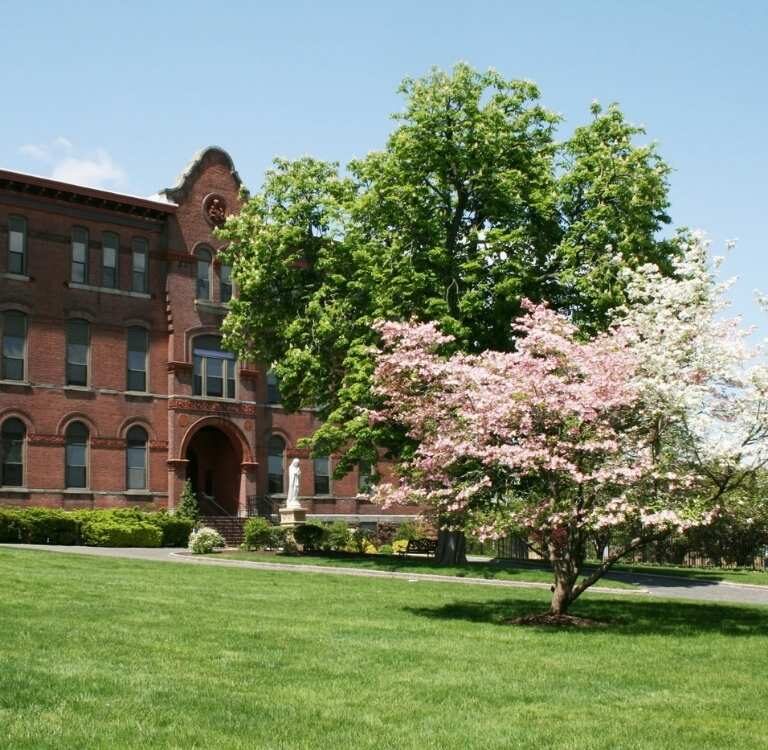
The state is not experiencing a single housing boom.

It is experiencing several overlapping housing transformations simultaneously.

Urban redevelopment dominates Hudson County. Community-driven expansion shapes Ocean County. Luxury suburban reinvention defines portions of Bergen County. Together, they reflect broader national trends reshaping metropolitan America after the pandemic.

Remote and hybrid work arrangements accelerated these shifts enormously.

Many younger professionals realized they no longer needed to remain physically tethered to Manhattan offices five days a week. That flexibility allowed thousands of residents to reconsider housing priorities entirely, prioritizing larger homes, outdoor space, community environments, schools, and quality-of-life considerations over ultra-close proximity to office towers.

New Jersey became one of the largest beneficiaries of that recalibration.

The state’s geographic position — wedged between New York City and Philadelphia while offering extensive commuter infrastructure, suburban inventory, waterfront access, and relatively diverse housing options — made it uniquely positioned to absorb pandemic-era migration flows.

The timing also mattered economically.

New Jersey has now avoided a major recession for approximately 15 years, creating one of the longest sustained economic expansion periods supporting residential development in recent state history. That stability helped maintain construction momentum even amid broader national uncertainty.

The contrast with the aftermath of the 2008 financial crisis is particularly striking.

New home production collapsed to just over 12,000 units during the Great Recession, a fraction of today’s construction pace. The current cycle therefore represents not merely recovery, but a dramatic reversal fueled by demographic pressure, migration demand, and prolonged economic expansion.

Still, the housing boom is also generating mounting concerns.

Infrastructure strain, traffic congestion, school overcrowding, environmental stress, affordability challenges, stormwater management pressures, utility capacity demands, and political battles over zoning and density continue intensifying throughout many fast-growing regions of the state.

Communities across New Jersey increasingly find themselves divided between residents welcoming economic growth and others fearing overdevelopment, congestion, displacement, and changing neighborhood character.

Affordable housing obligations remain especially contentious.

As luxury construction accelerates in many areas, state and local governments continue wrestling with how to balance market-rate development with affordability mandates and broader housing accessibility concerns. The state’s longstanding housing shortage remains unresolved even amid elevated construction levels because demand continues outpacing supply across many markets.

Climate resilience also looms over future development patterns.

Much of New Jersey’s housing expansion is occurring in coastal or flood-sensitive regions increasingly vulnerable to rising sea levels, severe storms, heat events, and infrastructure stress tied to climate change. Future development decisions will likely become more deeply intertwined with environmental adaptation and resiliency planning.

Yet despite those challenges, the overall direction remains unmistakable.

New Jersey is undergoing one of the largest residential development surges in modern state history, driven by generational migration shifts, evolving work patterns, changing family structures, demographic expansion, and the enduring economic gravitational pull of the New York metropolitan region.

Hudson, Ocean, and Bergen counties now stand at the center of that transformation.

And together, they are redefining not only where New Jersey residents live, but what the future identity of the state itself may ultimately become.

Camden Celebrates the Power of Literacy and Community as Free Books Project Marks Its 1,500th Pop-Up Event With Major Citywide Block Party

In a world increasingly dominated by algorithms, digital distraction, and social fragmentation, one South Jersey initiative continues proving that something as simple as handing someone a free book can still change lives, create human connection, and transform public space into a source of hope, dignity, and opportunity. This week in Camden, that mission reached a remarkable milestone as the Free Books Project officially celebrated its 1,500th pop-up event with a major community block party outside Camden City Hall — a moment that represented far more than a number.

For founder Tom Martin of Haddon Township, the achievement marked the continuation of a grassroots movement built not around corporate funding campaigns or massive institutional infrastructure, but around direct human interaction, public accessibility, literacy outreach, and a deeply held belief that books still matter in powerful ways within communities too often overlooked by traditional cultural investment.

What began as a simple effort to distribute free reading materials in high-foot-traffic, low-income neighborhoods has steadily evolved into one of South Jersey’s most visible and emotionally resonant community literacy initiatives. Through 1,500 separate public pop-up events, Martin and the Free Books Project have quietly created a mobile network of reading access points stretching across urban corridors, transit hubs, public gathering spaces, neighborhoods, and community centers where books are placed directly into the hands of residents without barriers, cost, or expectation.

That work was celebrated Tuesday afternoon in Camden as residents, community advocates, elected officials, and supporters gathered outside City Hall to recognize not only the organization’s milestone but also the larger social impact the project has had throughout the region.

The atmosphere surrounding the celebration reflected the exact spirit that has defined the Free Books Project from the beginning. The block party transformed civic space into a vibrant public gathering focused on literacy, accessibility, and community engagement rather than transactional programming or institutional formality. Books circulated freely among residents. Conversations unfolded between strangers. Families explored tables of reading materials. Community leaders recognized Martin’s efforts publicly. And throughout the event, the deeper message remained clear: literacy is not a luxury, and access to books should never depend on income level or zip code.

That principle sits at the center of the Free Books Project’s mission.

For years, Martin has intentionally targeted locations often overlooked by traditional literary outreach efforts — areas where bookstores may be limited, educational inequities remain visible, and residents frequently face economic barriers that make book ownership far less accessible than many people realize. Instead of waiting for communities to come to libraries or formal literacy institutions, the project brings books directly into public spaces where people already gather naturally.

Transit stops, parks, downtown corridors, sidewalks, shelters, neighborhoods, and busy community intersections become temporary literary spaces where books are distributed freely and casually without judgment or bureaucracy. The approach strips away many of the invisible barriers that often discourage engagement with traditional educational or literary systems.

That accessibility has become increasingly important throughout New Jersey as conversations surrounding literacy gaps, educational equity, childhood reading development, and community investment continue expanding statewide. While New Jersey remains home to some of the strongest educational institutions in the country, disparities in access to books and literacy resources still exist heavily across income lines and geographic regions.

The Free Books Project addresses those gaps not through abstract policy debate but through direct action.

At each pop-up, books are placed directly into the public sphere in a way that feels approachable, welcoming, and community-centered rather than institutional. Residents can browse casually, take what interests them, return later, or simply stop to talk. The interactions themselves often become as meaningful as the books being distributed.

That human connection has become one of the defining elements of the project’s long-term success.

In many ways, the initiative functions as both a literacy movement and a social engagement project simultaneously. Martin’s work is rooted not only in distributing reading materials but also in creating moments of visibility, dignity, conversation, and public interaction within spaces that often receive attention primarily through narratives centered around poverty, crime, disinvestment, or political conflict.

Instead, the Free Books Project reframes public space through literature, curiosity, and accessibility.

The choice to celebrate the 1,500th pop-up in Camden carried particularly strong symbolic significance. Camden has long stood at the center of broader conversations surrounding urban revitalization, educational opportunity, economic inequality, and community reinvestment throughout New Jersey. While the city has experienced substantial redevelopment and institutional growth in recent years, many residents continue confronting longstanding socioeconomic challenges tied to generational inequities and resource disparities.

Initiatives like the Free Books Project therefore carry importance far beyond the books themselves because they reinforce the idea that cultural investment, literacy access, and community engagement belong within every neighborhood regardless of economic status.

The public recognition Martin received from elected officials during the celebration also reflects growing acknowledgment that grassroots civic initiatives often accomplish forms of community-building traditional institutions struggle to replicate. Small-scale, consistent, hyperlocal outreach efforts frequently generate deeper trust and stronger interpersonal relationships precisely because they operate outside formal systems and engage people directly within their daily environments.

Over 1,500 events, Martin has created a visible and recognizable presence throughout South Jersey communities. Residents know the tables of books. Children recognize the project. Families return repeatedly. Conversations develop organically around reading, storytelling, education, and personal connection. In a time when many public interactions have become increasingly digitized and transactional, the simplicity of offering someone a free book face-to-face carries unusual emotional power.

The milestone also highlights the enduring importance of physical books themselves in modern community life. Despite the dominance of digital media and online content ecosystems, books continue serving as uniquely powerful tools for education, imagination, self-discovery, emotional reflection, and intellectual development. Physical books in particular remain deeply significant because they are durable, shareable, screen-free, and accessible without technology or subscription barriers.

For many children encountering the Free Books Project, the experience may represent one of their first opportunities to personally select and own books entirely on their own terms. That sense of ownership and autonomy can profoundly influence relationships with reading and learning long-term.

The project’s success also reflects broader cultural shifts occurring throughout New Jersey’s literary and community engagement landscape. Across the state, independent literacy programs, community book festivals, neighborhood reading initiatives, mobile libraries, and grassroots educational projects have experienced growing visibility as communities increasingly recognize literacy as a foundational component of long-term social and economic health.

Books function not merely as educational tools but also as instruments of empowerment, imagination, mobility, and civic participation. Communities with stronger literacy access generally experience stronger educational outcomes, broader civic engagement, and expanded long-term opportunity structures. Projects like Martin’s contribute directly to that ecosystem in ways that may not always be immediately measurable but remain deeply impactful over time.

The emotional resonance surrounding the Camden block party also came from the sheer persistence represented by 1,500 separate events. Grassroots community initiatives often struggle with sustainability because they rely heavily on consistency, volunteer energy, logistical coordination, donations, and personal dedication over long periods of time. Reaching 1,500 pop-ups reflects not only organizational commitment but also extraordinary personal endurance and belief in the mission itself.

That consistency matters because trust within communities is built over time through repeated presence rather than isolated moments of visibility. The Free Books Project has become woven into the fabric of many South Jersey neighborhoods precisely because residents have seen it return again and again over the years.

As the celebration unfolded outside Camden City Hall, the broader meaning of the milestone became increasingly clear. This was not simply a recognition ceremony for a nonprofit initiative. It was a public acknowledgment of literacy as community infrastructure, books as tools of dignity and empowerment, and public outreach as a form of civic care.

In an age increasingly defined by polarization, economic anxiety, technological overload, and social isolation, the image of neighbors gathering outdoors around tables of free books carried unusual symbolic weight. It represented optimism rooted not in grand political rhetoric but in small, repeated acts of accessibility and generosity capable of strengthening communities one interaction at a time.

The Free Books Project’s 1,500th pop-up ultimately stands as proof that grassroots efforts can still create meaningful cultural impact even without massive budgets or institutional power. Sometimes transforming a community begins not with billion-dollar development projects or sweeping policy shifts, but with something far simpler: showing up consistently, opening books across a folding table, and inviting people to take one home.

Westwood’s Movies in the Park Tradition Continues to Define the Perfect New Jersey Summer as Families Gather Under the Stars for Free Community Film Nights

There are certain summer traditions in New Jersey that continue enduring year after year not because they are flashy or oversized, but because they capture something increasingly rare in modern life: genuine community connection. In a state known for packed shorelines, major concert venues, sports arenas, and nonstop regional activity, some of the most meaningful seasonal experiences still happen quietly inside neighborhood parks as families unfold lawn chairs, children run across open grass at sunset, and entire communities gather together beneath the night sky for a movie.

That atmosphere remains alive and thriving in Bergen County as Westwood Recreation Movies in the Park returns once again as one of North Jersey’s most beloved free summer traditions. Organized annually by the Westwood Recreation Department, the long-running community event has evolved into far more than a simple outdoor screening series. It has become a defining part of the borough’s summer identity — a recurring ritual that transforms public parks into gathering places where residents reconnect with neighbors, families create lasting memories, and local community life slows down long enough for people to simply enjoy being together outdoors.

In an era increasingly dominated by streaming services, individualized entertainment, and screen-driven isolation, Westwood’s outdoor movie nights continue proving that communal experiences still matter deeply. The tradition taps into something timeless about summer in New Jersey itself: warm evenings, neighborhood familiarity, open-air recreation, and the emotional comfort of shared local traditions passed from one generation to the next.

What makes Westwood’s movie programming particularly unique is that the borough actually hosts two distinct outdoor movie series throughout the summer season, each offering its own atmosphere, audience energy, and entertainment style while collectively reinforcing Westwood’s reputation as one of Bergen County’s most family-oriented and community-driven towns.

The first and most recognizable of the two is the official Westwood Recreation Local Movie Series, operated directly by the borough itself. Hosted primarily on consecutive Thursday nights throughout August, the screenings take place at Veterans Memorial Park, located directly in the center of town near the Westwood train station. The setting could hardly feel more quintessentially New Jersey suburban summer if it tried. Families arrive carrying blankets, folding chairs, snacks, and coolers while children gather in small groups across the lawn long before the films begin rolling at dusk.

The atmosphere is intentionally relaxed, welcoming, and deeply community-focused. The borough provides free popcorn, neighbors spread picnic blankets side by side, and the park gradually transforms into a temporary outdoor theater illuminated by the glow of the giant screen as the sun disappears behind the tree line. Unlike many commercial entertainment experiences built around speed and consumption, Movies in the Park operates at a slower, more human pace. People talk before the screenings. Children socialize. Parents reconnect. Residents who may pass one another every day without stopping suddenly spend entire evenings together in the same shared public space.

That sense of familiarity remains central to the event’s continued popularity.

Westwood itself has long cultivated a reputation as one of Bergen County’s most walkable and community-oriented downtowns. The borough’s combination of small-town atmosphere, train accessibility, local businesses, neighborhood parks, and active recreation programming has helped preserve a civic identity that many suburban communities struggle to maintain in increasingly fragmented social environments. Events like Movies in the Park reinforce that identity by giving residents recurring opportunities to gather physically within public space rather than interacting purely through digital life.

The film selections for the local series are intentionally family-centered, leaning heavily toward G- and PG-rated animated favorites, musicals, classic family adventures, and broadly accessible crowd-pleasers capable of appealing across multiple generations simultaneously. That programming strategy is part of what makes the event feel so multigenerational. Parents who grew up attending outdoor movie nights now return with children of their own, creating a cycle of community tradition that extends far beyond any individual film itself.

There is also something emotionally significant about outdoor movie watching that indoor theaters simply cannot replicate. The open sky, ambient summer air, distant train sounds, children moving freely through the park, and the gradual arrival of darkness all become part of the cinematic experience itself. Unlike traditional theaters where audiences disappear into controlled environments, Movies in the Park integrates entertainment directly into the rhythms of community life and the physical environment of the borough itself.

The second major component of Westwood’s outdoor movie culture arrives through Bergen County’s regional Summer Movies in the Park program, which includes Westwood as one of its featured locations due to the borough’s connection to Pascack Brook County Park. These county-sponsored screenings typically occur on select Wednesday evenings during July and offer a slightly different atmosphere and programming style compared to the borough’s more family-focused local series.

Hosted at Pascack Brook County Park on Emerson Road, the county-level screenings scale upward in both size and cinematic ambition. While the Veterans Memorial Park events center heavily around animated classics and broad family entertainment, the Bergen County series often features larger PG-13 blockbusters, superhero films, sci-fi adventures, action releases, and crowd-driven mainstream titles designed to attract broader regional audiences.

That dual-program structure gives Westwood something unusually valuable within Bergen County’s summer recreation landscape: two distinct outdoor movie experiences serving different audiences while still reinforcing the same broader sense of local community engagement.

The contrast between the two series also reflects the broader evolution of outdoor entertainment culture throughout New Jersey over the last decade. Municipalities increasingly recognize that public recreation programming now serves purposes extending far beyond entertainment alone. Outdoor concerts, movie nights, festivals, food-truck gatherings, wellness events, and arts programming have become critical tools for strengthening civic identity, supporting downtown activity, encouraging family engagement, and preserving public social interaction within increasingly digital lifestyles.

Movies in the Park events across the state have experienced major growth partly because they deliver something audiences increasingly crave: low-pressure communal experiences accessible to nearly everyone regardless of age or economic background. In a period where many entertainment costs continue rising dramatically, free public events provide families with opportunities to spend meaningful time together without the financial barriers attached to many commercial outings.

Westwood’s version of the tradition stands out because of how organically it fits into the character of the borough itself. Veterans Memorial Park’s location near the center of town allows families to integrate movie nights into larger evening routines involving downtown dining, ice cream stops, shopping, or simply walking through the borough before heading to the screening. The park becomes not just an event site but part of the social fabric of the town.

The accessibility of the series also contributes heavily to its success. Residents can walk from nearby neighborhoods, arrive easily from the train station area, or spend the evening without the logistical complications often attached to larger regional events. That simplicity reinforces the relaxed atmosphere defining the screenings themselves.

At a broader cultural level, events like Westwood Recreation Movies in the Park also reflect the continuing importance of local government recreation departments in shaping quality of life throughout New Jersey communities. While major cities and entertainment corporations often dominate headlines surrounding cultural programming, many of the state’s most meaningful public experiences are still organized quietly by local municipalities investing directly in community engagement.

Westwood’s commitment to maintaining and expanding these traditions speaks to a larger understanding that parks and recreation programming are not secondary luxuries within suburban life. They are essential components of civic culture, neighborhood cohesion, and family well-being.

There is also a strong nostalgic dimension driving the enduring popularity of outdoor movie nights. For many residents, the events evoke memories of earlier eras when community life unfolded more visibly in public spaces. Children playing outside after sunset, neighbors gathering casually, and parks functioning as true social centers all carry emotional resonance in today’s hyperconnected but often socially fragmented world.

Yet Movies in the Park is not merely nostalgia. It remains remarkably relevant because it fulfills modern needs just as effectively as it honors older traditions. Families seek affordable outings. Parents search for screen-free community experiences. Residents crave connection to place and neighborhood identity. Public outdoor events satisfy all of those desires simultaneously.

As another summer season unfolds in Bergen County, Westwood Recreation Movies in the Park once again prepares to transform ordinary evenings into something memorable through the simple but enduring power of shared experience. Blankets will spread across the grass. Free popcorn will circulate through the crowd. Children will laugh beneath the glow of the giant screen. Neighbors will reconnect. Families will pause their routines long enough to enjoy a few quiet hours together beneath the stars.

And in doing so, Westwood will once again remind New Jersey why some of the best summer traditions are still the simplest ones.

T&M Associates Strengthens Executive Leadership With Appointment of Adanma Akujieze as Chief Financial Officer Amid Expanding Infrastructure, Engineering, and Digital Transformation Demands

As New Jersey’s infrastructure, engineering, environmental consulting, and technical services sectors continue evolving under the pressure of modernization, population growth, public investment, and rapidly shifting business technologies, one of the region’s established engineering firms is making a major leadership move designed to position itself for long-term strategic expansion and operational transformation.

T&M Associates has officially announced the appointment of Adanma Akujieze as the company’s new chief financial officer, bringing into the organization a nationally experienced financial executive whose background spans enterprise transformation, strategic growth planning, financial operations, governance oversight, compliance management, and complex organizational leadership across both private equity-owned and publicly traded companies.

The appointment arrives at a particularly important moment for engineering and technical consulting firms throughout New Jersey and the broader Northeast, where rising infrastructure investment, environmental compliance demands, construction expansion, transportation modernization, digital integration, and public-sector redevelopment initiatives are reshaping the competitive landscape for firms operating at the intersection of engineering, finance, planning, and technology.

Akujieze’s role inside T&M Associates will extend well beyond traditional accounting oversight.

According to the company, she will serve as a strategic business partner to the executive leadership team while overseeing planning and management functions throughout the finance department, helping guide the organization through a period of increasingly sophisticated operational and financial demands.

That distinction matters.

Modern engineering and technical services firms no longer operate purely as project-based design companies. Increasingly, they function as highly integrated multidisciplinary organizations balancing engineering expertise with digital infrastructure management, regulatory strategy, public-private coordination, data analytics, workforce planning, sustainability initiatives, cybersecurity concerns, procurement systems, and large-scale operational forecasting.

The chief financial officer position inside firms like T&M therefore carries enormous strategic influence.

Financial leadership now touches virtually every aspect of long-term infrastructure development and organizational growth, from capital allocation and expansion strategy to workforce scaling, technological modernization, risk management, compliance frameworks, and enterprise transformation planning.

Akujieze’s professional background appears particularly aligned with those emerging realities.

Her experience spans organizations ranging in size from 400 employees to more than 23,000 employees, exposing her to multiple operational scales and corporate structures during periods of growth, transformation, and organizational complexity. She has worked within both publicly traded corporations and private equity-owned businesses, environments known for demanding high-level financial discipline, strategic agility, operational transparency, and long-term scalability.

That range of experience is increasingly valuable in the engineering and consulting sectors, where firms must navigate volatile economic conditions while simultaneously pursuing expansion opportunities tied to infrastructure spending and technological modernization.

The broader business environment surrounding the appointment is especially significant for New Jersey.

The state is currently experiencing one of the most active periods of infrastructure-related investment and redevelopment activity in decades. Transportation upgrades, flood mitigation initiatives, energy transition projects, environmental remediation efforts, logistics expansion, water system modernization, public works upgrades, housing development, and climate resilience planning are all generating enormous demand for engineering, consulting, and technical advisory services.

Engineering firms throughout the region are therefore under pressure to scale intelligently.

Growth alone is no longer sufficient. Companies increasingly require sophisticated financial leadership capable of balancing expansion with operational discipline while preparing organizations for technological disruption and long-term market volatility.

Akujieze’s background in enterprise digital transformation may prove especially important in this environment.

The engineering and infrastructure industries are currently undergoing rapid technological evolution involving automation systems, AI-assisted modeling, cloud-based project management, predictive analytics, integrated data platforms, remote collaboration tools, GIS expansion, environmental monitoring systems, and increasingly complex digital compliance requirements.

Financial executives now play a central role in determining how organizations invest in and integrate those systems.

That reality marks a major shift from older corporate models where CFOs were viewed primarily through the lens of accounting oversight and fiscal control. In modern growth-oriented firms, financial leaders increasingly function as strategic architects helping shape organizational direction itself.

T&M’s announcement reflects that broader evolution directly.

Company leadership emphasized Akujieze’s “strategic insight,” “commitment to innovation,” and collaborative leadership style alongside her technical financial expertise. Those qualities increasingly define executive leadership priorities across industries where operational flexibility, digital adaptation, and long-term organizational resilience have become central competitive advantages.

The engineering sector in particular has become increasingly interconnected with technology-driven management systems.

Project forecasting, procurement logistics, labor planning, environmental compliance tracking, construction sequencing, permitting timelines, cybersecurity protection, sustainability metrics, and client coordination all now rely heavily on advanced data management and integrated operational platforms. Financial leaders capable of understanding both traditional fiscal strategy and enterprise-wide transformation dynamics therefore carry heightened value.

Akujieze’s experience across budgeting, workforce planning, financial analytics, auditing, risk management, and corporate compliance similarly reflects the growing complexity facing modern engineering firms.

Projects today often involve overlapping regulatory jurisdictions, environmental mandates, public financing structures, federal oversight requirements, sustainability benchmarks, and cybersecurity considerations. Managing those environments requires not simply engineering expertise, but sophisticated organizational governance structures capable of navigating risk across multiple dimensions simultaneously.

The appointment also highlights how leadership diversity continues evolving across New Jersey’s executive business landscape.

Historically, engineering, infrastructure, and technical consulting sectors often reflected narrower executive representation patterns than many other industries. Increasingly, however, firms throughout New Jersey and nationally are broadening leadership recruitment strategies to include executives with more diverse operational backgrounds, governance experiences, and organizational perspectives.

Akujieze’s cross-sector leadership history may provide particular strategic value in that regard.

Executives who have operated across multiple industries frequently bring broader frameworks for organizational adaptation, innovation management, workforce development, and operational restructuring than leaders whose careers remained confined to single-sector environments. In industries undergoing transformation, that broader perspective can become a major advantage.

T&M Associates itself occupies an important position inside New Jersey’s infrastructure ecosystem.

Firms operating in engineering and technical consulting increasingly serve as connective tissue between government agencies, developers, transportation systems, environmental initiatives, construction management operations, and regional economic development strategies. Their work often shapes how communities physically evolve over decades.

As New Jersey continues confronting climate resilience challenges, transportation congestion, aging infrastructure, stormwater management pressures, housing expansion needs, and sustainability requirements, engineering firms will likely play even more central roles in determining the state’s long-term development trajectory.

That broader economic backdrop makes executive appointments like this particularly meaningful.

They are not merely internal staffing changes.

They are signals about how firms intend to position themselves inside industries undergoing structural transformation tied to infrastructure modernization, environmental policy shifts, digital integration, and long-term regional growth planning.

The timing also aligns with broader national investment trends.

Federal infrastructure spending programs, climate adaptation initiatives, transportation modernization packages, and public works funding streams continue generating major opportunities for engineering and technical consulting firms nationwide. Companies capable of managing growth strategically while maintaining operational stability are positioned to benefit substantially over the coming decade.

Strong financial leadership becomes critical under those conditions.

Rapid expansion without disciplined governance can expose firms to serious operational risk, especially in industries tied to long-term public projects, regulatory oversight, and large-scale capital commitments. CFOs increasingly function as stabilizing strategic partners responsible not only for managing financial systems, but also for helping organizations scale sustainably amid uncertain economic conditions.

Community engagement also remains an important aspect of Akujieze’s profile.

Her board leadership roles involving WellSpan Evangelical Community Hospital and the Pennsylvania Institute of Certified Public Accountants reflect the increasingly interconnected relationship between corporate leadership and civic institutional participation.

That kind of governance experience often strengthens executive effectiveness inside industries where public trust, stakeholder coordination, and regulatory relationships carry major importance.

Ultimately, the appointment of Adanma Akujieze represents more than a personnel announcement for a growing engineering firm.

It reflects the broader transformation occurring across infrastructure, consulting, and technical services industries throughout New Jersey and the Northeast — industries now operating at the intersection of finance, technology, environmental policy, public investment, operational risk, workforce development, and long-term economic planning.

And as New Jersey continues rebuilding, modernizing, expanding, and adapting to the demands of the next generation economy, the executives shaping those organizations may become just as important as the projects themselves.

New Jersey Devils Enter a Franchise-Defining 2026 NHL Draft as Sunny Mehta’s First Major Offseason Begins With the 12th Overall Pick and Critical Roster Decisions

The New Jersey Devils are approaching one of the most important NHL Drafts in recent franchise history, and the stakes surrounding the organization extend far beyond simply selecting another prospect. As the 2026 NHL Entry Draft approaches later this month, the Devils find themselves standing at a critical intersection between long-term roster construction, immediate playoff urgency, front-office evolution, salary-cap strategy, prospect development, and the growing pressure to transform elite talent into sustained Stanley Cup contention.

Scheduled for Friday, June 26 and Saturday, June 27, 2026, the NHL Draft will once again serve as one of the defining moments of the hockey calendar, but for the Devils, this year’s event carries particularly significant weight because it marks the first draft overseen by newly appointed general manager Sunny Mehta — a pivotal leadership transition that could ultimately shape the next era of hockey in Newark.

The 2026 draft itself reflects the NHL’s continuing operational evolution. Hosted by the Buffalo Sabres at KeyBank Center in Buffalo, New York, the event will once again utilize the league’s newer decentralized format, meaning team executives and front offices will largely remain operating from their home markets rather than fully traveling to the draft floor itself. While the visual spectacle of traditional draft tables scattered throughout the arena may continue fading under the modern structure, the intensity surrounding organizational decision-making has only increased.

Round One begins Friday night at 7:00 PM Eastern Time with national coverage airing across ESPN, ESPN+, Sportsnet, and TVA Sports. Rounds Two through Seven will follow Saturday morning beginning at 10:00 AM with additional coverage on NHL Network, ESPN+, and Canadian broadcast partners.

For the Devils, however, the focus centers squarely on the 12th overall selection — a draft position that now represents both a valuable organizational asset and a potential crossroads for the franchise’s short-term future.

Following the NHL Draft Lottery, New Jersey officially secured the 12th overall pick in the first round, positioning the organization inside a fascinating section of the draft board where teams often face difficult strategic choices between selecting high-upside developmental talent or leveraging premium picks in aggressive trade negotiations aimed at immediate roster upgrades.

That tension may define the entire Devils offseason.

The arrival of Sunny Mehta as general manager fundamentally changes how observers around the league are interpreting New Jersey’s draft strategy. Mehta inherits a roster already containing elite high-end talent, but also one facing increasingly urgent questions regarding playoff readiness, scoring consistency, defensive depth, roster balance, and long-term cap management.

Unlike rebuilding franchises prioritizing patience and future development above all else, the Devils no longer exist in purely developmental territory. With core stars already established and expectations escalating throughout the fanbase, every major organizational decision now unfolds under the pressure of immediate competitiveness.

That reality makes the 12th overall pick extraordinarily valuable.

The Devils must now decide whether the selection is more valuable as a future player or as a trade chip capable of addressing immediate NHL weaknesses. The organization’s ongoing search for more consistent 5-on-5 offensive production remains one of the biggest themes entering the offseason. While New Jersey’s high-end talent remains among the league’s most dangerous when fully healthy and operating at peak efficiency, stretches of inconsistency during critical moments exposed lingering concerns surrounding scoring depth, lineup balance, and the team’s ability to generate sustained offensive pressure beyond its primary stars.

Those issues become magnified during playoff hockey, where defensive structures tighten, transition opportunities shrink, and secondary scoring often determines postseason survival. For Mehta, the draft therefore becomes inseparable from the broader question of whether the Devils should continue building patiently around internal growth or accelerate the process through aggressive roster moves designed to capitalize on the franchise’s current competitive window.

Complicating matters further is the broader philosophical shift now unfolding inside the Devils front office.

One of the most important offseason developments came with the hiring of Braden Birch as assistant general manager. Birch arrives in New Jersey after working within the Florida Panthers organization, bringing experience from one of the NHL’s most aggressive and analytically progressive front offices. Florida’s recent success has made executives connected to the Panthers highly sought-after throughout the league, particularly because of the organization’s ability to blend modern analytics, aggressive roster construction, cap flexibility, and playoff-oriented player acquisition strategies.

Birch’s influence is expected to extend heavily into both draft evaluation and long-term cap management decisions. The Devils have increasingly embraced modern analytical approaches over recent years, and Mehta’s administration appears likely to push even further into data-driven decision-making combined with aggressive competitive positioning.

That dynamic could significantly influence how New Jersey approaches the draft board itself.

The organization’s scouting focus entering the draft has already begun generating attention, particularly surrounding several prominent international prospects linked to the Devils through internal evaluations and team media coverage. Among the names drawing increasing interest is Swedish defenseman Malte Gustafsson, currently ranked seventh among European skaters and viewed by many scouts as one of the most intriguing two-way defense prospects available in the draft class.

Gustafsson represents the kind of player modern NHL organizations covet heavily — mobile, positionally intelligent, physically mature, and capable of transitioning the puck efficiently through all three zones. Given the Devils’ existing emphasis on speed, puck movement, and transition offense, his skill set aligns naturally with the organization’s broader stylistic identity.

At the same time, powerful forward Ethan Belchetz has also emerged as a notable player connected to New Jersey’s scouting discussions. Belchetz brings a different profile entirely — size, physicality, net-front presence, and power-forward traits that many observers believe the Devils still lack consistently throughout portions of their forward group.

That contrast between Gustafsson and Belchetz may ultimately symbolize the larger philosophical debate shaping New Jersey’s draft strategy.

Do the Devils prioritize adding another highly skilled transitional defenseman to strengthen long-term blue-line depth and puck movement? Or do they focus instead on heavier, playoff-style forwards capable of adding physicality, forechecking pressure, and interior scoring presence around their established stars?

The answer could reveal a great deal about how Mehta views the organization’s competitive identity moving forward.

The Devils’ draft capital structure also adds another layer of complexity to the weekend. New Jersey no longer possesses its 2026 third-round selection after dealing the pick to the New York Islanders earlier in the season as part of the trade package that brought forward Maxim Tsyplakov into the organization.

That missing third-rounder subtly alters the team’s draft flexibility because middle-round selections often provide opportunities for organizational depth swings, developmental projects, and strategic trade maneuvering. Without that pick, the value of the 12th overall selection potentially becomes even more magnified depending on how aggressively the front office wishes to reshape the roster.

Around the league, the broader context of the 2026 NHL Draft remains fascinating as well. The Toronto Maple Leafs officially secured the first overall selection following the draft lottery, while the San Jose Sharks landed the second pick, dramatically influencing the structure of the top end of the draft board. Both franchises now sit at critical moments in their own organizational timelines, adding additional intrigue to the opening round.

Yet for New Jersey, the story remains less about lottery drama and more about strategic direction.

The Devils are no longer judged purely by future promise. That phase of the rebuild is effectively over. Expectations surrounding the franchise have changed dramatically because the talent foundation is already in place. Fans, analysts, and league observers now evaluate the Devils through the lens of postseason viability, roster efficiency, championship trajectory, and management execution.

That creates enormous pressure on Mehta’s first draft.

Historically, the NHL Draft often defines front-office eras long before those outcomes become fully visible. The players selected — or the trades made instead of selecting them — can shape organizational identity for years. Successful franchises consistently balance present urgency with future sustainability, while unsuccessful ones often misjudge competitive timing, overvalue short-term fixes, or fail to maximize critical draft capital.

For the Devils, the challenge is particularly delicate because the organization already possesses elite foundational talent but still requires refinement around the edges of the roster. The margin between contender and disappointment in today’s NHL is razor-thin, especially within the Eastern Conference where playoff competition continues intensifying every season.

The draft therefore becomes more than a prospect showcase. It becomes a reflection of organizational philosophy itself.

Will the Devils prioritize patience, internal development, and long-term roster layering? Will they aggressively pursue NHL-ready help through trade negotiations? Will they attempt to blend both strategies simultaneously? And perhaps most importantly, what type of hockey identity are Mehta and his front office ultimately trying to build?

As June 26 approaches, those questions continue hovering over the franchise.

The Devils enter the 2026 NHL Draft carrying both enormous potential and rising expectations. With a new general manager, a reshaped front office, a valuable first-round pick, evolving roster needs, and a fanbase eager for deeper postseason success, the decisions made in Buffalo — whether remotely or directly from the draft floor — could help define the next chapter of hockey in New Jersey for years to come.
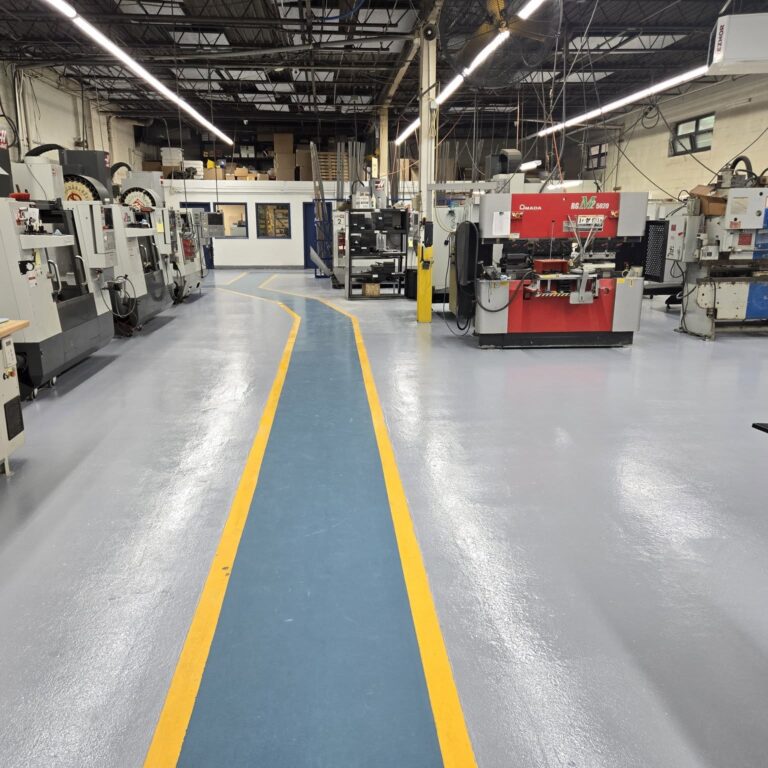
For a franchise attempting to transition fully from promising contender to legitimate Stanley Cup threat, the 2026 draft is not simply another annual event on the NHL calendar. It may become one of the most consequential weekends of the entire Devils era under Sunny Mehta.

Paterson’s Biggest Housing Developer Is Reshaping the City Again: Why Charles Florio’s Massive Property Selloff Signals a New Era for Paterson Real Estate

Few developers have become as deeply intertwined with the identity, controversy, transformation, and future trajectory of Paterson, New Jersey as Charles Florio.

For years, Florio and his company, ANIA Management, have occupied a uniquely influential position inside one of New Jersey’s most historically important — and economically challenged — urban housing markets. His projects have sparked praise, criticism, political clashes, neighborhood revitalization efforts, media attention, and ongoing debate surrounding what redevelopment should look like in a city wrestling simultaneously with vacancy, poverty, disinvestment, rising housing demand, and long-term reinvention.

Now, one of the most significant real estate moves in recent Paterson history is unfolding.

Florio is reportedly selling an extraordinary portfolio of 85 multifamily properties spread throughout Paterson in what brokers are describing as a strategic pivot designed to fuel even larger future development projects across the city. The announcement immediately sent ripples through regional real estate circles because the scale of the transaction reflects far more than a routine portfolio adjustment. It signals a potentially transformative moment in Paterson’s next development phase — one that could reshape neighborhoods, investment patterns, housing density, and the city skyline itself over the coming years.

At Sustainable Action Now, real estate stories increasingly involve more than transactions and property values alone. They intersect with urban redevelopment, affordable housing pressures, neighborhood identity, political influence, economic mobility, displacement concerns, community stabilization, infrastructure investment, and the larger struggle over who ultimately shapes the future of post-industrial American cities.

Few places embody those tensions more visibly than Paterson.

Once one of America’s great industrial powerhouses, Paterson has spent decades navigating the difficult realities facing many legacy urban centers: economic restructuring, manufacturing decline, disinvestment, population shifts, aging infrastructure, housing instability, and uneven redevelopment. Yet despite those challenges, the city remains one of New Jersey’s most culturally vibrant and strategically significant urban markets, positioned increasingly close to rising regional housing demand spilling outward from more expensive surrounding areas.

Inside that landscape, Charles Florio became impossible to ignore.

The developer built his reputation not by focusing exclusively on luxury projects or isolated high-profile developments, but through aggressive acquisition and rehabilitation of distressed, vacant, abandoned, and underperforming properties scattered across some of Paterson’s most difficult neighborhoods. Over time, those investments expanded into a massive multifamily portfolio representing a substantial share of the city’s residential housing ecosystem.

According to Kislak Company Inc., the Woodbridge-based brokerage handling the portfolio sale, the properties represent decades of strategic investment and redevelopment spanning nearly every section of Paterson. The holdings reportedly include everything from restored pre-war multifamily buildings to newly developed residential properties reflecting the city’s evolving housing landscape.

The scale alone makes the transaction remarkable.

Eighty-five multifamily properties changing hands simultaneously is not simply another real estate listing. It is effectively the repositioning of a substantial urban housing network inside one of New Jersey’s most densely populated cities.

At Sustainable Action Now, one of the most important aspects of this development is understanding what the sale appears to represent strategically.

Florio is not reportedly exiting Paterson. Quite the opposite.

The sale is being framed as a reinvestment maneuver designed to free capital and operational focus for even more ambitious future developments within the city itself. In other words, the portfolio liquidation may function less like retreat and more like consolidation before expansion.

That distinction matters enormously.

Real estate developers operating at Florio’s scale frequently reach moments where long-term property management begins limiting their ability to pursue larger transformative projects. Holding extensive stabilized multifamily portfolios generates steady revenue, but also ties up enormous amounts of capital, maintenance responsibility, management infrastructure, financing complexity, and operational bandwidth.

Selling mature holdings can therefore create liquidity for significantly larger redevelopment opportunities.

The statement from Kislak suggesting ANIA Management is “forging ahead with even more ambitious projects that continue to reshape the local skyline” strongly implies that Paterson’s next development wave may already be forming behind the scenes.

That possibility raises enormous questions about the city’s future direction.

Paterson’s housing market sits at a particularly complicated intersection right now. On one hand, the city desperately needs additional investment, rehabilitation, infrastructure improvements, and quality housing stock. Longstanding vacancy issues, abandoned properties, and underutilized land have burdened neighborhoods for decades. Developers willing to invest aggressively in difficult urban environments often become critical catalysts for stabilization and growth.

On the other hand, large-scale redevelopment inevitably introduces concerns surrounding affordability, displacement pressure, speculative investment, neighborhood identity shifts, and the long-term accessibility of housing for existing residents.

Florio’s history inside Paterson reflects both sides of that tension.

Supporters frequently point to his willingness to purchase and rehabilitate distressed housing in areas other investors avoided entirely. His company’s investments helped restore numerous abandoned or deteriorating properties while increasing occupied housing stock in neighborhoods struggling with vacancy and neglect.

The developer also gained significant public attention through unusually aggressive community-focused initiatives.

In 2018, Florio made national headlines after offering free apartments to police officers willing to move into troubled neighborhoods — a controversial but highly publicized attempt to stabilize communities through residential presence and informal neighborhood deterrence. Earlier, he reportedly proposed purchasing all city-owned vacant land in Paterson outright, framing the move as a challenge to municipal inertia surrounding redevelopment and property management.

Those actions helped solidify his reputation as both deeply invested in Paterson’s future and highly willing to confront city institutions publicly when disagreements emerged.

At Sustainable Action Now, that confrontational dynamic is especially important because urban redevelopment rarely unfolds smoothly in cities carrying decades of economic complexity and political fragmentation.

Developers, city governments, school districts, neighborhood groups, housing advocates, investors, and residents frequently operate with competing priorities. Revitalization itself becomes politically charged because communities often agree broadly on the need for improvement while disagreeing intensely on how redevelopment should occur, who benefits, and what tradeoffs become acceptable.

Florio’s public disputes with city officials over school property sales, land use, redevelopment decisions, and neighborhood conditions reflected that reality repeatedly over the years.

Yet his willingness to remain invested in Paterson despite those conflicts distinguishes him from many speculative investors who enter distressed markets briefly before exiting once conditions become difficult politically or economically.

The current portfolio sale therefore feels symbolically significant because it may represent the transition from one stage of Paterson redevelopment into another.

The first phase involved stabilization — acquiring neglected housing stock, restoring occupancy, improving property conditions, and rebuilding confidence in neighborhoods long dismissed by outside investors.

The next phase may involve larger-scale transformation projects capable of altering density, skyline composition, mixed-use development patterns, and broader economic activity throughout the city.

At Sustainable Action Now, another major aspect of this story involves what it reveals about changing regional real estate dynamics across northern New Jersey overall.

Housing affordability pressures throughout the New York metropolitan region continue pushing investors and developers toward historically overlooked urban markets with strong transit connectivity, existing infrastructure, and redevelopment potential. Cities like Paterson increasingly attract attention because surrounding suburban and luxury urban markets have become prohibitively expensive for many residents and investors alike.

This regional pressure is accelerating redevelopment interest dramatically.

Paterson’s location, density, transportation access, architectural character, and housing demand potential make it especially attractive for long-term urban investment despite its ongoing challenges. Large-scale multifamily development and rehabilitation therefore appear likely to continue expanding.

The question is what form that growth ultimately takes.

Will redevelopment prioritize affordability and community stabilization alongside profitability? Will existing residents benefit materially from investment surges? Will infrastructure, schools, transit, and public services keep pace with development intensity? Will speculative pressure eventually accelerate displacement in historically working-class neighborhoods?

These questions increasingly define urban redevelopment conversations nationwide.

The architectural diversity within Florio’s portfolio also reflects another important dimension of Paterson itself: the city contains extraordinary historical housing stock spanning multiple eras of industrial urban development. Preserving and modernizing these properties presents both opportunity and challenge simultaneously.

Older multifamily buildings often carry historic character and neighborhood identity impossible to replicate through entirely new construction. Yet maintaining and upgrading aging housing stock requires substantial capital investment and long-term operational commitment.

Developers willing to navigate those complexities therefore play outsized roles in shaping whether historic urban housing survives or deteriorates further.

At Sustainable Action Now, perhaps the most fascinating aspect of this story is that it reveals how individual developers can become deeply woven into the identity of a city itself.

Charles Florio’s influence inside Paterson extends beyond real estate holdings alone. His projects, public statements, political conflicts, neighborhood initiatives, and redevelopment philosophy became part of the city’s broader narrative regarding what recovery, reinvestment, and urban transformation might look like.

Now, by selling 85 multifamily properties while signaling even larger ambitions ahead, Florio appears poised to enter another chapter entirely.

And for Paterson, that likely means the city’s redevelopment story is far from slowing down.

In fact, it may only be accelerating into something much larger than what residents, investors, and political leaders have seen so far.

Pride Flags, Public Property, and Political Division: How One Small New Jersey Town Became the Center of a Much Larger National Debate

What unfolded recently inside the council chambers of Boonton, New Jersey was about far more than a municipal flag ordinance.

On the surface, the issue appeared procedural and relatively straightforward: whether the Morris County town should amend its municipal policy to allow the Pride Flag to be flown during Pride Month at Grace Lord Park alongside approved government-related flags already permitted on public property.

But as public meetings intensified, emotions escalated, and a swastika was repeatedly displayed during debate, the controversy transformed into something far larger — a deeply revealing snapshot of how symbolic politics, LGBTQ visibility, public identity, free speech concerns, local government power, and modern culture wars are colliding in communities across the United States.

At Sustainable Action Now, conversations surrounding law, public policy, civic discourse, and social conflict increasingly involve examining how local governance battles often become proxies for national ideological tensions. What happened in Boonton reflects a growing reality across America: debates once considered largely symbolic are now emotionally charged flashpoints capable of dividing communities, reshaping local elections, and exposing broader anxieties surrounding identity, inclusion, governance, and public representation.

The controversy centered around an effort to revise a municipal ordinance governing which flags may be displayed on town property.

Previously, the ordinance reportedly limited municipal flag displays primarily to the American flag and certain government-associated banners, including military branch flags as well as state and county flags. In order for Boonton to officially fly the rainbow Pride Flag during June’s Pride Month observances, the ordinance itself needed to be amended.

The proposed revision passed the town council in narrow 5-4 votes during both introduction and final approval stages, reflecting the recently shifted political makeup of the governing body after Democrats secured majority control.

Yet despite passage by the council, the ordinance was subsequently vetoed by Republican Mayor James Lynch, effectively halting implementation because supporters lacked the supermajority necessary to override the veto.

The result left the existing restrictions intact.

But the procedural outcome became overshadowed almost entirely by the emotionally explosive imagery introduced during public debate.

Former councilman Michael Eoga, a Republican who served on the governing body for more than two decades, reportedly displayed a swastika at both public meetings while arguing against the ordinance changes. During the later meeting, he attempted to distribute copies to council members as part of what he described as a “slippery slope” argument regarding future flag display requests on public property.

According to the discussion presented publicly, Eoga argued that once municipalities begin permitting non-governmental symbolic flags, local governments may expose themselves to legal disputes or pressure involving other controversial or extremist groups seeking equal treatment under public accommodation or free expression principles.

The swastika, he suggested, was intended not as endorsement, but as a provocative illustration of where such policy decisions could theoretically lead.

Yet the symbolism itself immediately became the dominant issue.

At Sustainable Action Now, one of the most important realities surrounding this controversy is understanding that symbols operate emotionally as much as intellectually in public discourse. Regardless of stated intent, the swastika carries extraordinary historical weight because it remains globally associated with genocide, fascism, antisemitism, white supremacy, state violence, and one of the darkest chapters in modern human history.

Introducing such imagery into a local debate surrounding Pride flags guaranteed emotional escalation instantly.

For many residents and observers, the symbolism itself overwhelmed any procedural or legal argument being attempted. Public reactions reflected not merely disagreement about flag policy, but deep discomfort surrounding the normalization of inflammatory imagery inside civic debate spaces.

This dynamic highlights one of the defining characteristics of modern political discourse nationally: symbolic escalation increasingly replaces nuanced policy discussion.

Local meetings that once focused narrowly on zoning, ordinances, budgeting, or municipal administration now frequently become emotionally charged battlegrounds tied directly to national identity politics and broader cultural anxieties amplified through social media, partisan media ecosystems, and ideological polarization.

The Boonton meetings appear to fit squarely within that evolving landscape.

Supporters of flying the Pride Flag argued that public recognition during Pride Month represented a meaningful acknowledgment of LGBTQ residents and communities historically marginalized, discriminated against, or excluded from public visibility and civic affirmation.

Statements emphasizing inclusion and equal recognition framed the Pride Flag not merely as political symbolism, but as representation for people seeking acknowledgment and acceptance within the broader community.

One speaker reportedly summarized that perspective succinctly by stating, “Inclusion is not un-American.”

That phrase captures a broader cultural argument increasingly central to municipal debates involving Pride displays nationwide. Supporters often view Pride symbolism as civic recognition similar to heritage celebrations, awareness months, or public acknowledgment extended toward other historically marginalized communities.

Opponents, however, frequently frame such displays differently.

Critics of changing the ordinance reportedly argued that government property should remain limited to officially governmental symbols only, contending that the American flag alone already represents all citizens regardless of identity categories. Others expressed concern about municipalities selectively elevating particular causes, groups, or movements through official endorsement-like symbolism on public property.

This debate mirrors legal and political battles unfolding nationally surrounding government speech, symbolic expression, and public forum doctrine.

Courts across the country have increasingly wrestled with complicated constitutional questions regarding whether public flag displays constitute government speech — allowing municipalities broad discretion over which symbols they endorse — or whether opening public spaces to certain expressions creates obligations toward viewpoint neutrality under First Amendment principles.

The “slippery slope” argument referenced during the Boonton meetings reflects those broader constitutional tensions, though critics argue such comparisons often become inflammatory when tied to extremist symbolism.

At Sustainable Action Now, another major aspect of this controversy involves how rapidly local governance disputes now become public cultural flashpoints amplified far beyond town borders.

Boonton is not a massive city. Yet the combination of Pride symbolism, partisan division, swastika imagery, mayoral veto power, and public emotional confrontation transformed a local ordinance debate into a broader cultural conversation reflecting national polarization dynamics.

Social media intensifies this dramatically.

Moments once confined largely to town halls now circulate regionally and nationally within hours, often stripped of procedural nuance and condensed into emotionally charged narratives. This creates pressure on local officials operating inside environments where every symbolic action may instantly become part of larger ideological conflicts extending far beyond municipal boundaries.

Mayor Lynch’s veto further intensified those dynamics because it shifted the conflict from procedural ordinance discussion into a direct confrontation over political authority itself.

His reported statement emphasizing the American flag as sufficient representation for all residents reflects a philosophy increasingly common among officials opposing expanded symbolic displays on government property. At the same time, critics interpreted the veto as suppressing LGBTQ visibility and recognition despite council majority support.

The response from Boonton Rainbow Pride illustrates how emotionally significant the issue became for local advocates. Their statement accusing the mayor of imposing “his own personal agenda” reflects broader frustrations many activists feel when symbolic inclusion measures face governmental resistance despite evolving public attitudes surrounding LGBTQ rights nationally.

At Sustainable Action Now, one of the most revealing aspects of this entire controversy is how clearly it demonstrates the growing fragmentation of civic consensus in modern America.

Not long ago, municipal governance often functioned largely through pragmatic compromise focused on infrastructure, services, and administration. Today, local politics increasingly operate as extensions of broader national ideological conflict. Questions involving flags, curriculum, library materials, public monuments, holidays, identity representation, and symbolic recognition now carry extraordinary emotional and political intensity.

These conflicts persist partly because symbols themselves have become proxies for deeper fears and aspirations surrounding social change.

For some residents, Pride flags symbolize visibility, inclusion, evolving civil rights recognition, and community affirmation. For others, they represent government overreach into identity politics or selective endorsement of social movements. Similarly, concerns surrounding unrestricted symbolic access to public spaces reflect anxieties about institutional neutrality and legal consistency, even when critics strongly reject inflammatory comparisons used rhetorically.

The difficulty is that emotionally charged symbols rarely produce calm procedural debate.

Instead, they activate historical trauma, political identity, personal values, cultural fears, and competing visions of public space simultaneously.

The Boonton meetings therefore became more than discussions about flags themselves. They became public confrontations over who feels represented, how government spaces should function symbolically, what civic inclusion means, and how communities navigate ideological division without collapsing into hostility.

At Sustainable Action Now, the broader lesson emerging from Boonton may be that local governments increasingly find themselves navigating national culture wars whether they seek to or not. Even seemingly narrow municipal policy revisions can rapidly evolve into emotionally explosive debates reflecting much larger societal tensions surrounding identity, representation, constitutional interpretation, and political power.

And perhaps most importantly, the controversy reveals how fragile civic discourse can become once symbolic escalation overtakes substantive dialogue.

Because regardless of political perspective, once swastikas enter a public meeting — even rhetorically — the debate itself changes fundamentally. The emotional center shifts. Trust erodes. The possibility of measured disagreement narrows dramatically.

What remains afterward is often not resolution, but a community left grappling with what its public spaces, symbols, and governing institutions are supposed to represent moving forward.

The World Cup Is Coming to New Jersey — and So Is a Transportation Stress Test Unlike Anything NJ Transit Has Ever Faced

The countdown to the FIFA World Cup is no longer an abstract global sports conversation happening somewhere else. For New Jersey, the reality is becoming immediate, logistical, and deeply personal for hundreds of thousands of commuters who rely on NJ Transit every single day. While the world prepares for sold-out stadiums, international tourism surges, and historic soccer moments unfolding at MetLife Stadium, transportation officials are confronting a very different challenge entirely: how to keep everyday life functioning while simultaneously moving massive event crowds through one of the busiest transit corridors in the United States.

According to NJ Transit leadership, “life will go on” during the World Cup. But beneath that reassurance lies an enormous operational balancing act that may become one of the most consequential transportation stress tests in modern New Jersey history.

NJ Transit President and CEO Kris Kolluri recently began outlining what residents and commuters can realistically expect once World Cup traffic arrives in full force, including pricing discussions, operational planning, crowd management expectations, and warnings that rail systems surrounding game days could experience at least seven straight hours of intense congestion and crowding.

At Sustainable Action Now, transportation stories increasingly intersect with broader conversations surrounding sustainability, infrastructure resilience, urban planning, regional mobility, climate-conscious travel, and the growing pressure major global events place on already strained public transit systems. The upcoming World Cup does not simply represent a sports event for New Jersey. It represents a full-scale examination of whether one of the nation’s most critical regional transit systems can absorb extraordinary international demand while continuing to serve millions of ordinary riders whose daily routines cannot simply pause for a month-long global spectacle.

That tension is at the center of the entire conversation.

For everyday commuters, the World Cup introduces an unusual emotional contradiction. On one hand, there is enormous excitement surrounding the arrival of one of the largest sporting events on Earth directly into the New York-New Jersey region. The global visibility, tourism revenue, hospitality surge, economic stimulation, and international attention surrounding the tournament are historic opportunities. MetLife Stadium becoming part of the World Cup landscape instantly places New Jersey at the center of an unprecedented cultural moment.

On the other hand, commuters are asking a much simpler and more immediate question:

How exactly are people supposed to get to work?

That practical concern is entirely legitimate because the scale of transportation demand surrounding World Cup matches will likely dwarf most routine event operations the region typically handles. NFL games, concerts, and large-scale stadium events already create substantial pressure on NJ Transit lines serving the Meadowlands area. The World Cup introduces a dramatically larger international audience arriving with heightened security demands, compressed travel windows, unfamiliarity with local transit systems, and event attendance numbers capable of overwhelming infrastructure rapidly if coordination fails.

The acknowledgment that rail systems could remain heavily crowded for seven-hour stretches on game days reveals just how seriously officials are treating the operational challenge ahead.

At Sustainable Action Now, one of the most important aspects of this developing story is what it reveals about the growing importance of public transportation within large-scale global event planning itself. Modern mega-events increasingly succeed or fail not merely based on stadium quality, but on mobility systems surrounding them. Transportation becomes part of the event experience.

If public transit collapses operationally, everything else deteriorates with it.

Crowd safety, regional traffic flow, emergency response capacity, environmental sustainability goals, commuter confidence, tourism impressions, and economic activity all depend heavily on transportation systems functioning efficiently under extraordinary pressure.

This reality places NJ Transit under intense scrutiny.

The agency already faces familiar challenges known to New Jersey commuters for years: aging infrastructure, funding pressures, reliability concerns, staffing issues, delayed capital upgrades, and the sheer complexity of operating within one of the most densely populated transportation corridors in the country. The World Cup now adds a layer of global visibility onto those existing operational realities.

Kolluri’s public messaging therefore appears designed to walk a difficult line between reassurance and realism.

Saying “life will go on” acknowledges that commuters cannot simply stop traveling because international soccer arrives in town. Businesses will still operate. Offices will remain open. Residents will still need trains, buses, and daily transit access regardless of tournament scheduling.

At the same time, officials are clearly preparing the public for unavoidable disruptions and crowd intensity levels far beyond normal commuting patterns.

This balancing act becomes even more complicated once pricing discussions enter the equation.

Transportation costs surrounding mega-events frequently become politically sensitive because public transit systems must simultaneously manage operational expenses, demand surges, staffing requirements, overtime costs, security coordination, and infrastructure strain without alienating regular riders already frustrated by affordability pressures.

The possibility of event-related fare structures or crowd-management pricing inevitably raises concerns regarding fairness and accessibility. Commuters often worry they will effectively subsidize large-scale entertainment operations through increased inconvenience or pricing adjustments. Event attendees meanwhile expect transportation systems capable of handling extraordinary demand smoothly.

Managing those competing expectations will require extremely careful operational planning.

At Sustainable Action Now, another major dimension of this story involves sustainability itself.

Large international sporting events increasingly market themselves through environmental language emphasizing reduced emissions, public transit usage, walkability, and climate-conscious operations. The World Cup presents an enormous opportunity for New Jersey and the broader region to demonstrate how mass transportation can reduce traffic congestion and lower the environmental footprint associated with massive gatherings.

But that sustainability vision depends entirely on system reliability.

If attendees lose confidence in transit access, private vehicle usage surges rapidly. That creates additional traffic congestion, parking pressure, emissions increases, roadway strain, and logistical complications around stadium access.

In this sense, NJ Transit is not merely supporting the World Cup. It is central to whether the event can realistically function sustainably at all.

The seven-hour crowding estimate also reveals something broader about modern transportation systems in major metropolitan regions: infrastructure built for routine demand increasingly struggles during extraordinary surges. Large events expose every weakness already present inside systems people rely on daily.

This dynamic is becoming increasingly common globally.

Cities hosting major sporting events, conventions, concerts, festivals, and tourism surges are confronting mounting pressure surrounding infrastructure resilience. Climate events, population growth, hybrid commuting patterns, urban density, and global tourism expansion all intensify these operational challenges further.

The World Cup therefore becomes more than a transportation story. It becomes an infrastructure stress simulation unfolding publicly on an international stage.

For New Jersey specifically, the stakes are unusually high because transportation perception has long shaped the state’s broader regional identity. NJ Transit functions not merely as commuter infrastructure, but as one of the most visible daily experiences connecting New Jersey residents to New York City, regional employment centers, airports, entertainment venues, and economic activity throughout the Northeast Corridor.

The World Cup now places that system under a global microscope.

Millions of international visitors unfamiliar with regional transit systems will form impressions about mobility, organization, accessibility, and regional efficiency based largely on transportation experiences surrounding tournament operations.

That visibility creates both opportunity and risk simultaneously.

Successful operations could reinforce New Jersey’s role as a critical transportation hub capable of supporting world-class events efficiently. Significant breakdowns, overcrowding failures, delays, or confusion could quickly dominate international coverage and public discourse surrounding the tournament experience.

At Sustainable Action Now, one of the most interesting aspects of this entire situation is how clearly it exposes the invisible complexity of mass transportation systems people often take for granted daily.

Running additional trains sounds simple conceptually until the realities emerge: staffing coordination, scheduling windows, equipment availability, maintenance demands, crowd control logistics, security requirements, signal systems, station capacity, emergency contingencies, communication planning, and interagency coordination all become enormously complicated during large-scale operations.

World Cup transportation planning therefore resembles emergency management almost as much as routine transit scheduling.

The commuter perspective remains especially important because ordinary riders are being asked implicitly to coexist with an international mega-event unfolding directly inside their daily infrastructure ecosystem. This creates understandable anxiety regarding reliability, overcrowding, delays, and commute predictability.

Yet there is also something uniquely exciting about the moment.

Very few regions ever host events operating at the scale of the FIFA World Cup. For New Jersey, the tournament represents a rare convergence of global culture, sports, infrastructure, tourism, transportation, and international attention concentrated directly around the Meadowlands and broader transit network.

The challenge now is whether transportation systems can rise to meet that moment effectively.

At Sustainable Action Now, the larger lesson emerging already is that transportation infrastructure can no longer be viewed merely as background utility. It is central to economic resilience, climate strategy, tourism capacity, urban sustainability, and regional identity simultaneously.

The World Cup will simply make that reality impossible to ignore.

Because when millions of people converge on New Jersey expecting movement, access, reliability, and coordination, the true strength of a region’s infrastructure is revealed not in press releases or planning documents — but in whether people can actually get where they need to go when the pressure arrives.

Dr. Elizabeth R. Henry’s SPARK Earns Major Recognition as Finalist in the 2026 Next Generation Indie Book Awards

The independent publishing world continues reshaping modern literature in powerful ways, creating space for visionary authors, specialized voices, transformational storytelling, and mission-driven books capable of reaching audiences far beyond the traditional boundaries of mainstream publishing. In an era where readers increasingly seek authenticity, expertise, emotional connection, and practical inspiration, independent authors are emerging as some of the most influential voices in nonfiction, wellness, leadership, personal development, and modern thought leadership.

Now, one of the year’s most closely watched independent literary honors has recognized a rising title making a significant impact within that space as Dr. Elizabeth R. Henry’s acclaimed book SPARK has officially been named a finalist in the 2026 Next Generation Indie Book Awards, one of the world’s most respected and competitive awards programs dedicated to independent authors and publishers.

The recognition marks a major milestone not only for Dr. Henry herself but also for the growing influence of independently published works that blend expertise, personal transformation, professional insight, and purpose-driven messaging into books designed to create real-world impact. As the publishing landscape continues evolving rapidly through digital distribution, social media visibility, author-led branding, and direct audience engagement, honors like the Next Generation Indie Book Awards have become increasingly important in identifying works capable of breaking through an increasingly crowded literary marketplace.

For SPARK, the finalist recognition represents validation on an international stage.

Dr. Elizabeth R. Henry — widely known to audiences as “Dr. Liz” — has steadily built a reputation that extends well beyond traditional medical practice alone. As a physician, bestselling author, speaker, and public voice within the broader wellness and personal growth landscape, Dr. Henry has cultivated an audience drawn to her blend of professional expertise, motivational insight, and emotionally resonant storytelling. Her work exists at the intersection of medicine, empowerment, mental resilience, leadership, and personal transformation, areas that continue gaining enormous attention as readers increasingly seek books offering both practical value and emotional depth.

The success of SPARK reflects that larger cultural shift.

Across the publishing industry, readers are moving away from purely transactional self-help formulas and gravitating instead toward books grounded in lived experience, professional credibility, emotional honesty, and actionable insight. Audiences increasingly want authors capable of speaking not only from theory but from genuine expertise and personal understanding. Dr. Henry’s background as a physician gives SPARK an added level of authority while also allowing the book to connect deeply with readers navigating stress, reinvention, burnout, motivation, purpose, and personal growth in an increasingly demanding modern world.

The Next Generation Indie Book Awards themselves carry significant prestige within independent publishing circles because of the scale and competitiveness of the program. Recognized internationally as one of the premier honors for independent authors and small publishers, the awards celebrate excellence across a broad range of literary genres while helping elevate books that might otherwise struggle for visibility within a publishing ecosystem still heavily dominated by major corporate publishing houses.

In recent years, however, the rise of independent publishing has dramatically altered the literary landscape. Authors today have more direct access to readers than ever before through digital platforms, podcast appearances, speaking engagements, online communities, personal brands, social media ecosystems, and specialized audience networks. As a result, independently published books are increasingly competing directly with traditionally published titles not only commercially but culturally.

That transformation has opened doors for books like SPARK that may resonate intensely with highly engaged audiences looking for substance, authenticity, and transformational messaging rather than purely mass-market formulas.

The title itself — SPARK — immediately evokes themes of ignition, awakening, momentum, creativity, emotional activation, and personal breakthrough. In today’s cultural environment, where conversations surrounding wellness, mental resilience, burnout recovery, personal reinvention, and emotional health continue expanding rapidly, books centered around inspiration and internal transformation occupy an increasingly powerful position within the broader nonfiction marketplace.

Readers are not simply searching for entertainment. Many are actively searching for clarity, direction, purpose, emotional recovery, leadership tools, and practical frameworks capable of helping them navigate a world defined by accelerating pressure, uncertainty, digital overload, and social fragmentation.

That demand has fundamentally reshaped modern nonfiction publishing.

Books centered around personal empowerment and emotional transformation now sit at the center of larger wellness ecosystems involving speaking tours, coaching programs, online communities, corporate leadership development, healthcare conversations, mental health awareness, and personal growth movements. Authors who successfully combine professional authority with emotionally accessible communication often build particularly strong followings because audiences increasingly value expertise delivered through relatable human experience rather than distant academic abstraction.

Dr. Henry’s growing visibility reflects precisely that dynamic.

As physicians increasingly enter public conversations surrounding holistic wellness, emotional resilience, preventative care, and lifestyle transformation, audiences have become more receptive to medical professionals speaking beyond strictly clinical subjects. The modern wellness landscape now overlaps heavily with leadership development, personal growth, emotional intelligence, productivity culture, and self-discovery — areas where books like SPARK can resonate across multiple reader demographics simultaneously.

The finalist recognition also highlights how independent publishing continues democratizing literary influence itself. For decades, major publishing gatekeepers largely controlled which voices achieved broad visibility. Today, however, readers increasingly discover books organically through recommendation networks, digital platforms, podcasts, events, newsletters, social media discussions, and specialized online communities rather than relying solely on traditional publishing infrastructure.

That evolution has created opportunities for authors with highly specific expertise or mission-driven perspectives to build substantial audiences independently. Recognition from established award institutions like the Next Generation Indie Book Awards then helps validate those works within broader literary and professional communities.

The success of SPARK also arrives during a period when motivational and transformational nonfiction continues experiencing enormous commercial and cultural growth. Across bookstores, digital marketplaces, speaking circuits, wellness conferences, and professional leadership events, audiences remain deeply engaged with books exploring themes of resilience, mindset, healing, purpose, emotional recovery, creativity, reinvention, and self-empowerment.

At the same time, the independent publishing world itself has become increasingly sophisticated and competitive. High-quality editing, professional design, advanced marketing strategies, multimedia branding, podcast ecosystems, and direct-to-consumer audience building have significantly narrowed the gap between independent and traditional publishing production quality. Many independent titles now rival or surpass traditionally published books in terms of design, marketing effectiveness, audience engagement, and cultural relevance.

Recognition from programs like the Next Generation Indie Book Awards therefore carries growing importance because it helps distinguish books demonstrating exceptional quality within a rapidly expanding marketplace.

For readers, award finalist designations often serve as indicators of credibility and substance amid an overwhelming volume of available content. For authors, such recognition can dramatically increase visibility, expand speaking opportunities, strengthen media interest, and elevate long-term career momentum.

Within the broader literary culture of 2026, SPARK’s recognition also reflects the growing appetite for books centered around hope, motivation, and emotional renewal during a period when many readers continue navigating significant societal, economic, and personal pressures. Audiences increasingly seek literature capable of offering not only information but also emotional energy and psychological encouragement.

The word “spark” itself carries powerful symbolic resonance in that context. It suggests beginnings, ignition, creativity, momentum, possibility, and transformation — concepts that continue resonating strongly within modern wellness and self-development culture.

The achievement also underscores how books remain profoundly influential cultural tools despite the fragmentation of modern media consumption. Even within a digital-first environment dominated by short-form content and rapid information cycles, books still possess unique power to shape perspective, inspire action, create emotional connection, and influence long-term thinking in ways few other mediums can fully replicate.

For independent authors in particular, awards recognition helps reinforce the legitimacy and continuing cultural importance of independently driven literary work. The success of books like SPARK demonstrates that readers remain deeply interested in authentic voices capable of combining expertise, emotional intelligence, and transformative insight into meaningful narratives that extend beyond algorithm-driven content culture.

As the 2026 literary awards season continues unfolding, Dr. Elizabeth R. Henry’s recognition as a finalist in the Next Generation Indie Book Awards positions SPARK among a growing class of influential independent books helping redefine what modern nonfiction publishing can look like. It also reinforces the increasingly important role independent authors play within contemporary conversations surrounding wellness, leadership, emotional resilience, and personal growth.

For Dr. Henry, the honor represents not only professional recognition but also evidence that her message is resonating with readers searching for inspiration, empowerment, and meaningful transformation. And within today’s evolving literary landscape, that kind of authentic connection may ultimately prove more powerful than ever before.

Pure Parima Expands Its Luxury Bath Collection as Elevated Home Wellness, Premium Textiles, and Spa-Inspired Living Continue Redefining Modern Lifestyle Design

Luxury living is no longer defined solely by square footage, designer labels, or high-end architecture. Across New Jersey and throughout the broader lifestyle market, consumers are increasingly investing in something far more personal: the transformation of everyday living spaces into deeply intentional environments centered around comfort, wellness, restoration, and sensory experience. Bathrooms, bedrooms, wellness spaces, and home retreats have rapidly evolved from purely functional areas into carefully curated lifestyle destinations designed to deliver calm, sophistication, and emotional balance within the routines of daily life.

That shift in consumer behavior continues reshaping the home luxury market in powerful ways, and now one of the fastest-growing names in premium bedding and bath essentials is expanding further into that space. Pure Parima, the elevated lifestyle brand widely recognized for its authentic Egyptian cotton collections and refined approach to luxury textiles, has officially announced a major expansion of its bath collection featuring new designer-inspired colorways, soft border towel styles, premium bath mats, and curated luxury bundles aimed at consumers seeking a more immersive spa-quality home experience.

The expansion represents far more than a simple product release. It reflects the continuing evolution of the luxury home industry itself, where consumers increasingly prioritize wellness-driven design, tactile comfort, minimalist sophistication, and long-term material quality over fast-cycle décor trends or disposable home goods. As the boundaries between hospitality, interior design, wellness culture, and personal lifestyle continue blending together, brands like Pure Parima are positioning themselves at the center of a rapidly growing movement toward intentional living and elevated domestic environments.

Over the last several years, luxury bath products have become one of the fastest-expanding segments within the home category. Consumers who once focused primarily on kitchen renovations or living-room aesthetics are now investing heavily in creating hotel-inspired and spa-inspired bathroom environments built around premium textures, calming palettes, layered textiles, and everyday rituals designed to reduce stress and enhance personal well-being.

Pure Parima’s expansion arrives directly within that broader cultural moment.

Known primarily for its commitment to authentic Egyptian cotton and high-end bedding collections, the company has steadily cultivated a reputation for combining luxury-level craftsmanship with understated contemporary design. Rather than chasing aggressively trend-driven aesthetics, Pure Parima has focused on timeless textures, neutral sophistication, elevated material quality, and the kind of tactile softness associated with luxury hospitality experiences.

That positioning has resonated strongly within the modern lifestyle market, particularly among consumers seeking products that bridge the gap between luxury and functionality. Increasingly, shoppers are not simply buying towels or bath accessories. They are purchasing atmosphere, comfort, emotional experience, and the feeling of retreat within their own homes.

The newly expanded bath collection reflects that philosophy through both material upgrades and aesthetic refinement. The introduction of new color options signals the company’s continued move toward customizable home styling, allowing consumers to coordinate bathroom environments more intentionally with broader interior design palettes. Soft neutrals, calming earth tones, and modern spa-inspired colorways continue dominating luxury bathroom trends as homeowners increasingly seek cohesive visual environments designed around serenity and understated elegance.

The launch of soft border towels further demonstrates how detailed textile design has become central to modern luxury branding. In the contemporary home market, even subtle visual elements like woven borders, tonal stitching, layered textures, and minimalist trim work now carry significant influence because consumers increasingly view bathrooms through the same design lens traditionally reserved for high-end hospitality environments.

The rise of wellness-centered home design has played a major role in driving that shift. Bathrooms are no longer viewed merely as utilitarian spaces. Instead, they have become extensions of broader self-care routines involving skincare, recovery, mindfulness, sleep health, aromatherapy, and stress reduction. Premium bath textiles now function as part of those larger rituals rather than isolated household purchases.

Bath mats have similarly evolved beyond purely functional accessories into key visual and tactile components of luxury bathroom styling. High-end bath mats now contribute directly to the sensory layering of interior spaces through softness, density, absorbency, texture contrast, and visual continuity. The inclusion of premium bath mats within the Pure Parima expansion reflects the growing consumer expectation that every component of the bathroom environment should contribute cohesively to the overall experience.

The introduction of bundled collections may ultimately prove equally significant from a lifestyle branding perspective. Modern luxury consumers increasingly gravitate toward curated environments rather than piecemeal purchases. Coordinated towel sets, bath bundles, layered textiles, and fully styled bathroom systems simplify the process of achieving a polished, high-end aesthetic while reinforcing the emotional consistency brands are trying to create.

This kind of intentional curation has become especially important as social media, wellness culture, boutique hospitality design, and interior-design-driven lifestyle content continue influencing consumer expectations. Platforms centered around home aesthetics, wellness routines, and luxury living have dramatically elevated public awareness regarding textile quality, color coordination, spa-inspired design, and premium materials.

Consumers today are more educated about fabric sourcing, thread quality, craftsmanship, sustainability, and material authenticity than ever before. Pure Parima’s continued emphasis on authentic Egyptian cotton directly addresses that growing sophistication within the marketplace. Genuine Egyptian cotton remains one of the most recognizable luxury textile materials globally because of its exceptional softness, durability, breathability, and fiber quality, making it highly desirable among consumers prioritizing long-term luxury investment over disposable products.

The expansion also reflects how the broader luxury market is adapting to post-pandemic lifestyle priorities. Over the last several years, consumers dramatically increased investment in their homes as remote work, hybrid schedules, wellness routines, and increased domestic time reshaped relationships with personal living spaces. Bedrooms, bathrooms, and wellness-focused interiors became emotional sanctuaries during periods of uncertainty, accelerating long-term demand for products associated with comfort, calm, and restoration.

That behavioral shift continues influencing the market well into 2026. Even as travel and entertainment industries rebound, many consumers remain deeply committed to improving the quality of their home environments rather than treating luxury solely as something experienced outside the house. The rise of “everyday luxury” — where consumers prioritize premium versions of products they interact with daily — has become one of the defining trends reshaping the home industry.

Pure Parima’s positioning fits squarely within that movement because bath textiles occupy an unusually intimate place within daily life. Towels, robes, bath mats, and bedding are among the few household items people physically interact with every single day, making texture, softness, and comfort emotionally significant rather than merely decorative.

The expansion also highlights the growing convergence between fashion, wellness, and interior design. Modern luxury consumers increasingly approach their homes with the same mindset once reserved primarily for personal style and apparel. Textiles are now expected to deliver not only functionality but also identity, mood, atmosphere, and emotional resonance.

That expectation has elevated brands capable of balancing aesthetics with authenticity. Consumers have become increasingly skeptical of purely trend-driven luxury marketing lacking genuine material quality or craftsmanship. Brands emphasizing sourcing transparency, material integrity, tactile performance, and refined design consistency continue gaining market share within the premium home category.

For New Jersey consumers specifically, the timing aligns with a broader regional focus on wellness-centered living and elevated residential design. Across suburban communities, urban luxury developments, and Jersey Shore properties, homeowners are investing heavily in spa-inspired bathrooms, boutique-hotel aesthetics, layered textiles, and calming interiors designed to support modern wellness-focused lifestyles.

The rise of luxury multifamily housing developments throughout New Jersey has also contributed to that trend. Amenity-rich residential towers increasingly market wellness, comfort, and hospitality-style living as central components of modern urban lifestyles. Consumers exposed to those elevated environments often seek to recreate similar experiences within private residences through premium home products and carefully designed interiors.

At the same time, the luxury bath category remains deeply tied to emotional psychology. Soft textures, calming palettes, and tactile comfort influence how people experience stress, rest, routine, and emotional decompression within their homes. In an era defined by constant digital stimulation, economic pressure, and accelerated lifestyles, consumers increasingly seek environments that create physical and psychological calm.

The expansion of Pure Parima’s bath collection ultimately reflects a larger transformation occurring throughout modern lifestyle culture itself. Luxury is becoming less performative and more experiential. Consumers increasingly prioritize quality over quantity, comfort over excess, and emotional well-being over status-driven consumption alone.

As the premium home market continues evolving, brands capable of combining craftsmanship, authenticity, design sophistication, and wellness-oriented functionality are likely to remain at the forefront of the industry’s future. Pure Parima’s expanded bath collection arrives at precisely the moment when consumers are redefining what luxury living actually means — not as occasional indulgence, but as a carefully curated experience woven directly into the fabric of everyday life.

Norberto Garcia Makes New Jersey Legal History as First Foreign-Born President of the State Bar Association

A major leadership transition inside New Jersey’s legal community is drawing statewide attention after veteran trial attorney Norberto A. Garcia was officially sworn in as president of the New Jersey State Bar Association for the 2026–2027 term, marking a historic milestone for one of the state’s most influential professional institutions.

Garcia’s installation by Stuart Rabner represents more than a ceremonial change in leadership. It signals a defining moment for the evolving identity of New Jersey’s legal profession, a profession increasingly shaped by diversity, changing demographics, expanded access to leadership opportunities, and growing conversations surrounding representation inside institutions that historically reflected narrower pathways to influence and power.

In becoming the first foreign-born president in the 126-year history of the state bar association, Garcia now occupies a position that sits at the center of New Jersey’s legal, political, and judicial ecosystem.

The moment carries symbolic significance well beyond the legal community itself.

For decades, the New Jersey State Bar Association has functioned as one of the state’s most powerful professional organizations, influencing discussions surrounding judicial appointments, legal ethics, courtroom procedure, attorney advocacy, access to justice initiatives, civil litigation reform, public policy, legal education, and the broader direction of the state’s judicial system.

Leadership within the organization often reflects larger institutional shifts occurring across New Jersey law and government.

Garcia’s rise to the presidency therefore arrives during a period of major transformation throughout both the legal profession and New Jersey itself.

The state’s attorney population has become increasingly diverse over the past generation, particularly within urban legal markets like Newark, Jersey City, Paterson, Elizabeth, and Camden. At the same time, longstanding conversations surrounding equity, professional access, mentorship, leadership representation, and institutional inclusion continue reshaping how legal organizations define both excellence and leadership.

Garcia’s career embodies many of those evolving dynamics.

A partner at the Newark-based law firm Blume Forte Fried Zerres & Molinari, Garcia built his reputation as a highly respected civil trial attorney specializing in personal injury litigation, medical malpractice matters, product liability disputes, and catastrophic accident cases. Over years of litigation practice, he became known inside New Jersey legal circles as a meticulous courtroom advocate with deep trial experience and strong institutional credibility.

His elevation to bar association president reflects not only his legal accomplishments, but also his longstanding involvement in professional leadership and legal community development throughout the state.

Before assuming the NJSBA presidency, Garcia already broke barriers by becoming the first Latino president of the New Jersey State Bar Foundation, serving from 2019 through 2021. That role positioned him at the forefront of statewide efforts surrounding legal education, public engagement, civic literacy, and professional outreach.

Now, his ascension to the state bar association presidency places him inside one of the most visible legal leadership roles in New Jersey.

The timing is especially significant given the pressures currently facing the legal profession nationwide.

Lawyers throughout New Jersey are navigating profound institutional changes involving technology disruption, artificial intelligence integration, judicial staffing shortages, rising litigation complexity, mental health concerns within the profession, escalating operational costs, shifting client expectations, and growing public skepticism toward major institutions overall.

The legal profession itself is under pressure to modernize while preserving core principles surrounding ethics, due process, fairness, and constitutional integrity.

Against that backdrop, Garcia assumes leadership at a moment when many attorneys believe the profession is entering one of its most consequential transition periods in decades.

The rise of AI-driven legal research, automation tools, digital evidence systems, virtual proceedings, cybersecurity risks, and evolving courtroom technologies are fundamentally altering legal practice itself. Younger attorneys increasingly approach the profession differently from previous generations, emphasizing work-life balance, mental health awareness, technological fluency, and broader social accountability within legal institutions.

At the same time, the legal system faces mounting public scrutiny.

Debates surrounding criminal justice reform, judicial independence, civil rights litigation, immigration policy, consumer protection, police accountability, corporate regulation, and access to affordable legal representation continue intensifying nationwide. State bar associations increasingly operate not simply as professional groups, but as influential civic institutions positioned inside larger societal debates over fairness, democracy, and institutional legitimacy.

New Jersey sits directly inside those national conversations.

The state’s legal system frequently serves as a battleground for major constitutional questions involving public policy, executive authority, environmental regulation, healthcare rights, housing disputes, labor protections, education law, and civil liberties. Attorneys practicing in New Jersey therefore operate inside one of the country’s most legally and politically dynamic environments.

Garcia’s background as a trial lawyer may prove particularly important during this moment.

Trial attorneys often occupy a unique position within the legal profession because their work centers directly on advocacy, evidence presentation, jury persuasion, accountability systems, and public-facing courtroom conflict. Personal injury and medical malpractice litigation especially involve high-stakes disputes where law, medicine, economics, institutional responsibility, and human trauma intersect intensely.

Those experiences often shape broader perspectives regarding access to justice and institutional power.

Board certification as a civil trial attorney — a distinction Garcia holds — also reflects a high level of professional recognition within New Jersey’s legal community. Certification standards are rigorous and signify advanced expertise, courtroom experience, peer recognition, and demonstrated litigation competence.

His educational background similarly reflects deep roots within both New Jersey and elite legal academia.

Garcia graduated from Seton Hall University before earning his law degree from University of Pennsylvania Carey Law School, combining regional institutional familiarity with nationally respected legal training.

That combination mirrors the trajectory of many influential New Jersey attorneys whose careers bridge local community engagement with broader national legal influence.

But the historic nature of Garcia’s presidency remains central to why his appointment is resonating so strongly this week.

New Jersey’s demographic evolution has dramatically reshaped the state over recent decades. Latino communities now represent a major and rapidly growing portion of the state’s population, workforce, educational system, business sector, and political structure. Yet leadership representation inside major institutions has often lagged behind those demographic realities.

Garcia’s installation therefore carries symbolic meaning for many attorneys and law students who see his presidency as evidence that traditional institutional barriers within elite professional spaces continue slowly changing.

Representation inside the legal profession matters because legal institutions themselves shape access to opportunity, protection, and power.

Who leads bar associations influences mentorship pathways, committee appointments, judicial recommendations, public advocacy priorities, and professional culture itself. Leadership visibility also affects how younger lawyers imagine their own professional futures inside institutions that historically may not have reflected their backgrounds or experiences.

This dynamic is especially important in New Jersey, one of the most diverse states in America.

The legal profession increasingly recognizes that maintaining public trust requires institutions capable of reflecting the communities they serve. Courts, law firms, bar associations, prosecutors’ offices, public defender systems, and legal nonprofits all face ongoing pressure to broaden leadership access and strengthen representation across the profession.

Garcia’s presidency arrives amid those larger institutional shifts.

At the same time, the legal profession remains deeply tradition-oriented.

Ceremonial transitions, judicial installations, bar leadership appointments, and professional milestones continue carrying enormous weight inside legal culture because they reinforce continuity, legitimacy, and institutional identity across generations of attorneys.

The fact that Garcia’s installation was conducted by Chief Justice Rabner further underscores the significance of the moment within New Jersey’s judicial hierarchy.

The relationship between the judiciary and organized bar leadership remains one of the most important structural partnerships inside state legal systems. Bar associations help shape attorney standards, legal education priorities, ethics conversations, judicial evaluation systems, and public confidence in the rule of law itself.

As Garcia begins his term, many within the profession will closely watch how his leadership addresses the mounting pressures facing New Jersey attorneys.

Access to justice gaps remain severe. Legal costs continue rising. Court backlogs persist in many areas. Public defenders and legal aid systems face resource strain. Mental health challenges within the profession continue generating concern. Younger lawyers increasingly seek structural reforms regarding professional sustainability and career expectations.

Technology disruption looms over all of it.

Artificial intelligence alone is expected to reshape legal research, document review, contract analysis, litigation strategy, and even courtroom procedure in ways the profession is only beginning to understand.

Against that backdrop, leadership matters enormously.

And for New Jersey’s legal community, the elevation of Norberto Garcia represents not simply a personal achievement, but a broader institutional moment — one reflecting how the state’s legal system continues evolving alongside the changing identity of New Jersey itself.

“The Students Got There First”: New Essay Series Examines Psychological Safety, Workplace Identity, and the Growing Disconnect Between Higher Education and Modern Professional Life

A newly released essay series exploring psychological safety, workplace culture, professional permission, and the hidden emotional realities shaping modern career development is resonating across higher education and professional circles at a moment when colleges, employers, and students throughout New Jersey and the nation are increasingly struggling to redefine what work, ambition, communication, and institutional success actually mean in a rapidly changing economy.

The three-part series, released by educator and writer Edward DuCoin under the title The Students Got There First, emerges from end-of-semester reflections and conversations with students navigating a labor market defined by uncertainty, emotional exhaustion, digital overstimulation, institutional mistrust, and shifting expectations surrounding career identity and professional belonging.

But the essays are about far more than classroom observations alone.

They tap directly into one of the most consequential transformations currently unfolding across higher education and the modern workplace: the realization that younger generations may already understand emotional dynamics inside professional environments more clearly than many institutions themselves.

That inversion is central to the series’ title.

For decades, higher education largely operated under the assumption that universities prepared students for the “real world” of work, professionalism, hierarchy, and institutional culture. Increasingly, however, many educators are discovering that students themselves are arriving with unusually sophisticated awareness regarding burnout, psychological safety, emotional labor, communication dynamics, workplace manipulation, identity performance, and institutional distrust.

In many cases, the students appear to have recognized the emotional contradictions of modern professional life before the institutions training them fully understood what had changed.

That recognition is becoming a defining conversation throughout higher education nationally.

Universities across New Jersey and the broader Northeast continue confronting deep questions surrounding the actual purpose of college itself in an era where students face rising tuition costs, unstable career pathways, artificial intelligence disruption, shifting labor expectations, remote work normalization, mental health strain, and declining faith in traditional corporate ladders.

The old assumptions no longer fit cleanly.

Previous generations often approached higher education with relatively linear expectations: earn a degree, enter a profession, move upward steadily, and eventually achieve financial stability through institutional participation. Today’s students increasingly view the professional world through a far more skeptical and psychologically complex lens.

They have grown up during economic recessions, political polarization, mass layoffs, social media surveillance culture, pandemic disruption, housing instability, and constant digital comparison. Many witnessed parents or older siblings experience burnout, stagnation, downsizing, or institutional betrayal despite following traditional professional expectations faithfully.

The result is a generation approaching work with radically different emotional assumptions.

This shift sits at the center of DuCoin’s essay series.

One major theme involves psychological safety — a concept that has rapidly expanded from organizational psychology into mainstream workplace discussion over the last decade. Psychological safety refers broadly to environments where individuals feel secure enough to express ideas, ask questions, admit uncertainty, take interpersonal risks, and participate honestly without fear of humiliation or retaliation.

Students increasingly expect those dynamics in classrooms and workplaces alike.

But many institutions still operate according to older professional models built around hierarchy, performance pressure, emotional suppression, and implicit power structures. That mismatch is creating enormous tension across education and employment systems.

The essays reportedly argue that students are often highly attuned to these contradictions already.

Rather than blindly accepting institutional language surrounding professionalism, collaboration, leadership, or opportunity, many younger people now analyze those concepts critically through emotional and psychological frameworks shaped by digital culture, economic instability, and heightened awareness surrounding mental health and workplace behavior.

In practical terms, students increasingly ask questions previous generations often ignored.

Is this workplace psychologically safe? Is this environment emotionally sustainable? Is ambition being rewarded fairly? Is professionalism masking exploitation? Is collaboration authentic or performative? Is communication transparent or manipulative? Does institutional language actually reflect reality?

These questions are no longer peripheral concerns.

They are becoming central to how younger generations evaluate careers, employers, educational institutions, and leadership itself.

The series also reportedly examines the concept of “professional permission,” another increasingly important dynamic shaping modern career development.

Younger workers and students frequently describe feeling trapped between contradictory expectations: be ambitious but not threatening, authentic but polished, collaborative but competitive, emotionally intelligent but endlessly productive, confident but deferential. Many struggle with invisible permission structures governing who feels entitled to speak, lead, negotiate, create, innovate, or occupy professional space confidently.

This psychological dimension of career development has become especially significant in post-pandemic education and work culture.

Remote learning, hybrid workplaces, algorithm-driven communication systems, and social media identity performance have fundamentally changed how younger generations experience professional formation. Traditional workplace socialization pathways weakened during years of disruption, leaving many students simultaneously hyper-aware of institutional dynamics yet uncertain how to navigate them practically.

Educators increasingly report that students now arrive carrying enormous emotional literacy alongside profound institutional distrust.

That combination is reshaping classrooms across New Jersey and nationally.

Professors and administrators are discovering that students often resist simplistic professional narratives that ignore emotional complexity, labor instability, burnout risk, or institutional hypocrisy. Instead, many seek honest discussion about power structures, communication norms, workplace anxiety, identity performance, and the psychological realities underlying professional environments.

The third major theme in DuCoin’s series reportedly focuses on “the language of business” itself.

This issue has become increasingly important as corporate terminology expands aggressively into education, healthcare, nonprofits, public institutions, and even personal identity formation. Students are now immersed in a world saturated with productivity rhetoric, branding logic, optimization culture, networking language, and performance-oriented communication systems from extraordinarily young ages.

Terms like “personal brand,” “thought leadership,” “professional development,” “culture fit,” “growth mindset,” and “networking” now shape educational and professional expectations constantly.

But many students increasingly interpret that language critically rather than aspirationally.

They recognize how institutional terminology can obscure emotional realities, normalize overwork, suppress vulnerability, or frame human relationships primarily through productivity metrics. Some students openly question whether modern professional culture prioritizes actual human flourishing or merely continuous performance management under increasingly unstable economic conditions.

This skepticism is particularly strong among Gen Z populations.

Research increasingly shows that younger workers value flexibility, authenticity, psychological wellbeing, and ethical alignment more heavily than previous generations when evaluating employers and career paths. At the same time, many remain deeply ambitious — but increasingly unwilling to sacrifice mental health entirely for institutional approval alone.

That tension now shapes higher education environments profoundly.

Colleges and universities throughout New Jersey continue struggling to balance traditional career preparation models with rapidly evolving student expectations surrounding work-life balance, emotional sustainability, identity autonomy, and institutional trust.

The conversation extends far beyond liberal arts philosophy alone.

Business schools, healthcare programs, technology departments, communications programs, and professional training institutions are all confronting the same underlying question: how should educational systems prepare students for workplaces that are themselves undergoing massive psychological and structural transformation?

Artificial intelligence is accelerating these pressures further.

As automation and AI reshape professional tasks, students increasingly recognize that emotional intelligence, communication nuance, ethical reasoning, interpersonal trust, and psychological adaptability may become among the most important long-term professional skills remaining uniquely human.

That reality makes conversations surrounding psychological safety and workplace identity even more urgent.

The growing popularity of these discussions also reflects broader changes in how society understands work itself.

For much of the twentieth century, professional success was often framed primarily through economic stability, organizational advancement, and institutional achievement. Increasingly, however, younger generations evaluate work through emotional, ethical, relational, and existential frameworks as well.

They are asking not only whether a career pays well, but whether it is psychologically survivable.

This shift is producing major consequences across recruitment, retention, organizational culture, management strategy, and educational philosophy nationwide.

New Jersey’s higher education institutions sit directly inside these transformations.

The state’s universities and colleges prepare students for careers spanning finance, healthcare, pharmaceuticals, logistics, education, media, law, technology, public administration, and countless other sectors currently experiencing rapid structural change. Educators throughout the region increasingly recognize that technical competency alone no longer defines professional readiness.

Emotional navigation now matters too.

That is why essay series like The Students Got There First are generating attention beyond academic circles alone.

They speak to a larger realization spreading across education and business simultaneously: younger generations are not merely adapting to professional culture. They are actively interrogating it, decoding it, and exposing contradictions many institutions still struggle to acknowledge openly.

And in doing so, they may already understand the emotional future of work more clearly than the systems designed to prepare them for it.

Richard Barone and Glenn Mercer: Hazy Cosmic Jive

0

Richard Barone and Glenn Mercer Bring “Hazy Cosmic Jive” to Avenel Performing Arts Center for a Powerful Night Celebrating New Jersey’s Alternative Rock Legacy

May 19 @ 8:00 AM 5:00 PM

New Jersey’s music scene has always thrived on artists willing to challenge convention, blur genres, reinvent sound, and build deeply personal creative identities outside the commercial mainstream. From punk clubs and underground college-radio circuits to alternative rock breakthroughs and independent songwriting movements, the Garden State has long served as fertile ground for musicians who shaped American music from the edges outward rather than from the center of the industry machine.

Now, two of New Jersey’s most respected and influential alternative music figures are coming together for what promises to be one of the most compelling live music events of the spring as the Avenel Performing Arts Center prepares to host Richard Barone & Glenn Mercer: Hazy Cosmic Jive on Wednesday, May 20, 2026 at 7:30 PM.

The performance is far more than a standard concert announcement. It represents a rare convergence of New Jersey music history, underground rock legacy, songwriting craftsmanship, and artistic experimentation brought together inside one of Middlesex County’s most rapidly growing live entertainment venues. For longtime followers of independent rock, college radio, and alternative music culture, the collaboration between Richard Barone and Glenn Mercer carries enormous significance because both artists helped define entirely different but equally important chapters of New Jersey’s musical evolution.

At a time when nostalgia tours and reunion circuits dominate much of the live music industry, Hazy Cosmic Jive stands apart because it is rooted not simply in revisiting the past but in celebrating artists who continue evolving creatively while remaining deeply connected to the experimental spirit that originally made them influential.

Richard Barone’s impact on alternative music stretches back decades to his groundbreaking work with The Bongos, one of the most innovative and critically respected bands to emerge from the Hoboken music explosion of the 1980s. Long before alternative rock became a commercial genre dominating mainstream radio, The Bongos were blending post-punk energy, psychedelic textures, art-rock aesthetics, and melodic sophistication into a sound that helped shape the identity of the East Coast underground scene.

Hoboken itself became one of the defining creative incubators of that era, producing artists who rejected conventional rock formulas while building an independent musical culture that would influence generations of performers. Barone stood at the center of that movement, helping transform the region into a nationally recognized alternative music hub years before the broader industry fully acknowledged its significance.

Beyond The Bongos, Barone’s solo career further expanded his reputation as one of the most intellectually adventurous and musically versatile artists connected to New Jersey’s independent music scene. His work has consistently blended rock, chamber pop, folk, cabaret, experimental orchestration, and literary songwriting into projects that resist easy categorization while earning deep respect among critics, musicians, and serious music audiences alike.

Glenn Mercer, meanwhile, occupies equally legendary territory within New Jersey’s alternative rock landscape through his work as the frontman, guitarist, and primary songwriter for The Feelies, one of the most influential cult bands in American indie rock history. Emerging from Haledon, New Jersey, The Feelies became pioneers of minimalist guitar-driven rock, hypnotic rhythmic repetition, and emotionally restrained songwriting that would later influence countless alternative and indie artists ranging from R.E.M. to Sonic Youth and beyond.

The Feelies’ music captured a uniquely suburban New Jersey atmosphere — tense, introspective, restless, and quietly cinematic — helping establish an entirely new sonic vocabulary for underground rock. Their albums became foundational texts for generations of independent musicians searching for authenticity outside the glossy excesses dominating mainstream rock during the late 1970s and 1980s.

Mercer’s guitar work in particular remains iconic among alternative rock musicians because of its precision, repetition, layering, and emotional subtlety. Rather than relying on virtuoso theatrics, Mercer developed a style built around atmosphere, momentum, texture, and understated intensity. That aesthetic helped define not only The Feelies’ sound but also much of what would later become the blueprint for American indie rock itself.

Bringing Barone and Mercer together under the title Hazy Cosmic Jive immediately suggests a performance rooted in exploration, collaboration, psychedelic influence, and deep musical storytelling rather than formulaic nostalgia. The title itself evokes the dreamlike, genre-fluid energy associated with both artists’ careers — music that exists somewhere between classic rock tradition, avant-garde experimentation, underground artistry, and poetic reflection.

The setting further enhances the significance of the performance. The Avenel Performing Arts Center has steadily emerged as one of Central Jersey’s most important cultural venues, helping expand live entertainment options throughout Middlesex County while attracting increasingly ambitious programming spanning music, theater, comedy, film, and multidisciplinary arts events.

Located within Woodbridge Township, APAC has become a critical part of the broader effort to strengthen New Jersey’s regional arts infrastructure outside traditional major-city venues. By hosting artists with deep cultural and historical importance to the state’s music identity, the venue continues positioning itself not simply as an entertainment hall but as an active participant in preserving and advancing New Jersey’s artistic legacy.

That mission feels especially important within the context of New Jersey’s music history itself. Despite producing some of the most influential musicians in American history, New Jersey has often existed in the shadow of neighboring New York City and Philadelphia when national conversations about music culture emerge. Yet the state’s contribution to alternative rock, punk, indie music, jazz, hip-hop, folk, and experimental art scenes remains enormous.

Artists like Richard Barone and Glenn Mercer helped establish New Jersey not merely as a geographic location near larger markets but as a fully distinct creative ecosystem with its own sonic identity, artistic communities, and independent spirit. Their music emerged directly from New Jersey environments — suburban landscapes, urban edges, college radio culture, DIY venues, and local artistic networks — that shaped the emotional and aesthetic texture of their work.

The timing of the concert also aligns with a broader resurgence of interest in foundational alternative music pioneers whose influence has become increasingly recognized over time. Many artists who initially operated outside the mainstream commercial spotlight are now widely acknowledged as architects of modern indie and alternative music culture. Younger audiences discovering those catalogs through streaming platforms, vinyl reissues, documentaries, and retrospective criticism are increasingly tracing contemporary indie music back to artists like Mercer and Barone.

At the same time, longtime fans continue valuing the authenticity and artistic integrity that defined both musicians throughout their careers. Neither artist followed conventional industry formulas. Instead, both consistently prioritized experimentation, songwriting depth, musical exploration, and independent creative identity over commercial trends. That commitment helped their work age remarkably well, particularly within modern music culture where authenticity and originality are increasingly prized.

The live setting of Hazy Cosmic Jive may also allow audiences to experience these artists in ways impossible within studio recordings alone. Both Mercer and Barone built reputations as deeply compelling live performers capable of transforming songs through improvisation, atmosphere, storytelling, and emotional nuance. The collaborative nature of the performance suggests audiences may witness reinterpretations, unexpected arrangements, conversational musical exchanges, and moments of spontaneous chemistry between two artists whose careers have long been defined by curiosity and experimentation.

For New Jersey music fans, the concert represents another reminder of the extraordinary depth of artistic talent the state has produced across multiple generations. While mainstream attention often focuses narrowly on arena-level acts or commercial success stories, New Jersey’s underground and alternative music traditions remain among the most influential in the country. Events like Hazy Cosmic Jive help preserve that legacy while introducing it to newer audiences who may only now be discovering how profoundly these artists shaped independent music culture.

The event also reinforces the growing importance of regional performing arts venues in sustaining live music ecosystems beyond massive arenas and corporate touring circuits. Spaces like the Avenel Performing Arts Center create opportunities for artistically significant performances that might otherwise struggle to find appropriate homes within increasingly commercialized entertainment markets.

As May 20 approaches, anticipation surrounding Hazy Cosmic Jive is likely to continue growing among fans of alternative rock, indie music, New Jersey music history, and adventurous live performance. The pairing of Richard Barone and Glenn Mercer represents a uniquely powerful combination of artistry, legacy, experimentation, and cultural significance deeply rooted in the creative identity of the Garden State itself.

For one night in Avenel, decades of New Jersey underground music history will converge inside a single performance — not as a museum piece or nostalgia exercise, but as a living continuation of the artistic spirit that helped make New Jersey one of America’s most important incubators of alternative music innovation.

Avenel Performing Arts Center (APAC)

(732) 314-0500

View Organizer Website

Bickford Theatre at Morris Museum

6 Normandy Heights Road , NJ
Morristown, New Jersey 07960 United States
+ Google Map
(973) 971-3700
View Venue Website

New Jersey Braces for Dangerous Heat, Near-Record Temperatures, and Severe Thunderstorm Threats as Wild Spring Weather Pattern Intensifies Across the State

New Jersey is entering one of the most volatile and dangerous weather stretches of the year as oppressive summer-like heat surges across the state ahead of an approaching cold front expected to unleash thunderstorms, damaging wind potential, heavy downpours, lightning, and dramatic temperature swings that could send conditions crashing from near-100-degree heat into chilly, rain-soaked air within less than 48 hours.

Forecasters are warning that much of the state could experience heat index values approaching triple digits as temperatures rocket into the 90s under strengthening humidity and intense late-spring sunshine, while severe weather concerns continue building for Wednesday afternoon and evening as atmospheric instability intensifies across the Mid-Atlantic region.

The current weather pattern represents one of the strongest early-season heat surges New Jersey has seen this spring.

Heat advisories are now active across much of the state, excluding only Atlantic, Cape May, Cumberland, Salem, and Sussex counties, while air quality alerts stretch across nearly every county outside portions of the southern coastal region. Officials are warning residents that the combination of heat, humidity, stagnant air, and elevated ozone levels could create hazardous conditions, particularly for children, older adults, outdoor workers, and individuals with respiratory conditions.

The most intense heat is expected to target inland portions of New Jersey, especially the Interstate 95 urban corridor and northeastern regions where temperatures are forecast to surge into the mid- and upper-90s. Some locations could flirt with the century mark if atmospheric heating overperforms during peak afternoon hours.

At the same time, overnight temperatures are expected to remain unusually warm, with lows struggling to fall below the upper 60s and low 70s in portions of Central and South Jersey. That lack of nighttime cooling significantly increases heat stress because buildings, pavement, and urban infrastructure retain accumulated daytime warmth, limiting recovery overnight.

Several historic temperature records established during the infamous heat of 1962 are now within reach.

Newark Liberty International Airport’s record for May 19 stands at 98 degrees, while Atlantic City International Airport and Trenton Mercer Airport each hold records of 96 degrees for the same date. Meteorologists say portions of inland New Jersey may approach or challenge those long-standing marks depending on cloud cover and localized heating conditions.

The current setup is being driven by a powerful upper-level ridge positioned over the Eastern United States.

Meteorologists explain that the upper jet stream remains displaced well north of New Jersey, allowing atmospheric heights to build aggressively across the Mid-Atlantic region. At the surface, this translates into compressed hot air, mostly sunny skies, light southwest winds, and rapidly increasing humidity that together create classic early-season heatwave conditions.

The result feels far more like July than mid-May.

Monday already delivered widespread low-to-mid 90s across much of inland New Jersey, while Tuesday is expected to intensify the heat further. Even traditionally cooler coastal zones are expected to push into the lower 80s, although the immediate Jersey Shore will remain significantly cooler than inland areas because of ocean temperatures still trapped in the 50s.

That coastal moderation once again highlights one of New Jersey’s defining meteorological characteristics.

Few states experience such dramatic weather contrasts across relatively short geographic distances. While inland communities swelter under dangerous heat, shore communities may remain 10 to 20 degrees cooler thanks to the Atlantic Ocean’s lingering spring chill and the development of marine air layers.

But meteorologists warn that the heat itself is only the first phase of a much more unstable weather sequence now unfolding.

As the upper jet stream begins dipping southward on Wednesday, a powerful stormfront is expected to move directly through the region, colliding with the hot and moisture-rich atmosphere now building over the state. That collision could trigger scattered thunderstorms capable of producing damaging wind gusts, intense lightning, localized flooding downpours, and isolated hail.

The most favorable severe weather dynamics are expected farther west of New Jersey, but forecasters stress that portions of western and central New Jersey could still experience isolated severe thunderstorm development during Wednesday afternoon and evening.

Meteorologists are emphasizing that while the marine layer may weaken storms approaching the coast, that protection is not guaranteed for all areas.

Communities across North Jersey, western counties, and portions of Central Jersey remain vulnerable to rapidly intensifying storms capable of producing dangerous conditions with little warning. Atmospheric instability created by the extreme heat and humidity will provide ample fuel for thunderstorm development once the cold front begins interacting with the region.

The timing of the storms also raises concerns.

Afternoon and evening thunderstorm development could impact commuters, outdoor activities, schools, athletic events, and early Memorial Day travel movement throughout portions of the state. Some districts have already announced early dismissals due to the heat, while emergency management officials continue urging residents to monitor forecasts closely as conditions evolve.

The combination of severe heat and storm potential reflects an increasingly erratic spring weather pattern that has become more common throughout New Jersey in recent years.

Rapid transitions between extreme warmth, severe thunderstorms, sharp cool-downs, and extended rain periods are becoming increasingly frequent as seasonal boundaries fluctuate more aggressively across the Northeast. Residents are now routinely experiencing compressed weather cycles where summer, spring, and even autumn-like conditions can unfold within the same week.

And once the front passes, New Jersey’s atmosphere is expected to shift dramatically yet again.

By Thursday, temperatures are forecast to collapse into the low-to-mid 70s statewide, with coastal communities potentially remaining in the upper 60s under much more comfortable humidity levels. Winds will shift northwesterly behind the departing front, bringing significantly drier and more stable air into the region.

The relief, however, may be short-lived.

By Friday and through much of Memorial Day weekend, temperatures are expected to remain trapped primarily in the 60s while waves of rain and cloud cover move across the state. Forecasters currently expect Saturday to be the wettest day of the upcoming holiday weekend, although Sunday may also feature periodic showers and generally unsettled conditions.

The cooler weather could become especially disappointing for outdoor tourism interests, shore destinations, campground operators, festival organizers, and hospitality businesses that typically depend heavily on Memorial Day weekend as the unofficial start of the summer tourism season.

Still, meteorologists stress that the weekend does not currently appear to be a total washout.

Instead, conditions may feature periods of on-and-off rain beneath mostly cloudy skies, interrupted occasionally by drier stretches depending on how the stalled frontal boundary ultimately behaves offshore.

Looking beyond the holiday weekend, forecasters are cautiously optimistic that a more stable pattern may begin emerging by the final week of May.

A more zonal atmospheric flow could return temperatures to the 70s while reducing the intensity of extreme swings temporarily. Meteorologists currently expect another prolonged stretch of pleasant spring weather after Memorial Day before the next major heatwave potentially develops near the transition into June.

But for now, New Jersey residents are being forced to navigate one of the state’s most chaotic seasonal transitions in recent memory.

Extreme heat, poor air quality, oppressive humidity, dangerous thunderstorms, dramatic cooldowns, and holiday rain threats are all unfolding almost simultaneously as the atmosphere struggles to settle into a stable late-spring pattern.

The current setup is also a powerful reminder of how quickly weather conditions can change across New Jersey.

Within a matter of days, residents may go from near-record heat and dangerous humidity to temperatures in the 60s beneath cloudy skies and cold rain. It is a volatility unique to the Mid-Atlantic and Northeast climate system, where competing continental and marine air masses constantly battle for dominance during transitional seasons.

For now, emergency officials and meteorologists continue urging residents to take the heat seriously.

Hydration, limiting outdoor activity during peak afternoon hours, checking on vulnerable neighbors, monitoring air quality conditions, and remaining alert for rapidly changing weather Wednesday afternoon could all become critical over the next several days.

Because while summer may not officially arrive for another month, New Jersey’s atmosphere is already delivering a powerful preview of just how intense the 2026 warm-weather season may become.

Inside New Jersey’s “Shared Sacrifice” Debate: How State Budget Battles, Corporate Tax Policy, Property Relief Cuts, and Federal Pressures Are Reshaping the Economic Future of the Garden State

In New Jersey politics, few phrases carry more emotional and political weight than “shared sacrifice.” It is a term repeated across legislative hearings, gubernatorial speeches, budget negotiations, campaign messaging, labor debates, and economic policy battles whenever government leaders attempt to justify difficult fiscal decisions that affect taxpayers, businesses, workers, retirees, and public services simultaneously.

The phrase itself sounds simple on the surface, almost patriotic in tone, invoking the idea that everyone contributes fairly during periods of financial stress or national challenge. Yet in reality, “shared sacrifice” has become one of the most strategically flexible rhetorical tools in modern American politics, used by both Republicans and Democrats to defend vastly different policy agendas depending on which group lawmakers believe should absorb the financial burden of economic crises, budget deficits, public investments, or national priorities.


Nowhere is that debate unfolding more visibly than in New Jersey.

As Trenton lawmakers continue navigating mounting fiscal pressures, multi-billion-dollar budget balancing challenges, rising healthcare and transportation costs, property tax frustrations, and broader economic uncertainty tied to national policy shifts, the phrase “shared sacrifice” has once again moved to the center of the state’s political and economic conversation. The current Fiscal Year 2027 budget proposal introduced earlier this year by Governor Mikie Sherrill, combined with ongoing fallout from the Fiscal Year 2026 budget cycle, reveals exactly how New Jersey policymakers are attempting to distribute economic pressure between corporations, high-income earners, middle-class taxpayers, public benefit recipients, and businesses.

At its core, the debate asks a fundamental question that has shaped American politics for generations: when government faces financial pressure, who ultimately pays the price?

The answer depends heavily on ideology.

Historically, conservative lawmakers have often used the concept of “shared sacrifice” to justify reductions in government spending, pension reforms, limits on public programs, or calls for national unity during periods of foreign conflict or security threats. Under that framework, sacrifice typically involves scaling back public expenditures, reducing reliance on government support systems, or asking taxpayers and workers to absorb cuts in order to stabilize fiscal conditions.

Progressive and Democratic leaders, however, frequently apply the exact same phrase in a completely different direction. Within that framework, “shared sacrifice” often refers to increased taxation on corporations or wealthy individuals, arguing that those who benefit most from economic systems should contribute larger shares toward maintaining infrastructure, healthcare systems, schools, transportation networks, and public programs during periods of fiscal strain.

New Jersey’s current budget environment has become one of the clearest examples in the country of how those competing interpretations collide in real-world governance.

The Fiscal Year 2027 state budget proposal demonstrates that Trenton leaders are increasingly attempting to distribute fiscal pain across multiple sectors simultaneously rather than relying on broad-based tax increases or sweeping public service cuts alone. Instead, the state is pursuing a targeted strategy combining corporate tax restructuring, selective reduction of taxpayer relief programs, and highly focused revenue generation mechanisms aimed at closing budget gaps while minimizing broader political backlash.

One of the largest shifts involves New Jersey’s treatment of major corporations and high-income business structures.

The proposed budget would significantly tighten rules surrounding Net Operating Loss deductions, commonly referred to as NOLs. These deductions allow corporations to carry forward historical financial losses to offset future taxable income, often reducing corporate tax liability for years. Under the proposed reforms, New Jersey would impose a strict $1 million cap on those deductions for the next three tax years.

Supporters of the measure argue that large corporations have long relied on expansive tax strategies that reduce their direct contributions to state revenue systems even while benefiting from New Jersey’s infrastructure, workforce, transportation systems, and consumer markets. By limiting those deductions, lawmakers are effectively forcing profitable corporations with large historical loss carryovers to pay higher cash taxes directly into state coffers.

That strategy reflects a broader trend emerging nationally as states increasingly reevaluate corporate tax structures in the aftermath of massive federal corporate tax reductions implemented over the last decade.

The Corporate Transit Fee represents another major example of how New Jersey is redistributing fiscal responsibility toward large employers. Designed primarily to stabilize NJ Transit’s long-term operating finances, the dedicated fee places targeted taxation directly on the state’s highest-earning businesses. The measure is expected to generate more than $765 million annually, effectively shifting a significant portion of mass transit funding responsibilities onto major corporate entities rather than relying exclusively on broad taxpayer increases.

The political logic behind the Corporate Transit Fee is significant. New Jersey’s economy remains deeply dependent on commuter infrastructure, workforce mobility, and regional transit systems that directly support large employers operating throughout North Jersey and the greater New York metropolitan corridor. Supporters argue those businesses should therefore contribute more heavily toward maintaining the infrastructure systems their workforce and operations rely upon daily.

The budget proposal also continues phasing out Alternative Business Calculation adjustments for high-income earners. Under the new structure, the deduction would disappear entirely for business owners reporting more than $1 million in gross income, further reinforcing the administration’s emphasis on targeting higher-income economic actors rather than implementing universal tax increases.

Yet while corporations and affluent business interests face increased financial obligations, lawmakers are simultaneously asking many New Jersey residents to accept reductions in previously promised relief programs — another form of “shared sacrifice” now becoming increasingly visible throughout state fiscal policy.

Perhaps the clearest example involves the restructuring of the Stay NJ property tax relief initiative, one of the most ambitious taxpayer relief programs developed in recent years. Originally designed to provide senior citizens with up to $6,500 in property tax assistance, the revised proposal significantly narrows eligibility and reduces maximum benefit levels in an effort to contain long-term state expenditures.

Under the revised framework, income eligibility thresholds would be reduced dramatically, dropping from households earning up to $500,000 annually down to $250,000. Maximum payouts would also decline from $6,500 to $4,000.

Politically, the revisions reflect the difficult balancing act confronting New Jersey lawmakers. Property taxes remain one of the state’s most emotionally charged issues, particularly for retirees and middle-class homeowners. Yet maintaining expansive relief programs while simultaneously confronting budget deficits has become increasingly difficult without either raising broader taxes or scaling back spending commitments elsewhere.

The reductions also reveal how modern budget politics increasingly revolve around recalibrating expectations rather than eliminating programs outright. Instead of fully dismantling property relief initiatives, lawmakers are narrowing access, reducing payouts, and targeting benefits more selectively — a strategy designed to preserve political viability while reducing long-term fiscal exposure.

At the consumer level, New Jersey’s approach to “shared sacrifice” has also increasingly shifted toward micro-taxation rather than broad statewide sales tax increases. Recent revenue strategies rely heavily on targeted excise taxes affecting specific industries or consumer behaviors rather than universally applied tax hikes.

Residents are now seeing increased fees connected to sports betting, luxury real estate transfers, alcohol purchases, marijuana sales, and even proposed excise taxes targeting commercial drone operations. These narrower taxation models allow lawmakers to generate additional revenue streams while avoiding the political risk associated with large across-the-board tax increases impacting every household simultaneously.

The federal landscape adds another layer of complexity to New Jersey’s economic tensions.

Historically, major American military engagements and national security initiatives were often funded through direct tax increases, war bonds, or temporary revenue measures designed to spread wartime financial responsibility broadly across the population. During World War II, for example, tax structures expanded dramatically to support military spending.

Modern federal policy has evolved differently.

Following the September 11 attacks and during the wars in Iraq and Afghanistan, the federal government largely financed military operations through emergency supplemental appropriations and deficit spending rather than broad-based wartime tax increases. Simultaneously, the early 2000s saw major federal tax cuts enacted even as military expenditures surged dramatically.

That structural contradiction — expanding defense obligations while reducing federal revenue generation — contributed significantly to long-term federal debt growth and ongoing fiscal pressures that continue influencing domestic policy debates today.

In 2026, those tensions remain highly visible. Current global military aid packages, defense appropriations, and international security commitments continue placing enormous pressure on federal discretionary spending, fueling increasingly contentious battles within Congress regarding domestic program funding, social safety nets, and healthcare expenditures.

For New Jersey specifically, one of the most politically explosive federal issues remains the SALT deduction cap established under the federal Tax Cuts and Jobs Act. The restriction dramatically limits how much state and local tax New Jersey residents can deduct on federal returns, disproportionately impacting high-property-tax states like New Jersey compared to lower-tax regions elsewhere in the country.

State leaders have repeatedly argued that the SALT cap effectively forces New Jersey taxpayers to shoulder a heavier share of federal fiscal burdens while receiving comparatively less relief in return. The issue continues fueling intense state-federal tensions because New Jersey residents already face some of the nation’s highest property taxes and living costs.

Meanwhile, broader federal efforts to contain spending increasingly involve tightening eligibility standards, implementing work requirements, or gradually scaling back components of federally funded social programs such as Medicaid and food assistance systems. Those changes often create downstream pressure on states like New Jersey, which must then decide whether to absorb additional costs locally or reduce program access.

All of these fiscal pressures converge inside New Jersey’s broader political narrative surrounding fairness, responsibility, and sacrifice.

Who should pay more to stabilize transportation systems? Should corporations shoulder larger burdens than homeowners? Should affluent retirees receive expansive property relief while the state faces deficits? Should public benefits contract when federal support tightens? Should healthcare, transit, and infrastructure funding rely on targeted industry taxes rather than universal increases?

These are not merely accounting questions. They are ideological decisions shaping the future economic identity of New Jersey itself.

The phrase “shared sacrifice” ultimately endures because it allows politicians from both parties to frame painful trade-offs as collective responsibility rather than isolated hardship. Yet beneath the rhetoric lies the far more difficult reality that sacrifice is rarely distributed equally. Every tax adjustment, spending reduction, corporate fee, relief cap, or public investment reflects deliberate political choices about which groups absorb financial pressure and which groups receive protection.

In New Jersey, those decisions are now unfolding in real time across every level of government. Businesses, homeowners, commuters, retirees, healthcare systems, public workers, and taxpayers are all increasingly connected to a larger fiscal balancing act shaped by state deficits, federal pressures, economic inequality, infrastructure demands, and evolving political priorities.

As Trenton moves deeper into the Fiscal Year 2027 budget cycle, the debate surrounding “shared sacrifice” is likely to intensify even further. Because behind every slogan, every budget line, and every tax adjustment lies the same unavoidable question that has shaped American governance for generations: when the bill comes due, who ultimately pays for the future?

The Federal Level: Funding Conflict and Tax Changes

At the federal level, the intersection of national security spending and domestic tax policy illustrates how taxpayers absorb the costs of foreign commitments:

Policy FocusHistorical Approach (e.g., Post-9/11 / Early 2000s)Recent Shifts & Structural Conflict (2026)
Funding War & Military AidMajor global conflicts were funded through massive, off-budget emergency supplemental appropriations (such as the Global War on Terror funds), which dramatically increased the federal national debt rather than raising immediate tax rates.Current global defense packages and foreign military aid are passed via tense congressional stalvani, putting intense structural pressure on domestic discretionary spending.
Tax Burdens during ConflictInstead of raising taxes during active combat (historically common via “War Bonds” or temporary tax hikes), the federal government enacted sweeping permanent tax cuts (e.g., the 2001 and 2003 Bush Tax Cuts).The federal Tax Cuts and Jobs Act (TCJA) remains a point of deep state-federal friction. In New Jersey, the restrictive State and Local Tax (SALT) deduction cap limits how much local property tax residents can write off on federal returns, causing local leaders to claim NJ taxpayers are disproportionately funding federal expenditures.
Domestic Programs BalanceFederal spending priorities shifted heavily toward defense and the Department of Homeland Security, resulting in a gradual tapering or freezing of non-defense domestic infrastructure investments.To offset defense allocations, recent federal maneuvers implement phased-in rollbacks or enhanced work requirements on federally funded social safety nets, such as food-assistance programs and Medicaid.