
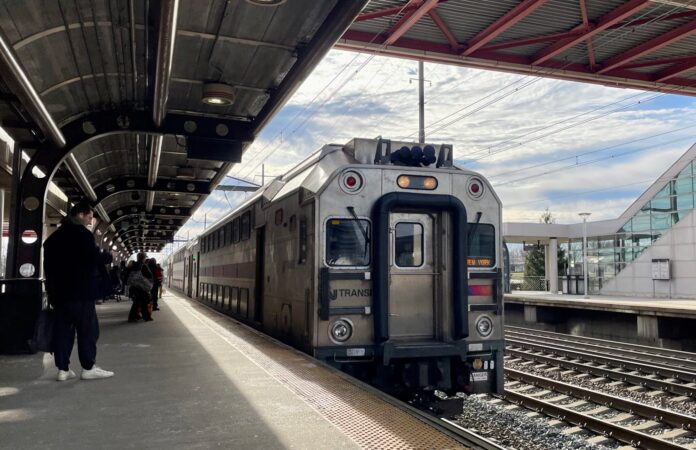

NJ Transit riders are now paying more to ride the system’s buses and trains, after a systemwide 3 percent fare increase officially took effect on July 1, 2026, marking the start of the agency’s new Fiscal Year 2027 operating window. That fare hike arrived alongside a genuinely significant budgetary milestone, as NJ Transit’s board formally voted on July 16, 2026, to adopt a record breaking $3.5 billion operating budget, the largest in the agency’s history.
The new fare structure raises base single-zone bus tickets to $1.90, with multi-zone rail commutes increasing proportionally across the entire system based on distance traveled. While the board’s formal budget vote came two weeks after the fare increase already took effect, that sequencing reflects how the fare hike itself operates under a separate, pre-scheduled mechanism rather than requiring a fresh vote each year. The increase is governed by an automatic annual cost adjustment structure built directly into the agency’s fare policy, meaning the 3 percent hike went into effect on schedule July 1 regardless of when the board finalized the broader annual budget covering the fiscal year as a whole.
That newly approved $3.5 billion budget retroactively covers the agency’s operational expenses for the full fiscal year, running from July 1, 2026 through June 30, 2027, giving NJ Transit a formally adopted financial framework to operate under even though the fare increase funding that budget had already begun affecting riders’ wallets weeks earlier.
Perhaps the most significant detail for riders to understand looking forward is that this year’s increase is far from a one time adjustment. The automatic 3 percent compounding fare hike is structured to repeat every July 1st going forward, with no set expiration date built into the policy. That means riders should expect this same kind of annual increase to continue indefinitely under current policy, compounding year over year rather than resetting or pausing at any predetermined point, a structure that gives the agency predictable, recurring revenue growth while placing a steadily increasing cost burden on the commuters who rely on the system daily.
That automatic structure has drawn genuine frustration from transit advocates and riders alike, many of whom argue that commuters deserve at least a meaningful opportunity to be heard before these annual increases take effect, rather than watching the hikes arrive on a predetermined schedule with limited opportunity for public input to actually influence the outcome. That frustration speaks to a broader tension running through how NJ Transit currently balances its own genuine financial needs, covering the costs of operating a genuinely massive statewide transit network, against the mounting cumulative burden those automatic annual increases place on riders who have limited practical alternatives to public transit for their daily commute.
With this year’s fare increase now in effect and the record $3.5 billion operating budget formally adopted, NJ Transit riders are left navigating a financial reality shaped by both immediate cost increases and a longer term structural policy that all but guarantees similar increases will continue arriving every July for the foreseeable future. For advocates pushing for greater rider input into that process, this year’s rollout offers a fresh opportunity to argue for structural changes to how these automatic increases get decided, even as the current fare hike itself has already taken hold across the system.
















