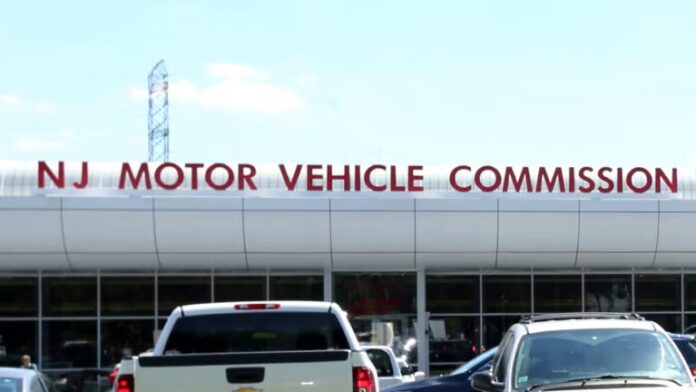

Governor Mikie Sherrill announced this week that a software error at the New Jersey Motor Vehicle Commission improperly registered thousands of noncitizens to vote, a disclosure that has quickly become a genuinely significant point of contention between state officials, election administrators, and political figures on both sides of the aisle. According to state officials, the underlying technical issue stemmed from a flaw in the MVC’s system that mistakenly forwarded the data of certain noncitizens applying for state identification cards or driver’s licenses directly into the state’s voter registration rolls, rather than keeping that information properly separated as intended. Reports indicate the error affected approximately 6,600 individuals between June 2023 and June 2024, and a preliminary analysis suggests that at least some of those improperly registered individuals may have gone on to actually cast ballots.
In response, Governor Sherrill’s administration has outlined a specific set of corrective actions. Affected names are currently being removed from the state’s voter rolls, the third-party software vendor responsible for the flawed system is being replaced entirely, and state officials have initiated an independent investigation into exactly how the error occurred and how far its effects actually reached. The governor’s office has characterized its response as a transparent effort to identify and correct a genuine technical malfunction, emphasizing that the state moved to inform the public, replace the responsible vendor, and begin scrubbing the affected registrations once the issue came to light.
The incident has produced genuinely divergent reactions depending on who is interpreting it. Some critics, including a number of state Republican lawmakers, have pointed to the error as evidence of real vulnerabilities within New Jersey’s broader voter registration infrastructure, arguing that any instance of improper ballots being cast represents a genuine threat to the integrity of the democratic process, regardless of how the error itself originated. That perspective has produced concrete policy demands as well, with some Republican officials calling for the state to go beyond simply removing the affected names, specifically requesting that MVC registration services be temporarily shut down entirely and that a considerably broader audit of the state’s voter rolls be conducted. The incident has also been cited more broadly in ongoing national discussions around voter registration security, including being referenced in support of proposed legislation like the SAVE Act, which would require universal proof of citizenship in order to register to vote nationally.
Others, including some state election administrators and voting rights advocates, have pushed back against framing the incident as evidence of intentional or widespread systemic fraud, characterizing it instead as an isolated technical malfunction that the state identified and corrected through its own internal processes. Under that view, the relatively small number of affected registrations, set against the state’s overall voter rolls, suggests there is no evidence the error changed the outcome of any actual election, and that the state’s swift corrective response demonstrates existing safeguards functioning as intended rather than revealing some deeper structural failure. Some advocates have also raised a separate concern of their own, worrying that incidents like this one could ultimately be used to justify new registration requirements that end up creating genuine barriers for eligible citizens trying to register and vote, even if those new requirements are framed specifically as a response to this particular software error.
Taken together, this incident reflects a now familiar pattern in how election administration controversies tend to play out nationally, a genuine technical or administrative failure becomes almost immediately reinterpreted through starkly different political lenses, with one side emphasizing the need for tighter registration safeguards and citizenship verification requirements, and the other emphasizing that the error was isolated, quickly identified, and corrected without evidence of any actual impact on election outcomes. Both interpretations agree on one core point, that a government technology error of this nature represents a genuinely serious administrative concern worth taking seriously, even as they diverge sharply on what policy response that concern should ultimately produce. As New Jersey’s independent investigation into the MVC error continues, the broader political debate it has already ignited, over registration security, citizenship verification, and voter access, appears likely to continue well beyond whatever the investigation itself ultimately concludes.