
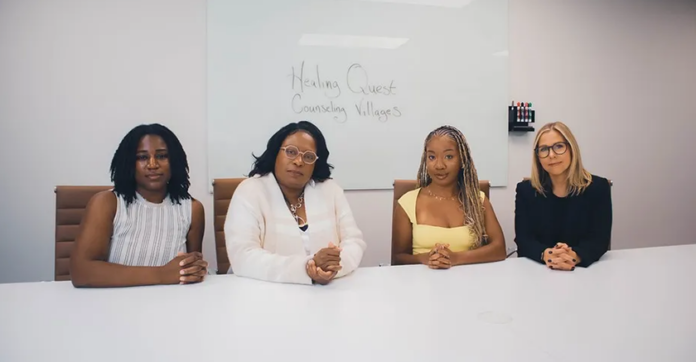

Healing Quest, the long running American lifestyle and documentary television series focused on integrative health and natural wellbeing, has turned its attention toward trauma-informed care, spotlighting compassionate, evidence based therapeutic approaches designed to support healing, resilience, and recovery amid a genuinely notable rise in reported PTSD cases nationally. The episode continues a philosophy the show has maintained since its earliest seasons, treating healing not as a single fixed outcome but as an ongoing, lifelong journey shaped by physical, mental, and emotional wellbeing alike.
Healing Quest ran for well over a decade on PBS stations nationwide, building a genuinely loyal following around its central premise that meaningful wellness requires drawing on a genuinely wide range of disciplines, spirituality, nutrition, physical fitness, and mental exercise among them, rather than treating any single approach as a complete answer on its own. The show was co-hosted across its run by Judy Brooks, Roy Walkenhorst, and the late singer and actress Olivia Newton-John, with regular contributions from wellness figure Dr. Deepak Chopra, giving the series a genuinely recognizable roster of voices across its many seasons.
Individual episodes throughout the show’s run explored a genuinely broad range of natural health modalities, including acupuncture, cellular hydration, magnetic field therapy, and the use of food as medicine, presenting these approaches as part of the broader integrative health conversation the show was built around, alongside more thoroughly evidence based practices like standard exercise physiology and nutrition science. As with any wellness programming exploring alternative and complementary health modalities, viewers are generally well served approaching more experimental or less conventionally studied practices, such as magnetic field therapy, with the same discernment they’d apply to any health claim, treating the show as a starting point for exploring different wellness philosophies rather than a substitute for guidance from a licensed medical or mental health professional, particularly when it comes to something as clinically significant as trauma and PTSD.
Every episode of Healing Quest has traditionally closed with its signature Healing Moment segment, a meditative sequence pairing breathtaking natural imagery, frequently captured by famed cinematographer Louis Schwartzberg, with genuinely inspiring music, giving viewers a quiet, reflective close to each episode regardless of the specific topic covered that week. That same format carries directly into the show’s trauma-informed care episode, using the segment’s contemplative tone to underscore a message of resilience and recovery rather than simply cataloging the clinical details of PTSD itself.
The show’s focus on trauma-informed care arrives at a genuinely relevant moment, given how much attention rising PTSD case numbers have drawn across the mental health field in recent years. Trauma-informed approaches to therapy generally emphasize recognizing the widespread impact of trauma, understanding potential paths toward recovery, and actively working to avoid retraumatizing patients throughout the treatment process itself, principles that have increasingly shaped how mental health professionals approach care for patients with trauma histories across a wide range of clinical settings.
Viewers interested in exploring Healing Quest’s full library, including this latest episode and its broader catalog of segments on natural health tools and integrative wellness practices, can watch full seasons and individual clips directly through the official Healing Quest YouTube channel, or stream select segments through platforms like Amazon Prime Video. For a series that has spent more than a decade encouraging viewers to think about healing as an ongoing, multidimensional process, this latest exploration of trauma-informed care fits naturally within that same long-running mission, bringing genuine attention to an area of mental health treatment that continues growing in relevance as PTSD awareness and diagnosis rates both continue climbing nationally.
















