Home Blog Page 12

New Jersey Operator Ken Ashe Launches KenAshe.ai, a Public Build Log for Real AI Projects

A new corner of the internet dedicated to genuinely applied artificial intelligence work has quietly gone live in New Jersey, as AI solutions architect and digital operator Ken Ashe has launched KenAshe.ai, a public build log and personal project tracker documenting exactly how practical AI systems and websites get built in the real world. Rather than joining the crowded field of AI commentary sites, newsletters, and thought-leadership blogs, Ashe has positioned his new platform as something considerably rarer, a transparent, ongoing record of actual technical implementation, built and published in public rather than summarized after the fact.

Launched in the middle of 2026, KenAshe.ai deliberately steers away from the high-level industry punditry that dominates so much of the AI conversation online. There is no attempt here to forecast where artificial intelligence is headed as an industry, nor any interest in rehashing the latest model releases or policy debates that already receive exhaustive coverage elsewhere. Instead, the site functions as a hands-on record of applied work, documenting the kind of practical, technical builds that rarely get shown in this much unfiltered detail, the actual process of designing, deploying, and troubleshooting real AI-driven systems rather than talking about them in the abstract.

That applied focus shows up clearly in the categories of work the site documents. A significant portion of the build log covers autonomous workflows, the automated systems Ashe has built to handle recurring operational tasks, database management, and marketing functions without requiring constant manual intervention, the unglamorous but genuinely valuable kind of automation that quietly saves real operators hours of repetitive work. Alongside that, the site tracks Ashe’s work deploying AI agents, specifically agentic architecture built at the software application layer using existing large language models and their APIs rather than requiring custom model training from scratch, reflecting a very practical, resource-conscious approach to building with today’s available AI tools rather than waiting for some future, more advanced version of the technology.

Perhaps the most distinctive thread running through KenAshe.ai involves AI-assisted website development itself, an area where Ashe treats his own site as a live proof of concept rather than a theoretical case study. The build log documents how teams can use AI coding tools to design, develop, and ship search-ready websites from start to finish, and notably, the KenAshe.ai site itself was built entirely using this exact approach, meaning visitors are looking at a working example of the very methodology the site is documenting, not simply reading about it secondhand. That kind of built-in demonstration gives the project a credibility that pure commentary could never match, since the site’s own existence functions as evidence for the process it describes.

What ties all of these individual project threads together is Ashe’s explicit commitment to transparency, treating the site less like a polished portfolio and more like an honest working log. Rather than only showcasing finished, successful builds, Ashe has committed to publishing the technical details of what actually happened along the way, sharing what shipped successfully, what broke or failed to work as intended, and what could still be improved with further iteration. That kind of candor is genuinely uncommon in a space where most public-facing AI content tends toward polished highlight reels rather than an honest account of the messier reality behind actually building functional systems.

Ken Ashe brings an unusually layered professional background to this work, one that helps explain why his build log reads less like a typical developer’s blog and more like the output of someone who understands both the technical and business sides of what he’s building. Based in New Jersey, Ashe holds credentials as both a Certified Public Accountant and a Project Management Professional, pairing that formal grounding in corporate compliance and structured project management with hands-on technical skill in AI engineering and digital marketing. That combination shows up throughout the KenAshe.ai build log, where projects tend to be framed not just in terms of whether the code works, but whether the resulting system actually holds up under the kind of scrutiny a compliance-minded operator would expect.

Beyond his personal build log, Ashe also serves as the founder of Lucky Domains, a boutique firm specializing in premium domain name acquisition, brokerage, and search engine optimization services, giving him direct, ongoing exposure to exactly the kind of digital infrastructure and search visibility challenges that inform his AI and website development work. That dual role, running a domain and SEO-focused business while simultaneously documenting his AI experimentation in public, positions Ashe as someone building credibility from two directions at once, demonstrating applied technical skill through KenAshe.ai while running an established business that depends on genuinely understanding how search and digital infrastructure actually work.

For anyone trying to cut through the noise of AI hype and find examples of the technology being used to build genuinely functional, practical systems, KenAshe.ai offers something increasingly rare, an unfiltered, ongoing account of real technical work from an operator willing to show both the successes and the failures along the way. As the site continues to grow, it stands to become a genuinely useful reference point for anyone in New Jersey and beyond looking to understand not just what AI can theoretically do, but what it actually takes to build something real with it.

The Introvert Sisters Add International Book Award Honors to a Breakout Year for Sharon Hurley Hall and Lisa Hurley

Sharon Hurley Hall and Lisa Hurley, the real-life sisters behind both a growing catalog of nonfiction books and one of the more distinctive podcasts in the wellness and social commentary space, have added four International Book Awards finalist honors to their shared body of work, marking the second major joint literary milestone the pair has reached in under a year following their recognition at the 2025 American Writing Awards. For two sisters who built their public platform around the experience of introversion, the pace at which their individual books and collaborative projects continue to earn national and international recognition tells a very different story, one of two writers whose quieter creative instincts have translated into genuinely loud results within the literary and podcasting world.

Hall and Hurley operate on two parallel tracks that consistently reinforce one another, writing distinct, individually authored books while also joining forces as co-hosts of a shared podcast that has become a recognized voice in conversations around introversion, wellness, and workplace culture. Sharon Hurley Hall is the author of the bestselling I’m Tired of Racism, a book that blends personal storytelling with pointed social critique to examine how systemic racism continues to shape everyday life, using narrative rather than academic distance to make its argument land. Lisa Hurley, meanwhile, has built her own literary identity around a very different but complementary theme, authoring Space To Exhale: A Handbook for Curating a Soft, Centered, Serene Life, a book squarely focused on burnout recovery and pushing back against hustle culture in favor of a more deliberately paced, wellness-oriented approach to living. Where Hall’s work confronts a hard societal reality head-on, Hurley’s offers something closer to a recovery guide, and together the two books reflect the kind of range that has helped the sisters build an audience well beyond a single genre or theme.

That individual literary success has continued to build even as the sisters pursue their collaborative work together. Lisa Hurley’s Space To Exhale closed out its own award run on a particularly strong note, picking up recognition across multiple national and international book award programs, a run of honors that has positioned the book as one of the more decorated wellness titles of its release cycle. Sharon Hurley Hall’s I’m Tired of Racism has built its own reputation over a longer stretch, continuing to draw attention at major literary and activism-focused award programs well after its initial release, a sign that the book’s message has retained its relevance rather than fading with a single news cycle.

Beyond their individual writing, the sisters’ collaborative project, The Introvert Sisters LIVE!, has become just as central to their public identity as either of their books. The show occupies a genuinely intersectional space, built around conversations at the overlap of introversion, Black women’s wellness, workplace culture, and broader social change, giving listeners a perspective that rarely gets this kind of sustained, dedicated attention within mainstream podcasting. What started as a standard audio program has since expanded into a live, multi-platform production, streaming in real time across LinkedIn, YouTube, and Facebook, while also publishing standard recorded episodes through major audio platforms including Spotify and Apple Podcasts, giving audiences the flexibility to catch the show however they prefer to consume it.

That expanded format has clearly resonated well beyond a niche audience. The podcast has earned its own significant recognition, including an honor from The Anthem Awards specifically celebrating its impact on diversity, equity, and inclusion, a distinction that places The Introvert Sisters LIVE! among a relatively small group of podcasts recognized at that level for the substance of its social impact rather than pure download numbers or celebrity draw. Earning that kind of recognition alongside their individual book honors underscores just how deliberately Hall and Hurley have built their combined platform, treating their books and their podcast not as separate projects competing for attention but as two reinforcing pieces of the same larger mission around introversion, wellness, and social change.

Taken together, this latest round of International Book Awards finalist honors extends what has become a genuinely remarkable run for two sisters working across both the written page and the podcast microphone. Between Hall’s unflinching examination of systemic racism, Hurley’s guide toward a calmer and more intentional life, and their shared podcast’s growing footprint across multiple platforms, the pair has built a body of work that speaks to introverts specifically while resonating with a far broader audience hungry for honest, well-crafted storytelling around identity, wellness, and social justice. With two major literary milestones now achieved in under a year, Sharon Hurley Hall and Lisa Hurley appear to be building not just a moment but a genuine, lasting body of work, one book, one episode, and one award at a time.

Big Air USA Lands in Pennsville, Bringing a New Kind of Indoor Adventure Park to South Jersey

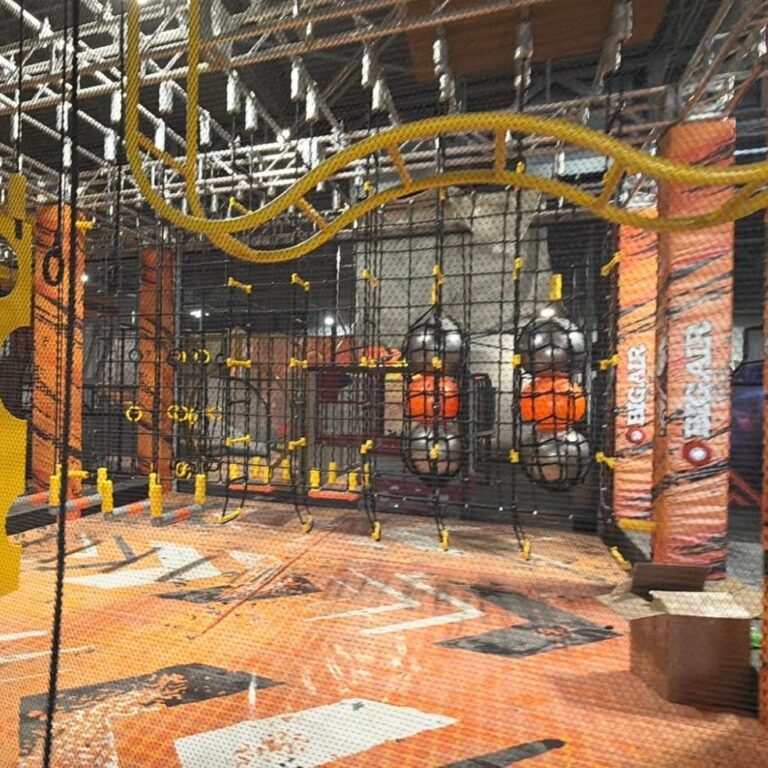
South Jersey families now have a striking new option for rainy days, birthday parties, and after-school energy burning, as Big Air USA has officially opened its first New Jersey location inside a thirty-thousand-square-foot facility in Pennsville. Big Air USA has built its national reputation largely on wall-to-wall trampoline courts, the kind of bounce-heavy layout that made the franchise a familiar name in indoor entertainment centers across the country. The Pennsville location breaks from that formula in a meaningful way, arriving instead as a next-generation adventure park built around climbing, interactive exploration, and a genuinely diverse mix of physical activities rather than trampolines alone, making it one of the more distinctive entries in the brand’s growing national footprint.

The centerpiece of the park’s climbing offerings is the Rainbow Climber, making its North American debut inside the Pennsville location, a distinction that gives this South Jersey park a genuine claim to something guests cannot yet find anywhere else on the continent. Alongside that headline attraction sits a dedicated climbing wall and a set of zip lines, giving visitors multiple ways to test their nerve and their grip strength without needing to leave the building. The park layers in a serious obstacle course component as well, featuring ninja-warrior-style challenges built in the spirit of the competitive obstacle shows that have become a genuine cultural phenomenon over the past decade, along with a multiplayer challenge area known as the Gauntlet, designed for groups of friends or family members to compete against one another directly rather than simply taking turns on a single course.

Beyond climbing and obstacles, the Pennsville park rounds out its active offerings with a built-in skating rink and a dedicated sports court, giving guests a genuine variety of physical activities under one roof rather than a single repeated attraction. That range matters for families with kids of different ages and interests, since a skating rink and sports court appeal to a very different crowd than a ropes course or climbing wall, and having both under one roof means a single visit can satisfy siblings with completely different ideas of a good afternoon. The park has also been thoughtfully designed with a specialized toddler play area, physically separated from the more intense activities aimed at older kids and teenagers, ensuring that the youngest guests get a space built for their size and energy level rather than being exposed to bigger, faster-moving older children on the same equipment.

Big Air USA has clearly put real thought into the experience surrounding the physical attractions themselves, not just the attractions. The Big Eats Snack Bar functions as a genuine relaxation zone within the park, offering comfortable seating, free Wi-Fi, and television screens alongside classic park food like pizza and chicken tenders, giving parents and tired kids alike a real place to recharge rather than a cramped concession stand. The park also runs Cosmic Nights, special evening sessions built around lights and music and curated specifically with middle schoolers and teenagers in mind, giving older kids an experience that feels distinctly different from a standard daytime visit built around younger children. On the opposite end of the age spectrum, the park sets aside dedicated Toddler Time blocks, giving parents of the youngest visitors scheduled windows where the space is reserved for smaller kids to play safely without navigating around bigger, more boisterous crowds.

For families looking to mark a birthday or other special occasion, the Pennsville location offers celebration packages substantial enough to handle a genuinely large crowd, with private venue buyouts capable of hosting up to 300 guests. Those packages come bundled with dedicated seating, staff who help style and manage the event itself, pizza service, and full cleanup afterward, effectively turning a birthday party into a fully hosted event rather than something parents need to plan and manage on their own.

Anyone planning a visit should know the practical details before arriving. Every guest who wants to actively participate in the park’s attractions is required to sign a standard liability waiver, which can be completed online ahead of time or in person at the door, and any guest under the age of 18 needs that waiver signed by a parent or legal guardian rather than by the child themselves. Parents or other adults who plan to simply watch rather than participate are welcome to access both the general park area and the snack lounge free of charge, making it easy for a non-jumping grandparent or guardian to tag along without needing a ticket. Safety requirements also call for specialized, full-bottom grip socks for anyone using the park’s active attractions, and guests who don’t already own a pair can purchase them directly at checkout before heading in.

The arrival of Big Air USA in Pennsville reflects a broader trend playing out across indoor entertainment nationally, as franchises that once built their identity around a single attraction type, in Big Air’s case, wall-to-wall trampolines, increasingly diversify into multi-activity adventure parks capable of holding a family’s attention for hours rather than a single bounce session. By leaning into climbing, obstacle courses, skating, and genuinely varied age-specific programming rather than trampolines alone, the Pennsville location positions itself as a legitimate day-trip destination for South Jersey families rather than a quick stop reserved for a rainy afternoon. With a debut attraction found nowhere else in the country, a layout built to serve toddlers and teenagers alike under the same roof, and party packages designed to handle a genuinely large celebration, Big Air USA’s first New Jersey location arrives with the kind of scale and ambition that suggests it intends to become a true regional destination rather than just another neighborhood entertainment center.

New Egypt Startup InStockRx Closes $5 Million Series A to Expand Its Pharmacy-to-Pharmacy Medication Marketplace

A health-technology company headquartered in the small Ocean County community of New Egypt has just secured a significant vote of confidence from the venture capital world, with InStockRx closing a $5 million Series A funding round led by FCA Venture Partners, alongside participation from Techstars Boston, the prestigious startup accelerator program the company graduated from earlier in its growth. The fresh capital is earmarked for expanding InStockRx’s trusted network of pharmacies, a marketplace built around a problem that has quietly plagued independent pharmacies for years, the constant mismatch between medication surplus in one location and medication shortage in another.

InStockRx was founded by Jeremy Froehner, who serves as the company’s founder and Chief Evangelist, a Rutgers University alumnus whose background helps explain why a company addressing a distinctly local, community-pharmacy problem ended up rooted so firmly in New Jersey soil. The company operates as an intelligent, business-to-business e-commerce marketplace and inventory management platform built specifically to connect pharmacies with one another directly, rather than routing every transaction through the traditional wholesale supply chain that has long dictated how medications move between pharmacies.

The core problem InStockRx set out to solve is one that anyone who has worked inside an independent pharmacy would recognize instantly. Pharmacies routinely find themselves holding expensive, non-returnable surplus or overstock medications, inventory that often sits on shelves until it simply expires, representing a direct and entirely avoidable financial loss for the business holding it. At the very same time, and often not far away geographically, other pharmacies are scrambling to source medications they are genuinely short on, unable to fill patient prescriptions promptly because the supply chain has left them without adequate stock. InStockRx’s platform exists precisely to close that gap, allowing verified, fully licensed pharmacies across the United States to securely list and trade surplus brand-name medications directly with one another rather than letting that inventory mismatch play out as pure waste on one end and pure shortage on the other.

The benefits flow in both directions for pharmacies that use the platform. Selling pharmacies get a genuine path to converting what would otherwise be dead, wasted stock into real cash flow, recovering value from inventory that had no other productive use left. Buying pharmacies, meanwhile, gain access to hard-to-find medications at prices that can run as much as 40 percent below standard wholesale pricing, a discount substantial enough to meaningfully affect a pharmacy’s bottom line, particularly for smaller, independent operators competing against much larger chain pharmacies with far more purchasing leverage.

InStockRx’s connection to New Jersey runs considerably deeper than its New Egypt headquarters address alone. The company maintains a significant, formal partnership with the Garden State Pharmacy Owners, a nonprofit organization representing more than 800 independent community pharmacies scattered across the state, giving InStockRx a built-in network of exactly the kind of independent pharmacy operators its platform was designed to serve. That partnership has already produced a tool with direct public benefit beyond the pharmacy-to-pharmacy marketplace itself, a centralized drug-finder tool that lets New Jersey patients go online, enter their zip code, and instantly see which local independent pharmacies currently have hard-to-find diabetic, cold, flu, and respiratory medications physically in stock. For patients who have ever called pharmacy after pharmacy trying to track down a specific medication during a bad flu season, that kind of real-time visibility represents a genuinely practical solution to a frustration many New Jersey residents have experienced firsthand.

Because prescription drug trading sits inside one of the most heavily regulated corners of American commerce, InStockRx has built its platform around strict compliance from the ground up rather than treating regulation as an afterthought. The platform is GS1-certified, meaning it adheres to the global standards organization’s protocols for supply chain identification and tracking, and it is engineered to automatically handle the complex legal chain-of-custody tracking, commonly referred to within the industry as T3 documentation, required under the federal Drug Supply Chain Security Act. That kind of built-in regulatory compliance matters enormously for a marketplace moving prescription medications between businesses, since it removes what would otherwise be a significant legal and administrative burden for any pharmacy considering whether to participate.

The company’s rapid trajectory, from a Rutgers-founded idea addressing a distinctly local pharmacy pain point to a graduate of the nationally respected Techstars Boston accelerator to a company now backed by institutional venture capital through its new Series A round, reflects how much traction InStockRx has built in a relatively short window of time. With fresh capital now in hand and a growing network of independent pharmacies already connected through its Garden State Pharmacy Owners partnership, the company appears well positioned to expand its marketplace well beyond New Jersey’s borders, even as its roots and its most visible early impact remain firmly planted in the Garden State’s own community pharmacy landscape.

83 New Jersey Restaurants Honored in Wine Spectator’s 2026 Restaurant Awards

New Jersey’s dining scene turned in a historic showing in Wine Spectator’s 2026 Restaurant Awards, with 83 honors landing across the state as part of a global program that recognized 4,012 restaurants spanning all 50 states and more than 85 countries. Eleven of New Jersey’s honorees are earning the distinction for the very first time this year, while dozens of others have built winning streaks stretching back a decade or more, some all the way to the program’s earliest years.

Winning one of these awards is a far more demanding process than simply keeping a well-stocked bar. Restaurants must pay an entry fee and submit their actual physical menus and complete wine inventories for review, and Wine Spectator’s editors then judge those submissions against a specific, exacting set of standards. Winning lists must offer at least 90 to 100 benchmark selections, demonstrate a thoughtful pairing between the wine program and the food menu itself, show evidence that inventory is being kept in proper cellaring conditions rather than simply stored, and present that information with flawless formatting, down to accurate producers, vintages, and regions for every bottle listed. Wine Spectator’s editor and publisher has described the industry itself as being in the middle of a real transformation, with diners growing more selective about when, how, and what they drink, pushing restaurants to respond with more creative and well-considered wine programs as a result.

Below is the full, complete list of every New Jersey winner this year, organized by region so it’s easy to find what’s near you. Restaurants marked as first-time honorees are earning recognition for the first time in 2026; every other listing includes the year its current winning streak began.

The State’s Only Grand Award Winner

Out of more than four thousand restaurants that submitted programs for consideration worldwide, only 99 venues anywhere earned Wine Spectator’s top-tier Grand Award, the most exclusive distinction the program gives out. New Jersey has exactly one.

  • The Pluckemin Inn — Bedminster (winning since 2011)

North Jersey

  • 1776 — Morristown (since 2023)
  • Artemio’s Prime and Proper — Ringwood (since 2025)
  • Battello — Jersey City (since 2019)
  • Berta’s Chateau — Wanaque (since 1991)
  • Blu on the Hudson — Weehawken (since 2025)
  • Brazeiro Churrascaria — North Bergen (since 2023)
  • Court Street Restaurant & Bar — Hoboken (since 2016)
  • Del Frisco’s Grille — Hoboken (since 2016)
  • Drift Restaurant & Bar — Weehawken (since 2025)
  • Eddie V’s Prime Seafood — Paramus (since 2023)
  • Faubourg — Montclair (first-time honoree)
  • Halifax Restaurant — Hoboken (since 2024)
  • Ho-Ho-Kus Inn & Tavern — Ho-Ho-Kus (since 2012)
  • Hudson & Co. — Jersey City (since 2025)
  • Hunan Taste — Denville (since 2007)
  • Il Capriccio Ristorante — Whippany (since 2016)
  • Molos Restaurant — Weehawken (since 2017)
  • Morton’s The Steakhouse — Hackensack (since 2016)
  • Nero’s Grille — Livingston (since 2018)
  • Nostrana Ristorante — Boonton (since 2025)
  • Oceanos Oyster Bar & Sea Grill — Fair Lawn (since 2023)
  • Rails Steakhouse — Towaco (since 2016)
  • Red Horse by David Burke — Bernardsville (since 2024)
  • Restaurant Latour, Crystal Springs Resort — Hamburg (since 2006)
  • River Palm Terrace — Edgewater (since 2022)
  • River Pointe Inn — Rumson (since 2025)
  • Seasons 52 — Paramus (since 2023) and Hanover (since 2023)
  • Son Cubano — West New York (since 2021)
  • Sorellina Italian Kitchen & Wine Bar — Hoboken (since 2017)
  • Spuntino Wine Bar & Italian Tapas — Clifton (since 2022)
  • The Capital Grille — Paramus (since 2024) and Parsippany (since 2021)
  • The Feathered Fox — Jersey City (first-time honoree)
  • Undici Taverna Rustica — Rumson (since 2009)
  • Ventanas Restaurant & Lounge — Fort Lee (since 2019)

Central Jersey

  • Americana Kitchen and Bar — East Windsor (since 2024)
  • Brick Farm Tavern — Hopewell (first-time honoree)
  • Cree Wine Co. — Hampton (since 2023)
  • Eddie V’s Prime Seafood — Princeton and Cherry Hill (since 2024)
  • La Griglia Seafood Grill & Wine Bar — Kenilworth (since 2004)
  • Ristorante Da Benito — Union (first-time honoree)
  • Ristorante Lucca — Bordentown (since 2024)
  • Seasons 52 — Edison (since 2014), Princeton (since 2015), and Bridgewater (since 2016)
  • Stage Left Steak — New Brunswick (since 2001)
  • Stockton Inn — Stockton (since 2025)
  • The Clinton House — Clinton (since 2020)
  • The Frog and the Peach — New Brunswick (since 2016)
  • The Perch — Princeton (since 2025)
  • The Sergeantsville Inn — Sergeantsville (first-time honoree)
  • Uproot — Warren (since 2024)
  • Water & Wine Ristorante-Taverna — Watchung (since 2006)
  • Witherspoon Grill — Princeton (since 2008)

South Jersey & The Shore

  • Amada, Ocean Casino Resort — Atlantic City (since 2024)
  • American Bar & Grille, Borgata Hotel Casino & Spa — Atlantic City (since 2022)
  • Angeline by Michael Symon, Borgata Hotel Casino & Spa — Atlantic City (since 2018)
  • Avalon Prime Steakhouse — Avalon (since 2016)
  • B Prime Steakhouse, Borgata Hotel Casino & Spa — Atlantic City (since 2023)
  • Bacari Grill — Washington Township (since 2000)
  • Birravino — Red Bank (since 2015)
  • Caffe Aldo Lamberti — Cherry Hill (since 2008)
  • Capriccio, Resorts Casino Hotel — Atlantic City (since 2017)
  • Council Oak Steaks & Seafood, Hard Rock Hotel & Casino — Atlantic City (since 2024)
  • Judy’s — Asbury Park (first-time honoree)
  • Knife and Fork Inn — Atlantic City (since 2009)
  • Kuro, Hard Rock Hotel & Casino — Atlantic City (since 2025)
  • Linguini by the Sea, Ocean Casino Resort — Atlantic City (since 2021)
  • Lita — Aberdeen Township (first-time honoree)
  • Morton’s The Steakhouse, Caesars — Atlantic City (since 2016)
  • Ocean Steak, Ocean Casino Resort — Atlantic City (first-time honoree)
  • Old Homestead Steak House, Borgata Hotel Casino & Spa — Atlantic City (since 2006)
  • Rat’s Restaurant — Hamilton Township (since 2023)
  • The Blue Pig Tavern — Cape May (first-time honoree)
  • The Capital Grille — Cherry Hill (first-time honoree)
  • The Ebbitt Room — Cape May (since 2017)
  • The Palm Atlantic City, Tropicana Casino & Resort — Atlantic City (since 2020)
  • Vic & Anthony’s Steakhouse, Golden Nugget Hotel & Casino — Atlantic City (since 2015)
  • Washington Inn — Cape May (since 2021)

What This Year’s List Says About New Jersey Dining

Taken as a whole, this year’s 83 winners tell a clear story about where New Jersey’s wine culture currently stands. The presence of a single Grand Award winner in Bedminster shows that the state can compete at the very highest level the industry recognizes, while the sheer volume and geographic spread of Award of Excellence and Best of Award of Excellence winners, from Hoboken’s waterfront to Cape May’s historic inns, demonstrates that serious wine curation is no longer confined to a handful of marquee destinations. The strong number of first-time debuts across every region, along with winning streaks stretching back to the early 1990s at spots like Berta’s Chateau in Wanaque, together paint a picture of a state that has both a deep bench of long-established wine programs and a steady pipeline of new restaurants stepping up to meet that same standard. For diners across New Jersey, this year’s list offers something close to a curated map of where the most ambitious food and wine pairings can currently be found, from a quiet inn in Hunterdon County to a casino steakhouse on the Atlantic City boardwalk to the state’s singular Grand Award winner tucked into the hills of Somerset County.

New Jersey’s Largest Lake Prepares to Host a Fleet-Sized Tribute to America’s 250th Birthday

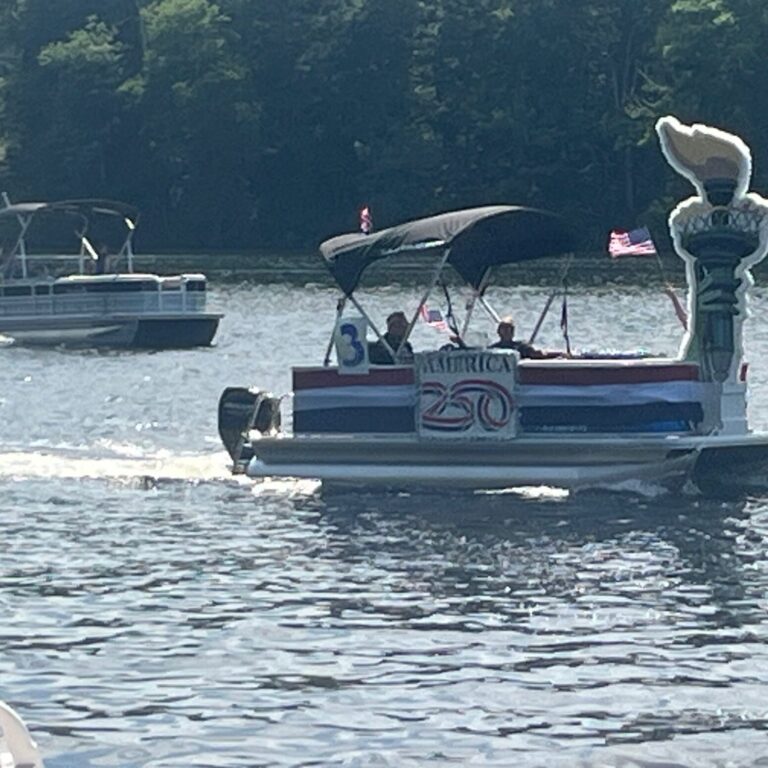
Lake Hopatcong, the largest freshwater lake anywhere in New Jersey, is set to become the stage for one of Morris County’s most ambitious tributes to American history this Saturday, July 11, when a full day of free, family-friendly festivities marks the nation’s 250th birthday on the water. The celebration, organized by the Morris County 250th Anniversary Celebrations Committee in partnership with the Lake Hopatcong Foundation, blends a patriotic boat parade, an open-water sailing procession, a paddling flotilla, live music, and community gatherings along the shoreline into a single, sprawling event designed to draw both longtime lake residents and first-time visitors into the same shared celebration.

Festivities begin at 11 a.m. and unfold across several coordinated waterways rather than a single fixed location, reflecting just how central the lake itself is to the day’s design. The centerpiece Patriotic Boat Parade departs from Nolan’s Point at 11 a.m. sharp, with organizers asking participating boaters to gather in Great Cove by 10:45 that morning so the parade can launch on schedule. Anyone planning to join is encouraged to dress their vessel in red, white and blue, turning the parade route itself into a moving display of patriotic color across the water. Running alongside that procession, sailboat owners are invited to take part in the All Fleet Sail, a separate procession departing from Bertrand Island and making its way to Halsey Island beginning at 11:30 a.m., with sailing vessels asked to gather in front of the Lake Hopatcong Yacht Club by 11:15 to prepare for departure. For those without a motorboat or sailboat, the celebration still offers a way onto the water, as kayakers, canoeists and paddleboarders are welcome to join the Paddler Flotilla, gathering on the north side of Lakeside Village at noon before setting out together.

Morris County Commissioner Christine Myers, who serves on the county’s 250th Anniversary Celebrations Committee, has described the event as a chance for both longtime residents and newcomers alike to experience the natural beauty, recreational spirit, and historical depth that make the Lake Hopatcong region such a defining part of Morris County’s identity. Her comments point to something organizers have clearly built into the day’s structure, an invitation extended just as much to first-time visitors discovering the lake for the first time as to families who have spent generations gathering along its shores.

That generational connection is exactly what Marty Kane, chair of the Lake Hopatcong Foundation and president of the Lake Hopatcong Historical Museum, has emphasized in describing why this particular setting matters so much for a milestone like America’s 250th anniversary. Kane has framed the lake as something considerably more significant than a recreational destination alone, describing it instead as a genuine gathering place where history, community, and long-running tradition have converged for generations of holidays, family visits, and shared memories. With the country marking a full quarter-millennium of independence, Kane has pointed to Lake Hopatcong as an especially fitting place to pause and reflect on that shared history while bringing residents together in one of New Jersey’s most recognizable and cherished settings.

Organizers have also extended the invitation well beyond the water itself. Residents and business owners throughout the communities surrounding the lake are being encouraged to decorate their docks, homes, and storefronts in patriotic colors, effectively turning the entire shoreline into an extension of the celebration rather than confining the festivities to the boats and paddlers out on the lake. That kind of shoreline participation has become a hallmark of how Morris County has approached its broader America 250 initiative, treating the anniversary less as a single scheduled event and more as an invitation for the whole community to take visible part in marking the occasion.

Sarah Neibart, executive director of the Morris County 250th Anniversary Celebrations Committee, has tied the day’s significance directly back to the weight of the anniversary itself, noting that as the nation marks two hundred and fifty years of independence, this celebration offers a distinctive way to honor that shared history while spending a day enjoying one of New Jersey’s most treasured natural destinations. Neibart’s comments reflect the balancing act organizers have clearly aimed for throughout the planning process, pairing genuine historical reflection with the kind of accessible, joyful, outdoor programming that tends to draw entire families out for an afternoon rather than a narrow audience of history enthusiasts alone.

This Lake Hopatcong celebration does not stand on its own. It forms one piece of Morris County’s much broader America 250 initiative, a countywide effort built around commemorating the county’s genuinely significant role in the American Revolution while encouraging both residents and visitors to explore the historic sites, towns, and destinations scattered throughout the region. Morris County’s Revolutionary War history runs deep, having served as a critical staging ground and winter encampment area for General Washington’s Continental Army during some of the war’s most difficult stretches, and county organizers have used the lead-up to the 250th anniversary as an opportunity to reintroduce that history to a modern audience through a full calendar of events rather than a single commemorative day.

For anyone hoping to plan their visit around specific arrival times or curious about additional programming happening throughout the day, organizers have published a full rundown of activities through the county’s official events page, which visitors can find by following the complete schedule of events for the Lake Hopatcong celebration. Those interested in exploring how this Saturday’s festivities connect to Morris County’s broader slate of anniversary programming throughout the year can find additional details through the Morris County 250 website, which serves as the central hub for the county’s ongoing 250th anniversary calendar.

With free admission, multiple entry points onto the water for boaters and paddlers alike, and a shoreline community actively encouraged to join in with decorations of its own, Saturday’s celebration is shaping up to be one of the more expansive public gatherings Morris County has organized as part of its America 250 programming. Whether visitors arrive by boat, kayak, or simply on foot along the lake’s edge, the day offers a rare chance to experience Lake Hopatcong not just as a summer recreation destination but as a living stage for one of the most significant anniversaries in the nation’s history.

On a Salem County Front Lawn, Sherrill Signs a Sweeping Energy Package Aimed at AI Data Centers and Utility Profits

Governor Mikie Sherrill chose an unusually intimate setting for one of the more consequential policy moments of her young administration, signing three major energy affordability bills into law on July 7, 2026, not in a Trenton ceremony room but at the Woodstown home of Eileen Bailey, a retired nurse and the mother of Assemblyman Dave Bailey, one of the legislation’s chief sponsors. Standing alongside Sherrill on the front lawn and later at the family’s dining room table were Assembly Speaker Craig Coughlin, Senator John Burzichelli, Bailey himself, and Board of Public Utilities President Ben Hertz-Shargel, a lineup that underscored just how central this package has become to the administration’s broader affordability agenda. The choice of venue was deliberate, a symbolic nod to the kind of household the legislation is designed to protect, since Sherrill pointed to Mrs. Bailey directly as an example of the fixed-income seniors across New Jersey who have borne the brunt of rising electricity costs.

The backdrop for the signing could hardly have been more fitting. New Jersey had just come through a brutal stretch of storms and extreme heat that left tens of thousands of residents across Salem County and beyond without power, a vivid reminder of how strained the state’s electric grid has become even before accounting for the newest source of demand reshaping the entire regional system, artificial intelligence data centers. These facilities, which can draw electricity on a scale comparable to an entire mid-sized city, have emerged as the fastest-growing new source of demand on the grid operated by PJM Interconnection, the regional transmission organization that manages power across New Jersey and twelve other states. That surging demand has been a central driver behind the sharp rate increases residents have felt in recent years, and it sits at the heart of why this particular legislative package was built the way it was.

The first and most closely watched piece of the package, sponsored by Burzichelli and Bailey, creates an entirely new ratepayer classification specifically for large data centers, those consuming at least 50 megawatts of power. Rather than allowing these facilities to draw electricity through the same rate structure as ordinary households and small businesses, the law directs the Board of Public Utilities to design a distinct tariff that pushes data centers toward bringing their own new clean generation or energy storage online rather than leaning on the existing grid. The bill also establishes a retail mechanism allowing large data center operators to offset their capacity obligations by paying to reduce demand elsewhere in the system, effectively building in a market-based incentive for these facilities to manage their own footprint rather than quietly passing the cost of new infrastructure on to residential customers. Sherrill has been direct about the intent behind this provision, describing it as a way to ensure that when the grid comes under strain, as it did during the recent storms, ordinary ratepayers are protected first and data centers are required to scale back before households lose power.

The second bill in the package, sponsored by Senator Andrew Zwicker and Assemblyman Cody Miller, tackles a narrower but financially significant problem involving so-called supplemental transmission projects, the wires, substations, and utility poles that power companies build to reinforce the grid at a local level. For years, New Jersey was one of only two states within PJM’s footprint that did not require these supplemental projects to clear a state-level review process known as a Certificate of Public Convenience and Necessity, leaving that oversight almost entirely in federal hands. That gap effectively let utilities build infrastructure largely on their own terms, then pass the resulting costs on to ratepayers with minimal state scrutiny. The new law closes that gap by creating two formal state approval tracks for these projects, including an expedited track reserved for projects that use more advanced, efficient transmission technologies, giving utilities a real incentive to modernize rather than simply build more of the same.

The third bill, championed by Speaker Coughlin along with Zwicker and Assemblywoman Andrea Katz, addresses what officials have described as a long-standing regulatory quirk that allowed utilities to collect extra profit simply for belonging to PJM. Under existing federal rules, utilities that voluntarily join a regional transmission organization have been permitted to add an additional return on equity to their rates, a bonus that amounted to guaranteed extra profit regardless of performance. The new law requires in-state transmission owners to fully join PJM outright rather than continuing to benefit from that voluntary-membership loophole, a change officials say will deliver an estimated $60 million a year in direct, immediate savings to New Jersey ratepayers.

Taken together, state officials and independent analysts at Synapse Energy Economics estimate that this package, layered on top of other moves the Sherrill administration has made over its first six months in office, will save New Jersey ratepayers more than a billion dollars annually. Those earlier moves include a pair of executive orders signed on Sherrill’s very first day in office freezing electric rate hikes and pushing an all-of-the-above strategy to bring new power generation online more quickly, along with the lifting of a nuclear power moratorium that had effectively stood in New Jersey for roughly half a century. The administration has also pursued a substantial expansion of the state’s Community Solar Energy Program, targeting up to 3,000 megawatts of new solar capacity, while approving eighteen new clean energy projects and directing $79 million through the New Jersey Economic Development Authority toward large-scale clean energy investments.

Beyond the structural changes to how utilities and data centers are regulated, Sherrill paired the bill signing with more immediate relief for households already struggling with their bills. She announced a $75 reduction this year in a widely used utility bill credit program, along with an additional $150 credit through the state’s Residential Energy Assistance Payment program aimed specifically at lower- and moderate-income families heading into the peak demand months of summer, building on similar one-time credits the program had offered in each of the two previous years.

The reaction to the package has not been uniformly positive. The New Jersey Business and Industry Association pushed back specifically on the data center tariff, arguing that singling out an emerging industry is the wrong tool for addressing rate pressures, and questioning how clearly established it really is that data centers, rather than other factors, are the primary driver behind rising utility bills. The organization has signaled it plans to release its own report examining the economic and environmental footprint of AI data centers in New Jersey later this month, aiming to add more independent data to a debate that has largely played out through dueling public statements so far. The business group offered a more measured response to the PJM membership requirement as well, acknowledging the logic behind tighter transmission oversight while cautioning that mandatory participation in PJM’s current regulatory structure might not translate into the ratepayer benefits officials are promising, and could complicate long-term utility infrastructure investment down the road.

Advocacy groups focused on ratepayer protection, meanwhile, largely welcomed the new data center rules as an overdue check on an industry whose growth has outpaced the regulatory framework built to manage it. These groups have pointed out that New Jersey households and small businesses already pay some of the highest electricity rates in the country, even before accounting for the additional strain data centers are placing on the regional grid, and have framed the new tariff structure as proof that economic growth and technological innovation do not have to come directly out of ordinary families’ pockets.

Sherrill has also been candid about the limits of what New Jersey can accomplish acting alone. Because electricity prices across PJM’s thirteen-state footprint are set by regional supply and demand rather than any single state’s policy, a new data center rate structure in New Jersey will not fully insulate residents from cost pressures created by data center growth in neighboring states like Virginia or Pennsylvania. Still, Sherrill has framed New Jersey’s approach as one that other states are actively watching and, in some cases, beginning to replicate, positioning the state as an early mover on a regulatory question that is likely to define utility policy across the entire mid-Atlantic region for years to come. She has also expressed openness to exploring even broader reforms, including the possibility of making PJM membership compulsory for all of New Jersey’s power generators, while emphasizing that her nearer-term priority is empowering local governments across the state to hold data centers accountable as they consider new development within their own communities.

This energy package arrives as just one piece of a much larger affordability push shaping Sherrill’s first year in office, one that has also extended into her administration’s approach to the state budget and property tax relief, an area where Democratic legislative leaders have largely stood behind the governor’s priorities even as Republican lawmakers have raised concerns about the size of the structural budget gap and the adequacy of school aid funding. Whether the fight plays out over electricity rates, transmission infrastructure, or property tax formulas, the throughline in Sherrill’s first year has remained consistent: an insistence that the everyday cost of living in New Jersey, from the monthly electric bill to the annual tax bill, should not keep rising unchecked while the state’s own oversight mechanisms fail to keep pace with who is actually driving those costs upward.

Newark Moves to Simplify Its Landmark Process, Opening a Path to Protect More of the City’s Historic Buildings

Newark may be on the verge of making it meaningfully easier to protect its own history, thanks to a quiet but significant reform working its way through City Hall. For years, anyone hoping to secure local landmark status for a building in Newark faced a paperwork burden nearly identical to the one required by the National Register of Historic Places, a process so exhaustive that community groups often had no choice but to hire professional architectural historians just to complete the application. That barrier has kept the pace of local landmark designations remarkably slow in a city with no shortage of buildings worth preserving, and it is precisely the problem a newly approved resolution is designed to fix.

The push for change traces back to Anker West, a board member with the nonprofit Newark Landmarks, who ran directly into that bureaucratic wall while trying to secure landmark protection for the Dietze Building, a property he owns in the Ironbound neighborhood. At the time, the city was relying on the same demanding form used for National Register nominations, a document ill-suited to the needs of a local designation process meant to move more nimbly. Frustrated by the mismatch, Newark Landmarks set out roughly four years ago to draft a simplified alternative, one designed specifically to fast-track local landmark status and give more of the city’s historic buildings a real shot at protection from demolition.

That effort finally cleared a major hurdle when the city’s Planning Board approved a resolution adopting the simplified form, a milestone that had felt uncertain for much of the four years the proposal spent working its way through the process. The resolution still requires a final vote from the City Council before it becomes official policy, but its approval at the Planning Board level marks the clearest sign yet that the reform is likely to take effect. Tom Ankner, president of Newark Landmarks, has been candid about how long the wait has felt, having watched the proposal come up again and again at meetings without visible movement for years before finally advancing. With the simplified form now closer to reality, Ankner expects local landmark nominations to become a far more routine occurrence in Newark going forward, rather than the rare event they have historically been.

That rarity is easy to document. The most recent building to receive local landmark designation in Newark was Weequahic High School, which earned that status in 2023, and before that milestone, the honor belonged to West’s own Dietze Building. Two designations standing as the most recent notable examples says a great deal about how difficult the previous process had become. Ankner has pointed to the cost and complexity of architectural historian requirements as the central obstacle holding back additional nominations, a burden that pushed many potential local landmarks out of reach even when a building’s historical significance was not seriously in question. The Weequahic High School nomination only moved forward with outside help, supported by a grant of $13,580 from the National Trust for Historic Preservation, underscoring just how much outside financial support has often been necessary to clear what should, in theory, be a locally driven process.

Ankner has also drawn a direct contrast between the current difficulty of local designation and how comparatively simple the process used to be decades ago, both locally and at the national level. He has noted that Newark once succeeded in placing a substantial number of buildings on the National Register, back when the financial and procedural demands of that process were far lighter than they are today. Over time, National Register nominations became considerably more expensive and complicated to prepare, a shift that pushed preservation advocates like Ankner’s group toward pursuing local landmark status instead, precisely because it offered a more attainable path to protection even as the paperwork mirrored the national process far too closely for comfort.

Myles Zhang, a member of Newark’s Landmarks Commission, has framed the simplified form as a meaningful win not just for preservation policy but for civic engagement more broadly. Zhang has pointed out that a more accessible nomination process builds genuine community pride, giving residents the ability to nominate a building in their own neighborhood and see it formally recognized as a local landmark, a level of participation that a dense, expert-driven application process effectively locked out. Zhang has also offered useful historical context on why the National Register process became so burdensome in the first place, noting that nominations from the 1970s and 1980s often ran only three or four double-spaced pages, a stark contrast to what applicants face today. Much of that added complexity, in Zhang’s telling, stems from the significant tax incentives now tied to National Register status, incentives that raised the stakes enough to justify a far more rigorous and heavily scrutinized application process.

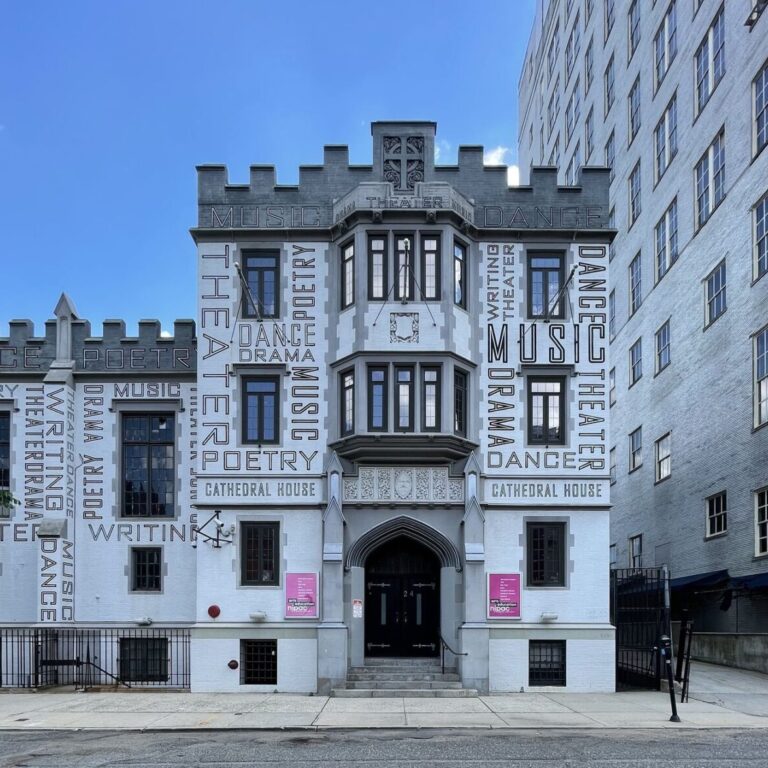
The timing of this reform carries extra weight given other recent developments in Newark’s preservation landscape. This same year, one of the city’s own buildings was named to a list of the state’s Most Endangered Historic Places, a designation tied to Cathedral House, a property connected to the New Jersey Performing Arts Center. A pending demolition application for that site required five separate votes from the Landmarks Commission, a body appointed by the mayor and one that has undergone real turbulence in recent memory. Several new members joined the commission following a contentious shakeup in which its previous chair was forced to resign after declining to issue a letter of support for a proposed pedestrian bridge connecting to Penn Station, an episode that left preservation advocates uneasy about how independent the reshaped commission would ultimately prove to be.

That unease has not disappeared just because the landmark application process is getting simpler. Making it easier to nominate a building is only half the equation, since the Landmarks Commission still holds the power to approve or reject demolition requests from developers, and Ankner’s organization has expressed real concern about whether the current commission is fully willing to stand in the way of controversial projects when the moment demands it. Advocates within the preservation community have argued that the commission’s core responsibility is safeguarding the city’s historic sites, not balancing that mission against development pressure, a distinction they feel has occasionally gotten blurred in practice.

Even with that lingering tension, the simplified nomination process represents a genuine structural shift in how Newark approaches its own historic fabric. By lowering the financial and technical barriers that have kept so many worthy buildings off the local register, the city is opening the door for neighborhood advocates, small property owners, and community groups to participate in preservation in a way that was effectively closed to them for years. Whether that translates into a meaningful wave of new landmark designations will depend both on the City Council’s upcoming vote and on how the Landmarks Commission chooses to exercise its authority once more buildings begin working their way through the newly streamlined pipeline. For a city with as much architectural history as Newark, though, the mere existence of an accessible path forward marks a notable turn after years of a process that too often kept preservation out of reach for the very communities it was meant to serve.

New Jersey Commits $3.5 Million to Rebuild the Pipeline Behind the Nation’s Air Traffic Control Towers

New Jersey is putting real money behind an effort to fix one of aviation’s most persistent and consequential problems, the ongoing shortage of certified air traffic controllers that has strained airspace systems across the country for years. The state’s Office of the Secretary of Higher Education has announced $3.5 million in new funding split among three public colleges, all aimed at expanding the training programs that feed directly into Federal Aviation Administration certification. The initiative, formally known as the New Jersey Air Traffic-Collegiate Training Initiative grant program, represents one of the more ambitious state-level attempts to address a workforce gap that has become a genuine national concern, and it positions New Jersey’s higher education system as a direct pipeline into one of aviation’s most demanding and essential careers.

The mechanics of the funding are straightforward, even as the ambitions behind it are not. Atlantic Cape Community College and Kean University will each receive $1.5 million, while Warren County Community College will receive $500,000, with each institution directing its award toward a distinct piece of the aviation training landscape. What ties all three together is their participation in, or active movement toward, the Federal Aviation Administration’s own Air-Traffic Collegiate Training Initiative, a national partnership known as AT-CTI that works with accredited colleges and universities to deliver FAA-aligned curricula. Graduates of AT-CTI programs enjoy a meaningful advantage over other aspiring controllers, since the credential allows them to bypass certain standard requirements at the FAA Academy and move more quickly into the on-the-job training that follows. Eligibility for New Jersey’s state grant program was itself contingent on that same federal partnership, meaning the money was designed from the outset to reinforce a pathway that already had federal backing rather than build something entirely separate from it.

Acting Secretary of Higher Education Margo Chaly framed the investment as part of a longer-term strategy for the state’s public colleges, one focused less on any single job placement and more on building durable, well-compensated careers that keep skilled workers rooted in New Jersey for decades. Her comments emphasized that the funding is meant to strengthen the routes that lead from a classroom directly into FAA certification, giving residents access to stable aviation careers that serve not just the state but the broader national airspace system for years to come.

Each of the three participating schools is using its award to build out a distinct corner of that pipeline. Atlantic Cape Community College is positioned to upgrade its existing FAA Standard Collegiate Training Initiative partnership into what is known as an Enhanced AT-CTI partnership, a designation that reflects a more advanced level of curriculum alignment and training infrastructure. The funding will support new FAA-aligned coursework, expanded simulation training designed to give students hands-on exposure to the kind of decision-making controllers face in real time, and additional dedicated instructional capacity to support a growing program.

Kean University’s plans reach even further, encompassing several new academic tracks rather than a single program upgrade. The university intends to launch a new FAA-aligned Bachelor of Science in Aviation Management, giving students a four-year pathway into the field rather than a narrower certificate-based track. Alongside that new degree, Kean plans to expand its existing drone minor into a full Drone Operations major, reflecting how quickly unmanned aerial systems have become a serious and fast-growing sector within civil aviation. Perhaps most distinctively, the university plans to house a Center for the Study of Unidentified Aerial Phenomena, alongside a related UAP-Drone Research Center based at Kean’s Skylands campus, an initiative that signals how seriously the university is treating the broader aerospace research landscape, not just traditional controller training. Kean also plans to build a pre-college aviation and drone pipeline in partnership with government agencies and K-12 schools, an effort aimed at introducing students to aviation career paths well before they ever reach a college campus.

Warren County Community College is taking a more targeted approach suited to its smaller award. The college plans to develop a dedicated air traffic control certificate program built specifically to connect its students with other FAA-certified AT-CTI institutions, including Embry-Riddle Aeronautical University, one of the most recognized names in aviation education nationally. That kind of articulation pathway allows students to begin their training locally and affordably before transferring into a more specialized four-year aviation program elsewhere. The college also plans to add at least one course focused on airport management and operations, broadening the career options available to students beyond the control tower itself and into the operational side of running an airport.

The scale of the industry these investments are meant to support is significant. According to FAA data cited by the state, civil aviation supports roughly 173,000 jobs across New Jersey and generates an estimated $37 billion in economic output statewide, figures that place aviation among the more substantial economic engines in the state’s broader employment picture. A shortage of certified controllers does not just create headaches for airlines and airports, it threatens the stability of an economic sector that touches manufacturing, logistics, tourism, and countless jobs that depend on efficient, well-staffed airspace management.

This new grant program does not stand alone within New Jersey’s broader strategy either. State officials note that it complements an existing effort run by the New Jersey Higher Education Student Assistance Authority, known as the Air Traffic Controller Loan Redemption Program, which offers up to $100,000 in student loan redemption for individuals who go on to work as FAA air traffic controllers at eligible sites serving the region’s airspace. Together, the two programs form a layered incentive structure, one that helps fund the training itself through the new college grants while also easing the financial burden on graduates once they enter the workforce, a combination designed to make the profession more attractive at both ends of the pipeline.

Both the new grant program and the broader funding structure supporting it trace back to state legislation and budgeting decisions made at the highest levels of New Jersey government. The initiative draws its funding from P.L. 2025, c.269, alongside allocations included in the state’s fiscal year 2026 Appropriations Act, tying this workforce investment directly to New Jersey’s formal legislative and budgetary process rather than treating it as a standalone grant initiative.

Taken together, the announcement reflects a state betting meaningfully on its public colleges as the front line in solving a workforce shortage that has drawn national attention for years. Rather than waiting for federal solutions alone, New Jersey is using its own higher education institutions to build multiple entry points into aviation careers, from community college certificate programs to full bachelor’s degrees to specialized research centers exploring the newest corners of aerospace. If the pipeline these three colleges are now building succeeds, the state stands to gain not just a stronger aviation workforce but a template for how regional higher education systems can respond directly to national labor shortages with targeted, federally aligned investment.

Summer Carnival Week at Lightbridge Academy of Old Bridge Turns Learning into an Adventure Through Play, Creativity, and Discovery

Summer camp has evolved far beyond simply filling the hours between the end of one school year and the beginning of the next. Across New Jersey, families are increasingly looking for programs that balance fun with meaningful educational experiences, giving children opportunities to explore new interests, build confidence, develop friendships, and continue learning in ways that feel natural and engaging. As educators continue emphasizing the importance of hands-on discovery during the early childhood years, many summer programs have embraced creative themes that encourage curiosity while keeping children active and engaged throughout the season.

That philosophy is at the heart of the Summer Carnival program at Lightbridge Academy of Old Bridge, where one of the center’s most anticipated summer camp themes transforms the classroom into an imaginative carnival-inspired learning environment. Rather than functioning as a traditional public carnival filled with midway rides and amusement attractions, the program is designed as an immersive educational experience that combines imaginative play with structured learning activities tailored specifically for young children.

As part of Lightbridge Academy’s comprehensive summer camp curriculum, Summer Carnival Week invites enrolled children to participate in an exciting series of themed experiences that blend science, creativity, movement, teamwork, and problem-solving into a week designed to make learning feel like an adventure. Every activity is carefully planned to support early childhood development while maintaining the playful atmosphere that defines the best summer memories.

Located at 3891 County Road 516 in Old Bridge, Lightbridge Academy has built its reputation around providing educational experiences that extend beyond traditional classroom instruction. The academy’s approach recognizes that children learn best when they are actively engaged, encouraged to ask questions, and given opportunities to explore concepts through play and hands-on participation. Summer programming reflects that educational philosophy by creating themed weeks that inspire imagination while reinforcing developmental skills appropriate for every age group served by the center.

Summer Carnival Week is one example of how that approach comes to life.

Throughout the themed week, classrooms are transformed into colorful carnival environments where children become active participants rather than passive observers. Instead of simply attending a carnival, they help create one. Young learners rotate through carnival-inspired activity stations where games, creative projects, interactive challenges, and educational experiments encourage them to think critically while enjoying the excitement of a festive atmosphere.

Many activities introduce children to concepts rooted in STREAM education, an interdisciplinary approach that integrates science, technology, reading, engineering, the arts, and mathematics into age-appropriate lessons. Rather than teaching these subjects separately, STREAM encourages children to recognize how different areas of learning naturally connect with one another during everyday experiences.

Within the Summer Carnival theme, these lessons often take the form of simple engineering challenges, colorful science demonstrations, counting games, creative art projects, reading activities, and collaborative problem-solving exercises designed specifically for preschool and early elementary learners. The carnival setting provides a familiar and exciting backdrop that helps children remain enthusiastic while developing important cognitive and social skills.

Imaginative play also plays a central role throughout the week. Children may participate in clown-themed activities that encourage self-expression and confidence while exploring movement, storytelling, dramatic play, and creative performance. Other stations recreate classic carnival games using materials and challenges appropriate for younger age groups, allowing children to practice coordination, communication, patience, and teamwork while celebrating each accomplishment along the way.

The emphasis is never placed on competition. Instead, activities are designed to encourage participation, creativity, curiosity, and positive interaction among classmates. Every child is encouraged to explore at their own pace while building confidence through supportive instruction and guided discovery.

That educational philosophy reflects decades of research demonstrating that play remains one of the most effective learning tools available during early childhood development. Through carefully structured play experiences, children strengthen language development, fine and gross motor skills, social interaction, emotional regulation, creativity, and early critical thinking abilities. When educational concepts are introduced within enjoyable activities, children often absorb new information more naturally than through traditional instruction alone.

Lightbridge Academy has incorporated these principles throughout its summer programming by designing themed weeks that keep children excited about attending camp while continuing to support academic readiness and developmental growth during the school break.

Summer Carnival Week is only one part of a broader seasonal curriculum that introduces children to a wide variety of educational adventures throughout the summer months.

Other themed weeks include Exploring the Wild West, where children learn about American history, frontier life, geography, and storytelling through imaginative activities that encourage exploration and teamwork. Another popular program focuses on volcanoes and earth science, introducing young learners to geology, natural forces, scientific observation, and simple experiments that demonstrate how the Earth changes over time.

Outdoor learning also becomes a central focus during Muddy Exploration and Outdoor Play Days, allowing children to investigate nature through sensory experiences, environmental observation, water activities, gardening, and creative outdoor projects that encourage physical activity alongside scientific curiosity. These experiences reinforce the importance of connecting children with the natural world while helping them develop confidence, resilience, and problem-solving skills through supervised outdoor play.

Each weekly theme is carefully integrated into the academy’s overall curriculum, ensuring that educational goals remain consistent while providing enough variety to keep children engaged throughout the entire summer season. By changing themes regularly, campers experience new challenges, fresh creative opportunities, and diverse learning environments that encourage continued excitement week after week.

For working families, flexibility remains an essential part of choosing a summer childcare program. Lightbridge Academy of Old Bridge operates Monday through Friday from 7:00 a.m. until 6:30 p.m., providing extended hours that accommodate a wide range of professional schedules. Those operating hours allow parents to balance work responsibilities with confidence, knowing their children are spending the day in a structured environment focused on safety, learning, and meaningful engagement rather than passive entertainment.

That balance between education and convenience has become increasingly important as families seek childcare providers capable of supporting both children’s developmental needs and the realities of modern work schedules. Programs that successfully combine academic enrichment, supervised recreation, creative exploration, and dependable scheduling have become valuable resources within communities throughout New Jersey.

Lightbridge Academy’s commitment extends beyond individual theme weeks. The organization has developed an educational model centered on preparing children for future academic success while recognizing that emotional development, social interaction, creativity, and curiosity remain equally important components of early childhood education. Teachers guide activities that encourage communication, cooperation, independence, and confidence while fostering a lifelong enthusiasm for learning.

The Summer Carnival theme illustrates how those educational goals can be achieved through experiences that feel joyful rather than instructional. Children naturally become immersed in imaginative play while simultaneously strengthening foundational skills that support future classroom success. Counting carnival prizes introduces early mathematics. Building activity stations reinforces engineering concepts. Storytelling encourages literacy development. Art projects nurture creativity and fine motor coordination. Cooperative games strengthen social development while helping children practice communication and teamwork.

Parents often discover that the most effective educational experiences are the ones children hardly recognize as lessons at all.

That philosophy continues shaping early childhood education across New Jersey, where educators increasingly understand that learning environments should encourage exploration rather than memorization alone. Summer programs built around discovery, imagination, and active participation provide children with opportunities to remain intellectually engaged while enjoying the freedom and excitement traditionally associated with summer vacation.

For families considering enrollment, Lightbridge Academy of Old Bridge offers opportunities to learn more about its summer curriculum, visit the facility, and explore the educational philosophy that guides each seasonal program. Facility tours provide parents with an opportunity to meet educators, observe classrooms, review safety procedures, and better understand how themed learning experiences are incorporated throughout the summer schedule.

As communities throughout New Jersey continue recognizing the value of high-quality early childhood education, programs such as Summer Carnival Week demonstrate that learning and fun are never mutually exclusive. Instead, they work together to create experiences that leave lasting impressions on young learners while supporting the academic, emotional, and social development that prepares children for future success.

For the children enrolled at Lightbridge Academy of Old Bridge, Summer Carnival Week represents far more than a themed camp session. It is an opportunity to imagine, explore, create, laugh, experiment, and discover in an environment where every activity has been thoughtfully designed to inspire confidence and curiosity. Those moments of joyful learning often become the memories that define childhood summers, proving that the most meaningful adventures do not always require towering rides or bustling fairgrounds. Sometimes they begin in a classroom transformed by imagination, guided by dedicated educators who understand that every game, every experiment, and every smile can become another step in a child’s lifelong journey of learning.

A Judge Overrides Camden’s Unanimous Vote, Clearing EMR Recycling to Reopen Despite a City United Against It

Camden’s yearslong battle with EMR Recycling has reached a striking new chapter, one in which a judge’s ruling has effectively overturned the will of an entire city council. Just one day after Camden’s council voted unanimously, seven to nothing, to reject a proposed settlement that would have allowed the scrapyard to reopen under strict conditions, a New Jersey Superior Court judge stepped in on Wednesday, July 8, and cleared the way for EMR to resume operations anyway, provided the company can prove to the court that a new fire suppression system is fully installed and functioning. The decision has left residents of the surrounding Waterfront South neighborhood stunned, and it has reignited a debate that sits at the uncomfortable intersection of public health, municipal authority, and the financial leverage a major employer can wield even after repeatedly catching fire.

To understand how the fight ended up in a courtroom rather than settled at the local level, it helps to go back to May 29, the date of the fire that finally pushed Camden past its breaking point. That blaze was not an isolated incident. It marked at least the thirteenth fire at the EMR facility since 2020, a run of incidents that included four major blazes in just the past two years alone, an extraordinary frequency even for an industry that everyone acknowledges carries inherent fire risk. Scrap and metal recycling operations are expected to have occasional flare-ups given the nature of the material passing through their shredders, but a track record like EMR’s is virtually unheard of, and it left city officials concluding that the company had exhausted whatever benefit of the doubt it once had. In direct response to the May 29 fire, Camden issued an emergency order on June 2 suspending EMR’s operating license outright, a move city leaders framed as a necessary step to protect a community that had grown increasingly convinced its air, and its health, were being sacrificed for the sake of a scrapyard’s bottom line.

EMR did not accept that shutdown quietly. The company’s attorneys moved quickly to sue the city, arguing that Camden had violated basic due process protections by suspending the license without first providing a formal administrative hearing. Under the legal principles governing how municipalities regulate private businesses, even a company with a documented history of safety violations retains a right to that kind of process, and EMR leaned heavily on that argument in court. The company also put a specific price tag on its grievance, claiming that the shutdown was costing it somewhere between four million and ten million dollars in lost revenue every single week, and warning that continued closure would force layoffs among its workforce. That financial claim did more than generate headlines. It created genuine exposure for Camden taxpayers, since a city that loses a lawsuit like this one can find itself on the hook for significant damages, turning what began as a public safety dispute into a high-stakes financial standoff as well.

It was against that backdrop that attorneys for both sides negotiated a settlement designed to end the litigation without a trial. The proposed deal centered on what amounted to a phased reopening of the facility, structured so that EMR would regain its operating license, effectively the city’s permission to restart its shredders, in exchange for accepting a demanding set of new safety obligations. Under the terms attorneys drafted, EMR would have been required to pay for an actual Camden firefighter to be stationed on-site around the clock, a direct acknowledgment of how often the fire department has had to respond to the property. The company would also have had to overhaul its handling of lithium-ion batteries, which investigators and fire officials have identified as the source of many of the blazes, since these batteries can ignite unpredictably when damaged or improperly sorted. Rounding out the agreement, EMR would have been obligated to report any flare-up to authorities immediately rather than allowing incidents to escalate before anyone outside the facility was notified. In exchange for the city agreeing to those terms and allowing the reopening, EMR would have dropped its multimillion-dollar claims against Camden entirely, resolving the financial threat hanging over the city at the same time it resolved the operational one.

On paper, the settlement offered Camden a version of accountability, real safety upgrades, a permanent firefighter presence, and financial protection from a costly lawsuit. In practice, it satisfied almost no one who had to live next to the plant. Residents from Waterfront South packed the council chambers ahead of the vote, describing years of breathing in acrid, black smoke every time another fire broke out, smoke that carries the byproducts of burning plastic and heavy metals rather than anything resembling ordinary combustion. For many of these residents, the settlement’s safety conditions, however strict on paper, were beside the point. They had watched EMR promise improvements before, and they had watched fires keep happening anyway. Council members ultimately echoed that sentiment, characterizing the settlement as a compromise the city was no longer willing to accept and effectively declaring that EMR had used up its credibility after what amounted to three strikes too many. Rather than trade a full shutdown for a set of new rules, the council voted unanimously to reject the deal outright, sending a clear signal that residents wanted the facility closed for good rather than reopened with conditions attached.

That unanimous rejection, however, did not end the matter. Because the settlement collapsed, the underlying lawsuit EMR had filed against the city was still very much alive, and it landed back in front of a Superior Court judge for resolution. The judge’s ruling effectively split the difference between the two sides in a way that satisfied neither the company nor the community, but tilted meaningfully in EMR’s favor. Rather than upholding Camden’s full suspension of the operating license, the judge ruled that EMR can legally restart its metal shredder once it demonstrates to the court that an upgraded, fully functional fire suppression system is in place. In practical terms, the judge substituted the city council’s blanket prohibition with a narrower, conditions-based standard, allowing the business to resume as long as it meets a specific technical benchmark rather than facing the indefinite closure the council had voted to preserve.

The legal reasoning behind that outcome traces directly back to the due process argument EMR raised from the outset. Because Camden’s emergency shutdown bypassed a formal administrative hearing, the city found itself vulnerable in court regardless of how justified its underlying safety concerns were. That vulnerability helps explain why the city has not simply been able to collect damages from EMR despite years of fires and fines. Municipal fire departments are funded through taxpayer dollars specifically to respond to emergencies, and cities generally cannot bill a private company for that standard emergency response unless they can affirmatively prove gross negligence or specific code violations in court, a higher bar than most residents might assume. Compounding the issue, the code violation fines Camden has issued against EMR over the years have routinely been appealed by the company, leaving those penalties tied up in prolonged legal proceedings rather than resulting in any immediate financial consequence.

City officials have indicated they intend to appeal the judge’s decision, setting up yet another round in a fight that has already stretched across years and multiple legal fronts. For the residents of Waterfront South, though, the deeper frustration extends beyond any single ruling or appeal. The damages at the center of this dispute were never really about the city’s finances or EMR’s lost revenue, even though those dollar figures dominate the headlines. The real cost has been borne by the people living closest to the facility, who have repeatedly found themselves breathing in the aftermath of fires they had no role in causing and little power to prevent. As EMR moves to satisfy the court’s fire suppression requirement and prepares to restart operations, that underlying tension, between a company defending its right to operate and a neighborhood insisting it has already paid enough in air quality and health risk, remains entirely unresolved, and it is likely to define the next stage of this fight just as much as it defined the last.

Teatro Nuovo – Gioachino Rossini (1792~1868) – Il Turco in Italia

0

Teatro Nuovo Brings the Golden Age of Italian Opera to New Jersey with a Landmark Bel Canto Celebration at Montclair State University

July 12 @ 3:00 PM 6:00 PM

There are few art forms capable of transporting audiences across centuries quite like opera. Combining extraordinary vocal performance, dramatic storytelling, orchestral brilliance, and theatrical spectacle, opera has remained one of the world’s most enduring cultural traditions for more than four hundred years. This summer, New Jersey audiences will have an opportunity to experience that tradition in a way that is both historically authentic and artistically ambitious as Teatro Nuovo returns to the Alexander Kasser Theater at Montclair State University for its 2026 Bel Canto Season.

The internationally respected opera company will present two landmark productions that celebrate the bicentennial of Italian opera in America while showcasing works that helped establish the country’s early appreciation for one of Europe’s greatest artistic traditions. The performances feature Wolfgang Amadeus Mozart’s Il Don Giovanni, adapted by its original librettist Lorenzo Da Ponte, and Gioachino Rossini’s beloved comic masterpiece Il Turco in Italia. Together, the productions offer audiences an opportunity to experience two very different yet equally influential operatic works performed by one of the leading organizations dedicated to historically informed Italian opera.

Performances will take place at the Alexander Kasser Theater on the campus of Montclair State University, continuing New Jersey’s long tradition of hosting world-class performing arts organizations. Il Don Giovanni will be presented on Saturday, July 11, 2026, at 3:00 p.m., followed by Il Turco in Italia on Sunday, July 12, 2026, also beginning at 3:00 p.m. The productions are part of Teatro Nuovo’s annual Bel Canto Festival, which has earned international recognition for combining exceptional vocal artistry with meticulous historical scholarship.

Selim ………………. Vincent Graña
Donna Fiorilla ….
Kresley Figueroa
Don Geronio …….
Mattia Venni
Don Narciso ……..
Max Alexander Cook
Prosdocimo ………
Hans Tashjian
Zaida …..……………
Sabatina Mauro
Albazar …………….
David Freides

Teatro Nuovo Chorus and Orchestra
Elisa CitterioPrimo Violino e Capo d’Orchestra
Derrick Goff, Maestro al Cembalo

For opera enthusiasts, music historians, and audiences discovering the genre for the first time, this year’s season carries particular significance. Teatro Nuovo is commemorating two hundred years since Italian opera first established a lasting presence in the United States, a milestone that transformed American musical culture and laid the foundation for generations of opera companies, orchestras, conservatories, and performing arts institutions that continue enriching communities across the country today.

The decision to present these particular works reflects that historical importance. Both operas represent defining moments in the development of Italian opera and continue to influence singers, conductors, directors, and composers more than two centuries after their premieres.

Mozart’s Il Don Giovanni remains one of the greatest achievements in the history of Western music. Premiering in Prague in 1787, the opera reimagines the legendary tale of Don Juan, blending comedy, tragedy, romance, morality, and psychological complexity into a work that challenged traditional operatic conventions. Lorenzo Da Ponte’s libretto transformed a familiar literary figure into one of opera’s most compelling protagonists, while Mozart’s extraordinary score elevated the drama into a timeless masterpiece that continues captivating audiences around the globe.

Teatro Nuovo’s presentation carries additional historical significance through its use of Da Ponte’s own adaptation, highlighting the librettist’s direct connection to the arrival of Italian opera in America. After emigrating to the United States during the early nineteenth century, Da Ponte became one of the most influential advocates for Italian opera in New York, helping introduce American audiences to a repertoire that would eventually become central to the nation’s cultural life. His efforts as an educator, translator, and impresario helped establish an enduring appreciation for Italian musical traditions at a time when opera was still a relatively unfamiliar art form in the United States.

Rossini’s Il Turco in Italia offers a striking contrast while demonstrating the remarkable versatility of Italian opera during the bel canto era. First performed in Milan in 1814, the opera remains one of Rossini’s most inventive comic works, filled with mistaken identities, romantic complications, witty dialogue, and brilliantly constructed musical ensembles. Its sophisticated humor and energetic pacing continue making it a favorite among performers and audiences alike.

While Il Don Giovanni explores questions of morality, desire, and consequence through dramatic storytelling, Il Turco in Italia embraces the joyful unpredictability of comedy. Rossini’s score sparkles with rhythmic vitality, dazzling vocal writing, and orchestral brilliance, demanding exceptional technical skill from both singers and musicians. The opera exemplifies the bel canto tradition, emphasizing vocal beauty, expressive phrasing, agility, and dramatic nuance rather than spectacle alone.

Those artistic principles remain central to Teatro Nuovo’s mission.

Since its founding, the company has established itself as one of the leading organizations dedicated to the preservation and performance of nineteenth-century Italian opera using historically informed practices. Rather than simply recreating familiar productions, Teatro Nuovo approaches each work through extensive scholarly research, period performance techniques, original musical editions, and careful attention to the stylistic traditions that shaped these masterpieces when they were first composed.

One of the company’s defining characteristics is its acclaimed period-instrument orchestra. Unlike modern symphony orchestras performing with contemporary instruments, Teatro Nuovo’s musicians utilize historically appropriate instruments or carefully crafted reproductions designed to recreate the sound world originally intended by composers such as Mozart, Rossini, Bellini, and Donizetti. The resulting performances reveal remarkable clarity, color, and balance, allowing audiences to hear familiar scores with a freshness that often surprises even experienced opera lovers.

Historically informed performance has become one of the most influential movements in classical music over the past several decades. By studying original manuscripts, performance practices, orchestral techniques, vocal traditions, and historical documents, musicians gain deeper insight into how composers expected their works to sound. Teatro Nuovo has embraced this philosophy not as an academic exercise but as a way of creating more vivid, expressive, and emotionally compelling performances.

Equally important is the company’s commitment to nurturing the next generation of operatic talent. Each season brings together emerging singers, accomplished professionals, distinguished conductors, coaches, musicologists, and educators in an intensive artistic environment that combines performance with advanced training. Young artists work alongside internationally recognized specialists while developing the stylistic understanding required to perform the demanding repertoire of the bel canto era with authenticity and confidence.

That educational mission has become one of Teatro Nuovo’s defining contributions to the operatic world. Beyond presenting performances, the organization serves as an important resource for preserving techniques and interpretive traditions that might otherwise become increasingly rare within modern opera production.

The Alexander Kasser Theater provides an ideal setting for these performances. Located on the campus of Montclair State University, the venue has earned a reputation as one of New Jersey’s premier performing arts spaces, regularly hosting internationally acclaimed musicians, dance companies, theater productions, orchestras, and cultural events. Its intimate scale allows audiences to experience opera with exceptional clarity while remaining close to the performers, creating a level of immediacy often impossible within much larger opera houses.

Montclair itself has become one of New Jersey’s most vibrant cultural destinations. Long recognized for its thriving arts community, galleries, theaters, restaurants, and educational institutions, the township continues attracting nationally respected organizations that contribute to the state’s growing reputation as a center for world-class performing arts. Events such as Teatro Nuovo’s Bel Canto Festival reinforce that identity while providing audiences throughout the region with opportunities to experience internationally significant cultural programming without leaving New Jersey.

The bicentennial celebration also offers an opportunity to reflect on the extraordinary journey of Italian opera in America. During the early nineteenth century, opera performances were relatively uncommon outside a handful of major cities. Visionaries such as Lorenzo Da Ponte believed American audiences would embrace Italian musical drama if given the opportunity to experience its artistic richness. Their efforts helped establish traditions that eventually led to the creation of permanent opera companies, conservatories, music schools, and concert halls across the nation.

Two hundred years later, that vision continues flourishing. Opera remains an evolving art form that connects generations through timeless stories, remarkable vocal artistry, and music capable of expressing the full spectrum of human emotion. Companies such as Teatro Nuovo demonstrate that historical authenticity and contemporary relevance are not opposing ideas but complementary approaches that deepen appreciation for these enduring masterpieces.

Whether audiences are longtime opera enthusiasts or attending their very first production, Teatro Nuovo’s 2026 Bel Canto Season promises an exceptional cultural experience. The opportunity to hear Mozart and Rossini performed by internationally respected specialists using historically informed performance practices is rare anywhere in the United States. Experiencing these productions in New Jersey makes the event even more significant, underscoring the state’s continued commitment to presenting artistic excellence across every discipline of the performing arts.

As the curtain rises at the Alexander Kasser Theater this July, audiences will witness far more than two celebrated operas. They will participate in the commemoration of a remarkable chapter in American cultural history while experiencing the artistry, scholarship, and musical brilliance that continue making Italian opera one of the world’s most enduring artistic achievements. Teatro Nuovo’s return to New Jersey stands as one of the highlights of the summer performing arts calendar and a fitting tribute to two centuries of Italian opera’s lasting influence on American audiences.

Peak Performances at Montclair State

973-655-5112

View Organizer Website

Alexander Kasser Theater

1 Normal Ave Hall, Suite 171
Montclair, New Jersey 07043 United States
+ Google Map
(973) 655-5112
View Venue Website

Teatro Nuovo Il Don Giovanni – Wolfgang Amadeus Mozart (1756~1791) – Il Don Giovanni

0

Teatro Nuovo Brings the Golden Age of Italian Opera to New Jersey with a Landmark Bel Canto Celebration at Montclair State University

July 11 @ 3:00 PM 6:00 PM

There are few art forms capable of transporting audiences across centuries quite like opera. Combining extraordinary vocal performance, dramatic storytelling, orchestral brilliance, and theatrical spectacle, opera has remained one of the world’s most enduring cultural traditions for more than four hundred years. This summer, New Jersey audiences will have an opportunity to experience that tradition in a way that is both historically authentic and artistically ambitious as Teatro Nuovo returns to the Alexander Kasser Theater at Montclair State University for its 2026 Bel Canto Season.

The internationally respected opera company will present two landmark productions that celebrate the bicentennial of Italian opera in America while showcasing works that helped establish the country’s early appreciation for one of Europe’s greatest artistic traditions. The performances feature Wolfgang Amadeus Mozart’s Il Don Giovanni, adapted by its original librettist Lorenzo Da Ponte, and Gioachino Rossini’s beloved comic masterpiece Il Turco in Italia. Together, the productions offer audiences an opportunity to experience two very different yet equally influential operatic works performed by one of the leading organizations dedicated to historically informed Italian opera.

Don Giovanni ……….. Ricardo José Rivera
Donna Anna ………….
Elizabeth Novella
Don Ottavio ………….
Martin Luther Clark
Il Commendatore ….
Daniel Mobbs
Donna Elvira …………
Sedona Libero
Leporello ………………
Kevin Spooner
Zerlina ………………….
Simona Genga
Masetto ………………..
Noah Rogers

Teatro Nuovo Chorus and Orchestra
Geoffrey Loff, Maestro al Cembalo e Direttore 

Performances will take place at the Alexander Kasser Theater on the campus of Montclair State University, continuing New Jersey’s long tradition of hosting world-class performing arts organizations. Il Don Giovanni will be presented on Saturday, July 11, 2026, at 3:00 p.m., followed by Il Turco in Italia on Sunday, July 12, 2026, also beginning at 3:00 p.m. The productions are part of Teatro Nuovo’s annual Bel Canto Festival, which has earned international recognition for combining exceptional vocal artistry with meticulous historical scholarship.

For opera enthusiasts, music historians, and audiences discovering the genre for the first time, this year’s season carries particular significance. Teatro Nuovo is commemorating two hundred years since Italian opera first established a lasting presence in the United States, a milestone that transformed American musical culture and laid the foundation for generations of opera companies, orchestras, conservatories, and performing arts institutions that continue enriching communities across the country today.

The decision to present these particular works reflects that historical importance. Both operas represent defining moments in the development of Italian opera and continue to influence singers, conductors, directors, and composers more than two centuries after their premieres.

Mozart’s Il Don Giovanni remains one of the greatest achievements in the history of Western music. Premiering in Prague in 1787, the opera reimagines the legendary tale of Don Juan, blending comedy, tragedy, romance, morality, and psychological complexity into a work that challenged traditional operatic conventions. Lorenzo Da Ponte’s libretto transformed a familiar literary figure into one of opera’s most compelling protagonists, while Mozart’s extraordinary score elevated the drama into a timeless masterpiece that continues captivating audiences around the globe.

Teatro Nuovo’s presentation carries additional historical significance through its use of Da Ponte’s own adaptation, highlighting the librettist’s direct connection to the arrival of Italian opera in America. After emigrating to the United States during the early nineteenth century, Da Ponte became one of the most influential advocates for Italian opera in New York, helping introduce American audiences to a repertoire that would eventually become central to the nation’s cultural life. His efforts as an educator, translator, and impresario helped establish an enduring appreciation for Italian musical traditions at a time when opera was still a relatively unfamiliar art form in the United States.

Rossini’s Il Turco in Italia offers a striking contrast while demonstrating the remarkable versatility of Italian opera during the bel canto era. First performed in Milan in 1814, the opera remains one of Rossini’s most inventive comic works, filled with mistaken identities, romantic complications, witty dialogue, and brilliantly constructed musical ensembles. Its sophisticated humor and energetic pacing continue making it a favorite among performers and audiences alike.

While Il Don Giovanni explores questions of morality, desire, and consequence through dramatic storytelling, Il Turco in Italia embraces the joyful unpredictability of comedy. Rossini’s score sparkles with rhythmic vitality, dazzling vocal writing, and orchestral brilliance, demanding exceptional technical skill from both singers and musicians. The opera exemplifies the bel canto tradition, emphasizing vocal beauty, expressive phrasing, agility, and dramatic nuance rather than spectacle alone.

Those artistic principles remain central to Teatro Nuovo’s mission.

Since its founding, the company has established itself as one of the leading organizations dedicated to the preservation and performance of nineteenth-century Italian opera using historically informed practices. Rather than simply recreating familiar productions, Teatro Nuovo approaches each work through extensive scholarly research, period performance techniques, original musical editions, and careful attention to the stylistic traditions that shaped these masterpieces when they were first composed.

One of the company’s defining characteristics is its acclaimed period-instrument orchestra. Unlike modern symphony orchestras performing with contemporary instruments, Teatro Nuovo’s musicians utilize historically appropriate instruments or carefully crafted reproductions designed to recreate the sound world originally intended by composers such as Mozart, Rossini, Bellini, and Donizetti. The resulting performances reveal remarkable clarity, color, and balance, allowing audiences to hear familiar scores with a freshness that often surprises even experienced opera lovers.

Historically informed performance has become one of the most influential movements in classical music over the past several decades. By studying original manuscripts, performance practices, orchestral techniques, vocal traditions, and historical documents, musicians gain deeper insight into how composers expected their works to sound. Teatro Nuovo has embraced this philosophy not as an academic exercise but as a way of creating more vivid, expressive, and emotionally compelling performances.

Equally important is the company’s commitment to nurturing the next generation of operatic talent. Each season brings together emerging singers, accomplished professionals, distinguished conductors, coaches, musicologists, and educators in an intensive artistic environment that combines performance with advanced training. Young artists work alongside internationally recognized specialists while developing the stylistic understanding required to perform the demanding repertoire of the bel canto era with authenticity and confidence.

That educational mission has become one of Teatro Nuovo’s defining contributions to the operatic world. Beyond presenting performances, the organization serves as an important resource for preserving techniques and interpretive traditions that might otherwise become increasingly rare within modern opera production.

The Alexander Kasser Theater provides an ideal setting for these performances. Located on the campus of Montclair State University, the venue has earned a reputation as one of New Jersey’s premier performing arts spaces, regularly hosting internationally acclaimed musicians, dance companies, theater productions, orchestras, and cultural events. Its intimate scale allows audiences to experience opera with exceptional clarity while remaining close to the performers, creating a level of immediacy often impossible within much larger opera houses.

Montclair itself has become one of New Jersey’s most vibrant cultural destinations. Long recognized for its thriving arts community, galleries, theaters, restaurants, and educational institutions, the township continues attracting nationally respected organizations that contribute to the state’s growing reputation as a center for world-class performing arts. Events such as Teatro Nuovo’s Bel Canto Festival reinforce that identity while providing audiences throughout the region with opportunities to experience internationally significant cultural programming without leaving New Jersey.

The bicentennial celebration also offers an opportunity to reflect on the extraordinary journey of Italian opera in America. During the early nineteenth century, opera performances were relatively uncommon outside a handful of major cities. Visionaries such as Lorenzo Da Ponte believed American audiences would embrace Italian musical drama if given the opportunity to experience its artistic richness. Their efforts helped establish traditions that eventually led to the creation of permanent opera companies, conservatories, music schools, and concert halls across the nation.

Two hundred years later, that vision continues flourishing. Opera remains an evolving art form that connects generations through timeless stories, remarkable vocal artistry, and music capable of expressing the full spectrum of human emotion. Companies such as Teatro Nuovo demonstrate that historical authenticity and contemporary relevance are not opposing ideas but complementary approaches that deepen appreciation for these enduring masterpieces.

Whether audiences are longtime opera enthusiasts or attending their very first production, Teatro Nuovo’s 2026 Bel Canto Season promises an exceptional cultural experience. The opportunity to hear Mozart and Rossini performed by internationally respected specialists using historically informed performance practices is rare anywhere in the United States. Experiencing these productions in New Jersey makes the event even more significant, underscoring the state’s continued commitment to presenting artistic excellence across every discipline of the performing arts.

As the curtain rises at the Alexander Kasser Theater this July, audiences will witness far more than two celebrated operas. They will participate in the commemoration of a remarkable chapter in American cultural history while experiencing the artistry, scholarship, and musical brilliance that continue making Italian opera one of the world’s most enduring artistic achievements. Teatro Nuovo’s return to New Jersey stands as one of the highlights of the summer performing arts calendar and a fitting tribute to two centuries of Italian opera’s lasting influence on American audiences.

Peak Performances at Montclair State

973-655-5112

View Organizer Website

Alexander Kasser Theater

1 Normal Ave Hall, Suite 171
Montclair, New Jersey 07043 United States
+ Google Map
(973) 655-5112
View Venue Website

A Brief Reprieve Gives Way to New Jersey’s Next Round of Severe Storms as Thursday Threatens Fresh Flash Flooding

New Jersey residents finally caught their breath on Wednesday after a punishing stretch of storms battered the state earlier in the week, but that calm is proving to be little more than a pause. Forecasters are now tracking a fresh threat of strong thunderstorms and localized flash flooding set to arrive late Thursday, July 9, 2026, just as the ground across much of the state is still saturated from a system that dumped six to seven inches of rain on some communities only days earlier. For a state still drying out, the timing could hardly be worse.

Wednesday itself offered genuine relief. Skies turned mostly sunny, humidity eased into a far more tolerable range, and afternoon temperatures climbed into the mid-80s under conditions that felt, for the first time in days, like an ordinary midsummer day rather than a tropical slog. As evening set in, temperatures sat around 82 degrees with humidity near 60 percent and a gentle breeze of roughly seven miles per hour, setting up a clear and comfortable overnight with lows dipping into the mid to upper 60s. It was the kind of night that invited open windows and a break from air conditioning, though anyone paying attention to the extended outlook knew not to get too comfortable, because the atmosphere was already beginning to reload for its next act.

Current Conditions (Wednesday Night)

The current temperature is a pleasant 82°F with 60% humidity and mild 7 mph winds. Expect a clear, comfortable night with a low around 66°F to 68°F as humidity slowly starts building back up by morning.

Upcoming 3-Day Forecast

DaySky ConditionTemperatureChance of Rain
Wed, Jul 8weatherIconPartly sunny84°F / 66°F5%
Thu, Jul 9weatherIconHeavy thunderstorms83°F / 70°F75%
Fri, Jul 10weatherIconLight rain88°F / 72°F40%

Detailed Hourly Timeline for Thursday’s Storms

  • 8 AM – 12 PM: Mostly sunny and humid. Temperatures will climb from 73°F to 83°F. Rain risk remains very low (under 20%). [, 2]
  • 1 PM – 5 PM: Storms roll in. There is a 65% to 75% chance of heavy thunderstorms during these hours. Pockets of heavy rain could quickly drop 1 to 2 inches of water, renewing flash flood risks.
  • 6 PM – Nighttime: Scattered lingering storms and light rain will continue into the evening with a 35% to 40% chance of precipitation, eventually leaving behind cloudy skies overnight.

The threat of scattered afternoon thunderstorms remains active into Friday before the state finally breaks into a clearer, dry weekend. Check out local updates on NJ.com Weather or track live radar on News 12 New Jersey to monitor flood advisories in your specific county.

That next act arrives Thursday, and it arrives with real teeth. Meteorologists tracking the pattern describe a weak area of low pressure that had been parked over the Mid-Atlantic region, the same system responsible for this week’s earlier flooding, now drifting offshore to sit just south of Cape Cod. As it pulls away, it leaves behind a northerly flow across New Jersey that has been holding temperatures down and clearing out the worst of the storm activity, even as dew points remain stubbornly high and keep the air feeling heavier than the thermometer alone would suggest. Rather than a true cold front sweeping down from Canada, this brief cooldown has behaved more like a naturally occurring cooler pocket within a broader, still-humid air mass blanketing the eastern United States, which explains why Wednesday felt pleasant but never quite crisp.

Thursday will start harmlessly enough. Morning hours should stay mostly sunny and warm, with temperatures climbing steadily from the low 70s toward the low 80s and only a slim chance of rain through midday. That changes dramatically once the afternoon arrives. Between roughly one and five o’clock, forecasters are calling for a 65 to 75 percent chance of thunderstorms moving through the region, some of which could be capable of dropping one to two inches of rain in a short window, a rate more than sufficient to overwhelm already-saturated soil and trigger renewed flash flood concerns in low-lying and flood-prone areas. High temperatures Thursday should top out near 83 degrees, with overnight lows settling around 70, and the humidity building back in as the day progresses will make the atmosphere feel considerably more oppressive than Wednesday’s brief window of comfort. As evening arrives, the most intense storm activity should begin to taper into scattered lingering showers and lighter rain, with a 35 to 40 percent chance of precipitation continuing into the night before skies turn cloudy and calmer heading into the overnight hours.

Friday will carry some of that unsettled energy forward, though in a milder form. Expect a warmer day overall, with highs reaching into the upper 80s and a roughly 40 percent chance of lingering light rain and scattered afternoon thunderstorms rather than the more organized, heavier activity expected Thursday. It is not until the weekend that New Jersey should finally see a more decisive break, with drier and clearer conditions returning as the pattern resets.

Understanding why this week has felt like an unrelenting parade of storms requires looking beyond the day-to-day forecast and into the broader atmospheric setup driving it. Meteorologists have been watching what is sometimes referred to within forecasting circles as a death ridge, or ring of fire pattern, in which a dome of high pressure anchors itself over one part of the country while thunderstorms repeatedly fire along its northern and eastern edges. Last week, that ridge centered over the Great Lakes, funneling intense heat and humidity up from the southeastern United States into the Mid-Atlantic and pulling New Jersey into the fringe of that storm corridor as the pattern matured. Now, meteorologists are tracking a similar ridge reforming, but this time centered farther west, closer to the Dakotas rather than the Great Lakes. That shift should spare New Jersey from the most extreme heat associated with the ridge’s core, but it does not spare the state from its storm track. Thunderstorms that develop in the hottest sector of this new ridge are likely to get steered eastward across the Great Lakes, picking up additional moisture along the way, before arriving in New Jersey as larger clusters of storms known as mesoscale convective systems. Under the right conditions, these clusters can organize into long, bowing lines of storms capable of producing widespread damaging winds, the same broad category of event that produced New Jersey’s derecho back in June of 2012. True derechos remain rare, and there is no indication yet that this setup will reach that threshold, but the ingredients in play are enough that forecasters are treating the period from July 13 through 16 as one worth watching closely for another round of potentially damaging thunderstorm activity.

For now, the practical guidance for New Jersey residents is straightforward. Wednesday night should remain comfortable and dry, a good opportunity to get outside or catch up on any outdoor plans postponed by the earlier storms. Thursday’s window of greatest concern falls squarely in the afternoon and early evening, when heavy downpours, frequent lightning, and gusty winds strong enough to topple patio furniture, scatter loose yard items, or snap small tree limbs are all realistic possibilities. Anyone in flood-prone neighborhoods or areas that saw significant rainfall earlier this week should pay particular attention to Thursday afternoon, since it will not take much additional rain to overwhelm ground that has had little time to absorb what has already fallen. Friday should bring a somewhat gentler version of the same pattern before the weekend finally delivers sustained relief, with highs holding in the 80s, overnight lows in the 60s, and only the ordinary, garden-variety chance of a passing afternoon storm rather than anything more severe.

Looking further ahead, the broader message for New Jersey this July is one of rhythm rather than a single isolated event. The state appears to be settling into a recurring cycle of humid buildup followed by rounds of thunderstorms, punctuated by brief, welcome breaks like the one enjoyed on Wednesday. With another potentially active stretch already being flagged for the middle of next week, residents would be wise to stay weather-aware, keep an eye on evolving forecasts, and treat any break in the pattern as exactly what it is: a pause, not a finish line.

Inside the Fight for New Jersey’s Republican Future: Bramnick and Rooney Offer Two Very Different Roads Back to Relevance

New Jersey’s Republican Party has spent more than a decade searching for a formula that works statewide, and on July 7, 2026, that search played out in real time on the campus of Rider University in Lawrenceville. State Senator Jon Bramnick, a two-decade fixture of Trenton politics and a former candidate for governor, sat across from Matt Rooney, the founder and editor of the influential conservative outlet Save Jersey, for a debate billed simply as an examination of how Republicans can win New Jersey again. What unfolded was less a friendly policy discussion and more a genuine ideological reckoning, one that exposed a divide inside the state party that has been building for years and shows no sign of resolving anytime soon.

The event was organized under the banner of the Rebovich Institute for New Jersey Politics, the respected political research center housed at Rider University, and was streamed live to a statewide audience through Save Jersey and The New Jersey Globe. Micah Rasmussen, who directs the Rebovich Institute, moderated the exchange, guiding roughly an hour and fifteen minutes of pointed argument between two men who agree on very little except that the current approach isn’t working. That shared starting point, an admission that the New Jersey GOP has been losing and needs a new strategy, made the rest of the debate all the more revealing, because Bramnick and Rooney could not have landed further apart on what that new strategy should actually look like.

To understand why this debate mattered, it helps to understand the scoreboard both men were arguing over. Republicans in New Jersey have not won a single statewide election since Chris Christie claimed a second term as governor back in 2013. In the years since, Democrats have held onto both chambers of the state Legislature without interruption, and the GOP has actually lost ground, shedding roughly ten Assembly seats across the last two election cycles alone. It is against that backdrop of sustained decline that the debate’s central question was framed: does the party recover by softening its edges and reaching toward the political center, or does it recover by sharpening its message and giving disaffected voters a clearer, more combative alternative to Democratic control?

Bramnick made the case for moderation, and he made it using his own political career as the evidence. He represents the 21st Legislative District, one of the rare split districts in New Jersey that sends two Democratic Assembly members to Trenton alongside a Republican state senator. On paper, the district leans blue. Vice President Kamala Harris carried it by fourteen points in the last presidential election, and Governor Mikie Sherrill won it by eleven points in her own race. Yet Bramnick has won his Senate seat by eight-point margins in both 2021 and 2023, a gap he argues proves that Republicans can absolutely win in Democratic-leaning territory, but only if they present themselves as reasonable, coalition-building candidates rather than ideological warriors. His argument throughout the debate was that a Republican Party defined by its most hardline or Trump-aligned wing simply cannot assemble a winning statewide coalition in a state where registered Democrats significantly outnumber Republicans. He pointed to the legacies of former Governors Tom Kean and Christie Whitman as proof that the party’s most successful eras statewide came when its candidates positioned themselves in the middle and actively courted independents and even persuadable Democrats, rather than chasing purity within the base. Bramnick was also careful to draw a distinction between the responsibilities of an elected official who has to govern and build coalitions across the aisle, and the posture available to a commentator or advocate who is free to take a harder line without ever having to negotiate a budget or pass legislation.

Rooney rejected that framework almost entirely. His argument was that the moderate strategy Bramnick describes is not a path to revival but a description of exactly what has failed for over a decade, and that the losses New Jersey Republicans have piled up long predate Donald Trump’s arrival on the national political scene. Rather than retreating from a more combative conservative identity, Rooney argued the party should study what made Trump such an effective communicator and organizer of grassroots enthusiasm, even while acknowledging that Trump himself lost New Jersey by six points in the 2024 presidential election. For Rooney, the lesson isn’t about mimicking any one figure but about recovering an authenticity and directness that he believes Republican candidates have too often traded away in an effort to appear palatable to a broader electorate. His diagnosis was that New Jersey voters, even those frustrated with Democratic leadership on affordability and cost of living, have not been given a compelling enough reason to believe that voting Republican would actually produce different results, and he argued that only a party willing to draw a sharper contrast with Democrats can change that.

The two men did find some common ground, even if it arrived through disagreement. Both acknowledged that Democratic policies have contributed meaningfully to New Jersey’s affordability crisis, and both agreed that the Republican Party cannot afford to be built entirely around loyalty to a single national figure, whether that figure is Trump or anyone else. Rooney was explicit that Republicans need to stand for a distinct governing philosophy rather than functioning as a personality-driven movement, a point Bramnick did not dispute. Where they diverged again was on how the party’s relationship with Trump has actually played out in New Jersey politics. Bramnick suggested that Trump’s relative strength in the state in 2024 had more to do with voter frustration over the Biden administration than any deep ideological alignment with MAGA politics among the New Jersey electorate, and he pointed to Sherrill’s gubernatorial win in Morris County, traditionally one of the state’s most reliably Republican strongholds, as evidence that the GOP cannot assume traditionally friendly territory will stay in its column if the party is perceived as being wholly defined by Trump.

Rhetoric and political style became their own battleground within the larger debate. Rooney pointed to Christie’s famously blunt, confrontational approach as proof that a Republican candidate could be forceful and unapologetic without sacrificing the ability to win statewide. Bramnick pushed back, arguing that Christie’s success actually came from his willingness to avoid the most extreme position on any given issue, not from combativeness alone, and reiterated his belief that effective governing requires a willingness to work across the aisle rather than treating every disagreement as a fight to be won outright.

The conversation also moved beyond the statewide stage and into the weeds of local politics, a reminder that New Jersey’s Republican rebuilding project isn’t only a matter of messaging at the top of the ticket. Antonio Merolli, a Republican running for local office in heavily Democratic Princeton, raised the issue of how many municipal and county seats around the state go entirely uncontested by Republican candidates every cycle, a structural problem that limits the party’s bench and its ability to build credibility at the grassroots level. Both Bramnick and Rooney agreed that candidates need to put in the work of establishing genuine relationships in the communities they hope to represent, rather than parachuting into races without a real local presence. A later exchange, prompted by a question from Assemblyman Paul Kanitra, focused on what he characterized as the party’s tendency to trap itself in a binary choice between MAGA loyalty and so-called RINO moderation. Bramnick rejected the premise of that framing outright, arguing that the party does not have to pick one ideological lane to the exclusion of the other in order to be competitive.

By the debate’s close, neither man had shifted the other’s position, and Rooney even left open the possibility that Save Jersey could back a primary challenge against Bramnick in the future if the right conservative candidate emerged, though he declined to name anyone specific. What the event made unmistakably clear is that New Jersey Republicans are still working through an identity crisis that goes well beyond any single candidate or election cycle. Bramnick’s vision points toward a bigger tent, one built by winning over unaffiliated voters and softening the party’s sharpest edges in a state where Democrats hold a substantial registration advantage. Rooney’s vision points toward sharper contrast and unapologetic conservatism, a bet that voters frustrated with the status quo are looking for a real alternative rather than a watered-down version of the party already in power. Both men, despite their differences, agreed on one final point that may end up mattering more than anything said on stage: New Jersey Republicans need a stronger, more disciplined organization if they hope to compete on a statewide level again, regardless of which ideological direction ultimately wins out.

For anyone following New Jersey politics, this debate offered a rare, unfiltered look at the arguments that will likely shape Republican strategy heading into the next major statewide contests. Whether the party’s path back to relevance runs through the political center or through a bolder conservative identity remains an open question, but thanks to this exchange at Rider University, voters and party insiders alike now have a much clearer picture of exactly what that choice will involve.

New Jersey Has Become One of America’s Premier Bridal Destinations—and Here’s Why More Brides Are Saying Yes to the Garden State

Every wedding begins with a vision. Long before the flowers are arranged, the invitations are mailed, or the first dance is rehearsed, there is one moment that defines the journey more than any other—the search for the wedding dress. It is one of the most personal decisions a bride will make, blending emotion, style, family tradition, and individuality into a single experience that often becomes one of the most memorable parts of the engagement.

For thousands of brides every year, that search leads to New Jersey.

The Garden State has quietly established itself as one of the nation’s leading bridal shopping destinations, attracting brides not only from every corner of New Jersey but also from neighboring New York, Pennsylvania, Delaware, Connecticut, and beyond. While many people immediately think of New York City’s famed fashion houses when planning a wedding, experienced bridal consultants and recent brides alike know that New Jersey offers something increasingly difficult to find elsewhere—a remarkable combination of world-class designer collections, highly personalized service, exceptional selection, and one significant financial advantage.

Unlike many neighboring states, New Jersey does not impose sales tax on most clothing purchases, making it one of the most attractive places in the country to purchase a wedding gown. When designer dresses often range from several thousand dollars to well over five figures, that savings can become a meaningful part of a wedding budget, allowing couples to redirect those funds toward photography, travel, catering, entertainment, or their future together.

That advantage is only part of the story.

Across New Jersey, bridal boutiques have evolved far beyond traditional retail stores. Today’s leading salons focus on creating unforgettable experiences, understanding that shopping for a wedding dress is not simply another purchase but one of life’s milestone moments. Whether a bride is searching for timeless elegance, contemporary couture, romantic lace, dramatic silhouettes, minimalist sophistication, sustainable fashion, or inclusive sizing, New Jersey has developed one of the most diverse bridal markets in the United States.

One of the state’s best-known destinations is Castle Couture in Manalapan Township, where luxury shopping reaches an entirely different level. Widely recognized throughout the Northeast, the expansive showroom has become a destination in itself. Elegant chandeliers, dramatic architectural details, and a signature spiral staircase create an atmosphere more reminiscent of an upscale fashion house than a traditional bridal boutique. Inside, thousands of gowns from internationally recognized designers allow brides to explore virtually every major bridal aesthetic under one roof. The boutique has also become a favorite for mothers of the bride and groom thanks to its extensive collection of formal evening wear, making it possible for multiple members of the wedding party to find their perfect look during the same visit.

In South Jersey, Bridal Garden in Marlton offers an entirely different atmosphere while maintaining the same commitment to exceptional service. Housed within a beautifully restored historic colonial mansion, the boutique combines architectural charm with an impressive collection of designer gowns. Brides consistently praise the salon for its welcoming consultants, thoughtfully curated inventory, and strong commitment to size inclusivity. Rather than creating a rushed shopping experience, Bridal Garden emphasizes personalized styling sessions that help each bride discover a gown reflecting both her personality and the tone of her wedding day.

Northern New Jersey has also emerged as a destination for luxury bridal fashion through Bridal Atelier Montclair. Carefully curated for the modern bride seeking couture-level design, the boutique specializes in sophisticated collections that blend contemporary fashion with timeless bridal elegance. Brides searching for distinctive designer labels often find Montclair’s fashion-forward atmosphere especially appealing, as the salon emphasizes individuality while maintaining the craftsmanship expected from premier bridal designers.

While larger showrooms offer expansive inventories, many brides increasingly seek smaller, appointment-only boutiques that prioritize privacy and individualized attention. That growing demand has fueled the success of several independent salons throughout the state.

Laura & Leigh Bridal in Cherry Hill has earned an outstanding reputation by creating an environment where every appointment feels relaxed, welcoming, and genuinely personal. As a women-owned business, the boutique focuses on helping brides feel comfortable throughout the process while offering exclusive designer collections that cannot be found elsewhere. One feature that consistently distinguishes the salon is its flexible approach to bridal parties. Unlike many boutiques that limit the number of guests who may attend appointments, Laura & Leigh allows brides to share the experience with larger groups of family and friends, making dress shopping feel like a true celebration rather than a restricted appointment.

For brides seeking complete privacy, Bridals By Cyndi in Turnersville offers one of the most individualized experiences available anywhere in New Jersey. Appointments are scheduled one at a time, ensuring that each bride has exclusive access to the entire salon. Every consultation is tailored around the bride’s vision, inspiration boards, wedding plans, and personal style preferences. Complimentary refreshments and an intentionally relaxed environment allow brides and their families to enjoy the process without distractions, creating an atmosphere that feels more like a private styling session than a retail appointment.

Bridal Suite Boutique in Hamilton Square has also become a favorite among engaged couples looking for an organized, low-pressure shopping experience. Operating exclusively by appointment, the boutique provides spacious fitting areas, dedicated sections for bridal gowns and bridesmaid dresses, and consultants who guide brides through each step of the selection process with professionalism and patience. The emphasis remains on helping brides feel confident rather than overwhelmed, an approach that has earned the boutique a loyal following throughout Central New Jersey.

One of the most encouraging developments within New Jersey’s bridal industry has been its commitment to inclusivity. For many years, plus-size brides often encountered limited selections or were forced to special order gowns without ever trying them on. That landscape has changed dramatically.

The Curvy Bride, located in Manalapan Township, was established specifically to address that need. Rather than treating extended sizing as an afterthought, the boutique specializes exclusively in luxury bridal fashion for curvy brides. Its collection showcases many of the industry’s leading designers while providing expert consultants who understand the unique considerations involved in selecting, fitting, and tailoring gowns for every body type. The result is a shopping experience built around confidence, comfort, and celebration rather than compromise.

Modern bridal fashion has also expanded beyond traditional ball gowns and heavily embellished silhouettes. Today’s brides increasingly seek minimalist designs, lightweight fabrics, and effortless elegance that reflects their personal style rather than convention.

Grace Loves Lace, with its Montclair showroom, has become one of the industry’s most recognizable names for brides embracing contemporary sophistication. Known internationally for stretch lace construction, clean silhouettes, and exceptionally comfortable designs, the boutique offers an experience that feels refreshingly relaxed while maintaining a distinctly luxurious atmosphere. Brides are welcomed into an airy showroom where thoughtful hospitality complements a collection designed for destination weddings, garden ceremonies, intimate celebrations, and modern receptions alike.

Sustainability has also found a meaningful place within New Jersey’s bridal market.

As more couples consider the environmental impact of their weddings, pre-owned luxury bridal fashion has gained significant popularity. Hand-Me-Gowns Bridal in Hammonton has emerged as one of the state’s leading destinations for brides seeking authenticated designer gowns at substantially reduced prices. Its carefully curated inventory demonstrates that sustainability and luxury are not mutually exclusive. Many gowns have been worn only once and remain in exceptional condition, giving brides access to premium designers while reducing waste and extending the life of beautifully crafted garments.

Fashion Du Jour Bridal in Haddon Township provides another compelling option for brides balancing style and budget. The independently owned boutique emphasizes personal service while offering customizable ordered gowns alongside an extensive “Off the Rack” collection. With designer dresses beginning at accessible price points, the salon has become especially popular among brides planning elegant weddings without exceeding carefully managed budgets.

The continued growth of New Jersey’s bridal industry is reflected not only in established boutiques but also in businesses expanding their visibility and outreach. One of the latest examples comes from South Jersey’s Dress 2 Impress, which recently highlighted its commitment to making every bride’s shopping experience as memorable as the wedding day itself. The boutique’s message resonates with a growing philosophy throughout the state’s bridal community—that selecting a wedding dress should never feel transactional. Instead, it should become part of the celebration itself, creating memories shared with family and friends that remain long after the wedding has ended.

That philosophy helps explain why New Jersey continues attracting brides from across the Northeast. The state’s bridal boutiques understand that they are not simply selling dresses. They are participating in one of life’s most meaningful milestones. Every fitting, consultation, alteration, and final reveal becomes part of a larger story that families remember for decades.

The bridal industry itself continues evolving as designers introduce lighter fabrics, more customizable options, detachable sleeves, convertible overskirts, sustainable textiles, and inclusive sizing across nearly every major collection. Brides today enjoy greater flexibility than ever before, allowing them to select gowns reflecting their personalities rather than conforming to tradition. New Jersey boutiques have embraced these changes by continually refreshing their collections while investing in knowledgeable consultants capable of guiding brides through an increasingly diverse marketplace.

As wedding celebrations continue returning to larger guest counts while intimate ceremonies remain equally popular, the demand for personalized bridal experiences is expected to remain strong. Couples are placing greater emphasis on authenticity, craftsmanship, and memorable experiences, values that align naturally with the independent boutiques and luxury showrooms found throughout New Jersey.

For brides beginning their search, the Garden State offers something remarkably rare—a bridal destination where exceptional designer fashion, personalized service, diverse styles, inclusive shopping, and meaningful financial savings all exist within a single state. From glamorous luxury showrooms to intimate private salons, from couture collections to sustainable alternatives, New Jersey has built a bridal landscape capable of serving virtually every vision, every budget, and every bride.

Finding the perfect wedding dress will always be about more than fashion. It is about discovering the gown that makes a bride feel completely herself as she prepares to begin a new chapter. Across New Jersey, that search has become an experience defined by expertise, hospitality, craftsmanship, and choice. It is why so many brides continue crossing state lines in search of the perfect dress—and why the Garden State has earned its reputation as one of America’s premier destinations for saying yes to the dress.

BASF’s Next Global Move Begins in New Jersey as Aerospace Partnership Expands International Reach

For many Americans, the BASF name brings back memories of cassette tapes, VHS tapes, and the familiar red-and-black logo that became synonymous with recorded music during the latter half of the twentieth century. Long before digital downloads, streaming platforms, and cloud storage transformed how media was consumed, BASF played a foundational role in the development of modern magnetic recording technology. While that chapter remains an important part of the company’s legacy, today’s BASF represents something far larger—a global technology and chemical leader whose innovations touch industries ranging from automotive manufacturing and clean energy to aerospace, environmental sustainability, and advanced materials.

That evolution continues with BASF Environmental Catalyst and Metal Solutions’ announcement of a new strategic distribution partnership with Topcast Aviation Supplies, a move designed to strengthen support for aerospace customers throughout East Asia, Southeast Asia, and Oceania. Although the agreement focuses on expanding BASF ECMS’s presence across one of the world’s fastest-growing aviation markets, it also underscores an important fact that often goes unnoticed outside the business community. The global headquarters for BASF Environmental Catalyst and Metal Solutions is located in Iselin, New Jersey, placing one of the company’s most technologically advanced divisions at the center of one of the state’s most significant corporate success stories.

For New Jersey, this announcement represents more than another international business agreement. It reinforces the state’s position as a global center for research, innovation, advanced manufacturing, and corporate leadership, where companies headquartered within its borders continue to influence industries and economies around the world.

The newly announced partnership with Topcast Aviation Supplies expands BASF ECMS’s ability to serve aerospace customers across a region experiencing sustained growth in commercial aviation, aircraft maintenance, and aerospace manufacturing. As airlines continue modernizing fleets and increasing capacity throughout the Asia-Pacific region, demand for specialized materials, filtration systems, catalyst technologies, and technical support continues to rise. By appointing Topcast as its distributor for East Asia, Southeast Asia, and Oceania, BASF ECMS is strengthening its regional supply network while ensuring customers have improved access to its portfolio of aerospace products and engineering expertise.

This strategic relationship reflects broader trends within the aviation industry. Airlines are investing in newer, more efficient aircraft, maintenance organizations are expanding their capabilities, and manufacturers continue seeking innovative technologies that improve performance while meeting increasingly stringent environmental and operational standards. BASF ECMS has built its reputation by developing solutions that address those challenges, making the new distribution agreement an important step in supporting continued growth throughout the global aerospace sector.

While the announcement focuses on international expansion, its operational significance begins in New Jersey.

BASF Environmental Catalyst and Metal Solutions conducts its global leadership operations from Iselin, where executives oversee a business responsible for developing technologies used throughout the automotive, industrial, aerospace, and environmental sectors. The division specializes in catalyst technologies that reduce vehicle emissions, industrial clean air systems, precious metals services, battery recycling initiatives, and advanced aerospace solutions that support commercial aviation around the world.

This distinction is significant because it illustrates the role New Jersey continues to play in the international economy. Rather than serving merely as a regional office, the Iselin headquarters directs worldwide operations that influence industries across multiple continents. Decisions made in Middlesex County ultimately affect manufacturers, airlines, industrial facilities, and technology partners operating thousands of miles away.

The company’s New Jersey footprint extends well beyond executive leadership. BASF ECMS maintains a substantial research and technical presence at its Union Technical Center in Union, New Jersey, one of the organization’s premier innovation facilities. Scientists, engineers, chemists, and technical specialists working at the center develop technologies designed to improve emissions control, increase industrial efficiency, advance catalyst performance, and support the recovery and recycling of valuable precious metals used throughout modern manufacturing.

The facility represents the type of advanced research infrastructure that has helped establish New Jersey as one of the nation’s leading centers for scientific innovation. Research conducted there contributes directly to products used in automobiles, industrial manufacturing, environmental protection systems, aerospace applications, and numerous other technologies that quietly shape everyday life.

BASF’s relationship with innovation, however, stretches back nearly a century.

In 1934, the company introduced the world’s first practical magnetic recording tape, an invention that fundamentally changed the future of audio recording. Before magnetic tape, recording and reproducing sound presented significant technical limitations. BASF’s breakthrough created new possibilities for broadcasters, musicians, recording studios, researchers, educators, and businesses by providing a reliable medium capable of capturing and preserving high-quality audio.

That innovation laid the groundwork for decades of technological advancement within the recording industry. As magnetic recording evolved, BASF remained at the forefront of media development, eventually introducing the world’s first commercial chromium dioxide audio cassette in 1971. Chrome cassette technology provided improved fidelity, lower noise, and greater durability, quickly becoming the preferred choice for music enthusiasts and professionals seeking superior recording performance.

Throughout the 1970s, 1980s, and much of the 1990s, BASF became one of the most recognizable names in consumer recording media. Its cassette tapes were found in homes, automobiles, classrooms, and professional recording studios around the world. The company also became a major producer of VHS videotapes and floppy disks during the height of the analog and early personal computing eras, establishing a reputation for quality and reliability that remains familiar to generations of consumers.

As digital technologies transformed media consumption during the late twentieth century, BASF made a strategic decision that would redefine its future. Rather than remaining focused on declining consumer recording media markets, the company redirected its resources toward advanced chemistry, industrial materials, environmental technologies, and scientific research. Its consumer media business eventually transitioned to EMTEC, while BASF concentrated on becoming one of the world’s largest and most diversified chemical and technology companies.

That transition proved remarkably successful.

Today, BASF operates across numerous industries where scientific expertise drives innovation. Its technologies support cleaner transportation through advanced emissions control systems, improve manufacturing efficiency through catalyst development, enable more sustainable industrial processes, and contribute to research involving battery materials, recycling technologies, and environmental protection.

Among BASF ECMS’s most important areas of expertise is emissions control technology. Modern catalytic converters depend upon sophisticated catalyst formulations capable of reducing harmful pollutants while maintaining vehicle performance and meeting increasingly demanding environmental regulations. Developing these technologies requires extensive scientific research involving chemistry, materials science, engineering, and precision manufacturing—disciplines that have become central to BASF ECMS’s global operations.

Equally important is the company’s leadership in precious metals management. Platinum, palladium, and rhodium play essential roles in catalyst technologies used throughout the automotive and industrial sectors. Through advanced recovery and recycling processes, BASF ECMS helps recover these valuable materials from spent products, reducing waste while supporting more sustainable manufacturing practices. As industries place greater emphasis on resource conservation and supply chain resilience, these capabilities continue growing in strategic importance.

The aerospace sector represents another critical area of expansion. Commercial aviation depends upon highly specialized products capable of meeting rigorous safety, durability, and performance standards. BASF ECMS develops technologies supporting aircraft cabin air quality, filtration systems, specialty materials, and other applications where precision engineering and consistent quality are essential. The partnership with Topcast Aviation Supplies enhances the company’s ability to deliver those technologies efficiently throughout one of the world’s most dynamic aviation markets while strengthening relationships with airlines, maintenance providers, and aerospace manufacturers across the Asia-Pacific region.

For New Jersey, announcements such as this highlight the extraordinary concentration of global business leadership operating within the state. While many residents recognize New Jersey’s strengths in pharmaceuticals, biotechnology, logistics, telecommunications, and financial services, companies like BASF ECMS demonstrate that the state also serves as a global center for industrial innovation and advanced engineering. Research laboratories, technical centers, manufacturing facilities, and corporate headquarters located throughout New Jersey continue producing technologies that influence industries far beyond the state’s borders.

The BASF story also serves as a reminder that innovation rarely stands still. A company once known primarily for producing magnetic recording tape evolved into an international leader in chemistry, environmental technologies, advanced materials, and industrial engineering without abandoning the spirit of innovation that defined its earliest achievements. Its history reflects an ability to anticipate technological change, invest in scientific research, and continually adapt to new markets while maintaining a commitment to solving increasingly complex global challenges.

The announcement of BASF ECMS’s partnership with Topcast Aviation Supplies is therefore more than a business expansion. It represents another milestone in the continuing evolution of a company whose influence spans generations of technological progress. From pioneering magnetic recording in the 1930s to advancing cleaner transportation, sustainable manufacturing, and aerospace innovation today, BASF continues demonstrating how scientific research and strategic investment can create lasting global impact.

For New Jersey, it is another reminder that some of the world’s most important technological decisions are not made only in Silicon Valley, New York, London, or Frankfurt. They are also made in offices, laboratories, and research facilities across the Garden State, where internationally recognized companies continue shaping industries that define the modern world. BASF Environmental Catalyst and Metal Solutions stands as one of those companies, and its latest global aerospace partnership further reinforces New Jersey’s position as a state where innovation is not simply encouraged—it is engineered, developed, and exported to the world.


The Co-Founder of E! Entertainment and FX Built a New Jersey Self-Storage Empire. Now He Is Running It on Artificial Intelligence.

Alan Mruvka built two of the most recognizable cable television brands in American media history, E! Entertainment Television, which he co-founded in 1987, and FX, which launched in 1994, before pivoting to real estate in a way that most people from the entertainment industry do not. He did not simply invest in properties as a financial asset class. He founded StorageBlue, a vertically integrated self-storage company headquartered in New Jersey that now operates multi-story Class A facilities in Newark, Paterson, and Clifton, serves the dense commuter markets of Jersey City and Hoboken, and has positioned itself as the first company in its industry to fully embrace artificial intelligence as an operational infrastructure rather than a peripheral feature. The latest expression of that AI-first posture is the company’s newly unveiled internal employee portal, a unified digital workspace that consolidates employee scheduling, pickup coordination, fleet tracking, maintenance management, and AI-assisted decision support into a single platform — marking a meaningful step in StorageBlue’s stated mission to operate the most technologically sophisticated self-storage network in the New York metropolitan region.

The self-storage industry is not one that most people associate with the kind of operational innovation that requires a purpose-built AI platform to manage. That association is precisely what StorageBlue’s strategy is designed to disrupt. The industry’s historical operational model — a facility manager working from a front-desk software system, handling reservations and payments while coordinating with maintenance staff and truck vendors through disconnected channels — produces the kind of information fragmentation that technology infrastructure is specifically designed to eliminate. A district manager overseeing multiple locations in a dense urban environment like Newark, Paterson, and Clifton, where the facilities serve different demographics, different unit mix requirements, and different logistics challenges, has historically needed to synthesize operational data from multiple sources that do not naturally communicate with each other. The new employee portal Mruvka’s team has built addresses that fragmentation directly: every function that StorageBlue’s field-facing employees and managers perform — from shift scheduling and team communication through customer pickup coordination, fleet vehicle tracking, and the maintenance ticketing system that keeps multi-story urban storage facilities in the operational condition their clients expect — is now accessible within a single AI-informed interface that allows real-time visibility and decision support across the full operational footprint.

The pickup coordination component is particularly relevant to StorageBlue’s specific service model. The company has built a differentiating amenity into its new customer onboarding: free curbside pickup for move-ins, a service that requires precisely the kind of logistics coordination that a unified platform with fleet tracking and real-time scheduling management can provide more reliably than a phone-based system. In the dense urban environments StorageBlue serves — Newark’s downtown, Paterson’s commercial corridors, Clifton’s mixed residential and industrial zones, the Jersey City and Hoboken commuter belt where storage demand from apartment dwellers is consistently high — the ability to schedule, track, and complete a curbside pickup without the information delays and miscommunications that multi-system coordination typically produces is a service quality differentiator that the employee portal’s integrated architecture is designed to make consistent across every location.

StorageBlue’s AI investments predate the employee portal and provide the context in which its significance can be understood. The company publicly branded itself as the first AI-powered self-storage company in the United States after implementing a suite of AI tools that included an automated customer portal for reservations, account management, and support interactions. The progression from customer-facing AI to employee-facing AI reflects a coherent organizational theory: the operational intelligence that makes a customer experience genuinely better — real-time availability, accurate pricing, responsive account management — is only sustainable if the back-end employee experience is also designed around the same information architecture. A customer portal that promises real-time unit availability is only as reliable as the inventory management system feeding it; a pickup scheduling feature is only as dependable as the fleet tracking system informing its time windows. The new employee portal closes the loop between the customer-facing AI interface that StorageBlue has been developing and the operational reality that its employees manage on the ground.

The company’s broader growth ambitions provide additional scale context for why a unified operational platform matters now rather than at some later stage of development. The StorageBlue Growth Fund — a $350 million vehicle launched by Mruvka’s StorageBlue Capital affiliate to finance acquisition and development of self-storage facilities in underserved markets across New Jersey and New York — signals that the organization is preparing for a period of meaningful geographic expansion beyond its current Newark, Paterson, and Clifton locations. Managing a three-location urban self-storage network through disconnected operational systems is inefficient but survivable; managing an expanded network that could double or triple that footprint through the same disconnected model would be operationally untenable. The employee portal is, in that context, as much a scalability infrastructure investment as it is a current-operations improvement — the platform architecture that allows StorageBlue to add locations without linearly scaling the operational overhead that each additional facility would otherwise require.

Mruvka’s specific background in media and entertainment, while it might seem distant from the operational demands of self-storage, is less irrelevant than it initially appears. Building and programming television networks at the specific moment when cable television was being invented from scratch — E! in 1987, when cable was still establishing its audience base, and FX in 1994, when the model for ad-supported basic cable programming was still being worked out — required the kind of operational organization and technology infrastructure thinking that the entertainment industry of that era was developing alongside its creative content. The companies he helped build needed scheduling systems, distribution coordination, subscriber management, and the early versions of the audience analytics tools that have become standard across media businesses. The instinct to solve operational problems through technology infrastructure rather than through additional headcount is one that the media industry developed as a competitive necessity long before most other industries took it seriously. StorageBlue’s AI-first positioning reflects that same instinct applied to a different industry context.

For New Jersey residents and businesses in the Newark, Paterson, Clifton, Jersey City, and Hoboken service area, StorageBlue’s operational technology evolution matters primarily as it affects service quality: the reliability of pickup scheduling, the accuracy of unit availability information, the responsiveness of maintenance when something in a multi-story urban facility requires attention. The employee portal’s specific contribution to those service quality dimensions is the elimination of the information gaps between what a customer sees on the consumer-facing platform and what the employee managing that customer’s account can see and act on internally. Unit availability and pricing information available through storageblue.com is available for current unit and pricing information across all active locations.

A New Jersey Singer-Songwriter Taking a Break From National Touring Is Playing a Brewery Named for Drowned Silos. Here Is Why Both Are Worth Your Thursday Night.

The name Sunken Silo Brew Works has a story behind it that most visitors who pull into the Route 22 parking lot in Lebanon, Hunterdon County, never hear on their first visit, and that rewards knowing before you arrive. The Round Valley Reservoir, which sits approximately a mile from the brewery, was created in the 1960s when the state dammed the local waterway to address the region’s growing need for drinking water — a process that required flooding farmland that had been worked for generations, including barns, homes, and agricultural silos whose stone and timber structures now sit more than 190 feet below the surface of the deepest reservoir in New Jersey. The brewery at 1320 US Route 22 West named itself after those submerged structures, and the gesture is not merely atmospheric. It roots the establishment in the specific agricultural and hydrological history of Hunterdon County in a way that gives the taproom a sense of place that a name chosen purely for its marketing resonance could not provide. On Thursday, July 16, from 6 to 9 p.m., Jordan Kinsey — a New Jersey-based independent singer-songwriter, guitarist, and audio engineer currently making her way back through her home state in a break from national touring — will be performing at Sunken Silo, in what the brewery has billed as a welcome return for an artist they have hosted before.

Kinsey occupies a specific and increasingly crowded corner of the contemporary independent music landscape: the single-person artist who writes, records, produces, and performs her own material at every stage of the process, in a genre space that sits between indie folk, alternative, and the atmospheric singer-songwriter tradition that the early 2010s made commercially visible and that has since splintered into dozens of stylistic subsets. Her influences are audible in the texture of her recordings — slow tempos, piano and guitar as the primary harmonic foundation, a vocal approach built around vulnerability rather than power, and a production sensibility that prioritizes the intimacy of the recorded space over the sonic thickness that commercial production tends to add. She engineers her own tracks, which means the sonic decisions that shape how her music sounds in headphones and on streaming platforms reflect her own aesthetic judgment rather than a producer’s interpretation of what her songs should become. That level of control over the full production chain, from composition through release, is common among the DIY cohort of contemporary independent artists but is nonetheless meaningfully different from the experience of working with an outside producer whose own sensibility inevitably shapes the final product.

Her 2024 recording Together Alone, an emotionally dense, slow-rhythm reimagining of the Melanie Safka classic, is the release that has circulated most widely through the independent curation circuits that introduce new listeners to independent artists operating outside the commercial radio and major label systems. TuneOasis described the recording as an amalgamation of comfort and the complexities of love, a characterization that captures what makes Kinsey’s approach to a familiar source distinctive: rather than the folk-revival acoustic simplicity that most contemporary singers bring to Safka’s catalog, Kinsey’s version leans into the emotional weight of the original material with an arrangement that creates space for the song’s melancholy rather than resolving it. Her original singles including Lavender Sun and The Divide, released across 2023 and 2024, established the same atmospheric sensibility in material that is entirely her own — and her most recent release, Sunday Kind of Love, issued in 2026, extends that body of work in a direction that her existing listeners will recognize while demonstrating a continued development in her songwriting craft. Her catalog is available in full on both Spotify and Apple Music for anyone who wants to arrive at Thursday’s performance having already spent time with the music she will be bringing to Sunken Silo‘s stage.

The logistical setup for Thursday evening at Sunken Silo is worth knowing in advance. The brewery operates Thursday evenings from 3 to 9 p.m., with the live music from Kinsey beginning at 6, which means guests who want to settle in before the performance have the full afternoon taproom window available to do so. Sunken Silo‘s tap list typically rotates between six and twelve beers across a range that covers the full stylistic territory of contemporary craft brewing: East and West Coast IPAs including the flagship Bearded Flannel Cat New England IPA and the O.G. Cushetunk West Coast IPA, lagers and pilsners including the Czech-style Deemed Essential, the Urmstorm Lager, and assorted seasonal rotations, along with American wheats, kolsch, amber ale, and stout options that reflect the brewery’s genuine commitment to variety rather than a single-style identity. The Bearded Flannel Cat, at 7.5 percent ABV with the hazy, fruit-forward profile characteristic of the New England IPA style, is the brewery’s most frequently cited signature pour and a reasonable starting point for first-time visitors calibrating their selections to the evening. Sunken Silo‘s physical setup includes an indoor taproom with seating alongside an expansive outdoor tented beer garden, which in mid-July weather makes the outdoor option particularly appealing for an evening performance — the specific combination of warm July air, live music, and a local craft beer that the outdoor setting produces is exactly what the Sunken Silo experience delivers at its best.

Kinsey’s performance will include what the brewery describes as crowd-favorite cover songs alongside her original material — the standard format for a touring artist playing a live music venue that serves both dedicated music followers and brewery regulars who want to hear something familiar alongside something new. Her cover selections tend toward the same emotional register as her original work: the kind of song that benefits from an intimate room, an attentive audience, and a performance style built around vocal expression rather than sonic spectacle. Sunken Silo‘s performance space, which can host the evening’s attendance in a setting that maintains the personal scale of the artist-audience dynamic, is suited to exactly that format. The brewery has established a consistent live music program as part of what makes it a community destination rather than simply a craft beer supplier, and the Thursday evening format — a manageable weeknight gathering for Hunterdon County residents and for visitors from the surrounding region — reflects an understanding of what the space and its regular audience actually support most effectively.

For visitors approaching from outside Hunterdon County, Sunken Silo Brew Works sits on the westbound side of US Route 22 in Lebanon Borough, accessible via Exit 20 from I-78 westbound, with both paved and gravel parking available on site. The brewery is part of the Hunterdon Beer Trail, which connects it to the broader network of craft brewing establishments that have made Hunterdon County an increasingly significant destination within New Jersey’s growing regional craft beer culture. Thursday’s performance by Jordan Kinsey, running 6 to 9 p.m., gives visitors a three-hour window to combine the brewery experience with a live music set from a New Jersey independent artist whose national touring schedule does not always bring her back to the home state venues where her local audience can see her perform. When she does come back, it tends to be worth the drive.

The New Jersey Devils’ Summer Keeps Moving: Steeves and Malek Signed, Nemec Officially Gone, Hayton Decision Due Thursday, and Dylan Larkin’s Name Circulating

The pace of New Jersey Devils transactions has not slowed since General Manager Sunny Mehta spent the first three days of July completing the Hischier extension, the Hayton offer sheet, the Florida trade, the Gritsyuk re-signing, the Lombardi signing, the Rittich addition, and the Daws re-up. In the days since, the organizational business has continued on multiple tracks simultaneously: formal contracts for players recently acquired, the ongoing uncertainty around the Barrett Hayton offer sheet deadline, the finalization of Simon Nemec’s future in Calgary, and the emergence of Dylan Larkin’s trade request as a storyline worth monitoring — though the current state of that situation is considerably more complicated than the headline suggests.

The cleanest transactions of the past 48 hours are the Steeves and Malek signings, both of which were announced on Monday and both of which complete the organizational accounting for recently moved pieces. Ben Steeves, the 24-year-old forward acquired from Florida in the Markstrom trade, has signed a one-year, two-way contract worth $850,000 at the NHL level. Steeves produced 45 points in Charlotte’s AHL system last season — 23 goals and 22 assists — and his 62-goal, 45-goal production across two collegiate seasons at Minnesota-Duluth marked him as a finisher capable of projecting to the NHL level. The two-way structure of the contract places him in competition for a roster spot against the field at training camp without creating a significant cap obligation if he spends time in Utica, which is the appropriate risk-calibrated structure for a player who has not yet appeared in an NHL regular-season game. Jakub Malek, the 24-year-old goaltender who has been developing in the Devils’ system after being selected in the 2020 draft, has signed a two-year contract following his most substantive development season to date — a campaign split between Utica and the Adirondack AHL affiliate that gave him more professional starts than he had previously accumulated. The Malek extension fits the three-goaltender structure that Mehta has built behind Jake Allen: Allen as the clear starter, Nico Daws as the developmental prospect competing for backup time, David Rittich as the experienced insurance option with a track record that compares favorably analytically to what Markstrom was doing, and Malek continuing to develop in Utica toward a future NHL opportunity.

Simon Nemec’s departure, formalized this week when the Calgary Flames announced the young defenseman’s five-year, $36.25 million contract, closes the book on what Mehta characterized at the time of the trade as a package of draft capital that was simply too good to pass up. The $7.25 million average annual value of Nemec’s Calgary contract — signed by the 22-year-old Slovenian defenseman who was drafted second overall by the Devils in 2022 and who has been developing in their system since — provides the most direct evidence of what the Devils gave up in exchange for the pick package that Calvin Pickard and the other draft considerations represented. Whether that trade proves to have been the right decision for the organization will be evaluated across multiple draft cycles rather than in the immediate term, but the Nemec contract number gives the eventual assessment its proper reference point. Jacob Markstrom’s transition to Florida, meanwhile, generated the kind of human-interest social media moment that accompanies any major player trade: his wife’s Instagram photographs showing Markstrom and his son already wearing Panthers gear surfaced Monday and circulated through Devils fan communities, the specific combination of father-son bonding and new organization gear serving as the visual confirmation of a trade that the press release had already announced.

The Barrett Hayton offer sheet deadline is Thursday, July 9, and the Utah Mammoth have not yet publicly confirmed whether they will match New Jersey’s one-year, $4.775 million tender. The most recent reporting on Utah’s internal deliberations suggests that the organization is actively evaluating the decision rather than having made it, which means the outcome remains genuinely uncertain as of Tuesday. The case for matching is straightforward: Hayton is 26, was the fifth overall pick in 2018, and has played significant two-way minutes for the franchise that has been building since the Arizona relocation. The case for not matching has been strengthened by Utah’s own offseason moves — signing Anders Lee and acquiring Vincent Trocheck on July 1 — which have reduced Hayton’s likely role from significant to depth, making the one-year no-trade restriction that would accompany a matched offer sheet a constraint that limits the organization’s flexibility while keeping a player whose path to meaningful ice time has narrowed. Either outcome is defensible from a franchise management perspective, and either outcome is workable for the Devils: if Utah declines, New Jersey receives a two-way center with a track record of penalty-killing and defensive reliability at the cost of a 2027 second-round pick; if Utah matches, the Devils retain that second-round pick and continue building depth through other avenues.

Dylan Larkin’s trade request is the storyline from the broader NHL offseason that has been most consistently linked to New Jersey in recent reporting, and the current state of that situation warrants some precision rather than simply accepting the framing that the Devils have emerged as a top landing spot. Larkin, who has spent eleven seasons in Detroit, requested a trade from the Red Wings in early June after a franchise career that included one playoff series appearance. Detroit General Manager Steve Yzerman has confirmed the trade request and stated publicly that he will not move Larkin without receiving an appropriate return — he has specifically been described as wanting at least one first-round pick and a roster-quality young player, the kind of package that reflects what a 30-goal center under contract at $8.7 million for five remaining seasons actually commands on the trade market.

The complicating factor is Larkin’s full no-trade clause, which gives him the right to approve any destination, and the fact that his preferred destination list — confirmed as of the most recent reporting by Helene St. James of the Detroit Free Press — consists of three teams: the Florida Panthers, Minnesota Wild, and Vegas Golden Knights. Larkin has been asked by Yzerman to expand that list to improve the likelihood of a deal getting done, and the reporting as of this week suggests he has declined to do so. Absent a list expansion that includes the Devils, New Jersey cannot acquire Larkin regardless of what asset package Mehta might be willing to assemble. The question of whether Larkin widens his approved destinations — and whether New Jersey would be on the expanded list if he does — is genuinely unresolved, and the analyst consensus following the most current reporting is that Larkin is increasingly likely to begin the 2026-27 season still wearing a Red Wings jersey if his list does not expand and if the three approved destinations cannot meet Yzerman’s return requirements. If Larkin does expand his list and the Devils’ name appears on it, the acquisition cost from Detroit would almost certainly require a piece of the quality of Dawson Mercer — a former first-round pick with three 20-goal seasons — as the centerpiece of any New Jersey package, a decision that would have its own roster implications for the team Mehta is building. That trade, if it happens, would be one of the most significant moves of the offseason for any team in the league. As of Tuesday, it remains a possibility to monitor rather than an active negotiation to report.

For Devils fans tracking the full shape of the 2026-27 roster as it takes form through the summer, the practical accounting after all of the week’s transactions looks like this: the core of Hischier, Jack Hughes, and the returning supporting cast is secured, Hayton’s answer arrives Thursday, Dawson Mercer is the most frequently mentioned name in trade speculation for the league’s biggest available center, Malek and Steeves are locked into their organizational roles, Rittich and Allen form the goaltending tandem with Daws in reserve, and Sunny Mehta has demonstrated across the past ten days that he is willing to use every tool in the collective bargaining agreement — long-term captain extensions, the first offer sheet in two years, simultaneous multi-player trades, and sustained monitoring of available market opportunities — to build a team that can compete meaningfully in the Eastern Conference. What the roster looks like by the time training camp opens in September is still being determined.

Governor Sherrill Visits Morris County Emergency Operations as 20,000 JCP&L Customers Remain Without Power

The acute phase of New Jersey’s most damaging weather sequence in fifteen years is over. The multi-day emergency that began with the Fourth of July weekend’s triple-digit heat — which produced 22 suspected heat-related deaths across the state and led Governor Mikie Sherrill to hold back-to-back emergency briefings at the Statewide Traffic Management Center — then transitioned into the back-to-back severe thunderstorm systems whose 65-mile-per-hour wind gusts knocked out power to more than 120,000 residents, sank a Carteret fire department rescue boat in Raritan Bay, partially collapsed the roof of a BJ’s Wholesale Club in Oakhurst, and triggered flash flooding severe enough to produce 40 water rescues in Camden County alone. The temperatures have broken. Skies over Morris County on Tuesday registered 72 degrees and overcast. The week ahead carries modest rainfall probabilities through Wednesday and a warming trend back toward the mid-80s by Thursday, with another storm system arriving later in the week before Sunday and Monday return to something approaching normal summer conditions. The state’s floodwaters are receding. The power restoration work continues.

Governor Sherrill visited the Morris County 9-1-1 Center and Emergency Operations Center on Monday to commend the county’s first responders and emergency management personnel for their work through the storm sequence, meeting individually with Commissioner Director Stephen Shaw, Sheriff James Gannon, Law and Public Safety Director Scott DiGiralomo, Law and Public Safety Assistant Director Lauren Burd, 9-1-1 Center Director Renee Bisson, OEM Director Jeffrey Paul, County Administrator Deena Leary, Assistant County Administrator Brian Murray, and first responders who had been working the emergency since Friday evening. Assemblywoman Aura Dunn also participated in the visit. After the EOC meeting, Sherrill traveled to Jersey Central Power and Light’s staging operation in Morris County to thank utility crews working on power restoration and to speak directly with JCP&L leadership about the pace and prioritization of ongoing restoration efforts.

The visit produced a public statement whose specific language — constant communication with utility partners, communities hit hard, committed to helping them recover — reflects the operational reality of a state emergency management response still in its active phase rather than its retrospective assessment. More than 20,000 JCP&L customers in Morris County remained without power as of Tuesday, a figure that represents a significant reduction from the peak outage numbers of the holiday weekend but that still represents a meaningful share of the county’s residential and commercial customers operating without electricity, potentially without air conditioning, and in some cases without refrigeration or medical equipment, in the final week of what has been an exceptionally demanding stretch of summer weather. Power restoration at this phase of the effort is prioritized by life safety, critical infrastructure, and the needs of medically vulnerable residents — the households whose dependence on electricity for medical equipment, climate control, or food safety makes extended outage most dangerous, and who receive attention before the routine residential restoration that completes the final phase of a large-scale grid restoration.

The specific numbers that Morris County officials shared publicly to document the scale of what the holiday weekend’s storm systems produced in their 9-1-1 call center are among the most vivid data points in the full accounting of what the storms cost the region. On the night of July 3, when the first major storm system moved through Morris County between approximately 7:30 p.m. and midnight, the Morris County Communications Center handled more than 4,000 calls in that four-and-a-half-hour window. On the previous Friday — an ordinary late June weekday evening — the center handled 120 calls in the same time frame. The ratio is not a slight increase or a modest surge. It is a thirty-three-fold multiplication of call volume over a four-hour period, sustained during the overnight hours when the storms produced downed trees and power lines across the county’s road network, structural damage to residential and commercial properties, fires ignited by lightning strikes or downed power lines, and the medical emergencies that follow any combination of extreme weather, power loss, and the specific physiological stresses that an extended heat event imposes on a population before the first storm even arrives.

Commissioner Director Shaw’s characterization of the event as a quick-hitting catastrophic storm reflects the specific difficulty of preparing for and responding to severe thunderstorm damage at this scale: unlike hurricanes or winter storms, which provide days of planning time, severe thunderstorm systems that arrive with an afternoon’s warning and produce their maximum damage in a matter of hours leave emergency management organizations responding simultaneously to thousands of incidents rather than staging their resources in advance of a predictable impact window. The 4,000-call surge that Morris County’s 9-1-1 center absorbed on July 3 arrived at exactly that compressed timeline — storm cells developing in the afternoon, winds and lightning arriving in the early evening, and the downed lines and structural damage accumulating faster than any prepared response could have been fully pre-positioned to address. Emergency crews across the county have responded to thousands of storm-related incidents since Friday evening: downed trees and power lines, roadway blockages, structure damage, fires, and medical emergencies, with the cleanup and restoration work continuing on multiple fronts simultaneously as of Tuesday.

The JCP&L staging operation that Sherrill visited after leaving the Morris County EOC is the operational infrastructure through which the utility is coordinating the sustained restoration effort. Large-scale grid restoration after a wind event of this magnitude requires the kind of coordinated staging that moves crews and equipment from across the service territory — and in major events, from mutual aid partners outside the territory — to the locations where the infrastructure damage is most severe and the restoration impact is greatest. The prioritization model that JCP&L applies, which the governor’s public statement referenced directly, sequences restoration by the life safety and critical infrastructure categories before working down through large residential clusters and ultimately to the individual service connections that represent the final phase of restoration. From the customer’s perspective, being in the final phase of a large restoration sequence can mean days of waiting after neighbors and nearby businesses have had their service restored, which is both the predictable consequence of a rational restoration model and a real source of frustration for households that have been without power for multiple days in the aftermath of an extreme heat event.

The Morris County OEM’s ongoing coordination role — managing the interface between municipal emergency management offices, first responders, JCP&L, county agencies, and the residential and business community seeking information and assistance — is the institutional mechanism through which a complex, multi-day restoration effort of this kind maintains coherence. The thousands of individual decisions that determine where a crew goes, which line segment gets repaired next, which medical priority customer gets a generator referral, and which roads remain closed due to active utility work are aggregated and coordinated through exactly this kind of county-level emergency management infrastructure, and the OEM director’s participation in the governor’s Monday visit reflects the centrality of that role to what is still an active and ongoing recovery process.

Residents with continuing power outages are urged to report them directly to JCP&L through the FirstEnergy outage reporting system, which the utility uses to ensure its restoration prioritization reflects current rather than outdated outage data. The standard caution regarding downed power lines — which should be treated as energized and reported immediately rather than approached, regardless of whether they appear to be active — applies throughout the restoration period, since the status of individual line segments can change as restoration crews restore sections of the grid in sequence. Floodwaters in areas still recovering from Monday’s flooding events should be treated with caution, since standing water in roadways and underpasses can be deeper than it appears and can move faster than drivers anticipate. The Morris County Board of County Commissioners has specifically requested that residents drive carefully and avoid any roadway where cleanup operations remain underway.

Conditions are stabilizing. The seven-day forecast shows temperatures returning to the upper 70s on Wednesday under partly sunny skies before another storm system arrives Thursday with 75 percent precipitation probability, which will require continued monitoring. Sunday and Monday carry zero and five percent precipitation probabilities respectively, suggesting that the back half of the coming week will provide the settled conditions that power restoration crews, road clearing operations, and the tens of thousands of Morris County residents still without electricity genuinely need. The state is not done with this recovery, but the worst of the weather that produced it is.

7-Day Daily Forecast: Expect a return to sunshine and warmer summer temperatures over the next two days before another round of thunderstorms threatens the region later in the week.

DaySky ConditionTemperatureChance of Rain
Tue, Jul 7weatherIconCloudy72°F / 66°F20%
Wed, Jul 8weatherIconPartly sunny82°F / 67°F10%
Thu, Jul 9weatherIconHeavy thunderstorms84°F / 71°F75%
Fri, Jul 10weatherIconLight rain84°F / 71°F75%
Sat, Jul 11weatherIconPartly sunny84°F / 63°F20%
Sun, Jul 12weatherIconSunny83°F / 62°F0%
Mon, Jul 13weatherIconPartly sunny87°F / 65°F5%

Evening & Overnight Outlook (Tonight)

The rest of Tuesday evening will remain calm but overcast, making it a good night to stay indoors and let local floodwaters continue to recede.

  • 6 PM – 8 PM: Overcast and cloudy with temperatures holding steady around 71°F to 72°F.
  • 9 PM – 10 PM: A minor 20% chance of a lingering light shower.
  • Midnight onwards: Skies will gradually clear into a partly cloudy overnight with a low of 66°F.

New Jersey Sent a Steel Plate With Its Motto in Eight Languages to a Time Capsule That Won’t Be Opened Until 2276

On the morning of July 4, 2026, a 900-pound stainless steel cylinder was lowered ten feet into the ground in Independence Mall in Philadelphia, sealed beneath a 1,100-pound stainless steel bell jar that creates an air pocket to mitigate water intrusion, and covered with a capstone inscribed with the information that whoever eventually opens it — in the year 2276, on the occasion of America’s 500th birthday — will need to understand what they are looking at and why it is there. The capsule is called America’s Time Capsule, and its burial was mandated by a 2016 Act of Congress that created the nonpartisan America250 commission and specified that the capsule be buried in Philadelphia — the city where the Declaration of Independence was adopted in 1776 and where, two and a half centuries later, the physical location of that history made it the obvious, perhaps inevitable choice for where the nation would leave a letter to its descendants. The capsule will not be opened again until the United States celebrates its 500th birthday, which means that no living person in 2026, and almost certainly no living person in any generation that can claim family continuity with the current one, will see what is inside.

The engineering that Michael Berilla and his team at the National Institute of Standards and Technology devoted to ensuring the capsule survives 250 years of underground time reflects a seriousness of institutional purpose that the phrase time capsule does not always suggest. The cylinder’s cylindrical rather than rectangular shape was chosen specifically because corners and edges are structural failure points over long periods — the seamless curve is more resilient across centuries. The interior was sealed at 35 percent relative humidity, moist enough to prevent contents from drying out and disintegrating, dry enough to prevent the decay that excessive moisture produces. The burial depth of ten feet protects against temperature fluctuation, storm surge, and the ordinary environmental variables that would otherwise degrade the contents over generations. Berilla, whose team previously built encasements for historical documents intended for indoor preservation, was working in longer timescales than his prior projects required. He noted publicly that Philadelphia would have to be six feet underwater for the capsule to face any genuine risk of water intrusion — and that if Philadelphia is six feet underwater in 2276, the people opening the capsule will have considerably larger concerns.

The location of the burial is marked by a capstone and, above ground, by a new sculpture installed at the site: a large segmented snake modeled on Benjamin Franklin’s 1754 “Join, or Die” woodcut cartoon, the first political cartoon published in an American newspaper, which Franklin created to urge the colonial assemblies toward unified action against French and Native American threats and which became, during the Revolution, one of the most potent symbols of colonial unity and resistance. Using that image to mark the physical location of a time capsule buried to be found in 2276 is a piece of curatorial intelligence that the selection committee presumably recognized: the same call for unity that Franklin expressed in 1754, and that the Revolution answered in 1776, is embedded in the monument that will guide the excavation of 2276.

New Jersey’s contribution to the capsule reflects a deliberate choice that Representative Bonnie Watson Coleman, who served as the lead House sponsor for the time capsule legislation, characterized as a decision to prioritize message over artifact. The state’s 119th Congressional delegation debated several alternatives before arriving at what is now sealed ten feet below Independence Mall: a stainless steel plate, inscribed with a greeting on its front face and the state motto in eight languages on its reverse. The front reads: New Jersey sends greetings to the people of 2276, expressing the hope that the values that guide us in 2026 — liberty, opportunity, cooperation, love and respect for one another — continue to shape society 250 years from now. The reverse displays Liberty and Prosperity — New Jersey’s official state motto, adopted in 1777, the year after independence — in eight languages, chosen to reflect the state’s position as one of the most linguistically diverse places in the United States and one of the most diverse in the world.

The alternatives the New Jersey delegation considered before settling on the steel plate reveal something about the specific comedy and seriousness of the deliberation that states brought to a project whose instructions — send something that will represent your state to people who will not exist for 250 years — are simultaneously simple and impossible to fully satisfy. Pork roll, also known as Taylor Ham in certain parts of the state, was advanced as a submission with the argument — offered by Representative Rob Menendez with stated confidence — that it would probably still be edible in 250 years. Representative Josh Gottheimer objected strenuously. Memorabilia honoring Bruce Springsteen and Whitney Houston was also discussed, a gesture toward New Jersey’s extraordinarily deep musical legacy that the delegation ultimately concluded was too culturally specific to serve as the state’s primary message to a future that may not share 2026’s reference points. The steel plate and its multilingual motto survived these deliberations as the option that could speak across the maximum number of possible futures: whatever language the people of 2276 speak, whatever they know or don’t know about Taylor Ham, whatever their familiarity with the Born to Run album, the words liberty, opportunity, cooperation, love and respect for one another translate.

The diversity of what other states chose to submit gives the New Jersey approach its context. California, looking maximally forward, submitted an AI chatbot’s prediction for what the state will look like in 2276 — highways gone, grizzly bears returned, and the state having seceded to form a Pacific Federation with Oregon, Washington, and British Columbia. Maine submitted a bone from an endangered North Atlantic right whale, a submission whose implications for what the whale’s population status will be in 2276 the donor presumably considered. Maryland attempted to submit Old Bay seasoning and was told that organic materials subject to decay could not be included in the archival environment; Old Bay’s exclusion from America’s Time Capsule is, depending on one’s perspective, either a loss for posterity or the correct institutional decision. Utah submitted 100 cards featuring historical citizens, 13 coins, eight documents, eight pins, two granite disks, and a booklet — the most maximalist submission of any state. Arizona nano-etched the full texts of the Declaration of Independence and the United States Constitution onto a single stainless steel coin, an approach to document preservation through miniaturization that would have impressed the Founders.

The federal contributions add their own register. A pocket Constitution signed by all nine sitting Supreme Court Justices is sealed inside, alongside a crystal from the 2026 New Year’s Eve ball drop in Times Square, a letter from the Architect of the Capitol, a contribution from the Library of Congress that includes a molecular data storage device encoding synthetic DNA that carries Francis Scott Key’s handwritten Star-Spangled Banner lyrics, Thomas Jefferson’s rough draft of the Declaration of Independence, and a three-dimensional rendering of Abraham Lincoln’s hand — three of the most consequential documents and artifacts in American history preserved in a biological rather than paper medium, on the theory that synthetic DNA is among the most stable information storage formats available and may be more legible to the people of 2276 than any paper document could be. The letter Berilla wrote and sealed inside on behalf of his engineering team reads, in part: Greetings from the living, breathing hearts and hands of 2026. We will have long since returned to dust, but our devotion, pride, and unwavering hope for what our world could become are alive right here inside this steel.

The National Park Service has incorporated details about the capsule’s existence and location into its institutional succession plans, to be passed down through the organization’s administrative history across the generations between now and 2276, ensuring that the knowledge of what is buried under the snake sculpture in Independence Mall is not lost in the way that time capsules buried without institutional continuity are sometimes lost. The project is not unprecedented in American history — President Gerald Ford opened a century safe in 1976 that had been created 100 years earlier, and the Bicentennial time capsule of 1976 is scheduled to be opened in 2076 — but it is unprecedented in scale, engineering rigor, and the explicit ambition to speak not to a specific known audience but to a genuinely unknown future America whose language, technology, political organization, and physical geography may differ from the current one in ways that the most creative speculation in 2026 cannot fully anticipate. New Jersey’s eight-language motto is, in that context, not only a gesture toward the state’s current diversity but a pragmatic hedge: at least one of those eight languages should still be recognizable to whoever excavates the capstone in 2276 and reads the greeting that the 119th Congressional delegation from the Garden State left for them.

New Jersey Supreme Court Rules Newark Community Health Centers Is a Hospital, Not a Charity — and the Distinction Carries Real Legal Consequences

A New Jersey Supreme Court decision issued June 10 has drawn a consequential legal line between two categories of nonprofit organization that had previously been confused in the application of the state’s Charitable Immunity Act, with significant implications for the more than 100 federally qualified health centers operating across New Jersey and for the patients who receive care at those facilities. In Smith v. Newark Community Health Centers, Inc., the Court unanimously held that Newark Community Health Centers — a nonprofit that operates seven primary care and dental locations serving underserved populations in Newark and surrounding communities — is not entitled to the full immunity from negligence liability that the Charitable Immunity Act provides to organizations working for religious, charitable, or educational purposes. Instead, the Court found, NCHC qualifies under the statute’s separate provision for organizations working for hospital purposes — a classification that caps its liability at $250,000 per accident rather than eliminating it entirely.

The distinction between those two categories of the Charitable Immunity Act is not merely taxonomic. Under the subsection governing religious, charitable, and educational nonprofits, both the organization and its employees, agents, and servants receive immunity from negligence claims brought by beneficiaries of the organization’s work. Under the subsection governing hospital-purpose organizations, only the institution itself receives the $250,000 liability cap — the employees and staff who actually provide the care that results in an injury are not individually protected. The legal and practical consequences of that difference are substantial: a patient injured at a hospital-purpose organization can sue the individual clinician whose negligence caused the injury without encountering the institutional immunity defense, and the organization itself can be held liable up to $250,000 rather than not at all.

The case arose from a slip-and-fall incident at NCHC’s East Orange location in 2019, when plaintiff Cassandra Gigi Smith alleges she fell while leaving an examination room and sustained injuries described as multiple, serious, and permanent. NCHC moved for summary judgment on the grounds that, as a nonprofit organized for charitable purposes, it was entitled to full immunity under the Charitable Immunity Act, and both the trial court and the Appellate Division agreed. The Supreme Court reversed those decisions, and the analysis underlying the reversal illuminates the specific legal question the case presented: how should courts determine whether a nonprofit organization is organized exclusively for charitable purposes versus exclusively for hospital purposes, when the organization’s own founding documents use both charitable and healthcare language, and when the organization provides services that could be described as either healthcare delivery or charitable work depending on the framing?

Justice Rachel Wainer Apter, writing for the Court, answered that question with a principle the opinion states with particular clarity: the essential inquiry is not what a nonprofit corporation says, but what it does. The analysis of whether an organization qualifies as charitable under the Act requires courts to look at the organization’s dominant motive and its actual source of funding, not simply at the language in its certificate of incorporation or mission statement. NCHC’s certificate of incorporation lists 16 separate organizational purposes, written in terms that emphasize scientific, educational, and charitable objectives. Its mission statement describes a goal of eliminating health disparities and providing affordable, high-quality, accessible healthcare. On the basis of those documents, both lower courts concluded that NCHC was organized exclusively for charitable purposes. Justice Wainer Apter’s opinion found that this was error.

The source-of-funds analysis that the Court applies to charitable immunity claims provides the most revealing evidence of what an organization’s dominant motive actually is, as distinguished from what its founding documents assert. NCHC’s 2019 tax return reported total revenue of $33,819,482. Of that figure, $51,460 came from fundraising events and $51,528 from other contributions, grants, and gifts — combined, less than $110,000 out of more than $33 million in total revenue. Almost all of the organization’s funding, in other words, came from sources other than charitable giving: from government reimbursement programs, patient fee revenue, and the federal qualified health center funding streams that support NCHC’s operations as a primary care provider. An organization that raises $110,000 in charitable contributions against $33 million in total annual revenue is not, the Court reasoned, an organization organized exclusively for charitable purposes in any meaningful economic or operational sense.

The Court’s analysis connected NCHC’s actual operational profile to its prior decision in Kuchera v. Jersey Shore Family Health Center, decided in 2015, which established that the provision of medical care to patients regardless of their ability to pay — what is technically termed charity care in the hospital regulatory context — is itself a core function of a hospital rather than evidence of separate charitable status. NCHC’s chief operating officer testified that as a federally qualified health center, NCHC delivered primary care to patients regardless of their ability to pay, and currently operates seven locations providing a full range of medical and dental services for children, adults, and seniors. Justice Wainer Apter found that this description fits precisely within the Court’s prior definition of hospital purposes: an organization engaged in activities relating to the improvement of human health and the provision of care to the sick, injured, and disabled, in which the provision of care without regard to payment capacity is itself a defining institutional characteristic rather than a separate charitable mission.

The ruling’s implications for federally qualified health centers across New Jersey are immediate and meaningful. There are approximately 100 FQHCs operating in the state, many of them structured and funded in ways substantively similar to NCHC — organizations whose missions explicitly address health disparities and whose care-delivery model includes serving patients who cannot pay full cost, but whose revenue derives overwhelmingly from federal program funding, Medicaid reimbursement, and patient fees rather than charitable donations. For those organizations, the Smith decision clarifies that characterizing their work as charitable — either in their incorporation documents or in litigation responses to injury claims — is likely to be examined against the source-of-funds test that the Court has now articulated, and that organizations primarily funded by government programs and patient revenue are unlikely to satisfy that test regardless of how their founding documents are written.

For patients injured at federally qualified health centers and similar healthcare organizations throughout New Jersey, the ruling has the practical effect of ensuring that those patients are not fully foreclosed from seeking damages by an institutional immunity defense. The $250,000 cap that applies under the hospital-purposes subsection leaves those organizations exposed to liability — not to unlimited damages, but to meaningful accountability in cases where negligence causes genuine harm. The ruling also preserves the ability to bring claims against individual healthcare providers at hospital-purpose organizations, since those employees do not receive the institutional immunity protection that applies only under the religious, charitable, and educational subsection of the Act. For the New Jersey plaintiffs’ bar and for the defense lawyers who advise healthcare nonprofits on risk exposure, the categorization question that Smith v. Newark Community Health Centers has now resolved at the Supreme Court level is among the more consequential judicial clarifications of the Charitable Immunity Act’s scope in the past decade.

“Weird Al” Yankovic: Bigger & Weirder 2026 Tour

0

“Weird Al” Yankovic Brings the Bigger & Weirder 2026 Tour to PNC Bank Arts Center for an Unforgettable Night of Comedy, Music, and Pop Culture

July 12 @ 8:00 PM 11:30 PM

Few performers have built a career as enduring, inventive, and universally recognizable as “Weird Al” Yankovic. For more than four decades, he has transformed popular music into a uniquely American form of comedy, creating a body of work that has earned multiple Grammy Awards, sold millions of albums worldwide, and secured his place as one of entertainment’s most original performers. In 2026, New Jersey audiences will once again have the opportunity to experience that extraordinary combination of musical talent and comedic brilliance when Yankovic brings his Bigger & Weirder 2026 Tour to the PNC Bank Arts Center in Holmdel.

Following the overwhelming success of the 2025 tour, the 2026 extension expands both the scale and production of the live experience. Rather than presenting a conventional concert, the Bigger & Weirder Tour is designed as a fast-moving theatrical spectacle that blends live music, multimedia production, rapid-fire comedy, elaborate costume changes, and visual storytelling into one of the most ambitious shows currently touring North America. It reflects everything audiences have come to expect from a Weird Al performance while introducing new surprises that continue to redefine his live productions.

What has always separated Yankovic from traditional parody artists is the extraordinary level of musicianship behind every performance. Long before audiences recognize the humor, they hear a band capable of recreating virtually every musical genre with remarkable precision. Whether performing rock, pop, hip-hop, country, heavy metal, alternative, or classic ballads, Yankovic and his musicians faithfully capture the sound, structure, and style of the original recordings before transforming them into something entirely unexpected.

For the Bigger & Weirder Tour, that musical foundation becomes even larger. Yankovic’s celebrated longtime touring band is joined by five additional musicians, expanding the ensemble into an eight-piece powerhouse capable of reproducing the enormous sonic range that has become synonymous with his catalog. The larger lineup allows for richer arrangements, greater orchestration, and an even more dynamic live presentation, ensuring that every parody, original composition, and musical medley receives the full production treatment.

The evening’s setlist is expected to span the remarkable breadth of Yankovic’s career, combining beloved parody classics with fan-favorite originals, elaborate medleys, and selections that have rarely—or never—been performed live. For longtime fans, the inclusion of deeper catalog material offers a unique opportunity to experience songs that have largely remained absent from previous tours, while newcomers will discover the timeless appeal of performances that have entertained multiple generations of audiences.

The pacing of a Weird Al concert has always been one of its defining characteristics. Songs transition rapidly through cinematic video interludes, costume transformations occur in moments, and visual elements constantly reshape the stage. Rather than slowing between numbers, the production maintains relentless momentum, creating an experience that feels closer to a Broadway musical or television variety spectacular than a traditional rock concert. Every element has been meticulously choreographed to maximize entertainment while allowing the music itself to remain at the center of the performance.

Behind the humor lies an artist whose influence extends far beyond parody. Yankovic has consistently demonstrated profound respect for the musicians whose work he celebrates through satire. His parodies have often introduced younger audiences to earlier artists while simultaneously documenting the evolution of popular culture across several decades. His career has become an unofficial musical history of modern America, chronicling changing tastes, technologies, trends, and personalities through comedy that remains remarkably accessible across generations.

The 2026 production also embraces the visual storytelling that has become increasingly central to Yankovic’s concerts. Massive multimedia displays, high-definition video sequences, theatrical lighting, and carefully synchronized production effects complement every performance, transforming familiar songs into immersive entertainment experiences. The combination of live musicianship and visual creativity reinforces why his concerts continue to attract audiences well beyond traditional comedy fans.

Opening the evening is one of live entertainment’s most distinctive performers, Puddles Pity Party. Instantly recognizable for his towering seven-foot presence, silent clown persona, and extraordinary operatic voice, Puddles has earned international acclaim by blending emotional sincerity with surreal comedy. His interpretations of familiar songs have become viral sensations while establishing him as one of the most original performers working today. His appearance provides a fitting introduction to an evening built around unconventional artistry, theatrical presentation, and exceptional musicianship.

The concert takes place at the PNC Bank Arts Center, one of New Jersey’s premier outdoor entertainment venues and a longtime destination for nationally touring artists. Located in Holmdel, the amphitheater continues to host many of the summer concert season’s most anticipated performances, offering audiences an expansive outdoor setting that combines reserved seating with a spacious lawn environment. Its reputation for presenting large-scale live productions makes it an ideal venue for a tour that relies as heavily on visual spectacle as musical excellence.

Stage programming is scheduled to begin at 7:30 p.m., with gates opening earlier to allow fans ample time to enjoy the venue before the performance. Verified reserved seats and lawn tickets remain available through authorized ticketing outlets. For dedicated fans seeking an enhanced experience, premium “Close Personal Friend of Al” VIP packages offer exclusive opportunities that include a post-show photograph with Yankovic, a guided backstage tour before the performance, commemorative merchandise including a custom satin aviator jacket, and limited-edition collectible memorabilia created exclusively for the tour.

Perhaps the most remarkable aspect of Weird Al Yankovic’s career is its longevity. In an industry defined by changing trends and short attention spans, he has remained relevant by continually evolving while preserving the intelligence, creativity, and craftsmanship that first established his reputation. His concerts appeal equally to audiences who grew up listening to his earliest recordings and younger fans discovering his work through streaming platforms and social media. Few performers have demonstrated such an extraordinary ability to unite generations through humor, musicianship, and shared cultural references.

As New Jersey’s summer concert season continues to showcase some of the world’s most celebrated performers, the arrival of the Bigger & Weirder 2026 Tour promises one of the year’s most entertaining live productions. Combining exceptional musicianship, theatrical production, multimedia innovation, and the unmistakable comedic imagination of one of popular culture’s most beloved entertainers, Weird Al Yankovic’s return to the PNC Bank Arts Center offers audiences far more than a concert. It is a celebration of creativity, satire, and musical excellence presented by an artist whose remarkable career continues to prove that intelligent comedy and outstanding musicianship remain a timeless combination.

Live Nation Entertainment

1 (800) 653-8000

View Organizer Website

Alexander Kasser Theater

1 Normal Ave Hall, Suite 171
Montclair, New Jersey 07043 United States
+ Google Map
(973) 655-5112
View Venue Website

Lindsey Stirling: Duality Untamed Summer Tour 2026

0

Lindsey Stirling Brings the Duality Untamed Summer Tour 2026 to PNC Bank Arts Center for an Unforgettable Night of Music, Movement, and Visual Spectacle

July 11 @ 8:00 PM 11:30 PM

Lindsey Stirling has spent more than a decade redefining what a live concert can be. Equal parts virtuoso violinist, contemporary dancer, aerial performer, composer, and multimedia artist, she has created a performance style that exists at the intersection of classical musicianship, electronic music, theatrical production, and athletic choreography. This summer, New Jersey audiences will have the opportunity to experience that distinctive creative vision when the multi-platinum recording artist brings her Duality Untamed Summer Tour 2026 to the PNC Bank Arts Center in Holmdel for one of the season’s most visually ambitious live music events.

Far more than a traditional concert, a Lindsey Stirling performance unfolds as a fully immersive theatrical production where music, movement, lighting, storytelling, and visual design operate as equal artistic elements. Throughout her career, Stirling has challenged conventional expectations of both classical and popular music by demonstrating that technical precision and large-scale entertainment can exist together in a single performance. Her concerts have become internationally recognized for combining live violin performance with intricate choreography, cinematic staging, aerial acrobatics, and electronic production, creating an experience unlike virtually anything else currently touring.

The Duality Untamed Summer Tour continues that artistic evolution while placing particular emphasis on music from her acclaimed Duality album. The record explores themes of transformation, resilience, balance, and personal identity, drawing inspiration from the contrasts that define human experience. Throughout the performance, these themes are translated into a live production where every composition is enhanced through movement, lighting, visual effects, and dramatic staging that expand the emotional scope of the music beyond traditional concert presentation.

Audiences can also expect an extensive collection of the signature compositions that have established Lindsey Stirling as one of the most innovative crossover artists of her generation. Her catalog seamlessly blends classical violin techniques with contemporary electronic production, pop melodies, cinematic orchestration, and dance rhythms, resulting in music that appeals to listeners across multiple genres. Rather than treating classical instrumentation as a novelty within popular music, Stirling has built an international career proving that the violin can serve as the centerpiece of arena-scale contemporary performance.

What continues to distinguish her live productions is the extraordinary physicality required to execute them. While performing technically demanding violin passages entirely live, Stirling simultaneously navigates complex dance routines, elaborate staging, and aerial choreography that would challenge even performers specializing in a single discipline. The result is a performance requiring remarkable precision, endurance, and artistic control, reinforcing her reputation as one of the most dynamic entertainers currently touring.

The visual dimension of the concert has become equally synonymous with her performances. Every production is carefully designed to complement the emotional arc of the music, incorporating dramatic lighting, immersive stage design, cinematic projections, and costume changes that transform individual songs into complete theatrical moments. Rather than functioning simply as visual enhancements, these production elements serve as extensions of the storytelling embedded within each composition, allowing audiences to experience the music through multiple artistic perspectives simultaneously.

Joining Lindsey Stirling on the 2026 tour is PVRIS, the acclaimed American alternative rock band whose atmospheric sound has earned widespread recognition for blending rock, electronic music, synth-pop, and emotionally driven songwriting. Known for powerful live performances and a continually evolving musical identity, PVRIS brings a distinctive sonic dimension to the evening, creating a compelling pairing between two artists who have consistently challenged genre conventions throughout their careers. Their appearance further strengthens a lineup built around innovation, artistic individuality, and expansive musical expression.

Opening the evening is ARKAI, the acclaimed crossover string duo celebrated for redefining contemporary chamber music through a fusion of classical technique, cinematic composition, jazz influences, electronic textures, and improvisation. Their performances demonstrate the versatility of string instruments within modern musical contexts, making them an ideal introduction to an evening centered on creative exploration and boundary-defying artistry.

Beyond the music itself, the Duality Untamed Summer Tour reflects Lindsey Stirling’s longstanding commitment to philanthropy. Every ticket purchased contributes directly to The Upside Fund, her charitable initiative dedicated to expanding access to healthcare, providing medical debt relief, and supporting mental health resources for families facing financial hardship. By dedicating a portion of every ticket sold to these efforts, the tour extends its impact beyond the concert venue, connecting entertainment with meaningful community support and demonstrating how major live productions can contribute to broader social initiatives.

The concert takes place at the PNC Bank Arts Center, one of New Jersey’s premier outdoor music venues and a cornerstone of the state’s summer concert season. Located in Holmdel, the amphitheater has hosted many of the world’s most celebrated touring artists while providing audiences with an expansive outdoor setting that combines reserved seating with a spacious lawn, creating an atmosphere uniquely suited to large-scale productions. Its reputation for presenting world-class live entertainment makes it an ideal venue for a performance that depends as much on visual scale as musical excellence.

Stage programming is scheduled to begin at 7:30 p.m., with venue gates opening earlier to welcome concertgoers. Verified reserved seats and lawn admission remain available through the venue’s authorized ticketing partners, giving fans multiple options to experience one of the summer’s most anticipated live events.

Lindsey Stirling’s continued success reflects a broader shift within contemporary music, where audiences increasingly seek performances that transcend traditional concert formats. Her ability to merge classical artistry with modern production, athletic performance, cinematic storytelling, and technological innovation has created a body of work that stands apart within today’s live entertainment landscape. Each performance is carefully crafted to engage audiences visually, emotionally, and musically, offering an experience that appeals equally to longtime fans, classical music enthusiasts, electronic music listeners, and newcomers discovering her work for the first time.

As New Jersey’s summer concert calendar welcomes another season of internationally acclaimed artists, the arrival of the Duality Untamed Summer Tour 2026 promises one of the year’s most original live productions. Combining exceptional musicianship, groundbreaking choreography, immersive theatrical presentation, and a commitment to meaningful philanthropy, Lindsey Stirling’s return to the PNC Bank Arts Center offers audiences far more than an evening of music. It presents an opportunity to witness one of contemporary performance’s most distinctive creative voices in a production that continues to redefine the possibilities of the modern concert experience.

Live Nation Entertainment

1 (800) 653-8000

View Organizer Website

Alexander Kasser Theater

1 Normal Ave Hall, Suite 171
Montclair, New Jersey 07043 United States
+ Google Map
(973) 655-5112
View Venue Website

Tim McGraw: Pawn Shop Guitar Tour 2026

0

Tim McGraw Returns to New Jersey as His 2026 North American Tour Stops at PNC Bank Arts Center

July 10 @ 8:00 PM 11:30 PM

For more than three decades, Tim McGraw has remained one of country music’s defining artists, building a career that has consistently bridged traditional country storytelling with contemporary arena performances. In 2026, the award-winning singer returns to the road with an expansive 33-date North American summer tour, bringing one of the year’s most anticipated country music concerts to New Jersey when he takes the stage at PNC Bank Arts Center in Holmdel. The performance marks more than another stop on a national tour—it represents the return of one of the genre’s most recognizable performers following an extended recovery from significant back and knee surgeries that temporarily paused his touring schedule.

For generations of fans, McGraw’s concerts have become synonymous with summer amphitheater performances, where a catalog spanning more than 30 years transforms into an evening celebrating some of country music’s most enduring songs. His return to New Jersey arrives with renewed energy, as audiences will experience a production that honors both the remarkable longevity of his career and the artistic evolution that continues to shape his music today.

Few artists have maintained the sustained commercial and cultural impact that Tim McGraw has achieved since emerging as one of country music’s biggest stars during the 1990s. Throughout his career, he has released numerous chart-topping albums, earned multiple industry awards, and established himself as one of the best-selling artists in the history of country music. His recordings have consistently blended traditional country themes with contemporary production while remaining grounded in storytelling that explores family, perseverance, relationships, and the everyday experiences that resonate with audiences across generations.

That legacy is expected to define the evening’s performance at PNC Bank Arts Center. Fans can anticipate a setlist that spans virtually every era of McGraw’s career, bringing together many of the songs that helped establish him as one of country music’s most successful live performers. Alongside those signature hits, the concert will also feature material from his latest musical chapter, including his autobiographical single Pawn Shop Guitar. The song reflects a more personal and reflective perspective, offering listeners insight into the experiences and influences that have shaped both his life and career while demonstrating that his songwriting continues to evolve alongside his audience.

The 2026 tour carries additional significance because it represents McGraw’s return to a full touring schedule after recovering from extensive back and knee surgeries. Returning to the physical demands of large-scale live performances requires extraordinary preparation, and the tour reflects both his determination to reconnect with audiences and his enduring commitment to the live concert experience that has defined much of his career. For longtime fans, this performance represents an opportunity to welcome back an artist whose concerts have become annual traditions for countless country music enthusiasts throughout North America.

Joining McGraw in Holmdel will be 49 Winchester, one of the fastest-rising independent bands in contemporary country and Southern rock. The Virginia-based group has earned a growing national following through relentless touring, authentic songwriting, and performances that blend traditional country influences with rock, Americana, and blue-collar storytelling. Their appearance as the evening’s special guest introduces New Jersey audiences to one of the genre’s emerging voices while creating a concert experience that spans multiple generations of country music.

The pairing reflects a broader trend within today’s country music landscape, where established icons increasingly share the stage with independent artists helping shape the genre’s future. For concertgoers, the result is a program that celebrates country music’s rich traditions while highlighting the evolution of its next generation of performers.

PNC Bank Arts Center continues to serve as one of New Jersey’s premier outdoor concert venues, attracting many of the world’s biggest touring artists each summer. Located in Holmdel, the amphitheater has long been a destination for live music fans throughout the Northeast, offering a combination of reserved seating and expansive lawn accommodations that create an inviting atmosphere for performances under the summer sky. Its reputation as one of the region’s leading concert venues makes it an ideal setting for a production of this scale, particularly for an artist whose career has become closely associated with outdoor summer performances.

Concert programming is scheduled to begin at 7:00 p.m., with venue gates opening earlier to allow fans time to explore the grounds and settle into their seats before the performance begins. Verified tickets, including reserved seating and lawn admission, remain available through the venue’s authorized ticketing partners. Fans seeking an enhanced concert experience can also explore a selection of VIP packages that include exclusive tour merchandise and premium fan experiences associated with the 2026 tour.

Beyond the music itself, McGraw’s return reflects the enduring appeal of artists who continue to evolve without losing the qualities that first connected them with audiences. His ability to balance new material with an extensive catalog of beloved classics has allowed him to remain relevant across multiple generations of country music fans. Whether performing intimate ballads, energetic anthems, or reflective autobiographical songs, his concerts continue to emphasize authenticity, musicianship, and the personal connection that has always distinguished his work.

As New Jersey’s summer concert season reaches full stride, Tim McGraw’s appearance at PNC Bank Arts Center stands among the season’s marquee live music events. Combining a celebrated career, a long-awaited return to touring, an acclaimed emerging opening act, and one of the state’s premier outdoor venues, the concert promises an evening that reflects both the enduring traditions and continuing evolution of country music. For longtime fans and newcomers alike, the performance offers an opportunity to experience one of the genre’s most accomplished artists as he returns to the stage for another memorable chapter in a remarkable career.

Live Nation Entertainment

1 (800) 653-8000

View Organizer Website

Alexander Kasser Theater

1 Normal Ave Hall, Suite 171
Montclair, New Jersey 07043 United States
+ Google Map
(973) 655-5112
View Venue Website

Chip and Gus, a comedy with balls

0

Chip and Gus Brings Award-Winning Comedy to The Thomas H. Kean Theatre Factory Before International Edinburgh Fringe Run

July 20 @ 8:00 PM 11:30 PM

New Jersey audiences will have a rare opportunity this summer to experience an acclaimed theatrical production before it reaches one of the world’s most celebrated performing arts festivals. On Monday, July 20, Chip and Gus, the award-winning comedy by John Ahlin and Christopher Patrick Mullen, arrives at The Thomas H. Kean Theatre Factory for a special one-night performance, giving theatergoers an intimate look at a production that has already earned critical recognition and is preparing for its next international stage at the Edinburgh Fringe Festival.

Productions that make the journey to Edinburgh often represent years of artistic refinement, and Chip and Gus is no exception. Having received the Overall Excellence Award for Ensemble at FringeNYC and praise from critics for its emotional depth, sharp writing, and exceptional performances, the play has steadily developed a reputation as a work that balances sophisticated comedy with genuine human insight. Its appearance in New Jersey offers audiences the opportunity to experience that evolution before the production reaches one of the most competitive and influential theatre festivals in the world.
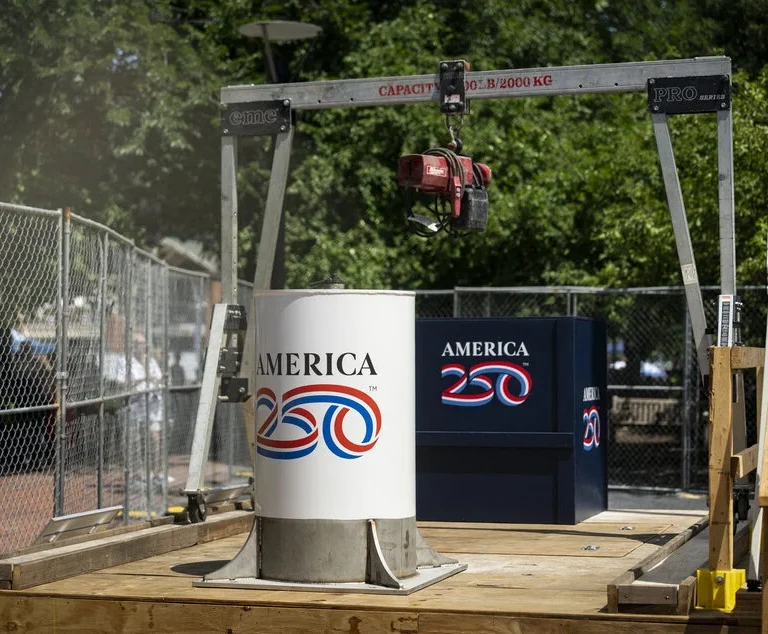
At first glance, Chip and Gus appears deceptively simple. Set almost entirely around a ping-pong table inside a worn-upstate New York bar, the play introduces two unlikely acquaintances whose chance encounters gradually unfold into something far more complex than casual conversation. The modest setting becomes an ideal environment for an intensely character-driven story in which humor, vulnerability, philosophy, music, memory, disappointment, and hope continually intersect.

John Ahlin portrays Gus, an eccentric professor of philosophy whose remarkable intelligence is matched only by his unconventional approach to social interaction. Equal parts scholar, comedian, and observer of human behavior, Gus navigates conversations with an unpredictable blend of wit, abstract thought, and emotional restraint. His seemingly endless stream of philosophical observations and unexpected humor often disguises deeper questions about loneliness, identity, and human connection.

Opposite him is Christopher Patrick Mullen as Chip, a struggling music teacher and composer whose personal and professional frustrations have left him searching for purpose and stability. While Chip initially appears to be the more approachable of the pair, the play gradually reveals the emotional complexity beneath his easygoing personality. As the evening unfolds, both characters begin to expose fears, disappointments, aspirations, and unexpected moments of resilience, creating a relationship that continuously shifts between comedy, confrontation, empathy, and friendship.

What distinguishes Chip and Gus is the precision of its dialogue and the remarkable chemistry between its two performers. The exchanges move with extraordinary speed, alternating between intellectual debate, physical comedy, heartfelt confession, and moments of complete absurdity without ever sacrificing emotional authenticity. The production relies almost entirely on performance and writing, demonstrating how compelling theatre can emerge from two actors, one location, and a script that trusts its audience to engage with ideas as readily as laughter.

The production has earned widespread recognition for achieving that balance. Critics have praised its ability to entertain while engaging audiences with larger questions about friendship, isolation, mental health, creativity, and the ways people find unexpected connections in unlikely circumstances. Rather than presenting broad comedy alone, the play embraces emotional complexity, allowing laughter and heartbreak to exist comfortably within the same conversation.

That approach reflects the traditions of contemporary character-driven theatre, where the strength of the performance lies not in elaborate production design or spectacle but in language, timing, and authentic human interaction. Every exchange between Chip and Gus builds upon previous conversations, creating an increasingly layered portrait of two individuals who discover that despite their obvious differences, they share many of the same struggles and hopes.

The creative partnership behind the production further enhances its authenticity. John Ahlin and Christopher Patrick Mullen not only wrote the play together but also serve as its performers and creative architects, bringing years of collaborative experience to every scene. Their dual roles as creators and actors allow the production to maintain an unusually cohesive artistic voice, with dialogue and staging that feel organically connected to the rhythms of the performances themselves.

The presentation at The Thomas H. Kean Theatre Factory also highlights New Jersey’s growing importance as a destination for high-quality theatrical programming. Increasingly, audiences throughout the state have access to productions that previously might only have been experienced in New York or major international theatre festivals. Hosting a work preparing for the Edinburgh Fringe demonstrates the venue’s commitment to presenting contemporary theatre that challenges, entertains, and engages audiences through exceptional storytelling and performance.

For theatre enthusiasts, the performance offers an opportunity to see a production that has already earned recognition within the competitive festival circuit while gaining insight into a work continuing to evolve before its international presentation. For audiences unfamiliar with Fringe productions, Chip and Gus provides an accessible introduction to the type of intimate, actor-driven theatre that has become a defining feature of festivals celebrating original dramatic work.

Recommended for audiences ages 10 and older, the production combines thoughtful humor with mature emotional themes, making it appealing to a broad spectrum of theatergoers. Its universal exploration of friendship, resilience, personal failure, and unexpected companionship resonates across generations while remaining grounded in sharply observed dialogue and memorable performances.

The performance begins at 7:30 p.m. on Monday, July 20, with doors opening 30 minutes before curtain. Tickets are available for $20, offering audiences an affordable opportunity to experience an award-winning production before it continues its international journey.

As New Jersey continues to strengthen its reputation as a destination for exceptional live performance, events such as Chip and Gus demonstrate the value of intimate theatre that places storytelling and performance at the forefront. Before the production takes its place on one of the world’s most prestigious festival stages, audiences at The Thomas H. Kean Theatre Factory will have the opportunity to experience a remarkable comedy that proves some of the most compelling theatrical experiences begin with two people, a ping-pong table, and a conversation that changes everything.

A California Custom Fabrication Studio Behind Immersive Brand Experiences Has Chosen Carlstadt for Its East Coast Expansion

The Lab Fabrication, a Gardena, California-based custom fabrication company that specializes in building the physical environments that define how major brands create immersive consumer experiences, has leased the entire 30,283-square-foot industrial building at 620 Gotham Parkway in Carlstadt, New Jersey, securing the facility to anchor its expansion into the New York metropolitan market. The Metz Industrial Group of Bussel Realty Corp. represented The Lab Fabrication in the transaction. The landlord, Oliver Street Capital, was represented by CBRE. Financial terms were not disclosed.

The transaction, announced July 6, reflects the specific and sustained growth in demand for professionally managed fabrication and production space within close logistics proximity to New York City — the market where the entertainment, retail, hospitality, and experiential marketing industries that commission The Lab Fabrication’s work are most densely concentrated and where the premium on rapid, reliable delivery of physically complex branded environments is highest. Custom fabrication at the level The Lab Fabrication operates — creating the three-dimensional, experience-driven installations, branded retail environments, and immersive activation spaces that define how companies physically present themselves to consumers in the current era of experiential marketing — requires a different kind of industrial real estate than standard distribution or light manufacturing. It requires ceiling heights that accommodate large-format builds in progress, loading infrastructure capable of handling oversized finished pieces, electrical capacity for the power-intensive equipment that fabrication at this scale demands, and the kind of parking and access that a workforce of skilled craftspeople and the regular arrival of client teams reviewing work in progress require. The property at 620 Gotham Parkway addresses all of those functional requirements within a geographic footprint that makes the New York metropolitan market immediately accessible.
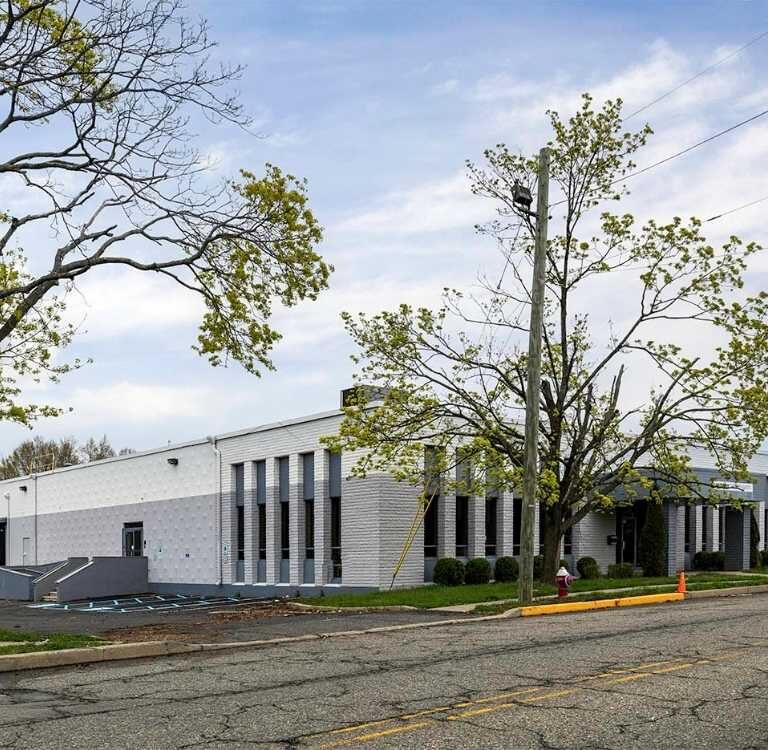
The building’s physical specifications are well-matched to a fabrication operation of this type. Located on a 1.9-acre site, 620 Gotham Parkway offers 6,300 square feet of dedicated office space alongside the industrial floor, 16-foot clear ceiling heights that provide the vertical clearance large fabrications require, four loading docks and one drive-in door for the movement of finished pieces and incoming materials, wet sprinkler fire suppression, heavy power infrastructure, and parking for 44 vehicles. The 16-foot clear height is a meaningful operational specification for a company working in large-format fabrication — it is the difference between being able to construct and review a full-scale installation before it ships to a client site and having to manage that review in separate sections. The four loading docks reflect an operation that receives materials regularly and ships completed pieces on production schedules that do not accommodate the delays that insufficient loading infrastructure creates.

The Carlstadt address situates The Lab Fabrication in one of the most strategically positioned industrial submarkets in the northeastern United States. The Meadowlands industrial corridor, where 620 Gotham Parkway sits, offers simultaneous proximity to the New Jersey Turnpike’s northern interchange system, the George Washington Bridge, the Lincoln and Holland Tunnels, Port Newark/Elizabeth, and Newark Liberty International Airport — the full range of freight, ground, and air logistics infrastructure that a company receiving materials from across the country and shipping completed large-format installations to client sites throughout the New York metropolitan region requires in daily operations. The GWB access is particularly relevant for a fabrication company serving Manhattan clients who need completed pieces delivered to installation sites on schedules that reflect the compressed timelines of retail openings, brand activations, and experiential events: the ability to load a completed piece at the dock in Carlstadt and deliver it across the George Washington Bridge to a Manhattan installation site within the same operational window is a logistical capability that the Meadowlands location makes consistently achievable.

Oliver Street Capital, the landlord in the transaction, is a value-based real estate investment manager founded in 2014 whose stated focus is acquiring, financing, and managing industrial real estate assets in supply-constrained markets along the East Coast — a strategy whose logic is clearly visible in the Northern New Jersey Meadowlands market, where the combination of proximity to New York City and limited developable land has produced the supply constraint that makes well-specified existing industrial buildings in this corridor attractive acquisitions. The CBRE representation of Oliver Street Capital in the transaction reflects the institutional-quality approach to asset management that characterizes the landlord’s portfolio strategy.

The Metz Industrial Group of Bussel Realty Corp., which represented The Lab Fabrication in the transaction, is the industrial and retail real estate services division within BRC whose principals — Jordan Metz, senior associate Benito Abbate, and sales associate James Friel — structured the transaction on behalf of the tenant. Jordan Metz’s public statement on the completed deal identifies the specific combination of factors that made 620 Gotham Parkway the right selection for The Lab Fabrication’s East Coast expansion: scale, infrastructure, and strategic location that together support the company’s continued growth rather than simply providing a building to occupy. His framing of the property’s operational value — enhanced efficiency, expanded production capabilities, and improved ability to serve clients across the New York metropolitan region and beyond — reflects the genuine operational logic that drove The Lab Fabrication’s site selection: a company that builds the physical environments through which brands present themselves to consumers needs a facility that is itself a productive, well-specified, strategically located asset rather than an operational compromise.

For the Northern New Jersey industrial real estate market, the transaction is one more data point in a sustained pattern: California-based and nationally headquartered companies in the creative, experiential, and production industries are consistently choosing Meadowlands-corridor addresses for their East Coast expansions, drawn by the logistics access, the relatively competitive rental market compared to similar-quality space in outer-borough New York, and the specific physical specifications that the Meadowlands corridor’s industrial stock reliably provides. The Lab Fabrication joins a growing roster of West Coast-origin companies that have made Northern New Jersey their East Coast operational home for exactly these reasons.

At Terhune Orchards in Princeton, a Farm Education Program Is Teaching Young Children Where Corn Comes From — and Why That Matters

The distance between a child’s encounter with corn — the ear on the dinner table, the canned kernel, the bag of frozen niblets — and the child’s understanding of where corn actually comes from and how it arrives at that table is wider than most parents realize until they are standing in a field with their four-year-old and the child asks a question they cannot answer. Terhune Orchards, the Princeton-area farm that Pam and Gary Mount have operated for decades in the West Windsor Township community where 825 Cold Soil Road marks one of the most established and most beloved farm destinations in Mercer County, built its Read and Pick program specifically to close that gap — and the corn-themed session of that program is among the most educationally rich single agricultural experiences available to preschool and early elementary-age children anywhere in central New Jersey.

The Read and Pick program, which Tannwen Mount — the Mounts’ daughter and a key figure in the farm’s educational programming — developed to address a specific need she had observed in the families who visited Terhune, was designed from the outset around a recognition that the existing orchard tour model served school-age children reasonably well but left a gap for younger children whose developmental needs and attention spans called for a different kind of educational architecture. The format she created combines story time with a hands-on farm activity — picking, planting, or crafting, depending on the seasonal theme — in a structured hourlong program that is neither a passive presentation nor an unstructured farm visit but something between: a facilitated encounter with the farm’s actual crops that uses narrative to frame what children are seeing and doing, and physical engagement with the plant or produce itself to make the learning concrete rather than abstract.

The corn session is the summer iteration of the Read and Pick calendar, and it represents the kind of thematic alignment between program content and farm reality that makes the program distinctively valuable compared to a classroom-based agricultural lesson or a generic farm tour. Corn is one of the most widely consumed and most poorly understood foods in the American diet, and the gap between what most young children know about it — that it is yellow, that it exists in grocery stores, that it is sweet when eaten fresh in summer — and what the plant actually is, how it grows, what it requires from the soil and the sun and the water over the months of its growth, and what the farm’s role in producing it actually entails, is a gap that the Read and Pick corn session bridges through direct, multisensory engagement rather than through explanation alone.

The program begins with story time, in which a carefully selected book introduces the young participants to corn’s world through narrative — the specific combination of vocabulary, illustration, and sequential storytelling that is the most developmentally appropriate way to introduce complex concepts to children in the preschool and early-elementary age range. Agricultural literacy research has consistently found that children who encounter food production first through stories, before they encounter it through instruction or observation, build more durable and more transferable understanding of where food comes from, because the narrative framework gives them a structure in which to organize the observational information they subsequently encounter. Terhune’s program reflects exactly that pedagogical logic: the story comes first, and the field comes after.

The picking component of the corn session brings the story’s content into physical reality in a way that no classroom can replicate. Walking through the rows of corn at Terhune, touching the husks, examining the silk, understanding the relationship between the visible outer wrapping and the ear of corn inside, and harvesting an ear with their own hands gives children a physical memory of corn’s origin that persists in ways that visual or verbal learning does not. Agricultural education research at the elementary level has documented repeatedly that hands-on harvest experiences produce the most lasting changes in children’s food attitudes and food knowledge — that children who have picked a vegetable or fruit are substantially more likely to try and enjoy it in a food context, and substantially more likely to retain accurate knowledge about how it grows, than children who have only heard about it or seen photographs.

Terhune Orchards occupies a specific and important role in New Jersey’s farm community that extends well beyond its educational programming. Gary Mount’s recognition as Apple Grower of the Year in 2005 reflects the sustained agricultural quality that has defined the farm’s productive identity for decades, and the operation’s transition into active educational programming represents the evolution that the most successful New Jersey farm destinations have pursued: finding ways to connect the next generation of consumers to the agricultural practices and the land that produce their food, not through advocacy or guilt but through direct, joyful, developmental engagement. The Read and Pick program is the primary vehicle for that connection at the youngest age range — the children for whom a Saturday morning at Terhune’s corn session may be the first time they have ever held a corn ear still attached to its stalk, or understood that the sweet summer corn on their dinner table last August came from a field exactly like the one they are standing in.

The program is designed for children preschool through age 8 and should be attended with an accompanying parent or caregiver, making it a family outing rather than a drop-off educational program — a design choice that reflects an understanding of how early agricultural education actually works. Children this age do not learn the most important lessons from the program in isolation from their family; they learn them in the context of a shared adult-child experience that generates the kind of dinner-table conversations about where food comes from, and why the farm matters, and who grew what they are eating, that extend the program’s impact well beyond the hour it occupies. Registration for Read and Pick sessions is handled through Terhune Orchards‘ ticketing platform, accessible through the farm’s website at terhuneorchards.com, where the current season’s program schedule and available dates are maintained. Terhune Orchards is located at 825 Cold Soil Road in Princeton, New Jersey.

Camden Absorbs Its Worst Flash Flooding in More Than a Decade After Three Inches Fall in One Hour

On Monday morning, July 6, as New Jersey was still completing its accounting of the Fourth of July weekend’s storm damage — the 22 suspected heat deaths, the four suspended NJ Transit rail lines, the BJ’s Wholesale Club roof collapse in Oakhurst — a concentrated thunderstorm cell stalled over Camden City and deposited nearly three inches of rainfall in approximately one hour, producing what local government officials described as the most severe flash flooding the city has sustained since Superstorm Sandy in 2012 and Hurricane Irene the year before that. The comparison to Sandy and Irene is the specific context Camden officials have used to communicate the event’s severity to the public and to state emergency management authorities, because what made Monday’s flooding notable was not simply the volume of water but where it went: into streets and into basements in parts of the city that do not typically flood under ordinary storm conditions, a geographic reach that suggests the morning’s rainfall exceeded the drainage infrastructure’s design capacity by a margin that ordinary summer storms in Camden do not routinely approach.

The combination of rainfall volume and timing was the immediate physical cause. Three inches in one hour is a rainfall rate that overwhelms the storm sewer systems of nearly any urban environment in the Northeast, since those systems were typically designed to manage rainfall events at rates of one to two inches per hour, and older legacy sewer infrastructure — the kind that serves much of Camden’s densely built residential and commercial core — was often designed to even more conservative thresholds that reflected the storm frequency patterns of previous decades rather than the increasingly intense precipitation events that the region is now producing with greater regularity. The complicating factor on Monday morning was a localized high tide condition in the Delaware River tributary drainage systems that Camden’s stormwater infrastructure connects to, which reduced the effective outfall capacity of the drainage network at precisely the moment the surface runoff from the storm was arriving in volume. The water had nowhere to go quickly enough.

Emergency crews conducted more than 40 water rescues across Camden County through the morning, responding primarily to motorists who had driven into flooded roadways and become trapped as water levels rose faster than the vehicles could be reversed out of harm’s way. The specific locations where vehicles were stranded document the storm’s geographic pattern: Admiral Wilson Boulevard and Route 30, the critical artery near the Benjamin Franklin Bridge that connects Camden to the Philadelphia-area regional road network, was completely closed for nearly an hour as floodwaters covered the roadway and trapped dozens of vehicles under conditions of reduced visibility. Market Street outside The Victor building, one of Camden’s most prominent residential developments, was documented under deep floodwater. Vehicles required towing from Cooper Street, Delaware Avenue, and the intersection of 7th and Atlantic — the downtown commercial core of a city that is still in the middle of a sustained economic revitalization effort after decades of disinvestment. No injuries or fatalities were reported. That outcome, in a flood event producing 40 water rescues from stranded vehicles, reflects both the quality of the emergency response and the specific circumstances that allowed all 40 rescue subjects to exit their vehicles and reach safety.

The commercial loss documentation that has emerged from Monday’s flooding gives the most concrete measure of what the event cost at the individual business level. The JYM Supermarket on Haddon Avenue experienced a complete basement submersion, with the owner reporting $10,000 in merchandise losses from floating inventory alongside an estimated $50,000 to $80,000 in destroyed refrigeration equipment — compressors and motors that were submerged in water, which typically renders commercial-grade refrigeration irrepairable rather than simply requiring cleaning and restart. For a neighborhood grocery store operating on the margins that most independent supermarkets in lower-income urban markets navigate, a $50,000 to $80,000 equipment loss alongside a $10,000 inventory loss represents a potentially business-ending financial event. The owner’s frustration with the city’s recurring drainage limitations, expressed publicly in the aftermath, reflects a grievance that Camden business owners and residents have been articulating for years: that the storm sewer infrastructure underlying the city’s commercial corridors has not kept pace with the intensity of rainfall events the region is now producing, and that the consequences of that infrastructure gap fall disproportionately on the people and businesses least equipped to absorb them.

Governor Mikie Sherrill issued a public statement following the Camden flooding confirming that the New Jersey Office of Emergency Management remains fully activated to assist hard-hit communities in Camden and to assess the scope of damage that may qualify for federal infrastructure repair funding. The activation of the Emergency Operations Center and the engagement of OEM resources positions Camden for the FEMA disaster declaration threshold tracking that is the necessary precondition for any federal relief. Local government officials have made explicit what the tracking process requires: residents and business owners in Camden who sustained structural property damage from Monday’s flooding are urged to call the city’s damage assessment hotlines at 856-757-7132 or 856-757-7139, which feed into the cumulative damage documentation that FEMA uses to evaluate whether a county or municipality has crossed the threshold for disaster declaration eligibility. The individual calls matter because FEMA’s disaster declaration process is driven by aggregate damage figures that accumulate through exactly these individual property assessments — a business owner who does not call to report $60,000 in refrigeration losses is a data point missing from the calculation that determines whether Camden ultimately receives federal assistance.

The context in which Monday’s flooding occurred — the fourth day of a statewide emergency weather event that had already produced 22 suspected heat deaths, widespread power outages, a partial commercial building roof collapse, and suspended transit service across four NJ Transit rail lines — created a specific challenge for Camden’s emergency response: first-responders and emergency management personnel were already committed to the prior weekend’s damage assessment and ongoing power restoration work when the Monday morning thunderstorm arrived. The ability to execute 40 water rescues without reported injuries under those conditions is a reflection of the emergency services capacity the county was able to deploy, but it also illustrates the specific vulnerability of densely built urban communities to rapid-onset flooding events: the warning window between a thunderstorm beginning and floodwaters reaching vehicle-stranding depth in low-lying roadways can be measured in minutes rather than hours, leaving no practical time for voluntary evacuation of motorists who have already committed to routes that will shortly be impassable.

The Sandy comparison that Camden officials have invoked is not rhetorical. Superstorm Sandy’s impact on Camden in October 2012 included flooding that produced federal disaster declarations and multi-year infrastructure repair processes that are still not fully complete. Irene in 2011 produced comparable flooding in many of the same locations. The recurring nature of these events in Camden’s specific geography — its position at the confluence of multiple tributary drainage systems, its dense street grid with limited permeable surface area, and its aging stormwater infrastructure — is the physical context in which the July 6 flooding should be understood: not as an unprecedented random event, but as the latest and most severe iteration of a pattern that will continue to produce comparable or worse outcomes until the drainage infrastructure is materially improved. The FEMA assessment process that the city has activated, and the OEM resources that Governor Sherrill has committed to the recovery, are the immediate response. Whether they translate into the infrastructure investment that would prevent the next comparable event is the question that the community of residents and business owners who lost property on Monday morning have every reason to want answered.