Home Blog

Brahms Requiem: A German Requiem

0

Morris Choral Society Brings Brahms’ Monumental “A German Requiem” to St. Mary’s Abbey in a Landmark New Jersey Choral Performance

May 16 @ 7:30 PM 11:30 PM

New Jersey’s reputation as a major music state has often been shaped publicly by rock legends, arena tours, jazz history, and the countless artists who have emerged from the region over generations. Yet running parallel to that celebrated popular music tradition is another equally important artistic legacy — one rooted in orchestral performance, sacred music, opera, chamber ensembles, and large-scale choral works that continue defining the cultural sophistication of communities across the state. In Morris County especially, classical and choral music remain deeply woven into the region’s artistic identity, sustained by organizations committed not only to preserving masterworks, but to presenting them with emotional immediacy and contemporary relevance. This season, the Morris Choral Society continues that tradition with one of the most ambitious and spiritually powerful performances in the classical repertoire: Johannes Brahms’ “A German Requiem.”

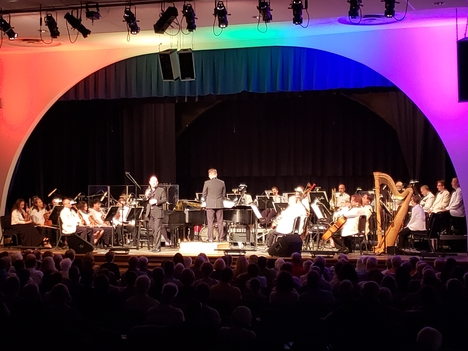
Presented at St. Mary’s Abbey on the campus of Delbarton School, the concert promises to be one of the defining classical music events of the season in North Jersey. Featuring full orchestra accompaniment, internationally experienced soloists, respected vocal ensembles, and the artistic leadership of conductor Michael Shane Wittenburg, the evening represents far more than a routine choral presentation. It is a major cultural event rooted in the enduring emotional power of live music performed at the highest level within one of New Jersey’s most acoustically and architecturally stunning sacred spaces.

For audiences familiar with Brahms’ monumental work, “A German Requiem” stands among the most emotionally transformative compositions ever written for chorus and orchestra. Unlike traditional Latin requiems centered heavily around judgment, fear, or liturgical ritual, Brahms approached the concept through a deeply humanistic lens. The work focuses instead on comfort, compassion, mourning, healing, memory, and emotional transcendence. It is music designed not merely to impress audiences technically, but to move them profoundly on a human level.

That emotional accessibility is precisely why the Requiem continues resonating across generations and why performances of the work remain such important events within the classical music world. Even listeners without extensive knowledge of choral repertoire often find themselves overwhelmed by the work’s emotional scale, orchestral richness, and spiritual atmosphere. Brahms created a composition capable of feeling simultaneously intimate and immense, personal and universal.

The decision to present the performance in German further reinforces the Morris Choral Society’s commitment to artistic authenticity and musical integrity. Hearing the work in its original language preserves the rhythmic and emotional nuance Brahms intended, allowing the text and music to function together exactly as composed. Combined with a full orchestra, the result promises an immersive performance experience capable of fully capturing the emotional architecture of one of classical music’s most revered masterworks.

The setting itself adds extraordinary significance to the evening. St. Mary’s Abbey at Delbarton School provides a naturally dramatic and spiritually resonant environment uniquely suited to large-scale sacred choral music. The abbey’s soaring architecture and resonant acoustics allow orchestral textures and choral harmonies to expand organically throughout the space, transforming the performance into something far more immersive than a conventional concert hall presentation.

Sacred spaces often elevate choral music in ways difficult to describe fully until experienced firsthand. The combination of architecture, reverberation, atmosphere, and visual setting creates an emotional environment where audiences feel surrounded by the music itself. For a composition like the Brahms Requiem, which depends heavily on emotional atmosphere and spiritual weight, the abbey setting becomes inseparable from the artistic impact of the performance.

The evening will also showcase the remarkable depth of vocal talent associated with the Morris Choral Society and its affiliated performers. Prior to the Requiem itself, audiences will hear performances by Express Male, an all-male vocal ensemble, and High Society, an all-female vocal group. Their selections during the concert’s opening half help broaden the evening into a larger celebration of choral artistry while highlighting the diversity of ensemble traditions thriving within New Jersey’s vocal music community.

These featured performances reinforce the idea that choral music remains far more dynamic and varied than many casual audiences often assume. Ensemble singing continues evolving across sacred, classical, contemporary, and crossover traditions while remaining rooted in the uniquely human power of collective vocal expression. The inclusion of both male and female vocal ensembles creates additional texture and contrast within the evening’s programming while showcasing the breadth of talent connected to the Morris Choral Society itself.

At the center of the production stands conductor Michael Shane Wittenburg, whose reputation within the classical and operatic worlds continues growing through a career defined by artistic versatility, technical precision, and emotionally driven musical leadership. Wittenburg’s approach to conducting has consistently emphasized emotional communication alongside musical rigor, making him especially well suited for a work as emotionally expansive as the Brahms Requiem.

Praised by legendary pianist Ruth Laredo as a “real virtuoso,” Wittenburg has conducted internationally acclaimed productions while maintaining deep involvement within New Jersey and New York’s broader cultural landscape. His career has included collaborations with Metropolitan Opera artists, performances with internationally respected instrumentalists, and appearances with major ensembles across the classical world.

His artistic résumé reflects extraordinary range. Beyond major choral and orchestral performances, Wittenburg has worked extensively within opera companies throughout Nashville, Orlando, and Sarasota while also maintaining a deep commitment to music education and mentorship. His work with young musicians through The Elizabeth Faidley Studio and his collaborative relationships with internationally recognized artists speak to a broader philosophy centered around sustaining classical music as a living, evolving art form connected directly to community and artistic development.

Under Wittenburg’s direction, the Morris Choral Society has continued strengthening its reputation as one of North Jersey’s important cultural institutions, presenting ambitious repertoire while maintaining strong community engagement. That balance between artistic excellence and local accessibility remains one of the defining strengths of regional arts organizations throughout New Jersey.

The evening’s accompanist, Jennifer Yang, brings additional international-caliber musicianship to the performance. Known for her work as a soloist, chamber musician, and accompanist, Yang has performed extensively around the world while serving for nearly a decade as organist and accompanist for Morristown United Methodist Church. Her collaborative sensitivity and technical command provide an essential musical foundation for a work as intricate and emotionally layered as the Brahms Requiem.

The featured soloists further elevate the production’s artistic stature. Soprano Cassandra Douglas returns to the Morris Choral Society stage following previous appearances that left strong impressions on local audiences. Her career has included a solo debut at Carnegie Hall’s Weill Recital Hall, recognition through Riverside Opera Company, and performances with distinguished organizations such as the American Spiritual Ensemble and the National Chorale. Her vocal clarity and expressive style make her particularly well suited for the lyrical and emotionally vulnerable passages woven throughout Brahms’ score.

Joining her is baritone Charles Gray, whose growing reputation within operatic circles continues expanding through performances with Amore Opera and other regional companies. Gray’s dramatic vocal presence and interpretive strength are expected to bring additional emotional depth to the Requiem’s baritone passages, which often function as some of the work’s most intimate and spiritually reflective moments.

Together, the soloists will help anchor a performance built around the dynamic interplay between individual voice and collective choral power. Brahms structured the Requiem in ways that allow personal reflection and communal emotional experience to coexist seamlessly within the music itself. The soloists emerge from the larger choral texture almost like individual human voices rising from collective grief, comfort, and hope.

The Morris Choral Society’s continued commitment to presenting major classical works also reflects the broader strength of New Jersey’s nonprofit arts infrastructure. Community-based choral organizations remain essential to preserving and advancing classical music traditions outside major metropolitan institutions. They provide opportunities not only for audiences to experience world-class repertoire locally, but also for residents themselves to participate directly in meaningful artistic creation.

That participatory aspect remains central to the Morris Choral Society’s mission. The organization has long served dual purposes: bringing varied choral programming to Morris County audiences while also providing opportunities for community members to perform within a serious artistic environment. New members continue joining the ensemble through auditions twice annually, reinforcing the organization’s role as both a presenting institution and a living artistic community.

At a time when digital entertainment increasingly dominates cultural consumption, large-scale live choral performance offers something uniquely irreplaceable. The physical presence of human voices singing together in shared space creates an emotional immediacy impossible to replicate through recordings or streaming platforms. Audiences experience not only music, but collective breath, resonance, silence, and emotional tension unfolding organically in real time.

That immediacy becomes especially powerful in a composition like “A German Requiem,” where themes of mortality, consolation, grief, and transcendence remain universally relevant regardless of era. The work speaks directly to human emotional experience in ways that continue feeling startlingly modern despite being composed more than a century ago.

As New Jersey continues building its identity as one of the Northeast’s most vibrant and diverse arts destinations, performances like this reaffirm the essential role classical music and choral performance continue playing within the state’s broader cultural ecosystem. The Morris Choral Society’s presentation of Brahms’ Requiem is not simply another concert on the calendar. It is a reminder of the enduring power of live music to unite communities, elevate public cultural life, and create moments of genuine emotional resonance through artistic excellence.

For audiences attending the performance at St. Mary’s Abbey, the evening promises an experience grounded in beauty, reflection, and musical grandeur — an opportunity to encounter one of classical music’s most profound masterpieces within a setting uniquely capable of amplifying its emotional and spiritual impact.

Morris Choral Society

973-723-6424

View Organizer Website

St. Mary’s Abbey at Delbarton School

230 Mendham Rd
Morristown, New Jersey 07960 United States
+ Google Map
(973) 538-3235
View Venue Website

The Morris Choral Society Concludes Its Season With Brahms’ Requiem in a Powerful Celebration of New Jersey’s Classical Music Tradition

New Jersey’s music culture has always extended far beyond arena concerts, rock clubs, touring festivals, and headline entertainment events. Running parallel to the state’s celebrated popular music legacy is a deeply rooted and remarkably sophisticated classical music tradition sustained by choirs, orchestras, conservatories, chamber ensembles, opera companies, and nonprofit arts organizations that continue shaping the cultural identity of communities across the region. In North Jersey especially, choral music remains one of the most enduring and emotionally resonant forms of live performance, bringing audiences together through works that transcend generations, genres, and even language itself. This spring, the Morris Choral Society closes its season with one of the most revered masterpieces ever composed, presenting Johannes Brahms’ “Ein Deutsches Requiem” in what promises to be one of the area’s defining classical music performances of the season.

Set for May 16 at 7:30 p.m. inside the stunning architectural setting of St. Mary’s Abbey on the campus of Delbarton School in Morristown, the concert represents far more than a routine season finale. It stands as a reflection of the enduring strength of New Jersey’s choral arts community and the continued relevance of classical masterworks in contemporary cultural life. Featuring a full orchestra, acclaimed soloists, celebrated vocal ensembles, and the artistic leadership of conductor Michael Shane Wittenburg, the evening is expected to deliver a performance grounded equally in musical precision and emotional depth.

Few compositions in the classical canon carry the emotional and spiritual gravity of Brahms’ Requiem. Unlike traditional liturgical requiems centered primarily around judgment and mortality, Brahms approached the work through a deeply human lens, emphasizing comfort, compassion, healing, and reflection. The result is one of the most emotionally expansive choral works ever written, capable of moving audiences regardless of religious background or familiarity with classical music itself.

That universal emotional accessibility is one reason performances of the Brahms Requiem continue resonating so profoundly with modern audiences. The music does not demand technical knowledge to be appreciated. Instead, it communicates directly through atmosphere, orchestral richness, vocal architecture, and emotional honesty. It is a work that feels immense in scale while remaining deeply personal in emotional impact.

Inside St. Mary’s Abbey, the performance is expected to take on even greater dramatic and spiritual resonance. The abbey’s acoustics and architectural beauty naturally complement large-scale choral music, creating an immersive listening environment where orchestral textures and vocal harmonies can fully expand throughout the space. Classical performances in sacred venues often create an emotional intensity difficult to replicate in traditional concert halls, and the setting itself becomes part of the musical experience.

The Morris Choral Society’s decision to conclude its season with Brahms’ masterpiece speaks directly to the organization’s longstanding mission of bringing ambitious and meaningful choral programming to New Jersey audiences. For decades, the society has remained committed not only to preserving great choral literature, but also to making it accessible to local communities through performances that balance artistic excellence with genuine emotional connection.

That mission continues feeling especially important within today’s cultural landscape. In an era increasingly dominated by fragmented digital consumption and algorithm-driven entertainment, large-scale live choral performance offers something fundamentally different. It demands presence. It invites patience, listening, reflection, and emotional immersion. Audiences are not simply consuming content; they are participating in a shared human experience unfolding collectively in real time.

The featured soloists for the evening bring considerable artistic depth to the performance. Soprano Cassandra Douglas returns to the Morris Choral Society stage following a warmly received appearance during last year’s concert season. Douglas has steadily built a reputation for vocal elegance and emotional sensitivity, qualities especially crucial within Brahms’ demanding score. Her artistic résumé includes a solo debut at Carnegie Hall’s Weill Recital Hall, recognition as a competition winner with Riverside Opera Company, and performances with respected organizations including the American Spiritual Ensemble and the National Chorale.

Her return to Morristown reinforces the growing artistic caliber of the Morris Choral Society’s programming and reflects the organization’s continued ability to attract accomplished performers deeply connected to both classical and operatic traditions.

Joining Douglas is baritone Charles Gray, whose growing operatic career has already included significant performances with Amore Opera and other regional companies. Originally from Southern California, Gray first gained wider attention through his role debut as Plagio in the American premiere of Saverio Mercadante’s “I Due Figaro.” His vocal presence and dramatic interpretive style are expected to bring additional emotional weight to Brahms’ sweeping and deeply expressive score.

Together, the soloists will anchor a performance built around the interplay between individual voice and collective choral power, one of the defining emotional characteristics of the Requiem itself. Brahms constructed the work in ways that allow solo passages to emerge organically from larger choral textures, creating moments of intimacy within an otherwise monumental musical structure.

The evening’s programming also reflects the Morris Choral Society’s broader commitment to celebrating diverse vocal traditions and community participation. Prior to the Requiem performance, audiences will hear from Express Male, an all-male vocal ensemble, and High Society, an all-female vocal group specializing in sacred music. These performances help expand the concert beyond a single composition and reinforce the organization’s role as a broader cultural institution supporting vocal performance across multiple styles and ensemble structures.

In addition, the evening will recognize this year’s recipient of the MCS R. Wayne Walters Scholarship, Sophie Havens, continuing the society’s commitment to nurturing emerging talent and investing in the future of music education throughout New Jersey. Scholarship recognition within concert programming carries particular significance because it reinforces the idea that classical music remains a living tradition dependent on mentorship, education, and generational continuity rather than simply historical preservation.

At the center of the entire production stands conductor Michael Shane Wittenburg, whose growing reputation within both classical and operatic circles continues elevating the artistic profile of the Morris Choral Society. Wittenburg’s career reflects a combination of technical mastery, international experience, educational dedication, and collaborative versatility that has made him one of the more compelling conducting figures working within the regional classical music world today.

Praised as a “real virtuoso” by legendary pianist Ruth Laredo, Wittenburg has conducted internationally acclaimed performances, including a celebrated European debut at the Romanian National Theater of Opera and Ballet with Puccini’s “Turandot.” His work extends far beyond the podium alone. Throughout New York City and beyond, he has collaborated with Metropolitan Opera performers, internationally recognized instrumentalists, and major ensembles while maintaining a strong commitment to music education and mentorship.

His artistic philosophy appears deeply aligned with the Morris Choral Society’s mission itself: treating classical music not as distant or elitist, but as emotionally alive, community-centered, and culturally essential. That philosophy becomes evident in his continued mentorship of young musicians through The Elizabeth Faidley Studio and in his collaborations with performers across opera, orchestral, and chamber music traditions.

Wittenburg’s résumé also reflects remarkable versatility. In addition to conducting opera productions in Nashville, Orlando, and Sarasota, he has served as assistant conductor and vocal coach on numerous productions while helping bring children’s opera performances to audiences through extensive touring work. His ability to move fluidly between large-scale opera, educational outreach, chamber collaboration, and choral conducting speaks to a broader understanding of music as a communal art form rather than a narrowly specialized discipline.

The concert’s piano accompanist, Jennifer Yang, further strengthens the evening’s artistic foundation. Known internationally for her solo, chamber, and choral work, Yang has served as organist and accompanist for Morristown United Methodist Church for nearly a decade while maintaining an active performance schedule around the world. Her collaborative musicianship and extensive performance experience add another layer of refinement and musical depth to an already ambitious production.

The Morris Choral Society itself continues occupying an important place within New Jersey’s cultural infrastructure. Organizations like MCS preserve essential artistic traditions while simultaneously creating opportunities for community participation in high-level musical performance. The society’s commitment to welcoming new members through audition twice annually reinforces its dual mission: presenting outstanding choral music while also allowing local residents to actively participate in the creation of that music themselves.

That participatory spirit remains central to the vitality of New Jersey’s arts scene overall. Community-based arts organizations continue functioning as cultural anchors throughout the state, providing spaces where artistic excellence and local engagement coexist naturally. They sustain traditions that might otherwise become inaccessible while ensuring that world-class repertoire remains connected to real communities and real audiences.

The support structure surrounding the Morris Choral Society also reflects the collaborative ecosystem that sustains New Jersey’s nonprofit arts organizations. Funding support through Morris Arts, the New Jersey State Council on the Arts, the Department of State, the National Endowment for the Arts, the Masterwork Music and Art Foundation, and individual donors demonstrates how public and private investment continue working together to preserve the state’s cultural landscape.

As New Jersey continues strengthening its reputation as one of the Northeast’s most vibrant and diverse arts destinations, performances like the Morris Choral Society’s Brahms Requiem serve as powerful reminders that the state’s cultural identity extends deeply into the classical arts as well. The May 16 concert at St. Mary’s Abbey promises not only musical excellence, but an evening rooted in reflection, emotional resonance, artistic collaboration, and the enduring ability of choral music to bring communities together through shared human experience.

For audiences attending the performance, the evening will offer far more than a concert alone. It will provide an opportunity to experience one of the greatest works in classical music within a setting uniquely suited to its emotional and spiritual power, performed by artists and musicians deeply committed to sustaining New Jersey’s rich and evolving cultural tradition.

Blues People

0

Chesilhurst’s Free Summer Concert Series Brings the Power of Blues and Soul to LeAnna Harris Park With Blues People

June 14 @ 7:00 PM 11:30 PM

Throughout New Jersey, summer concert season continues to serve as one of the most important cultural traditions connecting communities through live music, public gathering spaces, and the shared emotional experience that only outdoor performance can create. From small borough parks to major waterfront stages, local concert series remain deeply woven into the identity of towns across the state, preserving the spirit of neighborhood entertainment while introducing audiences to genres and artists that continue shaping American music history. This summer, Chesilhurst’s free concert series at LeAnna Harris Park is embracing that tradition in powerful fashion with a performance that taps directly into the emotional roots of modern music itself.

On June 14 at 7 p.m., LeAnna Harris Park will welcome Blues People, bringing an evening dedicated to the best of blues and soul music to the heart of South Jersey. More than simply another summer concert, the performance promises to celebrate two of the most foundational genres in American musical history while continuing the region’s growing commitment to accessible community arts programming.

Blues and soul music occupy a singular place within American culture because nearly every major popular genre that followed traces part of its identity back to them. Rock and roll, rhythm and blues, funk, gospel crossover, jazz fusion, Southern rock, modern pop, hip-hop sampling culture, and even contemporary country music all carry echoes of the blues tradition. Soul music, meanwhile, transformed emotional honesty and vocal expression into defining artistic forces that continue influencing performers generations later. Together, the genres represent more than entertainment. They are emotional languages rooted in resilience, storytelling, struggle, joy, spirituality, survival, and celebration.

That emotional depth is exactly what continues making blues and soul performances so powerful in live settings. Unlike heavily programmed modern productions that often prioritize spectacle over connection, blues and soul music thrives on raw authenticity. The audience feels every note. Vocals carry emotional weight. Instrumentation breathes naturally. Improvisation matters. Human connection becomes central to the performance experience.

Blues People arrives at LeAnna Harris Park carrying that tradition forward while delivering a performance style designed for modern audiences seeking both musical excellence and emotional energy. Their set is expected to blend timeless blues structures with the richness and groove-driven intensity of classic soul music, creating an atmosphere built around rhythm, storytelling, audience engagement, and pure musicianship.

For South Jersey audiences, concerts like this hold particular significance because blues and soul traditions have always occupied an important place within the region’s musical history. New Jersey’s broader music identity is often associated publicly with rock and roll icons, boardwalk culture, and arena acts, but the state’s deep relationship with jazz, rhythm and blues, gospel, and soul runs just as deeply through its cultural history. Communities throughout South Jersey, Camden County, and beyond have long supported local live music scenes rooted in exactly these traditions.

That history continues living through free community events like the Chesilhurst concert series, where music functions not simply as entertainment, but as cultural preservation and collective celebration. Outdoor summer concerts allow these genres to be experienced the way they often work best: communally, emotionally, and without barriers separating performers from audiences.

LeAnna Harris Park provides an ideal setting for that kind of performance environment. Outdoor park concerts create a different type of audience energy than traditional indoor venues. People move more freely. Families gather together. Conversations blend into the music naturally. Children experience live musicianship firsthand. Entire neighborhoods come together around a shared experience that feels both relaxed and emotionally alive.

That atmosphere aligns perfectly with the spirit of blues and soul music itself. Both genres were historically built around communal experience — music played in clubs, churches, gathering spaces, social halls, neighborhood venues, and outdoor celebrations where audience participation was essential to the atmosphere. In many ways, free summer concerts like this preserve that original spirit far more authentically than highly commercialized modern entertainment environments often do.

The accessibility of the event also reflects a growing recognition throughout New Jersey that public arts programming remains essential to maintaining strong local cultural identity. As ticket prices continue climbing across the live entertainment industry, free community concerts have become increasingly important for ensuring that live music remains accessible to audiences of all backgrounds. Events like these remove financial barriers while reinforcing the idea that cultural experiences should remain connected to the public life of communities themselves.

That accessibility becomes even more meaningful in genres like blues and soul, where emotional universality lies at the center of the music’s enduring appeal. Blues music speaks to hardship, perseverance, heartbreak, and survival. Soul music channels joy, vulnerability, spirituality, romance, empowerment, and emotional truth. These are not niche genres built around exclusivity. They are foundational American musical forms rooted in shared human experience.

In recent years, there has also been a renewed appreciation nationally for musicianship-driven live performances that prioritize authenticity over production excess. Audiences increasingly crave concerts that feel organic, emotionally direct, and rooted in real-time interaction rather than overly scripted spectacle. Blues and soul music naturally provide that experience because they depend on feel, chemistry, improvisation, and emotional honesty in ways many contemporary genres no longer do.

That renewed appreciation has helped fuel the popularity of regional concert series across New Jersey, particularly those emphasizing live bands, classic genres, and communal outdoor settings. Local audiences continue demonstrating strong support for performances that feel grounded in tradition while still delivering contemporary energy and accessibility.

The Blues People performance also reinforces the growing importance of local and regional arts programming throughout smaller South Jersey communities. Events like the Chesilhurst concert series help establish parks and public spaces as cultural gathering points while creating opportunities for audiences to experience high-quality live music close to home. In doing so, these events strengthen both local identity and regional arts culture simultaneously.

Across New Jersey, public concert programming has increasingly become one of the defining features of summer itself. Residents anticipate schedules months in advance. Families organize evenings around performances. Friends reconnect at concerts year after year. Communities establish traditions tied to music and seasonal gathering. These events become part of the emotional calendar of summer life throughout the state.

Blues and soul music, perhaps more than almost any other genres, fit naturally within that atmosphere because they are fundamentally built around emotional memory and shared feeling. The songs linger. The grooves invite participation. The vocals command attention. Audiences do not simply listen passively; they respond physically and emotionally to the performance.

For younger listeners, concerts like this also provide important exposure to musical traditions that continue shaping modern music in profound ways. Many contemporary audiences recognize the influence of blues and soul across modern genres without always experiencing the original forms live and in person. Events like the June 14 performance create opportunities for cross-generational musical connection that remain essential to sustaining cultural continuity.

The location itself adds additional meaning to the event. Community parks have historically functioned as some of America’s most important democratic cultural spaces, places where music, recreation, family life, and civic identity intersect naturally. Concerts at LeAnna Harris Park continue that tradition while reinforcing the role public spaces still play in maintaining vibrant local culture.

New Jersey’s music identity has always been broader, deeper, and more diverse than outsiders often recognize. Beyond the major touring acts and internationally known artists, the state has consistently sustained thriving local performance communities rooted in blues, jazz, soul, gospel, funk, folk, and classic R&B traditions. South Jersey especially continues nurturing audiences that value live musicianship, emotional authenticity, and community-centered entertainment experiences.

The June 14 Blues People performance stands as another example of how free public concerts continue preserving those traditions while keeping them accessible to new generations of listeners. Under the summer sky at LeAnna Harris Park, audiences can expect more than simply a concert. They can expect an evening built around rhythm, connection, emotional energy, and the timeless power of music that speaks directly to the soul.

As New Jersey’s summer concert season continues unfolding across parks, waterfronts, downtown stages, and public gathering spaces statewide, events like this remain powerful reminders that some of the state’s most meaningful cultural experiences are still happening locally, communally, and free for everyone willing to bring a chair, gather with neighbors, and let the music carry through the night.

Camden County Board of Commissioners

1-866-226-3362

View Organizer Website

St. Mary’s Abbey at Delbarton School

230 Mendham Rd
Morristown, New Jersey 07960 United States
+ Google Map
(973) 538-3235
View Venue Website

American Bombshells

0

Waterford Lions Park Brings Vintage Harmony and Modern Energy to South Jersey With Free American Bombshells Concert

June 27 @ 7:30 PM 11:30 PM

Summer concert season across New Jersey continues to prove that some of the most memorable live music experiences are not always found inside major arenas or ticketed amphitheaters. Often, they happen in community parks, under open skies, surrounded by neighbors, families, lawn chairs, food vendors, and generations of music fans gathering together for the simple joy of live performance. Throughout South Jersey especially, free outdoor concerts remain one of the defining traditions of summer culture, creating spaces where local communities reconnect through music while preserving the spirit of accessible public entertainment that has long been part of the state’s identity. This year, Waterford Lions Park continues that tradition with a performance designed to blend nostalgia, showmanship, vocal precision, and patriotic Americana into one unforgettable evening.

On June 27 at 7:30 p.m., the park will welcome the American Bombshells, a nationally recognized vocal trio known for reimagining the timeless harmony-driven sound of the Andrews Sisters through a polished, contemporary performance style that combines vintage inspiration with modern energy. Their appearance is expected to bring a distinctly theatrical and highly entertaining atmosphere to South Jersey’s summer concert calendar while reinforcing the enduring popularity of classic vocal harmony music across generations of audiences.

At a time when live music culture often feels dominated by digital production, backing tracks, and heavily programmed performances, groups like the American Bombshells offer something refreshingly rooted in musicianship, personality, and vocal craftsmanship. Their performances celebrate an era when harmony singing stood at the center of popular music, while simultaneously reshaping that tradition for modern audiences who continue craving authenticity, charisma, and connection in live entertainment.

The Andrews Sisters influence remains deeply embedded within American musical history. Their close harmonies, upbeat swing arrangements, and wartime-era performances helped define an entire generation of popular music during the 1930s and 1940s. Their songs became part of the emotional soundtrack of American life during periods of enormous uncertainty and transformation, offering audiences optimism, escapism, humor, and emotional familiarity through music that was both technically sophisticated and universally accessible.

The American Bombshells tap directly into that legacy while avoiding the trap of simple imitation. Rather than functioning strictly as a retro tribute act, the trio reinterprets the harmony-group tradition through modern staging, contemporary pacing, polished choreography, and a broader entertainment format designed to appeal to audiences of all ages. The result is a performance style that feels both nostalgic and current at the same time.

That balance is part of what has helped the group build a strong national reputation while touring extensively throughout the United States and internationally. Their performances have resonated not only with audiences who remember the original big band and swing eras, but also with younger listeners discovering the emotional power and technical beauty of live harmony music for the first time.

In many ways, that intergenerational appeal reflects something larger happening throughout New Jersey’s live music landscape. Across the state, audiences are increasingly gravitating toward performances that combine familiarity with experience-driven entertainment. People are not simply attending concerts to hear songs anymore. They are searching for atmosphere, personality, storytelling, nostalgia, and emotional connection. Groups capable of delivering all of those elements simultaneously continue thriving in community concert settings where audiences value engagement just as much as musicianship.

Waterford Lions Park provides an especially fitting setting for that kind of performance. Outdoor summer concerts naturally encourage a communal energy that mirrors the spirit of harmony-based music itself. Families gather together. Multiple generations share the same experience. Songs become collective moments rather than individualized listening sessions. In many respects, concerts like this preserve one of the oldest functions of public music: bringing communities together through shared emotional experience.

That communal atmosphere has become increasingly valuable in an era dominated by isolation, streaming algorithms, and fragmented entertainment consumption. Public concerts remain among the few cultural spaces where strangers still gather physically to experience music together in real time. Events like the Waterford Lions Park series help sustain that tradition while keeping live performance accessible to audiences regardless of financial barriers.

The importance of free community concerts throughout South Jersey cannot be overstated. While national touring acts dominate headlines and ticket prices continue climbing across the live entertainment industry, municipal concert series quietly remain some of the most culturally important music events happening anywhere in the state. They preserve local gathering traditions, support regional arts programming, and ensure that live music remains integrated into everyday community life rather than becoming a luxury experience available only to select audiences.

That accessibility becomes especially meaningful during summer months, when public parks transform into temporary cultural centers for entire communities. The concerts become more than scheduled entertainment. They become rituals of seasonal identity. Residents plan evenings around them. Families bring blankets and lawn chairs. Local organizations participate. Children experience live music in open public spaces. Entire communities reconnect around the simple act of gathering outdoors together.

The American Bombshells’ performance also highlights the enduring strength of nostalgia-centered entertainment throughout New Jersey’s arts and music scene. Nostalgia, when done well, is not about retreating into the past. It is about reconnecting audiences with emotional textures and cultural experiences that still feel meaningful in the present. Harmony music from the swing era continues resonating because its emotional core remains timeless: optimism, resilience, romance, humor, patriotism, and collective joy.

Those qualities become especially powerful in outdoor summer settings where audiences are already primed for emotional openness and shared celebration. The visual style, harmonies, choreography, and upbeat energy associated with the American Bombshells create an experience that feels immersive rather than passive. Audiences do not simply observe the performance; they become part of the atmosphere surrounding it.

New Jersey’s broader music culture has always embraced that type of audience engagement. From boardwalk concerts to shore bars, jazz clubs, classic rock festivals, and community park events, the state’s musical identity has historically been built around live performance environments where audiences participate emotionally and socially rather than merely consume content passively.

The Waterford Lions Park concert series continues that tradition in a way that feels deeply rooted in South Jersey community culture. Events like these preserve the accessibility and intimacy of local music experiences while simultaneously introducing audiences to nationally touring performers capable of delivering professional-caliber entertainment.

For the American Bombshells specifically, the outdoor setting may elevate the emotional impact of the performance even further. Harmony music has always carried a uniquely cinematic quality, particularly in open-air environments where vocals can fill a summer evening atmosphere naturally. Combined with the nostalgic imagery associated with swing-era performance traditions, the concert promises to create a distinctly immersive experience that feels both celebratory and emotionally resonant.

The performance also arrives during a broader resurgence of interest in vintage-inspired entertainment aesthetics. Across music, fashion, film, and theater, audiences continue rediscovering mid-century American cultural influences and reinterpretations of classic entertainment styles. The American Bombshells fit directly into that movement while maintaining enough modern polish and energy to avoid becoming purely retro novelty.

That ability to bridge eras is one of the reasons performances like this continue attracting broad audiences across demographic lines. Older attendees reconnect with musical traditions that shaped earlier generations, while younger audiences experience forms of live entertainment built around vocal precision, personality, and stagecraft rather than digital spectacle alone.

As New Jersey continues strengthening its reputation as one of America’s richest and most diverse live music states, community concert series like the one at Waterford Lions Park remain essential pieces of that identity. They sustain grassroots audience engagement, preserve public access to live performance, and reinforce the idea that music still functions best when experienced collectively.

The June 27 performance by the American Bombshells promises to deliver exactly the kind of summer concert atmosphere that continues making South Jersey’s outdoor music culture so enduringly popular: energetic, nostalgic, family-friendly, emotionally uplifting, and unmistakably communal. Under the summer sky at Waterford Lions Park, audiences will experience not only a concert, but a celebration of musical tradition, live performance, and the timeless power of harmony itself.

Camden County Board of Commissioners

1-866-226-3362

View Organizer Website

St. Mary’s Abbey at Delbarton School

230 Mendham Rd
Morristown, New Jersey 07960 United States
+ Google Map
(973) 538-3235
View Venue Website

No Surrender (Springsteen Tribute)

0

Lindenwold Park’s Free Summer Concert Series Brings South Jersey Music Tradition to Life With Suitcase Murphy, Chicago 9, and a Massive Springsteen Celebration

August 7 @ 7:00 PM 11:30 PM

Summer concert season in New Jersey has always represented something larger than entertainment alone. Across the state, public parks, waterfronts, downtown plazas, community centers, and outdoor amphitheaters become gathering places where generations reconnect through live music, neighborhood traditions, local culture, and the unmistakable atmosphere that only New Jersey summers can create. While major stadium tours and arena spectacles dominate national headlines, the heart of the state’s music identity still lives in the local concert series that bring communities together week after week under open skies. This summer, Lindenwold Park is once again embracing that tradition with a free concert series that captures the energy, nostalgia, and regional character that continue defining South Jersey’s live music culture.

Set against the backdrop of warm summer nights and community celebration, the Lindenwold Park concert lineup combines legendary local bar-band energy, classic rock nostalgia, and one of the strongest Bruce Springsteen tribute experiences in the region. More importantly, the series reinforces something New Jersey continues doing exceptionally well: preserving live local music as an accessible, communal experience rather than turning it into an exclusive luxury.

At a time when ticket prices for national tours continue climbing and live entertainment increasingly feels financially out of reach for many families, free concert series like this have become more culturally important than ever. They create opportunities for communities to gather organically around music without barriers, restoring a sense of accessibility and togetherness that once defined summer entertainment throughout the state.

This year’s Lindenwold Park series officially kicks off June 26 at 7 p.m. with Suitcase Murphy, one of South Jersey’s most recognizable and enduring bar bands. For decades, groups like Suitcase Murphy have formed the backbone of the region’s local music ecosystem, carrying forward the traditions of neighborhood taverns, shore bars, VFW halls, and outdoor summer festivals that have long fueled New Jersey’s identity as one of America’s great live music states.

The significance of bands like Suitcase Murphy often goes beyond simple nostalgia. South Jersey’s bar-band circuit has historically served as an essential proving ground for musicians, performers, and audiences alike. Long before streaming platforms and viral social media promotion reshaped the industry, local bands built loyal followings the old-fashioned way — through relentless touring, live performances, word-of-mouth reputation, and genuine community connection. That culture still exists throughout New Jersey, and bands like Suitcase Murphy remain important symbols of its staying power.

Their appearance at Lindenwold Park promises to bring exactly the kind of atmosphere longtime South Jersey music fans understand immediately: familiar songs, energetic crowds, spontaneous singalongs, and the kind of easygoing summer-night energy that transforms a local park into the center of the community for an evening.

The series continues July 17 with Chicago 9, a tribute act dedicated to recreating the iconic sound of Chicago, one of the most commercially successful and musically ambitious rock bands in American history. Tribute performances have become an increasingly powerful force throughout New Jersey’s live music landscape, particularly as audiences continue seeking ways to reconnect with classic catalogs that helped define multiple generations of listeners.

Chicago’s music remains uniquely suited for large outdoor summer performances because of its fusion of rock, jazz, brass instrumentation, pop hooks, and emotional balladry. Songs that once dominated FM radio continue resonating with audiences decades later, and tribute groups like Chicago 9 help preserve that experience in live settings that feel celebratory rather than nostalgic alone.

What makes tribute concerts especially important throughout New Jersey is the way they bridge generations. Younger audiences experience music they may know only through streaming playlists or family influence, while longtime fans reconnect with songs deeply tied to personal memory and regional culture. In a state where classic rock still occupies an enormous place in cultural identity, tribute performances continue functioning as both entertainment and shared community ritual.

That sense of ritual reaches another level entirely with the August 7 finale featuring No Surrender, one of the region’s premier Bruce Springsteen tribute bands. In New Jersey, Springsteen tributes carry a significance that extends well beyond imitation or nostalgia. Bruce Springsteen’s music remains inseparable from the emotional and cultural identity of the state itself. His songs are woven into New Jersey’s understanding of working-class resilience, local pride, youth, memory, escape, frustration, ambition, and community.

A Springsteen tribute event in New Jersey is not simply a concert. It is often closer to a collective celebration of identity and shared experience.

Lindenwold’s August 7 event embraces that atmosphere fully by expanding the evening into a larger community celebration that includes a 6 p.m. car show before the 8 p.m. concert performance. The pairing feels especially fitting given how deeply automobile culture, cruising traditions, classic cars, and Jersey summer nights remain embedded in the mythology surrounding Springsteen’s music. The imagery of highways, engines, freedom, parking lots, and late-night escape has always been central to the emotional landscape of his songwriting, making the combination of live music and classic cars feel organically connected to the spirit of the material itself.

No Surrender’s performance is expected to transform Lindenwold Park into a full-scale summer celebration of New Jersey rock culture, complete with the communal energy that accompanies nearly every Springsteen-related event across the state. Audiences know the words. They know the stories. They know the emotional arcs embedded within the music. The concerts become less about passive observation and more about participation.

That participatory spirit is exactly what continues making local outdoor music events so important across New Jersey. In an entertainment culture increasingly shaped by algorithms, digital isolation, and individualized consumption habits, live community concerts remain one of the few experiences where strangers still gather together in shared emotional space around music. Families bring lawn chairs. Friends reconnect. Children experience live performance for the first time. Neighbors who rarely speak throughout the year suddenly spend entire evenings together. The music becomes the catalyst, but the larger experience becomes about community itself.

The Lindenwold Park series also highlights the broader strength of New Jersey’s local and regional music scene. While much attention naturally gravitates toward major venues in Newark, Atlantic City, or the Meadowlands, smaller municipal concert series continue playing a vital role in sustaining live performance culture throughout the state. These events create opportunities not only for audiences, but for working musicians, tribute acts, production crews, vendors, local businesses, and community organizations that rely on vibrant public arts programming.

Across South Jersey especially, summer concert traditions remain deeply embedded within local culture. Town-sponsored music events continue serving as seasonal landmarks that residents anticipate months in advance. They become part of the rhythm of summer itself, marking time through music, weather, memory, and shared experience.

The accessibility of these events matters enormously as well. Free public concerts ensure that live music remains available to everyone regardless of financial circumstances. In many ways, they preserve one of the original purposes of community arts programming: creating cultural experiences that belong to the public rather than limiting them to premium-ticket audiences alone.

New Jersey’s identity has always been profoundly shaped by music. From the clubs of Asbury Park to the jazz history of Newark, from arena rock legacies to punk scenes, bar bands, soul singers, tribute circuits, and local outdoor festivals, the state’s musical DNA is rooted in performance spaces of every size and scale. Concert series like the one at Lindenwold Park help sustain that tradition at the grassroots level where live music culture remains most personal and most connected to everyday life.

This summer’s lineup succeeds because it understands exactly what audiences want from community concerts. They want familiarity without feeling stale. They want music that invites participation. They want atmosphere, nostalgia, excitement, and connection. Most importantly, they want experiences that feel genuinely local and unmistakably New Jersey.

From the bar-band legacy of Suitcase Murphy to the brass-driven classic rock celebration of Chicago 9 and the emotionally charged Jersey mythology surrounding No Surrender’s Springsteen tribute performance, Lindenwold Park’s summer concert series captures multiple generations of regional music culture in one accessible community-centered lineup.

As New Jersey continues strengthening its reputation as one of America’s most passionate and enduring live music states, events like these remain essential reminders that some of the most meaningful concert experiences still happen close to home, under summer skies, surrounded by neighbors, with music echoing through the park long after the sun goes down.

Camden County Board of Commissioners

1-866-226-3362

View Organizer Website

St. Mary’s Abbey at Delbarton School

230 Mendham Rd
Morristown, New Jersey 07960 United States
+ Google Map
(973) 538-3235
View Venue Website

Chicago 9

0

Lindenwold Park’s Free Summer Concert Series Brings South Jersey Music Tradition to Life With Suitcase Murphy, Chicago 9, and a Massive Springsteen Celebration

July 17 @ 7:00 PM 11:30 PM

Summer concert season in New Jersey has always represented something larger than entertainment alone. Across the state, public parks, waterfronts, downtown plazas, community centers, and outdoor amphitheaters become gathering places where generations reconnect through live music, neighborhood traditions, local culture, and the unmistakable atmosphere that only New Jersey summers can create. While major stadium tours and arena spectacles dominate national headlines, the heart of the state’s music identity still lives in the local concert series that bring communities together week after week under open skies. This summer, Lindenwold Park is once again embracing that tradition with a free concert series that captures the energy, nostalgia, and regional character that continue defining South Jersey’s live music culture.

Set against the backdrop of warm summer nights and community celebration, the Lindenwold Park concert lineup combines legendary local bar-band energy, classic rock nostalgia, and one of the strongest Bruce Springsteen tribute experiences in the region. More importantly, the series reinforces something New Jersey continues doing exceptionally well: preserving live local music as an accessible, communal experience rather than turning it into an exclusive luxury.

At a time when ticket prices for national tours continue climbing and live entertainment increasingly feels financially out of reach for many families, free concert series like this have become more culturally important than ever. They create opportunities for communities to gather organically around music without barriers, restoring a sense of accessibility and togetherness that once defined summer entertainment throughout the state.

This year’s Lindenwold Park series officially kicks off June 26 at 7 p.m. with Suitcase Murphy, one of South Jersey’s most recognizable and enduring bar bands. For decades, groups like Suitcase Murphy have formed the backbone of the region’s local music ecosystem, carrying forward the traditions of neighborhood taverns, shore bars, VFW halls, and outdoor summer festivals that have long fueled New Jersey’s identity as one of America’s great live music states.

The significance of bands like Suitcase Murphy often goes beyond simple nostalgia. South Jersey’s bar-band circuit has historically served as an essential proving ground for musicians, performers, and audiences alike. Long before streaming platforms and viral social media promotion reshaped the industry, local bands built loyal followings the old-fashioned way — through relentless touring, live performances, word-of-mouth reputation, and genuine community connection. That culture still exists throughout New Jersey, and bands like Suitcase Murphy remain important symbols of its staying power.

Their appearance at Lindenwold Park promises to bring exactly the kind of atmosphere longtime South Jersey music fans understand immediately: familiar songs, energetic crowds, spontaneous singalongs, and the kind of easygoing summer-night energy that transforms a local park into the center of the community for an evening.

The series continues July 17 with Chicago 9, a tribute act dedicated to recreating the iconic sound of Chicago, one of the most commercially successful and musically ambitious rock bands in American history. Tribute performances have become an increasingly powerful force throughout New Jersey’s live music landscape, particularly as audiences continue seeking ways to reconnect with classic catalogs that helped define multiple generations of listeners.

Chicago’s music remains uniquely suited for large outdoor summer performances because of its fusion of rock, jazz, brass instrumentation, pop hooks, and emotional balladry. Songs that once dominated FM radio continue resonating with audiences decades later, and tribute groups like Chicago 9 help preserve that experience in live settings that feel celebratory rather than nostalgic alone.

What makes tribute concerts especially important throughout New Jersey is the way they bridge generations. Younger audiences experience music they may know only through streaming playlists or family influence, while longtime fans reconnect with songs deeply tied to personal memory and regional culture. In a state where classic rock still occupies an enormous place in cultural identity, tribute performances continue functioning as both entertainment and shared community ritual.

That sense of ritual reaches another level entirely with the August 7 finale featuring No Surrender, one of the region’s premier Bruce Springsteen tribute bands. In New Jersey, Springsteen tributes carry a significance that extends well beyond imitation or nostalgia. Bruce Springsteen’s music remains inseparable from the emotional and cultural identity of the state itself. His songs are woven into New Jersey’s understanding of working-class resilience, local pride, youth, memory, escape, frustration, ambition, and community.

A Springsteen tribute event in New Jersey is not simply a concert. It is often closer to a collective celebration of identity and shared experience.

Lindenwold’s August 7 event embraces that atmosphere fully by expanding the evening into a larger community celebration that includes a 6 p.m. car show before the 8 p.m. concert performance. The pairing feels especially fitting given how deeply automobile culture, cruising traditions, classic cars, and Jersey summer nights remain embedded in the mythology surrounding Springsteen’s music. The imagery of highways, engines, freedom, parking lots, and late-night escape has always been central to the emotional landscape of his songwriting, making the combination of live music and classic cars feel organically connected to the spirit of the material itself.

No Surrender’s performance is expected to transform Lindenwold Park into a full-scale summer celebration of New Jersey rock culture, complete with the communal energy that accompanies nearly every Springsteen-related event across the state. Audiences know the words. They know the stories. They know the emotional arcs embedded within the music. The concerts become less about passive observation and more about participation.

That participatory spirit is exactly what continues making local outdoor music events so important across New Jersey. In an entertainment culture increasingly shaped by algorithms, digital isolation, and individualized consumption habits, live community concerts remain one of the few experiences where strangers still gather together in shared emotional space around music. Families bring lawn chairs. Friends reconnect. Children experience live performance for the first time. Neighbors who rarely speak throughout the year suddenly spend entire evenings together. The music becomes the catalyst, but the larger experience becomes about community itself.

The Lindenwold Park series also highlights the broader strength of New Jersey’s local and regional music scene. While much attention naturally gravitates toward major venues in Newark, Atlantic City, or the Meadowlands, smaller municipal concert series continue playing a vital role in sustaining live performance culture throughout the state. These events create opportunities not only for audiences, but for working musicians, tribute acts, production crews, vendors, local businesses, and community organizations that rely on vibrant public arts programming.

Across South Jersey especially, summer concert traditions remain deeply embedded within local culture. Town-sponsored music events continue serving as seasonal landmarks that residents anticipate months in advance. They become part of the rhythm of summer itself, marking time through music, weather, memory, and shared experience.

The accessibility of these events matters enormously as well. Free public concerts ensure that live music remains available to everyone regardless of financial circumstances. In many ways, they preserve one of the original purposes of community arts programming: creating cultural experiences that belong to the public rather than limiting them to premium-ticket audiences alone.

New Jersey’s identity has always been profoundly shaped by music. From the clubs of Asbury Park to the jazz history of Newark, from arena rock legacies to punk scenes, bar bands, soul singers, tribute circuits, and local outdoor festivals, the state’s musical DNA is rooted in performance spaces of every size and scale. Concert series like the one at Lindenwold Park help sustain that tradition at the grassroots level where live music culture remains most personal and most connected to everyday life.

This summer’s lineup succeeds because it understands exactly what audiences want from community concerts. They want familiarity without feeling stale. They want music that invites participation. They want atmosphere, nostalgia, excitement, and connection. Most importantly, they want experiences that feel genuinely local and unmistakably New Jersey.

From the bar-band legacy of Suitcase Murphy to the brass-driven classic rock celebration of Chicago 9 and the emotionally charged Jersey mythology surrounding No Surrender’s Springsteen tribute performance, Lindenwold Park’s summer concert series captures multiple generations of regional music culture in one accessible community-centered lineup.

As New Jersey continues strengthening its reputation as one of America’s most passionate and enduring live music states, events like these remain essential reminders that some of the most meaningful concert experiences still happen close to home, under summer skies, surrounded by neighbors, with music echoing through the park long after the sun goes down.

Camden County Board of Commissioners

1-866-226-3362

View Organizer Website

St. Mary’s Abbey at Delbarton School

230 Mendham Rd
Morristown, New Jersey 07960 United States
+ Google Map
(973) 538-3235
View Venue Website

Suitcase Murphy

0

Lindenwold Park’s Free Summer Concert Series Brings South Jersey Music Tradition to Life With Suitcase Murphy, Chicago 9, and a Massive Springsteen Celebration

June 26 @ 7:00 PM 11:30 PM

Summer concert season in New Jersey has always represented something larger than entertainment alone. Across the state, public parks, waterfronts, downtown plazas, community centers, and outdoor amphitheaters become gathering places where generations reconnect through live music, neighborhood traditions, local culture, and the unmistakable atmosphere that only New Jersey summers can create. While major stadium tours and arena spectacles dominate national headlines, the heart of the state’s music identity still lives in the local concert series that bring communities together week after week under open skies. This summer, Lindenwold Park is once again embracing that tradition with a free concert series that captures the energy, nostalgia, and regional character that continue defining South Jersey’s live music culture.

Set against the backdrop of warm summer nights and community celebration, the Lindenwold Park concert lineup combines legendary local bar-band energy, classic rock nostalgia, and one of the strongest Bruce Springsteen tribute experiences in the region. More importantly, the series reinforces something New Jersey continues doing exceptionally well: preserving live local music as an accessible, communal experience rather than turning it into an exclusive luxury.

At a time when ticket prices for national tours continue climbing and live entertainment increasingly feels financially out of reach for many families, free concert series like this have become more culturally important than ever. They create opportunities for communities to gather organically around music without barriers, restoring a sense of accessibility and togetherness that once defined summer entertainment throughout the state.

This year’s Lindenwold Park series officially kicks off June 26 at 7 p.m. with Suitcase Murphy, one of South Jersey’s most recognizable and enduring bar bands. For decades, groups like Suitcase Murphy have formed the backbone of the region’s local music ecosystem, carrying forward the traditions of neighborhood taverns, shore bars, VFW halls, and outdoor summer festivals that have long fueled New Jersey’s identity as one of America’s great live music states.

The significance of bands like Suitcase Murphy often goes beyond simple nostalgia. South Jersey’s bar-band circuit has historically served as an essential proving ground for musicians, performers, and audiences alike. Long before streaming platforms and viral social media promotion reshaped the industry, local bands built loyal followings the old-fashioned way — through relentless touring, live performances, word-of-mouth reputation, and genuine community connection. That culture still exists throughout New Jersey, and bands like Suitcase Murphy remain important symbols of its staying power.

Their appearance at Lindenwold Park promises to bring exactly the kind of atmosphere longtime South Jersey music fans understand immediately: familiar songs, energetic crowds, spontaneous singalongs, and the kind of easygoing summer-night energy that transforms a local park into the center of the community for an evening.

The series continues July 17 with Chicago 9, a tribute act dedicated to recreating the iconic sound of Chicago, one of the most commercially successful and musically ambitious rock bands in American history. Tribute performances have become an increasingly powerful force throughout New Jersey’s live music landscape, particularly as audiences continue seeking ways to reconnect with classic catalogs that helped define multiple generations of listeners.

Chicago’s music remains uniquely suited for large outdoor summer performances because of its fusion of rock, jazz, brass instrumentation, pop hooks, and emotional balladry. Songs that once dominated FM radio continue resonating with audiences decades later, and tribute groups like Chicago 9 help preserve that experience in live settings that feel celebratory rather than nostalgic alone.

What makes tribute concerts especially important throughout New Jersey is the way they bridge generations. Younger audiences experience music they may know only through streaming playlists or family influence, while longtime fans reconnect with songs deeply tied to personal memory and regional culture. In a state where classic rock still occupies an enormous place in cultural identity, tribute performances continue functioning as both entertainment and shared community ritual.

That sense of ritual reaches another level entirely with the August 7 finale featuring No Surrender, one of the region’s premier Bruce Springsteen tribute bands. In New Jersey, Springsteen tributes carry a significance that extends well beyond imitation or nostalgia. Bruce Springsteen’s music remains inseparable from the emotional and cultural identity of the state itself. His songs are woven into New Jersey’s understanding of working-class resilience, local pride, youth, memory, escape, frustration, ambition, and community.

A Springsteen tribute event in New Jersey is not simply a concert. It is often closer to a collective celebration of identity and shared experience.

Lindenwold’s August 7 event embraces that atmosphere fully by expanding the evening into a larger community celebration that includes a 6 p.m. car show before the 8 p.m. concert performance. The pairing feels especially fitting given how deeply automobile culture, cruising traditions, classic cars, and Jersey summer nights remain embedded in the mythology surrounding Springsteen’s music. The imagery of highways, engines, freedom, parking lots, and late-night escape has always been central to the emotional landscape of his songwriting, making the combination of live music and classic cars feel organically connected to the spirit of the material itself.

No Surrender’s performance is expected to transform Lindenwold Park into a full-scale summer celebration of New Jersey rock culture, complete with the communal energy that accompanies nearly every Springsteen-related event across the state. Audiences know the words. They know the stories. They know the emotional arcs embedded within the music. The concerts become less about passive observation and more about participation.

That participatory spirit is exactly what continues making local outdoor music events so important across New Jersey. In an entertainment culture increasingly shaped by algorithms, digital isolation, and individualized consumption habits, live community concerts remain one of the few experiences where strangers still gather together in shared emotional space around music. Families bring lawn chairs. Friends reconnect. Children experience live performance for the first time. Neighbors who rarely speak throughout the year suddenly spend entire evenings together. The music becomes the catalyst, but the larger experience becomes about community itself.

The Lindenwold Park series also highlights the broader strength of New Jersey’s local and regional music scene. While much attention naturally gravitates toward major venues in Newark, Atlantic City, or the Meadowlands, smaller municipal concert series continue playing a vital role in sustaining live performance culture throughout the state. These events create opportunities not only for audiences, but for working musicians, tribute acts, production crews, vendors, local businesses, and community organizations that rely on vibrant public arts programming.

Across South Jersey especially, summer concert traditions remain deeply embedded within local culture. Town-sponsored music events continue serving as seasonal landmarks that residents anticipate months in advance. They become part of the rhythm of summer itself, marking time through music, weather, memory, and shared experience.

The accessibility of these events matters enormously as well. Free public concerts ensure that live music remains available to everyone regardless of financial circumstances. In many ways, they preserve one of the original purposes of community arts programming: creating cultural experiences that belong to the public rather than limiting them to premium-ticket audiences alone.

New Jersey’s identity has always been profoundly shaped by music. From the clubs of Asbury Park to the jazz history of Newark, from arena rock legacies to punk scenes, bar bands, soul singers, tribute circuits, and local outdoor festivals, the state’s musical DNA is rooted in performance spaces of every size and scale. Concert series like the one at Lindenwold Park help sustain that tradition at the grassroots level where live music culture remains most personal and most connected to everyday life.

This summer’s lineup succeeds because it understands exactly what audiences want from community concerts. They want familiarity without feeling stale. They want music that invites participation. They want atmosphere, nostalgia, excitement, and connection. Most importantly, they want experiences that feel genuinely local and unmistakably New Jersey.

From the bar-band legacy of Suitcase Murphy to the brass-driven classic rock celebration of Chicago 9 and the emotionally charged Jersey mythology surrounding No Surrender’s Springsteen tribute performance, Lindenwold Park’s summer concert series captures multiple generations of regional music culture in one accessible community-centered lineup.

As New Jersey continues strengthening its reputation as one of America’s most passionate and enduring live music states, events like these remain essential reminders that some of the most meaningful concert experiences still happen close to home, under summer skies, surrounded by neighbors, with music echoing through the park long after the sun goes down.

Camden County Board of Commissioners

1-866-226-3362

View Organizer Website

St. Mary’s Abbey at Delbarton School

230 Mendham Rd
Morristown, New Jersey 07960 United States
+ Google Map
(973) 538-3235
View Venue Website

Vivid Stage Theatre Opens the Door to Creativity, Confidence, and Storytelling With New Summer Workshop Series in New Jersey

New Jersey’s theater community has long been one of the most important creative engines in the Northeast, producing not only remarkable performers and productions, but also cultivating spaces where personal expression, communication, imagination, and artistic confidence can thrive far beyond the stage itself. Across the state, organizations continue redefining what modern theater education looks like, creating programs that extend beyond traditional acting classes and instead focus on creativity as a life skill, a professional tool, and a pathway toward personal growth. This summer, Vivid Stage is embracing that philosophy in a major way with an ambitious weekday morning workshop series designed for adults seeking inspiration, confidence, connection, and creative exploration.

As New Jersey’s arts and theater scene continues evolving through educational programming, immersive workshops, and community-centered experiences, initiatives like this represent the future of how theater organizations engage with audiences outside of mainstage productions. Through a combination of storytelling, public speaking, script analysis, and creative development, Vivid Stage’s new workshop lineup transforms the theater environment into something larger than performance alone. It becomes a laboratory for communication, imagination, resilience, and self-discovery.

Hosted during weekday mornings throughout July from 10 a.m. to 12 p.m., the workshop series has been intentionally designed to accommodate adults with flexible schedules, including seniors, teachers, freelancers, entrepreneurs, college students, remote workers, and anyone looking to reconnect with creativity during the summer months. At a time when many people feel increasingly disconnected from authentic communication and artistic engagement, the timing of these workshops could not feel more relevant.

Each session explores a different creative discipline while remaining rooted in the fundamental power of storytelling and human connection. Individually, the workshops offer specialized experiences tailored to different interests and skill sets. Collectively, they form an expansive exploration of what creativity can mean in both personal and professional life.

The series begins with the Public Speaking Workshop led by acclaimed performer and educator Harry Patrick Christian. Running Mondays on July 6, 13, and 20, the class focuses on one of the most universally intimidating but critically important skills in modern life: speaking confidently in front of others. Whether in professional environments, classrooms, social situations, presentations, interviews, or leadership roles, the ability to communicate effectively remains one of the defining traits of successful individuals across every industry.

Rather than approaching public speaking through rigid corporate techniques or formulaic presentation structures, the workshop centers itself around authenticity, emotional clarity, and genuine connection. Participants are encouraged to develop confidence not through memorization or performance tricks, but through learning how to communicate honestly and passionately with audiences of all sizes. The workshop environment is designed as a supportive creative space where participants can practice, experiment, and build confidence without fear of judgment.

That emphasis on emotional honesty reflects a larger shift happening throughout theater education nationally. Increasingly, acting and performance techniques are being recognized not only as artistic tools, but as methods for improving interpersonal communication, empathy, leadership, and emotional intelligence in everyday life. Programs like this demonstrate how theater training can benefit people far beyond aspiring actors alone.

The following day, the focus shifts toward literary exploration and dramatic analysis through the Playscript Reading Workshop, also led by Harry Patrick Christian. Running Tuesdays on July 7, 14, and 21, the workshop functions almost like a theater-centered book club, inviting participants to read and discuss a diverse selection of plays both inside and outside the classroom setting.

What makes the concept especially compelling is the way it bridges casual literary enjoyment with deeper cultural and artistic analysis. Participants are not simply reading scripts for entertainment; they are examining storytelling structure, historical context, character development, dramatic form, and the emotional architecture that gives theater its enduring power. In an era dominated by short-form digital content and rapidly shrinking attention spans, the act of sitting with dramatic literature and thoughtfully unpacking its themes feels increasingly valuable.

The workshop also offers participants exposure to a wide range of playwrights, voices, and theatrical traditions, reinforcing the role theater continues to play in shaping social conversation and cultural reflection. Through discussion, analysis, and performance reading, students engage with the emotional and intellectual layers of storytelling in ways that traditional reading experiences rarely provide.

Midweek programming expands into broader creative territory through the Creativity Workshop led by Phoebe Farber, taking place Wednesdays on July 8, 15, and 22. Unlike traditional arts instruction focused on technical mastery, this workshop is centered around unlocking creative thinking itself. Through exercises involving creative writing, photography, sculpture, music, and imaginative experimentation, participants are encouraged to reconnect with the creative instincts many adults gradually lose over time.

The workshop examines essential concepts tied to innovation and artistic growth, including risk-taking, optimism, divergent thinking, uncertainty tolerance, and imaginative problem-solving. These are not only artistic skills; they are increasingly recognized as essential tools for resilience and adaptability in modern life.

Farber’s background makes the workshop particularly distinctive within New Jersey’s educational arts landscape. As a practicing psychotherapist with more than 25 years of experience, a professor at Montclair State University, a Fulbright Scholar, and co-founder of Building Creative Minds, Farber brings together psychology, education, and artistic development in a way few instructors can. Her work focuses on helping individuals access creativity as a source of empowerment, rejuvenation, and emotional resilience, an approach that has resonated internationally through workshops and residencies conducted across England, Scotland, Israel, and Sweden.

At a time when conversations around mental health, burnout, stress, and emotional wellness continue dominating public discourse, workshops centered around creativity as a restorative practice feel particularly important. Increasingly, creativity is no longer viewed simply as artistic output, but as an essential component of emotional health and personal fulfillment.

The series concludes with another deeply personal artistic discipline: storytelling. The Storytelling Workshop, also instructed by Harry Patrick Christian and held Thursdays on July 9, 16, and 23, invites participants to transform personal experiences into polished live narratives inspired by the style and emotional honesty popularized through programs like The Moth.

Storytelling has experienced a massive cultural resurgence in recent years as audiences increasingly gravitate toward authenticity, vulnerability, and human connection. Podcasts, live storytelling events, memoir writing, spoken word performance, and personal narrative media have all contributed to renewed appreciation for the art of telling meaningful stories well.

This workshop guides participants through narrative structure, pacing, emotional development, and performance technique while helping them shape personal experiences into compelling presentations. Participants learn how to identify emotional core themes within their own lives and communicate them in ways that resonate with audiences on a deeply human level.

What distinguishes the Vivid Stage summer workshop series overall is its recognition that theater and creativity are not isolated artistic luxuries. They are practical, transformative tools that shape confidence, communication, empathy, imagination, and personal growth. The workshops are designed not only for aspiring performers, but for anyone interested in becoming a stronger communicator, deeper thinker, more confident speaker, or more creatively engaged individual.

That broader mission reflects the increasingly important role regional theater organizations continue playing throughout New Jersey. Institutions like Vivid Stage are no longer solely producing entertainment for audiences to consume passively. They are actively building creative ecosystems where education, community engagement, and artistic development intersect in meaningful ways.

New Jersey’s theater landscape has quietly become one of the strongest regional arts communities in the country, supported by organizations willing to invest not just in productions, but in people. Through workshops like these, theaters become spaces where creativity feels accessible rather than intimidating, collaborative rather than exclusive, and transformative rather than performative.

The workshop structure itself further reinforces accessibility. Each class is priced individually at $120, allowing participants to tailor their experience based on personal interests and schedules. Those who choose to complete all four workshops receive an additional incentive: a complimentary ticket to one of Vivid Stage’s mainstage productions during the upcoming season. The offer effectively connects educational programming directly to the theater’s larger artistic identity, encouraging participants not just to learn from theater, but to remain engaged with it as active audience members moving forward.

Programs like this also speak directly to larger conversations happening across New Jersey’s arts sector regarding sustainability and audience development. As cultural institutions continue rebuilding and evolving in the post-pandemic era, community-focused educational programming has become one of the most important pathways toward cultivating long-term engagement and support.

By creating workshops that appeal to professionals, retirees, students, creatives, educators, and curious newcomers alike, Vivid Stage is helping broaden what theater participation can look like in modern New Jersey. Not everyone enters a theater looking to become an actor. Some come searching for confidence. Others come seeking connection, inspiration, communication skills, or simply a renewed sense of imagination. These workshops recognize and embrace all of those motivations.

In many ways, that may be what makes this summer series especially timely. In an increasingly distracted and disconnected world, spaces that encourage people to communicate honestly, think creatively, tell meaningful stories, and engage deeply with art feel more necessary than ever. Vivid Stage’s workshop series offers exactly that kind of environment — one rooted not only in performance, but in human expression itself.

As New Jersey continues strengthening its reputation as a destination for innovative arts programming and community-centered cultural experiences, initiatives like these represent the kind of meaningful creative investment that keeps the state’s theater scene vibrant, relevant, and deeply connected to the people it serves.

Listen, Sip, Stay Late: Morris Museum’s Signature Night Series Returns With Live Jazz, Wine, and a New Way to Experience New Jersey Culture

In a state packed with major venues, legendary theaters, celebrated galleries, and nonstop entertainment options, the institutions that continue to matter most are the ones that understand how to evolve without losing their identity. That is exactly what the arts and culture movement across New Jersey has been doing in recent years, transforming traditional museum experiences into living, social, immersive destinations that feel connected to the communities around them. Few places illustrate that evolution better right now than the Morris Museum.

On Thursday, May 21, 2026, the Morris Museum once again opens its doors for one of the most compelling recurring cultural experiences in the region with the return of “Night at the Morris Museum,” an after-hours gathering designed to merge live music, visual art, social atmosphere, and sophisticated nightlife energy into one seamless evening. Running from 6:30 p.m. through 9:00 p.m., the event continues to establish itself as one of the most distinctive monthly arts experiences anywhere in New Jersey.

Held every third Thursday, the series has become more than simply an evening museum program. It has grown into a defining example of how New Jersey’s arts institutions are reshaping audience expectations and creating experiences that feel less formal, less distant, and far more connected to real life. Instead of the traditional quiet gallery walk, guests are invited into an environment built around conversation, discovery, music, atmosphere, and cultural engagement that extends well beyond the walls of a standard exhibition.

For this edition, attendees will be welcomed with a complimentary glass of wine while exploring the museum after hours, creating the kind of relaxed but elevated environment that continues to attract both longtime museum supporters and an entirely new generation of arts audiences looking for experiences that feel authentic, social, and creatively stimulating.

The evening’s featured live performance brings another major dimension to the event through a collaboration between the Morris Museum and acclaimed musicians from Jazz House Kids, one of New Jersey’s most influential and respected jazz education organizations. Representing Montclair’s thriving jazz community, John Koozin and the Neighborhood will perform live inside the museum, adding a dynamic soundtrack to an evening already designed around movement, exploration, and artistic connection.

That partnership matters because it reflects something larger happening across New Jersey’s arts ecosystem. Increasingly, institutions are no longer operating in isolation. Museums are partnering with musicians. Music programs are collaborating with galleries. Community arts organizations are sharing audiences and creating cross-disciplinary experiences that strengthen the cultural infrastructure of the state as a whole. The result is a more vibrant and interconnected scene where visual art, live performance, education, and nightlife coexist naturally rather than compete for attention.

John Koozin and the Neighborhood arrive with deep ties to the modern New Jersey jazz landscape. Through Jazz House Kids, the group represents a continuation of the state’s longstanding relationship with jazz excellence while also helping define what the genre looks and sounds like for younger audiences today. New Jersey has always occupied an important place in American jazz history, from Newark to Montclair to the Jersey Shore and beyond, and performances like this reinforce how deeply that tradition still runs through the state’s cultural identity.

Inside the Morris Museum setting, the performance takes on an entirely different atmosphere than a conventional concert venue. Guests move through gallery spaces while live music fills the museum environment, creating an experience that feels cinematic and immersive rather than static. The blending of contemporary social energy with fine art and live jazz turns the evening into something far more memorable than a typical Thursday night outing.

At the center of this month’s event is one of the museum’s most anticipated new exhibitions, “Henri Matisse: Beyond Color,” now on view. The exhibition celebrates the enduring influence and artistic vision of the iconic French artist whose revolutionary use of color, composition, and visual emotion continues to shape the art world more than a century after his rise to prominence.

For many visitors, the opportunity to experience the Matisse exhibition in an evening setting fundamentally changes the emotional tone of the artwork itself. Museums feel different at night. Lighting changes perception. Music alters pacing. Conversations unfold differently. The galleries become more atmospheric, more intimate, and in many ways more personal. Rather than rushing through exhibitions during crowded daytime hours, guests are encouraged to slow down, linger, and absorb the work in a more natural and reflective way.

That concept has become increasingly important for cultural institutions nationwide, particularly as museums compete not only with one another but with the broader entertainment economy. Audiences today are searching for experiences that feel layered and emotionally engaging. They want events that combine culture with social interaction, education with entertainment, and sophistication with accessibility. “Night at the Morris Museum” succeeds because it understands exactly where that balance exists.

The event’s continued growth also reflects the increasing prominence of Morris County as a serious cultural destination within New Jersey. While much of the national conversation around the state’s arts identity often gravitates toward Newark, Jersey City, or the Shore, institutions like the Morris Museum continue proving that world-class programming exists throughout every region of New Jersey. The museum has steadily built a reputation for ambitious exhibitions, innovative public programming, and community-centered experiences that attract visitors from across the state and beyond.

Its willingness to experiment with programming formats has helped distinguish it in an increasingly competitive cultural landscape. Events like this transform the museum from a place people visit occasionally into a place people actively build into their social calendars. That distinction matters enormously in today’s arts environment, where sustained audience engagement is essential to long-term cultural relevance.

The 21+ format further reinforces the event’s identity as an evening social experience rather than a traditional educational program. Guests are invited to stay late, enjoy the music, sip wine, explore exhibitions, and experience the museum in a far more relaxed and conversational atmosphere than daytime audiences often encounter. The result is an event that feels elegant without becoming inaccessible and culturally substantial without feeling overly formal.

For members of the museum community, the event also carries added value through discounted ticket pricing, another reminder of how membership programs remain essential to sustaining New Jersey’s nonprofit cultural institutions. Supporting museums today means more than preserving artifacts or exhibitions. It means helping create spaces where live performance, education, creativity, and public engagement continue thriving together in meaningful ways.

What makes this series especially significant within New Jersey’s broader cultural landscape is how effectively it captures the state’s evolving creative identity. New Jersey is increasingly becoming defined not by a single cultural hub but by a statewide network of interconnected experiences spanning music, visual art, theater, food, education, nightlife, and community engagement. The strongest institutions are those embracing that interconnectedness rather than remaining confined within traditional definitions of what a museum, concert venue, or arts organization is supposed to be.

That philosophy is evident throughout every aspect of “Night at the Morris Museum.” The evening is not simply about viewing art. It is about participating in culture. It is about creating an environment where people engage with creativity socially and organically rather than passively. It is about turning an ordinary Thursday evening into an experience that feels elevated, memorable, and distinctly New Jersey.

As audiences continue searching for experiences that offer authenticity, atmosphere, and meaningful connection, events like this are likely to become even more important across the state’s cultural landscape. They represent the future of regional arts programming — immersive, collaborative, socially driven, and deeply connected to local creative communities.

For anyone looking to experience one of the strongest examples of that movement in action, May 21 at the Morris Museum offers exactly that opportunity. Between the live jazz performance, the after-hours gallery access, the Matisse exhibition, and the uniquely social atmosphere that defines the series, “Night at the Morris Museum” continues to prove why New Jersey’s arts scene remains one of the most dynamic and underrated cultural ecosystems anywhere in the country.

Guests can expect an evening built around discovery, conversation, music, and art in a setting that continues redefining what a museum experience can look like in modern New Jersey.

Camden County’s 2026 Summer Parks Concert Series Turns New Jersey’s Green Spaces Into One of the Region’s Most Ambitious Live Music Destinations

New Jersey’s summer concert calendar continues expanding far beyond traditional amphitheaters and indoor venues, and few events illustrate that transformation more clearly than the return of the Camden County Summer Parks Concert Series for 2026. Announced by the Camden County Board of Commissioners, this year’s series once again positions the county’s park system as one of the most active and culturally significant outdoor music destinations anywhere in the state.

Running throughout the summer season across Camden County’s expansive 2,700-acre park network, the series is more than a collection of concerts. It is a large-scale public investment in community gathering, live performance, artistic accessibility, and the evolving identity of New Jersey’s music culture. At a time when many live entertainment experiences continue becoming increasingly expensive and centralized around major metropolitan venues, Camden County is moving in the opposite direction by bringing nationally recognized talent directly into public green spaces designed for shared community access.

The 2026 lineup reflects an intentionally broad curatorial vision, blending Grammy-winning artists, legendary R&B performers, contemporary jazz innovators, iconic hip-hop figures, and genre-defying musicians into one of the most diverse publicly accessible concert programs in the region. Rather than building the series around one audience demographic or musical niche, Camden County has assembled a season designed to reflect the diversity of New Jersey itself.

For those who follow New Jersey’s growing live music infrastructure through Explore New Jersey Music, the Summer Parks Concert Series represents the continued evolution of how music is experienced throughout the state. New Jersey has always possessed deep musical roots, from legendary rock venues and jazz clubs to punk scenes, folk traditions, hip-hop communities, and independent performance spaces. What has changed in recent years is the expansion of large-scale cultural programming into public environments traditionally associated with recreation rather than performance.

That shift is helping redefine the role parks play within community life.

Instead of functioning solely as athletic fields, walking trails, picnic spaces, or passive recreational areas, Camden County’s parks are increasingly operating as active cultural destinations where live music becomes integrated directly into the physical and emotional landscape of the region. The result is an atmosphere fundamentally different from a standard concert venue. Audiences are not entering enclosed entertainment facilities disconnected from their surroundings. They are experiencing performances in open-air environments where the setting itself becomes part of the event.

That interaction between music, landscape, weather, crowd movement, and community energy creates an entirely different type of concert experience.

The series begins June 8 with one of the most creatively adventurous groups currently touring anywhere in American music, Tank and the Bangas. Emerging from New Orleans, a city whose musical legacy continues influencing nearly every corner of contemporary American sound, the band has built a reputation for performances that refuse rigid categorization. Their music blends funk, spoken-word poetry, soul, hip-hop, jazz textures, theatrical performance elements, and improvisational energy into a live experience that feels constantly in motion.

Fronted by the magnetic and emotionally expressive Tarriona “Tank” Ball, the group has become internationally recognized not only for musical excellence but for its ability to transform concerts into immersive communal experiences. Their performances rarely follow predictable structures. Instead, they move fluidly between groove-heavy rhythm sections, deeply personal storytelling, explosive vocal arrangements, and moments of audience interaction that create a sense of spontaneity impossible to manufacture artificially.

For an outdoor public concert series, that flexibility is invaluable. Open-air performances require artists capable of adapting to shifting energy, varying audience dynamics, and environmental unpredictability. Tank and the Bangas thrive precisely in those conditions. Their work feels expansive enough for large crowds while remaining emotionally intimate enough to connect with individuals throughout the audience.

One week later, the series pivots toward classic contemporary R&B with Brian McKnight appearing June 15. Few artists from the modern R&B era possess a catalog as instantly recognizable as McKnight’s. His voice became synonymous with emotionally driven ballads throughout the 1990s and early 2000s, helping define a generation of adult contemporary and crossover R&B radio. Yet reducing his artistry solely to romantic balladry overlooks the broader scope of his musicianship.

McKnight’s reputation as a multi-instrumentalist, arranger, producer, and songwriter helped establish him as one of the most technically complete performers of his era. His concerts continue drawing audiences because the material itself remains deeply connected to personal memory. Outdoor summer performances amplify that nostalgia in unique ways, particularly when audiences gather collectively around songs that have become woven into decades of family histories, relationships, and life milestones.

The June 29 performance by Pieces of a Dream further deepens the series’ connection to the region’s musical heritage. As one of Philadelphia’s most influential contemporary jazz and jazz-funk ensembles, the group helped shape the evolution of smooth jazz and fusion-oriented R&B during the late twentieth century. Their music remains rooted in groove, accessibility, and musicianship without sacrificing improvisational sophistication.

For New Jersey audiences, the Philadelphia connection carries additional resonance. South Jersey and Philadelphia have long operated within an intertwined cultural ecosystem where music scenes, radio markets, clubs, and artistic communities consistently overlap. Bringing Pieces of a Dream into Camden County reinforces that regional continuity while honoring the longstanding relationship between jazz traditions and public outdoor performance.

The July 13 appearance by Kid ‘N Play introduces another dimension entirely. Hip-hop’s place within public cultural programming has evolved dramatically over the past several decades, and Kid ‘N Play remain uniquely important figures within that history. Their music combined positivity, humor, dance culture, and mainstream accessibility during a formative period for rap’s expansion into broader American popular culture.

Beyond the music itself, their connection to the enormously successful House Party film franchise helped cement them as multimedia cultural icons whose influence extended far beyond radio singles. Their inclusion in the series demonstrates Camden County’s understanding that nostalgia programming works best when it remains rooted in artists who genuinely shaped cultural identity rather than simply occupied chart space temporarily.

The special Sunday performance on July 19 by Boney James continues the series’ commitment to genre diversity. Few artists have done more to bridge contemporary jazz with R&B and urban groove traditions than Boney James . Over the course of a career spanning millions of album sales and multiple Grammy nominations, he helped redefine what commercially successful instrumental music could sound like during the modern era.

His performances consistently balance technical sophistication with melodic accessibility, allowing audiences ranging from dedicated jazz listeners to casual fans to engage equally with the material. Outdoor environments particularly suit his style because the rhythmic flow and atmospheric textures of his compositions interact naturally with expansive public settings.

On August 3, the series shifts into tribute territory with Minute by Minute: The Music of Michael McDonald. Tribute performances can vary widely in quality and purpose, but when executed properly, they serve as cultural preservation projects that reconnect audiences with catalogs that continue influencing contemporary musicians decades later. McDonald’s work across The Doobie Brothers, Steely Dan collaborations, and his solo career remains foundational to the evolution of blue-eyed soul, yacht rock, adult contemporary, and jazz-influenced pop songwriting.

The August 24 performance featuring Will Calhoun celebrating the 100th anniversary of Miles Davis may ultimately become one of the series’ most artistically significant evenings. Calhoun’s reputation as the drummer for Living Colour already positions him among the most respected rhythm innovators in modern rock and fusion-oriented music. A tribute to Miles Davis under his direction suggests a performance likely emphasizing experimentation, improvisation, rhythmic complexity, and stylistic hybridity rather than straightforward historical recreation.

That choice aligns perfectly with Davis’ own artistic philosophy. Throughout his career, Miles Davis consistently rejected stagnation, constantly pushing jazz toward new sonic territories that incorporated rock, funk, electric instrumentation, and avant-garde experimentation. A modern tribute honoring that legacy within a public park setting reinforces the idea that sophisticated artistic programming does not need to remain confined to formal concert halls or exclusive ticketed institutions. The Improv Cafe’ plays Live Miles Davis and Will Calhoun.

The August 31 performance by Miguel Zenón further strengthens the series’ jazz credibility. Zenón stands among the most acclaimed contemporary saxophonists working today, with a career defined by technical brilliance, compositional depth, and an extraordinary ability to integrate Puerto Rican musical traditions into modern jazz structures. His work consistently challenges audiences while remaining emotionally resonant and rhythmically compelling.

Closing the season September 14 are Victor Wooten & The Wooten Brothers, led by legendary bassist Victor Wooten. Wooten’s influence on contemporary bass playing is nearly impossible to overstate. Revered across jazz, funk, fusion, bluegrass, and improvisational music communities, he transformed perceptions of what the electric bass could accomplish both technically and compositionally.

The family dynamic within the Wooten Brothers adds another compelling layer to the performance. Their chemistry feels organic rather than manufactured because it emerges from decades of shared musical language developed together. In live settings, that familiarity allows for extraordinary improvisational freedom and communication that audiences can feel immediately.

What ultimately distinguishes the Camden County Summer Parks Concert Series from many seasonal concert programs is not merely the talent level, although the 2026 lineup is unquestionably impressive. The deeper significance lies in how the series reframes public cultural access.

By distributing high-level performances across county parks rather than concentrating them inside traditional entertainment infrastructure, Camden County lowers financial and logistical barriers that often prevent broader community participation in live arts experiences. Families who might not regularly attend major ticketed concerts gain access to nationally recognized performers within familiar local environments.

That accessibility changes audience composition entirely. Concertgoers include longtime music enthusiasts, casual listeners, families with children, senior residents, students, tourists, and individuals who may never otherwise encounter artists of this caliber in person. The result is a more democratic concert environment where live music becomes genuinely communal rather than economically segmented.

The physical park environments themselves also shape the performances in meaningful ways. Trees, open skies, lakes, walking paths, and shifting summer light alter acoustics, sightlines, crowd energy, and pacing. Artists must respond differently in those spaces than they would inside rigid indoor venues. Many performers embrace that unpredictability because it creates opportunities for spontaneity and emotional connection rarely replicated elsewhere.

At a broader level, the Summer Parks Concert Series reflects New Jersey’s growing confidence in its own cultural identity. For decades, the state’s music reputation was often overshadowed by proximity to New York City and Philadelphia. Increasingly, however, New Jersey is establishing itself not simply as a corridor between larger markets but as a destination capable of sustaining sophisticated, diverse, and ambitious programming internally.

Camden County’s 2026 concert season stands as one of the clearest examples of that transformation. Through strategic public investment, thoughtful curation, and an understanding of how live music can reshape public space, the county has created something larger than a seasonal entertainment schedule. It has built a cultural platform where parks become stages, communities become audiences, and music becomes the connective force holding the experience together.

As summer unfolds across South Jersey, the Camden County Summer Parks Concert Series will once again turn public green spaces into gathering points for rhythm, storytelling, improvisation, celebration, nostalgia, experimentation, and shared memory. In doing so, it continues proving that some of the most meaningful live music experiences in New Jersey are no longer happening behind arena walls. They are happening outside, under the summer sky, where the state’s cultural energy feels most alive.

New Jersey’s 900+ Summer Camps Are Preparing for One of the Biggest Family Travel and Youth Activity Seasons the State Has Ever Seen

Every year, families across New Jersey begin asking the same questions as spring fades into summer. Where can children disconnect from screens, build confidence, meet new friends, spend time outdoors, and experience something that feels larger than routine? In 2026, the answer stretches across every corner of the Garden State through a massive network of more than 900 officially registered and certified youth summer camps operating throughout New Jersey.

What makes New Jersey’s summer camp ecosystem unique is not simply its size. It is the range of experiences available within one state. Families can choose between traditional lakefront day camps, overnight wilderness programs, sports academies, arts-focused experiences, STEM enrichment camps, therapeutic and inclusion-based programs, faith-centered camps, equestrian facilities, environmental education centers, and hybrid adventure experiences that blend recreation with structured learning. From the Pine Barrens to the Skylands, from suburban Morris County to the Jersey Shore, summer camps remain one of the strongest seasonal traditions woven into New Jersey family life.

The demand continues to grow because modern parents increasingly view camp as more than childcare coverage during school vacation months. Camps have evolved into developmental environments where children gain independence, communication skills, emotional resilience, social confidence, and leadership experience in ways difficult to replicate through digital interaction or classroom structure alone. The most successful camps now balance recreation with intentional programming designed to support both personal growth and family expectations.

Across New Jersey, camp operators are preparing for what many expect to be one of the busiest enrollment seasons in recent memory. Families are registering earlier, searching more aggressively for specialty programs, and placing greater emphasis on safety certifications, staff training, transportation logistics, mental wellness support, and structured activity diversity. That shift has made official statewide databases and certified directories increasingly important for parents attempting to navigate the enormous number of available options.

Because New Jersey operates such an extensive youth camp system, it is virtually impossible to summarize every licensed facility individually within a single feature. Instead, families increasingly rely on several official statewide resources that organize, track, and verify camp operations across all 21 counties. These databases have become essential planning tools for parents seeking trusted information about active, approved, and compliant programs throughout the state.

Families searching for programs can begin with the NJ 2-1-1 Summer Camp Directory, which functions as one of the most accessible statewide indexes available to parents researching seasonal youth opportunities. Managed through public service infrastructure connected to the New Jersey Department of Human Services, the system allows users to search camps by geography, program type, and eligibility criteria.

Another critical resource is the New Jersey Department of Health Youth Camp Safety Project database, which tracks camps operating with valid state permits and required health compliance standards. For parents prioritizing safety oversight and operational accountability, this database has become one of the most important verification tools available.

Families looking for county-specific programming often turn toward the New Jersey Child Care Information System, commonly known as NJCCIS, which maintains updated listings of licensed youth camps and childcare-related seasonal programs. Meanwhile, the PerformCare NJ CSOC Provider system offers additional filtering tools for families searching for county-based services and structured support programs.

The existence of these statewide systems reflects just how expansive and organized New Jersey’s camp industry has become. Summer camps are no longer small, isolated seasonal operations. Many now function as highly sophisticated organizations with transportation systems, specialized staffing departments, healthcare personnel, aquatic safety teams, nutrition programs, athletic instruction, performing arts divisions, and advanced scheduling infrastructures comparable to major educational institutions.

Among the most recognized traditional camps in the state is Liberty Lake Day Camp, which has built one of the strongest reputations in New Jersey’s day camp landscape. Located in Bordentown, the camp operates on a sprawling outdoor property centered around a natural lake environment that immediately distinguishes it from more urban or facility-based programs. Serving children from early elementary ages through adolescence, Liberty Lake has become known for blending traditional camp experiences with modern programming expectations. Families are increasingly drawn to camps that still emphasize outdoor exploration, water activities, athletics, nature exposure, and in-person social engagement rather than heavily digitized entertainment structures. Liberty Lake’s continued popularity reflects a broader shift among parents seeking experiences that feel physically active, immersive, and intentionally disconnected from constant screen exposure.

In northwestern New Jersey, YMCA Camp Mason continues to represent one of the state’s most recognizable overnight camp traditions. Camp Mason’s longevity speaks directly to the enduring appeal of resident camp experiences where children spend extended time away from home developing independence and confidence within highly structured outdoor environments. Programs there emphasize team-building, wilderness experiences, recreational development, and leadership growth while maintaining many of the classic overnight camp traditions that have defined American summer culture for generations. As overnight programs regain momentum nationally, Camp Mason remains positioned as one of New Jersey’s flagship resident camp destinations.

Nearby, Fairview Lake YMCA Camps continues attracting families searching for large-scale outdoor adventure experiences rooted in environmental immersion. Operating across hundreds of acres near Stillwater Township, Fairview Lake has become especially well known for its screen-free approach to programming. That philosophy resonates strongly with many modern parents who increasingly view camp as one of the few environments where children can meaningfully disconnect from constant digital stimulation. Programs centered around ranch experiences, lake recreation, hiking, waterfront activities, and outdoor teamwork continue gaining traction as families prioritize experiences that feel authentic, active, and socially engaging.

South Jersey maintains its own powerful camp identity through YMCA of the Pines, which operates some of the region’s most established traditional camp programs. Located within the Pine Barrens region, the organization has developed a reputation for combining classic camp traditions with large-scale programming flexibility. Its network includes overnight experiences, day camps, leadership tracks, and co-ed opportunities that attract families from across Burlington County and beyond. The Pine Barrens themselves create a unique environmental backdrop rarely replicated elsewhere in the Northeast, giving campers direct exposure to one of New Jersey’s most distinctive natural landscapes.

In Morris County, JCC Metrowest Camp Deeny Riback continues serving families seeking structured traditional day camp programming with strong community-centered values. Programs like Camp Deeny Riback reflect another major trend shaping New Jersey camps in 2026: multi-age continuity. Increasingly, parents want camps capable of growing with children over many years rather than serving only narrow age brackets. Camps that successfully retain families from preschool through high school leadership programs have gained enormous long-term stability because they become deeply integrated into family routines and childhood development.

Central New Jersey remains highly competitive within the day camp market, and Eagle’s Landing Day Camp continues standing out as one of the state’s most recognized co-ed programs. Located in North Brunswick, Eagle’s Landing reflects the evolution of modern traditional camp models, where classic outdoor activities now coexist with highly organized scheduling systems, advanced facilities, and expanded enrichment programming. Today’s families expect camps to balance fun with professionalism, communication, transportation reliability, and safety transparency. Camps that successfully deliver all of those expectations continue seeing strong enrollment growth.

Even camps located just outside state borders remain heavily integrated into New Jersey family life. Deerkill Day Camp, though based in New York, remains deeply connected to northern New Jersey communities through transportation networks and longstanding family participation. That cross-border relationship highlights how competitive and interconnected the regional camp market has become throughout the Northeast.

What increasingly separates New Jersey from many other states is how deeply camp culture has embedded itself into the broader identity of family life here. Summer camps are not viewed merely as optional recreational activities. For many families, they function as annual traditions tied directly to childhood memories, social development, educational continuity, and seasonal structure.

The rise of specialized camps has also dramatically expanded the industry’s reach. Alongside traditional outdoor programs, New Jersey families can now choose camps focused on robotics, coding, esports, theater, filmmaking, marine biology, culinary arts, entrepreneurship, dance, environmental science, and competitive athletics. Some programs mirror collegiate enrichment models, while others intentionally return to stripped-down outdoor simplicity emphasizing campfires, hiking trails, and unplugged recreation.

Mental wellness has become another defining priority throughout the industry. Camp operators increasingly recognize that modern children are navigating unprecedented levels of stress, social pressure, and digital overstimulation. As a result, many camps now incorporate emotional support frameworks, social skill development strategies, mindfulness activities, peer engagement systems, and structured confidence-building experiences into their daily programming.

Safety expectations have evolved as well. Parents now scrutinize staffing ratios, healthcare access, waterfront certifications, emergency preparedness protocols, background checks, transportation systems, food allergy procedures, and communication technology with far greater intensity than previous generations. The camps thriving in 2026 are the ones capable of combining warmth and tradition with operational sophistication and transparency.

Economically, the impact of New Jersey’s camp ecosystem is enormous. Camps generate seasonal employment opportunities for educators, college students, healthcare professionals, counselors, coaches, drivers, kitchen staff, maintenance personnel, and administrative workers throughout the state. Many local economies benefit significantly from summer camp operations through tourism activity, food service partnerships, equipment purchasing, transportation contracts, and hospitality spending connected to visiting families.

For many New Jersey children, camp also represents their first sustained experience building independence outside school and home environments. It is often where lifelong friendships begin, leadership abilities emerge, fears are confronted, and confidence quietly develops over time. That emotional component helps explain why families remain fiercely loyal to camp traditions across generations.

As the 2026 summer season approaches, New Jersey’s vast network of more than 900 certified youth camps stands prepared to welcome another generation of campers into one of the most active and diverse seasonal youth systems anywhere in the country. Whether families are searching for overnight wilderness adventures, traditional lakefront recreation, arts enrichment, athletic training, or structured developmental programs, the Garden State continues offering one of the broadest and most respected camp landscapes in America.

For parents beginning their search, the sheer number of options can initially feel overwhelming. Yet that same scale is precisely what makes New Jersey’s camp system remarkable. Few states offer this level of diversity, accessibility, geographic reach, and program variety within such a concentrated region. From the forests of Sussex County to the suburbs of Central Jersey and the shoreline communities farther south, summer camp remains one of the defining experiences of childhood in New Jersey, and in 2026, that tradition appears stronger than ever.

New Jersey Devils Head Into the 2026 IIHF World Championships With a Smaller but Fascinating International Presence

The New Jersey Devils are not sending a massive contingent to the 2026 IIHF Ice Hockey World Championships in Switzerland, but the players who are making the trip may end up carrying some of the most intriguing storylines of the tournament. In a year where the Devils organization continues trying to push itself back into the NHL’s elite tier, this spring’s World Championships arrive at an important point in the franchise’s evolution. For some players, the tournament represents momentum. For others, it is about rebuilding confidence, rediscovering chemistry, or proving they belong on a bigger international stage.

With the tournament taking place in Zurich and Fribourg, Switzerland, there is an added layer of attention surrounding the Devils because the franchise’s Swiss core remains one of the defining identities of the organization. Even with only a handful of New Jersey players participating this year, the Devils will still have meaningful representation spread across multiple contenders, including Switzerland, Canada, the United States, and Finland.

What stands out most entering the 2026 World Championships is not necessarily the number of Devils participating, but the quality of the opportunities being presented. Several players heading overseas are positioned to play major minutes, while others are entering situations where strong performances could influence perceptions heading into the 2026-27 NHL season. International hockey has always provided a unique lens through which NHL players are evaluated. The smaller ice surfaces may be gone from many international tournaments, but the intensity, pressure, and stylistic differences remain. Every year, certain players leave Worlds looking elevated. Others quietly disappear into the background.

For the Devils, this tournament arrives during an offseason where the organization continues trying to answer major questions about consistency, depth scoring, defensive reliability, and long-term roster construction. That makes every performance worth watching.

The biggest spotlight naturally falls on Switzerland, where Devils captain Nico Hischier and power forward Timo Meier will play in front of home crowds during one of the most important hockey events their country has hosted in years. Switzerland has spent the last decade transforming itself from a respected international underdog into a legitimate medal threat, and much of that evolution has coincided with the rise of players like Hischier and Meier into NHL stars.

For Hischier specifically, this tournament carries enormous symbolic weight. Few players in Swiss hockey history have meant more to the visibility and credibility of the sport internationally. Since becoming the first Swiss-born player selected first overall in the NHL Draft, Hischier has carried expectations that extend beyond New Jersey. Every time he puts on the Swiss sweater, he represents the continued growth of hockey within the country itself.

The possibility of Hischier centering Meier on one of Switzerland’s top lines should immediately excite Devils fans. When the two have clicked together internationally in the past, Switzerland has looked dangerous offensively in transition, particularly when Hischier’s vision and pace complement Meier’s direct attacking style. Meier remains one of the most physically forceful wingers in hockey when he is playing aggressively downhill, and international competition often rewards players willing to attack space quickly and pressure defenders physically.

The absence of Jonas Siegenthaler from Switzerland’s active roster is disappointing, though understandable. Reports surrounding lingering injuries late in the NHL season made rest the obvious priority, especially with the grind of another Devils season looming in the fall. Still, his presence around the team in Zurich keeps him connected to the national program while avoiding unnecessary risk. For a Devils blue line that needs stability next season, a healthy Siegenthaler matters far more than forcing additional games in May.

Canada’s roster may not have the Olympic-level star power fans automatically associate with Team Canada, but it remains loaded with NHL talent, and that creates a potentially excellent opportunity for Connor Brown. The veteran winger quietly became one of the Devils’ more effective complementary players down the stretch of the season, thriving in transition and finding chemistry alongside skilled centers who could match his pace.

Brown’s previous experience at the World Championships was exceptional. Back in 2021, he produced offensively at an elite rate, showing that his style translates extremely well to international play. He thrives in open ice, works relentlessly off the puck, and creates offense through intelligent positioning rather than highlight-reel skill plays. Those types of players often become invaluable in short international tournaments where structure and adaptability matter as much as raw talent.

The possibility of Brown skating alongside centers like Mat Barzal, Macklin Celebrini, Robert Thomas, or even Mark Scheifele could create ideal conditions for another productive tournament. Brown does not need to dominate possession to contribute offensively. He reads developing plays quickly, supports puck carriers effectively, and consistently finds dangerous ice around the net. On a Canadian roster filled with playmakers, that skill set could become extremely valuable.

The Devils also have an interesting representative with Team USA in Paul Cotter. While Cotter was not necessarily viewed as an automatic choice for the American roster entering the offseason, the realities of modern international hockey often create opportunities for players willing to embrace physicality, energy, and versatility. Cotter fits that description perfectly.

Early exhibition results already showed some encouraging signs. Playing center in Team USA’s exhibition victory over Germany, Cotter contributed offensively while bringing the kind of north-south energy coaches trust in tournament environments. The real evaluation, however, will come once the Americans begin facing deeper, faster rosters like Canada, Sweden, and Finland.

What makes Cotter particularly interesting at this tournament is the possibility of role expansion. During the NHL season, players often become locked into narrow responsibilities. International tournaments can temporarily remove those limitations. A player who may project as a bottom-six NHL contributor suddenly gets opportunities in elevated situations because roster construction differs dramatically from NHL team building. If Cotter can prove capable of handling increased puck touches and offensive responsibility, it could meaningfully influence how he is viewed entering next season.

Finland’s roster includes perhaps the most intriguing Devils developmental storyline of the entire tournament with Lenni Hameenaho earning a place among the country’s forward group. Finnish hockey development remains one of the most respected systems in the world because of how consistently it produces intelligent, detail-oriented players capable of adapting quickly to higher competition levels. Hameenaho getting this opportunity matters.

With several European league players making Finland’s roster, there is a realistic chance for meaningful ice time instead of simply serving as depth. That could become extremely important for his confidence and long-term progression within the Devils organization. Finland’s structure-heavy style demands responsibility away from the puck, disciplined positioning, and fast decision-making. Young players who thrive within that system often emerge significantly more polished afterward.

The disappointment surrounding Topias Vilen not making Finland’s final defensive group is understandable, especially considering the Devils would have benefited from seeing both prospects participate together on a major stage. Still, Finland’s blue line competition remains notoriously difficult because the country consistently develops high-level defensemen across both European leagues and NHL systems.

The Finnish roster also becomes more compelling because of the presence of Aleksander Barkov and Anton Lundell. Barkov’s return to major international competition immediately raises Finland’s ceiling. Few centers in hockey control games as quietly and effectively as Barkov does, and younger players historically benefit enormously from playing alongside him.

While the Devils will have players competing throughout the tournament, some of the biggest storylines actually involve the names absent from the event.

Simon Nemec deciding not to participate for Slovakia may frustrate fans hoping to watch one of the organization’s most important young defensemen continue developing internationally, but from a career standpoint, the decision makes complete sense. Nemec enters a critically important offseason as a restricted free agent, and recent history likely played a major role in his thinking.

His injury during the 2024 World Championships disrupted momentum during a period where his development trajectory appeared extremely promising. Shoulder injuries can linger mentally and physically for defensemen, especially those whose games rely heavily on mobility and puck movement. Returning to another tournament before securing his contractual future would have introduced enormous risk.

For the Devils organization, protecting Nemec’s long-term development matters far more than one international tournament. New Jersey still views him as a foundational piece of the franchise’s future blue line. Ensuring he arrives at training camp healthy and fully prepared for next season is the priority.

Jesper Bratt’s absence from Team Sweden creates another fascinating subplot. Bratt remains one of the most dynamic offensive players in the Devils organization, but his relationship with Sweden’s national program has occasionally felt complicated. Questions surrounding his usage under coach Sam Hallam have lingered since previous international events, particularly when Bratt appeared underutilized relative to his NHL production.

There may also simply be a physical component to the decision. Bratt’s previous shoulder surgery and the demanding nature of the NHL season clearly impacted portions of his 2025-26 campaign. While still productive, he never fully seemed to reach the explosive offensive rhythm that defined some of his best recent seasons. Rest, recovery, and preparation for next year may ultimately benefit both Bratt and the Devils far more than another month of high-level hockey.

In many ways, the 2026 IIHF World Championships arrive as a snapshot of where the Devils organization currently stands internationally. The franchise is no longer built around isolated individual stars. It now has meaningful representation spread across multiple hockey powers, including players expected to carry major responsibility within their national programs.

That matters.

The Devils spent years trying to rebuild organizational credibility after prolonged struggles. Today, the roster includes established NHL stars, respected international veterans, emerging prospects, and young players beginning to carve out identities within the global hockey landscape. The World Championships provide another opportunity for those players to sharpen different parts of their games while carrying the Devils name into one of hockey’s premier international tournaments.

For New Jersey fans, the tournament offers something valuable during the NHL offseason beyond simply watching hockey. It provides an early glimpse into possible storylines for next season. Can Hischier and Meier build chemistry that translates back to Newark? Can Connor Brown continue establishing himself as an ideal complementary forward alongside high-skill players? Can Paul Cotter show offensive upside that expands his role? Can Hameenaho accelerate his development against elite competition?

Those are meaningful questions for a franchise trying to push deeper into Stanley Cup contention.

The Devils may not dominate the World Championships numerically this year, but they are still sending players capable of influencing games, driving storylines, and representing the organization at the highest international level. In a tournament filled with pressure, pride, and opportunity, that is more than enough reason for New Jersey fans to pay very close attention over the coming weeks.

Winslow Family Day

0

Winslow Township’s 2026 Summer Concert and Community Celebration Series Brings Motown, Gospel, Funk, Family Events, and Cultural Celebration to New Brooklyn Park

August 22 @ 6:00 PM 11:30 PM

South Jersey’s summer entertainment calendar continues expanding in 2026 as Winslow Township officially prepares to host a season of large-scale community gatherings, live music celebrations, cultural programming, and family-focused events at New Brooklyn Park. Anchored by nationally recognized tribute acts, contemporary gospel performances, and one of the region’s signature Juneteenth celebrations, the township’s summer schedule reflects the growing importance of local outdoor music programming across New Jersey. At a time when audiences increasingly seek experiences rooted in community connection rather than high-priced commercial entertainment, Winslow Township is positioning itself as one of Camden County’s standout destinations for accessible live events this summer.

Running throughout the season at New Brooklyn Park beginning at 6 PM, the lineup combines classic soul, gospel inspiration, funk-driven dance music, and family entertainment into a series designed to appeal across generations. More importantly, the programming reflects the evolving role of municipal summer events in New Jersey. What once may have been viewed simply as local park concerts have transformed into major regional attractions capable of drawing audiences from across Camden County, Gloucester County, Burlington County, and beyond.

The atmosphere surrounding these events is expected to be central to their appeal. Unlike traditional ticketed venues, New Brooklyn Park offers a more relaxed and community-centered environment where residents and visitors can gather outdoors, reconnect with neighbors, enjoy food vendors and open-air entertainment, and experience live music in a setting designed to feel welcoming rather than commercialized. That format has become increasingly valuable across New Jersey, particularly as summer programming continues evolving into one of the state’s strongest forms of local cultural engagement.

The season begins June 13 with Winslow Township’s Juneteenth Celebration, an event expected to serve as both a cultural gathering and a major musical showcase. Headlining the evening is WallStreet, the acclaimed performance group known for delivering energetic tributes to Motown classics, Philadelphia soul, funk standards, and crossover R&B favorites that helped define multiple generations of American music. Their performances are built around high-energy musicianship, polished vocals, audience participation, and a setlist deeply rooted in the legacy of soul music’s golden era.

For a Juneteenth celebration specifically, the choice of music carries deeper significance. Motown and Philadelphia soul are not simply entertainment formats. They represent foundational chapters in American cultural history, reflecting decades of Black artistic innovation that transformed popular music around the world. Through artists and songs tied to Detroit’s Motown movement and Philadelphia’s legendary soul scene, WallStreet’s performance is expected to channel the celebratory spirit, resilience, and communal energy that define Juneteenth gatherings throughout the country.

Across New Jersey, Juneteenth events have continued growing in both scale and importance over recent years as communities increasingly recognize the need for public celebrations centered on cultural reflection, education, music, and collective experience. Winslow Township’s inclusion of a major live performance component reinforces the broader understanding that music has always played a central role in Black cultural expression, protest movements, celebration, and community-building throughout American history. In that context, the June 13 event becomes more than a summer concert. It becomes part of a larger statewide cultural movement honoring freedom, heritage, and artistic legacy.

The summer schedule continues July 15 with a dramatically different but equally powerful performance as Justin Powell & Adoration bring their contemporary gospel sound to New Brooklyn Park. Known for blending traditional gospel foundations with modern musical influences, the choir has built a reputation for emotionally charged performances centered on worship, inspiration, and spiritual connection. Led by Justin Powell, the ensemble combines rich vocal harmonies, passionate stage presence, and uplifting arrangements that resonate with audiences across both church and concert environments.

In recent years, contemporary gospel music has experienced renewed visibility throughout the live music world as audiences increasingly gravitate toward performances emphasizing authenticity, emotional resonance, and communal participation. Justin Powell & Adoration embody that movement by delivering concerts that function not only as entertainment experiences but also as moments of encouragement, reflection, and celebration. Their ability to connect across diverse audiences has helped the group establish a growing regional following, particularly among listeners who appreciate the intersection of faith-based music and contemporary vocal performance.

The July 15 appearance at New Brooklyn Park also reflects the broader diversity of Winslow Township’s summer programming strategy. Rather than focusing exclusively on one genre or demographic, the township has assembled a lineup that mirrors the cultural and musical range of South Jersey itself. Gospel music, especially in outdoor community settings, carries a uniquely powerful atmosphere because of the participatory nature of the performances. Audiences do not simply observe. They engage, respond, sing along, and become part of the experience itself. In a park setting during the height of summer, that energy is expected to create one of the season’s most emotionally memorable evenings.

The 2026 series concludes August 22 with Winslow Family Day featuring Let’s Groove Tonight, widely recognized as one of the country’s premier Earth, Wind & Fire tribute bands. Designed as a major family-centered celebration, the event combines live entertainment, community gathering, and dance-driven nostalgia into what is expected to be one of the largest-attended nights of the summer season. Earth, Wind & Fire’s catalog remains among the most universally recognizable in popular music history, blending funk, soul, jazz, R&B, disco, and pop into a sound that continues influencing artists across genres decades after the group first emerged.
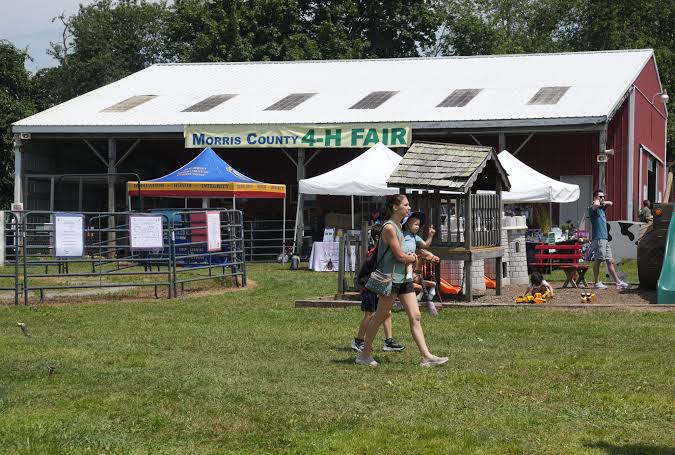
Let’s Groove Tonight has developed a national reputation for recreating that signature sound with remarkable precision while preserving the high-energy stage presence and celebratory atmosphere associated with Earth, Wind & Fire’s legendary live performances. Horn sections, layered harmonies, dynamic rhythm arrangements, and crowd-driven interaction all contribute to performances that feel less like tribute concerts and more like full-scale celebrations of one of the most influential bands in modern music history.

For Winslow Family Day specifically, the selection is particularly fitting. Earth, Wind & Fire’s music has always functioned as multi-generational connective tissue. Their songs remain staples at festivals, weddings, family gatherings, cookouts, and public celebrations because the music naturally invites movement, participation, and joy. In an outdoor park environment filled with families, local residents, and visitors from throughout the region, the August 22 finale is expected to deliver exactly the kind of communal summer atmosphere that increasingly defines New Jersey’s strongest public entertainment programming.

What makes the entire Winslow Township summer series especially important is how it reflects larger shifts happening throughout New Jersey’s live entertainment landscape. Increasingly, local governments and community organizations are becoming key cultural curators, creating opportunities for audiences to experience high-quality live performances without the financial barriers often associated with major concert touring. These events strengthen local identity, increase regional tourism activity, support surrounding businesses, and reinforce the role that public spaces continue playing in the social and cultural life of communities across the state.

New Brooklyn Park itself becomes part of that story. Outdoor venues throughout South Jersey have increasingly emerged as essential gathering spaces where music, food, recreation, and cultural programming intersect. The accessibility of the environment encourages broader participation across age groups and economic backgrounds while preserving the relaxed atmosphere that makes summer concerts feel distinctly connected to community life rather than commercial spectacle.

For Explore New Jersey readers following the continued evolution of the state’s music and entertainment scene, Winslow Township’s 2026 summer programming stands as another example of how local communities are redefining what public live entertainment can look like. From Juneteenth celebrations and contemporary gospel performances to funk-driven family dance nights, the season captures multiple dimensions of New Jersey’s musical identity while reinforcing the importance of community-centered arts programming throughout the Garden State.

As summer unfolds across South Jersey, events like these continue proving that some of the most meaningful live music experiences are not always found inside major arenas or ticketed amphitheaters. Increasingly, they are happening inside local parks, township gathering spaces, and open-air community venues where audiences come together not just to hear music, but to celebrate culture, connection, and shared experience in ways that remain deeply rooted in the identity of New Jersey itself.

More coverage of New Jersey concerts, community events, summer festivals, live entertainment, and regional music programming can be found through the Explore New Jersey Music section as the 2026 summer season continues statewide.

Camden County Board of Commissioners

1-866-226-3362

View Organizer Website

St. Mary’s Abbey at Delbarton School

230 Mendham Rd
Morristown, New Jersey 07960 United States
+ Google Map
(973) 538-3235
View Venue Website

Justin Powell & Adoration

0

Winslow Township’s 2026 Summer Concert and Community Celebration Series Brings Motown, Gospel, Funk, Family Events, and Cultural Celebration to New Brooklyn Park

June 13 @ 6:00 PM 11:30 PM

South Jersey’s summer entertainment calendar continues expanding in 2026 as Winslow Township officially prepares to host a season of large-scale community gatherings, live music celebrations, cultural programming, and family-focused events at New Brooklyn Park. Anchored by nationally recognized tribute acts, contemporary gospel performances, and one of the region’s signature Juneteenth celebrations, the township’s summer schedule reflects the growing importance of local outdoor music programming across New Jersey. At a time when audiences increasingly seek experiences rooted in community connection rather than high-priced commercial entertainment, Winslow Township is positioning itself as one of Camden County’s standout destinations for accessible live events this summer.

Running throughout the season at New Brooklyn Park beginning at 6 PM, the lineup combines classic soul, gospel inspiration, funk-driven dance music, and family entertainment into a series designed to appeal across generations. More importantly, the programming reflects the evolving role of municipal summer events in New Jersey. What once may have been viewed simply as local park concerts have transformed into major regional attractions capable of drawing audiences from across Camden County, Gloucester County, Burlington County, and beyond.

The atmosphere surrounding these events is expected to be central to their appeal. Unlike traditional ticketed venues, New Brooklyn Park offers a more relaxed and community-centered environment where residents and visitors can gather outdoors, reconnect with neighbors, enjoy food vendors and open-air entertainment, and experience live music in a setting designed to feel welcoming rather than commercialized. That format has become increasingly valuable across New Jersey, particularly as summer programming continues evolving into one of the state’s strongest forms of local cultural engagement.

The season begins June 13 with Winslow Township’s Juneteenth Celebration, an event expected to serve as both a cultural gathering and a major musical showcase. Headlining the evening is WallStreet, the acclaimed performance group known for delivering energetic tributes to Motown classics, Philadelphia soul, funk standards, and crossover R&B favorites that helped define multiple generations of American music. Their performances are built around high-energy musicianship, polished vocals, audience participation, and a setlist deeply rooted in the legacy of soul music’s golden era.

For a Juneteenth celebration specifically, the choice of music carries deeper significance. Motown and Philadelphia soul are not simply entertainment formats. They represent foundational chapters in American cultural history, reflecting decades of Black artistic innovation that transformed popular music around the world. Through artists and songs tied to Detroit’s Motown movement and Philadelphia’s legendary soul scene, WallStreet’s performance is expected to channel the celebratory spirit, resilience, and communal energy that define Juneteenth gatherings throughout the country.

Across New Jersey, Juneteenth events have continued growing in both scale and importance over recent years as communities increasingly recognize the need for public celebrations centered on cultural reflection, education, music, and collective experience. Winslow Township’s inclusion of a major live performance component reinforces the broader understanding that music has always played a central role in Black cultural expression, protest movements, celebration, and community-building throughout American history. In that context, the June 13 event becomes more than a summer concert. It becomes part of a larger statewide cultural movement honoring freedom, heritage, and artistic legacy.

The summer schedule continues July 15 with a dramatically different but equally powerful performance as Justin Powell & Adoration bring their contemporary gospel sound to New Brooklyn Park. Known for blending traditional gospel foundations with modern musical influences, the choir has built a reputation for emotionally charged performances centered on worship, inspiration, and spiritual connection. Led by Justin Powell, the ensemble combines rich vocal harmonies, passionate stage presence, and uplifting arrangements that resonate with audiences across both church and concert environments.

In recent years, contemporary gospel music has experienced renewed visibility throughout the live music world as audiences increasingly gravitate toward performances emphasizing authenticity, emotional resonance, and communal participation. Justin Powell & Adoration embody that movement by delivering concerts that function not only as entertainment experiences but also as moments of encouragement, reflection, and celebration. Their ability to connect across diverse audiences has helped the group establish a growing regional following, particularly among listeners who appreciate the intersection of faith-based music and contemporary vocal performance.

The July 15 appearance at New Brooklyn Park also reflects the broader diversity of Winslow Township’s summer programming strategy. Rather than focusing exclusively on one genre or demographic, the township has assembled a lineup that mirrors the cultural and musical range of South Jersey itself. Gospel music, especially in outdoor community settings, carries a uniquely powerful atmosphere because of the participatory nature of the performances. Audiences do not simply observe. They engage, respond, sing along, and become part of the experience itself. In a park setting during the height of summer, that energy is expected to create one of the season’s most emotionally memorable evenings.

The 2026 series concludes August 22 with Winslow Family Day featuring Let’s Groove Tonight, widely recognized as one of the country’s premier Earth, Wind & Fire tribute bands. Designed as a major family-centered celebration, the event combines live entertainment, community gathering, and dance-driven nostalgia into what is expected to be one of the largest-attended nights of the summer season. Earth, Wind & Fire’s catalog remains among the most universally recognizable in popular music history, blending funk, soul, jazz, R&B, disco, and pop into a sound that continues influencing artists across genres decades after the group first emerged.

Let’s Groove Tonight has developed a national reputation for recreating that signature sound with remarkable precision while preserving the high-energy stage presence and celebratory atmosphere associated with Earth, Wind & Fire’s legendary live performances. Horn sections, layered harmonies, dynamic rhythm arrangements, and crowd-driven interaction all contribute to performances that feel less like tribute concerts and more like full-scale celebrations of one of the most influential bands in modern music history.

For Winslow Family Day specifically, the selection is particularly fitting. Earth, Wind & Fire’s music has always functioned as multi-generational connective tissue. Their songs remain staples at festivals, weddings, family gatherings, cookouts, and public celebrations because the music naturally invites movement, participation, and joy. In an outdoor park environment filled with families, local residents, and visitors from throughout the region, the August 22 finale is expected to deliver exactly the kind of communal summer atmosphere that increasingly defines New Jersey’s strongest public entertainment programming.

What makes the entire Winslow Township summer series especially important is how it reflects larger shifts happening throughout New Jersey’s live entertainment landscape. Increasingly, local governments and community organizations are becoming key cultural curators, creating opportunities for audiences to experience high-quality live performances without the financial barriers often associated with major concert touring. These events strengthen local identity, increase regional tourism activity, support surrounding businesses, and reinforce the role that public spaces continue playing in the social and cultural life of communities across the state.

New Brooklyn Park itself becomes part of that story. Outdoor venues throughout South Jersey have increasingly emerged as essential gathering spaces where music, food, recreation, and cultural programming intersect. The accessibility of the environment encourages broader participation across age groups and economic backgrounds while preserving the relaxed atmosphere that makes summer concerts feel distinctly connected to community life rather than commercial spectacle.

For Explore New Jersey readers following the continued evolution of the state’s music and entertainment scene, Winslow Township’s 2026 summer programming stands as another example of how local communities are redefining what public live entertainment can look like. From Juneteenth celebrations and contemporary gospel performances to funk-driven family dance nights, the season captures multiple dimensions of New Jersey’s musical identity while reinforcing the importance of community-centered arts programming throughout the Garden State.

As summer unfolds across South Jersey, events like these continue proving that some of the most meaningful live music experiences are not always found inside major arenas or ticketed amphitheaters. Increasingly, they are happening inside local parks, township gathering spaces, and open-air community venues where audiences come together not just to hear music, but to celebrate culture, connection, and shared experience in ways that remain deeply rooted in the identity of New Jersey itself.

More coverage of New Jersey concerts, community events, summer festivals, live entertainment, and regional music programming can be found through the Explore New Jersey Music section as the 2026 summer season continues statewide.

Camden County Board of Commissioners

1-866-226-3362

View Organizer Website

St. Mary’s Abbey at Delbarton School

230 Mendham Rd
Morristown, New Jersey 07960 United States
+ Google Map
(973) 538-3235
View Venue Website

Juneteenth Celebration

0

Winslow Township’s 2026 Summer Concert and Community Celebration Series Brings Motown, Gospel, Funk, Family Events, and Cultural Celebration to New Brooklyn Park

June 13 @ 6:00 PM 11:30 PM

South Jersey’s summer entertainment calendar continues expanding in 2026 as Winslow Township officially prepares to host a season of large-scale community gatherings, live music celebrations, cultural programming, and family-focused events at New Brooklyn Park. Anchored by nationally recognized tribute acts, contemporary gospel performances, and one of the region’s signature Juneteenth celebrations, the township’s summer schedule reflects the growing importance of local outdoor music programming across New Jersey. At a time when audiences increasingly seek experiences rooted in community connection rather than high-priced commercial entertainment, Winslow Township is positioning itself as one of Camden County’s standout destinations for accessible live events this summer.

Running throughout the season at New Brooklyn Park beginning at 6 PM, the lineup combines classic soul, gospel inspiration, funk-driven dance music, and family entertainment into a series designed to appeal across generations. More importantly, the programming reflects the evolving role of municipal summer events in New Jersey. What once may have been viewed simply as local park concerts have transformed into major regional attractions capable of drawing audiences from across Camden County, Gloucester County, Burlington County, and beyond.

The atmosphere surrounding these events is expected to be central to their appeal. Unlike traditional ticketed venues, New Brooklyn Park offers a more relaxed and community-centered environment where residents and visitors can gather outdoors, reconnect with neighbors, enjoy food vendors and open-air entertainment, and experience live music in a setting designed to feel welcoming rather than commercialized. That format has become increasingly valuable across New Jersey, particularly as summer programming continues evolving into one of the state’s strongest forms of local cultural engagement.

The season begins June 13 with Winslow Township’s Juneteenth Celebration, an event expected to serve as both a cultural gathering and a major musical showcase. Headlining the evening is WallStreet, the acclaimed performance group known for delivering energetic tributes to Motown classics, Philadelphia soul, funk standards, and crossover R&B favorites that helped define multiple generations of American music. Their performances are built around high-energy musicianship, polished vocals, audience participation, and a setlist deeply rooted in the legacy of soul music’s golden era.

For a Juneteenth celebration specifically, the choice of music carries deeper significance. Motown and Philadelphia soul are not simply entertainment formats. They represent foundational chapters in American cultural history, reflecting decades of Black artistic innovation that transformed popular music around the world. Through artists and songs tied to Detroit’s Motown movement and Philadelphia’s legendary soul scene, WallStreet’s performance is expected to channel the celebratory spirit, resilience, and communal energy that define Juneteenth gatherings throughout the country.

Across New Jersey, Juneteenth events have continued growing in both scale and importance over recent years as communities increasingly recognize the need for public celebrations centered on cultural reflection, education, music, and collective experience. Winslow Township’s inclusion of a major live performance component reinforces the broader understanding that music has always played a central role in Black cultural expression, protest movements, celebration, and community-building throughout American history. In that context, the June 13 event becomes more than a summer concert. It becomes part of a larger statewide cultural movement honoring freedom, heritage, and artistic legacy.

The summer schedule continues July 15 with a dramatically different but equally powerful performance as Justin Powell & Adoration bring their contemporary gospel sound to New Brooklyn Park. Known for blending traditional gospel foundations with modern musical influences, the choir has built a reputation for emotionally charged performances centered on worship, inspiration, and spiritual connection. Led by Justin Powell, the ensemble combines rich vocal harmonies, passionate stage presence, and uplifting arrangements that resonate with audiences across both church and concert environments.

In recent years, contemporary gospel music has experienced renewed visibility throughout the live music world as audiences increasingly gravitate toward performances emphasizing authenticity, emotional resonance, and communal participation. Justin Powell & Adoration embody that movement by delivering concerts that function not only as entertainment experiences but also as moments of encouragement, reflection, and celebration. Their ability to connect across diverse audiences has helped the group establish a growing regional following, particularly among listeners who appreciate the intersection of faith-based music and contemporary vocal performance.

The July 15 appearance at New Brooklyn Park also reflects the broader diversity of Winslow Township’s summer programming strategy. Rather than focusing exclusively on one genre or demographic, the township has assembled a lineup that mirrors the cultural and musical range of South Jersey itself. Gospel music, especially in outdoor community settings, carries a uniquely powerful atmosphere because of the participatory nature of the performances. Audiences do not simply observe. They engage, respond, sing along, and become part of the experience itself. In a park setting during the height of summer, that energy is expected to create one of the season’s most emotionally memorable evenings.

The 2026 series concludes August 22 with Winslow Family Day featuring Let’s Groove Tonight, widely recognized as one of the country’s premier Earth, Wind & Fire tribute bands. Designed as a major family-centered celebration, the event combines live entertainment, community gathering, and dance-driven nostalgia into what is expected to be one of the largest-attended nights of the summer season. Earth, Wind & Fire’s catalog remains among the most universally recognizable in popular music history, blending funk, soul, jazz, R&B, disco, and pop into a sound that continues influencing artists across genres decades after the group first emerged.

Let’s Groove Tonight has developed a national reputation for recreating that signature sound with remarkable precision while preserving the high-energy stage presence and celebratory atmosphere associated with Earth, Wind & Fire’s legendary live performances. Horn sections, layered harmonies, dynamic rhythm arrangements, and crowd-driven interaction all contribute to performances that feel less like tribute concerts and more like full-scale celebrations of one of the most influential bands in modern music history.

For Winslow Family Day specifically, the selection is particularly fitting. Earth, Wind & Fire’s music has always functioned as multi-generational connective tissue. Their songs remain staples at festivals, weddings, family gatherings, cookouts, and public celebrations because the music naturally invites movement, participation, and joy. In an outdoor park environment filled with families, local residents, and visitors from throughout the region, the August 22 finale is expected to deliver exactly the kind of communal summer atmosphere that increasingly defines New Jersey’s strongest public entertainment programming.

What makes the entire Winslow Township summer series especially important is how it reflects larger shifts happening throughout New Jersey’s live entertainment landscape. Increasingly, local governments and community organizations are becoming key cultural curators, creating opportunities for audiences to experience high-quality live performances without the financial barriers often associated with major concert touring. These events strengthen local identity, increase regional tourism activity, support surrounding businesses, and reinforce the role that public spaces continue playing in the social and cultural life of communities across the state.

New Brooklyn Park itself becomes part of that story. Outdoor venues throughout South Jersey have increasingly emerged as essential gathering spaces where music, food, recreation, and cultural programming intersect. The accessibility of the environment encourages broader participation across age groups and economic backgrounds while preserving the relaxed atmosphere that makes summer concerts feel distinctly connected to community life rather than commercial spectacle.

For Explore New Jersey readers following the continued evolution of the state’s music and entertainment scene, Winslow Township’s 2026 summer programming stands as another example of how local communities are redefining what public live entertainment can look like. From Juneteenth celebrations and contemporary gospel performances to funk-driven family dance nights, the season captures multiple dimensions of New Jersey’s musical identity while reinforcing the importance of community-centered arts programming throughout the Garden State.

As summer unfolds across South Jersey, events like these continue proving that some of the most meaningful live music experiences are not always found inside major arenas or ticketed amphitheaters. Increasingly, they are happening inside local parks, township gathering spaces, and open-air community venues where audiences come together not just to hear music, but to celebrate culture, connection, and shared experience in ways that remain deeply rooted in the identity of New Jersey itself.

More coverage of New Jersey concerts, community events, summer festivals, live entertainment, and regional music programming can be found through the Explore New Jersey Music section as the 2026 summer season continues statewide.

Camden County Board of Commissioners

1-866-226-3362

View Organizer Website

St. Mary’s Abbey at Delbarton School

230 Mendham Rd
Morristown, New Jersey 07960 United States
+ Google Map
(973) 538-3235
View Venue Website

Pop 2000 Tour w/ Chris Kirkpatrick of *NSYNC, O-Town, Ryan Cabrera & LFO

0

Camden County’s Twilight Concert Series Returns to Pennsauken With One of New Jersey’s Strongest Free Summer Music Lineups of 2026

June 4 @ 7:30 PM 11:30 PM

The Twilight Concert Series opens its 2026 season on June 4 with one of the summer’s biggest nostalgia-driven events as the The 2026 Twilight Concert Series comes to a powerful and elegant close on August 27 as the South Jersey Pops Orchestra returns to Jack Curtis Stadium for a grand symphonic finale celebrating more than five decades of orchestral performance excellence in the region. Since 1969, the South Jersey Pops has built a reputation as one of the area’s most respected and community-driven musical institutions, bringing together a 70-piece ensemble of professional musicians and dedicated volunteers united by a shared commitment to making live orchestral music accessible, engaging, and deeply memorable for audiences throughout South Jersey and beyond.

What makes the South Jersey Pops Orchestra especially unique is its ability to move fluidly across musical genres while maintaining the richness and emotional impact of a full symphonic performance. Their concerts often blend classical compositions with Broadway selections, cinematic scores, patriotic standards, jazz arrangements, popular music, and timeless American songbook material, creating performances that appeal to longtime orchestral enthusiasts as well as newer audiences experiencing live symphonic music for the first time. That versatility has allowed the ensemble to remain culturally relevant and widely embraced across generations for more than half a century.

As the final event of the summer concert season at Cooper River Park, the August 27 performance is expected to deliver a sweeping and celebratory atmosphere worthy of closing one of Camden County’s premier live entertainment traditions. Outdoor orchestral performances carry a cinematic energy all their own, and in the open-air setting of Jack Curtis Stadium, the South Jersey Pops Orchestra will provide a fitting conclusion to a summer defined by musical diversity, community gathering, and accessible cultural programming. The performance also serves as a reminder that some of New Jersey’s most enduring artistic organizations continue thriving not through exclusivity, but through a mission centered on public connection, musical excellence, and shared live experience.

Every summer, New Jersey proves once again that some of the best live music experiences in the region are not confined to arenas, casinos, or ticketed amphitheaters. They unfold in parks, along riverfronts, inside county spaces built for community gathering, and under open skies where families, longtime music fans, and new generations come together for nights that feel distinctly local while carrying the energy of major touring events. That tradition continues in a major way this season as the Camden County Board of Commissioners officially brings back the Twilight Concert Series at Jack Curtis Stadium in Pennsauken, one of South Jersey’s most consistent and increasingly important live music destinations.

Set against the scenic Cooper River corridor, the 2026 edition of the Twilight Concert Series arrives with a lineup that reflects exactly where live entertainment culture is right now. Nostalgia remains powerful, but audiences are no longer interested in simple throwback performances. They want immersive experiences, recognizable songs, artist interaction, and events that feel communal rather than transactional. Camden County’s programming this summer taps directly into that demand with a schedule blending pop revival tours, classic rock royalty, orchestral performances, R&B favorites, tropical celebration nights, and one of the most recognizable drummers in American rock history.

For New Jersey residents, the series has become more than another county-sponsored concert calendar. It has evolved into a defining part of the regional summer identity, particularly for South Jersey audiences looking for major entertainment without the cost and logistical burden attached to large-scale venues. The fact that these concerts remain entirely free only strengthens the cultural value of the program.

Hosted at the riverfront-adjacent Jack Curtis Stadium in Pennsauken, the Twilight Concert Series once again positions Camden County as one of the state’s strongest public supporters of accessible arts programming. At a time when ticket prices for national tours continue climbing across the live entertainment industry, programs like this have become increasingly meaningful. Families can attend together without financial barriers. Younger audiences can discover legacy artists in a live setting for the first time. Older fans reconnect with music that defined entire eras of radio, MTV, and summer nightlife. The result is a uniquely New Jersey concert atmosphere that feels both nostalgic and current at the same time.

The season officially launches June 4 with the Pop 2000s Tour, a lineup specifically designed to capture the enduring cultural impact of early-2000s pop music. Hosted by Chris Kirkpatrick of *NSYNC, the evening features performances from O-Town, LFO, and Ryan Cabrera in what is expected to be one of the largest-attended events of the series. Over the past several years, the resurgence of Y2K-era pop culture has transformed from a temporary trend into a dominant force in music and entertainment. Audiences that grew up during the TRL generation now represent a major live-event demographic, and the Twilight Concert Series opens its season by leaning directly into that momentum.

What makes nights like this work in a venue such as Jack Curtis Stadium is the atmosphere. Unlike tightly packed arena seating or corporate concert settings, the Twilight format allows audiences to experience the music in a more relaxed and communal environment. Families arrive early with lawn chairs and picnic blankets. Groups spread out along the grass before sunset. Food trucks line the surrounding areas while fans move freely through the venue rather than remaining confined to assigned seating. It creates a summer-night energy that feels authentic to South Jersey itself.

One week later, on June 11, the series pivots into classic rock territory with Max Weinberg’s Jukebox, one of the most interactive live music concepts currently touring. Weinberg, best known worldwide as the longtime drummer for Bruce Springsteen and the E Street Band, has built the Jukebox format around audience participation. Fans effectively create the setlist in real time, calling out songs spanning The Beatles, The Rolling Stones, Bruce Springsteen, Tom Petty, and other classic rock staples. That unpredictability has become central to the appeal.

For New Jersey audiences specifically, Weinberg’s appearance carries even deeper resonance. The relationship between New Jersey and Springsteen’s musical legacy remains foundational to the identity of the state’s live music culture. Even outside an official E Street Band performance, the presence of one of its defining members immediately elevates the significance of the evening. It also reinforces something the Twilight Concert Series continues to do exceptionally well: presenting artists with genuine cultural credibility rather than relying solely on tribute acts or nostalgia branding.

The July portion of the schedule continues with another major shift in genre and atmosphere. On July 9, Color Me Badd brings its signature blend of pop, R&B, and hip-hop harmony-driven songwriting to Pennsauken. Few vocal groups from the early 1990s remain as instantly recognizable to audiences across generations. Their catalog still carries enormous crossover familiarity through radio, streaming platforms, and pop-culture retrospectives, making the concert one of the season’s strongest multi-generational draws.

The following week may ultimately become one of the most emotionally significant events of the entire summer lineup. On July 16, Al Jardine & The Pet Sounds Band arrive in South Jersey for an evening deeply connected to the enduring musical legacy of The Beach Boys and the artistry of Brian Wilson. Jardine, a founding member of The Beach Boys, represents a direct living connection to one of the most transformative groups in American music history. His performances combine beloved surf-rock classics with deeper catalog selections and reflections tied to Wilson’s extraordinary songwriting influence.

In New Jersey, where classic rock audiences remain among the most passionate in the country, nights like this transcend nostalgia. They become living celebrations of American songwriting history. The emotional connection audiences maintain to records like Pet Sounds continues to span generations because the music itself remains timeless. Hearing those songs performed outdoors beside the Cooper River during peak summer season creates exactly the kind of experiential live event audiences increasingly seek today.

By August, the series broadens even further. The August 13 Paradise Island Luau transforms the concert format into a full cultural celebration built around tropical rhythms, dance traditions, and interactive crowd participation. These themed nights have become especially popular in county summer programming because they attract audiences beyond traditional concertgoers. Families, community groups, and younger attendees often engage differently with immersive performances that combine music, movement, and atmosphere into a larger event experience.

The season concludes August 27 with the South Jersey Pops Orchestra delivering what is expected to be a massive symphonic finale at Jack Curtis Stadium. Featuring film music, Broadway selections, orchestral standards, and crossover arrangements, the performance serves as both a concert and a ceremonial close to the county’s summer entertainment calendar. Large-scale orchestral performances in outdoor settings carry a distinct cinematic quality, particularly in venues positioned near water and open landscapes like Cooper River Park.

The Twilight Concert Series also reflects a much larger transformation currently happening across New Jersey’s live entertainment ecosystem. Increasingly, counties and municipalities are becoming critical drivers of cultural programming. While major touring circuits still dominate large venues across the state, local government-backed music initiatives are now filling an equally important role by creating accessible public gathering spaces centered around live performance.

Programs like the Twilight Concert Series strengthen regional tourism, drive local restaurant and small-business traffic, encourage park utilization, and reinforce community identity through shared experiences. In South Jersey especially, where audiences often travel into Philadelphia for entertainment, events like this continue proving that world-class live music experiences can thrive locally.

The venue itself has become central to that success. Jack Curtis Stadium offers an environment fundamentally different from traditional concert infrastructure. Positioned within the Cooper River Park area, the stadium combines accessibility with scenic surroundings that naturally complement summer programming. The open-lawn format keeps the experience relaxed and community-oriented while still accommodating major crowds.

Attendees are encouraged to bring lawn chairs and picnic blankets since seating remains entirely open and first-come, first-served. Outside food and picnic baskets are permitted, further reinforcing the family-oriented nature of the series. Meanwhile, rotating food truck vendors continue adding another important layer to the atmosphere, creating a festival-like experience surrounding each concert evening.

Accessibility has also remained a major strength of the series. The venue’s location at 5300 North Park Drive in Pennsauken places it within easy driving distance for residents across Camden County, Burlington County, Gloucester County, and the greater Philadelphia metropolitan area. With accessible parking and relatively straightforward transit access from Philadelphia, the series consistently attracts audiences from both sides of the Delaware River.

More importantly, the Twilight Concert Series succeeds because it understands something essential about New Jersey’s relationship with live music. This state does not treat concerts as passive entertainment. Music here has always functioned as a communal language tied to identity, memory, geography, and summer culture itself. Whether audiences are singing along to early-2000s pop anthems, classic rock staples, Beach Boys harmonies, or orchestral film scores beneath the night sky, the experience becomes bigger than the performance alone.

That is precisely why the Twilight Concert Series continues growing into one of New Jersey’s defining seasonal traditions. It merges accessibility with legitimacy. It respects audiences enough to present recognizable, culturally meaningful artists while still preserving the informal atmosphere that makes county summer concerts feel special in the first place. In an era when much of live entertainment feels increasingly expensive, overproduced, or disconnected from local communities, Pennsauken’s summer riverfront concerts continue offering something refreshingly genuine.

For Explore New Jersey readers tracking the state’s evolving music and entertainment landscape, the return of the Twilight Concert Series stands as another reminder that some of the strongest live-event programming in the region is happening directly inside local communities. From classic rock history to pop revival energy, orchestral performance, family programming, and open-air summer celebration, Camden County’s 2026 season captures the full spectrum of what New Jersey live music culture has become.

Additional information about New Jersey’s expanding live music scene, regional concerts, summer entertainment programming, and statewide arts coverage can be explored through the Explore New Jersey Music section as the 2026 summer season continues across the Garden State.

Camden County Board of Commissioners

1-866-226-3362

View Organizer Website

St. Mary’s Abbey at Delbarton School

230 Mendham Rd
Morristown, New Jersey 07960 United States
+ Google Map
(973) 538-3235
View Venue Website

Paradise Island Luau

0

Camden County’s Twilight Concert Series Returns to Pennsauken With One of New Jersey’s Strongest Free Summer Music Lineups of 2026

August 13 @ 7:30 PM 11:30 PM

The Twilight Concert Series takes a vibrant cultural turn on August 13 as the Paradise Island Luau transforms Jack Curtis Stadium into a full-scale Polynesian celebration blending music, dance, cuisine, storytelling, and high-energy live performance. More than a traditional concert, the evening is designed as an immersive island-inspired experience where audiences are transported through authentic Pacific traditions and entertainment from the very moment the festivities begin. Set against the summer backdrop of Cooper River Park, the luau brings a completely different atmosphere to the Camden County concert calendar, expanding the series beyond mainstream music performances into a broader celebration of global cultural artistry.

Throughout the evening, attendees can expect an evolving showcase of traditional Polynesian rhythms, synchronized dance performances, interactive crowd participation, and visually striking stage production that captures the spirit and energy associated with island celebrations across Hawaii and the South Pacific. The event’s emphasis on authenticity gives the performance added depth, creating an experience that feels educational and celebratory at the same time. Families, first-time attendees, and returning concertgoers alike are expected to be drawn into the immersive atmosphere as the music, movement, and ceremonial elements unfold across the night.

One of the most anticipated moments of the entire Twilight Concert Series season will undoubtedly be the luau’s dramatic fire knife finale, a breathtaking performance tradition known for its speed, precision, athleticism, and visual intensity. In the open-air setting of Jack Curtis Stadium, the fire performance is expected to create one of the summer’s most memorable live entertainment moments. Combined with the relaxed outdoor environment, food vendors, riverfront scenery, and community-focused atmosphere of the series, the Paradise Island Luau stands out as one of the most unique and visually spectacular events on Camden County’s 2026 summer entertainment schedule.

Every summer, New Jersey proves once again that some of the best live music experiences in the region are not confined to arenas, casinos, or ticketed amphitheaters. They unfold in parks, along riverfronts, inside county spaces built for community gathering, and under open skies where families, longtime music fans, and new generations come together for nights that feel distinctly local while carrying the energy of major touring events. That tradition continues in a major way this season as the Camden County Board of Commissioners officially brings back the Twilight Concert Series at Jack Curtis Stadium in Pennsauken, one of South Jersey’s most consistent and increasingly important live music destinations.

Set against the scenic Cooper River corridor, the 2026 edition of the Twilight Concert Series arrives with a lineup that reflects exactly where live entertainment culture is right now. Nostalgia remains powerful, but audiences are no longer interested in simple throwback performances. They want immersive experiences, recognizable songs, artist interaction, and events that feel communal rather than transactional. Camden County’s programming this summer taps directly into that demand with a schedule blending pop revival tours, classic rock royalty, orchestral performances, R&B favorites, tropical celebration nights, and one of the most recognizable drummers in American rock history.

For New Jersey residents, the series has become more than another county-sponsored concert calendar. It has evolved into a defining part of the regional summer identity, particularly for South Jersey audiences looking for major entertainment without the cost and logistical burden attached to large-scale venues. The fact that these concerts remain entirely free only strengthens the cultural value of the program.

Hosted at the riverfront-adjacent Jack Curtis Stadium in Pennsauken, the Twilight Concert Series once again positions Camden County as one of the state’s strongest public supporters of accessible arts programming. At a time when ticket prices for national tours continue climbing across the live entertainment industry, programs like this have become increasingly meaningful. Families can attend together without financial barriers. Younger audiences can discover legacy artists in a live setting for the first time. Older fans reconnect with music that defined entire eras of radio, MTV, and summer nightlife. The result is a uniquely New Jersey concert atmosphere that feels both nostalgic and current at the same time.

The season officially launches June 4 with the Pop 2000s Tour, a lineup specifically designed to capture the enduring cultural impact of early-2000s pop music. Hosted by Chris Kirkpatrick of *NSYNC, the evening features performances from O-Town, LFO, and Ryan Cabrera in what is expected to be one of the largest-attended events of the series. Over the past several years, the resurgence of Y2K-era pop culture has transformed from a temporary trend into a dominant force in music and entertainment. Audiences that grew up during the TRL generation now represent a major live-event demographic, and the Twilight Concert Series opens its season by leaning directly into that momentum.

What makes nights like this work in a venue such as Jack Curtis Stadium is the atmosphere. Unlike tightly packed arena seating or corporate concert settings, the Twilight format allows audiences to experience the music in a more relaxed and communal environment. Families arrive early with lawn chairs and picnic blankets. Groups spread out along the grass before sunset. Food trucks line the surrounding areas while fans move freely through the venue rather than remaining confined to assigned seating. It creates a summer-night energy that feels authentic to South Jersey itself.

One week later, on June 11, the series pivots into classic rock territory with Max Weinberg’s Jukebox, one of the most interactive live music concepts currently touring. Weinberg, best known worldwide as the longtime drummer for Bruce Springsteen and the E Street Band, has built the Jukebox format around audience participation. Fans effectively create the setlist in real time, calling out songs spanning The Beatles, The Rolling Stones, Bruce Springsteen, Tom Petty, and other classic rock staples. That unpredictability has become central to the appeal.

For New Jersey audiences specifically, Weinberg’s appearance carries even deeper resonance. The relationship between New Jersey and Springsteen’s musical legacy remains foundational to the identity of the state’s live music culture. Even outside an official E Street Band performance, the presence of one of its defining members immediately elevates the significance of the evening. It also reinforces something the Twilight Concert Series continues to do exceptionally well: presenting artists with genuine cultural credibility rather than relying solely on tribute acts or nostalgia branding.

The July portion of the schedule continues with another major shift in genre and atmosphere. On July 9, Color Me Badd brings its signature blend of pop, R&B, and hip-hop harmony-driven songwriting to Pennsauken. Few vocal groups from the early 1990s remain as instantly recognizable to audiences across generations. Their catalog still carries enormous crossover familiarity through radio, streaming platforms, and pop-culture retrospectives, making the concert one of the season’s strongest multi-generational draws.

The following week may ultimately become one of the most emotionally significant events of the entire summer lineup. On July 16, Al Jardine & The Pet Sounds Band arrive in South Jersey for an evening deeply connected to the enduring musical legacy of The Beach Boys and the artistry of Brian Wilson. Jardine, a founding member of The Beach Boys, represents a direct living connection to one of the most transformative groups in American music history. His performances combine beloved surf-rock classics with deeper catalog selections and reflections tied to Wilson’s extraordinary songwriting influence.

In New Jersey, where classic rock audiences remain among the most passionate in the country, nights like this transcend nostalgia. They become living celebrations of American songwriting history. The emotional connection audiences maintain to records like Pet Sounds continues to span generations because the music itself remains timeless. Hearing those songs performed outdoors beside the Cooper River during peak summer season creates exactly the kind of experiential live event audiences increasingly seek today.

By August, the series broadens even further. The August 13 Paradise Island Luau transforms the concert format into a full cultural celebration built around tropical rhythms, dance traditions, and interactive crowd participation. These themed nights have become especially popular in county summer programming because they attract audiences beyond traditional concertgoers. Families, community groups, and younger attendees often engage differently with immersive performances that combine music, movement, and atmosphere into a larger event experience.

The season concludes August 27 with the South Jersey Pops Orchestra delivering what is expected to be a massive symphonic finale at Jack Curtis Stadium. Featuring film music, Broadway selections, orchestral standards, and crossover arrangements, the performance serves as both a concert and a ceremonial close to the county’s summer entertainment calendar. Large-scale orchestral performances in outdoor settings carry a distinct cinematic quality, particularly in venues positioned near water and open landscapes like Cooper River Park.

The Twilight Concert Series also reflects a much larger transformation currently happening across New Jersey’s live entertainment ecosystem. Increasingly, counties and municipalities are becoming critical drivers of cultural programming. While major touring circuits still dominate large venues across the state, local government-backed music initiatives are now filling an equally important role by creating accessible public gathering spaces centered around live performance.

Programs like the Twilight Concert Series strengthen regional tourism, drive local restaurant and small-business traffic, encourage park utilization, and reinforce community identity through shared experiences. In South Jersey especially, where audiences often travel into Philadelphia for entertainment, events like this continue proving that world-class live music experiences can thrive locally.

The venue itself has become central to that success. Jack Curtis Stadium offers an environment fundamentally different from traditional concert infrastructure. Positioned within the Cooper River Park area, the stadium combines accessibility with scenic surroundings that naturally complement summer programming. The open-lawn format keeps the experience relaxed and community-oriented while still accommodating major crowds.

Attendees are encouraged to bring lawn chairs and picnic blankets since seating remains entirely open and first-come, first-served. Outside food and picnic baskets are permitted, further reinforcing the family-oriented nature of the series. Meanwhile, rotating food truck vendors continue adding another important layer to the atmosphere, creating a festival-like experience surrounding each concert evening.

Accessibility has also remained a major strength of the series. The venue’s location at 5300 North Park Drive in Pennsauken places it within easy driving distance for residents across Camden County, Burlington County, Gloucester County, and the greater Philadelphia metropolitan area. With accessible parking and relatively straightforward transit access from Philadelphia, the series consistently attracts audiences from both sides of the Delaware River.

More importantly, the Twilight Concert Series succeeds because it understands something essential about New Jersey’s relationship with live music. This state does not treat concerts as passive entertainment. Music here has always functioned as a communal language tied to identity, memory, geography, and summer culture itself. Whether audiences are singing along to early-2000s pop anthems, classic rock staples, Beach Boys harmonies, or orchestral film scores beneath the night sky, the experience becomes bigger than the performance alone.

That is precisely why the Twilight Concert Series continues growing into one of New Jersey’s defining seasonal traditions. It merges accessibility with legitimacy. It respects audiences enough to present recognizable, culturally meaningful artists while still preserving the informal atmosphere that makes county summer concerts feel special in the first place. In an era when much of live entertainment feels increasingly expensive, overproduced, or disconnected from local communities, Pennsauken’s summer riverfront concerts continue offering something refreshingly genuine.

For Explore New Jersey readers tracking the state’s evolving music and entertainment landscape, the return of the Twilight Concert Series stands as another reminder that some of the strongest live-event programming in the region is happening directly inside local communities. From classic rock history to pop revival energy, orchestral performance, family programming, and open-air summer celebration, Camden County’s 2026 season captures the full spectrum of what New Jersey live music culture has become.

Additional information about New Jersey’s expanding live music scene, regional concerts, summer entertainment programming, and statewide arts coverage can be explored through the Explore New Jersey Music section as the 2026 summer season continues across the Garden State.

Camden County Board of Commissioners

1-866-226-3362

View Organizer Website

St. Mary’s Abbey at Delbarton School

230 Mendham Rd
Morristown, New Jersey 07960 United States
+ Google Map
(973) 538-3235
View Venue Website

Al Jardine & The Pet Sounds Band

0

Camden County’s Twilight Concert Series Returns to Pennsauken With One of New Jersey’s Strongest Free Summer Music Lineups of 2026

July 16 @ 7:30 PM 11:30 PM

One of the most musically significant evenings of the entire Twilight Concert Series arrives July 16 when Al Jardine & The Pet Sounds Band bring a celebration of The Beach Boys’ enduring legacy to Jack Curtis Stadium in Pennsauken. As a founding member of The Beach Boys, Jardine remains directly connected to one of the most influential groups in American popular music history, and this performance goes far beyond a standard nostalgia concert. The evening is structured as both a tribute to the groundbreaking songwriting of Brian Wilson and a living continuation of the harmony-driven California sound that permanently changed the direction of rock, pop, and studio recording during the 1960s.

Audiences can expect a carefully curated setlist blending iconic Beach Boys classics with deeper album cuts, rarities, and musically ambitious selections that longtime fans rarely get the opportunity to hear performed live. Backed by The Pet Sounds Band and joined by close friends and family members connected to the group’s extended musical legacy, Jardine’s performances carry a level of authenticity and emotional resonance that few legacy touring acts can replicate. Rather than simply recreating familiar hits, the concert reflects the artistry, vocal complexity, and innovative arrangements that made Brian Wilson and The Beach Boys one of the most critically respected acts in modern music history.

For New Jersey audiences, the July 16 concert represents a rare opportunity to experience songs that have become part of the fabric of American summer culture in an outdoor riverfront setting perfectly suited to the music itself. The harmonies, surf-rock rhythms, and emotionally layered songwriting associated with The Beach Boys naturally complement the atmosphere of the Twilight Concert Series, where audiences gather under the summer sky along the Cooper River for a more communal and immersive live music experience. In many ways, the evening is expected to feel less like a conventional concert and more like a celebration of an era when songwriting, melody, and vocal craftsmanship defined the sound of American popular music.

Every summer, New Jersey proves once again that some of the best live music experiences in the region are not confined to arenas, casinos, or ticketed amphitheaters. They unfold in parks, along riverfronts, inside county spaces built for community gathering, and under open skies where families, longtime music fans, and new generations come together for nights that feel distinctly local while carrying the energy of major touring events. That tradition continues in a major way this season as the Camden County Board of Commissioners officially brings back the Twilight Concert Series at Jack Curtis Stadium in Pennsauken, one of South Jersey’s most consistent and increasingly important live music destinations.

Set against the scenic Cooper River corridor, the 2026 edition of the Twilight Concert Series arrives with a lineup that reflects exactly where live entertainment culture is right now. Nostalgia remains powerful, but audiences are no longer interested in simple throwback performances. They want immersive experiences, recognizable songs, artist interaction, and events that feel communal rather than transactional. Camden County’s programming this summer taps directly into that demand with a schedule blending pop revival tours, classic rock royalty, orchestral performances, R&B favorites, tropical celebration nights, and one of the most recognizable drummers in American rock history.

For New Jersey residents, the series has become more than another county-sponsored concert calendar. It has evolved into a defining part of the regional summer identity, particularly for South Jersey audiences looking for major entertainment without the cost and logistical burden attached to large-scale venues. The fact that these concerts remain entirely free only strengthens the cultural value of the program.

Hosted at the riverfront-adjacent Jack Curtis Stadium in Pennsauken, the Twilight Concert Series once again positions Camden County as one of the state’s strongest public supporters of accessible arts programming. At a time when ticket prices for national tours continue climbing across the live entertainment industry, programs like this have become increasingly meaningful. Families can attend together without financial barriers. Younger audiences can discover legacy artists in a live setting for the first time. Older fans reconnect with music that defined entire eras of radio, MTV, and summer nightlife. The result is a uniquely New Jersey concert atmosphere that feels both nostalgic and current at the same time.

The season officially launches June 4 with the Pop 2000s Tour, a lineup specifically designed to capture the enduring cultural impact of early-2000s pop music. Hosted by Chris Kirkpatrick of *NSYNC, the evening features performances from O-Town, LFO, and Ryan Cabrera in what is expected to be one of the largest-attended events of the series. Over the past several years, the resurgence of Y2K-era pop culture has transformed from a temporary trend into a dominant force in music and entertainment. Audiences that grew up during the TRL generation now represent a major live-event demographic, and the Twilight Concert Series opens its season by leaning directly into that momentum.

What makes nights like this work in a venue such as Jack Curtis Stadium is the atmosphere. Unlike tightly packed arena seating or corporate concert settings, the Twilight format allows audiences to experience the music in a more relaxed and communal environment. Families arrive early with lawn chairs and picnic blankets. Groups spread out along the grass before sunset. Food trucks line the surrounding areas while fans move freely through the venue rather than remaining confined to assigned seating. It creates a summer-night energy that feels authentic to South Jersey itself.

One week later, on June 11, the series pivots into classic rock territory with Max Weinberg’s Jukebox, one of the most interactive live music concepts currently touring. Weinberg, best known worldwide as the longtime drummer for Bruce Springsteen and the E Street Band, has built the Jukebox format around audience participation. Fans effectively create the setlist in real time, calling out songs spanning The Beatles, The Rolling Stones, Bruce Springsteen, Tom Petty, and other classic rock staples. That unpredictability has become central to the appeal.

For New Jersey audiences specifically, Weinberg’s appearance carries even deeper resonance. The relationship between New Jersey and Springsteen’s musical legacy remains foundational to the identity of the state’s live music culture. Even outside an official E Street Band performance, the presence of one of its defining members immediately elevates the significance of the evening. It also reinforces something the Twilight Concert Series continues to do exceptionally well: presenting artists with genuine cultural credibility rather than relying solely on tribute acts or nostalgia branding.

The July portion of the schedule continues with another major shift in genre and atmosphere. On July 9, Color Me Badd brings its signature blend of pop, R&B, and hip-hop harmony-driven songwriting to Pennsauken. Few vocal groups from the early 1990s remain as instantly recognizable to audiences across generations. Their catalog still carries enormous crossover familiarity through radio, streaming platforms, and pop-culture retrospectives, making the concert one of the season’s strongest multi-generational draws.

The following week may ultimately become one of the most emotionally significant events of the entire summer lineup. On July 16, Al Jardine & The Pet Sounds Band arrive in South Jersey for an evening deeply connected to the enduring musical legacy of The Beach Boys and the artistry of Brian Wilson. Jardine, a founding member of The Beach Boys, represents a direct living connection to one of the most transformative groups in American music history. His performances combine beloved surf-rock classics with deeper catalog selections and reflections tied to Wilson’s extraordinary songwriting influence.

In New Jersey, where classic rock audiences remain among the most passionate in the country, nights like this transcend nostalgia. They become living celebrations of American songwriting history. The emotional connection audiences maintain to records like Pet Sounds continues to span generations because the music itself remains timeless. Hearing those songs performed outdoors beside the Cooper River during peak summer season creates exactly the kind of experiential live event audiences increasingly seek today.

By August, the series broadens even further. The August 13 Paradise Island Luau transforms the concert format into a full cultural celebration built around tropical rhythms, dance traditions, and interactive crowd participation. These themed nights have become especially popular in county summer programming because they attract audiences beyond traditional concertgoers. Families, community groups, and younger attendees often engage differently with immersive performances that combine music, movement, and atmosphere into a larger event experience.

The season concludes August 27 with the South Jersey Pops Orchestra delivering what is expected to be a massive symphonic finale at Jack Curtis Stadium. Featuring film music, Broadway selections, orchestral standards, and crossover arrangements, the performance serves as both a concert and a ceremonial close to the county’s summer entertainment calendar. Large-scale orchestral performances in outdoor settings carry a distinct cinematic quality, particularly in venues positioned near water and open landscapes like Cooper River Park.

The Twilight Concert Series also reflects a much larger transformation currently happening across New Jersey’s live entertainment ecosystem. Increasingly, counties and municipalities are becoming critical drivers of cultural programming. While major touring circuits still dominate large venues across the state, local government-backed music initiatives are now filling an equally important role by creating accessible public gathering spaces centered around live performance.

Programs like the Twilight Concert Series strengthen regional tourism, drive local restaurant and small-business traffic, encourage park utilization, and reinforce community identity through shared experiences. In South Jersey especially, where audiences often travel into Philadelphia for entertainment, events like this continue proving that world-class live music experiences can thrive locally.

The venue itself has become central to that success. Jack Curtis Stadium offers an environment fundamentally different from traditional concert infrastructure. Positioned within the Cooper River Park area, the stadium combines accessibility with scenic surroundings that naturally complement summer programming. The open-lawn format keeps the experience relaxed and community-oriented while still accommodating major crowds.

Attendees are encouraged to bring lawn chairs and picnic blankets since seating remains entirely open and first-come, first-served. Outside food and picnic baskets are permitted, further reinforcing the family-oriented nature of the series. Meanwhile, rotating food truck vendors continue adding another important layer to the atmosphere, creating a festival-like experience surrounding each concert evening.

Accessibility has also remained a major strength of the series. The venue’s location at 5300 North Park Drive in Pennsauken places it within easy driving distance for residents across Camden County, Burlington County, Gloucester County, and the greater Philadelphia metropolitan area. With accessible parking and relatively straightforward transit access from Philadelphia, the series consistently attracts audiences from both sides of the Delaware River.

More importantly, the Twilight Concert Series succeeds because it understands something essential about New Jersey’s relationship with live music. This state does not treat concerts as passive entertainment. Music here has always functioned as a communal language tied to identity, memory, geography, and summer culture itself. Whether audiences are singing along to early-2000s pop anthems, classic rock staples, Beach Boys harmonies, or orchestral film scores beneath the night sky, the experience becomes bigger than the performance alone.

That is precisely why the Twilight Concert Series continues growing into one of New Jersey’s defining seasonal traditions. It merges accessibility with legitimacy. It respects audiences enough to present recognizable, culturally meaningful artists while still preserving the informal atmosphere that makes county summer concerts feel special in the first place. In an era when much of live entertainment feels increasingly expensive, overproduced, or disconnected from local communities, Pennsauken’s summer riverfront concerts continue offering something refreshingly genuine.

For Explore New Jersey readers tracking the state’s evolving music and entertainment landscape, the return of the Twilight Concert Series stands as another reminder that some of the strongest live-event programming in the region is happening directly inside local communities. From classic rock history to pop revival energy, orchestral performance, family programming, and open-air summer celebration, Camden County’s 2026 season captures the full spectrum of what New Jersey live music culture has become.

Additional information about New Jersey’s expanding live music scene, regional concerts, summer entertainment programming, and statewide arts coverage can be explored through the Explore New Jersey Music section as the 2026 summer season continues across the Garden State.

Camden County Board of Commissioners

1-866-226-3362

View Organizer Website

St. Mary’s Abbey at Delbarton School

230 Mendham Rd
Morristown, New Jersey 07960 United States
+ Google Map
(973) 538-3235
View Venue Website

Color Me Badd

0

Camden County’s Twilight Concert Series Returns to Pennsauken With One of New Jersey’s Strongest Free Summer Music Lineups of 2026

July 9 @ 7:30 PM 11:30 PM

The Twilight Concert Series shifts into smooth harmonies and early-1990s R&B nostalgia on July 9 as Color Me Badd takes the stage at Jack Curtis Stadium in Pennsauken. Known for blending pop melodies, soulful vocal arrangements, and a distinctive “hip-hop doo-wop” style, the group became one of the defining crossover acts of their era, helping shape the sound of contemporary R&B and radio pop during a transformative moment in American music. Their arrival at the Cooper River venue brings another major multi-generational draw to Camden County’s summer concert calendar, particularly for audiences who came of age during the peak of New Jack Swing, MTV-driven pop culture, and harmony-focused vocal groups.

What made Color Me Badd stand apart from many of their contemporaries was the group’s ability to bridge multiple genres without losing their core identity. Their music fused traditional R&B vocal influences with polished pop production and street-level hip-hop energy, creating songs that worked equally well on Top 40 radio, urban contemporary stations, and mainstream television countdown programs. That crossover appeal helped establish them as one of the most recognizable vocal groups of the early 1990s, with a catalog that still resonates strongly with audiences decades later.

In the setting of the Twilight Concert Series, the July 9 performance is expected to bring a particularly energetic atmosphere to Jack Curtis Stadium. Outdoor summer concerts built around recognizable harmony-driven hits tend to create highly interactive audiences, and Color Me Badd’s music naturally lends itself to singalongs, crowd participation, and a celebratory summer-night environment. With the Cooper River backdrop, open-lawn seating, and community-centered atmosphere of the series, the concert represents another example of how Camden County continues delivering nationally recognizable entertainment experiences in an accessible and distinctly New Jersey setting.

Every summer, New Jersey proves once again that some of the best live music experiences in the region are not confined to arenas, casinos, or ticketed amphitheaters. They unfold in parks, along riverfronts, inside county spaces built for community gathering, and under open skies where families, longtime music fans, and new generations come together for nights that feel distinctly local while carrying the energy of major touring events. That tradition continues in a major way this season as the Camden County Board of Commissioners officially brings back the Twilight Concert Series at Jack Curtis Stadium in Pennsauken, one of South Jersey’s most consistent and increasingly important live music destinations.

Set against the scenic Cooper River corridor, the 2026 edition of the Twilight Concert Series arrives with a lineup that reflects exactly where live entertainment culture is right now. Nostalgia remains powerful, but audiences are no longer interested in simple throwback performances. They want immersive experiences, recognizable songs, artist interaction, and events that feel communal rather than transactional. Camden County’s programming this summer taps directly into that demand with a schedule blending pop revival tours, classic rock royalty, orchestral performances, R&B favorites, tropical celebration nights, and one of the most recognizable drummers in American rock history.

For New Jersey residents, the series has become more than another county-sponsored concert calendar. It has evolved into a defining part of the regional summer identity, particularly for South Jersey audiences looking for major entertainment without the cost and logistical burden attached to large-scale venues. The fact that these concerts remain entirely free only strengthens the cultural value of the program.

Hosted at the riverfront-adjacent Jack Curtis Stadium in Pennsauken, the Twilight Concert Series once again positions Camden County as one of the state’s strongest public supporters of accessible arts programming. At a time when ticket prices for national tours continue climbing across the live entertainment industry, programs like this have become increasingly meaningful. Families can attend together without financial barriers. Younger audiences can discover legacy artists in a live setting for the first time. Older fans reconnect with music that defined entire eras of radio, MTV, and summer nightlife. The result is a uniquely New Jersey concert atmosphere that feels both nostalgic and current at the same time.

The season officially launches June 4 with the Pop 2000s Tour, a lineup specifically designed to capture the enduring cultural impact of early-2000s pop music. Hosted by Chris Kirkpatrick of *NSYNC, the evening features performances from O-Town, LFO, and Ryan Cabrera in what is expected to be one of the largest-attended events of the series. Over the past several years, the resurgence of Y2K-era pop culture has transformed from a temporary trend into a dominant force in music and entertainment. Audiences that grew up during the TRL generation now represent a major live-event demographic, and the Twilight Concert Series opens its season by leaning directly into that momentum.

What makes nights like this work in a venue such as Jack Curtis Stadium is the atmosphere. Unlike tightly packed arena seating or corporate concert settings, the Twilight format allows audiences to experience the music in a more relaxed and communal environment. Families arrive early with lawn chairs and picnic blankets. Groups spread out along the grass before sunset. Food trucks line the surrounding areas while fans move freely through the venue rather than remaining confined to assigned seating. It creates a summer-night energy that feels authentic to South Jersey itself.

One week later, on June 11, the series pivots into classic rock territory with Max Weinberg’s Jukebox, one of the most interactive live music concepts currently touring. Weinberg, best known worldwide as the longtime drummer for Bruce Springsteen and the E Street Band, has built the Jukebox format around audience participation. Fans effectively create the setlist in real time, calling out songs spanning The Beatles, The Rolling Stones, Bruce Springsteen, Tom Petty, and other classic rock staples. That unpredictability has become central to the appeal.

For New Jersey audiences specifically, Weinberg’s appearance carries even deeper resonance. The relationship between New Jersey and Springsteen’s musical legacy remains foundational to the identity of the state’s live music culture. Even outside an official E Street Band performance, the presence of one of its defining members immediately elevates the significance of the evening. It also reinforces something the Twilight Concert Series continues to do exceptionally well: presenting artists with genuine cultural credibility rather than relying solely on tribute acts or nostalgia branding.

The July portion of the schedule continues with another major shift in genre and atmosphere. On July 9, Color Me Badd brings its signature blend of pop, R&B, and hip-hop harmony-driven songwriting to Pennsauken. Few vocal groups from the early 1990s remain as instantly recognizable to audiences across generations. Their catalog still carries enormous crossover familiarity through radio, streaming platforms, and pop-culture retrospectives, making the concert one of the season’s strongest multi-generational draws.

The following week may ultimately become one of the most emotionally significant events of the entire summer lineup. On July 16, Al Jardine & The Pet Sounds Band arrive in South Jersey for an evening deeply connected to the enduring musical legacy of The Beach Boys and the artistry of Brian Wilson. Jardine, a founding member of The Beach Boys, represents a direct living connection to one of the most transformative groups in American music history. His performances combine beloved surf-rock classics with deeper catalog selections and reflections tied to Wilson’s extraordinary songwriting influence.

In New Jersey, where classic rock audiences remain among the most passionate in the country, nights like this transcend nostalgia. They become living celebrations of American songwriting history. The emotional connection audiences maintain to records like Pet Sounds continues to span generations because the music itself remains timeless. Hearing those songs performed outdoors beside the Cooper River during peak summer season creates exactly the kind of experiential live event audiences increasingly seek today.

By August, the series broadens even further. The August 13 Paradise Island Luau transforms the concert format into a full cultural celebration built around tropical rhythms, dance traditions, and interactive crowd participation. These themed nights have become especially popular in county summer programming because they attract audiences beyond traditional concertgoers. Families, community groups, and younger attendees often engage differently with immersive performances that combine music, movement, and atmosphere into a larger event experience.

The season concludes August 27 with the South Jersey Pops Orchestra delivering what is expected to be a massive symphonic finale at Jack Curtis Stadium. Featuring film music, Broadway selections, orchestral standards, and crossover arrangements, the performance serves as both a concert and a ceremonial close to the county’s summer entertainment calendar. Large-scale orchestral performances in outdoor settings carry a distinct cinematic quality, particularly in venues positioned near water and open landscapes like Cooper River Park.

The Twilight Concert Series also reflects a much larger transformation currently happening across New Jersey’s live entertainment ecosystem. Increasingly, counties and municipalities are becoming critical drivers of cultural programming. While major touring circuits still dominate large venues across the state, local government-backed music initiatives are now filling an equally important role by creating accessible public gathering spaces centered around live performance.

Programs like the Twilight Concert Series strengthen regional tourism, drive local restaurant and small-business traffic, encourage park utilization, and reinforce community identity through shared experiences. In South Jersey especially, where audiences often travel into Philadelphia for entertainment, events like this continue proving that world-class live music experiences can thrive locally.

The venue itself has become central to that success. Jack Curtis Stadium offers an environment fundamentally different from traditional concert infrastructure. Positioned within the Cooper River Park area, the stadium combines accessibility with scenic surroundings that naturally complement summer programming. The open-lawn format keeps the experience relaxed and community-oriented while still accommodating major crowds.

Attendees are encouraged to bring lawn chairs and picnic blankets since seating remains entirely open and first-come, first-served. Outside food and picnic baskets are permitted, further reinforcing the family-oriented nature of the series. Meanwhile, rotating food truck vendors continue adding another important layer to the atmosphere, creating a festival-like experience surrounding each concert evening.

Accessibility has also remained a major strength of the series. The venue’s location at 5300 North Park Drive in Pennsauken places it within easy driving distance for residents across Camden County, Burlington County, Gloucester County, and the greater Philadelphia metropolitan area. With accessible parking and relatively straightforward transit access from Philadelphia, the series consistently attracts audiences from both sides of the Delaware River.

More importantly, the Twilight Concert Series succeeds because it understands something essential about New Jersey’s relationship with live music. This state does not treat concerts as passive entertainment. Music here has always functioned as a communal language tied to identity, memory, geography, and summer culture itself. Whether audiences are singing along to early-2000s pop anthems, classic rock staples, Beach Boys harmonies, or orchestral film scores beneath the night sky, the experience becomes bigger than the performance alone.

That is precisely why the Twilight Concert Series continues growing into one of New Jersey’s defining seasonal traditions. It merges accessibility with legitimacy. It respects audiences enough to present recognizable, culturally meaningful artists while still preserving the informal atmosphere that makes county summer concerts feel special in the first place. In an era when much of live entertainment feels increasingly expensive, overproduced, or disconnected from local communities, Pennsauken’s summer riverfront concerts continue offering something refreshingly genuine.

For Explore New Jersey readers tracking the state’s evolving music and entertainment landscape, the return of the Twilight Concert Series stands as another reminder that some of the strongest live-event programming in the region is happening directly inside local communities. From classic rock history to pop revival energy, orchestral performance, family programming, and open-air summer celebration, Camden County’s 2026 season captures the full spectrum of what New Jersey live music culture has become.

Additional information about New Jersey’s expanding live music scene, regional concerts, summer entertainment programming, and statewide arts coverage can be explored through the Explore New Jersey Music section as the 2026 summer season continues across the Garden State.

Camden County Board of Commissioners

1-866-226-3362

View Organizer Website

St. Mary’s Abbey at Delbarton School

230 Mendham Rd
Morristown, New Jersey 07960 United States
+ Google Map
(973) 538-3235
View Venue Website

Max Weinberg’s Jukebox

0

Camden County’s Twilight Concert Series Returns to Pennsauken With One of New Jersey’s Strongest Free Summer Music Lineups of 2026

June 11 @ 7:30 PM 11:30 PM

The Twilight Concert Series continues June 11 with one of the most unique live music experiences of the entire summer as Max Weinberg’s Jukebox arrives at Jack Curtis Stadium in Pennsauken. Unlike a traditional concert built around a fixed setlist, Weinberg’s touring production turns the audience into an active part of the performance itself. Fans call out songs in real time while Weinberg and his band instantly pivot through decades of classic rock favorites spanning the 1960s through the 1980s. The result is a fast-moving, highly interactive night of music where no two performances are ever exactly alike.

For New Jersey audiences, Weinberg’s appearance carries a significance that goes far beyond the novelty of crowd-selected songs. As the legendary drummer for Bruce Springsteen and the E Street Band, Weinberg remains directly connected to one of the most important musical legacies in the history of the state. His decades behind the drum kit helped define the sound of arena rock for generations, and his presence alone brings a level of authenticity and credibility rarely found in free outdoor summer concert programming. That connection to New Jersey’s deep rock-and-roll identity makes the June 11 performance one of the most anticipated nights of the Twilight Concert Series.

Musically, Max Weinberg’s Jukebox functions as a living celebration of classic rock history. Audiences can expect performances ranging from The Beatles and The Rolling Stones to Bruce Springsteen, Tom Petty, The Who, and other defining artists whose songs continue shaping modern rock music today. Because the setlist is built entirely around audience participation, the atmosphere becomes part concert, part musical conversation between performer and crowd. In an outdoor riverfront setting like Jack Curtis Stadium, that spontaneity creates the kind of communal summer concert experience that has increasingly become a defining part of New Jersey’s live music culture.

Every summer, New Jersey proves once again that some of the best live music experiences in the region are not confined to arenas, casinos, or ticketed amphitheaters. They unfold in parks, along riverfronts, inside county spaces built for community gathering, and under open skies where families, longtime music fans, and new generations come together for nights that feel distinctly local while carrying the energy of major touring events. That tradition continues in a major way this season as the Camden County Board of Commissioners officially brings back the Twilight Concert Series at Jack Curtis Stadium in Pennsauken, one of South Jersey’s most consistent and increasingly important live music destinations.

Set against the scenic Cooper River corridor, the 2026 edition of the Twilight Concert Series arrives with a lineup that reflects exactly where live entertainment culture is right now. Nostalgia remains powerful, but audiences are no longer interested in simple throwback performances. They want immersive experiences, recognizable songs, artist interaction, and events that feel communal rather than transactional. Camden County’s programming this summer taps directly into that demand with a schedule blending pop revival tours, classic rock royalty, orchestral performances, R&B favorites, tropical celebration nights, and one of the most recognizable drummers in American rock history.

For New Jersey residents, the series has become more than another county-sponsored concert calendar. It has evolved into a defining part of the regional summer identity, particularly for South Jersey audiences looking for major entertainment without the cost and logistical burden attached to large-scale venues. The fact that these concerts remain entirely free only strengthens the cultural value of the program.

Hosted at the riverfront-adjacent Jack Curtis Stadium in Pennsauken, the Twilight Concert Series once again positions Camden County as one of the state’s strongest public supporters of accessible arts programming. At a time when ticket prices for national tours continue climbing across the live entertainment industry, programs like this have become increasingly meaningful. Families can attend together without financial barriers. Younger audiences can discover legacy artists in a live setting for the first time. Older fans reconnect with music that defined entire eras of radio, MTV, and summer nightlife. The result is a uniquely New Jersey concert atmosphere that feels both nostalgic and current at the same time.

The season officially launches June 4 with the Pop 2000s Tour, a lineup specifically designed to capture the enduring cultural impact of early-2000s pop music. Hosted by Chris Kirkpatrick of *NSYNC, the evening features performances from O-Town, LFO, and Ryan Cabrera in what is expected to be one of the largest-attended events of the series. Over the past several years, the resurgence of Y2K-era pop culture has transformed from a temporary trend into a dominant force in music and entertainment. Audiences that grew up during the TRL generation now represent a major live-event demographic, and the Twilight Concert Series opens its season by leaning directly into that momentum.

What makes nights like this work in a venue such as Jack Curtis Stadium is the atmosphere. Unlike tightly packed arena seating or corporate concert settings, the Twilight format allows audiences to experience the music in a more relaxed and communal environment. Families arrive early with lawn chairs and picnic blankets. Groups spread out along the grass before sunset. Food trucks line the surrounding areas while fans move freely through the venue rather than remaining confined to assigned seating. It creates a summer-night energy that feels authentic to South Jersey itself.

One week later, on June 11, the series pivots into classic rock territory with Max Weinberg’s Jukebox, one of the most interactive live music concepts currently touring. Weinberg, best known worldwide as the longtime drummer for Bruce Springsteen and the E Street Band, has built the Jukebox format around audience participation. Fans effectively create the setlist in real time, calling out songs spanning The Beatles, The Rolling Stones, Bruce Springsteen, Tom Petty, and other classic rock staples. That unpredictability has become central to the appeal.

For New Jersey audiences specifically, Weinberg’s appearance carries even deeper resonance. The relationship between New Jersey and Springsteen’s musical legacy remains foundational to the identity of the state’s live music culture. Even outside an official E Street Band performance, the presence of one of its defining members immediately elevates the significance of the evening. It also reinforces something the Twilight Concert Series continues to do exceptionally well: presenting artists with genuine cultural credibility rather than relying solely on tribute acts or nostalgia branding.

The July portion of the schedule continues with another major shift in genre and atmosphere. On July 9, Color Me Badd brings its signature blend of pop, R&B, and hip-hop harmony-driven songwriting to Pennsauken. Few vocal groups from the early 1990s remain as instantly recognizable to audiences across generations. Their catalog still carries enormous crossover familiarity through radio, streaming platforms, and pop-culture retrospectives, making the concert one of the season’s strongest multi-generational draws.

The following week may ultimately become one of the most emotionally significant events of the entire summer lineup. On July 16, Al Jardine & The Pet Sounds Band arrive in South Jersey for an evening deeply connected to the enduring musical legacy of The Beach Boys and the artistry of Brian Wilson. Jardine, a founding member of The Beach Boys, represents a direct living connection to one of the most transformative groups in American music history. His performances combine beloved surf-rock classics with deeper catalog selections and reflections tied to Wilson’s extraordinary songwriting influence.

In New Jersey, where classic rock audiences remain among the most passionate in the country, nights like this transcend nostalgia. They become living celebrations of American songwriting history. The emotional connection audiences maintain to records like Pet Sounds continues to span generations because the music itself remains timeless. Hearing those songs performed outdoors beside the Cooper River during peak summer season creates exactly the kind of experiential live event audiences increasingly seek today.

By August, the series broadens even further. The August 13 Paradise Island Luau transforms the concert format into a full cultural celebration built around tropical rhythms, dance traditions, and interactive crowd participation. These themed nights have become especially popular in county summer programming because they attract audiences beyond traditional concertgoers. Families, community groups, and younger attendees often engage differently with immersive performances that combine music, movement, and atmosphere into a larger event experience.

The season concludes August 27 with the South Jersey Pops Orchestra delivering what is expected to be a massive symphonic finale at Jack Curtis Stadium. Featuring film music, Broadway selections, orchestral standards, and crossover arrangements, the performance serves as both a concert and a ceremonial close to the county’s summer entertainment calendar. Large-scale orchestral performances in outdoor settings carry a distinct cinematic quality, particularly in venues positioned near water and open landscapes like Cooper River Park.

The Twilight Concert Series also reflects a much larger transformation currently happening across New Jersey’s live entertainment ecosystem. Increasingly, counties and municipalities are becoming critical drivers of cultural programming. While major touring circuits still dominate large venues across the state, local government-backed music initiatives are now filling an equally important role by creating accessible public gathering spaces centered around live performance.

Programs like the Twilight Concert Series strengthen regional tourism, drive local restaurant and small-business traffic, encourage park utilization, and reinforce community identity through shared experiences. In South Jersey especially, where audiences often travel into Philadelphia for entertainment, events like this continue proving that world-class live music experiences can thrive locally.

The venue itself has become central to that success. Jack Curtis Stadium offers an environment fundamentally different from traditional concert infrastructure. Positioned within the Cooper River Park area, the stadium combines accessibility with scenic surroundings that naturally complement summer programming. The open-lawn format keeps the experience relaxed and community-oriented while still accommodating major crowds.

Attendees are encouraged to bring lawn chairs and picnic blankets since seating remains entirely open and first-come, first-served. Outside food and picnic baskets are permitted, further reinforcing the family-oriented nature of the series. Meanwhile, rotating food truck vendors continue adding another important layer to the atmosphere, creating a festival-like experience surrounding each concert evening.

Accessibility has also remained a major strength of the series. The venue’s location at 5300 North Park Drive in Pennsauken places it within easy driving distance for residents across Camden County, Burlington County, Gloucester County, and the greater Philadelphia metropolitan area. With accessible parking and relatively straightforward transit access from Philadelphia, the series consistently attracts audiences from both sides of the Delaware River.

More importantly, the Twilight Concert Series succeeds because it understands something essential about New Jersey’s relationship with live music. This state does not treat concerts as passive entertainment. Music here has always functioned as a communal language tied to identity, memory, geography, and summer culture itself. Whether audiences are singing along to early-2000s pop anthems, classic rock staples, Beach Boys harmonies, or orchestral film scores beneath the night sky, the experience becomes bigger than the performance alone.

That is precisely why the Twilight Concert Series continues growing into one of New Jersey’s defining seasonal traditions. It merges accessibility with legitimacy. It respects audiences enough to present recognizable, culturally meaningful artists while still preserving the informal atmosphere that makes county summer concerts feel special in the first place. In an era when much of live entertainment feels increasingly expensive, overproduced, or disconnected from local communities, Pennsauken’s summer riverfront concerts continue offering something refreshingly genuine.

For Explore New Jersey readers tracking the state’s evolving music and entertainment landscape, the return of the Twilight Concert Series stands as another reminder that some of the strongest live-event programming in the region is happening directly inside local communities. From classic rock history to pop revival energy, orchestral performance, family programming, and open-air summer celebration, Camden County’s 2026 season captures the full spectrum of what New Jersey live music culture has become.

Additional information about New Jersey’s expanding live music scene, regional concerts, summer entertainment programming, and statewide arts coverage can be explored through the Explore New Jersey Music section as the 2026 summer season continues across the Garden State.

Camden County Board of Commissioners

1-866-226-3362

View Organizer Website

St. Mary’s Abbey at Delbarton School

230 Mendham Rd
Morristown, New Jersey 07960 United States
+ Google Map
(973) 538-3235
View Venue Website

Pop 2000 Tour w/ Chris Kirkpatrick of *NSYNC, O-Town, Ryan Cabrera & LFO

0

Camden County’s Twilight Concert Series Returns to Pennsauken With One of New Jersey’s Strongest Free Summer Music Lineups of 2026

June 4 @ 7:30 PM 11:30 PM

The Twilight Concert Series opens its 2026 season on June 4 with one of the summer’s biggest nostalgia-driven events as the Pop 2000 Tour arrives at Jack Curtis Stadium featuring Chris Kirkpatrick of *NSYNC alongside O-Town, Ryan Cabrera, and LFO. More than just a retro-themed concert, the evening is designed as a full-scale celebration of the TRL era that dominated pop culture in the early 2000s, when music television, radio countdowns, and arena-ready pop hooks shaped an entire generation of listeners. For fans who grew up during the height of the boy band explosion and the crossover pop-rock movement, the lineup represents a rare opportunity to experience multiple defining artists from that era together on one stage in a relaxed outdoor summer setting.

Hosted by Chris Kirkpatrick, whose role in *NSYNC helped define one of the most commercially explosive periods in pop music history, the show taps directly into the continuing resurgence of early-2000s culture across music, fashion, streaming, and live entertainment. O-Town brings the polished vocal harmonies and chart-driven energy that made them staples of the MTV generation, while Ryan Cabrera’s acoustic-pop songwriting and radio hits helped soundtrack the mid-2000s transition from teen pop into a more emotionally driven pop-rock sound. LFO’s appearance adds another layer of recognition for audiences who still associate the group with one of the most unforgettable summer anthems of the era and the broader spirit of turn-of-the-century pop culture.

What makes the June 4 concert especially significant for South Jersey audiences is the atmosphere surrounding the performance itself. Unlike heavily commercialized arena tours, the Twilight Concert Series transforms the experience into something more communal and accessible. Fans can gather along the lawn with chairs and blankets, sing along under the night sky beside the Cooper River, and revisit a period of music that continues to hold enormous cultural influence more than two decades later. In many ways, the Pop 2000 Tour is not simply about revisiting old songs. It is about reconnecting with a specific era of music discovery, radio dominance, and shared pop culture memory that still resonates strongly with audiences throughout New Jersey and the Philadelphia region.

Every summer, New Jersey proves once again that some of the best live music experiences in the region are not confined to arenas, casinos, or ticketed amphitheaters. They unfold in parks, along riverfronts, inside county spaces built for community gathering, and under open skies where families, longtime music fans, and new generations come together for nights that feel distinctly local while carrying the energy of major touring events. That tradition continues in a major way this season as the Camden County Board of Commissioners officially brings back the Twilight Concert Series at Jack Curtis Stadium in Pennsauken, one of South Jersey’s most consistent and increasingly important live music destinations.

Set against the scenic Cooper River corridor, the 2026 edition of the Twilight Concert Series arrives with a lineup that reflects exactly where live entertainment culture is right now. Nostalgia remains powerful, but audiences are no longer interested in simple throwback performances. They want immersive experiences, recognizable songs, artist interaction, and events that feel communal rather than transactional. Camden County’s programming this summer taps directly into that demand with a schedule blending pop revival tours, classic rock royalty, orchestral performances, R&B favorites, tropical celebration nights, and one of the most recognizable drummers in American rock history.

For New Jersey residents, the series has become more than another county-sponsored concert calendar. It has evolved into a defining part of the regional summer identity, particularly for South Jersey audiences looking for major entertainment without the cost and logistical burden attached to large-scale venues. The fact that these concerts remain entirely free only strengthens the cultural value of the program.

Hosted at the riverfront-adjacent Jack Curtis Stadium in Pennsauken, the Twilight Concert Series once again positions Camden County as one of the state’s strongest public supporters of accessible arts programming. At a time when ticket prices for national tours continue climbing across the live entertainment industry, programs like this have become increasingly meaningful. Families can attend together without financial barriers. Younger audiences can discover legacy artists in a live setting for the first time. Older fans reconnect with music that defined entire eras of radio, MTV, and summer nightlife. The result is a uniquely New Jersey concert atmosphere that feels both nostalgic and current at the same time.

The season officially launches June 4 with the Pop 2000s Tour, a lineup specifically designed to capture the enduring cultural impact of early-2000s pop music. Hosted by Chris Kirkpatrick of *NSYNC, the evening features performances from O-Town, LFO, and Ryan Cabrera in what is expected to be one of the largest-attended events of the series. Over the past several years, the resurgence of Y2K-era pop culture has transformed from a temporary trend into a dominant force in music and entertainment. Audiences that grew up during the TRL generation now represent a major live-event demographic, and the Twilight Concert Series opens its season by leaning directly into that momentum.

What makes nights like this work in a venue such as Jack Curtis Stadium is the atmosphere. Unlike tightly packed arena seating or corporate concert settings, the Twilight format allows audiences to experience the music in a more relaxed and communal environment. Families arrive early with lawn chairs and picnic blankets. Groups spread out along the grass before sunset. Food trucks line the surrounding areas while fans move freely through the venue rather than remaining confined to assigned seating. It creates a summer-night energy that feels authentic to South Jersey itself.

One week later, on June 11, the series pivots into classic rock territory with Max Weinberg’s Jukebox, one of the most interactive live music concepts currently touring. Weinberg, best known worldwide as the longtime drummer for Bruce Springsteen and the E Street Band, has built the Jukebox format around audience participation. Fans effectively create the setlist in real time, calling out songs spanning The Beatles, The Rolling Stones, Bruce Springsteen, Tom Petty, and other classic rock staples. That unpredictability has become central to the appeal.

For New Jersey audiences specifically, Weinberg’s appearance carries even deeper resonance. The relationship between New Jersey and Springsteen’s musical legacy remains foundational to the identity of the state’s live music culture. Even outside an official E Street Band performance, the presence of one of its defining members immediately elevates the significance of the evening. It also reinforces something the Twilight Concert Series continues to do exceptionally well: presenting artists with genuine cultural credibility rather than relying solely on tribute acts or nostalgia branding.

The July portion of the schedule continues with another major shift in genre and atmosphere. On July 9, Color Me Badd brings its signature blend of pop, R&B, and hip-hop harmony-driven songwriting to Pennsauken. Few vocal groups from the early 1990s remain as instantly recognizable to audiences across generations. Their catalog still carries enormous crossover familiarity through radio, streaming platforms, and pop-culture retrospectives, making the concert one of the season’s strongest multi-generational draws.

The following week may ultimately become one of the most emotionally significant events of the entire summer lineup. On July 16, Al Jardine & The Pet Sounds Band arrive in South Jersey for an evening deeply connected to the enduring musical legacy of The Beach Boys and the artistry of Brian Wilson. Jardine, a founding member of The Beach Boys, represents a direct living connection to one of the most transformative groups in American music history. His performances combine beloved surf-rock classics with deeper catalog selections and reflections tied to Wilson’s extraordinary songwriting influence.

In New Jersey, where classic rock audiences remain among the most passionate in the country, nights like this transcend nostalgia. They become living celebrations of American songwriting history. The emotional connection audiences maintain to records like Pet Sounds continues to span generations because the music itself remains timeless. Hearing those songs performed outdoors beside the Cooper River during peak summer season creates exactly the kind of experiential live event audiences increasingly seek today.

By August, the series broadens even further. The August 13 Paradise Island Luau transforms the concert format into a full cultural celebration built around tropical rhythms, dance traditions, and interactive crowd participation. These themed nights have become especially popular in county summer programming because they attract audiences beyond traditional concertgoers. Families, community groups, and younger attendees often engage differently with immersive performances that combine music, movement, and atmosphere into a larger event experience.

The season concludes August 27 with the South Jersey Pops Orchestra delivering what is expected to be a massive symphonic finale at Jack Curtis Stadium. Featuring film music, Broadway selections, orchestral standards, and crossover arrangements, the performance serves as both a concert and a ceremonial close to the county’s summer entertainment calendar. Large-scale orchestral performances in outdoor settings carry a distinct cinematic quality, particularly in venues positioned near water and open landscapes like Cooper River Park.

The Twilight Concert Series also reflects a much larger transformation currently happening across New Jersey’s live entertainment ecosystem. Increasingly, counties and municipalities are becoming critical drivers of cultural programming. While major touring circuits still dominate large venues across the state, local government-backed music initiatives are now filling an equally important role by creating accessible public gathering spaces centered around live performance.

Programs like the Twilight Concert Series strengthen regional tourism, drive local restaurant and small-business traffic, encourage park utilization, and reinforce community identity through shared experiences. In South Jersey especially, where audiences often travel into Philadelphia for entertainment, events like this continue proving that world-class live music experiences can thrive locally.

The venue itself has become central to that success. Jack Curtis Stadium offers an environment fundamentally different from traditional concert infrastructure. Positioned within the Cooper River Park area, the stadium combines accessibility with scenic surroundings that naturally complement summer programming. The open-lawn format keeps the experience relaxed and community-oriented while still accommodating major crowds.

Attendees are encouraged to bring lawn chairs and picnic blankets since seating remains entirely open and first-come, first-served. Outside food and picnic baskets are permitted, further reinforcing the family-oriented nature of the series. Meanwhile, rotating food truck vendors continue adding another important layer to the atmosphere, creating a festival-like experience surrounding each concert evening.

Accessibility has also remained a major strength of the series. The venue’s location at 5300 North Park Drive in Pennsauken places it within easy driving distance for residents across Camden County, Burlington County, Gloucester County, and the greater Philadelphia metropolitan area. With accessible parking and relatively straightforward transit access from Philadelphia, the series consistently attracts audiences from both sides of the Delaware River.

More importantly, the Twilight Concert Series succeeds because it understands something essential about New Jersey’s relationship with live music. This state does not treat concerts as passive entertainment. Music here has always functioned as a communal language tied to identity, memory, geography, and summer culture itself. Whether audiences are singing along to early-2000s pop anthems, classic rock staples, Beach Boys harmonies, or orchestral film scores beneath the night sky, the experience becomes bigger than the performance alone.

That is precisely why the Twilight Concert Series continues growing into one of New Jersey’s defining seasonal traditions. It merges accessibility with legitimacy. It respects audiences enough to present recognizable, culturally meaningful artists while still preserving the informal atmosphere that makes county summer concerts feel special in the first place. In an era when much of live entertainment feels increasingly expensive, overproduced, or disconnected from local communities, Pennsauken’s summer riverfront concerts continue offering something refreshingly genuine.

For Explore New Jersey readers tracking the state’s evolving music and entertainment landscape, the return of the Twilight Concert Series stands as another reminder that some of the strongest live-event programming in the region is happening directly inside local communities. From classic rock history to pop revival energy, orchestral performance, family programming, and open-air summer celebration, Camden County’s 2026 season captures the full spectrum of what New Jersey live music culture has become.

Additional information about New Jersey’s expanding live music scene, regional concerts, summer entertainment programming, and statewide arts coverage can be explored through the Explore New Jersey Music section as the 2026 summer season continues across the Garden State.

Camden County Board of Commissioners

1-866-226-3362

View Organizer Website

St. Mary’s Abbey at Delbarton School

230 Mendham Rd
Morristown, New Jersey 07960 United States
+ Google Map
(973) 538-3235
View Venue Website

The Philadelphia Flyers Were Outmatched by Carolina, But South Philadelphia Still Saw Something It Has Been Waiting Years to Believe In Again

The ending hurt. There is no way around that reality in Philadelphia. A 4-0 series sweep is painful in any postseason, especially for a franchise and fanbase that had fought so hard to bring playoff hockey back to South Philadelphia after years of frustration, rebuilding, uncertainty, and organizational transition. Yet what unfolded at the end of Game 4 against the Carolina Hurricanes may ultimately become one of the most important moments of the Flyers’ modern rebuild because the reaction inside the arena said far more about the future than the final score ever could.

As the overtime loss sealed the series and the Carolina Hurricanes celebrated another step deeper into what has become a dominant postseason run, something unusual happened inside South Philadelphia. Fans stayed. They did not empty into the concourses early. They did not rain down boos. They did not turn bitter after another postseason elimination. Instead, a sold-out crowd rose to its feet and delivered a thunderous standing ovation to a young Flyers team that had reintroduced meaningful hockey to the city.

That response captured the true story of the Flyers’ 2025-26 season.
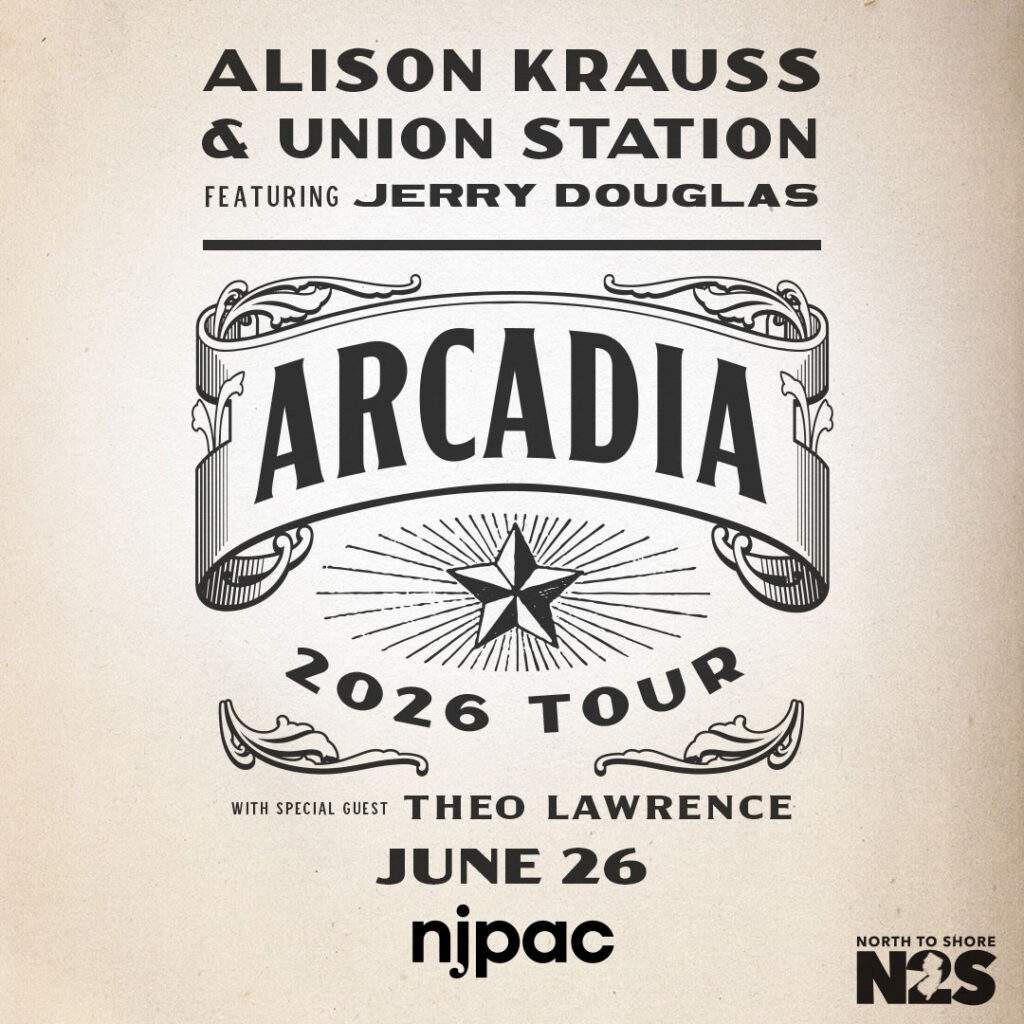
For the first time in years, Philadelphia hockey felt alive again.

The Flyers were clearly outmatched by Carolina. Anyone watching the series honestly could see the difference between a team learning how to become a contender and a team already operating as a legitimate Stanley Cup machine. The Hurricanes looked faster, deeper, calmer, and structurally superior in almost every phase of the game. Their pressure in transition suffocated Philadelphia’s breakout opportunities. Their forecheck controlled long stretches of possession. Their defensive rotations eliminated time and space. Their special teams execution exposed gaps the Flyers still need to close before they can truly enter the NHL’s elite tier.

And yet, despite all of that, there were unmistakable flashes throughout the series that suggested Philadelphia is getting closer than many expected.

That is why the mood surrounding the Flyers today feels dramatically different than it did even one year ago.

This season was never supposed to be about winning the Stanley Cup. Internally and externally, the year began with cautious optimism at best. The organization remained in the middle stages of General Manager Danny Briere’s roster reconstruction, the prospect pipeline was still developing, and the Flyers entered the season without the national expectations attached to true contenders. By February, the club still sat eight points outside of a playoff position and appeared destined for another offseason focused primarily on development and draft positioning.

Then everything changed.

Philadelphia surged after the Olympic break with one of the league’s most aggressive late-season pushes, posting an 18-7-1 stretch that transformed the entire direction of the season. Suddenly, meaningful games returned to South Philadelphia. The building regained its energy. The rivalry intensity returned. The Flyers began resembling a franchise rediscovering its identity.
That identity was never built around finesse alone. Historically, Flyers hockey has always demanded competitiveness, emotional investment, physicality, relentless pressure, and resilience. Throughout this season, the team repeatedly demonstrated those qualities even while lacking the complete roster depth of the NHL’s true heavyweights.

The opening-round playoff victory over the Pittsburgh Penguins amplified that belief across the region. For Philadelphia fans, beating Pittsburgh in the postseason will always carry emotional weight beyond a standard playoff series. It was symbolic. It validated the progress of the rebuild while simultaneously reconnecting the fanbase with the emotional edge that once defined Flyers hockey.

By the time Philadelphia reached the second round, the organization was already ahead of schedule.

Then came Carolina.

What the Hurricanes demonstrated during the series was the difference between a rising playoff team and a fully mature contender operating at championship speed. Carolina entered the matchup already looking like one of the NHL’s most complete rosters, and throughout the series they proved exactly why many around the league view them as one of hockey’s most dangerous postseason teams.

The numbers alone tell part of the story. Carolina entered the Eastern Conference semifinals undefeated in the playoffs and continued that dominance against Philadelphia. Their defensive structure limited the Flyers offensively, while their puck movement and territorial control consistently tilted games in their favor.

But beyond statistics, the eye test revealed the real separation.

Philadelphia’s penalty kill, which had shown moments of aggressiveness and structure earlier in the postseason, looked fundamentally different against Carolina’s movement. The Hurricanes’ offensive-zone rotations forced the Flyers into collapse coverage repeatedly, creating open seams and constant puck movement around the zone. Carolina’s ability to maintain possession while rotating pressure from the blue line into the circles exposed the difference in speed, spacing, and composure between the two clubs.

The Hurricanes controlled pace almost effortlessly at times.

Their forecheck in the neutral zone disrupted Philadelphia’s transition game before it could even develop. Their ability to pressure carriers without sacrificing defensive structure created prolonged offensive-zone time that wore the Flyers down over entire periods. Carolina’s defensemen activated aggressively while still recovering into position with elite discipline, a hallmark of teams that have already learned how to survive deep playoff hockey.

Philadelphia simply could not sustain enough offensive possession consistently enough to counter it.

Yet even within that imbalance, there were stretches where the Flyers showed exactly why optimism around the organization continues growing.

There were moments where the speed of the young core flashed through. Moments where Philadelphia attacked with confidence, transitioned cleanly, and forced Carolina into uncomfortable situations. The Flyers did not look intimidated by the stage. They looked inexperienced against a superior machine, which is an important distinction.

If nothing else, I realized how much I hate Sean Walker. Seeing that No. 14 for the Carolina Hurricanes next season only adds to the list of players I cannot wait to see on the other side of the ice. He just looks like a complete douche. There are certain players you circle on the schedule the second the dates come out, and Walker has officially become one of them, assuming the Flyers continue progressing this year without losing talent. His facial expressions alone make you want somebody to deal with him in a big way. So when the Flyers see Carolina again next season, that matchup already has an extra edge to it. The Hurricanes have become one of the most aggravating teams in the Eastern Conference to deal with, and players like Walker fit directly into that identity. There is no pretending otherwise. I want Philly (and Jersey) to run them out of the building(s) next year. Not just beat them. Embarrass them. Knock em around. Most of all, wiper that smirk off that face while shutting him up from speaking on the oce (aka taunting) by setting the tone physically, emotionally, and on the scoreboard from the opening puck drop. The Teams on the Division are built on grudges, and this one is already brewing before the season even starts.

Regardless, that matters because playoff experience itself remains one of the NHL’s most difficult developmental hurdles. In recent years, the teams at the top were noticable. They have been faster, bigger and with finesse. The Flyers needed to get up to that high level.

Teams do not learn how to win deep playoff series overnight. Organizations evolve through exposure, failures, adjustments, and roster maturation. Carolina itself spent years building toward becoming the powerhouse it now appears to be. What Philadelphia experienced against the Hurricanes may ultimately serve as a critical developmental checkpoint rather than a discouraging endpoint.

Young players across the roster were exposed directly to the pace, precision, and relentless detail required to compete against elite postseason hockey. That education has value that extends beyond one series result.

The emergence of younger players and developing pieces throughout the season also reinforced why fans remain invested emotionally in the direction of the organization. Philadelphia’s prospect pipeline increasingly looks capable of supporting long-term competitiveness, while the roster already contains pieces that appear foundational moving forward.

For all intents and purposes, Porter Martone’s arrival in Philadelphia has been nothing short of explosive, and it has only been, what, two months? The 19-year-old Canadian right winger, selected sixth overall by the Flyers in the 2025 NHL Entry Draft, wasted absolutely no time proving why so many scouts believed he was one of the most NHL-ready forwards in his class. Before making the jump to the professional level, Martone spent the majority of the season dominating NCAA Division I hockey with the Michigan State Spartans. As a freshman, he immediately became the centerpiece of the offense, leading the team with 25 goals and 50 points in just 35 games while establishing himself as one of the most dangerous young scorers in college hockey. His combination of size, skill, confidence, and offensive instincts made it increasingly clear that his stay at the collegiate level was never going to last long.

Everything accelerated once Michigan State’s season came to an end. On March 29, 2026, the Flyers signed Martone to a three-year entry-level contract almost immediately after the Spartans were eliminated from the NCAA regional finals. Just two days later, he made his NHL debut on the road against the Washington Capitals, beginning what quickly turned into one of the most remarkable late-season rookie surges the organization has seen in years. On April 5, he delivered his first NHL goal in dramatic fashion, scoring an overtime game-winner against the Boston Bruins. Instead of being slowly introduced into the lineup, Martone was dropped directly into the middle of a high-pressure playoff race and responded by producing 10 points in his first nine regular-season games. When the Stanley Cup Playoffs opened against the rival Pittsburgh Penguins, the teenager elevated his game even further, scoring the game-winning goal in both Game 1 and Game 2. In the process, Martone became the first teenager in NHL history to record game-winning goals in each of his first two career postseason games, instantly turning a promising rookie season into one of the league’s biggest stories.

That is why this offseason now becomes one of the most fascinating periods the organization has faced in years. The Flyers now appear close enough that every roster decision suddenly feels magnified.

The challenge facing Danny Briere and the front office is obvious. The organization likely needs additional top-end talent to truly compete with teams like Carolina, Florida, or the Rangers over a seven-game series. We will see how real Buffalo is soon enough. But again, the Flyers will need more scoring depth, additional defensive stability, and perhaps another high-impact difference-maker who could elevate the roster significantly.

At the same time, the emotional connection fans have developed with this current group creates hesitation around major roster subtraction. Philadelphia supporters finally see a team they believe in again. They see chemistry, identity, effort, and growth. Nobody wants to disrupt that momentum carelessly.

That balancing act will define the summer.

The Flyers’ 2026 NHL Draft position adds another interesting layer to the conversation. Philadelphia enters the draft holding the 21st overall selection after their playoff run, along with a streamlined set of five total picks. Previous trades involving Trevor Zegras, Sean Walker, Carl Grundström, and other roster restructuring decisions reduced the organization’s mid-round inventory, placing additional importance on maximizing value with their remaining selections.

Still, the Flyers have historically performed exceptionally well drafting in this range. Players like Claude Giroux, Travis Konecny, and Tyson Foerster emerged from similar draft positions, giving Philadelphia confidence in its scouting infrastructure.

FYI, for what it’s worth, I was at the game on May 19, 1974, when the Flyers won their first Stanley Cup. We had season tickets back then. I do not remember ever caring much about the NHL Draft until I got older. I think the two big schools back then were Boston University and Minnesota. It felt like they played for the championship every year.

We also had the WHA then, which is where we got Bernie Parent. The first time I ever saw him play was when he was with the Philadelphia Blazers which had a pink puck. The first game I ever saw was against Minnesota at that time. They had a goalie named Gump Worsley who never wore a mask, and ironically, my first game ever against them at the Spectrum ended in a shutout loss.

Early projections suggest the Flyers could target additional center depth or left-side defensive development depending on how the board falls. Prospects linked to Philadelphia in preliminary discussions include Swedish center Alex Command, offensively dynamic defenseman Xavier Villeneuve, and physical power-forward center Maddox Dagenais. Each represents a different interpretation of what the organization still needs to become a complete contender.

And that is ultimately where the Flyers now exist. Not rebuilding from the bottom anymore. Not fully arrived yet either.

Instead, Philadelphia sits in one of the most difficult but promising positions in professional sports: the verge. The verge of legitimacy. The verge of sustained playoff relevance. The verge of becoming dangerous.

This postseason proved the Flyers can compete emotionally, structurally, and culturally again. The Carolina series revealed they still need another level to compete consistently with the NHL’s elite. Both things can be true simultaneously.

In many ways, that realization may actually increase optimism around the franchise rather than diminish it. I now know what the team needs to get to that higher level.

Philadelphia fans know hockey. They understand the difference between fraudulent playoff appearances and genuine organizational growth. What they witnessed this season felt real. The team fought through adversity, exceeded expectations, reignited the building, restored playoff intensity to South Philadelphia, and earned back emotional trust from a fanbase that had become increasingly disconnected during the rebuild years.

The standing ovation after elimination was not sympathy. It was recognition. Recognition that the Flyers finally look like a team moving somewhere meaningful again.

Explore New Jersey’s continuing Philadelphia Flyers coverage has followed the organization’s evolution closely throughout the season, documenting both the growing excitement surrounding the roster and the larger cultural impact playoff hockey continues to carry throughout the region. More than anything, this postseason confirmed that meaningful Flyers hockey still matters deeply in this area. And, with zero offense intended, it is very hard for me, as a longtime Flyers fan, to write about and cover the New Jersey Devils every day.

And now, for the first time in a long time, there is legitimate reason to believe the Flyers could become one of the NHL’s most important young teams over the next several years

Cooper Gristmill Marks 200 Years as New Jersey Celebrates One of the State’s Greatest Living Historical Landmarks

Two centuries after the machinery first turned along the banks of the Black River, the Cooper Gristmill is preparing to celebrate a milestone few American historical sites ever reach. The 200th Anniversary of the Nathan Cooper Gristmill will bring together living-history demonstrations, historic trade exhibitions, craft showcases, food, music, guided experiences, and immersive tours that reconnect visitors with one of the most important surviving industrial landmarks in New Jersey history.

In an era dominated by digital speed and modern convenience, the continued operation of a fully restored, water-powered flour mill from 1826 feels almost impossible. Yet in Chester Township, the Cooper Gristmill continues to operate much as it did generations ago, preserving not only machinery and architecture, but an entire way of life that once powered local economies across the region. The anniversary celebration represents far more than a historical commemoration. It stands as a tribute to New Jersey’s industrial beginnings, agricultural roots, engineering innovation, and enduring commitment to preserving the stories that shaped the state.

Located along the Black River in Morris County, the Nathan Cooper Gristmill remains the only restored water-powered gristmill still operating in New Jersey. Built in 1826 by retired military officer General Nathan Cooper, the towering four-story stone structure was considered technologically advanced for its era and quickly became one of the region’s most productive milling operations. Today, it survives as a rare living-history museum where visitors can experience the sounds, movement, craftsmanship, and mechanical complexity of 19th-century industry in real time.

The anniversary celebration is expected to transform the historic property into a full-scale historical experience that highlights not only the mill itself, but the broader cultural environment that surrounded it during the 1800s. Historic tradespeople and craftspeople will demonstrate traditional methods that once formed the backbone of everyday American life. Blacksmithing, woodworking, milling techniques, agricultural practices, and artisan craftsmanship will allow visitors to step directly into the world that existed when the mill operated at the center of local commerce.

For Explore New Jersey readers who follow the state’s growing cultural preservation movement, the Cooper Gristmill bicentennial represents one of the most significant historical celebrations taking place anywhere in New Jersey this year. Across the state, historic landmarks are increasingly drawing attention not simply as preserved structures, but as immersive educational destinations capable of connecting modern audiences with the realities of earlier generations. The Cooper Gristmill stands among the strongest examples of that movement because it remains functional, mechanical, and alive.

The mill’s origins trace back to a period when water-powered industry shaped the development of entire communities throughout the Northeast. Long before highways, suburban growth, and corporate distribution systems transformed the region, mills served as economic engines where farmers, merchants, tradesmen, and residents converged. Flour production was not merely a business operation. It was essential infrastructure supporting agriculture, commerce, and daily survival.

The site itself predates the current structure. Milling operations existed on the property as early as the 1760s before Nathan Cooper acquired the land at auction and developed the current facility. Cooper envisioned a more sophisticated and efficient industrial operation, incorporating automation systems considered highly advanced for the early 19th century. Elevators, conveyors, gears, and massive grinding stones worked together in a remarkably intricate mechanical network powered entirely by water diverted from the Black River.

At its peak, the mill could produce nearly ten tons of flour daily, a staggering output for the era. The facility’s two enormous grinding stones, each weighing approximately 2,000 pounds, processed grain continuously as the waterwheel transferred natural river energy into industrial production. Even today, witnessing the machinery engage remains one of the most captivating demonstrations of early American engineering available anywhere in the region.

That experience continues to define visits to the site. During guided tours, a master miller dressed in historical attire activates the waterwheel and machinery, allowing visitors to watch the grinding process unfold in real time. The sounds alone create an unforgettable atmosphere. The turning gears, moving belts, vibrating woodwork, and grinding stone mechanisms offer a sensory connection to history impossible to replicate through static museum exhibits alone.

The upcoming bicentennial celebration will expand that immersive experience significantly. Throughout the day, visitors will have opportunities to explore the grounds, interact with demonstrators, observe historic techniques, and learn how the mill functioned as part of a larger agricultural and industrial network that once sustained communities across Morris County and beyond.

The event also reflects growing public interest in experiential history tourism throughout New Jersey. Increasingly, residents and travelers are seeking destinations that combine education, authenticity, outdoor recreation, and cultural engagement. The Cooper Gristmill offers all of those elements simultaneously. Positioned within Black River County Park, the site blends historical preservation with natural beauty, creating an environment that feels both educational and restorative.

The surrounding landscape remains central to the experience. The mill’s 14-acre property serves as a scenic entry point into one of the region’s most beautiful trail systems. Visitors exploring the grounds can continue directly onto the blue-blazed Black River Trail and portions of the broader Patriot’s Path network, connecting them to river corridors, wooded landscapes, and nearby destinations including Willowwood Arboretum and Bamboo Brook Outdoor Education Center.

That connection between industry and environment is part of what makes the Cooper Gristmill so historically significant. Water power represented one of America’s earliest sustainable industrial systems, harnessing the natural force of rivers to drive production long before fossil fuels dominated manufacturing. The mill demonstrates how communities once adapted directly to local geography, building economies around waterways, agricultural cycles, and natural resources.

As preservation efforts across the country continue to confront funding challenges and modernization pressures, the survival of the Cooper Gristmill becomes even more remarkable. By the early 20th century, large commercial milling operations in the Midwest had eclipsed smaller regional mills, and industrial activity at the site ceased in 1913. Like many historic industrial properties of its era, the structure could easily have disappeared through neglect or demolition.

Instead, preservationists recognized its extraordinary historical value. The Morris County Park Commission eventually acquired the property and undertook extensive restoration efforts that protected the structure and returned portions of the machinery to operational status. In 1976, the Cooper Gristmill was officially added to the National Register of Historic Places, securing recognition as one of New Jersey’s most important preserved industrial landmarks.

The bicentennial celebration now arrives at a moment when interest in local history and regional identity continues to expand throughout the state. New Jersey’s cultural institutions, museums, preserved villages, theaters, and historical sites are experiencing renewed public attention as residents increasingly seek deeper connections to the communities and traditions surrounding them. Historic preservation is no longer viewed as passive nostalgia. It has become an active part of cultural tourism, education, and community engagement.

That broader movement continues to shape coverage across Explore New Jersey’s expanding Arts & Culture section, which has increasingly highlighted the institutions, historical landmarks, museums, cultural events, and preservation projects helping define the state’s evolving identity. The Cooper Gristmill anniversary stands as one of the clearest examples of how history can remain active, relevant, and deeply engaging for modern audiences.

For families, the anniversary event offers a rare opportunity to experience history beyond textbooks or exhibit cases. Children and younger visitors will have the chance to see large-scale machinery operate physically before them while learning how grain became flour, how rivers powered industry, and how entire communities depended on systems that now seem almost unimaginable in the modern world. The educational value extends naturally from the experience itself rather than relying solely on interpretation.

For history enthusiasts, architecture lovers, preservation advocates, and cultural travelers, the bicentennial provides an opportunity to witness one of New Jersey’s most remarkable surviving industrial sites during a once-in-a-generation milestone celebration. Every turning gear and moving mechanism inside the mill serves as evidence of the craftsmanship, engineering, labor, and ingenuity that shaped early American industry.

For New Jersey itself, the Cooper Gristmill’s 200th Anniversary serves as a reminder that some of the state’s most compelling destinations are not defined by size or spectacle, but by authenticity. The mill does not recreate history artificially. It preserves it mechanically, structurally, and physically. Visitors are not simply observing the past from a distance. They are standing inside a functioning piece of it.

As the bicentennial celebration approaches, the Cooper Gristmill remains more than a preserved building beside a river. It stands as a living monument to New Jersey’s industrial heritage, agricultural foundations, and cultural resilience. Two hundred years after Nathan Cooper constructed the stone mill along the Black River, the water still turns, the machinery still moves, and the story of early New Jersey continues to unfold inside one of the state’s most extraordinary historical treasures.

Jersey Hoops Academy Expands Its 2026 Summer Basketball Training Programs as New Jersey’s Player Development Boom Reaches Another Level

Basketball development in New Jersey has entered a different era entirely, and Jersey Hoops Academy is positioning itself directly at the center of that transformation with the announcement of its expanded 2026 Summer Basketball Training Programs. Built around the idea of creating a true year-round home for athletes serious about improving every part of their game, the academy’s dedicated facility has evolved into far more than a training destination. It has become a basketball ecosystem serving youth players, high school athletes, advanced travel competitors, and aspiring collegiate prospects across the state.

As New Jersey continues to strengthen its reputation as one of the most competitive basketball regions in the country, demand for structured, professional-level player development has surged. Families are no longer searching simply for gym time or seasonal camps. They are looking for comprehensive development environments that emphasize skill progression, conditioning, basketball IQ, accountability, and long-term growth. Jersey Hoops Academy’s expanded summer programming reflects exactly where the modern basketball landscape is heading.

The academy’s growth comes at a time when basketball culture throughout New Jersey is experiencing unprecedented momentum. From youth recreation leagues to nationally ranked AAU programs, from elite high school competition to increasing college recruitment visibility, the state’s basketball infrastructure has become deeper, faster, and more sophisticated. Across communities throughout the region, the appetite for advanced training opportunities continues to expand, and organizations capable of delivering consistent, high-level instruction are becoming increasingly important to the development pipeline.

Jersey Hoops Academy’s dedicated facility was designed with that reality in mind. Instead of operating as a temporary seasonal operation, the academy has focused on building a permanent basketball home where athletes can train continuously in a professional environment specifically tailored for development. That distinction matters. Players today are competing in an environment where year-round improvement is often the difference between making a varsity roster, earning college exposure, or remaining stagnant. The academy’s approach recognizes that serious athletes require consistency, repetition, and a culture built around measurable progress.

The expanded 2026 Summer Basketball Training Programs will include a broader range of developmental options designed to serve multiple age groups and skill levels. That includes youth foundational instruction, advanced skill-development sessions, shooting labs, ball-handling programs, strength and conditioning integration, position-specific training, competitive live-play environments, and high-intensity summer clinics built around game-speed execution. Rather than offering one generalized camp model, the academy is continuing to evolve toward a layered developmental structure where players receive training specific to their current stage and long-term goals.

That individualized approach reflects the changing expectations of basketball families across New Jersey. Parents and athletes are increasingly evaluating training organizations not only on reputation, but on structure, coaching philosophy, facility quality, progression systems, and player outcomes. The modern basketball athlete is exposed to more competition and more visibility opportunities than ever before, but also faces greater pressure to improve continuously. Organizations capable of providing detailed developmental systems are separating themselves from traditional recreational models.

What makes New Jersey particularly unique in this conversation is the density of basketball talent across the state. The region consistently produces high-level players who go on to compete at major collegiate programs and professional levels, while the local high school basketball scene remains one of the most respected in the Northeast. That culture creates an environment where younger athletes are exposed to serious competition earlier than in many other regions. As a result, development timelines are accelerating, and players are beginning structured skill work at increasingly younger ages.

Jersey Hoops Academy’s expanded summer platform appears designed specifically to address that evolving environment. The academy’s model places heavy emphasis on fundamentals while also recognizing the demands of the modern game, including pace, spacing, shooting versatility, defensive adaptability, and transition decision-making. Summer training is no longer simply about staying active during the offseason. For many athletes, it has become the most important developmental period of the year.
The timing of the expansion is also significant because summer basketball in New Jersey has become one of the most competitive developmental windows in the entire youth sports calendar. Players spend the offseason preparing for school competition, AAU schedules, exposure tournaments, showcases, and recruiting opportunities. Training environments that can combine technical instruction with competitive intensity are becoming increasingly valuable because athletes are expected to perform at a higher level year-round.

Inside the academy’s structure, development is not limited to isolated drills. The broader emphasis centers on translating skill work into live-game execution. That distinction has become increasingly important as basketball training itself has evolved over the last decade. Athletes today have access to more information, more digital instruction, and more specialized training options than any previous generation. However, true development still depends on repetition under pressure, decision-making in competitive settings, and learning how skills function within actual game flow.
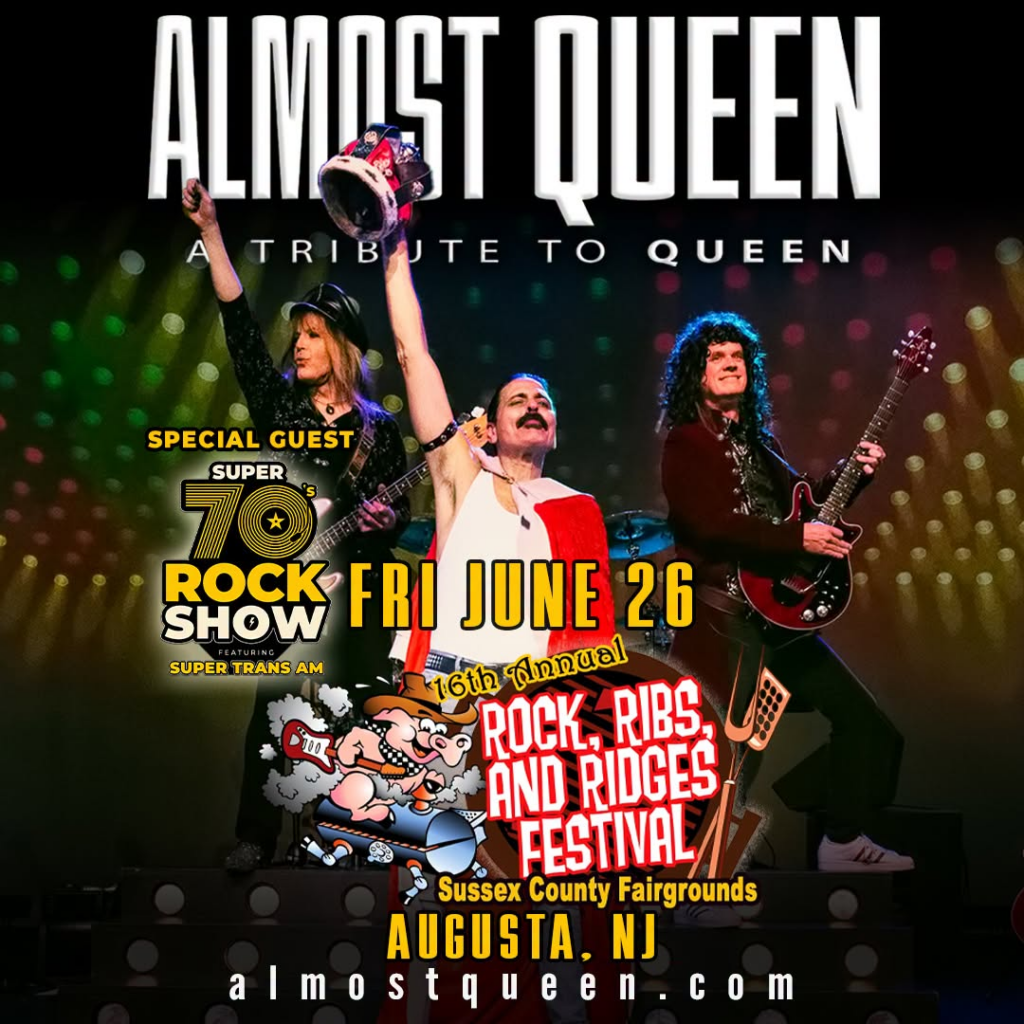
The academy’s expanded programming also reflects broader growth throughout New Jersey’s basketball economy. Training facilities, grassroots events, travel programs, tournaments, and regional showcases have all experienced major expansion as basketball participation continues to rise. The state’s location between major metropolitan markets further increases visibility and competition, creating an environment where players are exposed to elite-level talent on a regular basis.

For many families, that environment creates both opportunity and urgency. Athletes hoping to compete at higher levels understand that development can no longer be passive or seasonal. Organizations like Jersey Hoops Academy are responding by building infrastructure capable of supporting long-term athlete progression instead of short-term participation alone. The dedicated facility model reinforces that philosophy by creating a centralized environment where players can train consistently throughout the year with access to specialized instruction and structured programming.

The expansion also reinforces the growing importance of basketball facilities themselves within modern player development. A dedicated training environment allows for greater scheduling flexibility, expanded programming options, consistent coaching access, and the ability to create a stronger developmental culture. Rather than adapting around temporary gym availability, academies with permanent facilities can build entire systems around player progression and year-round engagement.

That level of infrastructure increasingly matters in a state where basketball remains deeply woven into community identity. Throughout New Jersey, the sport occupies a unique cultural space that extends beyond school competition. Local gyms, summer leagues, training centers, and youth tournaments continue to shape the next generation of athletes while serving as gathering points for communities passionate about basketball. The expansion of organizations focused on development reflects how deeply the sport continues to resonate across the region.

The academy’s announcement also aligns with the broader momentum surrounding basketball coverage and interest throughout the state. Explore New Jersey has continued to spotlight the evolution of basketball culture across the region through expanded coverage of player development, high school programs, professional connections, grassroots competition, and the increasing influence of year-round training environments. Readers following the latest basketball coverage can continue exploring more statewide stories, features, and updates through the publication’s dedicated basketball coverage section, which continues documenting the rapid growth of the game across New Jersey.

As summer approaches, the expansion of Jersey Hoops Academy’s programming represents more than another offseason announcement. It reflects the broader evolution of how basketball development now functions throughout New Jersey. The expectations are higher. The competition is stronger. The commitment required from athletes continues to intensify. Programs capable of combining professional instruction, dedicated infrastructure, developmental structure, and competitive culture are becoming increasingly central to the future of the game within the state.

For players entering the 2026 offseason with goals of improving their skill sets, earning roster opportunities, elevating recruiting visibility, or simply becoming more complete basketball athletes, summer development will once again define much of the year ahead. Jersey Hoops Academy’s expanded training initiative signals that the demand for serious basketball development in New Jersey is not slowing down. If anything, it is accelerating into something much larger than a traditional offseason training model.

The state’s basketball culture has always carried intensity, pride, and expectation. What is changing now is the scale of the infrastructure supporting it. Facilities like Jersey Hoops Academy are helping transform player development into a full-time ecosystem built around preparation, repetition, competition, and long-term growth. In New Jersey, basketball is no longer just a winter sport tied to school schedules. It has become a year-round pursuit, and the organizations investing in that reality are helping shape the next generation of talent throughout the region.

New Jersey’s Mother’s Day Wine Trail Weekend Has Become One of the State’s Most Important Spring Traditions

Every May, New Jersey’s winery industry reaches one of its defining moments of the year. Vineyards begin turning fully green again after winter dormancy. Outdoor tasting spaces reopen across the state. Music returns to patios, lawns, and vineyard stages. The weather softens just enough for long afternoons outdoors to feel restorative rather than rushed. And increasingly, Mother’s Day weekend has evolved into something far larger than a simple holiday brunch reservation. Across New Jersey wine country, it has become a statewide celebration of agriculture, hospitality, live entertainment, culinary culture, and local tourism operating together at full scale.

This year’s Mother’s Day Wine Trail Weekend, running May 8 through May 10, may be the largest and most ambitious version yet.

More than 60 wineries across New Jersey are participating in the statewide celebration, transforming vineyard properties throughout the Garden State into destinations for brunches, tasting events, live music performances, floral workshops, food truck festivals, comedy nights, and curated family gatherings designed to highlight just how far New Jersey’s wine industry has evolved over the past two decades.

That growth is impossible to ignore now.

What was once viewed nationally as a niche regional wine scene has steadily matured into one of the Northeast’s most dynamic agricultural tourism industries. Vineyards throughout New Jersey increasingly operate as year-round hospitality destinations rather than seasonal tasting rooms. Many now combine wine production with culinary programming, concerts, private events, educational experiences, outdoor recreation, and large-scale community gatherings that rival wine regions traditionally associated with California, Oregon, Virginia, or the Finger Lakes.

Mother’s Day weekend has become one of the clearest demonstrations of that transformation.

Across the state, wineries are no longer simply offering discounted tastings or standard brunch menus. They are building immersive weekend experiences designed around atmosphere, relaxation, and multi-generational social gatherings that extend far beyond wine itself. For many visitors, the weekend functions less like a single outing and more like a statewide vineyard trail connecting dozens of completely different experiences across North Jersey, Central Jersey, South Jersey, and the shore regions.

At places like Renault Winery, the scale reflects just how sophisticated portions of New Jersey wine tourism have become. Their Mother’s Day brunch service inside the Champagne and Vineyard Ballrooms combines formal dining with resort-style hospitality, blending indoor and outdoor seating experiences across one of the state’s most historic wine properties. Renault’s continued evolution into a luxury hospitality destination reflects the broader upward movement of New Jersey wine tourism overall, where vineyards increasingly function as full-scale lifestyle destinations rather than simple production facilities.

Meanwhile, smaller and more intimate wineries continue embracing a different but equally important version of the experience.

Hopewell Valley Vineyards is offering a more rustic and culinary-driven brunch atmosphere centered around vineyard comfort food, including ricotta pancakes, breakfast-style pizzas, and artisan cheese presentations that lean heavily into the property’s Tuscan-inspired environment. The appeal of places like Hopewell Valley lies partly in their ability to make visitors feel temporarily removed from suburban routines without requiring major travel commitments.

That sense of escape has become central to the success of New Jersey wine culture overall.

Increasingly, residents are searching for experiences that feel immersive without requiring flights, hotels, or major logistical planning. Vineyards have filled that role naturally because they combine landscape, hospitality, food, entertainment, and atmosphere inside settings that remain deeply connected to New Jersey’s agricultural identity.

That relationship between agriculture and experience tourism is especially visible at properties like Terhune Orchards, where the Mother’s Day Wine Trail merges vineyard tastings with orchard scenery, live music, and outdoor family gathering spaces surrounded by century-old apple trees. Terhune’s participation reinforces how interconnected New Jersey’s broader agricultural tourism economy has become, with wineries, orchards, farms, and specialty food producers increasingly operating within the same cultural ecosystem.

Throughout South Jersey, the atmosphere shifts again.

At White Horse Winery, the weekend takes on the feeling of a full-scale spring festival. Live music performances stretch across both days with rotating artists, while food trucks, specialty dessert vendors, charcuterie offerings, coffee setups, breakfast sandwiches, artisan pasta vendors, sourdough bakers, and even dog-friendly treats transform the vineyard into something resembling a temporary culinary village. The event structure reflects how wineries increasingly function as entertainment hubs capable of sustaining entire day-long experiences for visitors.

That broader entertainment model continues reshaping the economics of New Jersey wineries.

Wine remains central, but modern vineyards increasingly understand that hospitality diversity drives long-term customer loyalty. Visitors may initially arrive for tastings, but they return because of atmosphere, social connection, live entertainment, scenery, and the feeling of discovery attached to individual properties.

Nowhere is that more visible this weekend than at Working Dog Winery, where the Mother’s Day Bouquet Bar has become one of the more inventive experiences of the entire Wine Trail schedule. Rather than treating the holiday as purely transactional, the winery built an interactive floral workshop allowing guests to create personalized bouquets while spending the afternoon within the vineyard environment. The experience transforms a standard winery visit into something more tactile and emotionally memorable, especially for families and groups looking for alternatives to crowded restaurants or traditional holiday programming.

That creative flexibility is one reason New Jersey wineries continue attracting younger demographics and multi-generational audiences simultaneously.

The industry has become remarkably effective at blending traditional wine culture with more approachable experiential programming. Some visitors arrive seeking Rhône varietal tastings and technical discussions around vintages, while others simply want live music, outdoor seating, and a glass of wine with friends. Increasingly, New Jersey wineries successfully accommodate both audiences at the same time.

Properties like Unionville Vineyards continue emphasizing the production side of the industry during the weekend through specialty releases like the Hunterdon Mistral Series, showcasing the state’s growing confidence in Rhône-style varietals and serious winemaking credibility. At the same time, venues like Old York Cellars demonstrate how vineyards are increasingly blending wine culture with broader entertainment programming through events like Wine & Comedy nights featuring nationally recognized comedians alongside chef-driven dining.

That balance between seriousness and accessibility may ultimately define why New Jersey wine country has grown so dramatically.

The industry no longer operates under the assumption that visitors must already understand wine to enjoy vineyards. Instead, wineries increasingly function as open social spaces where wine acts as both centerpiece and backdrop to larger experiences involving music, food, conversation, scenery, and celebration.

Mother’s Day weekend amplifies all of those dynamics simultaneously.

Live music performances stretch from vineyard patios to lawn stages throughout the state. Food trucks line gravel parking areas beside vines beginning to emerge fully into spring growth. Families gather across picnic tables, outdoor decks, tasting bars, and orchard walkways. Some visitors arrive for formal brunch reservations while others spend entire afternoons moving casually between wineries as part of broader regional tours.

In many ways, the weekend has become a reflection of how fully New Jersey wine culture has matured.

Not as an imitation of other wine regions, but as something increasingly distinctive to the state itself — agricultural but urban-adjacent, refined without excessive pretension, deeply local yet ambitious in scale, and uniquely positioned between farm culture, entertainment culture, and hospitality tourism.

That evolution continues accelerating every year. And during Mother’s Day Wine Trail Weekend, it becomes visible everywhere from the vineyards of Hunterdon County to the wineries of Atlantic, Cape May, Mercer, Warren, Monmouth, and Cumberland Counties. Because what New Jersey has built is no longer simply a collection of wineries. It is an entire statewide wine culture.

New Jersey Brewers Take the Global Stage as Four Garden State Craft Breweries Capture Medals at the 2026 World Beer Cup

New Jersey’s craft beer industry has spent years fighting through outdated perceptions, overcrowded regional competition, shifting consumer habits, tightening distribution economics, and the lingering assumption that the country’s elite brewing scenes exist somewhere else. Colorado. Oregon. Vermont. California. Michigan. North Carolina. For decades, those states dominated the national conversation surrounding independent brewing culture while New Jersey’s rapidly growing brewery community quietly built itself town by town, taproom by taproom, and neighborhood by neighborhood across the Garden State.

That narrative continues changing in increasingly impossible-to-ignore ways.

At the 2026 World Beer Cup, widely regarded throughout the industry as the “Olympics of beer competitions,” four New Jersey breweries officially earned international recognition among the best brewers anywhere in the world. Announced in Philadelphia during the Craft Brewers Conference & BrewExpo America, the awards represented more than individual victories for a handful of breweries. They served as another major signal that New Jersey’s brewing scene has evolved into one of the country’s most creatively ambitious, technically sophisticated, and stylistically diverse regional beer cultures.

And notably, the victories did not come from one narrow style category or one concentrated brewing region. They came from breweries spread across the state producing dramatically different kinds of beer. That range may be the most important part of the story. I also happened to be wrong in a previous article because I believed there were only three awards given to New Jersey breweries. This serves as an updated correction recognizing all four award winners.

In Vineland, Wander Back Beerworks captured gold in the Munich-Style Helles category for Wander Back Lager, a deceptively difficult beer style that often separates technically refined breweries from merely trendy ones. Helles lagers demand precision rather than excess. There is nowhere for flaws to hide. No aggressive dry-hopping. No pastry-style adjunct overload. No extreme barrel-aging gimmicks. Brewing a world-class Helles requires balance, patience, restraint, clean fermentation, and deep understanding of traditional lager structure.

For many brewers, it is one of the hardest styles to execute successfully at elite competition levels. That Wander Back earned gold there says a tremendous amount about both the brewery’s discipline and the broader maturation of New Jersey brewing overall.

Meanwhile, MudHen Brewing Co. in Wildwood secured silver in the Robust Porter category for Captain Doug’s Porter, continuing the Cape May County brewery’s rise as one of South Jersey’s more dependable and stylistically versatile operations. Robust porters occupy an interesting place within modern craft beer culture. While IPA variations still dominate much of the retail landscape, darker malt-forward styles continue maintaining deep loyalty among serious beer drinkers who value layered roast character, balanced bitterness, and drinkability over sheer intensity.

Captain Doug’s Porter succeeding internationally reflects the continued appetite for breweries capable of executing traditional styles with depth and confidence rather than simply chasing social media novelty.

In Stockton, Odd Bird Brewing claimed bronze in the Experimental Beer category for House Red, perhaps the category most reflective of modern craft brewing’s increasingly boundary-pushing identity. Experimental categories reward breweries willing to rethink conventional style structures while still maintaining technical coherence. That balancing act can be difficult. Experimental beers often fail when creativity overwhelms drinkability or when concepts feel more performative than purposeful.

House Red earning recognition at the World Beer Cup suggests Odd Bird succeeded in creating something innovative without sacrificing execution.

Subculture Artisan Ales (the one I missed) in Florence added another medal to New Jersey’s total with bronze in the Historic Beer category for Burton Reynolds, a beer rooted in historical brewing traditions that many modern drinkers rarely encounter. Historic beer categories reward breweries willing to engage with brewing’s deeper cultural lineage rather than focusing solely on current market trends. That kind of brewing requires research, patience, and willingness to educate consumers about styles existing outside contemporary taproom familiarity.

Together, the four medals illustrate something larger happening statewide.

New Jersey breweries are no longer succeeding only in hyper-trendy categories or localized popularity contests. They are competing internationally across lagers, dark ales, historic styles, and experimental brewing. That diversity reflects an industry becoming increasingly confident in its own identity.

Importantly, the World Beer Cup recognition arrives during a period of significant transition throughout both New Jersey’s brewing economy and the national craft beer industry itself.

The explosive expansion phase that defined much of American craft brewing during the 2010s has slowed considerably. Competition has intensified. Distribution has become more challenging. Consumer habits continue evolving toward moderation, variety, and experience-driven drinking. Some breweries have expanded aggressively while others have struggled under tightening margins and rising operational costs.

Yet even amid those pressures, New Jersey’s brewing culture continues demonstrating resilience and adaptability.

The most dramatic example this month came with the sale of the historic Anheuser-Busch brewery site in Newark. Once one of the state’s most recognizable large-scale brewing operations, the 86-acre property near Newark Liberty International Airport officially changed hands in a massive $360 million transaction after production operations ceased earlier this year. The Goodman Group now plans to redevelop the site into a logistics and industrial center.

The closure marks the end of a major chapter in New Jersey brewing history.

For generations, the Newark brewery symbolized large-scale industrial beer production in the state. But its transformation also highlights how dramatically the definition of “beer culture” has shifted nationally. Today’s brewing identity increasingly belongs not to massive centralized facilities but to smaller independent breweries embedded directly within communities, downtowns, neighborhoods, and regional tourism economies.

That localized model now defines much of New Jersey’s beer landscape.

At the same time, stories like Brotherton Brewing Co.’s revival in Atco reflect the persistence of independent brewing communities even after closures and financial uncertainty. After shutting down in March 2025, the brewery was acquired by new ownership earlier this spring with plans to reopen under its original identity while reviving many of its established recipes.

That kind of comeback story has become increasingly meaningful within modern craft beer culture because breweries today often function as far more than production spaces alone.

They become gathering points. Neighborhood anchors. Live music venues. Community meeting spaces. Creative hubs.

The growth of beer culture across New Jersey now extends well beyond tap lists themselves.

American Craft Beer Week celebrations throughout May further reinforce how deeply breweries have integrated themselves into the broader cultural life of the state. Across North Jersey, Central Jersey, and the Shore, breweries continue hosting outdoor events, music performances, themed nights, food collaborations, gaming pop-ups, charity fundraisers, cycling festivals, and community-centered programming that increasingly resembles local arts culture as much as traditional bar business.

The upcoming Meadowlands Racetrack Beer Fest on May 16 reflects that evolution clearly. Featuring more than 60 producers, including 19 New Jersey breweries, the annual event merges racing culture, live entertainment, regional brewing, and large-scale public gathering into a single experience. Similarly, Bikes & Beers Hamilton Township combines cycling culture with independent brewing through rides and post-event celebrations centered around Bent Iron Brewing Co.

Elsewhere, Popcorn Park Animal Refuge’s Lions, Tigers & Beers fundraiser demonstrates how breweries continue integrating themselves into charitable and nonprofit ecosystems throughout the state.

Even smaller local developments reveal the depth of activity currently shaping New Jersey brewing culture.

Somers Point Brewing Company’s Flake News IPA continues building a strong regional following in Atlantic County. Montclair Brewery remains one of the state’s more culturally distinctive breweries, blending beer releases with music programming and socially conscious thematic projects, including its Lumumba Smoked Ale. Fort Nonsense Brewing Company continues experimenting with event-driven community engagement through themed arcade nights and gaming competitions that attract audiences extending beyond traditional craft beer demographics.

Meanwhile, breweries increasingly function as entrepreneurial incubators themselves.

Wet Ticket Brewing’s current hiring push for both brewing and sales staff reflects another important reality often overlooked in larger industry conversations: independent brewing remains a significant local employer within New Jersey’s small business economy. From production workers and sales teams to hospitality staff, graphic designers, musicians, event organizers, food vendors, and distribution personnel, breweries now support thousands of interconnected jobs throughout the region.

That economic footprint continues growing even as the industry itself becomes more competitive. Perhaps most importantly, the World Beer Cup victories reinforce that New Jersey breweries are no longer seeking validation from outside markets. Increasingly, they are helping define where American brewing culture itself is heading.

The state’s brewing scene now comfortably supports traditional European lager craftsmanship, experimental small-batch innovation, historically researched brewing, hop-driven modern styles, community-focused taprooms, tourism destinations, and hyperlocal neighborhood operations simultaneously. That range is precisely what mature beer cultures look like.

And in 2026, the international brewing community appears to be recognizing what New Jersey drinkers have already understood for years. The Garden State is no longer emerging as a serious beer destination. It already is one.

Lions, Tigers & Beers Returns to Popcorn Park Animal Refuge as One of New Jersey’s Most Unusual and Meaningful Summer Fundraisers

Every summer in New Jersey, countless festivals compete for attention with craft beer tastings, food trucks, live music, and outdoor entertainment. Most disappear into the seasonal calendar without leaving much of an impression beyond a crowded parking lot and a social media post. But the annual Lions, Tigers & Beers Festival at Popcorn Park Animal Refuge in Forked River occupies a very different space entirely because beneath the festival atmosphere sits something far more serious: one of the state’s longest-running animal rescue sanctuaries and one of the most distinctive wildlife refuge operations anywhere in the Northeast.

Returning for its fifth year on June 6 and 7, the Lions, Tigers & Beers fundraiser has evolved into one of Ocean County’s most recognizable nonprofit events, blending New Jersey’s thriving craft beverage culture with direct support for rescued wildlife, exotic animals, farm animals, and abused or abandoned creatures that have nowhere else to go. Unlike traditional zoos built around acquisition, breeding programs, or exhibition economics, Popcorn Park operates under an entirely different philosophy. Every animal at the refuge arrived there because something went wrong somewhere else.

That distinction matters enormously.

In an era where public scrutiny surrounding animal welfare continues growing, many people have become increasingly cautious about facilities involving lions, tigers, bears, and exotic wildlife. Questions surrounding accreditation, captivity ethics, breeding programs, and sanctuary legitimacy have become central to how modern audiences evaluate animal organizations. Popcorn Park understands those concerns because its entire existence is built around rescue rather than entertainment.

Located within the Pine Barrens of Ocean County and operated through the Associated Humane Societies, Popcorn Park Animal Refuge has spent decades functioning less like a commercial attraction and more like a permanent sanctuary for animals rescued from cruelty, neglect, injury, failed roadside zoos, illegal ownership situations, hoarding environments, exploitation, or circumstances where survival elsewhere became impossible. The refuge traces its origins back to 1977 after the rescue of an injured raccoon caught in a leg-hold trap. What began as a small rescue effort gradually evolved into a sprawling sanctuary now housing more than 200 animal residents across seven acres.

The stories behind many of those residents are often difficult to hear.

Some of the refuge’s lions and tigers arrived after being discovered in catastrophic conditions at failed private facilities and unregulated compounds. Others came from situations involving neglect, unsafe ownership, or collapsing roadside attractions unable to care for the animals they possessed. Bobcats, cougars, bears, monkeys, birds, reptiles, deer, horses, goats, and countless domestic animals have all passed through the organization over the years. Some are rehabilitated and released when possible. Many cannot ever safely return to the wild and instead spend the remainder of their lives under permanent care in Forked River.

That rescue-first identity remains central to the Lions, Tigers & Beers event itself.

While the fundraiser carries a playful name and festival atmosphere, organizers consistently emphasize that the event exists to support lifelong animal care operations that receive no federal or state funding. Veterinary treatment, habitat maintenance, feeding programs, staffing, rescue response, transportation, and ongoing medical care for exotic animals require enormous financial resources, especially for aging wildlife residents with specialized needs.

The fundraiser helps sustain that mission.

During the festival, guests move through the refuge grounds after hours while sampling craft beer, wine, cocktails, and food from dozens of participating vendors across New Jersey. But unlike many large-scale tasting events built around excess or spectacle, the environment at Popcorn Park tends to feel unusually grounded and community-oriented. The setting itself changes the atmosphere. Attendees are not walking through convention halls or parking lot fairgrounds. They are walking through an active rescue refuge where the reality of animal care remains visible throughout the experience.

That balance between entertainment and mission is part of why the event has expanded so dramatically over the last several years.

The 2026 edition introduces multiple ticket tiers, including General Admission packages featuring unlimited tastings with collectible glasses, VIP experiences with early access and exclusive animal encounters, and a newly launched Elite VIP option centered around a private hospitality experience known as The Wild Reserve. Designated driver tickets remain available as well, reinforcing the organization’s effort to make the event accessible while encouraging responsible attendance.

More than 30 breweries, beverage producers, and food vendors are expected across the weekend, alongside live music performances, games, raffles, and fundraising activities that continue supporting refuge operations. One of the festival’s biggest attractions remains its massive 50/50 raffle, which reportedly produced a winning payout exceeding $40,000 last year alone.

Yet what separates Lions, Tigers & Beers from countless other New Jersey summer festivals is the emotional context surrounding the event.

People are not simply attending for alcohol tastings or outdoor entertainment. Many arrive because they already know the refuge’s story. Others come because they increasingly prefer supporting rescue-centered animal organizations rather than conventional animal attractions. In recent years, public awareness surrounding animal welfare ethics has shifted dramatically. Consumers now routinely question whether facilities breed animals for display, purchase wildlife commercially, or prioritize visitor revenue over animal wellbeing.

Popcorn Park’s rescue-only structure directly addresses many of those concerns.

The refuge does not breed animals. It does not buy exotic wildlife for attraction purposes. It does not operate as a commercial zoo dependent on constant acquisition cycles. Instead, the organization functions as a permanent refuge for animals that often have nowhere else to go. That includes elderly animals, injured wildlife, surrendered exotic pets, and animals rescued from abusive environments where survival had become uncertain.

The facility also continues maintaining federal USDA licensing requirements while operating under the broader Associated Humane Societies nonprofit structure, which currently holds strong accountability ratings through major nonprofit evaluators. While the refuge is not accredited through the Association of Zoos and Aquariums or the Global Federation of Animal Sanctuaries, its operational identity remains firmly rooted in long-term rescue care rather than commercial exhibition.

For many attendees, that distinction creates a level of comfort that fundamentally changes how they experience the event.

The festival also arrives during a period when nonprofit animal organizations nationwide continue facing growing operational pressures. Veterinary costs have risen sharply. Rescue intake numbers remain elevated following years of post-pandemic animal abandonment issues. Staffing shortages continue affecting shelters and sanctuaries throughout the country. Simultaneously, the cost of caring for large wildlife animals remains extraordinarily high, particularly for facilities committed to lifetime sanctuary rather than short-term housing.

Events like Lions, Tigers & Beers help close that gap.

And in New Jersey, where craft beverage culture continues expanding rapidly alongside growing interest in locally focused nonprofit events, the fundraiser has gradually become one of the state’s more unique examples of mission-driven community programming.

The timing also aligns closely with broader growth throughout New Jersey’s craft brewery and independent beverage landscape. Breweries throughout the state increasingly participate in collaborative community events, charity partnerships, and local nonprofit initiatives that extend beyond simple taproom promotion. The Lions, Tigers & Beers Festival reflects that evolution clearly. Craft breweries are no longer functioning solely as beverage producers. Increasingly, they are acting as cultural anchors within local fundraising ecosystems, neighborhood revitalization efforts, and public gathering spaces.

That community energy is likely a major reason tickets continue selling rapidly year after year.

Because despite the festival branding, the live music, the tastings, and the social atmosphere, the core emotional reality remains impossible to ignore once visitors walk through the refuge itself. These animals are not props. They are survivors of abandonment, exploitation, injury, and neglect who now exist inside a permanent care environment funded almost entirely through donations, sponsorships, admissions, and fundraising support.

That reality gives the event a different kind of emotional weight.

And in a summer entertainment landscape increasingly dominated by expensive corporate festivals and disposable social media experiences, Lions, Tigers & Beers continues standing apart by offering something far more meaningful: an event where entertainment directly supports rescue, rehabilitation, lifelong sanctuary care, and the preservation of an organization that has spent nearly five decades protecting animals that had already been failed elsewhere.

For Popcorn Park Animal Refuge, the festival is not simply another weekend event on the calendar.

It is part of what keeps the refuge alive.

New Jersey’s “Financial Trendsetters: Next Generation” Turns Young Voices Into a National Conversation About Money, Confidence, and the Future of Financial Literacy

For decades, conversations surrounding money, investing, wealth-building, and financial literacy have largely been framed as adult subjects, often introduced only after people have already accumulated debt, entered the workforce, or struggled through costly financial mistakes. Schools continue debating how much personal finance education should exist inside classrooms, families often avoid discussing money openly, and entire generations have grown up entering adulthood without a clear understanding of saving, budgeting, entrepreneurship, credit, or long-term financial planning.

That reality is precisely what makes Financial Trendsetters: Next Generation feel culturally significant far beyond the release of a typical children’s book.

Published May 7, 2026 by Chester, New Jersey-based Pinkfix Productions, the collaborative project has quickly emerged as a best-selling release while simultaneously reshaping the conversation around who financial literacy is actually for and when those conversations should begin. Rather than relying on financial experts speaking to children from a distance, the book takes an entirely different approach: it hands the microphone directly to young people themselves.

The result is a collection of real-life money stories written by authors between the ages of 7 and 17 who discuss earning, saving, generosity, entrepreneurship, responsibility, confidence, and financial curiosity through their own lived experiences and perspectives.

That distinction matters enormously.

Financial Trendsetters: Next Generation succeeds because it avoids sounding like a lecture disguised as inspiration. The book does not attempt to overwhelm young readers with complicated investment terminology or abstract financial theory. Instead, it captures something far more effective and emotionally resonant: the moment young people begin understanding that money is connected to independence, creativity, opportunity, discipline, and personal decision-making.

By allowing children and teenagers to tell those stories themselves, the book creates a level of authenticity that traditional financial education materials often struggle to achieve.

The project was overseen by New Jersey financial advisor, entrepreneur, and author Jessica Weaver, whose Financial Trendsetters series has steadily expanded into a broader movement focused on financial empowerment, entrepreneurship, and wealth education. Previous installments highlighted women reshaping the financial industry and integrating purpose-driven leadership into wealth-building conversations. But Next Generation shifts the focus dramatically toward youth voices, creating what may be the series’ most socially impactful installment yet.

Importantly, the book does not present young people as passive students waiting to inherit financial wisdom from adults. It presents them as active participants already thinking about value, work, responsibility, and community in meaningful ways.

Some contributors write about first earnings and learning the satisfaction that comes from saving toward a goal. Others reflect on entrepreneurial ideas, charitable giving, or discovering the emotional realities tied to spending and financial decision-making. Together, the stories form a broader portrait of how early financial awareness develops organically when children are encouraged to think openly and honestly about money rather than treating it as a taboo subject.

That honesty is one of the book’s greatest strengths.

Too much financial literacy content aimed at younger audiences becomes either overly simplified or strangely corporate in tone, reducing money conversations into sterile lists of “good habits” detached from real life. Financial Trendsetters: Next Generation feels different because the voices inside it still sound human, curious, imperfect, and emotionally real. Readers are not encountering manufactured case studies. They are hearing directly from children and teenagers attempting to understand the relationship between money and everyday life in real time.

That perspective may ultimately be more educational than traditional instruction itself.

The timing of the book’s release also feels particularly relevant within a larger national conversation about economic anxiety, generational financial pressure, and changing attitudes toward work and opportunity. Younger generations are growing up inside an economic environment shaped by inflation concerns, rising education costs, digital entrepreneurship, creator economies, and increasingly visible conversations around wealth inequality. Even children now encounter financial discussions constantly through social media, online marketplaces, gaming ecosystems, and digital culture.

In that context, financial literacy is no longer a niche educational topic. It is becoming a foundational life skill.

What Financial Trendsetters: Next Generation recognizes is that confidence around money often begins long before adulthood. It begins when young people feel comfortable asking questions, experimenting with ideas, earning independently, making mistakes, and understanding that financial responsibility is not something reserved only for adults in suits or professional finance settings.

The New Jersey connection behind the project further reinforces the state’s growing role within entrepreneurial and educational publishing spaces.

Pinkfix Productions, headquartered in Chester, has increasingly positioned itself as a platform focused on empowerment-driven publishing and collaborative storytelling. Jessica Weaver’s work has consistently blended financial education with broader conversations around confidence, leadership, purpose, and accessibility. With Next Generation, that mission expands toward families, educators, and younger audiences in a way that feels especially timely.

The book’s success also speaks to a growing appetite for educational content that feels emotionally grounded rather than institutionally manufactured.

Parents today are increasingly searching for ways to introduce financial concepts organically without turning money into a source of fear or pressure. Educators continue looking for materials capable of making financial literacy relatable rather than intimidating. Financial Trendsetters: Next Generation appears to bridge that gap by focusing less on technical expertise and more on emotional connection, curiosity, and storytelling.

That storytelling approach may ultimately be what gives the project its lasting value.

Readers are not simply absorbing information about saving or entrepreneurship. They are watching young people process ideas surrounding independence, generosity, discipline, ambition, and responsibility through their own experiences. Those narratives create emotional accessibility that formal financial instruction often lacks.

The collaborative structure of the book also reinforces another important idea: financial empowerment is not limited to one background, personality type, or definition of success.

Each young author approaches money differently. Some are entrepreneurial. Some are cautious savers. Some are motivated by helping others. Some are fascinated by business itself. Together, those perspectives create a broader and healthier understanding of financial literacy as something deeply personal rather than rigidly formulaic.

That nuance is increasingly important as conversations surrounding wealth evolve nationally.

Financial literacy today is not simply about balancing checkbooks or memorizing investment terminology. It increasingly involves understanding opportunity, digital economies, personal values, emotional decision-making, long-term thinking, and the ability to navigate an increasingly complicated financial landscape confidently and responsibly.

Financial Trendsetters: Next Generation approaches those ideas through humanity rather than intimidation.

And in doing so, this New Jersey-connected publishing project may have created something far more influential than a standard children’s finance book. It has created an intergenerational conversation about money that feels accessible, honest, emotionally intelligent, and deeply relevant to the realities shaping young people today.

Django à Gogo Returns to New Jersey as Maplewood Becomes the Center of the International Gypsy Jazz World

Every year, countless music festivals attempt to position themselves as immersive cultural experiences. Few actually succeed. Most become interchangeable collections of performances built around sponsorships, social media visibility, and broad branding language that often has little connection to the music itself. But occasionally, a festival develops an identity so rooted in artistry, musicianship, history, and place that it evolves beyond the normal concert circuit entirely. It becomes part performance, part preservation, part education, and part international gathering point for an entire musical tradition.

That is precisely what Django à Gogo has become.

Returning May 12 through May 17, 2026, the internationally respected festival and guitar intensive once again transforms Maplewood, New Jersey into one of the most important centers of gypsy jazz and Django Reinhardt-inspired music anywhere in North America. Produced and curated by Grammy Award-winning guitarist Stephane Wrembel, Django à Gogo has spent more than two decades building a reputation not simply as a festival, but as one of the world’s premier celebrations of Django Reinhardt’s enduring musical legacy and the global evolution of jazz manouche itself.

What makes the event remarkable is not only the level of musicianship involved, though that alone would justify its reputation. It is the fact that one of the most respected gypsy jazz gatherings in the world exists not in Paris, New Orleans, or New York City, but in suburban New Jersey, where Maplewood has quietly become an annual international meeting ground for virtuoso guitarists, improvisers, composers, educators, and devoted fans of one of jazz history’s most influential musical voices.

That New Jersey connection is central to the festival’s identity.

Though Django à Gogo concludes each year with high-profile performances in New York City venues such as Symphony Space and previously Carnegie Hall and The Town Hall, the heart of the festival remains firmly rooted in Essex County. Maplewood serves as the operational and creative headquarters for the weeklong experience, hosting the festival’s intensive guitar camp, workshops, community gatherings, jam sessions, and several of its major performances at The Woodland, the historic local venue that has increasingly become synonymous with the festival itself.

The setting matters because Django à Gogo has never functioned like a detached touring showcase dropped into different cities. It feels built into the community around it.

Throughout festival week, Maplewood transforms into something resembling an international jazz village. Musicians carrying Selmer-style guitars move between workshops and cafés. Students gather in small circles practicing rhythm patterns and improvisational techniques. Evening performances stretch into conversations, collaborations, and impromptu jams. Audience members do not simply attend concerts. They immerse themselves inside a living musical ecosystem shaped around improvisation, virtuosity, and shared reverence for Django Reinhardt’s revolutionary influence on guitar music.

That immersive atmosphere begins immediately with the festival’s opening events at The Woodland.

On May 13, Django New Orleans launches the concert series with one of the festival’s most distinctive and ambitious projects. Rather than presenting gypsy jazz strictly as historical recreation, the performance expands Reinhardt’s musical DNA into the rhythmic language and brass-driven energy of New Orleans. Led by Stephane Wrembel alongside an international ensemble featuring Josh Kaye, Adrien Chevalier, Steven Duffy, Scott Kettner, David Langlois, Nick Driscoll, Joe Boga, and vocalist Sarah King, the performance blends jazz manouche guitar traditions with second-line grooves, horns, washboard percussion, clarinet improvisation, and deep rhythmic interplay.

The result is not fusion for the sake of novelty. It is a demonstration of how flexible and alive Django Reinhardt’s musical vocabulary remains nearly a century after it first emerged.

Special guests Jean-Michel Pilc, Gismo Graf, Sébastien Felix, and legendary guitarist Angelo Debarre further elevate the evening into something closer to a summit meeting of international improvisers than a standard festival performance.

That collaborative spirit continues May 14 with Night of the Gypsies, one of the festival’s signature presentations. Built around a rotating cast of internationally respected musicians, the performance showcases the expressive depth and improvisational brilliance that define the gypsy jazz tradition itself. Wrembel joins David Gastine, Frank Anastasio, Scott Kettner, and returning guests including Debarre, Graf, Felix, Pilc, and Driscoll for an evening designed less around structured concert formalities and more around dynamic musical conversation.

The distinction matters because Django à Gogo succeeds largely through spontaneity.

While the technical precision onstage remains extraordinary, the festival never feels rigid or academic. Performances evolve organically through interplay, improvisation, rhythmic exchange, and real-time musical risk-taking. Audiences witness musicians listening and responding to one another at an elite level rather than merely reproducing arrangements.

That approach reaches an even larger scale when the festival moves into New York City for its two-night Django à Gogo All Stars residency at Symphony Space on May 15 and 16.

The first evening centers around a historic milestone: the American celebration surrounding the release of Gypsy Guitars II, the long-awaited continuation of the influential 1989 album that helped ignite the modern global Django revival movement. Angelo Debarre’s presence alone makes the evening significant within the international gypsy jazz community, but the larger ensemble elevates the performance into one of the festival’s marquee events.

The lineup reads like a world summit of contemporary Django-influenced musicianship. Stephane Wrembel, Angelo Debarre, Gismo Graf, Sébastien Félix, David Gastine, Josh Kaye, Ari Folman-Cohen, and Nick Anderson anchor the Gypsy Jazz Ensemble portion of the evening before Django New Orleans returns for a second expansive set blending European string traditions with American brass-band energy.

By May 16, the intensity escalates further.

Night of the Gypsies Part Two simultaneously celebrates the vinyl release of Django New Orleans 2 while showcasing both legendary players and younger virtuosos shaping the next phase of the genre’s evolution. The performance structure allows audiences to experience multiple dimensions of the music in a single evening, from intimate acoustic trio arrangements to large ensemble explosions driven by horns, percussion, piano, and layered improvisation.

Importantly, Django à Gogo is not only a performance festival. It is equally respected for its educational component.

The Django à Gogo Music Camp, held throughout the week in Maplewood, has developed into one of the premier gypsy jazz educational programs anywhere in the world. Limited to approximately 40 students, the intensive workshop environment creates unusually close interaction between attendees and elite-level instructors including Wrembel, Angelo Debarre, Serge Camps, Frank Anastasio, Gismo Graf, Josh Kaye, and Sébastien Felix.

Students of varying skill levels participate in focused sessions exploring rhythm technique, improvisation, phrasing, harmonic structure, accompaniment, and ensemble communication within the Django Reinhardt style. Unlike larger institutional music camps, Django à Gogo maintains a deliberately intimate structure that prioritizes access, interaction, and immersion.

The educational environment becomes especially significant given the increasingly global nature of gypsy jazz itself.

What began with Django Reinhardt’s groundbreaking work in 1930s France has evolved into a worldwide musical language interpreted differently across cultures, generations, and regions. Django à Gogo reflects that internationalism beautifully. French, German, American, Dutch, and other musical traditions intersect throughout the festival, creating a living dialogue between preservation and innovation.

Stephane Wrembel remains the central figure connecting those worlds together.

Born in France and now based in New Jersey, Wrembel has spent years establishing himself as one of the foremost interpreters and innovators working within the Django tradition. His Grammy-winning composition “Bistro Fada,” featured prominently in Woody Allen’s Midnight in Paris, introduced many listeners to his work internationally, but his deeper influence has come through his relentless commitment to expanding and preserving gypsy jazz through recording, education, performance, and curation.

That commitment is precisely why Django à Gogo has endured for more than twenty years while continuing to grow artistically rather than simply commercially.

The festival does not chase trends. It does not dilute its identity for broader accessibility. Instead, it trusts audiences to engage deeply with musicianship, improvisation, tradition, and artistic excellence. In doing so, it has built one of New Jersey’s most sophisticated and internationally respected cultural events almost entirely through authenticity and artistic credibility.

And for one remarkable week every spring, Maplewood becomes the unlikely epicenter of a global musical tradition still evolving in real time.

Django à Gogo presents Night of the Gypsies

0
Django à Gogo 2026 Continues in Maplewood With “Night of the Gypsies,” an International Gathering of Modern Gypsy Jazz Masters

May 14 @ 8:00 PM 11:30 PM

There are certain live music performances that function as concerts, and then there are performances that feel more like encounters with an entire musical tradition unfolding in real time. Django à Gogo has long operated within that second category. For more than twenty years, the internationally respected festival created by Grammy Award-winning guitarist Stephane Wrembel has transformed parts of New Jersey and New York into one of the world’s most important annual celebrations of Django Reinhardt’s legacy, attracting elite improvisers, virtuoso guitarists, and devoted audiences from across the globe.

But even within a festival already defined by extraordinary musicianship, some evenings carry a different level of anticipation.

On Thursday, May 14 at 8 PM, Django à Gogo presents Night of the Gypsies at The Woodland in Maplewood, New Jersey, bringing together an exceptional international lineup for what promises to be one of the defining performances of the 2026 festival. Built around improvisation, rhythmic interplay, virtuoso guitar work, and deeply emotional musical conversation, the evening represents the essence of what has made Django à Gogo such an enduring and respected force within the global gypsy jazz community.

At its center stands Stephane Wrembel, whose work over the past two decades has elevated not only the Django Reinhardt tradition itself, but also New Jersey’s role within the international jazz landscape.

Though globally recognized for his Grammy Award-winning composition “Bistro Fada” from Midnight in Paris, Wrembel’s deeper artistic legacy may ultimately rest in the community and cultural infrastructure he has built through Django à Gogo. The festival has become far more than a performance series. It operates as a living ecosystem of musicians, educators, composers, students, and improvisers dedicated to exploring and expanding the musical vocabulary Reinhardt introduced nearly a century ago.

Night of the Gypsies represents perhaps the purest expression of that mission.

The evening’s core ensemble features Wrembel on guitar alongside David Gastine on guitar and oud, Frank Anastasio on bass, and Scott Kettner on drums. That lineup alone would already constitute a formidable performance unit, balancing rhythmic sophistication, melodic improvisation, and a broad understanding of both traditional and contemporary gypsy jazz language. But Django à Gogo rarely stops at simple excellence.

Joining the ensemble are several internationally revered special guests whose combined reputations place the performance among the most musically significant jazz events taking place anywhere in the region this spring.

Jean-Michel Pilc brings his adventurous and deeply expressive piano work to the evening, while saxophonist Nick Driscoll expands the harmonic and textural possibilities of the ensemble beyond traditional gypsy jazz instrumentation. Most notably, the night also features guitar appearances from Gismo Graf, Sébastien Felix, and the legendary Angelo Debarre, one of the most respected living figures in the entire Django Reinhardt lineage.

Debarre’s presence alone changes the scale of the event.

For decades, Angelo Debarre has been viewed internationally as one of the defining interpreters of Django Reinhardt’s style, known for combining explosive technical precision with remarkable rhythmic aggression and emotional immediacy. His performances rarely feel academic or restrained. They feel alive, urgent, and deeply physical in the way the best improvisational music always does. Watching Debarre perform within an intimate venue like The Woodland creates the kind of musical access that larger festivals and institutional jazz presentations often cannot replicate.

That intimacy is one of the reasons Django à Gogo continues standing apart from nearly every other festival operating within the jazz world.

The Woodland’s atmosphere allows audiences to experience the interaction between musicians up close, where every improvisational exchange, rhythmic adjustment, and spontaneous musical turn becomes visible in real time. The room itself encourages listening. It encourages immersion. Unlike larger venues built around spectacle and distance, The Woodland places the audience directly inside the energy of the performance.

And Night of the Gypsies is designed entirely around that kind of interaction.

This is not a rigidly choreographed production built around exact reproductions of historic recordings. The concert thrives on improvisation, communication, and risk. Songs evolve differently each night depending on the chemistry between players, the momentum of the room, and the spontaneous decisions unfolding onstage. One performance may lean heavily into blistering guitar exchanges while another may drift toward moodier harmonic exploration or rhythmically dense ensemble interplay.

That unpredictability is central to the tradition itself.

Gypsy jazz has always existed as a deeply communal music form where listening matters as much as playing. Musicians react to one another constantly, shaping phrases, dynamics, and structures together in real time. The greatest performances often emerge not from perfection, but from tension, surprise, and instinctive communication between elite improvisers operating without safety nets.

Night of the Gypsies embraces exactly that spirit.

The inclusion of David Gastine’s oud work also subtly broadens the evening’s musical vocabulary beyond conventional gypsy jazz expectations. The oud’s tonality introduces Middle Eastern textures and phrasing into the ensemble, reinforcing Django à Gogo’s larger philosophy that Reinhardt’s influence should remain expansive rather than confined to strict stylistic preservation.

That openness has helped the festival maintain artistic relevance long after many niche genre events lose creative momentum.

Rather than treating Django Reinhardt’s work as untouchable museum material, Django à Gogo approaches it as a living language still capable of growth, reinterpretation, and cross-cultural evolution. The musicians participating each year are not merely preserving history. They are actively extending it.

Maplewood’s role in that process has become increasingly remarkable.

For one week every spring, the Essex County community becomes an international destination for musicians and listeners connected through a shared reverence for improvisation, virtuosity, and musical conversation. Students carrying guitars move between workshops. Visiting artists gather in cafés and rehearsal spaces. Informal jam sessions emerge organically after performances. The atmosphere feels less like a commercial festival and more like a temporary musical village built entirely around creativity and collaboration.

That authenticity may ultimately explain why Django à Gogo continues resonating so strongly after more than two decades.

In a live entertainment landscape increasingly dominated by branding, spectacle, algorithms, and disposable festival culture, Django à Gogo remains rooted in artistry first. Audiences attend because the musicianship matters. Because the improvisation matters. Because the experience cannot be replicated through streaming clips or social media fragments.

And on May 14 in Maplewood, Night of the Gypsies appears poised to deliver exactly the kind of unforgettable, deeply human musical encounter that has defined the festival from the beginning.

Stephane Wrembel Presents

View Organizer Website

St. Mary’s Abbey at Delbarton School

230 Mendham Rd
Morristown, New Jersey 07960 United States
+ Google Map
(973) 538-3235
View Venue Website