
Saddlehill Winery Is Reviving Centuries of New Jersey Agricultural History One Vineyard, One Harvest, and One Gathering at a Time
Long before New Jersey became associated with suburban expansion, entertainment corridors, and shore tourism, the state was defined by farmland. Entire communities were built around cultivation, livestock, seasonal harvests, and family-owned agricultural operations that shaped the identity of South Jersey for generations. While much of that landscape has gradually disappeared beneath development and modernization, certain properties continue preserving not only the land itself, but the stories attached to it. Saddlehill Winery in Voorhees has become one of the clearest examples of that preservation evolving into something entirely new.
More than a winery, Saddlehill represents a restoration project deeply connected to New Jersey history, agriculture, and community identity. What exists today across the preserved farmland in Camden County is not simply a vineyard with a tasting room attached. It is a working tribute to centuries of agricultural resilience that stretches back to the Revolutionary War era and continues evolving into one of South Jersey’s most distinctive wine destinations.
The land itself carries extraordinary historical significance.
The origins of the property trace back to 1772, when Lt. John Stafford, a personal guard to George Washington, received the parcel of land that would remain tied to the Stafford family for generations. Over the decades, the farm became part of the agricultural backbone of the region, producing corn, hay, potatoes, and supporting horse harness racing operations that once played a major role throughout rural South Jersey life.
That continuity nearly disappeared.
Like many multi-generational farms across New Jersey, the property eventually faced mounting pressure from changing economics, aging infrastructure, and the broader decline of family farming operations throughout the Northeast. By the early 2000s, portions of the land had fallen into disrepair. Buildings deteriorated. Fencing weakened. The long-term future of the property appeared uncertain despite its deep historical roots.
Then came preservation.
In 2003, the land was permanently preserved through The Land Trust of New Jersey, ensuring the acreage would remain agricultural rather than disappear beneath commercial development or suburban sprawl. That decision ultimately created the possibility for what Saddlehill Winery would eventually become.
But preservation alone does not revive a farm.
That transformation required vision, investment, and an emotional connection to the land itself — something Amy and Bill Green brought with them when they took over the property in 2021.
What the Greens inherited was not simply a business opportunity. They inherited responsibility for a historic agricultural landscape that carried nearly 250 years of New Jersey farming history within it. Rather than erase that history in pursuit of a sleek modern winery concept detached from its surroundings, they chose to build the vineyard around the property’s legacy instead.
That decision defines Saddlehill Winery today.
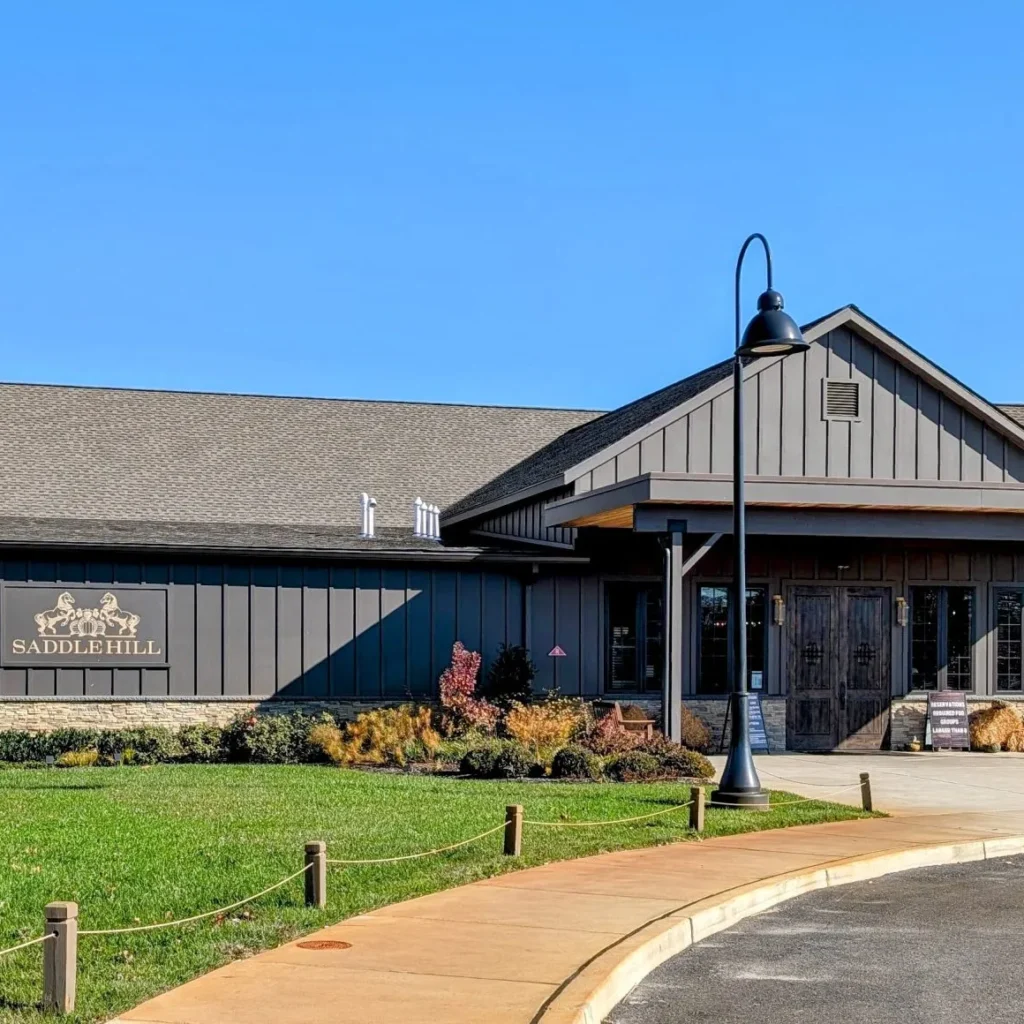
The experience begins before visitors even reach the tasting areas. The landscape itself immediately communicates that this is still an active agricultural property rather than a manufactured tourism environment attempting to imitate rural life. Horses move across the fields again. Alpacas graze quietly near restored sections of the farm. Open land stretches outward in a way that feels increasingly rare within Camden County’s rapidly developed suburban geography.
There is movement. There is texture. There is history embedded visibly throughout the property.
That atmosphere separates Saddlehill from many newer hospitality-driven vineyard developments that prioritize aesthetics over authenticity. Saddlehill feels connected to the agricultural rhythms that shaped the land long before wine production arrived. The vineyard did not erase the farm. It extended it.
That balance between restoration and reinvention has become central to the winery’s identity.
The Greens approached the project not as developers attempting to manufacture nostalgia, but as stewards attempting to reactivate something meaningful. Every aspect of the property reflects that philosophy. Historic structures have been carefully restored. Agricultural activity remains visible throughout the grounds. Community gatherings are integrated naturally into the landscape rather than isolated from it.
And increasingly, the winery has become one of the more distinctive social and cultural gathering spaces in South Jersey.
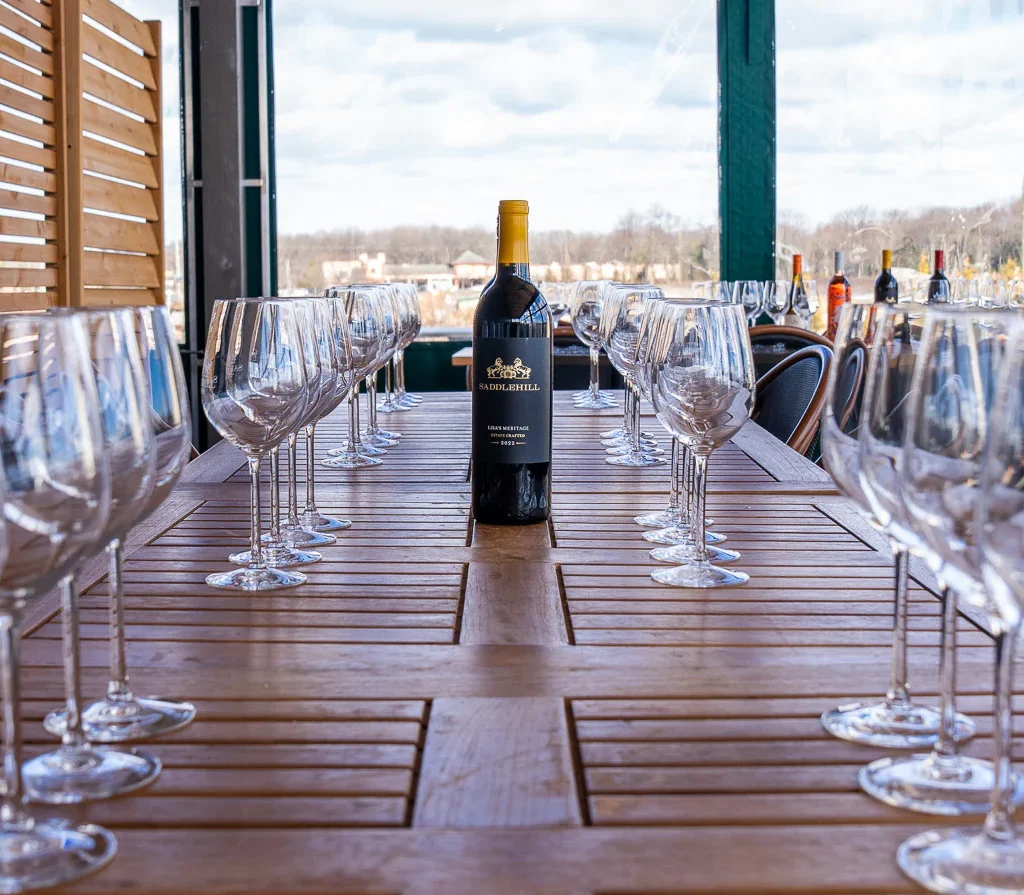
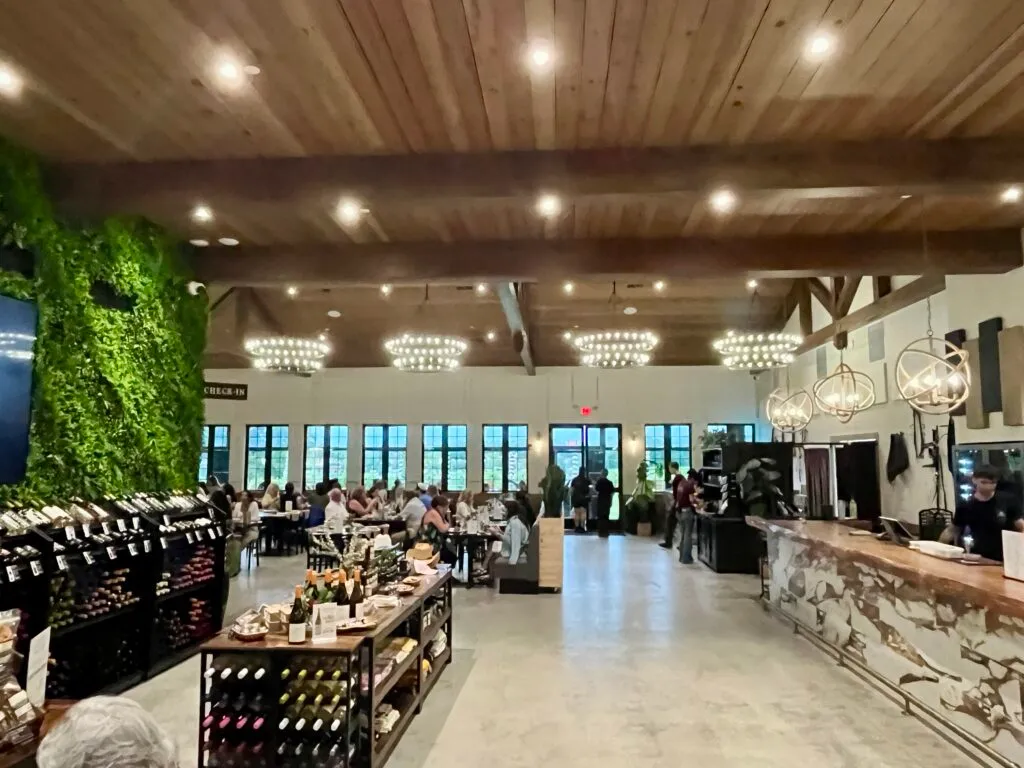
Like many successful modern vineyards, Saddlehill understands that wine alone is no longer the full story. Visitors today seek experiences that feel immersive, communal, and emotionally connected to place. Saddlehill delivers exactly that kind of environment. Families wander the grounds. Guests gather for tastings while overlooking open farmland. Seasonal events bring visitors back repeatedly throughout the year not only for the wines, but for the atmosphere itself.
That atmosphere becomes especially powerful because the setting never feels overly commercialized.
There is still a sense of working land underneath everything happening there.
That authenticity extends directly into the winery’s production philosophy as well.
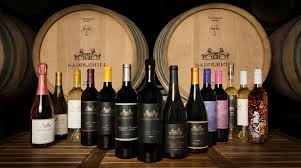
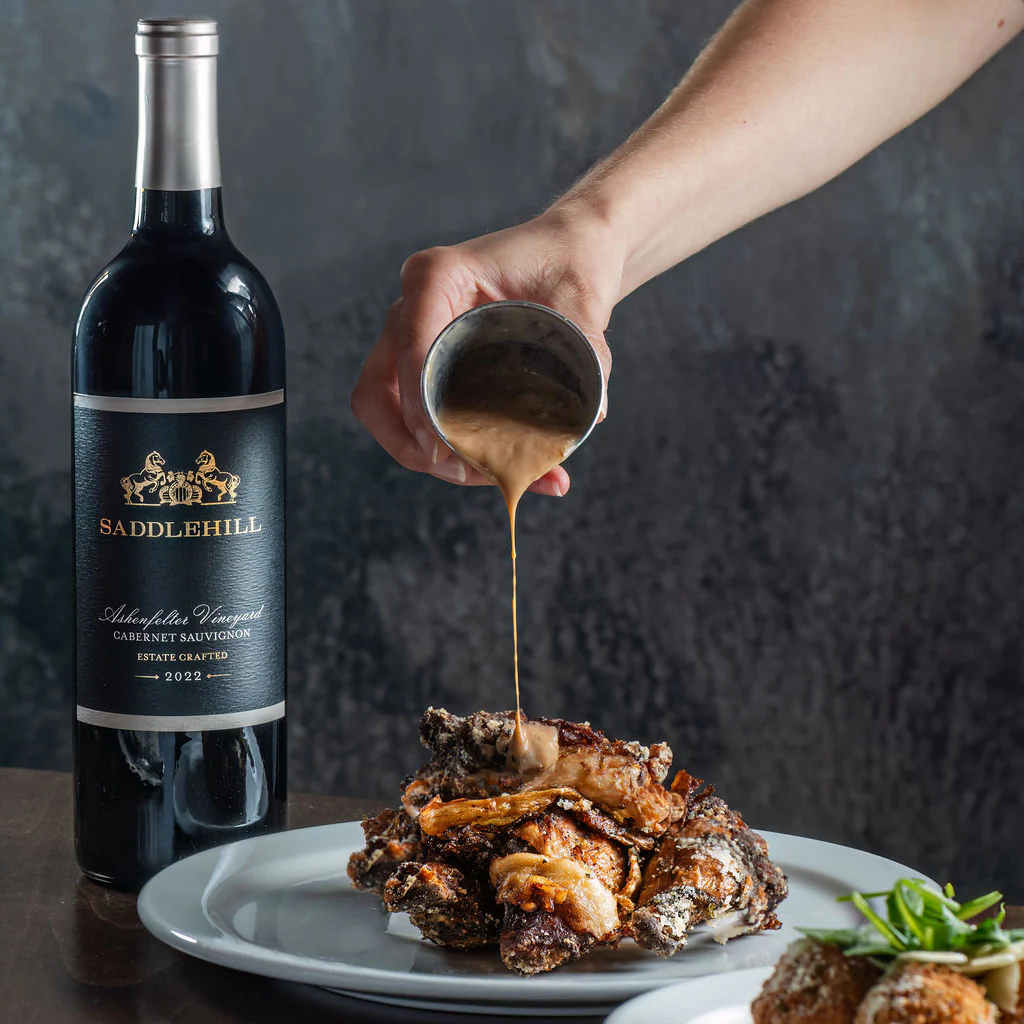
Saddlehill’s wines are crafted to reflect both the terroir of the region and the agricultural personality of the property itself. The vineyard produces a diverse portfolio ranging from bright whites and rosés to fuller-bodied reds that benefit from the fertile South Jersey soil and favorable microclimate surrounding Voorhees. The wines lean into balance, accessibility, and craftsmanship rather than trend-chasing excess, allowing the agricultural identity of the vineyard to remain central to the tasting experience.
Each bottle feels tied to the land around it rather than detached from it.
That connection matters enormously within New Jersey wine culture right now.
For years, East Coast vineyards battled perceptions that quality wine production belonged exclusively to California or Europe. But wineries like Saddlehill are helping redefine that conversation entirely. The modern New Jersey wine movement is no longer built around imitation. Increasingly, the state’s best vineyards are developing identities grounded specifically in local agriculture, regional climate, and community culture.
Saddlehill may embody that evolution more completely than almost any other vineyard in South Jersey because the winery’s entire existence is rooted in preservation rather than reinvention.
The property does not attempt to hide its farming history behind polished branding. Instead, it elevates that history into the core of the experience itself.
Visitors are encouraged to engage with the story of the land. Tastings unfold against the backdrop of restored agricultural spaces. Events become opportunities to reconnect with the idea that farming, food, wine, and community once operated as inseparable parts of everyday life throughout New Jersey.
That emotional connection continues resonating with audiences searching for experiences that feel increasingly difficult to find elsewhere.
Because in a hospitality landscape dominated by interchangeable entertainment concepts, Saddlehill Winery offers something more grounded and lasting. It offers continuity. It offers stewardship. It offers proof that agricultural history can still evolve into something economically sustainable and culturally meaningful without sacrificing authenticity in the process.
And perhaps most importantly, it offers a reminder that New Jersey’s farming identity remains very much alive.
Not frozen in the past, but adapting thoughtfully into the future.
At Saddlehill Winery, that future is already unfolding across the same land where generations worked centuries before, now reimagined through vineyards, gatherings, preservation, and a renewed commitment to keeping New Jersey agriculture connected to the communities around it.












Your source for everything happening in the Garden State. Enjoy live music year-round, skiing, hiking, beaches, rivers, and mountains. Explore New Jersey’s wine scene by visiting top wineries and vineyards offering award-winning wines. Check out reviews and photos of the best places to sip and sample. Love beer? Discover New Jersey’s breweries — currently home to 123 licensed breweries — and explore the highest-rated beers brewed in the state.
© 2026 Explore New Jersey, a Sunset Entertainment & Media Company | 1928 The Woods II - Cherry Hill, New Jersey 08003. All Rights Reserved.