


Every May, New Jersey’s winery industry reaches one of its defining moments of the year. Vineyards begin turning fully green again after winter dormancy. Outdoor tasting spaces reopen across the state. Music returns to patios, lawns, and vineyard stages. The weather softens just enough for long afternoons outdoors to feel restorative rather than rushed. And increasingly, Mother’s Day weekend has evolved into something far larger than a simple holiday brunch reservation. Across New Jersey wine country, it has become a statewide celebration of agriculture, hospitality, live entertainment, culinary culture, and local tourism operating together at full scale.
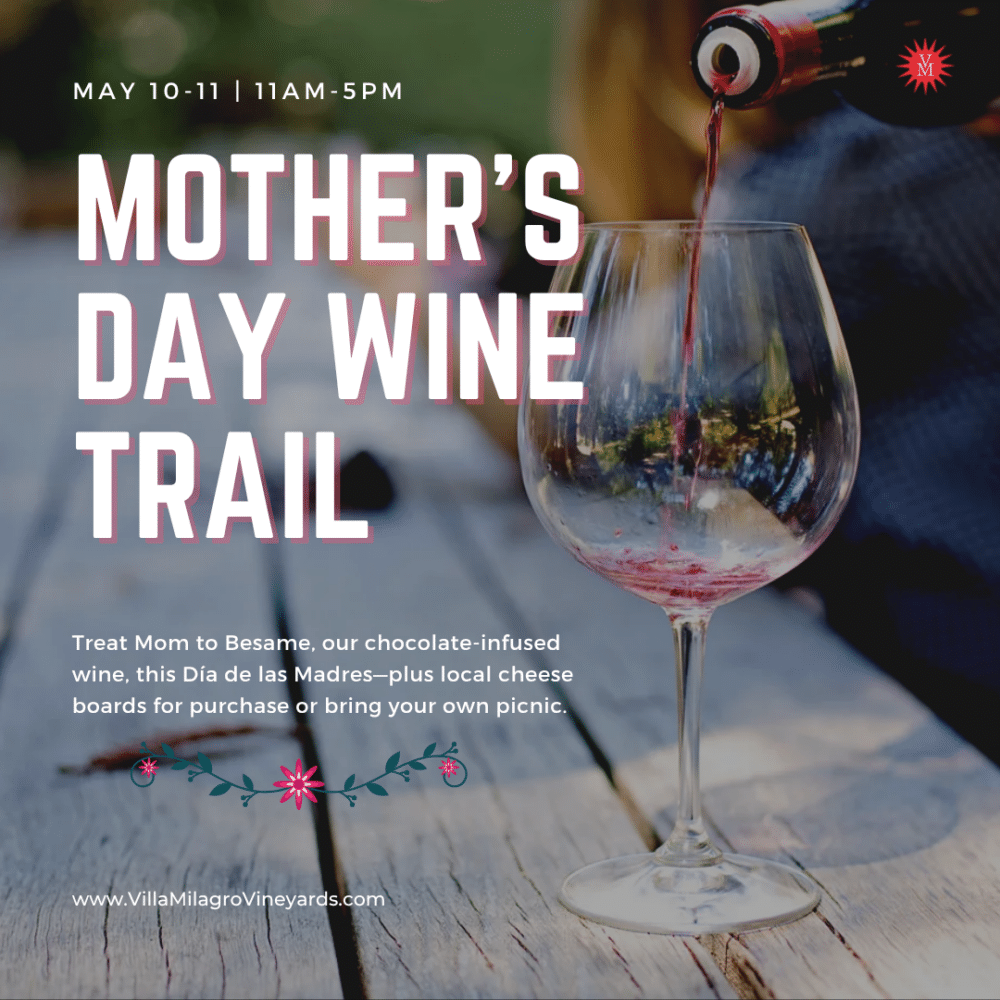
This year’s Mother’s Day Wine Trail Weekend, running May 8 through May 10, may be the largest and most ambitious version yet.
More than 60 wineries across New Jersey are participating in the statewide celebration, transforming vineyard properties throughout the Garden State into destinations for brunches, tasting events, live music performances, floral workshops, food truck festivals, comedy nights, and curated family gatherings designed to highlight just how far New Jersey’s wine industry has evolved over the past two decades.
That growth is impossible to ignore now.
What was once viewed nationally as a niche regional wine scene has steadily matured into one of the Northeast’s most dynamic agricultural tourism industries. Vineyards throughout New Jersey increasingly operate as year-round hospitality destinations rather than seasonal tasting rooms. Many now combine wine production with culinary programming, concerts, private events, educational experiences, outdoor recreation, and large-scale community gatherings that rival wine regions traditionally associated with California, Oregon, Virginia, or the Finger Lakes.
Mother’s Day weekend has become one of the clearest demonstrations of that transformation.
Across the state, wineries are no longer simply offering discounted tastings or standard brunch menus. They are building immersive weekend experiences designed around atmosphere, relaxation, and multi-generational social gatherings that extend far beyond wine itself. For many visitors, the weekend functions less like a single outing and more like a statewide vineyard trail connecting dozens of completely different experiences across North Jersey, Central Jersey, South Jersey, and the shore regions.
At places like Renault Winery, the scale reflects just how sophisticated portions of New Jersey wine tourism have become. Their Mother’s Day brunch service inside the Champagne and Vineyard Ballrooms combines formal dining with resort-style hospitality, blending indoor and outdoor seating experiences across one of the state’s most historic wine properties. Renault’s continued evolution into a luxury hospitality destination reflects the broader upward movement of New Jersey wine tourism overall, where vineyards increasingly function as full-scale lifestyle destinations rather than simple production facilities.
Meanwhile, smaller and more intimate wineries continue embracing a different but equally important version of the experience.
Hopewell Valley Vineyards is offering a more rustic and culinary-driven brunch atmosphere centered around vineyard comfort food, including ricotta pancakes, breakfast-style pizzas, and artisan cheese presentations that lean heavily into the property’s Tuscan-inspired environment. The appeal of places like Hopewell Valley lies partly in their ability to make visitors feel temporarily removed from suburban routines without requiring major travel commitments.
That sense of escape has become central to the success of New Jersey wine culture overall.
Increasingly, residents are searching for experiences that feel immersive without requiring flights, hotels, or major logistical planning. Vineyards have filled that role naturally because they combine landscape, hospitality, food, entertainment, and atmosphere inside settings that remain deeply connected to New Jersey’s agricultural identity.
That relationship between agriculture and experience tourism is especially visible at properties like Terhune Orchards, where the Mother’s Day Wine Trail merges vineyard tastings with orchard scenery, live music, and outdoor family gathering spaces surrounded by century-old apple trees. Terhune’s participation reinforces how interconnected New Jersey’s broader agricultural tourism economy has become, with wineries, orchards, farms, and specialty food producers increasingly operating within the same cultural ecosystem.
Throughout South Jersey, the atmosphere shifts again.
At White Horse Winery, the weekend takes on the feeling of a full-scale spring festival. Live music performances stretch across both days with rotating artists, while food trucks, specialty dessert vendors, charcuterie offerings, coffee setups, breakfast sandwiches, artisan pasta vendors, sourdough bakers, and even dog-friendly treats transform the vineyard into something resembling a temporary culinary village. The event structure reflects how wineries increasingly function as entertainment hubs capable of sustaining entire day-long experiences for visitors.
That broader entertainment model continues reshaping the economics of New Jersey wineries.
Wine remains central, but modern vineyards increasingly understand that hospitality diversity drives long-term customer loyalty. Visitors may initially arrive for tastings, but they return because of atmosphere, social connection, live entertainment, scenery, and the feeling of discovery attached to individual properties.
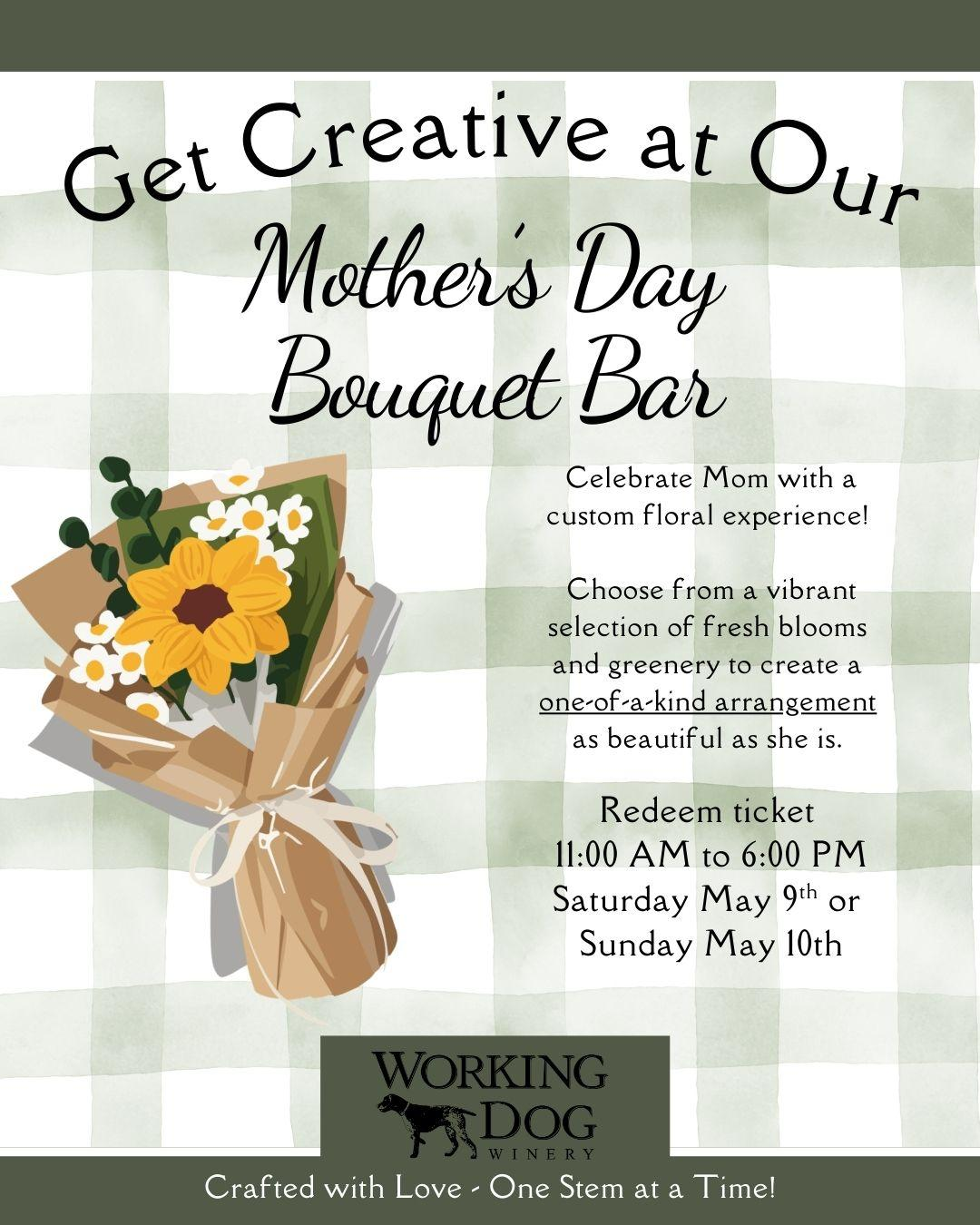
Nowhere is that more visible this weekend than at Working Dog Winery, where the Mother’s Day Bouquet Bar has become one of the more inventive experiences of the entire Wine Trail schedule. Rather than treating the holiday as purely transactional, the winery built an interactive floral workshop allowing guests to create personalized bouquets while spending the afternoon within the vineyard environment. The experience transforms a standard winery visit into something more tactile and emotionally memorable, especially for families and groups looking for alternatives to crowded restaurants or traditional holiday programming.
That creative flexibility is one reason New Jersey wineries continue attracting younger demographics and multi-generational audiences simultaneously.
The industry has become remarkably effective at blending traditional wine culture with more approachable experiential programming. Some visitors arrive seeking Rhône varietal tastings and technical discussions around vintages, while others simply want live music, outdoor seating, and a glass of wine with friends. Increasingly, New Jersey wineries successfully accommodate both audiences at the same time.
Properties like Unionville Vineyards continue emphasizing the production side of the industry during the weekend through specialty releases like the Hunterdon Mistral Series, showcasing the state’s growing confidence in Rhône-style varietals and serious winemaking credibility. At the same time, venues like Old York Cellars demonstrate how vineyards are increasingly blending wine culture with broader entertainment programming through events like Wine & Comedy nights featuring nationally recognized comedians alongside chef-driven dining.
That balance between seriousness and accessibility may ultimately define why New Jersey wine country has grown so dramatically.
The industry no longer operates under the assumption that visitors must already understand wine to enjoy vineyards. Instead, wineries increasingly function as open social spaces where wine acts as both centerpiece and backdrop to larger experiences involving music, food, conversation, scenery, and celebration.
Mother’s Day weekend amplifies all of those dynamics simultaneously.
Live music performances stretch from vineyard patios to lawn stages throughout the state. Food trucks line gravel parking areas beside vines beginning to emerge fully into spring growth. Families gather across picnic tables, outdoor decks, tasting bars, and orchard walkways. Some visitors arrive for formal brunch reservations while others spend entire afternoons moving casually between wineries as part of broader regional tours.
In many ways, the weekend has become a reflection of how fully New Jersey wine culture has matured.
Not as an imitation of other wine regions, but as something increasingly distinctive to the state itself — agricultural but urban-adjacent, refined without excessive pretension, deeply local yet ambitious in scale, and uniquely positioned between farm culture, entertainment culture, and hospitality tourism.
That evolution continues accelerating every year. And during Mother’s Day Wine Trail Weekend, it becomes visible everywhere from the vineyards of Hunterdon County to the wineries of Atlantic, Cape May, Mercer, Warren, Monmouth, and Cumberland Counties. Because what New Jersey has built is no longer simply a collection of wineries. It is an entire statewide wine culture.
















