Home Blog Page 26

FIFA World Cup 2026 Scams Are Already Here: What New Jersey Fans Need to Watch For Before Buying Tickets, Booking Travel, or Logging In

As New Jersey prepares to welcome the world for FIFA World Cup 2026, another international event is already underway—one that has nothing to do with soccer and everything to do with cybercrime. FIFA World Cup 2026 Cybercrime Surge: Why New Jersey Fans Are Becoming Prime Targets for a Global Wave of Scams, Malware, and Account Theft

Long before the first whistle blows and before millions of supporters descend upon the New York-New Jersey region, security researchers, federal investigators, financial institutions, and cybersecurity experts are warning that an unprecedented wave of digital fraud is already targeting World Cup fans. What was expected to become the largest sporting event in history has simultaneously become one of the largest opportunities ever created for online criminals.

The warnings are becoming impossible to ignore.

According to recent cybersecurity investigations, organized criminal networks have launched thousands of fraudulent websites, social media scams, fake ticket marketplaces, banking malware campaigns, and account theft operations designed specifically to exploit the enormous demand surrounding FIFA World Cup 2026. With New Jersey positioned at the center of the global soccer universe and MetLife Stadium set to host some of the tournament’s most important matches, local residents, businesses, visitors, and fans are increasingly finding themselves in the crosshairs of sophisticated cybercriminal organizations operating around the world.

The scale of the problem reflects the scale of the tournament itself.

FIFA World Cup 2026 is expected to be the largest World Cup ever staged. The competition will feature an expanded field of nations, more matches than any previous tournament, and billions of viewers watching from every corner of the globe. Demand for tickets, travel packages, accommodations, hospitality experiences, merchandise, transportation, and event information has reached extraordinary levels.

That demand has created a perfect environment for fraud.

Cybersecurity analysts estimate that more than 150 million ticket requests have been generated for approximately six million available seats throughout the tournament. That massive imbalance between supply and demand has fueled a sense of urgency among supporters desperate to secure tickets, accommodations, and access to once-in-a-lifetime experiences.

Criminal organizations understand this dynamic perfectly.

They know fans are willing to act quickly.

They know supporters fear missing out.

They know many consumers will bypass normal caution when they believe tickets or travel opportunities could disappear within minutes.

As a result, cybercriminals have built an entire underground economy around the World Cup.

One of the most alarming discoveries involves what security researchers have identified as a sprawling network of FIFA-themed phishing operations designed to impersonate legitimate World Cup websites. Investigators have identified thousands of fraudulent domains registered specifically to deceive supporters seeking official information, tickets, accommodations, and tournament services.

At the center of many of these operations is a sophisticated international cybercrime infrastructure that security experts have nicknamed the “Ghost Stadium” network.

Unlike the amateur scams of previous years, these operations are highly professional.

The fraudulent websites replicate official ticketing systems down to the smallest details. Seating charts, venue maps, login screens, purchase confirmations, customer service portals, and checkout processes are recreated with astonishing accuracy. In many cases, the counterfeit websites appear virtually identical to the legitimate platforms they are imitating.

Artificial intelligence has dramatically accelerated the effectiveness of these schemes.

Modern scammers can now generate convincing website copy, customer support responses, promotional materials, and marketing campaigns in seconds. AI-powered tools enable criminals to build professional-looking platforms faster than ever before while maintaining a level of polish that would have required significant resources only a few years ago.

The result is an environment where even experienced internet users can struggle to distinguish legitimate sites from fraudulent ones.

For New Jersey residents planning to attend matches at MetLife Stadium or participate in World Cup-related activities throughout the region, the threat extends far beyond fake ticket sales.

Cybercriminals are increasingly utilizing a tactic known as typosquatting.

This strategy involves registering domain names that closely resemble legitimate websites while incorporating subtle spelling errors that many users fail to notice. A single misplaced letter, an added character, or a slightly altered web address can redirect users to malicious platforms designed to harvest personal information.

Many supporters never realize they have landed on a fraudulent website.

The pages load correctly.

The branding appears authentic.

The logos look official.

The checkout process feels familiar.

By the time victims discover the deception, their financial information may already be compromised.

Social media has emerged as another major battleground.

Security researchers have identified thousands of fraudulent accounts posing as FIFA representatives, ticket brokers, hospitality providers, travel consultants, merchandise vendors, and fan groups. These fake profiles often infiltrate public discussions where supporters exchange information about tickets, accommodations, and match-day planning.

The fraudsters then begin offering “exclusive opportunities,” discounted tickets, premium hospitality access, or limited-time deals that appear impossible to pass up.

Many victims are lured through direct messages.

Others encounter sponsored advertisements.

Some discover fraudulent links shared inside fan communities where trust already exists.

The sophistication of these campaigns continues to increase because scammers understand human psychology as well as they understand technology.

One of the most concerning developments involves credential harvesting.

Many World Cup-themed scams are no longer focused solely on stealing credit card numbers. Instead, attackers increasingly seek access to entire user accounts.

Fake login portals are designed to mimic legitimate FIFA authentication systems. Users attempting to access tickets, update account information, or reset passwords unknowingly provide their credentials directly to cybercriminals.

Once attackers gain access to those accounts, they can steal legitimate tickets, modify account details, lock out rightful owners, and resell purchased inventory on secondary markets.

The consequences extend well beyond a single event.

Many consumers reuse passwords across multiple platforms. A stolen FIFA login may also provide a gateway into email accounts, financial services, streaming platforms, retail accounts, and other sensitive systems.

Security experts are also warning consumers not to rely solely on visual security indicators when browsing websites.

For years, internet users were encouraged to look for the padlock icon that indicates an encrypted connection. Today, cybercriminals routinely obtain security certificates for fraudulent websites, allowing malicious platforms to display the same indicators as legitimate businesses.

In other words, a padlock icon alone no longer guarantees safety.

Perhaps the fastest-growing threat is now occurring on mobile devices.

As fans search for ways to watch matches, receive updates, place sports wagers, access tournament information, or stream live content, cybercriminals are distributing malicious applications disguised as World Cup resources.

Many of these apps appear harmless.

Some advertise free streaming.

Others promise exclusive match coverage.

Some claim to offer real-time statistics, ticket management tools, or betting opportunities.

Behind the scenes, however, these applications may contain advanced banking malware capable of monitoring user activity, capturing passwords, intercepting text messages, recording login credentials, and bypassing security controls.

Once installed, the malware often requests broad device permissions that allow attackers to observe activity without the user’s knowledge.

These attacks are particularly dangerous because they target the same smartphones consumers use for banking, digital wallets, travel reservations, transportation services, and communication.

For World Cup visitors arriving in New Jersey next year, smartphones will likely become the primary tool for navigating transportation systems, accessing tickets, making purchases, locating venues, and coordinating travel plans.

That dependence creates significant opportunities for cybercriminals.

The implications extend beyond individual consumers.

Hotels, restaurants, transportation providers, tourism operators, event organizers, retailers, and hospitality businesses throughout New Jersey are also facing heightened risks.

Cybercriminals frequently target businesses during major events through phishing campaigns, fake vendor invoices, fraudulent reservation requests, business email compromise schemes, and ransomware attacks.

As World Cup preparations accelerate across the region, cybersecurity has become as important as transportation planning, venue readiness, and visitor accommodations.

The New York-New Jersey host region is expected to attract millions of visitors, billions of dollars in economic activity, and unprecedented international attention. That visibility makes the area one of the most attractive targets for digital criminals seeking financial gain.

Yet despite the growing threat, there are practical steps fans can take to protect themselves.

Consumers should verify website addresses carefully before entering personal information, avoid purchasing tickets through unknown sellers, use strong unique passwords, enable multi-factor authentication whenever possible, and download applications exclusively through official app stores.

Unexpected messages promising ticket opportunities, travel discounts, or urgent account actions should always be approached with skepticism.

Supporters should independently verify communications through official channels rather than relying on links embedded in emails, text messages, or social media posts.

Most importantly, fans should remember that urgency is often the scammer’s most powerful weapon.

The pressure to act immediately is frequently the first sign that something is wrong.

The excitement surrounding FIFA World Cup 2026 is unlike anything New Jersey has experienced in generations. The tournament represents a transformational moment for the region, bringing global attention, international visitors, economic growth, cultural exchange, and unforgettable sporting memories.

MetLife Stadium will become one of the focal points of the soccer world.

Communities throughout New Jersey will welcome supporters from dozens of nations.

Businesses across the state will benefit from increased tourism and international exposure.

But as preparations continue, another reality must also be acknowledged.

Cybercriminals have already begun their tournament.

The battle for consumer trust, financial security, and digital safety is underway months before the first match begins.

For New Jersey residents preparing to embrace the excitement of FIFA World Cup 2026, awareness may be the most valuable ticket of all. The world is coming to New Jersey, and while millions of fans will arrive to celebrate the beautiful game, countless scammers are already working overtime to exploit the enthusiasm surrounding it.

The best defense is preparation, vigilance, and understanding that in today’s connected world, protecting your digital identity has become just as important as protecting your ticket to the match.
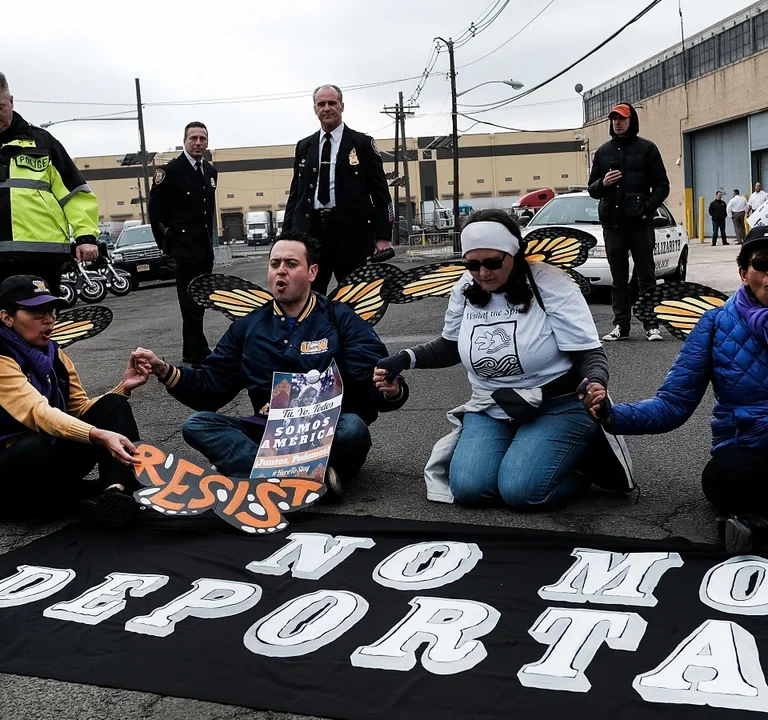

New Jersey Expands Detention Deportation Defense Initiative with $12 Million Investment, Igniting Debate Over Due Process, Immigration Enforcement, and State Priorities

New Jersey has once again placed itself at the center of one of the most consequential public policy debates facing the nation. In a move that is already generating significant discussion among lawmakers, legal advocates, immigration organizations, taxpayers, and residents throughout the state, Governor Mikie Sherrill and Democratic leaders in the Legislature have announced a major expansion of funding for the Detention Deportation Defense Initiative (DDDI), increasing annual support for the program by $12 million.

The announcement raises the total state commitment to the initiative from $8.2 million to $20.2 million annually, representing one of the most significant investments New Jersey has made in immigration-related legal services. The expanded funding is intended to provide free legal representation to low-income New Jersey residents and migrants facing federal immigration detention and deportation proceedings, while simultaneously creating a rapid-response legal network designed to address emergency detention cases throughout the state.

The decision immediately places New Jersey at the forefront of a national conversation about immigration enforcement, due process rights, state involvement in federal immigration matters, public spending priorities, and the role local governments should play in supporting individuals facing removal proceedings.

For supporters, the funding expansion represents a necessary commitment to fairness, constitutional protections, and access to legal representation in an increasingly complex immigration system. For critics, it raises serious questions about taxpayer expenditures, state intervention in federal enforcement activities, and the broader direction of immigration policy.

The significance of the announcement extends far beyond the dollar amount itself. It reflects the growing reality that immigration policy is no longer solely a federal issue. Across the country, states have increasingly become active participants in shaping how immigration laws affect local communities, businesses, schools, healthcare systems, labor markets, and legal institutions.

In New Jersey, a state with one of the largest and most diverse immigrant populations in the nation, those conversations carry particular importance.

The Detention Deportation Defense Initiative was originally established to address a fundamental feature of immigration law that often surprises many Americans. Unlike criminal defendants, individuals facing deportation proceedings in federal immigration court are not guaranteed government-appointed legal counsel. Deportation cases are considered civil proceedings, meaning many detainees must either secure legal representation on their own or attempt to navigate an extraordinarily complex legal system without an attorney.

Supporters of the DDDI argue that this reality creates significant disadvantages for individuals who may have legitimate legal claims but lack the resources necessary to present them effectively.

Under the expanded program, state funding will continue supporting public defenders, legal aid organizations, nonprofit immigration attorneys, and community legal services that provide representation to qualifying individuals facing detention or deportation proceedings.

Advocates argue that access to counsel significantly improves the ability of individuals to understand legal processes, attend court hearings, present evidence, and pursue whatever legal remedies may be available under federal law.

The newly announced funding increase is intended to expand the program’s capacity at a time when state officials report growing demand for legal services associated with federal immigration enforcement activities.

In addition to the funding increase itself, the administration unveiled a new Rapid Legal Response Initiative designed to address emergency detention situations.

The effort will be coordinated through the Department of Human Services’ Office of New Americans, an agency that has increasingly become a focal point for New Jersey’s immigrant support infrastructure.

Under the new framework, attorneys and legal advocates will be able to mobilize more quickly when individuals are detained, pursuing immediate legal remedies that may include emergency court filings, habeas corpus petitions, and other federal legal actions intended to challenge detention circumstances or expedite judicial review.

Supporters describe the initiative as an important safeguard designed to ensure that detainees have meaningful access to the legal system during critical early stages of detention proceedings.

The timing of the expansion is closely connected to ongoing developments in federal immigration enforcement throughout the region.

State officials have specifically referenced increased detention activity and ongoing concerns surrounding operations associated with the Delaney Hall facility in Newark. The facility has become a recurring focal point in debates surrounding immigration detention, enforcement priorities, community impacts, and legal oversight.

As enforcement activity has intensified, advocates argue that demand for legal representation and emergency legal intervention has increased significantly.

The expanded funding is intended to respond directly to those pressures while providing additional resources to organizations already working within the immigration legal system.

Yet while supporters view the investment as an effort to strengthen due process protections, critics see the situation through a very different lens.

The announcement has sparked immediate criticism from conservative organizations, immigration enforcement advocates, and Republican lawmakers who argue that the state is dedicating taxpayer resources toward efforts that effectively undermine federal immigration enforcement.

Critics contend that federal immigration authorities are tasked with enforcing immigration laws enacted by Congress and that state-funded legal programs may create obstacles that delay or complicate enforcement actions.

Some opponents have characterized the initiative as an inappropriate use of public funds, arguing that taxpayer dollars should not be used to finance legal challenges against federal detention and deportation proceedings.

Others question whether the growing financial commitment reflects the priorities of New Jersey residents who are simultaneously facing concerns related to housing affordability, property taxes, transportation infrastructure, healthcare costs, education funding, and public safety.

Those criticisms have become central to a broader political debate unfolding throughout New Jersey and across the nation.

Immigration policy remains one of the most divisive issues in American politics, with sharp disagreements emerging over enforcement strategies, border security, legal immigration pathways, asylum procedures, detention practices, and the role of state governments in responding to federal actions.

The DDDI expansion has become the latest example of how those national debates increasingly play out at the state level.

Supporters counter that the issue is not fundamentally about immigration policy but rather about legal fairness.

Organizations advocating for the expansion argue that access to counsel is a cornerstone of any functioning justice system and that immigration courts present legal challenges that are often impossible for unrepresented individuals to navigate effectively.

They note that immigration law has become one of the most complex areas of American jurisprudence, involving extensive federal statutes, regulations, judicial decisions, administrative procedures, and evolving policy interpretations.

From that perspective, providing legal representation helps ensure that proceedings operate as intended while protecting constitutional principles related to due process and access to justice.

The debate also reflects a larger question that New Jersey policymakers have increasingly confronted in recent years: what responsibilities do states have when federal policies directly affect local communities?

As immigration enforcement actions impact families, employers, schools, healthcare providers, and municipalities, state governments frequently find themselves navigating the intersection of federal authority and local consequences.

New Jersey’s approach has often emphasized integration, legal assistance, community outreach, and institutional support for immigrant populations. The expansion of the DDDI continues that broader policy direction while simultaneously intensifying political disagreements over its implementation.

Beyond the immediate political arguments, the funding increase represents a substantial operational expansion that will likely influence legal services throughout the state.

Additional attorneys, support staff, community organizations, and legal resources will be needed to accommodate the expanded mission. The initiative may also influence how legal aid providers coordinate services, respond to emergency cases, and interact with federal detention systems moving forward.

As implementation begins, policymakers, advocates, and critics alike will closely monitor the program’s outcomes.

Questions regarding case volume, legal success rates, operational efficiency, financial accountability, and broader community impacts will likely shape future discussions about the initiative’s effectiveness and long-term sustainability.

For New Jersey residents, the announcement serves as another reminder that immigration policy remains deeply intertwined with questions about governance, public investment, constitutional protections, and community identity.

The expanded Detention Deportation Defense Initiative is not merely a budget item. It represents a significant policy statement about how New Jersey intends to engage with one of the defining legal and political issues of our time.

Whether viewed as a critical defense of due process rights or as a controversial use of taxpayer resources, the $12 million expansion ensures that the conversation surrounding immigration enforcement, legal representation, and state involvement will remain at the forefront of public debate throughout the coming year.

As New Jersey moves forward with implementation, the program’s impact will be measured not only through legal outcomes but through its broader influence on the continuing discussion over fairness, enforcement, public policy, and the evolving relationship between state and federal authority in modern America.

Morristown Jazz & Blues Festival 2026 Unveils Full Lineup: A Daylong Celebration of Jazz, Blues, Soul, Latin Rhythms, and New Jersey’s Vibrant Music Culture

New Jersey’s summer festival season continues to showcase why the Garden State remains one of the most dynamic cultural destinations in the Northeast, and few events embody that spirit more completely than the annual Morristown Jazz & Blues Festival. Returning to the historic Morristown Green on Saturday, August 15, 2026, the beloved festival will once again transform the heart of downtown Morristown into a destination for world-class live music, community celebration, and artistic excellence.

Morristown Mayor Tim Dougherty has officially announced the lineup and performance schedule for this year’s event, which remains one of New Jersey’s premier free music festivals. Beginning at noon and continuing through 10:00 PM, audiences will experience ten hours of exceptional performances spanning traditional jazz, Latin jazz, rhythm and blues, soul, big band classics, and contemporary blues, culminating with a prime-time headlining performance that will be announced closer to the festival date.

The scheduled performances and stage times are organized sequentially throughout the day:

  • 12:00 PM – 1:30 PM | James Langton New York All-Star Big Band featuring Dan Levinson: Kicking off the festival with traditional, sweeping big band arrangements and classic jazz standards.
  • 2:00 PM – 3:30 PM | Richard Baratta Gotham City Latin/Jazz Septet: Bringing syncopated Afro-Cuban rhythms and contemporary Latin-infused jazz structures to the Green.
  • 4:00 PM – 5:30 PM | LaBamba and the Hubcaps: Led by the legendary Southside Johnny/Conan O’Brien trombonist Richie “LaBamba” Rosenberg, delivering a powerhouse blend of rock, soul, and rhythm & blues.
  • 6:00 PM – 7:30 PM | Dylan Triplett: The rising young soul-blues vocal phenom from St. Louis taking the stage to showcase his incredible multi-octave vocal range.
  • 8:00 PM – 9:30 PM | Headlining Act: The final closing performer for the prime-time night slot will be announced by the festival coordinators closer to the event date.

Festival Logistics:

  • Admission: Completely free to the public; no tickets or entry passes are required.
  • Seating: Lawn seating only. Attendees are encouraged to bring their own lawn chairs or blankets.
  • Rain Policy: The festival takes place rain or shine.

For music lovers throughout New Jersey and beyond, the Morristown Jazz & Blues Festival has become far more than a concert. It has evolved into a signature cultural event that draws visitors from across the region while highlighting the enduring power of live music to unite communities. Set against the backdrop of one of New Jersey’s most historic downtown districts, the festival offers a unique blend of artistry, accessibility, and tradition that continues to attract thousands of attendees each year.

The 2026 edition carries special meaning as organizers continue their tradition of honoring festival founders Linda Smith and Michael Fabrizio, whose contributions helped establish the event as one of the state’s most respected music gatherings. Their dedication to creating a free, community-centered celebration of music continues to shape the festival’s mission and identity. Since their passing in June 2021, the event has served as a living tribute to their vision, ensuring that future generations can experience the joy and cultural enrichment that live music brings to a community.

The day’s musical journey begins at noon with a performance that pays homage to the rich history of American jazz.

Opening the festival from 12:00 PM until 1:30 PM will be the James Langton New York All-Star Big Band featuring Dan Levinson. Known for preserving and celebrating the golden era of big band music, the ensemble brings together accomplished musicians dedicated to the timeless sounds that helped define twentieth-century American culture.

Festival attendees can expect an afternoon-opening performance filled with sweeping arrangements, sophisticated orchestrations, and beloved jazz standards that evoke the elegance and excitement of the big band era. Featuring the acclaimed clarinet and saxophone talents of Dan Levinson, the performance promises to transport audiences back to a period when jazz orchestras dominated dance halls, radio broadcasts, and concert stages across America.

The opening set provides the perfect foundation for a festival dedicated to honoring the many branches of jazz and blues while showcasing the enduring relevance of these musical traditions.

At 2:00 PM, the festival’s energy shifts toward vibrant international influences as the Richard Baratta Gotham City Latin/Jazz Septet takes the stage through 3:30 PM.

Known for blending sophisticated jazz structures with Afro-Cuban rhythms, Latin percussion, and contemporary improvisation, the ensemble represents the ongoing evolution of jazz as a global art form. Their performance will introduce audiences to the rich intersections between traditional jazz and Latin musical traditions, creating an atmosphere filled with infectious rhythms, intricate musicianship, and dynamic arrangements.

Latin jazz remains one of the most exciting and influential subgenres within the broader jazz world, and the Gotham City Latin/Jazz Septet’s appearance highlights the festival’s commitment to presenting diverse interpretations of the genre. Their performance is expected to bring a vibrant energy to the Green while showcasing the rhythmic complexity and cultural richness that have made Latin jazz a beloved style among musicians and audiences alike.

As the afternoon transitions into evening, one of New Jersey’s most recognizable musical personalities takes center stage.

From 4:00 PM until 5:30 PM, Richie “LaBamba” Rosenberg and LaBamba and the Hubcaps will deliver what promises to be one of the festival’s most energetic and crowd-pleasing performances.

For generations of music fans, Rosenberg has been a familiar figure through his work with Southside Johnny and the Asbury Jukes, as well as his long-running appearances alongside Conan O’Brien. His contributions to the Jersey Shore music scene have earned him legendary status, and his presence at the Morristown Jazz & Blues Festival underscores the event’s deep connection to New Jersey’s rich musical heritage.

LaBamba and the Hubcaps are known for blending rock and roll, classic soul, rhythm and blues, and horn-driven arrangements into an explosive live experience that celebrates the traditions of American popular music. Their performances are filled with personality, musicianship, and infectious enthusiasm, creating the kind of communal atmosphere that transforms concerts into celebrations.

For New Jersey audiences, Rosenberg’s appearance represents more than another festival performance. It is an opportunity to experience a musician whose career has become intertwined with some of the most important chapters in the state’s musical history.

As evening approaches, the spotlight shifts toward one of the most exciting emerging voices in contemporary blues and soul music.

From 6:00 PM until 7:30 PM, Dylan Triplett will bring his extraordinary vocal talents to the Morristown Green. Widely recognized as one of the most promising young performers in the blues world, Triplett has earned acclaim for a voice that combines remarkable technical ability with emotional depth far beyond his years.

His multi-octave vocal range allows him to move effortlessly between soaring soul ballads, gritty blues performances, and powerful contemporary interpretations that connect with audiences of all ages. Triplett represents the future of blues music while honoring the traditions that shaped the genre.

His appearance at the festival offers attendees a chance to witness an artist whose career continues to gain momentum on the national stage. As blues music evolves and finds new audiences, performers like Triplett play an essential role in ensuring that the genre remains vibrant, relevant, and emotionally resonant.

The final performance slot of the evening belongs to a headlining artist whose identity will be revealed closer to the festival date.

Scheduled from 8:00 PM until 9:30 PM, the headliner will close the festival with a prime-time performance designed to cap off an extraordinary day of music. While organizers have yet to announce the artist, anticipation is already building among festival attendees eager to learn who will take the stage in the coveted closing position.

Historically, the Morristown Jazz & Blues Festival has earned a reputation for securing exceptional talent, and expectations remain high that the final announcement will further elevate an already impressive lineup.

Beyond the music itself, one of the festival’s greatest strengths remains its accessibility. Unlike many large-scale music events that require expensive tickets and complicated planning, the Morristown Jazz & Blues Festival remains completely free to attend.

No admission tickets, reservations, or entry passes are required. Visitors simply arrive, find a spot on the Green, and immerse themselves in a full day of live music. This commitment to accessibility reflects the festival’s founding vision of bringing high-quality arts programming directly to the public.

Attendees are encouraged to bring lawn chairs, blankets, and other seating essentials, as the event features lawn seating throughout the festival grounds. The relaxed, outdoor environment contributes significantly to the event’s appeal, creating a welcoming atmosphere where families, music enthusiasts, and visitors can enjoy performances at their own pace.

The festival will proceed rain or shine, ensuring that audiences can count on a full day of entertainment regardless of weather conditions.

For Explore New Jersey readers, the Morristown Jazz & Blues Festival stands as one of the state’s most compelling examples of how music, community, and culture intersect to create meaningful experiences. The event celebrates not only extraordinary performers but also the broader role that arts and culture play in strengthening communities and enriching lives.

Morristown itself provides the perfect setting for such a gathering. Its historic streets, vibrant downtown, acclaimed restaurants, boutique shops, and cultural attractions create an environment that encourages visitors to spend the entire day exploring everything the community has to offer. The festival serves as both a destination event and a showcase for one of New Jersey’s most vibrant downtown districts.

As August approaches, anticipation continues to build for what promises to be another memorable chapter in the festival’s history. With an impressive lineup spanning multiple styles and generations of music, a commitment to honoring its founders, and a welcoming atmosphere that reflects the best of New Jersey’s cultural spirit, the 2026 Morristown Jazz & Blues Festival is positioned to deliver one of the summer’s most rewarding live music experiences.

From the elegance of big band jazz and the rhythmic excitement of Latin influences to the energy of Jersey Shore soul, the power of modern blues, and a yet-to-be-announced headliner, the festival offers something for every music lover. More importantly, it continues a tradition that celebrates community, creativity, and the timeless ability of great music to bring people together.

On August 15, the Morristown Green will once again become the center of New Jersey’s musical universe, welcoming thousands of visitors for a day dedicated to the sounds, stories, and shared experiences that make live music one of life’s greatest pleasures.

You can hear live jazz 24/7 on The Improv Cafe’!

ParkStage Arrives in Freehold: New Outdoor Concert Destination Signals a Major Expansion of New Jersey’s Live Entertainment Landscape

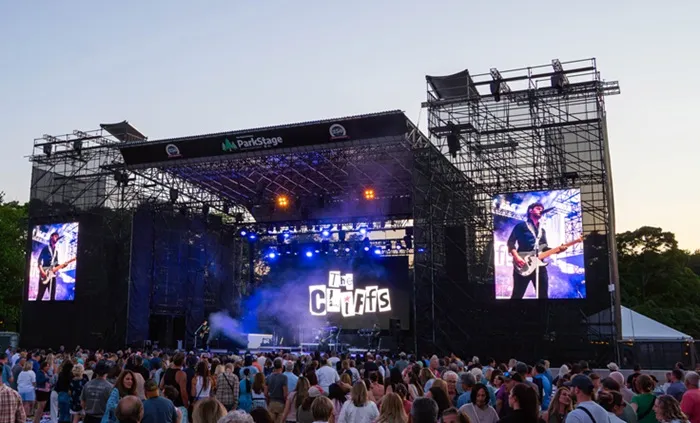
New Jersey’s live music scene has long been one of the most vibrant and influential in America. From legendary clubs along the Jersey Shore to major arenas, performing arts centers, amphitheaters, and festival grounds, the Garden State has consistently punched above its weight as a destination for world-class entertainment. Now, Monmouth County is adding a significant new chapter to that story with the arrival of ParkStage at East Freehold Showgrounds, an ambitious outdoor concert venue that officially introduced itself to thousands of fans during a successful soft opening on June 3.

The debut event featured two beloved New Jersey acts, The Cliffs and The Sensational Soul Cruisers, drawing a large crowd eager not only to enjoy a night of music but also to experience the region’s newest entertainment destination. For many attendees, the evening represented a first glimpse into what could become one of the state’s premier seasonal concert venues.

The evening’s celebration of New Jersey music was elevated by standout performances from two beloved Garden State acts that have spent years building loyal followings throughout the region. Opening the festivities, The Cliffs brought their trademark energy and versatility to the stage, delivering a crowd-pleasing set that showcased why the Red Bank-based eight-piece ensemble remains one of the most sought-after live bands in the state. Seamlessly moving through decades of popular music, from classic hits of the 1960s to contemporary chart-toppers, The Cliffs created an atmosphere that immediately transformed the venue into a full-scale celebration, with audiences singing, dancing, and embracing the spirit of the night from the very first song.

The momentum only intensified when The Sensational Soul Cruisers took the stage. Led by legendary Jersey Shore saxophonist Screamin’ Steve Barlotta, the acclaimed 11-member horn-driven group delivered the electrifying blend of soul, Motown, R&B, and classic showmanship that has made them a New Jersey institution. Their signature “Soultown to Motown” presentation combined flawless musicianship, synchronized choreography, and infectious enthusiasm, reminding audiences why they continue to draw devoted fans throughout the Northeast. The performance captured everything that has defined the band’s enduring success: timeless songs, exceptional talent, and an ability to create genuine moments of joy that bring audiences together. By the end of their set, the crowd was fully immersed in the experience, proving once again why The Sensational Soul Cruisers remain one of the premier live acts to emerge from the Jersey Shore music scene.

The project is the result of a partnership between the Count Basie Center for the Arts and Monmouth County Tourism, bringing together two organizations with a shared vision of expanding cultural opportunities while strengthening the county’s position as a major entertainment and tourism hub.

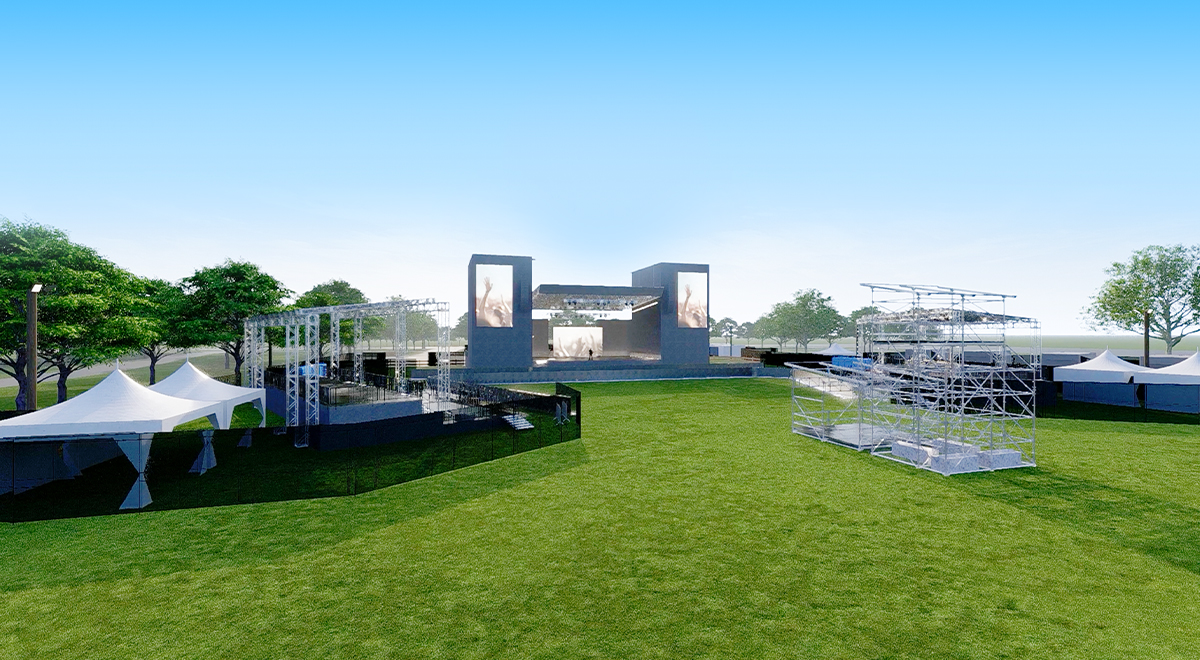
With a capacity of approximately 8,500 guests, ParkStage immediately enters the conversation as one of New Jersey’s most intriguing new outdoor venues. Located at the East Freehold Showgrounds, the site combines accessibility, flexibility, and a large open-air environment capable of hosting a diverse range of concerts, festivals, family entertainment events, and cultural gatherings.

Its opening arrives during a period of continued growth for New Jersey’s live events industry. Across the state, audiences have demonstrated a strong appetite for outdoor experiences, particularly those that combine music, community, and destination-style programming. ParkStage appears specifically designed to capitalize on that trend while offering something unique within Monmouth County’s entertainment ecosystem.

The venue’s layout emphasizes a festival-style atmosphere rather than a traditional amphitheater configuration. While designated VIP seating areas provide premium viewing options, the majority of the venue embraces an open-field experience that encourages movement, exploration, and social interaction.

Guests are permitted to bring collapsible stools, cane seats, blankets, towels within approved size guidelines, and baby strollers, creating a comfortable environment for families and concertgoers seeking a relaxed outdoor experience. Lawn chairs are generally prohibited, though select events may permit them depending on production requirements. Parking is available free of charge, making the venue particularly attractive for regional audiences looking for an accessible alternative to larger metropolitan concert facilities.

One of the most notable aspects of ParkStage’s debut is the sheer variety of programming already scheduled during its inaugural season.

Rather than focusing on a single genre, organizers have assembled a diverse lineup that reflects the broad musical tastes found throughout New Jersey. Rock, jam bands, Americana, country, orchestral experiences, classic pop, tribute acts, alternative music, and family-friendly entertainment all have a place on the calendar.

The season officially launches on June 19 with one of the summer’s most anticipated concerts as Sublime takes the stage alongside The Movement, and Codefendants. The event serves as a fitting opening statement for the venue, bringing together artists with deep roots in alternative rock, reggae, punk, and surf-inspired culture. The combination is expected to attract fans from throughout New Jersey, New York, Pennsylvania, and beyond.

Just one day later, the venue pivots into another iconic corner of music history with Dark Star Orchestra. Widely regarded as one of the premier Grateful Dead tribute experiences in the world, the group continues to attract devoted audiences through its faithful recreations of classic Dead performances. Their appearance reflects New Jersey’s enduring connection to improvisational music, festival culture, and the broader jam-band community.

That connection continues on June 21 with one of the strongest multi-act bills of the season. Umphrey’s McGee, moe., Pigeons Playing Ping Pong, and Lotus bring together four major names in contemporary improvisational music. For many fans, this lineup alone demonstrates ParkStage’s commitment to becoming a meaningful player within the national touring landscape rather than simply functioning as a local concert venue.

The momentum continues on June 26 when The Head and the Heart arrive with support from Wilderado. Their appearance highlights the venue’s ability to attract nationally recognized touring acts while offering audiences a more intimate alternative to larger stadium or arena environments.

The Independence Day holiday weekend provides another major showcase for the venue’s ambitions.

On July 3, ParkStage presents a distinctly New Jersey celebration led by Little Steven and the Disciples of Soul. The event also features Jake Clemons, Joe Grushecky and the Houserockers, Gary U.S. Bonds, Low Cut Connie, and The Weeklings. Few concerts better capture the spirit of New Jersey’s musical heritage than a lineup built around rock-and-roll traditions, Shore influences, and artists with deep regional ties.

One of the season’s most unique offerings arrives on July 10 with “America’s Wonders: An Immersive 3D Orchestra Experience.” The event represents a departure from traditional concert programming, blending orchestral performance with advanced visual technology. Organizers have even adjusted venue policies to accommodate the experience, allowing lawn chairs specifically for this presentation.

The following evening shifts gears once again as The B-52s and The English Beat bring decades of new wave, alternative, and dance-rock classics to Freehold. Both groups remain highly regarded live performers, and their appearance adds another layer of diversity to the venue’s opening season.

Country music fans receive their own major event on July 30 when Brantley Gilbert headlines a performance expected to draw audiences from across the region. His blend of country, Southern rock, and contemporary Nashville influences reflects the growing popularity of country music throughout New Jersey and the Northeast.

The next night features one of the most critically acclaimed singer-songwriters of his generation as Jason Isbell and the 400 Unit arrive alongside Patty Griffin. Their appearance provides a showcase for thoughtful songwriting, Americana traditions, and musicianship that appeals to both longtime fans and newer audiences discovering the genre.

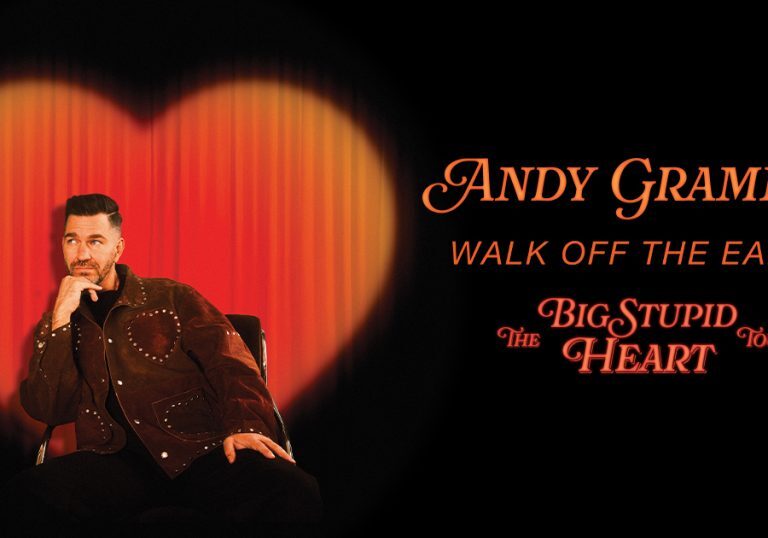
Later in the month, Andy Grammer and Walk Off the Earth continue the venue’s family-friendly approach with an upbeat concert expected to attract multi-generational crowds.

August opens with another standout performance as Lake Street Dive and The Dip bring their unique blend of soul, jazz, pop, and funk-infused energy to the stage. Their broad appeal reflects the increasingly genre-fluid nature of modern live music audiences.

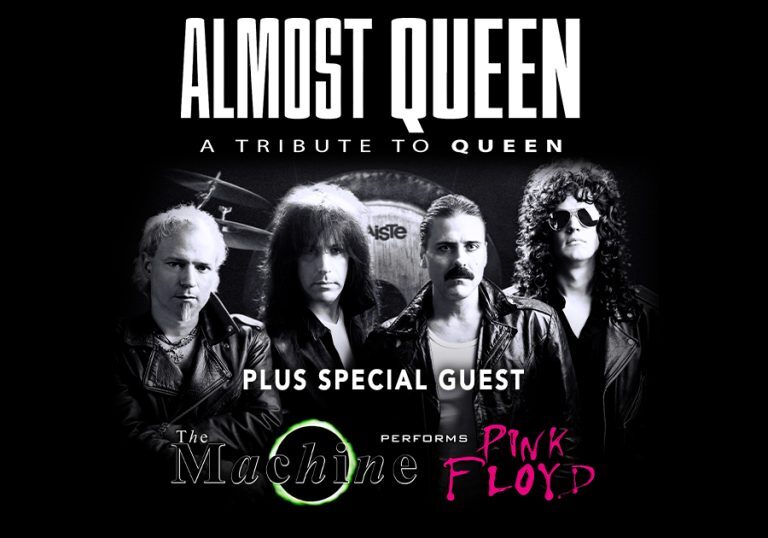
The inaugural season concludes in September with a celebration of classic rock history. Almost Queen and The Machine pay tribute to two of the most influential bands ever to grace a concert stage, delivering performances dedicated to the music of Queen and Pink Floyd. For many attendees, the event promises a nostalgic yet powerful finale to ParkStage’s first summer.

Beyond individual concerts, ParkStage represents something larger for Monmouth County.

The venue demonstrates how entertainment, tourism, and economic development increasingly intersect. Large-scale events generate activity for local restaurants, hotels, retailers, transportation providers, and hospitality businesses. Every concert brings visitors into the community, creating economic benefits that extend far beyond ticket sales.

Its location at East Freehold Showgrounds further enhances that impact. The property has long served as an important gathering place for residents and visitors alike. The Monmouth County Fair will once again return to the grounds from July 22 through July 26, ensuring the site continues serving multiple community functions throughout the year.

This dual-purpose approach strengthens the venue’s long-term viability while preserving one of Monmouth County’s most recognizable public event spaces.

Perhaps most importantly, ParkStage arrives at a moment when New Jersey continues establishing itself as one of America’s leading destinations for live entertainment. The state already boasts world-class venues ranging from intimate clubs and historic theaters to major arenas and festival grounds. The addition of a modern outdoor concert destination in Freehold expands those options while providing artists with another attractive stop between New York City, Philadelphia, and the broader Mid-Atlantic region.

For music fans, the significance is even simpler.

A new venue means new opportunities to experience live performance under summer skies, discover artists across multiple genres, gather with friends and family, and participate in the shared excitement that only live music can create.

Judging by the turnout for the June 3 soft opening, audiences have already embraced the concept.

Thousands came not only to hear music but also to see what the future might hold for this new destination. What they found was a venue with ambition, flexibility, and a clear commitment to delivering memorable experiences.

As the first full season begins, ParkStage appears poised to become much more than a temporary summer attraction. It has the potential to become a permanent fixture in New Jersey’s entertainment landscape, bringing nationally recognized artists, economic activity, cultural programming, and unforgettable nights of live music to Freehold for years to come.

Almost Queen with special guest The Machine, performing Pink Floyd

0

Almost Queen and The Machine Bring the Legendary Sounds of Queen and Pink Floyd to New Jersey for an Unforgettable Night of Rock History

August 22 @ 7:00 PM 11:30 PM

Here’s a publication-ready Explore New Jersey feature article.

There are tribute concerts, and then there are musical experiences so immersive, authentic, and emotionally powerful that they transcend the tribute label altogether. This September, New Jersey music fans will have the opportunity to witness one of those rare events when Almost Queen joins forces with The Machine for a spectacular evening celebrating two of the most influential bands in rock history. Set for Friday, September 4 at 7:00 PM, this highly anticipated concert promises a night filled with timeless songs, extraordinary musicianship, theatrical production, and a celebration of the enduring legacies of Queen and Pink Floyd.

For generations of music lovers, the catalogs of Queen and Pink Floyd represent more than collections of hit songs. They are cultural landmarks that helped define multiple eras of popular music while influencing countless artists who followed. Their music continues to resonate decades after its creation because it speaks to something universal—ambition, imagination, individuality, emotion, and the limitless possibilities of artistic expression.

This special New Jersey performance offers audiences a chance to experience those songs in a live setting that honors the spirit, energy, and artistry of the original bands while bringing a fresh sense of excitement to every performance.

At the center of the evening stands Almost Queen, a band widely regarded as one of the most respected and accomplished Queen tribute acts in the world. Their reputation has been built not merely on recreating Queen’s music but on capturing the magic that made Queen one of the greatest live bands ever assembled.

Queen’s influence on modern music is virtually impossible to overstate. The legendary group transformed the boundaries of rock music through fearless experimentation, operatic ambition, unparalleled musicianship, and the once-in-a-generation vocal talents of Freddie Mercury. Their songs remain staples of radio playlists, sporting events, films, television shows, and concert arenas around the globe.

Recreating that experience requires more than technical skill. It requires an understanding of what made Queen unique in the first place.

Almost Queen approaches that challenge with remarkable dedication. Every element of their performance is carefully crafted to transport audiences into the world of Queen’s legendary live shows. From authentic costumes and stage presentation to the intricate vocal harmonies and musical arrangements that defined Queen’s sound, the band’s commitment to detail is evident from the opening note to the final encore.

One of the most remarkable aspects of Queen’s music was its complexity. Songs frequently shifted styles, tempos, and moods while maintaining an unmistakable identity. Reproducing those arrangements live demands exceptional musicianship, and Almost Queen consistently delivers performances that capture the precision and grandeur of the originals.

Their concerts feature many of the songs that helped make Queen a global phenomenon. Audiences can expect soaring renditions of beloved classics such as “Somebody to Love,” “Don’t Stop Me Now,” “Fat Bottomed Girls,” and “Radio Ga Ga,” each performed with the energy and enthusiasm that made the originals unforgettable.

Of course, no Queen celebration would be complete without the songs that have become part of rock-and-roll history itself. “Bohemian Rhapsody,” “We Will Rock You,” and “We Are the Champions” continue to unite audiences across generations, creating moments of collective celebration that few songs in popular music can rival.

What separates Almost Queen from many tribute acts is its willingness to dig deeper into the band’s catalog. In addition to the biggest hits, fans are often treated to beloved album tracks and hidden gems that showcase Queen’s extraordinary range as songwriters and performers. These selections provide longtime fans with surprises while introducing newer audiences to corners of the catalog they may have never explored.

The result is a concert experience that feels both familiar and fresh, honoring Queen’s most iconic moments while celebrating the full breadth of their musical legacy.

As impressive as the Queen portion of the evening promises to be, the night reaches even greater heights with the addition of The Machine, whose dedication to preserving and celebrating the music of Pink Floyd has earned widespread acclaim across multiple decades.

For nearly four decades, The Machine has stood as one of the premier interpreters of Pink Floyd’s music, bringing the legendary band’s groundbreaking soundscapes and expansive compositions to audiences around the world. Their longevity speaks not only to the quality of their performances but also to the enduring power of Pink Floyd’s music itself.

Pink Floyd occupies a unique place in rock history. Their work blended progressive rock, experimental sound design, philosophical themes, visual innovation, and emotional storytelling into a body of work that continues to influence musicians across every genre. Albums such as The Dark Side of the Moon, Wish You Were Here, Animals, Meddle, and The Wall remain among the most celebrated recordings ever created.

Performing this music successfully requires both technical mastery and emotional understanding. Pink Floyd’s compositions often rely on atmosphere, subtle dynamics, improvisation, and sonic texture as much as melody and rhythm. The Machine has spent decades perfecting that balance.

Their performances explore the full depth of Pink Floyd’s fifteen-album catalog, combining beloved classics with lesser-known treasures that showcase the remarkable breadth of the band’s creative output. Audiences can expect soaring guitar passages, expansive keyboard textures, powerful vocal performances, and immersive arrangements that faithfully recreate the spirit of the original recordings.

Yet The Machine is not content merely to replicate what came before.

The band’s performances embrace the improvisational spirit that defined Pink Floyd during its formative years while incorporating the theatrical elements and visual grandeur associated with the group’s later stadium-era productions. Elaborate lighting, carefully designed stage presentations, and dynamic musical interpretation combine to create an experience that feels both authentic and alive.

One of The Machine’s most celebrated traditions involves recreating complete Pink Floyd albums during special performances. They are also known for accepting audience requests and developing unique setlists that explore every corner of the Floyd universe. Their innovative “A to Z” performances, featuring songs representing every letter of the alphabet, have become legendary among devoted fans.

Over the years, The Machine’s reputation has carried them to prestigious venues, renowned festivals, and sold-out theaters throughout North America, Europe, and Asia. Their performances alongside major symphony orchestras have further demonstrated the timeless sophistication of Pink Floyd’s music and the band’s ability to bring those compositions to life in diverse settings.

Today’s lineup continues that legacy with a group of musicians deeply committed to honoring the music while preserving the spirit that made it timeless. Founding member Tahrah Cohen remains a driving force behind the band’s continued success, joined by longtime collaborators Scott Chasolen and Ryan Ball, along with bassist and vocalist Chris DeAngelis.

Together, they continue a journey that began decades ago while paying tribute to co-founder Joe Pascarell, whose influence remains woven into the identity of the band.

For New Jersey music fans, this concert represents far more than a night of nostalgia. It is an opportunity to experience two extraordinary musical legacies in a live setting designed to celebrate the artistry, innovation, and cultural impact of Queen and Pink Floyd.

The Garden State has long been one of America’s most passionate live music markets, supporting generations of legendary artists and welcoming some of the world’s most iconic performers. New Jersey audiences have consistently demonstrated an appreciation for musicianship, authenticity, and performances that offer more than simple entertainment.

This event delivers all of those qualities in abundance.

Almost Queen and The Machine understand that the music they perform carries deep emotional significance for audiences. These songs are woven into personal memories, life milestones, family traditions, and cultural history. Their performances honor that connection by treating the material with the respect, care, and passion it deserves.

For longtime fans, the evening provides an opportunity to revisit the music that shaped their lives. For younger generations, it offers a chance to experience the songs in a powerful live environment that reveals why Queen and Pink Floyd continue to command such devotion decades after their peak commercial success.

As September approaches, anticipation continues to build for what promises to be one of the most exciting classic rock events on New Jersey’s live music calendar. Combining the electrifying energy of Queen’s arena-sized anthems with the immersive sonic landscapes of Pink Floyd’s progressive masterpieces creates a concert experience unlike any other.

When the lights dim and the first notes fill the venue, audiences will embark on a musical journey spanning some of the greatest achievements in rock history. They will sing, celebrate, reflect, and reconnect with songs that have stood the test of time.

For one remarkable evening, New Jersey will become a gathering place for generations of music lovers united by a shared appreciation for artistry, innovation, and the enduring power of live performance. Almost Queen and The Machine are not simply revisiting the past—they are keeping two of rock’s greatest legacies vibrantly alive, ensuring that the music continues to inspire, entertain, and connect audiences for years to come.

Count Basie Center for the Arts

732.842.9000

View Organizer Website

ParkStage

East Freehold Showgrounds – 1500 Kozloski Rd
Freehold, New Jersey 07728 United States
+ Google Map
View Venue Website

Andy Grammer: The Big Stupid Heart Tour with special guest Walk Off The Earth

0

Andy Grammer Brings The Big Stupid Heart Tour to New Jersey: A Powerful Night of Music, Growth, Resilience, and Connection

August 22 @ 7:00 PM 11:30 PM

Few contemporary artists have built a career around optimism quite like Andy Grammer. For more than a decade, the multi-platinum singer-songwriter has become synonymous with uplifting anthems, positive energy, and songs that celebrate perseverance, gratitude, and the best parts of the human experience. His music has soundtracked weddings, graduations, family road trips, personal milestones, and moments of triumph for millions of listeners around the world. Yet as audiences gather in New Jersey on Saturday, August 22 for The Big Stupid Heart Tour, they will encounter an artist entering perhaps the most compelling chapter of his career—one that embraces not only joy and hope, but vulnerability, struggle, healing, and personal transformation.

With special guest Walk Off The Earth joining the evening, this highly anticipated summer concert promises to be more than a showcase of chart-topping hits and crowd favorites. It represents the arrival of a new creative era for Grammer, an era shaped by self-discovery, emotional honesty, and a willingness to confront difficult truths in pursuit of something deeper and more meaningful.

For New Jersey music fans, the event offers a unique opportunity to witness an artist who has spent years inspiring others while simultaneously undertaking one of the most significant personal journeys of his life. The result is a concert experience that feels larger than entertainment. It becomes a shared celebration of resilience, connection, and the universal search for purpose.

The story behind Grammer’s latest work begins during a period that challenged nearly everyone. In the years following the release of his 2019 album Naive, life unfolded in ways both beautiful and difficult. The arrival of a second child brought immense joy, while personal setbacks and fractured relationships introduced painful lessons and difficult questions. Like millions of people around the world navigating uncertainty during a turbulent period, Grammer found himself forced to examine aspects of his emotional life that he had previously avoided.

For an artist known for positivity, that process was not always comfortable.

What emerged from those years was not simply another collection of songs but a profound examination of growth, healing, and self-awareness. His new album, Monster, captures that evolution with remarkable honesty. Rather than presenting a polished version of personal struggle, Grammer invites listeners into the reality of confronting emotions that many people spend years trying to suppress.

The title itself may surprise longtime fans familiar with the artist’s relentlessly optimistic public image. Yet Monster is not an album about darkness. Instead, it explores what happens when someone finally acknowledges the difficult emotions they have spent years avoiding and discovers that those emotions are not enemies to be defeated but essential parts of the human experience.

Throughout the album, Grammer examines anger, grief, disappointment, confusion, hope, forgiveness, and acceptance. These themes are woven into songs that remain unmistakably his—melodic, uplifting, and accessible while carrying a newfound emotional depth that elevates the material to another level.

The album’s creative journey mirrors the personal transformation that inspired it. During the five years between albums, Grammer experimented with a series of standalone singles and projects that documented moments of growth and reflection. Those releases captured snapshots of an evolving artist, but they ultimately served as stepping stones toward something larger.

As he continued writing and exploring new musical directions, Grammer discovered an unexpected companion in the mandolin. The instrument became an important part of the album’s identity, adding warmth, texture, and a sense of timelessness to songs that explore modern emotional realities. Throughout Monster, the mandolin functions almost like a guiding voice, helping connect themes of reflection, healing, and wisdom.

The result is an album that feels deeply personal while remaining universally relatable.

Listeners who have followed Grammer’s career will immediately recognize the qualities that first made him a standout voice in contemporary pop music. His gift for crafting memorable melodies remains intact. His ability to create songs that feel both intimate and anthemic continues to shine. What distinguishes Monster is the emotional territory it explores.

The songs reveal a man willing to acknowledge uncertainty while still believing in hope. They embrace complexity without surrendering to cynicism. They recognize pain without allowing it to define the narrative.

That balance is perhaps what makes the album so compelling. Life is rarely entirely joyful or entirely painful. More often, it exists somewhere in between, where beauty and hardship coexist. Grammer’s latest work reflects that reality with authenticity and grace.

The Big Stupid Heart Tour takes those themes from the studio to the stage, creating an experience designed to bring audiences together through music, storytelling, and shared emotion. Fans can expect a setlist that celebrates the full arc of Grammer’s career, from beloved hits that helped establish him as one of pop music’s most positive voices to newer material that showcases his artistic growth.

For longtime followers, the evening will offer a chance to revisit songs that have become personal soundtracks over the years. For newer fans, it will provide an introduction to an artist whose work continues to evolve while remaining grounded in sincerity and connection.

Live performance has always been one of Grammer’s greatest strengths. His concerts are known for their infectious energy, audience engagement, and sense of genuine gratitude. Rather than creating distance between performer and audience, he actively works to build community within every venue he enters.

That quality has helped him cultivate one of the most loyal fan bases in modern music. Audiences are drawn not only to the songs themselves but also to the authenticity behind them. In a musical landscape often dominated by image and spectacle, Grammer’s willingness to be open, relatable, and human continues to resonate.

The New Jersey stop on the tour arrives at a particularly exciting moment. As one of the nation’s most passionate live music markets, the Garden State has long embraced artists who combine strong songwriting with meaningful live experiences. From legendary arena performances to intimate club shows, New Jersey audiences have consistently rewarded musicians who bring substance and authenticity to the stage.

Grammer’s music aligns perfectly with that tradition.

His songs speak to universal experiences that transcend age, background, and circumstance. Themes of family, perseverance, love, growth, and gratitude connect listeners across generations, making his concerts uniquely communal experiences where audiences sing along not simply because they know the words but because they identify with the stories behind them.

Adding further excitement to the evening is special guest Walk Off The Earth, a group whose innovative creativity and infectious spirit have earned them international recognition. Known for their inventive arrangements, extraordinary musicianship, and viral performances, Walk Off The Earth brings a dynamic energy that complements Grammer’s own approach to live entertainment.

Their presence transforms the event into a showcase of two acts that share a commitment to positivity, creativity, and audience connection. Together, they create an evening that celebrates both artistic excellence and the communal power of live music.

For Explore New Jersey readers seeking standout events on the state’s summer entertainment calendar, this concert deserves special attention. It combines major touring talent, meaningful storytelling, and the kind of emotional authenticity that increasingly resonates with audiences seeking more than passive entertainment.

The Big Stupid Heart Tour arrives during a time when many people continue searching for connection, perspective, and reasons to celebrate. Grammer’s music offers all three. His songs acknowledge life’s challenges while refusing to surrender to them. They encourage listeners to embrace vulnerability, value relationships, and recognize what truly matters.

Perhaps nowhere is that message more evident than in the themes that conclude Monster. After navigating conflict, uncertainty, and self-examination, the album ultimately arrives at a simple but powerful realization: success, achievement, and ambition mean little without the people who share life’s journey.

It is a lesson that resonates deeply in today’s world and one that will undoubtedly find powerful expression when these songs are performed live before a New Jersey audience.

As the lights come up and thousands of fans gather for an evening of music, celebration, and reflection, they will witness more than a concert. They will experience an artist embracing every part of the human experience—the victories and setbacks, the joy and pain, the questions and answers—and transforming those experiences into songs that bring people together.

That is the enduring power of Andy Grammer’s music. It reminds us that life is complicated, growth is rarely easy, and healing is often messy. Yet it also reminds us that connection, love, family, friendship, and hope remain worth fighting for.

On August 22, New Jersey audiences will have the opportunity to celebrate those truths alongside one of modern pop music’s most authentic and inspiring voices. The Big Stupid Heart Tour promises an unforgettable evening filled with powerful songs, emotional honesty, contagious energy, and the kind of communal experience that only live music can provide.

For one summer night, thousands of voices will sing together, sharing stories of resilience, gratitude, and possibility. In a world that often feels divided, that may be exactly what makes this concert so meaningful.

Count Basie Center for the Arts

732.842.9000

View Organizer Website

ParkStage

East Freehold Showgrounds – 1500 Kozloski Rd
Freehold, New Jersey 07728 United States
+ Google Map
View Venue Website

Lake Street Dive with special guest The Dip

0

Lake Street Dive Brings Their Joyful Rebellion to New Jersey: A Celebration of Connection, Community, and the Power of Live Music

August 1 @ 7:00 PM 11:30 PM

There are concerts, and then there are events that feel like a genuine gathering of people united by something larger than themselves. When Lake Street Dive takes the stage on Saturday, August 1 at 7:00 PM, New Jersey audiences will experience exactly that kind of night—a performance built not only on exceptional musicianship but on the increasingly rare ability to bring people together through the simple yet profound power of live music.

In an era defined by constant digital distractions, endless notifications, and growing social fragmentation, Lake Street Dive has emerged as one of the most beloved and important live bands in America by doing something remarkably simple: creating music that reminds people what it feels like to connect. Their genre-defying sound, infectious energy, and deeply human songwriting have helped transform the group from a celebrated independent act into one of the most respected touring bands in modern music.

For New Jersey music fans, this upcoming performance represents far more than another stop on a national tour. It is an opportunity to witness a band at the height of its creative powers, supporting one of the strongest albums of its career while continuing a remarkable journey that has earned admiration from critics, fellow musicians, and audiences around the world.

Adding even more excitement to the evening is special guest The Dip, whose soulful sound and dynamic stage presence make them a perfect complement to a night centered around musical exploration, emotional connection, and unforgettable performances.

Lake Street Dive has never been easy to categorize, and that has always been one of the group’s greatest strengths. Since forming, the five-piece ensemble has built a reputation for blending seemingly disparate musical influences into something entirely their own. Elements of soul, jazz, folk, R&B, pop, funk, and rock all coexist within their songs, creating a sound that feels simultaneously timeless and completely contemporary.

At the center of that sound is vocalist Rachael Price, whose extraordinary voice can move effortlessly from powerful soul-inspired performances to intimate moments of vulnerability. Alongside bassist and songwriter Bridget Kearney, drummer Mike Calabrese, keyboardist Akie Bermiss, and guitarist James Cornelison, Price helps create a musical chemistry that has become one of the band’s defining characteristics.

That chemistry is perhaps more evident than ever on Good Together, the group’s acclaimed and Grammy-nominated latest album. The record arrives at a moment when many artists are grappling with questions about technology, isolation, identity, and the increasingly complex ways people relate to one another. Rather than offering cynicism or despair, Lake Street Dive responds with something far more powerful: optimism, joy, empathy, and community.

The band has described the creative spirit behind the album as “joyful rebellion,” a phrase that perfectly captures the record’s central mission. In a culture often driven by division, anxiety, and relentless pressure to optimize every aspect of life, Good Together embraces human connection, spontaneity, and collective celebration.

The title track immediately establishes that theme. It is a song about rejecting expectations and embracing authenticity, celebrating the courage required to follow one’s own path. Throughout the album, Lake Street Dive explores ideas that resonate deeply with modern audiences while maintaining the uplifting spirit that has become synonymous with the band’s identity.

Songs such as “Dance with a Stranger” showcase the group’s remarkable ability to create music that feels instantly joyful while carrying meaningful emotional depth. The track combines irresistible grooves with a message centered on empathy and understanding, reminding listeners that human connection often begins with simple acts of openness and curiosity.

Elsewhere, “Walking Uphill” delivers one of the album’s most emotionally resonant moments, examining the ongoing process of healing, growth, and self-discovery. Rather than presenting personal transformation as a destination, the song acknowledges it as a continual journey—one that requires patience, resilience, and self-compassion.

“Seats at the Bar” offers a playful and refreshing take on classic romance, while “Twenty-Five” demonstrates the band’s remarkable ability to shift gears and create moments of quiet reflection. Through tender storytelling and elegant arrangements, the song explores memory, longing, and the enduring impact of meaningful relationships.

What makes Good Together particularly compelling is not simply its lyrical content but the way those themes are reflected in the music itself. The album moves effortlessly between genres and influences, creating a rich sonic landscape that mirrors the diversity of experiences and perspectives the band celebrates.

Working once again with Grammy-winning producer Mike Elizondo, whose extensive résumé includes collaborations with some of the most respected artists in contemporary music, Lake Street Dive expands its sound without losing the warmth and intimacy that has always defined its work.

The result is an album that feels expansive yet personal, sophisticated yet accessible, and deeply thoughtful without ever sacrificing fun.

Of course, while Lake Street Dive’s studio recordings continue to earn widespread acclaim, it is on stage where the band truly comes alive. Over the years, the group has developed a reputation as one of the most engaging live acts in modern music. Fans often describe their concerts as equal parts celebration, community gathering, and musical masterclass.

That reputation has been earned through years of relentless touring and a commitment to creating meaningful experiences for audiences. Every performance is fueled by extraordinary musicianship, genuine camaraderie, and a clear appreciation for the people who have supported the band throughout its journey.

Unlike many acts that rely heavily on production spectacle, Lake Street Dive’s concerts are built around something far more enduring: authentic human connection. Audiences are not merely spectators; they become active participants in an evening defined by singing, dancing, laughter, and shared emotional experiences.

For New Jersey concertgoers, that sense of connection carries special significance. The Garden State has long served as one of America’s most passionate live music markets, producing legendary artists while supporting an extraordinary range of touring acts. From intimate club performances to major festival appearances, New Jersey audiences have consistently demonstrated a deep appreciation for musicians who bring authenticity and artistry to the stage.

Lake Street Dive embodies those qualities perfectly.

The addition of The Dip further elevates what is already shaping up to be one of the most anticipated concerts of the summer. Known for blending soul, rhythm and blues, and modern grooves into a distinctive and infectious sound, The Dip has developed a loyal following of its own through dynamic performances and exceptional songwriting.

Their ability to create vibrant, energetic atmospheres makes them an ideal opening act for a night centered around musical exploration and audience engagement. Together, the two bands promise an evening filled with rhythm, emotion, and unforgettable moments.

Beyond the music itself, this tour also reflects Lake Street Dive’s commitment to causes that extend beyond the stage. Through its partnership with PLUS1, the band is helping support organizations focused on civil liberties, voting rights, environmental protection, and disaster relief efforts. By directing a portion of every ticket sold toward meaningful community initiatives, the group continues to demonstrate that music can serve as a catalyst for positive change.

That commitment aligns naturally with many of the values that resonate strongly throughout New Jersey’s diverse communities. It reinforces the idea that concerts can be more than entertainment—they can also be opportunities to support broader efforts aimed at strengthening communities and improving lives.

As anticipation builds for August 1, it is increasingly clear that this event represents much more than a single performance. It is a celebration of artistry, community, and the enduring power of live music to bring people together during a time when genuine connection often feels increasingly rare.

Lake Street Dive has spent years building a devoted following by creating music that transcends genre boundaries while speaking directly to universal human experiences. Their songs encourage listeners to embrace joy, seek connection, and remain open to possibility. Their live performances transform those ideas into something tangible, creating spaces where strangers become part of a shared experience and where music serves as a common language understood by everyone in the room.

For New Jersey music fans searching for a concert that offers more than a night out, Lake Street Dive’s August appearance promises exactly that. It will be a night of exceptional musicianship, powerful songwriting, communal celebration, and the kind of memorable moments that remind us why live music remains one of our most treasured cultural experiences.

When the lights go down and the first notes ring out, audiences will not simply be watching a band perform. They will be participating in a collective celebration of joy, humanity, and togetherness—the very qualities that have made Lake Street Dive one of the most compelling live acts in music today.

Count Basie Center for the Arts

732.842.9000

View Organizer Website

ParkStage

East Freehold Showgrounds – 1500 Kozloski Rd
Freehold, New Jersey 07728 United States
+ Google Map
View Venue Website

Jason Isbell and the 400 Unit with special guest Patty Griffin

0

Jason Isbell and the 400 Unit Bring One of America’s Greatest Songwriting Catalogs to New Jersey for a Landmark Summer Night at ParkStage

July 31 @ 7:00 PM 11:30 PM

New Jersey’s remarkable summer concert season continues to build momentum as one of the most respected singer-songwriters of the modern era prepares to take the stage at one of the state’s newest outdoor music destinations. On Friday, July 31, Jason Isbell and the 400 Unit will perform at ParkStage in Freehold, joined by acclaimed special guest Patty Griffin for what promises to be one of the most artistically significant concerts of the 2026 summer concert calendar.

Presented as part of ParkStage’s inaugural season, the event represents more than a major live music performance. It brings together two of America’s most celebrated songwriters for an evening rooted in storytelling, musicianship, emotional honesty, and the enduring power of songs that speak directly to the human experience.

Doors open at 5 p.m., with the concert beginning at 7 p.m., as fans from across New Jersey, New York, Pennsylvania, and throughout the Northeast gather for a rare opportunity to experience artists whose work has helped define contemporary Americana, folk, country, and roots music.

Few artists have built the level of critical acclaim, industry respect, and audience loyalty that Jason Isbell enjoys today. Across the last two decades, he has emerged as one of the most important songwriting voices of his generation, creating a body of work that consistently transcends genre classifications while connecting deeply with listeners from all walks of life.

Born and raised in North Alabama, Isbell first attracted national attention through his work with the influential Southern rock collective Drive-By Truckers before launching a solo career that would ultimately establish him as one of the most celebrated songwriters of the twenty-first century.

What separates Isbell from many of his contemporaries is his remarkable ability to transform everyday experiences into deeply resonant narratives. His songs explore family relationships, personal growth, heartbreak, addiction, redemption, community, memory, and identity with a level of honesty that few writers can match. Whether addressing deeply personal subjects or broader social themes, he approaches every lyric with intelligence, empathy, and a craftsman’s attention to detail.
Over the years, that approach has earned him an extraordinary collection of accolades, including six Grammy Awards and widespread recognition as one of America’s premier lyricists. Yet awards alone do not fully explain his influence. Isbell’s greatest achievement may be his ability to consistently create songs that feel both intensely personal and universally relatable.

Listeners often discover their own stories within his music.

His characters feel authentic. His settings feel lived-in. His observations capture emotional truths that are simultaneously specific and timeless. That combination has made him a favorite among critics, fellow musicians, and audiences seeking substance in an increasingly crowded entertainment landscape.

The concert at ParkStage arrives during another fascinating chapter in Isbell’s artistic evolution.

After years of releasing acclaimed albums with the 400 Unit and touring extensively around the world, he entered 2025 by taking an unexpected creative turn. Rather than building another full-band project, he stripped everything back to its essentials.

The result was Foxes in the Snow, a deeply intimate solo recording that showcases Isbell with nothing more than his voice and a vintage acoustic guitar.

Recorded at the legendary Electric Lady Studios in New York City, the project highlights the pure fundamentals of songwriting and performance. Without elaborate arrangements or extensive production layers, every lyric, melody, and emotional nuance becomes front and center.

The album has been widely praised for its vulnerability and artistic confidence. It serves as a reminder that beneath the acclaim, awards, and sold-out tours remains an artist whose greatest strength is simply writing extraordinary songs.

For longtime fans, Foxes in the Snow reinforces what they have always known. For newer listeners, it offers a direct pathway into the essence of Isbell’s artistry.

While the solo project has generated significant attention, the Freehold performance also represents the return of one of modern music’s most accomplished touring ensembles.

Jason Isbell and the 400 Unit have spent years developing a reputation as one of the finest live bands in America. Their concerts seamlessly move between intimate acoustic moments and powerful electric performances, combining exceptional musicianship with emotional depth and dynamic range.

The chemistry between Isbell and the 400 Unit has become one of the defining characteristics of his live shows. Together, they create performances that feel both polished and spontaneous, balancing technical excellence with genuine emotional connection.

Fans attending ParkStage can expect a career-spanning setlist drawing from one of the strongest catalogs in modern songwriting.

Songs such as “Cover Me Up,” “If We Were Vampires,” “24 Frames,” “Elephant,” “King of Oklahoma,” “Alabama Pines,” and “Speed Trap Town” have become contemporary standards within Americana and roots music circles. Each offers a different perspective on love, loss, resilience, family, and the complexities of everyday life.

Many of these songs have achieved something increasingly rare in modern music: longevity.

Years after their release, they continue to resonate with audiences because they address universal experiences through deeply personal storytelling. Rather than chasing trends, Isbell has built a career around craftsmanship, allowing the songs themselves to remain the focal point.

Adding even greater significance to the evening is the appearance of Patty Griffin, whose influence on contemporary songwriting rivals that of any artist working today.

Widely regarded as one of America’s greatest singer-songwriters, Griffin has spent decades crafting songs that blend emotional depth, poetic imagery, and remarkable vocal expression. Her work has been recorded by countless artists across multiple genres, while her own albums have earned widespread critical acclaim and devoted audiences.

Like Isbell, Griffin possesses a rare ability to communicate profound truths through deceptively simple language. Her songs often explore faith, family, resilience, identity, and the passage of time with remarkable grace and insight.

Her presence transforms the Freehold concert from a major performance into a genuine songwriting event.

For audiences, the opportunity to experience both artists on the same stage during the same evening represents a rare convergence of creative excellence.

The venue itself adds another compelling dimension to the event.

ParkStage has quickly emerged as one of the most exciting additions to New Jersey’s entertainment landscape. Developed through a partnership between the Count Basie Center for the Arts and Monmouth County Tourism, the venue has already established itself as a destination capable of attracting nationally recognized artists across multiple genres.

Situated at East Freehold Showgrounds, ParkStage combines the atmosphere of an outdoor festival with the accessibility of a regional concert venue. Its approximately 8,500-person capacity creates an environment that feels substantial without sacrificing intimacy.

That balance makes it an ideal setting for artists like Isbell and Griffin, whose music thrives in spaces where audiences can fully engage with the storytelling and emotional nuances of the performance.

The concert also reflects a broader trend taking shape throughout New Jersey.

The state continues to strengthen its reputation as one of America’s premier destinations for live entertainment. From legendary Jersey Shore venues and historic theaters to major arenas and new outdoor stages, New Jersey has become a central stop for artists seeking passionate audiences and exceptional performance environments.

ParkStage’s inaugural season exemplifies that momentum.

Its diverse lineup demonstrates both artistic ambition and a commitment to serving audiences with varied tastes. The inclusion of Jason Isbell and the 400 Unit alongside artists from rock, country, alternative, Americana, and jam-band traditions illustrates the venue’s broad vision for its future.

For fans of songwriting, however, July 31 may ultimately stand as one of the season’s defining nights.

In an era increasingly dominated by spectacle and distraction, Jason Isbell continues to prove that great songs remain among the most powerful forms of artistic expression. His music reminds listeners that honesty, craftsmanship, and emotional truth still matter.

Combined with Patty Griffin’s extraordinary talent and the immersive outdoor setting of ParkStage, the evening promises an experience that extends far beyond a typical concert.

It becomes a celebration of storytelling itself.

It becomes a gathering place for listeners who understand that music can illuminate the complexities of life, provide comfort during difficult moments, and help us better understand ourselves and one another.

As the summer sun sets over Freehold and the first notes drift across the East Freehold Showgrounds, audiences will witness two artists whose careers have been built not on trends or gimmicks but on the enduring strength of their songs.

For one night, ParkStage becomes more than a venue.

It becomes the setting for a masterclass in songwriting, musicianship, and the kind of authentic artistic expression that continues to define the very best of American music.

Brantley Gilbert

0

Brantley Gilbert Brings His Explosive Country-Rock Legacy to New Jersey as ParkStage Continues Its Breakout Summer Concert Season

July 30 @ 7:00 PM 11:30 PM

New Jersey’s summer concert calendar continues to establish itself as one of the strongest in the nation, and one of the most anticipated events of the season arrives on July 30 when multi-Platinum country superstar Brantley Gilbert takes the stage at ParkStage in Freehold. Presented by Thunder 106, the Count Basie Center for the Arts, and Bowery Presents, the concert represents another major milestone for Monmouth County’s newest outdoor entertainment destination while bringing one of country music’s most influential modern voices to the Garden State.

Set against the expansive backdrop of ParkStage at East Freehold Showgrounds, Gilbert’s appearance is expected to draw fans from across New Jersey, New York, Pennsylvania, and beyond. Doors open at 5 p.m. with showtime scheduled for 7 p.m., creating what promises to be one of the summer’s defining nights of live music.

For more than a decade, Brantley Gilbert has occupied a unique position in country music. Long before genre-blending became standard practice across Nashville, Gilbert was among the artists helping reshape the sound of modern country by incorporating elements of Southern rock, hard rock, hip-hop rhythms, and blue-collar storytelling into a style entirely his own. The result has been one of the most successful and influential careers in contemporary country music.

Gilbert’s rise began with the release of his 2009 debut album, A Modern Day Prodigal Son, a project that immediately introduced audiences to a songwriter and performer unafraid to embrace both grit and vulnerability. The album laid the foundation for a career built on authenticity, hard work, and a direct connection with fans who saw their own lives reflected in his music.

Over the years, that connection has evolved into one of the most loyal fan communities in country music. Known collectively as BG Nation, Gilbert’s audience has supported him through multiple chart-topping albums, sold-out tours, and a string of massive crossover hits that helped redefine the genre during a transformative period.

Today, Gilbert’s impact can be measured not only through awards and accolades but through extraordinary commercial success. His catalog has generated more than 8.3 billion career streams, placing him among the most consumed country artists of his generation. His ability to consistently connect with listeners across multiple formats has helped make him one of the most enduring figures in modern country music.

Much of that success can be traced to a collection of songs that have become staples of contemporary country radio. Tracks such as “Bottoms Up,” “Country Must Be Country Wide,” “You Don’t Know Her Like I Do,” “One Hell of an Amen,” and “What Happens in a Small Town” remain fan favorites years after their release, continuing to resonate with audiences through streaming platforms, radio airplay, and live performances.

“Bottoms Up” in particular became a cultural phenomenon, earning seven-times Platinum certification while introducing Gilbert’s signature fusion of country attitude and rock energy to an even broader audience. The song helped establish a blueprint that many artists would later follow as country music expanded beyond traditional boundaries and embraced new influences.

Yet Gilbert’s influence extends far beyond his own recordings.

His songwriting abilities have played a critical role in shaping the modern country landscape. One of the most significant examples came through his contribution to Jason Aldean’s landmark hit “Dirt Road Anthem,” a song widely viewed as one of the most important releases of the last two decades. The track helped accelerate country music’s embrace of rap-inspired production and storytelling, creating a ripple effect that continues throughout the genre today.

That willingness to challenge expectations has defined Gilbert’s career from the beginning.

While many artists seek to fit neatly into industry categories, Gilbert has consistently built his identity around individuality and independence. His music reflects real-life experiences, personal struggles, family values, faith, resilience, and the complexities of modern rural and small-town life. Those themes continue to resonate because they are presented without pretense or manufactured image.

Fans attending the Freehold performance can expect a concert experience that reflects that same authenticity.

Gilbert has built a reputation as one of country music’s most energetic live performers. His concerts combine arena-scale production with the intimacy of a hometown gathering, creating an atmosphere where every audience member feels connected to the performance. Whether playing massive festivals, amphitheaters, theaters, or outdoor venues, he consistently delivers high-energy sets that blend fan favorites with newer material.

His appearance at ParkStage arrives during an important chapter in his career.

Recently signing with BBR Music Group/BMG Nashville, Gilbert has entered what many industry observers view as a significant new creative phase. The partnership signals renewed focus on the core musical identity that first established him as an innovator while allowing him to continue evolving as both an artist and songwriter.

That evolution is already evident in his latest work.

With his current album Tattoos, Gilbert continues exploring themes that have defined his career while introducing new perspectives shaped by personal growth, family life, and years spent navigating the music industry. The project balances hard-driving rock influences with emotional storytelling, showcasing the versatility that has kept him relevant across multiple generations of country fans.

The album also serves as the foundation for his current touring cycle, which has brought Gilbert to audiences across North America. Following extensive headline dates and major festival appearances, his Freehold stop represents one of the most anticipated regional performances of the summer.

The venue itself adds another layer of significance to the event.

ParkStage has quickly emerged as one of New Jersey’s most exciting entertainment developments. Created through a partnership between the Count Basie Center for the Arts and Monmouth County Tourism, the venue represents a substantial investment in the future of live entertainment within the region.

With capacity for approximately 8,500 guests, ParkStage offers a unique outdoor concert experience designed to accommodate major touring artists while maintaining an atmosphere that feels accessible and community-oriented. The venue’s opening season has already attracted national attention through a diverse lineup featuring artists from rock, country, jam-band, Americana, alternative, and pop backgrounds.

Gilbert’s performance stands out as one of the season’s premier country music events, further demonstrating the venue’s commitment to offering programming that appeals to a broad audience.

For New Jersey country music fans, the concert arrives during a period of remarkable growth for the genre throughout the Northeast. Once concentrated primarily in southern markets, country music has expanded dramatically across the region, attracting larger audiences and generating increased demand for major touring acts. Artists like Gilbert have played a significant role in that growth by creating music that bridges traditional country values with contemporary influences.

His appeal reaches beyond genre labels.

Fans of Southern rock, heartland rock, mainstream country, and even hard rock often find common ground in Gilbert’s music. That crossover appeal has enabled him to tour alongside an incredibly diverse range of artists, from country legends like Willie Nelson and Toby Keith to arena-rock giants such as Nickelback and country stadium headliners including Kenny Chesney.

That broad musical perspective is likely to be on full display when he arrives in Freehold.

Expect a setlist packed with career-defining hits, fan favorites, newer material, and the kind of high-energy performance that has become synonymous with the Brantley Gilbert experience. Combined with the outdoor atmosphere of ParkStage and the excitement surrounding the venue’s inaugural season, the concert has all the ingredients necessary to become one of the standout live music events of summer 2026.

As New Jersey continues strengthening its position as a premier destination for live entertainment, events like this illustrate why the state remains such an important stop for major touring artists. The combination of passionate audiences, world-class venues, and strong regional support creates an environment where concerts become more than performances—they become community events.

For Brantley Gilbert and his devoted BG Nation, July 30 represents another opportunity to celebrate the music, stories, and experiences that have fueled one of country music’s most remarkable careers.

For New Jersey, it represents another major moment in what is shaping up to be a landmark summer for live music, tourism, and cultural entertainment.

When the lights come up at ParkStage and the first chords ring out across East Freehold Showgrounds, fans will witness more than a concert. They will experience the arrival of an artist whose influence helped shape modern country music and whose connection with audiences remains as powerful today as it was when he first emerged on the national stage.

Thunder 106 Presents

732-776-5555

View Organizer Website

ParkStage

East Freehold Showgrounds – 1500 Kozloski Rd
Freehold, New Jersey 07728 United States
+ Google Map
View Venue Website

The B-52s with special guest The English Beat

0

The B-52s Light Up Summer Nights as New Jersey Welcomes a Legendary Celebration Tour

June 11 @ 7:30 PM 11:30 PM

Few bands have colored the soundscape of popular music as boldly as The B-52s. This summer, New Jersey audiences will have the chance to step into a neon-bright time capsule as the iconic group brings their ongoing celebration tour to the stage, joined by special guests The English Beat. It’s a night that promises infectious energy, eccentric style, and a catalog of songs that helped shape alternative culture long before it was mainstream.

From their earliest days, The B-52s stood apart. Their blend of surf guitar, post-punk edge, dance rhythms, and camp-infused vocals created a sound that was instantly recognizable and impossible to imitate. Over decades, that sound crossed from underground clubs to radio airwaves, selling tens of millions of albums and influencing artists across every corner of pop, rock, electronic, and indie music. Their fingerprints can be found in generations of bands who learned that being different was not just acceptable, but powerful.

The group’s story is one of resilience and reinvention. Early records sparked a cultural movement, placing them at the forefront of America’s post-punk explosion. Follow-up releases built momentum, while tragedy and lineup changes tested their resolve. Yet through every evolution, the band’s spirit remained unbreakable. A landmark late-80s album elevated them to global fame, filling dance floors and wedding receptions with tracks that remain instantly recognizable decades later. Their songs became shorthand for joy, freedom, and unapologetic individuality.

Even after stepping away from recording for a time, The B-52s returned with fresh material and a touring presence that reminded audiences how electric their live performances could be. Recent years have seen them embark on a widely celebrated run of farewell-style performances, not as a goodbye, but as a grand salute to a career that reshaped pop culture. Their concerts feel like parties where every attendee is invited to sing, dance, and embrace their inner eccentric.

Sharing the evening, The English Beat bring their own legacy of ska-infused rhythms and socially conscious lyrics. Their upbeat grooves and brass-kissed arrangements make them a natural pairing, setting the stage for a night of movement, nostalgia, and shared celebration. Together, these two acts form a lineup that bridges punk energy, new wave style, and dance-floor exuberance.

For New Jersey’s live entertainment scene, the arrival of such a storied tour reinforces the state’s ongoing role as a hub for legendary performances. Fans who love discovering concerts, artist features, and the evolving sound of the region can explore more through Explore New Jersey’s music coverage spotlighting shows that shape the cultural calendar.

As summer evenings stretch longer and outdoor venues come alive, The B-52s promise a performance that honors the past while radiating timeless relevance. Their music remains a reminder that creativity thrives when rules are ignored and personality leads the way.

When the lights go up and the opening riffs hit the air, it won’t just be another concert. It will be a celebration of color, rhythm, and a band that taught the world how to dance to its own beat — now inviting New Jersey to do the same.

Count Basie Center for the Arts

732.842.9000

View Organizer Website

ParkStage

East Freehold Showgrounds – 1500 Kozloski Rd
Freehold, New Jersey 07728 United States
+ Google Map
View Venue Website

Jersey City Summit 2026 Showcases the Future of Real Estate, Economic Development, Innovation, and Urban Transformation in New Jersey

Few places better illustrate New Jersey’s evolving economic story than Jersey City. Once viewed primarily as a commuter city across the Hudson River from Manhattan, Jersey City has transformed into one of the most dynamic urban centers in the United States, attracting global investment, major corporate tenants, technology companies, life sciences firms, educational institutions, and a rapidly growing residential population. That transformation took center stage on June 4 as more than 1,250 leaders from the worlds of real estate, finance, government, technology, higher education, healthcare, and economic development gathered for the 11th Annual Jersey City Summit for Real Estate, Economic Development & Innovation.

Held on the expansive fourth floor of Harborside 1 overlooking the Manhattan skyline, the sold-out event served as both a celebration of Jersey City’s remarkable growth and a roadmap for what comes next. Throughout a full day of keynote discussions, executive panels, fireside conversations, and networking sessions, participants explored the opportunities and challenges shaping not only Jersey City but the broader future of New Jersey’s economy.

The summit arrived at a pivotal moment for the Garden State. As communities throughout New Jersey compete for investment, talent, housing, innovation, and infrastructure funding, Jersey City continues to position itself as one of the region’s most influential economic engines. The conversations held during the summit reflected that reality, focusing on everything from affordable housing and commercial development to life sciences, education, placemaking, transportation, workforce development, and emerging technology.

The backdrop itself told part of the story.

Harborside has become one of the most recognizable symbols of Jersey City’s evolution. Once known primarily as an office destination, the district is undergoing a sweeping transformation into a mixed-use environment that blends residential living, commercial space, entertainment, public gathering areas, dining, innovation hubs, and cultural programming. For many attendees, the location served as a real-world example of the very concepts being discussed throughout the day.

The event opened with a strong focus on leadership and governance, highlighting the growing importance of public-private collaboration in shaping urban development.

Newly elected Jersey City Mayor James Solomon delivered one of the summit’s most anticipated addresses, outlining his vision for continued economic growth while balancing the needs of residents, businesses, and investors. His remarks emphasized the importance of sustainable development, infrastructure investment, housing opportunities, and maintaining Jersey City’s competitiveness in an increasingly crowded marketplace for capital and talent.

Governor Mikie Sherrill also addressed attendees through opening remarks, reinforcing the state’s commitment to fostering innovation, expanding economic opportunity, and supporting strategic development initiatives throughout New Jersey.

Together, those messages underscored a central theme that echoed throughout the summit: economic growth is no longer measured solely by new construction projects or corporate relocations. Success increasingly depends upon creating communities that are attractive places to live, work, learn, innovate, and build businesses.

That philosophy was particularly evident during discussions focused on housing.

Housing affordability remains one of the most significant issues facing communities across New Jersey. As demand for residential space continues to rise and development costs remain elevated, local governments, developers, and housing advocates are searching for practical solutions that preserve accessibility while encouraging continued investment.

A panel featuring Jersey City Council President Denise Ridley, Jersey City Housing Authority Executive Director Stephen Cea, and other regional leaders explored the complex realities of balancing growth with affordability. The discussion highlighted the need for innovative public-private partnerships, strategic planning, and long-term housing policies that can accommodate population growth while ensuring residents are not priced out of their communities.

The conversation reflected a broader challenge facing many New Jersey municipalities. Whether in Hudson County, Bergen County, Middlesex County, or communities throughout South Jersey, the ability to create housing opportunities across multiple income levels has become a central component of economic development.

The summit also explored the growing role of placemaking in urban development.

For decades, economic development often focused on square footage, occupancy rates, and tax revenues. Today, successful cities increasingly recognize that quality of life plays an equally important role in attracting residents, employers, and investors.

Industry leaders examined how Jersey City’s waterfront continues evolving into a destination that blends residential neighborhoods, educational institutions, cultural attractions, entertainment venues, public spaces, and employment centers into a cohesive urban experience.

The concept often described as “live, learn, work, and play” was a recurring theme throughout the day.

Panelists discussed how communities that successfully integrate these elements tend to outperform competitors in attracting talent, particularly younger professionals seeking vibrant, walkable environments with access to amenities and experiences beyond the workplace.

The importance of culture and creativity also emerged as a key factor in modern economic development.

Arts organizations, public programming, cultural events, and community gathering spaces are increasingly viewed as essential infrastructure rather than optional amenities. As cities compete nationally and globally, cultural identity has become a powerful differentiator that helps define a community’s character and attractiveness.

Another major focus of the summit centered on capital markets and finance.

The real estate industry continues navigating an environment shaped by evolving interest rates, construction costs, financing conditions, and investor expectations. Representatives from leading financial institutions, commercial real estate firms, and economic development agencies examined how developers and investors are adapting to changing market conditions.

Discussions explored commercial lending, project financing, tax incentives, public-private partnerships, and state-level economic development tools designed to encourage investment.

The New Jersey Economic Development Authority played a prominent role in these conversations, reflecting the agency’s growing importance in supporting strategic projects throughout the state. From innovation districts and life sciences campuses to mixed-use developments and infrastructure investments, public-sector participation continues to influence the trajectory of many large-scale initiatives.

Technology and innovation represented another critical pillar of the summit.

While Jersey City has long been recognized as a financial services hub, it is increasingly building a reputation as a center for technology, healthcare innovation, life sciences research, and entrepreneurial activity.

Several sessions examined how organizations such as Liberty Science Center’s SciTech Scity initiative are helping create ecosystems designed to support innovation, research, workforce development, and commercialization.

The growth of life sciences attracted particular attention.

New Jersey’s legacy as a pharmaceutical and healthcare leader continues to evolve as biotechnology, medical research, diagnostics, and health technology companies expand their presence throughout the state. Industry leaders discussed how Jersey City is positioning itself to capture a larger share of that growth while creating opportunities for highly skilled workers and entrepreneurs.

Healthcare itself remains a major component of the region’s economic future.

Representatives from Jersey City Medical Center and other healthcare organizations highlighted the increasingly important relationship between healthcare systems and economic development. Modern healthcare institutions function not only as providers of medical services but also as major employers, innovation centers, educational partners, and community anchors.

The future workforce became another central topic during the summit.

A dedicated higher education discussion brought together leaders from New Jersey City University and Saint Peter’s University to examine how educational institutions can better align academic programs with workforce needs.

Their conversation highlighted the growing importance of talent development in economic competitiveness. Companies evaluating potential locations increasingly look beyond tax incentives and real estate availability. They want access to skilled workers, research partnerships, and educational institutions capable of producing the next generation of professionals.

For New Jersey, that challenge presents both opportunities and responsibilities.

The state is home to an extraordinary concentration of universities, colleges, research institutions, and workforce development organizations. Leveraging those assets effectively could become one of the defining factors in maintaining long-term economic growth.

Throughout the day, attendees repeatedly returned to one overarching theme: Jersey City’s evolution is far from complete.

The city’s transformation over the past two decades has been remarkable, but many participants believe the next chapter may prove even more consequential. Continued investment in housing, infrastructure, transportation, innovation, education, healthcare, technology, culture, and public spaces is positioning Jersey City as one of the most significant urban growth stories in the Northeast.

That momentum carries implications far beyond Hudson County.

The discussions held at the summit reflected broader trends shaping communities throughout New Jersey. Questions surrounding affordability, infrastructure, workforce development, economic competitiveness, innovation, sustainability, and quality of life are increasingly influencing planning decisions across the state.

As New Jersey continues navigating an era of rapid change, gatherings like the Jersey City Summit provide more than networking opportunities. They serve as forums where ideas become strategies, partnerships take shape, and visions for the future begin to emerge.

Looking across the Manhattan skyline from Harborside, attendees could see both the history and future of regional development unfolding simultaneously. Yet the most important view may have been closer to home.

The conversations taking place inside the summit were not simply about buildings, investments, or development projects. They were about how New Jersey can continue building communities that attract talent, encourage innovation, create opportunity, and strengthen the state’s position as one of the nation’s most influential economic and cultural centers.

If the energy, participation, and vision displayed throughout the 11th Annual Jersey City Summit are any indication, the next phase of that story is already well underway.

Kayal Pediatrics Brings a New Era of Comprehensive Pediatric Care to Bergen County as Franklin Lakes Practice Earns 2026 NJ Top Docs Recognition

In an era when parents are increasingly seeking personalized healthcare, faster access to providers, integrated specialty services, and stronger support for children’s mental and emotional well-being, one New Jersey pediatric practice is positioning itself to meet those evolving needs with a modern, family-centered approach. Kayal Pediatrics, located in Franklin Lakes and operating as a dedicated division of the Kayal Medical Group, is rapidly establishing itself as one of Bergen County’s most comprehensive pediatric healthcare destinations following the recognition of its physicians by NJ Top Docs for 2026.

The designation recognizes the leadership and expertise of Dr. Basil Bruno, Dr. Julie Aliaga, and Dr. Uma Taneja, three board-certified pediatricians who are helping shape a healthcare model that blends traditional pediatric medicine with expanded access, integrated specialty resources, and a growing emphasis on preventive care, behavioral health, and family education.

As healthcare continues to evolve throughout New Jersey, practices that can provide continuity of care, coordinate services efficiently, and support families beyond routine office visits are becoming increasingly important. Kayal Pediatrics represents a growing movement within healthcare that views pediatric medicine not simply as the treatment of childhood illness, but as a long-term partnership between physicians, parents, and young patients designed to support healthy development from infancy through young adulthood.

Located in Franklin Lakes, the practice officially opened its doors in January 2026 with a mission centered on individualized, evidence-based care. Since then, the clinic has quickly become a destination for families seeking a pediatric practice capable of addressing the full spectrum of childhood health needs while maintaining the personalized attention often associated with smaller community-based medical offices.

At the center of the practice is a highly experienced medical team led by Dr. Basil Bruno, who serves as Chief of Pediatrics. With more than three decades of experience caring for children and families throughout New Jersey, Dr. Bruno brings both clinical expertise and an educational perspective to the practice. In addition to treating patients, he has spent years helping train future physicians through medical student and resident education programs.

That combination of experience and mentorship reflects a broader philosophy embraced by the practice—one that values both clinical excellence and continuous learning.

Joining Dr. Bruno are Dr. Julie Aliaga and Dr. Uma Taneja, physicians whose specialties help expand the range of services available to patients while reinforcing the practice’s commitment to whole-child healthcare.

Dr. Aliaga focuses on comprehensive pediatric wellness and the development of strong relationships with families. Her approach emphasizes collaboration between healthcare providers and parents, recognizing that successful pediatric care often depends as much on communication and trust as it does on clinical treatment.

Dr. Taneja brings specialized expertise in adolescent medicine and pediatric mental health, two areas that have become increasingly important as families and healthcare providers navigate rising concerns surrounding anxiety, depression, social pressures, and emotional wellness among young people.

Together, the physicians form a team that reflects the changing landscape of pediatric healthcare, where physical health, mental health, emotional development, and preventive medicine are viewed as interconnected components of a child’s overall well-being.

Supporting the physicians is board-certified Family Nurse Practitioner Marisa Daly, whose family-centered approach helps provide additional access and continuity for patients and their caregivers.

What distinguishes Kayal Pediatrics from many traditional pediatric offices is the breadth of services available under one roof.

The practice provides comprehensive primary pediatric care beginning with infancy and extending through adolescence and young adulthood. Families have access to routine well-child visits, annual physical examinations, developmental screenings, immunizations, and preventive care services designed to identify concerns early while supporting healthy growth and development.

Preventive care remains one of the most important aspects of pediatric medicine, and the practice places significant emphasis on helping families establish healthy habits, monitor developmental milestones, and address concerns before they become more serious medical issues.

In addition to preventive services, Kayal Pediatrics offers acute care options designed to meet the realities of modern family life.

Children do not get sick according to convenient schedules, and parents often find themselves needing immediate medical guidance for illnesses, infections, fevers, injuries, or unexpected symptoms. To address those challenges, the practice offers same-day sick visits and walk-in availability, allowing families to receive timely care without unnecessary delays.

This accessibility reflects an understanding that convenience is often a critical component of effective healthcare, particularly for working parents balancing school schedules, extracurricular activities, and family responsibilities.

The practice also provides specialized evaluations including sports physicals, school physicals, college entrance examinations, and prenatal consultations for expectant parents preparing to welcome a new child into their family.

These services allow healthcare providers to establish relationships with families before birth and continue those connections throughout childhood and adolescence.

Perhaps one of the most significant areas of growth within pediatric healthcare involves behavioral and mental health support.

Across New Jersey and throughout the nation, healthcare providers have observed increasing demand for pediatric mental health services. Families are seeking assistance with attention-deficit/hyperactivity disorder, anxiety disorders, depression, obsessive-compulsive disorder, trauma-related concerns, and other behavioral challenges that affect children and adolescents.

Kayal Pediatrics has integrated these services into its healthcare model, providing support for families navigating these complex issues while helping coordinate educational accommodations such as Section 504 plans and Individualized Education Programs.

This integrated approach recognizes a reality many parents face: children’s health challenges often extend beyond the doctor’s office and into classrooms, extracurricular activities, and daily life.

Helping families access appropriate resources and educational support can significantly improve outcomes for young patients while reducing stress for parents and caregivers.

Another notable advantage of the practice is its connection to the broader Kayal Medical Group network.

Healthcare fragmentation remains one of the biggest challenges facing patients today. Families frequently encounter situations where specialists operate independently, records are difficult to transfer, and communication between providers can be inconsistent.

By functioning within a larger medical network, Kayal Pediatrics gives patients access to coordinated specialty services that include orthopedics, sports medicine, podiatry, physical therapy, diagnostic imaging, and other healthcare resources.

For families, this can translate into faster referrals, improved communication between providers, and a more seamless healthcare experience overall.

The practice has also implemented facility design features aimed at improving patient safety and comfort.

Separate waiting areas for sick and well visits help reduce unnecessary exposure while creating a more comfortable environment for children and families. In an age when infection control and patient safety remain top priorities, these operational decisions demonstrate a commitment to providing thoughtful healthcare experiences.

Access to care extends beyond normal business hours as well.

Families enrolled with the practice benefit from 24-hour on-call access to medical providers, ensuring that guidance remains available when unexpected concerns arise outside of standard office schedules.

This type of availability can provide reassurance for parents facing urgent questions about symptoms, medications, illnesses, or treatment plans.

Insurance accessibility also remains a key component of the practice’s mission. By accepting major commercial insurance plans, Kayal Pediatrics aims to ensure that comprehensive pediatric care remains available to a broad range of families throughout Bergen County and neighboring communities.

One area where the practice has attracted attention is its approach to conversations surrounding vaccinations.

While the physicians follow guidelines established by the American Academy of Pediatrics and continue to recommend evidence-based preventive healthcare measures, the practice also emphasizes open communication with families. Rather than creating adversarial relationships around healthcare decisions, providers focus on education, discussion, and informed decision-making.

That philosophy reflects a broader commitment to partnership-based medicine, where trust and communication remain central to patient care.

The commitment to education extends beyond clinical appointments.

Kayal Pediatrics regularly hosts free parenting classes open to the public, covering topics that many families encounter during the early years of childhood development. Subjects include sleep safety, infant feeding practices, seasonal wellness concerns, injury prevention, hygiene, and other practical issues that impact everyday family life.

These educational initiatives transform the practice from a traditional healthcare provider into a broader community resource.

As New Jersey families continue seeking healthcare providers capable of addressing increasingly complex medical, developmental, and emotional needs, practices like Kayal Pediatrics are helping redefine what pediatric medicine can look like in the modern era.

By combining experienced physicians, integrated specialty resources, expanded mental health support, same-day access, preventive care, family education, and coordinated healthcare services, the Franklin Lakes practice is building a model designed not only to treat illness but to support children and families throughout every stage of growth and development.

The recognition of Dr. Basil Bruno, Dr. Julie Aliaga, and Dr. Uma Taneja by NJ Top Docs for 2026 serves as more than an acknowledgment of individual achievement. It reflects the growing demand for healthcare systems that prioritize accessibility, collaboration, education, and comprehensive family-centered care.

For parents across Bergen County and beyond, that approach may represent exactly what modern pediatric medicine needs as it enters a new chapter focused not simply on treating children, but on helping entire families thrive.

New Jersey Devils Shine on the Global Stage as World Championship Success Builds Momentum Ahead of a Historic International Sports Summer

As New Jersey prepares to welcome the world for FIFA World Cup 2026 festivities, another international tournament has already provided Garden State sports fans with a glimpse of global competition at its highest level. Thousands of miles from Prudential Center, several members of the New Jersey Devils spent the spring representing their countries at the 2026 IIHF World Championship in Switzerland, delivering standout performances that reinforced the franchise’s growing international footprint and showcased the remarkable depth of talent currently flowing through the organization.

The tournament, held from May 15 through May 30 in Switzerland, evolved into a showcase not only for established NHL stars but also for emerging prospects who may soon become familiar names throughout New Jersey. From dramatic overtime finishes and medal-round heartbreak to breakout performances and prospect development milestones, Devils players were at the center of many of the championship’s defining moments.

For New Jersey hockey fans, the tournament offered something particularly valuable during the offseason: confirmation that the organization’s core remains among the most respected and productive groups in international hockey.

No Devils players generated more attention than Swiss stars Nico Hischier and Timo Meier.

Playing before passionate home crowds, the two New Jersey forwards became central figures in Switzerland’s remarkable run to the Gold Medal Game. Throughout the tournament, both players consistently ranked among the team’s most impactful performers, helping Switzerland navigate a difficult field while carrying the expectations of an entire nation eager to capture a championship on home ice.

Hischier, serving as Switzerland’s emotional leader and offensive catalyst, delivered one of the finest international tournaments of his career. By the end of the competition, the Devils captain had accumulated six goals and eleven points in ten games while logging significant ice time against the tournament’s strongest opponents.

Meier proved equally influential.

The powerful winger contributed three goals and eleven points while establishing himself as one of the tournament’s most dangerous offensive threats. His combination of physicality, speed, and relentless puck pressure helped Switzerland dominate possession throughout much of the event.

The pair reached perhaps their most memorable moment during Switzerland’s semifinal victory over Norway.

Hischier scored during a commanding 6-0 performance that propelled the host nation into the Gold Medal Game. Following the contest, Hischier and Meier joined veteran defenseman Roman Josi as Switzerland’s three players recognized for their extraordinary contributions throughout the tournament.

The recognition served as another reminder of the impact Devils players continue to have beyond the NHL season.

Switzerland’s dream of capturing gold in front of its home fans ultimately ended in dramatic fashion.

A tightly contested championship game against Finland remained scoreless deep into overtime before Finland finally broke through with the tournament-winning goal. The result delivered heartbreak for the Swiss squad but could not diminish what had been an extraordinary tournament.

Hischier and Meier departed with silver medals and the respect of the international hockey community.

Both players logged more than twenty-two minutes during the championship game, demonstrating the trust placed in them during the biggest moments of the tournament.

While Switzerland fell just short of history, another member of the Devils organization stood atop the podium.

Lenni Hämeenaho helped Finland capture the gold medal, continuing what has rapidly become an impressive rise for one of New Jersey’s most promising young forwards.

Throughout the tournament, Hämeenaho consistently delivered important performances. His quarterfinal effort against Czechia proved especially significant, as he recorded both a goal and an assist during Finland’s 4-1 victory. The young winger demonstrated the offensive instincts, hockey intelligence, and confidence that have made him one of the organization’s most intriguing developmental projects.

Against Austria earlier in the tournament, Hämeenaho added another assist while helping Finland maintain its undefeated pace through preliminary-round action.

By the time Finland reached the championship game, the young forward had established himself as a reliable contributor capable of producing in high-pressure situations.

His gold medal performance provides another encouraging sign for a Devils organization focused heavily on internal development.

Canada also featured a strong New Jersey presence throughout the tournament.

Veteran forward Connor Brown played a key role for a Canadian squad loaded with NHL talent. Brown delivered timely scoring, including an important goal during Canada’s quarterfinal victory over the United States. His veteran experience, versatility, and attention to detail consistently made him a trusted option throughout the competition.

Dawson Mercer remained part of Canada’s roster as well, contributing to a team that advanced deep into the medal rounds before ultimately falling short of a championship appearance.

Although Canada entered the tournament as one of the favorites, its path ended in disappointment during a semifinal loss to Finland and a dramatic overtime defeat against Norway in the bronze medal game.

Even so, Brown’s performance reinforced many of the qualities Devils fans have come to appreciate during his NHL career.

For Team USA, Paul Cotter delivered an impressive international debut.

Representing the United States for the first time at the senior men’s level, Cotter contributed two goals and two assists while playing a responsible two-way game. Frequently deployed on the third line, he helped the Americans secure important victories during group-stage competition and advance into the quarterfinals.

His goal against Austria highlighted his ability to create offense while maintaining the physical edge that has become part of his identity as a player.

Though the United States ultimately fell to Canada in the quarterfinals, Cotter’s tournament represented an important step forward in his professional development.

Beyond current NHL contributors, the tournament also provided an opportunity for Devils prospects to gain valuable international experience.

Among the most notable was Czech forward Matyas Melovsky.

Representing Czechia against elite international competition, Melovsky displayed flashes of the skill and vision that have attracted attention throughout the Devils organization. He contributed assists during multiple games and earned Player of the Game honors in Czechia’s tournament opener.

While still developing, performances like these offer a glimpse into the organizational depth New Jersey continues to build.

The significance of the tournament extends beyond medals and statistics.

For the Devils, the World Championship provided evidence that the franchise possesses talent capable of competing successfully at every level of the sport. Established stars like Hischier and Meier elevated their reputations. Emerging players like Hämeenaho and Melovsky gained valuable experience. Veterans such as Brown reinforced their importance. Young contributors like Cotter continued to grow.

Collectively, those performances paint an encouraging picture for the future.

They also arrive at an important moment for both hockey and New Jersey sports culture.

With FIFA World Cup 2026 festivities underway across the region and international attention increasingly focused on New Jersey, the success of Devils players on the global stage highlights the state’s growing role in international sports.

Whether through soccer at MetLife Stadium, cultural celebrations throughout host communities, or hockey stars representing nations across Europe and North America, New Jersey finds itself increasingly connected to major global sporting events.

That connection matters.

Sports create opportunities for communities to come together, celebrate diverse cultures, and participate in experiences that transcend borders. The same international spirit fueling World Cup excitement throughout the Garden State is reflected in tournaments like the IIHF World Championship, where players proudly represent their countries while building connections that extend beyond the rink.

For Devils fans, the tournament also serves as a reminder that hockey is becoming increasingly global.

The franchise’s leadership group includes Swiss stars, Finnish prospects, Canadian veterans, American contributors, Czech prospects, and players from across the hockey world. Their collective success illustrates how modern NHL organizations thrive through international scouting, player development, and global talent pipelines.

As attention shifts toward the NHL Draft, free agency, development camp, and preparations for the 2026-27 season, the World Championship leaves New Jersey supporters with considerable optimism.

Nico Hischier proved once again why he remains one of hockey’s most respected leaders.

Timo Meier demonstrated elite offensive production against world-class competition.

Lenni Hämeenaho brought home gold.

Connor Brown, Dawson Mercer, Paul Cotter, and Matyas Melovsky each contributed important moments.

And perhaps most importantly, the Devils organization emerged from the tournament with further evidence that its present and future remain firmly positioned among hockey’s most promising.

For a franchise determined to return to championship contention, the road ahead looks increasingly bright.

The medals may have been awarded in Switzerland, but the impact of those performances will be felt all summer long in New Jersey.

New Jersey Devils Enter a Defining Summer as Draft Strategy, Trade Rumors, Prospect Development, and Salary Cap Decisions Shape the Franchise’s Future

The New Jersey Devils have entered one of the most consequential offseasons in recent franchise history. While much of the attention across the NHL remains focused on free agency and the Stanley Cup race, the conversation in New Jersey has already shifted toward something larger: the construction of the next generation of Devils hockey.

For an organization that has spent years building around elite young talent, the summer of 2026 represents a crossroads. The franchise possesses an intriguing blend of established stars, emerging prospects, valuable draft capital, and difficult financial decisions that will ultimately determine whether the Devils can take the next step from playoff contender to legitimate Stanley Cup threat.

The coming weeks will be defined by trade speculation, contract negotiations, prospect development, draft preparation, and salary cap maneuvering. Every decision made by General Manager Sunny Mehta could have ripple effects that stretch far beyond the upcoming season.

One of the most closely watched storylines centers on young defenseman Šimon Nemec.

The talented Slovak blueliner continues to generate significant interest throughout the league, with reports indicating that several organizations view him as one of the most attractive young defensemen potentially available through trade discussions. Among the teams frequently connected to the situation are the Pittsburgh Penguins, who continue searching for long-term stability on the right side of their defense corps.

Nemec remains one of the most gifted young defensemen in the organization, and any decision involving him would immediately become one of the biggest moves of Mehta’s tenure. While no transaction appears imminent, the level of interest surrounding Nemec demonstrates just how valuable young, NHL-ready defensemen have become across the league.

At the same time, another young player is rapidly becoming a priority for the organization.

Forward Arseny Gritsyuk enjoyed an impressive debut campaign and has reportedly begun discussions regarding a multi-year contract extension. His emergence provided additional scoring depth and offensive creativity, giving Devils fans another reason to believe the club’s core remains among the strongest in the Eastern Conference.

Locking up Gritsyuk could become one of the most important pieces of offseason business. Successful organizations consistently identify young contributors before they become significantly more expensive, and New Jersey’s front office understands the value of securing ascending talent while maintaining long-term cap flexibility.

Speaking of future cornerstones, the Devils recently took another important step by signing Anton Silayev to his entry-level contract.

The highly regarded defensive prospect is viewed by many throughout hockey as one of the organization’s most significant long-term assets. Standing out for both his size and mobility, Silayev represents the type of modern defenseman every NHL team covets.

His arrival provides additional optimism regarding the future of the Devils blue line. Combined with existing young talent throughout the organization, Silayev gives New Jersey another potential foundational piece capable of contributing for years to come.

The signing also highlights a broader organizational strategy.

The Devils continue investing heavily in player development while attempting to build a sustainable contender rather than relying exclusively on free agency or short-term acquisitions.

Perhaps no topic has generated more discussion among fans than the future of team captain Nico Hischier.

Despite recurring speculation across social media and portions of the hockey media landscape, reports from inside the organization continue to indicate there is little substance behind rumors suggesting Hischier could be moved.

That should come as welcome news for Devils supporters.

Hischier remains one of the league’s most complete two-way centers and serves as both the emotional and competitive heartbeat of the franchise. His leadership, defensive reliability, offensive production, and professionalism make him one of the most valuable players on the roster.

For a franchise attempting to establish long-term stability, moving a player of Hischier’s caliber would create more questions than answers.

The expectation throughout the hockey community remains that New Jersey intends to keep its captain firmly at the center of its future plans.

While some questions appear settled, others are only beginning.

Salary cap management has emerged as one of the defining challenges facing Sunny Mehta during his first offseason running hockey operations.

Several analysts have pointed toward veteran goaltender Jacob Markstrom as a potential buyout candidate should the organization determine additional financial flexibility is required. A buyout could generate approximately $2.75 million in cap relief, creating additional room for roster improvements elsewhere.

Such decisions are never simple.

Markstrom remains a respected veteran presence and an accomplished goaltender, but modern NHL roster construction often requires difficult choices. With contracts becoming increasingly expensive and young players needing extensions, every dollar matters.

How the Devils navigate these financial challenges may ultimately determine how aggressive they can be in both free agency and the trade market.

The timing of these decisions becomes even more critical when considering the upcoming NHL Draft.

New Jersey currently holds the twelfth overall selection, a premium asset in what many evaluators consider a deep and intriguing draft class.

The selection presents several possibilities.

The Devils could retain the pick and add another high-end prospect to their development pipeline. They could package the selection in a trade designed to improve the current roster. Or they could potentially move down while accumulating additional assets.

Few prospects have generated more internal discussion among evaluators than Ilya Morozov.

The Russian-born center enjoyed an impressive freshman season at Miami University, producing eight goals and twelve assists while establishing himself as one of the youngest players in college hockey.

At six-foot-three and over two hundred pounds, Morozov already possesses NHL-caliber size. More importantly, scouts consistently praise his mature two-way game, defensive awareness, and ability to impact all areas of the ice.

His rise up draft boards has been one of the more fascinating stories of the 2026 draft cycle.

Early evaluations viewed him as a longer-term developmental prospect. By season’s end, many analysts projected him as a potential first-round selection capable of becoming a reliable NHL center.

Scouts have repeatedly highlighted his intelligence, defensive habits, puck management, and ability to handle significant responsibility against older competition.

Several respected evaluators believe Morozov’s combination of size, defensive reliability, and developmental trajectory makes him one of the safest center prospects available.

Others point to his offensive ceiling as the primary question.

While his defensive game already projects well to the professional level, teams continue evaluating whether he possesses the offensive creativity necessary to become a top-six NHL center or whether his future ultimately lies as a highly effective third-line player capable of killing penalties and matching up against opposing stars.

For the Devils, the decision becomes particularly interesting when viewed through the lens of organizational depth.

If Hischier remains firmly entrenched as the franchise’s top center, New Jersey may prioritize other positions.
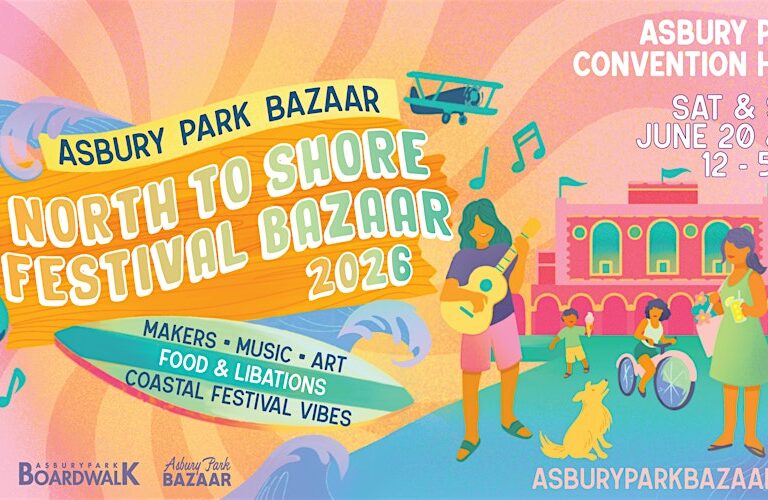
If management believes additional center depth remains necessary, Morozov becomes a far more intriguing possibility.

What makes him particularly attractive is the belief among many scouts that his development is accelerating faster than originally projected.

The Devils have historically enjoyed success identifying players whose upward trajectory suggests future growth beyond their current production numbers.

Morozov may fit that profile perfectly.

Beyond draft preparation, attention will soon shift toward development camp.

Scheduled for early July, the annual gathering provides fans and executives with their first extended look at the organization’s newest prospects.

Anton Silayev is expected to be among the most closely watched participants, alongside whichever players New Jersey selects during the draft.

Development camp has increasingly become an important part of the franchise’s long-term planning process.

It offers coaches, executives, and player development staff an opportunity to evaluate progress, identify strengths and weaknesses, and establish goals for the coming season.

For prospects, it represents the first step toward eventually wearing a Devils sweater at Prudential Center.

As the organization evaluates its future, it is also worth reflecting on the players already driving success at the NHL level.

Few players have become more important to New Jersey’s identity than Jesper Bratt.

Despite the ups and downs that defined the 2025-26 season, Bratt once again demonstrated why he remains one of the most dynamic offensive players in the organization.

His ability to create scoring opportunities, generate offense in transition, and consistently impact games has transformed him into one of the franchise’s cornerstone players.

Bratt’s continued evolution provides another reminder that successful organizations are built through a combination of elite talent acquisition, patient development, and long-term roster planning.

That philosophy will be tested repeatedly throughout the coming months.

The Devils possess valuable assets, promising prospects, established stars, and a fan base eager to see the franchise take another step forward.

The challenge now is converting potential into sustained success.

Whether through the NHL Draft, strategic trades, contract extensions, development camp breakthroughs, or salary cap decisions, every move made this summer will help shape the next chapter of New Jersey Devils hockey.

For a franchise with championship aspirations and one of the league’s most intriguing young cores, the offseason may ultimately prove just as important as the regular season itself.

The future of Devils hockey is being built right now, one decision at a time.

New Jersey’s World Cup Moment Arrives: From Puppy Soccer and Community Watch Parties to Transit Planning and Global Attention

The countdown is no longer measured in years, months, or even weeks. New Jersey’s moment on the global stage is now arriving in real time as FIFA World Cup 2026 festivities begin transforming communities across the Garden State. From transportation planning and economic development initiatives to family-friendly fan experiences and regional tourism campaigns, New Jersey is preparing to welcome the largest sporting event in modern history while ensuring residents have opportunities to participate whether they hold a match ticket or not.

For years, the conversation surrounding the FIFA World Cup centered on stadium construction, host city selections, international travel projections, and economic forecasts. Today, the discussion has shifted toward community engagement, visitor experiences, transportation readiness, and the thousands of local events designed to ensure every corner of New Jersey benefits from the tournament’s unprecedented spotlight.

As kickoff approaches, the state is rapidly emerging as far more than simply the home of a host venue. New Jersey is positioning itself as one of the World Cup’s most active fan destinations, creating opportunities that stretch from the Hudson River waterfront to the Delaware River and from major cities to suburban communities eager to participate in a once-in-a-generation event.

One of the most unique and distinctly New Jersey additions to the World Cup calendar will take place at Liberty Science Center, where organizers are combining soccer fever with one of the state’s most beloved nonprofit organizations.

During the opening and closing weekends of the tournament, Liberty Science Center will host the Pup Cup, an event designed to showcase soccer-playing puppies while highlighting the remarkable work of The Seeing Eye, the renowned New Jersey-based nonprofit organization that trains guide dogs for individuals who are blind or visually impaired.

The event blends entertainment, education, and community service into a single family-friendly attraction. Visitors will have the opportunity to watch specially trained puppies participate in soccer-themed activities while learning about the rigorous training programs that transform young dogs into life-changing companions for people with vision loss.

The Pup Cup serves as a reminder that New Jersey’s World Cup experience extends beyond professional athletes and international stars. It also highlights local organizations whose work impacts communities every day. By connecting one of the world’s largest sporting events with one of New Jersey’s most respected nonprofit institutions, the state is creating memorable experiences that reflect both its creativity and its community spirit.

The event is expected to attract families, tourists, soccer fans, and animal lovers alike, further reinforcing Liberty Science Center’s role as a major destination throughout the tournament period.

While Jersey City prepares for family-focused celebrations, South Jersey is preparing for a different kind of World Cup opportunity.

Camden County officials recently announced an aggressive strategy to capitalize on the influx of visitors expected throughout the region. Of the $5 million allocated through World Cup-related economic development initiatives, approximately $800,000 has been redirected toward projects and programming designed to enhance community access and maximize local tourism opportunities.

County leaders view the World Cup not simply as a sporting event but as a catalyst for regional economic activity. While many matches are expected to sell out and remain inaccessible to casual fans, local officials are focused on creating free public experiences that allow residents and visitors to participate in the excitement without requiring expensive tickets.

The centerpiece of this strategy involves a series of free watch parties and community events that transform parks, public spaces, and gathering areas into vibrant soccer destinations. These celebrations are expected to attract families, international visitors, local businesses, and soccer enthusiasts while generating economic activity for nearby restaurants, retailers, hotels, and entertainment venues.

For Camden County, the objective extends beyond simply showing matches on large screens. Officials see the World Cup as an opportunity to showcase South Jersey’s culture, hospitality, attractions, and business community to visitors who may be experiencing the region for the first time.

The investment reflects a growing recognition among local governments that mega-events create economic benefits far beyond the immediate venue footprint. Communities throughout New Jersey are increasingly positioning themselves as destinations capable of extending visitor stays and encouraging additional spending throughout the state.

Tourism officials believe that many international visitors will seek experiences beyond match days, creating opportunities for attractions, restaurants, cultural institutions, historic sites, and waterfront destinations across New Jersey.

Perhaps no aspect of the World Cup has generated more discussion than transportation.

As hundreds of thousands of visitors prepare to move throughout the region, attention has increasingly focused on NJ Transit and its readiness to handle one of the largest transportation challenges in state history.

NJ Transit President and CEO Kris Kolluri has emerged as one of the most visible voices addressing public concerns regarding tournament transportation planning. Recent criticism from anonymous sources suggesting potential disruptions or insufficient ticket sales has generated headlines, but Kolluri has consistently projected confidence in the agency’s preparations.

Speaking publicly about the criticism, Kolluri emphasized that NJ Transit and its transportation partners remain focused on execution rather than speculation.

His response comes as transportation agencies finalize operational plans designed to move enormous numbers of passengers efficiently during the tournament period. While critics have questioned ridership projections and advance ticket purchases, transit officials point to historical precedents demonstrating that major event attendees often delay transportation purchases until much closer to game day.

The comparison frequently cited involves Super Bowl XLVIII, when a substantial percentage of transportation purchases occurred only after visitors had already arrived in the region.

From NJ Transit’s perspective, current sales figures do not necessarily indicate future demand patterns. Instead, officials remain focused on ensuring infrastructure, staffing, scheduling, and contingency plans are prepared for the expected surge in ridership.

The transportation conversation highlights the broader scale of the challenge facing New Jersey.

Unlike many sporting events that attract regional audiences, the World Cup brings visitors from across the globe. Fans arriving from Europe, South America, Africa, Asia, and North America will rely heavily on transportation systems to move between airports, hotels, entertainment districts, fan festivals, and match venues.

For New Jersey, successful transportation operations are about more than logistics. They are directly connected to the state’s international reputation.

Every smooth trip, efficient transfer, and positive visitor experience contributes to how New Jersey is perceived by millions of people worldwide.

The stakes are significant because FIFA World Cup 2026 represents one of the largest global audiences ever assembled for a sporting event. Billions of viewers are expected to follow tournament coverage, while hundreds of thousands will visit the region in person.

This level of exposure creates opportunities that extend well beyond soccer.

Hotels, restaurants, retailers, attractions, museums, performing arts venues, parks, and tourism destinations all stand to benefit from increased visitation. The event also provides a platform for showcasing New Jersey’s diversity, infrastructure, innovation, cultural institutions, and economic strengths.

Throughout the state, organizations are embracing that opportunity.

Tourism agencies are promoting local attractions. Municipal governments are organizing festivals and fan zones. Cultural organizations are developing special programming. Businesses are preparing for increased visitor traffic. Educational institutions are creating community engagement initiatives. Nonprofits are finding innovative ways to connect their missions to the excitement surrounding the tournament.

Taken together, these efforts reveal a broader vision for New Jersey’s World Cup participation.

The goal is not merely to host matches. The goal is to create an experience that reaches every community and leaves a lasting impact long after the final whistle.

Whether through a puppy soccer showcase at Liberty Science Center, free watch parties in Camden County, expanded tourism initiatives, transportation investments, or countless local celebrations taking shape across the state, New Jersey is demonstrating that the World Cup can be both a global spectacle and a deeply local experience.

As kickoff approaches and international attention turns toward the region, New Jersey stands ready to embrace one of the most significant moments in its modern history. The matches themselves may last only ninety minutes, but the economic, cultural, and community impact of FIFA World Cup 2026 is poised to resonate throughout the Garden State for years to come.

For New Jersey residents, businesses, visitors, and soccer fans, the world is arriving at our doorstep. The countdown is nearly over, and the state’s World Cup story is about to begin.

New Jersey Company Examines the Hidden Infrastructure Behind Workforce Apparel as Feury Image Group Launches “Built Around You” Thought Leadership Series

In today’s business environment, conversations about operational efficiency often center on software platforms, supply chains, workforce development, automation, and customer experience. Yet one critical component of daily operations frequently remains overlooked despite its direct impact on safety, employee engagement, organizational visibility, compliance, and brand consistency: workforce apparel.

For many organizations, uniforms, branded apparel, employee identification systems, and safety garments have traditionally been viewed as procurement items—necessary purchases that support day-to-day operations but rarely receive strategic attention. A growing number of businesses, however, are beginning to recognize that workforce presentation is not simply about appearance. It has become an essential operational function that influences communication, accountability, logistics, employee experience, and workplace culture.

That shift in thinking is at the heart of a new initiative launched by New Jersey-based Feury Image Group, which recently unveiled “Built Around You,” an ongoing thought leadership series designed to explore the increasingly complex operational realities behind workforce apparel, identification, branding, and visibility programs.

Headquartered in East Rutherford with production and distribution operations in Newark, Feury Image Group has spent decades supporting organizations throughout healthcare, transportation, construction, education, facilities management, retail, and other workforce-intensive industries. Through the new series, the company aims to elevate the conversation beyond uniforms themselves and focus on how workforce apparel systems have evolved into a critical layer of modern operational infrastructure.

The launch reflects broader trends occurring throughout New Jersey’s business community. As organizations continue expanding across multiple locations, integrating new technologies, managing distributed workforces, and navigating increasingly complex compliance requirements, maintaining consistency across workforce programs has become far more challenging than simply ordering shirts or issuing safety vests.

The modern workforce environment demands a level of coordination that many organizations never anticipated.

A hospital system operating across multiple campuses may need to manage dozens of employee classifications, each requiring specific apparel standards, identification credentials, departmental branding, and compliance requirements. A transportation company may need to outfit drivers, mechanics, dispatchers, warehouse personnel, and administrative staff while maintaining safety standards and visibility requirements. Construction firms must ensure workers receive proper high-visibility garments while tracking inventory, replacement schedules, and seasonal safety needs.

As organizations grow, workforce presentation increasingly intersects with operations, technology, logistics, and risk management.

The “Built Around You” series examines those challenges through a practical business lens.

Among the topics explored are multi-location apparel program management, workforce identification systems, inventory visibility, employee onboarding, technology-driven ordering platforms, customization strategies, seasonal workforce outfitting, safety compliance initiatives, and the growing role of automated distribution systems.

While apparel itself remains an important component, the larger focus centers on how organizations create systems that support consistency and accountability at scale.

According to Feury Image Group Vice President Ken Yanicky, many organizations underestimate how closely workforce presentation is connected to operational performance.

When apparel programs become fragmented across multiple vendors, departments, locations, or purchasing systems, the resulting inefficiencies often extend far beyond clothing. Organizations can experience inventory challenges, inconsistent employee experiences, delayed onboarding, branding discrepancies, safety concerns, and increased administrative burdens.

The result is that what appears to be a simple procurement function often becomes an operational challenge affecting multiple areas of the business simultaneously.

The series examines how organizations can address these issues through more integrated approaches.

One major focus involves multi-location workforce management, an area becoming increasingly relevant as businesses expand regionally and nationally. Managing workforce apparel across multiple facilities requires balancing local flexibility with organizational consistency. Without centralized controls, companies frequently encounter discrepancies in branding, ordering procedures, inventory availability, and employee access.

Technology is playing an increasingly important role in solving these challenges.

Modern workforce apparel programs increasingly utilize portal-based ordering systems that allow organizations to control purchasing, approvals, customization options, inventory visibility, and fulfillment processes through centralized digital platforms. These systems provide organizations with greater oversight while simplifying access for employees and managers.

The series also explores the growing importance of role-based approval structures.

In complex organizations, not every employee requires access to the same products or purchasing authority. By implementing structured approval workflows, organizations can reduce waste, improve consistency, and ensure apparel selections align with operational requirements.

Another area receiving increased attention is workforce identification.

In industries such as healthcare, transportation, education, manufacturing, and facilities management, employee identification serves critical functions beyond branding. Proper identification supports security, accountability, customer service, workplace navigation, and regulatory compliance. As organizations continue investing in safety and security initiatives, identification programs are becoming more sophisticated and strategically integrated into broader operational systems.

High-visibility safety apparel represents another major subject within the series.

Workplace safety remains a top priority across many industries, particularly in construction, logistics, transportation, utilities, and facilities management. Yet safety apparel programs often face challenges involving inventory control, compliance monitoring, replacement schedules, seasonal requirements, and employee adoption.

The series examines how organizations can move beyond simply issuing garments and instead build comprehensive systems that support ongoing compliance and workplace safety objectives.

Employee engagement is another recurring theme.

Research consistently demonstrates that workplace culture is shaped by countless small interactions and experiences. Apparel programs influence how employees perceive their organization, how they identify with company culture, and how they interact with customers and coworkers.

A well-managed apparel program can contribute to a stronger sense of belonging, professionalism, and organizational pride. Conversely, inconsistent programs may create frustration, confusion, or perceptions of inequity.

The relationship between workforce presentation and employee experience has become increasingly important as employers compete for talent in a challenging labor market.

Organizations are paying closer attention to onboarding experiences, workplace culture, and employee satisfaction. Apparel programs often represent one of the first tangible interactions new hires have with an employer, making consistency and accessibility particularly important.

The “Built Around You” series also addresses one of the most common questions organizations face when developing workforce apparel strategies: whether to pursue rental programs or direct purchase models.

Each approach offers distinct advantages depending on organizational size, workforce structure, budget priorities, operational complexity, and compliance requirements. By examining both models, the series provides decision-makers with practical insights into selecting solutions aligned with their business objectives.

The initiative arrives at a time when New Jersey continues strengthening its position as a hub for logistics, healthcare, life sciences, advanced manufacturing, transportation, education, and professional services. Many of these industries rely heavily on large workforces operating across multiple facilities and geographic regions.

As those sectors continue evolving, operational consistency is becoming an increasingly valuable competitive advantage.

The series reflects a broader shift occurring throughout the business world. Organizations are increasingly recognizing that operational excellence is often built upon systems that employees interact with every day. Workforce apparel, identification, fulfillment, and visibility programs may not receive the same attention as enterprise software or major capital investments, but they play a critical role in supporting daily operations.

Feury Image Group’s initiative seeks to bring greater attention to those realities while helping organizations view workforce presentation as part of a larger operational ecosystem.

Current articles in the series examine topics including managing uniform programs across multiple locations, designing effective high-visibility safety programs, workforce customization strategies, employee engagement through workwear initiatives, and the ongoing debate between uniform rental and direct purchase models.

Additional content planned throughout the year will explore flame-resistant and arc-rated apparel systems, workforce visibility strategies, seasonal safety planning, operational fragmentation, inventory management, and emerging technologies shaping the future of workforce outfitting.

For New Jersey businesses navigating increasingly complex workforce environments, the series highlights an important reality: operational success is often determined by the systems employees encounter every day. As organizations seek greater efficiency, consistency, safety, and engagement, workforce apparel programs are evolving from simple purchasing decisions into strategic business assets.

The launch of “Built Around You” reflects that transformation and underscores a growing recognition across industries that workforce visibility, identification, branding, and presentation are no longer isolated functions. They have become integral components of how modern organizations operate, communicate, and succeed.

New Workplace Training Initiative Highlights Growing Importance of ADA Compliance for New Jersey Businesses

As workplaces continue to evolve amid changing employee expectations, increased awareness of mental and physical health challenges, and a growing emphasis on workplace inclusion, employers across New Jersey are facing a reality that extends far beyond traditional human resources management. Increasingly, the first moments that determine whether a workplace issue becomes a success story or a legal dispute occur not in an HR office, but in everyday conversations between supervisors and employees.

That reality is at the center of a newly launched training initiative from SHIFT HR Compliance Training, an attorney-founded workplace education company that has introduced a focused learning program designed specifically for supervisors and managers navigating disability accommodation issues under the Americans with Disabilities Act (ADA).

The release of the program arrives at a time when New Jersey employers continue to face increasing scrutiny regarding workplace practices, employee protections, accommodation procedures, and compliance obligations. Across industries ranging from healthcare and education to manufacturing, retail, technology, hospitality, logistics, and professional services, businesses are seeking practical ways to reduce legal exposure while creating healthier and more supportive work environments.

Rather than targeting human resources professionals alone, SHIFT’s newest course focuses on front-line leaders—the supervisors, team leaders, department managers, and operational decision-makers who often serve as the first point of contact when an employee begins struggling with a medical condition, disability, chronic illness, mental health challenge, or work-related limitation.

The concept behind the program is deceptively simple but increasingly important in modern workplaces: ADA compliance frequently begins with a conversation long before it reaches a formal HR process.

For many organizations, accommodation requests do not arrive neatly packaged in official paperwork. Employees rarely begin a conversation by explicitly stating they are requesting an accommodation under federal law. Instead, they often discuss fatigue, stress, chronic pain, treatment schedules, medication side effects, transportation difficulties, mobility concerns, anxiety, depression, or changing health conditions that affect their ability to perform certain job functions.

Those seemingly routine workplace discussions can quickly become compliance matters.

According to employment law experts, many workplace disputes originate not because an organization intentionally violated federal law, but because a supervisor failed to recognize that an employee was signaling a need for assistance. A missed conversation, an inappropriate response, or a lack of understanding about escalation procedures can create significant legal and operational risks.

SHIFT’s new training program seeks to address that challenge before it develops into a larger problem.

The self-paced digital course is designed to be completed in approximately fifteen minutes, making it accessible for busy supervisors who may have limited time for extensive compliance training. Despite its brief format, the curriculum focuses on several high-risk areas that frequently generate employee complaints and legal disputes.

One of the most significant components teaches managers how to identify what the company refers to as “hidden accommodation requests.” These situations occur when employees discuss workplace challenges without formally requesting accommodations.

An employee may mention worsening back pain, difficulty standing for extended periods, increased stress caused by a medical condition, challenges attending medical appointments, or struggles related to medication side effects. While those conversations may appear informal, they can potentially trigger responsibilities under federal disability laws.

By teaching supervisors how to recognize these situations, organizations can respond more effectively and begin appropriate internal processes before misunderstandings occur.

Another major focus of the program involves communication strategies. Workplace conversations involving medical conditions often place supervisors in uncomfortable territory. Managers must balance empathy with professionalism while avoiding language that could be perceived as dismissive, intrusive, discriminatory, or retaliatory.

The training provides practical guidance on objective and supportive language that managers can use when discussing sensitive issues. This approach aims to create a consistent communication standard across organizations while helping leaders maintain compliance and preserve employee trust.

Confidentiality also plays a central role in the course design.

Medical information remains among the most sensitive categories of employee data. Improper disclosure can create legal exposure while damaging workplace morale and employee confidence. Supervisors are instructed on the limits of information sharing and reminded that discussions involving health conditions should not become topics of workplace conversation among colleagues.

The training also establishes clear escalation pathways, helping managers understand exactly when workplace issues should transition from operational supervision to formal HR involvement.

For many employers, one of the most frustrating compliance challenges occurs when supervisors attempt to solve complex accommodation issues independently. While often well-intentioned, those efforts can create inconsistent decision-making and increase organizational risk.

The program emphasizes the importance of recognizing when professional HR review is necessary and provides guidance on how managers should document and communicate concerns appropriately.

The launch reflects broader changes occurring throughout the business community, including in New Jersey, where employers continue adapting to evolving workplace expectations. As organizations compete for talent and navigate increasingly complex regulatory environments, compliance training has become less about checking boxes and more about building organizational resilience.

SHIFT HR Compliance Training occupies a unique position within that landscape.

Unlike traditional software companies, the organization operates within the growing education technology and compliance training sector. Founded by employment law attorneys, the company focuses on translating legal requirements into practical workplace behaviors that supervisors can apply in real-world situations.

Its approach combines legal expertise, workplace psychology, behavioral science, and digital learning methods to help organizations address potential risks before they escalate into complaints, investigations, or litigation.

That preventative philosophy is becoming increasingly attractive to employers.

Human resources departments across the country are under pressure to manage expanding responsibilities, including recruitment, retention, employee engagement, benefits administration, performance management, workplace culture initiatives, and regulatory compliance. Training that empowers supervisors to identify issues early can significantly reduce the administrative burden placed on HR teams.

For businesses, the value extends beyond legal protection.

When managers understand how to respond appropriately to employee concerns, organizations often experience stronger employee engagement, improved trust, lower turnover, and more consistent workplace experiences. Employees who feel heard and supported are generally more likely to remain productive and committed to their organizations.

The timing of the announcement also aligns with growing national conversations surrounding accessibility, inclusion, mental health awareness, and workplace accommodations.

As employers continue embracing more flexible work arrangements and adapting to diverse workforce needs, the ability to navigate accommodation discussions effectively has become an increasingly important leadership skill. Supervisors are no longer expected to simply manage productivity and schedules; they are increasingly expected to foster environments where employees can succeed while receiving appropriate support when challenges arise.

For New Jersey businesses, where industries ranging from healthcare and pharmaceuticals to technology, logistics, financial services, hospitality, education, and manufacturing drive economic activity, effective workplace leadership remains a competitive advantage.

Programs such as SHIFT’s new ADA training illustrate how compliance education continues evolving from a reactive legal necessity into a proactive business strategy.

The initiative underscores a growing understanding throughout the corporate world: workplace compliance is not merely an HR function. It is a leadership responsibility that begins with everyday interactions, routine conversations, and the decisions made by supervisors on the front lines of organizational culture.

As companies seek ways to strengthen compliance, support employees, and reduce risk in an increasingly complex workplace environment, practical manager-focused education may prove to be one of the most effective investments organizations can make.

In today’s workplace, the difference between a successful accommodation and a costly dispute often comes down to one thing: whether the person leading the conversation understands how to respond. SHIFT HR Compliance Training’s newest program is designed to ensure that more supervisors are prepared for that moment before it arrives.

As NJ American Water Seeks 12% Rate Increase, New Data Reveals Sharp Rise in Water Shutoffs Across New Jersey

As New Jersey residents continue to navigate rising housing costs, utility bills, and inflation, water affordability has become an increasingly urgent issue across the Garden State.

NRDC’s Water Shutoff Dashboard for New Jersey has just been updated with 2025 data and we found some troubling information about NJ American Water:

  • NJ American Water had a total of 18,074 shutoffs in New Jersey in 2025. This is a 106% increase from 2024.
  • These shutoffs account for 3% of the total customer accounts handled by NJ American Water. This shutoff rate is higher than electric utility shutoffs by some of the state’s largest electric utilities (Atlantic City Electric: 2.8%; and JCPL: 1.3%). 
  • Atlantic (Absecon, Pleasantville, Egg Harbor Township), Camden (Camden), Essex (Irvington), Union (Plainfield, Linden, Union, Roselle), and Ocean (Lakewood) counties had zip codes that are in the top 10 list for most shutoffs by NJ American Water.
  • There were zip codes across the state that have seen a steep year-over-year change to the shutoffs from NJ American Water. For example, Irvington had a 73,200% increase in shutoffs from 2024 to 2025; West Orange had a 610.9% increase; and Pleasantville had a 489.4% increase.
  • After a year of being owned by NJ American Water (purchased in June 2024), the City of Salem soared to 124 shutoffs, which is 8.3% of the number of residential customers in the city.

Last week, the New Jersey Board of Public Utilities held a public hearing regarding NJ American Water’s proposed 12% rate increase for water and wastewater services. The request comes at a time when many households are already struggling to keep up with essential monthly expenses.

The rate case itself carries significant implications for households across New Jersey. New Jersey American Water has petitioned the New Jersey Board of Public Utilities for an 11.9% increase in water and wastewater rates. If approved, the average residential water bill would rise from approximately $83.87 to $93.89 per month, while wastewater customers could see monthly bills increase by roughly $8. According to the utility, the proposed increase would support approximately $1.4 billion in infrastructure investments through the end of 2026, including replacement of aging water systems, removal of lead service lines, and treatment upgrades designed to address emerging contaminants such as PFAS.

The company has also proposed expanding access to customer assistance programs by automatically identifying eligible low-income households that already receive energy assistance benefits. Public hearings remain ongoing as regulators, consumer advocates, and residents weigh the impact of higher rates against the need for long-term infrastructure improvements.

The proposed increase has drawn scrutiny from consumer advocates and environmental organizations, particularly as new data reveals a troubling increase in water shutoffs across New Jersey and continued challenges in connecting eligible families with available assistance programs.

Low-Income Assistance Program Reaches Only a Fraction of Eligible Households. Although NJ American Water currently offers a discount program designed to assist low-income customers, enrollment remains surprisingly low.

According to advocates monitoring the issue, only 4% of eligible households have been enrolled in the program, leaving thousands of potentially qualified New Jersey residents without access to available financial relief.

That enrollment gap has become a focal point in the ongoing debate surrounding affordability, access, and utility accountability.

Legislation Advances to Improve Water Assistance Access. The Natural Resources Defense Council (NRDC), which has intervened in the rate increase proceedings, is supporting two bills that recently advanced through a Senate Committee and are intended to improve water affordability for New Jersey residents.

S4374 is for Automatic Enrollment for Eligible Households. This legislation would expand requirements concerning automatic enrollment for utility bill payment assistance programs. Currently, approximately 200,000 New Jersey households receive state assistance with electric utility bills. Many of those households are also customers of NJ American Water.

Under the proposal, eligible customers already receiving electric bill assistance would be automatically enrolled in NJ American Water’s low-income discount program. Supporters argue that the legislation would remove bureaucratic barriers and help ensure that residents receive assistance for which they already qualify.

S4374: “Expands certain requirements concerning automatic enrollment for utility bill payment assistance programs” to facilitate enrollment in NJ American Water’s low-income water discount program. About 200,000 New Jersey households currently get state help with their electric bills and many of them are also NJ American Water customers. This bill would require the company to automatically enroll those customers in its water bill discount program. (There is no state program for water bill assistance.)

S4373 is the Streamlining the Application Process. A second bill seeks to expand existing memorandum of understanding requirements for residential utility assistance programs. The legislation would require the Department of Community Affairs to integrate NJ American Water’s discount program into the state’s online utility assistance portal. Advocates believe this change would simplify the application process, increase participation, and make assistance programs easier for residents to access.

S4373: “Expands memorandum of understanding requirements for the purpose of consolidated application for residential utility assistance programs” to facilitate enrollment in NJ American Water’s low-income water discount program. This bill would require the Department of Community Affairs to add NJ American Water’s bill discount program to the state’s online utility assistance application portal.

New Water Shutoff Data Raises Serious Concerns. The latest update to New Jersey’s Water Shutoff Dashboard paints a concerning picture regarding water service disconnections throughout the state.

Among the most notable findings: 18,074 Water Shutoffs in 2025. NJ American Water recorded a total of 18,074 shutoffs across New Jersey during 2025. That figure represents a staggering 106% increase compared with 2024. Shutoff Rates Exceed Some Major Electric Utilities. The 18,074 shutoffs account for approximately 3% of all NJ American Water customer accounts.

By comparison:

  • Atlantic City Electric reported a shutoff rate of 2.8%
  • Jersey Central Power & Light reported a shutoff rate of 1.3%

The comparison has fueled concerns that water service interruptions are becoming an increasingly significant affordability issue across the state. Communities Experiencing the Highest Impact. Several New Jersey communities appeared prominently in the data.

Zip codes located in the following counties ranked among the highest for water shutoffs:

  • Atlantic County, including Absecon, Pleasantville, and Egg Harbor Township
  • Camden County, including Camden
  • Essex County, including Irvington
  • Union County, including Plainfield, Linden, Union, and Roselle
  • Ocean County, including Lakewood

The geographic spread demonstrates that water affordability challenges are affecting communities throughout New Jersey rather than being isolated to one specific region. Dramatic Year-Over-Year Increases. Some municipalities experienced particularly alarming increases in shutoffs between 2024 and 2025.

Among the most significant:

  • Irvington experienced a 73,200% increase
  • West Orange experienced a 610.9% increase
  • Pleasantville experienced a 489.4% increase

These dramatic jumps have intensified calls for closer examination of utility practices, customer outreach efforts, and enrollment barriers within assistance programs.

Salem Emerges as a Growing Concern. The City of Salem also drew attention in the updated data. After being acquired by NJ American Water in June 2024, Salem recorded 124 residential shutoffs during the following year.

That total represents approximately 8.3% of residential customers within the city, one of the highest concentrations highlighted in the latest reporting.

The Larger Debate Over Water Affordability. The growing controversy surrounding NJ American Water’s proposed rate increase reflects a broader conversation unfolding across New Jersey. Supporters of infrastructure investment point to the need for modernization, system upgrades, reliability improvements, and long-term resiliency.

Consumer advocates, however, argue that affordability must remain a central consideration, particularly when thousands of residents continue to face financial hardship and assistance programs remain significantly underutilized. As lawmakers debate new consumer protections and regulators evaluate the proposed rate increase, many residents are asking a fundamental question: how can access to one of life’s most essential resources remain affordable for every New Jersey family?

The answer may shape the future of water policy, utility oversight, and affordability programs across the Garden State for years to come.

New Jersey International Film Festival Enters Its Final Weekend as Independent Cinema, Emerging Talent, and Creative Innovation Take Center Stage

New Jersey’s emergence as one of the East Coast’s most dynamic filmmaking destinations continues to gain momentum in 2026, and nowhere is that creative energy more visible than at the 31st Annual New Jersey International Film Festival. As the festival enters its final weekend in New Brunswick, audiences, filmmakers, critics, students, and industry professionals are gathering for one of the state’s most important celebrations of independent cinema, artistic experimentation, and visual storytelling.

Hosted by the Rutgers Film Co-op and the New Jersey Media Arts Center, the New Jersey International Film Festival has long occupied a unique place within the state’s cultural landscape. Unlike many larger commercial festivals driven by celebrity appearances and studio premieres, the New Jersey International Film Festival has built its reputation around discovering new voices, supporting emerging filmmakers, championing independent artists, and providing audiences with access to groundbreaking work from around the world.

The summer edition of the festival, which opened on May 29 and concludes on June 7, continues that tradition while highlighting the remarkable diversity of contemporary filmmaking. Presented as a hybrid event, the festival combines live screenings at Rutgers University’s Voorhees Hall in New Brunswick with virtual viewing opportunities, creating an accessible platform that allows audiences throughout New Jersey and beyond to participate.

This year’s numbers tell a compelling story about the festival’s growing reputation. More than 680 submissions from filmmakers across the globe were evaluated by the festival’s selection committee. Only 36 finalists earned places in the final lineup, underscoring both the competitiveness of the event and the extraordinary quality of work being showcased throughout the program.

As New Jersey continues expanding its footprint in film and television production, the New Jersey International Film Festival has become far more than an annual cultural event. It serves as an incubator for artistic talent, a gathering place for creative collaboration, and a showcase for the type of storytelling that often shapes the future of cinema long before mainstream audiences discover it.

The closing weekend arrives with significant anticipation surrounding several films that have generated considerable buzz among jurors, critics, and festival audiences.

Among the most celebrated narrative features is “Middle Life,” directed by Bavan Mundi. The Canadian production has emerged as one of the festival’s breakout success stories, earning enthusiastic audience reactions and some of the strongest evaluations from festival reviewers. Centered around a perfectionist wedding planner and new mother confronting personal dissatisfaction and changing life priorities, the film explores themes of identity, ambition, family, and self-discovery with remarkable emotional honesty.

What has resonated most strongly with viewers is the film’s authenticity. Rather than relying on conventional dramatic formulas, “Middle Life” embraces the complexity of everyday life. Audiences have praised its nuanced performances, realistic dialogue, and emotionally grounded storytelling. The chemistry between its lead actors has become a particular talking point, contributing significantly to the film’s growing reputation as one of the festival’s must-see features.

Another project attracting considerable attention is “What We Dreamed of Then,” an ambitious and highly experimental feature that demonstrates exactly why the New Jersey International Film Festival has become such an important platform for innovative cinema.

Using a visual style that blurs the line between documentary and narrative filmmaking, the film examines the long-term impact of the COVID-19 pandemic on vulnerable communities. Its unconventional structure, which moves backward and forward through multiple timelines simultaneously, creates a viewing experience that challenges audiences while rewarding close attention. The project has earned praise for both its artistic courage and its thoughtful exploration of recent history.

The festival’s short film selections have proven equally impressive.

“Counterfeit Kids,” directed by James Sclafani, has emerged as one of the most discussed short-form projects in this year’s lineup. Set in 1980s Baltimore, the film follows a young woman and her foster brother as they become entangled in a counterfeiting operation while searching for a way out of a troubled household.

Though concise in length, the film delivers a surprisingly rich emotional experience. Its combination of compelling characters, strong visual storytelling, and tightly constructed narrative has helped establish it as one of the festival’s most memorable short films. Industry observers have also taken note of Sclafani’s broader body of work, further elevating interest in the project.

Animation has also become one of the defining strengths of this year’s festival.

Among the standout entries is “Stew to Eat,” directed by Nathaniel Jameson and Alex Saltiel. The visually striking animated short has earned widespread praise for its bold artistic style and emotionally layered storytelling. Combining dark humor, expressionist visuals, and themes of love, longing, and societal decay, the project showcases the growing sophistication of independent animation.

The film’s reception reflects a broader shift occurring throughout contemporary cinema. Animation is increasingly being embraced as a medium capable of exploring complex adult themes while offering artists extraordinary creative freedom. “Stew to Eat” exemplifies that evolution, demonstrating how animation can be both visually inventive and emotionally profound.

One of the most anticipated events of the festival’s closing weekend extends beyond traditional film screenings.

On June 5, acclaimed landscape architect and artist Mitchell Rasor will deliver a special presentation in conjunction with a screening of Tom Bell’s documentary “Salt Marsh.” The event represents the interdisciplinary approach that has become a hallmark of the New Jersey International Film Festival.

Rather than simply screening films, the festival regularly creates opportunities for audiences to engage directly with artists, scholars, and creative thinkers from a variety of disciplines. Rasor’s presentation explores the intersections of environmental design, visual art, architecture, cultural history, and filmmaking while providing insight into the intellectual influences that have shaped his creative career.

The discussion will connect themes ranging from Robert Smithson’s exploration of dialectics and Frederick Law Olmsted’s landscape philosophy to the artistic legacy of Cézanne and Pissarro, the emergence of modern art, post-punk cultural movements, and contemporary environmental storytelling. Rasor will also discuss recent painting and drawing series that extend ideas explored in Bell’s documentary.

For students of film, environmental studies, architecture, art history, and visual culture, the presentation offers a rare opportunity to experience the type of interdisciplinary dialogue that increasingly defines contemporary creative practice.

The documentary itself, “Salt Marsh,” has become one of the festival’s notable nonfiction entries. Its exploration of landscape, memory, environmental stewardship, and artistic observation aligns closely with many of the themes currently shaping conversations throughout New Jersey’s arts community.

The closing weekend will also feature the festival’s highly anticipated Short Documentary Program, including screenings of “Salt Marsh” and “A Song Between The Gardens.” Documentary filmmaking continues to occupy an increasingly important role within the festival, reflecting growing audience interest in real-world stories that combine investigative depth with artistic vision.

Equally significant is the festival’s Jersey Fresh Program, which highlights projects with strong New Jersey connections. As the state continues investing heavily in film production infrastructure and creative industries, programs that spotlight local talent have become increasingly important.

New Jersey’s film sector has undergone remarkable growth in recent years. Expanded tax incentives, major studio developments, increased production activity, and growing educational opportunities have helped transform the state into a major destination for filmmakers and content creators. The New Jersey International Film Festival serves as a critical component of that ecosystem by providing visibility and recognition for local artists while connecting them to broader industry networks.

The festival’s influence extends far beyond a single week of screenings.

Its spring edition, which concluded earlier this year, showcased another exceptional collection of work while recognizing several standout achievements. The season’s top honors included Best Feature Film for “ANDA” by Jayendra Ganta, Best Documentary for “B.F. Skinner Plays Himself” by Ted Kennedy, Best Short Film for “Self-Portrait” by Samuel DeFrank, Best Experimental Film for “12th House” by Ilona Laboy and Israel Laboy, and Best Animated Film for “Ball Lightning” by Catriona Trina Baker.

New Jersey filmmakers also earned notable recognition. “Don’t Look in the Dark,” directed by Montclair filmmaker Samuel Freeman, received an Honorable Mention and a Director’s Citation for its performances, demonstrating once again the growing strength of locally produced independent cinema.

The success of both the spring and summer editions highlights the festival’s unique position within the region’s cultural calendar. Unlike many events that focus exclusively on established names, the New Jersey Film Festival consistently prioritizes discovery. It creates opportunities for first-time filmmakers, experimental artists, independent producers, and emerging storytellers to connect with audiences in meaningful ways.

Even before the summer edition concludes, attention is already beginning to shift toward the future. Submissions have officially opened for the Fall 2026 New Jersey Film Festival, scheduled to run from September 4 through October 4. The continued expansion of the festival reflects both audience demand and the growing volume of high-quality work being produced around the world.

For New Jersey’s creative community, the significance of the festival cannot be overstated.

It serves as a bridge between academia and industry, between emerging artists and established professionals, and between local audiences and global cinema. It encourages experimentation, rewards artistic risk-taking, and demonstrates that some of the most exciting storytelling happening today is taking place outside traditional commercial frameworks.

As the 31st Annual New Jersey International Film Festival approaches its final screenings, it once again confirms what many filmmakers, artists, and audiences have known for years: New Jersey is not simply participating in the future of independent cinema. It is actively helping shape it.

From compelling documentaries and ambitious narrative features to groundbreaking animation, experimental storytelling, and interdisciplinary artistic conversations, the festival continues to offer a glimpse into where cinema is headed next. For film lovers, creators, and cultural enthusiasts across the Garden State, that makes this final weekend far more than a collection of screenings. It is a celebration of imagination, innovation, and the enduring power of storytelling.

Mira Vie at Montville Unveils a New Era of Senior Living with Grand Reopening Following Extensive Community Transformation

As New Jersey’s population continues to age and families increasingly seek innovative, compassionate, and community-focused care solutions for loved ones, one Morris County senior living destination is entering an exciting new chapter. Mira Vie at Montville has officially celebrated its Grand Reopening following a comprehensive renovation project that has transformed the property into a modern, hospitality-inspired senior living community designed to meet the evolving needs of today’s older adults.

The ribbon-cutting ceremony, held on June 3, marked more than the completion of a renovation project. It represented a renewed commitment to providing residents with an elevated lifestyle experience that blends personalized care, meaningful engagement, comfort, safety, and independence. Located in the heart of Montville, Mira Vie at Montville has become a recognized destination for assisted living, memory care, and short-term respite services, serving families throughout Morris County and surrounding communities.

The extensive revitalization project reflects a broader trend taking shape across New Jersey as senior living providers reimagine what aging well looks like in the twenty-first century. Today’s older adults are seeking environments that feel less institutional and more like vibrant residential communities. They want access to professional care without sacrificing quality of life, social opportunities, personal dignity, or the comforts of home. Mira Vie’s newly renovated campus aims to deliver precisely that balance.

Visitors arriving at the community immediately notice the transformation. Fresh landscaping, enhanced exterior design elements, updated signage, new windows, and significant infrastructure improvements have dramatically refreshed the property’s appearance while creating a welcoming first impression. The improvements extend well beyond curb appeal, representing a comprehensive investment in the long-term future of the community.

Inside, the changes are equally impressive. Residents and visitors are greeted by a modernized lobby designed to foster connection and comfort. Updated common spaces encourage social interaction while maintaining the intimate atmosphere that has long distinguished Mira Vie from larger institutional facilities. New finishes, contemporary furnishings, improved lighting, and thoughtfully redesigned gathering areas create a warm and inviting environment that supports both wellness and community engagement.

The renovated dining room serves as another centerpiece of the transformation. Dining has increasingly become one of the most important lifestyle components within senior living communities, and Mira Vie has embraced that philosophy by creating an upgraded culinary experience that prioritizes comfort, socialization, and enjoyment. The redesigned space offers residents an attractive setting where meals become opportunities for connection, conversation, and daily engagement.

Throughout the community, resident apartments have been upgraded to provide enhanced comfort, functionality, and privacy. These improvements reflect the growing recognition that senior living should feel like home rather than a care facility. Residents can enjoy thoughtfully designed living spaces that promote independence while providing convenient access to the support services they need.

Additional renovations include refreshed activity lounges, a renovated salon, updated recreational areas, and a modern theater room that expands opportunities for entertainment, educational programming, and community events. Together, these enhancements create an environment where residents can remain active, engaged, and connected to both their peers and the broader community.

While the physical improvements are significant, the true foundation of Mira Vie at Montville remains its comprehensive approach to care. The community offers a full spectrum of services designed to support older adults with varying levels of need while preserving individual dignity and independence whenever possible.

At the center of this commitment is a professionally trained care team available around the clock. Residents benefit from access to skilled caregivers, licensed professionals, and on-site nursing support capable of addressing a wide range of health and wellness needs. This comprehensive care model provides families with confidence and peace of mind, knowing that assistance is available whenever needed.

The community’s assisted living program focuses on helping residents maintain active and fulfilling lifestyles while receiving personalized support with daily activities. Whether assistance is needed with medication management, mobility, personal care, or health monitoring, services are tailored to each resident’s unique circumstances and goals.

Equally important is the community’s specialized memory care program, which has become increasingly vital as New Jersey confronts rising rates of Alzheimer’s disease and other forms of dementia. Mira Vie’s dedicated memory care neighborhood, known as the Country Cottage, provides a secure and supportive environment specifically designed for residents experiencing memory-related conditions.

The Country Cottage incorporates specialized programming, therapeutic activities, personalized care plans, and enhanced safety measures aimed at improving quality of life while reducing stress and confusion. Dedicated staff members receive specialized training focused on dementia care, allowing them to better support residents while fostering meaningful connections and engagement.

Families navigating the challenges of memory loss often seek environments where loved ones can remain safe while continuing to experience joy, purpose, and meaningful interaction. Mira Vie’s investment in memory care reflects a growing understanding that specialized support can significantly improve both resident outcomes and family experiences.

The community also offers short-term respite care services, providing temporary support for individuals recovering from illness, surgery, or hospitalization, as well as families seeking caregiver relief. This flexibility has become increasingly valuable as healthcare systems place greater emphasis on transitional care and aging in place strategies.

One aspect of Mira Vie’s model that resonates strongly with many families is its month-to-month rental structure. Unlike some senior living communities that require substantial entrance fees or large upfront financial commitments, Mira Vie operates without buy-ins. This approach offers greater flexibility and accessibility for families evaluating long-term care options while reducing financial barriers that can often complicate senior living decisions.

The timing of the Grand Reopening arrives as New Jersey continues to experience significant demographic shifts. According to population trends, adults aged 65 and older represent one of the fastest-growing segments of the state’s population. Communities throughout Morris County and beyond are increasingly focused on creating infrastructure, services, and support systems capable of meeting the needs of this expanding demographic.

Senior living communities have become an essential component of that effort, providing environments that promote healthy aging while addressing medical, social, and emotional needs. Facilities that successfully combine hospitality, wellness, healthcare, and lifestyle programming are emerging as important resources for families navigating the complexities of aging.

Morris County has long been recognized as one of New Jersey’s most desirable places to live, offering a combination of strong healthcare resources, cultural amenities, recreational opportunities, and high quality of life. Mira Vie at Montville’s transformation reinforces the county’s reputation as a destination where residents can access exceptional services throughout every stage of life.

The community’s Grand Reopening also highlights a broader evolution occurring throughout the senior living industry. Modern communities are increasingly moving beyond traditional care models and embracing holistic approaches that prioritize wellness, social engagement, lifelong learning, and purposeful living. Residents are no longer viewed simply as care recipients but as active participants in vibrant communities designed to support personal growth and fulfillment.

For Mira Vie at Montville, the completion of its renovation project signals the beginning of a new era rather than the conclusion of a construction effort. The refreshed campus, expanded amenities, enhanced care programs, and renewed focus on resident experience position the community to serve current and future generations of New Jersey seniors for years to come.

As families continue exploring options for assisted living, memory care, and short-term support services, Mira Vie at Montville’s transformation stands as a powerful example of how thoughtful investment, compassionate care, and modern design can come together to create an environment where older adults can thrive. In a state increasingly focused on healthy aging and quality of life, the Grand Reopening represents not only a milestone for one community but also a glimpse into the future of senior living in New Jersey.

How a New Jersey Healthcare Data Law Sparked a Statewide Debate Over Newborn Forms, Gender Identity Questions, and Government Oversight

Few pieces of legislation in New Jersey have generated as much unexpected controversy in recent months as a healthcare data collection law that was originally intended to improve patient care, strengthen health equity initiatives, and provide healthcare providers with better demographic information.

Instead, the implementation of the law triggered a statewide debate involving hospitals, lawmakers, parents, healthcare advocates, government agencies, and residents from every corner of the Garden State.

What began as a well-intentioned effort to gather more comprehensive demographic information quickly evolved into one of the most discussed lifestyle and public policy stories in New Jersey, raising broader questions about healthcare administration, government mandates, common-sense implementation, and the challenges of translating legislative language into real-world practice.

At the center of the controversy is New Jersey legislation known as A4385/S2933, a law designed to improve the collection of demographic information within healthcare settings.

The legislation was created to encourage hospitals and healthcare providers to collect more detailed data regarding race, ethnicity, sexual orientation, gender identity, and related demographic information. Supporters argued that better information would allow healthcare systems to identify disparities, improve culturally competent care, and ensure that all patients receive appropriate treatment regardless of background.

The goals themselves were not particularly controversial.

Healthcare systems across the country increasingly gather demographic information to better understand patient populations and identify potential gaps in care. Public health experts have long argued that accurate demographic data can help providers recognize trends, improve services, and address healthcare inequities.

The controversy emerged not from the intent of the law, but from its implementation.

Specifically, critics point to language that failed to include an age-based exemption or explicit guidance regarding newborns and very young children.

As hospitals worked to comply with the new requirements, some healthcare systems reportedly applied standardized demographic questionnaires broadly across patient intake procedures. That included circumstances involving newborn babies being registered shortly after birth.

The result was a bureaucratic collision between legislative language and practical reality.

Parents reported receiving forms that included questions regarding gender identity, preferred pronouns, and sexual orientation for infants who had been alive only hours or days.

For many New Jersey families, the situation immediately raised obvious questions.

How can a newborn identify a sexual orientation?

How can an infant express preferred pronouns?

How can a baby make choices regarding gender identity?

The disconnect between the questionnaire and the developmental reality of newborn children fueled widespread public criticism across social media, news outlets, community organizations, and political circles.

What might have remained a relatively obscure administrative issue rapidly became a statewide conversation.

Parents expressed confusion.

Healthcare workers sought clarification.

Lawmakers demanded answers.

Advocacy groups entered the discussion from multiple perspectives.

The issue soon expanded beyond the forms themselves to broader debates regarding government oversight, healthcare policy, administrative implementation, and public trust.

For many critics, the controversy highlighted a recurring challenge in modern governance.

Legislation is often drafted with broad policy goals in mind, but implementation details can create consequences lawmakers never anticipated.

In this case, opponents argued that lawmakers sought to collect useful demographic information but failed to anticipate how hospitals might interpret the requirements when applied uniformly across all patient populations.

Supporters of the underlying legislation generally agreed that gathering demographic data serves important public health purposes. However, many acknowledged that applying adult-oriented questions to newborn patients created confusion and undermined public confidence in the broader initiative.

The issue became particularly notable because it involved one of life’s most significant moments: the birth of a child.

For families welcoming newborns into the world, hospital paperwork is already extensive. Adding questions regarding future identity classifications to infant intake forms struck many parents as disconnected from common experience and practical healthcare needs.

As public attention intensified, the New Jersey Department of Health moved to clarify its position.

State officials emphasized that demographic data collection should occur where appropriate and acknowledged that gathering information related to sexual orientation for newborn infants does not align with the purpose of the law.

That clarification helped address some immediate concerns, but by that point the issue had already become a significant political and cultural flashpoint.

Lawmakers from both parties began discussing corrective action.

Among the most prominent responses was an effort to amend the law and establish clearer guidelines regarding newborns and young children.

The proposed legislative fixes seek to ensure that healthcare providers can continue collecting meaningful demographic information while eliminating ambiguity surrounding infant registration procedures.

Supporters of the changes argue that the original goals of the legislation remain worthwhile.

They contend that collecting race, ethnicity, and related healthcare data continues to play an important role in identifying disparities and improving patient outcomes.

However, they also argue that implementation must reflect common-sense standards and age-appropriate practices.

The debate reflects a broader challenge facing governments and institutions throughout the country.

As organizations seek to improve inclusivity, data collection, and representation, they must also ensure that policies are communicated clearly and applied appropriately.

When those systems break down, public confusion often overshadows the original policy objectives.

In New Jersey, the controversy has evolved beyond the hospital forms themselves.

The debate now touches on larger questions regarding legislative drafting, regulatory oversight, administrative flexibility, and public accountability.

Critics argue that government agencies should have identified the issue before implementation.

Supporters of the original legislation maintain that the broader goals remain valid and should not be overshadowed by what they characterize as a correctable administrative oversight.

Meanwhile, healthcare providers find themselves navigating the practical realities of compliance.

Hospitals must balance state requirements, patient expectations, federal regulations, and operational procedures while ensuring that families receive accurate information and quality care.

The situation illustrates how even well-intentioned public policy can generate unintended consequences when implementation details are overlooked.

For New Jersey residents, the story serves as a reminder that legislation often extends far beyond legislative chambers in Trenton.

The practical impact of laws is ultimately measured not by policy language alone, but by how those policies affect real people in real situations.

In this case, that meant new parents filling out hospital paperwork while welcoming a newborn child.

The resulting controversy has become one of the most discussed examples of how administrative procedures can unexpectedly become major public issues.

As lawmakers continue reviewing potential fixes and healthcare systems adjust their practices, the immediate controversy may eventually fade.

However, the larger lessons are likely to remain relevant.

Public policy works best when goals are clear, implementation is practical, and regulations account for the realities of everyday life. When any of those elements are missing, even legislation designed to improve healthcare can become the subject of statewide debate.

For now, New Jersey finds itself at the center of a conversation that combines healthcare policy, family concerns, legislative oversight, and cultural discussion into a uniquely modern public policy story. What began as a demographic data collection initiative has evolved into a case study in how government policy, healthcare administration, and common-sense expectations intersect—and sometimes collide—in unexpected ways.

As legislators work toward clarifying the law and healthcare providers refine their procedures, many observers expect the controversy to serve as an important example for future policymaking efforts. The challenge moving forward will be preserving the benefits of improved healthcare data collection while ensuring that implementation reflects practical realities and maintains public confidence in the systems designed to serve New Jersey families.

Montclair State University Selected to Lead NJ PBS Into a New Era, Preserving New Jersey’s Public Television Future

At a time when local journalism faces unprecedented challenges, newsroom budgets continue to shrink, and community-based reporting has become increasingly difficult to sustain, New Jersey has secured a major victory for public media. In a move that could reshape the future of statewide broadcasting, Montclair State University has been selected to operate NJ PBS beginning July 1, ensuring the continuation of New Jersey’s public television network and bringing control of the state’s public broadcasting system back to a New Jersey institution for the first time in more than a decade.

The decision marks one of the most important media developments in the Garden State in recent years. More than simply preserving a television network, it represents a renewed commitment to local journalism, public affairs programming, educational content, cultural storytelling, and statewide civic engagement at a moment when trusted community-based media has never been more important.

For months, the future of NJ PBS appeared uncertain. The network faced the prospect of closure after its longtime operating agreement with WNET, the New York-based public media organization that has managed New Jersey’s public television stations since 2011, approached expiration. Funding pressures, industry disruption, and changing media consumption habits had created significant questions about whether the state’s public television service would survive in its current form.

Now, with Montclair State University stepping forward as the selected operator following a competitive bidding process, those concerns have largely been replaced with cautious optimism and an ambitious vision for the future.

The university’s selection followed a highly scrutinized review process that attracted multiple proposals from organizations seeking to manage New Jersey’s four Federal Communications Commission-licensed public television stations. After evaluating competing bids, state officials determined that Montclair State offered the strongest combination of broadcast infrastructure, journalism expertise, educational resources, statewide relationships, and long-term sustainability.

The result is an agreement that not only preserves NJ PBS but positions it for potential growth at a time when many local media organizations are struggling simply to maintain existing operations.

Beginning July 1, Montclair State University will assume responsibility for managing the network under an initial five-year agreement that includes options for additional extensions. The arrangement ensures that public television remains a vital component of New Jersey’s media ecosystem while creating new opportunities for innovation, workforce development, and community engagement.

Perhaps most importantly, the agreement guarantees that New Jersey residents will continue receiving locally focused programming designed specifically for Garden State audiences.

Under the university’s proposal, NJ PBS will produce at least six hours of New Jersey-centered programming each week. That commitment includes a nightly weekday news broadcast, public affairs programming, election coverage, governmental reporting, and special broadcasts focused on issues affecting residents throughout the state.

For New Jersey viewers, that means continued access to reporting and information focused on communities that are often overlooked by larger national and regional media outlets.

The importance of that mission cannot be overstated.

New Jersey occupies a unique position within the American media landscape. Located between the nation’s largest media markets in New York and Philadelphia, the state often finds itself competing for coverage against stories originating elsewhere. While residents consume news from some of the biggest media organizations in the world, many local issues receive limited attention despite having direct impacts on millions of New Jerseyans.

Public broadcasting has historically helped fill that gap.

From state government and transportation issues to education, healthcare, economic development, environmental concerns, cultural initiatives, and local elections, NJ PBS has provided coverage centered on New Jersey itself rather than treating the state as an extension of neighboring metropolitan markets.

The transition to Montclair State University strengthens that focus.

As one of New Jersey’s leading public institutions of higher education, Montclair State possesses extensive ties to communities across the state. Its College of Communication and Media has become a significant training ground for journalists, broadcasters, producers, filmmakers, content creators, and communications professionals who now work throughout the media industry.

That academic foundation creates opportunities that extend beyond traditional broadcasting.

University leaders have made it clear that their vision for NJ PBS goes far beyond maintaining a television signal. Instead, they envision a modern public media operation capable of serving audiences across television, streaming platforms, social media channels, digital publications, podcasts, mobile devices, and live community events.

The strategy reflects the realities of contemporary media consumption.

Today’s audiences expect content to be available wherever and whenever they choose to access it. Successful public media organizations must therefore balance traditional broadcasting with digital innovation, ensuring that information reaches viewers regardless of platform.

Montclair’s proposal embraces that challenge.

Plans call for expanded digital storytelling, enhanced online engagement, broader social media integration, and new forms of audience interaction that complement traditional television programming. The goal is not merely to preserve NJ PBS but to evolve it into a comprehensive statewide public media network capable of serving future generations.

Another major advantage involves workforce development.

Because NJ PBS will operate from Montclair State’s College of Communication and Media, students will have direct opportunities to participate in real-world journalism and broadcasting environments. Through internships, production experiences, newsroom participation, and collaborative projects, students will gain valuable professional training while helping support public media operations.

This creates a pipeline of future journalists and media professionals at a time when many news organizations face growing concerns about talent development and industry sustainability.

The arrangement also represents a significant investment in New Jersey-based storytelling.

University officials have emphasized their intention to showcase voices from every corner of the state, highlighting communities, organizations, businesses, artists, educators, innovators, and residents whose stories often go untold.

New Jersey possesses one of the most diverse populations in America, encompassing urban centers, suburban communities, shore towns, rural landscapes, global industries, world-class universities, historic sites, cultural institutions, and emerging creative economies.

Capturing those stories requires a media organization deeply connected to the state itself.

That local perspective played a major role in support for returning operational control to a New Jersey institution.

Many lawmakers, media advocates, educators, civic leaders, and residents argued that public broadcasting should maintain strong roots within the state it serves. The selection of Montclair State University answers those concerns while creating a framework for long-term stability.

The university also brings significant operational resources to the partnership.

Its College of Communication and Media includes professional-grade television studios, advanced production facilities, digital infrastructure, newsroom space, editing capabilities, and experienced faculty with extensive industry backgrounds. Those assets provide a strong foundation for launching the next chapter of NJ PBS operations without requiring massive new infrastructure investments.

A particularly important component of the plan is the involvement of the Center for Cooperative Media, one of the nation’s leading collaborative journalism organizations.

The center maintains relationships with hundreds of news organizations, journalists, nonprofit media groups, and information providers throughout New Jersey. Those connections create opportunities for statewide collaboration that could significantly expand the reach and impact of public media reporting.

Rather than operating in isolation, NJ PBS may increasingly function as part of a broader ecosystem of local journalism organizations working together to serve communities across the state.

That collaborative model has become increasingly important as media organizations seek innovative ways to strengthen local reporting while navigating economic challenges.

The transition also arrives at a pivotal moment for public media nationally.

Across the country, public broadcasters face evolving audience habits, funding pressures, technological changes, and political scrutiny. Yet demand for trustworthy, community-centered journalism remains strong.

As misinformation, media fragmentation, and declining local news coverage continue to challenge communities, public broadcasting increasingly serves as a critical source of reliable information and civic engagement.

New Jersey’s decision to preserve and strengthen NJ PBS reflects recognition of that reality.

The network’s continued operation ensures that residents retain access to educational programming, election coverage, government accountability reporting, public affairs discussions, cultural content, and community storytelling that may not otherwise receive sustained attention.

The transition also sends a broader message about the value of investing in local media institutions.

Rather than allowing a significant public resource to disappear, state leaders, educators, and media professionals worked together to create a path forward that preserves public service while embracing innovation.

As July 1 approaches, questions remain about how the new operation will evolve, what new programming may emerge, and how audiences will engage with the next generation of NJ PBS.

What is already clear, however, is that New Jersey’s public television future has been secured.

Instead of marking the end of an institution that has informed, educated, and connected residents for decades, this transition may ultimately represent the beginning of one of the most ambitious periods in the history of public media in the Garden State.

With Montclair State University at the helm, NJ PBS enters a new era focused on local journalism, educational excellence, digital innovation, community partnerships, and statewide storytelling. For viewers throughout New Jersey, that means the stories, issues, voices, and communities that make the Garden State unique will continue to have a platform dedicated to serving the public interest for years to come.

New USCIS Policy Signals Major Shift for Green Card Applicants as Adjustment of Status Faces Increased Scrutiny

For decades, Adjustment of Status has served as one of the most important pathways within the United States immigration system. It provided a mechanism for eligible immigrants already living legally in the country to apply for lawful permanent residency without leaving the United States, avoiding lengthy international travel, embassy appointments, and potentially disruptive separations from families, employers, schools, and communities.

Now, a significant policy shift from U.S. Citizenship and Immigration Services is raising new questions for immigrants, employers, attorneys, universities, and communities across New Jersey and throughout the nation.

A newly issued USCIS policy memorandum has fundamentally reframed how federal immigration officials view Adjustment of Status applications, signaling what many immigration observers consider one of the most consequential administrative changes to domestic green card processing in recent years.

While Adjustment of Status remains legally available and applicants can continue filing Form I-485 petitions, the language and guidance contained within the new memorandum suggest that approval may no longer be viewed through the same lens that has governed the process for decades.

The change does not alter federal immigration law. Congress has not amended the Immigration and Nationality Act, nor has USCIS suspended domestic green card processing. Instead, the agency has introduced a new interpretive framework that places greater emphasis on officer discretion and increases scrutiny of applicants seeking to complete the green card process from within the United States.

For New Jersey, a state with one of the largest immigrant populations in America, the implications are substantial.

From technology companies in Middlesex County and pharmaceutical employers throughout Central Jersey to universities, hospitals, research institutions, financial firms, small businesses, and thousands of families navigating the immigration system, Adjustment of Status has long been an essential component of workforce development, economic growth, and family reunification.

The policy memorandum, identified as PM-602-0199, introduces a conceptual shift that immigration practitioners are closely analyzing.

Historically, Adjustment of Status was often viewed as a practical administrative mechanism allowing eligible applicants already present in the United States to complete the permanent residency process domestically. The procedure became a standard pathway for employment-based immigrants, family-sponsored applicants, international students transitioning into employment-based immigration categories, and many others who qualified under federal law.

The new guidance characterizes Adjustment of Status differently.

Rather than emphasizing it as a routine administrative benefit available to eligible applicants, the memorandum describes it as an extraordinary form of relief and an exercise of administrative discretion.

That distinction may appear subtle at first glance, but immigration attorneys suggest it could have meaningful consequences during adjudication.

Under the revised framework, officers are encouraged to conduct broader discretionary reviews and examine what USCIS describes as the totality of circumstances surrounding each application.

This means that adjudicators may place greater emphasis on subjective evaluations when determining whether an applicant should receive permanent residency through a domestic filing rather than through consular processing abroad.

Consular processing has traditionally been one of two major pathways toward obtaining a green card.

Under that system, applicants leave the United States and complete portions of the immigration process through U.S. embassies or consulates located in their country of origin or another designated jurisdiction.

The new USCIS guidance appears to elevate consular processing as the preferred or default pathway in many situations.

While the agency has not mandated overseas processing, immigration practitioners report that the memorandum signals a preference for requiring applicants to demonstrate why domestic approval is appropriate rather than simply assuming Adjustment of Status is the normal route.

That shift could have significant implications for thousands of applicants currently living, working, studying, and raising families in New Jersey.

For highly skilled professionals employed throughout the state’s technology, healthcare, engineering, pharmaceutical, and financial sectors, Adjustment of Status has historically provided continuity and stability.

Many applicants have built careers, purchased homes, enrolled children in schools, and established deep community roots while waiting for permanent residency approval.

Under a framework that places greater emphasis on discretionary review, applicants may face additional scrutiny regarding their eligibility, background, circumstances, and justification for seeking domestic processing.

One of the most discussed components of the memorandum is its emphasis on discretionary decision-making.

Immigration law has always contained discretionary elements. However, critics of the policy argue that expanding subjective review criteria introduces uncertainty into a process that many applicants previously viewed as relatively predictable when statutory eligibility requirements were satisfied.

Supporters of the change contend that immigration benefits should involve careful case-by-case evaluation and that federal agencies must retain flexibility when assessing applications involving permanent residency.

The debate reflects broader national conversations regarding immigration policy, border security, administrative authority, and the balance between statutory eligibility and discretionary decision-making.

For employers across New Jersey, the development arrives during a period when competition for skilled labor remains intense.

Industries throughout the state continue to rely on international talent to fill critical positions in medicine, biotechnology, pharmaceuticals, engineering, research, higher education, information technology, and advanced manufacturing.

Many of those workers eventually pursue permanent residency through Adjustment of Status.

Any increase in uncertainty surrounding green card processing could affect workforce planning, employee retention strategies, and long-term recruitment efforts.

Universities and research institutions may also be monitoring developments closely.

New Jersey’s higher education sector attracts students, scholars, researchers, and professionals from around the world. Many eventually transition into employment-based immigration categories and later seek permanent residency through domestic filings.

A more discretionary adjudication environment could influence planning decisions for both institutions and applicants.

Family-based immigration applicants face similar concerns.

Adjustment of Status has long been utilized by spouses, children, parents, and other qualifying relatives seeking lawful permanent residency while remaining together in the United States.

The possibility of increased scrutiny or heightened evidentiary requirements may create additional uncertainty for families already navigating a complex immigration system.

Reports emerging from immigration attorneys suggest that some applicants are already receiving Requests for Evidence seeking additional justification regarding their circumstances and eligibility.

These requests do not necessarily indicate denial, but they may signal a broader trend toward more detailed review and documentation requirements.

Despite the attention surrounding the memorandum, it is important to note what has not changed.

Adjustment of Status remains legal.

USCIS continues accepting applications.

The statutory provisions governing Adjustment of Status remain in place.

Eligible applicants can still pursue green cards from within the United States.

The primary change involves how officers are instructed to evaluate those applications and the degree of discretion emphasized during the review process.

For many immigration professionals, the key question moving forward is how consistently the guidance will be applied nationwide and whether approval rates, processing timelines, Requests for Evidence, or denial rates begin reflecting the agency’s revised approach.

Those answers may not become clear for months.

As implementation continues, immigration attorneys, advocacy organizations, employers, educational institutions, and policymakers will be watching closely to assess the practical effects of the memorandum on real-world applicants.

In New Jersey, where immigration plays a central role in the state’s economy, workforce, educational institutions, cultural diversity, and community development, the stakes are particularly high.

The Garden State has long benefited from the contributions of immigrants who have helped drive innovation, entrepreneurship, healthcare delivery, scientific research, business formation, and economic growth.

As federal immigration policy continues evolving, this latest USCIS memorandum represents more than a procedural adjustment. It signals a broader philosophical shift in how one of America’s most important immigration pathways may be viewed and administered.

For applicants currently pursuing permanent residency, the message is increasingly clear: while Adjustment of Status remains available, the process may now require greater preparation, stronger documentation, more comprehensive evidence, and a heightened understanding of the discretionary factors that federal officials may consider.

In the months ahead, the impact of this policy change will likely become one of the most closely watched developments in immigration law, not only in New Jersey but across the entire country, as applicants and practitioners work to understand how a new era of Adjustment of Status adjudication may reshape the path toward permanent residency in the United States.

Backyard Chickens or Neighborhood Conflict? Collingswood Residents Push for Hen Program as South Jersey Community Debates Sustainability, Property Rights, and Quality of Life

One of South Jersey’s most intriguing local debates is no longer centered on redevelopment projects, restaurant openings, transportation improvements, or municipal budgets. Instead, it revolves around a question that would have seemed unlikely in one of the region’s most densely populated and walkable communities just a few years ago: Should residents be allowed to keep backyard chickens?

The issue has emerged as a growing topic of discussion throughout Collingswood, where a grassroots coalition of residents is urging local officials to reconsider the borough’s longstanding prohibition on backyard poultry and explore the possibility of a carefully regulated pilot program for hen ownership.

The proposal, recently presented to borough commissioners, reflects a broader movement taking place across suburban America. Advocates argue that backyard hens provide families with a more direct connection to food production, offer educational opportunities for children, promote sustainability, and support local self-sufficiency. Opponents, meanwhile, raise concerns about neighborhood compatibility, noise, sanitation, rodents, property values, and animal welfare.

In Collingswood, where historic homes sit close together and backyard space is often limited, the debate has become particularly complex.

Unlike many suburban communities with larger lot sizes and more separation between properties, Collingswood is celebrated for its compact, pedestrian-oriented design. The borough’s vibrant downtown district along Haddon Avenue has become one of South Jersey’s most successful examples of smart growth, walkability, independent business development, and community-centered planning.

Its residential neighborhoods are equally distinctive.

Tree-lined streets feature a mix of historic single-family homes, twins, and row houses, many of which sit on relatively modest lots. Those characteristics contribute significantly to the borough’s charm, but they also create unique challenges when considering agricultural uses traditionally associated with larger suburban or rural properties.

Current borough ordinances prohibit the keeping of poultry and livestock within municipal boundaries. Residents found in violation can face fines and enforcement actions under existing regulations.

Now, however, a group known as Collingswood Citizens for Backyard Chickens is asking local leaders to revisit those rules.

Rather than pursuing unrestricted poultry ownership, advocates are proposing a limited and highly regulated framework modeled in part after programs implemented elsewhere in South Jersey. One frequently cited example is neighboring Haddon Township, which established an advisory approach that allows a restricted number of households to keep hens while imposing educational, operational, and compliance requirements.

Under similar models used throughout the country, residents are typically required to complete training programs, maintain secure coops, follow sanitation standards, limit flock sizes, and prohibit roosters entirely.

The rooster prohibition is often considered non-negotiable in suburban environments.

Even many backyard chicken advocates acknowledge that crowing roosters would create unacceptable disruptions in residential neighborhoods. The focus instead is on small flocks of hens intended primarily for personal egg production.

Supporters argue that modern backyard chicken keeping has evolved far beyond traditional perceptions of farm animals.

Many owners view hens as companion animals similar to dogs, cats, or rabbits. Families frequently give their birds names, provide specialized care, and incorporate them into daily household routines. Unlike conventional pets, however, chickens also produce fresh eggs, creating a practical benefit that many advocates cite as a major attraction.

The movement has gained momentum nationally as interest in local food systems continues to grow.

For some households, backyard hens represent a way to reduce dependence on commercial food supply chains. Others are motivated by concerns about food quality, nutrition, and sustainability. Many appreciate the ability to know exactly how their birds are raised and what they consume.

Supporters also point to environmental benefits.

Chickens naturally forage for insects, including ticks, beetles, fleas, and other pests that can damage gardens or create nuisance issues. Their waste can be composted and used to enrich soil, while their constant scratching helps aerate garden beds and assist with natural landscaping processes.

Educational opportunities represent another frequently cited advantage.

Parents often describe backyard flocks as a hands-on learning experience that teaches children responsibility, biology, animal care, food production, and environmental stewardship. For many families, raising hens provides lessons that are difficult to replicate in more traditional settings.

Yet despite these perceived benefits, significant concerns remain.

In communities with larger properties, many potential conflicts can be mitigated through distance and space. In Collingswood, however, geography itself becomes part of the conversation.

The borough’s residential density means that coops would often be located relatively close to neighboring homes. Even if regulations established setback requirements, available space on many lots could make compliance difficult.

That reality raises concerns about odor management.

While properly maintained coops can remain relatively clean, critics argue that not every owner will consistently maintain the required standards. Poor sanitation practices could create unpleasant conditions for adjacent neighbors, particularly during warmer months.

Noise is another frequent point of contention.

Although hens are far quieter than roosters, they are not silent animals. Small flocks routinely cluck, vocalize after laying eggs, and communicate throughout the day. In neighborhoods where homes sit close together, some residents worry that those sounds could become a persistent nuisance.

Rodent control represents another major issue.

Animal feed naturally attracts mice, rats, raccoons, and other wildlife. Even responsible owners may struggle to completely eliminate food sources that appeal to local pest populations. Critics of backyard chicken programs often cite rodent infestations as one of the most common unintended consequences.

Animal welfare advocates also raise important considerations.

While many families successfully care for backyard hens, chickens require more attention and expertise than some prospective owners initially realize. Daily maintenance, coop cleaning, predator protection, veterinary care, weather considerations, and long-term commitments can create challenges for inexperienced owners.

Suburban predators remain a significant threat as well.

Raccoons, foxes, hawks, and other animals are highly adaptable and frequently target backyard poultry. Poorly designed or inadequately secured coops can result in injury or death for the birds.

Municipal officials throughout the country have also encountered situations where owners become overwhelmed by the responsibilities associated with flock management, resulting in abandonment or surrender of animals.

These concerns help explain why local governments often approach such proposals cautiously.

For Collingswood commissioners, the challenge lies in balancing competing priorities.

On one side are residents advocating for greater flexibility, sustainability initiatives, and personal choice. On the other are neighbors concerned about preserving quality of life, protecting property values, maintaining public health standards, and ensuring that residential neighborhoods remain consistent with community expectations.

The discussion also reflects larger questions about how suburban communities evolve.

Across New Jersey, municipalities are increasingly examining issues that would have seemed unusual a generation ago. Urban agriculture, community gardens, pollinator habitats, native landscaping, food resilience programs, and sustainability initiatives are becoming more common components of local planning conversations.

Backyard chicken proposals often emerge from that broader cultural shift.

What makes the Collingswood debate particularly compelling is the borough’s unique identity.

This is not a rural community seeking to preserve agricultural traditions. Nor is it a sprawling suburb where large properties can easily accommodate small livestock operations. Collingswood is one of South Jersey’s most densely developed, walkable, and highly regarded residential communities.

The question facing local leaders is whether backyard poultry can coexist with that identity.

Supporters believe carefully crafted regulations can make it work. Critics remain unconvinced that the realities of lot sizes, population density, and neighborhood proximity can be overcome through ordinance language alone.

As borough officials gather public input and evaluate potential options, the discussion is likely to continue generating strong opinions on both sides.

What began as a proposal involving a handful of hens has evolved into a broader conversation about sustainability, property rights, community expectations, neighborhood compatibility, and the future of suburban living in South Jersey.

Whether Collingswood ultimately embraces a pilot program or maintains its existing restrictions, the debate itself highlights an important reality: residents are increasingly engaged in shaping how their communities balance tradition, innovation, environmental stewardship, and quality of life.

For now, the future of backyard chickens in Collingswood remains uncertain. What is certain, however, is that the discussion has already become one of the borough’s most closely watched local issues, demonstrating how even the smallest policy proposals can spark meaningful conversations about the character and direction of a community.

North to Shore Festival Bazaar Returns to Asbury Park as New Jersey’s Creative Community Takes Center Stage

Every summer, New Jersey proves that its cultural identity extends far beyond the headline concerts, arena shows, and major festival stages that draw national attention. While thousands of music fans prepare to descend on venues across Newark, Asbury Park, and Freehold for the annual North to Shore Festival, one of the event’s most beloved traditions is returning with a different mission altogether: celebrating the artists, entrepreneurs, creators, and small businesses that make New Jersey’s creative economy thrive year-round.

The North to Shore Festival Bazaar is back for its fourth annual edition, transforming Asbury Park’s historic Convention Hall into a vibrant showcase of local talent, independent artistry, community spirit, and Shore culture. Scheduled for Saturday, June 20, and Sunday, June 21, 2026, the free two-day event offers residents and visitors an opportunity to experience a different side of one of New Jersey’s most ambitious cultural celebrations.

While the North to Shore Festival has become known for bringing internationally recognized musicians, comedians, and performers to stages throughout the state, the Bazaar serves as a reminder that New Jersey’s cultural strength begins at the local level. It is not simply an extension of the festival’s concert programming. Instead, it stands as its own destination—an immersive community gathering that highlights the makers, designers, artists, collectors, musicians, and entrepreneurs who help define the character of the Jersey Shore and beyond.

Held inside the iconic Grand Arcade of Convention Hall in Asbury Park, the Bazaar will welcome visitors from noon until 5 p.m. each day. Admission is free, making it one of the most accessible and family-friendly events associated with the broader North to Shore Festival.

For many attendees, the marketplace itself is the main attraction.

The event is built around a carefully curated collection of independent vendors representing the diverse creative landscape of New Jersey. Visitors can expect to discover handcrafted goods, original artwork, coastal-inspired designs, vintage treasures, artisan products, handmade jewelry, home décor, clothing, collectibles, and one-of-a-kind creations that cannot be found in traditional retail stores.

In an era increasingly dominated by online shopping and mass-produced merchandise, the Bazaar offers something more personal. Every booth tells a story. Every product reflects the vision of a local creator. Every purchase directly supports independent artists and small business owners working to build sustainable creative careers throughout New Jersey.

That emphasis on local entrepreneurship aligns perfectly with the broader goals of the North to Shore Festival itself.

Produced by the New Jersey Performing Arts Center, the festival was designed not only to attract major entertainment acts but also to strengthen local economies, create opportunities for emerging artists, and spotlight the unique cultural assets found throughout the Garden State.

The Bazaar has become one of the clearest examples of that mission in action.

Visitors wandering through the Grand Arcade will find more than shopping opportunities. Throughout the weekend, the event will feature live DJs, pop-up performances, family activities, community engagement opportunities, and spontaneous creative experiences that encourage attendees to linger, explore, and connect.

The atmosphere is intentionally relaxed and welcoming. Families can spend an afternoon exploring the marketplace together. Visitors can enjoy the energy of Asbury Park while discovering new artists and businesses. Local residents can reconnect with the creative community that has helped transform the city into one of the East Coast’s most vibrant cultural destinations.

For Asbury Park, the Bazaar represents another chapter in the city’s remarkable renaissance.

Few communities in New Jersey have experienced a cultural revival as dramatic as Asbury Park’s. Once known primarily for its legendary music scene and historic boardwalk, the city has evolved into a year-round destination where art, entertainment, dining, entrepreneurship, and community engagement intersect.

Events like the Bazaar help showcase that transformation.

The setting itself contributes significantly to the experience. Convention Hall remains one of the most recognizable landmarks along the Jersey Shore. The historic Grand Arcade provides a stunning backdrop that connects visitors to the city’s rich past while hosting some of its most forward-looking creative voices.

Walking through the Bazaar, attendees experience both the history and future of Asbury Park simultaneously.

This year’s edition also arrives during a particularly exciting period for the North to Shore Festival.

Running from June 13 through June 28, the 2026 festival features one of its most ambitious lineups to date, bringing internationally recognized performers to venues across New Jersey.

Among the headline attractions are acclaimed singer, songwriter, actor, and cultural innovator Janelle Monáe, whose Newark appearance is expected to be one of the festival’s most anticipated events. Rock fans will be drawn to performances from The Black Crowes, while alternative music audiences will have opportunities to see Yellowcard and Jimmy Eat World perform along the Jersey Shore.

Festival-goers will also have the opportunity to experience a highly anticipated performance from Sublime in Freehold, while fans of Americana and bluegrass can enjoy a performance from Alison Krauss and Union Station in Newark.

The comedy component of the festival continues to grow as well.

One performer generating significant interest is David Cross, whose influence extends across stand-up comedy, television, film, and sketch comedy. Best known to many audiences for his portrayal of Tobias Fünke in the television series Arrested Development, Cross has spent decades shaping modern alternative comedy through his stand-up work and his groundbreaking collaborations with Bob Odenkirk.

Cross’s appearance at the festival underscores North to Shore’s commitment to presenting a wide variety of entertainment experiences beyond music alone.

Yet despite the star power scattered throughout the festival lineup, the Bazaar remains refreshingly focused on local creativity.

Its importance lies not in celebrity appearances but in community participation.

This year’s event includes another feature likely to attract significant attention: live World Cup soccer viewings hosted nearby at Mutiny Beach. With global soccer excitement reaching extraordinary levels, organizers are incorporating watch-party elements that transform the weekend into an even broader community gathering.

The result is a uniquely New Jersey experience.

Visitors can spend part of the day exploring handcrafted artwork and local businesses, enjoy live music and entertainment, watch international sporting events with fellow fans, and then transition into evening festival programming featuring major touring artists.

Few events capture the diversity of New Jersey’s cultural landscape quite like that.

The Bazaar also serves as an important reminder that economic development and cultural development often go hand in hand.

Every vendor participating in the marketplace represents a small business, independent artist, or entrepreneur contributing to the state’s creative economy. Their success generates local spending, supports jobs, attracts visitors, and helps build the distinctive sense of place that makes communities like Asbury Park special.

As New Jersey continues investing in arts, culture, tourism, and community-driven economic growth, events like the North to Shore Festival Bazaar demonstrate how those investments create tangible opportunities for residents and businesses alike.

The Bazaar may not feature arena stages or platinum-selling headliners. It does not rely on celebrity status or massive production budgets to create excitement. Instead, it succeeds by focusing on what has always been one of New Jersey’s greatest strengths: its people.

Artists, makers, musicians, entrepreneurs, families, and community members will come together beneath the historic arches of Convention Hall for a weekend that celebrates creativity in its purest form.

As the broader North to Shore Festival brings international attention to New Jersey’s entertainment scene, the Bazaar ensures that local voices remain at the center of the conversation. It is a celebration of culture not as a product to consume, but as a community to experience.

For two days in June, the Grand Arcade will become a living showcase of everything that makes New Jersey’s creative spirit unique—vibrant, independent, entrepreneurial, welcoming, and unmistakably local.

New Jersey Cybersecurity Leader 1Kosmos Expands Global Reach as Passwordless Security Becomes a Critical Business Priority

New Jersey has long been known as a hub for pharmaceuticals, telecommunications, logistics, finance, and innovation. Increasingly, however, the Garden State is becoming a major player in one of the fastest-growing sectors of the global economy: cybersecurity. As organizations around the world race to defend themselves against increasingly sophisticated cyberattacks, identity fraud, and AI-powered threats, one New Jersey-based company is emerging as a significant force in the future of digital security.

Headquartered in Iselin, 1Kosmos has spent the last several years building a reputation as one of the industry’s most innovative providers of digital identity verification and passwordless authentication technology. Now, with continued growth, national recognition, major government certifications, and a newly announced global expansion through AWS Marketplace, the company is further solidifying both its position within the cybersecurity sector and New Jersey’s growing influence in advanced technology development.

The announcement that the 1Kosmos Identity Verification and Passwordless Authentication Platform is now available globally through AWS Marketplace marks another significant milestone for a company that has steadily transformed from a promising startup into a major cybersecurity player serving enterprise, government, and institutional clients.

The move dramatically expands access to the company’s technology by making it available through one of the world’s largest cloud software procurement ecosystems. For organizations already operating within Amazon Web Services environments, the new availability removes many of the traditional barriers associated with deploying advanced identity security solutions.

In today’s digital environment, identity has become one of the most vulnerable and heavily targeted attack surfaces in business. While organizations once focused primarily on protecting networks and devices, cybercriminals increasingly target human identities, credentials, and authentication systems. The rise of artificial intelligence has only accelerated these challenges, creating new opportunities for bad actors to impersonate employees, customers, contractors, and business partners through increasingly convincing digital deception.

This evolving threat landscape is precisely where 1Kosmos has focused its innovation.

Rather than relying on traditional usernames, passwords, security questions, and other legacy authentication methods that have become increasingly vulnerable to attack, the company has built a platform that ties digital access directly to verified human identities. By combining advanced identity verification, biometric authentication, digital identity wallets, and passwordless security protocols, the platform creates a significantly stronger framework for protecting both organizations and users.

The company’s approach reflects a broader transformation taking place throughout the cybersecurity industry. For years, passwords served as the primary gateway to digital systems. However, countless breaches, phishing attacks, credential theft incidents, and account takeover schemes have demonstrated the limitations of password-based security.

Today, many security experts view passwords as one of the weakest links in enterprise cybersecurity.

Organizations increasingly recognize that verifying who a person actually is provides far greater protection than simply verifying whether someone knows a password.

This philosophy sits at the core of the 1Kosmos platform.

The company’s identity verification technology utilizes document validation, biometric proofing, and advanced authentication processes to establish confidence that an individual is genuinely who they claim to be. Once verified, users can access systems through secure passwordless authentication methods that dramatically reduce opportunities for credential theft, phishing attacks, and unauthorized account access.

For businesses operating across multiple locations, cloud environments, and remote workforces, this approach provides both enhanced security and a significantly improved user experience.

The timing of the AWS Marketplace expansion could not be more significant.

Organizations around the world are accelerating cloud adoption while simultaneously integrating artificial intelligence into their operations. These shifts create tremendous opportunities for efficiency and innovation, but they also introduce new cybersecurity challenges that many traditional security systems were never designed to address.

According to company leadership, the expansion through AWS Marketplace is designed to help organizations deploy identity-centric security solutions more quickly while simplifying procurement, implementation, and management processes.

The platform now offers organizations access to several key capabilities through the AWS ecosystem, including comprehensive identity verification using government-issued documents and biometric validation, phishing-resistant passwordless multifactor authentication, digital identity wallets connected directly to verified individuals, integration with existing identity and access management frameworks, and compatibility with modern Zero Trust security architectures.

The result is a security model that focuses less on protecting credentials and more on validating people.

That distinction is becoming increasingly important as AI-generated impersonation attempts become more sophisticated.

Across industries, organizations are facing growing concerns about deepfakes, synthetic identities, voice cloning, and AI-assisted fraud schemes capable of bypassing many traditional security controls. The ability to establish high-assurance identity verification is rapidly becoming a foundational requirement for enterprise security programs.

For New Jersey’s technology ecosystem, the success of companies like 1Kosmos represents something larger than the growth of a single business.

It highlights the state’s expanding role as a center for cybersecurity innovation.

While Silicon Valley often dominates discussions about technology entrepreneurship, New Jersey has quietly developed a strong ecosystem of cybersecurity firms, pharmaceutical technology companies, telecommunications innovators, healthcare technology providers, and enterprise software developers.

The state benefits from proximity to New York City’s financial sector, Washington D.C.’s federal agencies, world-class universities, extensive telecommunications infrastructure, and a highly educated workforce.

These advantages have helped create fertile ground for companies focused on solving complex digital challenges.

The market has clearly recognized 1Kosmos’ potential.

The company has secured more than $72 million in venture capital funding from prominent technology investors, including support from major cybersecurity-focused investment firms. That level of investment reflects growing confidence in both the company’s technology and the broader demand for identity-centered cybersecurity solutions.

Recent industry recognition has further elevated the company’s profile.

Forbes recently named 1Kosmos to its list of America’s Best Startup Employers for 2026, placing the Iselin-based company among a select group of high-performing growth organizations nationwide. The recognition reflects not only financial performance and innovation but also workplace culture, employee satisfaction, and organizational momentum.

Equally significant is the company’s achievement of FedRAMP High authorization.

Within federal technology circles, FedRAMP High represents one of the most rigorous security certifications available. The authorization allows approved vendors to support highly sensitive government workloads while meeting strict federal security requirements.

Achieving this level of certification places 1Kosmos among an elite group of identity security providers capable of supporting some of the nation’s most demanding government environments.

For federal agencies facing growing cybersecurity threats, identity assurance has become a mission-critical priority. As government systems continue their digital transformation efforts, technologies capable of preventing identity fraud and unauthorized access are becoming increasingly essential.

The company’s growth trajectory also aligns with broader economic trends reshaping the cybersecurity marketplace.

Global spending on cybersecurity continues to rise as organizations confront increasingly sophisticated attacks, regulatory requirements, privacy concerns, and operational risks. Identity and access management has emerged as one of the fastest-growing segments within the cybersecurity sector because organizations understand that securing identities often represents the first line of defense against compromise.

At the same time, user expectations are changing.

Employees, customers, and business partners increasingly expect frictionless digital experiences. Security systems that create excessive complexity or inconvenience often lead users to seek workarounds that inadvertently weaken security.

Passwordless authentication addresses this challenge by simultaneously improving security and usability.

Users no longer need to remember complex passwords, frequently reset credentials, or navigate cumbersome authentication processes. Instead, access can be tied directly to verified identity attributes and secure biometric factors.

This combination of convenience and protection has become a major driver behind the growing adoption of passwordless security frameworks across both public and private sectors.

As organizations continue to embrace cloud computing, artificial intelligence, digital transformation, and remote collaboration, the importance of trusted digital identity will only continue to grow.

For 1Kosmos, the expansion into AWS Marketplace represents more than a distribution milestone. It signals the next phase of growth for a company that is helping redefine how organizations think about identity, trust, and cybersecurity.

For New Jersey, it serves as another reminder that the state’s technology sector continues to produce companies capable of competing on a global stage. While cybersecurity threats evolve at an unprecedented pace, innovative firms throughout the Garden State are developing the tools, platforms, and strategies needed to meet those challenges head-on.

In an era where identity has become the new security perimeter, New Jersey-based innovators are increasingly helping shape what the future of cybersecurity looks like, and 1Kosmos is positioning itself at the center of that transformation.

New Jersey Politics Enters a Defining Summer as Primary Election Results Reshape the Battlefield and Delaney Hall Intensifies Statewide Debate

New Jersey’s political landscape entered a new phase this week as voters finalized key federal election matchups, lawmakers accelerated budget negotiations in Trenton, and growing controversy surrounding the Delaney Hall detention facility in Newark continued to dominate headlines across the state.

The convergence of electoral politics, fiscal policy, environmental legislation, transportation reform, and immigration-related protests has created one of the most consequential political moments New Jersey has faced in recent years. From congressional races that could help determine control of Washington to budget decisions affecting millions of residents, the Garden State is rapidly becoming a focal point for some of the most important political debates unfolding in America.

The June 2 primary elections officially established the major candidates who will compete in November’s federal midterm elections, while simultaneously providing an early indication of the issues likely to dominate campaigns throughout the summer and fall.

Among the most closely watched contests was the Republican primary for the United States Senate. Attorney Justin Murphy emerged from a competitive field to secure the GOP nomination and advance to the general election, where he will challenge longtime Democratic incumbent Cory Booker. The victory positions Murphy as the Republican standard-bearer in a state that has not elected a Republican senator in more than five decades, while Booker begins another campaign with significant statewide name recognition and a deeply established political organization.

The Senate race is expected to attract national attention as Republicans seek opportunities in traditionally Democratic states while Democrats attempt to protect their Senate majority. Although New Jersey continues to lean Democratic at the federal level, political strategists from both parties recognize that shifting voter attitudes, economic concerns, and national political dynamics could influence turnout and engagement throughout the state.

Beyond the Senate contest, several congressional races have already emerged as critical battlegrounds.

In New Jersey’s Seventh Congressional District, former Navy helicopter pilot Rebecca Bennett secured the Democratic nomination and now turns her attention toward incumbent Republican Congressman Tom Kean Jr. The district has become one of the most closely watched swing seats in the country, attracting significant attention from national party organizations eager to either defend or flip a seat that could prove decisive in determining the balance of power in the U.S. House of Representatives.

The race reflects broader demographic and political shifts occurring throughout suburban New Jersey, where education, affordability, transportation, public safety, and quality-of-life issues continue to influence voters across party lines. With both parties expected to heavily invest in the district, the campaign is likely to become one of the most expensive and intensely contested congressional races in the nation.

Further south, the political spotlight has turned toward New Jersey’s Second Congressional District. Cape May Mayor Zack Mullock emerged as the Democratic nominee and will challenge Republican Congressman Jeff Van Drew in what promises to be another high-profile race. Mullock’s campaign enters the general election with the goal of building support across a geographically diverse district that stretches across large portions of South Jersey and contains communities with varying political priorities.

As candidates transition from primary campaigns to general election strategies, attention in Trenton has increasingly shifted toward state government and a series of significant legislative battles unfolding at the State House.

At the center of those discussions is New Jersey’s budget process, where lawmakers and Governor Mikie Sherrill continue to navigate competing priorities involving affordability, fiscal responsibility, infrastructure investment, and taxpayer relief.

One of the most debated issues involves the future of the Stay NJ property tax relief program. The initiative was designed to provide substantial assistance to eligible seniors facing some of the highest property taxes in the nation. Governor Sherrill has proposed reducing the maximum benefit from $6,500 to $4,000 as part of broader efforts to maintain long-term fiscal stability and preserve budget flexibility.

The proposal immediately sparked debate among legislative leaders.

Assembly Speaker Craig Coughlin publicly voiced concerns that the proposed reduction could undermine the program’s effectiveness, arguing that many residents continue to struggle with rising housing costs, inflation, and increasing financial pressures. The disagreement highlights a larger conversation taking place throughout New Jersey regarding how state government should balance affordability initiatives with budget realities.

The debate comes at a particularly important moment, as property taxes remain among the most significant concerns consistently cited by New Jersey residents. Policymakers face the challenge of providing meaningful relief while also maintaining funding for education, transportation, healthcare, public safety, and other essential services.

At the same time, environmental policy has emerged as another major front in the legislative session.

The Assembly Environment Committee recently considered the Climate Superfund Act, commonly referred to by supporters as the “Polluters Pay” proposal. The legislation would require fossil fuel companies to contribute toward the costs associated with climate-related infrastructure damage and environmental resilience projects throughout New Jersey.

Supporters argue that communities increasingly face expensive challenges involving flooding, storm recovery, shoreline protection, infrastructure upgrades, and environmental mitigation efforts. They contend that corporations that profited from fossil fuel production should help shoulder some of those costs.

The proposal has attracted support from a broad coalition that includes environmental organizations, community advocates, and more than 230 faith leaders representing diverse religious traditions throughout the state.

Business organizations and industry groups, however, have mounted significant opposition. Critics argue that the legislation raises constitutional questions, could face lengthy legal challenges, and may ultimately create economic uncertainty for employers operating within New Jersey.

The debate reflects a broader national conversation about environmental responsibility, corporate accountability, climate adaptation, and the role state governments should play in addressing long-term environmental costs.

Transportation reform is also receiving renewed attention in Trenton.

Lawmakers recently advanced bipartisan legislation designed to improve transparency and accountability at NJ Transit. The measure would require the agency to publish comprehensive monthly reports detailing on-time performance, delays, service disruptions, cancellations, and other operational metrics.

The proposal follows years of rider frustration regarding reliability concerns, service interruptions, and communication challenges. Supporters believe increased transparency will provide commuters with better information while also creating stronger incentives for operational improvements.

For millions of New Jersey residents who depend on public transportation to reach workplaces, schools, medical appointments, and regional destinations, transit performance remains a critical quality-of-life issue. The legislation reflects growing bipartisan recognition that reliable transportation infrastructure is essential to the state’s economic competitiveness and overall quality of life.

Yet perhaps no issue has generated more intense emotions or public demonstrations than the ongoing controversy surrounding Delaney Hall in Newark.

The detention facility has become the epicenter of a rapidly escalating debate involving immigration policy, detention conditions, public accountability, and federal-state relations.

Recent demonstrations near the facility resulted in dozens of arrests as activists, community leaders, advocacy organizations, and elected officials demanded greater transparency regarding operations inside the center. Public pressure intensified after allegations emerged concerning medical care, sanitation, access to family visitation, and treatment of detainees.

The controversy gained additional national attention when Congresswoman Analilia Mejia publicly confronted Department of Homeland Security Secretary Mullin during a congressional hearing.

During the exchange, Mejia questioned federal officials about healthcare monitoring, medical treatment protocols, oversight procedures, chronic illness management, inspection practices, and protections for detainees who report concerns. The congresswoman cited conversations she had conducted with detainees and described allegations involving delayed medical care, inconsistent access to medication, sanitation concerns, and inadequate treatment for individuals with chronic health conditions.

Her questioning focused heavily on accountability mechanisms, including whether federal authorities track chronic illnesses among detainees, audit delays in medical treatment, monitor prescribed care plans, and permit independent inspections of facility conditions.

Throughout the hearing, Secretary Mullin repeatedly referenced staffing levels and healthcare resources while providing limited direct responses to several specific questions regarding audits, monitoring systems, and oversight procedures. The exchange quickly became one of the most discussed moments in New Jersey politics this week, highlighting the growing divide between federal officials and critics demanding increased transparency.

The Delaney Hall controversy has evolved far beyond a local issue. It now sits at the intersection of immigration policy, public health, civil rights, federal authority, and state oversight. As demonstrations continue and elected officials intensify their scrutiny, the facility has become a symbol of broader national debates playing out in communities across the country.

Taken together, the events unfolding across New Jersey illustrate a state entering a pivotal political season.

Federal campaigns are now fully underway. Budget negotiations are approaching critical deadlines. Environmental legislation continues to spark passionate debate. Transportation accountability efforts are advancing through the legislature. Immigration protests remain active. And voters are closely watching how elected officials respond to each of these challenges.

As summer begins, New Jersey finds itself navigating an extraordinary convergence of political developments that will influence not only the remainder of 2026 but potentially the state’s direction for years to come. The primary elections may be over, but the most consequential debates are only beginning, and the decisions made in the coming months will help shape the future of the Garden State at every level of government.

As Artificial Intelligence Expands, New Jersey Towns Push Back Against Massive Data Centers and Demand Stronger Community Protections

New Jersey is quickly becoming one of the nation’s most important battlegrounds in the debate over artificial intelligence, energy demand, water consumption, land use, and local control. As technology companies race to build the massive digital infrastructure needed to power AI systems, cloud computing, automation, and next-generation data processing, communities across the Garden State are asking a direct and increasingly urgent question: at what cost?

The answer is now driving one of the most significant development fights unfolding anywhere in New Jersey.

Across the state, local officials, environmental advocates, residents, planners, and business leaders are confronting the rapid rise of large-scale data centers, the warehouse-like facilities filled with servers, cooling systems, backup power equipment, and complex networking infrastructure that make the modern internet economy possible. Once viewed as quiet, technical facilities located away from public attention, data centers have become the focus of intense public scrutiny as their scale, energy demands, water requirements, and neighborhood impacts have grown dramatically alongside the AI boom.

The issue has moved from planning board agendas to municipal ordinances, from local public comment sessions to the governor’s office, and from isolated zoning disputes to a statewide policy debate about how New Jersey should participate in the artificial intelligence economy without forcing residents, ratepayers, and communities to absorb unacceptable costs.

In Cherry Hill, South Jersey’s largest municipality, concern surfaced publicly when a resident recently warned Township Council about the growing impact of data centers on electricity bills, water supplies, noise, and nearby residential neighborhoods. His comments reflected anxieties increasingly heard throughout New Jersey, particularly in communities watching large-scale projects emerge elsewhere in the region. The example most frequently cited is Vineland, where a major AI-oriented hyperscale data center project has drawn attention because of its size, noise concerns, and proximity to residential areas.

Cherry Hill Mayor David Fleisher responded forcefully, making clear that his administration does not want the township to become a testing ground for massive data center development. His position reflects a broader sentiment gaining traction across New Jersey: municipalities are no longer willing to wait until developers arrive with formal applications before deciding whether these facilities fit within their long-term land-use vision.

That proactive approach is now reshaping the political and development landscape.

Cherry Hill is preparing a formal ban, according to the mayor, not because a data center proposal has already landed at the township’s door but because local leaders want to prevent that scenario altogether. For a community that has spent decades managing suburban growth, commercial redevelopment, traffic concerns, stormwater challenges, and neighborhood preservation, the possibility of adding an energy-intensive industrial-scale data center is viewed by opponents as incompatible with the township’s character and infrastructure priorities.

Cherry Hill is not alone.

In Millville, located in Cumberland County, local officials recently took an even more dramatic step by unanimously adopting a law banning data centers outright. The ordinance declared that large-scale data centers are not compatible with the city’s land-use planning objectives, citing their substantial infrastructure demands, electrical consumption, cooling needs, water use, noise, heat generation, environmental impacts, and limited permanent job creation relative to the amount of land consumed.

The Millville action effectively ended a proposed 2.6-million-square-foot data center development, one of the largest projects of its kind contemplated in New Jersey. The decision sent a message far beyond Cumberland County: local governments are prepared to reject even major development opportunities if they believe the long-term burdens outweigh the benefits.

That decision also placed South Jersey at the center of a national conversation.

As AI companies, cloud providers, and technology infrastructure firms seek enormous amounts of computing power, data centers have become one of the hottest commercial real estate sectors in the country. Their rapid expansion has been particularly visible in states with abundant land, access to transmission infrastructure, and lower development costs. Virginia, Texas, California, Illinois, and Georgia currently lead the nation in data center activity, but New Jersey’s location between New York and Philadelphia, its dense fiber networks, and its access to regional power infrastructure have made it increasingly attractive to developers.

More than 80 data centers are already operating in New Jersey, and thousands more exist across the United States. But the newest generation of AI-driven facilities is different in size, intensity, and public visibility. The infrastructure required for artificial intelligence computing can place extraordinary pressure on electrical grids. Cooling systems can require significant water consumption. Backup generators and mechanical systems can produce noise concerns. Large facilities can occupy substantial land while producing fewer permanent jobs than traditional manufacturing or logistics operations.

Those realities have changed the public conversation.

For years, warehouses dominated New Jersey’s land-use battles as municipalities weighed tax revenue and logistics growth against truck traffic, open-space loss, stormwater runoff, and neighborhood disruption. Now, data centers are emerging as the next major flashpoint. They offer the promise of investment and technological relevance, but residents increasingly question whether that promise translates into meaningful local benefits.

The concern is especially acute because many data centers require enormous power commitments. Residents fear that grid upgrades needed to serve these facilities could ultimately be passed along to ordinary ratepayers unless strict safeguards are imposed. Water use has become another major issue, particularly in areas already concerned about drought conditions, aquifer stress, and climate resilience.

Environmental organizations have seized on those concerns.

The Pinelands Alliance has launched a petition campaign urging Governor Mikie Sherrill to impose a three-year statewide moratorium on new large-scale data centers. Supporters argue that the pause is necessary to study energy, water, public health, environmental, and community impacts before irreversible development decisions are made. More than 60 environmental, labor, grassroots, and community organizations have joined calls for stronger protections, with advocates warning that data centers could place new stress on water supplies, increase utility costs, contribute to pollution, and undermine local planning goals if allowed to expand without comprehensive regulation.

The debate places New Jersey in a complicated position.

On one hand, artificial intelligence is expected to shape the future of technology, medicine, finance, logistics, education, manufacturing, and government services. States that attract AI infrastructure may gain strategic advantages in investment, innovation, and workforce development. On the other hand, the physical infrastructure supporting AI is not invisible. It requires land, electricity, water, cooling, transmission upgrades, roads, backup systems, and local tolerance.

Governor Sherrill has attempted to thread that needle with a statewide plan that stops short of a full moratorium or ban while calling for stronger guardrails.

Her proposal focuses on four central pillars: requiring data centers to bring new clean energy online and help pay for the grid infrastructure needed to support their growth; mandating greater transparency around energy and water consumption; creating strong statewide standards for community benefits agreements so municipalities can negotiate from a position of strength; and ensuring that data center construction and operations create good-paying jobs through local trades and prevailing wage standards.

The administration’s approach recognizes both sides of the issue. New Jersey does not want to cede the future of AI innovation entirely to other states, but it also cannot allow communities to shoulder the costs of private technology infrastructure without meaningful accountability.

That balance will be difficult to maintain.

For technology companies, speed matters. AI development is moving rapidly, and the demand for computing power continues to surge. Developers are seeking sites where they can secure approvals, interconnection agreements, utility capacity, water access, and local support as quickly as possible. From their perspective, states that create uncertain or hostile regulatory environments risk losing investment.

For local residents, however, speed is precisely the problem. Many communities fear that data center proposals can move through redevelopment channels or zoning processes before residents fully understand their implications. Advocates argue that the scale of these facilities requires deliberate review, public transparency, and clear statewide standards rather than a patchwork of local decisions made under pressure.

The result is likely to be a hybrid approach across New Jersey.

Some towns may impose outright bans. Others may enact strict zoning limits, special use standards, environmental review requirements, noise restrictions, water-use controls, or local community benefit mandates. The state may move forward with broader oversight requirements intended to protect ratepayers and ensure developers pay for the infrastructure they need. Environmental groups will continue pushing for a moratorium, while business and technology interests will argue that New Jersey should remain competitive in the AI economy.

The question is not whether artificial intelligence will require physical infrastructure. It will. The question is where that infrastructure belongs, who pays for it, who benefits from it, and what safeguards are necessary to protect communities.

That is why the debate has become so intense.

For Cherry Hill, the answer may be simple: not here. For Millville, the decision has already been made through a local ban. For the governor’s office, the challenge is building a statewide framework that allows innovation without sacrificing affordability, environmental protection, or community quality of life. For residents, the priority is ensuring that decisions affecting their electric bills, water resources, neighborhoods, and health are not made behind closed doors in the name of technological progress.

New Jersey has always been a state where land-use battles carry enormous consequences. With limited space, dense development, aging infrastructure, high utility costs, and intense competition for economic growth, every major development category eventually forces hard questions about priorities.

AI data centers are now forcing those questions faster than many communities expected.

The facilities may power the future of technology, but they are also revealing the limits of what communities are willing to accept in exchange for promises of innovation. New Jersey’s challenge will be to determine whether it can lead in artificial intelligence without repeating the mistakes of past development waves, where local impacts were often understood only after projects were already built.

As the AI boom accelerates, one thing is already clear: data centers are no longer a quiet back-end piece of the digital economy. In New Jersey, they have become a front-line political, environmental, and economic issue that could shape the next generation of development across the Garden State.

New Era in Newark as Anton Silayev Arrives as the Devils Begin a Critical Offseason Under General Manager Sunny Mehta

The New Jersey Devils entered the summer facing a reality few anticipated just a year ago. A franchise built around elite young talent, playoff aspirations, and long-term championship ambitions suddenly found itself confronting difficult questions after a season that fell short of expectations. The disappointment of missing the postseason has created an offseason unlike any the organization has experienced in recent years, one filled with opportunity, uncertainty, and the possibility of significant change.

Amid that backdrop, the franchise has taken an important step toward its future.

The Devils officially signed defenseman Anton Silayev, the tenth overall selection in the 2024 NHL Draft, to a three-year entry-level contract, bringing one of the organization’s most intriguing prospects to North America ahead of the 2026-27 season. For a team searching for answers on the blue line and attempting to establish a new identity under recently appointed General Manager Sunny Mehta, the arrival of Silayev represents far more than a routine contract signing. It signals the beginning of the next phase of the Devils’ organizational evolution.

At 6-foot-7 and more than 210 pounds, Silayev immediately becomes one of the most physically imposing players in the Devils system. Over the past three seasons in the Kontinental Hockey League, he developed a reputation as one of the premier young defensemen outside North America, combining elite size, strong skating ability, defensive awareness, and a maturity rarely seen in players his age.

The modern NHL continues to place enormous value on defensemen who can cover significant ice, disrupt offensive attacks, and transition the puck efficiently. Silayev possesses many of those attributes, which explains why New Jersey invested a top-ten selection in him and why his arrival has generated considerable excitement throughout the organization.

His development pathway has been closely monitored since draft day. Rather than rushing him to North America, the Devils allowed him to continue refining his game against professional competition in the KHL. That patience appears poised to pay dividends as the organization prepares to integrate him into its long-term plans.

For a franchise that has spent years assembling a talented young core featuring Jack Hughes, Luke Hughes, Nico Hischier, Jesper Bratt, Timo Meier, Simon Nemec, and others, Silayev now becomes another important piece of what management hopes will become a championship-caliber foundation.

His arrival also comes during one of the most consequential offseasons the Devils have faced in recent memory.

The appointment of Sunny Mehta as general manager signaled the beginning of a new chapter for the organization. Widely respected for his analytical approach, strategic planning, and role in building successful teams, Mehta inherits a roster filled with talent but facing legitimate questions about roster construction, organizational depth, defensive structure, and goaltending consistency.

The challenge confronting the new general manager is straightforward but substantial. The Devils possess enough star power to compete with virtually any team in the league on a given night. Yet the results over the past season exposed weaknesses that prevented the club from becoming a true contender.

Addressing those shortcomings will define Mehta’s first offseason.

One of the most important decisions facing the organization involves captain Nico Hischier. The Devils’ leader remains one of the most complete two-way centers in hockey and serves as the emotional heartbeat of the franchise. His value extends far beyond the scoresheet. Hischier handles difficult defensive assignments, anchors special teams units, wins critical faceoffs, and consistently delivers leadership through both performance and example.

With extension discussions looming, securing Hischier’s long-term future remains one of the organization’s highest priorities. Players who can impact every facet of the game while serving as foundational leaders are among the most difficult assets to replace in professional sports. Maintaining stability at the center position has long been a hallmark of successful organizations, and the Devils understand the significance of keeping their captain in New Jersey for years to come.

The blue line represents another area attracting considerable attention.

The addition of Silayev strengthens the organization’s long-term outlook, but questions remain regarding the current defensive group. Veterans and young players alike face uncertain futures as management evaluates how best to construct a defense corps capable of supporting championship ambitions.

The emergence of Luke Hughes as a dynamic offensive defenseman has provided optimism, while Simon Nemec continues to develop into an important piece of the organization’s future. The addition of Silayev further deepens a pipeline that could soon become one of the league’s most intriguing collections of young defensemen.

That depth, however, could also create opportunities.

Throughout the NHL, teams seeking immediate help often look toward organizations with surplus talent at premium positions. If Mehta determines that offensive reinforcements or goaltending upgrades are necessary, the Devils possess assets capable of generating substantial interest across the league.

Goaltending remains one of the most heavily scrutinized areas entering the offseason.

Consistency in net proved elusive at various points during the previous campaign, and many around the league expect New Jersey to explore every available avenue for improvement. Whether that involves coaching adjustments, personnel moves, internal development, or external acquisitions remains to be seen, but there is little doubt that stabilizing the position will be among the front office’s priorities.

The organization’s leadership is also closely monitoring the continued development of its prospect system.

One of the challenges facing successful teams is maintaining a steady pipeline of young talent capable of supplementing the NHL roster. As core players mature and salary cap considerations become increasingly important, drafting and development become even more critical.

The Devils’ upcoming first-round selection represents another opportunity to strengthen that pipeline. Many observers believe the organization could target high-end forward talent to complement an already promising collection of young defensemen. Balancing immediate competitiveness with long-term sustainability will be a key component of Mehta’s strategy moving forward.

Beyond organizational decisions, several Devils players spent the spring representing their countries on the international stage.

The World Championships provided another reminder of the franchise’s global reach and talent base. Lenni Hämeenaho captured a gold medal, while Nico Hischier and Timo Meier helped Switzerland secure silver. International success not only reflects individual achievement but also reinforces the caliber of talent currently within the Devils organization.

Meanwhile, Devils legend Patrik Eliáš added another chapter to his remarkable hockey career by accepting the role of general manager for the Czech national men’s team. Few players are more closely associated with New Jersey’s success than Eliáš, and his continued influence within the international hockey community serves as a reminder of the franchise’s rich history and enduring impact on the sport.

The hockey world also paused recently to honor the memory of Claude Lemieux, whose passing marked the loss of one of the most influential figures from the Devils’ first Stanley Cup championship era. Lemieux’s contributions helped establish the winning culture that transformed the organization into one of the NHL’s premier franchises during the 1990s and early 2000s. His legacy remains woven into the identity of Devils hockey.

Looking ahead, the NHL’s revised All-Star Game format could provide another showcase opportunity for New Jersey’s elite talent. Players such as Jack Hughes and Jesper Bratt continue to establish themselves among the league’s premier offensive stars, and the evolving format promises additional visibility for some of the sport’s most dynamic performers.

Yet despite the various storylines surrounding the organization, the central focus remains unchanged.

The New Jersey Devils must find a way to transform undeniable talent into sustained success.

That journey begins this summer.

Anton Silayev’s arrival may ultimately be remembered as one of the first significant milestones of the Sunny Mehta era. Whether he steps directly into a major role or continues developing at a measured pace, his signing reinforces the organization’s commitment to building a roster capable of competing for championships over the long term.

For Devils fans, the months ahead promise intrigue, speculation, and potentially substantial roster movement. Difficult decisions await. Important negotiations remain ongoing. Trade rumors will continue to circulate. Expectations will remain high.

But for the first time since the season ended, there is a tangible sign that the next chapter has begun.

The arrival of Anton Silayev brings another cornerstone prospect into the fold, strengthens the organization’s future, and offers a glimpse of what the Devils hope will become a new era of sustained success in Newark. As training camp approaches and the offseason unfolds, the franchise finds itself standing at a crossroads, determined to convert potential into performance and promise into results.

The work starts now.

New Jersey’s Fight Against Pharmacy Benefit Managers Puts Patients, Local Pharmacies, and Drug Affordability at the Center of the Debate

As New Jersey lawmakers continue searching for ways to reduce healthcare costs, improve prescription drug access, and protect community healthcare providers, a growing battle is unfolding over one of the least understood yet most influential forces in modern medicine: pharmacy benefit managers.

Known throughout the healthcare industry as PBMs, these powerful middlemen sit between drug manufacturers, insurance companies, pharmacies, employers, and patients. While originally created to help control prescription costs and streamline pharmacy benefits, critics increasingly argue that PBMs have evolved into dominant market players whose business practices contribute to higher drug costs, reduced competition, and limited patient choice.

Now, New Jersey is moving to become one of the latest states to challenge that system.

At the center of the debate is the Patient and Provider Protection Act, legislation designed to bring greater transparency and accountability to the prescription drug marketplace while protecting patients and independent pharmacies from practices that many healthcare advocates believe have distorted the system for years.

Supporters argue the measure represents one of the most significant healthcare affordability initiatives currently being considered in New Jersey. They contend that the legislation addresses longstanding concerns surrounding prescription drug access while helping preserve the local pharmacies that remain essential healthcare providers in communities throughout the Garden State.

The effort has gained momentum as policymakers, healthcare professionals, patient advocates, and independent pharmacy owners increasingly point to PBM practices as a major contributor to rising out-of-pocket healthcare expenses.

For many New Jersey residents, the term pharmacy benefit manager remains unfamiliar despite the enormous influence PBMs exert over everyday healthcare decisions.

PBMs negotiate prescription drug prices, determine which medications are covered by insurance plans, establish pharmacy reimbursement rates, create formularies that dictate patient access to medications, and often oversee complex networks of pharmacies and healthcare providers.

The challenge, critics argue, is that many of the largest PBMs are now vertically integrated corporations that own insurance companies, pharmacy chains, specialty pharmacies, and mail-order operations simultaneously.

As a result, opponents of the current system say conflicts of interest have become increasingly common.

One of the most controversial practices cited by healthcare advocates involves patient steering.

Under these arrangements, patients may be encouraged—or in some cases financially pressured—to obtain prescriptions through pharmacies owned or affiliated with the PBM itself. Independent pharmacies argue that such practices place them at a competitive disadvantage while reducing consumer choice.

For patients, the consequences can be significant.

A neighborhood pharmacy that has served a family for years may suddenly become more expensive under a particular insurance plan, while a PBM-owned mail-order operation receives preferential treatment. Patients may face higher co-pays, limited coverage options, or restrictions on where prescriptions can be filled.

Supporters of reform argue that these practices undermine competition while placing corporate interests ahead of patient care.

The Patient and Provider Protection Act seeks to address many of those concerns by establishing stronger safeguards for consumers and healthcare providers alike.

Advocates say the legislation would help curb anti-competitive behavior, improve transparency within the prescription drug supply chain, and ensure that patients maintain greater freedom when selecting where to receive pharmaceutical care.

For New Jersey’s independent pharmacies, the stakes are especially high.

Across the state, local pharmacies continue to serve as healthcare lifelines in urban neighborhoods, suburban communities, and rural areas alike. Beyond dispensing medications, pharmacists provide vaccinations, medication counseling, chronic disease management support, and direct patient interactions that often help identify healthcare issues before they become emergencies.

Many pharmacy owners argue that current reimbursement structures make it increasingly difficult to remain financially viable.

Some report being reimbursed below acquisition costs for certain medications, creating situations where filling prescriptions actually results in financial losses. Others point to retroactive fees and reimbursement adjustments that create uncertainty and make long-term planning nearly impossible.

As these pressures intensify, communities risk losing healthcare access points that many residents depend upon every day.

The issue extends far beyond pharmacy owners themselves.

When local pharmacies close, patients often face longer travel times, reduced access to healthcare professionals, and fewer opportunities for personalized care. Elderly residents, individuals with chronic conditions, and patients in underserved areas may experience the greatest impacts.

That reality has transformed what might otherwise appear to be a technical healthcare policy debate into a broader conversation about healthcare accessibility, community investment, and public health.

New Jersey’s legislative efforts arrive at a time when healthcare affordability remains one of the most pressing concerns facing families throughout the state.

Prescription drug costs continue to consume larger portions of household budgets. Even insured patients frequently encounter high deductibles, co-payments, and coverage restrictions that make accessing medications increasingly challenging.

Healthcare advocates argue that meaningful reform requires addressing not only pharmaceutical manufacturers and insurers but also the intermediary entities that influence pricing and access throughout the supply chain.

The growing attention focused on PBMs reflects a broader national trend.

States across the country have begun examining the role PBMs play within healthcare markets, introducing reforms aimed at increasing transparency and strengthening consumer protections. New Jersey’s proposed legislation positions the state among a growing group of jurisdictions seeking to rebalance the relationship between patients, providers, insurers, and pharmacy benefit managers.

Supporters of the legislation have also pointed to leadership from Governor Mikie Sherrill, who has publicly supported efforts to improve prescription drug affordability and strengthen patient protections.

Advocates argue that standing up to entrenched healthcare interests requires political courage, particularly when dealing with industries that wield enormous economic influence. They view the current reform effort as an opportunity to place patients at the center of healthcare decision-making rather than allowing financial incentives to dictate outcomes.

The debate ultimately raises a fundamental question about the future of healthcare in New Jersey.

Should prescription drug access be driven primarily by corporate efficiencies and vertically integrated healthcare systems, or should policy prioritize patient choice, local healthcare infrastructure, and transparent market competition?

For many healthcare providers, pharmacists, and patient advocates, the answer is clear.

They believe New Jersey has an opportunity to create a system where patients receive the medications they need without unnecessary barriers, where independent pharmacies can compete on a level playing field, and where healthcare decisions are guided first by clinical needs rather than corporate ownership structures.

As lawmakers continue deliberations in Trenton, the outcome could have lasting implications for millions of New Jersey residents.

The decisions made today will influence how prescription drugs are distributed, how pharmacies operate, and how patients navigate healthcare systems for years to come. More importantly, they will help determine whether New Jersey can create a prescription drug marketplace that delivers greater affordability, stronger competition, improved transparency, and better health outcomes for the people who depend on it every day.

The growing push to regulate pharmacy benefit managers is about far more than industry rules or reimbursement formulas. At its core, it is a debate about who the healthcare system should ultimately serve. For an increasing number of New Jersey residents, healthcare providers, and elected officials, the answer begins with patients.