New Jersey’s residential real estate market continues to evolve at a remarkable pace as major development projects, innovative residential communities, and established brokerage networks collectively reshape the state’s housing landscape. From Jersey City’s rapidly expanding skyline to Morris County’s celebration of a quarter-century of franchise growth, the latest announcements underscore the confidence developers, investors, and real estate professionals continue to place in New Jersey despite higher interest rates, evolving workplace trends, and persistent housing demand.
The newest milestone comes from Jersey City’s SoHo West neighborhood, where leasing has officially begun at Hudson House West, a 27-story luxury residential tower that completes one of the city’s most ambitious mixed-use residential developments in recent years. The launch marks the third and final phase of the Hudson House Collection, bringing together three distinct residential properties into a unified community designed to accommodate a broad range of lifestyles while contributing to the continued transformation of one of Jersey City’s fastest-growing neighborhoods.
Developed through a partnership involving RXR, Columbia Property Trust, Strategic Value Partners, LLC, and One Investment Management, Hudson House West introduces 338 new rental residences ranging from studio apartments to expansive three-bedroom homes, with select floor plans incorporating flexible den spaces to accommodate remote work, creative studios, or additional living areas. The addition brings the overall Hudson House Collection to 829 residences complemented by approximately 48,000 square feet of ground-floor commercial space, creating a mixed-use environment where retail, dining, childcare, neighborhood services, and residential living exist within a single integrated development.
The project reflects the continued shift toward lifestyle-oriented communities that extend beyond simply providing housing. Today’s renters increasingly seek neighborhoods where daily conveniences, recreation, dining, wellness, and transportation are accessible without relying heavily on automobiles. Hudson House West was designed with that philosophy in mind, offering residents immediate access to restaurants, retail establishments, open public spaces, and multiple transportation options connecting Jersey City with Manhattan and the broader metropolitan region.
Residences feature contemporary interiors highlighted by 10-foot ceilings, expansive windows, wide-plank flooring, quartz kitchen countertops, stainless-steel appliances, full-height backsplashes, and refined bathroom finishes. Select homes also include private balconies, terraces, or double-vanity bathroom layouts, providing additional flexibility for residents seeking premium accommodations within the competitive Jersey City rental market.
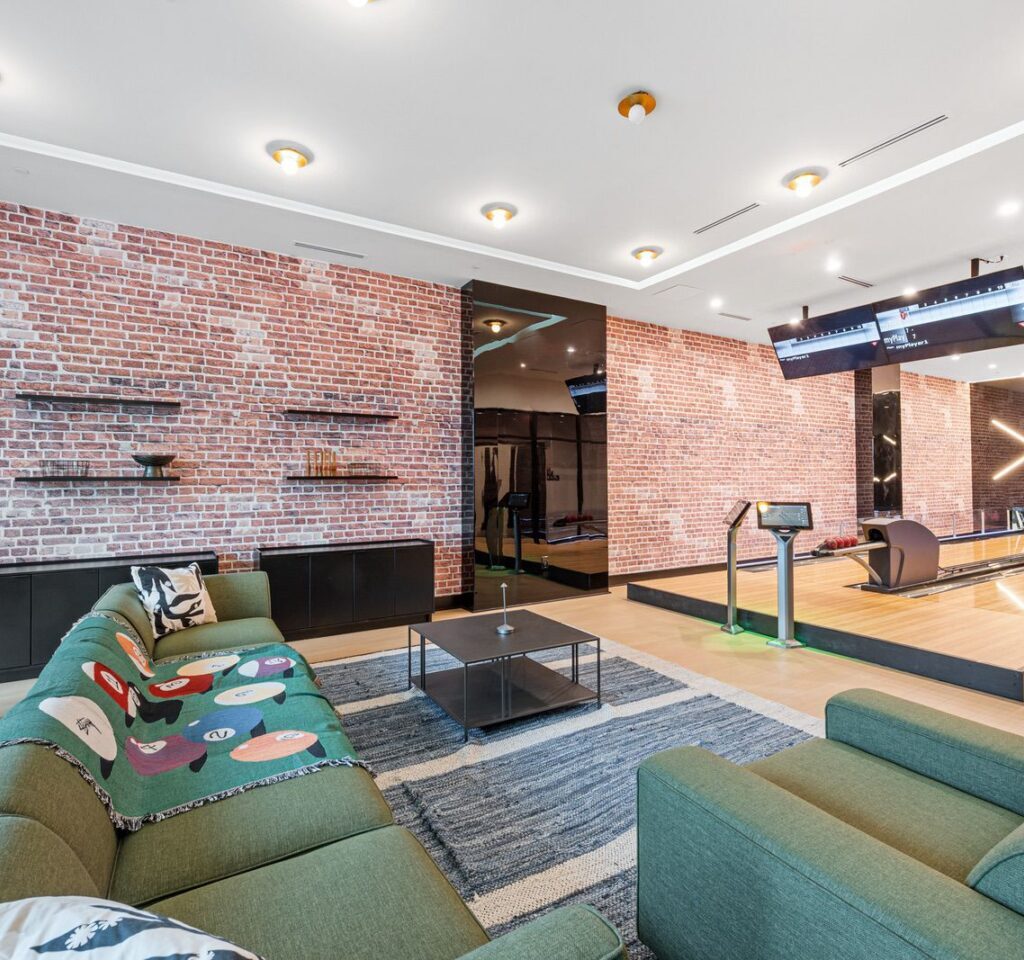
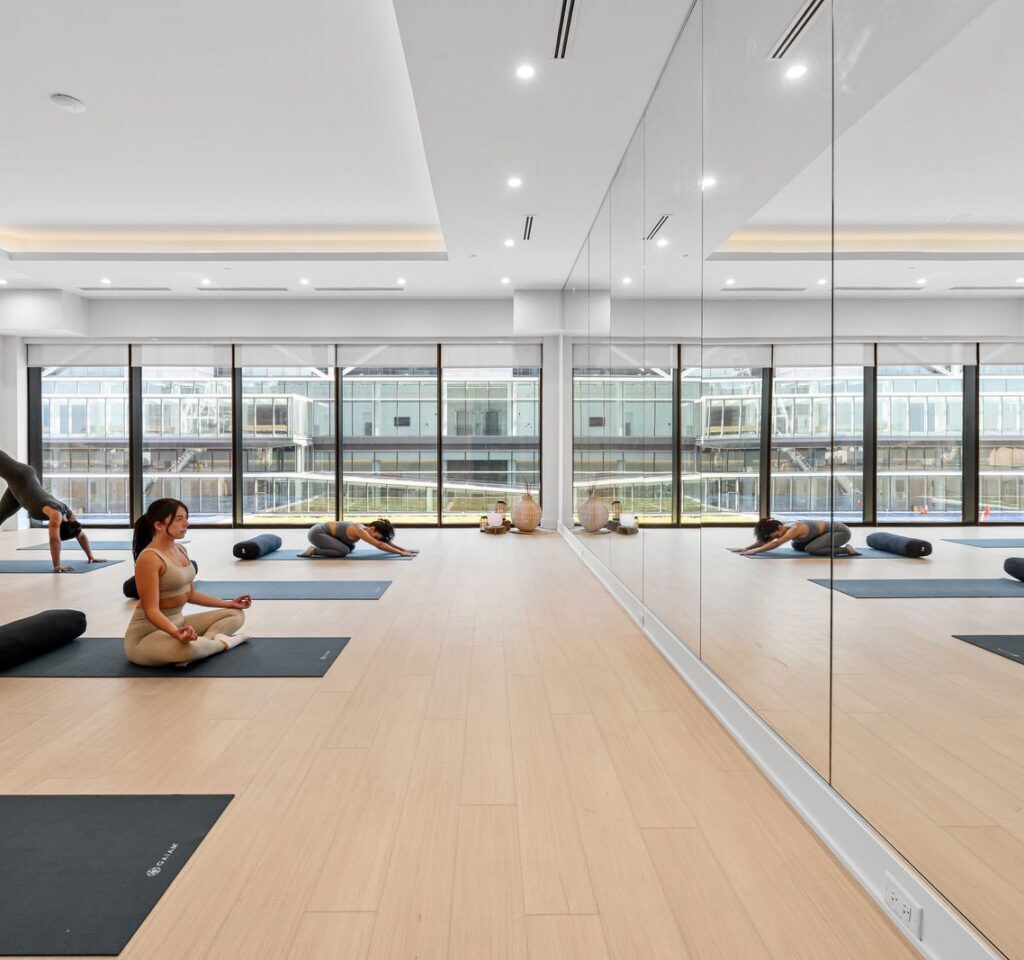
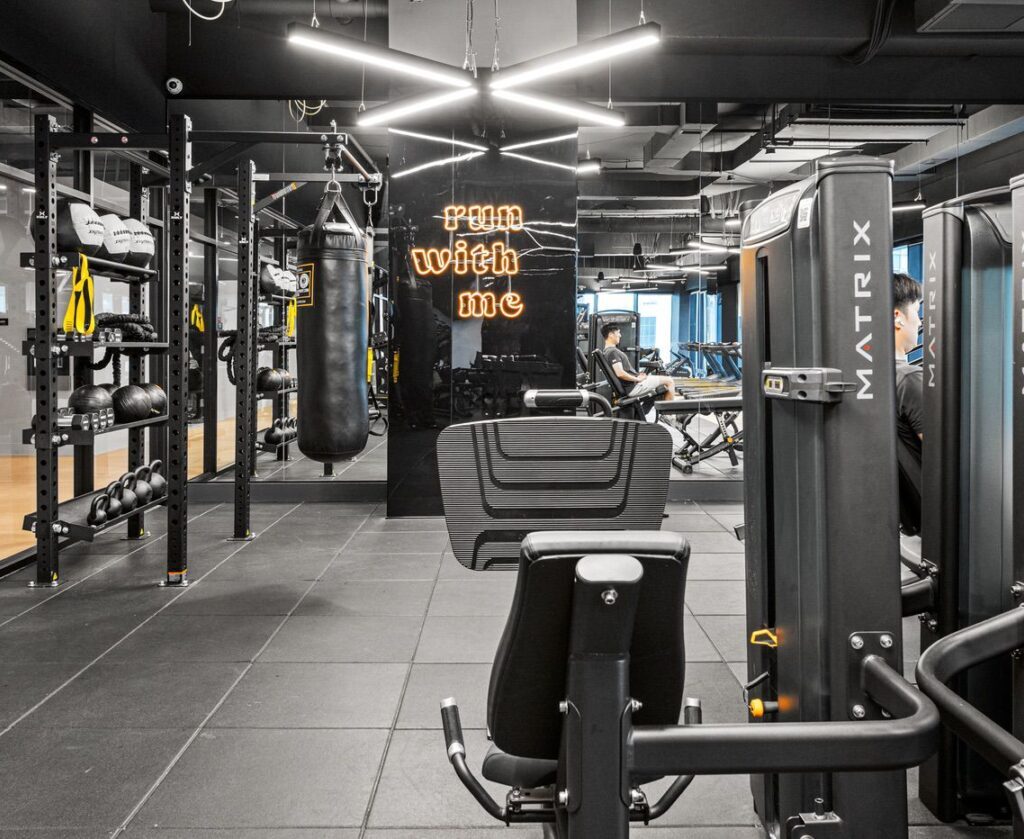
Beyond the residences themselves, the building places significant emphasis on amenities that increasingly define modern urban living. Outdoor spaces include two swimming pools, landscaped sundecks, private cabanas, grilling stations, and outdoor dining areas designed to encourage community interaction throughout the warmer months. Inside, residents have access to multiple fitness centers, yoga studios, Sky Lounges, golf simulators, co-working suites, private conference rooms, indoor basketball and soccer facilities, game lounges, children’s play areas, coffee service, concierge assistance, covered parking with electric vehicle charging stations, bicycle storage, and additional resident storage options.
The development also benefits from its location within Jersey City’s rapidly emerging SoHo West district. Residents are positioned near Coles Street Park while maintaining convenient access to Hoboken Terminal, PATH trains, NJ Transit, NY Waterway ferry service, the Hudson-Bergen Light Rail system, and major regional highways connecting northern New Jersey with New York City and surrounding employment centers.
Just a short distance away, another residential development continues to illustrate the growing appeal of Jersey City’s evolving neighborhoods. CMPND’s 15 Central in Journal Square has introduced another available luxury rental that highlights how developers are responding to changing resident expectations by emphasizing flexibility, technology, wellness, and community.
Residence 2403, a thoughtfully designed studio apartment encompassing approximately 474 square feet, demonstrates how efficient floor plans can deliver sophisticated urban living without sacrificing comfort. Floor-to-ceiling windows flood the residence with natural light while framing expansive city views, complementing contemporary hardwood flooring and clean architectural finishes that maximize both functionality and visual appeal. A dedicated sleeping alcove with integrated closet storage creates greater separation between living and resting areas, while the full kitchen features stainless-steel appliances, streamlined cabinetry, modern countertops, and efficient workspace suitable for everyday cooking.
Additional in-home amenities, including individually controlled heating and cooling systems together with an in-unit washer and dryer, further reflect the expectations of today’s renters, particularly younger professionals and remote workers seeking convenience without compromising quality.
The broader CMPND experience extends well beyond the individual apartment. High-speed internet infrastructure, co-working environments, private meeting rooms, a fully equipped fitness center, yoga studio, rooftop indoor-outdoor lounge, entertainment areas, golf simulator, arcade, bowling alley, music room, pet wash facilities, and reservable event spaces collectively create an environment designed to balance productivity, recreation, and social engagement.
Journal Square itself continues to emerge as one of Jersey City’s most dynamic residential markets. Long recognized for its transportation advantages, the neighborhood has experienced substantial reinvestment as new residential construction, independent restaurants, neighborhood cafés, cultural attractions, and retail businesses continue reshaping the district while preserving much of its historic character. Located within walking distance of the Journal Square PATH Transportation Center, developments such as 15 Central continue attracting residents seeking direct Manhattan access combined with comparatively greater residential value.
While new developments capture much of the attention surrounding New Jersey’s housing market, another significant milestone reflects the enduring strength of established real estate organizations serving communities throughout the state.
Weichert Real Estate Affiliates, headquartered in Morris Plains, is celebrating the twenty-fifth anniversary of its franchise network, marking a quarter-century of supporting independently owned real estate brokerages through one of the industry’s most recognized franchise systems. Since its founding, the company has helped entrepreneurial brokers expand their operations while maintaining local ownership and market expertise backed by national marketing resources, technology platforms, professional education, recruiting support, and operational guidance.
The anniversary represents more than a corporate milestone. It reflects the continued importance of locally owned brokerage firms in an industry that has experienced tremendous technological disruption, shifting consumer expectations, evolving commission structures, and rapidly changing market conditions. Throughout those transformations, independent brokerages have remained an essential part of New Jersey’s residential and commercial real estate markets by combining neighborhood knowledge with increasingly sophisticated technology and marketing capabilities.
As residential construction continues expanding throughout Hudson County and brokerage firms adapt to new consumer demands across the state, New Jersey’s real estate industry remains one of the region’s most active economic sectors. Developers continue investing billions of dollars in transit-oriented housing, mixed-use neighborhoods, adaptive reuse projects, and luxury rental communities, while brokerage companies evolve alongside changing technology and buyer expectations.
Taken together, the launch of Hudson House West, the continued leasing momentum at CMPND’s 15 Central, and Weichert Real Estate Affiliates’ silver anniversary demonstrate an industry that continues to innovate while responding to shifting demographic trends, workplace flexibility, and sustained demand for high-quality housing. They also reinforce New Jersey’s position as one of the nation’s most dynamic real estate markets, where investment, development, and entrepreneurship continue shaping communities that attract residents from throughout the Northeast and beyond.
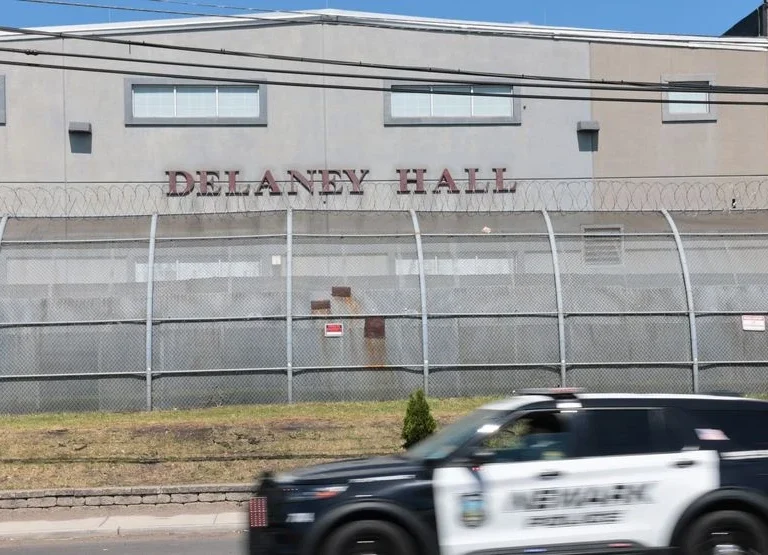
The legal and political battle surrounding Delaney Hall in Newark has entered a more confrontational phase after New Jersey officials announced that state health inspectors were once again prevented from conducting what they describe as a complete public health inspection of the privately operated immigration detention facility. The latest dispute has intensified an already contentious conflict between the State of New Jersey, the federal government, and the GEO Group, the private company that manages the detention center, while raising broader questions about public health oversight, detention standards, and the authority of state agencies to inspect facilities operating within New Jersey’s borders.
Governor Mikie Sherrill, Attorney General Jennifer Davenport, and Department of Health Commissioner Raynard E. Washington jointly criticized the decision to limit inspectors’ access after Department of Health personnel arrived for what officials said had been a previously scheduled inspection. According to the state, inspectors were permitted to enter portions of the facility but were prevented from conducting a comprehensive examination of critical operational areas, including the medical unit. Instead of performing a full inspection under New Jersey public health authority, officials said inspectors were escorted through only selected portions of the detention center.
For the Sherrill administration, the issue extends well beyond a disagreement over access. State officials argue that the inability to inspect every area of the facility prevents the Department of Health from carrying out one of its most fundamental responsibilities: protecting public health. Health inspections, they contend, are designed to identify conditions that could threaten not only detainees but also employees, contractors, visitors, emergency responders, and ultimately surrounding communities.
Governor Sherrill stated that denying inspectors unrestricted access only deepens concerns surrounding conditions inside Delaney Hall. Throughout her time in public office, she has maintained opposition to privately operated immigration detention facilities, and she reiterated that position following the inspection attempt, pledging to continue pursuing every available legal and administrative avenue to secure a complete review of the facility and improve conditions for individuals being housed there.
Attorney General Davenport similarly questioned why inspectors would be prevented from examining areas central to evaluating health and safety conditions. She noted that over recent months state officials have received multiple reports alleging deteriorating sanitary conditions, inadequate medical treatment, poor food quality, and other issues affecting detainees. According to the Attorney General, refusing to permit a complete inspection only increases public concern regarding the accuracy of those allegations and the conditions that may exist within the facility.
Health Commissioner Washington emphasized that public health inspections are conducted according to established health and safety standards rather than political considerations. He warned that communicable diseases are not confined by detention facility walls and that outbreaks can quickly extend beyond correctional or detention settings through employees, contractors, visitors, medical personnel, and others entering and leaving the property on a daily basis. From a public health perspective, officials argue, identifying sanitation concerns, food preparation practices, ventilation systems, medical operations, and infection control procedures remains essential regardless of the facility’s ownership or operational structure.
The latest inspection attempt follows several months of escalating concern surrounding Delaney Hall. Detainees, family members, legal representatives, and advocacy organizations have publicly alleged a range of health-related issues, including unsanitary living conditions, inconsistent access to medical treatment, delays in receiving prescription medications, poor food quality, and drinking water described by some detainees as having a metallic taste. Additional concerns have centered on reports that respiratory illnesses, including influenza and COVID-19, have circulated within the detention center.
State officials have also cited reports involving a detainee who was transported to University Hospital after being diagnosed with tuberculosis, a highly infectious disease that requires immediate public health intervention. Although the presence of a single communicable disease case does not necessarily indicate broader transmission, health officials maintain that such reports reinforce the importance of conducting comprehensive inspections capable of evaluating infection control procedures throughout the entire facility.
This week’s dispute is not the first confrontation between New Jersey officials and the operators of Delaney Hall. Earlier inspection efforts also resulted in state inspectors being denied access to several critical portions of the building. During that initial visit, inspectors were permitted to examine certain food service operations but were reportedly prevented from accessing sleeping quarters, shower facilities, restroom areas, ventilation systems, HVAC infrastructure, and medical treatment spaces. Those restrictions ultimately prompted the State of New Jersey to pursue legal action.
On June 2, New Jersey filed a lawsuit alleging that GEO Group violated state law by refusing to provide Department of Health officials with the access necessary to perform a complete inspection. The litigation argues that state law grants the Commissioner of Health broad authority to enter both public and privately operated detention facilities whenever there is reason to believe conditions affecting public health may exist. According to the state, that authority includes full access to areas necessary for evaluating sanitation, disease prevention, environmental health, food safety, ventilation, and other factors directly affecting the health of individuals housed inside the facility.
The dispute also illustrates the increasingly complex legal relationship between state regulatory authority and federally connected immigration operations. While immigration enforcement falls under federal jurisdiction, New Jersey maintains that state public health laws continue to apply to facilities operating within its borders, particularly when communicable disease prevention, environmental health, and sanitary conditions are involved. That jurisdictional conflict now appears likely to be resolved through the courts as litigation moves forward.
Beyond the legal arguments, Delaney Hall has become one of the most closely watched immigration detention facilities in New Jersey because it sits at the intersection of several ongoing national debates involving immigration policy, private detention contractors, public health oversight, and government accountability. As those discussions continue nationally, New Jersey’s actions may ultimately influence how other states approach inspections of privately operated detention centers located within their own jurisdictions.
Public health experts have long maintained that detention facilities present unique challenges because of their congregate living environments. Shared sleeping areas, dining facilities, bathrooms, medical spaces, and ventilation systems can create conditions where communicable illnesses spread more rapidly if appropriate safeguards are not maintained. For that reason, routine inspections evaluating sanitation practices, food handling procedures, infection prevention measures, medical care, environmental systems, and overall facility conditions have become standard components of public health oversight.
For the Sherrill administration, the central issue remains straightforward. State officials argue that meaningful inspections cannot occur if inspectors are prevented from entering portions of the facility they are legally authorized to examine. Until comprehensive access is granted, New Jersey officials maintain they will continue pursuing both administrative and legal remedies designed to enforce the Department of Health’s inspection authority and ensure that public health standards are fully evaluated at Delaney Hall.
As litigation proceeds and additional inspection efforts are expected, Delaney Hall will likely remain one of New Jersey’s most closely monitored public policy issues. The outcome may ultimately establish important precedent regarding the scope of state health inspection authority, the responsibilities of privately operated detention facilities, and the balance between federal immigration operations and state public health oversight within New Jersey.
Artificial intelligence is rapidly changing how companies purchase goods, manage supply chains, and coordinate global operations. While much of the public conversation surrounding AI has focused on chatbots, automation, and consumer applications, some of the most significant advances are taking place behind the scenes within highly specialized business sectors. One of those sectors is corporate housing, where technology is beginning to replace what has traditionally been a slow, labor-intensive procurement process involving countless phone calls, spreadsheets, emails, and negotiations. At the center of that transformation is Nearsite, a rapidly growing technology company headquartered in Princeton, New Jersey, which has announced the appointment of Abhay Srivastava as its new Chief Financial and Operating Officer.
The leadership addition represents another milestone for a New Jersey technology company that is positioning itself at the intersection of artificial intelligence, enterprise software, procurement automation, and workforce logistics. As organizations increasingly rely on distributed workforces, project-based staffing, temporary assignments, disaster response teams, and mobile professionals, securing housing has evolved from a simple travel function into a sophisticated operational challenge. Nearsite was founded to modernize that process by applying artificial intelligence to one of the most overlooked segments of enterprise procurement.
Founded in 2024, Nearsite has developed an AI-powered procurement platform specifically designed to automate the sourcing, bidding, selection, and management of temporary accommodations for businesses operating across multiple markets. Rather than requiring procurement departments or relocation specialists to manually contact dozens of housing providers, compare pricing, negotiate contracts, and coordinate availability, the platform streamlines those functions into a centralized digital marketplace capable of rapidly matching client requirements with vetted housing options around the world.
The company’s technology reflects a broader shift occurring throughout enterprise procurement. Artificial intelligence is increasingly being used to analyze purchasing requirements, evaluate supplier networks, automate repetitive administrative tasks, optimize pricing, and accelerate decision-making. Nearsite has adapted those same capabilities to workforce housing, creating a platform that helps organizations reduce administrative complexity while improving speed, consistency, and visibility throughout the housing procurement process.
Although the corporate housing industry has traditionally operated through fragmented regional providers and manual booking systems, workforce mobility has become significantly more complex. Large employers regularly move consultants, construction crews, healthcare professionals, engineers, government contractors, entertainment productions, athletic organizations, and executive teams between projects, often requiring accommodations for weeks or months rather than days. Managing those logistics efficiently has become an increasingly important business function, particularly as labor shortages require organizations to recruit talent from wider geographic areas.
Nearsite’s platform addresses those challenges by combining artificial intelligence with a curated marketplace of premium furnished apartments, extended-stay accommodations, and corporate housing providers. Its technology evaluates client requirements, location preferences, budgets, project durations, and availability before automating much of the sourcing and bidding process that traditionally consumed substantial staff time.
Beyond corporate travel, the platform has expanded into several specialized markets where temporary housing plays a critical operational role. Insurance companies and relocation firms utilize the system to rapidly secure emergency accommodations for policyholders displaced by fires, floods, hurricanes, and other disasters. Construction firms rely on workforce housing solutions to support major infrastructure and commercial development projects that require employees to remain on-site for extended periods. Government agencies frequently require temporary housing during emergency response operations, while entertainment companies, touring productions, and professional sports organizations depend on flexible accommodations capable of supporting highly mobile schedules.
Each of these sectors presents unique logistical challenges that benefit from centralized procurement and real-time marketplace intelligence. Rather than treating temporary housing as a travel expense, Nearsite approaches it as a strategic procurement function requiring the same analytical capabilities increasingly found throughout modern supply chain management.
The appointment of Abhay Srivastava as Chief Financial and Operating Officer arrives as the company continues expanding both its operational capabilities and enterprise client base. Srivastava brings extensive experience in technology operations, finance, organizational scaling, and business execution—expertise that will be increasingly important as Nearsite continues developing its platform while supporting a growing portfolio of corporate customers.
His addition complements the leadership already established by co-founder Sandeep Vyas and Chief Technology Officer Madhusudhan M., whose technical vision has helped position Nearsite within one of the fastest-growing segments of enterprise software. Together, the executive team reflects the multidisciplinary nature of today’s technology companies, where software engineering, artificial intelligence, financial strategy, procurement expertise, and operational execution must function together to deliver scalable enterprise solutions.
Nearsite’s continued growth also highlights New Jersey’s expanding influence within the technology sector. While the state has long been recognized for leadership in pharmaceuticals, telecommunications, logistics, financial services, and life sciences, it has increasingly become home to emerging software companies applying artificial intelligence to highly specialized business challenges. Princeton, in particular, continues attracting technology entrepreneurs seeking proximity to world-class research institutions, a highly educated workforce, major transportation infrastructure, and one of the nation’s strongest concentrations of corporate headquarters.
The emergence of companies like Nearsite reflects a broader evolution within New Jersey’s innovation economy. Rather than competing solely in consumer technology markets, many startups are developing enterprise-focused platforms designed to solve complex operational problems across healthcare, logistics, financial services, manufacturing, procurement, and workforce management. These business-to-business technology companies often operate outside public attention while creating software that powers critical functions inside some of the world’s largest organizations.
Artificial intelligence will likely continue reshaping enterprise procurement over the coming decade. From supplier qualification and contract management to inventory forecasting and workforce logistics, AI is becoming an increasingly valuable tool for organizations seeking greater efficiency and better decision-making. Housing procurement represents another category undergoing that transformation, particularly as businesses become more geographically distributed and workforce mobility continues expanding.
For New Jersey, Nearsite’s continued momentum reinforces the state’s position as a growing center for enterprise software innovation. The company’s decision to build and expand from Princeton reflects the advantages New Jersey offers technology firms seeking access to corporate customers, engineering talent, research resources, and one of the country’s most dynamic business ecosystems.
The appointment of Abhay Srivastava marks more than an executive leadership announcement. It signals the next stage in Nearsite’s growth as the company continues developing AI-driven solutions for one of enterprise procurement’s most specialized and rapidly evolving markets. As organizations increasingly look to technology to simplify complex operational challenges, companies capable of combining artificial intelligence with practical business applications are likely to play an increasingly important role in defining the future of corporate operations. From its headquarters in Princeton, Nearsite is positioning itself among those innovators, demonstrating once again that New Jersey remains an important destination for companies building the next generation of enterprise technology.
New Jersey has long been recognized as a leader in industries that directly influence the health, safety, and well-being of families. While the state is often associated with pharmaceuticals, healthcare, logistics, and advanced manufacturing, it also serves as the home to organizations whose work quietly shapes consumer safety standards across North America. One of the most influential of those organizations is the Baby Safety Alliance, headquartered in Mount Laurel, and its latest leadership announcement further reinforces New Jersey’s growing role in the future of juvenile product safety.
The Baby Safety Alliance has announced the election of Judah Bergman, founder and president of Jool Baby, to its Board of Directors. The appointment reflects both the continued growth of Jool Baby as one of the industry’s emerging innovators and the Alliance’s ongoing commitment to bringing experienced leaders together to help guide one of the most important consumer product sectors in the marketplace.
Formerly known as the Juvenile Products Manufacturers Association (JPMA), the Baby Safety Alliance represents approximately 95 percent of all prenatal-to-preschool products sold throughout North America. Few trade organizations possess that level of industry representation, making the Alliance one of the most influential voices in the development of product safety standards, consumer education, legislative advocacy, and industry collaboration. Its work extends well beyond manufacturers themselves, reaching retailers, healthcare providers, engineers, product designers, testing laboratories, legislators, regulators, and ultimately millions of parents who rely on safe products every day.
The organization’s headquarters in Mount Laurel places New Jersey at the center of many of the conversations shaping the future of juvenile products. From independent testing protocols to educational initiatives and public policy recommendations, many of the standards that families encounter when purchasing cribs, bassinets, strollers, high chairs, safety gates, swings, play yards, feeding equipment, and nursery accessories originate through collaborative efforts involving the Alliance and its membership.
At the heart of the organization are four strategic pillars that collectively define its mission. Product safety remains its primary responsibility through the Baby Safety Alliance Verification Program, one of the industry’s most recognized independent testing and certification systems. Thousands of products representing more than thirty nursery and juvenile product categories undergo evaluation each year to help ensure compliance with rigorous safety requirements before reaching consumers.
Advocacy represents another significant aspect of the Alliance’s work. The organization regularly works with policymakers at the federal, state, and local levels to promote legislation that strengthens product safety while maintaining reasonable access and affordability for families. As regulations continue evolving alongside new technologies and manufacturing practices, the Alliance serves as an important bridge between industry expertise and public policy.
Education has become equally essential. Through Baby Safety University, parents, grandparents, caregivers, childcare providers, and healthcare professionals receive guidance on selecting, installing, maintaining, and properly using children’s products. As product offerings become increasingly sophisticated and technology continues transforming everything from infant monitoring systems to travel equipment, consumer education has become just as important as product engineering itself.
Complementing these initiatives is the Baby Safety Foundation, the organization’s philanthropic arm dedicated to expanding access to safe juvenile products while helping reduce preventable childhood injuries through outreach, charitable partnerships, and educational programming. Together, these four pillars demonstrate that the Alliance’s mission extends well beyond product certification into every stage of family safety and child development.
The organization’s leadership structure reflects the breadth of the industry it represents. President Michael Dwyer and Executive Director Lisa Trofe oversee day-to-day operations while working closely with a Board of Directors composed of senior executives representing many of the world’s most recognizable juvenile product companies. Board Chair Walter Lehneis of HALO Dream, Vice Chair Mark Zehfuss of Larktale, Treasurer Vartan Chldrian of Munchkin, and executives representing companies including Amazon, Britax, Evenflo, Baby Trend, Dorel Juvenile Group, Mockingbird, and Graco/Newell Brands collectively help establish the Alliance’s long-term priorities, strategic direction, governance, and educational initiatives.
The addition of Judah Bergman further strengthens that leadership team. Since founding Jool Baby, Bergman has helped build the company into a rapidly expanding brand recognized for combining affordability, practical innovation, and safety-focused design across a broad range of baby and childcare products. The company’s philosophy has consistently centered on making everyday parenting easier without compromising quality or safety, a mission that closely aligns with the broader objectives of the Baby Safety Alliance.
His appointment comes during a period when consumer expectations surrounding juvenile products continue to evolve. Parents today have access to an unprecedented number of choices across virtually every product category, but they also face an increasingly complex marketplace where safety certifications, engineering standards, recalls, and independent testing all play critical roles in purchasing decisions. Organizations like the Baby Safety Alliance help bring consistency and transparency to that process by establishing industry benchmarks while encouraging manufacturers to continually improve product design and performance.
For New Jersey, the significance extends well beyond one executive appointment. The Garden State continues to serve as home to organizations that influence national policy, consumer education, manufacturing standards, and public safety across numerous industries. The Baby Safety Alliance represents another example of New Jersey’s quiet but substantial leadership in areas that affect millions of families every day.
The election of Judah Bergman to the Alliance’s Board of Directors also reflects the industry’s continued emphasis on collaboration. Manufacturers, engineers, retailers, safety advocates, legislators, educators, and healthcare professionals increasingly recognize that protecting children requires cooperation rather than competition. Product innovation, independent testing, consumer education, and thoughtful regulation work most effectively when experienced leaders contribute diverse perspectives toward common goals.
As the juvenile products industry continues introducing smarter technologies, enhanced materials, connected devices, and increasingly sophisticated safety features, organizations like the Baby Safety Alliance will remain central to ensuring innovation never outpaces consumer protection. With its headquarters firmly rooted in New Jersey and leadership drawn from many of the industry’s most respected companies, the Alliance continues helping establish the standards that shape one of North America’s most important consumer markets.
Judah Bergman’s appointment represents both a personal achievement and another reminder of New Jersey’s continuing influence within an industry devoted to protecting children. It also reinforces the state’s position as a center for organizations whose work extends far beyond its borders, improving product safety, strengthening consumer confidence, and helping families make better-informed decisions for generations to come.
The New Jersey Devils have officially announced their 2026-27 preseason schedule, providing the first complete look at the club’s September preparations as players begin the transition from offseason training to the start of a new National Hockey League campaign. The four-game exhibition schedule, combined with the organization’s training camp and rookie camp plans, outlines the final evaluation period before the regular season while offering fans an early opportunity to see one of the NHL’s most closely watched teams return to the ice.
The preseason schedule features four games against the Devils’ Metropolitan Division rivals, the New York Islanders and New York Rangers. Two contests will be played at Prudential Center in Newark, while two additional games will be played on the road, giving the coaching staff opportunities to evaluate veteran players, recent acquisitions and prospects in a variety of game situations before final roster decisions are made.
Preparations begin well before the opening exhibition game. Rookie players are scheduled to report to training camp on Friday, September 11, with veterans joining camp on Wednesday, September 16. Before the full roster assembles, the Devils and Islanders will meet in a two-game rookie series designed to provide valuable development opportunities for the organizations’ top young prospects. The first rookie game will be played on Sunday, September 13, at RWJBarnabas Health Hockey House in New Jersey, followed by the return matchup on Tuesday, September 15, at Northwell Health Ice Center on Long Island.
The Devils will open their preseason schedule at Prudential Center on Sunday, September 20, hosting the Islanders in a 1:00 p.m. afternoon contest before welcoming the Rangers the following evening on Monday, September 21, for a 7:00 p.m. matchup. The club then travels to Madison Square Garden on Thursday, September 24, to face the Rangers before concluding the exhibition schedule on Saturday, September 26, against the Islanders at UBS Arena.
While preseason records carry little significance, the exhibition schedule remains one of the most important evaluation periods of the hockey calendar. Coaching staffs use the games to establish line combinations, evaluate defensive pairings, assess special teams, integrate new players into the system and determine which prospects are prepared to compete for NHL roster spots. The condensed nature of this year’s training camp places even greater emphasis on maximizing every practice session and exhibition game before opening night.
This year’s preseason also arrives following one of the organization’s most significant offseasons in recent memory. Earlier this week, the Devils completed a major trade with the Calgary Flames, sending defenseman Simon Nemec and forward Maxim Tsyplakov west in exchange for defense prospect Etienne Morin, two top-10 protected first-round draft selections and an additional second-round pick in the 2026 NHL Draft. The transaction significantly increased the organization’s long-term draft capital while providing management with additional flexibility as it continues to shape the roster for both the immediate future and the seasons ahead.
The move also represented the first major personnel decision under General Manager Sunny Mehta, who assumed control of hockey operations following the departure of former General Manager Tom Fitzgerald near the conclusion of last season. Rather than focusing exclusively on the current roster, the transaction demonstrated an emphasis on strengthening organizational depth and expanding the club’s collection of premium draft assets over multiple seasons.
As a result of recent transactions, New Jersey now possesses an increasingly valuable collection of future draft selections in addition to its own first-round choice in the 2026 NHL Draft. The Devils also control a 2026 second-round selection acquired from the New York Rangers, a 2027 first-round selection originally belonging to the Vegas Golden Knights, and a 2028 first-round pick obtained from the Colorado Avalanche. Those assets provide considerable flexibility as management evaluates future trades, prospect development and long-term roster construction.
Another important storyline entering training camp remains the future of captain Nico Hischier. Contract discussions have continued throughout the offseason as the organization works toward securing one of its franchise cornerstones while maintaining long-term salary-cap flexibility. Although no agreement has been announced, Hischier remains central to the club’s plans both on and off the ice, making his contract status one of the key issues to watch as training camp approaches.
For fans, the preseason schedule provides the first opportunity to see the Devils together before the regular season begins. Veterans will begin preparing for another demanding Metropolitan Division schedule, while younger players and recent draft selections will compete to demonstrate that they belong on the NHL roster. Every practice, rookie game and preseason contest contributes to the decisions that ultimately shape the opening-night lineup.
Individual tickets for the 2026-27 regular season are expected to become available in the coming weeks. The organization has also announced that Black and Red Memberships will again provide priority purchasing opportunities, flexible ticket management options, exclusive member events and additional benefits for season-ticket holders.
The complete preseason schedule is as follows:
Sunday, September 13 — Rookie Game vs. New York Islanders, RWJBarnabas Health Hockey House, 2:00 p.m.
Tuesday, September 15 — Rookie Game at New York Islanders, Northwell Health Ice Center, 6:00 p.m.
Sunday, September 20 — New York Islanders at Prudential Center, 1:00 p.m.
Monday, September 21 — New York Rangers at Prudential Center, 7:00 p.m.
Thursday, September 24 — At New York Rangers, Madison Square Garden, 7:00 p.m.
Saturday, September 26 — At New York Islanders, UBS Arena, 7:00 p.m.
New Jersey’s craft beer industry has evolved far beyond the simple concept of producing local beer. What began as a small movement of independent brewers fighting for market share has transformed into one of the state’s most vibrant cultural, tourism, entertainment, and small-business success stories. Today, breweries are no longer merely manufacturing facilities. They have become gathering places, music venues, event destinations, educational centers, culinary attractions, and community anchors that draw visitors from across the region.
As summer reaches its peak across the Garden State, that evolution is on full display. From the Jersey Shore to the Delaware River, from suburban downtown districts to working farms and historic villages, breweries are creating experiences that blend craft beverages with music, food, recreation, wellness, tourism, and local culture. The result is a summer calendar that demonstrates just how deeply craft brewing has become woven into New Jersey’s identity.
The coming weeks showcase perhaps the strongest example yet of how the state’s brewery scene continues to innovate while attracting visitors looking for experiences that extend well beyond the tasting room.
One of the largest events on New Jersey’s summer calendar arrives on June 27 when the Asbury Park Summer Beer, Wine & Spirits Festreturns to Bradley Park. Situated just steps from the Atlantic Ocean and directly across from the historic Convention Hall, the festival brings together an extensive collection of domestic and international beverages while highlighting the growing importance of experiential tourism along the Jersey Shore. Events like this have become increasingly important for coastal communities seeking to attract visitors throughout the entire season rather than relying solely on traditional beach traffic.
The festival reflects a broader trend taking place throughout New Jersey’s hospitality sector. Consumers increasingly seek destination experiences that combine multiple interests into a single outing. A beverage festival is no longer simply about sampling drinks. It has become an opportunity to explore a community, discover local businesses, enjoy live entertainment, experience regional food culture, and spend an afternoon immersed in the atmosphere that makes a destination unique.
Running from 1:00 p.m. until 4:30 p.m. on Saturday, June 27, the event transforms Bradley Park into a showcase of craft brewing, artisanal winemaking, and innovative spirits production. Located at 101-199 Fifth Avenue in Asbury Park, the festival benefits from one of the most recognizable settings anywhere along the Jersey Shore. Visitors can enjoy the energy of the boardwalk district while experiencing a carefully curated collection of beverage producers from New Jersey and beyond.
Admission includes unlimited tasting opportunities throughout the afternoon. Guests receive a commemorative sampling glass upon entry and gain access to more than 100 different offerings spanning craft beer, wine, ready-to-drink cocktails, and premium spirits. Unlike traditional food and beverage events where purchases are made individually, the festival operates as an all-inclusive tasting experience, encouraging attendees to explore new styles, brands, and flavor profiles while interacting directly with the people who create them.
One of the strongest aspects of the event is the opportunity for consumers to engage directly with industry professionals. Representatives from breweries, wineries, distilleries, and beverage companies will be available throughout the festival grounds to discuss production techniques, ingredients, brewing philosophies, and the stories behind their brands. For many attendees, these conversations provide just as much value as the tastings themselves.
The beer lineup showcases many of the independent breweries that continue to define New Jersey’s thriving craft beer scene. Participating breweries include regional favorites such as Icarus Brewing, 902 Brewing, Last Wave Brewing Company, Wild Air Beerworks, Beach Haus Brewery, and MudHen Brewing Company. Together, they represent the creativity, innovation, and entrepreneurial spirit that have transformed New Jersey into one of the East Coast’s most dynamic craft beer destinations.
Wine enthusiasts will find an equally impressive selection featuring wineries and specialty producers from across the region. Participating vendors include Valenzano Winery, Wagonhouse Winery, Gorgée D’Art Wines, Shoe Crazy Wine, and Profanity Wine, offering guests the opportunity to sample a diverse collection of styles ranging from traditional varietals to modern specialty blends.
The spirits category continues to expand as consumers increasingly explore premium liquors and ready-to-drink alternatives. This year’s festival features tastings from brands including Tullamore D.E.W., Alibi Gin, Redwood Empire Whiskey, Suerte Tequila, The Long Drink, and several specialty producers offering unique products that are helping redefine the modern spirits market.
While beverages remain the centerpiece attraction, food also plays an important role in the overall festival experience. Although food purchases are separate from admission, a variety of local vendors and food trucks will be serving specialty menu items throughout the day. Attendees can expect offerings from popular vendors including Chavas Empanadas, Mozzarepas, and Notorious P.I.G. BBQ, providing a range of options designed to complement the extensive beverage selections.
Live entertainment and interactive activities further elevate the experience beyond a traditional tasting event. Music performances, lawn games, and social gathering spaces throughout the festival grounds help create the relaxed, festive atmosphere that has become a hallmark of many of New Jersey’s premier summer events.
Festival organizers emphasize that the event is strictly for guests 21 years of age and older. Valid government-issued identification is required for entry, and no children, infants, strollers, or pets are permitted inside the event area. Guests should also be aware that re-entry is not permitted once they leave the festival grounds, making it important to plan accordingly before entering. Standard security procedures prohibit outside food, beverages, backpacks, and oversized bags.
General admission tickets typically range from approximately $60 to $70 depending on purchase timing and availability, while designated driver tickets are available at a reduced price for non-drinking guests. Advance purchases often provide opportunities for additional savings through promotional offers and event-specific discounts.
More broadly, the Asbury Park Summer Beer, Wine & Spirits Fest represents the continued evolution of New Jersey’s beverage and tourism industries. Events like this serve as economic drivers for local businesses, attract visitors from across the region, and showcase the creativity that continues to fuel growth throughout the state’s hospitality sector. As craft beverages become increasingly connected to tourism, entertainment, and community experiences, festivals such as this demonstrate why New Jersey remains one of the most exciting destinations on the East Coast for beer, wine, spirits, and summer celebrations.
For visitors looking to combine great beverages, outstanding food, live entertainment, and the unmistakable energy of the Jersey Shore, few events on the 2026 summer calendar offer a more complete experience than an afternoon at Bradley Park during the Asbury Park Summer Beer, Wine & Spirits Fest.
That same day, another uniquely New Jersey celebration takes place in Ocean County. Red White & SummerBrew in Island Heights combines food, beverages, live entertainment, and community spirit as part of larger celebrations connected to America’s 250th anniversary. Events like these highlight how breweries and beverage-focused gatherings have become central components of civic celebrations, helping communities create memorable experiences while supporting local organizations and charitable causes.
The integration of breweries into community life has become one of the defining characteristics of New Jersey’s craft beer renaissance. What was once viewed primarily as an industry has become an ecosystem that supports tourism, nonprofit fundraising, local musicians, food vendors, artisans, and countless small businesses.
Nowhere is that more evident than in the growing number of brewery events designed around themes far removed from traditional beer tastings.
Flow, Hunt & Hops Brings Together Yoga, Aviation History, and Craft Beer for a Uniquely New Jersey Experience in Millville. The modern craft brewery has evolved into something far greater than a place where beer is brewed and served. Across New Jersey, breweries have become community gathering spaces, cultural centers, event venues, educational hubs, and tourism destinations that bring people together through experiences as much as beverages. Few events illustrate that evolution better than the upcoming Flow, Hunt & Hops experience scheduled for Sunday, July 12, at Glasstown Brewing Company in Millville.
At first glance, yoga, military aviation history, and craft beer might seem like an unlikely combination. Yet that unexpected blend is precisely what makes Flow, Hunt & Hops one of the more creative and distinctive summer events taking place in New Jersey’s growing craft beverage scene. The program combines wellness, education, local history, recreation, and community engagement into a single morning experience that reflects how breweries are increasingly redefining their role within the communities they serve.
Hosted through a collaboration between Illuminate Yoga with Tracey and Glasstown Brewing Company, the event embraces a philosophy organizers describe as “Flow the Body and Grow the Mind.” Rather than focusing exclusively on fitness or entertainment, the experience encourages participants to engage physically, intellectually, and socially while exploring one of South Jersey’s most unique destinations.
The event takes place at Glasstown Brewing Company, located at 10 Peterson Street in Millville, directly adjacent to the historic Millville Airport and within walking distance of the renowned Millville Army Airfield Museum. That setting provides an ideal backdrop for a program that connects wellness and recreation with the rich history of one of New Jersey’s most important military aviation sites.
The morning begins at 10:30 a.m. with the “Flow” portion of the event. Participants will gather inside the brewery for an all-levels yoga session led by instructor Tracey Morgado. Designed to be accessible to both newcomers and experienced practitioners, the class focuses on movement, flexibility, breathing, and mindfulness. The emphasis is not on competition or athletic achievement but on creating an environment where participants can relax, recharge, and prepare for the rest of the experience.
Yoga events hosted by breweries have grown increasingly popular throughout New Jersey and across the country. They reflect a broader cultural shift that recognizes breweries as community spaces capable of supporting wellness initiatives alongside traditional hospitality experiences. By opening their facilities to fitness programs, breweries are attracting audiences that might never have considered visiting a taproom while simultaneously expanding their role as gathering places for diverse groups of people.
Following the yoga session, participants transition into the second phase of the experience, appropriately titled “Hunt.” This portion takes guests next door to the Millville Army Airfield Museum, one of South Jersey’s most significant historical attractions. There, attendees will participate in an interactive aviation-themed scavenger hunt that encourages exploration of the museum’s exhibits while uncovering clues connected to the site’s remarkable military heritage.
The Millville Army Airfield played a vital role during World War II, serving as a training facility for fighter pilots preparing for combat service overseas. Today, the museum preserves that history through exhibits, restored aircraft, artifacts, photographs, and educational programming that help tell the story of the men and women who contributed to the war effort. By incorporating the museum into the event, organizers have created an opportunity for participants to engage with local history in a way that feels interactive, accessible, and entertaining.
The scavenger hunt transforms what might otherwise be a traditional museum visit into an immersive experience. Participants are encouraged to observe exhibits closely, interact with the historical environment, and discover details they might otherwise overlook. The result is an educational component that adds depth and meaning to the overall event while supporting one of Cumberland County’s most valuable cultural institutions.
The final phase of the morning is perhaps the most anticipated for many attendees. After completing the yoga session and museum challenge, participants return to Glasstown Brewing Company for the “Hops” portion of the experience. There, they can relax, socialize, and enjoy a complimentary pint of craft beer included with admission.
For many visitors, this final segment highlights the hospitality and community atmosphere that have helped make Glasstown Brewing Company one of South Jersey’s most respected breweries. Since opening in 2013, the brewery has established itself as a cornerstone of Millville’s craft beverage scene, known not only for its diverse lineup of beers but also for its commitment to creating experiences that bring people together.
Guests may choose from several of Glasstown’s popular offerings, including favorites such as 609 IPA and Lunch Pale Ale, while reflecting on the morning’s activities and enjoying conversation with fellow participants. The brewery’s welcoming environment provides the perfect setting to conclude an experience that successfully combines physical activity, intellectual engagement, local history, and community connection.
What makes Flow, Hunt & Hops particularly noteworthy is its ability to showcase multiple aspects of what makes Millville special. In just a few hours, participants experience one of South Jersey’s leading craft breweries, engage with a respected local wellness professional, explore a nationally significant aviation museum, and contribute to the preservation of local history. The event serves as a microcosm of the broader tourism opportunities emerging throughout Cumberland County and the surrounding region.
The charitable component further enhances the event’s impact. A portion of every ticket sold will be donated directly to support the operations and mission of the Millville Army Airfield Museum. This connection ensures that participation not only provides a memorable experience for attendees but also contributes to preserving an important piece of New Jersey history for future generations.
Priced at $23 per person, Flow, Hunt & Hops represents one of the more affordable and creative destination experiences available this summer. The event demonstrates how modern breweries are increasingly functioning as community partners capable of bringing together organizations, businesses, educators, historians, wellness professionals, and residents in meaningful ways.
As New Jersey’s craft beer industry continues to evolve, events like Flow, Hunt & Hops offer a glimpse into its future. Today’s most successful breweries understand that visitors are often seeking more than great beer. They are looking for experiences that create memories, foster connections, encourage exploration, and strengthen communities. By combining yoga, history, recreation, and craft brewing into a single event, Glasstown Brewing Company continues to demonstrate why independent breweries have become some of the state’s most innovative and valuable community assets.
For anyone seeking a uniquely New Jersey summer experience that blends wellness, learning, local culture, and craft beer, Flow, Hunt & Hops may be one of the most creative events on the calendar. It is a reminder that some of the best experiences happen when different worlds come together in unexpected ways—and few places are bringing those worlds together more effectively than Glasstown Brewing Company in Millville.
Similarly, cycling enthusiasts will converge on Ocean County later this summer when Bikes & Beers returns to Icarus Brewing Company’s new facility in Brick Township. Riders can choose from multiple route lengths before returning for a festival atmosphere centered around one of New Jersey’s most recognized brewery brands. Events such as these demonstrate the increasing overlap between outdoor recreation, tourism, fitness culture, and craft brewing.
The movement has even expanded into creative arts programming.
Drafts & Crafts at Sunken Silo Brew Works Highlights the New Era of New Jersey Brewery Culture
The evolution of New Jersey’s craft brewery industry has become one of the most fascinating developments in the state’s hospitality, tourism, and community engagement sectors. What began as a movement centered primarily around brewing innovative beers has matured into something significantly broader. Today’s breweries are no longer simply production facilities with tasting rooms attached. They have become gathering places, cultural centers, educational venues, social hubs, and creative spaces where people come together to share experiences that extend well beyond what is poured into a glass.
That transformation will be on full display on Wednesday, July 8, when Sunken Silo Brew Works hosts Drafts & Crafts, an interactive evening designed to blend creativity, craftsmanship, community engagement, and locally brewed beverages into a single memorable experience. Scheduled from 6:00 p.m. until 8:00 p.m. at the brewery’s picturesque location along Route 22 in Lebanon, the event represents a growing trend that is reshaping how New Jersey residents interact with their local breweries.
Across Hunterdon County and throughout the Garden State, breweries have increasingly embraced the idea that visitors are seeking more than a pint of beer. Consumers today are looking for authentic experiences. They want opportunities to learn new skills, connect with neighbors, support local businesses, and spend meaningful time with friends and family. In response, many breweries have expanded their programming to include wellness events, educational workshops, artisan markets, live music performances, trivia competitions, food festivals, charitable fundraisers, and hands-on creative classes.
Drafts & Crafts fits perfectly within that growing movement.
The event transforms the traditional brewery visit into an immersive workshop where guests become creators rather than simply spectators. Instead of spending an evening passively enjoying a beverage, participants will leave with handcrafted keepsakes that reflect their own personalities and creative choices. The concept combines the satisfaction of making something unique with the relaxed atmosphere that has helped establish breweries as some of New Jersey’s most welcoming social environments.
Participants will have the opportunity to create two custom items during the evening. The centerpiece of the experience is a hand-poured scented candle designed entirely by the guest. Attendees will select from a curated collection of fragrance oils, scent combinations, and decorative elements to create a personalized candle that reflects their own style and preferences. The process offers an opportunity to explore fragrance blending while learning basic candle-making techniques in a fun and accessible environment.
The second project complements the candle-making experience with the creation of a personalized decorative matchbox. Designed to pair with the handcrafted candle, the custom matchbox allows participants to add their own creative touches while producing a coordinated keepsake they can display or use at home. Together, the projects create a finished set that serves as both a practical item and a reminder of the experience shared at the brewery.
One of the reasons events like Drafts & Crafts have become increasingly popular is their ability to attract a wide range of participants. Craft breweries historically appealed primarily to beer enthusiasts. Today’s experiential programming broadens that audience significantly. Someone may attend because they enjoy crafting. Another guest may come for the social atmosphere. Others may simply be looking for a unique midweek activity that differs from the standard dinner-and-drinks routine. The brewery becomes the backdrop for a broader community experience rather than the sole focus of the evening.
Of course, the brewing component remains an important part of the event. Each admission includes a complimentary craft beverage from Sunken Silo’s tap list, allowing guests to enjoy the brewery’s offerings while working on their projects. That integration of local craft beer with creative programming reflects the brewery’s commitment to providing a well-rounded experience that celebrates both craftsmanship and hospitality.
The setting itself contributes significantly to the appeal. Sunken Silo Brew Works has established a reputation as one of Hunterdon County’s distinctive brewery destinations. Located amid the rolling landscapes that define much of western New Jersey, the brewery combines agricultural character with modern brewing practices. The environment creates an atmosphere that feels simultaneously rustic, comfortable, and contemporary, making it an ideal location for events that emphasize creativity and community interaction.
The popularity of programs like Drafts & Crafts also speaks to broader changes occurring within the craft beer industry nationwide. As competition among breweries has intensified, successful operators have increasingly differentiated themselves through experiences rather than products alone. While quality beer remains essential, many breweries have recognized that creating memorable moments helps build lasting relationships with customers and strengthens ties to the surrounding community.
New Jersey has emerged as a leader in that movement. Throughout the state, breweries are finding innovative ways to connect with local residents through activities that reflect the interests and values of their communities. Some host yoga sessions. Others organize charity fundraisers, farmers markets, live music festivals, educational seminars, or artisan workshops. These events create reasons for people to return repeatedly while fostering a sense of belonging that extends beyond the beverage itself.
Drafts & Crafts embodies that philosophy perfectly. The evening encourages conversation, collaboration, creativity, and connection while introducing participants to a skill they may never have explored before. It offers an opportunity to unplug from daily routines, engage in a hands-on activity, and spend time in a welcoming environment surrounded by neighbors and fellow community members.
The workshop also highlights the growing intersection between craft brewing and the maker movement. Both industries celebrate craftsmanship, individuality, creativity, and small-scale production. Just as brewers carefully combine ingredients to create distinctive flavors, participants at Drafts & Crafts will blend scents, select decorative elements, and design personalized creations that reflect their own tastes and imagination. The connection between those two forms of craftsmanship feels natural and reinforces the values that have helped fuel the success of independent breweries throughout New Jersey.
With tickets priced at $40 per person and all materials included, the event offers an accessible opportunity to experience a different side of New Jersey’s craft brewery culture. Guests leave not only with handcrafted keepsakes but also with memories of a shared experience that combines artistry, hospitality, and community engagement.
As New Jersey’s brewery industry continues to evolve, events like Drafts & Crafts provide a glimpse into its future. The breweries that thrive are increasingly those that understand their role extends beyond brewing beer. They serve as gathering places where people can learn, create, celebrate, connect, and participate in experiences that enrich their communities.
For Sunken Silo Brew Works, Drafts & Crafts is more than a workshop. It is another example of how New Jersey breweries are redefining what a modern taproom can be. By bringing together creativity, local craftsmanship, community interaction, and exceptional hospitality, the event demonstrates why breweries have become some of the most dynamic and innovative destinations in the Garden State.
Screamin’ Hill Brewery in Cream Ridge continues to exemplify that philosophy. Located on a working farm, the brewery provides visitors with a distinctly New Jersey experience that combines agriculture, open space preservation, local food systems, and farm-to-glass brewing. Live performances, picnic-friendly grounds, and expansive rural scenery create an atmosphere that feels uniquely connected to the state’s agricultural heritage.
The same spirit can be found throughout Burlington County, where King’s Road Brewing continues its Blues, Brews & BBQ series. The combination of live music, barbecue, and locally crafted beer has proven enormously successful because it speaks to a broader cultural experience. Guests attend not merely for the beverages but for the atmosphere, entertainment, and social connection that accompany them.
Music has become one of the most powerful forces shaping brewery culture throughout the state.
Whether it is Caribbean-inspired celebrations at Montclair Brewery, nostalgic Emo Night performances at Five Dimes Brewery, or acoustic sets on farm brewery grounds, live entertainment has become a defining feature of the brewery experience. For many independent musicians, breweries now provide some of the most accessible and supportive performance venues in New Jersey.
The relationship is mutually beneficial. Musicians gain audiences and exposure while breweries create vibrant environments that encourage longer visits and repeat customers.
The collaborative nature of the craft beer industry is also becoming increasingly visible through specialty tasting events. The Hometown Hops Collaborative Tasting scheduled for July brings together brewers from Sunken Silo and Flounder Brewing for a guided exploration of their work. Beyond introducing guests to different brewing philosophies, these collaborations highlight the cooperative culture that distinguishes craft brewing from many other business sectors.
Unlike industries defined by aggressive competition, New Jersey breweries often support one another through joint events, shared expertise, collaborative releases, and cross-promotional opportunities. That spirit has helped fuel the state’s rapid growth while strengthening its reputation as one of the East Coast’s most exciting craft beverage destinations.
The economic implications of this growth are substantial.
Breweries now contribute to tourism spending, commercial redevelopment, hospitality employment, agricultural demand, entertainment programming, and local tax revenue. They have become integral components of downtown revitalization efforts and rural tourism strategies alike.
Communities increasingly recognize breweries as assets capable of attracting visitors who may subsequently spend money at restaurants, shops, hotels, and other nearby attractions. This multiplier effect has transformed breweries into important drivers of local economic development.
At the same time, consumer expectations continue to evolve.
Today’s visitors expect more than a tasting room. They want experiences. They want educational opportunities. They want food pairings, live performances, family-friendly activities, fitness events, artisan markets, charitable fundraisers, and creative workshops. New Jersey’s brewery operators have responded by building businesses that embrace all of those expectations.
As summer unfolds, the state’s brewery calendar offers a remarkable snapshot of how far the industry has come. Beer remains at the center of the experience, but it is no longer the entire story. The modern New Jersey brewery serves as a destination, gathering place, entertainment venue, cultural hub, and community partner all at once.
Whether visitors find themselves attending a major waterfront festival in Asbury Park, enjoying live blues in Medford, cycling through Ocean County, practicing yoga in Millville, creating crafts in Hunterdon County, or relaxing on a farm in Cream Ridge, they are participating in something much larger than a beer tasting.
They are experiencing one of the most dynamic and creative sectors in New Jersey’s tourism and hospitality landscape. As breweries continue expanding their role within local communities, the state’s craft beer movement shows no signs of slowing down. If anything, the summer of 2026 demonstrates that New Jersey’s brewers are raising the bar once again, proving that great beer may bring people through the door, but memorable experiences are what keep them coming back.
Asbury Park Summer Beer, Wine & Spirits Fest Returns to the Jersey Shore as Craft Beverage Tourism Continues to Thrive
June 27 All day
One of the signature summer beverage events on the Jersey Shore returns this weekend as the Asbury Park Summer Beer, Wine & Spirits Fest transforms Bradley Park into a showcase of craft beverages, culinary experiences, live entertainment, and community celebration. Scheduled for Saturday, June 27, 2026, from 1:00 p.m. until 4:30 p.m., the festival continues to strengthen Asbury Park’s reputation as one of New Jersey’s premier destinations for food, beverage, entertainment, and experiential tourism.
Located directly across from the iconic Convention Hall and just steps from the Atlantic Ocean, the festival occupies one of the most recognizable stretches of the Jersey Shore. The setting itself has become part of the event’s appeal. Visitors are not simply attending a beverage festival. They are immersing themselves in a community that has spent the last decade transforming itself into one of New Jersey’s most dynamic cultural, culinary, and entertainment destinations.
The growth of events such as the Asbury Park Summer Beer, Wine & Spirits Fest reflects larger trends reshaping tourism throughout New Jersey. Today’s visitors increasingly seek experiences that combine multiple interests into a single destination. Travelers want more than a beach day. They want local food, unique beverages, live music, walkable downtown districts, arts and culture, shopping opportunities, and memorable social experiences. Festivals like this successfully bring those elements together while creating significant economic benefits for local businesses and the surrounding community.
Asbury Park has become particularly successful at embracing that model. Long known for its musical heritage, boardwalk attractions, and oceanfront atmosphere, the city has evolved into a year-round destination that attracts visitors from across the Mid-Atlantic region. Major festivals, concerts, culinary events, and beverage showcases now play an increasingly important role in extending tourism beyond traditional beach activities and helping local businesses thrive throughout the season.
The Summer Beer, Wine & Spirits Fest serves as an ideal example of this evolution. Admission grants guests access to an extensive collection of more than one hundred beverage offerings spanning multiple categories. Craft beer enthusiasts will discover a diverse range of regional breweries representing some of the most respected names in New Jersey’s thriving brewing industry. Wine lovers can sample selections produced by wineries that continue to elevate New Jersey’s growing reputation as a legitimate wine-producing state. Spirit producers and ready-to-drink beverage brands add another dimension, offering visitors opportunities to explore emerging trends and innovative products that are helping redefine the modern beverage marketplace.
The event’s lineup highlights just how far New Jersey’s craft beverage industry has progressed. Local favorites such as Icarus Brewing, 902 Brewing, and other respected regional producers demonstrate the depth and diversity of talent operating throughout the Garden State. New Jersey breweries have evolved from a niche movement into a major economic sector, contributing jobs, tourism, agricultural partnerships, and community engagement across dozens of municipalities.
The wine selections featured at the festival further underscore the continued maturation of New Jersey’s wine industry. For decades, the state’s vineyards worked to overcome misconceptions about East Coast wine production. Today, wineries throughout New Jersey consistently produce award-winning vintages that compete successfully on national and international stages. Festivals like this provide valuable opportunities for consumers to discover those offerings while supporting local agricultural enterprises.
The spirits category continues to experience some of the fastest growth within the beverage industry, and the festival reflects that trend with an assortment of innovative distillers and ready-to-drink brands. Consumers increasingly seek premium spirits, craft cocktails, and unique flavor profiles that extend beyond traditional offerings. By bringing together beer, wine, and spirits in a single event, the festival creates a comprehensive beverage experience that appeals to a broad audience while showcasing the industry’s continuing innovation.
Beyond the tastings themselves, the event embraces the social atmosphere that has become central to successful modern festivals. Live music performances will create an energetic backdrop throughout the afternoon, while interactive lawn games and gathering spaces encourage attendees to linger, socialize, and enjoy the waterfront setting. The festival environment is designed not simply as a tasting event but as a communal celebration of summer along the Jersey Shore.
Food also plays a significant role in the overall experience. A curated collection of gourmet food vendors and specialty trucks will offer a wide variety of culinary options available for purchase throughout the afternoon. From regional favorites and international flavors to barbecue and handcrafted specialties, the food component complements the beverage offerings while highlighting the creativity and diversity that define New Jersey’s culinary scene.
The festival’s popularity also speaks to the broader success of craft beverage tourism throughout New Jersey. Breweries, wineries, and distilleries have increasingly become destination attractions in their own right. Visitors frequently plan entire weekends around beverage trails, tasting experiences, brewery visits, and related events. Communities across the state have recognized the economic value of these experiences and continue to invest in tourism initiatives that highlight local producers and encourage visitors to explore multiple destinations.
Asbury Park stands at the center of many of these developments. The city offers an ideal blend of accessibility, entertainment, hospitality, and oceanfront appeal. Visitors attending the festival often extend their stay to explore the boardwalk, patronize local restaurants, shop in downtown boutiques, or attend evening concerts and entertainment events. The result is a ripple effect that benefits businesses throughout the community while reinforcing Asbury Park’s position as one of New Jersey’s most vibrant tourism markets.
The event maintains a strict 21-and-over admission policy, ensuring an adult-focused atmosphere centered around responsible beverage appreciation. Guests must present valid identification for entry, and festival organizers continue to emphasize safety, responsible consumption, and compliance with all event regulations. Designated driver admission options further support responsible attendance while allowing groups to enjoy the experience together.
As New Jersey’s craft beverage sector continues to expand, festivals such as the Asbury Park Summer Beer, Wine & Spirits Fest serve an increasingly important role in connecting consumers directly with producers, introducing visitors to new brands, and highlighting the remarkable growth occurring throughout the state’s hospitality economy. More importantly, they demonstrate how communities can successfully leverage local culture, entrepreneurship, tourism, and entertainment to create experiences that attract visitors while strengthening local identity.
For one summer afternoon, Bradley Park will become a gathering place where craft brewing, winemaking, distilling, culinary creativity, live entertainment, and Jersey Shore culture converge. It is a celebration of New Jersey’s entrepreneurial spirit, its growing beverage industry, and the unique coastal communities that continue to define summer in the Garden State. As thousands of visitors make their way to Asbury Park this weekend, they will discover that the festival offers far more than tastings alone. It offers a snapshot of a thriving industry and a reminder of why New Jersey remains one of the East Coast’s most exciting destinations for food, beverage, and experiential tourism.
New Jersey’s real estate industry has entered another chapter of transformation as Call It Closed International Realty officially launches operations in the Garden State, bringing with it a business model that reflects some of the most significant changes currently reshaping the national housing and commercial property markets.
The company’s expansion into New Jersey marks its entry into a 26th state and places one of the country’s fastest-growing cloud-based real estate organizations directly into one of the most competitive, diverse, and strategically important real estate markets in the United States. While the announcement may appear at first glance to be simply another brokerage opening its doors in New Jersey, the move represents something much larger: the continued evolution of how real estate professionals conduct business in an increasingly digital, mobile, and entrepreneur-driven marketplace.
For decades, the traditional real estate model remained largely unchanged. Agents typically worked from physical offices, shared commissions with large brokerage firms, attended regular in-person meetings, and operated within structures that often required substantial overhead and administrative costs. That framework dominated residential and commercial real estate throughout New Jersey, from luxury waterfront developments along the Hudson River to suburban neighborhoods throughout Morris, Bergen, Monmouth, Ocean, Middlesex, and Burlington counties.
Today, however, technology is rapidly rewriting those rules.
The arrival of Call It Closed International Realty highlights a growing trend toward cloud-based brokerage operations that allow agents to conduct nearly every aspect of their business digitally while maintaining the flexibility to serve clients across multiple markets. Rather than relying on large physical office footprints, the company operates through a virtual infrastructure designed to provide agents with technology platforms, transaction support, marketing resources, and collaborative tools without the expenses associated with traditional brick-and-mortar operations.
At the center of the company’s New Jersey launch is veteran real estate professional Jonathan Guzman, who has been appointed as New Jersey State Broker. Based in both Montclair and Hoboken, Guzman brings more than a decade of experience in property investment, commercial real estate transactions, and market development throughout the state.
His appointment places an experienced local professional in charge of guiding the company’s expansion while ensuring compliance with New Jersey’s complex regulatory environment and overseeing recruitment efforts as the firm establishes its regional footprint.
That local expertise may prove especially important because New Jersey represents one of the most dynamic and nuanced real estate environments in the country.
Unlike many states that are dominated by a single metropolitan area, New Jersey operates as a collection of interconnected markets. Northern New Jersey remains deeply tied to the economic influence of New York City, while southern portions of the state maintain close connections to Philadelphia. At the same time, the Jersey Shore, suburban growth corridors, redevelopment districts, logistics hubs, healthcare centers, and emerging mixed-use developments each create unique opportunities and challenges for real estate professionals.
The state’s strategic location continues to attract corporate investment, residential migration, redevelopment initiatives, and infrastructure improvements. Major projects stretching from Jersey City and Hoboken to Newark, New Brunswick, Camden, Atlantic City, and dozens of rapidly evolving suburban communities continue reshaping property values and development opportunities across multiple sectors.
Against that backdrop, brokerage firms are increasingly competing not only for clients but also for talented agents seeking greater flexibility and stronger earning potential.
That competition sits at the heart of the Call It Closed model.
Founded in Naples, Florida, in 2019 by Chad and Aprile Osborne, the company was built around the concept of providing agents with greater control over their business operations and financial performance. Instead of the traditional commission-splitting arrangements common throughout much of the industry, the company offers a structure that allows agents to retain the entirety of their commissions while utilizing the firm’s technology ecosystem and support resources.
The model reflects a broader shift occurring across professional services industries, where highly skilled independent professionals increasingly seek autonomy while maintaining access to enterprise-level tools and support systems.
Beyond commission retention, the company has also embraced revenue-sharing opportunities that allow agents to generate additional income through network growth and professional recruitment. While such structures remain relatively new compared to traditional brokerage systems, they have gained traction among agents looking to diversify income streams in a marketplace that has become increasingly competitive and transaction-driven.
The timing of the company’s New Jersey expansion is particularly notable.
The real estate industry continues to navigate significant changes involving interest rates, housing inventory, affordability challenges, demographic shifts, remote work trends, and evolving consumer expectations. Buyers and sellers increasingly expect digital accessibility, immediate communication, virtual tours, online transaction management, and technology-driven service experiences.
At the same time, many agents are reevaluating long-standing business relationships and exploring alternatives that provide greater operational independence.
New Jersey’s housing market remains one of the most resilient in the Northeast despite economic uncertainty and affordability pressures. Demand continues to be driven by the state’s location, transportation infrastructure, educational institutions, healthcare networks, business environment, and proximity to two major metropolitan economies.
Commercial real estate activity also remains active throughout multiple sectors, including industrial logistics, mixed-use redevelopment, multifamily housing, healthcare facilities, retail repositioning, and adaptive reuse projects.
Those factors create fertile ground for brokerage innovation.
As more professionals embrace hybrid work environments and technology-driven operations, the distinction between traditional office-based brokerages and cloud-based organizations continues to narrow. Increasingly, success is being determined not by office size or physical presence but by technology integration, agent support, marketing capabilities, transaction efficiency, and client experience.
The company’s international footprint further distinguishes its positioning within the marketplace. With more than 500 active agents operating throughout the United States and overseas markets including the United Kingdom, the organization has demonstrated ambitions extending beyond regional expansion. That broader network potentially creates opportunities for referrals, investment partnerships, relocation services, and cross-market transactions that reflect the increasingly interconnected nature of modern real estate.
For New Jersey agents, the arrival of another national player introduces additional choices into an already competitive professional landscape. For consumers, it signals continued evolution within an industry that has experienced more technological transformation during the last decade than perhaps any other period in its history.
More importantly, the expansion serves as another indicator of New Jersey’s continued attractiveness as a destination for investment, entrepreneurship, and business growth.
Companies do not expand into difficult markets unless they see opportunity. The decision to establish operations in New Jersey reflects confidence in the state’s long-term real estate outlook and belief that demand for innovative brokerage models will continue growing among both professionals and consumers.
As housing markets evolve and technology further reshapes the industry, the arrival of cloud-based brokerages such as Call It Closed International Realty may represent more than simply a new company entering the state. It may be a glimpse into the future direction of real estate itself—a future increasingly defined by flexibility, mobility, technology, and agent-driven entrepreneurship.
For New Jersey’s real estate community, that future has officially arrived.
That’s right. Not only is there a Ty Cobb in law and politics today, but there is also a Wyatt Earp here in New Jersey. In a political environment where party organizations across New Jersey continue to grapple with questions of leadership, modernization, grassroots engagement, and electoral strategy, Ocean County Democrats delivered a clear message this week: experience and organizational continuity still carry significant weight.
Tuesday night’s leadership election within the Ocean County Democratic organization resulted in the reelection of longtime Chairman Wyatt Earp, extending a tenure that has now surpassed two decades. While the margin was not overwhelming, it was decisive enough to reinforce the confidence that a majority of county committee members continue to place in the existing leadership structure.
The contest had evolved into one of the more closely watched internal Democratic battles in New Jersey this year, not because of the immediate implications for statewide politics, but because it represented a larger debate taking place inside political organizations throughout the country. At its core, the race was about whether institutional experience or organizational change offered the better path forward in a county that remains one of the strongest Republican strongholds in the Garden State.
Earp ultimately prevailed with approximately 55 percent of the vote, defeating challenger Alison Miller and a reform-minded coalition operating under the banner of Ocean County Democrats for Progress. The outcome demonstrated that while there is clearly an appetite among some Democrats for new approaches and fresh leadership, a majority of voting members remain convinced that continuity remains the most practical strategy heading into future election cycles.
The challenge mounted by Miller was significant because it reflected concerns that have become increasingly common among grassroots activists throughout New Jersey. Supporters of her campaign argued that the county party needed a more aggressive, modernized approach to voter outreach, candidate recruitment, communication, and organizational growth. They contended that despite years of effort, Democratic gains within Ocean County have remained limited and that a new generation of leadership could potentially create fresh opportunities for expansion.
Those arguments resonated with a substantial segment of the electorate participating in the organizational vote. Capturing roughly 45 percent of the vote against a sitting chairman with more than twenty years of institutional support is not an insignificant accomplishment. It suggests that discussions regarding party direction, messaging, and strategy are likely to continue long after the ballots have been counted.
Yet the outcome also highlights the realities facing Democrats in Ocean County. Unlike more competitive regions of New Jersey where party organizations may focus primarily on expanding existing advantages, Ocean County presents a different challenge altogether. Democrats there are operating in territory where Republican dominance remains deeply entrenched at multiple levels of government. Winning elections often requires a combination of patience, coalition building, long-term voter engagement, and organizational stability.
For many committee members, that reality likely contributed to their decision to support the incumbent leadership. Experience matters in politics, particularly in difficult political environments where progress often occurs incrementally rather than dramatically. Supporters of Earp argued that maintaining an established organizational structure provides the party with institutional knowledge, fundraising relationships, volunteer networks, and operational continuity that could prove valuable as Democrats seek future opportunities in the county.
Perhaps the most noteworthy development of the evening, however, occurred after the votes had been counted.
Rather than allowing divisions to deepen, members of the victorious slate made a point of publicly thanking their opponents for conducting what they described as a well-run campaign. The gesture may seem routine on the surface, but in an era where internal party disputes frequently escalate into long-lasting fractures, it represented an important acknowledgment that everyone involved shares the same broader political goals.
The significance of that moment should not be underestimated. Political organizations often emerge from contested internal elections weakened by lingering resentment, factional disputes, and competing agendas. Those divisions can become particularly damaging when parties must immediately pivot toward larger electoral battles.
For Ocean County Democrats, unity may be more important than ever.
The county’s political landscape presents challenges that require maximum organizational cooperation. Democrats attempting to build momentum in Ocean County face obstacles ranging from voter registration disparities to longstanding Republican infrastructure and electoral advantages. Internal divisions consume time, resources, and energy that might otherwise be directed toward candidate development, voter engagement, fundraising, and issue advocacy.
The results therefore create an interesting dynamic moving forward. Earp’s victory validates the confidence many members continue to have in the current leadership structure, but the size of the opposition vote also demonstrates that a meaningful segment of the organization wants to see new ideas incorporated into future planning. Successful leaders often emerge strongest from competitive races when they recognize both messages simultaneously.
The challenge now becomes translating the lessons of the election into practical organizational growth. Party leaders will likely need to balance continuity with innovation, experience with fresh perspectives, and institutional knowledge with grassroots energy. Accomplishing that balance may ultimately determine whether the organization can broaden its reach and strengthen its position in future election cycles.
More broadly, the contest reflects an ongoing conversation occurring throughout New Jersey politics. Democratic organizations in counties large and small continue examining how they can adapt to changing demographics, evolving communication platforms, shifting voter expectations, and increasingly competitive political environments. Questions about leadership succession, grassroots participation, and organizational modernization are not unique to Ocean County. They are being debated in party organizations across the state.
For now, however, the immediate question has been answered.
Ocean County Democrats have chosen stability over disruption, continuity over transition, and experience over experimentation. Wyatt Earp will remain at the helm of the organization, carrying forward more than two decades of leadership into another chapter of county politics.
Whether that decision ultimately proves transformative or simply preserves the status quo remains to be seen. What is already clear is that the debate itself revealed a politically engaged Democratic organization wrestling with important questions about its future. The election may be over, but the conversations it sparked about growth, strategy, outreach, and organizational effectiveness are likely only beginning.
In a county where Democrats face an uphill climb every election cycle, one lesson emerged clearly from Tuesday night: regardless of which slate prevailed, the path forward will almost certainly require cooperation, unity, and a recognition that internal victories mean little unless they ultimately translate into broader success at the ballot box. For Ocean County Democrats, the next challenge begins now.
Across the United States, a growing debate is unfolding over the future relationship between federal authority and state government autonomy. While disagreements between Washington and state capitals are hardly new, recent proposals involving election administration, federal grant funding, census policy, and congressional representation have elevated those tensions to a level that many legal scholars, policy experts, and state officials view as potentially transformative.
At stake is far more than a partisan political dispute. The conversation now encompasses questions about federal funding streams, election administration, congressional representation, constitutional interpretation, infrastructure investment, disaster preparedness, and the allocation of trillions of dollars that support programs relied upon by communities throughout New Jersey and across the nation.
For New Jersey, these developments are particularly significant because the state sits at the intersection of several issues now being debated nationally. As one of the country’s most densely populated states, New Jersey depends heavily on accurate census data, receives substantial federal support through numerous grant programs, and maintains a complex election infrastructure that serves millions of voters during every election cycle.
The result is a policy landscape that could carry implications for virtually every resident, whether through federal funding allocations, representation in Congress, infrastructure investments, educational resources, emergency preparedness programs, or election administration procedures.
One of the most immediate concerns involves the growing use of federal funding mechanisms as leverage in disputes between Washington and the states. Throughout American history, federal governments of both parties have frequently attached conditions to grants and funding programs. What makes the current debate particularly noteworthy is the scale and scope of the issues involved.
Recent policy proposals have suggested linking portions of federal homeland security and election-related funding to state compliance with specific election administration requirements. Supporters argue that national standards are necessary to improve election integrity, create consistency across states, and strengthen public confidence in election outcomes. Critics contend that election administration has traditionally remained largely within state authority and warn that financial penalties could place substantial burdens on state budgets.
For states such as New Jersey, the financial stakes are considerable. Homeland security grants support a wide range of activities that extend well beyond election administration. These programs help fund emergency preparedness initiatives, infrastructure protection efforts, cybersecurity operations, anti-terrorism measures, first responder training, and disaster response planning. Any reduction in available funding would force state and local governments to evaluate alternative funding sources or make difficult budgetary decisions.
Election administration itself has become increasingly expensive over the past decade. Local governments must maintain voting equipment, recruit and train poll workers, secure voting systems against cyber threats, conduct audits, educate voters, and comply with evolving legal requirements. Additional mandates regarding voting technology, ballot procedures, auditing standards, or verification systems could create significant operational and financial challenges for election officials already managing complex responsibilities.
Beyond funding concerns, another major area of debate centers on the future of the United States Census and the extraordinary influence census data exerts over political representation and federal resource allocation.
Every ten years, the census serves as the foundation for one of the most consequential exercises in American governance. Census data determines how seats in the House of Representatives are apportioned among the states. It influences Electoral College representation. It guides legislative redistricting. It helps shape economic development strategies. It informs infrastructure planning. Perhaps most importantly, it serves as the basis for distributing vast amounts of federal funding.
For New Jersey, accurate census counts have enormous implications. Population figures affect everything from transportation funding and healthcare programs to educational grants and community development initiatives. Even relatively small population shifts can have substantial consequences when multiplied across funding formulas that distribute resources nationwide.
Recent debates concerning how population counts should be conducted have therefore attracted intense scrutiny. Questions surrounding citizenship data, response rates, and population inclusion have become central issues in discussions about future census operations.
Supporters of stricter population accounting methods argue that improved accuracy is essential for effective governance and public confidence. Opponents warn that changes could discourage participation, reduce response rates in certain communities, and ultimately create population undercounts that distort both representation and funding allocations.
The financial implications are staggering. Federal agencies rely on census-derived data to distribute trillions of dollars across hundreds of programs affecting healthcare, education, transportation, housing, economic development, nutrition assistance, and public safety. When populations are undercounted, the consequences can persist for an entire decade.
For states with diverse populations and large metropolitan regions, including New Jersey, even modest reductions in participation rates could translate into substantial long-term funding consequences. Infrastructure projects, school systems, healthcare networks, and local governments all depend on formulas influenced by census data.
At the same time, ongoing discussions regarding congressional representation have intensified concerns about how demographic changes, census methodologies, and population reporting may affect future political power.
The House of Representatives remains fixed at 435 seats, meaning representation is a zero-sum equation. When one state gains representation, another state often loses it. As population patterns continue evolving across the country, states closely monitor any policy changes that could influence census outcomes and, by extension, congressional apportionment.
For states competing to maintain political influence in Washington, representation carries importance far beyond symbolism. Congressional seats translate directly into legislative influence, committee assignments, policy advocacy, and Electoral College votes. Maintaining accurate population counts therefore becomes both a governance issue and a matter of long-term political significance.
Adding another layer of complexity is the growing debate over redistricting practices and electoral map design. Traditionally, redistricting occurs following the release of decennial census data. However, discussions surrounding mid-decade redistricting efforts have introduced new questions regarding the stability and predictability of electoral boundaries.
Supporters of redistricting flexibility argue that states should retain authority to adjust maps when circumstances change. Critics contend that repeated redistricting efforts create uncertainty, encourage litigation, and undermine voter confidence.
The resulting legal battles have increasingly landed in federal courts, where judges are being asked to evaluate constitutional questions involving representation, voting rights, district boundaries, and election administration. Those decisions often carry implications that extend well beyond individual states, influencing policy discussions nationwide.
For New Jersey, these national debates intersect with longstanding concerns about federal funding, population growth, infrastructure modernization, and economic competitiveness. State officials must continually evaluate how federal decisions affect transportation projects, healthcare systems, educational institutions, emergency management programs, and municipal governments.
The broader challenge lies in balancing national objectives with state-level realities. Federal policymakers frequently seek consistency and standardization, while state governments often emphasize flexibility and local control. The resulting tension is neither new nor unique, but the financial and political stakes associated with current debates have elevated their significance.
What emerges from these discussions is a recognition that policy decisions regarding elections, census operations, and federal funding are deeply interconnected. A change in one area can trigger ripple effects across numerous aspects of governance. Election administration influences funding. Census data influences representation. Representation influences policymaking. Policymaking influences funding priorities. Funding priorities influence local communities.
For residents, these issues may appear highly technical or procedural, yet their consequences often become visible through everyday experiences. Road improvements, school funding, healthcare access, emergency preparedness programs, public safety initiatives, and community development projects can all be influenced by decisions being debated today.
As federal and state officials continue navigating these complex questions, one reality remains clear: the outcomes will help shape the relationship between Washington and the states for years to come. Whether the focus is election administration, census methodology, congressional representation, or federal funding distribution, the decisions being considered today carry implications that extend far beyond political headlines.
For New Jersey, a state whose future growth, infrastructure needs, and economic vitality depend heavily on effective governance and equitable resource allocation, these discussions represent more than abstract policy debates. They are conversations about representation, investment, and the mechanisms through which communities secure the resources necessary to compete, grow, and thrive in an increasingly complex national landscape.
The New Jersey Devils have entered one of the most fascinating and potentially transformative offseasons in franchise history, and the message from the front office could not be clearer. The organization is no longer content with standing still, waiting for prospects to develop, or relying on incremental adjustments around the edges of the roster. Instead, the Devils have launched what appears to be a calculated and aggressive restructuring of their hockey operations, beginning with a blockbuster trade that sent shockwaves throughout the National Hockey League.
The conditions on the picks are as follows:
The first-round pick that is acquired by Calgary from Vegas in either the 2027 or 2028 NHL Draft (whichever first-round pick Calgary receives from its January 18, 2026 trade with Vegas).
The first-round pick that is acquired by Calgary from Colorado in either the 2028 or 2029 NHL Draft (whichever first-round pick Calgary receives from its March 6, 2026 trade with Colorado).
New Jersey currently holds six picks in the 2026 NHL Draft (one first, two seconds including one from NYR, a fourth, fifth, and sixth).
In a move that immediately became one of the defining stories of the summer, the Devils traded former second-overall draft pick Simon Nemec along with forward Maxim Tsyplakov to the Calgary Flames. The transaction instantly altered the organization’s short-term and long-term outlook while providing the clearest indication yet of how newly appointed General Manager Sunny Mehta intends to shape the franchise moving forward.
For years, Simon Nemec was viewed as one of the cornerstones of New Jersey’s future. Drafted second overall and widely regarded as one of the premier young defensemen in hockey, Nemec represented the type of asset organizations rarely move unless they believe the return dramatically improves their strategic position. The decision to part with a player of his pedigree demonstrates that the Devils’ leadership is willing to make difficult, high-profile decisions in pursuit of a larger organizational vision.
The return package reflects that philosophy. By acquiring defenseman prospect Etienne Morin and multiple first-round draft selections from Calgary, the Devils have dramatically increased their flexibility heading into one of the most important weeks on the NHL calendar. Rather than simply focusing on immediate roster upgrades, New Jersey appears determined to create multiple pathways toward sustained success.
The acquisition of additional first-round selections changes everything about how the Devils can approach the 2026 NHL Entry Draft. Draft capital is one of the most valuable currencies in professional sports. It provides opportunities to select elite young talent, package picks in future trades, or maneuver throughout the draft board in pursuit of specific targets. With the Flames transaction now complete, New Jersey possesses significantly more leverage than it did just days ago.
What makes the move particularly intriguing is that it arrives at a time when the Devils remain firmly committed to their established core. Despite rampant speculation that often accompanies major trades, the organization has shown no indication that it intends to dismantle the foundation built around franchise stars Jack Hughes, Nico Hischier, Jesper Bratt, Luke Hughes, Timo Meier, and others. Instead, the trade appears designed to strengthen the organization’s overall asset base while maintaining the competitive nucleus already in place.
This does not resemble a traditional rebuild. Nor does it look like a team entering a prolonged reset. Instead, it appears to be a front office attempting to maximize every available asset while carefully balancing immediate competitiveness with long-term sustainability.
Perhaps nowhere is that strategy more evident than in the organization’s ongoing negotiations with captain Nico Hischier.
League insiders continue to indicate that securing Hischier’s long-term future remains among the franchise’s highest priorities. Since arriving as the first overall pick in the 2017 NHL Draft, Hischier has evolved into one of the league’s most respected two-way centers and one of the most important leaders in Devils history. His importance extends far beyond the scoresheet. He serves as the emotional anchor of the locker room, the face of the franchise, and the player around whom much of New Jersey’s culture has been built.
Ensuring that Hischier remains in Newark for years to come would provide continuity during a period of significant organizational change. While roster adjustments may occur around him, management appears determined to keep its captain at the center of everything moving forward.
Meanwhile, another storyline continues to generate substantial discussion throughout the hockey world: the future of veteran goaltender Jacob Markstrom.
After arriving with expectations of providing stability between the pipes, Markstrom’s name has increasingly surfaced in trade speculation. Reports suggest that the Devils are actively exploring market interest and evaluating potential scenarios involving the veteran netminder. Whether a deal ultimately materializes remains uncertain, but the mere possibility illustrates the willingness of the front office to examine every avenue available for improvement.
Goaltending remains one of the most scrutinized positions in hockey, and teams that fail to receive consistent production often find themselves searching aggressively for answers. If New Jersey ultimately chooses to pursue a different direction in net, the implications could be substantial for both the current roster and the organization’s long-term planning.
The Devils are also closely monitoring developments involving one of their most intriguing international prospects.
Arseny Gritsyuk continues to generate excitement among scouts and fans alike as one of the organization’s most dynamic offensive talents outside North America. Reports indicating that Gritsyuk is seeking a multi-year arrangement to solidify his eventual transition to New Jersey have only increased anticipation surrounding his future. Should those discussions progress positively, the Devils could eventually add another highly skilled offensive weapon to an already impressive collection of young talent.
While player movement has dominated headlines, important changes have also occurred behind the scenes.
The departure of assistant coach Jeremy Colliton created an unexpected vacancy on Sheldon Keefe’s staff and immediately launched a search for a replacement capable of helping direct the team’s offensive systems. Colliton’s exit represents more than a routine staffing change. Assistant coaches often play critical roles in player development, special teams performance, and day-to-day tactical preparation. Finding the right successor will be an important task as the organization prepares for training camp.
The front office has experienced notable movement as well. Meghan Duggan’s departure to assume a general manager role in the Professional Women’s Hockey League represents both a loss and a point of pride for the Devils organization. Her contributions to player development earned widespread respect throughout hockey circles, and her advancement reflects the growing influence of individuals who have helped shape New Jersey’s modern hockey operations.
The ripple effects of these changes will continue to unfold throughout the summer, particularly as the organization prepares for development camp.
Development camp has become one of the most important stages of the offseason for NHL organizations. It serves as an opportunity to evaluate prospects, introduce young players to organizational expectations, and begin establishing the developmental pathways that can ultimately produce future NHL contributors. The Devils have announced that members of the NHL Coaches’ Association development program will participate in this year’s camp, adding another layer of expertise and mentorship for emerging prospects.
That commitment to development remains especially important given the widespread perception that New Jersey’s prospect pool has thinned somewhat in recent years. Successful NHL franchises must constantly replenish talent pipelines, particularly when draft picks are traded or prospects graduate to the NHL roster. The acquisition of additional draft selections through the Calgary trade appears designed, at least in part, to address that reality.
As draft week approaches, the Devils suddenly find themselves among the league’s most intriguing organizations. Armed with additional assets, led by a new general manager eager to establish his vision, and supported by a talented NHL core still entering its prime years, New Jersey possesses numerous options for shaping its future.
The Simon Nemec trade may ultimately be remembered as the moment that officially launched the Sunny Mehta era. Whether it becomes the first step toward a championship-caliber roster or simply one chapter in a broader organizational evolution remains to be seen. What is already clear, however, is that the Devils are operating with urgency, conviction, and a willingness to challenge conventional expectations.
For a franchise determined to return to the NHL’s elite tier, standing still was never going to be enough. The blockbuster deal with Calgary signals that New Jersey intends to be proactive, aggressive, and unapologetically ambitious. With the NHL Draft, free agency, development camp, and additional trade opportunities all still ahead, the biggest move of the summer may ultimately prove to be only the beginning.
One thing is certain: the rest of the hockey world is paying very close attention to what happens next in Newark.
A significant decision from the New Jersey Supreme Court is poised to reshape civil litigation across the Garden State, establishing a clearer and more rigorous standard for the admission of expert witness testimony in courtrooms from Bergen County to Cape May. While the case itself arose from a pharmaceutical product liability dispute, the implications extend far beyond a single lawsuit, potentially influencing medical malpractice claims, personal injury litigation, toxic tort actions, consumer protection cases, commercial disputes, and virtually every civil proceeding in which expert testimony plays a central role.
The Court’s unanimous decision in Beavan v. Allergan U.S.A., Inc. represents one of the most consequential legal rulings affecting New Jersey civil practice in recent years. At its core, the ruling reinforces the judiciary’s responsibility to carefully scrutinize expert opinions before they reach a jury, ensuring that testimony presented as scientific or professional expertise is supported by reliable methodologies and sound reasoning rather than speculation, assumption, or unsupported conclusions.
The decision centers on a dispute involving allegations that a pharmaceutical product caused serious eye injuries. As is common in complex product liability and medical causation cases, expert witnesses became critical to determining whether the plaintiff could establish a connection between the product and the alleged injuries. Expert testimony often serves as the foundation upon which entire cases are built, particularly when scientific, technical, medical, or specialized issues are beyond the understanding of the average juror.
The plaintiff relied heavily on experts who used a methodology known as differential diagnosis, a process frequently employed in medicine to determine the most likely cause of a patient’s condition by systematically considering and eliminating alternative explanations. Differential diagnosis has long been recognized as an accepted medical tool, but the question before the Court was whether the mere use of that methodology automatically rendered expert testimony admissible.
The Supreme Court’s answer was clear: it does not.
Instead, the Court reaffirmed and expanded the importance of the gatekeeping framework established in the landmark Accutane litigation decision. In doing so, the justices made it unmistakably clear that trial courts throughout New Jersey must actively evaluate the reliability of expert methodologies whenever their admissibility is challenged.
The significance of this ruling cannot be overstated. For years, legal practitioners have debated how broadly the Accutane standard should apply. Some viewed it primarily as a tool for highly technical scientific disputes involving pharmaceutical products and complex medical research. Others argued that its principles should govern all civil litigation involving expert testimony.
The Supreme Court has now resolved that debate.
Under the Court’s interpretation, the rigorous gatekeeping obligations established in Accutane are no longer limited to a specific category of litigation. They apply universally to all civil cases where questions arise concerning the reliability of expert testimony under New Jersey’s rules of evidence.
For New Jersey’s legal community, this represents a substantial development. Judges will now be expected to conduct more detailed evaluations of expert methodologies before allowing testimony to be presented at trial. Attorneys offering expert witnesses will face increased scrutiny regarding the foundations of those opinions. Experts themselves may be required to provide more comprehensive explanations demonstrating how they reached their conclusions.
The Court’s decision also highlights a growing national trend toward demanding greater scientific rigor in civil litigation. Across the country, courts have increasingly adopted standards requiring judges to act as gatekeepers rather than simply allowing juries to evaluate competing expert opinions. The objective is not to determine which expert is ultimately correct but to ensure that any testimony reaching a jury is grounded in reliable principles and accepted professional methodologies.
In practical terms, the ruling is likely to affect a broad spectrum of cases throughout New Jersey.
Medical malpractice claims frequently rely on physician testimony regarding standards of care, diagnosis, treatment decisions, and causation. Product liability actions often involve engineers, scientists, toxicologists, and medical specialists. Construction disputes regularly feature architects, structural engineers, and safety experts. Commercial litigation may require economists, accountants, valuation specialists, or industry professionals.
All of these experts may now face heightened examination concerning the methodologies supporting their opinions.
The decision also sends a strong message regarding the distinction between accepted methodologies and properly executed methodologies. Simply invoking a recognized technique such as differential diagnosis is no longer sufficient. Courts must examine whether the methodology was applied reliably, whether alternative causes were appropriately considered, and whether the conclusions reached are supported by the available evidence.
This aspect of the ruling could prove especially important in future medical and pharmaceutical litigation. Differential diagnosis remains a widely respected diagnostic tool, but the Supreme Court emphasized that experts must demonstrate how they “rule in” plausible causes and how they systematically eliminate competing explanations using scientifically reliable methods.
For businesses operating in New Jersey, the decision may offer greater predictability when defending complex civil claims. Companies facing product liability lawsuits, toxic exposure allegations, or other scientific disputes often argue that questionable expert testimony can create costly litigation even when the underlying science remains uncertain. By requiring courts to conduct more rigorous admissibility reviews, the ruling may reduce the likelihood that unsupported expert opinions survive long enough to reach a jury.
At the same time, plaintiffs and consumer advocates may view the decision as creating additional procedural hurdles for injured individuals seeking compensation. Expert witnesses often serve as the critical bridge between alleged wrongdoing and provable harm. Any increase in admissibility requirements inevitably raises questions about access to justice and whether legitimate claims could face greater challenges reaching trial.
The Court attempted to strike a balance between these competing concerns by emphasizing that reliability review does not automatically exclude expert testimony. Rather, the process is designed to ensure that courts carefully evaluate methodology and reasoning before evidence is presented to jurors.
Another noteworthy aspect of the decision involves the Court’s treatment of the so-called net opinion doctrine. New Jersey courts have long prohibited experts from offering conclusions unsupported by factual or analytical foundations. In Beavan, the Supreme Court disagreed with portions of the Appellate Division’s analysis and concluded that the retained expert had sufficiently explained the basis for his opinions. This portion of the ruling reinforces the principle that admissibility questions require careful examination of the actual substance of an expert’s report rather than broad assumptions regarding its adequacy.
Beyond the legal profession, the decision reflects broader societal questions concerning science, evidence, and public trust. Courts increasingly confront disputes involving sophisticated scientific issues, emerging technologies, environmental concerns, pharmaceutical products, artificial intelligence, and evolving medical research. As these cases become more complex, judges face growing pressure to ensure that courtroom evidence meets appropriate standards of reliability.
The Beavan decision positions New Jersey firmly within that evolving legal landscape.
For attorneys, the ruling will likely influence litigation strategy from the earliest stages of a case. Expert selection, report preparation, evidentiary motions, and pretrial hearings may become even more critical as parties anticipate deeper judicial review. For experts, the decision underscores the importance of documenting methodologies, explaining analytical processes, and demonstrating adherence to accepted professional standards.
For trial courts, the ruling reinforces their central role as evidentiary gatekeepers. Rather than deferring difficult admissibility questions until trial, judges are expected to engage directly with the reliability of proposed expert testimony, creating a more developed record and providing clearer guidance regarding what evidence juries ultimately hear.
As New Jersey continues to handle increasingly sophisticated civil litigation, the Supreme Court’s decision establishes a framework likely to influence legal practice for years to come. Whether involving pharmaceutical products, medical treatments, engineering failures, environmental claims, consumer products, or emerging technologies, expert testimony often determines the trajectory of modern litigation. By extending the Accutane gatekeeping framework to all civil cases, the Court has effectively raised the standard for how expertise is evaluated within the state’s judicial system.
The result is a decision that reaches far beyond a single lawsuit. It reshapes the evidentiary landscape for civil litigation throughout New Jersey, reinforces the judiciary’s responsibility to evaluate scientific reliability, and establishes a precedent that attorneys, businesses, medical professionals, and courts will be analyzing long after the Beavan case itself has concluded. In an era where expert testimony frequently serves as the foundation of major civil disputes, the Supreme Court has made one point unmistakably clear: expertise alone is not enough. Reliability, methodology, and rigorous analysis must accompany it every step of the way.
At a time when children are surrounded by screens, streaming platforms, social media feeds, and endless digital distractions, the enduring success of the Yates Musical Theatre for Children stands as a remarkable reminder of the power of live performance. For more than five decades, this New Jersey-based nonprofit organization has introduced generations of young people to the wonder of theater through music, storytelling, imagination, and audience participation, creating experiences that remain memorable long after the curtain falls.
Based in West Orange, the Yates Musical Theatre for Children has quietly built one of the most respected educational touring theater programs in the Northeast. While major Broadway productions often dominate discussions about theater, organizations like Yates play an equally important role in sustaining the performing arts ecosystem by introducing children to live theater at an early age. For countless students throughout New Jersey and neighboring states, a Yates production represented their very first experience sitting in an audience, watching characters come to life on stage, and discovering how storytelling can educate, entertain, and inspire simultaneously.
The organization’s roots stretch back more than 50 years, when founder Bill Yates Sr., a veteran and graduate of the prestigious Juilliard School of Music, joined forces with his wife Peggy Yates to create a theater company dedicated specifically to young audiences. Their vision was straightforward but ambitious: bring high-quality theatrical productions directly to schools, community venues, and regional theaters while making the performing arts accessible to children regardless of background or geography.
That mission remains as relevant today as it was when the company first began touring. Across New Jersey, educators continue searching for meaningful ways to supplement classroom learning with real-world cultural experiences. Live theater offers something that textbooks and online videos simply cannot replicate. It provides a shared experience, one in which students become active participants in a collective journey fueled by creativity, emotion, and human connection.
What has allowed the Yates Musical Theatre for Children to endure for so many years is its understanding that children deserve professional-quality productions designed specifically for their interests and developmental stages. Rather than simplifying stories to the point of losing their meaning, the company has built a reputation for adapting classic literature, beloved fairy tales, and timeless narratives into engaging theatrical experiences that maintain the heart of the original material while remaining accessible to younger audiences.
The company’s extensive repertoire has become a hallmark of its success. Productions such as “The Wizard of Oz” continue to delight audiences with colorful characters, memorable songs, and universal themes about courage, friendship, and self-discovery. Decades after L. Frank Baum first introduced readers to Dorothy’s adventures, the story remains a powerful vehicle for introducing children to live theater while reinforcing lessons about perseverance and personal growth.
Similarly, the company’s adaptation of “Peter Pan” transports audiences into the imaginative world of Neverland, where adventure, wonder, and childhood imagination take center stage. Stories like these resonate across generations because they address universal experiences that remain relevant regardless of era or technology. Through music, choreography, and theatrical storytelling, Yates allows children to experience these classic narratives in a dynamic and interactive format that encourages emotional engagement and creative thinking.
Among the company’s most beloved offerings is its recurring production of “A Christmas Carol,” which has become a seasonal tradition for many families and communities throughout New Jersey. Frequently staged at venues including regional performing arts centers and community theaters, the production introduces younger audiences to Charles Dickens’ enduring tale of redemption while creating a festive holiday experience that brings together children, parents, grandparents, and educators. The story’s themes of compassion, generosity, and personal transformation continue to resonate with audiences more than 180 years after it was first published.
The company has also earned recognition for productions such as “Hansel and Gretel” and “Goldilocks and the Three Bears,” often presented as imaginative theatrical experiences that blend entertainment with educational themes. While children enjoy the colorful costumes, memorable songs, and playful characters, educators appreciate the underlying lessons involving decision-making, personal responsibility, empathy, and critical thinking.
One of the defining characteristics of the Yates Musical Theatre for Children is its commitment to audience participation. Unlike traditional theater experiences where viewers remain passive observers, Yates productions often encourage interaction that transforms audiences into active participants in the storytelling process. This approach creates an atmosphere where children feel personally connected to the performance, helping foster confidence, curiosity, and enthusiasm for the arts.
That engagement has proven particularly valuable in educational settings. Teachers consistently seek opportunities that allow students to connect classroom concepts with experiential learning. Theater naturally reinforces literacy skills, listening comprehension, communication abilities, social awareness, and creative expression. By bringing productions directly into schools and community venues, Yates eliminates many of the barriers that might otherwise prevent students from experiencing live theater.
The significance of organizations like Yates extends beyond entertainment. Across New Jersey, arts education programs continue to demonstrate measurable benefits in student development. Research consistently shows that exposure to music, theater, and other performing arts can improve academic performance, strengthen communication skills, enhance creativity, and encourage collaboration. In an increasingly technology-driven world, these human-centered experiences provide valuable opportunities for children to engage emotionally and intellectually with stories and ideas.
The company’s touring model has also helped sustain cultural access throughout the region. While major metropolitan areas often enjoy abundant arts programming, smaller communities may have fewer opportunities to experience professional theater. By bringing productions directly to schools, community centers, and local theaters, Yates helps ensure that geography does not become a barrier to arts education.
As New Jersey continues to celebrate its rich cultural landscape, organizations like the Yates Musical Theatre for Children serve as an important reminder that the future of the arts depends on nurturing future audiences. Every child who experiences live theater for the first time becomes a potential lifelong supporter of the performing arts. Some may eventually pursue careers as actors, musicians, educators, directors, or playwrights. Others may simply develop a lasting appreciation for storytelling and artistic expression. Both outcomes are valuable.
The story of the Yates Musical Theatre for Children is ultimately a story about continuity. It is about preserving the timeless tradition of gathering together to hear stories, share laughter, learn lessons, and experience imagination brought vividly to life. It is about ensuring that future generations understand the unique power of live performance in an age increasingly dominated by digital entertainment.
More than fifty years after its founding, the company continues to demonstrate why children’s theater remains one of the most important gateways into the arts. Through classic stories, memorable music, engaging performances, and a steadfast commitment to educational enrichment, the Yates Musical Theatre for Children has earned its place as one of New Jersey’s enduring cultural institutions. As new generations of young audiences take their seats and watch the lights dim before another performance begins, the company’s mission remains unchanged: to inspire, educate, and remind children that some of life’s most meaningful experiences still happen when a story unfolds live before their eyes.
What began as a routine administrative staffing decision has evolved into one of the most significant public education stories in South Jersey this year, exposing the delicate balance between district leadership, community expectations, fiscal realities, and the emotional connections that often define local schools.
In Audubon, a borough where generations of families have deep ties to the public school system, the controversy surrounding the proposed reassignment of Audubon Junior-Senior High School Principal Jeff Lebb became far more than a personnel matter. It became a public referendum on leadership, communication, transparency, and the role a community should play in decisions that shape the future of its schools.
Now, following an extraordinary public backlash and a dramatic school board vote that overturned the superintendent’s recommendation, district officials find themselves confronting a different challenge altogether. The conversation is no longer focused solely on where a principal should work. Instead, it centers on how school leaders can restore confidence, strengthen communication, and navigate difficult financial realities while maintaining the trust of the families they serve.
The controversy erupted when district leadership announced plans to reassign Principal Jeff Lebb from Audubon Junior-Senior High School to Mansion Avenue School. The proposal was designed to address an upcoming vacancy at the elementary school following the retirement of its principal. On paper, the move appeared to be an administrative solution to a staffing challenge. In practice, however, many residents viewed it as the removal of a highly respected educational leader whose influence extended far beyond the walls of the high school.
Lebb’s connection to Audubon runs deeper than his role as principal. As a graduate of the district himself, he represents a unique bridge between the school’s past and present. For students, parents, teachers, and alumni, he is viewed not simply as an administrator but as someone who understands the culture, traditions, and identity of the community from personal experience.
That connection became immediately apparent once news of the proposed reassignment spread throughout the borough.
Students organized demonstrations. Alumni mobilized. Parents launched petitions. Social media quickly became a forum for discussion, debate, and criticism. What may have initially been viewed by district leadership as an internal administrative adjustment rapidly transformed into a borough-wide issue attracting attention throughout Camden County and beyond.
The intensity of the response culminated during the June 10 Board of Education meeting, an event that demonstrated just how deeply local residents cared about the future of their schools.
Attendance exceeded expectations to such an extent that district officials were forced to move the meeting from its traditional location in the media center to the high school auditorium. Hundreds of students, parents, educators, residents, and graduates packed the facility to voice their concerns. The evening became an emotional display of civic engagement, with speaker after speaker expressing support for Lebb and questioning both the process and communication surrounding the proposed reassignment.
Students played a particularly visible role throughout the controversy. In addition to attending the meeting in large numbers, students participated in demonstrations and public advocacy efforts designed to preserve the leadership structure they believed had positively impacted their educational experience.
Over the course of nearly five hours, residents addressed the board with passionate testimony that highlighted concerns extending well beyond the principal reassignment itself. Many speakers questioned how the decision had been reached, whether sufficient community input had been considered, and why such a significant change had been announced without broader public discussion.
The message from the audience was remarkably consistent. While residents understood that school districts must occasionally make difficult personnel decisions, many felt the process lacked transparency and failed to account for the substantial community support behind Lebb’s leadership.
The outcome was decisive.
Following extensive public comment and mounting pressure from residents, board members voted 9-3 to reject the superintendent’s recommendation. The vote ensured that Lebb would remain principal of Audubon Junior-Senior High School and effectively halted the proposed reassignment.
The decision represented a significant victory for community advocates, but it also created immediate challenges for district leadership.
The vacancy at Mansion Avenue School still exists. The financial pressures that helped motivate the proposed transfer have not disappeared. The district must now identify alternative solutions while simultaneously addressing the public distrust revealed during the controversy.
In the days following the vote, Superintendent Sandra Allen acknowledged the importance of moving forward differently. Rather than continuing to focus on the reassignment proposal, district leadership began outlining a broader effort centered on communication, transparency, and rebuilding relationships with stakeholders throughout the community.
That shift in focus may ultimately become one of the most important outcomes of the entire episode.
Across New Jersey, school districts are increasingly facing complex challenges that require balancing educational priorities with financial constraints. Declining enrollment in some communities, rising operational costs, staffing shortages, facility maintenance expenses, and changing state funding formulas have placed pressure on administrators to make difficult decisions. While those realities often necessitate strategic adjustments, the Audubon situation illustrates how critical public communication has become in modern educational leadership.
Residents today expect greater transparency than ever before. Families want insight into decision-making processes, opportunities for feedback, and clear explanations regarding major administrative actions. The reaction in Audubon demonstrates that even decisions made with practical intentions can generate significant opposition when community members feel excluded from the conversation.
District officials have indicated that strengthening those communication channels will become a priority moving forward.
At the same time, the practical challenges facing the district remain.
The search for a new leader at Mansion Avenue School now becomes an immediate priority. Rather than filling the position through an internal reassignment, Audubon will likely conduct a broader search for an administrator capable of leading the elementary school while maintaining continuity for students, faculty, and families.
The district must also continue addressing the financial concerns that reportedly influenced the original proposal. Educational leaders throughout New Jersey are increasingly being asked to do more with limited resources, forcing difficult conversations about staffing, budgeting, and organizational efficiency. Audubon is hardly alone in confronting those realities.
What distinguishes this situation, however, is the degree to which community engagement shaped the outcome.
In many respects, the events of June 2026 will likely be remembered as a powerful example of local civic participation. Hundreds of residents attended meetings, signed petitions, contacted board members, and advocated for what they believed was in the best interest of their schools. Regardless of where individuals stood on the issue, the level of engagement underscored the continuing importance of public education as a cornerstone of community identity.
For students, the experience also provided a real-world lesson in civic involvement. Many of those who participated witnessed firsthand how local government functions, how public meetings operate, and how community voices can influence decision-making processes.
As Audubon moves forward, district leaders face an opportunity to transform a contentious chapter into a constructive one.
The challenge now is not simply filling an administrative vacancy or balancing a budget. It is creating a framework in which difficult conversations can occur with greater transparency, stronger communication, and broader public understanding. Achieving that goal will require collaboration among administrators, board members, educators, students, parents, and residents alike.
The controversy surrounding Principal Jeff Lebb demonstrated how strongly the community values its schools and the people who lead them. It also revealed a desire for deeper engagement between district leadership and the public. Those lessons may ultimately prove more significant than the personnel decision that sparked the debate.
In the months ahead, Audubon’s educational leaders will continue confronting the same fiscal and operational challenges facing districts across New Jersey. The difference is that they will now do so under a spotlight created by one of the most passionate displays of community involvement the borough has seen in years. Whether that spotlight becomes a burden or an opportunity may ultimately depend on how effectively district leadership transforms the lessons of this controversy into a more collaborative vision for the future of Audubon schools.
For 144 years, one of America’s most recognizable corporations maintained an official connection to New Jersey. That relationship is now coming to an end.
Beginning July 1, ExxonMobil will officially complete its legal transition from New Jersey to Texas after shareholders overwhelmingly approved the move during the company’s annual meeting. On the surface, the decision appears significant because it severs a corporate relationship that dates back to 1882, when Standard Oil of New Jersey emerged as one of the foundational pieces of what would eventually become ExxonMobil. Yet focusing solely on ExxonMobil misses the much larger story unfolding across corporate America.
What is happening today is not simply the departure of one company from New Jersey. It is part of a rapidly accelerating national movement that legal analysts, corporate governance experts, and financial observers have increasingly begun calling “Dexit” — a growing migration of major corporations away from traditional incorporation states such as Delaware and New Jersey and toward Texas.
ExxonMobil is not leading this movement. It is joining it.
Over the last several years, an expanding list of major public companies have either completed or initiated legal relocations to Texas. The trend includes some of the largest and most influential corporations in the world. Tesla and SpaceX ignited national attention when Elon Musk shifted both companies out of Delaware following a court decision that invalidated his multibillion-dollar compensation package. Musk subsequently encouraged other corporate leaders to reconsider where their companies are legally incorporated.
Since then, the movement has continued to gain momentum. Coinbase completed its transition to Texas in late 2025, citing a desire for greater regulatory certainty and predictability. Dell Technologies, whose operational roots have long been tied to Texas, formally recommended a move to shareholders in 2026. Other corporations including Dillard’s, Texas Capital Bancshares, ArcBest, Caterpillar, and numerous privately held firms have similarly elected to relocate their legal domiciles.
The common thread connecting these companies is not necessarily politics, taxes, or physical headquarters relocations. In many cases, the businesses already operated elsewhere. Instead, the trend is increasingly being driven by corporate governance, litigation strategy, shareholder activism, and the emergence of Texas as a direct competitor to Delaware’s longstanding dominance as America’s corporate capital.
That reality is particularly important when examining ExxonMobil’s decision.
Despite headlines suggesting the company is “leaving New Jersey,” ExxonMobil’s day-to-day operations have had relatively little connection to the Garden State for decades. The company relocated its physical headquarters to Texas in 1989. Today, approximately three-quarters of its domestic workforce is already based in Texas, including its primary executive campus in Spring, a suburb of Houston. Company leadership has repeatedly emphasized that aligning its legal home with its operational home simply reflects business realities that have existed for years.
The company’s remaining New Jersey footprint has also been shrinking. ExxonMobil announced plans to close its Clinton Township research facility by 2028, consolidating additional operations in Texas. From a purely operational perspective, the legal transition represents the final chapter of a long process rather than a sudden corporate departure.
Yet operational efficiency only explains part of the story.
The more significant factor appears to be a growing corporate belief that Texas offers a legal and regulatory environment more favorable to management teams than traditional incorporation states. ExxonMobil executives have openly discussed concerns regarding what they characterize as excessive shareholder activism and governance litigation. In recent years, activist investors have increasingly used shareholder proposals, proxy battles, and litigation campaigns to pressure companies on environmental policies, executive compensation, governance structures, and strategic priorities.
According to ExxonMobil leadership, Texas offers a framework that provides greater certainty and protection against what many corporate boards view as burdensome or frivolous legal challenges. The company’s leadership has specifically praised Texas for creating what they describe as a more predictable and business-oriented environment.
Those comments are not occurring in a vacuum.
Texas lawmakers have spent the last several years actively building an alternative corporate ecosystem designed to compete with Delaware’s famous Court of Chancery and long-established reputation as America’s preferred incorporation destination. The effort has included sweeping legislative reforms intended to attract corporations seeking greater legal protection and governance flexibility.
Among the most consequential changes is the creation of the Texas Business Court, a specialized judicial system dedicated exclusively to handling major business disputes. Modeled in part after Delaware’s corporate court system, the Texas Business Court was designed to accelerate complex litigation, reduce uncertainty, and place high-value corporate disputes before judges with expertise in business law rather than general civil courts.
Supporters argue the specialized system provides faster resolutions, greater consistency, and a more sophisticated understanding of modern business issues. Corporate executives increasingly view this predictability as a valuable competitive advantage, particularly for publicly traded companies facing frequent shareholder challenges.
The Texas Legislature has gone further still. New corporate governance laws now allow companies to establish thresholds requiring activist shareholders to hold a meaningful ownership stake before pursuing certain legal actions against management. In some cases, investors may need to control a specified percentage of a company before initiating governance-related litigation.
Supporters argue these reforms prevent small activist groups from leveraging minimal ownership positions into costly lawsuits. Critics contend the measures weaken shareholder rights and reduce accountability. Regardless of perspective, the reforms have unquestionably attracted corporate attention.
The growing appeal of Texas extends beyond courtrooms and corporate bylaws. The launch of the Texas Stock Exchange represents perhaps the most ambitious challenge yet to traditional financial centers. Backed by major financial institutions and investors, the exchange seeks to create an alternative marketplace capable of competing with existing exchanges while simultaneously encouraging companies to establish deeper legal and operational ties to Texas.
Together, these initiatives represent a coordinated strategy to transform Texas into something far larger than an energy powerhouse. The state is positioning itself as a full-service corporate headquarters ecosystem encompassing governance, finance, regulation, litigation, and capital markets.
For New Jersey, ExxonMobil’s departure inevitably raises broader questions.
The company’s move is not an isolated event driven by local policy disputes or renewable energy mandates. In fact, the rationale cited by ExxonMobil closely mirrors arguments being made by corporations headquartered across multiple industries and multiple states. The trend reaches far beyond energy. Technology companies, industrial manufacturers, retailers, transportation firms, and financial institutions are all participating in the same movement.
That reality suggests the issue is not necessarily New Jersey-specific. Rather, it reflects a fundamental shift in how corporations evaluate legal jurisdictions in the twenty-first century. Increasingly, corporate boards are treating incorporation decisions as strategic assets rather than administrative formalities.
The competition is no longer simply about attracting headquarters buildings or manufacturing facilities. States are now competing for legal domiciles, governance authority, corporate litigation, and the economic ecosystems that accompany them.
For New Jersey, the loss of ExxonMobil carries symbolic weight because of the company’s historic roots. Standard Oil of New Jersey helped define the state’s industrial identity during the rise of modern America. The company’s connection to the Garden State survived wars, economic transformations, technological revolutions, and multiple corporate restructurings.
That connection will officially end on July 1.
Yet the larger significance lies in what the move represents. ExxonMobil’s decision underscores the emergence of a new corporate geography where states increasingly compete not only for jobs and investment but also for legal influence and governance authority. Texas has made a deliberate effort to become the preferred destination for corporations seeking regulatory predictability, specialized courts, and stronger protections from activist litigation.
Whether that strategy ultimately succeeds on a national scale remains an open question. What is clear, however, is that ExxonMobil is no longer an isolated example. It is part of a rapidly expanding roster of companies that includes Tesla, SpaceX, Dell Technologies, Coinbase, Caterpillar, Dillard’s, ArcBest, Texas Capital Bancshares, and many others that have concluded Texas offers advantages they believe traditional corporate domiciles can no longer provide.
The departure of ExxonMobil may mark the end of a 144-year relationship with New Jersey, but it also highlights a much larger transformation underway across American business. As more companies evaluate where they want to be legally governed, where disputes will be adjudicated, and where shareholders will exercise influence, the battle for corporate America’s future is increasingly being fought not in boardrooms alone, but in statehouses, court systems, and regulatory frameworks.
ExxonMobil’s move is therefore more than a corporate filing. It is another powerful indicator that the center of gravity in American business may be shifting, and that the competition to become the nation’s preferred corporate home is entering an entirely new era.
Few public figures have left a mark on New Jersey as broad, enduring, and multifaceted as Frank J. Guarini Jr. Over the course of more than a century, Guarini built a legacy that stretched from the battlefields of World War II to the halls of Congress, from international diplomacy to transformative philanthropy, and from the revitalization of Jersey City to educational institutions around the world. His passing on June 20, 2026, at the age of 101 closes a remarkable chapter in New Jersey history, but it also provides an opportunity to reflect on a life that embodied public service, civic leadership, and an unwavering commitment to community.
For generations of Hudson County residents, Guarini was more than a politician. He was a hometown success story whose influence could be felt in government, business, education, international affairs, and urban development. Long before the modern era of social media and carefully curated public images, Guarini cultivated a reputation as a larger-than-life figure whose experiences seemed almost impossible to fit into a single lifetime.
Born and raised in Jersey City, Guarini emerged from humble beginnings to become one of the most influential public servants New Jersey has ever produced. His story mirrored the aspirations of countless immigrant families who helped build Hudson County during the twentieth century. Yet his journey ultimately carried him far beyond local politics and into the center of some of the most important geopolitical, economic, and cultural developments of the modern era.
His first major chapter unfolded during World War II. Serving as a Navy officer aboard the flagship of the Pacific Fleet, Guarini participated in one of the defining conflicts of the twentieth century. His military service earned him a Navy Commendation Medal and three battle stars, honors that reflected not only courage and dedication but also a commitment to service that would become a recurring theme throughout his life. For many members of his generation, military service was a formative experience. For Guarini, it became the foundation upon which he built a lifelong dedication to public responsibility.
After returning home, he pursued an ambitious educational path that reflected both intellectual curiosity and determination. Studies at Dartmouth College, New York University School of Law, and advanced international legal institutions prepared him for a career that would eventually span law, politics, diplomacy, and business. At a time when international engagement was becoming increasingly important in a rapidly changing world, Guarini developed expertise that would later position him as an influential voice in global affairs.
His early legal career established his reputation as a skilled attorney, but public service soon called. Entering New Jersey politics, Guarini served in the State Senate, where he played an important role in shaping public policy and modernizing aspects of state government. His contributions extended beyond routine legislative work. He helped advance reforms that strengthened New Jersey’s legal framework while supporting infrastructure and development projects that would have lasting impacts on the state’s economic future.
Among those achievements was his involvement in efforts that ultimately helped bring the New York Giants to New Jersey and establish what became Giants Stadium. At the time, the move represented a transformative moment for the state’s identity and economic development. It demonstrated that New Jersey could serve as more than a commuter state between major metropolitan centers. It could host world-class institutions and attractions in its own right.
Guarini’s political career reached its highest profile during his seven terms in the United States House of Representatives. Serving on the powerful Ways and Means Committee, he became a significant participant in national conversations involving taxation, trade, education, and economic policy. His appointment to such an influential committee reflected the respect he earned among colleagues and underscored his growing influence in Washington.
Yet even as he became a national political figure, Guarini maintained a strong connection to the communities that elected him. Hudson County remained central to his identity, and many residents continued to view him not as a distant Washington politician but as one of their own. That connection explains why he remained such a beloved figure throughout Jersey City long after his congressional career concluded.
His work in Congress also opened doors to an extraordinary international career. Guarini traveled extensively on diplomatic and trade missions, interacting with leaders who shaped the course of modern history. He met and negotiated with figures including Deng Xiaoping and Boris Yeltsin, witnessed historic moments surrounding the collapse of Soviet influence in Eastern Europe, and stood near the center of global events that redefined international politics during the late twentieth century.
One of the most remarkable moments in his diplomatic career involved his support for Polish labor leader and democracy advocate Lech Wałęsa. Guarini’s efforts contributed to international recognition of Wałęsa’s work and reflected his longstanding belief in democratic institutions and international cooperation. He later witnessed firsthand the fall of the Berlin Wall, an event that symbolized the end of one era and the beginning of another.
Following his congressional service, President Bill Clinton appointed Guarini as the United States representative to the United Nations General Assembly, further cementing a diplomatic legacy that few New Jersey politicians have ever matched. His international experiences gave him a global perspective while reinforcing his belief that education, engagement, and cooperation remained essential tools for solving complex challenges.
While many public officials might have slowed down after careers in government, Guarini simply entered another chapter. Returning to New Jersey, he became deeply involved in commercial real estate development and played a meaningful role in the continuing transformation of the Jersey City waterfront. His business activities contributed to the dramatic evolution of Hudson County during a period when former industrial landscapes were being reimagined as vibrant centers of commerce, housing, culture, and economic activity.
Yet it is perhaps his philanthropic work that will prove most enduring.
Throughout his later decades, Guarini directed substantial resources toward educational institutions and civic organizations. His contributions were not symbolic gestures designed merely to place his name on buildings. Rather, they reflected a deeply held belief that education creates opportunity, expands horizons, and strengthens communities.
Institutions throughout New Jersey and beyond benefited from that philosophy. Saint Peter’s University, New Jersey City University, Dartmouth College, New York University School of Law, John Cabot University in Rome, and numerous other organizations received transformative support. Scholarships, institutes, libraries, educational programs, and international initiatives emerged from his generosity, creating pathways for students and families who otherwise might not have had access to those opportunities.
His impact at New Jersey City University is especially significant. Through the Guarini Institute for International Education and Economic Mobility and other initiatives, his vision continues to influence students seeking global experiences, educational advancement, and economic opportunity. The institute’s work reflects values that defined Guarini’s own life: international engagement, educational achievement, civic responsibility, and upward mobility.
The scale of his philanthropy became visible throughout Jersey City and Hudson County, where public buildings, academic centers, and civic institutions bear his name. Earlier this month, Guarini attended the opening of the $350 million Frank J. Guarini Justice Complex, a project made possible in part through his donation of the land upon which the facility now stands. Even at 101 years old, he remained engaged, active, and connected to the community that shaped him.
That moment now feels especially poignant. It served as a fitting final public appearance for a man whose life was defined by giving back to the place he called home.
Perhaps what made Frank Guarini such a compelling figure was the extraordinary combination of experiences contained within a single life. He was a war veteran, attorney, legislator, congressman, diplomat, businessman, developer, philanthropist, and global ambassador for New Jersey. He shared conversations with presidents, pop culture icons, world leaders, religious figures, and Nobel Prize recipients. Yet despite those experiences, he never lost sight of Jersey City or the people who supported him throughout his career.
His story reflects the possibilities of public service at its best. It demonstrates how leadership can extend beyond elections and office-holding to create lasting impacts through education, philanthropy, economic development, and community investment. While many leaders are remembered for a particular policy or political victory, Guarini’s legacy is broader. It lives in the students who received opportunities through programs he funded, the institutions he strengthened, the communities he helped transform, and the countless individuals inspired by his example.
As New Jersey reflects on the passing of one of its most accomplished public figures, Frank Guarini Jr.’s life stands as a reminder of what can be achieved through service, vision, generosity, and an enduring belief in the power of community. Few people leave behind a century of accomplishments that touch so many sectors of society. Fewer still remain beloved by their hometown throughout that journey.
For Jersey City, Hudson County, and the State of New Jersey, Frank Guarini Jr. was far more than a former congressman. He was a builder of institutions, a champion of education, a citizen of the world, and a lifelong advocate for opportunity. His legacy will continue shaping New Jersey long after the final chapter of his remarkable 101-year journey has been written.
New Jersey’s long-running debate over energy policy, environmental accountability, and affordability has entered a consequential new phase as lawmakers consider legislation that could dramatically reshape how the state addresses the financial costs of climate change. The proposed Climate Superfund Act, known in Trenton as A-3735, has become one of the most closely watched and fiercely debated policy proposals of the year, drawing passionate support from environmental advocates while triggering strong opposition from business organizations, taxpayer groups, energy producers, and affordability advocates.
The legislation recently received attention during a hearing before the Assembly Environment and Solid Waste Committee, where lawmakers, stakeholders, and policy organizations continued to debate the far-reaching implications of a proposal that supporters view as a mechanism for accountability and opponents characterize as a massive financial transfer that could ultimately be borne by New Jersey consumers.
At its core, the Climate Superfund Act seeks to create a framework that would require major fossil fuel companies to contribute toward the costs associated with climate-related infrastructure projects, resiliency initiatives, flood mitigation efforts, and other public investments tied to the impacts of a changing climate. Supporters argue that companies that profited from fossil fuel production over decades should contribute financially toward addressing the environmental consequences that governments, taxpayers, and communities are increasingly being forced to manage.
Opponents, however, see the proposal through a very different lens.
Business organizations, fiscal policy groups, and many energy-sector stakeholders contend that the legislation represents a substantial economic risk at a time when New Jersey residents are already grappling with some of the highest utility costs, housing expenses, property taxes, and overall living costs in the nation. Critics argue that imposing significant financial assessments on energy producers will not occur in a vacuum. Instead, they warn that costs associated with compliance, litigation, and potential penalties could ultimately flow downstream through energy markets, potentially affecting consumers, businesses, and industries throughout the state.
The debate arrives during a period when affordability has emerged as one of the dominant political issues in New Jersey. Rising electric bills, elevated housing costs, inflationary pressures, and concerns about economic competitiveness have become central themes in legislative discussions across Trenton. From suburban commuters and small business owners to manufacturers and working families, affordability concerns continue to influence public policy conversations regardless of political affiliation.
That reality has transformed the Climate Superfund proposal into more than an environmental measure. It has become a test case for how New Jersey intends to balance environmental goals with economic realities.
Supporters of the legislation argue that the financial burden of climate-related damage already exists. They point to increasing flooding events, infrastructure upgrades, coastal resiliency projects, stormwater management systems, and environmental restoration efforts that require billions of dollars in public investment. From this perspective, the question is not whether those costs exist but who should pay for them.
Environmental advocates maintain that taxpayers should not shoulder the entire burden when fossil fuel companies generated substantial profits while contributing to conditions that now require expensive public responses. They argue that a dedicated funding source could help communities address climate vulnerabilities without relying solely on property taxes, state appropriations, or federal assistance.
The opposition coalition, however, believes the proposal introduces significant uncertainty into New Jersey’s economic environment. Business groups warn that retroactive financial assessments create concerns for companies evaluating long-term investment decisions. Critics argue that imposing massive liabilities on energy producers may discourage investment, increase operating costs, and create ripple effects that extend well beyond the targeted companies themselves.
These concerns have become particularly prominent as New Jersey continues competing with neighboring states for business investment, corporate headquarters, manufacturing projects, logistics facilities, technology companies, and energy infrastructure development.
Economic competitiveness has become an increasingly important issue for policymakers across the Garden State. New Jersey benefits from strategic geographic advantages, a highly educated workforce, world-class transportation infrastructure, and proximity to major metropolitan markets. Yet business leaders frequently cite regulatory complexity, taxation levels, and operating costs as factors that influence location decisions.
For opponents of the Climate Superfund Act, the proposal represents another variable that could influence perceptions of New Jersey’s business climate. They argue that policies perceived as punitive toward major industries could contribute to broader concerns about operating within the state.
The conversation is further complicated by New Jersey’s evolving energy strategy.
State leaders continue pursuing ambitious clean-energy objectives while simultaneously confronting reliability, affordability, and capacity challenges within the regional power grid. Policymakers are attempting to expand renewable energy generation, strengthen transmission infrastructure, support electrification initiatives, and maintain grid reliability—all while responding to public concerns about utility costs.
Recent discussions surrounding nuclear energy have added another dimension to the debate. Many policymakers increasingly view nuclear generation as an important component of a diversified energy portfolio capable of providing large-scale carbon-free electricity while maintaining reliability. As New Jersey examines long-term energy needs, questions surrounding the role of traditional fuels, renewable resources, and advanced nuclear technologies continue to shape policy discussions.
Against this backdrop, the Climate Superfund proposal has become symbolic of a broader philosophical divide regarding how environmental goals should be pursued.
One side argues that aggressive accountability measures are necessary to address decades of environmental costs and accelerate the transition toward a cleaner future. The other contends that affordability and economic competitiveness must remain central considerations when evaluating any policy that could affect energy markets or consumer costs.
For residents, the debate extends beyond legislative language and policy frameworks. The outcome could influence issues that directly affect daily life, including utility bills, infrastructure investments, economic development, job creation, and environmental resilience.
Communities throughout New Jersey are already experiencing the practical challenges associated with stronger storms, coastal flooding, aging infrastructure, and changing weather patterns. At the same time, many households remain intensely focused on affordability, particularly as they manage rising costs across multiple aspects of everyday life.
That tension explains why the discussion surrounding the Climate Superfund Act has generated such significant attention. It sits at the intersection of two priorities that New Jersey residents increasingly view as essential: environmental responsibility and economic affordability.
The committee hearing represents only one step in what is likely to be a lengthy policy battle. Additional legislative discussions, stakeholder engagement, economic analyses, and political negotiations are expected as lawmakers continue evaluating the proposal and its potential impacts.
What remains clear is that the debate reaches far beyond a single bill. It reflects larger questions about how New Jersey intends to finance climate adaptation, maintain economic competitiveness, protect consumers, and navigate the transition toward a changing energy future.
As policymakers continue weighing those competing priorities, the Climate Superfund Act stands as one of the most consequential environmental and economic proposals currently under consideration in Trenton. The decisions made in the months ahead could help define not only the state’s climate strategy but also its broader approach to balancing environmental stewardship, affordability, business investment, and long-term economic growth in one of America’s most densely populated and economically complex states.
As New Jersey’s population continues to age and families increasingly seek high-quality housing and care options for older loved ones, senior living communities across the state are evolving to meet new expectations. Today’s seniors are looking for more than assistance with daily living. They want vibrant communities, wellness-focused programming, modern amenities, meaningful social engagement, and environments that support independence while providing peace of mind. Against that backdrop, Mira Vie at East Brunswick is celebrating a significant milestone that reflects the future of senior living in New Jersey.
Located along Cranbury Road in the heart of Middlesex County, Mira Vie at East Brunswick has announced the grand reopening of its extensively renovated campus, unveiling a refreshed vision for senior care that combines hospitality, wellness, comfort, and personalized support. The transformation represents more than an aesthetic upgrade. It reflects a growing movement throughout the senior living industry to create environments that feel less like institutions and more like thriving residential communities designed around the needs and aspirations of modern older adults.
The reopening comes at a time when demand for high-quality senior housing continues to rise across New Jersey. As one of the nation’s most densely populated states and home to a growing senior population, New Jersey has become a focal point for innovations in assisted living, memory care, and specialized aging services. Communities that can successfully blend compassionate care with modern living experiences are increasingly setting themselves apart in a competitive marketplace.
Mira Vie at East Brunswick has positioned itself squarely within that movement. The renovated community offers residents updated living spaces, refreshed common areas, expanded wellness opportunities, and enhanced amenities designed to foster engagement, dignity, and quality of life. Situated within a wooded suburban setting that provides both privacy and accessibility, the community benefits from a location that allows residents to remain connected to family, healthcare providers, shopping districts, and cultural attractions throughout central New Jersey.
The renovation reflects a broader understanding of what successful aging looks like in the twenty-first century. Older adults are living longer, remaining active later in life, and expecting housing options that support physical, emotional, intellectual, and social well-being. Senior living providers increasingly recognize that successful communities are those that prioritize lifestyle alongside care.
At Mira Vie, that philosophy can be seen throughout the redesigned environment. Residents have access to restaurant-style dining experiences, gathering spaces that encourage social interaction, outdoor walking paths, wellness programs, fitness opportunities, and recreational amenities designed to keep residents engaged and connected. The goal is not simply to provide assistance when needed, but to create an atmosphere where residents can continue pursuing interests, building friendships, and maintaining meaningful daily routines.
One of the most important aspects of the community remains its continuum of care. Assisted living services provide support with daily activities while allowing residents to maintain independence and autonomy. Professional staff help coordinate medication management, personal care, housekeeping, and other services that enable seniors to enjoy daily life without many of the burdens associated with managing a household independently.
At the same time, the community recognizes that aging journeys are rarely identical. Some residents require more specialized support, particularly those experiencing memory-related conditions such as Alzheimer’s disease or other forms of dementia. Mira Vie’s memory support programs are designed to provide secure, structured environments that balance safety with dignity while helping residents maintain the highest possible quality of life.
The community’s specialized Crossings Program further distinguishes its approach. By integrating geriatric mental health services into resident care plans, the program addresses challenges that can often be overlooked within traditional senior living models. As awareness grows regarding the importance of emotional and psychological health among older adults, programs that combine physical, cognitive, and mental wellness are becoming increasingly important components of comprehensive senior care.
The reopening also highlights an important shift occurring throughout New Jersey’s healthcare and senior services sectors. Aging is no longer viewed solely through a medical lens. Instead, providers are embracing holistic models that recognize the interconnected nature of health, socialization, purpose, and environment. Communities designed around these principles often see stronger resident engagement, improved well-being, and greater family satisfaction.
For East Brunswick and the surrounding region, the investment represents another example of how Middlesex County continues to evolve in response to demographic changes. Communities throughout central New Jersey are increasingly investing in infrastructure, healthcare resources, housing options, and services that support aging populations. Senior living developments play a critical role within that broader ecosystem, helping families navigate one of life’s most significant transitions while contributing to local employment and economic activity.
The grand reopening also serves as a reminder that senior living communities have become important social institutions within their local communities. Beyond housing and care, they provide opportunities for education, volunteerism, intergenerational programming, wellness initiatives, and community engagement. Many residents remain deeply connected to civic organizations, religious institutions, charitable causes, and family networks. Modern senior living communities increasingly strive to support those connections rather than replace them.
Family involvement remains another essential component of the resident experience. Convenient access from Route 18 and major transportation corridors allows loved ones to remain actively engaged in residents’ lives. As families evaluate senior living options, proximity, accessibility, and opportunities for regular visitation often rank among the most important considerations. Communities that successfully create welcoming environments for both residents and visitors strengthen those relationships and enhance overall quality of life.
The timing of the renovation is particularly notable as conversations about aging continue to evolve nationally. Americans are redefining what retirement looks like, extending careers, pursuing lifelong learning opportunities, remaining active longer, and seeking housing options that support dynamic lifestyles rather than passive care models. Senior living providers that embrace those changing expectations are helping reshape public perceptions of aging itself.
For Mira Vie at East Brunswick, the grand reopening represents both a celebration of recent improvements and a statement about the future. The renovated campus reflects a commitment to providing residents with an environment that combines comfort, care, wellness, and community in ways that align with the expectations of today’s seniors and their families.
As New Jersey continues preparing for the demographic realities of the coming decades, investments in modern senior living communities will become increasingly important. The reopening of Mira Vie at East Brunswick demonstrates how thoughtful design, personalized care, and a focus on resident well-being can create environments where older adults are not simply cared for but empowered to continue living meaningful, connected, and fulfilling lives. In a state that continues to prioritize innovation across healthcare, housing, and community development, the transformation taking place in East Brunswick offers a compelling example of what the next generation of senior living can achieve.
Across the United States, higher education is confronting one of the most consequential periods in its modern history. Colleges and universities are facing declining birth rates, shifting student demographics, changing workforce expectations, rising operational costs, increasing skepticism about the value of a traditional degree, and intense competition for enrollment. Headlines about budget reductions, program eliminations, institutional mergers, and even campus closures have become increasingly common. Yet amid these challenges, one New Jersey institution is charting a markedly different course. Saint Elizabeth University in Morris County continues to demonstrate growth, innovation, and adaptability at a time when many colleges are struggling simply to maintain stability.
The success story unfolding at Saint Elizabeth University reflects more than favorable enrollment numbers. It represents a broader transformation in how institutions of higher learning can respond to rapidly changing educational, economic, and workforce realities. Rather than resisting change, the university has embraced a model focused on accessibility, career readiness, community engagement, academic innovation, and student-centered learning. In doing so, it has positioned itself as an example of how smaller private universities can thrive in an increasingly competitive environment.
The challenges facing higher education today are significant and well documented. Demographic shifts have reduced the number of traditional college-age students in many regions of the country. The so-called enrollment cliff, long anticipated by educational researchers, is beginning to impact institutions across multiple states. Families are scrutinizing tuition costs more closely than ever before, while employers increasingly prioritize skills, certifications, experiential learning, and workforce preparedness alongside traditional academic credentials. These forces have created a highly competitive marketplace where colleges must continuously demonstrate both value and relevance.
Against that backdrop, Saint Elizabeth University’s continued momentum stands out. Located on a historic campus in Morris County, the university has steadily evolved while remaining rooted in its longstanding educational mission. What began as a women’s college more than a century ago has transformed into a modern, inclusive institution serving undergraduate, graduate, professional, and adult learners across a diverse range of disciplines. That evolution has allowed the university to remain responsive to contemporary student needs while preserving the values and sense of community that have long defined its identity.
One of the primary factors contributing to the institution’s growth is its focus on meeting students where they are rather than expecting students to adapt to outdated educational models. Today’s learners often balance academics with work responsibilities, family obligations, internships, and professional development goals. Traditional four-year residential experiences remain important, but they are no longer the only pathway through higher education. Universities that recognize this reality and develop flexible options are increasingly better positioned to attract and retain students.
Saint Elizabeth University has embraced this shift through expanded academic offerings, innovative degree pathways, flexible learning formats, and workforce-focused programming designed to align education with real-world opportunities. Students increasingly seek programs that provide direct connections to employment, professional advancement, and meaningful career outcomes. Institutions capable of creating those connections gain a competitive advantage in a marketplace where return on investment has become a central consideration for prospective students and families.
The university’s location within New Jersey’s highly educated and economically dynamic region also provides unique opportunities. Morris County and the surrounding areas are home to major healthcare systems, pharmaceutical companies, technology firms, financial organizations, educational institutions, and nonprofit organizations. These industries create valuable partnerships that enhance experiential learning opportunities, internships, research projects, clinical placements, and career pathways for students. By maintaining strong relationships with employers and community organizations, the university helps bridge the gap between classroom learning and professional success.
Healthcare education remains a particularly important area of growth. Across New Jersey and the nation, demand continues to increase for nurses, healthcare administrators, public health professionals, behavioral health specialists, and related occupations. Saint Elizabeth University has responded by expanding programs that prepare students to enter some of the fastest-growing sectors of the workforce. As healthcare systems confront workforce shortages and evolving patient needs, educational institutions capable of producing highly trained professionals play a critical role in both economic development and community well-being.
The university’s emphasis on social mobility also distinguishes it within the higher education landscape. Increasingly, colleges are evaluated not only by academic prestige but by their ability to transform lives through education. Students want institutions that provide support, mentorship, accessibility, and pathways toward upward mobility. Saint Elizabeth University has cultivated a reputation for personalized attention and student engagement, creating an environment where learners often benefit from closer faculty relationships and individualized guidance than may be available at larger institutions.
This student-centered approach resonates particularly strongly with first-generation college students, adult learners, transfer students, and individuals pursuing career changes. As the traditional definition of a college student continues to evolve, institutions that successfully support diverse educational journeys are likely to experience stronger enrollment outcomes and greater long-term sustainability.
The university’s commitment to innovation extends beyond academics. Investments in campus infrastructure, student services, technology integration, and community partnerships have helped position the institution for future growth. Modern students expect educational experiences that combine academic rigor with technological sophistication, wellness resources, professional development opportunities, and meaningful community engagement. Universities that view these elements as interconnected rather than separate priorities are increasingly better equipped to attract prospective students.
Another factor contributing to Saint Elizabeth University’s success is its ability to maintain a strong sense of mission during a period when many institutions struggle to differentiate themselves. In an era of abundant educational options, students often seek campuses where they feel connected to a larger purpose. Institutions that clearly communicate their values, educational philosophy, and commitment to student success tend to foster stronger engagement and retention. Saint Elizabeth University’s longstanding emphasis on service, leadership, ethics, and community remains relevant in a world where employers increasingly value not only technical skills but also emotional intelligence, communication, collaboration, and civic engagement.
The university’s continued growth also carries broader implications for New Jersey. Higher education remains one of the state’s most important economic drivers, contributing talent development, workforce training, research activity, cultural programming, and community investment. Strong colleges and universities help attract businesses, support innovation ecosystems, and create opportunities for residents seeking to advance their careers and improve their quality of life. Institutions that successfully adapt to changing market conditions strengthen not only their own futures but also the communities they serve.
As conversations about the future of higher education continue, Saint Elizabeth University offers an instructive example of what adaptation can look like. Rather than viewing demographic shifts and enrollment challenges solely as obstacles, the university has approached them as opportunities to rethink educational delivery, strengthen partnerships, expand access, and align programs with evolving workforce demands. That willingness to evolve has allowed the institution to remain competitive while preserving the personalized educational experience that continues to attract students.
The story emerging from Morris County is not simply one of enrollment growth. It is a story about resilience, innovation, and strategic transformation during a period of significant disruption across higher education. While many institutions continue searching for answers to the challenges reshaping the academic landscape, Saint Elizabeth University is demonstrating that growth remains possible when universities focus on relevance, flexibility, student success, and meaningful connections to the communities they serve.
At a moment when the future of higher education is being actively debated across the country, Saint Elizabeth University stands as a reminder that institutions willing to evolve can not only survive change but emerge stronger because of it. As New Jersey continues investing in education, workforce development, and economic opportunity, the university’s trajectory offers a compelling example of how thoughtful leadership and student-centered innovation can create lasting success in a rapidly changing world.
New Jersey’s growing influence in advanced manufacturing, artificial intelligence, robotics, and industrial technology continues to expand as Princeton-based Neurealm prepares to showcase a groundbreaking approach to industrial safety at Automate 2026. The company’s participation at one of the world’s premier automation and robotics events signals not only the evolution of factory technology but also the increasing role New Jersey firms are playing in shaping the future of intelligent manufacturing.
As global manufacturers race to modernize facilities, integrate robotics, deploy autonomous systems, and improve operational efficiency, one challenge remains constant across every industry: ensuring that people and machines can safely coexist in increasingly complex environments. While industrial automation has transformed production capabilities over the last several decades, the next generation of manufacturing demands something more sophisticated than traditional safety barriers, emergency stop systems, and static monitoring solutions. It requires machines that can understand, interpret, and respond to the environments around them in real time.
That is the vision Neurealm intends to demonstrate through its AI-native “outside-in” safety framework, a technology approach that leverages artificial intelligence, edge computing, embedded systems engineering, and advanced sensor integration to create smarter industrial environments capable of proactively identifying risks before incidents occur.
The announcement arrives at a particularly important moment for the manufacturing sector. Across the United States and around the world, factories are undergoing a massive digital transformation driven by artificial intelligence, machine learning, robotics, computer vision, and industrial Internet of Things technologies. These innovations are enabling unprecedented levels of automation, but they also create new challenges as humans increasingly work alongside robotic systems, autonomous mobile platforms, and AI-powered machinery.
Traditional industrial safety systems were largely designed for predictable environments where machinery operated inside clearly defined boundaries. Modern factories, however, are becoming far more dynamic. Collaborative robots share workspace with employees. Autonomous vehicles move materials throughout facilities. AI-powered inspection systems continuously monitor production lines. Smart manufacturing platforms generate and analyze massive amounts of operational data in real time. In such environments, safety can no longer rely solely on physical barriers or predefined workflows.
Neurealm’s approach seeks to address this challenge by shifting safety from a reactive process to a predictive one. Rather than waiting for hazards to emerge before responding, AI-driven systems continuously observe the environment, interpret behavioral patterns, identify anomalies, and assess potential risks before they escalate into incidents. This concept of “outside-in” safety represents a significant departure from traditional industrial safety architectures by treating awareness, perception, and contextual understanding as core operational functions rather than supplemental features.
What makes this initiative particularly notable is the combination of technologies supporting the framework. Neurealm’s engineering expertise spans the entire technology stack, from semiconductor engineering and embedded systems design to artificial intelligence platforms, edge computing infrastructure, and enterprise software integration. By combining those capabilities with advanced NVIDIA AI technologies, the company is working to create systems that can process vast quantities of visual, environmental, and operational data at the edge while maintaining the speed required for real-time industrial decision-making.
The partnership between AI infrastructure and industrial engineering reflects one of the most important trends currently reshaping manufacturing. For years, artificial intelligence largely existed as a cloud-based analytics tool used for reporting, forecasting, and optimization. Today, AI is moving directly onto factory floors where decisions must occur instantly. Edge-based intelligence allows machines to process information locally, reducing latency and enabling real-time responses to changing conditions. In safety-critical environments, milliseconds matter, making localized intelligence essential for protecting both personnel and equipment.
For New Jersey, the development highlights the state’s increasingly important position within the emerging physical AI economy. While much public attention surrounding artificial intelligence focuses on consumer applications, chatbots, and software platforms, a growing portion of AI innovation is occurring within industrial environments. Manufacturing, logistics, transportation, healthcare, construction, and infrastructure sectors are rapidly adopting intelligent systems capable of perceiving and interacting with the physical world.
Neurealm’s own evolution reflects this broader transformation. Originally established through the merger and restructuring of established technology organizations, the company has positioned itself as an AI-first engineering and technology services provider with capabilities spanning digital transformation, embedded systems, semiconductor engineering, enterprise modernization, cybersecurity, and advanced AI deployment. With thousands of technology professionals operating across multiple global markets, the company serves industries ranging from healthcare and life sciences to transportation, commerce, industrial operations, and high-tech manufacturing.
Its presence in Princeton places the company within one of New Jersey’s most significant technology corridors. Long recognized for pharmaceutical research, advanced engineering, higher education, and scientific innovation, the region increasingly serves as a hub for emerging technologies including artificial intelligence, robotics, cybersecurity, and advanced computing. As New Jersey continues investing in innovation-driven economic development, companies like Neurealm are helping expand the state’s reputation beyond traditional industries and into the rapidly growing AI economy.
The manufacturing implications of AI-native safety systems extend far beyond compliance requirements. Workplace safety has become a critical component of operational efficiency, workforce retention, risk management, and corporate responsibility. Manufacturers increasingly recognize that intelligent safety infrastructure can improve productivity by reducing downtime, minimizing disruptions, enhancing employee confidence, and enabling more flexible deployment of automation technologies.
This becomes particularly important as labor shortages continue affecting manufacturing sectors nationwide. Companies are under pressure to increase output while operating with leaner workforces. Collaborative robotics and intelligent automation help address these challenges, but successful implementation requires systems capable of maintaining safe human-machine interaction. AI-driven situational awareness offers a potential solution by allowing automation to scale without sacrificing safety standards.
Another significant aspect of Neurealm’s showcase is its focus on industrial intelligence operating at multiple levels simultaneously. Modern factories generate information from cameras, sensors, robotics platforms, enterprise software systems, environmental monitors, and production equipment. Historically, these systems often functioned independently. AI-powered industrial platforms increasingly seek to unify those data streams, creating comprehensive operational awareness that extends across entire facilities.
Such integration allows organizations to move beyond isolated safety mechanisms toward intelligent ecosystems capable of understanding context. A system may recognize unusual movement patterns, detect equipment anomalies, identify workflow disruptions, anticipate maintenance requirements, or alert operators to emerging hazards long before traditional monitoring systems would detect a problem. This convergence of safety, operations, and predictive intelligence represents one of the defining characteristics of next-generation manufacturing.
The timing of Automate 2026 provides an ideal platform for demonstrating these capabilities. As one of the industry’s largest gatherings dedicated to robotics, automation, machine vision, artificial intelligence, and industrial innovation, the event attracts manufacturers, technology leaders, investors, engineers, and policymakers from around the world. Technologies showcased there often provide a preview of where industrial operations are headed over the next decade.
For New Jersey businesses, the emergence of AI-powered industrial systems presents substantial opportunities. The state’s strategic location, transportation infrastructure, logistics networks, pharmaceutical sector, advanced manufacturing base, and highly educated workforce position it well to benefit from the ongoing convergence of artificial intelligence and physical operations. Companies capable of bridging software intelligence with real-world industrial environments are likely to play an increasingly influential role in shaping the next era of economic growth.
As manufacturers continue seeking ways to build smarter, safer, and more adaptive facilities, the technologies being demonstrated by Neurealm represent more than a product showcase. They reflect a broader shift toward factories that can perceive their surroundings, understand operational context, anticipate risks, and continuously improve performance through artificial intelligence. For a New Jersey-based company to be helping define that future speaks not only to its own ambitions but also to the expanding role the Garden State is playing in the global innovation economy.
The future of manufacturing will not simply be automated. It will be intelligent, connected, predictive, and increasingly capable of understanding the environments in which it operates. As Automate 2026 approaches, Neurealm’s demonstration of AI-native industrial safety offers a compelling glimpse into that future and highlights how New Jersey continues to contribute to some of the most important technological transformations underway in the world today.
The continuing evolution of Hoboken’s northwest corridor reached another significant milestone with the successful refinancing of one of the district’s most recognizable mixed-use developments. A newly secured $21.12 million financing package for 1420 Willow Avenue underscores not only the strength of a single property but also the growing confidence investors, lenders, and developers continue to place in one of New Jersey’s most dynamic urban real estate markets.
Located along Willow Avenue in a section of Hoboken that has undergone dramatic transformation over the last decade, the property has emerged as a prime example of the city’s broader redevelopment story. What was once an industrial and warehouse-oriented section of town has steadily evolved into a vibrant mixed-use neighborhood featuring residential developments, office space, retail destinations, recreation facilities, and lifestyle-oriented businesses that serve both longtime residents and new arrivals drawn to Hudson County’s booming economy.
The refinancing package, provided through Lincoln Financial and arranged by a CBRE team specializing in commercial real estate finance, reflects the continuing appeal of well-positioned mixed-use assets in Northern New Jersey. At a time when commercial real estate markets across the country continue to adapt to changing workplace trends, fluctuating interest rates, and evolving consumer behaviors, properties that successfully blend office, retail, experiential, and community-focused uses remain among the most sought-after investments in the marketplace.
The story of 1420 Willow Avenue is closely tied to the broader reinvention of Hoboken itself. Completed in 2016, the project transformed an aging industrial structure into a modern mixed-use destination while preserving the site’s connection to the neighborhood’s manufacturing heritage. The redevelopment involved a substantial reconstruction effort that elevated the building from a modest two-story warehouse into a striking six-story structure that now serves as both a commercial hub and architectural landmark within the surrounding district.
That approach has become increasingly common throughout Hudson County as developers seek opportunities to modernize former industrial properties while maintaining the urban character that makes communities like Hoboken distinctive. Rather than replacing every older structure with entirely new construction, many projects have focused on adaptive reuse, strategic expansion, and mixed-use integration. The result is a more diverse and resilient urban environment capable of supporting businesses, residents, and visitors within a compact footprint.
Today, the property encompasses more than 42,000 square feet of office and retail space and has cultivated a tenant mix that reflects many of the economic trends shaping New Jersey’s commercial landscape. The upper floors are occupied largely by healthcare and medical-related businesses, a sector that has demonstrated remarkable stability even as other office categories continue adjusting to hybrid work arrangements and changing occupancy patterns. Healthcare providers increasingly seek accessible suburban and urban locations that place services closer to patients while maintaining proximity to major transportation networks and regional population centers.
At street level, the property has developed into a destination that serves both practical and lifestyle needs. National retailers and experiential businesses have helped activate the building while creating a steady flow of visitors throughout the day and evening. The presence of home furnishings, recreation, dining, and event-oriented businesses reflects a growing trend in commercial real estate where successful developments increasingly function as community gathering places rather than simply collections of leased square footage.
One of the most notable additions to the property in recent years has been the expansion of hospitality and event offerings through rooftop programming that capitalizes on Hoboken’s unique urban setting. As developers continue searching for ways to maximize value and create memorable experiences, rooftop venues, outdoor gathering spaces, and flexible event environments have become increasingly important components of mixed-use projects throughout New Jersey. These amenities not only generate additional revenue streams but also strengthen a property’s identity within the marketplace.
The refinancing arrives during a period of significant growth for northwest Hoboken. Once viewed primarily as a transitional industrial district, the neighborhood has emerged as one of the city’s most active development corridors. Large-scale residential projects, infrastructure investments, improved streetscapes, and expanded commercial offerings have collectively reshaped the area’s identity. New housing developments have introduced thousands of residents into the district while simultaneously driving demand for retail services, healthcare providers, fitness facilities, restaurants, and entertainment options.
Perhaps most importantly, the neighborhood’s evolution highlights larger economic forces reshaping communities across New Jersey. As housing demand continues to intensify throughout the region, municipalities increasingly recognize the value of mixed-use development strategies that integrate residential, commercial, recreational, and public spaces into cohesive urban environments. Hoboken has become one of the state’s most visible examples of this approach, demonstrating how thoughtful redevelopment can support economic growth while preserving neighborhood character.
The property’s location places it directly within the path of several major redevelopment initiatives that are expected to further accelerate the area’s growth. Significant residential construction, infrastructure upgrades, and commercial investment continue to flow into the surrounding blocks, creating a powerful cycle of reinvestment. Each new project contributes additional residents, businesses, and economic activity that collectively strengthen the district’s long-term prospects.
For lenders, that broader context matters significantly. Commercial financing decisions are increasingly influenced not only by the performance of individual assets but also by the strength of the neighborhoods surrounding them. Properties situated within growth corridors benefit from rising demand, improving demographics, expanding amenities, and increasing investor attention. The successful refinancing of 1420 Willow Avenue reflects confidence in both the building itself and the trajectory of the broader northwest Hoboken market.
The transaction also provides a notable indicator of current conditions within New Jersey’s commercial real estate sector. While certain segments of the office market continue facing challenges nationally, mixed-use properties with diversified tenant rosters remain attractive because they reduce risk through multiple income streams. A combination of healthcare office tenants, experiential businesses, destination retail, and event-oriented uses creates resilience that many traditional single-purpose properties struggle to match.
As Hudson County continues to attract residents, businesses, and investment from across the New York metropolitan region, developments like 1420 Willow Avenue increasingly serve as models for future growth. The project demonstrates how strategic redevelopment, thoughtful tenant selection, and long-term neighborhood investment can transform a former industrial property into a thriving economic asset. More than a decade after construction began, the latest refinancing confirms that the vision behind the development continues to resonate with both the marketplace and the financial community.
For Hoboken, the significance extends beyond a single loan transaction. The financing represents another vote of confidence in a city that has successfully positioned itself at the center of one of the nation’s most competitive real estate regions. As redevelopment continues reshaping the northern end of the city, projects like 1420 Willow Avenue stand as evidence that investment capital remains eager to support well-executed mixed-use developments capable of serving the evolving needs of residents, businesses, and communities throughout New Jersey.
For much of his political career, Congressman Tom Kean Jr. has benefited from something increasingly rare in modern American politics: an ability to command influence while revealing relatively little about himself. That approach helped define his rise through New Jersey politics, from the State Legislature to leadership roles within the Republican Party and ultimately to representing New Jersey’s highly competitive 7th Congressional District in Washington. Now, however, as Kean prepares for an expected return to public life on June 30 following an extended absence related to an undisclosed medical issue, he finds himself facing a level of scrutiny unlike anything he has encountered before.
The attention surrounding Kean’s return is not simply about his health. It is also about the political environment in which he serves. New Jersey’s 7th Congressional District remains one of the most closely watched battleground districts in the country, a place where every development is analyzed through both political and electoral lenses. In a district that consistently attracts national attention and significant campaign spending, the absence of its representative inevitably generated questions. The anticipated return of Kean now presents another question entirely: how will he address those concerns, and what will his reemergence reveal about his approach to public engagement moving forward?
The discussion surrounding Kean’s political style has become almost as significant as the medical absence itself. While political observers often describe him as reserved, that characterization does not fully capture the evolution of his public persona. Long before he arrived in Congress, Kean developed a reputation in New Jersey politics as someone who could move comfortably through public events, local gatherings, and party functions. He was viewed as approachable, particularly during his years in the Legislature when he served first in the Assembly and later in the State Senate. Those who interacted with him during that period frequently recall a politician who appeared at ease in public settings and willing to engage in unscripted conversations.
That image has gradually shifted over the last several election cycles. Beginning with his first congressional campaign and continuing through subsequent races, Kean’s political operation adopted a noticeably more controlled approach. Public appearances became more structured. Media access became more limited. Events that traditionally might have welcomed broad press coverage often became tightly managed affairs. Supporters argue that such caution reflects the realities of modern politics, where every statement can instantly become national news and where political campaigns increasingly prioritize message discipline. Critics, however, contend that the strategy has created an unnecessary distance between the congressman and both constituents and journalists.
The issue of accessibility has surfaced repeatedly throughout Kean’s congressional tenure. Questions about public town halls, open forums, and unscripted constituent interactions have become recurring themes in discussions about his representation of the district. While many elected officials carefully manage their public schedules, the absence of traditional town hall meetings has generated particular attention because of the competitive nature of the district itself. Voters in swing districts often expect greater visibility from their representatives, particularly during periods of national uncertainty and political polarization.
The circumstances surrounding Kean’s recent absence have amplified those concerns. For months, information about his condition remained limited, fueling speculation and prompting calls for greater transparency. Reports now indicate that the congressman intends to provide additional details regarding his health situation upon his return. The method by which that information is delivered could prove almost as important as the information itself. Whether through a formal press conference, direct engagement with reporters, public statements, constituent communications, or a combination of approaches, the coming days may offer insight into how Kean intends to navigate a political landscape that increasingly demands accessibility and openness from elected officials.
The timing of his return is especially significant. New Jersey politics is entering another period of heightened attention as statewide leadership transitions, legislative priorities, and federal issues continue to shape public debate. At the same time, national political organizations are already examining districts that could determine future control of Congress. Few districts fit that description more clearly than the 7th. Stretching across portions of Central and North Jersey, the district contains a diverse mix of suburban communities, business centers, historic towns, and rapidly evolving demographic constituencies. Winning there requires appealing to independent voters, moderates, and swing constituencies that often decide elections by narrow margins.
That reality places unique pressures on any representative. Constituents expect responsiveness. Party leaders expect electoral success. National organizations expect disciplined messaging. Balancing those competing demands is never simple, particularly in a district where political margins remain razor thin. Kean has generally favored a lower-profile approach compared to some of his congressional colleagues, focusing more on committee work and legislative responsibilities than media appearances. Yet the current moment may make such a strategy increasingly difficult to maintain.
Public expectations have changed dramatically over the past decade. Voters now expect near-constant communication from elected officials. Social media, digital news platforms, livestreams, podcasts, and direct constituent outreach have transformed how representatives engage with the public. Silence or limited visibility often creates its own narrative. In competitive districts especially, information gaps are quickly filled by speculation, criticism, and partisan interpretation. Kean’s return therefore represents more than a personal milestone. It is a test of how a traditionally cautious political figure adapts to an era defined by perpetual public visibility.
The broader significance extends beyond one congressman or one district. Across New Jersey and the nation, voters continue to debate what transparency should look like in modern government. How much information should elected officials disclose about personal health matters? What level of accessibility should constituents reasonably expect? How should public officials balance privacy, security, governance, and accountability? These questions do not have simple answers, but they increasingly shape public expectations of political leadership.
As June 30 approaches, attention surrounding Tom Kean Jr. will likely continue to intensify. Political allies, opponents, journalists, and constituents will all be watching closely. The focus will undoubtedly begin with his health and recovery, but it will quickly expand into larger conversations about communication, public engagement, and representation in one of America’s most closely contested congressional districts. For a politician who has often operated outside the brightest spotlight, the coming weeks may prove to be among the most scrutinized of his career. How he responds could help define not only the next chapter of his congressional service but also the broader public perception of his leadership at a moment when visibility and transparency have never mattered more.
For residents of New Jersey, hurricane season has become more than a weather forecast. It has become a yearly exercise in preparation, awareness, and understanding that even storms hundreds of miles offshore can reshape beaches, flood communities, damage infrastructure, and disrupt daily life. As meteorologists continue to analyze conditions heading into the heart of the 2026 Atlantic hurricane season, one phrase is appearing frequently in forecasts and climate discussions: El Niño.
The naturally occurring climate pattern, driven by unusually warm ocean temperatures across the equatorial Pacific Ocean, is expected to play a significant role in shaping weather patterns across the globe during the coming months. For the Atlantic Basin, that influence is generally viewed as favorable because El Niño tends to suppress tropical storm development and reduce overall hurricane activity.
The headline sounds encouraging. Forecasts suggest a quieter Atlantic season than what many coastal residents have experienced in recent years. Yet weather experts continue to stress a critical point that often gets lost behind seasonal projections: fewer storms do not necessarily mean less danger.
For New Jersey, the lessons of the past decade have made that distinction painfully clear.
A Below-Normal Forecast Does Not Mean a Safe Season
Federal forecasters are projecting a greater likelihood that the 2026 Atlantic hurricane season will finish below long-term averages. Current outlooks indicate approximately a 55 percent probability of below-normal activity across the Atlantic Basin, with expectations for fewer named storms, hurricanes, and major hurricanes compared to a typical year.
While an average Atlantic season historically produces around 14 named storms, seven hurricanes, and three major hurricanes, current projections suggest totals could fall below those benchmarks. At first glance, that appears to be welcome news for coastal communities from Florida to New England.
The reality, however, is considerably more nuanced.
Hurricane seasons are not judged by how many storms form. They are remembered by where those storms go.
One landfalling hurricane can define an entire season. One storm can cause billions of dollars in damage, alter shorelines, flood neighborhoods, and leave lasting impacts on communities for years. New Jersey understands that reality better than most states.
The state does not require a direct hit from a major hurricane to experience significant impacts. Coastal flooding, beach erosion, dangerous surf, storm surge, infrastructure damage, and inland flooding can all occur from storms that remain well offshore or weaken before arrival.
That reality is why emergency management officials continue encouraging preparedness regardless of seasonal outlooks.
How El Niño Changes the Hurricane Equation
To understand why forecasters expect a quieter Atlantic season, it helps to understand how El Niño affects atmospheric circulation.
At its core, El Niño is a warming of surface waters across portions of the tropical Pacific Ocean. While that warming occurs thousands of miles from New Jersey, it triggers a chain reaction that influences weather patterns around the world.
One of the most important consequences involves upper-level winds across the Atlantic Basin.
During El Niño years, stronger winds often develop high in the atmosphere over the Caribbean Sea and tropical Atlantic. Meteorologists refer to this phenomenon as vertical wind shear.
Wind shear occurs when wind speed or wind direction changes significantly between different levels of the atmosphere. Tropical systems thrive when the atmosphere remains relatively stable from top to bottom. Hurricanes are essentially giant heat engines powered by rising warm, moist air. When strong wind shear is present, it disrupts that process.
Instead of developing vertically into organized storm structures, tropical disturbances become tilted, fragmented, and weakened. The stronger upper-level winds act almost like a giant atmospheric mixer, preventing storms from developing the symmetry required to intensify.
El Niño also promotes areas of sinking air across portions of the Atlantic Basin. Because tropical systems depend on rapidly rising air to fuel thunderstorms and strengthen circulation, sinking air creates an environment that is less favorable for development.
Together, these factors help explain why El Niño years often produce fewer hurricanes.
The Pacific Tradeoff
Weather patterns rarely create winners without creating challenges elsewhere.
While El Niño tends to suppress Atlantic hurricane activity, it often has the opposite effect across the Pacific Ocean. Warmer waters and altered atmospheric circulation can contribute to increased tropical cyclone activity in portions of the eastern and central Pacific.
This raises risks for areas including Hawaii, Mexico, and portions of Asia that may face heightened threats from stronger typhoons and hurricanes during active Pacific seasons.
The interconnected nature of global weather systems serves as a reminder that climate patterns do not eliminate risk. They simply redistribute it.
Why New Jersey Cannot Afford Complacency
Perhaps the most important lesson for New Jersey residents is that seasonal hurricane forecasts describe overall activity, not local impacts.
History offers numerous examples of relatively quiet hurricane seasons producing devastating storms.
One of the most frequently cited examples remains Hurricane Andrew in 1992. That season was considered relatively inactive by historical standards, yet Andrew became one of the most destructive hurricanes in American history.
The lesson remains relevant today.
Forecasts can estimate the number of storms likely to form, but they cannot determine months in advance which storms will develop, where they will travel, or whether they will impact densely populated coastlines.
For New Jersey, geographic location creates additional vulnerabilities.
The state’s coastline faces unique exposure to storms approaching from the south, southeast, and offshore Atlantic waters. The shape of the coastline, combined with densely developed barrier islands and heavily populated coastal communities, means even moderate storms can generate significant impacts.
In many cases, flooding and erosion become larger concerns than direct wind damage.
Coastal communities continue investing heavily in resiliency projects, beach replenishment efforts, dune restoration programs, flood mitigation initiatives, and infrastructure improvements designed to strengthen defenses against future storms. Yet even with those investments, the state’s vulnerability remains significant.
Warm Atlantic Waters Add Another Variable
Complicating the forecast picture is the continued presence of unusually warm Atlantic Ocean temperatures.
Warm ocean water serves as the fuel source for tropical cyclones. Even during El Niño years, elevated sea surface temperatures can provide substantial energy for storm development when atmospheric conditions briefly become favorable.
Meteorologists frequently point to this interaction as one of the reasons seasonal forecasts carry uncertainty.
While wind shear may suppress many storms, a tropical system that manages to enter a pocket of lower shear over exceptionally warm water can strengthen rapidly. This process, known as rapid intensification, has become an increasingly important focus of hurricane forecasting over the last decade.
As a result, forecasters remain cautious about interpreting a quieter seasonal outlook as a guarantee of reduced risk.
What Matters Most for the Jersey Shore
For many residents and visitors, hurricane season is often viewed through the lens of direct landfalls. Yet some of the most significant impacts to New Jersey occur from storms that never officially strike the state.
Powerful offshore systems can generate prolonged periods of rough surf, coastal flooding, beach erosion, dangerous rip currents, and elevated tides. Barrier islands can experience significant damage even when a hurricane remains hundreds of miles offshore.
Recent years have demonstrated how tropical systems can influence the Jersey Shore through indirect effects long before or after a storm’s closest approach.
For tourism-dependent communities, these impacts can affect local economies, beach access, infrastructure maintenance, and public safety planning throughout the summer and fall.
Preparing for the Season Ahead
As New Jersey moves deeper into the 2026 hurricane season, the message from meteorologists remains consistent: appreciate the favorable aspects of the forecast without becoming complacent.
El Niño appears likely to reduce the overall number of storms that develop across the Atlantic Basin. That is meaningful and encouraging news. Fewer storms statistically reduce opportunities for major impacts.
At the same time, New Jersey’s experience has repeatedly shown that seasonal storm counts do not determine local outcomes.
What ultimately matters is whether a single storm finds the right combination of warm water, favorable atmospheric conditions, and a track that brings it toward vulnerable coastlines.
For a state with more than 130 miles of Atlantic coastline, extensive barrier island communities, and millions of residents and visitors who live, work, and vacation near the water, preparedness remains essential regardless of whether forecasts call for eight storms or eighteen.
The 2026 hurricane season may indeed prove quieter than average. El Niño may successfully suppress much of the tropical activity forecasters typically monitor each year. Yet as every coastal resident understands, hurricane seasons are not remembered for the storms that never formed.
They are remembered for the ones that did.
For New Jersey, that reality means vigilance remains just as important as ever, even during a year when the Atlantic appears poised to take a slightly calmer path.
As the United States continues its commemoration of the 250th anniversary of the American Revolution, communities across the nation are reflecting on the people, places, and events that shaped the country’s founding. In New Jersey, few regions are more closely connected to that story than Morris County. Last week, that connection was placed firmly in the spotlight as hundreds of historians, preservation professionals, museum leaders, educators, archaeologists, planners, and community advocates gathered in Florham Park for the 2026 New Jersey History and Historic Preservation Conference.
Held at Saint Elizabeth University on June 17 and 18, the annual conference arrived at a uniquely significant moment. With the nation immersed in its Semiquincentennial observance, the gathering became more than a professional conference. It served as a reminder of New Jersey’s critical role in the American Revolution and highlighted the ongoing efforts to preserve the sites, stories, and cultural resources that continue to define the Garden State’s historical identity.
For two days, approximately 400 attendees each day participated in educational sessions, preservation workshops, tours, networking events, and discussions focused on the future of historic stewardship in New Jersey. Yet the setting itself carried a deeper significance. By hosting the state’s premier preservation conference in Morris County during this milestone anniversary year, organizers created an opportunity to connect professional preservation work directly to one of the most important landscapes of the Revolutionary era.
Few counties in America can claim the level of Revolutionary significance found within Morris County’s borders. Long before modern highways, suburban communities, and corporate campuses emerged across northern New Jersey, this region served as a strategic military center during the struggle for independence. It was here that General George Washington established headquarters during critical stages of the war. It was here that the Continental Army endured extraordinary hardship during the infamous encampment at Jockey Hollow. And it was here that some of the decisions influencing the future of the young nation were shaped amid uncertainty, sacrifice, and determination.
The conference provided attendees with an opportunity to explore those connections while examining how historic preservation continues to evolve in the twenty-first century. The challenges facing preservationists today extend far beyond simply maintaining old buildings. They involve interpreting complex histories, adapting historic structures for modern use, protecting archaeological resources, expanding public engagement, and ensuring that future generations understand the significance of the places that surround them.
That broader mission was reflected throughout the conference program. Sessions focused on public history initiatives, museum management, heritage tourism development, archaeological research, preservation planning, grant funding opportunities, and innovative approaches to storytelling. The event highlighted the increasingly interdisciplinary nature of preservation work, where historians, educators, architects, planners, tourism professionals, and community leaders collaborate to protect both physical landmarks and the narratives connected to them.
Morris County’s presence throughout the conference demonstrated why it has become one of New Jersey’s leading examples of sustained preservation investment and historical stewardship. Representatives from the Morris County Park Commission, Morris County Tourism Bureau, Heritage Commission, Office of Planning and Preservation, and numerous local historical organizations participated throughout the event, showcasing initiatives that have transformed the county into one of the state’s most active preservation regions.
The results of those efforts are visible throughout the county today. Historic homes, churches, civic buildings, farms, museums, districts, and Revolutionary-era landmarks continue to serve as living reminders of New Jersey’s past while remaining integrated into contemporary community life. Since the establishment of the Morris County Historic Preservation Trust Fund in 2003, more than 136 historic sites have been restored, protected, or stabilized through preservation initiatives supported by local investment and public-private partnerships.
That accomplishment represents one of the most ambitious county-level preservation commitments in New Jersey. Rather than treating historic resources as isolated attractions, Morris County has embraced a broader vision that recognizes preservation as an essential component of cultural identity, tourism development, community planning, and economic vitality.
The conference also highlighted the growing importance of heritage tourism as communities seek meaningful ways to connect visitors with authentic experiences. Travelers today increasingly seek destinations that offer more than entertainment. They want stories. They want context. They want opportunities to understand how places evolved and why they matter.
That theme was reinforced through the participation of Emmy Award-winning PBS travel host Darley Newman, who returned to Morris County to discuss the relationship between storytelling and heritage tourism. Her presentation explored how communities can use narrative-driven experiences to strengthen public engagement with historic sites while supporting local economies and expanding tourism opportunities.
The concept is particularly relevant as New Jersey prepares for a series of major events tied to the nation’s 250th anniversary. Throughout the state, communities are using the Semiquincentennial as an opportunity to revisit local history, restore historic landmarks, launch educational programs, and create public events that bring Revolutionary-era stories to new audiences.
In Morris County, that effort is especially visible. The county has emerged as one of New Jersey’s most active participants in the statewide anniversary observance, developing a yearlong schedule of programs, commemorations, exhibits, and public gatherings designed to connect residents and visitors with the region’s Revolutionary heritage.
Among the upcoming initiatives is participation in the nationwide “Light to Unite” campaign beginning July 2. As part of the effort, public buildings, landmarks, businesses, and private residences will be illuminated in patriotic colors, creating a visual reminder of the nation’s founding and encouraging communities to come together in celebration of shared history.
The observance continues on July 8 with a public reading of the Declaration of Independence at the historic Morris County Courthouse in Morristown. Timed to coincide with similar readings taking place across the country, the event seeks to recreate the spirit of the first public readings that helped spread the document’s message throughout the colonies in 1776.
These programs reflect a broader philosophy guiding Morris County’s Semiquincentennial efforts. Rather than treating history as something confined to museums and textbooks, organizers are working to integrate historical understanding into everyday community life. The goal is not merely to commemorate the past but to demonstrate its continuing relevance.
That approach aligns closely with the evolving mission of historic preservation itself. Preservation is no longer viewed simply as the protection of old structures. It has become a dynamic field focused on connecting people with place, fostering civic engagement, encouraging cultural understanding, and creating opportunities for education and reflection.
The success of the New Jersey History and Historic Preservation Conference underscores the growing public interest in those objectives. Attendance remains strong because preservation touches nearly every aspect of community development. Whether through architecture, archaeology, tourism, education, planning, or cultural programming, preservation helps communities understand where they came from while shaping decisions about where they are going.
For Morris County, hosting the conference during America’s 250th anniversary celebration was both symbolic and practical. It highlighted the county’s historic significance while showcasing decades of investment in preserving the resources that make that history visible and accessible. It also reinforced the county’s position as a leader within New Jersey’s preservation community at a moment when interest in Revolutionary history is reaching levels not seen in generations.
As the Semiquincentennial continues, Morris County stands poised to play a central role in helping residents and visitors alike explore the stories that shaped the nation. From Washington’s headquarters and the encampments of Jockey Hollow to historic courthouses, preserved villages, museums, and cultural institutions, the county offers an unparalleled opportunity to experience history where it happened.
The 2026 New Jersey History and Historic Preservation Conference served as a powerful reminder that preserving history is not simply about protecting buildings or artifacts. It is about protecting memory, understanding identity, and ensuring that the lessons, struggles, achievements, and aspirations of previous generations remain available to inspire future ones.
As New Jersey and the nation continue their journey toward the 250th anniversary of American independence, Morris County has positioned itself not merely as a place where history occurred, but as a place where history continues to be discovered, interpreted, preserved, and shared with the world.
Lucy Dacus Brings One of Modern Music’s Most Powerful Voices to The Stone Pony Summer Stage
July 25
@
8:00 PM
–
11:30 PM
The summer concert season in New Jersey has always been about more than live music. It is about moments. It is about discovering artists at pivotal points in their careers, witnessing creative evolution in real time, and experiencing performances that resonate long after the lights go down. This season, one of the most anticipated stops on the Jersey Shore concert calendar arrives when Lucy Dacus takes the stage at The Stone Pony Summer Stage in Asbury Park, bringing with her a catalog of deeply personal songwriting, a reputation for extraordinary live performances, and a career that continues to redefine what it means to be a modern singer-songwriter.
Joined by Smidley and Ratboys, Dacus arrives in New Jersey at a remarkable moment in her artistic journey. Already celebrated as one of the most influential and respected voices in contemporary music, she has spent the last decade building a body of work that combines emotional honesty, literary depth, and musical sophistication in ways that few artists of her generation have achieved. Her appearance at one of New Jersey’s most iconic outdoor venues represents not only another major concert event on the Shore but also an opportunity to experience one of today’s most acclaimed songwriters in a setting perfectly suited to her intimate yet powerful style.
Few artists have experienced the kind of sustained creative ascent that Lucy Dacus has enjoyed. Emerging from Virginia’s independent music scene, she first captured widespread attention with her debut album, No Burden. What began as a modest independent release quickly became one of the most talked-about records in alternative music circles. Critics were immediately drawn to her ability to transform everyday experiences into compelling narratives filled with emotional nuance, observational detail, and striking vulnerability.
That early promise evolved into something much larger with subsequent releases that established Dacus as one of the defining songwriters of her era. Albums such as Historian and Home Video expanded her artistic reach while deepening her reputation for thoughtful storytelling. Rather than chasing trends or commercial formulas, Dacus consistently focused on crafting songs that explored memory, identity, family, friendship, love, and loss with remarkable precision.
Her writing stands apart because it feels lived-in and authentic. Listeners often find themselves not simply hearing her stories but recognizing pieces of their own lives within them. That ability to create intensely personal work that simultaneously feels universal has become one of the hallmarks of her career.
The past several years have elevated Dacus from critically admired songwriter to genuine cultural force. Much of that momentum accelerated through her work with the acclaimed trio boygenius, alongside fellow singer-songwriters Phoebe Bridgers and Julien Baker. What initially began as a collaborative project evolved into one of the most significant musical phenomena of the decade.
The release of the record transformed boygenius into an international sensation. Critics embraced the album’s emotional depth and artistic ambition, while audiences connected with the chemistry and creative partnership between the three musicians. The project earned widespread acclaim, sold out major venues around the world, and culminated in multiple Grammy Award victories that further cemented the group’s place in contemporary music history.
For Dacus, however, the success of boygenius did not overshadow her solo career. Instead, it amplified interest in her individual artistry and introduced her songwriting to an even broader audience. Those new listeners quickly discovered what longtime fans had known for years: that Lucy Dacus possesses a unique ability to combine emotional intelligence with musical craftsmanship in ways that feel both timeless and distinctly modern.
That evolution reached another major milestone with the release of Forever Is A Feeling, a record that has quickly become one of the defining albums of 2025 and 2026. The project represents a new chapter in Dacus’s artistic development while remaining true to the qualities that have always made her work so compelling.
The album explores themes of romance, intimacy, vulnerability, and emotional connection with a confidence that reflects an artist fully comfortable in her creative voice. Richly detailed lyrics are paired with expansive arrangements that allow her storytelling to breathe while creating moments of extraordinary beauty and emotional impact.
The response has been overwhelming. The album climbed to the top of both the Billboard Rock Album and Folk/Americana Album charts, demonstrating Dacus’s ability to transcend genre boundaries while maintaining her distinctive identity. Critics praised the record’s ambition, emotional honesty, and musical sophistication, with many describing it as one of the strongest releases of her career.
Perhaps most importantly, the album has translated brilliantly to the live stage. Touring behind Forever Is A Feeling, Dacus has delivered some of the most celebrated performances of her career. Sold-out appearances at legendary venues including Radio City Music Hall, Red Rocks Amphitheatre, and London’s O2 Academy Brixton have confirmed her status as a major concert attraction capable of connecting with audiences on a massive scale without sacrificing the intimacy that defines her music.
That balance between scale and intimacy is precisely what makes her upcoming appearance in Asbury Park so compelling. The Stone Pony Summer Stage occupies a unique place in the live music landscape. While capable of hosting thousands of fans, the venue retains a sense of connection between performer and audience that many larger concert settings struggle to achieve.
Located just steps from the Atlantic Ocean, the Summer Stage has become one of the most important outdoor music venues in the Northeast. Its combination of historic significance, Shore atmosphere, and exceptional concert experiences has made it a destination for artists and fans alike. Generations of musicians have performed here, contributing to Asbury Park’s enduring reputation as one of America’s great music cities.
For Lucy Dacus, the setting feels particularly appropriate. Her music thrives in environments where audiences are engaged not merely as spectators but as participants in the emotional journey of the performance. Songs that might feel intensely personal when heard through headphones take on entirely new dimensions when experienced collectively among thousands of listeners sharing the same moment.
The addition of Ratboys and Smidley further strengthens the evening’s lineup. Both artists bring their own distinct perspectives to contemporary indie and alternative music, creating a program that celebrates songwriting, musicianship, and creative exploration. Together, the lineup represents a cross-section of some of the most interesting voices currently shaping independent music.
What makes this concert especially significant within New Jersey’s cultural landscape is the growing role that venues like The Stone Pony Summer Stage continue to play in bringing nationally and internationally acclaimed artists to the Garden State. New Jersey’s music identity has long been tied to legendary performers and historic venues, but its present-day strength lies in its ability to attract artists at the forefront of contemporary culture.
Lucy Dacus embodies that modern artistic landscape. She represents a generation of musicians who have built careers through authenticity, artistic integrity, and meaningful connections with audiences rather than relying solely on traditional industry pathways. Her success demonstrates that thoughtful songwriting and emotional depth remain powerful forces in contemporary music.
Asbury Park itself has experienced a similar evolution. While proudly honoring its historic roots, the city has become a thriving center for new creative voices and cultural innovation. Events like this reinforce its position as one of the most important live music destinations on the East Coast and a cornerstone of New Jersey’s broader arts community.
For fans, the concert offers the chance to experience an artist operating at the height of her creative powers. For newcomers, it provides an introduction to one of the most acclaimed and influential songwriters working today. For New Jersey’s music community, it serves as another reminder of why the Garden State continues to be one of the nation’s premier destinations for live performance.
When Lucy Dacus takes the stage beneath the summer sky in Asbury Park, she will bring with her more than chart-topping albums, critical acclaim, and sold-out tours. She will bring songs that speak to the complexities of modern life, stories that resonate across generations, and a performance style that transforms personal reflection into shared experience.
In a season filled with major concerts, blockbuster tours, and headline-grabbing events, this performance stands apart because it is rooted in something timeless: the power of exceptional songwriting and genuine human connection. On the Jersey Shore, at one of New Jersey’s most beloved music venues, audiences will have the opportunity to experience exactly why Lucy Dacus has become one of the defining artistic voices of her generation.
Shakey Graves and Dope Lemon Bring a Night of Musical Discovery to The Stone Pony Summer Stage
July 24
@
8:00 PM
–
11:30 PM
Every summer, the Jersey Shore becomes more than a vacation destination. It transforms into one of the most vibrant live music corridors in America, where legendary venues, oceanfront stages, and passionate audiences create unforgettable concert experiences. Few places embody that tradition more completely than Asbury Park, a city whose cultural identity has long been intertwined with live performance, artistic expression, and musical innovation. On July 24, that tradition continues when Shakey Graves and Dope Lemon bring their distinctive sounds to The Stone Pony Summer Stage for what promises to be one of the season’s most unique and atmospheric outdoor concerts.
While many summer tours focus on nostalgia or mainstream radio dominance, this pairing represents something different. It is a meeting of two artists who have built devoted international followings through creativity, authenticity, and a willingness to carve their own paths outside conventional expectations. Their appearance together on the Jersey Shore offers audiences an opportunity to experience two of contemporary music’s most imaginative and adventurous performers in one of New Jersey’s most iconic concert settings.
The evening places a spotlight on artists whose careers have been defined not only by their music but also by their ability to cultivate deeply personal relationships with fans. In an era dominated by algorithms and streaming playlists, both Shakey Graves and Dope Lemon have succeeded by creating immersive artistic worlds that feel genuine, intimate, and refreshingly unpredictable.
For Shakey Graves, that spirit of exploration has been central from the very beginning. Born Alejandro Rose-Garcia in Austin, Texas, he emerged as one of the most compelling independent voices of his generation by refusing to treat music as a passive experience. Instead, he transformed it into an ongoing conversation between artist and audience.
Over the years, Rose-Garcia has become known for inventive fan experiences that extend far beyond traditional album releases. From handcrafted physical releases and elaborate scavenger hunts to exclusive recordings hidden throughout digital platforms, he has consistently challenged listeners to engage with his work in unexpected ways. This approach reflects a broader philosophy that has guided his career: music should feel like an adventure rather than a transaction.
That spirit is evident throughout his catalog. His songs often blend folk storytelling, blues traditions, indie-rock energy, and Americana influences into a sound that feels simultaneously timeless and contemporary. Whether performing intimate acoustic material or expansive full-band arrangements, Shakey Graves possesses an ability to create songs that feel deeply personal while remaining universally relatable.
The continued celebration of his acclaimed album And The War Came demonstrates the lasting impact of his work. More than a decade after its release, the project remains a defining statement of modern Americana, introducing countless listeners to his distinctive songwriting voice and genre-defying musical instincts. Anniversary releases featuring previously unheard material have allowed fans to revisit the creative process behind one of the most influential independent records of its era, reinforcing the enduring connection between artist and audience.
Live performance remains where Shakey Graves truly shines. His concerts often feel less like structured shows and more like living, breathing musical journeys. Audiences never know exactly what they will encounter, and that unpredictability has become one of his greatest strengths. Each performance unfolds with a sense of spontaneity that keeps longtime fans returning again and again.
Sharing the bill is Dope Lemon, the acclaimed project of Australian singer-songwriter Angus Stone. Over the past decade, Stone has crafted one of the most distinctive sonic identities in contemporary music, creating lush, cinematic soundscapes that blend psychedelic rock, indie folk, alternative pop, and laid-back coastal grooves into something entirely his own.
Since the release of Honey Bones in 2016, Dope Lemon has steadily evolved into a global phenomenon. What began as a side project quickly developed into a fully realized artistic universe, attracting audiences across multiple continents through its hypnotic rhythms, dreamlike production, and evocative songwriting.
Subsequent releases continued to expand that world. Albums such as Smooth Big Cat, Rose Pink Cadillac, Kimosabe, and the chart-topping Golden Wolf have established Dope Lemon as one of the most consistently inventive voices in modern alternative music. Each release builds upon a recognizable aesthetic while introducing new textures, themes, and emotional dimensions.
What makes Dope Lemon particularly compelling is the immersive quality of the music. Listening often feels like stepping into a sun-drenched cinematic landscape filled with nostalgia, wanderlust, and quiet introspection. The songs invite listeners to slow down, absorb their surroundings, and embrace moments of reflection that are increasingly rare in modern life.
That atmosphere has resonated with audiences worldwide. More than 1.5 billion streams, sold-out tours across North America, Europe, and Australia, and appearances at major festivals have transformed Dope Lemon from a cult favorite into an international force. Yet despite that growth, the music retains an intimate quality that makes every performance feel personal.
The pairing of Shakey Graves and Dope Lemon creates a fascinating artistic dialogue. Both artists share an appreciation for storytelling, mood, and emotional authenticity, yet they arrive there through distinctly different musical pathways. Shakey Graves often leans into rawness, spontaneity, and folk-rooted energy, while Dope Lemon crafts carefully layered sonic environments that feel expansive and transportive.
Together, they offer audiences an evening that spans multiple musical landscapes while remaining unified by a commitment to creativity and artistic independence. It is precisely the kind of pairing that thrives at The Stone Pony Summer Stage, a venue that has long embraced performers willing to push boundaries and challenge expectations.
The Summer Stage itself remains one of the most remarkable outdoor concert environments in the Northeast. Located just steps from the Atlantic Ocean, it combines the scale of a major festival venue with the unique character of Asbury Park’s cultural landscape. Concertgoers experience more than a show; they become part of a larger celebration of music, community, and the Jersey Shore lifestyle.
Asbury Park’s transformation over the past decade has only strengthened its reputation as one of New Jersey’s premier cultural destinations. While its historic ties to rock and roll remain central to its identity, the city now welcomes artists representing virtually every genre imaginable. Indie rock, folk, country, alternative, electronic music, jazz, and experimental sounds all find audiences here, creating a diverse and vibrant creative ecosystem.
The July 24 concert serves as another example of that evolution. Rather than relying solely on established commercial formulas, the event highlights artists whose success stems from originality and artistic vision. It reflects the growing demand for live experiences that feel meaningful, memorable, and genuinely unique.
The evening’s lineup extends beyond the Summer Stage headliners. Crowfield will perform inside The Stone Pony earlier in the day, while Kobi Reese closes out the night with a late performance following the outdoor show. These additional sets transform the event into a full evening of musical exploration, encouraging audiences to experience multiple artists and genres throughout the night.
For fans of independent music, alternative rock, Americana, psychedelic folk, and modern singer-songwriter traditions, this concert represents one of the most intriguing events of the summer season. It offers an opportunity to experience two globally respected artists whose work continues to inspire listeners across generations and geographic boundaries.
More broadly, the event underscores the continuing importance of live music in New Jersey’s cultural landscape. As audiences increasingly seek authentic experiences that bring people together, concerts like this serve as reminders of music’s unique ability to create community, spark emotion, and generate lasting memories.
When Shakey Graves and Dope Lemon take the stage beneath the summer sky in Asbury Park, they will bring with them more than songs. They will bring stories, atmospheres, ideas, and experiences that reflect the power of artistic individuality. Against the backdrop of the Atlantic Ocean and one of America’s most storied music venues, those elements will combine to create a night that feels distinctly suited to the spirit of the Jersey Shore.
For Explore New Jersey readers looking for one of the season’s most distinctive live music experiences, July 24 at The Stone Pony Summer Stage stands as a compelling reminder that some of the best concerts are not simply performances. They are journeys, discoveries, and celebrations of the creative possibilities that emerge when exceptional artists connect with an audience ready to follow wherever the music leads.
Billy Currington and Kip Moore Bring a Summer Country Music Celebration to The Stone Pony Summer Stage
July 18
@
8:00 PM
–
11:30 PM
Summer at the Jersey Shore has always been about more than sunshine, boardwalks, and ocean breezes. For generations, it has also been defined by live music. From intimate club performances to major outdoor concerts drawing thousands of fans, New Jersey’s coastline has evolved into one of the most vibrant seasonal music destinations on the East Coast. Every summer brings a new lineup of artists eager to perform against the backdrop of the Atlantic Ocean, and few venues capture that spirit better than The Stone Pony Summer Stage in Asbury Park.
On July 18, country music fans will have the opportunity to experience one of the season’s most anticipated concerts when Billy Currington and Kip Moore take the stage for an evening that combines chart-topping hits, road-tested musicianship, and the unmistakable atmosphere that has made The Stone Pony Summer Stage one of New Jersey’s premier outdoor concert destinations. Joined by special guest Kenny Whitmire, the performance promises to deliver a memorable night of contemporary country music while continuing Asbury Park’s tradition as one of the region’s most important live entertainment hubs.
The announcement represents another significant addition to a summer concert calendar that has helped establish Asbury Park as a destination for audiences from throughout New Jersey, New York, Pennsylvania, and beyond. While the city is often celebrated for its historic role in rock and roll history, recent years have demonstrated its ability to welcome artists from every corner of the musical landscape. Country music has become an increasingly important part of that story, attracting large audiences who appreciate both the music and the unique setting that only the Jersey Shore can provide.
Billy Currington arrives in Asbury Park as one of country music’s most successful and consistent hitmakers. Throughout a career spanning more than two decades, Currington has built a catalog that combines traditional country storytelling with contemporary production and an easygoing coastal sensibility that resonates particularly well in seaside venues.
His appeal has always rested on authenticity. Rather than chasing trends, Currington has cultivated a sound rooted in relatable experiences, emotional honesty, and melodies that connect immediately with listeners. Songs such as “People Are Crazy,” “Good Directions,” “Must Be Doin’ Somethin’ Right,” and “Hey Girl” helped establish him as a fixture on country radio while earning him a loyal fan base that continues to grow with each passing year.
What separates Currington from many of his contemporaries is his ability to balance heartfelt ballads with upbeat summer anthems. His music often evokes the same sense of relaxation and escape that draws visitors to the Jersey Shore every year. It is easy to imagine songs like “Pretty Good at Drinkin’ Beer” or “Do I Make You Wanna” serving as the soundtrack to a warm summer evening along the Atlantic coast.
Live, Currington brings a laid-back confidence that reflects both his musical style and his personality. His performances rarely feel overproduced or overly choreographed. Instead, they focus on strong musicianship, audience connection, and songs that have become part of the modern country music canon.
Sharing the bill is Kip Moore, an artist whose reputation as a live performer has elevated him into one of country music’s most respected touring acts. While Moore has achieved significant commercial success through songs like “Somethin’ ’Bout a Truck,” “Beer Money,” “More Girls Like You,” and “Hey Pretty Girl,” his appeal extends far beyond radio charts.
Moore’s music often occupies a unique space within contemporary country. Drawing inspiration from heartland rock, Americana, Southern rock, and traditional country influences, he creates songs that feel cinematic in scope while remaining deeply personal. Themes of freedom, wanderlust, resilience, and self-discovery run throughout his catalog, giving his music a depth that resonates with audiences seeking something beyond conventional radio fare.
His concerts have become legendary among fans because of their intensity and emotional authenticity. Moore approaches every performance with a level of commitment that transforms even familiar songs into powerful shared experiences. Whether performing an acoustic ballad or a full-throttle anthem, he consistently creates moments that feel intimate despite the size of the audience.
That combination of Currington’s relaxed charm and Moore’s passionate intensity creates an especially compelling pairing. Together, they represent two distinct but complementary approaches to modern country music, offering fans an evening that showcases both the genre’s diversity and its enduring appeal.
Adding to the evening is Kenny Whitmire, whose appearance further strengthens a lineup already rich with talent. Opening artists play a critical role in shaping the energy of a concert, often introducing audiences to emerging voices while setting the stage for the night’s headliners. Whitmire’s inclusion reflects the ongoing commitment to highlighting artists who represent the next generation of country and Americana performers.
The concert experience extends beyond the main Summer Stage performance. Earlier in the evening, audiences will have the opportunity to enjoy a special indoor performance by Prodigal Suns inside The Stone Pony. Following the main event, JD Brook will keep the music going with a late-night set inside the venue. These additional performances transform the concert into a full-night musical experience, reinforcing the community atmosphere that has long defined Asbury Park’s live music culture.
The venue itself remains one of the evening’s biggest attractions. The Stone Pony Summer Stage has become synonymous with major outdoor concerts at the Jersey Shore. Located on Ocean Avenue, steps from the beach and boardwalk, the venue combines festival-sized energy with a setting that is uniquely New Jersey.
Few places in the country can offer audiences the opportunity to see nationally recognized artists while surrounded by the sights, sounds, and atmosphere of a thriving seaside community. Concertgoers often spend the day exploring Asbury Park’s restaurants, shops, galleries, and beaches before heading to the Summer Stage for an evening performance. The result is an experience that feels larger than a concert and more like a celebration of everything that makes the Jersey Shore special during the summer months.
Asbury Park’s evolution into a year-round cultural destination has only strengthened the significance of events like this. While music remains central to the city’s identity, it now exists alongside a thriving arts scene, expanding culinary offerings, and a renewed appreciation for the city’s rich history. Concerts at The Stone Pony Summer Stage help connect these elements, drawing visitors who contribute to the city’s economic vitality while experiencing one of New Jersey’s most dynamic communities.
Country music’s growth in New Jersey has been particularly noteworthy over the past decade. Once viewed primarily as a regional genre, country music now enjoys widespread popularity throughout the Northeast. Major tours consistently draw strong crowds across New Jersey, and artists regularly include the state on national itineraries.
Part of that success stems from the genre’s ability to evolve while remaining grounded in storytelling. Modern country encompasses a broad spectrum of influences, from traditional honky-tonk and bluegrass to rock, pop, folk, and Americana. Artists like Currington and Moore exemplify that evolution, each bringing distinctive perspectives while maintaining a strong connection to the genre’s core traditions.
For New Jersey audiences, these concerts provide opportunities to engage with artists whose music often explores themes that transcend geography. Stories of family, perseverance, relationships, adventure, and personal growth resonate regardless of where listeners call home. The emotional accessibility of country music continues to attract audiences from diverse backgrounds, helping explain its remarkable growth throughout the region.
The July 18 concert arrives during one of the busiest periods of the summer entertainment calendar, when visitors and residents alike are looking for memorable experiences that capture the energy of the season. Few events accomplish that goal more effectively than a major outdoor concert at the Shore.
As the sun begins to set over Asbury Park and thousands of fans gather along Ocean Avenue, the evening will become part of a long tradition of unforgettable summer nights defined by great music and shared experiences. Billy Currington and Kip Moore bring not only impressive catalogs of hit songs but also decades of combined touring experience, ensuring a performance that balances professionalism, spontaneity, and genuine audience connection.
For country music fans, the concert represents a rare opportunity to see two accomplished headliners share the same stage in one of the region’s most celebrated venues. For Asbury Park, it serves as another chapter in a continuing story that has made the city synonymous with live music excellence. And for Explore New Jersey readers seeking one of the standout entertainment events of the summer, this July evening at The Stone Pony Summer Stage promises to deliver exactly the kind of unforgettable experience that keeps audiences returning to the Jersey Shore year after year.
Camp Screamo Comes to Asbury Park: Silverstein, Story of the Year, and a New Generation of Post-Hardcore Energy Take Over The Stone Pony Summer Stage
July 12
@
8:00 PM
–
11:30 PM
For more than half a century, New Jersey has occupied a unique place in the evolution of alternative music. From the boardwalk clubs of the Jersey Shore to legendary venues that helped launch careers and define genres, the state has long served as a proving ground for artists willing to challenge convention and build devoted fan communities outside the mainstream. While trends have come and gone, one constant remains: New Jersey audiences have always embraced music that combines authenticity, emotion, and explosive live performance.
That tradition continues this summer when Camp Screamo arrives at The Stone Pony Summer Stage in Asbury Park, bringing together some of the most influential names in post-hardcore and emo-influenced rock for one of the season’s most anticipated concerts. Headlined by Silverstein and Story of the Year, with support from Origami Angel and Ally Nicholas, the July 12 event promises to transform the iconic oceanfront venue into a celebration of a genre that has not only endured but continues to evolve for new generations of fans.
The show represents far more than a nostalgia-driven package tour. It serves as a powerful reminder that the emotional intensity, musicianship, and community spirit that helped define the screamo, emo, and post-hardcore movements remain remarkably relevant in 2026. For longtime fans, Camp Screamo offers an opportunity to reconnect with the soundtrack of formative years. For younger audiences, it provides a chance to experience artists whose influence can still be heard across modern rock, alternative, and independent music.
Few bands have demonstrated the staying power of Silverstein. Since emerging from the Canadian post-hardcore scene in the early 2000s, the group has built one of the most respected and consistent careers in alternative music. Rather than relying solely on nostalgia, Silverstein has spent decades expanding its sound while maintaining the emotional honesty and intensity that first connected the band with audiences around the world.
The band’s catalog reflects an uncommon ability to evolve without losing its identity. Their music balances aggressive instrumentation with melodic sophistication, pairing cathartic energy with introspective songwriting. Live performances have become legendary among fans because of the band’s commitment to delivering every song with the same passion and urgency that fueled their earliest releases.
That consistency has allowed Silverstein to transcend generational boundaries. Audiences at a Silverstein concert often include fans who discovered the band twenty years ago standing alongside teenagers experiencing the music for the first time. Few acts within the genre have managed to cultivate that kind of longevity while remaining creatively vital.
Sharing top billing is Story of the Year, another defining force in modern post-hardcore and alternative rock. Known for their explosive live shows and emotionally charged anthems, the band became one of the genre’s most recognizable names through a combination of dynamic songwriting and unforgettable performances.
Story of the Year helped shape an era when alternative music occupied a unique cultural space, bridging the gap between underground credibility and mainstream visibility. Their songs became rallying cries for a generation navigating uncertainty, ambition, heartbreak, and self-discovery. What made the band stand apart was its ability to combine technical musicianship with deeply personal themes, creating music that resonated both emotionally and viscerally.
Live, the band remains a formidable force. Their performances are driven by energy, audience interaction, and a sense of connection that transforms concerts into communal experiences. At a venue like The Stone Pony Summer Stage, where fans gather beneath the open sky with the Atlantic Ocean just beyond the crowd, that connection becomes even more powerful.
Adding another layer to the lineup is Origami Angel, a band that has emerged as one of the most exciting voices in contemporary alternative music. Their blend of emo, punk, indie rock, and progressive influences has earned widespread acclaim from critics and fans alike. Unlike many artists who simply replicate established formulas, Origami Angel approaches songwriting with a refreshing sense of experimentation and creativity.
Their presence on the tour highlights how the emotional and musical DNA of the genre continues to evolve. While rooted in many of the same themes that defined earlier generations of emo and post-hardcore music, Origami Angel brings a distinctly modern perspective that resonates with today’s audiences. Their inclusion helps transform Camp Screamo from a retrospective celebration into a showcase of where alternative music has been and where it is heading.
Supporting the evening is Ally Nicholas, whose growing profile reflects the continuing vitality of the independent music scene. Emerging artists often provide some of the most memorable moments at major concerts, introducing audiences to new sounds and perspectives while benefiting from the opportunity to perform alongside established acts.
Together, the lineup creates a multi-generational snapshot of a genre that continues to reinvent itself while remaining connected to its roots.
The setting itself is a major part of the story. The Stone Pony Summer Stage has become one of the most recognizable outdoor music venues on the East Coast, attracting artists from every corner of the musical landscape. Located along Ocean Avenue in Asbury Park, the venue occupies a special place within New Jersey’s cultural identity.
Asbury Park’s musical history stretches back generations, from the clubs and boardwalk venues that nurtured local talent to the city’s modern renaissance as one of the region’s premier arts and entertainment destinations. Today, the city stands as a symbol of New Jersey’s enduring commitment to live music, attracting visitors from across the country who come to experience performances in a setting unlike any other.
The Summer Stage enhances that experience by combining the atmosphere of a festival with the intimacy of a dedicated concert venue. Fans can enjoy world-class performances while surrounded by the energy of the Jersey Shore, creating memories that extend beyond the music itself.
Camp Screamo arrives at a moment when alternative music continues to enjoy renewed cultural relevance. Over the last several years, younger artists have embraced many of the emotional and stylistic elements that helped define earlier generations of emo and post-hardcore music. Streaming platforms, social media communities, and renewed interest in guitar-driven music have introduced classic artists to entirely new audiences.
The result has been a remarkable resurgence. What was once viewed as a niche subculture has reemerged as a major creative influence across multiple genres. Contemporary artists frequently cite bands like Silverstein and Story of the Year as formative inspirations, while longtime fans continue to support the artists who helped shape their musical identities.
This renewed appreciation reflects something deeper than nostalgia. At its core, the genre has always centered on authenticity, vulnerability, and emotional expression. Those themes remain as relevant today as they were when these bands first emerged. In an increasingly complex world, audiences continue to gravitate toward music that acknowledges uncertainty, embraces honesty, and creates a sense of shared experience.
The July 12 performance will also feature additional activity throughout the Stone Pony complex. Doors inside The Stone Pony open at 4:30 p.m., with City Vision performing during an early indoor showcase before the main Summer Stage event begins. Following the outdoor concert, Green Knuckle Material will perform a late-night set inside The Stone Pony, creating a full evening of live music that extends well beyond the headlining performances.
That layered programming reflects the spirit that has long defined Asbury Park’s music scene. A concert here is rarely just a single performance. Instead, it becomes part of a larger ecosystem where artists, fans, venues, and community come together to celebrate live music in all its forms.
As summer concert season reaches full stride across New Jersey, Camp Screamo stands out as one of the season’s most compelling events. It combines legendary performers, rising talent, an iconic venue, and a passionate audience united by a shared appreciation for music that refuses to sacrifice emotion for spectacle.
For longtime followers of Silverstein and Story of the Year, the concert represents a chance to revisit songs that have remained meaningful across decades. For newer fans discovering these artists for the first time, it offers an opportunity to witness the bands that helped shape an entire generation of alternative music. And for Asbury Park itself, the event serves as another reminder of why the city remains one of the most important live music destinations anywhere in the country.
When the lights come up on The Stone Pony Summer Stage and thousands of voices begin singing along, the evening will become more than a concert. It will be a celebration of community, resilience, creativity, and the enduring power of live music to bring people together. On the Jersey Shore, where musical history continues to be written every summer, Camp Screamo is poised to become one of the defining nights of the season.
New Jersey’s theater community has long been recognized for producing exceptional performers, innovative productions, and educational opportunities that extend far beyond the stage itself. While audiences often experience theater through performances, musicals, and dramatic productions, some of the most meaningful work happening within the arts takes place in classrooms, workshops, rehearsal halls, and creative spaces where people discover new skills, build confidence, and explore forms of expression they may never have considered before.
This summer, Vivid Stage is embracing that mission with a thoughtfully designed series of daytime workshops that invite participants to strengthen communication skills, unlock creative potential, develop storytelling abilities, and engage more deeply with the power of performance and literature. Running throughout July, the workshop series provides an opportunity for adults of all backgrounds to immerse themselves in the creative process while learning from accomplished professionals whose careers span theater, education, psychology, and the performing arts.
At a time when many adults are searching for opportunities to reconnect with creativity, challenge themselves intellectually, and build meaningful personal skills, Vivid Stage’s summer programming arrives as both an educational experience and a reminder of the transformative role the arts can play in everyday life.
Designed for seniors, freelancers, entrepreneurs, educators, college students, remote workers, and anyone with a flexible daytime schedule, the workshops offer a welcoming environment where participants can learn in a collaborative setting without the pressure often associated with formal academic programs. Each session takes place on weekday mornings from 10 a.m. to noon, creating an accessible format that encourages exploration, conversation, and personal growth.
What makes the program particularly compelling is its recognition that theater skills extend far beyond the stage. The ability to communicate clearly, tell a compelling story, understand human behavior, analyze narratives, think creatively, and engage confidently with others are skills that benefit individuals in virtually every profession and walk of life.
Among the most practical offerings is the Public Speaking Workshop, led by veteran actor and teaching artist Harry Patrick Christian. Public speaking consistently ranks among the most common fears experienced by adults, yet it remains one of the most valuable skills in professional and personal settings. Whether presenting to colleagues, speaking at community events, leading meetings, interviewing for employment opportunities, or simply communicating ideas effectively, confidence in front of an audience can have a profound impact on success.
Rather than focusing solely on presentation techniques, the workshop explores how authentic communication emerges from clarity, honesty, and genuine connection. Participants learn strategies for managing anxiety, organizing thoughts, engaging listeners, and delivering messages with confidence and purpose. The emphasis on practicing within a supportive environment allows individuals to develop skills incrementally while receiving constructive feedback that helps transform nervousness into confidence.
Equally intriguing is the Playscript Reading Workshop, which offers participants an opportunity to engage with theater literature in much the same way readers engage with novels through traditional book clubs. However, rather than discussing prose, participants immerse themselves in the world of dramatic storytelling, exploring plays from different periods, styles, and voices.
Through guided reading and discussion, attendees examine how playwrights construct characters, develop conflict, create dramatic tension, and use dialogue to reveal human truths. Participants explore the historical and cultural context surrounding each work while gaining a deeper appreciation for the unique artistic form that theater represents. The workshop creates an opportunity to experience stories not merely as readers but as active interpreters of dramatic literature.
For many participants, this process opens new perspectives on storytelling itself. Plays reveal how dialogue, structure, and character interaction can communicate complex ideas with remarkable efficiency and emotional impact. In a world increasingly shaped by digital media and rapid communication, slowing down to analyze dramatic literature offers a refreshing intellectual experience that encourages reflection and thoughtful discussion.
Creativity takes center stage in another workshop led by Dr. Phoebe Farber, whose interdisciplinary background as a psychotherapist, educator, researcher, and creativity specialist brings a unique perspective to the creative process. Her Creativity Workshop is designed not for aspiring artists alone, but for anyone interested in understanding how imagination, innovation, and creative thinking influence everyday life.
The workshop explores creativity as a skill that can be nurtured and developed rather than a mysterious gift possessed by only a select few. Through exercises involving creative writing, photography, sculpture, music, and other forms of artistic exploration, participants learn how creativity operates and how it can be cultivated intentionally.
Underlying these activities is a deeper examination of the psychological foundations of creative thinking. Participants explore concepts such as risk-taking, resilience, divergent thinking, optimism, uncertainty tolerance, and imaginative problem-solving. These skills extend far beyond artistic pursuits, influencing leadership, entrepreneurship, education, personal growth, and professional innovation.
Farber’s extensive experience in both psychotherapy and higher education allows her to approach creativity from multiple dimensions. As a professor who teaches creativity and the creative process, a co-founder of Building Creative Minds, a Fulbright Scholar, and co-author of the forthcoming textbook Igniting the Spark: Activating Your Creative Mind, she brings both scholarly expertise and practical insight to the workshop experience.
The program’s Storytelling Workshop rounds out the series by focusing on one of humanity’s oldest and most powerful forms of communication. Inspired by the popularity of live storytelling organizations such as The Moth, the workshop helps participants transform personal experiences into compelling narratives that resonate with audiences.
Storytelling occupies a unique space between writing, performance, and self-reflection. Participants learn how to identify meaningful moments from their own lives, shape those experiences into structured narratives, and deliver them with authenticity and emotional impact. The process requires both creative craftsmanship and personal courage, as individuals learn how to share stories that are engaging, honest, and memorable.
Beyond performance, storytelling offers profound personal benefits. It encourages reflection, strengthens communication skills, and helps individuals discover meaning within their own experiences. In professional settings, effective storytelling can enhance leadership, marketing, teaching, advocacy, and public speaking. In personal contexts, it deepens relationships and fosters connection through shared human experience.
A major strength of the program lies in the quality of its instructors. Harry Patrick Christian brings decades of professional performance experience to the classroom. A longtime member of Vivid Stage’s acclaimed acting company and the renowned Pushcart Players, Christian has performed in original Off-Broadway productions, national and international tours, television, radio, and many of New Jersey’s leading professional theaters. His extensive work as a teaching artist and director gives him a unique ability to translate professional performance techniques into accessible lessons for students of all experience levels.
Farber’s contributions add another dimension, blending psychology, education, and creativity research into workshops that encourage participants to think differently about both artistic expression and personal development. Her work has taken her internationally, leading programs in England, Scotland, Israel, and Sweden focused on accessing the creative potential that exists within every individual.
Together, the instructors represent the kind of interdisciplinary expertise that increasingly defines modern arts education. Their backgrounds demonstrate how theater, communication, psychology, and creativity intersect in ways that enrich both professional success and personal fulfillment.
The workshop series also serves as a reminder of the broader role organizations like Vivid Stage play within New Jersey’s cultural landscape. While theater companies are often judged by the productions they bring to the stage, their educational initiatives frequently create equally significant community impact. By offering opportunities for lifelong learning, artistic exploration, and personal development, these programs help sustain a vibrant arts ecosystem that extends beyond ticket sales and performances.
Participants who choose to enroll in all four workshops receive an additional incentive: a complimentary ticket to one of Vivid Stage’s mainstage productions during the upcoming season. The offer creates a meaningful bridge between education and performance, encouraging workshop participants to continue engaging with the organization’s artistic programming while supporting the broader theatrical community.
Beyond these workshops, Vivid Stage is also offering summer improv classes, expanding opportunities for participants interested in spontaneity, collaboration, and comedic performance. Together, these programs create a robust summer learning environment that reflects the organization’s commitment to artistic growth at every level.
As New Jersey continues to strengthen its reputation as a destination for arts, culture, and lifelong learning, programs like these highlight the value of creative education that welcomes participants regardless of background or experience. They remind us that creativity is not reserved for professional artists, nor is communication limited to performers. These are human skills that enrich careers, relationships, communities, and individual lives.
In a season often associated with vacations and recreation, Vivid Stage offers something equally valuable: the chance to invest in personal growth, discover new abilities, and reconnect with the creative spark that too often gets buried beneath the demands of everyday life. Whether participants arrive hoping to become better speakers, stronger storytellers, more thoughtful readers, or simply more creative thinkers, they will leave with something far more meaningful than a completed workshop. They will leave with new perspectives, new skills, and a deeper understanding of the remarkable possibilities that emerge when curiosity, creativity, and community come together.
The Flip Side Brings Fast-Paced Improv Comedy to Madison with a Night Built Entirely by the Audience
July 11
@
8:00 PM
–
11:30 PM
New Jersey’s performing arts scene has long thrived on creativity, experimentation, and the ability to bring communities together through live entertainment. From world-class theaters and concert halls to intimate black-box venues and local arts centers, the Garden State has developed a reputation for supporting performers who understand that the most memorable experiences often happen when audiences become part of the show itself.
That spirit of spontaneity takes center stage on Saturday, July 11, when The Flip Side arrives at the Madison Community Center for an evening of live improvisational comedy that promises to be different from every other performance that has come before it—and every one that will follow.
Scheduled for 8 p.m. at the Madison Community Center on Kings Road, The Flip Side represents a style of live comedy that has become increasingly popular among audiences searching for entertainment that feels immediate, unpredictable, and genuinely interactive. Unlike traditional stand-up comedy, where performers arrive with material carefully developed and rehearsed over months or even years, improvisational theater operates without a script. Every scene, character, storyline, and comedic twist is created in real time, often from a single suggestion shouted out by an audience member.
The result is a form of entertainment that thrives on risk, collaboration, and creativity. No two performances are ever identical because the audience itself becomes one of the most important contributors to the evening’s success.
At the heart of The Flip Side’s approach is a format rooted in classic short-form improvisation. Fans of television programs such as Whose Line Is It Anyway? will immediately recognize the style. Audience suggestions become the launching point for rapid-fire games, spontaneous sketches, unexpected characters, and comedic scenarios that evolve in directions neither the performers nor the audience could have anticipated just moments earlier.
Yet The Flip Side is not simply recreating a familiar television format. The troupe has developed its own distinctive identity through years of live performance, blending traditional improv structures with a theatrical sensibility that creates a uniquely engaging experience. The group’s performances balance quick comedic games with larger narrative concepts, allowing both immediate laughs and longer-form storytelling to coexist within a single evening.
One of the defining features of the production is its use of what the troupe refers to as the classic “3-chunkers” format. Rather than presenting a continuous series of unrelated improv games, the performance is organized into three distinct segments or thematic blocks. Each section develops its own energy and style while contributing to the overall flow of the evening.
This structure gives performers greater flexibility to explore different comedic approaches while keeping audiences engaged throughout the entire 90-minute production. One segment may focus on rapid audience-driven games, another may experiment with thematic storytelling, while a third might introduce larger ensemble pieces that allow performers to build increasingly elaborate scenarios from the simplest suggestions.
The format reflects a sophisticated understanding of modern improvisational theater. While the audience experiences the show as spontaneous fun, the underlying structure demonstrates the performers’ training and commitment to the craft.
Improvisation may appear effortless when performed well, but behind every successful scene lies a foundation of theatrical discipline, active listening, ensemble trust, and years of practice. The Flip Side draws from techniques and methodologies that have helped shape some of the most influential comedy institutions in North America.
The DNA of the show can be traced to respected improvisational training centers including The Groundlings in Los Angeles, Upright Citizens Brigade, and The Magnet Theater. These organizations have produced generations of performers who have gone on to careers in television, film, theater, and comedy. Their emphasis on collaboration, scene construction, character development, and spontaneous storytelling has fundamentally shaped modern improv comedy.
The Flip Side channels those traditions while creating something uniquely its own for New Jersey audiences.
Guiding the ensemble is director and improv instructor Dave Maulbeck, whose experience in performance and comedy education helps anchor the troupe’s approach. Under his leadership, The Flip Side has cultivated a reputation for combining quick wit with strong ensemble chemistry, creating performances that feel polished without sacrificing the unpredictability that makes improv so exciting.
The cast itself represents a diverse collection of performers drawn from New Jersey and New York’s vibrant regional theater communities. Their backgrounds in stage performance provide an additional layer of theatrical sophistication, allowing them to shift seamlessly between broad comedy, subtle character work, and fully realized scenes that emerge from the most unexpected prompts.
Regular performers include Brad Barton, Clark Carmichael, Laura Ekstrand, Noreen Farley, and Lulu French, among others who contribute to the troupe’s evolving lineup. Together, they form an ensemble capable of transforming a single audience suggestion into an entire world of possibilities within seconds.
Part of what makes improv comedy so appealing is the sense of shared discovery between performers and audience members. Unlike scripted productions, where every line and movement has been predetermined, improvisation unfolds as a genuine collaboration. Audience members become active participants rather than passive observers, helping shape the direction of scenes through suggestions, reactions, and energy.
That dynamic creates a unique atmosphere in the theater. Every laugh feels earned because no one knows exactly what will happen next. Every successful scene carries an additional layer of excitement because it exists only in that moment and will never be repeated exactly the same way again.
In an entertainment landscape increasingly dominated by digital content, streaming platforms, and carefully curated experiences, live improvisational theater offers something increasingly rare: genuine unpredictability. It creates a shared event that can only be experienced by the people in the room at that specific moment.
For Madison and surrounding Morris County communities, performances like The Flip Side also highlight the importance of local arts venues in sustaining New Jersey’s cultural landscape. Community centers, regional theaters, and local performance spaces continue to play a critical role in providing opportunities for artists while bringing diverse forms of entertainment directly into neighborhoods.
These venues serve as gathering places where audiences can experience everything from theater and music to comedy and educational programming without traveling into major metropolitan centers. They help reinforce the idea that world-class entertainment and artistic innovation are not confined to New York City or Philadelphia but flourish throughout New Jersey’s towns and communities.
The upcoming performance also reflects the growing popularity of improvisational comedy throughout the region. Audiences increasingly seek experiences that feel personal, interactive, and unique. Improv satisfies that demand by creating a performance environment where audience participation genuinely matters and every show develops its own identity.
For longtime fans of improvisational theater, The Flip Side offers an opportunity to enjoy a skilled ensemble working at the top of its game. For newcomers, it provides an accessible introduction to a form of comedy that continues to evolve while remaining rooted in timeless principles of storytelling, creativity, and human connection.
When the lights go up on July 11, no one—not even the performers themselves—will know exactly where the evening is headed. That uncertainty is precisely the point.
For ninety minutes, audience suggestions will become characters, situations, conflicts, punchlines, and stories. Ordinary ideas will transform into extraordinary moments. Complete strangers will find themselves laughing together at scenes that did not exist seconds earlier.
In an age when so much entertainment is carefully planned, edited, and rehearsed, The Flip Side offers something refreshingly different: a reminder that some of the best moments happen when talented performers trust their instincts, embrace uncertainty, and invite an audience along for the ride.
For New Jersey comedy fans looking for a night of spontaneous creativity, quick thinking, and nonstop laughter, Madison’s upcoming performance promises exactly that—a show built entirely from imagination, collaboration, and the limitless possibilities that emerge when nobody knows what comes next.