Home Blog Page 52

The Studio at 921 Madison Street: Hoboken’s Iconic Recording Legacy Reimagined as a New Standard in Luxury Living

Hoboken has long operated at the intersection of culture, proximity, and evolution, a city where history is not erased but repurposed into something modern, relevant, and economically meaningful. That dynamic is now on full display at 921 Madison Street, where one of the city’s most storied creative landmarks has been transformed into one of its most compelling new residential offerings. The Studio is not simply another condominium development entering a competitive Hudson County market. It is a deliberate reimagining of place, where legacy and luxury converge to create a residential experience that reflects both Hoboken’s past and its accelerating future.
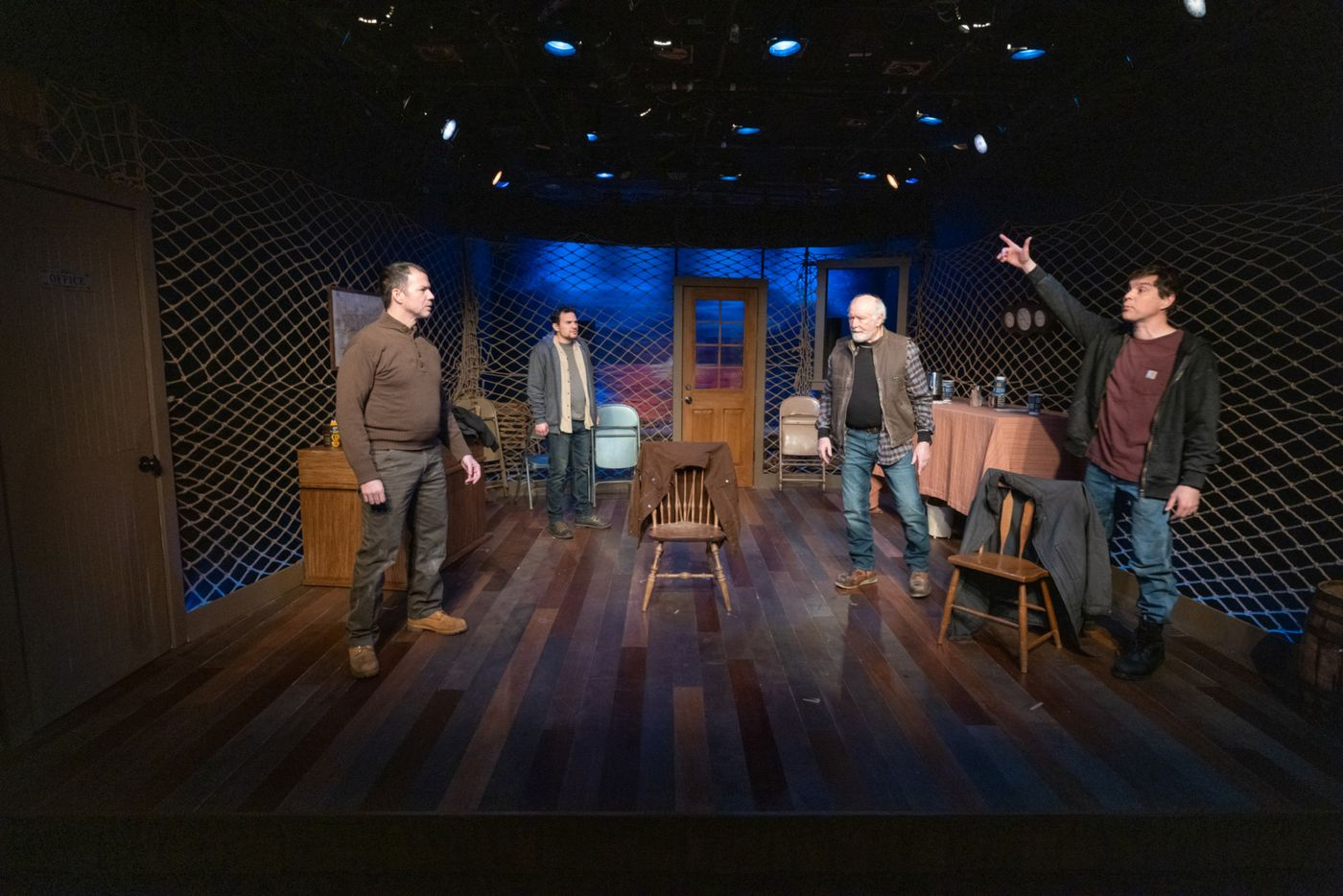
Positioned in a prime location with direct access to New York City and surrounded by one of the most walkable and vibrant neighborhoods in the state, The Studio introduces 43 residences into a market that continues to see sustained demand for high-quality, design-forward living spaces. What separates this project from others entering the pipeline is not just its architectural execution or its amenity package, but the cultural foundation on which it is built. For more than three decades, this address was home to Water Music Studios, an independent recording facility that quietly became one of the most influential creative spaces in the region. Its walls carried the sound and presence of globally recognized artists, from Beyoncé and Shakira to Cyndi Lauper, Taking Back Sunday, and U2. That lineage is not treated as a marketing footnote. It is embedded into the identity of the development itself.

The transition from recording studio to residential destination reflects a broader trend shaping Hoboken and the surrounding New Jersey real estate landscape. Across the state, redevelopment is increasingly defined by adaptive reuse and narrative-driven design, where the story behind a property becomes as important as its specifications. The Studio exemplifies that shift. Rather than erasing its past, the project incorporates it, using design, materials, and spatial intent to create continuity between what once existed and what now defines the space.

Architecturally, the building reflects a commitment to durability, efficiency, and refined modernity. Designed by Nastasi Architects, the structure rises from the ground up with a steel and concrete framework that prioritizes both structural integrity and long-term performance. This is not a cosmetic renovation layered onto an aging shell. It is a purpose-built residence designed to meet the expectations of today’s buyers while anticipating the needs of tomorrow’s market. The result is a building that feels substantial, intentional, and aligned with the evolving standards of urban living in Hudson County.

Inside, the residences are defined by a clean, expansive design language that emphasizes light, openness, and usability. Oversized Marvin windows anchor each home, drawing in natural light and framing the surrounding cityscape, including select views that extend toward the Manhattan skyline. The interiors balance aesthetic restraint with material richness, creating spaces that feel both elevated and livable. Engineered hardwood flooring runs throughout, complemented by integrated LED lighting that enhances both functionality and atmosphere.
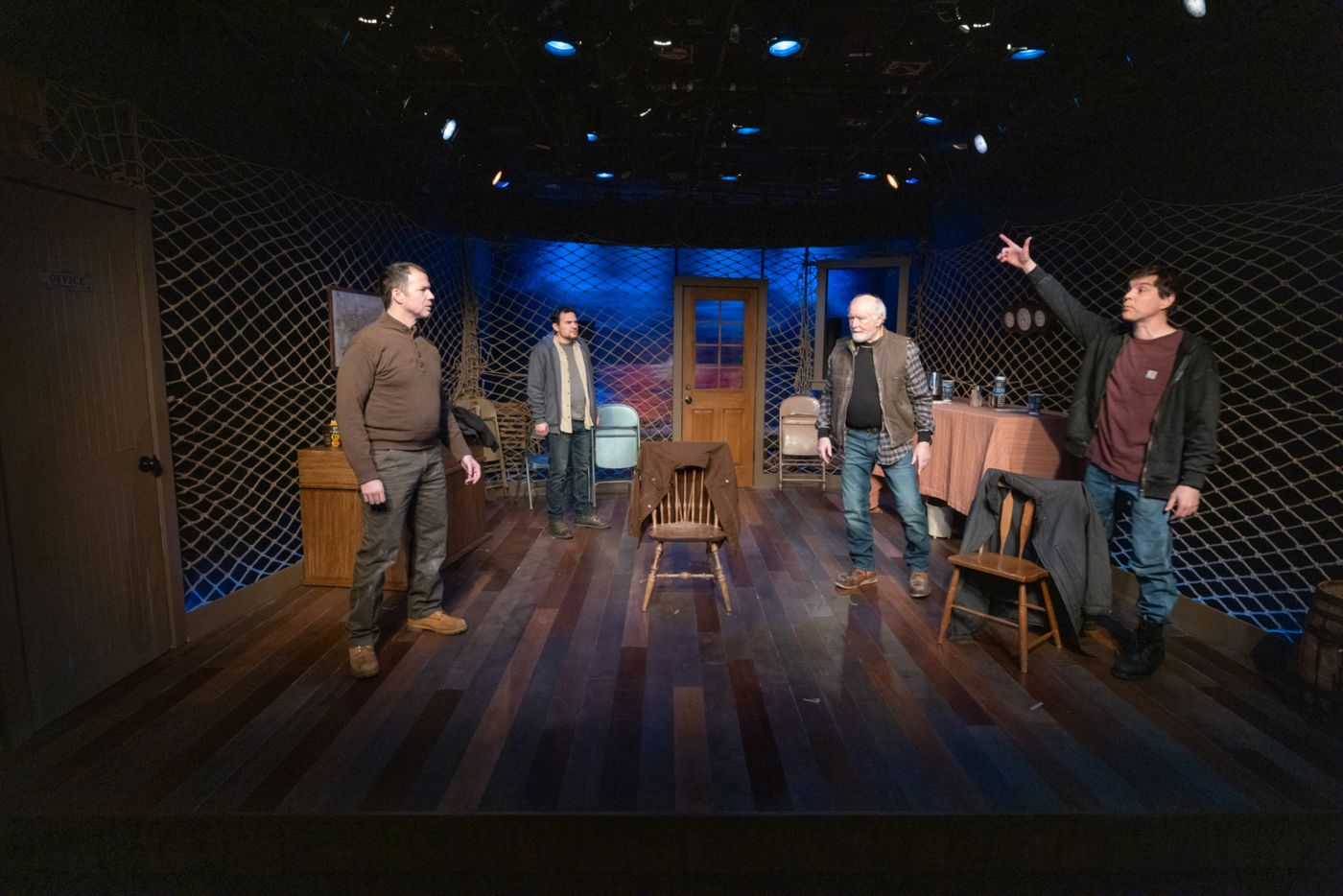
The layouts themselves reflect a clear understanding of how modern residents use space. One-, two-, and three-bedroom configurations offer flexibility for a range of lifestyles, from professionals commuting into Manhattan to buyers seeking a primary residence that supports both work and leisure. Open-concept living areas are designed to accommodate entertaining without sacrificing intimacy, while thoughtful storage solutions ensure that practicality remains central to the living experience.

Kitchens at The Studio are positioned as both visual focal points and functional workspaces. Quartz countertops and backsplashes provide a cohesive and durable surface, while custom cabinetry and panel-ready appliances maintain a streamlined, integrated look. This is a design approach that prioritizes both form and performance, aligning with buyer expectations in a market where the kitchen remains one of the most scrutinized elements of any home.

Bathrooms extend that same level of attention to detail, particularly in primary ensuites where spa-inspired features elevate the everyday routine into something more restorative. Floor-to-ceiling tile, dual vanities, and carefully considered lighting create an environment that feels deliberate and composed. These are not afterthought spaces. They are integral to the overall experience of the residence.

Beyond the interiors, The Studio integrates a series of features that reflect a practical understanding of urban living. Each unit includes a full-sized washer and dryer, eliminating the compromises often associated with city residences. Tankless hot water systems provide efficiency and reliability, while Butterfly intercom technology enhances both security and accessibility. On-site bike storage and available parking options address the realities of transportation in Hoboken, where mobility is both a convenience and a necessity.

A shared courtyard introduces an additional layer of livability, offering residents a private outdoor environment that functions as both a retreat and a social space. In a city where outdoor access is highly valued, this amenity reinforces the building’s commitment to balance—providing moments of quiet within an otherwise dynamic urban setting.

Location remains one of the defining advantages of The Studio, and 921 Madison Street delivers on that front with precision. Hoboken’s reputation as one of New Jersey’s most desirable residential markets is built on its ability to combine neighborhood intimacy with immediate access to Manhattan. Residents at The Studio are positioned within reach of multiple transit options, enabling a seamless commute across the Hudson while maintaining a sense of separation from the intensity of New York City living.

The surrounding neighborhood further enhances that positioning. Everyday essentials are readily accessible, with nearby grocery options supporting convenience without requiring extensive travel. Local establishments contribute to the area’s character, from neighborhood cafés and bakeries to longstanding dining destinations that anchor the community’s social fabric. Cultural and recreational opportunities are equally integrated, with nearby parks and public spaces offering residents a range of options for outdoor activity and relaxation. The presence of institutions like the Hoboken Historical Museum reinforces the city’s connection to its past, even as developments like The Studio push it forward.

From a market perspective, The Studio enters at a time when New Jersey real estate continues to experience both demand pressure and structural evolution. Buyers are increasingly seeking properties that offer more than square footage. They are looking for narrative, quality, and long-term value. Developments that can deliver on those elements are positioned to stand out, particularly in competitive markets like Hoboken where inventory is closely watched and absorption rates remain strong.

Pricing for the remaining residences, starting in the mid-$700,000 range, places The Studio within a segment of the market that demands both justification and differentiation. In this case, the value proposition extends beyond finishes and location. It includes the building’s construction quality, its integration of modern systems, and its connection to a site that carries genuine cultural significance. For buyers evaluating long-term investment potential, those factors contribute to a more layered understanding of value—one that goes beyond immediate comparables.

The broader significance of this development extends into the narrative of Hoboken itself. As the city continues to evolve, projects like The Studio illustrate how growth can be managed without sacrificing identity. By preserving and reinterpreting the legacy of Water Music Studios, the development contributes to a continuity that many urban markets struggle to maintain. It demonstrates that progress does not require erasure, and that the most compelling developments are often those that understand where they come from as clearly as where they are going.

For those looking to engage with Hoboken’s next phase, The Studio represents an opportunity to do so at a location that has already shaped the city’s cultural history. Now, it is shaping its residential future.


New Jersey at a Crossroads with Special Election, Budget Battles, Federal Uncertainty, and a Defining Moment Across the State

New Jersey wakes up on April 16, 2026, at a moment that feels unusually concentrated with consequence. Across government, infrastructure, education, and even the emotional landscape of the state’s sports identity, multiple storylines are converging into a single, unmistakable signal: this is not a routine news cycle. This is a pivot point. From a high-stakes congressional special election to intensifying pressure on the state budget, from uncertainty in Washington representation to global-scale preparations in Newark, the Garden State is navigating a period where decisions made now will carry measurable weight well beyond the coming months.

The most immediate test of that moment is unfolding at the ballot box. Voters in New Jersey’s 11th Congressional District are casting ballots today in a special election that has drawn outsized attention not just because of the vacancy it fills, but because of what it represents. The seat, vacated when Mikie Sherrill ascended to the governorship, has created a political vacuum that both parties recognize as strategically significant. The race between Analilia Mejia and Joe Hathaway has crystallized around a theme that has come to define the broader New Jersey conversation: affordability. That word, once a recurring talking point, has now hardened into a central pressure point for residents across income levels, municipalities, and industries. Housing costs, property taxes, transportation expenses, and everyday economic strain are no longer abstract policy issues—they are shaping how voters evaluate leadership in real time.

What makes this election particularly consequential is not simply the outcome, but the signal it will send. The 11th District is often viewed as a bellwether for suburban sentiment in New Jersey, and the tone of this race reflects a deeper recalibration among voters who are increasingly demanding tangible, immediate results. Campaign messaging has leaned heavily into cost-of-living relief, economic stability, and accountability, reflecting a state electorate that is no longer satisfied with incremental progress. The winner of this race will step into a national legislative environment already defined by tight margins and heightened stakes, meaning that New Jersey’s influence in Washington could shift in ways that extend far beyond district lines.

As New Jersey voters head to the polls in the 11th Congressional District, the closing days of this special election have crystallized into something far more complex than a traditional partisan contest. What began as a race to fill a high-profile vacancy has evolved into a revealing test of political identity, voter alignment, and strategic positioning in a district that continues to reflect the broader shifts shaping New Jersey’s electorate. With Democrat Analilia Mejia and Republican Joe Hathaway facing off, the final stretch of the campaign has brought into focus a defining question: what does it mean to run as an independent voice within a party structure that is itself under scrutiny?

Hathaway’s approach has drawn particular attention, not because it follows a conventional Republican playbook, but because it deliberately steps outside of it in key areas. In recent public appearances, including a nationally televised interview, Hathaway emphasized his intention to prioritize district interests over party orthodoxy, a message that candidates across the political spectrum routinely deliver. What has distinguished his messaging, however, is his willingness to openly critique elements of former President Donald Trump’s policy approach—an uncommon posture within today’s Republican landscape, where intra-party criticism is often limited or carefully calibrated.

That divergence has been most visible in Hathaway’s comments on infrastructure and economic policy. His criticism of the handling of the Gateway Tunnel project, a cornerstone transportation initiative with direct implications for New Jersey commuters and regional commerce, signals an attempt to align with local priorities over national political alignment. By framing the issue in terms of tangible impact—delays, uncertainty, and economic consequence—Hathaway has positioned himself within a pragmatic lane that resonates with voters who view infrastructure not as an abstract policy debate, but as a daily lived experience tied to mobility, employment, and long-term growth.

Similarly, his remarks on tariffs and their effect on small businesses reflect an effort to connect national economic policy with localized outcomes. In a district that includes diverse commercial corridors and small business communities, the argument that federal trade decisions can directly influence operating costs and sustainability introduces a layer of economic realism that transcends partisan framing. Hathaway’s opposition to workforce reductions at Picatinny Arsenal further reinforces this strategy, grounding his campaign in issues that have immediate relevance to employment, defense infrastructure, and regional stability.

This positioning, while notable, unfolds within a political environment that remains structurally challenging for any Republican candidate in the district. The 11th District, spanning parts of Morris, Passaic, and Essex counties, carries a significant Democratic registration advantage—one that has historically shaped electoral outcomes and continues to influence campaign strategy. Early voting data underscores that reality. With more than 54,000 ballots already cast through mail-in and early voting channels, the distribution reflects a substantial lead for registered Democrats, creating a numerical gap that presents a steep path for Hathaway to overcome on Election Day.

For Mejia, the campaign has centered on reinforcing that advantage while maintaining a message that aligns with both district priorities and broader Democratic positioning. Her focus on affordability, economic equity, and policy differentiation has remained consistent, and her efforts to engage voters through both in-person outreach and virtual fundraising have extended the campaign’s reach into its final hours. A high-profile virtual event featuring Representative Ro Khanna adds another dimension, signaling continued national interest in the race and reinforcing the interconnected nature of local and federal political dynamics.

The campaign has also navigated more sensitive terrain, particularly around international issues and their domestic implications. Hathaway’s attempt to draw distinctions around voter concerns within specific communities introduces a layer of complexity that reflects the evolving nature of political discourse in diverse districts. Mejia, for her part, has emphasized a clear separation between criticism of foreign government policy and the safety and identity of local communities, framing the issue in a way that seeks to maintain clarity while addressing voter concerns. These exchanges highlight how even globally oriented topics can become localized in their impact, shaping voter perception and campaign narrative in real time.

What makes this election especially significant is not simply the contrast between two candidates, but the broader context in which it is unfolding. This is not a static political environment. New Jersey’s electorate continues to evolve, influenced by demographic changes, economic pressures, and shifting expectations around governance and accountability. The emphasis on affordability across both campaigns reflects a shared recognition that voters are increasingly focused on immediate, tangible outcomes—cost of living, access to resources, and economic stability—rather than abstract ideological positioning.

At the same time, the race offers insight into how candidates are navigating party identity in an era where alignment is often scrutinized as closely as policy. Hathaway’s willingness to critique elements of his party’s recent leadership approach represents one model of engagement, one that seeks to carve out space for independence within a defined political structure. Mejia’s campaign, grounded in established Democratic priorities while engaging with contemporary issues, reflects another approach—one that emphasizes continuity while addressing evolving voter concerns.

The early vote totals, while not determinative, provide a snapshot of the electoral landscape entering the final phase. A significant Democratic lead in early ballots suggests a structural advantage that aligns with the district’s registration profile. However, Election Day turnout, voter intensity, and last-minute momentum can still influence the final outcome, particularly in a race where messaging, perception, and turnout dynamics intersect in complex ways.

Beyond the immediate result, the implications of this election extend into the broader political and policy environment. The winner will enter Congress at a time of heightened legislative activity, where margins are narrow and individual votes carry amplified significance. For New Jersey, representation in Washington is not merely symbolic—it directly impacts funding, infrastructure development, and policy outcomes that shape the state’s trajectory.

Within the context of ongoing developments across New Jersey—from budget negotiations and education funding debates to infrastructure planning and global event preparation—the CD-11 election becomes part of a larger narrative. It reflects a state actively negotiating its priorities, balancing competing demands, and redefining what effective representation looks like in a rapidly changing environment.

As polls remain open and voters make their final decisions, the race stands as a clear example of how local elections can encapsulate national themes while remaining grounded in district-specific realities. Independence, party alignment, economic pressure, and voter engagement are all in play, creating a contest that is as much about direction as it is about outcome. In a state where political, economic, and social forces continue to converge, this election offers a focused lens into the evolving dynamics that will shape New Jersey’s future.

While voters decide representation at the federal level, lawmakers in Trenton are confronting a different kind of pressure—one rooted in numbers, projections, and competing priorities that refuse to align neatly. The latest budget hearings have underscored just how complex the state’s financial balancing act has become. Education funding, long a cornerstone of New Jersey’s policy identity, is now at the center of a debate that is both philosophical and structural. Education Commissioner Lily Laux’s extended testimony before the Assembly budget committee made one point unmistakably clear: while the state is committing record levels of funding to education, the system used to distribute those funds may no longer reflect the realities of today’s student population.

The phrase “financial free fall” has emerged in discussions not as hyperbole, but as a warning about the sustainability of a framework that was designed for a different era. Over two decades, demographic shifts, evolving student needs, and widening disparities have exposed cracks in a formula that once aimed to ensure equity. Today, those cracks are widening into gaps that affect some of the state’s most vulnerable students, particularly those requiring specialized services or additional support. The acknowledgment that the formula may require a comprehensive overhaul signals a significant policy inflection point. It is not simply about increasing funding levels—it is about redefining how that funding is allocated, measured, and justified in a system that must serve increasingly complex needs.

At the same time, the broader state budget is being pulled in multiple directions. Even as the governor proposes increased investment in critical areas like transportation, lawmakers are grappling with the reality that long-term obligations—from pension liabilities to healthcare costs—continue to exert pressure on available resources. NJ Transit has emerged as one of the most visible arenas where these tensions are playing out. Despite proposals to increase funding, the agency faces structural challenges that cannot be solved by short-term infusions alone. Riders, commuters, and businesses across the state are watching closely, aware that the reliability and modernization of transit infrastructure are directly tied to economic vitality and quality of life.

This layered financial environment is unfolding against a backdrop of uncertainty at the federal level, where New Jersey’s representation is itself under scrutiny. Concerns surrounding Representative Tom Kean Jr., who has not cast a vote in over a month due to an undisclosed health matter, have introduced a new dimension of unpredictability. In a legislative climate where margins are narrow and timing is critical, the absence of an active voting member carries implications that extend beyond state borders. For constituents, it raises questions about representation, transparency, and continuity. For policymakers, it underscores how individual circumstances can ripple outward into broader legislative dynamics.

Beyond government chambers and policy debates, New Jersey is also preparing to step onto a global stage. With less than 100 days until the 2026 FIFA World Cup, Newark has officially launched its fan engagement campaign, signaling the beginning of what is expected to be one of the most high-profile international events ever hosted in the region. The opportunity is undeniable. The World Cup brings with it global visibility, economic potential, and a chance to showcase New Jersey’s infrastructure, culture, and capacity on an unprecedented scale. But with that opportunity comes scrutiny.

Questions surrounding logistics, transit readiness, security coordination, and cost management remain central to the conversation. Large-scale events of this magnitude do not simply test a city’s ability to host—they test its ability to integrate multiple systems under pressure. Transportation networks must operate seamlessly. Public safety protocols must be both comprehensive and adaptable. Local businesses and communities must be positioned to benefit without being overwhelmed. Newark’s preparations are therefore being watched not only as a countdown to kickoff, but as a measure of how effectively the state can execute at the highest level.

Even within the realm of sports, where outcomes are often framed as wins and losses, New Jersey is experiencing a narrative that mirrors the broader themes of divergence and recalibration. The Philadelphia Flyers’ return to the playoffs after a five-year absence has injected renewed energy into the regional hockey landscape, demonstrating how quickly momentum can shift when a team finds cohesion at the right time. Their late-season surge and dramatic clinching victory over Carolina have positioned them as a team entering the postseason with both confidence and credibility.

In contrast, the New Jersey Devils find themselves in a markedly different position. Officially eliminated from playoff contention, the organization is now navigating the introspective phase that follows a season defined by inconsistency and unmet expectations. Exit interviews have become more than routine—they are part of a broader evaluation process that will shape the franchise’s direction heading into the 2026–27 season. For a team with a talented core and a fanbase that expects progression, this offseason carries weight that extends beyond roster adjustments. It is about identity, leadership, and the ability to translate potential into sustained performance.

Taken together, these developments paint a portrait of a state in motion, one where multiple systems—political, economic, infrastructural, and cultural—are all undergoing simultaneous stress tests. The common thread is not instability, but transformation. New Jersey is not standing still. It is actively negotiating its next phase, confronting challenges that demand more than incremental change and opportunities that require precise execution.

For residents, businesses, and stakeholders across the state, the significance of this moment lies in its interconnectedness. The outcome of a congressional race influences national representation. Budget decisions shape education, transportation, and long-term fiscal health. Federal uncertainty affects legislative momentum. Global events test local readiness. Even sports narratives reflect broader themes of resilience, recalibration, and expectation.

As the day unfolds, one thing is clear: April 16, 2026, is not just another date on the calendar. It is a snapshot of New Jersey at a critical juncture, where decisions, developments, and outcomes are aligning in ways that will define the trajectory of the state in the months and years ahead.

Flyers Rise, Devils Reset, and the Metropolitan Divide Sharpens as the 2025–26 NHL Regular Season Closes

The 2025–26 NHL regular season closed on April 16 with a familiar truth and a newly sharpened contrast in the Metropolitan Division: one team found its identity at exactly the right time, while another spent the spring confronting the cost of a season that never fully stabilized. Across the league, the playoff field is now locked, the Colorado Avalanche have secured the Presidents’ Trophy, and the Eastern Conference has taken on the look of a pressure chamber heading into the Stanley Cup Playoffs. In that environment, the Philadelphia Flyers have emerged as one of the East’s defining late-season stories, while the New Jersey Devils move into an offseason that now feels far more consequential than anyone in North Jersey envisioned when this campaign began.

For New Jersey, this ending lands with particular force because the season did not begin with the profile of a non-playoff team. The roster had enough recognizable top-end talent to justify expectation, enough offensive skill to threaten games in bursts, and enough urgency around the organization to create the belief that the Devils were moving toward something more stable and more dangerous. Instead, the year unraveled in fits and starts. Injuries disrupted rhythm, consistency never arrived for long, and the team’s overall body of work failed to match the standard attached to its core. By the time the final days of the season arrived, the conversation had already shifted away from standings mathematics and toward accountability, leadership, and the shape of the franchise’s next phase. Explore New Jersey’s recent Devils coverage has reflected exactly that shift, framing this moment not as a simple disappointment, but as a turning point that will define what comes next for the organization.

That is what makes the Flyers’ finish feel even more dramatic from a regional perspective. Philadelphia did not merely slip into the postseason. The Flyers forced their way back into relevance with the kind of late push that changes how an entire season is remembered. Their shootout victory over the Carolina Hurricanes on April 13 locked in a playoff berth and clinched third place in the Metropolitan Division, sending the franchise back to the postseason for the first time since 2020. That result did more than secure a spot. It confirmed that Philadelphia had found enough discipline, enough composure, and enough timely production to survive a race that stayed crowded deep into the final stretch. The reward is immediate and combustible: a first-round showdown with the Pittsburgh Penguins, a rivalry series that instantly gives the Eastern Conference bracket added edge.

The Flyers’ resurgence matters because it cuts against the assumptions that followed them through much of the season. They were not universally treated as a lock, nor were they consistently viewed as one of the East’s cleanest or deepest rosters. What they became instead was resilient. They won the games they had to win late, absorbed pressure, and leaned into the kind of narrow-margin hockey that often decides spring races. Tyson Foerster delivered the clinching shootout goal against Carolina, Dan Vladar shut the door in the tiebreaker, and Philadelphia’s attack found just enough finish in the decisive moments to convert urgency into result. By the time the regular season ended, the Flyers were no longer just hanging around the race. They had completed one of the conference’s most important closing surges and re-entered the postseason conversation as a team nobody will dismiss lightly.

What has made Philadelphia’s finish especially compelling is that it has not been built solely on star power or one explosive run of scoring. It has come from a broader collective hardening. Travis Konecny and Sean Couturier remain central figures in the team’s identity, while younger contributors helped inject life into the final stretch. Porter Martone’s late-season production gave the Flyers an additional push at the right time, and the team’s structure held together long enough for that offense to matter. This was not the story of a club that coasted on reputation. It was the story of a team that kept surviving its pressure points until survival became belief and belief became position. The result is a Battle of Pennsylvania playoff series that gives the Flyers a national spotlight and gives the Metropolitan Division a fittingly volatile first-round theater.

For the Devils, the emotional weight of this week is of a very different kind. Their elimination was not theoretical, nor was it softened by a gentle landing. The loss to Philadelphia in early April was part of the final blow to their postseason hopes, and the aftermath moved quickly. The organization parted ways with General Manager Tom Fitzgerald as the season collapsed into evaluation mode, and the closing days became less about chasing improbable math and more about confronting what the year had exposed. Explore New Jersey’s coverage has already positioned this stretch as a defining offseason, and that framing feels accurate. The Devils are not entering the summer with minor housekeeping in front of them. They are entering it with structural questions.

That is the heart of the Devils story right now: not simply that they missed the playoffs, but that the miss has forced the franchise into a broader examination of its operating model. The team’s core talent remains real. Jesper Bratt continued to produce. Jack Hughes, even amid frustration and interruption, remained a player capable of changing the pace and profile of a game. Nico Hischier still anchors the room and the identity of the club. Luke Hughes remains a major part of the long-view picture. Yet none of that prevented the season from becoming disjointed. A talented nucleus is not the same as a finished team, and this year pushed that distinction into the open. In a division where Carolina stayed elite and Philadelphia found late conviction, New Jersey spent too much of the season trying to recover from its own instability.

Injuries were undeniably part of that story. They affected continuity, strained depth, and repeatedly altered the rhythm of the lineup. Luke Hughes was shut down for the remainder of the season to address a lingering shoulder issue, and the broader campaign had already been shaped by interruptions affecting key personnel. But injuries alone do not explain the full gap between expectation and outcome. Teams survive adversity when their structure is strong enough to absorb it. The Devils too often looked like a club trying to rediscover itself from week to week, and that kind of uncertainty becomes fatal in the modern Metropolitan Division, where postseason margins disappear quickly and confidence evaporates even faster when a team cannot defend or finish consistently enough over time. (Reuters)

The final image of the Devils’ season did not suggest a team one tweak away. It suggested a team in need of recalibration. Their season-ending loss in Boston underscored the flatness that had settled over the group after elimination, and the larger numbers tell the same story: New Jersey finished 42-37-3 and outside the playoff field, a record that reads as middling on paper but feels heavier in context because of what the roster was expected to challenge for. This is why the offseason conversation has already accelerated beyond surface-level fixes. The question in New Jersey is no longer whether changes are coming. It is how broad those changes will be, how decisively leadership will act, and whether the organization can translate a talented foundation into a clearer identity.

That leadership conversation is unavoidable now, and it is already one of the most closely watched storylines in the state’s hockey landscape. Reports and analysis around the vacancy have linked the Devils to a range of established and emerging executive names, including experienced former team and league figures as well as analytics-driven candidates with direct or indirect ties to New Jersey. The precise structure remains unsettled, with discussion centered on whether the franchise will install one voice atop hockey operations or divide responsibilities across multiple roles. What matters most is not the noise of a candidate list by itself, but the philosophical decision beneath it. The Devils need more than a replacement. They need alignment. They need a front office structure capable of integrating roster construction, player development, cap strategy, and organizational identity into something coherent and durable. (All About The Jersey)

This is where the regional contrast becomes especially sharp. The Flyers are stepping into the playoffs with momentum, clarity, and an emotional payoff for a season that tightened in the right places late. The Devils are stepping into the offseason with unresolved questions that can no longer be deferred. One team gets to discover how far its surge can carry it. The other has to confront why a roster with this much name recognition and internal investment did not produce a better table position than seventh in the division. That divergence is not just a snapshot of April. It is a measure of organizational direction.

League-wide, this season will also be remembered for the larger context surrounding it. Colorado’s Presidents’ Trophy run established the Avalanche as the NHL’s top regular-season club, while Carolina closed atop the Eastern Conference and reinforced its place among the league’s most reliable contenders. The season also carried the distinctive interruption of the Milano Cortina Olympics, which brought NHL players back to the Winter Games for the first time since 2014. That international pause altered rhythms across the league and added a layer of physical and mental complexity to the second half. Some teams used the transition well. Others never fully found their footing again. In a season shaped by both elite top-end contenders and compressed middle-tier races, the ability to regain form after February became one of the defining separators.

For Explore New Jersey readers, the deeper significance lies in what this moment says about hockey in the region right now. The Devils remain one of the state’s most important franchises, one still capable of commanding attention, drawing expectation, and carrying emotional weight well beyond the standings. That is exactly why this offseason feels so important. It is not just about patching a disappointing season. It is about determining whether the franchise can turn talent into traction and whether the next decisions made in the front office can finally stabilize a club that has flashed promise without sustaining it often enough. The Flyers, meanwhile, have reminded the division that trajectory can change quickly when a team hardens under pressure and gets enough from the right players at the right time.

So as the Stanley Cup Playoffs begin on April 18, the map is clear even if the future is not. Philadelphia is back in the fight, carrying the urgency and reward of a late-season breakthrough into a rivalry series that should command the full attention of the hockey world. New Jersey is out, but not irrelevant; if anything, the opposite is true. The Devils now enter one of the most revealing offseasons the franchise has faced in years, and what happens next may determine whether this season is remembered as a temporary derailment or the point at which the organization finally accepted that talent alone was never going to be enough. For one Metropolitan team, the story has turned toward opportunity. For the other, it has turned toward consequence. In this part of the hockey calendar, both are powerful, and both will shape what New Jersey hockey looks like when the next chapter begins.

If you want, I can also turn this into a second version tailored specifically as a homepage lead story with a stronger SEO headline and meta description.

Susan Werner

0

Susan Werner Returns to the Lizzie Rose Music Room for an Intimate, High-Caliber Performance That Defines New Jersey’s Live Music Experience

April 16 @ 8:00 PM 11:30 PM

New Jersey’s live music circuit continues to distinguish itself through venues that prioritize artistry, intimacy, and precision over scale, and on Thursday, April 16, 2026, that philosophy will be on full display as Susan Werner takes the stage at the Lizzie Rose Music Room. With doors opening at 7:00 PM and the performance beginning promptly at 7:30 PM, this event represents far more than a standard concert date—it is a deliberate, tightly curated musical experience built around one of the most respected singer-songwriters in contemporary American music.

Susan Werner’s career has been defined by versatility, technical excellence, and a commitment to songwriting that operates at a higher level of craft. Known for her ability to move seamlessly between folk, jazz, blues, and Americana, Werner has developed a reputation as a performer who does not simply deliver songs, but constructs entire narratives within each set. Her work is marked by lyrical precision, harmonic sophistication, and an ability to connect with audiences in a way that feels both personal and expansive. In a venue like the Lizzie Rose Music Room, where every seat is within direct range of the performance, those qualities become even more pronounced.

The Lizzie Rose Music Room itself has emerged as one of New Jersey’s most important listening rooms, a space where the emphasis is placed squarely on the relationship between artist and audience. Unlike larger venues where production elements can overshadow performance, the Lizzie Rose operates with a different set of priorities. The room is designed for clarity—of sound, of storytelling, and of connection. Every detail, from seating arrangement to show timing, is structured to support the integrity of the performance. This is not incidental; it is a defining characteristic of the venue and a key reason why artists like Werner choose to perform in spaces like this.

The April 16 performance arrives at a moment when audiences are increasingly seeking out experiences that feel intentional and authentic. In a landscape often dominated by large-scale tours and high-capacity venues, the demand for smaller, more focused shows has grown significantly. This shift is reflected across the state and is consistently highlighted through Explore New Jersey’s music coverage, which documents the rise of venues and events that prioritize quality over quantity. The Lizzie Rose Music Room sits at the center of this movement, offering a model for how live music can be presented in a way that respects both the artist and the audience.

Werner’s presence in this setting is particularly significant because her style of performance is inherently suited to it. Her ability to shift between instruments, engage directly with the audience, and deliver material that ranges from deeply introspective to sharply observational requires a level of attentiveness that only an intimate venue can provide. This is a performer who thrives on nuance—subtle changes in tone, phrasing, and dynamics that can be lost in larger environments but are fully realized in a room designed for listening.

From a programming standpoint, the evening is structured with precision. Doors open at 7:00 PM, allowing for a measured, unhurried entry into the space, followed by a prompt 7:30 PM start time that reflects the venue’s commitment to professionalism and respect for both artist and audience. This adherence to schedule is not merely logistical; it is part of a broader approach that treats each performance as a cohesive experience rather than a loosely organized event.

Ticketing for the show is equally reflective of this structured approach. Priced at $55.00, with purchasing facilitated through a streamlined system that accommodates all major credit cards, the process is designed to be accessible while maintaining a clear set of expectations. All sales are final, reinforcing the idea that attendance is a commitment to the experience being offered. The requirement for printed or digital receipts as admission underscores the venue’s operational efficiency, ensuring a smooth entry process that aligns with the overall tone of the event.

The Lizzie Rose Music Room’s policies further emphasize its focus on maintaining the integrity of the performance environment. The absence of ticket exchanges, the enforcement of start times for premium seating, and the clear communication regarding cancellations or changes all contribute to a system that prioritizes consistency and reliability. These elements may appear procedural on the surface, but collectively they create an atmosphere where both artist and audience can engage without distraction.

From a broader perspective, events like this highlight the evolving structure of New Jersey’s live music ecosystem. While major venues and large-scale productions continue to play an important role, there is a parallel movement toward experiences that are more curated, more intentional, and more closely aligned with the core principles of live performance. The Lizzie Rose Music Room exemplifies this shift, offering a space where music is not treated as background entertainment, but as a primary focus.

Susan Werner’s April 16 performance fits squarely within this framework. It is an event that emphasizes craft, connection, and clarity—three elements that are increasingly valued by audiences seeking something beyond the conventional concert experience. For those who understand the difference between hearing music and truly experiencing it, this show represents a rare opportunity to engage with an artist at the height of her abilities in a setting designed to support every aspect of her performance.

As the date approaches, the significance of this event becomes increasingly clear. It is not simply another entry on the calendar, but a reflection of what live music in New Jersey can achieve when the right artist is paired with the right venue under the right conditions. In an environment where authenticity and precision are often difficult to maintain, the Lizzie Rose Music Room continues to set a standard, and Susan Werner’s return to its stage is a direct extension of that standard in action.

Lizzie Rose Music Room

609-276-6758

View Organizer Website

The Lizzie Rose Music Room

217 E Main St, , NJ
Tuckerton, New Jersey 08087 United States
+ Google Map
(609) 276-6758
View Venue Website

New Jersey Symphony at the Movies: Star Wars: A New Hope in Concert—50th Anniversary Celebration

0

Star Wars: A New Hope in Concert Returns to New Jersey for a Monumental 50th Anniversary Celebration with the New Jersey Symphony

May 23, 2027 @ 2:00 PM 11:30 PM

New Jersey’s live entertainment calendar reaches a defining moment in 2027 as one of the most iconic cinematic experiences of all time is reimagined on stage with symphonic force and precision. On Sunday, May 23, 2027 at 2:00 PM, the New Jersey Symphony presents Star Wars: A New Hope in Concert—50th Anniversary Celebration at State Theatre New Jersey, delivering a large-scale performance that merges film, music, and live orchestral storytelling into a single, immersive event. With tickets starting at $41 and already on sale, this presentation stands as one of the most anticipated cultural experiences of the year across the region.

This is not a screening in the traditional sense. It is a fully synchronized live performance in which the complete film is projected on the big screen while the New Jersey Symphony performs John Williams’ Academy Award-winning score in real time. Every cue, every motif, and every orchestral swell is executed live, aligning perfectly with the on-screen action to create a heightened cinematic experience that transforms how audiences engage with a film they thought they already knew.

At the heart of this event is the enduring legacy of Star Wars: A New Hope, the film that launched a global phenomenon and redefined the possibilities of storytelling in modern cinema. Set against the backdrop of a galaxy under the control of the Empire, the story follows Luke Skywalker’s transformation from a young dreamer on the desert world of Tatooine into a central figure in the Rebel Alliance’s fight for freedom. Alongside Obi-Wan Kenobi, Princess Leia, and a cast of characters that have become permanently embedded in cultural memory, Luke’s journey unfolds with a sense of scale and mythic structure that continues to resonate across generations.

What elevates this anniversary presentation beyond nostalgia is the live performance of John Williams’ score, widely regarded as one of the most influential film compositions ever written. Williams’ work is not simply accompaniment; it is a structural force within the narrative, shaping emotion, pacing, and character identity through a series of recurring themes and orchestral textures. Hearing this score performed live by a full symphony orchestra introduces a level of immediacy and depth that recorded audio cannot replicate. The brass fanfares, sweeping string passages, and intricate rhythmic figures take on new dimension in a concert hall setting, allowing audiences to experience the music as both a cinematic and standalone masterpiece.

The New Jersey Symphony’s role in this production underscores the ensemble’s continued expansion into multidisciplinary performance formats. Known for its precision, versatility, and commitment to both classical and contemporary programming, the orchestra is uniquely equipped to handle the technical demands of live-to-picture performance. This format requires not only musical excellence but exact synchronization, as the orchestra must follow the film’s timing with absolute accuracy while maintaining the expressive qualities that define live performance. It is a high-stakes environment that showcases the Symphony’s technical command and artistic discipline.

State Theatre New Jersey provides the ideal setting for this event, offering the scale, acoustics, and audience engagement necessary to fully realize the impact of this production. As one of the state’s premier venues, it continues to host performances that blur the lines between traditional concert presentation and immersive entertainment, positioning New Jersey as a destination for events that combine artistic integrity with broad audience appeal.

This concert also reflects a larger movement within the region’s evolving cultural identity. Through ongoing coverage of New Jersey’s dynamic music scene, it is clear that audiences are seeking experiences that extend beyond conventional formats. Events like Star Wars in Concert meet that demand by integrating film, music, and live performance into a cohesive, high-impact presentation that appeals to both longtime enthusiasts and new audiences discovering orchestral music in a contemporary context.

The 50th anniversary designation adds an additional layer of significance. Few films have maintained the level of cultural relevance and cross-generational appeal achieved by A New Hope. Its characters, themes, and visual language continue to influence not only cinema but broader creative industries. This milestone provides an opportunity to revisit the film in a format that honors its legacy while offering a fresh perspective through the power of live music.

For families, lifelong fans, and those experiencing the film for the first time, this performance offers a rare convergence of storytelling and sound. The immediacy of a live orchestra amplifies the emotional stakes of each scene, from the quiet introspection of Luke’s early moments to the high-intensity sequences that define the film’s climactic battles. It is an experience that recontextualizes the familiar, revealing new layers within a story that has been told and retold for decades.

As May 23 approaches, demand is expected to continue building for what is positioned to be one of the standout events of New Jersey’s 2027 cultural calendar. With accessible pricing, a globally recognized title, and the full force of the New Jersey Symphony behind it, this performance represents a rare opportunity to engage with a landmark film in a way that is both technically sophisticated and emotionally resonant.

Within the broader scope of Explore New Jersey’s coverage, this event exemplifies the state’s ability to deliver programming that is both culturally significant and widely accessible. It reinforces New Jersey’s role as a hub for innovative live performance, where tradition and modern presentation intersect to create experiences that are as memorable as they are meaningful. Star Wars: A New Hope in Concert is not simply a celebration of a film—it is a demonstration of how music, when brought to life in real time, can transform storytelling into something truly extraordinary.

State Theatre New Jersey

732-246-7469

View Organizer Website

The Lizzie Rose Music Room

217 E Main St, , NJ
Tuckerton, New Jersey 08087 United States
+ Google Map
(609) 276-6758
View Venue Website

New Jersey Symphony Presents Xian Zhang Conducts Tchaikovsky

0

Xian Zhang Leads a High-Voltage New Jersey Symphony Program Featuring Tchaikovsky’s Symphony No. 4 and a Landmark East Coast Premiere

May 16, 2027 @ 1:00 PM 11:30 PM

New Jersey’s classical music calendar continues to expand with a level of artistic ambition that places the state firmly within the national conversation, and on Sunday, May 16, 2027 at 2:00 PM, the New Jersey Symphony delivers one of its most electrifying programs of the season at State Theatre New Jersey. With subscriptions now available and momentum building around a slate of forward-thinking performances, this concert—led by Music Director Xian Zhang—brings together a powerful combination of contemporary innovation and symphonic intensity, culminating in one of the most emotionally charged works in the orchestral repertoire.

At the center of this performance is a bold pairing that defines the Symphony’s current artistic trajectory: a commitment to new music that speaks directly to today’s audiences alongside enduring masterworks that continue to shape the language of orchestral performance. This program achieves that balance with precision, opening with the East Coast premiere of Steven Mackey’s Concerto for Orchestra, a work co-commissioned by the New Jersey Symphony and designed to spotlight the individuality, virtuosity, and collective strength of the ensemble itself.

Mackey, a composer with deep ties to New Jersey, has built a reputation for writing music that is structurally inventive and sonically compelling, often drawing on a wide spectrum of influences that extend beyond traditional classical boundaries. In this new concerto, that approach is fully realized through a format that treats the orchestra not as a unified block, but as a constellation of distinct voices. Each section is given space to emerge, interact, and redefine its role within the larger framework, creating a dynamic interplay that highlights both technical mastery and expressive range. For audiences, the experience is immediate and immersive, offering a rare opportunity to hear a contemporary work that is both intellectually engaging and viscerally exciting.

Under the direction of Xian Zhang, this premiere takes on additional significance. Zhang’s leadership has been defined by clarity, precision, and an ability to draw out the full expressive capacity of the orchestra. Her interpretive approach aligns seamlessly with Mackey’s compositional intent, ensuring that the intricacies of the score are not only executed with accuracy but communicated with energy and purpose. The result is a performance that positions the New Jersey Symphony at the forefront of contemporary orchestral presentation while reinforcing its identity as a champion of new music.

The program then transitions into a work that represents the emotional and structural pinnacle of the symphonic tradition: Pyotr Ilyich Tchaikovsky’s Symphony No. 4. Known for its sweeping themes, dramatic contrasts, and relentless forward momentum, the Fourth Symphony stands as one of the most compelling expressions of personal struggle and triumph ever written for orchestra. Its iconic opening fanfare—often interpreted as a representation of fate—sets the tone for a journey that moves through moments of turbulence, introspection, and ultimately, defiant celebration.

Zhang’s interpretation of Tchaikovsky is expected to bring both discipline and intensity to the performance, emphasizing the architectural strength of the symphony while allowing its emotional core to resonate fully. The New Jersey Symphony, with its refined ensemble sound and technical depth, is uniquely positioned to navigate the demands of this work, from the intricate interplay of inner voices to the explosive power of its climactic passages. The result is a performance that is as structurally coherent as it is emotionally expansive, capturing the full scope of Tchaikovsky’s vision.

The setting of State Theatre New Jersey provides an ideal environment for this program, offering the acoustic clarity and audience engagement necessary to fully realize both the complexity of Mackey’s new work and the grandeur of Tchaikovsky’s symphony. As one of the state’s premier venues, the theater continues to serve as a cornerstone of New Jersey’s cultural infrastructure, hosting performances that reflect both tradition and innovation.

This concert also underscores a broader movement within the state’s arts landscape, where institutions are increasingly embracing programming that bridges historical repertoire with contemporary creation. Through ongoing coverage of the region’s evolving music scene, it is clear that New Jersey is not simply preserving its musical heritage—it is actively shaping its future. The inclusion of a co-commissioned premiere alongside a canonical symphony exemplifies this approach, offering audiences a holistic experience that connects past and present in a meaningful way.

As anticipation builds toward May 16, this performance stands out as a defining moment within the New Jersey Symphony’s 2027 season. It is a program designed for listeners who seek both the thrill of discovery and the enduring power of the symphonic tradition. From the intricate textures and bold ideas of Steven Mackey’s Concerto for Orchestra to the sweeping emotional landscape of Tchaikovsky’s Symphony No. 4, the concert delivers a complete and compelling narrative—one that reflects the full spectrum of what orchestral music can achieve.

For audiences across New Jersey and beyond, this is more than a concert. It is an opportunity to experience a symphony orchestra operating at the height of its capabilities, guided by a conductor whose vision continues to elevate every performance. In a season defined by innovation, excellence, and artistic clarity, Xian Zhang’s leadership in this program signals not only where the New Jersey Symphony is today, but where it is headed next.

State Theatre New Jersey

732-246-7469

View Organizer Website

The Lizzie Rose Music Room

217 E Main St, , NJ
Tuckerton, New Jersey 08087 United States
+ Google Map
(609) 276-6758
View Venue Website

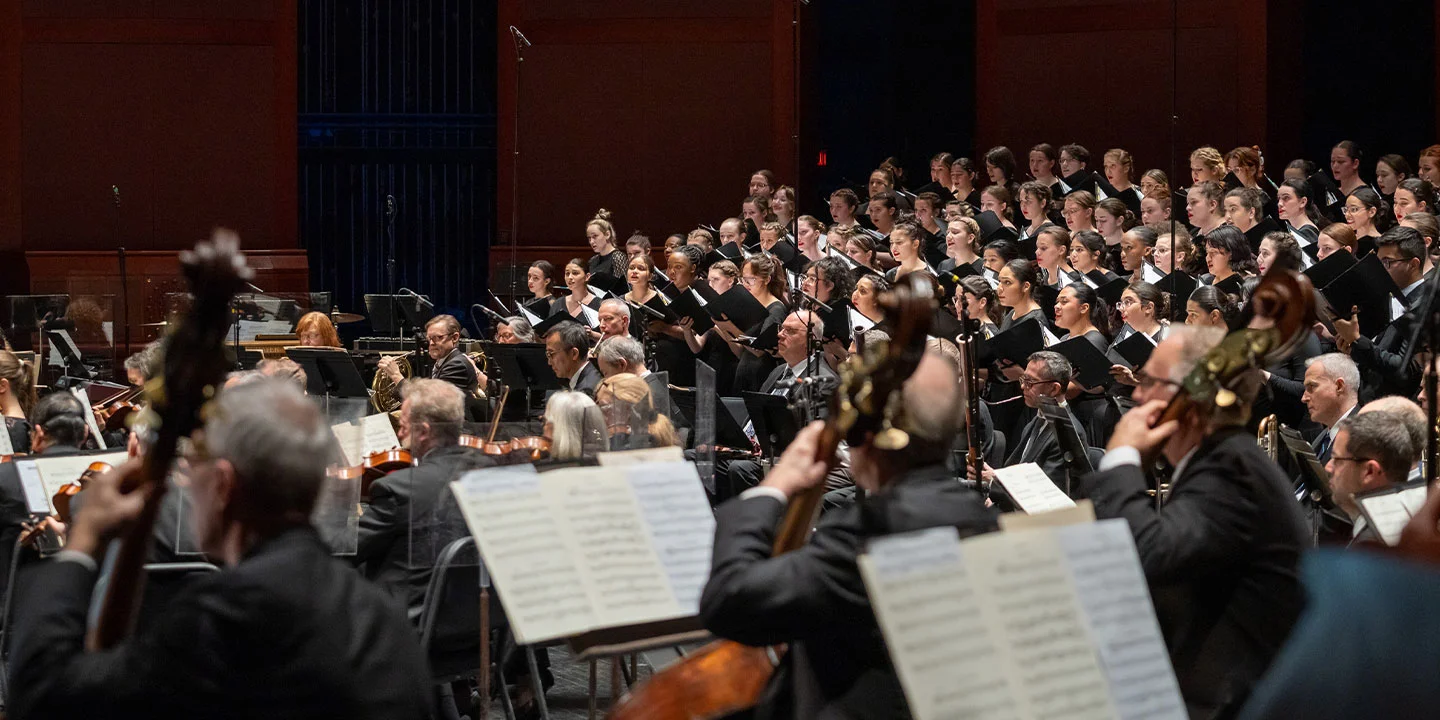
New Jersey Symphony Presents Neruda Songs & Poulenc’s Gloria

0

New Jersey Symphony Elevates the Stage at State Theatre New Jersey with Neruda Songs & Poulenc’s Gloria in a Landmark 2027 Performance

April 18, 2027 @ 2:00 PM 11:30 PM

New Jersey’s cultural calendar continues to evolve with a level of ambition and artistic precision that reflects the state’s growing prominence in the national performing arts landscape. On Sunday, April 18, 2027 at 2:00 PM, the New Jersey Symphony returns to State Theatre New Jersey with a program that is as intellectually compelling as it is emotionally immersive, bringing together masterworks that traverse the sacred, the sensual, and the transcendent. With subscriptions now available and anticipation already building, this performance stands as one of the most significant classical presentations on the horizon for audiences across the region.

At the center of this program is conductor Ludovic Morlot, whose internationally recognized approach blends structural clarity with expressive depth. Known for his distinctly French interpretive sensibility, Morlot shapes programs that feel cohesive yet expansive, and this particular repertoire offers an ideal platform for that vision. His leadership will guide the orchestra, chorus, and soloists through a program that demands both technical precision and emotional vulnerability, creating a unified experience that resonates beyond the concert hall.

The afternoon’s repertoire is anchored by Peter Lieberson’s Neruda Songs, a deeply intimate song cycle that sets the poetry of Pablo Neruda with striking sensitivity and emotional weight. Performed by mezzo-soprano J’Nai Bridges, whose voice has become synonymous with richness, control, and expressive nuance, the work unfolds as a meditation on love in its most profound and vulnerable forms. Lieberson’s composition is not merely an adaptation of text to music; it is a dialogue between language and sound, where each phrase is shaped with deliberate care, allowing the emotional core of Neruda’s poetry to emerge with clarity and resonance. Bridges’ interpretation is expected to bring both gravitas and immediacy to the performance, reinforcing her standing as one of the leading vocalists of her generation.

Complementing this introspective work is Francis Poulenc’s Gloria, a composition that embodies a striking duality—reverent yet playful, sacred yet infused with moments of unexpected brightness. Poulenc’s ability to balance solemnity with levity is one of the defining characteristics of his work, and in this setting, it becomes a dynamic exchange between orchestra, chorus, and soprano soloist Liv Redpath. Redpath’s vocal clarity and agility position her to navigate the work’s shifting tonal landscape, moving seamlessly between moments of introspection and bursts of radiant energy. The inclusion of the Montclair State University Chorale, under the direction of Heather J. Buchanan, adds another dimension to the performance, as the ensemble’s disciplined choral sound provides both foundation and contrast throughout the piece.

Rounding out the program is Maurice Ravel’s Suite No. 2 from Daphnis and Chloé, a work that showcases orchestral color at its most vivid. Ravel’s writing in this suite is expansive and cinematic, drawing on impressionistic textures and dynamic contrasts to create a soundscape that feels both ethereal and grounded. Under Morlot’s direction, the orchestra is positioned to fully explore the nuances of Ravel’s orchestration, from the delicate interplay of instrumental voices to the sweeping climaxes that define the work’s emotional arc.

Taken together, these compositions form a program that is both thematically cohesive and artistically diverse. The interplay between Lieberson’s intimate vocal writing, Poulenc’s choral grandeur, and Ravel’s orchestral brilliance creates a layered experience that reflects the breadth of the classical tradition while remaining accessible to contemporary audiences. It is precisely this balance that continues to define the New Jersey Symphony’s approach to programming—an emphasis on works that challenge, engage, and resonate across multiple dimensions.

The setting of State Theatre New Jersey further enhances the significance of this event. As one of the state’s premier venues, it has become a focal point for performances that demand both acoustic excellence and an engaged audience. The theater’s role within the broader arts ecosystem underscores New Jersey’s commitment to presenting world-class performances in spaces that honor both tradition and innovation.

This concert also reflects a broader trend within the state’s cultural landscape, where classical music is being presented with renewed energy and relevance. Through initiatives highlighted across Explore New Jersey’s coverage of the music scene, there is a clear emphasis on programming that bridges established repertoire with contemporary interpretation, ensuring that these works continue to speak to modern audiences without losing their historical context.

As subscriptions open and individual tickets become available, this performance is poised to become a cornerstone event within the 2027 season. It offers audiences not only the opportunity to experience exceptional musicianship, but also to engage with a program that explores the full spectrum of human emotion—from the intimacy of love poetry to the grandeur of sacred expression and the expansive beauty of orchestral storytelling.

For those who follow the evolution of New Jersey’s performing arts scene, this event represents more than a single concert. It is a statement of intent, a demonstration of how the state continues to position itself as a destination for performances that are both artistically rigorous and deeply resonant. With a conductor of Morlot’s caliber, a lineup of world-class vocalists, and a program that moves seamlessly between emotional extremes, the New Jersey Symphony’s presentation of Neruda Songs & Poulenc’s Gloria stands as one of the most compelling classical experiences on the upcoming calendar.

State Theatre New Jersey

732-246-7469

View Organizer Website

The Lizzie Rose Music Room

217 E Main St, , NJ
Tuckerton, New Jersey 08087 United States
+ Google Map
(609) 276-6758
View Venue Website

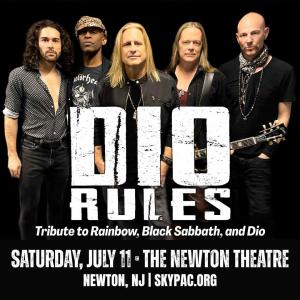
Dio Rules: Tribute to Rainbow, Black Sabbath & Dio

0

Dio Rules Storms New Jersey: A Full-Throttle Celebration of Ronnie James Dio’s Legacy Arrives July 11

July 11 @ 12:00 AM 11:30 PM

New Jersey’s live music circuit continues to assert itself as one of the most vital and genre-spanning ecosystems in the country, and this summer delivers a night that cuts straight to the core of hard rock and heavy metal history. On Saturday, July 11, 2026 at 8:00 PM EDT, Dio Rules: Tribute to Rainbow, Black Sabbath & Dio brings a high-impact, all-ages concert experience that is equal parts reverence, precision, and raw power—an immersive tribute to one of the most commanding voices the genre has ever produced.

Positioned within the expanding footprint of the state’s concert landscape and aligned with the ongoing momentum highlighted across Explore New Jersey’s coverage of the music scene, this performance is not simply another tribute show. It is a focused, era-defining retrospective that zeroes in on a ten-year stretch—1975 through 1985—that fundamentally reshaped the trajectory of heavy music.

At the center of that transformation stands Ronnie James Dio, a vocalist whose technical control, tonal authority, and mythic lyrical style elevated three separate bands into defining forces of their time. Dio Rules captures that arc in its entirety, moving seamlessly through the catalogs of Rainbow, Black Sabbath, and Dio itself, constructing a live narrative that reflects both the evolution of the artist and the expansion of the genre.

This is a production built on intent. The setlist is engineered to deliver the full spectrum of Dio’s impact, from the neoclassical urgency of early Rainbow material to the darker, more atmospheric weight of Black Sabbath’s Dio-fronted era, and into the anthemic, arena-ready dominance of his solo work. Songs that have long since transcended their original releases—tracks embedded in radio rotation, film, and the broader language of rock culture—are presented not as isolated hits, but as interconnected chapters in a larger musical movement.

The execution is anchored by a lineup that reflects both pedigree and purpose. Fronting the performance is Andrew Freeman, a vocalist whose selection by the original members of Dio to lead Last in Line speaks directly to his capacity to carry this material with both authority and authenticity. Freeman does not attempt imitation; instead, he channels the structural and emotional dynamics that defined Dio’s delivery—power, clarity, and a commanding sense of narrative within each song.

On guitar, Angus Clark brings a level of precision and scale shaped by his work with Trans-Siberian Orchestra and Joe Lynn Turner, translating complex riffs and melodic leads into a live environment that retains both technical accuracy and visceral impact. Behind the kit, Matt Starr—whose resume includes collaborations with Ace Frehley, Mr. Big, and Kix—drives the performance with a rhythmic force that underscores the intensity and pacing required for this material.

What emerges is a tightly constructed, 90-minute concert experience that does more than revisit familiar songs. It reconstructs a defining era of rock with a level of discipline and energy that aligns with the expectations of today’s audiences while honoring the original recordings’ structural integrity. The interplay between musicians is immediate and forceful, reflecting not just individual skill, but a shared understanding of the genre’s demands.

For New Jersey audiences, this event arrives at a moment when the state’s live music identity continues to broaden. From legacy acts to emerging artists and specialized tribute productions, the region has become a destination for performances that prioritize both quality and intent. Dio Rules fits squarely within that trajectory, offering a show that resonates across multiple generations of fans—those who experienced this music in real time and those discovering its influence through contemporary artists.

There is also a deeper layer to the event’s significance. A portion of every ticket sold supports the Ronnie James Dio Stand Up and Shout Cancer Fund, an organization established in his name to combat the disease that ultimately claimed his life. This element reframes the performance as more than entertainment; it becomes part of an ongoing legacy that extends beyond the stage, connecting the music to a broader purpose and reinforcing the enduring impact of Dio’s contributions.

As anticipation builds toward July 11, the event stands out as one of the most compelling entries on New Jersey’s summer concert calendar. It is a rare convergence of historical significance, musical precision, and live performance energy—an experience designed not just to be heard, but to be felt.

Within the larger narrative of Explore New Jersey’s ongoing coverage, Dio Rules represents exactly what continues to define the region’s appeal: concerts that deliver substance, authenticity, and a clear connection to the cultural moments that shaped modern music. For fans of hard rock and heavy metal, this is not simply a tribute—it is a return to a decade that set the standard, performed with the intensity and respect it demands.

Skylands Performing Arts Center (SkyPAC)

(973) 940-6398

View Organizer Website

The Lizzie Rose Music Room

217 E Main St, , NJ
Tuckerton, New Jersey 08087 United States
+ Google Map
(609) 276-6758
View Venue Website

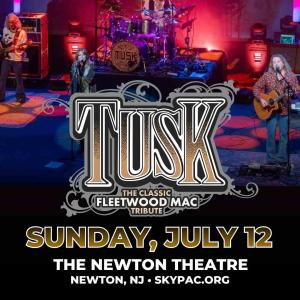
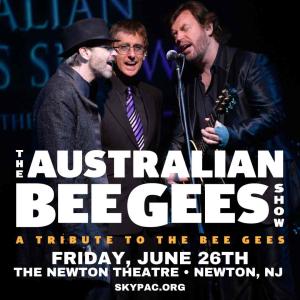
TUSK: The Classic Fleetwood Mac Tribute

0

TUSK: The Classic Fleetwood Mac Tribute Brings a Full-Spectrum Revival of a Legendary Sound to New Jersey This July

July 12 @ 8:00 PM 11:30 PM

New Jersey’s live music calendar continues to deepen its reputation as one of the most dynamic and musically diverse in the country, and this summer adds another essential date for fans of timeless songwriting, rich harmonies, and era-defining performance. On Sunday, July 12, 2026 at 8:00 PM EDT, TUSK: The Classic Fleetwood Mac Tribute arrives for an all-ages event that is far more than a nostalgic nod—it is a meticulously crafted, full-scale recreation of one of the most influential catalogs in modern music history.

For audiences across the Garden State who follow the evolving live scene through Explore New Jersey’s expanding coverage of concerts, venues, and touring acts, this performance represents exactly the kind of experience that continues to elevate the region’s cultural footprint. Anchored within the broader landscape of the state’s thriving music scene, TUSK’s return underscores a growing demand for performances that bridge authenticity, musicianship, and emotional connection.

TUSK is not positioned as a casual tribute act. Since forming in 2008, the group has established itself as a national touring force built on precision, discipline, and an almost archival commitment to recreating the sound and spirit of Fleetwood Mac. Over the course of nearly two decades on the road, the band has refined a performance model that goes well beyond surface-level imitation. What audiences experience is a deep, technically informed interpretation of both the band’s most recognizable hits and the deeper cuts that defined entire eras of rock history.

At the core of TUSK’s identity is its structural fidelity to Fleetwood Mac’s most iconic lineup. Each member embodies a specific role—channeling the distinct musical and stylistic identities of Lindsey Buckingham, Stevie Nicks, Christine McVie, John McVie, and Mick Fleetwood. This is not simply about visual resemblance or setlist familiarity; it is about musical architecture. Guitar phrasing, vocal harmonization, rhythmic interplay, and even the emotional pacing of each song are approached with a level of detail that resonates with both casual listeners and longtime devotees.

The result is a performance that captures the layered complexity of Fleetwood Mac’s catalog. Songs are not just played—they are reconstructed with attention to tonal nuance, arrangement integrity, and the subtle shifts that made the original recordings so enduring. From the driving precision of rhythm section interplay to the atmospheric textures that defined the band’s studio work, TUSK delivers a sound that feels immediate and alive rather than preserved behind glass.

What distinguishes this show within New Jersey’s crowded summer schedule is the breadth of material. Audiences can expect a carefully curated journey through multiple phases of Fleetwood Mac’s evolution, spanning radio staples and deeper selections that highlight the band’s artistic range. This balance is critical. It transforms the evening from a predictable run of hits into a narrative performance—one that reflects how Fleetwood Mac built one of the most influential discographies in rock history.

Equally important is the chemistry developed through years of consistent touring. TUSK’s stage presence is not manufactured; it is earned through repetition, trust, and shared musical language. That cohesion translates into a performance that feels organic and dynamic, allowing for moments of spontaneity within a framework of disciplined execution. For audiences, this creates a live experience that mirrors the unpredictability and energy that defined Fleetwood Mac at their peak.

New Jersey continues to position itself as a destination for performances that prioritize musicianship and authenticity, and events like this reinforce that trajectory. Across theaters, clubs, and larger venues statewide, there is a clear appetite for shows that offer more than passive entertainment. Fans are seeking immersion—an opportunity to engage with music that has shaped generations while experiencing it in a live, communal setting.

TUSK fits squarely within that demand. Their longevity as a touring act speaks to a sustained connection with audiences nationwide, but their impact is particularly resonant in markets like New Jersey, where music culture is both historically rooted and forward-looking. The state’s audiences bring a level of attentiveness and appreciation that rewards bands capable of delivering both technical excellence and emotional authenticity.

As the July 12 performance approaches, anticipation continues to build around what promises to be one of the standout tribute experiences of the season. For longtime fans of Fleetwood Mac, it offers a rare opportunity to revisit a catalog that remains as powerful today as it was at its inception. For newer audiences, it serves as an entry point into a body of work that continues to influence contemporary artists across genres.

Within the broader context of Explore New Jersey’s ongoing coverage, this event exemplifies the kind of programming that defines the region’s live entertainment identity—thoughtfully curated, performance-driven, and rooted in a deep respect for the art itself. TUSK’s arrival is not simply another date on the calendar; it is a reaffirmation of what live music can achieve when executed with precision, passion, and purpose.

Tickets for this all-ages event are already generating interest as the countdown to July continues, and based on the group’s touring history and reputation, demand is expected to accelerate. For those tracking the most compelling live performances across the state, this is a date that stands out not just for its familiarity, but for its ability to deliver something rare: a tribute that feels as vital and engaging as the original legacy it honors.

Skylands Performing Arts Center (SkyPAC)

(973) 940-6398

View Organizer Website

The Lizzie Rose Music Room

217 E Main St, , NJ
Tuckerton, New Jersey 08087 United States
+ Google Map
(609) 276-6758
View Venue Website

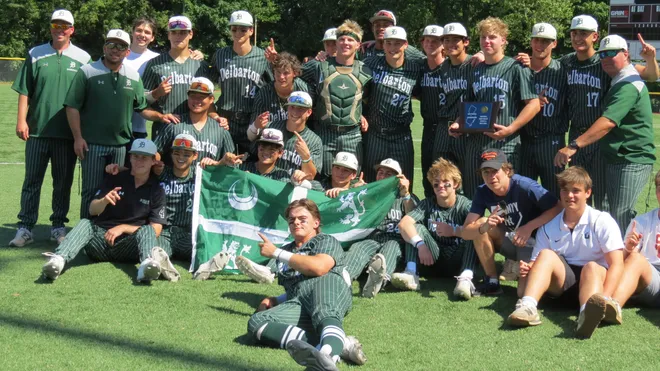
New Jersey High School Baseball Reset as Delbarton Claims No. 1 as Statewide Rankings Erupt Following a Defining Early-Season Week

The hierarchy of New Jersey high school baseball has been decisively reshaped, and the message coming out of April is unmistakable: nothing is settled, and everything is in motion. In the latest statewide Top 20 released on April 15, 2026, Delbarton has surged into the No. 1 position, capitalizing on a turbulent stretch of games that has already begun to separate contenders from pretenders across one of the most competitive high school baseball landscapes in the country.

The following rankings reflect the state’s hierarchy following major upsets, including the end of Gov. Livingston’s 40-game winning streak.

RankTeamRecordPrevious Rank
1Delbarton6-23
2Gloucester Catholic7-22
3Governor Livingston7-1-11
4Seton Hall Prep6-010
5DePaul7-14
6St. Augustine7-05
7Eastern5-08
8Northern Burlington7-09
9Don Bosco Prep5-46
10Passaic Tech6-111
11Red Bank Catholic4-112
12Mount Olive6-013
13Immaculata6-014
14West Morris6-115
15Christian Brothers3-47
16Kingsway5-117
17Ridgewood7-1NR
18Old Tappan7-1NR
19Westwood7-1NR
20River Dell8-1NR

Key Market Movements

  • New No. 1: Delbarton ascended to the top spot after a dominant week, replacing Gov. Livingston.
  • Significant Climb: Seton Hall Prep vaulted from No. 10 to No. 4 following a 6-0 start and key victories over high-caliber opponents like Millburn.
  • The Fall of a Giant: Gov. Livingston dropped to No. 3 after their historic 40-game winning streak was finally snapped.
  • New Entrants: Four teams entered the Top 20 this week: Ridgewood, Old Tappan, Westwood, and River Dell, replacing squads like St. Peter’s Prep and Bishop Eustace that suffered key losses

This shift at the top is not incremental—it is the result of a week that fundamentally altered the trajectory of the season. Programs that entered April with momentum found themselves tested, exposed, and in some cases overtaken, while others seized the moment with precision and depth. The result is a ranking that reflects volatility, opportunity, and a level of parity that defines New Jersey baseball at its highest level.

Delbarton’s ascent to No. 1, now sitting at 6–2, represents both performance and timing. In a week where elite teams were forced into high-stakes matchups, Delbarton delivered when it mattered most, positioning itself as the current standard. The program’s rise also signals a broader shift in competitive balance, where consistency across multiple phases of the game—pitching depth, situational hitting, and defensive execution—has become the differentiator at the top tier.

Just behind them, Gloucester Catholic, holding a 7–2 record, continues to assert itself as a legitimate challenger. The program’s sustained success reflects a culture of discipline and high-level player development that consistently translates into early-season wins. Meanwhile, Governor Livingston, now at 7–1–1, remains firmly in the conversation despite dropping to No. 3. The end of its remarkable 40-game winning streak is less an indictment than a reminder of the razor-thin margins at this level. In New Jersey, dominance is never permanent—every game carries consequence.

Perhaps the most aggressive movement within the rankings comes from Seton Hall Prep, which has vaulted from No. 10 to No. 4 behind a flawless 6–0 start. This is not a quiet climb; it is a statement. Wins over high-caliber opponents have positioned the program as one of the most dangerous teams in the state, combining early-season form with the kind of schedule strength that builds credibility quickly.

DePaul, St. Augustine, and Eastern round out the upper tier, each bringing a distinct identity into the mix. DePaul’s 7–1 record reflects efficiency and control, while St. Augustine’s 7–0 start reinforces its reputation as a program that executes with precision from the opening pitch of the season. Eastern, at 5–0, continues to build momentum, demonstrating that early consistency can be just as impactful as headline victories.

The middle of the rankings introduces another layer of complexity. Northern Burlington, Don Bosco Prep, Passaic Tech, and Red Bank Catholic each represent programs capable of disrupting the established order. These are teams that may not yet hold the top positions but possess the depth and competitive structure to challenge any opponent on a given day. Mount Olive, Immaculata, and West Morris further reinforce the depth of the field, each navigating the early season with records that keep them firmly within striking distance.

Christian Brothers and Kingsway, despite absorbing losses, remain embedded within the Top 20, reflecting the strength of their schedules and the expectation that performance will stabilize as the season progresses. In New Jersey baseball, rankings are not static—they are fluid indicators of where teams stand in a constantly evolving landscape.

What truly defines this week, however, is the arrival of four new programs into the Top 20: Ridgewood, Old Tappan, Westwood, and River Dell. Each enters with a 7–1 or better record, signaling not just participation but immediate impact. These teams are not filling space—they are forcing recognition. Their inclusion comes at the expense of established programs that faltered under pressure, reinforcing the reality that no position in the rankings is guaranteed.

River Dell’s 8–1 record stands out as one of the strongest entries, combining consistency with a clear upward trajectory. Ridgewood, Old Tappan, and Westwood each bring similar profiles—balanced teams that have navigated early-season challenges while building momentum at precisely the right time.

The broader implication of this reshuffling is clear: New Jersey high school baseball is operating at a level where depth across the state is as important as dominance at the top. The gap between No. 1 and No. 20 is narrower than it appears, and each week introduces new variables that can shift the entire structure.

This level of competition is a defining characteristic of the state’s sports culture, where development pipelines, coaching standards, and community investment converge to produce a consistently elite product. Ongoing coverage of these programs, players, and storylines can be followed through Explore New Jersey’s high school sports coverage, where the evolution of the season continues to unfold.

As April progresses, the expectation is not stability, but continued movement. Delbarton holds the top position today, but the environment surrounding it ensures that every game moving forward carries the potential to reshape the rankings once again. In New Jersey, the season is not defined by where you start—it is defined by how you respond when everything changes.

Bolivia vs. Scotland Set for High-Stakes “Road to 26” Showdown at Sports Illustrated Stadium

New Jersey’s role in the global soccer landscape continues to expand, and on Saturday, June 6, 2026, that evolution takes center stage in Harrison. Sports Illustrated Stadium will host an international friendly between Bolivia and Scotland, a matchup that carries far more weight than a typical exhibition. Scheduled for a 4:00 PM kickoff, this fixture is part of the global “Road to 26” series—an interconnected run of matches designed to sharpen national teams ahead of the FIFA World Cup 2026™. For fans across the Garden State and the broader region, it represents a rare opportunity to experience international football at its most immediate and competitive level, right in the heart of New Jersey.

This is not just another date on the calendar. It is the first-ever meeting between Bolivia and Scotland, a cross-continental clash that brings together two distinct footballing identities. Scotland enters the match in a critical phase of preparation, using this fixture as its final tune-up before opening its World Cup campaign against Haiti on June 14. Every minute on the pitch will carry consequence, with tactical systems being refined, lineups tested, and momentum established just days before the global spotlight intensifies.

Bolivia, meanwhile, arrives with its own objectives, using the international stage to measure performance, assert identity, and compete against a European opponent in a high-visibility environment. The convergence of these two programs, each operating with urgency and purpose, elevates the match beyond exhibition status. It becomes a live rehearsal for one side and a statement opportunity for the other, unfolding in a venue uniquely designed to amplify the intensity of the game.

Sports Illustrated Stadium, formerly known as Red Bull Arena, has rapidly established itself as one of the premier soccer-specific venues in North America. Since its renaming in late 2024 under a long-term partnership, the stadium has continued to build on its reputation as a fortress for the sport. With a capacity of 25,000 and a design that places fans remarkably close to the action—just 21 feet from the touchlines—the environment is engineered for immersion. The translucent roof structure ensures full coverage for spectators while maintaining an open-air feel over the pitch, creating an atmosphere that is both intimate and electric.

For international matches, that design translates into something more powerful. Every chant, every movement, and every moment of play is felt with heightened clarity. The stadium does not dilute the experience—it concentrates it. That dynamic is precisely why global fixtures like Bolivia vs. Scotland are increasingly being staged in New Jersey, where infrastructure, accessibility, and fan engagement intersect at a high level.

The match will also reach audiences far beyond the stadium. Broadcast coverage will air internationally, including live transmission in Scotland via the BBC and across Spanish-language platforms through ESPN Deportes and ESPN Unlimited. This dual-market visibility underscores the global reach of the event, placing New Jersey directly within the international football conversation as teams finalize their preparations for the World Cup.

Ticket demand reflects that significance. Sales opened on April 15, 2026, at 10:00 AM ET through the official Road to 26 platform, and early interest signals a strong turnout from both local supporters and international fans traveling into the region. The accessibility of the venue plays a critical role in that draw. Located at 600 Cape May Street in Harrison, the stadium is seamlessly connected to regional transit networks. The PATH train’s Harrison Station sits just steps away, providing direct access from Manhattan and Newark, while NJ Transit connections through Newark Penn Station offer additional entry points for fans traveling from across the state and beyond. For those driving, public parking options are available throughout Harrison, typically ranging from $15 to $30, though mass transit remains the preferred approach for high-attendance events of this scale.

This match also reinforces New Jersey’s expanding identity as a global soccer destination. With major international competitions on the horizon and continued investment in infrastructure and programming, the state is positioning itself as a central hub for the sport in the United States. Coverage and ongoing developments within the local and international game can be followed through Explore New Jersey’s soccer coverage, where the evolution of the sport across the region is documented in real time.

What sets June 6 apart is not just the teams or the timing—it is the alignment of purpose. Scotland arrives with World Cup urgency. Bolivia arrives with competitive intent. New Jersey provides the stage. The result is a match that carries narrative, energy, and consequence, all within a setting built to deliver a world-class experience.

As kickoff approaches, the message is unmistakable. This is international football at full intensity, positioned within one of the most accessible and engaged markets in the country. For those in New Jersey, the opportunity is immediate: to witness the global game up close, to feel the pace and precision of elite competition, and to be part of a moment that connects the Garden State directly to the road leading into the 2026 World Cup.

Rutgers Football Elevates Homecoming to a National Stage as Defending Champion Indiana Headlines a Defining 2026 Showdown at SHI Stadium

Rutgers football is no longer scheduling seasons—it is shaping moments. On Saturday, October 3, 2026, the Scarlet Knights will host one of the most consequential Homecoming matchups in program history, welcoming Indiana to SHI Stadium in Piscataway in what is expected to be a clash with the defending national champions. The announcement, made on April 14, immediately reframes the trajectory of Rutgers football, positioning the program not as a participant in the national conversation, but as a stage where it unfolds.

This will mark the 92nd Homecoming game in Rutgers history, a tradition that dates back generations and has consistently served as a cornerstone of the university’s identity. Yet this year carries a different weight. The opponent, the stakes, and the timing converge to create a game that extends beyond ceremony and into the realm of national relevance. Indiana, under head coach Curt Cignetti, is coming off a historic 16–0 season that culminated in the program’s first national championship, a rise that has redefined the balance of power within college football. For Rutgers, the opportunity is immediate and undeniable: host the reigning champions, on Homecoming, in front of a home crowd that has been steadily re-engaging with a program on the rise.

The matchup itself carries built-in symmetry. This will be the 11th meeting between Rutgers and Indiana, with the all-time series evenly split at 5–5. That balance introduces a level of narrative tension that fits the moment—two programs meeting at a point where history is acknowledged, but the future is very much in play. For Rutgers, the significance lies not just in the opponent, but in what the game represents internally: validation of progress, visibility on a national stage, and the ability to deliver a statement performance in a high-pressure environment.

Homecoming at Rutgers has always been more than a game, and in 2026, that tradition expands into a full-scale campus-wide activation. SHI Stadium will anchor a weekend that includes the Rutgers Boardwalk, opening four hours before kickoff and transforming the pregame experience into a curated blend of food, music, and fan engagement. Tailgating culture, already a defining element of college football Saturdays in Piscataway, will be amplified by the scale of the opponent and the national attention surrounding the event. The university will also honor its 2026 Athletics Hall of Fame class, reinforcing the connection between past achievement and present ambition.

Historically, Rutgers has thrived in this environment. The Scarlet Knights hold a 55–35–1 all-time record on Homecoming weekend, a statistic that reflects both familiarity and consistency in a setting designed to celebrate the program. That foundation becomes critical when paired with the magnitude of this year’s opponent. Homecoming is no longer just about tradition—it is about execution under a spotlight that extends well beyond New Jersey.

The broader 2026 home schedule further contextualizes the significance of the Indiana game. Rutgers opens its season at SHI Stadium on Thursday, September 3 against UMass, establishing an early tone before transitioning into its Big Ten home opener against USC on September 19. A matchup with Howard on September 26 serves as a build-up to Homecoming, creating a layered progression that leads directly into the October 3 centerpiece. Later in the season, a Halloween showdown against Michigan on October 31 adds another high-profile moment, reinforcing the strength and visibility of Rutgers’ home slate.

What separates this schedule from previous years is its cohesion. Each game builds toward something larger, and the Homecoming matchup against Indiana sits at the center of that structure. It is not an isolated highlight—it is the pivot point of the season.

This moment also aligns with a broader recognition of Rutgers football’s upward trajectory. The program recently led all FBS schools in achieving a major honor that underscores its operational and competitive progress, signaling that the foundation being built in Piscataway is both measurable and sustainable. That recognition, combined with strategic scheduling and increased national exposure, positions Rutgers as a program that is no longer rebuilding, but actively ascending.

For fans, alumni, and the wider New Jersey sports community, the October 3 game represents a convergence of identity and opportunity. Rutgers is not just hosting a top opponent—it is hosting the defending national champion at a moment when the program is equipped to respond. The environment will reflect that reality, with SHI Stadium expected to deliver one of its most energized atmospheres in recent memory.

The significance extends beyond the field. Rutgers football operates within a broader cultural ecosystem that defines New Jersey, where sports, community, and lifestyle intersect daily. Coverage and ongoing analysis of the Scarlet Knights can be followed through Explore New Jersey’s Rutgers Scarlet Knights coverage, where the program’s evolution is documented in real time as it continues to build momentum.

Tickets for the Homecoming game are already available through Rutgers Athletics, and demand is expected to reflect the scale of the moment. This is not simply a date on the schedule—it is an event that captures where Rutgers football stands today and where it is positioned to go next.

As October approaches, the narrative is clear. Rutgers will take the field not as an undercard, but as a program ready to meet the moment head-on. The opponent is the defending national champion. The stage is Homecoming. The setting is Piscataway. And the expectation is that this is exactly the kind of game that defines what comes next.

Bruce Springsteen, Jon Bon Jovi, Kenny Chesney and an All-Star Lineup Set to Define a Historic Moment at Monmouth University’s “Music America” Concert Series

New Jersey is preparing to take center stage in a way that reflects not only its cultural identity, but its enduring influence on the sound of America itself. On June 4 and 5, 2026, Monmouth University in West Long Branch will host one of the most significant live music events in the state’s modern history—a two-night concert series titled “Music America: The Songs That Shaped Us.” Anchored by Bruce Springsteen, Jon Bon Jovi, and Kenny Chesney, and supported by a deep, genre-spanning roster of iconic performers, the event is positioned as both a celebration and a statement: a defining cultural milestone tied to the nation’s 250th anniversary and the official opening of the newly expanded Bruce Springsteen Center for American Music.

This is not simply another concert announcement. It is the convergence of legacy, infrastructure, storytelling, and performance—executed on a scale that places New Jersey at the center of a national conversation about music, identity, and history. For a state that has consistently produced and supported artists who shape global culture, the significance of this moment is both symbolic and tangible.

The lineup alone reflects the breadth of American music. Springsteen, whose connection to the Jersey Shore is foundational to his work, returns not just as a performer but as a living pillar of the institution being celebrated. Jon Bon Jovi brings his unmistakable voice and New Jersey roots into the fold, while Kenny Chesney expands the reach of the event into country and arena-scale storytelling. Supporting them is a carefully curated group of artists who collectively represent the evolution of American sound: Jackson Browne’s introspective songwriting, Mavis Staples’ gospel-driven soul, Public Enemy’s revolutionary hip-hop, Gary Clark Jr.’s modern blues, Rosanne Cash’s country lineage, Darlene Love’s timeless vocal power, Dion’s enduring influence, and the Dropkick Murphys’ Celtic-punk intensity.

Layered into these performances are special appearances from key members of the E Street Band—Stevie Van Zandt, Nils Lofgren, and David Sancious—ensuring that the DNA of Springsteen’s most iconic work is embedded throughout the experience. Van Zandt’s Disciples of Soul will serve as the house band, creating continuity across both nights and reinforcing the musical throughline that connects each artist and genre.

What distinguishes “Music America” from a traditional festival format is its intentional structure. Each performance will center on landmark songs that have shaped American culture, with curated introductions providing historical and cultural context. This transforms the event into something closer to a live documentary—where music is not only performed but interpreted, framed, and understood in real time. It is an approach that aligns directly with the mission of the Bruce Springsteen Center for American Music: to preserve, explore, and elevate the broader narrative of American music through education, archives, and public programming.

The venue itself, the OceanFirst Bank Center, offers a controlled, immersive environment with a 4,100-seat capacity that prioritizes experience over scale. In an era dominated by massive stadium shows, this setting creates a rare level of proximity between artist and audience, allowing the storytelling element of the performances to resonate more deeply.

Beyond the concerts, the timing of the event is critical. June 7, just days after the final performance, marks the official opening of the Bruce Springsteen Center for American Music’s new home—a $50 million, 30,000-square-foot facility designed to function as a national hub for music history and education. The building itself is a physical extension of the philosophy behind the concerts. Its architecture draws directly from New Jersey’s identity, incorporating industrial materials that reflect the state’s working-class roots while integrating design elements inspired by the Asbury Park boardwalk, a location inseparable from Springsteen’s early career.

Inside, the center is built to operate at scale. It will house archives, rotating exhibitions, educational programming, and research initiatives that collectively aim to tell the story of American music in a way that has never been fully realized at the institutional level. Under the leadership of executive director Bob Santelli, a veteran music historian with experience spanning the Rock & Roll Hall of Fame and major national cultural initiatives, the center is positioned not as a static museum but as an evolving platform.

The ambition behind the project is clear. Rather than allowing the narrative of American music to be fragmented across regions and institutions, the goal is to centralize and elevate it—rooted in New Jersey, but expansive in scope. For Springsteen, whose career has consistently bridged the personal and the universal, the alignment is exact. His reaction during early tours of the facility—described as being genuinely overwhelmed by its scale and vision—underscores the magnitude of what is being built.

For New Jersey residents and visitors, the impact extends beyond a single weekend. The concerts serve as an entry point into a larger ecosystem that will continue to develop long after the final note is played. The state’s cultural infrastructure is expanding, and with it comes increased opportunity for engagement, tourism, and creative growth.

This moment also reinforces New Jersey’s broader lifestyle narrative, where music, food, and community intersect daily. The same audiences attending “Music America” are the ones exploring local dining, experimenting with new culinary ideas, and engaging with the state’s evolving identity. For those looking to extend that experience beyond the venue, resources like Explore New Jersey’s recipes reflect how culture is not only consumed but created at home, reinforcing the idea that lifestyle and artistry are deeply connected.

Ticket demand for both nights is expected to be immediate and sustained, with sales opening on April 21, 2026 at 12:00 PM ET through the Springsteen Center’s official platform. Each night will be sold separately, allowing audiences to engage with the event in different ways while maintaining the integrity of each curated lineup.

What ultimately defines “Music America: The Songs That Shaped Us” is not just the caliber of its performers, but the clarity of its purpose. It is a deliberate, thoughtfully constructed event that recognizes music as one of the most powerful forces in shaping identity—personal, regional, and national. By placing that event in New Jersey, at this moment, the message is unmistakable: this is where the story lives, and this is where it continues to be written.

New Jersey’s Financial Services Sector Expands Its Influence as Private Advisor Group Moves to Acquire Mariner Advisor Network in Strategic Industry-Shaping Deal

New Jersey’s position as a national hub for financial services continues to strengthen in 2026, with Morristown-based Private Advisor Group advancing one of the most consequential advisor network transactions of the year. In a move that signals both consolidation and evolution within the wealth management sector, Private Advisor Group has announced that it will acquire the Mariner Advisor Network, a division of Mariner that currently supports 367 financial advisors overseeing approximately $31 billion in client assets. The transaction, executed in partnership with minority equity investor LPL Financial, reflects a broader shift in how advisory firms are structuring independence, scalability, and platform flexibility in an increasingly complex financial landscape.

This acquisition is not simply an expansion of headcount or assets under management. It is a deliberate alignment of operating models, designed to accommodate the diverse needs of modern financial advisors while reinforcing a framework that prioritizes autonomy without sacrificing institutional support. At its core, the deal underscores a defining trend across the industry: the rise of hybrid models that allow advisors to customize their business infrastructure while maintaining access to robust custodial, compliance, and technology ecosystems.

Private Advisor Group has built its reputation on precisely this concept. From its headquarters in Morristown, the firm has positioned itself as a platform that empowers advisors to operate independently while leveraging shared resources that enhance efficiency, client service, and long-term growth. The integration of the Mariner Advisor Network extends that philosophy at scale, introducing a new cohort of advisors into an environment specifically engineered for flexibility and sustainability.

The structure of the transaction reflects a nuanced understanding of advisor preferences and operational realities. Of the 367 advisors currently affiliated with the Mariner division, 223 will remain directly aligned with LPL Financial, continuing to operate on their existing platform without disruption to their client relationships or business processes. This continuity is a critical component of the transition, ensuring that advisors can maintain stability while gaining access to an expanded suite of support services and strategic resources.

The remaining 144 advisors represent a different segment of the market—hybrid practitioners who require a more customizable framework. These advisors will transition into Private Advisor Group’s hybrid Registered Investment Advisor model, which allows for multicustodial relationships while preserving the ability to operate on the LPL platform. This dual-structure approach is increasingly viewed as a competitive advantage, enabling advisors to tailor their business models to specific client needs, investment strategies, and growth objectives without being constrained by a single custodial relationship.

The significance of this flexibility cannot be overstated. As client expectations evolve and regulatory environments become more complex, advisors are seeking platforms that offer both independence and infrastructure. The hybrid RIA model addresses this demand by combining the autonomy of independent advisory practices with the operational support traditionally associated with larger institutions. In doing so, it creates a scalable pathway for growth that aligns with the long-term interests of both advisors and their clients.

Private Advisor Group’s leadership has been explicit about this strategic direction. The firm’s approach is rooted in what it describes as an advisor-first mindset, a philosophy that places the needs of advisors at the center of platform development. This includes investments in technology, compliance support, business consulting, and practice management resources that are designed to enhance productivity while reducing administrative burden. The addition of the Mariner Advisor Network accelerates this trajectory, expanding the firm’s reach while reinforcing its core value proposition.

LPL Financial’s role in the transaction further amplifies its significance. As both a minority equity partner in Private Advisor Group and the primary custodian and broker-dealer for the platform, LPL provides a foundational layer of stability and scale. Its involvement ensures that the integration process is supported by one of the most established infrastructures in the industry, while also aligning the interests of all parties involved. For advisors, this translates into continuity, reliability, and access to a broad ecosystem of tools and services that support both day-to-day operations and long-term strategic planning.

From a broader industry perspective, this acquisition reflects a period of accelerated consolidation and innovation within the wealth management sector. Firms are increasingly seeking to differentiate themselves not just through asset growth, but through the sophistication of their operating models. The ability to offer multiple pathways—whether through direct affiliation, hybrid structures, or fully independent arrangements—is becoming a defining characteristic of leading platforms.

New Jersey’s role in this evolution is particularly noteworthy. With a concentration of financial services firms, proximity to major markets, and a deep talent pool, the state has emerged as a focal point for industry development. Transactions of this scale reinforce its position as a center of influence, where strategic decisions are shaping the future of how financial advice is delivered across the country.

The implications extend beyond the firms directly involved. For clients, the integration of these advisor networks has the potential to enhance service delivery, expand access to specialized expertise, and improve the overall client experience. For advisors, it represents an opportunity to align with a platform that supports both independence and growth, without requiring a compromise between the two.

Within the context of the broader business landscape, this development aligns with ongoing themes seen across the business sector, where adaptability, scalability, and strategic partnerships are driving long-term success. Companies that are able to balance these elements effectively are positioning themselves to lead in an environment defined by rapid change and increasing complexity.

As the integration process unfolds, the focus will remain on execution—ensuring that transitions are seamless, that advisors are supported, and that clients experience continuity and improvement in service. If successful, this transaction will not only expand Private Advisor Group’s footprint but also reinforce a model that is increasingly becoming the standard for the next generation of wealth management.

In a market where structure, flexibility, and scale are redefining competitive advantage, this move places New Jersey firmly at the center of the conversation.

Radhi Devlukia-Shetty Brings Her Global Wellness Movement to New Jersey: Inside the Philosophy, the Recipes, and the Ocean County Library Virtual Event on May 5

New Jersey’s evolving wellness culture is stepping into a broader, more intentional era, and this spring, it intersects directly with one of the most influential voices in modern holistic living. Radhi Devlukia-Shetty, the British-born plant-based chef, nutrition expert, and globally recognized wellness entrepreneur, is set to connect with Garden State audiences through a highly anticipated virtual event hosted by the Ocean County Library on Tuesday, May 5, 2026 at 2:00 PM. For a region already embracing clean eating, mindful routines, and experiential health practices, this moment lands with precision, offering both inspiration and practical application rooted in daily life.

At the center of Radhi Devlukia-Shetty’s influence is a philosophy that does not separate food from emotional wellbeing, nor nutrition from ritual. Her approach is layered, drawing from clinical training as a dietitian and nutritionist while integrating the foundational principles of Ayurveda, one of the world’s oldest holistic healing systems. The result is not a trend-driven framework, but a structured, sustainable lifestyle model that resonates with audiences seeking both clarity and balance in how they eat, think, and live.

Her New York Times bestselling cookbook, JoyFull: Cook Effortlessly, Eat Freely, Live Radiantly, has become a defining entry point for many discovering plant-based living beyond restriction. With more than 125 recipes, the book reframes food as both nourishment and experience, emphasizing accessibility without sacrificing depth. It is not built for specialists—it is built for real life, where time, stress, and routine intersect with intention. That same philosophy aligns naturally with the growing demand across New Jersey for elevated yet approachable home cooking, something consistently reflected in the state’s expanding culinary landscape and resources such as Explore New Jersey’s recipe collection, where everyday meals are increasingly shaped by global influence and mindful preparation.

The upcoming Ocean County Library event, titled “Joyfully Set Daily Rituals to Eat Freely and Live Radiantly,” is structured as more than a traditional author talk. It is designed as an immersive introduction to the rituals that underpin Radhi’s methodology. Attendees will explore how small, intentional shifts—breathwork before meals, mindful pacing, and even unconventional practices like singing or expressing gratitude toward food—can materially impact digestion, skin health, and overall wellbeing. These concepts, while rooted in ancient Ayurvedic understanding, are presented through a contemporary lens that makes them both relatable and actionable.

This is where Radhi Devlukia-Shetty’s work separates itself from the broader wellness marketplace. Rather than focusing solely on ingredients or macronutrients, she addresses the full sensory and emotional experience of eating. The act of nourishment becomes participatory, not passive. In practice, that means rethinking long-held habits—such as rushing meals or compartmentalizing indulgence—and replacing them with a more fluid, intuitive approach. Her perspective on eating dessert before dinner, for example, is not about defying convention for novelty’s sake, but about recalibrating the body’s response to pleasure, digestion, and satisfaction.

New Jersey, with its dense network of food culture—from coastal seafood traditions to urban dining corridors and suburban home kitchens—is uniquely positioned to absorb and apply these ideas. The state’s residents are already navigating a hybrid culinary identity, blending heritage cooking with modern dietary awareness. Radhi’s framework enhances that dynamic, offering a way to elevate what already exists rather than replace it.

Beyond the kitchen, her influence extends into broader conversations around mental health and emotional resilience. As the host of the widely followed podcast A Really Good Cry, she engages directly with topics that intersect with daily life—relationships, stress, self-worth—creating a feedback loop between internal wellbeing and external habits. This multidimensional approach is particularly relevant in a region like New Jersey, where fast-paced living often requires intentional counterbalance.

Her entrepreneurial work further reinforces this ecosystem. As co-founder of Juni, a brand centered on adaptogenic sparkling teas, she has translated her philosophy into a product experience designed to support energy, focus, and calm without the volatility of traditional stimulants. It reflects a larger shift in consumer behavior—away from extremes and toward equilibrium.

The timing of this New Jersey-focused event also aligns with her increasing visibility on the global stage. In early 2026, Radhi Devlukia-Shetty has appeared at major cultural moments, including the Grammy Awards and the Hollywood premiere of The Bluff, signaling a continued expansion of her influence beyond wellness circles into mainstream media and lifestyle culture. Yet despite that scale, her messaging remains grounded in daily practice, reinforcing the idea that transformation is built through repetition, not spectacle.

For those engaging with her work for the first time, the Ocean County Library event offers a direct entry point into a system that is both structured and adaptable. Registration is required through the library’s event portal, and demand is expected to reflect the growing interest in integrated wellness across the region.

What ultimately defines this moment for New Jersey is not simply the presence of a high-profile wellness figure, but the alignment between her philosophy and the state’s current trajectory. Residents are not just looking for information—they are looking for systems that work within the realities of their lives. Radhi Devlukia-Shetty’s approach delivers exactly that, bridging the gap between knowledge and execution in a way that feels both immediate and sustainable.

As May 5 approaches, this event stands as more than a date on the calendar. It represents a shift toward a more intentional way of living, where food, mindset, and daily rituals are no longer separate conversations, but part of a unified, evolving lifestyle taking shape across New Jersey.

New Jersey’s Ultimate Tax Day Reset: Where to Eat, Save, and Celebrate Across the Garden State on April 15, 2026

Tax Day has long carried a reputation for stress, deadlines, and financial pressure—but across New Jersey, April 15, 2026 is being redefined as something entirely different. This year, the end of tax season is transforming into a statewide moment of relief, where restaurants, retailers, and national brands with deep local footprints are rolling out aggressive promotions, limited-time bundles, and experiential giveaways designed to reward residents for getting through it all.

From the Shore to North Jersey, and everywhere in between, this is not just a day of discounts—it’s a full-scale “tax relief” activation across food, retail, and lifestyle experiences. And for those looking to maximize the moment, the opportunity is substantial. New Jersey’s unique blend of national chains, regional favorites, and community-driven experiences makes April 15 one of the most unexpectedly dynamic days on the calendar.

For a broader look at year-round activities, events, and destinations, explore everything happening across the state through things to do in New Jersey, where this Tax Day surge fits into a much larger lifestyle landscape.

What makes this year stand out is the depth and structure of the offers themselves. These are not surface-level discounts—they are engineered promotions designed to drive real traffic, create urgency, and reward loyalty across multiple consumer touchpoints.

At the center of it all is food, where New Jersey’s restaurant ecosystem is delivering some of the most compelling value plays of the year. Jersey Mike’s Subs, headquartered in Manasquan and deeply embedded in the state’s identity, is bringing back its Boardwalk Bundle, a tightly packaged $10.99 offering that includes a regular sub, chips, and a drink. It’s a strategic return to a proven format—simple, recognizable, and priced to move volume.

Paris Baguette, with strong ties to Moonachie, is leaning into its rewards ecosystem, offering members a free pastry with any beverage purchase. This type of promotion reinforces repeat behavior while introducing customers to its expanding menu lineup, which continues to evolve seasonally.

Grimaldi’s Pizzeria is taking a more transaction-driven approach, offering a $10.40 discount on purchases of $40 or more, positioning itself as a group dining destination for Tax Day gatherings. Meanwhile, Krispy Kreme is doubling down on one of the most aggressive consumer incentives of the day—buy one dozen doughnuts, get a second Original Glazed dozen free. It’s a high-impact, high-visibility offer that consistently drives both in-store and digital traffic.

Subway is activating its loyalty base with a buy-one-get-one footlong promotion tied to its Sub Club membership, while also introducing a nationwide rebate-style incentive where select customers may see their entire order refunded. White Castle extends its reach across multiple days, offering 15% off orders through April 17, ensuring continued engagement beyond the single-day spike.

QDOBA introduces a forward-looking incentive model, encouraging customers to participate in a “guac relief” survey to unlock a future reward. This approach reflects a broader shift toward post-event retention rather than one-day conversion alone.

Beyond these core players, additional brands are layering in targeted promotions that reinforce the overall ecosystem. BJ’s Restaurant & Brewhouse is offering $10 off $40 purchases, Capriotti’s Sandwich Shop is enhancing value through free combo upgrades, and Dickey’s Barbecue Pit is applying a write-off themed discount on larger orders. Freddy’s Frozen Custard & Steakburgers is rewarding app engagement with bonus points, while Nothing Bundt Cakes is incentivizing loyalty through delayed rewards that extend engagement into May.

Pizza Hut simplifies its offer with a straightforward value proposition—large three-topping pizzas starting at $10—while Wendy’s leverages its mobile app to drive digital ordering through a free nuggets promotion tied to a minimum spend.

Layered into this food-driven surge are experiential activations that elevate the day beyond transactions. Kona Ice’s “Chill Out Day” is one of the most visible, with trucks distributing free shaved ice throughout participating locations, creating a literal and symbolic release from Tax Day stress. Travelin’ Tom’s Coffee mirrors that strategy with free frozen beverages, targeting high-traffic areas and commuter corridors.

Office Depot and OfficeMax introduce a practical utility angle with free document shredding, allowing residents to physically clear out paperwork tied to tax season. Petco adds a lifestyle component by offering free dog treats, ensuring that even pets are part of the day’s reward cycle.

Digital platforms are also participating in meaningful ways. Grubhub’s “Fee Return” initiative introduces a sweepstakes-style mechanic where users can upload delivery receipts for a chance to receive credits, effectively gamifying the post-tax experience.

Retail is not left behind. Wayfair’s “Tax Refund Sale” is running concurrently, with discounts reaching up to 70% across home categories. This aligns with a broader consumer pattern—using tax refunds for home upgrades, furniture, and lifestyle investments—making it one of the most strategically timed sales windows of the year.

What emerges from all of this is a coordinated, multi-industry response to what was once a purely financial deadline. In New Jersey, Tax Day has evolved into a hybrid consumer holiday—part relief, part reward, and part economic activation.

The significance goes deeper than the deals themselves. This moment reflects how brands are increasingly aligning with real-world stress points and converting them into engagement opportunities. Tax Day is no longer just about filing—it’s about recovery, reset, and re-entry into everyday life with a sense of momentum.

For New Jersey residents, the advantage is clear. The density of participating locations, combined with the state’s proximity-driven consumer behavior, means that multiple offers can be stacked, sequenced, and experienced within a single day. It’s entirely possible to move from a discounted lunch to a free dessert, pick up a retail deal, and finish with an experiential giveaway—all within a few miles.

That level of accessibility is what makes New Jersey uniquely positioned for a day like this. It’s not just about what’s available—it’s about how easily it can all be reached.

As April 15 unfolds, the takeaway is simple: this is one of the most opportunistic days of the year to step out, explore, and take advantage of a system that is, for once, designed entirely in your favor.

New Jersey Real Estate Defies the National Shift as Prices Surge, Inventory Tightens, and Luxury Living Reaches New Heights in 2026

New Jersey Is Redefining the American Household: How Sky-High Prices and Economic Pressure Are Driving a Multigenerational Housing Boom Across the Garden State

New Jersey’s real estate market is not just holding steady in 2026—it is accelerating in a direction that sharply contrasts with broader national trends. At a time when many regions across the United States are experiencing a cooling period and a gradual tilt toward buyer-friendly conditions, the Garden State has emerged as one of the most aggressive seller-driven markets in the country. What is unfolding across New Jersey right now is not a temporary spike or isolated surge, but a deeply rooted, structurally supported expansion fueled by constrained inventory, sustained demand, and a regional economic profile that continues to attract both capital and migration.

As of mid-April 2026, New Jersey has recorded the steepest year-over-year home price growth in the nation, with values climbing nearly 6 percent—an extraordinary figure when measured against the national average of just 0.5 percent. This outsized appreciation is not evenly distributed but instead concentrated in key economic corridors and commuter hubs, where proximity to New York City, access to transit infrastructure, and evolving hybrid work patterns are reshaping buyer behavior in real time.

The Newark metro area stands at the forefront of this surge, leading all major U.S. metropolitan regions with a 6.7 percent year-over-year increase in home prices. This is not coincidental. Newark, along with Jersey City and surrounding Northern New Jersey markets, has become a magnet for buyers who have been priced out of Manhattan but are unwilling to compromise on connectivity, lifestyle, or long-term investment potential. The result is a hyper-competitive environment where listings routinely attract double-digit offers, and in some cases, exceed 20 competing bids within days of hitting the market.

Inventory constraints remain the defining force behind this sustained seller advantage. With approximately 3.2 months of housing supply statewide, New Jersey is operating well below the 4-to-6-month threshold typically associated with a balanced market. This imbalance is translating directly into pricing power, with nearly 40 percent of homes continuing to sell above asking price. Even as mortgage rates hover at 6.37 percent for a 30-year fixed loan—a level that would traditionally temper demand—buyers remain active, motivated, and prepared to move quickly when opportunities arise.

This intensity is particularly visible in counties such as Monmouth and Union, where well-priced homes are often entering contract in under 30 days. Speed has become a critical variable, and preparation is no longer optional for buyers hoping to compete. Pre-approvals, flexible terms, and decisive action are now baseline expectations rather than strategic advantages.

While Northern New Jersey continues to operate at peak competitive levels, the dynamics shift as the market extends southward. In the Philadelphia-Camden corridor and broader South Jersey region, conditions are beginning to normalize after several years of extreme imbalance. Active listings have increased by 7.6 percent, providing buyers with more options and introducing a level of negotiation that had largely disappeared. Price reductions are also becoming more common, with 11.6 percent of listings adjusting downward—an indicator that sellers in these markets are recalibrating expectations in response to evolving demand patterns.

At the Jersey Shore, a different kind of momentum is building. Coastal markets are entering the 2026 season with strong upward pressure on pricing, particularly in high-demand enclaves such as Margate City and Barnegat Light, where values are projected to rise by 3 percent and 2 percent respectively by the peak summer cycle. These areas continue to benefit from both lifestyle-driven purchases and investment interest, as buyers seek second homes, rental income opportunities, and long-term appreciation in limited-supply coastal zones.

Beyond residential real estate, commercial development and infrastructure planning are adding another layer of complexity and opportunity across the state. Newark continues to expand vertically, with a newly approved 14-story high-rise signaling confidence in long-term urban growth. In Central New Jersey, East Brunswick is preparing to welcome a major new retail anchor with the arrival of Nordstrom Rack, reinforcing the region’s position as a key consumer and logistics hub. Meanwhile, the Meadowlands Chamber has unveiled ambitious design plans for a proposed 1.4 million square foot convention center, a project that could significantly reshape the state’s event, tourism, and business landscape.

Legislative action is also playing a critical role in shaping the market’s trajectory. New affordable housing mandates under A4 legislation are expected to drive increased development of multifamily and mixed-use projects through 2026 and beyond. While these measures aim to address long-standing supply shortages, their full impact will take time to materialize, meaning the current supply-demand imbalance is unlikely to resolve in the immediate term.

Against this backdrop of statewide growth and structural pressure, individual listings are increasingly becoming microcosms of the broader market story. Nowhere is this more evident than along the Hudson waterfront, where luxury inventory continues to push boundaries in both pricing and design.

A standout example is the two-bedroom corner residence at 225 River Street in Hoboken, located within the W Hotel and Residences. Positioned on the 19th floor, this approximately 1,961-square-foot home represents a convergence of location, architecture, and lifestyle that defines the upper tier of New Jersey’s housing market. With triple exposure framing panoramic views of the Manhattan skyline and Hudson River, the residence is designed to maximize both light and perspective, creating a seamless connection between interior living space and the surrounding urban landscape.

The layout is anchored by an open-concept living and dining area that transitions into a chef-caliber kitchen outfitted with Italian cabinetry and premium appliances, including a Viking range, Sub-Zero refrigerator, and Bosch dishwasher. The integration of high-end finishes extends throughout the home, from hardwood flooring and Venetian plaster walls to custom design elements such as a mirrored waterfall feature and a pocket vanishing wall that expands the living space into the second bedroom when desired.

The primary suite is conceived as a private retreat, featuring oversized windows, built-in storage, and a refined, understated aesthetic. Bathrooms are equally elevated, incorporating granite and glass tilework, floating vanities, and spa-like configurations that align with the broader luxury positioning of the property. A private terrace further enhances the offering, providing an outdoor extension of the living space with unobstructed skyline views.

Residents of the building benefit from a full suite of hospitality-driven amenities, including concierge service, valet parking, in-room dining, a renovated fitness center, and direct access to the Woodhouse Spa. The property’s location—just blocks from Hoboken Terminal—ensures seamless connectivity via PATH, ferry, light rail, and NJ Transit, reinforcing its appeal to buyers who prioritize both convenience and lifestyle.

Listed at $2,777,777, the residence reflects not only the premium nature of the asset itself but also the broader strength of the market segment it states. In a state where demand continues to outpace supply, properties that combine location, design, and turnkey luxury are commanding attention—and increasingly, record-setting valuations.

For sellers across New Jersey, the current environment presents a powerful opportunity, but one that requires precision. Overpricing, even in a strong market, is proving to be a critical misstep. Homes listed more than 5 percent above market value are now sitting for an average of 82 days, a sharp contrast to the rapid turnover seen with accurately priced properties. The margin for error has narrowed, and strategic positioning is becoming as important as market timing.

For buyers, the landscape remains challenging but not insurmountable. The key lies in preparation, speed, and a clear understanding of market-specific dynamics. Northern New Jersey demands urgency and competitiveness, while South Jersey offers a more measured environment with opportunities for negotiation. Across all regions, however, the underlying reality is the same: New Jersey is not following the national script.

New Jersey’s real estate market has already established itself as one of the most aggressive and resilient in the country in 2026, but beneath the surface of rising prices and constrained inventory, a more profound shift is taking shape—one that is fundamentally redefining how families live, buy, and invest in housing across the state. The Garden State is now leading the nation in a rapidly accelerating trend: multigenerational living. This is not a niche movement or a temporary adjustment. It is a structural evolution in housing demand, driven by affordability pressures, demographic realities, and a recalibration of what “home” means in one of the most expensive markets in the United States.

At the center of this transformation is a stark economic imbalance. As of early 2026, the median home sale price in New Jersey has surged to approximately $558,000, placing it roughly 140 percent above the national median of $398,000. That gap is not just a statistic—it is a barrier, particularly for younger buyers attempting to enter the market for the first time. For many, the traditional path to independence has been delayed, not by choice, but by necessity.

The result is a demographic pattern that is now unmistakable. New Jersey has the highest percentage of young adults between the ages of 18 and 34 living at home with their parents in the country, with 44 percent remaining in the family household. This figure significantly exceeds the national average of 33 percent and places New Jersey ahead of other high-cost states such as Connecticut and California. The drivers behind this trend are layered and interconnected: inflation continues to outpace wage growth, student loan obligations remain a persistent burden, and broader job market volatility has introduced an element of caution that is reshaping financial decision-making among younger generations.

What is emerging from these pressures is not stagnation, but adaptation. Families are no longer viewing shared living arrangements as transitional or temporary—they are designing them intentionally. Across New Jersey, buyers are actively seeking properties that can accommodate multiple generations under one roof, with enough flexibility to balance proximity and independence. This has led to a sharp rise in demand for homes featuring in-law suites, accessory dwelling units, finished basements with private entrances, and fully detached secondary structures.

Within the current statewide inventory, this demand is beginning to manifest in measurable ways. Hundreds of active listings now explicitly market themselves as “multi-generational,” a designation that has become one of the most powerful differentiators in an otherwise crowded and competitive marketplace. While these properties still represent a relatively small share of the overall housing supply, their impact is outsized. They are commanding attention, driving bidding activity, and in many cases, selling at a pace that outperforms the broader market.

Real estate professionals across the state are seeing this shift play out in real time. Properties that offer a secondary living space—whether through a traditional in-law suite, a converted garage apartment, or a separate structure altogether—are increasingly viewed as premium assets. These homes are not simply meeting a need; they are solving a problem that has become central to the New Jersey housing equation.

The appeal is both practical and strategic. For families, multigenerational homes create a framework that allows for shared financial responsibility while preserving individual autonomy. Parents can provide a foundation for adult children navigating a challenging economic landscape, while those same children can contribute to mortgage costs and household expenses. In many cases, these arrangements also support caregiving needs, allowing aging family members to remain close without sacrificing independence or quality of life.

This dynamic is reshaping buyer behavior across multiple regions of the state. In suburban markets such as Somerset County and Morris County, larger properties with additional land are being reimagined as flexible living environments capable of supporting extended families. In more rural areas, buyers are prioritizing acreage and zoning flexibility to create detached units or repurpose existing structures. Even in densely populated areas, where space is traditionally limited, creative renovations and conversions are unlocking new possibilities within existing footprints.

One recent transaction illustrates how this trend is materializing on the ground. A family transitioning from a standard three-bedroom home in Hillsborough secured a four-acre property in West Milford that included both a primary residence and a separate apartment above a garage. The configuration allowed the parents to maintain the main home while providing their adult child with a fully independent living space—close enough for daily connection, but distinct enough to preserve privacy and autonomy. This is not an isolated case; it is a blueprint that is being replicated across the state with increasing frequency.

The implications of this shift extend beyond individual transactions and into the broader development landscape. Builders, architects, and municipal planners are beginning to respond to this demand with new designs and zoning considerations that prioritize flexibility and adaptability. Floor plans are evolving to include dual primary suites, separate entrances, and modular layouts that can be reconfigured over time. At the same time, policy discussions around accessory dwelling units and zoning reform are gaining traction, as municipalities recognize the need to align regulations with the realities of modern housing demand.

This trend is also intersecting with the state’s ongoing efforts to expand housing supply through new legislative initiatives. Recent mandates aimed at increasing the availability of affordable housing are expected to accelerate the development of multifamily and mixed-use projects, many of which are being designed with multigenerational living in mind. While these initiatives will take time to fully materialize, they signal a broader acknowledgment that the traditional single-family model is no longer sufficient to meet the needs of today’s market.

From an investment perspective, multigenerational properties are emerging as one of the most compelling asset classes within New Jersey real estate. Their versatility allows owners to adapt to changing family dynamics while also creating potential income streams through rental arrangements. In a market defined by limited supply and sustained demand, this level of flexibility is increasingly valuable.

For sellers, the message is clear: properties that can accommodate multiple generations are commanding a premium and moving quickly. Positioning these features effectively—whether through thoughtful staging, strategic marketing, or targeted pricing—can significantly enhance both visibility and transaction outcomes. For buyers, the challenge lies in recognizing opportunity early and acting decisively, as competition for these properties continues to intensify.

What is unfolding across New Jersey is not simply a reaction to high prices; it is a redefinition of value. The concept of home is expanding to encompass not just square footage or location, but functionality, adaptability, and long-term viability. In a state where affordability remains a persistent challenge, multigenerational living is emerging as a solution that aligns economic necessity with evolving lifestyle preferences.

New Jersey is not following a national trend in this case—it is setting one.

Cigar Night with War Cannon Bourbon at Olde Silver Tavern Headlines a Refined Spring Social Season Across New Jersey

New Jersey’s social and hospitality scene continues to evolve with a level of sophistication that reflects both tradition and modern taste, and this April, one event rises above the rest as a defining experience for those who value craftsmanship, atmosphere, and elevated leisure. On Thursday, April 16, 2026, Olde Silver Tavern hosts Cigar Night with War Cannon Bourbon, an evening designed with precision for guests who appreciate the intersection of fine cigars, curated spirits, and thoughtfully prepared cuisine. Running from 7:00 PM to 11:00 PM, the event offers more than a night out—it presents a fully realized sensory experience built around quality, pairing, and community.

At its core, this event reflects a broader shift in how New Jersey audiences engage with nightlife. The demand is no longer for volume or novelty alone; it is for experiences that feel intentional, layered, and memorable. Cigar Night at Olde Silver Tavernn answers that demand directly, combining artisanal cigars with a guided bourbon tasting anchored by War Cannon Bourbon, all complemented by a four-course dining experience that is structured to enhance and elevate each pairing.

The appeal of an event like this lies in its balance. It is at once relaxed and refined, social yet focused. Guests are invited into an environment where the pace slows, where conversations unfold naturally, and where each element—from the aroma of a carefully selected cigar to the finish of a well-aged bourbon—is given the space to be fully appreciated. This is not a rushed or transactional evening; it is curated, deliberate, and designed to reward attention to detail.

Olde Silver Tavern itself provides the ideal setting. Known for its ability to blend classic tavern warmth with a more polished dining experience, the venue has become a destination for those seeking something beyond the expected. Its atmosphere lends itself to events that require both intimacy and energy, making it a natural fit for a gathering that revolves around shared appreciation and elevated taste.

What distinguishes this particular evening is the integration of multiple elements into a cohesive experience. The cigar selection is not an afterthought—it is central to the event’s identity, offering guests access to premium options that complement the bourbon’s profile. War Cannon Bourbon, in turn, brings a layered character to the tasting, with notes that are designed to evolve alongside both the cigar and the meal. The four-course menu ties these components together, ensuring that each progression of the evening builds on the last, creating a narrative that unfolds across the duration of the event.

For New Jersey Craft Beer members, the added benefit of a 15% savings introduces an additional layer of accessibility, reinforcing the idea that premium experiences can still remain within reach for a broad audience. It also reflects the interconnected nature of New Jersey’s beverage community, where craft beer, spirits, and hospitality venues often intersect to create a more unified cultural landscape.

This event does not exist in isolation. It is part of a much larger and increasingly dynamic spring season across New Jersey, where breweries, festivals, and social gatherings are redefining how residents and visitors engage with local culture. From immersive tastings to large-scale festivals, the state’s calendar is filled with opportunities that cater to a wide spectrum of interests while maintaining a consistent emphasis on quality and experience.

Across late April and into May, New Jersey’s brewery scene is particularly active, offering a diverse range of events that highlight both innovation and tradition. The Beer Run 5K & Craft Beer Fest at Allaire Village, scheduled for April 25, merges fitness with celebration, inviting participants to move through a historic 1800s setting before transitioning into a festival atmosphere featuring a curated selection of breweries such as Carton Brewing, Icarus Brewing, and Asbury Park Brewery. It is an event that captures the state’s ability to combine heritage with contemporary social culture.

In Atlantic City, the 4/20 Weekend Bud Crawl from April 18 through April 20 expands the concept of a traditional crawl into a multi-day experience, blending dispensary releases with brewery collaborations in a format that reflects the evolving landscape of both industries. Meanwhile, returning favorites like Ales on the Rails in Mount Ephraim continue to provide community-driven environments where local drafts and social connection remain the focus.

Looking ahead, the Meadowlands Racetrack Beer Fest on May 16 introduces a large-scale sampling experience with more than 60 producers, live horse racing, and music, reinforcing the idea that New Jersey’s events can operate at both intimate and expansive levels. The Asbury Park Beer, Wine & Spirit Festival on June 27 further builds on that momentum, combining live music, local vendors, and a wide array of beverages into a single destination event that draws audiences from across the region.

Individual breweries are also contributing to the season’s energy with milestone celebrations and unique programming. River Horse Brewing Co. marks its 30th anniversary on April 25 with new releases and live entertainment, while Toms River Brewing hosts a Grateful Dead-inspired 420 celebration featuring music, food trucks, and artisan vendors. In Clifton, Ghost Hawk Brewery’s seventh anniversary transforms into a full-scale block party, and Glenbrook Brewery’s Boozy Book Fair in Morristown introduces a hybrid event that blends literary culture with craft beer, supporting local organizations in the process.

Even recurring weekly and monthly events are contributing to the broader ecosystem. Trivia nights, karaoke evenings, and seasonal reopenings like the beer garden at Invertase Brewing Company in May demonstrate the consistency and depth of New Jersey’s social calendar. These events may vary in scale, but they share a common thread: a commitment to creating spaces where people can gather, connect, and engage with local culture in meaningful ways.

Within this larger context, Cigar Night with War Cannon Bourbon stands out not because it is louder or larger, but because it is more focused. It represents a different kind of experience—one that prioritizes quality over quantity, depth over distraction. It is an event that speaks to a growing audience seeking refinement without pretension, an evening where every detail is considered and every element contributes to a cohesive whole.

For those looking to explore more of what New Jersey’s evolving music, Beer & Brewery and social scene has to offer, the broader landscape continues to expand through Explore New Jersey Beer & Brewery, where events like this exist alongside concerts, festivals, and cultural programming that collectively define the state’s identity as a destination for live experiences.

As April 16 approaches, Cigar Night at Olde Silver Tavern positions itself as one of the most distinctive offerings of the season. It is an invitation to step into an environment where time slows, flavors deepen, and conversation becomes part of the experience. In a state that continues to push the boundaries of what live events can be, this is a reminder that sometimes the most powerful experiences are the ones built on simplicity, craftsmanship, and the shared appreciation of something done exceptionally well.

Joshua Bell Leads Beethoven Commemorating the 200th Anniversary of Ludwig van Beethoven’s Passing

0

Joshua Bell Leads Beethoven in a Landmark New Jersey Symphony Event Commemorating 200 Years of Musical Legacy

March 11, 2027 @ 8:00 PM 11:30 PM

New Jersey’s classical music calendar reaches a defining moment in early 2027 as the New Jersey Symphony presents an extraordinary program honoring the 200th anniversary of the passing of Ludwig van Beethoven, one of the most transformative figures in the history of music. On Thursday, March 11, 2027, the stage of State Theatre New Jersey becomes the setting for a performance that is both a tribute and a reexamination, led by internationally celebrated violinist and conductor Joshua Bell.

This is not simply a commemorative concert. It is a program constructed with precision and intention, designed to illuminate the depth, range, and enduring relevance of Beethoven’s work through three of his most powerful compositions. With Bell serving in the dual role of conductor and soloist, the performance offers a rare opportunity to experience Beethoven’s music through the lens of one of today’s most accomplished interpreters—an artist whose relationship with this repertoire is both deeply personal and globally recognized.

The evening begins with the Coriolan Overture, a work that immediately establishes Beethoven’s dramatic voice. Written with a sense of urgency and psychological intensity, the overture captures the internal conflict of its titular character with striking clarity. Its sharp contrasts, forceful rhythms, and tightly structured motifs create an opening that is as commanding as it is concise, setting the stage for a program that moves seamlessly between tension and transcendence.

From there, the focus shifts to Beethoven’s Violin Concerto, a composition that stands as one of the most revered works in the violin repertoire. Its opening measures—subtle, almost understated—give way to a structure that unfolds with remarkable balance and emotional depth. The concerto is not built on virtuosity alone; it is defined by its lyricism, its dialogue between soloist and orchestra, and its ability to sustain a sense of introspection even within moments of technical brilliance.

Joshua Bell’s interpretation of this work has long been recognized for its clarity and expressive nuance. His ability to navigate the concerto’s architectural complexity while maintaining a sense of immediacy allows the music to resonate on multiple levels. As both soloist and conductor, Bell shapes the performance from within, creating a unified interpretation that aligns the orchestra’s voice with his own. This dual role introduces a level of cohesion that transforms the concerto into a fully integrated experience rather than a simple showcase of individual performance.

The program culminates with Beethoven’s Symphony No. 7, a work often described as one of the most rhythmically dynamic pieces in the orchestral canon. From its expansive introduction to the relentless energy of its final movement, the symphony is driven by a sense of motion that feels almost physical. Its second movement, with its steady pulse and evolving textures, remains one of Beethoven’s most recognizable and emotionally resonant creations, while the concluding passages deliver a level of propulsion that continues to captivate audiences centuries after its premiere.

Under Bell’s direction, the New Jersey Symphony brings a level of precision and vitality to this repertoire that reflects the ensemble’s continued evolution. The orchestra’s ability to balance technical rigor with expressive flexibility ensures that each work is presented not as a historical artifact, but as a living composition—one that speaks directly to contemporary audiences while honoring its origins.

The significance of this performance extends beyond the music itself. It represents a broader commitment by the New Jersey Symphony to present programming that is both historically meaningful and artistically ambitious. By marking the bicentennial of Beethoven’s passing with a program of this caliber, the Symphony reinforces its role as a leading cultural institution within the state, capable of delivering performances that resonate on a national and international level.

The setting of State Theatre New Jersey further enhances the experience. Known for its acoustical excellence and architectural presence, the venue provides an environment that supports the full dynamic range of orchestral performance. Its location within New Brunswick’s cultural corridor positions it as a central hub for the arts, drawing audiences from across the region and contributing to the city’s ongoing transformation into a destination for high-level live entertainment.

This event also reflects the continued expansion of New Jersey’s music ecosystem. Across the state, audiences are engaging with a growing range of performances that span genres, formats, and traditions, creating a cultural landscape that is both diverse and interconnected. For those looking to explore the full breadth of live music offerings, the evolving scene can be experienced through Explore New Jersey Music, where performances like this stand as pillars within a broader network of artistic activity.

The availability of subscriptions for the New Jersey Symphony underscores the long-term vision behind programming of this scale. It invites audiences to engage not just with a single performance, but with an entire season of curated experiences that build on one another, reinforcing the idea that classical music remains a vital and evolving art form.

As March 11, 2027 approaches, this performance stands as a defining moment within New Jersey’s cultural calendar. It is an opportunity to experience Beethoven’s music at its highest level, interpreted by an artist whose connection to the repertoire brings both authority and insight. With Joshua Bell leading from the violin and the New Jersey Symphony delivering the full force of the orchestral tradition, audiences can expect an evening that is as intellectually compelling as it is emotionally powerful—an event that honors the past while affirming the enduring relevance of one of music’s greatest voices.

State Theatre New Jersey

732-246-7469

View Organizer Website

The Lizzie Rose Music Room

217 E Main St, , NJ
Tuckerton, New Jersey 08087 United States
+ Google Map
(609) 276-6758
View Venue Website

New Jersey Symphony at the Movies: Pirates of the Caribbean: The Curse of the Black Pearl in Concert

0

Pirates of the Caribbean in Concert Sets Sail in New Jersey with the Symphony Experience Event of 2027

February 27, 2027 @ 8:00 PM 11:30 PM

New Jersey’s live music and cinematic performance landscape continues to redefine what audiences can expect from a night at the theatre, and in early 2027, one of the most immersive experiences ever staged in the region arrives with scale, spectacle, and precision. On Sunday, February 28, 2027, the New Jersey Symphony transforms the historic State Theatre New Jersey into a full-scale cinematic concert hall for Pirates of the Caribbean: The Curse of the Black Pearl in Concert, delivering a live-to-picture performance that merges blockbuster filmmaking with the raw power of a world-class orchestra.

This is not a traditional film screening. It is a fully synchronized orchestral event where the complete score by Klaus Badelt is performed live in real time as the film unfolds on screen, creating a heightened sensory experience that places the audience inside the action. Under the baton of Lawrence Loh, the Symphony brings every moment of tension, adventure, and cinematic sweep to life with precision timing and dynamic musical force.

At the center of this production is one of the most recognizable modern adventure films, Pirates of the Caribbean: The Curse of the Black Pearl, starring the unforgettable character Jack Sparrow. The story follows Sparrow alongside blacksmith Will Turner as they pursue the rescue of Elizabeth Swann, confronting Captain Barbossa and a cursed crew bound by supernatural forces that transform them into skeletal figures under moonlight. While the film itself has become a cultural staple, it is the score that elevates the narrative into something mythic, driving each scene with urgency, rhythm, and emotional weight.

Hearing that score performed live fundamentally changes the experience. Every swell of the orchestra, every percussive strike, every thematic motif becomes immediate and tangible. The music no longer sits behind the image—it becomes part of the physical environment, surrounding the audience and amplifying the stakes of every moment on screen. This is where the New Jersey Symphony distinguishes itself, executing the score with the level of discipline and expressive range required to match the film frame for frame while still delivering the energy of a live performance.

Lawrence Loh’s role as conductor is central to this balance. Live-to-picture performances demand absolute synchronization, requiring the conductor to align the orchestra with the film’s timing down to the fraction of a second. Loh’s expertise ensures that the music and visuals move as one, preserving the integrity of the film while enhancing its emotional impact through live interpretation. The result is an experience that feels both familiar and entirely new.

This event is presented in collaboration with Disney Concerts, a partnership that underscores the production’s scale and authenticity. Every detail, from the orchestration to the projection, is executed under the highest standards, ensuring that audiences receive a presentation that reflects the original cinematic vision while elevating it through live performance.

The choice of venue further reinforces the significance of this event. State Theatre New Jersey has long served as one of the state’s premier destinations for large-scale productions, offering the acoustics, sightlines, and atmosphere required to support an experience of this magnitude. Located in the heart of New Brunswick’s cultural district, the theatre continues to anchor a growing ecosystem of performances that position New Jersey as a destination for world-class entertainment.

This performance also reflects a broader evolution within the state’s music scene. Increasingly, audiences are seeking hybrid experiences that blend disciplines—film, music, theatre—into a single cohesive event. The New Jersey Symphony has been at the forefront of this movement, expanding its programming to include live film concerts that attract both traditional classical audiences and new generations of attendees.

For those exploring the full scope of live music and performance opportunities across the state, the expanding landscape can be navigated through Explore New Jersey Music, where events like this represent a growing category of high-impact productions that redefine audience expectations. These are not passive viewing experiences; they are participatory, immersive, and designed to engage audiences on multiple levels simultaneously.

The accessibility of this event further broadens its appeal. With ticket pricing starting at $41, it offers an entry point into a premium live performance experience that might otherwise feel out of reach for many audiences. This aligns with a larger commitment within New Jersey’s arts community to make high-caliber programming available to a diverse and expanding audience base.

What ultimately sets Pirates of the Caribbean in Concert apart is its ability to bridge worlds. It connects the cinematic universe with the orchestral tradition, the familiar with the unexpected, the visual with the auditory. It invites audiences to revisit a story they know while experiencing it in a way that transforms their relationship to it.

As February 28, 2027 approaches, this event stands as one of the most anticipated performances on New Jersey’s cultural calendar. It is a statement about where live entertainment is headed and a demonstration of how orchestral music continues to evolve in relevance and reach. With the New Jersey Symphony at full force and one of modern cinema’s most iconic scores brought to life on stage, audiences can expect an afternoon that is as exhilarating as it is immersive—an experience that captures the spirit of adventure and delivers it with unmistakable power.

State Theatre New Jersey

732-246-7469

View Organizer Website

The Lizzie Rose Music Room

217 E Main St, , NJ
Tuckerton, New Jersey 08087 United States
+ Google Map
(609) 276-6758
View Venue Website

New Jersey Symphony Presents Rhapsody on a Theme of Paganini

0

New Jersey Symphony Brings Rhapsodic Brilliance and Orchestral Storytelling to State Theatre New Jersey

January 24, 2027 @ 10:30 PM 11:30 PM

New Jersey’s classical music landscape enters a new level of artistic momentum as the New Jersey Symphony announces a landmark winter performance that positions the state at the forefront of orchestral excellence. On Sunday, January 24, 2027, the Symphony returns to the historic State Theatre New Jersey with a program that blends technical virtuosity, sweeping narrative, and emotional depth—anchored by Sergei Rachmaninoff’s towering Rhapsody on a Theme of Paganini and brought to life under the direction of internationally acclaimed conductor Xian Zhang alongside rising piano phenomenon Tony Siqi Yun.

This performance is not simply another date on the calendar. It represents a convergence of world-class talent, masterworks of the orchestral canon, and a continued commitment by the New Jersey Symphony to deliver programming that resonates far beyond the concert hall. With subscriptions now available and anticipation already building, this event stands as one of the most significant classical offerings in the region’s 2027 cultural calendar.

From the moment the orchestra takes the stage, the program is designed to unfold as a cohesive artistic journey. It opens with the overture to Die Meistersinger von Nürnberg by Richard Wagner, a work that immediately establishes scale and grandeur. Wagner’s only comedic opera begins here not with subtlety, but with confidence—bold brass lines, expansive orchestration, and a melodic richness that captures the spirit of celebration and craftsmanship embedded within the opera itself. It is an overture that demands precision and authority, setting the tone for an afternoon where every detail matters.

At the center of the program is Sergei Rachmaninoff’s Rhapsody on a Theme of Paganini, widely regarded as one of the most sophisticated and technically demanding works in the piano and orchestral repertoire. Structured as a series of variations on a theme by Niccolò Paganini, the piece moves seamlessly between brilliance and introspection, virtuosity and vulnerability. It is a composition that requires not only technical command but interpretive maturity—qualities that Tony Siqi Yun brings to the stage with remarkable clarity.

Yun’s ascent in the international classical music world has been defined by a rare combination of precision and expressive depth. His ability to navigate the intricate architecture of Rachmaninoff’s writing while maintaining emotional immediacy positions him as an ideal interpreter for this work. Audiences can expect a performance that does more than execute—it communicates, drawing listeners into the evolving dialogue between piano and orchestra that defines the Rhapsody’s enduring appeal.

Under Xian Zhang’s direction, the New Jersey Symphony continues to refine its identity as an ensemble capable of delivering performances that are both technically exacting and emotionally resonant. Zhang’s leadership has been instrumental in shaping the orchestra’s contemporary voice, emphasizing clarity, balance, and a deep understanding of the repertoire. Her approach to this program ensures that each work is not presented in isolation, but as part of a broader narrative arc that connects tradition with innovation.

The program’s final major work, The Mermaid by Alexander Zemlinsky, introduces a different dimension entirely—one rooted in fantasy, atmosphere, and orchestral color. Inspired by Hans Christian Andersen’s tale of longing and transformation, Zemlinsky’s tone poem is a richly textured exploration of emotion and imagination. Its inclusion in this program marks a significant moment for New Jersey audiences, as the work receives its first performance in the Garden State, further reinforcing the Symphony’s commitment to expanding the repertoire presented locally.

What distinguishes this concert is not only the caliber of the works being performed, but the way they interact with one another. Wagner’s overture establishes a foundation of grandeur and tradition. Rachmaninoff’s Rhapsody introduces complexity and virtuosity, bridging classical structure with modern sensibility. Zemlinsky’s The Mermaid expands the emotional landscape, offering a cinematic, almost otherworldly conclusion that lingers long after the final note.

The setting itself plays a critical role in shaping the experience. State Theatre New Jersey, long recognized as one of the region’s premier performing arts venues, provides an acoustic and architectural environment that enhances the impact of live orchestral performance. Its presence within New Brunswick’s cultural corridor underscores the city’s ongoing evolution as a destination for high-level artistic programming, drawing audiences from across the state and beyond.

This performance also reflects a broader trend within New Jersey’s music ecosystem—one that continues to elevate the state’s profile as a destination for world-class live performance. From orchestral programming to contemporary concerts and genre-spanning events, the state’s music scene has become increasingly diverse and ambitious. Audiences looking to explore the full scope of what New Jersey has to offer can navigate the expanding landscape through Explore New Jersey Music, where performances like this serve as anchor points within a rapidly growing cultural network.

The availability of subscriptions for the New Jersey Symphony further signals a long-term investment in audience engagement, offering patrons the opportunity to experience a curated season of performances that build on one another. This model not only strengthens the relationship between the orchestra and its audience but also reinforces the idea that classical music remains a vital, evolving art form—one that continues to adapt while honoring its traditions.

As January 24, 2027 approaches, this performance stands as a defining moment within New Jersey’s cultural calendar. It is an opportunity to experience orchestral music at its highest level, presented with intention, expertise, and a clear understanding of its relevance in today’s artistic landscape. With Xian Zhang guiding the New Jersey Symphony and Tony Siqi Yun bringing Rachmaninoff’s masterwork to life, audiences can expect an afternoon that is as intellectually engaging as it is emotionally powerful—an event that not only showcases the strength of classical music in New Jersey but elevates it to a place of national significance.

State Theatre New Jersey

732-246-7469

View Organizer Website

The Lizzie Rose Music Room

217 E Main St, , NJ
Tuckerton, New Jersey 08087 United States
+ Google Map
(609) 276-6758
View Venue Website

The ‘Last Waltz’ Celebration

0

The ‘Last Waltz’ Celebration Comes to New Jersey: A 50-Year Tribute to Rock’s Most Legendary Farewell Concert

June 27 @ 8:00 PM 11:30 PM

New Jersey’s live music and theatre landscape continues to distinguish itself as one of the most culturally resonant in the country, and this summer it welcomes a production that stands at the intersection of history, storytelling, and musical reverence. On Saturday, June 27, 2026, The ‘Last Waltz’ Celebration arrives for a powerful one-night engagement, commemorating the 50th anniversary of one of the most iconic performances ever staged—The Last Waltz, the legendary farewell concert by The Band that redefined how live music could be experienced, documented, and remembered.

This is not merely a concert recreation. It is a carefully constructed, emotionally charged live production that revisits a defining moment in rock history while expanding it into a fully immersive theatrical experience designed for today’s audiences. In a state where live performance is both heritage and innovation, this event represents one of the most significant musical tributes to arrive on a New Jersey stage in 2026.

Reexamining a Moment That Changed Music Forever

On Thanksgiving Day in 1976, inside San Francisco’s Winterland Ballroom, The Band took the stage for what would become one of the most celebrated concerts of all time. What unfolded that evening was far more than a farewell—it was a gathering of musical titans, a convergence of artistry that brought together an extraordinary lineup including Bob Dylan, Neil Young, Eric Clapton, Van Morrison, Joni Mitchell, and Ronnie Hawkins.

The performance was later immortalized by Martin Scorsese in the groundbreaking concert film The Last Waltz, a work widely regarded as one of the greatest music films ever created. The film did more than document a concert—it elevated the form, blending cinematic storytelling with live performance to capture the essence of a cultural turning point.

Half a century later, that moment continues to resonate. Its influence is evident not only in how concerts are staged and filmed, but in how audiences understand the relationship between artist and performance. The ‘Last Waltz’ Celebration brings that moment back into focus, not as a static tribute, but as a living, breathing experience.

A Direct Line to the Original Event

What sets this production apart is its authenticity and lineage. Gary Solomon, co-founder of The THE BAND Band, was present at the original 1976 performance. His firsthand experience informs every aspect of this tribute, grounding it in a perspective that few productions can claim.

Solomon’s recollection of that night is not framed as nostalgia—it is framed as recognition. He understood, even in the moment, that he was witnessing something singular. That realization became the foundation for a project that would eventually evolve into one of the most respected tributes to The Band in the country.

Since its founding in 2007, The THE BAND Band has performed more than 400 shows across the United States, building a reputation for musical integrity and deep respect for the source material. In 2012, they introduced The ‘Last Waltz’ Celebration, expanding their focus from a band tribute into a full-scale production that captures the scope and ambition of the original concert.

A Two-Part Production Designed for Immersion

The structure of The ‘Last Waltz’ Celebration is intentionally designed to mirror the progression of the original event while offering a modern theatrical framework that enhances audience engagement.

The evening begins with a dedicated set performed by The THE BAND Band, focusing on the core catalog that defined The Band’s sound. This opening segment establishes the musical foundation of the production, delivering the songs with precision, texture, and emotional depth that reflect the group’s enduring influence on American music.

Following a brief intermission, the production transitions into a multi-media presentation that contextualizes the historical significance of The Last Waltz. Where supported, visual elements are integrated to deepen the narrative, creating a bridge between the original event and its contemporary reinterpretation.

The second half of the show introduces a rotating ensemble of musicians—many of whom lead their own acclaimed tribute acts—each stepping into the roles of the guest artists who appeared in the 1976 concert. This dynamic structure ensures that the performance remains fluid and expansive, capturing the collaborative spirit that defined the original event.

Throughout the run of this production, special guest appearances have elevated the experience even further. Artists such as Tom Chapin, Rex Fowler, and Larry Packer—who performed with The Band during the original Last Waltz—have joined the stage, reinforcing the production’s connection to its historical roots.

The show culminates in a full-cast finale, recreating the sense of collective celebration that defined the closing moments of the original concert. It is a conclusion designed not just to entertain, but to resonate—to leave audiences with a sense of having participated in something larger than a performance.

Why This Production Matters in New Jersey Right Now

New Jersey’s theatre and live music ecosystem continues to evolve, with audiences increasingly seeking experiences that offer depth, narrative, and authenticity. The ‘Last Waltz’ Celebration aligns perfectly with this shift, delivering a production that is both historically grounded and theatrically ambitious.

Across the state, venues are embracing programming that bridges generations and genres, ensuring that legacy performances remain accessible while also appealing to new audiences. For those exploring the full scope of what New Jersey has to offer in live theatre and music, the expanding network of venues and productions can be explored through Explore New Jersey Theatre, where events like this stand alongside a diverse and growing lineup of performances.

This production also reinforces New Jersey’s role as a destination for nationally touring acts that carry both cultural significance and artistic credibility. It is not simply about hosting events—it is about curating experiences that contribute to the state’s identity as a hub for live performance.

A Shared Experience Across Generations

One of the defining qualities of The ‘Last Waltz’ Celebration is its ability to connect audiences across generations. For those who experienced the original era of The Band and their contemporaries, the performance offers a return to a moment that shaped their musical identity. For younger audiences, it serves as an introduction to a pivotal chapter in music history—one that continues to influence artists today.

The communal nature of the event mirrors the spirit of the original concert. It is not a passive experience; it is participatory, drawing audiences into a shared appreciation of music that transcends time.

Revisiting the Legacy, Reigniting the Moment

The significance of The Last Waltz lies not only in its scale or its roster of performers, but in its sense of finality and celebration. It marked the end of an era while simultaneously preserving it, creating a legacy that has endured for five decades.

The ‘Last Waltz’ Celebration does not attempt to replicate that moment exactly. Instead, it reinterprets it with care, precision, and respect, allowing audiences to experience its impact in a contemporary setting.

On June 27, 2026, New Jersey becomes part of that continuing story. For one night, the music, the collaboration, and the spirit of one of rock’s most defining events will return to the stage—reimagined, revitalized, and delivered with the kind of authenticity that ensures its legacy remains as powerful today as it was in 1976.

Skylands Performing Arts Center (SkyPAC)

(973) 940-6398

View Organizer Website

The Lizzie Rose Music Room

217 E Main St, , NJ
Tuckerton, New Jersey 08087 United States
+ Google Map
(609) 276-6758
View Venue Website

The Australian Bee Gees

0

The Australian Bee Gees Bring a Global Las Vegas Phenomenon to New Jersey for One Night Only

June 26 @ 8:00 PM 11:30 PM

New Jersey’s live entertainment calendar continues to expand with world-class productions that bridge generations, genres, and global audiences, and this summer delivers one of the most celebrated tribute experiences on the international stage. On Friday, June 26, 2026, The Australian Bee Gees Show arrives for a single-night performance that promises to transform a New Jersey theatre into a time capsule of rhythm, harmony, and era-defining sound—reintroducing audiences to the unmistakable catalog of Bee Gees with a level of precision and energy that has made this production a Las Vegas institution.

This is not a simple tribute performance. It is a fully realized, meticulously crafted stage production that has evolved over more than two decades into one of the most recognized and respected shows of its kind anywhere in the world. With over 6,500 performances across more than 55 countries and a long-running residency on the Las Vegas Strip, The Australian Bee Gees have built a reputation that extends far beyond imitation—they deliver an immersive musical experience that captures the essence of one of the most successful groups in recording history.

A Las Vegas Residency Meets New Jersey’s Theatre Stage

Since February 2011, The Australian Bee Gees Show has been a cornerstone attraction at Excalibur Resort & Casino, where it has consistently drawn audiences from around the world. In a city known for its relentless competition and high production standards, longevity is the ultimate validation. This show has not only endured—it has thrived, earning multiple honors including recognition as one of the best tribute productions in Las Vegas.

The impact of the show’s success was further solidified when Carolyn Goodman officially proclaimed July 7 as “The Australian Bee Gees Show Day” in the City of Las Vegas, a distinction that underscores the production’s cultural and economic contribution to one of the world’s most competitive entertainment markets.

Now, that same production—refined through years of global touring and Las Vegas excellence—comes to New Jersey, offering audiences a rare opportunity to experience a show that has already proven itself on one of the biggest stages in entertainment.

Recreating the Soundtrack of a Generation

At the heart of The Australian Bee Gees Show is an unwavering commitment to authenticity. The production traces the full musical journey of the Bee Gees, from their early harmonically rich ballads to the era-defining disco anthems that reshaped pop music and dance culture worldwide.

The setlist reads like a definitive anthology of modern music history. Songs such as “More Than a Woman,” “Night Fever,” “Stayin’ Alive,” and “How Do You Mend a Broken Heart” are not simply performed—they are reconstructed with extraordinary attention to vocal arrangement, instrumentation, and tonal fidelity. The layered harmonies that defined the Bee Gees’ signature sound are delivered with clarity and precision, allowing audiences to hear these songs as they were originally intended.

What elevates this production is its ability to move beyond technical accuracy into emotional resonance. Each performance is structured to reflect the energy of its era, capturing not just how the music sounded, but how it felt—whether it is the introspective melancholy of a ballad or the kinetic pulse of a disco anthem that once dominated dance floors around the world.

More Than Music—A Complete Theatrical Experience

The Australian Bee Gees Show is built as a theatrical production, not just a concert. From costuming and staging to lighting and pacing, every element is designed to immerse the audience in the timeline of the Bee Gees’ career. The performers embody the distinct personalities and stylistic evolution of the Gibb brothers, creating a sense of continuity that carries the audience from one musical era to the next.

Critics and audiences alike have consistently recognized the show’s ability to capture what many tribute acts cannot: the intangible qualities that made the original artists iconic. It is not just about recreating songs—it is about recreating presence, charisma, and connection.

This is why the production has earned accolades describing it as one of the most outstanding tribute shows ever assembled. It offers something that resonates on multiple levels, appealing to longtime fans who lived through the Bee Gees’ rise as well as newer audiences discovering the music for the first time.

A Perfect Fit for New Jersey’s Expanding Theatre Landscape

New Jersey has steadily positioned itself as a premier destination for live performance, with a theatre ecosystem that supports both large-scale touring productions and intimate, artist-driven experiences. The arrival of The Australian Bee Gees Show reinforces the state’s ability to attract internationally recognized productions that meet the expectations of a discerning audience.

For those exploring the breadth of live entertainment across the region, the statewide theatre network continues to grow in both scope and ambition, offering everything from Broadway-caliber productions to globally touring tribute acts. Audiences looking to explore additional performances and venues can navigate the evolving theatre scene through Explore New Jersey Theatre, where the depth and diversity of programming reflect the state’s commitment to live arts.

The inclusion of a production with such a strong Las Vegas pedigree signals not only the strength of New Jersey’s market but also its ability to host performances that carry international credibility.

One Night, One Experience, Endless Recognition

What makes this event particularly compelling is its exclusivity. This is a one-night-only performance—an opportunity that will not repeat itself in the immediate future. In an era where entertainment options are abundant but truly memorable experiences are increasingly rare, events like this carry a heightened sense of urgency.

For audiences, it is a chance to step into a production that has been refined over decades, shaped by global audiences, and validated by one of the most competitive entertainment markets in the world. It is also an opportunity to reconnect with a catalog of music that continues to influence contemporary artists and define entire genres.

The Enduring Legacy of the Bee Gees, Reimagined Live

The Bee Gees were more than a band; they were architects of a sound that transcended genres and eras. Their influence extends across pop, R&B, disco, and beyond, shaping the direction of modern music in ways that continue to be felt today.

The Australian Bee Gees Show does not attempt to replace that legacy. Instead, it honors it with a level of craftsmanship and respect that allows audiences to experience it anew. Through precision, passion, and an unwavering commitment to authenticity, the production creates a bridge between past and present—bringing the music of the Bee Gees into a live setting that feels both timeless and immediate.

On June 26, 2026, New Jersey becomes the next stop in that global journey. For one night, the harmonies, the rhythm, and the unmistakable sound that defined a generation will take center stage once again—delivered with the kind of excellence that has made The Australian Bee Gees Show a phenomenon around the world.

Skylands Performing Arts Center (SkyPAC)

(973) 940-6398

View Organizer Website

The Lizzie Rose Music Room

217 E Main St, , NJ
Tuckerton, New Jersey 08087 United States
+ Google Map
(609) 276-6758
View Venue Website

Jim Barone: A Tribute To The King

0

Jim Barone: A Tribute To The King Brings Elvis Presley’s Legacy Back to Life in New Jersey

June 20 @ 8:00 PM 11:30 PM

New Jersey’s theatre scene continues to elevate its reputation as one of the most dynamic and culturally rich in the country, and this summer adds another must-see performance to its growing list of standout events. On Saturday, June 20, 2026, audiences will have the opportunity to experience something far beyond a traditional tribute show when Jim Barone takes the stage with A Tribute To The King—a full-bodied, deeply authentic celebration of Elvis Presley that channels the voice, energy, and emotional resonance of one of the most influential artists in music history.

This is not simply nostalgia. It is a revival of presence, a reawakening of the sound and spirit that transformed popular culture forever. And in a state like New Jersey—where live performance is both tradition and identity—this event lands at exactly the right moment.

A Performance That Goes Beyond Tribute

Jim Barone has earned his place among the most respected Elvis Tribute Artists in the world, not by imitation, but by immersion. His approach is rooted in musical precision and emotional authenticity, recreating the sonic depth and stage command that defined Elvis Presley’s career without falling into caricature.
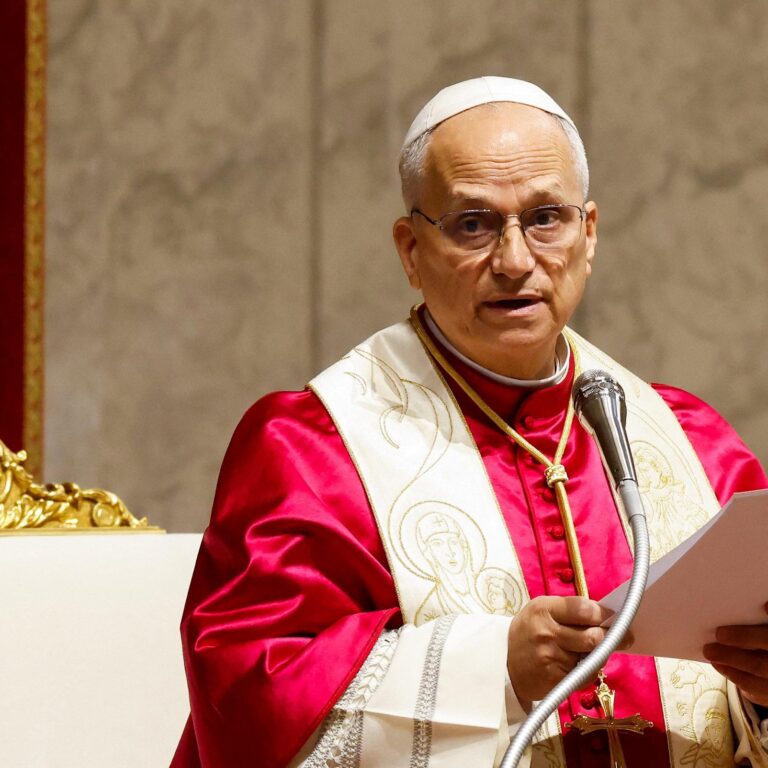
From the first note, Barone delivers a performance that captures the full spectrum of Elvis: the early rockabilly fire, the polished charisma of the Hollywood years, and the powerful, soulful intensity of the Las Vegas era. What distinguishes Barone is not just vocal accuracy—it is the ability to translate Presley’s artistry into a living, breathing experience that resonates with both longtime fans and first-time listeners.

Audiences can expect a setlist that spans the Presley catalog, honoring classics while preserving the integrity of the original arrangements. The phrasing, the timing, the emotional cadence—it is all there, reconstructed with a level of care that elevates the performance into something closer to a theatrical event than a concert.

The Artist Behind the Voice

Barone’s journey into the world of Elvis tribute performance began long before he stepped onto professional stages. As a teenager immersed in musical theatre, he developed a foundation in performance that emphasized storytelling, discipline, and connection with an audience. That training would prove essential.

The turning point came with a single song: “Return to Sender.” What started as admiration quickly evolved into a calling. When Barone was asked to perform at an Oldies show, the fusion of his theatrical background and his passion for Elvis Presley created something undeniable. That moment launched a career that would take him across the United States and internationally, building not only a following but a community rooted in shared musical reverence.

Over the years, Barone has refined his craft into a signature style that avoids the clichés often associated with tribute acts. Instead, he focuses on authenticity—capturing the subtle details that made Elvis a once-in-a-generation performer: the phrasing of a lyric, the controlled power of a sustained note, the interplay between vulnerability and command.

Why This Show Matters Now

There is a reason Elvis Presley continues to resonate across generations. His music was not just innovative—it was transformative. He bridged genres, redefined performance, and introduced a level of emotional immediacy that still shapes modern music.

In today’s live entertainment landscape, where spectacle often overshadows substance, a performance like Jim Barone’s offers something increasingly rare: a return to artistry. It invites audiences to reconnect with the raw energy and emotional truth that made Elvis a cultural force.

New Jersey’s theatre ecosystem is uniquely positioned to host experiences like this. Across the state, venues continue to invest in programming that balances heritage and innovation, creating a space where iconic legacies can be revisited with fresh perspective. For audiences exploring the depth of live performance options across the state, the broader theatre landscape can be explored through Explore New Jersey Theatre, which highlights the venues and productions shaping the region’s cultural identity.

A Night Designed for Every Generation

One of the defining strengths of A Tribute To The King is its accessibility. This is an all-ages event, designed to bring together audiences who may have experienced Elvis Presley in real time alongside those discovering his music for the first time.

For longtime fans, the performance offers a powerful sense of return—an opportunity to relive the soundtracks that defined eras of their lives. For younger audiences, it provides a gateway into understanding why Elvis remains a foundational figure in modern music.

The communal aspect of the show cannot be overstated. These performances often become shared experiences, where audiences are not just spectators but participants in a collective appreciation of music history.

The Enduring Power of Live Theatre in New Jersey

Events like Jim Barone’s tribute underscore a broader truth about New Jersey’s cultural landscape: live theatre here is not static. It is evolving, expanding, and continuously redefining what audiences can expect from a night out.

From historic playhouses to contemporary performance spaces, the state offers a range of venues that support both emerging artists and established acts. Tribute performances, in particular, have become an essential part of this ecosystem, serving as both celebration and preservation of musical heritage.

What sets New Jersey apart is its audience. There is an expectation of quality, of authenticity, of performances that deliver more than surface-level entertainment. Jim Barone’s work meets that expectation head-on, offering a production that is as technically impressive as it is emotionally engaging.

Returning to the Sound That Changed Everything

At its core, A Tribute To The King is about more than honoring a legend. It is about reconnecting with a moment in time when music shifted, when performance took on new meaning, and when an artist redefined what it meant to stand on a stage.

Jim Barone does not attempt to replace Elvis Presley—no one could. Instead, he creates a space where that legacy can be experienced again, not as memory, but as presence.

On June 20, 2026, New Jersey audiences will have the chance to step into that space. For one night, the voice, the fire, and the unmistakable energy of Elvis will return—faithfully, powerfully, and with the kind of authenticity that only a true artist can deliver.

Skylands Performing Arts Center (SkyPAC)

(973) 940-6398

View Organizer Website

The Lizzie Rose Music Room

217 E Main St, , NJ
Tuckerton, New Jersey 08087 United States
+ Google Map
(609) 276-6758
View Venue Website

Flyers End Playoff Drought, Ignite Regional Hockey Shift as New Jersey Attention Turns to a Revived Rival

The balance of power—and attention—across the region’s hockey landscape has shifted in a way few could have predicted even a season ago. On April 13, 2026, the Philadelphia Flyers secured their place in the Stanley Cup Playoffs with a 3–2 shootout victory over the Carolina Hurricanes, officially ending a five-year postseason absence and reintroducing one of the NHL’s most historic franchises into meaningful spring hockey. It represents a recalibration of regional narratives, a resurgence of a rival, and a renewed layer of intrigue as playoff hockey returns to the Northeast corridor.

The significance of the Flyers’ return is rooted not only in the fact that they are back, but in how they arrived. With a final regular-season record of 42–27–12 and 96 points, the team secured third place in the Metropolitan Division, positioning themselves for an immediate and high-stakes first-round matchup against the Pittsburgh Penguins. The “Battle of Pennsylvania,” one of the NHL’s most enduring and volatile rivalries, will now be revisited on the playoff stage for the eighth time, injecting the opening round with a level of intensity that extends well beyond standard postseason competition.

For a franchise that had not appeared in the playoffs since the 2019–20 season—when it advanced to the Eastern Conference Second Round before falling in a seven-game series—the return marks the end of a stretch that tied the longest postseason drought in team history. That absence has reshaped expectations, recalibrated roster construction, and ultimately set the stage for a season defined by disciplined progression rather than short-term volatility.

Central to that progression has been goaltender Dan Vladar, whose performance down the stretch anchored the Flyers’ push into the postseason. His statistical profile reflects not just consistency, but control. With 29 wins and a 2.42 goals-against average—ranking among the league’s top tier—Vladar has established himself as the structural backbone of the team’s defensive identity. His ability to limit scoring opportunities and stabilize high-pressure moments has translated directly into results, particularly in late-season scenarios where margins are minimal and execution is non-negotiable.

The recognition of that impact was formalized through the announcement of the Bobby Clarke Trophy, awarded to Vladar as the team’s Most Valuable Player. His contributions extend beyond numerical output, encompassing leadership, composure, and an ability to maintain performance levels across extended stretches. The additional acknowledgment of his character within the locker room reinforces a broader understanding of his role—not just as a goaltender, but as a central figure in the team’s internal structure.

The Flyers’ roster adjustments following their playoff clinch provide further insight into their strategic positioning. By recalling multiple players from the AHL’s Lehigh Valley Phantoms—including defensive prospects Oliver Bonk and Hunter McDonald, both set to make their NHL debuts—the organization is signaling a willingness to manage veteran workloads while simultaneously evaluating emerging talent in a live-game environment. This approach reflects a dual objective: preserving core contributors for the demands of playoff hockey while maintaining organizational depth and readiness.

The decision to integrate younger players at this stage of the season is not without risk, but it underscores a level of confidence in the team’s established framework. It also reinforces a broader trend within the NHL, where the line between development and deployment continues to narrow, particularly for teams transitioning from rebuilding phases into competitive contention.

The upcoming playoff series against Pittsburgh introduces a set of variables that will define the Flyers’ postseason trajectory. With the Penguins holding second place in the division and home-ice advantage, the structural advantage lies with Pittsburgh. However, the regular-season series between the two teams was evenly split at two games apiece, with both Flyers victories coming via shootout—an indication of how closely matched these teams have been in critical situations.

The format of the series, scheduled to begin on April 18, will follow the traditional best-of-seven structure, with games alternating between Pittsburgh’s PPG Paints Arena and Philadelphia’s Xfinity Mobile Arena. The distribution of home and away games introduces logistical and psychological dynamics that often shape the outcome of tightly contested series. Travel, crowd influence, and momentum shifts become as significant as on-ice execution, particularly in rivalry matchups where emotional intensity is consistently elevated.

For New Jersey audiences, the implications of this series extend beyond the immediate participants. Regional hockey culture is inherently interconnected, with fan bases, media coverage, and developmental pipelines overlapping across state lines. The Flyers’ return to the playoffs reintroduces a familiar tension into that ecosystem, creating new points of engagement and renewed relevance for a rivalry that has historically drawn significant attention.

This renewed focus also aligns with broader developments in the region’s sports landscape. As New Jersey continues to strengthen its position as a central hub for major sporting events—most notably with the upcoming FIFA World Cup 2026—the visibility and importance of high-level competition across all sports are increasing. Hockey, with its established infrastructure and passionate following, remains a critical component of that identity.

The Flyers’ season finale, scheduled as an “Orange Out” home game against the Montreal Canadiens, serves as both a celebration and a transition point. It marks the conclusion of a regular season that has redefined the team’s trajectory and sets the stage for a postseason that will test the durability of that progress. The environment in Philadelphia is expected to reflect that dual significance, combining acknowledgment of the achievement with anticipation of what lies ahead.

From a broader analytical perspective, the Flyers’ return to the playoffs illustrates the cyclical nature of professional sports, where periods of absence can lead to recalibration and eventual resurgence. The organization’s ability to navigate that cycle—balancing roster development, strategic patience, and performance execution—has positioned it to re-enter the postseason with a foundation that appears both stable and scalable.

For Explore New Jersey, the shift in focus toward this storyline represents more than a temporary adjustment in coverage. It reflects an understanding of how regional narratives evolve, how rivalries regain relevance, and how moments of resurgence can reshape the broader sports conversation. The Flyers’ playoff berth is not just a milestone for one team—it is a catalyst for renewed engagement across the entire region.

As the postseason begins, the variables will multiply, the margins will narrow, and the intensity will escalate. The Flyers have re-entered the conversation, and with that return comes a new chapter in one of the NHL’s most competitive divisions. For a region that thrives on proximity, rivalry, and high-stakes competition, that chapter is already underway.

Seton Hall Prep’s Mike Sheppard Jr. Reaches 900 Wins: A Landmark Achievement That Defines New Jersey High School Baseball Excellence

In a state where high school athletics are deeply embedded in community identity, few milestones carry the weight, longevity, and credibility of what unfolded on April 13, 2026. On that afternoon, Mike Sheppard Jr., the architect of one of the most consistent and respected programs in New Jersey history, secured his 900th career victory as head coach of Seton Hall Prep with a commanding 14–2 win over Millburn. The number itself is staggering, but the context surrounding it elevates the achievement into a rarefied space within the state’s athletic legacy.

For those who follow the evolving narrative of scholastic competition across Explore New Jersey’s coverage of high school sports, this milestone is not an isolated accomplishment. It is the culmination of four decades of sustained excellence, defined by discipline, continuity, and an unwavering commitment to player development at the highest level of the high school game.

Sheppard’s record—900 wins against just 240 losses and 7 ties—translates to a .785 winning percentage across 1,147 games. That level of consistency, maintained over nearly 40 years, places him among the most accomplished high school baseball coaches not only in New Jersey, but nationally. The milestone positions him alongside Ken Frank of Toms River South as one of only two coaches in state history to reach the 900-win threshold, a benchmark that has long been viewed as the upper limit of career achievement within this level of the sport.

The path to 900 has been defined by more than just wins. Under Sheppard’s leadership, Seton Hall Prep has captured seven state championships, establishing itself as a perennial contender across multiple eras of competition. The program’s ability to remain relevant, competitive, and structurally sound through changing player cycles and evolving styles of play speaks to a coaching philosophy rooted in adaptability and precision.

Equally significant is the program’s track record in developing talent beyond the high school level. Eighteen players have advanced to professional baseball during Sheppard’s tenure, a statistic that underscores the program’s role as both a competitive force and a developmental pipeline. This dual identity—winning games while preparing athletes for the next stage—is a defining characteristic of elite high school programs, and it has been consistently realized in West Orange.

The milestone game itself offered a fitting reflection of the program’s current state. The 14–2 victory over Millburn was not a narrow, symbolic win, but a decisive performance that reinforced the team’s competitive standard. Senior standout Jordan Burwell, a West Virginia commit, delivered a three-RBI performance that highlighted the caliber of talent currently moving through the program. The result was a game that balanced historical significance with present-day execution, ensuring that the milestone was achieved in a manner consistent with the program’s identity.

What distinguishes Sheppard’s career, however, extends beyond statistical achievement. His approach to coaching has long been defined by a balance between rigor and relatability. Known for demanding a high level of accountability from his players, he has simultaneously cultivated an environment that allows for personality, energy, and connection. This combination has contributed to a program culture that is both disciplined and resilient, capable of sustaining success without losing cohesion.

Influence has also played a critical role in shaping that approach. Sheppard has often cited Harry Shatel, the longtime Morristown coach, as a foundational figure in his development. That lineage is evident in the structure and philosophy of the Seton Hall Prep program, where fundamentals, preparation, and situational awareness are emphasized as core components of the game.

Perhaps the most telling aspect of this milestone is what it does not represent. For many coaches, 900 wins would serve as a natural endpoint, a moment to step away after achieving a career-defining benchmark. For Sheppard, it appears to function differently. In the immediate aftermath of the victory, he made it clear that retirement is not part of the current equation. His stated intention to continue coaching—as long as he remains healthy and effective—signals that the program’s trajectory is still very much forward-facing.

This perspective aligns with a broader understanding of coaching at the high school level, where longevity is often tied to purpose rather than milestones. The ability to remain engaged, to continue contributing meaningfully to player development, and to sustain competitive standards year after year is what ultimately defines a career of this magnitude.

Within the larger context of New Jersey high school sports, Sheppard’s achievement reinforces the state’s reputation as one of the most competitive and structurally sound environments for scholastic athletics in the country. Baseball, in particular, has long held a prominent position within that ecosystem, producing players, coaches, and programs that consistently operate at a high level. Milestones like this do not emerge in isolation—they are the product of a system that values preparation, competition, and continuity.

For Explore New Jersey, documenting moments like this is central to understanding the state’s athletic identity. While professional and collegiate sports often dominate headlines, it is at the high school level where many of the foundational narratives are formed. These are the programs that shape athletes at critical stages of development, where coaching influence extends beyond the field and into long-term personal growth.

Mike Sheppard Jr.’s 900th win is, in that sense, both a singular achievement and a reflection of something larger. It represents a standard that has been built over decades, maintained through consistency, and validated through results that speak for themselves. It is a benchmark that will stand for years to come, not simply because of the number, but because of the sustained excellence required to reach it.

As the season continues and the program moves forward, the focus will inevitably return to the next game, the next opponent, and the next opportunity to compete. That is the nature of the sport, and it is the environment in which Sheppard has operated for nearly four decades. The milestone has been reached, but the work—by all indications—continues.

Red Bulls Open Cup Run Begins in Harrison: A Defining Midweek Moment for New Jersey Soccer at Sports Illustrated Stadium

New Jersey’s soccer identity continues to sharpen in real time, and on Wednesday, April 15, 2026, that identity will be on full display under the lights in Harrison as the New York Red Bulls open their Lamar Hunt U.S. Open Cup campaign. This is not simply another fixture on the calendar. It is a tournament entry point with tangible stakes, a direct path to silverware, and a reminder that some of the most consequential matches in American soccer unfold outside the traditional weekend spotlight.

For those tracking the club’s trajectory through Explore New Jersey’s ongoing coverage of the New York Red Bulls, the significance of this match is immediate. The Open Cup is the oldest continuous soccer competition in the United States, structured as a knockout tournament that compresses pressure into every ninety-minute window. There are no extended series, no margin for recovery—just advancement or elimination. That structure alone changes the tone. It demands urgency, precision, and a level of focus that often produces performances distinct from league play.

The setting for this opening clash is Sports Illustrated Stadium in Harrison, a venue that has quietly become one of the most important soccer environments in the region. Formerly known as Red Bull Arena, the rebranded stadium reflects a broader evolution in how the club and its partners are positioning the space—not just as a home field, but as a multi-layered sports and media destination. Its location, directly accessible via the PATH system and integrated into one of the most connected transit corridors in the Northeast, makes it uniquely suited for high-intensity midweek matches where timing and accessibility matter.

Kickoff is scheduled for 7:30 PM, a time slot that reinforces the distinct character of Open Cup soccer. Midweek matches carry a different energy—more focused, more deliberate, and often more volatile. The crowd that fills the stadium on nights like this tends to be deeply engaged, composed of supporters who understand the stakes and the structure of the competition. The atmosphere reflects that understanding, creating an environment where every phase of play is amplified.

The opponent, Pittsburgh Riverhounds, arrives as a disciplined and organized side with a history of competing effectively in knockout formats. Clubs from outside Major League Soccer often approach the Open Cup with a different calculus, viewing these matches as opportunities to disrupt hierarchy and establish credibility on a national stage. That dynamic introduces an additional layer of unpredictability. For the Red Bulls, the challenge is not only to assert their technical and tactical advantages, but to match the intensity and focus of a team that enters the match with nothing to lose.

From a tactical perspective, the Open Cup frequently serves as a platform for strategic variation. Squad rotation, lineup experimentation, and the integration of emerging players are all common elements, but they must be balanced against the immediate objective of advancement. This is where depth becomes a defining factor. The ability to maintain structural integrity while introducing new personnel is often what separates teams that make extended runs from those that exit early.

For the Red Bulls, this match also represents an opportunity to reinforce their identity within a broader competitive framework. The club’s approach—built on high pressing, transitional speed, and disciplined defensive organization—translates particularly well to knockout scenarios, where controlling tempo and forcing errors can quickly shift momentum. The question is not whether the system works, but how effectively it is executed under the specific pressures of tournament play.

Beyond the tactical and competitive elements, the match carries broader significance for New Jersey’s role in the American soccer landscape. With the region preparing to host multiple matches in the 2026 FIFA World Cup, including the final, every high-profile game at Sports Illustrated Stadium contributes to a growing narrative. These matches are not isolated events; they are part of a continuum that is positioning New Jersey as a central hub for the sport at both the national and global levels.

The accessibility of this particular fixture reinforces that positioning. With ticket prices starting at just $15, the match offers one of the most direct entry points into high-stakes professional soccer available anywhere in the region. This pricing structure is not incidental—it reflects an understanding that building a sustained soccer culture requires consistent engagement, not just marquee events. By lowering barriers to entry, the club is creating opportunities for new audiences to experience the intensity and immediacy of live competition.

The stadium experience itself is calibrated to support that engagement. Sightlines, acoustics, and proximity to the pitch all contribute to an environment where the game can be experienced with clarity and immediacy. Unlike larger, multi-purpose venues, Sports Illustrated Stadium is designed specifically for soccer, and that design choice is evident in every aspect of the matchday experience. The result is a setting where the connection between player and supporter is direct and unfiltered.

As the Red Bulls step onto the field on April 15, they do so within a framework that extends beyond a single match. This is the opening chapter of a tournament run that has the potential to define the club’s season, a test of depth and discipline, and a moment that contributes to the broader evolution of soccer in New Jersey. The opponent is set, the stakes are clear, and the stage is fully prepared.

Midweek under the lights in Harrison is not an anomaly—it is a proving ground.

Newark Confrontation Case Intensifies as Rep. LaMonica McIver’s Defense Challenges Federal Assault Charges in High-Stakes Legal and Political Battle

A rapidly escalating legal case centered in Newark is drawing national attention while placing New Jersey at the forefront of a complex intersection between law enforcement authority, political oversight, and constitutional protections. The case involving U.S. Representative LaMonica McIver has evolved into one of the most closely watched legal disputes in the region, anchored in a brief but highly contested 68-second encounter outside the Delaney Hall federal detention facility on May 9, 2025. What prosecutors describe as an assault on federal officers, McIver’s legal team frames as a chaotic, defensive reaction within an uncontrolled and volatile environment.

As developments continue to unfold within the Law & Order landscape, the case is no longer confined to a single incident. It has expanded into a broader examination of how federal authority is exercised, how elected officials engage in oversight, and how prosecutorial decisions are interpreted within a politically charged climate.

At the center of the case is a moment captured on video—an intense, tightly packed confrontation involving federal agents, elected officials, and a rapidly shifting crowd dynamic. According to federal prosecutors, McIver engaged in physical actions that meet the threshold for assault, a charge that carries significant legal consequences, including the potential for a lengthy prison sentence. The government’s position rests on the assertion that the congresswoman’s movements during the encounter constituted intentional contact with law enforcement personnel.

The defense, led by former U.S. Attorney Paul Fishman, presents a sharply contrasting narrative. Rather than a deliberate act of aggression, McIver’s legal team describes the scene as a “jostling scrum,” where movement was dictated by crowd pressure rather than individual intent. Video evidence, they argue, shows the congresswoman both pushing and being pushed as federal agents moved to detain Newark Mayor Ras Baraka, creating an environment where physical contact was unavoidable.

Within this context, the defense emphasizes that McIver’s actions were reactive rather than aggressive. They contend that she was attempting to intervene in what she perceived as an unsafe and potentially unlawful situation, acting to protect both herself and others amid a rapidly escalating confrontation. The movements cited by prosecutors as “strikes” are characterized instead as incidental contact—natural responses to being caught in a tightly compressed and physically unstable crowd.

A key element of the defense’s argument is the absence of documented injury. No specific harm to federal officers has been formally identified, raising questions about whether the threshold for a felony assault charge has been met. This point is being used to challenge not only the severity of the charges but also the interpretation of the events themselves, suggesting that the legal framing may not align with the actual impact of the encounter.

Beyond the immediate facts of the case, McIver’s legal team and supporters are advancing a broader argument that shifts scrutiny toward the actions of federal agents. Statements from individuals present at the scene, including fellow elected officials, assert that McIver herself may have been subjected to physical force during the confrontation. Allegations that an agent initiated contact by shoving the congresswoman have added another layer of complexity, raising questions about proportionality, escalation, and accountability within the incident.

This dynamic has contributed to a narrative that extends beyond legal interpretation into the realm of political context. The prosecution is being overseen by interim U.S. Attorney Alina Habba, a figure with prior high-profile legal affiliations, and the defense has characterized the case as an instance of selective enforcement. The argument centers on the assertion that McIver, a sitting member of Congress, has been singled out despite the presence of multiple officials within the same confrontation who have not faced similar charges.

The disparity in legal outcomes tied to the same event has become a focal point. Trespassing charges initially brought against Newark Mayor Ras Baraka were ultimately dropped, while McIver continues to face severe allegations. This divergence is being cited by the defense as evidence of inconsistency in prosecutorial decision-making, reinforcing claims that the case may be influenced by factors beyond the immediate facts.

The legal trajectory of the case has already included a significant ruling that will shape its next phase. A federal judge denied McIver’s motion to dismiss the charges under the Constitution’s Speech or Debate Clause, which provides certain protections for legislative activities. The court determined that the actions in question did not fall within the scope of official legislative duties, allowing the case to proceed. This decision represents a critical inflection point, narrowing the legal avenues available to the defense while setting the stage for further judicial review.

As of April 2026, McIver is actively appealing that ruling, seeking to reestablish the argument that her presence and actions at the facility were part of her oversight responsibilities as an elected official. This appeal introduces a constitutional dimension to the case, one that could have broader implications for how members of Congress engage with federal agencies in oversight capacities.

The stakes extend well beyond the immediate parties involved. At its core, the case raises fundamental questions about the boundaries between oversight and enforcement, the interpretation of intent within chaotic environments, and the role of prosecutorial discretion in politically sensitive situations. For New Jersey, it represents a moment where local events intersect with national legal and political frameworks, drawing attention to the state’s role in shaping broader conversations about governance and accountability.

The 68 seconds at the center of this case have become a focal point for competing narratives—one emphasizing enforcement and legal thresholds, the other highlighting context, intent, and systemic dynamics. As the case advances toward a potential trial, each argument will be examined in greater detail, with video evidence, witness testimony, and legal interpretation all playing critical roles.

What remains clear is that this is not a routine legal proceeding. It is a case that encapsulates the complexity of modern public life, where legal standards, political realities, and real-time events converge in ways that challenge straightforward interpretation. As proceedings continue, the outcome will not only determine the future of those directly involved but will also contribute to a broader understanding of how law, authority, and public service intersect in moments of crisis.

Cardinal Tobin Rebukes Trump AI Image Controversy: Faith, Media, and Power Collide in a Defining Cultural Flashpoint with New Jersey at the Center on 60 Minutes

New Jersey has long operated as more than a geographic corridor between major media markets—it is a place where national narratives are often clarified, challenged, and reframed. On April 13, 2026, that dynamic was once again brought into sharp focus as Cardinal Joseph W. Tobin, Archbishop of Newark and the highest-ranking Catholic leader in the state, issued a direct and unambiguous condemnation of a viral AI-generated image shared by former President Donald Trump. The image, which depicted Trump in a Christ-like role performing what appeared to be a healing act, triggered immediate backlash across religious, political, and media communities, igniting a national conversation that sits squarely at the intersection of technology, faith, and representation.

Within the broader lens of Explore New Jersey’s coverage of cultural narratives and media influence across the film & tv landscape, this moment is not isolated. It reflects a rapidly evolving environment where digital imagery, synthetic media, and platform-driven amplification are reshaping how symbolic content is created, distributed, and interpreted. What distinguishes this particular incident is not simply its virality, but the institutional response it provoked—and the clarity with which that response was delivered from within New Jersey.

Cardinal Tobin’s statement characterized the image as a “graphic exploitation of sacred imagery,” emphasizing the degree to which it crossed established boundaries between political messaging and religious symbolism. His reaction was not framed as a partisan critique, but as a defense of theological integrity and the sanctity of imagery that holds profound meaning for millions of believers. The language was deliberate, measured, and precise, reflecting a broader concern about how emerging technologies are being deployed in ways that can distort or trivialize deeply held traditions.

The timing of the controversy amplified its impact. The image was shared during a period of heightened tension between Trump and Pope Leo XIV, the first American-born pontiff, whose leadership has already introduced a new dynamic into global religious discourse. Public criticism from Trump had targeted the Pope’s positions on international conflict and immigration, framing them as politically weak or strategically flawed. In response, members of the American Catholic hierarchy—including Cardinal Tobin—moved to clarify the distinction between spiritual leadership and political governance.

This distinction became a central theme during a nationally broadcast appearance on 60 Minutes just one day prior to the image controversy. Cardinal Tobin, alongside Cardinals Blase Cupich and Robert McElroy, articulated a consistent message: the role of the Pope is not to operate as a political strategist, but as a moral and pastoral voice addressing global human concerns. Tobin’s description of Pope Leo XIV as “the right man” for the current moment underscored a belief that leadership in this context must be evaluated through a different lens—one grounded in ethical guidance rather than policy execution.

The conversation extended beyond abstract principles into specific policy critiques, particularly around immigration enforcement practices and the broader implications of international conflict. These positions, while aligned with longstanding Vatican perspectives, have taken on renewed visibility given the Pope’s American origin and the current geopolitical climate. The result is a layered dialogue in which religious leadership, political authority, and public perception intersect in increasingly complex ways.

The AI-generated image introduced a new dimension to that dialogue. Unlike traditional political messaging, which relies on language and rhetoric, this form of content operates visually and symbolically, often bypassing analytical filters in favor of immediate emotional response. The depiction of a public figure in a Christ-like role carries inherent theological implications, regardless of the creator’s stated intent. This is precisely the space in which Cardinal Tobin’s critique is situated—not as a reaction to political positioning, but as a response to the misuse of imagery that holds sacred significance.

Trump’s subsequent explanation added another layer of complexity. In remarks delivered later that day, he suggested that he did not interpret the image as religious, instead framing it as a representation of healing or service, akin to that of a medical professional. He stated that he believed the image portrayed him “as a doctor” or in connection with humanitarian symbolism, and maintained that his actions were intended to reflect his broader narrative of improving conditions for others. The image was ultimately removed approximately 13 hours after it was posted, though no formal apology was issued.

The response from within political circles was notably varied. While some figures defended the President’s actions as misinterpreted or exaggerated, others—including voices typically aligned with his positions—expressed discomfort with the imagery, describing it in terms that echoed the concerns raised by religious leaders. This divergence highlights the broader challenge of navigating symbolic content in an era where boundaries between satire, messaging, and representation are increasingly fluid.

Pope Leo XIV’s own response, delivered during an international trip, reinforced the distinction between political discourse and spiritual mission. His remarks emphasized a lack of concern for political criticism, redirecting attention toward the core principles of his role. By framing his work as fundamentally rooted in the message of the Gospel rather than political alignment, he underscored the conceptual divide that has become central to this unfolding narrative.

Within New Jersey, Cardinal Tobin’s position carries particular weight. As Archbishop of Newark, his influence extends across one of the most diverse and densely populated Catholic communities in the country. His decision to address the issue directly reflects both the significance of the moment and the responsibility of leadership within that context. It also reinforces New Jersey’s role as a place where national conversations are not only observed, but actively shaped.

From a media perspective, this controversy illustrates the accelerating convergence of technology and storytelling. AI-generated imagery is no longer confined to experimental spaces—it is now embedded within mainstream communication channels, capable of reaching global audiences within minutes. The implications for film, television, and digital content creation are substantial, as the tools used to craft narratives become more sophisticated and more accessible.

At the same time, the incident raises fundamental questions about authorship, intent, and accountability. When an image is created through artificial intelligence, the lines between creator and distributor can become blurred. Yet the impact of that image—particularly when it engages with culturally or religiously sensitive material—remains very real. This tension is likely to define the next phase of media evolution, as institutions, creators, and audiences work to establish new frameworks for interpretation and responsibility.

For Explore New Jersey, this moment aligns with a broader commitment to examining how media and culture intersect across disciplines. Whether through film, television, or emerging digital platforms, the stories that shape public perception are increasingly complex, requiring analysis that goes beyond surface-level interpretation. The events of April 13 serve as a case study in how quickly those narratives can develop—and how essential it is to approach them with clarity, context, and precision.

As the conversation continues to unfold, one element remains constant: the role of New Jersey as a place where these issues are engaged with seriousness and depth. From the statements issued in Newark to the national platforms that amplify them, the state is not on the periphery of this dialogue. It is at its center, contributing perspective, leadership, and a clear articulation of the values at stake in an era defined by rapid technological and cultural change.

NJ Transit’s Multilevel III Rail Cars Signal a $3 Billion Transformation of New Jersey Commuting, with Faster Trains, Smarter Technology, and a Reimagined Rider Experience

New Jersey’s transportation future took a decisive step forward on April 13, 2026, as NJ Transit introduced the first of its next-generation Multilevel III rail cars, marking a pivotal milestone in a sweeping $3 billion modernization initiative that is set to redefine rail travel across the state. This is not a routine equipment upgrade—it is a structural overhaul of how one of the nation’s most heavily used commuter rail systems operates, performs, and serves its riders.

As highlighted across the evolving Transportation landscape, the arrival of these new rail cars represents a long-awaited shift away from aging infrastructure toward a fully modernized fleet designed for speed, reliability, and capacity. For decades, New Jersey commuters have relied on the Arrow III single-level trains, many of which date back more than half a century. While those cars have served as a backbone of regional mobility, their limitations have become increasingly apparent in a system under constant demand pressure.

The Multilevel III cars are engineered to replace that legacy fleet with a design that reflects both current commuter expectations and future operational requirements. Currently undergoing a rigorous multi-month testing and commissioning process at the Meadows Maintenance Complex, these trains are being evaluated across performance, safety, and integration benchmarks before entering full passenger service. State leadership and NJ Transit officials have indicated that the first operational rollout—potentially up to 40 cars—will begin by late summer or early fall of 2026, with a full fleet transformation targeted for completion by 2031.


This phased deployment strategy underscores the scale of the investment. NJ Transit has committed to acquiring a total of 374 Multilevel III cars from global manufacturer Alstom, positioning the agency to transition toward an entirely modern, multilevel fleet that can accommodate growing ridership demands while improving system-wide efficiency.

What sets the Multilevel III apart is not simply its updated design, but the fundamental shift in how these trains function. A significant portion of the fleet—approximately one-third—will operate as Electric Multiple Units (EMUs), meaning the cars are self-propelled rather than reliant on traditional locomotive engines. This distributed power model introduces several operational advantages. Acceleration is significantly faster, reducing travel times between stops and improving schedule adherence. At the same time, built-in redundancy enhances reliability; if one motor experiences an issue, others continue to operate, minimizing service disruptions.

Speed is another defining upgrade. The new cars are capable of reaching up to 110 miles per hour, representing a substantial increase over the older fleet. This enhanced performance is particularly impactful on longer-distance routes, where incremental speed gains translate into meaningful reductions in overall travel time. Combined with improved acceleration, the result is a system that moves more efficiently, with fewer delays and greater consistency.

Capacity has also been carefully addressed. The multilevel configuration allows for an increase in seating—estimated at 11 to 12 percent more than the single-level cars they replace—without requiring additional train length. In a state where peak-hour congestion is a daily reality, this added capacity provides immediate relief while supporting future ridership growth.

For passengers, the most visible changes will be found in the onboard experience. The Multilevel III cars are designed with modern amenities that align with how commuters live and work today. USB charging ports are integrated into every row, ensuring that riders can stay connected throughout their journey. Digital information displays provide real-time updates, while enhanced audio systems deliver clear, automated announcements. These features, while seemingly incremental, collectively redefine the daily commute, transforming it from a passive experience into a more functional and connected environment.

Perhaps the most consequential improvement, however, lies in reliability. NJ Transit officials project that the new cars will achieve an average of 400,000 miles between mechanical failures—a dramatic leap from the 30,000 to 40,000 miles typical of the legacy equipment. This level of durability is expected to significantly reduce service interruptions, improve on-time performance, and lower long-term maintenance costs. For riders, it means fewer delays and a system that operates with greater predictability.

The introduction of the Multilevel III fleet is part of a broader, coordinated effort to elevate the overall commuter experience across New Jersey’s transportation network. In conjunction with the rail modernization program, Governor Mikie Sherrill has outlined a series of initiatives aimed at improving daily transit conditions. These include the deployment of 1,400 new buses equipped with Wi-Fi and USB connectivity, ensuring that upgrades extend beyond rail lines to the state’s bus network.

Equally important is the focus on infrastructure and station environments. A 45-day mandate has been issued to develop and implement a comprehensive plan for deep cleaning transit facilities and accelerating repairs to critical systems such as escalators and elevators. With a target date set for June 22, 2026, this initiative reflects a recognition that modern transportation is not defined solely by vehicles, but by the entire ecosystem in which they operate.

This integrated approach signals a shift in how NJ Transit is positioning itself—not just as a provider of mobility, but as a service platform designed to meet the expectations of a modern workforce. In a region where commuting patterns are evolving and competition for talent is increasingly tied to quality of life, the ability to offer reliable, efficient, and comfortable transit options becomes a strategic advantage.

The broader economic implications are equally significant. New Jersey’s rail system is a critical link within the Northeast corridor, connecting residential communities with major employment centers in New York City and beyond. Enhancements to speed, capacity, and reliability have a direct impact on productivity, accessibility, and regional competitiveness. By investing in next-generation infrastructure, the state is reinforcing its position as a central node in one of the most economically active regions in the country.

At the same time, the modernization effort addresses long-standing challenges that have affected rider confidence. Aging equipment, service disruptions, and inconsistent performance have historically shaped public perception of the system. The Multilevel III rollout represents an opportunity to reset that narrative, demonstrating a commitment to long-term improvement and operational excellence.

As testing continues and the first cars prepare to enter service, the transition from legacy systems to advanced, technology-driven infrastructure is becoming tangible. For commuters, the changes will be felt not just in faster travel times or improved seating, but in the overall reliability and functionality of the system they depend on every day.

New Jersey’s transportation network is entering a new phase—one defined by investment, innovation, and a clear focus on the rider experience. The arrival of the Multilevel III rail cars is the most visible symbol of that transformation, but it is also part of a larger movement toward a more connected, efficient, and resilient transit system. As the rollout progresses, it will reshape not only how people travel, but how the state itself moves forward.