

New Jersey Symphony Presents Neruda Songs & Poulenc’s Gloria
New Jersey Symphony Elevates the Stage at State Theatre New Jersey with Neruda Songs & Poulenc’s Gloria in a Landmark 2027 Performance
April 18, 2027 @ 2:00 PM – 11:30 PM
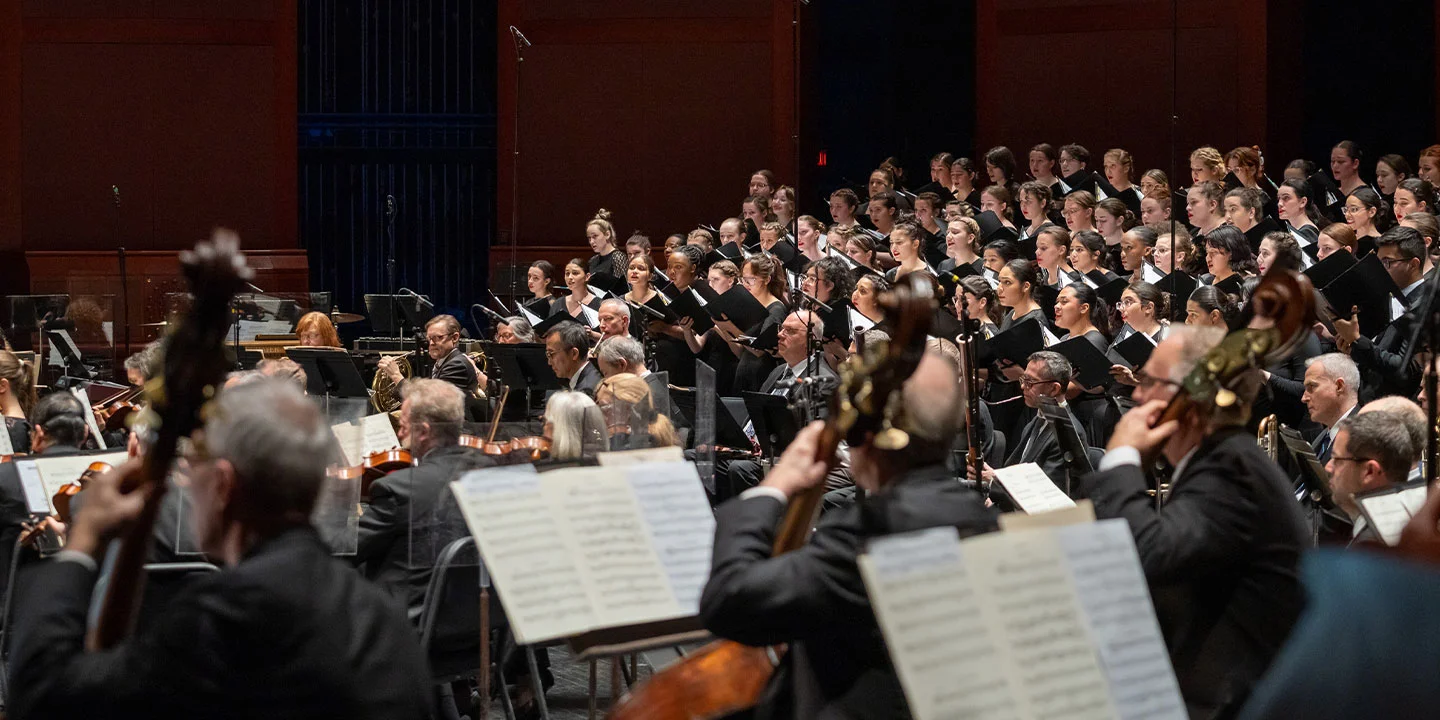
New Jersey’s cultural calendar continues to evolve with a level of ambition and artistic precision that reflects the state’s growing prominence in the national performing arts landscape. On Sunday, April 18, 2027 at 2:00 PM, the New Jersey Symphony returns to State Theatre New Jersey with a program that is as intellectually compelling as it is emotionally immersive, bringing together masterworks that traverse the sacred, the sensual, and the transcendent. With subscriptions now available and anticipation already building, this performance stands as one of the most significant classical presentations on the horizon for audiences across the region.
At the center of this program is conductor Ludovic Morlot, whose internationally recognized approach blends structural clarity with expressive depth. Known for his distinctly French interpretive sensibility, Morlot shapes programs that feel cohesive yet expansive, and this particular repertoire offers an ideal platform for that vision. His leadership will guide the orchestra, chorus, and soloists through a program that demands both technical precision and emotional vulnerability, creating a unified experience that resonates beyond the concert hall.
The afternoon’s repertoire is anchored by Peter Lieberson’s Neruda Songs, a deeply intimate song cycle that sets the poetry of Pablo Neruda with striking sensitivity and emotional weight. Performed by mezzo-soprano J’Nai Bridges, whose voice has become synonymous with richness, control, and expressive nuance, the work unfolds as a meditation on love in its most profound and vulnerable forms. Lieberson’s composition is not merely an adaptation of text to music; it is a dialogue between language and sound, where each phrase is shaped with deliberate care, allowing the emotional core of Neruda’s poetry to emerge with clarity and resonance. Bridges’ interpretation is expected to bring both gravitas and immediacy to the performance, reinforcing her standing as one of the leading vocalists of her generation.
Complementing this introspective work is Francis Poulenc’s Gloria, a composition that embodies a striking duality—reverent yet playful, sacred yet infused with moments of unexpected brightness. Poulenc’s ability to balance solemnity with levity is one of the defining characteristics of his work, and in this setting, it becomes a dynamic exchange between orchestra, chorus, and soprano soloist Liv Redpath. Redpath’s vocal clarity and agility position her to navigate the work’s shifting tonal landscape, moving seamlessly between moments of introspection and bursts of radiant energy. The inclusion of the Montclair State University Chorale, under the direction of Heather J. Buchanan, adds another dimension to the performance, as the ensemble’s disciplined choral sound provides both foundation and contrast throughout the piece.
Rounding out the program is Maurice Ravel’s Suite No. 2 from Daphnis and Chloé, a work that showcases orchestral color at its most vivid. Ravel’s writing in this suite is expansive and cinematic, drawing on impressionistic textures and dynamic contrasts to create a soundscape that feels both ethereal and grounded. Under Morlot’s direction, the orchestra is positioned to fully explore the nuances of Ravel’s orchestration, from the delicate interplay of instrumental voices to the sweeping climaxes that define the work’s emotional arc.
Taken together, these compositions form a program that is both thematically cohesive and artistically diverse. The interplay between Lieberson’s intimate vocal writing, Poulenc’s choral grandeur, and Ravel’s orchestral brilliance creates a layered experience that reflects the breadth of the classical tradition while remaining accessible to contemporary audiences. It is precisely this balance that continues to define the New Jersey Symphony’s approach to programming—an emphasis on works that challenge, engage, and resonate across multiple dimensions.
The setting of State Theatre New Jersey further enhances the significance of this event. As one of the state’s premier venues, it has become a focal point for performances that demand both acoustic excellence and an engaged audience. The theater’s role within the broader arts ecosystem underscores New Jersey’s commitment to presenting world-class performances in spaces that honor both tradition and innovation.
This concert also reflects a broader trend within the state’s cultural landscape, where classical music is being presented with renewed energy and relevance. Through initiatives highlighted across Explore New Jersey’s coverage of the music scene, there is a clear emphasis on programming that bridges established repertoire with contemporary interpretation, ensuring that these works continue to speak to modern audiences without losing their historical context.
As subscriptions open and individual tickets become available, this performance is poised to become a cornerstone event within the 2027 season. It offers audiences not only the opportunity to experience exceptional musicianship, but also to engage with a program that explores the full spectrum of human emotion—from the intimacy of love poetry to the grandeur of sacred expression and the expansive beauty of orchestral storytelling.
For those who follow the evolution of New Jersey’s performing arts scene, this event represents more than a single concert. It is a statement of intent, a demonstration of how the state continues to position itself as a destination for performances that are both artistically rigorous and deeply resonant. With a conductor of Morlot’s caliber, a lineup of world-class vocalists, and a program that moves seamlessly between emotional extremes, the New Jersey Symphony’s presentation of Neruda Songs & Poulenc’s Gloria stands as one of the most compelling classical experiences on the upcoming calendar.











