
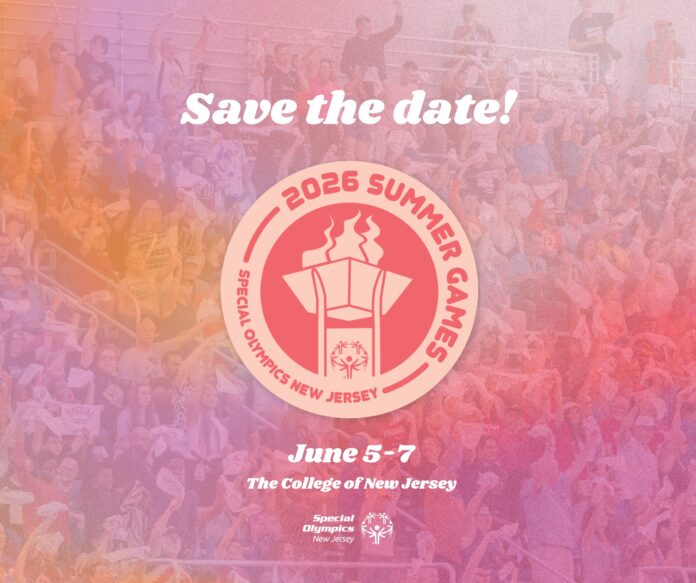

Every year in New Jersey, there are sporting events that generate headlines because of championships, television ratings, ticket sales, or celebrity attention. And then there are events that matter on a much deeper level because they represent something larger than sports itself. The 2026 Special Olympics New Jersey Summer Games, returning to The College of New Jersey from June 5 through June 7, belong firmly in that second category.
For one weekend, the TCNJ campus in Ewing will once again transform into one of the most inspiring athletic and community gatherings anywhere in the state as more than 2,000 athletes, coaches, volunteers, law enforcement officers, families, medical professionals, partners, and supporters come together for three days built around competition, achievement, inclusion, and human connection.
The Summer Games are not simply a statewide tournament.
They are one of the defining annual celebrations of community in New Jersey.
Across seven sports, athletes from throughout the Garden State will compete in an atmosphere that combines elite effort with extraordinary encouragement. Opening ceremonies, medal presentations, health screenings, fan support, volunteer programs, and team celebrations create an environment unlike almost any other sporting event in the region. The focus is competitive excellence, but the emotional center of the Games has always been something larger: visibility, dignity, opportunity, and the recognition that sports can create belonging in ways few other institutions can match.
For many athletes, the Summer Games represent the culmination of months — and often years — of preparation.
For families, it becomes a weekend of pride and celebration.
For coaches, it is the reward for countless hours spent mentoring, teaching, organizing, motivating, and building confidence both on and off the field of play.
And for New Jersey itself, the event continues reinforcing why Special Olympics remains one of the most respected and impactful sports organizations operating anywhere in the country.
The scale of the Summer Games has grown significantly over the years, evolving into a statewide showcase that extends well beyond athletics alone. In addition to competition, the weekend includes wellness initiatives, community programming, athlete support services, and health-focused screenings designed to provide resources that many participants might not otherwise receive regularly. That integrated model has become central to the Special Olympics mission nationally and particularly strong throughout New Jersey.
The atmosphere surrounding the Games reflects that broader purpose immediately.
There is intensity, certainly. Athletes compete to win. Coaches prepare seriously. Teams train with structure and discipline. But there is also an unmistakable sense of mutual support that changes the emotional environment entirely. Competitors cheer for one another. Volunteers develop lasting relationships with athletes and families. Law enforcement officers participate not as symbolic guests, but as active partners deeply embedded within the event itself.
That relationship between Special Olympics New Jersey and law enforcement has become one of the organization’s most visible and meaningful partnerships.
The presence of officers throughout the Summer Games reflects years of collaboration through fundraising, event support, logistics, community outreach, and athlete advocacy initiatives. Programs such as the Law Enforcement Torch Run have helped strengthen the connection between Special Olympics and communities across the state while generating visibility and support for athletes year-round.
The result is an event that feels remarkably unified despite its enormous scale.
What also makes the Summer Games especially powerful is how they challenge outdated perceptions surrounding disability, competition, and athletic achievement. Anyone attending the event quickly realizes that the level of preparation, focus, resilience, and emotional investment displayed by athletes mirrors what exists in every serious sports environment. The performances matter deeply to the competitors participating in them.
The victories are real.
So are the setbacks, nerves, pressure, excitement, and determination.
That authenticity is part of why the Summer Games continue resonating so strongly with returning families, volunteers, and coaches year after year.
For longtime coaches, the emotional impact of the Games often becomes intensely personal. Coaching in Special Olympics environments requires much more than designing practices or organizing lineups. It demands patience, emotional intelligence, adaptability, consistency, and a genuine investment in the development of athletes as people rather than simply competitors.
That investment changes lives on both sides of the relationship.
Many coaches describe Special Olympics as one of the most meaningful experiences of their lives precisely because the connection extends far beyond wins and losses. Confidence grows. Communication improves. Friendships develop. Families become part of larger support networks. Athletes gain opportunities to travel, compete, and participate in environments where they are fully recognized and celebrated.
Those moments accumulate over years.
The pride associated with coaching success inside Special Olympics carries a unique emotional weight because it reflects not only competitive accomplishment, but trust, mentorship, and collective effort. Winning medals matters. So does seeing athletes develop confidence, independence, and joy through sports participation.
That reality is deeply familiar to many throughout the New Jersey Special Olympics community, including coaches who have spent years helping athletes reach statewide and national competition levels. The experience of earning multiple medals while coaching Special Olympics teams represents far more than personal recognition. It reflects years of commitment to athletes, practices, tournaments, travel, preparation, setbacks, and breakthrough moments that often become unforgettable for everyone involved.
Those relationships frequently last decades.
Special Olympics New Jersey has become especially effective at building that kind of long-term community culture. The organization’s statewide infrastructure allows athletes to remain involved across multiple stages of life while creating consistent opportunities for competition, leadership, and social connection. Events like the Summer Games function as the public centerpiece of that work, but the larger mission operates year-round in schools, local programs, training facilities, and communities throughout the state.
The College of New Jersey continues serving as an ideal host site for the event because the campus environment allows the Games to operate with both scale and intimacy simultaneously. Athletic venues, housing areas, gathering spaces, medical support locations, and ceremony sites create a centralized atmosphere where athletes and families can fully immerse themselves in the experience over the course of the weekend.
That sense of immersion matters.
The Summer Games are not designed to feel transactional or temporary. They are meant to feel celebratory, memorable, and communal. Athletes are introduced in opening ceremonies with the same pride and visibility associated with major championship events. Medal presentations receive genuine attention and emotion. Entire teams arrive wearing coordinated uniforms representing communities from across New Jersey.
For many participants, the experience becomes one of the defining moments of the year.
And increasingly, events like this have taken on even greater significance within the broader sports landscape because they reinforce something often missing from modern athletics discourse: the reminder that sports at their best are fundamentally about people.
Not branding.
Not outrage cycles.
Not endless debate programming.
But effort, teamwork, opportunity, growth, and shared experience.
The Special Olympics Summer Games consistently bring those values back into focus.
As New Jersey prepares for the return of the 2026 Summer Games in June, the event once again stands as one of the most meaningful weekends on the state’s annual sports calendar. Thousands will gather at TCNJ not only to compete, but to celebrate what inclusive athletics can look like when communities fully commit to supporting it.
For Explore New Jersey readers, the Summer Games remain a powerful reminder that some of the most important sporting events in the state are not defined by television contracts or professional leagues. They are defined by the people participating, the families cheering in the stands, the coaches dedicating their time, and the athletes proving every year that determination, preparation, and heart remain the true foundation of competition.
And from June 5 through June 7, that spirit will once again take center stage in Ewing as Special Olympics New Jersey returns for another unforgettable Summer Games weekend.
















