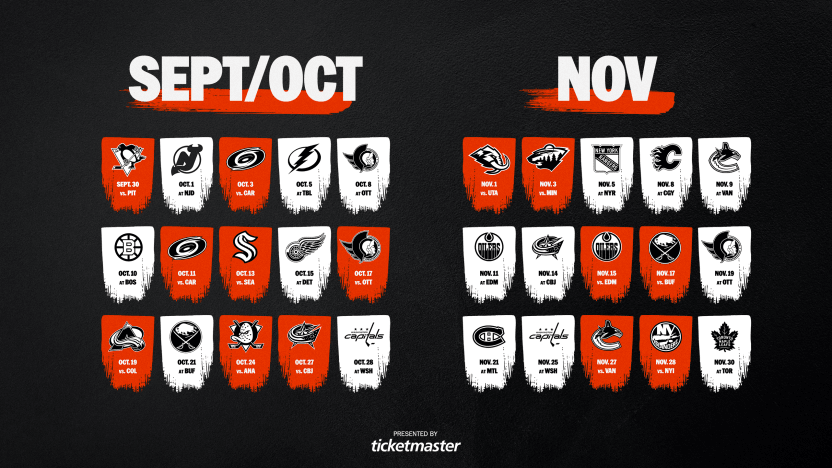
The Philadelphia Flyers have officially released their complete 2026-27 regular season schedule, and this year’s calendar carries genuine historical weight before the puck even drops. With the NHL regular season beginning two full weeks earlier than in recent years, Philadelphia will open its 2026-27 campaign in September, a first in the entire history of the franchise. That milestone opener arrives at home on Wednesday, September 30, against intrastate rival Pittsburgh, marking the ninth time the Flyers have opened a season specifically against the Penguins, a fitting choice given that Philadelphia has hosted Pittsburgh in its home opener more often than any other team in the league.
The season’s opening stretch offers no time to ease in gently. Just two days after that historic home opener, the Flyers hit the road for the second half of a back to back, traveling to face the New Jersey Devils on Thursday, October 1, before returning home to host the defending Stanley Cup champion Carolina Hurricanes at Xfinity Mobile Arena on October 3, giving Philadelphia three games in four nights to open the year against genuinely tough competition right out of the gate.
This year’s schedule also reflects a broader structural change across the entire league. The NHL’s 2026-27 slate expands to 84 total games, with every club playing 42 at home and 42 on the road, the first time the Flyers have played an 84 game regular season since 1993-94, a genuinely notable return to a scheduling format the franchise hasn’t seen in more than three decades. Under that expanded format, Philadelphia will face each of its Metropolitan Division rivals four times apiece, split evenly between two home and two road games, taking on Carolina, Columbus, New Jersey, the New York Islanders, the New York Rangers, Pittsburgh, and Washington throughout the year.
Philadelphia’s home schedule includes 16 total weekend games, broken down into 11 Saturday contests and five Sunday matchups, giving fans a genuinely substantial number of weekend viewing opportunities across the season. January stands out as the single busiest month on the calendar, featuring 16 total games and the most home dates of any month at eight, highlighted by a season long five game homestand running from January 21 through January 30. November tells a very different story, bringing a season high nine road games, including a stretch of five consecutive road games from November 5 through 14. Despite that heavy November road workload, the Flyers’ single longest road trip of the entire season actually comes later, spanning five games from December 27 through January 4, when the team embarks on its now annual post holiday road swing through Chicago, Seattle, San Jose, Anaheim, and Los Angeles.
Beyond divisional play, Philadelphia will face each Atlantic Division opponent three times for a total of 24 games, though the home and road splits vary by opponent. The Flyers get one home game and two road games against Boston, Ottawa, and Tampa Bay, while facing Buffalo, Detroit, Florida, and Montreal with two home games and just one road game instead. Toronto also falls into the one home, two road pattern, rounding out Philadelphia’s full slate of Atlantic Division matchups. Against the Western Conference, the Flyers will face every opponent twice, once at home and once on the road, for a total of 32 games, wrapping up that entire portion of the schedule by March 13.
Despite opening the season at home, Philadelphia’s early schedule leans heavily on the road, with the team playing four of its first six games away from Xfinity Mobile Arena. The season eventually closes back on home ice, with a regular season finale against the Washington Capitals on Saturday, April 10, though that home ending belies a genuinely road heavy stretch run, since the Flyers will play seven of their final ten regular season games away from Philadelphia before that closing home date arrives.
In terms of overall scheduling density, Philadelphia is set to play 12 back to back sets across the 2026-27 season, two fewer than the club played a year ago. Beyond straightforward back to backs, the team will also play three games in four nights on 13 separate occasions throughout the season, along with four games in six nights nine separate times, giving the Flyers a genuinely demanding overall pace even with the modest reduction in true back to back sets compared to last year.
Television and radio broadcast details for the upcoming season have not yet been finalized, with the Flyers indicating that full information on both fronts will be announced at a later date. On the ticketing side, full and half season ticket members will receive first access to purchase single game tickets for the 2026-27 season during a presale window beginning at 10 a.m. on Tuesday, July 21. Season ticket packages remain available now and include access to that presale window along with a range of other exclusive membership benefits. Fans who subscribe to Flyer Wire will also gain their own presale access, opening slightly later at noon that same Tuesday, and the organization is actively encouraging fans to sign up for Flyer Wire specifically for advanced access to presales, breaking team news, and other special offers. Single game tickets will finally open to the general public at 2 p.m. that same day, giving fans several tiers of early access before the broader public sale window begins.
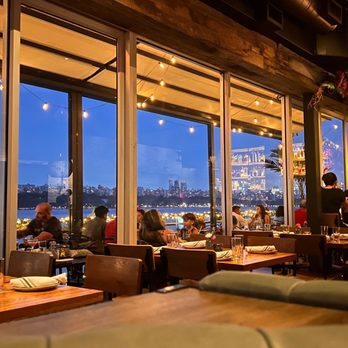
Along the Hudson River in Edgewater, one restaurant has established itself as a genuine destination for both upscale dining and high energy nightlife, all set inside a striking former bank building overlooking Manhattan. Taverna Veranda has quickly become one of Bergen County’s most talked about restaurants, drawing both a contemporary design sensibility and a genuine sense of occasion from its riverfront location, best known for its stunning, panoramic views of the New York skyline and its ability to shift seamlessly between a relaxed weeknight dinner spot and a genuinely electric weekend nightlife scene.
The restaurant is led by Executive Chef Nestor Moina alongside a team of veteran tri-state restaurateurs, whose combined experience shows clearly in a menu built around blending authentic Mediterranean comfort staples with a distinctly modern culinary twist. The interior itself matches that same balance between tradition and contemporary polish, featuring custom whitewashed brick walls, polished concrete flooring, and rustic reclaimed wood throughout the dining room. The genuine centerpiece of the entire space, though, is the 48 seat outdoor patio sitting directly on the riverfront, giving diners an unobstructed view of the water and the Manhattan skyline beyond it, arguably the single best seat in Edgewater for taking in that view over dinner.
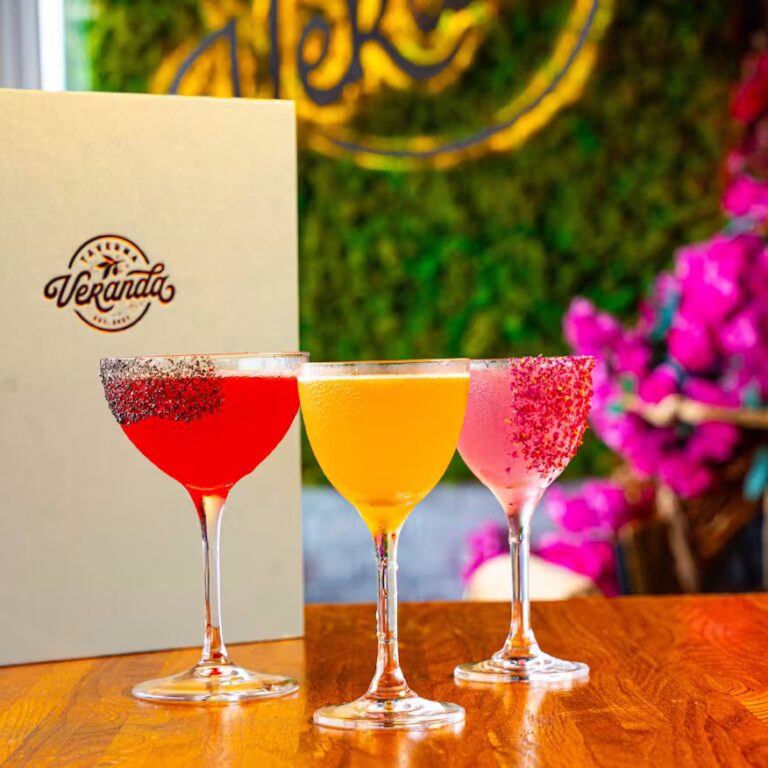
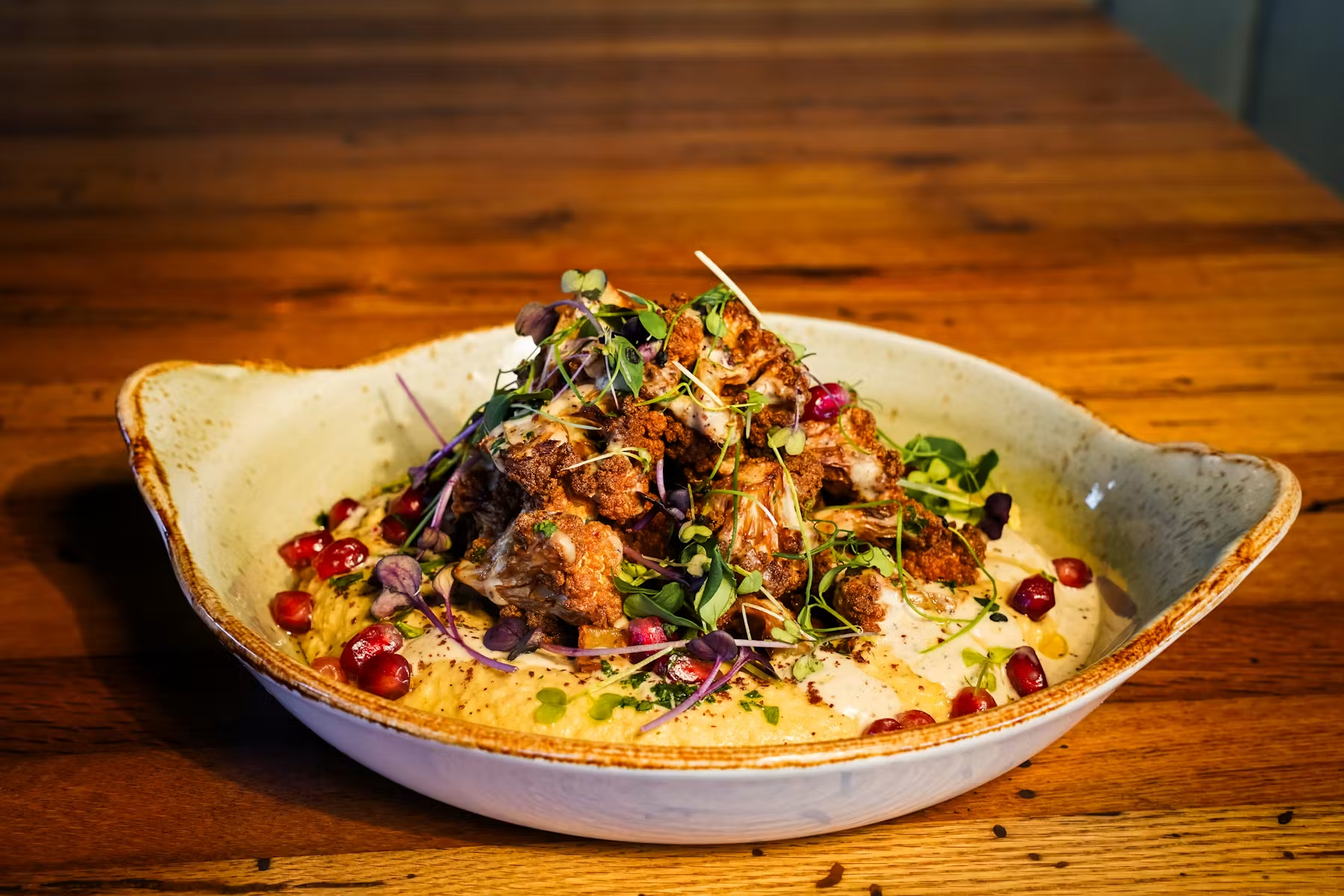
The food menu itself has earned genuine praise for how confidently it reinterprets Mediterranean classics. Signature dishes include a lobster pasta served over black squid ink linguine, falafel crusted salmon finished with a mint yogurt sauce, short rib yiouvetsi served over orzo, and charred octopus, each dish reflecting the kitchen’s clear willingness to take familiar Mediterranean ingredients and push them into more contemporary, restaurant forward territory. That same ambition extends to the beverage program, anchored by a genuinely substantial wine list boasting more than 100 bottles, alongside a specialty cocktail menu built around distinctive, well crafted drinks rather than standard bar fare.
What truly sets Taverna Veranda apart, though, is how dramatically its identity shifts once the weekend arrives. During the week, the restaurant operates as a relaxed, upscale dinner destination, the kind of place suited to a quiet date night or a business dinner taking full advantage of the water view. Once Friday and Saturday night hit, the entire atmosphere transforms. Live local DJs take over the sound, the dining room lights dim considerably, and the bar stays open and genuinely pumping until 2 a.m., turning what had been a Mediterranean dinner spot into one of Edgewater’s premier nightlife destinations for the back half of the week.
For anyone planning a visit, the restaurant’s hours shift depending on the day. Monday through Thursday, Taverna Veranda operates from 5 to 10 p.m., keeping things centered squarely on dinner service. Fridays and Saturdays extend considerably later, running from 5 p.m. until 2 a.m., though it’s worth noting the kitchen itself closes its final dinner seating at 11 p.m., meaning the extended hours after that point are geared toward the bar and nightlife crowd rather than a late dinner. Sundays bring their own distinct rhythm, with the restaurant open all day from noon until 10 p.m., covering both lunch and dinner service in a single continuous stretch. Given the genuine draw of those Manhattan skyline views, weekend dinner reservations are highly competitive, and the restaurant handles all of its official online booking through the Resy platform, making it worth booking well ahead of time for anyone hoping to secure a weekend table, particularly one out on the riverfront patio itself.
Whether the plan is a romantic date night out on that riverfront patio or organizing a larger group celebration like a birthday party, Taverna Veranda‘s combination of a genuinely ambitious Mediterranean menu, an unbeatable waterfront setting, and a nightlife scene that only gets going once dinner service winds down gives it a genuinely rare dual identity among Bergen County restaurants. Few places in the area manage to function this convincingly as both a serious dinner destination and a legitimate weekend nightlife spot, and that flexibility, paired with those Manhattan views, is exactly what has made Taverna Veranda one of Edgewater’s most talked about additions to the waterfront dining scene.
Every great coffee shop develops its own distinct personality, whether that means leaning into clean minimalism, embracing exposed industrial architecture, or cultivating a rustic, farmhouse warmth. In downtown Westwood, one café has chosen a considerably bolder path than any of those familiar templates, and in doing so has become one of the most genuinely imaginative specialty coffee destinations anywhere in New Jersey. Nightshade Coffee has reimagined what a café experience can look like entirely, building an immersive journey through Victorian elegance and gothic artistry around a foundation of exceptional handcrafted coffee, giving Bergen County an atmosphere unlike anything else in the state.
Located at 459 Broadway in the heart of Westwood, Nightshade Coffee opened in late 2025 under local owners Katie and Hunter, and it has quickly become one of the most talked about independent cafés anywhere in the county. The business describes itself proudly as a café created by members of the gothic community, built for anyone who genuinely appreciates outstanding coffee, distinctive design, and warm hospitality regardless of their own personal aesthetic. While the café’s striking visual identity is what initially draws people through the door, it’s the quality of the beverages and the genuine warmth of the customer experience that has built a loyal following extending well beyond alternative culture enthusiasts alone.
Stepping inside makes it immediately clear that Nightshade has no interest in following the conventional coffee shop playbook. Rather than bright walls, modern furniture, and minimalist styling, visitors enter a space built around Victorian architecture, gothic literary influence, and a timeless dark elegance that feels genuinely cinematic rather than costume like. The overall atmosphere blends elements reminiscent of classic horror, nineteenth century design, and historic European interiors, all without ever sacrificing genuine warmth or comfort in the process. Soft, moody lighting sets the tone throughout the space, while elegant candelabras cast a warm glow across carefully curated vintage furnishings. Plush seating upholstered in rich crimson velvet invites guests to settle in and linger, while antique decorative pieces and dramatic artwork fill out a space where every single detail feels genuinely intentional rather than thrown together for effect. Portraits of Edgar Allan Poe line the walls, small black skulls accent the counters, and decorative animal skull replicas appear tastefully worked into the surrounding displays, reflecting a genuine appreciation for gothic artistry and craftsmanship rather than leaning on cheap novelty.
Despite that dramatic visual identity, Nightshade Coffee remains a genuinely approachable, welcoming space in practice. The café has become a gathering place for a remarkably diverse mix of regulars, including students, working professionals, artists, remote workers, dedicated coffee enthusiasts, and simply curious visitors drawn in by one of New Jersey’s most distinctive interiors. That inclusive spirit runs throughout the entire business, which proudly operates as an LGBTQ+ friendly and transgender safe space, welcoming every guest with genuine respect and hospitality regardless of who they are.
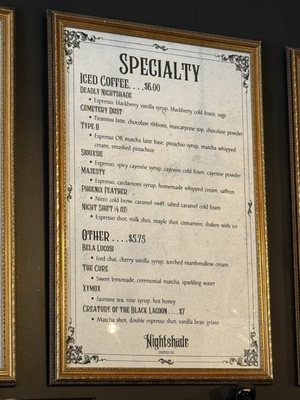
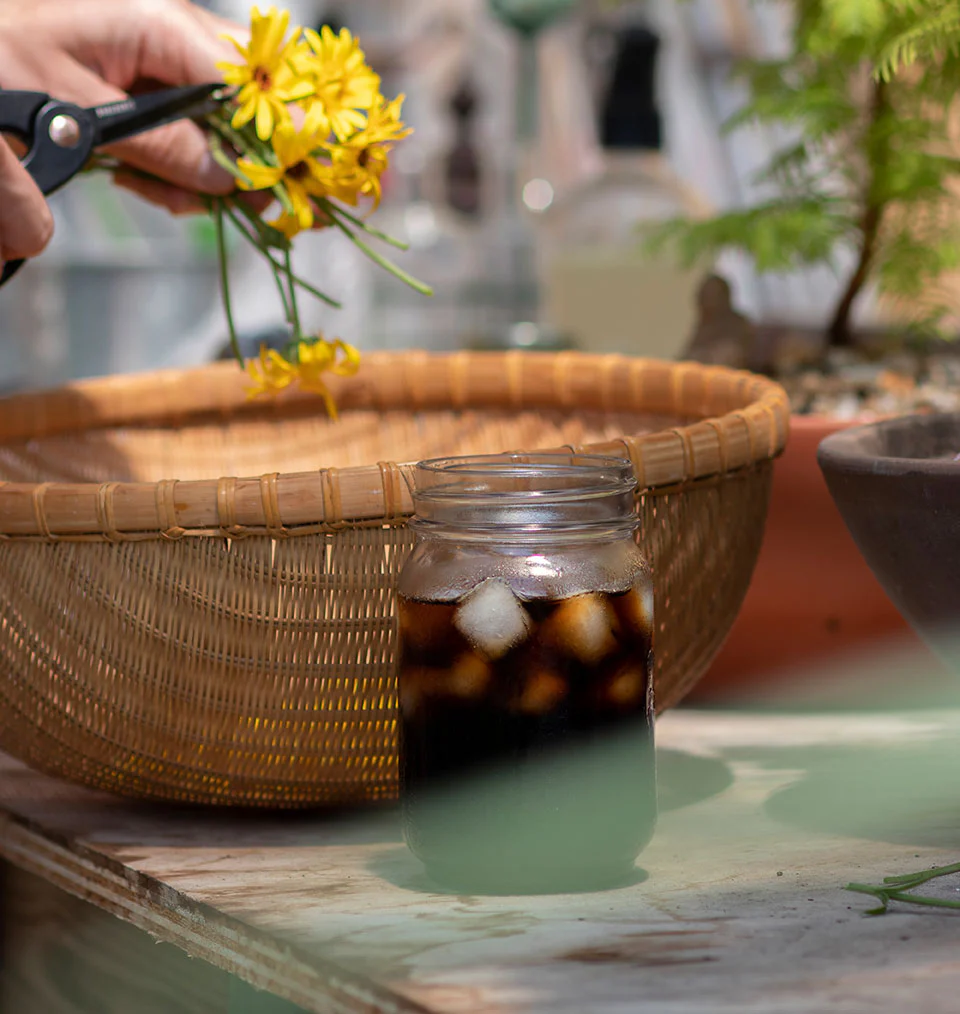
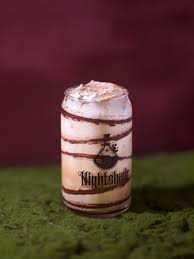
The coffee program itself matches the same level of creativity found throughout the interior design. Nightshade builds its menu around premium specialty coffee paired with handcrafted syrups and genuinely inventive flavor combinations, all presented as beautifully composed signature beverages. Every drink reflects a careful sense of balance, ensuring that creative flourishes enhance the coffee’s natural character rather than overwhelming it entirely. Among the café’s most recognizable creations is the Cemetery Dust Latte, a customer favorite that combines rich espresso with notes of blackberry and a silky pistachio foam, demonstrating how genuinely unexpected ingredients can come together into something both memorable and perfectly balanced. Another standout, the Deadly Nightshade, continues that same thematic presentation as an iced specialty coffee, delivering bold coffee flavor supported by carefully developed complementary ingredients. Like much of the menu, it manages to feel genuinely original while staying firmly rooted in high quality specialty coffee craftsmanship rather than novelty for its own sake.
Beyond its beverage program, Nightshade offers a thoughtfully curated selection of pastries and light fare built to complement the coffee itself. Guests can enjoy freshly prepared croissant breakfast sandwiches alongside a rotating assortment of sweet and savory baked goods, and the café’s signature Midnight Croissants have become especially popular in their own right, adding another genuinely distinctive element to Nightshade’s growing culinary reputation.
The café also functions as a genuinely inviting workspace for anyone looking for a comfortable place to study or work remotely. Complimentary Wi-Fi, comfortable seating, attentive service, and a peaceful atmosphere all combine to make it an appealing destination throughout the entire day rather than simply a quick stop for a morning coffee. Many visitors initially walk through the door purely because of the café’s striking appearance, but they tend to return because of the coffee quality, the welcoming atmosphere, and the genuine hospitality the staff consistently provides.
Nightshade’s presence fits naturally within Westwood’s broader identity, a downtown district that has steadily developed into one of Bergen County’s most vibrant commercial corridors, known for its collection of independent businesses, restaurants, boutiques, and community events. Nightshade Coffee adds to that character by offering an experience that simply cannot be replicated by a national chain or a conventional coffee shop, underscoring just how much locally owned businesses willing to embrace genuine creativity can contribute to a community’s overall cultural identity. The café operates Wednesday through Monday from 8 a.m. until 6 p.m., closing on Tuesdays, with its central Broadway location making it easily accessible for residents, commuters, and visitors exploring Westwood’s genuinely walkable downtown.
As specialty coffee culture continues evolving nationally, consumers increasingly seek out destinations offering considerably more than just a well made beverage, genuine hospitality, thoughtful design, and businesses with a clear, authentic sense of identity all factor heavily into where people choose to spend their time and money. Nightshade Coffee brings all of those elements together in a way that feels distinctive without ever feeling contrived. Whether visitors come for a handcrafted latte, a quiet afternoon of focused work, or simply the chance to experience one of Bergen County’s most unforgettable interiors, Nightshade Coffeee continues to prove that exceptional coffee can be every bit as imaginative and expressive as the community that gathers around it.
A national health care advocacy organization has launched a pointed new campaign aimed directly at Representative Tom Kean of New Jersey’s Seventh District, part of a broader effort to spotlight what the group describes as the real world consequences of last year’s major federal budget legislation. The campaign, called Faces of the GOP Health Care Crisis, comes from Save My Care, an advocacy organization focused on health care access, and it centers on an interactive, state by state repository of more than 400 personal testimonies from Americans the organization says have been directly affected by changes to Medicaid and Affordable Care Act subsidies.
According to Save My Care, the legislation at the center of the campaign, which the group refers to using the pointed nickname the Big Ugly Law, reduced federal Medicaid and Affordable Care Act spending by more than a trillion dollars and eliminated tax credits the organization says more than 22 million Americans had relied on to help cover the cost of seeing a doctor. Kean voted in favor of that legislation last summer, a vote Save My Care has singled out directly in building its case against him. The organization argues that the resulting savings were used primarily to help fund tax reductions benefiting corporations and higher income individuals, a characterization consistent with how national Democrats and allied advocacy groups have generally described the broader reconciliation package since its passage.
The testimonies collected through the campaign, drawn from television interviews, local news coverage, and opinion columns from across the country, describe families and seniors facing health insurance premiums that Save My Care says have doubled, tripled, or in some cases quadrupled since the legislation took effect, pushing monthly costs from the hundreds of dollars into the thousands for some households. The campaign also raises concern about more than a thousand hospitals the organization describes as being at risk of financial collapse, arguing that reduced Medicaid funding threatens to cut off care access in some communities entirely while also threatening local jobs and regional economic activity tied to those hospital systems.
Brad Woodhouse, president of Save My Care, has been direct in criticizing both the legislation itself and the political rhetoric that accompanied it, arguing that promises the law would lower health care costs have not held up a year later, and pointing to elevated inflation and rising premiums as evidence that the trade-offs built into the law have fallen disproportionately on working families rather than delivering the savings that were promised. Woodhouse’s statement also referenced a comment he attributed to President Trump regarding inflation, and questioned, given Kean’s consistent voting record alongside the president, whether Kean shared that same sentiment about the affordability pressures facing his own constituents. That specific quote attributed to Trump comes from Save My Care’s own campaign materials rather than from independent verification within this article, and readers interested in the original context should consult primary reporting directly.
Save My Care’s campaign also cites several specific statistics to support its broader argument, stating that roughly one in three Americans has had to skip meals or forgo other necessities in order to afford health care costs, that one in six Americans who purchase insurance independently are worried about being able to afford coverage at all heading into 2026, and that more than one million Americans have already dropped health coverage entirely since January, a number the organization expects to continue climbing as premium increases force more households into difficult financial trade-offs.
It’s worth noting clearly that this campaign represents one side of a genuinely contested and highly partisan policy debate, and the material driving this specific push comes directly from an advocacy organization actively working to shape public opinion ahead of future elections rather than from a neutral government or academic source. Kean and other Republican supporters of the underlying legislation have generally defended the broader package as a necessary effort to rein in federal spending and reform entitlement programs they argue had grown fiscally unsustainable, a position that stands in direct tension with Save My Care’s framing of the same legislation as a harmful cut prioritizing corporate tax relief over health care access. This article does not attempt to adjudicate which characterization is more accurate, since that determination depends heavily on contested assumptions about the law’s downstream economic effects, but readers should understand that the testimonies, statistics, and framing presented here originate from an advocacy campaign built specifically to make one side of that argument as persuasively as possible.
For New Jersey voters in Kean’s Seventh District, a genuinely competitive swing district by most measures, campaigns like this one are likely to become an increasingly common feature of the political landscape as the district’s next election cycle approaches, with health care affordability shaping up as one of the central issues both parties intend to fight over directly.
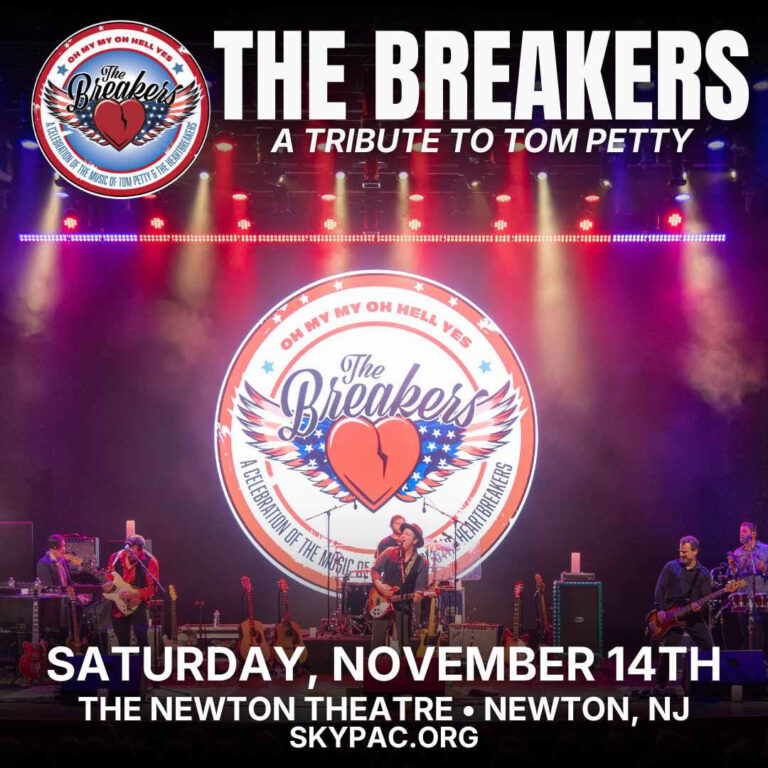
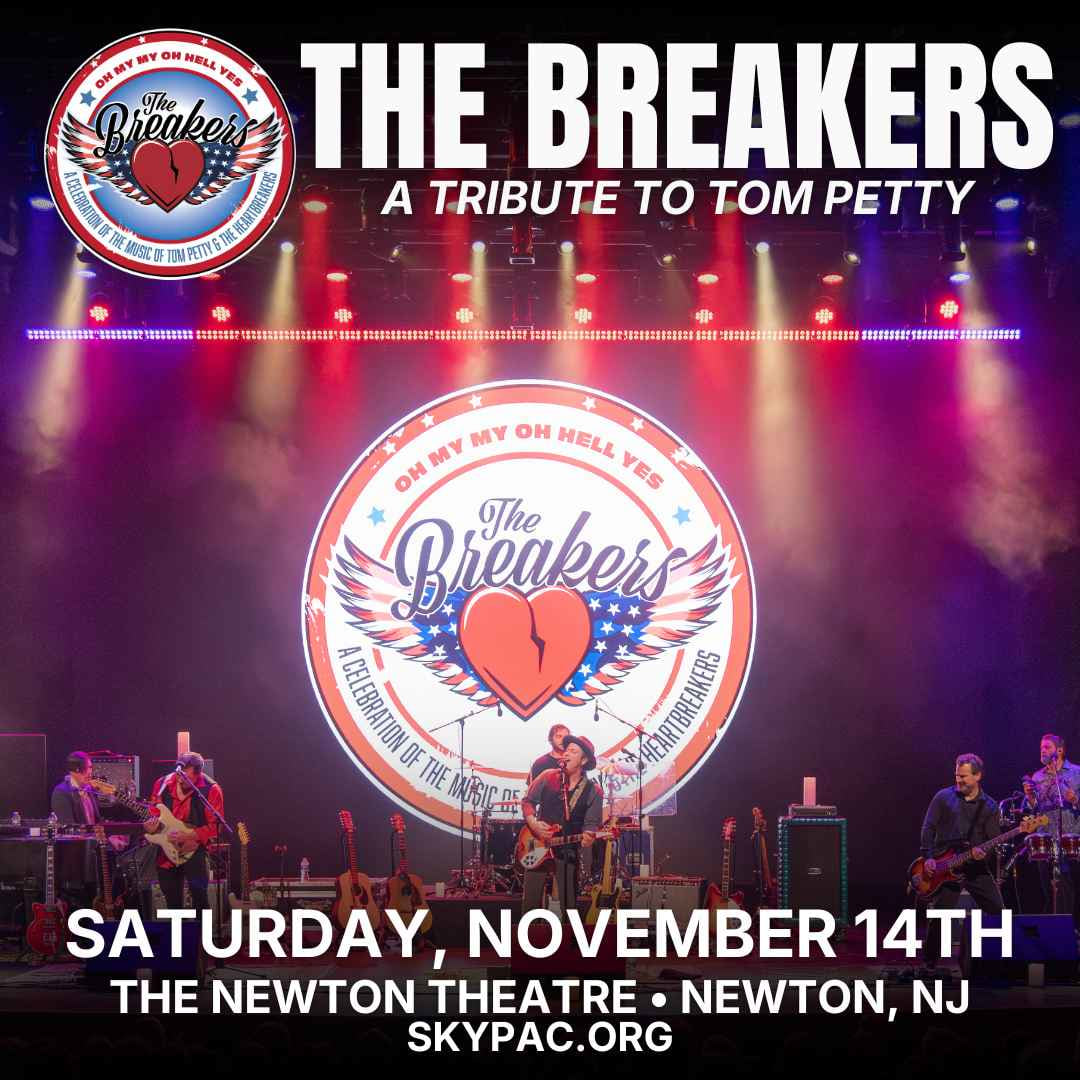
The Breakers Bring the Sound of Tom Petty & the Heartbreakers Back to The Newton Theatre in 2026
November 14
@
8:00 PM
–
11:30 PM
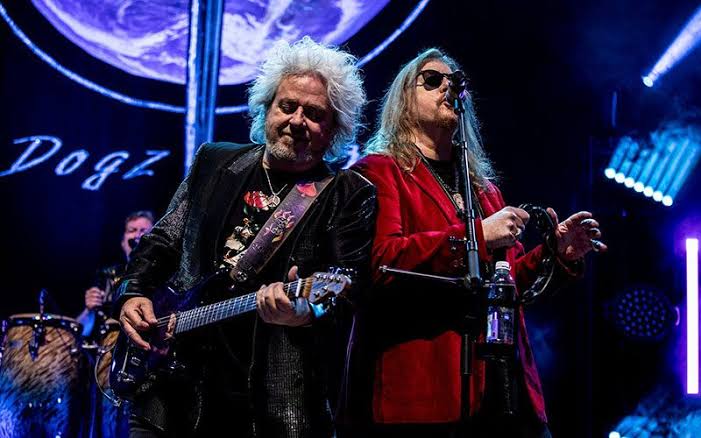
Fans of classic rock will have the opportunity to experience the timeless music of one of America’s most beloved songwriters when The Breakers, widely recognized as one of the country’s premier Tom Petty & the Heartbreakers tribute bands, arrive at The Newton Theatre on Saturday, November 14, 2026. The performance begins at 8:00 PM and offers audiences an opportunity to reconnect with the unforgettable songs, energy, and spirit of Tom Petty’s legendary catalog.
For generations of music lovers, Tom Petty represented something rare in rock music. His songwriting combined honesty, melody, storytelling, and emotional depth, creating songs that felt personal while connecting with millions of listeners around the world. From the unforgettable sound of Tom Petty & the Heartbreakers to his acclaimed solo work, his music became a defining part of American rock history.
The Breakers were created with a simple mission, to give fans the chance to experience the music of Tom Petty & the Heartbreakers in a live setting with the authenticity, musicianship, and emotion that made the original performances so memorable. Rather than focusing solely on appearance or imitation, the band places its emphasis on faithfully recreating the unmistakable sound and feel of Petty’s music.
That commitment to musical accuracy is what separates The Breakers from many tribute performances. The band focuses on capturing the arrangements, guitar tones, rhythms, vocals, and overall atmosphere that defined Tom Petty & the Heartbreakers throughout their remarkable career. The goal is not simply to perform familiar songs, but to recreate the emotional connection that fans have carried with the music for decades.
Audiences can expect a set filled with some of the most recognizable songs from one of rock’s most enduring catalogs. Tom Petty’s extensive body of work includes countless classics that have become staples of American radio, concert halls, and personal playlists. Songs that defined generations continue to resonate because of their timeless themes of independence, perseverance, love, freedom, and everyday experiences.
The Newton Theatre provides the ideal setting for this celebration of classic rock. Located in Newton, New Jersey, the historic venue has become one of the state’s most respected destinations for live entertainment, welcoming national touring artists, tribute productions, comedians, and performers from across the musical spectrum. Its intimate atmosphere allows audiences to experience performances in a setting that emphasizes connection between artists and fans.
The arrival of The Breakers continues a long tradition of tribute performances that keep influential music alive for both longtime fans and new generations discovering these songs for the first time. While recorded music allows listeners to revisit iconic albums, live performances provide a different experience, bringing together the energy of a concert environment with the familiarity of songs that have become part of people’s lives.
Tom Petty’s influence remains evident throughout modern music. His work with The Heartbreakers helped define a style of rock built around strong songwriting, memorable guitar work, and authentic performances rather than trends. His ability to create songs that felt both timeless and immediate helped establish him as one of the most respected artists of his era.
For fans who experienced Tom Petty & the Heartbreakers live, The Breakers offer a chance to revisit the atmosphere of those unforgettable concerts. For those who never had the opportunity, the performance provides an introduction to the power and emotion behind one of rock’s greatest musical legacies.
The Breakers: A Tribute to Tom Petty at The Newton Theatre promises an evening dedicated to honoring the music, songwriting, and legacy of an artist whose influence continues to reach audiences around the world. With a focus on sound, authenticity, and the emotional impact of the songs themselves, the performance celebrates everything that made Tom Petty’s music endure.
On Saturday, November 14, 2026, fans of classic rock, Americana, and timeless songwriting will gather at The Newton Theatre for a night celebrating the unforgettable music of Tom Petty & the Heartbreakers. It is an opportunity to experience the songs once again, performed with the respect, passion, and musical detail that have made The Breakers one of the nation’s leading Tom Petty tribute acts.
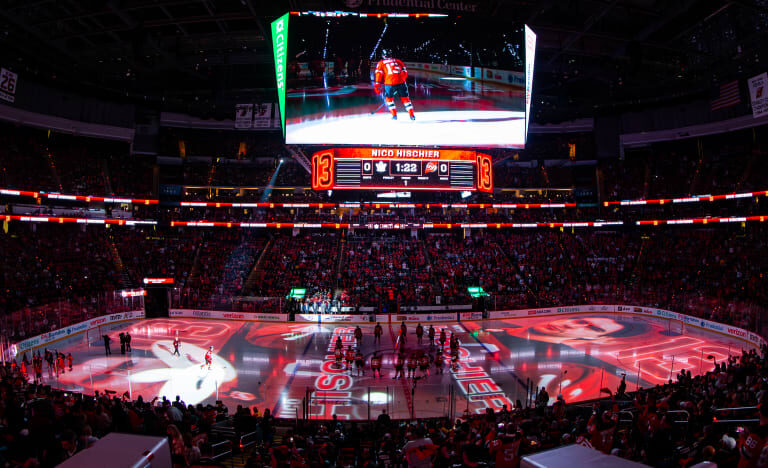
New Jersey Devils fans finally have a firm date to circle on their calendars, as the team has confirmed it will open its 2026-27 home schedule on Thursday, October 1, against divisional rival the Philadelphia Flyers. The matchup, presented by Citizens, gives fans an early taste of exactly the kind of rivalry intensity that tends to define the Devils’ season from its very first night at Prudential Center.
That home opener announcement arrives just ahead of a considerably bigger release. The full 2026-27 NHL schedule, covering all 84 games on New Jersey’s slate, is set to drop today, July 16, giving fans their first complete look at exactly when and where the Devils will play throughout the upcoming season. Facing off against the Flyers to kick things off adds a genuinely fitting layer of drama to opening night, since few matchups on the Devils’ calendar carry the same built in tension as a divisional clash against Philadelphia right out of the gate.
Beyond the schedule news itself, the organization is also inviting fans deeper into the franchise experience through its upcoming Black and Red Membership Open House, scheduled for Wednesday, July 29, from 6 to 9 p.m. at Prudential Center. The event gives fans a genuine behind the scenes look at what Black and Red Membership actually offers, combining exclusive access with experiences built specifically around the team’s history and gameday culture.
Attendees can expect a genuinely memorable photo opportunity alongside the franchise’s 2000 Stanley Cup Championship banner, one of the most iconic symbols in Devils history and a fitting backdrop for any longtime fan looking to commemorate their connection to the team. The open house also includes a tour of the old Devils gameday locker room, giving fans a rare, direct look behind the scenes at the exact space where players once prepared for some of the biggest moments in the arena’s history, the kind of access typically reserved for players and staff rather than the general public.
On top of those experiences, everyone attending the open house will receive complimentary tickets to a 2026-27 preseason game, giving fans an early, low pressure opportunity to see the next chapter of Devils hockey take shape on the ice before the regular season officially begins. The evening also gives prospective members a chance to meet directly with the team’s membership staff, explore available seating locations throughout Prudential Center, and learn firsthand about the specific perks and benefits that come with Black and Red Membership, everything from seating options to the kind of ongoing access that turns a single season ticket into a genuine, season long relationship with the franchise.
With the home opener now locked in against the Flyers and the full 84 game schedule arriving today, Devils fans have plenty to look forward to as the offseason continues moving toward training camp. For anyone considering deepening their connection to the team beyond simply watching from home, the Black and Red Membership Open House on July 29 offers a genuinely direct way to see exactly what that closer relationship with the franchise actually looks like, from a photo beside the franchise’s championship banner to a firsthand look at the locker room where Devils history was made.
This weekend stands as one of the single biggest of the entire year in New Jersey, anchored by the historic 2026 FIFA World Cup Final at MetLife Stadium on Sunday, but genuinely packed from top to bottom with concerts, county fairs, cultural festivals, and outdoor celebrations stretching across every corner of the state. Whether you’re chasing World Cup energy, live music, or a good old fashioned street fair, here’s a deep dive into everything worth knowing before you head out this weekend.
The World Cup Final and the Block Parties Around It
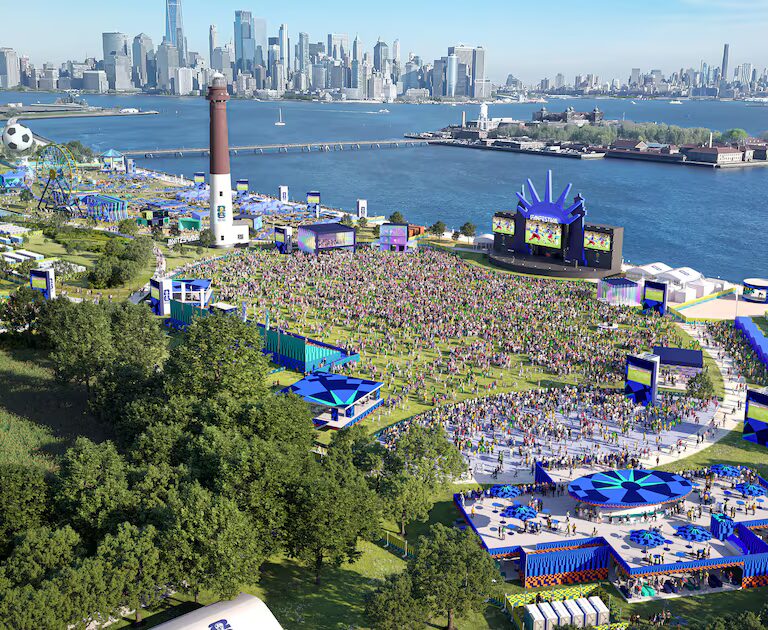
2026 FIFA World Cup Final — MetLife Stadium, East Rutherford Sunday, July 19 at 1:00 PM The eyes of the entire world turn to East Rutherford this Sunday as MetLife Stadium, rebranded as New York New Jersey Stadium for the tournament, hosts the FIFA World Cup Final. The stadium has already hosted eight matches across this summer’s tournament, tied for the second most of any venue in the world, and Sunday’s final caps that run with the sport’s single biggest prize on the line. The pregame ceremony is expected to be a genuine spectacle in its own right, and even fans without stadium tickets are treating this Sunday as a full day event across the state.
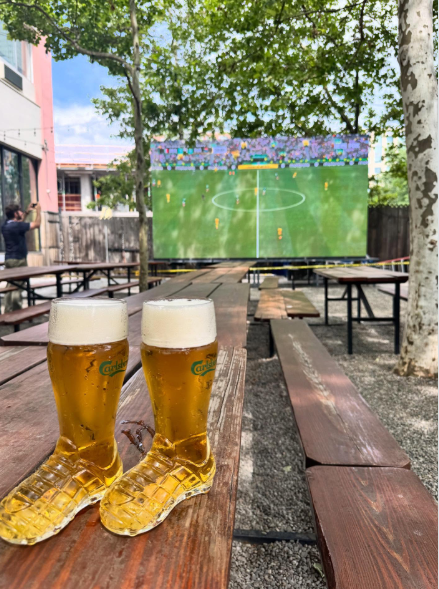
Haddon Township Watch Party — Haddon Square Saturday and Sunday Haddon Square is turning into a two day outdoor festival built entirely around the World Cup’s final stretch. Giant screens will broadcast Saturday’s Third Place match before shifting into full Sunday coverage of the Final itself, with a lineup of food trucks and a full beer garden keeping the crowd fed and refreshed between kickoffs. Expect the kind of packed, communal atmosphere usually reserved for a hometown team’s playoff run, translated into soccer fandom for a weekend.
Zeppelin Hall Watch Rally — Jersey City This massive German beer hall, known year round for its sprawling indoor and outdoor biergarten setup, is converting that same space into a community watch rally for soccer fans. Expect long communal tables, a rotating selection of German beers on tap, and a crowd that treats the Final the way a home country match deserves to be treated, loud, social, and thoroughly beer soaked.
Family Friendly Watch Parties Not every household wants block party chaos on Final day, and organizers have built in gentler alternatives. The FIFA World Cup Final Watch Party at bergenPAC and the World Cup Viewing Party at Taylor Park both offer a considerably more low key, kid friendly setting, ideal for families who want to catch the match without fighting through a packed beer garden crowd.
Our Lady of Mt. Carmel Festival — Hammonton July 13 through 18, Feast Day Wednesday, July 16 This is genuinely one of the most historically significant events on New Jersey’s entire summer calendar. The festival traces back to July 16, 1875, when a small group of Italian immigrants gathered at the Hammonton home of Antonio Capelli to pray before a painting of the Virgin Mary, giving thanks for their safe passage to America and a successful harvest. That gathering grew into what is now recognized as the longest running Italian religious festival in the United States, produced today by the independent nonprofit Our Lady of Mount Carmel Society, chartered in 1905. Having just celebrated its milestone 150th anniversary last year with record breaking crowds, this year’s 151st festival runs a full six days at the Mount Carmel Grounds and Saint Joseph’s Church, admission and shuttle service completely free. Expect live entertainment and a DJ every night starting around 7 p.m., full carnival rides from Amusements of America beginning nightly around 6 p.m., and food stretching well beyond classic Italian sausage and zeppoli into the Spanish and Puerto Rican dishes that reflect Hammonton’s evolving community. The centerpiece remains Feast Day itself, when parishioners carry life size statues of the Blessed Mother and other holy figures through a traditional procession along the streets of Hammonton, a tradition that has run essentially unbroken for a century and a half.
Ocean County Fair — Bayville A classic summer county fair experience through and through, featuring 4-H animal exhibits raised and shown by local youth, carnival rides, live country music, agricultural displays celebrating Ocean County’s farming heritage, and the kind of deep fried fair food, funnel cakes, corn dogs, sausage and peppers, that defines an old school county fair. It’s a genuinely low key, family scaled alternative to the bigger festival crowds happening elsewhere this weekend.
Newark Pride Parade and Festival — Downtown Newark This weekend Downtown Newark transforms into a full scale celebration, featuring live performance stages showcasing local musicians, drag performers, and community speakers, alongside a market of local LGBTQ owned and allied vendors. The centerpiece is a large, spirited parade marching straight through the city center, drawing crowds from across Essex County and beyond for one of the region’s most visible Pride celebrations.
Luau Food Truck Festival — Laurita Winery, New Egypt A tropical themed celebration of food and drink set against Laurita Winery’s scenic vineyard backdrop. Expect island inspired food trucks serving everything from kalua pork to shave ice, live outdoor cover bands playing beachy, laid back sets, and tastings from the winery’s own local selection, giving visitors a genuinely relaxed, vacation like afternoon without leaving Ocean County.
Live Music and Theater
Jason Aldean: Songs About Us Tour 2026 — Freedom Mortgage Pavilion, Camden Friday, July 17 at 7:30 PM Country superstar Jason Aldean brings his Songs About Us Tour to the Jersey Shore fresh off a genuinely massive career milestone, having just landed his 31st career number one hit on country radio. The tour, powered by Patriot Mobile and produced by Live Nation, supports his twelfth studio album of the same name, released this past April and led by the Top 20 hit “How Far Does A Goodbye Go.” Aldean surprised fans by dropping three additional tracks from the album ahead of the tour, including “Drinking About You,” “Dust on the Bottle,” and “Don’t Tell On Me.” Expect a genuinely high energy set typically running 18 to 24 songs across 90 to 120 minutes, opening with a hit heavy block before settling into a more stripped down, storytelling stretch mid show. Support on this tour comes from Chase Matthew, Mackenzie Carpenter, and DJ Silver, giving fans a full night of country talent well before Aldean himself takes the stage around 9 p.m.
John Cafferty & The Beaver Brown Band with Dead Reckoning — Somers Point Beach Friday, July 17 at 8:00 PM Legacy Concerts on the Beach delivers a genuine summer classic, as John Cafferty returns to the Jersey Shore alongside opening act Dead Reckoning, performing their Bearly Stoned tribute to the Rolling Stones and the Grateful Dead. Cafferty’s own connection to this stretch of the Shore runs remarkably deep, since Eddie and the Cruisers, the film built around his triple platinum soundtrack, was filmed just blocks away on Bay Avenue, and this performance lands 44 years after those cameras first rolled in Somers Point. Alongside the soundtrack’s enduring hits, Cafferty is also debuting material from his newest release, Sound Waves, an album he’s credited to encouragement from Bruce Springsteen and other admirers who pushed him back into the studio to capture his sound once again.
Billy Currington and Kip Moore — The Stone Pony Summer Stage, Asbury Park Saturday, July 18 at 8:00 PM Two major country stars co-headline a massive outdoor concert right off the Asbury Park boardwalk. Currington brings a catalog built on easygoing, radio friendly hits, while Moore’s grittier, more rock leaning approach to country gives the double bill genuine range across the genre. Expect a packed boardwalk crowd and a setting that makes The Stone Pony one of the most atmospheric outdoor country stages anywhere on the East Coast.
ViewerCon at NJPAC — Newark Saturday, July 18 A major pop culture convention takes over the New Jersey Performing Arts Center for the day, featuring celebrity panels, screenings, and live Q&A sessions with actors and television creators. Expect the full convention experience packed into a single venue, autograph lines, photo opportunities, and fan discussion panels covering everything from streaming era television to classic fandoms.
Riverfront Hip-Hop Day — Riverfront Park, Newark Saturday, July 18 at 2:00 PM A free outdoor celebration of hip-hop culture, featuring breakdancing performances and live mural painting happening in real time throughout the afternoon. It’s a genuinely community centered event, built around showcasing local artistic talent rather than a single headlining act, giving Newark’s hip-hop and street art scenes a dedicated public stage.
The 39 Steps — Princeton Summer Theater, Hamilton Murray Theater, Princeton Through July 18 Patrick Barlow’s ingenious stage adaptation asks just four actors to portray roughly 150 characters across a black-box staging built around a plane crash and a sprawling chase through Britain, a genuine technical high-wire act that Princeton Summer Theater is pulling off with real style this summer.
The Wedding Singer: Summerfest 2026 — Sitnik Theatre, Hackettstown Through July 19 The Sitnik Theatre’s summer season hits full stride with this high-energy musical adaptation of the beloved 1980s comedy, blending love, loss, and full-throttle nostalgia into one of the season’s most crowd-pleasing productions.
The Little Mermaid — The Middletown Arts Center, Middletown Through July 19 The MAC Players bring Disney’s beloved underwater classic to life on stage this July, giving families a colorful, full-scale musical production right in the heart of Middletown.
Wild Child: Tribute to The Doors — The Wellmont Theater, Montclair Thursday, July 16 at 5:00 PM This tribute act brings the full psychedelic intensity of The Doors back to life, giving Montclair audiences an immersive recreation of one of rock’s most legendary and mysterious frontmen and his band.
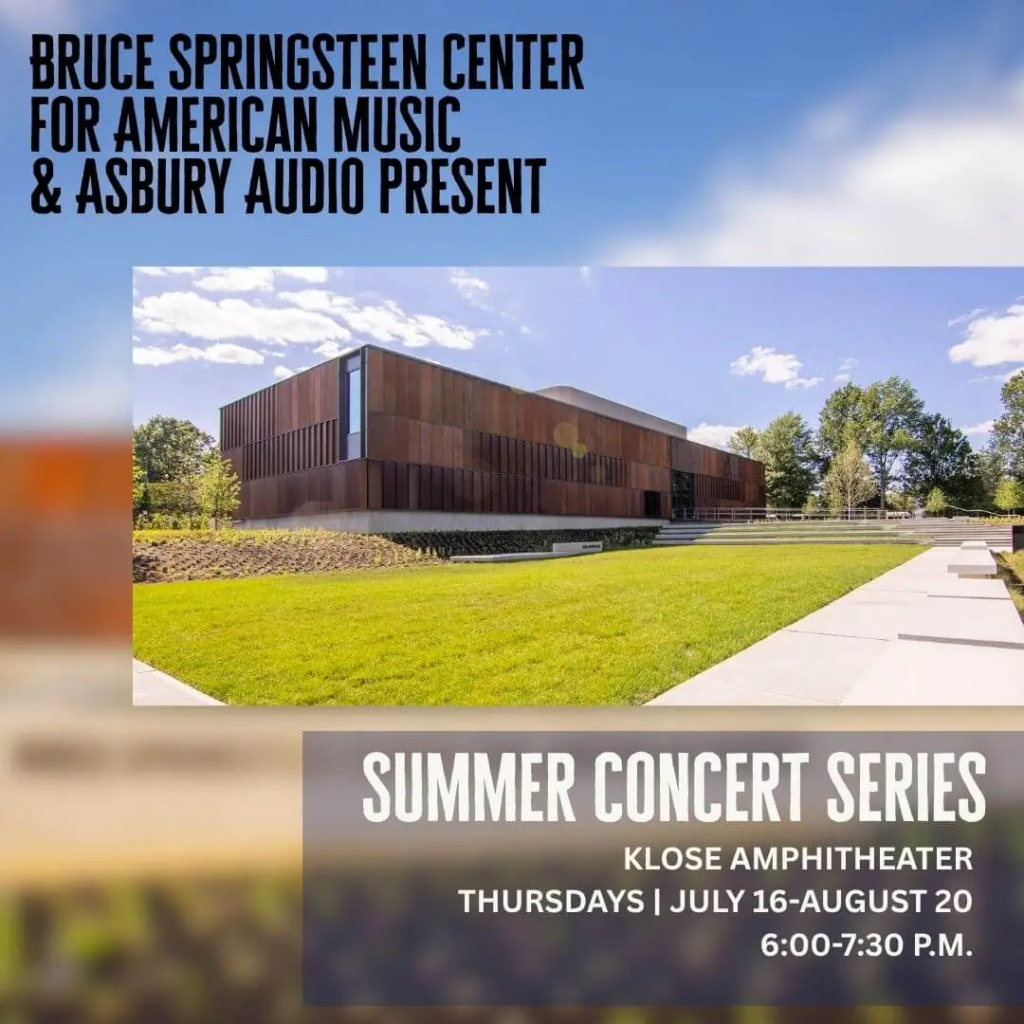
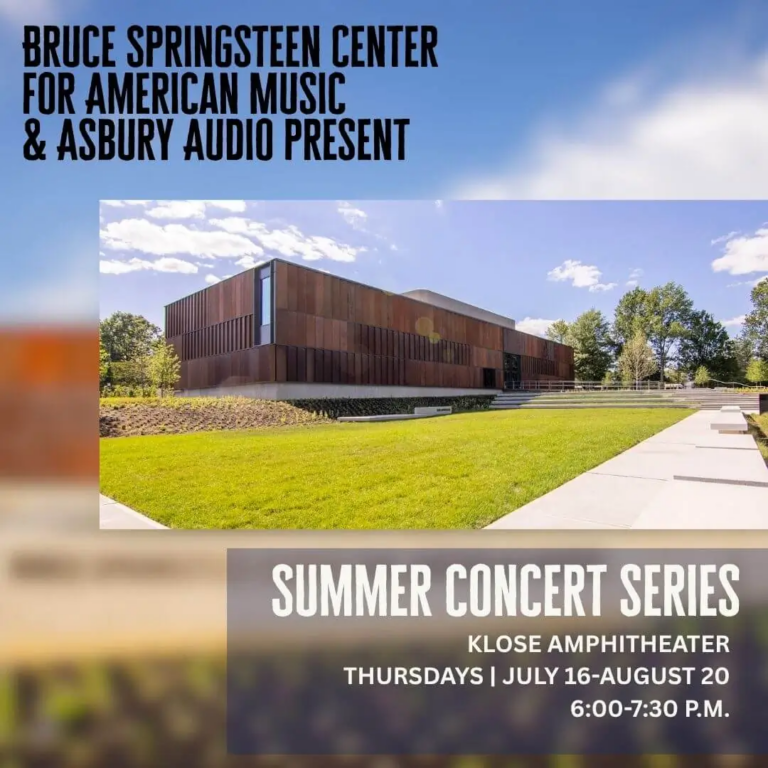
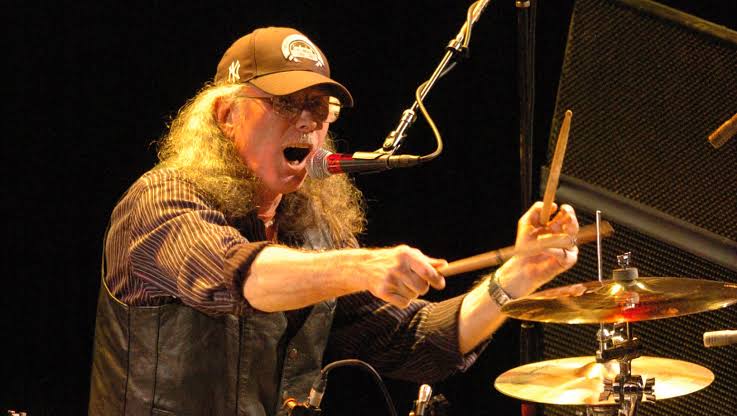
Vini “Mad Dog” Lopez & The Wonderful Winos — Klose Amphitheater, Long Branch Thursday, July 16 at 6:00 PM The Bruce Springsteen Center for American Music launches its free Summer Concert Series with a genuinely fitting opening act, as original E Street Band drummer Vini Lopez brings his own band to the amphitheater sitting just outside the new Monmouth University music center built to honor the legacy he helped create.
Nicole Atkins and Cory Blair — Bradley Beach Thursday, July 16 at 7:00 PM Bradley Beach’s beloved summer concert series pairs two generations of Asbury Park songwriting talent for an evening right on the sand, blending Atkins’ atmospheric, genre-blending sound with Blair’s own singer-songwriter sensibility.
Wildwood’s Music in the Plaza: Wrong Way Band — Byrne Plaza, Wildwood Thursday, July 16 at 7:30 PM Wildwood’s long-running free concert series continues its 2026 season with a set from Wrong Way Band, keeping the boardwalk’s tradition of free live entertainment and community gathering alive for another summer.
Al Jardine & The Pet Sounds Band — Cooper River Park at Jack Curtis Stadium, Pennsauken Thursday, July 16 at 7:30 PM Camden County’s Twilight Concert Series delivers one of its most musically significant nights of the entire summer, as Beach Boys founding member Al Jardine brings his Pet Sounds Band to Pennsauken for a night steeped in one of rock’s most celebrated catalogs.
Amani: The Music of Burt Bacharach — The Back Deck at The Morris Museum, Morristown Thursday, July 16 at 7:30 PM Morristown’s celebrated Back Deck Concert Series hosts an elegant summer evening built entirely around Bacharach’s timeless songwriting, one of the true high points of sophisticated pop composition in modern music history.
Chicago 9 — Lindenwold Park, Lindenwold Friday, July 17 at 7:00 PM Lindenwold Park’s free summer concert series brings South Jersey’s own music tradition to life, pairing Chicago 9 with fellow performer Suitcase Murphy for a night that organizers are also building into a broader Springsteen celebration.
Shakespeare on the Porch: Much Ado About Nothing — Oakeside Mansion, Bloomfield Friday and Saturday night The Skyline Theatre Company brings a live outdoor production of this beloved Shakespearean romantic comedy right to the porch of the historic Oakeside Mansion. The setting itself does a lot of the work here, a Victorian era estate serving as the literal backdrop for one of Shakespeare’s wittiest scripts, giving theatergoers a genuinely atmospheric alternative to a traditional indoor stage production.
Live Music Returns to Sunken Silo as Jordan Kinsey Brings Her Acclaimed Performance to Lebanon, New Jersey: Summer evenings in Hunterdon County have become synonymous with outdoor entertainment, local hospitality, and exceptional live music, and another memorable night is set to take place at one of New Jersey’s most distinctive destinations. Sunken Silo will welcome singer songwriter Jordan Kinsey on Thursday, July 16, 2026, for a special live performance that promises an evening filled with outstanding musicianship, recognizable favorites, and original songs from one of today’s emerging touring artists.
Scheduled from 6:00 p.m. through 9:00 p.m., the performance gives visitors an opportunity to experience live music in the relaxed countryside atmosphere that has helped make Sunken Silo a favorite gathering place for both local residents and visitors exploring Hunterdon County. Whether guests arrive for dinner, handcrafted beverages, or simply an enjoyable evening outdoors, Jordan Kinsey’s appearance adds another highlight to the venue’s growing calendar of live entertainment.
Jordan Kinsey has earned recognition through a combination of powerful vocals, authentic songwriting, and an engaging stage presence that connects naturally with audiences of every size. Her performances successfully blend well known cover songs with original material, creating shows that feel both familiar and refreshingly personal. Audiences appreciate hearing songs they know while discovering new music performed with sincerity and remarkable vocal talent.
Unlike many performers who rely exclusively on covers, Kinsey has developed a reputation for balancing established favorites with songs that showcase her own artistic voice. That combination creates an engaging live experience where every performance feels unique, offering something for longtime fans as well as first time listeners. Her original music reflects influences from contemporary country, Americana, folk, and modern singer songwriter traditions, while her interpretations of popular songs demonstrate both versatility and musical maturity.
Sunken Silo visitors will also have the opportunity to see Kinsey during a break from her national touring schedule. As she continues performing throughout the country, appearances like this one provide local audiences with the chance to experience an artist who is steadily building a growing following beyond New Jersey. Bringing nationally touring performers into intimate venues remains one of the most rewarding aspects of the state’s thriving live music scene, allowing audiences to enjoy performances in settings that encourage genuine interaction between artist and audience.
The venue itself has become an important part of that experience. Sunken Silo has established a reputation for combining rustic charm with modern hospitality, creating an inviting destination where live music naturally complements the surrounding landscape. Guests can enjoy the relaxed rural atmosphere while spending an evening with family, friends, or fellow music lovers, making every performance feel less like a concert and more like a community gathering.
Throughout the warmer months, live music has become one of the defining characteristics of many New Jersey farms, wineries, breweries, and outdoor gathering spaces. These performances not only support talented musicians but also strengthen local communities by bringing people together to enjoy great food, conversation, and entertainment in unique settings. Sunken Silo continues to embrace that tradition by presenting artists whose performances reflect both quality and authenticity.
Jordan Kinsey’s appearance is expected to appeal to a broad audience. Fans of country music will appreciate her contemporary influences, while listeners drawn to acoustic performances, Americana, and singer songwriter traditions will find plenty to enjoy throughout the evening. Her approachable style, expressive vocals, and carefully curated set lists make her performances accessible to audiences of all ages.
Jersey Shore and Outdoor Concerts
The Little Mermen Concert — Seaside Heights Boardwalk Friday, July 17 at 7:30 PM This entirely free Disney tribute concert takes over the sand right on the Seaside Heights Boardwalk, with a full live band performing beloved Disney soundtrack hits for an audience that skews heavily toward families with young kids. Expect sing alongs, a genuinely festive boardwalk crowd, and an easy, no ticket required way to spend a Friday evening at the Shore.
Boney James — Wiggins Waterfront Park, Camden Sunday, July 19 at 7:00 PM The smooth, signature urban jazz saxophone sound of Boney James takes over Camden’s waterfront for a landmark live performance closing out the weekend on a genuinely soulful note. James has built a decades long career blending jazz, R&B, and soul into a sound built for exactly this kind of warm summer evening riverside setting.
NE-YO & Akon: Nights Like This Tour 2026 — Freedom Mortgage Pavilion, Camden Sunday, July 19 at 7:00 PM Two major R&B and pop hitmakers share the stage for an unforgettable evening of hits, giving Camden back to back major concert nights across the weekend. Between NE-YO’s run of 2000s R&B chart toppers and Akon’s crossover pop and hip hop hits, expect a set list built almost entirely around songs that defined an entire era of radio.
Wine Wineries
A Weekend of Live Music, Food Trucks, and Community Favorites
Get ready for a full weekend of live entertainment, great food, and local favorites from Friday, July 17 through Sunday, July 19. Whether you’re stopping by for the music, bringing your appetite for the food trucks, or looking for a fun community gathering, there will be something for everyone.
The weekend kicks off on Friday, July 17, with live music from Tritones from 4:30 PM to 7:30 PM, with food trucks arriving at 3:00 PM and Legends Grille helping set the stage for a great evening.
On Saturday, July 18, the celebration continues with live music from The Jersey Surecats from 1:00 PM to 5:00 PM. Food trucks begin serving at 12:00 PM, featuring Bob’s Kitchen & Grille and Sweet’N’Salty Scoops, followed by Taste of Napoli Pizza starting at 5:00 PM.
The weekend wraps up on Sunday, July 19, with Roger Gardella performing live from 1:00 PM to 5:00 PM. Food trucks open at 12:00 PM, featuring Bella Ciao Pizza and Dolato Desserts.
Join friends, family, and neighbors for three days of live music, delicious food, and a celebration of local talent and community.
More Weekend Highlights Worth the Drive
Cape May County 4-H Fair — 4-H Fairgrounds, Cape May Court House Thursday, July 16 through Saturday, July 18 A massive local tradition featuring livestock and equestrian shows put on by local 4-H youth, commercial vendors, a children’s discovery farm designed to teach younger kids about agriculture hands on, a pet show open to the community’s own animals, and the fair’s famously beloved signature Chicken BBQ, a meal locals plan their visit around every single year.
Hackettstown Street Fair — Main Street, Downtown Hackettstown Sunday, July 19, 11:00 AM to 6:00 PM Celebrating its 20th anniversary, this free admission block party features more than 175 vendors, food trucks, and a dedicated soccer experience zone for kids. In celebration of the World Cup Final happening down the road at MetLife Stadium that same afternoon, organizers are setting up three separate giant screen watch parties spread across downtown, alongside a triple beer and spirits garden, effectively turning an entire small town Main Street into its own World Cup viewing destination.
Water Ice Festival — The Park at Ocean Casino Resort, Atlantic City Saturday, July 18, 2:00 PM to 5:00 PM The inaugural celebration of the region’s favorite frozen treat brings together roughly 30 legendary water ice vendors from New Jersey, Pennsylvania, and New York, including Philadelphia area staples like Primo of Cherry Hill and Strollo’s Lighthouse. Tickets include unlimited water ice tastings across every participating vendor, plus a soft serve gelati upgrade station for anyone looking to round out the afternoon with something creamier alongside the classic Italian ice.
Flower Festival at Terhune Orchards — Princeton Friday, July 17 through Sunday, July 19 A genuinely picturesque celebration of peak summer blooms at one of Central Jersey’s most beloved working farms. Visitors can stroll through fields of sunflowers and dedicated cutting gardens, join hands on flower arrangement workshops led by the orchard’s own staff, enjoy live music scattered throughout the grounds, and sample locally made wines alongside the orchard’s famous cider donuts.
Jazz, Health, and Food Truck Festival — Monte Irvin Orange Park, City of Orange Saturday, July 18, 11:00 AM to 10:00 PM Now in its fifth year, this entirely free, all day community festival features an incredible lineup of live swing, soul jazz, blues, and New Orleans jazz spread across the entire day. A 3 Doctors Health Fair runs from 11:00 AM to 3:00 PM, offering free wellness resources and screenings directly to the community, alongside a genuinely massive food truck village that keeps the crowd fed well into the evening as the music continues.
The Hunterdon County Beer Trail Passport Program — Countywide Running now through December 31, 2026 This ongoing tourism program lets participants collect physical stamps in a special booklet when purchasing a drink or merchandise at nine participating craft breweries spread across the county: Conclave in Raritan Township, Descendants in Milford, Esker Hart in High Bridge, Invertase in Lambertville, Lone Eagle in Flemington, Odd Bird in Stockton, Readington Brewery in Neshanic Station, Sunken Silo in Lebanon, and Wild Fern in Frenchtown. Visit all nine, and you’ll earn a commemorative 2026 Beer Trail collectible item along with a ticket to an exclusive end of season after party, giving beer minded visitors a genuine reason to explore Hunterdon County’s countryside one brewery at a time all summer long.
Flemington Corn, Tomato & Beer Festival — Historic Main Street, Flemington Saturday, August 8, 12:00 PM to 8:00 PM (rain date August 22) Moving to Historic Main Street for the first time in the festival’s history, this free admission, family friendly event celebrates New Jersey’s finest agricultural staples alongside its local craft beer scene. Expect more than 130 artisan vendors, over 20 food trucks serving up unique sweet corn and local tomato culinary creations, live music running throughout the day, and dedicated craft beer gardens pouring exclusively from Hunterdon County breweries. A designated all day organic tomato tasting tent, managed by NOFA-NJ, gives visitors a chance to sample the season’s best local harvest directly alongside the growers themselves.
Whatever corner of New Jersey you find yourself in this weekend, from a World Cup watch party in Haddon Township to a plate of water ice in Atlantic City to a night of country music in Asbury Park, there is genuinely no shortage of ways to make the most of it.
What always seemed like the center of the world, I was too young to have ever set foot inside Emerald City myself. But growing up in this area, it was impossible not to hear about it constantly. It was the kind of place we talked about with a mix of disbelief and genuine nostalgia.
The disbelief came from realizing that bands like Talking Heads, in 1979 at the height of their rise to stardom, were playing just minutes from the house where I grew up. Looking back now, it’s almost impossible to comprehend that a venue so close to home attracted artists who would go on to become some of the most influential names in rock history.
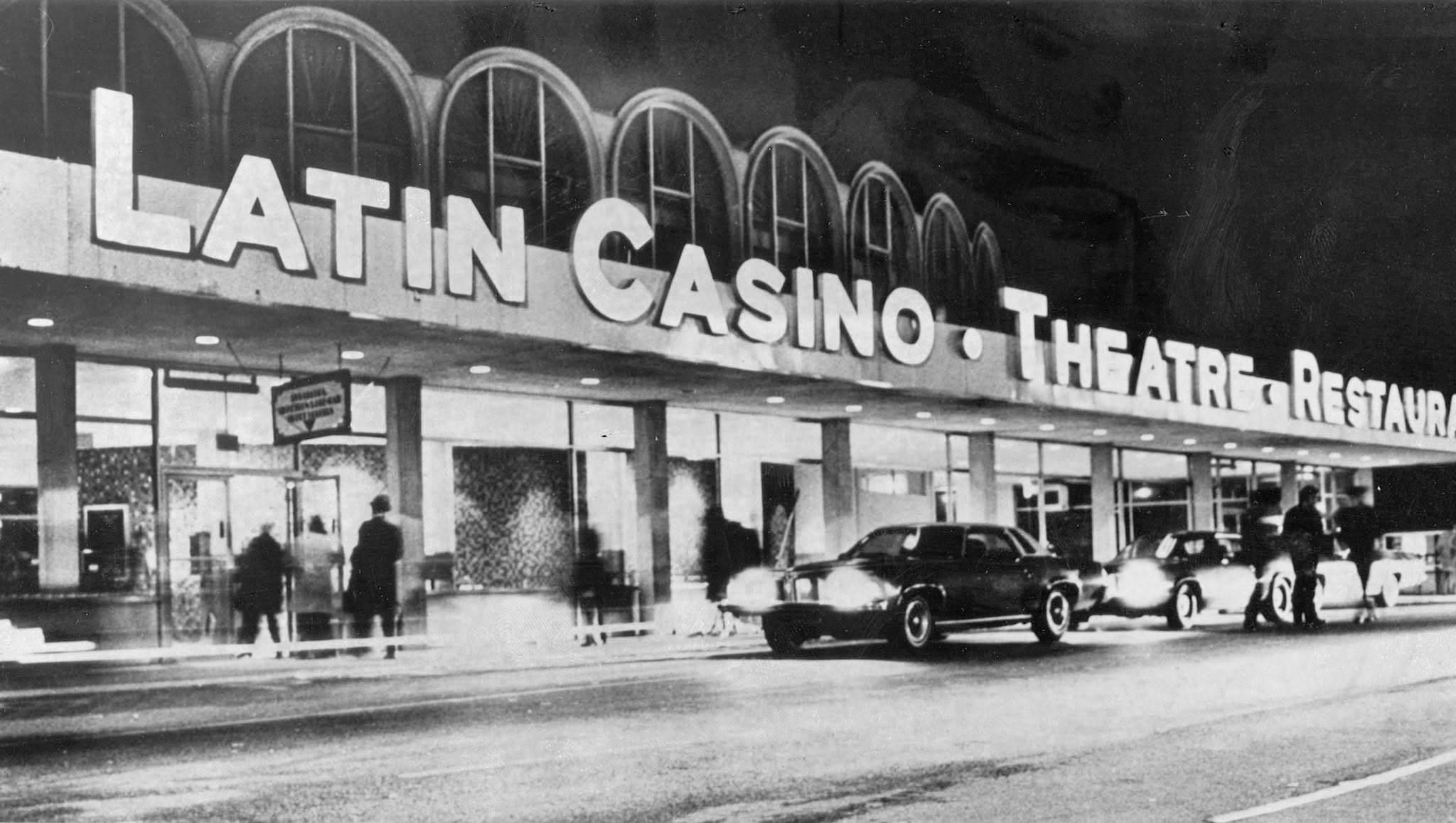
Long before it became a short-lived disco palace and later a full-blown rock and New Wave landmark, the building on Route 70 in Cherry Hill had already lived an entire previous life as one of the most star-studded entertainment venues on the East Coast.
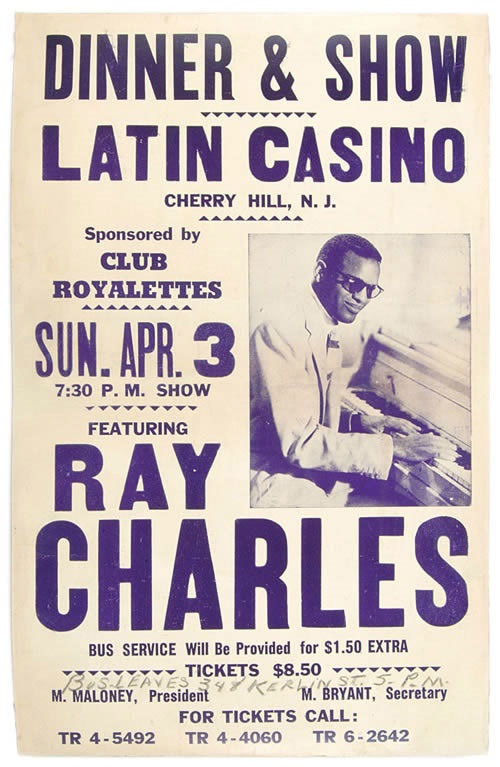
That earlier chapter belonged to the Latin Casino, widely known throughout its run as the Showplace of the Stars. Operating from 1960 to 1978, the Latin Casino functioned as a genuine Vegas style dinner theater outside Nevada, drawing some of the biggest names in entertainment history to Cherry Hill for extended, high profile residencies. The Rat Pack itself made regular appearances there, with Frank Sinatra, Dean Martin, and Sammy Davis Jr. each headlining individual solo weeks inside the room. The venue also served as a primary East Coast hub for Motown royalty, with The Supremes featuring Diana Ross, The Temptations, The Four Tops, and Gladys Knight and the Pips all holding legendary runs on that same stage. Pop and vocal giants filled out the marquee just as regularly, including Tom Jones, whose Cherry Hill audiences famously threw hotel keys and undergarments onto the stage the same way his fans did everywhere else he performed, along with Wayne Newton, Tony Bennett, Liza Minnelli, and Johnny Mathis. Jazz and soul legends including Louis Armstrong, Ray Charles, and Ella Fitzgerald routinely graced the marquee as well, and even a young Michael Jackson performed there with his brothers during a highly publicized series of Jackson 5 shows throughout the 1970s.
Comedy held equal standing at the Latin Casino, which booked some of the sharpest and most unfiltered names in stand up during that era. Richard Pryor recorded some of his earliest, most groundbreaking live material during his South Jersey club residencies there, while Don Rickles, known widely as the Merchant of Venom, made a career out of roasting affluent Cherry Hill and Philadelphia crowds directly from that same stage. Joan Rivers and Phyllis Diller, two genuinely groundbreaking female comics of their era, frequently headlined the main room as well, and Steve Martin brought his surrealist, prop comedy act to Cherry Hill right at the very dawn of his rise to superstardom.
The venue also carries a genuinely tragic footnote in music history. On September 29, 1975, legendary soul singer Jackie Wilson, known to fans as Mr. Excitement, was performing live on the Latin Casino stage as part of a Dick Clark oldies revue. In the middle of singing his hit song, “Your Love Keeps Lifting Me Higher and Higher,” Wilson suffered a sudden, massive heart attack and collapsed on stage, striking his head in the fall. The injury caused severe brain damage that left him hospitalized in a semi comatose state for the remainder of his life, a devastating end to a performance that had begun as just another night at one of the country’s premier showrooms.
For all its star power, the Latin Casino has also spent decades tangled up in persistent rumors linking it to organized crime, mafia families, and even drug smuggling networks, stories that have circulated throughout South Jersey for generations. It’s worth being clear about what’s actually documented here. The Latin Casino was never officially shut down, raided, or legally exposed as any kind of smuggling ring or drug transportation hub. What did exist was an era, and a stretch of Route 70, where the lines between legitimate entertainment, the Philadelphia and Atlantic City underworld, and the broader underground economy were notoriously blurred, giving these rumors just enough real texture to keep circulating long after the venue itself was gone.
The club’s owners, David Dushoff and Daniel Gerson, known widely as Dallas, were legitimate, high profile businessmen running a major nightlife operation, but the sheer scale of cash flowing through a venue of that size, combined with its roster of A-list celebrity guests, inevitably drew federal scrutiny. A prominent national columnist went so far as to publicly accuse the owners of direct ties to the Philadelphia Mafia, an allegation that was never proven in any court of law. Even so, the accusation alone was enough to trigger a lengthy, multiyear IRS investigation, with federal auditors repeatedly combing through the club’s books searching for signs of money laundering or hidden mob investment, a process that placed genuine financial strain on the venue during its final years in business.
Some of that suspicion traces directly back to the neighborhood the Latin Casino operated in. Route 70 during the 1960s and 1970s sat squarely within territory controlled by the Bruno-Scarfo crime family, and mob figures were known to frequent the club regularly, taking seats in the VIP sections alongside everyone else watching Frank Sinatra or Sammy Davis Jr. perform. Because upscale lounges along that same stretch of Route 70 doubled as informal meeting spots where organized crime figures held sit downs and quietly managed local bookmaking, loan sharking, and cargo theft operations, the public understandably began associating the venue itself with that same criminal world, even though the club’s actual business remained entertainment rather than anything illicit.
Backstage culture added its own layer to the club’s underground reputation as well, though this part of the story had far less to do with organized crime and far more to do with the entertainment industry itself during that era. Like nearly every major showroom and concert venue of the 1970s, the Latin Casino saw its share of personal drug use among traveling performers and wealthy patrons alike. Richard Pryor, who recorded his 1975 album “Is It Something I Said?” live at the venue, was openly struggling with severe substance abuse during that exact stretch of his career, and the backstage areas of high end supper clubs throughout that era were widely known for exactly this kind of activity, a dynamic that had far more to do with the culture surrounding celebrity nightlife in the 1970s than any organized criminal enterprise.
When New Jersey legalized gambling in Atlantic City in 1976, the calculus that had made the Latin Casino such a draw for decades collapsed almost overnight. The A-list acts that once filled Cherry Hill’s showroom began flocking instead to the new casino stages along the boardwalk, and the Latin Casino simply could not compete. Rather than fold entirely, the owners closed the Latin Casino in June 1978 and completely gutted its interior, transforming the space into a futuristic disco palace that reopened that September under an entirely new name, Emerald City, built explicitly to compete directly with Manhattan’s Studio 54.
Local memory has also blurred the Latin Casino together with what eventually replaced it. Once the building was gutted and reborn as the disco Emerald City in 1978, it opened right into the peak of the late 1970s and early 1980s club scene, an era deeply intertwined nationally with the rise of cocaine distribution networks throughout nightlife culture generally. Actual large scale drug smuggling in the region, though, typically moved through the Delaware River’s ports and commercial shipping docks rather than a dinner theater sitting along Route 70, a distinction that tends to get lost as these decades old stories keep getting passed down. In the end, the Latin Casino’s closure in 1978 had nothing to do with any criminal bust at all. It closed because Atlantic City had just legalized casino gambling, instantly stripping the Cherry Hill venue of its ability to book the A-list stars its entire business model had always depended on.
The transformation was genuinely staggering in scale. Owners poured more than a million dollars into the neon lighting rig alone, creating what was designed to be a dazzling, almost overwhelming sensory experience the moment guests walked through the door. The entire space was built around a Wizard of Oz theme, complete with an actual indoor yellow brick road splitting the club down the center, leading guests toward a massive 4,000 square foot dance floor anchored by a 17 foot custom light tower that dropped down over the crowd. Beyond the dance floor itself, the venue housed The Forest, an upscale on site restaurant that could seat 350 diners, two full retail shopping boutiques built directly into the club, an elevated VIP lounge upstairs equipped with cutting edge video and arcade game rooms, and a dedicated indoor spectator grandstand built purely so weary dancers could sit and watch the crowd from above. During its first year, the club operated exclusively as a dance venue, driven by pioneering local DJs like Alex Garcia spinning twelve inch disco records for a crowd dressed in peak late 1970s fashion.
That disco moment burned out almost as quickly as it arrived. As crowds began thinning noticeably by late 1979, the club slid into bankruptcy, forcing its owners to make a genuinely consequential pivot. Partnering with Philadelphia’s legendary Electric Factory promotion agency, they converted the space entirely away from dance music and into a live rock, punk, and New Wave venue beginning in 1980, a decision that would ultimately define the building’s most legendary era.
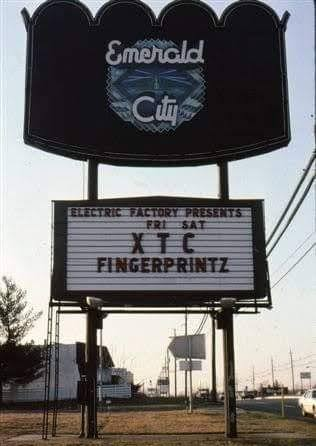
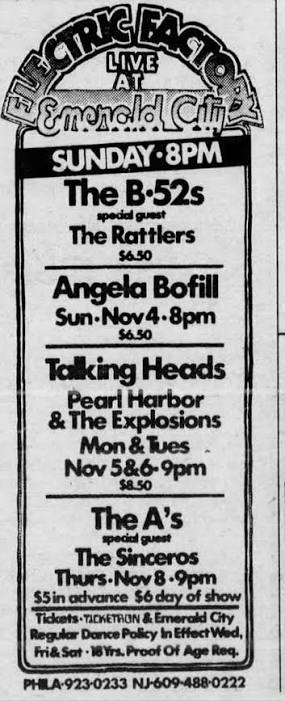
Emerald City’s sheer physical scale made it an essential tour stop for artists who were still years away from filling stadiums but were already becoming genuine cultural forces. Prince played the venue twice, first during his debut tour and again on March 18, 1981, for his iconic Dirty Mind tour. The Cure played their very first American show ever on that same Emerald City stage on April 10, 1980. The Ramones tore through their high speed punk catalog there on March 7, 1980, and The Go-Go’s delivered a highly memorable set at the absolute peak of their 1981 commercial breakthrough. XTC recorded a full concert at the venue during their 1981 Black Sea tour, a performance considered so exceptional that the band officially released the recording decades later as a double LP vinyl set titled Live Boots. Talking Heads brought their experimental art punk sound to the room right before graduating to considerably larger arenas, and the broader roster of legendary acts who played Emerald City before the building came down included The Clash, Elvis Costello, R.E.M., Alice Cooper, Squeeze, Joan Jett, Cyndi Lauper, and The B-52’s.
Joe Jackson’s own appearance at Emerald City offers a genuinely vivid snapshot of exactly what those nights were like. Jackson played the venue on Tuesday, February 12, 1980, while touring behind his sophomore album, I’m the Man, just months removed from breaking through commercially with his hit single, “Is She Really Going Out With Him?” Longtime local music fans who attended shows from that specific era at Emerald City frequently recall the club handing out exclusive VIP passes to its upstairs lounge, and employees from the old Peaches Records and Tapes store down the road have described hanging out with Jackson and his bandmates in the green room before he took the stage that night, the kind of small, personal detail that captures just how tightly woven the venue was into the broader South Jersey music community at the time.
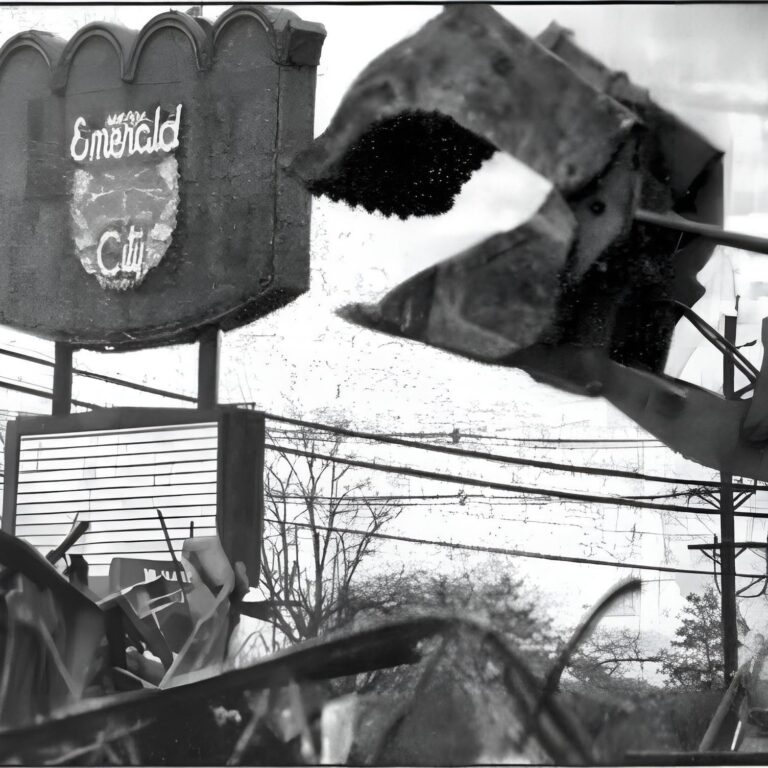
Despite its genuinely legendary run of concerts, Emerald City could not overcome rising operating costs and broader structural shifts reshaping the nightlife industry, and the venue closed its doors permanently in late 1982. The building itself was completely demolished before that same year ended. For decades afterward, the site became known to locals for an entirely different reason, serving as the headquarters for Subaru of America. Once Subaru eventually relocated its headquarters to Camden, that later building was torn down as well, and the legendary Route 70 footprint that once housed the Rat Pack, Motown royalty, Prince, The Cure, and The Ramones was ultimately redeveloped into a modern commercial retail and medical complex, a considerably quieter final chapter for a stretch of land that spent more than two decades as one of the most electric entertainment destinations anywhere in the region.
Java Factory, the South Plainfield based coffee company known throughout the industry for its bold, unconventional flavor combinations, has launched one of the most ambitious product initiatives the flavored coffee category has ever seen. Called Flavor 52, the year long campaign introduces 52 entirely new coffee flavors across 52 consecutive weeks, with a fresh flavor dropping every single Monday for a full calendar year. The undertaking is genuinely unprecedented in scale for the coffee industry, and Java Factory is working directly with Guinness World Records to formally certify the campaign as the most unique coffee flavors launched by a single coffee brand within one year.
Java Factory built its reputation well before this campaign around vibrant packaging and genuinely imaginative dual flavor blends, with existing releases like French Toast, S’Mores, Choconut, Pistachy-Ohhh! PB&J, and Blueberry Shortcake already establishing the brand as one willing to push flavored coffee somewhere considerably more adventurous than the industry’s traditional seasonal offerings. That same inventive spirit carries directly into Flavor 52, alongside the company’s existing lineup of highly caffeinated staples like Da Bomb and Smooth Caffeinator, giving the brand a genuinely broad foundation to build this new campaign on top of.
The Flavor 52 rollout is structured around six distinct, themed seasons, each built around its own connected flavor narrative and roughly spanning two months. Every season is intentionally designed around a specific emotional and sensory throughline, tying its weekly flavor releases together through shared ingredients, mood, storytelling, and genuine consumer nostalgia rather than simply releasing 52 unrelated flavors in sequence. The campaign opens with the Throwback Collection, followed by Ice Cream Truck, Sweater Weather, Wild Ones, Just Desserts, and finally The Finale, closing out the full year long journey.
That opening Throwback Collection season leans heavily into beloved snacks, desserts, breakfast favorites, and genuinely nostalgic pop culture inspired flavors, with initial releases including Grandma’s Candy, Jelly Donut, Sundae Pancakes, Iced Oatmeal Cookie, Candy Pecans, and Saturday Morning Cartoons, a lineup built to trigger genuine childhood nostalgia with every cup. Given the campaign’s overall structure, later seasons promise their own distinct flavor personalities, moving from the comforting familiarity of the opening season into considerably more playful and thematically adventurous territory as the year progresses.
Sam Blaney, Executive Vice President of Java Factory, has framed the broader philosophy behind Flavor 52 as a genuine correction to how flavored coffee has historically been treated within the wider coffee industry, arguing that the category has been dismissed as a novelty for too long even as today’s consumers increasingly seek out genuine experiences, self expression, and moments worth sharing rather than caffeine alone. Blaney has described the campaign’s ambition as pushing the boundaries of what flavored coffee can actually become, giving customers a genuine reason to return every single week to participate, anticipate, and celebrate flavor in a way the category has never fully embraced before. That thinking places Flavor 52 squarely within what’s often called drop culture, the same anticipation driven release model that has reshaped industries like sneakers and streetwear, now applied directly to a grocery staple most consumers have never thought to get genuinely excited about on a weekly basis.
Behind the scenes, a critical piece of Flavor 52’s execution rests on Java Factory‘s longstanding partnership with Flavor and Fragrance Specialties, a division of Lucta widely recognized throughout the food and beverage industry as one of the nation’s leading flavored coffee formulators. That collaboration is genuinely hands on rather than purely consultative, with FFS flavor specialists working directly alongside Java Factory’s own team inside its roasting facility to refine, test, and perfect each new flavor concept before release. That level of direct, ongoing collaboration allows every single Flavor 52 release to function as a fully designed sensory experience, balancing aroma, taste, nostalgia, and storytelling rather than simply adding a flavoring agent to an existing roast, a distinction that matters considerably when a company is committing to sustaining that level of craftsmanship across 52 consecutive weekly releases rather than a handful of seasonal specialties.
Consumers interested in following along can subscribe directly through Java Factory‘s website, choosing between full year access or more limited seasonal subscriptions, giving coffee drinkers flexibility in how deeply they want to commit to the yearlong journey. The company is supporting the rollout with a genuinely robust integrated marketing campaign, including coordinated social media activations, an ongoing hashtag Flavor Friday campaign built specifically to hype each week’s Monday flavor drop, experiential marketing programs, and licensing collaborations with nationally recognized brands and personalities, giving Flavor 52 a marketing footprint considerably larger than a typical product launch calendar.
The campaign is set to run its full course through 2027, culminating at that year’s Summer Fancy Food Show, where Java Factory plans to unveil its final flavor release and formally celebrate the completion of the entire 52 week journey, ideally alongside official Guinness World Records certification for the achievement. With 52 consecutive flavor launches planned across a single year, Java Factory is making one of the boldest bets the flavored coffee category has ever seen, essentially wagering that flavor itself, treated with the same anticipation and cultural weight as a genuine product drop, can become the main event rather than a secondary consideration layered on top of a standard cup of coffee. For a company built around specialty grade one hundred percent Arabica Brazilian coffee and a genuine belief that exceptional coffee and exceptional flavor belong together, Flavor 52 stands as the most ambitious expression yet of that underlying philosophy.
Capitol Hill produced two genuinely significant hearings on Wednesday, July 15, 2026, both drawing active participation from New Jersey’s congressional delegation. In the Senate, Cory Booker delivered one of the sharpest and most widely circulated lines of questioning during the confirmation hearing for Acting Attorney General Todd Blanche, who is seeking permanent confirmation to lead the Department of Justice. Across the Capitol in the House, Congressman Josh Gottheimer used a separate high profile hearing before the House Financial Services Committee to press newly appointed Federal Reserve Chair Kevin Warsh, marking Warsh’s first ever appearance before Congress since taking the position.
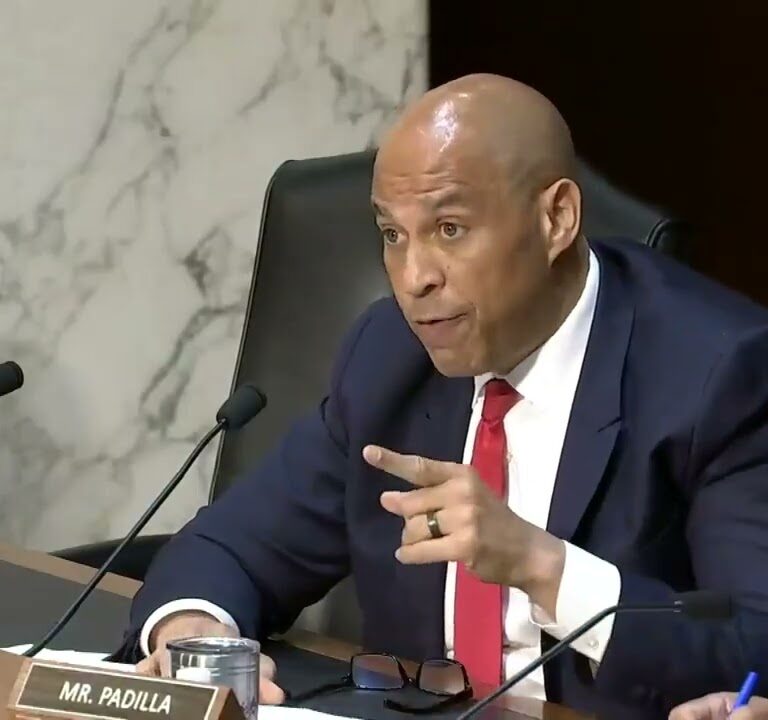
The Blanche hearing before the Senate Judiciary Committee turned genuinely combative at multiple points, with Booker centering much of his questioning on ethics concerns surrounding Blanche’s tenure at the Justice Department. Booker pressed Blanche specifically on the DOJ Antitrust Division’s decision to close its investigation into Paramount’s multibillion dollar acquisition of Warner Bros. Discovery, questioning why Blanche had attended a private dinner with Paramount CEO David Ellison while that investigation remained active. The exchange grew visibly heated, with Blanche raising his voice at one point to insist that while Booker could ask the questions, he could not control the answers Blanche gave in return.
Booker also confronted Blanche over the recent, highly controversial leak of unredacted Jeffrey Epstein files from the Department of Justice, an episode that has drawn scrutiny from lawmakers across the political spectrum. Booker noted that Blanche had declined to meet with Epstein survivors who were present in the hearing room that day, a decision Booker contrasted directly with Blanche’s past professional interactions with Ghislaine Maxwell. Throughout the hearing, Booker argued that Blanche’s record, taken together, raised serious questions about whether the Justice Department under his leadership could operate independently, telling Blanche directly that he had chosen Trump over truth. Booker framed his broader argument around the idea that the attorney general’s client is the American public rather than any single president, and concluded that based on Blanche’s record and testimony, he did not believe Blanche should be confirmed for the role.
Blanche, for his part, maintained throughout the hearing that he intends to run the Justice Department independently and pushed back against the characterization that his past professional relationships or prior client work had compromised his judgment in office, a defense he repeated at several points as Democratic senators pressed him on similar ethics questions throughout the day.
Across the Capitol, Congressman Josh Gottheimer of New Jersey’s Fifth District took a different but equally pointed approach during Kevin Warsh’s first congressional appearance as Federal Reserve Chair. Gottheimer questioned Warsh on a range of economic pressures directly affecting New Jersey families, asking whether young households in the state would still realistically be able to afford a mortgage given current interest rates, probing the potential impact of artificial intelligence on regional wages, and asking whether federal deposit insurance limits ought to be raised across consumer banks more broadly. Gottheimer also used his time before the committee to raise concerns about youth sports betting applications, citing research indicating that 36 percent of kids between the ages of 11 and 17 have engaged in some form of underage gambling over the past year, a statistic he presented as evidence that regulators need to take the issue of youth access to gambling platforms considerably more seriously.
Taken together, Wednesday’s hearings reflected two distinct but equally consequential fronts of oversight New Jersey’s congressional delegation is currently engaged in, one centered on questions of independence and accountability at the Justice Department, and the other focused on the Federal Reserve’s approach to monetary policy and consumer protection at a moment of genuine economic anxiety for many New Jersey households. Both Booker’s confrontation with Blanche and Gottheimer’s questioning of Warsh are likely to remain part of the broader national conversation in the days ahead, as the Senate continues deliberating Blanche’s confirmation and as Warsh settles into his new role at the helm of the nation’s central bank.
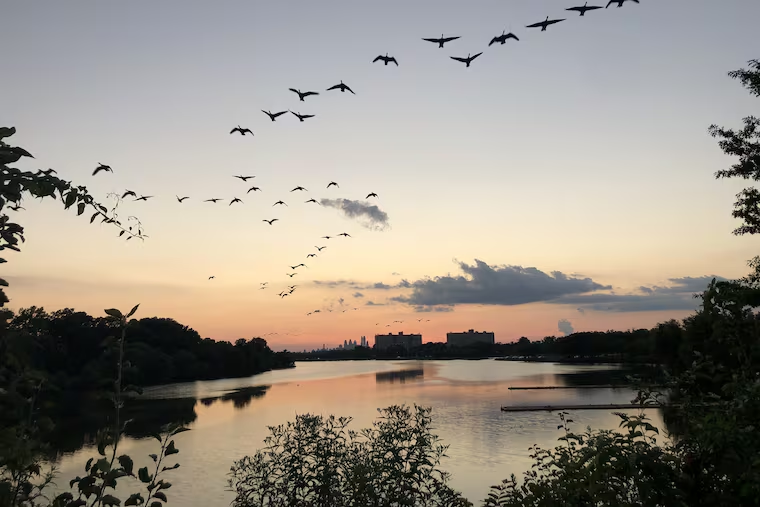
For anyone who grew up around Cooper River the way I did, ice skating on it as a kid and hearing the same local jokes everyone else did about the water practically glowing in the dark, seeing a $400 million price tag attached to cleaning it up is genuinely jarring. My first instinct, honestly, was to assume the number belonged to the Delaware River running through Camden rather than Cooper River itself. That is a staggering amount of money for a body of water locals have spent decades joking about. And yet, once you actually look at what that number is paying for, it starts to make considerably more sense, and it becomes clear this isn’t a punchline so much as a genuine engineering assault on one of South Jersey’s most persistent environmental headaches.
Camden County officials, working alongside the Camden County Municipal Utilities Authority, announced on July 14, 2026 a sweeping $400 million, multiyear master plan designed to overhaul the region’s aging water infrastructure, restore polluted lakes, and eliminate the severe flooding that has plagued communities across the county for years. Officials are calling it a genuinely generational environmental undertaking, and its most ambitious stated goal is nothing less than making Cooper River clean enough for residents to safely swim in once again.
Understanding why that goal costs $400 million to achieve requires looking at three distinct, deeply entrenched problems the project is designed to solve simultaneously. The first is Camden City’s century old combined sewer system, in which toilet water and rainwater flow through the exact same pipes rather than separate ones. During heavy rainfall, that combined system becomes overwhelmed, and the excess simply overflows directly into the Cooper and Delaware Rivers as raw sewage, a genuinely serious public health and environmental problem that has persisted for generations. Fixing it isn’t a matter of a quick repair. It requires literally ripping up miles of city streets to physically separate the sewage and stormwater systems from each other, an undertaking that is both disruptive and genuinely expensive at the scale required.
The second major problem lies beneath the water’s surface entirely. Decades of industrial runoff, heavy metals, and accumulated silt have choked the riverbed, particularly within Cooper River Lake, turning parts of it into a shallow, stagnant mud pit rather than a genuinely healthy body of water. Removing that toxic sediment through a process known as dredging ranks among the more expensive environmental engineering undertakings that exist, since it involves carefully scooping out contaminated material from the bottom of the waterway without simply stirring pollution back into the water column in the process.
The third problem involves the surrounding land rather than the water itself. Years of overdevelopment across Cherry Hill and Collingswood have left enormous stretches of pavement and parking lots with nowhere for rainwater to go except rushing directly into the Cooper River basin during storms, a dynamic that has caused significant flooding on local roads while steadily eroding the river’s own banks over time. Addressing that runoff problem requires building out substantial green infrastructure networks, including stormwater holding basins and artificial wetlands specifically designed to slow rainwater down and let it absorb naturally rather than flooding straight into the river all at once.
The project’s $400 million budget breaks down directly across these three core challenges, along with the recreational restoration work tied to all of them. The single largest allocation, $200 million, goes toward reducing combined sewer overflows, the exact problem responsible for raw sewage mixing with stormwater during heavy rain events. Another $75 million is earmarked specifically for sediment remediation and dredging across the county’s choked waterways, while $50 million goes toward rehabilitating the broader aging sanitary sewer system beyond the combined sewer areas alone. A separate $50 million is dedicated to restoring recreational lakes and stabilizing eroded shorelines, and the remaining $25 million funds green infrastructure improvements like rain gardens, bioswales, and permeable pavement designed to help the surrounding landscape absorb runoff naturally rather than funneling it straight into the water.
This isn’t a project confined to Cooper River alone, either. The initiative covers rivers, streams, and public parks throughout Camden County, with Cooper River Lake itself, which winds through Cherry Hill, Collingswood, Pennsauken, Haddon Township, and Camden, standing as the project’s most prominent target. Beyond Cooper River, the plan also addresses Kirkwood Lake in Lindenwold, Atco Lake in Waterford, Pennsauken Creek, and Evans Pond and Wallworth Lake in Haddonfield, reflecting a genuinely countywide approach to water quality rather than a narrow, single site cleanup effort.
Paying for a project of this scale requires layering multiple funding sources on top of one another. County officials plan to aggressively pursue federal EPA funding, state grants through the New Jersey Department of Environmental Protection, and FEMA hazard mitigation awards, but securing that outside funding still requires local matching dollars. To generate that local share, voters will decide a ballot referendum this coming Election Day, November 3, 2026, on whether to raise the county’s Open Space tax rate. The proposal calls for a one cent increase per $100 of assessed property value, raising the current rate from two cents to three cents. For a home assessed at $500,000, that increase translates to $150 a year dedicated to open space and water protection, up from the current $100 annual cost, a genuinely modest increase relative to the scale of infrastructure work it would help fund. County leaders have also pointed out that even with this proposed increase, Camden County’s open space tax rate would still remain lower than the rates currently charged in neighboring Burlington and Gloucester counties, both of which already sit at four cents per $100 of assessed value.
Beyond that ballot measure, the county intends to pursue low interest borrowing, additional state and federal grant funding, and a rate increase through the CCMUA itself to help cover the remaining costs not offset by the Open Space tax increase alone. Taken together, the plan reflects a genuinely comprehensive attempt to solve problems that have accumulated across Camden County for the better part of a century, aging sewage infrastructure, contaminated waterways, and unchecked stormwater runoff, all within a single, coordinated master plan rather than piecemeal fixes scattered across individual towns. Whether $400 million ultimately proves enough to make Cooper River swimmable again remains to be seen, but for anyone who grew up hearing the same jokes about that water that I did, this project represents the first genuinely serious attempt in a generation to make those jokes obsolete.
New Jersey’s real estate market is dominating national headlines this summer, driven by an unprecedented, record breaking bidding war frenzy playing out across the state’s most competitive suburban corridors. Homes in highly sought after towns are routinely closing for staggering amounts above their original asking prices, a dynamic that has caught the attention of national outlets and left market analysts describing the state’s suburbs as a genuine gold rush with no visible ceiling in sight.
Recent data illustrates just how dramatic that competition has become. In Maplewood, a home on Euclid Avenue listed for $1.795 million closed at $2.279 million, a full 27 percent above its asking price. In South Orange, a home on Melrose Place listed at roughly $999,000 ultimately commanded a 33 percent premium, closing at $1.332 million. That kind of intense bidding reflects a genuinely dramatic imbalance between demand and supply, fueled largely by a massive influx of buyers relocating from New York City into New Jersey’s most desirable commuter towns, all competing over historically low housing inventory that shows little sign of loosening.
The Jersey Shore has proven just as competitive, if not more so, despite considerably higher mortgage rates than buyers faced just a few years ago. An Asbury Park Press analysis found that coastal Monmouth and Ocean county zip codes have essentially shrugged off elevated borrowing costs entirely, with half of the top 20 real estate price jumps anywhere in the state currently concentrated in these beach adjacent markets. That surge appears driven almost entirely by affluent buyers outbidding one another for coastal property, a dynamic that has made waterfront and near waterfront Shore towns some of the hottest pockets in the entire statewide market.
Against that backdrop of overwhelming demand, Governor Mikie Sherrill’s administration has moved to address New Jersey’s underlying housing shortage directly, working alongside NJ Transit and the New Jersey Economic Development Authority to release official requests for proposals aimed at monetizing state owned land and rapidly building new housing near existing transit infrastructure. In Bayonne, the state is seeking development partners to build mixed income, high density residential buildings across more than four acres of vacant land sitting directly adjacent to the Hudson-Bergen Light Rail’s 34th Street station, a location chosen specifically for its existing transit access. A similar initiative is underway in Linden, where the state is looking to redevelop an underutilized commuter parking lot on West Elizabeth Avenue immediately adjacent to the Linden NJ Transit station, transforming underused parking infrastructure into genuine housing capacity rather than leaving it sitting largely empty.
Commercial development is moving just as aggressively elsewhere in the state. In Jersey City’s Journal Square neighborhood, developers have unveiled massive new renderings for a proposed 1,483 unit, two tower residential project along JFK Boulevard. If the local zoning board grants approval, the development will introduce a brand new luxury hotel component alongside retail space and a designated block of affordable housing units, making it one of the more ambitious mixed use proposals currently working through New Jersey’s approval process. South Jersey’s industrial sector is experiencing its own genuine boom as well, driven largely by continued e-commerce expansion. In Carneys Point, a direct to consumer e-commerce brand recently tripled its physical footprint, expanding its returns processing operations into a substantial 323,750 square foot facility along Interstate 295, reflecting just how much warehouse and logistics demand continues climbing across South Jersey’s industrial corridor.
The statewide numbers underscore just how tight this entire market remains. According to figures from Zillow and local broker tracking, the statewide median sale price for single family homes is currently holding firm at $625,000, while roughly 52 percent of all homes sold across New Jersey are successfully closing above their original listing price, a genuinely striking figure that speaks directly to how little room buyers currently have to negotiate in most parts of the state.
A Rare Hoboken Loft Hits the Market at Garden Street Lofts
Amid that broader statewide frenzy, one particularly distinctive Hoboken property has just come onto the market. Realtor Michael Kotler of Move Ahead Homes at New and Modern Group LLC has listed Residence 603 at 1425 Garden Street, a rare two bedroom, two and a half bath loft style home inside Hoboken’s boutique Garden Street Lofts building. Asking $1,999,999, the residence spans 2,028 square feet and features soaring ceilings, oversized windows, and expansive living and dining spaces, along with a private 398 square foot terrace offering a direct, unobstructed view of the Empire State Building.
The interior finishes reflect a genuinely high end level of craftsmanship throughout. The kitchen features Italian Valcucine cabinetry paired with Sub-Zero refrigeration, an integrated Miele dishwasher, a Viking range, and two separate wine refrigerators, giving any serious home cook or entertainer a genuinely professional grade setup. Beyond the kitchen, the residence includes hardwood flooring throughout, a gas fireplace, custom millwork, integrated sound, in unit laundry, and abundant storage space, rounding out a home built with genuine attention to detail in every room.
Garden Street Lofts itself carries real architectural pedigree, having been developed by Bijou Properties and designed by SHoP Architects, and the building holds LEED Gold certification while containing just 28 total residences, giving it a genuinely boutique, low density feel uncommon among Hoboken’s larger residential developments. Building amenities include full doorman service, automated garage parking located at 1450 Garden Street, private storage, bicycle storage, and a landscaped green roof deck offering sweeping views of both New York City and the Hudson River. The building’s location places residents just moments from the Hudson River waterfront, a nearby Trader Joe’s, the Hoboken farmers market, and a wide range of dining, shopping, and direct commuting options into Manhattan.
Kotler himself brings genuine local credibility to the listing, having lived in Hoboken for years as a resident of the Hudson Tea Buildings. He recently represented the buyer in Hoboken’s record setting $4.75 million condo sale at 1500 Hudson Street, giving him direct, recent experience at the very top end of the local luxury market. Beyond his real estate work, Kotler also founded Sell Your Home, Save a Pet, a mission driven initiative that supports local nonprofit animal rescue organizations directly through real estate transactions, adding a genuinely charitable dimension to his broader business.
Anyone interested in viewing the full listing details and photos for 1425 Garden Street, Residence 603 can explore the complete property overview online, and those hoping to arrange a private showing can contact Michael Kotler of Move Ahead Homes directly at 201-418-7688 or by email at mike@mikekotler.com. With Hoboken’s own market continuing to command genuinely premium pricing at the top end, this rare Garden Street Lofts offering gives buyers a distinctive opportunity within a building known for its scarcity, architectural quality, and direct skyline views, a fitting entry point into a New Jersey real estate market that shows no signs of slowing down anywhere along the spectrum this summer.
Green Thumb Industries, one of the largest publicly traded cannabis companies in the country, has built a genuinely substantial presence within New Jersey’s recreational and medical marijuana market, and this week the Chicago headquartered company found itself at the center of a significant labor relations story playing out at its New Jersey operations. If you’ve purchased cannabis anywhere in the Garden State, there’s a strong chance you’ve already encountered Green Thumb’s retail brand or one of its widely distributed product lines, even if the corporate name behind them wasn’t immediately familiar.
Green Thumb operates as what the cannabis industry calls a multistate operator, running operations across 14 different U.S. markets and controlling both ends of its own supply chain rather than relying entirely on third party partners. On the retail side, the company owns and operates the rapidly expanding RISE Dispensaries chain, giving it a direct consumer facing presence in the markets where it operates. On the production side, Green Thumb grows, packages, and distributes several widely recognized cannabis brands found not only in its own RISE stores but also across numerous third party dispensaries, with a portfolio that includes RYTHM, Dogwalkers, andShine, incredibles, and Good Green, giving the company a genuinely broad footprint across multiple product categories within the broader cannabis market.
Within New Jersey specifically, Green Thumb has become a genuinely major player in the state’s cannabis ecosystem. The company operates three RISE dispensaries across Northern New Jersey, located in Paterson, Bloomfield, and Paramus, giving it direct retail access to some of the state’s most densely populated consumer markets. Behind those storefronts, Green Thumb also runs two substantial manufacturing and cultivation facilities in Paterson and Hackettstown, supplying its own New Jersey retail pipeline with product grown and processed within the state itself rather than relying entirely on out of state production. The company’s New Jersey footprint has also served as a launching pad for other cannabis brands entering the state, including Viola, the premium, Black owned cannabis brand founded by former NBA player and Essex County native Al Harrington, which made its own New Jersey debut through Green Thumb’s Paterson and Bloomfield RISE locations.
That established New Jersey presence is exactly what made this week’s labor news so significant. On July 14, 2026, the National Labor Relations Board officially certified the results of a decertification election covering roughly 270 employees across Green Thumb’s four New Jersey locations, with workers voting 94 to 13 in favor of removing the United Food and Commercial Workers Local 360 as their bargaining representative. The vote itself capped off a genuinely lengthy and contentious two year legal battle over workplace representation at the company’s New Jersey operations.
The path to that certification proved considerably longer than the vote count alone would suggest. According to the National Right to Work Legal Defense Foundation, which represented the workers pursuing decertification, the ballots themselves were cast nearly two years ago but went uncounted for an extended period due to legal challenges filed by union officials following the vote. Only after that legal dispute was resolved did officials open and count the ballots on June 29, with the NLRB formally certifying the results roughly two weeks later.
The effort to decertify the union traces back to Michael Potter, a lead warehouse technician at Green Thumb who began petitioning the NLRB for a decertification election back in October 2024, acting on behalf of his coworkers across the company’s four New Jersey locations. Working alongside staff attorneys from the National Right to Work Legal Defense Foundation, Potter specifically sought to challenge what’s known as a card check unionization process, arguing that the original unionization at Green Thumb had been established through card check rather than a secret ballot election, and that many workers believed a secret ballot process would have given them a more private, less pressured way to decide on union representation in the first place. Following the certified results, Potter stated that he and many of his coworkers believed the union had not effectively advanced their interests, framing the decertification vote as a long delayed opportunity to exercise the secret ballot right he felt had been denied when the union was originally installed.
Mark Mix, president of the National Right to Work Foundation, echoed that framing, expressing pride in helping Green Thumb’s New Jersey workers pursue a secret ballot election, while also criticizing the broader delay involved in getting those votes counted. Mix pointed specifically to what’s known within labor law as the blocking charge policy, a rule that allows union officials to delay a decertification vote count by filing legal challenges, arguing that this kind of policy can effectively trap workers within a union they no longer support regardless of how decisively they’ve voted to leave it. He called on the NLRB to eliminate that policy entirely as a matter of protecting workers’ ability to freely choose whether to remain represented by a union.
UFCW Local 360 offered a considerably different account of the same underlying events. A spokesperson for the union told NJBIZ that throughout the two year process, workers came and went at Green Thumb’s New Jersey operations, and that UFCW Local 360 continued informing those workers of their rights and representing them throughout that entire period. While the union stated it never wants to see workers lose the protections that come with a union contract, it also affirmed that it honors workers’ right to determine their own union representation, and committed to continuing its broader advocacy for cannabis industry workers across New Jersey regardless of the outcome at Green Thumb specifically. UFCW Local 360’s Director of Organizing, Hugh Giordano, had earlier defended the union’s track record at Green Thumb directly, noting that the union had organized and negotiated a contract covering pay raises, holiday pay, and a formal grievance procedure for members. Giordano also raised concerns about the source of the decertification effort itself, characterizing the National Right to Work Foundation as an out of state, anti union organization funded by wealthy donors opposed to organized labor broadly, and framed the union’s ongoing role as continuing to educate and stand alongside cannabis workers against what he described as efforts by outside groups without direct ties to New Jersey’s own workforce.
For its part, Green Thumb Industries has maintained a notably neutral public posture throughout the dispute. A company spokesperson told NJBIZ that Green Thumb respects the rights of its team members, including their right to choose whether or not to be represented by a union, and confirmed that a decisive majority of union covered employees in New Jersey voted against continued representation by UFCW Local 360. The company stated it respects the process and intends to continue supporting its team’s decision, while looking forward to working directly with employees on the matter going forward.
The dispute also sits within a broader context shaping New Jersey’s still relatively young cannabis industry. State cannabis law requires management to negotiate in good faith whenever workers seek union representation, and that legal framework has led employees at several cannabis companies across the state to organize over the past three years, with representation spread across groups including UFCW Local 152, UFCW Local 360, and Teamsters Local 469. Green Thumb’s decertification vote stands as a genuinely significant development within that broader landscape, one that both sides of the labor debate are already pointing to as evidence supporting their own broader arguments about how cannabis industry workers should be organized, represented, or freed to make that choice for themselves going forward.
New Jersey is once again under siege from dangerous heat, as the National Weather Service has issued extreme heat warnings and heat advisories covering all 21 counties during the state’s second major heat wave of the month. The stretch peaked yesterday, with air temperatures pushing toward 100 degrees and humidity driving the actual feels like heat index up to a genuinely dangerous 107 to 109 degrees. That oppressive stickiness remains a factor today as well, though a weak cold front is expected to bring gradual relief by Friday, dropping temperatures back down into the lower 90s.
Compounding the danger, jet stream patterns have pushed wildfire smoke from Ontario, Canada directly into the Tri-State region, layering poor air quality on top of the extreme heat itself. Code Orange air quality alerts are now active alongside the heat warnings, and state health officials have cautioned that the combination of elevated ozone levels and thick wildfire smoke poses a genuinely serious risk for anyone with underlying lung or heart conditions, even for people who might otherwise tolerate the heat itself reasonably well.
The human cost of this extended heat emergency has already proven severe. The New Jersey Department of Health has confirmed that at least 29 people died from heat related illness during the state’s first major heat wave over the July 4th weekend, a genuinely sobering toll that underscores just how dangerous this summer’s weather pattern has become. Advocates working with vulnerable populations have noted that at least nine of those victims were unhoused individuals, a detail that speaks directly to how unevenly extreme heat’s dangers fall across different segments of the population. In response, cities including Newark have declared Code Red emergency orders, opening air conditioned libraries and recreation centers as cooling hubs specifically to give residents without reliable air conditioning at home a safe place to escape the heat during the day.
Beyond the immediate public health emergency, state energy regulators have ordered a formal investigation into how local utility companies responded to the storms that accompanied the earlier July heat wave, storms that knocked out power for more than 800,000 residents and left thousands without air conditioning for days at a stretch. That kind of prolonged power loss during extreme heat represents a genuinely dangerous compounding risk, since losing air conditioning during exactly the stretch when it matters most can turn a difficult situation into a life threatening one for residents without other means of staying cool.
At the county level, Morris County’s Office of Emergency Management has issued detailed guidance urging residents to take the current conditions seriously. With heat index values ranging from 100 to 109 degrees today, county officials have identified today as the hottest stretch of the week, with air temperatures reaching the upper 90s to near 100 degrees, and hot, humid conditions expected to persist through Friday, July 17. Officials are urging residents to stay well hydrated, limit strenuous outdoor activity during the hottest parts of the day, and spend time in air conditioned buildings whenever possible. County guidance also emphasizes checking in on older adults, neighbors, and other especially vulnerable residents throughout the heat wave, and reiterates the simple but critical warning to never leave children or pets unattended inside a vehicle under any circumstances.
Residents looking for relief can find cooling center locations through the Morris County Office of Emergency Management’s dedicated cooling centers webpage, or through the statewide NJ 211 directory, both of which are updated regularly by county and local emergency management agencies as hours and locations shift. Anyone struggling to cope with the heat can also contact their municipal Office of Emergency Management or local police department directly to locate a nearby cooling shelter, or call NJ 211 for assistance, reachable by dialing 211 directly or toll free at 1-877-652-1148. In the event of an actual heat related medical emergency, officials stress that residents should call 911 immediately rather than waiting to see if symptoms improve on their own. Recognizing the warning signs of heat related illness matters enormously in these situations, and officials point to a body temperature of 103 degrees or higher, hot, red, dry or damp skin, a rapid and strong pulse, headache, dizziness, nausea, confusion, or loss of consciousness as key indicators that immediate medical attention is needed.
Morris County is also encouraging residents who haven’t already done so to register with Smart911, a free emergency call service that gives first responders important background information about individuals and their household members during an emergency, a resource that can make a genuine difference in how quickly and effectively responders can help during a heat related crisis.
Beyond the heat itself, the National Weather Service is also forecasting a chance of isolated severe thunderstorms between 4 and 11 p.m. today, with the potential for damaging wind gusts, small hail, brief heavy rainfall, and frequent cloud to ground lightning. Those storms carry their own separate risks of localized tree damage, power outages, and road closures, adding yet another layer of complexity to an already dangerous stretch of weather. The wildfire smoke drifting in from Canada is expected to move into the region beginning tonight and may linger through Friday or Saturday, and officials are specifically urging individuals with asthma, COPD, heart disease, or other respiratory conditions to monitor local air quality closely and consider limiting prolonged outdoor activity if conditions continue to worsen.
The Morris County Office of Emergency Management has said it will continue monitoring conditions closely and coordinating with municipal, county, and state partners as the situation evolves. Residents are being encouraged to monitor trusted weather sources throughout the day and to make sure they have multiple reliable ways to receive weather alerts and emergency information, given how quickly conditions have already shifted between extreme heat, wildfire smoke, and the potential for severe thunderstorms within this single stretch of days.
Separately, advocates working with New Jersey’s unhoused population have called on Governor Mikie Sherrill to declare a formal state of emergency specifically so that shelters can temporarily lift standard occupancy limits, allowing more people to access safe, air conditioned shelter during this kind of genuinely life threatening heat event. That request underscores a broader concern running through this entire crisis, that the people facing the greatest risk from extreme heat, including unhoused individuals and residents without reliable access to air conditioning, often have the fewest resources available to protect themselves, making public cooling centers, emergency shelter capacity, and programs like Smart911 considerably more than a convenience during stretches like this one.
Select Home Warranty, the home warranty provider headquartered in Mahwah, New Jersey, has broadened its portfolio considerably, rolling out specialized coverage options and partnership programs built specifically for the real estate and trade industries rather than individual homeowners alone. The expansion gives realtors, property investors, landlords, and contractors dedicated solutions tailored to the particular risks and responsibilities each of those professions actually faces, extending the company’s reach well beyond its traditional core business of protecting single family homeowners from unexpected repair bills.
Understanding exactly what Select Home Warranty does, and why it’s expanding its offerings this way, requires first clarifying what a home warranty company actually is, since the concept frequently gets confused with other parts of the real estate world. Unlike a real estate agency, which sells houses, or a technology company building software, Select Home Warranty operates as a genuine service intermediary sitting between homeowners and the repair technicians who fix their appliances and mechanical systems. The company sells annual subscription plans directly to homeowners, and when everyday household appliances like refrigerators and dishwashers, or core mechanical systems like HVAC, electrical, or plumbing, break down from ordinary wear and tear, Select Home Warranty steps in to coordinate the repair rather than leaving the homeowner to find and vet a qualified technician on their own.
The actual process is fairly straightforward from a homeowner’s perspective. Customers pay a monthly premium alongside a standard service fee, typically ranging from $65 to $100, each time they need a repair visit. Once a claim comes in, Select Home Warranty dispatches an independent technician from its own contracted network to diagnose and fix, or if necessary replace, whatever item has broken down, sparing the homeowner the hassle of researching contractors, negotiating pricing, or verifying credentials during what is often an already stressful household emergency.
That model explains why home warranties get so frequently and understandably confused with real estate transactions themselves. Home warranties are routinely packaged directly into home sales, since real estate agents commonly purchase a plan from providers like Select Home Warranty as a genuine incentive for buyers, protecting them from sudden, unexpected repair costs during their critical first year in a new home. That packaging has made home warranty coverage feel, to many consumers, like an extension of the real estate transaction itself rather than a distinct, standalone service industry, even though the two businesses operate under entirely separate models and serve genuinely different functions.
It’s precisely that overlap with real estate that appears to be driving Select Home Warranty’s latest expansion. By building dedicated coverage options specifically for realtors, the company gives agents a more refined tool to offer buyers and sellers during a transaction, rather than relying solely on generic homeowner focused plans that may not fully account for the specific concerns that arise during a home sale. For property investors and landlords, tailored coverage addresses a genuinely different risk profile than a typical single family homeowner faces, since rental property owners often manage multiple units simultaneously, each with its own aging appliances and systems, and need warranty coverage structured around managing that broader portfolio efficiently rather than protecting a single residence. Contractors, meanwhile, represent yet another distinct audience, one that interacts with home warranty companies less as policyholders and more as potential partners within the technician network that actually performs the repair work homeowners rely on.
By building out specialized programs for each of these four groups, realtors, investors, landlords, and contractors, Select Home Warranty is positioning itself as considerably more than a single product sold directly to individual homeowners. The expansion reflects a broader strategy of embedding the company more deeply within the real estate and trade ecosystems that already surround its core business, rather than competing purely on price or coverage terms within the traditional homeowner warranty market alone. For real estate professionals navigating an industry where home warranty coverage has already become an expected part of many transactions, having a provider offering purpose built solutions for their specific role, rather than a one size fits all homeowner plan, gives Select Home Warranty a genuine competitive edge as it continues expanding its footprint across the broader housing and property management industries.
BookCAMP Magazine, published out of Glen Ridge, New Jersey by Ted Olczak of Printed Word Reviews, has landed a genuine coup for the independent publishing community, announcing that longtime Book Industry Study Group executive director Brian O’Leary will begin writing a new quarterly column for the publication following his recent retirement from BISG. The addition gives BookCAMP’s readers direct access to one of the publishing industry’s most respected voices on metadata, distribution, and the broader business mechanics of getting books into readers’ hands.
Before diving into what O’Leary brings to the magazine, it’s worth clarifying exactly what BookCAMP is, since the name overlaps with several entirely unrelated publications that share a similar title. BookCAMP by Printed Word Reviews should not be confused with BootCAMP Magazine, the internationally distributed independent fashion freepaper launched in Tokyo back in 2006, which focuses on global streetwear culture and frequently collaborates with prominent Brooklyn and New York design collectives like LQQK Studio. It also has no connection to Photo BootCAMP Magazine, a separate digital and print publication curated by Share Inspire Create that showcases the training work and portfolios of students enrolled in an online photography academy, occasionally featuring scenic imagery from the New Jersey Shore submitted by amateur photographers around the world. Nor is it related to the recurring wellness and lifestyle features on local fitness boot camps that New Jersey Monthly Magazine has run profiling operations in towns like Branchburg and Hillsborough. BookCAMP, the publication now welcoming O’Leary as a columnist, is a dedicated quarterly magazine built entirely around the business of book publishing itself, addressing the genuine challenges authors and independent publishers face navigating today’s market.
The magazine operates under the direction of Ted Olczak, a career long publishing professional who holds a master’s degree in marketing management with a concentration in book and magazine publishing from New York University. Olczak’s own résumé within the publishing world runs deep, having worked with major publishing houses including St. Martin’s Press, Workman, Chronicle Books, Candlewick, Dark Horse Comics, and Harvard Business Press, among numerous others spanning genres from children’s literature to manga to military history. Beyond BookCAMP itself, Olczak also manages marketing for the Independent Press Award and the NYC Big Book Award, and he previously helped New York Magazine launch its sister publication IN New York Magazine, giving him genuinely broad experience across both book and magazine publishing over the course of his career.
Olczak has also built BookCAMP into more than just a printed publication, expanding it into an annual live event held under the same name, bringing together independent authors, publishers, and industry experts to exchange strategies and build professional connections. That event has already featured Brian O’Leary as a speaker in his prior capacity as BISG’s executive director, where he discussed metadata and its critical, often underappreciated role in helping authors succeed in a crowded marketplace, a topic he has spent much of his career championing.
O’Leary’s broader career reflects a genuine, sustained commitment to modernizing and professionalizing the publishing industry from the inside. During his tenure at the Book Industry Study Group, he played a foundational role in helping the industry adopt better metadata standards and data driven practices, work that colleagues have credited as essential groundwork for later industry innovations. He also served in leadership with the Green Book Alliance, where his years of work on sustainability reporting directly enabled the organization’s development of its Book Carbon Calculator, a tool aimed at helping publishers understand and reduce their environmental footprint. Colleagues within that organization have spoken warmly about O’Leary’s retirement, crediting his contributions with helping shape a smarter, more connected publishing industry whose effects will continue to be felt well beyond his own departure from formal industry leadership.
With O’Leary now stepping into a recurring column for BookCAMP, readers can expect his signature focus on the practical, often technical mechanics of publishing success, the kind of metadata literacy, distribution strategy, and industry data fluency that he spent his BISG tenure trying to instill across the broader publishing community. For a magazine built specifically around helping independent authors and publishers navigate an increasingly complex market, adding a columnist with O’Leary’s depth of institutional knowledge and hands on experience represents a genuinely significant addition, one likely to give BookCAMP’s readers direct access to exactly the kind of expertise that used to require attending an industry conference or BISG working group to encounter firsthand.
The New Jersey Devils have added a genuine offensive weapon to their forward lineup, signing veteran winger Anthony Mantha to a two year contract worth $9.5 million, carrying an average annual value of $4.75 million against the salary cap through the 2027-28 season. The deal breaks down to $5.4 million in the first year and $4.1 million in the second, giving New Jersey a genuinely favorable structure given the caliber of production Mantha just delivered in Pittsburgh. General manager Sunny Mehta made the announcement, continuing what has already become one of the more active and aggressive offseasons in recent Devils memory.
Mantha arrives in New Jersey fresh off a genuine breakout campaign with the Pittsburgh Penguins, where he set career highs across every major offensive category, tallying 33 goals, 31 assists, and 64 points across 81 regular season games. That production marked his first ever 30 goal season in the NHL, a genuinely significant milestone for a player who had spent much of his career flirting with that kind of scoring output without quite reaching it. His 33 goals led the entire Penguins roster last season, while his 64 points ranked third among all Pittsburgh forwards, giving him a genuinely central role in Pittsburgh’s offense during his lone season there. Seven of those goals came on the power play, marking his best power play output in a single season since his 2018-19 campaign with Detroit, and reflecting a level of special teams production the Devils will likely look to plug directly into their own lineup.
At six foot five and 240 pounds, Mantha brings a genuinely rare combination of size and offensive skill to New Jersey’s forward group. Now 31 years old, the Quebec native was originally selected by the Detroit Red Wings in the first round, 20th overall, of the 2013 NHL Draft, and he spent parts of seven seasons within Detroit’s organization across both the NHL and AHL levels between 2014 and 2021. During his time with the Red Wings, Mantha put together back to back 20 goal seasons in 2017-18 and 2018-19, totaling 194 points on 95 goals and 99 assists across 302 regular season games in Detroit before being traded to Washington in April of 2021.
Mantha spent parts of the next three seasons with the Capitals before a March 2024 trade sent him to Vegas, and he later signed with Calgary as an unrestricted free agent that same July. Across his full NHL career, spanning five different organizations, Mantha has now accumulated 367 points on 179 goals and 188 assists across 588 regular season games since making his NHL debut with Detroit back on March 15, 2016. He also brings genuine playoff experience to New Jersey’s locker room, having appeared in 20 career Stanley Cup Playoff games across stops with Washington, Vegas, and Pittsburgh, though he has managed just seven assists and no goals across that postseason sample.
Mantha’s signing continues a genuinely aggressive pattern of roster building from Mehta this offseason, arriving as one of the final notable names still available on the free agent market weeks after most other teams had already completed the bulk of their offseason spending. The move follows Mehta’s earlier decision to trade goaltender Jacob Markstrom to Florida in exchange for Evan Rodrigues and Jesper Boqvist, along with the subsequent signing of journeyman goaltender David Rittich to compete with Nico Daws for the backup role behind the crease. Taken together, these moves reflect a front office clearly determined to reshape the roster meaningfully after New Jersey missed the playoffs the previous season, rather than simply running back the same group and hoping for different results.
Mantha’s own health history adds an important layer of context to the deal as well. He turns 32 in September and is now nearly two years removed from tearing the ACL in his right knee, an injury that forced him through a genuinely lengthy rehabilitation process before he returned to the ice. That his return culminated in a career best offensive season with Pittsburgh speaks well to how fully he’s recovered physically, even as any team signing a player with that injury history at his age necessarily takes on some level of risk regarding long term durability.
Statistically, some analysts have flagged reasons for measured optimism rather than unchecked enthusiasm about Mantha’s move to New Jersey. His career high prior to last season sat at just 48 points, recorded back in 2018-19 with Detroit when he was only 24, meaning last season’s 64 point output represented a genuinely dramatic jump rather than a continuation of an already established scoring pace. Mantha has also shot above 20 percent for three consecutive seasons now, a rate that some evaluators consider difficult to sustain indefinitely without some regression. At the same time, his underlying profile offers real reassurance as well, since only seven of his 33 goals and 13 of his 64 points last season came on the power play, meaning the bulk of his production came at even strength rather than depending heavily on favorable power play deployment he may not receive in New Jersey given the team’s existing personnel. In two of his last three seasons, Mantha has scored 20 or more goals at even strength alone, a genuinely strong indicator that his scoring touch extends well beyond simply riding a hot power play unit.
With his size, his proven scoring ability, and genuine playoff experience now added to New Jersey’s forward group, Mantha figures to compete for a top six role immediately, giving the Devils another legitimate scoring option as they look to return to the postseason after missing out last year. For a front office that has already reshaped its goaltending situation and continued adding pieces throughout the summer, locking up one of the market’s last remaining impact forwards gives New Jersey a genuinely productive final major addition heading into training camp.
NE-YO and Akon Bring the Nights Like This Tour 2026 to New Jersey for an Unforgettable Evening of R&B and Pop Hits
July 19
@
7:00 PM
–
11:30 PM
New Jersey’s summer concert season continues with one of the year’s most anticipated R&B events as NE-YO and Akon bring their Nights Like This Tour 2026 to the Garden State. Scheduled for Sunday, July 19, 2026, at 8:00 p.m., the tour unites two of the most influential artists of the past two decades for a night celebrating timeless hits, remarkable songwriting, and the enduring appeal of modern R&B and pop music.
For fans who grew up with the soundtrack of the 2000s and beyond, this concert offers far more than a nostalgic evening. It showcases two performers whose music continues to reach new audiences through streaming platforms while remaining fixtures on radio playlists, dance floors, and live concert stages around the world. Their catalogs helped define an era of contemporary music, blending R&B, hip hop, pop, and international influences into songs that continue to resonate years after their original release.
NE-YO headlines the evening with a career built upon exceptional songwriting, polished vocals, and one of the most recognizable collections of R&B hits of the modern era. Since emerging as a recording artist and songwriter, he has established himself as one of the genre’s defining voices, earning multiple Grammy Awards while writing and producing songs for some of the biggest names in popular music. His influence extends well beyond his own recordings, making him one of the industry’s most respected creative talents.
Concertgoers can expect an evening filled with signature songs including “So Sick,” “Sexy Love,” “Closer,” “Miss Independent,” “Because of You,” “Champagne Life,” and numerous other fan favorites that helped establish his remarkable career. Known for combining smooth vocals with polished choreography and engaging stage production, NE-YO continues to deliver performances that balance vocal precision with high energy entertainment.
His career as a songwriter is equally impressive. In addition to his own success, NE-YO has contributed to major recordings by artists including Beyoncé, Rihanna, Mario, Celine Dion, Carrie Underwood, and many others. That combination of writing ability and performance experience has made him one of the most influential figures in contemporary R&B for nearly two decades.
Joining him is international superstar Akon, whose unmistakable voice and global sound transformed popular music during the mid 2000s. Blending R&B, hip hop, reggae, and African musical influences, Akon developed a style that crossed cultural and geographic boundaries, resulting in worldwide commercial success. His ability to create memorable hooks and infectious melodies helped produce a remarkable string of international hits that continue to receive extensive radio and streaming play.
Fans can look forward to hearing chart topping favorites such as “Locked Up,” “Lonely,” “Smack That,” “I Wanna Love You,” “Don’t Matter,” “Beautiful,” and many more. His live performances combine powerful vocals with charismatic stage presence, creating an atmosphere that encourages audiences to sing along from beginning to end.
Beyond his own recordings, Akon has played a significant role in shaping the careers of numerous artists as a producer, songwriter, entrepreneur, and record executive. His influence extends throughout the music industry, making him one of the most recognizable and successful artists of his generation.
Together, NE-YO and Akon represent an era when R&B and pop music consistently dominated the charts while influencing fashion, culture, and mainstream entertainment. Their collaboration on the Nights Like This Tour creates an evening built around songs that continue to define playlists nearly twenty years after many were first released. For longtime fans, the concert offers an opportunity to relive some of the genre’s biggest moments. For younger audiences, it provides the chance to experience these artists performing their most celebrated songs live.
Guests attending the concert can also enhance their visit through several optional premium experiences offered at the venue. Available upgrades include Premier Parking, VIP Club Access, Party Deck seating, Shore Club Cabanas, VIP Fast Lane entry, lawn chair rentals, commemorative blankets, and an exclusive Akon Meet and Greet VIP Upgrade. These optional experiences provide additional convenience and premium amenities for concertgoers. As with most venue enhancements, these upgrades do not include admission to the concert and must be purchased separately from event tickets.
New Jersey continues to attract some of the music industry’s biggest touring productions, and the Nights Like This Tour further demonstrates the state’s reputation as a premier destination for live entertainment. Concert venues throughout the Garden State regularly welcome internationally recognized performers across every genre, giving residents and visitors access to world class performances without leaving the region.
The pairing of NE-YO and Akon creates one of the strongest R&B concert lineups of the summer, bringing together artists whose influence continues to shape contemporary music. Their catalogs remain deeply woven into the soundtrack of the past two decades, with songs that have become staples at celebrations, sporting events, clubs, weddings, and countless personal playlists around the world.
For anyone exploring New Jersey’s outstanding summer entertainment calendar, the Nights Like This Tour promises an evening filled with exceptional musicianship, unforgettable performances, and hit after hit from two artists whose music has stood the test of time. Whether you have followed their careers since the beginning or are discovering their work through today’s streaming platforms, this concert offers an opportunity to experience two of modern R&B’s most accomplished performers sharing the same stage for one memorable night.
Toto, Christopher Cross, and The Romantics Bring a Night of Classic Hits to New Jersey
July 18
@
6:30 PM
–
11:30 PM
Few concerts offer the opportunity to experience multiple generations of timeless music in one evening quite like the upcoming performance featuring Toto, Christopher Cross, and The Romantics. Scheduled for Saturday, July 18, 2026, at 6:45 p.m., this highly anticipated show brings together three celebrated acts whose songs continue to resonate with audiences decades after they first topped the charts. For New Jersey music fans, the concert represents an outstanding opportunity to hear some of the most recognizable rock and pop classics ever recorded, performed live by the artists who helped define an era.
The evening is designed to celebrate musicianship, songwriting, and enduring catalogs that have remained staples of radio, streaming playlists, and live concerts for generations. Rather than focusing on nostalgia alone, each artist continues to tour successfully because the music has proven remarkably timeless, attracting lifelong fans while continuing to find new audiences.
Headlining the evening is Toto, a band whose technical excellence and extraordinary musicianship have earned admiration throughout the music industry. Formed in Los Angeles during the late 1970s, Toto quickly became known for blending rock, pop, jazz, progressive rock, rhythm and blues, and sophisticated studio craftsmanship into a sound unlike any of their contemporaries. The band’s catalog includes numerous international hits that remain among the most recognizable songs in modern popular music.
Concertgoers can expect performances of beloved classics including “Africa,” “Rosanna,” “Hold the Line,” “I’ll Be Over You,” and many other fan favorites that have helped define Toto’s remarkable legacy. “Africa” alone has become one of the most enduring songs in popular music history, finding renewed popularity with younger audiences through streaming platforms while continuing to be celebrated by longtime listeners around the world.
Beyond their own recordings, the members of Toto have collectively contributed to thousands of albums as some of the most respected studio musicians in modern music. Their individual credits include performances with Michael Jackson, Steely Dan, Quincy Jones, Paul McCartney, Elton John, Boz Scaggs, and countless other legendary artists. That remarkable depth of experience continues to shine during every live performance, where precision musicianship meets an unmistakable passion for the music itself.
Joining Toto is Christopher Cross, whose smooth songwriting and unmistakable voice made him one of the defining artists of late 1970s and early 1980s pop music. His remarkable debut album produced a string of unforgettable hits while earning widespread critical acclaim and commercial success. Cross achieved a historic milestone by becoming the first artist to win the four most prestigious Grammy Awards in a single year, including Album of the Year, Record of the Year, Song of the Year, and Best New Artist.
Audiences can look forward to hearing enduring favorites such as “Sailing,” “Ride Like the Wind,” “Arthur’s Theme (Best That You Can Do),” and “Think of Laura.” His songs continue to stand as examples of elegant songwriting, memorable melodies, and exceptional musicianship that have remained popular across multiple generations.
Opening the evening are The Romantics, whose energetic blend of rock, new wave, and power pop continues to energize audiences decades after their biggest commercial successes. Their unmistakable hits, including “What I Like About You” and “Talking in Your Sleep,” remain fixtures on classic rock playlists and sporting event soundtracks throughout North America. Known for delivering lively performances that encourage audience participation, The Romantics provide the perfect opening act for an evening built around timeless music and memorable performances.
Together, the three artists create a concert experience that spans several styles of popular music while sharing a common emphasis on exceptional songwriting and accomplished musicianship. From arena rock and polished pop to energetic new wave, the lineup offers something for virtually every fan of classic music.
Guests attending the concert also have the opportunity to enhance their visit through a variety of optional premium experiences. Available upgrades include Premier Parking, VIP Club Access, Party Deck seating, Shore Club Cabanas, VIP Fast Lane entry, lawn chair rentals, and commemorative blankets. These amenities are available separately and are designed to provide additional convenience and comfort during the event. As with most premium venue offerings, these upgrades do not include admission to the concert and must be purchased independently of event tickets.
Events like this continue to highlight New Jersey’s position as one of the country’s premier destinations for live entertainment. Major touring artists regularly choose the Garden State for performances that draw audiences from throughout the Northeast, reflecting both the region’s passionate music community and its outstanding concert venues.
Whether you grew up listening to these iconic recordings when they first reached the charts or discovered them through streaming services and modern playlists, this concert offers an opportunity to experience songs that have become part of popular music history. Each performance showcases artists whose catalogs have transcended generations through remarkable songwriting, unforgettable melodies, and enduring appeal.
For anyone exploring New Jersey’s outstanding live music scene this summer, Toto, Christopher Cross, and The Romantics promise one of the season’s premier concert experiences. Combining legendary performers, world class musicianship, timeless songs, and an evening filled with recognizable classics, this is a show that celebrates the lasting power of great music and the excitement that only a live performance can deliver.
Jason Aldean Brings the Songs About Us Tour 2026 to New Jersey for a Night of Country Music at the Jersey Shore
July 17
@
7:30 PM
–
11:30 PM
Country music fans in New Jersey have another major concert to look forward to as Jason Aldean brings his highly anticipated Songs About Us Tour 2026 to the Garden State. Featuring a lineup of rising stars alongside one of country music’s most successful touring artists, the show promises an evening filled with chart-topping hits, high-energy performances, and the kind of large-scale live production that has made Aldean one of the genre’s biggest concert attractions.
For fans planning their summer concert calendar, this stop on the Songs About Us Tour stands out as one of New Jersey’s premier country music events. Combining established headliners with emerging talent, the tour delivers several hours of live entertainment that celebrates modern country music while showcasing artists representing the genre’s next generation.
Jason Aldean has spent more than two decades building one of the most recognizable careers in contemporary country music. Since his self-titled debut album introduced audiences to his signature blend of country, Southern rock, and arena-ready production, he has consistently remained one of the format’s biggest touring acts. Numerous platinum albums, dozens of hit singles, sold out arenas, and headline festival appearances have helped establish Aldean as one of country music’s most commercially successful performers.
His live concerts have become known for combining polished production with a straightforward performance style that places the music at the center of the experience. Fans attending the Songs About Us Tour can expect a setlist spanning every era of his career, featuring many of the songs that have become staples of country radio and live performances. Longtime listeners will recognize fan favorites alongside more recent releases, creating a concert that appeals to audiences who have followed his career for years as well as newer fans discovering his catalog.
Joining Aldean on the tour is Chase Matthew, one of country music’s fastest rising young artists. Matthew has developed a devoted following through relentless touring, streaming success, and songs that blend traditional country influences with modern production. His energetic performances and rapidly growing fan base have made him one of the genre’s emerging names to watch, and his appearance on the Songs About Us Tour provides audiences with the opportunity to experience an artist whose career continues to gain momentum.
Also appearing is singer-songwriter Mackenzie Carpenter, whose songwriting has earned recognition throughout Nashville while her own recording career continues to expand. Carpenter’s thoughtful lyrics, contemporary country sound, and engaging stage presence have positioned her among a new generation of artists helping shape the future of the genre. Her addition to the lineup brings another dimension to the evening, offering audiences an opportunity to discover music from one of country’s promising new voices.
Keeping the energy flowing throughout the event is Dee Jay Silver, widely recognized as one of country music’s premier touring DJs. Known for seamlessly blending country favorites with modern remixes and party anthems, Dee Jay Silver has become a familiar presence at major country festivals and arena tours across North America. His performances help create an entertaining atmosphere before and between live sets, ensuring the audience remains engaged from the moment the gates open until the final encore.
Concertgoers also have access to a variety of optional upgrades designed to enhance their experience. Available amenities include Premier Parking, VIP Club Access, VIP Fast Lane entry, Party Deck experiences, Shore Club Cabanas, lawn chair rentals for designated seating areas, commemorative blankets, and the Jason Aldean VIP Lounge Experience. These optional enhancements provide additional comfort, convenience, and premium hospitality for guests looking to elevate their concert experience. It is important to note that these upgrades do not include admission to the concert itself and must be purchased separately from event tickets where applicable.
Beyond the performances themselves, the Songs About Us Tour reflects the continued popularity of live country music throughout New Jersey. Major outdoor concerts consistently attract fans from across the Northeast, bringing together audiences who appreciate not only the music but also the shared experience of spending an evening with fellow country music enthusiasts. From tailgating before the show to singing along with thousands of fans during the night’s biggest hits, these events have become an important part of the region’s summer entertainment calendar.
For visitors exploring New Jersey’s live music scene, the Songs About Us Tour offers another reminder that the Garden State continues to attract nationally recognized touring productions across every genre. Country music has developed a particularly strong presence in recent years, with audiences regularly filling amphitheaters and outdoor venues to experience some of the industry’s biggest names in concert.
Whether you are a longtime Jason Aldean fan, discovering Chase Matthew and Mackenzie Carpenter for the first time, or simply looking for an unforgettable evening of live music, the Songs About Us Tour 2026 delivers an impressive lineup that reflects the depth and popularity of today’s country music landscape. With accomplished performers, outstanding production, and a variety of premium guest experiences available, this concert is positioned to be one of New Jersey’s signature live entertainment events of the season.
For country music fans throughout the Garden State and beyond, Jason Aldean’s Songs About Us Tour is more than another stop on a national tour. It is an opportunity to experience one of the genre’s most successful performers alongside some of its brightest emerging talent, all in one memorable night of live music that celebrates the enduring appeal of modern country entertainment.
Summer’s most beloved fruit is getting a genuinely refreshing new life in bottle form, as Wonder Melon joins the Wonder Juice™ family of cold pressed functional beverages with a lineup built entirely around watermelon’s naturally hydrating, nutrient rich appeal. Watermelon has long been synonymous with backyard barbecues, beach days, picnics, and every other staple of summer gathering, and Wonder Melon transforms that same iconic fruit into a genuinely plant powered beverage line that combines hydration, real flavor, and functional nutrition in every bottle.
The collection arrives in three distinct varieties under the brand’s Curiously Good label, each built to appeal to a slightly different palate. Classic Watermelon delivers exactly what its name promises, a pure, refreshing take on the fruit’s natural flavor without any unnecessary additions. Watermelon Cucumber Basil offers a considerably crisper, more herbaceous profile, bringing genuine garden fresh character into the mix alongside the watermelon base. Watermelon Lemon Cayenne rounds out the lineup with a genuinely vibrant combination of sweet watermelon, bright citrus, and a subtle cayenne kick, giving anyone craving a little heat alongside their summer refreshment a bottle built specifically for that craving. The Wonder Juice™ Collection includes four signature product lines featuring 14 vibrant varieties:
Wonder Melon™: Hydrating, antioxidant-rich watermelon beverages available in
Classic Watermelon
Watermelon Cucumber Basil
Watermelon Lemon Cayenne
These refreshing blends support hydration, heart health, and digestive wellness.
Wonder Beet™: Four nutrient-packed superfood blends:
Beet + Cherry
Beet + Berry
Beet + Veggie
Beet + Lemon + Ginger
Made with beets, a natural source of nutrients that support energy and stamina.
Wonder Lemon™: Three bright citrus blends
Lemon Basil Jalapeño
Lemon Ginger
Lemon Mint
Each variety delivers vitamin C and antioxidant support for immunity and everyday wellness.
Wonder Green™: Featuring three bold vegetable-forward blends
Clean Green
Veg8 & Cayenne
Every Wonder Melon variety is made using organic, non GMO ingredients sourced directly from organic farms, and each bottle delivers naturally occurring antioxidants and nutrients that support hydration, cardiovascular wellness, and digestive health, all without relying on any artificial ingredients. Michele Abo, General Manager of Wonder Juice™, has described the new line as a way for consumers to enjoy one of summer’s most beloved fruits in an entirely new format, whether they’re specifically celebrating National Watermelon Month or National Watermelon Day, or simply looking for a genuinely delicious way to stay hydrated throughout the season.
Wonder Melon fits within a considerably larger portfolio that Wonder Juice™ has built around cold pressed beverages made from real fruits and vegetables, each crafted to deliver naturally occurring vitamins, antioxidants, and phytonutrients suited to today’s broader wellness focused lifestyle. Whether a consumer is chasing hydration, digestive support, antioxidant rich ingredients, natural energy, immune support, or simply a bold, refreshing flavor, the brand has built its entire lineup around offering a genuinely fitting option for whatever specific wellness goal someone happens to be pursuing that day.
To help customers get the most out of the new watermelon line, celebrity chef George Duran has developed a handful of original recipes built specifically around Wonder Melon, including a Wonder Melon Limeade Slush, a layered Wonder Melon Fruit Salad Boat, a frozen Wonder Melon and Basil Slush, and a Wonder Melon Ginger Lime Mocktail, giving consumers plenty of creative ways to work the new beverages into their summer entertaining beyond simply pouring a glass straight from the bottle. The brand is encouraging fans to get similarly creative on their own as well, whether that means enjoying Wonder Melon straight from the bottle, poured over ice, blended into a smoothie, frozen into popsicles, or served alongside a backyard barbecue, poolside afternoon, or any other summer celebration.
Wonder Melon represents just one of four signature product lines that together make up the full Wonder Juice™ collection, spanning fourteen distinct varieties in total. Wonder Beet offers four nutrient packed superfood blends, including Beet and Cherry, Beet and Berry, Beet and Veggie, and Beet, Lemon, and Ginger, all built around beets themselves, a natural source of nutrients associated with supporting energy and stamina. Wonder Lemon brings three bright citrus forward blends to the lineup, Lemon Basil Jalapeño, Lemon Ginger, and Lemon Mint, each delivering vitamin C and broader antioxidant support geared toward immunity and everyday wellness. Rounding out the collection, Wonder Green stands as the newest addition to the Wonder Juice portfolio, offering bold, vegetable forward blends including Clean Green and Veg8 and Cayenne, expanding the brand’s growing lineup of nutrient dense functional beverages designed to make healthy living both genuinely delicious and easy to access.
Wonder Juice™ is available nationwide, and consumers can use the brand’s online store locator to find retailers carrying the product near them. Every bottle across the entire portfolio is built around clean ingredients, bold flavor combinations, and functional nutrition intended to support hydration, energy, immunity, digestion, and overall wellness, reflecting the brand’s broader commitment to transparency, thoughtful sourcing, and making genuinely better for you choices both easy and enjoyable for everyday consumers.
Wonder Juice™ crafts its entire beverage portfolio using one hundred percent cold pressed organic juices, relying on Fair Trade certified and non GMO ingredients throughout, and the brand never adds water or sugar to any of its products, a standard that has helped define what the company describes as a genuine redefinition of what it means to drink healthfully. That commitment extends into the brand’s packaging choices as well, with every Wonder Juice™ beverage packaged exclusively in fully recyclable glass bottles as part of the company’s broader sustainable sourcing philosophy. That combination of ethical sourcing and environmental responsibility has already earned Wonder Juice™ a Mindful Product of the Year Award, recognizing the brand’s commitment to both sustainability and ethical working conditions throughout its supply chain.
Wonder Juice™ operates under Kayco, a leading manufacturer and supplier of kosher foods headquartered in Bayonne, New Jersey. Through its Kayco Beyond division, the company sources and distributes innovative food products built to meet growing consumer demand for healthful, convenient, lifestyle focused options, and Wonder Juice™ sits alongside a genuinely diverse family of Kayco brands that includes Craize, Dorot Gardens, Mighty Sesame Co., and Absolutely Gluten Free, among several others. That Bayonne headquarters gives New Jersey a direct connection to a brand now expanding its reach nationally, with Wonder Melon serving as the latest example of the kind of clean label, functionally driven beverage innovation coming out of Kayco’s broader portfolio this summer.
Somers Point has kicked off one of its most ambitious summer stretches yet, anchored by a genuine New Orleans invasion of music and food that has already crowned new local royalty and shows no sign of slowing down through the rest of July. The season opened with the Jersey Gumbo Cook Off and Louisiana Music Festival at The Point Tiki Bar and Tropical Restaurant and Nightclub, produced jointly by The Point Nightclub and Tony Mart Presents, where a regal second line parade wound its way down Bay Avenue to crown this year’s Chef King Gumbo.
That title now belongs to Executive Chef Phil Gormley of Smithville, whose subtle yet genuinely sophisticated seafood gumbo, loaded with lobster, scallops, and a full range of savory seafood flavor, took first prize over the competition’s other entries. The win carried extra weight given who was judging. Grammy Award winning bassist Wanda Joseph, who plays with both Soul Project NOLA and the Jon Batiste Band, served as this year’s honorary guest judge, and she made clear that while Gormley’s gumbo didn’t taste like a neighborhood recipe passed down through generations, it was good enough on its own merits to earn her vote regardless.
That connection to Soul Project NOLA points directly to the next major stop on this summer’s calendar. Tomorrow night, Wednesday, July 15, the free Mardi Gras on the Boardwalk concert takes over Kennedy Plaza, opening at 7 p.m. sharp with a full headlining set from five time Grammy nominated Chicago blues royalty Shemekia Copeland, often celebrated as the reigning Queen of the Blues. Once Copeland’s set wraps, the evening shifts directly into an uptown New Orleans funk party running from 8:30 to 10 p.m., led by Soul Project NOLA itself, an all star uptown New Orleans funk and R&B outfit built from members of the Marcia Ball Band, the Jon Batiste Band, and original members of the legendary Walter Wolfman Washington Band. The pedigree behind that lineup shows in every set, tight, genuinely entertaining, and distinctly unlike anything else touring the Shore this summer. A full beverage garden will be open throughout the night for anyone looking to let the good times roll alongside the music.
The celebration continues just two days later. Friday, July 17 brings the Legacy Concerts on the Beach series back to Somers Point, opening at 7 p.m. sharp with Dead Reckoning performing their Bearly Stoned tribute to the Rolling Stones and the Grateful Dead, a set that also made an appearance at the earlier Jersey Gumbo festival at The Point. Dead Reckoning’s set serves as the opening act for one of the true legends of East Coast rock and roll, John Cafferty, who brings his Beaver Brown Band to the beach along with the original triple platinum soundtrack from Eddie and the Cruisers, the film that remains a genuine point of local pride for Somers Point. Cafferty will also debut material from his latest release, Sound Waves, an album inspired in part by encouragement from Bruce Springsteen and other admirers who pushed him to capture his sound in the studio once again. This particular Friday night carries extra significance for the area as well, marking 44 years since Eddie and the Cruisers was filmed just a few blocks away on Bay Avenue, giving Cafferty’s performance a genuinely full circle quality as he helps celebrate the legacy of Tony Mart’s in the very neighborhood where his own film history began.
Saturday, July 18 offers a lighter, family friendly change of pace with the Italian Ice Festival at the Ocean Casino, giving beachgoers a sweet, refreshing way to spend a summer afternoon between the week’s bigger musical events.
The following week brings the summer’s New Orleans theme back into full focus with Tony Mart’s New Orleans Funk Celebration, featuring George Porter, known widely to fans as King George, one of the most celebrated living legends in New Orleans music, leading his band Runnin’ Pardners in a genuine double bill alongside John Papa Gros. Together, the two will perform a tribute spanning the Meters, Dr. John, Billy Preston, the Beatles, and Allen Toussaint, a lineup of influences substantial enough that a festival built around this caliber of talent would easily command ticket prices of $100 or more at a venue like Red Rocks in Colorado or a comparable stage in Los Angeles. Here at the Jersey Shore, that same celebration unfolds entirely free, split across two separate nights. The celebration first takes the stage Wednesday, July 22 at Mardi Gras on the Boardwalk, before returning Friday, July 24 at Legacy Concerts on the Beach in Somers Point, a venue that has ranked among the very best outdoor concert destinations in the entire country for four consecutive years running.
Sandwiched right between those two New Orleans funk celebration dates, Thursday, July 23 brings a genuinely personal touch to the summer calendar, as Josie Kelly’s Public House hosts a free party celebrating Nancy and Carmen Marotta’s 70th birthday. Everyone is invited to relax, celebrate, and spend the evening alongside a genuinely strong lineup of local performers, including Billy Walton, Danny Eyer, Old School Jimmy Glenn, and Tony Teschner, with complimentary refreshments on hand to help mark the occasion.
For anyone hoping to get a deeper look behind this summer’s biggest musical moments, local radio will feature interviews this week with newly crowned Chef King Gumbo Phillip Gormley of Smithville, alongside a separate conversation with John Papa Gros himself, discussing the deep legacy of New Orleans musical history and funk ahead of Tony Mart’s upcoming celebration.
Looking two weeks further down the calendar, one of rock and roll’s true legends arrives in Somers Point, as Mitch Ryder brings a full set of 17 hit songs and three gold records to the Shore, including his iconic Devil With a Blue Dress On, a track frequently ranked among the hundred greatest songs in the history of rock and roll.
None of this summer’s programming would be possible without the continued support of the season’s sponsors, including The Point Tiki Bar and Nightclub in Somers Point, Circle Liquor Store, widely regarded as one of the finest independent liquor stores anywhere and open daily from 9 a.m. to 10 p.m., and Richard T. Gerber Insurance. With gorgeous weather forecast across the region and genuinely immense good energy carrying the season forward, Somers Point is rolling directly into the peak of summer with one of its most ambitious lineups yet, a stretch that blends award winning gumbo, genuine New Orleans musical royalty, and East Coast rock and roll history into a single, unforgettable few weeks at the Jersey Shore.
Please read the latest Sunset Daily Substack for a full review through Sunday’s broadcast episode. However, I have already seen the live feed, so spoiler alert.
Please do not read any further if you want to find out what happens during tonight’s broadcast.
New Jersey has genuine representation inside this season’s Big Brother house, with three contestants from across the state competing on Season 28 since the season premiered on July 9, 2026. The game’s opening week has already proven genuinely chaotic, upended by a massive Crossover twist that brought seasoned reality television veterans directly into the house, including Survivor legends Rick Devens and Dee Valladares alongside chaotic Big Brother 26 alum Angela Murray, reshaping the entire strategic landscape before the newer houseguests even had a chance to settle in.
Maplewood’s LaTrice Verrett, known to fans as Lala, brings a genuinely colorful personality to this season’s cast. The 57 year old boutique salesperson originally hails from Kankakee, Illinois, before relocating to Maplewood, and she stands as the oldest houseguest competing this season, memorably describing her own energy as absolutely, fantabolistic fantastic. LaTrice has leaned heavily into a social game built around a naturally protective, maternal presence within the house, successfully aligning herself with fellow houseguests Rome Seymour and Jason De Puy in an alliance called Mama’s Angels. While the veteran heavy Crossovers alliance, led by Dee, Devens, and Angela, currently dominates the house’s broader political landscape, LaTrice has managed to stay comfortably under the radar so far. That quiet positioning may not last much longer, though, since her own alliance member Jason is reportedly working to rally numbers for a direct move against the veteran players, a shift that could pull LaTrice into a genuine strategic civil war sooner rather than later.
Mallory Aurichio, a 24 year old rocket scientist from the Township of Washington in Bergen County, entered the house with a deliberate plan to weaponize her considerable intelligence while hiding behind an approachable, athletic social presence. That strategy has largely worked as intended so far, with Mallory playing a cautious, information gathering game on a season heavily shaped by older, returning competitors like Angela Murray and Rick Devens. By deliberately keeping her target profile small early on, Mallory has avoided being labeled a major dynamic threat before she’s ready to reveal her hand, and she successfully kept her name out of the primary eviction conversation during the season’s opening week.
Yash Patel, a 24 year old financial analyst representing Monroe Township in Middlesex County, has approached the entire game the way his professional background would suggest, treating Big Brother as a genuine math equation built around probability and power dynamics rather than pure social instinct. Yash currently finds himself navigating a genuinely fractured house, where smaller sub alliances including the Court Jesters and the Red Corner have rapidly formed specifically to counter the dominant veteran players. His current approach involves floating deliberately between these competing factions, a fluid, non committal positioning strategy that has become genuinely critical for his survival heading into the season’s first live eviction.
That survival question grew considerably more urgent this week, when Mallory pulled off a genuinely clutch victory, winning the season’s very first Power of Veto competition. Her win completely upended Head of Household Dee Valladares’s original strategy, since Dee had explicitly set Mallory up as her primary target for the week’s eviction, largely because Mallory had already been identified as a major physical and intellectual threat to the veteran alliance’s control of the house. By winning the veto, Mallory forced Dee entirely back to the drawing board just days into the season.
During Monday afternoon’s official veto ceremony, Mallory used her win to remove herself from the eviction chopping block entirely, a move that forced Dee to name a replacement nominee on the spot. Dee ultimately selected Ashley Trail, a 22 year old digital content creator from Dallas, deliberately targeting an unaligned houseguest in an effort to minimize any personal blowback to her own game. Dee reportedly viewed Ashley as an easy, low drama backup option, since Ashley had landed in the cluster of houseguests who failed to secure safety with the veteran players during the season’s premiere night twists. That decision shifted the week’s real danger squarely onto Yash and fellow nominee Taylor Brown instead.
Heading into tomorrow night’s live eviction, New Jersey’s three houseguests find themselves in genuinely divided positions. Mallory sits completely safe, having secured a resume defining Week One veto victory, though that same win now paints a considerable target on her back heading into next week, since proving herself a genuine competition threat means she will likely need to win Head of Household herself, or align closely with someone who does, in order to stay protected going forward. Yash, meanwhile, remains in serious danger, sitting on the final nomination block alongside Taylor Brown and replacement nominee Ashley Trail, with no safety of his own secured. LaTrice rounds out New Jersey’s trio in a genuinely comfortable position, having never been nominated at all, quietly observing the week’s chaos unfold from the sidelines while continuing to solidify her own social standing within the house. Yash’s one remaining lifeline comes in the form of the live BB Block Buster challenge airing right before tomorrow’s eviction vote, giving him one final, frantic opportunity to save himself before the house votes.
Beyond the gameplay itself, longtime fans tuning into this season’s live feeds have likely noticed something genuinely different right away, a dramatic improvement in audio quality compared to recent seasons. Anyone who has followed the feeds over the past few years will remember the genuine frustration of overlapping room noise, voices drowning in background ambient fuzz, and microphones picking up heavy fabric rustling every time a houseguest so much as adjusted their shirt. This season, CBS has invested heavily in upgrading the house’s physical audio infrastructure, installing a brand new array of 113 specialized high definition microphones throughout the space. Production has also implemented a considerably improved automated directional tracking system, one that actively dampens surrounding ambient echo whenever a houseguest whispers in a corner, isolating their voice cleanly rather than burying it in background noise.
That investment traces back directly to a genuine fan backlash two summers ago, when production removed the flashback and rewind feature from the Paramount Plus feeds, making it impossible for viewers to skip back and catch missed conversations they’d accidentally overheard. The feed watching community’s fury over that change appears to have pushed CBS to double down on making the real time, live listening experience as crystal clear and immersive as possible, a genuine effort to win frustrated viewers back rather than simply restoring the old rewind feature. For anyone following New Jersey’s own trio this season, that audio overhaul makes tracking Yash’s careful floating strategy, Mallory’s quiet information gathering, and LaTrice’s under the radar social game considerably more satisfying to watch unfold in real time.
The Bruce Springsteen Center for American Music is celebrating its recent grand opening with a genuinely exciting new gift to the Jersey Shore music community, launching a brand new, completely free weekly outdoor concert series co presented with Asbury Audio. The Summer Concert Series runs every Thursday evening from 6 to 7:30 p.m., beginning tomorrow, July 16, and continuing through August 20, 2026, giving music fans a full six week run of live performances set against the backdrop of one of the Jersey Shore’s newest cultural landmarks.
The series takes place at the Klose Amphitheater, situated directly outside the newly opened 32,000 square foot Springsteen Center building on the campus of Monmouth University in West Long Branch. That location gives the concert series an especially fitting home, placing live music performances right at the doorstep of a museum built entirely around celebrating the Jersey Shore’s own musical legacy, with Bruce Springsteen’s own career serving as the institution’s namesake and central inspiration.
Given that the series was announced specifically to celebrate the museum’s recent opening, organizers are releasing the full performance lineup in waves rather than all at once. The series kicks off tomorrow, July 16, with a genuinely fitting choice of opening act, Vini “Mad Dog” Lopez and The Wonderful Winos. Lopez holds a legendary place in Jersey Shore music history as the original drummer for Bruce Springsteen’s E Street Band, making him a genuinely perfect artist to launch a concert series housed at a center dedicated to exactly the musical tradition he helped build from its earliest days. The following Thursday, July 23, brings Williams Honor to the amphitheater stage, an acclaimed country rock duo from Asbury Park whose own career carries a direct connection to Springsteen himself, having made their original stage debut performing alongside him. Remaining Thursday dates through August 20 will continue filling out with additional local and regional roots, rock, and Americana artists, giving the series a genuinely deep well of Jersey Shore musical talent to draw from across its full six week run.
For anyone planning to attend, a few practical details are worth knowing ahead of time. The concerts themselves are entirely free and open to the general public, with no pre registration or tickets required of any kind, making the series a genuinely low barrier way to experience live music at a brand new Jersey Shore venue. The amphitheater itself is set up as open lawn seating, so attendees should plan to bring their own beach chairs or blankets rather than expecting fixed seating on site.
Because the concerts happen on Thursday evenings, the Springsteen Center museum itself is extending its indoor hours until 8 p.m. on those nights specifically, giving concertgoers the option to tour the museum’s exhibits, including its current Chimes of Freedom exhibit exploring protest, patriotism, and the power of song, before the evening’s musical performance gets underway outside. It’s worth noting that while the outdoor concert series itself remains completely free, standard museum admission fees still apply for anyone who wants to head inside and explore the exhibits themselves. As with any outdoor performance series, all shows remain strictly weather permitting, so attendees should keep an eye on the forecast heading into each Thursday evening throughout the run.
With a legendary E Street Band drummer opening the series and a genuine Springsteen connected duo following the very next week, the Bruce Springsteen Center’s new Summer Concert Series offers Jersey Shore music fans a genuinely fitting way to celebrate the museum’s opening season, one free Thursday evening performance at a time, right on the grounds of the institution built to honor the music that made this stretch of the Shore famous in the first place.
Bruce Springsteen Center for American Music Launches Free Summer Concert Series at Monmouth University
July 23
@
6:00 PM
–
7:30 PM
Thursday, July 16: Kicking off the series is Vini “Mad Dog” Lopez & The Wonderful Winos. Lopez is a legendary local figure known as the original drummer for Bruce Springsteen’s E Street Band.
Music has always been at the heart of the Jersey Shore, and this summer the Bruce Springsteen Center for American Music is expanding that tradition with a brand new outdoor concert series that invites residents and visitors alike to experience live performances in one of New Jersey’s newest cultural destinations. Beginning Thursday, July 16, 2026, the Center, in partnership with Asbury Audio, will present a free weekly Summer Concert Series at the Klose Amphitheater on the campus of Monmouth University in West Long Branch.
Running every Thursday evening through August 20, the series celebrates the artists, communities, and musical traditions that have shaped New Jersey’s enduring influence on American music. The concerts are designed to create an accessible gathering place where audiences can enjoy outstanding live performances in a relaxed outdoor setting while exploring the newest addition to the state’s growing collection of cultural attractions.
The series begins with one of New Jersey’s most recognizable musical figures, Vini “Mad Dog” Lopez & The Wonderful Winos. Lopez remains an iconic part of New Jersey music history as the original drummer of Bruce Springsteen’s legendary E Street Band. His opening night performance promises to blend classic rock influences with the energy and musicianship that have made him a respected figure throughout decades of live performance.
The following Thursday, July 23, the spotlight turns to Williams Honor, the acclaimed country rock duo from Asbury Park. Known for thoughtful songwriting and polished musicianship, Williams Honor continues to build a strong following throughout the region and carries a unique connection to New Jersey’s musical heritage, having made an early career appearance alongside Bruce Springsteen. Additional performances scheduled through August 20 will showcase a rotating lineup of local and regional artists representing Americana, roots music, rock, singer songwriter traditions, and other genres that continue to define the Garden State’s vibrant music scene.
Unlike many summer concert events, the Bruce Springsteen Center’s series is completely free and open to everyone. No tickets or advance registration are required, making it one of the most accessible recurring live music events in Monmouth County this season. Guests are encouraged to arrive early, bring lawn chairs or blankets, and enjoy an evening of music in the amphitheater’s open air setting.
The concerts also provide visitors with an opportunity to experience the Bruce Springsteen Center for American Music itself. Located inside the Center’s new 32,000 square foot facility, the museum explores the broader story of American music through the lens of New Jersey’s extraordinary musical legacy. Interactive exhibits, historical collections, educational programming, and special exhibitions examine how artists have used music to reflect culture, inspire social change, and tell uniquely American stories.
Because performances take place on Thursday evenings, museum hours are extended until 8:00 PM, allowing visitors to tour the galleries before enjoying the outdoor concerts. Current exhibitions continue to explore the intersection of music, history, and American culture while highlighting the creative influences that have shaped generations of musicians.
The Klose Amphitheater offers an intimate setting where audiences can enjoy performances against the backdrop of Monmouth University’s picturesque campus. Rather than focusing on large scale production, the Summer Concert Series emphasizes musicianship, songwriting, and community, creating an atmosphere where listeners can experience live music in a comfortable and welcoming environment.
The Bruce Springsteen Center for American Music has quickly emerged as one of New Jersey’s most significant new cultural institutions. Beyond preserving the legacy of one of the state’s most celebrated artists, the Center serves as a year round destination dedicated to education, storytelling, live performance, and the continuing evolution of American music. The Summer Concert Series reflects that mission by creating opportunities for audiences to connect directly with the musicians carrying those traditions forward today.
Whether you are a lifelong Bruce Springsteen fan, someone interested in New Jersey’s remarkable musical heritage, or simply looking for an enjoyable summer evening outdoors, this concert series offers an outstanding reason to visit West Long Branch. Free admission, talented performers, an inviting outdoor venue, and access to one of the state’s newest museums combine to create an experience that highlights everything that makes New Jersey’s music scene so enduring.
For anyone planning a summer filled with concerts, cultural attractions, and memorable local experiences, the Bruce Springsteen Center for American Music Summer Concert Series deserves a place on the calendar. It is another reminder that New Jersey continues to celebrate not only its legendary musical past, but also the artists and performances shaping its future.
Bruce Springsteen Center for American Music Launches Free Summer Concert Series at Monmouth University
July 16
@
6:00 PM
–
7:30 PM
Thursday, July 16: Kicking off the series is Vini “Mad Dog” Lopez & The Wonderful Winos. Lopez is a legendary local figure known as the original drummer for Bruce Springsteen’s E Street Band.
Music has always been at the heart of the Jersey Shore, and this summer the Bruce Springsteen Center for American Music is expanding that tradition with a brand new outdoor concert series that invites residents and visitors alike to experience live performances in one of New Jersey’s newest cultural destinations. Beginning Thursday, July 16, 2026, the Center, in partnership with Asbury Audio, will present a free weekly Summer Concert Series at the Klose Amphitheater on the campus of Monmouth University in West Long Branch.
Running every Thursday evening through August 20, the series celebrates the artists, communities, and musical traditions that have shaped New Jersey’s enduring influence on American music. The concerts are designed to create an accessible gathering place where audiences can enjoy outstanding live performances in a relaxed outdoor setting while exploring the newest addition to the state’s growing collection of cultural attractions.
The series begins with one of New Jersey’s most recognizable musical figures, Vini “Mad Dog” Lopez & The Wonderful Winos. Lopez remains an iconic part of New Jersey music history as the original drummer of Bruce Springsteen’s legendary E Street Band. His opening night performance promises to blend classic rock influences with the energy and musicianship that have made him a respected figure throughout decades of live performance.
The following Thursday, July 23, the spotlight turns to Williams Honor, the acclaimed country rock duo from Asbury Park. Known for thoughtful songwriting and polished musicianship, Williams Honor continues to build a strong following throughout the region and carries a unique connection to New Jersey’s musical heritage, having made an early career appearance alongside Bruce Springsteen. Additional performances scheduled through August 20 will showcase a rotating lineup of local and regional artists representing Americana, roots music, rock, singer songwriter traditions, and other genres that continue to define the Garden State’s vibrant music scene.
Unlike many summer concert events, the Bruce Springsteen Center’s series is completely free and open to everyone. No tickets or advance registration are required, making it one of the most accessible recurring live music events in Monmouth County this season. Guests are encouraged to arrive early, bring lawn chairs or blankets, and enjoy an evening of music in the amphitheater’s open air setting.
The concerts also provide visitors with an opportunity to experience the Bruce Springsteen Center for American Music itself. Located inside the Center’s new 32,000 square foot facility, the museum explores the broader story of American music through the lens of New Jersey’s extraordinary musical legacy. Interactive exhibits, historical collections, educational programming, and special exhibitions examine how artists have used music to reflect culture, inspire social change, and tell uniquely American stories.
Because performances take place on Thursday evenings, museum hours are extended until 8:00 PM, allowing visitors to tour the galleries before enjoying the outdoor concerts. Current exhibitions continue to explore the intersection of music, history, and American culture while highlighting the creative influences that have shaped generations of musicians.
The Klose Amphitheater offers an intimate setting where audiences can enjoy performances against the backdrop of Monmouth University’s picturesque campus. Rather than focusing on large scale production, the Summer Concert Series emphasizes musicianship, songwriting, and community, creating an atmosphere where listeners can experience live music in a comfortable and welcoming environment.
The Bruce Springsteen Center for American Music has quickly emerged as one of New Jersey’s most significant new cultural institutions. Beyond preserving the legacy of one of the state’s most celebrated artists, the Center serves as a year round destination dedicated to education, storytelling, live performance, and the continuing evolution of American music. The Summer Concert Series reflects that mission by creating opportunities for audiences to connect directly with the musicians carrying those traditions forward today.
Whether you are a lifelong Bruce Springsteen fan, someone interested in New Jersey’s remarkable musical heritage, or simply looking for an enjoyable summer evening outdoors, this concert series offers an outstanding reason to visit West Long Branch. Free admission, talented performers, an inviting outdoor venue, and access to one of the state’s newest museums combine to create an experience that highlights everything that makes New Jersey’s music scene so enduring.
For anyone planning a summer filled with concerts, cultural attractions, and memorable local experiences, the Bruce Springsteen Center for American Music Summer Concert Series deserves a place on the calendar. It is another reminder that New Jersey continues to celebrate not only its legendary musical past, but also the artists and performances shaping its future.
Collingswood’s Haddon Avenue has a genuinely distinctive new food option, as Quick Bitez has officially opened inside the prominent 900 Haddon Building, bringing a healthy, grab and go convenience store concept built entirely around clean, plant based eating. The shop is the creation of Chef William Atkins, known widely as Chef Will, who spent more than 15 years building a career as a private and corporate chef before deciding to reinvent the classic corner convenience store model from the ground up.
Atkins built Quick Bitez around a simple but genuinely ambitious premise, stripping out the highly processed junk food that typically defines a corner store and replacing it entirely with clean, health conscious alternatives designed to serve people with a genuinely wide range of dietary needs. That philosophy shows up clearly across the menu itself, which centers on calorie transparent, nutrient dense, plant based meals prepared fresh rather than mass produced and shipped in from elsewhere. Grab and go options include freshly made vegan wraps, protein bowls, parfaits, fresh fruit cups, and cold pressed juices, giving customers a genuinely varied selection of clean eating options they can simply pick up and go, without needing to wait for anything to be cooked to order.
The store’s distinctive 24 Hour Vegan branding comes directly from Atkins’s curated collection of ready made, packaged vegan meals and clean ingredient snacks, built specifically for people who want genuinely intentional, diet friendly food available whenever they need it, rather than being limited to whatever happens to be open or convenient at a given moment. Beyond the walk in retail side of the business, Quick Bitez also runs a structured weekly meal prep program for customers looking for a more consistent, ongoing eating plan. The Everyday Plan offers five prepared meals per week for customers looking for a baseline level of convenient, healthy eating, while the High Performance plan steps things up considerably with ten protein focused meals designed for customers with more demanding nutritional or fitness goals.
For anyone planning to stop by the physical storefront itself, Quick Bitez keeps a fairly traditional weekday retail schedule, open Monday through Friday from 7 a.m. to 6 p.m., with the store closed entirely on Saturdays and Sundays. Customers looking for meals outside those walk in hours, or who simply prefer not to visit in person, can still place orders through online ordering, DoorDash, or Uber Eats, giving the business a genuinely flexible ordering structure that extends well beyond its physical open hours.
It’s worth understanding exactly what kind of dining experience Quick Bitez actually offers, since the concept differs meaningfully from a typical restaurant despite sharing a location inside a busy commercial building. Quick Bitez operates strictly as a grab and go convenience store rather than a traditional sit down restaurant, meaning customers walk in, select pre packaged meals directly from a cooler case, and pay at the counter, all without table service or a dedicated dining room. The best comparison is a high end, entirely vegan version of a Wawa or an airport convenience market, where everything on the shelf has been prepared fresh that same day by the chef himself, packaged, and stored in cold cases ready for immediate pickup. A customer looking for lunch can grab a chilled vegan wrap, a protein bowl, or a cold pressed juice straight off the shelf and be on their way within moments.
That format is deliberately built for speed and convenience, catering specifically to commuters and office workers based inside the 900 Haddon building and the surrounding area, who can grab their food and bring it back to their desk, home, or a nearby park rather than sitting down inside the store itself. For anyone looking for a genuinely quick, healthy lunch they can take with them, Quick Bitez offers an excellent option built specifically around that need. Diners hoping for a traditional sit down lunch experience complete with table service and a printed menu will want to look elsewhere among the other restaurants along Haddon Avenue, since that kind of leisurely dining simply isn’t what this particular concept was designed to deliver.
With its combination of chef prepared, calorie transparent food, a genuinely broad plant based menu, and the round the clock accessibility built into its own branding, Quick Bitez gives Collingswood a distinctive new option for anyone looking to eat cleanly without sacrificing the speed and convenience of a traditional corner store run.
Roxbury Township is once again at the center of a genuinely contentious federal land use fight, as the Department of Homeland Security has reversed course for a second time on whether it plans to build an immigration detention facility off Route 46 in the Morris County community. The reversal marks the latest chapter in a saga that has already produced protests, a formal township resolution, and an active lawsuit, and it arrives at a politically charged moment for the district’s congressional representative, Tom Kean Jr.
The story first surfaced around last Christmas, when reports emerged that federal officials were eyeing a vacant Roxbury warehouse as a potential ICE detention site. Those plans advanced considerably in the months that followed, with the Department of Homeland Security ultimately purchasing the warehouse outright for a reported $130 million. That purchase triggered genuine public backlash locally, with residents turning out to protest at council meetings and in the streets, eventually prompting Roxbury’s Republican controlled town council to pass a formal resolution opposing the facility. A lawsuit followed shortly after, with both the state of New Jersey and Roxbury Township named as plaintiffs challenging the project. That legal fight was placed on hold in May pending completion of an environmental study.
Weeks later, under the new leadership of Homeland Security Secretary Markwayne Mullin, the federal government reversed its position entirely, announcing there would be no ICE detention center built in Roxbury after all. Governor Mikie Sherrill responded with genuine enthusiasm, framing the reversal as another instance of New Jersey successfully pushing back against the Trump administration, drawing a direct comparison to the state’s earlier success defending funding for the Gateway Tunnel project.
That victory proved short lived. Just last week, federal officials issued yet another statement indicating plans had changed once again, putting an ICE detention center in Roxbury firmly back on the table. Roxbury Mayor Shawn Potillo responded directly on social media, reaffirming that the township’s position has remained clear and consistent throughout the entire process, committing to use every legal tool available to protect the people, property, and resources of Roxbury Township regardless of the federal government’s latest reversal. Potillo acknowledged that the news is genuinely disappointing for residents who have shown remarkable patience throughout months of uncertainty, while also making clear that the township does not know exactly what prompted Homeland Security to reconsider its position yet again, and stressed that whatever the reason, it had nothing to do with any action or request from Roxbury Township itself. The township’s lawsuit remains active regardless of the federal government’s latest position.
Asked about the situation earlier this week, Governor Sherrill offered her own theory, speculating that the federal government, having already spent $130 million acquiring the warehouse, may simply be uncertain how to proceed given that substantial financial commitment. She characterized the entire sequence of reversals as making little practical sense.
That confusion, though, may actually serve a specific political purpose, at least according to one prominent New Jersey political observer. Micah Rasmussen, director of the Rebovich Institute for New Jersey Politics, has suggested, in comments reported by Politico’s Matt Friedman, that the federal government may not genuinely intend to build an ICE facility in Roxbury at all. Instead, Rasmussen’s theory holds that raising the issue repeatedly gives Congressman Kean a fresh opportunity to publicly condemn the proposal and position himself as leading the local fight against it, a theory Rasmussen frames as speculative political analysis rather than confirmed fact.
That theory carries real weight given the political stakes involved. New Jersey’s Seventh Congressional District, which Kean represents, is widely considered the most competitive district in the state. The district leans Republican based on voter registration, yet an early poll has shown Democratic challenger Rebecca Bennett holding a lead, though that survey was conducted shortly after Bennett won her primary and during a period when Kean himself was away from Congress.
That absence adds another layer to the story. Kean only recently returned to Congress after nearly four months away, a period he has said was related to depression. His return now gives him a genuine opportunity to demonstrate renewed public engagement, and the Roxbury situation offers exactly the kind of high visibility local issue that could allow him to do so. That opportunity carries added significance given earlier criticism from Roxbury’s own town council, which released a statement several months ago suggesting that Kean, as the township’s federal representative, had not been a particularly strong advocate in the fight against the ICE facility, criticism notable in part because it came from a Republican controlled council directed at a Republican congressman.
Whether Kean seizes this renewed opportunity remains an open question. Even before his time away from Congress, Kean was not known for being especially vocal on major public issues, a pattern that has continued into this latest chapter of the Roxbury story. A call to his office seeking comment on the federal government’s latest reversal went unreturned.
The broader political backdrop extends beyond Roxbury itself as well, with President Trump recently renewing his push for the SAVE America Act at the national level, part of a wider set of policy priorities his administration continues advancing even as individual local disputes like Roxbury’s play out on their own separate track. For now, Roxbury’s residents are left waiting once again, watching a federal decision that has already reversed course twice in a matter of months, while their congressman faces a genuine test of whether his return to public life will include stepping forward on the one local issue that has already drawn direct criticism of his prior silence.
Atlantic Health Morristown Medical Center President Trish O’Keefe has been selected as Grand Marshal of the 2027 St. Patrick’s Day Parade of Morris County, an honor that brings together her decades of hospital leadership with a lifelong connection to her own Irish heritage. A third generation Irish American, O’Keefe is the daughter of Hank and Ruth O’Keefe, whose maiden name was Hennessey, with her family’s roots tracing back to County Cork on both her mother’s and father’s sides.
O’Keefe described the selection as a genuinely meaningful honor, one tied directly to a parade that celebrates Irish heritage with deep roots throughout Morris County and the surrounding region, and especially in Morristown itself, the town where she has lived and worked for many years. As grand marshal, she will lead more than 3,000 marchers down South Street in Morristown on Saturday, March 13, a parade that routinely draws between 50,000 and 70,000 spectators lining the route each year.
The Morristown parade holds genuine historical significance well beyond its size, standing as one of the largest St. Patrick’s Day parades in New Jersey and one of the oldest parades anywhere in the country. Its origins trace directly back to the brutal winter of 1779 and 1780, when General George Washington’s Continental Army endured one of the harshest encampments of the entire Revolutionary War at Jockey Hollow near Morristown. In recognition of the support his Irish militiamen provided during that difficult winter, Washington granted them the day off on March 17, an act that led directly to the very first St. Patrick’s Day parade in Morris County back in 1780, making the tradition O’Keefe now leads a genuinely direct link to the Revolutionary War era itself.
O’Keefe’s connection to the parade runs far deeper than this single honor. A member of the Irish American Association of Northwest Jersey, she has been actively involved with the parade for more than 25 years, having served in multiple roles including as a parade patron long before being named grand marshal. Her broader recognition within the Irish American community extends well beyond Morris County as well, having been named in 2022 by Irish America magazine as one of the Irish Healthcare and Lifesciences 50, a national honor recognizing Irish American leaders across the healthcare and life sciences fields. O’Keefe has spoken proudly about the values she associates with her Irish heritage, describing a deep connection to qualities like strength, perseverance, love of family, loyalty, spirituality, and a genuine ability to enjoy life.
O’Keefe’s professional career reflects a genuinely remarkable four and a half decade journey within healthcare, one that began 45 years ago when she started out as a bedside nurse. She has spent the years since dedicating herself to leadership at Atlantic Health Morristown, eventually being named president of the hospital and senior vice president of Atlantic Health in 2016. Earlier in her career, she also served for several years as Atlantic Health’s chief nurse executive, giving her direct clinical leadership experience that has clearly shaped her broader approach to hospital administration.
That leadership has earned O’Keefe substantial industry recognition over the years. She has been named to ROI-NJ’s Influencers Power list four separate times, alongside a spot on ROI-NJ’s Influencers: Women in Business, Health Care list. Over the past two years specifically, she has also earned recognition on the NJBIZ Health Care Power list, and Becker’s Hospital Review has named her one of its CNOs to Know every year from 2023 through 2026, a genuinely sustained run of national recognition within the healthcare leadership community.
For the parade committee, O’Keefe’s combination of decades long healthcare leadership and deep, sustained personal involvement in the parade itself made her a genuinely fitting choice for this year’s honor. Carl Stopper, president of the St. Patrick’s Day Parade of Morris County Inc., praised O’Keefe’s extraordinary leadership and unwavering commitment to compassionate healthcare, along with her decades of dedicated service to the people of Morristown, describing those qualities as embodying the very spirit the parade itself is built around, community service paired with genuine pride in Irish heritage. Stopper called the recognition both well deserved and deeply meaningful, and expressed genuine anticipation for celebrating O’Keefe’s accomplishments as she prepares to lead the parade down South Street this coming March.
With her selection now official, O’Keefe steps into a role that connects her own decades of hospital leadership directly to one of New Jersey’s oldest and most historically significant community traditions, one that traces its origins all the way back to General Washington’s own Continental Army and continues, nearly two and a half centuries later, to bring tens of thousands of spectators to Morristown each March to celebrate Irish heritage together.
A new Bloomfield based company is betting that clean, plant based living and genuine science education belong under the same roof, officially launching on July 14, 2026 with a genuinely distinctive dual purpose model. FlowChefs combines a whole food plant based meal prep delivery service with a specialized children’s food science STEM education program, giving New Jersey families two very different but complementary ways to build healthier habits at home.
The company’s meal delivery arm sets itself apart from the crowded vegan meal kit market through a deliberately strict ingredient philosophy. Rather than leaning on heavily processed meat substitutes the way many competing plant based meal services do, FlowChefs focuses strictly on raw, whole plant ingredients, preparing every meal completely oil free, refined sugar free, and free of any processed additives. Meals come together inside a licensed commercial kitchen under genuine chef direction, then get packaged into boxed sets and shipped directly to customers’ doors every Sunday, giving families a full week of clean eating ready to go without needing to plan or prep anything themselves. Delivery routes currently cover households across Essex and Bergen counties, with local pickup also available for residents in the City of Orange and the surrounding area, giving nearby families a lower cost alternative to full home delivery if they prefer to collect their weekly order in person.
The company’s second division takes an entirely different approach to promoting healthy eating, building a genuine STEM education program around food science specifically for middle schoolers. Rather than treating cooking classes as a simple recreational activity, FlowChefs uses the actual process of food preparation as a teaching tool for biology, chemistry, and environmental science concepts, giving kids a genuinely academic framework for understanding what happens inside their bodies when they eat. The program’s labs are built to align directly with New Jersey’s official Next Generation Science Standards, meaning students walk away with legitimate, curriculum relevant academic concepts rather than simply a fun afternoon activity disconnected from what they’re learning in school.
That academic alignment shows up clearly in how deliberately FlowChefs has designed its curriculum around real food rather than the kind of flashy, sugar and soda based experiments that typically define kids’ science classes. Instead of melting sugary candy or building a baking soda volcano, FlowChefs students work directly with real fruits, vegetables, seeds, and grains, using those actual ingredients to explore the genuine biological science behind clean eating rather than relying on artificial classroom gimmicks.
The company has tailored its STEM programming into two genuinely distinct age based tracks, each built around a different developmental stage. For the youngest participants, FlowChefs Sprouts serves children ages two through four across a six week developmental session that parents and toddlers attend together. The Sprouts program deliberately excludes any fire, knives, or actual cooking, focusing instead entirely on sensory exploration, letting toddlers touch, smell, and sort fresh, raw produce with their own hands. Through hands on activities like assembling colorful rainbow veggie dipping stations and building custom fruit skewers, the program is specifically designed to prevent picky eating and build genuinely positive sensory associations with healthy food from the earliest possible age, well before a child’s eating habits and preferences become deeply entrenched.
For older kids, the company’s Edible Science lab transforms the same kitchen space into a genuine biology and chemistry laboratory for students ages ten through fourteen. Rather than following along with a single group demonstration, students rotate independently through ten distinct, self directed learning stations, giving each participant genuine hands on control over their own experiments. Those stations cover topics including how plant cells retain water, the natural pigments responsible for a fruit or vegetable’s color, and experiments with healthy, oil free fermentation techniques, giving middle schoolers direct, tactile exposure to the actual chemistry and biology underlying the food on their plate. Beyond the pure science content, the program carries a genuine empowerment goal as well, aiming to give teenagers the confidence and practical skill to cook clean, healthy meals for themselves independently at home, rather than simply understanding the science in the abstract without ever applying it in their own kitchen.
Pricing reflects the different formats of the two programs. The toddler focused Sprouts sessions run $330 for a full six week block, while the middle school Edible Science labs operate as individual drop in sessions priced at $65 each, giving families flexibility to commit to a single session or attend multiple labs over time depending on their child’s interest and schedule.
Taken together, FlowChefs represents a genuinely thoughtful attempt to attack the same broader goal, healthier eating habits, from two completely different directions at once. Its meal delivery service gives busy adults across Essex and Bergen counties a genuinely clean, convenient way to eat well without the time commitment of daily cooking, while its STEM education programs work to instill the underlying science and confidence behind healthy eating in the next generation, starting as early as toddlerhood and continuing all the way through the critical middle school years when lifelong food habits often take their firmest shape. For a startup built entirely around the idea that health should be the foundation of everything it does, FlowChefs has built a genuinely comprehensive model, one that treats clean eating as something to both deliver ready made and actively teach from the ground up.