

One of New Jersey’s most iconic artists is about to become part of a major moment in television history.
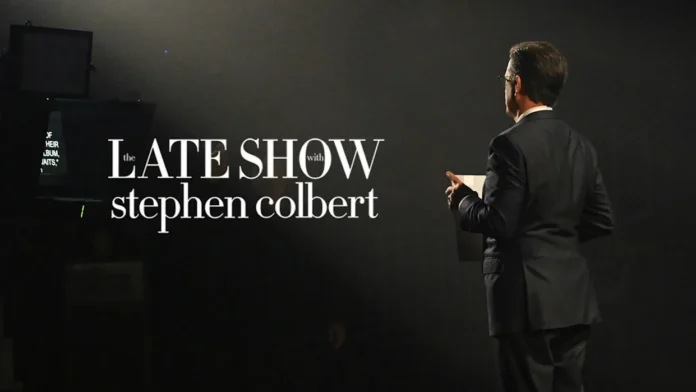
Bruce Springsteen is officially scheduled to perform on the Wednesday, May 20 episode of “The Late Show with Stephen Colbert,” the second-to-last broadcast before CBS permanently ends the long-running late-night franchise on Thursday, May 21. The appearance places Springsteen at the center of what is expected to become one of the most closely watched and emotionally charged weeks in modern late-night television.
For audiences in New Jersey, the booking carries an added layer of significance. Few performers have maintained a stronger relationship with both New York television culture and national political conversation over the last several decades than Springsteen, whose appearances alongside Colbert often blended music, humor, storytelling, and reflections on American identity in ways that felt larger than standard promotional performances.
Now, as CBS prepares to close the curtain on one of network television’s defining late-night programs, Springsteen’s appearance arrives as both a musical event and a symbolic moment tied directly to the end of an era.
“The Late Show with Stephen Colbert” has occupied a unique place within American television since Colbert succeeded David Letterman in 2015. While initially viewed as a risky transition away from Colbert’s satirical Comedy Central persona, the program quickly evolved into one of the most influential and politically engaged late-night shows of its generation, particularly during periods of national political turbulence and cultural division.
Over the last decade, Colbert transformed the show into a hybrid of traditional celebrity interviews, sharp political commentary, live music performances, theatrical comedy pieces, and emotionally driven conversations that often reached beyond the limits of conventional network television.
Springsteen became one of the defining recurring figures inside that world.
Their on-screen chemistry consistently stood apart from typical late-night guest appearances. Conversations between the two often moved naturally between music, working-class identity, family history, politics, religion, aging, and American culture itself. At times, the interviews resembled long-form public conversations more than promotional television segments.
That connection made Springsteen’s selection for the show’s final week feel almost inevitable.
CBS has confirmed that the May 20 episode will serve as the penultimate installment of “The Late Show,” arriving just one night before the final broadcast officially closes the franchise on May 21. While details surrounding the finale itself remain intentionally secretive, the network has already outlined a carefully constructed final week schedule designed to celebrate the show’s legacy while allowing Colbert to revisit many of the personalities and themes that helped define his run.
The week begins Monday, May 18, with a special episode titled “The Worst of The Late Show with Stephen Colbert.” Despite the title, producers have emphasized that the program will not function as a traditional clip show. Instead, the episode is expected to revisit overlooked moments, behind-the-scenes material, and unconventional segments that became part of the show’s identity over the years.
Tuesday’s broadcast leans heavily into both entertainment and personal history. Steven Spielberg is scheduled to appear alongside Jon Stewart, whose relationship with Colbert dates back to their groundbreaking years together on “The Daily Show.” The episode will also feature a musical performance by David Byrne, joined by Colbert himself in what is expected to be one of the week’s more unusual collaborative moments.
Then comes Wednesday night.
Springsteen’s appearance immediately elevates the second-to-last show into one of the defining television events of the week. In addition to the musical performance, Colbert will reportedly reverse his long-running “Colbert Questionert” segment and answer the famous rapid-fire questionnaire himself for the first time, aided by unannounced guests.
The combination of personal reflection, surprise appearances, and a Springsteen performance creates the kind of emotionally loaded broadcast that late-night television once specialized in before streaming fragmentation dramatically altered the industry.
That broader industry transformation sits at the center of why this week matters far beyond one television program.
CBS’s decision to end “The Late Show” reflects continuing financial and structural pressures reshaping network television across the entertainment landscape. Traditional late-night programming, once one of the most stable formats in broadcasting, has faced growing challenges from streaming platforms, podcast culture, YouTube interviews, TikTok clips, shrinking advertising revenue, and changing viewer habits that increasingly prioritize on-demand content over nightly appointment television.
The economics that once sustained massive network late-night operations have changed dramatically.
For decades, shows like “The Tonight Show,” “Late Night,” “Late Show,” and “Late Late Show” functioned not only as entertainment platforms but as central cultural institutions where audiences encountered musicians, actors, politicians, comedians, authors, and major public figures in a shared national space. Those appearances often shaped careers, influenced public perception, and created moments that entered broader American pop culture.
That kind of centralized cultural influence has become far more fragmented in the streaming era.
The end of Colbert’s show therefore represents more than a cancellation. It marks another major contraction in the traditional network television ecosystem that dominated American entertainment for generations.
Springsteen’s involvement in the final week feels particularly fitting because his career has long paralleled many of the same themes that shaped Colbert’s program — American reinvention, cultural transition, nostalgia, political reflection, and questions about national identity during periods of instability and change.
As one of New Jersey’s most enduring cultural figures, Springsteen has consistently maintained a rare ability to move fluidly between music iconography and broader public conversation. His appearances on “The Late Show” often carried a sense of authenticity and ease that separated them from more heavily managed celebrity television appearances.
That authenticity helped make previous interviews between Springsteen and Colbert resonate so strongly with audiences.
Whether discussing Broadway performances, songwriting, working-class family history, religion, mental health, or the changing nature of American life, their exchanges frequently reached emotional territory uncommon within modern late-night formats. The conversations felt grounded rather than performative, which is part of why this final appearance already carries substantial anticipation heading into next week.
For New Jersey audiences specifically, Springsteen’s involvement also reinforces the continuing national visibility of one of the state’s defining artistic voices. Even after decades of international success, Springsteen remains deeply connected to New Jersey’s cultural identity, and his appearances during nationally significant media moments continue drawing attention back toward the state’s influence on music, entertainment, and American storytelling.
As CBS prepares to end “The Late Show,” there is also growing curiosity surrounding what the final broadcast itself will include. Network executives and producers have deliberately withheld details about the Thursday finale, fueling speculation about surprise guests, retrospective tributes, and possible reunions tied to Colbert’s broader television career.
But before the final goodbye arrives, one of the last major musical moments of the franchise will belong to Bruce Springsteen.
And for viewers across New Jersey, that feels entirely appropriate.
For decades, Springsteen’s music has documented transitions in American life — endings, reinventions, departures, uncertainty, resilience, and reflection. Now, as one of television’s defining late-night institutions reaches its own closing chapter, the voice helping soundtrack that moment once again belongs to New Jersey’s most enduring rock-and-roll storyteller.
















