
In a state where agriculture remains one of the most quietly powerful economic and cultural forces, Montclair State University has introduced a program that does more than improve student meals—it reimagines how the next generation connects with local farming, sustainability, and nutrition. The university’s Farm Box Program, now integrated directly into student meal plans, represents a forward-thinking shift in how higher education institutions can embed real-world food systems into everyday campus life.
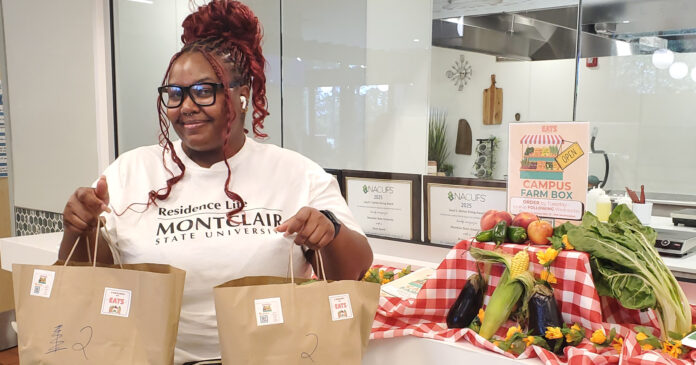
At its core, the initiative is simple, but its implications are far-reaching. Each week, students can order a curated box of fresh, seasonal produce—typically six to eight items—grown by regional farms and delivered in a format designed specifically for the realities of college life. In an environment where convenience often dictates dietary habits, Montclair State is effectively closing the gap between accessibility and quality, making farm-fresh food as easy to obtain as any standard takeout option.
This program aligns seamlessly with the broader agricultural narrative unfolding across the state, where initiatives highlighted through Explore New Jersey’s agriculture and farming coverage continue to spotlight innovation, resilience, and local impact. New Jersey’s agricultural sector, comprising nearly 10,000 farms, plays a critical role in sustaining regional food systems, yet remains underutilized in institutional dining frameworks. Montclair State’s model changes that equation by embedding local sourcing directly into student consumption patterns.
The Farm Box Program operates under the well-established Community Supported Agriculture model, a system that emphasizes shared investment between producers and consumers. Instead of selecting individual grocery items, participants receive a rotating selection of what is being harvested at peak freshness across the Mid-Atlantic region. This approach not only guarantees quality but also introduces an element of discovery, encouraging students to engage with ingredients they may not otherwise encounter.
What sets Montclair State’s initiative apart is its deliberate focus on usability. Recognizing that students are often navigating limited time, space, and culinary experience, each box includes practical, easy-to-follow recipes tailored to the contents. This transforms the program from a simple produce delivery service into an educational platform—one that teaches cooking fundamentals, reduces food waste, and builds long-term habits around nutrition. A past inclusion of carrots paired with a carrot-top pesto recipe is emblematic of this philosophy, demonstrating how overlooked ingredients can be repurposed into flavorful, sustainable meals.
Equally important is the program’s integration into the campus financial ecosystem. Students, faculty, and staff can purchase boxes directly through Grubhub, using dining dollars or traditional payment methods, with pricing structured at approximately $22 per box and no long-term commitment required. This flexibility removes traditional barriers associated with CSA participation, which often require upfront seasonal buy-ins that are impractical for transient or budget-conscious populations.
Behind the scenes, the program is powered by a sophisticated regional supply chain anchored by Common Market Mid-Atlantic, a nonprofit food distributor that connects institutions with a network of more than 80 family farms. This partnership ensures that every box represents not just a collection of produce, but a direct investment in independent agriculture. It is a model that strengthens local economies while providing farmers with consistent, institutional-level demand—an increasingly critical factor in the sustainability of small and mid-sized operations.
From a public health standpoint, the initiative arrives at a pivotal moment. College students, often managing intense academic and social schedules, are among the most vulnerable demographics when it comes to nutritional compromise. Fast food and processed options dominate campus environments nationwide, contributing to long-term health risks that extend far beyond graduation. By embedding fresh produce into the daily rhythm of campus life, Montclair State is proactively addressing this issue at its root.
From an environmental perspective, the benefits are equally compelling. Local sourcing reduces transportation emissions, while the CSA structure minimizes packaging waste and overproduction. The program’s emphasis on whole ingredients and waste-conscious recipes further reinforces sustainable consumption practices, positioning students not just as consumers, but as informed participants in a more responsible food system.
What is emerging in Montclair is not an isolated initiative, but a scalable blueprint. As universities across the country grapple with rising demand for healthier, more sustainable dining options, the Farm Box Program offers a replicable model that aligns institutional priorities with regional agricultural strengths. It demonstrates that with the right infrastructure and partnerships, local food systems can be seamlessly integrated into even the most fast-paced environments.
For New Jersey, the significance is particularly profound. The state’s agricultural identity, often overshadowed by its proximity to major metropolitan areas, is being reasserted through programs like this—programs that connect urban and suburban populations directly with the land that sustains them. By bringing the harvest into the hands of students, Montclair State is not only enhancing campus life, but also reinforcing the value of local farming in a modern, interconnected economy.
Readers interested in exploring more about the evolving landscape of farming, sustainability, and local food initiatives across the state can visit Explore New Jersey’s agriculture and farming section, where ongoing coverage continues to highlight the people, programs, and innovations shaping the future of New Jersey agriculture.
In redefining what a campus meal plan can be, Montclair State University has positioned itself at the forefront of a movement that extends well beyond the dining hall. It is a model built on accessibility, education, and community—one that reflects the best of what New Jersey has to offer, and one that signals a smarter, more connected future for how we grow, distribute, and consume food.