Home Blog Page 37

New Jersey’s Ultimate Spring Weekend: A Statewide Surge of Culture, Cannabis, Music, and Family Experiences Defines April 18–20, 2026

As spring reaches full stride across New Jersey, the weekend of April 18 through April 20, 2026 is emerging as one of the most densely packed and culturally diverse stretches on the state’s calendar. From large-scale Earth Day celebrations and immersive family programming to cannabis-themed gatherings, live music, theatre, and community-driven experiences, this three-day window reflects the full spectrum of what makes New Jersey one of the most active and multidimensional destinations in the region.

What distinguishes this particular weekend is not simply the volume of events, but the way they intersect across categories—wellness, entertainment, environmental awareness, and lifestyle culture—creating an ecosystem where audiences can move seamlessly between experiences. As highlighted across New Jersey’s full events calendar, the state is no longer defined by isolated happenings, but by an integrated schedule that offers something for every audience segment, often within the same geographic footprint.

One of the most visible themes shaping the weekend is the continued expansion of cannabis-related events, which have rapidly evolved from niche gatherings into structured, lifestyle-driven experiences. The Atlantic City Bud Crawl exemplifies this shift, offering a guided, shuttle-based tour that connects participants with multiple dispensaries across the city. Designed as both a social and exploratory experience, the event combines exclusive access, product education, and curated perks such as giveaways and discounts, positioning itself as a flagship example of how cannabis culture is being integrated into mainstream event programming.

Simultaneously, smaller-scale but equally impactful events are reinforcing the diversity of this space. In Toms River, a 420 celebration anchored by live music draws from the legacy of the Grateful Dead’s “Europe ’72” era, blending nostalgic performance with contemporary vendor and food truck elements. In North Bergen, an art-focused 420 gathering introduces a creative dimension, merging live visual work with music and community engagement. These variations highlight the adaptability of cannabis-themed programming, demonstrating its ability to intersect with both artistic and musical environments.

By Monday, the focus shifts toward wellness-driven interpretations of the 4/20 theme, with events such as Earth Day-inspired Pilates sessions in Hoboken integrating physical activity, education, and curated marketplaces into a single experience. This evolution reflects a broader trend in which cannabis culture is increasingly aligned with wellness, mindfulness, and lifestyle optimization, rather than existing solely within traditional recreational frameworks.

Parallel to these developments is the statewide emphasis on Earth Day, which serves as a unifying thread across multiple regions and demographics. New Jersey’s environmental programming for the weekend is both expansive and highly accessible, offering a range of events that balance education, recreation, and community participation. The Cape May County Park & Zoo Earth Day Celebration stands out as a flagship event, combining wildlife education, interactive exhibits, and family-friendly activities such as scavenger hunts into a comprehensive experience that appeals to all age groups.

In Hunterdon County, Echo Hill Park hosts a festival that integrates live animal demonstrations with musical performances built around recycled instruments, reinforcing the connection between environmental awareness and creative expression. Along the coast, Jenkinson’s Aquarium in Point Pleasant Beach delivers a focused exploration of marine ecosystems and conservation, providing visitors with both entertainment and actionable insight into the importance of protecting ocean environments.

Sunday’s programming continues this momentum with events that expand the definition of environmental engagement. The Spring Festival at Red Bank Battlefield introduces a historical dimension, blending colonial-era activities with modern sustainability themes, while the Sustainability Celebration and Trashion Show in Princeton pushes the concept further by merging environmental advocacy with fashion and design. These events collectively demonstrate how Earth Day programming in New Jersey has moved beyond traditional formats, embracing innovation while maintaining a strong educational foundation.

Volunteer opportunities further reinforce the participatory nature of the weekend. Coastal clean-up initiatives at locations such as Sandy Hook Lighthouse invite residents to take direct action in preserving the state’s shoreline, while stewardship events in Princeton provide structured opportunities to engage with local ecosystems. These efforts highlight the role of community involvement in sustaining environmental progress, positioning participation as a key component of the overall experience.

For families, the weekend offers an equally robust lineup of activities designed to engage younger audiences while maintaining broad appeal. Events such as Bloomfest at Branch Brook Park transform public spaces into vibrant seasonal showcases, while programming like Daffodil Day in Moorestown emphasizes the visual and experiential aspects of spring. Live performances, including children’s entertainment at major venues, ensure that the weekend remains accessible and engaging for all age groups.

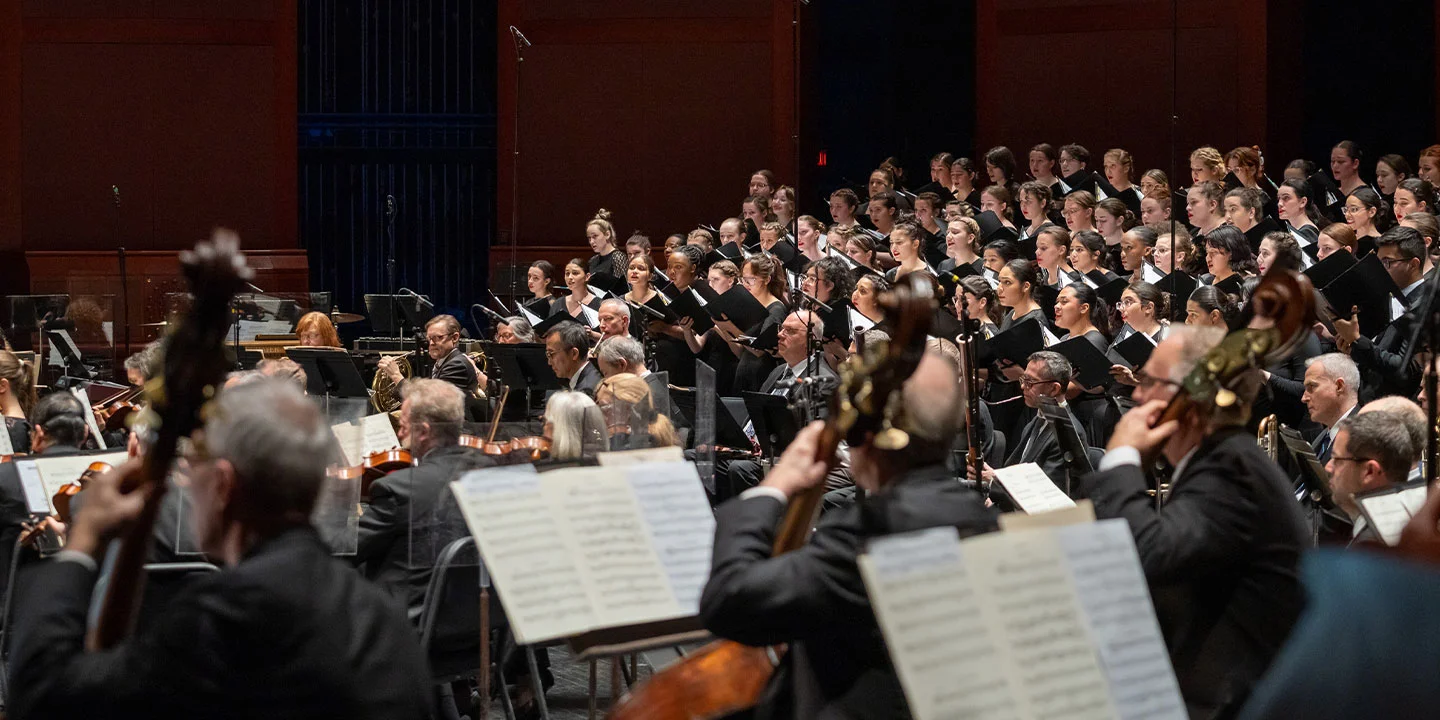
At the same time, New Jersey’s live music and performance calendar continues to operate at full capacity, adding another layer to an already dense schedule. From large-scale concerts and tribute performances to intimate shows and orchestral presentations, the state’s venues are delivering a range of options that cater to both mainstream and niche audiences. The presence of events such as Mozart’s Requiem performed by the New Jersey Symphony and multiple rock and pop performances across venues underscores the depth and variety of the state’s music ecosystem.

Theatre also maintains a strong presence throughout the weekend, with productions ranging from intellectually driven dramas to reinterpretations of classic works. These performances contribute to a broader cultural framework that positions New Jersey as a destination for high-quality, accessible performing arts. The integration of theatre into the weekend’s lineup ensures that the cultural offering remains balanced, providing opportunities for both entertainment and reflection.

What ultimately defines the April 18–20 weekend is its ability to operate as a cohesive, statewide experience rather than a collection of disconnected events. The overlap between categories—music, wellness, environmental awareness, food, and family programming—creates a fluid environment in which attendees can customize their experience based on interest and location. This level of integration reflects a maturing events ecosystem, one that is capable of delivering both scale and specificity.

For residents and visitors alike, the weekend represents an opportunity to engage with New Jersey at its most dynamic. Whether navigating the evolving landscape of cannabis culture, participating in environmental initiatives, exploring family-friendly festivals, or immersing in live music and theatre, the options are both extensive and carefully curated.

As the state continues to expand its cultural and experiential footprint, weekends like this serve as a clear indicator of its trajectory. New Jersey is not simply hosting events—it is building a comprehensive, interconnected calendar that reflects the diversity, creativity, and energy of its communities. In doing so, it is redefining what it means to experience a weekend, transforming it into a fully immersive exploration of everything the state has to offer. Click for Things to do This Week!

Double Vision: The Foreigner Experience – Hackettstown Rotary Club Fundraiser

0

Double Vision: The Foreigner Experience Brings Arena Rock Energy to Sitnik Theatre for a Night of Music, Community, and Classic Hits in New Jersey

May 23 @ 8:00 PM 11:30 PM

New Jersey’s live music scene continues to thrive at the intersection of nostalgia, performance excellence, and community-driven events, and this spring, that convergence takes center stage in Hackettstown. On Saturday, May 23 at 8:00 PM, Sitnik Theatre will host Double Vision: The Foreigner Experience, a high-caliber tribute performance presented as part of a Hackettstown Rotary Club fundraiser. The event represents more than a night of music—it is a carefully positioned live experience that blends elite musicianship, timeless catalog, and local impact into a single, fully realized production.

At a time when audiences are increasingly selective about live entertainment, tribute acts have evolved from novelty to precision-driven performance art. Double Vision operates firmly within that upper tier, delivering a show that is engineered to replicate not only the sound but the energy, tone, and structural integrity of one of rock’s most enduring bands. Built from a roster of New York City’s top professional musicians, the group approaches the Foreigner catalog with a level of technical accuracy and respect that positions the performance as both homage and high-level execution.

The significance of Foreigner’s music within the broader rock canon cannot be overstated. Emerging in the late 1970s and dominating well into the 1980s, the band produced a string of hits that have remained embedded in the cultural landscape for decades. Songs like “Juke Box Hero,” “Hot Blooded,” and “Cold As Ice” defined an era of radio-driven rock, while ballads such as “I Want to Know What Love Is” expanded their reach into a more emotionally driven space. These tracks are not simply remembered—they are continually rediscovered, making them ideal anchors for a live experience that appeals across generations.

Double Vision’s approach to this material is rooted in authenticity. Rather than reinterpreting the songs through a modern lens, the band focuses on recreating them with fidelity, ensuring that every arrangement, vocal inflection, and instrumental layer aligns with the original recordings. This commitment to detail extends to the overall structure of the performance, which is designed to mirror the pacing and dynamics of a full-scale rock concert. The result is an experience that feels expansive despite the more intimate setting of Sitnik Theatre, effectively bringing arena-level energy into a space that allows for direct audience connection.

The setlist itself is structured to maximize both recognition and momentum. In addition to the core hits, the performance incorporates deeper catalog selections that resonate with dedicated fans, creating a balance between immediate familiarity and extended engagement. Tracks such as “Urgent,” “Head Games,” and “Feels Like the First Time” round out the experience, ensuring that the performance captures the full spectrum of Foreigner’s sound. This breadth is essential in maintaining a dynamic flow, allowing the audience to move seamlessly between high-energy anthems and more reflective moments.

The choice of Sitnik Theatre as the venue adds another layer of distinction to the event. Known for its ability to host professional-grade productions within an accessible and acoustically refined environment, the theatre provides an ideal platform for a performance of this nature. The space allows for clarity of sound and visibility of performance, ensuring that the technical precision of the band is fully appreciated. At the same time, the setting fosters a sense of immediacy that is often lost in larger venues, creating a more immersive and participatory atmosphere.

Beyond the performance itself, the event’s alignment with the Hackettstown Rotary Club introduces a meaningful community dimension. Fundraisers of this caliber serve a dual purpose: they deliver high-quality entertainment while simultaneously supporting local initiatives and charitable efforts. This integration of music and philanthropy reflects a broader trend within New Jersey’s cultural landscape, where events are increasingly designed to generate both engagement and impact. It reinforces the idea that live music can function as a catalyst for community connection, extending its influence beyond the stage.

Within the wider context of New Jersey’s live music ecosystem, Double Vision: The Foreigner Experience represents a continuation of the state’s commitment to diverse, high-quality programming. From original artists to tribute acts and everything in between, the region’s venues are curating experiences that cater to a wide range of tastes while maintaining a consistent standard of excellence. This particular event fits squarely within that framework, offering a product that is both accessible and meticulously crafted.

What ultimately sets this performance apart is its ability to deliver on multiple levels simultaneously. It satisfies the expectations of long-time fans seeking a faithful recreation of beloved songs, while also appealing to newer audiences who may be experiencing this catalog in a live setting for the first time. It provides a platform for top-tier musicians to demonstrate their craft, while also serving as a vehicle for community support and engagement. This multi-dimensional approach is increasingly defining successful live events, particularly in regions like New Jersey where audience expectations continue to evolve.

As the date approaches, anticipation is building for what promises to be one of the standout live music events of the spring season in the region. With its combination of technical precision, iconic material, and community-driven purpose, Double Vision: The Foreigner Experience is positioned to deliver a night that resonates well beyond its runtime. It is a reminder that great music, when performed with authenticity and intention, retains its power to connect, energize, and inspire—no matter the setting.

Centenary Stage Company

908-979-0900

View Organizer Website

Sitnik Theatre

715 Grand Ave
Hackettstown, New Jersey United States
+ Google Map
(908) 979-0900
View Venue Website

NEXTstage Repertory Presents Little Women

0

“Little Women” Takes the Stage in New Jersey: A Timeless Story Reimagined Through NEXTstage Repertory at Sitnik Theatre

April 23 @ 8:00 PM May 3 @ 11:30 PM

As New Jersey’s theatre scene continues to expand with productions that balance literary legacy and contemporary performance, Little Women arrives at Sitnik Theatre as a defining centerpiece of the spring season. Presented by NEXTstage Repertory from April 23 through May 3, this adaptation of Louisa May Alcott’s enduring novel is not simply a retelling of a familiar story—it is a fully realized theatrical interpretation that bridges historical narrative with modern emotional resonance, reaffirming why this work continues to captivate audiences across generations.

Set within the intimate yet refined environment of Sitnik Theatre, the production draws from a celebrated creative foundation, with a book by Allan Knee, lyrics by Mindi Dickstein, and music by Jason Howland. Together, this creative team transforms Alcott’s semi-autobiographical novel into a musical experience that amplifies the emotional core of the story while preserving its literary integrity. The result is a production that feels both expansive in scope and deeply personal in execution, aligning seamlessly with the evolving expectations of New Jersey theatre audiences seeking substance alongside performance.

At the heart of Little Women is Jo March, a character whose ambition, independence, and creative drive position her as one of the most compelling figures in American literature. Within the framework of this stage adaptation, Jo’s journey becomes both the narrative engine and the thematic anchor of the production. Her pursuit of authorship—marked by rejection, self-doubt, and eventual transformation—mirrors the broader challenges faced by artists striving to find their voice. When encouraged by Professor Bhaer to move beyond superficial storytelling and write from a place of authenticity, Jo’s reluctant acceptance of that advice becomes the catalyst for the unfolding narrative.

Through this lens, the story evolves into a layered exploration of identity, creativity, and resilience. Jo’s decision to draw from her own life experiences brings the world of the March sisters—Meg, Beth, and Amy—into sharper focus, allowing the audience to engage not only with their individual journeys but with the collective dynamic that defines the family. Set against the backdrop of Civil War-era America, their story captures a period of profound national and personal change, yet the themes it explores remain strikingly relevant.

The production’s structure allows for a seamless interplay between narrative and music, with each element reinforcing the other to create a cohesive theatrical experience. The score elevates key emotional moments, providing depth and dimension to the characters’ internal struggles and triumphs. This integration of music and storytelling reflects a broader trend within New Jersey’s theatre landscape, where productions are increasingly leveraging musical elements to enhance narrative impact without overshadowing the source material.

What distinguishes this staging of Little Women is its ability to maintain the intimacy of the original story while expanding its emotional reach. The relationships between the March sisters are presented with a level of nuance that highlights both their individual complexities and their shared bond. Each character represents a distinct perspective on ambition, sacrifice, and personal fulfillment, creating a dynamic that resonates with audiences navigating their own evolving identities.

The setting of Sitnik Theatre further enhances this experience, offering a space that balances professional production capabilities with a sense of closeness between performers and audience. This proximity allows for a more immediate connection to the material, ensuring that the emotional weight of each scene is fully realized. It is an environment that supports the production’s emphasis on character-driven storytelling, reinforcing the importance of performance as the primary vehicle for engagement.

Within the broader context of New Jersey’s theatre community, Little Women represents a continuation of the state’s commitment to presenting work that is both culturally significant and artistically ambitious. It reflects an understanding that audiences are drawn not only to new and experimental productions, but also to reimagined classics that offer fresh perspectives on familiar narratives. By revisiting Alcott’s work through a contemporary theatrical lens, NEXTstage Repertory is contributing to a larger conversation about how timeless stories can be adapted to meet the expectations of modern audiences without losing their original essence.

The production also underscores the importance of literary adaptation within the theatre ecosystem. Translating a novel of this scale into a stage format requires a careful balance of fidelity and innovation, ensuring that the core themes are preserved while the structure is adapted to suit a live performance environment. In this case, the creative team’s approach allows the story to unfold with clarity and momentum, maintaining the emotional continuity that has made Little Women a lasting work.

As the run progresses from late April into early May, the production is positioned to become a key cultural moment within the region’s spring theatre calendar. It offers audiences an opportunity to engage with a story that is both historically grounded and emotionally immediate, delivered through a production that prioritizes both craft and connection.

For those exploring the depth and range of New Jersey’s performing arts scene, Little Women at Sitnik Theatre stands as a clear example of how classic material can be revitalized through thoughtful adaptation and strong performance. It is a production that honors its source while embracing the possibilities of the stage, creating an experience that is as meaningful as it is memorable.

Centenary Stage Company

908-979-0900

View Organizer Website

Sitnik Theatre

715 Grand Ave
Hackettstown, New Jersey United States
+ Google Map
(908) 979-0900
View Venue Website

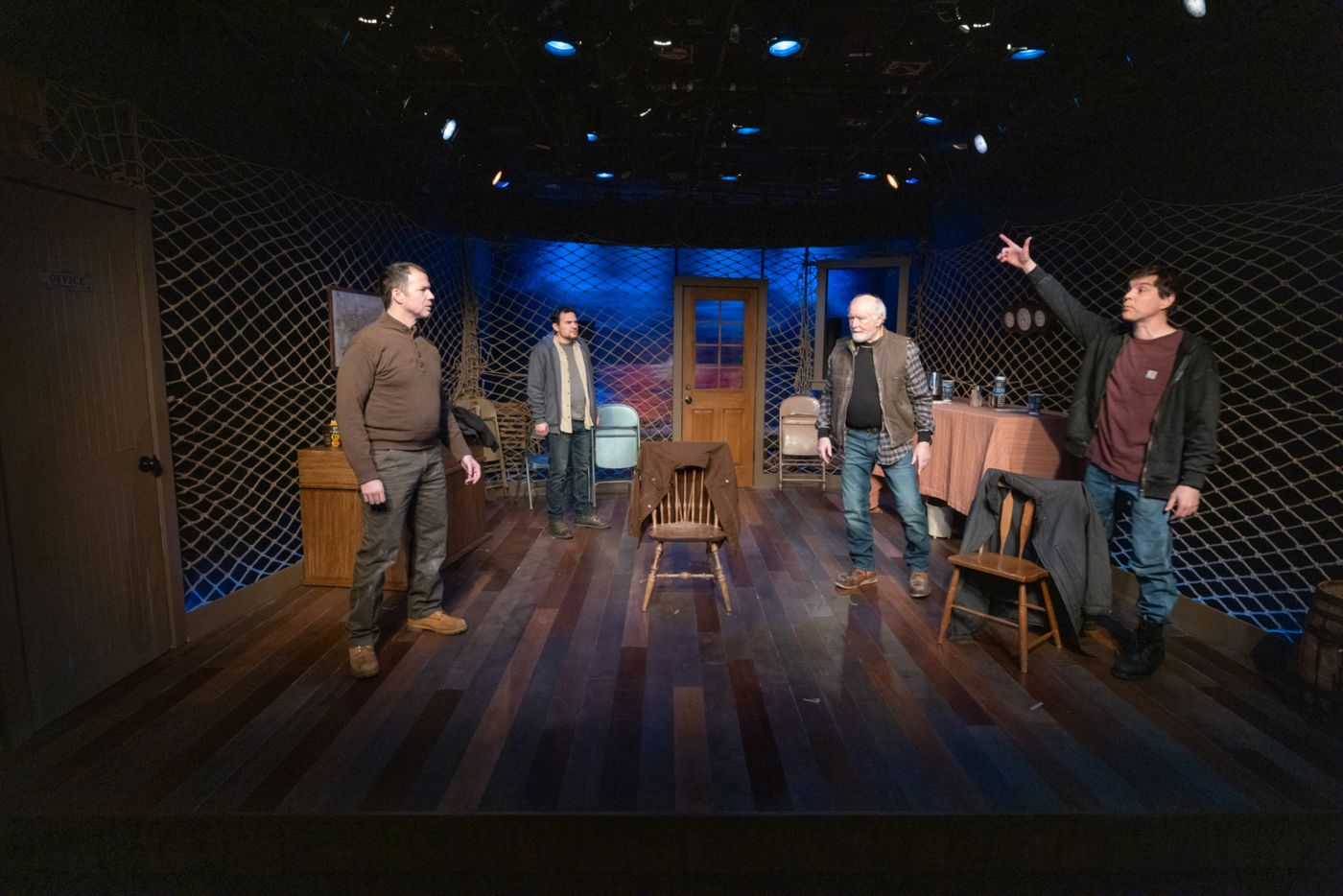
Professional Theatre Series Presents The Niceties

0

“The Niceties” Ignites Intellectual Tension on the New Jersey Stage: A Defining Theatre Moment Unfolds at Kutz Theatre

April 9 @ 8:00 PM April 19 @ 11:30 PM

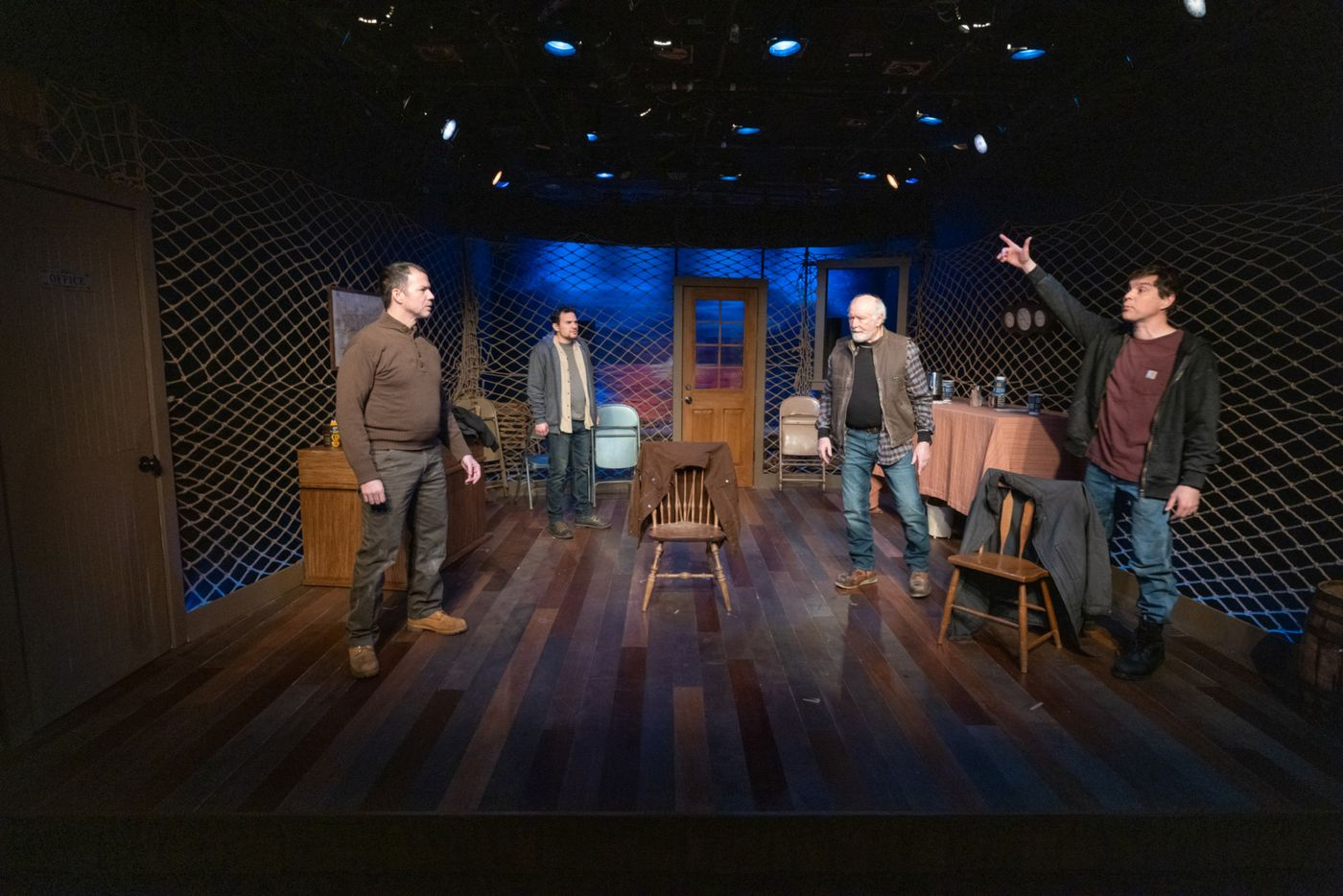
New Jersey’s theatre scene continues to assert itself as one of the most intellectually engaging and emotionally resonant cultural ecosystems in the region, and few productions this season capture that momentum with the same intensity as The Niceties. Now running through April 19 at Kutz Theatre in Glenside, this production brings Eleanor Burgess’s sharply constructed two-character drama into focus, offering audiences a tightly wound, dialogue-driven experience that explores history, power, identity, and the volatile space where generational perspectives collide.

At its core, The Niceties is deceptively simple in structure. The setting is confined to a professor’s office. The cast is limited to two women. The premise begins with what appears to be a routine academic interaction: an accomplished Ivy League professor meets with an ambitious student to review a thesis. Yet within this contained environment, the production builds into something far more expansive, transforming a standard academic discussion into a high-stakes confrontation that reflects some of the most pressing cultural debates of the present moment.

The central question driving the narrative—if history is written by the victors, who is responsible for telling the stories of the oppressed—serves as both a thematic anchor and a catalyst for conflict. What begins as a measured exchange over research, language, and interpretation quickly escalates as both characters challenge not only each other’s arguments, but the foundational assumptions that shape their respective worldviews. The script’s precision lies in its ability to allow these tensions to unfold organically, revealing how deeply personal experiences influence intellectual positions.

As the conversation intensifies, seemingly minor disagreements over terminology and sourcing—down to debates involving modern research tools and digital references—become flashpoints for broader ideological divides. The production deliberately avoids simplifying these conflicts, instead presenting both perspectives with depth and conviction. Each character is given the space to articulate her position fully, creating a dynamic where the audience is not guided toward a single conclusion, but rather invited to engage critically with the arguments being presented.

This approach reflects a broader evolution within New Jersey’s theatre landscape, where productions are increasingly prioritizing substance alongside performance. As highlighted across New Jersey’s theatre scene, there is a growing demand for work that challenges audiences intellectually while maintaining a strong emotional core. The Niceties meets that demand by combining rigorous dialogue with high-stakes dramatic tension, resulting in a production that is as thought-provoking as it is compelling.

The intimacy of the Kutz Theatre setting plays a critical role in amplifying the impact of the performance. With the audience positioned in close proximity to the action, every shift in tone, every pause, and every escalation in intensity is felt immediately. This proximity eliminates any sense of distance between performer and viewer, creating an environment where the emotional and intellectual stakes are shared rather than observed. It is a format that aligns perfectly with the material, allowing the nuances of the script to resonate with maximum clarity.

Beyond its immediate narrative, The Niceties functions as a broader commentary on the evolving nature of discourse itself. In an era where conversations around history, identity, and representation are increasingly polarized, the production examines not only the content of these debates, but the mechanisms through which they occur. It raises questions about authority, credibility, and the ways in which knowledge is constructed and contested. In doing so, it positions the theatre as a space where complex issues can be explored with a level of depth and nuance that is often absent from more fragmented forms of communication.

The performances at the center of the production are tasked with sustaining this complexity, requiring a balance of intellectual precision and emotional authenticity. The actors must navigate rapid shifts in tone, moving from measured academic discussion to deeply personal confrontation without losing coherence or momentum. This demands a level of control and awareness that underscores the professionalism of the production, reinforcing its place within the upper tier of the region’s theatre offerings.

The significance of The Niceties extends beyond its run dates. It represents a continuation of New Jersey’s commitment to theatre that engages with contemporary issues while maintaining a high standard of craft. It reflects an understanding that audiences are not only seeking entertainment, but also opportunities for reflection, challenge, and dialogue. Productions like this contribute to a cultural environment where theatre is not a passive experience, but an active exchange of ideas.

As the Professional Theatre Series at Kutz Theatre continues to evolve, The Niceties stands out as a defining entry—one that captures the tension, complexity, and urgency of the current moment. It is a production that does not offer easy answers, nor does it attempt to resolve the conflicts it presents in a conventional sense. Instead, it leaves audiences with a set of questions that extend beyond the theatre itself, encouraging continued engagement long after the final line is delivered.

For those looking to experience the full spectrum of what New Jersey’s theatre community has to offer, this production serves as a clear benchmark. It demonstrates how a focused, character-driven narrative can open up expansive conversations, and how a single room, two voices, and a well-crafted script can generate a level of impact that rivals far larger productions. In doing so, The Niceties reinforces the idea that the most powerful theatre is not defined by scale, but by its ability to provoke, challenge, and resonate.

Centenary Stage Company

908-979-0900

View Organizer Website

Sitnik Theatre

715 Grand Ave
Hackettstown, New Jersey United States
+ Google Map
(908) 979-0900
View Venue Website

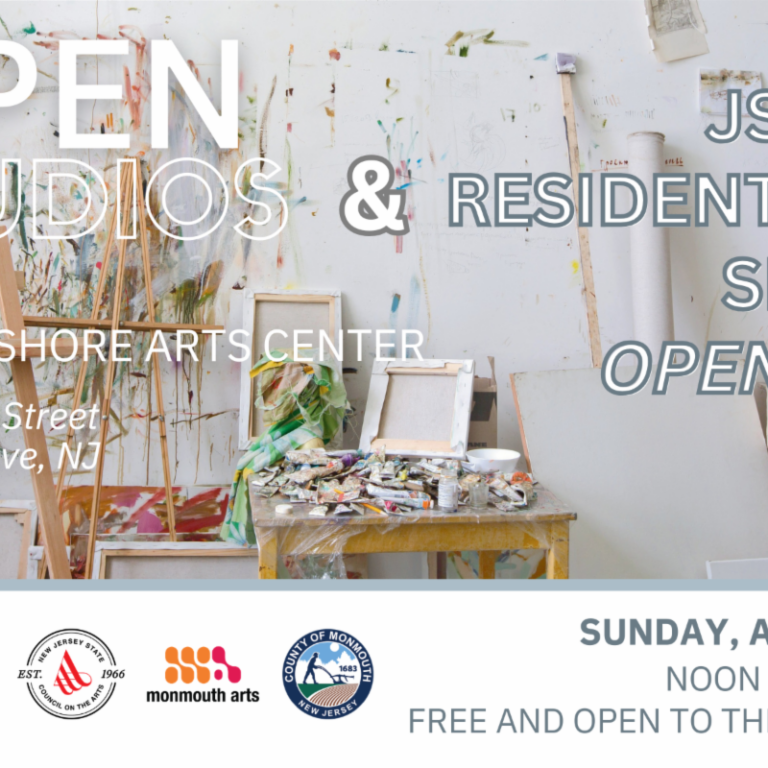
The Fifth Annual Open Studios at Jersey Shore Arts Center Returns as a Defining Cultural Experience in Ocean Grove

New Jersey’s cultural landscape continues to expand with depth, authenticity, and accessibility, and few events capture that momentum more effectively than the return of the Fifth Annual Open Studios & Resident Art Show at the Jersey Shore Arts Center. Set to take place this Sunday, April 19, from noon to 5:00 PM in Ocean Grove, this free, public-facing event is more than a seasonal showcase—it is a rare, immersive entry point into one of the most active and historically significant creative communities along the Jersey Shore.

Positioned within the framework of Garden State Art Weekend, the Open Studios event transforms the Jersey Shore Arts Center into a fully accessible, living gallery, where the traditional boundaries between artist and audience dissolve. Visitors are not simply viewing finished works on display; they are stepping directly into the environments where those works are conceived, developed, and refined. This level of access offers a fundamentally different experience from conventional exhibitions, shifting the focus from presentation to process.

The setting itself plays a critical role in shaping that experience. Housed in a former Neptune High School building dating back to 1897, the Jersey Shore Arts Center carries a physical and cultural presence that is deeply embedded in the region’s history. The architecture—rooted in late 19th-century institutional design—provides a textured, atmospheric backdrop that enhances the authenticity of the event. Over time, the building has been reimagined as a multidisciplinary creative hub, now serving as a center for both visual and performing arts. This adaptive reuse reflects a broader trend across New Jersey, where historic structures are being reactivated as cultural anchors within their communities.

During Open Studios, more than two dozen resident artist workspaces will be open to the public, offering a comprehensive view into the diversity of artistic practices currently shaping the region. The range of disciplines represented is intentionally expansive, encompassing painting, sculpture, mixed media, photography, and additional forms that reflect both traditional techniques and contemporary experimentation. Each studio functions as a self-contained environment, providing insight not only into the artwork itself, but into the methodologies, materials, and conceptual frameworks that define each artist’s approach.

What distinguishes this event within New Jersey’s broader arts calendar is the emphasis on direct interaction. Visitors have the opportunity to engage with artists in real time, asking questions, discussing influences, and gaining a deeper understanding of how individual pieces evolve from initial concept to completed work. This level of access is particularly valuable in a cultural landscape where the creative process is often obscured behind finished presentations. By opening these spaces, the Jersey Shore Arts Center is effectively demystifying art, making it more approachable without diminishing its complexity.

The event also serves as a platform for community integration. By inviting the public into these working environments, the Arts Center is reinforcing its role as a shared space—one that exists not only for artists, but for the broader community that surrounds it. This approach aligns with the evolving philosophy of arts institutions across the state, where accessibility and engagement are increasingly prioritized alongside curation and presentation. As reflected across New Jersey’s art and cultural landscape, the most impactful organizations are those that create meaningful points of connection between creators and audiences.

In addition to the studio visits, attendees will have the opportunity to explore the full scope of the building itself, gaining exposure to the Arts Center’s broader programming and educational offerings. Class instructors will be present, providing insight into the range of courses and workshops available throughout the year. This integration of exhibition, education, and community outreach underscores the Center’s position as a multifaceted institution, one that supports both emerging and established artists while also cultivating the next generation of creative talent.

The timing of the event within Garden State Art Weekend further amplifies its significance. As part of a coordinated, statewide celebration of the arts, Open Studios at the Jersey Shore Arts Center contributes to a larger narrative that positions New Jersey as a destination for cultural exploration. It highlights the depth of artistic activity occurring beyond major metropolitan centers, drawing attention to the vibrant, localized communities that are shaping the state’s creative identity.

Ocean Grove itself adds another layer to the experience. Known for its distinctive character and architectural heritage, the town provides a setting that complements the artistic energy of the event. The combination of historic surroundings, coastal atmosphere, and active creative spaces creates a context that feels both grounded and dynamic, reinforcing the idea that art is not isolated from its environment but deeply influenced by it.

As the Fifth Annual Open Studios & Resident Art Show approaches, it stands as a clear example of how New Jersey’s arts community continues to evolve—prioritizing access, authenticity, and engagement without sacrificing depth or quality. It is an event that invites exploration not just of individual works, but of the systems, spaces, and people that bring those works to life.

For those seeking a direct, unfiltered connection to the creative process, this is not simply an exhibition to attend—it is an environment to enter, a conversation to join, and a perspective to expand. In doing so, it reinforces the Jersey Shore Arts Center’s role as both a historic landmark and a forward-moving force within New Jersey’s cultural landscape.

WTSO’s Premium Collector’s Drop and a New Wave of Vineyard Experiences Redefine Access, Community, and Craft & Working Dog Winery Events This Week

New Jersey’s wine landscape is entering a defining new phase—one where access to rare, world-class bottles intersects seamlessly with immersive, on-the-ground vineyard experiences. At the center of this shift is Wines ‘Til Sold Out (WTSO), headquartered in Moorestown, which is marking its 20th anniversary not with nostalgia, but with forward-looking innovation. The introduction of its Premium Collector’s Drop signals a recalibration of how serious wine enthusiasts in New Jersey and beyond engage with high-end, highly allocated wines, while local wineries across the state continue to expand the experiential side of wine culture with curated events, live entertainment, and creative programming.

The Premium Collector’s Drop represents a strategic evolution of WTSO’s model, moving beyond its well-established flash-sale platform into a more refined, access-driven offering designed specifically for collectors and connoisseurs. This is not simply an extension of existing inventory—it is a distinct channel built around scarcity, pedigree, and direct relationships with elite producers. By sourcing wines that are often unavailable through traditional retail or even most online platforms, WTSO is positioning itself as a gatekeeper to a tier of the market that has historically been difficult to access without deep industry connections.

What defines the Collector’s Drop is its emphasis on curation at the highest level. Each release is constructed with a clear focus on provenance, vintage significance, and producer reputation, drawing heavily from benchmark regions such as Bordeaux, Burgundy, and Champagne. These are not casual selections; they are wines that carry both critical acclaim and long-term value, often including library releases, pre-arrival allocations, and vertical collections that allow collectors to engage with a producer’s evolution over time. The limited nature of each drop reinforces its exclusivity, with quantities tightly controlled to reflect the realities of global allocation.

Recent offerings underscore the caliber of what is being introduced through this platform. Bottles such as Château Pichon-Longueville Baron 2018 from Pauillac—presented at a significant value relative to its original pricing—demonstrate WTSO’s ability to secure high-scoring, globally recognized wines at compelling entry points for collectors. Similarly, releases from Château Pavie and Château Angélus further establish the Drop as a destination for those seeking top-tier Bordeaux with both immediate appeal and aging potential. These are wines that typically circulate within a narrow band of collectors and high-end retailers, now being strategically opened to a curated audience through WTSO’s membership structure.

The timing of this launch is particularly significant within the broader context of New Jersey’s wine ecosystem. As highlighted across New Jersey’s wineries and wine culture, the state is experiencing a dual expansion: one that elevates both the accessibility of global wines and the depth of local vineyard experiences. WTSO’s Collector’s Drop complements this evolution by anchoring the high-end acquisition side of the market, while wineries across the state continue to build out the experiential layer that defines how wine is enjoyed in real time.

This balance between acquisition and experience is increasingly shaping consumer behavior. Collectors are no longer operating in isolation, and casual wine drinkers are becoming more informed, more curious, and more engaged. The modern wine audience is looking for both the story behind the bottle and the environment in which it is consumed. New Jersey’s wineries have responded by transforming their properties into multi-dimensional destinations, where live music, food programming, and interactive events create a continuous flow of engagement throughout the season.

Across the state, vineyard calendars are filling with events that reflect this shift. Live performances remain a cornerstone, with rotating artists providing a soundtrack to weekend tastings and evening gatherings. Wine specials, including by-the-glass promotions, encourage exploration and repeat visits, while the integration of food trucks adds a dynamic, rotating culinary element that enhances the overall experience. These additions are not peripheral—they are central to how wineries are redefining their role within local communities, positioning themselves as both cultural hubs and lifestyle destinations.

Creative programming is also becoming a defining feature of the New Jersey wine scene. Workshops and hands-on experiences are expanding the definition of what a winery visit can be, attracting audiences who may not have initially engaged with wine culture in a traditional sense. Events such as the upcoming succulent terrarium workshop at Working Dog Winery exemplify this approach, combining creative expression with a relaxed, social environment. Participants are invited to design personalized terrariums using curated materials while enjoying the vineyard setting, creating a layered experience that blends artistry, leisure, and wine appreciation.

This type of programming reflects a broader understanding of audience diversification. Wineries are no longer catering exclusively to seasoned wine drinkers; they are building inclusive environments that appeal to a wide range of interests, from casual visitors seeking a social outing to more dedicated enthusiasts looking to deepen their knowledge. The result is a more resilient and adaptable wine culture, one that can evolve alongside shifting consumer expectations.

WTSO’s anniversary initiatives further reinforce this momentum. The return of the Golden Ticket promotion introduces an element of surprise and reward, embedding a sense of anticipation into each shipment and strengthening customer engagement. Meanwhile, the revival of cult-favorite labels such as Aimery and Champagne Philippe Prié taps into a sense of continuity, reconnecting long-time customers with brands that have defined previous eras of the platform. These moves reflect a nuanced understanding of both legacy and innovation, ensuring that the company’s growth is anchored in its established identity while still pushing into new territory.

What emerges from this convergence of high-end access and experiential expansion is a more integrated wine ecosystem—one where acquisition, education, and enjoyment are no longer siloed. New Jersey is uniquely positioned within this evolution, benefiting from both its proximity to major markets and its own rapidly developing wine infrastructure. The presence of a platform like WTSO, operating at scale from within the state, adds a layer of sophistication that elevates the entire regional narrative.

As the 2026 season unfolds, the trajectory is clear. Wine in New Jersey is no longer defined by a single dimension, whether that be local production or retail access. It is defined by the interplay between them, by the ability to move seamlessly from discovering a rare Bordeaux allocation to spending an afternoon at a vineyard listening to live music, exploring new flavors, and engaging with a community that continues to grow in both size and sophistication.

In this environment, WTSO’s Premium Collector’s Drop is not just a product launch—it is a signal. It reflects where the market is headed, where consumer expectations are evolving, and how New Jersey is positioning itself within a global conversation about wine. At the same time, the state’s wineries are ensuring that the experience remains grounded, accessible, and deeply connected to place. Together, they are shaping a wine culture that is both elevated and inclusive, defined not by limitations, but by possibility.

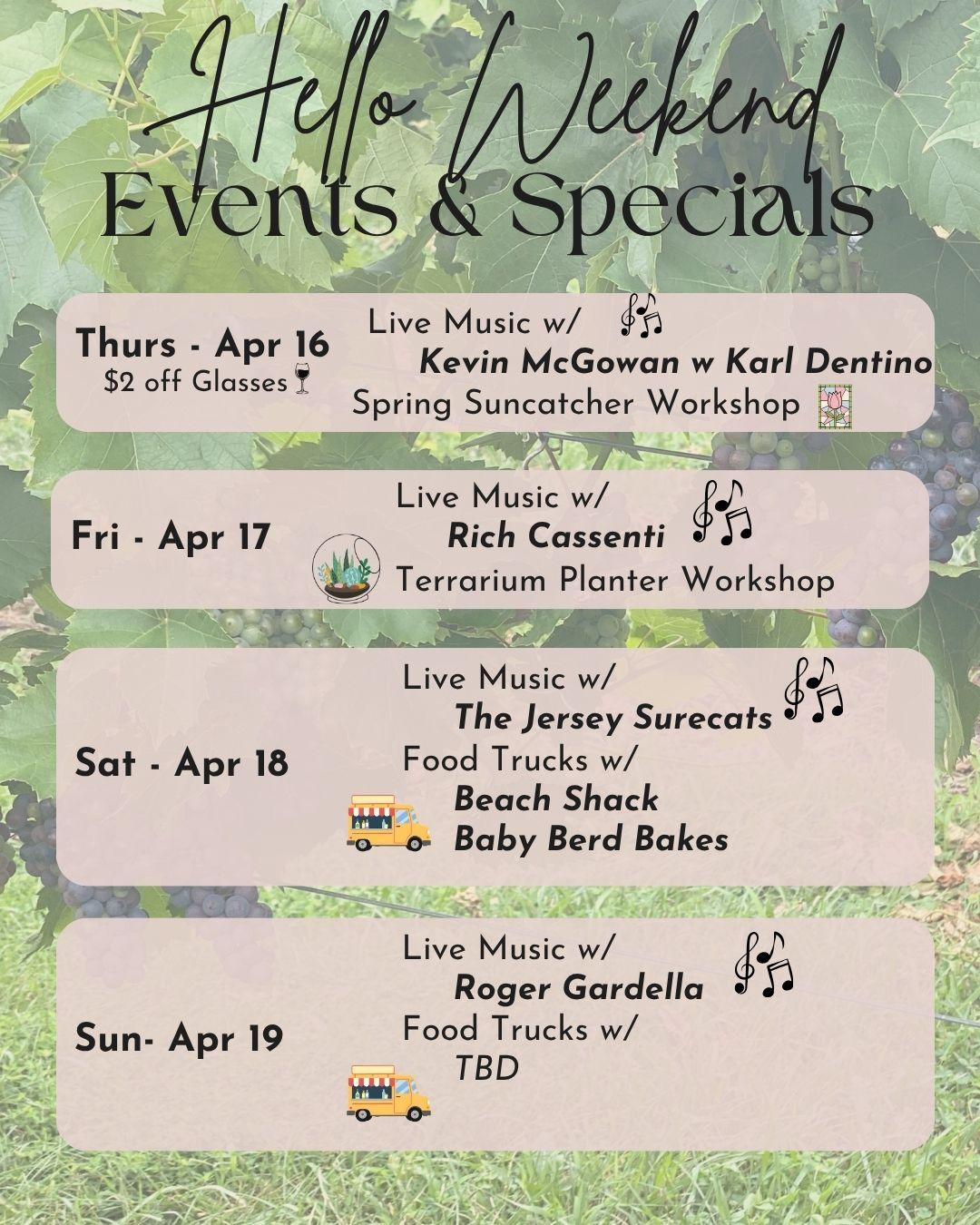
Working Dog Winery Sets the Pace for New Jersey’s Spring Wine Scene With Live Music, Culinary Pop-Ups, and Immersive Vineyard Experiences. As New Jersey’s wine culture continues its rapid evolution, one destination is consistently defining what a modern vineyard experience should look like. Working Dog Winery, long recognized as a cornerstone of the state’s winery movement, is entering the spring season with a fully realized calendar that blends live music, curated food offerings, and experiential programming into a single, cohesive lifestyle destination. This is not simply a series of events—it is a deliberate strategy that reflects how wineries across the state are transforming into year-round cultural hubs.

Set against the backdrop of New Jersey’s expanding vineyard footprint, Working Dog Winery’s latest lineup underscores a larger shift taking place across the region. Wine is no longer confined to tastings and tours; it is becoming the anchor for a broader experience that integrates entertainment, creativity, and community. The upcoming schedule at Working Dog Winery exemplifies this transformation, delivering a multi-day sequence of programming that captures both the energy of the season and the sophistication of the state’s evolving audience.

Beginning Thursday evening, the winery sets the tone with a live performance featuring Kevin McGowan alongside Karl Dentino, establishing an atmosphere that merges acoustic performance with the relaxed rhythm of vineyard life. Complementing the experience is a targeted wine promotion—two dollars off wines by the glass—encouraging guests to explore a range of varietals in a setting that feels both elevated and accessible. This pairing of live music and curated pricing reflects a broader industry understanding that engagement is driven not only by product quality, but by the environment in which it is presented.

The momentum continues into Friday, where Rich Cassenti takes the stage, reinforcing the winery’s commitment to consistent, high-quality live entertainment. Rather than positioning music as an occasional feature, Working Dog Winery integrates it as a core component of its identity, creating a reliable destination for those seeking both cultural and social engagement. This approach aligns with broader trends across New Jersey’s winery landscape, where the most successful venues are those that deliver a layered experience capable of drawing repeat visitors throughout the season.

Saturday marks a transition into a more expansive daytime experience, with The Jersey Surecats performing from early afternoon through late day, transforming the vineyard into a full-scale gathering space. The addition of food trucks beginning at noon introduces a dynamic culinary element, featuring vendors such as Baby Berd Bakes and Beach Shack. This integration of rotating food concepts is a critical component of the modern winery model, allowing venues to offer diverse dining options without the constraints of a fixed kitchen. It also enhances the overall experience by creating a festival-like atmosphere that encourages longer stays and broader engagement.

Sunday continues this trajectory with a performance by Roger Gardella, maintaining the continuity of live entertainment while allowing for a slightly more relaxed pace as the weekend winds down. The presence of food offerings beginning at midday ensures that the vineyard remains a destination from early afternoon through the close of the day, reinforcing its role as a central gathering point within the community.

What distinguishes this sequence of events is not simply the individual components, but the way they are structured to create a continuous, immersive experience across multiple days. Visitors are not attending isolated events; they are entering an environment that evolves throughout the weekend, offering different entry points depending on interest, schedule, and preference. This level of programming reflects a sophisticated understanding of audience behavior and positions Working Dog Winery as a leader in experiential design within the state’s wine industry.

Further elevating the offering is the introduction of creative programming that extends beyond traditional entertainment. The upcoming Succulent Terrarium Workshop, hosted in collaboration with J&J Paint N Sip, represents a significant expansion of what a winery visit can encompass. Scheduled for an evening setting within the vineyard, the workshop invites participants to design and build their own living terrariums using a curated selection of materials, including succulents, decorative elements, colored sand, and moss. This hands-on experience transforms the winery into a creative studio, blending artistic expression with the sensory environment of the vineyard.

The inclusion of such programming reflects a broader shift toward experiential diversity within the wine industry. Today’s visitors are seeking more than passive consumption; they are looking for opportunities to engage, create, and personalize their experience. By offering a workshop that results in a tangible, take-home creation, Working Dog Winery is tapping into this demand while simultaneously expanding its audience to include individuals who may not initially identify as traditional wine enthusiasts.

Importantly, the workshop is designed to integrate seamlessly with the winery’s core offering. Wine remains available throughout the event, allowing participants to incorporate tasting and social interaction into the creative process. This integration ensures that the experience remains anchored in the vineyard’s identity while still introducing new dimensions of engagement.

The strategic layering of live music, culinary partnerships, and interactive programming positions Working Dog Winery at the forefront of New Jersey’s wine culture evolution. It reflects a broader recognition that the future of wineries lies in their ability to function as multi-use destinations—spaces that can accommodate a wide range of activities while maintaining a strong, cohesive brand identity.

As New Jersey continues to build its reputation within the national wine conversation, venues like Working Dog Winery are playing a critical role in shaping that narrative. They are demonstrating that the state’s strength lies not only in the quality of its wines, but in the creativity and adaptability of its vineyard experiences. By consistently delivering programming that is both accessible and elevated, the winery is contributing to a broader ecosystem that is redefining how wine is experienced in the region.

For those looking to engage with the next phase of New Jersey’s wine scene, the current lineup at Working Dog Winery offers a clear entry point. It is an environment where music, food, creativity, and wine intersect in a way that feels both intentional and organic, creating a destination that resonates with a wide and evolving audience. As the season unfolds, this model is likely to become not the exception, but the standard—one that continues to push the boundaries of what a winery can be.

Eric LeGrand’s Legacy Expands: From Rutgers Standout to Statewide Inspiration as He Receives Lifetime Achievement Recognition in New Jersey

In a state that continues to redefine its influence across business, media, and culture, few stories resonate with the depth, authenticity, and enduring impact of Eric LeGrand. As New Jersey’s film, television, and storytelling landscape grows—spotlighting voices that reflect resilience, transformation, and purpose—LeGrand’s journey stands as one of the most powerful real-life narratives to emerge from the Garden State. Now, as he prepares to receive a Lifetime Achievement Award at the ACG New Jersey 2026 Corporate Growth Awards, his story is not simply being recognized—it is being cemented as one of New Jersey’s defining modern legacies.

LeGrand’s path began on the football field at Rutgers University, where he built his identity as a driven, high-performing athlete. That trajectory changed in an instant in 2010, when a spinal cord injury left him paralyzed, delivering what he would later describe as a devastating and uncertain prognosis. For many, such a moment would mark an ending. For LeGrand, it became the foundation of something far larger—an evolution from athlete to advocate, from personal challenge to public mission.

What has unfolded in the years since is a sustained demonstration of resilience that has extended far beyond recovery. LeGrand has consistently reframed adversity as a platform for impact, channeling his experience into a broader effort to support individuals living with paralysis while advancing awareness and research at a national level. His work has not been confined to symbolic gestures; it has been operational, strategic, and deeply embedded in community engagement.

Central to this effort is Team LeGrand, an initiative he launched in 2013 after receiving early guidance and support from the Christopher & Dana Reeve Foundation. What began as a personal extension of gratitude quickly developed into a structured, results-driven campaign focused on fundraising, awareness, and community activation. Through a wide range of events—from fitness-driven activations to golf outings and local fundraisers—Team LeGrand has generated nearly $3 million to support spinal cord injury research. This is not a passive philanthropic effort; it is an ongoing, scalable model that continues to mobilize individuals, businesses, and communities across New Jersey and beyond.

LeGrand’s ability to translate personal experience into collective action is a defining element of his legacy. He has consistently emphasized the broader context of paralysis in the United States, noting that millions of individuals are navigating similar challenges and that new cases emerge every day. His advocacy is rooted in a clear and ambitious vision: advancing research to the point where paralysis can be effectively treated, and ultimately, cured. This vision aligns with the long-standing mission championed by Christopher Reeve, creating a throughline that connects past advocacy with present momentum and future possibility.

The recognition from the Association for Corporate Growth New Jersey chapter reflects the multidimensional nature of LeGrand’s contributions. While the Lifetime Achievement Award acknowledges his advocacy, it also highlights his entrepreneurial mindset and his ability to operate at the intersection of nonprofit impact and business strategy. His work has demonstrated that meaningful change requires not only passion but infrastructure—systems, partnerships, and sustained engagement that can deliver measurable outcomes over time.

LeGrand’s story also carries increasing relevance within New Jersey’s expanding film and television ecosystem, where authentic narratives are driving both production and audience engagement. As the state continues to invest in its media presence and storytelling capabilities, figures like LeGrand represent a category of real-world stories that translate seamlessly into powerful, character-driven content. His journey encompasses all the elements of compelling narrative—conflict, transformation, purpose, and impact—while remaining grounded in truth. It is precisely this type of story that is shaping the next wave of content emerging from the region, as reflected across New Jersey’s film and television landscape.

Beyond the structural and strategic elements of his work, LeGrand’s influence is perhaps most evident in the consistency of his presence. He has remained visible, engaged, and forward-moving, refusing to allow his story to be defined solely by the moment of injury. Instead, he has built a narrative that continues to evolve, one that emphasizes agency, progress, and the importance of sustained effort. This consistency has not gone unnoticed within New Jersey’s business and nonprofit communities, where leaders have pointed to his resilience as both rare and instructive.

The upcoming ACG NJ 2026 Corporate Growth Awards will serve as a focal point for this recognition, bringing together leaders from across industries to acknowledge contributions that extend beyond traditional metrics of success. In honoring LeGrand, the event underscores a broader understanding of growth—one that includes social impact, community engagement, and the ability to inspire action at scale. His inclusion among honorees reinforces the idea that leadership is not confined to boardrooms or balance sheets, but can emerge from lived experience and a commitment to improving the lives of others.

At the same time, the recognition functions as a call to action. The work being advanced through Team LeGrand and related initiatives is ongoing, and the need for support remains significant. Contributions—whether through donations, volunteer efforts, or participation in events—directly impact the pace and scope of research aimed at addressing spinal cord injuries. Engagement at the community level continues to be a critical driver of progress, reinforcing the collaborative nature of the mission.

For New Jersey, Eric LeGrand’s journey represents more than a singular story of perseverance. It reflects the state’s capacity to produce leaders who operate with both vision and purpose, individuals who can transform personal adversity into systemic impact. As his recognition at the ACG NJ 2026 Corporate Growth Awards approaches, the focus is not only on what he has achieved, but on what continues to unfold—a legacy that is still actively being built, one initiative, one event, and one life impacted at a time.

In a media environment increasingly defined by authenticity and meaningful storytelling, LeGrand’s voice stands out not because it seeks attention, but because it commands it through substance. His story is not just being told—it is being lived, expanded, and embedded into the fabric of New Jersey’s evolving identity. You can also read about Eric here!

Tragedy on Cuthbert Boulevard Sparks Urgent Push for Safer Streets in South Jersey as Residents Demand Immediate Action

A devastating sequence of events on Cuthbert Boulevard has ignited a renewed and intensifying conversation about roadway safety in South Jersey, exposing not only the dangers faced by cyclists and pedestrians but also the systemic challenges that often delay meaningful infrastructure change. Within a span of just six hours, two separate incidents involving cyclists occurred along the same corridor in Haddon Township—one of them fatal—transforming what had long been a known concern into a flashpoint for community advocacy, policy scrutiny, and urgent calls for intervention.

The initial tragedy unfolded when a local woman was struck and killed by the driver of a work truck while attempting to cross Cuthbert Boulevard. The circumstances surrounding the crash have left residents shaken and searching for answers, not only about the immediate factors involved but about the broader conditions that allowed such a collision to occur on a roadway that many in the community have long identified as hazardous. Before the shock of that loss could even begin to settle, a second cyclist was struck later that same day, this time by a driver turning into the cyclist’s lane of travel along the same stretch of road. The proximity of the two incidents—both in time and location—has amplified concerns and underscored what many now view as a pattern rather than an isolated event.

Cuthbert Boulevard, like many multi-lane corridors that cut through densely populated areas, presents a complex mix of challenges. Designed to accommodate significant vehicle traffic, it also intersects with residential neighborhoods, commercial access points, and pedestrian crossings that demand a level of adaptability the roadway has struggled to provide. For cyclists, the environment can be particularly unforgiving. Limited dedicated infrastructure, inconsistent lane markings, and high vehicle speeds combine to create conditions where even routine travel carries elevated risk. For pedestrians, crossing points can feel exposed, especially in areas where visibility, signaling, or traffic calming measures are insufficient.

In the aftermath of the incidents, residents have moved quickly to voice their concerns, calling for immediate safety improvements that range from enhanced signage and traffic calming measures to more comprehensive redesigns that prioritize vulnerable road users. The urgency of these calls reflects a growing recognition that the current configuration of the roadway does not adequately serve all who use it. Community members are not simply reacting to a single tragedy; they are responding to a perceived failure of infrastructure to evolve alongside changing patterns of mobility and usage.

This moment is part of a broader conversation unfolding across New Jersey, where questions of roadway safety, enforcement, and infrastructure investment are increasingly intersecting. Coverage within the law and public safety landscape has consistently highlighted how incidents like these often reveal deeper systemic issues—gaps in planning, delays in implementation, and the complexities of coordinating improvements across multiple levels of government. In many cases, the path from recognition to resolution is neither immediate nor straightforward.

One of the central challenges facing efforts to improve safety along Cuthbert Boulevard is the timeline associated with infrastructure change. While there is clear community momentum behind the push for improvements, the reality is that significant modifications to road design often require extensive planning, funding allocation, and interagency coordination. Engineering studies must be conducted, proposals developed, and approvals secured before construction can even begin. For residents grappling with the immediate aftermath of tragedy, these timelines can feel disconnected from the urgency of the situation.

At the same time, the conversation is beginning to shift toward a more comprehensive understanding of what effective safety improvements entail. Incremental measures—such as additional signage or temporary traffic controls—can provide short-term relief, but they may not address the underlying conditions that contribute to risk. Increasingly, advocates are pointing toward design-based solutions that reconfigure how space is allocated on the roadway. This can include protected bike lanes, improved crosswalk visibility, reduced lane widths to calm traffic, and signal timing adjustments that prioritize pedestrian movement. These approaches reflect a growing body of evidence suggesting that infrastructure design plays a critical role in shaping driver behavior and reducing collision rates.

The incidents on Cuthbert Boulevard also highlight the importance of data in guiding decision-making. Understanding patterns of traffic flow, collision history, and user behavior is essential to developing targeted interventions. However, data alone is not sufficient. It must be coupled with a willingness to act and a framework that allows for timely implementation. In communities across New Jersey, there is increasing pressure on local and state agencies to move beyond reactive responses and toward proactive strategies that anticipate risk before it results in harm.

For Haddon Township, the path forward will likely involve a combination of immediate and long-term actions. In the short term, visible measures that signal a commitment to safety can help restore a sense of confidence among residents. Over the longer term, more substantial investments in infrastructure will be necessary to create a roadway that accommodates the full spectrum of users—drivers, cyclists, and pedestrians alike. Achieving that balance requires not only technical expertise but also sustained engagement with the community, ensuring that proposed solutions reflect the lived experiences of those who navigate the corridor ყოველდღ.

What has become unmistakably clear is that the status quo is no longer acceptable to those who live, work, and travel along Cuthbert Boulevard. The dual incidents have transformed concern into urgency, and urgency into action. Residents are organizing, advocating, and demanding that safety be treated as a priority rather than a deferred objective. Their message is direct: the cost of inaction is too high, and the time for incremental change has passed.

This moment also serves as a broader reflection on how New Jersey approaches roadway safety in an era of evolving mobility. As more residents embrace cycling, walking, and alternative forms of transportation, infrastructure must adapt accordingly. The traditional model—one that prioritizes vehicle throughput above all else—is increasingly at odds with the needs of modern communities. Reimagining that model requires a shift in perspective, one that places safety, accessibility, and inclusivity at the center of design and policy decisions.

The tragedy on Cuthbert Boulevard is a stark reminder of what is at stake when that shift does not occur quickly enough. It is a call to action that extends beyond a single roadway, challenging policymakers, planners, and communities to rethink how safety is defined and delivered across the state. For Haddon Township, the immediate focus remains on honoring the life lost and supporting those affected. For New Jersey as a whole, the challenge is to ensure that such events lead to meaningful, lasting change—transforming a moment of loss into a catalyst for a safer future.

Valley Bank Expands Beyond New Jersey Roots with Strategic Arizona Push, Signaling a New Phase of National Growth

New Jersey’s financial institutions have long operated with a regional identity defined by proximity to major markets, disciplined lending practices, and a relationship-driven approach to business banking. Now, one of the state’s most established banking organizations is extending that identity far beyond its traditional footprint, signaling a decisive shift toward national scale. Valley Bank’s expansion into Arizona is not simply a geographic move—it is a strategic inflection point that reflects how New Jersey-based institutions are redefining growth, competition, and long-term positioning in an increasingly dynamic financial landscape.

Headquartered in Morristown, Valley Bank has built its reputation on consistency, measured expansion, and a deep commitment to middle-market clients. The decision to enter the Phoenix market with a dedicated commercial and industrial banking team represents a calculated step into one of the fastest-growing economic regions in the United States. Arizona, and the broader Southwest, have emerged as magnets for population growth, capital investment, and business formation, creating an environment where financial institutions must either establish a presence or risk being excluded from one of the country’s most active economic corridors.

This expansion is structured around a clear objective: to serve middle-market companies with a full suite of commercial banking capabilities, including underwriting, treasury services, and relationship management. These are not transactional services. They are the foundation of long-term business partnerships, particularly in markets where companies are scaling rapidly and require financial institutions that can evolve alongside them. Valley’s approach reflects a broader philosophy that has become increasingly central to its identity—growth driven by relationships rather than volume alone.

The Phoenix launch is not an isolated initiative. It builds on an existing foothold in Arizona through Dudley Ventures, Valley’s tax credit advisory affiliate, which has operated in the state for years. That presence provides both continuity and credibility, allowing the bank to enter the market with established connections and a deeper understanding of local economic dynamics. Rather than starting from zero, Valley is leveraging an embedded platform to accelerate its expansion and reduce the friction typically associated with entering a new region.

From a strategic standpoint, the move aligns with a larger pattern that has been unfolding across the banking sector. Financial institutions are increasingly targeting high-growth metropolitan areas where demographic trends, business investment, and infrastructure development create sustained demand for capital and financial services. By expanding into Phoenix, Valley is extending its reach into one of the top metropolitan statistical areas in the country, a region that represents a significant share of national deposits and hosts a dense concentration of small and midsize businesses.

This positioning is critical. The middle market—often described as the backbone of the U.S. economy—requires a level of service that blends local insight with institutional capability. Companies in this segment are large enough to demand sophisticated financial solutions but still value the accessibility and responsiveness of relationship banking. Valley’s model is designed to operate precisely within that space, offering a combination of scale and personalization that distinguishes it from both smaller community banks and larger national institutions.

Leadership plays a central role in executing that strategy, and Valley’s Arizona expansion is anchored by a team with deep experience in the region’s commercial banking environment. The appointment of senior executives to oversee the market underscores the bank’s commitment to a talent-led approach, where local expertise is integrated into a broader organizational framework. This is not a remote expansion managed from headquarters. It is a localized effort supported by national resources, a structure that allows for both agility and consistency.

The timing of this move is equally significant. Across the business landscape, financial institutions are recalibrating their growth strategies in response to shifting economic conditions. Interest rate dynamics, evolving regulatory frameworks, and changing client expectations are all influencing how banks allocate capital and prioritize markets. Valley’s decision to invest in Arizona reflects a forward-looking assessment of where opportunity is most likely to materialize over the coming decade.

Arizona’s economic profile supports that assessment. The state has consistently outpaced national averages in population growth, attracting both individuals and businesses seeking lower costs, favorable regulatory conditions, and access to expanding infrastructure. Significant investment in sectors such as advanced manufacturing, technology, and logistics has further accelerated this growth, creating a diverse and resilient economic base. For a commercial bank, this translates into a steady pipeline of potential clients across multiple industries, each with distinct financial needs and growth trajectories.

Valley’s expansion also highlights a broader transformation within New Jersey’s business community. Companies rooted in the state are increasingly looking beyond traditional geographic boundaries, leveraging their expertise to compete in national markets. This outward movement is not a departure from New Jersey’s identity, but an extension of it. The state’s proximity to major financial centers, combined with its deep talent pool and established business infrastructure, provides a foundation from which companies can scale outward while maintaining operational discipline.

At the same time, Valley is reinforcing its commitment to its core markets through continued investment in leadership and capabilities. The recent appointment of a new head of small business banking reflects an integrated approach that connects different segments of the business lifecycle. Small businesses, middle-market companies, and larger commercial clients are not treated as isolated categories, but as interconnected components of a broader ecosystem. By strengthening its ability to serve each segment, Valley is building a platform that supports growth at every stage.

This integrated model is particularly relevant in an environment where clients expect seamless access to services across multiple channels. Digital capabilities, personalized advisory, and efficient execution are no longer optional—they are baseline expectations. Valley’s strategy of combining local decision-making with a comprehensive suite of services positions it to meet those expectations while maintaining the relational focus that has defined its brand.

The expansion into Arizona, combined with recent growth initiatives in other regions, signals a bank that is actively redefining its scope. As Valley approaches its centennial milestone, it is doing so not as a static regional institution, but as an evolving organization with a clear vision for national relevance. The emphasis on disciplined growth, strategic market selection, and talent acquisition reflects a deliberate effort to scale without compromising the principles that have guided its development.

For New Jersey, this evolution carries broader implications. It reinforces the state’s role as a launch point for companies with national ambitions, demonstrating that institutions rooted in local markets can successfully extend their reach while maintaining their core identity. It also highlights the interconnected nature of today’s economy, where growth in one region can create opportunities that resonate across the country.

As Valley Bank establishes its presence in Arizona, the move stands as a clear example of how strategic expansion, when executed with precision and purpose, can redefine both a company’s trajectory and its place within the larger financial landscape. The next phase of growth is no longer confined by geography. It is defined by the ability to identify opportunity, deploy resources effectively, and build relationships that endure across markets.

New Jersey Real Estate Outlook 2026: Shore Markets Surge, Statewide Values Climb, and the Summer Buying Season Takes Shape

New Jersey’s real estate market is entering the summer stretch with a level of momentum that is both measurable and unmistakable. Across the state, home values are trending upward, reinforcing a pattern that has quietly taken hold over the past several seasons: demand remains strong, inventory remains constrained, and localized market dynamics are driving sharper gains in specific regions. As the calendar moves toward peak buying season, one area is separating itself from the rest of the field with notable consistency—the Jersey Shore.

The latest projections indicate that the overwhelming majority of New Jersey communities are poised to see home values increase heading into early summer. This is not a marginal uptick confined to a handful of markets. It is a broad-based elevation in value across hundreds of ZIP codes, signaling continued confidence in the state’s housing sector. Out of more than five hundred analyzed markets, only a small fraction are expected to experience any decline at all, underscoring the resilience of New Jersey real estate even amid broader economic uncertainty.

Within that statewide upward trend, Shore communities are emerging as the most aggressive growth zones. These are not new developments in isolation, but rather an acceleration of patterns that have been building for years. Coastal living, once framed primarily as a seasonal luxury, has evolved into a year-round lifestyle choice for a growing segment of buyers. Remote work flexibility, improved infrastructure, and a redefinition of what constitutes primary residence have all contributed to this shift. The result is a sustained demand curve that continues to push values higher in shoreline markets.

Margate City stands at the forefront of this movement, with projected gains approaching three percent in the near term. That level of growth, particularly within a compressed timeframe leading into summer, reflects more than simple seasonal demand. It points to a market where buyer competition remains active and pricing power continues to favor sellers. Nearby coastal areas are following a similar trajectory, with communities such as Barnegat Light and Ventnor City also posting projected increases that exceed two percent. These are not isolated spikes. They are part of a coordinated pattern across the Shore, where location, lifestyle, and limited inventory combine to create upward pressure on pricing.

What makes this trend particularly significant is how it intersects with broader state dynamics. New Jersey’s housing market has been shaped by a persistent imbalance between supply and demand. New construction, while active in select regions, has not kept pace with the volume of buyers entering the market. This imbalance is especially pronounced in high-demand areas where geographic constraints limit expansion. Along the Shore, those constraints are physical as much as regulatory. There is only so much land available, and that scarcity continues to amplify value.

At the same time, inland markets are not being left behind. The data suggests that growth is widespread, extending into suburban and even select urban-adjacent communities. West Deptford Township, situated along the Delaware River rather than the Atlantic coastline, is also projected to see meaningful appreciation. This highlights an important dimension of the current market: while coastal areas are leading in percentage gains, the broader state is participating in the upward trend. Buyers priced out of premium locations are expanding their search radius, bringing increased demand to areas that previously operated at a different pace.

This ripple effect is one of the defining characteristics of New Jersey’s current real estate environment. As high-demand markets reach new pricing thresholds, adjacent communities absorb overflow demand, creating a layered expansion of value across the state. It is a dynamic that reinforces stability while still allowing for localized surges. In practical terms, it means that growth is not confined to a single corridor or category of housing. It is distributed, though not evenly, across a diverse range of markets.

The seasonal component cannot be overlooked. Summer has always been a critical period for New Jersey real estate, particularly along the Shore where activity intensifies with the arrival of warmer weather. What is different now is the extent to which that seasonal surge is supported by year-round demand. Properties that might once have been considered second homes are increasingly being evaluated as primary residences or hybrid-use investments. This shift has recalibrated pricing expectations and extended the traditional buying window, making early summer gains more pronounced and more durable.

From an investment perspective, the current forecast reinforces the perception of New Jersey as a stable and appreciating market. Buyers are not simply chasing short-term appreciation. They are responding to a combination of lifestyle appeal, geographic advantage, and long-term value retention. The Shore, in particular, offers a unique blend of these factors. Proximity to major metropolitan areas, established community infrastructure, and a built-in recreational appeal create a value proposition that continues to attract both individual buyers and institutional interest.

The implications extend beyond individual transactions. Rising home values influence municipal budgets, tax assessments, and broader economic activity. They affect affordability, shaping who can enter the market and where they can do so. They also drive development decisions, as builders and planners respond to shifting demand patterns. In this context, the current forecast is not just a snapshot of pricing trends. It is an indicator of how New Jersey’s housing ecosystem is evolving.

Coverage across the real estate sector continues to highlight these structural shifts, from redevelopment projects in urban centers to luxury residential expansions in high-demand corridors. The common thread is a market that remains active, competitive, and increasingly segmented by both geography and price point. Understanding where growth is concentrated—and why—has become essential for buyers, sellers, and investors alike.

For prospective buyers, the message is clear: waiting for significant price corrections may not align with current market conditions. While individual markets will always experience fluctuations, the broader trend points toward continued appreciation, particularly in areas with strong demand drivers and limited supply. Acting within this environment requires both strategic timing and a clear understanding of local dynamics.

For sellers, the current landscape presents opportunity. Properties in high-demand areas, especially along the Shore, are positioned to benefit from sustained buyer interest and competitive pricing conditions. However, maximizing that opportunity still depends on presentation, pricing strategy, and alignment with market expectations. Even in a rising market, differentiation matters.

For New Jersey as a whole, the outlook heading into summer 2026 reflects a market that is not only holding its ground but advancing. The Shore may be leading the charge, but the underlying strength is statewide. Home values are rising, demand remains active, and the factors driving both appear firmly in place. As the summer season approaches, the state’s real estate market is not simply following a seasonal script—it is reinforcing a longer-term trajectory that continues to elevate New Jersey’s position as one of the most dynamic housing markets in the region.

Spring Pressure Points: Why Relationship Strain Is Rising Across New Jersey—and How Early Intervention Is Reshaping Emotional Wellness

As New Jersey transitions into spring—a season traditionally associated with renewal, momentum, and social re-engagement—mental health professionals across the state are identifying a less visible but increasingly consistent trend: a measurable rise in relationship strain. According to observations from Healing Quest Counseling, the shift into longer days, increased activity, and heightened expectations is creating a convergence of emotional stressors that are placing significant pressure on couples, families, and interpersonal dynamics statewide.

This seasonal pattern is not simply anecdotal. It reflects a broader behavioral cycle that has become more pronounced in recent years, particularly as individuals recalibrate routines following the slower, more insulated winter months. Spring introduces a rapid escalation in social obligations, work demands, financial planning, and lifestyle adjustments, all of which can expose underlying tensions that may have remained dormant during colder, more contained periods of the year. For many, what begins as a season of opportunity quickly becomes a period of emotional friction.

Clinicians are noting that the increase in relationship strain is often tied to misaligned expectations. As individuals move into spring with renewed energy and forward-looking goals, there is frequently an assumption that partners, family members, or close connections will operate at the same pace or share identical priorities. When that alignment fails to materialize, communication breakdowns follow. These breakdowns are rarely rooted in a single issue; rather, they reflect an accumulation of unresolved dynamics—ranging from financial stress and time management challenges to deeper emotional disconnects that have not been addressed.

The acceleration of daily life during spring also plays a critical role. In New Jersey, where professional and personal schedules are often tightly packed, the seasonal shift brings an influx of events, travel, outdoor commitments, and social engagements. While these opportunities are often positive in isolation, they can collectively overwhelm individuals who are already managing complex workloads or family responsibilities. The result is a compression of time and attention, leaving little room for intentional communication or emotional processing. In this environment, even minor disagreements can escalate quickly, fueled by fatigue, distraction, and competing priorities.

Another contributing factor is the psychological contrast between expectation and reality. Spring is widely framed as a period of transformation—physically, socially, and emotionally. This cultural narrative can create internal pressure to achieve personal growth, relationship progress, or lifestyle improvements within a relatively short timeframe. When those expectations are not met, frustration often surfaces, and relationships can become the primary outlet for that frustration. In many cases, individuals are not consciously attributing their stress to seasonal transitions, which further complicates resolution and reinforces cycles of tension.

Healing Quest Counseling’s findings underscore the importance of early intervention as a critical strategy for managing these dynamics before they escalate into more entrenched conflicts. Rather than waiting for relationships to reach a breaking point, clinicians are emphasizing the value of proactive engagement—whether through counseling, structured communication practices, or intentional time allocation for relationship maintenance. This shift toward early support reflects a broader evolution in how mental health and relationship wellness are being approached across New Jersey, moving away from reactive models and toward preventative frameworks.

Central to this approach is the concept of communication recalibration. Effective communication is not simply about frequency; it is about clarity, timing, and emotional awareness. During periods of increased external pressure, individuals often default to transactional communication—focused on logistics, schedules, and immediate needs—while neglecting the deeper emotional exchanges that sustain relationships. Reintroducing space for meaningful dialogue, even in small increments, can significantly reduce tension and improve overall relational stability. This includes setting expectations explicitly, acknowledging stressors openly, and creating structured opportunities for connection that are not tied to external obligations.

Emotional regulation also emerges as a key component in navigating spring-related relationship strain. The ability to recognize and manage one’s own emotional responses—particularly in high-pressure environments—directly influences how conflicts unfold. Without this awareness, reactions can become disproportionate to the situation, leading to cycles of escalation that are difficult to interrupt. Mental health professionals are increasingly integrating techniques such as mindfulness, cognitive reframing, and stress management into relationship counseling, equipping individuals with tools to respond rather than react.

The role of individual well-being within relational dynamics cannot be overlooked. As highlighted across broader New Jersey health and wellness coverage, personal mental health serves as the foundation for sustainable relationships. When individuals are operating from a place of chronic stress, burnout, or emotional depletion, their capacity for empathy, patience, and constructive communication is significantly diminished. Addressing these individual factors—through self-care, professional support, or lifestyle adjustments—often leads to measurable improvements in relationship outcomes.

Healing Quest Counseling’s observations also point to a growing awareness among New Jersey residents that seeking support is not a sign of failure but a strategic decision to strengthen relationships. This cultural shift is particularly notable in a region where high performance and self-sufficiency have traditionally been emphasized. Increasingly, individuals and couples are recognizing that professional guidance can provide both perspective and structure, helping to identify patterns that may not be immediately visible from within the relationship itself.

In practical terms, early engagement with counseling services allows for the identification of recurring communication patterns, the clarification of individual and shared goals, and the development of actionable strategies tailored to specific dynamics. This process often reveals that many conflicts are not fundamentally about the issues being argued, but about how those issues are communicated and interpreted. By addressing these underlying mechanisms, relationships can be stabilized and, in many cases, significantly strengthened.

The rise in spring relationship strain ultimately reflects a convergence of environmental, psychological, and social factors that are unique to this time of year. It is not an anomaly, but a predictable pattern that can be managed effectively with the right level of awareness and intervention. As New Jersey continues to expand its focus on comprehensive health and wellness, the integration of relationship support into broader mental health strategies represents a critical step forward.

For individuals navigating this seasonal transition, the key takeaway is not to avoid the pressures of spring, but to approach them with intentionality. Recognizing the signals of strain early, prioritizing communication, and seeking support when needed can transform what might otherwise be a period of conflict into an opportunity for recalibration and growth. In doing so, relationships are not only preserved but positioned to evolve in alignment with the changing rhythms of the season and the demands of modern life.

Next-Generation Broadcast and Data Infrastructure Signals a Turning Point for Technology, Monitoring, and Digital Resilience

The latest developments across broadcast engineering and enterprise data systems are reinforcing a larger shift already underway in the technology sector—one that prioritizes reliability, visibility, and control at every level of digital infrastructure. From advanced encoding systems powering public television to enhanced data protection platforms designed for enterprise continuity, the convergence of media delivery and backend resilience is becoming one of the most important narratives shaping modern technology. What is emerging is not simply a series of product updates or isolated deployments, but a coordinated evolution in how content is transmitted, monitored, protected, and experienced.

At the center of this movement is a newly announced collaboration between igolgi, Inc. and Transmission Services Group (TSG), a partnership that introduces a comprehensive encoding and monitoring system designed to support a fully managed broadcast environment. This initiative, deployed for KEET-TV, a PBS station serving Eureka, California, represents a blueprint for how modern broadcast operations are being reengineered to meet the demands of an increasingly digital and quality-sensitive audience.

The significance of this deployment lies in its integration. Rather than treating encoding, signal transport, and monitoring as separate functions, the system unifies them into a single operational framework. Igolgi’s portfolio—spanning encoding systems, studio-to-transmitter link (STL) infrastructure, and off-air monitoring—feeds directly into TSG’s broader managed services model. The result is an end-to-end solution that allows stations to maintain consistent signal integrity while simultaneously gaining real-time visibility into performance metrics that directly affect viewer experience.

This is where the conversation moves beyond traditional broadcast engineering and into the domain of quality assurance at scale. Quality of Service (QoS) and Quality of Experience (QoE) are no longer abstract technical metrics reserved for engineers. They are now central to how audiences perceive reliability, clarity, and accessibility. In a landscape where viewers expect uninterrupted, high-quality content regardless of delivery method, the ability to monitor and adjust performance in real time has become a competitive necessity.

For public broadcasters like KEET-TV, the implications are particularly meaningful. These stations operate within resource-constrained environments while still being expected to deliver content at a level that meets or exceeds commercial standards. By adopting a managed infrastructure model that integrates encoding with continuous monitoring, stations can reduce operational complexity while improving output consistency. It is a model that aligns with broader trends highlighted across the technology and innovation landscape, where scalability, efficiency, and system intelligence are redefining how organizations approach infrastructure.

What makes this development especially relevant beyond the broadcast industry is its reflection of a wider shift toward managed, service-oriented technology ecosystems. Organizations are increasingly moving away from fragmented, in-house systems toward integrated solutions that provide both operational capability and ongoing oversight. This approach not only reduces the burden on internal teams but also introduces a level of accountability and performance optimization that is difficult to achieve with standalone systems.

Parallel to these advancements in broadcast technology, the release of Syncrify Version 6.2 by Synametrics Technologies underscores a similar evolution within the realm of data protection and enterprise software. While the application operates in a different domain, the underlying philosophy is consistent: enhance usability, strengthen reliability, and provide organizations with greater control over their critical systems.

The latest version of Syncrify introduces an improved user experience that reflects a growing recognition within the software industry that functionality alone is no longer sufficient. Users expect interfaces that are intuitive, responsive, and aligned with real-world workflows. In enterprise environments, where backup and file synchronization systems are essential to operational continuity, ease of use directly impacts adoption, efficiency, and risk mitigation.

Beyond interface improvements, the update reinforces the importance of on-premise solutions in a market increasingly dominated by cloud-based offerings. While cloud infrastructure continues to expand, there remains a significant demand for systems that provide localized control, enhanced security, and predictable performance. Syncrify’s continued development in this space highlights the ongoing relevance of hybrid and on-premise strategies, particularly for organizations with specific compliance, latency, or data sovereignty requirements.

The connection between these two developments—broadcast infrastructure and data protection software—becomes clearer when viewed through the lens of system reliability. Both are addressing the same fundamental challenge: how to ensure that critical operations function without interruption in environments where expectations continue to rise. Whether delivering a television signal to a regional audience or safeguarding enterprise data against loss or disruption, the objective is identical. Reliability is no longer optional. It is foundational.

For New Jersey’s technology ecosystem, these advancements carry direct relevance. The state’s proximity to major media markets, its concentration of enterprise operations, and its growing investment in digital infrastructure position it as a key participant in these broader trends. Broadcast facilities, production companies, and technology firms across the region are already adapting to a landscape where integration, monitoring, and resilience are central to competitiveness.

In practical terms, this means that organizations operating within New Jersey’s media and technology sectors are increasingly adopting solutions that mirror the principles demonstrated by igolgi, TSG, and Synametrics. Integrated systems that provide end-to-end visibility are replacing siloed architectures. Managed services are augmenting internal capabilities. User experience is becoming a critical factor in enterprise software selection. And perhaps most importantly, the line between content delivery and infrastructure management is becoming increasingly blurred.

This convergence is reshaping how technology is deployed and understood. It is no longer sufficient to focus on individual components—whether encoding hardware, transmission links, or backup software. The emphasis has shifted to ecosystems, where each component interacts with others to create a cohesive, responsive, and resilient system. Success in this environment depends on the ability to orchestrate these elements effectively, ensuring that performance, reliability, and user experience are aligned.

As these trends continue to develop, the role of monitoring will only become more central. Real-time insights into system performance are transforming how organizations respond to issues, optimize operations, and deliver consistent results. In broadcasting, this translates to fewer disruptions and higher-quality output. In data management, it means faster recovery times and reduced risk. Across both domains, it represents a move toward proactive rather than reactive management.

The broader takeaway is clear: technology is entering a phase where integration and intelligence are the defining characteristics of effective systems. The developments surrounding KEET-TV’s infrastructure and Syncrify’s latest release are not isolated milestones. They are indicators of a larger transformation that is already influencing how organizations design, implement, and maintain their digital environments.

For stakeholders across New Jersey—whether in media, enterprise technology, or infrastructure development—these shifts offer both opportunity and imperative. The tools and frameworks being introduced today are setting new expectations for performance and reliability. Adapting to those expectations will require not only investment, but a willingness to rethink how systems are structured and managed.

In this evolving landscape, the organizations that succeed will be those that recognize the value of integration, prioritize visibility, and commit to building systems that are as resilient as they are advanced.

Inside New Jersey’s Largest Hunger Relief Network: How the Community FoodBank of New Jersey Is Redefining Food Access, Workforce Development, and Community Impact in 2026

Across New Jersey, where the conversation around food and beverage often centers on culinary innovation, restaurant culture, and the evolving dining economy, there is a parallel system operating at a scale and urgency that is equally critical to the state’s identity. The Community FoodBank of New Jersey stands at the center of that system, functioning not only as the largest anti-hunger organization in the state but as one of the most sophisticated food distribution and community support networks in the region. Its reach extends far beyond traditional food assistance, shaping how New Jersey addresses poverty, access, workforce readiness, and long-term stability in a rapidly shifting economic landscape.

At its core, the Community FoodBank of New Jersey operates as a high-capacity logistics engine, distributing more than 90 million meals annually—equating to over 108 million pounds of food—across 15 counties. This is not a static pipeline but a dynamic, multi-channel distribution system that connects more than 800 community partners, including food pantries, soup kitchens, shelters, and local nonprofits. Each of these organizations serves as a critical last-mile touchpoint, ensuring that food reaches families, seniors, and individuals who might otherwise fall through the cracks of traditional support systems.

The infrastructure behind this operation reflects a level of operational sophistication that rivals major commercial supply chains. With primary facilities in Hillside and Egg Harbor Township, complemented by the specialized Unity Pantry in Garfield, the organization has built a geographically balanced network capable of responding to both urban density and suburban spread. These hubs are designed not just for storage, but for rapid intake, sorting, and redistribution, allowing the FoodBank to move massive volumes of product efficiently while maintaining quality and safety standards that align with the broader food and beverage industry.

Sourcing this volume of food requires a diversified strategy that blends purchasing power, philanthropic engagement, and federal support. Nearly half of the inventory is secured through bulk purchasing, enabling the organization to stabilize supply and negotiate cost efficiencies. Corporate and individual donations account for a significant share, reflecting both community engagement and the role of New Jersey’s business ecosystem in supporting food access initiatives. Federal programs round out the supply chain, providing a baseline that helps sustain operations even as demand fluctuates. This hybrid model ensures resilience, allowing the FoodBank to scale up quickly during periods of increased need while maintaining consistency throughout the year.

What distinguishes the Community FoodBank of New Jersey from a traditional distribution organization, however, is its commitment to addressing the root causes of hunger rather than simply responding to its symptoms. The organization has deliberately expanded into what it defines as “wrap-around services,” recognizing that food insecurity is often intertwined with employment instability, lack of access to benefits, and broader economic pressures.

Workforce development has emerged as one of the most impactful components of this strategy. Through programs such as the Warehouse Logistics Training Academy and culinary and life-skills training initiatives, the FoodBank is creating pathways for individuals to enter stable, livable-wage careers. These programs are structured to align with real market demand, particularly within logistics and food service sectors, ensuring that participants are not only trained but positioned for immediate employment opportunities. In doing so, the organization is effectively transforming a portion of its client base into a workforce pipeline, reinforcing both economic mobility and long-term food security.

Equally important is the organization’s role in navigating public assistance systems. A dedicated multilingual team provides direct support to individuals and families applying for programs such as SNAP and WIC, removing barriers that often prevent eligible residents from accessing benefits. This service is particularly critical in a state as diverse as New Jersey, where language and administrative complexity can significantly impact participation rates. By embedding this support within its operations, the FoodBank is extending its influence beyond distribution and into advocacy and access.

The organization has also recognized that food insecurity rarely exists in isolation. Programs such as the Diaper Initiative and Period Initiative address a category of need that is frequently overlooked yet deeply consequential for families. Hygiene products, which are not typically covered by food assistance programs, represent a recurring expense that can strain already limited budgets. By incorporating these resources into its distribution model, the FoodBank is addressing a broader definition of basic needs, one that aligns with real-world household dynamics rather than policy boundaries.

Youth-focused programming further reinforces this comprehensive approach. Through Kids Cafés and Family Pack initiatives, the organization ensures that children receive consistent nutrition beyond the school day and into weekends, where gaps in access are most pronounced. These programs are designed not only to meet immediate needs but to support long-term developmental outcomes, recognizing the direct link between nutrition, academic performance, and overall well-being.

In 2026, the Community FoodBank of New Jersey continues to expand both its operational capacity and its visibility through high-impact initiatives and events. The annual 24-hour Pack-a-Thon, completed in April, mobilized hundreds of volunteers to assemble more than 418,000 meals in a single continuous effort. The scale and coordination required for such an event underscore the organization’s ability to activate community participation at a level that goes well beyond traditional volunteer models. With participation from state leadership, including Governor Sherrill, the event also reflects a growing alignment between public policy and on-the-ground execution.

Looking ahead, the Blue Jean Ball, scheduled for May 6 at NJPAC in Newark, represents one of the organization’s most significant fundraising events. Positioned at the intersection of philanthropy and community engagement, the event serves as both a financial driver and a platform for raising awareness about food insecurity across the state. Its continued growth signals strong support from both corporate and individual stakeholders, reinforcing the FoodBank’s role as a central pillar within New Jersey’s nonprofit ecosystem.

At the same time, the organization is navigating a period of uncertainty tied to potential federal changes in food assistance programs. Anticipated reductions in SNAP and related benefits could significantly increase demand at the local level, placing additional pressure on already stretched resources. In response, the Community FoodBank of New Jersey has taken an active advocacy role, working to ensure that the needs of vulnerable populations remain visible within broader policy discussions. This dual role—operator and advocate—positions the organization as both a service provider and a strategic voice in shaping the future of food access in the state.

Leadership within the organization continues to play a critical role in sustaining and evolving this mission. Figures such as Tiana Mijatovic, an HR operations and talent leader, exemplify the internal focus on organizational effectiveness and employee engagement. Her work highlights the importance of building a resilient workforce within the nonprofit sector itself, ensuring that the scale and complexity of the FoodBank’s operations are supported by a team capable of delivering at a consistently high level.

Within the broader narrative of New Jersey’s food and beverage landscape, the Community FoodBank of New Jersey represents a foundational layer that often operates behind the scenes but is essential to the system as a whole. While restaurants, producers, and hospitality venues define the visible face of the industry, organizations like CFBNJ ensure that access to food remains a universal baseline rather than a privilege. This duality—innovation at the top, access at the foundation—is what ultimately defines the strength and sustainability of the state’s food ecosystem.

For those following the evolving dynamics of food access, community impact, and statewide initiatives, continued coverage across New Jersey’s food and beverage landscape reflects a growing recognition that the conversation must include both ends of the spectrum. The Community FoodBank of New Jersey is not simply responding to need; it is actively reshaping how that need is understood and addressed, setting a standard for what a modern, integrated approach to hunger relief can achieve.

Allenhurst Beach Club: The Jersey Shore’s Most Exclusive Oceanfront Experience Blending Historic Prestige with Modern Coastal Living

Along the storied coastline of Monmouth County, where the Atlantic meets some of New Jersey’s most architecturally refined seaside communities, the Allenhurst Beach Club stands as one of the most distinctive and enduring institutions on the Jersey Shore. Quietly positioned within the Borough of Allenhurst, this municipally owned facility is not simply a beach club—it is a generational landmark, a carefully preserved expression of coastal tradition, and one of the most unique public-private shoreline experiences anywhere in the region.

For those who follow the evolution of the Jersey Shore through the lens of culture, infrastructure, and community identity, the Allenhurst Beach Club represents a rare continuity between the late 19th century origins of seaside leisure and the modern expectations of curated summer living. Established during an era when oceanfront destinations were designed with both elegance and permanence in mind, the club has retained its original character while adapting to the demands of a contemporary audience that values both exclusivity and access.

What immediately separates the Allenhurst Beach Club from virtually every other beach destination in New Jersey is its defining feature: a large saltwater swimming pool that operates on a system unlike anything else along the coast. Each evening during the summer season, the pool is completely drained and refilled with fresh ocean water, creating a daily reset that delivers a level of water quality and authenticity that cannot be replicated by traditional filtration systems. This practice, rooted in both tradition and meticulous operational standards, transforms the pool into a living extension of the Atlantic itself, offering swimmers a controlled yet genuinely ocean-fed experience.

Beyond the pool, the club maintains and manages an expansive 1,500-foot stretch of pristine beachfront, offering sweeping views of the Atlantic and a level of spacing that feels increasingly rare along the densely visited Jersey Shore. The sand is consistently maintained, the shoreline carefully monitored, and the overall environment intentionally preserved to reflect the club’s long-standing commitment to quality over volume. While the broader club experience is largely reserved for members, this stretch of beach remains accessible to the public through a structured daily pass system, ensuring that the Allenhurst shoreline continues to serve both its local community and regional visitors.

For those seeking a more immersive seasonal presence, the club’s cabanas, bathhouses, and locker facilities represent one of its most sought-after offerings. These private and semi-private spaces allow members to establish a true home base for the summer, reinforcing the club’s identity as more than a day-trip destination. The demand for these amenities has grown significantly in recent years, reflecting a broader shift toward longer-term, lifestyle-driven coastal engagement rather than transient beach visits.

Dining at the Allenhurst Beach Club further elevates the experience, with options that blend casual convenience and elevated seaside dining. The onsite snack bar delivers classic beach fare in a relaxed setting, while Mister C’s Beach Bistro anchors the club’s culinary identity with an oceanfront restaurant that welcomes both members and the general public. Positioned directly along the water, the bistro captures the essence of Jersey Shore dining—uncomplicated, scenic, and grounded in the rhythms of the coast—while still offering a refined atmosphere that aligns with the club’s broader aesthetic.

Programming at the Allenhurst Beach Club is equally central to its identity, particularly during the peak summer months when the facility transforms into a hub of organized activity. Competitive swim teams, junior lifeguard training programs, youth recreation camps, and wellness offerings such as yoga collectively create a layered ecosystem of engagement that serves both families and individuals. These programs are not simply add-ons; they are integral to the club’s role as a community anchor, reinforcing its position as a place where generations return year after year.

Access to the Allenhurst Beach Club is structured in a way that reflects both its municipal ownership and its high level of demand. Membership is heavily prioritized for residents of Allenhurst, and in recent seasons, availability has been largely restricted to local applicants due to overwhelming interest. This has only increased the club’s perceived exclusivity, positioning it as one of the most desirable seasonal affiliations along the Jersey Shore. For non-members, daily beach passes remain the primary entry point, available at the northernmost entrance on Cedar Avenue. These passes provide access to the beach, showers, and restroom facilities, with weekday and weekend pricing structured to remain accessible while preserving the integrity of the experience. Notably, children under 12 are admitted free, reinforcing the club’s longstanding commitment to family accessibility within its public offering.

What continues to distinguish the Allenhurst Beach Club, however, is not just its infrastructure or its policies, but its traditions—most notably the Ocean Dye event held each Labor Day Weekend. This unique ritual, in which the ocean is dyed green as a symbol of good luck, has become one of the most recognizable and enduring customs on the Jersey Shore. Taking place each Sunday of the holiday weekend, the event draws both longtime members and curious visitors, serving as a vivid reminder of the club’s deep-rooted cultural identity and its ability to maintain tradition in an ever-changing coastal landscape.

Within the broader context of Jersey Shore destinations, the Allenhurst Beach Club occupies a category of its own. It is neither purely public nor fully private, neither modern in the conventional sense nor frozen in time. Instead, it operates as a carefully balanced hybrid—one that delivers a premium coastal experience while remaining anchored in municipal stewardship and community values.

For readers exploring the evolving landscape of New Jersey’s shoreline, including features and destinations highlighted across Jersey Shore coverage, the Allenhurst Beach Club stands out as a definitive example of what makes this region unique. It is a place where history is not simply preserved but actively lived, where operational detail meets aesthetic intention, and where the concept of a “beach day” is elevated into something far more enduring.

As the summer season approaches and attention once again turns to the coast, the Allenhurst Beach Club remains one of the most compelling destinations in New Jersey—not because it seeks the spotlight, but because it has never needed it.

New Jersey Supreme Court Redefines School Accountability: Landmark Ruling Expands Liability in Sexual Abuse Cases and Signals a New Era for Student Protection

In a decision that is already reshaping the legal and educational landscape across the state, the New Jersey Supreme Court has issued a sweeping ruling that fundamentally alters how accountability is applied within public school systems. The Court’s determination that school districts can be held vicariously liable for sexual abuse committed by educators—even in circumstances that fall outside the traditional scope of employment—marks one of the most consequential developments in New Jersey education law in recent years. This is not a narrow procedural adjustment or a technical clarification. It is a structural shift in how responsibility is defined, enforced, and understood in the context of student safety.

At the center of the ruling are consolidated cases that collectively raised a question with profound implications: can a public school district be held legally responsible for the actions of an employee when those actions occur beyond the formal boundaries of their job duties? For decades, the answer leaned heavily toward limitation, with public entities often shielded by statutory protections under the Tort Claims Act. The Court’s decision changes that equation. By interpreting the Child Victims Act as a deliberate legislative effort to dismantle those protections in cases involving sexual abuse, the Court has opened the door to a broader application of liability—one that reflects the realities of authority, trust, and institutional oversight within educational environments.

The significance of this ruling begins with its recognition of how power operates within schools. Teachers and school employees are not merely individuals performing discrete tasks within defined hours. They are figures entrusted with authority over students’ educational experiences, personal development, and, critically, their safety. The Court’s framework acknowledges that this authority does not simply disappear when the school day ends or when interactions move beyond school property. Instead, it can extend into environments where the boundaries between professional responsibility and personal conduct become blurred, creating conditions where abuse can occur.

By establishing that vicarious liability is not categorically barred in such cases, the Court has reframed the legal conversation. It has moved the focus away from rigid definitions of job scope and toward a more nuanced analysis of how authority is granted, exercised, and perceived. The standard adopted by the Court requires a detailed, fact-specific inquiry, one that examines whether the school conferred authority on the employee, whether that authority facilitated the misconduct, and whether the circumstances could reasonably suggest that the institution tacitly permitted or failed to prevent the behavior.

This approach introduces a level of scrutiny that extends well beyond individual incidents. It places institutional practices, policies, and responses under the microscope. Schools are now required to consider not only whether they have policies in place, but whether those policies are effective, enforced, and responsive to warning signs. Training programs, reporting mechanisms, supervisory structures, and administrative oversight are no longer peripheral considerations. They are central to determining liability.

For New Jersey’s education system, this ruling arrives at a moment when broader questions about funding, equity, and system performance are already dominating the conversation. Recent coverage within the education section reflects a landscape where policymakers and administrators are grappling with structural challenges that extend from budget allocation to student support services. The Supreme Court’s decision adds another layer to that environment, one that intersects directly with governance and operational accountability.

The implications are immediate and far-reaching. School districts across the state must now reassess their risk exposure in a legal environment that no longer provides the same level of immunity. This reassessment is not limited to legal departments. It will require coordinated action across administration, human resources, compliance, and classroom leadership. Policies that may have been considered sufficient under previous interpretations of the law must now be evaluated against a higher standard—one that prioritizes prevention, responsiveness, and transparency.

At the same time, the ruling reinforces the intent of the Child Victims Act as a transformative piece of legislation. Enacted to expand access to justice for survivors of abuse, the Act was designed to remove barriers that had historically limited accountability. The Court’s interpretation affirms that intent, emphasizing that statutory protections for public entities cannot override the imperative to address and remediate harm. In doing so, it aligns legal doctrine with a broader societal shift toward recognizing the long-term impact of abuse and the responsibility of institutions to act decisively in its prevention.

The decision also introduces a practical reality that will shape how cases are litigated moving forward. By rejecting the dismissal of claims at the pleading stage, the Court has made clear that these cases warrant full examination rather than early termination. This means that more claims will proceed to discovery, where evidence related to institutional practices, prior knowledge, and response mechanisms will be scrutinized in detail. For school districts, this increases both the complexity and the stakes of legal proceedings, reinforcing the need for comprehensive documentation and proactive risk management.

Within the Court itself, the ruling was not without debate. The dissenting opinion raised concerns about the expansion of liability beyond traditional boundaries, questioning whether the Legislature intended to create such a broad framework. That perspective reflects an ongoing tension within legal interpretation: how to balance the need for accountability with the potential for increased exposure to claims. However, the majority’s position ultimately prevailed, establishing a precedent that will guide future cases and shape the legal responsibilities of public entities across New Jersey.

For students and families, the ruling represents a significant step toward greater protection and recognition. It acknowledges that the impact of abuse cannot be neatly contained within legal definitions of employment scope. It affirms that institutions entrusted with the care and education of young people must bear responsibility not only for what happens within their walls, but for how their authority extends into the broader environments where students live and interact.

For educators and administrators, the decision underscores the importance of clarity, vigilance, and accountability. It reinforces that professional responsibility is not confined to schedules or locations, but is embedded in the trust placed in those who operate within the education system. That trust, once compromised, carries consequences that extend beyond individual actions to the institutions that enabled them.

As New Jersey continues to navigate a complex educational landscape—balancing funding challenges, evolving student needs, and systemic reform—the Supreme Court’s ruling adds a critical dimension to the conversation. It is a reminder that education is not only about curriculum and outcomes, but about safety, integrity, and the structures that support both.

The path forward will require adaptation. School districts will need to strengthen policies, invest in training, and ensure that reporting and response systems are both accessible and effective. Legal frameworks will continue to evolve as new cases test the boundaries of the Court’s standard. And the broader education community will be called upon to integrate these changes into a system that is already under significant pressure.

What is clear is that this decision has set a new baseline. Accountability in New Jersey’s public schools is no longer defined by narrow interpretations of employment scope. It is defined by the totality of the relationship between institutions, their employees, and the students they are entrusted to protect.

The Studio at 921 Madison Street: Hoboken’s Iconic Recording Legacy Reimagined as a New Standard in Luxury Living

Hoboken has long operated at the intersection of culture, proximity, and evolution, a city where history is not erased but repurposed into something modern, relevant, and economically meaningful. That dynamic is now on full display at 921 Madison Street, where one of the city’s most storied creative landmarks has been transformed into one of its most compelling new residential offerings. The Studio is not simply another condominium development entering a competitive Hudson County market. It is a deliberate reimagining of place, where legacy and luxury converge to create a residential experience that reflects both Hoboken’s past and its accelerating future.

Positioned in a prime location with direct access to New York City and surrounded by one of the most walkable and vibrant neighborhoods in the state, The Studio introduces 43 residences into a market that continues to see sustained demand for high-quality, design-forward living spaces. What separates this project from others entering the pipeline is not just its architectural execution or its amenity package, but the cultural foundation on which it is built. For more than three decades, this address was home to Water Music Studios, an independent recording facility that quietly became one of the most influential creative spaces in the region. Its walls carried the sound and presence of globally recognized artists, from Beyoncé and Shakira to Cyndi Lauper, Taking Back Sunday, and U2. That lineage is not treated as a marketing footnote. It is embedded into the identity of the development itself.

The transition from recording studio to residential destination reflects a broader trend shaping Hoboken and the surrounding New Jersey real estate landscape. Across the state, redevelopment is increasingly defined by adaptive reuse and narrative-driven design, where the story behind a property becomes as important as its specifications. The Studio exemplifies that shift. Rather than erasing its past, the project incorporates it, using design, materials, and spatial intent to create continuity between what once existed and what now defines the space.

Architecturally, the building reflects a commitment to durability, efficiency, and refined modernity. Designed by Nastasi Architects, the structure rises from the ground up with a steel and concrete framework that prioritizes both structural integrity and long-term performance. This is not a cosmetic renovation layered onto an aging shell. It is a purpose-built residence designed to meet the expectations of today’s buyers while anticipating the needs of tomorrow’s market. The result is a building that feels substantial, intentional, and aligned with the evolving standards of urban living in Hudson County.

Inside, the residences are defined by a clean, expansive design language that emphasizes light, openness, and usability. Oversized Marvin windows anchor each home, drawing in natural light and framing the surrounding cityscape, including select views that extend toward the Manhattan skyline. The interiors balance aesthetic restraint with material richness, creating spaces that feel both elevated and livable. Engineered hardwood flooring runs throughout, complemented by integrated LED lighting that enhances both functionality and atmosphere.

The layouts themselves reflect a clear understanding of how modern residents use space. One-, two-, and three-bedroom configurations offer flexibility for a range of lifestyles, from professionals commuting into Manhattan to buyers seeking a primary residence that supports both work and leisure. Open-concept living areas are designed to accommodate entertaining without sacrificing intimacy, while thoughtful storage solutions ensure that practicality remains central to the living experience.

Kitchens at The Studio are positioned as both visual focal points and functional workspaces. Quartz countertops and backsplashes provide a cohesive and durable surface, while custom cabinetry and panel-ready appliances maintain a streamlined, integrated look. This is a design approach that prioritizes both form and performance, aligning with buyer expectations in a market where the kitchen remains one of the most scrutinized elements of any home.

Bathrooms extend that same level of attention to detail, particularly in primary ensuites where spa-inspired features elevate the everyday routine into something more restorative. Floor-to-ceiling tile, dual vanities, and carefully considered lighting create an environment that feels deliberate and composed. These are not afterthought spaces. They are integral to the overall experience of the residence.

Beyond the interiors, The Studio integrates a series of features that reflect a practical understanding of urban living. Each unit includes a full-sized washer and dryer, eliminating the compromises often associated with city residences. Tankless hot water systems provide efficiency and reliability, while Butterfly intercom technology enhances both security and accessibility. On-site bike storage and available parking options address the realities of transportation in Hoboken, where mobility is both a convenience and a necessity.

A shared courtyard introduces an additional layer of livability, offering residents a private outdoor environment that functions as both a retreat and a social space. In a city where outdoor access is highly valued, this amenity reinforces the building’s commitment to balance—providing moments of quiet within an otherwise dynamic urban setting.

Location remains one of the defining advantages of The Studio, and 921 Madison Street delivers on that front with precision. Hoboken’s reputation as one of New Jersey’s most desirable residential markets is built on its ability to combine neighborhood intimacy with immediate access to Manhattan. Residents at The Studio are positioned within reach of multiple transit options, enabling a seamless commute across the Hudson while maintaining a sense of separation from the intensity of New York City living.

The surrounding neighborhood further enhances that positioning. Everyday essentials are readily accessible, with nearby grocery options supporting convenience without requiring extensive travel. Local establishments contribute to the area’s character, from neighborhood cafés and bakeries to longstanding dining destinations that anchor the community’s social fabric. Cultural and recreational opportunities are equally integrated, with nearby parks and public spaces offering residents a range of options for outdoor activity and relaxation. The presence of institutions like the Hoboken Historical Museum reinforces the city’s connection to its past, even as developments like The Studio push it forward.

From a market perspective, The Studio enters at a time when New Jersey real estate continues to experience both demand pressure and structural evolution. Buyers are increasingly seeking properties that offer more than square footage. They are looking for narrative, quality, and long-term value. Developments that can deliver on those elements are positioned to stand out, particularly in competitive markets like Hoboken where inventory is closely watched and absorption rates remain strong.

Pricing for the remaining residences, starting in the mid-$700,000 range, places The Studio within a segment of the market that demands both justification and differentiation. In this case, the value proposition extends beyond finishes and location. It includes the building’s construction quality, its integration of modern systems, and its connection to a site that carries genuine cultural significance. For buyers evaluating long-term investment potential, those factors contribute to a more layered understanding of value—one that goes beyond immediate comparables.

The broader significance of this development extends into the narrative of Hoboken itself. As the city continues to evolve, projects like The Studio illustrate how growth can be managed without sacrificing identity. By preserving and reinterpreting the legacy of Water Music Studios, the development contributes to a continuity that many urban markets struggle to maintain. It demonstrates that progress does not require erasure, and that the most compelling developments are often those that understand where they come from as clearly as where they are going.

For those looking to engage with Hoboken’s next phase, The Studio represents an opportunity to do so at a location that has already shaped the city’s cultural history. Now, it is shaping its residential future.

New Jersey at a Crossroads with Special Election, Budget Battles, Federal Uncertainty, and a Defining Moment Across the State

New Jersey wakes up on April 16, 2026, at a moment that feels unusually concentrated with consequence. Across government, infrastructure, education, and even the emotional landscape of the state’s sports identity, multiple storylines are converging into a single, unmistakable signal: this is not a routine news cycle. This is a pivot point. From a high-stakes congressional special election to intensifying pressure on the state budget, from uncertainty in Washington representation to global-scale preparations in Newark, the Garden State is navigating a period where decisions made now will carry measurable weight well beyond the coming months.

The most immediate test of that moment is unfolding at the ballot box. Voters in New Jersey’s 11th Congressional District are casting ballots today in a special election that has drawn outsized attention not just because of the vacancy it fills, but because of what it represents. The seat, vacated when Mikie Sherrill ascended to the governorship, has created a political vacuum that both parties recognize as strategically significant. The race between Analilia Mejia and Joe Hathaway has crystallized around a theme that has come to define the broader New Jersey conversation: affordability. That word, once a recurring talking point, has now hardened into a central pressure point for residents across income levels, municipalities, and industries. Housing costs, property taxes, transportation expenses, and everyday economic strain are no longer abstract policy issues—they are shaping how voters evaluate leadership in real time.

What makes this election particularly consequential is not simply the outcome, but the signal it will send. The 11th District is often viewed as a bellwether for suburban sentiment in New Jersey, and the tone of this race reflects a deeper recalibration among voters who are increasingly demanding tangible, immediate results. Campaign messaging has leaned heavily into cost-of-living relief, economic stability, and accountability, reflecting a state electorate that is no longer satisfied with incremental progress. The winner of this race will step into a national legislative environment already defined by tight margins and heightened stakes, meaning that New Jersey’s influence in Washington could shift in ways that extend far beyond district lines.

As New Jersey voters head to the polls in the 11th Congressional District, the closing days of this special election have crystallized into something far more complex than a traditional partisan contest. What began as a race to fill a high-profile vacancy has evolved into a revealing test of political identity, voter alignment, and strategic positioning in a district that continues to reflect the broader shifts shaping New Jersey’s electorate. With Democrat Analilia Mejia and Republican Joe Hathaway facing off, the final stretch of the campaign has brought into focus a defining question: what does it mean to run as an independent voice within a party structure that is itself under scrutiny?

Hathaway’s approach has drawn particular attention, not because it follows a conventional Republican playbook, but because it deliberately steps outside of it in key areas. In recent public appearances, including a nationally televised interview, Hathaway emphasized his intention to prioritize district interests over party orthodoxy, a message that candidates across the political spectrum routinely deliver. What has distinguished his messaging, however, is his willingness to openly critique elements of former President Donald Trump’s policy approach—an uncommon posture within today’s Republican landscape, where intra-party criticism is often limited or carefully calibrated.

That divergence has been most visible in Hathaway’s comments on infrastructure and economic policy. His criticism of the handling of the Gateway Tunnel project, a cornerstone transportation initiative with direct implications for New Jersey commuters and regional commerce, signals an attempt to align with local priorities over national political alignment. By framing the issue in terms of tangible impact—delays, uncertainty, and economic consequence—Hathaway has positioned himself within a pragmatic lane that resonates with voters who view infrastructure not as an abstract policy debate, but as a daily lived experience tied to mobility, employment, and long-term growth.

Similarly, his remarks on tariffs and their effect on small businesses reflect an effort to connect national economic policy with localized outcomes. In a district that includes diverse commercial corridors and small business communities, the argument that federal trade decisions can directly influence operating costs and sustainability introduces a layer of economic realism that transcends partisan framing. Hathaway’s opposition to workforce reductions at Picatinny Arsenal further reinforces this strategy, grounding his campaign in issues that have immediate relevance to employment, defense infrastructure, and regional stability.

This positioning, while notable, unfolds within a political environment that remains structurally challenging for any Republican candidate in the district. The 11th District, spanning parts of Morris, Passaic, and Essex counties, carries a significant Democratic registration advantage—one that has historically shaped electoral outcomes and continues to influence campaign strategy. Early voting data underscores that reality. With more than 54,000 ballots already cast through mail-in and early voting channels, the distribution reflects a substantial lead for registered Democrats, creating a numerical gap that presents a steep path for Hathaway to overcome on Election Day.

For Mejia, the campaign has centered on reinforcing that advantage while maintaining a message that aligns with both district priorities and broader Democratic positioning. Her focus on affordability, economic equity, and policy differentiation has remained consistent, and her efforts to engage voters through both in-person outreach and virtual fundraising have extended the campaign’s reach into its final hours. A high-profile virtual event featuring Representative Ro Khanna adds another dimension, signaling continued national interest in the race and reinforcing the interconnected nature of local and federal political dynamics.

The campaign has also navigated more sensitive terrain, particularly around international issues and their domestic implications. Hathaway’s attempt to draw distinctions around voter concerns within specific communities introduces a layer of complexity that reflects the evolving nature of political discourse in diverse districts. Mejia, for her part, has emphasized a clear separation between criticism of foreign government policy and the safety and identity of local communities, framing the issue in a way that seeks to maintain clarity while addressing voter concerns. These exchanges highlight how even globally oriented topics can become localized in their impact, shaping voter perception and campaign narrative in real time.

What makes this election especially significant is not simply the contrast between two candidates, but the broader context in which it is unfolding. This is not a static political environment. New Jersey’s electorate continues to evolve, influenced by demographic changes, economic pressures, and shifting expectations around governance and accountability. The emphasis on affordability across both campaigns reflects a shared recognition that voters are increasingly focused on immediate, tangible outcomes—cost of living, access to resources, and economic stability—rather than abstract ideological positioning.

At the same time, the race offers insight into how candidates are navigating party identity in an era where alignment is often scrutinized as closely as policy. Hathaway’s willingness to critique elements of his party’s recent leadership approach represents one model of engagement, one that seeks to carve out space for independence within a defined political structure. Mejia’s campaign, grounded in established Democratic priorities while engaging with contemporary issues, reflects another approach—one that emphasizes continuity while addressing evolving voter concerns.

The early vote totals, while not determinative, provide a snapshot of the electoral landscape entering the final phase. A significant Democratic lead in early ballots suggests a structural advantage that aligns with the district’s registration profile. However, Election Day turnout, voter intensity, and last-minute momentum can still influence the final outcome, particularly in a race where messaging, perception, and turnout dynamics intersect in complex ways.

Beyond the immediate result, the implications of this election extend into the broader political and policy environment. The winner will enter Congress at a time of heightened legislative activity, where margins are narrow and individual votes carry amplified significance. For New Jersey, representation in Washington is not merely symbolic—it directly impacts funding, infrastructure development, and policy outcomes that shape the state’s trajectory.

Within the context of ongoing developments across New Jersey—from budget negotiations and education funding debates to infrastructure planning and global event preparation—the CD-11 election becomes part of a larger narrative. It reflects a state actively negotiating its priorities, balancing competing demands, and redefining what effective representation looks like in a rapidly changing environment.

As polls remain open and voters make their final decisions, the race stands as a clear example of how local elections can encapsulate national themes while remaining grounded in district-specific realities. Independence, party alignment, economic pressure, and voter engagement are all in play, creating a contest that is as much about direction as it is about outcome. In a state where political, economic, and social forces continue to converge, this election offers a focused lens into the evolving dynamics that will shape New Jersey’s future.

While voters decide representation at the federal level, lawmakers in Trenton are confronting a different kind of pressure—one rooted in numbers, projections, and competing priorities that refuse to align neatly. The latest budget hearings have underscored just how complex the state’s financial balancing act has become. Education funding, long a cornerstone of New Jersey’s policy identity, is now at the center of a debate that is both philosophical and structural. Education Commissioner Lily Laux’s extended testimony before the Assembly budget committee made one point unmistakably clear: while the state is committing record levels of funding to education, the system used to distribute those funds may no longer reflect the realities of today’s student population.

The phrase “financial free fall” has emerged in discussions not as hyperbole, but as a warning about the sustainability of a framework that was designed for a different era. Over two decades, demographic shifts, evolving student needs, and widening disparities have exposed cracks in a formula that once aimed to ensure equity. Today, those cracks are widening into gaps that affect some of the state’s most vulnerable students, particularly those requiring specialized services or additional support. The acknowledgment that the formula may require a comprehensive overhaul signals a significant policy inflection point. It is not simply about increasing funding levels—it is about redefining how that funding is allocated, measured, and justified in a system that must serve increasingly complex needs.

At the same time, the broader state budget is being pulled in multiple directions. Even as the governor proposes increased investment in critical areas like transportation, lawmakers are grappling with the reality that long-term obligations—from pension liabilities to healthcare costs—continue to exert pressure on available resources. NJ Transit has emerged as one of the most visible arenas where these tensions are playing out. Despite proposals to increase funding, the agency faces structural challenges that cannot be solved by short-term infusions alone. Riders, commuters, and businesses across the state are watching closely, aware that the reliability and modernization of transit infrastructure are directly tied to economic vitality and quality of life.

This layered financial environment is unfolding against a backdrop of uncertainty at the federal level, where New Jersey’s representation is itself under scrutiny. Concerns surrounding Representative Tom Kean Jr., who has not cast a vote in over a month due to an undisclosed health matter, have introduced a new dimension of unpredictability. In a legislative climate where margins are narrow and timing is critical, the absence of an active voting member carries implications that extend beyond state borders. For constituents, it raises questions about representation, transparency, and continuity. For policymakers, it underscores how individual circumstances can ripple outward into broader legislative dynamics.

Beyond government chambers and policy debates, New Jersey is also preparing to step onto a global stage. With less than 100 days until the 2026 FIFA World Cup, Newark has officially launched its fan engagement campaign, signaling the beginning of what is expected to be one of the most high-profile international events ever hosted in the region. The opportunity is undeniable. The World Cup brings with it global visibility, economic potential, and a chance to showcase New Jersey’s infrastructure, culture, and capacity on an unprecedented scale. But with that opportunity comes scrutiny.

Questions surrounding logistics, transit readiness, security coordination, and cost management remain central to the conversation. Large-scale events of this magnitude do not simply test a city’s ability to host—they test its ability to integrate multiple systems under pressure. Transportation networks must operate seamlessly. Public safety protocols must be both comprehensive and adaptable. Local businesses and communities must be positioned to benefit without being overwhelmed. Newark’s preparations are therefore being watched not only as a countdown to kickoff, but as a measure of how effectively the state can execute at the highest level.

Even within the realm of sports, where outcomes are often framed as wins and losses, New Jersey is experiencing a narrative that mirrors the broader themes of divergence and recalibration. The Philadelphia Flyers’ return to the playoffs after a five-year absence has injected renewed energy into the regional hockey landscape, demonstrating how quickly momentum can shift when a team finds cohesion at the right time. Their late-season surge and dramatic clinching victory over Carolina have positioned them as a team entering the postseason with both confidence and credibility.

In contrast, the New Jersey Devils find themselves in a markedly different position. Officially eliminated from playoff contention, the organization is now navigating the introspective phase that follows a season defined by inconsistency and unmet expectations. Exit interviews have become more than routine—they are part of a broader evaluation process that will shape the franchise’s direction heading into the 2026–27 season. For a team with a talented core and a fanbase that expects progression, this offseason carries weight that extends beyond roster adjustments. It is about identity, leadership, and the ability to translate potential into sustained performance.

Taken together, these developments paint a portrait of a state in motion, one where multiple systems—political, economic, infrastructural, and cultural—are all undergoing simultaneous stress tests. The common thread is not instability, but transformation. New Jersey is not standing still. It is actively negotiating its next phase, confronting challenges that demand more than incremental change and opportunities that require precise execution.

For residents, businesses, and stakeholders across the state, the significance of this moment lies in its interconnectedness. The outcome of a congressional race influences national representation. Budget decisions shape education, transportation, and long-term fiscal health. Federal uncertainty affects legislative momentum. Global events test local readiness. Even sports narratives reflect broader themes of resilience, recalibration, and expectation.

As the day unfolds, one thing is clear: April 16, 2026, is not just another date on the calendar. It is a snapshot of New Jersey at a critical juncture, where decisions, developments, and outcomes are aligning in ways that will define the trajectory of the state in the months and years ahead.


Flyers Rise, Devils Reset, and the Metropolitan Divide Sharpens as the 2025–26 NHL Regular Season Closes

The 2025–26 NHL regular season closed on April 16 with a familiar truth and a newly sharpened contrast in the Metropolitan Division: one team found its identity at exactly the right time, while another spent the spring confronting the cost of a season that never fully stabilized. Across the league, the playoff field is now locked, the Colorado Avalanche have secured the Presidents’ Trophy, and the Eastern Conference has taken on the look of a pressure chamber heading into the Stanley Cup Playoffs. In that environment, the Philadelphia Flyers have emerged as one of the East’s defining late-season stories, while the New Jersey Devils move into an offseason that now feels far more consequential than anyone in North Jersey envisioned when this campaign began.

For New Jersey, this ending lands with particular force because the season did not begin with the profile of a non-playoff team. The roster had enough recognizable top-end talent to justify expectation, enough offensive skill to threaten games in bursts, and enough urgency around the organization to create the belief that the Devils were moving toward something more stable and more dangerous. Instead, the year unraveled in fits and starts. Injuries disrupted rhythm, consistency never arrived for long, and the team’s overall body of work failed to match the standard attached to its core. By the time the final days of the season arrived, the conversation had already shifted away from standings mathematics and toward accountability, leadership, and the shape of the franchise’s next phase. Explore New Jersey’s recent Devils coverage has reflected exactly that shift, framing this moment not as a simple disappointment, but as a turning point that will define what comes next for the organization.

That is what makes the Flyers’ finish feel even more dramatic from a regional perspective. Philadelphia did not merely slip into the postseason. The Flyers forced their way back into relevance with the kind of late push that changes how an entire season is remembered. Their shootout victory over the Carolina Hurricanes on April 13 locked in a playoff berth and clinched third place in the Metropolitan Division, sending the franchise back to the postseason for the first time since 2020. That result did more than secure a spot. It confirmed that Philadelphia had found enough discipline, enough composure, and enough timely production to survive a race that stayed crowded deep into the final stretch. The reward is immediate and combustible: a first-round showdown with the Pittsburgh Penguins, a rivalry series that instantly gives the Eastern Conference bracket added edge.

The Flyers’ resurgence matters because it cuts against the assumptions that followed them through much of the season. They were not universally treated as a lock, nor were they consistently viewed as one of the East’s cleanest or deepest rosters. What they became instead was resilient. They won the games they had to win late, absorbed pressure, and leaned into the kind of narrow-margin hockey that often decides spring races. Tyson Foerster delivered the clinching shootout goal against Carolina, Dan Vladar shut the door in the tiebreaker, and Philadelphia’s attack found just enough finish in the decisive moments to convert urgency into result. By the time the regular season ended, the Flyers were no longer just hanging around the race. They had completed one of the conference’s most important closing surges and re-entered the postseason conversation as a team nobody will dismiss lightly.

What has made Philadelphia’s finish especially compelling is that it has not been built solely on star power or one explosive run of scoring. It has come from a broader collective hardening. Travis Konecny and Sean Couturier remain central figures in the team’s identity, while younger contributors helped inject life into the final stretch. Porter Martone’s late-season production gave the Flyers an additional push at the right time, and the team’s structure held together long enough for that offense to matter. This was not the story of a club that coasted on reputation. It was the story of a team that kept surviving its pressure points until survival became belief and belief became position. The result is a Battle of Pennsylvania playoff series that gives the Flyers a national spotlight and gives the Metropolitan Division a fittingly volatile first-round theater.

For the Devils, the emotional weight of this week is of a very different kind. Their elimination was not theoretical, nor was it softened by a gentle landing. The loss to Philadelphia in early April was part of the final blow to their postseason hopes, and the aftermath moved quickly. The organization parted ways with General Manager Tom Fitzgerald as the season collapsed into evaluation mode, and the closing days became less about chasing improbable math and more about confronting what the year had exposed. Explore New Jersey’s coverage has already positioned this stretch as a defining offseason, and that framing feels accurate. The Devils are not entering the summer with minor housekeeping in front of them. They are entering it with structural questions.

That is the heart of the Devils story right now: not simply that they missed the playoffs, but that the miss has forced the franchise into a broader examination of its operating model. The team’s core talent remains real. Jesper Bratt continued to produce. Jack Hughes, even amid frustration and interruption, remained a player capable of changing the pace and profile of a game. Nico Hischier still anchors the room and the identity of the club. Luke Hughes remains a major part of the long-view picture. Yet none of that prevented the season from becoming disjointed. A talented nucleus is not the same as a finished team, and this year pushed that distinction into the open. In a division where Carolina stayed elite and Philadelphia found late conviction, New Jersey spent too much of the season trying to recover from its own instability.

Injuries were undeniably part of that story. They affected continuity, strained depth, and repeatedly altered the rhythm of the lineup. Luke Hughes was shut down for the remainder of the season to address a lingering shoulder issue, and the broader campaign had already been shaped by interruptions affecting key personnel. But injuries alone do not explain the full gap between expectation and outcome. Teams survive adversity when their structure is strong enough to absorb it. The Devils too often looked like a club trying to rediscover itself from week to week, and that kind of uncertainty becomes fatal in the modern Metropolitan Division, where postseason margins disappear quickly and confidence evaporates even faster when a team cannot defend or finish consistently enough over time. (Reuters)

The final image of the Devils’ season did not suggest a team one tweak away. It suggested a team in need of recalibration. Their season-ending loss in Boston underscored the flatness that had settled over the group after elimination, and the larger numbers tell the same story: New Jersey finished 42-37-3 and outside the playoff field, a record that reads as middling on paper but feels heavier in context because of what the roster was expected to challenge for. This is why the offseason conversation has already accelerated beyond surface-level fixes. The question in New Jersey is no longer whether changes are coming. It is how broad those changes will be, how decisively leadership will act, and whether the organization can translate a talented foundation into a clearer identity.

That leadership conversation is unavoidable now, and it is already one of the most closely watched storylines in the state’s hockey landscape. Reports and analysis around the vacancy have linked the Devils to a range of established and emerging executive names, including experienced former team and league figures as well as analytics-driven candidates with direct or indirect ties to New Jersey. The precise structure remains unsettled, with discussion centered on whether the franchise will install one voice atop hockey operations or divide responsibilities across multiple roles. What matters most is not the noise of a candidate list by itself, but the philosophical decision beneath it. The Devils need more than a replacement. They need alignment. They need a front office structure capable of integrating roster construction, player development, cap strategy, and organizational identity into something coherent and durable. (All About The Jersey)

This is where the regional contrast becomes especially sharp. The Flyers are stepping into the playoffs with momentum, clarity, and an emotional payoff for a season that tightened in the right places late. The Devils are stepping into the offseason with unresolved questions that can no longer be deferred. One team gets to discover how far its surge can carry it. The other has to confront why a roster with this much name recognition and internal investment did not produce a better table position than seventh in the division. That divergence is not just a snapshot of April. It is a measure of organizational direction.

League-wide, this season will also be remembered for the larger context surrounding it. Colorado’s Presidents’ Trophy run established the Avalanche as the NHL’s top regular-season club, while Carolina closed atop the Eastern Conference and reinforced its place among the league’s most reliable contenders. The season also carried the distinctive interruption of the Milano Cortina Olympics, which brought NHL players back to the Winter Games for the first time since 2014. That international pause altered rhythms across the league and added a layer of physical and mental complexity to the second half. Some teams used the transition well. Others never fully found their footing again. In a season shaped by both elite top-end contenders and compressed middle-tier races, the ability to regain form after February became one of the defining separators.

For Explore New Jersey readers, the deeper significance lies in what this moment says about hockey in the region right now. The Devils remain one of the state’s most important franchises, one still capable of commanding attention, drawing expectation, and carrying emotional weight well beyond the standings. That is exactly why this offseason feels so important. It is not just about patching a disappointing season. It is about determining whether the franchise can turn talent into traction and whether the next decisions made in the front office can finally stabilize a club that has flashed promise without sustaining it often enough. The Flyers, meanwhile, have reminded the division that trajectory can change quickly when a team hardens under pressure and gets enough from the right players at the right time.

So as the Stanley Cup Playoffs begin on April 18, the map is clear even if the future is not. Philadelphia is back in the fight, carrying the urgency and reward of a late-season breakthrough into a rivalry series that should command the full attention of the hockey world. New Jersey is out, but not irrelevant; if anything, the opposite is true. The Devils now enter one of the most revealing offseasons the franchise has faced in years, and what happens next may determine whether this season is remembered as a temporary derailment or the point at which the organization finally accepted that talent alone was never going to be enough. For one Metropolitan team, the story has turned toward opportunity. For the other, it has turned toward consequence. In this part of the hockey calendar, both are powerful, and both will shape what New Jersey hockey looks like when the next chapter begins.

If you want, I can also turn this into a second version tailored specifically as a homepage lead story with a stronger SEO headline and meta description.

Susan Werner

0

Susan Werner Returns to the Lizzie Rose Music Room for an Intimate, High-Caliber Performance That Defines New Jersey’s Live Music Experience

April 16 @ 8:00 PM 11:30 PM

New Jersey’s live music circuit continues to distinguish itself through venues that prioritize artistry, intimacy, and precision over scale, and on Thursday, April 16, 2026, that philosophy will be on full display as Susan Werner takes the stage at the Lizzie Rose Music Room. With doors opening at 7:00 PM and the performance beginning promptly at 7:30 PM, this event represents far more than a standard concert date—it is a deliberate, tightly curated musical experience built around one of the most respected singer-songwriters in contemporary American music.

Susan Werner’s career has been defined by versatility, technical excellence, and a commitment to songwriting that operates at a higher level of craft. Known for her ability to move seamlessly between folk, jazz, blues, and Americana, Werner has developed a reputation as a performer who does not simply deliver songs, but constructs entire narratives within each set. Her work is marked by lyrical precision, harmonic sophistication, and an ability to connect with audiences in a way that feels both personal and expansive. In a venue like the Lizzie Rose Music Room, where every seat is within direct range of the performance, those qualities become even more pronounced.

The Lizzie Rose Music Room itself has emerged as one of New Jersey’s most important listening rooms, a space where the emphasis is placed squarely on the relationship between artist and audience. Unlike larger venues where production elements can overshadow performance, the Lizzie Rose operates with a different set of priorities. The room is designed for clarity—of sound, of storytelling, and of connection. Every detail, from seating arrangement to show timing, is structured to support the integrity of the performance. This is not incidental; it is a defining characteristic of the venue and a key reason why artists like Werner choose to perform in spaces like this.

The April 16 performance arrives at a moment when audiences are increasingly seeking out experiences that feel intentional and authentic. In a landscape often dominated by large-scale tours and high-capacity venues, the demand for smaller, more focused shows has grown significantly. This shift is reflected across the state and is consistently highlighted through Explore New Jersey’s music coverage, which documents the rise of venues and events that prioritize quality over quantity. The Lizzie Rose Music Room sits at the center of this movement, offering a model for how live music can be presented in a way that respects both the artist and the audience.

Werner’s presence in this setting is particularly significant because her style of performance is inherently suited to it. Her ability to shift between instruments, engage directly with the audience, and deliver material that ranges from deeply introspective to sharply observational requires a level of attentiveness that only an intimate venue can provide. This is a performer who thrives on nuance—subtle changes in tone, phrasing, and dynamics that can be lost in larger environments but are fully realized in a room designed for listening.

From a programming standpoint, the evening is structured with precision. Doors open at 7:00 PM, allowing for a measured, unhurried entry into the space, followed by a prompt 7:30 PM start time that reflects the venue’s commitment to professionalism and respect for both artist and audience. This adherence to schedule is not merely logistical; it is part of a broader approach that treats each performance as a cohesive experience rather than a loosely organized event.

Ticketing for the show is equally reflective of this structured approach. Priced at $55.00, with purchasing facilitated through a streamlined system that accommodates all major credit cards, the process is designed to be accessible while maintaining a clear set of expectations. All sales are final, reinforcing the idea that attendance is a commitment to the experience being offered. The requirement for printed or digital receipts as admission underscores the venue’s operational efficiency, ensuring a smooth entry process that aligns with the overall tone of the event.

The Lizzie Rose Music Room’s policies further emphasize its focus on maintaining the integrity of the performance environment. The absence of ticket exchanges, the enforcement of start times for premium seating, and the clear communication regarding cancellations or changes all contribute to a system that prioritizes consistency and reliability. These elements may appear procedural on the surface, but collectively they create an atmosphere where both artist and audience can engage without distraction.

From a broader perspective, events like this highlight the evolving structure of New Jersey’s live music ecosystem. While major venues and large-scale productions continue to play an important role, there is a parallel movement toward experiences that are more curated, more intentional, and more closely aligned with the core principles of live performance. The Lizzie Rose Music Room exemplifies this shift, offering a space where music is not treated as background entertainment, but as a primary focus.

Susan Werner’s April 16 performance fits squarely within this framework. It is an event that emphasizes craft, connection, and clarity—three elements that are increasingly valued by audiences seeking something beyond the conventional concert experience. For those who understand the difference between hearing music and truly experiencing it, this show represents a rare opportunity to engage with an artist at the height of her abilities in a setting designed to support every aspect of her performance.

As the date approaches, the significance of this event becomes increasingly clear. It is not simply another entry on the calendar, but a reflection of what live music in New Jersey can achieve when the right artist is paired with the right venue under the right conditions. In an environment where authenticity and precision are often difficult to maintain, the Lizzie Rose Music Room continues to set a standard, and Susan Werner’s return to its stage is a direct extension of that standard in action.

Lizzie Rose Music Room

609-276-6758

View Organizer Website

Sitnik Theatre

715 Grand Ave
Hackettstown, New Jersey United States
+ Google Map
(908) 979-0900
View Venue Website

New Jersey Symphony at the Movies: Star Wars: A New Hope in Concert—50th Anniversary Celebration

0

Star Wars: A New Hope in Concert Returns to New Jersey for a Monumental 50th Anniversary Celebration with the New Jersey Symphony

May 23, 2027 @ 2:00 PM 11:30 PM

New Jersey’s live entertainment calendar reaches a defining moment in 2027 as one of the most iconic cinematic experiences of all time is reimagined on stage with symphonic force and precision. On Sunday, May 23, 2027 at 2:00 PM, the New Jersey Symphony presents Star Wars: A New Hope in Concert—50th Anniversary Celebration at State Theatre New Jersey, delivering a large-scale performance that merges film, music, and live orchestral storytelling into a single, immersive event. With tickets starting at $41 and already on sale, this presentation stands as one of the most anticipated cultural experiences of the year across the region.

This is not a screening in the traditional sense. It is a fully synchronized live performance in which the complete film is projected on the big screen while the New Jersey Symphony performs John Williams’ Academy Award-winning score in real time. Every cue, every motif, and every orchestral swell is executed live, aligning perfectly with the on-screen action to create a heightened cinematic experience that transforms how audiences engage with a film they thought they already knew.

At the heart of this event is the enduring legacy of Star Wars: A New Hope, the film that launched a global phenomenon and redefined the possibilities of storytelling in modern cinema. Set against the backdrop of a galaxy under the control of the Empire, the story follows Luke Skywalker’s transformation from a young dreamer on the desert world of Tatooine into a central figure in the Rebel Alliance’s fight for freedom. Alongside Obi-Wan Kenobi, Princess Leia, and a cast of characters that have become permanently embedded in cultural memory, Luke’s journey unfolds with a sense of scale and mythic structure that continues to resonate across generations.

What elevates this anniversary presentation beyond nostalgia is the live performance of John Williams’ score, widely regarded as one of the most influential film compositions ever written. Williams’ work is not simply accompaniment; it is a structural force within the narrative, shaping emotion, pacing, and character identity through a series of recurring themes and orchestral textures. Hearing this score performed live by a full symphony orchestra introduces a level of immediacy and depth that recorded audio cannot replicate. The brass fanfares, sweeping string passages, and intricate rhythmic figures take on new dimension in a concert hall setting, allowing audiences to experience the music as both a cinematic and standalone masterpiece.

The New Jersey Symphony’s role in this production underscores the ensemble’s continued expansion into multidisciplinary performance formats. Known for its precision, versatility, and commitment to both classical and contemporary programming, the orchestra is uniquely equipped to handle the technical demands of live-to-picture performance. This format requires not only musical excellence but exact synchronization, as the orchestra must follow the film’s timing with absolute accuracy while maintaining the expressive qualities that define live performance. It is a high-stakes environment that showcases the Symphony’s technical command and artistic discipline.

State Theatre New Jersey provides the ideal setting for this event, offering the scale, acoustics, and audience engagement necessary to fully realize the impact of this production. As one of the state’s premier venues, it continues to host performances that blur the lines between traditional concert presentation and immersive entertainment, positioning New Jersey as a destination for events that combine artistic integrity with broad audience appeal.

This concert also reflects a larger movement within the region’s evolving cultural identity. Through ongoing coverage of New Jersey’s dynamic music scene, it is clear that audiences are seeking experiences that extend beyond conventional formats. Events like Star Wars in Concert meet that demand by integrating film, music, and live performance into a cohesive, high-impact presentation that appeals to both longtime enthusiasts and new audiences discovering orchestral music in a contemporary context.

The 50th anniversary designation adds an additional layer of significance. Few films have maintained the level of cultural relevance and cross-generational appeal achieved by A New Hope. Its characters, themes, and visual language continue to influence not only cinema but broader creative industries. This milestone provides an opportunity to revisit the film in a format that honors its legacy while offering a fresh perspective through the power of live music.

For families, lifelong fans, and those experiencing the film for the first time, this performance offers a rare convergence of storytelling and sound. The immediacy of a live orchestra amplifies the emotional stakes of each scene, from the quiet introspection of Luke’s early moments to the high-intensity sequences that define the film’s climactic battles. It is an experience that recontextualizes the familiar, revealing new layers within a story that has been told and retold for decades.

As May 23 approaches, demand is expected to continue building for what is positioned to be one of the standout events of New Jersey’s 2027 cultural calendar. With accessible pricing, a globally recognized title, and the full force of the New Jersey Symphony behind it, this performance represents a rare opportunity to engage with a landmark film in a way that is both technically sophisticated and emotionally resonant.

Within the broader scope of Explore New Jersey’s coverage, this event exemplifies the state’s ability to deliver programming that is both culturally significant and widely accessible. It reinforces New Jersey’s role as a hub for innovative live performance, where tradition and modern presentation intersect to create experiences that are as memorable as they are meaningful. Star Wars: A New Hope in Concert is not simply a celebration of a film—it is a demonstration of how music, when brought to life in real time, can transform storytelling into something truly extraordinary.

State Theatre New Jersey

732-246-7469

View Organizer Website

Sitnik Theatre

715 Grand Ave
Hackettstown, New Jersey United States
+ Google Map
(908) 979-0900
View Venue Website

New Jersey Symphony Presents Xian Zhang Conducts Tchaikovsky

0

Xian Zhang Leads a High-Voltage New Jersey Symphony Program Featuring Tchaikovsky’s Symphony No. 4 and a Landmark East Coast Premiere

May 16, 2027 @ 1:00 PM 11:30 PM

New Jersey’s classical music calendar continues to expand with a level of artistic ambition that places the state firmly within the national conversation, and on Sunday, May 16, 2027 at 2:00 PM, the New Jersey Symphony delivers one of its most electrifying programs of the season at State Theatre New Jersey. With subscriptions now available and momentum building around a slate of forward-thinking performances, this concert—led by Music Director Xian Zhang—brings together a powerful combination of contemporary innovation and symphonic intensity, culminating in one of the most emotionally charged works in the orchestral repertoire.

At the center of this performance is a bold pairing that defines the Symphony’s current artistic trajectory: a commitment to new music that speaks directly to today’s audiences alongside enduring masterworks that continue to shape the language of orchestral performance. This program achieves that balance with precision, opening with the East Coast premiere of Steven Mackey’s Concerto for Orchestra, a work co-commissioned by the New Jersey Symphony and designed to spotlight the individuality, virtuosity, and collective strength of the ensemble itself.

Mackey, a composer with deep ties to New Jersey, has built a reputation for writing music that is structurally inventive and sonically compelling, often drawing on a wide spectrum of influences that extend beyond traditional classical boundaries. In this new concerto, that approach is fully realized through a format that treats the orchestra not as a unified block, but as a constellation of distinct voices. Each section is given space to emerge, interact, and redefine its role within the larger framework, creating a dynamic interplay that highlights both technical mastery and expressive range. For audiences, the experience is immediate and immersive, offering a rare opportunity to hear a contemporary work that is both intellectually engaging and viscerally exciting.

Under the direction of Xian Zhang, this premiere takes on additional significance. Zhang’s leadership has been defined by clarity, precision, and an ability to draw out the full expressive capacity of the orchestra. Her interpretive approach aligns seamlessly with Mackey’s compositional intent, ensuring that the intricacies of the score are not only executed with accuracy but communicated with energy and purpose. The result is a performance that positions the New Jersey Symphony at the forefront of contemporary orchestral presentation while reinforcing its identity as a champion of new music.

The program then transitions into a work that represents the emotional and structural pinnacle of the symphonic tradition: Pyotr Ilyich Tchaikovsky’s Symphony No. 4. Known for its sweeping themes, dramatic contrasts, and relentless forward momentum, the Fourth Symphony stands as one of the most compelling expressions of personal struggle and triumph ever written for orchestra. Its iconic opening fanfare—often interpreted as a representation of fate—sets the tone for a journey that moves through moments of turbulence, introspection, and ultimately, defiant celebration.

Zhang’s interpretation of Tchaikovsky is expected to bring both discipline and intensity to the performance, emphasizing the architectural strength of the symphony while allowing its emotional core to resonate fully. The New Jersey Symphony, with its refined ensemble sound and technical depth, is uniquely positioned to navigate the demands of this work, from the intricate interplay of inner voices to the explosive power of its climactic passages. The result is a performance that is as structurally coherent as it is emotionally expansive, capturing the full scope of Tchaikovsky’s vision.

The setting of State Theatre New Jersey provides an ideal environment for this program, offering the acoustic clarity and audience engagement necessary to fully realize both the complexity of Mackey’s new work and the grandeur of Tchaikovsky’s symphony. As one of the state’s premier venues, the theater continues to serve as a cornerstone of New Jersey’s cultural infrastructure, hosting performances that reflect both tradition and innovation.

This concert also underscores a broader movement within the state’s arts landscape, where institutions are increasingly embracing programming that bridges historical repertoire with contemporary creation. Through ongoing coverage of the region’s evolving music scene, it is clear that New Jersey is not simply preserving its musical heritage—it is actively shaping its future. The inclusion of a co-commissioned premiere alongside a canonical symphony exemplifies this approach, offering audiences a holistic experience that connects past and present in a meaningful way.

As anticipation builds toward May 16, this performance stands out as a defining moment within the New Jersey Symphony’s 2027 season. It is a program designed for listeners who seek both the thrill of discovery and the enduring power of the symphonic tradition. From the intricate textures and bold ideas of Steven Mackey’s Concerto for Orchestra to the sweeping emotional landscape of Tchaikovsky’s Symphony No. 4, the concert delivers a complete and compelling narrative—one that reflects the full spectrum of what orchestral music can achieve.

For audiences across New Jersey and beyond, this is more than a concert. It is an opportunity to experience a symphony orchestra operating at the height of its capabilities, guided by a conductor whose vision continues to elevate every performance. In a season defined by innovation, excellence, and artistic clarity, Xian Zhang’s leadership in this program signals not only where the New Jersey Symphony is today, but where it is headed next.

State Theatre New Jersey

732-246-7469

View Organizer Website

Sitnik Theatre

715 Grand Ave
Hackettstown, New Jersey United States
+ Google Map
(908) 979-0900
View Venue Website

New Jersey Symphony Presents Neruda Songs & Poulenc’s Gloria

0

New Jersey Symphony Elevates the Stage at State Theatre New Jersey with Neruda Songs & Poulenc’s Gloria in a Landmark 2027 Performance

April 18, 2027 @ 2:00 PM 11:30 PM

New Jersey’s cultural calendar continues to evolve with a level of ambition and artistic precision that reflects the state’s growing prominence in the national performing arts landscape. On Sunday, April 18, 2027 at 2:00 PM, the New Jersey Symphony returns to State Theatre New Jersey with a program that is as intellectually compelling as it is emotionally immersive, bringing together masterworks that traverse the sacred, the sensual, and the transcendent. With subscriptions now available and anticipation already building, this performance stands as one of the most significant classical presentations on the horizon for audiences across the region.

At the center of this program is conductor Ludovic Morlot, whose internationally recognized approach blends structural clarity with expressive depth. Known for his distinctly French interpretive sensibility, Morlot shapes programs that feel cohesive yet expansive, and this particular repertoire offers an ideal platform for that vision. His leadership will guide the orchestra, chorus, and soloists through a program that demands both technical precision and emotional vulnerability, creating a unified experience that resonates beyond the concert hall.

The afternoon’s repertoire is anchored by Peter Lieberson’s Neruda Songs, a deeply intimate song cycle that sets the poetry of Pablo Neruda with striking sensitivity and emotional weight. Performed by mezzo-soprano J’Nai Bridges, whose voice has become synonymous with richness, control, and expressive nuance, the work unfolds as a meditation on love in its most profound and vulnerable forms. Lieberson’s composition is not merely an adaptation of text to music; it is a dialogue between language and sound, where each phrase is shaped with deliberate care, allowing the emotional core of Neruda’s poetry to emerge with clarity and resonance. Bridges’ interpretation is expected to bring both gravitas and immediacy to the performance, reinforcing her standing as one of the leading vocalists of her generation.

Complementing this introspective work is Francis Poulenc’s Gloria, a composition that embodies a striking duality—reverent yet playful, sacred yet infused with moments of unexpected brightness. Poulenc’s ability to balance solemnity with levity is one of the defining characteristics of his work, and in this setting, it becomes a dynamic exchange between orchestra, chorus, and soprano soloist Liv Redpath. Redpath’s vocal clarity and agility position her to navigate the work’s shifting tonal landscape, moving seamlessly between moments of introspection and bursts of radiant energy. The inclusion of the Montclair State University Chorale, under the direction of Heather J. Buchanan, adds another dimension to the performance, as the ensemble’s disciplined choral sound provides both foundation and contrast throughout the piece.

Rounding out the program is Maurice Ravel’s Suite No. 2 from Daphnis and Chloé, a work that showcases orchestral color at its most vivid. Ravel’s writing in this suite is expansive and cinematic, drawing on impressionistic textures and dynamic contrasts to create a soundscape that feels both ethereal and grounded. Under Morlot’s direction, the orchestra is positioned to fully explore the nuances of Ravel’s orchestration, from the delicate interplay of instrumental voices to the sweeping climaxes that define the work’s emotional arc.

Taken together, these compositions form a program that is both thematically cohesive and artistically diverse. The interplay between Lieberson’s intimate vocal writing, Poulenc’s choral grandeur, and Ravel’s orchestral brilliance creates a layered experience that reflects the breadth of the classical tradition while remaining accessible to contemporary audiences. It is precisely this balance that continues to define the New Jersey Symphony’s approach to programming—an emphasis on works that challenge, engage, and resonate across multiple dimensions.

The setting of State Theatre New Jersey further enhances the significance of this event. As one of the state’s premier venues, it has become a focal point for performances that demand both acoustic excellence and an engaged audience. The theater’s role within the broader arts ecosystem underscores New Jersey’s commitment to presenting world-class performances in spaces that honor both tradition and innovation.

This concert also reflects a broader trend within the state’s cultural landscape, where classical music is being presented with renewed energy and relevance. Through initiatives highlighted across Explore New Jersey’s coverage of the music scene, there is a clear emphasis on programming that bridges established repertoire with contemporary interpretation, ensuring that these works continue to speak to modern audiences without losing their historical context.

As subscriptions open and individual tickets become available, this performance is poised to become a cornerstone event within the 2027 season. It offers audiences not only the opportunity to experience exceptional musicianship, but also to engage with a program that explores the full spectrum of human emotion—from the intimacy of love poetry to the grandeur of sacred expression and the expansive beauty of orchestral storytelling.

For those who follow the evolution of New Jersey’s performing arts scene, this event represents more than a single concert. It is a statement of intent, a demonstration of how the state continues to position itself as a destination for performances that are both artistically rigorous and deeply resonant. With a conductor of Morlot’s caliber, a lineup of world-class vocalists, and a program that moves seamlessly between emotional extremes, the New Jersey Symphony’s presentation of Neruda Songs & Poulenc’s Gloria stands as one of the most compelling classical experiences on the upcoming calendar.

State Theatre New Jersey

732-246-7469

View Organizer Website

Sitnik Theatre

715 Grand Ave
Hackettstown, New Jersey United States
+ Google Map
(908) 979-0900
View Venue Website

Dio Rules: Tribute to Rainbow, Black Sabbath & Dio

0

Dio Rules Storms New Jersey: A Full-Throttle Celebration of Ronnie James Dio’s Legacy Arrives July 11

July 11 @ 12:00 AM 11:30 PM

New Jersey’s live music circuit continues to assert itself as one of the most vital and genre-spanning ecosystems in the country, and this summer delivers a night that cuts straight to the core of hard rock and heavy metal history. On Saturday, July 11, 2026 at 8:00 PM EDT, Dio Rules: Tribute to Rainbow, Black Sabbath & Dio brings a high-impact, all-ages concert experience that is equal parts reverence, precision, and raw power—an immersive tribute to one of the most commanding voices the genre has ever produced.

Positioned within the expanding footprint of the state’s concert landscape and aligned with the ongoing momentum highlighted across Explore New Jersey’s coverage of the music scene, this performance is not simply another tribute show. It is a focused, era-defining retrospective that zeroes in on a ten-year stretch—1975 through 1985—that fundamentally reshaped the trajectory of heavy music.

At the center of that transformation stands Ronnie James Dio, a vocalist whose technical control, tonal authority, and mythic lyrical style elevated three separate bands into defining forces of their time. Dio Rules captures that arc in its entirety, moving seamlessly through the catalogs of Rainbow, Black Sabbath, and Dio itself, constructing a live narrative that reflects both the evolution of the artist and the expansion of the genre.

This is a production built on intent. The setlist is engineered to deliver the full spectrum of Dio’s impact, from the neoclassical urgency of early Rainbow material to the darker, more atmospheric weight of Black Sabbath’s Dio-fronted era, and into the anthemic, arena-ready dominance of his solo work. Songs that have long since transcended their original releases—tracks embedded in radio rotation, film, and the broader language of rock culture—are presented not as isolated hits, but as interconnected chapters in a larger musical movement.

The execution is anchored by a lineup that reflects both pedigree and purpose. Fronting the performance is Andrew Freeman, a vocalist whose selection by the original members of Dio to lead Last in Line speaks directly to his capacity to carry this material with both authority and authenticity. Freeman does not attempt imitation; instead, he channels the structural and emotional dynamics that defined Dio’s delivery—power, clarity, and a commanding sense of narrative within each song.

On guitar, Angus Clark brings a level of precision and scale shaped by his work with Trans-Siberian Orchestra and Joe Lynn Turner, translating complex riffs and melodic leads into a live environment that retains both technical accuracy and visceral impact. Behind the kit, Matt Starr—whose resume includes collaborations with Ace Frehley, Mr. Big, and Kix—drives the performance with a rhythmic force that underscores the intensity and pacing required for this material.

What emerges is a tightly constructed, 90-minute concert experience that does more than revisit familiar songs. It reconstructs a defining era of rock with a level of discipline and energy that aligns with the expectations of today’s audiences while honoring the original recordings’ structural integrity. The interplay between musicians is immediate and forceful, reflecting not just individual skill, but a shared understanding of the genre’s demands.

For New Jersey audiences, this event arrives at a moment when the state’s live music identity continues to broaden. From legacy acts to emerging artists and specialized tribute productions, the region has become a destination for performances that prioritize both quality and intent. Dio Rules fits squarely within that trajectory, offering a show that resonates across multiple generations of fans—those who experienced this music in real time and those discovering its influence through contemporary artists.

There is also a deeper layer to the event’s significance. A portion of every ticket sold supports the Ronnie James Dio Stand Up and Shout Cancer Fund, an organization established in his name to combat the disease that ultimately claimed his life. This element reframes the performance as more than entertainment; it becomes part of an ongoing legacy that extends beyond the stage, connecting the music to a broader purpose and reinforcing the enduring impact of Dio’s contributions.

As anticipation builds toward July 11, the event stands out as one of the most compelling entries on New Jersey’s summer concert calendar. It is a rare convergence of historical significance, musical precision, and live performance energy—an experience designed not just to be heard, but to be felt.

Within the larger narrative of Explore New Jersey’s ongoing coverage, Dio Rules represents exactly what continues to define the region’s appeal: concerts that deliver substance, authenticity, and a clear connection to the cultural moments that shaped modern music. For fans of hard rock and heavy metal, this is not simply a tribute—it is a return to a decade that set the standard, performed with the intensity and respect it demands.

Skylands Performing Arts Center (SkyPAC)

(973) 940-6398

View Organizer Website

Sitnik Theatre

715 Grand Ave
Hackettstown, New Jersey United States
+ Google Map
(908) 979-0900
View Venue Website

TUSK: The Classic Fleetwood Mac Tribute

0

TUSK: The Classic Fleetwood Mac Tribute Brings a Full-Spectrum Revival of a Legendary Sound to New Jersey This July

July 12 @ 8:00 PM 11:30 PM

New Jersey’s live music calendar continues to deepen its reputation as one of the most dynamic and musically diverse in the country, and this summer adds another essential date for fans of timeless songwriting, rich harmonies, and era-defining performance. On Sunday, July 12, 2026 at 8:00 PM EDT, TUSK: The Classic Fleetwood Mac Tribute arrives for an all-ages event that is far more than a nostalgic nod—it is a meticulously crafted, full-scale recreation of one of the most influential catalogs in modern music history.

For audiences across the Garden State who follow the evolving live scene through Explore New Jersey’s expanding coverage of concerts, venues, and touring acts, this performance represents exactly the kind of experience that continues to elevate the region’s cultural footprint. Anchored within the broader landscape of the state’s thriving music scene, TUSK’s return underscores a growing demand for performances that bridge authenticity, musicianship, and emotional connection.

TUSK is not positioned as a casual tribute act. Since forming in 2008, the group has established itself as a national touring force built on precision, discipline, and an almost archival commitment to recreating the sound and spirit of Fleetwood Mac. Over the course of nearly two decades on the road, the band has refined a performance model that goes well beyond surface-level imitation. What audiences experience is a deep, technically informed interpretation of both the band’s most recognizable hits and the deeper cuts that defined entire eras of rock history.

At the core of TUSK’s identity is its structural fidelity to Fleetwood Mac’s most iconic lineup. Each member embodies a specific role—channeling the distinct musical and stylistic identities of Lindsey Buckingham, Stevie Nicks, Christine McVie, John McVie, and Mick Fleetwood. This is not simply about visual resemblance or setlist familiarity; it is about musical architecture. Guitar phrasing, vocal harmonization, rhythmic interplay, and even the emotional pacing of each song are approached with a level of detail that resonates with both casual listeners and longtime devotees.

The result is a performance that captures the layered complexity of Fleetwood Mac’s catalog. Songs are not just played—they are reconstructed with attention to tonal nuance, arrangement integrity, and the subtle shifts that made the original recordings so enduring. From the driving precision of rhythm section interplay to the atmospheric textures that defined the band’s studio work, TUSK delivers a sound that feels immediate and alive rather than preserved behind glass.

What distinguishes this show within New Jersey’s crowded summer schedule is the breadth of material. Audiences can expect a carefully curated journey through multiple phases of Fleetwood Mac’s evolution, spanning radio staples and deeper selections that highlight the band’s artistic range. This balance is critical. It transforms the evening from a predictable run of hits into a narrative performance—one that reflects how Fleetwood Mac built one of the most influential discographies in rock history.

Equally important is the chemistry developed through years of consistent touring. TUSK’s stage presence is not manufactured; it is earned through repetition, trust, and shared musical language. That cohesion translates into a performance that feels organic and dynamic, allowing for moments of spontaneity within a framework of disciplined execution. For audiences, this creates a live experience that mirrors the unpredictability and energy that defined Fleetwood Mac at their peak.

New Jersey continues to position itself as a destination for performances that prioritize musicianship and authenticity, and events like this reinforce that trajectory. Across theaters, clubs, and larger venues statewide, there is a clear appetite for shows that offer more than passive entertainment. Fans are seeking immersion—an opportunity to engage with music that has shaped generations while experiencing it in a live, communal setting.

TUSK fits squarely within that demand. Their longevity as a touring act speaks to a sustained connection with audiences nationwide, but their impact is particularly resonant in markets like New Jersey, where music culture is both historically rooted and forward-looking. The state’s audiences bring a level of attentiveness and appreciation that rewards bands capable of delivering both technical excellence and emotional authenticity.

As the July 12 performance approaches, anticipation continues to build around what promises to be one of the standout tribute experiences of the season. For longtime fans of Fleetwood Mac, it offers a rare opportunity to revisit a catalog that remains as powerful today as it was at its inception. For newer audiences, it serves as an entry point into a body of work that continues to influence contemporary artists across genres.

Within the broader context of Explore New Jersey’s ongoing coverage, this event exemplifies the kind of programming that defines the region’s live entertainment identity—thoughtfully curated, performance-driven, and rooted in a deep respect for the art itself. TUSK’s arrival is not simply another date on the calendar; it is a reaffirmation of what live music can achieve when executed with precision, passion, and purpose.

Tickets for this all-ages event are already generating interest as the countdown to July continues, and based on the group’s touring history and reputation, demand is expected to accelerate. For those tracking the most compelling live performances across the state, this is a date that stands out not just for its familiarity, but for its ability to deliver something rare: a tribute that feels as vital and engaging as the original legacy it honors.

Skylands Performing Arts Center (SkyPAC)

(973) 940-6398

View Organizer Website

Sitnik Theatre

715 Grand Ave
Hackettstown, New Jersey United States
+ Google Map
(908) 979-0900
View Venue Website

New Jersey High School Baseball Reset as Delbarton Claims No. 1 as Statewide Rankings Erupt Following a Defining Early-Season Week

The hierarchy of New Jersey high school baseball has been decisively reshaped, and the message coming out of April is unmistakable: nothing is settled, and everything is in motion. In the latest statewide Top 20 released on April 15, 2026, Delbarton has surged into the No. 1 position, capitalizing on a turbulent stretch of games that has already begun to separate contenders from pretenders across one of the most competitive high school baseball landscapes in the country.

The following rankings reflect the state’s hierarchy following major upsets, including the end of Gov. Livingston’s 40-game winning streak.

RankTeamRecordPrevious Rank
1Delbarton6-23
2Gloucester Catholic7-22
3Governor Livingston7-1-11
4Seton Hall Prep6-010
5DePaul7-14
6St. Augustine7-05
7Eastern5-08
8Northern Burlington7-09
9Don Bosco Prep5-46
10Passaic Tech6-111
11Red Bank Catholic4-112
12Mount Olive6-013
13Immaculata6-014
14West Morris6-115
15Christian Brothers3-47
16Kingsway5-117
17Ridgewood7-1NR
18Old Tappan7-1NR
19Westwood7-1NR
20River Dell8-1NR

Key Market Movements

  • New No. 1: Delbarton ascended to the top spot after a dominant week, replacing Gov. Livingston.
  • Significant Climb: Seton Hall Prep vaulted from No. 10 to No. 4 following a 6-0 start and key victories over high-caliber opponents like Millburn.
  • The Fall of a Giant: Gov. Livingston dropped to No. 3 after their historic 40-game winning streak was finally snapped.
  • New Entrants: Four teams entered the Top 20 this week: Ridgewood, Old Tappan, Westwood, and River Dell, replacing squads like St. Peter’s Prep and Bishop Eustace that suffered key losses

This shift at the top is not incremental—it is the result of a week that fundamentally altered the trajectory of the season. Programs that entered April with momentum found themselves tested, exposed, and in some cases overtaken, while others seized the moment with precision and depth. The result is a ranking that reflects volatility, opportunity, and a level of parity that defines New Jersey baseball at its highest level.

Delbarton’s ascent to No. 1, now sitting at 6–2, represents both performance and timing. In a week where elite teams were forced into high-stakes matchups, Delbarton delivered when it mattered most, positioning itself as the current standard. The program’s rise also signals a broader shift in competitive balance, where consistency across multiple phases of the game—pitching depth, situational hitting, and defensive execution—has become the differentiator at the top tier.

Just behind them, Gloucester Catholic, holding a 7–2 record, continues to assert itself as a legitimate challenger. The program’s sustained success reflects a culture of discipline and high-level player development that consistently translates into early-season wins. Meanwhile, Governor Livingston, now at 7–1–1, remains firmly in the conversation despite dropping to No. 3. The end of its remarkable 40-game winning streak is less an indictment than a reminder of the razor-thin margins at this level. In New Jersey, dominance is never permanent—every game carries consequence.

Perhaps the most aggressive movement within the rankings comes from Seton Hall Prep, which has vaulted from No. 10 to No. 4 behind a flawless 6–0 start. This is not a quiet climb; it is a statement. Wins over high-caliber opponents have positioned the program as one of the most dangerous teams in the state, combining early-season form with the kind of schedule strength that builds credibility quickly.

DePaul, St. Augustine, and Eastern round out the upper tier, each bringing a distinct identity into the mix. DePaul’s 7–1 record reflects efficiency and control, while St. Augustine’s 7–0 start reinforces its reputation as a program that executes with precision from the opening pitch of the season. Eastern, at 5–0, continues to build momentum, demonstrating that early consistency can be just as impactful as headline victories.

The middle of the rankings introduces another layer of complexity. Northern Burlington, Don Bosco Prep, Passaic Tech, and Red Bank Catholic each represent programs capable of disrupting the established order. These are teams that may not yet hold the top positions but possess the depth and competitive structure to challenge any opponent on a given day. Mount Olive, Immaculata, and West Morris further reinforce the depth of the field, each navigating the early season with records that keep them firmly within striking distance.

Christian Brothers and Kingsway, despite absorbing losses, remain embedded within the Top 20, reflecting the strength of their schedules and the expectation that performance will stabilize as the season progresses. In New Jersey baseball, rankings are not static—they are fluid indicators of where teams stand in a constantly evolving landscape.

What truly defines this week, however, is the arrival of four new programs into the Top 20: Ridgewood, Old Tappan, Westwood, and River Dell. Each enters with a 7–1 or better record, signaling not just participation but immediate impact. These teams are not filling space—they are forcing recognition. Their inclusion comes at the expense of established programs that faltered under pressure, reinforcing the reality that no position in the rankings is guaranteed.

River Dell’s 8–1 record stands out as one of the strongest entries, combining consistency with a clear upward trajectory. Ridgewood, Old Tappan, and Westwood each bring similar profiles—balanced teams that have navigated early-season challenges while building momentum at precisely the right time.

The broader implication of this reshuffling is clear: New Jersey high school baseball is operating at a level where depth across the state is as important as dominance at the top. The gap between No. 1 and No. 20 is narrower than it appears, and each week introduces new variables that can shift the entire structure.

This level of competition is a defining characteristic of the state’s sports culture, where development pipelines, coaching standards, and community investment converge to produce a consistently elite product. Ongoing coverage of these programs, players, and storylines can be followed through Explore New Jersey’s high school sports coverage, where the evolution of the season continues to unfold.

As April progresses, the expectation is not stability, but continued movement. Delbarton holds the top position today, but the environment surrounding it ensures that every game moving forward carries the potential to reshape the rankings once again. In New Jersey, the season is not defined by where you start—it is defined by how you respond when everything changes.

Bolivia vs. Scotland Set for High-Stakes “Road to 26” Showdown at Sports Illustrated Stadium

New Jersey’s role in the global soccer landscape continues to expand, and on Saturday, June 6, 2026, that evolution takes center stage in Harrison. Sports Illustrated Stadium will host an international friendly between Bolivia and Scotland, a matchup that carries far more weight than a typical exhibition. Scheduled for a 4:00 PM kickoff, this fixture is part of the global “Road to 26” series—an interconnected run of matches designed to sharpen national teams ahead of the FIFA World Cup 2026™. For fans across the Garden State and the broader region, it represents a rare opportunity to experience international football at its most immediate and competitive level, right in the heart of New Jersey.

This is not just another date on the calendar. It is the first-ever meeting between Bolivia and Scotland, a cross-continental clash that brings together two distinct footballing identities. Scotland enters the match in a critical phase of preparation, using this fixture as its final tune-up before opening its World Cup campaign against Haiti on June 14. Every minute on the pitch will carry consequence, with tactical systems being refined, lineups tested, and momentum established just days before the global spotlight intensifies.

Bolivia, meanwhile, arrives with its own objectives, using the international stage to measure performance, assert identity, and compete against a European opponent in a high-visibility environment. The convergence of these two programs, each operating with urgency and purpose, elevates the match beyond exhibition status. It becomes a live rehearsal for one side and a statement opportunity for the other, unfolding in a venue uniquely designed to amplify the intensity of the game.

Sports Illustrated Stadium, formerly known as Red Bull Arena, has rapidly established itself as one of the premier soccer-specific venues in North America. Since its renaming in late 2024 under a long-term partnership, the stadium has continued to build on its reputation as a fortress for the sport. With a capacity of 25,000 and a design that places fans remarkably close to the action—just 21 feet from the touchlines—the environment is engineered for immersion. The translucent roof structure ensures full coverage for spectators while maintaining an open-air feel over the pitch, creating an atmosphere that is both intimate and electric.

For international matches, that design translates into something more powerful. Every chant, every movement, and every moment of play is felt with heightened clarity. The stadium does not dilute the experience—it concentrates it. That dynamic is precisely why global fixtures like Bolivia vs. Scotland are increasingly being staged in New Jersey, where infrastructure, accessibility, and fan engagement intersect at a high level.

The match will also reach audiences far beyond the stadium. Broadcast coverage will air internationally, including live transmission in Scotland via the BBC and across Spanish-language platforms through ESPN Deportes and ESPN Unlimited. This dual-market visibility underscores the global reach of the event, placing New Jersey directly within the international football conversation as teams finalize their preparations for the World Cup.

Ticket demand reflects that significance. Sales opened on April 15, 2026, at 10:00 AM ET through the official Road to 26 platform, and early interest signals a strong turnout from both local supporters and international fans traveling into the region. The accessibility of the venue plays a critical role in that draw. Located at 600 Cape May Street in Harrison, the stadium is seamlessly connected to regional transit networks. The PATH train’s Harrison Station sits just steps away, providing direct access from Manhattan and Newark, while NJ Transit connections through Newark Penn Station offer additional entry points for fans traveling from across the state and beyond. For those driving, public parking options are available throughout Harrison, typically ranging from $15 to $30, though mass transit remains the preferred approach for high-attendance events of this scale.

This match also reinforces New Jersey’s expanding identity as a global soccer destination. With major international competitions on the horizon and continued investment in infrastructure and programming, the state is positioning itself as a central hub for the sport in the United States. Coverage and ongoing developments within the local and international game can be followed through Explore New Jersey’s soccer coverage, where the evolution of the sport across the region is documented in real time.

What sets June 6 apart is not just the teams or the timing—it is the alignment of purpose. Scotland arrives with World Cup urgency. Bolivia arrives with competitive intent. New Jersey provides the stage. The result is a match that carries narrative, energy, and consequence, all within a setting built to deliver a world-class experience.

As kickoff approaches, the message is unmistakable. This is international football at full intensity, positioned within one of the most accessible and engaged markets in the country. For those in New Jersey, the opportunity is immediate: to witness the global game up close, to feel the pace and precision of elite competition, and to be part of a moment that connects the Garden State directly to the road leading into the 2026 World Cup.

Rutgers Football Elevates Homecoming to a National Stage as Defending Champion Indiana Headlines a Defining 2026 Showdown at SHI Stadium

Rutgers football is no longer scheduling seasons—it is shaping moments. On Saturday, October 3, 2026, the Scarlet Knights will host one of the most consequential Homecoming matchups in program history, welcoming Indiana to SHI Stadium in Piscataway in what is expected to be a clash with the defending national champions. The announcement, made on April 14, immediately reframes the trajectory of Rutgers football, positioning the program not as a participant in the national conversation, but as a stage where it unfolds.

This will mark the 92nd Homecoming game in Rutgers history, a tradition that dates back generations and has consistently served as a cornerstone of the university’s identity. Yet this year carries a different weight. The opponent, the stakes, and the timing converge to create a game that extends beyond ceremony and into the realm of national relevance. Indiana, under head coach Curt Cignetti, is coming off a historic 16–0 season that culminated in the program’s first national championship, a rise that has redefined the balance of power within college football. For Rutgers, the opportunity is immediate and undeniable: host the reigning champions, on Homecoming, in front of a home crowd that has been steadily re-engaging with a program on the rise.

The matchup itself carries built-in symmetry. This will be the 11th meeting between Rutgers and Indiana, with the all-time series evenly split at 5–5. That balance introduces a level of narrative tension that fits the moment—two programs meeting at a point where history is acknowledged, but the future is very much in play. For Rutgers, the significance lies not just in the opponent, but in what the game represents internally: validation of progress, visibility on a national stage, and the ability to deliver a statement performance in a high-pressure environment.

Homecoming at Rutgers has always been more than a game, and in 2026, that tradition expands into a full-scale campus-wide activation. SHI Stadium will anchor a weekend that includes the Rutgers Boardwalk, opening four hours before kickoff and transforming the pregame experience into a curated blend of food, music, and fan engagement. Tailgating culture, already a defining element of college football Saturdays in Piscataway, will be amplified by the scale of the opponent and the national attention surrounding the event. The university will also honor its 2026 Athletics Hall of Fame class, reinforcing the connection between past achievement and present ambition.

Historically, Rutgers has thrived in this environment. The Scarlet Knights hold a 55–35–1 all-time record on Homecoming weekend, a statistic that reflects both familiarity and consistency in a setting designed to celebrate the program. That foundation becomes critical when paired with the magnitude of this year’s opponent. Homecoming is no longer just about tradition—it is about execution under a spotlight that extends well beyond New Jersey.

The broader 2026 home schedule further contextualizes the significance of the Indiana game. Rutgers opens its season at SHI Stadium on Thursday, September 3 against UMass, establishing an early tone before transitioning into its Big Ten home opener against USC on September 19. A matchup with Howard on September 26 serves as a build-up to Homecoming, creating a layered progression that leads directly into the October 3 centerpiece. Later in the season, a Halloween showdown against Michigan on October 31 adds another high-profile moment, reinforcing the strength and visibility of Rutgers’ home slate.

What separates this schedule from previous years is its cohesion. Each game builds toward something larger, and the Homecoming matchup against Indiana sits at the center of that structure. It is not an isolated highlight—it is the pivot point of the season.

This moment also aligns with a broader recognition of Rutgers football’s upward trajectory. The program recently led all FBS schools in achieving a major honor that underscores its operational and competitive progress, signaling that the foundation being built in Piscataway is both measurable and sustainable. That recognition, combined with strategic scheduling and increased national exposure, positions Rutgers as a program that is no longer rebuilding, but actively ascending.

For fans, alumni, and the wider New Jersey sports community, the October 3 game represents a convergence of identity and opportunity. Rutgers is not just hosting a top opponent—it is hosting the defending national champion at a moment when the program is equipped to respond. The environment will reflect that reality, with SHI Stadium expected to deliver one of its most energized atmospheres in recent memory.

The significance extends beyond the field. Rutgers football operates within a broader cultural ecosystem that defines New Jersey, where sports, community, and lifestyle intersect daily. Coverage and ongoing analysis of the Scarlet Knights can be followed through Explore New Jersey’s Rutgers Scarlet Knights coverage, where the program’s evolution is documented in real time as it continues to build momentum.

Tickets for the Homecoming game are already available through Rutgers Athletics, and demand is expected to reflect the scale of the moment. This is not simply a date on the schedule—it is an event that captures where Rutgers football stands today and where it is positioned to go next.

As October approaches, the narrative is clear. Rutgers will take the field not as an undercard, but as a program ready to meet the moment head-on. The opponent is the defending national champion. The stage is Homecoming. The setting is Piscataway. And the expectation is that this is exactly the kind of game that defines what comes next.

Bruce Springsteen, Jon Bon Jovi, Kenny Chesney and an All-Star Lineup Set to Define a Historic Moment at Monmouth University’s “Music America” Concert Series

New Jersey is preparing to take center stage in a way that reflects not only its cultural identity, but its enduring influence on the sound of America itself. On June 4 and 5, 2026, Monmouth University in West Long Branch will host one of the most significant live music events in the state’s modern history—a two-night concert series titled “Music America: The Songs That Shaped Us.” Anchored by Bruce Springsteen, Jon Bon Jovi, and Kenny Chesney, and supported by a deep, genre-spanning roster of iconic performers, the event is positioned as both a celebration and a statement: a defining cultural milestone tied to the nation’s 250th anniversary and the official opening of the newly expanded Bruce Springsteen Center for American Music.

This is not simply another concert announcement. It is the convergence of legacy, infrastructure, storytelling, and performance—executed on a scale that places New Jersey at the center of a national conversation about music, identity, and history. For a state that has consistently produced and supported artists who shape global culture, the significance of this moment is both symbolic and tangible.

The lineup alone reflects the breadth of American music. Springsteen, whose connection to the Jersey Shore is foundational to his work, returns not just as a performer but as a living pillar of the institution being celebrated. Jon Bon Jovi brings his unmistakable voice and New Jersey roots into the fold, while Kenny Chesney expands the reach of the event into country and arena-scale storytelling. Supporting them is a carefully curated group of artists who collectively represent the evolution of American sound: Jackson Browne’s introspective songwriting, Mavis Staples’ gospel-driven soul, Public Enemy’s revolutionary hip-hop, Gary Clark Jr.’s modern blues, Rosanne Cash’s country lineage, Darlene Love’s timeless vocal power, Dion’s enduring influence, and the Dropkick Murphys’ Celtic-punk intensity.

Layered into these performances are special appearances from key members of the E Street Band—Stevie Van Zandt, Nils Lofgren, and David Sancious—ensuring that the DNA of Springsteen’s most iconic work is embedded throughout the experience. Van Zandt’s Disciples of Soul will serve as the house band, creating continuity across both nights and reinforcing the musical throughline that connects each artist and genre.

What distinguishes “Music America” from a traditional festival format is its intentional structure. Each performance will center on landmark songs that have shaped American culture, with curated introductions providing historical and cultural context. This transforms the event into something closer to a live documentary—where music is not only performed but interpreted, framed, and understood in real time. It is an approach that aligns directly with the mission of the Bruce Springsteen Center for American Music: to preserve, explore, and elevate the broader narrative of American music through education, archives, and public programming.

The venue itself, the OceanFirst Bank Center, offers a controlled, immersive environment with a 4,100-seat capacity that prioritizes experience over scale. In an era dominated by massive stadium shows, this setting creates a rare level of proximity between artist and audience, allowing the storytelling element of the performances to resonate more deeply.

Beyond the concerts, the timing of the event is critical. June 7, just days after the final performance, marks the official opening of the Bruce Springsteen Center for American Music’s new home—a $50 million, 30,000-square-foot facility designed to function as a national hub for music history and education. The building itself is a physical extension of the philosophy behind the concerts. Its architecture draws directly from New Jersey’s identity, incorporating industrial materials that reflect the state’s working-class roots while integrating design elements inspired by the Asbury Park boardwalk, a location inseparable from Springsteen’s early career.

Inside, the center is built to operate at scale. It will house archives, rotating exhibitions, educational programming, and research initiatives that collectively aim to tell the story of American music in a way that has never been fully realized at the institutional level. Under the leadership of executive director Bob Santelli, a veteran music historian with experience spanning the Rock & Roll Hall of Fame and major national cultural initiatives, the center is positioned not as a static museum but as an evolving platform.

The ambition behind the project is clear. Rather than allowing the narrative of American music to be fragmented across regions and institutions, the goal is to centralize and elevate it—rooted in New Jersey, but expansive in scope. For Springsteen, whose career has consistently bridged the personal and the universal, the alignment is exact. His reaction during early tours of the facility—described as being genuinely overwhelmed by its scale and vision—underscores the magnitude of what is being built.

For New Jersey residents and visitors, the impact extends beyond a single weekend. The concerts serve as an entry point into a larger ecosystem that will continue to develop long after the final note is played. The state’s cultural infrastructure is expanding, and with it comes increased opportunity for engagement, tourism, and creative growth.

This moment also reinforces New Jersey’s broader lifestyle narrative, where music, food, and community intersect daily. The same audiences attending “Music America” are the ones exploring local dining, experimenting with new culinary ideas, and engaging with the state’s evolving identity. For those looking to extend that experience beyond the venue, resources like Explore New Jersey’s recipes reflect how culture is not only consumed but created at home, reinforcing the idea that lifestyle and artistry are deeply connected.

Ticket demand for both nights is expected to be immediate and sustained, with sales opening on April 21, 2026 at 12:00 PM ET through the Springsteen Center’s official platform. Each night will be sold separately, allowing audiences to engage with the event in different ways while maintaining the integrity of each curated lineup.

What ultimately defines “Music America: The Songs That Shaped Us” is not just the caliber of its performers, but the clarity of its purpose. It is a deliberate, thoughtfully constructed event that recognizes music as one of the most powerful forces in shaping identity—personal, regional, and national. By placing that event in New Jersey, at this moment, the message is unmistakable: this is where the story lives, and this is where it continues to be written.

New Jersey’s Financial Services Sector Expands Its Influence as Private Advisor Group Moves to Acquire Mariner Advisor Network in Strategic Industry-Shaping Deal

New Jersey’s position as a national hub for financial services continues to strengthen in 2026, with Morristown-based Private Advisor Group advancing one of the most consequential advisor network transactions of the year. In a move that signals both consolidation and evolution within the wealth management sector, Private Advisor Group has announced that it will acquire the Mariner Advisor Network, a division of Mariner that currently supports 367 financial advisors overseeing approximately $31 billion in client assets. The transaction, executed in partnership with minority equity investor LPL Financial, reflects a broader shift in how advisory firms are structuring independence, scalability, and platform flexibility in an increasingly complex financial landscape.

This acquisition is not simply an expansion of headcount or assets under management. It is a deliberate alignment of operating models, designed to accommodate the diverse needs of modern financial advisors while reinforcing a framework that prioritizes autonomy without sacrificing institutional support. At its core, the deal underscores a defining trend across the industry: the rise of hybrid models that allow advisors to customize their business infrastructure while maintaining access to robust custodial, compliance, and technology ecosystems.

Private Advisor Group has built its reputation on precisely this concept. From its headquarters in Morristown, the firm has positioned itself as a platform that empowers advisors to operate independently while leveraging shared resources that enhance efficiency, client service, and long-term growth. The integration of the Mariner Advisor Network extends that philosophy at scale, introducing a new cohort of advisors into an environment specifically engineered for flexibility and sustainability.

The structure of the transaction reflects a nuanced understanding of advisor preferences and operational realities. Of the 367 advisors currently affiliated with the Mariner division, 223 will remain directly aligned with LPL Financial, continuing to operate on their existing platform without disruption to their client relationships or business processes. This continuity is a critical component of the transition, ensuring that advisors can maintain stability while gaining access to an expanded suite of support services and strategic resources.

The remaining 144 advisors represent a different segment of the market—hybrid practitioners who require a more customizable framework. These advisors will transition into Private Advisor Group’s hybrid Registered Investment Advisor model, which allows for multicustodial relationships while preserving the ability to operate on the LPL platform. This dual-structure approach is increasingly viewed as a competitive advantage, enabling advisors to tailor their business models to specific client needs, investment strategies, and growth objectives without being constrained by a single custodial relationship.

The significance of this flexibility cannot be overstated. As client expectations evolve and regulatory environments become more complex, advisors are seeking platforms that offer both independence and infrastructure. The hybrid RIA model addresses this demand by combining the autonomy of independent advisory practices with the operational support traditionally associated with larger institutions. In doing so, it creates a scalable pathway for growth that aligns with the long-term interests of both advisors and their clients.

Private Advisor Group’s leadership has been explicit about this strategic direction. The firm’s approach is rooted in what it describes as an advisor-first mindset, a philosophy that places the needs of advisors at the center of platform development. This includes investments in technology, compliance support, business consulting, and practice management resources that are designed to enhance productivity while reducing administrative burden. The addition of the Mariner Advisor Network accelerates this trajectory, expanding the firm’s reach while reinforcing its core value proposition.

LPL Financial’s role in the transaction further amplifies its significance. As both a minority equity partner in Private Advisor Group and the primary custodian and broker-dealer for the platform, LPL provides a foundational layer of stability and scale. Its involvement ensures that the integration process is supported by one of the most established infrastructures in the industry, while also aligning the interests of all parties involved. For advisors, this translates into continuity, reliability, and access to a broad ecosystem of tools and services that support both day-to-day operations and long-term strategic planning.

From a broader industry perspective, this acquisition reflects a period of accelerated consolidation and innovation within the wealth management sector. Firms are increasingly seeking to differentiate themselves not just through asset growth, but through the sophistication of their operating models. The ability to offer multiple pathways—whether through direct affiliation, hybrid structures, or fully independent arrangements—is becoming a defining characteristic of leading platforms.

New Jersey’s role in this evolution is particularly noteworthy. With a concentration of financial services firms, proximity to major markets, and a deep talent pool, the state has emerged as a focal point for industry development. Transactions of this scale reinforce its position as a center of influence, where strategic decisions are shaping the future of how financial advice is delivered across the country.

The implications extend beyond the firms directly involved. For clients, the integration of these advisor networks has the potential to enhance service delivery, expand access to specialized expertise, and improve the overall client experience. For advisors, it represents an opportunity to align with a platform that supports both independence and growth, without requiring a compromise between the two.

Within the context of the broader business landscape, this development aligns with ongoing themes seen across the business sector, where adaptability, scalability, and strategic partnerships are driving long-term success. Companies that are able to balance these elements effectively are positioning themselves to lead in an environment defined by rapid change and increasing complexity.

As the integration process unfolds, the focus will remain on execution—ensuring that transitions are seamless, that advisors are supported, and that clients experience continuity and improvement in service. If successful, this transaction will not only expand Private Advisor Group’s footprint but also reinforce a model that is increasingly becoming the standard for the next generation of wealth management.

In a market where structure, flexibility, and scale are redefining competitive advantage, this move places New Jersey firmly at the center of the conversation.

Radhi Devlukia-Shetty Brings Her Global Wellness Movement to New Jersey: Inside the Philosophy, the Recipes, and the Ocean County Library Virtual Event on May 5

New Jersey’s evolving wellness culture is stepping into a broader, more intentional era, and this spring, it intersects directly with one of the most influential voices in modern holistic living. Radhi Devlukia-Shetty, the British-born plant-based chef, nutrition expert, and globally recognized wellness entrepreneur, is set to connect with Garden State audiences through a highly anticipated virtual event hosted by the Ocean County Library on Tuesday, May 5, 2026 at 2:00 PM. For a region already embracing clean eating, mindful routines, and experiential health practices, this moment lands with precision, offering both inspiration and practical application rooted in daily life.

At the center of Radhi Devlukia-Shetty’s influence is a philosophy that does not separate food from emotional wellbeing, nor nutrition from ritual. Her approach is layered, drawing from clinical training as a dietitian and nutritionist while integrating the foundational principles of Ayurveda, one of the world’s oldest holistic healing systems. The result is not a trend-driven framework, but a structured, sustainable lifestyle model that resonates with audiences seeking both clarity and balance in how they eat, think, and live.

Her New York Times bestselling cookbook, JoyFull: Cook Effortlessly, Eat Freely, Live Radiantly, has become a defining entry point for many discovering plant-based living beyond restriction. With more than 125 recipes, the book reframes food as both nourishment and experience, emphasizing accessibility without sacrificing depth. It is not built for specialists—it is built for real life, where time, stress, and routine intersect with intention. That same philosophy aligns naturally with the growing demand across New Jersey for elevated yet approachable home cooking, something consistently reflected in the state’s expanding culinary landscape and resources such as Explore New Jersey’s recipe collection, where everyday meals are increasingly shaped by global influence and mindful preparation.

The upcoming Ocean County Library event, titled “Joyfully Set Daily Rituals to Eat Freely and Live Radiantly,” is structured as more than a traditional author talk. It is designed as an immersive introduction to the rituals that underpin Radhi’s methodology. Attendees will explore how small, intentional shifts—breathwork before meals, mindful pacing, and even unconventional practices like singing or expressing gratitude toward food—can materially impact digestion, skin health, and overall wellbeing. These concepts, while rooted in ancient Ayurvedic understanding, are presented through a contemporary lens that makes them both relatable and actionable.

This is where Radhi Devlukia-Shetty’s work separates itself from the broader wellness marketplace. Rather than focusing solely on ingredients or macronutrients, she addresses the full sensory and emotional experience of eating. The act of nourishment becomes participatory, not passive. In practice, that means rethinking long-held habits—such as rushing meals or compartmentalizing indulgence—and replacing them with a more fluid, intuitive approach. Her perspective on eating dessert before dinner, for example, is not about defying convention for novelty’s sake, but about recalibrating the body’s response to pleasure, digestion, and satisfaction.

New Jersey, with its dense network of food culture—from coastal seafood traditions to urban dining corridors and suburban home kitchens—is uniquely positioned to absorb and apply these ideas. The state’s residents are already navigating a hybrid culinary identity, blending heritage cooking with modern dietary awareness. Radhi’s framework enhances that dynamic, offering a way to elevate what already exists rather than replace it.

Beyond the kitchen, her influence extends into broader conversations around mental health and emotional resilience. As the host of the widely followed podcast A Really Good Cry, she engages directly with topics that intersect with daily life—relationships, stress, self-worth—creating a feedback loop between internal wellbeing and external habits. This multidimensional approach is particularly relevant in a region like New Jersey, where fast-paced living often requires intentional counterbalance.

Her entrepreneurial work further reinforces this ecosystem. As co-founder of Juni, a brand centered on adaptogenic sparkling teas, she has translated her philosophy into a product experience designed to support energy, focus, and calm without the volatility of traditional stimulants. It reflects a larger shift in consumer behavior—away from extremes and toward equilibrium.

The timing of this New Jersey-focused event also aligns with her increasing visibility on the global stage. In early 2026, Radhi Devlukia-Shetty has appeared at major cultural moments, including the Grammy Awards and the Hollywood premiere of The Bluff, signaling a continued expansion of her influence beyond wellness circles into mainstream media and lifestyle culture. Yet despite that scale, her messaging remains grounded in daily practice, reinforcing the idea that transformation is built through repetition, not spectacle.

For those engaging with her work for the first time, the Ocean County Library event offers a direct entry point into a system that is both structured and adaptable. Registration is required through the library’s event portal, and demand is expected to reflect the growing interest in integrated wellness across the region.

What ultimately defines this moment for New Jersey is not simply the presence of a high-profile wellness figure, but the alignment between her philosophy and the state’s current trajectory. Residents are not just looking for information—they are looking for systems that work within the realities of their lives. Radhi Devlukia-Shetty’s approach delivers exactly that, bridging the gap between knowledge and execution in a way that feels both immediate and sustainable.

As May 5 approaches, this event stands as more than a date on the calendar. It represents a shift toward a more intentional way of living, where food, mindset, and daily rituals are no longer separate conversations, but part of a unified, evolving lifestyle taking shape across New Jersey.