Home Blog Page 76

Gateway at a Crossroads: Why the Fight Over New Jersey–New York Rail Infrastructure Could Define the Region’s Economic Future

For anyone who has spent time commuting between New Jersey and New York City, the situation is painfully familiar: gridlocked highways, overburdened rail lines, unpredictable delays, and infrastructure that was built for a different century struggling to support a modern economy.

That reality is why the Gateway Program, a massive rail modernization effort designed to transform transportation between Newark and Manhattan, has become one of the most consequential infrastructure debates in the United States.

Over the past several weeks, the issue has erupted into a new wave of national attention. Court battles, political arguments, halted construction, and renewed federal opposition have pushed the project into the center of a high-stakes political showdown involving Washington, New Jersey, and New York.

But for commuters, business leaders, and infrastructure planners across the Garden State, the debate is not theoretical.

It is about something much simpler: whether the region will finally build the transportation capacity it desperately needs.

Coverage across the New Jersey Construction section has repeatedly highlighted how infrastructure investment remains one of the most important issues affecting the state’s economic future.

And few projects illustrate that reality more clearly than Gateway.

The Gateway Program: A Critical Rail Lifeline

The Gateway Program is a multi-billion-dollar initiative designed to modernize approximately 10 miles of the Northeast Corridor rail line between Newark and Manhattan.

At the heart of the project is the construction of new rail tunnels beneath the Hudson River, along with major upgrades to rail bridges and track infrastructure.

The existing tunnels — known as the North River Tunnels — were built in 1910.

More than a century later, they remain the only rail connection linking New Jersey to Penn Station in Manhattan.

Every weekday, roughly 450 trains pass through these tunnels, carrying hundreds of thousands of commuters traveling between New Jersey and New York City.

The tunnels were severely damaged during Hurricane Sandy in 2012, leaving saltwater corrosion that continues to threaten long-term reliability.

Transportation experts have warned for years that a serious tunnel failure could cripple rail travel across the entire Northeast Corridor, affecting cities from Boston to Washington, D.C.

Gateway was designed to prevent that scenario.

Yet the project’s path forward has been anything but smooth.

Construction Halts, Legal Battles, and Political Gridlock

In early February 2026, construction activity on the Gateway project came to a sudden halt after federal funding was frozen by the Trump administration.

The funding pause immediately forced layoffs affecting roughly 1,000 construction workers, creating uncertainty across multiple work sites tied to the project.

The situation escalated quickly into a legal battle.

In late February, a federal court ordered the release of $235 million in previously approved funding, allowing construction to resume at several locations.

But the conflict is far from resolved.

The U.S. Court of Appeals for the Second Circuit heard arguments on March 3 regarding the administration’s attempt to reinstate the funding freeze.

At the same time, President Trump has continued criticizing the project publicly, labeling it a potential financial “boondoggle” and suggesting it could become leverage in broader federal budget negotiations.

For infrastructure advocates, the uncertainty is deeply troubling.

Delays caused by legal disputes and political maneuvering could add anywhere from $720 million to more than $1.3 billion to the project’s final cost due to inflation and financing complications.

A Debate That Has Been Going On for Decades

The current Gateway conflict is not the first time New Jersey’s cross-Hudson rail future has been thrown into uncertainty.

The region has been here before.

Many residents still remember the ARC Tunnel project — short for Access to the Region’s Core — which was canceled by former New Jersey Governor Chris Christie in 2010.

ARC had already begun construction and was projected to cost approximately $8.7 billion.

Christie abruptly halted the project, arguing that potential cost overruns could leave New Jersey responsible for billions in additional expenses.

Critics strongly disagreed with that decision.

Some transportation experts later argued that canceling ARC represented one of the most significant infrastructure policy mistakes in modern state history.

If ARC had continued, the tunnels might have been operational by 2018.

Instead, the region remains dependent on the same century-old infrastructure.

The Gateway Program emerged as a successor to ARC, offering several improvements over the original plan.

Unlike ARC, which would have ended in a separate deep underground station in Manhattan, Gateway connects directly into Penn Station, allowing both NJ Transit and Amtrak trains to use the new tunnels.

The project also includes additional upgrades such as the Portal North Bridge replacement, which will improve rail reliability across the Hackensack River.

Why the Stakes Are So High for New Jersey

Infrastructure debates often feel abstract.

But the Gateway Program has direct implications for everyday life in New Jersey.

Traffic between New Jersey and New York is already among the most congested in the country.

Anyone who regularly travels between the two states understands the reality: whether by car, bus, or train, commuting can easily consume hours each day.

Adding rail capacity beneath the Hudson River would significantly increase the number of trains that can travel between the states.

More trains mean:

• Reduced congestion
• More reliable schedules
• Faster commuting times
• Greater economic connectivity

Without those improvements, the region risks hitting a transportation ceiling that limits future growth.

The Economic Impact: Beyond Commuting

The Gateway Program is not just about transportation.

It is deeply connected to the economic vitality of the entire tri-state region.

The Northeast Corridor — stretching from Washington, D.C. to Boston — represents one of the most economically productive regions in the world.

New Jersey sits directly at the center of that corridor.

Business districts, logistics hubs, office developments, and residential communities across the state depend on reliable transportation links to Manhattan and other major cities.

Recent economic data highlights just how strong that growth has become.

New Jersey’s commercial real estate sector continues expanding, particularly in industrial and logistics spaces tied to supply chain operations.

Residential construction has also surged, especially in North Jersey communities connected to regional rail lines.

At the same time, office leasing activity in Manhattan has rebounded significantly in the post-pandemic era as companies encourage employees to return to the workplace.

All of those economic trends depend on transportation infrastructure that works.

If rail capacity fails to keep pace with economic growth, the consequences will ripple across multiple industries.

Infrastructure and the Post-Pandemic Recovery

The pandemic dramatically reshaped commuting patterns across the United States.

But by 2025 and 2026, many companies had begun bringing employees back into offices.

As workers return to Manhattan and other major business centers, demand for reliable transit between New Jersey and New York has surged again.

The Gateway project was designed to accommodate exactly that kind of long-term growth.

Infrastructure planners view it as a generational investment that will support the region’s economy for decades.

Interrupting or delaying that investment could slow the economic recovery currently underway.

A Project That Serves the Entire Country

While Gateway is often framed as a regional issue, transportation experts emphasize that it is actually a national infrastructure priority.

The Northeast Corridor carries more passengers than any other rail line in the United States.

It supports commerce, tourism, and business travel across multiple states.

If the Hudson River tunnels were forced offline due to structural failure or emergency repairs, the impact would extend far beyond New Jersey and New York.

Train schedules from Boston to Washington could be disrupted, affecting millions of travelers and billions of dollars in economic activity.

The Reality Every Commuter Knows

Political debates often reduce infrastructure discussions to budgets, cost projections, and legislative negotiations.

But for everyday commuters, the situation is simpler.

Travel between New Jersey and New York is already stretched to the limit.

Bridges, tunnels, highways, and rail lines are operating near or beyond their intended capacity.

When delays happen — whether from aging infrastructure or accidents — the entire region feels the consequences immediately.

Anyone who regularly travels across the Hudson River understands the basic truth.

More capacity is needed.

Not just eventually.

Now.

The Future of Cross-Hudson Transportation

The coming months will determine whether the Gateway Program continues moving forward or becomes trapped in another cycle of political stalemate.

Court rulings, federal funding decisions, and negotiations between state and national leaders will shape the outcome.

For New Jersey residents, however, the broader message remains clear.

Infrastructure is not optional.

It is the foundation upon which economic growth, daily mobility, and regional cooperation depend.

New Jersey’s relationship with New York City has always been deeply interconnected.

Millions of people move between the two every week to work, study, visit family, or simply enjoy the opportunities both states provide.

Whether through rail tunnels, bridges, or expanded transit systems, strengthening those connections is essential.

Because if there is one thing everyone in the region can agree on, it is this:

When it comes to transportation between New Jersey and New York, there can never be too many ways to get across the Hudson.


Devils Surge at the Right Moment: New Jersey’s 5–1 Win Over Florida Ignites Playoff Push as Toronto Arrives in Newark

The New Jersey Devils may have just delivered their most important performance of the 2025–26 season.

Entering March fighting to stay relevant in the Eastern Conference playoff race, the Devils produced a statement victory Tuesday night at the Prudential Center, overwhelming the defending champion Florida Panthers in a commanding 5–1 win that reminded fans across the Garden State just how dangerous this roster can be when it finds its rhythm.

With the victory, New Jersey improved to 30-29-2, climbing back above the .500 mark and keeping its postseason hopes alive as the NHL regular season begins its most critical stretch.

More importantly, the win arrives at the start of a seven-game home stand that could ultimately determine whether the Devils remain in the playoff conversation or fall short of the postseason.

Tonight’s matchup against the Toronto Maple Leafs at Prudential Center may prove to be one of the most consequential games of the year.

The Devils trail Toronto by only two points, meaning a win could dramatically tighten the Eastern Conference wild-card race.

For a team that spent much of the winter battling inconsistency, the moment has arrived to turn potential into momentum.

Coverage across the Explore New Jersey Devils section continues tracking the team’s evolving playoff push as the organization attempts to translate talent into results during the season’s final months.

A Dominant Night in Newark

Tuesday night’s victory over Florida was not simply another regular season win.

It was a performance that showcased the depth, speed, and offensive creativity that the Devils have spent the last several seasons building.

Five different players scored for New Jersey:

Arseny Gritsyuk
Dougie Hamilton
Cody Glass
Dawson Mercer
Simon Nemec

That scoring diversity is exactly what the Devils need as they chase a playoff berth in an ultra-competitive Eastern Conference.

The offensive effort was supported by a strong performance in goal from Jacob Markstrom, who stopped 20 of 21 shots and earned second-star honors for his steady play throughout the night.

The result was a convincing victory that left little doubt about which team controlled the game.

Gritsyuk Opens the Scoring

New Jersey struck first midway through the opening period.

Arseny Gritsyuk finished a two-on-one rush created by Connor Brown and Jack Hughes, snapping a shot past Panthers goaltender Sergei Bobrovsky to give the Devils a 1-0 lead.

It was an early indication of the speed and offensive pressure New Jersey intended to apply throughout the game.

Florida responded quickly, tying the contest just over two minutes later on a goal by Anton Lundell.

However, the Devils never allowed the Panthers to build momentum.

Hamilton Provides the Turning Point

The game’s most important moment arrived early in the second period.

After Florida defenseman Aaron Ekblad was called for hooking, the teams skated four-on-four — creating additional open ice that favored New Jersey’s speed.

Veteran defenseman Dougie Hamilton took advantage.

Hamilton stepped into space and fired a shot that restored the Devils’ lead, shifting the game’s momentum firmly in New Jersey’s direction.

Hamilton’s ability to contribute offensively from the blue line remains one of the Devils’ most valuable assets.

Despite persistent trade rumors surrounding his contract, performances like this illustrate why he continues to be such an important part of the Devils’ lineup.

Cody Glass Extends the Lead

The Devils widened the gap midway through the second period.

Cody Glass redirected a pass near the right post for his 14th goal of the season, giving New Jersey a 3-1 advantage and forcing Florida to play from behind.

At that point, the Panthers were running out of answers.

New Jersey’s defensive structure tightened, and Markstrom continued turning aside Florida’s attempts to climb back into the game.

Mercer and Nemec Seal the Victory

Florida head coach Paul Maurice made a desperate move late in the third period, pulling Bobrovsky for an extra attacker with more than four minutes remaining.

The gamble backfired.

Dawson Mercer scored an empty-net goal at 16:23 of the third period, effectively ending the Panthers’ comeback hopes.

Moments later, Simon Nemec added another empty-netter to close the scoring and secure the Devils’ 5-1 victory.

The win marked New Jersey’s second straight victory, offering a much-needed boost of confidence for a team attempting to recover from a prolonged midseason slump.

Jack Hughes Continues Leading the Offensive Core

While he did not score Tuesday night, Jack Hughes remains the central force driving the Devils’ offensive identity.

Fresh off winning Olympic gold with Team USA, Hughes continues to elevate his role as one of the NHL’s most dynamic young superstars.

His ability to create scoring opportunities, control puck possession, and generate speed through the neutral zone gives New Jersey an offensive engine capable of breaking open games.

As the Devils push toward the postseason, Hughes’ leadership and production will remain critical.

Statistical Leaders Driving the Devils

Several Devils players continue pacing the team offensively this season.

Jesper Bratt leads the club in points with 44, including 31 assists, showcasing his playmaking ability.

Captain Nico Hischier remains the team’s top goal scorer with 20 goals, continuing to deliver consistent production while anchoring the team’s two-way play.

Together with Hughes, these players form the offensive core that New Jersey hopes will carry them back into playoff contention.

Roster Developments and Key Returns

The Devils have also received encouraging news regarding the health of their roster.

Defenseman Luke Hughes was activated from injured reserve on February 28 after recovering from a shoulder injury.

His return strengthens a defensive unit that has been adjusting throughout the season.

New Jersey also recently signed forward Matyas Melovsky to a two-year entry-level contract, adding another young prospect to the organization’s pipeline.

However, injuries continue to affect the lineup.

Both Stefan Noesen (knee) and Zack MacEwen (ACL) remain on injured reserve.

Maintaining roster health will be essential as the Devils navigate the demanding final months of the season.

Trade Deadline Speculation Intensifies

As the NHL trade deadline approaches on March 6, speculation surrounding potential Devils moves has intensified.

One name generating attention is Simon Nemec, the second overall pick in the 2022 NHL Draft.

Reports indicate the Devils are willing to listen to trade offers involving Nemec if the return significantly strengthens their top-line forward group.

The organization also appears to be evaluating offers for other defensemen as it seeks to balance roster depth and salary cap considerations.

However, certain players remain untouchable.

Sources suggest both Luke Hughes and Brett Pesce are firmly part of the team’s long-term plans.

A Crucial Matchup with Toronto

Tonight’s game against the Toronto Maple Leafs represents a critical moment in the Devils’ season.

Toronto enters the contest struggling, having lost to the Philadelphia Flyers earlier this week and posting a 3-6-1 record in its last ten games.

That creates an opportunity for New Jersey.

If the Devils can secure another win, they would pull even closer to Toronto in the standings while building momentum during the current home stand.

Winning three consecutive games would also mark the team’s first three-game winning streak since their western Canada road trip in January.

The Importance of the Seven-Game Home Stand

The Devils’ upcoming seven-game home stand could ultimately determine their postseason fate.

Playing at the Prudential Center offers several advantages:

• Familiar ice and crowd energy
• Reduced travel fatigue
• Tactical matchups favorable to the home team

New Jersey fans have already shown their ability to energize the building during key moments this season.

If the Devils can build momentum during this stretch, the playoff race could tighten dramatically.

Newark’s Hockey Atmosphere Returns

When the Devils are playing their best hockey, the Prudential Center becomes one of the most electric venues in the NHL.

The energy inside the arena Tuesday night reflected a fan base eager to see its team return to contender status.

With young stars like Hughes, Hischier, Bratt, and Luke Hughes leading the way, the Devils possess one of the league’s most exciting rosters.

The challenge now is turning flashes of brilliance into sustained consistency.

A Season Hanging in the Balance

The Devils’ dominant victory over Florida offers a glimpse of what this team can be when everything clicks.

Speed, depth scoring, strong goaltending, and aggressive defensive play all came together in a performance that reminded fans why expectations for this roster remain high.

But in the Eastern Conference playoff race, momentum can disappear quickly.

The coming weeks — beginning with tonight’s matchup against Toronto — will reveal whether New Jersey can transform a promising performance into a genuine playoff push.

For Devils fans across New Jersey, the message is clear.

The race is not over.

And the Devils may be heating up at exactly the right time.

Merry, Merry Mischief: Holiday Classics

0

Merry, Merry Mischief: Holiday Classics Brings Festive Family Theatre to Madison with The Shakespeare Theatre of New Jersey’s Classics for Kids! Series

December 19 @ 5:00 PM 11:30 PM

As the holiday season approaches in New Jersey, families looking for meaningful, imaginative, and engaging seasonal experiences will once again find a treasured theatrical tradition waiting for them in Morris County. The Shakespeare Theatre of New Jersey is preparing to present Merry, Merry Mischief: Holiday Classics, a festive theatrical celebration designed specifically for young audiences and families eager to share the magic of storytelling together.

Set to take place at the historic F.M. Kirby Shakespeare Theatre in Madison, the production represents the fourth and final installment in the theatre’s beloved Classics for Kids! series. Through professional performances, imaginative storytelling, and timeless winter tales, the production promises to deliver a joyful theatrical experience that celebrates the warmth, wonder, and humor of the holiday season.

For audiences across the Garden State, the event highlights the enduring role that live theatre continues to play in bringing families together through shared stories and creative expression.

A Holiday Theatre Experience Designed for Families

Merry, Merry Mischief: Holiday Classics is crafted as an accessible introduction to live theatre for younger audiences while remaining entertaining and engaging for adults.

The production is structured as a “scripts-in-hand” performance, a theatrical format that allows professional actors to focus on storytelling, voice, and character while presenting classic literature in an intimate and interactive way.

This approach emphasizes imagination and language rather than elaborate staging, allowing audiences to focus on the power of storytelling itself.

Running approximately one hour, the show is intentionally designed to be family-friendly and accessible for children while maintaining the artistic quality that has made The Shakespeare Theatre of New Jersey one of the most respected classical theatre companies in the country.

The next scheduled performance will take place Saturday, December 19, 2026 at 11:00 AM, providing families with the perfect opportunity to enjoy a holiday theatre outing during the festive season.

The Magic of Winter Stories Brought to Life

At the heart of Merry, Merry Mischief: Holiday Classics is a collection of beloved winter stories, poems, and songs that celebrate generosity, mystery, humor, and imagination.

Professional actors bring these tales to life through expressive readings and performances that invite audiences to step into magical worlds filled with whimsical characters and timeless lessons.

Past performances have featured a delightful range of stories, including:

The Elves and the Shoemaker – the classic tale of generosity and magical craftsmanship
The Rabbit’s Gift – a touching story about kindness and sharing during the winter season
The Adventure of the Blue Carbuncle – a festive Sherlock Holmes mystery filled with intrigue and clever deduction

Each story offers its own tone and lesson, creating a lively theatrical journey that moves seamlessly from humor to mystery to heartwarming moments of kindness.

The result is a performance that captures the full emotional spectrum of holiday storytelling while encouraging young audiences to engage their imaginations.

A Beloved Series Introducing Children to Live Theatre

The Classics for Kids! series has become a signature program at The Shakespeare Theatre of New Jersey, reflecting the organization’s commitment to arts education and community engagement.

The series introduces young audiences to classic literature and theatrical storytelling in an accessible format designed to inspire curiosity and appreciation for the performing arts.

For many children, attending a Classics for Kids! performance represents their first experience with professional theatre.

That introduction often sparks a lifelong appreciation for storytelling, literature, and artistic expression.

Programs like these play a vital role in cultivating future audiences while strengthening the cultural fabric of New Jersey’s arts community.

The series also reinforces the idea that theatre is not only for adults or seasoned arts enthusiasts — it is a living, dynamic art form capable of captivating audiences of all ages.

Coverage across the Explore New Jersey Theatre section regularly highlights productions like this that demonstrate how the state’s theatres continue expanding access to the performing arts for families and younger audiences.

The Historic F.M. Kirby Shakespeare Theatre

The production will take place at the F.M. Kirby Shakespeare Theatre, located at 36 Madison Avenue in Madison, New Jersey, on the campus of Drew University.

The venue serves as the artistic home of The Shakespeare Theatre of New Jersey and has earned a reputation as one of the premier classical theatre spaces in the region.

For decades, the theatre has hosted acclaimed productions of Shakespeare’s works alongside other classical and contemporary plays.

Its intimate performance environment allows audiences to experience theatre in a way that feels personal and immersive — an ideal setting for storytelling-focused productions like Merry, Merry Mischief.

The theatre’s location in Madison also makes it easily accessible for families traveling from across Morris County, northern New Jersey, and the greater New York metropolitan area.

The Shakespeare Theatre of New Jersey’s Cultural Legacy

The Shakespeare Theatre of New Jersey stands as one of the leading classical theatre companies in the United States.

Known for its dedication to producing high-quality performances of Shakespeare and other classic playwrights, the theatre has built a reputation for artistic excellence while maintaining a strong commitment to community engagement and arts education.

Through its performances, educational programs, and outreach initiatives, the organization serves thousands of students and audience members each year.

Productions like Merry, Merry Mischief: Holiday Classics demonstrate how the theatre continues expanding its programming to reach new audiences while preserving the traditions of classical storytelling.

Why Holiday Theatre Matters

Holiday theatre traditions have long played an important role in cultural life across New Jersey.

While large-scale productions and seasonal spectacles draw audiences each year, smaller intimate performances often provide the most memorable experiences for families.

By presenting classic stories through live performance, theatre companies create moments that encourage families to slow down, gather together, and enjoy storytelling as a shared experience.

These productions also reinforce the importance of imagination — a quality that lies at the heart of both theatre and childhood itself.

For young audience members, seeing professional actors transform simple scripts into vivid characters and magical worlds can be a transformative experience.

A Cozy Holiday Tradition for New Jersey Families

As winter approaches and holiday traditions return across the Garden State, Merry, Merry Mischief: Holiday Classics offers families an opportunity to experience the season through storytelling, laughter, and theatrical creativity.

From the playful humor of classic fairy tales to the intrigue of a Sherlock Holmes mystery, the production captures the spirit of the holidays in a way that is both entertaining and meaningful.

For parents, it provides a chance to introduce children to the joy of live theatre.

For children, it offers a magical hour of imagination and adventure.

And for the broader New Jersey arts community, it represents another example of how the state’s theatres continue enriching cultural life through performances that bring people together.

As audiences gather at the F.M. Kirby Shakespeare Theatre this December, they will not only experience a collection of winter stories — they will participate in a tradition that celebrates the enduring power of theatre to spark imagination, create shared memories, and keep the magic of storytelling alive for generations to come.

The Shakespeare Theatre of New Jersey

973-408-5600

View Organizer Website

The Shakespeare Theatre of New Jersey

36 Madison Avenue
Madison, New Jersey 07940 United States
+ Google Map
973-408-5600
View Venue Website

Paramus Native Jake Thistle Advances to the Top 30 on American Idol Season 24 as New Jersey’s Next Rising Music Star Gains National Attention

New Jersey’s long and legendary connection to American music may soon have another rising star joining its celebrated lineage. Paramus native Jake Thistle has officially advanced to the Top 30 contestants on Season 24 of American Idol, a milestone that places the young singer-songwriter among the most promising emerging artists in the country.

For music fans across the Garden State, Thistle’s breakthrough moment represents more than just success on a national television competition. It reflects the deep musical roots that continue to thrive across New Jersey — a state that has produced generations of iconic performers and continues to nurture new voices through local venues, grassroots performance circuits, and passionate communities of artists and fans.

With his powerful vocal style, thoughtful songwriting, and clear reverence for classic rock influences, Thistle’s journey from Paramus stages to national television is already becoming one of the most compelling music stories emerging from New Jersey in 2026.

As his American Idol run continues, audiences across the country are discovering what many in New Jersey’s music community have known for years: Jake Thistle is a performer with the talent, authenticity, and stage presence to carry the Garden State’s musical legacy into a new generation.

From a Childhood Super Bowl Moment to a Life in Music

Like many musicians, Jake Thistle’s story begins with a moment of inspiration that changed everything.

When he was just three years old, his parents brought him into the living room to watch the Super Bowl. They assumed he might become interested in football. Instead, the halftime performance that year — featuring Tom Petty and the Heartbreakers — sparked something entirely different.

The music captured his attention instantly.

Soon afterward, Thistle began exploring the music that would shape his artistic identity. Artists such as The Beatles, Eric Clapton, and Tom Petty became early influences, introducing him to the timeless songwriting and guitar-driven sound that continues to define his musical style today.

By the age of nine, Thistle had picked up his first guitar and began teaching himself to play.

What started as childhood curiosity quickly became a lifelong passion.

As he grew older, that passion evolved into a commitment to songwriting and performing. During his teenage years, Thistle began performing regularly in bars and venues near his home in Paramus while also busking in downtown Ridgewood.

His parents, Greg and Jill Thistle, played a central role in supporting his early career, driving him to performances several nights each week as he built his confidence and developed his sound.

A New Jersey Sound with Classic Rock Roots

Jake Thistle’s music blends classic rock storytelling with modern indie and pop sensibilities.

The combination creates a sound that feels both nostalgic and contemporary — drawing comparisons to artists such as Bruce Springsteen, Jack Antonoff, Sam Fender, and The War on Drugs.

The influence of Springsteen is particularly fitting given New Jersey’s enduring identity as one of America’s most important rock music centers.

Thistle has openly acknowledged that Springsteen represents the kind of artist he hopes to emulate — not only musically, but in terms of connecting with audiences on a deeply emotional level.

For Thistle, songwriting remains at the center of everything he does as a musician.

While performing live is his favorite part of the job, crafting songs that resonate with listeners remains his driving motivation.

He describes his approach as simple: be authentic, stay passionate about the music, and focus on creating moments that audiences remember.

Rising Through the American Idol Competition

Thistle’s path to the Top 30 on American Idol has been marked by strong performances and positive reactions from the show’s judges.

During his audition in Nashville, he performed “Can’t Find My Way Home” by Blind Faith, delivering a performance that immediately impressed the judging panel.

As the competition progressed into Hollywood Week, the pressure intensified. Thistle’s performance of “Seventeen Going Under” by Sam Fender during the February 23 episode left viewers on a cliffhanger as judges deliberated over which contestants would advance.

When the March 2 broadcast confirmed he had made the cut from 127 contestants to the Top 30, it marked a major breakthrough in his journey on the show.

The judges have repeatedly praised both his voice and his confidence on stage.

Judge Luke Bryan noted that Thistle’s tone reminded him of a young Bryan Adams, while Lionel Richie and Carrie Underwood also highlighted his ability to deliver emotionally resonant performances.

For a young artist from Paramus who once played small local venues and street performances, the national stage of American Idol represents an extraordinary leap forward.

The ‘Ohana Round: A High-Stakes Next Step

Thistle’s next challenge will come during the ‘Ohana Round, scheduled to air March 9.

For this stage of the competition, the Top 30 contestants will travel to Disney’s Aulani Resort in Hawaii, where they will perform for industry experts, fellow contestants, and family members.

The stakes are high.

Only 20 contestants will move forward after the round, advancing to the stage where nationwide public voting begins.

At that point, viewers across the country will have the power to determine which singers continue their journey toward becoming the next American Idol.

For Thistle, the moment represents both opportunity and pressure. With millions of viewers watching and voting, every performance carries enormous weight.

A New Album and Growing Career Momentum

Even as he competes on American Idol, Jake Thistle’s music career continues gaining momentum outside the show.

In February 2026, he released a new album titled Sleep on Me, a project that reflects years of songwriting and artistic development.

The album builds on earlier releases that introduced listeners to his distinctive blend of classic rock and modern songwriting.

His first solo album, Down the Line, was recorded during the COVID-19 pandemic in his bedroom — a testament to both his creativity and determination to keep making music despite the challenges facing artists during that period.

He later followed with the EP The Half Left Out, released in 2023.

With Sleep on Me now reaching new audiences thanks to his national exposure, the album represents a pivotal moment in his career.

A New Jersey Artist Already Sharing the Stage with Legends

Long before American Idol, Thistle had already begun building an impressive résumé of live performances.

He has appeared on concert bills alongside legendary artists including Jackson Browne, Stevie Nicks, Foo Fighters, and Steve Earle.

Those opportunities helped introduce his music to larger audiences while allowing him to share stages with some of the most respected names in rock music.

He has also performed at several iconic New Jersey venues, including:

• The Stone Pony in Asbury Park
• The Wonder Bar in Asbury Park
• The Count Basie Theatre in Red Bank

Each of these locations holds a special place in the history of New Jersey music.

The Stone Pony, in particular, is synonymous with the state’s rock heritage and remains one of the most important live music venues in the country.

Artists who perform there join a tradition that has helped define American rock and roll for decades.

Coverage across the Explore New Jersey Music section regularly highlights how these venues continue supporting emerging talent and preserving the state’s rich musical culture.

Touring Europe and Expanding His Audience

Thistle’s career has also taken him beyond New Jersey.

This past winter, he toured Europe as part of the Light of Day Foundation’s 15th anniversary tour, an event dedicated to raising awareness and funding for Parkinson’s disease research.

The tour brought together musicians and supporters from around the world, giving Thistle the opportunity to perform for international audiences while contributing to a meaningful cause.

Experiences like this have helped broaden his musical perspective while strengthening his connection to the global music community.

The Path to Becoming the Next American Idol

Winning American Idol would mark a dramatic turning point in Thistle’s career.

The champion receives a $100,000 prize and a recording contract with Atlantic Records, one of the music industry’s most influential labels.

However, even reaching the Top 30 has already provided significant exposure.

Millions of viewers have now seen his performances, and his music is reaching new listeners across streaming platforms and social media.

Regardless of the final outcome of the competition, Thistle’s future in music already appears promising.

New Jersey’s Legacy of Music Excellence

New Jersey has long held a special place in American music history.

From Bruce Springsteen and Bon Jovi to modern artists shaping contemporary pop and indie rock, the Garden State continues producing musicians who reach global audiences.

That tradition thrives because of the state’s strong network of venues, festivals, music organizations, and passionate fans.

Young artists can begin performing locally while gradually building larger audiences — exactly the path Thistle followed.

His rise reflects the strength of New Jersey’s music ecosystem and its ability to nurture the next generation of performers.

A Garden State Artist on the National Stage

As Jake Thistle prepares for the next stage of American Idol, music fans across New Jersey are watching closely.

For many, his journey represents the excitement of seeing a hometown artist step onto the national stage while carrying the spirit of New Jersey’s musical heritage with him.

From busking in Ridgewood to performing on one of the most watched music shows in the world, his story demonstrates how dedication, passion, and authenticity can transform a young musician’s dream into a rapidly growing career.

And as the competition continues, one question is beginning to echo across the Garden State’s music community:

Could the next American Idol come from Paramus, New Jersey?

New Jersey at the Center of America’s Immigration Enforcement Showdown: Roxbury Detention Facility, Federal Lawsuit Against Governor Sherrill, and Escalating Legal Clash with ICE

New Jersey has rapidly emerged as one of the most consequential battlegrounds in the national debate over immigration enforcement, civil liberties, and the limits of federal authority. As of March 4, 2026, a complex and escalating confrontation between the administration of Governor Mikie Sherrill and federal immigration officials is unfolding across the Garden State—spanning state executive actions, congressional legislation, federal lawsuits, local resistance movements, and mounting political rhetoric that now places New Jersey squarely at the center of a nationwide legal and political standoff.

The conflict is no longer theoretical or confined to policy debates in Washington. It is playing out in real time inside New Jersey communities—from Morris County warehouses slated for immigration detention to city halls that are redefining how federal agents can operate within municipal borders. At the heart of the dispute lies a single question that could shape immigration enforcement policy across the United States: how far can states and local governments go in limiting federal immigration operations within their jurisdictions?

Across New Jersey, lawmakers, residents, legal experts, and federal authorities are now preparing for what could become a landmark legal confrontation over immigration enforcement powers.

Roxbury’s Proposed ICE Detention Center Ignites a Statewide Firestorm

The most visible flashpoint in this escalating conflict is unfolding in Roxbury Township in Morris County, where the Department of Homeland Security has purchased a massive 470,000-square-foot warehouse along Route 46 with plans to convert the property into a large-scale immigration detention facility capable of holding approximately 1,500 detainees.

The acquisition confirmed months of speculation and immediately ignited opposition across multiple levels of government. Local officials in Roxbury say the federal government moved forward with the purchase despite strong community resistance and without meaningful consultation with municipal leadership.

Township leaders argue the facility would place enormous strain on local infrastructure, including water and sewage capacity, emergency services, and transportation networks. They also raised concerns about locating a detention complex within proximity of residential neighborhoods and commercial corridors.

The Roxbury Township Council responded with a unanimous resolution opposing the project and signaled its intention to challenge the facility through every available legal avenue. Mayor Shawn Potillo made it clear the municipality intends to aggressively contest the development in court.

The controversy has turned Roxbury into a symbol of a much larger national debate about the expansion of immigration detention infrastructure. Communities across the country have raised similar concerns as federal agencies explore the use of large industrial warehouses to house detainees amid rising detention capacity demands.

Opponents argue that converting industrial properties into detention centers raises serious questions about humane detention standards, oversight, and transparency.

Governor Sherrill Draws a Line: Executive Order Restricts Federal Operations on State Property

The conflict escalated dramatically when Governor Mikie Sherrill signed Executive Order No. 12, a directive that prohibits Immigration and Customs Enforcement from using state-owned property as staging areas, operational bases, or processing facilities without a judicial warrant.

The order also restricts federal immigration agents from accessing non-public areas of state property unless authorized by a judge, a move designed to reinforce constitutional safeguards and protect what state officials describe as the rights of residents interacting with federal enforcement operations.

The Sherrill administration framed the directive as a necessary step to ensure accountability and transparency in immigration enforcement actions conducted within New Jersey.

The governor’s office also launched a public reporting portal allowing residents to submit video footage, photographs, or documentation of interactions involving federal immigration agents. According to state officials, the system is designed to help the Attorney General’s office track enforcement patterns, investigate potential misconduct, and strengthen oversight of federal operations occurring inside New Jersey communities.

Supporters argue the portal represents a modern transparency tool that empowers residents and strengthens civil rights protections.

Critics, however, contend the system could complicate federal enforcement efforts and potentially expose individuals involved in immigration investigations.

Federal Government Responds with Lawsuit Against New Jersey

The federal government wasted little time responding to the governor’s executive order.

On February 24, the U.S. Department of Justice filed a lawsuit against the State of New Jersey, arguing that the executive order unlawfully interferes with federal immigration enforcement authority and obstructs the ability of federal agents to conduct operations within the state.

The lawsuit sets up what legal experts believe could become a significant constitutional test involving federal preemption—the doctrine establishing that federal law supersedes conflicting state regulations.

If the case proceeds through federal courts, it could determine whether states possess the authority to impose operational restrictions on federal immigration agencies operating within their borders.

The implications could reach far beyond New Jersey.

A ruling against the state could weaken similar sanctuary-style policies adopted in other jurisdictions. Conversely, a ruling favoring New Jersey could embolden states seeking greater control over how federal enforcement operates locally.

Federal Judge Issues Stark Warning Amid Ongoing Immigration Cases

Adding further complexity to the situation, a federal judge in New Jersey issued a warning on March 3 that Immigration and Customs Enforcement officials could face criminal contempt charges if they continue violating court orders related to migrant transfers.

According to the judge, federal authorities have repeatedly failed to comply with directives requiring advance notification before transferring migrants out of state custody. The warning reflects growing judicial frustration over what courts describe as repeated compliance failures in immigration enforcement cases.

Legal analysts say the judge’s ultimatum signals an unusually tense relationship between the federal judiciary and immigration enforcement agencies operating within the state.

If contempt proceedings were to move forward, it would mark one of the most serious judicial confrontations involving immigration enforcement in recent years.

Congress Enters the Battle: Booker and Kim Introduce End Warehouse Detention Act

As tensions escalate at the state level, New Jersey’s congressional delegation is also moving to intervene.

U.S. Senators Cory Booker and Andy Kim have introduced the End Warehouse Detention Act, legislation designed to block federal funding for the conversion of industrial warehouses into immigration detention facilities.

The proposal directly targets the Roxbury project and similar facilities nationwide, arguing that warehouses are fundamentally unsuitable environments for human confinement.

Supporters of the legislation say the measure would protect detainee rights and prevent the rapid expansion of detention capacity through repurposed commercial buildings.

Federal immigration officials have pushed back strongly against the criticism. ICE representatives accused Booker of mischaracterizing the agency’s detention practices, asserting that facilities are built or retrofitted to meet federal detention standards.

The agency’s response escalated the political rhetoric surrounding the issue, accusing the senator of being “either lying or uninformed” about how detention facilities operate.

The exchange underscores the increasingly combative tone defining the immigration debate between federal enforcement agencies and elected officials.

Cities Step In: Newark and Local Governments Establish New Limits

While state and federal leaders battle in court and Congress, local governments across New Jersey are also taking independent action.

In Newark, Mayor Ras Baraka signed an executive order restricting immigration enforcement operations within city limits. The directive aims to ensure that federal agents conducting enforcement activities coordinate with local authorities and respect municipal guidelines designed to protect community trust.

Municipal leaders argue that aggressive federal enforcement actions without local coordination risk undermining relationships between immigrant communities and local law enforcement.

Similar concerns have been voiced in cities across the country where local officials believe community safety depends on maintaining trust between residents and police departments.

Newark’s action reflects a broader trend among municipalities attempting to establish their own frameworks governing federal enforcement activity.

ICE Clarifies Controversial Trenton Arrest Operation

Amid the escalating debate, federal authorities also moved to correct reports surrounding a February 20 enforcement action in Trenton.

Initial reports suggested ICE agents had conducted a sweeping immigration operation in the city. However, federal officials later clarified that the arrests were carried out by federal law enforcement partners executing a criminal warrant for an individual wanted on aggravated assault charges.

The agency said the clarification was necessary to prevent misinformation about the scope and purpose of the operation.

The incident illustrates how rapidly immigration enforcement narratives can become politicized, particularly in a climate where federal and state authorities are already locked in a high-stakes legal confrontation.

Roxbury Becomes a Symbol of the National Immigration Debate

What began as a local zoning dispute in Morris County has now evolved into a defining moment in the national immigration policy debate.

The Roxbury detention center controversy encapsulates the broader tension between federal enforcement authority and state-level efforts to reshape immigration policy through legislative and executive action.

New Jersey’s approach reflects a growing trend among states seeking to influence federal enforcement through regulatory frameworks, transparency requirements, and legal challenges.

For federal officials, the concern is that such policies could hinder immigration enforcement operations.

For state leaders and advocates, the goal is to ensure enforcement practices respect constitutional protections and community stability.

A Defining Legal and Political Test for the Garden State

The coming months could determine whether New Jersey’s approach becomes a blueprint for other states or is struck down in federal court as an overreach of state authority.

Multiple legal battles are already underway.

The federal government’s lawsuit against the Sherrill administration is advancing through the courts. Roxbury Township is preparing its own legal challenge against the detention facility. Congressional legislation targeting warehouse detention facilities is gaining national attention.

Meanwhile, state lawmakers continue exploring additional immigration policy reforms that could further reshape how enforcement operates within New Jersey.

What is unfolding is more than a regional dispute.

It is a defining legal and political test that will determine the boundaries between federal power, state governance, and local community control in one of the most contentious policy arenas in American public life.

As the Roxbury detention facility controversy intensifies and the courts begin weighing the competing claims of authority, New Jersey has become the front line of a national debate that could redefine immigration enforcement policy for years to come.

North Jersey in Motion: Infrastructure Battles, Transit Transformation, Community Revitalization, and Housing for Veterans Define a Pivotal Moment for the Region

North Jersey is entering a transformative chapter in its modern history. As one of the most economically powerful and densely populated regions in the United States, the area spanning Bergen, Hudson, Essex, Passaic, and Morris counties continues to shape not only New Jersey’s economic future but also its national relevance in transportation, infrastructure, housing policy, and innovation.

In early 2026, the region finds itself at the center of several high-stakes developments involving state leadership, federal policy, major transportation projects, real estate shifts, and community-driven initiatives designed to support veterans and working families.

At the same time, cultural events, technological innovation, and historic preservation projects across North Jersey demonstrate the region’s continued resilience and ability to reinvent itself while honoring its past.

Across communities from Jersey City to Paterson, from Montvale to Newark, and throughout Morris County’s evolving suburbs, the pace of change reflects a region balancing economic opportunity with the realities of growth, infrastructure modernization, and quality-of-life concerns.

Coverage throughout the North Jersey section continues to highlight the projects, policies, and community efforts that are shaping the future of this vital part of the Garden State.

Governor Sherrill Reshapes the Newark Bay Bridge Plan

One of the most consequential decisions affecting North Jersey’s transportation landscape came when Governor Mikie Sherrill announced a major revision to the long-debated Newark Bay Bridge project.

The proposal to construct two massive new bridges spanning Newark Bay — a project that had drawn years of criticism from environmental advocates and local residents — will now be scaled back to a single four-lane span.

The decision reflects both political compromise and a broader effort to balance transportation needs with environmental stewardship.

The Newark Bay crossing serves as a crucial artery linking Hudson County communities with the New Jersey Turnpike and the broader interstate highway network. For commuters traveling between Jersey City, Bayonne, and Newark, the bridge represents one of the most important daily travel corridors in the region.

However, the original plan to construct two large spans sparked widespread debate regarding potential environmental impacts on surrounding wetlands, traffic flow patterns, and the long-term implications for waterfront communities.

By downsizing the project, the state hopes to modernize the aging bridge infrastructure while minimizing environmental disruption and community opposition.

Transportation planners view the decision as an example of how infrastructure planning in the 21st century increasingly requires balancing engineering goals with public input, environmental science, and economic realities.

World Cup 2026 Brings Federal Investment to North Jersey Transit

North Jersey’s global profile will rise dramatically this summer when the 2026 FIFA World Cup arrives at MetLife Stadium in East Rutherford.

To prepare for the massive influx of international visitors expected for the tournament, federal officials have awarded more than $10 million in grants to New Jersey and New York to support transit operations and infrastructure improvements tied to the event.

MetLife Stadium, home to the NFL’s New York Giants and New York Jets, will serve as one of the primary venues for the tournament. The stadium’s location in the Meadowlands places it within reach of multiple transit networks, including NJ Transit rail lines, bus routes, and regional transportation hubs serving New York City.

Officials anticipate hundreds of thousands of visitors will travel through North Jersey during the tournament.

Transit agencies are already planning operational adjustments designed to manage the increased passenger volume while maintaining service reliability for daily commuters.

The global spotlight of the World Cup represents not only a logistical challenge but also a powerful economic opportunity for North Jersey businesses, restaurants, hotels, and cultural venues.

A New Era for E-ZPass Technology

Transportation modernization efforts across New Jersey may soon include a significant technological shift for millions of drivers.

State officials are currently evaluating plans to replace traditional E-ZPass transponders with digital windshield stickers, a move that could significantly reduce the hardware costs associated with toll collection systems.

The potential change reflects the evolution of electronic tolling technology. Modern systems increasingly rely on high-resolution cameras and digital account integration, allowing smaller devices or even sticker-based identifiers to replace bulkier transponders.

For drivers throughout North Jersey — where toll roads such as the New Jersey Turnpike and Garden State Parkway are integral to daily commuting — the transition could simplify installation while reducing long-term operational costs.

Transportation agencies believe the change could save millions of dollars in equipment and maintenance expenses while maintaining the efficiency that has made E-ZPass a cornerstone of regional travel.

Amtrak Repairs Disrupt Northeast Corridor Service

While future infrastructure upgrades promise improvements, the present moment has brought temporary disruption for thousands of North Jersey commuters.

Amtrak recently initiated urgent repair and “cutover” work associated with the Portal North Bridge, a major project designed to replace a century-old rail crossing over the Hackensack River.

The new bridge is a critical component of the Northeast Corridor modernization effort, which supports one of the busiest rail lines in North America.

During the connection work, service changes and diversions are affecting train schedules through mid-March.

For commuters traveling between Newark, Secaucus, and New York City, the temporary disruptions represent the short-term cost of long-term improvements designed to increase reliability and capacity across the region’s rail network.

Infrastructure experts view the Portal North Bridge as one of the most important transportation upgrades currently underway in the United States.

Jersey City Navigates Development, Culture, and Economic Growth

Jersey City continues evolving as one of the fastest-growing cities in the Northeast.

However, recent news illustrates how major urban projects sometimes face unexpected challenges.

Plans for a satellite location of the famed Pompidou Museum from Paris in Jersey City’s Journal Square district have officially been canceled due to funding shortfalls.

The museum project had been envisioned as a major cultural landmark capable of drawing international attention to Jersey City’s rapidly developing arts scene.

With the museum proposal no longer moving forward, city officials are now considering alternative uses for the site, including the potential development of affordable housing.

Despite that setback, Jersey City’s economic momentum remains strong.

A Trader Joe’s grocery store has been confirmed for 55 Hudson Street, a move that reflects the city’s continued residential growth and rising demand for neighborhood retail.

Meanwhile, the popular JC Fridays arts festival returns on March 6, bringing free art events, exhibitions, and performances across the city.

JC Fridays has become one of the region’s most anticipated cultural events, showcasing the creativity of local artists while drawing visitors from across the New York metropolitan area.

Newark Emerges as a Hub for Health Technology Innovation

Newark’s reputation as an emerging technology center continues growing thanks to a vibrant startup ecosystem and strong connections to universities, hospitals, and research institutions.

One example of this innovation comes from Newark-based startup Quanbio, which recently won recognition in a global health technology competition.

The company’s technology focuses on light-based detection methods designed to identify cardiovascular disease — one of the leading causes of death worldwide.

Health technology innovation has become an increasingly important part of Newark’s economic development strategy.

By supporting startups and research initiatives focused on healthcare, artificial intelligence, and biotechnology, the city aims to position itself as a leader in next-generation medical solutions.

Paterson’s Historic Landmark Reopens

In Passaic County, one of North Jersey’s most beloved historical landmarks has returned to public life.

Lambert Castle, the iconic hilltop structure overlooking Paterson, has reopened following an extensive restoration project.

Originally constructed in the late 19th century, the castle stands as a testament to the industrial wealth that once defined Paterson during the height of the American silk industry.

The restoration ensures that future generations will be able to explore the site’s historical exhibits, architectural features, and panoramic views of the surrounding region.

For local residents and visitors alike, the reopening of Lambert Castle represents a celebration of North Jersey’s rich heritage.

Real Estate Industry Changes in Morris County

Economic shifts in the real estate sector have also affected Morris County.

Real estate firm Compass recently filed notice of layoffs affecting 110 employees in Madison following its major merger with Anywhere Real Estate.

Industry analysts note that consolidation within the real estate sector has accelerated as companies adapt to evolving housing markets and digital brokerage platforms.

At the same time, Morris Township is exploring seven potential sites for a new affordable housing initiative.

Housing affordability remains one of the most pressing issues facing North Jersey communities, where high property values and limited supply continue to challenge working families.

Housing for Heroes in Montvale

One of the most inspiring developments in North Jersey comes from Montvale, where community leaders, private developers, and public officials have partnered to create new housing specifically designed for veterans.

The project will deliver six affordable housing units dedicated to veterans, offering stable, long-term housing for those who served the nation.

The initiative reflects a growing recognition across New Jersey that veterans often face unique challenges transitioning to civilian life, including housing affordability and access to community resources.

By providing dedicated housing opportunities, Montvale’s program ensures that local heroes receive the support and stability they deserve.

Community leaders involved in the effort have emphasized that the project represents more than construction — it represents gratitude and long-term commitment to those who served.

Safety Alerts and Regional Awareness

Public safety officials across North Jersey are also monitoring several developments affecting residents.

State wildlife experts have identified the rugged highlands of northwestern New Jersey, particularly around the Delaware Water Gap, as active hot spots for timber rattlesnakes as warmer weather approaches.

Residents exploring hiking trails and wilderness areas are encouraged to remain aware of their surroundings and respect wildlife habitats.

Meanwhile, in Bergen County, a police officer was hospitalized following a rollover crash in Paramus while responding to an emergency call, highlighting the risks faced daily by first responders.

Legal developments are also unfolding in the region. The Republican National Committee has filed a lawsuit against the Bergen County Board of Elections seeking access to poll worker information, citing provisions of the Open Public Records Act.

The case could influence future debates over election transparency and administrative procedures within the state.

A Region Shaping New Jersey’s Future

From transportation infrastructure and housing initiatives to cultural revival and technological innovation, North Jersey continues to evolve at an extraordinary pace.

The region’s dense population, strategic location near New York City, and diverse economic base ensure that developments here often have statewide — and even national — implications.

Major projects such as the Newark Bay Bridge redesign, Portal North Bridge rail upgrades, and World Cup transportation planning illustrate how infrastructure investment remains essential to sustaining economic growth.

At the same time, community initiatives like Montvale’s veteran housing program demonstrate how local leadership continues addressing the human side of regional development.

North Jersey has long stood as one of the most dynamic regions in the United States.

In 2026, that reputation remains stronger than ever as communities across the region navigate growth, innovation, and the responsibilities that come with shaping the future of the Garden State.

South Jersey at a Crossroads: Economic Growth, Infrastructure Investment, Public Safety, and Community Leadership Shape the Region’s Next Chapter

South Jersey is entering a defining moment. From economic development and environmental preservation to public safety reforms and community leadership initiatives, the region is experiencing a wave of changes that are shaping the future of communities across Burlington, Camden, Gloucester, Salem, and Cumberland counties.

Across towns and cities large and small, leaders, businesses, educators, and public agencies are navigating the opportunities and challenges that come with rapid growth, evolving policy debates, and shifting economic conditions. New infrastructure investments, redevelopment proposals, public safety developments, and workforce initiatives are converging to create a dynamic environment that reflects the resilience and innovation long associated with South Jersey.

Recent conversations among regional leaders highlight how deeply interconnected these issues have become. Business leaders, policymakers, and community advocates are increasingly focused on the same critical questions: How can South Jersey continue to grow economically while preserving its natural resources? How can communities ensure public safety and strong education systems while supporting families facing rising costs of living? And how can infrastructure investments support a modern economy while protecting the region’s distinctive character?

A recent regional discussion featuring Chamber of Commerce Southern New Jersey President and CEO Christina Renna explored these challenges in depth, examining the major obstacles facing the region — including transportation access, workforce development, child care availability, housing affordability, and economic competitiveness. These topics, which affect families and businesses across the region, illustrate why South Jersey remains one of the most important areas to watch in New Jersey’s evolving economic landscape.

The Legal and Political Landscape: Key Decisions Shaping the Region

South Jersey’s political and legal environment continues to influence how communities address emerging industries and economic development opportunities.

One of the most closely watched recent developments involves a ruling from a state appellate court regarding cannabis business approvals in Burlington County. The court determined that the Burlington City Council must provide a clear and discernible reason when denying local support for a cannabis retailer seeking to operate within the city.

The decision reflects the growing complexity surrounding cannabis regulation in New Jersey, where municipalities retain significant authority in determining whether businesses can operate locally. While the state legalized recreational cannabis several years ago, individual municipalities still control zoning and support resolutions for retail operations.

The ruling reinforces the requirement that local governments must base their decisions on clear reasoning and consistent standards, a development that could influence similar cases across South Jersey.

Meanwhile, the political landscape continues evolving as the 2026 election cycle begins taking shape. A physician has entered the Republican primary race to challenge U.S. Senator Cory Booker, adding a new dynamic to the upcoming Senate contest.

Local party leadership is also shifting. The Burlington County Democratic Committee recently held its nominating convention, selecting Jonathan Chebra over Nik Moustakas to fill an open county commissioner seat — a decision that signals potential changes in county-level leadership as the region continues addressing economic growth and infrastructure priorities.

Economic Momentum and Workforce Expansion

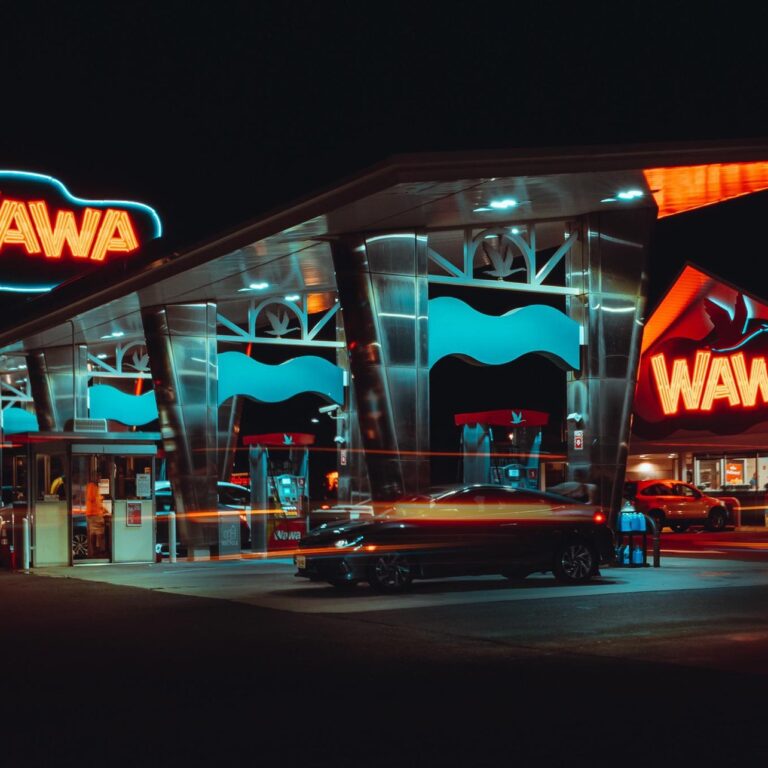
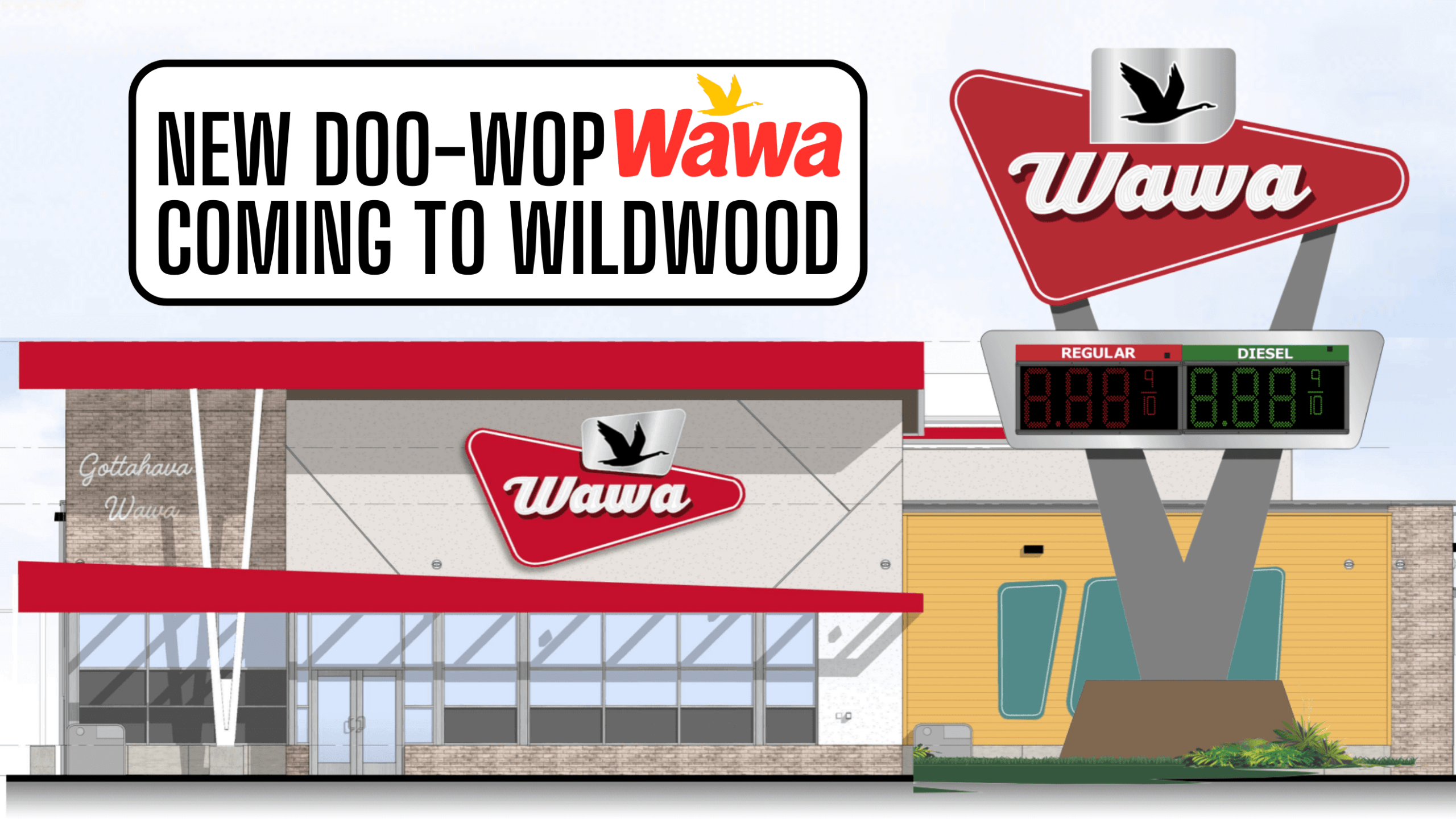
Few companies represent South Jersey’s economic identity more strongly than Wawa. The beloved convenience store brand, which originated in nearby Pennsylvania but has deep roots throughout South Jersey, continues expanding its workforce and operations.

As the summer season approaches, Wawa announced a major hiring push across 35 stores throughout South Jersey. The company plans to add hundreds of associates to support the surge of travelers, shore visitors, and local residents who rely on its stores every day.

The hiring surge highlights the region’s seasonal economic rhythm. South Jersey’s proximity to Atlantic Ocean beach destinations, regional parks, and major transportation corridors creates significant demand for service-sector employment during warmer months.

These jobs also represent important entry points into the workforce for students, young professionals, and residents seeking flexible employment opportunities.

The broader economic picture reflects continued growth in hospitality, retail, healthcare, and logistics sectors throughout the region.

Coverage across the South Jersey section has frequently highlighted how local businesses and entrepreneurs are expanding across the region, from new restaurants and small retail shops to large redevelopment projects designed to revitalize aging commercial areas.

Public Safety Developments Across South Jersey

Public safety remains a priority across municipalities throughout South Jersey.

Recent incidents underscore the importance of maintaining strong law enforcement oversight and emergency response systems.

In Millville, a police dispatcher has been charged with illegally accessing and sharing law enforcement data, a case that has prompted renewed conversations about accountability and information security within emergency response systems.

Meanwhile, a dramatic rescue operation in West Deptford demonstrated the skill and preparedness of first responders when two individuals were saved from a truck that had become submerged in a tributary near Route 295.

These incidents highlight the wide range of challenges faced by emergency personnel throughout the region — from cybersecurity and data protection to complex rescue operations requiring coordination among police, fire departments, and medical teams.

Education and Youth Achievement Across the Region

Education continues to serve as a cornerstone of community identity across South Jersey.

Timber Creek Regional High School recently hosted its annual Black History Month celebration, organized in partnership with the school’s African American Culture Club. The event showcased student achievements while highlighting the importance of cultural awareness, leadership development, and community engagement.

Events like this reflect a broader commitment among South Jersey schools to celebrate diversity while encouraging students to become active participants in their communities.

Beyond the classroom, athletic programs also remain an important source of pride throughout the region.

Paul VI High School recently secured another victory over Camden Catholic in girls’ basketball, marking the fourth time the team has defeated its rival this season — a testament to the strength of the school’s athletic program and the competitive spirit that defines South Jersey high school sports.

Preserving South Jersey’s Natural Landscape

While economic development remains a priority, preserving the region’s natural environment continues to play a central role in planning decisions.

Burlington County recently committed $5 million toward the preservation of 835 acres in Evesham Township, expanding the Black Run Preserve — one of the region’s most ecologically significant forest and wetland areas.

The project represents one of the largest land preservation initiatives in the region in recent years. By protecting large portions of forest, wetlands, and wildlife habitat, county officials aim to maintain the environmental character that distinguishes South Jersey from more densely developed areas of the state.

In addition to the Black Run Preserve expansion, county leaders are also exploring the purchase of the 96-acre Choi farm in Springfield Township. The property could become a key connector in a growing network of regional trails designed to encourage outdoor recreation and protect farmland from development pressures.

Redevelopment Projects Reshaping Regional Communities

Urban redevelopment continues to reshape several South Jersey communities as developers and local officials work together to reimagine aging commercial spaces.

One of the most ambitious redevelopment proposals involves the former Echelon Mall site, now known as Voorhees Town Center.

A North Jersey developer has proposed a redevelopment agreement that would introduce townhomes, apartment buildings, and a new parking garage to the property. The plan aims to transform the underutilized mall site into a mixed-use residential and commercial district designed to support modern community living.

Redevelopment efforts like this reflect broader trends across New Jersey, where traditional shopping malls are being converted into residential neighborhoods, office complexes, entertainment venues, and community hubs.

Water Infrastructure and the Future of Regional Utilities

Infrastructure improvements remain essential as South Jersey communities prepare for population growth and climate-related challenges.

One organization quietly driving major progress is the Merchantville-Pennsauken Water Commission, which recently marked a century of operations.

The utility serves Merchantville, Pennsauken, portions of Camden City and Cherry Hill, while also providing oversight for water operations in Collingswood.

According to engineering leadership within the commission, the utility’s independent structure allows it to prioritize infrastructure investments, advanced water testing, and technological upgrades — helping maintain both affordability and high-quality water service for residents.

At a time when water infrastructure challenges are becoming increasingly common nationwide, the commission’s approach demonstrates how regional utilities can maintain reliability while adapting to modern environmental and regulatory demands.

Environmental Concerns and Wildlife Monitoring

Environmental monitoring also remains an ongoing concern throughout South Jersey.

Authorities in Woodstown recently warned residents after several dead geese were discovered near Woodstown Memorial Lake, with officials suspecting a potential avian flu outbreak.

Wildlife monitoring and disease prevention have become increasingly important as migratory bird populations interact with agricultural areas and local ecosystems.

Public health officials continue encouraging residents to report unusual wildlife activity and avoid direct contact with wild birds that may appear ill.

New Businesses and Cultural Growth

South Jersey’s cultural and culinary landscape continues expanding as new businesses open throughout the region.

A new Italian wine bar in Burlington County has already begun attracting attention among local diners and wine enthusiasts seeking authentic Italian cuisine and curated wine selections.

Meanwhile, Camden County will soon welcome a new Pandora Diner location — continuing a long-standing tradition of family-owned diners that have served as social hubs across the region for generations.

These openings reflect the entrepreneurial spirit that continues driving South Jersey’s small business economy.

The Road Ahead for South Jersey

The developments unfolding across South Jersey today reveal a region that is constantly evolving while remaining deeply connected to its community values.

Economic expansion, infrastructure modernization, environmental preservation, and cultural vitality are all shaping the region’s future.

At the same time, challenges surrounding transportation access, workforce development, housing affordability, and child care availability remain central concerns for policymakers and community leaders.

As South Jersey moves forward, collaboration between local governments, businesses, educational institutions, and residents will play a critical role in ensuring that growth remains sustainable and inclusive.

From land preservation efforts and economic redevelopment projects to education initiatives and public safety improvements, the region continues demonstrating its capacity for innovation and resilience.

For residents and observers alike, South Jersey remains one of the most dynamic and promising regions in New Jersey — a place where community leadership, economic opportunity, and cultural pride continue shaping a vibrant and evolving future.

Ayesha Hamilton, Esq. Named to 2026 Super Lawyers Top 50 Women Lawyers in New Jersey, Elevating the State’s Legal Leadership and Public Trust in the Justice System

In a recognition that reflects both professional excellence and a deep commitment to justice in New Jersey, Ayesha Hamilton, Esq. of Hamilton Law Firm LLC has been named to the 2026 Super Lawyers Top 50 Women Lawyers in New Jersey, a distinction that places her among the most accomplished and respected attorneys in the state.

The honor highlights Hamilton’s reputation for legal excellence, her commitment to clients navigating complex legal challenges, and her leadership within New Jersey’s evolving legal and public safety landscape. In a state where legal advocacy intersects daily with issues of justice, law enforcement accountability, civil rights, and public safety, this recognition underscores the vital role that experienced attorneys play in protecting the rights of individuals and strengthening the rule of law.

For Hamilton Law Firm LLC, the announcement represents not only a milestone for the firm but also a broader reflection of how dedicated legal professionals continue shaping the standards of legal advocacy throughout New Jersey.

A Recognition Reserved for the State’s Most Distinguished Attorneys

The Top 50 Women Lawyers in New Jersey designation is widely regarded as one of the most competitive distinctions within the state’s legal profession. Each year, attorneys across a range of legal disciplines are evaluated for their professional achievements, peer recognition, and contributions to the practice of law.

Only a small number of attorneys ultimately receive placement on the list, making the recognition a powerful signal of both legal expertise and professional leadership.

For Ayesha Hamilton, the recognition reflects years of legal work built on preparation, courtroom experience, and a client-centered approach that prioritizes both results and integrity.

At Hamilton Law Firm LLC, the firm described the announcement as a proud moment not only for the organization but for the communities the firm serves across New Jersey.

The firm noted that Hamilton’s legal career has consistently demonstrated the qualities that define outstanding legal representation: dedication, strategic thinking, advocacy for clients, and a strong commitment to fairness within the legal system.

A Career Built on Legal Excellence and Client Advocacy

Ayesha Hamilton’s legal career has been marked by a clear focus on delivering strong advocacy for clients navigating difficult legal circumstances. Her work reflects the critical role attorneys play in protecting rights, guiding clients through the complexities of the justice system, and ensuring that legal processes operate fairly and transparently.

Legal professionals across New Jersey understand that the law is not merely a framework of statutes and court procedures. It is a system that directly affects the lives of individuals, families, businesses, and communities.

Attorneys like Hamilton often serve as the critical bridge between those legal frameworks and the people they impact.

Through her work at Hamilton Law Firm LLC, Hamilton has built a reputation for handling legal matters with both professionalism and a strong understanding of the real-world implications for her clients.

That reputation has helped establish the firm as a trusted legal resource for individuals seeking experienced representation in New Jersey’s increasingly complex legal environment.

Strengthening the Legal Profession in New Jersey

New Jersey’s legal community has long been recognized as one of the most sophisticated in the country. The state’s court system handles a wide range of legal issues spanning civil litigation, criminal law, business disputes, family law matters, and regulatory compliance.

Attorneys practicing in the Garden State must navigate not only state statutes and court procedures but also evolving federal policies, regional legal developments, and new legislation emerging from Trenton.

Within this environment, recognition from the legal community carries significant weight.

For Hamilton, inclusion in the Top 50 Women Lawyers list places her among a group of attorneys who are helping shape the direction of the profession in New Jersey.

It also highlights the continued growth of women leaders within the legal field, a development that has transformed law firms, courtrooms, and legal institutions throughout the state.

Women Lawyers Driving the Future of Justice in New Jersey

The legal profession has experienced significant changes over the past several decades, with women playing an increasingly prominent role in shaping legal advocacy, judicial leadership, and public policy.

Across New Jersey, women attorneys are leading major litigation, guiding corporate legal strategy, serving on the bench, and advancing legal reform.

Recognition programs such as the Top 50 Women Lawyers list serve to highlight those achievements while also encouraging the next generation of legal professionals to pursue careers dedicated to justice and public service.

Hamilton’s recognition reflects not only personal achievement but also the broader transformation of the legal profession toward greater representation and leadership diversity.

For younger attorneys entering the field, these milestones reinforce the importance of persistence, skill, and ethical practice in building successful legal careers.

Hamilton Law Firm LLC Continues Expanding Its Impact

Hamilton Law Firm LLC has steadily grown its reputation as a firm committed to delivering strong legal advocacy while maintaining close relationships with the communities it serves.

The firm’s work reflects a philosophy that legal representation should be both strategic and accessible, ensuring that clients receive the guidance and protection they need when facing legal challenges.

As legal issues across New Jersey become more complex — from civil litigation and regulatory disputes to criminal defense matters and public safety concerns — law firms that combine legal knowledge with practical experience have become essential pillars within the justice system.

Hamilton’s recognition reinforces the firm’s standing within the state’s legal community and signals continued momentum for the organization as it expands its impact across New Jersey.

The Role of Legal Leadership in Public Safety and Justice

Recognition of attorneys like Ayesha Hamilton also highlights a broader theme emerging within New Jersey’s public policy and law enforcement landscape.

Legal professionals play a crucial role in shaping the way justice is delivered across the state. From defending individual rights to ensuring that legal procedures remain fair and accountable, attorneys remain essential to maintaining public trust in the legal system.

Coverage throughout the state’s legal and law enforcement landscape frequently underscores how legal advocacy intersects with issues such as public safety reform, judicial transparency, and evolving criminal justice policies. Readers following developments in New Jersey’s justice system often look to the Law & Order section for updates on how legal professionals, courts, and policymakers are shaping the future of justice throughout the state.

Attorneys recognized for excellence within the profession help reinforce those standards by demonstrating the highest levels of professionalism and ethical practice.

A Milestone Moment for Ayesha Hamilton and the New Jersey Legal Community

For Ayesha Hamilton, the 2026 recognition represents both a celebration of past achievements and a foundation for continued leadership within New Jersey’s legal profession.

Legal recognition programs highlight the dedication required to succeed in a field where preparation, advocacy, and integrity must remain constant.

They also serve as a reminder that behind every legal case, every courtroom argument, and every legal decision are attorneys who dedicate their careers to protecting the principles of justice.

Hamilton’s placement on the 2026 Super Lawyers Top 50 Women Lawyers in New Jersey reflects the impact of that dedication.

For Hamilton Law Firm LLC, the recognition signals continued momentum and growing influence within the legal community. For clients and communities throughout New Jersey, it reinforces the presence of a legal advocate committed to professionalism, fairness, and the pursuit of justice.

As New Jersey’s legal landscape continues evolving in response to new laws, policy debates, and societal changes, leaders within the legal profession will remain essential in ensuring that the justice system remains both effective and trusted.

Ayesha Hamilton’s recognition stands as a powerful reminder that excellence in the law is built not only through courtroom victories, but through a career defined by service, leadership, and an unwavering commitment to justice.

Bank of America Plans Late 2026 Opening for Major Jersey City Office Expansion at Newport Tower

JERSEY CITY, NJ — A transformative expansion is underway on the Hudson waterfront as Bank of America accelerates construction on a sweeping new office footprint in Jersey City’s Newport district. The financial institution is building out 17 floors at Newport Tower, located at 525 Washington Boulevard, with full completion targeted for late 2026.

The expansion represents one of the most significant corporate real estate investments in northern New Jersey in recent years and reinforces Jersey City’s standing as a premier business destination within the New York metropolitan region.

Construction crews are currently advancing work on upper-floor interiors and employee-focused amenities as part of a long-term strategy that will consolidate and modernize Bank of America’s local operations. The 548,000-square-foot expansion stems from a 15-year lease agreement finalized in late 2023, securing the bank’s footprint in the city’s Newport section well into the next decade.

Strategically positioned just two blocks from the Hudson River and directly across from the Newport PATH Station, Newport Tower offers unmatched connectivity for employees commuting from Manhattan, Brooklyn, and across New Jersey. Its proximity to mass transit continues to make the waterfront corridor a magnet for major employers seeking accessibility without the premium costs of Midtown office space.

The expansion spans 17 floors of Class A office space designed to support collaborative work environments, advanced technology integration, and high-end employee amenities. While portions of the space could become operational earlier, the full project timeline points toward completion before the end of 2026.

Newport Tower itself has recently undergone capital improvements that enhance its competitiveness in today’s evolving office market. Among the upgrades is a 5,400-square-foot enclosed tenant lounge and conference center featuring breakout areas, co-working spaces, game rooms, and state-of-the-art meeting facilities. These enhancements align with the growing demand for office environments that balance productivity with employee experience.

The building’s ecosystem extends beyond the office floors. A skybridge connects directly to Newport Centre Mall, integrating retail and dining options into the workday. Ground-floor tenants include popular national and regional brands such as Chipotle Mexican Grill, Just Salad, Gregorys Coffee, and Kura Revolving Sushi Bar, creating a seamless live-work-play atmosphere that appeals to modern professionals.

For Jersey City, the economic implications are significant. A corporate presence of this scale fuels surrounding small businesses, increases transit activity, and contributes to the continued revitalization of the waterfront district. It also sends a strong signal that large institutions remain committed to high-quality office environments in strategically located urban centers.

The broader commercial real estate market in Hudson County has experienced a period of recalibration in the wake of hybrid work trends. However, major long-term lease commitments like this demonstrate that companies are prioritizing premium, transit-oriented buildings that offer enhanced amenities and workplace flexibility.

Bank of America’s expansion in Newport Tower reflects confidence in Jersey City’s infrastructure, workforce access, and long-term economic trajectory. As New York-area companies reassess space needs and operational strategies, the Hudson waterfront continues to position itself as a competitive alternative to traditional Manhattan office corridors.

By late 2026, the fully realized build-out at Newport Tower is expected to stand as one of the region’s flagship corporate environments — a blend of scale, accessibility, and modern design that reinforces Jersey City’s role as a cornerstone of the tri-state business community.

As cranes move and interior finishes take shape above Washington Boulevard, one thing is clear: Jersey City’s corporate skyline is evolving, and Bank of America’s expanded presence will be a defining chapter in that story.

Andrew Dice Clay & Jon Lovitz

0

Andrew Dice Clay & Jon Lovitz Take Over Red Bank: A Stand-Up Powerhouse Night at the Count Basie Theatre

March 7 @ 8:00 PM 11:30 PM

New Jersey’s comedy scene is about to get loud, sharp, and unapologetically legendary.

On Saturday, March 7 at 8PM, two of the most recognizable names in American stand-up — Andrew Dice Clay and Jon Lovitz — will share the stage at the iconic Count Basie Theatre on the Basie Center Campus in Red Bank. Presented by Uncle Vinnie’s Comedy Club, this is not a nostalgia show. It’s a collision of two distinctly American comedic forces, each with decades of cultural impact behind them.

DOORS 7PM • SHOWTIME 8PM
Hackensack Meridian Health Theatre • 99 Monmouth Street, Red Bank

For New Jersey comedy fans, this is a marquee event in a state that has long served as a proving ground and power base for stand-up talent.

Andrew Dice Clay: The Original Arena Comedy Disruptor

There are controversial comics. And then there is Andrew Dice Clay.

Dice didn’t just perform stand-up. He detonated it.

In the late 1980s and early 1990s, he became the only comedian in history to sell out Madison Square Garden multiple nights in a row. His debut album didn’t come with subtle disclaimers — it came with a blunt warning: “This album is offensive.” That wasn’t marketing spin. It was a declaration of intent.

Clay’s rise created what became known as “Dicemania.” He filled arenas across the country and became the only performer ever “Banned for Life from MTV,” a distinction that only amplified his notoriety. The ban was eventually lifted, but by then, his status as a rock-and-roll comic outlaw was already cemented.

His catalog includes multiple gold and platinum-selling albums, including The Day The Laughter Died, produced by Rick Rubin. His stand-up specials — The Diceman Cometh, No Apologies, and Indestructible — remain benchmarks in uncensored performance.

In recent years, Clay’s career has experienced a sharp critical resurgence. He delivered a widely praised dramatic turn in Blue Jasmine alongside Cate Blanchett and Alec Baldwin. He appeared in Vinyl from Martin Scorsese, had a recurring role in Entourage, starred in his own Showtime series Dice, and appeared in the blockbuster A Star Is Born with Bradley Cooper and Lady Gaga. Most recently, he was featured in Hulu’s Pam & Tommy.

Dice’s presence on the Basie stage is not simply a booking. It’s a statement. He remains one of the most polarizing and influential stand-up comics of the last four decades.

Jon Lovitz: The Character Master Who Became a Stand-Up Force

If Andrew Dice Clay represents stand-up rebellion, Jon Lovitz represents comedic range.

Lovitz first gained national prominence as a cast member on Saturday Night Live, where his characters became instantly quotable. His signature voice, timing, and theatricality made him one of the show’s most memorable performers.

He later voiced Jay Sherman in The Critic, a cult-favorite animated series that showcased his ability to carry a show entirely through vocal nuance. He also created the recurring character Artie Ziff on The Simpsons, further cementing his imprint on pop culture.

Unlike many sketch performers, Lovitz successfully transitioned into headlining stand-up comedy. Since 2003, he has toured nationally, performing in theaters, casinos, and comedy clubs across the United States and Canada. His live show blends storytelling, character-driven absurdity, and rapid-fire one-liners with the polished instincts of a trained dramatic actor.

Lovitz’s background includes earning a B.A. in Drama from the University of California, Irvine, and studying under Tony Barr at the Film Actors Workshop — a foundation that distinguishes his stage presence from traditional club comics.

On March 7, Red Bank audiences will see that theatrical precision collide with raw stand-up momentum.

Why This Show Matters for New Jersey Comedy

New Jersey has always had a deep connection to stand-up. From Atlantic City residencies to suburban comedy clubs to major theater tours, the Garden State has long supported national headliners while cultivating local talent.

Venues highlighted across Explore New Jersey’s stand-up coverage — from intimate club settings to performing arts centers — continue to anchor the region’s live entertainment ecosystem. The Basie Center Campus in Red Bank stands among the state’s premier live performance venues, capable of hosting major touring acts while maintaining an intimate audience connection.

Pairing Dice and Lovitz in this historic venue elevates the night beyond a typical comedy booking. It becomes a cross-generational showcase — edgy arena comedy meets character-driven satire under one roof.

Presented by Uncle Vinnie’s Comedy Club, a fixture in New Jersey’s stand-up circuit, the event reinforces the state’s reputation as a serious market for national comedy tours.

A Rare Double-Headliner Experience

It is increasingly uncommon to see two household-name comedians share a single bill in a theater setting.

This is not an opener-headliner dynamic. This is a double-feature event featuring two performers with entirely different comedic DNA:

Dice delivers brash, high-voltage, unapologetic stand-up with rock-concert intensity.

Lovitz delivers structured, theatrical, character-infused comedy rooted in timing and persona.

For audiences, that contrast is the draw. The rhythm of the night will shift. The tone will pivot. The energy will evolve.

And that unpredictability is precisely what makes live comedy compelling.

Event Details

Andrew Dice Clay & Jon Lovitz
Saturday, March 7 • 8PM
Doors Open at 7PM
Hackensack Meridian Health Theatre
Basie Center Campus
99 Monmouth Street
Red Bank, New Jersey

Tickets are available now, and given the stature of both performers, demand is expected to remain strong as showtime approaches.

Red Bank Becomes the Comedy Epicenter

For one night, Red Bank becomes the epicenter of national stand-up comedy. The Basie’s historic stage will host two performers who have defined different eras of American humor — one through confrontation and arena-scale bravado, the other through character mastery and cultural longevity.

New Jersey audiences won’t just be attending a comedy show. They’ll be witnessing two careers that helped shape the modern stand-up landscape.

March 7. Red Bank. Two legends. One stage.

If you follow live comedy in New Jersey, this is the night to be there.

Count Basie Center for the Arts

732.842.9000

View Organizer Website

The Shakespeare Theatre of New Jersey

36 Madison Avenue
Madison, New Jersey 07940 United States
+ Google Map
973-408-5600
View Venue Website

New York Red Bulls Take Over American Dream for Exclusive Full-Team Appearance Presented by adidas

New Jersey soccer fans have a rare opportunity to get up close with one of Major League Soccer’s most recognizable clubs this week. The New York Red Bulls are set to host a full team appearance presented by adidas at American Dream in East Rutherford on Wednesday, March 4, from 4:30 PM to 7:00 PM.

This is not a single-player autograph stop. This is the entire squad — a preseason momentum-building activation that blends retail energy, fan culture, and professional soccer visibility in one of the region’s most dynamic entertainment destinations.

And it’s first come, first served.

A High-Visibility Fan Experience in the Heart of North Jersey

American Dream has become a recurring venue for Red Bulls community activations, often hosting “Meet the Players” events at The Rink or The Dream Stage (Court A, Level 1). While official promotional language teased the plans as “locked in,” fans familiar with previous events recognize the mall as a strategic home base for these immersive fan sessions.

Expect autograph opportunities, photo lines, and potentially a short Q&A segment featuring select players. These events are designed to create direct access — something increasingly rare in modern professional sports.

For families, youth players, and long-time supporters, the ability to interact with the full roster in a public setting is significant. It humanizes the club and reinforces its deep ties to the New Jersey community.

Star Power Anticipation

While the team has not released a finalized list of participating players, fan chatter has centered around some of the club’s most prominent names. Midfield engine Emil Forsberg, rising talent Julian Hall, and dynamic winger Cade Cowell were recently featured at the club’s 2026 Media Day, fueling speculation they will be present.

The Red Bulls’ blend of veteran leadership and emerging youth has positioned the club as one of MLS’s more intriguing rosters this season. Events like this offer fans a front-row seat to that evolving identity.

Soccer Culture in a Retail-Entertainment Ecosystem

The choice of American Dream is deliberate. The East Rutherford complex has matured into more than a shopping center — it is an integrated entertainment hub that merges sports, retail, dining, and experiential programming under one roof.

From an engagement standpoint, it’s a strategic fit. The Red Bulls activate in a location already drawing high foot traffic, diverse demographics, and family audiences — exactly the constituency MLS continues to cultivate.

Explore New Jersey has closely followed how sports franchises utilize public venues to extend brand reach beyond stadium gates. This activation exemplifies that model: controlled environment, open access, high social media visibility.

Arrive Early — This Will Fill Quickly

Because the event operates on a first-come, first-served basis, early arrival is strongly encouraged. Historically, similar Red Bulls appearances have generated long lines well before start time, particularly when scheduled midweek after school hours.

For youth soccer players across Bergen, Essex, and Hudson counties, the timing aligns perfectly with practice schedules and school dismissal, amplifying turnout potential.

The Next Big Moment: Home Opener Momentum

If you miss Wednesday’s mall appearance, the Red Bulls return to league action at Sports Illustrated Stadium — the newly renamed venue formerly known as Red Bull Arena — on Sunday, March 8 at 4:30 PM against CF Montréal.

Ticket demand is already surging, with resale marketplaces reporting limited remaining inventory. Early-season matches often serve as tone-setters, and the Red Bulls are clearly leaning into fan momentum this week.

Community Engagement as Competitive Advantage

Beyond wins and losses, professional sports organizations build long-term equity through visibility and accessibility. A full-team appearance signals commitment to community integration — not simply marketing optics.

New Jersey has long served as the Red Bulls’ operational backbone. From training facilities to matchday crowds in Harrison, the state’s soccer infrastructure supports the club at every level. Events like this acknowledge that partnership directly.

For Explore New Jersey readers who track the intersection of sports, entertainment, and community culture, Wednesday’s event represents more than a meet-and-greet. It is a statement of presence.

What This Means for Local Soccer Culture

Grassroots soccer participation in New Jersey remains among the highest in the country. Youth leagues, travel clubs, and high school programs feed directly into regional enthusiasm for MLS competition. When professional players engage directly with young fans, the impact is immediate.

A handshake. A signed jersey. A photo that lives on a bedroom wall.

These are not minor gestures. They shape loyalty, inspire ambition, and reinforce local identity.

New Jersey Soccer, On Display

As the Red Bulls prepare for a critical early-season stretch, this American Dream activation positions the club squarely in front of its core market.

If you’re a supporter, this is your opportunity to connect face-to-face.

If you’re a casual fan, it’s a chance to experience the energy of a professional roster in an accessible setting.

And if you’re a young player with MLS dreams, it’s a reminder that the pathway from New Jersey fields to the professional stage runs closer than you think.

Wednesday, March 4. 4:30 PM. American Dream. Arrive early.

The Red Bulls are showing up in full force — and New Jersey will be there to meet them.

Doo Wop Meets Hoagies: A Retro-Themed Super Wawa Rises in Wildwood, Blending Mid-Century Magic with Modern Convenience

Something unmistakably Jersey is taking shape in the heart of the Wildwoods.

At 3400 New Jersey Avenue, on the corner of Schellenger Avenue, construction crews are building more than just another convenience store. They’re creating a Doo Wop-inspired Super Wawa designed to visually and culturally integrate into one of the most iconic retro destinations on the East Coast: Wildwood.

This 6,372-square-foot location will replace a former Rite Aid that was demolished late last year, and when completed, it will stand as the second Doo Wop-themed Wawa in the Wildwoods — a bold architectural tribute to the island’s mid-century identity.

For a town synonymous with neon lights, Googie signage, and atomic-era motel façades, this is not just development. It’s design alignment.

A Super Wawa Designed for the Shore

Wildwood’s mid-century “Doo Wop” aesthetic is nationally recognized. The architecture is playful, optimistic, and unapologetically vibrant — an era defined by bold geometry, neon glow, and futuristic curves. City officials made it clear from the outset that any new major commercial project needed to respect and reflect that heritage.

The result: a Super Wawa infused with retro DNA.

Plans include Googie-style signage, bold geometric roof lines, and stylized “atomic” accents that echo the classic motor lodges that line Ocean Avenue. The building will feature a distinctive “V”-shaped column and a cantilevered canopy — architectural nods to the mid-century roadside aesthetic that made Wildwood famous.

The color palette will lean into vibrant oranges, aquas, and pinks, complemented by a neon-style sign reminiscent of the existing retro-themed Wawa on Rio Grande Avenue at the island’s entrance.

This is not a generic prototype dropped into a beach town. It is site-specific design intended to reinforce place.

Fuel for the Island’s Core

Beyond aesthetics, the new Super Wawa addresses a practical gap.

The property will include a five-pump fueling station (10 fueling positions), delivering much-needed gas access to this portion of the island. Currently, options are limited in this corridor, particularly during peak summer tourism season when demand surges.

The project will also consolidate operations. The existing Wawa two blocks away at 3200 New Jersey Avenue — a smaller location without fuel pumps — will close once the new Super Wawa opens.

That relocation signals a strategic upgrade: larger footprint, expanded service capacity, and integrated fueling infrastructure in a single destination.

Construction Timeline and Progress

Demolition of the former Rite Aid began in late December 2025. As of March 2026, site preparation is underway, including foundational utility work and fuel infrastructure installation.

While no official opening date has been announced, early projections suggest completion could extend into late 2026. For Wildwood’s year-round residents and seasonal visitors alike, anticipation is building.

Designed with Neighborhood Sensitivity

Despite its scale, the project incorporates buffering measures to mitigate neighborhood impact. Plans call for a six-foot privacy fence and extensive landscaping, including 20- to 30-foot-tall northern white cedar trees to create a natural barrier between the commercial site and surrounding residential areas.

This balance — development without disruption — reflects evolving Shore planning standards that seek to modernize amenities while protecting community character.

A Broader Food & Beverage Evolution at the Jersey Shore

Explore New Jersey has consistently tracked the evolution of the Garden State’s food and beverage landscape — from boutique coffee shops and craft breweries to large-format convenience retail upgrades. The Wildwood Super Wawa fits squarely within that broader narrative.

The Jersey Shore is no longer defined solely by boardwalk stands and seasonal snack counters. It is experiencing a multi-layered transformation that blends heritage tourism with contemporary convenience.

Wawa’s expansion in Shore communities illustrates how iconic regional brands can adapt architecturally and operationally to reinforce local identity rather than dilute it.

For a deeper look at how food and beverage innovation continues reshaping communities across the state, visit our dedicated Food & Beverage section.

Doo Wop as Economic Identity

Wildwood’s embrace of Doo Wop architecture is not accidental nostalgia. It is economic strategy.

The mid-century design language differentiates the Wildwoods from other Shore towns, creating a visual identity that attracts heritage tourism and Instagram-era visibility. Integrating new construction into that framework preserves the authenticity that fuels visitation.

By aligning with this aesthetic rather than defaulting to a standardized build, Wawa positions itself not as an outsider retailer, but as a participating stakeholder in the Wildwoods’ visual legacy.

What This Means for Visitors

When the Super Wawa opens, it will serve multiple audiences:

Year-round residents seeking upgraded convenience.

Seasonal homeowners preparing for summer influx.

Tourists fueling up before long beach days or late-night boardwalk strolls.

Road-trippers entering or exiting the island.

And, of course, fans of Jersey’s most beloved hoagies and coffee rituals.

The difference is that this stop will feel unmistakably Wildwood — neon-lit, retro-inspired, and visually cohesive with the surrounding mid-century streetscape.

A Jersey Original, Reimagined

Wawa has long been woven into New Jersey’s daily life. Its evolution into larger-format “Super Wawas” with fueling capabilities reflects shifting consumer patterns and demand for one-stop convenience.

But in Wildwood, it is doing something more ambitious: fusing brand identity with architectural storytelling.

The Doo Wop-themed Super Wawa at 3400 New Jersey Avenue stands as a case study in contextual design — where corporate expansion meets municipal vision, and where convenience retail becomes part of the cultural fabric rather than an interruption of it.

As construction continues and summer approaches, one thing is clear: when those neon-style letters flicker on for the first time, they won’t just illuminate a storefront. They’ll light up another chapter in Wildwood’s evolving Shore story — retro spirit intact, modern convenience included.

March Madness, Jersey Style: Stuart Stuns on the Road, Sectional Battles Ignite, and High School Sports Surge Across New Jersey

March in New Jersey does not whisper. It roars.

From packed gymnasiums in South Jersey to sectional overtime thrillers in North Jersey, the NJSIAA State Tournament season is in full swing, and the intensity is unmistakable. Across the Garden State, high school athletes are delivering statement performances that define legacies, reshape programs, and electrify communities.

At Explore New Jersey, our High School and Film & TV coverage often intersect around storytelling — and right now, the state tournament is delivering cinematic moments nightly. If you’re following our broader cultural coverage, including Film & TV across the Garden State, you already know that New Jersey thrives on narrative. This week, those narratives belong to student-athletes.

Stuart Country Day Hangs On in a Tournament Thriller

The headline performance belongs to Stuart Country Day School, which secured a dramatic 43–41 road victory over Holy Spirit in the NJSIAA Non-Public B South second round. In just their second season participating in the state tournament, head coach Tony Bowman’s fifth-seeded Tartans (15–9) have advanced to the sectional semifinal — a leap that signals meaningful program growth.

The game itself embodied postseason volatility.

Stuart built a 12-point lead with just over two minutes remaining when senior forward Taylor States converted a scoop shot to make it 40–28. But Holy Spirit stormed back with a 13–3 run, cutting the deficit to a single possession and threatening overtime.

With 14.3 seconds remaining, sophomore Lia States calmly knocked down 1-of-2 free throws. Holy Spirit’s final attempt misfired, and the Tartans held on.

Sophomore guard Carmela Arana delivered a breakout tournament performance, leading all scorers with 17 points. She scored 10 in the second half as Stuart extended a narrow halftime edge. Lia States added 13, including two three-pointers, while the States sisters combined for 18 rebounds — a decisive factor in maintaining control during Holy Spirit’s late surge.

Taylor States contributed nine points, leaving her one point shy of the 1,000-career-point milestone. With the school’s senior trip to Disney World scheduled this week, the program is working to coordinate scheduling flexibility for its seniors before facing top-seeded Rutgers Prep (24–3) in the semifinal.

Whatever unfolds next, Stuart’s postseason advancement represents measurable progress: nine more wins and at least six fewer losses than last season, plus a deeper tournament run. That trajectory matters.

North Jersey Overtime Drama and Comebacks

Elsewhere in North 1, Group 3 quarterfinal action, Montville defeated Demarest 66–58 in overtime — a game defined by composure under pressure. In Group 1, Emerson Boro delivered what fans are calling its biggest victory in three decades, rallying to defeat College Achieve Paterson 48–33.

These results underscore how wide-open this year’s bracket has become. Lower-seeded teams are not simply competing — they’re advancing.

Non-Public A Powers Continue to Flex

In Boys Non-Public A, Christian Brothers delivered a dominant 81–47 performance against Camden Catholic, powered by a devastating 23–4 second-quarter run. St. Peter’s Prep extended its winning streak to 13 games with a 69–33 win over St. Thomas Aquinas.

Paul VI survived a late scare against Union Catholic, overcoming a 10-point deficit in the final minute to force overtime and advance — proof that no lead is secure in March.

On the girls side, Paul VI set the tone early with a 29–7 first quarter en route to a 73–37 victory over Camden Catholic.

These programs are not just advancing; they are sending signals.

Sectional Semifinals Take Center Stage

Tonight’s slate features pivotal matchups across multiple sections:

North 1, Group 4:
East Orange at Montclair
Union City at Hackensack

Central Jersey, Group 4:
Montgomery at Marlboro
Jackson Township at Hillsborough

South Jersey, Group 4:
Atlantic City at Cherry Hill East
Eastern at Lenape

Each game represents not merely advancement, but positioning for a sectional championship berth — and for many athletes, the most important contest of their high school careers.

Wrestling: The Road to Atlantic City

While basketball commands the spotlight this week, wrestling programs are shifting focus toward regional tournaments scheduled for March 6–7. The top four finishers in each weight class across eight regions will advance to the NJSIAA State Individual Championships at Boardwalk Hall in Atlantic City (March 12–14).

New Jersey wrestling continues to command national respect, featuring 59 nationally ranked wrestlers this season. Among them is Delbarton standout Jayden James, currently ranked at the top nationally in his weight class.

The path to Atlantic City is unforgiving — one misstep ends the season. That pressure defines the state’s wrestling culture.

Program Milestones Across the State

Individual milestones continue to punctuate the season:

Seton Hall Prep’s Gonzalez eclipsed the 1,000-point career mark during a victory over DePaul.

Kent Place’s Molly Brozowski set the all-time New Jersey state record for career goals in girls ice hockey, reaching 145 — a historic benchmark.

Meanwhile, the New Jersey sports community mourns the passing of Boyd Sands, former NJSIAA executive director whose leadership expanded girls’ sports and strengthened statewide competition structures. His legacy is visible every night in the opportunities athletes now have.

Division I Dreams Emerging

Recruiting momentum is also accelerating. New Jersey native Peter DaCruz, a 6-foot-9 forward, received his first Division I offer from Cleveland State. In indoor track, Colts Neck enters Central Group 3 competition as the favorite to repeat, led by Rutgers commit Jay Adimala.

These developments highlight how state tournament performance often serves as a launchpad — not an endpoint.

Why This Week Matters

March tournament season in New Jersey is not background noise. It is the heartbeat of local sports culture. Gymnasiums overflow. Communities travel. Student sections amplify every possession. And athletes step into moments that shape memory and identity.

At Explore New Jersey, we recognize that these stories — whether unfolding in a small South Jersey gym or a packed North Jersey sectional — deserve comprehensive attention. They represent more than box scores. They represent resilience, growth, ambition, and legacy.

As semifinal rounds continue and regional wrestling brackets lock in, the Garden State’s high school sports ecosystem is operating at full voltage.

The next buzzer-beater. The next milestone. The next championship run.

It’s all happening right now — and New Jersey is watching.

Olympic Gold Meets Studio 8H: The Hughes Brothers and Team USA Women’s Hockey Stars Surprise Fans on Saturday Night Live While Michael B. Jordan Brings Newark to Hollywood’s Biggest Room

New Jersey’s hockey pride stepped onto one of America’s most iconic stages on February 28, 2026, when Jack Hughes of the New Jersey Devils made a surprise appearance on Saturday Night Live alongside his brother Quinn Hughes and two newly crowned Olympic champions from Team USA Women’s Hockey: Hilary Knight and Megan Keller.

The cameo took place during the opening monologue of first-time host Connor Storrie, who currently stars as a professional hockey player in the hit HBO series Heated Rivalry. What began as a playful nod to hockey culture quickly transformed into a viral pop-culture moment that bridged professional sports, Olympic triumph, and late-night television.

For New Jersey fans, the highlight was unmistakable: Jack Hughes, fresh off international gold and representing the Devils on a national comedy stage, showcased not only athletic excellence but personality and charisma in front of millions.

Olympic Gold and National Spotlight

The appearance came just days after Team USA’s dramatic gold medal victory over Canada at the 2026 Milan-Cortina Winter Olympics. Both the Hughes brothers and the U.S. women’s team members stood on the SNL stage wearing their Team USA jerseys and Olympic gold medals—a visual statement of achievement and unity.

The Hughes family story has long captivated hockey audiences. Jack Hughes remains one of the NHL’s most dynamic young centers, while Quinn Hughes anchors the blue line for the Vancouver Canucks. Their shared Olympic success elevated their profile beyond league play, and the SNL cameo underscored how international achievement amplifies cultural reach.

For New Jersey, Jack Hughes’ presence on that stage reinforced the Devils’ connection to global excellence. The franchise’s star center was no longer simply an NHL standout; he was an Olympic gold medalist participating in mainstream entertainment.

The Monologue Moment That Sparked Headlines

The segment quickly turned from celebratory to comedic commentary. Referencing a real-life political controversy, Hilary Knight delivered a line that electrified the audience: “It was going to be just us, but we thought we’d invite the guys, too.” The joke alluded to reported remarks suggesting the women’s team might not be invited to the White House alongside their male counterparts.

Megan Keller followed with a quick addition: “Yeah, we thought we’d give them a little moment to shine.”

The crowd response was immediate and thunderous. The exchange blended humor, empowerment, and cultural awareness—qualities that have defined SNL’s enduring relevance. For women’s hockey, the moment symbolized recognition at a scale rarely afforded to the sport.

Jack Hughes then pivoted the focus back to hockey authenticity, teasing host Connor Storrie about the realism of his on-screen portrayal. Hughes joked about whether characters on Heated Rivalry “get their teeth popped out” during games—a playful reference to the two teeth he lost in the Olympic final. The quip grounded the segment in lived athletic experience, reminding viewers that beneath the humor lies real physical sacrifice.

Why This Matters for New Jersey

Explore New Jersey has consistently tracked the intersection of sports, culture, and media across the Garden State. This moment exemplifies that convergence.

The Devils’ presence in national pop culture elevates the franchise’s brand beyond the rink. Appearances on platforms like Saturday Night Live introduce players to audiences who may not regularly follow NHL standings but recognize cultural significance when they see it.

Jack Hughes’ participation signals the expanding visibility of hockey stars in mainstream entertainment. Historically, basketball and football athletes have dominated late-night crossovers. Seeing a Devils center share the spotlight with Olympic champions signals a shift.

The Broader Cultural Impact

The cameo also highlights the rising influence of women’s hockey. Hilary Knight and Megan Keller stood confidently beside their male counterparts—not as supporting figures, but as co-equals in celebration and punchlines. Their Olympic gold and commanding stage presence reinforced the growth of women’s sports viewership and respect.

The 2026 Winter Games amplified that visibility, and SNL served as a cultural amplifier. The segment demonstrated how athletic excellence translates into broader storytelling power.

From Studio 8H to the Prudential Center

Back in Newark, Devils fans can view the appearance as a reminder of the team’s evolving identity. The organization has invested heavily in youth, speed, and star power. Jack Hughes represents that trajectory—an elite center capable of carrying franchise expectations.

Off the ice, his comfort on a national comedy stage underscores leadership maturity. Charisma matters in modern professional sports. Marketability matters. Cultural resonance matters.

As the Devils continue navigating a competitive Eastern Conference landscape, moments like this reinforce why Hughes remains central to the franchise’s long-term vision.

Film, Television, and the New Jersey Connection

Explore New Jersey’s Film & TV coverage often highlights productions filmed across the state and artists with Garden State ties. This SNL cameo adds another layer: New Jersey athletes influencing prime-time television narratives.

Connor Storrie’s portrayal of a hockey player in Heated Rivalry provided the comedic premise, but it was the real athletes who delivered authenticity. The interplay between scripted drama and real-world accomplishment created a layered cultural exchange.

A Defining Pop-Culture Snapshot

In one brief segment, viewers saw Olympic medals, NHL stardom, women’s sports empowerment, political satire, and late-night humor converge. The Hughes brothers and Team USA’s women’s captains turned a monologue into a statement.

For New Jersey, it was a proud showcase. A Devils star stood center stage in one of television’s most storied studios, representing not just a franchise but a state deeply connected to hockey culture.

Michael B. Jordan Brings Newark to Hollywood’s Biggest Room: A Raw, Emotional Actor Awards Moment That Put New Jersey’s Story Front and Center

New Jersey doesn’t just produce talent. It produces grit, work ethic, and a kind of earned confidence that can’t be manufactured. On Sunday, March 1, 2026, Michael B. Jordan carried that unmistakable Garden State energy onto one of the industry’s most visible stages at the 32nd Annual Actor Awards (the ceremony formerly known as the SAG Awards), delivering an acceptance speech that didn’t feel rehearsed for applause—it felt lived-in, specific, and deeply Newark.

Jordan won Outstanding Performance by a Male Actor in a Leading Role for his dual performance in the horror film Sinners, portraying twin brothers Smoke and Stack in a role that demanded technical precision and emotional range. What followed was the kind of full-circle moment New Jersey recognizes instantly: a hometown kid who never forgot the commutes, the sacrifices, or what it costs to keep showing up.

The Newark Line That Hit Like a Spotlight

In the speech’s most viral beat, Jordan reflected on the journey from local dreams to global validation with a simple, direct statement: “That kid from Newark, New Jersey, is standing here right now.”

It landed because it was more than a line. It was a declaration that Newark doesn’t get left behind when the story reaches Hollywood. It comes with you—into the room, onto the stage, and into every performance shaped by the life you lived before anyone knew your name.

For Explore New Jersey readers, that moment matters because it echoes what so many families across the state understand: talent is only one part of the equation. The rest is persistence. Routines. Long drives. Early mornings. Late nights. And the willingness to chase opportunity through traffic, tolls, and uncertainty.

A Tribute to His Mother That Felt Like a Jersey Memory

Jordan’s speech turned openly emotional as he thanked his mother, Donna, for the behind-the-scenes work that rarely gets celebrated but makes careers possible—especially when the money is tight and the dream is still fragile. He described her driving him into New York City for auditions during difficult times, including moments when finances were so strained they had to calculate every expense on the way in.

That detail is what made the speech feel so real. New Jersey families know those drives. They know what it means to keep your kid’s dream alive even when you’re exhausted, even when it’s inconvenient, even when it’s expensive, even when you’re not sure what comes next. He didn’t frame it as a hardship story. He framed it as love, consistency, and belief—three things New Jersey parents deliver in volume.

The Ryan Coogler Factor: Trust, Craft, and Fearlessness

Jordan also credited director Ryan Coogler for shaping an environment where he could be fearless in the work—where risk wasn’t punished, but encouraged. For actors at Jordan’s level, that creative “safe space” isn’t a buzz phrase; it’s a tactical advantage. It’s how performances go from good to defining.

The Jordan–Coogler partnership has become one of the most consequential actor-director collaborations of this era, and Sinners appears to be another inflection point—both artistically and in awards-season momentum.

A Weekend That Turned Into a Statement

The Actor Awards win wasn’t an isolated moment—it capped a weekend of major recognition. Jordan also collected top honors at the NAACP Image Awards, continuing a run that has reframed the season’s conversation around his work and the film’s impact.

And when the industry honors an actor at this level, the ripple extends outward. It affects what gets greenlit. It changes what roles get offered. It shifts how studios perceive risk. It opens doors—not just for one person, but for the kind of storytelling that person is now positioned to champion.

Why This Belongs in Explore New Jersey’s Film & TV Conversation

At Explore New Jersey, we cover Film & TV because the state is not simply a backdrop—it’s a living pipeline of talent, locations, and production momentum. New Jersey’s legacy runs from the earliest innovations in motion pictures to today’s accelerating studio growth, supported by competitive incentives and a workforce built for production scale.

That’s why Jordan’s Newark shout-out hits differently right now. It arrives at a moment when New Jersey is stepping into a louder chapter of its entertainment identity—one where the state isn’t only exporting actors, but attracting major industry infrastructure and long-term production investment.

This is the connective tissue: the hometown artist honoring Newark on a national stage while the Garden State strengthens its footprint in the industry’s future. To explore more of the state’s evolving entertainment coverage, visit our dedicated Film & TV hub.

Newark Is Not a Footnote in This Story

Jordan’s speech also underscored something New Jersey residents have always known but the wider industry is finally learning to respect: Newark is not a footnote. It’s a proving ground.

When someone says “Newark,” they’re not just describing a place. They’re describing a mindset—direct, durable, and self-made. Jordan brought that to the Actor Awards stage without needing to oversell it. He simply told the truth with enough specificity that the room understood it.

And for anyone watching from home in New Jersey—especially young artists wondering if their zip code limits their ceiling—the message was loud without being preachy: you can come from here and still belong there.

A Jersey Win That Feels Personal

Award shows can feel distant. Glossy. Overproduced. But every once in a while, someone steps up and makes the moment feel personal to an entire region. Jordan did that—not by performing gratitude, but by naming the reality behind the journey.

He didn’t just accept an award. He carried Newark with him, in front of the whole industry, and reminded everyone that the story of New Jersey talent is not a side story in American entertainment. It’s central. It’s ongoing. And it’s getting louder.

Explore New Jersey will continue to spotlight the athletes, performers, and creators who elevate the Garden State on national and international platforms. From Olympic podiums to Studio 8H, New Jersey’s influence remains unmistakable—and increasingly impossible to ignore.

New Jersey Weather Alert: Wintry Mix Transitions to Rain Before Springlike Surge Sends Temperatures Toward 70 Degrees

New Jersey is navigating a classic early-March weather pivot as a wintry mix transitions to rain today, March 3, setting the stage for a dramatic warm-up that could push temperatures toward 70 degrees by early next week. The short-term outlook features slick travel conditions, damp midweek skies, and then a sharp temperature rebound that signals winter’s grip is loosening across the Garden State.

Current Conditions (Tuesday, March 3)

  • Wintry Mix: Most of the state began the day with light snow and freezing rain, prompting Winter Weather Advisories for 11 counties due to slippery road conditions.
  • Afternoon Transition: Wintry precipitation is expected to change to all rain by Tuesday afternoon as temperatures rise into the high 30s to low 40s.
  • Tonight: Cloudy with additional rain and possible patchy fog; lows will be around 35°F.

Short-Term Forecast

The remainder of the work week will stay mostly “damp and dreary” before the weekend warmup.

Day High / LowConditions
Wed, Mar 453° / 38°Cloudy with a chance of light rain or afternoon showers.
Thu, Mar 554° / 38°Overcast with likely rain showers; potential for thunderstorms in some areas.
Fri, Mar 644° / 37°Cooler and mostly cloudy with morning showers.

Spring-Like Weekend Outlook

A dramatic temperature surge is forecasted for the coming weekend, with some inland areas potentially seeing their earliest 70-degree day since 2022. 

  • Saturday, Mar 7: Partly sunny and warmer with a high of 58°F–63°F.
  • Sunday, Mar 8: Very mild and partly sunny with highs reaching 65°F–69°F.
  • Monday, Mar 9: Mostly sunny and warm, with temperatures potentially hitting 70°F–73°F

Tuesday began with light snow and freezing rain across much of the state, prompting Winter Weather Advisories in 11 counties due to slippery roadways and untreated surfaces. The system, moving along a west-northwest to east-southeast axis, initially battled high pressure anchored over New York State and northern New Jersey. That resistance helped suppress heavier precipitation totals, particularly in southern counties.

Extreme South Jersey saw the greatest opportunity for measurable snow accumulation during the morning hours. Areas including Cape May County, along with parts of Cumberland and Atlantic counties, were most likely to observe a coating to perhaps an inch on natural surfaces. Temperatures hovering near freezing limited widespread impacts, and accumulations were marginal at best. Salem County, southeastern Burlington County, and southern Ocean County were largely confined to flurries or brief snow showers.

As the day progresses, the atmospheric profile continues to warm from the south upward. By mid to late afternoon, wintry precipitation is expected to change over to plain rain across the state as temperatures climb into the upper 30s and low 40s. Southern New Jersey should push well into the 40s before sunset, accelerating the transition.

Northern and northwestern counties may briefly experience a mix of snow and freezing rain before the changeover. However, forecasters are not expecting significant snow accumulation or meaningful ice accrual. While the overall winter impact remains minor, untreated roadways and elevated surfaces could become slick during periods of freezing rain, particularly in higher elevations northwest of the I-95 and New Jersey Turnpike corridors.

Clouds remain locked in tonight with additional rain and areas of patchy fog developing as low temperatures settle near 35 degrees. The fog risk increases late tonight into early Wednesday as warmer air rides over damp ground conditions.

Midweek: Damp, Dreary, but Milder

The remainder of the workweek trends milder, though unsettled. Wednesday, March 4, will be mostly cloudy with highs around 53 degrees and a chance of light rain or scattered afternoon showers. Compared to Tuesday’s wintry mix, this is a noticeable improvement in overall comfort, with temperatures well above freezing statewide.

Thursday, March 5, continues the overcast theme with likely rain showers and even the potential for isolated thunderstorms in some areas. Highs again reach the mid-50s. While rainfall may be steady at times, this system is expected to be a milder rain event, absent any wintry component.

Friday, March 6, cools slightly with highs around 44 degrees and mostly cloudy skies. Morning showers are possible before gradual improvement later in the day. Persistent cloud cover could limit daytime warming, but conditions remain well above freezing and free of winter precipitation concerns.

Meteorologists continue to describe the broader pattern as volatile but trending warmer. Interchangeable short-lived cold snaps are embedded within a larger-scale moderation. The cold air mass that arrived earlier this week is already weakening, and warm air advection will dominate heading into the weekend.

Weekend Warm-Up: Springlike Temperatures Surge

The most significant headline of this forecast cycle is the anticipated temperature surge beginning Saturday, March 7. Highs are expected to reach between 58 and 63 degrees under partly sunny skies. That warming trend accelerates Sunday, March 8, when temperatures climb into the mid to upper 60s across much of the state.

By Monday, March 9, some inland areas could see highs between 70 and 73 degrees, potentially marking the earliest 70-degree day since 2022 in select locations. If realized, this would represent a dramatic turnaround from the wintry mix conditions experienced earlier in the week.

The warmer stretch is expected to extend through approximately March 12, with temperatures running well above seasonal averages. Residents should anticipate increased fog potential during overnight and early morning hours as mild air moves over saturated ground. Drivers are advised to remain cautious during early commutes, particularly near rivers, bays, and low-lying areas.

Beyond March 12, temperatures are forecast to trend closer to seasonal norms. While it is too early to identify any meaningful late-season cold shots, the broader atmospheric pattern suggests that the most substantial winter threats are unlikely in the first half of March. That said, forecasters continue monitoring activity in the Polar Vortex region, which can occasionally reintroduce colder air intrusions later in the month.

What This Means for New Jersey

The week ahead encapsulates the transitional nature of early March in New Jersey. Minor snow accumulation in extreme southern counties, a statewide changeover to rain, several damp but mild days, and then a burst of springlike warmth reflect the dynamic oscillations typical of the region’s late-winter climatology.

Travelers should remain alert today during the transition from snow to freezing rain to rain, especially north and west of the Turnpike. However, the overall impact remains limited, and road conditions should improve steadily as temperatures rise above freezing.

For those eager for signs of spring, the upcoming weekend delivers a preview. Temperatures nearing 70 degrees, increasing sunshine, and milder overnight lows mark a decisive shift away from sustained winter conditions.

New Jersey’s weather this week underscores a clear message: winter is fading, and warmer days are lining up on the horizon. While March always retains the capacity for surprises, the immediate trajectory favors milder air, rain over snow, and the first meaningful taste of spring across the Garden State. For real-time updates and local alerts, you can check the National Weather Service Mount Holly or the New Jersey Weather and Climate Network

United Airlines CEO Scott Kirby to Headline ReNew Jersey Business Summit & Expo in High-Impact Conversation on Aviation, Economic Growth, and the Garden State’s Future

New Jersey’s business community will take center stage in Atlantic City on March 31 as Scott Kirby, Chief Executive Officer of United Airlines, headlines the ReNew Jersey Business Summit & Expo with a featured fireside chat at Harrah’s Atlantic City. Hosted by the New Jersey Chamber of Commerce, the summit brings together executives, policymakers, entrepreneurs, and industry leaders for one of the state’s most consequential annual business gatherings.

Kirby will sit down for a one-on-one interview with Tom Bergeron, Founder and Editor of BINJE, for a wide-ranging discussion focused on the national economy, the trajectory of the aviation sector, and United Airlines’ long-term commitment to New Jersey. The conversation is expected to examine not only macroeconomic forces shaping corporate strategy, but also the tangible investments and job creation efforts that tie United’s growth directly to the Garden State.

For New Jersey, aviation is not a peripheral industry — it is a foundational economic engine. With Newark Liberty International Airport serving as one of United Airlines’ most critical hubs, the company’s operational footprint in the state is both extensive and strategically vital. Infrastructure investment, workforce development, route expansion, and global connectivity all intersect within New Jersey’s borders. Having United’s CEO address the state’s top business leaders underscores the central role aviation plays in regional competitiveness.

The ReNew Jersey Business Summit & Expo has evolved into a platform where statewide economic strategy meets real-world corporate leadership. This year’s program signals an intentional emphasis on large-scale capital investment, supply chain resilience, labor market dynamics, and international commerce. Kirby’s participation elevates that conversation, bringing the perspective of a Fortune 100 CEO navigating global markets, regulatory complexity, fuel volatility, labor negotiations, and evolving traveler demand.

United Airlines’ commitment to New Jersey extends far beyond flight schedules. The airline supports thousands of direct and indirect jobs across operations, maintenance, customer service, logistics, and administrative functions. Its presence fuels adjacent industries including hospitality, tourism, food services, ground transportation, and regional commerce. As business travel rebounds and international routes continue to expand, Newark’s status as a global gateway reinforces New Jersey’s relevance in transatlantic and transcontinental trade corridors.

Kirby’s leadership tenure has been marked by strategic modernization efforts, sustainability initiatives, and aggressive fleet investments designed to position United at the forefront of aviation innovation. His discussion at the summit is expected to address industry-wide headwinds, including aircraft supply constraints, evolving consumer expectations, and geopolitical pressures impacting global air travel. At the same time, he will likely highlight how United is leveraging technology, data analytics, and operational efficiency to drive long-term profitability.

The fireside chat format offers more than scripted remarks. It creates space for direct engagement and candid insight — particularly as New Jersey business leaders assess 2026 economic conditions. Inflationary pressures, workforce availability, infrastructure modernization, and corporate taxation remain active concerns across sectors. United’s operational experience in one of the country’s most complex airspace corridors provides a unique vantage point on how federal policy, state governance, and private investment intersect.

The summit’s broader agenda reflects themes consistently examined in Sunset Daily News New Jersey’s Business coverage: sustainable economic growth, corporate relocation strategy, public-private collaboration, and the long-term competitiveness of the Garden State. In recent years, New Jersey has strengthened its positioning in pharmaceuticals, fintech, logistics, clean energy, and advanced manufacturing. Aviation connectivity serves as a backbone supporting all of those industries.

For Atlantic City, hosting the ReNew Jersey Business Summit & Expo reinforces its ongoing role as more than a tourism destination. Business convenings at Harrah’s signal the city’s strategic importance as a conference and events hub capable of supporting high-level corporate gatherings. The economic ripple effect of such events extends into local hospitality, retail, and service sectors.

Kirby’s remarks are also expected to touch on workforce development — a topic of particular relevance in New Jersey’s labor market. Airlines rely on highly skilled technicians, pilots, engineers, IT specialists, and customer-facing professionals. As talent pipelines become more competitive, collaboration between corporations and educational institutions becomes essential. The summit provides an opportunity to explore how corporate leaders and state stakeholders can align training programs with industry needs.

New Jersey’s geographic position between New York and Philadelphia offers both opportunity and complexity. Aviation infrastructure must support dense population centers while maintaining operational efficiency. Investment decisions made by major carriers directly influence regional accessibility and business expansion. Kirby’s participation at the summit signals confidence in New Jersey’s role within United’s broader strategic roadmap.

The economic outlook discussion will likely explore consumer demand trends, corporate travel recovery patterns, and international market expansion. Airlines often serve as leading indicators of economic momentum; shifts in booking behavior and route demand can foreshadow broader commercial activity. Business leaders attending the summit will be watching closely for insight into how United interprets these signals.

The New Jersey Chamber of Commerce has positioned this summit as a forward-looking platform — not merely a retrospective review of past performance, but a strategic forum for shaping what comes next. Bringing a global aviation executive into that conversation underscores the ambition behind the event’s “ReNew Jersey” branding. It suggests a focus on reinvention, modernization, and scalable growth.

For the state’s business ecosystem, the message is clear: New Jersey is not content to follow national trends — it intends to shape them. Aviation, infrastructure, and global connectivity remain core pillars of that strategy. By engaging directly with United Airlines’ CEO, the summit creates a moment where corporate vision and regional policy intersect.

As March 31 approaches, anticipation continues to build around what promises to be one of the most substantive business conversations of the year. With Scott Kirby’s fireside chat anchoring the program, the ReNew Jersey Business Summit & Expo stands poised to deliver not just dialogue, but direction — offering New Jersey’s corporate community a clearer view of the runway ahead.

Trade Deadline Crossroads: If the New Jersey Devils Sell, What Are Their Real Options?

The clock is ticking toward the NHL trade deadline—Friday, March 6 at 3:00 p.m. ET—and the New Jersey Devils find themselves at a defining inflection point. With a 29–29–2 record and positioned squarely on the playoff bubble’s wrong side, the organization must confront an uncomfortable reality: built to contend now, but not delivering now.

As the Devils embark on a season-high seven-game homestand at Prudential Center from March 3 through March 16, the atmosphere at “The Rock” is layered. Promotions, heritage nights, giveaways, and a final farewell to the black-and-white “Jersey” alternate sweaters create energy in the building. Yet beneath the spectacle lies strategic tension. Does General Manager Tom Fitzgerald buy, hold, or sell?

This is not a casual decision. It’s structural.

The Organizational Stakes

The Devils’ leadership group—Fitzgerald and head coach Sheldon Keefe—operate under pressure. A season that began with postseason aspirations has drifted into inconsistency. While a recent 3–1 road win against the St. Louis Blues, highlighted by a first-star performance from Timo Meier, offered encouragement, isolated wins cannot obscure broader trends.

If management believes the current core is one or two pieces away, buying makes sense. But if internal evaluation suggests systemic issues—roster construction imbalance, insufficient blue-line offense, inconsistent goaltending—then selling becomes not surrender, but recalibration.

The Untouchables

Start with clarity. Nico Hischier, Jack Hughes, and Jesper Bratt are non-negotiable. These are foundational pieces, franchise pillars, and the identity drivers of modern Devils hockey. Even in seasons where production dips, their value transcends stat lines. Any trade scenario involving this trio would represent organizational malpractice.

The Meier Question

Meier occupies a tier of complexity. He remains a core contributor and possesses the physical toolkit to dominate. Yet his full no-move clause and recent system fit challenges complicate theoretical scenarios. Trading him would require a “Godfather” offer—an overwhelming return that accelerates retooling without weakening competitive integrity. Such offers are rare. More realistically, Meier remains part of the solution.

The Luke Hughes Equation

Luke Hughes recently signed a long-term extension carrying a $9 million AAV, tying him with Dougie Hamilton as the highest-paid active players on the roster. His development arc has been uneven—brilliant flashes paired with inconsistency—but his ceiling remains elite. Moving Hughes would contradict the franchise’s timeline. Patience, not panic, is the prudent course.

The Prospect Capital

Beyond Hughes lies the next wave: Simon Nemec, Arseny Gritsyuk, Lenni Hameenaho, Anton Silayev, Seamus Casey, and Ethan Edwards. These names represent both hope and leverage.

If selling morphs into strategic asset consolidation, this is where calculated risk emerges. Would you package Nemec for a young, established top-six winger? Would you sacrifice prospect depth for a proven 3C who stabilizes the lineup long term? These are hockey trades—not salary dumps—but they demand conviction.

The Dougie Hamilton Dilemma

Hamilton embodies the Devils’ structural tension. When deployed correctly, he delivers rare blue-line offense—an element the roster desperately needs. However, his $9 million cap hit, injury history, and 10-team trade list narrow flexibility.

If selling, Hamilton represents the most realistic high-impact trade chip. The question becomes philosophical: is reallocating his cap space toward diversified offensive depth wiser than maintaining a singular elite offensive defenseman? The answer depends on return value and organizational vision.

The Defensive-Defenseman Surplus

Here lies perhaps the most actionable category. Jonas Siegenthaler, Brenden Dillon, and Johnny Kovacevic resemble archetypes currently valued at the deadline: reliable, stay-at-home defenders suited for playoff depth roles.

Recent league precedent suggests contenders will pay meaningful returns for defensive stability. Siegenthaler’s manageable $3.4 million AAV and remaining term enhance attractiveness. Dillon’s veteran leadership appeals to Cup hopefuls. Kovacevic, despite recent struggles, fits cost-controlled depth molds.

If Fitzgerald sells, this cluster offers draft capital potential without dismantling core identity.

The Middle-Six Chessboard

Dawson Mercer, Cody Glass, Connor Brown, and Brett Pesce represent nuanced cases.

Mercer remains durable and versatile but may have plateaued as a middle-six contributor. Glass has exceeded expectations in center depth but may not project as a long-term 3C solution. Brown provides dependable bottom-six value. Pesce, early in a six-year deal with full protection, is likely immovable regardless of desire.

These players are not “sell for picks” candidates—they are hockey trade pieces. If moved, it would be in exchange for positional upgrades or age-aligned contributors.

Depth For Draft Picks

The pragmatic tier includes Stefan Noesen, Maxim Tsyplakov, Nick Bjugstad, Evgenii Dadonov, Luke Glendening, Paul Cotter, and Zack MacEwen.

Selling here is straightforward: accumulate draft picks, open roster spots for evaluation, and preserve cap flexibility. These are transactional moves that signal strategic reset without shaking foundational pillars.

The Goaltending Conundrum

Jacob Markstrom and Jake Allen present layered challenges. Markstrom’s contract term and recent performance volatility dampen market appeal. Moving him likely requires attaching assets—an undesirable cost during a retool.

Allen, conversely, has delivered strong 1B value at a manageable cap hit. Trading him destabilizes the crease entirely. In a sell scenario, retaining Allen preserves competitive baseline while longer-term solutions develop.

The Homestand Context

While front-office deliberations intensify, the Devils’ homestand unfolds with notable promotions: Irish Heritage Night against Toronto, Youth Hockey Weekend versus the Rangers and Red Wings (including a Brett Pesce bobblehead for the first 9,000 fans), Portuguese and Polish Heritage celebrations, Women in Sports Night, and a Star Wars-themed matchup later in March.

Enhancements inside the Prudential Center—including the Verizon Lounge transformation, NJ’s Sin Bin fan zone, Eastback Kitchen’s “Jersey-bold” culinary concept, and the expanded PlayStar Casino Golden Goal promotion—reflect organizational investment in fan experience even amid on-ice uncertainty.

This juxtaposition is striking: an arena experience trending upward while roster direction remains unsettled.

Strategic Reality

Selling does not equal surrender. It signals timeline recalibration. The Devils possess a young core under contract, emerging prospects, and tradeable depth. The franchise is not asset-poor—it is direction-sensitive.

If Fitzgerald sells wisely—targeting draft capital, young NHL-ready talent, or cap flexibility—the Devils could pivot toward 2026–27 with renewed structural clarity. If he hesitates and the team drifts toward mediocrity without postseason reward, the opportunity cost compounds.

The decision looms. The options are real. The consequences are lasting.

As the trade deadline approaches, New Jersey stands not merely at a transactional checkpoint, but at a philosophical crossroads. Buy, hold, or sell—the next 72 hours may define far more than this season.

Upcoming Home Games & Promotions

The following games feature special theme nights and fan giveaways at “The Rock”:

Date OpponentPromotion / Giveaway
Mar 4Toronto Maple LeafsIrish Heritage Night
Mar 7New York RangersYouth Hockey Weekend presented by RWJBarnabas Health
Mar 8Detroit Red WingsYouth Hockey Weekend + Brett Pesce Bobblehead (First 9,000 fans)
Mar 12Calgary FlamesPortuguese Heritage Night + “Jersey” Jersey game
Mar 14L.A. KingsPolish Heritage Night + “Jersey” Jersey game
Mar 16Boston BruinsWomen in Sports Night
Mar 29Chicago BlackhawksStar Wars Night with character appearances

Prudential Center Enhancements

  • The “Jersey” Jersey Finale: This is the final season for the black-and-white “Jersey” alternate jerseys. They will be officially retired at the end of the 2025-26 season.
  • New Fan Zones: The Verizon Lounge (formerly Pier Club) offers elevated hospitality, while NJ’s Sin Bin in Sections 115 & 116 is the new home base for mascot meet-and-greets.
  • Golden Goal Promotion: The PlayStar Casino Golden Goal window has been extended from 10 to 30 seconds, giving fans a better chance to win $10,000 if a goal is scored in that timeframe.
  • Culinary Updates: The arena recently launched Eastback Kitchen, a new culinary brand featuring “Jersey-bold” flavors across concessions and premium suites. 

Kenny Wayne Shepherd Band: Ledbetter Heights 30th Anniversary Tour

0

Kenny Wayne Shepherd’s ‘Ledbetter Heights’ 30th Anniversary Tour Brings Blues-Rock Legacy to New Jersey This March

March 12 @ 8:00 PM 11:30 PM

New Jersey’s live music calendar is about to pulse with the raw, electrifying sound of modern blues-rock as Kenny Wayne Shepherd celebrates the 30th anniversary of his breakout debut album Ledbetter Heights with a global 2026 tour—and a full re-recording of the landmark record that launched his career.

The “Ledbetter Heights 30th Anniversary Tour,” which officially kicked off February 19, 2026 in Dallas, Texas, is not just another nostalgia-driven victory lap. It is a meticulously curated retrospective that honors the album in its entirety while reaffirming Shepherd’s enduring presence in contemporary blues-rock. For New Jersey audiences, the upcoming March performances represent a rare opportunity to witness a seminal album performed front-to-back for the first time ever.

A Landmark Album Revisited

Originally released in 1995, Ledbetter Heights introduced a teenage guitar prodigy whose fiery playing and blues authenticity immediately drew national attention. Three decades later, Shepherd has returned to the material with renewed perspective. The 30th anniversary tour features all 12 tracks from the original record performed live in sequence, recreating the sonic arc that first propelled him into the spotlight.

Accompanied by longtime lead vocalist Noah Hunt, Shepherd’s current touring lineup brings technical precision and seasoned chemistry to these foundational songs. The album’s signature blend of Texas blues grit and arena-ready rock hooks feels as urgent today as it did in the mid-1990s.

But the celebration does not stop at nostalgia. In conjunction with the tour, Shepherd has re-recorded the entire Ledbetter Heights album, breathing new life into the songs that defined his early career. Reflecting on the process, Shepherd has described reconnecting with the “wonder and excitement” that fueled his debut, noting that the record “gave me everything.” The new 2026 edition promises updated production clarity while preserving the emotional core that made the album resonate with audiences worldwide.

New Jersey Tour Stops: Englewood and Morristown

Garden State blues-rock fans will not have to travel far to experience the anniversary spectacle. Shepherd’s Northeast leg includes two highly anticipated New Jersey dates:

On March 10, he performs at Bergen Performing Arts Center in Englewood.

On March 12, he takes the stage at Mayo Performing Arts Center in Morristown.

Both venues are staples of New Jersey’s thriving live entertainment circuit. Bergen PAC, known for hosting major touring acts across genres, provides an intimate yet acoustically powerful setting ideal for guitar-driven performances. Mayo PAC, situated in the cultural heart of Morristown, offers a refined theater experience that complements the emotional intensity of blues-rock storytelling.

For Explore New Jersey readers who regularly follow our Activities & Fun coverage, these stops underscore the state’s ability to attract nationally recognized touring artists to accessible regional stages.

Beyond the Debut: A Career-Spanning Second Set

While the full-album performance anchors the evening, the concert experience extends well beyond 1995. After revisiting Ledbetter Heights in full, Shepherd and his band return for a second set spanning three decades of hits.

Expect crowd favorites such as “Blue on Black,” “Deja Voodoo,” and “Born with a Broken Heart”—songs that helped solidify Shepherd’s reputation as one of the defining blues-rock guitarists of his generation. This dual-set structure transforms the concert into a comprehensive narrative arc, tracing Shepherd’s evolution from prodigy to seasoned veteran.

On select tour dates, Shepherd has also welcomed legendary guests including Jimmie Vaughan and Eric Johnson, reinforcing the tour’s celebratory atmosphere. While guest appearances vary by city, the spirit of collaboration remains a hallmark of the anniversary run.

Why This Tour Matters Now

Blues-rock occupies a unique space in today’s music landscape. While trends evolve rapidly across streaming platforms, guitar-driven authenticity continues to command loyal audiences. Shepherd’s 30-year career exemplifies that staying power.

The decision to re-record Ledbetter Heights is particularly significant in an era when artists increasingly revisit catalog milestones. Rather than simply remastering archival tapes, Shepherd chose to reinterpret the material with contemporary musicianship and technical refinement. The result bridges generational audiences—original fans who purchased the debut in 1995 and new listeners discovering the catalog through digital platforms.

For New Jersey’s live music community, this tour reinforces the state’s position as a critical Northeast market. The inclusion of Englewood and Morristown alongside larger metropolitan stops reflects strong regional demand for blues and classic rock performances in theater-sized venues.

The Garden State’s Growing Concert Scene

Explore New Jersey continues to spotlight the state’s expanding concert footprint. From major arena tours to theater residencies and outdoor summer series, New Jersey offers diverse live music experiences without requiring travel into Manhattan or Philadelphia.

Venues like Bergen PAC and Mayo PAC anchor North Jersey’s cultural ecosystem, hosting nationally touring artists while supporting local arts initiatives. Their ability to attract legacy performers like Kenny Wayne Shepherd demonstrates sustained audience appetite for live, instrument-driven music.

Experience the Album That Started It All

For longtime fans, the 30th Anniversary Tour offers a powerful return to the record that ignited Shepherd’s ascent. For newer listeners, it provides historical context—an opportunity to hear a defining blues-rock debut in its intended form, performed by the artist who wrote it.

The fusion of complete album performance, career-spanning hits, and the release of a 2026 re-recording creates a multi-dimensional celebration rather than a routine tour cycle.

New Jersey audiences can expect dynamic guitar solos, emotionally charged vocals, and a setlist engineered to honor the past while reinforcing Shepherd’s present-day relevance.

Explore New Jersey will continue to track major live entertainment events shaping the state’s cultural calendar. As spring approaches, the Garden State’s stages are once again alive with artists whose music has defined eras. Kenny Wayne Shepherd’s return is not just a concert—it is a 30-year milestone unfolding in real time, right here in New Jersey.

Mayo Performing Arts Center (MPAC)

973.539.8008

View Organizer Website

The Shakespeare Theatre of New Jersey

36 Madison Avenue
Madison, New Jersey 07940 United States
+ Google Map
973-408-5600
View Venue Website

Kenny Wayne Shepherd Band

0

Kenny Wayne Shepherd’s ‘Ledbetter Heights’ 30th Anniversary Tour Brings Blues-Rock Legacy to New Jersey This March

March 10 @ 8:00 PM 11:30 PM

New Jersey’s live music calendar is about to pulse with the raw, electrifying sound of modern blues-rock as Kenny Wayne Shepherd celebrates the 30th anniversary of his breakout debut album Ledbetter Heights with a global 2026 tour—and a full re-recording of the landmark record that launched his career.

The “Ledbetter Heights 30th Anniversary Tour,” which officially kicked off February 19, 2026 in Dallas, Texas, is not just another nostalgia-driven victory lap. It is a meticulously curated retrospective that honors the album in its entirety while reaffirming Shepherd’s enduring presence in contemporary blues-rock. For New Jersey audiences, the upcoming March performances represent a rare opportunity to witness a seminal album performed front-to-back for the first time ever.

A Landmark Album Revisited

Originally released in 1995, Ledbetter Heights introduced a teenage guitar prodigy whose fiery playing and blues authenticity immediately drew national attention. Three decades later, Shepherd has returned to the material with renewed perspective. The 30th anniversary tour features all 12 tracks from the original record performed live in sequence, recreating the sonic arc that first propelled him into the spotlight.

Accompanied by longtime lead vocalist Noah Hunt, Shepherd’s current touring lineup brings technical precision and seasoned chemistry to these foundational songs. The album’s signature blend of Texas blues grit and arena-ready rock hooks feels as urgent today as it did in the mid-1990s.

But the celebration does not stop at nostalgia. In conjunction with the tour, Shepherd has re-recorded the entire Ledbetter Heights album, breathing new life into the songs that defined his early career. Reflecting on the process, Shepherd has described reconnecting with the “wonder and excitement” that fueled his debut, noting that the record “gave me everything.” The new 2026 edition promises updated production clarity while preserving the emotional core that made the album resonate with audiences worldwide.

New Jersey Tour Stops: Englewood and Morristown

Garden State blues-rock fans will not have to travel far to experience the anniversary spectacle. Shepherd’s Northeast leg includes two highly anticipated New Jersey dates:

On March 10, he performs at Bergen Performing Arts Center in Englewood.

On March 12, he takes the stage at Mayo Performing Arts Center in Morristown.

Both venues are staples of New Jersey’s thriving live entertainment circuit. Bergen PAC, known for hosting major touring acts across genres, provides an intimate yet acoustically powerful setting ideal for guitar-driven performances. Mayo PAC, situated in the cultural heart of Morristown, offers a refined theater experience that complements the emotional intensity of blues-rock storytelling.

For Explore New Jersey readers who regularly follow our Activities & Fun coverage, these stops underscore the state’s ability to attract nationally recognized touring artists to accessible regional stages.

Beyond the Debut: A Career-Spanning Second Set

While the full-album performance anchors the evening, the concert experience extends well beyond 1995. After revisiting Ledbetter Heights in full, Shepherd and his band return for a second set spanning three decades of hits.

Expect crowd favorites such as “Blue on Black,” “Deja Voodoo,” and “Born with a Broken Heart”—songs that helped solidify Shepherd’s reputation as one of the defining blues-rock guitarists of his generation. This dual-set structure transforms the concert into a comprehensive narrative arc, tracing Shepherd’s evolution from prodigy to seasoned veteran.

On select tour dates, Shepherd has also welcomed legendary guests including Jimmie Vaughan and Eric Johnson, reinforcing the tour’s celebratory atmosphere. While guest appearances vary by city, the spirit of collaboration remains a hallmark of the anniversary run.

Why This Tour Matters Now

Blues-rock occupies a unique space in today’s music landscape. While trends evolve rapidly across streaming platforms, guitar-driven authenticity continues to command loyal audiences. Shepherd’s 30-year career exemplifies that staying power.

The decision to re-record Ledbetter Heights is particularly significant in an era when artists increasingly revisit catalog milestones. Rather than simply remastering archival tapes, Shepherd chose to reinterpret the material with contemporary musicianship and technical refinement. The result bridges generational audiences—original fans who purchased the debut in 1995 and new listeners discovering the catalog through digital platforms.

For New Jersey’s live music community, this tour reinforces the state’s position as a critical Northeast market. The inclusion of Englewood and Morristown alongside larger metropolitan stops reflects strong regional demand for blues and classic rock performances in theater-sized venues.

The Garden State’s Growing Concert Scene

Explore New Jersey continues to spotlight the state’s expanding concert footprint. From major arena tours to theater residencies and outdoor summer series, New Jersey offers diverse live music experiences without requiring travel into Manhattan or Philadelphia.

Venues like Bergen PAC and Mayo PAC anchor North Jersey’s cultural ecosystem, hosting nationally touring artists while supporting local arts initiatives. Their ability to attract legacy performers like Kenny Wayne Shepherd demonstrates sustained audience appetite for live, instrument-driven music.

Experience the Album That Started It All

For longtime fans, the 30th Anniversary Tour offers a powerful return to the record that ignited Shepherd’s ascent. For newer listeners, it provides historical context—an opportunity to hear a defining blues-rock debut in its intended form, performed by the artist who wrote it.

The fusion of complete album performance, career-spanning hits, and the release of a 2026 re-recording creates a multi-dimensional celebration rather than a routine tour cycle.

New Jersey audiences can expect dynamic guitar solos, emotionally charged vocals, and a setlist engineered to honor the past while reinforcing Shepherd’s present-day relevance.

Explore New Jersey will continue to track major live entertainment events shaping the state’s cultural calendar. As spring approaches, the Garden State’s stages are once again alive with artists whose music has defined eras. Kenny Wayne Shepherd’s return is not just a concert—it is a 30-year milestone unfolding in real time, right here in New Jersey.

Bergen Performing Arts Center

201-816-8160

View Organizer Website

The Shakespeare Theatre of New Jersey

36 Madison Avenue
Madison, New Jersey 07940 United States
+ Google Map
973-408-5600
View Venue Website

Senator Andy Kim Declares “We Must Not Repeat Mistakes of the Past” as He Pushes Bipartisan War Powers Resolution to End Trump’s Iran War

New Jersey’s voice on the Senate floor carried a message that cut through partisan noise and geopolitical rhetoric: Congress must reclaim its constitutional authority before another open-ended Middle East conflict reshapes a generation. Senator Andy Kim rose to demand passage of a bipartisan War Powers Resolution led by Tim Kaine and Rand Paul—a resolution Kim co-sponsors—to end what he called President Donald Trump’s unconstitutional war in Iran.

From the outset, Senator Kim framed the debate not as a clash of personalities, but as a constitutional reckoning. “Let’s be clear, Donald Trump chose this war – but it was not his choice to make,” Kim declared. “It is the American people who deserve to have a say.” The statement reflected a core argument underpinning the War Powers Resolution: that the power to declare war resides with Congress, not the executive branch acting unilaterally.

The stakes of that assertion extend far beyond Washington procedure. For New Jersey families, military communities, and taxpayers, decisions made on the Senate floor translate into deployments, defense spending, and long-term global commitments.

In a state with deep ties to military service and veteran communities, the question of congressional authorization is not abstract—it is personal.

Kim’s remarks were delivered against the backdrop of fresh military strikes in Iran and escalating rhetoric from the White House.

Since the first strikes Saturday morning, he has consistently echoed widespread public concern about entering another prolonged conflict in the Middle East without a defined strategy or explicit congressional authorization. Over the weekend, he expanded on these concerns in a published op-ed detailing what he described as the lasting and dangerous consequences of war in Iran.

“I rise today to give voice to the American people,” Kim said. “It’s the American people who have had their sons and daughters sent to war…It’s the American people whose voice has not been listened to as we woke up yet again this weekend to a new war in the Middle East.”

The senator’s reference to history was deliberate. He invoked parallels to 2003, when President George W. Bush sought congressional approval before launching the Iraq War. Kim argued that even that flawed process at least recognized Congress’s constitutional role. “Unlike 2003,” he said, “President Trump refused to make the case to the American people and refuses to seek approval from Congress for the use of military force.”

The War Powers Resolution before the Senate would require the administration to terminate hostilities in Iran absent explicit congressional authorization. It represents one of the most direct institutional checks available to lawmakers seeking to reassert Article I authority over war-making powers.

Kim’s remarks also scrutinized the administration’s strategic posture. He asserted that no serious diplomatic pathway had been pursued, no robust coalition had been assembled, and no targeted sanctions strategy had been deployed in a manner that distinguished between regime pressure and civilian suffering. In his view, the absence of a clearly articulated endgame creates the conditions for mission creep—a dynamic that defined previous American engagements in the region.

“This morning, the President refused to rule out the use of American ground troops in Iran,” Kim noted, quoting Trump’s remark: “I don’t have the yips with respect to boots on the ground.” For many observers, the possibility of ground forces signaled an escalation beyond limited airstrikes into a potentially protracted conflict. Kim warned that such ambiguity heightens risks for American servicemembers and destabilizes broader regional dynamics.

The senator’s critique extended beyond immediate battlefield considerations. He emphasized the downstream consequences of regime-change efforts and prolonged occupations, referencing the historical costs of Iraq: more than 4,400 American service members killed, tens of thousands wounded, and trillions of dollars expended. For Kim, these figures are not historical footnotes—they are cautionary metrics.
“Donald Trump may think that ‘might makes right,’” Kim stated, “but history proves him wrong.” He argued that military force without a sustainable diplomatic and political framework can erode America’s global credibility, create power vacuums, and ultimately generate new threats.

For New Jersey, the implications intersect with both foreign policy and domestic governance. The state’s economy is intertwined with federal spending priorities, defense contracts, and the broader fiscal landscape shaped by wartime expenditures. Open-ended conflicts reverberate through federal budgets, affecting infrastructure funding, education investments, and social services. In that sense, the constitutional debate over war powers becomes inseparable from economic stewardship.

Sunset Daily News New Jersey’s Politics coverage has consistently examined how federal decisions translate into local impact. This moment exemplifies that dynamic. As the Senate considers the bipartisan resolution, New Jersey’s representation is actively shaping the national conversation. Kim’s leadership positions the state at the forefront of a constitutional debate with profound international ramifications.
The bipartisan nature of the War Powers Resolution is itself notable. In a polarized era, cooperation between Senators Kaine and Paul underscores a rare convergence across ideological lines around constitutional principles. Kim’s co-sponsorship reflects a willingness to prioritize institutional integrity over partisan alignment.

Critics of the resolution argue that limiting executive flexibility could constrain rapid response capabilities in volatile regions. Supporters counter that unchecked authority risks entangling the nation in conflicts lacking public consent or strategic clarity. Kim’s argument centers squarely on democratic accountability: military action of this magnitude, he contends, demands congressional authorization and public debate.

“Trump’s shifting objectives raise questions about when it will be enough,” Kim said, pointing to previous claims that Iranian nuclear capabilities had been “obliterated,” only to resurface as justification for renewed strikes. The concern is not merely rhetorical inconsistency—it is strategic unpredictability.

For veterans and active-duty families across New Jersey, the question of “when it will be enough” carries lived experience. Deployments, repeated tours, and long-term health consequences form part of the human ledger that accompanies foreign policy decisions. Kim’s invocation of these realities seeks to ground the Senate’s deliberations in tangible cost.

The constitutional architecture at the heart of this debate traces back to the War Powers Resolution of 1973, enacted to clarify and constrain presidential authority following the Vietnam War. Over decades, tensions between Congress and successive administrations have persisted, often with limited enforcement. The current resolution represents an attempt to operationalize those statutory guardrails in real time.

As the Senate prepares to vote, the broader political narrative will hinge on whether lawmakers are prepared to reassert congressional prerogatives in matters of war. Kim’s floor speech positions him as a leading voice advocating that course correction.
For New Jersey voters, the issue resonates beyond partisan lines. It touches on service, sacrifice, fiscal responsibility, and constitutional governance. In elevating the War Powers Resolution debate, Senator Kim has reframed the conversation from tactical military calculus to democratic principle.

The coming days will determine whether Congress acts to curtail the administration’s military engagement in Iran or allows executive discretion to prevail. What is clear is that New Jersey’s senior senator has placed himself squarely in the center of a defining foreign policy debate—one that will shape America’s global posture and test the resilience of its constitutional checks and balances.

From the Shore to the Skylands: A Statewide Look at Local Activities Bringing New Jersey Communities Together This Weekend

New Jersey thrives on local energy. From shoreline celebrations to Skylands fundraisers, the Garden State’s calendar is filled with hyperlocal events that strengthen neighborhoods, support nonprofits, and give families meaningful ways to gather. This week’s Explore New Jersey Local Activities Report highlights two standout community-driven events—one in Monmouth County and one in Warren County—while reflecting the broader momentum shaping activities across every region of the state.

As our ongoing coverage in the Activities & Fun section continues to spotlight festivals, seasonal celebrations, school fundraisers, and civic milestones, one theme remains consistent: New Jersey’s greatest asset is its community engagement.

Wall Township Celebrates 175 Years with a Patriotic Easter Egg Hunt

In Monmouth County, Wall Township is adding historic flair to a beloved seasonal tradition. As part of its 175th Anniversary celebration, the township’s annual Easter Egg Hunt is getting a special patriotic twist.

Families attending this year’s event won’t just be searching for pastel eggs scattered across the grounds—they’ll also be on the lookout for limited “175th” commemorative eggs hidden throughout the hunt area. Those fortunate enough to find one can exchange it for a red, white, and blue patriotic prize basket, tying the township’s historic milestone directly into the festive experience.

This creative adaptation elevates a traditional springtime gathering into something more symbolic. Rather than simply marking the Easter season, Wall Township is using the event to reinforce civic pride and generational continuity. For families, it’s an opportunity to celebrate both community heritage and childhood excitement in one afternoon.

Monmouth County has long been a hub for family-friendly seasonal programming—from spring egg hunts and fall harvest festivals to summer concerts along the shore. Events like this underscore how municipalities continue to innovate while honoring tradition.

Hackettstown High School’s Mini-Carnival Returns to Support The Arc of Warren County

Travel northwest to the Skylands region, and the community spirit continues in Hackettstown, where Hackettstown High School’s Key Club is hosting its annual Mini-Carnival to benefit The Arc of Warren County.

Scheduled for Saturday, March 7, 2026, from 10:00 a.m. to 1:00 p.m., the event will take place in the old gym and cafeteria at Hackettstown High School, located at 599 Warren Street. Admission is set at $3.00 for adults and children ages 3 and older, with infants under 3 admitted free. Game and activity tickets will be available separately at $0.50 per game, and major payment methods will be accepted at the door.

More than just a carnival, this gathering is a fundraiser supporting The Arc of Warren County’s Radiothon with WRNJ Radio, scheduled for April 29, 2026. The Radiothon plays a critical role in raising funds for individuals with intellectual and developmental disabilities across the region.

The Mini-Carnival itself is designed with elementary and middle-school-aged children in mind, offering a range of accessible, affordable activities that bring families together in a welcoming environment. Attendees can expect games, face painting, a coloring contest, and live performances by local high school groups—including members of the spring musical cast. WRNJ Radio will also be present with prizes and its popular “birthday wheel,” adding an extra layer of interactive fun.

Local vendors such as Han and Nan Crochet and Serendipity—The Arc’s own gift shop—will be on-site, reinforcing the event’s community-first ethos. Light snacks and concessions will round out the experience, making it a full morning of engagement.

The Hackettstown Mini-Carnival carries additional weight this year. After a five-year hiatus, the event was revived in 2025 and has quickly reestablished itself as a cornerstone of the local calendar. With more than 25 years of legacy behind it, the carnival is more than a fundraiser—it’s a testament to the resilience and continuity of small-town civic life in Warren County.

Regional Snapshot: A Statewide Culture of Engagement

While Wall Township and Hackettstown anchor this week’s highlights, similar events are unfolding across every corner of the state:

In North Jersey, suburban communities continue to host seasonal festivals and nonprofit fundraisers that blend recreation with philanthropy.

In Central Jersey, civic anniversaries and school-based events reinforce the intergenerational bonds that define the region.

Along the Jersey Shore, spring programming is beginning to ramp up as municipalities prepare for warmer weather and tourism activity.

In South Jersey, local high schools and community organizations remain instrumental in organizing family-friendly events that channel proceeds toward charitable causes and student initiatives.

These localized gatherings reflect a broader cultural pattern: New Jersey’s strength lies in its hyperlocal energy. Municipalities, schools, and nonprofit organizations consistently create opportunities for residents to connect face-to-face.

Why Local Activities Matter

Community events serve multiple purposes beyond entertainment. They generate funding for nonprofit missions, strengthen civic pride, offer leadership opportunities for students, and create safe, inclusive environments for families.

The Hackettstown Mini-Carnival, for example, empowers high school students in the Key Club to translate service into action. By organizing games, coordinating vendors, and managing logistics, they gain practical leadership experience while supporting The Arc’s essential programs.

Wall Township’s anniversary egg hunt, meanwhile, reinforces historical awareness and shared identity. In an era dominated by digital engagement, these in-person gatherings restore a sense of place.

Economic and Social Impact

Even modestly scaled local events contribute meaningfully to regional economies. Vendor participation supports small businesses. Radio station partnerships extend media reach. Concession sales benefit school programs. These ripple effects accumulate over time, reinforcing local ecosystems.

Moreover, affordable admission pricing—$3 at the Hackettstown Mini-Carnival and free participation in many municipal egg hunts—ensures accessibility. Community engagement should not be limited by cost, and these events reflect a conscious effort to remain inclusive.

Looking Ahead

As spring approaches, expect New Jersey’s calendar to expand rapidly. Egg hunts, outdoor markets, school fundraisers, charity runs, and township anniversaries will populate weekends statewide. Explore New Jersey will continue to deliver comprehensive regional coverage, ensuring readers have visibility into events that define their communities.

For those seeking family-friendly activities this Saturday, Wall Township’s patriotic Easter Egg Hunt and Hackettstown High School’s Mini-Carnival represent two distinct but equally meaningful ways to participate in local life—one celebrating 175 years of municipal history, the other supporting individuals with intellectual and developmental disabilities through The Arc of Warren County.

Across Monmouth County, Warren County, and every region in between, New Jersey’s community calendar remains vibrant, accessible, and purpose-driven. That local heartbeat is what keeps the Garden State not just active—but connected.

NAOOA Raises the Bar: Tougher ‘NAOOA Certified’ Standards Signal a New Era of Olive Oil Quality for New Jersey’s Food & Beverage Landscape

Quality is no longer a marketing phrase in the olive oil industry—it is becoming a measurable, enforceable standard. In a move that will reverberate across grocery aisles, specialty markets, restaurants, and home kitchens throughout New Jersey, the North American Olive Oil Association (NAOOA) has announced significant enhancements to its “NAOOA Certified” seal program. The certification, currently appearing on brands representing approximately 49% of U.S. branded olive oil sales, is undergoing strengthened protocols designed to exceed international benchmarks and reinforce consumer confidence at an unprecedented level.

For a state like New Jersey—where culinary standards are high, restaurant culture is deeply embedded, and specialty food retail continues to expand—this development is more than an industry update. It is a shift that directly impacts chefs, retailers, distributors, and consumers who prioritize authenticity and integrity in the products they purchase.

A Seal That Matters in Nearly Half of U.S. Olive Oil Sales

The NAOOA Certified seal has already achieved remarkable market penetration. Appearing on nearly half of all branded olive oil sales in the United States, it serves as one of the most visible indicators of quality assurance available to consumers. That reach makes any enhancement to its standards particularly consequential.

By implementing tougher testing requirements and compliance measures, NAOOA is effectively raising the baseline expectation for what certified olive oil must demonstrate. In a category historically challenged by mislabeling concerns, variable quality control, and international supply chain complexity, this decision signals a decisive effort to prioritize transparency and chemical integrity.

For New Jersey’s robust food ecosystem—spanning artisanal grocers, independent restaurants, and national retail chains—the heightened rigor provides reassurance that certified products meet stricter chemical and sensory analysis thresholds.

Exceeding International Standards

Olive oil is governed globally by organizations that set chemical and organoleptic parameters defining extra virgin and other classifications. NAOOA’s program enhancements are designed to exceed these existing benchmarks, not merely meet them. This is a crucial distinction.

Enhanced quality measures may include expanded chemical profiling, tighter limits on oxidation markers, and more comprehensive sensory evaluation. Such scrutiny ensures that oils bearing the certification align with freshness, purity, and authenticity standards that withstand both laboratory testing and professional tasting panels.

For New Jersey’s culinary professionals—particularly those operating in high-volume kitchens where olive oil is foundational—this level of assurance mitigates risk. Ingredient integrity is central to both flavor execution and brand reputation. Stronger certification reduces ambiguity.

Consumer Confidence in a Competitive Food Market

Explore New Jersey has consistently highlighted the state’s dynamic food and beverage culture—from fine dining establishments and neighborhood trattorias to farm markets and specialty boutiques. Olive oil occupies a central place in this culinary fabric. It is not merely a finishing drizzle; it is a base ingredient, a flavor enhancer, and in many Mediterranean-influenced kitchens, a defining signature.

As consumer awareness grows, shoppers increasingly scrutinize labels. They seek clarity on origin, production methods, and authenticity. NAOOA’s strengthened certification program responds directly to that demand. By reinforcing trust in labeled products, the association is addressing a marketplace that no longer accepts ambiguity.

In practical terms, the tougher standards could influence purchasing decisions across New Jersey’s retail sector. Specialty food stores and boutique markets often curate inventory based on perceived quality leadership. A reinforced NAOOA Certified seal offers an evidence-based differentiator in a crowded category.

Implications for Restaurants and Culinary Entrepreneurs

New Jersey’s restaurant industry is both diverse and competitive. Olive oil is a critical component across cuisines—from Italian and Spanish to Middle Eastern and contemporary American fusion. When quality fluctuates, dishes suffer.

Enhanced certification measures provide restaurateurs with a stronger foundation when selecting suppliers. Knowing that nearly half of the national branded market is subject to heightened oversight means chefs can rely more confidently on consistent product performance.

For emerging culinary entrepreneurs—particularly those launching specialty food concepts or boutique grocery ventures—the strengthened seal also functions as a marketing asset. Consumers who recognize and trust the certification are more likely to engage with products displaying it.

Industry Accountability and Market Evolution

The olive oil sector has faced scrutiny over the years, particularly around misrepresentation of grade and freshness. NAOOA’s decision to fortify its certification program demonstrates proactive industry leadership. Rather than reacting to criticism, the association is advancing quality protocols ahead of regulatory compulsion.

This move also signals maturation within the U.S. olive oil market. As domestic production grows and international imports remain essential, standardized verification becomes indispensable. For New Jersey retailers sourcing globally diverse inventory, enhanced certification simplifies quality vetting.

Strengthening the Food & Beverage Ecosystem in New Jersey

New Jersey’s proximity to major distribution hubs and its diverse population create a unique culinary marketplace. Consumers range from heritage Mediterranean families with deep olive oil literacy to health-conscious shoppers seeking heart-healthy cooking fats. Across these demographics, quality assurance matters.

NAOOA’s enhanced standards intersect directly with wellness trends as well. Olive oil—particularly extra virgin—has long been associated with cardiovascular benefits and anti-inflammatory properties when authentic and unadulterated. Stronger certification indirectly supports public health messaging by helping ensure product purity.

Retail buyers, culinary directors, and food service distributors operating in New Jersey will likely monitor how these program enhancements are implemented and audited. Transparency around compliance processes will further reinforce trust.

Why This Announcement Is Significant Now

The timing of NAOOA’s announcement reflects a broader cultural shift toward ingredient integrity. Across the food and beverage landscape, consumers are demanding traceability and validation—from organic certifications to sustainability seals. Olive oil, as a staple ingredient, must align with those expectations.

For Explore New Jersey readers—particularly those following developments in our Food & Beverage coverage—this announcement underscores how national trade associations influence local culinary experiences. What begins as a standards update at the industry level ultimately shapes what appears on restaurant tables, grocery shelves, and family dinner plates across the state.

Elevating the Standard for the Future

By implementing enhancements designed to exceed international benchmarks, NAOOA is setting a new bar for olive oil certification in the United States. For New Jersey’s dynamic food economy, the ripple effects are tangible: stronger consumer confidence, clearer differentiation for retailers, and enhanced reliability for chefs.

In a marketplace where nearly half of U.S. branded olive oil sales carry the NAOOA Certified seal, these tougher measures represent not incremental change but structural reinforcement. Quality becomes not a promise, but a verifiable standard.

Explore New Jersey will continue to monitor how evolving certification programs and food quality initiatives shape the Garden State’s culinary landscape. As standards rise, so too does the collective expectation that the products defining our kitchens meet the highest levels of authenticity and excellence.

Barry Feigenbaum, CFEI®, RICP®, Managing Member of Feigenbaum Associates, Selected for Advisory Board Role with the New Jersey Financial Educators Council

New Jersey’s financial literacy movement just gained another experienced voice at the table. The New Jersey Financial Educators Council has announced that Barry Feigenbaum, CFEI®, RICP®, Managing Member of Feigenbaum Associates, has been selected to serve on its Advisory Board—an appointment that underscores both his professional standing and the growing urgency around financial education across the Garden State.

At a time when inflation pressures, student loan obligations, housing affordability challenges, and retirement uncertainty are reshaping household economics in New Jersey, the elevation of seasoned practitioners to leadership roles in financial education policy and programming carries real weight. Feigenbaum’s appointment signals a deliberate alignment between real-world advisory expertise and the broader mission of strengthening financial literacy outcomes statewide.

The New Jersey Financial Educators Council, a statewide coalition dedicated to improving financial capability among students, families, and working professionals, has built a reputation for bringing together educators, advisors, policymakers, and community leaders to advance financial literacy initiatives. Its Advisory Board plays a pivotal role in shaping strategic direction, recommending programming enhancements, and ensuring that curriculum, outreach, and partnerships remain relevant in a rapidly evolving economic environment.

Feigenbaum’s credentials—Certified Financial Education Instructor (CFEI®) and Retirement Income Certified Professional (RICP®)—reflect a career built on practical financial planning, income sustainability strategies, and client-focused advisory services. As Managing Member of Feigenbaum Associates, he has worked directly with individuals and families navigating retirement income planning, risk management, and long-term wealth strategies. That hands-on experience is especially relevant as New Jersey continues to confront retirement preparedness gaps among both public and private sector workers.

The Advisory Board selection also highlights a broader theme that Sunset Daily News New Jersey has consistently tracked in our education coverage: the convergence of financial literacy, workforce readiness, and long-term economic stability. Within the state’s evolving education ecosystem—documented across our ongoing reporting in the Education category—financial literacy is no longer viewed as an optional enrichment topic. It is increasingly positioned as foundational life curriculum.

Across New Jersey school districts and higher education institutions, financial literacy mandates and enhanced personal finance instruction have become central pillars of student development. Statewide efforts to integrate budgeting, credit management, investing fundamentals, and retirement planning into middle school and high school frameworks are designed to prepare students for real-world financial decision-making long before they enter the workforce. The presence of industry leaders like Feigenbaum on advisory boards ensures that classroom instruction aligns with the financial realities facing graduates.

New Jersey’s economic landscape makes this alignment particularly critical. With one of the highest median household incomes in the nation—and simultaneously some of the highest housing costs and property taxes—residents face a complex financial calculus. Financial literacy programming must account for regional nuances: commuter-based employment patterns, proximity to major metropolitan financial markets, and the dual pressures of saving for college while preparing for retirement. Advisory voices with active field experience can bring granular insight to these challenges.

Feigenbaum’s retirement income specialization also comes at a strategic moment. As the state’s population ages, and as more residents transition from accumulation to distribution phases of wealth management, retirement income security is becoming a defining policy and educational issue. New Jersey households increasingly need clarity on Social Security optimization, tax-efficient withdrawals, annuity structures, and portfolio longevity planning. Integrating these themes into broader financial education efforts requires leadership grounded in both credentialed expertise and applied advisory practice.

The New Jersey Financial Educators Council’s decision to add Feigenbaum to its Advisory Board suggests a forward-looking approach—one that bridges academic frameworks with industry-tested methodologies. Advisory boards often operate behind the scenes, but their influence is measurable. They guide strategic partnerships, evaluate curriculum quality, and help identify underserved communities where financial education access remains limited. In a state as demographically and economically diverse as New Jersey, that strategic oversight matters.
Financial education in New Jersey is also increasingly tied to broader economic development goals. Workforce preparedness initiatives emphasize not only job training and credential attainment, but also financial self-sufficiency. Employers, community colleges, and nonprofit organizations are collaborating to ensure that workers understand benefits packages, retirement options, health savings accounts, and debt management strategies. Advisory leadership with direct client advisory experience can elevate these cross-sector initiatives from theory to implementation.

For Feigenbaum Associates, this appointment reinforces its positioning within New Jersey’s financial services ecosystem. Being selected to an Advisory Board role within a respected statewide financial education organization signals both credibility and trust. It reflects recognition not just of individual professional achievement, but of a broader commitment to public-facing financial education advocacy.
At Sunset Daily News New Jersey, our coverage of the education sector consistently emphasizes leadership moments that ripple beyond institutional press releases. Appointments like this one shape how financial literacy policy is designed, how programming is executed, and how measurable outcomes are achieved across communities.

As our Education reporting has explored in depth, the intersection of curriculum innovation, legislative support, and professional advisory input defines the trajectory of New Jersey’s educational landscape.

Financial literacy remains one of the most scalable forms of preventative economic empowerment. When residents understand compounding interest, debt structuring, tax implications, and retirement income sustainability, they are better positioned to make informed decisions that impact generations. Advisory Board members play a central role in ensuring that these concepts are not abstract lessons, but actionable knowledge frameworks.

The timing of this announcement is also notable amid ongoing discussions around student loan restructuring, first-time homebuyer challenges, and small business financial resilience. New Jersey entrepreneurs, families, and retirees alike face a layered financial environment influenced by national economic trends and localized cost structures. Advisory leadership grounded in direct advisory practice can contribute practical solutions to curriculum design and outreach strategies.

For educators across the state, the integration of financial professionals into advisory roles offers an important bridge between theory and application. Teachers and administrators gain access to insights on emerging financial products, regulatory shifts, and planning methodologies. Students benefit from exposure to real-world case studies and scenario-based learning grounded in lived advisory experience.

In selecting Barry Feigenbaum, CFEI®, RICP®, to its Advisory Board, the New Jersey Financial Educators Council reinforces a message that resonates statewide: financial literacy is not peripheral—it is central to economic stability and opportunity. The decision signals a commitment to strengthening advisory capacity, modernizing curriculum guidance, and ensuring that financial education remains adaptive to the evolving realities of New Jersey households.

As New Jersey continues to invest in education reform, workforce development, and community-based financial empowerment initiatives, leadership appointments like this one deserve close attention. They shape the advisory infrastructure that influences thousands of learners, families, and professionals throughout the state.

Sunset Daily News New Jersey will continue to monitor and report on developments within the state’s financial education landscape, highlighting the leaders, policies, and institutional shifts that define its future. Barry Feigenbaum’s Advisory Board appointment represents more than a professional milestone—it reflects a broader commitment to elevating financial literacy standards across New Jersey at a time when informed financial decision-making has never been more essential.

Rutgers Women’s Basketball Enters a Defining New Era as Coquese Washington Departs and a National Search Begins

Change has officially arrived in Piscataway. On Monday, March 2, 2026, Rutgers University announced the dismissal of women’s basketball head coach Coquese Washington following a season that ended in 11 consecutive losses and a 9–20 overall record. The move signals a pivotal turning point for Rutgers Scarlet Knights women’s basketball and marks the first major coaching decision under Athletic Director Keli Zinn, who immediately launched a national search aimed at restoring the program to national prominence.

For a program with deep tradition and championship aspirations, this moment carries both weight and opportunity. Rutgers women’s basketball is not simply seeking a new coach. It is recalibrating its trajectory.

A Season That Forced a Reckoning

The 2025–26 campaign proved historically difficult. Rutgers finished last in the Big Ten with a 1–17 conference record—the worst league performance in program history. The season concluded with a decisive 93–52 loss to Nebraska Cornhuskers women’s basketball on February 28, punctuating an 11-game losing streak that underscored systemic challenges.

Over four seasons (2022–2026), Washington compiled a 42–84 overall record and an 11–61 mark in Big Ten play. In a conference widely regarded as one of the most competitive in women’s college basketball, sustained struggles in league competition ultimately proved untenable.

This decision does not erase Washington’s dedication or effort. However, the statistical realities reflect a program that has drifted from its historical standard. Rutgers women’s basketball has long defined itself by defensive identity, postseason consistency, and national respect. The gap between expectation and outcome became too wide to ignore.

A Program Defined by Legacy

To understand the magnitude of this transition, one must revisit the program’s foundation. Washington inherited the role directly from Hall of Fame coach C. Vivian Stringer, whose tenure transformed Rutgers into a perennial national contender. Under Stringer, the Scarlet Knights reached 17 NCAA Tournaments and became synonymous with resilience, defensive intensity, and player development.

Replacing a legend is inherently complex. Sustaining that legacy in an evolving collegiate landscape—marked by NIL dynamics, transfer portal fluidity, and escalating conference competitiveness—demands both tactical precision and cultural clarity.

The Financial Context

Washington had two years remaining on her contract, with a buyout estimated at just over $1.7 million. While significant, the financial component underscores Rutgers’ institutional commitment to competitive excellence. Investment in leadership is a signal of intent. The university’s willingness to absorb that cost reflects an understanding that women’s basketball remains a high-visibility pillar within Scarlet Knights athletics.

Leadership Reset Under Keli Zinn

As Athletic Director, Keli Zinn now steps into her first defining personnel decision. Public messaging emphasizes a commitment to returning Rutgers women’s basketball to “the nation’s elite.” That phrasing is deliberate. It does not suggest incremental improvement—it signals ambition.

A national search expands the candidate pool beyond regional familiarity, though Northeast recruiting connections remain strategically important. The next coach must balance immediate roster stabilization with long-term program architecture. In today’s NCAA environment, success requires more than X’s and O’s. It demands NIL strategy alignment, transfer portal management, recruiting adaptability, and cultural resonance within the university community.

Performance Metrics and Competitive Reality

The Big Ten has grown into a gauntlet. Elite programs consistently secure top-tier recruits, deep transfer additions, and national television exposure. Rutgers’ 11–61 conference record over four seasons reflects not merely isolated setbacks but sustained competitive disparity.

The statistical breakdown matters:

Overall record (2022–2026): 42–84
Big Ten record: 11–61
2025–26 conference finish: 1–17

These figures reveal the urgency behind the leadership shift. In an era where women’s basketball is experiencing unprecedented national momentum—driven by media growth, NIL visibility, and rising attendance—Rutgers must reposition itself to participate meaningfully in that surge.

Early Candidate Speculation

While the search remains in its initial phase, media outlets have begun circulating potential names. Among them:

Alisa Kresge, current head coach at Vermont and a New Jersey native, represents a candidate with regional roots and demonstrated program-building capability.

Ty Grace, head coach at Howard, brings Northeast ties and experience elevating competitive profiles within challenging environments.

Missy Traversi, formerly of Army, offers disciplined program structure and East Coast familiarity.

Speculative “Hail Mary” mentions include nationally elite figures such as Kim Mulkey (LSU) and Dawn Staley (South Carolina). While such hires would command attention, extracting coaches entrenched in championship-caliber programs remains highly improbable.

The most realistic path likely involves identifying a coach with demonstrated success in roster development, defensive identity construction, and recruiting momentum—traits historically aligned with Rutgers’ brand.

Recruiting and Roster Implications

Immediate priorities extend beyond naming a successor. Player retention and recruiting stability are critical. Coaching transitions often trigger transfer portal movement. Ensuring continuity—or at minimum, transparent communication—will shape the program’s near-term competitiveness.

New Jersey remains fertile recruiting territory. The state consistently produces Division I talent, and maintaining strong relationships with high school and AAU programs will be essential. A coach who understands the regional basketball ecosystem while possessing national recruiting reach would provide strategic balance.

Cultural Recalibration

Rutgers women’s basketball built its reputation on defensive grit, physicality, and relentless effort. That identity fueled national relevance. Restoring that ethos—while adapting to modern offensive trends and player development analytics—should anchor the next chapter.

The program’s infrastructure remains robust. Facilities, conference affiliation, alumni engagement, and institutional support create a foundation many programs would envy. The challenge is alignment—bringing leadership, roster composition, and competitive strategy into cohesion.

Why This Moment Matters

Women’s college basketball is experiencing transformative growth. Television ratings, sponsorship investments, and fan engagement have surged. The Big Ten, in particular, commands significant national visibility. Rutgers has an opportunity to re-enter that conversation at a time when the sport’s spotlight is brighter than ever.

For the Scarlet Knights, this is not merely about correcting a losing streak. It is about reclaiming competitive relevance within a rapidly ascending sport.

Explore New Jersey’s Commitment to Coverage

At Explore New Jersey, we continue to chronicle the evolving narrative of Rutgers athletics—from recruiting developments to coaching transitions and program milestones. The dismissal of Coquese Washington marks a pivotal inflection point in Scarlet Knights history.

The coming months will define whether Rutgers women’s basketball can reestablish itself as a Big Ten contender and national tournament presence. Leadership selection will determine cultural tone. Recruiting outcomes will shape immediate performance. Institutional commitment will drive long-term sustainability.

One truth is undeniable: Rutgers women’s basketball stands at a crossroads. The next decision will resonate for years to come.

Adopting Care Management Platforms: Strategic Advantages in the CMS ACCESS Model Revolution Transforming Healthcare in New Jersey

Healthcare delivery in New Jersey is entering a decisive new era. The shift from episodic, volume-based reimbursement toward continuous, outcome-driven care is no longer theoretical—it is operational. At the center of this transformation stands the evolving CMS ACCESS model, a federal framework redefining how providers coordinate, measure, and deliver care. For hospitals, physician groups, behavioral health organizations, and community-based providers across the Garden State, one reality is becoming unmistakably clear: adopting robust care management platforms is no longer optional. It is strategic infrastructure.

Across our ongoing coverage in the Health & Wellness section of Explore New Jersey, we have chronicled the rapid expansion of value-based care initiatives, behavioral health integration, digital therapeutics, population health analytics, and community-centered healthcare delivery. The ACCESS model accelerates each of those trajectories simultaneously. Providers who build technological and operational alignment now will not merely survive this shift—they will lead it.

The CMS ACCESS framework advances accountability, health equity, coordinated services, and measurable outcomes. It emphasizes longitudinal patient engagement rather than isolated encounters. That means care cannot start and stop at discharge, nor can it remain confined to a single provider silo. Instead, success hinges on real-time data exchange, predictive analytics, risk stratification, interdisciplinary collaboration, and continuous patient touchpoints. Care management platforms are the connective tissue enabling that ecosystem to function cohesively.

In practical terms, the ACCESS model increases expectations around care coordination, particularly for Medicaid populations and complex patients with chronic conditions, behavioral health needs, or social determinants impacting outcomes. New Jersey’s diverse healthcare landscape—including large academic systems, regional hospitals, FQHCs, specialty practices, and community clinics—must align around shared information frameworks to avoid fragmentation. Without centralized care management technology, providers risk duplication, compliance gaps, and lost reimbursement tied directly to quality benchmarks.

Care management platforms deliver several core capabilities essential under ACCESS: centralized patient records, automated risk scoring, task assignment workflows, integrated behavioral health tracking, social determinant screening tools, performance dashboards, and secure communication across multidisciplinary teams. In a value-based reimbursement environment, the ability to document and demonstrate measurable improvement is directly tied to financial sustainability.

The shift toward outcome-driven reimbursement models also introduces more rigorous quality metrics and reporting requirements. Continuous care models reward proactive intervention—identifying rising-risk patients before costly hospitalizations occur. Advanced analytics embedded within modern care management systems allow providers to monitor utilization trends, medication adherence, care gaps, and preventive screening compliance in real time. In a state like New Jersey, where urban density and suburban sprawl intersect, population health oversight must scale without sacrificing precision.

Equally important is the ACCESS model’s focus on health equity. New Jersey’s healthcare leaders have increasingly emphasized addressing disparities tied to income, race, geography, and access barriers. Care management platforms can integrate social needs assessments directly into care plans, allowing providers to document housing instability, food insecurity, transportation challenges, and behavioral health needs. This holistic model of care coordination is no longer a progressive aspiration—it is becoming reimbursement-aligned policy.

Behavioral health integration represents another pivotal advantage of care management technology within ACCESS. Historically, mental health services operated separately from primary and specialty care. The new model encourages integration, requiring shared visibility into patient progress, medication regimens, crisis interventions, and community referrals. Platforms that support behavioral health documentation alongside physical health metrics allow providers to deliver whole-person care, which is central to achieving improved outcomes under ACCESS.

New Jersey providers are also navigating workforce pressures. Staffing shortages, burnout, and administrative complexity have strained clinical teams. Care management platforms reduce administrative burden by automating reminders, tracking care plans, generating performance reports, and facilitating coordinated outreach. By minimizing manual documentation processes and redundant communication, organizations can redirect clinical energy toward patient engagement rather than paperwork.

Financially, early adoption offers competitive advantage. Organizations that implement care management platforms proactively position themselves to capture incentive payments tied to quality measures and reduced avoidable utilization. In contrast, providers that delay digital transformation may struggle to meet compliance thresholds, risking penalties or diminished reimbursement rates. Strategic investment in care management is therefore both a clinical and fiscal imperative.

Telehealth and remote monitoring integration further expand the strategic case. The ACCESS model supports continuous patient engagement beyond clinic walls. Care management systems capable of integrating wearable data, remote blood pressure monitoring, diabetes management metrics, and telehealth visit documentation create seamless longitudinal records. For patients managing chronic conditions such as hypertension, asthma, diabetes, or heart disease, this continuous feedback loop enhances adherence and reduces preventable acute episodes.

From a regulatory standpoint, compliance is tightening. Federal oversight increasingly links reimbursement to data accuracy, documentation completeness, and measurable improvement. Care management platforms create audit-ready documentation, standardized workflows, and real-time reporting dashboards that reduce compliance risk. In a heavily regulated healthcare environment like New Jersey’s, operational transparency is critical.

Strategically, adoption also strengthens partnerships. Health systems collaborating with payers, accountable care organizations, and community partners benefit from shared data visibility. Care management platforms facilitate coordinated transitions of care, reducing readmissions and improving patient satisfaction metrics—both central to outcome-based models. As New Jersey continues to develop collaborative regional healthcare networks, interoperability becomes the cornerstone of progress.

Patients themselves are evolving. Today’s healthcare consumers expect transparency, digital engagement, appointment reminders, educational resources, and communication tools accessible from their devices. Many modern care management systems include patient portals, messaging capabilities, and educational modules that enhance engagement. Under ACCESS, patient activation is not an abstract concept; it is measurable and directly linked to improved outcomes.

The ACCESS model also signals a broader philosophical shift. Healthcare success is no longer defined by throughput but by sustained improvement in patient well-being. Care management platforms enable providers to track longitudinal trends, identify relapse risks, intervene earlier, and document progress in meaningful ways. This represents a structural redesign of care delivery.

New Jersey stands uniquely positioned within this national transformation. The state’s healthcare infrastructure is sophisticated, with academic medical centers, innovation-driven startups, and progressive public health initiatives. The rapid adoption of digital health solutions during recent public health emergencies demonstrated the system’s adaptability. Now, under ACCESS, the next phase demands permanent integration of those digital advancements into everyday operations.

Organizations considering adoption should evaluate scalability, interoperability, analytics sophistication, behavioral health integration, and compliance support when selecting a care management platform. Implementation strategy must include staff training, workflow redesign, and executive alignment. Technology alone does not create transformation; coordinated leadership does.

As we continue to report on developments in healthcare policy, behavioral health integration, preventive care expansion, and digital innovation throughout New Jersey, one theme remains consistent: systems that embrace data-driven, patient-centered care outperform those clinging to outdated episodic models. The ACCESS revolution accelerates that divergence.

For New Jersey healthcare providers, adopting care management platforms is not merely an IT upgrade—it is a structural commitment to continuous, coordinated, and accountable care. The ACCESS model demands it. Patients benefit from it. And organizations that act decisively will define the next chapter of healthcare excellence across the Garden State.

Explore New Jersey will continue to track how providers, policymakers, and healthcare innovators respond to this pivotal moment. The transformation is underway, and those prepared to lead it are already investing in the platforms that make outcome-driven care possible.

Firkin Fest 2026 Returns to Butler: Ramstein Brewery Brings Real Ale Tradition Back to New Jersey for a One-Day Cask Celebration

In a state where the craft beer movement continues to evolve at an extraordinary pace, one North Jersey brewery is once again doubling down on tradition. Firkin Fest 2026 is officially set for Saturday, March 7, 2026, from 2:00 PM to 6:00 PM at Ramstein Brewery, also known as High Point Brewing Company, located at 22 Park Place in Butler.

Back by popular demand and positioned as one of the most distinctive beer events in the region, Firkin Fest is more than just a tasting event. It is a celebration of “real ale” culture—an old-world brewing tradition that continues to captivate serious beer enthusiasts across New Jersey and beyond.

Greg from Ramstein Brewery confirmed the return of this fan-favorite festival, inviting the community to gather for what he describes as a “very special treat.” The formula is straightforward yet powerful: free admission, a curated lineup of the brewery’s most sought-after firkins from throughout the year, and a communal atmosphere that embodies the spirit of New Jersey craft beer. Beer will be available for purchase by the glass while supplies last, reinforcing the limited, specialty nature of cask-conditioned releases.

What Makes Firkin Fest Different?

To understand why Firkin Fest commands such anticipation, you have to understand the firkin itself. A firkin is a small cask—typically holding approximately 10.8 gallons—used for cask-conditioned ale. Unlike standard kegs that are force-carbonated with CO₂, cask ales undergo a secondary fermentation inside the cask. This natural carbonation process creates a softer mouthfeel, more nuanced carbonation, and a depth of flavor that is often described as layered, rounded, and expressive.

Because these beers are unfiltered and unpasteurized, they deliver a living, evolving drinking experience. Each pour can subtly shift as the cask breathes and empties. For seasoned craft beer drinkers, this is the essence of “real ale”—a format that emphasizes authenticity over uniformity.

Firkin Fest 2026 assembles the brewery’s “Greatest Hits” lineup in one place, offering attendees the rare opportunity to sample some of the most popular firkins from the past year simultaneously. If you missed a special release during the year, this is your opportunity to revisit—or finally experience—it.

The 2026 Firkin Lineup: A Showcase of Innovation

This year’s confirmed firkin selections underscore Ramstein’s range, creativity, and technical command:

Bourbon Barrel Cherry Winter Wheat – A layered wheat beer conditioned with cherry and rested in bourbon barrels, merging soft malt sweetness with oak, vanilla, and fruit-driven brightness.

Picklebach Pilsner – A playful twist on traditional pilsner craftsmanship, delivering crisp lager character with an unexpected, briny edge that sparks conversation.

Toasted Pecan Oktoberfest – A nut-forward adaptation of a classic Märzen profile, balancing caramel malt structure with roasted pecan complexity.

Pineapple Habanero Blonde – Tropical fruit sweetness meets subtle heat, creating a dynamic contrast that evolves sip after sip.

Chocolate Peanut Butter Black Lager – Dark, smooth, and indulgent, this black lager integrates cocoa and peanut butter notes without sacrificing drinkability.

These selections demonstrate how cask conditioning can elevate both traditional styles and experimental concepts. The softer carbonation amplifies aromatics and deepens flavor integration, turning each beer into a distinct sensory experience.

A Pillar in the New Jersey Craft Beer Landscape

New Jersey’s craft beer scene has experienced explosive growth over the past decade, with breweries across the state redefining local drinking culture. From coastal taprooms to urban brewing collectives and rural farmhouse operations, the diversity is staggering. Explore New Jersey has consistently spotlighted the state’s thriving beer ecosystem, and events like Firkin Fest illustrate why the Garden State continues to gain recognition among serious beer travelers.

Ramstein Brewery, long respected for its German-inspired brewing roots, bridges tradition and innovation. While many breweries experiment heavily with modern hop trends and adjunct-driven releases, Ramstein’s commitment to traditional European techniques—particularly with lagers and wheat beers—sets it apart. Firkin Fest adds another dimension to that identity by embracing classic British-style cask service while applying it to contemporary flavor profiles.

Free Admission, Community Atmosphere, and Local Flavor

Firkin Fest 2026 remains accessible to the broader community with free admission. This inclusive approach reinforces Ramstein’s reputation as a community-centered brewery rather than an exclusive, ticket-gated experience. Attendees simply arrive, explore the lineup, and purchase beers by the glass while supplies last.

Complementing the beer program is the Foodie Call Food Truck, providing on-site dining options designed to pair seamlessly with the firkin offerings. The marriage of thoughtfully crafted beer and locally served food underscores the collaborative spirit that defines New Jersey’s small business culture.

Why Cask Ale Matters in 2026

In an era increasingly driven by flashy releases, limited drops, and rapid distribution cycles, cask-conditioned beer stands apart as something intentionally analog. It demands patience from brewers and attentiveness from drinkers. It cannot be rushed, and it cannot be replicated exactly from batch to batch.

That authenticity resonates with today’s craft beer audience, many of whom are seeking deeper connection to process, place, and tradition. Firkin Fest is not just about tasting beer—it is about experiencing brewing in its most traditional form, served as it was centuries ago, yet interpreted through modern creativity.

Mark Your Calendar

Firkin Fest 2026 takes place Saturday, March 7, 2026, from 2:00 PM to 6:00 PM at Ramstein Brewery, 22 Park Place, Butler, NJ 07405. With no admission fee and a highly anticipated lineup available only while supplies last, early arrival is strongly advised.

For craft beer enthusiasts across North Jersey and beyond, this event represents one of the most authentic seasonal gatherings on the calendar. It brings together tradition, innovation, community, and craftsmanship under one roof for a single afternoon dedicated to real ale excellence.

Explore New Jersey will continue to spotlight the breweries, festivals, and makers that shape the state’s vibrant beer culture. Firkin Fest 2026 stands as a testament to how New Jersey continues to honor brewing heritage while confidently pushing the craft forward.

Rutgers Athletics Update: Scarlet Knights Fight for Big Ten Positioning as Women’s Lacrosse Opens 2026 Campaign at SHI Stadium

March momentum is building in Piscataway as Rutgers Scarlet Knights athletics delivers high-stakes competition across two marquee programs. From a dramatic men’s basketball victory with Big Ten implications to the highly anticipated season opener for women’s lacrosse at SHI Stadium, Rutgers enters the week with urgency, visibility, and postseason positioning at the forefront.

For Explore New Jersey readers tracking the evolving landscape of collegiate sports in the Garden State, this moment reflects both competitive resilience and institutional momentum.

Men’s Basketball: A Critical Win with Big Ten Tournament Stakes

The Rutgers Scarlet Knights men’s basketball secured a crucial conference victory over Maryland Terrapins men’s basketball — a game that nearly unraveled after Rutgers surrendered most of a 20-point lead.

What began as a dominant performance shifted into a tense late-game battle, testing the Scarlet Knights’ composure and defensive discipline. Maryland’s second-half surge exposed lapses in transition defense and shot selection, but Rutgers ultimately stabilized in the closing minutes, preserving the win.

The result carries significant implications:

• Strengthens Rutgers’ positioning in the Big Ten standings
• Keeps the program in contention for a coveted Big Ten Tournament first-round bye
• Reinforces the team’s ability to close high-pressure conference games

In March, style points are irrelevant. Execution matters. Rutgers demonstrated the capacity to absorb momentum swings and still secure the outcome — a trait essential for postseason viability.

Big Ten Tournament Implications

With conference seeding tightening, every late-season win reshapes the bracket landscape. A first-round bye in the Big Ten Tournament offers:

• Reduced game fatigue entering deeper rounds
• Additional preparation time
• Improved matchup leverage
• Increased probability of NCAA Tournament résumé strength

For Rutgers, the Maryland victory functions as more than a single-game result. It reestablishes control in a tightly packed middle tier of the conference.

Defensive Identity Under Pressure

The near-collapse also serves as a reminder of Rutgers’ long-standing defensive identity. When the Scarlet Knights defend with discipline, they can compete with any Big Ten opponent. When they allow pace to dictate play, vulnerabilities emerge.

March basketball in the Big Ten is unforgiving. Teams that advance do so through composure, rebounding consistency, and late-game shot management. Rutgers’ performance against Maryland displayed both fragility and resolve — a combination that defines tournament basketball.

Women’s Lacrosse: 2026 Season Opens Against Ranked Army

While men’s basketball sharpens its postseason focus, Rutgers Scarlet Knights women’s lacrosse officially launches its 2026 season Friday evening against #21 Army Black Knights women’s lacrosse at SHI Stadium.

Rutgers Women’s Lacrosse Earns Big Ten Recognition as Three Scarlet Knights Named 2026 Players to Watch

Momentum is building in Piscataway as Rutgers Scarlet Knights women’s lacrosse enters the 2026 season with conference-wide recognition and unfinished business.

Three Scarlet Knights — Lily Dixon, Hilary Elsner, and Charlee Thomas — have been named 2026 Big Ten Players to Watch, the conference announced Wednesday. The preseason honors reinforce Rutgers’ continued ascent within one of the most competitive women’s lacrosse leagues in the nation.

In addition to individual accolades, Rutgers was selected to finish seventh in the nine-team Big Ten preseason coaches’ poll — a projection that sets the stage for a program eager to outperform expectations.

Big Ten Preseason Coaches’ Poll: Rutgers Slotted Seventh

The 2026 Big Ten Women’s Lacrosse Preseason Coaches’ Poll reads as follows:

  1. Northwestern (unanimous)
  2. Maryland
  3. Johns Hopkins
  4. Michigan
  5. Penn State
  6. USC
  7. RUTGERS
  8. Ohio State
  9. Oregon

The poll reflects the conference’s depth and national stature. Northwestern and Maryland remain perennial powers, while Michigan, Penn State, and USC continue to push the competitive ceiling.

Rutgers’ seventh-place projection places the Scarlet Knights squarely in the league’s middle tier — but history suggests that positioning may underestimate the program’s trajectory.

Under head coach Melissa Lehman, Rutgers has advanced to the Big Ten Tournament for five consecutive seasons, establishing postseason consistency in a conference defined by elite programs.

Lily Dixon: A Senior Leader and Offensive Catalyst

Lily Dixon enters her senior campaign as one of the most productive scorers in the Big Ten.

Through 50 career games, Dixon has amassed:

• 111 career points
• 72 assists
• 39 goals

She became the 28th player in program history to surpass 100 career points — a milestone that places her among the most accomplished offensive players Rutgers has produced.

Her 2025 season was particularly impactful:

• Team-high 50 points
• 33 assists
• 17 goals
• 31 draw controls
• 28 ground balls
• 20 caused turnovers

Dixon’s versatility separates her from traditional attackers. She is not simply a scorer — she contributes in transition, defensive disruption, and possession control.

As Rutgers seeks to climb the Big Ten standings, Dixon’s senior leadership will be central to both scoring output and locker room stability.

Hilary Elsner: Sophomore Surge After Breakout Freshman Year

Hilary Elsner earned her Players to Watch designation following an impressive freshman campaign.

Appearing in 15 games as a true freshman, Elsner recorded:

• 17 points
• 15 goals
• 2 assists

She produced three multi-goal performances, including a four-goal breakout in a 19–7 victory over Temple. Elsner found the net in 10 separate contests, demonstrating consistency and finishing ability rarely seen from first-year players.

Entering her sophomore season, Elsner represents one of Rutgers’ most promising offensive weapons. Her development trajectory suggests increased responsibility within the attacking unit.

Charlee Thomas: Defensive Anchor in the Making

Charlee Thomas provides balance to the Scarlet Knights’ trio of honorees.

Starting all 18 games as a true freshman on defense, Thomas recorded:

• 16 ground balls
• 4 draw controls
• 3 caused turnovers

She collected multiple ground balls four times last season, including a career-high three against Northwestern — the unanimous preseason No. 1.

Thomas’ ability to handle top-tier competition early in her career underscores her importance to Rutgers’ defensive structure. As Big Ten offenses continue to evolve in speed and spacing, Thomas’ growth will be critical to limiting high-efficiency scoring opportunities.

Building on 2025: Ranked Wins and Tournament Consistency

Rutgers concluded the 2025 season with eight victories, including ranked wins over No. 16 Stony Brook and No. 21 Ohio State. The Scarlet Knights faced 11 opponents who appeared in the IWLCA Coaches Poll last season — a strength-of-schedule reality that hardens programs for postseason environments.

Five straight Big Ten Tournament appearances under Melissa Lehman demonstrate institutional stability. In a conference where national contenders routinely emerge, sustained qualification is an achievement in itself.

The challenge for 2026 is not simply maintaining that standard — it is breaking through.

The Competitive Landscape: Big Ten Stars to Watch

The Big Ten’s Players to Watch list highlights the caliber of competition Rutgers faces.

Among the notable honorees across the conference:

• Ava Angello (Johns Hopkins)
• Kori Edmondson (Maryland)
• Madison Taylor (Northwestern)
• Grace Callahan (Michigan)
• Sydney Manning (Penn State)
• Camryn Callaghan (Ohio State)
• Hannah Barron (USC)

The depth of elite attackers, midfielders, and goalkeepers underscores why preseason rankings alone rarely dictate final standings.

Rutgers’ trio — Dixon, Elsner, and Thomas — places the Scarlet Knights firmly within that elite conversation.

Rutgers’ Path Forward in 2026

For Rutgers to exceed its seventh-place preseason projection, several factors must align:

• Offensive efficiency in conference play
• Defensive communication against top-ranked opponents
• Depth scoring beyond primary attackers
• Draw control consistency
• Goalkeeping stability in late-game situations

With Dixon’s senior presence, Elsner’s upward trajectory, and Thomas’ defensive reliability, the framework is in place.

The Big Ten remains one of the nation’s most demanding women’s lacrosse conferences. Every week presents a ranked-caliber challenge.

Yet Rutgers has demonstrated resilience against ranked opponents and postseason qualification pressure.

Why This Matters for New Jersey Lacrosse

Rutgers’ recognition on the national stage reinforces New Jersey’s broader lacrosse culture. The state has long been a pipeline for collegiate talent, and sustained Big Ten competitiveness strengthens in-state recruiting and youth development visibility.

For Explore New Jersey readers following the Scarlet Knights, this preseason recognition signals both validation and opportunity.

Rutgers enters 2026 not as an under-the-radar program, but as one with established postseason credibility and multiple players recognized among the conference’s elite.

The preseason poll may place the Scarlet Knights seventh.

The season itself will determine whether that projection holds — or whether Rutgers once again reshapes expectations in the nation’s most competitive lacrosse conference.

Opening against a nationally ranked opponent immediately elevates the stakes.

This matchup offers:

• An early benchmark for national competitiveness
• Strength-of-schedule résumé building
• A high-visibility home opener in front of Rutgers supporters

SHI Stadium, typically associated with football Saturdays, transforms into a dynamic lacrosse venue — reinforcing Rutgers’ investment in multi-sport excellence and broad athletic infrastructure.

Program Trajectory and Competitive Outlook

Rutgers women’s lacrosse has steadily built momentum in recent seasons, focusing on:

• Defensive communication
• Speed in transition
• Midfield depth
• Structured offensive spacing

Facing a ranked Army squad on opening night will test those pillars immediately.

Season openers often set tone and identity. A strong performance — win or competitive showing — positions Rutgers as a program capable of competing in high-profile non-conference contests.

Expanding the Women’s Sports Spotlight in New Jersey

Women’s lacrosse continues to grow statewide in participation and fan engagement. Rutgers’ high-profile home opener contributes to that trajectory, showcasing elite collegiate competition within New Jersey’s largest public university setting.

For Explore New Jersey’s Art & Culture and Sports audiences alike, this intersection of athletic excellence and community visibility reflects broader investment in women’s sports programming across the state.

SHI Stadium as a Multi-Sport Anchor

Located in Piscataway, SHI Stadium has become more than a football venue. It functions as a year-round athletics hub, hosting diverse sporting events that draw regional attention.

For women’s lacrosse, the stadium environment provides:

• Enhanced fan experience
• Elevated recruiting visibility
• Institutional branding consistency
• Statewide exposure

The decision to open the season there reinforces Rutgers’ commitment to parity in facilities and promotion.

A Defining Week for Rutgers Athletics

Across both programs, the week reflects competitive urgency and forward momentum.

Men’s Basketball enters March with tangible postseason implications and a renewed defensive focus after surviving a late-game scare.

Women’s Lacrosse begins its campaign under the spotlight, facing a ranked opponent in a high-visibility home environment.

Together, these storylines underscore Rutgers Athletics’ broader narrative:

• Competitive resilience
• Conference positioning ambition
• Multi-sport excellence
• Institutional investment in high-profile home events

For the Scarlet Knights, March is not a transition month. It is a proving ground.

As postseason brackets form and spring schedules intensify, Rutgers remains central to New Jersey’s collegiate sports conversation — delivering drama on the hardwood and launching new campaigns on the turf.

In Piscataway this week, momentum is not theoretical. It is unfolding in real time.

Artificial Intelligence vs. The American Dream: How AI Is Reshaping New Jersey’s Housing Market in 2026

In New Jersey, artificial intelligence is no longer a distant Silicon Valley storyline. It is embedded directly into the mechanics of rent pricing, property tax assessments, mortgage underwriting, power infrastructure, and even the long-term stability of suburban home values.

Across Jersey City high-rises, suburban tax offices, Secaucus data centers and executive neighborhoods along the I-287 corridor, AI is colliding with housing economics in ways that are transforming the state’s real estate ecosystem.

What was once a technology story is now a property story. And in the Garden State—where real estate, taxation and density intersect more intensely than almost anywhere in America—the stakes are uniquely high.

The Crackdown on Algorithmic Rent Setting

At the center of the controversy is algorithmic rent pricing software used by large landlords to determine monthly lease rates. Companies such as RealPage and Yardi offer AI-driven platforms that analyze market data, occupancy rates, and regional trends to recommend rent increases.

New Jersey is now part of a sweeping multi-state investigation examining whether these tools enable what critics call “algorithmic rent fixing.” The legal theory suggests that if competing landlords feed private occupancy data into the same pricing system, the software could produce coordinated rent hikes that resemble collusion—without landlords ever directly communicating.

In high-density cities like Jersey City and Hoboken, where corporate landlords control significant inventory, renters have experienced double-digit increases in recent cycles. Tenant advocates argue that these spikes are less about local supply and demand and more about AI-driven pricing models optimizing profit.

Landlords counter that algorithmic tools merely reflect market realities and improve efficiency. Regulators, however, are probing whether shared data inputs distort competition.

For renters, the outcome of these investigations could directly influence affordability in one of the nation’s most densely populated states.

Data Centers vs. Residential Power: The Energy Collision

Northern New Jersey—particularly Secaucus and Edison—is one of the world’s most concentrated data center hubs. These facilities power cloud computing, AI training models, and enterprise-scale digital operations.

But AI requires immense electricity.

As demand for AI processing grows, data centers consume increasing amounts of power, placing pressure on the regional electrical grid. Utility infrastructure upgrades are expensive, and delivery charges can ripple outward to residential ratepayers.

Beyond grid strain, data centers compete for prime industrial land that might otherwise be used for residential development. In a state already constrained by limited buildable acreage, the land-use implications are profound.

New Jersey’s projected $29.6 billion capital investment pipeline for 2026 includes infrastructure upgrades designed to support growth, but the tension between digital infrastructure and housing supply remains unresolved.

Accelerated Property Tax Assessments: Accuracy or Shock?

New Jersey already carries the highest property tax burden in the United States. Now, municipalities are experimenting with AI-powered Computer-Assisted Mass Appraisal (CAMA) systems to modernize property assessments.

Traditionally, reassessments lag behind market activity. With AI integration, algorithms analyze real-time sales data, comparable transactions, and neighborhood trends to produce dynamic valuations.

On paper, this increases fairness and accuracy.

In practice, it can trigger “tax shock.”

In gentrifying areas like Asbury Park and Newark, AI models may detect rising property values before a human assessor would conduct a physical review. Long-time residents—particularly seniors on fixed incomes—could see rapid tax increases based on algorithmic recalibration.

Supporters argue that modernized assessments prevent inequities. Critics warn that sudden spikes could destabilize communities already facing affordability pressures.

Mortgage Markets and AI Bias Concerns

New Jersey’s diversity makes it a testing ground for another AI battleground: automated underwriting.

Mortgage lenders increasingly rely on algorithmic decision systems to assess creditworthiness, evaluate risk, and price loans. While these systems increase processing speed and reduce administrative costs, concerns persist about embedded bias within data models.

The New Jersey Division on Civil Rights is monitoring how AI underwriting platforms might unintentionally “redline” neighborhoods by incorporating zip-code-based risk modeling.

Cities such as Paterson and Camden have historically faced lending discrimination. If AI systems replicate or amplify those patterns through algorithmic inputs, the legal and ethical consequences could be significant.

The intersection of fair housing law and machine learning is becoming one of the most consequential real estate compliance issues of the decade.

Executive Home Vulnerability and AI Workforce Shifts

New Jersey’s economy relies heavily on pharmaceuticals, finance and telecommunications—sectors deeply exposed to AI-driven restructuring.

Corporate corridors along the Garden State Parkway and I-287 belt host high-income professionals whose purchasing power supports the state’s executive-style suburban housing market.

If AI automation reduces white-collar employment in these sectors, demand for high-end homes could soften. A contraction at the upper tier would not only impact luxury real estate values but also strain municipal tax bases that depend heavily on those properties.

Housing demand in New Jersey has historically been tied to commuter proximity and corporate density. As AI transforms corporate staffing models, ripple effects may extend into residential stability.

A Legislative and Legal Crossroads

New Jersey lawmakers and regulators are navigating overlapping challenges:

• Investigating algorithmic rent-setting practices
• Monitoring AI-driven mortgage underwriting for discriminatory impact
• Modernizing property tax assessment systems
• Balancing data center expansion with residential infrastructure needs
• Anticipating employment shifts that affect housing demand

Each issue intersects with real estate in distinct but interconnected ways.

In a state where housing affordability, taxation and density already drive political debate, AI has introduced a new variable into the equation.

Real Estate Coverage at Sunset Daily News

As artificial intelligence reshapes property markets, Sunset Daily News is expanding its reporting across New Jersey’s evolving housing landscape. From development trends and zoning policy to investment shifts and market volatility, our Real Estate section delivers in-depth analysis for homeowners, investors and policymakers alike.

The convergence of technology and housing is no longer theoretical. It is affecting rent checks, tax bills, mortgage approvals and utility statements today.

New Jersey sits at the epicenter of this transformation.

For residents, landlords, developers and regulators, the message is clear: the future of housing in the Garden State will not be shaped by market forces alone. It will also be shaped by algorithms.

Celebrate Women’s History Month at Historic New Bridge Landing: A Revolutionary Performance at the 1752 Steuben House

Bergen County’s cultural calendar takes a powerful turn this March as the Bergen County Historical Society presents A Celebration of Women’s History at Historic New Bridge Landing. The centerpiece of the afternoon is a live performance of Margaret’s Diary During a Revolution, written and performed by acclaimed historian and playwright Gayle Stahlhuth, staged at 2:30 p.m. inside the state historic 1752 Steuben House.

Originally scheduled for February 22, 2026, the event has been rescheduled to March 8 due to snow — an adjustment that now places it squarely within Women’s History Month, adding deeper resonance to an already compelling program.

For Explore New Jersey readers who follow the state’s art and culture scene, this event exemplifies how live performance, archival storytelling, and immersive historic environments converge to bring the past into sharp contemporary focus.

A Revolutionary Voice: The Story of Margaret Morris

At the heart of the afternoon is Margaret Morris — a widow with four children living in Burlington during the American Revolution. On December 6, 1776, Morris began recording detailed entries in her diary as Hessian forces advanced into New Jersey.

While many fled in fear of invasion, she stayed.

She observed.
She documented.
She preserved her perspective in real time.

Margaret’s Diary During a Revolution transforms those writings into living theater. Through Gayle Stahlhuth’s performance, audiences step directly into the emotional and political tension of late 1776 New Jersey. The production does more than recount events; it restores agency to a woman whose firsthand account provides invaluable insight into civilian life during wartime.

The performance underscores an essential truth often overlooked in traditional Revolutionary narratives: women were not passive observers. They were record-keepers, caretakers, strategists, and witnesses to upheaval.

In staging this performance within the Steuben House — itself a site steeped in Revolutionary history — the Bergen County Historical Society reinforces the power of place in historical interpretation.

The 1752 Steuben House: History as Living Architecture

Located at Historic New Bridge Landing in River Edge, the Steuben House stands as one of Bergen County’s most significant surviving 18th-century structures.

Its walls have witnessed: Military movements during the American Revolution, Colonial domestic life, Shifts in New Jersey’s political landscape

Hosting Margaret’s Diary During a Revolution within this setting is not incidental. The architecture becomes a silent collaborator in the storytelling, reinforcing the authenticity of the lived experience being portrayed.

For visitors exploring New Jersey’s art and culture offerings, this fusion of site-specific performance and archival material represents one of the most immersive historical programming models in the state.

New Exhibits Spotlight Women Who Shaped Bergen County

Beyond the featured performance, guests will encounter new exhibitions on display inside the Steuben House, including Women Who Made a Difference in Bergen County. These curated installations highlight the often underrepresented contributions of women in shaping the region’s civic, social, and political development.

In addition, Revolutionary War artifacts and other objects from the society’s extensive collection are available for viewing, offering tangible connections to the stories explored on stage.

Together, the performance and exhibits create a multi-layered educational experience that appeals to historians, students, families, and cultural enthusiasts alike.

Living History in Action: Jersey Dutch Culinary Traditions

The programming extends beyond static exhibits.

Visitors can step into the society’s authentic Jersey Dutch out-kitchen, where interpreters will be cooking a roast over a pot of root vegetables and baking traditional thirded bread. This live culinary demonstration connects attendees to the region’s colonial foodways, illustrating how daily life unfolded in 18th-century Bergen County.

Seasonal refreshments will also be available for purchase inside the tavern, offering guests an opportunity to linger and engage more deeply with the site’s atmosphere.

These experiential components reinforce Historic New Bridge Landing’s commitment to active interpretation rather than passive display.

Family-Friendly Activities and Interactive Exploration

The Bergen County Historical Society has designed the afternoon to be welcoming across generations.

Families can participate in Weaving potholders using traditional techniques & a QR code-based scavenger hunt that guides visitors through the 13-acre landmark site using cell phones

This balance of tactile crafts and digital engagement reflects a thoughtful approach to audience development — honoring tradition while embracing modern accessibility tools.

Visitor Information and Accessibility

Free parking is available on site. Visitors may also take NJ Transit’s Pascack Valley Line to the “New Bridge Landing” station, making the event accessible to those traveling by train.

Dogs are permitted on site when leashed, though not inside the historic houses.

For ticket reservations and complete event details, attendees are encouraged to visit the Bergen County Historical Society’s official website.

Looking Forward: A Capital Campaign for the Future of History

This celebration arrives at a pivotal moment for Historic New Bridge Landing. The Bergen County Historical Society’s capital campaign is actively underway to construct a 3,750-square-foot state-of-the-art Visitor Center that will serve as the gateway to the 13-acre landmark site.

The new facility aims to Introduce guests to the site’s enduring significance, Enhance educational programming capacity, Improve visitor flow and accessibility, Support expanded exhibition opportunities

Historic New Bridge Landing is widely recognized for its pivotal role in The American Revolution, Jersey Dutch colonial history, The histories of Indigenous peoples, The lives of enslaved individuals, free Black residents, and indentured servants connected to the site

The proposed Visitor Center will allow the society to present these interconnected narratives with greater depth and inclusivity.

Community members are invited to contribute to the campaign and help shape the next chapter of Bergen County’s historical preservation efforts.

Why This Event Matters in 2026

Women’s History Month provides an annual opportunity to examine how historical narratives are constructed — and who is included in them.

By centering Margaret Morris’s diary within a live theatrical framework, the Bergen County Historical Society challenges audiences to reconsider the Revolutionary era through a civilian woman’s lens. In doing so, it strengthens public understanding of how history is recorded, remembered, and interpreted.

For Explore New Jersey readers invested in the state’s art and culture landscape, this event stands out for its layered execution:

• Live theatrical storytelling grounded in primary sources
• Authentic 18th-century architectural setting
• Curated exhibits spotlighting regional women leaders
• Interactive culinary and craft demonstrations
• Digital scavenger hunt engagement
• Active preservation and expansion initiatives

Historic programming of this caliber reinforces Bergen County’s reputation as a cultural anchor within New Jersey.

On March 8, as visitors gather at the Steuben House, they will not simply attend a performance. They will enter a conversation across centuries — one that elevates women’s voices, honors regional heritage, and affirms that history remains alive when communities commit to telling it fully.

New Jersey Craft Beer at a Crossroads as King’s Road Brewing Company Expands to Moorestown’s Historic Community House — Launching New Jersey’s First Educational-Based Microbrewery

New Jersey’s craft beer landscape is evolving at an accelerated pace, and one of its most ambitious projects is preparing to open its doors in Burlington County. King’s Road Brewing Company is targeting an early 2026 debut for its third location inside the historic Community House of Moorestown — a project that will house the state’s first educational-based microbrewery in partnership with Rowan College at Burlington County.

A Historic Setting Reimagined

The Community House of Moorestown is a century-old civic landmark known for its architectural character and cultural significance. Rather than retrofit a generic industrial shell, King’s Road is integrating its taproom directly into the building’s historic library room on the first floor.

The design plan preserves original book stacks and architectural details, blending craft brewing with historic ambiance. Guests will experience:

  • Restored woodwork and vintage design elements
  • A taproom environment rooted in community identity
  • A layout that honors the building’s original function

Below the taproom, in a space that once housed the Community House’s indoor pool, a fully operational brewing facility is being installed. The juxtaposition is intentional — past and present intersecting through adaptive reuse.

This approach reflects a broader New Jersey trend: breweries increasingly serving as anchors within repurposed historic spaces.

The State’s First Educational-Based Microbrewery

What distinguishes Community House Brewery most is its academic partnership. In collaboration with Rowan College at Burlington County, the Moorestown location will function as a hands-on training laboratory for students pursuing brewing sciences and hospitality careers.

This educational integration allows students to:

  • Participate in recipe development
  • Gain experience in production systems
  • Learn taproom management
  • Develop hospitality and customer engagement skills
  • Understand regulatory and compliance frameworks

Unlike purely theoretical coursework, this model embeds students within a live commercial operation. It strengthens workforce pipelines in a rapidly expanding industry while reinforcing New Jersey’s position as a serious craft beer state.

For King’s Road Brewing Company, this partnership also reinforces long-term sustainability — cultivating talent directly within its operational ecosystem.

Early Momentum and Private Sneak Peeks

As of late February 2026, Community House Brewery has hosted limited private preview events. These early gatherings have offered glimpses into the space’s layout and the brewing system’s capabilities while final permitting processes continue.

Full public operation is expected once the brewing system is fully functional and regulatory approvals are finalized. The early 2026 target opening places the Moorestown expansion at a pivotal moment in the state’s beer calendar.

The Broader New Jersey Craft Beer Context

The Moorestown launch arrives during a transformative period for New Jersey brewing.

A Major Closure

The iconic Anheuser-Busch brewery in Newark is set to close in early 2026 after 75 years of operation. The 3.2 million-square-foot facility has been sold for industrial and logistics repurposing.

The closure marks the end of an era in legacy mass-production brewing within the state. Yet it simultaneously underscores the resilience and rise of smaller, independent craft operations.

New Openings and Expansions

The craft segment continues to expand aggressively:

  • The Rose Court Brewery has announced plans for a European-inspired concept in Moorestown.
  • Five Dimes Brewery is developing a third location in Point Pleasant Beach projected for summer 2026.
  • Bay Ave Brewery is under construction in Somers Point with a fall 2026 timeline.
  • Montclair Brewery is planning a second location in East Orange to significantly increase production capacity.

King’s Road’s Moorestown expansion fits squarely within this wave of innovation — but distinguishes itself through academic collaboration and historic integration.

Community Integration: More Than Beer

King’s Road Brewing Company has built its brand on community-centered programming. The Moorestown site reinforces that ethos by embedding itself within a civic landmark.

Expect:

  • Community events
  • Educational showcases
  • Student-led brewing projects
  • Rotating tap lists tied to seasonal coursework
  • Collaborative releases highlighting academic milestones

In doing so, the brewery extends beyond traditional taproom culture. It becomes a multi-dimensional community asset.

Events Driving 2026 Momentum

New Jersey’s beer calendar is equally dynamic.

The Warren County Grapes & Grains Trail launched a passport-style rewards program in late February 2026, incentivizing visits to participating breweries and wineries through May.

Meanwhile, the Atlantic City Beer and Music Festival has announced that its April 11, 2026 event will mark its 20th and final year — signaling both celebration and transition within the state’s festival circuit.

Against this backdrop, King’s Road’s expansion feels strategically timed. As large-scale beer culture shifts, hyper-local, educational, and experience-driven breweries are poised to define the next era.

Why Moorestown Matters

Moorestown’s demographic profile, walkable downtown core, and proximity to major South Jersey corridors position it as an ideal market for a hybrid brewery model.

The Community House location enhances:

  • Downtown foot traffic
  • Destination tourism
  • Culinary cross-pollination with nearby restaurants
  • Regional identity as a craft beer hub

By choosing Moorestown — rather than a conventional warehouse district — King’s Road reinforces its emphasis on integration rather than isolation.

A Model for the Future of Craft Brewing

Community House Brewery represents more than geographic expansion. It illustrates how breweries can evolve beyond tasting rooms into educational institutions, workforce incubators, and cultural preservation partners.

The Moorestown site achieves:

  • Adaptive reuse of historic infrastructure
  • Academic-industry partnership
  • Community programming integration
  • Experiential hospitality design
  • Technical brewing instruction

In a competitive landscape, differentiation is essential. King’s Road is not simply increasing production capacity; it is redefining operational structure.

Looking Ahead to Early 2026

With final permitting underway and brewing systems nearing full activation, anticipation continues to build. When doors open to the public, Community House Brewery will stand as:

  • King’s Road Brewing Company’s third location
  • New Jersey’s first educational-based microbrewery
  • A restored historic space repurposed for modern craft production
  • A collaborative venture between industry and academia

For Explore New Jersey readers following beer, breweries, and hospitality innovation across the Garden State, this Moorestown launch deserves close attention.

New Jersey Craft Beer at a Crossroads: Historic Closures, Major Expansions, and a Defining Moment for 2026

March 2026 will be remembered as a pivotal stretch for New Jersey’s brewing industry. In a single news cycle, the Garden State is witnessing the closure of a 75-year industrial brewing landmark, the expansion of multiple independent craft breweries, the launch of a regional tourism passport program, and the sunset of one of the state’s most iconic beer festivals.

For readers of Explore New Jersey tracking the evolution of beer and breweries across the state, this is not incremental movement. It is structural transformation.

The End of an Industrial Era in Newark

The most symbolic development is the closure of the Anheuser-Busch brewery in Newark, scheduled for early 2026 after 75 years of operation. The massive 3.2 million-square-foot facility has been sold to the Goodman Group and will be repurposed for industrial and logistics use.

For generations, the Newark plant represented large-scale, legacy brewing — high-volume production, national distribution, and a workforce model rooted in post-war American manufacturing.

Its closure marks:

• The end of a major macro-brewing presence in New Jersey
• A significant shift in the state’s industrial employment landscape
• The symbolic conclusion of a mid-20th-century brewing chapter

However, while one era closes, another is expanding rapidly.

Independent Breweries Accelerate Across the State

Across New Jersey, independent breweries are not retreating. They are growing — geographically, operationally, and strategically.

Moorestown Emerges as a Craft Beer Destination

In Moorestown, aside from Community House Brewery, The Rose Court Brewery has announced its upcoming European-inspired concept, positioning itself as a stylistically diverse addition to the local scene.

Moorestown is no longer simply a residential township with strong retail corridors. It is becoming a structured craft beverage hub.

Shore Growth Continues: Point Pleasant Beach

Five Dimes Brewery is expanding with a third location in Point Pleasant Beach, projected to open in summer 2026.

The Shore market presents a unique economic model:

• High seasonal tourism volume
• Intense summer foot traffic
• Competitive hospitality density
• Strong offseason local loyalty requirements

A third location signals confidence in sustained demand and brand durability within one of New Jersey’s most competitive hospitality environments.

Somers Point Construction Underway

In Somers Point, Bay Ave Brewery is under active construction, targeting a fall 2026 opening.

Somers Point’s proximity to Atlantic County tourism corridors makes it strategically valuable. The development reinforces the geographic diversification of craft brewing across South Jersey rather than concentration solely in North Jersey urban centers.

Production Scaling in Essex County

Montclair Brewery is planning a second location in East Orange, a move that will triple its production capacity.

This is not simply retail expansion. It is infrastructure scaling.

The East Orange project enables:

• Increased distribution potential
• Larger batch production
• Greater brand penetration beyond taproom-only sales
• Long-term operational resilience

In contrast to the macro closure in Newark, this expansion demonstrates how smaller breweries are building scalable systems without abandoning craft identity.

Craft Tourism Gains Momentum

Breweries are no longer isolated retail destinations. They are integrated into regional tourism ecosystems.

The Warren County Grapes & Grains Trail launched a passport-style program in late February 2026, encouraging visitors to explore 10 participating breweries and wineries through May.

Participants receive:

• Passport stamps at each stop
• Promotional discounts
• Incentive-based rewards

This model drives:

• Inter-county travel
• Extended weekend tourism
• Cross-industry collaboration between breweries and wineries
• Increased visibility for rural craft beverage producers

New Jersey’s craft beer industry is becoming structurally aligned with destination marketing.

The Final Chapter of a Festival Era

The Atlantic City Beer and Music Festival has announced that its April 11, 2026 event will be its 20th and final installment.

For two decades, the festival served as:

• A statewide craft beer showcase
• A tourism driver for Atlantic City
• A meeting ground for regional and national breweries
• A cultural anchor event in New Jersey’s beer calendar

Its conclusion represents the end of a large-format festival era.

In its place, the market appears to be shifting toward:

• Smaller, curated brewery-hosted events
• Community-centered taproom festivals
• Collaborative releases tied to local partnerships
• Hyper-regional experiential programming

The industry is fragmenting in scale but intensifying in local engagement.

What This Means for New Jersey Brewing in 2026

Taken together, March 2026 developments reveal clear industry patterns:

• Macro industrial brewing presence is contracting.
• Independent breweries are expanding into new municipalities.
• Production capacity is scaling at the craft level.
• Tourism-based beverage programming is increasing.
• Legacy mega-festivals are sunsetting.

This is not contraction. It is redistribution.

Large-scale centralized production is giving way to decentralized, community-driven brewing models.

The Structural Pivot

The Newark closure and statewide expansions illustrate a broader pivot:

Industrial brewing emphasized volume, distribution, and national brand uniformity.
Craft brewing emphasizes locality, experience, storytelling, and community integration.

New Jersey is not losing beer production. It is redefining it.

Breweries are becoming:

• Educational institutions
• Adaptive reuse redevelopment anchors
• Tourism drivers
• Cultural event hosts
• Workforce incubators

The Garden State’s brewing future will likely be more diversified, more regionally distributed, and more experience-oriented than ever before.

March 2026 is not simply a news cycle. It is an inflection point.

And for Explore New Jersey readers who care about beer, business development, tourism strategy, and hospitality innovation, this is the moment when the state’s craft industry clearly steps into its next era — one built on independence, collaboration, and sustained regional growth. And, as legacy industrial brewing contracts and independent operations rise, projects like this will shape the next chapter of New Jersey craft beer — one rooted in education, preservation, and community-driven growth.