Home Blog Page 91

Scarlet Knights Push Big Ten Giant to the Brink Before Overtime Heartbreak in Piscataway as Scarlet Knights Launch 2026 Lacrosse Campaign

There are nights when a final score doesn’t fully capture the story, and Rutgers’ battle with seventh-ranked Michigan State was one of them. In a game that swung wildly between momentum and pressure, the Scarlet Knights delivered one of their grittiest performances of the season, only to see a hard-earned lead slip away in overtime as the Spartans escaped with an 88–79 victory. The result adds another tough chapter to Rutgers’ winter, but it also revealed a team still capable of trading punches with the nation’s elite.

From the opening tip, Rutgers played with urgency. Aggressive ball pressure forced Michigan State into early mistakes, and the Scarlet Knights capitalized, converting turnovers into transition points and energy-building sequences that ignited the home crowd. By halftime, Rutgers had carved out a multi-possession advantage, holding the Spartans to one of their lowest first-half outputs of the season. It was a statement stretch that showed preparation, defensive intensity, and belief.

Offensively, Rutgers relied on a balanced attack. Tariq Francis led the scoring charge with a confident shooting display and fearless drives into traffic. Harun Zrno provided timely buckets that kept the offense flowing, Jamichael Davis delivered crucial free throws during late-game tension, and Darren Buchanan Jr. added physical presence inside. For long stretches, the Scarlet Knights dictated pace and spacing, forcing Michigan State to chase rather than command.

But championship-caliber teams rarely go quietly, and Michigan State’s response came through a second-half surge led by Jeremy Fears. His ability to break down defenders and convert at the line turned the game into a possession-by-possession grind. As Rutgers’ field goals dried up late in regulation, free throws kept the Scarlet Knights afloat, preserving a narrow advantage even as pressure mounted.

The final seconds of regulation brought both hope and heartbreak. A perfectly timed Spartan three-pointer tied the game, erasing Rutgers’ lead just before the horn. Francis’ last-second attempt to reclaim victory rimmed out, sending the contest into overtime where momentum had shifted.

Once the extra period began, Michigan State finally grabbed its first lead since the early minutes of the game. The Spartans leaned on composure, rebounding strength, and free-throw efficiency to create separation. Rutgers fought to answer, but the deficit grew just out of reach as fatigue and missed opportunities set in.

Beyond the scoreboard, the performance offered reminders of Rutgers’ resilience in a challenging Big Ten campaign. The Scarlet Knights forced one of the nation’s top programs into uncomfortable territory, disrupted rhythm, and showcased depth across multiple contributors. While the loss extends a difficult stretch in the standings, the level of competitiveness against an elite opponent reinforces that this group still carries dangerous potential as conference play continues.

For fans following the program’s season-long journey, moments like this capture both the frustration and promise of Rutgers basketball. The Scarlet Knights continue to build identity through defensive effort, physical play, and fearless shot-making under pressure. With more Big Ten tests ahead, this performance can serve as a blueprint for closing games rather than simply leading them.

Supporters looking to track more Rutgers coverage, game breakdowns, and program developments can explore ongoing Scarlet Knights features across Explore New Jersey’s Rutgers athletics section.

In the end, this overtime loss wasn’t merely a missed opportunity; it was a demonstration that Rutgers remains capable of standing toe-to-toe with college basketball’s upper tier. The next step is converting those battles into victories, but the fight, structure, and talent are already on display. The season’s story is far from finished in Piscataway.

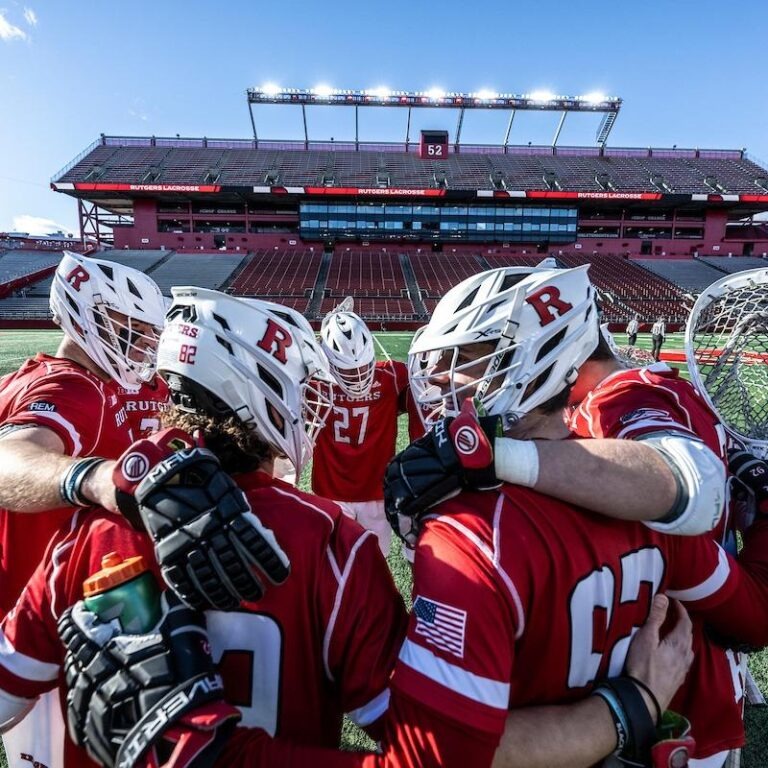
Scarlet Knights Launch 2026 Lacrosse Campaign as Big Ten Battles Loom Large. College lacrosse has become one of the fastest-rising sports on the national stage, and nowhere is that momentum stronger than in the Big Ten Conference. As the 2026 season gets underway, Rutgers men’s lacrosse finds itself stepping into a spotlight shaped by high expectations, national rankings, and a schedule that reads like a postseason preview. The Scarlet Knights open their season on the road in Florida, but the real story stretches far beyond a single opening whistle. This is a year defined by conference prestige, emerging rivalries, and the ever-present standard set by the sport’s perennial powerhouse in College Park.

Rutgers enters the new season with legitimate credibility. A preseason national ranking places the Scarlet Knights firmly among the country’s top programs, a reflection of last year’s statement wins and a roster built for another deep run. The defense remains the foundation, anchored by a goalkeeper already drawing national attention before the season begins. That defensive identity has become Rutgers’ signature in recent years, allowing the program to challenge teams that once seemed untouchable.

The season opens against Jacksonville at a neutral-site venue in Naples, Florida, giving Rutgers a warm-weather launch before returning north for a slate of games that will test every aspect of the roster. The schedule ahead is unforgiving. Multiple matchups against other nationally ranked programs ensure that the Scarlet Knights will spend much of the spring under evaluation from pollsters, tournament committees, and lacrosse fans across the country. For New Jersey supporters, it is another sign that Rutgers lacrosse is no longer a rising story—it is an established contender.

Yet in any Big Ten lacrosse conversation, one program inevitably commands attention: the University of Maryland. For anyone familiar with the sport’s modern era, Maryland lacrosse is not just successful; it is the benchmark. The Terrapins have become a fixture in championship weekend, combining elite recruiting, tactical discipline, and a winning culture that keeps them in the national top tier year after year. Their preseason placement at the very top of national rankings is less prediction than expectation.

Maryland’s presence elevates the entire conference. Every Big Ten team builds its season with a calendar circled date against the Terps, and Rutgers is no exception. Their spring road trip to College Park is more than just another conference game; it is a measuring stick. Last season’s historic Rutgers victory over Maryland proved that the gap has narrowed, and that result still echoes through both programs. It gave Rutgers belief and gave Maryland renewed motivation, setting the stage for another chapter in a growing rivalry.

The broader Big Ten picture adds even more intrigue. Penn State, Ohio State, Johns Hopkins, and Michigan form a competitive middle tier capable of beating anyone on a given weekend. Conference standings are rarely settled until the final weeks, and postseason positioning often comes down to single-goal margins. In this environment, consistency becomes the most valuable asset, and Rutgers has spent the past few seasons building exactly that.

From a regional perspective, New Jersey’s investment in lacrosse has reached a point where local talent can watch a nationally relevant team in their own backyard. Youth participation continues to climb, high school programs are stronger than ever, and Rutgers serves as a visible destination for aspiring players across the state. The program’s rise has turned the Scarlet Knights into a recruiting magnet and a source of state pride.

As the season unfolds, fans can expect storylines that stretch beyond wins and losses. Player development, defensive chess matches, clutch-time faceoffs, and special-teams execution will all shape the Big Ten race. Every contest will feed into the narrative of whether Rutgers can push deeper into championship territory and whether Maryland’s hold on conference supremacy can be challenged once again.

For followers of collegiate athletics looking to track more local sports stories, Explore New Jersey’s sports coverage continues to spotlight the teams and athletes driving competition across the state.

When the first faceoff drops in Naples, it marks the beginning of a journey that will wind through conference showdowns, national rankings, and rivalry rematches. Rutgers is ready, the Big Ten is loaded, and Maryland remains the mountain every contender must climb. For New Jersey lacrosse fans, the 2026 season promises another thrilling chapter in a sport that continues to grow louder, faster, and more competitive with each passing year.

The Big Ten Conference is one of the premier leagues in college lacrosse, and the competition is fierce. The University of Maryland is the preseason favorite. 

Big Ten Preseason Coaches’ Poll (2026)

Rank Team
1.Maryland
2.Penn State
3.Ohio State
4.Johns Hopkins
5.Michigan
6.Rutgers

From the Garden State to the Global Stage: New Jersey Athletes Ready to Shine at the 2026 Winter Games

As the world turns its attention toward the snow-covered peaks and ice-rink brilliance of the 2026 Winter Olympics in Italy, New Jersey is preparing to take its place in the international spotlight. Ten athletes with deep Garden State roots have earned selections to Olympic and Paralympic rosters, transforming hometown pride into worldwide anticipation. Their journeys—from local rinks and training centers to global podium pursuits—underscore New Jersey’s growing reputation as an unlikely but undeniable force in winter sports excellence.

When the opening celebrations begin in early February, these athletes will represent more than just their countries. They will carry the spirit of Mount Holly, Morristown, Millburn, Monroe Township, Franklin Lakes, Green Brook, Montclair, Princeton, and beyond. Each has built a path defined by discipline, ambition, and community support, turning local facilities, school programs, and collegiate pipelines into launching pads for international success.

Figure skating fans across the state are already rallying behind Isabeau Levito, whose performances have redefined expectations for American skating. Training out of a New Jersey ice center, Levito’s graceful precision and competitive poise have earned her national titles and world recognition, positioning her as a contender on the sport’s biggest stage. Her Olympic debut represents not only a personal milestone but also the rise of New Jersey as a training ground for elite skating talent.

On the ice hockey front, the Garden State’s connection to the sport runs deep, and the Olympic selections reflect that heritage. Jack Hughes, a household name for local professional hockey fans, brings star power and speed to the men’s roster as NHL athletes return to Olympic competition. Meanwhile, Alex Carpenter’s long-established international career continues, fueled by early years spent in New Jersey rinks and a childhood immersed in the sport. Her return to Olympic play adds veteran leadership to a team chasing gold.

The women’s hockey tournament will also feature New Jersey’s influence beyond U.S. borders. Sarah Fillier, shaped in part by her collegiate career at Princeton, joins Canada’s roster as one of the sport’s most dynamic forwards. Jacquie Pierre, a Montclair native, will take the ice for Italy, skating for the host nation and bringing local pride to an international jersey. Together, they highlight how New Jersey’s hockey ecosystem feeds talent into multiple corners of the global game.

Snowboarding adds another layer to the state’s Olympic story. Jess Perlmutter of Millburn arrives as a creative force in slopestyle and big air, blending technical mastery with artistic expression. Brianna Schnorrbusch, from Monroe Township, brings speed and fearlessness to snowboard cross, having built a reputation for aggressive racing and consistent podium finishes. Their presence reflects a new generation of winter athletes who discovered their drive far from mountain peaks yet mastered their craft through relentless travel, training, and perseverance.

The bobsled track features its own New Jersey milestone through Bryan Sosoo, a former collegiate track standout who transitioned from sprint lanes to ice chutes. His selection marks a historic moment for his university and signals the expanding crossover between traditional athletic programs and winter sport development.

Paralympic competition will also showcase the Garden State’s extraordinary talent. Josh Pauls, a sled hockey legend from Green Brook, returns to lead Team USA with a decorated legacy of championship performances. Jack Wallace, from Franklin Lakes, joins him with experience and hunger for another top-tier finish. Their careers embody resilience, innovation, and the relentless pursuit of excellence that define Paralympic sport.

What unites all ten athletes is not only talent, but the infrastructure and culture of sport that New Jersey continues to nurture. Local rinks, youth leagues, training academies, high school programs, and college pipelines have steadily transformed the state into a breeding ground for winter competitors once thought to emerge only from northern mountain regions. This evolution has reshaped expectations and created new opportunities for young athletes who now see Olympic dreams as realistic goals.

As Milano Cortina 2026 approaches, communities across the state will gather to watch hometown heroes compete under global lights. Their stories will inspire the next wave of athletes stepping onto ice for the first time or strapping into boards and sleds with ambition in their eyes. For fans who want to follow more stories of local athletic achievement, Explore New Jersey’s sports coverage continues to highlight the teams, players, and programs shaping the state’s dynamic athletic identity.

When the world tunes in to the Winter Games, New Jersey will not simply be watching. It will be represented, celebrated, and recognized on sport’s grandest stage, proving once again that excellence can rise from anywhere—and that the Garden State belongs in the global conversation.

New Federal Tax Overhaul Promises Bigger Refunds for New Jersey Households in 2026

SALT expansion, new deductions, and family credits reshape filing season and put more money back in residents’ pockets. New Jersey taxpayers are heading into the 2026 filing season with a rare advantage: a restructured federal tax code designed to leave more money in household budgets. Financial analysts project the average federal tax savings for Garden State filers will reach approximately $3,700 this year, a notable shift driven by sweeping reforms passed in Washington last summer. For a state long burdened by high property taxes and elevated cost-of-living pressures, these changes could redefine how residents plan, save, and spend in the year ahead.

The reforms stem from the One Big Beautiful Bill Act, signed into law in July 2025, which permanently rewrote key sections of the federal tax system. While national headlines focused on broad economic implications, the practical effects are landing directly on kitchen tables across New Jersey, where homeowners, wage earners, seniors, and working families are discovering new opportunities to reduce their federal tax burden.

One of the most significant updates is the dramatic expansion of the State and Local Tax deduction cap. For years, New Jersey residents were constrained by a $10,000 limit on SALT deductions, despite some of the highest property tax bills in the nation. The new $40,000 cap substantially increases the potential write-off for homeowners, especially in high-value counties where property assessments and municipal taxes remain steep. This single change alone reshapes the tax landscape for many middle- and upper-middle-income households who previously saw limited benefit from itemizing.

Workers in service industries and hourly professions are also seeing targeted relief through newly deductible earnings. Reported tip income up to $25,000 is now excluded from federal taxation, offering substantial savings for hospitality and service workers. Additionally, the premium portion of overtime pay, capped at $12,500, has been carved out as deductible income. This adjustment rewards extra work hours at a time when many families are still balancing inflation-driven expenses.

The standard deduction has also climbed to new levels, reaching $15,750 for single filers and $31,500 for married couples. This increase simplifies filing for most residents, reducing the need for itemized deductions while still delivering meaningful tax relief. Financial planners note that this higher standard deduction will likely result in nearly nine out of ten taxpayers choosing the simpler filing route, streamlining the process and minimizing paperwork stress.

Families and retirees have not been left behind in the overhaul. A newly introduced $6,000 bonus deduction is available to seniors earning under $75,000, offering additional protection for fixed-income retirees navigating rising healthcare and housing costs. At the same time, the Child Tax Credit has been increased to $2,200 per child, a direct benefit for working parents managing childcare, education, and daily household expenses.

Projected savings across New Jersey reveal a familiar pattern tied to property values and income distribution. Morris County is expected to see the highest average benefit, exceeding $5,200 per filer, followed closely by Bergen County at just under $4,700. Camden County residents are projected to average nearly $2,900 in savings, while Cumberland County filings are expected to realize roughly $2,000 in relief. Though the dollar amounts vary, the overarching trend is consistent: virtually every corner of the state sees measurable benefit.

However, tax professionals caution that not every filer will take full advantage of the expanded SALT deduction. Because the standard deduction is now significantly higher, most residents will not itemize. That means the increased SALT cap primarily benefits those with larger deductible expenses, including higher property taxes and mortgage interest. Even so, the expanded deduction provides strategic flexibility for households whose expenses exceed the standard threshold.

Adding another layer of relief, state-level programs remain active alongside the federal changes. New Jersey’s Stay NJ initiative continues offering property tax credits of up to $6,500 for qualifying seniors, while the ANCHOR program is scheduled to distribute early 2026 payments and credits to homeowners and renters. Together, state and federal benefits create a synchronized relief package that could noticeably reduce financial strain for many residents.

Beyond individual refunds, the broader impact is expected to ripple through local economies. Increased take-home income often translates into higher consumer spending, stronger retail activity, and greater household savings. Small businesses, real estate markets, and municipal revenue streams may all experience indirect benefits as taxpayers redirect saved funds back into local communities.

Lawmakers in both Trenton and Washington continue to evaluate additional adjustments, signaling that tax policy remains an evolving priority. Readers tracking these developments can follow ongoing legislation coverage for deeper insight into how state and federal policy decisions shape New Jersey’s economic outlook.

As the 2026 tax season unfolds, one thing is becoming increasingly clear: this year’s reforms represent more than a routine update to the filing process. They mark a recalibration of how federal policy recognizes the unique financial realities of states like New Jersey. For residents accustomed to seeing a heavy share of their income absorbed by taxes, the new code offers something unfamiliar but welcome — a little breathing room, and a little more money staying where it matters most, at home.

New Jersey Hospitals Rise to the Nation’s Highest Ranks for Clinical Excellence in 2026

New Jersey’s healthcare landscape has entered 2026 with a powerful statement: the Garden State is delivering some of the highest-quality hospital care in the entire country. A new national performance review has placed a dozen New Jersey hospitals among America’s most elite medical institutions, signaling that patients across the state have access to exceptional clinical outcomes, advanced treatment programs, and consistently high standards of care.

Twelve hospitals based in New Jersey earned spots among the nation’s top-performing facilities, placing them within the upper tier of thousands of hospitals evaluated nationwide. This recognition reflects measurable results in patient care, including lower complication rates, reduced mortality risk, and superior outcomes across a wide range of common procedures and conditions. In an era when patients are increasingly informed and selective about where they seek treatment, these rankings provide strong evidence that New Jersey’s medical systems are competing — and winning — on a national stage.

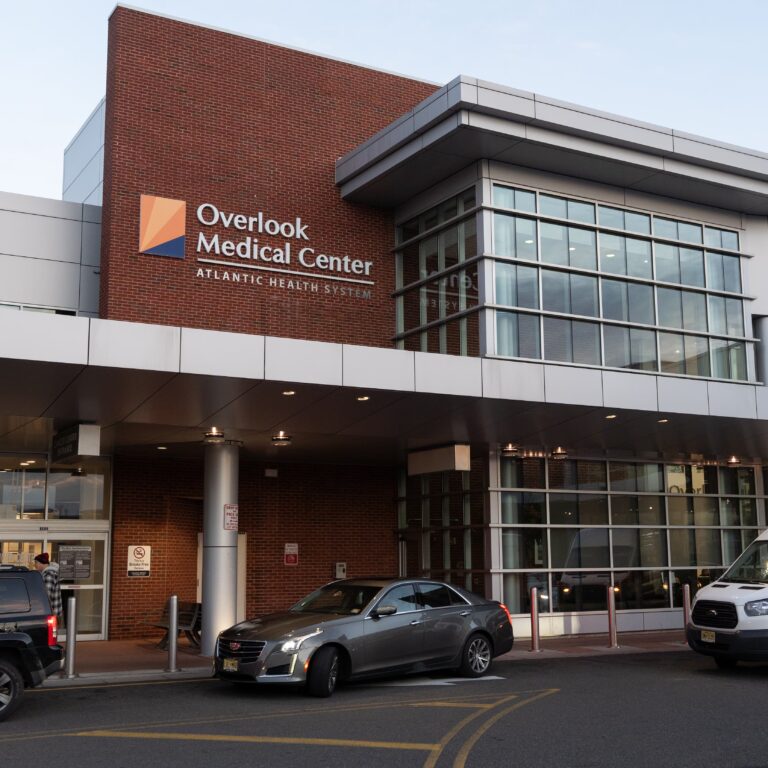
At the very top of the list are two Atlantic Health System flagships that achieved placement in the highest performance category in the country. Morristown Medical Center and Overlook Medical Center in Summit both earned recognition for delivering top-tier clinical results across multiple specialties. Their continued presence in the nation’s uppermost tier underscores sustained excellence rather than a single-year surge, reflecting long-term investments in physician leadership, patient safety protocols, and technology-driven treatment pathways.

Just below that elite tier, three additional New Jersey hospitals secured positions among the country’s top 100 institutions. Cooperman Barnabas Medical Center in Livingston, Jersey Shore University Medical Center in Neptune, and The Valley Hospital in Ridgewood all demonstrated superior performance across key care metrics. Each of these hospitals represents a different region of the state, meaning patients from North Jersey to the Shore have access to nationally recognized medical care without leaving New Jersey’s borders.

Seven more hospitals across multiple healthcare networks completed the Garden State’s showing among the top 250 hospitals in America. Facilities in Hackensack, Holmdel, Brick, Red Bank, Plainsboro, Pompton Plains, and Somerville all earned recognition for consistent clinical quality. Together, these institutions form a statewide network of high-performing hospitals serving diverse communities, from suburban centers to coastal regions.

What makes this achievement particularly significant is the method behind the rankings. Hospitals were evaluated using extensive inpatient data, examining performance across dozens of procedures and medical conditions that affect millions of patients each year. This approach prioritizes real-world outcomes rather than reputation alone, offering an objective look at where patients receive the most effective care. The results show that New Jersey’s hospitals are not only keeping pace with national healthcare standards but often surpassing them.

The recognition also highlights a broader trend unfolding in the Garden State’s healthcare ecosystem: continuous improvement. Several hospitals returned to the rankings after previous appearances, while others climbed into higher performance tiers for 2026. These shifts suggest ongoing innovation in clinical practices, expanded specialty services, enhanced nursing programs, and stronger integration of data-driven quality initiatives.

Healthcare leaders across New Jersey have emphasized that these achievements belong to entire medical teams — physicians, nurses, technicians, support staff, and administrators — all working toward a shared goal of better patient outcomes. Their efforts translate directly into shorter recovery times, safer surgical procedures, improved chronic disease management, and stronger community trust.

For patients and families, the impact is tangible. Whether seeking cardiac care, orthopedic surgery, oncology treatment, or emergency services, many New Jersey residents now live within reach of nationally ranked medical centers. This level of access reduces the need to travel out of state for complex procedures and reinforces New Jersey’s reputation as a hub for advanced healthcare.

The broader implications extend beyond individual hospitals. A strong healthcare infrastructure attracts medical talent, research investment, and technological innovation. It also strengthens local economies and elevates the state’s profile in national healthcare discussions. As medical systems continue to expand outpatient programs, telehealth services, and preventive care initiatives, New Jersey’s hospitals are shaping the future of patient-centered medicine.

Readers interested in how healthcare advancements are improving quality of life across the state can explore more stories on medical progress, wellness initiatives, and community health through Explore New Jersey’s health and wellness coverage.

As 2026 continues to unfold, these hospital rankings mark more than a moment of recognition. They represent a sustained commitment to excellence, accountability, and patient trust. For New Jersey residents, that means confidence in knowing that some of the best hospital care in America is available right at home, delivered by institutions that are raising the standard for modern medicine.

IgniteHer Initiative Sets New Jersey Stage for a Breakthrough Year in Women-Led Enterprise

Statewide movement blends entrepreneurship, leadership visibility, and survivor advocacy into a rising economic force. A powerful new chapter in women’s leadership and entrepreneurial advancement is unfolding in New Jersey, as the IgniteHer movement emerges as both a rallying cry and a strategic engine for professional growth, personal empowerment, and economic momentum. What began nationally as a mission-driven effort to elevate women’s safety, confidence, and visibility is now taking on fresh urgency in the Garden State, where organizers, business leaders, and community advocates are aligning behind a shared message: visibility is no longer optional, it is currency.

At the center of this momentum is the newly launched 2026 IgniteHer Initiative, introduced by The Mycelia Group in partnership with IgniteIt Events. The campaign, themed “Visibility is the New Currency,” is designed to challenge long-standing expectations that women should quietly build, wait to be invited, or minimize their accomplishments. Instead, the initiative encourages women to claim space, expand networks, and accelerate professional influence through strategic exposure and collaboration.

A flagship gathering scheduled for February 2026 is already drawing attention from across the region’s entrepreneurial ecosystem. The upcoming IgniteIt New Jersey event is specifically tailored to women business owners whose companies are scaling or preparing for capital investment. Organizers describe it as part summit, part showcase, and part high-level networking accelerator — a room where ideas, funding opportunities, and leadership pathways converge. With New Jersey’s startup and small business communities continuing to expand, the event is positioned to become a defining moment in the state’s evolving innovation economy.

Behind the scenes, The Mycelia Group’s founder Jessica Ferranti has framed the mission succinctly: women must be present where decisions and dollars move. That philosophy is resonating across professional circles, from corporate leadership tracks to independent founders seeking greater market traction. As a result, IgniteHer’s footprint is rapidly extending beyond inspiration into tangible economic impact, reinforcing New Jersey’s reputation as a rising hub for women-driven enterprise.

Parallel to the entrepreneurship-focused initiative is IgniteHer, Inc., a nonprofit organization dedicated to supporting survivors of domestic abuse. Through trauma-informed programming, the nonprofit provides Warrior Workshops that teach safe-exit planning, situational awareness, self-defense fundamentals, and confidence rebuilding. Beyond immediate safety tools, participants gain long-term peer networks and education on recognizing harmful relationship dynamics. The organization’s “rebuild boldly” ethos aligns seamlessly with the broader IgniteHer philosophy: empowerment is not abstract — it is practical, teachable, and life-changing.

Adding another dimension to the movement are affiliated programs operating under the IgniteHer name worldwide. The IgniteHER Project engages youth in rhetorical feminism, helping young women master language, debate, and communication to challenge bias and advocate for equity. Meanwhile, the IgniteHer Programme applies a “4C Model” — Context, Confidence, Connection, and Care — to develop leadership skills in professional environments. Together, these initiatives form a multilayered ecosystem spanning personal safety, professional development, and cultural transformation.

In New Jersey communities, the movement’s influence is already visible. While there is no dedicated IgniteHer storefront in towns like Madison, local venues frequently host empowerment gatherings, leadership workshops, and women-centered business networking events that align with the initiative’s mission. These community-based touchpoints ensure the movement remains accessible at the neighborhood level while scaling upward into statewide economic influence.

What makes this moment particularly significant is timing. As more women launch businesses, pursue executive roles, and lead investment ventures across New Jersey, the demand for structured support, visibility platforms, and cross-industry collaboration has never been higher. IgniteHer is positioning itself not simply as an event series or nonprofit program, but as an integrated force in the state’s evolving business landscape — one that merges personal empowerment with measurable economic participation.

Organizers emphasize that success will be defined not only by attendance numbers or social media impressions, but by closed funding rounds, expanded enterprises, career advancement, and sustained community support networks. In that sense, IgniteHer is building infrastructure for long-term transformation rather than momentary inspiration.

As 2026 approaches, New Jersey stands at the forefront of a movement that blends leadership development, entrepreneurship acceleration, and survivor advocacy into a single unified mission. The message is clear, confident, and unmistakably modern: women will no longer wait to be seen. They will be seen, heard, funded, and leading.

And in a state already known for innovation, resilience, and ambition, IgniteHer is shaping up to be more than a campaign — it is becoming a defining force in New Jersey’s next era of progress.

Long-Vacant Clinton Avenue Corner Poised for New Life in Bergen-Lafayette

Jersey City greenlights mixed-income residential project bringing housing, greenery, and renewed momentum to a dormant neighborhood site**

A long-idled corner in Jersey City’s Bergen-Lafayette neighborhood is officially on track for transformation, as city zoning officials have approved a new residential development at 30 Clinton Avenue, replacing a decade-old vacant parcel with modern housing and community-focused improvements. The decision marks another step in Bergen-Lafayette’s steady evolution from overlooked district to rising residential destination, reflecting the broader surge reshaping Jersey City’s urban landscape.

The approved site sits on a lot that once held the Masonic Club of Jersey City, later operated by the Jersey City Athletic Club and eventually purchased by Salem Baptist Church. After the building was vacated in the early 2010s, it was demolished, leaving behind an empty property that lingered unused for years. That dormant stretch of Clinton Avenue is now slated for revival under a plan submitted by LAM Capital Investments, a Kearny-based development firm that revised its proposal after neighborhood engagement to better align with local scale and character.

Rather than the originally proposed five-story structure, the finalized plan introduces a four-story residential building rising approximately 42 feet. Inside, 22 apartments will be created, offering a mix designed to attract a range of residents. The layout includes 14 one-bedroom units, six two-bedroom residences, and two three-bedroom apartments, providing options for singles, couples, and small families alike. Average unit sizes are generous by urban standards, with one-bedrooms spanning roughly 780 square feet and two-bedrooms averaging just over 1,000 square feet, reflecting a design approach that prioritizes livability over density alone.

Affordability has been built into the project, with 10 percent of the units designated as affordable housing. That commitment ensures that long-time neighborhood residents have the opportunity to benefit from local reinvestment, not just observe it from the sidelines. This balance between market-rate and affordable homes continues to be a central theme in Jersey City’s modern development philosophy as the city works to grow without displacing its roots.

Architectural plans call for a contemporary structure designed by Aavart Patel, featuring a ground-level garage with 12 parking spaces. Above, residents will have access to a substantial rooftop environment combining a nearly 3,000-square-foot roof deck with an additional green roof area exceeding 2,200 square feet. These outdoor amenities add valuable communal space in a neighborhood where private green areas are limited, while the green roof component supports stormwater management and urban heat reduction.

Street-level improvements are also part of the approved design. Six new street trees will be planted, sidewalks along the public right-of-way will be upgraded, and the building’s frontage is expected to strengthen pedestrian flow along Clinton Avenue. These details, while easily overlooked, play an outsized role in shaping how residents experience their daily environment and how safely and comfortably people move through the neighborhood.

Because the property sits within a Neighborhood Housing District and the Junction Small Area Vision Plan zone, the Zoning Board granted several variances related to density, setbacks, building height, rooftop structures, and stilted construction. Such variances are common in Jersey City’s adaptive development climate, where aging parcels and evolving land-use goals require flexibility to unlock underutilized sites.

Location remains one of the project’s strongest assets. The site is within walking distance of Arlington Park and a short trip from Berry Lane Park, two of the area’s most valued green spaces. The Garfield Avenue station on the Hudson-Bergen Light Rail is also nearby, connecting future residents to employment centers throughout Hudson County and beyond. This proximity to transit, recreation, and retail corridors reinforces Bergen-Lafayette’s growing appeal to renters seeking urban convenience without Manhattan pricing.

While a groundbreaking date has not yet been announced, zoning approval clears the primary regulatory hurdle, positioning the project to advance once construction scheduling and financing are finalized. When completed, the building will not only replace a long-neglected lot but also contribute to the neighborhood’s ongoing momentum as Jersey City continues to evolve into one of New Jersey’s most dynamic housing markets.

For continued coverage of development trends, housing shifts, and neighborhood transformation across the state, readers can explore Sunset Daily News’ dedicated real estate reporting, where New Jersey’s changing property landscape is tracked with depth and local focus.

In a city where every vacant lot represents potential, 30 Clinton Avenue stands as a symbol of Bergen-Lafayette’s next chapter — one that blends new housing, sustainable design, and community-minded growth into a single forward-looking investment.

A New Jersey Renaissance Voice: Calvin Barry Schwartz’s Expanding Legacy in Literature, Media, and Education

New Jersey has long been home to thinkers, writers, and storytellers who reflect the pulse of the state while shaping conversations far beyond its borders. Among today’s most compelling creative figures is Calvin Barry Schwartz, a New Jersey-based author, educator, journalist, and media host whose work bridges literature, mentorship, and community storytelling. As 2026 unfolds, Schwartz continues to build a dynamic body of work rooted in curiosity, purpose, and a deep commitment to the institutions and people that define the Garden State.

At the center of this recent wave is There’s a Tortoise in My Hair: A Journey to Spirit, a novel that leans into bold emotional truth while maintaining a streak of wry humor. Rather than offering a conventional narrative, Schwartz builds a story that unfolds across decades of experience, memory, and reflection. The novel wrestles with questions of selfhood, purpose, and transformation, inviting readers to examine how identity shifts over time and how meaning is constructed through both triumphs and setbacks. Its distinctive voice, equal parts candid and contemplative, marks it as a book that resists easy categorization, instead positioning itself as a meditation on what it means to live fully and consciously.

Complementing that inner exploration is 10 Things I Learned from the Billionaire: A Business Fable, co-written with Kae Wagner and released at the end of 2025. Where Tortoise turns inward, Billionaire looks outward, distilling decades of mentorship and real-world observation into ten guiding principles for leadership, growth, and strategic thinking. The book is structured as a modern fable, translating complex business insights into accessible lessons that speak to entrepreneurs, executives, students, and dreamers alike. Its narrative style keeps it engaging while grounding its ideas in practical reality, emphasizing clarity of vision, resilience, ethical decision-making, and long-term relationship building. Together, the two books create a deliberate balance between spirit and success, introspection and execution, imagination and discipline.

This dual release has not emerged in isolation. Schwartz’s literary roots reach back to Newark, New Jersey, where his earlier novel Vichy Water earned recognition for capturing the texture and tension of hometown life. Set against the backdrop of his native city, that work established his reputation for weaving place into story, turning real streets and communities into emotional landscapes that resonate far beyond their geographic boundaries. Newark’s influence remains a quiet undercurrent in all his writing, reinforcing a sense of authenticity and grounding that readers instinctively recognize.

What makes Schwartz’s current moment particularly compelling is the range of audiences his work now reaches. Fiction readers drawn to psychologically rich narratives find depth in Tortoise. Professionals and students seeking direction gravitate toward Billionaire. Longtime New Jersey literature enthusiasts appreciate the continued evolution of a homegrown voice who never abandoned his roots. His books invite reflection while also offering tangible tools for growth, a rare combination in today’s publishing landscape.

New Jersey has always produced writers unafraid to challenge form and expectation, and Schwartz’s expanding catalog fits that lineage. His stories question how people define themselves, how ambition is shaped, and how reinvention is possible at any point along life’s timeline. That thematic consistency gives his body of work cohesion even as each title explores different genres and audiences.

For readers eager to follow the Garden State’s vibrant literary scene, Schwartz’s latest releases are part of a broader wave of writing talent emerging from New Jersey’s towns and cities. Additional author features, reviews, and literary spotlights can be found through Explore New Jersey’s books and literature coverage, a growing resource for readers who want to stay connected to the state’s creative pulse.

As early 2026 continues to unfold, Calvin Barry Schwartz’s pair of late-2025 releases stands as a statement of artistic range and narrative courage. One book asks readers to confront their inner evolution, the other challenges them to build their external success with intention. Together, they reflect a writer unafraid to explore the full spectrum of human aspiration, from the quiet work of the soul to the public pursuit of achievement, all while carrying New Jersey’s literary spirit onto a broader stage.

Schwartz’s connection to Rutgers University anchors much of his professional and personal identity. A proud Rutgers alumnus, he later returned to the university as a lecturer, guiding students through courses in career exploration, communication, and professional development. His involvement on campus extends well beyond the classroom. He actively mentors students, participates in university initiatives, supports athletics programs, and contributes to advisory committees connected to health and medical advancement. His ongoing presence at Rutgers reflects a sustained investment in education, leadership, and student opportunity.

That same commitment to storytelling and insight drives his literary work. Drawing inspiration from New Jersey’s social fabric and cultural rhythm, Schwartz crafts narratives that feel both deeply personal and widely relatable. His writing explores self-discovery, ambition, transformation, and connection, often reflecting the emotional textures of community life and institutional experience. Like many of the state’s celebrated literary voices, his sense of place informs his perspective, grounding his themes in authenticity.

In late 2025, Schwartz released two distinctly different yet thematically connected books that have drawn significant attention into early 2026. There’s a Tortoise in My Hair: A Journey to Spirit presents a metaphysical narrative centered on identity and inner exploration, inviting readers into a contemplative journey of meaning and self-awareness. In contrast, 10 Things I Learned from the Billionaire: A Business Fable, co-written with Kae Wagner, transforms years of real-world mentorship under a global business leader into a concise and engaging guide to leadership, strategic thinking, and professional growth. Together, these works highlight Schwartz’s versatility as a writer equally comfortable in fiction, philosophy, and practical instruction.

Beyond publishing, Schwartz’s media career has focused on elevating local voices and documenting the lived experiences of New Jersey communities. His work with NJ Discover positioned him as a journalist, producer, and host dedicated to human-interest storytelling across Central Jersey. His reporting has explored social challenges, environmental issues, community advocacy, and personal triumph, reinforcing the idea that meaningful stories exist close to home.

That philosophy carries into his global podcast, Conversations with Calvin; WE the SpecIEs, a far-reaching interview platform that has featured hundreds of guests from around the world. While international in scope, the program frequently highlights New Jersey-based guests, including students, athletes, educators, and community leaders, continuing his long-standing mission of giving people space to share their experiences and ideas.

A lesser-known literary detail underscores just how deeply Rutgers and New Jersey are embedded in his creative imagination. His earlier novel Vichy Water reportedly references Rutgers repeatedly, signaling a longstanding habit of weaving real institutional and regional identity into fictional storytelling.

Schwartz’s growing portfolio of books, interviews, lectures, and media projects paints the picture of a creator driven by exploration and connection. His work speaks to readers, listeners, and students seeking guidance, insight, and inspiration through real stories and thoughtful dialogue. For those who follow New Jersey’s evolving literary and cultural landscape, his contributions continue to shape the conversation. Readers interested in discovering more writers and literary happenings across the state can explore additional coverage through Explore New Jersey’s books and literary features.

In a state known for its strong voices and distinctive character, Calvin Barry Schwartz stands out as a storyteller who bridges imagination with experience, education with creativity, and community with global reach. His journey remains an unfolding narrative—one that continues to expand New Jersey’s cultural footprint while reminding audiences that curiosity and purpose are lifelong pursuits.

Route 70 Rebuild Transforms South Jersey Commute as Cherry Hill and Pennsauken Drivers Adapt

Headline: Massive highway reconstruction reshapes travel patterns, fuels detours, and signals a new era for regional infrastructure**

A sweeping reconstruction project along Route 70 is redefining daily travel across Cherry Hill and Pennsauken, marking one of South Jersey’s most ambitious transportation overhauls in decades. What began as routine roadway improvement has expanded into a full-scale modernization effort, complete with bridge replacements, drainage upgrades, resurfaced corridors, and the critical rebuilding of the Cropwell Brook box culvert. The result is a highway corridor being rebuilt from the ground up — and a commuting public learning new rhythms to keep traffic moving.

Construction crews are currently deep into structural replacement work at Cropwell Brook, a vital waterway crossing that required removing aging concrete infrastructure and installing a modernized culvert system designed to improve flood resilience and long-term roadway stability. At the same time, general reconstruction stretches through multiple segments of Route 70, producing frequent lane shifts, overnight closures, temporary side-street shutdowns, and reconfigured intersections. These changes are deliberate, phased, and part of a broader strategy to deliver a safer, smoother, higher-capacity corridor once work is complete.

For drivers, the immediate impact is daily congestion through active work zones, particularly during peak travel hours. Cherry Hill’s commercial core, the Pennsauken approach, and the Springdale-to-Route-73 stretch have all become pressure points where careful planning saves time and frustration. Local officials continue to coordinate traffic control measures, police presence at key intersections, and adaptive signal timing to keep bottlenecks from spilling into surrounding neighborhoods.

Regular commuters have quickly turned to proven alternate arteries to stay ahead of backups. Route 38 has emerged as the most dependable east-west bypass north of Route 70, offering a stable parallel path between Pennsauken and the Moorestown–Mount Laurel corridor. For drivers moving between Cherry Hill and Voorhees or Gibbsboro, Route 561 — also known as Haddonfield-Berlin Road — has become the preferred escape route from congestion near the I-295 interchange. Greentree Road and Evesham Road provide effective local relief between Springdale Road and the Evesham border, while Church Road now plays a vital supporting role for travelers reaching the Moorestown Mall area without entering the Pennsauken construction zone.

Closer to the Cropwell Brook worksite, precision detours keep access open to nearby homes and businesses. Eastbound travelers are being guided to cross Route 70 at Conestoga Drive before reconnecting through North Cropwell Road and Old Marlton Pike. Westbound traffic follows a complementary pattern, using North Cropwell Road and the Conestoga jughandle system to maintain circulation through the reconstruction area. These localized detours may feel complex at first, but they are engineered to preserve neighborhood access while keeping heavy through-traffic out of tight residential streets.

Real-time travel planning has become an essential tool for navigating the evolving work zone. State traffic monitoring systems provide live speed data and lane-closure alerts, while weekly construction schedules outline upcoming overnight restrictions. Motorists checking conditions before departure are consistently seeing faster trip times than those arriving unprepared.

Beyond the daily inconvenience, transportation planners stress that the long-term payoff will be substantial. Once complete, the rebuilt Route 70 corridor will feature improved stormwater management, safer turning lanes, upgraded intersections, smoother pavement, and stronger substructures capable of supporting decades of heavy traffic. The Cropwell Brook culvert replacement alone significantly reduces flood risk during major storms — a key resilience improvement for a region that has seen increased extreme weather events.

Economic benefits are also expected to follow. Route 70 serves as a commercial backbone for Cherry Hill and Pennsauken, feeding retail centers, medical facilities, office parks, and residential developments. A modernized corridor enhances accessibility, increases safety for pedestrians and cyclists, and supports continued business investment throughout the township.

Officials emphasize that patience now will yield long-term gains in safety, efficiency, and quality of life. The transformation underway is not merely repaving a highway — it is reshaping a vital regional artery to meet modern transportation demands.

For ongoing project coverage, planning insight, and infrastructure reporting across the region, readers can follow Sunset Daily News’ dedicated construction reporting hub, where South Jersey’s largest development and roadway projects are tracked in depth.

As crews push forward through each construction phase, one thing is certain: Route 70 is being rebuilt not just for today’s drivers, but for the next generation of South Jersey travelers who will benefit from a safer, stronger, and more connected corridor.

Madison’s Sweetest Tradition Returns: The Rose City Chocolate Walk Sets the Stage for a Winter Wonderland of Flavor and Fun

A crisp February morning in downtown Madison rarely feels ordinary, but on Saturday, February 7, 2026, the borough’s charming streets will transform into a cocoa-scented celebration as the Rose City Chocolate Walk makes its highly anticipated return. Equal parts community festival, family outing, and indulgent tasting adventure, this annual event has grown into one of Morris County’s most beloved winter traditions, drawing visitors from across New Jersey eager to savor confections, explore local shops, and experience a town-wide day of delight.

Beginning in the late morning and continuing through the afternoon, the Chocolate Walk invites attendees to stroll Madison’s picturesque downtown business district, where participating storefronts welcome guests with complimentary chocolate treats, themed merchandise, and special in-store experiences. Each stop is clearly marked, turning the town into an interactive tasting trail where boutique retailers, cafés, and specialty shops unite under one delicious mission: spreading joy through chocolate.

What elevates Madison’s Chocolate Walk beyond a simple tasting event is its full schedule of creative activities designed for every age group. The Museum of Early Trades & Crafts Education Annex becomes a hub of imagination with a chocolate-themed Makerspace, offering hands-on crafting experiences like origami candy boxes and Valentine’s keepsakes. Warm cups of hot chocolate add a cozy touch, giving families a perfect reason to linger, create, and enjoy the winter day indoors before heading back out onto Main Street.

Shoppers can also take part in the ever-popular Mystery Bag tradition. For a modest fee, participants receive surprise-filled bags, some containing coveted golden tickets redeemable for Madison gift checks. It’s a playful twist that adds anticipation to every purchase and encourages visitors to explore more of the town’s small businesses while supporting the local economy.

Literature and storytelling find their place in the festivities as well. The Madison Public Library organizes a StoryWalk weaving through downtown, featuring a chocolate or Valentine-inspired children’s book displayed page by page along the route. It’s a free and whimsical way to blend reading, movement, and community exploration into the day’s activities. Later, families and classic film lovers alike can gather at the library’s Chase Room for a screening of the original Willy Wonka & the Chocolate Factory, a nostalgic experience that pairs perfectly with the day’s sweet theme.

Throughout the event, visitors can pick up a printed Chocolate Walk Guide from designated downtown locations, making it easy to plan a tasting route, locate activities, and discover participating businesses. The guide also encourages exploration beyond the treats, introducing guests to Madison’s boutiques, eateries, and specialty shops that often become new favorites long after the last chocolate sample is enjoyed.

While the Rose City Chocolate Walk is free to attend, its impact on community connection and local commerce is priceless. It bridges generations, bringing together grandparents, parents, children, and friends in a shared experience that feels both festive and welcoming. For out-of-town guests, it provides a perfect reason to explore one of New Jersey’s most charming small-town centers. For locals, it’s a proud tradition that marks the heart of winter with warmth, laughter, and shared celebration.

Events like this embody the spirit of what makes New Jersey’s towns vibrant destinations for seasonal discovery. Readers seeking even more family-friendly experiences across the state can explore additional activities and adventures through Explore New Jersey’s collection of things to do and seasonal fun.

As February arrives, Madison’s downtown will once again glow with shop windows, laughter, and the unmistakable aroma of chocolate drifting through the air. The Rose City Chocolate Walk isn’t just an event. It’s a memory-making day where community pride, small-business spirit, and sweet indulgence blend into one of New Jersey’s most enchanting winter traditions.

New Jersey’s CareRite Network Earns National Distinction as a Leader in Skilled Nursing Excellence

In a healthcare landscape where quality, compassion, and outcomes matter more than ever, New Jersey-based CareRite Centers has emerged as a standout name in long-term and rehabilitative care. The organization’s network of skilled nursing facilities has received national recognition in U.S. News & World Report’s 2026 Best Nursing Homes ratings, marking a milestone that reinforces CareRite’s growing reputation as one of the region’s most forward-thinking care providers.

This distinction is not simply a badge of honor. It signals measurable excellence in clinical performance, patient satisfaction, safety standards, and overall resident outcomes. U.S. News evaluates nursing facilities across multiple data-driven criteria, including staffing levels, health inspection results, quality measures, and specialized care services. To be recognized on this scale means CareRite’s facilities have demonstrated consistent performance in areas that directly affect residents’ daily lives, from rehabilitation success rates to chronic care management.

Across New Jersey, families seeking trusted care solutions often face difficult decisions, especially when balancing medical needs, emotional well-being, and long-term stability for loved ones. CareRite’s recognition offers reassurance that its facilities deliver both medical precision and personal dignity. Residents benefit from individualized care planning, advanced therapy programs, and interdisciplinary clinical teams that collaborate to accelerate recovery while maintaining comfort and independence.

What separates CareRite in an increasingly competitive healthcare field is its commitment to innovation within traditional care models. Many of its facilities emphasize modern rehabilitation technology, short-term recovery pathways designed to return residents home faster, and memory care environments tailored to cognitive wellness. At the same time, the organization continues investing in workforce development, ensuring nurses, therapists, and support staff receive continuous training aligned with evolving healthcare standards.

New Jersey’s aging population has intensified demand for skilled nursing and post-hospital recovery services. As hospitals discharge patients earlier and more frequently require transitional care, facilities capable of bridging acute treatment with long-term stability are becoming essential. CareRite’s network is positioned squarely in this space, offering rehabilitation services that reduce hospital readmissions and improve patient independence after surgery, injury, or serious illness.

Beyond clinical results, residents and families often speak to the atmosphere within CareRite communities. Engaging social programming, wellness activities, and family involvement initiatives help transform skilled nursing from a medical necessity into a livable, supportive environment. This human-centered approach reflects broader shifts across healthcare where emotional health, community connection, and mental wellness now stand beside medical treatment as core priorities. Readers interested in broader developments shaping patient-centered care across the state can explore related coverage in Explore New Jersey’s health and wellness section.

CareRite’s national recognition also highlights New Jersey’s expanding role as a leader in healthcare quality. The state has become home to institutions willing to invest in modernization, data-driven performance improvement, and holistic care design. For CareRite, this award is both validation of current achievements and momentum for continued advancement. Leadership teams across its facilities have already signaled plans to expand rehabilitation programs, integrate new therapy equipment, and enhance resident engagement initiatives in the coming year.

As families look ahead to future care needs, transparency and measurable quality will remain deciding factors. National ratings like these provide a trusted benchmark, but CareRite’s true impact lies in daily interactions between caregivers and residents — the quiet moments of encouragement during physical therapy sessions, the reassurance offered during medical consultations, and the comfort of knowing loved ones are in capable hands.

In an industry where excellence requires constant evolution, CareRite Centers has demonstrated that skilled nursing can be more than functional. It can be progressive, compassionate, and deeply rooted in community trust. With national recognition now underscoring its efforts, the organization stands poised to continue raising expectations for what quality care looks like across New Jersey and beyond.

Menendez Presses for Oversight as ICE Faces Funding Deadline and Scrutiny Over Deadly Incidents by Federal Immigration Enforcement

New Jersey lawmaker says federal agency accountability must come before budget expansion amid mounting controversy. Leaders Demand Transparency as Federal Immigration Enforcement Sparks Outrage. State officials call for accountability and federal cooperation amid national uproar over fatal Minneapolis shootings

A growing federal crisis over immigration enforcement has triggered fierce criticism from elected officials and community leaders across the nation, including in New Jersey, as questions mount about the conduct of federal agents following the fatal shooting of a U.S. citizen in Minneapolis. The incident has intensified debates around the role of federal immigration operations in domestic cities and pushed state leaders to demand accountability instead of additional funding or expanded authorities.

At the heart of the controversy is the death of 37-year-old ICU nurse Alex Pretti, who was shot and killed during a federal immigration enforcement operation in Minneapolis. Pretti’s death marked the second fatal shooting by federal agents in the city this month, following the earlier killing of Renee Good, a 37-year-old mother whose death also sparked nationwide concern. Thousands of protesters have taken to the streets in Minneapolis and beyond, decrying what critics describe as excessive use of force and a lack of transparency from federal authorities.

New Jersey leaders, including Governor Phil Murphy and members of the state’s congressional delegation, have joined calls for a thorough and independent examination of the incidents, arguing that oversight must come before any talk of additional federal support or expanded operations. In public statements and meetings with constituents, these officials emphasized that families deserve clarity, and communities require protection under the law, not confusing or conflicting narratives from federal agencies. Through the state’s ongoing Law & Order coverage, readers have tracked how these tensions are affecting policy discussions across the region and shaping public sentiment.

The Minneapolis shootings have drawn headlines from coast to coast, with growing criticism of Operation Metro Surge, the federal initiative that has placed additional immigration agents in the city. Opponents of the operation say it has created an atmosphere of fear and mistrust, with repeated clashes between agents and protestors. In Congressional briefings, officials acknowledged that multiple federal officers fired shots at Pretti during the encounter, raising serious questions about protocol and use of force.

Video evidence circulating on social media and shared by local activists appears to contradict initial federal claims about the incident. While Department of Homeland Security officials assert that Pretti resisted arrest and presented a danger, some bystander recordings show him holding a phone and attempting to assist others prior to the shooting. Such contradictions have only fueled calls from state officials and civil rights advocates for independent investigations free from federal control.

The deaths of Pretti and Good have become rallying points for national debate. Opponents of aggressive immigration enforcement have organized protests in cities across the United States, including New York, Los Angeles, Boston, and San Francisco, all demanding changes to federal policy and greater accountability for agents operating in local communities.

In response to the uproar, political pressure has escalated in Washington. Several Democratic lawmakers have introduced measures aimed at increased oversight of federal immigration operations, while advocacy groups have called for resignations within the Department of Homeland Security. The mounting pressure reflects a broader concern that federal agencies are acting without sufficient coordination with state or local authorities, leaving communities and their leaders to grapple with the consequences.

Closer to home in New Jersey, community organizations have echoed these sentiments, urging federal officials to work cooperatively with state law enforcement and to release all relevant evidence in the ongoing inquiries. Leaders warn that without transparency and accountability, public confidence in enforcement institutions will continue to erode, undermining the legitimacy of federal actions meant to protect the public.

The federal funding debate adds another layer of complexity. As lawmakers negotiate budgets in Congress, discussions about appropriating more resources to federal immigration agencies are occurring against a backdrop of skepticism from state officials who believe that strict oversight must precede any expansion. New Jersey representatives have argued that throwing more money at the problem without addressing procedural deficiencies and accountability will only deepen distrust among constituents already shaken by the events in Minneapolis.

Meanwhile, legal challenges related to the evidence and preservation of scene materials in the Pretti shooting are unfolding in federal court, underscoring the legal ramifications of these confrontations and the importance of judicial review in high-profile enforcement cases.

As New Jersey leaders continue to press for answers and accountability, the issue remains one of the most contentious law-and-order debates in recent memory. With public protests, legislative actions, and legal battles converging, the nation watches closely as federal, state, and local authorities navigate a crisis that has ignited a profound discussion about policing, civil liberties, and the role of federal immigration enforcement in American cities.

Senator Bob Menendez is calling for heightened federal oversight of Immigration and Customs Enforcement as the agency approaches a looming funding deadline, arguing that Congress should demand transparency and accountability before approving additional resources. Speaking amid intensifying debate in Washington, the New Jersey Democrat described ICE as operating beyond meaningful supervision, warning that unchecked authority erodes public trust and undermines the rule of law.

Menendez’s remarks come in response to two fatal incidents involving Alex Pretti and Renee Nicole Good, cases that have sparked widespread criticism from civil rights advocates, state officials, and grieving families. The senator characterized the deaths as tragic events compounded by what he called an alarming refusal by federal authorities to submit to independent review. He asserted that attempts to shift investigative control away from state and county law enforcement risk obstructing impartial examination of officer conduct.

In New Jersey, officer-involved fatalities are routinely reviewed by state or county prosecutors and presented to a grand jury, a process designed to ensure public confidence in outcomes regardless of whether charges are ultimately filed. Menendez noted that these federal cases diverged from that norm, with authority centralized at the federal level. According to reports circulating among officials, an FBI agent assigned to one of the matters resigned in protest, raising further concerns about internal disagreement over the handling of evidence and procedure.

Video footage from one of the encounters has become central to the public debate. Menendez said the recording contradicts early official descriptions of the events and reinforces the need for external oversight rather than internal review. He emphasized that while such footage is difficult for families and the public to witness, it provides an objective account that cannot be reshaped by competing narratives.

Regarding the death of Alex Pretti, Menendez underscored calls for an independent, nonpartisan investigation to determine whether prosecutorial action is warranted. He argued that forensic evidence, body-camera recordings, autopsy findings, ballistic reports, and eyewitness testimony must all be gathered and evaluated by state authorities free from federal interference. He warned that any effort to limit evidence collection or restrict cooperation undermines due process for both officers and victims’ families.

The Pretti family has publicly disputed the official portrayal of their son. In a statement released through advocates, they described Alex as a compassionate ICU nurse who worked with American veterans and aspired to serve others throughout his life. They say he was attempting to protect another person during the encounter and deny that he posed the threat initially alleged by federal officials. The family has asked the public and policymakers to seek full transparency and to ensure that no investigation proceeds behind closed doors.

Menendez echoed those concerns, stating that accountability strengthens, rather than weakens, legitimate law enforcement. He cautioned that expanding ICE’s budget without structural reform would signal that Congress is willing to finance operations absent oversight. “We need truth before more funding,” he said, stressing that justice requires an open process guided by evidence, not institutional self-protection.

As Washington negotiates spending measures ahead of the Friday deadline, the senator’s stance positions New Jersey at the center of a national debate over federal authority, state investigative rights, and public confidence in policing. Advocates are urging residents to stay informed on developments through the Sunset Daily News Law & Order coverage, where ongoing reporting tracks legal and policy implications across the region.

With pressure mounting from lawmakers, families, and watchdog groups, the next steps taken by Congress and federal agencies could define how future incidents are investigated and whether oversight becomes a prerequisite for funding. For Menendez, the message is clear: accountability must come first, or public trust will continue to erode.

Calls grow for transparent investigations as families and officials challenge federal handling of fatal enforcement incidents. Two fatal federal enforcement shootings — the deaths of Alex Pretti and Renee Nicole Good — have ignited a storm of criticism from public officials, civil rights advocates, and grieving families, raising urgent questions about accountability, investigative authority, and the role of federal agencies operating within state jurisdictions. While the loss of life itself has shaken communities, it is the federal response that has drawn the sharpest condemnation, with accusations of mischaracterization, deflection of responsibility, and resistance to independent review.

In New Jersey, established protocol dictates that any death involving law enforcement is examined by state or county investigative authorities and presented before a grand jury, regardless of outcome. This process exists to protect both public trust and due process rights. State officials point out that this standard procedure has not been followed in the federal cases now under scrutiny, where investigative control has remained in federal hands, prompting concern over transparency and impartiality.

The federal decision to retain authority has sparked internal controversy as well. Reports of a federal investigator stepping away from one of the cases have fueled public perception that disagreements exist even within law enforcement circles about how the incidents are being handled. That development has only intensified calls from state leaders who argue that independent oversight is essential whenever lethal force is used.

Much of the current debate has been driven by video evidence recorded during one of the incidents. The footage has become a central piece of public discussion, as it offers an unfiltered view of the encounter and has led to conflicting interpretations between federal statements and civilian observers. Officials and advocates say such recordings underscore why external review is necessary — to ensure conclusions are drawn from evidence rather than institutional narratives.

In Alex Pretti’s case, critics of the federal response have raised questions about the sequence of events after his weapon was reportedly removed, the number of officers present, and the number of shots fired. Legal experts emphasize that only a comprehensive, independent inquiry — including forensic analysis, autopsy results, ballistic testing, body camera footage, and eyewitness interviews — can determine whether use-of-force protocols were followed and whether criminal or administrative charges are warranted. This meticulous investigative work, while time-consuming, is considered the cornerstone of justice for both families and officers.

Advocates argue that obstruction or non-cooperation with state investigators undermines public confidence. They warn that without full transparency, distrust in federal enforcement operations will continue to deepen, particularly in communities already wary of aggressive immigration policing tactics. These concerns have reached elected officials in New Jersey, who are now pressing for stronger oversight mechanisms and potential federal policy changes through new legislation proposals designed to reinforce state authority in cross-jurisdictional law enforcement cases.

The emotional core of the controversy remains with the families. In a public statement, Michael and Susan Pretti described their son as a compassionate ICU nurse who cared for American veterans and sought to make a meaningful difference in the world. They expressed heartbreak and anger over what they believe are false portrayals of his final moments, insisting that he was attempting to protect another individual when the fatal confrontation occurred. Their plea is simple: allow an independent process to determine the truth, rather than relying solely on internal federal conclusions.

Meanwhile, the death of Renee Nicole Good has followed a similar trajectory — tragic loss followed by demands for clarity, transparency, and accountability. Together, the two cases have become rallying points in a broader national discussion about federal enforcement conduct, investigative independence, and the balance of power between state and federal authority.

For New Jersey officials, the issue extends beyond any single case. It speaks to a foundational principle: when lethal force is used, no agency should be above external scrutiny. State leaders insist that adherence to open judicial processes protects civil liberties, preserves institutional credibility, and prevents erosion of public trust.

As lawmakers consider oversight measures and public pressure intensifies, the coming months will determine whether federal agencies agree to greater cooperation with state investigators or whether legal battles will define the next chapter of these cases. Either way, the demand from New Jersey is clear — justice must be pursued through transparency, not secrecy, and truth must be determined by evidence, not narrative.

The New Jersey Symphony 2026 Lunar New Year Celebration

0

New Jersey Symphony Ignites Lunar New Year Magic with Year of the Horse Spectacular in Newark

February 7 @ 7:00 PM 11:30 PM

Prudential Hall Becomes the State’s Cultural Epicenter for a Dazzling Lunar New Year Celebration

New Jersey’s arts calendar is about to welcome one of its most electrifying nights of the year. On February 7, 2026, the New Jersey Symphony will transform Newark’s Prudential Hall into a radiant hub of tradition, performance, and cultural pride with a grand Lunar New Year celebration honoring the Year of the Horse. Designed to thrill longtime symphony patrons and first-time attendees alike, the evening promises a powerful blend of orchestral brilliance, festive pageantry, and community connection that reflects the evolving cultural heartbeat of the Garden State.

This highly anticipated event goes far beyond a typical concert program. The New Jersey Symphony will anchor the night with sweeping musical performances that merge classical mastery with thematic storytelling inspired by Lunar New Year traditions. The result is an immersive experience where heritage and modern artistry converge, offering audiences a dynamic and meaningful way to welcome the new year.

Adding a pulse of visual excitement to the celebration, the Edison Chinese School Lion Dance Team will bring centuries-old performance tradition to life. Their appearance delivers vibrant color, rhythmic movement, and symbolic energy believed to invite prosperity, luck, and joy for the year ahead. The lion dance has long been a centerpiece of Lunar New Year festivities around the world, and its presence on the Prudential Hall stage transforms the concert into a living cultural festival rather than a seated performance alone.

The Year of the Horse carries powerful symbolism across East Asian traditions, representing vitality, confidence, ambition, and momentum. These themes echo through the concert’s artistic vision, making the evening both a tribute to heritage and a statement about forward motion in New Jersey’s ever-expanding cultural landscape. For Newark, a city already rich in creative history, hosting this celebration reinforces its status as a destination for world-class performances and multicultural gatherings.

Families will find the concert especially welcoming. The program is crafted to engage children, introduce new audiences to orchestral music, and foster shared cultural experiences that resonate across generations. It’s an invitation not only to witness exceptional performance, but to participate in a moment of collective celebration that bridges communities through sound, movement, and tradition.

The New Jersey Symphony’s commitment to inclusive programming continues to broaden access to global artistry while strengthening local identity. Events like this Lunar New Year spectacular highlight how the state’s performing arts institutions are evolving to reflect the diversity, creativity, and cultural curiosity of modern New Jersey.

As February approaches, anticipation continues to build for a night where orchestral grandeur meets festive tradition, where Newark shines as a beacon of celebration, and where the Year of the Horse begins with energy and grace.

For those eager to explore more live performances and cultural experiences across the state, discover New Jersey’s thriving music scene and see how the Garden State continues to set the stage for unforgettable artistic moments.

NJPAC

1.888.696.5722

View Organizer Website

The New Jersey Performing Arts Center

1.888.696.5722
View Venue Website

Hudson Lifeline on the Brink: Federal Freeze Threatens Gateway Tunnel and New Jersey’s Economic Future

A project designed to safeguard the Northeast’s transportation backbone is now facing a sudden and potentially catastrophic halt. Construction on the $16 billion Gateway Tunnel — the long-awaited Hudson River rail link connecting New Jersey and Manhattan — is scheduled to shut down on February 6, 2026, after federal funding that underpins the majority of the project was abruptly frozen. The decision has sent shockwaves through New Jersey’s construction industry, commuter networks, and political landscape, raising fears of job losses, stalled infrastructure, and renewed vulnerability along the nation’s busiest rail corridor.

The Gateway Development Commission has formally warned contractors that without immediate restoration of federal disbursements, all work will cease within days. For months, construction crews continued forward using emergency credit lines to keep progress alive. That financial bridge has now run dry. The result is an impending standstill at one of the most critical infrastructure projects in modern American transit history.

At stake is more than a tunnel. The Gateway Program is the essential replacement for the aging North River rail tunnels, a pair of century-old passageways beneath the Hudson that were severely damaged during Superstorm Sandy. Those tunnels carry hundreds of thousands of daily passengers and represent a linchpin in the Northeast Corridor — the rail artery that binds together the economic engines of Washington, Philadelphia, New York, and Boston. Transportation officials have repeatedly warned that failure to complete the new tunnel before the existing ones deteriorate beyond repair would cause cascading disruptions across the national economy.

Construction sites on both sides of the river are already deep into excavation. Massive tunnel-boring machines are staged for assembly. Crews have been working around the clock. A sudden stoppage would leave open dig sites idle, machinery stranded, and partially completed infrastructure exposed to weather and deterioration. Restarting the project later would carry a steep financial penalty, with estimates suggesting at least $1 billion in additional costs to re-mobilize labor and equipment.

The immediate human toll is equally stark. Nearly 1,000 construction workers face instant layoffs if the shutdown proceeds. Industry analysts warn that a prolonged freeze could ultimately threaten tens of thousands of additional jobs tied to future phases of the project and its surrounding economic activity. For New Jersey, where organized labor and infrastructure development remain central pillars of the state’s economy, the disruption represents a serious blow.

The funding crisis traces back to an October 2025 decision by the U.S. Department of Transportation to pause federal contributions pending a review of contracting compliance standards. That review later broadened into a full suspension of federal grant and loan distributions for the project. Since federal funding covers roughly seventy percent of Gateway’s total cost, the freeze effectively starves the project of oxygen.

The White House has framed the decision as part of a broader policy review, while regional leaders see it as a political standoff with devastating real-world consequences. New Jersey Governor Mikie Sherrill has publicly condemned the freeze as an unlawful assault on the region’s economic stability. Congressional representatives have pressed for immediate intervention, arguing that holding critical infrastructure hostage to federal bargaining tactics endangers the entire Northeast transportation grid.

Adding to the uncertainty, President Trump has publicly claimed the project has been “terminated,” injecting further instability into already tense negotiations. Federal officials, meanwhile, have tied the potential release of funding to unrelated national policy discussions, transforming a regional transportation necessity into a national political bargaining chip.

For commuters, the stakes could not be clearer. The existing Hudson rail tunnels are more than a century old and operate under constant strain. Engineers have repeatedly cautioned that without timely replacement, the tunnels could suffer a major failure event, crippling daily rail traffic into Manhattan. Such a scenario would ripple far beyond New Jersey, disrupting interstate commerce, business travel, and regional supply chains.

Economists estimate that a complete shutdown of the Northeast Corridor’s Hudson crossing would cost the U.S. economy tens of millions of dollars per day. That figure does not account for the long-term damage to business confidence, property values, and development plans across the region.

New Jersey’s construction sector has also built extensive planning around the Gateway timeline. Contractors, suppliers, and trade unions invested heavily in workforce training and equipment procurement. An extended stoppage risks not only layoffs, but the dispersal of specialized labor that may not return when funding is eventually restored.

Despite the mounting pressure, project leaders maintain that all technical planning remains ready to proceed the moment funding resumes. Engineering schedules have been built with contingency allowances, but every week of delay narrows the margin of safety before the aging tunnels require major rehabilitation work — rehabilitation that itself depends on the completion of the new tunnel to reroute traffic.

The Gateway Tunnel was never just another public works project. It is a generational infrastructure investment meant to secure the Northeast’s transit future, reduce chronic rail delays, and fortify the region against climate-driven storm threats. Its interruption now places New Jersey at the center of a national debate over infrastructure reliability, federal governance, and economic risk.

As February 6 approaches, the question is no longer whether the Gateway Tunnel matters. It is whether the political machinery governing its funding can move faster than the physical decay of the tunnels it was designed to replace.

For ongoing coverage of major infrastructure developments shaping the state, visit Sunset Daily News New Jersey’s [construction] section.

A Conversation That Goes Beneath the Surface of Naval Power Arrives in New Jersey

Battleship New Jersey’s Podcast Welcomes Rear Admiral Michael A. York for a Rare Look at Leadership and Logistics

Across the Delaware River in Camden, a historic battleship permanently docked along the waterfront has become more than a museum. It has evolved into a living platform for storytelling, education, and thoughtful dialogue about service, history, and the people who keep America’s maritime legacy moving forward. As the new year begins, Battleship New Jersey’s ongoing podcast series opens another compelling chapter with a powerful guest whose career has quietly shaped the strength of today’s U.S. Navy.

In the latest episode of the WETSU podcast, Battleship New Jersey CEO Marshall Spevak sits down with Rear Admiral Michael A. York for a far-reaching discussion that brings listeners inside the often unseen world of naval logistics, leadership, and operational readiness. Rather than focusing solely on ships and missions, the conversation explores the human systems, strategic planning, and trust-building required to sustain a modern fighting force across oceans and continents.

Rear Admiral York currently serves as Commanding Officer of Naval Supply Systems Command Weapon Systems Support, a role that places him at the center of the Navy’s global supply and sustainment network. While warships and aircraft often capture public attention, Admiral York’s command ensures those vessels remain equipped, maintained, and ready for action. The episode provides a rare opportunity to understand how massive international supply chains, procurement systems, and technical coordination come together to support sailors deployed around the world.

His career story offers its own fascinating arc. Admiral York reflects on his early days at the United States Naval Academy, his first operational assignments at sea, and the progression from hands-on shipboard supply officer to senior leadership ashore. Along the way, he discusses commanding the Navy Supply Corps School and developing the next generation of officers who will carry forward the mission of readiness and resilience. His insights emphasize that leadership in today’s Navy is as much about mentorship, communication, and decision-making under pressure as it is about rank or responsibility.

What makes this conversation especially engaging is its accessibility. Rather than speaking only to military audiences, Admiral York and Spevak break down complex systems into understandable concepts. Listeners gain a new appreciation for how food, fuel, equipment, technology, and spare parts move seamlessly across the globe to meet ships wherever they sail. It is a reminder that naval power is not just built in shipyards but sustained daily by thousands of coordinated actions behind the scenes.

The episode also reinforces Battleship New Jersey’s growing role as an anchor for educational and cultural storytelling in the region. Once the most decorated battleship in American history, the vessel now bridges past and present by hosting discussions that connect modern leadership and service to historic maritime tradition. Through its podcast and public programming, the museum continues to expand beyond static exhibits, creating dynamic content that appeals to history enthusiasts, veterans, students, and curious listeners alike.

For New Jersey residents, this series adds to the state’s diverse lineup of cultural offerings that blend education and experience. It stands alongside the broader landscape of statewide entertainment initiatives that bring people closer to the stories shaping our communities and country.

As the new episode rolls out to listeners, it does more than highlight one officer’s career. It opens a window into the infrastructure of national defense, the personal journeys that define military leadership, and the critical importance of preparation in an unpredictable world. From the deck of a historic battleship docked in Camden, a modern conversation about service, responsibility, and readiness continues to unfold, offering New Jersey yet another reason to look toward its waterfront not just for history, but for insight into the present.

Cherry Hill Steps Into the Future of Play with a Fully Immersive Gaming Arena

Activate Brings Real-World Action, Team Challenges, and High-Tech Competition to South Jersey

A new kind of entertainment has arrived in South Jersey, and it’s redefining what it means to play. In Cherry Hill, a former retail space has been transformed into a sprawling, high-energy destination where video games escape the screen and enter the real world. Activate, a 14,000-square-foot interactive gaming facility, has opened its doors and instantly positioned itself as one of the most exciting new attractions in New Jersey’s rapidly expanding experience-driven entertainment scene.

Located at the busy intersection of Route 38 and Chapel Avenue, Activate Cherry Hill is not an arcade, not a gym, and not a traditional escape room. Instead, it blends physical movement, problem-solving, teamwork, and technology into a single adrenaline-fueled environment. Players don’t hold controllers. They become the controller. Every jump, sprint, climb, and quick decision directly affects the game unfolding around them.

From the moment guests enter, they’re fitted with an electronic wristband that tracks scores, activates game rooms, and logs performance to a digital leaderboard. This wearable tech element turns each session into a personalized competition, allowing players to monitor progress, challenge friends, and return to beat previous achievements. It adds a layer of motivation that keeps visitors coming back, eager to climb the rankings and claim bragging rights.

Inside the facility, a collection of specialized interactive rooms awaits. Each space presents a unique challenge that tests agility, reaction time, logic, and cooperation. Some rooms demand fast footwork across glowing LED grids where missteps mean instant failure. Others require ducking under lasers, solving puzzles under pressure, or completing physical tasks against the clock. The variety ensures that no two sessions feel the same, making Activate ideal for both first-timers and returning competitors.

Team-based gameplay is at the heart of the experience. Groups of two to five players move from room to room, working together to complete challenges and rack up points. Larger groups are divided into multiple teams, which naturally creates friendly rivalries and high-energy competition. It’s an ideal setup for birthday parties, corporate outings, family adventures, or a weekend meet-up that delivers far more excitement than the standard night out.

Sessions typically run between one hour and ninety minutes, giving players unlimited access to all available game rooms during their time slot. Reservations are encouraged, keeping the experience smooth and well-paced while ensuring every group gets full access to the challenges. Before arrival, players complete a quick registration and waiver process online, allowing more time for gameplay once they walk through the door.

The facility is open to guests ages six and up, welcoming both children and adults into the action. Younger players require a supervising adult on site, making it a family-friendly destination where parents can either join the games or cheer from the sidelines. For teens and adults, it offers a rare entertainment option that replaces passive screen time with genuine physical engagement.

Beyond the games themselves, Activate taps into a broader shift in how people spend leisure time. Across New Jersey, interactive attractions are growing in popularity as residents look for memorable, social experiences rather than traditional entertainment. Activate fits perfectly into this evolution, offering something that feels part sports challenge, part video game, and part adventure course. For anyone exploring standout attractions across the state, it has quickly earned a place among New Jersey’s most talked-about destinations in modern entertainment culture.

Cherry Hill has long been a hub for shopping and dining, but Activate introduces a new identity for the township as a leader in next-generation recreation. The transformation of a former retail building into a high-tech play arena also reflects how suburban spaces are being reimagined for experiential destinations rather than traditional storefronts.

As word spreads, Activate Cherry Hill is already drawing groups from across South Jersey and beyond, eager to test their reflexes, teamwork, and problem-solving under one glowing roof. It’s not just a game facility. It’s a glimpse into where entertainment is heading next, and Cherry Hill now stands at the forefront of that evolution.

New Jersey Leads the Future of College Recruitment with Groundbreaking Esports Combine

Brookdale Community College Becomes the Epicenter of a New Era in Student-Athlete Opportunity

On a crisp winter morning in Lincroft, New Jersey will make national history. This February, Brookdale Community College is set to host an event unlike anything the education or esports worlds have seen before: the country’s first-ever college recruitment combine dedicated entirely to scholastic esports. Organized by Garden State Esports, the pioneering gathering will bring together the state’s most talented high school competitors and representatives from dozens of colleges and universities, creating a direct pipeline between digital competition and higher education opportunity.

From early morning through late afternoon, Brookdale’s Student Life Center and Esports Arena will transform into a hub of strategy, skill, and scholarship potential. Sixty of New Jersey’s top high school esports players will compete live across some of today’s most popular titles, including Super Smash Bros. Ultimate, Rocket League, Valorant, and Overwatch 2. But this isn’t simply a tournament. It’s a fully structured recruitment environment designed to mirror traditional athletic scouting combines, adapted for the rapidly expanding world of competitive gaming.

College representatives from across the region and beyond will be on site, watching gameplay, meeting students, and speaking directly with families. For participants, it’s an unprecedented chance to turn years of practice, teamwork, and digital mastery into real academic opportunity. With nearly one and a half million dollars in merit-based and esports-related scholarships represented at the event, the stakes reach far beyond the scoreboard.

What makes this combine especially forward-thinking is its emphasis on career readiness. Students will not only compete but also take part in production, broadcasting, and event operations managed by their peers. Cameras, live streams, commentary, technical direction, and on-site logistics will all be student-driven, offering real-world experience in fields that stretch from media and marketing to technology and event management. It’s a holistic view of esports as an ecosystem, where players, producers, and strategists all find pathways to future professions.

Garden State Esports has steadily grown into a statewide force, championing the idea that competitive gaming is more than recreation. It’s teamwork, critical thinking, leadership, and communication in action. By bringing together educational institutions and high school talent under one roof, this combine redefines how colleges identify prospective students and how students envision their own futures.

Brookdale Community College’s selection as host underscores Monmouth County’s rising role in innovative education and youth development. With convenient on-site parking and a purpose-built esports arena, the campus provides the ideal environment for an event that blends technology, competition, and academic ambition.

For New Jersey, the implications extend beyond esports. This combine signals a broader shift in how the state nurtures talent, embraces emerging industries, and connects students with opportunities once considered unconventional. It’s the same spirit of innovation that continues to shape the region’s evolving sports culture, from traditional athletics to the digital arenas now capturing global audiences. Readers tracking the growth of competitive culture across the state can explore more developments in New Jersey’s expanding landscape through ongoing coverage of emerging trends.

As students take their seats at gaming stations and college recruiters fill the sidelines, one thing becomes clear: the definition of a student-athlete is changing, and New Jersey is leading the way. This February, Brookdale won’t just host a tournament. It will host a milestone moment in the future of education, technology, and opportunity.

this initiative is specifically for high school students who excel at video games and those interested in the professional production behind them. 

Garden State Esports (GSE) will host the nation’s first College Esports Recruitment Combine on Saturday, February 7, 2026, at Brookdale Community College in Lincroft.

The Video Games Involved

The event features an invitation-only showcase for the top 60 high school players in New Jersey across five specific games:

Why it is “Groundbreaking”

  • Scholarship Opportunities: Over 30 colleges (including nine from NJ) are participating, with nearly $1.5 million in merit-based and esports scholarships available.
  • Beyond Gaming: It is not just for players; it is also for students interested in media production, broadcasting, IT, and event management. The entire broadcast of the event is student-run, and these “behind-the-scenes” students are also eligible for scholarships.
  • Recruitment Pipeline: Much like a traditional athletic combine, colleges receive “recruitment cards” with players’ academic and gaming stats, and some students have already received scholarship offers before the event even starts. 

This program is part of a larger effort to keep New Jersey’s tech talent in-state, as roughly 80% of GSE’s 12,000+ students have expressed a desire to stay in New Jersey for college. 

When the Sun Sets, Brunch Gets a Glow-Up at Over Easy Kitchen

Marlboro, Holmdel, and Fair Haven Locations Turn a Local Favorite into a Statewide Brunch AuthorityHolmdel’s Beloved Brunch Spot Reinvents the Evening Meal with Over Easy After Dark

In New Jersey’s ever-evolving dining scene, few restaurants have built the kind of loyal following that Over Easy Kitchen enjoys. Known statewide for turning breakfast and brunch into an experience rather than a routine, the brand has never been content with ordinary. Now, it’s extending that creative energy into the evening hours with Over Easy After Dark, a Friday and Saturday night transformation that proves comfort food doesn’t need daylight to shine.

As the clock approaches five in the afternoon, the Holmdel location begins a subtle shift. The bright daytime brunch buzz softens into warm lighting, candlelit tables, and a relaxed nighttime rhythm. What was once a morning gathering space becomes an intimate dinner destination, welcoming guests who want familiar flavors presented with a fresh perspective. It’s not a reinvention of the restaurant’s identity, but an evolution of it, answering the question of what happens when a brunch institution decides the day doesn’t have to end at lunch.

The After Dark menu draws inspiration from Over Easy’s signature style: approachable dishes layered with thoughtful detail and creative twists. Guests can expect elevated comfort food designed to feel indulgent yet familiar, satisfying both longtime fans and first-time visitors looking for something beyond the standard dinner scene. It’s a place for date nights that feel special without being formal, for friends catching up over shared plates, and for locals who simply want a cozy weekend meal that stands out.

One of the most distinctive touches is the BYOB format, which encourages diners to bring their favorite bottle to the table. Complementing that freedom is a curated lineup of house-made mocktails crafted to serve as refreshing stand-alone drinks or effortless mixers. The result is a dining experience that feels customizable, social, and unpretentious, striking a balance between polish and comfort.

Over Easy After Dark also reflects a larger trend reshaping New Jersey’s food culture. Established brunch destinations are increasingly claiming the evening hours, and Over Easy Kitchen is doing so with confidence and personality. Rather than copying a traditional dinner model, it leans into what it already does best: warmth, flavor, hospitality, and an atmosphere that invites guests to linger. It’s a strategy that strengthens the brand’s presence and keeps its loyal community engaged well beyond breakfast.

For those already familiar with Over Easy’s daytime reputation, this evening extension feels like a natural next step. And for diners discovering the brand for the first time, After Dark offers an accessible entry point into one of New Jersey’s most talked-about dining experiences. Readers exploring more about the restaurant’s growth and culinary identity can dive deeper into stories featuring Over Easy Kitchen across the state’s food landscape.

As weekend nights roll in and tables fill with candlelight and conversation, Over Easy After Dark is quietly redefining what a brunch brand can be. It’s proof that great hospitality isn’t tied to a time of day, and that in Holmdel, the best meals might just start when the sun goes down.

Across New Jersey’s bustling food scene, certain restaurants manage to rise above trends and become genuine staples. Over Easy Kitchen has done exactly that, growing from a single neighborhood breakfast spot into a trio of thriving dining destinations that now define modern brunch culture in Central Jersey. With locations in Marlboro, Holmdel, and Fair Haven, the brand has built a loyal following by delivering consistently memorable meals, warm hospitality, and an atmosphere that feels both contemporary and comfortingly familiar.

Each Over Easy Kitchen location shares a signature identity while embracing the personality of its community. In Marlboro, where the concept first took root, the restaurant remains a cornerstone for locals who treat weekend brunch as a tradition. The dining room hums with energy from early morning through lunch, serving families, professionals, and longtime regulars who know exactly what they’re ordering before the menu arrives. The success of the Marlboro original laid the foundation for thoughtful expansion, proving that a dedication to quality and consistency could translate seamlessly into new neighborhoods.

Holmdel’s Over Easy Kitchen elevated the brand’s presence further, introducing a spacious, polished setting that quickly became a go-to gathering spot. This location has earned a reputation for pairing culinary creativity with a social, upbeat atmosphere. It’s here that Over Easy has experimented most boldly with evolving menus, seasonal specialties, and its increasingly popular evening programming, transforming a daytime brunch house into a round-the-clock culinary experience. The Holmdel restaurant stands as a model of how a local brand can innovate without losing its core identity.

Fair Haven brought Over Easy Kitchen to the coastal side of Monmouth County, where diners seek both relaxed charm and refined flavor. This location fits naturally into the town’s picturesque rhythm, welcoming beachgoers, boaters, and locals looking for an elevated yet approachable meal. The Fair Haven outpost has quickly become a dining anchor for the community, offering the same beloved menu foundations while reflecting the breezy personality of the shoreline lifestyle.

What unites all three locations is a menu that balances nostalgia and originality. Classic breakfast and lunch dishes serve as the backbone, while inventive chef-driven creations add excitement for returning guests. Seasonal ingredients keep flavors fresh, and rotating specials encourage diners to come back often. Whether it’s a comforting plate of morning favorites or a thoughtfully composed midday meal, every dish is designed to feel satisfying, photogenic, and crafted with care.

Coffee culture plays a central role as well. Over Easy Kitchen treats beverages as part of the experience rather than an afterthought, offering a variety of caffeinated and refreshing drink options that complement the menu and encourage guests to linger. The restaurants have become popular meeting points, where conversations stretch long after plates are cleared.

Beyond food and drink, the brand’s true strength lies in hospitality. Staff are trained to create a welcoming environment that turns first-time visitors into regulars. That sense of belonging has helped Over Easy Kitchen grow not simply as a restaurant group, but as a lifestyle brand embedded in the communities it serves.

For diners exploring standout culinary destinations across the state, Over Easy Kitchen has become a name that consistently surfaces in conversations about quality brunch and lunch experiences. Readers looking to discover more about the brand’s journey and evolving presence can explore features and updates on Over Easy Kitchen as it continues to shape New Jersey’s modern dining culture.

As Marlboro, Holmdel, and Fair Haven each add their own flavor to the Over Easy story, the collective result is a dining experience that feels statewide in reach yet personal in spirit. In a competitive industry where many restaurants come and go, Over Easy Kitchen has achieved something rare: sustained growth, community loyalty, and a reputation that continues to rise with every plate served.

ShoreTown Turns Silver: BlueClaws Prepare for a Landmark 25th Anniversary Season

A New Era, New Look, and Unforgettable Experiences Set to Define BlueClaws Baseball in 2026

Baseball at the Jersey Shore has always been more than a game. It’s summer air drifting across the stands, the crack of a bat echoing through the evening, and generations of fans returning year after year to the same beloved ballpark. In 2026, the Jersey Shore BlueClaws will transform that familiar tradition into a season-long celebration as they mark 25 years of baseball at ShoreTown Ballpark, setting the stage for their most ambitious, nostalgia-filled, and community-driven year yet.

The milestone season officially begins on Tuesday, April 7, 2026, when the BlueClaws open their home schedule under the lights against Brooklyn’s affiliate. Fireworks will follow the first pitch, signaling not just the start of another season, but the beginning of a tribute to a quarter-century of Shore baseball memories. Ticket sales have already launched, and early demand suggests fans are eager to be part of opening night history.

From the outset, the organization has made it clear that this anniversary is not simply a date on the calendar. It’s a full-scale celebration of players, fans, families, and the community that built one of New Jersey’s most successful minor league franchises. Throughout the season, special events, themed games, and fan-driven initiatives will highlight the people and moments that shaped the BlueClaws story from their inaugural season to the present day.

One of the most anticipated elements of the anniversary festivities is the unveiling of an all-time 25th Anniversary Team. Fans are being invited to participate directly, voting weekly by position group to decide the greatest players in BlueClaws history. The process begins with catchers and will continue through the roster, culminating in the official team reveal in March. It’s an interactive tribute that gives longtime supporters a voice in honoring the stars who once wore the ShoreTown uniform.

The team is also collecting fan photos, stories, and personal memories to be showcased throughout the season, reinforcing the idea that this anniversary belongs to the community as much as the franchise itself. For many families, BlueClaws games have been summer rituals passed down through generations. Now, those personal moments will become part of the team’s historical record.

Adding fresh identity to the anniversary season is a newly introduced on-field logo known as the Liberty Bucket. Inspired by the iconic Liberty Bell, the design connects New Jersey pride with patriotic symbolism, creating a bold new visual that will debut across the field in 2026. It’s a nod to heritage, resilience, and hometown spirit—values that mirror the franchise’s enduring presence on the Shore.

Specialty events will fill the calendar with excitement well beyond traditional baseball. One of the most talked-about arrivals will be Banana Ball, as the Savannah Bananas and the Loco Beach Coconuts bring their wildly popular exhibition games to ShoreTown Ballpark for three nights in June. Expect choreographed celebrations, unconventional rules, and a carnival-like atmosphere that transforms the stadium into a festival of entertainment. It’s a rare opportunity for local fans to experience one of the most viral sensations in modern sports without leaving New Jersey.

Community appreciation remains at the heart of the season as well. A dedicated Military Appreciation Night in July will honor local service members, with nominations open to recognize hometown heroes in a pregame ceremony. These tributes continue the BlueClaws tradition of celebrating those who serve, reinforcing the franchise’s commitment to community values alongside athletic achievement.

On the baseball side, familiar leadership returns as manager Greg Brodzinski steps into his fourth season guiding the club. His steady presence has helped maintain continuity while developing future talent, and that pipeline remains strong. A dozen former BlueClaws have earned invitations to Philadelphia’s Spring Training roster, including highly regarded prospects who once electrified ShoreTown crowds. Their continued progression underscores the franchise’s role as a stepping stone to the big leagues.

Recent international success also adds shine to the organization’s reputation. One of last season’s standout outfielders recently helped lead his Australian league team to a championship, further proving that BlueClaws alumni are making impact far beyond New Jersey’s borders.

Of course, the BlueClaws experience has always extended beyond the diamond. Membership plans, mini-game packages, hospitality outings, and luxury suite raffles are already available, offering fans new ways to build summer traditions with family, friends, and colleagues. Picnic areas, buffet-inclusive seating, and boardwalk-style perks ensure every visit feels like a full-day Shore experience rather than just nine innings of baseball.

As anticipation grows toward April’s opening night, one thing is clear: the 2026 season will not simply mark another year of BlueClaws baseball. It will be a living celebration of 25 years of community, competition, and ShoreTown spirit, reimagined for a new generation of fans.

For those who follow New Jersey’s vibrant landscape of live entertainment and community gatherings, the BlueClaws anniversary season will stand proudly alongside the state’s most celebrated music and event experiences, reinforcing that New Jersey summers remain unmatched in energy, passion, and hometown pride.

The countdown to anniversary baseball has begun. And when the lights switch on at ShoreTown Ballpark this spring, they’ll illuminate not just a field—but a legacy.

ParkStage Raises the Curtain on a Star-Studded 2026 Summer Season – Monmouth County Prepares for a New Era of Outdoor Entertainment with the Arrival of ParkStage

Count Basie Center and County Leaders Unveil Vision for a Landmark Open-Air Venue in Freehold

A bold new chapter in New Jersey’s live entertainment story is beginning to take shape in Monmouth County. Plans are now officially in motion for ParkStage, a large-scale outdoor performance venue destined to transform the East Freehold Park Fairgrounds into one of the region’s most dynamic cultural gathering spaces. Slated to launch in Summer 2026, the project represents a rare convergence of artistic ambition, regional pride, and forward-thinking tourism development that is set to place Freehold firmly on the national live-event map.

Freehold’s New Outdoor Venue Reveals Its First Wave of Major Headliners. Anticipation for Monmouth County’s forthcoming ParkStage venue has just shifted into high gear. As construction and planning continue toward the Summer 2026 debut of this ambitious open-air entertainment destination in Freehold, organizers have unveiled the first round of performers set to christen the new stage. The initial lineup delivers instant credibility and excitement, featuring genre-spanning icons Sublime, indie-folk favorites The Head and The Heart, and new-wave trailblazers The B-52s. It’s an opening statement that signals ParkStage’s intent to launch not quietly, but with statewide resonance.

This announcement marks the first tangible glimpse of what ParkStage will represent for New Jersey’s live entertainment scene. From beach-born reggae-rock energy to introspective indie anthems and neon-lit retro pop, the diversity of the early bookings reflects a deliberate strategy: to build a venue that welcomes every generation of concertgoer. These acts bring decades of loyal fans, ensuring that opening season performances won’t just draw crowds, but will create memory-making nights that define the venue’s identity from day one.

Sublime’s inclusion instantly connects ParkStage to summertime tradition. Few bands capture warm-weather nostalgia quite like their catalog of laid-back grooves and ska-tinged classics. Their performance promises an atmosphere of carefree celebration that pairs naturally with an outdoor amphitheater under open skies. The Head and The Heart offer a different emotional palette, delivering soul-stirring harmonies and storytelling-driven songwriting that has made them festival staples nationwide. Meanwhile, The B-52s bring legendary status and high-energy fun, blending pop, rock, and camp into performances that feel like living pop-culture history.

Together, these artists form a cross-section of musical eras and styles, establishing ParkStage as a place where programming isn’t limited by genre or demographic. It’s a bold curatorial approach designed to make Freehold a must-visit destination on national touring circuits.

Beyond the excitement of the lineup itself, the announcement underscores the growing cultural footprint of Monmouth County. ParkStage is being developed not simply as a concert site, but as a regional anchor for arts-driven tourism. With convenient access, large-scale infrastructure, and community-focused planning, the venue is positioned to attract fans from across the tri-state area, filling hotels, restaurants, and local businesses on show nights. Each concert is expected to ripple outward economically while reinforcing New Jersey’s identity as a live entertainment powerhouse.

Additional artist announcements are scheduled to roll out throughout the coming year, building momentum toward a debut season that could rival established amphitheaters up and down the East Coast. By pacing reveals and maintaining anticipation, organizers are shaping ParkStage into more than a venue opening. They are crafting an event series that will unfold as a headline-generating story in its own right.

For fans eager to experience the next evolution of the state’s thriving music culture, ParkStage is quickly emerging as the new frontier. It offers the promise of expansive outdoor shows without leaving New Jersey’s borders, blending national-touring prestige with hometown pride.

As 2026 approaches, ParkStage’s first lineup announcement confirms what many suspected: this isn’t a modest local stage. It’s a statement venue with ambition, vision, and now, a roster of artists ready to turn that vision into unforgettable nights. The summer of 2026 may still be over the horizon, but the countdown in Freehold has officially begun.

The initiative is being led through a collaboration between the Count Basie Center for the Arts and Monmouth County Tourism, two organizations with deep roots in elevating the cultural profile of Central Jersey. ParkStage is not simply an expansion of existing entertainment offerings. It is a purpose-built, open-air destination designed to welcome major touring artists, national comedy acts, and large-scale special events in a setting that balances scenic surroundings with modern convenience.

For the Count Basie Center, the timing carries special meaning. The venue’s debut aligns with the institution’s centennial celebration, honoring a hundred years of artistic excellence while boldly stepping into its next century of community engagement. Leadership at the Basie Center has emphasized that ParkStage is envisioned as more than a performance space. It is a statement of confidence in the region’s appetite for the arts, an investment in shared experiences, and a catalyst for creative and economic energy.

Monmouth County’s involvement reflects a broader vision as well. The 2026 launch coincides with nationwide commemorations of America’s 250th anniversary, and county officials have positioned ParkStage as one of the signature attractions of that historic milestone. By integrating live entertainment into the larger anniversary programming, Monmouth County aims to offer residents and visitors alike a reason to celebrate heritage, community, and creativity together.

The chosen location at the East Freehold Park Fairgrounds places ParkStage at the center of one of New Jersey’s fastest-growing population corridors. With millions of residents living within a short drive, easy access via major roadways, and generous on-site parking, the venue is designed for convenience without sacrificing atmosphere. Plans call for VIP accommodations, thoughtful crowd flow, and a setting that blends open-air rural charm with contemporary event infrastructure. It’s a deliberate move to create a destination that feels both grand in scale and welcoming in spirit.

Local leadership has embraced the project as an opportunity to energize the surrounding communities. Every performance is expected to generate increased foot traffic for nearby businesses, restaurants, and shops, turning concert nights into full evenings out in Freehold. For the township and borough alike, ParkStage represents an economic engine and a platform to showcase everything the area has to offer, from hospitality to history.

Programming details will roll out in 2025, but early plans promise a diverse lineup of national and international headliners. Music will anchor the schedule, complemented by comedy and other large-format performances that broaden ParkStage’s appeal across age groups and interests. The goal is to build a seasonal calendar that draws repeat visitors, sustains regional tourism, and establishes a signature summer experience for New Jersey.

Beyond logistics and schedules, ParkStage carries cultural weight. It reinforces Monmouth County’s long-standing connection to the arts, from jazz heritage to contemporary performance, and extends that legacy into an open-air future. For fans of live shows, the venue will offer another gateway into New Jersey’s thriving music scene, adding a major new stage to an already vibrant statewide lineup.

As construction plans progress and anticipation builds, one thing is clear: ParkStage is poised to become more than a concert venue. It is a celebration of community, creativity, and shared experience, promising summer nights filled with sound, laughter, and connection under the New Jersey sky. When the lights rise in 2026, Freehold won’t just be hosting shows. It will be hosting a new tradition.

Sublime

0

Sublime Returns to New Jersey: A Legendary Sound Reborn for a New Generation

June 19 @ 7:00 PM 11:30 PM

A familiar sun-soaked rhythm is rolling back into the spotlight, and New Jersey fans are preparing to welcome it with open arms. Sublime, the genre-blending powerhouse that reshaped alternative music in the 1990s, is entering a new era of live performance and creative momentum. With original members Eric Wilson and Bud Gaugh reunited alongside a new frontman who carries both heritage and hunger, the band is proving that legacy can evolve without losing its soul.

For longtime listeners, Sublime has always represented more than a band. Their fusion of punk urgency, reggae ease, ska bounce, and hip-hop attitude built an unmistakable signature that crossed musical boundaries and cultural spaces. Their songs became beach anthems, skate park soundtracks, college dorm staples, and radio classics all at once. Decades later, those tracks still pulse through playlists, commercials, television shows, and film soundtracks, introducing fresh audiences to a catalog that refuses to age.

The group’s rebirth has added an emotional new dimension. Jakob Nowell, son of original frontman Bradley Nowell, now leads the band with a vocal tone that echoes his father’s spirit while bringing a fresh edge of his own. Rather than imitate, Jakob channels the essence of Sublime’s sound and pushes it forward, standing shoulder-to-shoulder with Wilson’s unmistakable bass lines and Gaugh’s driving percussion. The chemistry is real, the performances electric, and the response from fans immediate.

Their first major appearance together sparked national attention, igniting a wave of festival bookings and sold-out shows across North America. Television performances followed, including high-profile late-night sets and radio sessions that introduced this new chapter to millions of viewers and listeners. The band’s return isn’t built on nostalgia alone; it’s powered by creative output that feels current, energetic, and confident.

New releases have reinforced that message. Fresh material blends playful storytelling, emotional honesty, and rhythmic experimentation while still sounding undeniably like Sublime. Radio programmers have taken notice, pushing new tracks into heavy rotation and proving that the band’s relevance extends far beyond its classic hits. Meanwhile, timeless favorites continue to dominate streaming platforms, generating billions of plays and sustaining steady audience growth year after year.

On the touring circuit, Sublime is commanding major festival slots and headlining large-scale venues. Each performance bridges generations, drawing fans who first heard the band in the ’90s alongside younger listeners discovering them through games, shows, and viral clips. The crowds sing every word, the grooves feel eternal, and the band’s renewed chemistry keeps the experience thrilling rather than retrospective.

For New Jersey’s vibrant live entertainment scene, the band’s upcoming appearance represents more than another tour date. It’s a chance to witness a legendary catalog delivered with renewed energy, anchored by musicians who respect the past while writing the future in real time. As the state continues to celebrate its deep-rooted concert culture, fans can explore more stories, venues, and artist spotlights through Explore New Jersey’s music coverage, which highlights the performances shaping the local live experience.

Sublime’s story has always been one of resilience, individuality, and sonic exploration. Now, with a revitalized lineup and a creative surge pushing them forward, they are demonstrating that great music doesn’t fade — it reinvents. When they step onto the stage this summer, it won’t just be a concert. It will be the continuation of a cultural legacy that still knows how to move a crowd.

Count Basie Center for the Arts

732.842.9000

View Organizer Website

The New Jersey Performing Arts Center

1.888.696.5722
View Venue Website

Delbarton’s Wrestling Dynasty Hits New Heights in the Quest for National Supremacy

On winter nights in Morristown, the roar inside Delbarton’s gym has become something more than school spirit. It’s the sound of a program operating at the peak of its powers, a team that has not only conquered New Jersey’s high school wrestling landscape but is now charging toward the rarefied air of national dominance. With a statement victory over Pennsylvania’s top-ranked powerhouse, Delbarton has firmly positioned itself as a legitimate contender for the number one spot in the country, a pursuit that has elevated the entire state’s wrestling reputation along with it.

For years, Delbarton has been synonymous with elite preparation, relentless conditioning, and a tradition that attracts top-tier talent. This season’s squad, however, feels different even by their lofty standards. Every weight class features depth, every dual meet carries an air of inevitability, and every opponent enters the mat knowing they face a lineup with championship expectations from top to bottom. The recent win over Pennsylvania’s best program was not just another mark in the win column; it was a benchmark performance that announced to the national wrestling community that New Jersey’s finest have evolved into a national force.

What separates this Delbarton team is balance. While many programs rely on a handful of standout wrestlers to carry the load, Delbarton thrives on total lineup strength. Lightweights showcase speed and technical precision, middle weights impose tactical control, and upper weights combine power with surprising agility. Coaches have emphasized match strategy as much as physical dominance, ensuring that even close bouts swing in Delbarton’s favor through preparation and situational awareness.

Behind the results is a culture built over decades. Training sessions are demanding, film study is routine, and younger wrestlers are mentored into the program’s expectations long before they step into varsity competition. Alumni involvement reinforces a sense of legacy, while the coaching staff’s commitment to continuous improvement keeps the team ahead of evolving national trends in technique and conditioning. This isn’t just a season-long surge; it’s the product of a system designed to sustain excellence year after year.

The victory over Pennsylvania’s top-ranked team served as a measuring stick against another wrestling-rich state, and Delbarton passed with authority. That performance has sparked national ranking discussions, with analysts now debating whether New Jersey’s powerhouse deserves the top slot in the country. Such recognition would mark a milestone not only for Delbarton but also for New Jersey high school wrestling as a whole, proving the state can produce programs that stand toe-to-toe with any in America.

Beyond rankings and records, the excitement surrounding this run has reignited interest in scholastic wrestling statewide. Younger athletes are watching closely, youth programs are seeing increased participation, and rival schools are raising their own standards to chase Delbarton’s benchmark. The ripple effect is strengthening the overall quality of competition throughout the region, further cementing New Jersey’s place on the national wrestling map. Readers looking to follow the broader rise of scholastic athletics can explore more coverage of New Jersey’s high school sports through ongoing features spotlighting standout programs and athletes across the state.

As postseason tournaments approach, pressure will intensify. Every dual meet, invitational, and championship bout now carries the weight of expectation. Yet if the season so far is any indication, Delbarton thrives under that spotlight. Their wrestlers step onto the mat with composure, confidence, and a collective belief that they belong at the very top of the sport.

In a state proud of its wrestling heritage, Delbarton’s current run feels like a defining chapter. They are no longer just the team to beat in New Jersey. They are a program chasing history, determined to bring national recognition home to Morristown and redefine what a high school wrestling powerhouse can be.

Deep Freeze Grips New Jersey as Arctic Air Settles In and Another Coastal Snow Threat Emerges

Historic cold follows major winter storm while forecasters track a potential weekend nor’easter that could once again reshape the state’s weather landscape

New Jersey is locked in the coldest stretch of the winter season as an arctic air mass pours across the region following a powerful snowstorm that buried parts of the state under nearly a foot and a half of snow. What began as a dramatic weekend storm has now evolved into a prolonged deep freeze, creating dangerous outdoor conditions, icy travel hazards, and mounting anticipation over another possible coastal storm looming on the horizon.

Sunshine and bright skies may offer a visual calm today, but temperatures tell a different story. Daytime readings are struggling to climb out of the lower 20s, with many communities seeing highs that barely reach the low-to-mid 20-degree range. As the sun sets, clear skies will allow temperatures to plunge even further, dropping into the single digits statewide. In elevated areas of northwest New Jersey, readings may fall below zero overnight. Wind chills between negative 10 and negative 15 degrees are creating a serious risk of frostbite and hypothermia, prompting cold weather advisories that remain in effect into midweek.

This is not a brief cold snap. Forecasters indicate that the arctic high pressure system responsible for this outbreak will remain anchored over the region through the end of the week. Wednesday continues the frigid trend, with daytime temperatures hovering in the low-to-mid 20s and overnight lows again sinking into the single digits. Thursday appears even colder, with potential near-record lows as nighttime readings dip toward the mid-single digits. Friday offers little relief, maintaining subfreezing daytime highs and bitter overnight cold that keeps roadways icy and snowpack frozen in place.

The storm that delivered the weekend snowfall was not an ordinary winter system. Atmospheric patterns aligned perfectly to funnel polar air southward while a phased storm system tracked up the East Coast, drawing moisture into an environment primed for heavy snow. Central and northern portions of the state experienced major accumulations, while southern areas saw intense snowfall before any changeover. The result was a high-impact winter event that triggered a statewide emergency declaration, suspended transit operations, and left lingering travel concerns even after plows cleared primary roads.

Now, as the atmosphere resets, attention turns to the next potential chapter in this volatile winter pattern. Global forecast models are signaling the development of another powerful coastal storm late Saturday into Sunday. Early indications suggest a classic nor’easter setup, with a surface low forming in the southern United States and tracking northward along the East Coast. Whether that storm stays offshore or hugs closer to the coastline will determine if New Jersey sees another round of significant snow, a mixed precipitation event, or a near-miss that spares the state.

At this stage, confidence in the exact track remains moderate, but the broader signal for storm development is strong. Even a modest shift in the upper-level pattern could pull the system toward the coast, opening the door for additional snow accumulations and gusty winds. Coastal communities could also face the risk of tidal flooding if the storm intensifies near shore. Forecast guidance continues to fluctuate run-to-run, a normal trait when a system remains several days away, but the pattern itself supports the possibility of another impactful winter event.

For now, the immediate concern remains the cold. With temperatures staying well below freezing all week, untreated roads will remain icy, snowbanks will not melt, and exposed skin can freeze in minutes under strong winds. Residents are urged to limit prolonged outdoor exposure, ensure pets are protected, and check heating systems as energy demand spikes across the region.

New Jersey’s winter story is far from over. A punishing cold wave has settled in, and the potential for another major snowmaker looms as the weekend approaches. As conditions evolve, updated Weather Report coverage will continue tracking temperature trends, storm developments, and travel impacts statewide.

One thing is certain: the Garden State remains in the heart of winter’s most aggressive phase, and the coming days will test both endurance and preparedness across every corner of New Jersey.

Bridging the Distance: New Intercom Technology Transforms Communication in New Jersey Senior Living

In senior housing communities, feeling connected is more than a convenience — it is a cornerstone of safety, independence, and dignity. Across nine senior living facilities, a new communications upgrade is quietly reshaping daily life, ensuring residents never miss a visitor, a delivery, or an important call for help. Through an innovative deployment by AVLinkPro, aging buildings that once relied solely on traditional telephone infrastructure now support modern IP video intercoms without abandoning landline calling. The result is a future-ready system that meets residents where they are, blending familiar technology with next-generation capability.

For many senior living communities, upgrading security and communication tools presents a unique challenge. Residents are comfortable with traditional telephones, staff are trained on legacy systems, and budgets demand practical solutions rather than costly overhauls. AVLinkPro’s approach answered those concerns with a hybrid design that allows IP-based video intercom stations at building entrances to ring residents directly through their existing landline phones. Visitors can be seen and spoken to through modern video units, while residents respond using the phones they already trust. No steep learning curve, no disruption — just an immediate improvement in access and awareness.

This system delivers more than convenience. It strengthens building security by giving residents visual confirmation of who is requesting entry. It streamlines staff response by centralizing call routing. It also reduces missed connections, an often-overlooked issue in senior living where unanswered calls can lead to confusion or concern. With clearer communication channels, facilities can operate more efficiently while residents gain greater confidence in their environment.

Behind the scenes, the technology is built for longevity. Internet protocol intercom infrastructure ensures these communities are prepared for future digital expansion, remote monitoring possibilities, and integration with emergency alert systems. At the same time, continued landline compatibility ensures no resident is left behind in a transition to newer tech. This balanced design recognizes that modernization in senior care must be thoughtful, inclusive, and respectful of real-world habits.

The installation across nine separate facilities also demonstrates how scalable solutions can be applied statewide. Each property has its own layout, staffing model, and resident population, yet the system adapts without requiring full reconstruction. That scalability matters as New Jersey’s senior population continues to grow, increasing demand for housing that supports independence without compromising safety.

The impact of thoughtful communication design extends into overall resident wellbeing. Clear, reliable access to building entry systems reduces anxiety. Quick response pathways contribute to a sense of personal security. And technology that feels intuitive rather than intimidating encourages residents to engage rather than withdraw. These improvements align with broader efforts across the state to enhance quality of life for older adults, a topic explored further through Explore New Jersey’s health and wellness coverage spotlighting services and innovations that support aging communities.

AVLinkPro’s deployment illustrates a larger trend in senior living: technology serving people, not the other way around. As intercom systems evolve from simple buzzers into smart communication hubs, the goal remains human connection — ensuring that residents feel reachable, visible, and in control of their space.

In a time when senior housing providers are asked to deliver higher levels of safety, comfort, and care with limited resources, solutions like this stand out. They respect tradition while embracing progress. They reduce operational strain while empowering residents. And most importantly, they remind us that innovation is most meaningful when it quietly improves everyday life.

Across New Jersey’s senior living landscape, that quiet transformation is already ringing through the halls — one answered call at a time.

High-Stakes CD-11 Democratic Race Ignites Debate Over Attack Ads, Outside Influence, and Political Transparency in New Jersey

Candidates clash over controversial television spot, dark money spending, and the future of campaign accountability in pivotal congressional contest

A fiercely competitive Democratic primary in New Jersey’s 11th Congressional District has taken a dramatic turn as candidates confront the growing influence of outside-funded attack advertising, sparking a broader debate about truth in political messaging, campaign transparency, and the expanding role of independent spending in modern elections.

The controversy centers on a recently launched television ad funded by a national political action committee that accuses former Congressman Tom Malinowski of supporting federal immigration enforcement policies through a 2019 House vote. The claim has been widely challenged as misleading, linking Malinowski’s support for a bipartisan bill containing humanitarian aid and enhanced border management provisions to present-day enforcement actions. Every Democratic member of New Jersey’s congressional delegation supported that legislation at the time, including the representative whose seat Malinowski now seeks to fill.

The ad’s release has roiled an already crowded field of eleven Democratic contenders vying to represent one of the state’s most closely watched districts. During a virtual candidate forum hosted by a Morris County Jewish Democratic group, contenders were given the opportunity to weigh in on the ad and the role of external spending in shaping the race. What followed revealed sharp ideological differences on campaign ethics, political influence, and party unity.

Malinowski addressed the issue directly, calling the ad a deliberate distortion designed to inflame voters rather than inform them. He argued that misrepresenting legislative records to score political points undermines democratic discourse and urged his opponents to publicly denounce deceptive campaign tactics regardless of who benefits from them.

Several candidates took firm positions. Progressive voices in the field condemned the ad and criticized national political organizations for injecting massive sums of money into local races. Others described the spot as harmful to voter trust, arguing that relentless negative advertising risks disengaging the electorate at a moment when participation is essential.

Not all contenders issued direct denunciations. Some instead pivoted toward broader concerns about unlimited independent expenditures, referencing the lasting impact of federal court rulings that opened the door to unrestricted third-party political spending. Their comments reflected growing unease among voters across the political spectrum about the role of so-called dark money in elections.

Meanwhile, additional dynamics are shaping the contest. Several candidates are positioning themselves as strong advocates for community engagement, civil rights protection, and bipartisan cooperation, while others are emphasizing experience in government operations and economic development. The open seat—created by a recent gubernatorial transition—has attracted heightened national attention, increasing fundraising pressure and intensifying media scrutiny.

Political observers note that the controversy surrounding the ad has become a flashpoint for a much larger question: how future campaigns in New Jersey will balance aggressive messaging with factual integrity. The answer may influence not only this primary, but statewide approaches to campaign regulation, disclosure requirements, and public confidence in election processes.

As candidates continue to campaign across suburban communities in Morris and Essex counties, voters are now assessing more than policy positions. They are evaluating character, transparency, and commitment to ethical governance. The outcome of the CD-11 primary will help determine the district’s direction in Washington, but it may also send a message about how New Jersey voters expect campaigns to be conducted in an era of escalating political advertising and complex Legislation surrounding campaign finance.

With Election Day approaching, one thing is certain: this race has evolved beyond a standard primary. It has become a referendum on the future of political accountability in New Jersey—and how far candidates and their supporters are willing to go to win.

New Jersey Literacy Strategist Lily Laux Brings Proven Instruction Models, New Jersey Charter Schools & Saint Elizabeth University Lands Landmark $2 Million Endowment

Transformative gift positions New Jersey university as emerging leader in educator and mental health workforce development. New Jersey Eyes Reading Revolution as Literacy Strategist Lily Laux Brings Proven Instruction Models East

Architect of Texas reading reform could influence how Garden State schools reshape literacy, teacher training, and student achievement

A quiet but potentially transformative shift is emerging in New Jersey’s academic landscape as literacy strategist Lily Laux, recognized for helping implement the “science of reading” framework in Texas, enters conversations that could reshape how the Garden State approaches early literacy. Her track record in restructuring statewide reading instruction has drawn attention from education leaders eager to modernize classroom practices, improve comprehension outcomes, and close long-standing achievement gaps.

The science of reading movement centers on evidence-based instruction rooted in cognitive research on how children learn to decode, comprehend, and retain language. In Texas, Laux played a key role in embedding these principles into curriculum standards, teacher training, and district-level accountability systems. The result was a shift away from loosely structured reading models toward explicit phonics, vocabulary development, and systematic comprehension strategies. Education analysts credit this transition with strengthening early literacy performance and creating clearer benchmarks for teacher preparation programs.

For New Jersey, the timing is notable. Districts across the state continue to refine reading instruction in response to changing student needs, post-pandemic learning disruptions, and renewed emphasis on early-grade literacy as a predictor of long-term academic success. Introducing leadership with direct experience in large-scale reading reform opens the door for accelerated progress rather than incremental change.

Should Laux’s methods influence New Jersey policy, schools could see expanded professional development for educators, new certification requirements focused on evidence-based literacy teaching, and updated classroom materials aligned with scientific reading research. Teacher preparation programs at universities may also adapt coursework to reflect these standards, ensuring new educators enter classrooms fluent in data-driven instruction techniques.

The implications extend beyond elementary classrooms. Strong foundational literacy skills improve outcomes in every subject area, from math problem-solving to science comprehension and critical thinking. By prioritizing structured reading methodologies, New Jersey could strengthen graduation rates, reduce intervention costs, and expand long-term workforce readiness.

Parents and caregivers are also increasingly engaged in discussions about reading instruction, seeking transparency in how schools teach literacy and how progress is measured. A statewide pivot toward the science of reading offers clearer expectations, measurable benchmarks, and consistency across districts. That clarity could help families better support reading development at home, reinforcing classroom gains.

Higher education institutions, advocacy organizations, and policy leaders are already exploring how best to align with next-generation literacy strategies. As New Jersey continues to invest in evolving Education initiatives, the potential integration of proven reading science frameworks positions the state to become a regional leader in literacy excellence rather than a follower of national trends.

While any large-scale instructional shift requires thoughtful rollout, funding alignment, and teacher support, the presence of an experienced architect of reading reform creates momentum. If New Jersey embraces these evidence-based practices with the same commitment demonstrated in Texas, the outcome could redefine how reading is taught, learned, and mastered statewide.

In a competitive national landscape where student performance metrics increasingly influence economic growth and social mobility, New Jersey’s willingness to innovate in literacy instruction may prove to be one of its most consequential education decisions in years to come.

Saint Elizabeth University has taken a decisive step forward in shaping New Jersey’s future classrooms and counseling offices. The Morristown-based institution has secured a $2 million endowment dedicated to expanding scholarships and academic programming in early childhood education and psychology, a transformational investment that strengthens the pipeline of educators and mental health professionals at a time when both fields face critical statewide demand.

The endowment is designed to directly support students preparing for careers in early learning instruction, developmental education, school counseling, and psychological services. University leaders say the gift will increase scholarship availability, enhance specialized coursework, and broaden experiential learning opportunities that place students in real-world classroom and clinical environments before graduation. In practical terms, the funding allows Saint Elizabeth to attract high-achieving candidates, retain promising students, and graduate professionals ready to enter a workforce that urgently needs them.

Early childhood education has become a focal point in New Jersey’s broader academic strategy, with policymakers and districts increasingly recognizing that strong literacy and developmental foundations shape lifelong learning outcomes. Saint Elizabeth’s expanded investment in this discipline places the university in alignment with statewide efforts to strengthen education initiatives from preschool onward, giving future teachers the training, tools, and confidence to deliver measurable results. Those following evolving education priorities across the state will find this development a significant boost to New Jersey’s growing emphasis on Education innovation.

Psychology and mental health training represent the second pillar of the endowment’s impact. As schools and communities respond to rising awareness of student wellness, trauma-informed teaching, and behavioral health needs, the demand for qualified counselors and clinical professionals continues to surge. Saint Elizabeth’s enhanced psychology programs aim to prepare graduates who are not only academically grounded but also equipped with hands-on experience and ethical practice standards essential in modern mental health care.

University officials describe the endowment as a long-term commitment rather than a one-time contribution. The fund will generate recurring support year after year, ensuring sustained growth in program offerings, faculty resources, and student services. This financial stability allows Saint Elizabeth to plan boldly, invest strategically, and maintain a competitive academic environment that draws students from across New Jersey and beyond.

The announcement arrives amid broader conversations about how reading instruction, early literacy frameworks, and evidence-based teaching methods can reshape statewide academic performance. National models have shown that implementing structured reading science and data-driven instruction can produce dramatic gains, and institutions that prepare future teachers to master these approaches are quickly becoming central to education reform. By expanding its early childhood education focus, Saint Elizabeth places itself at the forefront of preparing the next generation of educators capable of modernizing New Jersey’s classrooms.

Founded with a mission centered on service and professional excellence, Saint Elizabeth University has steadily evolved into a regional force in health sciences, education, and human services training. The new endowment reinforces that trajectory, offering students greater access, stronger mentorship, and enhanced career readiness. For aspiring educators and psychologists seeking a university that pairs academic rigor with purpose-driven preparation, Saint Elizabeth’s latest milestone sends a clear message: New Jersey’s future professionals are being built here, with vision, investment, and ambition to match the state’s growing needs.

New Era for New Jersey Charter Schools as Sweeping Law Ushers in Transparency, Accountability, and Modern Oversight. State’s first major charter school reform in three decades reshapes governance, budgeting, and public confidence in alternative education

New Jersey has entered a defining moment in public education policy with the passage of a comprehensive charter school modernization law, marking the first significant overhaul of charter regulations in more than 30 years. Signed as one of former Governor Phil Murphy’s final legislative acts, the new framework signals a decisive shift toward stronger accountability, enhanced financial transparency, and closer alignment between charter institutions and the communities they serve.

For decades, charter schools have occupied a unique position in New Jersey’s educational landscape, offering specialized learning models and flexible administrative structures while receiving public funding. Yet the regulatory system governing them had remained largely unchanged since the sector’s inception. As enrollment grew and budgets expanded, so did calls for updated oversight. The newly enacted reforms answer that demand, establishing a modern governance structure designed to meet today’s expectations for fiscal responsibility and public engagement.

At the heart of the legislation is a sharpened focus on budget transparency. Charter schools will now face increased public disclosure requirements, ensuring taxpayers, parents, and local officials can clearly see how public funds are allocated and spent. Financial reporting standards have been strengthened, audit processes refined, and oversight mechanisms expanded to prevent misuse of resources and encourage long-term sustainability. These measures are intended not only to safeguard public investment but also to reinforce public trust in schools that operate with taxpayer support.

The law also introduces updated accountability benchmarks tied to academic performance and operational integrity. Charter operators will be required to demonstrate measurable student outcomes alongside sound financial management. Renewal decisions will now factor in community impact, equitable enrollment practices, and compliance with state education standards. This integrated approach reflects a broader philosophy that innovation in schooling must coexist with rigorous public responsibility.

Supporters of the reform describe it as a recalibration rather than a restriction, maintaining the creative flexibility that defines charter education while reinforcing the guardrails that protect students and taxpayers alike. By modernizing oversight without dismantling autonomy, New Jersey aims to preserve choice-driven education options while ensuring consistent quality across districts.

Parents and families stand to benefit from clearer access to school performance data, budget summaries, and governance decisions. This visibility encourages informed decision-making when selecting educational pathways for children and fosters deeper engagement between schools and the communities they serve.

Educators and administrators will also see expanded guidance and professional development opportunities as schools adapt to updated compliance and reporting requirements. The transition period is expected to include collaborative planning between state officials and charter networks to ensure smooth implementation without disrupting classroom instruction.

Beyond immediate policy effects, the reform reflects a broader statewide commitment to evolving Education priorities in step with changing student needs, financial realities, and public expectations. As districts seek innovative teaching models and personalized learning environments, charter schools remain an integral part of New Jersey’s academic ecosystem. The updated law ensures they move forward with stronger foundations, clearer accountability, and renewed legitimacy in the eyes of the public.

In an era where educational outcomes directly shape workforce readiness and economic competitiveness, New Jersey’s charter school modernization marks more than a legislative update. It represents a strategic investment in trust, transparency, and the long-term credibility of alternative public education across the state.

New Jersey Mourns Produce Pete: The Voice Who Made Fresh Food a Family Tradition

New Jersey has lost one of its most recognizable and beloved personalities. Peter “Produce Pete” Napolitano, the longtime television fixture who turned fruits and vegetables into must-watch weekend storytelling, has passed away at the age of 80. For more than three decades, his warm presence on Saturday mornings felt like an invitation into the kitchen of a trusted neighbor, offering guidance, humor, and a deep respect for food that connected generations across the tri-state area.

Napolitano’s television career began not with a media ambition, but with a shopkeeper’s instinct to share knowledge. Viewers came to know him through his signature produce segments, where he highlighted what was in season, explained how to choose the best items, and paired them with practical recipes often inspired by meals prepared alongside his wife, Bette. The segment’s charm was never just about cooking. It was about family tables, neighborhood markets, and the small rituals that make food meaningful.

Though he became a familiar face on New York and New Jersey television screens, Napolitano’s roots were firmly planted in Bergenfield. Born and raised in New Jersey, he learned the produce business from his father, an Italian immigrant who built a livelihood selling fruits and vegetables door to door before opening a neighborhood produce market in the late 1950s. Pete spent decades working in that family business, absorbing not only product knowledge but also the rhythm of customer conversations, the importance of relationships, and the pride of running a local shop. Those experiences later became the foundation of his on-air authenticity. He wasn’t performing expertise; he lived it.

His journey into broadcasting happened almost by accident. A customer recognized his gift for explaining food simply and passionately and encouraged him to appear on a short television spot. At first, Pete resisted. Running a business left little time for studio lights. But Bette recognized the opportunity, and her encouragement opened a door that would lead to a 33-year television run. From brief early segments to his long tenure on Weekend Today, Napolitano became a staple of Saturday mornings, welcoming viewers with enthusiasm that never felt scripted.

Over the years, his influence extended beyond television. He collaborated on food columns, sharing written reflections on everything from artichokes to cherries, always with a storyteller’s flair and a merchant’s precision. His voice resonated with readers who appreciated both practical tips and personal anecdotes. Whether describing the sweetness of a perfectly ripe melon or the heritage of a seasonal Italian dish, Pete’s writing mirrored the warmth of his broadcasts.

He was also an outspoken supporter of local agriculture. Napolitano often emphasized that strong local farms and strong local food businesses were inseparable. He believed New Jersey’s agricultural identity deserved preservation and celebration, even as farms became fewer and food distribution changed. His advocacy aligned with a broader appreciation for fresh, regional ingredients that continues to shape shopping and dining habits across the state. Readers exploring local food culture can find more about the evolving landscape of New Jersey grocery and produce traditions through Explore New Jersey’s coverage of supermarkets and food destinations, a space Pete himself helped inspire.

Beyond the public persona was a devoted family man. Pete and Bette met as teenagers, built a life together, raised two children, and welcomed seven grandchildren. His family often found its way into his storytelling, reinforcing the idea that cooking and produce weren’t just topics, but threads that bind generations. Viewers who tuned in each week felt they were part of that extended family, sharing in the comfort of familiar advice and friendly conversation.

His passing marks the end of an era in local media, but his legacy remains woven into the habits of countless households. He taught viewers how to pick a tomato, how to store herbs, how to savor citrus in winter — but more importantly, he reminded people to slow down, cook with care, and appreciate where food comes from. That combination of knowledge and heart made Produce Pete more than a television personality. He became a New Jersey institution.

As the state reflects on his life, one truth stands out: Pete Napolitano didn’t just talk about produce. He cultivated connection, tradition, and a shared love of food that will endure long after the cameras fade.

Willrich Precision Instruments Secures CMMC 2.0 Level 2 Certification, Strengthening New Jersey’s Role in Defense-Grade Manufacturing

Cybersecurity milestone positions Cresskill-based metrology leader at the forefront of secure precision technology and federal compliance

New Jersey’s reputation as a hub for advanced manufacturing and innovation just gained another powerful endorsement. Willrich Precision Instruments, a family-owned metrology and inspection authority headquartered in Cresskill, has officially achieved CMMC 2.0 Level 2 certification, a critical cybersecurity standard required for companies supporting sensitive Department of Defense programs. The designation not only elevates Willrich’s national standing but reinforces the state’s growing influence in high-security, high-precision industrial technology.

For more than five decades, Willrich Precision Instruments has quietly built a reputation as one of the most trusted names in measurement science. Founded in New Jersey in 1971 and originally operating from a spare room, the company has grown into a regional and national leader in gauging, metrology services, and custom inspection solutions. Today, its corporate offices and flagship showroom on Broadway in Cresskill serve as the command center for operations supporting aerospace, automotive, medical device, and defense manufacturers across the country.

The newly awarded CMMC 2.0 Level 2 certification places Willrich in a select group of companies qualified to handle controlled unclassified information for defense-related contracts. In an era where cybersecurity vulnerabilities can compromise national supply chains, the certification signals that Willrich’s internal systems, data handling practices, and operational infrastructure meet rigorous federal protection standards. For defense contractors seeking trusted partners, this achievement makes Willrich an increasingly indispensable link in the secure manufacturing ecosystem.

While cybersecurity compliance may seem worlds away from calipers and micrometers, modern metrology has become deeply intertwined with digital infrastructure, automation, and data-driven inspection platforms. Willrich’s certification underscores the company’s ability to deliver advanced measurement technologies without sacrificing data integrity or system security. This alignment of precision engineering and cyber resilience reflects the future of industrial innovation, where accuracy, automation, and information security coexist at the highest level.

Willrich’s impact in New Jersey extends far beyond compliance credentials. The company continues to serve manufacturers throughout the state with on-site calibration, ISO-accredited inspection services, and rapid repair of critical measurement equipment. Its equipment distribution portfolio ranges from traditional hand tools to cutting-edge Coordinate Measuring Machines, 3D laser scanning systems, and industrial CT scanners. For manufacturers pushing tolerances to microscopic limits, Willrich’s solutions ensure quality assurance remains exact, repeatable, and production-ready.

Custom engineering has also become a defining strength. Willrich designs and builds specialized gauging fixtures and automated inspection cells for complex manufacturing applications, tailoring solutions that reduce cycle times while increasing accuracy. These innovations help New Jersey-based producers remain globally competitive in industries where precision is non-negotiable.

Strategic partnerships with industry giants such as Mitutoyo, Nikon, and Renishaw further expand Willrich’s technological reach. Combined with its newly reinforced cybersecurity framework, these alliances position the company at the intersection of measurement science and secure digital integration, a space that continues to grow in relevance as factories adopt smarter, interconnected production systems.

As defense programs, medical manufacturing, and aerospace engineering increasingly rely on secure data-sharing environments, Willrich’s CMMC 2.0 Level 2 certification becomes more than a corporate milestone. It signals New Jersey’s expanding footprint in advanced manufacturing and industrial security, showcasing how legacy family-owned enterprises can evolve into next-generation technology leaders.

In a marketplace where precision and protection are equally critical, Willrich Precision Instruments stands as a model of how traditional craftsmanship, modern automation, and cybersecurity excellence can converge. For those tracking the state’s industrial evolution, the company’s achievement represents another strong step forward in New Jersey’s growing influence in the world of high-performance manufacturing and Technology innovation.

Historic Ring of Honor Celebration Tonight as Devils Fight Back Into the Playoff Picture Amid Injuries, Rumors, and Rising Young Talent

The New Jersey Devils are once again reminding the hockey world that nothing about this season will come easy. Late January has brought a mix of urgency, optimism, frustration, and intrigue as the team claws its way back into relevance following an uneven first half and the shockwaves left behind by the Quinn Hughes trade. A strong road trip restored belief, but a stumble in Seattle underscored how thin the margin for error has become. Every point matters now, every shift feels magnified, and every storyline surrounding this club seems to carry long-term implications.

A Night of Legacy and High Stakes Takes Center Ice in Newark. The Devils Welcome the Jets for a Season-Ending Clash and a Historic Ring of Honor Celebration.

Prudential Center will feel a little louder, a little prouder, and a lot more meaningful when the New Jersey Devils take the ice for their final showdown of the season against the Winnipeg Jets. This is not simply another game on the schedule. It’s an evening where present ambition meets cherished history, blending the thrill of live NHL competition with a tribute to one of the franchise’s most respected figures.

As the Jets arrive in Newark for the last head-to-head meeting of the year, the Devils step into the spotlight with both competitive urgency and ceremonial significance. The matchup promises intensity from the opening faceoff, as New Jersey looks to close its season series against Winnipeg with authority in front of a home crowd that has grown increasingly passionate with each passing season. Every shift, every shot, and every save carries weight, turning the game into a showcase of the Devils’ identity as a fast, relentless, and evolving contender in the league.

Before the puck drops, however, the arena’s focus will turn toward honoring a legacy that helped define Devils hockey. Former player and coach John MacLean will be inducted into the Devils’ Ring of Honor, a recognition reserved for individuals whose impact on the franchise transcends statistics and seasons. MacLean’s name is etched into the team’s history through both his scoring brilliance on the ice and his contributions behind the bench, making his induction a moment that bridges generations of fans.

For longtime supporters, MacLean represents a foundational chapter in the Devils’ journey from upstart organization to respected NHL franchise. His career embodied grit, intelligence, and loyalty, traits that continue to shape the culture of the team today. As the ceremony unfolds, the crowd inside Prudential Center will not just be applauding a former star; they will be celebrating decades of shared memories, hard-fought victories, and the enduring pride of New Jersey hockey.

The timing of this honor, paired with a crucial late-season game, creates an atmosphere that feels both reflective and forward-looking. Current Devils players will skate onto the ice inspired by the legacy being recognized just moments before, while fans old and new unite in appreciation of the team’s past and optimism for its future. It’s the kind of night that reminds everyone why hockey in New Jersey is more than a sport. It’s a community, a tradition, and a source of identity.

For visitors and locals alike, attending a game like this captures the full spectrum of what Devils hockey offers: elite-level action, heartfelt ceremony, and an arena pulsing with energy. Those following the team’s season and its growing influence across the state can explore deeper coverage and stories surrounding the New Jersey Devils as the franchise continues to build on its legacy.

As the final horn sounds and the night draws to a close, one thing will be certain. This won’t just be remembered as the Devils hosting the Jets. It will be remembered as the night New Jersey honored one of its own, celebrated its hockey heritage, and once again reminded the league that the heart of the Devils beats strongest at home.

Three wins in four games on the West Coast injected new life into the Devils’ postseason chase. The timing could not be more critical. The Metropolitan Division remains a traffic jam, and New Jersey sits in striking distance rather than safety. A loss to the Kraken halted momentum, but the overall trip reinforced that this roster still has the depth and skill to threaten anyone when structure and confidence align. The Devils return home aware that they cannot afford prolonged slumps again, yet encouraged that their ceiling remains high.

Rookie forward Lenni Hämeenaho has been one of the brightest revelations of the month. Thrust into meaningful minutes, he has brought energy, puck support, and a quiet confidence beyond his years. Skating alongside Cody Glass and Arseny Gritsyuk, Hämeenaho’s debut stretch has given New Jersey a line that can tilt possession and create sustained offensive pressure. For a team searching for consistency, his emergence has added a new dimension and hints at a longer-term solution to depth scoring questions.

While new faces rise, concern continues to orbit the franchise centerpiece. Jack Hughes is still producing, still creating, still driving play — yet analysts and observers have noticed subtle signs that his lingering hand injury may not be fully resolved. He continues to rack up points, but shot release, board battles, and puck protection have not always looked natural. The Devils’ success depends heavily on Hughes operating at full capacity, and how the medical staff manages his workload over the coming weeks could define the season’s outcome.

In goal, Jacob Markstrom’s play has invited scrutiny. Some nights he looks composed and reliable; others, rebounds linger and positioning wavers. The recent loss in Seattle brought renewed debate, though most goals against were born from breakdowns in front of him. Still, championship-level teams receive consistent goaltending, and the Devils know stability in the crease must improve if they expect to survive a playoff race that grows tighter by the day.

The blue line is another evolving storyline. A defensive logjam has forced difficult decisions, with younger talent pushing for permanent roles. Simon Nemec continues to show why the organization sees him as a foundational piece, and the coaching staff appears increasingly comfortable prioritizing development and mobility over veteran contracts. That reality has placed Dougie Hamilton in the center of league-wide speculation. A healthy scratch earlier this month sparked chatter, and with his agent navigating a limited trade list, Hamilton’s future in New Jersey remains uncertain. Ironically, his recent surge on the power play — including a string of multi-point efforts — has reminded everyone why teams would line up for his services if made available.

Injuries remain part of the equation. Luke Hughes’ absence has stretched defensive depth, forcing role adjustments and heavier minutes for others. Yet the team’s penalty kill has quietly become one of the league’s most efficient units since the new year, operating near the top of NHL rankings. That improvement has kept the Devils afloat during five-on-five inconsistencies and reinforces that coaching adjustments are taking hold.

The Seattle game itself told the story of a team still learning how to close. New Jersey struck first on a crisp power-play finish, moved the puck with confidence, and dictated long stretches of play. But missed opportunities piled up, blocked shots clogged shooting lanes, and a handful of miscommunications opened brief windows the Kraken converted. Despite late pressure and another power-play marker, the Devils left points on the table — the kind that loom large when standings tighten.

Yet perspective matters. A 3–1 road trip against Western Conference competition pulled New Jersey firmly back into the playoff conversation. The offense remains dangerous, the special teams are trending upward, and young contributors are stepping into meaningful roles. Trade rumors swirl around potential offensive reinforcements, including speculation about star-level additions across the league, though management has remained patient and measured so far.

This season’s Devils are not a finished product. They are a team in motion — balancing development with urgency, navigating injuries while demanding results, weighing roster futures against immediate need. What remains undeniable is that the talent is real, the belief has returned, and the next stretch of games will determine whether this resurgence becomes a true climb or another near-miss chapter in a season already full of twists.

For continuing coverage, analysis, and team features, readers can follow ongoing reporting through Explore New Jersey’s Devils coverage, where the story of this season continues to unfold game by game.

New Vision for Perth Amboy Waterfront: $200 Million Sea Gate Project Clears Final Hurdle

Historic shoreline set for transformation as sweeping redevelopment ushers in housing, public space, and long-awaited access to the Arthur Kill

Perth Amboy’s long-sealed industrial waterfront is poised for a dramatic rebirth. After years of planning and negotiations, city officials have granted full approval for Sea Gate, a $200 million redevelopment initiative that will convert a dormant 15-acre brownfield site into a vibrant residential and public destination. The project signals one of the most consequential waterfront transformations in Central New Jersey in decades, repositioning Perth Amboy as a city ready to reclaim its shoreline and redefine its future.

Led by Kushner Companies, the Sea Gate plan replaces a fenced-off, underutilized expanse of former industrial land with a five-building residential community featuring 602 market-rate rental residences. The development footprint spans multiple city blocks along Front, Commerce, Rector, Broad, High, and Fayette Streets, wrapping the Arthur Kill waterfront in new life, new energy, and long-overdue public access.

Beyond the housing itself, Sea Gate is designed as a true mixed-use neighborhood experience. Publicly accessible amenities form the heart of the project, including a continuous waterfront esplanade extending from Front Street to Washington Street’s bulkhead, landscaped plazas designed for community gatherings, a children’s playground, and a dedicated dog park. These outdoor spaces are funded by the redeveloper and will remain open to all residents and visitors, marking a shift from decades of restricted shoreline access to a future defined by openness and connection to the water.

Perth Amboy Mayor Helmin Caba praised the approval as a milestone moment for the city’s growth trajectory, noting that the plan was structured to benefit not only future residents of Sea Gate but the entire community. By transforming an environmentally challenged site that has generated minimal tax revenue into an active, high-value district, the city is securing both long-term economic vitality and a renewed relationship with its waterfront.

The financial framework behind the project reflects its scale and ambition. Under a long-term Payment in Lieu of Taxes agreement, Kushner Companies will contribute approximately $1.2 million annually to the city. This replaces a property that currently yields only a fraction of that figure in yearly revenue. In addition, the redeveloper has committed $1 million toward the construction or rehabilitation of affordable housing elsewhere in Perth Amboy, extending the project’s impact beyond the waterfront footprint.

Parking infrastructure has also been integrated into the design, with 909 spaces planned to accommodate residents and visitors while supporting broader commercial activity in the area. Construction is expected to progress over roughly three years, bringing sustained job creation and steady investment activity during the buildout period.

A distinctive element of the redevelopment agreement is its recognition of Perth Amboy’s historical legacy. The approved plan includes a memorial honoring Thomas Mundy Peterson, the city resident recognized as the first African American to vote in a U.S. election following ratification of the 15th Amendment in 1870. This tribute anchors the project not only in modern development but in the city’s enduring place in national history.

Environmental remediation and archaeological review will also play critical roles as redevelopment proceeds. The site’s legacy industrial conditions have limited its usability for decades, but the state-mandated cleanup and historical assessment process ensures both environmental responsibility and preservation of any historically significant materials uncovered during construction.

Sea Gate’s residential offering will consist entirely of one- and two-bedroom apartments, targeting a growing demand for modern waterfront living within commuting distance of major employment corridors. Combined with new public gathering spaces and waterfront connectivity, the project is expected to redefine how residents and visitors experience Perth Amboy’s shoreline.

For a city long separated from its own waterfront by fences and forgotten infrastructure, Sea Gate represents more than a development approval. It is a reclamation of space, identity, and opportunity. As Perth Amboy positions itself for a new chapter of growth, this landmark initiative stands as a defining moment in the city’s urban evolution and a significant addition to New Jersey’s expanding portfolio of waterfront redevelopment and Construction innovation.

EACR Inc. Brings High-Efficiency Electronics Recycling Pickup Services to Jersey City’s Business Community

Jersey City Companies Gain a Smarter, Safer Way to Recycle Electronics and Batteries Without Disrupting Operations

Jersey City’s business landscape just gained a powerful new sustainability ally. EACR Inc., a specialized electronics and battery recycling provider, has launched a dedicated commercial pickup service across the Jersey City region, giving local organizations a streamlined, secure, and regulation-ready solution for disposing of outdated technology and hazardous battery waste. As companies navigate growing environmental responsibilities and data-security expectations, this new service arrives as both a practical convenience and a compliance essential.

From office towers and healthcare facilities to schools, warehouses, and municipal departments, nearly every organization faces the same challenge: what to do with aging electronics piling up in storage rooms and back offices. Computers, monitors, printers, networking hardware, point-of-sale systems, and mobile devices all contain sensitive data components and environmentally harmful materials. Tossing them into standard waste streams is no longer acceptable under modern environmental standards, and self-transport to recycling centers is inefficient for busy operations. EACR’s scheduled pickup program solves that gap with door-to-door collection designed specifically for commercial clients.

What sets this initiative apart is its emphasis on security and simplicity. Businesses can arrange recurring or on-demand pickups that remove equipment directly from their premises with documented chain-of-custody procedures. This approach reduces data exposure risks, ensures proper material handling, and allows companies to maintain internal audit records for environmental reporting. For organizations subject to industry regulations or privacy requirements, this level of accountability is increasingly non-negotiable.

Battery recycling is another focal point of the new program. Lithium-ion packs, alkaline batteries, and industrial power cells present fire hazards and contamination risks when mishandled. EACR’s battery pickup service offers segregated collection, proper packaging protocols, and safe downstream processing that keeps dangerous materials out of landfills and prevents workplace safety incidents. For Hudson County businesses striving to meet sustainability goals, this service closes a critical compliance gap while minimizing liability.

The timing of the rollout reflects a broader movement within New Jersey’s commercial sector. Environmental stewardship has become more than a corporate buzzword; it’s a competitive advantage. Clients, partners, and consumers increasingly favor organizations that demonstrate measurable green practices. Proper electronics recycling is one of the most visible and achievable steps a business can take to prove environmental responsibility without major operational changes.

Jersey City, known for its dense commercial footprint and innovation-driven economy, is a natural fit for a program of this scope. High-rise office corridors, startup hubs, educational campuses, and healthcare institutions all generate continuous streams of electronic turnover. A local pickup-based model eliminates transportation headaches, reduces storage clutter, and transforms what was once a costly chore into a scheduled, predictable service.

EACR’s launch also strengthens the region’s circular economy efforts by redirecting recoverable metals, plastics, and components back into manufacturing supply chains. This reduces the demand for raw material extraction while keeping harmful substances out of soil and waterways. It’s a behind-the-scenes process that delivers visible community benefits, from cleaner neighborhoods to reduced landfill pressure.

For companies looking to align with statewide environmental initiatives and discover broader sustainability guidance, a range of helpful New Jersey resources are available to support business owners in navigating compliance, recycling standards, and green infrastructure opportunities. Access to localized insight remains key to staying ahead of evolving regulations.

As Jersey City continues to grow as a regional business powerhouse, services like EACR’s commercial electronics and battery pickup program mark an essential step forward. By making responsible disposal effortless, secure, and verifiable, the company is helping redefine how urban enterprises handle technology lifecycle management. For organizations determined to operate smarter, safer, and more sustainably, this new initiative delivers exactly what modern business demands.