Home Blog Page 49

Change of Position

0

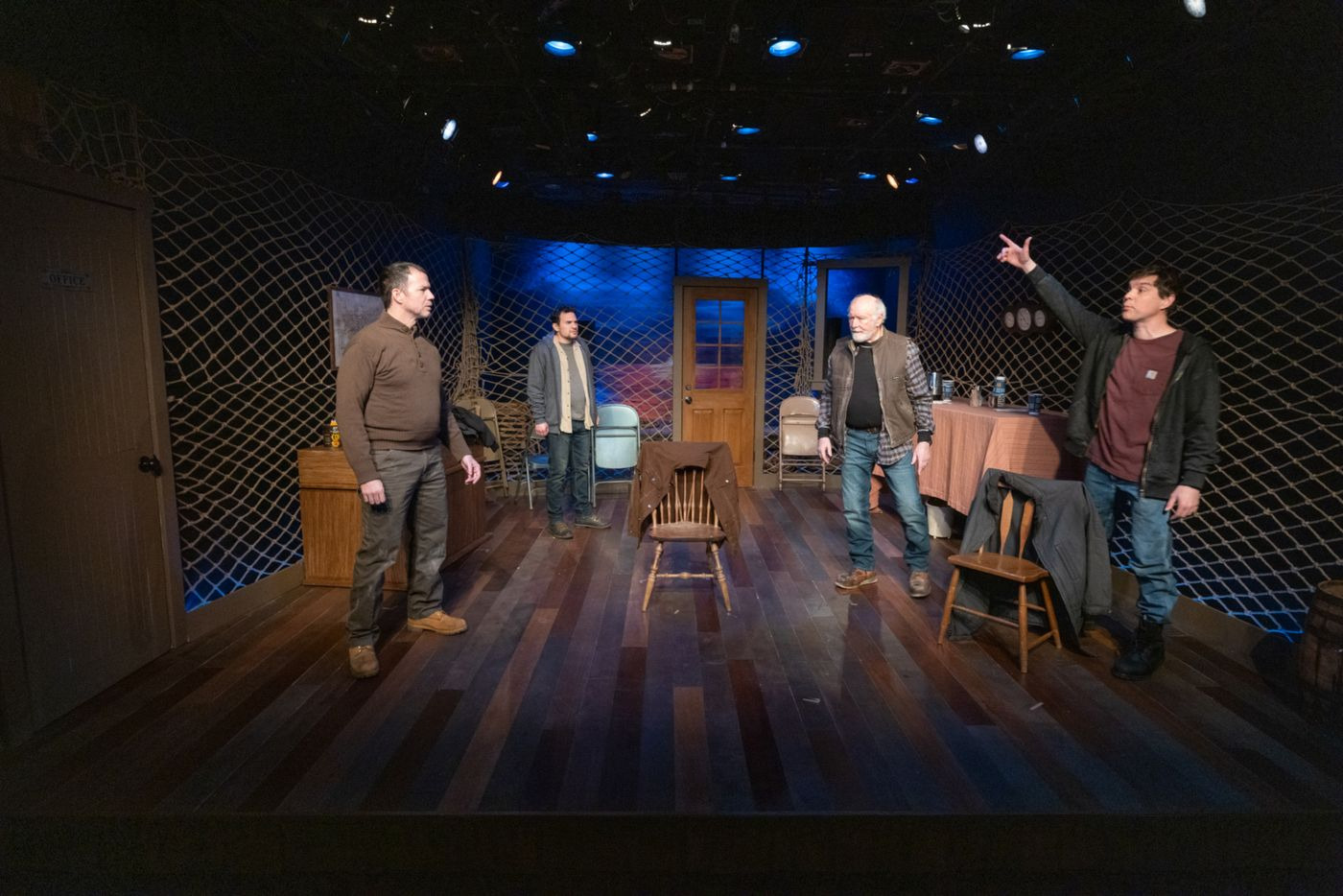
“Change of Position” Arrives at New Jersey Repertory Company with a Bold, Unflinching Portrait of Survival and Identity

August 13 @ 7:00 PM August 16 @ 11:30 PM

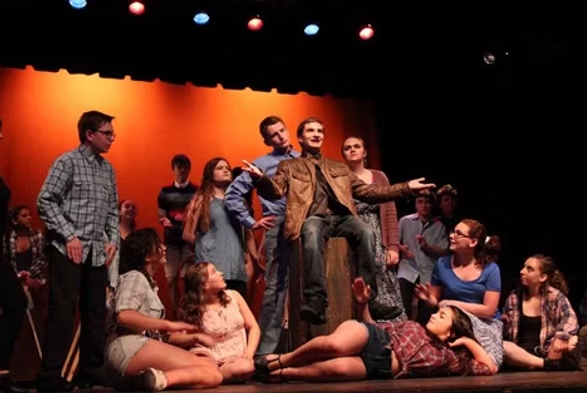
New Jersey’s theatre scene continues to evolve as one of the most daring and artistically ambitious in the country, and on July 30 at 7:00 PM, that trajectory takes another compelling step forward with Change of Position at New Jersey Repertory Company in Long Branch. Presented at the company’s intimate performance space at 179 Broadway, this production signals a continuation of the state’s commitment to new work that challenges audiences, confronts difficult realities, and elevates the standard of contemporary storytelling on stage.

As audiences increasingly seek theatre that is not only entertaining but deeply resonant, productions like this reinforce why readers consistently turn to Explore New Jersey’s theatre coverage to stay informed about performances that matter. Change of Position is not designed for passive viewing. It is a work that invites engagement, provokes reflection, and demands attention through its unapologetic exploration of complex human circumstances.

Set against the stark backdrop of a trailer park environment, the narrative centers on a teenage girl navigating a life shaped by instability, economic hardship, and deeply complicated family dynamics. Her mother’s choices—earning a living through relationships with men tied directly to her daughter’s social world—create a volatile and emotionally charged foundation. From that starting point, the story moves into even more challenging territory when one of those relationships introduces an unexpected and unsettling proposition, pushing the narrative into a space where questions of agency, morality, and survival collide.

What distinguishes Change of Position is not simply its subject matter, but the precision with which it approaches it. This is a work that understands the weight of its themes and refuses to dilute them. Instead, it leans into the discomfort, allowing the audience to confront situations that are often overlooked or simplified in more conventional storytelling. The result is a production that feels immediate, raw, and undeniably relevant.

New Jersey Repertory Company has long established itself as a vital force in the development and presentation of new plays, and this production continues that legacy. Known for its dedication to original works and its ability to bring them to life with clarity and purpose, the company provides an environment where stories like Change of Position can be fully realized. The theatre’s intimate setting ensures that every moment lands with impact, drawing the audience into the emotional core of the performance and eliminating any distance between observer and subject.

The July 30 performance, priced at $65.00 including fees, offers more than admission to a play—it provides entry into a conversation. This is theatre that operates as both art and examination, using its platform to explore realities that are often difficult to articulate but impossible to ignore. In a cultural landscape where authenticity is increasingly valued, productions like this stand out for their willingness to engage with truth, no matter how uncomfortable that truth may be.

From a performance standpoint, the material demands a level of commitment and nuance that extends beyond standard interpretation. The characters exist in a space where vulnerability and resilience coexist, requiring actors to navigate emotional terrain that is both complex and deeply human. The success of the production hinges on this balance, and within the framework of New Jersey Repertory Company’s approach, that balance is given the attention and care it requires.

Thematically, Change of Position aligns with a broader movement within New Jersey theatre—one that prioritizes stories with depth, relevance, and a clear point of view. It reflects a growing understanding that audiences are not only willing but eager to engage with material that challenges them. This shift has positioned the state as a hub for thoughtful, contemporary theatre, where new works are not just presented but given the space to resonate.

The location in Long Branch further reinforces the accessibility and reach of this production. As coastal communities continue to develop their cultural offerings, venues like New Jersey Repertory Company play a critical role in ensuring that high-caliber theatre is available beyond traditional urban centers. This geographic expansion is part of what makes the state’s arts scene so dynamic, bringing meaningful performances to a wider and more diverse audience.

Operationally, the venue maintains a direct and audience-focused approach, with clear access to ticketing, directions, and support through its box office. This level of accessibility ensures that the focus remains on the work itself, allowing attendees to engage fully with the experience from the moment they arrive.

What ultimately defines Change of Position is its refusal to simplify. It presents a world that is complicated, often uncomfortable, and deeply reflective of realities that exist beyond the stage. In doing so, it reinforces the role of theatre as a space for exploration, empathy, and understanding.

As New Jersey continues to build its reputation as a destination for serious theatrical work, productions like this serve as both anchor and catalyst. They demonstrate what is possible when creative vision is matched with a venue committed to excellence and an audience ready to engage.

On July 30, the stage at New Jersey Repertory Company will host a story that does not look away, does not soften its edges, and does not settle for easy answers. It is precisely this kind of work that defines the strength of the state’s theatre scene and ensures that its voice continues to resonate far beyond its borders.

NJRep

732-229-3166

View Organizer Website

New Jersey Repertory Company

179 Broadway
Long Branch, New Jersey 07740 United States
+ Google Map
732-229-3166
View Venue Website

Change of Position

0

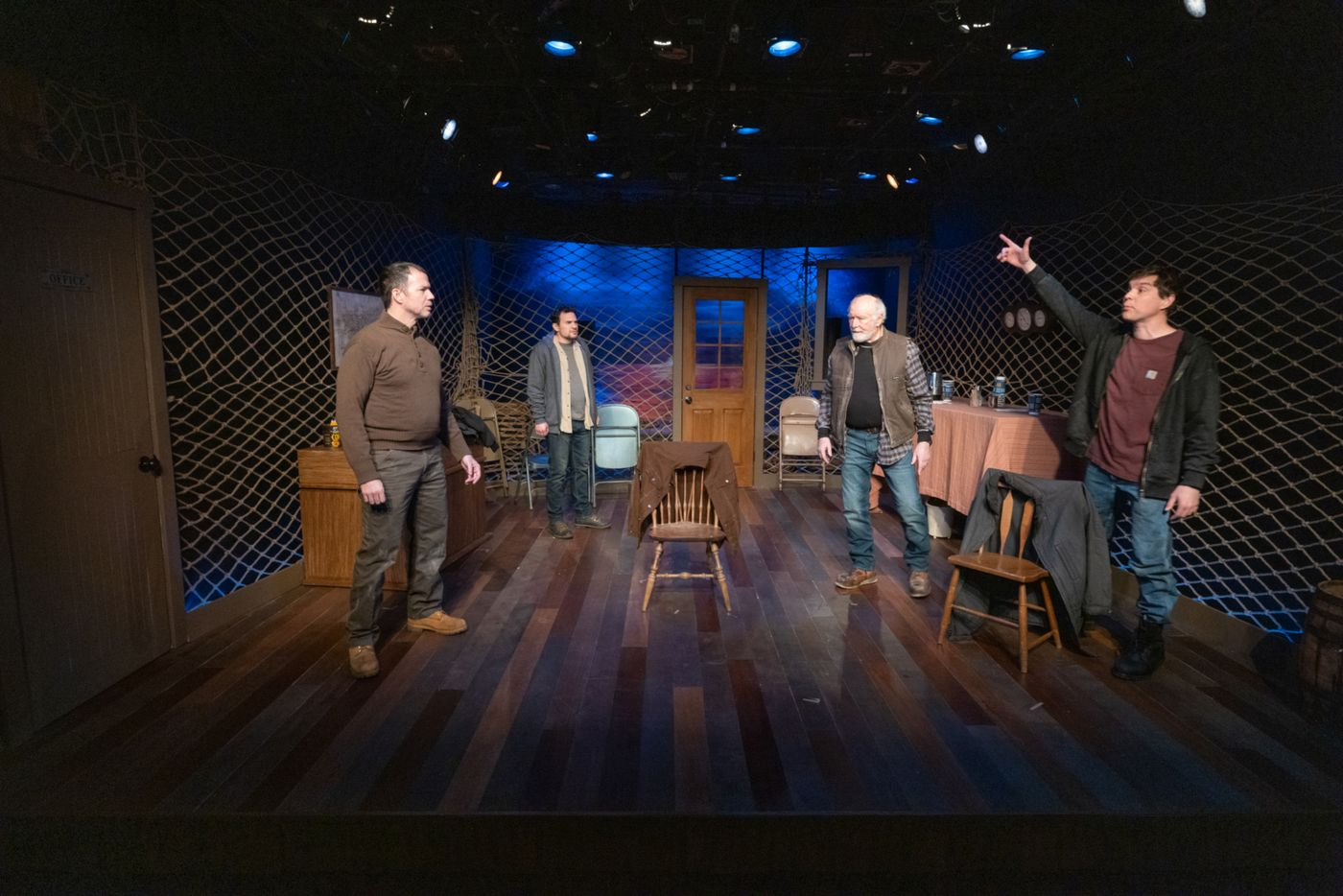
“Change of Position” Arrives at New Jersey Repertory Company with a Bold, Unflinching Portrait of Survival and Identity

August 6 @ 7:00 PM August 9 @ 11:30 PM

New Jersey’s theatre scene continues to evolve as one of the most daring and artistically ambitious in the country, and on July 30 at 7:00 PM, that trajectory takes another compelling step forward with Change of Position at New Jersey Repertory Company in Long Branch. Presented at the company’s intimate performance space at 179 Broadway, this production signals a continuation of the state’s commitment to new work that challenges audiences, confronts difficult realities, and elevates the standard of contemporary storytelling on stage.

As audiences increasingly seek theatre that is not only entertaining but deeply resonant, productions like this reinforce why readers consistently turn to Explore New Jersey’s theatre coverage to stay informed about performances that matter. Change of Position is not designed for passive viewing. It is a work that invites engagement, provokes reflection, and demands attention through its unapologetic exploration of complex human circumstances.

Set against the stark backdrop of a trailer park environment, the narrative centers on a teenage girl navigating a life shaped by instability, economic hardship, and deeply complicated family dynamics. Her mother’s choices—earning a living through relationships with men tied directly to her daughter’s social world—create a volatile and emotionally charged foundation. From that starting point, the story moves into even more challenging territory when one of those relationships introduces an unexpected and unsettling proposition, pushing the narrative into a space where questions of agency, morality, and survival collide.

What distinguishes Change of Position is not simply its subject matter, but the precision with which it approaches it. This is a work that understands the weight of its themes and refuses to dilute them. Instead, it leans into the discomfort, allowing the audience to confront situations that are often overlooked or simplified in more conventional storytelling. The result is a production that feels immediate, raw, and undeniably relevant.

New Jersey Repertory Company has long established itself as a vital force in the development and presentation of new plays, and this production continues that legacy. Known for its dedication to original works and its ability to bring them to life with clarity and purpose, the company provides an environment where stories like Change of Position can be fully realized. The theatre’s intimate setting ensures that every moment lands with impact, drawing the audience into the emotional core of the performance and eliminating any distance between observer and subject.

The July 30 performance, priced at $65.00 including fees, offers more than admission to a play—it provides entry into a conversation. This is theatre that operates as both art and examination, using its platform to explore realities that are often difficult to articulate but impossible to ignore. In a cultural landscape where authenticity is increasingly valued, productions like this stand out for their willingness to engage with truth, no matter how uncomfortable that truth may be.

From a performance standpoint, the material demands a level of commitment and nuance that extends beyond standard interpretation. The characters exist in a space where vulnerability and resilience coexist, requiring actors to navigate emotional terrain that is both complex and deeply human. The success of the production hinges on this balance, and within the framework of New Jersey Repertory Company’s approach, that balance is given the attention and care it requires.

Thematically, Change of Position aligns with a broader movement within New Jersey theatre—one that prioritizes stories with depth, relevance, and a clear point of view. It reflects a growing understanding that audiences are not only willing but eager to engage with material that challenges them. This shift has positioned the state as a hub for thoughtful, contemporary theatre, where new works are not just presented but given the space to resonate.

The location in Long Branch further reinforces the accessibility and reach of this production. As coastal communities continue to develop their cultural offerings, venues like New Jersey Repertory Company play a critical role in ensuring that high-caliber theatre is available beyond traditional urban centers. This geographic expansion is part of what makes the state’s arts scene so dynamic, bringing meaningful performances to a wider and more diverse audience.

Operationally, the venue maintains a direct and audience-focused approach, with clear access to ticketing, directions, and support through its box office. This level of accessibility ensures that the focus remains on the work itself, allowing attendees to engage fully with the experience from the moment they arrive.

What ultimately defines Change of Position is its refusal to simplify. It presents a world that is complicated, often uncomfortable, and deeply reflective of realities that exist beyond the stage. In doing so, it reinforces the role of theatre as a space for exploration, empathy, and understanding.

As New Jersey continues to build its reputation as a destination for serious theatrical work, productions like this serve as both anchor and catalyst. They demonstrate what is possible when creative vision is matched with a venue committed to excellence and an audience ready to engage.

On July 30, the stage at New Jersey Repertory Company will host a story that does not look away, does not soften its edges, and does not settle for easy answers. It is precisely this kind of work that defines the strength of the state’s theatre scene and ensures that its voice continues to resonate far beyond its borders.

NJRep

732-229-3166

View Organizer Website

New Jersey Repertory Company

179 Broadway
Long Branch, New Jersey 07740 United States
+ Google Map
732-229-3166
View Venue Website

Change of Position

0

“Change of Position” Arrives at New Jersey Repertory Company with a Bold, Unflinching Portrait of Survival and Identity

July 30 @ 7:00 PM August 2 @ 11:30 PM

New Jersey’s theatre scene continues to evolve as one of the most daring and artistically ambitious in the country, and on July 30 at 7:00 PM, that trajectory takes another compelling step forward with Change of Position at New Jersey Repertory Company in Long Branch. Presented at the company’s intimate performance space at 179 Broadway, this production signals a continuation of the state’s commitment to new work that challenges audiences, confronts difficult realities, and elevates the standard of contemporary storytelling on stage.

As audiences increasingly seek theatre that is not only entertaining but deeply resonant, productions like this reinforce why readers consistently turn to Explore New Jersey’s theatre coverage to stay informed about performances that matter. Change of Position is not designed for passive viewing. It is a work that invites engagement, provokes reflection, and demands attention through its unapologetic exploration of complex human circumstances.

Set against the stark backdrop of a trailer park environment, the narrative centers on a teenage girl navigating a life shaped by instability, economic hardship, and deeply complicated family dynamics. Her mother’s choices—earning a living through relationships with men tied directly to her daughter’s social world—create a volatile and emotionally charged foundation. From that starting point, the story moves into even more challenging territory when one of those relationships introduces an unexpected and unsettling proposition, pushing the narrative into a space where questions of agency, morality, and survival collide.

What distinguishes Change of Position is not simply its subject matter, but the precision with which it approaches it. This is a work that understands the weight of its themes and refuses to dilute them. Instead, it leans into the discomfort, allowing the audience to confront situations that are often overlooked or simplified in more conventional storytelling. The result is a production that feels immediate, raw, and undeniably relevant.

New Jersey Repertory Company has long established itself as a vital force in the development and presentation of new plays, and this production continues that legacy. Known for its dedication to original works and its ability to bring them to life with clarity and purpose, the company provides an environment where stories like Change of Position can be fully realized. The theatre’s intimate setting ensures that every moment lands with impact, drawing the audience into the emotional core of the performance and eliminating any distance between observer and subject.

The July 30 performance, priced at $65.00 including fees, offers more than admission to a play—it provides entry into a conversation. This is theatre that operates as both art and examination, using its platform to explore realities that are often difficult to articulate but impossible to ignore. In a cultural landscape where authenticity is increasingly valued, productions like this stand out for their willingness to engage with truth, no matter how uncomfortable that truth may be.

From a performance standpoint, the material demands a level of commitment and nuance that extends beyond standard interpretation. The characters exist in a space where vulnerability and resilience coexist, requiring actors to navigate emotional terrain that is both complex and deeply human. The success of the production hinges on this balance, and within the framework of New Jersey Repertory Company’s approach, that balance is given the attention and care it requires.

Thematically, Change of Position aligns with a broader movement within New Jersey theatre—one that prioritizes stories with depth, relevance, and a clear point of view. It reflects a growing understanding that audiences are not only willing but eager to engage with material that challenges them. This shift has positioned the state as a hub for thoughtful, contemporary theatre, where new works are not just presented but given the space to resonate.

The location in Long Branch further reinforces the accessibility and reach of this production. As coastal communities continue to develop their cultural offerings, venues like New Jersey Repertory Company play a critical role in ensuring that high-caliber theatre is available beyond traditional urban centers. This geographic expansion is part of what makes the state’s arts scene so dynamic, bringing meaningful performances to a wider and more diverse audience.

Operationally, the venue maintains a direct and audience-focused approach, with clear access to ticketing, directions, and support through its box office. This level of accessibility ensures that the focus remains on the work itself, allowing attendees to engage fully with the experience from the moment they arrive.

What ultimately defines Change of Position is its refusal to simplify. It presents a world that is complicated, often uncomfortable, and deeply reflective of realities that exist beyond the stage. In doing so, it reinforces the role of theatre as a space for exploration, empathy, and understanding.

As New Jersey continues to build its reputation as a destination for serious theatrical work, productions like this serve as both anchor and catalyst. They demonstrate what is possible when creative vision is matched with a venue committed to excellence and an audience ready to engage.

On July 30, the stage at New Jersey Repertory Company will host a story that does not look away, does not soften its edges, and does not settle for easy answers. It is precisely this kind of work that defines the strength of the state’s theatre scene and ensures that its voice continues to resonate far beyond its borders.

NJRep

732-229-3166

View Organizer Website

New Jersey Repertory Company

179 Broadway
Long Branch, New Jersey 07740 United States
+ Google Map
732-229-3166
View Venue Website

Young Performers Workshop Summer Festival of Shows

0

Centenary Stage Company’s Young Performers Workshop Returns with Summer Festival of Shows, Showcasing the Next Generation of New Jersey Theatre

August 7 August 9

New Jersey’s performing arts landscape continues to distinguish itself through a balance of established excellence and forward-looking development, and nowhere is that more evident than in the return of the Young Performers Workshop Summer Festival of Shows at Centenary Stage Company. Scheduled for August 7 through August 9 at the Little Theatre, located at 400 Jefferson Street, this annual festival stands as one of the most important youth-driven theatrical events in the region—an immersive, full-scale production experience that highlights both emerging talent and the enduring strength of New Jersey’s theatre community.

As audiences increasingly seek out meaningful cultural experiences across the state, events like this reinforce why readers continue to rely on Explore New Jersey’s theatre coverage to stay informed on productions that carry both artistic and developmental significance. The Young Performers Workshop is not simply an educational program—it is a fully realized performance initiative that operates with the same rigor, expectations, and artistic ambition as professional theatre, while simultaneously cultivating the next generation of performers.

At the center of this festival is a commitment to authenticity. Participants are not placed in simplified or scaled-down productions; instead, they are given the opportunity to engage in full-scale musical theatre works that demand discipline, collaboration, and creative investment. From rehearsals through final performances, the process mirrors the professional stage, providing young artists with a comprehensive understanding of what it means to bring a production to life.

While the specific production selections for this year’s festival remain to be announced, that element of anticipation only reinforces the strength of the program itself. The Young Performers Workshop has built its reputation not on a single title or genre, but on its ability to consistently deliver high-quality performances regardless of the material. Whether presenting classic musical theatre, contemporary works, or inventive reinterpretations, the focus remains on execution, storytelling, and the development of each participant’s artistic voice.

The Little Theatre provides an ideal setting for this kind of work. Its intimate configuration ensures that every performance is experienced up close, allowing audiences to fully engage with the energy, commitment, and individuality of each performer. This proximity enhances the impact of the productions, creating an environment where the audience is not just observing, but actively participating in the shared experience of live theatre.

What sets the Young Performers Workshop apart is the depth of its approach. Participants are immersed in every aspect of the production process, gaining exposure not only to performance, but also to the collaborative structure that defines theatre as an art form. They learn to navigate rehearsal schedules, interpret direction, build character, and contribute to an ensemble—all while developing the confidence and presence required to perform on stage.

This level of engagement produces results that are immediately visible in the performances themselves. Audiences attending the Summer Festival of Shows are not simply watching students—they are witnessing emerging artists who have been challenged to rise to a professional standard. The result is a series of productions that carry both the energy of youth and the discipline of serious theatrical work.

Within the broader context of New Jersey’s cultural identity, the significance of programs like this cannot be overstated. The state has long been recognized for its contributions to the arts, but its continued vitality depends on the cultivation of new talent. The Young Performers Workshop serves as a critical pipeline, ensuring that the next generation of performers is not only prepared, but inspired to continue pursuing the craft.

The festival’s three-day run creates a concentrated window in which audiences can experience this development firsthand. Each performance becomes part of a larger narrative—one that reflects the dedication of the participants, the guidance of experienced instructors, and the ongoing commitment of Centenary Stage Company to arts education and community engagement. It is a rare opportunity to witness the intersection of learning and performance at such a high level.

There is also an unmistakable sense of momentum surrounding the event. As New Jersey’s theatre scene continues to evolve, there is a growing recognition that the most compelling productions are not always defined by scale or budget, but by intention and execution. The Young Performers Workshop embodies this principle, delivering work that is grounded in effort, shaped by collaboration, and elevated by the enthusiasm of those involved.

For families, theatre enthusiasts, and anyone invested in the future of the performing arts, the Summer Festival of Shows represents an essential addition to the August calendar. It offers a chance to engage with theatre in a way that feels immediate and meaningful, while also supporting a program that is actively shaping the next chapter of New Jersey’s artistic landscape.

As the curtain rises on this year’s festival, what audiences will encounter is more than a series of performances—it is a reflection of what theatre can achieve when education and artistry are aligned. At the Little Theatre, from August 7 through August 9, the stage will belong to a new generation, ready to step forward and define what comes next.

Centenary Stage Company

908-979-0900

View Organizer Website

New Jersey Repertory Company

179 Broadway
Long Branch, New Jersey 07740 United States
+ Google Map
732-229-3166
View Venue Website

Closer Than Ever

0

“Closer Than Ever” Headlines Summerfest 2026 at Sitnik Theatre with a Powerful, Intimate Musical Experience in New Jersey

July 30 @ 8:00 PM August 9 @ 11:30 PM

New Jersey’s cultural calendar continues to expand with purpose and sophistication, and this summer, one of the most compelling theatrical music experiences arrives at the Sitnik Theatre as part of Summerfest 2026. From July 30 through August 9, audiences will be invited into a deeply personal and musically rich world with Closer Than Ever, the acclaimed song cycle by David Shire and Richard Maltby Jr. that has long been celebrated for its honesty, intelligence, and emotional precision.

As the Garden State continues to assert itself as a destination not just for concerts but for meaningful, artist-driven productions, events like this underscore why audiences consistently turn to Explore New Jersey’s music coverage to stay connected to performances that go beyond the expected. This is not traditional musical theatre in the conventional sense. It is something more refined, more intimate, and ultimately more impactful—a production that trades spectacle for substance and rewards audiences with a deeply resonant experience.

Set within the Sitnik Theatre at 715 Grand Avenue, a venue known for its clarity of sound and focused presentation, Closer Than Ever finds an ideal home. The theatre’s design allows for an immediate connection between performer and audience, eliminating distance and amplifying emotional nuance. This is essential for a production built not around a linear narrative, but around a sequence of songs that together form a mosaic of modern life—each piece offering a distinct perspective, voice, and emotional truth.

With music by David Shire and lyrics by Richard Maltby Jr., and originally conceived by Steven Scott Smith, Closer Than Ever stands as one of the most sophisticated song cycles ever brought to the stage. It draws from what can be described as a “private vault” of material—songs that reflect the full range of the human experience, written with a level of craftsmanship that has defined both creators’ careers. What unfolds over the course of the performance is not a single story, but a collection of moments that, when taken together, form a comprehensive exploration of life as it is actually lived.

The production moves fluidly across themes that are at once universal and deeply personal. Love, in all of its forms, is a central thread—but not the simplified, idealized version often presented in traditional theatre. Instead, Closer Than Ever examines love as it exists in reality: complicated, evolving, sometimes unfulfilled, and often intertwined with other facets of life such as ambition, aging, identity, and the passage of time. It is a work that acknowledges the quiet, often unspoken struggles that define everyday existence, and in doing so, it creates a connection that feels immediate and authentic.

What distinguishes this production is its structure. Each song introduces a new character, a new perspective, and a new emotional landscape. There is no reliance on a single protagonist or a continuous storyline. Instead, the audience is guided through a series of self-contained narratives, each one offering insight into a different aspect of the human condition. This approach allows for a level of variety and depth that is rarely achieved in more traditional formats, creating a dynamic and engaging experience that evolves moment by moment.

The tonal range of Closer Than Ever is equally noteworthy. While the material is grounded in sincerity and emotional truth, it is also infused with a sharp, often unexpected sense of humor. Moments of introspection are balanced by wit and levity, creating a rhythm that mirrors real life—where laughter and reflection coexist, often within the same breath. This balance is one of the defining characteristics of Maltby and Shire’s work, and it is brought to life in a way that feels both deliberate and effortless.

As part of Summerfest 2026, this production contributes to a broader narrative about the evolution of New Jersey’s performing arts scene. The festival has increasingly positioned itself as a platform for high-quality, thoughtfully curated programming that appeals to a wide spectrum of audiences. By including a work like Closer Than Ever, Summerfest reinforces its commitment to presenting material that is not only entertaining but also intellectually and emotionally engaging.

The extended run, spanning from late July into early August, provides ample opportunity for audiences to experience the production, while also reflecting confidence in its appeal and impact. This is not a one-night event or a limited engagement—it is a sustained presentation that invites repeat viewings and deeper appreciation. For those who value theatre that challenges, resonates, and lingers long after the performance concludes, this is a production that demands attention.

In the context of New Jersey’s broader cultural identity, Closer Than Ever represents a continued shift toward programming that prioritizes substance and artistry. It is part of a growing recognition that audiences are seeking more than passive entertainment—they are looking for experiences that reflect their own lives, their own questions, and their own complexities. Productions like this meet that demand with precision and integrity.

At the Sitnik Theatre, where every detail is designed to support the performance, Closer Than Ever will unfold as it was intended: up close, unfiltered, and deeply human. It is a reminder that some of the most powerful moments in live performance are not the loudest or the largest, but the ones that feel the most real.

As Summerfest 2026 continues to shape the season, this production stands out as a defining entry—one that captures the essence of what live theatre and music can achieve when they are allowed to speak directly, honestly, and without compromise.

Centenary Stage Company

908-979-0900

View Organizer Website

New Jersey Repertory Company

179 Broadway
Long Branch, New Jersey 07740 United States
+ Google Map
732-229-3166
View Venue Website

Four Sticks

0

Four Sticks Brings the Power of Led Zeppelin to New Jersey for Summerfest 2026 at Sitnik Theatre

July 25 @ 8:00 PM 11:30 PM

New Jersey’s summer concert calendar continues to assert its dominance as one of the most diverse and electrifying in the region, and on Saturday, July 25 at 8:00 PM, Summerfest 2026 will reach a defining moment with the arrival of Four Sticks at the Sitnik Theatre. Set within the cultural hub of 715 Grand Avenue, this performance is positioned as more than a tribute show—it is a full-scale recreation of one of rock music’s most legendary live experiences, delivered with precision, intensity, and a deep respect for the source material.

As the Garden State’s music scene continues to expand across genres, venues, and audiences, events like this reinforce why fans consistently turn to Explore New Jersey’s music coverage to stay connected to the most compelling live performances across the state. Summerfest has become a seasonal anchor for music discovery and celebration, and the inclusion of Four Sticks in this year’s lineup signals a commitment to delivering experiences that resonate across generations of listeners.

Four Sticks has built a reputation as one of the most accurate and immersive Led Zeppelin tribute acts performing today, and that distinction is not taken lightly. Their approach is rooted in a meticulous understanding of Led Zeppelin’s original sound, structure, and stage dynamic. Rather than relying on superficial imitation, the band reconstructs the essence of Led Zeppelin’s live performances—capturing not only the sonic architecture of the music, but the energy, spontaneity, and layered instrumentation that defined the band at their peak.

What separates Four Sticks from many tribute acts is their adherence to the original four-member format, mirroring the structure that made Led Zeppelin’s live shows so powerful and distinctive. Each musician takes on multiple roles, seamlessly shifting between instruments and vocal responsibilities to recreate the depth and complexity of the original recordings. This commitment to authenticity allows the performance to unfold with a level of cohesion and credibility that resonates with both casual fans and dedicated enthusiasts.

The setlist is designed to deliver a comprehensive journey through Led Zeppelin’s catalog, balancing iconic, universally recognized tracks with deeper cuts that reward those with a more intimate knowledge of the band’s work. This dual approach ensures that the performance operates on multiple levels—immediately engaging for those drawn by the hits, while offering a richer, more layered experience for longtime listeners who understand the breadth of Zeppelin’s musical legacy.

The Sitnik Theatre provides an ideal environment for this kind of performance. Known for its refined acoustics and comfortable, focused setting, the venue allows every element of the show to be experienced with clarity and impact. Unlike larger arenas where nuance can be lost, the Sitnik Theatre creates a space where the interplay between instruments, the dynamics of the arrangement, and the subtleties of performance are fully realized. It is a venue that enhances rather than overwhelms, making it perfectly suited for a production that relies on both power and precision.

Summerfest 2026 itself continues to evolve as one of New Jersey’s most anticipated seasonal programming initiatives, bringing together a curated selection of performances that reflect the state’s diverse musical appetite. From classic rock tributes to contemporary acts, the festival serves as a platform where audiences can engage with music in a way that feels both celebratory and intentional. The inclusion of Four Sticks adds a layer of historic reverence to the lineup, bridging past and present through a performance that honors one of rock’s most influential bands.

From an experiential standpoint, this event is positioned to deliver more than nostalgia. It offers a re-creation of a live music era that many consider unmatched in its intensity and creativity. Led Zeppelin’s original performances were defined by their ability to stretch beyond studio recordings, transforming songs into evolving, improvisational experiences. Four Sticks channels that same spirit, bringing a sense of immediacy and unpredictability to the stage that elevates the performance beyond simple replication.

The timing of the show, set squarely in the heart of summer, further amplifies its appeal. As audiences seek out meaningful live experiences during the peak of the season, events like this provide a compelling reason to engage with New Jersey’s cultural offerings. The combination of a respected venue, a proven tribute act, and the broader context of Summerfest creates a convergence that is difficult to overlook.

What continues to define New Jersey’s rise as a live music destination is not just the volume of events, but the quality and intentionality behind them. Performances like Four Sticks at the Sitnik Theatre demonstrate a clear understanding of what audiences are looking for—authenticity, excellence, and an experience that feels both immersive and memorable. It is this alignment between artist, venue, and audience that continues to drive the state’s music scene forward.

On July 25, that alignment will be fully realized as Four Sticks takes the stage, delivering a performance that captures the enduring power of Led Zeppelin while reinforcing New Jersey’s position as a place where great music is not only heard, but truly experienced.

Get the Led Out Live airs every Wednesday Night on Live Jam beginning at 10PM for THREE (3) straight hours of live Led Zeppelin from their most legendary concerts in the band history.

Centenary Stage Company

908-979-0900

View Organizer Website

New Jersey Repertory Company

179 Broadway
Long Branch, New Jersey 07740 United States
+ Google Map
732-229-3166
View Venue Website

Alastair Greene

0

Alastair Greene Set to Ignite Lizzie Rose Music Room on April 30, 2026 as New Jersey’s Blues-Rock Momentum Hits Another High Point

April 30 @ 7:30 PM 11:30 PM

New Jersey’s live music ecosystem continues to assert itself as one of the most compelling regional scenes in the country, and on Thursday, April 30, 2026, that momentum will be on full display as acclaimed blues-rock guitarist Alastair Greene takes the stage at the Lizzie Rose Music Room. In a state where audiences have developed a reputation for both musical literacy and high expectations, Greene’s arrival represents more than a tour stop—it is a convergence of elite musicianship and a venue that has become synonymous with authenticity, precision, and the purest form of live performance.

Within the broader context of the Garden State’s expanding cultural footprint, performances like this are exactly why readers continue to rely on Explore New Jersey’s music coverage to track the most significant live events across the region. The platform has increasingly become a central hub for identifying not just what is happening, but what actually matters in a crowded entertainment landscape. Alastair Greene’s upcoming appearance belongs firmly in that category.

Greene’s career has been defined by a deep-rooted commitment to the blues tradition, fused with a modern rock sensibility that gives his sound both weight and immediacy. Known for his commanding guitar tone, fluid phrasing, and an ability to move seamlessly between restrained, expressive passages and full-throttle intensity, he has built a reputation as a performer who delivers with both technical authority and emotional conviction. His work reflects a lineage that draws from classic blues foundations while pushing forward into a contemporary space that resonates with today’s audiences.

That dynamic is precisely what makes his performance at the Lizzie Rose Music Room so compelling. This is not a venue built for spectacle—it is a venue built for listening. Every design choice, from the acoustics to the seating configuration, reinforces a singular focus: to present music in a way that allows it to be heard exactly as it is intended. In this environment, nuance is not lost, detail is not diluted, and the connection between artist and audience becomes immediate and undeniable.

Scheduled for a 7:30 PM performance, the evening is structured with the same level of intentionality that defines the venue itself. Attendees who secure premium front-row reserved seating are expected to be in place at the start time, ensuring that the performance begins with the full engagement of the room. This is not a casual drop-in experience; it is a curated event where timing, presence, and attention all contribute to the overall impact.

Ticketing for the show is set at $35.00, positioning the performance as both accessible and high-value within the current live music market. Flexible payment options allow attendees to secure admission through installment-based purchasing, reflecting a modern approach to ticket accessibility without compromising the integrity of the experience. All transactions are processed digitally, and entry is managed through receipt-based admission, requiring either a printed or mobile confirmation at the door.

The Lizzie Rose Music Room maintains a clear and disciplined operational framework that reinforces its standing within the New Jersey music landscape. All ticket sales are final, a policy that underscores the importance of commitment at the point of purchase. There are no physical tickets issued, no will-call pickups, and no last-minute exchanges—just a streamlined, direct system designed to prioritize efficiency and clarity.

In the event of severe weather or program changes, communication is handled through the email address provided during the purchase process, ensuring that attendees receive timely and accurate updates. Should a performance be canceled or rescheduled, the venue guarantees that ticket holders are accommodated through honored admissions or future credit, maintaining a consistent level of trust and accountability.

Additional policies further reflect the venue’s attention to detail. Credit cards are not accepted at the door, reinforcing the importance of advance planning, while attendees purchasing tickets for multiple events are advised to duplicate their receipts for each show. These measures, while straightforward, contribute to a seamless entry process that allows the focus to remain entirely on the performance itself.

Accessibility is also addressed with intention. Guests requiring handicap seating are encouraged to contact the venue immediately after purchase to coordinate arrangements within the limited-capacity space. This proactive approach ensures that accommodations can be made effectively while preserving the integrity of the room’s layout and overall experience.

What ultimately elevates this event is how it fits into the larger trajectory of New Jersey’s live music evolution. The state is no longer simply a stop between major markets—it is a destination in its own right, supported by venues that understand the value of presentation, audiences that demand substance, and artists who recognize the opportunity to connect in a more meaningful way.

Alastair Greene’s April 30 performance is a clear reflection of that shift. It represents a moment where the power of blues-rock is delivered in its most direct and unfiltered form, where the environment enhances rather than competes with the music, and where the audience is positioned not just to hear the performance, but to fully experience it.

As New Jersey continues to build its identity as a serious player in the national live music conversation, nights like this serve as both proof and promise. The proof lies in the caliber of artists taking these stages and the audiences that fill the rooms. The promise is in what comes next—a continued rise driven by quality, intention, and a shared understanding that live music, when done right, remains one of the most powerful experiences available.

Lizzie Rose Music Room

609-276-6758

View Organizer Website

New Jersey Repertory Company

179 Broadway
Long Branch, New Jersey 07740 United States
+ Google Map
732-229-3166
View Venue Website

Davy Knowles

0

Davy Knowles Sells Out Lizzie Rose Music Room on April 25, 2026, as New Jersey’s Live Music Scene Continues Its Unstoppable Rise

April 25 @ 7:30 PM 11:30 PM

New Jersey’s reputation as a premier destination for live music continues to accelerate, and few events capture that momentum more clearly than the complete sellout of Davy Knowles at the Lizzie Rose Music Room on Saturday, April 25, 2026. In an era where audiences are increasingly selective about how and where they experience live performances, this rapid sellout is not just a reflection of artist demand—it is a statement about the power of intimate venues, discerning listeners, and a statewide music culture that continues to deepen in both quality and reach.

For those following the evolving pulse of the Garden State’s music scene through Explore New Jersey’s music coverage, this moment lands exactly where it should—at the intersection of elite musicianship and a venue that has quietly become one of the most respected listening rooms in the region. The Lizzie Rose Music Room has built its identity on precision, atmosphere, and an unwavering commitment to presenting artists in their most authentic form. When a performer like Davy Knowles enters that environment, the result is not simply a concert—it becomes a fully immersive musical experience.

Knowles, long regarded as one of the most compelling guitarists and songwriters to emerge from the modern blues and roots circuit, brings with him a level of technical command and emotional depth that resonates across genres. His playing is steeped in tradition but never confined by it, blending blues, rock, and Americana into a sound that feels both classic and unmistakably current. Over the years, his live performances have developed a reputation for intensity and precision, where every phrase carries intention and every note contributes to a larger narrative unfolding in real time.

That kind of artistry finds its ideal setting in a room like Lizzie Rose. With its carefully calibrated acoustics and close proximity between stage and audience, the venue eliminates the distance that often separates performer and listener in larger spaces. Instead, it creates a shared environment where subtle dynamics matter, where tone and texture are fully realized, and where the audience becomes part of the performance rather than a passive observer. It is exactly the kind of setting where a guitarist of Knowles’ caliber can fully explore the range of his instrument, from delicate, expressive passages to commanding, full-bodied crescendos.

The sold-out status of this performance underscores a broader trend that continues to define New Jersey’s music ecosystem. While large-scale productions and arena tours maintain their place, there is a growing and unmistakable demand for experiences that prioritize authenticity, sound quality, and artistic connection. Venues like Lizzie Rose are not simply hosting shows—they are curating moments that audiences recognize as rare and essential. When tickets for a performance like this are priced at $45.00 and disappear quickly, it signals more than popularity; it reflects trust in both the artist and the venue to deliver something exceptional.

Operationally, the Lizzie Rose Music Room maintains a disciplined and clearly structured approach that reinforces its reputation. All ticket sales are final, ensuring commitment and clarity from the outset. Admission is managed through digital receipts rather than traditional ticketing, streamlining entry while maintaining direct accountability. Attendees are expected to present either a printed receipt or a mobile version upon arrival, with readiness at the door helping preserve the flow and professionalism of the evening.

The venue’s policies are designed to protect both the audience experience and the integrity of the performance. In the case of severe weather or unforeseen changes, communication is handled directly through the contact information provided at purchase, ensuring that guests remain informed without confusion. Should a show require cancellation or rescheduling, ticket holders are accommodated through honored admissions or future credit, maintaining continuity and trust within the venue’s loyal audience base.

Seating protocols further emphasize the importance of timing and respect for the performance environment. Guests holding premium front-row reservations are expected to be seated by the 7:30 PM start time, with the understanding that unoccupied seats may be reassigned once the performance begins. This approach reflects a broader philosophy at Lizzie Rose—every detail is managed to ensure that the focus remains exactly where it belongs: on the music.

Accessibility considerations are also handled with care and intention. Guests requiring handicap seating are encouraged to coordinate directly with the venue immediately following ticket purchase, allowing arrangements to be made within the constraints of a limited-capacity space. This proactive approach ensures that all attendees can be accommodated without compromising the overall structure of the room.

What ultimately defines this event, however, is not just the logistics or even the sellout itself—it is what it represents within the larger narrative of New Jersey’s live music identity. The state has long been recognized for its musical heritage, but what is happening now feels more immediate, more intentional, and more connected to the present moment. Artists of genuine substance are choosing to play here, audiences are showing up with purpose, and venues are delivering experiences that resonate long after the final note.

Davy Knowles’ sold-out performance at Lizzie Rose Music Room stands as a clear indicator of where things are headed. This is a scene that values craft, rewards authenticity, and understands that the most meaningful performances often happen in spaces where nothing is lost between the stage and the listener. In that sense, April 25 is not just another date—it is part of a larger movement that continues to redefine what live music looks and feels like in New Jersey.

For those who secured a place in the room, the night promises to be unforgettable. For everyone else, it serves as a reminder to pay attention, stay engaged, and remain connected to a music scene that is evolving in real time—and doing so at a level that demands recognition well beyond state lines.

Lizzie Rose Music Room

609-276-6758

View Organizer Website

New Jersey Repertory Company

179 Broadway
Long Branch, New Jersey 07740 United States
+ Google Map
732-229-3166
View Venue Website

ICE Enforcement Surge Disrupts New Jersey’s Restaurant Industry, Workforce Collapse, Economic Shockwaves, Camden County, and a Statewide Policy

New Jersey’s restaurant industry—one of the state’s most dynamic economic engines and a defining pillar of its cultural identity—is confronting a rapidly escalating crisis as intensified federal immigration enforcement actions reshape the labor landscape in real time. Across the Garden State, restaurant owners, chefs, and hospitality operators are reporting a destabilizing pattern: employees vanishing from schedules without notice, dining rooms thinning out, and entire operations straining under the weight of uncertainty driven by stepped-up activity from U.S. Immigration and Customs Enforcement (ICE).

What is unfolding is not an isolated disruption but a systemic shock reverberating from neighborhood eateries to high-volume kitchens, exposing the fragile interdependence between immigration policy and the service economy that sustains communities across New Jersey.

Operators throughout the state describe an environment defined by fear and unpredictability. In coastal towns, suburban corridors, and dense urban hubs alike, restaurant owners say workers are increasingly reluctant to report for shifts, worried that routine commutes or workplace visibility could expose them to detention. The result is a sudden and severe thinning of both kitchen and front-of-house staff, creating immediate operational gaps that cannot be easily filled.

At establishments like Blend on Main in Manasquan, ownership has characterized the situation in stark terms: experienced workers are “disappearing overnight,” leaving behind incomplete prep stations, reduced service capacity, and mounting pressure on remaining staff. This pattern is repeating statewide, with operators scrambling to adjust menus, shorten hours, or absorb unsustainable workloads just to remain open.

Industry-wide data underscores the severity of the disruption. According to national restaurant survey figures, nearly one in five operators report employees failing to show up for scheduled shifts specifically due to fear of enforcement actions. In a labor-intensive industry already operating on thin margins and tight staffing models, that level of absenteeism translates directly into lost revenue, reduced service quality, and long-term instability.

The ripple effects extend beyond staffing into consumer behavior. In immigrant-rich communities, the same climate of fear affecting workers is also influencing customers. Restaurants that depend on consistent neighborhood traffic are experiencing dramatic declines in foot traffic, in some cases triggered by misinformation spreading across social media. One West New York establishment reported an approximately 80% drop in customers after viral posts falsely claimed imminent ICE activity nearby, illustrating how perception alone can devastate local businesses regardless of whether enforcement actions actually occur.

Behind these on-the-ground impacts is a significant escalation in enforcement metrics. Federal data indicates that ICE detentions in New Jersey surged to more than 8,300 individuals in 2025—nearly triple the total recorded the year prior. That acceleration has carried into 2026, with more than 2,600 arrests logged in just the first quarter, placing the state on pace for another record-setting year.

Equally consequential is the composition of those detained. Analysis of recent enforcement activity shows that a substantial majority—roughly three out of every four individuals detained since early 2025—had no prior criminal record. For employers, this distinction is critical: it means the enforcement wave is not confined to individuals with legal histories but is instead sweeping through the broader workforce, including long-tenured employees who have become essential to daily operations.

As traditional raid activity intensifies, there are also clear indications of evolving enforcement strategy. In addition to physical detentions, federal authorities have increasingly turned toward administrative tools such as Form I-9 audits, particularly in sectors like hospitality and construction where immigrant labor is deeply embedded. These audits, which scrutinize employment eligibility documentation, introduce another layer of pressure for business owners—many of whom now face complex compliance risks alongside immediate staffing shortages.

This dual-track approach—visible enforcement combined with behind-the-scenes compliance scrutiny—is creating a pervasive sense of vulnerability across the industry. Operators are not only concerned about losing workers but also about navigating a regulatory environment that can quickly escalate into legal exposure if documentation processes are found lacking.

The mounting disruption has prompted a notable response from state and local leaders, signaling the beginning of a broader policy confrontation. In one of the most decisive moves to date, Camden County formally enacted a measure on April 16, 2026, prohibiting ICE from conducting civil immigration enforcement on county-owned property. The decision reflects a growing willingness among local governments to assert control over how and where federal enforcement activities intersect with community infrastructure.

That action is part of a wider pattern of municipal and county-level resistance emerging across New Jersey, as elected officials attempt to balance public safety priorities with economic stability and community trust. For many local leaders, the restaurant industry’s current crisis is not just a labor issue—it is a warning signal about the broader economic consequences of aggressive enforcement policies in a state where immigrant workers play a foundational role in key industries.

The stakes extend well beyond individual businesses. New Jersey’s restaurant sector supports tens of thousands of jobs, drives tourism, anchors downtown revitalization efforts, and contributes significantly to state and local tax revenues. A sustained labor contraction within this ecosystem risks triggering cascading effects: reduced operating hours, business closures, job losses among remaining staff, and diminished economic activity in surrounding retail corridors.

At the same time, the human dimension of the crisis remains front and center. For workers, the fear is immediate and personal, shaping daily decisions about whether to commute, whether to appear in public-facing roles, and whether to remain in jobs they have held for years. For employers, the challenge is both operational and ethical, as they attempt to support their teams while navigating an environment increasingly defined by uncertainty.

What is clear is that New Jersey’s restaurant industry has entered a period of profound disruption, one that is forcing a reevaluation of workforce models, compliance strategies, and the relationship between federal enforcement and local economies. The coming months will be critical in determining whether policy responses can stabilize the sector or whether the current trajectory will lead to deeper structural changes across one of the state’s most vital industries.

Camden County Draws a Hard Line: New Jersey Officials Move to Block ICE Civil Enforcement on Public Property Without Judicial Warrants. A decisive policy shift out of Camden County is rapidly becoming one of the most consequential local government actions in New Jersey’s evolving immigration landscape, signaling a broader recalibration of how federal enforcement authority intersects with community governance across the state. In a move that is already reverberating far beyond county lines, the Camden County Board of Commissioners has formally enacted a restriction prohibiting U.S. Immigration and Customs Enforcement (ICE) from carrying out civil immigration enforcement on any county-owned property unless agents present a valid judicial warrant.

This is not a symbolic gesture. It is a structural policy intervention designed to redefine the operational boundaries between local institutions and federal immigration enforcement, and it places Camden County at the forefront of a growing statewide and national debate over jurisdiction, civil liberties, and the economic and social stability of immigrant communities.

At the center of the announcement is Commissioner Director Louis Cappelli Jr., who delivered one of the most forceful public rebukes of recent ICE tactics seen from any New Jersey official to date. In framing the policy, Cappelli drew a stark and deliberate comparison, likening certain enforcement methods to those historically associated with the KGB in Russia—a statement that underscores the level of concern among local leadership regarding the perceived climate of fear spreading through communities.

The policy itself is tightly defined but far-reaching in implication. By requiring a judicial warrant for any civil enforcement activity on county property, Camden County is effectively asserting a legal threshold that distinguishes between administrative immigration actions and constitutionally grounded judicial processes. This distinction matters. Civil immigration enforcement often relies on administrative warrants, which do not carry the same judicial oversight as criminal warrants issued by a court. By mandating the latter, the county is placing due process and judicial review at the center of any enforcement activity that touches its jurisdiction.

The practical impact is immediate. County buildings, facilities, and public spaces—from administrative offices to community service centers—are now formally designated as protected environments unless federal agents meet this higher legal standard. For residents, particularly those in immigrant communities, the policy introduces a layer of predictability and protection in spaces that are integral to daily life, including access to services, public programs, and local government resources.

This development does not exist in isolation. It emerges against the backdrop of intensified immigration enforcement activity across New Jersey, where rising detention numbers and expanded operational strategies have already begun to reshape industries, labor markets, and community behavior. In recent months, restaurant owners, construction firms, and service providers have reported workforce disruptions tied directly to enforcement fears, while local economies in immigrant-heavy areas have experienced measurable declines in both staffing stability and consumer activity.

By stepping in with a clearly articulated boundary, Camden County is not only addressing civil rights concerns but also responding to broader economic pressures that are increasingly difficult for municipalities to ignore. The hospitality sector, in particular, has become a visible flashpoint, with operators describing a workforce that is both essential and increasingly vulnerable to sudden disruption. Policies like this one signal an acknowledgment from local government that enforcement practices are not occurring in a vacuum—they are actively influencing economic performance, workforce participation, and community cohesion.

The language used by county leadership further suggests that this is part of a larger philosophical shift. Rather than positioning local government as a passive backdrop to federal enforcement, Camden County is asserting an active role in defining the terms under which that enforcement can occur within its jurisdiction. This aligns with a growing trend in New Jersey municipalities seeking to clarify their stance on cooperation, access, and the legal thresholds required for federal action.

For policymakers and legal observers, the Camden County decision raises critical questions about the balance of power between federal authority and local governance. While federal agencies retain broad jurisdiction over immigration enforcement, local governments control access to their own properties and facilities. By leveraging that authority, Camden County is effectively creating a conditional framework—one that does not obstruct federal law but requires adherence to a higher evidentiary and procedural standard when operating within county-controlled environments.

The comparison to historical intelligence practices, while provocative, reflects a deeper concern about perception and trust. Local officials are clearly attuned to the psychological and social impact of enforcement strategies that are seen as unpredictable or overly aggressive. In communities where fear can suppress participation in public life—whether that means attending school meetings, seeking medical care, or reporting crimes—the downstream effects extend far beyond immigration policy into public safety and civic engagement.

This is where the Camden County policy intersects with a broader legislative and regulatory conversation unfolding across New Jersey. Lawmakers, advocacy groups, and municipal leaders are increasingly focused on defining the contours of cooperation between state and federal systems, particularly in areas where enforcement practices have tangible impacts on local economies and community stability. Ongoing developments in this space can be explored through the state’s evolving legislative landscape, including updates and policy discussions reflected in the New Jersey legislation coverage that continues to track these shifts in real time.

What distinguishes Camden County’s action is its clarity and immediacy. Rather than engaging in abstract policy positioning, the county has implemented a concrete operational rule with enforceable implications. This creates a model—whether embraced or challenged—that other counties and municipalities may now evaluate as they consider their own responses to the current enforcement environment.

The broader trajectory remains uncertain, but the signal is unmistakable. Local governments in New Jersey are no longer content to operate on the periphery of immigration enforcement policy. They are beginning to define their own frameworks, assert their own legal thresholds, and shape the conditions under which federal authority is exercised within their communities.

For residents, business owners, and policymakers alike, Camden County’s decision represents a pivotal moment—one that reflects not only the intensity of the current debate but also the evolving role of local governance in addressing issues that sit at the intersection of law, economics, and human impact. For Sunset Daily News New Jersey, this moment represents more than a headline—it is a defining economic and social story unfolding in real time, with implications that will shape the future of work, business, and community life across the Garden State.


New Jersey Takes the Global Stage as MasterChef Season 16 Premieres, Plus AGT & Idol Updates!

New Jersey’s influence on the national entertainment and culinary landscape continues to expand, and this week, it arrives in prime time with unmistakable impact. With the premiere of MasterChef Season 16: Global Gauntlet on April 15, 2026, the long-running competition series introduces a bold new format that places global identity at the center of the kitchen—and New Jersey is already making its presence felt in a major way. As home cooks are divided into four international regions—Americas, Europe, Africa, and Asia-Pacific—the competition has taken on a new level of cultural depth, and two contestants from the Garden State have emerged early as standout representatives on the world stage.

This season’s concept reflects a broader shift in how food is understood and presented in modern media. No longer confined to technique alone, cooking is framed as a narrative of heritage, memory, and identity. For New Jersey, a state defined by its cultural diversity and culinary richness, this format feels particularly aligned. It offers a national platform where the state’s unique blend of global influences can be expressed through individual stories, each rooted in personal experience but resonating far beyond it.

Among the first to step into that spotlight is Nico, a 21-year-old from Millburn who entered the competition representing his Italian heritage as part of Team Europe. In a moment that immediately captured the attention of both judges and viewers, Nico presented a red wine risotto that balanced technical precision with a clear understanding of flavor. Despite initial skepticism from Gordon Ramsay regarding his age and experience, the dish ultimately demonstrated a level of confidence and execution that secured him a coveted white apron. His performance reflects a new generation of New Jersey cooks—young, skilled, and deeply connected to the traditions that shaped them, yet unafraid to interpret those traditions in a modern context.

Joining him on Team Europe is Basia, a 45-year-old educator from Asbury Park whose culinary voice is rooted in her Polish heritage. Her audition dish, Polish truffle golumpkis finished with dill oil, delivered both authenticity and innovation, earning her a place in the competition and establishing her as a compelling presence moving forward. Basia’s journey carries additional resonance within the New Jersey community, not only because of her local roots, but because of her connection to a broader culinary narrative shared with her husband, Michael Newman, who previously competed on MasterChef: Legends. Together, they have built a following through their platform @jerseystyle, further reinforcing the idea that New Jersey’s culinary influence extends beyond the kitchen and into a wider cultural conversation.

The success of Nico and Basia in the premiere episode is more than an early highlight—it is a reflection of the state’s evolving role within the national food and media landscape. New Jersey has long been a crossroads of cultures, and that diversity is increasingly being recognized as a strength rather than a backdrop. In a competition built around global identity, the state’s ability to produce contestants who can authentically represent international traditions speaks to its depth and complexity.

This momentum is not limited to MasterChef. Across multiple major television platforms, New Jersey talent continues to make an impact, reinforcing the state’s position as a consistent source of creative and competitive excellence. On the current season of American Idol, performers from across the state have advanced through key stages of the competition, including Paramus rocker Jake Thistle, whose run captured significant attention before his elimination earlier this month. Colts Neck’s Jacquie Lee, already familiar to audiences from her time as a runner-up on The Voice, reached the Top 30, while Freehold’s Julia Sienna Santiago earned a golden ticket to Hollywood before her departure in the subsequent rounds. Each of these appearances contributes to a broader narrative in which New Jersey continues to produce talent capable of competing at the highest levels.

Looking ahead, the upcoming season of America’s Got Talent, expected to premiere later this spring, is already generating anticipation, particularly given the state’s strong track record on the show. Recent standout performers, including Bergenfield magician Anna DeGuzman and Parsippany comedian Maureen Langan, have demonstrated the range and originality that New Jersey brings to national audiences. While the 2026 season remains in its early stages, the expectation of continued representation underscores the state’s ongoing influence in the entertainment space.

New Jersey also made a strong showing on the current season of American Idol, reinforcing the state’s reputation as a consistent pipeline for national music talent. Leading the charge was Jake Thistle of Paramus, a 21-year-old rocker whose distinct style and stage presence carried him deep into the competition before his elimination during the April 6 episode, marking him as one of the most talked-about contestants from the region this year. He was joined by Jacquie Lee of Colts Neck, already familiar to audiences from The Voice, who advanced into the Top 30, and Julia Sienna Santiago of Freehold, who secured a coveted golden ticket to Hollywood before exiting in the next round. While no New Jersey contestant remains in the final stages of the competition, the depth of representation across multiple rounds highlights the state’s continued influence in shaping nationally recognized performers and underscores its growing presence across major television platforms.

What ties these developments together is not simply the presence of New Jersey contestants, but the consistency with which they perform at a high level across multiple platforms. Whether in the kitchen, on the stage, or in front of the camera, the state’s talent reflects a combination of discipline, creativity, and authenticity that resonates with both judges and audiences. This is not incidental; it is the result of a cultural environment that values expression, diversity, and the ability to tell a story through craft.

Within the context of Explore New Jersey’s film and tv coverage, the premiere of MasterChef: Global Gauntlet represents a significant moment in that ongoing narrative. It highlights how the state’s influence continues to expand beyond its borders, shaping conversations around food, culture, and identity on a national and increasingly global scale.

For viewers, the season offers more than competition—it offers a window into the stories that define the people behind the dishes. For New Jersey, it offers validation of something long understood locally: that the state’s culinary voice is as diverse and dynamic as the communities that shape it. As Nico and Basia move forward in the competition, they carry with them not just personal ambition, but the collective identity of a state that continues to prove its relevance, creativity, and strength on every stage it enters.

With the season now underway and new challenges on the horizon, one thing is already clear—New Jersey is not just participating in this global gauntlet. It is competing with purpose, perspective, and a level of authenticity that is impossible to overlook.

Gogo Grocer Launches “Grocery on Wheels” in Maplewood, Introducing a New Era of Mobile Supermarket Access Across New Jersey

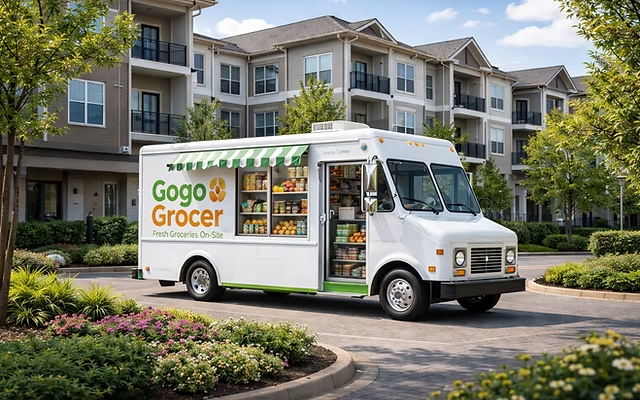
A quiet but transformative shift is taking place in how New Jersey residents access everyday essentials, and it is unfolding not inside traditional supermarkets, but directly outside their front doors. With the launch of Gogo Grocer’s mobile grocery service at an AvalonBay Communities residential property in Maplewood, the concept of grocery shopping is being reimagined through a model that blends technology, convenience, and community-based sourcing into a single, highly efficient experience. This is not simply a delivery service or a pop-up market—it is a fully operational supermarket on wheels, designed to meet residents where they live and redefine the expectations of modern retail access.

Officially debuting its first deployment in Maplewood earlier this month, Gogo Grocer introduces a turnkey amenity that integrates seamlessly into residential life. Every Tuesday evening, a fully stocked grocery truck arrives on-site, offering a curated selection of fresh produce, pantry staples, meats, grains, and specialty items. Residents can step outside and shop directly from the mobile storefront or place orders in advance through a dedicated app, eliminating both the need for travel and the unpredictability of traditional delivery windows. The absence of delivery fees further enhances the appeal, positioning the service as both convenient and cost-effective.

What distinguishes Gogo Grocer from conventional grocery models is its hybrid approach to retail and logistics. Rather than operating as a standalone supermarket chain, the company functions as a bridge between local vendors and consumers, partnering with established community-based businesses to source its inventory. In Maplewood, this includes collaborations with Mini Market Zoyatla, Lakay Deli and Grocery, and the Ahkils Autism Foundation, ensuring that the products available on the truck reflect both quality and local identity. This structure allows Gogo Grocer to support small businesses while delivering a level of convenience typically associated with larger-scale operations.

The underlying technology driving this model is equally significant. By leveraging data-driven inventory management and last-mile logistics systems, Gogo Grocer is able to tailor its offerings to the preferences of specific communities. The truck is not simply stocked with generic products; it is curated based on demand, creating a more efficient and responsive retail experience. This approach transforms the mobile unit into a dynamic, adaptive marketplace—one that evolves alongside the needs of its customers.

For AvalonBay Communities, the introduction of Gogo Grocer represents a broader trend in property development, where amenities are increasingly defined by their ability to enhance daily life. The service is offered at no cost to property owners or management, functioning as a value-added feature that improves resident satisfaction without adding operational complexity. This aligns with a growing emphasis on lifestyle-driven design within multifamily housing, where convenience, accessibility, and experience are central to attracting and retaining residents.

Beyond its immediate impact in Maplewood, Gogo Grocer’s model carries broader implications for New Jersey’s supermarket landscape. As highlighted across Explore New Jersey’s supermarkets coverage, the industry is undergoing a period of rapid transformation, driven by changing consumer expectations and advancements in technology. Traditional brick-and-mortar stores are no longer the sole point of access; instead, a range of hybrid models is emerging, each designed to reduce friction and increase flexibility. Gogo Grocer sits at the forefront of this evolution, offering a solution that combines the tactile experience of in-person shopping with the efficiency of digital ordering.

Importantly, the company’s vision extends beyond high-end residential developments. While the Maplewood launch serves as a proof of concept within a controlled environment, Gogo Grocer is actively exploring expansion into senior living communities and underserved areas across the state. This broader mission introduces a social dimension to the model, addressing issues of food access and mobility that affect a significant portion of the population. By bringing groceries directly to communities that may lack convenient access to traditional supermarkets, the service has the potential to play a meaningful role in reducing food insecurity while maintaining its core focus on quality and convenience.

The early response to the Maplewood deployment has already indicated strong demand, with residents embracing the ability to shop on their own schedule without leaving their neighborhood. This momentum is fueling plans for additional rollouts across New Jersey, where similar residential partnerships are expected to follow. Each new location will further refine the model, incorporating feedback and data to enhance both product selection and operational efficiency.

What makes Gogo Grocer particularly compelling is its ability to align multiple trends into a single, cohesive concept. It reflects the rise of localized commerce, where supporting nearby businesses becomes part of the purchasing decision. It embodies the integration of technology into everyday life, where data and logistics work behind the scenes to deliver a seamless experience. And it responds directly to the demand for convenience, offering a solution that fits naturally into the routines of modern consumers.

In a state as densely populated and diverse as New Jersey, where time and accessibility are often defining factors in daily life, the introduction of a mobile grocery platform represents more than innovation—it represents adaptation. It acknowledges that the way people shop is changing and that the infrastructure supporting those habits must evolve accordingly.

As Gogo Grocer continues to expand its footprint, it is not just introducing a new service; it is contributing to a redefinition of what a supermarket can be. No longer confined to a fixed location, the grocery store is becoming mobile, responsive, and deeply integrated into the communities it serves. In Maplewood, that future is already parked curbside, stocked, and ready.

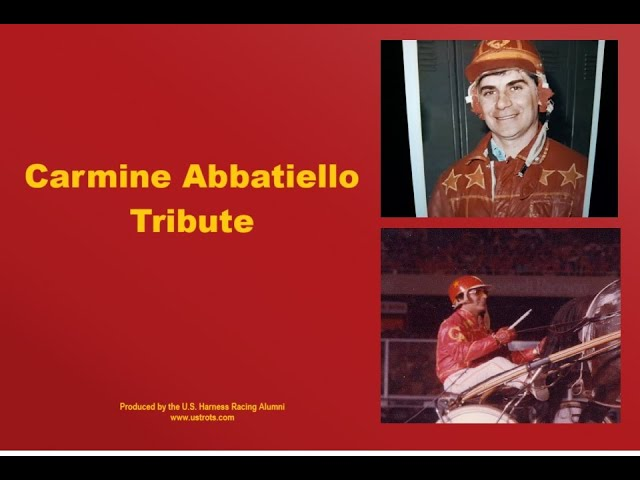
Carmine’s NYC at Meadowlands Racing & Entertainment: One-Night Kitchen Takeover and Racing Tribute

Carmine’s NYC Crosses the Hudson for One Night Only at Meadowlands Racing & Entertainment, Delivering a Historic Kitchen Takeover and Tribute to a Racing Legend. Tonight, New Jersey’s dining and entertainment landscape converges in a way that is both rare and deeply symbolic. For one night only, the iconic Carmine’s NYC brings its unmistakable family-style Italian dining experience to Meadowlands Racing & Entertainment in East Rutherford, transforming the venue’s third-floor Pink Restaurant into a stage for culinary tradition, cultural legacy, and community connection. This special “Kitchen Takeover” event is not simply a pop-up—it is a full-circle moment that bridges two worlds: the high-energy, communal dining experience that defined Carmine’s rise in New York City, and the storied history of harness racing that has long defined the Meadowlands.

At the heart of the evening is a tribute to Carmine Abbatiello, the Hall of Fame harness racing driver known as “The Red Man,” whose legacy extends far beyond the track. Abbatiello’s influence is woven directly into the identity of Carmine’s itself, which was named in his honor by restaurateur Arthur J. Cutler. That connection transforms this event into something more than a culinary showcase; it becomes a meaningful homage that brings the restaurant back to its roots, celebrating the man whose name and spirit helped inspire one of the most recognizable Italian dining brands in the country.

The setting amplifies that significance. Meadowlands Racing & Entertainment, long regarded as one of the premier destinations for harness racing in North America, provides a backdrop that is both authentic and emotionally resonant. The Pink Restaurant, overlooking the track, becomes more than a dining room—it becomes a space where storytelling, remembrance, and shared experience unfold in real time. Throughout the evening, guests will encounter a thoughtfully curated program that includes a tribute video, personal reflections from Abbatiello’s family, and a dedicated “legacy table” designed to honor his life and contributions. These elements ensure that the event remains grounded in its purpose, elevating it beyond a typical dining experience.

Culinarily, the takeover delivers exactly what has made Carmine’s a defining force in Italian-American cuisine. Since its founding in 1990 on Manhattan’s Upper West Side, the restaurant has built its reputation on an approach that celebrates abundance, family, and the joy of shared meals. Its oversized platters and high-energy atmosphere redefined what many now recognize as the “Italian American wedding feast” style of dining—an experience built around generosity, flavor, and connection. That philosophy is fully intact for this one-night event, presented through a buffet that captures the essence of Carmine’s most beloved dishes.

Guests can expect a menu anchored by classics that have become synonymous with the brand. Caesar salad sets the tone, followed by signature offerings such as spaghetti and meatballs, lasagna layered with rich sauces and cheeses, and chicken parmigiana prepared with the balance of crispness and comfort that defines the dish at its best. The experience concludes with tiramisu, delivering a familiar yet essential finish that reflects the restaurant’s commitment to tradition. Each dish is designed to be enjoyed in the spirit of Carmine’s—shared, generous, and rooted in the idea that food is most meaningful when it brings people together.

The ticketed experience, priced at approximately $70.13 inclusive of tax and gratuity, extends beyond the meal itself. Admission includes access to a live racing program, allowing guests to engage with the Meadowlands’ core identity while participating in the evening’s culinary and cultural offerings. This integration of dining and racing creates a multi-dimensional experience that reflects the venue’s broader appeal, where entertainment, hospitality, and tradition intersect.

Importantly, the event also carries a philanthropic dimension that reinforces its community impact. A portion of each ticket sale—approximately $20—is directed to the Purple Haze Standardbred Adoption Program, an initiative dedicated to the care and rehoming of retired racehorses. This element adds a layer of purpose that aligns with the evening’s tribute, ensuring that the legacy being honored is not only remembered but actively supported through tangible contributions.

Within the broader context of New Jersey’s dining scene, this event represents a compelling example of how the state continues to position itself as a destination for unique, high-impact culinary experiences. The ability to host a concept like Carmine’s—even for a single night—speaks to the strength and versatility of the region’s hospitality infrastructure. It also reflects a growing trend highlighted across Explore New Jersey’s restaurants coverage, where collaborations, pop-ups, and experiential dining events are redefining how audiences engage with food.

For East Rutherford, already home to major attractions such as MetLife Stadium and the American Dream complex, the Kitchen Takeover adds another dimension to its profile as a destination for both residents and visitors. It demonstrates how established venues like Meadowlands Racing & Entertainment can evolve, incorporating new formats and partnerships that expand their relevance and appeal.

What ultimately defines this evening is its ability to connect multiple narratives into a single, cohesive experience. It is a celebration of Italian-American culinary tradition, a tribute to a legendary figure in harness racing, and a demonstration of how food can serve as a bridge between history and the present. It captures the essence of what makes New Jersey’s dining culture so dynamic—the willingness to honor the past while embracing new opportunities to bring people together.

For those in attendance, the night offers more than a meal. It offers a chance to participate in a moment that is both reflective and forward-looking, where the flavors of Carmine’s meet the legacy of the Meadowlands in a setting that feels both familiar and extraordinary. In a state where food is deeply tied to identity and community, this one-night event stands as a powerful reminder of how those connections continue to evolve, one shared table at a time.

KickCharge Creative Accelerates from New Jersey to the National Stage with Homeijer Motorsports Partnership, Redefining Branding in Extreme Racing Culture

New Jersey’s influence on the national stage has long extended beyond its borders through innovation, creativity, and a relentless drive to stand out. In 2026, that influence is taking a high-speed turn as KickCharge Creative, a Washington, New Jersey-based branding agency known for transforming the home service industry, officially enters the world of competitive motorsports through a strategic partnership with Homeijer Motorsports. Announced on April 17, this collaboration is more than a sponsorship—it is a calculated expansion of brand identity into one of the most visually demanding and performance-driven environments in modern sports.

At its core, this partnership represents the convergence of two disciplines that thrive on precision, execution, and impact. On one side is KickCharge Creative, an agency that has built its reputation on bold, unmistakable branding rooted in its defining philosophy: “Branded Not Blanded.” On the other is Homeijer Motorsports, a New Jersey-based racing team led by driver Michael Homeijer, competing across Time Attack, drifting, and road racing circuits. Together, they are bringing a distinctly New Jersey mindset—creative, aggressive, and unapologetically visible—to a national motorsports audience.

The centerpiece of this collaboration is a fully customized 2013 Subaru BRZ, transformed into a moving canvas of high-impact design. Engineered not just for speed but for visual dominance, the vehicle features a striking wrap conceptualized by KickCharge and produced by Bay Image. Every inch of the car is designed to capture attention at 100 miles per hour, translating the principles of branding into a format where visibility is measured in fractions of seconds and impressions are made instantly. In the world of Time Attack racing, where performance is defined by the fastest single lap, this visual identity becomes an extension of the team’s competitive edge—precision in motion, both mechanically and aesthetically.

The partnership will be activated throughout the 2026 GRIDLIFE season, a nationally recognized motorsports festival series that blends racing, music, and car culture into a multi-dimensional experience. Unlike traditional racing circuits, GRIDLIFE events are immersive environments where fans engage not just with the competition, but with the broader lifestyle surrounding it. This makes it an ideal platform for a brand like KickCharge, whose approach is rooted in differentiation and memorability.

The team’s schedule places them on some of the most respected tracks in the country, beginning May 7–9 at Road Atlanta, followed by the Midwest Festival in South Haven, Michigan from June 12–14. The momentum continues with Summer Apex at Watkins Glen, New York from July 24–26—a venue deeply connected to the Northeast’s racing heritage—before concluding with Circuit Legends at Lime Rock Park in Connecticut from August 21–23. Each stop represents not only a competitive opportunity, but a strategic touchpoint for brand amplification, where design, performance, and audience engagement intersect.

What makes this initiative particularly significant from a New Jersey perspective is how it reflects the state’s growing presence within the broader extreme sports and motorsports landscape. While often associated with its proximity to major markets, New Jersey continues to assert its own identity through homegrown talent, businesses, and cultural influence that extend far beyond state lines. KickCharge Creative’s entry into this space underscores that evolution, positioning a New Jersey company at the forefront of a national conversation about branding, performance, and visibility.

This move also aligns with the expanding ecosystem of high-adrenaline experiences and competitive environments that define the state’s connection to extreme sports culture. From motorsports to action-based recreation, New Jersey’s footprint in this category continues to grow, with platforms like Explore New Jersey’s extreme sports coverage highlighting the breadth of opportunities and innovation emerging across the region. The KickCharge and Homeijer Motorsports partnership fits seamlessly into this narrative, demonstrating how local expertise can translate into national relevance when paired with the right platform.

Beyond the track, this collaboration serves as a case study in how branding is evolving within performance-driven industries. Traditional sponsorship models often focus on logo placement and passive visibility. What KickCharge is executing is fundamentally different—it is an integration of brand identity into the very fabric of the experience. The car is not simply sponsored; it is designed as a statement piece, a representation of the agency’s capabilities under the most demanding conditions imaginable. In doing so, it challenges conventional approaches and sets a new standard for how brands can engage with audiences in dynamic, high-speed environments.

This initiative also builds on the recent launch of KickCharge One, the agency’s integrated marketing solution for the trades, reinforcing its commitment to innovation and expansion. By stepping into motorsports, the company is effectively extending its philosophy into a new domain, proving that strong branding principles are not confined to a single industry—they are universally applicable wherever attention, competition, and differentiation matter.

For Homeijer Motorsports, the partnership brings a level of visual and strategic sophistication that enhances both its competitive presence and its connection with fans. In a sport where milliseconds determine outcomes, the ability to stand out visually can create an entirely different kind of advantage—one that builds recognition, loyalty, and engagement over time.

As the 2026 season unfolds, this collaboration will be measured not only by lap times and placements, but by its broader impact on how branding is perceived within motorsports. It represents a shift toward more intentional, design-driven participation in the sport, where every element—from the car’s aesthetics to the team’s presentation—contributes to a cohesive and compelling narrative.

From Washington, New Jersey to tracks across the country, KickCharge Creative is making a statement that resonates far beyond the racing world. It is a declaration that creativity belongs wherever performance matters, and that even at full speed, there is room to stand out, disrupt expectations, and redefine what it means to be seen.

New Jersey Honors Women Driving Impact Across Business, Healthcare, Law, and Community Leadership in a Week That Defines the State’s Leadership Pipeline

Across New Jersey this week, a powerful cross-section of leadership, innovation, and public service took center stage as women from every major sector—business, healthcare, law, education, and civic life—were recognized for contributions that are not only shaping their respective fields, but redefining the state’s economic and cultural trajectory. What unfolded was not a single awards cycle or isolated recognition, but a statewide convergence of honors that collectively signal a broader shift: New Jersey’s leadership pipeline is increasingly driven by women whose influence spans boardrooms, courtrooms, classrooms, and community institutions.

At the highest levels of professional recognition, Dr. Maria L. Soto-Greene, Executive Vice Dean at Rutgers New Jersey Medical School, received one of the most prestigious honors in American medicine, the Scroll of Merit Award from the National Medical Association. Her recognition reflects decades of work that extend far beyond academic leadership. Soto-Greene has been instrumental in reshaping the future of healthcare by building pathways for underrepresented students to enter the medical profession, strengthening not only institutional diversity but also the quality and reach of patient care across the state. Her influence is embedded in the structure of New Jersey’s healthcare workforce, positioning the state as a national leader in medical education and equity-driven training.

In the legal arena, Judge Esther Salas was honored with the 2026 Huntington Her Hero Lifetime Achievement Award, recognizing a career defined by both judicial leadership and national advocacy. Her work has taken on profound significance in recent years, as she has emerged as a leading voice on judicial security and the protection of public officials. That advocacy, rooted in personal tragedy, has elevated her role beyond the courtroom, positioning her as a central figure in shaping how the legal system safeguards those who serve within it. Her recognition this week reflects not only past accomplishments, but an ongoing impact that continues to influence policy discussions at the highest levels.

The business sector delivered its own powerful statement, as the New Jersey Chamber of Commerce recognized a new class of “Women of Inspiration,” highlighting leaders who are actively shaping the state’s economic environment. Among them were executives and strategists from industries that have traditionally been male-dominated, including law, infrastructure, and regional commerce. Figures such as Ruthi Byrne, Mary Kay Roberts, and Christina Renna represent a broader movement within New Jersey’s business ecosystem—one where leadership is increasingly defined by strategic agility, cross-sector collaboration, and the ability to navigate complex economic conditions while driving growth.

That momentum extends into executive leadership at the national and global level. Hannah Testani, recognized as Woman CEO of the Year 2026, exemplifies the type of forward-facing leadership that is redefining entire industries. At the helm of Intelligent Audit, she has transformed logistics intelligence into a competitive advantage, aligning data analytics with operational execution in a way that has positioned her company at the forefront of supply chain innovation. In a state deeply connected to logistics, transportation, and global commerce, that kind of leadership carries direct implications for how New Jersey businesses compete and scale.

Equally critical is the role of strategic insight leaders such as Allison Morgan, whose work in consumer intelligence and market analytics reflects the growing importance of data-driven decision-making across global enterprises. With more than two decades of experience, Morgan’s approach—centered on human behavior, predictive analytics, and actionable insights—illustrates how modern business leadership is increasingly interdisciplinary, blending psychology, technology, and strategy to drive measurable outcomes.

Beyond executive and institutional recognition, the week’s honors extended deeply into community-level impact, reinforcing the idea that leadership in New Jersey is not confined to traditional power structures. In Roselle Park, Faith Odat was named Woman of the Year for her transformative work as a children’s librarian. Her efforts have redefined what a local library can be, evolving it into a dynamic community hub that fosters creativity, literacy, and engagement among young residents. In an era where digital distractions often compete with educational development, her work stands as a model for how local institutions can remain relevant and impactful.

Jersey City added another dimension to the statewide recognition, honoring a group of “Extraordinary Women” whose contributions span healthcare, social services, and community advocacy. Leaders such as Reverend Tami Henry, Marietta Reynolds, and Linda Ivory-Green represent the operational backbone of community infrastructure—individuals whose work often occurs outside the spotlight but whose impact is felt daily across neighborhoods and populations. Their recognition underscores a broader truth: the strength of New Jersey’s communities is directly tied to the leadership operating within them.

Public safety was also part of the narrative this week, as Bergen County recognized a female telecommunicator as Public Safety Telecommunicator of the Year during National Public Safety Telecommunicators Week. This acknowledgment highlights a critical, often underrecognized component of emergency response systems. Telecommunicators serve as the first point of contact in crisis situations, coordinating response efforts and providing life-saving guidance in real time. Recognizing excellence in this field reinforces the importance of every layer within the public safety framework.

Education remains another pillar of this statewide recognition. The New Jersey Education Association’s annual celebration honoring women in education brought together hundreds of educators whose work shapes the state’s future at its most foundational level. These are the individuals responsible for developing the next generation of leaders, innovators, and professionals, making their recognition not only deserved but essential to understanding how long-term progress is built.

Looking ahead, the momentum continues with upcoming events such as the Inspiring Women Luncheon scheduled for April 23, an event that has become a key gathering point for networking, recognition, and strategic collaboration among New Jersey’s most influential women. These events are more than ceremonial—they function as connective tissue within the state’s leadership ecosystem, creating opportunities for alignment, mentorship, and the exchange of ideas that drive continued progress.

This week’s wave of recognition aligns with broader trends documented across the Business section of Sunset Daily News New Jersey, where leadership, innovation, and economic development intersect in real time. The prominence of women across these narratives is not incidental; it reflects a structural evolution in how leadership is defined and executed across industries.

What emerges from this moment is a clear and measurable shift. New Jersey is not simply recognizing women for their contributions—it is increasingly being shaped by them. From healthcare systems and legal frameworks to corporate strategy and community development, women are operating at every level of influence, driving outcomes that extend far beyond individual recognition.

This is not a temporary trend or a symbolic gesture. It is a recalibration of leadership across the state, one that is producing tangible results in economic growth, institutional strength, and community resilience. As these leaders continue to expand their impact, the collective effect is transforming New Jersey into a model for how diverse, inclusive leadership can redefine both opportunity and performance in a modern economy.

New Jersey’s Bakery Boom: New Openings, Iconic Legacies, and the Rise of a Statewide Culinary Identity Built on Tradition and Innovation

New Jersey’s food culture has always been defined by depth, diversity, and a relentless commitment to quality, but this week, the spotlight turns decisively toward one of its most enduring and beloved culinary pillars: the bakery. With new openings, major comebacks, and continued expansion from both legacy institutions and modern concepts, the Garden State is experiencing a bakery renaissance that reflects both its historic roots and its forward-looking appetite for innovation. In the absence of a formal statewide directory, this moment presents an opportunity to define and document the evolving bakery landscape in a way that captures its full scope—from century-old institutions to the newest arrivals shaping the next generation of New Jersey dining.

The latest developments underscore just how dynamic this category has become. In Short Hills, the arrival of Pura Vida marks a notable shift in how bakery concepts are being integrated into broader wellness-driven dining experiences. Officially opening its first New Jersey location on April 16, 2026, the brand brings a Miami-influenced aesthetic and menu philosophy that blends traditional baked goods with health-conscious offerings. Situated at 1200 Morris Turnpike, the space delivers a hybrid model that reflects current consumer demand: high-quality pastries and breads exist alongside nutrient-forward breakfast items, bowls, and all-day café selections. This is not a departure from bakery culture, but an evolution of it—one that aligns with the broader health-conscious trends gaining traction across the state and highlighted through Explore New Jersey’s health and wellness coverage.

At the same time, in Bergen County, a far more emotional and deeply rooted story is unfolding with the return of Zadie’s Kosher Bake Shop. Set to open its new location at 2150 Promenade Boulevard in Fair Lawn with a soft launch scheduled for April 22 at 7:00 AM, this fourth-generation bakery represents resilience, continuity, and the enduring power of community connection. Following a devastating fire that impacted its previous location, Zadie’s comeback is more than a reopening—it is a reaffirmation of tradition. Known for its challah, breads, pastries, and carefully crafted desserts, the bakery has long served as a cornerstone for its customers, offering not just products, but consistency, heritage, and trust. Its return signals that even in an era of rapid change, legacy businesses remain central to New Jersey’s culinary identity.

Elsewhere, expansion continues to define the category. In Maplewood, The Able Baker has confirmed its move into a significantly larger 3,500-square-foot space at 4th and Valley, reflecting both demand and ambition. This growth trajectory highlights a key trend within the state: successful local bakeries are no longer confined to single storefronts but are scaling operations while maintaining their artisanal roots. Hiring is already underway, signaling a late spring debut that is expected to further elevate Maplewood’s already strong reputation as a destination for independent food businesses.

Meanwhile, Montclair continues to solidify its position as a hub for younger, trend-driven consumers with the arrival of Insomnia Cookies at 332 Bloomfield Avenue. Built around late-night accessibility and warm, on-demand delivery, the concept taps directly into a different segment of the bakery market—one defined by convenience, immediacy, and a digitally connected audience. In Burlington County, the recent opening of a new Crumbl Cookies location at Marlton Square adds yet another layer to the state’s expanding dessert landscape, reinforcing the idea that bakery culture now spans both boutique craftsmanship and scalable, brand-driven models.

To fully understand the significance of these developments, it is essential to place them within the broader historical context that has shaped New Jersey’s bakery scene for more than a century. The state’s reputation as a bakery powerhouse is rooted in the immigrant communities that defined its early 20th-century growth. Italian, German, and Portuguese families brought with them time-honored techniques, recipes, and baking philosophies that quickly became embedded in local neighborhoods. Brick ovens, hand-rolled dough, and multi-generational knowledge formed the foundation of what would become one of the most respected regional baking traditions in the country.

That legacy is still visible today in institutions that continue to operate at the highest level. In Hoboken, Antique Bar & Bakery stands as a testament to this history, with its coal-fired oven and longstanding reputation for exceptional bread—so renowned that it once attracted the attention of Frank Sinatra himself. Just blocks away, Carlo’s Bake Shop transformed from a local bakery established in 1910 into an international brand, bringing global visibility to New Jersey’s baking excellence through the cultural phenomenon of “Cake Boss.”

In Newark, Paramount Bakery has maintained its presence for over a century, embodying the consistency and craftsmanship that define the state’s traditional bakeries. South Jersey offers its own icons, with Del Buono’s Bakery in Camden County and Aversa’s Italian Bakery expanding from modest beginnings into widely recognized names. In Trenton, Italian Peoples Bakery continues to serve as a cornerstone of the Chambersburg neighborhood, preserving recipes and techniques that have endured for generations.

Across the state, a new generation of “essential” bakeries continues to build on that foundation. B&W Bakery in Hackensack has achieved near-legendary status for its crumb cake, while Natale’s Summit Bakery has developed a devoted following for its signature Philly Fluff. Calandra’s Bakery in Newark remains synonymous with fresh bread, often sold warm throughout the day, and L&M Bakery in Delran has become a destination for classic donuts and buttercream creations. In Atlantic City, Formica Brothers Bakery continues to produce its iconic sub bread, a staple of the region’s food culture for more than a century.

What ties all of these establishments together—past and present—is a shared commitment to quality, identity, and community. Bakeries in New Jersey are not simply places to purchase food; they are cultural anchors, neighborhood gathering points, and expressions of heritage that evolve with each generation. The current wave of openings and expansions does not replace that legacy—it builds upon it, introducing new formats, flavors, and experiences while maintaining the core values that have always defined the craft.

The absence of a formal statewide bakery directory only reinforces the importance of documenting this moment. What is emerging is not a fragmented collection of businesses, but a cohesive, statewide narrative—one that connects historic institutions with modern innovators, local artisans with national brands, and traditional techniques with contemporary tastes. It is a story that reflects New Jersey itself: diverse, resilient, and constantly evolving.

As new concepts open their doors and legacy bakeries continue to thrive, the state’s bakery scene is entering a period of unprecedented visibility and influence. From Short Hills to Fair Lawn, Maplewood to Montclair, and across every corner of the Garden State, the message is clear—New Jersey is not just participating in the modern bakery movement, it is helping define it.

Equipo and the Big Stick Era: How Advanced Health Technology Is Transforming Value-Based Care Across New Jersey and Beyond

A fundamental shift is underway in modern healthcare, and it is being driven not by incremental change, but by a decisive move from passive insight to active control. As Accountable Care Organizations (ACOs) across the country—and increasingly within New Jersey’s evolving healthcare ecosystem—adapt to the demands of value-based care, platforms like Equipo are redefining how providers engage with patient data, manage risk, and deliver outcomes in real time. This transformation represents what many are beginning to describe as the “Big Stick Era” of healthcare execution: a period where having information is no longer enough, and the ability to act on it immediately has become the defining advantage.

Equipo has been engineered with a singular focus—closing the operational gap between knowing and doing. In traditional healthcare models, data often arrives too late to influence outcomes in a meaningful way. Reports are generated after the fact, risks are identified retrospectively, and interventions come only after conditions have escalated. What Equipo introduces is a fundamentally different paradigm, one where clinical intelligence is continuous, embedded, and actionable at the exact moment care decisions are made.

At the center of this platform is its ability to unify fragmented healthcare data into a single, dynamic patient narrative. Clinical records, behavioral health inputs, and utilization patterns are aggregated into a longitudinal profile that evolves in real time, allowing care teams to detect risk signals as they emerge rather than after they have already impacted patient health. This continuous visibility transforms how providers approach care management, enabling earlier interventions, more precise coordination, and a level of responsiveness that aligns with the goals of value-based care.

The operational backbone of Equipo lies in its coordinated workflow infrastructure. Healthcare delivery is inherently complex, involving multiple stakeholders, transitions, and touchpoints that can easily become disjointed. Equipo addresses this by translating insights into structured actions, assigning responsibilities across care teams, and tracking completion to ensure that no step is missed. Follow-ups, referrals, and care transitions are no longer vulnerable to breakdowns in communication; they are actively managed within a system designed to enforce accountability and continuity.

Equally significant is the platform’s integration of point-of-care intelligence. By embedding quality metrics and cost considerations directly into clinical interactions, Equipo enables providers to make informed decisions while the patient is still present. This eliminates the lag between diagnosis and data analysis, allowing clinicians to align treatment plans with both medical best practices and value-based performance measures in real time. The result is a more efficient, informed, and patient-centered approach to care delivery.

Recent advancements have further expanded the platform’s capabilities through the introduction of an Embedded AI Ecosystem. This layer of intelligence operates within the existing clinical workflow, enhancing rather than disrupting the provider experience. Predictive forecasting models analyze patient trajectories to identify potential risks before they materialize, while advanced document processing tools convert unstructured medical records into clear, actionable insights. This includes the ability to interpret specialist notes, extract critical data from referrals, and surface previously undetected conditions that may impact patient outcomes and risk scoring.

One of the most transformative aspects of this AI integration is its ability to reduce administrative burden. Healthcare providers have long faced the challenge of balancing patient care with an increasing volume of documentation and operational requirements. By automating processes such as referral management, prior authorizations, and data verification, Equipo allows clinicians to redirect their focus toward direct patient interaction. This not only improves efficiency but also addresses one of the most pressing issues in modern healthcare—provider burnout.

The platform’s approach to interoperability further strengthens its position within the healthcare landscape. Designed to integrate seamlessly with existing electronic health record systems, Equipo supports industry standards that enable real-time data exchange across platforms. This ensures that updates are synchronized instantly, maintaining consistency and accuracy throughout the care continuum. Providers are no longer required to navigate multiple systems to access critical information; instead, they operate within a unified environment that delivers a comprehensive view of each patient.

For New Jersey, where healthcare innovation continues to intersect with policy, infrastructure, and community health initiatives, the implications are substantial. The state’s growing emphasis on preventive care, population health management, and outcome-based reimbursement models aligns directly with the capabilities that platforms like Equipo bring to the table. By enabling earlier intervention, improving care coordination, and optimizing resource utilization, this technology supports a healthcare system that is both more sustainable and more responsive to patient needs.

This evolution also connects to the broader health and wellness landscape across the state, where access, education, and proactive care are increasingly central to public engagement. As New Jersey continues to expand its focus on wellness-driven initiatives, resources such as Explore New Jersey’s health and wellness section highlight the growing integration of technology, community programs, and healthcare services that are shaping the future of care delivery.

What defines the Big Stick Era is not simply the presence of advanced technology, but the expectation that it will drive measurable results. Healthcare organizations are no longer evaluated solely on the data they collect, but on how effectively they translate that data into improved outcomes, reduced costs, and enhanced patient experiences. Equipo embodies this shift, providing the infrastructure necessary to move from observation to execution with precision and speed.

As value-based care continues to gain momentum, the ability to act in real time will become the standard rather than the exception. Platforms that can unify data, coordinate action, and embed intelligence directly into clinical workflows will define the next generation of healthcare delivery. In that context, Equipo is not just a tool—it is a signal of where the industry is headed, and a clear example of how technology can transform the way care is delivered, experienced, and sustained across New Jersey and beyond.

New Jersey Weather Shifts Into Transitional Pattern as April 18 Brings Calm Before Rain, Temperature Swings, and Coastal Impacts

New Jersey enters a dynamic and transitional stretch of spring weather this weekend, beginning with a relatively calm and seasonable Saturday before pivoting into a more complex pattern that will bring rain, cooler air, and localized impacts across the state. As of this morning, conditions across much of New Jersey are stable and comfortable, with mostly sunny skies, temperatures hovering in the upper 50s, elevated humidity levels, and a light easterly breeze signaling the influence of an onshore flow that will define much of the day’s temperature contrast between inland and coastal regions.

Today’s Forecast Summary: Expect high temperatures to vary significantly across the state. Inland areas will reach the mid-70s, while the coast will stay much cooler in the upper 50s to near 60°F due to an onshore breeze. Clouds will collect this evening, with occasional showers and potential fog developing after midnight as a cold front approaches.

Day Sky ConditionTemperatureChance of Rain
Sat, Apr 18weatherIconCloudy63°F / 49°F10%
Sun, Apr 19weatherIconLight rain56°F / 37°F40%
Mon, Apr 20weatherIconLight rain51°F / 31°F35%
Tue, Apr 21weatherIconSunny52°F / 32°F0%
Wed, Apr 22weatherIconLight rain69°F / 47°F25%

Upcoming Weather Alerts

  • Sunday Storm: A stronger system will bring widespread rain and a sharp temperature drop tomorrow. Highs will barely reach the mid-50s.
  • Frost Advisory: A dramatic cool-down follows the rain. Expect widespread frost on Monday night into Tuesday morning as temperatures dip toward freezing (30°F–35°F).
  • Coastal Flooding: The National Weather Service has issued coastal flood advisories for tonight’s high tide due to astronomical high tides and onshore winds. 

Saturday, April 18 is shaping up to be the most balanced and usable outdoor day of the immediate forecast window, though it is not without nuance. Inland communities are expected to warm into the low-to-mid 70s under filtered sunshine, while shoreline areas remain significantly cooler, struggling to move beyond the upper 50s to near 60 degrees due to persistent ocean-driven airflow. This divergence is a classic New Jersey spring setup, where proximity to the Atlantic sharply moderates temperatures and introduces variability even across short geographic distances. Skies will gradually transition from mostly sunny to increasingly cloud-covered as the day progresses, setting the stage for a more unsettled overnight period.

By late evening and into the overnight hours, atmospheric conditions begin to shift more decisively. A developing system tied to an approaching cold front will introduce scattered showers and the potential for areas of fog, particularly in regions already influenced by marine air. Visibility reductions and damp conditions are likely to become more widespread after midnight, creating a markedly different environment from the relatively calm daytime hours. This evolution is part of a broader pattern change that will define the early portion of the upcoming week.

Sunday represents the inflection point. As the frontal boundary moves through New Jersey, rain becomes more consistent and temperatures begin to fall. Highs will struggle to climb beyond the mid-50s for much of the state, with some coastal zones briefly experiencing slightly milder conditions before the cooler air mass fully settles in. While the rainfall is expected to be beneficial in addressing recent dry conditions, the system may also carry embedded instability, raising the possibility of isolated thunderstorms, though widespread severe activity is not anticipated at this time.

The more significant story emerges in the aftermath of the front. As the system exits, a pronounced drop in temperatures will take hold, driven by a trough pattern settling over the region from Sunday night through midweek. Overnight lows will fall sharply, with some areas dipping into the low 30s and even upper 20s in higher elevations. This rapid cooling introduces the potential for frost formation, particularly late Monday night into Tuesday morning, creating concerns for early-season vegetation and agricultural interests across parts of the state.

This colder stretch will extend into Monday and Tuesday, with daytime highs largely confined to the 50s—well below the recent warmth that gave the state an early preview of summer-like conditions earlier in the week. That warmth has now been effectively displaced, replaced by a more seasonally typical, if not slightly below-average, temperature profile. The transition underscores the volatility of mid-April weather in New Jersey, where rapid swings between warm and cool air masses are not only common but expected.

Adding another layer to the forecast are coastal considerations. Elevated astronomical tides combined with persistent onshore winds have prompted advisories for minor coastal flooding during high tide cycles. While not expected to reach major thresholds, these conditions can still impact low-lying roadways and shoreline infrastructure, particularly in areas already prone to tidal influence. The interaction between ocean-driven winds and incoming weather systems is a key factor in these localized impacts, reinforcing the need for awareness in coastal communities.

Looking ahead to the middle and latter part of the week, the pattern begins to moderate. By Wednesday, temperatures are projected to rebound into the upper 60s and low 70s, signaling a return to more stable spring conditions. This gradual warming trend is expected to continue into the following weekend, restoring a more typical seasonal baseline after the early-week chill. However, the broader pattern remains active, suggesting that variability will continue to define the region’s weather in the near term.

This evolving forecast aligns with the broader trends and updates tracked in the Weather Report section of Sunset Daily News New Jersey, where shifting seasonal patterns, coastal influences, and regional dynamics are consistently shaping daily conditions across the state. New Jersey’s geographic diversity—from urban corridors to coastal zones and inland elevations—ensures that no single forecast tells the entire story, and this weekend’s setup is a clear example of that complexity in motion.

What emerges from this sequence is a classic mid-spring transition: a brief window of comfortable, balanced conditions giving way to a more unsettled and cooler pattern before stabilizing again. For residents and businesses alike, the key takeaway is timing. Saturday offers the most favorable conditions for outdoor activity, while Sunday introduces rain and a cooling trend that will carry into the early part of the week. By midweek, a return to more moderate temperatures provides a reset, but not before New Jersey experiences a full spectrum of spring weather in just a matter of days.

In a region where weather can shift quickly and dramatically, this stretch serves as a reminder of both the variability and predictability of the season. The systems at play are familiar, but their timing and intensity continue to shape how each day unfolds—across cities, suburbs, and shorelines alike.

Maverick’s Legacy Spring Festival Returns to Sussex County as One of New Jersey’s Most Impactful Family Events, Blending Community, Entertainment, and Life-Saving Purpose

On May 9, 2026, the Sussex County Fairgrounds in Augusta, New Jersey will host one of the state’s most meaningful and expansive community gatherings as the Maverick’s Legacy 4th Annual Spring Festival returns for a full day of connection, entertainment, and purpose-driven engagement. Running from 11:00 AM to 6:00 PM with free admission for all attendees, this event has rapidly established itself as more than a seasonal festival—it is a statewide movement rooted in awareness, prevention, and community action.

Organized by the nonprofit Maverick’s Legacy, a registered 501(c)(3), the festival honors the life of Maverick Scott Chambers while advancing a mission that carries real urgency and measurable impact: preventing choking tragedies among infants and children through education and access to life-saving airway clearance devices. What distinguishes this event within New Jersey’s crowded calendar is not simply its scale, but its clarity of purpose—every vendor, performance, and activity is part of a larger effort to create safer environments for families across the state.

Set against the expansive grounds of Sussex County Fairgrounds at 37 Plains Road in Augusta, the festival’s footprint reflects its growth and ambition. With more than 100 local vendors expected to participate, the event delivers one of the most robust marketplaces in the region, showcasing artisans, crafters, and independent businesses that define New Jersey’s entrepreneurial spirit. From handcrafted goods and specialty products to unique local finds, the shopping experience is both curated and diverse, offering attendees a chance to directly support small businesses while engaging with creators face-to-face.

The entertainment lineup reinforces the festival’s identity as a full-scale experiential event. Live music will carry throughout the day, anchored by a performance from The Cowboy & The Hippie, bringing a high-energy, full-band presence that resonates across generations. Complementing the musical programming are standout visual and performance elements, including aerial artist and stilt walker Jessica Black, whose presence adds a dynamic, festival-scale spectacle that elevates the atmosphere beyond a traditional community gathering. This layered approach to entertainment ensures that the event feels immersive, continuous, and engaging from start to finish.

A centerpiece attraction that continues to draw attendees from across the region is the car show hosted by the Lost in Time Car Club. Featuring an extensive lineup of classic vehicles, custom builds, muscle cars, and modern performance models, the show delivers both nostalgia and innovation in equal measure. The scheduled trophy presentation at 4:00 PM adds a competitive element that brings enthusiasts together while offering spectators a curated showcase of automotive craftsmanship and history.

For families, the expanded Kids Fun Barn stands as one of the most important components of the festival’s design. Developed in collaboration with local nonprofits, this dedicated space offers games, activities, and interactive experiences that prioritize engagement, accessibility, and inclusion. It is intentionally structured to ensure that younger attendees are not simply accommodated, but fully integrated into the event experience, reinforcing the festival’s family-first approach.

Throughout the day, attendees will also have the opportunity to participate in raffles and prize drawings that underscore both excitement and impact. The highly anticipated $10,000 50/50 raffle, which does not require winners to be present, is expected to generate significant participation, while additional prize opportunities—including items such as a Smart TV and pellet smoker—add another layer of engagement. These elements are not merely promotional; they are essential drivers of the fundraising efforts that power Maverick’s Legacy’s ongoing initiatives.

Food and beverage offerings further enhance the experience, with a diverse lineup of food trucks delivering a wide range of culinary options that reflect the richness of New Jersey’s mobile dining scene. From comfort classics to creative street food concepts, the availability of high-quality, accessible dining ensures that attendees can spend the entire day immersed in the event without interruption. Adult beverage options are also available, contributing to a balanced, all-ages environment that caters to both families and individual attendees.

At its core, the Maverick’s Legacy Spring Festival is defined by what it enables beyond the event itself. Proceeds directly support the distribution of LifeVac choking rescue devices to schools, daycare centers, and first responders, equipping communities with tools that have the potential to save lives in critical moments. This direct line between participation and impact is what gives the festival its depth—every purchase, every raffle ticket, every moment spent on-site contributes to a mission that extends far beyond a single day in May.

The event also aligns with the broader landscape of things to do across the state, where experiences are increasingly defined by purpose, interactivity, and community engagement. Those looking to explore more events, destinations, and experiences across the region can discover a wide range of options through Explore New Jersey’s activities and fun guide, which continues to highlight the evolving ways residents and visitors connect with the state.

What Maverick’s Legacy has built in just four years is both rare and significant. It is a festival that delivers on every level—entertainment, community, commerce—while remaining grounded in a mission that matters. It demonstrates how local initiatives can scale without losing authenticity, and how events can serve as catalysts for both awareness and action.

On May 9, Sussex County will once again become a focal point for that vision. Families, businesses, performers, and advocates will come together not just to celebrate the arrival of spring, but to participate in something that carries real weight and real purpose. The Maverick’s Legacy Spring Festival is not simply returning—it is continuing to redefine what a community event can achieve in New Jersey.

From “Most Miserable” to National Top 10: How Passaic Engineered One of New Jersey’s Most Remarkable Urban Comebacks

Passaic’s reemergence as one of the most compelling turnaround stories in the United States is no longer anecdotal—it is now formally recognized at the national level. In a striking reversal of perception and performance, the city has moved from being labeled among the country’s most challenged municipalities to securing a place inside the top 10 best places to live in the nation, according to the latest 2025–2026 rankings by U.S. News & World Report. For a city once defined by industrial decline, economic contraction, and persistent negative narratives, the shift is not just symbolic. It reflects a measurable recalibration of strategy, investment, and civic identity that is now reshaping how Passaic is viewed both within New Jersey and across the country.

The contrast is stark. In 2019, national rankings placed Passaic near the bottom of urban livability metrics, citing a combination of economic hardship, limited upward mobility, healthcare gaps, and long-standing structural challenges tied to decades of disinvestment. At that time, the data painted a picture of a city still struggling to recover from the loss of its industrial base, the erosion of its middle class, and a shrinking tax foundation that constrained municipal growth. That narrative, widely circulated and frequently repeated, became part of Passaic’s identity in the public sphere.

Seven years later, the data—and the story—have changed.

The city’s rise into the national top tier is not the result of a single project or short-term initiative. It is the outcome of a sustained, multi-layered effort to stabilize core systems, attract targeted investment, and reposition Passaic within the broader regional economy. At the center of that transformation is a deliberate focus on rebuilding the fundamentals: housing, economic opportunity, infrastructure, and public perception.

Mayor Hector Lora, who took office in 2016, inherited a city at a critical juncture. The immediate challenge was not simply to improve conditions, but to reverse a trajectory that had been decades in the making. That meant addressing both the structural realities—such as economic stagnation and population shifts—and the narrative surrounding the city, which had become narrowly defined by its challenges rather than its potential. From the outset, the strategy required alignment across municipal leadership, private sector stakeholders, and community organizations, with a clear emphasis on long-term positioning rather than short-term optics.

A key driver of Passaic’s resurgence has been its evolving real estate landscape. The city has increasingly positioned itself as a viable alternative within the North Jersey housing market, offering relative affordability while maintaining proximity to major employment centers. This dynamic has attracted both developers and residents seeking access to the broader regional economy without the cost barriers associated with neighboring markets. Mixed-use developments, residential reinvestment, and strategic infill projects have begun to reshape the city’s physical environment, contributing to both economic activity and neighborhood stability.

This real estate momentum is part of a larger trend unfolding across New Jersey, where cities with strong geographic positioning and available development capacity are experiencing renewed interest. Coverage within the Real Estate section of Sunset Daily News New Jersey continues to track how municipalities like Passaic are leveraging these advantages to drive growth, attract capital, and redefine their market identity. In Passaic’s case, the shift has been particularly pronounced, as new development aligns with broader efforts to improve infrastructure, enhance public services, and create a more cohesive urban environment.

Economic indicators have also played a role in the city’s changing profile. While challenges remain, there has been measurable progress in employment stability, income levels, and access to services. These improvements are not occurring in isolation; they are the result of coordinated efforts to strengthen the local economy while integrating Passaic more effectively into the regional workforce network. Transportation access, proximity to major highways, and connectivity to surrounding job centers have all contributed to this repositioning, making the city more competitive in attracting both residents and businesses.

Equally important is the shift in how Passaic is being discussed and perceived. For years, coverage of the city was disproportionately focused on crime and hardship, creating a feedback loop that reinforced negative perceptions and discouraged investment. Breaking that cycle required not only tangible improvements, but also a sustained effort to highlight progress, opportunity, and momentum. As national rankings begin to reflect those changes, the narrative is evolving—moving from one of decline to one of resilience and reinvention.

The scale of Passaic’s achievement becomes even more significant when viewed in context. Across the United States, there are well over a thousand incorporated places with populations exceeding 20,000. Rising into the top 10 among that group places Passaic in a category that few would have predicted just a few years ago. It signals that the city’s progress is not incremental—it is competitive on a national level.

This transformation also reflects broader shifts in how urban success is defined. Today’s metrics extend beyond traditional economic indicators to include livability, accessibility, community engagement, and long-term sustainability. Passaic’s ability to improve across multiple dimensions simultaneously suggests a model that other cities may look to as they navigate similar challenges. It demonstrates that recovery is not solely about restoring what was lost, but about building something that is aligned with current and future realities.

At the same time, the city’s leadership has remained clear-eyed about the work that remains. Progress does not eliminate underlying challenges, and sustaining momentum will require continued investment, disciplined planning, and responsiveness to changing conditions. Housing affordability, infrastructure demands, and equitable access to opportunity will remain central issues as the city continues to grow. The difference now is that Passaic is addressing those issues from a position of forward movement rather than recovery.

What has emerged is a city that is no longer defined by its lowest moment, but by its capacity to evolve. The turnaround from a “most miserable” designation to a top-10 national ranking is not simply a reversal of fortune—it is a case study in how targeted leadership, strategic development, and sustained effort can reshape both reality and perception. In a state where urban reinvention is an ongoing theme, Passaic has positioned itself at the forefront of that conversation, offering a clear example of what is possible when long-term vision is matched with execution.

As New Jersey’s cities continue to compete for investment, residents, and relevance in a rapidly shifting landscape, Passaic’s trajectory stands out. It is not just a comeback story—it is a blueprint for how cities can reclaim their place, redefine their identity, and move from the margins of national rankings to the center of the conversation.

Cherry Hill Strip Mall Shooting Leads to Attempted Murder Charges as Prosecutors Detail Evidence in Route 70 Case

A violent shooting in a busy commercial corridor in Cherry Hill has escalated into a first-degree attempted murder case, with prosecutors outlining a sequence of events and forensic findings that are now placing the accused at the center of a high-stakes criminal proceeding. The incident, which unfolded in a Route 70 strip mall parking lot, has drawn renewed attention to public safety concerns in high-traffic retail areas across South Jersey, while also underscoring the evidentiary standards shaping modern weapons prosecutions.

Authorities have charged 52-year-old Terrence Roberts of Cherry Hill with first-degree attempted murder along with multiple weapons-related offenses following an alleged shooting that left a 61-year-old man with a gunshot wound to the chest. The severity of the charge signals the gravity with which prosecutors are approaching the case, as first-degree attempted murder in New Jersey requires proof of intent to cause death—placing the burden on the state to demonstrate not just the act itself, but the mindset behind it.

According to charging documents, the shooting occurred in a public parking lot along Route 70, a heavily traveled commercial artery lined with retail establishments, dining locations, and service businesses. The location is not incidental. Incidents of this nature in open, public-facing environments introduce heightened risk factors, including potential bystander exposure and rapid escalation in spaces not designed for conflict containment. In that context, the case is already being viewed as more than an isolated act—it is part of a broader discussion about safety, visibility, and response in densely utilized suburban commercial zones.

Investigators moved quickly following the incident, building a case that appears to rely heavily on both physical evidence and post-incident forensic analysis. A search of Roberts’ residence reportedly yielded weapons and ammunition, while examination of his vehicle revealed the presence of gunshot residue. That detail is particularly significant. Gunshot residue analysis can serve as a critical corroborative element in firearms cases, linking individuals to the discharge of a weapon within a defined timeframe. While not dispositive on its own, when combined with other evidence, it can substantially strengthen prosecutorial arguments regarding involvement and proximity to the act.

The victim, who sustained a gunshot wound to the chest, survived the attack, a factor that directly informs the legal framing of the case. In New Jersey, attempted murder charges hinge on both the intent to kill and the execution of an act that could reasonably result in death. The survival of the victim does not diminish the seriousness of the charge; rather, it shifts the legal focus toward reconstructing intent through evidence, witness accounts, and contextual factors surrounding the incident.

From a procedural standpoint, the case is expected to move through a series of pretrial phases where evidentiary challenges, motions, and potential plea negotiations will shape its trajectory. The presence of physical evidence recovered from a residence and vehicle introduces questions around search protocols, chain of custody, and admissibility—issues that defense counsel will likely examine closely. At the same time, prosecutors will aim to establish a cohesive narrative that aligns forensic findings with witness testimony and any available surveillance or digital evidence.

The broader implications of the case extend into ongoing law enforcement and public safety efforts across New Jersey. Incidents involving firearms in commercial districts continue to be a focal point for both local police departments and county prosecutors, particularly as communities seek to balance accessibility and economic activity with safety and deterrence. High-visibility corridors like Route 70 are central to regional commerce, making any disruption or threat within those spaces a matter of both public concern and policy response.

Within the context of statewide coverage, cases like this are part of a larger pattern tracked in the Law & Order section of Sunset Daily News New Jersey, where developments in criminal justice, enforcement strategy, and prosecutorial action intersect with everyday life across the state. The Cherry Hill case, while specific in its facts, reflects broader themes that continue to shape how law enforcement agencies respond to violent crime in suburban environments.

As the legal process unfolds, attention will remain focused on how the evidence is presented and challenged, and how the courts interpret the threshold for intent in attempted murder cases involving firearms. For Cherry Hill and the surrounding region, the incident serves as a stark reminder of how quickly routine environments can become the setting for serious criminal activity—and how critical the subsequent investigative and judicial processes are in delivering accountability.

The coming months will determine how this case ultimately resolves, but its significance is already clear. It is a convergence of violent crime, forensic investigation, and legal scrutiny playing out in one of New Jersey’s most active suburban corridors, with implications that extend beyond a single defendant to the broader systems tasked with maintaining public safety.

Hoboken’s Foodie Fest Returns as a Defining Celebration of Community, Culinary Culture, and Autism Acceptance in New Jersey

On April 25, 2026, Hoboken will once again transform into one of New Jersey’s most meaningful and vibrant culinary destinations as The Foodie Fest returns for its second year, expanding beyond a local gathering into a powerful, purpose-driven cultural event that seamlessly blends food, music, and advocacy. Set along Garden Street between 4th and 5th Streets at Church Square Park, this free, open-to-the-public festival is not simply another addition to the state’s busy spring calendar—it is a statement about what community events can become when intention, inclusivity, and local identity converge.

Founded by Amanda Dale-Lopez, Vice President of What Hoboken Sounds Like, The Foodie Fest was born from lived experience and a clear vision: to create a welcoming, inclusive environment that celebrates neurodiversity while elevating local businesses and fostering genuine connection. Inspired by her journey as a mother raising a child on the autism spectrum, Dale-Lopez has built something far more substantial than a neighborhood event. In just its second year, The Foodie Fest is emerging as a cornerstone gathering that reflects both Hoboken’s evolving food culture and its deep commitment to compassion, awareness, and acceptance.

From 2:00 PM to 7:00 PM, with a rain date set for April 26, the streets surrounding Church Square Park will come alive with the energy of a city that understands the power of shared experience. The festival’s carefully curated lineup of 18 food vendors represents a cross-section of New Jersey’s dynamic culinary landscape, offering everything from comfort-driven classics to globally inspired street food. Names like Tastebuds, Magic Mike’s Smoked Meats, Pizza Vita, and The Lomo Truck anchor the event with recognizable quality and local credibility, but the broader experience goes well beyond individual menus. This is a deliberate showcase of the diversity that defines the Garden State’s food and beverage scene, where independent creators, chefs, and entrepreneurs contribute to a constantly evolving identity that continues to draw attention across the region.

That evolution is central to the broader narrative unfolding across the state, where food has become one of New Jersey’s most compelling cultural touchpoints. Through platforms like the Explore New Jersey food and beverage hub, the depth and range of this ecosystem are increasingly visible, from hyper-local pop-ups to established culinary institutions. The Foodie Fest fits directly into that trajectory, offering a real-time, street-level expression of the innovation, passion, and authenticity that define New Jersey dining today.

Music, as it has been from the beginning, remains integral to the festival’s identity. DJ Bripee will provide a continuous soundtrack that reflects the energy of the crowd, while a special performance by pianist and singer-songwriter Andrew Ace Greenspan adds a deeply personal dimension to the day. Greenspan’s work, which draws directly from his experiences on the autism spectrum, brings authenticity and emotional resonance to the stage, reinforcing the festival’s mission in a way that goes beyond words. This is not entertainment layered on top of an event—it is a core component of the message itself, illustrating how creativity and expression can bridge understanding and build empathy.

Equally important is the festival’s commitment to community impact through its book drive initiative. Attendees are encouraged to bring new or gently used children’s books, contributing to local literacy efforts that extend the reach of the event beyond a single afternoon. This element reflects a broader philosophy embedded in The Foodie Fest’s design: every component should serve a purpose, every interaction should create value, and every attendee should leave having contributed to something larger than themselves.

Positioned within Autism Acceptance Month, the timing of the festival amplifies its significance. It is not framed as a one-time acknowledgment, but as an active, immersive experience that invites participation, understanding, and visibility. The environment is intentionally designed to be welcoming, inclusive, and accessible, ensuring that families, individuals, and visitors of all backgrounds feel seen, respected, and valued. In doing so, The Foodie Fest moves beyond awareness into true acceptance—creating space rather than simply recognizing the need for it.

What distinguishes this event within New Jersey’s crowded festival landscape is its clarity of purpose combined with its execution. It succeeds as a food festival, delivering quality, variety, and local flavor. It succeeds as a music event, offering curated performances that enhance the atmosphere. And most importantly, it succeeds as a community initiative, aligning every element around a mission that resonates on both a personal and collective level.

As Hoboken continues to establish itself as one of the most dynamic urban centers in the state, The Foodie Fest stands as a reflection of what the city does best—bringing people together in ways that feel authentic, meaningful, and forward-thinking. It captures the essence of modern New Jersey: diverse, driven, creative, and deeply connected to its communities.

On April 25, the streets will fill with the sounds of music, the aromas of exceptional food, and the unmistakable energy of a community united by purpose. The Foodie Fest is not just returning—it is defining what comes next.

NJ Transit Redefines the Commuter Experience with Major Food & Retail Expansion Across Secaucus, Newark, and Maplewood

New Jersey’s daily commute is undergoing a meaningful transformation, and it is happening in the places riders know best. As of mid-April 2026, NJ Transit has officially introduced a sweeping lineup of new and revitalized food and beverage destinations across three of its most active transit hubs—Secaucus Junction, Newark Penn Station, and Maplewood Station—marking a decisive shift in how transportation infrastructure intersects with lifestyle, convenience, and local culture.

This is not a cosmetic upgrade. It is a strategic, statewide recalibration of the commuter experience—one that positions New Jersey’s transit system not just as a network for movement, but as a platform for culinary access, retail engagement, and long-term economic growth. With these latest additions, NJ Transit is making it clear: the journey itself is now part of the destination.

At the center of this initiative is the agency’s ambitious LAND Plan—Leveraging Assets for Non-farebox Dollars—a forward-looking blueprint designed to unlock the latent value of NJ Transit’s expansive real estate portfolio. Spanning more than 8,000 acres statewide, these properties are now being reimagined as high-functioning commercial environments capable of generating up to $1.9 billion in non-ticket revenue over the next three decades, while delivering billions more in statewide and municipal economic impact.

The immediate results of that strategy are now visible—and tangible—for the hundreds of thousands of commuters who pass through these stations each day.

At Secaucus Junction, one of the most critical transfer points in the region, the atmosphere has shifted from purely functional to distinctly experiential. Travelers navigating connections between major rail lines are now greeted by a curated cluster of recognizable, high-demand brands. The arrival of Auntie Anne’s Pretzels, Cinnabon, and Carvel Ice Cream creates an environment that blends familiarity with indulgence, offering quick, satisfying options that align perfectly with the pace and rhythm of modern commuting. Whether it’s a warm pretzel between transfers, a cinnamon roll before boarding, or a quick dessert on the way home, Secaucus has evolved into more than a pass-through—it is now a pause point with purpose.

In Newark Penn Station, one of the busiest and most historically significant transportation hubs in the state, the transformation carries both modernization and legacy forward. Zaro’s Bakery, long recognized as a staple for commuters, has undergone a comprehensive overhaul that redefines its role within the station. The newly introduced Freshens concept expands the menu beyond traditional baked goods, bringing in smoothies, salads, rice bowls, and grilled flatbreads—options that reflect contemporary dining preferences and the growing demand for healthier, customizable meals on the go. This is complemented by the arrival of Home Slice Pizza in the main concourse, delivering classic, hot, New York-style slices that cater to both speed and satisfaction. Together, these additions reposition Newark Penn not just as a transit hub, but as a dynamic urban food corridor embedded within the commuting experience.

Meanwhile, in Maplewood, the approach takes on a distinctly local and community-driven identity. The debut of The Station, an extension of the beloved Maplewood General Store, introduces a neighborhood-centric model that prioritizes quality, character, and regional connection. Anchored by offerings from Montclair-based Paper Plane Coffee, the space delivers expertly roasted coffee alongside curated snacks and baked goods, creating an atmosphere that feels less like a station stop and more like a local gathering point. It is a subtle but powerful shift—one that reinforces the idea that even smaller stations can serve as meaningful lifestyle destinations.

Taken together, these developments signal a broader evolution in how NJ Transit views its role within the state’s daily life. No longer confined to transportation alone, the agency is actively shaping environments that reflect the needs, tastes, and expectations of today’s riders. Convenience is no longer enough; quality, variety, and experience are now essential components of the commute.

From an operational standpoint, the implications are significant. By activating underutilized spaces within its infrastructure, NJ Transit is creating sustainable revenue streams that reduce reliance on fare increases while simultaneously enhancing rider satisfaction. It is a model that aligns economic efficiency with public benefit—leveraging existing assets to deliver both fiscal stability and elevated service.

For New Jersey residents, this translates into a more seamless integration of daily routines. Morning coffee is no longer an extra stop—it is built into the commute. Lunch options are no longer limited—they are diversified and accessible. Even the simple act of waiting for a train has been redefined, offering opportunities to engage, refuel, and enjoy the moment rather than endure it.

This initiative also aligns directly with the broader food and beverage landscape across the state, where local craftsmanship and recognizable brands coexist to define New Jersey’s unique culinary identity. Readers looking to explore more of what the state has to offer can discover additional destinations, trends, and standout experiences through the Explore New Jersey food and beverage section, where the evolving intersection of dining and daily life continues to take shape.

What NJ Transit has accomplished here is both practical and visionary. By rethinking how space is used and what riders truly value, the agency is setting a new standard for transit systems nationwide—one where infrastructure supports not just movement, but experience, commerce, and community.

And for anyone passing through Secaucus, Newark, or Maplewood, the impact is immediate. The commute feels different. It feels better.

New Jersey Supreme Court Redefines Parole Standards in Landmark Ruling, Establishing Clear Limits on Extended Incarceration Timelines

A pivotal decision from the New Jersey Supreme Court is now reshaping how parole determinations are made across the state, introducing a more rigorous and structured standard for when and how the State Parole Board can extend incarceration timelines beyond established guidelines. The ruling, centered on the case of Cowan v. State Parole Board, marks a consequential shift in New Jersey’s legal and legislative landscape—one that directly impacts due process, administrative accountability, and the balance between public safety and individual rights.

At issue in the case was the concept of a Future Eligibility Term (FET), a critical mechanism within the parole system that determines how long an incarcerated individual must wait before being reconsidered for release after a denial. Under existing administrative code, presumptive FETs are clearly defined, offering a baseline framework intended to ensure consistency and proportionality. In this case, that presumptive term was 27 months. However, the State Parole Board imposed an extended FET of 200 months—more than seven times the standard—raising immediate questions about the limits of administrative discretion.

The Supreme Court’s decision decisively addressed those questions, concluding that the Board’s action crossed into arbitrary and unreasonable territory. By reversing the lower court’s affirmation and remanding the case for a new parole hearing, the Court did more than correct a single outcome—it established a precedent that will influence parole decisions statewide for years to come.

The underlying facts of the case provide essential context. Horace Cowan, sentenced in 1991 to life imprisonment with a 25-year parole ineligibility period for aggravated manslaughter and related offenses, became eligible for parole in 2020. When parole was denied, the Board justified its imposition of the 200-month FET by citing a perceived need for further development in Cowan’s understanding of his past criminal behavior. That rationale, while grounded in rehabilitative theory, ultimately failed to meet the evidentiary and procedural standards now required by the Court.

In its ruling, the Supreme Court clarified that exceeding the presumptive FET is not prohibited, but it must be justified through a clearly articulated and evidence-based process. The Board is now required to satisfy a two-part standard: first, it must explicitly demonstrate why the presumptive term is insufficient or inappropriate in a given case; second, it must establish that the extended term imposed is both necessary and proportionate to the identified concerns. This dual requirement introduces a level of analytical discipline that had previously been inconsistently applied.

Equally significant is the Court’s emphasis on proportionality and necessity. Extended FETs must now be calibrated to address specific, current risks related to an individual’s likelihood of reoffending—and no more. This principle directly limits the potential for excessive extensions that are not tightly aligned with measurable risk factors. The Court underscored that the sole permissible basis for extending an FET is the inmate’s lack of sufficient progress in reducing future criminal risk, reinforcing a forward-looking, evidence-driven approach rather than one rooted in retrospective judgment alone.

Central to this recalibration is the role of objective risk assessment tools. The Court highlighted these instruments as critical components of the decision-making process, instructing the Parole Board to assign them substantial weight. This directive represents a broader shift toward data-informed governance within the criminal justice system, where empirical indicators of behavior and risk are prioritized over subjective interpretation. By elevating the importance of these assessments, the Court is effectively standardizing a key aspect of parole evaluation, reducing variability and enhancing fairness.

The ruling also reinforces the necessity of adhering to existing regulatory frameworks. In determining whether to impose an extended FET, the Board must consider the full range of factors outlined in its governing regulations, ensuring that decisions are comprehensive, transparent, and grounded in established criteria. This requirement aligns parole determinations more closely with administrative law principles, where consistency and procedural integrity are paramount.

From a legislative and policy perspective, the implications of this decision are substantial. The parole system operates at the intersection of law, public safety, and rehabilitation, and any recalibration of its standards carries ripple effects across all three domains. By imposing clearer boundaries on administrative discretion, the Supreme Court is effectively reinforcing the role of law as a stabilizing force within that system—one that ensures individual cases are evaluated within a structured and accountable framework.

This development also arrives at a time when New Jersey continues to examine broader questions of criminal justice reform, sentencing equity, and reentry policy. The Court’s decision contributes to that ongoing dialogue by addressing a specific but impactful aspect of the system: how long individuals remain incarcerated after being denied parole, and under what conditions that timeline can be extended. In doing so, it provides both clarity and constraint, two elements that are essential for maintaining public confidence in the fairness of the system.

For readers following legislative and judicial developments across the state, this ruling represents a defining moment within the broader coverage found in the Legislation section of Sunset Daily News New Jersey. It illustrates how court decisions can function as de facto policy instruments, shaping not only individual outcomes but also institutional behavior and long-term legal standards.

The immediate outcome of the case is a new parole hearing for Cowan, conducted under the clarified framework established by the Court. However, the broader impact extends far beyond a single proceeding. Every future case involving an extended FET will now be measured against this standard, requiring the Parole Board to articulate its reasoning with precision, support its conclusions with credible evidence, and ensure that any deviation from presumptive timelines is both justified and limited in scope.

In practical terms, this means a more disciplined parole process—one where decisions are less susceptible to challenge because they are more thoroughly grounded in law and fact. It also means a system that is better aligned with its stated goals: assessing risk, promoting rehabilitation, and making informed determinations about when individuals are prepared to reenter society.

As New Jersey continues to evolve its legal and policy frameworks, the Supreme Court’s ruling in Cowan v. State Parole Board stands as a clear example of how judicial oversight can refine and strengthen the mechanisms of governance. It is a decision that reinforces accountability, elevates standards, and sets a new benchmark for how parole eligibility is determined in one of the nation’s most closely watched state systems.

Newark Planning Board Rejects Major 150-Unit Development Again, Intensifying Legal and Economic Tensions in the City’s Central Ward

A high-profile redevelopment effort in Newark’s Central Ward has reached another critical inflection point, as the Newark Planning Board has rejected a proposed 150-unit mixed-use residential project for the second time in less than a year—despite the application’s alignment with zoning requirements and continued revisions by the developer. The decision, centered on a long-vacant parcel at 66–80 South Orange Avenue, underscores the increasingly complex intersection of urban development, community sentiment, and municipal authority shaping the future of real estate across New Jersey.

At the core of the dispute is a seven-story residential building proposed by KS Group, structured to bring new housing inventory to an area that has steadily evolved into one of Newark’s most active redevelopment corridors. The latest iteration of the project included a diversified unit mix—18 studios, 103 one-bedroom apartments, 26 two-bedroom units, and four three-bedroom residences—paired with approximately 2,300 square feet of ground-floor retail intended to activate the streetscape and integrate the building into the surrounding commercial environment. From a planning standpoint, the proposal reflects a contemporary mixed-use model increasingly seen across urban New Jersey, where residential density and neighborhood retail are strategically combined to drive both housing supply and local economic activity.

Yet, even with those characteristics—and despite documentation indicating general compliance with the Newark Zoning Ordinance—the application was denied following a prolonged public meeting that extended more than four hours. Public opposition played a visible role in shaping the outcome, with dozens of residents submitting comments against the project prior to the vote. The board ultimately issued a unanimous rejection, reinforcing a pattern that has now defined the trajectory of this site for years: repeated attempts at redevelopment met with procedural and political resistance.

This latest denial arrives within the context of ongoing litigation initiated by the developer in response to the board’s earlier rejection. That legal action has introduced an additional layer of scrutiny into the approval process, particularly around the board’s obligations when reviewing applications that conform—or nearly conform—to established zoning standards. A February order from the Essex County Superior Court acknowledged that the revised proposal either meets ordinance requirements or requires only minimal deviations tied to design guidelines, directing that it be reviewed accordingly. Crucially, the order also preserves the developer’s right to continue pursuing legal remedies should the board again deny approval, positioning the case as a potential test of how municipal discretion is applied in redevelopment decisions.

The implications extend well beyond a single project. Across New Jersey, municipalities are navigating a tightening housing market, shifting affordability pressures, and increasing demand for transit-accessible, mixed-use developments. Newark, in particular, has emerged as a focal point for these dynamics, with its proximity to major employment centers, expanding infrastructure investments, and ongoing revitalization efforts drawing both institutional developers and private capital into the city. Within that broader environment, the inability to advance a project that meets zoning criteria raises questions about predictability, risk, and long-term investment strategy.

The site itself is not an isolated parcel waiting for its first proposal. Development interest at 66–80 South Orange Avenue dates back several years, with earlier plans envisioning a smaller, five-story building with just over 100 residential units and dedicated parking. Since then, the surrounding neighborhood has undergone measurable transformation. Anchored by the Springfield Avenue Marketplace—home to a major grocery tenant and a growing retail footprint—the corridor has seen a wave of mixed-use development that has elevated both property values and development expectations. The proximity to University Hospital further enhances the strategic importance of the site, placing it within a high-demand zone for workforce housing, healthcare-related employment, and neighborhood-serving retail.

From a market perspective, the rejection introduces friction into what would otherwise be considered a highly viable development scenario. Demand for rental housing in Newark continues to outpace supply in key submarkets, particularly in areas with access to employment centers, transportation infrastructure, and essential services. Projects like the one proposed at South Orange Avenue are designed to meet that demand while also contributing to broader economic activity through retail activation and increased residential density. When such projects stall, the impact is not limited to a single developer—it affects housing availability, pricing dynamics, and the pace at which neighborhoods evolve.

The legal dimension of this case will now take on greater importance. With a case management conference already scheduled and changes in legal representation on the board’s side, the dispute is moving into a phase where judicial interpretation of planning authority, zoning compliance, and procedural fairness could shape outcomes not just for this project, but for future applications across the city. The balance between community input and statutory compliance is at the center of that conversation, particularly in instances where opposition does not align with technical planning criteria.

This situation also highlights a broader tension playing out across New Jersey’s real estate landscape—one that is consistently tracked within the Real Estate section of Sunset Daily News New Jersey. As municipalities seek to manage growth, preserve neighborhood character, and respond to resident concerns, developers are navigating an environment where approvals are no longer solely determined by compliance, but by a combination of political, social, and legal factors that can shift rapidly.

In Newark’s Central Ward, that tension is now fully visible. A site positioned within a thriving commercial corridor, adjacent to major institutional anchors and surrounded by ongoing development, remains in limbo despite multiple proposals and years of planning. The rejection of the 150-unit project does not resolve the question of what will ultimately be built there—it intensifies it.

As the legal process unfolds and the city continues to balance growth with governance, the outcome of this case will serve as a critical indicator of how Newark—and by extension, other New Jersey municipalities—defines the future of urban development. Whether the next chapter brings approval, redesign, or continued litigation, the stakes have moved beyond a single address. They now sit squarely within the broader narrative of how New Jersey builds, who gets to decide, and what it takes to turn plans into reality.

Analilia Mejia’s Decisive NJ-11 Victory Signals a Defining Political Shift in New Jersey as Reporters Roundtable Breaks Down the Fallout

New Jersey’s political landscape has entered a new phase of acceleration and recalibration following the outcome of the April 16 special election in the 11th Congressional District, a result that is already reverberating across state and national political strategy. The April 17, 2026 edition of NJ Spotlight News’ Reporters Roundtable captured the magnitude of that moment in real time, framing Analilia Mejia’s commanding victory not simply as a routine partisan win, but as a structural signal about voter alignment, party identity, and the trajectory of power heading into the next federal election cycle.

Mejia’s 60 percent to 40 percent win over Republican Joe Hathaway was decisive on its face, but the deeper story lies in where and how that margin materialized. This was not a narrow consolidation of expected Democratic strongholds. Instead, the results showed measurable movement in areas that had historically leaned Republican, including Morris County municipalities that for decades formed the backbone of GOP electoral reliability. That geographic shift is not incidental. It reflects a continued redefinition of suburban political identity in New Jersey, where demographic change, national political sentiment, and local issue alignment are converging in ways that are reshaping outcomes district by district.

The Roundtable, hosted by Joanna Gagis and featuring veteran political observers Colleen O’Dea, Brent Johnson, and Charlie Stile, approached the election with a clear analytical lens: results matter, but perception may matter even more. In modern political cycles, particularly in special elections with compressed timelines and uneven turnout patterns, the narrative constructed in the immediate aftermath often carries equal weight to the vote totals themselves. Within that framework, Mejia’s margin became the headline—not just her victory.

Her win fills the congressional seat vacated by Governor Mikie Sherrill and extends Democratic representation in the district through January 2027. At the national level, the outcome marginally narrows the Republican majority in the U.S. House, but more importantly, it introduces a data point that both parties will study closely as they calibrate messaging, candidate positioning, and turnout strategies ahead of the midterm elections. Special elections are frequently treated as directional indicators, and this one arrives at a time when national political dynamics are already under strain.

The discussion surrounding Hathaway’s campaign highlighted another layer of complexity. His central argument—that Mejia represented a more ideologically progressive wing of the Democratic Party—was not without factual grounding. Mejia had emerged from a crowded primary field as one of its most left-leaning candidates and had taken firm positions on international issues, including sharp criticism of Israeli leadership. Yet those contrasts failed to gain meaningful traction with voters in the general election. The disconnect between campaign messaging and electoral impact underscores a broader reality: in the current environment, national political headwinds can override traditional issue-based contrasts, particularly in districts that are already trending away from their historical alignments.

Underlying that dynamic is the continued influence of national figures on local races. The Roundtable and subsequent political analysis pointed to the broader environment surrounding the Republican brand in New Jersey, where approval ratings and policy debates at the national level are filtering directly into down-ballot contests. Economic pressures, foreign policy debates, and high-profile political rhetoric are shaping voter perception in ways that extend far beyond district-specific concerns. In that context, Hathaway’s campaign operated within constraints that were not entirely of his own making.

His post-election response reflected both acknowledgment of the outcome and an attempt to frame the conditions under which it occurred, citing turnout patterns and election structure as contributing factors. However, the mechanics of the election—including vote-by-mail access and statutory timing requirements—applied uniformly across the electorate. The broader takeaway is less about procedural debate and more about engagement: the voters who participated ultimately defined the result, and their distribution across party lines and geographic areas tells a clear story about current momentum.

Beyond the election itself, the April 17 Roundtable expanded into a broader examination of key issues shaping New Jersey’s policy environment. Cybersecurity emerged as a growing priority, with calls for the state to strengthen its digital infrastructure in response to an evolving landscape of data breaches and systemic vulnerabilities. This is not a theoretical concern. As government operations, public services, and private sector systems become increasingly interconnected, the resilience of those networks becomes a central component of public safety and economic stability.

At the federal level, New Jersey’s delegation is also navigating shifting positions on international policy. Senator Cory Booker’s recent vote to block certain weapons packages to Israel marked a notable departure from his previous stance, reflecting the complexity of balancing geopolitical alliances with evolving perspectives on conflict and humanitarian considerations. These developments are not isolated; they are part of a broader recalibration of policy positions that will continue to influence both legislative priorities and electoral narratives.

Economic signals, meanwhile, remain mixed in perception but steady in official assessment. While public sentiment reflects concern about inflation, energy costs, and long-term stability, state officials continue to characterize New Jersey’s economy as fundamentally strong. Labor market performance, infrastructure investment, and sector-specific growth are contributing to that assessment, even as voters weigh their personal financial experiences against broader economic indicators.

Taken together, these threads—electoral outcomes, policy debates, and economic signals—form a cohesive picture of a state in transition. The 11th Congressional District serves as a case study within that larger framework, illustrating how historical patterns can shift rapidly when multiple forces align. The transformation of the district itself is particularly striking when viewed through a longer historical lens. For more than two decades, it was represented by Rodney P. Frelinghuysen, a figure deeply rooted in a political legacy that extended back to the founding era of the country. Today, it transitions to representation by Analilia Mejia, the daughter of Colombian and Dominican immigrants, reflecting not only a change in political affiliation but a broader evolution in identity and representation.

That evolution did not happen overnight. Governor Sherrill’s tenure served as an intermediary phase, bridging the district’s historical Republican foundation with its current Democratic alignment. Mejia’s victory builds on that trajectory while also expanding its scope, reinforcing the idea that demographic change, voter priorities, and national political currents are converging to redefine what districts like NJ-11 represent.

For readers following these developments across the state, the ongoing coverage within NJ Spotlight News continues to provide essential context, tracking how these individual moments connect to larger trends in governance, policy, and public sentiment.

As the political cycle moves forward, the implications of this election will continue to unfold. Campaign strategies will adjust, messaging will evolve, and both parties will reassess how they engage with a New Jersey electorate that is demonstrating both consistency in direction and complexity in motivation. The April 17 Reporters Roundtable captured that moment with clarity, but the story it outlined is still being written—across districts, across policy arenas, and across a state that is actively redefining its political identity in real time.

Morris Family Justice Center Marks 10 Years of Transformative Support for Survivors in Morris County

A decade after its founding, the Morris Family Justice Center stands as one of New Jersey’s most effective and quietly essential public service models—an integrated, survivor-centered hub that has redefined how communities respond to domestic violence, sexual assault, and dating abuse. This week in Morristown, that milestone was formally recognized as county officials, law enforcement leadership, and frontline service providers gathered at the Morris County Administration and Records Building to commemorate ten years of impact, collaboration, and measurable progress.

The ceremony carried both symbolic weight and operational significance. Commissioner Director Stephen Shaw and Commissioner Christine Myers issued a formal proclamation on behalf of the Morris County Board of County Commissioners, acknowledging not just the longevity of the center, but the structural innovation it represents. Over the past ten years, the Morris Family Justice Center has functioned as a unified response system—streamlining access to legal advocacy, counseling, law enforcement coordination, and protective services under one roof, eliminating the fragmented and often retraumatizing process survivors previously faced.

That model—commonly referred to as the “one safe place” approach—has become a national best practice, and in Morris County, it has translated into something tangible: faster intervention, stronger legal outcomes, and a more humane pathway forward for individuals and families navigating crisis. Survivors no longer have to navigate multiple agencies across different locations. Instead, they enter a single, coordinated environment where every service is aligned with a shared objective—stability, protection, and long-term recovery.

The event itself reflected the layered network that powers the center’s success. Leadership from JBWS, the nonprofit organization that operates the facility, delivered key remarks underscoring both the scale and evolution of their work. President and CEO Diane Williams emphasized how the center has become a cornerstone of regional support services, while Maria Lagattuta, Director of Legal Advocacy and Community Partnerships, presented a detailed overview of the center’s operational impact—highlighting how integrated service delivery has improved outcomes across legal, emotional, and social dimensions.

The Morris Family Justice Center officially opened its doors in 2016, built on years of groundwork laid by advocates, public officials, and legal experts who recognized a critical gap in how survivors accessed help. Among those instrumental in its development were former county commissioner Kathy DeFillippo, then operating under the county’s previous governing structure, and Chief Assistant Prosecutor Tia Monachio, whose involvement helped bridge prosecutorial strategy with survivor advocacy. Their efforts were further strengthened by judicial leadership, including Superior Court Judge Marcy McMann, who chaired the Morris County Domestic Violence Working Group for more than a decade and played a key role in shaping the collaborative framework that defines the center today.

Since its inception, the center has operated as a nexus point for multiple agencies, including the Morris County Prosecutor’s Office, Sheriff’s Office, Superior Court system, Legal Services of Northwest Jersey, and a network of nonprofit and community-based organizations. This level of integration is not incidental—it is engineered. By aligning these entities within a single operational ecosystem, the center reduces duplication, accelerates case handling, and ensures that survivors receive consistent, informed support at every stage of their journey.

New Jersey has since expanded this model, with Family Justice Centers now established in Essex, Middlesex, Monmouth, and Union counties. Morris County’s facility was among the earliest adopters, and its sustained performance over the past decade has positioned it as a reference point for how these centers can function at scale without losing their individualized, client-centered focus.

The anniversary event also served as a moment to recognize the broader infrastructure supporting survivors across the county. Director Shaw highlighted complementary programs such as Atlantic Behavioral Health’s Morris County Sexual Assault Center and the Sheriff’s Hope One mobile outreach initiative—both of which extend the reach of critical services beyond fixed locations and into the community. These programs, alongside the Family Justice Center, form a continuum of care that addresses not only immediate crisis response but also long-term stability and prevention.

Legislative and executive recognition further reinforced the center’s importance at the state level. Assemblywomen Aura Dunn and Marisa Sweeney presented a legislative citation on behalf of New Jersey’s 25th Legislative District, while a formal message from Governor Mikie Sherrill’s office was delivered in recognition of the center’s decade of service. These acknowledgments reflect a broader understanding that addressing domestic violence and related offenses is not solely a local responsibility—it is a statewide priority requiring sustained investment and coordination.

Dunn’s remarks captured the lived reality behind the statistics, emphasizing that no two cases are alike and that the center’s value lies in its ability to meet individuals where they are. Her perspective, shaped by firsthand experience responding to crisis situations, underscored the importance of having a centralized, responsive system in place—one that can adapt in real time to the complexities of each case.

Attendance at the event reflected the full spectrum of stakeholders involved in this work, from Morris County Prosecutor Robert Carroll and Sheriff James Gannon to senior administrators, detectives, and human services leaders. Their presence reinforced a central truth about the Morris Family Justice Center: its success is not the result of any single agency or initiative, but of sustained, disciplined collaboration across sectors that do not always naturally align.

At the operational level, that collaboration continues to evolve. JBWS, now marking its own 50th anniversary, has expanded its services well beyond its origins as a grassroots helpline. What began as a network of safe spaces offered within private homes has grown into a comprehensive support system that includes emergency shelter, legal advocacy, counseling, and now even pet-friendly accommodations—an increasingly important consideration for survivors who might otherwise delay seeking help due to concerns about leaving animals behind.

For readers tracking law enforcement, public safety, and community resilience across the state, this milestone sits squarely within the broader coverage found in the Sunset Daily News New Jersey Law & Order section, where ongoing developments in policy, enforcement, and victim support continue to shape how communities respond to crisis.

Ten years in, the Morris Family Justice Center is not simply commemorating its past—it is reinforcing a model that has proven both durable and scalable. In a landscape where fragmented systems often fail the people they are meant to protect, Morris County has built something different: a coordinated, accountable, and human-centered approach that continues to set the standard for what effective intervention looks like in practice.

American Dream Becomes the Epicenter of World Cup Energy with Dream Fan Fest 2026 in East Rutherford

New Jersey is preparing to take its place on the global stage in a way that few moments in its modern history can rival. As the 2026 FIFA World Cup arrives in North America, the state is not just hosting matches—it is building an immersive, all-encompassing cultural experience designed to capture the spirit of the world’s most watched sporting event. At the center of that vision is Dream Fan Fest at American Dream in East Rutherford, a 39-day festival running from June 11 through July 19, 2026, transforming the already expansive destination into a full-scale international soccer hub just steps away from MetLife Stadium.

This is not a traditional fan zone. It is a comprehensive reimagining of what it means to experience the World Cup outside the stadium, combining live viewing, interactive exhibits, cultural programming, and community-driven events into a single, continuous celebration. For New Jersey, this initiative reinforces its growing influence within the global soccer landscape, building on momentum that has been steadily developing across the region. Expanded coverage of the sport’s rapid rise in the state can be explored through Explore New Jersey’s Soccer platform, where the intersection of professional clubs, international events, and grassroots growth continues to define the narrative.

Dream Fan Fest is strategically positioned to operate as both a cultural destination and a logistical anchor. With MetLife Stadium hosting marquee World Cup matches, American Dream’s proximity makes it a natural gathering point for fans traveling from across the country and around the world. This role is further amplified by the reality that stadium parking will be limited during the tournament, placing increased importance on nearby infrastructure. American Dream’s capacity to accommodate large crowds, combined with its integrated entertainment offerings, allows it to function as a central hub where fans can gather before, during, and after matches.

The scale of programming reflects the ambition behind the event. Massive watch parties will serve as a cornerstone, with the property hosting large-scale viewing experiences designed to replicate the energy of a live match. The opening stretch includes a major kickoff viewing at The Rink on June 12, coinciding with the United States’ first match of the tournament. These events are expected to draw significant crowds, creating an atmosphere that blends the intensity of international competition with the communal energy of a shared viewing experience.

Beyond the matches themselves, Dream Fan Fest introduces a layered schedule of attractions that extend far beyond traditional sports programming. Celebrity appearances and appearances from soccer legends will be woven throughout the 39-day run, offering fans opportunities for direct engagement with figures who have shaped the global game. These moments are designed to be both spontaneous and curated, creating a sense of unpredictability that mirrors the excitement of the tournament itself.

The physical environment of American Dream plays a critical role in enabling this scope. Programming will activate multiple venues across the complex, including The Rink, the Dream Live Performing Arts Center, the Expo Center, and DreamWorks Water Park. This multi-venue approach allows for simultaneous experiences that cater to different audiences, from dedicated soccer enthusiasts to families seeking a broader entertainment experience. The inclusion of water park activations and themed events introduces an additional dimension, positioning the festival as a destination that extends beyond sport into lifestyle and leisure.

One of the most distinctive elements of Dream Fan Fest is its integration of immersive exhibits that celebrate the history and cultural impact of soccer. American Dream is already home to The Soccer Factory, a museum dedicated to Diego Maradona, as well as The Messi Experience, an interactive installation that traces the career of one of the sport’s most iconic players. During the festival, these attractions will take on heightened significance, serving as focal points for fans looking to connect with the legacy of the game while engaging with its present.

Equally important is the festival’s emphasis on cultural representation and community engagement. La Plaza de Fútbol, developed in collaboration with the Hispanic Chamber, will feature approximately 1,000 local small businesses showcasing food, products, and cultural offerings. This component transforms the event into more than a spectator experience—it becomes a celebration of the diverse communities that define both New Jersey and the global soccer audience. By integrating local businesses into the festival framework, Dream Fan Fest creates economic opportunities while reinforcing the cultural authenticity of the event.

The lead-up to the tournament adds another layer of anticipation. A Lionel Messi signed jersey sweepstakes will run from mid-April through the end of May, building engagement before the festival officially begins. In early June, the FIFA World Cup Trophy Tour will make its appearance at The Rink, offering fans a rare opportunity to see one of the most iconic trophies in sports up close. These pre-event activations ensure that the momentum builds steadily, culminating in the official kickoff on June 11.

The festival’s timeline aligns with the full arc of the World Cup, concluding with a comprehensive viewing experience for the final match on July 19. This continuity allows Dream Fan Fest to evolve alongside the tournament, adapting its programming to reflect key moments, emerging storylines, and shifting fan dynamics. It is an approach that ensures the event remains dynamic and responsive, rather than static.

Complementing the central festival are a series of satellite events taking place across New Jersey. The Goya “Flag Cities” pop-up series will bring themed celebrations to locations including Jersey City, Overpeck Park, Secaucus, Newark, and East Rutherford itself. These events extend the reach of the World Cup experience beyond a single location, creating a statewide network of activity that reinforces New Jersey’s role as a host region.

From an operational perspective, the integration of transportation, parking, and crowd management into the festival design reflects a level of planning that matches the scale of the event. By positioning American Dream as a primary access point for fans attending matches at MetLife Stadium, organizers are addressing one of the most critical logistical challenges associated with hosting a global event of this magnitude. The result is a system that not only supports the tournament but enhances the overall experience for attendees.

For New Jersey, Dream Fan Fest represents more than a temporary event—it is a statement about the state’s ability to operate on a global stage. It demonstrates the capacity to host large-scale international gatherings while maintaining a strong connection to local culture and community. It also highlights the growing importance of soccer within the state’s sports ecosystem, where professional teams, international competitions, and grassroots initiatives are converging to create a sustained and expanding audience.

As the countdown to June continues, the significance of what is being built in East Rutherford becomes increasingly clear. Dream Fan Fest is not simply a celebration of the World Cup—it is an infrastructure of experience, designed to capture the energy, diversity, and global reach of the sport in a way that is both immersive and accessible. For 39 days, American Dream will become a focal point for fans from around the world, offering a version of the World Cup experience that extends beyond the stadium and into the fabric of New Jersey itself.

Asbury Park Development Proposal Sparks Intense Debate as Residents Challenge Scale, Design, and Future of Oceanfront Growth

A high-profile redevelopment proposal in Asbury Park is rapidly emerging as one of the most closely watched local planning battles in New Jersey, highlighting the ongoing tension between economic development, urban density, and community preservation in one of the state’s most iconic coastal cities. At the center of the debate is a plan to transform a surface parking lot at 110 1st Avenue—just steps from some of Asbury Park’s most recognizable landmarks—into a multi-level parking structure paired with a new residential development. While the proposal reflects broader trends in maximizing land use in high-demand markets, it has also triggered significant resistance from residents who argue that the project risks altering the character of a neighborhood defined by its history, cultural identity, and oceanfront appeal.

The site itself sits in one of the most strategically valuable and symbolically important areas of Asbury Park. Positioned near the Stone Pony, the Paradise nightclub, and within immediate proximity to the boardwalk, Ocean Avenue, and the city’s beachfront, the parcel represents a convergence point between the city’s entertainment legacy and its ongoing residential transformation. Over the past decade, developments such as The Vive Condominiums, Phillips Seaview Tower, and Wesley Grove have contributed to a shift toward a more residential and mixed-use identity, reshaping how both residents and visitors experience this section of the city.

The current proposal, brought forward by 3904 Garage Urban Renewal, LLC and AP Block 3904 Venture Urban Renewal, LLC, outlines a project that combines infrastructure, housing, and parking in a single integrated development. The plan includes a five-and-a-half-story parking deck with approximately 310 spaces, alongside a six-story residential component containing 54 units. The residential mix is designed to appeal to a range of buyers and renters, with one-bedroom, two-bedroom, and three-bedroom units included in the layout. Additional features include a rooftop amenity space spanning approximately 5,000 square feet and dedicated parking allocations for residents within the structure.

From a planning perspective, the project aligns with elements of the city’s long-standing redevelopment framework. The inclusion of a parking deck responds directly to requirements embedded in Asbury Park’s master plan, which has historically emphasized the need for expanded parking capacity in high-traffic areas. The scale of the proposal, while significant, remains below the maximum height allowances for the site, which could support even larger structures under current zoning regulations. This positioning allows the developer to argue that the project is both compliant and, in relative terms, restrained.

However, compliance with zoning and planning guidelines has done little to quell opposition from residents, many of whom see the proposal as emblematic of broader concerns about overdevelopment and the erosion of neighborhood character. Public comments delivered during the March 25 city council meeting reflected a consistent set of themes: concerns about building height and massing, objections to the proposed architectural design and color palette, and apprehension about the project’s impact on views, light, and the overall aesthetic cohesion of the area.

For residents living in nearby developments, particularly those in The Vive and surrounding properties, the issue of sightlines has emerged as a central point of contention. The proposed structure, they argue, would obstruct existing views of the ocean, altering not only the visual experience but also the perceived value of their properties. In a coastal market where proximity to water and unobstructed views carry significant economic and emotional weight, this concern resonates strongly.

Equally significant is the reaction to the project’s design language. The proposed exterior palette and architectural treatment have been widely criticized as inconsistent with the character of Asbury Park’s waterfront district. For many residents, the issue is not simply aesthetic preference, but a broader question of identity—how new developments integrate with a city that has long balanced its historic roots with contemporary revitalization. The suggestion to incorporate a mural on one of the structure’s large exterior walls, while intended as a creative solution, has not fully addressed concerns about scale and visual impact.

The project’s proximity to culturally significant venues has added another layer to the debate. The Paradise nightclub, in particular, holds a prominent place within the LGBTQIA+ community and the city’s broader cultural landscape. Residents have expressed concern that the scale and positioning of the proposed development could negatively affect the venue’s atmosphere, visibility, and long-term viability. This dimension of the discussion underscores the complexity of redevelopment in areas where cultural institutions play a central role in defining community identity.

In response to these concerns, representatives for the developer have emphasized the project’s benefits, particularly its commitment to infrastructure improvements. A key component of the proposal includes a $5 million investment in upgrades to the flood management system at Wesley Lake, an area that has faced ongoing environmental and resilience challenges. This element of the plan positions the project not only as a real estate development but also as a contributor to broader environmental and infrastructure goals within the city.

Despite these assurances, skepticism remains. Some residents have pointed to other projects in Asbury Park that have experienced delays or remain incomplete, raising questions about execution and accountability. The concern is not limited to this specific proposal, but reflects a broader apprehension about the pace and consistency of development across the city. In this context, the 110 1st Avenue project becomes part of a larger narrative about how Asbury Park manages growth while maintaining trust with its residents.

The city council’s decision not to vote on the redevelopment agreement during the March meeting indicates that the process is far from concluded. As of mid-April, no new vote has been scheduled, leaving the proposal in a state of uncertainty. This pause provides an opportunity for further dialogue, revisions, and potential compromise, but it also underscores the challenges inherent in balancing competing priorities within a rapidly evolving urban environment.

From a legislative and policy standpoint, the situation in Asbury Park reflects broader trends across New Jersey, where local governments are increasingly navigating complex redevelopment proposals that intersect with community concerns, economic pressures, and long-term planning objectives. Ongoing coverage of similar issues, including zoning decisions, redevelopment agreements, and public policy debates, can be followed through the Sunset Daily News Legislation section, where the focus remains on how these decisions shape the future of communities across the state.

The outcome of the 110 1st Avenue proposal will carry implications beyond a single project. It will signal how Asbury Park intends to approach development in one of its most visible and sensitive areas, setting a precedent for future proposals that seek to capitalize on the city’s continued growth. Whether the plan moves forward in its current form, undergoes significant revision, or is ultimately rejected, the debate itself has already highlighted the importance of community engagement, transparency, and thoughtful design in shaping the next chapter of Asbury Park’s evolution.

As the conversation continues, the central question remains clear: how does a city preserve the elements that define its identity while embracing the opportunities that come with growth? In Asbury Park, that question is no longer theoretical—it is playing out in real time, at a site where history, culture, and development converge.

Camden County Enacts Policy Restricting ICE Access to County Facilities, Reinforcing New Jersey’s Evolving Approach to Immigration Enforcement

In a move that underscores the continued evolution of local governance and public policy in New Jersey, Camden County officials have approved a measure that restricts federal immigration enforcement activity on county-owned property without a judicial warrant. The decision reflects a broader alignment with statewide directives while also signaling how local jurisdictions are interpreting and implementing policies that directly impact access to public services, law enforcement cooperation, and community trust.

At its core, the resolution establishes a clear operational boundary: federal immigration authorities, including Immigration and Customs Enforcement (ICE), are prohibited from entering or utilizing county-controlled facilities for enforcement actions unless they present a valid judicial warrant. In addition, county employees are explicitly barred from assisting in immigration enforcement activities under these circumstances. The policy reinforces a framework in which local government resources are reserved for county functions, rather than being used as an extension of federal immigration operations.

This development is closely tied to New Jersey’s Immigrant Trust Directive, a statewide policy that has shaped how local law enforcement and government entities interact with federal immigration authorities. The directive was designed to ensure that immigrant communities can access essential services—ranging from healthcare to public safety—without fear that such interactions could lead to immigration enforcement consequences. Camden County’s resolution represents a localized application of that broader principle, translating state-level guidance into specific operational rules.

From a policy standpoint, the rationale behind the measure is rooted in access and participation. County officials have emphasized that residents must feel secure in engaging with public institutions, whether that involves reporting crimes, seeking medical care, or accessing social services. The concern, as articulated through similar policies across the state, is that perceived or actual cooperation with immigration enforcement can create barriers that deter individuals from seeking assistance, ultimately undermining public safety and community well-being.

The decision also highlights the increasingly complex relationship between federal authority and local governance. While immigration enforcement remains a federal responsibility, local jurisdictions retain control over how their own resources—facilities, personnel, and operational support—are utilized. Camden County’s approach reflects a deliberate choice to define that boundary, asserting local control over county property while remaining within the legal framework established by state policy.

For businesses, institutions, and community organizations operating within the county, the implications are both immediate and long-term. Policies that affect access to services and public engagement can influence workforce stability, community dynamics, and overall economic activity. In regions where immigrant populations play a significant role in the labor market, ensuring that individuals feel safe accessing services can have a direct impact on productivity, retention, and local economic health.

At the same time, the resolution is likely to generate continued discussion around the balance between public safety priorities and immigration enforcement. Supporters argue that the policy strengthens trust between residents and local government, making it more likely that individuals will cooperate with law enforcement in matters unrelated to immigration status. Critics, however, may view such measures as limiting coordination between different levels of government. This tension reflects a broader national conversation, one that continues to evolve as states and municipalities refine their approaches.

Within New Jersey, Camden County’s action is part of a wider pattern of policy development that places emphasis on community engagement and institutional clarity. As local governments navigate changing legal, social, and economic landscapes, decisions like this illustrate how counties are shaping their own operational frameworks while remaining aligned with state-level directives. The result is a layered system of governance in which policies are both interconnected and locally defined.

The business and policy implications of these developments continue to be monitored across sectors, with ongoing analysis available through the Sunset Daily News Business section. As regulatory environments shift and local decisions carry broader economic and social impact, understanding these changes becomes essential for stakeholders across New Jersey.

Camden County’s resolution ultimately reflects a strategic decision about how public resources are deployed and how communities interact with the institutions designed to serve them. It is a policy shaped by legal context, public sentiment, and practical considerations about access and trust. As similar measures are considered or implemented elsewhere, the focus will remain on how these decisions influence not only governance, but the day-to-day realities of the residents and organizations that operate within these jurisdictions.

Etiquette

0

Vivid Stage Premieres “Etiquette” in Summit, NJ—A Sharp, Timely Theatre Event That Confronts Audience Culture, Viral Outrage, and the Future of Live Performance

April 9 @ 8:00 PM April 19 @ 11:30 PM

New Jersey’s theatre scene continues to assert its creative relevance with bold, contemporary productions that engage directly with the cultural realities of the present moment. This April, that momentum is on full display as Vivid Stage presents the premiere of Etiquette, a new play by David Lee White, running from April 9 through April 19, 2026, at the Oakes Center in Summit. Positioned as both a comedic exploration and a pointed social commentary, the production arrives at a time when the relationship between live performance and digital culture is undergoing rapid transformation.

As part of Vivid Stage’s 2026 season, Etiquette is more than a debut—it is a reflection of theatre’s evolving role in a post-pandemic world. Set in the fall of 2021, the play captures a moment of reemergence, when theatres across the country were transitioning back from virtual programming to in-person productions. That context is essential, as it frames the story within a period of heightened sensitivity, shifting norms, and renewed expectations for what live theatre should represent. For a deeper look at how productions like this are shaping the state’s performing arts identity, audiences can explore ongoing coverage through Explore New Jersey’s Theatre platform.

At the center of Etiquette is a single moment that spirals into something much larger. During a performance at the fictional Cellar Theatre, lead actress Lauren Ellis halts the show after noticing an audience member recording the performance on a phone. What begins as a defense of artistic boundaries quickly escalates into a viral incident, capturing the attention of both supporters and critics across digital platforms. The initial praise for taking a stand against disruptive audience behavior soon gives way to scrutiny, reinterpretation, and backlash, as competing narratives emerge online.

This premise allows the play to operate on multiple levels simultaneously. On the surface, it delivers a fast-paced, character-driven comedy filled with the kinds of backstage tensions that have long been a staple of theatrical storytelling. Beneath that, however, lies a more complex examination of how quickly public perception can shift in the age of social media, and how institutions—and individuals—struggle to maintain control over their narratives once they enter the digital sphere.

The ensemble cast brings this dynamic to life with performances that emphasize both the humor and the underlying tension of the situation. Characters are not presented as simple archetypes, but as fully realized individuals navigating a landscape where professional responsibilities, personal ambitions, and public scrutiny intersect. The result is a production that feels immediate and relevant, capturing the unpredictability of a world where a single moment can redefine reputations and relationships.

David Lee White’s writing is particularly effective in balancing tone. The script leans into comedy without diminishing the seriousness of its themes, using humor as a tool to expose contradictions and challenge assumptions. Issues such as audience behavior, artistic integrity, and institutional accountability are explored through dialogue that is both accessible and incisive, allowing the play to resonate with a wide range of viewers.

Direction by Noreen Farley ensures that the production maintains a strong sense of pacing and clarity, guiding the audience through a narrative that shifts rapidly between onstage action and offstage consequences. The creative team, including stage manager Miranda Sage Rhode and designers Bryan Clarendon, Zach Pizza, and Jeff Knapp, contributes to a cohesive visual and auditory environment that supports the story without overwhelming it. Every element of the production is calibrated to enhance the central themes, creating a unified theatrical experience.

The Oakes Center in Summit provides an ideal setting for this kind of work. Its intimate configuration allows for a direct connection between performers and audience, reinforcing the play’s focus on the dynamics of live performance. In a story that revolves around the interaction between stage and spectator, this proximity becomes a crucial component, drawing viewers into the unfolding drama and making them acutely aware of their own role within the theatrical space.

The performance schedule reflects a commitment to accessibility and audience engagement. Evening shows run Thursday through Saturday at 8 p.m., with Sunday matinees at 2 p.m., offering multiple opportunities for attendance. Special programming enhances the experience, including an opening night reception on April 10, discounted ticket options for seniors and younger audiences, and post-show talkbacks following Sunday performances. These discussions provide an additional layer of engagement, allowing audiences to reflect on the themes of the play and consider their broader implications.

Ticket pricing is structured to encourage a diverse audience, with options ranging from $25 to $42, along with special rates for preview performances and targeted promotions. This approach aligns with Vivid Stage’s broader mission to make contemporary theatre accessible while maintaining a high standard of artistic quality.

What makes Etiquette particularly significant within New Jersey’s theatre landscape is its willingness to engage directly with current cultural tensions. The play does not offer easy answers or definitive conclusions. Instead, it presents a scenario that invites reflection, challenging audiences to consider their own assumptions about behavior, responsibility, and the boundaries between public and private spaces.

In an era where the lines between live experience and digital documentation continue to blur, Etiquette captures a moment of transition. It asks what it means to create and consume art in a world where every action can be recorded, shared, and reinterpreted in real time. It also raises questions about the responsibilities of both performers and audiences, highlighting the delicate balance that defines the live theatre experience.

As the production runs through April 19, it stands as a testament to the vitality of New Jersey’s theatre community. It demonstrates that the state is not only a venue for performance, but a space for innovation and dialogue, where new works can address contemporary issues with both creativity and rigor.

For those seeking a theatre experience that is both entertaining and thought-provoking, Etiquette offers a compelling opportunity. It is a production that reflects the complexities of the present moment while reaffirming the enduring relevance of live performance. In Summit this April, Vivid Stage delivers a premiere that is as timely as it is engaging, adding another significant chapter to New Jersey’s evolving cultural narrative.

Vivid Stage

908-514-9654

View Organizer Website

New Jersey Repertory Company

179 Broadway
Long Branch, New Jersey 07740 United States
+ Google Map
732-229-3166
View Venue Website