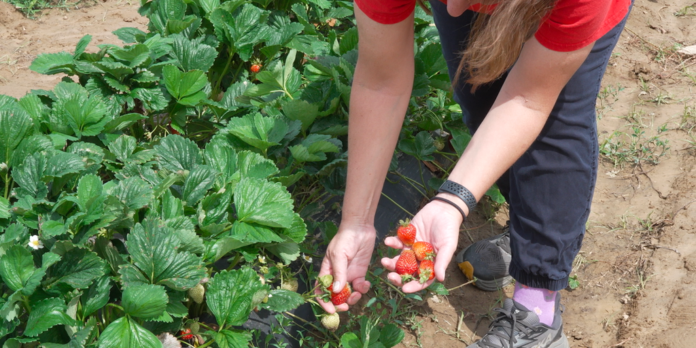

For generations, New Jersey farmers have built their livelihoods around one fundamental reality: agriculture is a business that depends on nature. Every growing season carries risk. Drought, excessive rainfall, storms, pests, and fluctuating markets are all part of the equation. Yet even by those standards, many growers across the Garden State are describing the spring of 2026 as one of the most difficult starts to a farming season in recent memory.
A brutal late-season freeze that arrived after many fruit trees, berry plants, and specialty crops had already begun their seasonal development has left farmers throughout New Jersey confronting significant losses. In some cases, growers report partial damage to crops. In others, entire harvests were severely reduced or wiped out altogether. The result is likely to be felt not only on farms but also at roadside stands, farmers markets, pick-your-own operations, local food retailers, and family tables throughout the state.
Consumers hoping to fill baskets with locally grown fruits and vegetables this summer may notice higher prices, reduced availability, and shorter harvest windows. While New Jersey agriculture remains resilient and diverse, the freeze has created a ripple effect that will influence production, farm revenues, agritourism operations, and local food supply chains throughout the remainder of the growing season.
The timing of the freeze proved especially destructive. Across many parts of New Jersey, a relatively mild early spring encouraged trees and plants to emerge from dormancy sooner than usual. Warmer temperatures prompted blossoms to appear and growing cycles to accelerate. For farmers, that initial warmth created optimism about what could have been a productive season. Unfortunately, when temperatures later plunged below freezing, many crops were at their most vulnerable stage of development.
Fruit trees are particularly susceptible during flowering and early fruit-setting periods. Peaches, apples, cherries, and other orchard crops depend on delicate blossoms that can be damaged or destroyed by even a brief freeze event. Once those blossoms are lost, so too is much of the season’s potential harvest.
For New Jersey, where specialty crops represent an important part of the agricultural economy, the consequences are substantial. The Garden State’s farming sector extends far beyond traditional row crops. Orchards, vineyards, berry farms, vegetable growers, greenhouse operators, and agritourism destinations all contribute to a diverse agricultural landscape that generates significant economic activity while preserving thousands of acres of open space.
Many growers now find themselves balancing two difficult realities. On one hand, they must manage immediate financial losses associated with reduced production. On the other, they must continue investing in labor, equipment, maintenance, irrigation, and operational costs even when anticipated harvest revenues may fall well below expectations.
The economic challenge facing farmers is compounded by broader pressures that have already affected agriculture in recent years. Rising labor expenses, increased fuel costs, higher fertilizer prices, equipment maintenance expenses, insurance premiums, and inflation throughout the supply chain have created a difficult operating environment. For some farms, the freeze arrived at a time when margins were already under pressure.
As a result, consumers should expect farm-fresh products to reflect those realities in the marketplace. When supply decreases and demand remains strong, prices inevitably rise. While shoppers may notice higher costs at farm markets and roadside stands, agricultural leaders emphasize that those increases are directly connected to reduced crop yields rather than efforts to capitalize on market conditions.
For many New Jersey farms, the focus is now shifting toward adaptation and recovery. One of the most important tools available to growers is agritourism, an increasingly vital component of the state’s agricultural economy. Activities such as farm festivals, hayrides, winery events, educational tours, pick-your-own experiences, seasonal celebrations, farmers markets, and family-oriented attractions have become critical revenue sources that help farms diversify beyond crop production alone.
In years when harvests fall short, agritourism can provide a financial lifeline. Visitors who travel to farms for experiences often support local agriculture through admissions, food purchases, retail sales, and seasonal events. That economic activity helps offset some of the losses caused by reduced yields and allows farms to maintain operations during challenging periods.
The importance of agritourism has grown steadily throughout New Jersey over the past decade. Families increasingly seek authentic outdoor experiences that connect them with local food production, rural landscapes, and seasonal traditions. From pumpkin patches and corn mazes to wineries and pick-your-own orchards, agritourism has become one of the most effective ways for farms to strengthen their economic sustainability.
At the same time, agricultural organizations and industry advocates are looking toward potential state and federal assistance programs that may help affected growers recover. Disaster relief programs, agricultural emergency funding, crop insurance mechanisms, and other forms of support could play an important role in helping farms navigate the financial consequences of the freeze.
Agricultural disasters are unique because their effects often extend far beyond a single growing season. Fruit trees damaged by severe weather may require years to fully recover. Reduced revenues can delay equipment purchases, infrastructure improvements, workforce investments, and expansion plans. In some cases, farms may need to make difficult decisions about future production strategies.
Despite these challenges, New Jersey farmers remain remarkably resilient. Agriculture in the Garden State has survived hurricanes, floods, droughts, economic downturns, market disruptions, and countless unpredictable weather events. The current situation presents another test, but it is one that growers are already working to overcome.
Across the state, farmers continue tending fields, maintaining orchards, preparing markets, and welcoming visitors. While certain crops may be less abundant this season, the overall strength of New Jersey agriculture remains intact. The diversity of the state’s farming sector means that many operations will continue producing high-quality products despite weather-related setbacks.
For consumers, the situation serves as a reminder of the value of supporting local agriculture. Every purchase at a farmers market, farm stand, winery, orchard, or agricultural attraction directly supports businesses that play a vital role in New Jersey’s economy, food security, environmental stewardship, and cultural identity.
The Garden State’s agricultural legacy has always been built on perseverance. Long before New Jersey became known for pharmaceuticals, finance, logistics, and technology, it earned its reputation through farming. That heritage continues today in communities throughout the state where families have worked the same land for generations.
As the 2026 growing season unfolds, farmers will continue adapting to conditions, evaluating crop recovery, and finding new ways to sustain their operations. Consumers may encounter higher prices for certain locally grown products, but those increases reflect the harsh realities of a season shaped by extreme weather rather than diminished commitment from the agricultural community.
The late freeze may have altered this year’s harvest outlook, but it has not diminished the determination of New Jersey’s farmers. From the orchards of northern New Jersey to the vegetable fields of South Jersey, growers continue to do what they have always done: overcome adversity, serve their communities, and produce the local foods that remain an essential part of life in the Garden State.
This season may be more difficult than most, but it also highlights the resilience, innovation, and dedication that define New Jersey agriculture. As farms look toward recovery, support from consumers, communities, and policymakers will help ensure that one difficult spring does not overshadow the long-term strength of one of the state’s most important industries.