

As New Jersey continues confronting growing demand for affordable housing and senior living options, one of Passaic County’s most recognizable properties is preparing for a transformative new chapter. A significant redevelopment initiative in Totowa has received a major boost following approval from the New Jersey Economic Development Authority, paving the way for a project that will preserve a longstanding community asset while addressing one of the state’s most pressing housing needs.
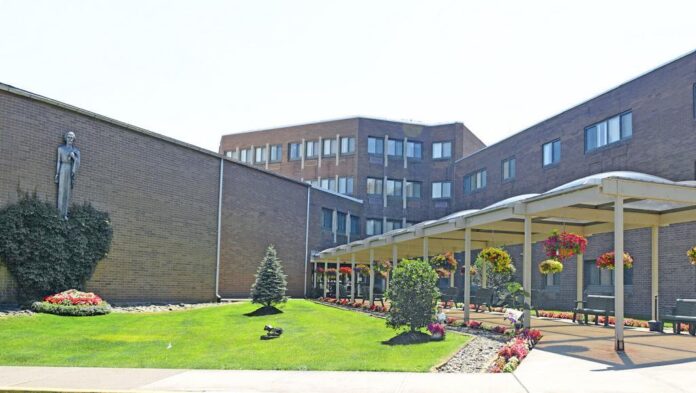
The NJEDA Board has approved Aspire Program tax credits to support the redevelopment of the former Little Sisters of the Poor facility on Shepherds Lane, clearing an important milestone for a project that will ultimately deliver 141 affordable housing units dedicated exclusively to seniors.
The development represents more than just another residential project. It reflects a broader effort taking place across New Jersey as communities seek innovative ways to expand affordable housing opportunities, revitalize existing properties, and create environments that support aging populations seeking stability, accessibility, and independence.
For Totowa, the redevelopment marks a particularly meaningful transition.
For decades, the Little Sisters of the Poor facility served an important role within the community. Rather than allowing the property to sit underutilized or face an uncertain future, the site will now be repurposed into a modern affordable senior housing community that maintains the property’s legacy of service while adapting it to meet contemporary needs.
The project, known as Totowa Affordable Housing, will transform the existing structure through adaptive reuse, a development strategy increasingly embraced throughout New Jersey. Adaptive reuse projects preserve valuable buildings while reducing construction waste, minimizing environmental impact, and accelerating the delivery of much-needed housing.
Instead of demolishing and rebuilding from the ground up, developers will reimagine the facility as a residential community designed specifically for residents aged 62 and older.
When completed, the development will include 141 affordable residential units, creating one of the region’s most substantial senior housing initiatives in recent years.
The residential mix has been carefully planned to accommodate varying needs and household sizes. The community will feature eight studio apartments, 123 one-bedroom residences, and ten two-bedroom homes, in addition to a superintendent’s unit. The range of housing options reflects the diverse needs of New Jersey’s senior population, from individuals seeking efficient living arrangements to couples looking for additional space and comfort.
What makes the project particularly notable is its commitment to affordability.
Unlike many residential developments that incorporate a limited percentage of affordable units, Totowa Affordable Housing will be developed as a fully affordable community. Every residential unit will be dedicated to serving seniors seeking quality housing at attainable costs.
This distinction is especially important given the increasing challenges many older residents face throughout New Jersey.
As housing costs continue rising across the state, many seniors find themselves struggling to secure housing that balances affordability, accessibility, and quality of life. Fixed incomes, increasing healthcare expenses, and limited housing inventory have combined to create growing pressure on senior households.
Projects like this one directly address those concerns by creating stable housing opportunities specifically tailored to the needs of older adults.
Beyond the housing itself, the redevelopment is being designed to foster a comprehensive living environment focused on wellness, engagement, and community connection.
Plans call for a variety of amenities intended to support both physical and social well-being. Residents will have access to a fitness center designed to encourage active lifestyles, a library that provides opportunities for learning and recreation, multiple resident lounges that promote social interaction, and a multipurpose dining and gathering space that can host activities, events, and community programming.
These amenities reflect a growing understanding that successful senior housing extends beyond providing a place to live.
Today’s senior living communities increasingly focus on creating environments that combat isolation, encourage engagement, and support healthy aging. Thoughtfully designed common spaces help foster relationships among residents while providing opportunities for ongoing participation in community life.
The redevelopment will also include site improvements and infrastructure upgrades designed to enhance the overall property and surrounding area.
Such investments often generate benefits that extend beyond the immediate development itself. Enhanced properties contribute to neighborhood stability, support local economic activity, and reinforce community confidence in long-term growth and investment.
Leading the project is Christian Health, an organization with more than a century of experience serving seniors and managing healthcare-related facilities.
Their extensive background in senior care, housing operations, and community-based services provides a strong foundation for a development that must address both housing and quality-of-life considerations. Organizations with specialized expertise are becoming increasingly important as New Jersey seeks solutions to the complex challenges associated with an aging population.
The financial structure supporting the project further illustrates the collaborative nature of modern affordable housing development.
The NJEDA approved support through its Aspire Program, authorizing assistance of up to 60 percent of project costs, with a maximum award value of $35.3 million. The project also benefits from Low-Income Housing Tax Credits administered through the New Jersey Housing and Mortgage Finance Agency, creating a layered financing strategy that helps bridge development gaps while ensuring affordability goals remain achievable.
The Aspire Program itself has become an increasingly important tool in New Jersey’s economic development strategy.
Created through the New Jersey Economic Recovery Act of 2020, the initiative was designed to encourage transformative development projects that might otherwise struggle to move forward due to financing challenges. By providing targeted support, the program helps unlock projects that generate housing, economic activity, community improvements, and long-term public benefits.
Residential projects receiving Aspire support must include meaningful affordable housing components, reinforcing the state’s broader commitment to housing accessibility and inclusion.
The Totowa project aligns particularly well with those objectives because it combines affordable housing creation, adaptive reuse, senior services, and neighborhood revitalization within a single development.
Local leadership has also expressed strong support for the initiative.
Municipal officials view the redevelopment as both a practical and strategic investment. In addition to preserving an important property, the project assists Totowa in meeting its affordable housing obligations while simultaneously expanding housing opportunities for older residents who wish to remain in the region.
That combination of community benefit and policy alignment is increasingly important throughout New Jersey, where municipalities continue searching for effective ways to address housing requirements while preserving local character and quality of life.
The project also highlights a broader demographic reality facing the Garden State.
New Jersey’s population is aging. As larger numbers of residents enter retirement years, demand for senior-focused housing continues to grow. Communities capable of providing safe, affordable, and supportive living environments will be increasingly important over the coming decades.
Housing solutions must evolve accordingly.
The future of senior housing will depend not only on creating additional units but also on designing communities that support independence, accessibility, health, and social connection. Developments like Totowa Affordable Housing demonstrate how those goals can be pursued simultaneously through thoughtful planning and strategic investment.
For Passaic County, the redevelopment represents a significant addition to the region’s affordable housing inventory. For Totowa, it preserves a familiar property while giving it renewed purpose. For seniors seeking stable and affordable housing options, it creates opportunities that may otherwise be difficult to find in today’s competitive market.
Most importantly, the project demonstrates how adaptive reuse, public-private partnerships, and targeted economic development programs can work together to address some of New Jersey’s most pressing challenges.
As construction plans advance and redevelopment efforts move forward, the former Little Sisters of the Poor campus is preparing to begin a new chapter—one centered on community, affordability, and the belief that every New Jersey resident deserves access to safe, dignified housing throughout every stage of life.
The transformation of this historic property stands as a powerful example of how thoughtful redevelopment can honor the past while building a stronger future for generations to come.
















