

The New Jersey Devils entered the 2025-26 season carrying expectations unlike any they had faced in years. Armed with a talented young core, established stars, veteran additions, and playoff aspirations, the organization believed it was ready to take another significant step toward becoming a legitimate Stanley Cup contender. Instead, the season ended in disappointment, frustration, and an uncomfortable realization that potential alone is no longer enough.
Now, as the franchise turns the page toward a pivotal offseason, the Devils find themselves at a crossroads.
A new era officially began when General Manager Sunny Mehta took control of hockey operations, inheriting a roster filled with elite talent but also burdened by questions that can no longer be ignored. While the foundation remains strong, the message coming from the organization has been unmistakable: standing still is no longer an option.
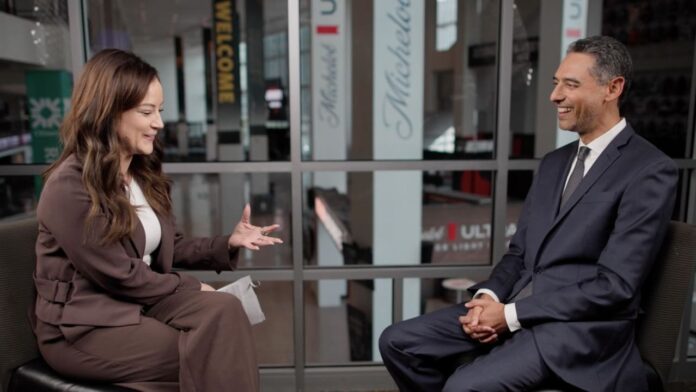
The clearest indication of that reality came during a recent town hall meeting at Prudential Center, where Mehta addressed season ticket holders and outlined his vision for the franchise moving forward. The tone was candid, direct, and notably different from previous offseason conversations.
The Devils know they underachieved.
The organization knows expectations were not met.
Most importantly, leadership appears willing to make meaningful changes rather than simply hoping internal improvement solves the problem.
For a fan base that watched a promising season unravel, that honesty may have been the most encouraging development of all.
The Devils remain one of the NHL’s most talented young teams. Few organizations can match the skill level found throughout New Jersey’s roster. Yet hockey history repeatedly demonstrates that talent without balance rarely translates into championships.
That reality became painfully evident throughout the season.
While the club continued to receive elite contributions from its stars, inconsistency in the bottom six, defensive breakdowns, and unstable goaltending frequently undermined the team’s efforts. Games that should have been won slipped away. Momentum repeatedly disappeared. The Devils often looked like a contender for stretches before suddenly resembling a team still searching for its identity.
Mehta appears determined to address those shortcomings head-on.
Among the most important priorities this summer will be strengthening organizational depth. Successful playoff teams are rarely built exclusively around star power. They win because secondary contributors provide reliable production, defensive responsibility, and matchup flexibility throughout the lineup.
The Devils understand this lesson better than most.
Their championship teams of the past were defined by structure, depth, and consistency as much as by individual brilliance. Re-establishing those characteristics appears to be a central part of Mehta’s long-term strategy.
Of course, no offseason storyline has generated more discussion than the situation in goal.
For several years, Devils fans have searched for stability between the pipes. Former General Manager Tom Fitzgerald attempted to solve that issue by acquiring veteran goaltender Jacob Markstrom from Calgary, hoping his experience and previous success would provide the foundation needed for a deep playoff push.
The results never materialized as expected.
While Markstrom showed flashes of quality play during portions of his first season in New Jersey, consistency remained elusive. Last season’s performance only intensified concerns. Statistical measures painted a troubling picture, with save percentage and advanced metrics both indicating a goaltender struggling to deliver the level of performance required from a starting netminder on a playoff-caliber team.
The numbers alone tell part of the story.
More concerning was the frequency with which timely saves failed to arrive. Championship-caliber teams often receive momentum-changing performances from their goaltenders. Too often, the Devils found themselves searching for those moments without finding them.
As a result, speculation surrounding Markstrom’s future has become one of the defining narratives of the offseason.
Fans, analysts, and league observers continue debating whether a trade, buyout, or alternative solution may ultimately emerge. The situation is complicated by contractual timing, salary cap considerations, and the broader goaltending market.
Yet despite the complexity, one thing remains clear: New Jersey cannot afford uncertainty in net if it hopes to return to contention.
The challenge, of course, lies in identifying a better alternative.
Free agency offers limited certainty. Trade opportunities can be expensive. Internal options remain largely unproven. Nevertheless, if Mehta believes goaltending is preventing the Devils from maximizing their championship window, difficult decisions may become necessary.
The discussion surrounding Markstrom also reflects a broader truth about the Devils’ current position.
This is no longer a rebuilding team.
This is no longer a franchise focused primarily on future potential.
The Devils are now judged by results.
Every roster decision must be evaluated through the lens of championship aspirations rather than long-term development alone.
While goaltending dominates much of the conversation, several other important personnel matters are also shaping the organization’s summer plans.
Captain Nico Hischier remains one of the franchise’s most important players, both on and off the ice. Extension discussions have become a major topic as the Devils seek to secure the long-term future of one of the NHL’s most respected two-way centers.
Hischier embodies many of the qualities organizations seek in a captain. Leadership, consistency, defensive excellence, and professionalism have made him a cornerstone of the franchise. Locking him into a new contract would provide additional stability as the organization navigates a critical period.
Meanwhile, restricted free agent Arseny Gritsyuk continues generating excitement throughout the organization.
Reports from team leadership suggest negotiations have been positive, fueling optimism that a deal can be completed without significant obstacles. Gritsyuk represents another important piece of New Jersey’s future and serves as an example of the young talent pipeline that remains one of the organization’s greatest strengths.
The same can be said for Anton Silayev.
The highly regarded defense prospect officially signed his entry-level contract earlier this month, adding another intriguing element to the franchise’s long-term outlook. His size, mobility, and potential have generated significant enthusiasm among scouts and fans alike.
While expectations should remain measured for any young defenseman entering professional hockey, Silayev’s arrival reinforces the belief that New Jersey’s prospect system continues to produce valuable assets capable of contributing in future seasons.
Off the ice, the organization continues benefiting from the growing profile of its star players.
Jack Hughes remains one of the NHL’s most recognizable young talents and continues expanding his influence beyond hockey. Following his memorable international success and growing national profile, Hughes has become one of the faces of both the franchise and American hockey.
That visibility matters.
The Devils have spent years rebuilding their identity and reconnecting with a fan base eager for sustained success. Players like Hughes and Hischier provide the foundation not only for future victories but also for the continued growth of the franchise’s brand throughout New Jersey and beyond.
Yet star power alone will not determine whether the upcoming season becomes a success.
The true story of this offseason revolves around organizational accountability.
The Devils have acknowledged disappointment.
They have acknowledged shortcomings.
Now comes the difficult part: solving them.
Every championship contender reaches a moment when potential must become performance. For New Jersey, that moment appears to have arrived.
The roster possesses enough talent to compete with anyone in the league. The prospect pipeline remains healthy. The core remains young. The fan base remains passionate. The organizational resources remain strong.
What remains uncertain is whether the necessary adjustments can be made quickly enough to capitalize on the opportunity in front of them.
Sunny Mehta’s first offseason as general manager may ultimately define the next chapter of Devils hockey. From contract negotiations and roster construction to goaltending decisions and player development, every move will carry significant weight.
The objective is straightforward.
Return to the playoffs.
Restore consistency.
Build a deeper, more balanced roster.
Transform talent into results.
For a franchise that believes its championship window is already open, the months ahead may prove to be among the most important in recent memory. The Devils entered last season expecting to contend. This summer is about ensuring they are better equipped to do exactly that when the puck drops again.
















