Home Blog Page 76

New Jersey’s Wine Industry Celebrates Historic Wins, Legislative Momentum, and a Thriving 2026 Season

New Jersey’s wine industry is entering a defining new era marked by national recognition, historic harvest quality, and major legislative advancements that are transforming the Garden State into one of the East Coast’s fastest-growing wine destinations. As of February 16, 2026, more than 60 wineries across New Jersey are experiencing unprecedented momentum, fueled by a landmark national award, expanded business opportunities through new state legislation, and a thriving calendar of spring events that continue to elevate the region’s reputation for world-class wine production.

This remarkable convergence of innovation, recognition, and community engagement signals a powerful shift for New Jersey’s agricultural economy and positions the state as a major player in American wine culture.

Through continued coverage featured across Explore New Jersey’s wine and winery programming, audiences are discovering how the state’s vineyards, tasting rooms, and culinary experiences are reshaping the regional wine landscape.

A National Victory Places New Jersey Wine on the Global Stage

In one of the most significant achievements in the state’s winemaking history, Saddlehill Winery in Voorhees earned national acclaim on January 20, 2026, becoming the only East Coast winery to receive the prestigious “Best of Class” award for a Red Blend at the 2026 San Francisco Chronicle Wine Competition.

The award-winning wine, Saddlehill’s 2023 Renegade Red Blend, represents a milestone not only for the winery but for New Jersey’s entire wine industry. The recognition highlights the growing quality and craftsmanship emerging from the state’s vineyards, challenging long-standing perceptions of East Coast wine production.

Industry leaders describe the achievement as a turning point that demonstrates New Jersey’s ability to compete with established wine regions while showcasing distinctive regional character.

The recognition reinforces the state’s commitment to excellence in viticulture, innovative winemaking techniques, and sustainable agricultural practices.

New Legislative Support Expands Opportunities for Wineries

Further accelerating industry growth, Governor Mikie Sherrill recently signed Bill A5258 into law, allowing New Jersey wineries to sell wine by the glass for on-premises consumption at their licensed salesrooms. This legislative change represents a major advancement for winery operations, visitor experiences, and agro-tourism development.

The new law is expected to significantly increase winery revenue while encouraging longer visitor stays, expanded tasting experiences, and enhanced hospitality offerings. It also aligns New Jersey with leading wine regions that have successfully integrated tourism with agricultural production.

Key impacts of the legislation include:

• Expanded tasting room experiences
• Increased tourism engagement
• Greater flexibility for winery hospitality programs
• Enhanced visitor experiences and events
• Economic growth across agricultural communities

The policy reflects New Jersey’s commitment to supporting local agriculture while strengthening the state’s position as a premier destination for wine tourism.

A Historic Harvest Signals Exceptional Wine Quality

Winemakers across the state report that the 2024–2025 growing seasons produced some of the highest-quality fruit in New Jersey’s history. Favorable dry weather conditions created ideal ripening environments, resulting in exceptional grape quality and flavor concentration.

White wines from the historic harvest are now reaching shelves, offering fresh expressions of the season’s success. Meanwhile, the highly anticipated red wines from the same vintage are beginning to mature and are expected to make their official debut throughout 2026.

The exceptional harvest reinforces the strength of New Jersey’s climate, soil diversity, and vineyard management practices. It also provides winemakers with opportunities to expand premium offerings and showcase regional terroir.

Industry experts anticipate that the 2026 release cycle could become one of the most celebrated in the state’s history.

Spring Event Season Showcases New Jersey Wine Culture

New Jersey’s wine industry is also preparing for a robust spring event calendar designed to attract visitors, celebrate local producers, and highlight regional wine excellence. The Garden State Wine Growers Association has organized a series of major events that bring together winemakers, culinary experts, and wine enthusiasts.

Red Wine Rising, scheduled for February 23–24 in Princeton, will present an educational forum focused on high-quality East Coast red wine production. The event includes a curated tasting featuring regional red wines and discussions on winemaking innovation.

Wine & Chocolate Month continues to extend Valentine’s season across participating wineries, including Sharrott Winery in Hammonton, where guests can enjoy curated chocolate pairings and specialty brunch experiences through February.

Uncork Spring returns March 21 at the Carteret Performing Arts Center, offering one of the state’s largest wine experiences featuring dozens of New Jersey producers.

The NJ Wine & Food Festival, scheduled May 1–3 at Crystal Springs Resort, will bring together world-renowned culinary talent and local wineries. This year’s festival will feature legendary chef Marco Pierre White as guest of honor, further elevating the event’s national profile.

These events highlight the state’s growing reputation as a destination for wine education, culinary tourism, and cultural experiences.

Winery Experiences Driving Regional Tourism

New Jersey’s wineries continue to expand their offerings beyond traditional tastings, creating immersive visitor experiences that blend wine, food, music, and wellness.

Old York Cellars in Ringoes is hosting a weekly bubbly brunch featuring Spanish-inspired cuisine, while Tomasello Winery in Hammonton offers its popular “Sips & Sounds” series combining live music with wine and tapas.

Auburn Road Winery in Pilesgrove presents its “Live from the Vineyard” music series showcasing original performances, and Valenzano Winery in Shamong has introduced “Yoga in the Barrel Room,” merging wellness programming with wine tasting experiences.

These offerings demonstrate how wineries are evolving into lifestyle destinations that support tourism, community engagement, and cultural programming.

Terhune Orchards: Agriculture, Education, and Winemaking Innovation

Among the state’s most distinctive winery experiences is the winery at Terhune Orchards in Princeton, a family-owned farm that combines agriculture, education, and winemaking.

The winery produces award-winning red, white, and fruit wines crafted from its own crops, including Chambourcin, Vidal Blanc, and unique fruit blends such as Harvest Blues, an apple-blueberry wine. Terhune Orchards is also the only winery in New Jersey known to produce wine from Orange Muscat grapes.

Visitors can explore the winery’s tasting room located in a historic 150-year-old barn, open weekends for guided tastings.

Beyond wine production, Terhune Orchards offers educational programs that connect agriculture with environmental awareness. Its “Composting at Terhune Orchards” program, part of the farm’s Read and Explore winter education series, introduces children to sustainability through hands-on learning.

Scheduled for April 7 and April 11, 2026, the program teaches young participants about soil health, recycling organic materials, and environmental stewardship while allowing each child to create a compost container to take home.

This integration of education, agriculture, and community engagement reflects the broader mission of New Jersey’s wine industry to promote sustainability and environmental awareness.

The Rise of New Jersey as a Premier Wine Destination

New Jersey’s wine industry has experienced steady growth over the past decade, driven by improved vineyard practices, supportive legislation, and increasing consumer interest in locally produced wine.

The state’s diverse geography supports a wide range of grape varieties, while ongoing investment in agricultural research continues to enhance production quality.

Wine tourism has also become a major economic driver, attracting visitors seeking authentic regional experiences and locally crafted products.

With more than 60 wineries now operating statewide, New Jersey continues to expand its presence within the national wine landscape.

A Transformational Moment for the Garden State’s Wine Future

The combination of national recognition, legislative support, historic harvest quality, and expanding tourism experiences marks a transformative period for New Jersey’s wine industry.

The 2026 season represents not only a celebration of recent achievements but a foundation for continued growth, innovation, and global recognition.

As New Jersey’s wineries continue to evolve, the state is emerging as a leader in East Coast wine production, offering visitors exceptional experiences rooted in agriculture, craftsmanship, and community.

From award-winning red blends and immersive tasting experiences to educational farm programs and world-class festivals, New Jersey’s wine industry is shaping a vibrant future that blends tradition with innovation.

The Garden State’s vineyards are no longer simply regional attractions — they are becoming national destinations, redefining American wine culture and reinforcing New Jersey’s reputation as a center of agricultural excellence, culinary innovation, and cultural discovery.

Burlington County Maintains Lowest Average County Tax in New Jersey for Seventh Consecutive Year, New DCA Data Shows Strong Fiscal Leadership

Burlington County has once again secured its position as New Jersey’s most affordable county for residents when it comes to county-level property taxes, according to newly released 2025 property tax data from the New Jersey Department of Community Affairs (DCA). The latest figures confirm that Burlington County continues a remarkable seven-year streak of maintaining the lowest average county tax among all 21 counties in the state, reinforcing its reputation for fiscal discipline, long-term planning, and strategic government management.

The data, released this month, highlights not only Burlington County’s sustained affordability but also the broader economic strategies that have allowed the county to balance tax stability, infrastructure investment, and public service delivery while maintaining strong financial health.

The continued ranking positions Burlington County as a model for local government efficiency at a time when property tax affordability remains one of the most pressing issues facing New Jersey residents.

DCA Data Confirms Burlington County’s Leading Position in Tax Affordability

According to the 2025 DCA property tax report, the county portion of the average residential property tax bill in Burlington County was $1,270 for a home assessed at $242,075. This figure represents the lowest average county tax among New Jersey’s 21 counties.

The numbers reveal a significant gap between Burlington County and other counties across the state. Burlington’s average county tax was:

  • $233 lower than Morris County’s average of $1,503, the second lowest in New Jersey
  • $625 below the statewide average county tax of $1,895

The data further confirms a consistent trend. Burlington County has now recorded the lowest average county tax in New Jersey every year from 2019 through 2025, marking seven consecutive years of leadership in county tax affordability.

County officials say the results reflect a deliberate fiscal strategy focused on cost control, shared services, and long-term financial planning.

“Our Board doesn’t just talk about affordability, we deliver it through strong fiscal management and sharing services,” said Burlington County Commissioner Director Dr. Felicia Hopson. “Seven consecutive years of having the lowest average county tax in New Jersey is something we are very proud about, and we remain laser-focused on keeping county taxes manageable while still delivering the best services possible.”

Understanding the Property Tax Breakdown in New Jersey

The DCA report provides insight into how property taxes are structured statewide, offering important context for residents evaluating tax bills.

In 2025, county taxes accounted for just 15.5% of total residential property taxes in Burlington County. The largest portion of property taxes went toward school funding, which represented 63.6% of the total tax bill. Municipal taxes accounted for 20.8%.

The average total property tax bill in Burlington County — including county, school, and municipal taxes — was $8,179.

This breakdown underscores the relatively small share of overall property taxes controlled at the county level while highlighting how strategic county budgeting can still play a major role in controlling overall tax burdens.

Fiscal Discipline and Strong Financial Management Drive Results

Financial analysts and public finance observers point to Burlington County’s budgeting practices, cost controls, and disciplined financial planning as key factors behind its sustained tax stability.

Moody’s Investors Service has repeatedly cited Burlington County’s strong financial management in reports maintaining the county’s Aa1 credit rating. The high rating reflects confidence in the county’s financial health, stable reserves, and long-term economic outlook.

The county’s most recent credit assessment in March 2025 also highlighted continued economic growth and consistent fiscal reserves.

The Aa1 rating sits near the top of Moody’s credit scale and enables the county to secure lower interest rates when issuing debt. This advantage reduces borrowing costs for infrastructure and public projects, ultimately saving taxpayers substantial amounts over time.

Strong credit performance is widely viewed as a critical component of Burlington County’s long-term affordability strategy.

Strategic Grant Funding Supports Infrastructure Without Raising Taxes

Another key factor behind Burlington County’s fiscal success is its aggressive pursuit of state and federal grant funding. By securing external funding sources, the county has been able to invest in infrastructure improvements and public services without increasing the tax burden on residents.

Recent projects funded through grant assistance include major improvements to the Burlington County Health Department Building in Westampton. The renovation expanded clinical space, improved accessibility, and modernized the facility. The project marked the first significant upgrades to the building since its opening in 1975.

The county also completed a $1 million modernization of its Emergency Operations Center located in the County Public Safety Building. The facility serves as the central coordination hub for emergency response operations during major disasters and public safety events, including last month’s severe winter storm.

Much of the Emergency Operations Center project was funded through a $637,195 federal grant awarded as part of a fiscal year 2024 government funding package.

Officials say these investments strengthen public safety and healthcare infrastructure while preserving fiscal stability.

Infrastructure Investment and Quality of Life Improvements

County leaders emphasize that affordability does not come at the expense of public services. Instead, they argue that efficient budgeting enables the county to expand programs, improve infrastructure, and enhance quality of life.

Beyond tax stability, Burlington County has prioritized:

  • Public health improvements and expanded clinical services
  • Emergency preparedness and disaster response infrastructure
  • Preservation of open space and environmental resources
  • Community health and safety programs
  • Regional collaboration with government and nonprofit partners

Commissioner Randy Brolo highlighted the broader impact of the county’s approach, noting that fiscal discipline supports long-term community growth and opportunity.

“From keeping county taxes the lowest in New Jersey to protecting open space and delivering compassionate services, Burlington County succeeds because of the hard work, talents and dedication of county employees and our ability to collaborate with all levels of government, businesses and nonprofits,” Brolo said. “Working together, we are able to make sure Burlington County remains affordable and is a place of opportunity and high quality of life for everyone.”

Economic Growth and Stability Strengthen County Outlook

Burlington County’s economic growth and stable financial reserves continue to reinforce its long-term outlook. Strong fiscal management, combined with expanding infrastructure investment and strategic planning, has helped the county maintain both affordability and financial resilience.

Public finance experts note that maintaining low taxes while preserving strong reserves represents a significant achievement, particularly in a state widely known for high property tax burdens.

The county’s approach reflects a balance between financial responsibility and investment in essential services.

Why Burlington County’s Tax Leadership Matters for New Jersey Residents

Property taxes remain one of the most important economic issues facing New Jersey homeowners. Burlington County’s sustained record of affordability provides a case study in how local government policy decisions can directly impact household finances.

The county’s seven-year streak of maintaining the lowest average county tax demonstrates that long-term fiscal planning, strategic budgeting, and intergovernmental cooperation can produce measurable benefits for residents.

For policymakers across the state, Burlington County’s model offers insights into cost management, service delivery, and sustainable governance.

Burlington County’s Role in the Statewide Policy Conversation

As New Jersey continues to address affordability challenges, Burlington County’s performance is likely to influence broader legislative and policy discussions.

State leaders and local governments are increasingly focused on strategies that balance tax stability with economic development, infrastructure investment, and public service delivery.

Burlington County’s results highlight the potential impact of disciplined fiscal management and strategic planning in achieving those goals.

The latest DCA data confirms that the county remains at the forefront of this conversation, setting a benchmark for affordability and financial stewardship across New Jersey.

Bruce Springsteen Center for American Music Announces 2026 American Music Honors at Monmouth University: A Landmark Celebration of Legendary Artists and Musical Legacy in New Jersey

New Jersey’s global influence on American music continues to take center stage as the Bruce Springsteen Center for American Music officially announced the recipients of its 4th Annual American Music Honors on February 10, 2026. The prestigious ceremony will take place Saturday, April 18, 2026, at the Pollak Theatre on the campus of Monmouth University in West Long Branch, marking another defining moment in the Garden State’s leadership in preserving and celebrating musical heritage.

The 2026 event promises to be one of the most significant editions of the American Music Honors to date, recognizing legendary artists and — for the first time in the event’s history — full musical groups whose impact has shaped the evolution of modern music across genres including rock, punk, soul, hip-hop, and Americana.

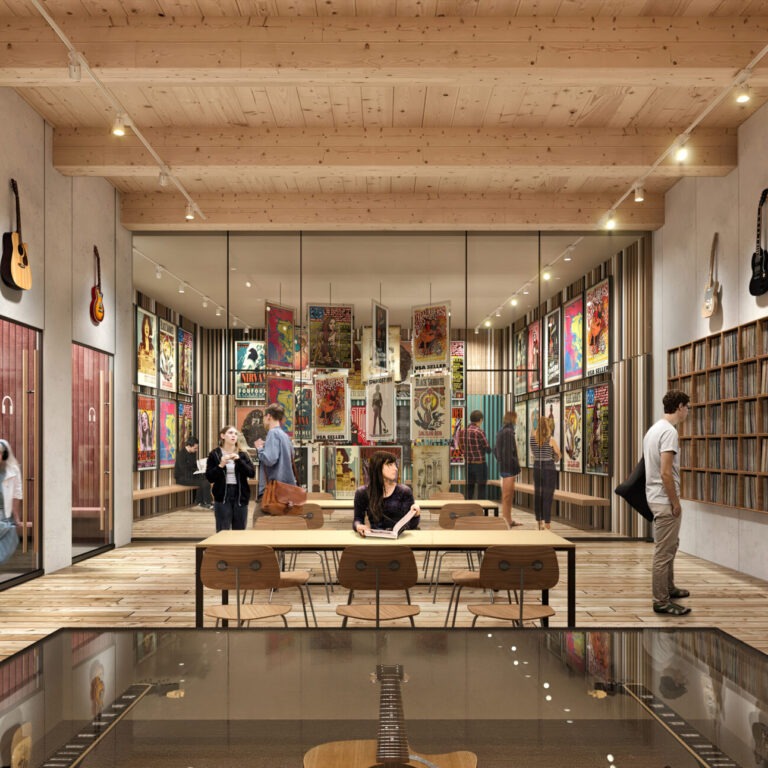
The ceremony arrives during a transformative year for the Bruce Springsteen Center, coinciding with the anticipated opening of its new 30,000-square-foot facility on the Monmouth University campus later this spring — an expansion that further solidifies New Jersey’s role as a national hub for music education, preservation, and cultural innovation.

A Defining Cultural Event in New Jersey’s Music Landscape

The American Music Honors ceremony has quickly become one of the region’s most prestigious cultural events, attracting global attention while reinforcing New Jersey’s deep connection to American music history. Hosted annually by the Bruce Springsteen Center for American Music, the program recognizes artists who have profoundly influenced the sound, direction, and cultural impact of modern music.

The 2026 ceremony reflects the Center’s continued commitment to honoring artistic excellence while exploring how music shapes identity, community, and social change. With an extraordinary lineup of honorees spanning multiple generations and genres, this year’s event highlights the diversity and evolution of American musical expression.

The event will once again be hosted by veteran television news anchor Brian Williams, whose return as emcee reinforces the ceremony’s national prominence and cultural significance.

2026 American Music Honors: A Historic Lineup of Honorees

This year’s honorees represent a sweeping cross-section of American music innovation and influence. The 2026 class includes groundbreaking performers, visionary creators, and genre-defining groups whose work has shaped the global music landscape.

The E Street Band will be recognized for their extraordinary five-decade legacy as one of rock’s most influential ensembles. Their enduring collaboration with Bruce Springsteen helped define the sound of American rock and established New Jersey as a cornerstone of global music culture. The award will be presented by Jon Landau, longtime Springsteen collaborator and music industry leader.

Patti Smith will be honored as a visionary artist and poet whose work reshaped the boundaries of punk rock and artistic expression. Her influence extends beyond music into literature, visual art, and cultural activism. Bruce Springsteen will present her honor, underscoring the deep artistic connection between two iconic voices of American music.

Dionne Warwick will receive recognition for her groundbreaking vocal style and elegant phrasing that helped shape modern pop and soul music. Her contributions to music and cultural expression have influenced generations of performers. She will also be saluted by Bruce Springsteen during the ceremony.

The Doors will be celebrated for expanding the boundaries of rock music through their innovative sound and artistic experimentation. Their recognition highlights their lasting impact on music, performance, and cultural identity. The tribute will be presented by Steven Van Zandt.

Dr. Dre will be recognized as a pioneering producer and hip-hop visionary whose work transformed the music industry and redefined modern production techniques. His influence spans decades of innovation in hip-hop, business leadership, and cultural entrepreneurship. His honor will be presented by Jimmy Iovine.

The ceremony will also feature a special posthumous musical tribute to The Band, recognizing their profound impact on Americana and roots music traditions.

Together, the honorees represent a powerful narrative of American music’s evolution, from rock and punk to soul and hip-hop, reflecting the diversity and creativity that define the nation’s musical heritage.

A Celebration Powered by Live Performance

A defining feature of the American Music Honors is its emphasis on live performance. The ceremony will again feature Stevie Van Zandt’s Disciples of Soul as the house band, providing the musical backbone for the evening’s tributes and performances.

Their presence ensures the event remains not only a celebration of achievement but also a dynamic live music experience, reinforcing New Jersey’s reputation for world-class performance culture.

The integration of live music aligns with the Bruce Springsteen Center’s mission to celebrate music as a living, evolving art form that continues to inspire new generations.

The Bruce Springsteen Center’s Expanding Vision

The 2026 honors carry additional significance as they coincide with the opening of the Bruce Springsteen Center’s new 30,000-square-foot building at Monmouth University. The expanded facility represents a major investment in music education, public programming, and cultural preservation.

The new space will provide expanded exhibition areas, educational resources, and community programming designed to explore the role of music in American culture. It will serve as a destination for students, scholars, artists, and fans seeking to understand the cultural impact of music.

This expansion strengthens New Jersey’s position as a leader in music education and cultural preservation while providing new opportunities for community engagement and artistic exploration.

Monmouth University and West Long Branch as Cultural Destinations

The Pollak Theatre at Monmouth University offers an ideal setting for the ceremony, reflecting the institution’s growing role as a center for arts and culture in New Jersey. The university’s commitment to creative expression and cultural programming aligns closely with the mission of the Bruce Springsteen Center.

West Long Branch continues to emerge as a destination for major cultural events, drawing visitors from across the region and reinforcing the area’s reputation as a hub for music and arts programming.

The American Music Honors further elevates the region’s cultural profile while contributing to New Jersey’s thriving creative economy.

New Jersey’s Global Influence on American Music

The 2026 American Music Honors also highlight New Jersey’s extraordinary influence on American music. From rock and soul to hip-hop and punk, the state has produced artists who have shaped global music culture and transformed the industry.

The Bruce Springsteen Center serves as a focal point for this legacy, preserving the stories, sounds, and cultural contributions that define New Jersey’s musical identity.

Through programming featured across the Explore New Jersey music category, audiences continue to discover how the state’s venues, artists, and cultural institutions contribute to a vibrant and evolving music scene.

The American Music Honors exemplifies this ongoing cultural leadership.

Ticket Information and Public Access

Tickets for the 2026 American Music Honors will go on sale to the public on Wednesday, March 18, 2026, at 12:00 PM ET through the official Springsteen Center website. The event is expected to draw significant interest from music fans, cultural leaders, and industry professionals.

The ceremony offers a rare opportunity for audiences to witness a historic celebration of musical excellence while engaging directly with the legacy of American music.

A Transformative Moment for Music Culture

The announcement of the 2026 American Music Honors represents a landmark moment for New Jersey’s cultural landscape. By recognizing legendary artists and expanding its institutional footprint, the Bruce Springsteen Center for American Music continues to shape the future of music education, preservation, and celebration.

The April ceremony will serve as both a tribute to the artists who defined generations and a forward-looking statement about the role of music in shaping culture, community, and identity.

As the Center prepares to open its new facility and welcome global audiences, the American Music Honors stands as a powerful reminder of New Jersey’s enduring role at the heart of American music — a legacy built on creativity, innovation, and the transformative power of sound.

Governor Mikie Sherrill Signs Executive Order Banning ICE Agents From State Property, Launches Statewide ICE Activity Tracking Portal

New Jersey has entered a new phase in its approach to immigration enforcement policy after Governor Mikie Sherrill signed an executive order banning Immigration and Customs Enforcement (ICE) agents from operating on state-owned property. The move, announced today, represents one of the most consequential state-level immigration directives in recent years and signals a significant shift in how New Jersey will regulate federal enforcement activity within its jurisdiction.

The executive order arrives alongside the launch of a new statewide portal allowing residents to track and report ICE activity, creating a coordinated framework that state officials describe as designed to protect civil rights, strengthen transparency, and reinforce the separation between state institutions and federal immigration enforcement.

Together, the policy actions position New Jersey at the center of the national debate over immigration enforcement authority, public safety, and state-level governance.

Executive Order Establishes Ban on ICE Operations at State Facilities

Governor Sherrill’s executive order formally prohibits ICE agents from accessing or conducting operations on state-owned property without proper legal authorization. The policy applies broadly to government buildings, administrative facilities, public service offices, and other state-controlled spaces.

State officials describe the measure as a safeguard intended to ensure that public institutions remain accessible to all residents regardless of immigration status. The directive emphasizes that state property should not be used for federal immigration enforcement activities unless required by law or authorized through judicial process.

The order reflects a growing trend among states seeking to clarify the boundaries between federal immigration operations and local government infrastructure.

By establishing clear limitations on enforcement activity at state facilities, New Jersey aims to prevent unexpected federal actions within locations that residents rely on for essential services, including education, healthcare, and public assistance.

Statewide ICE Activity Reporting Portal Launches Simultaneously

In tandem with the executive order, the administration introduced a digital reporting system allowing residents to document and monitor ICE activity throughout New Jersey.

The new portal enables community members to:

  • Report observed ICE operations in their neighborhoods
  • Track enforcement activity statewide
  • Access public updates regarding enforcement trends
  • Provide real-time information to state officials

State leaders describe the platform as a transparency initiative designed to improve communication between government agencies and residents while allowing officials to respond quickly to community concerns.

The reporting system also reflects broader efforts to strengthen data collection related to immigration enforcement practices and their impact on local communities.

Officials say the portal will serve as both a public resource and a policy tool, helping the state evaluate enforcement patterns and inform future legislative decisions.

Policy Framework Reflects Expanding State Legislative Agenda

The executive order aligns with a broader legislative direction in New Jersey focused on civil rights protections, community safeguards, and expanded oversight of federal activity within the state.

Recent policy discussions across the state have emphasized:

  • Defining clear operational boundaries for federal agencies
  • Protecting vulnerable populations
  • Increasing transparency in enforcement activity
  • Strengthening state autonomy in public safety decisions
  • Expanding community reporting mechanisms

The administration’s approach reflects ongoing legislative momentum around immigration policy, public accountability, and the role of state government in regulating activity within its facilities.

The initiative builds on existing policy frameworks that prioritize access to public services without fear of enforcement action.

Legal and Constitutional Implications of the Order

The executive order enters a complex legal landscape shaped by longstanding debates over federal authority and state jurisdiction. While federal agencies maintain broad powers related to immigration enforcement, states retain authority over how their property and resources are used.

Legal analysts note that the directive is structured around the principle that states can regulate access to their facilities and establish operational rules for state-controlled spaces.

By limiting enforcement activity on state property without appropriate legal process, the order attempts to balance federal authority with state governance rights.

The policy is expected to draw national attention, potentially influencing legal challenges, federal responses, and policy discussions in other states.

Public Safety and Community Trust as Central Justifications

State officials emphasize that the executive order is rooted in public safety considerations. The administration argues that when residents fear accessing public services due to potential immigration enforcement, overall community safety may be compromised.

Supporters of the measure contend that clear boundaries between state institutions and federal enforcement help ensure that residents continue to seek medical care, report crimes, and engage with public services without hesitation.

The administration’s position reflects a broader policy philosophy centered on maintaining trust between communities and public institutions.

Officials say strengthening that trust ultimately supports both public health and public safety objectives.

Political and Community Reactions Across New Jersey

The announcement has generated immediate and varied reactions across New Jersey’s political and civic landscape.

Supporters view the executive order as a major step toward protecting civil liberties and strengthening community stability. Advocacy groups and community organizations have praised the reporting portal as a tool for accountability and transparency.

Critics, however, argue that the policy may complicate cooperation between state and federal authorities and raise questions about enforcement coordination.

The policy’s implementation and long-term impact are expected to remain a central issue in state political discourse.

Implementation and Enforcement Structure

State agencies are expected to receive guidance outlining procedures for compliance with the executive order. The administration has indicated that departments will be responsible for ensuring that state facilities follow the new restrictions.

Implementation measures may include:

  • Operational guidelines for state employees
  • Protocols for responding to federal enforcement requests
  • Training programs for agency staff
  • Coordination with legal and public safety officials

Officials say the state will monitor the policy’s effectiveness and may introduce additional regulatory measures if necessary.

New Jersey’s Role in the National Immigration Policy Landscape

With this executive action, New Jersey joins a growing group of states asserting stronger oversight over federal enforcement operations within their borders.

The move reflects broader national tensions surrounding immigration policy, federal authority, and the role of state governments in protecting residents.

Policy experts suggest the order could influence future legislative initiatives, legal challenges, and federal-state relations across the country.

As states increasingly define their own approaches to immigration enforcement boundaries, New Jersey’s policy may serve as a model for similar actions elsewhere.

What the Executive Order Means for Residents

For New Jersey residents, the executive order introduces new protections regarding the use of state facilities and provides access to a reporting system designed to enhance awareness of enforcement activity.

The administration emphasizes that the initiative aims to ensure that public spaces remain accessible and that residents have clear channels for communication with state officials.

The launch of the tracking portal also signals an expanded role for community participation in shaping policy outcomes.

A Transformative Moment in New Jersey Governance

Governor Mikie Sherrill’s executive order represents a defining moment in New Jersey’s evolving policy landscape. By restricting ICE activity on state property and establishing a statewide monitoring system, the administration has introduced a framework that reshapes the relationship between state governance and federal enforcement.

The policy reflects broader questions about authority, public trust, and the future of immigration enforcement practices within state jurisdictions.

As implementation unfolds and public debate continues, the executive order is poised to remain a central issue in New Jersey’s legislative agenda and a significant development in the national conversation surrounding immigration policy.

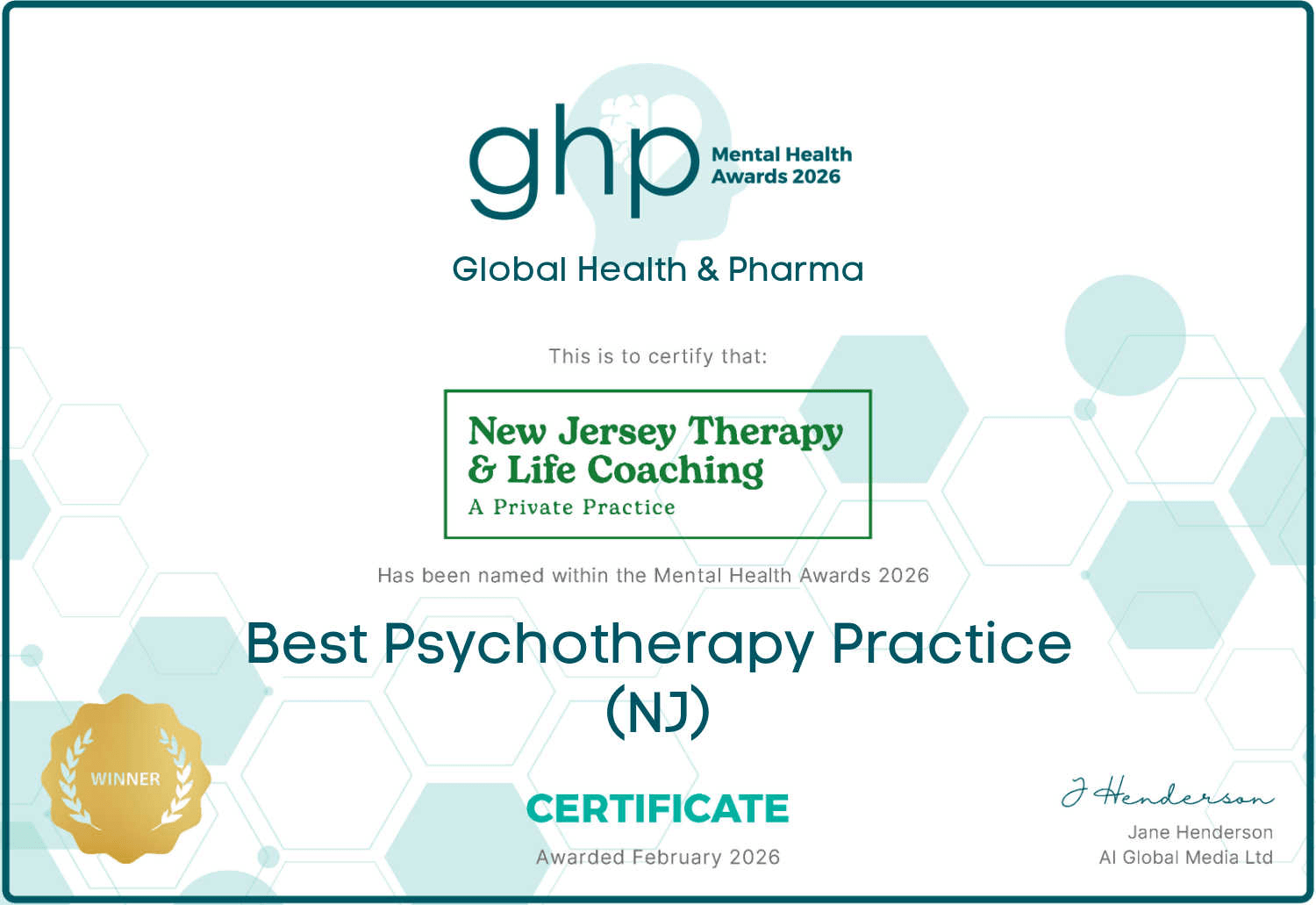
New Jersey Therapy and Life Coaching Named Best Psychotherapy Practice in New Jersey: A Transformational Approach to Mental Health and Wellness in Voorhees

Mental health and wellness continue to shape conversations across New Jersey, with communities placing increasing emphasis on emotional well-being, personal growth, and access to high-quality care. In a powerful recognition of excellence within the state’s evolving healthcare landscape, New Jersey Therapy and Life Coaching in Voorhees has been named Best Psychotherapy Practice in New Jersey by the Global Health and Pharma Awards — a distinction that highlights the practice’s innovative approach to mental health treatment, life coaching, and holistic wellness services.

This recognition marks a significant milestone not only for the practice itself but also for the broader health and wellness movement emerging across New Jersey, where access to compassionate, personalized mental health services continues to expand and transform lives.

As awareness of mental health grows statewide, this achievement reflects a larger shift toward comprehensive care models that integrate therapy, coaching, and personal development strategies to support long-term well-being.

Elevating Mental Health Care in New Jersey

The recognition of New Jersey Therapy and Life Coaching underscores the growing importance of accessible, results-driven psychotherapy services in communities across the Garden State. Located in Voorhees, the private practice has developed a reputation for delivering individualized care tailored to each client’s emotional, psychological, and personal development goals.

The practice’s model focuses on empowering individuals through:

• Evidence-based psychotherapy
• Personal development and life coaching strategies
• Stress and anxiety management techniques
• Relationship and family counseling
• Career and life transition guidance
• Holistic approaches to emotional wellness

This integrated framework positions the practice at the forefront of modern mental health care, where therapy extends beyond symptom management to foster sustainable personal transformation.

The recognition as Best Psychotherapy Practice in New Jersey reflects the practice’s commitment to innovation, clinical excellence, and measurable outcomes for clients seeking meaningful change.

A Growing Focus on Health and Wellness in New Jersey

The honor arrives at a time when New Jersey’s health and wellness sector is experiencing significant growth. Across the state, communities are increasingly prioritizing mental health services alongside physical wellness initiatives, recognizing the connection between emotional well-being and overall quality of life.

The broader health and wellness movement across New Jersey includes:

• Expanded access to mental health services
• Community-based wellness initiatives
• Preventative care programs
• Stress reduction and mindfulness practices
• Holistic lifestyle approaches
• Integrated healthcare models

Through coverage featured within the health and wellness category on Explore New Jersey, readers continue to see how organizations, professionals, and care providers are reshaping how residents approach mental health, self-care, and personal growth.

The recognition of New Jersey Therapy and Life Coaching aligns with this statewide shift toward comprehensive wellness solutions.

The Importance of Personalized Psychotherapy

Modern psychotherapy has evolved beyond traditional models, emphasizing personalized treatment plans designed to address each individual’s unique needs and circumstances. New Jersey Therapy and Life Coaching’s approach reflects this evolution by combining clinical expertise with coaching methodologies that help clients develop practical strategies for lasting change.

Personalized therapy programs may address:

• Anxiety and depression
• Life transitions and major change
• Professional development and career direction
• Relationship challenges
• Emotional resilience and self-confidence
• Personal growth and goal achievement

This client-centered model allows individuals to actively participate in their healing process while building the skills necessary for long-term success.

Life Coaching as a Complement to Therapy

One distinguishing feature of New Jersey Therapy and Life Coaching is its integration of life coaching services alongside psychotherapy. This combined approach supports both emotional healing and forward-focused personal development.

While therapy often addresses past experiences and emotional challenges, life coaching focuses on future goals, motivation, and actionable change. Together, these services provide a comprehensive framework that empowers individuals to overcome obstacles and pursue meaningful life improvements.

Clients benefit from guidance in areas such as:

• Goal setting and achievement
• Career advancement
• Personal fulfillment
• Lifestyle changes
• Leadership development
• Confidence building

The integration of therapy and coaching reflects a broader trend in mental health care toward holistic support systems that address both emotional and practical aspects of life.

Supporting Community Wellness in Voorhees and Beyond

As a locally based practice in Voorhees, New Jersey Therapy and Life Coaching plays an important role in supporting community well-being throughout South Jersey and surrounding regions. The practice contributes to a growing network of healthcare providers dedicated to improving mental health outcomes and expanding access to quality care.

The recognition also reinforces New Jersey’s position as a leader in progressive mental health services, where innovation and compassion intersect to create transformative care experiences.

Local practices such as NJTLC help strengthen community resilience by providing safe spaces for individuals to address challenges, develop coping strategies, and pursue personal growth.

The Expanding Role of Mental Health in Everyday Life

Mental health awareness continues to expand across all demographics, with individuals increasingly seeking professional support for stress management, emotional balance, and life transitions. The recognition of leading practices highlights the growing demand for services that promote emotional wellness as a core component of overall health.

Key drivers behind this shift include:

• Increased public awareness of mental health issues
• Greater acceptance of therapy and counseling
• Workplace wellness initiatives
• Community health programs
• Focus on preventative care
• Integration of mental and physical health strategies

New Jersey Therapy and Life Coaching’s award reflects how providers are meeting these evolving needs through accessible, effective, and client-focused services.

Innovation in Modern Psychotherapy Practices

The recognition by the Global Health and Pharma Awards also highlights innovation in treatment methods and service delivery. Leading practices today incorporate diverse therapeutic approaches, flexible care models, and personalized treatment strategies designed to support modern lifestyles.

Innovations shaping the field include:

• Tailored treatment plans
• Evidence-based therapeutic techniques
• Coaching-based development programs
• Client empowerment models
• Holistic wellness integration

These advancements represent a new era of mental health care centered on collaboration, growth, and measurable progress.

Why This Recognition Matters for New Jersey Residents

For individuals seeking mental health support, recognition of excellence provides confidence in the quality of available care. The award highlights New Jersey Therapy and Life Coaching’s commitment to professional standards, client outcomes, and ongoing innovation.

The achievement also brings increased visibility to mental health resources throughout New Jersey, encouraging individuals to prioritize emotional well-being and seek support when needed.

As demand for mental health services continues to grow, recognition of leading providers helps guide residents toward trusted care options.

Strengthening New Jersey’s Health and Wellness Future

The recognition of New Jersey Therapy and Life Coaching represents more than a professional achievement — it reflects the broader evolution of healthcare across New Jersey. As the state continues to invest in mental health services, community wellness programs, and preventative care initiatives, practices that prioritize innovation and personalized support will play a central role in shaping the future.

The continued expansion of wellness-focused services throughout the region reinforces New Jersey’s commitment to improving quality of life for residents through accessible, compassionate, and effective care.

A Transformational Vision for Mental Health Care

New Jersey Therapy and Life Coaching’s recognition as Best Psychotherapy Practice in New Jersey represents a powerful example of how modern mental health services can empower individuals, strengthen communities, and redefine wellness.

Through personalized therapy, life coaching integration, and a commitment to holistic care, the practice reflects the evolving standards of mental health support in the Garden State.

As New Jersey continues to expand its focus on health and wellness, providers like New Jersey Therapy and Life Coaching are helping shape a future where emotional well-being, personal growth, and professional support are accessible to all.

For residents seeking transformative care and comprehensive wellness services, the recognition signals a growing movement toward innovative, results-driven mental health support — one that continues to elevate New Jersey’s position as a leader in modern healthcare and personal development.

Lindenwold ICE Operation Sparks Panic at School Bus Stop, Triggers Statewide Debate on Enforcement Near Children

A significant and deeply unsettling incident unfolded in Lindenwold, New Jersey, when elementary school students fled in panic from a school bus stop after federal immigration agents arrived in their neighborhood during a targeted enforcement operation. The situation, which occurred near the Woodland Village Apartments on Clementon–Gibbsboro Road, has ignited widespread concern across South Jersey, prompting protests, school district intervention, and renewed calls for stricter protocols governing federal enforcement activity near children.

The event has quickly become a flashpoint in an ongoing national conversation about immigration enforcement practices, public safety, and the emotional impact of federal operations conducted in residential communities during school hours.

Morning Incident at Woodland Village Sends Children Running

On the morning of Thursday, February 12, 2026, dozens of fourth- and fifth-grade students were gathered at their regular bus stop outside the Woodland Village Apartments, waiting for transportation to Lindenwold School 5. What began as a routine school morning rapidly escalated into chaos when federal immigration agents arrived at the apartment complex.

Ring doorbell camera footage captured the moment students reacted to the sudden presence of enforcement vehicles. Children were seen running through the parking lot, shouting “ICE, ICE!” as multiple vehicles entered the area. The footage quickly circulated within the community, intensifying concern among parents and residents.

Witnesses described the scene as confusing and frightening for the young students, many of whom scattered in different directions in an attempt to avoid what they perceived as a threatening situation.

The incident highlights how enforcement operations in residential settings can produce unintended psychological effects, particularly when children are present and unaware of the context surrounding federal actions.

Bus Driver Praised for Quick Response and Student Safety

Amid the confusion, the school bus driver played a crucial role in ensuring student safety. According to district officials, the driver circled the apartment complex multiple times to locate and safely collect students who had fled in fear.

The Lindenwold School District publicly praised the driver’s actions, describing the response as calm, deliberate, and focused on protecting students during an unpredictable situation.

District officials stated that the driver’s decision to remain in the area and gather scattered children helped prevent further distress and ensured that all students reached school safely.

The response has been widely recognized within the community as an example of effective crisis management in a rapidly evolving situation involving minors.

Department of Homeland Security Details Targeted Enforcement Operation

Following widespread public reaction, the U.S. Department of Homeland Security provided clarification regarding the operation. Officials stated that the agents were conducting a “targeted enforcement action” and were not seeking to detain or interact with any children.

According to DHS, agents were attempting to apprehend Hugo Ariel Coello, a Honduran national with a criminal history that reportedly includes assault and strangulation.

Federal officials indicated that the suspect fled into the Woodland Village apartment complex after becoming aware of enforcement activity. Authorities further stated that Coello escaped after encountering school bus traffic in the area.

Officials emphasized that agents ultimately left the scene without making an arrest, citing the presence of children and the need to prioritize community safety.

The explanation has not fully quelled public concern, with many residents questioning how enforcement operations came to occur near an active school bus stop.

Emotional Impact on Students Prompts Immediate School Response

By the time students arrived at school, many were described by administrators as “upset and emotional” following the frightening experience.

The Lindenwold School District quickly implemented support measures at School 5, deploying both bilingual and English-speaking counselors to assist affected students. The district’s response focused on providing emotional support, addressing student concerns, and restoring a sense of safety within the school environment.

School officials emphasized their commitment to student well-being and noted that ensuring children feel secure remains a top priority.

Educational leaders also acknowledged that the emotional consequences of the incident extend beyond the immediate moment, particularly for young students exposed to high-stress situations involving law enforcement.

Community Protests Erupt Across Lindenwold

Public reaction to the operation was swift and highly visible. On February 13, approximately 300 protesters gathered along the White Horse Pike and at the borough building to voice outrage over the timing and location of the federal action.

Demonstrators called for stronger safeguards to prevent enforcement operations from taking place near children and school transportation areas. Community members expressed concern about the psychological impact on students and the broader implications for neighborhood safety.

The protests reflected a growing tension between federal enforcement authority and community expectations regarding the protection of children and educational environments.

Local residents, parents, and advocacy groups have continued to demand clearer guidelines and increased transparency regarding future operations.

Local and Federal Officials Call for Policy Changes

The incident has prompted calls for procedural reforms from local leaders and federal representatives. Lindenwold School District Superintendent Dr. Kristin O’Neil publicly urged the development of stricter protocols to prevent enforcement activity from occurring near active school bus stops.

Local officials have echoed those concerns, emphasizing the need for coordination between federal agencies and local communities when operations occur in residential areas.

U.S. Representative Donald Norcross also advocated for clearer standards designed to protect children and ensure that enforcement actions do not interfere with school-related activities.

The push for policy adjustments signals that the Lindenwold incident may influence future discussions about how federal enforcement agencies operate in populated residential environments.

A Broader Debate on Enforcement Practices Near Schools

The situation in Lindenwold reflects a broader national debate surrounding immigration enforcement in sensitive locations. Historically, federal agencies have maintained guidelines regarding enforcement near schools, healthcare facilities, and places of worship, though implementation practices and interpretations have evolved over time.

The Woodland Village incident has intensified scrutiny over how those policies function in real-world scenarios and whether additional safeguards are necessary to protect children from exposure to enforcement actions.

For many observers, the event underscores the need for clearer communication, improved operational planning, and stronger community engagement.

Community Recovery and Ongoing Conversations

In the days following the incident, Lindenwold residents, educators, and officials have continued working to restore a sense of stability for affected students and families.

School leaders remain focused on providing ongoing emotional support, while community discussions continue regarding the long-term implications of the event.

The situation has also raised broader questions about public trust, community safety, and the balance between law enforcement priorities and the protection of vulnerable populations.

Why the Lindenwold Incident Matters for New Jersey Communities

The events at Woodland Village represent more than a single morning of disruption. They highlight the complex intersection of federal policy, local community life, and the emotional well-being of children.

For New Jersey communities, the incident serves as a powerful reminder of how national policy decisions can directly impact everyday neighborhood experiences.

It also reflects the growing expectation among residents that enforcement actions be conducted with heightened awareness of community context, particularly when children are present.

As discussions continue, the Lindenwold incident is likely to influence future policy conversations, community advocacy efforts, and the evolving relationship between federal agencies and local communities.

The outcome of those discussions may ultimately shape how similar operations are conducted across New Jersey and beyond.

Cranford’s Snow Ice Cream Truck Turns Winter Creativity into Community Wellness and Charity Impact

New Jersey’s spirit of community, creativity, and compassion took center stage this winter in Cranford, where local resident Robert Schott unveiled a remarkable full-sized snow sculpture designed to bring people together while supporting an important cause. His latest creation — a 16-foot-long snow-carved ice cream truck — has transformed a neighborhood front lawn into a destination for community engagement, charitable giving, and seasonal inspiration.

The project reflects more than artistic talent. It represents the growing connection between community wellness, social engagement, and charitable outreach — themes that continue to shape initiatives across the Garden State. Coverage of similar community-driven efforts and wellness-focused programs can be explored through Explore New Jersey’s health and wellness coverage.

Schott’s project demonstrates how creativity, generosity, and neighborhood collaboration can positively impact public health, community morale, and charitable support.

A Winter Spectacle in Cranford

Located at 512 Springfield Avenue near West End in Cranford, the snow sculpture recreates a classic Good Humor ice cream truck in extraordinary detail. The massive installation measures approximately 16 feet long, 7 feet tall, and 6 feet wide, making it one of the most impressive seasonal art displays in the region.

Modeled after a 1953 Chevrolet Good Humor truck, the structure features intricate details that elevate it beyond a traditional snowman or seasonal decoration. The sculpture includes:

  • Four sculpted wheels
  • Reflectors and official signage
  • Working headlights
  • Realistic design elements and proportions
  • Carefully carved exterior panels

The result is a visually striking winter landmark that draws visitors from across Union County and beyond.

Since its debut on Friday, February 13, the installation has attracted steady foot traffic and community interest, turning an ordinary residential setting into a shared public experience.

A Snow Sculpture with a Purpose

What makes the Snow Ice Cream Truck especially meaningful is its mission. Schott is using the sculpture as a working concession stand, selling actual Good Humor ice cream bars directly from the installation.

Every purchase supports the Children’s Specialized Hospital Foundation in Mountainside, with 100 percent of proceeds donated to the organization. The initiative transforms a creative winter display into a charitable fundraising effort that benefits children and families across New Jersey.

Sales have typically been held between 7:00 PM and 9:00 PM, creating a nightly gathering that encourages community interaction while raising funds for pediatric healthcare services.

The project demonstrates how small-scale neighborhood initiatives can generate meaningful impact through creativity and community participation.

A Community Effort from the Start

The Snow Ice Cream Truck is not just the work of one individual — it is the result of community collaboration. Schott invited neighbors and local children to help move snow and prepare molds used to shape the structure.

This collective effort helped produce the “soft snow” required for fine sculpting while giving residents the opportunity to participate in the artistic process.

The project fostered:

  • Neighborhood engagement and teamwork
  • Family participation and youth involvement
  • Shared community pride
  • Positive outdoor activity during winter months

Such initiatives align with broader health and wellness principles that emphasize connection, creativity, and social interaction as essential components of community well-being.

Robert Schott’s Legacy of Large-Scale Snow Art

Schott has become a local legend in Cranford for his elaborate snow sculptures, earning national attention for previous creations that transform winter weather into public art.

His past projects include:

  • A towering Abraham Lincoln sculpture
  • A massive Olaf from Frozen
  • A life-sized Jeep made entirely of snow
  • A detailed Snoopy sculpture

Each project showcases technical skill, imagination, and a commitment to community engagement, establishing Schott as one of New Jersey’s most recognizable seasonal artists.

The Snow Ice Cream Truck continues that tradition while introducing a charitable dimension that expands the impact of his work.

Community Wellness Through Creativity and Giving

The project reflects a broader movement across New Jersey where wellness initiatives extend beyond traditional healthcare settings into community experiences that promote connection, generosity, and positive engagement.

Events like the Snow Ice Cream Truck encourage:

  • Outdoor activity and fresh air
  • Social connection and neighborhood interaction
  • Charitable giving and civic responsibility
  • Emotional well-being through shared experiences
  • Creative expression and artistic appreciation

These elements play an important role in strengthening communities and supporting overall quality of life.

Across the state, health and wellness programming continues to evolve to include community-based initiatives that foster both physical and emotional well-being.

A Destination for Inspiration This Winter

The Snow Ice Cream Truck has quickly become a seasonal landmark in Cranford, drawing visitors who want to experience the sculpture, support the charitable mission, and participate in a unique community event.

For many residents, the project serves as a reminder of how creativity and generosity can transform everyday spaces into meaningful experiences that bring people together.

The installation represents the best of New Jersey’s community spirit — innovation, compassion, and collaboration working together to create something memorable and impactful.

Explore New Jersey Health & Community Update — Newsletter Edition

A remarkable winter attraction in Cranford is capturing statewide attention as local resident Robert Schott unveils a full-sized snow-carved ice cream truck that doubles as a charity fundraiser. Modeled after a 1953 Good Humor truck, the 16-foot sculpture serves as a working concession stand selling ice cream bars, with all proceeds benefiting the Children’s Specialized Hospital Foundation.

The community-driven project has brought neighbors together through collaborative snow sculpting and nightly gatherings, highlighting the growing connection between creativity, wellness, and charitable outreach across New Jersey.

Explore New Jersey continues to spotlight health, wellness, and community initiatives that inspire connection and positive impact throughout the Garden State.

Horror Fans Flock to Blairstown Diner for “Friday the 13th” Pilgrimage as New Jersey’s Film Legacy Continues to Shine

https://ew.com/thmb/j0FKSg9DP88arOJ3a8gkNB-ENBI%3D/1500x0/filters%3Ano_upscale%28%29%3Amax_bytes%28150000%29%3Astrip_icc%28%29/Friday-the-13th-Filming-Locations-011123-01-9032bfd20e5b49e0b59c8f5755ea011f.jpg

New Jersey’s rich film and television history was on full display this weekend as horror fans gathered at the historic Blairstown Diner in Blairstown for a special “Friday the 13th” celebration. The annual tradition continues to draw visitors from across the region and beyond, reinforcing the Garden State’s growing reputation as a destination for film tourism and cinematic storytelling.

For decades, the diner has served as a must-visit landmark for fans of the legendary horror franchise, offering an immersive experience where movie history and local culture meet. The weekend event highlighted the enduring legacy of the iconic film while showcasing New Jersey’s expanding presence in the entertainment industry.
As coverage continues across the state’s entertainment landscape, readers can explore ongoing developments in New Jersey’s screen industry through Explore New Jersey Film & TV section.


A Legendary Film Location That Defines New Jersey Horror History

The Blairstown Diner is more than a local restaurant — it’s a cinematic landmark. Opened in 1949, the classic diner gained international recognition after appearing in the original Friday the 13th, helping establish Warren County as the backdrop for one of the most influential horror films ever produced.

In the film, the diner appears during key scenes connected to the fictional Camp Crystal Lake storyline, cementing its place in pop culture history. The location continues to attract visitors seeking to experience the atmosphere of the film firsthand, with fans often retracing the movie’s settings throughout the region.


This weekend’s celebration transformed the diner into a gathering place for film enthusiasts, photographers, and collectors eager to connect with one of New Jersey’s most recognizable screen locations.


A Weekend Pilgrimage for Horror Fans

The “Friday the 13th” celebration has evolved into a tradition that brings together generations of fans, reinforcing Blairstown’s identity as a cornerstone of horror film culture.

Visitors traveled to the diner to:

  • Experience an authentic filming location from a legendary horror classic
  • Capture photos at recognizable movie settings
  • Celebrate the legacy of the film with fellow fans
  • Explore nearby landmarks featured in the production

The energy surrounding the event reflects the enduring cultural impact of the franchise, which continues to influence horror filmmaking and attract passionate audiences decades after its release.

The pilgrimage also highlights the growing appeal of film tourism in New Jersey, where visitors seek immersive experiences tied to iconic productions.


Blairstown’s Role in the “Friday the 13th” Universe

Blairstown itself played a major role in shaping the visual identity of the original film. The town’s small-community atmosphere and historic architecture provided the perfect setting for the fictional world of Camp Crystal Lake.

In addition to the diner, visitors often explore:

  • Historic Main Street locations featured in the film
  • Nearby landmarks connected to early scenes
  • Regional filming sites throughout Warren County

The area’s cinematic heritage continues to drive tourism, community events, and renewed interest in local history.

Recent developments have also reinforced the region’s film legacy, with new productions and projects returning to the same New Jersey locations that helped launch the original franchise.


New Jersey’s Expanding Film and Television Industry

The continued popularity of events like the Blairstown gathering underscores a broader trend: New Jersey’s rapidly expanding role in film and television production.

Across the state, production activity, location development, and industry investment continue to grow. New Jersey’s diverse landscapes, historic towns, and urban environments provide filmmakers with unique visual settings, while strong local support and infrastructure have positioned the state as a leading East Coast production hub.

Explore New Jersey’s ongoing coverage highlights:

  • Major film and television productions across the state
  • Industry growth and economic impact
  • Historic filming locations and cultural landmarks
  • Entertainment events and fan experiences
  • New Jersey’s influence on modern storytelling

The Blairstown celebration serves as a powerful example of how film history continues to shape local communities and tourism.


Film Tourism and Cultural Impact in the Garden State

Film tourism has become a major driver of cultural engagement in New Jersey, with fans visiting locations tied to iconic productions. The phenomenon blends entertainment, travel, and community identity, creating unique experiences that connect audiences to the places where stories come to life.

The “Friday the 13th” tradition demonstrates how cinematic heritage can:

  • Strengthen local economies
  • Promote cultural tourism
  • Preserve historic locations
  • Build community pride
  • Connect generations of film fans

For many visitors, the experience extends beyond nostalgia—it represents a chance to step inside cinematic history.


Why the Legacy Continues to Grow

More than four decades after its release, Friday the 13th remains one of the most recognizable horror franchises in film history. Its connection to New Jersey continues to inspire new audiences and sustain ongoing fan engagement.

The Blairstown Diner’s role in the film ensures its place as one of the state’s most iconic entertainment landmarks, symbolizing the powerful relationship between storytelling and place.

As New Jersey continues to expand its presence in film and television production, events like this weekend’s celebration demonstrate how legacy locations remain essential to the state’s entertainment identity.


Explore New Jersey Film & Entertainment Update — Newsletter Edition

New Jersey’s film legacy took center stage this weekend as horror fans gathered at the Blairstown Diner, a famous filming location from the original Friday the 13th. The annual celebration brought visitors from across the region to experience the iconic setting and explore the cinematic history of Warren County.

The event highlights the growing impact of film tourism across the Garden State and reflects New Jersey’s expanding role in the film and television industry. From historic filming locations to new production developments, the state continues to build its reputation as a destination for entertainment and storytelling.

Stay connected with Explore New Jersey for continued coverage of film and television production, entertainment news, and cultural experiences shaping the state’s creative future.

Stay Ahead of the Storm: Light Snowfall Expected Across Northern New Jersey Sunday Night Into Monday Morning as Milder Pattern Continues

New Jersey residents are preparing for another round of winter weather as forecasters issue a light snowfall alert for Sunday night into early Monday morning, with northern parts of the state expected to receive between one and three inches of snow. While not projected to be a major winter storm, the system is expected to create mildly disruptive conditions, including slick roadways, slushy surfaces, and overnight travel concerns across several regions.

The approaching system highlights the complex and rapidly shifting weather pattern currently shaping conditions across the Garden State, where fluctuating temperatures, lingering snowpack, and changing precipitation types continue to create unpredictable winter scenarios. Readers can follow ongoing statewide forecasts, seasonal trends, and regional updates through the Weather Report section for continued coverage of New Jersey’s evolving winter conditions.

This latest weather event reflects a transitional period in the state’s seasonal climate, where warmer daytime temperatures are colliding with lingering cold air and winter precipitation patterns.

Forecast Overview: What New Jersey Can Expect

The approaching weather system is expected to move quickly through the region, beginning with rain in parts of southern New Jersey Sunday afternoon before transitioning to snow Sunday night as colder air settles across the state.

The most significant wintry conditions are forecast between approximately 7 p.m. Sunday and 2 a.m. Monday morning, when overnight temperatures and atmospheric changes will support snow accumulation.

Forecasters describe the event as a marginal winter weather scenario, meaning conditions will be close to the freezing point and highly sensitive to slight temperature changes. This type of system often produces mixed precipitation, variable snow totals, and differing impacts depending on location and surface conditions.

Expected snowfall totals currently include:

Northern New Jersey: Approximately 1 to 3 inches
Central New Jersey: Lighter accumulations depending on temperature changes
Southern New Jersey: Mostly rain with limited or minimal snow accumulation

The system is expected to taper off quickly, with precipitation ending shortly after midnight or by early Monday morning.

A Marginal Temperature Environment Driving Uncertainty

One of the defining features of this weather event is the unusually mild temperature environment leading into the storm. Daytime temperatures Sunday are expected to climb well into the 40s statewide, with parts of southern and southeastern New Jersey potentially approaching 50 degrees.

This warmth will initially support rainfall rather than snowfall when precipitation begins. As colder northern air moves into the system later in the evening, temperatures will drop enough to allow rain to change to snow across portions of the state.

The shifting rain-to-snow line is expected to form near the Interstate 95 corridor before gradually moving southward as colder air spreads through the region.

This type of temperature fluctuation often produces inconsistent accumulation patterns, with snow sticking more easily to grassy and natural surfaces while remaining limited on roadways.

Meteorologists note that existing snowpack from the January 25 winter storm is helping maintain slightly cooler surface temperatures overnight, which could support limited snow accumulation despite otherwise mild conditions.

A Quick-Moving System With Limited Impact

Unlike larger winter storms that stall over the region, this system is expected to move rapidly through New Jersey. The short duration limits the potential for heavy accumulation while still creating temporary travel hazards.

Because snowfall will occur primarily overnight, when the sun is down and surface temperatures are lower, some accumulation is possible despite the marginal environment. However, temperatures are expected to remain near freezing rather than well below it, reducing the likelihood of significant buildup.

Forecasters emphasize that while snowfall rates could briefly intensify, overall impacts should remain manageable for most communities.

Wet, Heavy Snow Expected

Another defining characteristic of this event is the expected snow composition. Snow-to-liquid ratios are projected between 8:1 and 10:1, meaning the snowfall will be wetter and heavier than the lighter, powdery snow seen in colder storms.

This type of snow is often described as dense or “cement-like,” creating slushy conditions and heavier accumulations on trees, vehicles, and surfaces.

Typical impacts of wet snowfall include:

Slushy and slippery road conditions
Reduced visibility during heavier bursts
Snow accumulation primarily on grass and untreated surfaces
Potentially uneven measurements depending on location

Because road surfaces retain daytime warmth, snowfall may accumulate more significantly on lawns, sidewalks, and elevated surfaces than on highways or heavily traveled streets.

Regional Differences Across the State

Weather conditions will vary widely depending on location. Northern New Jersey is expected to see the most consistent snowfall totals, while southern and coastal areas may experience more rain and limited accumulation.

Southern New Jersey and southeastern coastal areas will likely experience the greatest reduction in snow totals due to warmer surface temperatures and longer periods of rainfall.

Central regions may experience mixed precipitation, transitioning from rain to snow as colder air arrives.

The exact areas receiving the highest snowfall totals remain uncertain and may shift as the system develops.

Safety Considerations for Residents

Although the storm is not expected to produce severe conditions, officials encourage residents to exercise caution during overnight hours and early Monday morning travel.

Potential hazards include slick roadways, slush-covered surfaces, reduced visibility, and localized travel delays. Drivers are encouraged to allow extra travel time, maintain safe distances, and monitor changing road conditions.

Pedestrians should also remain aware of slippery sidewalks and untreated walkways, particularly during late evening and early morning hours.

Looking Ahead: Warmer Weather on the Horizon

Following this brief winter event, forecasters anticipate a shift toward milder conditions across New Jersey next week. The warmer pattern is expected to melt much of the new snowfall along with remaining snowpack from earlier winter storms.

This transition suggests a continued pattern of fluctuating temperatures rather than sustained deep winter conditions, reflecting a broader seasonal shift toward late-winter variability.

A Winter Pattern Defined by Rapid Changes

The upcoming snowfall highlights the increasingly dynamic nature of New Jersey’s winter weather this season, characterized by rapidly shifting temperatures, mixed precipitation events, and shorter-duration storms.

As the state moves through February, residents can expect continued variability, with mild days, colder nights, and occasional wintry interruptions shaping daily conditions.

With winter still in progress but warmer trends emerging, the current pattern underscores the importance of staying informed, monitoring forecasts, and preparing for rapidly changing weather conditions across the Garden State.

New Jersey “Sleep Tax” Mattress Fee Advances in Trenton as Lawmakers Debate Environmental Costs and Consumer Impact

A controversial new proposal advancing through the New Jersey Legislature is igniting intense debate across the state, as lawmakers consider a mattress disposal fee that critics have labeled the “Sleep Tax.” The measure, introduced as part of a broader wave of tax and policy discussions shaping the 2026–2027 legislative session, would require consumers to pay a fee when purchasing a mattress to fund its future removal and disposal.

Supporters argue the proposal represents a forward-thinking environmental solution designed to reduce landfill waste and illegal dumping. Opponents, however, warn that it would place yet another financial burden on residents already facing some of the highest property taxes in the nation.

As discussions continue in Trenton, the proposed fee has quickly become one of the most closely watched policy debates in the state’s evolving fiscal and environmental landscape. Readers can follow ongoing policy developments and related measures through the Legislation section.


What Is the Proposed “Sleep Tax”? Understanding the Mattress Disposal Fee

At the center of the controversy is a “pre-pay” disposal model that would require consumers to pay an upfront fee at the time of mattress purchase. The payment would cover the cost of removing and disposing of the mattress at the end of its usable life — potentially up to 15 years later.

The proposal reflects a growing policy trend focused on “extended producer responsibility,” a framework that shifts disposal and recycling costs to the point of purchase rather than leaving municipalities to manage waste expenses later.

Key components of the bill include:

  • A mandatory fee applied to mattress sales statewide
  • A pre-paid disposal system covering removal years after purchase
  • Funding mechanisms intended to support recycling and waste management programs
  • A statewide strategy to reduce landfill waste and illegal dumping

Supporters argue that mattresses present unique disposal challenges due to their size, materials, and environmental impact, often requiring specialized handling that local waste systems are not equipped to manage efficiently.


Environmental Goals Driving the Proposal

Proponents of the measure frame the legislation as an environmental protection initiative aimed at reducing landfill pressure and preventing illegal mattress dumping — a persistent issue in many communities across New Jersey.

Mattresses are difficult to compact, transport, and recycle, frequently ending up in landfills or abandoned in public spaces. The proposed fee is intended to create a dedicated funding stream for proper disposal infrastructure, recycling programs, and waste management logistics.

Supporters emphasize several potential benefits:

  • Reduced landfill volume and environmental impact
  • Expanded mattress recycling programs
  • Lower municipal cleanup costs
  • More consistent statewide disposal standards
  • Long-term waste management planning

Advocates argue that the pre-payment model ensures financial responsibility is addressed upfront, preventing future disposal costs from falling solely on taxpayers or local governments.

The proposal also reflects broader environmental policy trends emerging across the country, where states are increasingly implementing product-based fees to address long-term waste challenges.


Opposition Mounts Over Consumer Costs

Despite its environmental goals, the bill faces strong opposition from critics who argue the policy represents unnecessary taxation and government overreach.

State Assemblyman Jay Webber and other opponents have labeled the proposal a “Sleep Tax,” contending that residents already pay high property taxes that fund municipal waste services, including garbage removal.

Critics argue the measure raises several concerns:

  • Additional costs for consumers already facing affordability pressures
  • Potential duplication of existing municipal waste services
  • Increased financial burden on families and homeowners
  • Expanded government fee structures
  • Questions about long-term program management

Opponents also raise broader concerns about the cumulative impact of new fees and surcharges on New Jersey residents, particularly as cost-of-living pressures continue to rise statewide.

The debate reflects ongoing tension between environmental policy goals and affordability concerns — a recurring theme in New Jersey’s legislative discussions.


Part of a Larger Legislative Agenda in Trenton

The mattress disposal proposal is not being considered in isolation. It is part of a broader legislative session focused heavily on tax policy revisions, affordability initiatives, and fiscal planning.

Several major policy initiatives are shaping the 2026–2027 legislative agenda:

Stay NJ Property Tax Relief Program
One of the most significant initiatives underway is Stay NJ, a major property tax relief program launching in 2026. The program aims to reduce property tax burdens for seniors by providing substantial rebates, with the goal of helping older residents remain in New Jersey during retirement.

The program represents one of the state’s largest tax relief initiatives and reflects ongoing efforts to address housing affordability and population retention.

Hotel Occupancy Surcharge
Another recent policy change includes a $3-per-day hotel occupancy surcharge applied in cities classified as “cities of the first class” with international airports. The measure, which currently impacts Newark, took effect in January 2026 and reflects broader revenue strategies being implemented across the state.

Together, these measures illustrate the scope of fiscal and policy changes being debated in Trenton, as lawmakers attempt to balance environmental goals, tax relief initiatives, and revenue generation.


The Broader Context: New Jersey’s Ongoing Tax Debate

The controversy surrounding the mattress fee highlights New Jersey’s long-standing debate over taxation and affordability.

The state consistently ranks among the highest in the nation for property taxes, and residents face rising housing costs, increasing utility expenses, and broader economic pressures. Against this backdrop, any new fee — regardless of purpose — is likely to receive heightened scrutiny.

The discussion surrounding the “Sleep Tax” reflects several broader policy questions:

  • How should environmental programs be funded?
  • What is the appropriate balance between sustainability and affordability?
  • Should disposal costs be built into product pricing?
  • How should government address long-term waste management challenges?

These questions are shaping public debate as lawmakers continue to evaluate the proposal’s potential impact.


Potential Economic and Consumer Impact

If implemented, the mattress fee could influence consumer purchasing behavior, retail pricing strategies, and waste management operations across the state.

Retailers may face new compliance requirements, while consumers could see higher upfront costs when purchasing household essentials. At the same time, municipalities could benefit from reduced cleanup expenses if the program successfully decreases illegal dumping.

Economic analysts are also examining whether the fee could encourage recycling innovation or create new business opportunities within the waste management sector.


What Happens Next in the Legislative Process

The bill’s advancement in February 2026 marks an early step in what is expected to be an extended policy discussion. Lawmakers will continue reviewing fiscal projections, environmental impact assessments, and public feedback before determining whether the proposal moves forward.

Public hearings, legislative revisions, and further debate are expected as stakeholders weigh the program’s benefits and costs.

The outcome could shape future policy approaches to waste management, consumer fees, and environmental responsibility in New Jersey.


A Defining Policy Debate for 2026

The proposed mattress disposal fee reflects the complex policy challenges facing New Jersey as the state seeks to balance environmental sustainability, economic competitiveness, and affordability for residents.

As Trenton continues to debate the measure, the “Sleep Tax” has emerged as a defining issue within the broader legislative agenda — highlighting how even everyday consumer purchases can become central to statewide policy discussions.

With tax reforms, property relief programs, and environmental initiatives all under consideration, New Jersey’s legislative landscape remains dynamic, and the decisions made in the months ahead will shape the state’s fiscal and environmental direction for years to come.

Stay NJ Payments Begin Rolling Out Across New Jersey as Long-Term Future of Property Tax Relief Program Faces Budget Questions

New Jersey’s long-anticipated Stay NJ property tax relief program has officially entered its next phase, with the first round of payments now reaching hundreds of thousands of eligible residents across the state. Designed to help seniors remain in New Jersey during retirement by easing one of the nation’s highest property tax burdens, the program represents one of the most ambitious tax relief initiatives introduced in recent years — but its long-term future remains uncertain as lawmakers weigh funding challenges and evolving fiscal priorities.

The rollout marks a significant development in the state’s broader property tax relief strategy, which includes multiple programs aimed at stabilizing housing affordability for older residents while addressing New Jersey’s ongoing cost-of-living pressures. As payments begin arriving in mailboxes statewide, questions surrounding funding sustainability, budget allocations, and potential program changes are already shaping policy discussions in Trenton.

Readers can follow ongoing policy developments and legislative updates through the Legislation section.

The launch of Stay NJ payments reflects a major moment in the state’s effort to retain longtime residents, support aging homeowners, and strengthen economic stability for seniors who might otherwise consider leaving New Jersey due to rising housing costs.

The Stay NJ program is structured to provide property tax rebates to homeowners aged 65 and older with incomes up to $500,000. The policy is specifically designed to target affordability pressures affecting retirees and older residents living on fixed or limited incomes. State projections indicate that approximately 90 percent of eligible recipients earn less than $200,000 annually, underscoring the program’s focus on middle-income and moderate-income households.

The first wave of payments is now being distributed to approximately 430,000 qualifying taxpayers who successfully applied for the program last year. These payments are being delivered through quarterly installments, with the initial payment averaging roughly $637 per recipient.

The first round of checks began rolling out on February 9, marking the official start of the program’s financial distribution phase. The next quarterly payment is scheduled to be mailed in mid-May, with additional installments planned throughout the year as the program continues implementation.

For many seniors, the payments represent meaningful relief in a state where property taxes remain among the highest in the country. The initiative is intended to offset these costs while encouraging longtime residents to remain in their homes and communities rather than relocating to lower-tax states.

Beyond direct financial assistance, the program reflects broader demographic concerns. New Jersey, like many states in the Northeast, faces an aging population and increasing competition from states offering lower housing costs and tax burdens. Policymakers have framed Stay NJ as a strategic effort to maintain population stability, preserve local communities, and protect the state’s long-term economic base.

However, while the payments themselves are now underway, the program’s future remains closely tied to annual budget decisions and state revenue conditions.

Officials from the New Jersey Department of the Treasury have confirmed that the availability of property tax relief programs, including Stay NJ, depends on yearly state budget appropriations. This means the program does not currently have guaranteed long-term funding, and its structure could change based on future fiscal priorities.

The state budget for fiscal year 2026, which runs through June 30, allocates significant funding across multiple property tax relief initiatives. The budget includes more than $2.43 billion for the ANCHOR property tax relief program, $239.3 million for the Senior Freeze program, and $280 million for Stay NJ.

Despite these allocations, the funding currently in place represents only part of the financial commitment required to launch and sustain Stay NJ. The present budget allocation constitutes the third and final tranche of initial funding needed to cover the early stages of the program’s implementation, highlighting the scale of ongoing fiscal commitments required to maintain its operations.

With an estimated annual cost of approximately $1.2 billion, Stay NJ carries one of the largest projected price tags among the state’s tax relief initiatives. That level of spending has prompted policy debate about long-term affordability, budget sustainability, and potential adjustments to program eligibility or benefit levels.

State leaders continue to balance competing priorities, including education funding, infrastructure investment, healthcare costs, and broader economic development initiatives, all of which influence future budget decisions. As a result, the continuation of Stay NJ in its current form remains subject to legislative review and fiscal planning.

The program’s rollout also reflects New Jersey’s multi-layered approach to property tax relief. Alongside Stay NJ, residents may also qualify for other state initiatives designed to reduce housing costs, including ANCHOR and Senior Freeze benefits. Together, these programs represent a comprehensive strategy to address affordability pressures affecting homeowners at different income levels and life stages.

The combination of multiple programs underscores the scale of New Jersey’s property tax challenge. For decades, property taxes have been a central issue in state politics and economic policy, shaping housing markets, migration trends, and public finance decisions.

The introduction of Stay NJ represents a major expansion of that policy framework, signaling a shift toward more targeted relief for older residents while reinforcing the state’s commitment to housing stability.

The rollout of payments also arrives at a time when affordability remains a top concern for residents statewide. Rising home values, increased living expenses, and broader economic pressures have intensified demand for government relief programs, particularly among retirees and long-term homeowners.

For communities across New Jersey, the financial impact of Stay NJ extends beyond individual households. Property tax relief can influence local spending patterns, housing market stability, and community retention rates, particularly in suburban areas where senior populations are concentrated.

The policy’s broader economic implications continue to be evaluated as the first payments circulate and participation data becomes clearer.

As the program evolves, lawmakers and state officials are expected to monitor participation levels, fiscal impact, and economic outcomes closely. These findings will likely shape future legislative decisions regarding funding levels, eligibility criteria, and potential program modifications.

For now, the initial distribution of payments marks a milestone for New Jersey’s property tax relief efforts and provides immediate financial support to hundreds of thousands of senior homeowners navigating the state’s high-cost housing environment.

With additional payments scheduled in the coming months and ongoing budget discussions underway, Stay NJ remains one of the most closely watched policy initiatives in the state — both for its immediate impact on residents and for what it may signal about the future direction of property tax relief in New Jersey.

NJ Spotlight News Reporters Roundtable: Inside New Jersey’s Biggest Political Stories, Policy Shifts, and Statewide Headlines

New Jersey’s political landscape continues to evolve rapidly in 2026, with policy debates, legislative action, and statewide economic developments shaping conversations across government, communities, and local newsrooms. In a special edition broadcast, NJ Spotlight News convened its Reporters Roundtable on February 13, 2026 — bringing together a panel of leading local journalists to break down the week’s most important political developments and major stories impacting residents across the Garden State.

This latest discussion reflects the growing demand for deeper analysis of public policy, state governance, and economic trends as New Jersey navigates a year defined by budget decisions, affordability concerns, legislative initiatives, and shifting political priorities.

Readers can explore broader coverage and ongoing developments through NJ Spotlight News updates, where statewide reporting continues to track policy changes, public programs, and emerging issues shaping New Jersey’s future.


A Statewide Focus on Policy, Governance, and Public Impact

The February Reporters Roundtable serves as a snapshot of New Jersey’s rapidly changing political environment, highlighting key policy conversations influencing everything from economic stability to housing affordability and public services.

The panel of journalists provided analysis and context around the week’s most significant headlines, offering insights into legislative developments, state budget priorities, and the broader implications of policy decisions for residents and businesses throughout the state.

The discussion emphasized how major decisions in Trenton continue to affect everyday life in New Jersey — from taxation and infrastructure investment to social policy and economic growth initiatives.

At a time when public policy decisions are directly influencing cost-of-living pressures, housing markets, and state services, the role of investigative reporting and informed analysis has become increasingly important for public understanding.


Key Political Headlines Driving Statewide Conversation

The Roundtable addressed several core issues currently dominating political discourse across New Jersey.

State Budget Planning and Fiscal Priorities
New Jersey’s fiscal planning remains one of the most closely watched issues of the year. Budget allocations, funding decisions, and long-term spending commitments continue to shape debate among lawmakers and policy experts.

Panelists examined how state leadership is balancing competing priorities such as property tax relief programs, infrastructure development, education funding, and economic investment. These decisions will play a central role in determining New Jersey’s financial trajectory and the sustainability of major public initiatives.

Affordability and Cost-of-Living Pressures
Rising housing costs, property taxes, and overall living expenses remain top concerns for residents statewide. Journalists discussed ongoing policy efforts designed to address affordability challenges and support both homeowners and renters navigating the state’s high-cost environment.

The issue of affordability continues to intersect with broader economic policy decisions, influencing migration trends, workforce stability, and long-term population growth.

Legislative Developments and Policy Proposals
The panel also explored new legislative proposals under consideration in the state legislature. These initiatives reflect a wide range of policy goals, including economic development, social programs, and public service improvements.

The discussion highlighted how legislative action in early 2026 may shape regulatory frameworks and program funding throughout the year.

Infrastructure and Economic Development Initiatives
Economic growth and infrastructure investment remain central to New Jersey’s strategic planning. Reporters analyzed ongoing projects and policy proposals aimed at strengthening transportation networks, supporting business development, and maintaining the state’s competitive economic position in the region.

These initiatives are expected to influence job creation, regional development, and long-term economic resilience.


The Role of Local Journalism in Public Accountability

A major theme of the Reporters Roundtable centered on the importance of local journalism in explaining complex policy issues and holding public officials accountable.

Panelists emphasized how in-depth reporting helps residents understand how state-level decisions affect their daily lives. From tax policy to public spending, investigative coverage plays a critical role in providing transparency and promoting informed civic engagement.

The discussion reinforced the value of local media organizations in fostering public awareness, encouraging policy debate, and strengthening democratic processes at both the state and community levels.


New Jersey’s Political Climate in 2026

The Roundtable’s analysis reflects a broader political climate defined by both opportunity and uncertainty. State leaders are navigating economic pressures, evolving demographic trends, and shifting public expectations while working to implement policies designed to improve quality of life.

New Jersey’s position as a major economic hub, combined with its complex policy environment, makes state governance particularly consequential for regional and national economic dynamics.

The conversations highlighted how political developments in the state continue to influence:

  • Housing and property tax policy
  • Economic competitiveness and workforce development
  • Infrastructure planning and transportation networks
  • Public program funding and social services
  • Long-term fiscal sustainability

These issues collectively shape the direction of state policy and public discourse throughout 2026.


Why the Reporters Roundtable Matters

The NJ Spotlight News Reporters Roundtable provides a critical forum for examining the state’s most pressing challenges through informed discussion and expert analysis. By bringing together experienced journalists, the program offers deeper insight into how policy decisions unfold and what they mean for communities across New Jersey.

For residents, business leaders, and policymakers alike, the discussion provides valuable context for understanding the complex forces shaping the state’s future.

The February 13 edition reflects a broader commitment to transparency, public engagement, and informed reporting — principles that continue to define the evolving media landscape in New Jersey.


What Comes Next for New Jersey Policy and Politics

As 2026 progresses, New Jersey’s political and economic environment is expected to remain dynamic. Budget negotiations, legislative action, and policy implementation will continue to drive public conversation and shape the state’s long-term trajectory.

The Reporters Roundtable highlights how ongoing coverage, expert analysis, and community engagement will remain essential for tracking these developments and understanding their impact on residents statewide.

With continued reporting and evolving policy discussions ahead, New Jersey’s political landscape remains one of the most closely watched in the region — and the conversations shaping it are just beginning.

Rutgers Ends Skid in Statement Win Over Maryland as Monmouth Prepares for Key CAA Clash and Princeton Faces Adversity as Tigers Drop Third Straight

Rutgers Ends Skid in Statement Win Over Maryland as Monmouth Prepares for Key CAA Clash. New Jersey college basketball delivered a defining day of momentum, resilience, and high-stakes competition as the Rutgers Scarlet Knights snapped a seven-game losing streak with a commanding 68–57 victory over the Maryland Terrapins at Jersey Mike’s Arena, while the Monmouth Hawks prepare for a pivotal conference matchup against the Towson Tigers tonight in a critical Coastal Athletic Association showdown.

Across the Garden State, the results signal more than just wins and losses—they reflect the evolving identity of New Jersey basketball programs fighting for positioning, pride, and postseason opportunity.


Rutgers Scarlet Knights Deliver Season-Defining Response at Jersey Mike’s Arena

After battling through a difficult stretch, Rutgers delivered one of its most complete performances of the season, defeating Maryland 68–57 in front of an energized home crowd. The victory halts a seven-game skid and reestablishes momentum for a program that continues to compete in one of college basketball’s toughest landscapes.

The Scarlet Knights showcased the identity that has defined Rutgers basketball in recent years—relentless defense, disciplined execution, and physical play inside the paint. From the opening tip, Rutgers controlled tempo, forced difficult possessions, and capitalized on scoring opportunities to build and maintain separation.

Defensive Identity Leads the Way

Rutgers’ defensive intensity proved decisive, disrupting Maryland’s rhythm throughout the contest. Active perimeter pressure and interior toughness limited clean looks and forced key turnovers, allowing the Scarlet Knights to dictate pace and control the flow of the game.

The performance reflected the program’s long-standing emphasis on defensive accountability and structured play—qualities that have helped Rutgers establish itself as a formidable presence in college basketball.

Offensive Efficiency and Balanced Execution

While defense set the tone, Rutgers’ offensive execution sealed the victory. Efficient ball movement, timely shot-making, and strong interior play helped the Scarlet Knights maintain consistent scoring pressure.

The team’s balanced approach—combining perimeter scoring with physical play in the paint—demonstrated the kind of cohesion needed to compete at a high level as the season progresses.

A Momentum-Shifting Victory

Beyond ending the losing streak, the win represents a critical confidence boost for Rutgers. With postseason implications still within reach, the result provides a foundation for renewed energy and focus as the Scarlet Knights look to build consistency in the coming weeks.

Fans following ongoing program coverage can explore continued team developments and season updates through the Rutgers Scarlet Knights section on Explore New Jersey.


Monmouth Hawks Face Crucial Coastal Athletic Association Test Tonight

While Rutgers celebrates a breakthrough win, attention across the state now shifts to West Long Branch, where Monmouth hosts Towson tonight at 7:00 PM in a high-impact Coastal Athletic Association contest.

Conference Positioning on the Line

The matchup carries significant implications within the CAA standings, as both programs compete for conference positioning and postseason momentum. Games of this magnitude often shape tournament seeding and define late-season trajectories.

Monmouth enters the contest seeking to leverage home-court advantage and maintain competitive standing within the conference. The Hawks’ disciplined style of play and defensive structure will be tested against a Towson team known for its physical presence and execution.

Home Court Energy at the Jersey Shore

Monmouth’s home environment has consistently provided an energetic backdrop for major conference games. With fan support and conference stakes aligning, tonight’s clash represents one of the season’s most important moments for the program.

A strong performance could solidify the Hawks’ conference position and reinforce the program’s growing competitiveness within the Coastal Athletic Association.


A Big Day for New Jersey College Basketball

The day’s developments highlight the depth and competitiveness of college basketball throughout New Jersey. From Rutgers’ resilience-driven victory to Monmouth’s high-stakes conference opportunity, the state’s programs continue to demonstrate growth, determination, and ambition.

New Jersey’s college basketball landscape remains defined by:

  • Rising program visibility on the national stage
  • Passionate fan engagement across campuses
  • Competitive conference play shaping postseason outlooks
  • Continued investment in player development and team identity

These elements collectively reinforce the Garden State’s reputation as a dynamic hub for collegiate athletics.


What This Means Moving Forward

For Rutgers, the victory over Maryland provides a turning point and a potential catalyst for a late-season surge. The team’s defensive strength and balanced offensive execution offer a blueprint for sustained success.

For Monmouth, tonight’s contest represents opportunity—an important step toward strengthening conference standing and establishing momentum at a critical stage of the season.

Together, these moments reflect a broader narrative unfolding across New Jersey athletics: programs competing with intensity, embracing challenges, and striving for excellence on the court.

As the season continues, college basketball in New Jersey promises more defining performances, dramatic matchups, and compelling storylines that showcase the state’s deep-rooted passion for the game.


Explore New Jersey College Basketball Update — Newsletter Edition

New Jersey college basketball is heating up.

Rutgers delivered a major response at Jersey Mike’s Arena, snapping a seven-game losing streak with a decisive 68–57 win over Maryland. The Scarlet Knights relied on strong defensive pressure, disciplined execution, and balanced scoring to secure a much-needed victory and regain momentum heading into the final stretch of the season.

Meanwhile, Monmouth prepares for one of its most important games of the year, hosting Towson tonight at 7:00 PM in a pivotal Coastal Athletic Association showdown. With conference positioning and postseason implications at stake, the matchup promises high energy and intense competition.

Princeton Faces Adversity as Tigers Drop Third Straight Amid Injuries and Ivy League Pressure

New Jersey college basketball continues to deliver compelling storylines, and this week the focus turns to the Princeton Tigers men’s basketball, who are navigating one of their most challenging stretches of the season. Battling injuries, roster limitations, and fierce Ivy League competition, Princeton dropped its third consecutive game in a 75–65 loss to the Columbia Lions men’s basketball at Jadwin Gymnasium.

Despite the recent setbacks, head coach Mitch Henderson continues to emphasize resilience and belief in a young roster that remains in the hunt for postseason positioning.

For New Jersey basketball fans and followers of the Ivy League race, Princeton’s current stretch represents a defining moment that could shape the program’s trajectory down the final stretch of the season.


A Difficult Stretch for Princeton Basketball

The Tigers’ recent skid reflects a combination of unfortunate circumstances and the growing intensity of conference play. Princeton now sits at 8–17 overall and 4–6 in Ivy League competition, leaving the program just outside the top four with four games remaining on the regular-season schedule.

For a team already challenged by limited depth and a youthful roster without a single senior, the margin for error has narrowed considerably.

Coach Henderson has repeatedly expressed strong confidence in his players, emphasizing their work ethic and competitiveness even as the team battles through adversity.

The current stretch, however, has tested that resolve.


Injuries Continue to Shape the Season

Princeton’s season has been defined by attrition, with key players sidelined at critical moments.

The latest setback came when sophomore sharpshooter Jack Stanton suffered a broken left foot in the first half of Princeton’s game at Penn, ending his season. Stanton’s shooting ability and floor spacing had been an important component of the Tigers’ offensive identity, and his absence further strains an already thin rotation.

The team has also managed multiple injuries throughout the year:

  • Leading scorer Dalen Davis missed nine non-conference games with an ankle injury
  • Malik Abdullahi previously missed time with a toe injury
  • Depth has been limited across the roster throughout the season

The cumulative impact has forced Princeton to rely heavily on remaining contributors while searching for consistency on both ends of the floor.

Henderson has acknowledged that maintaining discipline and execution becomes more difficult when injuries disrupt rotations and chemistry.


Columbia Ends Long Streak in Jadwin Gymnasium

Saturday night’s loss carried additional significance beyond the standings.

Columbia entered the game having lost 13 straight matchups against Princeton and had not won at Jadwin Gymnasium since February 2014. That drought ended emphatically as the Lions delivered a dominant second-half performance.

Columbia shot 64 percent after halftime and connected on seven of ten three-point attempts, repeatedly hitting momentum-shifting shots that prevented Princeton from mounting a comeback.

Several dramatic plays defined the contest:

  • A high-bouncing three-pointer that struck the backboard before dropping
  • A rolling triple that circled the rim before falling
  • A decisive late-game shot from a Columbia big man to extend the lead

Those moments underscored the uphill battle Princeton faced throughout the night.


Offensive Struggles Limit the Tigers

While Columbia surged offensively, Princeton struggled to generate its typical perimeter production.

The Tigers recorded season lows in three-point attempts and makes, forcing the offense into isolation-heavy possessions and interior scoring opportunities. Princeton finished with just five assists on 25 made baskets, reflecting the disruption of its usual ball movement and spacing.

Despite the challenges, individual performances provided bright spots:

  • Dalen Davis scored a game-high 19 points
  • Jackson Hicke added 18 points
  • Malik Abdullahi contributed 14 points and seven rebounds

The effort remained strong, but execution gaps proved costly against a hot-shooting opponent.


Ivy League Race Still Within Reach

Although Princeton has dropped three straight games, the Ivy League standings remain tightly contested. The Tigers sit just one game behind fourth place, leaving postseason hopes very much alive.

The remaining schedule offers both opportunity and challenge:

  • Road matchup at Brown
  • Home back-to-back against Harvard and Dartmouth
  • Season finale at Yale on March 7

With multiple games still capable of reshaping the standings, the Tigers’ focus now centers on recovery, execution, and internal growth.

Players and coaches alike have emphasized the need for others to step forward, whether from the starting lineup or deeper within the roster.


A Test of Resilience for a Young Team

The broader story surrounding Princeton basketball is not simply about losses, but about development under pressure. With a young roster navigating injuries and high-level competition, the program faces a defining test of character.

The coaching staff continues to highlight the team’s effort and commitment, pointing to the unpredictable nature of conference play and the possibility of rapid momentum shifts.

For New Jersey college basketball, Princeton’s journey reflects the intensity and competitiveness of the region’s programs, where perseverance and adaptability often determine success.


The Bigger Picture for New Jersey College Basketball

Princeton’s current challenges add another layer to the evolving landscape of college basketball across New Jersey. From Ivy League battles in Princeton to major conference competition throughout the state, New Jersey programs continue to compete in some of the nation’s most demanding environments.

Key themes shaping the state’s college basketball scene include:

  • Youth-driven roster development
  • Competitive conference races
  • Strong coaching leadership
  • High fan engagement across campuses
  • Continued focus on player growth and program identity

These elements continue to position New Jersey as a major hub for compelling college basketball storylines.


Explore New Jersey College Basketball Update — Newsletter Edition

New Jersey college basketball delivered another dramatic week as Princeton faces one of its toughest stretches of the season.

The Princeton Tigers dropped their third straight game, falling 75–65 to Columbia at Jadwin Gymnasium. Injuries, including a season-ending foot injury to sophomore sharpshooter Jack Stanton, have challenged an already young roster, while strong second-half shooting from Columbia proved decisive.

Despite the setbacks, Princeton remains just one game out of the Ivy League’s top four with four games left, keeping postseason hopes alive. The Tigers now prepare for a crucial closing stretch that includes matchups against Brown, Harvard, Dartmouth, and Yale.

Stay connected with Explore New Jersey for continued coverage of Rutgers basketball, Monmouth athletics, and the biggest college sports stories shaping the Garden State.

Garden State Stars Shine on Olympic Ice as Team USA Hockey Dominates in Milan

New Jersey’s influence on the global hockey stage took center ice Saturday as Team USA’s men’s and women’s squads delivered commanding performances at the 2026 Winter Olympics in Milan, showcasing elite talent with deep connections to the Garden State and the greater Philadelphia region. With decisive victories, milestone performances and standout contributions from players tied to the New Jersey Devils organization, the day marked a defining moment for American hockey and reinforced the region’s growing impact on the sport’s international stage.

The U.S. Men’s National Team powered past Denmark with a convincing 6–3 victory, improving to a perfect 2–0 record in Group C and strengthening its position heading into the final round of preliminary play. The game highlighted both the speed and depth of the American roster, with one of New Jersey’s most recognizable hockey stars delivering a defining moment late in regulation.

New Jersey Devils center Jack Hughes electrified the Olympic stage by scoring his first career Olympic goal in the closing minutes of the third period, sealing the win and adding another milestone to an already impressive international debut. The late-game strike capped a strong start to the tournament for Hughes, who had already made his presence felt earlier in the week with a two-assist performance in Team USA’s opening victory over Latvia. His combination of speed, vision and offensive creativity has quickly made him one of the team’s most dynamic playmakers, drawing attention from fans and analysts alike.

Adding to the Hughes family’s impact, defenseman Quinn Hughes delivered a commanding performance from the blue line, logging more than 23 minutes of ice time — the highest total among American players — while contributing an assist on the team’s opening goal. His leadership and defensive awareness provided stability throughout the contest, helping the United States maintain control against a determined Danish squad.

The American roster also reflects strong regional influence, featuring players with deep ties to New Jersey and nearby Pennsylvania. Veterans Vincent Trocheck and J.T. Miller, both widely recognized for their connections to the region’s hockey development programs, played key roles in sustaining the team’s momentum and physical presence. While the current U.S. men’s lineup does not include active Philadelphia Flyers players, the broader regional pipeline continues to shape the team’s identity and competitive edge.

With two victories secured, Team USA now sits atop the Group C standings with six points, placing them in prime position as they prepare for their next matchup against Germany. The contest, scheduled for February 15, will conclude preliminary round action and determine final positioning heading into the knockout stage.

Meanwhile, the U.S. Women’s National Team delivered an equally dominant performance, overwhelming host nation Italy in a decisive 6–0 victory in the quarterfinal round. The win propelled the top-seeded Americans into the semifinals and extended their remarkable defensive streak, underscoring their status as one of the tournament’s most formidable contenders.

Defenseman Megan Keller ignited the scoring effort early in the game and anchored a defensive unit that has now recorded four consecutive shutouts, demonstrating exceptional structure and discipline throughout the tournament. Her leadership from the back end has been instrumental in limiting opposing opportunities while supporting the team’s transition attack.

Forward Kendall Coyne Schofield provided the offensive spark that widened the gap, scoring twice during a dominant second period that effectively secured the outcome. Her speed and relentless energy overwhelmed Italy’s defense, exemplifying the aggressive style that has defined the American squad’s tournament run.

The women’s roster also highlights the strength of regional hockey development, with a significant number of players hailing from Pennsylvania, including several with roots in the Philadelphia area. Their presence reflects the sustained growth of youth hockey programs across the region and reinforces the role of local development systems in producing world-class talent.

International competition also featured contributions from professional players connected to New Jersey’s NHL landscape, particularly those associated with the Philadelphia Flyers and New Jersey Devils who are representing their respective countries on the global stage.

Flyers defenseman Rasmus Ristolainen competed for Team Finland, which delivered one of the day’s most dominant performances with an overwhelming 11–0 victory over Italy. The Finnish squad showcased its trademark discipline and structured play, asserting itself as a strong contender in the tournament.

Fellow Flyers defenseman Travis Sanheim represented Team Canada, helping secure a victory over Switzerland that clinched first place in Group A. Canada’s balanced attack and defensive consistency reinforced its reputation as a perennial Olympic powerhouse.

New Jersey Devils goaltender Jacob Markström also contributed to international competition, backstopping Sweden to a win against Slovakia. Despite an earlier turnover in the tournament, Markström’s steady performance in net helped stabilize Sweden’s defense and maintain its competitive position.

Across all groups, the Olympic hockey standings reflect an intense battle for positioning as teams prepare to transition into elimination play. Group A features a clear leader with an undefeated record and six points, followed by tightly contested teams fighting for advancement. Group B remains highly competitive, with three teams tied at the top with identical records, underscoring the unpredictable nature of the tournament. In Group C, Team USA’s flawless start has placed it firmly in control, with Denmark, Germany and Latvia battling to remain in contention.

The strong showing by American teams and regionally connected players highlights the continued evolution of hockey throughout New Jersey and the surrounding metropolitan area. From youth development programs to professional organizations, the region’s influence continues to expand, shaping the future of the sport both nationally and internationally.

For fans across the Garden State, the Olympic performances serve as a powerful reminder of New Jersey’s growing presence within the global hockey community. The success of players like Jack Hughes and the broader regional representation on international rosters reflects years of investment in player development and community engagement.

As Olympic competition intensifies and the tournament moves toward its decisive stages, New Jersey’s hockey community remains closely connected to the action unfolding overseas. Readers seeking ongoing updates, player insights and coverage of the sport’s impact throughout the region can follow the latest developments through Explore New Jersey’s hockey coverage.

With momentum building for both the U.S. men’s and women’s teams, and with local talent continuing to shape the tournament’s narrative, the 2026 Winter Olympics have already become a defining moment for American hockey — and a source of pride for New Jersey’s passionate and ever-growing hockey community.

Current standings

Group A Standings

TeamW-OTW-OTL-LPoints
2-0-0-06
1-0-0-13
1-0-0-13
0-0-0-20

Group B Standings

TeamW-OTW-OTL-LPoints
2-0-0-16
2-0-0-16
2-0-0-16
0-0-0-30

Group C Standings

TeamW-OTW-OTL-LPoints
2-0-0-06
1-0-0-13
1-0-0-13
0-0-0-20

Schedule

Note: All times Eastern.

Group B

Sweden 5, Slovakia 3
Finland 11, Italy 0

Group C

Latvia 4, Germany 3
USA 6, Denmark 3

New Jersey Thaws After Weeks of Bitter Cold as Forecasters Track Potential Wintry System

New Jersey is beginning to emerge from an extended stretch of frigid winter weather, with milder temperatures setting the stage for a more comfortable Valentine’s Day weekend. After nearly three weeks of persistent cold, the Garden State is experiencing a noticeable thaw, though meteorologists are closely monitoring a developing storm system that could bring a mix of rain and light snow late Sunday into Monday.

The shift in conditions marks a welcome change for residents who have endured prolonged below-average temperatures and widespread snow cover. While the immediate forecast points to improving daytime conditions, the evolving weather pattern suggests a dynamic and potentially unsettled stretch ahead as February progresses.

Saturday’s forecast calls for mostly sunny skies and seasonably pleasant conditions across much of New Jersey, with afternoon temperatures climbing into the mid-to-upper 40s. The warmer air, combined with light west winds and increased sunshine, will provide a brief window of comfort following weeks of harsh winter weather. The milder temperatures are also expected to accelerate the gradual melting of accumulated snow, though officials caution that melting and refreezing could create slick conditions overnight as temperatures drop into the teens and 20s.

The improving weather offers favorable conditions for outdoor activities and Valentine’s Day plans statewide, though residents are advised to remain mindful of icy patches after sunset. The dense snowpack that developed during the recent cold stretch is expected to melt slowly due to its high water content, prolonging the presence of snow and ice in shaded areas and along roadways.

Cloud cover will begin increasing Sunday as a storm system approaches from the south. High temperatures are expected to hover near 40 degrees, with regional variations across the state. Northern New Jersey may experience clearer skies earlier in the day, while southern portions of the state could see thicker cloud cover and the possibility of afternoon rain showers.

As the system intensifies Sunday afternoon and evening, forecasters say precipitation may begin as snow in parts of the state before transitioning to rain or a wintry mix overnight. Temperatures are expected to fall below freezing in northern and central regions by evening, increasing the potential for brief snowfall or icy conditions. Southern New Jersey could remain slightly warmer, potentially limiting snow accumulation and favoring rainfall.

Meteorologists emphasize that the system’s ultimate impact will depend heavily on its track and intensity as it moves along the East Coast. Atmospheric conditions involving an upper-level disturbance interacting with shifting air masses will determine whether the region experiences primarily rain, a wintry mix or measurable snowfall.

Current projections suggest the most likely scenario involves limited snowfall accumulation, with precipitation expected to be wet and fast-moving. However, forecasters are continuing to evaluate the possibility of a stronger system that could produce heavier snow totals, particularly across northern and central New Jersey. In such a scenario, snowfall could be dense and moisture-laden, with potential accumulations of several inches in colder regions, though this outcome remains less probable.

The system’s strength will largely be influenced by the path of a developing low-pressure center and its interaction with upper-level atmospheric dynamics. A more northerly track and stronger pressure system could increase the likelihood of snow across broader portions of the state, while a weaker system tracking farther south would result in minimal winter impacts, particularly for southern New Jersey.

President’s Day on Monday is expected to bring lingering precipitation early in the day, with rain or snow showers gradually tapering off by midday. Cloudy skies are likely to persist into the afternoon, with temperatures rising into the upper 30s to low 40s. Light northeast winds and residual moisture could maintain damp conditions, while overnight temperatures are projected to remain relatively mild compared to recent weeks, settling into the low-to-mid 30s.

Beyond the early-week system, a notable warming trend is expected to develop beginning Tuesday. Temperatures could rise into the low 50s under partly sunny skies, marking one of the warmest periods of the month so far and continuing the gradual erosion of the remaining snowpack. This temporary warmup may also contribute to localized flooding concerns in areas with poor drainage as melting snow combines with additional precipitation.

The second half of the week is forecast to remain unsettled, with intermittent rain showers possible from midweek through Friday. Daytime temperatures are expected to hold in the mid-to-upper 40s, while overnight conditions may fluctuate between freezing and above-freezing temperatures, raising the potential for nuisance precipitation during colder nighttime periods. Meteorologists are also monitoring additional disturbances that could arrive Wednesday night and again toward the end of the week.

Long-range outlooks indicate that temperatures could return to near or below seasonal averages toward the end of February, suggesting that winter conditions may not be fully behind the region despite the brief period of moderation.

Coastal and marine conditions remain relatively stable, with no major coastal flood threats or significant storm warnings currently in effect for the immediate weekend period. Nonetheless, weather officials continue to monitor changing atmospheric conditions that could influence coastal impacts if storm tracks shift.

As the state transitions from an extended cold spell into a more variable weather pattern, forecasters encourage residents to stay informed about changing conditions, particularly regarding Sunday night’s system and potential travel impacts. Ongoing updates and regional forecasts are available through Sunset Daily’s weather report coverage.

The coming days reflect the dynamic nature of late-winter weather in New Jersey, where brief periods of seasonal warmth can quickly give way to shifting storm systems and fluctuating temperatures. For now, the temporary thaw offers relief from the deep freeze, even as the region remains alert to the next phase of winter’s evolving forecast.

Monmouth County Jury Convicts Colts Neck Man in High-Profile Family Murder Case

A Monmouth County jury has delivered a decisive verdict in one of New Jersey’s most disturbing criminal cases in recent memory, finding Paul Caneiro guilty on all charges in connection with the 2018 killings of his brother, sister-in-law and their two young children in Colts Neck. The ruling brings a significant chapter of a years-long legal battle to a close, concluding a case that shocked the state and drew national attention for its tragic circumstances and calculated violence.

Jurors determined that Caneiro was responsible for the deaths of his brother Keith Caneiro, Keith’s wife Jennifer, and the couple’s two children following a complex investigation that uncovered a sequence of events tied to escalating personal and financial tensions. Prosecutors argued that the murders were motivated by a deteriorating business relationship between the brothers, presenting evidence that the defendant carried out the killings and attempted to conceal the crime by setting fire to the family’s home.

The case centered on the events of November 2018, when authorities responded to a fire at the Colts Neck residence and discovered the victims inside. Investigators later linked the blaze to an alleged effort to destroy evidence and mislead law enforcement. The incident prompted an extensive investigation involving forensic analysis, digital evidence and witness testimony that ultimately formed the foundation of the state’s case.

Throughout the trial, prosecutors described a pattern of conflict between the brothers that they said escalated into violence following disputes related to shared business ventures and financial pressures. According to courtroom testimony, investigators reconstructed a timeline that placed Caneiro at the scene and demonstrated deliberate actions before and after the killings, including steps authorities said were taken to stage the crime scene.

The defense challenged the prosecution’s narrative, questioning the interpretation of evidence and the conclusions drawn by investigators. However, after reviewing weeks of testimony and evidence, the jury ultimately found Caneiro guilty on all counts, concluding that prosecutors had established his responsibility beyond a reasonable doubt.

Legal experts say the conviction reflects the strength of the state’s case and the impact of forensic and circumstantial evidence presented during the proceedings. The trial involved detailed analysis of fire patterns, surveillance footage, financial records and digital communications, highlighting the increasingly complex nature of modern criminal investigations and the role of technology in prosecuting serious offenses.

The case has had a lasting impact on the Colts Neck community, where residents described the tragedy as deeply unsettling for a township known for its quiet suburban character and close-knit neighborhoods. The loss of two young children particularly resonated across the region, intensifying public attention on the proceedings and the search for justice.

Community leaders and residents have expressed that the verdict provides a measure of accountability in a case defined by profound loss. The killings not only devastated a family but also raised broader concerns about domestic conflict, financial disputes and the warning signs that can precede acts of violence within personal relationships.

Criminal justice observers note that family-related homicide cases often present unique investigative challenges due to the personal dynamics involved, requiring investigators to carefully examine financial records, interpersonal conflicts and behavioral patterns. The Colts Neck investigation underscored the extensive coordination between local law enforcement agencies, forensic specialists and prosecutors working to build a comprehensive case.

The conviction also highlights the legal system’s handling of complex homicide prosecutions in New Jersey, where cases involving multiple victims and significant forensic evidence often involve lengthy proceedings and detailed judicial review. Sentencing is expected to follow, with potential penalties reflecting the severity of the crimes and the multiple counts for which Caneiro was convicted.

The outcome of the trial marks a significant moment in New Jersey’s recent criminal history and remains a focal point for those tracking major cases across the state. Readers seeking continuing coverage of criminal justice developments and high-profile court proceedings can follow ongoing reporting through Sunset Daily’s law and order coverage.

As the legal process moves toward sentencing, the verdict stands as a defining moment for the victims’ families and the community affected by the tragedy. The case serves as a stark reminder of the devastating consequences of unresolved personal conflict and the enduring pursuit of justice within New Jersey’s legal system.

Murder Case of Beloved Shamrock Deli Owner Moves Toward Trial After Years of Legal Delays

A long-running criminal case involving the fatal shooting of a New Jersey deli owner is moving closer to trial, as court proceedings against the man accused in the killing advance toward a final pretrial stage after years of legal review surrounding his mental competency.

Dyheam Williams, 25, has remained in state custody for approximately six years while attorneys and the court addressed whether he is fit to stand trial in connection with the death of Shamrock Deli owner Jerry Pastore. The case, which has drawn sustained attention within the local community and across the region, is scheduled to proceed to a final discretionary conference in April — a significant procedural step that could determine the timeline for a full trial.

The charges stem from a violent confrontation that occurred outside the popular deli, where authorities allege an altercation between Williams and Pastore escalated into a deadly encounter. Prosecutors contend that the incident resulted in Pastore’s death, leaving a lasting impact on family members, patrons and residents who knew the longtime business owner as a familiar presence in the neighborhood.

The legal process has been extended largely due to ongoing evaluations of Williams’ competency, a determination required under New Jersey law before criminal proceedings can move forward. Courts must assess whether a defendant is capable of understanding the charges, participating in their defense and assisting legal counsel — standards that are essential to ensuring constitutional protections within the justice system.

Over the past several years, mental health experts and attorneys for both the prosecution and defense have presented arguments and evidence regarding Williams’ psychological condition. The extended timeline reflects the complexity of such cases, where medical assessments, legal standards and due process intersect to determine whether a defendant can be tried under criminal law.

Legal analysts note that competency disputes frequently involve extensive clinical evaluations, treatment recommendations and judicial review, all of which can significantly delay proceedings. In high-profile cases involving violent crimes, these determinations often draw heightened public attention, particularly when the case involves a well-known community figure.

The upcoming discretionary conference is expected to address remaining procedural issues and establish the next phase of the case. If the court determines that Williams is competent to proceed, the matter could advance toward jury selection and formal trial proceedings, bringing the case closer to resolution after years of legal uncertainty.

The death of Jerry Pastore left a profound mark on the local business community and residents who frequented Shamrock Deli, an establishment known not only for its food but also for its role as a neighborhood gathering place. Community members have repeatedly expressed grief over the loss, remembering Pastore as a dedicated small business owner who built lasting relationships with customers and contributed to the area’s sense of community.

Criminal cases involving small business owners often resonate deeply within local economies, highlighting broader concerns surrounding public safety, neighborhood stability and the challenges faced by independent retailers. Incidents of violence affecting community institutions frequently prompt renewed conversations about security measures, law enforcement response and support systems for victims and their families.

The case also reflects broader issues within the criminal justice system, particularly the role of mental health evaluations in serious criminal proceedings. Courts across the country continue to confront growing challenges related to competency determinations, treatment resources and the balance between public safety and individual rights.

As the April conference approaches, the proceedings are expected to provide greater clarity on the legal path forward and the potential timeline for trial. Observers say the outcome could mark a turning point in a case that has remained unresolved for years while legal and medical questions were addressed.

The developments are being closely followed by those tracking major criminal cases and justice system developments across the state. Readers seeking ongoing updates and regional reporting can follow additional coverage through Sunset Daily’s law and order coverage.

For the Pastore family and the broader community, the advancement of the case represents a significant moment in a long legal process, one that could ultimately bring accountability, closure and answers after years of waiting. As the judicial process moves forward, the case continues to underscore the complex realities of criminal law, mental health evaluation and the enduring impact of violent crime on New Jersey communities.

New Jersey’s Thriving Honey Culture and the Beekeepers Preserving It

Across New Jersey, a quiet yet remarkable agricultural movement is flourishing—one defined by the steady hum of honeybees, the craftsmanship of dedicated apiarists, and a growing appreciation for locally produced honey. From small backyard hives in urban neighborhoods to expansive working farms and educational apiaries, the Garden State has become a vibrant center for sustainable beekeeping, with producers and enthusiasts helping to shape a dynamic industry rooted in environmental stewardship, culinary innovation, and community connection.

Beekeeping Industry Statistics

Metric Statistic
Total Bee Colonies~20,000
Active Beekeepers (NJBA)1,500+
Industry Value~$7 Million
Agricultural ImpactContributes to ~$200M in fruit/veg production

At the forefront of this movement is Holly City Honey Bees, a Millville-based apiary that reflects both the tradition and forward-thinking spirit of New Jersey’s modern beekeeping culture. Located in the Cumberland County community historically known as the “Holly City,” the family-run operation has built a reputation for its commitment to sustainable practices and the production of high-quality raw honey.

Owned and operated by Meghan McConnell, an entomologist who also serves as New Jersey’s State Apiarist, Holly City Honey Bees combines scientific expertise with hands-on agricultural practice. McConnell’s leadership underscores the growing intersection between environmental research and local food production, demonstrating how responsible beekeeping can support pollinator health while providing distinctive farm products. The apiary specializes in pure, unfiltered honey varieties, including small-batch and creamed selections, and recently announced the beginning of its latest seasonal harvest.

Beyond production, the Millville apiary emphasizes education and community engagement. Through partnerships with local schools and public programs, the organization introduces students and residents to the critical role honeybees play in pollination and ecosystem balance. These outreach efforts reflect a broader commitment to fostering environmental awareness and strengthening connections between agriculture and everyday life.

Holly City Honey Bees represents just one example within a statewide network of beekeepers who collectively sustain New Jersey’s thriving honey industry. The state is home to approximately 20,000 managed bee colonies and more than 1,500 active beekeepers affiliated with regional organizations, illustrating the scale and significance of apiculture within the state’s agricultural economy. The industry contributes millions of dollars annually while supporting fruit and vegetable production valued at hundreds of millions, underscoring the essential role pollinators play in New Jersey’s food system.

Across the state’s diverse regions, apiaries operate in a variety of forms, ranging from small boutique producers to larger commercial enterprises. In South Jersey, several notable honey farms have gained recognition for their unique approaches to beekeeping and product development. Mill Creek Apiary in Medford operates multiple hive locations and offers educational programs focused on the ecological importance of honeybees. Anthony’s Local Honey in Sewell provides round-the-clock access through a self-service honey stand, reflecting the trust-based traditions that often characterize local agriculture. Birds and Bees Farm in Bordentown produces distinctive seasonal varieties, while Fruitwood Orchards in Monroeville continues a long-standing family tradition of cultivating diverse honey types.

Honey Farms & Apiaries in New Jersey

Apiary Name LocationPrimary ProductsFeature
Garden State ApiariesJacksonRaw/creamed honey, NUCsMultiple apiaries in Cream Ridge & Upper Freehold.
Neshanic Station ApiariesFlemingtonBoutique honey, soapsOffers beekeeping tours and candle classes.
Mill Creek ApiaryMedfordInfused honey, beeswaxManages ~15 apiaries across South Jersey farms.
Birds and Bees FarmBordentownVarietal raw honeyCertified Jersey Fresh with over 200 hives.
Tassot ApiariesMilfordRaw/chemical-free honeyManages 200+ hives across Hunterdon & Somerset.
E&M Gold BeekeepersTinton FallsSmall-batch wildflowerFeatures a “Honey House” for curbside pickup.
HarBee BeekeepingNewtonRegenerative honeyFocuses on sustainable agriculture and healthy colonies.
Mayflower Honey FarmMonmouth JctHoney and honeycombProvides a cash-only self-serve kiosk on-site.
Honeysuckle NectaryMonmouth Co.Raw honey, skincareFamily-owned with hives forage across local nectar sources.
Anthony’s Local HoneySewellHot pepper/garlic honeyFamous for their 24/7 self-serve “Honey Shack”.

Many of these locations, like 

Gooserock Farm in Montville and Mayflower Honey Farm, use self-service kiosks. It is a good idea to carry cash, as these small farm stands often use an honor system and may not have card readers available at the stand itself. 

Central Jersey’s beekeeping community also plays a vital role in the industry’s growth. Family-run operations such as E&M Gold Beekeepers in Tinton Falls have produced small-batch honey for decades, while Marlboro’s Do Re Bee offers educational tours that provide visitors with an inside look at hive management and honey production.

In North Jersey, apiaries like Gooserock Farm maintain extensive colonies and operate self-service honey houses, while Hilltop Honey in North Caldwell integrates philanthropy into its business model by supporting community initiatives. Tassot Apiaries in Milford oversees hundreds of hives across multiple locations, demonstrating the scale and sophistication of modern beekeeping operations within the region.

Many of these farms function as working agricultural sites rather than traditional tourist destinations, emphasizing the importance of checking availability before visiting. Their primary focus remains the careful management of hives, honey production, and environmental stewardship, reflecting the labor-intensive nature of apiculture.

Beekeeping has also become an integral component of sustainable farming practices across New Jersey. Beach Plum Farm in West Cape May, a regenerative agricultural operation spanning more than 60 acres, has maintained honeybee colonies for over a decade to support pollination of its extensive fruit and vegetable crops. The farm’s market offers small-batch honey alongside other locally produced goods, demonstrating how pollinator management can enhance both agricultural productivity and culinary offerings.

Similarly, Saddlehill Cellars in Voorhees Township has incorporated beekeeping into its broader vision for a self-sustaining estate. The historic property, once associated with George Washington’s personal guard, now maintains dozens of active hives that contribute to the production of estate honey and artisanal goods. Through seasonal events and culinary experiences, the estate highlights the connection between agriculture, craftsmanship, and local heritage.

While commercial and farm-based apiaries form the backbone of the industry, backyard beekeeping has emerged as a powerful force driving the state’s honey boom. Across New Jersey, thousands of residents have embraced the practice, installing hives in suburban gardens, urban rooftops, and community spaces. Many of these enthusiasts begin with little agricultural experience, drawn by the opportunity to support pollinator populations and produce their own locally sourced honey.

In Trenton, for example, hobbyist beekeeper Marc Leckington manages hives in the backyard of his home, producing hundreds of pounds of honey annually. What began as a personal experiment has evolved into a productive enterprise supplying brewers, mead makers, and local customers with richly flavored honey and fresh honeycomb. His experience reflects a broader trend in which individuals contribute to local food systems through small-scale agricultural initiatives.

The growing demand for locally produced honey has also attracted interest from chefs, restaurateurs, and beverage producers seeking distinctive ingredients. Artisanal honey varieties are increasingly featured in sauces, marinades, cocktails, and specialty foods, valued for their complex flavor profiles and connection to regional landscapes. Unlike mass-produced alternatives, local honey captures the unique characteristics of the plants and ecosystems from which bees gather nectar, offering a taste experience shaped by place.

New Jersey’s culinary community has embraced this diversity, incorporating local honey into innovative dishes and beverages. Mead, one of the world’s oldest fermented drinks made from honey, has experienced renewed popularity in recent years, with producers crafting distinctive varieties using regional honey sources. Specialty products such as infused and spiced honeys further demonstrate the versatility of this natural ingredient.

Environmental factors continue to influence the future of beekeeping, as pollinator populations face challenges from habitat loss, climate change, and pests. Despite these pressures, New Jersey’s beekeeping community remains committed to protecting bee health through responsible management practices and conservation efforts. Their work not only sustains honey production but also supports biodiversity and agricultural resilience.

The essential role of bees in maintaining healthy ecosystems has contributed to a growing public appreciation for apiculture as both a scientific discipline and a cultural tradition. Educational initiatives, community events, and local markets provide opportunities for residents to engage with the industry and learn about the delicate balance that sustains pollinator populations.

New Jersey’s flourishing beekeeping landscape reflects the state’s broader commitment to environmental stewardship, agricultural innovation, and cultural heritage. From professional apiaries and working farms to backyard enthusiasts and culinary pioneers, the individuals shaping this industry represent a diverse community united by a shared respect for nature’s most industrious pollinators.

For those interested in exploring the creative and cultural dimensions of New Jersey’s agricultural traditions, including the artistry and heritage behind local food production, additional features within New Jersey’s art and culture coverage highlight the people and practices that continue to shape the state’s identity.

As the gentle buzz of honeybees continues to echo across fields, neighborhoods, and orchards, New Jersey’s beekeeping community stands as a testament to the enduring relationship between humans and the natural world. Through dedication, innovation, and a deep respect for the environment, these beekeepers are preserving a vital tradition while producing one of nature’s most treasured gifts—locally harvested honey that reflects the spirit of the Garden State itself.

New Jersey–Based Communications Powerhouse MikeWorldWide Expands Leadership with Strategic Public Affairs Appointment

HASBROUCK HEIGHTS, N.J. — One of New Jersey’s most influential public relations and communications firms is strengthening its executive leadership team as demand grows for strategic guidance in public affairs, crisis response and corporate reputation management. MikeWorldWide, a globally recognized communications agency with deep roots in the Garden State, has named veteran political strategist Mahen Gunaratna as executive vice president of public affairs, signaling an expanded focus on navigating complex policy environments and high-stakes communications challenges.

The appointment reflects the agency’s continued growth and evolving role within the communications industry, particularly as organizations across sectors seek sophisticated strategies to manage reputation, regulatory scrutiny and public perception in an increasingly complex media landscape. With a career spanning government, political campaigns and senior advisory roles, Gunaratna brings more than 15 years of experience managing communications in environments where rapid decision-making and strategic clarity are critical.

MikeWorldWide, widely known as MWW, has built its reputation as a leading independent, full-service public relations and communications firm since its founding in 1986 by CEO Michael Kempner. The agency reintroduced itself to the marketplace in 2021 with a rebrand that emphasized its global perspective and expanded capabilities, evolving from its earlier identity as MWWPR into a modern communications consultancy focused on reputation-driven strategy and integrated messaging.

Although the firm operates major offices in New York City and key markets worldwide, its corporate headquarters in Hasbrouck Heights underscores its enduring ties to New Jersey’s business and political landscape. The company recently relocated its headquarters from East Rutherford in early 2024, reinforcing its long-standing presence in the state. In addition to its North Jersey base, MikeWorldWide maintains a strong presence in Trenton, positioning the agency at the center of state government relations and public affairs activity.

Over the years, the firm has established itself as one of New Jersey’s largest public relations and public affairs agencies, widely recognized for its extensive experience in political communications, corporate strategy and stakeholder engagement. Its work frequently intersects with policy development, government relations and major institutional initiatives, making the company a key player in shaping communications strategies across both public and private sectors. Readers following broader developments in corporate strategy and leadership trends can explore related reporting through Sunset Daily’s business coverage.

Gunaratna’s addition to the executive team reflects MikeWorldWide’s focus on expanding its public affairs capabilities at a time when organizations face heightened scrutiny from regulators, policymakers and the public. In his new role, he will advise clients navigating complex legislative and regulatory environments, reputational challenges and crisis situations requiring precise messaging and coordinated stakeholder communication.

Before joining MikeWorldWide, Gunaratna served as chief strategy advisor and communications director to former New Jersey Governor Phil Murphy, where he played a central role in shaping public messaging and policy communications during a period marked by significant legislative activity and unprecedented public health challenges. His work included guiding communications strategy during the COVID-19 pandemic and overseeing messaging related to thousands of legislative actions across two gubernatorial terms.

His experience also includes serving as deputy communications director for former New York City Mayor Bill de Blasio, further strengthening his background in municipal governance and public policy communications. Throughout his career, Gunaratna has worked across multiple levels of government, including the governor’s office, presidential campaigns, Congress and New York City Hall, developing a reputation for aligning strategic messaging with institutional objectives under intense public scrutiny.

MikeWorldWide leadership emphasized that Gunaratna’s experience in high-pressure environments enhances the firm’s ability to support organizations confronting complex reputational and operational challenges. Company executives noted that his track record in government communications and crisis management will strengthen the agency’s capacity to deliver comprehensive public affairs counsel for clients facing rapidly evolving issues.

The firm’s service model centers on what it describes as a “reputation-first” philosophy, integrating traditional public relations with data-driven insights, digital strategy and stakeholder engagement. Its core offerings include corporate communications services such as executive positioning and crisis response, government relations and lobbying, and digital and social media strategy, including influencer partnerships and search optimization initiatives.

In recent years, the agency has expanded its specialized practices to address emerging global issues, including the launch of a dedicated supply chain, logistics and infrastructure communications practice. The initiative reflects growing demand for strategic communications related to manufacturing, transportation and global commerce — sectors facing increased public attention and regulatory oversight.

MikeWorldWide’s influence extends far beyond New Jersey, with offices in major global markets including London, Los Angeles, Washington, D.C., Denver and Mexico City. The firm’s diverse client portfolio spans industries such as technology, healthcare, consumer products, food and beverage and professional sports, positioning it as a key advisor for organizations seeking to manage brand perception and public engagement across international markets.

Industry analysts note that communications firms are increasingly called upon to guide organizations through rapidly changing public expectations, complex policy frameworks and heightened digital visibility. The addition of senior leadership with extensive government and crisis management experience reflects broader trends across the communications sector, where expertise in policy navigation and stakeholder relations has become essential.

Gunaratna expressed enthusiasm about joining the agency at a time when organizations face unprecedented levels of public evaluation and accountability. He emphasized the importance of clear strategy and effective communication in helping institutions respond to defining moments and complex decision-making scenarios.

For MikeWorldWide, the appointment represents another step in its continued expansion as a global communications leader with strong New Jersey roots. As businesses, public institutions and organizations confront an evolving landscape shaped by economic pressures, regulatory changes and shifting public expectations, the firm’s growing leadership team underscores its commitment to delivering strategic counsel designed to help clients navigate uncertainty and maintain public trust.

Garden State Talent Takes the Global Stage as New Jersey Stars Power 2026 World Baseball Classic

When the 2026 World Baseball Classic begins this March, the international spotlight will shine brightly on a group of elite athletes with deep roots in New Jersey’s high school baseball tradition. From standout pitchers and rising professional stars to influential coaches shaping the next generation, the Garden State’s imprint on this year’s global tournament reflects the strength of its player development pipeline and the enduring impact of its local programs.

The following table summarizes the key players with strong New Jersey ties competing in the 2026 tournament: 

Player TeamNJ ConnectionPosition
Kyle TeelItalyMahwah HSCatcher
Andrew FischerItalyWall Township HSInfielder
Gordon GraceffoItalyCranford HSPitcher
Ron MarinaccioItalyToms River North HSPitcher
Rob KaminskyIsraelSt. Joseph Regional (Montvale)Pitcher
Harrison CohenIsraelSomerset Patriots (Bridgewater)Pitcher
Zack DezenzoItalyHouston Astros (NJ Family Ties)Infielder
Jason MarquisIsraelMiddletown South HS (Coach)Pitching Coach

Across Team Italy and Team Israel, several athletes who first honed their skills on New Jersey diamonds will represent their heritage on one of baseball’s biggest international stages. Their presence highlights not only individual achievement but also the exceptional quality of the state’s high school and amateur baseball systems, which continue to produce talent capable of competing at the highest levels of the sport.

Among the most prominent New Jersey representatives is catcher Kyle Teel, whose journey began at Mahwah High School, where he earned recognition as New Jersey’s Gatorade Player of the Year in 2020. Known for his defensive command behind the plate and disciplined offensive approach, Teel has since advanced to professional baseball with the Chicago White Sox organization. His inclusion on Team Italy’s roster reflects both his Italian heritage and the elite foundation established during his formative years in the Garden State.

Joining Teel on the Italian roster is infielder Andrew Fischer, a product of Wall Township High School and one of the most highly regarded young players to emerge from New Jersey in recent years. An All-State performer during his high school career, Fischer’s rapid ascent culminated in his selection as a first-round pick by the Milwaukee Brewers in 2025. His versatility in the infield and advanced hitting profile position him as a key contributor for Italy as the tournament unfolds.

On the pitching side, Team Italy features Gordon Graceffo, a Cranford High School graduate who anchored his team’s rotation during a standout amateur career. Now a member of the St. Louis Cardinals organization, Graceffo brings a combination of power pitching and strategic command that has earned attention throughout professional baseball. His development reflects the strong pitching culture cultivated within New Jersey’s competitive high school programs.

Another Garden State arm representing Italy is Ron Marinaccio, a Toms River North High School alumnus whose journey through the Shore Conference helped shape his professional career. After competing at the major league level, including recent time with the San Diego Padres, Marinaccio brings experience and composure to the international stage, reinforcing the depth of New Jersey’s pitching legacy.

Team Israel’s roster also features significant New Jersey influence, led by left-handed pitcher Rob Kaminsky, who rose to prominence at St. Joseph Regional High School in Montvale. A dominant presence during his prep career, Kaminsky earned statewide recognition as a two-time Player of the Year and has continued to showcase his talent at the professional level. His participation underscores the lasting impact of New Jersey’s top-tier baseball programs.

Pitcher Harrison Cohen represents another strong local connection for Team Israel, bringing ties to the Somerset Patriots organization based in Bridgewater. His experience within the region’s professional development system reflects the interconnected nature of New Jersey’s baseball landscape, where amateur and professional pathways often intersect.

The Garden State’s influence extends beyond the playing field, with Jason Marquis serving as Team Israel’s pitching coach. Currently an assistant coach at Middletown South High School, Marquis previously starred as a major league pitcher and played a central role in Israel’s 2017 World Baseball Classic campaign. His transition from international competitor to mentor highlights the state’s ongoing contribution to the sport’s leadership ranks.

While these six figures represent the most direct ties to New Jersey’s high school baseball tradition, the state’s influence on the 2026 World Baseball Classic reaches even further. Several additional players with regional connections are expected to make an impact throughout the tournament.

Among them is Sam Aldegheri, a pitcher competing for Team Italy who has become an important figure in the nation’s baseball development. Infielder Zack Dezenzo of the Houston Astros organization also brings New Jersey family connections to the Italian roster, joining fellow Garden State standouts in representing the country on the global stage.

Team Israel’s lineup includes outfielder Harrison Bader, a player with strong regional ties through his professional tenure with New York’s major league clubs. His experience and leadership provide a cornerstone presence for Israel’s roster as it competes against international competition.

The global tournament itself will feature games across multiple host cities, including Houston, Miami, Tokyo, and San Juan, bringing together elite players from around the world in a celebration of baseball’s international growth. Team Italy will compete in Pool B in Houston, facing formidable competition that includes the United States and Mexico, while Team Israel will take the field in Pool D in Miami.

For New Jersey, the widespread representation in the World Baseball Classic serves as a powerful testament to the state’s rich baseball tradition. From youth leagues and high school programs to collegiate and professional pathways, the Garden State has long fostered a culture that emphasizes skill development, competitive excellence, and a deep passion for the game.

The state’s influence on the sport extends far beyond individual players, shaping coaching philosophies, training methods, and community engagement initiatives that strengthen baseball’s presence throughout the region. Those interested in exploring the broader impact of the sport across the Garden State can follow ongoing coverage of New Jersey baseball, which highlights the athletes, programs, and milestones defining the state’s evolving baseball legacy.

As the World Baseball Classic approaches, the achievements of these New Jersey athletes reflect more than personal success—they represent the collective strength of a statewide baseball community that continues to produce world-class talent. Their participation underscores the global reach of the Garden State’s sports culture and reaffirms New Jersey’s reputation as a powerful force in the development of elite baseball players.

When the first pitch is thrown in March, fans across New Jersey will be watching closely, united in support of the homegrown athletes carrying the state’s proud baseball tradition onto the international stage.

Icarus Brewing in Brick Unveils Packed Lineup of Craft Beer Events, Pairings, and Live Entertainment

Along the bustling Route 88 corridor in Brick Township, Icarus Brewing Company continues to elevate New Jersey’s craft beer culture with an ambitious lineup of immersive events, unique collaborations, and community-driven experiences designed to bring people together over exceptional brews. Known for its inventive approach to craft beer and lively taproom atmosphere, the brewery is preparing to host a series of highly anticipated gatherings throughout February and beyond, blending specialty releases, live entertainment, culinary pairings, and charitable initiatives into a dynamic calendar that reflects the vibrant spirit of the Garden State’s craft beverage scene.

https://visitnj.org/sites/default/files/IMG_7213.JPG

At the center of this season’s programming is the brewery’s second annual Yacht Rock Party, a full-day celebration of smooth sounds and bold brewing creativity scheduled for Saturday, February 21. Running from midday through late evening, the event transforms the Brick taproom into a festive destination where guests can enjoy relaxed coastal vibes, curated music, and exclusive beer releases that showcase Icarus Brewing’s signature innovation.

The Yacht Rock Party promises a carefully curated soundtrack, with the band Hotlight Hit Club performing a selection of yacht rock classics from the 1970s and 1980s. The live performance, scheduled for the afternoon, brings a nostalgic energy to the event, setting the tone for a laid-back yet energetic gathering designed to appeal to longtime craft beer enthusiasts and newcomers alike.

Central to the celebration is a special taplist featuring the brewery’s popular “Yacht Juice Family” of beers, including several new collaborative releases developed alongside respected partners in the craft brewing world. Among the highlights is Granite Yacht, an 8 percent New England-style India Pale Ale created in partnership with Spyglass Brewing, offering a hop-forward profile balanced by smooth drinkability. Guests can also sample Tactical Yacht Nukes, an 11.2 percent Quad IPA collaboration with Autodidact Beer that delivers a bold and complex flavor experience. Completing the trio of debut releases is Yacht Forever And Ever, a 6 percent New England IPA developed with Ever Grain Brewing, reflecting the collaborative spirit that defines today’s craft beer landscape.

To complement the extensive beverage selection, the Mozz Pit Food Truck will be stationed on-site, serving freshly prepared pizzas that pair naturally with the brewery’s diverse offerings. The event is open to the public with no cover charge, welcoming guests of all ages during the daytime hours before transitioning to a 21-and-over environment in the evening. Craft beer enthusiasts affiliated with New Jersey Craft Beer membership programs can also enjoy special savings during the celebration.

Beyond the Yacht Rock Party, Icarus Brewing continues to expand its reputation as a destination for creative social experiences with its upcoming Drinking Donuts for Brunch event. Scheduled for Sunday, February 22 in the brewery’s Barrel Room, the ticketed pairing session offers a distinctive exploration of flavor, matching specialty donuts from Purple Glaze Donuts of Asbury Park with carefully selected Icarus brews.

Icarus Brewing is hosting its second annual Yacht Rock Party on Saturday, February 21, 2026, at their taproom in Brick, NJ. The event runs from 12:00 PM to 11:00 PM and features a full day of smooth music and specialty brews. 

Event Highlights

  • Live Music: The band Hotlight Hit Club will perform smooth yacht rock classics from 3:00 PM to 7:00 PM.
  • Specialty Brews: The taplist will focus on the “Yacht Juice Family,” including three new collaboration releases:
    • Granite Yacht (8% NEIIPA) – Collab with Spyglass Brewing.
    • Tactical Yacht Nukes (11.2% Quad IPA) – Collab with Autodidact Beer.
    • Yacht Forever And Ever (6% NEIPA) – Collab with Ever Grain Brewing.
  • Food: The Mozz Pit Food Truck will be on-site serving pizzas.
  • Admission: There is no cover charge for this event. 

Important Details

  • Age Restriction: The event is family-friendly during the day, but transitions to 21+ only starting at 6:00 PM.
  • Location: Icarus Brewing Company is located at 2045 NJ-88, Brick Township, NJ 08724.
  • NJCB Member Perk: New Jersey Craft Beer members can save 10% off their bill during the event. 

The brunch experience features four unique pairings designed to highlight the complementary relationship between craft beer and artisanal pastries. Guests can expect inventive combinations such as a decadent vanilla donut paired with the brewery’s Pin-Yacht-A-Shake and a cinnamon sugar donut matched with a barrel-aged barleywine, demonstrating how contrasting textures and flavor profiles can create a memorable tasting experience. The event, reserved for guests 21 and older, reflects a growing trend in craft beverage culture that emphasizes culinary creativity and sensory exploration.

Continuing its commitment to engaging programming, Icarus Brewing will host a Fancy Feet Line Dancing session on February 23, transforming its Barrel Room into an energetic dance floor. Participants can enjoy guided instruction alongside fellow attendees while sampling the brewery’s offerings, reinforcing the taproom’s role as a social gathering space that extends beyond traditional tasting experiences.

The brewery’s calendar also includes a community-focused event scheduled for March 15, when guests will have the opportunity to take photos with the Easter Bunny while supporting Pitties and Pals Rescue through a charitable donation. This initiative highlights Icarus Brewing’s dedication to local causes and community engagement, demonstrating how the brewery’s influence extends beyond craft beverages to meaningful civic involvement.

Looking further ahead, the brewery will serve as a host location for the Bikes & Beers Point Pleasant cycling event in August. The program features multiple scenic cycling routes of varying distances, culminating in a celebratory post-ride beer festival that brings together fitness enthusiasts and craft beer fans. Events like this showcase the evolving role of breweries as community hubs that foster connection through shared experiences.

Icarus Brewing’s continued growth reflects broader developments within New Jersey’s thriving craft beverage industry, where local producers are redefining how residents and visitors experience artisanal food and drink. The state’s agricultural and brewing traditions are deeply interconnected, with many craft breweries sourcing ingredients locally and contributing to regional economic vitality. Those interested in the broader landscape of local production can explore more about New Jersey’s agricultural and farming initiatives, which play an essential role in supporting the state’s diverse food and beverage ecosystem.

Located in Brick Township, Icarus Brewing has established itself as a cornerstone of Ocean County’s social and cultural scene. Its taproom offers a welcoming environment that balances creativity with community, attracting visitors from across the region who seek both innovative craft beer and engaging experiences. The brewery’s expansive Barrel Room provides a flexible space for events ranging from tastings and performances to educational sessions and seasonal celebrations.

What distinguishes Icarus Brewing is its commitment to pushing creative boundaries while maintaining a strong connection to its local community. Through collaborative brewing projects, interactive events, and charitable partnerships, the company continues to shape the future of craft beer culture in New Jersey, reinforcing the state’s reputation as a destination for exceptional food, drink, and social experiences.

As the brewery prepares for an exciting season of programming, anticipation continues to build among loyal patrons and first-time visitors alike. Whether attending a music-filled celebration, savoring a carefully curated pairing, or participating in a community event, guests can expect an experience that reflects the innovation, hospitality, and energy that define Icarus Brewing’s approach.

From smooth yacht rock melodies and bold new brews to brunch pairings and community-driven gatherings, Icarus Brewing’s expanding calendar demonstrates how craft beer can serve as a catalyst for connection, creativity, and shared enjoyment. With each event, the Brick-based brewery continues to strengthen its role as one of New Jersey’s most dynamic destinations for craft beverage enthusiasts and social explorers alike.

Innovation in Beauty: ReGlow Micro Infusion System Earns National Recognition While Redefining At-Home Skincare

In an era where technology and personal wellness increasingly intersect, the ReGlow Micro Infusion System is gaining national attention for its forward-thinking approach to at-home skincare. Recently named a finalist for a prestigious honor at the 2026 NEW YOU Awards, the innovative cosmetic device is being recognized for its role in advancing modern beauty routines through non-invasive treatment and enhanced skin rejuvenation techniques. The company is also preparing to sponsor and exhibit at the awards showcase at 1 Hotel South Beach, where industry leaders and innovators will gather ahead of the official winners announcement on March 28, 2026.

The recognition places the ReGlow Micro Infusion System among a competitive field of emerging beauty technologies, highlighting the growing demand for accessible, results-driven skincare solutions that can be safely used at home. As consumers increasingly seek alternatives to clinical treatments, devices like ReGlow are reshaping expectations by offering professional-inspired results through convenient, user-friendly applications.

At the center of the system’s appeal is its use of advanced micro-infusion technology designed to deliver specialized serum deeper into the skin. The device features ultra-fine 24-karat gold-plated microneedles that create microscopic channels on the skin’s surface, allowing active ingredients to penetrate more effectively than traditional topical application. This targeted delivery method is designed to increase serum absorption significantly, supporting improved hydration, skin texture, and overall firmness.

The process is rooted in a technique known as collagen induction therapy, which stimulates the skin’s natural repair mechanisms. By encouraging the body’s own collagen production, the system aims to enhance skin elasticity and reduce the visible appearance of fine lines and wrinkles over time. The controlled micro-infusion approach offers a gentle alternative to more intensive clinical procedures, allowing users to integrate advanced skincare practices into their regular routines without extensive downtime.

Complementing the device’s delivery technology is a proprietary serum formulated with a blend of ingredients associated with skin renewal and anti-aging benefits. Hyaluronic acid, widely recognized for its deep moisturizing properties, works to hydrate and plump the skin while minimizing the appearance of fine lines. Acetyl Hexapeptide-8, a peptide often associated with smoothing expression lines, supports a more refined and youthful complexion. The formulation also includes Oligopeptide-1, an epidermal growth factor that promotes cellular regeneration, alongside hydrolyzed collagen designed to reinforce skin structure and enhance firmness.

Together, these components create a comprehensive skincare approach that addresses multiple signs of aging while supporting overall skin health. The emphasis on hydration, renewal, and structural support reflects broader trends within the beauty industry, where holistic skin wellness has become a central focus.

Ease of use is another defining feature of the ReGlow Micro Infusion System. Designed for application once every one to two weeks, the treatment follows a streamlined process that can be completed in approximately five to ten minutes. Users begin by preparing the device with the specialized serum and attaching a sterile, single-use micro-infusion head. After allowing the serum to flow through the system, the device is gently stamped onto clean, dry skin using a precise vertical motion, ensuring even coverage across targeted areas. Following treatment, any remaining serum is massaged into the skin, and the device is cleaned for future use.

The experience is designed to be virtually painless, with minimal discomfort and temporary redness that typically subsides within a short period. This limited recovery time makes the system particularly appealing to individuals seeking noticeable results without interrupting daily routines.

The growing popularity of advanced at-home skincare devices reflects a broader shift in how consumers approach personal care and wellness. Today’s beauty landscape emphasizes accessibility, convenience, and ingredient transparency, with many users seeking solutions that align with their lifestyle while delivering measurable improvements. Innovations like micro-infusion technology demonstrate how scientific research continues to shape the future of skincare, bringing clinical concepts into everyday practice.

Ingredient sourcing and formulation quality also play an increasingly important role in modern cosmetic development. Many skincare brands are prioritizing naturally derived components and responsibly sourced materials, reflecting consumer interest in sustainability and product integrity. The intersection of skincare innovation and responsible ingredient cultivation mirrors trends seen across New Jersey’s agricultural and farming initiatives, where research, sustainability, and quality production drive advancement across multiple industries.

Recognition at the NEW YOU Awards underscores the significance of the ReGlow Micro Infusion System within a rapidly evolving beauty market. The awards program celebrates excellence in health, wellness, and cosmetic innovation, drawing attention to products that demonstrate measurable impact and forward-thinking design. Being named a finalist in the Polished Perfection category highlights the system’s emphasis on performance, user experience, and technological sophistication.

As the beauty and wellness industries continue to evolve, the distinction between professional treatment and at-home care grows increasingly blurred. Consumers now expect advanced results from accessible products, and companies are responding with solutions that combine scientific precision with practical usability. The ReGlow Micro Infusion System reflects this transformation, offering a glimpse into the future of personalized skincare.

The upcoming awards ceremony in March will determine whether the device secures top honors, but its recognition alone signals a meaningful milestone in the ongoing evolution of cosmetic technology. By combining innovative engineering, carefully formulated ingredients, and a focus on user convenience, the system represents a new generation of skincare solutions designed to empower individuals in their pursuit of healthier, more radiant skin.

As beauty innovation continues to accelerate, the growing influence of technology-driven skincare suggests that the future of personal wellness will be defined by accessibility, effectiveness, and informed consumer choice. Products like the ReGlow Micro Infusion System illustrate how modern science and self-care practices are converging, shaping a landscape where advanced treatments are no longer confined to clinical settings but are becoming part of everyday life.

Happy Day Farm in Manalapan Prepares for Maple Season and Year-Round Agritourism Experiences

https://www.app.com/gcdn/presto/2020/07/08/PAPP/867ca72d-531a-4e70-b8ce-ad7c7f7d370c-sun16.jpg?auto=webp&fit=crop&format=pjpg&height=467&width=700

Tucked within the scenic landscapes of Manalapan Township, Happy Day Farm has become one of New Jersey’s most celebrated agritourism destinations, offering visitors a rare opportunity to connect with the rhythms of farm life while enjoying immersive seasonal experiences. Spanning 130 acres of cultivated land and open countryside, this family-owned farm blends agricultural tradition with hands-on activities, drawing families, school groups, and visitors from across the region seeking an authentic taste of rural New Jersey.

Known for its vibrant seasonal programming and popular “U-pick” harvests, Happy Day Farm is preparing to launch one of its most anticipated experiences of the year—the 2026 Maple Syrup Event. The late-winter celebration offers guests an inside look at the centuries-old craft of maple sugaring, transforming the farm into a living classroom where visitors can witness the process of turning tree sap into one of nature’s most beloved sweeteners.

Beginning February 21 and continuing on select dates through March, the Maple Syrup Event invites guests to explore the science, history, and tradition behind syrup production. Tour sessions are scheduled throughout the day, providing multiple opportunities for visitors to participate in the experience. Admission is available at the door for guests ages two and older, reinforcing the farm’s commitment to accessibility and community engagement.

https://static.wixstatic.com/media/1caa38_00af051fa4e14753a80232780baa379e~mv2.png/v1/fill/w_980%2Ch_735%2Cal_c%2Cq_90%2Cusm_0.66_1.00_0.01%2Cenc_avif%2Cquality_auto/1caa38_00af051fa4e14753a80232780baa379e~mv2.png

The centerpiece of the maple program is a guided tractor ride through the farm’s wooded areas to the “Sugar Bush,” where maple trees are tapped for sap collection. Along the way, visitors learn about the seasonal conditions required for sap flow and the careful stewardship involved in maintaining healthy trees. At Olivia’s Sugar Shack, demonstrations reveal how collected sap is processed using traditional methods, including the use of a wood-burning evaporator that slowly transforms the watery liquid into rich maple syrup.

Guests are encouraged to sample fresh sap water and finished syrup, offering a sensory experience that highlights the transformation from tree to table. Maple-inspired treats are also available for purchase, allowing visitors to savor the results of the process firsthand. The event also includes access to the farm’s animal zoo, where families can interact with friendly farm animals, adding another layer of connection to the agricultural environment.

While the Maple Syrup Event marks the transition from winter to spring, Happy Day Farm’s appeal extends across the calendar year, with each season bringing its own distinct attractions. The farm operates on a rotating schedule of activities designed to reflect the natural cycles of planting, growing, and harvesting, providing visitors with fresh experiences throughout the year.

During the summer months, the farm’s fields burst into color as the popular “U-pick” season begins. Visitors can harvest blueberries, raspberries, lavender, sunflowers, and zinnias directly from the fields, creating a hands-on experience that celebrates the region’s agricultural abundance. These harvest opportunities offer more than just fresh produce—they provide insight into the work and care involved in cultivating crops while encouraging families to engage with the land in meaningful ways.

Autumn transforms the property into one of New Jersey’s premier fall destinations, highlighted by the farm’s expansive Fall Festival. The seasonal celebration features more than 35 activities, including a sprawling 10-acre corn maze, pumpkin picking, tractor rides, pig races, and the popular “Pumpkinville” area known for its vibrant photo opportunities. The festival has grown into a signature event that attracts visitors from across the state, reinforcing Happy Day Farm’s role as a cornerstone of New Jersey’s agritourism landscape.

Beyond its seasonal attractions, Happy Day Farm reflects the broader importance of agriculture within the Garden State. The farm’s commitment to education, sustainability, and community connection aligns with New Jersey’s longstanding agricultural heritage, offering visitors a deeper appreciation for the people and practices that support local food production. Those interested in exploring the state’s farming traditions and rural experiences can discover more through Explore New Jersey’s agriculture and farming coverage, which highlights the diverse agricultural communities shaping the region.

Located on Iron Ore Road in Manalapan Township, the farm provides a welcoming environment designed to accommodate visitors of all ages. While the terrain includes natural, uneven surfaces typical of a working farm, strollers are generally manageable, and guests are encouraged to dress appropriately for outdoor conditions. The rustic setting enhances the authenticity of the experience, allowing visitors to fully immerse themselves in the natural surroundings.

The farm maintains a cash-only policy for most on-site purchases, including admission for seasonal events, reflecting its traditional approach to operations. However, certain high-demand events, such as the Fall Festival on peak weekends, may require advance ticket reservations due to strong attendance.

What distinguishes Happy Day Farm is its dedication to preserving agricultural traditions while creating engaging experiences that resonate with modern audiences. The combination of educational programming, seasonal celebrations, and family-friendly activities positions the farm as more than a recreational destination—it serves as a bridge between New Jersey’s rural heritage and contemporary community life.

As the 2026 maple season approaches, anticipation continues to grow among returning visitors and first-time guests eager to experience the farm’s signature blend of education, entertainment, and authentic agricultural practice. From the first drops of maple sap in late winter to the vibrant harvests of summer and the festive energy of autumn, Happy Day Farm offers a year-round journey through the changing seasons of New Jersey’s countryside.

For those seeking an immersive escape from the pace of everyday life, the farm provides a refreshing reminder of the enduring connection between land, food, and community. Through its seasonal events and commitment to hands-on learning, Happy Day Farm continues to celebrate the spirit of agriculture while welcoming visitors to experience the simple joys of farm life in the heart of Manalapan.

Housing Slowdown Signals Market Strain as Luxury Jersey City Waterfront Townhome Draws Buyer Attention

The U.S. housing market entered the new year with renewed signs of pressure, as January home sales dropped to their lowest level in two years, intensifying concerns about affordability, supply shortages, and declining consumer confidence. While the national slowdown reflects broader economic uncertainty, the high-end real estate market in New Jersey continues to demonstrate pockets of resilience, highlighted by standout listings such as an expansive waterfront townhouse in Jersey City’s exclusive Port Liberté community.

Recent market data shows that sales of previously owned homes declined sharply in January, falling 8.4% from December to a seasonally adjusted annual rate of 3.91 million units. The decline represents a notable slowdown compared to the same period last year and marks the steepest monthly drop in nearly two years. Industry analysts point to persistent challenges, including elevated home prices, constrained inventory and shifting buyer sentiment, as contributing factors shaping what some economists are calling a new phase of housing instability.

The current figures reflect transactions based on contracts signed late last year, a period when mortgage rates remained relatively steady before easing slightly in January. Even with marginal improvements in borrowing conditions, many prospective buyers continue to face financial hurdles, limiting overall activity and reducing market mobility. The result is a housing environment where movement remains limited, inventory is constrained and many Americans remain priced out of homeownership opportunities.

Across the country, housing activity declined in every region, with the steepest drops recorded in the South and West. Although wage growth has helped improve some affordability measures, supply shortages remain a persistent obstacle. At the close of January, approximately 1.22 million homes were listed for sale nationwide — representing a 3.7-month supply at the current pace of transactions. Real estate professionals typically view a six-month supply as a balanced market, underscoring the ongoing mismatch between demand and available housing.

Limited inventory has continued to push home values upward despite reduced sales activity. The median price of a home sold in January reached $396,800, representing the highest January price on record and reinforcing the sustained strength of property values even amid declining transaction volume.

Against this backdrop of national market uncertainty, New Jersey’s real estate landscape continues to attract attention, particularly in premium waterfront communities where luxury properties remain highly sought after. Among the most notable listings currently on the market is a five-bedroom townhouse located at 30 Half Moon Isle in Jersey City’s Port Liberté neighborhood, offering a glimpse into the enduring appeal of high-end residential developments in the region. Readers interested in broader market trends and property developments can explore ongoing coverage through Sunset Daily’s real estate reporting.

Situated within one of Jersey City’s most prestigious gated communities, the residence stands as one of the largest homes in Port Liberté, encompassing approximately 4,355 square feet of living space across multiple levels. Designed with a focus on both comfort and architectural refinement, the property reflects a blend of modern luxury and functional design, featuring expansive interiors, waterfront views and private marina access.

The main living level of the home is crafted to support both everyday living and large-scale entertaining. Floor-to-ceiling windows flood the space with natural light, highlighting polished hardwood floors and creating an open, inviting atmosphere. A dual wood-burning fireplace elegantly separates the living and dining areas, while French doors open onto a private balcony overlooking the canal-lined surroundings that define the Port Liberté setting.

The kitchen combines style and practicality, featuring stainless steel appliances, stone countertops, custom cabinetry and a tiled backsplash. A wet bar equipped with a wine refrigerator enhances the home’s entertainment capabilities, while a dedicated breakfast nook provides a relaxed space for casual dining. The main level also includes a conveniently located bedroom and full bathroom, offering flexibility for guests or multigenerational living.

Upstairs, the second level centers on a spacious primary suite designed as a private retreat. The suite includes its own wood-burning fireplace and a spa-inspired bathroom complete with a soaking tub and walk-in shower. A custom walk-in dressing room provides extensive storage, while an additional bedroom with an ensuite bathroom and a dedicated laundry area complete the floor.

The top level offers a versatile living space defined by vaulted ceilings and distinctive architectural details. This adaptable area can function as a media room, guest quarters or open-concept entertainment space, allowing homeowners to tailor the layout to evolving needs.

Adding further value, the ground level operates as a self-contained living area featuring a full kitchen, bedroom and bathroom, as well as direct access to a two-car garage with additional storage. The property’s outdoor space extends to a newly paved backyard that leads to a private 40-foot boat slip, reinforcing the home’s appeal for buyers seeking a true waterfront lifestyle.

Residents of Port Liberté benefit from a comprehensive range of resort-style amenities, including waterfront promenades, marina access, a fully equipped fitness center with sauna facilities, outdoor swimming pools, tennis and basketball courts, and a clubhouse designed for social gatherings. The community also features recreational spaces such as playgrounds and a dog park, along with 24-hour gated security and on-site dining options that enhance both convenience and peace of mind.

The neighborhood’s strategic location further elevates its desirability. Just minutes from Downtown Jersey City, Port Liberté offers multiple transportation options, including a private shuttle service to the Grove Street PATH station and access to NY Waterway ferry service providing direct connections to Lower Manhattan. This accessibility continues to attract professionals seeking proximity to New York City while enjoying a more tranquil residential environment.

The property at 30 Half Moon Isle is currently offered at $2.3 million, reflecting both its size and its position within one of the region’s most sought-after waterfront communities. Real estate experts note that properties of this scale and location represent a distinct segment of the market that often remains active even when broader housing trends soften.

As national housing conditions continue to shift amid affordability concerns and constrained supply, the contrast between declining transaction volume and strong demand for luxury residences highlights the evolving dynamics shaping today’s real estate environment. In New Jersey, particularly along its waterfront corridors, premium properties continue to command attention, underscoring the state’s enduring appeal as a destination for both investment and elevated residential living.

Devils at a Crossroads: Olympic Break, Fan Promotions, and Franchise Direction Shape New Jersey’s Hockey Conversation

As the New Jersey Devils pause regular-season play during the NHL’s break for the 2026 Winter Olympics, the organization finds itself at a defining moment both on and off the ice. From international competition and fan-focused promotions at Prudential Center to intense debate about the team’s long-term direction, the franchise stands at a critical juncture that could shape its future in the National Hockey League and further energize New Jersey’s passionate hockey community.

The Olympic pause has provided the Devils with a rare opportunity to regroup and reassess as they prepare for the final stretch of the season. With just 25 games remaining on the schedule, the path toward playoff contention presents a formidable challenge, requiring an extraordinary run of victories to secure a comfortable postseason position. For fans across the Garden State, the coming weeks represent not only a test of the team’s resilience but also a reflection of the broader evolution of a franchise striving to return to elite status.

While the on-ice narrative continues to unfold, the Devils organization is simultaneously strengthening its connection with supporters through innovative fan experiences. A recent collaboration between the team and Hello Kitty has generated significant excitement, marking the first time the iconic global character has partnered with the franchise. Through a special ticket promotion at Prudential Center, fans attending select home games can receive a limited-edition Hello Kitty Devils figurine, blending sports culture with collectible appeal in a way that highlights the organization’s commitment to engaging diverse audiences.

The promotion reflects a broader trend in professional sports, where teams increasingly create immersive experiences that extend beyond the game itself. For the Devils, initiatives like this reinforce the franchise’s role as both a competitive hockey organization and a central figure in New Jersey’s entertainment landscape. The limited availability of the collectible has intensified demand, encouraging fans to secure their seats while celebrating a unique crossover that underscores the team’s cultural reach.

Yet even as fan engagement initiatives generate excitement, the team’s performance and organizational structure remain central topics of conversation among supporters and analysts alike. With expectations high and results uneven, scrutiny has extended across multiple aspects of the franchise—from roster construction and player performance to coaching decisions and front-office strategy. The challenges facing the team have sparked widespread discussion about how best to position the Devils for sustained success in an increasingly competitive league.

At the forefront of these conversations is the question of leadership and organizational direction. Many observers believe that meaningful change must begin at the highest levels of hockey operations, where long-term strategy, player development systems, and roster management decisions shape the team’s trajectory. The role of the general manager, in particular, has become a focal point in discussions about how the franchise should evolve moving forward.

Across the NHL, successful organizations often combine experienced leadership with innovative thinking, blending traditional hockey expertise with modern analytics, advanced scouting techniques, and forward-looking development models. For the Devils, evaluating potential leadership structures—from seasoned executives with proven track records to emerging voices with fresh perspectives—represents a significant opportunity to redefine the organization’s approach.

The modern NHL front office operates in an environment defined by complex salary cap management, global scouting networks, and rapidly advancing performance analysis. Teams that excel in these areas frequently demonstrate adaptability, identifying talent early, maximizing player development pipelines, and responding swiftly to roster needs. For New Jersey, strengthening these operational pillars could prove essential in addressing existing gaps and building a more consistent contender.

Player development remains another key area of focus for the franchise. The Devils have demonstrated the ability to identify promising talent, particularly in later draft rounds, but translating potential into sustained NHL success requires a comprehensive system that supports prospects at every stage of their progression. From minor league affiliates to specialized training programs, a cohesive development strategy can provide the depth and stability necessary to compete over the long term.

Roster construction and in-season adjustments have also emerged as central themes in discussions surrounding the team’s performance. In a league where competitive balance can shift rapidly, timely acquisitions and strategic decision-making often determine whether teams maintain momentum or fall behind. Evaluating how and when to address roster needs—whether through trades, free agency, or internal promotions—remains a crucial component of sustained success.

The Devils’ recent transactions, including the addition of veteran center Nick Bjugstad, reflect efforts to strengthen depth and address immediate needs. However, the timing and broader strategic implications of such moves continue to fuel debate among fans who seek a clearer vision for the organization’s long-term direction. The balance between short-term competitiveness and future planning remains one of the most complex challenges facing any NHL franchise.

Beyond personnel decisions, organizational culture plays a defining role in shaping team identity. Successful franchises often cultivate environments that emphasize accountability, adaptability, and shared purpose—qualities that extend from ownership and management to players and support staff. For the Devils, reinforcing a cohesive culture could serve as a foundation for both immediate improvement and sustained excellence.

As the team prepares to resume regular-season action later this month, anticipation is building across New Jersey’s vibrant hockey community. The Devils’ return to the ice will offer an opportunity to demonstrate renewed focus, improved performance, and a collective determination to overcome adversity. For fans, the final stretch of the season promises drama, intensity, and the possibility of a late surge that could redefine the narrative of the campaign.

The broader conversation surrounding the franchise reflects the enduring passion of the Devils’ fan base, whose loyalty continues to shape the team’s identity and influence its future direction. Their engagement extends beyond game results, encompassing thoughtful discussion about leadership, strategy, and the values that define the organization.

For those seeking ongoing coverage of the team’s progress, roster developments, and the evolving story of professional hockey in the Garden State, comprehensive updates on the New Jersey Devils provide an in-depth look at the players, decisions, and defining moments shaping the franchise’s journey.

As the Olympic break concludes and the NHL season resumes, the New Jersey Devils stand at a pivotal moment—balancing competitive ambition, organizational evaluation, and a renewed connection with fans. The coming months will reveal whether the team can transform challenge into opportunity, strengthening its foundation and reaffirming its place at the heart of New Jersey’s proud hockey tradition.

Olympic Spotlight, Roster Moves, and Injury Challenges Shape New Jersey Devils’ Crucial 2026 Stretch Run As the National Hockey League pauses for the 2026 Winter Olympics in Milan-Cortina, the New Jersey Devils find themselves navigating a pivotal moment in their season, balancing international representation, roster adjustments, and injury recovery while preparing for a decisive return to regular-season competition later this month. With play set to resume on February 25, the organization’s focus now turns toward maintaining momentum, strengthening depth, and positioning itself for a strong finish in the final stretch of the campaign.

The Olympic break has placed several Devils players on the global stage, offering fans a unique opportunity to watch some of the franchise’s most dynamic talent compete against the world’s best. The international spotlight not only showcases individual skill but also reflects the organization’s growing influence in professional hockey, reinforcing the team’s reputation for developing elite talent capable of excelling at the highest level of competition.

Among the most closely watched performers is Jack Hughes, who entered the international tournament amid concerns surrounding a pre-break groin injury. Despite early uncertainty, the star forward has demonstrated resilience and readiness, earning full clearance to compete for Team USA. Hughes quickly made an impact, contributing two assists in a commanding opening victory against Latvia and reaffirming his role as one of the game’s most electrifying offensive forces. His performance underscores both his importance to the United States’ Olympic ambitions and his continued evolution as a cornerstone of the Devils’ lineup.

On the defensive side, Simon Nemec continues to build his reputation on the international stage. The 21-year-old blueliner is competing in his second Olympic appearance with Slovakia and has already played a significant role in his nation’s early group-stage success. Known for his composure, puck-moving ability, and maturity beyond his years, Nemec’s development represents a key component of New Jersey’s long-term vision on defense.

Veteran goaltender Jacob Markström, representing Sweden, has also drawn attention during Olympic play. While the experienced netminder remains a stabilizing presence between the pipes, a late-game turnover in a February 14 matchup against Slovakia led to a pivotal goal that complicated Sweden’s pursuit of a favorable preliminary round position. Even so, Markström’s leadership and experience remain vital assets both internationally and for the Devils as they prepare for the season’s most demanding phase.

Additional Devils talent is contributing across the Olympic landscape. Timo Meier has taken the ice for Switzerland, bringing his trademark physicality and scoring touch, while Jesper Bratt is competing with Sweden, showcasing his speed and playmaking ability despite challenging early results for his national squad. Their participation highlights the team’s diverse roster and the international depth that defines the Devils’ identity.

While international competition has captured headlines, the organization has also been active behind the scenes, making significant roster moves designed to strengthen the team’s competitive position. In late January, New Jersey completed a notable transaction by acquiring forward Maxim Tsyplakov from the New York Islanders. The deal, which involved veteran forward Ondrej Palat and draft assets, was structured in part to create additional salary cap flexibility while adding a forward capable of contributing to the team’s offensive depth.

The Devils continued reshaping their roster in early February with the acquisition of center Nick Bjugstad from the St. Louis Blues. The move signals the team’s commitment to reinforcing its lineup for the demanding final stretch of the season, adding experience and size down the middle while enhancing overall roster balance. These strategic adjustments reflect a front office intent on maximizing performance and adaptability as postseason aspirations remain firmly in focus.

The Olympic break has also prompted temporary roster adjustments within the organization’s development system. Promising young players Lenni Hämeenaho and Colton White were reassigned to the Utica Comets of the American Hockey League to maintain game readiness during the NHL pause. Both players are expected to rejoin the Devils as the regular season resumes, providing additional depth and energy as the team prepares for its final 25 games.

Injuries, however, continue to present challenges for New Jersey’s coaching staff and medical team. Defenseman Luke Hughes has been placed on long-term injured reserve due to a shoulder injury, sidelining one of the franchise’s most promising young talents during a critical portion of the season. Forward Stefan Noesen is preparing for knee surgery and remains unavailable, while Zack MacEwen has been ruled out for the remainder of the campaign following a season-ending knee procedure. Meanwhile, Marc McLaughlin has recently been reinstated from long-term injured reserve and subsequently placed on waivers, with plans for assignment to Utica as the organization evaluates its roster configuration.

Despite these setbacks, the Devils remain focused on building cohesion and resilience as they prepare to return to NHL action. The team’s post-break schedule presents immediate challenges, beginning with a home matchup against the Buffalo Sabres at Prudential Center on February 25. The club will then travel to face the Pittsburgh Penguins before concluding the week with a road contest against the St. Louis Blues. These games represent a crucial opportunity to regain momentum and establish positioning in a highly competitive Eastern Conference landscape.

Beyond on-ice developments, the organization has also announced a significant branding decision that marks the end of a recent chapter in franchise history. The team’s black “Jersey” third uniforms, which have become a recognizable symbol of the club’s modern identity, will be retired following the conclusion of the 2025–26 season. The move reflects the organization’s evolving visual direction while honoring a distinctive era in the team’s presentation.

For fans seeking ongoing coverage and in-depth analysis of the team’s progress throughout the season, the latest updates and insights can be followed through comprehensive New Jersey Devils coverage, offering a closer look at the players, performances, and pivotal moments shaping the franchise’s journey.

As the Olympic spotlight gradually fades and the NHL season resumes, the Devils face a defining period that will test their depth, adaptability, and competitive resolve. With international experience enriching the roster, strategic acquisitions strengthening the lineup, and key players working toward recovery, the organization enters the final stretch with both challenges and opportunity. For New Jersey’s devoted fan base, the coming weeks promise high-stakes hockey, renewed energy, and the potential for a dramatic finish to a season defined by global competition and relentless pursuit of success.

Upcoming Schedule

The Devils return to NHL action at the end of February: 

Date OpponentTime (EST)Venue
Feb 25, 2026vs. Buffalo Sabres7:00 PMPrudential Center
Feb 26, 2026@ Pittsburgh Penguins7:00 PMPPG Paints Arena
Feb 28, 2026@ St. Louis Blues5:00 PMEnterprise Center

New Jersey Faces Mounting Health Care Uncertainty as Federal Policy Shifts Raise Concerns Across the State

A sweeping new report examining recent federal health policy changes is sparking urgent conversation across New Jersey, where health advocates, medical providers, and residents are bracing for what analysts describe as far-reaching consequences for access to care, hospital stability, and long-term public health outcomes. The findings outline a complex and evolving situation tied to significant reductions in funding for Medicaid and the Affordable Care Act, policy shifts that experts say could reshape the state’s health care landscape for years to come.

For New Jersey—a state long recognized for its extensive health care network and strong coverage rates—the potential impacts extend far beyond insurance enrollment numbers. The report suggests that rising costs, reduced coverage eligibility, and pressure on medical facilities could trigger a chain reaction affecting hospitals, nursing homes, health care workers, and vulnerable populations throughout the Garden State.

Health policy analysts warn that the initial effects of these changes are only beginning to emerge. Early projections indicate that insurance premiums and out-of-pocket expenses may climb sharply, placing increased financial strain on families already managing rising costs of living. For many residents, the added burden of administrative hurdles and eligibility restrictions could lead to loss of coverage altogether, reversing years of progress in expanding access to care.

New Jersey’s health care system, which serves millions of residents through a network of hospitals, clinics, and long-term care facilities, may face significant fiscal pressure under the new framework. Reduced federal funding for Medicaid programs could leave providers with fewer resources to deliver essential services, particularly in communities where public insurance programs play a critical role in sustaining operations. Health care leaders caution that such financial stress often leads to service reductions, workforce cuts, or facility closures—developments that can ripple through local economies and diminish access to critical care.

Across the state, hospitals and specialized treatment centers are evaluating how potential funding shortfalls could affect patient services. Maternity wards, rehabilitation programs, and long-term care facilities are among those considered most vulnerable, particularly in regions where health infrastructure is already under strain. Rural and underserved communities could face the most significant challenges, as closures or reduced services may force residents to travel farther for treatment, delaying care and increasing health risks.

The implications for older adults, individuals with disabilities, and those managing chronic conditions are especially concerning. Medicaid serves as a lifeline for many seniors requiring nursing home care and for residents seeking treatment for serious illnesses, including cancer and substance use disorders. Advocates say that reductions in coverage or services could create barriers to essential care, potentially displacing residents from facilities or interrupting ongoing medical treatment.

Economic consequences tied to health care funding changes also loom large. Analysts project that reduced federal investment could translate into thousands of job losses across New Jersey’s health care sector, one of the state’s most significant employment engines. Hospitals and medical facilities support a wide range of roles—from physicians and nurses to administrative staff and support services—and their financial stability often anchors local economies. When facilities scale back or close, surrounding businesses and communities frequently experience economic downturns.

The broader fiscal impact may extend beyond employment. Economists point to projected declines in state economic output and potential gaps in the state budget resulting from reduced federal contributions. Such financial pressures could force difficult policy decisions at the state level, influencing funding priorities across public services and infrastructure.

The report also highlights concerns about the long-term trajectory of insurance coverage nationwide, suggesting that the number of uninsured individuals could rise significantly if current trends continue. For New Jersey, which has historically worked to maintain high coverage rates, such an increase would represent a substantial shift, potentially affecting public health outcomes and increasing demand for emergency and uncompensated care.

Public opinion data included in the analysis indicates strong concern among New Jersey residents regarding potential reductions in health care funding. Many voters express support for maintaining or expanding access to programs that provide coverage for low-income families, seniors, and individuals with disabilities, reflecting the central role health care plays in household stability and community well-being.

The discussion surrounding these policy changes is unfolding amid broader economic pressures, including rising costs for housing, transportation, and essential goods. Health care expenses, already a significant portion of household budgets, may become increasingly difficult to manage for middle-income families navigating changing insurance markets and evolving benefit structures.

Health care advocates and policy experts emphasize that the situation remains fluid, with ongoing debates and potential adjustments at both federal and state levels. As New Jersey officials, providers, and community organizations assess the evolving landscape, attention is turning toward strategies that could mitigate impacts, preserve access to care, and support the state’s health infrastructure.

For residents seeking to understand how these developments may affect their well-being, insurance options, and access to services, ongoing coverage of health initiatives, policy changes, and wellness resources can be found through Explore New Jersey’s health and wellness updates, offering insight into the issues shaping the state’s medical and public health environment.

As New Jersey navigates this period of uncertainty, the future of health care access, affordability, and system stability remains at the center of statewide conversation. The coming years will likely determine how effectively the state can adapt to shifting federal policies while protecting the health and economic security of its residents, reinforcing the critical role that health care policy plays in the daily lives of communities across the Garden State.

Morris County Commissioners Celebrate Legacy of Education Leader Patty Sly After Four Decades of Transformational Service

MORRISTOWN, N.J. — The Morris County Board of County Commissioners formally recognized longtime nonprofit executive and education advocate Patty Sly this week, presenting her with a framed resolution honoring her retirement from P.G. Chambers School and commemorating more than 40 years of influential leadership dedicated to advancing education, health care and community services across the region.

The recognition took place during the board’s public meeting at the Morris County Administration and Records Building in Morristown, where County Director Stephen Shaw led the tribute, praising Sly’s decades-long commitment to strengthening opportunities for children and families throughout northern New Jersey. The ceremony drew family members and community leaders, including Sly’s husband, Bob, and her son, Jack, alongside P.G. Chambers School’s incoming executive director Adam Kerins and Director of Development Katie Olsen, underscoring the broad network of professionals and supporters impacted by her work.

Sly concludes a distinguished seven-year tenure as executive director of P.G. Chambers School, a pioneering institution in special education founded in 1954 by families seeking comprehensive education and therapy services for children with disabilities. Over the decades, the school has evolved into a cornerstone of specialized learning and early childhood intervention, serving families from across the region with innovative programs designed to support developmental growth, independence and long-term academic success.

During her leadership, P.G. Chambers School expanded and strengthened three core program areas central to its mission. The organization operates a state-approved private school that provides individualized education for approximately 120 students from pre-kindergarten through eighth grade, drawing families from 11 northern New Jersey counties. The institution also delivers early intervention services for infants and toddlers facing developmental challenges, as well as contracted educational and therapeutic programs in partnership with school districts throughout the region. Collectively, these initiatives reach nearly 900 children each year, providing critical services that help bridge gaps in specialized education and support systems.

County commissioners emphasized that Sly’s tenure reinforced the school’s reputation as a regional leader in special education by promoting inclusive learning environments and expanding access to high-quality therapy and educational resources. Her leadership helped guide program development, enhance community partnerships and strengthen the organization’s long-term sustainability, ensuring continued support for families navigating complex educational and developmental needs. Those interested in broader developments and initiatives in education can explore additional coverage through the publication’s ongoing reporting on <a href="https://explorenewjersey.org/category/education/">education</a>.

Before joining P.G. Chambers School, Sly served as president and chief executive officer of JBWS, a Morris County-based nonprofit focused on addressing domestic violence and supporting survivors. During her 11-year tenure, she played a central role in establishing the Morris County Family Justice Center, an integrated service hub that coordinates legal, counseling and advocacy resources for individuals and families affected by domestic violence. Her leadership at JBWS significantly expanded prevention programs and strengthened community awareness initiatives, creating a more coordinated response system for vulnerable populations.

Sly’s career also includes a significant chapter in health care administration, where she held senior management positions with Atlantic Health. Among her most notable contributions was helping lead the development and opening of the Carol G. Simon Cancer Center at Morristown Memorial Hospital, a project that brought advanced oncology services and comprehensive patient care to the region. Her work in health care management demonstrated a consistent focus on expanding access to essential services and improving patient outcomes through strategic planning and institutional development.

Beyond her executive leadership roles, Sly has been a prominent civic figure in Morris County, contributing to numerous initiatives aimed at shaping the region’s long-term growth and quality of life. She served as chair of the United Way of Morris County, supporting programs that address community needs ranging from financial stability to youth development. She also played a leadership role in Morris 2000, later known as Morris Tomorrow, where she helped guide initiatives that led to the creation of the Morris County Open Space Preservation Trust Fund and advanced regional transportation planning efforts now recognized as Avenues in Motion.

Commissioners noted that Sly’s impact extends well beyond individual institutions, reflecting a career defined by collaboration, strategic vision and a commitment to public service. Her work has strengthened educational access, expanded health care resources and advanced supportive services that continue to benefit thousands of residents throughout Morris County and surrounding communities.

In recognizing her retirement, county officials described Sly’s legacy as one rooted in advocacy for children, families and underserved populations, crediting her with helping to shape a stronger network of services that improve both opportunity and quality of life. Her leadership, they said, leaves a lasting imprint on Morris County’s educational and nonprofit landscape, setting a standard for community-driven progress and compassionate service that will continue to guide future generations of leaders.

Gateway Tunnel Funding Restored as Court Ruling Reignites Major Infrastructure Momentum Across New Jersey

A major federal court decision restoring funding for the long-delayed Gateway rail tunnel beneath the Hudson River is being hailed as a critical turning point for New Jersey’s transportation future and for the broader economic stability of the entire Northeast Corridor.

U.S. Rep. Bonnie Watson Coleman, who represents New Jersey’s 12th Congressional District, issued a forceful response after a federal appeals court ordered the Trump administration to resume financial support for the Gateway Tunnel project connecting New Jersey and New York.

Watson Coleman said the tunnel is not simply another large public works project, but one of the most essential pieces of national infrastructure in the country. She emphasized that millions of commuters, travelers and freight operators rely on the aging rail corridor that runs through the Hudson River crossing each year, and warned that delaying the project would have placed the region’s transportation backbone at serious long-term risk.

The congresswoman also criticized the administration’s prior decision to halt funding, arguing that the freeze lacked legitimate policy justification and threatened economic growth, regional mobility and thousands of union construction jobs tied to the project. She praised the court’s ruling for restoring certainty to the project and allowing construction planning and federal coordination to move forward without political interference.

The Gateway Program is designed to replace and expand century-old rail infrastructure that currently serves as the primary rail connection between New Jersey and Manhattan. The new tunnel will dramatically improve reliability on one of the most heavily traveled passenger rail corridors in North America and is expected to provide long-term resiliency for Amtrak and NJ Transit service.

Transportation experts have repeatedly warned that the existing tunnels—damaged during Superstorm Sandy—remain one of the most vulnerable choke points in the entire national rail network. Any prolonged shutdown would ripple through the economy, affecting workers, businesses, ports, tourism and supply chains far beyond New Jersey and New York.

The court’s order effectively removes one of the most significant funding uncertainties hanging over the Gateway project and allows federal partners, regional transit agencies and construction teams to continue advancing what has been described as one of the largest infrastructure undertakings in the country.

The decision also comes at a pivotal moment for New Jersey, which is already experiencing an unprecedented wave of large-scale transportation and redevelopment activity statewide.

In East Brunswick, a major $86.1 million rehabilitation of Route 18 is now well underway, with completion targeted for fall 2026. The project is focused on improving traffic flow, safety and long-term pavement durability along one of Central Jersey’s most heavily traveled commercial corridors. At the same time, Route 206 is being widened near Hillsborough as part of a multi-phase improvement effort, with several major construction milestones scheduled for summer 2026.

Urban redevelopment projects are also reshaping several North Jersey communities. In Paterson, construction is nearing completion on 138 new luxury apartments at the former Paterson Armory site, converting a long-vacant historic property into a modern residential development that city officials say will help strengthen the downtown housing market and attract new investment. In Bergen County, Westfield Garden State Plaza in Paramus is preparing for a large-scale mixed-use transformation that will introduce new residential, hospitality and lifestyle components to one of the state’s most prominent retail destinations.

Along the Jersey Shore, Ventnor City is moving forward with a $7.1 million reconstruction of its historic boardwalk. The project, which is expected to be completed by May 2026, is focused on long-term structural resilience, improved accessibility and modernized public amenities designed to support tourism and seasonal business activity.

Together, these initiatives reflect a broader statewide surge in public and private investment tied to transportation upgrades, housing development and commercial revitalization. Readers following major statewide building and infrastructure initiatives can find expanded coverage of New Jersey’s ongoing construction and redevelopment activity through Sunset Daily News.

The Gateway tunnel ruling also coincides with another major operational milestone for New Jersey’s rail system.

Amtrak and NJ Transit have officially begun the highly complex “cutover” process that will transition rail operations from the aging Portal Bridge to the newly completed Portal North Bridge. During this transitional period, rail service across the bridge will be temporarily reduced as crews complete system testing and operational integration.

Between February 15 and March 15, the number of NJ Transit trains operating across the bridge will drop from approximately 332 trains per day to about 178, allowing engineers to safely finalize the transfer of service to the new structure. Transportation officials have described the cutover as one of the most technically challenging stages of the project, but also one of the most critical for improving long-term reliability on the busy rail corridor.

Once fully operational, the new Portal North Bridge will eliminate a long-standing bottleneck that has historically caused cascading delays across the regional rail network.

For New Jersey leaders, the restoration of Gateway tunnel funding and the steady progress on projects such as Portal North, Route 18, Route 206 and major urban redevelopments reinforce a broader message: the state’s economic competitiveness and quality of life are increasingly tied to sustained, large-scale investment in modern infrastructure.

With the court clearing the path for continued federal support, New Jersey officials and transportation advocates say the Gateway tunnel is once again firmly positioned as the centerpiece of the region’s long-term transportation strategy—one that is expected to define mobility, economic growth and construction activity in the state for decades to come.

Hughes Ignites Team USA as New Jersey’s Olympic Storyline Takes Center Ice in Milan

The New Jersey hockey spotlight shined brightly on the international stage Thursday afternoon, as Team USA opened its Olympic tournament in commanding fashion with a 5–1 victory over Latvia—powered in large part by a dynamic performance from New Jersey Devils franchise cornerstone Jack Hughes.

For Devils fans watching from home, the moment carried extra significance. Not only was it Hughes’ first game action in two weeks, but it also marked his return to competitive play after a lower-body injury had sidelined him for New Jersey’s final three games prior to the Olympic break. Any lingering concerns about his health or conditioning were erased almost immediately.

Despite being slotted on the fourth line to start the game, Hughes emerged as one of the most influential skaters on the ice, serving as a primary offensive catalyst throughout the Americans’ breakthrough second period and finishing the afternoon with three assists.

Two of those helpers came on Brock Nelson’s second-period goals—both created by Hughes’ elite puck movement and spatial awareness. His third assist arrived later on a power-play strike by Auston Matthews, giving Hughes a hand in three of the five American goals.

For followers of local and international hockey storylines, this performance also underscored why New Jersey players continue to play a growing role on the global stage, a theme that is being closely tracked through Explore New Jersey’s hockey coverage as Olympic competition continues to unfold.

The game itself unfolded in waves.

The United States controlled early possession and tempo, pressing Latvia’s defensive structure from the opening shift. Brady Tkachuk opened the scoring midway through the first period, but Latvia briefly stabilized the contest when Renars Krastenbergs tied the game at 1–1 later in the frame.

Even at that point, the scoreboard failed to reflect the flow of play. Two early American goals were waved off following successful Latvian challenges—one for an offside review and another for goaltender interference—allowing Latvia to escape the opening period still within reach.

That window closed decisively in the second.

Hughes became the central figure in a sequence that completely flipped the game. Circling behind the Latvian net and drawing multiple defenders toward him, he threaded a perfectly timed feed into the slot for Nelson, who buried the go-ahead goal at the 10:38 mark. The play was a textbook example of Hughes’ ability to manipulate defensive coverage with speed and deception.

Less than three minutes later, Hughes again played a critical role in a rapid passing sequence that led to Nelson’s second goal of the period, capping a stretch in which the United States scored three times and seized full control of the contest.

By the end of the second period, the Americans had built a 4–1 lead behind goals from Nelson twice and a power-play finish by Tage Thompson. Latvia, which entered the tournament with limited NHL representation, struggled to withstand the sustained pressure and was forced to replace starting goaltender Elvis Merzļikins to begin the third period.

The change in net offered little relief.

Just over two minutes into the final frame, Matthews converted a power-play opportunity to extend the margin to 5–1, with Hughes credited for the secondary assist after initiating the puck movement that opened space along the perimeter.

From that point forward, the result was academic.

For Hughes, however, the afternoon represented something much larger than a strong opening game.

The Devils center had not played since exiting New Jersey’s overtime win over Nashville in late January. During that stretch, he remained day-to-day and was not cleared by the Devils’ medical staff to return for several critical Metropolitan Division matchups. While he continued skating on his own and later with Team USA during pre-tournament practices, there was understandable curiosity about how sharp he would look in full-speed international competition.

The answer came quickly.

Hughes played with pace, confidence, and creativity, showing no hesitation in attacking defenders off the rush or cutting into high-traffic areas. His vision in transition and patience with the puck consistently pulled Latvian defenders out of position, allowing teammates to find soft ice in dangerous scoring zones.

Perhaps just as notable was the personal significance of the moment.

Sharing the Olympic stage alongside his older brother Quinn Hughes, Jack became part of a rare sibling pairing representing the United States at the highest level of international hockey. The pairing added another chapter to what has become one of the most recognizable family legacies in modern American hockey.

Quinn Hughes also factored into the scoring sequence, collecting an assist on the Matthews power-play goal and playing a steady role on the blue line throughout the game.

While Devils fans had plenty to celebrate, the Olympic picture for New Jersey-area hockey extends beyond one organization.

The Philadelphia Flyers do not have a representative on the current Team USA men’s roster, but several key Flyers players are skating for other national programs during the tournament. Travis Sanheim is competing for Canada, Rasmus Ristolainen is representing Finland, and goaltender Dan Vladar is serving as Czechia’s starting netminder in early group play.

Latvia’s roster originally included Flyers forward Rodrigo Ābols, but he was ruled out shortly before puck drop due to a late injury.

The international flavor of this tournament has been further amplified by the NHL’s temporary pause in its regular season, allowing top players from around the world to participate in Olympic competition. League play will remain on hold until February 24, keeping the spotlight squarely on Milan for the next several days.

For Team USA, the victory establishes an important early foothold in group play and provides valuable lineup clarity heading into its next matchup against Denmark. Like Latvia, Denmark enters the tournament with a limited NHL presence, though the roster does feature several recognizable names, including Frederik Andersen in goal and forwards Nikolaj Ehlers, Lars Eller, and Oliver Bjorkstrand.

Still, the central storyline for New Jersey remains unmistakable.

After weeks of cautious updates and quiet rehab, Jack Hughes returned to game action not merely healthy—but dominant. His three-assist performance did more than drive a 5–1 win. It reaffirmed his status as one of the most dynamic playmakers in the international game and offered Devils fans a reassuring preview of what awaits when NHL play resumes.

On a global stage filled with star power, it was New Jersey’s own who set the tone.

New Jersey’s Valentine Wine Trail Turns February Into a Statewide Romance Experience

Valentine’s weekend in New Jersey is unfolding not inside crowded restaurants or traditional banquet halls, but among vineyard rows, candlelit tasting rooms and softly lit estate barns as wineries across the Garden State open their doors for the annual Wine & Chocolate Trail Weekend.

Running from February 13 through February 15, the statewide celebration brings together dozens of local vineyards for a coordinated experience built around handcrafted wine, artisan chocolates, live music and intimate food pairings. The event, organized by the Garden State’s winery community, has become one of the most anticipated seasonal showcases for New Jersey’s growing wine industry and a signature destination for couples, friends and small groups looking for a more memorable way to mark Valentine’s Day.

Across South Jersey, Central Jersey and the Hunterdon and Warren County wine regions, tasting rooms are transforming into curated pairing spaces where visitors can explore how locally produced reds, whites and sparkling wines interact with handcrafted confections, pastry-based desserts and plated dining courses. The result is a weekend that blends wine tourism with culinary creativity and regional storytelling.

Visitors searching for additional vineyard destinations and year-round tasting experiences can continue discovering local wineries through Explore New Jersey’s dedicated wine and winery coverage, which highlights the state’s expanding vineyard scene and its role in regional travel and agritourism.

Among the most immersive tasting experiences of the weekend is taking place at Alba Vineyard & Winery, where guests are invited to sample six wines paired with handcrafted chocolate bites in a guided tasting format. The estate is also offering self-guided chocolate and wine flights for visitors who prefer a more flexible pace. Live acoustic performances throughout the weekend help create an easygoing atmosphere that encourages guests to linger between pours and pairings.

In Cape May County, Willow Creek Winery is elevating the traditional tasting experience into a full-scale Valentine dining event. Its “Valentine’s in the Vines” celebration features a four-course, wine-paired dinner presented in a refined, candlelit setting accompanied by live music. In addition to the ticketed dinner experience, the winery is also offering chocolate and wine pairing flights throughout the weekend, allowing guests to participate whether they are visiting for an evening meal or a relaxed afternoon tasting.

Old York Cellars is offering one of the most visually distinctive experiences on the trail with its Valentine Cabana Experience. Semi-private cabanas create an intimate, lounge-style setting where guests can enjoy sparkling wine, tapas and dessert service while remaining fully immersed in the vineyard environment. For visitors seeking a more structured culinary experience, the winery is also hosting multi-course pairing dinners on both Friday and Saturday nights, each built around seasonal menus and estate wines.

At Stokelan Estate Winery, the focus is placed squarely on local collaboration. The vineyard has partnered with Reily’s Candy to produce a pairing flight featuring six wines matched with six artisan chocolates. The experience allows guests to explore how different chocolate profiles—from creamy milk to darker cocoa blends—interact with the winery’s portfolio of varietals, highlighting the complexity that can emerge when regional producers work together.

Terhune Orchards is bringing a farm-forward approach to the weekend by pairing its estate-grown wines with chocolates sourced from Pierre’s Chocolates of New Hope. In addition to the curated tasting flights, guests can enjoy homemade chocolate treats produced by the on-site bakery, adding a warm, small-batch feel to the experience that reflects Terhune’s agricultural roots.

While romance is certainly central to the weekend, several wineries are also offering themed experiences designed for friends, small groups and solo visitors.

Willow Creek Winery & Farm is hosting a Galentine’s Day celebration on Sunday afternoon, creating a social shopping and tasting atmosphere with pop-up vendors that include a mobile bookstore and handcrafted jewelry. The event adds a lifestyle element to the weekend, blending wine culture with small-business support and community shopping.

Unionville Vineyards is presenting a dessert-focused pairing experience titled “Sweets and Wine with Your Valentine,” offering a structured tasting built around indulgent courses designed to highlight the sweeter side of the winery’s portfolio. The event places particular emphasis on balance, guiding guests through how acidity, residual sugar and fruit-forward profiles interact with rich dessert pairings.

Sharrott Winery is offering a Wine & Chocolate Brunch complete with live music and an extended lineup of chocolate tasting flights. Unlike many Valentine-only events, Sharrott is continuing its specialty chocolate and wine offerings throughout the month, giving visitors additional flexibility if they are unable to attend during the main trail weekend.

Autumn Lake Winery is also participating in the Wine & Chocolate Trail while extending its community focus beyond Valentine’s Day itself. Following the weekend, the winery will host a Teacher Appreciation Day, offering special discounts to educators who present school identification. The gesture reflects how many local wineries are weaving community engagement into their broader hospitality models.

What makes the Wine & Chocolate Trail Weekend increasingly popular each year is not simply the novelty of pairing wine with sweets. It is the way New Jersey wineries are using the event to showcase the maturity and diversity of the state’s wine industry. From boutique estate vineyards to larger, destination-style properties, each location presents its own interpretation of hospitality, culinary partnership and tasting education.

For first-time visitors, the trail provides an accessible introduction to New Jersey wine culture. For returning guests, it offers a chance to explore new producers, seasonal releases and collaborative offerings that may not be available during standard tasting hours.

Reservations remain strongly encouraged at many participating vineyards, particularly for limited-seating pairing dinners, cabana experiences and multi-course events. Several wineries operate under 21-and-over policies during Valentine-themed programs, even if they are family-friendly during regular business hours. Visitors are advised to review individual venue guidelines in advance when planning their weekend itinerary.

As February settles into its most festive weekend, New Jersey’s vineyards are once again proving that the state’s wine scene is no longer a quiet niche. It is a thriving, creative network of producers and hosts—capable of turning a holiday weekend into a multi-day celebration of craftsmanship, local flavor and shared experience.