Home Blog Page 66

New Jersey School Funding Shifts Under Sherrill Budget Proposal as Majority of Districts Prepare for Increased Aid

New Jersey’s education funding landscape could see major adjustments under the latest state budget proposal, with roughly two-thirds of the state’s school districts expected to receive increased financial support if the plan moves forward. The proposal, introduced as part of Governor Mikie Sherrill’s broader fiscal strategy, reflects an ongoing effort to recalibrate how school aid is distributed across New Jersey’s diverse network of districts.

The proposal would deliver significant funding increases to many districts across the state, particularly in large urban systems such as Newark and Paterson. At the same time, the formula adjustments could reduce funding for numerous other districts that have historically received higher levels of aid relative to their calculated needs under the state’s school funding formula.

The budget’s education component reflects a broader policy debate about equity, efficiency, and sustainability in public education funding. As New Jersey continues to balance rising educational costs with fiscal constraints, state leaders are reassessing how resources should be distributed to ensure students across the state receive adequate support.

Under the current proposal, the majority of school districts are projected to see an increase in state aid compared with their previous allocations. For many communities, these funding increases could translate into expanded academic programs, additional classroom resources, improved student support services, and greater stability for district budgets.

Urban districts stand to benefit significantly from the changes. In cities like Newark and Paterson, which serve large populations of students from diverse economic backgrounds, the proposal would inject tens of millions of additional dollars into local education budgets. These districts often face complex challenges that include aging facilities, higher student needs, and increasing operational costs.

The proposed funding increases aim to address those realities by aligning aid more closely with the student populations and needs each district serves. Supporters of the budget argue that recalibrating the distribution of funds will help strengthen educational outcomes while promoting fairness across the state.

However, the proposal also means that some districts will see their aid reduced as the state moves toward what officials describe as a more balanced allocation model. For districts that have historically received higher levels of funding under earlier calculations, the shift could create budgetary challenges as local leaders adjust to a changing financial landscape.

These changes highlight one of the most complex aspects of education policy in New Jersey: reconciling statewide equity goals with the unique circumstances of individual communities.

New Jersey’s school funding formula was originally designed to direct resources toward districts with greater financial need while ensuring that every student has access to high-quality educational opportunities. Over time, however, demographic changes, enrollment shifts, and economic conditions have altered how those formulas function in practice.

The Sherrill budget proposal reflects an effort to update the distribution framework in a way that more accurately reflects current conditions across the state.

Education advocates note that the conversation about school funding is not solely about numbers. It also involves decisions about how schools can support student success in an increasingly complex educational environment.

Modern school districts face expanding responsibilities that go far beyond traditional classroom instruction. Schools are now expected to provide a wide range of services including mental health support, career and technical education programs, technology infrastructure, and expanded extracurricular opportunities.

These programs require stable and predictable funding streams that allow districts to plan for long-term investments in staff, facilities, and curriculum development.

For districts receiving additional aid under the proposed budget, the funding increases could help address long-standing needs. Urban systems in particular have faced years of financial strain as they attempt to modernize facilities, upgrade technology, and expand academic programming while serving large and diverse student populations.

Additional funding could enable districts to hire more teachers and counselors, reduce class sizes, expand specialized programs, and invest in infrastructure improvements that enhance the learning environment.

At the same time, districts facing reductions in aid will likely need to explore new strategies to maintain services while adjusting their budgets. Some may turn to local revenue sources, operational efficiencies, or program restructuring to address potential funding gaps.

The debate surrounding the proposed budget highlights the broader importance of education funding within New Jersey’s public policy landscape. Education consistently represents one of the largest components of the state’s annual budget, reflecting its central role in economic development, workforce preparation, and community wellbeing.

New Jersey’s education system is widely regarded as one of the strongest in the country, with many districts consistently achieving high academic outcomes. Maintaining that level of performance requires ongoing investment and thoughtful policy decisions that balance immediate needs with long-term goals.

State officials argue that the proposed funding adjustments represent a step toward ensuring that resources are directed where they can have the greatest impact. By recalibrating aid levels to reflect current demographics and economic conditions, the budget aims to strengthen the overall education system while maintaining fiscal responsibility.

The proposal also underscores the critical role that education plays in shaping the state’s economic future. Schools serve as the foundation for workforce development, preparing students for careers in industries ranging from technology and healthcare to construction, finance, and manufacturing.

Strong public schools attract businesses, support property values, and help communities thrive. As a result, education funding decisions often carry ripple effects that extend far beyond the classroom.

Throughout New Jersey, school districts are now reviewing the details of the proposed budget to understand how the changes may affect their local operations. Administrators, school boards, and municipal leaders are analyzing projected aid levels as they begin planning for the next academic year.

Public discussion about the proposal is expected to continue in the coming weeks as policymakers, educators, and community stakeholders weigh the potential benefits and challenges of the funding adjustments.

For many districts, the coming months will involve careful financial planning as they prepare to implement budgets that reflect the new aid levels. The process will require collaboration among state leaders, local officials, and education advocates to ensure that transitions occur smoothly while maintaining the quality of educational services.

New Jersey’s education system has long been recognized as a cornerstone of the state’s success. From suburban districts known for academic excellence to urban systems working to overcome complex challenges, schools across the state share a common goal of preparing students for the future.

The proposed budget adjustments reflect an ongoing effort to strengthen that mission by ensuring that funding structures evolve alongside the needs of students and communities.

As the legislative process unfolds, educators, parents, and policymakers will continue examining how the proposed changes can support both educational equity and long-term stability across the state’s diverse network of school districts.

What remains clear is that education funding will continue to play a central role in shaping New Jersey’s future, influencing everything from classroom opportunities to economic development across the Garden State.


Clear Capital Housing Report Signals Market Stabilization as Northeast and New Jersey Remain Resilient Amid National Cooling Trends

The latest national housing data is painting a picture of a real estate market entering a new phase of recalibration after several years of rapid price acceleration. According to the most recent Home Data Index report released by Clear Capital, the U.S. housing market experienced a modest cooling trend in February as home price appreciation dipped into negative territory on a quarterly basis.

The report found that national home prices declined by 0.5 percent quarter-over-quarter, though values remained up 1.7 percent year-over-year. For economists, analysts, and real estate professionals across the Northeast—including New Jersey—these figures signal a transition toward a more balanced housing environment following the extraordinary price surges that defined the pandemic housing boom.

While the national data suggests moderation, the regional picture tells a more nuanced story. Markets across the Northeast, including areas closely tied to New Jersey’s economic and housing ecosystem, continue to demonstrate strong resilience compared with other regions of the country.

The Northeast recorded some of the strongest housing performance in the nation during the latest reporting period. Home prices in the region remained essentially flat quarter-over-quarter but rose 4.9 percent annually, a figure that significantly outpaces the national average.

For housing markets connected to New Jersey—including major metropolitan areas such as New York City and Philadelphia—this strength reflects the enduring demand for housing in the region’s highly interconnected economic corridor.

Across the nation, the housing market’s cooling trend reflects a convergence of several factors that have reshaped buyer behavior over the past year. Mortgage interest rates, which climbed sharply following the historically low borrowing costs of 2020 and 2021, continue to influence purchasing decisions. At the same time, affordability challenges have placed additional pressure on buyers in many markets.

Despite these headwinds, the overall housing market has not entered a period of significant decline. Instead, analysts increasingly describe the current environment as a stabilization phase following the intense growth cycle that characterized the pandemic years.

For New Jersey, this stabilization could ultimately bring welcome relief to a housing market that has experienced some of the most intense price pressures in the country.

Throughout the pandemic and post-pandemic period, New Jersey’s real estate market experienced dramatic demand driven by several converging trends. Remote work policies encouraged many households to relocate from dense urban environments into suburban and coastal communities, fueling competition for homes throughout the state.

Areas along the Hudson River waterfront, including Jersey City, Hoboken, and Weehawken, experienced particularly strong demand as professionals sought proximity to New York City while gaining access to larger living spaces.

At the same time, suburban counties such as Bergen, Essex, Monmouth, and Morris saw rising property values as buyers pursued homes with additional space for home offices and remote work lifestyles.

The Clear Capital report suggests that while demand remains present, the pace of price acceleration is beginning to normalize. In many ways, this shift represents a return to a healthier long-term market dynamic.

Real estate economists note that the extraordinary price increases of the pandemic years were unlikely to continue indefinitely. In several regions, annual price gains exceeded sustainable levels, creating affordability challenges that eventually slowed market momentum.

The current moderation therefore reflects a balancing process rather than a dramatic correction.

Regional housing performance within the United States continues to vary widely. The Midwest recorded a modest quarterly decline of 0.8 percent while maintaining a solid annual gain of 4 percent. Meanwhile, both the South and the West experienced quarterly price declines along with weaker year-over-year growth compared with the Northeast.

For the New Jersey housing market, the strength of nearby metropolitan areas plays a crucial role in shaping local real estate trends.

Among major metropolitan statistical areas analyzed in the report, ten of the fifteen largest recorded positive quarterly growth while five experienced declines. Several cities located within the Northeast corridor delivered some of the strongest price growth figures in the country.

Providence emerged as the top-performing metropolitan area in the region, with home prices rising 1.8 percent quarter-over-quarter and 5.1 percent annually. Hartford also demonstrated strong performance, posting a 1.1 percent quarterly increase and an impressive 6.2 percent annual gain.

Two of the most influential housing markets affecting New Jersey—New York City and Philadelphia—also recorded steady growth. New York City home prices increased 0.4 percent quarter-over-quarter and 5.1 percent annually, while Philadelphia reported the same quarterly growth rate of 0.4 percent and annual gains of 4.1 percent.

Because New Jersey sits directly between these two major metropolitan centers, housing activity in both cities significantly influences the state’s real estate dynamics. Many buyers who work in New York or Philadelphia ultimately purchase homes in New Jersey, drawn by transportation access, suburban neighborhoods, and coastal communities.

The continuing strength of these regional housing markets therefore reinforces demand for New Jersey homes even as national trends begin to cool.

Across the Garden State, the real estate sector remains a major driver of economic activity. Residential construction, home renovation, property management, and real estate services collectively support thousands of jobs while generating significant tax revenue for local governments.

Real estate development has also played a major role in revitalizing urban centers across the state. Cities such as Jersey City, Newark, New Brunswick, and Asbury Park have experienced dramatic redevelopment in recent years, with new residential towers, mixed-use developments, and waterfront communities transforming formerly underutilized areas.

These projects have attracted both residents and investors seeking proximity to New York City while benefiting from New Jersey’s expanding infrastructure and transportation networks.

At the same time, suburban and shore communities have seen rising demand as buyers continue to prioritize lifestyle amenities, outdoor access, and proximity to employment centers.

The cooling trends identified in the Clear Capital report could bring a degree of stability to these markets. For prospective buyers who struggled with intense bidding wars during the peak of the housing boom, moderating prices and longer listing times may create new opportunities to enter the market.

For sellers, the environment remains favorable compared with historical averages, even as the pace of appreciation slows.

Housing inventory levels will likely play a key role in determining how the market evolves over the coming months. Throughout the pandemic period, limited housing supply intensified price growth as buyers competed for a small number of available homes.

If inventory levels increase gradually while buyer demand remains steady, the market could transition into a more balanced environment where prices grow at sustainable rates rather than surging dramatically.

Another factor influencing the future of New Jersey’s housing market is the continued expansion of transportation and infrastructure projects across the region. Major initiatives aimed at improving rail connectivity, highway access, and regional transit networks are expected to enhance the attractiveness of communities throughout the state.

As infrastructure improvements reduce commuting times and expand regional mobility, previously overlooked neighborhoods may experience increased housing demand.

New Jersey’s strong employment base, proximity to major financial and technology centers, and high quality of life continue to attract new residents. These long-term fundamentals suggest that while price growth may moderate in the short term, the underlying demand for housing across the state remains strong.

Real estate professionals throughout the region are closely monitoring how the evolving economic landscape will influence housing activity during the remainder of 2026. Mortgage rate movements, economic growth, and demographic trends will all shape the trajectory of the housing market.

The latest data from Clear Capital provides an important snapshot of a market transitioning toward greater equilibrium. Rather than signaling weakness, the modest decline in quarterly price appreciation suggests that the housing sector is adjusting to more sustainable conditions after years of unprecedented expansion.

For New Jersey homeowners, buyers, and developers, the coming months will reveal whether this stabilization evolves into a long-term period of balanced growth across one of the nation’s most dynamic housing markets.

Asbury Park Casino Debate Intensifies as Preservation, Development, and Legal Questions Collide Along New Jersey’s Historic Boardwalk

One of New Jersey’s most iconic boardwalk landmarks has become the center of an escalating debate that blends historic preservation, redevelopment ambitions, legal oversight, and community activism. The future of the historic Casino building in Asbury Park—particularly the breezeway connecting the city to neighboring Ocean Grove—has triggered a high-profile standoff between city officials, residents, and the property’s developer, Madison Marquette.

At the center of the dispute is the fate of the Casino’s open-air breezeway, a structural passage that has long served as both a literal and symbolic gateway between Asbury Park and Ocean Grove. The developer’s request to demolish the breezeway due to safety concerns sparked immediate backlash from city leaders and residents who view the structure as an irreplaceable element of the boardwalk’s architectural and cultural identity.

The controversy has rapidly evolved into a broader confrontation about redevelopment commitments, preservation responsibilities, and the long-term future of the city’s historic oceanfront structures.

For decades, the Asbury Park Casino complex has stood as one of the most recognizable landmarks along the Jersey Shore. Built in the early twentieth century as part of the city’s original boardwalk infrastructure, the building served as an entertainment hub connecting visitors arriving by rail and trolley to the beach and boardwalk attractions.

Although the building’s interior spaces have been largely vacant for years, its distinctive arches and breezeway passage remain a defining visual feature of the boardwalk skyline. The structure is closely tied to Asbury Park’s cultural identity, standing adjacent to Convention Hall and overlooking the Atlantic Ocean.

The current dispute began to intensify in late January 2026 when Madison Marquette submitted an application seeking a permit to demolish the breezeway portion of the building. The developer cited structural deterioration—particularly rusted steel trusses—as evidence that the breezeway posed safety risks and could no longer be preserved.

City officials responded quickly, rejecting the demolition request and demanding additional engineering documentation. Municipal leaders argued that demolition should only be considered if independent structural analysis proves that restoration is not feasible.

In public statements, city representatives described the proposal as an alarming departure from preservation commitments associated with the redevelopment of the boardwalk area. Officials stressed that the Casino complex is not merely another building but a cornerstone of Asbury Park’s historic character and tourism economy.

The disagreement soon evolved into a legal dispute rooted in redevelopment agreements signed more than a decade ago. In 2010, Madison Marquette entered into agreements with the city as part of a broader redevelopment initiative aimed at revitalizing the boardwalk district.

City officials now argue that the developer has failed to uphold obligations to maintain the historic structures, raising accusations of what preservation advocates describe as “demolition by neglect.” This phrase refers to situations in which property owners allow historic buildings to deteriorate over time until demolition appears to be the only practical option.

As tensions grew, the city issued notices of default to the developer, asserting that the failure to maintain the Casino building violates the redevelopment agreement. Determining whether the city has the legal authority to reclaim the property has become one of the central questions in the ongoing dispute.

In an effort to resolve conflicting legal interpretations, the Asbury Park City Council voted on March 11, 2026, to hire retired New Jersey Supreme Court Justice Lee A. Solomon to conduct an independent review of the redevelopment contracts. Solomon’s task is to examine whether the city has the legal grounds to declare the developer in default and potentially regain control of the property.

The decision to bring in a former member of the state’s highest court reflects the seriousness of the legal questions involved. The outcome of the review could determine whether the city retains leverage to compel repairs or pursue alternative redevelopment strategies.

Meanwhile, physical work on the building has finally begun after years of deterioration that fueled criticism from residents and preservation groups. Emergency roof repairs commenced in early March and were expected to conclude around March 13.

Once those repairs are inspected and approved by structural engineers, city officials hope to reopen the Oceanside Passage, the outdoor walkway located along the eastern side of the building that allows pedestrians to move between the boardwalk and Ocean Grove.

However, the interior breezeway remains closed for the foreseeable future as engineers continue evaluating the structural integrity of the building.

Facing mounting public pressure, Madison Marquette has recently adjusted its public messaging regarding the Casino complex. Following a wave of criticism and a large “Save the Casino” rally held on February 7, the developer announced that it is now pursuing a preservation-focused approach rather than immediate demolition.

According to the developer’s revised plan, the company is seeking state and federal historic tax credits to support a proposed $130 million restoration project for the Casino building and surrounding structures.

If approved, the project would transform the aging complex into a large-scale arts, entertainment, and dining destination along the boardwalk. The centerpiece of the plan is a proposed 5,000-seat outdoor amphitheater located on the oceanfront side of the property.

Under the proposal, the amphitheater would become a new venue for concerts and cultural programming, potentially replacing the current Stone Pony Summer Stage with a larger and more permanent facility.

The developer has described the amphitheater concept as part of a vision to create a “world-class destination” that would attract visitors from across the region while revitalizing one of the boardwalk’s most underutilized spaces.

City officials have expressed cautious support for the tax credit applications because they offer a potential pathway toward restoring the historic structures without placing the financial burden solely on local taxpayers.

However, officials have also emphasized that securing tax credits would only represent the beginning of a lengthy restoration process rather than an immediate solution.

For many residents and advocacy groups, the developer’s proposal has been met with skepticism. Organizations such as Save Our Shore Asbury Park (SOS AP) argue that the amphitheater plan risks diverting attention from the urgent need to stabilize the Casino building itself.

These groups contend that the focus on new entertainment venues may serve as a distraction while the century-old structure continues to deteriorate. Critics have also called for greater transparency regarding engineering assessments, redevelopment timelines, and the city’s legal authority to enforce maintenance requirements.

Public rallies held earlier this year demonstrated the depth of community sentiment surrounding the issue. Residents, preservationists, and local business owners gathered along the boardwalk to demand action and accountability regarding the future of the Casino complex.

For many in the community, the debate is about more than a single building. It represents a broader question about how Asbury Park balances redevelopment with preservation as the city continues its transformation into one of New Jersey’s most vibrant coastal destinations.

Over the past two decades, Asbury Park has experienced a remarkable revival. Once struggling with economic decline and abandoned properties, the city has emerged as a thriving hub for music, arts, hospitality, and tourism.

The boardwalk district now features a mix of historic venues, modern residential development, restaurants, and entertainment spaces that attract visitors throughout the year. The success of this revitalization has made the preservation of remaining historic structures an increasingly important issue for residents who want to maintain the city’s unique character.

The upcoming City Council meeting scheduled for March 25, 2026, is expected to provide additional updates regarding the legal review of redevelopment agreements and the status of ongoing repairs at the Casino building.

City leaders have indicated that public meetings will continue to serve as forums for discussing the evolving situation, providing residents with information about engineering reports, legal developments, and potential next steps.

For now, the future of the Casino building remains uncertain. The structure sits at the intersection of historic preservation, real estate development, and public policy, making it one of the most closely watched redevelopment issues along the Jersey Shore.

Whether the building ultimately becomes a restored cultural landmark, a modern entertainment venue, or the subject of a prolonged legal battle will depend on the outcomes of ongoing negotiations, engineering evaluations, and legal determinations.

What remains clear is that the Casino building continues to hold a powerful place in the identity of Asbury Park. For residents, visitors, and preservation advocates alike, its fate represents a defining moment in the ongoing story of the city’s redevelopment and the preservation of its historic oceanfront legacy.

New Jersey Construction Report: Major Infrastructure Projects, Economic Growth, Retail Expansion, and Workforce Investments Signal a New Era of Development Across the Garden State

New Jersey’s economic landscape continues to evolve at a rapid pace as major infrastructure upgrades, new construction projects, retail expansions, and workforce development programs reshape the state’s growth trajectory. From the opening of a transformative rail bridge along the Northeast Corridor to billion-dollar development projects, expanding industrial construction, and new commercial destinations rising in Jersey City and beyond, the state is entering a period of renewed investment and strategic development.

Across sectors including transportation infrastructure, higher education, logistics, retail, and hospitality, New Jersey’s construction pipeline remains one of the most dynamic in the region. These initiatives are not only redefining skylines and transportation networks but also creating new employment opportunities and strengthening the state’s economic foundation.

One of the most significant infrastructure milestones occurred on March 13 when the long-anticipated Portal North Bridge entered service ahead of schedule following disruptions affecting the aging Portal Bridge along the Northeast Corridor rail line. The new bridge, constructed over the Hackensack River, represents a major modernization effort for one of the nation’s busiest rail corridors and serves as a crucial link between Newark and New York City.

The decision to place the Portal North Bridge into service earlier than planned came after overhead wire issues affected the century-old Portal Bridge, causing significant delays for commuters traveling between Newark and Manhattan. Train service was temporarily limited, with delays approaching an hour for some riders.

In response, officials authorized early use of the newly constructed bridge to help restore service reliability and maintain transit operations across the region. NJ Transit leadership confirmed that Amtrak crews worked overnight to address the issues near the old bridge while the new infrastructure was prepared to carry rail traffic sooner than expected.

The Portal North Bridge project spans approximately 2.44 miles of the Northeast Corridor and represents one of the most ambitious rail infrastructure upgrades undertaken in the region in decades. The new structure rises approximately 50 feet above the Hackensack River—twice the height of the existing bridge—allowing marine traffic to pass beneath it without requiring rail service interruptions.

Unlike the original bridge, which features a movable span that frequently contributes to delays, the new bridge is fixed, eliminating mechanical failures associated with the aging structure. The design improves reliability, increases capacity, and allows trains to travel at faster speeds across the river.

The existing Portal Bridge, originally built by the Pennsylvania Railroad and placed into service in November 1910, has long been considered one of the most problematic chokepoints along the Northeast Corridor. For more than a century it has served as a vital but aging link between New Jersey and New York rail networks.

Construction of the new Portal North Bridge marks a turning point for regional transportation infrastructure. The project includes the installation of deep foundations, structural steel spans, rail systems, retaining walls, and the demolition of the existing bridge once the full transition is complete. The cutover process—transferring rail operations from the old bridge to the new structure—is expected to continue through the fall as the second track is brought online.

Funding for the project reflects a major collaboration between federal, state, and regional agencies. The bridge is supported through investments from the U.S. Department of Transportation, the New Jersey Transportation Trust Fund, the New Jersey Turnpike Authority, and Amtrak. In October 2021, the NJ Transit Board approved a construction contract with the Skanska/Traylor Bros Joint Venture valued at $1.56 billion, marking the largest contract award in NJ Transit’s history.

While infrastructure projects like the Portal North Bridge dominate headlines, New Jersey’s broader construction and economic outlook also reflects strong momentum across multiple industries.

A recent economic analysis revealed that New Jersey’s eighteen community colleges contribute an estimated $12.8 billion annually to the state’s economy. These institutions play a critical role in workforce development, offering training programs that support industries ranging from healthcare and technology to advanced manufacturing and construction.

Community colleges across the state serve as essential pipelines for skilled labor and technical professionals who support New Jersey’s expanding infrastructure and development projects. As construction and logistics sectors continue to grow, these institutions provide the training programs that prepare the workforce needed to sustain long-term economic expansion.

The development sector also continues to attract major investment, particularly in Middlesex County where a new $500 million mixed-use development project is preparing to welcome six additional retail and fitness tenants. The project represents one of the largest commercial development initiatives currently underway in the region and reflects ongoing demand for integrated retail, lifestyle, and fitness destinations.

Retail growth is also reshaping established commercial centers across the state. Bridgewater Commons, one of New Jersey’s premier shopping destinations, is expanding its tenant roster with new additions including Anthropologie and Popeyes. The expansion highlights a broader trend in retail redevelopment as shopping centers continue to adapt to shifting consumer habits by introducing diverse dining, lifestyle, and experiential retail options.

Industrial construction remains another powerful driver of economic activity in New Jersey. The state’s strategic location between major metropolitan markets continues to attract logistics and distribution companies seeking access to regional transportation networks.

Large warehouse and fulfillment facilities have been rising rapidly across multiple counties, fueled by the ongoing growth of e-commerce and supply chain distribution. However, recent market data suggests that in some areas new warehouse construction has begun to outpace immediate demand, resulting in rising vacancy rates in certain logistics corridors.

Even so, industrial development continues to represent one of the most active construction sectors in the state. Logistics companies remain attracted to New Jersey’s proximity to ports, highways, and rail lines that allow them to efficiently move goods throughout the Northeast.

While major infrastructure and industrial projects dominate economic reports, smaller-scale commercial development is also transforming neighborhoods across the state. One example can be found in Jersey City, where construction has begun on a new flagship location for Alessio’s, an Italian café brand that has been steadily expanding since its founding in 2020.

The Hoboken-based café is developing a new location at 125 Newark Avenue along the Newark Avenue Pedestrian Plaza, directly across from the Grove Street PATH Station in downtown Jersey City. The space previously housed the well-known restaurant Roman Nose, which operated for more than a decade before closing last year.

Alessio’s has built a growing following throughout Hudson County thanks to its all-day café concept that blends Italian culinary traditions with modern café culture. The menu features breakfast sandwiches, pastries, specialty coffee drinks, paninis, pizza, salads, and pasta dishes that attract both morning commuters and evening diners.

Founded by Weehawken resident Luca Infantino and named after his son, Alessio’s first opened on Park Avenue in Hoboken. Since then the brand has expanded to additional locations in Jersey City’s Heights neighborhood, ResilienCity Park in Hoboken, and a newer location in Weehawken.

The Jersey City project is expected to become the company’s flagship location, positioned in one of the city’s busiest pedestrian corridors. Its location along the PATH corridor places it at the center of Jersey City’s rapidly expanding downtown dining and retail scene.

Beyond restaurant expansion, the business also operates Casa Italia, an Italian market located across from the original Hoboken café. The market further extends the brand’s presence within the Hudson County food scene.

Construction activity in Jersey City is expected to continue accelerating as the city prepares for a global event that will bring international attention to the region. Planning has already begun for World Cup Fan Festival celebrations tied to the upcoming FIFA World Cup tournament hosted across North America.

Both Jersey City and Newark are preparing to host large-scale public viewing events designed to welcome international visitors and local fans during the tournament. City officials have begun coordinating logistics for fan zones, cultural events, and public celebrations that will accompany the games.

The preparation for World Cup festivities represents yet another example of how infrastructure improvements, public investment, and commercial development intersect across the state. Major transportation upgrades, new retail destinations, and expanded hospitality offerings all play roles in preparing cities to host international events.

Together, these developments paint a picture of a state undergoing broad transformation. Infrastructure investments are modernizing transportation networks, commercial development projects are revitalizing shopping districts, and small businesses are expanding into emerging urban centers.

At the same time, workforce development programs and educational institutions continue to supply the skilled professionals required to support these initiatives.

From billion-dollar transportation infrastructure to neighborhood cafés under construction in downtown corridors, New Jersey’s construction and development landscape reflects a dynamic economy that continues to grow, adapt, and innovate.

As projects like the Portal North Bridge improve transportation reliability and new commercial ventures bring energy to urban neighborhoods, the state’s ongoing investments are shaping the next generation of economic opportunity across the Garden State.

Easter Egg Hunt at Windsor Chapel Brings Springtime Family Fun to Princeton Junction

As communities across New Jersey begin to welcome the arrival of spring, seasonal traditions are returning to parks, churches, and neighborhood gathering spaces throughout the Garden State. One of the most beloved family traditions of the season—the Easter egg hunt—will once again bring children and families together in Mercer County as Windsor Chapel in Princeton Junction prepares to host a festive afternoon designed entirely for young explorers and their families.

On Sunday, March 29, Windsor Chapel will open its grounds for a free Easter Egg Hunt beginning promptly at 3 PM, inviting children between the ages of 2 and 9 to take part in an afternoon of laughter, colorful surprises, and community celebration. Located at 401 Village Road East in Princeton Junction, the event promises a welcoming environment where families can gather to enjoy springtime traditions while children experience the excitement of discovering hidden eggs and seasonal treats.

Across New Jersey, spring celebrations like this have become cherished annual traditions that strengthen community connections and create lasting memories for families. Events such as Easter egg hunts, seasonal festivals, outdoor activity days, and neighborhood celebrations are a core part of the experiences showcased throughout the Explore New Jersey activities and fun guide, where residents and visitors can discover a wide range of recreational events, outdoor adventures, family attractions, and seasonal experiences happening across the state.

The Easter Egg Hunt at Windsor Chapel stands out as a joyful local gathering designed specifically to bring children and families together at the start of the spring season.

A Classic Spring Tradition Returns to Princeton Junction

For many families, the Easter egg hunt is more than just a game—it’s a rite of spring that signals the arrival of warmer weather, blooming flowers, and outdoor community gatherings.

At Windsor Chapel, organizers are creating an environment where children can experience the excitement of searching for colorful eggs hidden across the church grounds. As the clock approaches 3 PM, young participants will gather at the starting line, baskets in hand, waiting for the signal that launches the hunt.

Within moments, the lawn will transform into a lively scene of discovery as children race to find eggs scattered throughout the area. Each egg holds the promise of sweet treats and surprises, turning the search into an adventure filled with laughter and friendly competition.

The event is carefully designed to accommodate young participants, ensuring that children ages 2 through 9 can comfortably take part in the hunt while enjoying the excitement of the experience.

A Family-Friendly Community Celebration

While the egg hunt itself is the highlight of the afternoon, the event is intended to offer much more than a simple seasonal activity.

Families attending the Windsor Chapel celebration can expect an afternoon filled with additional activities and special treats, creating a welcoming atmosphere where parents, children, and neighbors can spend time together.

Events like this often include opportunities for children to interact with one another, enjoy small surprises, and participate in lighthearted seasonal games that capture the playful spirit of springtime.

For parents, the gathering provides a relaxed environment to connect with other local families while watching their children enjoy one of the most joyful traditions of the year.

In a region where many families lead busy schedules, community gatherings like this offer a chance to slow down and share meaningful moments together.

Princeton Junction: A Community Built Around Family Experiences

Princeton Junction and the surrounding West Windsor area have long been recognized as communities that place strong emphasis on family life, education, and local engagement.

Throughout the year, residents regularly participate in seasonal festivals, outdoor events, and neighborhood celebrations that bring together families from across Mercer County.

The Easter Egg Hunt at Windsor Chapel reflects that tradition, offering a welcoming event where local families can gather for an afternoon that celebrates both the season and the community.

Located along Village Road East, Windsor Chapel serves as a familiar landmark for many residents and visitors traveling through the Princeton Junction area. Hosting family-oriented events allows the space to become more than a place of worship—it becomes a gathering place where community connections grow stronger.

Why Easter Egg Hunts Continue to Captivate Children

The enduring popularity of Easter egg hunts lies in their simplicity and sense of wonder.

For children, the experience of searching for hidden treasures creates a feeling of adventure. Each brightly colored egg represents a small mystery waiting to be discovered, sparking curiosity and excitement.

Parents often remember participating in similar hunts during their own childhoods, making these events a bridge between generations.

Watching children explore, laugh, and celebrate the thrill of finding a hidden egg creates moments that families remember long after the baskets have been emptied and the treats enjoyed.

Community egg hunts like the one at Windsor Chapel amplify that joy by bringing together dozens of families at once, turning a simple activity into a shared celebration.

A Welcoming Event Open to the Community

One of the most appealing aspects of the Windsor Chapel Easter Egg Hunt is its accessibility.

The event is completely free, ensuring that families throughout the area can participate without barriers. This approach reflects the broader goal of creating an inclusive community event where everyone feels welcome to join in the celebration.

By inviting families from across Princeton Junction and neighboring communities, organizers hope to create an afternoon where children can laugh, play, and celebrate the season in a safe and joyful environment.

Events like these often become annual traditions for families, with parents marking their calendars each spring to ensure their children can take part in the fun year after year.

Planning Your Visit

Families planning to attend the Easter Egg Hunt should arrive a bit early to allow children time to gather before the hunt begins. Because the event starts promptly at 3 PM, arriving ahead of the starting time ensures that children will not miss the excitement of the opening moments.

Children are encouraged to bring baskets or bags to collect the eggs they discover throughout the hunt. Comfortable clothing and shoes suitable for outdoor play will also help young participants fully enjoy the experience.

The Windsor Chapel grounds provide a welcoming environment where families can gather, celebrate the season, and enjoy the energy of a community coming together for a joyful afternoon.

Celebrating Spring Across New Jersey

From small-town festivals to large community gatherings, springtime events are a cherished part of life throughout the Garden State.

As winter fades and warmer weather returns, communities across New Jersey host outdoor celebrations that encourage residents to reconnect with neighbors, explore local activities, and enjoy time with family and friends.

The Easter Egg Hunt at Windsor Chapel represents the spirit of those celebrations—an afternoon of fun, laughter, and shared experiences that remind families why community traditions remain such an important part of life in New Jersey.

For the children who arrive with baskets in hand and excitement in their eyes, the search for colorful eggs will be more than a game. It will be a memory of springtime joy, community connection, and the simple happiness that comes from discovering something special hidden just beneath the grass.

Haddon Heights Prepares for a Historic Shift: Borough Sets Terms to Auction Its First-Ever Liquor License

For generations, the Borough of Haddon Heights has been defined by its quiet charm, historic neighborhoods, and traditional small-town character. Now, the Camden County community is preparing for a milestone that could reshape its local dining and hospitality landscape for decades to come.

At its March 17 borough council meeting, Haddon Heights officials introduced the formal framework for auctioning the first liquor license in the borough’s history, marking a potentially transformative moment for restaurants, entrepreneurs, and residents alike. The decision signals a significant shift in how the town approaches economic development, hospitality growth, and its place within South Jersey’s expanding culinary scene.

If the process proceeds as planned, municipal leaders could approve a winning operator by June, with the selected business required to activate the license within six months. For a town that has historically operated without any establishments serving alcohol, the implications are substantial.

The change places Haddon Heights squarely within a broader statewide movement that is redefining how New Jersey municipalities balance tradition, economic opportunity, and the evolving expectations of residents and visitors.

A Historic First for Haddon Heights

The introduction of a liquor license auction represents a rare moment in the borough’s civic history. For decades, Haddon Heights maintained a dry status when it came to alcohol licensing, meaning restaurants and hospitality venues were unable to serve beer, wine, or spirits.

While the town has long been known for its charming downtown and community-focused atmosphere, the absence of alcohol-serving establishments has also limited certain types of restaurant development that have flourished in neighboring communities.

With the borough council now setting formal terms for a liquor license auction, that dynamic could soon change.

Under the proposed structure, interested operators will have the opportunity to bid on the new license through a municipal auction process. Once awarded, the license holder must move quickly to bring their concept to life, activating the license within six months.

That requirement is designed to ensure the license is not held purely as an investment but instead becomes an operational business contributing to the local economy.

The timeline suggests that if an operator is approved by early summer, residents could potentially see the borough’s first restaurant or hospitality venue serving alcohol by the end of the year.

What the License Could Mean for Local Restaurants

The potential arrival of a liquor license could significantly expand the types of restaurants able to open or expand within Haddon Heights.

Across New Jersey, the ability to serve alcohol is often a critical factor in restaurant sustainability. Wine, craft beer, and cocktails frequently represent a substantial portion of a restaurant’s revenue model, allowing establishments to maintain competitive pricing, invest in higher-quality ingredients, and extend operating hours.

Without that revenue stream, many restaurant concepts struggle to operate profitably.

By introducing a liquor license for the first time, Haddon Heights may open the door for a new generation of dining experiences—concepts that blend high-quality cuisine with curated beverage programs, craft cocktails, and regional wines.

For diners across Camden County and the surrounding South Jersey region, the move could position Haddon Heights as an emerging destination for food enthusiasts seeking new places to explore.

A Strategic Move Within New Jersey’s Expanding Culinary Scene

The borough’s decision comes at a time when New Jersey’s food and beverage landscape is experiencing remarkable growth.

From independent chef-driven restaurants to neighborhood wine bars and craft cocktail lounges, communities throughout the Garden State are embracing culinary entrepreneurship as a cornerstone of local economic development.

The state’s vibrant hospitality ecosystem continues to expand, supported by innovative chefs, small business owners, craft beverage producers, and food entrepreneurs who are redefining what it means to dine out in New Jersey.

Readers exploring the broader culinary movement across the state can discover a wide range of restaurants, breweries, cafés, and culinary destinations within the Explore New Jersey food and beverage section, where the evolving flavors of the Garden State are showcased through features on restaurants, chefs, local producers, and emerging hospitality concepts.

As communities invest in revitalized downtowns and destination dining districts, restaurants have become central to shaping local identity and attracting visitors.

Haddon Heights may soon join that movement.

Economic Development and Community Balance

Municipal leaders must walk a careful line when introducing new policies that alter the character of long-established communities.

For Haddon Heights, the introduction of a liquor license represents both opportunity and responsibility.

On one hand, the borough has the chance to attract new investment, strengthen its downtown economy, and give residents new dining options closer to home. Restaurants capable of offering full beverage programs can often attract broader audiences, drawing visitors from neighboring towns and contributing to local business vitality.

On the other hand, town officials must ensure that any new establishment aligns with the borough’s values and community expectations.

By carefully structuring the auction process and establishing clear operational requirements, the borough council aims to maintain control over how the license is used while still encouraging responsible economic growth.

The requirement that the license be activated within six months is particularly notable. That condition discourages speculative bidding and ensures the winning operator is committed to opening a functioning establishment rather than holding the license indefinitely.

It also reflects the borough’s desire to see tangible benefits from the decision.

A Rare Opportunity for Hospitality Entrepreneurs

For restaurateurs and hospitality investors, the opportunity to acquire a brand-new liquor license in a town that has never previously issued one is exceptionally rare.

New Jersey’s liquor license system is notoriously restrictive, with many licenses tightly controlled through population-based caps. As a result, available licenses in desirable communities often sell for hundreds of thousands—or even millions—of dollars on the secondary market.

By auctioning a new license directly through the municipality, Haddon Heights is creating a unique opening for an operator willing to bring a fresh concept to the borough.

Entrepreneurs who secure the license will have the opportunity to shape the town’s first alcohol-serving establishment, potentially creating a flagship restaurant or hospitality venue that becomes a centerpiece of the community’s dining culture.

The Broader Impact on Camden County Dining

Haddon Heights sits within a region that has already developed a strong reputation for food innovation.

Nearby communities such as Collingswood, Haddonfield, and Haddon Township have built thriving dining districts known for chef-driven restaurants, creative cocktail programs, and lively hospitality scenes. These towns regularly attract visitors from across South Jersey, Philadelphia, and beyond.

If Haddon Heights successfully integrates a restaurant with a liquor license into its downtown, it could join this regional culinary corridor.

Such a development would not only expand dining options for residents but also create new opportunities for collaboration between local businesses, events, and community programming.

Restaurants often serve as anchors for revitalized downtown areas, generating foot traffic that benefits nearby shops, cafés, and service businesses.

What Happens Next

The borough council’s introduction of auction terms represents the first step in a process that could unfold quickly over the coming months.

Following the March 17 meeting, the municipality will finalize the auction framework and begin accepting interest from potential operators. Once bids are submitted and evaluated, the council will determine which applicant best aligns with the borough’s goals for responsible development and community compatibility.

If the timeline remains on track, the borough could select a winning operator by June.

From there, the six-month activation requirement begins, meaning the successful bidder must open their establishment within that timeframe or risk losing the license.

The schedule reflects a sense of urgency around the initiative. Municipal leaders appear determined to ensure that the new license quickly translates into a real business contributing to the borough’s economic life.

A New Chapter for Haddon Heights

Communities evolve over time, balancing the preservation of tradition with the opportunities presented by thoughtful change.

For Haddon Heights, the introduction of its first liquor license represents a moment where those forces converge.

Residents who have long appreciated the borough’s peaceful atmosphere will soon have the chance to experience a new dimension of local dining, while entrepreneurs may find the perfect setting to introduce a restaurant concept that reflects both modern culinary trends and the town’s welcoming character.

As the borough moves forward with its historic liquor license auction, one thing is clear: the outcome has the potential to reshape the future of dining in Haddon Heights and place the community firmly within New Jersey’s expanding food and beverage landscape.

Haddon Heights Prepares for a Historic Shift: Borough Sets Terms to Auction Its First-Ever Liquor License

For generations, the Borough of Haddon Heights has been defined by its quiet charm, historic neighborhoods, and traditional small-town character. Now, the Camden County community is preparing for a milestone that could reshape its local dining and hospitality landscape for decades to come.

At its March 17 borough council meeting, Haddon Heights officials introduced the formal framework for auctioning the first liquor license in the borough’s history, marking a potentially transformative moment for restaurants, entrepreneurs, and residents alike. The decision signals a significant shift in how the town approaches economic development, hospitality growth, and its place within South Jersey’s expanding culinary scene.

If the process proceeds as planned, municipal leaders could approve a winning operator by June, with the selected business required to activate the license within six months. For a town that has historically operated without any establishments serving alcohol, the implications are substantial.

The change places Haddon Heights squarely within a broader statewide movement that is redefining how New Jersey municipalities balance tradition, economic opportunity, and the evolving expectations of residents and visitors.

A Historic First for Haddon Heights

The introduction of a liquor license auction represents a rare moment in the borough’s civic history. For decades, Haddon Heights maintained a dry status when it came to alcohol licensing, meaning restaurants and hospitality venues were unable to serve beer, wine, or spirits.

While the town has long been known for its charming downtown and community-focused atmosphere, the absence of alcohol-serving establishments has also limited certain types of restaurant development that have flourished in neighboring communities.

With the borough council now setting formal terms for a liquor license auction, that dynamic could soon change.

Under the proposed structure, interested operators will have the opportunity to bid on the new license through a municipal auction process. Once awarded, the license holder must move quickly to bring their concept to life, activating the license within six months.

That requirement is designed to ensure the license is not held purely as an investment but instead becomes an operational business contributing to the local economy.

The timeline suggests that if an operator is approved by early summer, residents could potentially see the borough’s first restaurant or hospitality venue serving alcohol by the end of the year.

What the License Could Mean for Local Restaurants

The potential arrival of a liquor license could significantly expand the types of restaurants able to open or expand within Haddon Heights.

Across New Jersey, the ability to serve alcohol is often a critical factor in restaurant sustainability. Wine, craft beer, and cocktails frequently represent a substantial portion of a restaurant’s revenue model, allowing establishments to maintain competitive pricing, invest in higher-quality ingredients, and extend operating hours.

Without that revenue stream, many restaurant concepts struggle to operate profitably.

By introducing a liquor license for the first time, Haddon Heights may open the door for a new generation of dining experiences—concepts that blend high-quality cuisine with curated beverage programs, craft cocktails, and regional wines.

For diners across Camden County and the surrounding South Jersey region, the move could position Haddon Heights as an emerging destination for food enthusiasts seeking new places to explore.

A Strategic Move Within New Jersey’s Expanding Culinary Scene

The borough’s decision comes at a time when New Jersey’s food and beverage landscape is experiencing remarkable growth.

From independent chef-driven restaurants to neighborhood wine bars and craft cocktail lounges, communities throughout the Garden State are embracing culinary entrepreneurship as a cornerstone of local economic development.

The state’s vibrant hospitality ecosystem continues to expand, supported by innovative chefs, small business owners, craft beverage producers, and food entrepreneurs who are redefining what it means to dine out in New Jersey.

Readers exploring the broader culinary movement across the state can discover a wide range of restaurants, breweries, cafés, and culinary destinations within the Explore New Jersey food and beverage section, where the evolving flavors of the Garden State are showcased through features on restaurants, chefs, local producers, and emerging hospitality concepts.

As communities invest in revitalized downtowns and destination dining districts, restaurants have become central to shaping local identity and attracting visitors.

Haddon Heights may soon join that movement.

Economic Development and Community Balance

Municipal leaders must walk a careful line when introducing new policies that alter the character of long-established communities.

For Haddon Heights, the introduction of a liquor license represents both opportunity and responsibility.

On one hand, the borough has the chance to attract new investment, strengthen its downtown economy, and give residents new dining options closer to home. Restaurants capable of offering full beverage programs can often attract broader audiences, drawing visitors from neighboring towns and contributing to local business vitality.

On the other hand, town officials must ensure that any new establishment aligns with the borough’s values and community expectations.

By carefully structuring the auction process and establishing clear operational requirements, the borough council aims to maintain control over how the license is used while still encouraging responsible economic growth.

The requirement that the license be activated within six months is particularly notable. That condition discourages speculative bidding and ensures the winning operator is committed to opening a functioning establishment rather than holding the license indefinitely.

It also reflects the borough’s desire to see tangible benefits from the decision.

A Rare Opportunity for Hospitality Entrepreneurs

For restaurateurs and hospitality investors, the opportunity to acquire a brand-new liquor license in a town that has never previously issued one is exceptionally rare.

New Jersey’s liquor license system is notoriously restrictive, with many licenses tightly controlled through population-based caps. As a result, available licenses in desirable communities often sell for hundreds of thousands—or even millions—of dollars on the secondary market.

By auctioning a new license directly through the municipality, Haddon Heights is creating a unique opening for an operator willing to bring a fresh concept to the borough.

Entrepreneurs who secure the license will have the opportunity to shape the town’s first alcohol-serving establishment, potentially creating a flagship restaurant or hospitality venue that becomes a centerpiece of the community’s dining culture.

The Broader Impact on Camden County Dining

Haddon Heights sits within a region that has already developed a strong reputation for food innovation.

Nearby communities such as Collingswood, Haddonfield, and Haddon Township have built thriving dining districts known for chef-driven restaurants, creative cocktail programs, and lively hospitality scenes. These towns regularly attract visitors from across South Jersey, Philadelphia, and beyond.

If Haddon Heights successfully integrates a restaurant with a liquor license into its downtown, it could join this regional culinary corridor.

Such a development would not only expand dining options for residents but also create new opportunities for collaboration between local businesses, events, and community programming.

Restaurants often serve as anchors for revitalized downtown areas, generating foot traffic that benefits nearby shops, cafés, and service businesses.

What Happens Next

The borough council’s introduction of auction terms represents the first step in a process that could unfold quickly over the coming months.

Following the March 17 meeting, the municipality will finalize the auction framework and begin accepting interest from potential operators. Once bids are submitted and evaluated, the council will determine which applicant best aligns with the borough’s goals for responsible development and community compatibility.

If the timeline remains on track, the borough could select a winning operator by June.

From there, the six-month activation requirement begins, meaning the successful bidder must open their establishment within that timeframe or risk losing the license.

The schedule reflects a sense of urgency around the initiative. Municipal leaders appear determined to ensure that the new license quickly translates into a real business contributing to the borough’s economic life.

A New Chapter for Haddon Heights

Communities evolve over time, balancing the preservation of tradition with the opportunities presented by thoughtful change.

For Haddon Heights, the introduction of its first liquor license represents a moment where those forces converge.

Residents who have long appreciated the borough’s peaceful atmosphere will soon have the chance to experience a new dimension of local dining, while entrepreneurs may find the perfect setting to introduce a restaurant concept that reflects both modern culinary trends and the town’s welcoming character.

As the borough moves forward with its historic liquor license auction, one thing is clear: the outcome has the potential to reshape the future of dining in Haddon Heights and place the community firmly within New Jersey’s expanding food and beverage landscape.

Dilworth Paxson LLP Launches Strategic Appellate Advocacy Practice Serving New Jersey, Pennsylvania, and Federal Courts Nationwide

The legal landscape across New Jersey and the broader Northeast is entering a new phase of high-level appellate advocacy as Dilworth Paxson LLP announces the launch of a dedicated appellate strategy and advocacy practice group designed to guide complex appeals and legal strategy across state and federal courts. The newly formed practice reflects a growing demand for specialized appellate counsel as legal disputes become increasingly complex, particularly in areas involving commercial litigation, election law, civil rights cases, and administrative proceedings.

The new practice group represents a significant expansion of Dilworth Paxson’s litigation capabilities and positions the firm to play a more prominent role in shaping legal outcomes at the appellate level. With a multidisciplinary team of fifteen attorneys, the group is structured to provide comprehensive appellate services, including strategic case evaluation, briefing development, and advocacy before appellate courts across the country.

For clients throughout New Jersey, the creation of this practice group brings additional resources to a region where legal disputes frequently progress from trial courts to appellate review. Appeals often determine the long-term impact of major rulings, making experienced appellate counsel an essential component of sophisticated legal strategy. By launching this specialized group, Dilworth Paxson is strengthening its ability to support clients navigating these high-stakes proceedings.

At the center of the new initiative is practice group chair Timothy Ford, who emphasized the evolving nature of appellate law and the importance of strategic legal insight early in litigation. According to Ford, appellate litigation requires an understanding of how legal arguments are framed not only for trial courts but also for review by higher courts that interpret precedent and refine legal standards.

Ford noted that appellate law carries significant regional nuance, with procedural expectations and judicial interpretations varying across jurisdictions. The firm has seen an increase in appeals involving commercial disputes, election-related litigation, and administrative law challenges, each requiring careful navigation of both legal doctrine and procedural strategy.

This growing demand reflects broader trends within the legal profession. As regulatory frameworks expand and business transactions become more complex, disputes increasingly hinge on legal interpretations that must be resolved by appellate courts. For organizations operating in New Jersey, Pennsylvania, and beyond, access to attorneys who understand the appellate process can significantly influence the trajectory of a case.

The appellate strategy and advocacy practice group has been designed to address these challenges through a collaborative model that integrates litigation experience with appellate-focused expertise. Attorneys within the team work closely with trial counsel, analyzing legal issues that could shape the outcome of appeals and crafting arguments designed to withstand rigorous judicial review.

One of the group’s defining strengths lies in its ability to operate across multiple legal arenas. The team’s experience spans complex commercial litigation, civil rights matters, class action cases, election law disputes, administrative proceedings, and broader public law issues. These areas often intersect with evolving regulatory policies and constitutional questions, making appellate review a crucial stage in determining how laws are interpreted and applied.

Businesses and institutions across New Jersey frequently encounter legal questions that extend beyond trial court decisions. Regulatory disputes, contractual disagreements, and public policy challenges can all lead to appellate litigation that ultimately shapes the legal environment in which organizations operate. By developing a dedicated appellate practice, Dilworth Paxson aims to help clients approach these situations with strategic clarity and legal precision.

The group also serves a wide spectrum of clients, reflecting the firm’s longstanding presence across the Northeast legal community. Its client base includes corporations, universities, nonprofit organizations, government entities, public officials, and individuals involved in significant legal disputes. In addition, the team provides support to other law firms seeking experienced appellate counsel or local representation in regional courts.

Another dimension of the practice involves representing organizations participating as amici, or friends of the court, in cases involving public policy or constitutional issues. Amicus participation can play a pivotal role in shaping appellate decisions, offering courts additional legal perspectives and policy considerations beyond the arguments presented by the primary parties in a case.

The firm’s attorneys bring experience before numerous appellate courts, including state appellate courts across New Jersey and Pennsylvania as well as federal courts nationwide. Of particular significance is the United States Court of Appeals for the Third Circuit, which hears federal appeals from New Jersey, Pennsylvania, Delaware, and the U.S. Virgin Islands. Decisions issued by the Third Circuit frequently influence legal precedent across the region, making it one of the most consequential appellate courts for businesses and institutions operating in the Northeast.

For New Jersey organizations facing litigation that may progress to federal appellate review, having counsel familiar with the Third Circuit’s procedural expectations and judicial tendencies can be a critical advantage. The appellate advocacy group’s experience within this jurisdiction positions the firm to provide guidance informed by both national legal standards and regional judicial practices.

Dilworth Paxson’s decision to launch the practice also reflects the firm’s long-standing commitment to expanding legal services that meet the evolving needs of its clients. Founded in 1933, the firm has built a reputation for representing businesses, government entities, and nonprofit organizations across a wide range of practice areas. Its legal services span litigation, corporate law, real estate transactions, public finance, bankruptcy and restructuring, trusts and estates, and labor and employment matters.

Over decades of practice, the firm has developed a strong presence throughout the Northeast, including several offices serving New Jersey clients. Locations in Cherry Hill, Freehold, and Princeton enable the firm to maintain close connections with the state’s business community, government agencies, and nonprofit sector.

These offices play a vital role in the firm’s regional strategy, allowing attorneys to engage directly with the legal issues shaping New Jersey’s economic and regulatory environment. From corporate governance disputes to public policy challenges, many of the cases originating in the state ultimately require appellate review that determines how laws and regulations are interpreted moving forward.

The launch of the appellate strategy and advocacy group strengthens the firm’s ability to support these matters from the earliest stages of litigation through final appellate resolution. By identifying potential appellate issues early in the legal process, attorneys can shape trial strategies that position clients for success if a case proceeds to higher courts.

This proactive approach reflects a broader evolution in legal strategy across complex litigation. Rather than viewing appeals as a separate phase that begins only after a trial court ruling, many firms now integrate appellate considerations into case planning from the outset. Doing so allows attorneys to develop legal arguments that are both persuasive at trial and resilient on appeal.

Within the increasingly interconnected legal systems of New Jersey and Pennsylvania, such strategic foresight can have substantial impact. Businesses operating across state lines frequently face disputes that involve overlapping legal frameworks and federal oversight. Appeals arising from these cases can influence regulatory practices, contractual standards, and broader legal precedent affecting multiple industries.

The new practice group’s focus on collaboration underscores the firm’s belief that appellate success often depends on teamwork among attorneys with diverse legal backgrounds. Complex appeals require a combination of skills, including legal research, persuasive writing, oral advocacy, and deep familiarity with procedural rules governing appellate courts.

Attorneys within the group work together to analyze trial records, identify legal issues suitable for appellate review, and craft arguments designed to resonate with appellate judges who approach cases through the lens of legal interpretation rather than factual dispute resolution.

For New Jersey’s legal community, the launch of this practice highlights the increasing sophistication of appellate litigation in the region. As legal disputes become more complex and regulatory frameworks continue to evolve, specialized appellate expertise is becoming an essential component of modern legal practice.

Dilworth Paxson’s expanded capabilities in this area signal a continued investment in providing clients with comprehensive legal representation that extends beyond the courtroom to the appellate bench. With a team dedicated to navigating the intricate landscape of appellate law, the firm is positioned to play a significant role in shaping legal outcomes that affect businesses, institutions, and public policy across the Northeast and throughout the federal court system.

The establishment of the appellate strategy and advocacy practice group marks an important milestone for the firm and reflects a broader commitment to advancing legal excellence while addressing the increasingly complex challenges faced by clients in today’s legal environment.

Besler Holdings Launches as a Purpose-Driven Collaborative Holdings Company Focused on Building Enduring Businesses

A new chapter in strategic business development and long-term enterprise growth is beginning with the official launch of Besler Holdings, Inc., a collaborative holdings company built on the principles of integrity, operational excellence, and sustainable expansion. The company’s formation represents a deliberate effort to create a modern holdings structure designed to build, support, and scale enduring businesses that prioritize strong leadership, disciplined growth strategies, and responsible stewardship.

With its launch, Besler Holdings positions itself as more than a traditional holding company. The organization is designed as a collaborative platform where companies can grow under a unified philosophy that values operational strength, long-term partnerships, and leadership grounded in transparency and accountability. In an era when many businesses are driven by short-term returns and rapid exits, Besler Holdings is entering the marketplace with a different approach—one focused on building companies designed to last.

The formation of Besler Holdings reflects a growing trend across the business landscape where investors, entrepreneurs, and operators are rethinking the structure of modern enterprises. Rather than pursuing fragmented acquisitions or temporary ownership strategies, collaborative holdings organizations are increasingly emphasizing stability, strategic alignment, and operational collaboration across their portfolio companies.

Besler Holdings aims to build exactly that kind of ecosystem. At its core, the company is focused on identifying and nurturing businesses with strong foundations, clear growth potential, and leadership teams committed to long-term success. Through strategic support, capital investment, and operational guidance, the organization intends to help these companies expand while maintaining the values and culture that made them successful in the first place.

The concept of a collaborative holdings company reflects a broader shift occurring throughout the business world. Traditional private equity structures often emphasize rapid growth and quick exits, sometimes at the expense of operational stability or long-term sustainability. Besler Holdings is taking a different path—one that prioritizes continuity, stewardship, and thoughtful growth.

This model is built around the belief that businesses thrive when leadership teams are empowered, resources are aligned with long-term strategy, and companies operate within a network that shares knowledge, experience, and operational insight. By bringing businesses together under a collaborative framework, Besler Holdings seeks to create an environment where companies can learn from one another, strengthen their operations, and accelerate growth while maintaining independence in their day-to-day operations.

Integrity stands at the center of the company’s mission. For Besler Holdings, integrity is not simply a corporate value statement—it is a guiding principle that influences how the organization approaches partnerships, acquisitions, leadership development, and community engagement. Businesses that join the Besler Holdings ecosystem are expected to share this commitment to ethical leadership, responsible management, and transparent decision-making.

Excellence is the second pillar of the organization’s philosophy. In the context of Besler Holdings, excellence extends beyond financial performance. It encompasses operational discipline, customer service, employee engagement, and the continuous pursuit of improvement across every level of the businesses within its portfolio.

By combining integrity and excellence with a collaborative operational model, Besler Holdings is seeking to create a platform capable of sustaining meaningful growth while also strengthening the businesses it supports.

The launch of the company comes at a time when the American business environment is undergoing significant transformation. Entrepreneurs are navigating evolving market conditions, technological disruption, and increased competition across nearly every sector. In this environment, companies that operate in isolation often struggle to scale effectively.

Collaborative holdings organizations offer an alternative path. By bringing businesses into a network where resources, leadership expertise, and operational knowledge can be shared, these organizations create opportunities for companies to grow more efficiently and strategically.

Besler Holdings intends to leverage this model to build a portfolio of companies that are not only financially strong but also operationally resilient. The goal is to cultivate enterprises capable of weathering market fluctuations while continuing to innovate and expand.

Another defining aspect of the Besler Holdings approach is its focus on enduring businesses. In business strategy, endurance refers to companies that maintain relevance and competitiveness across economic cycles, technological shifts, and generational leadership changes. These businesses tend to be grounded in strong organizational culture, disciplined financial management, and clear long-term vision.

By prioritizing these characteristics, Besler Holdings is positioning itself to support companies that are built for longevity rather than short-term speculation. This emphasis on sustainability aligns with a broader movement within the business community toward responsible ownership and long-range planning.

The collaborative framework envisioned by Besler Holdings also reflects an understanding that business success increasingly depends on relationships and shared expertise. Companies operating within the holdings structure are expected to benefit from cross-company collaboration, leadership mentoring, and operational knowledge exchange.

Such collaboration can take many forms, including strategic planning sessions, shared operational insights, joint innovation initiatives, and coordinated growth strategies. By facilitating these interactions, Besler Holdings aims to create a dynamic environment where companies can strengthen their capabilities and pursue opportunities that might otherwise remain out of reach.

For entrepreneurs and business leaders considering partnership with a holdings organization, the Besler Holdings model offers a distinctive proposition. Rather than absorbing companies into a rigid corporate structure, the organization seeks to preserve the identity and leadership of each business while providing the support necessary to achieve long-term expansion.

This approach recognizes that successful companies are often built on unique cultures and leadership styles. Maintaining those elements while providing strategic guidance allows businesses to evolve without losing the qualities that made them successful.

The official launch of Besler Holdings also underscores the continuing evolution of the modern holdings company. Historically, holding companies were primarily financial structures used to manage ownership across multiple entities. Today, many holdings organizations are evolving into strategic platforms that actively participate in operational development, leadership mentoring, and long-term growth planning.

Besler Holdings is embracing this more engaged model. Its leadership vision emphasizes partnership rather than oversight, collaboration rather than hierarchy, and strategic support rather than rigid control.

As the company begins building its portfolio, attention will likely focus on identifying businesses with strong leadership teams, established customer relationships, and clear opportunities for expansion. These businesses often form the backbone of regional and national economies, contributing innovation, employment, and economic vitality to the communities they serve.

Within the broader context of the business landscape, the creation of Besler Holdings represents a commitment to thoughtful entrepreneurship and disciplined growth. It reflects the belief that businesses built on strong values and collaborative leadership can achieve lasting success while also creating meaningful opportunities for employees, customers, and communities.

For leaders across industries, the launch offers an example of how the next generation of holdings organizations is redefining ownership structures and growth strategies. Rather than focusing solely on financial transactions, these companies are emphasizing culture, collaboration, and long-term stewardship.

As Besler Holdings begins its journey, the organization enters the marketplace with a clear mission: to build and grow enduring businesses while upholding the values of integrity, excellence, and collaborative leadership.

In the months and years ahead, the company’s success will likely be measured not only by the businesses it acquires or supports, but by the strength of the ecosystem it creates—an ecosystem where companies work together, share knowledge, and pursue growth in a way that reflects both strategic discipline and a commitment to long-term impact.

The launch of Besler Holdings signals the arrival of a new collaborative enterprise designed to strengthen businesses and cultivate enduring success across industries, offering a model of ownership and partnership that places integrity, excellence, and shared growth at the center of modern business leadership.

Calvary Placement Agency Launches in Newark to Expand Critical Case Management and Child Resource Coordination Services Across New Jersey

Newark, New Jersey is welcoming a new organization dedicated to strengthening the safety net for vulnerable children and families as Calvary Placement Agency officially announces the launch of its Newark headquarters along with a ribbon cutting ceremony marking the beginning of a major new chapter in community-based child support and case management services across the state. The opening signals an important development in New Jersey’s evolving landscape of family services, where nonprofit and private agencies are increasingly stepping in to coordinate care, stabilize at-risk youth, and connect families with the complex network of resources necessary to create lasting stability.

Calvary Placement Agency enters the New Jersey service environment with a clear mission: to provide comprehensive case management, placement coordination, and resource navigation designed specifically to support children who require structured assistance, oversight, and advocacy. With its headquarters in Newark, the organization is strategically positioned at the heart of one of the state’s most diverse and densely populated regions, allowing it to work closely with families, service providers, community leaders, and organizations that are focused on strengthening the wellbeing of young people.

The ribbon cutting ceremony marks more than a ceremonial opening. It represents the operational start of a system built to address some of the most pressing issues facing children today: access to safe environments, consistent support structures, reliable resource coordination, and professional case management that ensures no child falls through the gaps of a fragmented system.

New Jersey has long been recognized as a state that invests heavily in youth services, family assistance programs, and community-based care initiatives. Yet the challenges remain complex. Children who face unstable housing situations, gaps in access to healthcare, inconsistent educational support, or family crises often require coordinated oversight that goes beyond traditional services. Calvary Placement Agency is positioning itself to fill that role by acting as a central hub for coordination, advocacy, and long-term support.

At the core of the agency’s mission is comprehensive case management. This approach focuses on individualized care planning that evaluates each child’s unique circumstances, needs, and goals. Rather than applying standardized solutions, case managers work directly with families and partner organizations to design support structures that address immediate concerns while also building pathways for long-term stability and development.

The Newark office will function as a coordination center where trained professionals collaborate with social service providers, educational institutions, healthcare organizations, and community-based groups. This collaborative model is essential in modern child welfare services, where successful outcomes depend on a network of professionals working together rather than isolated programs operating independently.

Resource coordination will play a central role in the agency’s operations. Many families in crisis are unaware of the resources available to them or struggle to navigate bureaucratic systems that can be confusing and time-consuming. Calvary Placement Agency aims to simplify that process by acting as a bridge between families and the wide range of services designed to support them.

This includes connecting children and families with housing support programs, mental health services, educational assistance, counseling, and other forms of community-based aid that can stabilize households and improve quality of life. By providing professional guidance through these systems, the agency seeks to remove barriers that often prevent families from receiving the help they need.

Newark’s selection as the location for the organization’s headquarters is a strategic decision that reflects both opportunity and need. The city has been undergoing significant revitalization across its business districts, cultural institutions, and residential communities. At the same time, like many urban centers, it continues to face challenges related to economic inequality, access to resources, and youth support systems.

Establishing a dedicated agency in Newark places Calvary Placement Agency at the intersection of these realities, where the demand for coordinated child-focused services is high and the potential for meaningful partnerships with local organizations is significant.

The ribbon cutting ceremony is expected to bring together community leaders, service providers, advocates, and families who are committed to strengthening New Jersey’s child support infrastructure. Events like these often serve as catalysts for collaboration, introducing organizations to one another and creating the foundation for partnerships that can expand services throughout the region.

For Newark, the arrival of Calvary Placement Agency represents an additional layer of community support. For families navigating complex circumstances, the presence of a dedicated agency focused on children’s wellbeing offers a new point of access to guidance, advocacy, and assistance.

The broader context of this launch also reflects an increasing emphasis across New Jersey on integrated support services. Over the past decade, policymakers, community organizations, and private agencies have recognized that effective child welfare efforts must address the interconnected challenges families face. Housing instability, educational disruption, healthcare access, and family stressors rarely occur in isolation. A coordinated system is required to address them effectively.

Calvary Placement Agency’s operational model aligns with this philosophy. By focusing on case management and coordinated resources, the organization aims to provide a comprehensive support structure rather than isolated assistance programs.

Another key component of the agency’s approach is the emphasis on building trust within the communities it serves. Families who are experiencing difficult circumstances often hesitate to seek help, either because they fear stigma or because past interactions with systems have been confusing or discouraging. Establishing a community-centered presence in Newark allows Calvary Placement Agency to engage directly with residents, build relationships, and create an environment where families feel comfortable seeking support.

The Newark office will also serve as a base for outreach initiatives designed to connect with schools, community organizations, faith-based groups, and advocacy networks. These connections are essential in identifying children who may benefit from services and ensuring that assistance reaches those who need it most.

Beyond immediate services, the agency’s presence contributes to a broader conversation about how communities support children in times of transition or hardship. The work of case managers and resource coordinators often goes unnoticed, yet it plays a crucial role in shaping the outcomes of young people who might otherwise face limited opportunities.

For New Jersey, expanding the network of agencies that specialize in these services strengthens the overall ecosystem of care. Each new organization adds capacity, expertise, and community relationships that collectively enhance the state’s ability to protect and support its youngest residents.

The ribbon cutting ceremony symbolizes the beginning of that work. As Calvary Placement Agency opens its doors in Newark, it does so with the intention of becoming an integral part of the region’s support structure for children and families.

The launch also reflects the growing recognition that successful community development is closely tied to the wellbeing of children. Investments in youth services create ripple effects that extend far beyond individual families. When children receive consistent support, access to education, stable housing environments, and positive mentorship, communities benefit through improved outcomes in education, employment, and overall quality of life.

Organizations like Calvary Placement Agency play a vital role in advancing those outcomes. Their work may focus on individual cases, but the broader impact reaches across neighborhoods and generations.

For Newark, the ribbon cutting represents more than the opening of a new office. It signals the arrival of a partner committed to working alongside families, community leaders, and organizations to ensure that children have access to the resources and support they need to thrive.

As Calvary Placement Agency begins operations in the city, the focus will remain on building a responsive, collaborative system that prioritizes children’s wellbeing while empowering families to create stable and supportive environments.

With its Newark headquarters now established and its services beginning to reach families across the region, Calvary Placement Agency is stepping into an essential role within New Jersey’s expanding network of organizations dedicated to protecting and uplifting the next generation.

A New Jersey Faith Leader’s New Book “The Good News of the Messiah” Brings Biblical Theology, Scholarship, and Spiritual Dialogue to the Garden State’s Expanding Literary Landscape

New Jersey’s literary community continues to grow in both scope and influence, with authors across the state contributing works that span history, education, personal development, theology, and cultural reflection. This spring, the Garden State’s vibrant intellectual and religious discourse gains a significant new voice with the release of “The Good News of the Messiah,” a theological work authored by Hegumen Abraam Sleman, a respected Coptic Orthodox priest and scholar based in Jersey City.

The book’s arrival places New Jersey once again at the intersection of faith, scholarship, and literature. Its official release—announced from East Brunswick and Jersey City in early March 2026—highlights the state’s continuing role as a hub for influential authors whose work reaches audiences far beyond the region.

Across the state, writers and thinkers continue to expand the scope of New Jersey’s publishing and cultural influence, with religious scholarship emerging as an increasingly prominent category in the state’s literary ecosystem. The growing body of work featured within the Explore New Jersey books section reflects a broader trend: authors rooted in the Garden State are producing works that spark national conversation, explore deep spiritual questions, and bring thoughtful scholarship to modern readers. Recent releases from New Jersey writers have addressed subjects ranging from theology and identity to education, history, and personal transformation, demonstrating the remarkable diversity of voices emerging from the region’s literary community. (Explore New Jersey)

Within this dynamic environment, “The Good News of the Messiah” stands out as a significant contribution to contemporary biblical theology.

A Jersey City Author with Global Influence

At the center of the book’s New Jersey connection is its author, Hegumen Abraam Sleman, a widely respected Coptic Orthodox priest who serves as Archpriest at St. Mark Coptic Orthodox Church in Jersey City. The church itself holds historic significance as the first Coptic Orthodox parish established in North America, making it a foundational institution within the Coptic Christian community across the United States.

For decades, St. Mark’s has served not only as a place of worship but also as a center of theological education, cultural preservation, and community leadership. Its presence in Jersey City reflects the deep and evolving diversity of New Jersey’s religious landscape, where communities representing global traditions continue to shape the state’s cultural and intellectual identity.

Hegumen Sleman’s work builds upon that legacy. As both a spiritual leader and theologian, he has dedicated much of his ministry to biblical study, teaching, and interfaith dialogue. His writings often aim to bridge ancient scripture with modern understanding, offering readers tools to explore foundational religious texts through a lens that is both scholarly and accessible.

With the release of “The Good News of the Messiah,” Sleman extends that mission to a broader audience.

A Theological Exploration of Messianic Hope

At its core, “The Good News of the Messiah” is a work of biblical theology that traces the concept of Messianic hope across the Hebrew Scriptures and into the New Testament message of Jesus, known in Hebrew tradition as Yahshua.

The book explores the continuity between the Torah, the writings of the Prophets, and the Psalms, examining how themes embedded in the Hebrew Bible develop and ultimately converge in the Christian understanding of the Messiah.

Rather than presenting a purely academic analysis, Sleman’s work is designed to be accessible to readers of diverse backgrounds, including those who may be encountering these theological ideas for the first time. The narrative framework emphasizes clarity, historical context, and scriptural continuity, guiding readers through the evolution of Messianic expectation within the biblical tradition.

This approach invites readers to examine the relationship between Jewish scripture and Christian belief in a deeper and more nuanced way, highlighting the shared textual foundation that underpins both traditions.

By presenting a structured theological narrative that moves from prophecy to fulfillment, Sleman’s work encourages readers to reconsider familiar passages from both the Old and New Testaments within a unified interpretive framework.

New Jersey as a Launchpad for Religious Scholarship

The book’s official launch in New Jersey underscores the state’s growing role as a center for religious scholarship and faith-driven publishing.

Over the past several years, authors based in the Garden State have released a wide range of theological works addressing subjects such as biblical interpretation, the nature of God, spiritual identity, and the relationship between scripture and contemporary life. These books are part of a broader trend in which local religious leaders and scholars are contributing meaningful voices to national conversations about faith and theology.

Within this landscape, Hegumen Sleman’s latest work represents both continuity and innovation.

His scholarship draws from centuries of Coptic Christian theological tradition while engaging modern readers who are searching for deeper understanding of biblical texts and their historical context. By situating these ideas within a modern literary framework, the book bridges the gap between ancient scripture and contemporary spiritual inquiry.

For New Jersey readers, the book’s origins in Jersey City and East Brunswick reinforce the state’s increasingly visible role in shaping intellectual and spiritual discourse.

A Statewide Literary Culture That Continues to Expand

The release of “The Good News of the Messiah” arrives during a period of remarkable growth in New Jersey’s literary ecosystem.

Across the Garden State, authors, publishers, and cultural institutions are contributing to a vibrant environment where new ideas and voices continue to flourish. From historical nonfiction and legal thrillers to children’s literature, poetry, and academic scholarship, New Jersey’s writers are producing works that resonate with readers both locally and nationally.

Within this evolving landscape, religious and philosophical writing has carved out a particularly meaningful space.

Faith leaders and scholars are increasingly using books as platforms to engage readers in deeper reflection about spirituality, ethics, and cultural identity. These works often emerge from local communities but quickly reach broader audiences seeking thoughtful exploration of timeless questions.

The inclusion of theological scholarship alongside other literary categories reflects the diverse intellectual traditions that thrive across the Garden State.

Regional Recognition and Media Coverage

Because of Hegumen Sleman’s prominent role in New Jersey’s religious community, the release of “The Good News of the Messiah” has drawn attention from regional media outlets and news organizations.

Coverage from New Jersey-based publications reflects the broader interest in the book’s themes and the author’s unique position as a faith leader working at the intersection of theology, scholarship, and community engagement.

The book’s launch announcements issued from Jersey City and East Brunswick highlight how local religious institutions continue to serve as centers for intellectual exchange and cultural dialogue.

In a state known for its diversity, the presence of religious scholarship rooted in traditions like the Coptic Orthodox Church adds another layer to the complex cultural fabric that defines New Jersey.

The Enduring Role of Faith-Driven Literature

Books rooted in faith and theology have historically played a central role in shaping intellectual and cultural discourse. From ancient manuscripts to modern theological studies, religious literature continues to influence how communities interpret history, ethics, and spirituality.

“The Good News of the Messiah” enters this long tradition while speaking to modern readers who are navigating questions about faith in an increasingly complex world.

The book’s emphasis on scriptural continuity, historical context, and spiritual exploration reflects a broader movement within contemporary theology—one that seeks to connect ancient wisdom with modern understanding.

For readers interested in biblical scholarship, interfaith dialogue, or the historical roots of Messianic belief, Sleman’s work offers an invitation to explore the deeper layers of scripture through thoughtful interpretation and reflection.

New Jersey’s Place in the Future of Faith-Centered Publishing

The publication of “The Good News of the Messiah” reinforces a powerful narrative emerging across New Jersey’s cultural landscape: the state is becoming an increasingly important center for writers whose work engages the spiritual, intellectual, and philosophical questions shaping modern society.

From Jersey City to Princeton, from suburban towns to historic cities, authors across the state are contributing books that challenge readers, inspire dialogue, and expand the boundaries of contemporary thought.

In that sense, the arrival of Sleman’s latest work is more than the release of a single book. It represents another chapter in the ongoing evolution of New Jersey’s literary identity—one where faith, scholarship, and storytelling intersect in ways that continue to resonate far beyond the Garden State.

For readers across New Jersey and beyond, “The Good News of the Messiah” offers an opportunity to explore the deep theological roots of Messianic belief through the perspective of a scholar whose work is firmly rooted in the Garden State yet speaks to audiences around the world.

Ales on the Rails Returns to Mount Ephraim: South Jersey’s Street-Side Craft Beer Celebration Brings Local Breweries, Music, Food Trucks, and Community Spirit to Station Avenue

South Jersey’s thriving craft beer culture continues to grow, and one of the most anticipated community celebrations of the spring season is once again preparing to transform a quiet Camden County street into a vibrant destination for beer lovers, families, and local artisans alike. The annual Ales on the Rails festival in the Borough of Mount Ephraim has evolved into a signature neighborhood event—an outdoor craft beer celebration that captures the energy, creativity, and community spirit driving New Jersey’s modern brewing renaissance.

Held along Station Avenue in the heart of Mount Ephraim, the festival blends a classic small-town street fair with the bold flavors of the Garden State’s booming craft beverage scene. Organized by the Mount Ephraim Celebration Committee, Ales on the Rails brings together local breweries, food vendors, musicians, and families for a lively afternoon that celebrates both the region’s growing beer culture and the community that supports it.

Across New Jersey, craft beer has surged into one of the most dynamic sectors of the state’s food and beverage economy. Today, the Garden State is home to more than 120 licensed breweries, producing everything from hop-forward IPAs and smooth lagers to experimental sours and barrel-aged specialties that attract beer enthusiasts from across the region. (Explore New Jersey) That momentum has helped fuel a wave of local festivals and neighborhood events where residents can gather, sample new flavors, and support small independent brewers.

Events like Ales on the Rails represent exactly what makes New Jersey’s beer culture unique: community-driven gatherings where craft brewing, music, food, and local pride come together in a relaxed, welcoming environment.

A South Jersey Street Becomes a Craft Beer Destination

Each spring, Station Avenue in Mount Ephraim is transformed into a walkable festival corridor, typically beginning near the historic Mary Bray School and extending through the surrounding blocks. Instead of traffic and commuters, visitors find tents filled with brewers, food trucks serving up regional favorites, craft vendors displaying handmade goods, and live music echoing through the neighborhood.

The atmosphere is part block party, part beer festival, and entirely community-focused.

Residents and visitors wander the street with tasting cups in hand, stopping to sample local beers, chat with brewers, browse artisan vendors, and enjoy the rhythm of live bands performing throughout the afternoon. The energy builds as the day unfolds—families arriving early in the afternoon, craft beer enthusiasts exploring new breweries, and friends gathering to enjoy one of the most relaxed outdoor events of the season.

Unlike large commercial beer festivals held in convention centers or stadiums, Ales on the Rails embraces a neighborhood setting where everything feels approachable and authentic. It’s the kind of event where attendees can meet the brewers pouring their beer, discover a new favorite local IPA, and enjoy the feeling of a community celebrating together.

Spotlight on South Jersey’s Craft Beer Talent

At the center of the festival is the beer itself, and Ales on the Rails showcases several of the breweries helping define South Jersey’s modern brewing identity.

Local favorites often featured at the event include respected regional producers such as Kings Road Brewing, Tonewood Brewery, and Blue Rascal Distillery, each representing a different corner of the evolving craft beverage landscape.

Tonewood Brewery, based in nearby Oaklyn, has built a reputation for producing some of the region’s most sought-after hop-forward beers and innovative small-batch releases. Its presence at community events like Ales on the Rails reflects the brewery’s strong local following and its commitment to engaging with the surrounding neighborhoods that helped build its success.

Kings Road Brewing continues to expand its influence across New Jersey with new projects and collaborations that highlight both traditional brewing craftsmanship and forward-thinking innovation. Their participation adds another layer of depth to the festival’s beer lineup.

Blue Rascal Distillery rounds out the beverage experience by offering craft spirits that reflect the same dedication to local production and flavor experimentation that defines New Jersey’s brewing culture.

Together, these producers represent the diversity and creativity shaping the Garden State’s modern craft beverage scene—one that continues to grow as new breweries open and established ones expand their reach.

For visitors exploring the broader craft beer landscape in the state, the Explore New Jersey beer and breweries directory offers a comprehensive look at the taprooms, brewpubs, and production breweries that have turned the Garden State into one of the Northeast’s most exciting beer destinations. From small neighborhood microbreweries to award-winning regional producers, the state’s brewing network continues to evolve and expand with remarkable momentum. (Explore New Jersey)

Live Music, Food Trucks, and Artisan Vendors

While craft beer anchors the event, Ales on the Rails is designed as a full-scale street festival where visitors can enjoy far more than what’s in their glass.

Live music plays throughout the afternoon, creating the soundtrack for the festival as local bands and DJs take the stage. The performances help shape the festival’s atmosphere, blending rock, pop, and regional favorites that keep the crowd energized.

Food trucks line Station Avenue offering everything from classic festival comfort foods to creative street-food specialties. The rotating lineup typically includes barbecue, gourmet sandwiches, loaded fries, sweet treats, and regional favorites that pair perfectly with a cold craft beer.

Meanwhile, a row of artisan vendors gives attendees the chance to browse handmade crafts, locally produced goods, and unique gifts created by small businesses and independent makers from across the region.

This mix of music, food, shopping, and craft beverages transforms the event into a full-day destination where visitors can experience a cross-section of local culture while supporting small businesses at the same time.

A Festival Designed for the Whole Community

One of the defining characteristics of Ales on the Rails is its family-friendly approach.

While the craft beer element draws adult visitors, the festival is designed to be welcoming to residents of all ages. Families often arrive early in the afternoon to enjoy kid-focused activities such as face painting, raffles, and designated children’s areas where younger attendees can take part in the festivities.

This inclusive atmosphere reflects Mount Ephraim’s community-centered philosophy. Rather than isolating the beer festival concept from the broader community, organizers have created an event where neighbors can gather, reconnect, and celebrate together.

It’s a reminder that craft beer culture in New Jersey is not only about breweries and taprooms—it’s also about community engagement, shared experiences, and local pride.

How the Festival Works

Ales on the Rails typically runs on a Saturday afternoon in late April, with festival hours generally scheduled from 2:00 PM to 7:00 PM. Entry to the event itself is free, allowing visitors to explore the vendors, enjoy live entertainment, and participate in the festival atmosphere without an admission charge.

For those interested in sampling the beer offerings, the festival uses a tasting system built around commemorative cups and drink tickets.

Attendees can purchase a festival cup along with a set of tasting tickets—usually priced around $25—which allows them to sample beers from participating breweries throughout the afternoon. The commemorative cup also serves as a keepsake for many attendees who return year after year.

This approach keeps the event accessible while giving visitors the flexibility to sample a variety of beers at their own pace.

Supporting a Cause Through Craft Beer

Beyond the entertainment and celebration, Ales on the Rails also carries a charitable component that reflects the values of the Mount Ephraim community.

A portion of proceeds from commemorative cup sales—often around one dollar per cup—are donated to charitable initiatives such as the Gift of Life organ donation program. By connecting the festival with a meaningful cause, organizers ensure that the event not only supports local breweries and small businesses but also contributes to broader efforts that help people throughout the region.

It’s a small but powerful reminder that community festivals can create impact far beyond the streets where they are held.

The Growing Power of New Jersey’s Craft Beer Movement

Events like Ales on the Rails highlight just how far New Jersey’s craft beer scene has come over the past two decades.

What began as a small collection of independent brewers has expanded into a statewide network of taprooms, production breweries, brewpubs, and distilleries that collectively produce thousands of unique beers each year. Today, New Jersey’s breweries continue to push creative boundaries with new brewing techniques, experimental ingredients, and collaborations that elevate the region’s reputation within the national craft beer community.

From historic brewing pioneers to the newest microbreweries opening their doors, the state’s beer culture is thriving.

Festivals, neighborhood events, and local taproom gatherings have become essential platforms where brewers can connect directly with the communities that support them. Ales on the Rails is one of many events helping drive that momentum—bringing residents together to celebrate the flavors, creativity, and entrepreneurial spirit that define New Jersey’s brewing industry.

Why Ales on the Rails Matters

In an era when many large festivals are becoming increasingly commercialized, Ales on the Rails stands out as a reminder of what makes community events special.

It’s a celebration that remains deeply rooted in the neighborhood that hosts it—an event where the focus is not only on beer but on connection, creativity, and the shared experiences that bring people together.

For craft beer enthusiasts, it offers a chance to discover new brews and support local producers. For families, it provides an afternoon of music, food, and fun. For Mount Ephraim residents, it serves as a proud showcase of the town’s spirit and hospitality.

And for anyone exploring the ever-expanding craft beverage scene across the Garden State, Ales on the Rails represents the best of what New Jersey does so well: bringing people together around great flavors, great music, and a strong sense of community.

As the festival returns to Station Avenue once again, visitors can expect a lively afternoon where craft beer meets small-town charm—an experience that continues to strengthen Mount Ephraim’s place on the map of New Jersey’s thriving craft beer culture.

New Jersey’s First Drone Food Delivery Launches in Green Brook: Wonder, Grubhub, and Dexa Introduce the Future of Dining

New Jersey’s reputation as a leader in innovation continues to evolve—not only in technology and commerce but also in the way residents experience food. Across the Garden State, restaurants, cafés, and emerging culinary concepts constantly push boundaries to create new ways for diners to connect with their favorite meals. Now, an ambitious collaboration between three innovative companies is bringing something entirely new to the state’s food landscape: commercial drone delivery.

Beginning March 18, 2026, a groundbreaking pilot program in Somerset County will introduce New Jersey’s first commercial drone food delivery service. The initiative brings together the multi-concept restaurant platform Wonder, the food delivery giant Grubhub, and drone technology leader Dexa.

The result is a bold step forward in how food can move from kitchen to customer—transforming delivery into a futuristic experience that takes only minutes.

For food lovers and technology enthusiasts alike, the launch signals a new chapter in the evolution of dining convenience across New Jersey.

A Three-Month Pilot Program Launching in Somerset County

The program will begin with a three-month pilot centered on the Wonder in Green Brook, New Jersey.

Customers within a 2.5-mile radius of the restaurant will be able to select drone delivery when placing an order through the Grubhub app.

Once the order is prepared and loaded into the drone, the system is designed to deliver meals in approximately four to eight minutes—dramatically faster than traditional delivery methods.

Even more notable for customers: there is no extra charge for choosing drone delivery beyond the standard delivery and service fees already associated with Grubhub orders.

This combination of speed, convenience, and accessibility makes the pilot program one of the most exciting food service experiments currently taking place in the region.

How Drone Food Delivery Works

The system is built around the automated drone aircraft developed by Dexa.

The delivery vehicle used in the program—the DE-2020 drone—is designed to operate autonomously using advanced navigation systems and precision flight controls.

Once a customer places an order through the Grubhub app and selects the drone delivery option, the process begins at the Wonder kitchen in Green Brook.

After the meal is prepared, it is loaded into the drone’s delivery compartment. The drone then launches and flies to the designated drop-off location.

Rather than landing directly on the ground, the aircraft hovers above the delivery site and lowers the order using a controlled tether system. The package gently descends to the ground, allowing customers to retrieve their food safely.

This approach eliminates the need for landing space while maintaining safety and efficiency in residential neighborhoods.

The Wonder Model: A New Kind of Restaurant Concept

The drone pilot also highlights the unique dining model pioneered by Wonder.

Unlike traditional restaurants that focus on a single cuisine, Wonder operates as a multi-concept kitchen featuring numerous dining brands under one roof.

At the Green Brook location, customers can choose from 15 different culinary concepts, offering a wide variety of cuisines—from comfort food and sandwiches to globally inspired dishes.

This model allows diners to mix and match items from different restaurant concepts within a single order.

For drone delivery, the format works especially well. Instead of launching separate deliveries from multiple restaurants, the Wonder kitchen consolidates the preparation process before sending the order directly to the customer via drone.

Community Demonstration Before the Launch

Before the official launch of the pilot program, local residents will have an opportunity to see the technology in action.

On March 16, 2026, Grubhub and Dexa will host a public demonstration event at the Wonder Green Brook location.

Two demonstration flights are scheduled for the day—one at noon and another at 4:00 p.m.

The event will allow community members to observe the drone delivery system firsthand, offering a glimpse into how the technology works before the service becomes available to customers.

For many residents, it will be the first time seeing food delivered by air—a concept that until recently existed mostly in futuristic technology discussions.

The Future of Food Delivery

Drone delivery has been explored by technology companies for years, but practical commercial applications have remained limited.

The New Jersey pilot program represents one of the most visible attempts to integrate drone technology directly into everyday restaurant delivery.

If successful, it could dramatically reshape the way food moves through cities and suburbs.

Drones offer several advantages over traditional delivery methods.

They avoid road traffic, reduce delivery times, and potentially lower the environmental impact associated with vehicle transportation.

For customers, the experience is also uniquely memorable—watching dinner descend from the sky adds a sense of novelty that traditional delivery simply cannot match.

New Jersey as a Testbed for Innovation

The decision to launch the pilot in New Jersey reflects the state’s unique combination of dense suburban communities and strong consumer demand for delivery services.

Areas like Somerset County offer ideal testing conditions: neighborhoods close enough to restaurants to allow short drone flights while still representing real-world residential environments.

New Jersey has also emerged as a hub for innovative food concepts and culinary entrepreneurship.

Across the state, restaurants are experimenting with new dining models, from chef-driven fast casual concepts to advanced delivery platforms and hybrid food hall experiences.

The introduction of drone delivery fits naturally within that ecosystem of experimentation and innovation.

A New Era for New Jersey’s Food Scene

For residents within range of the Green Brook pilot program, the experience will feel like stepping into the future of dining.

Instead of waiting for a driver navigating traffic, customers will see their meal arrive by air—delivered directly from the kitchen in a matter of minutes.

And while the program is currently limited to a small geographic area, its potential impact could be much broader.

If the pilot proves successful, similar systems could expand to other communities across New Jersey and beyond.

Restaurants, delivery platforms, and technology companies are watching closely to see whether drone delivery can become a viable part of the modern food ecosystem.

Technology Meets Culinary Culture

New Jersey’s food culture has always been defined by creativity and adaptability.

From iconic diners and neighborhood delis to globally inspired restaurants and innovative culinary startups, the state has long embraced new ideas in dining.

The partnership between Wonder, Grubhub, and Dexa represents the latest evolution in that tradition—blending technology with hospitality to create something entirely new.

For food lovers following the Garden State’s dynamic culinary landscape, the launch of drone delivery is more than just a technological novelty.

It’s a glimpse into how the next generation of dining experiences may unfold—where the journey from kitchen to table becomes faster, smarter, and perhaps even airborne.

Devils Fall 5–4 to Flames at Prudential Center as Late Comeback Highlights Both Promise and Frustration

The margin between progress and disappointment has defined much of the 2025–26 season for the New Jersey Devils. On Thursday night at the Prudential Center, that storyline unfolded once again in dramatic fashion.

In a game that featured early defensive breakdowns, flashes of offensive brilliance, and a spirited late comeback attempt, the Devils ultimately fell short in a 5–4 loss to the Calgary Flames. Despite a third-period push led by star center Jack Hughes and defenseman Luke Hughes, New Jersey ran out of time—another frustrating chapter in a season that has been defined by inconsistency.

For fans following the team through the growing coverage of the Devils on Explore New Jersey, the game served as a microcosm of the club’s season: moments of dynamic offense overshadowed by defensive lapses and missed opportunities.

A Difficult Start on Home Ice

The Devils entered the matchup hoping to regain momentum during a critical homestand in Newark.

Instead, the game quickly turned into an uphill battle.

Early in the first period, former Devils defenseman Kevin Bahl opened the scoring for Calgary, capitalizing on a rush opportunity that left goaltender Jacob Markstrom under pressure.

Later in the period, another familiar face extended the Flames’ lead.

Forward Yegor Sharangovich—who previously played in New Jersey—added a goal that pushed Calgary ahead and reinforced an early narrative that Devils fans have unfortunately seen too often this season: controlling possession but struggling to convert that control into shots and goals.

Despite generating puck movement and zone time, the Devils finished the opening frame trailing 2–1.

A Bright Spot: Tsyplakov’s First Devils Goal

One of the positive moments of the night came from newcomer Maxim Tsyplakov.

Acquired earlier in a trade involving veteran forward Ondrej Palat, Tsyplakov found the back of the net for his first goal in a Devils uniform.

The play developed after strong puck work in the slot, giving Tsyplakov the opportunity to bury a shot past Calgary goaltender Dustin Wolf.

For a roster that has undergone multiple adjustments this season, contributions from newer players remain an important storyline as the organization evaluates its future lineup.

Special Teams and Missed Opportunities

The Devils entered the second period with an opportunity to even the score after drawing a four-minute power play.

Instead, the momentum swung the other direction.

A miscommunication near the blue line led to a turnover that Calgary forward John Beecher converted into a shorthanded goal. The play pushed the Flames’ lead to 3–1 and underscored one of the Devils’ ongoing challenges: mistakes in transition that quickly turn into scoring chances against.

New Jersey responded with a power-play goal of its own when defenseman Simon Nemec crashed the net and hammered home a rebound, bringing the Devils within one.

But the Flames answered again late in the period when Sharangovich finished a two-on-one rush, restoring Calgary’s two-goal advantage.

By the end of the second period, the Devils trailed 4–2 despite generating puck possession and offensive zone time.

Defensive Breakdowns Continue to Haunt the Devils

Statistically, the Devils have often controlled play at various points this season.

But games like Thursday’s reveal the deeper issue.

While New Jersey generated more shot attempts at times, the quality of chances favored Calgary. Defensive zone breakdowns and odd-man rushes allowed the Flames to create high-danger opportunities that proved difficult to overcome.

These patterns have appeared repeatedly throughout the season.

Blocked shots, perimeter passing, and a lack of net-front traffic have limited the Devils’ ability to turn offensive pressure into consistent scoring.

At the same time, defensive coverage lapses have exposed the goaltending to high-risk situations.

Calgary Extends the Lead Early in the Third

Any hopes of a quick comeback were dampened early in the third period.

Flames captain Mikael Backlund slipped into the slot and scored to give Calgary a 5–2 lead, a moment that felt eerily familiar to Devils fans watching the season unfold.

Once again, the Devils were chasing the game.

Despite trailing by three goals, however, the team showed resilience.

Jack Hughes Sparks a Late Rally

Midway through the third period, the Devils’ star players began to shift the momentum.

Jack Hughes connected with winger Jesper Bratt on a beautifully executed play that cut the deficit to 5–3.

The sequence showcased the elite skill that has made Hughes one of the NHL’s most exciting young stars.

With the clock winding down, the Devils continued to push offensively.

Defenseman Luke Hughes added another late goal with just seconds remaining, bringing the score to 5–4.

But time expired before the Devils could complete the comeback.

A Season Defined by Inconsistency

The loss dropped the Devils to a 32–31–2 record, leaving them seventh in the Metropolitan Division.

With roughly a quarter of the season remaining, the team’s playoff chances have dwindled significantly.

For a roster that entered the season with postseason expectations, the standings have forced a shift in focus.

Attention is increasingly turning toward the long-term outlook of the franchise—including the upcoming NHL Draft and the continued development of young players.

Injury Updates and Roster Notes

The Devils continue to navigate several roster challenges.

Defenseman Brett Pesce remains sidelined week-to-week with a lower-body injury, limiting the team’s depth on the blue line.

To address defensive needs, the organization recently recalled Dennis Cholowski from the Utica Comets.

Meanwhile, goaltender Jacob Markstrom continues to carry a heavy workload, making his sixth consecutive start in Thursday’s game.

Trade Deadline Decisions Still Under Scrutiny

Another storyline shaping the Devils’ season is the team’s relatively quiet approach at the NHL trade deadline.

The front office largely stood pat rather than making major roster moves, a decision that has drawn mixed reactions from fans and analysts.

Some observers viewed the strategy as a sign that management is prioritizing long-term roster stability over short-term adjustments.

Others believe the team may have missed an opportunity to address key weaknesses.

The “Jersey Jersey Goodbye Tour”

While the on-ice results remain uncertain, the organization is also marking a unique moment in franchise aesthetics.

This season represents the final year for the Devils’ black alternate uniforms known as the “Jersey” jerseys.

The team has launched a farewell campaign—often referred to as the “Jersey Jersey Goodbye Tour”—before unveiling a new “Hometown Remix” uniform design for the 2026–27 season.

For fans, the retirement of the alternate look adds another layer of nostalgia to a season filled with transition.

Looking Ahead to the Next Homestand Games

The Devils will look to regroup quickly as the homestand continues.

Upcoming games include matchups against the Los Angeles Kings and the Boston Bruins—two opponents that will test New Jersey’s ability to respond after recent setbacks.

For the Devils, the path forward requires more than offensive flashes.

Consistency in defensive coverage, stronger special teams execution, and improved goaltending stability will all be necessary if the team hopes to finish the season on a positive note.

Thursday’s game demonstrated that the Devils still possess the offensive talent capable of producing dramatic comebacks.

But until those bursts of brilliance are matched by disciplined defensive play and sustained execution, the gap between potential and results will remain the defining storyline of the season in Newark.

March Madness Momentum Across New Jersey: College Basketball Tournaments and NCAA Wrestling Spotlight the Garden State’s Collegiate Athletes

March has always been one of the most electrifying months in college athletics, and across New Jersey the intensity of postseason competition is reaching its peak. From championship tournaments in college basketball to the national spotlight of the NCAA Wrestling Championships, student-athletes from universities throughout the Garden State are stepping onto some of the most competitive stages in collegiate sports.

As conference tournaments unfold and national championship brackets are finalized, New Jersey programs are competing with pride and determination across the country. Teams from major conferences to mid-major leagues are representing the state with remarkable performances, while individual athletes prepare to chase national titles.

For fans following the evolving landscape of collegiate athletics through the growing coverage on Explore New Jersey’s college sports platform, this week represents one of the most dynamic moments of the entire sports calendar.

Rutgers Wrestling Sends a Powerful Lineup to the NCAA Championships

One of the most significant developments for New Jersey athletics this week comes from the wrestling mat.

The Rutgers Scarlet Knights Wrestling program has officially secured nine qualifiers for the upcoming NCAA Division I Wrestling Championships.

The tournament will take place from March 19 through March 21 and represents the pinnacle of collegiate wrestling competition in the United States.

For Rutgers, sending nine competitors to the national championships marks the second-largest group of qualifiers in program history, underscoring the continued rise of the program under its current leadership.

Over the past decade, Rutgers wrestling has transformed from a developing program into a nationally respected contender capable of producing All-Americans and championship-level performances.

With nine wrestlers now advancing to the national stage, the Scarlet Knights will once again showcase the depth and talent that has elevated the program within the highly competitive Big Ten Conference.

Rutgers Basketball Season Ends in Big Ten Tournament

While Rutgers wrestling prepares for national competition, the Rutgers Scarlet Knights Men’s Basketball saw its season come to a close in the Big Ten Men’s Basketball Tournament.

The Scarlet Knights were eliminated in the third round following a 72–59 loss to UCLA Bruins Men’s Basketball at the United Center.

Despite the defeat, the team delivered several memorable performances during its tournament run.

Sophomore guard Tariq Francis electrified fans during the second round with a record-setting performance against Minnesota, scoring 29 points to establish a new program mark for scoring in a Big Ten Tournament game.

In the matchup against UCLA, Rutgers faced a historic moment on the opposing side as Bruins guard Donovan Dent recorded the first triple-double in Big Ten Tournament history, highlighting the intensity and competitiveness of the conference’s postseason battles.

While the loss ends Rutgers’ basketball season, the program continues to build momentum as it develops young talent and prepares for the next chapter of Scarlet Knights basketball.

Seton Hall Advances in the Big East Tournament

One of the most exciting stories unfolding this week involves the Seton Hall Pirates Men’s Basketball.

Competing in the prestigious Big East Men’s Basketball Tournament at Madison Square Garden, the Pirates secured a major quarterfinal victory over Creighton.

The 72–61 win showcased the resilience and depth of the Seton Hall roster, with senior guard Jacob Dar delivering a standout performance.

Coming off the bench, Dar scored 16 points and provided a critical spark that helped the Pirates control the game’s tempo and close out the victory.

With the win, Seton Hall advanced to the tournament semifinals where they will face the top-seeded St. John’s Red Storm Men’s Basketball.

The matchup represents a high-stakes battle between two of the conference’s most competitive programs, with a trip to the championship game on the line.

Monmouth’s Strong CAA Tournament Run

In the Coastal Athletic Association tournament, the Monmouth Hawks Men’s Basketball made an impressive run to the championship game.

The Hawks ultimately fell just short of the title, losing a hard-fought 75–69 contest to Hofstra Pride Men’s Basketball.

Despite the loss, the appearance in the conference championship game represents an important milestone for the program and highlights the continued growth of Monmouth basketball within the CAA.

The Monmouth women’s team also competed in the conference tournament, reaching the quarterfinal round before being eliminated by Stony Brook Seawolves Women’s Basketball in a defensive battle that ended 51–45.

Saint Peter’s Tournament Journey

The Saint Peter’s Peacocks Men’s Basketball also competed in postseason action within the Metro Atlantic Athletic Conference Tournament.

While the Peacocks exited the tournament earlier in the week, the program remains one of New Jersey’s most recognizable mid-major teams, continuing to build upon the national attention generated by its remarkable NCAA Tournament run in recent seasons.

The conference championship was ultimately claimed by Siena Saints Men’s Basketball after a victory over Merrimack.

Fairleigh Dickinson Women Dominate NEC Tournament

Among the most exciting developments in New Jersey collegiate athletics is the continued success of the Fairleigh Dickinson Knights Women’s Basketball.

The Knights have emerged as the top team in the Northeast Conference tournament and recently delivered a commanding 71–51 semifinal victory over Le Moyne Dolphins Women’s Basketball.

With that win, FDU advances to the NEC Championship game where they will host LIU Sharks Women’s Basketball.

The championship game, scheduled for March 15, represents a major opportunity for the Knights to capture the conference title and earn an automatic bid to the NCAA Tournament.

Princeton Women Prepare for Ivy League Tournament

Another program preparing for postseason action is the Princeton Tigers Women’s Basketball.

As the top seed in the Ivy League Women’s Basketball Tournament—often called “Ivy Madness”—Princeton enters the competition as a strong contender for the conference title.

The tournament will take place in Ithaca, New York, bringing together the Ivy League’s top four teams in a weekend championship format.

While the Princeton men’s team did not qualify for this year’s tournament following a challenging conference season, the women’s program continues to represent one of the Ivy League’s most consistent basketball powers.

Rutgers Baseball Begins Big Ten Conference Play

Beyond basketball and wrestling, the spring sports season is beginning to take shape for New Jersey college programs.

The Rutgers Scarlet Knights Baseball enters Big Ten play this weekend with a 9–7 record.

The team recently suffered a narrow 8–7 loss to Fordham Rams Baseball but now shifts focus to conference competition with a matchup against Michigan State Spartans Baseball.

Conference play will determine the Scarlet Knights’ path toward postseason contention as the season progresses.

NJIT Women’s Basketball Concludes a Strong Season

The NJIT Highlanders Women’s Basketball wrapped up its season with an impressive 18–12 record.

Competing in the highly competitive America East Conference, the Highlanders remained in postseason contention throughout the season before falling short in the final stretch.

The team’s performance reflects the continued development of NJIT athletics and its growing presence within the America East conference.

A Powerful Week for New Jersey Collegiate Athletics

From wrestling mats and basketball courts to baseball diamonds, New Jersey’s college athletes continue to compete with remarkable intensity and determination.

Programs across the state are advancing deep into conference tournaments, setting records, and preparing for national championship competition.

For fans of collegiate athletics, the coming weeks promise even more excitement as postseason tournaments continue and spring sports begin to gain momentum.

The performances of these teams and athletes reinforce the strength of New Jersey’s college sports culture—one defined by competitive excellence, passionate fan support, and a commitment to developing the next generation of athletic leaders.

Championship Weekend Across New Jersey: Wrestling Glory in Atlantic City and Basketball State Finals at Rutgers Highlight Peak High School Sports Season

Across the Garden State, the intensity of winter high school sports has reached its annual crescendo. Gymnasiums are packed, arenas are roaring, and athletes who have spent months preparing for this moment are now competing on the biggest stages New Jersey scholastic sports have to offer. From the historic boards of Atlantic City to the hardwood courts at Rutgers University, the state’s most talented student-athletes are chasing championships and writing unforgettable chapters in New Jersey sports history.

This weekend—March 13 through March 15, 2026—represents one of the most exciting periods on the scholastic athletics calendar. The spotlight is split between two iconic events: the individual state wrestling championships at Boardwalk Hall and the public school basketball state finals at Jersey Mike’s Arena on the campus of Rutgers University.

For athletes, coaches, families, and communities throughout New Jersey, these championship events represent the culmination of dedication, discipline, and competitive excellence. They also reflect the rich tradition of high school athletics that continues to shape the culture of sports across the state.

Atlantic City Hosts the State’s Best Wrestlers

Few venues capture the tradition of New Jersey wrestling quite like Boardwalk Hall. Each year, the arena transforms into the epicenter of scholastic wrestling as the New Jersey State Interscholastic Athletic Association hosts the individual state championships.

From March 12 through March 14, the state’s top grapplers have gathered in Atlantic City to compete for the most coveted titles in high school wrestling.

The tournament is widely regarded as one of the toughest state wrestling championships in the country. New Jersey’s deep talent pool and competitive programs consistently produce nationally ranked athletes and collegiate recruits.

This year’s event has already produced a historic moment.

Senior wrestler Chase Hansen of Lower Cape May Regional High School etched his name into the record books by securing his 176th career victory, becoming the all-time wins leader in New Jersey high school wrestling history.

Breaking a record in a state as competitive as New Jersey represents an extraordinary achievement, underscoring Hansen’s consistency, durability, and dominance throughout his high school career.

Elite Wrestlers Battling for State Titles

Wrestling: NJSIAA Individual State Championships

The state’s top grapplers are competing at 

Boardwalk Hall in Atlantic City from March 12–14. 

  • Historic Milestone: Lower Cape May senior Chase Hansen became New Jersey’s all-time wins leader on Thursday, recording his 176th career victory to surpass the previous state record.
  • Key Contenders: Delbarton’s Jayden James (Penn State commit), the top-ranked pound-for-pound wrestler in the state, advanced to the semifinals after a dominant tech fall win in the 165-pound quarterfinals.
  • Schedule: Semifinals take place tonight, Friday, March 13, at 6:00 PM, with the championship finals scheduled for Saturday night. 

Beyond historic milestones, the tournament continues to showcase the depth of talent that defines New Jersey wrestling.

Among the standout competitors advancing deep into the bracket is Jayden James from Delbarton School.

James, a highly regarded recruit committed to Penn State University, entered the tournament as one of the top-ranked pound-for-pound wrestlers in the state.

Competing in the 165-pound division, James delivered a commanding performance in the quarterfinal round, securing a technical fall that propelled him into the semifinals.

As the tournament progresses toward Saturday night’s championship matches, athletes across all weight classes are battling through one of the most demanding postseason brackets in the country.

For many competitors, the state finals represent not only the culmination of their high school careers but also an opportunity to cement their legacy within New Jersey wrestling.

Rutgers University Hosts Basketball State Finals

While wrestling commands the spotlight in Atlantic City, another championship stage is unfolding in Piscataway.

At Jersey Mike’s Arena, the home of Rutgers basketball, the New Jersey State Interscholastic Athletic Association is hosting the public school basketball state championship games.

Over the course of two days—March 14 and March 15—teams from across the state will compete for titles across multiple group classifications.

The weekend schedule showcases some of the most exciting programs in New Jersey high school basketball.

Basketball: State Championship Weekend

The public school state finals are being held at Jersey Mike’s Arena (Rutgers University) this weekend. Interscholastic Athletic Association | NJSIAA +1

Date TimeMatchupGroup
Sat, Mar 1412:00 PMLenape vs. Westfield (Girls)Group 4
2:00 PMMontgomery vs. Plainfield (Boys)Group 4
4:00 PMManasquan vs. Caldwell (Girls)Group 2
6:00 PMRumson-Fair Haven vs. Ramsey (Boys)Group 2
Sun, Mar 1512:00 PMMoorestown vs. Old Tappan (Girls)Group 3
2:00 PMOcean City vs. Colonia (Boys)Group 3
4:00 PMNew Providence vs. Arts (Girls)Group 1
6:00 PMThrive Charter vs. Shabazz (Boys)Group 1

Each game represents the final step in a months-long journey through one of the most competitive high school basketball landscapes in the nation.

Non-Public Programs Already Crowned Champions

While public school teams prepare for their championship moments at Rutgers, several major programs have already secured state titles in the non-public divisions.

Among the most prominent winners this week were Bergen Catholic High School, which captured the Boys Non-Public A championship, and Red Bank Catholic High School, which claimed the Girls Non-Public A title.

Both programs are long-standing powerhouses within New Jersey high school basketball, known for producing elite athletes and consistently competing for state championships.

Their victories add another chapter to the storied legacy of non-public basketball excellence across the Garden State.
Winter Track Highlights Standout Performances

Beyond wrestling and basketball, several other winter sports have recently concluded championship competitions.

In indoor track and field, the prestigious Meet of Champions brought together the top athletes from across New Jersey.

One of the standout performers was Noah Traverso from West Milford High School.

Traverso delivered an impressive showing by finishing seventh in both the long jump and triple jump events, highlighting the depth of athletic talent emerging from New Jersey’s track programs.

Performances like these demonstrate the state’s continued strength in producing elite athletes across multiple disciplines.

Swimming and Bowling Programs Celebrate Postseason Honors

Recognition has also extended to student-athletes competing in swimming and bowling.

Across the Morris and Sussex County regions, athletes in the North Jersey Athletic Conference recently received postseason honors for their accomplishments during the winter season.

These awards recognize the dedication, skill, and leadership demonstrated by athletes who have excelled in their respective sports while representing their schools and communities.

Looking Ahead to Spring Sports and Future Rivalries

As winter championships conclude, attention across New Jersey’s high school sports landscape will soon turn to the spring season.

Baseball, lacrosse, track and field, and softball programs are already preparing for upcoming competition.

Meanwhile, early scheduling announcements for the 2026 football season have begun generating excitement, particularly as powerhouse programs such as Don Bosco Preparatory High School and Bergen Catholic High School continue to build schedules featuring some of the nation’s top opponents.

These matchups promise to keep New Jersey firmly positioned as one of the country’s most competitive high school football states.

The Enduring Power of High School Sports in New Jersey

Across arenas, gymnasiums, and athletic facilities throughout the state, championship weekend serves as a powerful reminder of why high school sports hold such an important place in New Jersey communities.

Student-athletes compete not only for trophies but for the pride of their schools, towns, and teammates.

Families travel across the state to support their children. Alumni return to cheer for their programs. Local communities rally around the athletes who represent them on the biggest stages.

From the electric atmosphere of Boardwalk Hall to the championship spotlight at Rutgers University, this weekend captures the very best of New Jersey high school athletics.

It is a celebration of hard work, perseverance, and the spirit of competition that continues to define scholastic sports across the Garden State.
Hoboken Irish Heritage Week 2026: A Four-Day Celebration of Irish Culture, Music, and Community in the Heart of New Jersey

Each March, the city of Hoboken transforms into one of New Jersey’s most vibrant cultural stages, where music, tradition, and community pride converge to celebrate Irish heritage. In 2026, that tradition returns with renewed energy as Hoboken Irish Heritage Week unfolds across four days of festivities, running from March 14 through March 17—culminating on St. Patrick’s Day itself.

Organized by the Hoboken Business Alliance, the celebration blends cultural programming, live entertainment, family-friendly activities, and interactive experiences designed to showcase the city’s deep Irish roots while supporting Hoboken’s thriving local business community.

For residents and visitors exploring the state’s growing arts and culture scene—many of which are highlighted across the Explore New Jersey arts and culture guide—Hoboken Irish Heritage Week stands out as one of the most dynamic and community-driven celebrations of Irish culture in the region.

Across pubs, parks, bookstores, and neighborhood businesses, the four-day event invites everyone to participate in a citywide festival that blends tradition with creativity and local pride.

A Citywide Celebration of Irish Heritage

Few cities in New Jersey embrace St. Patrick’s Day quite like Hoboken.

With its walkable streets, historic pubs, and lively waterfront atmosphere, Hoboken provides the perfect setting for a multi-day cultural celebration. Irish Heritage Week extends far beyond a single day of festivities, creating an immersive experience that invites residents and visitors to explore the city while participating in interactive events.

The initiative reflects the mission of the Hoboken Business Alliance to highlight the city’s cultural diversity while driving engagement with local businesses.

Throughout the week, restaurants, cafés, bookstores, and pubs become part of the celebration—offering visitors a chance to explore Hoboken’s neighborhoods while discovering the city’s Irish-inspired programming.

From family-friendly activities to traditional music performances, the festival brings together generations of participants to celebrate Irish culture in a welcoming, inclusive environment.

The Irish Scavenger Hunt: A Citywide Adventure

One of the most popular features of Hoboken Irish Heritage Week is the Irish Scavenger Hunt, an interactive citywide challenge that encourages participants to explore Hoboken while supporting local businesses.

Running throughout the entire celebration—from March 14 through March 17—the scavenger hunt invites residents and visitors to search for clues and “lucky codes” hidden at participating establishments across the city.

Participants who collect codes and submit their entries through the event website become eligible to win a share of $2,500 in prizes, including gift cards from Hoboken businesses.

Beyond the prizes, the scavenger hunt offers something even more valuable: a chance to experience the city’s vibrant local culture while discovering shops, restaurants, and gathering spaces that define Hoboken’s unique character.

Gaelic Sports Come to the Waterfront

Irish Heritage Week also celebrates the athletic traditions that have long been central to Irish culture.

On March 14, participants can head to the scenic Pier A Park for a morning of Gaelic sports instruction.

From 10:00 a.m. to noon, experienced coaches will provide free lessons in hurling and Gaelic football, two of Ireland’s most beloved and historic sports.

Hurling—often described as one of the fastest field sports in the world—combines speed, skill, and centuries of tradition. Gaelic football, meanwhile, blends elements of soccer and rugby into a uniquely Irish game known for its dynamic pace and athleticism.

The instructional session at Pier A Park offers participants of all ages the chance to learn the basics of these iconic sports while enjoying the spectacular waterfront views of the Hudson River.

Creative Cultural Workshops for All Ages

Beyond sports and music, Hoboken Irish Heritage Week offers a series of cultural workshops designed to bring Irish-themed creativity into the celebration.

On March 15, the beloved local bookstore Little City Books will host a festive face-painting session from 11:00 a.m. to 12:30 p.m.

The activity is especially popular with families, as children and adults alike can transform into shamrock-adorned revelers ready for the St. Patrick’s festivities.

Later that afternoon, the celebration continues at Willie McBride’s, where a cookie decorating workshop will take place from 3:00 to 4:00 p.m.

Led by local creators from Double Dough, the session invites participants to decorate Irish-themed treats while enjoying the warm and welcoming atmosphere of one of Hoboken’s most recognizable pubs.

While the workshop requires a small registration fee, it offers participants a creative and delicious way to connect with the holiday spirit.

The Soundtrack of Irish Heritage

No Irish celebration would be complete without music, and Hoboken Irish Heritage Week delivers plenty of it.

On March 15, traditional Irish music will fill the air at McSwiggan’s Pub from 3:00 to 5:00 p.m., creating the perfect setting for an afternoon of storytelling, camaraderie, and cultural celebration.

Traditional Irish music—known for its lively fiddle melodies, rhythmic bodhrán drums, and energetic pub sessions—has long served as the heartbeat of Irish cultural gatherings.

In Hoboken, those sounds echo through the city’s historic pubs, creating a festive atmosphere that captures the spirit of Ireland while celebrating the city’s own unique identity.

St. Patrick’s Day Pub Tour Performances

The celebration reaches its peak on March 17 with a series of roving Irish dance and music performances across Hoboken’s pub scene.

These pop-up performances bring Irish step dancing and live music directly to some of the city’s most beloved gathering places.

The performances will rotate through several iconic locations:

• The Shannon — 6:00 to 6:15 p.m.
• McSwiggan’s Pub — 6:15 to 6:30 p.m.
• The Ferryman — 6:30 to 6:45 p.m.
• Mulligan’s Pub — 6:45 to 7:00 p.m.

Each stop brings a burst of energy as dancers perform intricate Irish step routines accompanied by traditional music.

For those moving from venue to venue, the experience becomes a lively St. Patrick’s Day journey through Hoboken’s pub culture.

Supporting Local Businesses and Community Culture

One of the most important aspects of Hoboken Irish Heritage Week is its focus on supporting local businesses.

By encouraging residents and visitors to explore the city during the celebration, the event helps drive traffic to shops, restaurants, and cultural venues throughout Hoboken.

This approach reflects the broader mission of the Hoboken Business Alliance, which works year-round to strengthen the city’s economic vitality while promoting Hoboken as a destination for dining, culture, and community engagement.

For local entrepreneurs, Irish Heritage Week offers an opportunity to showcase their businesses while participating in a citywide celebration that draws visitors from across the region.

Why Cultural Celebrations Matter in New Jersey

Events like Hoboken Irish Heritage Week highlight the broader importance of cultural celebrations across the Garden State.

New Jersey’s identity has always been shaped by the traditions brought here by generations of immigrants. Festivals, parades, and heritage events provide opportunities to honor those traditions while sharing them with new audiences.

Through music, food, sports, and storytelling, these celebrations create bridges between cultures while strengthening community connections.

Hoboken’s four-day Irish Heritage Week exemplifies this spirit—bringing together families, artists, performers, and local businesses to celebrate a heritage that has played a significant role in the city’s history.

A Signature Cultural Event for the Garden State

As St. Patrick’s Day approaches, Hoboken once again proves why it remains one of New Jersey’s most exciting cultural destinations.

With interactive events, live music, family activities, and community engagement woven throughout the city, Irish Heritage Week offers something for everyone—from longtime residents to first-time visitors.

For those exploring New Jersey’s thriving arts and culture scene, the celebration provides a perfect opportunity to experience Hoboken at its most festive.

Across four unforgettable days, the city becomes a living stage for Irish music, tradition, and community spirit—reminding everyone that cultural heritage is best celebrated together. Click here for all of the information!

123 Acres Protected at Wildcat Ridge Preserve: Morris County Strengthens New Jersey’s Legacy of Open Space and Environmental Stewardship

New Jersey’s reputation as the Garden State is built not only on its farms and vineyards but also on the forests, wetlands, ridgelines, and parklands that define its natural character. Across the state, preservation initiatives continue to safeguard these landscapes for future generations, ensuring that residents and visitors can enjoy access to nature while protecting the ecological systems that sustain local communities.

That legacy of environmental stewardship took another meaningful step forward this month with the official closing of a major preservation project in Morris County. A 123-acre wooded tract in Rockaway Township has now been permanently protected as open space, becoming part of the expanding landscape of preserved lands surrounding the region’s treasured forests and wildlife habitats.

The property, now formally recognized as the Wildcat Ridge Preserve, was secured through a $1.04 million grant provided by the Morris County Open Space Preservation Trust Fund. The acquisition was completed with the assistance of The Land Conservancy of New Jersey, marking a significant milestone in Morris County’s ongoing commitment to protecting the region’s natural landscapes.

For New Jersey residents who regularly explore the state’s growing network of outdoor destinations—many highlighted through the parks coverage on Explore New Jersey—the preservation of Wildcat Ridge Preserve reinforces the importance of safeguarding open land in one of the most densely populated states in the country.

A Major Preservation Milestone in Rockaway Township

The closing of the Wildcat Ridge Preserve project represents the first completed acquisition among three open space grants approved in November by the Morris County Board of County Commissioners.

Those grants collectively authorized nearly $7 million in funding to protect more than 192 acres of land across three municipalities throughout Morris County.

Commissioner Thomas Mastrangelo, who serves as liaison to the county’s Office of Planning and Preservation, emphasized the broader significance of the initiative.

According to Mastrangelo, the preservation effort reflects Morris County’s longstanding dedication to protecting the character and environmental integrity of its communities while enhancing quality of life for residents. Open space preservation, he noted, ensures that future generations will continue to benefit from natural landscapes, wildlife habitats, and outdoor recreational opportunities.

For Morris County, where suburban growth and development pressures continue to shape the region’s landscape, these preservation projects play a critical role in maintaining the balance between economic growth and environmental protection.

Strengthening a Vast Network of Protected Land

One of the most significant aspects of the newly preserved Wildcat Ridge property is its location.

The 123-acre tract sits adjacent to the expansive Wildcat Ridge Wildlife Management Area, a vast natural landscape spanning more than 6,300 acres across northern Morris County.

Managed by the state of New Jersey, the wildlife management area contains a diverse mix of forests, wetlands, streams, and lakes that support a wide range of plant and animal species. It also serves as a popular destination for hiking, birdwatching, wildlife observation, and outdoor recreation.

Because the newly protected parcel is surrounded on three sides by land already owned by the state, the acquisition dramatically strengthens the continuity of protected habitat in the region.

Instead of remaining a vulnerable pocket of unprotected forest, the property now becomes part of a larger conservation corridor that safeguards the ecological health of the entire Wildcat Ridge landscape.

For environmental planners and conservationists, preserving contiguous landscapes like this is essential. Larger uninterrupted habitats provide better conditions for wildlife migration, protect watershed systems, and maintain the long-term resilience of regional ecosystems.

Forests, Waterways, and Natural Habitat

The Wildcat Ridge Preserve property itself contains a rich and diverse natural environment.

Much of the tract is composed of mature upland deciduous forest—an ecosystem dominated by hardwood trees such as oak, maple, and hickory. These forests provide essential habitat for birds, mammals, amphibians, and insects while playing a vital role in maintaining regional biodiversity.

The preserved land also contains a two-acre pond that drains into Burnt Meadow Brook, a waterway that contributes to the local watershed system.

Protecting land around waterways is particularly important in regions like northern New Jersey, where forested buffers help filter runoff, stabilize soil, and protect water quality.

Without these natural buffers, development can lead to increased erosion, pollution, and disruption of aquatic habitats. By preserving the Wildcat Ridge parcel, Morris County has effectively secured a natural safeguard for the area’s water resources.

Connecting to the West Morris Greenway

The conservation impact of the acquisition extends beyond the immediate wildlife management area.

The preserved land also provides an important environmental buffer for the West Morris Greenway, a multi-use trail and open space corridor managed by the Morris County Park Commission.

The West Morris Greenway runs through a series of preserved lands across the county, including the Egbert’s Lake Tract located just north of the newly protected Wildcat Ridge parcel.

Together, these lands create an interconnected network of natural spaces where visitors can experience the region’s forests, wetlands, and wildlife habitats.

For hikers, cyclists, and outdoor enthusiasts, the greenway represents one of Morris County’s most scenic recreational corridors—offering a blend of quiet woodland trails and sweeping views of northern New Jersey’s rugged ridge landscapes.

By protecting adjacent forestland, the county is ensuring that these experiences remain intact while also safeguarding the ecological systems that support them.

A Long Tradition of Open Space Preservation

The preservation of Wildcat Ridge Preserve is part of a much larger story—one that stretches back more than three decades.

In 1994, Morris County voters approved the creation of the Open Space Preservation Trust Fund, a dedicated funding mechanism designed to protect environmentally valuable land throughout the county.

Since then, the program has become one of the most successful open space initiatives in New Jersey.

Over the past three decades, Morris County has preserved more than 18,300 acres of land through more than $300 million in grant funding. Those investments have helped protect forests, farmland, wetlands, historic sites, and recreational lands across the county.

These preserved areas now form a patchwork of parks, wildlife habitats, and green corridors that support both environmental health and public recreation.

The Wildcat Ridge Preserve acquisition continues this legacy while demonstrating how strategic partnerships between county government, nonprofit conservation organizations, and local municipalities can produce lasting environmental benefits.

Why Preserving Open Space Matters in New Jersey

In a state where development pressure remains constant, preserving open space is not simply about protecting scenic landscapes.

It is about safeguarding water resources, maintaining wildlife habitats, reducing flooding, and ensuring that communities have access to natural spaces that support health and recreation.

Open space also plays an important role in climate resilience. Forests absorb carbon, regulate temperature, and protect ecosystems that are increasingly vulnerable to environmental change.

For residents of Morris County and the broader northern New Jersey region, preserved lands like Wildcat Ridge offer an opportunity to experience nature close to home—whether through hiking, birdwatching, wildlife photography, or simply enjoying the quiet beauty of the forest.

A Growing Network of Parks and Natural Destinations

Across New Jersey, preservation initiatives continue to expand the state’s network of parks and protected landscapes.

From the forests of northern New Jersey to the coastal wetlands along the Atlantic shore, conservation efforts are ensuring that the state’s natural heritage remains accessible to future generations.

Explore New Jersey’s expanding parks coverage highlights many of these destinations—encouraging residents and visitors alike to discover the remarkable outdoor spaces that exist throughout the state.

The addition of the Wildcat Ridge Preserve to Morris County’s protected lands represents another step toward strengthening that network.

It is a reminder that preserving open space today helps ensure that New Jersey’s forests, trails, wildlife habitats, and waterways remain part of the Garden State’s identity for decades to come.

Governor Mikie Sherrill Puts Fiscal Discipline at the Center of Her First New Jersey Budget as Newark’s South Ward Race Highlights Grassroots Calls for Accountability

New Jersey politics entered a defining moment this week as Governor Mikie Sherrill unveiled the first state budget of her administration, placing fiscal restraint and long-term financial stability at the center of her governing agenda. The proposal, a $60.7 billion spending plan, represents both a test of campaign promises about affordability and an early signal of how the new governor intends to navigate economic uncertainty while managing the state’s finances.

The budget includes approximately $2 billion in spending reductions even as total state spending increases slightly compared with the current fiscal year. The proposal arrives during a politically sensitive moment nationally and locally, as affordability, government spending, and tax relief remain dominant themes for voters across New Jersey.

Coverage of the evolving policy landscape continues to expand across the Sunset Daily News politics section, where developments in state government and municipal leadership are shaping the future of communities across the Garden State.

A Budget Built Around Fiscal Balance and Economic Caution

Governor Sherrill framed the proposal as an effort to restore long-term stability to New Jersey’s finances while addressing an emerging budget gap.

State officials had previously warned that New Jersey was on track to spend roughly $3 billion more than it was projected to collect in revenues, creating growing concern about structural deficits in the years ahead.

Under Sherrill’s new spending plan, that projected shortfall would be reduced to approximately $1.7 billion, a step the governor described as necessary to prevent the state from sliding into deeper fiscal imbalance.

During her first major budget address, Sherrill emphasized a message rooted in basic financial discipline.

The governor argued that structural reforms—rather than temporary budget patches—are required to prevent recurring deficits from destabilizing the state’s finances.

Her remarks reflected a broader strategy aimed at aligning spending levels more closely with revenue projections while maintaining key investments in public services.

The budget proposal therefore represents a balancing act: maintaining essential programs while reducing expenditures in areas the administration believes have grown unsustainable.

Property Tax Relief Changes Could Spark Legislative Debate

Among the most controversial elements of the new budget is a proposed reduction in funding for Stay NJ, the state’s senior property tax relief program.

The program was designed to provide significant property tax assistance to older homeowners across New Jersey, offering benefits of up to $6,500 annually for qualifying residents earning up to $500,000 per year.

Governor Sherrill’s proposal would scale back the program significantly.

Under the new plan, funding would be reduced from approximately $1.2 billion to $700 million, and eligibility rules would be tightened. The maximum benefit would drop to $4,000, and the income eligibility threshold would decrease to $250,000.

The changes are likely to trigger debate within the Democratically controlled state legislature, particularly because the program has been championed by Assembly leadership.

Craig Coughlin has been one of the most prominent supporters of the property tax relief initiative, making the proposed reductions an early political test between the governor’s office and legislative leaders.

Property taxes remain one of the most significant financial pressures facing New Jersey residents, and any changes to relief programs are likely to receive intense scrutiny from both policymakers and the public.

Ending the Practice of Last-Minute Budget Additions

Another notable component of the governor’s plan involves a pledge to eliminate the long-standing practice of last-minute spending additions inserted into the state budget during final negotiations.

These additions—often introduced shortly before the final vote—have historically included hundreds of millions of dollars in special line-item expenditures, tax credits, and targeted spending initiatives.

Governor Sherrill indicated that her administration intends to move away from this approach, arguing that the practice has contributed to unsustainable growth in state spending.

In her address, she pointed to the previous budget cycle as an example of how billions of dollars in tax incentives and new expenditures were approved in the final stages of negotiations.

By committing to a more transparent budgeting process, the governor is attempting to signal a shift toward greater fiscal accountability.

New Policy Priorities on Housing and Healthcare Costs

In addition to budget restructuring, the governor outlined a series of legislative priorities aimed at addressing affordability concerns throughout the state.

One area of focus involves rent-setting algorithms, digital systems used by some property management companies to determine rental pricing.

These algorithms have drawn scrutiny from policymakers across the country who argue that automated pricing tools may contribute to rising housing costs in competitive rental markets.

The governor also announced plans to advance a major reform proposal targeting pharmacy benefits managers, often referred to as PBMs.

These intermediaries play a central role in negotiating drug prices between insurers, pharmacies, and pharmaceutical manufacturers.

Reform advocates argue that greater transparency and regulation of PBMs could help lower prescription costs for consumers while improving oversight within the healthcare supply chain.

The issue has been debated in Trenton for several years and was also a priority during the second term of former Governor Phil Murphy.

Grassroots Leadership Emerges in Newark’s South Ward

While the state budget debate unfolds in Trenton, local political dynamics are also shaping New Jersey’s broader policy landscape.

In Newark, New Jersey, a competitive City Council race in the South Ward is drawing attention to issues of local governance, development, and community oversight.

Attorney and former educator Asia Norton has launched a campaign built on grassroots engagement and neighborhood advocacy.

Norton, a former president of the Newark Board of Education, has deep roots in the South Ward community.

Her family history in the neighborhood spans several generations, tracing back to when her grandfather moved north after serving in the Korean War and settled in Newark.

That legacy has shaped Norton’s approach to public service.

Throughout her campaign, she has emphasized the importance of strong community institutions, from schools and churches to neighborhood associations and local recreation spaces.

Her candidacy reflects a broader desire among residents for leadership that understands the community’s history while advocating for accountability in city government.

Development and Tax Policy at the Center of Local Debate

One of Norton’s central campaign themes involves oversight of development incentives and tax abatements in Newark.

Like many growing cities, Newark has experienced significant redevelopment in recent years. New residential and commercial projects have transformed parts of the city, bringing new investment and economic activity.

But Norton argues that stronger oversight is needed to ensure the benefits of that development reach local residents.

She has called for greater transparency regarding payments in lieu of taxes (PILOTs) and other development incentives.

Residents, she says, deserve a clearer understanding of how those funds are used and how development agreements affect municipal budgets.

Her background as a real estate attorney has shaped her perspective on these issues.

Norton believes that stronger oversight of tax abatements and development agreements can help ensure that public resources are used responsibly while still encouraging economic growth.

Addressing Affordability and Public Safety Concerns

Beyond development policy, Norton has also focused on everyday issues affecting residents in the South Ward.

Among the concerns she frequently hears from neighbors are rising living costs, delayed trash collection, and public safety challenges.

She argues that many service issues stem not from a lack of dedication among city employees but from limited resources and coordination.

Strengthening communication between communities and city agencies, she says, will be essential for improving quality of life.

Public safety also remains a priority.

Norton has emphasized the need to rebuild trust between residents and law enforcement, advocating for a more collaborative relationship between police and the communities they serve.

Her campaign reflects a belief that public policy should combine accountability, transparency, and community engagement.

A State and Local Political Landscape in Transition

Taken together, the developments unfolding in Trenton and Newark reflect a broader moment of transition in New Jersey politics.

At the state level, Governor Sherrill’s first budget proposal signals a shift toward fiscal discipline and structural reform as leaders confront rising costs and uncertain economic conditions.

At the local level, grassroots candidates like Asia Norton are highlighting the importance of community leadership and oversight as cities continue to grow and evolve.

Both dynamics reflect the same underlying challenge: balancing economic growth with affordability, transparency, and responsible governance.

For residents across New Jersey, these debates will shape decisions about taxes, development, public services, and the overall direction of government in the years ahead.

And as those conversations continue to unfold, they will remain central to the political dialogue shaping the future of the Garden State.

Northern New Jersey Retail Market Tightens as Vacancy Reaches Historic Low While Redevelopment Projects Reshape the Region’s Real Estate Landscape

Northern New Jersey’s commercial real estate sector continues to evolve in ways that are reshaping how investors, developers, and local communities think about property development and long-term economic growth. A newly released 2026 forecast report from Marcus & Millichap highlights a striking trend: retail vacancy across the region is projected to fall to historic lows, signaling one of the tightest retail markets seen in decades.

At the same time, a wave of redevelopment and adaptive reuse projects across New Jersey—from retail conversions to residential transformations—illustrates how developers are reimagining older properties to meet modern demand. These trends are closely followed by readers of the Sunset Daily News real estate section, where coverage of investment activity, redevelopment, and regional planning continues to spotlight the forces shaping the state’s built environment.

Together, these developments paint a picture of a region where limited new construction, sustained tenant demand, and strategic redevelopment are creating one of the most competitive commercial property markets in the United States.

Retail Vacancy in Northern New Jersey Reaches Record Low

According to the newly published 2026 Northern New Jersey Retail Investment Forecast Report, retail availability across the region has reached extraordinary levels of scarcity.

The report projects that vacancy rates will decline for the sixth consecutive year, reaching approximately 2.9 percent, the lowest rate among major metropolitan markets in the country.

Such limited availability reflects a market where demand from tenants consistently outpaces the supply of new retail space.

Several key factors are contributing to this dynamic.

One of the most significant is the lack of new retail construction. Developers have slowed retail development significantly in recent years as changing consumer habits and the rise of e-commerce reshaped the economics of traditional shopping centers.

The result is that retail deliveries in 2026 are expected to run roughly 80 percent below the average pace seen during the past decade.

With fewer new projects entering the pipeline, existing retail properties have become increasingly valuable.

For landlords and investors, this tightening market has translated into higher occupancy levels, stable tenant demand, and growing rental rates.

Retail Rents Continue to Rise Across the Region

As availability declines, rental prices are climbing.

The report projects average retail rents in Northern New Jersey to reach approximately $30.11 per square foot, representing a dramatic increase compared with previous years.

In fact, average rents are now roughly 20 percent higher than they were in 2022, reflecting both the scarcity of available space and the continued strength of consumer markets in densely populated suburban corridors.

Neighborhood shopping centers located near residential communities are experiencing particularly strong demand.

These centers often serve as daily convenience hubs for nearby residents, offering restaurants, fitness studios, medical offices, and service-based retail that cannot easily be replaced by online shopping.

That resilience has helped retail properties maintain strong occupancy even as broader retail trends have shifted.

Service-Oriented Tenants Drive Retail Demand

Another notable trend highlighted in the forecast report is the growing influence of service-oriented businesses within retail properties.

While traditional retail brands continue to occupy shopping centers, a new wave of tenants has begun reshaping the composition of these spaces.

Fitness centers, entertainment venues, wellness businesses, and experiential retail concepts are becoming increasingly common tenants as landlords reposition older retail properties to attract new customers.

This shift reflects the changing role of retail space in the modern economy.

Rather than serving purely as locations for purchasing goods, many shopping centers are evolving into community destinations built around services and experiences.

These businesses offer something e-commerce cannot replicate: in-person engagement.

That transformation is helping to stabilize the retail market while also attracting investors seeking dependable income streams.

Steady Employment Growth Supports Local Retail

While the regional economy is not expected to experience rapid employment expansion in 2026, job growth remains steady enough to support retail demand.

Forecasts suggest the metro area will add approximately 5,000 new jobs during the year, with the majority of hiring concentrated in education and health services.

These sectors provide stable employment across Northern New Jersey and generate consistent consumer spending.

When combined with the region’s high population density and strong household incomes, this employment growth creates a reliable foundation for retail activity.

Retailers and service providers benefit from a steady flow of local customers who live and work within the surrounding communities.

Adaptive Reuse Projects Transform Aging Buildings

Beyond the retail sector, one of the most significant real estate trends emerging across New Jersey involves adaptive reuse projects that transform outdated commercial buildings into new housing and mixed-use developments.

One of the most striking examples of this transformation can be seen in Fort Lee, New Jersey, where a long-abandoned office building has been reborn as an award-winning residential complex.

The development, known as FIAT House, stands at 2100 North Central Road and represents a major milestone in the borough’s ongoing urban renewal efforts.

Originally built in the 1980s, the structure sat vacant for nearly a decade, becoming an increasingly visible symbol of underused commercial property.

Today, that same building has been completely reimagined as a modern residential landmark featuring 300 luxury apartments and panoramic views of the Hudson River and the George Washington Bridge.

The redevelopment was designed by HAAK Architects, whose team guided the project from concept to completion.

Their work earned the project the 2025 AIA New Jersey Design Award Merit Award, recognizing the creative architectural approach used to transform the former office towers.

Turning Structural Challenges into Design Opportunities

Rather than demolishing the original structure, the architects embraced the concept of adaptive reuse, preserving much of the existing building while modernizing its design.

This approach delivered both environmental and economic benefits.

Preserving the structural framework avoided massive demolition waste and significantly reduced the carbon footprint typically associated with large construction projects.

At the same time, the design team addressed the challenges commonly found in older office buildings, including deep floor plates and limited natural light.

To overcome those obstacles, residential living spaces were positioned along the exterior of the building where natural light and views could be maximized.

The building’s façade was replaced with a modern curtain wall system, allowing sunlight to flood interior spaces while also highlighting the dramatic skyline views surrounding the site.

Interior cores that once served office operations were repurposed for shared amenities, storage areas, and private workspaces for residents.

Creating Outdoor Space in an Urban Environment

One of the most innovative features of the FIAT House redevelopment is its interior courtyard design.

When the existing towers were connected with new structural additions, architects were left with an unusual trapezoidal open space between the buildings.

Rather than treating the space as a constraint, designers transformed it into a landscaped courtyard offering residents a peaceful retreat from the surrounding urban environment.

Duplex-style apartments and loft-inspired residences were arranged around the courtyard, creating a community atmosphere within the larger development.

The result is a residential environment that balances urban density with natural light, outdoor space, and architectural character.

Redevelopment Projects Reflect New Priorities in Real Estate

Projects like FIAT House illustrate a broader shift occurring across New Jersey’s real estate market.

Developers are increasingly looking at older commercial properties—particularly office buildings and aging retail sites—as opportunities for transformation rather than demolition.

By repurposing existing structures, developers can reduce environmental impact while also revitalizing underused locations.

In many cases, these adaptive reuse projects bring new residents, new businesses, and renewed economic activity to neighborhoods that once struggled with vacant buildings.

This strategy has become especially important as demand for modern office space changes and housing needs continue to grow throughout the region.

Retail Investment Stability Attracts Investors

Even as redevelopment reshapes certain parts of the market, the retail sector remains a key focus for commercial investors.

With vacancy rates reaching historic lows and rents continuing to rise, well-located shopping centers are attracting sustained interest from investment groups seeking stable cash flow.

Neighborhood centers anchored by essential services, grocery stores, and health providers are particularly appealing because they generate consistent traffic.

Investors are increasingly targeting these properties as long-term assets that offer both reliable income and the potential for appreciation.

As Alan Cafiero, senior managing director of investments at Marcus & Millichap, noted in the report, Northern New Jersey stands out for how limited retail availability has become.

Well-populated suburban corridors with strong demographics continue to attract tenant demand, keeping vacancy levels extremely tight.

A Real Estate Market Defined by Scarcity and Reinvention

Taken together, the data from the Marcus & Millichap forecast and the redevelopment projects unfolding across the state reveal a real estate market defined by two powerful forces.

The first is scarcity—particularly in retail space, where limited construction has created one of the tightest markets in the country.

The second is reinvention, as architects, developers, and city planners transform older properties into new housing, commercial destinations, and community spaces.

These trends are shaping the next chapter of New Jersey’s urban and suburban development.

Retail properties are becoming more valuable as supply remains constrained.

Office buildings are being repurposed to meet housing demand.

And developers are increasingly embracing sustainability and adaptive reuse as guiding principles for modern construction.

For businesses, investors, and residents alike, Northern New Jersey’s real estate landscape continues to evolve in ways that reflect both the challenges and opportunities of the modern economy.

New Jersey’s Wine Renaissance: WTSO’s Golden Ticket Celebration, Major 2026 Wine Events, and the Garden State’s Expanding Winery Culture

New Jersey’s wine industry is entering a remarkable moment of growth, creativity, and statewide recognition in 2026. From a milestone anniversary celebration by Moorestown-based online wine powerhouse Wines ‘Til Sold Out to an expanding calendar of festivals, winery experiences, and award-winning vintages, the Garden State is proving that its wine culture is not only thriving but evolving into one of the most dynamic regional wine scenes in the country.

Across the state—from the vineyards of Hunterdon County to the coastal wineries near the Jersey Shore—New Jersey wineries are welcoming visitors, launching new experiences, and drawing national attention. Whether it’s a rare Golden Ticket hidden in a shipment of wine, a spring trail weekend that invites thousands to explore local vineyards, or a live music gathering at a local tasting room, 2026 is shaping up to be one of the most exciting years yet for wine lovers in New Jersey.

For readers exploring the Garden State’s thriving vineyard culture, the expanding guide to wineries and tasting experiences on the Explore New Jersey platform provides a gateway to discovering the state’s vibrant wine community.

WTSO Celebrates 20 Years with a Golden Ticket Wine Experience

Few companies have shaped online wine buying quite like Wines ‘Til Sold Out. Founded in 2006 and headquartered in Moorestown, New Jersey, the platform revolutionized the digital wine marketplace with a simple but powerful concept: premium wines offered in limited-time flash deals until they sell out.

Now, as WTSO marks its 20th anniversary in 2026, the company is celebrating with a promotion that adds a sense of discovery and excitement to every order.

Throughout the entire year, WTSO will hide a single Golden Ticket inside a random wine shipment each week. Customers who find the coveted ticket will be able to redeem it for a $100 WTSO gift card, redeemable toward future purchases on the company’s online store.

The promotion echoes the spirit of a classic Willy Wonka-style treasure hunt—one that rewards loyal customers and adds an unexpected thrill to the arrival of a wine delivery. It also revives a fan-favorite promotion that originally debuted in 2012 and quickly became a beloved part of the WTSO brand experience.

More than a marketing campaign, the Golden Ticket promotion reflects the company’s ongoing connection with its community of wine enthusiasts who have supported the platform for two decades. For New Jersey’s wine community, the celebration also highlights how innovation in the state’s wine ecosystem extends beyond vineyards to include retailers, distributors, and digital platforms that help connect consumers to wines from around the world.

New Jersey’s Wine Industry Continues Its Rise

While WTSO’s anniversary shines a spotlight on the digital wine marketplace, New Jersey’s physical wine landscape is also expanding rapidly.

Over the last decade, the Garden State has emerged as a legitimate wine destination, with vineyards cultivating vinifera grapes and producing increasingly sophisticated vintages. Local wineries are pairing traditional European techniques with the unique climate and soils of the region, producing wines that are gaining recognition in national competitions.

Organizations such as the Garden State Wine Growers Association have played a key role in this transformation by organizing trail weekends, festivals, and statewide promotional events that encourage visitors to explore multiple wineries throughout the year.

These initiatives are helping to build a culture around wine tourism in New Jersey—one that rivals more established regions while offering its own distinctive local character.

Major 2026 New Jersey Wine Events

Wine lovers looking to experience the Garden State’s vineyards firsthand will find a packed calendar of events throughout the year.

The spring season begins with Uncork Spring, a large indoor tasting experience scheduled for March 21 at the Carteret Performing Arts Center. The event will feature tastings from multiple New Jersey wineries alongside shopping vendors and community exhibitors, creating an immersive introduction to the region’s wines.

In May, wineries across the state will participate in the beloved Mother’s Day Wine Trail Weekend, where visitors can enjoy vineyard tours, curated pairings, and seasonal experiences ranging from floral arrangements to family-friendly brunch events.

Just days later, the scenic riverfront at Riverview Beach Park will host the Riverview Beach Park Wine Festival, a large-scale outdoor gathering featuring local wine tastings, live music performances, and artisan vendors.

The year will culminate with the highly anticipated NJ Wine Expo, returning on November 7 to Bell Works. The event has quickly become one of the state’s marquee wine showcases, bringing together thousands of wine enthusiasts eager to sample the diversity of New Jersey’s vineyards.

Together, these events illustrate the growing momentum of the Garden State’s wine industry and its increasing appeal as a regional destination for wine tourism.

Seasonal Experiences at Local Wineries

Spring in New Jersey also brings an array of creative programming at individual wineries, where visitors can discover immersive experiences that combine food, wine, and entertainment.

At Old York Cellars, guests can participate in the winery’s popular Wine and Girl Scout Cookie pairing experience, running through March 22. The pairing showcases how local wines can complement classic cookie flavors, offering a playful yet sophisticated tasting adventure.

Meanwhile, Four Sisters Winery is hosting a unique culinary workshop titled “Scotty’s Stretch the Mozz,” where guests can learn the art of mozzarella-making while enjoying curated wine pairings on March 29.

In northern New Jersey, Summit City Winery is offering an interactive Murder Mystery Night on March 13, blending storytelling, theatrical entertainment, and wine tasting into an unforgettable evening experience.

These kinds of events reflect a broader trend across the state’s wineries: a shift toward experiential tourism where guests are invited to engage with wine culture through workshops, live entertainment, and culinary collaborations.

Live Music, Food Trucks, and Vineyard Community

At Working Dog Winery, the weekend atmosphere will be especially lively with a full schedule of entertainment.

Visitors can enjoy live music on Friday evening from 4:30 to 7:30 p.m., followed by performances from the Tanglewood Band on Saturday afternoon and Roger Gardella on Sunday. The festivities are complemented by food trucks—including the Beach Shack—serving guests throughout the weekend.

Events like these illustrate how wineries are evolving into community gathering spaces where visitors can enjoy not only wine but also music, food, and the relaxed outdoor atmosphere of vineyard life.

Women Leading the Future of Winemaking

The evolving identity of New Jersey’s wine industry is also being shaped by a new generation of winemakers who are bringing fresh perspectives and collaborative energy to the craft.

At Working Dog Winery, winemaker Jill Sanders recently received recognition in the “No Wine Left Behind” series highlighting influential women in the wine industry. The spotlight celebrated her work as part of a broader movement of women winemakers collaborating, mentoring, and supporting one another across the global wine community.

At events like the Women in Wine Festival, these collaborations are creating powerful connections that are helping drive innovation, storytelling, and leadership throughout the industry.

For New Jersey, the growing visibility of women winemakers represents an important cultural shift that reflects the diversity and creativity shaping the future of American wine.

Award-Winning Recognition for New Jersey Wines

Perhaps the most compelling evidence of New Jersey’s wine renaissance comes from the accolades the state’s wineries are receiving on the national stage.

Saddlehill Winery recently captured “Best of Class” honors for its Red Blend at the prestigious San Francisco Chronicle Wine Competition—one of the largest wine competitions in North America.

The award highlights the increasing quality of wines produced in the Garden State and reinforces what many local winemakers have long believed: that New Jersey’s vineyards are capable of producing wines that stand alongside those from more established regions.

As more wineries invest in advanced vineyard management, improved cellar techniques, and expanded tasting facilities, the state’s reputation as a wine destination continues to grow.

A Defining Year for New Jersey Wine

Between milestone celebrations, award-winning wines, innovative winery experiences, and a growing calendar of festivals, 2026 is shaping up to be a defining year for New Jersey’s wine industry.

The 20th anniversary Golden Ticket celebration from Wines ‘Til Sold Out captures the spirit of discovery that defines wine culture. At the same time, the growing momentum across vineyards, festivals, and tasting rooms shows how the Garden State is transforming into a vibrant hub for wine tourism and winemaking.

For wine lovers, collectors, and curious newcomers alike, the message is clear: New Jersey’s wine story is still being written—and this year may be one of its most exciting chapters yet.

Nearly Two-Thirds of Small Business Owners Have Less Than Three Months of Cash, New Revenued Survey Finds as Cost Pressures Mount Across the U.S. Economy

Across the United States, small businesses continue to serve as the backbone of local economies, driving innovation, employment, and community investment. Yet new research released in early 2026 reveals a troubling financial reality: a significant share of small business owners are operating with extremely limited cash reserves.

A new survey highlighted in the latest Q1 2026 SMB Economic Outlook Report from Revenued indicates that nearly two-thirds of small business owners currently have less than three months of available cash on hand, leaving many companies exposed to financial disruption if sales slow, expenses rise, or customer payments are delayed. The findings reinforce what many entrepreneurs and business leaders across the country—including here in New Jersey—have been experiencing firsthand: a business climate defined by rising costs, tightening financing conditions, and increasingly complex operational challenges.

For readers following the latest economic coverage in the Sunset Daily News business section, the report offers a powerful snapshot of the pressures shaping the small business landscape in 2026.

Cash Flow Pressure Is Becoming the Defining Challenge for Small Businesses

For many entrepreneurs, cash flow has always been the heartbeat of daily operations. Payroll, inventory, rent, utilities, marketing, and vendor payments all depend on reliable financial buffers that allow businesses to weather fluctuations in revenue.

The new survey data suggests those buffers are shrinking.

Financial advisors commonly recommend maintaining three to six months of operating expenses in reserve to protect against economic shocks. However, many small businesses operate with far less liquidity. In fact, research indicates the median small business holds barely a month of cash reserves, leaving many companies vulnerable to sudden disruptions such as delayed invoices, supply shortages, or seasonal demand swings. (Eagle Rock CFO)

The Revenued survey reinforces this concern, highlighting how widespread cash shortfalls have become among small and midsize companies.

When nearly two-thirds of business owners report having less than three months of cash available, it signals a broader structural challenge within the entrepreneurial economy. Even well-managed businesses can face financial stress when operating margins are compressed by rising costs and unpredictable revenue patterns.

Rising Costs Continue to Squeeze Small Business Margins

One of the most significant factors driving cash shortages is the steady rise in operating costs across multiple industries.

Small businesses nationwide report facing pressure from several directions at once:

• Inflation affecting materials, services, and logistics
• Higher labor costs and challenges recruiting skilled workers
• Supply chain disruptions and delayed inventory shipments
• Increased interest rates and tighter access to financing
• Tariffs and trade shifts affecting imported goods

Recent surveys show that more than two-thirds of small and midsize businesses have experienced direct financial impacts from tariffs and supply-chain disruptions, further tightening already thin profit margins. (revenued.com)

For many owners, these cost increases cannot always be passed on to customers without risking sales declines. As a result, companies often absorb the higher expenses internally, placing additional strain on their operating cash.

This dynamic creates a challenging cycle where rising costs erode liquidity, forcing business owners to make difficult decisions about pricing, hiring, and expansion.

Financing Barriers Add to the Pressure

Access to capital has long been one of the defining issues facing small businesses. While large corporations can tap into extensive credit markets and investor networks, smaller companies frequently depend on bank loans, credit lines, or personal financing.

The Revenued outlook report suggests that many small businesses are finding those options increasingly difficult to secure.

Traditional lending requirements, higher interest rates, and more cautious financial institutions have created a financing environment where securing working capital can be slow or complicated. When cash reserves are already limited, delays in funding can magnify financial stress.

Many owners report turning to alternative financing tools, digital banking platforms, or embedded financial services to bridge short-term cash flow gaps.

This shift reflects a broader trend in the modern entrepreneurial economy: businesses are becoming more reliant on financial technology solutions that can deliver faster access to capital and improved financial management tools.

Economic Uncertainty Compounds the Challenge

The broader economic landscape is also contributing to the financial pressure facing small businesses.

While the U.S. economy continues to grow overall, the pace of hiring has slowed and consumer spending is expected to moderate as wage growth stabilizes and household budgets tighten. (PNC Bank)

Consumer spending accounts for roughly two-thirds of the national economy, meaning even modest changes in consumer confidence can ripple through the small business sector.

For small retailers, restaurants, service providers, and independent professionals, this translates into unpredictable revenue patterns.

Some months bring strong demand, while others see sudden dips.

Without adequate cash reserves, even temporary downturns can create operational challenges that require quick adjustments.

Resilience Remains a Hallmark of Small Business Owners

Despite the financial pressure highlighted in the survey, small business owners continue to demonstrate remarkable resilience and adaptability.

Across multiple recent studies, entrepreneurs report making strategic changes to keep their companies moving forward.

These adjustments include:

• Streamlining operations to reduce overhead
• Investing in technology to improve efficiency
• Expanding digital marketing and e-commerce channels
• Diversifying suppliers to protect against disruptions
• Implementing new financial tools for cash management

Many business owners also report gradually stabilizing revenue as they enter 2026, with early-year data showing that nearly 9 out of 10 small businesses report revenue that is stable or growing compared with the previous year. (Small Business Expo)

This combination of realism and determination has long defined the small business community.

Owners understand the challenges they face, but they also continue to innovate, adapt, and search for new opportunities to grow.

Why This Matters for New Jersey’s Business Community

For New Jersey in particular, the health of small businesses carries enormous economic significance.

Local entrepreneurs operate restaurants, retail stores, professional service firms, construction companies, technology startups, and creative enterprises that support thousands of jobs across the state.

From Main Street storefronts to emerging digital ventures, small businesses represent the heartbeat of New Jersey’s economic identity.

The financial realities highlighted in the Revenued survey offer both a warning and a call to action for policymakers, financial institutions, and community leaders.

Strengthening access to capital, supporting entrepreneurship programs, and investing in financial tools that help businesses manage cash flow more effectively could play a crucial role in stabilizing the small business sector.

The Financial Pulse of America’s Entrepreneurs

Ultimately, the Revenued Q1 2026 report serves as a reminder that small businesses operate in an environment defined by constant balancing acts.

Owners must manage rising costs while maintaining competitive prices.
They must invest in growth while protecting their financial reserves.
And they must navigate economic uncertainty while continuing to serve their customers and communities.

The reality that nearly two-thirds of owners have less than three months of cash on hand underscores how fragile the financial foundation of many small businesses remains.

Yet it also highlights the remarkable determination of entrepreneurs who continue pushing forward despite those constraints.

For readers following business and economic developments through Sunset Daily News New Jersey, the message is clear: the small business economy remains one of the most dynamic—and most challenged—segments of the American financial landscape.

How these businesses adapt to rising costs, financing barriers, and shifting consumer behavior will help define the next chapter of economic growth not only in New Jersey, but across the entire country.

New Jersey Weather Shock: Temperatures Plunge Nearly 50 Degrees as Rain Turns to Wet Snow Across the Garden State

New Jersey residents are waking up to one of the most dramatic weather reversals of the season as a powerful cold front sweeps across the region on Thursday, March 12, 2026. After experiencing record-breaking warmth only a day earlier, the Garden State is now facing a rapid temperature plunge, gusty winds, and a wintry mix that is turning rain showers into wet snow across parts of the state.

The sudden atmospheric shift highlights the unpredictable nature of late-winter weather in the Northeast, where springlike warmth can disappear almost overnight. Today’s cooldown is one of the most striking temperature drops New Jersey has seen this year, with readings falling as much as 50 degrees from Wednesday’s record highs.

As conditions evolve throughout the day, the shift from mild rain to cold wind and scattered snow showers is expected to impact travel, outdoor plans, and the overall feel of the day across northern, central, and southern New Jersey. Sunset Daily News continues to track changing conditions statewide through its Explore New Jersey Weather Report coverage, where readers can follow ongoing updates about storms, temperature swings, and seasonal trends affecting the region.

A Stunning Turn in the Weather

Just 24 hours ago, New Jersey was experiencing conditions that felt more like late spring than early March. Many communities saw temperatures climbing into the upper 60s and even the 70s, setting or approaching record highs for the date.

That warmth was driven by a surge of southerly winds transporting unusually mild air into the Northeast.

But overnight, a strong cold front moved across the region, rapidly replacing the warm air mass with significantly colder conditions. As the front passed, temperatures began falling quickly across the state.

By Thursday afternoon, readings that had started in the 60s and 70s earlier in the day are expected to drop into the mid-to-upper 30s, creating a stark contrast that residents will feel immediately.

This type of rapid temperature drop is known in meteorology as a flash cooldown, where the atmosphere shifts dramatically within a matter of hours.

Rain Transitions to Wet Snow

Along with the sharp drop in temperatures, precipitation across New Jersey is undergoing a noticeable transition.

During the morning hours, much of the state is seeing steady rain showers, but as colder air filters in, those showers are gradually changing into wet snow in many areas.

The shift is most noticeable in northern and inland parts of the state, though even some central New Jersey communities may briefly see snowflakes mixing with rain during the afternoon.

Despite the wintry look of the precipitation, significant snowfall is not expected.

Ground temperatures remain relatively warm due to the previous day’s record heat, making it difficult for snow to accumulate on roads and sidewalks.

However, forecasters caution that slushy spots could develop, particularly during the evening commute as temperatures continue to fall.

Drivers are advised to remain alert, especially on bridges and overpasses where surfaces cool more quickly.

Blustery Winds Add to the Chill

Adding to the uncomfortable conditions today is a surge of strong winds accompanying the cold front.

Wind gusts of up to 40 miles per hour are expected throughout the afternoon and evening, making the air feel much colder than the thermometer suggests.

With temperatures in the upper 30s combined with gusty winds, the wind chill factor will make it feel closer to the 20s in many areas.

The blustery conditions may also bring down small tree branches and create choppy conditions along coastal areas.

Residents should secure outdoor items such as patio furniture, trash bins, and decorations that could be blown around by the gusty winds.

Evening Commute Could Be Slick in Spots

While widespread snow accumulation is not anticipated, the rapid temperature drop combined with intermittent wet snow showers could create localized travel concerns.

As rain transitions to snow and temperatures fall closer to freezing late in the day, roads may develop patchy slush, particularly in shaded areas.

Transportation officials are encouraging commuters to allow extra time and remain cautious during the evening drive.

Visibility may also briefly decrease during heavier bursts of snow showers.

The good news is that the precipitation is expected to remain relatively light and scattered, preventing widespread hazardous conditions.

Friday: Cloudy and Cool

After Thursday’s dramatic shift, the weather pattern begins to stabilize slightly on Friday, March 13.

The day will remain mostly cloudy and breezy, with temperatures moderating slightly but still feeling cool compared to earlier in the week.

Forecast conditions for Friday include:

High temperature around 50°F
Low temperature near 38°F
Lingering breeze keeping conditions chilly

Although Friday’s weather will feel calmer than Thursday’s stormy transition, the air mass settling over the region will still carry a late-winter chill.

Saturday: The Best Day of the Weekend

If you are looking for the best opportunity for outdoor activities this weekend, Saturday, March 14 appears to be the day to mark on your calendar.

Sunshine is expected to return across much of New Jersey, bringing clearer skies and more comfortable conditions.

Saturday’s forecast includes:

Sunny skies
High temperature around 54°F
Overnight low near 36°F

While the temperatures will remain seasonable for March, the sunshine and lighter winds should make the day feel noticeably more pleasant.

Residents planning outdoor activities, errands, or recreation will likely find Saturday the most enjoyable stretch of weather in the coming days.

Sunday: Mild but Increasing Clouds

By Sunday, March 15, clouds are expected to increase once again as the next weather system approaches the Northeast.

Temperatures will remain relatively mild during the day, reaching the mid-50s, but the atmosphere will begin showing signs of another incoming storm.

Sunday’s forecast includes:

Mostly cloudy skies
High temperature around 55°F
Low temperature near 49°F

Late-day showers may develop as the next system moves closer to the region.

Another Storm Looming for Sunday Night

Meteorologists are already monitoring a stronger storm system expected to arrive Sunday night into Monday.

While the exact track and intensity are still developing, early indications suggest the system could bring heavy rainfall across New Jersey.

In addition to rain, the storm may usher in yet another surge of cold Arctic air early next week.

If that scenario develops, temperatures could once again plunge below seasonal averages, extending the late-winter chill across the region.

This pattern reflects the transitional nature of March weather in the Northeast, where winter and spring often battle for dominance.

March Weather in New Jersey: Expect the Unexpected

New Jersey’s dramatic weather swings during March are not unusual.

The state’s geographic location—positioned between cold Arctic air masses from Canada and warmer systems moving up the East Coast—creates an environment where rapid weather changes can occur.

One day may bring record-breaking warmth, while the next delivers wind, snow, or cold rain.

This week’s dramatic shift is a perfect example of how quickly the atmosphere can change.

For residents, it serves as a reminder that winter is not quite ready to release its grip on the Garden State.

Staying Prepared for Rapid Weather Changes

With volatile weather patterns continuing through the remainder of March, residents are encouraged to stay aware of forecasts and prepare for quick changes.

Simple precautions can help residents navigate fluctuating conditions:

• Keep winter clothing available even during warmer spells
• Monitor road conditions during temperature drops
• Secure outdoor items ahead of windy weather
• Stay informed about storm developments throughout the week

Remaining weather-aware helps ensure that sudden changes like today’s temperature plunge do not catch people off guard.

The Week Ahead

While Thursday’s dramatic cooldown may feel like a setback after recent warm weather, the forecast suggests that New Jersey will continue experiencing a mixture of winter chill and early spring warmth throughout the coming weeks.

The weekend will provide a brief window of calmer weather before the next system moves in, reminding residents once again that March in New Jersey rarely follows a predictable script.

For now, the Garden State is bracing for a blustery, wintry-feeling day that stands in stark contrast to the record warmth just experienced—an unforgettable reminder of how quickly the weather can change across New Jersey.

My Fair Lady

0

My Fair Lady Comes to Hamilton Stage: American Theater Group Reimagines a Timeless Musical in New Jersey

March 13 @ 5:00 PM March 15 @ 11:30 PM

Few productions in the history of musical theater have captured the imagination of audiences across generations quite like My Fair Lady. This March, one of Broadway’s most celebrated classics returns to the stage in New Jersey with a fresh interpretation as American Theater Group presents a new production in partnership with Union County Performing Arts Center at Hamilton Stage.

Running for a limited engagement from March 13 through March 15, this production promises a compelling contemporary approach to one of the most beloved musicals ever written. With an unforgettable score by Frederick Loewe and lyrics and book by Alan Jay Lerner, My Fair Lady remains a cornerstone of musical theater history.

For audiences across the Garden State, the production offers an opportunity to rediscover a timeless story of transformation, identity, and social change through the lens of modern theatrical interpretation. Explore New Jersey continues to spotlight productions that elevate the state’s dynamic performing arts scene, and readers can explore additional stage performances through the site’s Theatre section, where productions from across New Jersey’s vibrant theater community are highlighted.

A Legendary Musical Returns to the Stage

Originally premiering on Broadway in 1956, My Fair Lady quickly became one of the most celebrated productions in theater history. Adapted from Pygmalion by George Bernard Shaw, the musical tells the story of Eliza Doolittle, a Cockney flower seller whose life is transformed when a linguistics professor attempts to teach her to speak like a member of high society.

The story’s blend of wit, romance, and social commentary resonated deeply with audiences when it debuted and continues to do so today.

The original Broadway production earned six Tony Awards, including Best Musical, and established itself as a defining moment in the golden age of Broadway.

Over the decades, the musical has been revived countless times on stages around the world and adapted into the beloved film starring Audrey Hepburn and Rex Harrison.

The enduring popularity of My Fair Lady lies in its ability to balance humor, emotional depth, and unforgettable music while exploring themes of class, language, and identity.

American Theater Group’s Contemporary Interpretation

The upcoming New Jersey production brings a new perspective to the classic story.

Presented by American Theater Group, the show offers what the company describes as a contemporary approach to the beloved musical—a production designed to preserve the elegance and charm of the original while presenting it through a modern theatrical lens.

American Theater Group has developed a reputation for presenting thoughtful productions that highlight both classic and contemporary works. As a professional Actors’ Equity Association company in residence at Hamilton Stage, ATG continues to contribute significantly to the cultural life of New Jersey’s theater community.

By reimagining My Fair Lady, the company seeks to introduce new audiences to the musical while offering longtime fans a fresh perspective on its characters and themes.

Directed by James Vagias

Leading the production is director James Vagias, whose work emphasizes character-driven storytelling and innovative staging.

Vagias approaches the musical with an eye toward highlighting its emotional nuance and social relevance. While the story unfolds in Edwardian London, its exploration of class mobility and personal transformation continues to resonate with contemporary audiences.

Under his direction, the production aims to balance the musical’s classic grandeur with a performance style that feels immediate and engaging.

This approach ensures that My Fair Lady remains both faithful to its origins and meaningful to modern theatergoers.

An Unforgettable Musical Score

One of the defining elements of My Fair Lady is its extraordinary music.

The score by Frederick Loewe and Alan Jay Lerner features songs that have become staples of the Broadway repertoire.

Among the musical highlights audiences can expect to hear are:

I Could Have Danced All Night
The Rain in Spain
Get Me to the Church on Time

These songs combine melodic sophistication with lyrical brilliance, capturing the emotional evolution of the story’s characters.

From the exuberant joy of Eliza’s breakthrough moments to the comedic energy of Alfred Doolittle’s antics, the music of My Fair Lady continues to enchant audiences decades after its debut.

Hamilton Stage: A Home for New Jersey Theater

The performances will take place at Hamilton Stage, a venue that has become an essential part of New Jersey’s performing arts ecosystem.

Located within the Union County Performing Arts Center, Hamilton Stage provides an intimate setting that allows audiences to experience live theater up close.

The venue regularly hosts professional productions, concerts, and community events, serving as a cultural gathering space for audiences throughout Union County and beyond.

For theater lovers, Hamilton Stage offers the unique opportunity to see professional productions in a setting that emphasizes connection between performers and audience.

Performance Schedule and Ticket Information

My Fair Lady will be performed across four performances during its limited New Jersey run:

Friday, March 13 at 7:00 PM
Saturday, March 14 at 2:00 PM
Saturday, March 14 at 7:00 PM
Sunday, March 15 at 2:00 PM

Tickets are available with all-inclusive pricing at $63, providing audiences with a straightforward and accessible way to attend this professional production.

Given the musical’s enduring popularity and the limited engagement, theatergoers are encouraged to secure tickets early.

Why My Fair Lady Continues to Captivate Audiences

More than sixty years after its Broadway debut, My Fair Lady remains a defining work of musical theater because it speaks to universal themes.

At its core, the story explores transformation—both external and internal. Eliza Doolittle’s journey from flower seller to confident woman challenges assumptions about class, education, and identity.

The musical’s characters are richly drawn, allowing audiences to see themselves reflected in their struggles and triumphs.

Combined with its unforgettable music and sharp humor, the story continues to resonate across generations.

Productions like American Theater Group’s new staging ensure that these timeless themes remain relevant to today’s audiences.

New Jersey’s Thriving Theater Community

The arrival of My Fair Lady at Hamilton Stage also reflects the strength of New Jersey’s theater scene.

Across the state, professional companies, community theaters, and performing arts venues continue to present productions that rival those found in larger metropolitan markets.

From Broadway classics to innovative new works, New Jersey audiences enjoy a wide range of theatrical experiences that celebrate the power of live performance.

Organizations like American Theater Group play a crucial role in sustaining that ecosystem by producing professional-quality productions that bring theater closer to local communities.

A Classic Musical Reimagined for Today’s Audiences

As the curtain rises on My Fair Lady this March, audiences at Hamilton Stage will experience a musical that has enchanted theatergoers for generations.

Through memorable songs, compelling characters, and a timeless story of transformation, the production promises an evening of theater that honors the legacy of Lerner and Loewe while introducing a contemporary perspective.

For fans of classic Broadway musicals, the production offers an opportunity to revisit one of the genre’s most beloved works.

For newcomers, it serves as a perfect introduction to the magic of musical theater.

With American Theater Group’s fresh staging, My Fair Lady arrives in New Jersey ready to remind audiences why this iconic musical continues to hold a cherished place in theater history.

Union County Performing Arts Center (UCPAC)

732-499-8226

View Organizer Website

Union County Performing Arts Center (UCPAC)

1601 Irving St.
Rahway, NJ 07065 United States
+ Google Map
(732) 499-8226
View Venue Website

Finishing the Hat: The Music of Stephen Sondheim

0

Finishing the Hat: The Music of Stephen Sondheim Comes to Basking Ridge in a Landmark Collaboration Between The Actors Studio of New Jersey and The Sieminski Theater

April 18 @ 5:00 PM April 19 @ 11:30 PM

New Jersey’s theater community continues to celebrate the enduring legacy of musical storytelling with productions that honor the art form’s greatest innovators. This spring, two of the state’s respected performing arts organizations are joining forces for a landmark collaboration that pays tribute to one of Broadway’s most influential creative voices. The Actors Studio of New Jersey and The Sieminski Theater will present Finishing the Hat: The Music of Sondheim, a powerful musical celebration dedicated to the extraordinary legacy of Stephen Sondheim.

This highly anticipated production will take place at the Sieminski Theater in Basking Ridge, New Jersey, with performances scheduled for Saturday, April 18 at 7:30 PM and Sunday, April 19 at 2:30 PM. The performances promise to guide audiences through a sweeping journey across Sondheim’s groundbreaking catalog, showcasing the composer’s unmatched ability to blend sophisticated music, complex lyrics, and emotionally rich storytelling.

For theater lovers across the Garden State, the production represents both a celebration of musical theater history and an exciting new partnership between two organizations committed to strengthening New Jersey’s performing arts landscape. Readers looking for additional coverage of stage productions, theatrical performances, and cultural events throughout the region can explore Explore New Jersey’s Theatre section, where the state’s dynamic theater community continues to take center stage.

A Historic Collaboration Between Two Arts Organizations

The production of Finishing the Hat: The Music of Sondheim marks the first producing partnership between The Actors Studio of New Jersey and The Sieminski Theater—an exciting development that reflects a shared commitment to bringing ambitious theatrical experiences to audiences across the state.

The Actors Studio of New Jersey has long been recognized for its dedication to artistic excellence, actor-driven storytelling, and innovative programming that celebrates both classic and contemporary theater. The organization’s work focuses on creating meaningful performances that resonate deeply with audiences while supporting the continued growth of the performing arts community.

Meanwhile, the Sieminski Theater has established itself as one of northern New Jersey’s most respected performing arts venues. Located within the picturesque campus of the Fellowship Village, the theater has become a cultural hub that hosts concerts, plays, lectures, and artistic events throughout the year.

By combining their creative resources and artistic vision, the two organizations are creating a production that reflects the collaborative spirit at the heart of great theater.

Celebrating the Genius of Stephen Sondheim

Few composers have reshaped musical theater in the way Stephen Sondheim did during his remarkable career.

Widely regarded as one of the greatest lyricists and composers in Broadway history, Sondheim revolutionized the art form through his sophisticated songwriting, psychological depth, and willingness to challenge traditional storytelling structures.

His musicals often explored complex themes such as love, ambition, regret, and identity while pushing musical theater into new creative territory.

The production Finishing the Hat draws its title from one of Sondheim’s most celebrated songs from Sunday in the Park with George, a piece that captures the painstaking dedication required to create great art.

The show itself serves as a tribute not only to Sondheim’s music but to the lasting impact his work continues to have on performers, composers, and theater audiences worldwide.

A Musical Journey Through Sondheim’s Most Iconic Works

Audiences attending Finishing the Hat: The Music of Sondheim will experience an expansive journey through the composer’s extraordinary catalog. The performance will feature selections from some of Sondheim’s most celebrated musicals, each representing a unique chapter in the evolution of modern musical theater.

Among the works highlighted in the production are songs from:

Company
Into the Woods
Merrily We Roll Along
Sweeney Todd
Follies
A Little Night Music
Sunday in the Park with George
A Funny Thing Happened on the Way to the Forum

Each of these works represents a milestone in musical theater history, showcasing Sondheim’s ability to combine intellectual complexity with emotional authenticity.

From the haunting intensity of Sweeney Todd to the whimsical fantasy of Into the Woods, the evening will highlight the incredible stylistic range that defined Sondheim’s career.

Music That Redefined Storytelling on Stage

What made Sondheim’s work so transformative was his belief that songs should serve the story rather than simply entertain.

His lyrics often read like poetry, weaving intricate wordplay with deep emotional insight. His musical compositions frequently departed from traditional Broadway structures, embracing unconventional rhythms and harmonies that mirrored the complexity of his characters.

This approach allowed Sondheim to create musicals that explored human relationships with unprecedented nuance.

In productions like Company, he examined the anxieties of modern adulthood. In Sunday in the Park with George, he explored the sacrifices artists make in pursuit of their craft. In Into the Woods, he reimagined familiar fairy tales through a darker, more reflective lens.

The upcoming tribute production offers audiences the opportunity to experience the breadth of this creative legacy through a curated performance celebrating the songs that defined his career.

A Production That Honors Musical Theater Craft

According to Michael Restaino, the collaboration reflects a shared commitment to presenting theater that celebrates the power of storytelling.

Restaino has described the production as an exciting opportunity to unite two artistic organizations with a common goal: bringing exceptional musical theater to New Jersey audiences.

Sondheim’s work, he notes, reminds audiences of the extraordinary possibilities that arise when music and storytelling merge into a single art form.

By presenting these songs in a thoughtfully curated performance, the production aims to honor both the technical brilliance and emotional resonance that define Sondheim’s legacy.

The Sieminski Theater: A Stage for Artistic Excellence

The The Sieminski Theater provides the perfect setting for a tribute of this caliber.

The theater has built a reputation for presenting high-quality performances across a wide range of artistic disciplines. Its intimate setting allows audiences to experience live performance with a level of closeness that larger venues often cannot provide.

For a production celebrating the intricacy of Sondheim’s music and lyrics, this environment creates an ideal atmosphere where every note and lyric can resonate fully.

A Cast to Be Announced

While the performers for Finishing the Hat: The Music of Sondheim will be announced in the coming weeks, anticipation is already building among theater enthusiasts eager to see which artists will bring these iconic songs to life.

The production promises a cast capable of honoring Sondheim’s demanding material while delivering performances that capture the emotional complexity of his work.

For performers, singing Sondheim is often considered both a challenge and an honor. His music demands exceptional technical skill, lyrical clarity, and dramatic interpretation.

Audiences attending the performances can expect a cast that embraces those challenges with passion and artistry.

Supporting the Arts in New Jersey

Beyond its artistic significance, Finishing the Hat also reflects the continued growth of New Jersey’s performing arts community.

Across the state, theaters and arts organizations are creating ambitious productions that rival those found in larger cultural centers. These performances demonstrate that New Jersey remains a vibrant destination for theater lovers seeking meaningful live experiences.

By supporting productions like this one, audiences help ensure that the state’s theater scene continues to flourish.

Tickets and Event Details

Finishing the Hat: The Music of Sondheim will be performed at the Sieminski Theater in Basking Ridge with two scheduled performances:

Saturday, April 18 at 7:30 PM
Sunday, April 19 at 2:30 PM

Tickets for the production go on sale Friday, March 6, and theater enthusiasts are encouraged to secure seats early for what promises to be a memorable tribute to one of Broadway’s greatest creative minds.

The production is presented as a co-production between The Actors Studio of New Jersey and The Sieminski Theater, marking the beginning of what many hope will be an ongoing partnership dedicated to elevating theatrical storytelling across the Garden State.
A Celebration of Music, Storytelling, and Legacy

As the curtain rises on Finishing the Hat: The Music of Sondheim, audiences will step into a world shaped by one of the most influential composers in theatrical history.

Through unforgettable melodies, intricate lyrics, and stories that continue to resonate across generations, Stephen Sondheim transformed musical theater into a deeply expressive art form.

This tribute performance offers an opportunity not only to revisit the songs that defined his career but to celebrate the enduring impact of an artist whose work continues to inspire performers and audiences alike.

For New Jersey’s theater community, the production represents both a tribute to Sondheim’s legacy and a reminder of the extraordinary power of live performance.

The Actors Studio of New Jersey

View Organizer Website

Union County Performing Arts Center (UCPAC)

1601 Irving St.
Rahway, NJ 07065 United States
+ Google Map
(732) 499-8226
View Venue Website

Martin Pizzarelli and Band at the Morris Museum Annual Gala

0

An Evening of French Jazz and Elegance: Martin Pizzarelli Headlines the Morris Museum Annual Gala on April 11

March 12 @ 8:00 AM 5:00 PM

New Jersey’s cultural calendar is filled with events that celebrate the intersection of music, art, and community, but few evenings capture that spirit as beautifully as the Morris Museum Annual Gala, returning on Saturday, April 11 for an unforgettable night of elegance, performance, and philanthropy. The highly anticipated benefit event will feature a special live performance by celebrated jazz bassist and vocalist Martin Pizzarelli, a longtime favorite of Morris Museum audiences whose musical artistry has become synonymous with refined, intimate jazz performance.

This year’s gala promises a distinctive musical experience rooted in the charm and sophistication of French jazz traditions. Pizzarelli will be joined by acclaimed guitarist Walt Bibinger and virtuoso accordionist Ilya Maslov, creating a trio that blends classic jazz sensibilities with the romantic textures of European café music. Together, the musicians will transform the evening into a journey through melody, improvisation, and the timeless elegance that has long defined French-inspired jazz.

The gala will take place from 6:00 PM to 10:00 PM, offering guests an immersive evening that celebrates not only world-class live music but also the Morris Museum’s enduring role as one of New Jersey’s most dynamic cultural institutions. Readers interested in exploring additional concerts, performances, and musical experiences across the Garden State can discover more through Explore New Jersey’s Music section, which highlights the artists and venues shaping the region’s vibrant music landscape.

The Morris Museum: A Cultural Landmark in New Jersey

Located in Morris Museum, the Morris Museum has long served as a cornerstone of arts and culture in northern New Jersey. Known for its commitment to visual art, performing arts, education, and cultural programming, the museum has cultivated a reputation for presenting performances that bring together world-class musicians and enthusiastic audiences.

The Annual Gala stands as one of the institution’s most important events each year. Beyond being a celebration of music and community, the gala functions as a vital fundraising initiative supporting the museum’s exhibitions, educational programming, and performing arts initiatives.

For attendees, the evening offers a rare opportunity to enjoy extraordinary live music while contributing to the continued growth of one of the state’s most respected cultural organizations.

Martin Pizzarelli: A Jazz Artist With Deep Musical Roots

The centerpiece of the evening will be a performance by Martin Pizzarelli, whose career reflects a lifetime immersed in jazz tradition.

Pizzarelli is widely recognized for his warm vocal delivery, sophisticated bass playing, and ability to reinterpret jazz standards with contemporary nuance. Over the years, he has performed on stages around the world, collaborating with leading artists while maintaining a distinctive voice rooted in classic jazz style.

He also comes from one of jazz’s most celebrated musical families, performing alongside his brother John Pizzarelli and continuing the legacy of their father, the legendary guitarist Bucky Pizzarelli.

Martin Pizzarelli’s performances are known for their intimacy and musical storytelling. Rather than simply presenting familiar standards, he brings subtle interpretation and emotional depth to every performance.

For the Morris Museum audience, this gala appearance represents both a homecoming and a celebration of an artist who has long been part of the museum’s performing arts tradition.

French Jazz: A Musical Style Defined by Romance and Rhythm

The evening’s theme—French jazz—adds a unique dimension to the performance.

French jazz emerged as a distinctive style during the early twentieth century, blending traditional jazz improvisation with European musical influences. Often associated with the legendary guitarist Django Reinhardt, the genre is characterized by expressive melodies, acoustic instrumentation, and a rhythmic style often referred to as Gypsy jazz.

This music evokes images of Parisian cafés, intimate concert halls, and the artistic vibrancy that defined the European jazz scene during the 1930s and 1940s.

By incorporating elements of this tradition, the gala’s musical program promises to transport audiences to a different musical landscape—one filled with lyrical melodies, intricate improvisation, and the elegant atmosphere that defines French jazz.

A Trio of Exceptional Musicians

Joining Pizzarelli on stage will be guitarist Walt Bibinger, whose expressive guitar work complements the melodic phrasing that defines the French jazz style.

Bibinger’s playing blends classical technique with jazz improvisation, creating a rich harmonic backdrop that enhances the trio’s sound.

Completing the ensemble is accordionist Ilya Maslov, whose instrument adds a distinctly European voice to the performance. The accordion’s warm tonal qualities are central to many French jazz arrangements, evoking the romantic character of Parisian musical traditions.

Together, the trio will create a soundscape that balances sophistication with spontaneity—hallmarks of great jazz performance.

A Night Designed for Celebration and Community

While the music serves as the centerpiece of the Morris Museum Annual Gala, the event itself offers far more than a concert.

Guests attending the evening can expect a full celebration of culture and community, where music, conversation, and artistic appreciation come together in a vibrant social setting.

The gala provides an opportunity for longtime museum supporters, new visitors, and members of the broader arts community to gather in support of the museum’s mission.

For first-time attendees and younger patrons, the museum is offering special ticket pricing for guests under 40, making the event more accessible to the next generation of arts supporters.

This initiative reflects the museum’s commitment to expanding its audience while ensuring that its programming continues to resonate with emerging cultural communities.

The Importance of Supporting the Arts

Events like the Morris Museum Annual Gala play a critical role in sustaining cultural institutions.

Museums, performance spaces, and arts organizations rely on community engagement and philanthropic support to continue presenting exhibitions, concerts, and educational programs.

By attending the gala, guests contribute directly to the museum’s ability to provide artistic experiences that enrich the cultural life of New Jersey.

The evening’s blend of live music, community celebration, and artistic appreciation embodies the spirit of cultural philanthropy that has sustained the arts for generations.

New Jersey’s Enduring Love for Jazz

Jazz has long held a special place in New Jersey’s musical heritage. From historic clubs to contemporary performance venues, the state has nurtured generations of jazz musicians and audiences who appreciate the genre’s artistry and improvisational brilliance.

Events like the Morris Museum gala continue this tradition by presenting performances that celebrate jazz in both classic and contemporary forms.

By highlighting French jazz within this year’s program, the museum expands the conversation, showing how jazz has evolved across cultures while maintaining its core identity as a music of creativity and collaboration.

An Evening of Music, Culture, and Legacy

As the Morris Museum prepares to host its Annual Gala on April 11, the event promises to deliver a night where artistry and community come together in extraordinary fashion.

With Martin Pizzarelli and his trio bringing the elegance of French jazz to the stage, guests will experience a musical performance that reflects both the intimacy of classic jazz and the sophistication of European musical traditions.

For supporters of the museum, the evening will be a celebration of a cultural institution that continues to enrich the region’s artistic life.

For newcomers attending for the first time, it will be an introduction to the powerful role that music and the arts play in shaping communities.

And for jazz lovers across New Jersey, the Morris Museum Annual Gala offers an opportunity to spend an evening immersed in melody, rhythm, and the timeless beauty of live performance.

The Living Tombstone

0

The Living Tombstone Brings the Multiplayer Tour to New Jersey on October 23: The Internet’s Biggest Gaming Band Takes the Stage

March 12 @ 8:00 AM 5:00 PM

New Jersey’s live music landscape continues to evolve with performances that reflect the changing ways audiences discover, experience, and celebrate music. On Friday, October 23, one of the most influential digital-era music acts will arrive in the Garden State when The Living Tombstone brings its Multiplayer Tour to New Jersey.

For more than fifteen years, The Living Tombstone has built a global fanbase by blending electronic music, gaming culture, storytelling, and internet-driven creativity into a powerful multimedia music phenomenon. With millions of fans across streaming platforms and social media, the duo has become one of the most recognizable musical forces in the online entertainment world.

The upcoming performance represents a major moment for fans of gaming culture, electronic music, and internet-born artistry. As New Jersey continues to host innovative live music experiences that connect artists with diverse audiences, concerts like this highlight the expanding intersection between gaming, digital media, and live performance. Readers can explore additional coverage of the region’s thriving music culture through Explore New Jersey’s Music section, where performances across genres—from classic rock to cutting-edge digital artists—are featured throughout the year.

For fans who have followed The Living Tombstone’s rise from YouTube phenomenon to global touring act, the Multiplayer Tour represents a celebration of the band’s remarkable journey.

From Internet Creators to Global Music Phenomenon

The Living Tombstone is the creative collaboration between Yoav Landau and Sam Haft, two artists who have spent the past decade and a half redefining what a music career can look like in the digital age.

Often referred to by fans simply as TLT, the duo first gained attention through YouTube, where their unique blend of electronic production, storytelling, and pop sensibility quickly attracted a dedicated following.

What began as independent music inspired by gaming culture soon evolved into something far larger. Today, The Living Tombstone’s YouTube channel has amassed more than nine million subscribers, while their songs have generated over 70 billion streams across platforms—a staggering achievement that places them among the most widely consumed independent music acts in the world.

Their music exists at the intersection of multiple cultural worlds: gaming communities, animation fandoms, internet storytelling, and modern electronic music.

That ability to move fluidly between digital subcultures has made The Living Tombstone a defining act of the internet music era.

The Sound That Defined Gaming Music Culture

While many artists draw inspiration from games, The Living Tombstone has become synonymous with the genre itself.

Their music blends elements of:

• electronic dance music
• alternative rock
• synth-driven pop
• cinematic storytelling

The result is a sound that feels simultaneously futuristic and emotionally resonant.

Their songs often explore themes rooted in gaming narratives, fictional worlds, and character-driven storytelling, creating music that feels deeply connected to the communities that inspired it.

This approach has allowed TLT to build one of the most loyal fanbases in online music culture.

Listeners are not just fans—they are participants in a shared digital universe where music, storytelling, and fandom intersect.

The Viral Success of “Five Nights at Freddy’s”

One of the duo’s most iconic tracks, Five Nights at Freddy’s, became a defining anthem for gaming culture.

The song achieved massive success online, eventually earning RIAA certification and reaching No. 4 on the Dance/Electronic chart. Its popularity extended far beyond the gaming community, demonstrating how internet-born music could break into mainstream recognition.

The track’s influence continued to grow when it was featured in the end credits of the film Five Nights at Freddy’s, produced by Blumhouse Productions and Universal Pictures.

The placement brought the song full circle—from fan-created gaming anthem to an official part of the franchise’s cinematic universe.

Another TLT fan favorite, It’s Been So Long, continued that connection when it appeared in the end credits of Five Nights at Freddy’s 2, further cementing the duo’s place within gaming culture history.

A Touring Force With a Global Audience

While The Living Tombstone began as an internet music project, their live performances have evolved into full-scale concert experiences.

Their recent 2025 World Tour spanned four continents, selling out venues across North America, Europe, Asia, and Australia. These performances proved that the band’s digital fanbase translates powerfully into real-world audiences eager to experience their music live.

The Multiplayer Tour continues that momentum, bringing TLT’s immersive live production to cities across the United States.

Fans attending the New Jersey show can expect a concert that combines music, visuals, and storytelling in ways that reflect the duo’s multimedia origins.

Rather than simply performing songs, The Living Tombstone creates an experience designed to mirror the energy of gaming culture itself—dynamic, immersive, and constantly evolving.

Why The Living Tombstone Represents a New Era of Music

The success of The Living Tombstone reflects a broader transformation in the music industry.

Traditional pathways to success—record labels, radio airplay, and physical album sales—no longer define how artists reach audiences.

Instead, creators like Yoav Landau and Sam Haft have built careers through direct connections with fans across platforms such as YouTube, streaming services, and online communities.

This digital-first approach allows artists to experiment with creative concepts that might not fit within traditional industry frameworks.

For The Living Tombstone, that freedom has meant exploring music inspired by video games, internet culture, and storytelling formats rarely seen in mainstream pop.

The result is a career that feels both innovative and deeply connected to the communities that support it.

The Cultural Impact of Gaming Music

Gaming culture has grown into one of the most influential entertainment ecosystems in the world.

Millions of players interact with games daily, forming communities that extend across social media, streaming platforms, and fan-created content.

Music plays a powerful role in that culture, helping define the emotional tone of games and the shared experiences of players.

Artists like The Living Tombstone have helped elevate gaming music into a legitimate musical genre—one that stands alongside pop, rock, and electronic music as a global cultural force.

Their songs have become soundtracks not only for games but for the communities that gather around them.

New Jersey’s Expanding Live Music Scene

The arrival of the Multiplayer Tour also highlights the continued evolution of New Jersey’s live music ecosystem.

The state has long been known for its passionate music audiences and historic venues, hosting artists from every genre imaginable. Today, that tradition continues as venues embrace artists whose careers began online as well as those rooted in traditional music scenes.

From indie rock to electronic music to gaming-inspired acts like The Living Tombstone, New Jersey audiences have demonstrated a willingness to support diverse musical experiences.

This openness has made the Garden State an increasingly important stop for artists exploring new forms of live performance.

A Concert Built for the Digital Generation

When The Living Tombstone takes the stage on October 23, fans will experience more than just a concert—they will step into a world where music, gaming, and digital storytelling collide.

The Multiplayer Tour represents a celebration of everything the duo has built over the past fifteen years: a global fan community, a groundbreaking catalog of music, and a reputation as pioneers of internet-driven artistry.

For longtime listeners who discovered TLT through viral YouTube videos and gaming fandoms, the show offers a chance to hear those songs performed live.

For newer fans discovering the band through streaming platforms and gaming culture, the concert becomes an introduction to one of the most influential acts to emerge from the digital music era.

As the lights go up and the first synths echo through the venue, New Jersey audiences will witness a performance that captures the spirit of modern entertainment—where music, technology, and community come together to create something entirely new.

The Wellmont Theater

Union County Performing Arts Center (UCPAC)

1601 Irving St.
Rahway, NJ 07065 United States
+ Google Map
(732) 499-8226
View Venue Website

Wild Child: Tribute to The Doors

0

Wild Child Brings the Ultimate Doors Experience to New Jersey on July 16, 2026

July 16 @ 5:00 PM 11:30 PM

New Jersey’s live entertainment scene continues to thrive with performances that celebrate music history while delivering unforgettable experiences for modern audiences. This summer, fans of classic rock and one of the most influential bands of the 20th century will have the opportunity to experience a concert that recreates the magic of a legendary era. On July 16, 2026, the acclaimed tribute act Wild Child will bring its electrifying performance to New Jersey, delivering what many fans consider the closest thing to a live concert by The Doors still possible today.

Wild Child has spent decades earning recognition as one of the most authentic Doors tribute acts in the world. Rather than relying on theatrical costumes or gimmicks, the band focuses on recreating the sound, atmosphere, musical dynamics, and improvisational spirit that defined the original Doors concerts of the late 1960s.

For audiences in New Jersey, the upcoming performance represents far more than nostalgia—it is a full-scale musical journey into one of rock music’s most transformative periods. Explore New Jersey continues to highlight events that celebrate music, performance, and live entertainment throughout the state, and readers can discover more upcoming shows and performances by visiting the platform’s Stand-Up Comedy and Live Entertainment section, where a wide range of touring acts and performances are featured.

Wild Child’s arrival adds another powerful chapter to New Jersey’s vibrant live music calendar.

Recreating the Magic of a Legendary Rock Band

Few bands in rock history carry the mystique and influence of The Doors. Formed in Los Angeles in the mid-1960s, the group quickly rose to international prominence through a combination of poetic lyrics, hypnotic instrumentation, and the charismatic presence of frontman Jim Morrison.

Alongside keyboardist Ray Manzarek, guitarist Robby Krieger, and drummer John Densmore, Morrison helped create a sound that blended blues, psychedelic rock, jazz influences, and literary lyricism.

Their music became the soundtrack of a generation navigating cultural revolution, artistic experimentation, and the expanding boundaries of rock music.

Songs like Light My Fire, Riders on the Storm, and Break on Through (To the Other Side) remain timeless classics, continuing to influence musicians and captivate audiences decades after their original release.

Wild Child’s mission is not simply to perform these songs—it is to recreate the energy and spontaneity that made a Doors concert an unforgettable experience.

The Philosophy Behind the Wild Child Experience

What separates Wild Child from many tribute acts is its commitment to musical authenticity.

Rather than staging a theatrical imitation of the band, Wild Child focuses entirely on the music itself. The performance is designed to mirror the original Doors concerts in terms of structure, improvisation, and musical interplay.

There are no wigs, costumes, elaborate stage props, or scripted stage dialogue. Instead, the band delivers the songs with the same raw musical intensity that defined the original group’s live performances.

This philosophy reflects the spirit of The Doors themselves, whose concerts were often unpredictable and improvisational. Extended instrumental passages, spontaneous shifts in tempo, and dynamic vocal delivery made each performance unique.

Wild Child recreates that experience by approaching the music as a living performance rather than a rigid recreation.

Capturing the Sound and Spirit of the 1960s

The late 1960s represented a period of extraordinary musical experimentation. Rock bands were pushing boundaries, merging genres, and exploring new forms of expression.

The Doors stood at the center of that movement. Their music combined haunting keyboard melodies, blues-driven guitar lines, jazz-inspired drumming, and Morrison’s distinctive poetic vocals.

Wild Child’s musicians approach the material with deep respect for the original arrangements while allowing space for the improvisational elements that defined the band’s live shows.

Each performance captures the shifting dynamics that made Doors concerts so powerful—from quiet, atmospheric passages to explosive climaxes that electrified audiences.

For fans who never had the chance to see The Doors perform live, Wild Child offers the closest possible recreation of that historic experience.

A Tribute Built on Professional Musicianship

The performers behind Wild Child are accomplished musicians in their own right, bringing decades of professional experience to the stage.

Their dedication to mastering the intricate musical details of The Doors’ catalog allows them to recreate the band’s distinctive sound with remarkable accuracy.

Keyboard passages inspired by Ray Manzarek’s iconic style are delivered with precision, while guitar lines echo the blues-driven tone that Robby Krieger brought to the band’s recordings.

At the center of the performance is the vocalist, whose delivery channels the intensity and theatrical presence that made Jim Morrison one of rock music’s most captivating frontmen.

The result is a performance that feels immersive rather than imitative—an experience where the music takes center stage.

Why Doors Music Continues to Resonate Today

More than half a century after their rise to fame, The Doors remain one of the most influential bands in rock history.

Their songs explore themes that remain relevant today—freedom, identity, rebellion, and the search for meaning in a rapidly changing world.

The band’s ability to blend poetic lyricism with hypnotic instrumentation created music that feels both deeply personal and universally relatable.

For generations of listeners, Doors songs have become cultural touchstones that evoke the spirit of an era defined by artistic exploration.

Wild Child’s performances help keep that legacy alive, allowing audiences to reconnect with music that continues to inspire new listeners.

New Jersey’s Love for Classic Rock

New Jersey has long been one of the most passionate live music markets in the United States. From legendary rock concerts to modern touring productions, the state has hosted countless performances that celebrate the enduring power of music.

Classic rock remains a particularly strong draw for audiences across the Garden State. Tribute performances dedicated to iconic artists allow fans to relive the songs that shaped their musical memories while introducing younger generations to timeless rock classics.
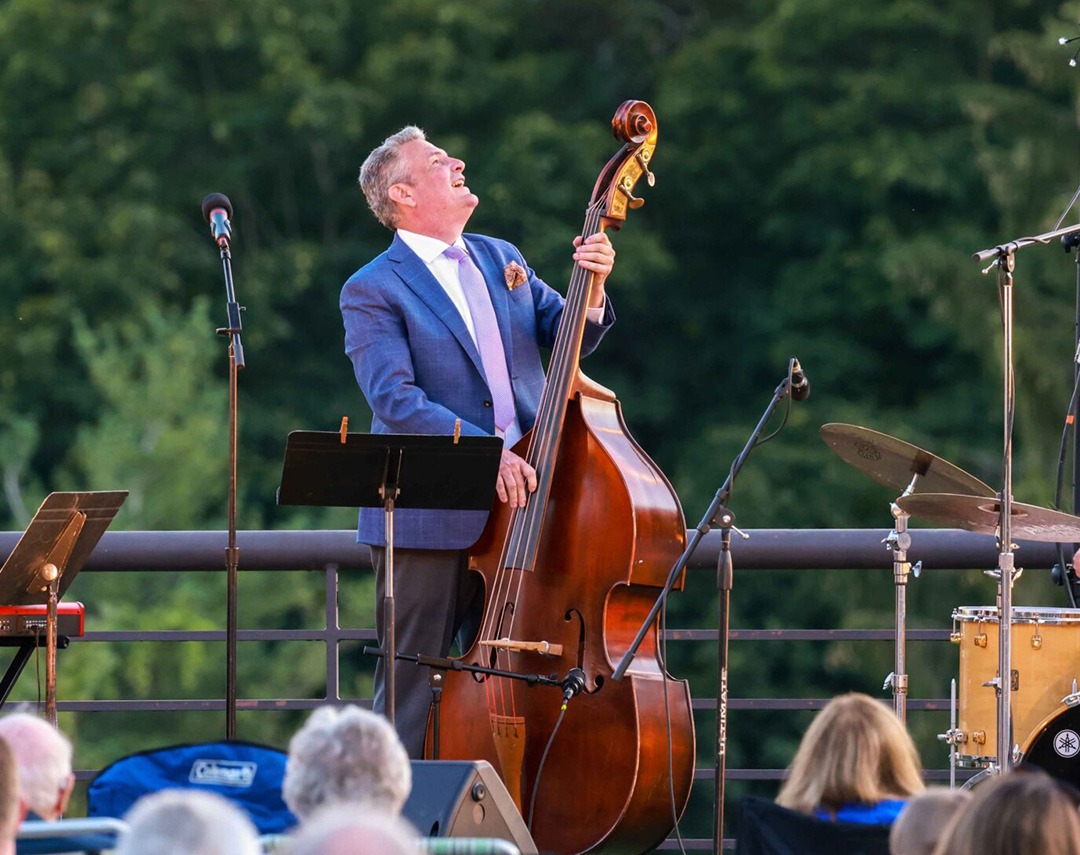
Wild Child’s appearance in New Jersey fits perfectly into this tradition, offering a performance that bridges generations of rock fans.

The Power of Live Music and Musical Legacy

Concerts celebrating legendary artists serve a unique role in today’s music landscape. They provide an opportunity to preserve musical history while continuing to bring people together through shared experiences.

For fans of The Doors, Wild Child’s performance offers a chance to hear the band’s music performed with the same passion and energy that defined the original recordings.

Live music carries an emotional impact that recordings alone cannot replicate. The sound of a band performing in real time, the energy of a crowd responding to familiar songs, and the shared atmosphere of a concert hall all contribute to a powerful connection between performers and audience.

Wild Child’s dedication to recreating the authentic Doors experience ensures that this connection remains central to every show.

A Night That Celebrates One of Rock’s Greatest Legacies

When Wild Child takes the stage in New Jersey on July 16, audiences will step into a musical time capsule that celebrates one of the most iconic bands in rock history.

From the hypnotic keyboard lines that open a Doors classic to the soaring vocal passages that defined their sound, the concert will recreate the spirit of an era when music challenged conventions and redefined artistic expression.

For longtime Doors fans, the performance offers a chance to reconnect with the music that shaped their lives. For newer listeners, it provides a gateway into the extraordinary catalog of a band that helped define rock music.

As New Jersey continues to host performances that celebrate music history and live entertainment, the arrival of Wild Child stands as another powerful reminder that the legacy of The Doors continues to echo through generations of listeners—alive on stage, alive in the music, and alive in every audience that gathers to hear it.

The Wellmont Theater

Union County Performing Arts Center (UCPAC)

1601 Irving St.
Rahway, NJ 07065 United States
+ Google Map
(732) 499-8226
View Venue Website

Ilana Glazer Live!

0

Ilana Glazer Brings Her Bold Stand-Up Voice to New Jersey on June 4: Comedy, Culture, and Unfiltered Storytelling Take the Stage

June 4 @ 5:00 PM 11:30 PM

New Jersey’s live entertainment calendar continues to evolve with performances that push the boundaries of comedy and cultural conversation, and this summer one of the most distinctive voices in modern comedy arrives in the Garden State. On Thursday, June 4, 2026, acclaimed comedian, actor, writer, and creator Ilana Glazer will take the stage for Ilana Glazer Live!, delivering a night of stand-up comedy that blends fearless storytelling, social commentary, and the unpredictable humor that has made her one of the most recognizable comedic voices of the past decade.

With doors opening at 6:00 PM and the show beginning at 7:00 PM, the reserved seating performance promises an intimate yet high-energy evening where audiences can experience Glazer’s evolving comedic perspective in real time. Known for combining sharp cultural observations with deeply personal humor, Glazer’s live performances offer a comedic experience that goes beyond punchlines, reflecting the ways comedy can capture the complexities of modern life.

For audiences exploring the vibrant comedy and entertainment landscape across the Garden State, Explore New Jersey continues to highlight performances and touring comedians through its Stand-Up Comedy and Live Entertainment section, where the region’s thriving comedy scene continues to expand with national headliners and rising stars.

Glazer’s upcoming appearance stands as another significant addition to New Jersey’s growing reputation as a destination for major comedy tours.

From Cult Television to Global Comedy Recognition

While Ilana Glazer has become a recognizable name across television, film, podcasting, and live comedy, her rise to prominence began with a groundbreaking television series that redefined comedic storytelling for a new generation.

Glazer first captured widespread attention as the co-creator and co-star of the acclaimed comedy series Broad City, which she developed alongside comedian Abbi Jacobson.

The show began as a web series before evolving into a full television production, eventually becoming one of the most celebrated comedy programs of its era. Broad City resonated with audiences for its unapologetically authentic portrayal of friendship, urban life, and millennial culture.

Through its irreverent humor and boundary-pushing storytelling, the series quickly built a loyal following and established Glazer as a creative force capable of blending comedy with cultural commentary.

More importantly, the show introduced audiences to Glazer’s unique comedic voice—one that embraces absurdity while remaining deeply connected to real-life experiences.

A Stand-Up Career That Continues to Evolve

While television brought her mainstream recognition, stand-up comedy remains at the core of Ilana Glazer’s creative identity.

As an internationally touring comedian, Glazer has built a reputation for performances that feel both spontaneous and thoughtful. Her stand-up sets often explore themes such as identity, relationships, politics, and the surreal nature of modern culture.

This evolving comedic voice is captured in her second stand-up special, Human Magic, which premiered on Hulu. The special highlights Glazer’s ability to merge observational humor with personal reflection, offering audiences a look at the comedian’s growth both on and off stage.

For fans attending the June 4 performance in New Jersey, the live show offers something unique: stand-up material that continues to develop and transform with each tour stop.

Unlike television or recorded specials, live comedy allows performers to test new ideas, explore unexpected audience interactions, and push their material in exciting directions.

Glazer’s performances thrive in this environment, where improvisation and authenticity take center stage.

Expanding Into Film and Creative Storytelling

Beyond the comedy stage, Ilana Glazer has steadily expanded her career into film and storytelling across multiple mediums.

One of her most recent projects, Babes, premiered at the prestigious South by Southwest in 2024. Glazer co-wrote and starred in the film, which received enthusiastic responses from audiences and critics alike before its wider release through the independent distributor Neon.

Projects like Babes reflect Glazer’s commitment to storytelling that centers women’s experiences while maintaining the sharp humor that defines her work.

Her film career continues to expand as she collaborates with writers, filmmakers, and performers who share her interest in pushing comedic narratives into new creative spaces.

Podcasting and Cultural Conversation

In addition to her work on stage and screen, Ilana Glazer has also embraced the podcast medium as a platform for conversation, reflection, and cultural commentary.

Her video-podcast It’s Open with Ilana Glazer offers a weekly exploration of social and political topics through candid discussion and humor. Released every Thursday on YouTube and available across podcast platforms, the show demonstrates how Glazer continues to engage audiences beyond traditional entertainment formats.

Podcasting has become an increasingly important platform for comedians, allowing them to connect with listeners in ways that feel more direct and personal than scripted performances.

Through It’s Open, Glazer blends comedic insight with thoughtful dialogue about contemporary issues, reinforcing her role as both an entertainer and a cultural commentator.

A Broadway Debut Alongside George Clooney

In 2025, Glazer reached another milestone in her career when she made her Broadway debut in a stage adaptation of Good Night, and Good Luck alongside actor and filmmaker George Clooney.

The limited run marked an exciting new chapter for the comedian, demonstrating her versatility as a performer capable of moving seamlessly between comedy, film, television, and theater.

For many comedians, transitioning from stand-up to Broadway represents a significant artistic leap. Glazer’s performance showcased her ability to command a live audience in a completely different theatrical environment.

Yet despite these expanding opportunities, stand-up comedy remains the foundation of her creative voice.

New Jersey’s Growing Role in the National Comedy Scene

Ilana Glazer’s upcoming performance also reflects the broader momentum of the comedy scene throughout New Jersey.

Over the past decade, the Garden State has become a major destination for touring comedians. Its venues regularly host nationally recognized performers traveling between the country’s largest entertainment markets.

From intimate comedy clubs to large theater performances, New Jersey audiences have demonstrated a strong appetite for live comedy experiences.

Events like Ilana Glazer Live! help reinforce the state’s reputation as a vibrant comedy destination where fans can see influential comedians performing fresh material.

For audiences across the region, the show represents another opportunity to experience a performer who has helped reshape modern comedic storytelling.

What Audiences Can Expect from Ilana Glazer Live

Glazer’s live shows are known for their unpredictable structure and energetic delivery.

Fans attending the June 4 performance can expect a set that combines:

• personal storytelling drawn from Glazer’s life and career
• observational humor about modern culture
• candid reflections on relationships and identity
• spontaneous moments that evolve through audience interaction

These performances often move quickly between absurd humor and thoughtful commentary, creating a style that feels uniquely authentic.

Glazer’s comedic approach invites audiences to laugh while also reflecting on the realities of contemporary life.

A Night of Comedy That Reflects a Changing Cultural Landscape

Ilana Glazer’s rise in comedy mirrors broader changes within the entertainment industry.

Today’s comedians are not confined to one medium. They create television shows, produce films, host podcasts, perform stand-up tours, and collaborate across multiple creative platforms.

Glazer embodies this multi-dimensional approach to comedy, building a career that balances artistic exploration with genuine connection to audiences.

Her upcoming performance in New Jersey captures that spirit—a comedian who continues to evolve while remaining deeply connected to the stage that first launched her career.

An Unmissable Night of Live Comedy

When Ilana Glazer steps on stage on June 4, audiences will witness a performer whose comedic voice has helped define an era of modern comedy.

From the cultural impact of Broad City to the expanding reach of her stand-up, film projects, and podcasts, Glazer continues to demonstrate that comedy can be both wildly entertaining and thoughtfully provocative.

For New Jersey audiences, Ilana Glazer Live! offers an opportunity to experience that voice in its purest form—live stand-up comedy that captures the energy, spontaneity, and fearless humor that have made her one of the most compelling performers of her generation.

The Wellmont Theater

Union County Performing Arts Center (UCPAC)

1601 Irving St.
Rahway, NJ 07065 United States
+ Google Map
(732) 499-8226
View Venue Website

10th Annual Freestyle Jersey Jam

0

The 10th Annual Freestyle Jersey Jam Returns: A Legendary Night of Freestyle Music Hits New Jersey on May 16

May 16 @ 5:00 PM 11:30 PM

New Jersey’s live entertainment calendar continues to deliver unforgettable experiences, and this spring one of the region’s most electrifying music celebrations returns for a milestone edition. On Saturday, May 16, the 10th Annual Freestyle Jersey Jam will bring together some of the most iconic voices in freestyle music for a massive night of nostalgia, high-energy performances, and classic dance-floor anthems.

Presented by Brian Rosenberg and Fever Records, the event has grown into one of the most anticipated freestyle gatherings in the Northeast. The 2026 edition celebrates ten years of honoring the genre that helped shape dance music culture throughout the 1980s and 1990s, uniting legendary performers with generations of fans who continue to keep the freestyle movement alive.

As New Jersey continues to host some of the most dynamic live entertainment experiences in the region, events like Freestyle Jersey Jam highlight the state’s evolving concert culture and the powerful communities that form around music. Readers looking for more coverage of performances, comedians, and live entertainment across the Garden State can explore Explore New Jersey’s Stand-Up Comedy and Live Entertainment section, where the platform continues to spotlight the artists and events bringing audiences together across the state.

A Decade of Freestyle Energy in New Jersey

Reaching its tenth year, Freestyle Jersey Jam has grown from a passionate celebration of the genre into a full-scale production that draws fans from across the Northeast and beyond.

Freestyle music, a genre rooted in electronic dance beats, Latin influences, and emotionally driven vocals, emerged as a defining sound of urban dance culture during the late 20th century. Known for its melodic hooks, dramatic storytelling, and powerful vocal performances, freestyle became a staple of club scenes and radio stations across cities like New York, Miami, and Philadelphia.

Over time, the genre developed a devoted fan base that has remained remarkably loyal. Events like Freestyle Jersey Jam celebrate that legacy by bringing the genre’s most influential performers together on one stage.

The tenth anniversary show promises to be the biggest yet, assembling a lineup that reads like a hall of fame for freestyle music.

An All-Star Freestyle Lineup

The 10th Annual Freestyle Jersey Jam features a stacked roster of legendary performers whose music helped define an era.

Among the artists performing live is TKA, along with vocalist K7, whose hits remain staples of freestyle playlists decades after their original release.

Joining them is the iconic Judy Torres, widely recognized as one of the most influential female voices in freestyle music. Torres’ powerful vocals and emotionally resonant performances helped shape the sound of the genre and continue to captivate audiences today.

The lineup also features freestyle favorite Johnny O, whose romantic ballads and dance tracks became anthems for club audiences across the country.

Fans will also see performances by Coro, known for blending freestyle energy with pop influences, as well as the beloved freestyle trio Seduction, whose chart-topping hits helped bring freestyle into mainstream pop culture.

The stage will also welcome Soave, Fascination, and Strafe, each bringing their own unique style to the evening’s celebration of freestyle music.

Adding another historic dimension to the lineup is Tony Moran, a member of the legendary Latin Rascals, whose groundbreaking remix work shaped the sound of dance music and club culture for decades.

The evening also promises additional surprise performances, continuing the tradition of delivering unexpected moments that make each Jersey Jam event unique.

Legendary Hosts and DJ Power Behind the Party

Beyond the performers, Freestyle Jersey Jam brings together some of the personalities who helped build freestyle culture from the inside.

Hosting the evening will be nightlife icon Sal Abbatiello, whose legendary role in shaping club culture helped freestyle artists reach massive audiences during the genre’s peak years.

Joining him as co-host is Speedy, a longtime supporter of freestyle music and a recognizable voice within the freestyle community.

Providing the soundtrack throughout the night will be DJ WhiteBoy KYS, who will keep the energy high between performances with classic freestyle mixes and dance-floor favorites.

Together, these hosts and DJs help recreate the atmosphere of the freestyle club scene that originally gave rise to the genre.

Fever Records and the Vision Behind Jersey Jam

The driving force behind the Freestyle Jersey Jam series is Brian Rosenberg and Fever Records, whose commitment to preserving freestyle music culture has helped bring the genre to new audiences.

Through events like Jersey Jam, Fever Records continues to showcase the artists who helped define freestyle while introducing their music to younger fans discovering the genre for the first time.

What began as a celebration of classic freestyle hits has evolved into an annual gathering that strengthens the connection between artists and the loyal community that supports them.

The tenth anniversary event reflects years of dedication to maintaining freestyle’s place in today’s live entertainment landscape.

Why Freestyle Music Still Matters

Freestyle music has endured for decades because it represents more than a genre—it represents a community.

The songs that defined freestyle often centered around themes of love, heartbreak, and personal storytelling delivered through powerful vocals and danceable rhythms. These songs became emotional soundtracks for listeners who connected deeply with their messages.

Today, that emotional connection remains strong.

Freestyle fans continue to travel across states and cities to attend events where they can relive the music that shaped their lives while celebrating its influence on modern dance music.

The Freestyle Jersey Jam embodies this connection, bringing together multiple generations of fans who share a love for the genre.

New Jersey’s Role in the Freestyle Revival

New Jersey has become an increasingly important hub for freestyle concerts and dance music events. Its proximity to major metropolitan areas like New York City and Philadelphia makes it a natural destination for fans traveling throughout the region.

Events like the Freestyle Jersey Jam demonstrate how the Garden State continues to support niche music communities that remain passionate and engaged.

Live events celebrating classic genres have become an important part of New Jersey’s entertainment landscape, offering audiences the chance to experience music history firsthand.

Freestyle concerts in particular attract fans who appreciate both the nostalgic value of the genre and the vibrant live performances that continue to define it.

A Night Built for the Dance Floor

At its core, the Freestyle Jersey Jam is designed to deliver exactly what the genre is known for: music that moves people.

With DJs spinning classic freestyle records, legendary artists performing timeless hits, and an audience ready to dance from the first beat to the final encore, the event promises an atmosphere that captures the spirit of freestyle culture.

Each performance becomes part of a larger celebration—one that honors the music, the artists, and the fans who have kept freestyle alive for decades.

Celebrating Ten Years of Jersey Jam

Reaching the tenth annual edition of Freestyle Jersey Jam marks an important milestone for the event and for the community that surrounds it.

Over the years, the show has grown into one of the most recognized freestyle concerts in the region, attracting audiences from across the East Coast who come together to celebrate the genre’s legacy.

For Brian Rosenberg, Fever Records, and the many artists who have participated in the event, the anniversary represents both a celebration of the past and a commitment to keeping freestyle music alive for future generations.

An Unforgettable Night of Music and Nostalgia

When the lights go up on May 16 and the first beats echo through the venue, the 10th Annual Freestyle Jersey Jam will deliver an evening that blends nostalgia with pure dance-floor energy.

For longtime freestyle fans, it will be a reunion with the voices that defined an era. For newer audiences, it will be an introduction to a genre whose influence still resonates across modern dance music.

With a legendary lineup, iconic hosts, and an audience ready to celebrate ten years of freestyle magic, this year’s Jersey Jam stands poised to become one of the most memorable live music events in New Jersey’s entertainment calendar.

The Wellmont Theater

Union County Performing Arts Center (UCPAC)

1601 Irving St.
Rahway, NJ 07065 United States
+ Google Map
(732) 499-8226
View Venue Website