Home Blog Page 42

Rising Electricity Costs Are Reshaping New Jersey’s Economic and Political Landscape—From Household Budgets to Municipal Tax Pressure

A sharp and sustained rise in electricity costs is reverberating across New Jersey with a dual impact that is becoming increasingly difficult for both residents and local governments to absorb. What was once viewed as a routine fluctuation in utility pricing has evolved into a structural economic pressure point, influencing everything from household affordability to municipal budget stability. As energy rates climb, the consequences are being felt not only in monthly utility bills but also in the broader fiscal strategies that determine property taxes, public services, and long-term community investment.

At the household level, the impact is immediate and unmistakable. Electricity is a non-discretionary expense—one that cannot be deferred or scaled back without affecting quality of life. As rates increase, families across New Jersey are finding that a larger share of their income is being diverted toward basic utilities, leaving less flexibility for other essential costs. This shift is particularly pronounced in a state where the overall cost of living is already among the highest in the nation, compounding financial pressure for middle-income and working-class households alike.

However, the story does not end at the front door. The same forces driving up residential electricity costs are simultaneously affecting municipal operations, creating a second layer of financial strain that ultimately circles back to taxpayers. Local governments rely heavily on electricity to power public infrastructure—everything from municipal buildings and schools to street lighting, water systems, and emergency services. As energy costs rise, so too do the operational expenses required to maintain these essential services.

For municipal leaders, this creates a difficult equation. With budgets already constrained and revenue streams largely tied to property taxes, absorbing higher energy costs often leaves few options. Either services must be adjusted, deferred, or reduced, or additional revenue must be generated to offset the increased expenses. In many cases, this translates into upward pressure on property tax rates, effectively passing a portion of the energy cost burden back onto residents in a different form.

This dual impact—higher bills at home and higher costs at City Hall—is redefining how energy pricing is understood within the state’s economic framework. It is no longer a siloed issue confined to utility regulation; it is a cross-cutting concern that touches housing affordability, municipal governance, and long-term fiscal planning. The ripple effects extend into nearly every corner of the state’s economy, influencing business operations, real estate values, and public sector decision-making.

The political dimension of this issue is equally significant. Rising electricity costs are increasingly being framed within the context of federal policy decisions and national energy strategy, placing New Jersey’s challenges within a broader political narrative. Critics argue that recent federal actions have contributed to market conditions that are driving up costs, pointing to regulatory shifts, supply constraints, and broader economic policies as key factors. This perspective is gaining traction in political discourse, particularly as local officials seek to explain to constituents why costs are rising and what can be done to mitigate the impact.

At the same time, the issue highlights the complex interplay between federal authority and state-level realities. Energy markets operate within a national and even global framework, yet their consequences are felt most acutely at the local level. This disconnect creates a governance challenge, where local leaders must respond to conditions largely shaped by forces beyond their direct control. The result is a policy environment where coordination, advocacy, and strategic planning become essential tools for navigating uncertainty.

Within New Jersey, the response is beginning to take shape across multiple fronts. Municipalities are exploring energy efficiency initiatives aimed at reducing consumption and mitigating cost increases, including investments in LED street lighting, building retrofits, and renewable energy integration. These efforts, while impactful over the long term, require upfront capital and careful planning, underscoring the need for sustained investment in infrastructure modernization.

At the state level, discussions are intensifying حول how to balance regulatory oversight with market dynamics in a way that protects consumers while maintaining system reliability. This includes examining how energy is procured, how costs are distributed, and how emerging technologies can be leveraged to create a more resilient and cost-effective grid. These conversations are closely aligned with broader themes emerging across the political landscape, where energy policy is increasingly viewed as a cornerstone issue with far-reaching implications.

For residents, the stakes are both immediate and long-term. In the short term, rising electricity costs translate directly into higher monthly expenses and reduced financial flexibility. Over time, they influence housing affordability, as increased municipal costs contribute to property tax adjustments that further elevate the cost of living. This dynamic creates a feedback loop in which energy pricing becomes a key driver of overall economic pressure within the state.

Businesses are also feeling the impact, particularly those with energy-intensive operations. Higher utility costs can affect pricing strategies, profit margins, and investment decisions, potentially influencing where companies choose to expand or locate. In a competitive regional environment, maintaining cost stability is a critical factor in attracting and retaining economic activity, making energy policy an essential component of broader economic development strategies.

The convergence of these factors is reshaping the conversation around energy in New Jersey. What was once a technical issue is now a central economic and political concern, with implications that extend far beyond the utility sector. It is influencing how budgets are constructed, how policies are debated, and how communities plan for the future.

As the situation continues to evolve, one reality is becoming increasingly clear: electricity costs are no longer just a line item—they are a defining variable in the state’s economic equation. How New Jersey navigates this challenge will play a critical role in shaping its fiscal stability, its competitiveness, and the everyday financial experience of its residents.

ICE Facility Proposal in Roxbury Ignites High-Stakes Political and Legal Showdown as Rep. Tom Kean Jr. Calls for Federal Review

ROXBURY TOWNSHIP, NJ — A proposed U.S. Immigration and Customs Enforcement processing facility along Route 46 in Morris County has rapidly evolved into one of the most politically charged and legally complex development battles in New Jersey, placing Representative Tom Kean Jr. at the center of a growing dispute that now spans federal agencies, state leadership, and local government opposition. What began as a federal siting proposal has escalated into a defining moment for how infrastructure tied to national security and immigration enforcement intersects with community governance, fiscal stability, and electoral politics in one of the state’s most competitive congressional districts.

On April 7, Kean took his most visible step to date by formally requesting that the Department of Homeland Security take what he described as a “deeper look” at the proposed ICE facility. In a letter addressed to newly confirmed DHS leadership, Kean positioned himself as an intermediary advocating for local concerns while emphasizing the need for a measured, collaborative review process. The tone of the correspondence reflects a deliberate effort to balance federal priorities with community-level implications, underscoring the increasingly complex role elected officials must play when national policy initiatives directly impact local jurisdictions.

The proposed facility, which would be located in Roxbury Township within New Jersey’s 7th Congressional District, has triggered significant resistance at the municipal and state levels. Local officials have raised a series of concerns that extend beyond the immediate presence of a federal detention center, focusing instead on long-term structural impacts. Among the most pressing issues cited are the potential loss of municipal tax revenue resulting from federal acquisition of the property, increased strain on local emergency services, and broader questions surrounding infrastructure capacity, zoning compliance, and environmental suitability.

Kean’s letter acknowledges these concerns in detail, referencing the fiscal and operational pressures that township leaders believe could accompany the project. He highlights the importance of evaluating how such a facility would affect local police, fire, and rescue services—resources that are already calibrated to serve existing community needs rather than the demands of a large-scale federal operation. Additionally, the letter points to questions about whether the proposed site can adequately support the infrastructure requirements of a detention facility, including utilities and environmental constraints that could complicate development.

However, the timing and scope of Kean’s intervention have drawn attention for what is not included. On the same day the letter was sent, New Jersey state officials and Roxbury Township initiated legal action seeking to halt the project, filing for an injunction to pause any advancement of the facility until outstanding legal questions are resolved. This lawsuit represents a significant escalation, moving the dispute from political debate into the judicial arena, where the ultimate fate of the project may be determined. Notably, the existence of this legal challenge is not referenced in Kean’s correspondence, a detail that has added another layer of scrutiny to his position.

The absence of that context is particularly significant given the broader political dynamics at play. Roxbury Township has already taken a formal stance against the project, adopting a resolution opposing the ICE facility well before litigation commenced. In doing so, local leadership has aligned itself with a bipartisan coalition that includes high-profile federal figures such as Senators Cory Booker and Andy Kim, both of whom have been publicly supportive of the township’s position. This alignment has further intensified the spotlight on Kean, whose district is widely regarded as one of the most competitive in New Jersey and a key battleground in upcoming electoral cycles.

For Kean, the situation presents a delicate balancing act. As a Republican representative operating within a district that could be significantly impacted by the proposed facility, he must navigate competing pressures from federal policy priorities, local opposition, and the broader political implications of the project’s perception among constituents. His letter attempts to frame his role as one of active engagement and ongoing communication with federal officials, asserting that he has been involved in discussions since the proposal first emerged in December 2025. According to his account, this engagement has been aimed at ensuring that Roxbury’s concerns are clearly articulated and considered within the federal decision-making process.

Yet the local response suggests a more complicated reality. Township officials have previously expressed frustration with what they perceive as insufficient advocacy at the federal level, indicating that their expectations for representation have not been fully met. This disconnect highlights a recurring challenge in infrastructure and policy disputes of this scale: the gap between federal intent and local perception, and the difficulty of aligning those perspectives in a way that satisfies all stakeholders.

The broader context of the proposal adds another layer of uncertainty. Reports emerging in recent days suggest that the Department of Homeland Security may be reassessing its approach to large-scale detention facilities nationwide, particularly in light of leadership changes within the agency. This potential reevaluation introduces the possibility that the Roxbury project could be delayed, modified, or even withdrawn altogether, depending on how federal priorities evolve in the coming weeks and months.

At the same time, the legal proceedings initiated by the state and township will likely play a decisive role in shaping the project’s trajectory. By seeking an injunction, local and state leaders are attempting to assert control over the timeline and ensure that any development is subject to thorough legal and regulatory review. This approach reflects a broader trend within New Jersey, where municipalities and state authorities are increasingly willing to challenge federal initiatives that they believe conflict with local interests or exceed established planning frameworks.

The situation in Roxbury is emblematic of a larger conversation unfolding across the country, where infrastructure tied to immigration enforcement is becoming a focal point for debates over governance, community impact, and the limits of federal authority. In New Jersey, a state with a dense population, complex zoning landscape, and highly engaged local governments, these issues are particularly pronounced. The outcome of this dispute could set important precedents for how similar proposals are handled in the future, both within the state and beyond.

From a policy perspective, the case also underscores the importance of integrated decision-making that accounts for economic, operational, and social factors simultaneously. The concerns raised by Roxbury officials—ranging from tax revenue implications to emergency service capacity—highlight the interconnected nature of infrastructure development, where a single project can have ripple effects across multiple aspects of community life. Addressing these concerns requires more than procedural compliance; it demands a comprehensive approach that balances national objectives with local realities.

As the situation continues to evolve, all eyes remain on the interplay between federal review, legal action, and political positioning. Kean’s call for a deeper evaluation may serve as a starting point for renewed dialogue, but it is unlikely to resolve the underlying tensions on its own. The coming weeks will be critical in determining whether the project moves forward, is reshaped, or is ultimately set aside.

What is certain is that the Roxbury ICE facility proposal has already left a lasting imprint on New Jersey’s legislative and political landscape. It has exposed fault lines, tested alliances, and brought into sharp focus the challenges of governing at the intersection of local and federal priorities. As this story unfolds, it will continue to resonate not only within Morris County but across the state, shaping the broader narrative of how New Jersey navigates complex, high-impact policy decisions in an increasingly interconnected world.

Jersey City’s Luxury Market Ascends: Van Vorst Park Penthouse With Private Rooftop Deck Sets a New Benchmark for Urban Living

JERSEY CITY, NJ — In a real estate market increasingly defined by precision design, elevated lifestyle offerings, and proximity to global economic centers, a newly listed penthouse in Jersey City’s Van Vorst Park neighborhood is capturing attention as one of the most compelling residential offerings in New Jersey. Positioned at 277 York Street, Unit 501 represents a convergence of architectural character, modern engineering, and experiential living—an asset that reflects not only the trajectory of Jersey City’s luxury housing market but also the broader evolution of urban residential expectations.

Offered at $1,699,000, this top-floor condominium is more than a listing; it is a statement about where high-end real estate in New Jersey is headed. Formed through the seamless combination of two units within The Madison—a boutique historic conversion—the residence delivers scale, light, and privacy in a way that is rarely achieved in urban environments. With three-sided exposure, the home captures sweeping eastern views toward Manhattan while also offering tranquil northern perspectives over the treetops of Van Vorst Park, creating a duality of skyline energy and neighborhood serenity.

This penthouse arrives at a time when Jersey City continues to solidify its position as one of the most desirable residential markets in the Northeast. As professionals seek alternatives to Manhattan that do not compromise on access, lifestyle, or design, properties like this are redefining what it means to live just across the Hudson. The city’s infrastructure, including direct PATH connectivity, combined with its rapidly expanding dining, cultural, and retail scene, has transformed it into a destination rather than a secondary option.

Inside the residence, the design language is deliberate and cohesive, anchored by an expansive open-concept living and dining area that emphasizes both volume and flow. Soaring ceilings and a signature bay window introduce natural light in a way that enhances the home’s architectural rhythm, while newly installed walnut flooring establishes a warm, grounded aesthetic throughout. Every material choice—from solid white oak doors to Baldwin hardware and Runtal radiators—has been curated to deliver both durability and visual continuity, reinforcing the sense that this is a home built with long-term value in mind.

The integration of smart technology and entertainment infrastructure further elevates the living experience. Motorized Lutron shades provide seamless control over light and privacy, while a built-in projection system with a 150-inch drop-down screen transforms the primary living space into a private cinematic environment. This level of integration reflects a broader shift in luxury real estate, where homes are expected to function as both sanctuary and entertainment hub, accommodating the full spectrum of modern living without compromise.

Above it all, the private rooftop deck introduces an entirely different dimension to the property. Spanning approximately 330 square feet, the outdoor space offers unobstructed views of the skyline and park, creating a rare opportunity for open-air living in one of the region’s most densely developed markets. Whether used for quiet mornings, evening gatherings, or simply as a personal retreat, the deck reinforces the property’s positioning as a true penthouse experience rather than a conventional condominium.

The kitchen serves as a focal point of both design and functionality, reflecting the expectations of today’s discerning buyer. Anchored by an underlit waterfall countertop, the space is complemented by custom cabinetry that balances minimalism with practicality. A full suite of premium appliances—including a Viking gas cooktop, vented hood, double convection ovens, Sub-Zero refrigeration, and a Bosch 800 Series dishwasher—ensures that the kitchen performs at a professional level while maintaining a refined aesthetic. The addition of a built-in beverage center and expansive pantry further enhances usability, making the space equally suited for everyday living and high-level entertaining.

The primary suite is positioned to maximize light and views, occupying a corner of the home that benefits from both openness and privacy. Cove lighting accentuates ceiling height, while a flexible layout allows for the integration of a sitting area or workspace—an increasingly important feature in a market where hybrid living has become the norm. A custom walk-in closet completes the suite, offering a level of organization and storage that aligns with the expectations of luxury buyers.

Two additional bedrooms continue the home’s commitment to space and light, each designed with high ceilings and equipped with motorized shades to ensure comfort and adaptability. These rooms offer flexibility for guest accommodations, home offices, or creative spaces, reinforcing the property’s versatility in meeting a range of lifestyle needs.

The bathrooms are executed with a clean, modern sensibility that prioritizes both form and function. Features such as a cast-iron clawfoot tub, glass-enclosed showers with multiple shower heads, and heated floors introduce a spa-like quality, while floating vanities and advanced fixtures—including Kohler Numi toilets—underscore the home’s commitment to contemporary design and technological integration.

Beyond the primary living spaces, the residence offers a series of practical enhancements that contribute to its overall value proposition. A dedicated laundry room with full-capacity machines, a full-height attic for additional storage, and supplemental basement storage ensure that functionality is not sacrificed in pursuit of aesthetics. Central air conditioning provides consistent climate control, completing a package that is as efficient as it is elegant.

Location remains one of the property’s most defining attributes. Situated steps from Van Vorst Park, the residence benefits from immediate access to one of Jersey City’s most cherished green spaces, as well as a vibrant network of restaurants, cafes, boutiques, and cultural destinations. The proximity to PATH transit further enhances its appeal, offering a direct and efficient connection to Manhattan while allowing residents to maintain a more balanced, neighborhood-oriented lifestyle.

This listing also reflects broader trends shaping the technology and real estate convergence, where smart home integration, energy efficiency, and digital convenience are becoming baseline expectations rather than premium add-ons. Buyers are no longer evaluating properties solely on location and square footage; they are assessing how seamlessly a home integrates into their daily lives, from automation to entertainment to long-term adaptability.

Represented by Irene Barnaby of Compass NJ, a broker with nearly two decades of experience serving Hudson County, the property enters the market with a level of expertise and local insight that further strengthens its positioning. Showings are set to begin April 11, offering prospective buyers an opportunity to experience firsthand a residence that encapsulates the next phase of Jersey City’s residential evolution.

As New Jersey continues to assert itself as a leader in both real estate innovation and urban lifestyle development, properties like this penthouse at 277 York Street stand as clear indicators of where the market is headed. They are not simply homes; they are integrated living environments designed to meet the demands of a new generation of buyers who expect more—from design, from technology, and from the places they choose to live.

Montclair-Based Sitetracker Launches ‘Scout’ Agentic AI Platform, Positioning New Jersey at the Center of Next-Generation Infrastructure Intelligence

MONTCLAIR, NJ — In a development that underscores New Jersey’s accelerating role in the national technology landscape, Sitetracker has introduced Scout, a new agentic AI platform engineered specifically for the complexities of critical infrastructure. Announced April 8, the launch marks a significant inflection point not only for the Montclair-based company but for how infrastructure owners, operators, and contractors approach automation, decision-making, and operational scale in an increasingly data-driven environment.

Scout enters the market at a time when the global conversation around artificial intelligence is shifting from passive analytics to autonomous execution. Agentic AI—an emerging category of technology—represents a fundamental evolution beyond traditional AI systems. Rather than simply analyzing data or providing recommendations, agentic platforms are designed to deploy intelligent agents capable of planning, coordinating, and executing multi-step tasks across enterprise systems with minimal human intervention. This transition is redefining what operational efficiency looks like across industries where complexity, compliance, and scale intersect.

For Sitetracker, a company already recognized for its asset lifecycle management platform serving critical infrastructure sectors, the introduction of Scout is both a natural extension and a strategic leap forward. The platform is built to transform fragmented operational data into actionable intelligence, enabling organizations to move from insight to execution with unprecedented speed and precision. In practical terms, this means identifying risks earlier, streamlining workflows, and compressing timelines that have historically slowed infrastructure deployment and maintenance.

Scout’s architecture is centered on connectivity and orchestration. It aggregates data from across an organization’s ecosystem—projects, assets, documentation, and field operations—and applies intelligent agents that can interpret that data in context. The result is a system that not only surfaces critical insights but also initiates the actions required to address them. This dual capability—analysis and execution—is what distinguishes agentic AI from earlier generations of enterprise technology.

The platform’s capabilities are immediately tangible across several high-impact operational areas. In document processing, Scout can ingest and interpret complex materials such as permits, leases, and invoices, extracting key data points and summarizing content in a way that accelerates decision-making. In environments where documentation volume can be overwhelming and compliance requirements are stringent, this level of automation reduces both time and risk.

In the field, Scout introduces advanced photo intelligence functionality, enabling automated quality control through image analysis. This has direct applications in closeout reviews, inspections, and ongoing maintenance workflows, where visual verification is critical but traditionally labor-intensive. By automating these processes, organizations can achieve greater consistency while freeing up human resources for higher-value tasks.

Risk analysis represents another core pillar of the platform. Scout is designed to identify latent risks within deployment and maintenance programs—issues that may not be immediately visible through conventional reporting—and provide actionable mitigation strategies. This proactive approach to risk management is particularly relevant in infrastructure sectors where delays, cost overruns, and compliance failures can have significant financial and operational consequences.

A defining feature of Scout is its adaptability. Rather than imposing a rigid framework, the platform allows organizations to design and deploy their own AI agents tailored to their specific workflows and operational priorities. This flexibility ensures that the technology aligns with how each organization functions, rather than forcing teams to conform to a predefined system. It also opens the door to continuous optimization, as companies refine and expand their use of agentic workflows over time.

Security and data sovereignty are central to the platform’s design. In industries where sensitive data and regulatory compliance are non-negotiable, Scout operates within a secure environment that ensures organizational control over data while still enabling the benefits of advanced AI-driven automation. This balance between innovation and protection is critical to adoption, particularly among large-scale infrastructure operators.

Sitetracker’s leadership has framed Scout as a tool for creating compounding competitive advantage—a concept that reflects the cumulative impact of incremental efficiency gains across complex operations. By reducing friction, accelerating timelines, and enhancing decision quality, the platform enables organizations to scale more effectively while maintaining control over cost and risk. In an environment where infrastructure demand continues to grow—spanning telecommunications, energy, transportation, and beyond—this capability is increasingly valuable.

The launch also positions New Jersey as a meaningful contributor to the next wave of enterprise technology innovation. With its headquarters in Montclair and a presence in Palo Alto, Sitetracker bridges two of the country’s most important technology corridors, bringing Silicon Valley-level innovation into the Northeast’s rapidly expanding tech ecosystem. This alignment reflects broader trends highlighted across the technology sector, where geographic boundaries are becoming less relevant as talent, capital, and innovation distribute more evenly across regions.

Founded in 2013 by Timothy May and Brett Cupta, Sitetracker has grown into a global platform with approximately 400 employees, serving some of the most complex infrastructure operations in the world. The introduction of Scout represents the company’s most ambitious step to date, signaling a shift from system-of-record solutions to systems of action—platforms that not only track and manage assets but actively drive outcomes.

Currently in limited release, Scout is already generating attention among organizations seeking to modernize their operations and gain a strategic edge in an increasingly competitive landscape. As adoption expands, the platform has the potential to redefine how infrastructure projects are planned, executed, and maintained, setting new benchmarks for efficiency and intelligence across the industry.

For New Jersey, the implications extend beyond a single product launch. Scout’s debut reinforces the state’s position as a hub for high-impact innovation, where companies are not only participating in global technology trends but actively shaping them. In a world where infrastructure underpins economic growth and societal progress, the ability to manage that infrastructure with greater intelligence and agility is no longer optional—it is essential. Sitetracker’s latest move makes clear that the future of that transformation is already taking shape, and it is happening right here in Montclair.

New Jersey Surges to No. 1 in U.S. Home Price Growth as Newark Leads the Nation, Redefining the Real Estate Landscape in 2026

In a national housing market defined by cooling momentum and uneven regional performance, New Jersey has emerged as the clear outlier—and the new benchmark. According to newly compiled housing analytics, the Garden State recorded the strongest year-over-year home price growth in the United States in February 2026, posting a 5.93% increase that places it firmly at the top of the national rankings. At a time when many markets are flattening or contracting, New Jersey is not only holding its ground—it is accelerating.

This surge is not occurring in isolation. It reflects a deeper structural strength within the state’s economy, its geographic positioning, and its evolving role within the broader Northeast corridor. While the national housing market registered a modest 0.5% year-over-year increase in single-family home prices, New Jersey’s nearly 6% jump signals a level of demand and resilience that is increasingly rare in the current cycle.

Perhaps even more telling is what is happening at the metro level. Newark, long viewed as a market with untapped upside, has now taken center stage, recording a 6.7% year-over-year home price increase—the highest among the 100 largest metropolitan areas in the country. This is not a marginal gain; it is a defining shift that underscores Newark’s transformation into one of the most dynamic urban real estate markets in the United States.

The implications of this data extend far beyond headline numbers. New Jersey’s performance is being driven by a convergence of high-value employment sectors, strategic proximity to major economic hubs, and a sustained imbalance between housing supply and demand. The state sits at the intersection of some of the most influential economic engines in the country, including New York City and Philadelphia, while simultaneously offering relative affordability compared to those core markets. This positioning continues to attract both individuals and institutional investment, reinforcing upward pressure on home values.

The sectors fueling this growth are equally important to understand. Financial services and fintech—industries that have deep roots in both New York and New Jersey—continue to generate high-income employment opportunities that support homebuying activity at elevated price points. At the same time, the broader Northeast region is benefiting from expansion in biotech, healthcare, and advanced research, particularly across neighboring states. This interconnected economic ecosystem is creating a stable foundation for housing demand, insulating markets like New Jersey from the volatility seen elsewhere.

When viewed through the lens of national trends, the contrast becomes even more pronounced. Several high-profile markets are now experiencing year-over-year price declines, including Washington, D.C., Florida, and Montana. In total, 13 states reported negative annual price changes, highlighting a clear divergence between regions that are expanding and those that are recalibrating after years of rapid growth. New Jersey’s ability to move in the opposite direction speaks to the durability of its demand drivers and the strategic advantages embedded within its housing market.

The Midwest and Northeast, in particular, are emerging as zones of relative stability, supported by a mix of affordability and diversified economic activity. In the Midwest, a resurgence in domestic manufacturing—driven in part by federal investment initiatives and supply chain realignment—is helping to stabilize housing markets. Meanwhile, the Northeast’s strength lies in its concentration of high-wage industries and its continued appeal to professionals seeking access to major metropolitan centers without absorbing their full cost burden.

New Jersey stands at the intersection of these dynamics, benefiting from both economic diversification and geographic leverage. Its housing market is not being propelled by speculative activity or short-term trends; rather, it is anchored by long-term fundamentals that continue to attract sustained demand. This is a critical distinction in an environment where many markets are grappling with affordability constraints, rising interest rates, and shifting migration patterns.

For buyers, the current landscape presents both opportunity and urgency. While price growth signals a strong and desirable market, it also raises questions about accessibility and long-term affordability. For sellers and investors, however, the environment remains highly favorable, with continued appreciation reinforcing confidence in New Jersey real estate as a stable and potentially lucrative asset class.

From a broader industry perspective, the state’s performance aligns closely with the trends shaping the real estate sector, where regional differentiation is becoming more pronounced and localized economic strength is playing an increasingly decisive role in determining market outcomes. The era of uniform national growth has given way to a more fragmented landscape, where states like New Jersey are setting the pace while others recalibrate.

Newark’s emergence as the top-performing metro area further amplifies this narrative. Once overlooked in favor of neighboring markets, the city is now attracting renewed attention from developers, investors, and homebuyers alike. Its combination of infrastructure, connectivity, and ongoing redevelopment initiatives is transforming it into a focal point for growth within the state. As demand continues to intensify, Newark is positioned not only as a leader within New Jersey but as a national example of urban market resurgence.

Looking ahead, the key question is not whether New Jersey can maintain its current trajectory, but how it will manage the pressures that accompany sustained growth. Inventory constraints, affordability challenges, and the need for continued infrastructure investment will all play a role in shaping the next phase of the market. However, if current trends are any indication, the state is well-positioned to navigate these challenges while maintaining its competitive edge.

What is clear is that New Jersey has firmly established itself as a leader in the national housing conversation. In a market defined by uncertainty and uneven performance, it is delivering clarity—demonstrating that strong fundamentals, strategic positioning, and economic diversity can still drive meaningful growth. As 2026 unfolds, all eyes will remain on the Garden State, not as a follower of national trends, but as a market actively redefining them.

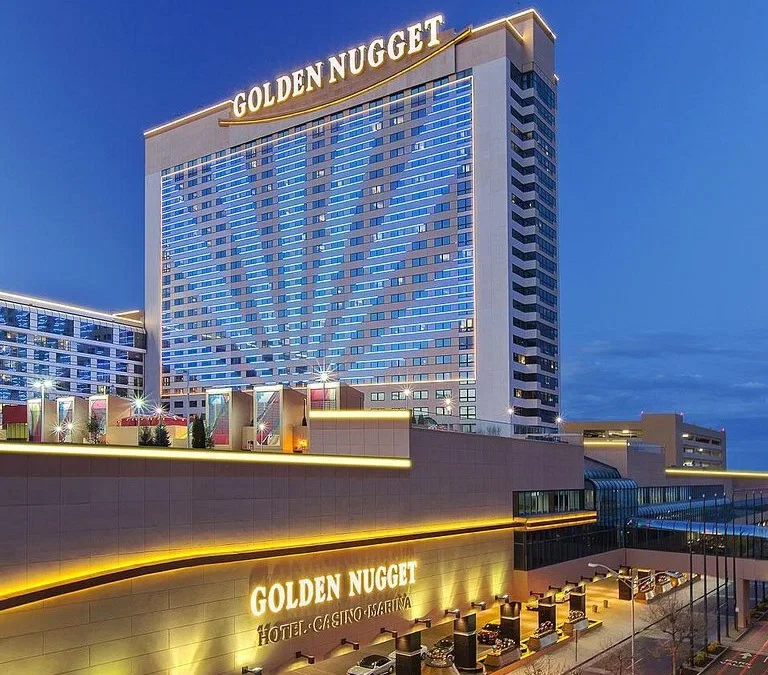
Golden Nugget Atlantic City Unveils Next-Level Casino and Guest Experience Enhancements, Redefining the Standard for Luxury Gaming on the Jersey Shore

ATLANTIC CITY, NJ — In a decisive move that reinforces its position at the forefront of New Jersey’s gaming and hospitality landscape, Golden Nugget Atlantic City has rolled out a sweeping series of property enhancements designed to elevate the guest experience at every touchpoint—from arrival through the casino floor and beyond. This latest wave of upgrades signals more than routine reinvestment; it represents a calculated, experience-driven transformation aligned with broader trends shaping the regional business and hospitality sector, where innovation, comfort, and immersive entertainment are now essential to maintaining competitive relevance.

At the core of these enhancements is the debut of the Lightning Link Lounge, a newly introduced, high-energy slot destination strategically positioned near Bar 46. Designed to capture both the visual excitement and social atmosphere that define modern casino gaming, the lounge features a curated lineup of some of the industry’s most recognized and in-demand titles from Aristocrat Gaming. Among them are Lightning Link, Dollar Storm, Mo Mummy, and the Buffalo Gold Collection—each selected for their strong player engagement, progressive jackpot appeal, and established popularity among both seasoned players and casual visitors.

The introduction of this dedicated slot lounge reflects a broader evolution in casino floor design, where segmentation and thematic environments are increasingly used to create more personalized and immersive gaming experiences. Rather than a one-size-fits-all layout, Golden Nugget is leaning into targeted zones that cater to specific player preferences, allowing guests to navigate the floor with greater ease while discovering experiences that resonate with their individual style of play.

Complementing the new lounge is a significant expansion of the casino’s slot portfolio, with the addition of 17 new machines that further diversify the gaming mix. Among the new arrivals are Dragon Link, Buffalo Ultimate Stampede, and Goldfish Re-spin Party Diver—titles that blend advanced game mechanics with high-impact visuals and interactive bonus features. This infusion of new content ensures that the casino floor remains dynamic and competitive, offering returning guests fresh experiences while maintaining the familiarity that drives repeat engagement.

Equally important is the attention given to guest comfort and usability. Golden Nugget has completed a full replacement of all slot chairs across the property, an upgrade that underscores the importance of ergonomics in the modern gaming environment. In parallel, the introduction of a new Party Pit slot area adds another layer of energy to the floor, creating a more communal and celebratory atmosphere that aligns with evolving guest expectations around social gaming.

Technology integration plays a central role in this latest phase of enhancements. The addition of iView displays across slot machines provides guests with immediate, streamlined access to key account information, including comps, tier credits, and card status. This level of transparency and convenience reflects a broader industry shift toward digital-first engagement, where players expect real-time insights and seamless interaction with loyalty programs without interrupting their gaming experience.

Beyond the casino floor, Golden Nugget has also invested in aesthetic and environmental upgrades that reshape the property’s overall ambiance. The main atrium has undergone a comprehensive refresh, featuring new carpeting and lighter, more contemporary finishes that create a brighter and more welcoming entry point. This redesign is not merely cosmetic; it is part of a deliberate effort to align the property’s visual identity with the expectations of today’s travelers, who increasingly value modern, polished environments that enhance their overall sense of arrival and comfort.

These updates build upon a significant renovation of guest rooms and suites completed in the previous year, which introduced updated furnishings, redesigned bathrooms, and upgraded in-room technology. Together, these improvements form a cohesive, property-wide strategy aimed at delivering a consistent, high-quality experience from check-in to check-out. The result is a more integrated guest journey—one where the transition from accommodations to gaming, dining, and entertainment feels seamless and intentional.

Golden Nugget Atlantic City General Manager Tom Pohlman emphasized that the driving force behind every enhancement is a commitment to the guest experience. His perspective reflects a broader industry reality: in a highly competitive market like Atlantic City, sustained success depends not only on attracting visitors but on continuously exceeding their expectations. By investing in both visible upgrades and behind-the-scenes improvements, the property is positioning itself to meet the evolving demands of a diverse and discerning audience.

This latest round of enhancements also highlights a larger trend across Atlantic City, where casinos are increasingly reinvesting in their properties to remain competitive in a market shaped by regional expansion and changing consumer behaviors. The emphasis is shifting toward experiential value—creating environments that are not only entertaining but also comfortable, intuitive, and memorable. Golden Nugget’s approach aligns squarely with this trajectory, combining gaming innovation, technological integration, and design-forward thinking into a unified strategy.

For visitors, the impact of these changes is immediate and tangible. The casino floor feels more dynamic, the spaces more inviting, and the overall experience more cohesive. For the broader New Jersey market, it represents another example of how legacy properties are adapting to meet the expectations of a new generation of guests while retaining the core elements that have long defined Atlantic City’s appeal.

As the property continues to evolve, these enhancements position Golden Nugget Atlantic City as a leading example of how thoughtful reinvestment can drive both guest satisfaction and long-term growth. In a landscape where differentiation is critical, the ability to deliver a refined, engaging, and technologically advanced experience is no longer optional—it is the standard.

Kodachrome

0

“Kodachrome” Brings Intimate Storytelling and Small-Town Humanity to New Jersey’s Theatre Spotlight This June

June 6 @ 8:00 AM June 7 @ 5:00 PM

New Jersey’s theatre community continues to demonstrate its ability to deliver deeply human, emotionally resonant storytelling, and this June, a brief but powerful production arrives that captures the essence of connection, memory, and everyday life. Running June 6 through June 7, 2026, Kodachrome, written by Adam Szymkowicz and directed by Rachel Alt, offers a refined, character-driven theatrical experience that reflects the quiet brilliance of contemporary American playwriting.

As part of the evolving programming featured across Explore New Jersey’s theatre coverage, Kodachrome stands as a reminder that not all impactful productions rely on spectacle or scale. Instead, its strength lies in its simplicity, its honesty, and its ability to capture the subtle, often overlooked moments that define human experience. This is theatre that invites audiences to slow down, observe, and recognize themselves in the lives unfolding on stage.

Set in the fictional town of Colchester, Kodachrome unfolds as a mosaic of interconnected stories, each revealing fragments of life within a close-knit community. The structure is reminiscent of classic American theatre traditions, where the focus shifts from plot-driven narrative to character exploration, allowing the audience to engage with a wide range of perspectives. Through a series of vignettes, the play captures the rhythms of small-town existence, where individual lives intersect in ways both expected and surprising.

What makes Kodachrome particularly compelling is its ability to balance tone with remarkable precision. It is at once tender and humorous, reflective and immediate, capturing the contradictions that define everyday life. The characters grapple with aspirations, disappointments, relationships, and personal growth, presenting a tapestry of experiences that feels both specific and universal. This duality is central to the play’s impact, as it allows audiences to see their own stories mirrored in the lives of others.

Director Rachel Alt brings a thoughtful and measured approach to the production, emphasizing authenticity and emotional clarity. Her direction prioritizes the integrity of each moment, ensuring that the transitions between scenes feel organic and cohesive. By allowing the characters’ voices to guide the narrative, Alt creates an environment where the audience becomes an active participant, piecing together the connections that bind the community together.

The one-act format enhances the production’s immediacy, creating a sense of continuity that draws viewers into the world of Colchester without interruption. This structure reinforces the idea that life itself is a series of moments—some fleeting, some profound—that collectively shape our understanding of who we are and where we belong.

Produced by Joellen Tierney, the production reflects a commitment to quality and artistic integrity that is increasingly characteristic of New Jersey’s theatre landscape. The collaboration between director and producer ensures that every element of the performance is aligned with the play’s central themes, resulting in a cohesive and immersive experience.

At its core, Kodachrome is about recognition—the recognition of shared humanity, of common struggles, and of the small yet significant moments that define our lives. The play’s title itself evokes a sense of nostalgia, referencing a medium once used to capture and preserve memories. In much the same way, the production captures snapshots of life, presenting them in a way that is both vivid and enduring.

This emphasis on memory and connection resonates strongly within the broader context of New Jersey’s theatre scene, where productions are increasingly exploring themes that reflect the complexities of modern life. As audiences seek experiences that are both meaningful and relatable, plays like Kodachrome offer a compelling alternative to more traditional narratives, focusing instead on the richness of character and the depth of human interaction.

The timing of the production adds to its significance. As communities continue to navigate a rapidly changing world, there is a growing desire for stories that provide a sense of grounding and perspective. Kodachrome meets this need by offering a window into a world that feels familiar, even as it reveals new insights into the nature of connection and belonging.

From an audience perspective, the production delivers an experience that is both accessible and thought-provoking. Its humor emerges naturally from the characters and situations, providing moments of levity that enhance rather than detract from the overall narrative. At the same time, its more poignant elements invite reflection, encouraging viewers to consider their own experiences and relationships.

Within the broader cultural landscape, Kodachrome reinforces the importance of theatre as a medium for exploring the human condition. It demonstrates that even the simplest stories, when told with care and authenticity, can have a profound impact. This approach aligns with the mission of Explore New Jersey to highlight performances that not only entertain but also contribute to the cultural and emotional fabric of the region.

As New Jersey continues to position itself as a destination for high-quality live performance, productions like Kodachrome play a crucial role in defining that identity. They showcase the depth of talent within the state, both on and off the stage, and highlight the ability of local theatre to deliver experiences that resonate on a deeply personal level.

For those seeking a theatre experience that prioritizes connection, authenticity, and emotional depth, Kodachrome offers a rare and rewarding opportunity. Its brief run underscores the importance of engaging with live performance in the moment, embracing the ephemeral nature of theatre and the unique energy that comes from shared experience.

In a landscape often dominated by larger productions and high-profile titles, Kodachrome stands out as a quiet triumph—an example of how thoughtful storytelling and dedicated artistry can create something truly memorable. It is a production that lingers in the mind long after the final scene, inviting audiences to carry its insights with them as they return to their own lives, enriched by the stories they have witnessed.

Bergen County Players

(201) 261-4200

View Organizer Website

Bergen County Players

298 Kinderkamack Road
Oradell, New Jersey 07649 United States
+ Google Map
(201) 261-4200
View Venue Website

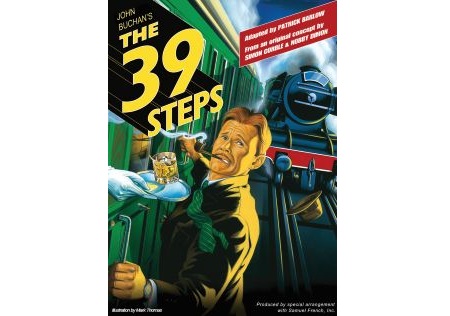
The 39 Steps

0

“The 39 Steps” Ignites New Jersey Theatre This May with High-Speed Comedy, Hitchcock Suspense, and Virtuosic Stagecraft

May 2 @ 8:00 PM May 31 @ 11:30 PM

New Jersey’s theatre scene continues to elevate its reputation as a destination for bold, inventive, and technically dazzling productions, and this spring, one of the most exhilarating entries on the calendar arrives with a blend of cinematic legacy and theatrical brilliance. Running from May 2 through May 31, 2026, The 39 Steps, adapted by Patrick Barlow and directed by Steve Bell, brings a masterclass in storytelling to the stage—transforming a classic Alfred Hitchcock thriller into a fast-paced, laugh-out-loud theatrical spectacle.

As audiences across the state increasingly seek immersive, high-quality live performance, productions like this stand at the forefront of what defines modern theatre in New Jersey. Featured within Explore New Jersey’s expanding theatre coverage, The 39 Steps exemplifies how the region continues to merge artistic ambition with audience-driven entertainment, delivering experiences that are as technically impressive as they are irresistibly engaging.

Set against the atmospheric backdrop of London in 1935, the story follows Richard Hannay, an ordinary man whose life is abruptly upended when he encounters a mysterious woman claiming to be a spy. What begins as an unexpected meeting quickly escalates into a dangerous chain of events when she is murdered, leaving Hannay entangled in a conspiracy that stretches across the country. Branded a fugitive and pursued by both authorities and shadowy operatives tied to the enigmatic organization known as “The 39 Steps,” Hannay is thrust into a relentless journey of survival, deception, and discovery.

What distinguishes this production is not simply its narrative, but the extraordinary theatrical mechanics used to bring it to life. In a feat of performance and precision, four actors portray more than 150 characters, seamlessly shifting roles, accents, and physicalities with remarkable agility. This approach transforms the stage into a dynamic, ever-changing landscape, where imagination becomes the primary tool of storytelling and every moment is infused with creative energy.

Craig Ernest Woodward anchors the production as Hannay, delivering a performance that balances charm, urgency, and comedic timing. His portrayal captures the character’s transformation from an unsuspecting everyman into a resourceful figure navigating increasingly absurd and perilous circumstances. NJ Pfautsch takes on multiple pivotal roles, including Annabella, Margaret, and Pamela, bringing distinct personalities and emotional nuance to each, while maintaining the fluidity required for such rapid transitions.

Joshua Switala and Paul Aiello, serving as the production’s versatile “clowns,” provide a masterclass in theatrical adaptability. Their ability to embody a wide range of characters—often within seconds—adds a layer of comedic brilliance that elevates the entire experience. Their performances are not merely supporting elements; they are integral to the production’s rhythm, pacing, and overall impact.

Director Steve Bell’s vision is central to the production’s success, orchestrating a complex interplay of movement, timing, and visual storytelling. His approach embraces the inherent theatricality of the material, leaning into its exaggerated style while maintaining a clear narrative throughline. The result is a production that feels both meticulously crafted and spontaneously alive, capturing the essence of live theatre at its most engaging.

The creative team behind the scenes plays an equally critical role in shaping the experience. Jody Laufer’s set design provides a flexible framework that allows for rapid scene changes and imaginative staging, while Allan Seward’s lighting design enhances the mood and momentum of each sequence. Tim Larsen’s sound design adds depth and atmosphere, reinforcing the cinematic qualities of the story without overshadowing the live performance.

Costume design by Lynne Lupfer, along with the contributions of the costume crew, ensures that each character transition is visually distinct and immediately recognizable, despite the limited number of performers. The meticulous attention to detail across all technical elements—from set décor to props to hair and makeup—creates a cohesive aesthetic that supports the production’s ambitious scope.

At its core, The 39 Steps is a celebration of storytelling in its purest form. It draws from multiple sources—a classic spy novel, a legendary film, and the irreverent humor associated with Monty Python—blending them into a singular theatrical experience that is both nostalgic and refreshingly original. This fusion of influences results in a production that appeals to a wide audience, from fans of classic cinema to those seeking innovative live performance.

The comedic dimension of the show is particularly noteworthy. While the underlying narrative carries elements of suspense and intrigue, the adaptation embraces humor as a driving force, transforming moments of tension into opportunities for laughter. This balance ensures that the production remains accessible and entertaining, even as it navigates complex staging and rapid character shifts.

Within the broader context of New Jersey’s theatre landscape, The 39 Steps represents a continuation of a growing trend toward productions that prioritize creativity, versatility, and audience engagement. The state’s theatres are increasingly embracing works that challenge conventional formats, offering performances that are as intellectually stimulating as they are visually and emotionally captivating.

For audiences, this production offers more than a night at the theatre; it provides an opportunity to experience the full potential of live performance. The interplay between actors, the immediacy of the storytelling, and the ingenuity of the staging combine to create an environment where every moment feels unique and unrepeatable.

As the run progresses through May, The 39 Steps is poised to become one of the standout theatrical events of the season, drawing attention not only for its source material but for the exceptional execution that brings it to life. It reinforces the idea that theatre, when approached with creativity and precision, can transform familiar stories into entirely new experiences.

In a region that continues to define itself as a hub for cultural excellence, productions like this serve as both a benchmark and an inspiration. They demonstrate that New Jersey’s theatre community is not only keeping pace with national trends but actively shaping them, delivering performances that resonate with audiences and contribute to the ongoing evolution of the art form.

With its blend of suspense, humor, and technical mastery, The 39 Steps stands as a testament to what can be achieved when storytelling, performance, and design converge at the highest level. It is a production that captures the imagination, engages the senses, and reaffirms the enduring power of live theatre.

Bergen County Players

(201) 261-4200

View Organizer Website

Bergen County Players

298 Kinderkamack Road
Oradell, New Jersey 07649 United States
+ Google Map
(201) 261-4200
View Venue Website

The Cake

0

“The Cake” at the Center of New Jersey Theatre: A Powerful, Timely Production Blending Humor, Humanity, and Cultural Reflection

March 14 @ 8:00 PM April 11 @ 11:30 PM

New Jersey’s theatre scene continues to assert itself as one of the most dynamic and relevant cultural ecosystems in the region, and this spring, a production arrives that captures exactly why live performance remains such a vital medium for exploring the complexities of modern life. With its run from March 14 through April 11, 2026, The Cake, written by acclaimed playwright Bekah Brunstetter and directed by Carol Fisher, stands as one of the most compelling theatrical events currently shaping conversation across the state.

As part of the evolving landscape featured throughout Explore New Jersey’s theatre coverage, The Cake exemplifies the kind of production that goes beyond entertainment, offering audiences a nuanced, emotionally resonant experience that reflects both personal and societal tensions. It is theatre that engages, challenges, and ultimately connects, drawing viewers into a story that feels at once intimate and universally relevant.

At the center of the production is Della, a charismatic and deeply rooted North Carolina baker whose life is defined by tradition, faith, and a strong sense of identity. Portrayed with depth and authenticity by Holly Cerelli, Della becomes the focal point of a moral and emotional crossroads when Jen, a young woman she has long cared for like family, asks her to bake a cake for her upcoming wedding to another woman. What unfolds is not a simplistic confrontation, but a layered exploration of belief, loyalty, love, and personal growth.

The narrative, inspired by real-world legal and cultural debates that have reached the highest levels of the American judicial system, could easily veer into polarizing territory. Instead, Brunstetter’s writing takes a more sophisticated approach, presenting characters with empathy and complexity. The result is a story that resists easy categorization, inviting audiences to engage with the material on a deeper level without prescribing definitive answers.

Director Carol Fisher’s vision brings this delicate balance to life with precision and clarity. Her staging emphasizes the human relationships at the heart of the story, allowing moments of humor and vulnerability to coexist seamlessly. The pacing maintains a natural rhythm, giving space for both introspection and dialogue, while ensuring that the emotional stakes remain consistently engaging.

The supporting cast further enriches the production, creating a fully realized world around Della’s journey. John Klemek delivers a grounded performance as Tim, offering a perspective that reflects both support and subtle tension. Angelina Aragona’s portrayal of Jen brings sincerity and emotional weight to the role, capturing the complexity of seeking acceptance from someone deeply valued. Kylah Wilson’s Macy introduces a dynamic contrast, while Larry Brustofski’s dual presence adds texture to the narrative’s broader context.

Behind the scenes, the production is supported by a highly skilled creative and technical team whose contributions elevate the overall experience. From Jody Laufer’s thoughtfully designed set to Allan Seward’s nuanced lighting and Tim Larsen’s immersive sound design, every element works in concert to create an environment that feels both authentic and expressive. Costume design by Scout Schiro and set décor by Lauren Zenreich and Marci K. Weinstein further enhance the visual storytelling, grounding the characters in a believable and evocative setting.

What distinguishes The Cake within New Jersey’s theatre calendar is its ability to address contemporary issues without losing sight of the human stories at its core. It is not a production that seeks to provoke for the sake of controversy; rather, it invites reflection, encouraging audiences to consider perspectives that may differ from their own while recognizing the shared emotions that connect us all.

This approach aligns with a broader trend within the state’s theatre community, where productions are increasingly embracing narratives that reflect the diversity and complexity of modern society. New Jersey has become a hub for performances that balance artistic ambition with cultural relevance, offering audiences experiences that are both intellectually engaging and emotionally resonant.

The timing of The Cake’s run further enhances its impact. As conversations around identity, belief, and inclusion continue to evolve, the production provides a space for dialogue that is both accessible and meaningful. It demonstrates how theatre can serve as a platform for understanding, fostering empathy through storytelling that resonates on a personal level.

From an audience perspective, the production delivers a compelling blend of humor and drama, ensuring that its themes are explored with both sensitivity and approachability. Moments of levity are woven throughout the narrative, providing balance and allowing the story’s more serious elements to unfold with greater depth. This tonal balance is a testament to the strength of the writing and the skill of the performers, who navigate the material with confidence and authenticity.

For those seeking a theatre experience that goes beyond the conventional, The Cake represents a standout opportunity to engage with a production that is both timely and timeless. It reflects the power of live performance to illuminate complex issues while celebrating the shared humanity that underpins them.

As New Jersey continues to build its reputation as a destination for high-quality theatre, productions like this reinforce the state’s position at the forefront of regional arts and culture. They demonstrate that compelling storytelling, when executed with care and intention, has the ability to resonate far beyond the stage, leaving a lasting impression on audiences and contributing to the broader cultural conversation.

The Cake is more than a play; it is an experience that captures the essence of what makes theatre essential. Through its thoughtful narrative, strong performances, and expert direction, it offers a perspective that is both reflective and forward-looking, inviting audiences to engage, consider, and connect in ways that only live theatre can achieve.

Bergen County Players

(201) 261-4200

View Organizer Website

Bergen County Players

298 Kinderkamack Road
Oradell, New Jersey 07649 United States
+ Google Map
(201) 261-4200
View Venue Website

Newark’s Dr. Theresa Pringle Earns Global Recognition While Transforming Lives Across New Jersey’s Health and Wellness Landscape

In a time when communities across New Jersey are increasingly focused on building sustainable solutions around mental health, housing stability, and equitable access to opportunity, one leader from Newark is receiving international recognition for work that has already reshaped lives locally. Dr. Theresa Pringle, a deeply respected advocate, entrepreneur, and humanitarian, is being honored on the global stage while continuing to lead one of the most impactful grassroots efforts in the state.

Her recent recognition with multiple international honors marks not only a personal milestone, but a defining moment for New Jersey’s broader commitment to health and wellness innovation. As highlighted throughout Explore New Jersey’s ongoing health & wellness coverage, the most effective programs are often those built from lived experience, and Dr. Pringle’s work stands as a powerful example of that principle in action.

Dr. Pringle’s story is not one of distant theory or institutional detachment. It is rooted in firsthand experience with homelessness, instability, and the systemic challenges that often prevent individuals from accessing the support they need. Rather than allowing those experiences to define her limitations, she transformed them into a blueprint for service, building organizations that directly address the gaps she once faced herself. Today, as the founder of Pringle’s Training Services and Pringle’s Pit Stop in Newark, she leads initiatives that bridge the divide between crisis and recovery, offering tangible pathways toward stability and self-sufficiency.

Her work has now been recognized at the highest levels internationally. In April 2026, Dr. Pringle was awarded a Global Impact Award for Lifetime Achievement, an honor presented through an international coalition recognizing individuals whose work demonstrates measurable, sustained contributions to humanitarian progress. This distinction reflects not only the scale of her efforts, but the consistency and effectiveness with which she has delivered results in one of the most challenging service environments.

In addition to this recognition, Dr. Pringle has been granted dual honorary professorships in Divinity of Global Leadership and Humanitarian Works, a rare distinction that underscores her influence as both a practitioner and a thought leader in the field. These appointments acknowledge her ability to translate real-world experience into frameworks that can inform broader policy, education, and community development strategies.

Her accolades extend further with a double honorary doctorate in Professional Business Development and Public Administration, reinforcing the interdisciplinary nature of her work. Dr. Pringle’s approach integrates social services, workforce development, and mental health advocacy into a cohesive model that addresses multiple layers of need simultaneously. This is not a fragmented system of support; it is a comprehensive ecosystem designed to move individuals from vulnerability to empowerment.

International recognition continued with her receipt of the Iconic Felicitation of Exemplary Achievement at a global event in Delhi, India, further cementing her reputation as a leader whose impact resonates far beyond local boundaries. Yet despite these honors, the core of her work remains firmly anchored in Newark, where her day-to-day efforts continue to shape lives at the community level.

As a commissioner and community liaison for the Newark Homelessness Commission, Dr. Pringle plays a critical role in shaping strategies aimed at addressing chronic homelessness across the city. Her perspective brings an essential dimension to policy discussions, ensuring that decisions are informed not only by data, but by lived experience and practical understanding of how systems function on the ground. This alignment between policy and reality is a key factor in the effectiveness of Newark’s evolving approach to housing and social services.

At the operational level, Pringle’s Pit Stop has become a cornerstone of support for individuals experiencing or at risk of homelessness. Established in 2019, the initiative provides direct access to essential services, including resource navigation, basic necessities, and connections to long-term support systems. What distinguishes this model is its accessibility and immediacy; it meets individuals where they are, removing barriers that often prevent engagement with traditional service structures.

Complementing this work is her focus on employment as a critical component of recovery and stability. Through Pringle’s Cleaning Solutions, Dr. Pringle has created opportunities for individuals who are often excluded from the workforce, including those reentering society after incarceration and those facing housing insecurity. By providing not just jobs, but pathways to independence, this initiative addresses one of the most significant determinants of long-term success: economic stability.

This integrated approach reflects a broader understanding of wellness that extends beyond clinical definitions. In New Jersey’s evolving health and wellness landscape, there is increasing recognition that mental health, housing, employment, and community support are deeply interconnected. Dr. Pringle’s work embodies this holistic perspective, demonstrating how coordinated efforts across these areas can produce meaningful, lasting change.

Her philosophy of “planting seeds in mental gardens” captures the essence of her mission. It is a vision centered on growth, resilience, and the belief that with the right support, individuals can rebuild their lives and contribute positively to their communities. This mindset is not only transformative on an individual level, but also instrumental in strengthening the social fabric of the region.

The significance of Dr. Pringle’s recognition extends beyond personal achievement. It highlights the impact of community-driven solutions in addressing complex social challenges and reinforces New Jersey’s role as a leader in innovative approaches to health and wellness. Programs like hers demonstrate that effective change does not always originate from large-scale institutions; it often begins with individuals who understand the problem intimately and are committed to creating solutions that are both practical and compassionate.

As New Jersey continues to invest in initiatives that prioritize mental health, housing stability, and equitable access to opportunity, leaders like Dr. Theresa Pringle are setting the standard for what is possible. Her work serves as both a model and an inspiration, illustrating how dedication, experience, and vision can converge to create systems that truly serve those in need.

In Newark and across the state, the impact is already visible. Lives are being stabilized, opportunities are being created, and communities are becoming more resilient. On the global stage, her recognition affirms what those in New Jersey have long understood: that meaningful change is driven by those who are willing to meet challenges head-on, build solutions from the ground up, and remain unwavering in their commitment to service.

Dr. Theresa Pringle’s journey is far from complete, but her influence is already profound. As her work continues to expand and evolve, it stands as a testament to the power of community leadership and the enduring importance of addressing health and wellness in its fullest, most human form.

Morris County’s Defining Night of Impact: Chamber of Commerce to Honor Four Nonprofits at 2026 Nonprofit Conference and Excellence Awards

MORRIS COUNTY, NJ — In a moment that reflects both the strength and the evolving future of New Jersey’s nonprofit ecosystem, the Morris County Chamber of Commerce is preparing to convene one of the region’s most influential gatherings of mission-driven leadership on April 15. The annual Nonprofit Conference and Excellence Awards is not simply a ceremony—it is a high-level convergence of strategy, recognition, and forward-thinking dialogue that underscores the vital role nonprofits play in shaping economic resilience, community health, and long-term regional prosperity.

This year’s event arrives at a pivotal time. Across New Jersey, nonprofit organizations are not only responding to growing community needs but are also redefining how impact is measured, funded, and sustained. Against this backdrop, the Chamber’s decision to spotlight four standout organizations represents more than recognition—it signals a broader acknowledgment that innovation in the nonprofit sector is now central to the state’s overall business and civic landscape.

The event highlights key community contributions:

  • Award Recipients: Honorees include Employment Horizons (RISE program) and the Pearls of Wisdom Foundation (Pre-school Power Pack), with leadership awards for Stephen Fredericks (The Growing Stage) and Marcela Lenox (West Morris Area YMCA).
  • Keynote: Featuring Sarah Ahart of the Mimi Washington Starrett Foundation.
  • Goal: Recognizing impactful 501(c)(3) organizations within Morris County.

The Excellence Awards themselves are widely regarded as one of Morris County’s most respected honors, recognizing organizations that have demonstrated exceptional leadership, measurable outcomes, and a deep commitment to service. While each honoree operates within a distinct mission area, they are united by a shared ability to drive meaningful change at scale—whether through social services, education, healthcare access, or community development initiatives. Their work reflects a level of operational sophistication and strategic clarity that increasingly mirrors the standards seen in the private sector, reinforcing the idea that nonprofit leadership today requires both compassion and executive-level precision.

At the center of this year’s conference is keynote speaker Sarah Ahart, president of the Mimi Washington Starrett Foundation, whose presence elevates the event into a broader conversation about philanthropic leadership and the future of giving. Ahart’s work has been defined by a commitment to transformative investment in communities, particularly in areas where traditional funding models have fallen short. Her perspective is expected to resonate deeply with attendees navigating the complexities of donor engagement, impact measurement, and sustainable growth.

Her keynote is anticipated to explore a critical shift underway in the philanthropic world—one where funders and nonprofit organizations are moving beyond transactional relationships toward long-term partnerships built on shared outcomes and accountability. In a state like New Jersey, where the nonprofit sector is both densely populated and highly competitive for resources, this evolution is especially significant. Leaders are being challenged to think differently about collaboration, to leverage data more effectively, and to articulate their impact in ways that align with the expectations of modern donors and institutional partners.

The Nonprofit Conference component of the event will further expand on these themes, offering attendees a platform for knowledge exchange and strategic alignment. Discussions are expected to address the operational realities facing nonprofits today, including workforce development, technology integration, and the ongoing need for diversified funding streams. In many ways, the conference reflects a broader trend highlighted across the business landscape, where adaptability and innovation are no longer optional—they are essential for survival and growth.

For Morris County, this gathering represents more than a single-day event. It is part of a larger ecosystem in which nonprofit organizations, businesses, and civic leaders are increasingly interconnected. The Chamber of Commerce has played a critical role in fostering this alignment, recognizing that a thriving nonprofit sector directly contributes to economic vitality, workforce stability, and overall quality of life. By elevating nonprofit excellence to the same level of visibility as corporate achievement, the Chamber is helping to redefine what success looks like in a modern regional economy.

The honorees themselves embody this shift. Each organization being recognized has demonstrated not only a commitment to its mission but also an ability to adapt to changing conditions, scale its impact, and engage stakeholders in meaningful ways. Whether addressing immediate community needs or investing in long-term solutions, these nonprofits are setting benchmarks that others across the state—and beyond—are increasingly looking to follow.

There is also a broader narrative at play. In recent years, New Jersey has emerged as a national leader in nonprofit innovation, with organizations leveraging partnerships, technology, and data-driven strategies to expand their reach and effectiveness. Events like the Morris County Chamber’s Nonprofit Conference and Excellence Awards serve as both a reflection of this progress and a catalyst for what comes next. They create space for leaders to share best practices, challenge assumptions, and build the relationships that will define the next phase of growth for the sector.

As April 15 approaches, the anticipation surrounding the event continues to build. For those within the nonprofit community, it is an opportunity to gain insight, celebrate achievement, and connect with peers who are equally committed to driving change. For the broader business and civic community, it is a reminder that the work of nonprofits is not separate from economic development—it is integral to it.

In a time when communities across New Jersey are facing complex challenges, the importance of strong, innovative, and well-supported nonprofit organizations cannot be overstated. The Morris County Chamber of Commerce’s commitment to recognizing and elevating these organizations sends a clear message: the future of the region will be shaped not only by business success but by the strength of the institutions that serve its people every day.

This year’s Nonprofit Conference and Excellence Awards stands as a powerful affirmation of that reality—an event where leadership, impact, and vision come together to define what is possible for Morris County and for New Jersey as a whole.

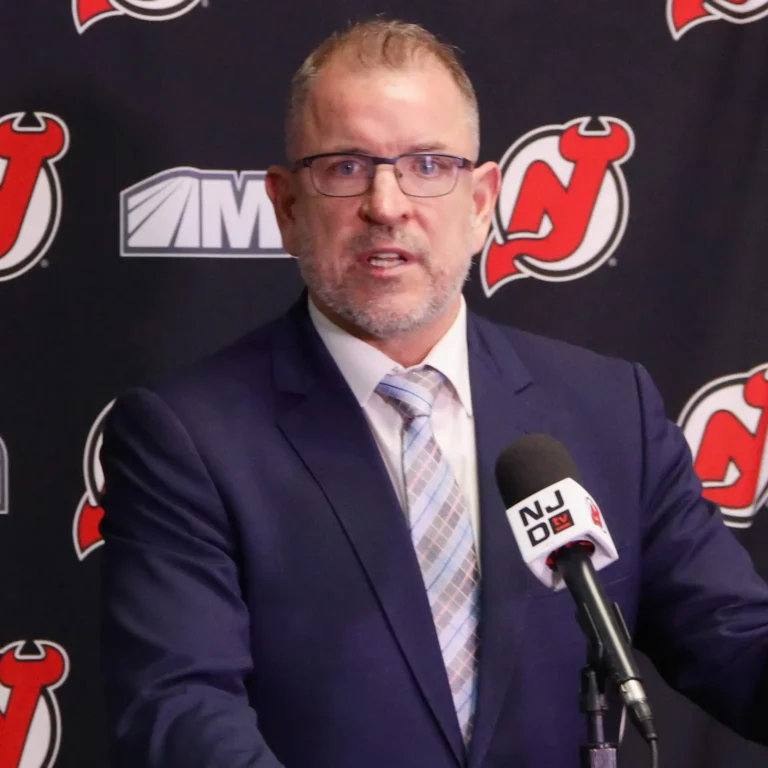
New Jersey Devils Enter Defining Offseason After Playoff Elimination as Franchise Faces Sweeping Changes and High-Stakes Decisions

The New Jersey Devils have arrived at a critical inflection point, one that will shape not only the direction of the franchise in the immediate future but also its long-term trajectory within the National Hockey League. Following their official elimination from 2026 Stanley Cup Playoff contention on April 7 in a decisive loss to the Philadelphia Flyers, the organization has moved swiftly into a period of evaluation, restructuring, and recalibration. What has unfolded over the past week is not simply a response to a disappointing finish—it is the beginning of a transformative offseason that will define the next era of Devils hockey.

For those following the team closely through Explore New Jersey’s dedicated New Jersey Devils coverage, the significance of this moment is unmistakable. The foundation of a talented roster remains intact, but the leadership structure above it is now in flux, creating both uncertainty and opportunity at the highest levels of the organization.

The most immediate and consequential development came on April 6, when the Devils formally parted ways with President of Hockey Operations and General Manager Tom Fitzgerald, ending a nearly six-year tenure that oversaw both the rebuilding phase and the early stages of the team’s competitive resurgence. Managing Partner David Blitzer made it clear that the organization is seeking a new direction, signaling that ownership believes the current trajectory—while not devoid of progress—has plateaued short of expectations.

This decision has cascading implications across every layer of the franchise. A new front office leader, or potentially a restructured executive hierarchy featuring both a President of Hockey Operations and a General Manager, will be tasked with redefining the team’s identity, refining its roster construction strategy, and aligning all hockey operations under a unified vision. The urgency of this hire cannot be overstated, as the Devils enter an offseason that demands decisive action across multiple fronts.

Compounding the uncertainty is the status of head coach Sheldon Keefe, whose future will be evaluated at the conclusion of the season. Keefe’s own candid assessment of the team’s elimination as “embarrassing” underscores the internal recognition that performance fell short of the standard expected from a roster featuring elite young talent. While the team showed signs of improvement late in the season—particularly with increased pace, defensive activation, and more cohesive offensive support—the broader inconsistency has left his position far from secure. Historically, front office changes often lead to coaching changes, but the final decision will ultimately rest with the incoming leadership group and their assessment of fit, philosophy, and long-term alignment.

Despite the turbulence at the organizational level, individual performances have continued to provide reasons for optimism. Jack Hughes remains the centerpiece of the franchise, recently earning recognition as the NHL’s Second Star of the Week and continuing to produce at an elite level with 72 points on the season. His dynamic offensive presence, combined with his role as a foundational piece of the Devils’ identity, reinforces the notion that this is not a rebuilding team, but rather one that is underperforming relative to its potential.

Defenseman Brenden Dillon’s nomination for the Bill Masterton Memorial Trophy further highlights the resilience and professionalism within the locker room. The award, which honors perseverance and dedication to hockey, reflects not only individual character but also the broader culture that the organization aims to sustain even amid structural change.

Recent roster moves, including the recall of winger Brian Halonen and center Marc McLaughlin from the Utica Comets, indicate that the Devils are continuing to evaluate depth options as the season winds down. These decisions, while incremental in the short term, are part of a larger assessment process that will inform offseason priorities.

At the center of the franchise’s immediate future is the search for a new executive leader, a process that is already generating significant discussion across league circles. Among the most frequently mentioned candidates is Sunny Mehta, currently serving as Assistant General Manager of the Florida Panthers. A New Jersey native with prior experience in the Devils’ analytics department, Mehta is widely regarded as a leading contender, particularly given his role in helping construct a championship-caliber team in Florida. His profile aligns with the modern NHL emphasis on data-driven decision-making and integrated roster strategy.

Brendan Shanahan, a former Devils player and recently the President of the Toronto Maple Leafs, represents another high-profile option, particularly if ownership opts to install a dual-layer leadership structure. His experience in overseeing a major market franchise and navigating complex organizational dynamics would bring a different dimension to the role.

Jason Spezza, currently an Assistant General Manager with the Pittsburgh Penguins, has emerged as a rising executive voice within the league, while Mike Gillis, known for his analytical approach and success with the Vancouver Canucks, continues to draw interest as an experienced architect capable of reshaping a roster. Additional names such as John Chayka and Tyler Dellow reflect the league’s ongoing shift toward innovation and analytics, while Doug Armstrong stands as a longshot but highly accomplished candidate whose track record includes championship success.

Whoever assumes leadership will inherit a roster with both strengths and structural challenges. The Devils are projected to have approximately $12.18 million in salary cap space, a figure that provides flexibility but also necessitates careful allocation. One of the most pressing priorities will be addressing the future of captain Nico Hischier, who becomes eligible for a contract extension on July 1. As the team’s leader and a central figure in its identity, securing Hischier’s long-term commitment will be a defining moment for the new regime.

Equally significant is the situation surrounding Simon Nemec, a young defenseman whose development and potential value have positioned him as both a cornerstone and a possible trade asset. Balancing immediate roster needs with long-term upside will be a recurring theme in the Devils’ decision-making process.

The composition of the blue line presents another area requiring immediate attention. Carrying multiple NHL-caliber defensemen has created a logjam that is no longer sustainable, and the organization will need to make strategic moves to create both clarity and cap flexibility. Veterans such as Dougie Hamilton and Brenden Dillon could factor into these discussions, particularly as the team evaluates how to optimize its defensive structure while maintaining offensive contributions from the back end.

Beyond these headline issues, a series of secondary decisions will collectively shape the roster. Dawson Mercer’s upcoming contract year, Stefan Noesen’s role following injury, Cody Glass’s recent offensive surge, and the future of players like Maxim Tsyplakov all represent pieces of a larger puzzle. The development and contract trajectories of younger players, including Arseny Gritsyuk and Paul Cotter, will further influence the team’s depth and versatility.

In goal, the situation surrounding Jacob Markstrom introduces another layer of complexity. Evaluating performance, contract structure, and potential market options will be essential as the Devils seek stability in one of the most critical positions on the ice.

What distinguishes this moment for the New Jersey Devils is not the absence of talent, but the need for cohesion, clarity, and execution at the organizational level. The core—anchored by Hughes, Hischier, and a supporting cast of skilled players—remains capable of competing at a high level. The challenge lies in constructing a system, both on and off the ice, that maximizes that potential.

The coming weeks will define the narrative. The hiring of a new President of Hockey Operations and General Manager will set the tone, establishing the philosophical framework that will guide every subsequent decision. From coaching evaluations to roster adjustments, from contract negotiations to draft strategy, each move will contribute to a broader effort to reestablish the Devils as a consistent contender.

For fans across New Jersey and beyond, this is a moment of recalibration rather than retreat. The disappointment of a missed playoff opportunity has created the conditions for meaningful change, and with the right leadership, the path forward remains both viable and compelling. The Devils are not starting over—they are refining, retooling, and preparing to take the next step in a journey that is far from complete.

Morris County’s Hope One Marks Nine Years of Life-Saving Outreach, Expanding New Jersey’s Model for Mental Health and Addiction Support

New Jersey’s commitment to community health and wellness continues to evolve through innovative, people-first initiatives, and in Morris County, one program stands as a defining example of how local government, law enforcement, and community organizations can work together to deliver meaningful, measurable change. The Morris County Sheriff’s Office recently celebrated the ninth anniversary of Hope One, its nationally recognized mobile outreach program, with a community resource event in Morristown that brought together leaders, service providers, and residents for a powerful demonstration of connection, access, and progress.

As highlighted across Explore New Jersey’s health & wellness coverage, programs like Hope One are reshaping how communities address some of the most pressing challenges of our time, including addiction, mental health, and homelessness. What began in 2017 as a single repurposed vehicle has grown into a comprehensive, data-driven initiative that is now influencing similar programs across the state and beyond.

The anniversary event, held at Calvary Baptist Church, marked a shift in format from previous years, evolving from a traditional symposium into a full-scale community resource fair. This change reflects the program’s core philosophy: meet people where they are, remove barriers to access, and provide direct pathways to support. More than 30 local service providers participated, offering attendees immediate connections to critical resources, including housing assistance, mental health services, addiction recovery programs, and case management through initiatives like the Morris County Department of Human Services’ Navigating Hope program.

At the center of the celebration were Morris County Commissioner Director Stephen H. Shaw, Sheriff James M. Gannon, and Prosecutor Robert J. Carroll, each of whom emphasized the program’s impact and its role in redefining community outreach. Their remarks underscored a shared understanding that effective intervention requires more than policy—it requires presence, empathy, and sustained collaboration.

Hope One’s approach is built on a simple yet transformative principle: eliminate stigma and build trust. By deploying a mobile unit staffed with trained professionals directly into communities, the program removes many of the barriers that traditionally prevent individuals from seeking help. The team includes a plainclothes sheriff’s officer, a certified peer recovery specialist, and a mental health professional, creating a multidisciplinary support system that addresses both immediate needs and long-term recovery pathways.

This model has produced significant results. Since its launch, Hope One has made more than 71,700 community contacts, distributed over 13,600 naloxone kits, and facilitated more than 2,100 referrals to critical services. The program’s reach is both broad and deeply impactful, with a new contact occurring, on average, every six minutes. Perhaps most importantly, there have been 193 documented instances in which naloxone provided by the program was used to save or attempt to save a life—each one representing a direct, tangible outcome of the initiative’s work.

The program’s success is also reflected in the county’s continued investment. Over the past two years, more than $820,000 in opioid settlement funds have been allocated to support prevention efforts, recovery services, and naloxone training. The 2026 county budget further reinforces this commitment, with $300,000 dedicated to assisting individuals experiencing homelessness and an additional $150,000 focused on prevention strategies. These investments are not isolated expenditures; they are part of a broader strategy to address the interconnected challenges of addiction, housing instability, and mental health.

Beyond its core operations, Hope One has served as a catalyst for additional initiatives that expand its impact. The Hope Hub program, launched in 2021, brings together representatives from 83 social service organizations on a weekly basis to review and respond to cases involving individuals and families facing complex or high-risk situations. This collaborative model has proven highly effective, with 856 referrals processed and a reduction in acute risk achieved in 97 percent of cases.

Similarly, the Police Assisted Addiction and Recovery Initiative (PAARI), introduced in 2019, extends the program’s reach through partnerships with 26 police departments, including the Morris County Prosecutor’s Office. This initiative provides a pathway for individuals to access treatment and support through law enforcement channels, reinforcing the idea that public safety and public health are deeply interconnected.

The Sheriff’s Office Identification Card Program addresses another critical barrier: documentation. Since its inception, the program has issued 1,688 identification cards to at-risk and homeless individuals, enabling access to services that would otherwise remain out of reach. Community Connections, launched in partnership with the Prosecutor’s Office and the Superior Court of Morris County, further expands this network by assisting individuals involved in the justice system, helping 791 participants access services that support successful reintegration.

The influence of Hope One extends well beyond Morris County. Its mobile outreach model has been adopted by nine other counties across New Jersey, reflecting its effectiveness and adaptability. This expansion underscores the program’s role as a blueprint for community-based intervention, demonstrating that localized solutions can have statewide impact when built on collaboration and accountability.

The anniversary event also served as a moment of recognition for individuals who have played a key role in the program’s success. Sheriff’s Office Cpl. Chelsea Whiting, who now leads the initiative, and Madine Despeine-Udoh, director of Self Help, Advocacy and Education at the Mental Health Association, were acknowledged for their contributions to community engagement and outreach. Their work exemplifies the human element that drives the program—professionals who bring both expertise and compassion to every interaction.

What distinguishes Hope One within the broader health and wellness landscape is its ability to integrate multiple systems into a cohesive, responsive framework. It operates at the intersection of law enforcement, healthcare, and social services, creating a model that is both proactive and adaptive. By focusing on prevention, early intervention, and sustained support, the program addresses the root causes of addiction and mental health challenges while providing immediate assistance to those in need.

In the context of New Jersey’s ongoing efforts to enhance community health, Hope One represents a significant advancement in how services are delivered and accessed. It reflects a shift toward models that prioritize accessibility, reduce stigma, and emphasize collaboration across sectors. This approach not only improves outcomes for individuals but also strengthens the resilience of communities as a whole.

As the program enters its tenth year, its trajectory suggests continued growth and innovation. The foundations established over the past nine years—partnership, trust, and measurable impact—provide a strong platform for future expansion. For residents of Morris County and beyond, Hope One stands as a reminder that effective solutions are built not just on resources, but on relationships.

The ninth anniversary celebration was more than a milestone; it was a reaffirmation of a mission that continues to evolve while remaining grounded in its core purpose: to meet people where they are, to provide support without judgment, and to create pathways to recovery and stability. In doing so, Hope One has not only changed lives—it has redefined what community outreach can achieve when driven by vision, collaboration, and an unwavering commitment to care.

Joe Jackson + Band Hope and Fury Tour 2026

0

Joe Jackson Returns to New Jersey with the Hope and Fury Tour 2026 for a Rare, Must-See Live Performance

July 8 @ 8:00 PM 11:30 PM

New Jersey’s summer concert calendar continues to deliver standout moments for serious music fans, and on Wednesday, July 8, 2026 at 7:30 PM, one of the most intellectually adventurous and stylistically fearless artists of the modern era arrives for a highly anticipated appearance. Joe Jackson brings his Hope and Fury Tour 2026 to the State Theatre New Jersey, offering audiences a rare opportunity to experience a musician whose career has consistently defied categorization and expanded the boundaries of contemporary songwriting. With limited ticket availability and strong demand, this performance is shaping up to be one of the most sought-after events of the season.

As reflected throughout Explore New Jersey’s music coverage, the state continues to host artists whose work transcends genre and era, and few embody that ethos more completely than Joe Jackson. Emerging in the late 1970s with his debut album Look Sharp!, Jackson quickly distinguished himself from his peers with a sound that blended the urgency of New Wave with a songwriter’s sophistication and a musician’s technical precision. His early work introduced audiences to a voice that was both sharp and self-aware, delivering songs that balanced energy with insight.

From those beginnings, Jackson’s career has unfolded as a continuous process of reinvention. Albums such as I’m the Man and Beat Crazy established his presence within the New Wave movement, but it was his willingness to evolve that set him apart. With releases like Night and Day and Body and Soul, he expanded his sonic palette, incorporating jazz influences, Latin rhythms, and orchestral arrangements into a body of work that refused to remain static. This ability to move fluidly between styles has become a defining characteristic of his career, allowing him to build a catalog that is both diverse and cohesive.

The Hope and Fury Tour 2026 arrives at a moment that reflects both continuity and renewal. Following his recent Sing, You Sinners! tour and the release of What a Racket! in 2023, Jackson returns with new material that continues his tradition of exploration. The forthcoming Hope and Fury project signals another chapter in a career that has consistently prioritized artistic integrity over commercial predictability. For audiences, this means a live performance that is as forward-looking as it is rooted in a deep and influential catalog.

What makes a Joe Jackson concert particularly compelling is the interplay between composition and performance. His songs, often marked by intricate arrangements and lyrical precision, take on new dimensions in a live setting. Backed by a band of equally accomplished musicians, Jackson’s performances are characterized by clarity, energy, and a sense of immediacy that brings even his most complex material into sharp focus. The live environment allows for reinterpretation, where familiar songs are reexamined and new material is introduced with a sense of discovery.

The State Theatre New Jersey provides an ideal venue for this kind of performance. Known for its ability to host artists across a wide range of genres while maintaining an intimate connection between performer and audience, the theater offers an environment where the nuances of Jackson’s music can be fully appreciated. Its technical capabilities support a high-quality sound experience, ensuring that every detail—from the subtlety of a piano passage to the full impact of a band arrangement—is delivered with precision.

Accessibility and audience experience remain central to the event’s structure, with ticket pricing designed to reflect both the caliber of the artist and the demand for the performance. The limit of six tickets per order underscores the anticipated interest, encouraging early purchase and reinforcing the exclusivity of the event. This level of demand is a testament to Jackson’s enduring appeal, as well as the continued relevance of his work within today’s musical landscape.

Jackson’s influence extends far beyond his own recordings. His approach to songwriting, arrangement, and performance has shaped the work of countless artists across multiple genres. By refusing to adhere to a single stylistic identity, he has demonstrated that artistic growth is not only possible but essential. His career serves as a model for musicians who seek to balance innovation with craftsmanship, showing that complexity and accessibility can coexist within a single body of work.

For New Jersey audiences, this performance represents more than just a concert—it is an opportunity to engage with an artist whose work has consistently challenged expectations while remaining deeply connected to the fundamentals of music. It is a chance to experience a catalog that spans decades, presented in a format that highlights both its historical significance and its ongoing evolution.

As the evening unfolds, audiences can expect a performance that moves seamlessly between eras and styles, reflecting the full scope of Jackson’s artistic journey. From the sharp-edged energy of his early recordings to the refined sophistication of his later work, the setlist is likely to offer a comprehensive view of a career defined by curiosity and creativity. New material from Hope and Fury will add another layer to this experience, providing insight into where that journey continues to lead.

In the broader context of New Jersey’s live music scene, the arrival of the Hope and Fury Tour 2026 reinforces the state’s role as a destination for performances that prioritize artistry and depth. It is an event that speaks to audiences who value musicianship, originality, and the enduring power of live performance.

With its combination of legacy, innovation, and exceptional musicianship, Joe Jackson’s appearance at the State Theatre New Jersey stands as one of the most compelling concerts of the summer. It is a rare opportunity to witness an artist who has spent decades redefining what it means to be a songwriter and performer, delivering a live experience that is as intellectually engaging as it is musically unforgettable.

State Theatre New Jersey

732-246-7469

View Organizer Website

Bergen County Players

298 Kinderkamack Road
Oradell, New Jersey 07649 United States
+ Google Map
(201) 261-4200
View Venue Website

A Minecraft Movie

0

Free Summer Movie Series Brings “A Minecraft Movie” to State Theatre New Jersey for a Family-Friendly Cinematic Event

April 9 @ 8:00 AM 5:00 PM

New Jersey’s summer calendar continues to evolve with programming that brings communities together through accessible, high-quality entertainment, and on Tuesday, July 7, 2026, the State Theatre New Jersey delivers one of the most engaging family events of the season with a free screening of A Minecraft Movie. As part of the theatre’s highly anticipated Free Summer Movies Series, this event combines blockbuster storytelling with interactive activities, creating a complete experience designed to appeal to audiences of all ages while reinforcing the state’s growing reputation as a hub for inclusive, community-driven cultural programming.

Across Explore New Jersey’s expanding film & tv coverage, there is a clear emphasis on experiences that bridge entertainment with accessibility and engagement. This event exemplifies that approach, offering not only a complimentary screening but a thoughtfully curated environment that enhances the traditional moviegoing experience. With both morning and evening showtimes available throughout the series, the program is designed to accommodate a wide range of schedules, ensuring that families, students, and community members can participate without barriers.

The featured film, A Minecraft Movie, brings one of the most recognizable and influential digital worlds into a cinematic format that captures the imagination and creativity that have defined the franchise. Centered on a group of unlikely heroes—Garrett “The Garbage Man” Garrison, Henry, Natalie, and Dawn—the story unfolds as they are transported through a mysterious portal into the Overworld, a visually distinctive universe built on limitless possibility. Guided by the expert crafter Steve, the characters must rely on ingenuity, collaboration, and adaptability to navigate this unfamiliar environment and find their way home.

What makes A Minecraft Movie particularly compelling is its thematic focus on creativity as a tool for problem-solving. The narrative mirrors the core principles of the original game, emphasizing exploration, construction, and the power of imagination. These elements translate seamlessly into a film experience that resonates with both longtime fans and newcomers, offering a story that is as engaging as it is visually inventive. The cast, featuring Jason Momoa, Jack Black, Emma Myers, Danielle Brooks, and Sebastian Eugene Hansen, brings a dynamic energy to the film, balancing humor, action, and emotional depth in a way that broadens its appeal across age groups.

The State Theatre New Jersey enhances this cinematic experience through its state-of-the-art presentation capabilities. The screening will take place on the venue’s expansive 46-foot screen, supported by a high-fidelity sound system that delivers an immersive audio-visual environment. This level of technical excellence transforms the viewing experience, allowing audiences to fully engage with the film’s detailed world and dynamic storytelling.

What distinguishes this event within the broader summer lineup is its emphasis on pre-show engagement. For the 6:30 PM screening, families are invited to arrive early at 5:30 PM to participate in free, movie-themed arts and crafts activities. Hosted in the theatre’s accessible Studio space, these activities provide an interactive introduction to the film’s themes, encouraging creativity and hands-on participation. This addition reflects a broader trend in live programming, where events are designed to extend beyond the primary performance, creating a more comprehensive and memorable experience.

Accessibility remains a central component of the event’s design. All screenings in the Free Summer Movies Series include Spanish subtitles, ensuring that the content is available to a diverse audience. The theatre’s commitment to inclusivity is further reflected in its accessible facilities and programming, reinforcing its role as a community-focused venue that prioritizes engagement across demographics.

The significance of this event extends beyond the screening itself. It represents a broader commitment to making high-quality entertainment available to all, removing financial barriers while maintaining a level of presentation that rivals traditional ticketed events. In doing so, the State Theatre New Jersey continues to position itself as a leader in regional cultural programming, offering experiences that are both accessible and exceptional.

Within the context of New Jersey’s evolving film and entertainment landscape, initiatives like the Free Summer Movies Series play a crucial role in fostering community connection. They create shared experiences that bring people together, reinforcing the idea that cinema is not just a form of entertainment, but a communal activity that thrives on collective engagement. Events like this also serve as an entry point for younger audiences, introducing them to the theatrical experience in a way that is both welcoming and engaging.

The choice of A Minecraft Movie as a featured screening underscores the series’ focus on contemporary relevance. As one of the most influential digital platforms of the past decade, Minecraft has shaped how audiences interact with media, emphasizing creativity, collaboration, and user-driven storytelling. Bringing that world to the big screen aligns with the series’ mission to present content that resonates with modern audiences while maintaining broad appeal.

As the summer season unfolds, this event stands out as a highlight within New Jersey’s cultural calendar, offering a unique blend of entertainment, accessibility, and community engagement. It is an opportunity for families to come together, for fans to experience a beloved franchise in a new format, and for audiences to enjoy a high-quality cinematic presentation without the constraints of traditional ticketing.

With its combination of a globally recognized story, interactive pre-show activities, and a commitment to accessibility, the Free Summer Movie screening of A Minecraft Movie at State Theatre New Jersey delivers an experience that is both engaging and inclusive. It reflects the continued evolution of New Jersey’s entertainment landscape, where innovation and community intersect to create events that are as meaningful as they are memorable.

State Theatre New Jersey

732-246-7469

View Organizer Website

Bergen County Players

298 Kinderkamack Road
Oradell, New Jersey 07649 United States
+ Google Map
(201) 261-4200
View Venue Website

Monty Python’s Spamalot

0

SPAMALOT Charges into New Jersey as the Broadway Series Delivers One of Musical Comedy’s Most Hilarious Spectacles

June 27 @ 8:00 PM June 28 @ 11:30 PM

New Jersey’s theater scene continues to assert its place as a premier destination for Broadway-caliber productions, and this summer brings one of the most celebrated musical comedies of the modern era to the stage. From June 27 through June 28, 2026, the State Theatre New Jersey hosts SPAMALOT as part of its acclaimed Broadway Series, offering audiences a rare opportunity to experience a production that has redefined comedic storytelling in musical theatre with unmatched wit, spectacle, and irreverence.

As consistently highlighted across Explore New Jersey’s theatre coverage, the state’s venues continue to present productions that rival the scale and quality of New York’s most prestigious stages while maintaining accessibility and regional connection. SPAMALOT stands as a defining example of that mission, delivering a show that is as polished and technically accomplished as it is unapologetically absurd.

Originally premiering on Broadway in 2005, SPAMALOT quickly established itself as a phenomenon, earning fourteen Tony Award nominations and securing three wins, including Best Musical. Its success was driven not only by its comedic brilliance but by its ability to translate the distinctive humor of Monty Python into a fully realized stage production. Adapted from the cult film Monty Python and the Holy Grail, the musical takes the familiar story of King Arthur and his quest for the Holy Grail and transforms it into a fast-paced, fourth-wall-breaking theatrical experience that delights in subverting expectations.

What makes SPAMALOT enduring is its unique blend of traditional musical theatre structure and anarchic comedy. The production embraces the conventions of Broadway—elaborate musical numbers, dynamic choreography, and memorable melodies—while simultaneously parodying them. This duality creates a performance that appeals to both dedicated theatre enthusiasts and audiences seeking an evening of pure entertainment.

At the center of the production is a score that has become a staple of the musical theatre repertoire. Songs such as “Always Look on the Bright Side of Life,” “The Song That Goes Like This,” and “Find Your Grail” are not only comedic highlights but also expertly crafted compositions that balance humor with genuine musicality. These numbers serve as anchors within the show’s narrative, providing moments of both spectacle and satire that drive the performance forward.

The narrative itself unfolds as a series of increasingly absurd encounters, populated by a cast of characters that range from the regal to the ridiculous. From the iconic Lady of the Lake to the infamous killer rabbit, each element of the story is designed to surprise and entertain, creating a theatrical experience that feels both unpredictable and meticulously constructed. The humor operates on multiple levels, incorporating visual gags, wordplay, and meta-commentary that engages audiences in a continuous dialogue with the performance.

The production’s design plays a crucial role in bringing this world to life. Costuming, set design, and staging are all executed with a level of detail that enhances the comedic impact while maintaining a sense of grandeur. The juxtaposition of high production values with deliberately absurd elements is a hallmark of SPAMALOT, reinforcing its identity as a show that celebrates and satirizes the traditions of musical theatre simultaneously.

The State Theatre New Jersey provides an ideal setting for this production, offering a venue that combines technical sophistication with audience accessibility. Known for its commitment to presenting high-quality touring productions, the theater has become a cornerstone of the region’s cultural programming. Its Broadway Series, in particular, has established a reputation for bringing nationally recognized productions to New Jersey audiences, ensuring that world-class theatre is available without the need to travel beyond the state.

Accessibility is a key component of this presentation, with closed captioning available for all performances through the GalaPro app. This technology enhances the audience experience by delivering real-time captions and audio descriptions directly to personal devices, ensuring that the performance is inclusive and engaging for all attendees. This integration of technology reflects a broader commitment to innovation within the live theatre experience, aligning with the evolving expectations of modern audiences.

In the broader context of New Jersey’s arts and entertainment landscape, the arrival of SPAMALOT represents a significant moment within the summer season. It underscores the state’s ability to host productions that are both culturally significant and widely appealing, bridging the gap between traditional theatre and contemporary entertainment. The show’s enduring popularity speaks to its universal appeal, offering a form of comedy that is both intelligent and accessible.

For audiences, this production offers more than just an evening of laughter—it provides an opportunity to engage with a work that has become a touchstone within the musical theatre canon. Its influence can be seen in subsequent productions that have embraced similar approaches to storytelling, blending humor with self-awareness in ways that challenge and expand the boundaries of the genre.

As the curtain rises at the State Theatre New Jersey, SPAMALOT promises an experience that is as energetic as it is unforgettable. It is a celebration of creativity, a testament to the enduring power of comedy, and a reminder of the unique connection that live theatre creates between performers and audiences. With its combination of sharp writing, memorable music, and dynamic staging, this production stands as one of the most anticipated theatrical events on New Jersey’s 2026 calendar, delivering a performance that is both delightfully irreverent and undeniably masterful.

State Theatre New Jersey

732-246-7469

View Organizer Website

Bergen County Players

298 Kinderkamack Road
Oradell, New Jersey 07649 United States
+ Google Map
(201) 261-4200
View Venue Website

AATMA Performing Arts Presents Director’s Cut: A Tribute to Visionaries

0

AATMA Performing Arts Presents Director’s Cut: A Tribute to Visionaries — A Cinematic Dance Experience Comes to State Theatre New Jersey

June 21 @ 8:00 PM 11:30 PM

New Jersey’s performing arts landscape continues to expand in both scope and ambition, and on Sunday, June 21, 2026 at 4:00 PM, one of the most visually and emotionally compelling productions of the year takes center stage at the State Theatre New Jersey. Director’s Cut: A Tribute to Visionaries, presented by AATMA Performing Arts, is not simply a dance performance—it is a sweeping, cinematic interpretation of Indian film history, translating the artistry of legendary directors into a live, immersive experience driven by movement, rhythm, and storytelling.

As audiences across the region increasingly seek performances that transcend traditional boundaries, Explore New Jersey’s music and arts coverage continues to highlight productions that blend disciplines into cohesive artistic statements. Director’s Cut stands as a defining example of this evolution, merging dance, cinema, and narrative into a single, expansive presentation that celebrates the creative forces behind some of the most influential works in Indian cinema.

At its core, Director’s Cut is a tribute to visionaries—the filmmakers whose storytelling, visual language, and emotional depth have shaped generations of audiences. Rather than focusing solely on the performances seen on screen, this production shifts the perspective behind the lens, honoring the directors whose artistic decisions defined the tone, structure, and impact of these films. It is an approach that elevates the conversation around cinema, recognizing it as a collaborative art form guided by a singular creative vision.

The performance unfolds as a series of reimagined sequences inspired by iconic cinematic moments, each interpreted through the language of dance. From sweeping romantic narratives to grand, large-scale epics, the production captures the emotional range that defines Indian film, translating it into choreography that is both expressive and technically precise. The result is a performance that feels cinematic in its scope while remaining deeply rooted in the immediacy of live theater.

AATMA Performing Arts has built a reputation for delivering productions that combine cultural authenticity with contemporary innovation, and Director’s Cut continues that tradition. The choreography reflects a fusion of classical and modern dance styles, creating a visual vocabulary that mirrors the diversity of Indian cinema itself. Each piece is carefully constructed to reflect the thematic and emotional core of the source material, ensuring that the performance resonates not only as a tribute, but as a reinterpretation that stands on its own artistic merit.

The scale of the production is equally significant. With a runtime of approximately three and a half hours, including intermission, Director’s Cut offers a comprehensive experience that allows audiences to fully immerse themselves in its world. This extended format provides the space needed to explore multiple narratives, styles, and influences, creating a performance that feels both expansive and cohesive.

The State Theatre New Jersey serves as an ideal venue for this production, offering a stage capable of supporting its visual and technical demands. Known for hosting a diverse range of high-caliber performances, the theater provides an environment where large-scale productions can be realized with clarity and impact. Its location and accessibility further reinforce its role as a central hub for the region’s cultural programming.

What distinguishes Director’s Cut within New Jersey’s broader arts ecosystem is its ability to connect with audiences on multiple levels. For those familiar with Indian cinema, the performance offers a chance to revisit beloved moments through a new lens, deepening their appreciation for the artistry behind them. For those new to the genre, it provides an entry point into a rich and dynamic cultural tradition, presented in a format that is both accessible and engaging.

The thematic focus on visionaries also adds a layer of intellectual depth to the performance. By centering the narrative on the directors themselves, the production invites audiences to consider the role of creative leadership in shaping artistic outcomes. It highlights the importance of perspective, interpretation, and innovation, emphasizing that the impact of a film extends far beyond its individual components.

In the context of New Jersey’s evolving cultural landscape, events like Director’s Cut represent a broader shift toward interdisciplinary programming—performances that draw from multiple art forms to create something entirely new. This approach not only expands the possibilities of live performance but also reflects the diverse interests of modern audiences, who are increasingly drawn to experiences that offer both entertainment and insight.

The production’s emphasis on rhythm, emotion, and movement ensures that it remains grounded in the fundamentals of performance, even as it explores complex themes. The choreography serves as the primary storytelling mechanism, allowing the narrative to unfold without reliance on dialogue. This universality makes the performance accessible to a wide audience, transcending language and cultural barriers.

Ticket availability and pricing reflect the production’s scale and ambition, with options designed to accommodate a range of attendees. As with many high-profile events at the State Theatre New Jersey, demand is expected to be strong, underscoring the growing interest in performances that offer a distinctive and immersive experience.

As the lights dim and the performance begins, audiences will find themselves drawn into a world where cinema and dance intersect, where stories are told not through words but through movement, and where the legacy of visionary filmmakers is brought vividly to life on stage. Director’s Cut: A Tribute to Visionaries stands as one of the most ambitious and culturally significant productions on New Jersey’s 2026 calendar, offering a performance that is as visually stunning as it is emotionally resonant, and reaffirming the state’s position as a destination for groundbreaking artistic expression.

State Theatre New Jersey

732-246-7469

View Organizer Website

Bergen County Players

298 Kinderkamack Road
Oradell, New Jersey 07649 United States
+ Google Map
(201) 261-4200
View Venue Website

Back to the Garden 1969 – The Woodstock Experience

0

Back to the Garden 1969 – The Woodstock Experience Returns the Spirit of Peace, Love, and Music to New Jersey

October 17 @ 8:00 PM 11:30 PM

New Jersey’s live performance calendar continues to expand with productions that go beyond entertainment and into cultural preservation, and on Saturday, October 17, 2026 at 8:00 PM, the Shea Center for Performing Arts in Wayne will host one of the most immersive and historically evocative events of the year. Back to the Garden 1969 – The Woodstock Experience arrives as a full-scale multimedia production designed to transport audiences back to one of the most defining moments in modern music history—a gathering that reshaped not only sound, but society itself.

As consistently reflected across Explore New Jersey’s music coverage, audiences throughout the state are seeking experiences that blend storytelling, performance, and authenticity into something larger than a traditional concert. Back to the Garden 1969 delivers precisely that. This is not simply a tribute show; it is a carefully constructed journey into the cultural, musical, and emotional landscape of the late 1960s, anchored by the legendary Woodstock festival and the artists who defined an era.

More than half a century ago, nearly half a million people converged on a farm in upstate New York for what would become one of the most iconic gatherings in history. Woodstock was more than a festival—it was a cultural statement, a moment where music, community, and social change intersected in a way that continues to resonate. Back to the Garden 1969 captures that spirit with a level of detail and intention that transforms the performance into a living, breathing recreation of that moment.

At the center of the experience is the music itself. The production draws from an extraordinary catalog of artists whose performances at Woodstock helped define the sound of a generation. Audiences can expect to hear the music of Crosby, Stills, Nash & Young, Jimi Hendrix, Sly & The Family Stone, Jefferson Airplane, Santana, Joe Cocker, Janis Joplin, The Band, Creedence Clearwater Revival, Canned Heat, Ten Years After, The Who, Mountain, Richie Havens, Melanie, Arlo Guthrie, Blood, Sweat & Tears, The Grateful Dead, Country Joe & The Fish, and more. This expansive repertoire reflects not only the diversity of the festival lineup, but the breadth of musical innovation that characterized the era.

What distinguishes Back to the Garden 1969 is its commitment to recreating not just the songs, but the atmosphere in which they were originally experienced. The production integrates live performance with multimedia elements, including period-accurate costuming, immersive lighting design, archival-style video projections, and audio storytelling that contextualizes the music within the broader narrative of the 1960s. These elements work together to create a fully realized environment, allowing audiences to engage with the performance on multiple sensory levels.

The storytelling component is particularly significant, weaving together anecdotes from the festival and insights into the artists who took the stage. This narrative approach provides depth and context, transforming the event into an educational as well as an entertaining experience. It highlights the cultural forces that shaped the music, from the social movements of the time to the personal journeys of the performers themselves. In doing so, it reinforces the idea that Woodstock was not an isolated event, but part of a larger cultural moment that continues to influence contemporary music and society.

The band behind Back to the Garden 1969 is led by founder and bandleader Gary Adamson, who has assembled a group of highly skilled musicians capable of navigating the wide range of styles represented in the setlist. Each member is a multi-instrumentalist and vocalist, allowing the ensemble to move seamlessly between different musical identities while maintaining a cohesive sound. This versatility is essential in capturing the essence of the original performances, which themselves were defined by diversity and experimentation.

The musicians approach the material with a balance of respect and creativity, ensuring that each performance feels authentic while still embracing the spontaneity that defined the original festival. Their interpretations are grounded in a deep understanding of the music, allowing them to recreate its energy and emotional impact without reducing it to imitation. This approach results in a performance that feels both historically informed and dynamically alive.

The Shea Center for Performing Arts provides an ideal setting for this production, offering a venue that combines technical sophistication with an intimate audience experience. Located on the campus of William Paterson University, the center has become a focal point for cultural programming in the region, hosting events that range from classical music to contemporary performance. Its role in presenting Back to the Garden 1969 underscores its commitment to delivering high-quality, immersive experiences that engage audiences on multiple levels.

Accessibility remains a key consideration, with a range of ticket options designed to accommodate a broad audience. Discounts are available for seniors, members of the William Paterson community, and groups, reinforcing the inclusive nature of the event. Dedicated support for accessible seating ensures that all attendees can fully participate in the experience, reflecting a broader commitment to accessibility within New Jersey’s arts programming.

In the context of New Jersey’s evolving live entertainment landscape, Back to the Garden 1969 – The Woodstock Experience stands as a defining event—one that bridges past and present while offering a meaningful connection to a pivotal moment in cultural history. It is a production that honors the legacy of Woodstock not by simply revisiting it, but by reinterpreting it in a way that resonates with today’s audiences.

As the music unfolds and the visuals come to life, audiences will find themselves immersed in a world that feels both distant and immediate, a reminder of a time when music served as a unifying force and a catalyst for change. This performance offers more than a night out; it offers an opportunity to reconnect with the ideals, the energy, and the artistry that defined an era.

With its expansive repertoire, immersive production, and commitment to authenticity, Back to the Garden 1969 – The Woodstock Experience delivers one of the most compelling and culturally significant live events on New Jersey’s 2026 calendar. It is an invitation to step back into a moment that continues to shape the present, brought vividly to life through a performance that captures the enduring spirit of peace, love, and music.

Shea Center for Performing Arts

(973) 720-2000

View Organizer Website

Bergen County Players

298 Kinderkamack Road
Oradell, New Jersey 07649 United States
+ Google Map
(201) 261-4200
View Venue Website

The Lettermen

0

The Lettermen Bring Timeless Harmony to New Jersey with a Celebrated Live Performance at Shea Center for Performing Arts

May 17 @ 2:00 PM 11:30 PM

New Jersey’s spring cultural calendar continues to deliver performances that bridge generations, and on Sunday, May 17, 2026 at 3:00 PM, one of the most enduring vocal groups in American music history takes the stage for a rare and elegant afternoon concert. The Lettermen arrive at the Shea Center for Performing Arts in Wayne with a performance that celebrates more than six decades of musical excellence, offering audiences an experience defined by precision, romance, and the unmistakable power of three-part harmony.

As reflected across Explore New Jersey’s music coverage, the state’s venues are increasingly showcasing artists whose legacies have shaped the foundation of modern music. Few groups embody that legacy as completely as The Lettermen. Their sound—rooted in vocal harmony, emotional clarity, and melodic sophistication—has remained a constant in an ever-evolving musical landscape, continuing to resonate with audiences who value craftsmanship and authenticity.

At the heart of The Lettermen’s identity is a concept they have defined on their own terms: “Lettermenizing.” More than a stylistic approach, it is a philosophy of interpretation, transforming contemporary and classic songs through the lens of their signature three-part harmony. This process allows the group to move fluidly across eras and genres, reimagining material in a way that feels both familiar and entirely new. It is a technique that has sustained their relevance, enabling them to connect with audiences across generations while maintaining a distinct and recognizable sound.

The current lineup—Donovan Tea, Bobby Poynton, and Rob Gulack—continues this tradition with remarkable consistency. Each member brings not only vocal excellence but a deep understanding of the group’s history and musical approach. Their performances are characterized by seamless vocal interplay, where harmonies weave together with precision and grace, creating a sound that is both rich and intimate. It is a level of execution that reflects years of dedication to the craft, ensuring that the essence of The Lettermen remains intact while allowing room for subtle evolution.

The group’s origin story is a testament to the enduring appeal of their sound. In 1961, their debut recording introduced a style that stood apart from the dominant trends of the time. While rock ‘n’ roll was redefining the musical landscape, The Lettermen embraced a softer, more melodic approach, focusing on ballads that emphasized vocal harmony and emotional resonance. Their rendition of “The Way You Look Tonight,” initially released as the B-side of a single, quickly gained traction through listener demand, climbing the charts and establishing the group as a major force in popular music.

That early success was followed by a string of hits that defined an era, including “When I Fall In Love,” which further solidified their reputation as the premier romantic vocal group of their generation. Over the years, The Lettermen have recorded more than 75 albums and achieved numerous gold records internationally, building a catalog that spans decades while maintaining a consistent artistic identity. Songs like “Goin’ Out Of My Head/Can’t Take My Eyes Off Of You” and “Put Your Head On My Shoulder” have become staples of their repertoire, each performed with a level of care that preserves their original emotional impact.

What makes The Lettermen’s live performances particularly compelling is their ability to balance tradition with innovation. While their setlists honor the songs that defined their career, they also incorporate contemporary material, reinterpreted through their signature style. Modern selections such as “Never Enough” from The Greatest Showman and medleys that blend classic and contemporary hits demonstrate the versatility of their approach. By applying their harmonic framework to a wide range of material, they create performances that feel both nostalgic and current, appealing to longtime fans while engaging new audiences.

This adaptability extends to their reinterpretation of well-known songs across genres, where they explore the possibilities of harmony in unexpected ways. Whether reimagining “Suspicious Minds,” “Don’t Let The Sun Go Down On Me,” or “Over The Rainbow,” The Lettermen bring a fresh perspective to each piece, emphasizing melody and vocal interplay in a way that highlights the universality of the music. These arrangements are not simply covers; they are transformations that reveal new dimensions within familiar compositions.

The Shea Center for Performing Arts provides an ideal setting for this kind of performance. Known for its acoustically refined environment and commitment to presenting high-quality programming, the venue allows the nuances of The Lettermen’s harmonies to be fully appreciated. Located on the campus of William Paterson University, it serves as a cultural anchor within the region, hosting events that span a wide range of artistic disciplines while maintaining a focus on excellence and accessibility.

Accessibility remains a central component of the event’s design, with a range of ticket options that include general admission as well as discounted rates for seniors and members of the William Paterson community. Group discounts further encourage shared attendance, reinforcing the communal aspect of live performance. Dedicated support for accessible seating ensures that all attendees can fully engage with the experience, reflecting a broader commitment to inclusivity within New Jersey’s arts programming.

In the broader context of the state’s live music ecosystem, this performance represents a continuation of a tradition that values both legacy and innovation. The Lettermen’s enduring appeal lies in their ability to transcend changing musical trends, offering a sound that remains relevant because it is rooted in fundamentals—melody, harmony, and emotional connection. Their music speaks to a universal experience, capturing moments of love, reflection, and joy in a way that feels timeless.

As the performance unfolds, audiences will be reminded of the power of simplicity executed at the highest level. The interplay of voices, the clarity of the arrangements, and the sincerity of the delivery create an atmosphere that is both elegant and deeply engaging. It is a testament to the idea that great music does not require complexity to be impactful; it requires intention, skill, and a genuine connection to the material.

With their unparalleled legacy, refined musicianship, and commitment to preserving the art of vocal harmony, The Lettermen continue to stand as one of the most respected and beloved groups in American music. Their appearance at the Shea Center for Performing Arts is more than a concert—it is a celebration of a sound that has endured for generations, offering an experience that is as meaningful today as it was at the beginning of their remarkable journey.

Shea Center for Performing Arts

(973) 720-2000

View Organizer Website

Bergen County Players

298 Kinderkamack Road
Oradell, New Jersey 07649 United States
+ Google Map
(201) 261-4200
View Venue Website

Unforgettable Fire

0

Unforgettable Fire Brings the Ultimate U2 Concert Experience to New Jersey with a Landmark Performance at Shea Center for Performing Arts

May 16 @ 8:00 PM 11:30 PM

New Jersey’s live entertainment landscape continues to deliver experiences that go beyond traditional concerts, and on Saturday, May 16, 2026 at 8:00 PM, audiences will witness one of the most meticulously crafted tribute productions in North America as Unforgettable Fire takes the stage at the Shea Center for Performing Arts in Wayne. This highly anticipated all-ages event is not simply a performance—it is a full-scale recreation of one of the most iconic live bands in modern music history, designed to immerse audiences in the sound, spirit, and spectacle of U2.

As consistently reflected across Explore New Jersey’s music coverage, the state has become a hub for elevated live programming that blends authenticity with production excellence. Unforgettable Fire stands as a defining example of that evolution, delivering a concert experience that captures not just the music of U2, but the atmosphere, energy, and emotional resonance that have made the band one of the most enduring forces in global music.

Formed on New Year’s Day in 1995, Unforgettable Fire emerged as one of the earliest U2 tribute bands in the United States, and over the past three decades, they have built a reputation that places them at the very top of their field. Their longevity is not incidental—it is the result of an unwavering commitment to authenticity, precision, and respect for the material. From the earliest recordings through the most recent eras of U2’s catalog, the band approaches each song with a level of detail that reflects both deep musical understanding and genuine fan devotion.

What sets Unforgettable Fire apart is the scope of their production. This is not a straightforward tribute set; it is a fully realized concert environment. Every element—from wardrobe and stage design to lighting and sound—is carefully constructed to mirror the experience of a live U2 performance. The result is a show that feels immersive and immediate, allowing audiences to engage with the music in a way that goes far beyond nostalgia.

The band’s setlist is equally expansive, spanning the full arc of U2’s career. From the raw energy of their earliest material to the anthemic scale of their stadium-era classics and the introspective textures of their later work, Unforgettable Fire presents a comprehensive journey through one of the most influential catalogs in rock history. This breadth ensures that the performance resonates with longtime fans while also offering an accessible entry point for newer audiences.

The authenticity of the experience is reinforced by the band members themselves, who approach the material not only as performers but as dedicated students of U2’s artistry. Their attention to detail extends to every aspect of the performance, from vocal delivery and instrumental tone to the pacing and dynamics that define the band’s live shows. This level of commitment has earned Unforgettable Fire a reputation that is widely recognized across the industry and among fans alike.

One of the most remarkable moments in the band’s history underscores that reputation. In 2015, during a performance at The Cutting Room in New York City, U2 members The Edge and Adam Clayton made a surprise appearance, joining Unforgettable Fire on stage for a live collaboration. The performance, which included renditions of “Out Of Control” and “Where The Streets Have No Name,” was met with widespread acclaim and covered by major media outlets, highlighting the extraordinary level of respect the tribute band has earned from the very artists they honor.

That moment was not an anomaly but a reflection of the band’s standing within the broader music community. In 2021, Unforgettable Fire reached a global audience through multiple high-profile appearances, including a feature on Jeopardy! in a category dedicated to tribute bands. Later that year, they competed on the series premiere of Clash of the Cover Bands on the E! Network, produced by Jimmy Fallon. Their performance earned top honors, with judges Adam Lambert, Meghan Trainor, and Ester Dean praising their musicianship, authenticity, and stage presence. These appearances introduced the band to a wider audience while reinforcing their status as a premier tribute act.

For New Jersey audiences, the opportunity to experience Unforgettable Fire live represents a convergence of musical heritage and modern production. The Shea Center for Performing Arts provides an ideal setting for this kind of event, offering a venue that balances intimacy with technical sophistication. Located on the campus of William Paterson University, the center has become a cornerstone of the region’s cultural programming, hosting performances that span genres and disciplines while maintaining a commitment to quality and accessibility.

Accessibility remains a central component of the event’s structure, with a range of ticket options designed to accommodate a diverse audience. Discounts are available for seniors and members of the William Paterson community, and group rates encourage shared attendance, reinforcing the communal aspect of live music. Dedicated support for accessible seating ensures that the experience is inclusive, allowing all attendees to engage fully with the performance.

In the broader context of New Jersey’s arts and entertainment scene, this event reflects a continued commitment to presenting performances that honor musical legacy while delivering contemporary relevance. U2’s influence on modern music is undeniable, spanning decades of innovation, activism, and artistic evolution. Unforgettable Fire captures that legacy with a level of care and execution that transforms it into a living, breathing experience.

As the lights rise and the first notes resonate through the Shea Center, audiences will find themselves transported into a soundscape that is both familiar and newly alive. It is a testament to the enduring power of great music and the role of live performance in keeping that power accessible to new generations. With its combination of authenticity, production excellence, and deep musical respect, Unforgettable Fire stands as one of the most compelling live experiences on New Jersey’s spring calendar, delivering a night that is as immersive as it is unforgettable.

An Evening with Terry Gross, Distinguished Lecturer Series

0

An Evening with Terry Gross Brings One of America’s Most Influential Interviewers to New Jersey for a Rare Live Conversation

May 8 @ 7:30 PM 11:30 PM

New Jersey’s cultural calendar continues to expand beyond traditional performance formats, embracing conversations, storytelling, and intellectual engagement as essential components of the live experience. On Friday, May 8, 2026 at 7:30 PM, the Shea Center for Performing Arts in Wayne will host one of the most compelling events of the spring season as the Distinguished Lecturer Series presents An Evening with Terry Gross. This highly anticipated appearance brings the legendary host of NPR’s Fresh Air to the stage for an in-depth, live conversation, offering audiences a rare opportunity to experience one of the most respected voices in American media in an intimate and dynamic setting.

As reflected across Explore New Jersey’s music and broader arts coverage, the state’s venues are increasingly curating programming that blends performance with dialogue, creating events that engage audiences on multiple levels. This evening stands at the forefront of that evolution. While Terry Gross is synonymous with radio, her impact transcends the medium, shaping how interviews are conducted, how stories are told, and how audiences connect with the people behind the work.

For more than five decades, Gross has redefined the art of the interview. Since becoming the host of Fresh Air in 1975, she has built a body of work that is both expansive and deeply personal, featuring conversations with some of the most influential figures in music, film, literature, politics, and beyond. What distinguishes her approach is not simply the caliber of her guests, but the quality of the exchange. Her interviews are marked by a rare combination of empathy, intellectual rigor, and genuine curiosity—an ability to ask probing questions while creating an environment where guests feel understood rather than scrutinized.

This distinctive methodology has elevated Fresh Air into a cultural institution. Broadcast on nearly 600 stations and reaching millions of listeners each week, the program has become a cornerstone of public radio, setting a standard for long-form conversation that continues to influence the industry. Its reach extends beyond traditional media, with references appearing across television, film, and popular culture, underscoring its role not just as a program, but as a defining voice in contemporary storytelling.

The live format of this event offers a unique extension of that experience. In conversation with William Paterson University alumnus Steven Baker, Vice President of Development at Candle True Stories, Gross will bring her signature approach to the stage, navigating a discussion that is expected to be both insightful and deeply engaging. Baker’s background in storytelling and development provides a complementary perspective, setting the stage for a dialogue that explores not only Gross’s career, but the broader evolution of media, narrative, and the art of listening.

What makes Terry Gross’s work particularly compelling is her understanding of the delicate balance between public and private identity. Her interviews often reveal layers of her guests’ experiences that are rarely accessed in other formats, not through confrontation, but through clarity and trust. She has long articulated the importance of context in shaping a conversation, recognizing that the willingness of a guest to open up is influenced as much by the interviewer’s approach as by the questions themselves. This philosophy has allowed her to create moments of genuine revelation, where the boundaries between interviewer and subject dissolve into a shared exploration of ideas.

Gross’s career is distinguished not only by longevity, but by consistent excellence. Her contributions have been recognized with some of the most prestigious honors in journalism and the arts, including the Peabody Award, the National Humanities Medal, and the Edward R. Murrow Award. Her election to the American Academy of Arts and Sciences and her recognition as a literary champion by the PEN/Faulkner Foundation further underscore her influence across disciplines. These accolades reflect a career that has not only documented cultural history, but actively shaped it.

Her work as an author adds another dimension to her legacy. Through her book All I Did Was Ask: Conversations with Writers, Actors, Musicians and Artists, Gross extends her interview style into print, offering readers a curated collection of conversations that capture the essence of her approach. The title itself reflects a philosophy rooted in inquiry—an understanding that the right question, asked with intention, can unlock insights that resonate far beyond the moment.

The setting of the Shea Center for Performing Arts provides an ideal environment for this kind of event. Known for its commitment to presenting high-quality programming across disciplines, the venue offers a space where audiences can engage directly with artists, thinkers, and creators. Located on the campus of William Paterson University, it serves as both a cultural hub and an educational resource, reinforcing the connection between academic inquiry and public engagement.

Accessibility remains a key component of the event’s structure, with ticketing options that include general admission as well as discounted rates for seniors and members of the William Paterson community. This inclusive approach reflects a broader commitment to ensuring that events of this caliber are available to a wide audience, fostering a shared cultural experience that extends beyond traditional boundaries.

In the context of New Jersey’s evolving arts landscape, An Evening with Terry Gross represents a significant moment—one that highlights the value of conversation as an art form in its own right. While music and performance remain central to the state’s identity, events like this expand the definition of live entertainment, emphasizing the power of ideas, dialogue, and human connection.

For those who have followed Fresh Air over the years, this event offers a rare opportunity to see its host in a new context, bringing her voice and perspective into a live setting where the immediacy of the moment adds an additional layer of engagement. For those new to her work, it serves as an introduction to one of the most influential figures in modern media, whose approach continues to shape how stories are told and understood.

This is an evening designed not just to inform, but to inspire—a chance to witness the craft of conversation at the highest level, delivered by a figure whose career has redefined what it means to listen, to ask, and to connect. In a state known for its rich cultural offerings, this event stands as a testament to the enduring power of thoughtful dialogue and the role it plays in shaping our understanding of the world around us.

Shea Center for Performing Arts

(973) 720-2000

View Organizer Website

Bergen County Players

298 Kinderkamack Road
Oradell, New Jersey 07649 United States
+ Google Map
(201) 261-4200
View Venue Website

Jazz Room presents Paquito D’Rivera with the William Paterson Latin Jazz Ensemble

0

Paquito D’Rivera and the William Paterson Latin Jazz Ensemble Headline a Landmark Jazz Room Performance in New Jersey

May 3 @ 8:00 PM 11:30 PM

New Jersey’s live music scene continues to assert itself as a destination for world-class artistry, and on Sunday, May 3, 2026, the spotlight turns to one of the most decorated and influential figures in modern jazz. At 3:00 PM, the Shea Center for Performing Arts in Wayne becomes the stage for an extraordinary collaboration as the Jazz Room series presents Paquito D’Rivera alongside the William Paterson Latin Jazz Ensemble. This performance is more than a concert—it is a convergence of global musical excellence, academic distinction, and cultural legacy, brought together in one of the state’s most respected performance settings.

As consistently reflected across Explore New Jersey’s music coverage, the state’s venues are increasingly curating experiences that merge performance with education, access, and artistic depth. The Jazz Room series exemplifies that approach, offering audiences not only premier live music but also direct engagement with the artists themselves. In keeping with that tradition, this event includes the “Sittin’ In” Meet-the-Artist session at 2:00 PM, giving attendees a rare opportunity to interact with Paquito D’Rivera in an intimate, conversational setting prior to the performance.

D’Rivera’s presence alone elevates this event into must-attend territory. A virtuoso on both saxophone and clarinet, his career spans decades of innovation, collaboration, and boundary-breaking achievement. Emerging from Cuba as a founding member of the internationally acclaimed ensemble Irakere, he quickly established himself as a musician of extraordinary range and technical command. His transition to the United States in the early 1980s marked the beginning of a prolific recording career that has produced more than 40 albums, each reflecting his ability to navigate and integrate multiple musical traditions with clarity and purpose.

What distinguishes D’Rivera is not only his mastery of jazz, but his ability to operate seamlessly within the classical realm as well. He remains one of the few artists to have earned Grammy recognition in both Latin music and classical composition, a testament to his versatility and intellectual depth as a composer and performer. His accolades extend beyond the recording studio, including designation as a National Endowment for the Arts Jazz Master and the awarding of the National Medal of the Arts—honors that underscore his impact on the cultural landscape of American music.

In New Jersey, his role carries additional significance. As the artistic director of jazz programming for the New Jersey Chamber Music Society, D’Rivera has played an active role in shaping the region’s musical identity, contributing to a broader ecosystem that values both tradition and innovation. His return to the stage in Wayne represents not just a performance, but a continuation of that commitment to fostering high-level artistry within the state.

Joining him is the William Paterson Latin Jazz Ensemble, one of the premier academic ensembles in the country. Known for its rigorous training and dynamic performances, the ensemble serves as a bridge between emerging talent and established masters, providing students with the opportunity to perform at a professional level alongside artists of global stature. This collaboration embodies the essence of the Jazz Room series—where education meets execution, and where the next generation of musicians is given a platform to engage directly with the highest levels of the art form.

The musical focus of the performance centers on Latin jazz, a genre that thrives on rhythmic complexity, melodic richness, and cultural fusion. Rooted in Afro-Cuban traditions while deeply connected to the improvisational language of jazz, Latin jazz represents one of the most vibrant and evolving forms in contemporary music. D’Rivera’s contributions to the genre have been foundational, helping to expand its reach and refine its identity through compositions and performances that balance technical sophistication with emotional immediacy.

Audiences can expect a program that reflects this duality—music that is both intellectually engaging and viscerally compelling. The interplay between D’Rivera and the ensemble will be central to the experience, with arrangements that highlight individual virtuosity while emphasizing collective cohesion. The performance is likely to move fluidly between structured compositions and improvisational passages, creating a dynamic environment where each moment feels both deliberate and spontaneous.

The setting of the Shea Center for Performing Arts enhances this experience, offering an acoustically refined space that allows the nuances of the music to be fully realized. Located on the campus of William Paterson University, the venue has become a cornerstone of the region’s cultural programming, hosting performances that range from classical recitals to contemporary jazz concerts. Its role in supporting events like this underscores the importance of institutional spaces in sustaining and elevating the arts.

Accessibility remains a key component of the event’s design. With tiered pricing that includes general admission, senior discounts, and reduced rates for members of the William Paterson community, the performance is structured to welcome a broad audience. Students of the university are granted free admission with valid identification, reinforcing the educational mission of the program and ensuring that the next generation has direct access to world-class performances. Group discounts further extend this accessibility, encouraging collective attendance and shared experience.

The inclusion of the pre-concert “Sittin’ In” session adds an additional layer of value, transforming the event into a comprehensive artistic encounter. For attendees, this is an opportunity to gain insight into D’Rivera’s creative process, his perspective on the evolution of jazz, and his approach to collaboration. It is a format that reflects the Jazz Room’s commitment to engagement, offering a level of access that is rarely available in traditional concert settings.

As New Jersey continues to position itself as a hub for high-caliber live music, events like this serve as defining moments within the season. They highlight the state’s ability to attract and present artists of international significance while fostering local talent and community engagement. The collaboration between Paquito D’Rivera and the William Paterson Latin Jazz Ensemble exemplifies this balance, bringing together experience and emergence in a way that enriches both.

This performance stands as one of the most refined and culturally significant offerings on the spring calendar, delivering a program that is as educational as it is entertaining, as technically impressive as it is emotionally resonant. For those who understand the depth and breadth of jazz as an art form—and for those eager to experience it at its highest level—this is an afternoon that promises to resonate long after the final note is played.

Live Jazz. Live Big Band. Live Swing on The Improv Cafe’

Shea Center for Performing Arts

(973) 720-2000

View Organizer Website

Bergen County Players

298 Kinderkamack Road
Oradell, New Jersey 07649 United States
+ Google Map
(201) 261-4200
View Venue Website

Live Dead & Brothers

0

Live Dead & Brothers Bring the Spirit of the Grateful Dead and Allman Brothers to Life in a Landmark New Jersey Performance

April 26 @ 8:00 PM 11:30 PM

New Jersey’s live music landscape continues to affirm its place as a destination for performances that carry both cultural weight and musical depth, and on Sunday, April 26, 2026 at 7:00 PM, one of the most historically resonant shows of the season arrives with Live Dead & Brothers. This all-ages event is not simply a tribute concert—it is a carefully assembled musical experience that reconnects audiences with a transformative period in American music, when psychedelic blues, improvisational rock, and communal live performance reshaped the way music was created and experienced.

As showcased throughout Explore New Jersey’s music coverage, the state’s venues are increasingly hosting performances that go beyond conventional touring acts, delivering immersive experiences rooted in legacy, musicianship, and storytelling. Live Dead & Brothers stands at the intersection of those elements, bringing together a lineup of musicians with direct ties to the extended families of the Grateful Dead and the Allman Brothers Band—two groups whose influence continues to define the DNA of live improvisational music.

This ensemble is built on authenticity, not only in sound but in lineage. Featuring Berry Duane Oakley of The Allman Betts Band, Les Dudek from the Allman Brothers orbit, Mark Karan known for his work with Bob Weir’s RatDog and The Other Ones, Scott Guberman from Phil Lesh & Friends, and Pete Lavezzoli whose credits include JGB, Jazz Is Dead, and Oteil & Friends, the band represents a convergence of generations connected by a shared musical heritage. These are not distant interpreters of the material; they are musicians who have lived within the orbit of this music, carrying its traditions forward while continuing to evolve its language.

The focus of Live Dead & Brothers is a specific and pivotal era: the late 1960s through the early 1970s, when the Grateful Dead and the Allman Brothers Band shared stages and, in many ways, helped define the concept of the “jam band.” During this period, live performance became a laboratory for exploration, where songs were not fixed structures but starting points for extended improvisation, collective interplay, and spontaneous musical conversation. It was a time when concerts became communal experiences, blurring the line between performer and audience and creating a shared sense of discovery.

This performance seeks to recreate not just the songs of that era, but the spirit that made them so impactful. The setlist draws from the deep catalogs of both bands, highlighting the interplay between their distinct yet complementary styles. The Grateful Dead’s approach to melody and improvisation—rooted in folk, blues, and psychedelia—meets the Allman Brothers’ Southern rock foundation, defined by dual guitar harmonies, blues-driven phrasing, and a rhythmic intensity that remains unmatched. Together, these elements create a sound that is both expansive and grounded, capable of moving from delicate, introspective passages to soaring, high-energy peaks.

What distinguishes Live Dead & Brothers is the way these musicians approach the material. Rather than presenting static recreations, they embrace the improvisational ethos that defined the original performances. Each show becomes a unique event, shaped by the interplay between the musicians and the energy of the room. Themes emerge, evolve, and transform, often taking unexpected directions that reflect the collective intuition of the band. It is this unpredictability that captures the essence of the era they are honoring.

The individual contributions of the band members play a crucial role in achieving this authenticity. Berry Duane Oakley brings a deep connection to the Allman Brothers legacy, carrying forward a sound that is both historically rooted and dynamically alive. Les Dudek’s guitar work adds a layer of texture and experience that reinforces the band’s Southern rock foundation. Mark Karan’s contributions on guitar and vocals provide a bridge to the Grateful Dead’s extended family, while Scott Guberman’s keyboard work evokes the rich tonal palette that defined the Dead’s live sound. Pete Lavezzoli’s drumming anchors the performance, balancing rhythmic precision with the flexibility required for extended improvisation.

Together, these musicians create a performance that feels less like a tribute and more like a continuation—a living extension of a musical tradition that remains as relevant today as it was decades ago. The music unfolds organically, inviting the audience to become part of the experience rather than passive observers. This sense of participation is central to the appeal of Live Dead & Brothers, reflecting the communal spirit that has always been at the heart of this genre.

For New Jersey audiences, the significance of this event extends beyond nostalgia. It represents an opportunity to engage with a foundational moment in music history through the lens of musicians who are uniquely qualified to interpret it. The state’s music scene has long been defined by its diversity and depth, and events like this reinforce its role as a hub for performances that prioritize artistry and authenticity.

The enduring appeal of the Grateful Dead and the Allman Brothers Band lies in their ability to transcend time, influencing countless artists while maintaining a devoted fan base that spans generations. Their music continues to inspire not only because of its technical brilliance, but because of its emotional resonance and its capacity to bring people together. Live Dead & Brothers taps into that legacy, creating an environment where that connection can be felt in real time.

As the performance unfolds, it becomes clear that this is more than a concert—it is a celebration of a musical philosophy that values exploration, collaboration, and the shared experience of live performance. It is a reminder of a time when music was not confined to recordings, but lived and breathed on stage, evolving with each note and each moment.

With its exceptional lineup, deep connection to musical history, and commitment to delivering an authentic and immersive experience, Live Dead & Brothers stands as one of the most meaningful and musically rich events on New Jersey’s 2026 calendar. For those who understand the significance of this era, and for those ready to discover it in a powerful live setting, this performance offers a rare opportunity to witness the enduring spirit of two legendary bands brought vividly back to life.

Listen to the Music plays The Band Radio Show Every Thursday Night on The Grateful Dead Live!

Skylands Performing Arts Center (SkyPAC)

(973) 940-6398

View Organizer Website

Bergen County Players

298 Kinderkamack Road
Oradell, New Jersey 07649 United States
+ Google Map
(201) 261-4200
View Venue Website

Kashmir: The Spirit of Led Zeppelin – 55/50 TOUR

0

Kashmir: The Spirit of Led Zeppelin – 55/50 TOUR Brings a Monumental Celebration of Rock’s Most Defining Albums to New Jersey

April 25 @ 8:00 PM 10:30 PM

New Jersey’s live music calendar continues to elevate its stature with performances that don’t just revisit history—they reawaken it with power, precision, and purpose. On Saturday, April 25, 2026 at 8:00 PM, Kashmir: The Spirit of Led Zeppelin Live arrives with its ambitious 55/50 TOUR, a sweeping live production honoring two of the most important albums ever recorded: Led Zeppelin IV and Presence. Designed as an all-ages event, this performance stands as both a celebration and a deep, immersive exploration of a band whose influence continues to define the architecture of modern rock.

As consistently reflected across Explore New Jersey’s music coverage, audiences throughout the state are seeking more than nostalgia—they are demanding authenticity, scale, and a sense of occasion. The 55/50 TOUR delivers on all fronts, presenting a meticulously crafted live experience that captures the sonic depth, emotional weight, and sheer force of Led Zeppelin’s music while translating it into a modern concert environment that feels immediate and electrifying.

At the heart of this tour is a dual milestone that underscores its significance. Fifty-five years after the release of Led Zeppelin IV and fifty years after Presence, these albums remain cornerstones of rock history, each representing a distinct chapter in the band’s evolution. Together, they form a narrative arc that spans the band’s rise to global dominance and their continued pursuit of artistic innovation under pressure and adversity.

Led Zeppelin IV, released in 1971, stands as one of the most celebrated albums in the history of recorded music. Its commercial success is matched only by its cultural impact, having sold tens of millions of copies worldwide while shaping the sound of rock for generations to follow. What makes the album enduring is not just its popularity, but its range—an ability to move seamlessly between acoustic intimacy, blues-rooted grit, and towering, electrified anthems. It is an album that redefined what rock music could be, blending mythology, mysticism, and raw musical power into a cohesive artistic statement.

In contrast, Presence, released five years later, represents a more concentrated and urgent expression of the band’s identity. Recorded under challenging circumstances, the album captures a sense of intensity and focus that sets it apart within Led Zeppelin’s catalog. Stripped of excess and driven by a relentless energy, Presence showcases a band operating at full creative force, channeling adversity into a sound that is both raw and refined. It is a record that speaks to resilience, to the idea that great art often emerges from moments of constraint and determination.

The 55/50 TOUR brings these two eras together in a single, unified performance, allowing audiences to experience the breadth of Led Zeppelin’s artistry in one night. Rather than presenting the material as isolated pieces, Kashmir: The Spirit of Led Zeppelin approaches the music as a living body of work, weaving songs into a dynamic setlist that highlights both their individual power and their collective impact. The result is a performance that feels expansive yet cohesive, honoring the original recordings while embracing the energy of a live reinterpretation.

What distinguishes this production is its commitment to authenticity—not as imitation, but as immersion. The musicians behind Kashmir approach the material with a deep understanding of its complexity, from the layered guitar arrangements and intricate rhythms to the vocal dynamics that define the band’s sound. Every element is executed with precision, yet the performance retains a sense of spontaneity that keeps it alive in the moment. It is this balance between fidelity and freedom that allows the music to resonate with both longtime fans and new listeners.

The experience extends beyond the music itself, tapping into the broader cultural legacy of Led Zeppelin. This is a band whose influence extends far beyond their own recordings, shaping the direction of rock, metal, and even aspects of contemporary alternative music. Their approach to songwriting, their emphasis on live performance, and their willingness to experiment with form and structure have left an imprint that continues to be felt across the industry.

In New Jersey, where audiences are known for their deep appreciation of live music, this kind of event carries particular weight. The state’s venues have become stages for performances that honor musical heritage while pushing it forward, and the 55/50 TOUR fits seamlessly into that landscape. It offers a rare opportunity to engage with one of rock’s most iconic catalogs in a setting that prioritizes both scale and intimacy.

Adding another dimension to this celebration is the continued presence of Led Zeppelin’s live legacy across broadcast platforms. Fans looking to extend the experience can immerse themselves further through Get the Led Out Live on Live Jam, a dedicated program airing every Wednesday night at 10 PM for three uninterrupted hours of historic live recordings. This ongoing connection to the band’s concert history reinforces the enduring relevance of their work and the communal experience that defines it.

Ultimately, Kashmir: The Spirit of Led Zeppelin – 55/50 TOUR is more than a tribute—it is a carefully constructed homage that captures the essence of what made Led Zeppelin a phenomenon. It is a performance that recognizes the importance of these albums not just as milestones, but as living works that continue to inspire, challenge, and unite audiences decades after their release.

For those who understand the magnitude of Led Zeppelin’s impact, and for those ready to experience it in a powerful live setting, this event represents one of the most significant nights on New Jersey’s 2026 music calendar. It is a rare convergence of history, musicianship, and production that brings the spirit of one of rock’s greatest bands back to life with authority, passion, and unmistakable force.

Skylands Performing Arts Center (SkyPAC)

(973) 940-6398

View Organizer Website

Bergen County Players

298 Kinderkamack Road
Oradell, New Jersey 07649 United States
+ Google Map
(201) 261-4200
View Venue Website

Pink Talking Fish

0

Pink Talking Fish Brings a Genre-Bending Live Experience to New Jersey with a One-Night Fusion of Pink Floyd, Talking Heads, and Phish

April 12 @ 8:00 PM 11:30 PM

New Jersey’s reputation as one of the most dynamic live music destinations on the East Coast continues to expand, and this weekend delivers one of the most inventive and musically ambitious performances on the spring calendar. On Sunday, April 12, 2026 at 7:00 PM, Pink Talking Fish arrives with a concert experience that redefines what a tribute show can be, blending the catalogs of three of the most influential bands in modern music—Pink Floyd, Talking Heads, and Phish—into a single, cohesive live performance. This all-ages event is not simply a celebration of iconic music; it is a bold reimagining of it, crafted for audiences who crave both nostalgia and innovation.

Across the state, as highlighted throughout Explore New Jersey’s music coverage, there is a growing demand for performances that push beyond traditional formats and deliver something immersive, unexpected, and musically sophisticated. Pink Talking Fish answers that call with precision. Rather than isolating each band’s material into separate segments, the group approaches these legendary catalogs as interconnected creative universes, weaving them together into seamless, evolving arrangements that feel entirely new while remaining deeply rooted in the originals.

The concept behind Pink Talking Fish is deceptively simple yet musically complex: take the atmospheric depth and emotional scale of Pink Floyd, the rhythmic innovation and art-funk energy of Talking Heads, and the improvisational spirit and genre-fluidity of Phish, and merge them into a unified live experience. What emerges is not a medley-driven novelty act, but a fully realized performance philosophy—one that treats these three bands as complementary forces rather than separate entities.

Pink Floyd’s influence is immediately recognizable in the expansive sonic landscapes that define the show. Known for their cinematic compositions and immersive live productions, Pink Floyd’s music provides a foundation of emotional weight and sonic exploration. Pink Talking Fish captures that essence through carefully constructed arrangements that emphasize mood, dynamics, and progression, allowing songs to breathe and evolve in real time.

Layered into that foundation is the unmistakable groove of Talking Heads. With their pioneering approach to rhythm, texture, and art-rock experimentation, Talking Heads introduced a level of kinetic energy that continues to influence contemporary music. Pink Talking Fish integrates these elements seamlessly, injecting a danceable, percussive drive into the set that transforms the performance into a shared, physical experience as much as a sonic one.

Completing the triad is the spirit of Phish, a band synonymous with improvisation, musical exploration, and a deeply engaged fan community. It is within this framework that Pink Talking Fish finds its greatest freedom. The inclusion of Phish’s stylistic approach allows the band to stretch beyond fixed arrangements, creating moments of spontaneity that ensure no two performances are ever the same. This commitment to improvisation is central to the identity of the show, turning each concert into a unique event rather than a repeatable production.

The musicians behind Pink Talking Fish are seasoned performers with a deep understanding of the material they are reinterpreting. Eric Gould anchors the sound on bass, providing both rhythmic stability and melodic depth. On keyboards, Richard James and Stephen Learson bring versatility and texture, navigating the intricate tonal shifts that define the band’s hybrid arrangements. Zack Burwick’s drumming serves as the engine of the performance, balancing precision with the flexibility required for improvisational passages. On guitar, Cal Kehoe delivers a performance that moves fluidly between the atmospheric tones associated with Pink Floyd, the angular rhythms of Talking Heads, and the exploratory solos that define Phish’s live shows.

What sets this ensemble apart is not just technical proficiency, but a shared commitment to the source material. These are musicians who approach the music with both reverence and creativity, understanding that the goal is not to replicate but to reinterpret. Their performances are built on a foundation of respect for the original artists while embracing the freedom to explore new musical pathways.

The result is a concert experience that feels alive in a way that traditional tribute shows rarely achieve. Songs transition organically, themes reappear in unexpected contexts, and familiar melodies are reframed through new arrangements that highlight different aspects of their composition. This approach transforms the performance into a narrative journey, where each piece contributes to a larger, evolving story.

For New Jersey audiences, this kind of event represents the next phase of live music programming—one that values innovation as much as nostalgia. The state’s venues have increasingly become platforms for artists who are willing to experiment and push boundaries, creating experiences that resonate with both dedicated fans and newcomers alike. Pink Talking Fish fits squarely within that movement, offering a performance that is as intellectually engaging as it is entertaining.

The communal aspect of the show is also central to its appeal. The music of Pink Floyd, Talking Heads, and Phish has always been about more than just sound; it has been about connection—between artists and audiences, and among fans themselves. Pink Talking Fish taps into that legacy, creating an environment where that sense of community can flourish. The danceable grooves, the extended improvisations, and the shared recognition of iconic musical moments all contribute to an atmosphere that is both celebratory and deeply immersive.

As the performance unfolds, it becomes clear that this is not just a tribute to three bands, but a tribute to the idea of live music itself—the spontaneity, the risk, and the collective experience that defines it at its best. It is a reminder that great music is not static; it evolves, adapts, and continues to inspire new interpretations long after its original creation.

With its innovative approach, exceptional musicianship, and commitment to delivering a truly unique live experience, Pink Talking Fish stands out as one of the most compelling events on New Jersey’s spring music calendar. For those seeking a concert that goes beyond the expected and offers something genuinely different, this is an opportunity to experience the fusion of three legendary musical worlds in a way that feels entirely fresh, unmistakably authentic, and undeniably unforgettable.

Skylands Performing Arts Center (SkyPAC)

(973) 940-6398

View Organizer Website

Bergen County Players

298 Kinderkamack Road
Oradell, New Jersey 07649 United States
+ Google Map
(201) 261-4200
View Venue Website

Grungefest – A Tribute to Pearl Jam & Chris Cornell

0

GRUNGEFEST: A Tribute to Pearl Jam & Chris Cornell Set to Ignite New Jersey with a Powerful Night of ‘90s Legacy Rock

April 10 @ 8:00 PM 11:30 PM

New Jersey’s live music circuit continues to prove why it remains one of the most vibrant and culturally rich in the country, and this week delivers a standout moment for rock fans who came of age during one of music’s most defining eras. On Friday, April 10, 2026 at 8:00 PM, GRUNGEFEST arrives with a full-force tribute to two towering pillars of the Seattle sound—Pearl Jam and Chris Cornell—bringing together musicians dedicated to preserving the raw intensity, emotional depth, and sonic identity that defined an entire generation. This all-ages event is more than just a concert; it is a carefully crafted live experience designed to transport audiences back to the height of ‘90s alternative rock, when flannel, feedback, and fearless songwriting reshaped the music industry.

New Jersey has long held a unique position as a crossroads for touring acts, tribute artists, and original performers alike, and its audiences are known for their deep appreciation of authenticity. That makes GRUNGEFEST not just another stop on the calendar, but a meaningful addition to the state’s expanding portfolio of high-quality live music offerings. As highlighted across the broader music coverage on Explore New Jersey, the appetite for immersive, nostalgia-driven performances continues to grow, particularly when executed with precision and reverence for the source material. GRUNGEFEST answers that demand with two of the most respected tribute acts on the circuit today.

At the forefront of the evening is The Ledbetters, widely recognized for their meticulous approach to recreating Pearl Jam’s signature sound. Rather than simply covering hits, the band dives deep into the catalog, delivering performances that capture both the sonic complexity and emotional urgency of the original recordings. Fronted by powerhouse vocalist Jamie Stem—whose pedigree includes his work with Sinch—the group brings a level of vocal authenticity that resonates immediately with longtime fans. Stem’s delivery channels the grit and soul that defined Eddie Vedder’s voice, balancing power with nuance in a way that elevates the performance beyond imitation.

Backing him is a tight, seasoned lineup: James Burke on lead guitar, Steven Piperno on rhythm guitar, Rocco De Lise on bass, and John Stover on drums. Together, they reconstruct the layered textures and driving rhythms that made Pearl Jam a cornerstone of the grunge movement. From the atmospheric build of early-era material to the explosive dynamics of their live staples, The Ledbetters’ set is designed to feel less like a tribute and more like a time capsule—one that reopens a chapter of music history with remarkable clarity.

Complementing that energy is Superunknown, a band dedicated to honoring the expansive and deeply influential body of work created by Chris Cornell. Since its formation in 2018, Superunknown has rapidly established itself as a premier tribute act, not only because of its musicianship but because of its commitment to representing every era of Cornell’s career. This is no small task. Cornell’s contributions spanned multiple groundbreaking projects—from the heavy, riff-driven intensity of Soundgarden to the anthemic power of Audioslave and the haunting, collaborative spirit of Temple of the Dog.

At the center of Superunknown is vocalist and guitarist Jason Reed, whose uncanny ability to replicate Cornell’s vocal range and emotional delivery has become a defining feature of the band’s performances. Cornell’s voice, often described as one of the most distinctive in rock history, is notoriously difficult to emulate. Reed approaches it with both technical precision and a deep respect for the emotional weight behind the songs, resulting in a performance that resonates with both casual listeners and dedicated fans.

He is joined by Louis Graff and Pete Heffley on guitars, Tom Laskas on bass, and Ron DiSilvestro on drums—each contributing to a sound that captures the scale and intensity of Cornell’s original recordings. Their setlist spans decades, seamlessly moving between the dark, brooding tones of Soundgarden, the soaring, arena-ready anthems of Audioslave, and the introspective textures that defined Temple of the Dog. The result is a comprehensive tribute that reflects the full scope of Cornell’s artistic legacy.

What makes GRUNGEFEST particularly compelling is the way it brings these two acts together into a single, cohesive event. Pearl Jam and Chris Cornell were not just contemporaries—they were central figures in a musical movement that reshaped rock culture and influenced generations of artists. By pairing The Ledbetters with Superunknown, the event creates a narrative arc that celebrates the broader grunge ecosystem, highlighting the shared ethos and distinct voices that defined the era.

This is the kind of programming that continues to elevate New Jersey’s reputation as a destination for serious music fans. Across the state, venues are increasingly curating experiences that go beyond standard concert formats, offering audiences a chance to engage with music in a more immersive and meaningful way. Tribute events like GRUNGEFEST play a crucial role in that ecosystem, bridging the gap between nostalgia and live performance while introducing younger audiences to the sounds that shaped modern rock.

For longtime fans, the night promises a powerful return to the music that defined their youth—a chance to hear beloved songs performed with the energy and authenticity they deserve. For newer listeners, it offers an entry point into a genre that continues to influence contemporary artists across multiple styles. In both cases, the value lies in the shared experience: a room filled with people connected by the enduring impact of these songs.

As Explore New Jersey continues to spotlight the state’s thriving live music landscape, events like GRUNGEFEST stand out as essential moments—where artistry, memory, and performance intersect in a way that feels both immediate and timeless. On April 10, that intersection will be on full display, delivering a night that honors not just the music of Pearl Jam and Chris Cornell, but the spirit of an era that continues to resonate decades later.

Skylands Performing Arts Center (SkyPAC)

(973) 940-6398

View Organizer Website

Bergen County Players

298 Kinderkamack Road
Oradell, New Jersey 07649 United States
+ Google Map
(201) 261-4200
View Venue Website

New Jersey High School Baseball Power Rankings Shake Up Early Season Landscape as Governor Livingston Extends Dominance and New Contenders Surge into the Top 20

The 2026 New Jersey high school baseball season is already delivering a compelling mix of dominance, disruption, and rising programs redefining expectations across the state. As the latest rankings take shape, the competitive depth that defines New Jersey baseball is once again on full display, with established powerhouses holding firm, emerging teams forcing their way into the conversation, and early-season volatility reshaping the hierarchy in real time. Within the broader framework of the state’s high school sports coverage, this latest Top 20 snapshot offers more than a ranking—it provides a clear lens into where the season is headed and which programs are positioned to contend as the schedule intensifies.

Baseball Top 20 (April 8, 2026)

Rank [1, 2, 3, 4, 5]SchoolRecordMovement
1Gov. Livingston4-0
2Gloucester Catholic5-2
3Delbarton4-2
4DePaul4-0Up 1
5St. Augustine6-0Up 1
6Don Bosco Prep3-1Down 2
7Christian Brothers2-3Up 1
8Eastern2-2Up 1
9Northern Burlington5-0Up 2
10Seton Hall Prep2-1Up 4
11Passaic Tech3-1Up 1
12Red Bank Catholic2-0Up 7
13Mount Olive2-0Up 7
14Immaculata4-0NEW
15West Morris2-1Up 1
16St. Peter’s Prep5-1NEW
17Kingsway3-1NEW
18Ramapo1-2Down 8
19Brick Memorial2-1Down 1
20Cherokee2-2Down 13

At the top of the rankings, Governor Livingston continues to operate at a level that separates it from the rest of the field. Sitting at 4-0 to open the season, the program is not just winning—it is sustaining a level of consistency that has become increasingly rare in high school athletics. With a winning streak approaching 40 consecutive games, Governor Livingston has established itself as the benchmark against which every other team is measured. Their ability to control games on both sides of the ball, combined with a disciplined approach that minimizes mistakes, has created a formula that opponents have yet to solve. This is not simply a strong start; it is the continuation of a system that has proven capable of sustaining excellence over time.

Behind them, Gloucester Catholic and Delbarton remain firmly entrenched among the elite, each demonstrating the kind of resilience and depth that defines perennial contenders. Gloucester Catholic, at 5-2, has navigated early challenges while maintaining its position near the top, showcasing an ability to adapt and respond under pressure. Delbarton, with a 4-2 record, continues to rely on its structured approach and balanced roster to remain a consistent threat within the upper tier of the rankings. Both programs represent stability in a landscape that is otherwise beginning to shift.

The most significant movement within the Top 10 comes from DePaul and St. Augustine, two teams that have capitalized on strong starts to elevate their standing. DePaul’s undefeated 4-0 record, combined with a jump into the fourth spot, reflects not only early success but also the immediate impact of new leadership under head coach Joe Gambardella. The program’s ability to execute at a high level so early in the season suggests a group that is both prepared and cohesive, qualities that will be essential as competition intensifies. St. Augustine, meanwhile, has surged to 6-0, positioning itself as one of the most complete teams in the state. Their unbeaten record is a product of both offensive efficiency and defensive reliability, creating a profile that signals long-term contention.

Don Bosco Prep, traditionally a fixture near the top of the rankings, finds itself navigating early adversity. A 3-1 record paired with a drop to sixth place highlights the unforgiving nature of the current landscape, where even minor setbacks can result in immediate repositioning. However, given the program’s history and depth, this adjustment is more indicative of the strength of the field than any fundamental weakness. Don Bosco remains a team capable of recalibrating quickly and reasserting itself as the season progresses.

Further down the rankings, the middle tier is defined by upward mobility and competitive parity. Programs like Christian Brothers, Eastern, and Northern Burlington are all trending upward, each demonstrating the ability to compete with—and in some cases surpass—preseason expectations. Northern Burlington’s 5-0 start is particularly noteworthy, as it reflects a level of consistency that positions the team as a legitimate contender within the Top 10 conversation. Seton Hall Prep and Passaic Tech have also made notable gains, reinforcing the idea that the gap between established programs and emerging challengers continues to narrow.

Perhaps the most compelling storyline within this week’s rankings is the introduction of new entrants who have forced their way into the Top 20 through strong early performances. Immaculata, St. Peter’s Prep, and Kingsway all debut in the rankings, each bringing a unique profile that adds further depth to the field. Immaculata’s undefeated start signals a program that has quickly found its rhythm, while St. Peter’s Prep’s 5-1 record reflects both talent and execution. Kingsway’s inclusion underscores the increasing competitiveness across the state, where strong early results can rapidly translate into recognition at the highest level.

At the same time, the lower portion of the rankings highlights the volatility that defines the early season. Programs like Ramapo, Brick Memorial, and Cherokee have experienced downward movement, illustrating how quickly positioning can shift in response to performance. These adjustments are not necessarily indicative of long-term trajectory, but they do emphasize the importance of consistency in a landscape where every game carries weight.

What emerges from this latest Top 20 is a clear picture of a state in which baseball excellence is both widespread and fiercely contested. The traditional hierarchy remains intact at the very top, but beneath it, the field is increasingly fluid, with multiple programs demonstrating the capability to rise, challenge, and disrupt. This dynamic creates an environment where rankings are not static markers, but evolving reflections of performance, preparation, and adaptability.

As the season moves deeper into its schedule, the factors that will ultimately define success are already beginning to take shape. Pitching depth, defensive consistency, and the ability to perform under pressure will separate contenders from the rest of the field. For teams like Governor Livingston, the challenge will be sustaining dominance in the face of heightened expectations. For rising programs, the focus will shift to maintaining momentum and proving that early success can translate into long-term achievement.

In the broader context of New Jersey high school athletics, this moment represents more than just a snapshot of standings—it is a demonstration of the state’s enduring commitment to competitive excellence. Baseball in New Jersey continues to thrive because of its depth, its diversity of talent, and its capacity for reinvention. As new teams emerge and established programs defend their positions, the 2026 season is shaping up to be one of the most compelling in recent memory, with every game contributing to a narrative that is still very much being written.

New Jersey’s Health Care Crossroads: Medicaid Cuts, Coverage Losses, and the Growing Strain on Families, Hospitals, and the State’s Economic Stability

As Medicaid Awareness Month begins, the conversation surrounding health care access in New Jersey has taken on renewed urgency, with mounting concern over policy decisions that are reshaping the future of coverage for hundreds of thousands of residents. Across the state, where health systems, community providers, and families are deeply interconnected, the impact of sweeping Medicaid reductions is no longer theoretical—it is measurable, immediate, and increasingly visible. Within the broader framework of New Jersey’s evolving health and wellness landscape, these developments represent one of the most consequential shifts in recent years, touching nearly every demographic and economic layer of the state.

Medicaid has long served as a foundational component of the American health care system, providing coverage for more than 68 million individuals nationwide, including nearly 1.5 million residents in New Jersey alone as of late 2025. For many, it is not simply an option—it is the only viable pathway to consistent medical care. Children, seniors, individuals with disabilities, and working families all rely on the program to access preventive services, manage chronic conditions, and secure long-term care. In New Jersey, where the cost of living continues to rise and economic pressures remain unevenly distributed, Medicaid functions as both a health care safety net and a stabilizing force within local communities.

Recent federal policy changes, however, have introduced significant reductions in Medicaid funding, triggering a chain reaction that is now unfolding across the state. Within a four-month period between July and November 2025, more than 9,000 New Jersey residents lost Medicaid coverage, contributing to a national decline affecting over 1.8 million individuals. While these numbers are substantial on their own, they represent only the beginning of a longer-term trend that is projected to accelerate in the coming years.

Policy adjustments introducing additional administrative requirements have created new barriers to enrollment and retention, effectively placing thousands of residents at risk of losing coverage due to procedural challenges rather than eligibility changes. Estimates suggest that as many as 173,000 New Jerseyans could ultimately lose access to Medicaid under these conditions, a figure that underscores the scale of the issue. Looking further ahead, projections indicate that by 2034, an additional 211,600 residents may be impacted, contributing to a nationwide reduction of approximately 7.5 million individuals from the program.

The consequences of these shifts extend well beyond individual coverage. In New Jersey, where health care institutions play a central role in both service delivery and economic stability, funding reductions are placing significant strain on hospitals, nursing homes, and care facilities. With an estimated $825 million in hospital funding cuts, providers across the state are being forced to reassess operations, reduce services, and, in some cases, consider closure. Facilities that serve as critical access points for care—particularly in underserved communities—are now operating under increasing pressure, raising concerns about longer wait times, reduced availability of specialized services, and diminished capacity to respond to public health needs.

Several institutions have already been identified as at risk, including Hudson Regional Health, University Hospital, and Secaucus University Hospital. The closure of multiple care facilities and affiliated offices has further intensified the situation, creating gaps in coverage that are not easily replaced. For many communities, these facilities are more than health care providers; they are economic anchors, supporting local employment and contributing to regional stability. Their decline or disappearance carries ripple effects that extend into workforce dynamics, local economies, and overall community resilience.

Economic projections reinforce the broader implications of these changes. Over the next decade, New Jersey is expected to lose nearly $200 million from its general fund as a result of reduced Medicaid investment. At the same time, the health care sector—one of the state’s largest employment bases—could see approximately 11,100 job losses by 2029. These figures highlight the interconnected nature of health policy and economic health, illustrating how shifts in funding can reverberate across multiple sectors simultaneously.

For individuals and families, the impact is both immediate and deeply personal. The loss of Medicaid coverage introduces difficult decisions that affect daily life—whether to seek medical attention, fill necessary prescriptions, or allocate limited resources toward basic needs such as food and housing. For seniors, particularly those reliant on long-term care services, the stakes are even higher. Medicaid currently supports more than half of all long-term care in the United States, making it an essential resource for aging populations who require consistent and specialized support.

The broader context of these developments is shaped by the legacy of Medicaid expansion under the Affordable Care Act, which significantly increased access to care across the country. In New Jersey, expansion has been associated with improved health outcomes, greater financial security for families, and enhanced stability within the health care system. The current trajectory, marked by funding reductions and increased administrative barriers, represents a departure from that progress, raising critical questions about sustainability and access moving forward.

At the center of the debate are policy decisions that have prioritized large-scale fiscal changes with far-reaching consequences. Critics argue that the reallocation of resources has disproportionately affected vulnerable populations while introducing new challenges for states tasked with maintaining health care infrastructure under constrained conditions. Supporters of the changes point to broader economic strategies, but the immediate effects at the state level remain a focal point of concern.

For New Jersey, the path ahead will require a coordinated response that balances fiscal realities with the imperative to maintain access to care. Health systems, policymakers, and community organizations will need to navigate a complex landscape in which demand for services remains high while resources become increasingly limited. The outcome of this process will shape not only the future of Medicaid in the state but also the broader health and wellness of its residents.

As Medicaid Awareness Month brings renewed attention to these issues, the conversation in New Jersey is shifting from abstract policy discussions to tangible, on-the-ground realities. The numbers tell one story, but the lived experiences of those affected provide a deeper understanding of what is at stake. In a state where health care access is closely tied to quality of life, economic stability, and community strength, the decisions being made today will have lasting implications for years to come.

Morris Museum Unveils Landmark Henri Matisse Exhibition Alongside Its Signature Night Series, Elevating New Jersey’s Cultural Calendar Through Summer 2026

New Jersey’s cultural landscape continues to assert itself as one of the most dynamic and intellectually engaging in the region, and this spring and summer, the Morris Museum in Morristown is at the center of that momentum. With the debut of a major international exhibition and the continuation of its increasingly popular evening programming, the museum is not only expanding its reach but redefining what it means to experience art in the Garden State. As part of the evolving initiatives highlighted across the state’s arts and culture coverage, these upcoming events represent a convergence of scholarship, accessibility, and immersive engagement that positions the Morris Museum as a leading cultural destination.

Opening to the public on April 12 and running through August 9, 2026, Henri Matisse: Beyond Color introduces a rare and deeply significant collection of works that illuminate one of the most profound and complex periods in the artist’s career. The exhibition is anchored by a remarkable group of drawings drawn from the Mourlot Archive, offering visitors an unprecedented opportunity to explore a body of work that has remained largely unseen. With 71 pieces selected from more than 200 surviving sheets, including several never before exhibited, the exhibition delivers both scholarly depth and visual impact, presenting a side of Matisse that extends far beyond his widely recognized use of color.

Curated with precision and intent, the exhibition focuses on Matisse’s collaborations with master lithographer Fernand Mourlot, a partnership that played a critical role in the creation of thirteen artist books that defined the final two decades of Matisse’s life. These works represent a fusion of visual art and literary expression, where line drawing and poetry are not separate disciplines but interconnected elements of a unified creative vision. This relationship between text and image becomes a central theme throughout the exhibition, offering insight into Matisse’s evolving artistic philosophy during a period marked by both innovation and personal challenge.

The historical context surrounding these works adds further depth to the experience. Matisse’s later years were shaped by a series of profound disruptions, including the upheaval of World War II, the separation from his wife, the confiscation of property, and significant health struggles that forced him into periods of recovery and reinvention. Rather than diminishing his creative output, these circumstances appear to have intensified it, resulting in a body of work that is both introspective and expansive. Themes of love, mortality, beauty, and sensuality emerge repeatedly, creating a dialogue that resonates across time and invites contemporary audiences to engage with the work on multiple levels.

Henri Matisse: Beyond Color is not simply an exhibition; it is an immersive exploration of artistic resilience and transformation. By focusing on drawing—a medium often overshadowed by Matisse’s celebrated use of color—the exhibition challenges conventional perceptions and highlights the precision, discipline, and emotional depth that underpin his work. It also reinforces the importance of collaboration, demonstrating how the partnership between Matisse and Mourlot enabled the realization of a vision that neither could have achieved alone.

The exhibition’s debut is marked by a VIP preview as part of the Museum in Motion Gala on April 11, an event that sets the tone for the months ahead by combining cultural celebration with institutional support. This opening moment underscores the significance of the exhibition not only as a public offering but as a milestone within the museum’s broader mission to bring world-class art to New Jersey audiences.

Complementing this major exhibition is the continuation of Night at the Morris Museum, a monthly evening series that has quickly become a defining feature of the institution’s programming. Scheduled for Thursday, April 16 from 6:30 PM to 9:00 PM, this event transforms the museum into a vibrant after-hours destination, where live music, social atmosphere, and open gallery access converge to create a uniquely engaging experience. Together, these two initiatives—one rooted in historical scholarship, the other in contemporary engagement—illustrate the museum’s ability to operate across multiple dimensions without compromising its identity.

Night at the Morris Museum introduces a different rhythm to the space, inviting guests to experience the galleries in a more relaxed and interactive setting. With live jazz performances integrated into the environment, the event creates a dynamic interplay between visual and auditory art forms. The inclusion of a complimentary glass of wine or soft drink further enhances the atmosphere, encouraging guests to move through the space at their own pace and engage with the exhibits in a way that feels personal and unstructured.

This dual programming approach reflects a broader evolution within New Jersey’s cultural institutions, where the emphasis is shifting toward experiences that are both intellectually rigorous and socially engaging. The Morris Museum’s ability to present a historically significant exhibition like Henri Matisse: Beyond Color while simultaneously hosting accessible, community-oriented events like Night at the Morris Museum demonstrates a level of versatility that is increasingly essential in today’s cultural landscape.

What emerges from this combination is a model for how museums can expand their relevance without diluting their mission. By presenting art that is both globally significant and locally accessible, and by creating programming that invites participation rather than passive observation, the Morris Museum is positioning itself as a central node within the state’s cultural ecosystem.

For audiences across New Jersey and beyond, these upcoming events offer more than a reason to visit—they present an opportunity to engage with art in a way that is both meaningful and memorable. Whether exploring the intricate line work of Matisse’s late-career drawings or experiencing the museum’s galleries through the lens of live music and evening ambiance, visitors are invited into a space that values both depth and connection.

As the exhibition unfolds over the coming months and the Night series continues to build momentum, the Morris Museum stands as a clear example of how cultural institutions can evolve to meet the expectations of contemporary audiences while maintaining a commitment to excellence. It is a place where history and innovation intersect, where global artistry meets local community, and where every visit offers the potential for discovery.

Night at the Morris Museum Listen, Sip, Stay Late

0

Night at the Morris Museum Returns with Live Jazz, Late-Night Access, and a Sophisticated Cultural Experience Redefining Evenings in New Jersey

April 16 @ 5:30 PM 9:00 PM

New Jersey’s live music and cultural landscape continues to expand in dynamic and compelling ways, and one of the most refined expressions of that evolution is taking place in Morristown. Night at the Morris Museum, a recurring monthly event held every third Thursday, is quietly establishing itself as one of the state’s most distinctive evening experiences—an immersive blend of live jazz, curated atmosphere, and after-hours access that transforms the traditional museum visit into something far more engaging and elevated. As part of the growing programming featured across the state’s music and live performance scene, this event stands out for its ability to seamlessly integrate artistic disciplines into a single, cohesive night.

Scheduled for Thursday, April 16 from 6:30 PM to 9:00 PM, the next installment of Night at the Morris Museum invites guests to step into an environment that feels equal parts cultural institution and intimate performance venue. The concept is both simple and highly effective: extend museum hours into the evening, introduce live music into the gallery setting, and create a social atmosphere that encourages guests to linger, explore, and engage with art in a more relaxed and personal way.

From the moment attendees arrive, the tone is set by a level of hospitality that immediately distinguishes the experience. Each ticket includes a complimentary glass of wine or a soft drink, reinforcing the event’s emphasis on comfort and accessibility while subtly elevating the evening into something more refined than a standard visit. This attention to detail reflects a broader understanding of how modern audiences engage with cultural spaces—seeking not just observation, but participation and atmosphere.

At the center of the April 16 event is a live jazz performance presented in collaboration with John Koozin and the Neighborhood, a group whose connection to Montclair’s acclaimed Jazz House Kids program brings both credibility and energy to the stage. Jazz, with its improvisational nature and emotional depth, is uniquely suited to the museum environment, where its fluidity complements the visual storytelling found throughout the galleries. Rather than competing with the art, the music enhances it, creating a layered sensory experience that unfolds organically as guests move through the space.

This integration of live performance within a museum setting represents a broader shift in how cultural institutions are positioning themselves within New Jersey’s entertainment ecosystem. No longer confined to static exhibitions, venues like the Morris Museum are embracing multidisciplinary programming that invites audiences to experience art in new and unexpected ways. By introducing live music into the equation, the museum effectively redefines its role—not just as a place to view art, but as a space where art is actively created, performed, and shared.

The involvement of Jazz House Kids further underscores the event’s significance within the state’s music community. Known for its commitment to developing young talent and preserving the legacy of jazz, the organization brings a level of authenticity and purpose that elevates the performance beyond entertainment alone. It becomes part of a larger narrative about education, mentorship, and the continued evolution of jazz as a living art form in New Jersey.

Equally important is the event’s structure, which allows for a fluid, self-directed experience. Guests are not confined to a single room or performance; instead, they are encouraged to explore the museum at their own pace, moving between galleries, engaging with exhibits, and returning to the music as they choose. This format creates a sense of discovery, where each attendee can shape their own evening based on personal interests and curiosity.

The timing of the event, positioned in the early evening hours, makes it particularly appealing for a wide range of audiences. It functions as an ideal after-work destination, a unique date-night option, or a sophisticated social outing for those looking to engage with New Jersey’s cultural offerings in a more meaningful way. The 21+ format ensures an adult-focused atmosphere, allowing the event to maintain a level of refinement that aligns with its overall concept.

Membership also plays a role in enhancing accessibility, with discounted pricing available for museum members. This not only rewards ongoing engagement with the institution but also encourages repeat attendance, fostering a sense of continuity and community among participants. Over time, events like Night at the Morris Museum have the potential to build a dedicated following, becoming a staple within the region’s cultural calendar.
What ultimately sets this event apart is its ability to balance multiple elements without sacrificing coherence. It is at once a live music performance, a museum visit, and a social gathering, yet it never feels fragmented. Each component is thoughtfully integrated, contributing to an experience that feels intentional and complete. This level of cohesion is what elevates Night at the Morris Museum beyond a simple event and positions it as a model for how cultural programming can evolve to meet contemporary expectations.
In the broader context of New Jersey’s arts and entertainment landscape, initiatives like this are increasingly important. They demonstrate that innovation does not require abandoning tradition, but rather reimagining how traditional spaces can be used. By opening its doors after hours and inviting live music into its galleries, the Morris Museum is not only expanding its audience but also redefining what a museum experience can be.

For those seeking an evening that combines music, art, and atmosphere in a way that feels both elevated and approachable, Night at the Morris Museum offers a compelling answer. It is an experience that invites guests to slow down, engage more deeply, and rediscover the value of shared cultural moments in a setting designed to inspire.

The Morris Museum

(973) 971-3700

View Organizer Website

Bergen County Players

298 Kinderkamack Road
Oradell, New Jersey 07649 United States
+ Google Map
(201) 261-4200
View Venue Website