Home Blog Page 40

New Jersey Farmers Market Season 2026 Begins: The Garden State’s Most Anticipated Outdoor Tradition Returns

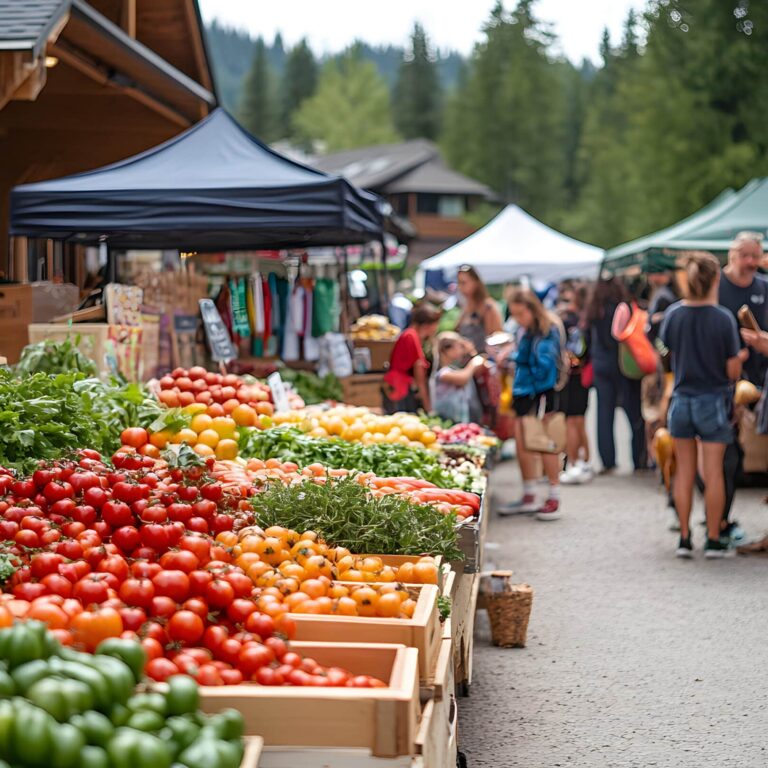
As April unfolds across New Jersey, a familiar and highly anticipated transition is underway—one that signals not just a change in weather, but a shift in lifestyle, community engagement, and local commerce. Farmers’ market season has officially arrived, marking the beginning of a statewide movement that will carry through late fall and redefine weekends, weekdays, and neighborhood gathering spaces from April through November.

April Openings / Early Season

  • Summit Farmers Market – Sundays (launches mid-April)
  • Historic Downtown Jersey City Farmers Market – Mondays & Thursdays at Grove St PATH Plaza
  • Burlington County Agricultural Center Farmers Market – Pre-season April; full launch in May
  • Bell Works FRESH Market – Wednesdays + select spring Saturdays
  • Haddon Heights Farmers Market – Late April start

May Kickoff Markets (Peak Season Launch)

  • Collingswood Farmers Market – Saturdays (one of NJ’s largest)
  • Ramsey Farmers Market – Sundays (year-round, expands in May)
  • Asbury Fresh Market – Sundays (downtown + boardwalk events)
  • Marlboro Farmers Market – Late May regular season
  • Westfield Farmers Market – Tuesdays (downtown)
  • Morristown Farmers Market – Sundays (Morristown Green)
  • Red Bank Farmers Market – Sundays (spring–fall)
  • Metuchen Farmers Market – Saturdays (downtown)
  • Highland Park Farmers Market – Fridays

Year-Round / Indoor Markets (Always Active)

  • Trenton Farmers Market – Thurs–Sun indoor staple
  • Columbus Farmers Market – Large indoor/outdoor complex
  • Greater Bridgeton Amish Market – Thurs–Sat
  • Cowtown Farmers Market – Tues & Sat flea/farm market
  • Montclair Farmers Market – Saturdays year-round (Walnut St Station)
  • Stangl Factory Farmers Market – Saturdays indoor

Additional Notable Markets Across NJ

(Added for broader coverage and depth)

  • Princeton Farmers Market – Hinds Plaza (seasonal + winter sessions)
  • Englewood Farmers Market – Fridays
  • Maplewood Farmers Market – Mondays (very popular North Jersey stop)
  • South Orange Farmers Market – Wednesdays
  • Ridgewood Farmers Market – Sundays
  • Paramus Farmers Market – Seasonal (often Bergen Community College area)
  • Hoboken Farmers Market (Greenmarket) – Multiple days/locations (seasonal rotations)
  • Jersey City Riverview Farmers Market – Sundays (Riverview Park)
  • Ocean City Farmers Market – Wednesdays (summer staple)
  • Stone Harbor Farmers Market – Tuesdays (shore season)
  • Cape May Farmers Market – Seasonal (summer/fall)
  • Atlantic City Farmers Market – Historic indoor market
  • Vineland Farmers Market – Year-round (South Jersey staple)
  • Denville Farmers Market – Sundays
  • Sparta Farmers Market – Seasonal Sundays
  • Chatham Farmers Market – Saturdays
  • Livingston Farmers Market – Seasonal (Sundays)

Key Takeaways

  • Peak density: May–October (full statewide activation)
  • Shoulder season: mid-April + November
  • Year-round coverage: Anchored by indoor + hybrid markets
  • Total ecosystem: ~130+ markets statewide when fully active

Across the Garden State, more than 100 outdoor markets are preparing to reopen, expand, or transition from pre-season operations into full weekly schedules. While a network of indoor and year-round markets continues to serve communities throughout the winter and early spring, the arrival of outdoor market season represents something distinct—an alignment with the rhythms of local agriculture, a return to open-air commerce, and a renewed focus on regional food systems that have become central to New Jersey’s identity.

What makes this moment particularly significant is the scale and structure of the transition. Unlike other seasonal industries, New Jersey’s farmers’ markets operate on a staggered rollout, beginning with early openings and preview events in mid-to-late April before expanding into a full statewide schedule by early May. This phased approach allows vendors, farmers, and organizers to build momentum while responding directly to the availability of early-season crops and products.

Several of the state’s most prominent markets are already stepping into their 2026 schedules, offering a preview of what will soon become a weekly routine for thousands of residents. In Jersey City, the Historic Downtown Farmers’ Market is returning to the Grove Street PATH Plaza, reestablishing itself as one of the region’s most accessible urban markets. Operating on Mondays and Thursdays, it serves as a vital connection point between local producers and a densely populated community that increasingly prioritizes fresh, locally sourced food.

In Summit, one of the state’s largest and most established markets is preparing to launch its full season, drawing visitors to Park & Shop Lot #1 with a wide selection of produce, baked goods, and specialty items. Its Sunday morning schedule reflects the broader trend of markets becoming anchor events within their communities, shaping how residents structure their weekends and engage with local commerce.

Further south, markets in Haddon Heights and Moorestown are building toward their own seasonal openings, with the Burlington County Agricultural Center playing a particularly important role in bridging the gap between pre-season and full operation. Its early spring events serve as both a preview and a testing ground, allowing vendors to reestablish their presence while introducing new products ahead of the official May launch.

The transition into May represents the true inflection point for New Jersey’s farmers’ market ecosystem. This is when the majority of outdoor markets move into full operation, creating a statewide network of weekly events that span urban centers, suburban communities, and rural areas. In Collingswood, the return of its highly regarded market along Atlantic Avenue signals the beginning of a sustained run that attracts both local residents and visitors from across the region. Similarly, markets in Asbury Park, Ramsey, and Marlboro expand the geographic reach of the season, ensuring that nearly every part of the state has access to fresh, locally produced goods.

At the same time, year-round indoor markets continue to provide continuity and stability within the system. Locations such as the Trenton Farmers Market, Columbus Farmers Market, and Cowtown Farmers Market remain active regardless of season, offering a consistent supply of produce, prepared foods, and specialty items. These markets serve as foundational elements within New Jersey’s agricultural economy, supporting vendors and consumers even as the outdoor season fluctuates.

What distinguishes New Jersey’s farmers’ market landscape is not simply its size, but its integration into the broader agricultural framework of the state. The Garden State’s long-standing commitment to farming, supported by a diverse range of crops and producers, creates a supply chain that is both resilient and adaptable. Markets function as the public-facing component of this system, translating agricultural output into direct consumer engagement while reinforcing the value of local production.

This connection is increasingly important as consumer preferences continue to shift toward transparency, sustainability, and quality. Farmers’ markets offer a level of access and accountability that is difficult to replicate in traditional retail environments. Shoppers are able to interact directly with growers, understand the origins of their food, and make informed decisions based on freshness and seasonality. This dynamic not only supports local farmers but also fosters a deeper understanding of the agricultural process.

The cultural impact of these markets extends beyond food. They have become gathering spaces that reflect the character and diversity of their communities, incorporating elements such as live music, artisan vendors, and educational programming. In many cases, they serve as informal town centers, where social interaction and economic activity intersect in a way that strengthens community identity.

For those looking to explore the full scope of New Jersey’s agricultural offerings, the evolving landscape of farms, markets, and seasonal events can be accessed through the Explore New Jersey agriculture hub, where ongoing coverage highlights the developments shaping the state’s farming and food sectors. From large-scale agricultural centers to small, community-driven markets, the range of options reflects a system that is both expansive and deeply interconnected.

As the 2026 season gains momentum, New Jersey’s farmers’ markets stand as more than a seasonal attraction—they represent a critical link between land, community, and economy. They are spaces where local agriculture is not only supported but celebrated, where the act of shopping becomes an experience, and where the rhythms of the growing season are translated into daily life.

With markets opening across the state and schedules expanding week by week, the return of farmers’ market season signals a renewed opportunity to engage with New Jersey at its most authentic level. It is a season defined by freshness, accessibility, and connection—one that continues to grow in both scale and significance with each passing year.


Theresa Caputo Live: The Experience

0

Theresa Caputo Live Brings an Unforgettable Night of Connection, Healing, and Personal Revelation to State Theatre New Jersey

November 4 @ 7:30 PM 11:30 PM

On Wednesday, November 4, 2026, at 7:30 p.m., State Theatre New Jersey will host an event that transcends traditional live entertainment and enters a deeply personal, emotionally resonant space. Theresa Caputo Live: The Experience arrives as one of the most anticipated appearances of the fall season, offering audiences a rare opportunity to witness a live event that blends storytelling, spirituality, and human connection in a way that few performances can replicate.

For more than two decades, Theresa Caputo has built a global following as one of the most widely recognized mediums in modern culture. Known to millions through her long-running television presence as the Long Island Medium, she has established a reputation not only for her claimed ability to communicate with those who have passed, but for her uniquely accessible and relatable approach to what is often considered an intensely personal and private subject. Her work has consistently focused on delivering comfort, clarity, and a sense of continuity to those seeking reassurance about life beyond loss.

Theresa Caputo Live: The Experience translates that deeply personal work into a live, shared environment, where audience members become part of an unfolding, unscripted evening. Unlike traditional stage productions or concerts, this event is built around unpredictability. Each performance evolves in real time, guided by Caputo’s interactions with the audience and the messages she conveys. It is this spontaneity that defines the experience, creating moments that feel immediate, authentic, and often profoundly moving.

The structure of the evening combines elements of personal narrative, humor, and live readings, allowing Caputo to connect with the audience on multiple levels. She shares stories from her own life and journey, offering insight into how she discovered and developed her abilities, while also addressing the emotional complexities that come with them. These moments of reflection are balanced by her signature candid humor, which serves to ground the experience and make it accessible to a wide range of attendees.

At the heart of the event are the live readings themselves. Throughout the approximately 120 to 140-minute performance, Caputo moves through the audience, delivering messages that she describes as coming from loved ones who have passed on. While not every attendee will receive a direct reading, the collective nature of the experience allows the entire audience to engage with the themes of connection, remembrance, and healing. It is this shared emotional space that transforms the event from a series of individual interactions into a broader communal experience.

State Theatre New Jersey provides an ideal setting for this type of performance. As one of the state’s premier cultural venues, it offers both the scale necessary to accommodate a large audience and the intimacy required for an event centered on personal connection. The theatre’s design allows for clear sightlines and strong acoustics, ensuring that each moment—whether a quiet exchange or a more expansive story—is fully experienced by those in attendance.

The demand for Theresa Caputo Live reflects a broader cultural interest in experiences that go beyond conventional entertainment. In an era where audiences are increasingly drawn to events that offer emotional depth and personal relevance, Caputo’s live appearances occupy a unique space. They are not defined by spectacle or production value, but by the authenticity of the interaction and the impact it has on those present.

Ticket pricing for the event begins at $58.75, with availability already generating significant interest. An eight-ticket limit per order has been established, underscoring the high demand and the desire to ensure broad access to the experience. Co-presented with Mills Entertainment, the event represents a collaboration that brings a nationally recognized figure into one of New Jersey’s most respected venues.

This performance also contributes to the expanding scope of live programming across the state, where the definition of what constitutes a “live event” continues to evolve. While music and theatre remain central pillars, experiences like Theresa Caputo Live demonstrate how storytelling, personality-driven performance, and audience interaction are reshaping the landscape. For those exploring the full range of live entertainment options across New Jersey, the breadth of offerings can be further discovered through the Explore New Jersey music hub, where diverse events continue to highlight the state’s growing cultural influence.

As November 4 approaches, Theresa Caputo Live: The Experience stands as one of the most distinctive events on New Jersey’s calendar. It is an evening defined not by scripted performance, but by the unpredictable and deeply human moments that emerge when stories, memories, and emotions intersect in real time.

For audiences, the experience offers more than entertainment—it provides an opportunity to engage with questions of connection, loss, and continuity in a setting that is both supportive and communal. Whether approached with curiosity, belief, or simply an openness to the experience, the event invites attendees to participate in something that resonates on a level far beyond the stage.

State Theatre New Jersey

732-246-7469

View Organizer Website

State Theatre New Jersey

15 Livingston Avenue , NJ
New Brunswick, NJ 08901 United States
+ Google Map
(732) 246-7469
View Venue Website

New Jersey Symphony Presents Opening Weekend: Beethoven’s “Emperor” & Schubert’s “Great”

0

New Jersey Symphony Launches a Monumental New Season with Beethoven’s “Emperor” and Schubert’s “Great” at State Theatre New Jersey

October 25 @ 8:00 PM 11:30 PM

On Sunday, October 25, 2026, at 2:00 p.m., the New Jersey Symphony opens its new season with a program that immediately signals both artistic ambition and cultural significance. Taking place at the historic State Theatre New Jersey, this opening weekend performance brings together two of the most expansive and emotionally resonant works in the orchestral repertoire—Beethoven’s Piano Concerto No. 5, widely known as the “Emperor,” and Schubert’s Symphony No. 9 in C Major, often referred to as “The Great.” Together, these works form a program that is not only musically commanding but deeply symbolic of the orchestra’s continued evolution and commitment to excellence.

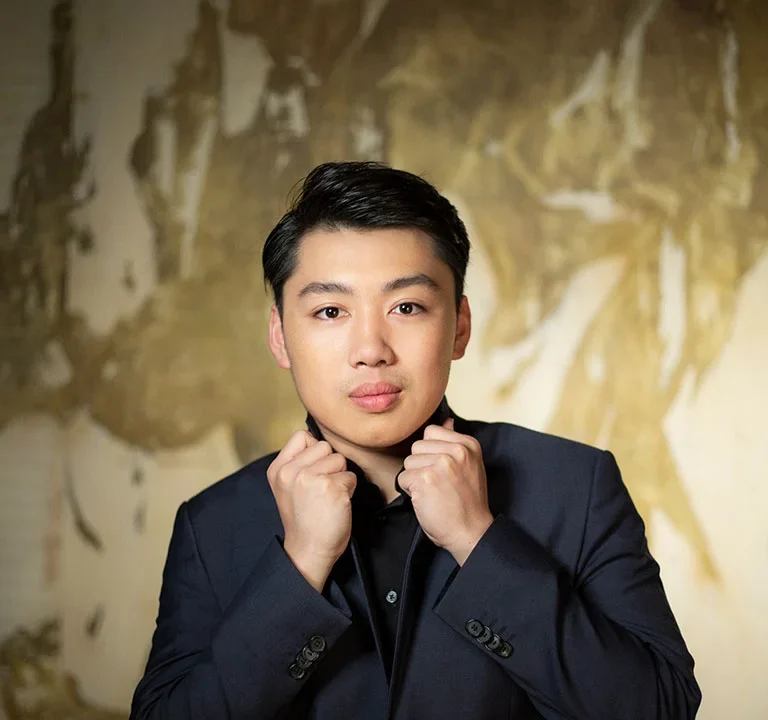
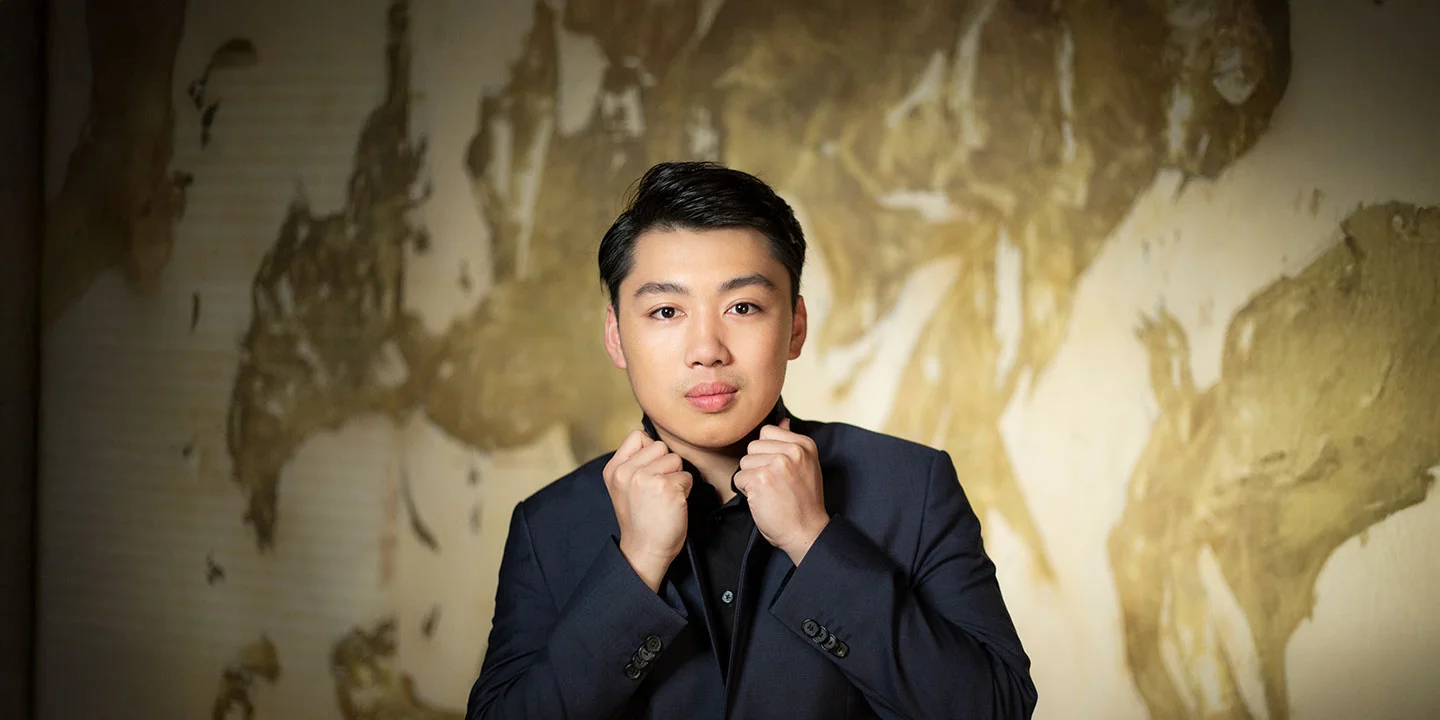
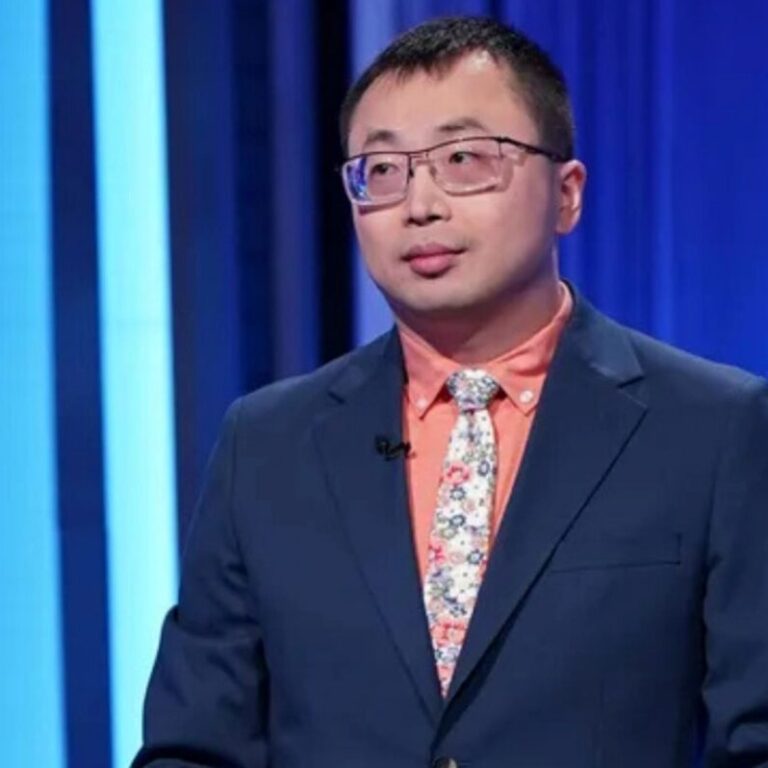
Under the direction of Music Director Xian Zhang, the New Jersey Symphony continues to refine its identity as one of the most dynamic orchestras in the region. Zhang’s leadership has consistently emphasized both precision and expressive depth, qualities that are essential for a program of this magnitude. Her longstanding relationship with pianist George Li adds an additional layer of continuity and anticipation to the performance. Introduced to New Jersey audiences a decade ago, Li has since developed into a globally recognized artist whose technical mastery and interpretive insight have earned him a devoted following. His return for this opening program represents not only a reunion but a reaffirmation of the orchestra’s commitment to presenting artists who evolve alongside its audience.

Beethoven’s “Emperor” Concerto stands as one of the most celebrated works in the piano repertoire, a composition that redefined the relationship between soloist and orchestra. From its commanding opening gestures to its lyrical central movement and triumphant finale, the concerto embodies a sense of scale and confidence that continues to resonate across centuries. In performance, it demands both virtuosity and restraint, requiring the soloist to navigate intricate passages while maintaining a cohesive dialogue with the orchestra. Li’s approach to this work is expected to highlight both its technical brilliance and its emotional architecture, bringing clarity and nuance to a piece that has become synonymous with grandeur.

The second half of the program shifts into the expansive world of Franz Schubert’s Symphony No. 9, a work whose history is as compelling as its sound. Known as “The Great,” the symphony was never performed during Schubert’s lifetime, remaining hidden until its rediscovery years later. Today, it is recognized as one of the defining achievements of the Romantic era, a composition that bridges classical form with an emerging sense of emotional and structural freedom. Its sweeping melodies, extended development, and cumulative intensity create an experience that is both immersive and transformative.

In presenting these two works together, the New Jersey Symphony constructs a program that explores not only the evolution of orchestral music but the broader narrative of artistic ambition. Beethoven’s concerto represents a moment of innovation and assertion within the Classical period, while Schubert’s symphony points toward the expansive possibilities of Romantic expression. The pairing creates a dialogue between composers who, though separated by style and circumstance, share a commitment to pushing the boundaries of their art.

The State Theatre New Jersey provides an ideal setting for this opening performance. As one of the state’s most prominent cultural venues, it offers both the scale and the acoustical refinement necessary to support works of this magnitude. The hall’s design allows for a full orchestral sound that retains clarity and balance, ensuring that every section contributes distinctly to the overall texture. For audiences, this translates into a listening experience that is both powerful and detailed, where the interplay between soloist and ensemble can be fully appreciated.

This opening weekend concert also reflects the broader trajectory of New Jersey’s live music ecosystem, where classical programming continues to play a central role in shaping the state’s cultural identity. The New Jersey Symphony’s commitment to presenting major works within accessible and thoughtfully curated programs reinforces its position as a cornerstone institution within the region. At the same time, the availability of subscriptions for the new season signals an ongoing investment in audience engagement, inviting both longtime supporters and new listeners to participate in a full season of performances that build upon this opening statement.

For those seeking to explore the wider landscape of live music across the state, the range of performances and venues can be further discovered through the Explore New Jersey music hub, where ongoing coverage highlights the depth and diversity of New Jersey’s musical offerings. From orchestral performances and chamber concerts to contemporary and genre-spanning events, the state continues to expand its reach as a destination for high-caliber live music.

As October 25 approaches, this opening weekend program stands as a defining moment for the New Jersey Symphony’s new season. It is a performance that brings together history, artistry, and community in a way that underscores the enduring relevance of classical music. Through the combined forces of Xian Zhang, George Li, and the orchestra, audiences will experience works that have shaped the course of musical history, presented with a level of insight and intensity that reflects the very best of live performance in New Jersey today.

State Theatre New Jersey

732-246-7469

View Organizer Website

State Theatre New Jersey

15 Livingston Avenue , NJ
New Brunswick, NJ 08901 United States
+ Google Map
(732) 246-7469
View Venue Website

Direct from Sweden: The Music of ABBA

0

Direct from Sweden: The Music of ABBA Brings a Full-Scale Pop Spectacle to New Jersey with Unmatched Authenticity and Energy

June 12 @ 8:00 PM 11:30 PM

On Friday, June 12, 2026, at 8:00 p.m., New Jersey audiences will be transported into one of the most iconic musical catalogs ever created as Direct from Sweden: The Music of ABBA arrives for a high-energy, all-ages performance that captures the sound, style, and global phenomenon of ABBA with remarkable precision. This is not a casual tribute—it is a meticulously crafted live production designed to recreate the full ABBA experience with an attention to detail that elevates it into a category of its own.

For decades, ABBA’s music has transcended generations, cultures, and musical trends, establishing itself as a permanent fixture in the global pop landscape. With more than 400 million records sold, their influence is not simply historical—it is ongoing, continuously rediscovered by new audiences while remaining deeply embedded in the memories of those who first experienced it. Direct from Sweden taps directly into that enduring legacy, offering a performance that is both a celebration and a re-creation of one of the most successful musical acts in history.

What distinguishes this production is its commitment to authenticity at every level. From the intricate costume design to the vocal arrangements and stage choreography, every element is engineered to reflect the original ABBA aesthetic with striking accuracy. The costumes themselves are created by the same designer responsible for ABBA’s original stage wardrobe, adding a level of visual credibility that immediately sets the tone for the performance. Combined with precise musical arrangements and synchronized movement, the result is a show that feels less like a tribute and more like a direct continuation of the original experience.

The performers bring a depth of connection to the material that further enhances the production’s authenticity. Members of the cast have appeared in Mamma Mia! The Musical and have collaborated with original ABBA affiliates, ensuring that the interpretation of the music remains faithful while still delivering the energy required for a live audience. Backed by a full band and supported by additional vocalists, the show incorporates live instrumentation and layered harmonies that recreate the richness of ABBA’s studio recordings while adding the spontaneity and immediacy of a live performance.

The setlist reads like a definitive anthology of pop music, featuring an uninterrupted sequence of songs that have become cultural touchstones. Audiences can expect to hear “Dancing Queen,” “Mamma Mia,” “Waterloo,” “Fernando,” “The Winner Takes It All,” “SOS,” “Take a Chance on Me,” “Money, Money, Money,” “Knowing Me, Knowing You,” “Super Trouper,” “Gimme! Gimme! Gimme!,” and “Voulez-Vous,” among many others. Each song is presented not as an isolated performance, but as part of a continuous, high-energy narrative that keeps the audience engaged from the opening number through the final encore.

What makes these songs endure is their ability to balance emotional depth with melodic accessibility. ABBA’s catalog is built on songwriting that is both structurally sophisticated and immediately memorable, allowing it to resonate across generations. Direct from Sweden honors this duality, delivering performances that capture both the technical precision and the emotional core of the music. Ballads are rendered with the intimacy and nuance they require, while up-tempo tracks are driven by a level of energy that transforms the venue into a fully interactive environment.

This interaction is a defining feature of the show. Unlike more passive concert experiences, Direct from Sweden actively invites audience participation, encouraging singing, dancing, and full immersion in the performance. The structure of the show is designed to build momentum, creating a collective atmosphere where the boundary between performer and audience becomes increasingly fluid. By the midpoint of the performance, the experience shifts from observation to participation, reinforcing the communal nature of live music.

The timing of this performance within New Jersey’s live music calendar further underscores its significance. As the state continues to expand its cultural footprint, productions like Direct from Sweden highlight the diversity of offerings available to audiences. From classical concerts and jazz ensembles to large-scale tribute productions and contemporary touring acts, New Jersey’s venues are increasingly presenting a wide spectrum of musical experiences that cater to varied tastes while maintaining a high standard of quality.

For those looking to explore the full scope of live music across the region, the evolving landscape can be accessed through the Explore New Jersey music hub, where performances across genres and venues are continuously featured. This growing ecosystem reflects a broader commitment to positioning New Jersey as a destination for both established and emerging live entertainment.

As June 12 approaches, Direct from Sweden: The Music of ABBA stands as one of the most engaging and accessible performances of the season. It is a production that combines technical excellence with pure entertainment value, delivering a show that is as visually compelling as it is musically satisfying. For longtime fans, it offers a chance to relive the music that defined an era; for newer audiences, it provides an entry point into a catalog that continues to shape the sound of popular music.

In bringing this production to New Jersey, the performance does more than celebrate ABBA’s legacy—it reinforces the enduring power of live music to connect, energize, and inspire. It is an evening built on familiarity, elevated by execution, and driven by the kind of energy that only a truly iconic body of work can generate.

Skylands Performing Arts Center (SkyPAC)

(973) 940-6398

View Organizer Website

State Theatre New Jersey

15 Livingston Avenue , NJ
New Brunswick, NJ 08901 United States
+ Google Map
(732) 246-7469
View Venue Website

L.A. Guns

0

L.A. Guns Bring Four Decades of Hard Rock Firepower to New Jersey with a Relentless, New-Era Live Show

June 6 @ 8:00 PM 11:30 PM

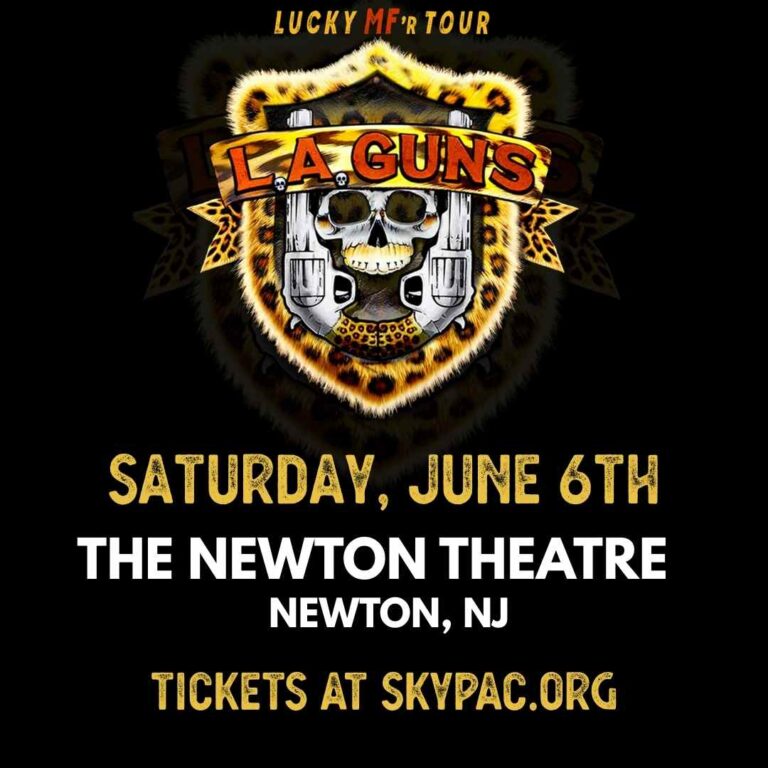
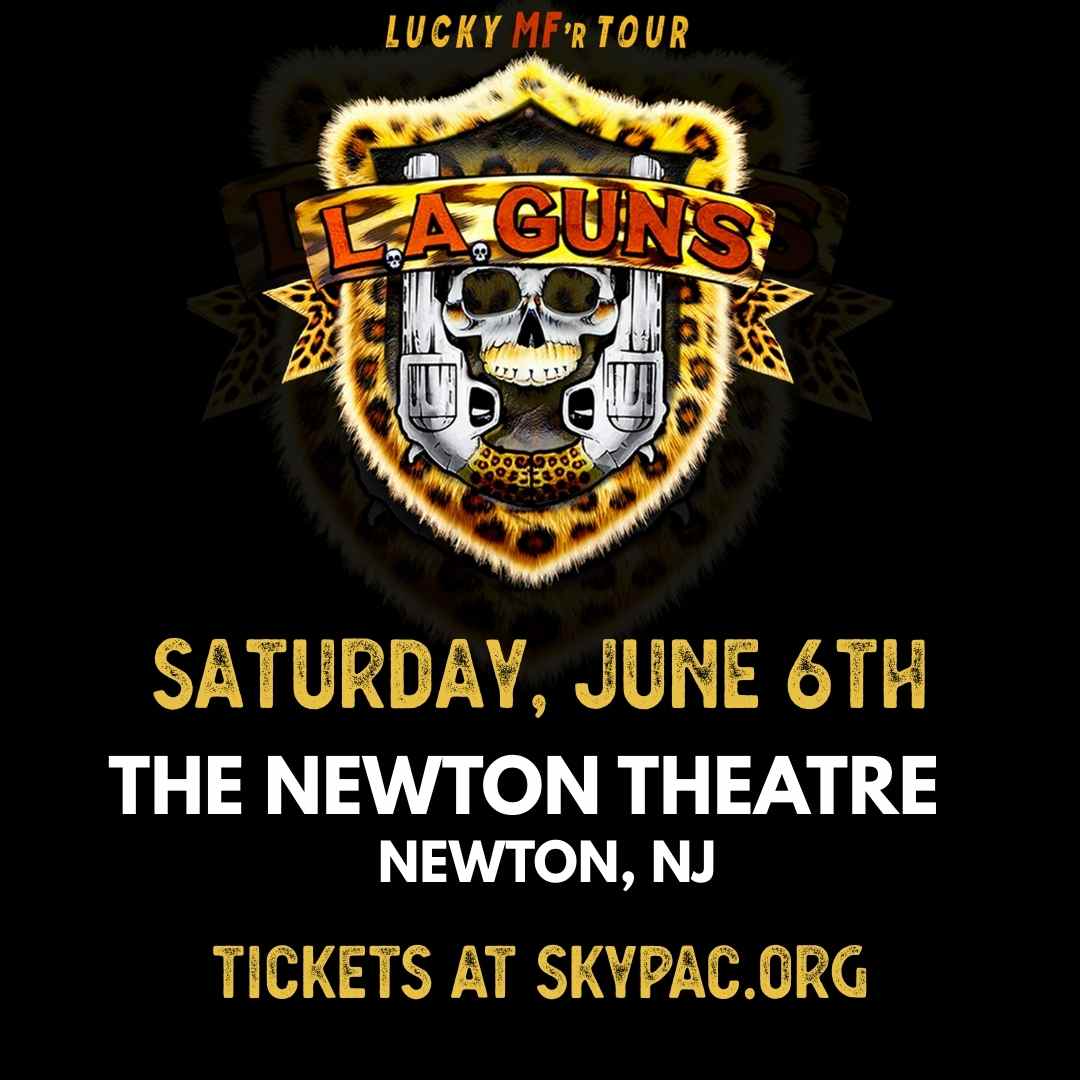
On Saturday, June 6, 2026, at 8:00 p.m., one of rock’s most enduring and unapologetically raw bands arrives in New Jersey for a performance that captures both the legacy and the forward momentum of a genre that refuses to fade. L.A. Guns, long regarded as architects of the Sunset Strip sound, take the stage for an all-ages show that is less a nostalgic look back and more a declaration that their story is still being written in real time.

Nearly 40 years after first defining a gritty, swagger-driven brand of hard rock, L.A. Guns continue to operate with a level of intensity and productivity that sets them apart from their contemporaries. While many bands of their era have settled into predictable touring cycles built around greatest hits, L.A. Guns have chosen a different path—one defined by constant creation, reinvention, and a commitment to staying musically relevant. That philosophy is on full display as they hit the road in support of their latest studio release, Leopard Skin, which dropped April 4 on Cleopatra Records.

This newest chapter in the band’s catalog is not an isolated effort but part of a sustained creative resurgence that began with the reunion of founding guitarist Tracii Guns and vocalist Phil Lewis in 2017. Since then, the band has released a remarkable series of albums, with Leopard Skin marking their fifth studio project in just seven years. It is a pace that reflects both discipline and passion, reinforcing the idea that L.A. Guns are not revisiting their past—they are actively expanding it.

The album itself presents a dynamic and layered sound that draws from a wide range of influences while remaining rooted in the band’s unmistakable identity. From the driving, riff-heavy energy of tracks like “Taste It” to the groove-infused swagger of songs such as “Lucky Motherfucker” and “Don’t Gimme Away,” Leopard Skin showcases a band that is both confident in its foundation and willing to explore new textures. Elements of classic rock, funk, and soul are woven throughout the record, creating a sonic palette that feels both familiar and refreshingly expansive.

Tracii Guns has described this evolution as an organic process, one that prioritizes instinct and spontaneity over rigid structure. That approach is evident in the album’s construction, where riffs build upon one another in a fluid, almost improvisational manner. It is a method that mirrors the energy of the band’s live performances, where songs are not simply reproduced but reinterpreted in the moment, driven by the chemistry between the musicians and the response of the audience.

The current lineup—featuring Guns and Lewis alongside bassist Johnny Martin, guitarist Ace Von Johnson, and drummer Adam Hamilton—represents a cohesive unit that balances technical precision with raw intensity. This configuration has allowed the band to refine its sound while maintaining the edge that first defined it. On stage, that translates into a performance that is both tightly executed and unpredictably alive, capturing the essence of rock as a living, breathing form.

Fans attending the June 6 show can expect a setlist that spans the full arc of the band’s career, from early anthems that helped define the Sunset Strip era to more recent material that reflects their ongoing evolution. Songs like “Electric Gypsy,” “Rip and Tear,” and “Over the Edge” continue to resonate as foundational works, while ballads such as “The Ballad of Jayne” offer moments of melodic depth that contrast with the band’s heavier output. At the same time, newer tracks from Leopard Skin and recent albums bring a contemporary edge that reinforces the band’s relevance in today’s music landscape.

What makes this performance particularly significant within New Jersey’s live music scene is its alignment with a broader resurgence of rock as a vital and evolving genre. Across the state, venues are increasingly hosting artists who bridge the gap between legacy and innovation, creating a live music environment that is both diverse and forward-looking. L.A. Guns fit squarely within this movement, offering a performance that honors the roots of hard rock while pushing its boundaries.

For audiences, this show represents more than an evening of music—it is an opportunity to engage with a band that has consistently defied expectations. Their continued output, combined with a relentless touring schedule, speaks to a work ethic that is as integral to their identity as their sound. As Tracii Guns has noted, the band’s longevity is not a matter of chance but the result of sustained effort, creative drive, and an ongoing connection with their audience.

This connection is what ultimately defines the L.A. Guns experience. It is not just about the songs or the performance—it is about the shared energy between band and audience, the sense of participation in something that is both timeless and immediate. In a live setting, that energy becomes palpable, transforming the concert into a collective experience that extends beyond the stage.

New Jersey continues to position itself as a destination for performances of this caliber, with a growing network of venues and events that reflect the state’s expanding cultural footprint. Those looking to explore the full range of live music opportunities across the region can engage with the Explore New Jersey music hub, where ongoing coverage highlights the artists and performances shaping the state’s identity as a live music powerhouse.

As June 6 approaches, L.A. Guns stand ready to deliver a performance that encapsulates everything that has made them a defining force in rock music for nearly four decades. It is a show built on legacy, driven by innovation, and powered by a band that continues to evolve without losing sight of what made them essential in the first place. For New Jersey audiences, it is a chance to witness that evolution firsthand—loud, unfiltered, and unmistakably alive.

Celebrating Celine

0

“Celebrating Celine” Brings the Power of a Global Icon to New Jersey with a Stunning Live Tribute Experience

May 30 @ 8:00 PM 11:30 PM

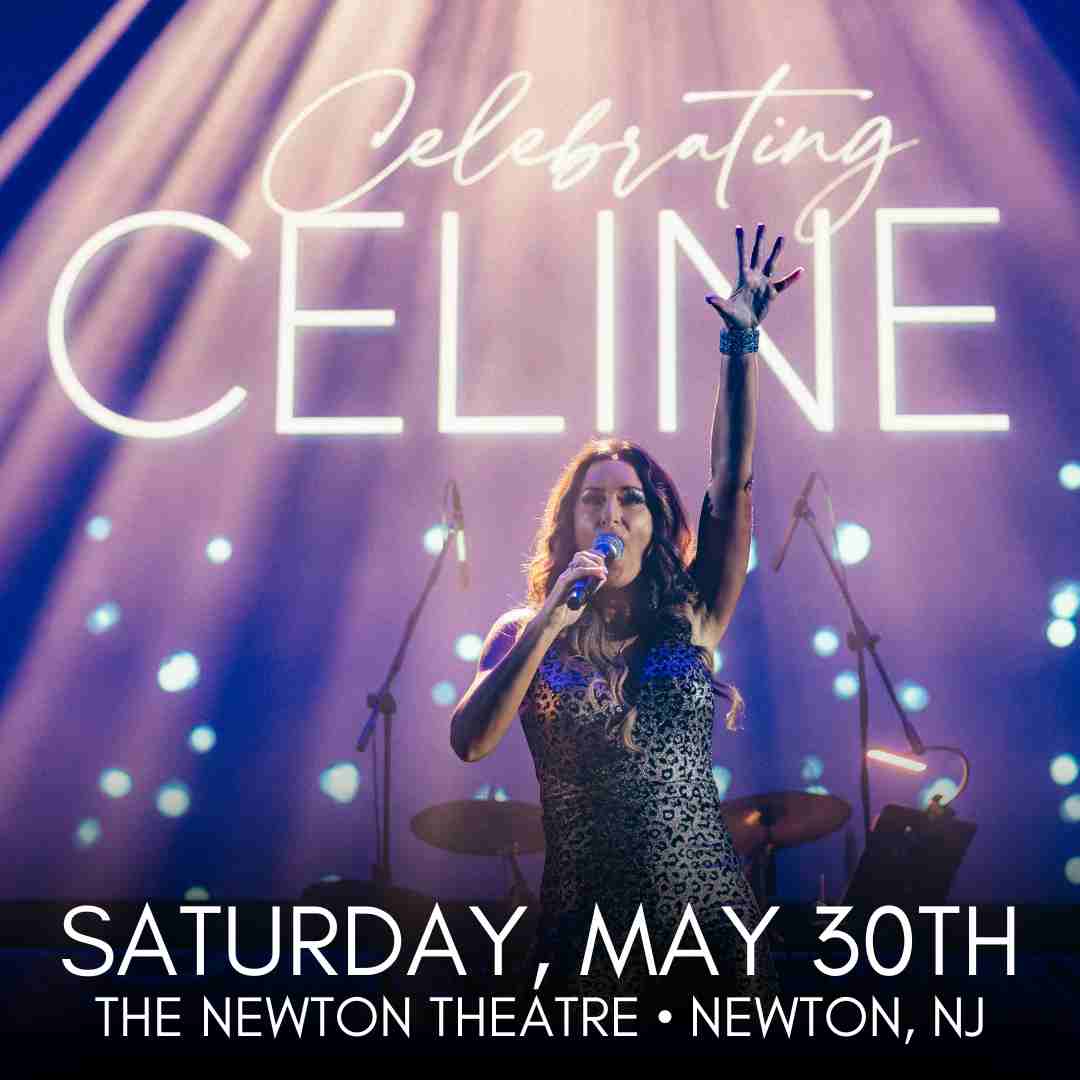
On Saturday, May 30, 2026, at 8:00 p.m., New Jersey audiences will be invited into an unforgettable musical experience that channels the voice, emotion, and legacy of one of the most influential vocalists of all time. Celebrating Celine, led by internationally acclaimed performer Jenene Caramielo, arrives as a fully realized live production that goes far beyond tribute—it is a sweeping, emotionally charged performance that reintroduces the music of Celine Dion through a commanding and contemporary lens.

At a time when live music continues to evolve into more immersive and story-driven formats, Celebrating Celine stands out as a production that understands both the scale and intimacy of the material it presents. This is not simply a setlist of familiar songs. It is a carefully constructed journey through decades of music that has defined personal moments, cultural milestones, and the very standard of vocal excellence. For audiences across New Jersey, the performance offers a rare opportunity to reconnect with that catalog in a setting that prioritizes both musical integrity and emotional authenticity.

Jenene Caramielo’s approach to this material is rooted in a deep understanding of what made Celine Dion’s music resonate globally. Rather than imitation, her performance captures the essence of the original artistry—its power, vulnerability, and technical brilliance—while allowing her own voice and interpretive style to shape each moment. Backed by a full band, she delivers a dynamic range of songs that move seamlessly between soaring ballads and high-energy anthems, creating a performance that is as varied as it is cohesive.

The program features some of the most recognizable songs ever recorded, including emotionally expansive ballads such as “All By Myself” and “The Power of Love,” alongside driving, rhythm-forward hits like “I Drove All Night” and “River Deep, Mountain High.” Each selection is reimagined within the context of a live ensemble, allowing the arrangements to breathe and evolve in ways that feel immediate and engaging. The result is a performance that balances reverence for the original recordings with the spontaneity and energy of live music.

What elevates Celebrating Celine into a standout event within New Jersey’s live music calendar is Caramielo’s background as a crossover artist. With formal training in musical theater and opera, and a career that spans international stages, she brings a level of technical precision and expressive depth that aligns naturally with the demands of this repertoire. Her ability to transition between genres—pop, Broadway, and classical—mirrors the versatility that defined Celine Dion’s own career, making her uniquely suited to deliver this material with both authenticity and individuality.

Caramielo’s professional journey reflects a commitment to excellence that extends beyond the tribute format. A Pittsburgh native with a BFA in Musical Theater from Shenandoah Conservatory and additional studies at Carnegie Mellon, she has built a career that includes performances alongside major acts such as Chicago and The Beach Boys. Her appearance at the Governor’s Ball at The White House, performing with premier military ensembles including the United States Marine Band and the Air Force Singing Sergeants, underscores the level of recognition and respect she has earned within the industry. These experiences inform every aspect of her performance, from vocal delivery to stage presence, resulting in a production that feels both polished and deeply personal.

The structure of Celebrating Celine is designed to engage audiences on multiple levels. For those who grew up with these songs, it offers a powerful sense of nostalgia, reconnecting them with music that has soundtracked significant moments in their lives. For newer audiences, it provides an entry point into a catalog that continues to influence contemporary vocal performance. In both cases, the experience is unified by a sense of shared connection—an acknowledgment of the enduring impact of these songs and the artist who brought them to life.

This performance also reflects the broader strength and diversity of New Jersey’s live music ecosystem, where tribute productions have evolved into high-caliber artistic events that complement original programming. Venues across the state are increasingly presenting performances that combine technical excellence with audience accessibility, creating a landscape where music of all styles and eras can be experienced at a high level. Those looking to explore the full range of live music offerings across the region can engage with the Explore New Jersey music hub, which continues to highlight the performances shaping the state’s cultural identity.

As May 30 approaches, Celebrating Celine positions itself as more than a concert—it is a moment of collective experience, where music, memory, and performance converge. It is an evening that captures the essence of what makes live music enduringly powerful: the ability to bring people together through shared emotion and exceptional artistry.

For New Jersey audiences, this is an opportunity to witness a performer operating at the height of her craft, delivering a tribute that honors one of the most iconic voices in music history while standing firmly on its own as a compelling and original live experience. It is a celebration not only of Celine Dion’s legacy, but of the timeless connection between artist, song, and audience that continues to define the live music experience.

Skylands Performing Arts Center (SkyPAC)

(973) 940-6398

View Organizer Website

State Theatre New Jersey

15 Livingston Avenue , NJ
New Brunswick, NJ 08901 United States
+ Google Map
(732) 246-7469
View Venue Website

Joshua Henry

0

Joshua Henry Brings “Get Up, Stand Up!” to Enlow Recital Hall for a Soul-Stirring, Genre-Defining Live Experience in New Jersey

September 13 @ 8:00 PM 11:30 PM

On Sunday, September 13, 2026, Enlow Recital Hall at Kean University will host one of the most commanding voices in contemporary music and theatre as Joshua Henry takes the stage for two performances at 2:00 p.m. and 7:00 p.m. With Get Up, Stand Up!, Henry delivers more than a concert—he presents a deeply personal, musically expansive journey through the songs and artists that have shaped generations, blending soul, Broadway, and original material into a seamless and electrifying live experience.

This engagement represents a significant moment within New Jersey’s live performance calendar, bringing a GRAMMY Award-winning artist of international stature into an intimate, acoustically refined venue. For audiences, it offers a rare opportunity to experience a performer known for commanding major Broadway stages and global audiences in a setting where every vocal nuance, every interpretive choice, and every emotional shift can be fully absorbed.

At the core of Get Up, Stand Up! is a carefully constructed setlist that bridges eras and genres while maintaining a cohesive narrative thread. Henry moves fluidly through the timeless soul of Nina Simone, Marvin Gaye, and Sam Cooke—artists whose music defined cultural movements and emotional expression—before transitioning into the sophisticated storytelling of Broadway composers such as Stephen Sondheim and Rodgers & Hammerstein. Interwoven throughout are selections from Henry’s own solo work, including material from his debut album GROW, creating a performance that is both reflective and forward-looking.

What distinguishes this program is its ability to function on multiple levels simultaneously. It is a celebration of musical heritage, a reinterpretation of iconic works, and a personal artistic statement. Henry does not simply perform these songs; he inhabits them, reimagining their phrasing, dynamics, and emotional weight in a way that feels immediate and contemporary while remaining rooted in their original significance. The result is a performance that resonates across audiences, whether they are drawn to classic soul, musical theatre, or modern vocal artistry.

Henry’s career trajectory underscores the depth of experience he brings to this stage. A GRAMMY Award-winning performer and recording artist, he has built a reputation as one of the most versatile and compelling voices in the industry. His Tony-nominated performances in Carousel, The Scottsboro Boys, and Violet established him as a leading figure in Broadway’s modern era, while his portrayal of Aaron Burr in Hamilton further cemented his status as a performer capable of anchoring culturally transformative productions.

Beyond the stage, Henry’s work extends into film and television, including his role in the Academy Award-nominated tick, tick…BOOM! directed by Lin-Manuel Miranda, and his performance opposite Jason Momoa in Apple TV+’s SEE. His appearance as Gaston in Beauty and the Beast: A 30th Celebration demonstrated his ability to reinterpret iconic characters for new audiences, while his participation in the Broadway revival of Into the Woods contributed to a GRAMMY-winning cast recording that continues to define contemporary musical theatre.

This breadth of experience informs every aspect of Get Up, Stand Up!. Henry approaches each song not as an isolated performance, but as part of a larger artistic continuum, drawing connections between genres, eras, and personal influences. His ability to navigate these transitions with ease is a testament to both his technical mastery and his interpretive intelligence.

Enlow Recital Hall provides an ideal environment for this type of performance. Known for its exceptional acoustics and intimate scale, the venue allows audiences to engage with the music on a level that is often lost in larger arenas. The clarity of sound ensures that Henry’s vocal range—from subtle, introspective passages to full, resonant climaxes—is delivered with precision, while the proximity of the audience creates a sense of connection that enhances the overall experience.

Ticket pricing for the event ranges from $58 to $88, positioning the performance as a premium offering within New Jersey’s live music landscape while remaining accessible relative to comparable events in major metropolitan venues. The dual performance schedule further expands access, allowing audiences to choose between afternoon and evening experiences that each carry their own distinct atmosphere.

This event also reflects the broader evolution of New Jersey’s cultural identity, where venues are increasingly attracting artists of national and international significance. The state’s live music ecosystem continues to expand, offering a diverse range of performances that span genres and styles. For those seeking to explore this landscape in greater depth, the full spectrum of programming can be accessed through the Explore New Jersey music hub, where ongoing coverage highlights the performances shaping the region’s artistic future.

As September 13 approaches, Joshua Henry’s Get Up, Stand Up! stands as one of the most compelling live events of the season. It is a performance that transcends traditional concert formats, blending musical excellence with narrative depth and emotional authenticity. In bringing this experience to Enlow Recital Hall, Kean University not only elevates its own programming but contributes to a larger movement that positions New Jersey as a destination for world-class live performance.

For audiences, this is more than an evening of music—it is an encounter with an artist at the height of his craft, delivering a performance that is as powerful as it is personal, and as timeless as the songs that inspire it.

Kean Stage

(908) 737-7469

View Organizer Website

State Theatre New Jersey

15 Livingston Avenue , NJ
New Brunswick, NJ 08901 United States
+ Google Map
(732) 246-7469
View Venue Website

Jazz Ensemble In Concert

0

Kean University Jazz Ensemble in Concert Brings a Cross-Generational, Global Sound to Enlow Recital Hall

April 12 @ 8:00 AM 5:00 PM

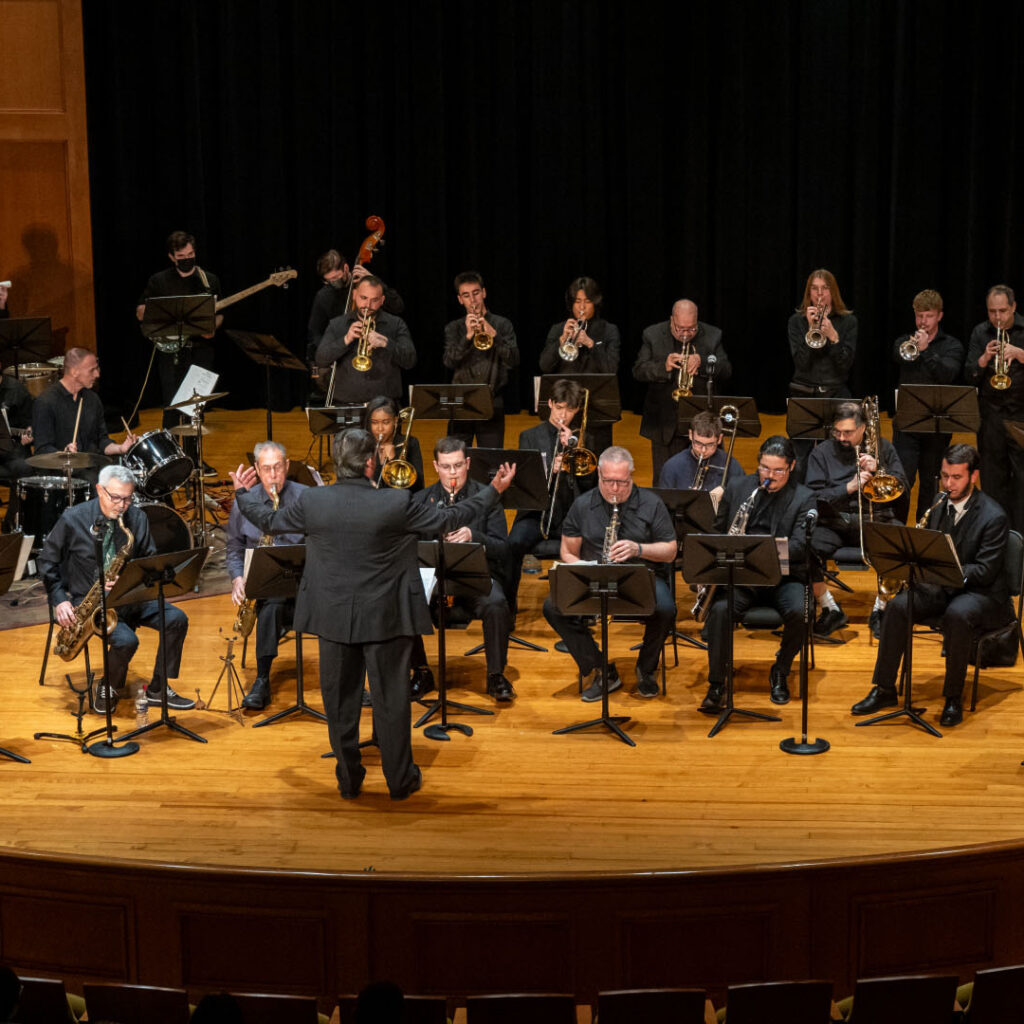
On Thursday, April 30, 2026, at 7:30 p.m., Enlow Recital Hall will host a performance that captures the essence of jazz as both a living tradition and a constantly evolving art form. The Kean University Jazz Ensemble, under the direction of Professor Vincent Turturiello, presents an evening concert that unites students, alumni, and community musicians in a collaborative showcase designed to reflect the full breadth of jazz history and its ongoing cultural relevance. With free admission, the event stands as one of the most accessible and musically rich offerings on New Jersey’s spring calendar.

This performance is structured not simply as a recital, but as a dynamic exchange between generations of musicians who share a common language rooted in improvisation, rhythm, and expressive freedom. By bringing current students together with alumni and local players, the ensemble creates a layered musical environment where experience and emerging talent intersect in real time. It is a format that reflects jazz at its core—collaborative, responsive, and driven by interaction.

At the center of the evening is a repertoire that spans decades of influence, moving fluidly between foundational jazz standards and contemporary interpretations that draw from adjacent genres. Selections inspired by artists such as Earth, Wind & Fire introduce elements of funk and groove-driven arrangement, while interpretations connected to Michael Bublé and Ella Fitzgerald reinforce the enduring appeal of vocal jazz and the Great American Songbook. The inclusion of works associated with Gordon Goodwin adds a modern big band dimension, characterized by intricate arrangements, shifting time signatures, and high-energy ensemble interplay.

This diversity of material is not incidental—it is a deliberate reflection of jazz as a genre that resists confinement. The program is designed to illustrate how jazz has continuously absorbed and redefined influences, from swing and bebop to contemporary fusion and pop-infused stylings. Each selection contributes to a broader narrative that traces the genre’s evolution while emphasizing its adaptability and ongoing relevance.

A defining feature of the concert is its vocal component, with three vocalists integrated into the ensemble’s performance. Their presence adds a distinct layer of interpretive depth, bridging instrumental complexity with lyrical storytelling. Among them is an exchange student from Kean Wenzhou in China, whose participation introduces an international dimension that underscores the global reach of jazz. This inclusion reflects the genre’s ability to transcend geographic and cultural boundaries, connecting musicians and audiences through a shared musical vocabulary.

Professor Vincent Turturiello’s direction ensures that the ensemble maintains both cohesion and flexibility throughout the program. His approach emphasizes not only technical precision but also the interpretive freedom that defines jazz performance. Under his leadership, the ensemble navigates a wide range of styles and tempos, allowing individual musicians to contribute their own voice within the structure of each piece. The result is a performance that feels both carefully crafted and spontaneously alive.

Enlow Recital Hall provides an ideal setting for this type of performance. Known for its balanced acoustics and intimate atmosphere, the venue allows the full spectrum of the ensemble’s sound to be experienced with clarity and depth. From the subtle nuances of a vocal phrase to the layered textures of a full big band arrangement, every element is presented with precision, creating an environment where both performers and audience are fully engaged in the musical moment.

What distinguishes this concert within the broader New Jersey music landscape is its emphasis on community and continuity. By integrating alumni and local musicians into the ensemble, Kean University reinforces the idea that jazz is not confined to the classroom or the stage—it is a living tradition sustained through shared experience and ongoing collaboration. This approach not only enriches the performance itself but also strengthens the cultural fabric of the region’s music scene.

The accessibility of the event further amplifies its impact. Free admission ensures that a wide audience can experience a high-caliber jazz performance without barriers, aligning with a broader movement across New Jersey to expand access to live music. This commitment to inclusivity is a defining characteristic of the state’s evolving arts ecosystem, where institutions are increasingly prioritizing both excellence and accessibility.

For those interested in exploring the wider landscape of live music across the state, the depth and diversity of New Jersey’s offerings can be further discovered through the Explore New Jersey music hub, where performances across genres—from classical and jazz to contemporary and experimental—continue to shape the region’s cultural identity.

As April 30 approaches, the Kean University Jazz Ensemble in Concert stands as a compelling example of how jazz continues to thrive in a modern context. It is a performance that honors tradition while embracing innovation, bringing together musicians from different backgrounds and stages of their careers to create something immediate, expressive, and deeply connected. In doing so, it reaffirms jazz’s place not only as a cornerstone of musical history, but as a vital and evolving force within New Jersey’s live performance landscape.

Kean Stage

(908) 737-7469

View Organizer Website

State Theatre New Jersey

15 Livingston Avenue , NJ
New Brunswick, NJ 08901 United States
+ Google Map
(732) 246-7469
View Venue Website

Kean University Orchestra Music for a Spring Evening

0

Kean University Orchestra Presents “Music for a Spring Evening,” A Refined Exploration of Baroque and Classical Mastery at Enlow Recital Hall

April 28 @ 8:00 PM 11:30 PM

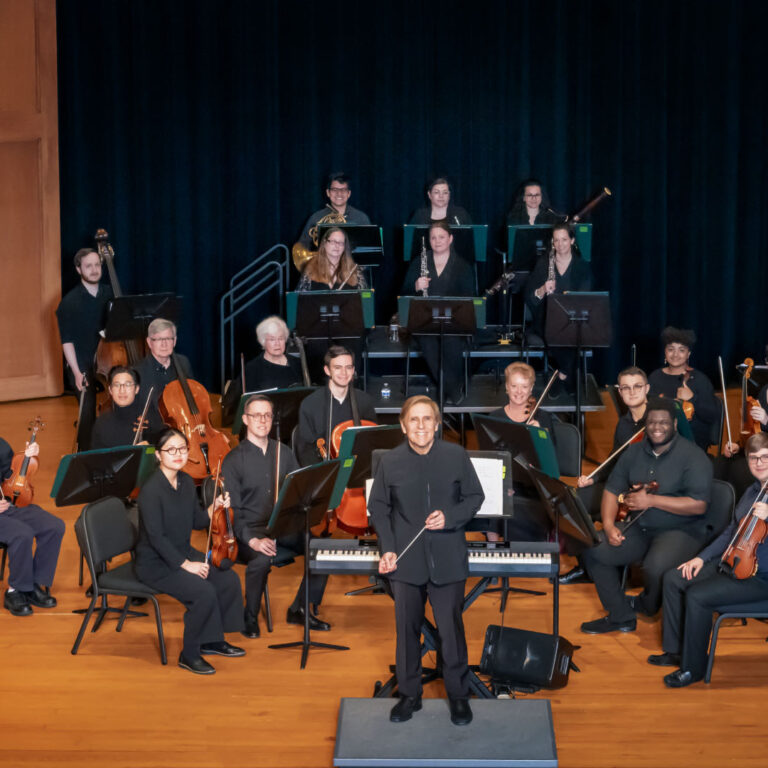
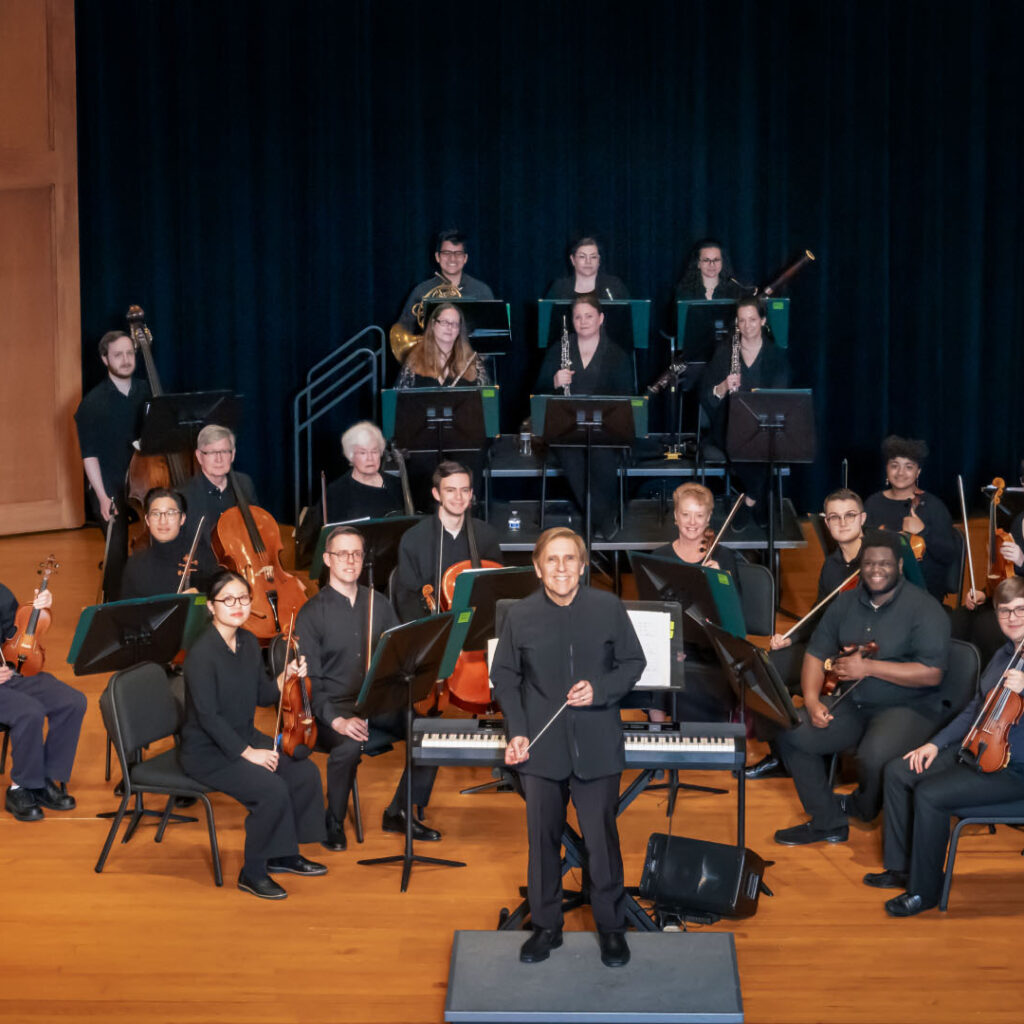
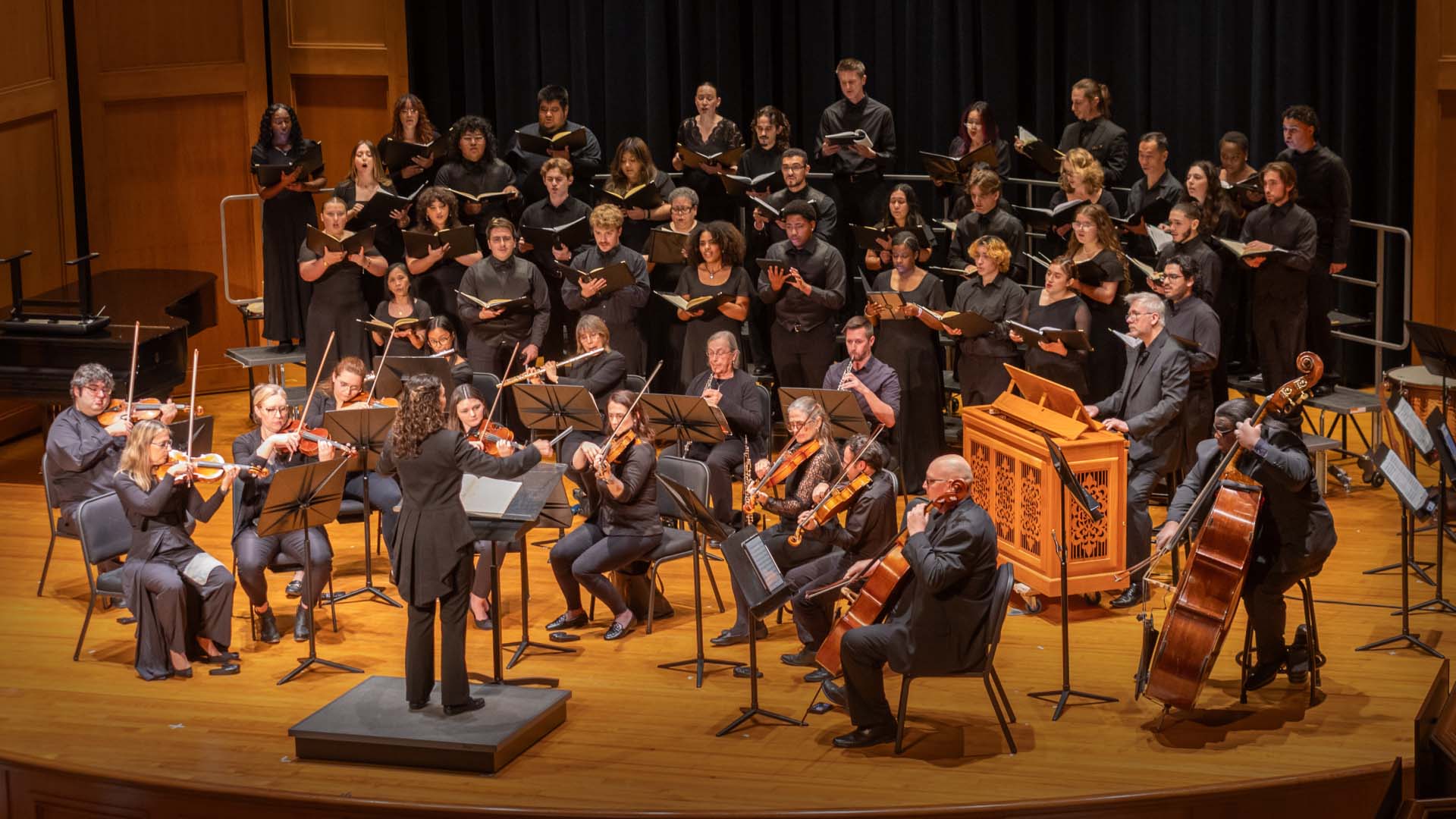
On Tuesday, April 28, 2026, at 8:00 p.m., the Kean University Orchestra returns to Enlow Recital Hall with a program that embodies both historical depth and artistic precision. Titled Music for a Spring Evening, this free performance offers a carefully constructed journey through the Baroque and Classical eras, highlighting the evolution of orchestral form while delivering an immersive live experience that reinforces New Jersey’s growing stature as a destination for serious music performance.

Under the direction of Warren Cohen, the orchestra approaches this repertoire with a focus on clarity, stylistic authenticity, and expressive nuance. The program is not assembled as a collection of standalone works, but rather as a cohesive narrative that traces how orchestral music developed across the 18th century. Each composition contributes to a broader understanding of how texture, structure, and emotional expression shifted from the ornate complexity of the Baroque period into the refined balance of the Classical style.

Opening the evening is Jean-Philippe Rameau’s Tendre Amour, a work that exemplifies the elegance and emotional delicacy associated with French Baroque music. Known for its lyrical phrasing and subtle harmonic color, the piece establishes an immediate sense of atmosphere within Enlow Recital Hall’s acoustically precise environment. It is a fitting introduction that invites the audience into a sound world defined by intimacy and refinement.

From there, the program transitions into Luigi Boccherini’s Sinfonia in A Major, a composition that reflects the emerging clarity and structural definition characteristic of early Classical orchestral writing. Boccherini’s work bridges the stylistic gap between eras, maintaining a sense of melodic charm while introducing a more balanced and transparent orchestral texture. The performance highlights the ensemble’s ability to navigate these stylistic shifts with discipline and cohesion.

At the center of the evening is Georg Philipp Telemann’s Oboe Concerto in E minor, featuring Kean University oboe faculty member Lynne Cohen as soloist. This concerto stands as one of the defining works of the Baroque repertoire, showcasing both technical virtuosity and expressive depth. Cohen’s performance brings a level of interpretive insight that elevates the work beyond its structural brilliance, emphasizing the instrument’s capacity for both lyrical warmth and dynamic articulation. Her presence as a faculty artist underscores the integration of professional excellence within Kean’s academic framework, offering audiences a performance that is both polished and deeply informed.

The program concludes with Joseph Haydn’s Symphony No. 49 in F minor, commonly known as “La Passione,” a work that captures the emotional intensity and dramatic scope of the late Baroque influence within the Classical era. Unlike the lighter symphonic works often associated with Haydn, this composition operates within a darker, more introspective tonal landscape. Its minor key framework and expressive contrasts create a powerful conclusion to the evening, demonstrating the expanding emotional range of orchestral music as it moved toward the Romantic period.

Enlow Recital Hall serves as an essential component of the performance, providing a space where acoustic precision enhances every detail of the music. The hall’s design allows for a level of sonic clarity that brings out the intricacies of orchestration, ensuring that each section of the ensemble contributes distinctly to the overall texture. For audiences, this translates into an experience that is both immersive and analytically engaging, offering the opportunity to hear familiar works with renewed depth.

What distinguishes Music for a Spring Evening within New Jersey’s broader music calendar is its commitment to both accessibility and artistic rigor. By offering free admission, Kean University continues to position itself as a leader in delivering high-caliber performances to a wide audience, removing traditional barriers while maintaining a standard that aligns with professional orchestral presentations. This approach reflects a broader trend across the state, where institutions are expanding access to cultural experiences without compromising quality.

The concert also aligns with the ongoing expansion of New Jersey’s live music ecosystem, where classical programming is gaining renewed visibility alongside contemporary and popular genres. For those seeking to explore the full spectrum of performances across the region, the evolving landscape can be accessed through the Explore New Jersey music hub, which continues to highlight the depth and diversity of the state’s musical offerings.

As the April 28 performance approaches, Music for a Spring Evening stands as a definitive example of how orchestral music can be both historically grounded and immediately relevant. It is a program that invites audiences to engage with the foundations of the repertoire while experiencing the vitality of live performance in a modern context. Through thoughtful curation, expert direction, and a commitment to excellence, the Kean University Orchestra delivers an evening that resonates beyond the concert hall, reinforcing the enduring power of orchestral music within New Jersey’s cultural landscape.

Kean Stage

(908) 737-7469

View Organizer Website

State Theatre New Jersey

15 Livingston Avenue , NJ
New Brunswick, NJ 08901 United States
+ Google Map
(732) 246-7469
View Venue Website

ReelAbilities New Jersey

0

ReelAbilities New Jersey at Kean University Expands the Definition of Film, Access, and Storytelling with a Powerful One-Day Festival Experience

April 28 @ 1:00 PM 11:30 PM

On Tuesday, April 28, 2026, Kean University’s STEM Auditorium in Union, New Jersey becomes the epicenter of one of the most important cultural events of the spring season as ReelAbilities New Jersey returns with a full-day film festival dedicated to redefining how disability is represented, understood, and experienced through cinema. With screenings scheduled throughout the day at 11:00 a.m., 2:00 p.m., and 6:30 p.m., and the added flexibility of virtual streaming access, this year’s festival extends far beyond traditional film programming, establishing itself as a platform for dialogue, education, and meaningful community engagement.

ReelAbilities has built a reputation as a transformative force within the film and arts landscape, and its New Jersey presence continues to grow in both scope and impact. At Kean University, the festival takes on an immersive structure that invites audiences not only to watch films, but to actively engage with the ideas, perspectives, and lived experiences presented on screen. Each screening block is followed by disability-led talkbacks, creating a direct bridge between filmmakers, subjects, and audiences. These discussions are not ancillary—they are central to the experience, fostering conversations that challenge assumptions, dismantle stereotypes, and expand cultural awareness.

The setting itself plays a critical role in delivering this experience. Located at 1075 Morris Avenue, the Kean University STEM Building is fully accessible, reinforcing the festival’s commitment to inclusion at every level. Open captions are standard across all screenings, audio description is available upon request, and live discussions are supported with AI-powered captioning through Koda. These elements are not simply accommodations—they are integral design choices that ensure the festival remains accessible, welcoming, and representative of the community it serves.

The day begins with a curated block of short films at 11:00 a.m., offering a diverse range of narratives that explore identity, relationships, and resilience through distinct cinematic voices. A Stupid Man, directed by Amy Frear, introduces a nuanced look at friendship and independence through the lens of a wheelchair user navigating unexpected emotional territory. In Sleepy Head, director Milly Garnier blends dark humor and fantasy to portray a chronically ill teenager’s fight against systemic barriers, delivering a story that is both deeply personal and sharply critical of institutional structures. Daisy Friedman’s Unholy brings a cultural dimension to the program, presenting a college student’s effort to participate in family tradition while living with a feeding tube, adding layers of meaning to the intersection of disability and identity. The morning session concludes with Don’t Look Away, a documentary by Joseph Vitug Lingad that examines facial difference and the complexities of self-perception, offering a contemplative and human-centered perspective that resonates long after the screen fades to black.

The afternoon screening at 2:00 p.m. shifts into more expansive narrative territory, pairing two films that confront internal and psychological dimensions of disability with striking honesty. This Body is a Shell, directed by Ashley Eakin, operates as a visual poem, distilling complex ideas about body image and impermanence into a concise and emotionally charged experience. It is followed by An Unquiet Mind, Rachel Immaraj’s feature-length exploration of obsessive-compulsive disorder, which moves beyond simplified portrayals to examine the lived realities of individuals navigating the condition. Through its unflinching depiction of daily life, the film challenges audiences to reconsider preconceived notions and engage with the subject matter on a deeper, more empathetic level.

The evening session at 6:30 p.m. delivers a compelling conclusion to the festival with two films that emphasize connection, movement, and evolving relationships. ¡Salsa!, directed by Antonina Kerguelén Román, presents a visually and emotionally rich narrative centered on two women who discover new ways to experience music through touch and shared movement, expanding the boundaries of communication and artistic expression. The festival culminates with Color Book, David Fortune’s feature-length narrative that follows a father and son on a journey across Atlanta. What begins as a physical trip unfolds into a layered exploration of family dynamics, creativity, and the subtle ways in which relationships transform over time.

What distinguishes ReelAbilities New Jersey within the broader cultural landscape is its commitment to reframing disability not as a limitation, but as a dimension of human experience that carries its own complexity, creativity, and perspective. The festival’s programming reflects this philosophy at every level, from film selection to audience engagement, creating an environment where stories are not only told but fully realized in their depth and authenticity.

The accessibility of the event, with tickets priced at just $7, further underscores its mission to reach a wide audience. In an era where cultural programming can often feel exclusive, ReelAbilities at Kean University stands as a model for how institutions can balance artistic excellence with inclusivity. The option to attend in person or stream virtually ensures that the festival’s impact extends beyond geographic boundaries, inviting participation from across New Jersey and beyond.

This event also reflects a broader evolution within the state’s arts and performance ecosystem. As New Jersey continues to expand its cultural footprint, festivals like ReelAbilities demonstrate how film, theatre, and live performance can intersect to create multidimensional experiences. Those interested in exploring the wider spectrum of performing arts across the region can engage further through the Explore New Jersey theatre hub, where programming continues to highlight the diversity and innovation shaping the state’s creative landscape.

As April 28 approaches, ReelAbilities New Jersey at Kean University stands as one of the most essential events on the calendar—not only for film enthusiasts, but for anyone invested in the power of storytelling to influence perception and drive meaningful change. It is a festival that does more than showcase films; it creates a space where voices are amplified, perspectives are expanded, and the definition of inclusion is actively reimagined in real time.

Kean Stage

(908) 737-7469

View Organizer Website

State Theatre New Jersey

15 Livingston Avenue , NJ
New Brunswick, NJ 08901 United States
+ Google Map
(732) 246-7469
View Venue Website

An Evening with Eva Noblezada

0

Eva Noblezada Brings Broadway Power and Intimate Storytelling to Enlow Recital Hall for a One-Night-Only New Jersey Performance

April 26 @ 7:30 PM 11:30 PM

On Sunday, April 26, 2026, at 7:00 p.m., one of the most compelling voices in contemporary musical theatre arrives in New Jersey for a singular live event that bridges Broadway prestige with deeply personal artistry. Eva Noblezada, a two-time Tony Award nominee and Grammy-winning performer, will take the stage at Enlow Recital Hall for an evening that promises to be as emotionally immersive as it is musically exceptional. Positioned within the heart of Kean University’s performance calendar, this engagement represents a rare opportunity to experience a globally recognized theatre artist in an intimate, acoustically refined setting.

This is not a conventional concert. It is a curated, narrative-driven performance that traces Noblezada’s artistic evolution through a setlist designed to move fluidly between classic musical theatre repertoire and reimagined contemporary songs. Audiences can expect familiar melodies reframed with new tonal depth, including pop selections transformed into sultry, atmospheric arrangements reminiscent of a late-night speakeasy. The result is a performance that resists categorization—part concert, part theatrical storytelling, and entirely personal in its delivery.

Noblezada’s presence in New Jersey at this moment carries particular significance. Currently returning to Broadway in The Great Gatsby as Daisy, she continues to demonstrate a rare ability to inhabit iconic roles while maintaining a distinct and evolving artistic voice. Her career trajectory has been defined by both critical acclaim and audience connection, beginning with her breakout performance in Miss Saigon, which earned her a Tony nomination in her Broadway debut. That momentum carried into Hadestown, where her portrayal of Eurydice not only garnered another Tony nomination but also contributed to a Grammy-winning cast recording that has become a defining work of modern musical theatre.

Her international impact is equally notable. On London’s West End, Noblezada has revisited and reinterpreted major roles including Sally Bowles in Cabaret and Eurydice in Hadestown, demonstrating a level of versatility that places her among the most sought-after performers of her generation. Beyond the stage, her work extends into film and television, with performances in projects such as Yellow Rose, which earned widespread critical recognition, and her voice role in the AppleTV+ animated feature Luck. Each of these credits contributes to a portfolio that is both diverse and strategically aligned with the evolving landscape of entertainment.

What makes this Enlow Recital Hall performance particularly compelling is the scale of the venue itself. Known for its exceptional acoustics and close audience-performer proximity, the hall creates an environment where nuance becomes central to the experience. In contrast to the grandeur of Broadway theatres, this setting allows Noblezada’s vocal precision, phrasing, and emotional subtlety to be experienced with remarkable clarity. Every interpretive choice becomes more immediate, more personal, and more impactful.

The structure of the evening reflects a deliberate balance between nostalgia and reinvention. Classic musical theatre selections provide a foundation that connects audiences to the genre’s enduring legacy, while the reimagined pop arrangements introduce a contemporary edge that broadens the performance’s appeal. This duality is central to Noblezada’s artistic identity—she is equally comfortable honoring tradition as she is reshaping it. The inclusion of storytelling elements throughout the performance further enhances this dynamic, offering insight into her journey, influences, and the experiences that have shaped her approach to music and theatre.

Ticket pricing for the event ranges from $58 to $88, positioning the performance as a premium yet accessible offering within New Jersey’s live arts market. For audiences accustomed to traveling into New York City for performances of this caliber, the opportunity to experience a Broadway-level artist within the state represents both convenience and exceptional value. It also reinforces a broader trend in which New Jersey venues are increasingly attracting top-tier talent, contributing to the state’s growing reputation as a destination for high-quality live entertainment.

This performance also aligns with the expanding scope of programming across the region, where theatre and music continue to intersect in innovative ways. The ability to present an artist like Eva Noblezada in a setting such as Enlow Recital Hall reflects a strategic commitment to elevating the cultural profile of New Jersey while maintaining accessibility for local audiences. Those looking to further explore the depth and diversity of live performance opportunities across the state can engage with the evolving lineup through the Explore New Jersey theatre hub, where productions ranging from emerging works to established classics are consistently featured.

As April 26 approaches, this event stands out as one of the most significant live performances on New Jersey’s spring calendar. It is a rare convergence of talent, setting, and programming that offers something beyond a standard concert experience. Instead, it presents a fully realized artistic encounter—one that invites audiences to engage not only with the music, but with the journey behind it.

In an era where live performance continues to redefine itself, Eva Noblezada’s appearance at Enlow Recital Hall serves as a powerful reminder of what makes theatre and music enduringly relevant. It is the connection between performer and audience, the reinterpretation of familiar material, and the willingness to share a personal narrative through song. For one night in New Jersey, that connection will take center stage, delivering an experience that is as unforgettable as it is transformative.

Kean Stage

(908) 737-7469

View Organizer Website

State Theatre New Jersey

15 Livingston Avenue , NJ
New Brunswick, NJ 08901 United States
+ Google Map
(732) 246-7469
View Venue Website

Chamber Music Ensemble A Musical Mosaic

0

Kean University’s “A Musical Mosaic” Redefines the Chamber Music Experience in New Jersey with a Global, Genre-Spanning Showcase

April 23 @ 7:30 PM 11:30 PM

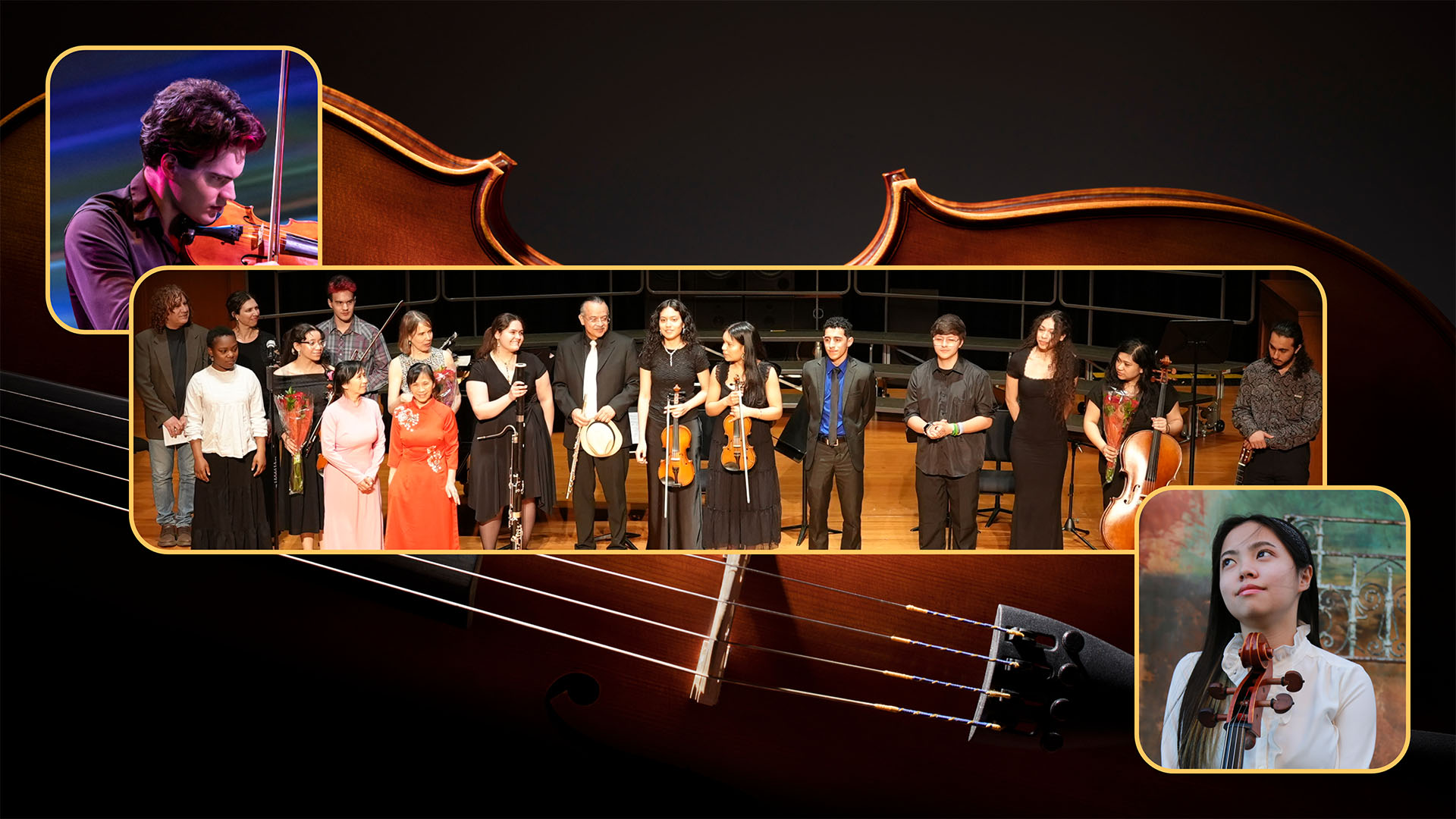
On Thursday, April 23, 2026, at 7:30 p.m., Enlow Recital Hall at Kean University becomes the setting for a performance that reflects both the evolving identity of classical music and the expanding cultural reach of New Jersey’s live arts scene. Presented by the Kean University Chamber Music Ensemble under the direction of Lisa Hansen, A Musical Mosaic: Classical & Folkloric Selections from the Americas, Asia & Europe is not simply a concert—it is a deliberate reimagining of what chamber music can represent in a modern, globally connected environment.

This free-admission event arrives at a moment when audiences are increasingly seeking depth, diversity, and narrative within live performance. Rather than adhering to a single stylistic tradition, A Musical Mosaic constructs a program that moves fluidly across continents, eras, and musical languages. It is an approach that positions Kean University at the forefront of a broader shift in classical programming—one that embraces cultural plurality without sacrificing technical rigor or artistic integrity.

At the center of the evening is the Kean University Chamber Music Ensemble itself, a collective of student musicians whose work reflects both disciplined training and interpretive ambition. Under Hansen’s direction, the ensemble navigates a repertoire that spans canonical European composers and globally rooted folkloric traditions, creating a cohesive musical dialogue that is as intellectually engaging as it is emotionally compelling.

The inclusion of Juilliard-trained guest artists violinist Dylan Hamme and cellist Elisabeth Chang adds a significant layer of artistic distinction to the performance. Their presence not only elevates the technical standard of the evening but also reinforces the collaborative ethos that defines chamber music at its highest level. These are musicians who bring professional precision and interpretive depth into direct conversation with emerging talent, resulting in a performance dynamic that is both refined and exploratory.

The program itself is structured as a journey through sound, drawing from a wide-ranging selection of composers whose works collectively define the breadth of the chamber music tradition. Audiences can expect to encounter the rhythmic intensity and folk-inspired language of Béla Bartók, the structural elegance and lyrical richness of Johannes Brahms, and the expressive character of Mikhail Glinka. The inclusion of George Frideric Handel introduces a baroque dimension that anchors the program historically, while works by Zoltán Kodály further expand the connection between classical form and folkloric influence.

What distinguishes this concert from more traditional chamber presentations is its willingness to move beyond the established canon and incorporate contemporary and cross-genre elements. The inclusion of music associated with modern artists such as Laufey, alongside the romantic stylings of Los Panchos, signals a deliberate effort to broaden the scope of the performance. This is not a departure from classical music—it is an expansion of it, an acknowledgment that the language of chamber music can evolve while still maintaining its core principles of intimacy, dialogue, and precision.

Instrumental and vocal works are interwoven throughout the program, creating a layered listening experience that continuously shifts in texture and tone. This structural variety ensures that the audience remains engaged not only with the music itself but with the transitions between styles, cultures, and interpretive approaches. Each piece functions as part of a larger narrative, contributing to a cohesive artistic statement that reflects the diversity implied in the concert’s title.

Enlow Recital Hall provides the ideal environment for such a performance. Its acoustical clarity and architectural intimacy allow for a level of detail that is essential to chamber music, where subtle dynamics and nuanced phrasing carry significant expressive weight. In this setting, the interaction between performers becomes fully visible and audible, offering audiences a direct connection to the collaborative process that defines the genre.

The significance of A Musical Mosaic extends beyond the performance itself. It represents a broader commitment within New Jersey’s arts ecosystem to present programming that is both accessible and ambitious. By offering free admission, Kean University continues to remove barriers to entry while maintaining a level of artistic quality that rivals ticketed performances in larger metropolitan venues. This approach not only expands audience access but also reinforces the role of public institutions in shaping the cultural landscape of the state.

For those exploring the wider spectrum of live performance opportunities across New Jersey, this event also serves as a gateway into a thriving network of theatrical and musical programming. The state’s growing reputation as a destination for high-caliber arts experiences is reflected in the breadth of offerings available through the Explore New Jersey theatre hub, where audiences can discover productions that span classical, contemporary, and experimental forms.

What ultimately defines A Musical Mosaic is its ability to balance tradition with innovation. It honors the foundational elements of chamber music—technical excellence, close collaboration, and interpretive nuance—while simultaneously expanding its boundaries to include a wider range of cultural voices and musical influences. In doing so, it creates a performance that is not only reflective of the past but actively engaged with the present.

As the April 23 performance approaches, this concert stands as one of the most compelling entries in New Jersey’s spring arts calendar. It offers an experience that is both immersive and expansive, inviting audiences to move beyond familiar listening patterns and engage with a broader musical landscape. In a state where the performing arts continue to gain momentum, A Musical Mosaic represents a clear and confident statement: that New Jersey is not only participating in the evolution of live music—it is helping to define it.

State Theatre New Jersey

15 Livingston Avenue , NJ
New Brunswick, NJ 08901 United States
+ Google Map
(732) 246-7469
View Venue Website

New Jersey Ignites 420 Weekend 2026 with Statewide Festivals, Major Dispensary Openings, and Unprecedented Cannabis Culture Expansion

New Jersey is stepping into April 20, 2026 with a level of scale, sophistication, and cultural energy that firmly establishes the state as one of the most dynamic cannabis destinations on the East Coast. What was once a single-day observance has evolved into a full-scale, multi-day statewide experience, with “420 Weekend” now stretching from April 17 through April 20 and transforming cities, downtown corridors, and retail hubs into immersive environments that blend music, wellness, commerce, and community.

Across New Jersey, dispensaries are no longer operating as standalone retail outlets—they are becoming event-driven cultural anchors. This year’s lineup reflects a decisive shift toward experiential cannabis, where live performances, curated product drops, educational engagement, and lifestyle programming intersect. The result is a unified statewide celebration that not only meets demand but elevates expectations for what a regulated cannabis market can deliver.

Major Festivals and Multi-Day Events

  • High Rollers 420 Fest (Atlantic City): A large-scale festival at The Claridge Hotel on April 20 (2 PM – 10 PM). It features live music by SensaMotion, top-tier brands like Agri-Kind and RYTHM, food, drinks, and a consumption-allowed environment.
  • SoulFlora’s 3rd Annual 420 Fest (West Milford): This 5-day celebration (April 16–20) includes a massive outdoor tent event on Saturday, April 18 with a live DJ, food from Donut NV, and vendor pop-ups from brands like BarCanna and Verano.
  • The First Annual Jersey Joint 4/20 Festival (Glassboro): A two-day event (April 18–19) featuring live music, local artists, food trucks, and DIY stations.
  • 420 Weekend AC Bud Crawl (Atlantic City): A shuttle-based tour on April 18 visiting over eight local dispensaries. The crawl starts at Sweet Leaf Dispensary and includes exclusive discounts and a mystery after-party.

Dispensary Grand Openings & Special Releases

  • Toke Lane Dispensary (Trenton): Recently celebrated its grand opening in early April, positioning it as a fresh spot for 420 visits.
  • Sparkology (Franklin Park): Officially launching its sophisticated retail experience this 4/20 with a “Sparkfest” celebration featuring product drops and discounts.
  • Product Launch: ButACake has launched New Jersey’s first canned cannabis beverage, now appearing in dispensaries across the state just in time for the holiday.

Dispensary Promotions and Deals

  • The Frosted Nug (Red Bank): Running a 4-day promotion (April 17–20) with up to 50% off storewide and “Golden Tickets” hidden in mystery boxes worth $420 in store credit.
  • Emerald Tea Supply Co. (Bloomfield): Celebrating from April 17–20 with double loyalty points and discounts on flower, vapes, and edibles for in-store and delivery.
  • Highway 90 (Marlton): Hosting a multi-day bash starting April 17 with food trucks, vendor pop-ups, and goodie bags.
  • Nightjar Cannabis (Bloomfield): Running a holiday weekend event from April 18 through April 20.

Unique & Educational Events

  • Earth Day Puff Puff Pilates (Hoboken): Hosted at The Station on April 20 (5 PM), this wellness event features Pilates, herbal tea, and a vendor marketplace. Note: No smoking is permitted on-site for this specific event.
  • 420 Art Gallery (North Bergen): HudHaus Dispensary is hosting live art and music performances on April 18.
  • Sativa Cross at the NJ State House (Trenton): A traditional advocacy gathering taking place on April 20.

One of the defining elements of this year’s 420 Weekend is the rise of large-scale festivals designed to draw both local audiences and regional visitors. In Highland Park, ANJA Fest 4 emerges as one of the marquee events of the weekend, transforming the area into a 21+ block party environment complete with live music performances, DJ sets, interactive art installations, rolling competitions, and a full lineup of food trucks. With early arrival incentives such as complimentary gift bags for the first wave of attendees, the event underscores how dispensary-affiliated experiences are now competing with traditional music and lifestyle festivals in both scope and appeal.

Further south, Glassboro becomes a focal point with the First Annual Jersey Joint Festival, a two-day activation that reflects the growing integration of cannabis culture with local creative communities. Featuring live music, hands-on DIY stations, and vendor-driven engagement, the event reinforces a grassroots approach to cannabis celebration while still operating within a professionally curated framework. This hybrid model—community-driven yet commercially structured—is rapidly becoming a hallmark of New Jersey’s cannabis identity.

Atlantic City, long recognized as an entertainment destination, is leveraging its infrastructure to host one of the most ambitious experiences of the weekend: the 420 Weekend AC Bud Crawl. Anchored by a shuttle-guided format, this event connects participants to more than eight dispensaries across the city, offering exclusive discounts, product sampling opportunities, and a coordinated, high-energy itinerary that mirrors the structure of major nightlife circuits. It is a strategic evolution that positions Atlantic City not just as a gaming hub, but as a cannabis tourism destination with national relevance.

At the same time, the industry is embracing wellness as a core pillar of its expansion. In Hoboken, the Earth Day Puff Puff Pilates event at The Station introduces a refined, lifestyle-oriented approach to cannabis engagement. Combining a vendor marketplace featuring THC-infused products with a guided Pilates sculpt session and networking opportunities, the event reflects a broader shift toward integrating cannabis into health-conscious and socially connected environments. This is not a niche experiment—it is a signal of where the market is heading.

Beyond events, 420 Weekend 2026 is defined by a wave of high-profile grand openings and strategic market entries that are reshaping the competitive landscape. In Trenton, Toke Lane Dispensary has already established momentum following its early April debut, positioning itself as a key destination heading into the holiday surge. In Franklin Park, Sparkology is making a major statement with its official launch on April 20, introducing a woman-owned retail model backed by “Sparkfest,” a launch event built around exclusive product releases and targeted promotions for medical patients and veterans.

Perhaps the most headline-generating opening arrives in Jersey City, where The Medicine Woman—co-owned by Ice-T—marks its official debut with a high-visibility ribbon-cutting and celebrity meet-and-greet. This level of star-driven involvement signals a new phase in New Jersey’s cannabis market, where brand identity, cultural influence, and retail strategy converge to create destination-level experiences.

Product innovation is also taking center stage this year, highlighted by the introduction of New Jersey’s first canned cannabis beverage from ButACake. As of April 10, this launch represents a significant evolution in consumption formats, aligning the state with broader national trends that emphasize convenience, portability, and social usability. It is a development that is expected to drive both curiosity and adoption among new and experienced consumers alike.

Retailers across the state are matching this momentum with aggressive promotional strategies designed to capture the surge in demand. In Red Bank, The Frosted Nug is setting a new benchmark with what it describes as its most expansive promotional window to date, featuring storewide discounts of up to 50 percent, buy-one-get-one offers, and the introduction of “Golden Ticket” incentives tied to substantial in-store credit. These initiatives are complemented by timed raffles and exclusive product drops, creating a layered retail experience that extends beyond traditional point-of-sale transactions.

In Bloomfield, Emerald Tea Supply Co. and Nightjar Cannabis are each carving out distinct identities within the competitive landscape. Emerald Tea is focusing on value-driven engagement through discounted flower and edibles alongside enhanced loyalty incentives, while Nightjar is leaning into experiential branding with its “NightjarChella” activation—an event that blends festival aesthetics, themed participation, and vendor collaborations with leading product brands.

Additional activations across the state reinforce the depth of participation in this year’s 420 Weekend. From multi-day celebrations at Highway 90 in Marlton to cannabis-friendly yoga programming in Atlantic City at SunnyTien Dispensary & Lounge, the diversity of offerings reflects a market that is no longer defined by a single consumer profile. Instead, it is expanding to meet a wide range of preferences, from high-energy festivalgoers to wellness-focused participants and product enthusiasts seeking curated retail experiences.

Overlaying all of this activity is the conclusion of the High Times Cannabis Cup New Jersey, which brings a competitive, consumer-driven dimension to the weekend. With its People’s Choice format, the event empowers participants to engage directly with the evaluation of products across multiple categories, from flower to infused pre-rolls. Limited Judge’s Kits, available at select locations, have added an additional layer of exclusivity and anticipation, reinforcing the role of New Jersey as an emerging leader in cannabis quality and innovation.

What is becoming increasingly clear is that New Jersey’s cannabis sector is not simply growing—it is maturing at an accelerated pace. The convergence of large-scale events, high-profile brand entries, product innovation, and experiential retail is creating an ecosystem that rivals more established markets. This evolution is being driven not only by demand but by a strategic understanding of how cannabis intersects with culture, entertainment, and community.

For those looking to explore this rapidly expanding landscape in greater depth, the broader scope of dispensaries, retail developments, and cannabis-related features across the state can be accessed through the Explore New Jersey dispensary hub, where ongoing coverage continues to track the industry’s most important movements.

As April 20 approaches, New Jersey is not just participating in a national moment—it is defining its own version of it. 420 Weekend 2026 represents a turning point, where the state’s cannabis industry steps confidently into a new phase of cultural relevance and economic impact. For residents, visitors, and industry observers alike, this is the weekend where everything comes together: the events, the openings, the products, and the people who are shaping what comes next.

Choral Concert

0

Kean University’s Spring Choral Concert Elevates New Jersey’s Classical Music Scene with a Powerful Celebration of Voice and Community

April 12 @ 8:00 AM 5:00 PM

On Sunday, April 19, 2026, at 4:00 p.m., Kean University will present one of the most anticipated vocal performances of the spring season, as the Spring Choral Concert takes center stage at Enlow Recital Hall. This free-admission event is far more than a campus performance—it is a fully realized artistic statement that reflects the depth, sophistication, and cultural importance of New Jersey’s evolving live music landscape.

Positioned within a state that continues to expand its reputation for high-caliber performing arts, this concert stands as a defining example of how academic institutions are shaping the future of music while honoring its most enduring traditions. The program brings together multiple ensembles, distinguished faculty, emerging conductors, and a guest youth choir in a layered presentation that is as intellectually rich as it is emotionally resonant.

At the heart of the performance is a carefully curated repertoire that spans centuries of choral tradition, bridging Renaissance sacred works with Romantic masterworks and deeply rooted spiritual compositions. The Kean University Treble Choir, under the direction of Professor Christine Scott, joins forces with the Kean University Concert Choir and Community Chorale, led by Dr. Rachel Carlson, Kean’s Director of Choral Activities, to deliver a program that reflects both technical precision and expressive range.

The inclusion of the Thomas Jefferson Arts Academy A Cappella Choir, directed by Mrs. Kelly Cubias, adds an important generational dimension to the performance. Their presence underscores a broader commitment within New Jersey’s arts ecosystem to cultivate young talent and integrate it into professional-level presentations, creating a continuum that strengthens the state’s cultural foundation.

Musically, the program is anchored by an impressive lineup of composers whose works have defined choral excellence across eras. Audiences will experience the refined polyphony of Tomás Luis de Victoria, the monumental harmonic language of Anton Bruckner, and the groundbreaking contributions of Undine Smith Moore, whose work remains essential in expanding the canon of American choral music. The program also embraces the spiritual intensity and rhythmic vitality of Moses Hogan, bringing a distinctly American voice into dialogue with European tradition.

One of the most compelling elements of the afternoon is the performance of Johannes Brahms’ Liebeslieder Waltzes by the Kean University Community Chorale. Written for choir and four-hand piano, this work is a masterclass in balance and interplay, blending lyrical vocal lines with intricate piano textures. Featuring Kean piano faculty Stephanie Ho and Saar Ahuvia, this segment of the concert promises a level of musical cohesion and nuance that elevates the entire program.

The collaborative framework extends further through the contributions of pianists Harmony Chau and Justine Langman, whose accompaniment provides both structural support and interpretive depth. Meanwhile, student conductors Davi Borges and Steven Friedman step into leadership roles, offering a glimpse into the next generation of choral direction and reinforcing Kean University’s commitment to experiential learning at the highest level.

Enlow Recital Hall itself plays a critical role in shaping the audience experience. Known for its exceptional acoustics and intimate design, the venue allows for a level of sonic clarity that is essential for choral performance. Every dynamic shift, harmonic resolution, and textual nuance is delivered with precision, ensuring that the audience is fully immersed in the music.

What distinguishes this concert within the broader New Jersey arts calendar is not only its artistic ambition but its accessibility. By offering free admission, Kean University removes barriers and invites the community at large to engage with a program that might otherwise be confined to more exclusive settings. This approach aligns with a growing movement across the state to democratize access to high-quality cultural experiences, reinforcing New Jersey’s position as a destination for both emerging and established artistic voices.

For audiences exploring the breadth of live performance across the region, this event also serves as an entry point into a wider network of productions and venues. The state’s vibrant performing arts scene continues to expand, with a diverse array of offerings that can be explored through the Explore New Jersey theatre hub, where music, drama, and interdisciplinary performances intersect in compelling ways.

The Spring Choral Concert is not simply a recital; it is a convergence of tradition, innovation, and community engagement. It reflects the enduring power of the human voice as both an artistic instrument and a unifying force, capable of transcending time, culture, and individual perspective. In a single afternoon, audiences will encounter centuries of musical thought, interpreted through the lens of contemporary performers who bring their own insight and energy to the stage.

As New Jersey continues to assert itself as a center for cultural excellence, events like this define the standard. The April 19 performance at Enlow Recital Hall is an essential experience for anyone invested in the arts—an opportunity to witness the intersection of education and performance at its highest level, and to engage with music that continues to shape the human experience across generations.

Kean Stage

(908) 737-7469

View Organizer Website

State Theatre New Jersey

15 Livingston Avenue , NJ
New Brunswick, NJ 08901 United States
+ Google Map
(732) 246-7469
View Venue Website

The Bald Soprano

0

Kean University Theatre Brings Absurdist Classic The Bald Soprano to Life This April at Bauer Boucher Theatre Center

April 10 @ 8:00 PM April 18 @ 11:30 PM

New Jersey’s theatre scene continues to assert itself as one of the most dynamic and intellectually engaging in the region, and this April, audiences have a rare opportunity to experience one of the most influential works of modern drama reimagined for today. Opening April 10 and running through April 18, Kean University’s Theatre Department presents Eugène Ionesco’s The Bald Soprano at the Bauer Boucher Theatre Center—a production that promises to be as disorienting, hilarious, and thought-provoking as the text itself.

For those who have ever felt that conversations loop into nonsense, that time slips unpredictably, or that everyday interactions carry an uncanny, almost surreal quality, The Bald Soprano does not simply reflect that sensation—it amplifies it into theatrical brilliance. This is not traditional storytelling. It is a carefully constructed unraveling of logic, language, and human connection, delivered through one of the defining works of Theatre of the Absurd.

Kean University’s staging, directed by E. Teresa Choate and translated by Tina Howe, leans fully into the unsettling humor and philosophical undercurrent that have made Ionesco’s work endure for decades. At its core, the play follows two seemingly ordinary couples—the Smiths and the Martins—whose interactions quickly spiral into illogical exchanges and repetitive dialogue that borders on the nonsensical. With the addition of Mary the Maid and the Fire Captain, the narrative fractures even further, creating a theatrical experience that is equal parts comedy and existential inquiry.

The Bauer Boucher Theatre Center provides an intimate setting that enhances the immediacy of the performance. Here, the audience is not just observing the absurdity—they are immersed in it. Every pause, every contradiction, every breakdown in communication lands with greater intensity, making the experience both deeply personal and universally resonant.

This production arrives at a time when audiences are increasingly drawn to theatre that challenges perception rather than simply entertains. In that regard, The Bald Soprano is not just relevant—it is essential. Its themes of miscommunication, identity, and the instability of reality feel strikingly contemporary, even as the play itself remains rooted in mid-20th-century avant-garde tradition.

The performance schedule offers multiple opportunities for audiences to engage with the production, including several unique access points. Opening night begins Friday, April 10 at 7:30 p.m., followed by a full slate of performances across two weekends and midweek evenings. Notably, select performances include post-show Q&A sessions, providing audiences with the chance to engage directly with the creative team and deepen their understanding of the work’s themes and execution. These discussions are particularly valuable for those interested in the mechanics of absurdist theatre and the interpretive choices that bring such a text to life.

Ticket pricing remains accessible, ranging from $11 to $16, reinforcing Kean University’s commitment to making high-quality theatre available to a broad audience. Whether you are a seasoned theatre enthusiast, a student of dramatic arts, or simply someone seeking a unique cultural experience, this production offers exceptional value—not just in entertainment, but in intellectual engagement.

It is worth noting that the production includes farcical physical comedy, including scenes of romantic exaggeration between couples, and is recommended for audiences comfortable with that tone. However, these elements are handled within the broader framework of absurdist humor, contributing to the play’s exploration of human behavior rather than serving as mere spectacle.

Beyond the production itself, this event underscores the strength and diversity of New Jersey’s performing arts ecosystem. Institutions like Kean University continue to play a critical role in nurturing talent, advancing theatrical innovation, and bringing ambitious works to local audiences. For those looking to explore more of what the state has to offer, the evolving landscape of live performance across New Jersey can be further discovered through the Explore New Jersey theatre hub, where productions ranging from classic revivals to cutting-edge new works are consistently showcased.

As the curtain rises on The Bald Soprano, audiences are invited to step into a world where language collapses, logic dissolves, and meaning is constantly in flux. It is theatre at its most daring—unpredictable, unsettling, and undeniably captivating. In a cultural moment where clarity often feels elusive, this production does not offer answers. Instead, it embraces the chaos, inviting viewers to laugh, question, and ultimately see the familiar in an entirely new way.

For nine performances only, this is one of the most distinctive theatrical events in New Jersey this spring—an opportunity to experience a cornerstone of modern drama through a bold and immersive new lens.

Kean Stage

(908) 737-7469

View Organizer Website

State Theatre New Jersey

15 Livingston Avenue , NJ
New Brunswick, NJ 08901 United States
+ Google Map
(732) 246-7469
View Venue Website

Garden State Watercolor Society’s 56th Annual Juried Exhibition Brings Revolutionary Art and Regional Talent Into Focus Across New Jersey’s Cultural Landscape

New Jersey’s thriving arts and cultural ecosystem continues to assert its influence across the broader creative economy, and this spring, one of its most respected institutions delivers a defining moment for regional artistry. The Garden State Watercolor Society’s 56th Annual Open Juried Exhibition and 8th Annual Art Installation arrives as both a celebration of technical mastery and a bold statement about the evolving role of visual storytelling in today’s interconnected art and media environment.

Running from April 1 through May 30, 2026, this flagship exhibition stands as the society’s most significant annual presentation, bringing together a carefully curated collection of 64 works selected from a competitive pool of 112 submissions. Each piece reflects a high standard of execution and originality, chosen under the direction of juror Joseph Gyurcsak, a nationally recognized artist whose involvement reinforces the exhibition’s credibility and artistic rigor. For New Jersey audiences, the result is a showcase that not only highlights exceptional talent but reinforces the state’s position as a serious contributor to the national arts dialogue.

The exhibition’s opening reception and awards presentation, held on April 12 from 2:00 p.m. to 4:00 p.m., invites the public into this creative space with an atmosphere that is both celebratory and accessible. Free to attend and designed to encourage engagement, the event offers attendees the opportunity to connect directly with the work, the artists, and the broader mission of the organization. In a cultural climate where accessibility and community connection are increasingly valued, this approach reflects a larger shift across New Jersey’s arts sector, a trend consistently explored within Explore New Jersey’s coverage of art, where visual storytelling continues to intersect across mediums.

At the center of this year’s presentation is a compelling thematic installation titled Revolution as Reinvention: 250 Years of Defying Artists Convention. Positioned outside the main gallery space, this ambitious installation features 55 miniature paintings that collectively explore the history of artistic rebellion and transformation. Through bold color palettes, unconventional techniques, and reinterpretations of familiar visual language, the installation functions as both homage and innovation. It reframes historical influence through a contemporary lens, presenting a mosaic of ideas that challenge traditional boundaries while honoring the foundations from which they emerged.

This duality between tradition and reinvention defines the exhibition as a whole. Watercolor, often perceived as a classical medium, is elevated here into a dynamic platform for experimentation and narrative depth. The selected works demonstrate a range of approaches, from highly detailed realism to expressive abstraction, each contributing to a broader conversation about what watermedia can achieve in a modern context.

Among the standout recognitions, Zina Umyn’s Garden Tangle earned the prestigious Best in Show designation, also known as the Dagmar Tribble Award, named in honor of the society’s founder. The piece exemplifies the kind of compositional complexity and technical precision that defines the highest level of watercolor artistry. L. A. Hart’s Evening Ferns secured second place, recognized for its atmospheric depth and refined execution, while Joanne Amantea’s The Quiet Before received third place, capturing a moment of stillness with remarkable subtlety and control.

Additional works receiving recognition include Low Tide Play by Daniella Toscanini, Parakeet and Peony #2 by Anna Krejsa Fryland, and On My Way by John Wolff, each contributing a distinct perspective to the exhibition’s overall narrative. These selections underscore the diversity of voices within the society, reflecting a wide range of influences, techniques, and conceptual approaches.

Beyond the award winners, the exhibition’s full roster of accepted artists represents a cross-section of regional talent that spans New Jersey, Pennsylvania, New York, and Delaware. This geographic diversity reinforces the society’s role as a central hub for watermedia artists in the Northeast, fostering collaboration and elevating standards across the region. The inclusion of both established and emerging artists creates a layered experience for viewers, where different stages of artistic development are presented side by side, each offering its own insight into the creative process.

The Garden State Watercolor Society’s impact extends far beyond this single exhibition. As a nonprofit organization dedicated to advancing watermedia, it has spent decades building a framework that supports education, exhibition, and community engagement. Its programming includes multiple exhibitions throughout the year, an online members showcase, specialized smaller-scale exhibitions, and live art sale events that connect artists directly with audiences.

One of the society’s most notable contributions in recent years was the creation of a permanent botanical watercolor installation at the Discovery Center at Point Breeze in Bordentown, the former estate of Joseph Bonaparte. This project reflects the organization’s commitment to integrating art into public spaces, making it accessible to a broader audience while preserving a connection to historical and environmental themes.

In the context of New Jersey’s broader cultural landscape, the significance of this annual exhibition cannot be overstated. It represents a convergence of artistic excellence, community engagement, and institutional legacy. As the state continues to expand its influence in film, television, and digital media, visual arts exhibitions like this serve as a reminder that foundational artistic disciplines remain central to the creative ecosystem.

The parallels between fine art and screen-based storytelling are increasingly evident. Both rely on composition, narrative, and emotional resonance to connect with audiences. By fostering talent and encouraging innovation within the visual arts, organizations like the Garden State Watercolor Society contribute to a pipeline of creative thinking that ultimately influences a wide range of media industries.

For visitors, the exhibition offers more than an opportunity to view exceptional artwork. It provides a lens through which to understand the evolving nature of creativity in New Jersey. It highlights the importance of supporting local artists, engaging with cultural institutions, and recognizing the role that art plays in shaping both individual perspectives and collective identity.

As the 56th Annual Juried Exhibition continues through May 30, it stands as a testament to the enduring relevance of watercolor as a medium and the ongoing vitality of New Jersey’s arts community. Through its combination of technical excellence, thematic ambition, and community accessibility, it reinforces the state’s position as a place where creativity is not only preserved but continuously reimagined.

Jamie Ding Rewrites “Jeopardy!” History as New Jersey’s Latest Television Powerhouse

New Jersey’s growing presence in the national film and television landscape has found a new and unlikely centerpiece, not on a scripted set or streaming drama, but on one of the most enduring stages in broadcast television history. Jamie Ding, a Lawrenceville resident, has emerged as one of the most dominant competitors ever to appear on Jeopardy!, delivering a record-setting run that is now firmly embedded in the upper tier of the show’s four-decade legacy while simultaneously reinforcing the Garden State’s expanding cultural footprint in television.

As of April 10, 2026, Ding has secured 21 consecutive victories, amassing $609,000 in regular-season winnings and officially earning his place in the 2027 Tournament of Champions. With that achievement, he has tied for sixth place all-time in consecutive wins, placing him alongside some of the most recognizable names in the history of the franchise. For a program defined by intellectual rigor, composure under pressure, and strategic precision, reaching this level is not simply notable, it is extraordinarily rare.

What makes Ding’s ascent particularly compelling within the broader context of New Jersey’s entertainment ecosystem is how it reflects the evolving definition of on-screen talent. While the state continues to build its reputation as a hub for production, storytelling, and media innovation, as consistently explored across Explore New Jersey’s coverage of film and television, moments like this underscore that influence extends beyond production studios and into the personalities shaping national conversations.

Ding’s performance has been defined not only by consistency but by statistical excellence that borders on historic anomaly. On March 17, 2026, he delivered what many analysts consider one of the most technically flawless games in Jeopardy! history, achieving a Coryat score of $42,400, the highest ever recorded. This metric, which isolates pure knowledge performance by excluding wagering elements, has long been used as a benchmark for intellectual dominance on the show. In surpassing a 22-year-old record previously held by Ken Jennings, Ding did more than set a new high-water mark; he redefined the ceiling.

Equally remarkable was his precision. In that same game, he matched the record for the most correct responses in a single episode with 45, demonstrating not just breadth of knowledge but an ability to sustain accuracy across an entire board. By the time he reached Final Jeopardy, he held a runaway lead of $48,800, ultimately closing the episode with a single-day total exceeding $51,000. These are not incremental achievements; they are indicators of a player operating at a level rarely seen in the modern era of the show.

Beyond the numbers, Ding’s identity adds another dimension to his story. Professionally, he serves as a multifamily and tax credit program administrator with the New Jersey Housing and Mortgage Finance Agency, a role grounded in public service and policy. At the same time, he is pursuing a law degree as a weekend student at Seton Hall Law School, balancing academic rigor with a full-time career. His academic foundation traces back to Princeton University, where he earned a degree in molecular biology, further illustrating the depth of his intellectual profile.

This combination of professional discipline, academic achievement, and on-screen performance resonates strongly within New Jersey’s broader narrative. The state has long been defined by its capacity to produce individuals who excel across multiple domains, and Ding’s trajectory aligns with that tradition. He represents a modern archetype of success, one that bridges public service, higher education, and national media visibility.

His personal quirks have also contributed to his growing recognition among viewers. Known for frequently wearing orange as a nod to his Princeton roots, Ding has cultivated a subtle but memorable on-screen identity. His affinity for the color extends beyond wardrobe choices, reflecting a continuity between his academic past and his present achievements. Off-screen, he shares a lighter side through a collaborative social media project with his sister, reviewing General Tso’s chicken at various restaurants, a detail that adds relatability to an otherwise highly analytical persona.

For audiences across New Jersey, Ding’s run has become appointment viewing. His next appearance, scheduled for April 13, 2026, marks his 22nd consecutive game, a milestone that could push him even further up the all-time rankings. In North and Central Jersey, the program airs on WABC Channel 7 at 7:00 p.m., while viewers in South Jersey can tune in via WPVI Channel 6 at the same time. Episodes are also available for streaming on major platforms the following day, extending accessibility to a broader audience.

The significance of Ding’s success extends beyond individual accomplishment. It contributes to a larger narrative about New Jersey’s place in the national media landscape. As the state continues to attract production investment and expand its role in film and television, stories like this reinforce its cultural relevance. They demonstrate that New Jersey is not only a backdrop for storytelling but a source of compelling figures who capture national attention.

In a media environment often dominated by scripted narratives and celebrity-driven content, Ding’s rise offers a different kind of appeal. It is grounded in knowledge, discipline, and performance under pressure, qualities that resonate across demographics. His success invites viewers to engage with television in a way that is both intellectually stimulating and emotionally rewarding, a combination that is increasingly valuable in today’s fragmented viewing landscape.

As his streak continues, the question is no longer whether Jamie Ding belongs among the greats of Jeopardy! but how far he can climb within that elite group. Each additional win adds another layer to a story that is already historic, and with every appearance, he strengthens his connection to New Jersey’s evolving identity as a contributor to national culture and media.

For Explore New Jersey, this moment represents more than a headline. It is a reflection of the state’s capacity to produce excellence across unexpected arenas, from the arts and entertainment sectors to the intellectual stages that capture the attention of millions. Jamie Ding’s run is not just a personal milestone; it is a statement about where New Jersey stands today, and the kind of impact it continues to have on the broader cultural landscape.

Teen Art Hour at the New Jersey State Museum: A Free Creative Program Empowering the Next Generation of Artists in Trenton

In the heart of Trenton, where history, science, and art intersect under one roof, a quietly impactful program is shaping the next generation of creative voices across New Jersey. The Teen Art Hour Drop-in Program at the New Jersey State Museum has emerged as one of the state’s most accessible and meaningful youth arts initiatives, offering teens a consistent, hands-on opportunity to explore creativity in a professional museum environment without cost or barriers to entry.

At a time when arts education continues to face uneven access across schools and communities, programs like this are becoming increasingly vital. The New Jersey State Museum’s approach is both simple and effective: provide a welcoming, structured space where teens can engage directly with artistic practice while drawing inspiration from world-class collections just steps away. The result is a program that not only teaches technique but fosters curiosity, confidence, and creative independence.

Held monthly in the museum’s Imagination Studio, located on the lower level of the facility at 205 West State Street, Teen Art Hour is designed specifically for participants aged 14 and older. The program typically takes place on the second Thursday of each month from 3:00 p.m. to 4:00 p.m., creating a reliable after-school option for students looking to engage with the arts in a meaningful way. Its drop-in format eliminates the need for pre-registration, making it one of the most accessible programs of its kind in the state.

This accessibility is central to its impact. By removing financial and logistical barriers, the program opens the door to a broad range of participants, from those with established artistic interests to teens who may be exploring creative expression for the first time. In doing so, it aligns with a broader movement across New Jersey’s cultural institutions, where inclusivity and community engagement are becoming foundational priorities, as consistently reflected in Explore New Jersey’s coverage of arts and culture.

What sets Teen Art Hour apart is its integration with the museum’s collections. Each session is built around a unique project that connects directly to exhibits within the museum, allowing participants to experience art not as an abstract concept but as a living, evolving practice. This connection between observation and creation is a defining feature of the program, encouraging teens to see themselves as part of a larger artistic dialogue.

In April 2026, participants engaged in a photography scavenger hunt that transformed the museum’s galleries into a creative playground. Using their phones, teens were challenged to capture textures, patterns, and visual details throughout the exhibits, sharpening their observational skills while learning how to frame and interpret visual information. The exercise demonstrated how everyday tools can be used to create compelling art, reinforcing the idea that creativity is not limited by access to specialized equipment.

Looking ahead, the May 2026 session will shift focus to drawing, with an emphasis on animal forms inspired by the museum’s Natural History collection. Participants will explore proportion, structure, and movement, translating what they observe into their own artistic interpretations. This approach not only builds technical skills but also deepens engagement with the museum’s scientific exhibits, highlighting the interdisciplinary nature of art and observation.

Earlier sessions in 2026 have already demonstrated the program’s range. Teens have created their own sketchbooks, developing personal spaces for ongoing artistic exploration, and experimented with painting techniques inspired by the work of Alma Thomas, focusing on color, pattern, and mark-making. Each session introduces a new medium or concept, ensuring that participants are continually exposed to different ways of thinking and creating.

Beyond the individual projects, the program fosters a sense of community among participants. In a world where many teens experience creativity in isolation, often through digital platforms, Teen Art Hour provides a physical space for collaboration and shared experience. Participants are encouraged to discuss their work, exchange ideas, and learn from one another, creating an environment that is both supportive and dynamic.

The setting itself plays a crucial role in shaping this experience. The New Jersey State Museum, as one of the state’s premier cultural institutions, offers a unique backdrop that elevates the program beyond a traditional classroom setting. Surrounded by fine art, historical artifacts, and scientific exhibits, participants are immersed in an environment that reinforces the value of creativity as a core component of cultural and intellectual life.

For Trenton, the program represents an important investment in youth engagement and cultural development. It contributes to the city’s identity as a center for education and the arts, while providing local teens with access to resources that might otherwise be out of reach. For families and educators across the region, it offers a dependable and enriching option that complements formal education.

More broadly, Teen Art Hour reflects a growing recognition that the arts play a critical role in personal development. Creative expression is not only a means of producing work but a way of thinking, problem-solving, and understanding the world. Programs like this help cultivate those skills at a formative stage, equipping young people with tools that extend far beyond the studio.

As the program continues throughout 2026, its impact is likely to expand, drawing in new participants and further establishing itself as a cornerstone of youth arts programming in New Jersey. For teens seeking a space to explore their creativity, for parents looking for meaningful after-school opportunities, and for anyone invested in the future of the arts, Teen Art Hour stands as a model of what accessible, thoughtful programming can achieve.

In a state rich with cultural resources, it is often the programs that operate quietly and consistently that create the most lasting change. The Teen Art Hour Drop-in Program is one of those initiatives, building not just skills but confidence, curiosity, and a lasting connection to the arts for the next generation.

Louis Prima Returns to the Spotlight in Jersey City: A Landmark Exhibition Reintroduces a Defining Voice of American Music

Jersey City is once again asserting itself as a cultural destination with the arrival of a major exhibition that bridges music history, identity, and entertainment legacy in a way that resonates far beyond its walls. “Louis Prima: Rediscovering a Musical Icon,” now on view at the Italian Educational & Cultural Center at Casa Colombo, offers a rare and immersive look at one of the most influential and charismatic figures in American music. Running through August 15, 2026, the exhibition represents both a celebration and a reassessment of Prima’s enduring impact, positioning New Jersey at the center of a broader cultural conversation.

For audiences across the state and region, the exhibition is more than a retrospective. It is an opportunity to reconnect with an artist whose contributions shaped jazz, popular music, and live entertainment in ways that continue to influence performers today. As part of the evolving landscape highlighted through Explore New Jersey’s ongoing coverage of arts and culture, this exhibition reinforces the state’s role as a host for nationally significant cultural programming.

Originally debuted at the Italian American Museum of Los Angeles in 2022, the exhibition’s journey to the East Coast brings with it a renewed sense of relevance. Jersey City, with its rich immigrant history and dynamic arts scene, provides an ideal setting for a deeper exploration of Prima’s life and legacy. Located at Casa Colombo on Monmouth Street, the Italian Educational & Cultural Center serves as both a historical anchor and a contemporary cultural hub, making it a fitting home for an exhibition that blends heritage with modern appreciation.

Louis Prima’s career defies simple categorization. A Grammy-winning musician, bandleader, and entertainer, he is best known for iconic recordings such as “Sing, Sing, Sing” and “Jump, Jive an’ Wail,” songs that continue to define eras of American music. Yet his influence extends well beyond these hits. Prima was a performer who understood the power of stage presence, humor, and personality, helping to shape the blueprint for modern live entertainment. His work in Las Vegas, in particular, helped redefine what audiences expected from a headliner, blending music with theatrical energy in a way that remains standard practice today.

The exhibition itself is carefully curated to reflect this multifaceted legacy. Produced in collaboration with the Gia Maione Prima Foundation, it brings together an extraordinary collection of artifacts that provide both historical context and personal insight. Visitors are greeted with items that feel immediate and tangible, including Prima’s personal trumpet, hand-written sheet music, and custom stage attire that capture the essence of his performance style. These objects do more than document a career; they convey the energy and individuality that defined his presence.

Among the most significant pieces on display is Prima’s 1959 Grammy Award for “That Old Black Magic,” one of the earliest Grammy Awards ever presented. Its inclusion underscores not only his commercial success but also his recognition at a time when the recording industry itself was formalizing how it honored artistic achievement. This moment in music history becomes more vivid when seen through the lens of Prima’s career, which consistently pushed boundaries while remaining accessible to a broad audience.

The exhibition also highlights Prima’s unexpected yet lasting impact on popular culture through his role as the voice of King Louie in Disney’s “The Jungle Book.” Rare animation cels featured in the display connect his musical identity to a global audience that may first have encountered his voice through film rather than radio or stage. This crossover into animation illustrates the breadth of his appeal and the adaptability that kept his work relevant across generations.

Equally compelling are the personal elements woven throughout the exhibition. Correspondence, including a humorous letter from Frank Sinatra, provides a glimpse into the relationships and personality that shaped Prima’s world. These details humanize an artist often remembered for his larger-than-life performances, offering a more nuanced understanding of the man behind the music.

Beyond individual artifacts, the exhibition places a strong emphasis on Prima’s cultural significance, particularly his role in bringing Italian-American identity into the mainstream of American entertainment. At a time when cultural representation was often limited or stereotyped, Prima’s success helped redefine how Italian-American artists were perceived, blending heritage with universal appeal. His ability to embrace his roots while connecting with diverse audiences contributed to a broader shift in how cultural identity could be expressed within popular media.

The setting at Casa Colombo enhances this narrative. As an institution dedicated to preserving and promoting Italian-American heritage, it provides context that deepens the exhibition’s impact. Visitors are not simply observing history; they are engaging with it in a space that reflects the community and traditions that shaped Prima’s journey.

Accessibility is another defining feature of the exhibition. With generally free admission and a schedule that includes weekday and Saturday hours, along with additional availability by appointment, the exhibition is designed to reach a wide audience. This approach aligns with a broader trend within New Jersey’s cultural institutions, where accessibility and community engagement are prioritized alongside curatorial excellence.

For Jersey City, the exhibition adds to a growing reputation as a destination for meaningful cultural experiences. The city’s proximity to New York, combined with its own distinct identity, creates an environment where exhibitions of this caliber can attract both local residents and regional visitors. Events like this not only enrich the cultural landscape but also contribute to the economic and social vitality of the area.

As “Louis Prima: Rediscovering a Musical Icon” continues its run through the summer, it stands as a testament to the enduring power of music and the importance of revisiting the figures who helped shape it. In bringing this exhibition to New Jersey, Casa Colombo has created a space where history, culture, and performance intersect in a way that feels both timeless and immediate.

For those exploring the state’s arts and culture offerings, this exhibition represents a rare opportunity to engage with a legacy that continues to resonate across generations. It is not simply about remembering Louis Prima. It is about understanding why his voice, his style, and his influence still matter today.

New Jersey’s Craft Beer Scene Surges Into April 2026 With Landmark Festivals, Major Anniversaries, and a New Era of Brewery Innovation

New Jersey’s craft beer industry is entering one of its most dynamic stretches in recent memory, as April 2026 unfolds with a packed calendar of marquee festivals, milestone anniversary celebrations, high-profile beer releases, and continued expansion across the state’s brewery footprint. What is taking shape is more than a busy month of events. It is a defining moment for a sector that has steadily matured into one of the most influential pillars of the Garden State’s food and beverage economy.

Across the state, from Atlantic City to Clifton, Ewing to Cape May, breweries are not only producing beer but building experiences that blend community, culture, and creativity. This momentum is consistently reflected in Explore New Jersey’s comprehensive coverage of the state’s evolving beer and brewery scene, where the intersection of local business, tourism, and lifestyle continues to drive growth at every level.

New Jersey Brewery Events & Updates – April 2026

Major Events & Festivals

  • Atlantic City Beer and Music Festival (April 11, 2026 – Atlantic City Convention Center)
    20th and final year. 80+ breweries, unlimited tastings, silent disco. Two sessions:
    • Session 1 (12–4 PM) – Bayside
    • Session 2 (6–10 PM) – The Starting Line
  • River Horse Brewing Co. 30th Anniversary (April 25, 2026 – Ewing, 2–9 PM)
    Celebrating 30 years with three new releases:
    • Pearl of Wisdom (Belgian Blonde, 4.5%)
    • Barrel-Aged Dark Lager (5.2%)
    • Sweet Baby Birthday Cake Porter (collab with DuClaw)
      Live music and local vendors
  • Ghost Hawk Brewing 7th Anniversary Block Party (April 18, 2026 – Clifton)
    Block party with live music from Sasquatch and the Sick-A-Billys (King Sickabilly)
  • Ales on the Rails (April 25, 2026 – Mount Ephraim, 2–7 PM)
    Community beer event with breweries, food vendors, and live music

Special Beer Releases & Collaborations

  • Ramstein Brewery – Spring Fest Maibock Release (April 11, 2026 – Butler, 2–6 PM)
    Open house release. Free admission and samples.
    Available in cans, sixtels, and half kegs. Food truck + music
  • Cold Spring Brewery – “Stout of Tyme” Launch (April 12, 2026 – Cape May, 12 PM)
    Collaboration with Coffee Tyme. Launch party event
  • Varitage Brew Works – “Locks & Planes Day” Release (April 18, 2026 – Bloomfield)
    Rare variants and collaboration beers honoring the Morris Canal
  • Brews & Belly Rubs Collaboration (April 18, 2026)
    Beer Lab collaboration supporting Fur Angel Foundation
    Includes adoptable pets at the event

Taproom Events & Ongoing Activity

  • Montclair Brewery (Montclair)
    • April 12: Live music by JAAK
    • April 24: Multi-band performance
  • Icarus Brewing Company (Brick Township)
    • New 24,000 sq ft facility (“Icarus 2.0”)
    • April 24: Burgers & Brews pairing with Burger 25 (6 PM)
    • Live music every Saturday in April
      • April 18: The Snark Twins
      • April 19: Danny O’Neill
    • 30+ rotating draft options
  • Toms River Brewing (Toms River)
    • April 18: “420” celebration
    • Live music (Grateful Dave Band), food trucks, artisan vendors

New Openings & Expansion News

  • Bullhide Brewery (Pilesgrove)
    Newly opened in former Cowtown Rodeo area
    Rustic “cowboy” theme with indoor/outdoor seating
  • Eclipse Brewing (Merchantville)
    Reopened under new ownership (Megan Hilbert)
    Fully renovated interior and updated aesthetic
  • Death of the Fox (Carneys Point)
    Announced third location: High Grounds Lounge
    Hybrid brewery + coffee roasting concept
  • Wander Back Beerworks (Vineland)
    New tasting room in development
  • Five Dimes Brewery (Expansion to Point Pleasant Beach)
    Third location underway near train station
    Target opening: Summer 2026

At the center of this surge is a historic milestone event that marks both a celebration and a farewell. The Atlantic City Beer and Music Festival, long regarded as one of the premier craft beer gatherings on the East Coast, is hosting its 20th and final edition on April 11, 2026, at the Atlantic City Convention Center. This closing chapter brings together more than 80 breweries, expansive tasting opportunities, and a dual-session format that pairs beer with live music performances. With bands like Bayside and The Starting Line anchoring the entertainment, the event captures the energy that has defined it for two decades while delivering a “last call” atmosphere that underscores its significance. For many in the industry and among New Jersey’s craft beer enthusiasts, this is not simply another festival. It is the end of an era that helped shape the state’s modern beer culture.

While Atlantic City closes a chapter, other breweries across New Jersey are celebrating longevity and growth. River Horse Brewing Co. will mark its 30th anniversary on April 25 in Ewing Township, a milestone that highlights its role as one of the state’s foundational craft breweries. The celebration is set to feature exclusive beer releases, including new small-batch creations and a collaborative birthday porter, alongside live music and local vendors. For a brewery that has witnessed the evolution of the industry firsthand, the anniversary serves as both a reflection on its legacy and a statement of continued relevance in an increasingly competitive market.

In Clifton, Ghost Hawk Brewing is preparing to host its 7th Anniversary Block Party on April 18, transforming its space into a high-energy community event anchored by live performances, including a featured set by Sasquatch and the Sick-A-Billys. These anniversary-driven gatherings have become a defining element of New Jersey’s craft beer culture, where breweries function as neighborhood hubs that bring together music, food, and local identity.

Equally indicative of the state’s vibrant scene is the rise of community-centered events such as Ales on the Rails in Mount Ephraim, scheduled for April 25. This event blends craft beer with local vendors, food offerings, and live entertainment, reinforcing the idea that breweries are no longer isolated destinations but integral components of broader community engagement.

Beyond large-scale events, April is also delivering a wave of notable beer releases and collaborations that reflect both tradition and innovation. Ramstein Brewery’s Spring Fest Maibock release on April 11 stands out as a seasonal highlight, with the award-winning brew available in multiple formats during an open house event that combines tastings, live music, and a food truck experience. In Cape May, Cold Spring Brewery is introducing “Stout of Tyme,” a collaborative release with Coffee Tyme that underscores the growing intersection between craft beer and specialty coffee. Meanwhile, Varitage Brew Works in Bloomfield is preparing its “Locks & Planes Day” release on April 18, offering rare variants and collaborative brews inspired by the historic Morris Canal, tying New Jersey’s industrial heritage directly into its modern brewing narrative.

The month also highlights the increasing role of purpose-driven collaborations within the industry. The “Brews & Belly Rubs” release, developed in partnership with Beer Lab, combines craft beer with animal welfare advocacy, supporting the Fur Angel Foundation while inviting attendees to engage with adoptable pets. This type of initiative reflects a broader trend in which breweries are leveraging their platforms to support charitable causes, further embedding themselves within the social fabric of their communities.

At the operational level, New Jersey’s brewery scene continues to expand and evolve. Icarus Brewing Company’s recent transition into its new 24,000-square-foot facility in Brick Township represents one of the most significant upgrades in the state’s brewing infrastructure. The new space, complete with a two-story taproom, barrel-aging room, mezzanine bar, and expansive outdoor beer garden, positions Icarus as a major destination within the region. The move has not only increased production capacity but also enhanced the overall customer experience, allowing for larger events, curated pairings such as its upcoming Burgers & Brews night, and a rotating selection of more than 30 draft options.

This level of investment is being mirrored across the state through new openings and expansions. Bullhide Brewery has entered the scene in Pilesgrove with a distinct rustic concept that draws on the area’s agricultural roots, while Eclipse Brewing in Merchantville has relaunched under new ownership with a refreshed identity and redesigned interior. Death of the Fox continues to innovate within the brewery-coffee hybrid model, announcing a third location in Carneys Point that will incorporate on-site coffee roasting alongside its established brewing operations. Additional developments, including Wander Back Beerworks’ upcoming tasting room in Vineland and Five Dimes Brewery’s expansion into Point Pleasant Beach, further illustrate the sustained growth trajectory of the industry.

At the taproom level, breweries across New Jersey are maintaining a steady cadence of programming that keeps audiences engaged beyond major events. Montclair Brewery is hosting a series of live music performances throughout April, reinforcing its position as a cultural hub within the community. In Toms River, themed celebrations such as the April 18 “420” event featuring live bands, food trucks, and artisan vendors highlight the increasingly experiential nature of brewery operations. These ongoing activations are critical to maintaining customer engagement and building long-term loyalty in a competitive marketplace.

What is emerging from this convergence of events, releases, and expansions is a clear indication that New Jersey’s craft beer industry is not plateauing. It is accelerating. The combination of legacy breweries celebrating decades of success, newer entrants redefining the taproom experience, and collaborative efforts that extend beyond beer itself is creating a multifaceted ecosystem that continues to attract both local audiences and regional visitors.

April 2026 stands as a snapshot of that evolution, a month where tradition and innovation coexist, where farewell moments are balanced by new beginnings, and where the identity of New Jersey’s craft beer scene continues to sharpen. For consumers, it offers an unprecedented range of experiences. For brewers, it presents both opportunity and competition. And for the state as a whole, it reinforces the role of craft beer as a defining element of its modern food and beverage culture.

As the calendar progresses, the momentum generated this month is expected to carry forward, shaping the trajectory of the industry into the summer season and beyond. In a state known for its diversity, energy, and entrepreneurial spirit, the craft beer sector is proving to be one of its most dynamic and enduring success stories.

RV Overnights Celebrates National Pet Day 2026 with Major Discounts, New Partnerships, and a Pet-First Travel Experience Reshaping the RV Industry

As National Pet Day 2026 unfolds across the country, one of the fastest-growing platforms in the RV travel space is making a decisive statement about where the future of travel is headed—and who it’s built for. RV Overnights, the membership-based network connecting RV travelers with small businesses for unique overnight stays, has launched a sweeping National Pet Day initiative featuring more than $1,000 in pet-focused discounts, new brand partnerships, and a reinforced commitment to serving one of the most influential segments in modern travel: pet owners on the move.

The timing is not incidental. With nearly 70 percent of RV travelers now journeying with pets—and an overwhelming 92 percent of RV Overnights hosts welcoming them—this is no longer a niche trend. It is a defining characteristic of the RV economy. What RV Overnights is doing in 2026 is not simply responding to that demand; it is actively shaping the infrastructure around it, creating a travel ecosystem where pets are not an afterthought but a central consideration in how trips are planned, booked, and experienced.

Founded in 2023, RV Overnights has quickly positioned itself as a streamlined alternative to traditional campgrounds and overcrowded parking lots, offering what it describes as a “travel layover” model. Instead of navigating congested RV parks or settling for impersonal roadside stops, members gain access to a curated network of more than 1,450 host locations across the United States and Canada, including wineries, breweries, farms, and golf destinations. These locations are not only operationally convenient—they are experiential, transforming routine travel days into memorable stops that integrate local business engagement with the flexibility RV travelers demand.

At the core of the platform is a simple but effective value proposition. For an annual membership fee of $49.99, which includes a lifetime price lock, users receive unlimited access to overnight stays with no traditional camping fees. In place of nightly charges, the model encourages travelers to support host businesses directly, typically through a minimum purchase of goods or services. This “stay for support” approach aligns economic incentives across the platform, creating a mutually beneficial exchange where travelers gain access to unique locations while small businesses benefit from increased customer engagement.

The National Pet Day campaign amplifies this model by layering in targeted incentives designed specifically for pet owners. Through new partnerships and promotional offerings, RV Overnights is delivering substantial savings on pet products, travel essentials, and related services—an initiative that reflects both the scale and the strategic importance of this audience. In a market where pet ownership increasingly influences travel decisions, platforms that integrate pet-friendly features into their core offering are gaining a competitive edge.

The broader context of National Pet Day adds further relevance to the campaign. Established in 2006 to celebrate the role pets play in everyday life and to promote animal adoption, the day has evolved into a nationwide recognition of the human-animal bond. For RV travelers, that bond is often inseparable from the travel experience itself. Pets are not left behind; they are companions on the road, shaping routes, influencing accommodations, and redefining what flexibility in travel truly means.

RV Overnights’ platform architecture reflects this reality with precision. The company has invested in a suite of features designed to support real-world travel scenarios, particularly for those navigating long-distance routes with pets. Advanced filtering capabilities allow users to identify locations based on pet policies, rig size, generator use, and same-day availability, ensuring that travelers can make informed decisions without unnecessary detours. The “Search Along Route” functionality further enhances this experience, enabling users to locate stops directly within their planned journey rather than reworking itineraries around limited options.

Additional tools, including integrated Google Street View previews and detailed host imagery, provide clarity around access points, parking configurations, and overall site layout—critical factors for travelers managing larger rigs or traveling with animals that require specific accommodations. Beyond overnight stays, the platform also incorporates a resource network of more than 70,000 service locations, including dump stations, propane refill points, and repair facilities, reinforcing its role as a comprehensive travel tool rather than a single-purpose booking platform.

What differentiates RV Overnights within a competitive landscape is its emphasis on simplicity and accessibility. Unlike other membership models that rely on tiered pricing structures or add-on packages, the platform operates with a single membership level, eliminating friction and making entry straightforward for new users. This streamlined approach, combined with the flexibility of multi-night stays offered by a majority of hosts, positions the platform as both practical and adaptable—qualities that resonate strongly with today’s RV travelers.

From a business perspective, the platform’s growth trajectory reflects broader shifts within the travel and hospitality sectors. As consumers seek alternatives to traditional accommodations, particularly in the wake of changing travel preferences and increased demand for experiential options, models like RV Overnights are gaining traction. They offer scalability without the overhead of traditional infrastructure, while simultaneously supporting local economies through direct consumer engagement.

For New Jersey’s business community, these developments are particularly relevant. The state’s proximity to major population centers, combined with its diverse range of small businesses and tourism assets, positions it as a natural participant in this evolving ecosystem. As highlighted in ongoing coverage within the Business section of Sunset Daily News New Jersey, the intersection of technology, travel, and local commerce is becoming an increasingly important driver of economic activity. Platforms that facilitate this connection—while prioritizing user experience and operational efficiency—are setting new standards for how value is created and distributed.

The National Pet Day initiative also reinforces a larger narrative about consumer expectations in 2026. Travelers are no longer satisfied with generic solutions; they are seeking platforms that understand their specific needs and integrate those needs into every aspect of the experience. For pet owners, that means more than just allowing animals—it means designing systems that actively support them, from booking and navigation to on-site amenities and partner offerings.

As RV Overnights continues to expand its network and refine its platform, its focus on the pet-travel segment is likely to remain a central pillar of its strategy. The data supports this direction, the demand continues to grow, and the competitive landscape is increasingly defined by those who can deliver not just access, but alignment with how people actually travel.

In a year where technology, mobility, and lifestyle are converging in new and unexpected ways, RV Overnights’ National Pet Day campaign stands as a clear example of how targeted innovation can unlock broader market opportunity. It is not simply a promotion—it is a reflection of where the industry is heading, and a signal that the future of travel will be shaped as much by companionship as it is by destination.

Arsenal Trade Center Surges Toward Full Occupancy as Major Industrial Leases Signal Central New Jersey’s Dominance in the Modern Supply Chain Economy

A defining industrial development in Central New Jersey is entering its final phase of stabilization, as Arsenal Trade Center in Sayreville moves to near full occupancy following two transformative lease agreements totaling more than 535,000 square feet—an inflection point that underscores both the strength of the region’s logistics market and the evolving demands shaping modern distribution infrastructure in 2026.

The latest commitments, secured by Trammell Crow Company in partnership with CBRE Investment Management, represent one of the most significant leasing milestones in the state’s industrial sector this year. Worldwide Logistics USA LLC, a global digital logistics provider with expanding international reach, has taken the entire 451,916-square-foot footprint of Building 3, while Nekteck Inc., an emerging manufacturer in the consumer wellness and device category, has secured nearly 84,000 square feet in Building 1. Together, these deals effectively bring the 1.1 million-square-foot complex to the threshold of full occupancy, reinforcing Arsenal Trade Center’s position as a premier Class A logistics hub in the Northeast corridor.
This momentum is not occurring in isolation. It reflects a broader recalibration of supply chain strategy across industries, where speed, proximity, and scalability have become the defining metrics of operational success. Central New Jersey, and Middlesex County in particular, has emerged as a focal point in this shift, offering unparalleled access to major transportation arteries, dense population centers, and a highly available labor force. For companies operating in global distribution networks, this region is no longer optional—it is foundational.

Worldwide Logistics’ decision to anchor its U.S. expansion at Arsenal Trade Center illustrates this reality with precision. The company’s leadership has positioned the Sayreville location as a critical node within a larger “localized fulfillment and regional distribution” model, one that integrates advanced digital warehousing systems with on-the-ground operational efficiency. This approach reflects a growing industry trend in which logistics providers are moving away from centralized, single-hub models and toward distributed networks designed to reduce delivery times, optimize inventory flow, and respond dynamically to market demand.

For New Jersey, the implications are substantial. The state’s proximity to the New York metropolitan area, combined with its infrastructure connectivity—including access to major highways, ports, and rail systems—continues to attract both domestic and international operators seeking to establish or expand their North American footprint. As highlighted in ongoing coverage within the Business section of Sunset Daily News New Jersey, this positioning has elevated the state into a central role within the national logistics economy, where demand for high-performance industrial space remains consistently strong.

The design and specifications of Arsenal Trade Center further reinforce its appeal. Built to meet the highest standards of modern industrial development, the complex features 40-foot clear heights, expansive trailer and vehicle parking, and integrated sustainability elements including solar energy systems and LEED Gold certification. These features are no longer considered premium—they are baseline requirements for companies seeking to operate at scale in a competitive environment where efficiency, automation, and environmental performance intersect.

Nekteck’s lease, while smaller in scale, represents another critical dimension of the project’s success. As a manufacturer focused on innovative consumer products, the company’s presence highlights the diversification of tenants within the industrial sector. Warehousing is no longer limited to storage and distribution; it has evolved into a hybrid environment that supports manufacturing, assembly, fulfillment, and direct-to-consumer logistics. This convergence of functions is reshaping how industrial spaces are designed, leased, and utilized.

The velocity of leasing activity across the region further validates these trends. Data from the first quarter of 2026 indicates a surge in large-scale industrial transactions, with dozens of deals exceeding 100,000 square feet and a growing number surpassing the 200,000- and even 400,000-square-foot thresholds. Middlesex County has led this activity in total leased square footage, reinforcing its role as a primary engine of industrial growth within the state.

Arsenal Trade Center’s rapid lease-up timeline—from groundbreaking in 2022 to near full occupancy in early 2026—demonstrates how quickly the market has absorbed high-quality inventory. Earlier tenants, including JW Fulfillment Inc., which secured an entire building exceeding 340,000 square feet, and Essex Food Ingredients, which committed to more than 100,000 square feet, set the stage for the project’s current momentum. The remaining available space within Building 1 is expected to attract strong interest, given the scarcity of comparable Class A assets in the region.

Behind the project’s success is the institutional strength of its development team. Trammell Crow Company, a subsidiary of CBRE Group, brings decades of experience and a global portfolio valued in the tens of billions of dollars. Its ability to anticipate market demand, deliver high-performance assets, and secure major tenants reflects a disciplined approach to development that aligns closely with evolving industry requirements. With billions of dollars in active projects and pipeline development, the firm continues to play a significant role in shaping the future of industrial real estate both nationally and within New Jersey.

For Sayreville and the surrounding communities, the impact extends beyond square footage and lease agreements. Projects of this scale generate employment opportunities, increase local economic activity, and contribute to the long-term viability of the region as a logistics and distribution hub. At the same time, they introduce new considerations around infrastructure capacity, traffic patterns, and land use—factors that municipalities must continue to manage as industrial growth accelerates.

What distinguishes Arsenal Trade Center in this moment is not simply its size or its tenant roster, but its alignment with the broader trajectory of the logistics industry. The project embodies a shift toward smarter, more integrated supply chain systems, where location, design, and technology converge to create competitive advantage. It also reflects the growing importance of New Jersey as a strategic gateway—not just for goods moving across the country, but for companies expanding into global markets.

As 2026 continues to redefine the parameters of industrial real estate, developments like Arsenal Trade Center are setting the standard for what modern logistics infrastructure must deliver. With occupancy nearing completion and demand showing no signs of slowing, the project stands as a clear indicator of where the market is heading—and why Central New Jersey remains at the center of that movement.

Google’s AI Overviews Under Scrutiny as WebiMax CEO Warns of Accuracy Risks and a Fundamental Shift in Search Behavior

As artificial intelligence rapidly reshapes the architecture of online search, a new layer of complexity is emerging—one that carries significant implications for businesses, publishers, and consumers alike. At the center of this shift is Google’s rollout of AI-generated Overviews, a feature designed to summarize answers directly within search results. While positioned as a leap forward in user convenience, the technology is now facing growing scrutiny from industry leaders who question its reliability, transparency, and long-term impact on the digital ecosystem.

Ken Wisnefski, CEO of WebiMax, a digital marketing and SEO firm with deep operational ties to New Jersey’s technology and business sectors, is among those raising early concerns. His warning is direct: while AI Overviews may appear authoritative and efficient, they are still in a developmental phase that introduces meaningful risks—particularly when it comes to accuracy, interpretation, and the erosion of traditional web traffic models.

The core issue is not that the information presented by AI Overviews is entirely incorrect, but that it can be incomplete, miscontextualized, or presented with a level of confidence that exceeds its reliability. In a traditional search environment, users are guided through a list of sources, each offering a distinct perspective, allowing for comparison and validation. AI Overviews collapse that process into a single synthesized response, effectively positioning the AI as both curator and narrator. This shift introduces a new dynamic where users may accept summarized information at face value without engaging with the underlying sources.

For businesses and content creators across New Jersey, this represents a structural change in how visibility is earned and measured. The long-standing model of search engine optimization—built on rankings, click-through rates, and content authority—is being disrupted by what industry analysts are calling “zero-click behavior.” In this model, users obtain the information they need directly from the search results page, eliminating the need to visit external websites. While this may enhance user efficiency, it significantly reduces traffic flow to the very platforms that generate the content powering those AI summaries.

This tension is becoming increasingly evident across sectors that rely heavily on digital visibility, including healthcare, legal services, real estate, and local business discovery. Companies that have invested heavily in building high-ranking content are now facing a scenario where their insights may be extracted, condensed, and displayed without direct attribution or engagement. The result is a decoupling of content creation from audience interaction—a development that raises both economic and ethical questions.

Wisnefski’s perspective is particularly relevant within the context of New Jersey’s growing technology and innovation landscape, where digital strategy plays a central role in business development. As highlighted in ongoing coverage within the Technology & Tech section of Sunset Daily News New Jersey, the state is home to a diverse range of companies navigating the intersection of AI, data, and digital transformation. For these organizations, the evolution of search is not an abstract concept—it is a direct factor influencing customer acquisition, brand positioning, and competitive advantage.

Accuracy concerns extend beyond individual search results to broader questions about how AI systems are trained and updated. AI Overviews rely on vast datasets drawn from across the internet, but the process of synthesizing that information introduces potential distortions. Nuanced topics, rapidly evolving news, and specialized subject matter are particularly vulnerable to misrepresentation, as the AI attempts to generalize complex information into concise summaries. In high-stakes contexts—such as medical guidance, legal interpretation, or financial advice—these inaccuracies can have real-world consequences.

Equally important is the issue of accountability. In a traditional publishing model, content is tied to identifiable authors and organizations, each responsible for the accuracy and integrity of their work. AI-generated summaries, by contrast, operate within a more ambiguous framework. When information is presented without clear sourcing or attribution, it becomes more difficult for users to assess credibility or trace errors back to their origin. This lack of transparency is a central concern for industry professionals who emphasize the importance of trust in digital information systems.

The early-stage nature of AI Overviews further complicates the landscape. As with any emerging technology, iteration and refinement are expected, but the speed of deployment has raised questions about whether the feature has been fully tested across the wide range of queries it now handles. Instances of misleading or nonsensical responses, while not representative of the system as a whole, have highlighted the potential for error in ways that are highly visible and difficult to ignore.

From a strategic standpoint, businesses are being forced to rethink how they approach digital presence in an AI-driven search environment. Traditional SEO tactics are no longer sufficient on their own; companies must now consider how their content is structured, how it can be accurately interpreted by AI systems, and how to maintain brand authority even when direct engagement decreases. This includes a renewed focus on clarity, factual precision, and the development of content that is both machine-readable and contextually robust.

At the same time, there is an emerging opportunity for those who adapt quickly. As AI continues to integrate into search, the demand for high-quality, trustworthy content will only increase. Businesses that position themselves as authoritative sources—through consistent accuracy, depth of insight, and transparent communication—are more likely to be represented accurately within AI-generated summaries. In this sense, the shift toward AI-driven search does not eliminate the value of content; it elevates the standards required to compete effectively.

For New Jersey’s business and technology communities, the implications of this transition are far-reaching. The state’s proximity to major media markets, combined with its growing base of tech-driven enterprises, places it at the forefront of these changes. Companies operating here are not only adapting to new tools—they are helping to define how those tools are used, interpreted, and integrated into broader business strategies.

As Google continues to refine its AI capabilities, the conversation around accuracy, transparency, and user trust will remain central. Wisnefski’s warning serves as an early indicator of the challenges ahead, emphasizing that innovation must be balanced with responsibility. The promise of AI in search is undeniable, but its success will ultimately depend on its ability to deliver not just faster answers, but better ones—answers that inform, empower, and reflect the complexity of the real world rather than simplifying it beyond recognition.

In a digital environment where information is both abundant and influential, the stakes have never been higher. The evolution of search is no longer just a technical development; it is a transformation that touches every aspect of how businesses connect with audiences, how consumers access knowledge, and how trust is built in an increasingly automated world.

New Jersey’s Property Tax Reality Intensifies in 2026 as New Data Confirms Nation-Leading Burden and Legislative Pressure Mounts

New Jersey’s long-standing reputation as one of the most heavily taxed states in the nation has entered a new phase of scrutiny in 2026, as fresh data reveals that homeowners across the state are facing not only some of the highest effective tax rates in the country, but the highest average property tax bills outright—an economic reality that is increasingly shaping policy debates, housing decisions, and long-term financial planning across the region.

According to newly released analysis of national property tax data, New Jersey ranks among the top states for effective tax rates, with an average rate of 1.58 percent, placing it second only to Illinois. While that figure alone is significant, it is the combination of elevated rates and high property values that has propelled New Jersey to the top of the nation in terms of total tax burden. The average property tax bill for a single-family home in the state has now reached $10,499 annually, a figure that dwarfs national averages and underscores the structural pressures embedded within the state’s housing economy.

This dynamic is not evenly distributed—it is concentrated, intensified, and deeply regionalized. Of the 26 counties nationwide where the average property tax bill exceeds $10,000 per year, 10 are located in New Jersey, more than any other state. Counties such as Bergen and Essex rank among the most expensive in the country, with average annual tax bills exceeding $14,000. These figures place New Jersey in direct competition with some of the highest-cost housing markets in the United States, while simultaneously reinforcing its position as a state where the cost of ownership extends far beyond purchase price.

The implications extend into metropolitan-level data as well. In the Trenton metropolitan area, effective tax rates approach 1.89 percent, positioning it among the highest in the nation and reinforcing a broader pattern in which Northeast and Midwest regions dominate the upper tiers of property tax intensity. These elevated rates are not occurring in isolation; they are part of a broader fiscal structure that reflects the state’s funding model for education, infrastructure, and local government services—an interconnected system that continues to generate both support and criticism at the legislative level.

As this data circulates, it is increasingly influencing policy conversations across New Jersey, where lawmakers are under growing pressure to address affordability without destabilizing the revenue streams that sustain critical public services. Coverage within the Legislation section of Sunset Daily News New Jersey has consistently highlighted the tension between maintaining service quality and reducing taxpayer burden—a balance that has proven difficult to achieve in a state with dense population centers, extensive infrastructure needs, and a high standard of public services.

For homeowners, the impact is immediate and measurable. Property taxes in New Jersey are not a marginal expense; they are a defining component of total housing cost. In many cases, annual tax obligations rival or exceed mortgage payments, particularly in established suburban markets where property values have appreciated significantly over time. This reality is reshaping buyer behavior, influencing migration patterns, and prompting a growing number of residents to reassess long-term residency within the state.

At the same time, the state’s high property tax environment continues to attract a complex mix of responses from both policymakers and the private sector. Some view the tax structure as a necessary trade-off for access to high-performing school systems, robust municipal services, and proximity to major economic centers such as New York City and Philadelphia. Others argue that the current model is unsustainable, particularly as inflationary pressures and rising interest rates compound the cost of homeownership.

What makes the current moment particularly significant is the convergence of multiple economic forces. Elevated property values, persistent demand for housing, and structural tax frameworks are combining to create a scenario in which even modest increases in assessed value can translate into substantial increases in annual tax liability. For homeowners in counties already exceeding the $10,000 threshold, this creates a compounding effect that intensifies affordability challenges year over year.

The disparity between New Jersey and lower-tax states further underscores the issue. With average property tax bills in some states remaining near or below $1,100 annually, the gap is no longer incremental—it is exponential. This divergence is becoming a key factor in interstate migration trends, as individuals and families weigh the financial trade-offs of remaining in high-cost regions versus relocating to areas with lower tax burdens.

From a legislative standpoint, the challenge is not simply reducing taxes—it is restructuring a system that is deeply embedded in how local governments are funded. Property taxes in New Jersey serve as a primary revenue source for municipalities and school districts, meaning that any meaningful reform requires a comprehensive approach that addresses funding mechanisms at multiple levels of government. Incremental relief measures, while politically viable, have so far struggled to produce the kind of systemic change that would significantly alter the state’s ranking on a national scale.

At the same time, there is increasing recognition that transparency and predictability are as important as absolute tax levels. Homeowners and prospective buyers are seeking clearer insight into how tax assessments are calculated, how rates are adjusted, and how future obligations may evolve. This demand for clarity is driving new conversations around data accessibility, assessment practices, and the role of technology in modernizing tax administration.

For New Jersey’s real estate market, the stakes are equally high. Property taxes are a critical variable in valuation, investment decisions, and market competitiveness. Developers, investors, and homeowners alike must account for tax exposure when evaluating opportunities, making it a central factor in both short-term transactions and long-term planning.

As the state moves further into 2026, the conversation around property taxes is expected to intensify, particularly as new legislative proposals emerge and economic conditions continue to evolve. What remains clear is that New Jersey’s position at the top of national tax rankings is not merely a statistical distinction—it is a defining characteristic of the state’s economic identity, one that influences everything from housing affordability to business investment and regional competitiveness.

For readers tracking the intersection of policy, taxation, and economic development, this issue remains one of the most consequential stories shaping New Jersey today. The data confirms what many residents already experience firsthand, but it also raises a broader question that will continue to drive debate at every level of government: how to balance the cost of living with the value of living in one of the nation’s most dynamic and resource-rich states.

Newark’s Skyline Pushes Forward as Developer Pedro Gomes Secures Approval for Landmark Orange Street High-Rise

Newark’s next phase of vertical growth has taken a decisive step forward, as developer Pedro Gomes has secured long-awaited zoning approval for a 14-story residential tower at 253 Orange Street—an ambitious project that signals both a personal milestone and a broader evolution in how the city defines its gateway corridors. After years of persistence, setbacks, and recalibration, Gomes is now positioned to deliver what could become one of the most visually and strategically significant developments along one of Newark’s most visible entry points.

For Gomes, whose portfolio already includes more than 1,000 completed residential units across New Jersey, the approval represents more than just another project—it marks the realization of a long-standing ambition to bring a true high-rise presence to Orange Street. In a development landscape often defined by mid-rise, formula-driven construction, this project stands apart in both scale and architectural intent, signaling a shift toward more assertive and identity-driven design within Newark’s urban core.

The site itself carries strategic weight. Positioned along a corridor that connects suburban communities like West Orange and Livingston directly into Newark and onward to major highway access points, the intersection at Orange Street functions as a daily visual threshold for thousands of commuters. Gomes has consistently framed the location not simply as a development opportunity, but as a defining urban moment—an architectural statement that introduces the city to those entering and leaves a lasting impression on those exiting.

That vision has now materialized in the approved concept for “Christiano,” a project named after Gomes’s son, which will rise 14 stories and serve as a vertical landmark within the Broad Street Station District. While earlier renderings suggested a taller structure, Gomes made a strategic decision to reduce the height to align more closely with zoning expectations and community considerations, ultimately securing the approval that had eluded him in previous attempts.

The path to this moment has been anything but straightforward. In 2023, Gomes faced two consecutive zoning denials for proposed high-rise developments on a nearby parcel at 250 Orange Street. Those proposals—first at 15 stories and later scaled down to 12—were rejected, forcing a reassessment of both design and positioning. Rather than retreat, Gomes moved forward with a six-story version on that site, demonstrating his ability to adapt while maintaining forward momentum. Still, the ambition to deliver a true high-rise on Orange Street remained unresolved—until now.

This persistence has become a defining characteristic of Gomes’s development approach. In a market where numerous approved projects remain stalled or unrealized, his emphasis on execution has distinguished him from peers. The contrast is particularly visible in nearby sites, including the long-vacant former Bears Stadium location, where approved plans for a high-rise have yet to materialize. Gomes has consistently emphasized that approvals alone do not transform cities—construction does. His track record of moving projects from concept to completion has become a central argument in support of his proposals.

The newly approved Christiano tower is also notable for its architectural ambition. Designed in collaboration with the Musial Group, a firm that has worked closely with Gomes on previous developments, the building draws inspiration from one of Newark’s most iconic modernist structures—the Colonnade, originally designed by Ludwig Mies van der Rohe. This influence is not superficial; it is embedded in the building’s structural language and material expression.

The design incorporates pronounced vertical elements, deep recesses, and a textured façade that interacts dynamically with natural light. Throughout the day and across seasons, the building is intended to shift in appearance, capturing and reflecting sunlight in ways that create depth, contrast, and visual interest. The use of dark-green pigmentation, combined with a Flatiron-style footprint and strong vertical piers, sets the structure apart from the more standardized “four-over-two” residential buildings that have come to dominate much of Newark’s recent development cycle.

This departure from uniformity is significant. As Newark continues to grow, the question is no longer just about adding housing units—it is about shaping a skyline that reflects ambition, identity, and long-term vision. Projects like Christiano signal a move toward more intentional urban design, where individual buildings contribute to a broader architectural narrative rather than blending into a homogenous landscape.

Support for the project was further reinforced by alignment with the Broad Street Station District redevelopment plan, a long-standing framework that identifies key parcels for transformative development. According to project architect Noel Musial, the Orange Street site was specifically highlighted within the plan as a location suited for a “gateway” structure—one that commands visibility from major vantage points including Branch Brook Park and the Interstate 280 corridor. In this context, the Christiano tower is not an outlier; it is a realization of a vision that has been in place for more than a decade.

The timing of the project also reflects broader momentum within Newark’s real estate sector. Recent developments, including the completion of Hoyt Tower—a 15-story residential building delivering over 200 units—demonstrate increasing acceptance of vertical density in key corridors. These projects collectively indicate a shift in both market demand and municipal strategy, as Newark positions itself to accommodate growth while enhancing its urban profile.

For readers following the evolving dynamics of development across the state, this project represents a clear example of how persistence, design innovation, and strategic alignment can converge to produce meaningful progress. As highlighted in ongoing coverage within the Real Estate section of Sunset Daily News New Jersey, the state’s development landscape is entering a new phase—one defined not just by expansion, but by the quality and impact of that expansion.

Pedro Gomes’s latest approval is more than a personal achievement; it is a signal that Newark’s next chapter will be shaped by developers willing to think beyond conventional models and deliver projects that redefine both skyline and street-level experience. As construction moves forward, the Christiano tower is poised to become a visible marker of that transformation—an architectural statement at one of the city’s most prominent gateways, and a tangible reflection of Newark’s continued rise.

CPAs Sound the Alarm in 2026: How Salim Omar’s Financial Strategy Is Redefining Business Growth—and Exposing the Hidden Blind Spots Costing New Jersey Companies Millions

In 2026, New Jersey’s business landscape is expanding at a pace that reflects both opportunity and risk, and beneath the surface of that growth a critical issue is emerging with increasing clarity: many companies are making high-stakes decisions based on financial data that appears precise, structured, and reliable—but ultimately fails to tell the full story. At the center of this conversation is Salim Omar, CPA, a Morganville-based accountant, entrepreneur, and strategic advisor whose work has become increasingly influential among business owners seeking clarity in an increasingly complex economic environment.

As founder and CEO of Straight Talk CPAs, a firm he launched in 1996, Omar has built a reputation for challenging conventional accounting frameworks and replacing them with a model rooted in proactive financial intelligence. His approach reflects a fundamental shift in how financial data is used—not as a static record of past activity, but as a dynamic tool for driving future performance. That distinction is now proving to be essential as more businesses confront the gap between what their numbers say and what their operations actually reveal.

Across New Jersey, from fast-scaling service providers to established regional companies navigating margin pressure, business leaders are increasingly dependent on dashboards, automation platforms, and summary-level financial reports. These tools present a clean narrative: revenue growth appears strong, expenses are categorized efficiently, and profitability metrics suggest stability. Yet as Omar and other financial experts emphasize, these reports often create a false sense of security. The numbers may be technically accurate, but they lack the depth required to uncover inefficiencies, misaligned cost structures, and hidden losses that quietly erode performance.

This growing disconnect is not isolated—it reflects a systemic issue embedded in how modern businesses interpret financial data. Traditional accounting systems are designed to document what has already happened. They are highly effective for compliance, tax reporting, and historical tracking, but they are not inherently built to provide forward-looking insight or to identify the operational drivers behind financial outcomes. When companies rely exclusively on these backward-looking frameworks, they risk making strategic decisions without understanding the full economic reality of their business.

Omar’s professional trajectory provides a clear lens into why this shift matters. Before launching his firm, he served as a CFO in New York City, gaining firsthand exposure to the pressures of high-level financial decision-making. His move into private practice was driven by a desire to create a different kind of model—one that prioritized both financial performance and quality of life. That philosophy evolved into what he describes as a “lifestyle practice,” an approach that rejects the traditional 80-hour workweek culture of the accounting industry while delivering higher-value advisory services to clients.

That same philosophy now underpins his broader influence across the profession. Through CPA Marketing Genius, the organization he founded in 2008, Omar has coached accounting firm owners nationwide on how to restructure their practices for greater profitability, scalability, and personal freedom. His work as an author—through titles such as The Million Dollar CPA Firm, The Ultimate CPA Practice in the New Economy, The CPA Firm Exit Playbook, and Straight Talk About Small Business Success in New Jersey—has further extended his reach, positioning him as a thought leader in both accounting strategy and business growth.

At the core of his message in 2026 is a clear warning: the most dangerous financial problems are not the ones that show up immediately—they are the ones hidden within seemingly positive data. One of the most common examples is the misinterpretation of profitability. Many businesses evaluate success based on aggregate revenue or overall profit margins without analyzing profitability at a granular level. A company may report strong performance while certain divisions, service lines, or customer segments operate at a loss. Without detailed financial segmentation, these losses remain invisible, quietly draining resources and limiting scalability.

Cash flow represents another critical blind spot. Businesses frequently equate profitability with liquidity, assuming that strong earnings translate directly into financial stability. In reality, delayed receivables, inefficient billing structures, and poorly timed expenses can create significant cash flow constraints. These issues often remain hidden within standard financial statements, only becoming visible when a business faces operational pressure or restricted access to working capital.

Operational inefficiencies compound the problem as companies grow. Expansion introduces complexity—additional staff, new service offerings, expanded vendor relationships, and layered processes all influence cost structure. Without a system designed to continuously analyze these variables, inefficiencies accumulate over time. Labor costs increase without proportional productivity gains, overhead expands without strategic alignment, and pricing models fail to reflect the true cost of delivery. The result is a gradual erosion of profitability that remains masked by top-line growth.

Technology, while essential, has also contributed to this challenge in unexpected ways. Modern accounting platforms provide unprecedented access to data, but they often emphasize simplicity over depth. Business owners are presented with high-level metrics that are easy to interpret but lack context. Automation reinforces confidence in these numbers, creating the illusion of control while obscuring underlying issues. In this environment, precision is often mistaken for accuracy, and clarity becomes increasingly difficult to achieve.

Omar’s solution is a decisive shift toward advisory-driven accounting—a model that transforms financial management into an active, strategic function embedded within the core of the business. This approach involves building customized financial frameworks tailored to each company’s operational model, identifying key performance indicators that reflect real-world dynamics, and implementing ongoing analysis that converts raw data into actionable insight. It is a move away from compliance as the primary function of accounting and toward strategy as its defining value.

For New Jersey businesses, this evolution is particularly significant. The state’s economic environment is both competitive and diverse, with companies operating across industries that demand precision, adaptability, and efficiency. Whether in logistics, healthcare, construction, or technology, the ability to understand not just how much revenue is generated but how effectively it is produced is becoming a defining factor in long-term success.

The broader implications extend beyond individual companies. Businesses that operate with incomplete financial visibility are more likely to make reactive decisions—cutting costs in areas that drive value, misallocating resources, or pursuing growth strategies that are not financially sustainable. In contrast, organizations that invest in deeper financial intelligence are better positioned to scale responsibly, attract capital, and contribute to a more resilient regional economy.

Within the ongoing coverage of New Jersey’s economic and entrepreneurial developments, this shift toward financial clarity is emerging as a central theme. Readers following the latest insights in the Business section of Sunset Daily News New Jersey are seeing a consistent pattern: the companies that succeed are not simply those that grow, but those that understand their growth at a granular, strategic level.

As 2026 continues to redefine the rules of business performance, the message from leaders like Salim Omar is unmistakable. Growth without visibility is not progress—it is exposure. The next generation of successful companies will be defined not by how fast they expand, but by how clearly they understand the forces driving that expansion. In a marketplace where margins are tightening and complexity is increasing, financial clarity is no longer optional—it is the competitive advantage that separates sustainable success from hidden decline.

New Jersey’s School Mental Health Debate Intensifies as Proposed Overhaul Sparks Statewide Conversation on Care, Access, and Accountability

A growing debate over the future of student mental health services in New Jersey is bringing renewed attention to one of the most urgent and complex challenges facing the state’s education and healthcare systems. A newly proposed plan to overhaul how mental health support is delivered in schools has ignited both interest and concern, drawing a sharp divide between those who see an opportunity for modernization and those who question whether the approach introduces more uncertainty than stability.

At the center of the conversation is a broader recognition that New Jersey’s current school-based mental health framework, while expansive in intent, has long faced criticism regarding access, coordination, and consistency. Advocates, educators, and healthcare professionals have pointed to gaps in service delivery, uneven resource distribution across districts, and the difficulty of integrating mental health care into already strained school environments. These concerns have been well documented and continue to shape discussions across the state’s evolving health and wellness landscape, where demand for comprehensive mental health solutions has reached new levels in recent years.

The proposed overhaul seeks to address these systemic challenges by rethinking how services are structured, delivered, and funded within New Jersey’s schools. While specific operational details continue to be evaluated, the overarching goal is clear: to create a more coordinated, responsive, and scalable system capable of meeting the growing mental health needs of students across diverse communities. Supporters of the plan argue that the current model, while well-intentioned, has struggled to keep pace with the realities facing today’s youth, including rising rates of anxiety, depression, and social stressors that extend far beyond the classroom.

However, the proposal has not been met with universal support. Critics have raised concerns about the lack of long-term data supporting the new framework, describing it as untested and potentially disruptive to existing support systems that, despite their limitations, are already in place. For school administrators and mental health professionals working on the front lines, the prospect of transitioning to a new model introduces questions about continuity of care, training requirements, and the practical challenges of implementation.

This tension highlights a fundamental dilemma in public policy: how to balance the need for innovation with the responsibility to ensure stability in essential services. In the context of school mental health, that balance becomes even more critical. Students rely on consistent access to counselors, psychologists, and support staff, and any shift in delivery models must account for the potential impact on those relationships.

New Jersey’s position as a densely populated and highly diverse state adds another layer of complexity. Districts vary widely in terms of resources, demographics, and existing infrastructure, making a one-size-fits-all approach inherently difficult. What works in one community may not translate seamlessly to another, particularly when considering disparities in funding, staffing, and access to external healthcare providers.

At the same time, the urgency of the issue cannot be overstated. Schools have increasingly become the primary access point for mental health services for many students, particularly those who may not have access to care outside of the education system. This places additional pressure on educators and administrators, who are often tasked with addressing mental health needs without the full range of resources required to do so effectively.

The proposed overhaul attempts to respond to this reality by emphasizing integration and coordination, aiming to bridge the gap between educational institutions and healthcare providers. Proponents suggest that a more unified system could reduce fragmentation, improve response times, and create clearer pathways for students to receive the support they need. They argue that without structural change, the current system risks falling further behind as demand continues to grow.

Yet skepticism remains a defining feature of the current conversation. Critics are not necessarily opposed to reform but are calling for a more measured approach that includes pilot programs, data-driven evaluation, and stakeholder input before any large-scale implementation. Their concerns reflect a broader caution within the field of mental health services, where unintended consequences can have lasting effects on vulnerable populations.

The debate also underscores a shift in how mental health is perceived within the education system. What was once considered a supplemental service is now recognized as a core component of student success. Academic performance, social development, and long-term well-being are all closely tied to mental health, making the effectiveness of these services a critical factor in shaping outcomes across the board.

For families across New Jersey, the stakes are deeply personal. Parents are increasingly aware of the challenges their children face and are looking to schools as both a resource and a partner in addressing those needs. Any changes to the system are therefore likely to be scrutinized not only by professionals but by communities seeking reassurance that support structures will be strengthened rather than disrupted.

Within this evolving landscape, New Jersey finds itself at a pivotal moment. The proposed overhaul represents an attempt to confront longstanding issues with a forward-looking approach, yet it also exposes the inherent risks of change in a system that serves some of the state’s most vulnerable populations. The outcome of this debate will likely shape the direction of school-based mental health services for years to come.

As discussions continue, one point remains clear: the need for effective, accessible, and reliable mental health support in schools is not in question. The challenge lies in determining the best path forward, one that balances innovation with evidence, ambition with practicality, and reform with the stability that students and families depend on every day. Watch The NJ Spotlight News Now!

New Jersey’s Presence at Augusta National: Garden State Talent Makes Its Mark at the 2026 Masters Tournament

As the 2026 Masters Tournament unfolds at Augusta National, one of golf’s most revered stages once again features a compelling thread of New Jersey influence woven directly into the fabric of the competition. From rising talent to established global dominance, three players with deep ties to the Garden State have stepped into this year’s field, reinforcing New Jersey’s growing footprint in elite professional golf. Their presence is not only a point of regional pride but a reflection of the state’s evolving role in developing world-class athletes within a sport long defined by tradition, precision, and legacy.

Tournament Status (As of April 11, 2026) – Following the completion of the second round, here is how the local favorites stand:

PlayerTo Par (Total)Status
Chris Gotterup-3Made Cut (T13)
Scottie SchefflerEMade Cut (T24)
Max Greyserman+12Missed Cut

For followers of the sport across the region, and for those who track the continued expansion of golf culture through Explore New Jersey’s dedicated golf coverage, this year’s Masters offers a uniquely local narrative. It is a story that spans generations, from early beginnings on suburban courses to the highest levels of international competition.

Chris Gotterup’s appearance in the 2026 Masters represents a milestone moment not only for his own career but for collegiate golf in New Jersey. Raised in Little Silver and a graduate of Christian Brothers Academy, Gotterup carved his early identity on Garden State fairways before emerging as a standout at Rutgers University. His trajectory eventually carried him to Oklahoma, where he refined his game at the national level, but his roots remain firmly planted in New Jersey. By earning his place at Augusta, Gotterup has become the first former Rutgers golfer to compete in the Masters, a historic achievement that underscores the growing credibility of New Jersey’s collegiate programs in producing top-tier professional talent.

Through two rounds of play, Gotterup has delivered a poised and confident performance, sitting at three under par and firmly inside the cut line in a tie for 13th place. On a course that demands both strategic discipline and mental resilience, his showing reflects a player comfortable under pressure and capable of competing with the world’s best. For New Jersey golf, his presence alone would be significant, but his performance elevates the moment into something far more meaningful.

Scottie Scheffler, the current World No. 1 and a two-time Masters champion, represents a different dimension of New Jersey’s influence on the game. Born in Ridgewood and raised in nearby Montvale before relocating to Texas at a young age, Scheffler’s early connection to the state remains part of his story. He has acknowledged those roots publicly, and while his career has been shaped elsewhere, New Jersey retains a claim to one of the most dominant players of his generation. Already a winner at Augusta in 2022 and 2024, Scheffler entered the 2026 tournament as a central figure once again, carrying the expectations that come with sustained excellence at the highest level.

After two rounds, Scheffler sits at even par, positioned in a tie for 24th and safely through the cut. While not at the top of the leaderboard, his standing keeps him well within striking distance heading into the weekend rounds. For a player of his caliber, Augusta has proven to be a stage where momentum can shift quickly, and his ability to navigate the course’s complexities remains one of his defining strengths. His continued presence in contention reinforces the broader narrative that New Jersey’s early influence helped shape a player now operating at the pinnacle of the sport.

Max Greyserman, a native of Short Hills, represents the next wave of New Jersey golf talent making its way onto the global stage. A former Duke University standout, Greyserman earned his second consecutive Masters appearance by finishing the 2025 season within the top 50 of the Official World Golf Ranking. His back-to-back qualifications signal a level of consistency that places him among the sport’s emerging competitors. However, Augusta National offers little margin for error, and despite his strong credentials entering the week, Greyserman was unable to advance past the cut, finishing at twelve over par.

While his tournament ends earlier than anticipated, his presence in consecutive Masters fields remains a notable achievement and a testament to the depth of talent emerging from New Jersey’s golf community. For younger players across the state, his path serves as both inspiration and validation that the route from local courses to the world’s most prestigious tournaments is not only possible but increasingly attainable.

The projected cut line for the 2026 Masters settled at four over par, a threshold that once again highlighted the demanding nature of Augusta National. The course continues to challenge even the most accomplished players, requiring precision, adaptability, and a level of composure that separates contenders from the field. For New Jersey’s representatives, navigating those conditions has produced a mix of breakthrough performance, steady contention, and valuable experience.

Beyond individual results, the broader significance of this year’s Masters lies in what it represents for golf in New Jersey. The state has long maintained a rich network of courses, training facilities, and competitive programs, but its presence at the highest levels of the sport is becoming more pronounced. From youth development to collegiate competition and now consistent representation on the PGA Tour’s biggest stages, the Garden State is contributing to a new generation of golfers who are redefining expectations.

This evolution aligns with the continued growth of golf culture across New Jersey, where participation, investment, and visibility are all trending upward. Courses throughout the state are seeing renewed interest, junior programs are expanding, and local players are increasingly viewing professional pathways as realistic goals. The visibility provided by players like Gotterup, Scheffler, and Greyserman accelerates that momentum, creating a direct connection between local communities and the global stage.

As the Masters moves into its decisive rounds, New Jersey’s presence remains firmly embedded in the tournament’s narrative. Gotterup’s rise, Scheffler’s sustained excellence, and Greyserman’s continued emergence collectively illustrate a state that is not only participating in the sport’s highest moments but actively shaping them. For fans across the Garden State, this is more than a weekend of golf. It is a reflection of progress, potential, and a growing legacy that continues to unfold with every swing at Augusta National.

NAOOA Unveils Five-Year Strategic Plan as Olive Oil Standards Tighten, Reshaping New Jersey’s Food and Beverage Landscape

A major shift is underway in one of the most essential categories in the modern kitchen, and its impact is poised to be felt across New Jersey’s entire culinary ecosystem. The North American Olive Oil Association has announced a sweeping five-year strategic plan that combines a proposed federal standards initiative, an $8 million national promotion program, and a significant strengthening of its “NAOOA Certified” seal. Together, these moves signal a decisive transition for the U.S. olive oil market as it approaches a projected value of $3.5 billion, redefining how quality, authenticity, and consumer trust are established and maintained.

For New Jersey, a state where food culture is not just vibrant but deeply ingrained in daily life, this announcement carries immediate and long-term significance. From high-end restaurants and neighborhood kitchens to specialty markets and large-scale distributors, olive oil is not simply an ingredient, it is foundational. As such, the introduction of tighter standards and broader regulatory ambitions is not an abstract industry development. It is a structural evolution that will influence purchasing decisions, menu design, retail strategy, and ultimately, consumer expectations across the region, as consistently reflected in Explore New Jersey’s ongoing coverage of the state’s dynamic food and beverage scene.

At the center of the announcement is the NAOOA Certified seal, a designation that already appears on products representing nearly half of all branded olive oil sales in the United States. That level of market penetration gives the certification enormous weight, and any enhancement to its requirements has wide-reaching implications. The association is now moving to strengthen testing protocols, tighten compliance measures, and introduce more rigorous oversight mechanisms that are designed not just to meet global standards, but to exceed them.

This shift comes at a time when the olive oil category has faced increasing scrutiny. Concerns over mislabeling, inconsistent quality, and the complexities of international sourcing have created a marketplace where consumers are more cautious and more informed than ever before. NAOOA’s enhanced certification framework directly addresses these concerns by introducing stricter chemical analysis, expanded sensory evaluation, and more comprehensive monitoring across the supply chain. The goal is clear: to move quality from a marketing claim to a verifiable, enforceable standard.

For New Jersey’s restaurant industry, this evolution represents a meaningful upgrade in ingredient reliability. Olive oil plays a central role across a wide spectrum of cuisines that define the state’s dining scene, from Italian and Mediterranean to modern American and globally inspired concepts. In high-performance kitchens where consistency is critical, the ability to trust that a certified product meets elevated benchmarks reduces risk and enhances execution. Chefs are no longer relying solely on brand reputation or supplier assurances. They are gaining access to a certification system that provides measurable validation.

The implications extend just as strongly into the retail sector. Specialty grocers, gourmet markets, and independent food retailers across New Jersey have built their reputations on curating products that meet a higher standard. With the NAOOA Certified seal becoming more rigorous, it evolves into a powerful differentiator on crowded shelves. Consumers who are already paying closer attention to origin, processing methods, and authenticity will increasingly view certification as a key decision-making factor. In a competitive market, that level of trust translates directly into purchasing behavior.

The broader five-year strategic plan reinforces this direction with a proposed federal Research and Promotion Order, a move that would align olive oil with other commodity categories that benefit from structured national support. If implemented, such an initiative would provide funding for research, education, and marketing efforts designed to elevate consumer understanding and industry accountability. Complementing this is the $8 million national promotion program, which aims to expand awareness and reinforce the value of certified, high-quality olive oil in American households.

Perhaps most notably, the plan includes efforts to establish a formal FDA Standard of Identity for olive oil. This represents a critical step toward regulatory clarity in a category that has historically operated with a mix of international guidelines and varying enforcement levels. A standardized federal definition would provide a consistent framework for classification, labeling, and quality assurance, further reducing ambiguity for both consumers and industry stakeholders.

For New Jersey, where culinary sophistication intersects with a highly diverse population, these developments are particularly relevant. The state’s food culture is shaped by a wide range of influences, including Mediterranean traditions that place olive oil at the center of daily cooking. At the same time, a growing segment of health-conscious consumers is increasingly drawn to olive oil for its well-documented benefits, including its role in heart health and anti-inflammatory diets. In both cases, authenticity matters. The value of olive oil is directly tied to its purity and production integrity, making stronger certification not just desirable, but essential.

Distributors and food service operators throughout the state are also likely to feel the impact. As standards tighten, supply chains will need to adapt to meet higher expectations for testing and verification. While this may introduce additional layers of compliance, it also creates a more stable and trustworthy marketplace. For businesses that prioritize quality, the shift represents an opportunity to align more closely with products that meet elevated benchmarks.

This moment also reflects a broader trend within the food and beverage industry, where transparency and accountability are becoming non-negotiable. Consumers are no longer satisfied with vague claims or minimal oversight. They are demanding proof, traceability, and consistency across every category they engage with. Olive oil, as one of the most widely used and culturally significant ingredients, is now fully entering that era.

NAOOA’s decision to strengthen its certification program and pursue federal standardization is not a reactionary move. It is a proactive strategy that positions the organization, and the industry as a whole, for long-term credibility and growth. By setting a higher bar, the association is not only addressing current challenges but also anticipating future expectations in a rapidly evolving market.

For New Jersey’s food and beverage sector, the implications are clear. This is a development that enhances confidence at every level, from the chef selecting ingredients to the consumer making a purchase. It reinforces the idea that quality is measurable, that authenticity can be verified, and that standards are not static but continuously improving.

As the olive oil market approaches the $3.5 billion threshold in the United States, the combination of stronger certification, increased promotional investment, and potential federal oversight marks a turning point. It is a shift that elevates the category and aligns it with the broader movement toward transparency and excellence that defines today’s culinary landscape.

In New Jersey, where food is both a cultural identity and an economic driver, that shift will not go unnoticed. It will be reflected in the products on shelves, the dishes served in restaurants, and the expectations of a consumer base that continues to demand more from what it consumes.

Jack Hughes Earns Third Straight King Clancy Nomination as New Jersey Devils Continue to Define Leadership On and Off the Ice

The New Jersey Devils are once again placing one of their brightest stars at the center of the National Hockey League’s most meaningful honor, as Jack Hughes has been officially named the franchise’s nominee for the 2025–26 King Clancy Memorial Trophy. It marks the third consecutive year that Hughes has received this distinction from the organization, reinforcing not only his elite performance on the ice but also his growing influence as one of the most impactful young leaders in professional sports today.

Within the evolving landscape of hockey in New Jersey, where the sport continues to expand its reach across communities and generations, Hughes represents a modern blueprint for what a franchise cornerstone can be. His nomination signals far more than statistical excellence. It reflects a sustained commitment to leadership, accessibility, and community-driven impact that aligns directly with the broader mission of the Devils organization and the continued growth of the game throughout the state, as consistently highlighted across Explore New Jersey’s hockey coverage.

The King Clancy Memorial Trophy remains one of the NHL’s most respected individual honors, awarded annually to the player who best exemplifies leadership qualities both on and off the ice while making a meaningful humanitarian contribution to his community. Each of the league’s 32 teams selects a single nominee, with the final recipient chosen by a committee led by Commissioner Gary Bettman alongside former winners of the award. The recognition carries both symbolic and tangible impact, including a $25,000 charitable donation directed by the winning player and the potential for additional funding to support team-driven community initiatives.

For Hughes, the nomination arrives during another standout season in which he continues to drive the Devils’ offensive identity. As the team leader in points and assists during the 2025–26 campaign, he has reaffirmed his role as one of the league’s most dynamic centers. Yet it is his work beyond the rink that has elevated his profile into the conversation for one of hockey’s most meaningful honors.

At the center of that effort is “Pucks & Pages,” a multi-year literacy initiative launched alongside his brother Luke Hughes. Designed to promote reading, leadership, and personal development among young people in New Jersey, the program reflects a deeply personal commitment rooted in the Hughes family’s own experiences. Inspired by a competitive reading challenge with their brother Quinn Hughes, Jack turned a personal milestone into a community-wide movement, reportedly reading 50 books in a single season before expanding the concept into a structured outreach program.

Through partnerships with organizations such as JAG Physical Therapy and Hockey in New Jersey, the initiative provides curated reading selections to children across the state, including the program’s early focus on “Fast Pitch” by Nic Stone. The program is built around engagement and reward, with participants earning signed certificates and opportunities to attend Devils games at Prudential Center, where they can take part in post-game book club sessions with the Hughes brothers. The result is a program that bridges education and sport in a way that feels authentic, accessible, and scalable.

Hughes’ involvement does not stop there. His role as an ambassador for Hockey in New Jersey has helped expand access to the sport in urban communities, providing equipment and structured opportunities for young players who might otherwise never step onto the ice. His consistent presence at the Ironbound Rink in Newark, along with visits to local hospitals and support for organizations such as the Jersey Girls Hockey Club and the Devils Youth Foundation, demonstrates a level of engagement that extends well beyond scheduled appearances. It reflects a genuine investment in the people and communities that define New Jersey’s hockey culture.

This sustained commitment is precisely what the King Clancy Memorial Trophy is designed to recognize. While Hughes’ on-ice production continues to place him among the league’s elite, his off-ice contributions position him as a leader in a broader sense—one who understands the platform he holds and actively uses it to create lasting impact.

Across the NHL, this year’s slate of nominees underscores the league-wide emphasis on community engagement and leadership. Among the notable names selected by their respective teams are Alex Ovechkin of the Washington Capitals, Adam Fox of the New York Rangers, John Tavares of the Toronto Maple Leafs, Nick Suzuki of the Montreal Canadiens, and Brock Boeser of the Vancouver Canucks. Each nominee represents a unique approach to leadership within their market, yet Hughes’ continued recognition by the Devils highlights a consistency that is difficult to overlook.

The full list of nominees, officially announced on April 10, 2026, reflects all 32 franchises and reinforces the league’s commitment to honoring players who extend their influence beyond the game itself. From established veterans to emerging stars, the King Clancy Memorial Trophy field represents a cross-section of the NHL’s most community-driven figures.

As the selection process moves forward, a committee led by Commissioner Bettman will narrow the field to three finalists before ultimately naming the winner at the NHL Awards later this year. While the outcome remains to be determined, Hughes’ repeated nomination places him firmly within the league’s upper tier of candidates, not only for his performance but for the sustained and measurable impact of his initiatives.

For New Jersey, the significance of this moment extends beyond individual recognition. It reinforces the Devils’ identity as an organization committed to leadership, development, and community integration. In a state where hockey continues to expand its footprint, figures like Hughes play a critical role in shaping the next generation of players and fans alike.

The continued elevation of programs like Pucks & Pages, combined with Hughes’ visible and ongoing community presence, signals a broader shift in how professional athletes engage with their audiences. It is no longer enough to excel within the confines of the rink. Today’s most impactful players understand the importance of connection, accessibility, and purpose.

Jack Hughes is not simply meeting that standard. He is helping to redefine it.

Full 2025-26 King Clancy Memorial Trophy Nominees. On April 10, 2026, the NHL officially announced all 32 team nominees.

Team [1, 2, 3]NomineeTeamNominee
Anaheim DucksLukas DostalNashville PredatorsRyan O’Reilly
Boston BruinsJordan HarrisNew Jersey DevilsJack Hughes
Buffalo SabresAlex TuchNew York IslandersKyle Palmieri
Calgary FlamesJonathan HuberdeauNew York RangersAdam Fox
Carolina HurricanesJaccob SlavinOttawa SenatorsLinus Ullmark
Chicago BlackhawksAlex VlasicPhiladelphia FlyersGarnet Hathaway
Colorado AvalancheSam MalinskiPittsburgh PenguinsBryan Rust
Columbus Blue JacketsBoone JennerSan Jose SharksAlexander Wennberg
Dallas StarsJake OettingerSeattle KrakenJoey Daccord
Detroit Red WingsDylan LarkinSt. Louis BluesColton Parayko
Edmonton OilersRyan Nugent-HopkinsTampa Bay LightningRyan McDonagh
Florida PanthersSam BennettToronto Maple LeafsJohn Tavares
Los Angeles KingsKevin FialaUtah MammothAlexander Kerfoot
Minnesota WildMarcus FolignoVancouver CanucksBrock Boeser
Montreal CanadiensNick SuzukiVegas Golden KnightsJack Eichel
New York RangersAdam FoxWashington CapitalsAlex Ovechkin
Winnipeg JetsGabriel Vilardi