Home Blog Page 28

Congress Lurches Forward on Trio of Must-Pass Bills as Political Gridlock Tests Federal Governance and New Jersey Stakes Rise

In a moment that underscores both the fragility and urgency of federal policymaking, Congress has once again found itself navigating a high-stakes legislative bottleneck, where timing, political leverage, and national consequence intersect. A trio of critical measures—the long-delayed farm bill, a sweeping federal budget framework, and the renewal of key foreign intelligence authorities—has forced lawmakers into a prolonged and uncertain negotiation cycle, halting House floor action for hours as leadership scrambled to secure the votes necessary to move forward.

The paralysis on Capitol Hill was not merely procedural. It revealed a deeper structural strain within the legislative branch, where competing priorities and ideological divisions continue to complicate even the most essential functions of government. For New Jersey, where federal funding, agricultural policy, and national security decisions all carry tangible downstream impacts, the stakes are anything but abstract.

At the center of the impasse is the farm bill, a massive piece of legislation that extends far beyond agriculture into nutrition programs, conservation funding, and rural economic development. Though often framed as a rural issue, its reach extends directly into New Jersey’s economy, particularly in South Jersey’s agricultural corridors and food distribution networks. The bill’s renewal has become a flashpoint for broader debates over spending priorities and social safety nets, placing lawmakers in a difficult position as they balance fiscal restraint with economic necessity.

Simultaneously, Congress is under pressure to finalize a federal budget plan that avoids disruption to government operations while setting the tone for fiscal policy in an election-year environment. The budget blueprint carries implications for infrastructure investment, healthcare funding, and regional development initiatives that directly affect New Jersey municipalities and industries. Delays or compromises at the federal level can ripple into state-level planning, influencing everything from transportation projects to public education funding.

Perhaps most consequential from a national security perspective is the looming expiration of foreign intelligence surveillance authorities, widely regarded as a cornerstone of the country’s counterintelligence framework. The debate over extending these powers has reignited concerns around privacy, oversight, and the evolving nature of global threats. For lawmakers, the challenge lies in striking a balance between maintaining robust intelligence capabilities and addressing civil liberties concerns that have become increasingly prominent in public discourse.

The convergence of these three legislative priorities has created a pressure cooker scenario inside the House of Representatives, where procedural votes—typically routine—have become high-stakes battlegrounds. Leadership’s struggle to secure consensus reflects a broader trend of fragmentation within Congress, where narrow majorities and internal divisions can stall even widely acknowledged priorities.

For New Jersey, the implications of this federal standoff are multifaceted. The state’s diverse economy—spanning agriculture, logistics, healthcare, and technology—relies heavily on federal alignment to maintain stability and growth. Delays in passing the farm bill could disrupt funding streams that support local farmers and food programs. Uncertainty around the federal budget introduces challenges for state agencies that depend on predictable allocations. And the outcome of intelligence policy debates carries broader implications for industries tied to defense, cybersecurity, and innovation.

As covered extensively through ongoing reporting and analysis in NJ Spotlight News, the intersection of federal policy and state-level impact continues to define the current political landscape. What unfolds in Washington does not remain confined there—it shapes economic trajectories, policy implementation, and community outcomes across New Jersey.

The temporary halt in House proceedings is a reflection of a legislative body under strain, but also one that is acutely aware of the urgency of its responsibilities. The coming days will determine whether Congress can navigate its internal divisions and deliver on these must-pass measures, or whether continued gridlock will deepen uncertainty at a moment when clarity and decisiveness are in high demand.

In the broader context, this episode serves as a reminder that governance is not merely about passing legislation—it is about maintaining the functional integrity of institutions in the face of competing pressures. For New Jersey residents, businesses, and policymakers, the outcome of this congressional standoff will carry lasting implications, reinforcing the reality that even the most distant political debates have a direct and measurable impact at home.

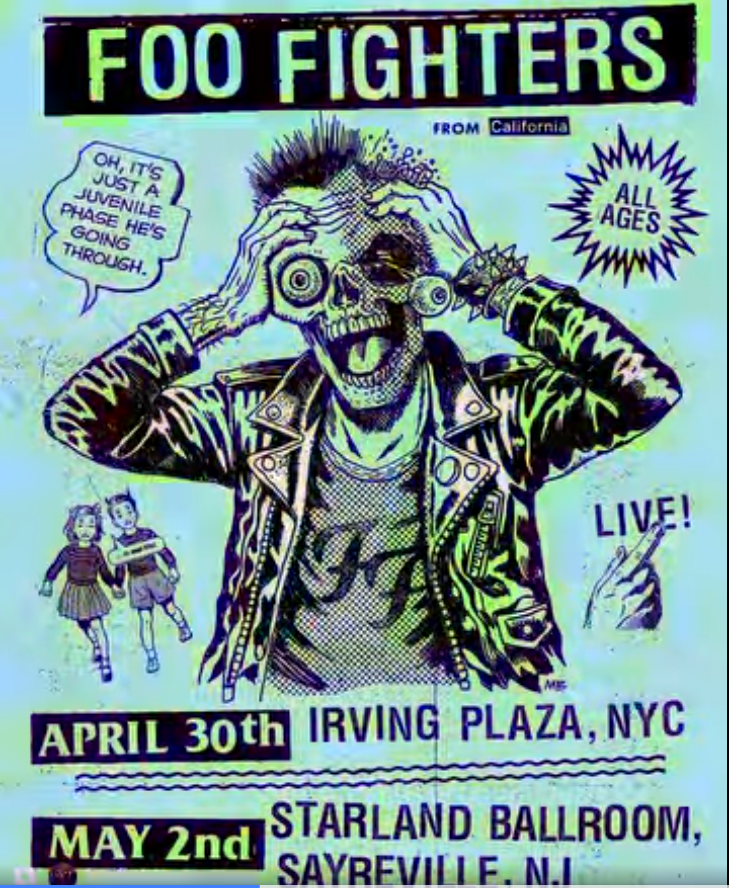
Foo Fighters Bring Stadium Power to Starland Ballroom: Inside the Rare New Jersey Club Show Launching the “Your Favorite Toy” Era

For a band that routinely commands the largest stages in the world, the decision by Foo Fighters to step into the comparatively intimate confines of Starland Ballroom on Saturday, May 2, 2026 is more than a surprise—it is a calculated return to the visceral core of live rock performance. Timed precisely with the late-April release of their twelfth studio album, Your Favorite Toy, this New Jersey appearance stands as one of the most compelling and strategically significant live music events of the year, transforming a beloved regional venue into the epicenter of a global fan frenzy.

This performance is not an anomaly in the Foo Fighters’ history; it is part of a deliberate tradition. Across decades, the band has cultivated a reputation for staging unannounced or low-profile club gigs in tandem with major album releases. These shows—often referred to as “pop-up” or “warm-up” performances—serve multiple purposes simultaneously: they reconnect the band with the immediacy of smaller audiences, provide a live testing ground for new material, and generate an organic groundswell of excitement ahead of large-scale touring cycles. The May 2 Starland Ballroom show is a direct continuation of that legacy, following closely on the heels of a similarly intimate appearance at Irving Plaza on April 30.

At its core, this New Jersey date represents the official ignition point for the Your Favorite Toy era. The album itself signals a pivotal moment in the band’s trajectory, blending their unmistakable arena-ready sound with a renewed focus on nuance, atmosphere, and songwriting depth. Bringing that material into a venue like Starland Ballroom is an intentional contrast—where songs designed to echo across stadiums are instead delivered in a setting where every lyric, riff, and dynamic shift is experienced at close range. For attendees, it offers a perspective on the music that is fundamentally different from the spectacle-driven environment of a stadium tour.

The fan experience at these rare club shows is precisely what fuels their near-mythical status. In a space where capacity is limited and sightlines are intimate, the barrier between performer and audience effectively disappears. The energy becomes more concentrated, the interaction more immediate, and the performance more unpredictable. These are the shows where setlists can shift on instinct, deep cuts can resurface, and new tracks can evolve in real time. For a band as seasoned as the Foo Fighters, this environment often results in performances that feel less like a production and more like a shared moment of discovery.

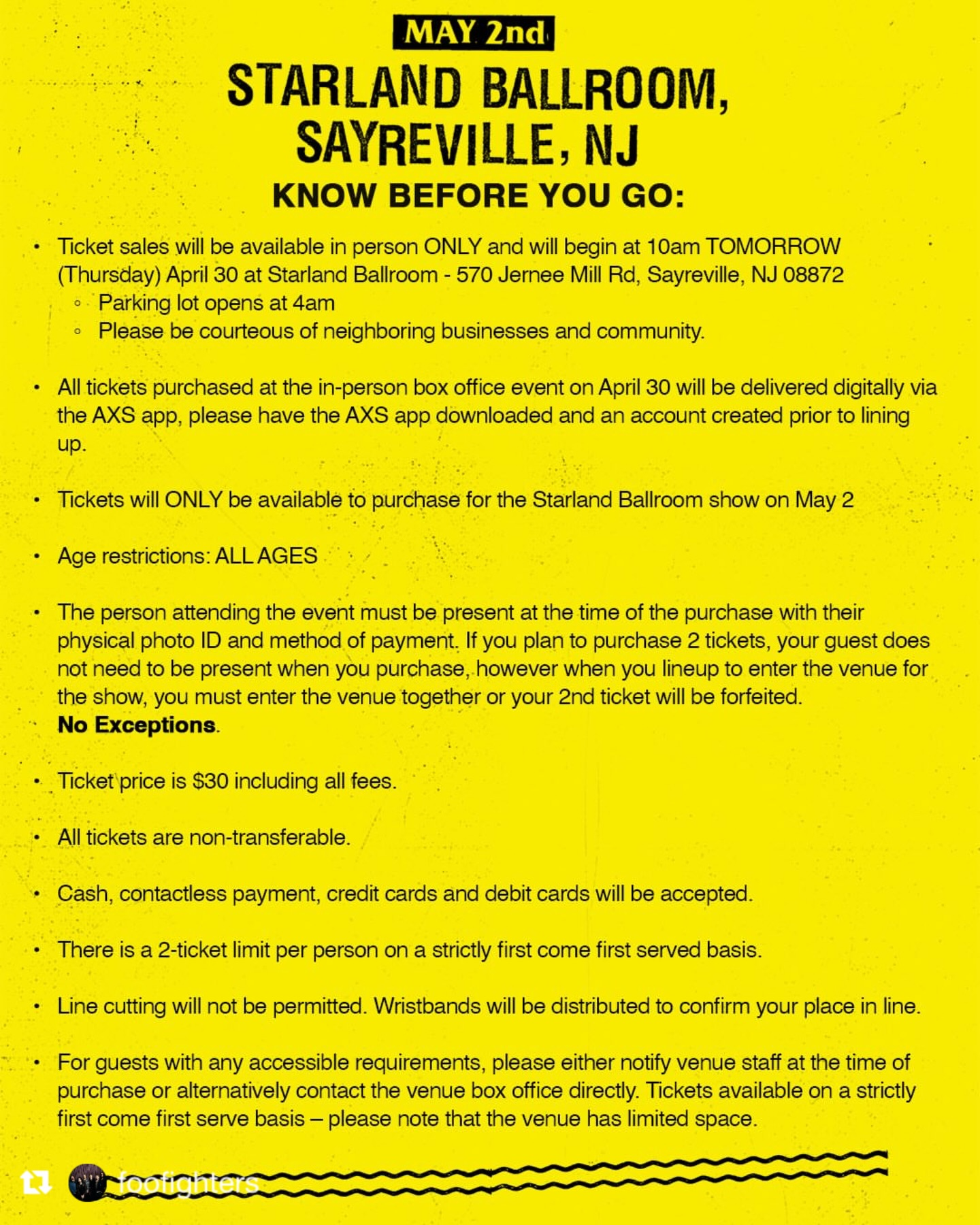
From an operational standpoint, the logistics surrounding the Starland Ballroom show underscore both the demand and the intent behind the event. Tickets are priced at an accessible $30, inclusive of fees—a deliberate move that prioritizes fan access while simultaneously reinforcing the grassroots ethos of the performance. Sales are strictly limited to in-person purchases at the venue’s box office beginning Thursday, April 30 at 10:00 AM, with a firm two-ticket limit per person. Additionally, tickets are non-transferable through the AXS platform, a measure designed to minimize resale activity and ensure that the audience inside the room reflects genuine demand rather than secondary market speculation. Anticipating significant turnout, the venue’s parking lot is scheduled to open as early as 4:00 AM on the day of the on-sale, effectively turning the ticket release itself into an event.

While the intimacy of Starland Ballroom provides a unique lens through which to experience the band, it does not signal any retreat from their status as one of the most dominant live acts in modern music. On the contrary, this club date functions as a prelude to the expansive Take Cover Tour 2026, a North American stadium run that will once again place the Foo Fighters at the forefront of the global touring circuit. Beginning in August, the tour will move through a series of marquee venues, including Ford Field in Detroit on August 6, Soldier Field in Chicago on August 8, Lincoln Financial Field in Philadelphia on August 13, Nissan Stadium in Nashville on August 15, and Allegiant Stadium in Las Vegas on September 26. These dates reaffirm the band’s ability to scale their performance from the most intimate rooms to the largest arenas without compromising intensity or impact.

Within the broader context of New Jersey’s music landscape, the significance of this event cannot be overstated. Starland Ballroom has long served as a cornerstone venue, bridging the gap between emerging artists and global headliners. Its history is defined by performances that capture artists at critical moments in their careers—either on the ascent or in the midst of reinvention. Hosting a band of the Foo Fighters’ magnitude in this setting reinforces the venue’s enduring relevance and highlights the state’s continued importance as a destination for landmark live music experiences.

This moment also aligns seamlessly with the ongoing coverage and cultural perspective found across the Explore New Jersey platform, particularly within its dedicated Music section. As the state continues to attract high-profile performances and foster a vibrant live music ecosystem, stories like this one illustrate a larger narrative—one where New Jersey is not simply part of the touring map, but a place where defining musical moments unfold.

The May 2 performance at Starland Ballroom encapsulates a rare convergence: a globally dominant band entering a new creative chapter, a venue built for intensity rather than scale, and a fan base eager to experience something that cannot be replicated. It is a reminder that even at the height of stadium success, the essence of rock and roll remains rooted in the power of a room, the immediacy of sound, and the shared energy between artist and audience.

Foo Fighters

0

Foo Fighters Announce Intimate New Jersey Show at Starland Ballroom as “Your Favorite Toy” Era Ignites a New Chapter

May 2 @ 8:00 PM 11:30 PM

In a move that has already sent shockwaves through the regional and national live music landscape, Foo Fighters have confirmed a rare, small-capacity performance at Starland Ballroom on May 2—an announcement that instantly transforms central New Jersey into one of the most sought-after destinations in rock this spring. Tickets go on sale April 30, setting the stage for what is expected to be one of the fastest-selling and most talked-about concert events of 2026.

For a band synonymous with stadium-scale anthems, festival headlining sets, and multi-decade dominance, choosing an intimate venue like Starland Ballroom is not just a scheduling decision—it is a statement. This is the kind of booking that recalls the raw, unfiltered energy of rock’s most essential moments, where proximity to the stage collapses the distance between artist and audience, and every chord lands with amplified intensity. For New Jersey fans, it represents a once-in-a-generation opportunity to experience one of the world’s most revered rock bands in a setting that prioritizes connection over spectacle.

The timing of the performance adds even greater significance. The band’s newly released album, Your Favorite Toy, signals a fresh creative cycle—one that blends the Foo Fighters’ signature melodic urgency with a renewed sense of experimentation and emotional depth. Early reception suggests the record leans into both nostalgia and forward momentum, balancing the anthemic songwriting that defined their rise with more textured, introspective compositions. Translating that material into a venue like Starland Ballroom elevates the stakes: these songs won’t just be performed—they’ll be lived, tested, and felt in real time, inches from the crowd.

Within the broader context of New Jersey’s live music ecosystem, this booking underscores the state’s continued relevance as a premier destination for major touring acts seeking authenticity over scale. Starland Ballroom, long regarded as one of the Northeast’s most storied mid-sized venues, has built its reputation on precisely these kinds of moments—where global artists step off the arena circuit and into a room that demands immediacy. The venue’s legacy is rooted in its ability to host career-defining performances, and the Foo Fighters’ May 2 show is poised to join that lineage.

This announcement also reinforces a larger trend that has been gaining traction across the industry: the strategic deployment of intimate shows to complement large-scale tours and album cycles. For artists of the Foo Fighters’ stature, these performances serve multiple purposes. They create scarcity, deepen fan engagement, and generate organic momentum that no marketing campaign can replicate. In an era where live music experiences are increasingly curated and commodified, the authenticity of a small-room performance carries unmatched cultural weight.

For New Jersey, the implications extend beyond a single night. Events of this caliber drive regional attention, elevate venue profiles, and reinforce the state’s identity as a critical node in the national touring circuit. The ripple effect touches everything from local hospitality to media coverage, positioning the Garden State as more than just a stop between major cities—it becomes the destination.

As anticipation builds toward the April 30 on-sale date, demand is expected to far exceed supply. Fans, collectors, and industry insiders alike recognize the rarity of this opportunity. A Foo Fighters show in a venue like Starland Ballroom is not just a concert—it is a convergence of timing, artistry, and environment that rarely aligns.

For those tracking the evolving landscape of live music across the state, this moment fits squarely within a broader narrative highlighted across the Explore New Jersey platform’s ongoing coverage of the region’s dynamic scene. From emerging artists to legacy acts redefining their connection with audiences, New Jersey continues to assert itself as a hub where music is not just performed, but experienced at its most essential level. Readers can explore more of the state’s live music movement through the Music section, where stories like this one reflect a deeper, ongoing cultural resurgence.

May 2 at Starland Ballroom is shaping up to be more than a date on the calendar—it is a defining moment in the 2026 live music cycle, one that captures the enduring power of rock, the strategic evolution of a legendary band, and the unmatched energy of a New Jersey crowd ready to meet it head-on.

AXS

1-888-929-7849

View Organizer Website

Starland Ballroom

570 Jernee Mill Rd
Sayreville, New Jersey 08872 United States
+ Google Map
(732) 238-5500
View Venue Website

Morris County Chamber of Commerce Strengthens Regional Leadership with Strategic Board Expansion Across Key Industries

In a move that reflects both momentum and intention, the Morris County Chamber of Commerce has announced the appointment of five new members to its board of directors—an expansion that underscores the organization’s commitment to dynamic leadership, cross-sector collaboration, and sustained economic vitality across North Jersey. This latest development is more than a routine governance update; it represents a deliberate recalibration of influence and expertise at a time when regional business ecosystems are evolving rapidly and demand sharper, more inclusive representation.

Operating as one of the most influential business advocacy organizations in the region, the Chamber has long positioned itself as a central force in shaping policy, driving workforce initiatives, and strengthening the connective tissue between public and private sector stakeholders throughout Morris County. The addition of five new board members signals a forward-looking strategy designed to amplify that mission—bringing in leadership perspectives from diverse industries that collectively define the modern economic landscape of North Jersey.

This board expansion comes at a pivotal moment. As businesses across the state continue to adapt to shifting labor dynamics, technological acceleration, and regional competitiveness pressures, chambers of commerce are increasingly expected to do more than convene—they must lead. By integrating executives and innovators from varied sectors, the Morris County Chamber is reinforcing its ability to respond to these demands with agility, insight, and authority.

Each new board member brings a distinct professional background, representing sectors that are foundational to the region’s growth, including finance, healthcare, infrastructure, education, and emerging industries. While the Chamber has not framed these appointments as a transformation, the implications are clear: this is a strategic alignment designed to ensure that decision-making reflects the full breadth of Morris County’s economic engine. It is also a recognition that effective leadership in today’s climate requires not only experience, but diversity of thought, perspective, and operational expertise.

The Chamber’s board of directors plays a critical role in shaping the organization’s policy positions, guiding strategic initiatives, and influencing programming that supports businesses of all sizes—from small enterprises to multinational corporations headquartered in the region. With these new additions, the board is better positioned to address complex challenges such as workforce development, infrastructure modernization, business retention, and regional branding in an increasingly competitive marketplace.

What makes this announcement particularly significant within the broader North Jersey context is the Chamber’s sustained focus on inclusive leadership. By drawing from multiple sectors, the organization is not only expanding its internal capabilities but also reinforcing its external credibility as a representative body for the entire business community. This is especially important in a county like Morris, where economic diversity is both a strength and a strategic advantage.

The Chamber’s influence extends well beyond Morris County itself. Its initiatives often intersect with statewide priorities, connecting local businesses to broader economic development strategies across New Jersey. In that sense, board appointments carry implications that ripple outward—impacting partnerships, policy advocacy, and regional collaboration efforts that shape the future of commerce throughout the state.

For businesses and professionals following developments in North Jersey, this announcement also serves as a signal of stability and growth. Leadership transitions within major organizations can often introduce uncertainty, but in this case, the expansion reinforces continuity while enhancing capacity. It reflects a Chamber that is not reacting to change, but actively preparing for it—building a governance structure capable of navigating both current challenges and future opportunities.

This evolution aligns with ongoing coverage and insights available through the Explore New Jersey platform, where regional business developments, economic trends, and community initiatives are continuously highlighted to provide a comprehensive view of what is shaping the Garden State’s most dynamic regions. Readers seeking additional context on business activity, regional growth, and leadership developments can explore more through the North Jersey category on Explore New Jersey, which offers expanded coverage of the area’s economic and cultural landscape.

As the Morris County Chamber of Commerce integrates its new board members into the organizational framework, attention will naturally turn to how this enhanced leadership team influences upcoming initiatives. From policy advocacy to economic programming, from networking ecosystems to regional branding efforts, the board’s composition will play a defining role in determining how effectively the Chamber continues to serve its constituency.

In a region where economic performance is closely tied to collaboration, innovation, and leadership clarity, this announcement marks a meaningful step forward. The Chamber is not simply adding names to a roster—it is strengthening the architecture of influence that supports businesses across Morris County and beyond. The result is an organization better equipped to lead, advocate, and deliver measurable impact in one of New Jersey’s most vital economic corridors.

Strawberry Banana Cheesecake Salad: The No-Bake New Jersey Dessert Sensation Redefining Summer Entertaining

There is a certain rhythm to summer in New Jersey—long afternoons, fresh market produce at its peak, and a renewed appetite for dishes that feel indulgent without demanding hours in the kitchen. This season, one dessert is quietly dominating backyard tables, shore house gatherings, and family celebrations across the Garden State: Strawberry Banana Cheesecake Salad. It is rich yet refreshing, nostalgic yet elevated, and—perhaps most importantly—effortless in execution. For readers exploring the latest culinary inspiration through the Explore New Jersey recipes section, this dish represents exactly what modern home entertaining should look like: bold flavor, clean technique, and maximum impact with minimal friction.

At its core, Strawberry Banana Cheesecake Salad is a study in balance. It merges the creamy decadence of a classic cheesecake filling with the brightness of fresh fruit, creating a dessert that feels both familiar and reimagined. The texture is where it truly distinguishes itself—light, whipped, and airy, yet anchored by the richness of cream cheese and the subtle tang of yogurt. Each bite delivers contrast: the softness of whipped cream, the smooth density of cheesecake, the natural sweetness of strawberries, and the mellow, rounded flavor of ripe bananas.

The preparation reflects a broader shift in how New Jersey cooks are approaching dessert—less baking, more assembly, and a focus on ingredients that speak for themselves. In just ten minutes of active preparation, followed by a short chilling period, the entire dish comes together with a level of polish that belies its simplicity. It is precisely the kind of recipe that aligns with the fast-paced, experience-driven lifestyle of today’s hosts, where presentation and taste must coexist with efficiency.

The foundation begins with heavy cream, whipped to stiff peaks to create the structural lightness that defines the dish. This is not merely a technical step but a strategic one—properly whipped cream ensures the salad holds its form while delivering a luxurious mouthfeel. The cream cheese component, softened to room temperature and beaten until completely smooth, introduces the signature cheesecake flavor. Powdered sugar is incorporated not just for sweetness but for its ability to dissolve seamlessly, eliminating any graininess and maintaining the dessert’s refined texture. A measured addition of vanilla extract rounds out the base, adding aromatic depth without overwhelming the fruit.

What elevates this version beyond a standard fruit salad is the inclusion of vanilla yogurt. It introduces both creaminess and a subtle tang that prevents the dish from becoming overly sweet, creating a more nuanced flavor profile. The yogurt also contributes to the overall structure, making the mixture cohesive without becoming dense. Once the whipped cream is folded gently into this base—never stirred aggressively, as maintaining air is critical—the mixture is chilled, allowing it to set and stabilize before the fruit is introduced.

Timing is essential in the final stage. Fresh strawberries, sliced just before serving, provide vibrant color and a natural sweetness that defines the dish’s visual and flavor identity. Bananas, selected at the precise point of ripeness—soft but still structurally sound—are added at the last possible moment to preserve their texture and prevent discoloration. Mini marshmallows, while optional, introduce a playful sweetness and soft chew that contrasts with the creaminess of the base. The result is a fully integrated dessert that feels layered and intentional rather than assembled.

From a culinary perspective, the adaptability of Strawberry Banana Cheesecake Salad is one of its strongest attributes. It invites customization without compromising integrity. Additional fruits—blueberries, raspberries, diced pineapple, or even mandarin segments—can be incorporated to expand the flavor spectrum and add visual complexity. For those seeking a more restrained sweetness, plain yogurt can replace vanilla, and the powdered sugar can be reduced to taste. Texture can be enhanced with crushed graham crackers, echoing the crust of a traditional cheesecake, or with toasted nuts for a subtle crunch that introduces a new dimension.

There is also a growing emphasis among New Jersey home cooks on lighter, more health-conscious adaptations, and this recipe accommodates that shift seamlessly. Reduced-fat cream cheese and lighter yogurt options can be used without sacrificing the overall experience. Alternatively, store-bought whipped topping can replace freshly whipped cream for convenience, though purists will argue that the texture of homemade whipped cream remains unmatched in its stability and flavor clarity.

Storage and timing considerations underscore the dish’s fresh-forward identity. While the cheesecake base can be prepared up to twelve hours in advance and held under refrigeration, the fruit should always be added just before serving. This approach preserves both the visual appeal and the structural integrity of the salad, preventing excess moisture from diluting the mixture. Once assembled, the dish is best enjoyed within twenty-four hours, as the bananas will begin to brown and the strawberries will release their juices, subtly altering the consistency.

From a nutritional standpoint, Strawberry Banana Cheesecake Salad delivers a surprisingly balanced profile for a dessert of its caliber. Each serving offers a blend of carbohydrates, fats, and a modest amount of protein, alongside notable contributions of vitamin C from the strawberries and potassium from the bananas. While it remains an indulgence, it is one that feels grounded in real ingredients rather than overly processed components, aligning with a broader consumer shift toward transparency and quality.

In the context of New Jersey’s culinary landscape, this dish represents more than just a trending recipe—it reflects a cultural moment. It captures the intersection of tradition and innovation, where classic flavors are reinterpreted through a modern lens. It is equally at home at a backyard barbecue in Bergen County, a beach gathering along the Jersey Shore, or a family celebration in Mercer County. Its versatility, both in flavor and presentation, makes it a standout addition to any seasonal menu.

For those following the evolving food scene through Explore New Jersey, Strawberry Banana Cheesecake Salad is a clear example of how simple ingredients, when handled with precision and intent, can deliver an experience that feels elevated and memorable. It is not about complexity for its own sake; it is about understanding how each component contributes to the whole and executing with confidence.

As summer continues to unfold across the state, expect to see this dish become a staple—shared, adapted, and reimagined in kitchens everywhere. It is approachable enough for everyday enjoyment yet refined enough to anchor a special occasion, embodying the kind of culinary versatility that defines the best of New Jersey’s food culture.

Strawberry Banana Cheesecake Salad Ingredients

  • 1 cup heavy cream
  • 8 oz. cream cheese softened
  • ½ cup powdered sugar
  • 1 teaspoon vanilla extract
  • 1 cup vanilla yogurt
  • 2 bananas sliced
  • 4 cups strawberries sliced
  • 1 cup mini marshmallows

Instructions

  • Add the heavy cream to the bowl of a stand mixer, and beat using a wire whisk attachment on a high speed for approximately 3 minutes, or until stiff peaks form. Remove whipped cream from bowl and set aside.
  • Add the cream cheese, powdered sugar and vanilla extract to the bowl (no need to clean the bowl first). Beat for 3 minutes, or until smooth and creamy. Add the vanilla yogurt and mix until combined.
  • Fold the whipped cream into the cream cheese mixture. Cover the bowl, and transfer to the fridge to chill for at least 30 minutes.
  • Immediately before serving, add the sliced bananas, sliced strawberries and mini marshmallows, and gently mix through. Garnish the salad with more strawberries, bananas slices and mini marshmallows, if desired.

Notes

Chill the cheesecake mixture before adding the fruit so the salad holds its shape better when served.

Add the fruit and marshmallows just before serving for the best texture and appearance.

Nutrition

Calories: 326kcal | Carbohydrates: 32g | Protein: 5g | Fat: 21g | Saturated Fat: 13g | Polyunsaturated Fat: 1g | Monounsaturated Fat: 5g | Cholesterol: 64mg | Sodium: 123mg | Potassium: 350mg | Fiber: 2g | Sugar: 24g | Vitamin A: 859IU | Vitamin C: 45mg | Calcium: 113mg | Iron: 0.5mg

The Strawberry Banana Cheesecake Salad is a Jersey Girl Cooks Recipe.

NAIOP New Jersey Sets the Stage for 2026 Commercial Real Estate Awards Gala as Industry-Defining Projects and Power Players Take Center Stage

New Jersey’s commercial real estate sector is entering one of its most consequential moments in recent memory—and the upcoming NAIOP New Jersey Commercial Real Estate Awards Gala is poised to capture that momentum in full. As the state’s leading trade organization for developers, investors, asset managers, and institutional stakeholders, NAIOP New Jersey continues to operate at the epicenter of dealmaking, policy influence, and market innovation, and its 2026 awards cycle underscores exactly why the organization remains the definitive authority shaping the built environment across the Garden State.

At its core, NAIOP New Jersey represents far more than a professional association. It is the strategic backbone of a multi-billion-dollar ecosystem that spans office, industrial, logistics, mixed-use, and emerging asset classes. Through its advocacy efforts in Trenton, the organization plays a direct role in influencing tax frameworks, zoning laws, environmental policy, and infrastructure investment—decisions that ultimately determine how and where New Jersey grows. Simultaneously, it functions as a high-level networking engine where relationships are formed, capital is deployed, and transformative projects are initiated.

That dual mandate—policy leadership and transactional connectivity—comes into sharp focus each year at the Commercial Real Estate Awards Gala, widely regarded as the most important gathering of dealmakers in New Jersey. The 2026 edition, set for May 14 at The Palace at Somerset Park, is already generating significant attention following the announcement of this year’s Deal of the Year winners and finalists, a slate that reflects both the scale and sophistication of development activity across the state.

Leading the industrial category is the Millstone 8 Logistics Park in Millstone, a project that exemplifies the continued dominance of logistics-driven development in New Jersey’s commercial real estate landscape. Positioned within the highly competitive Exit 8/8A submarket, this approximately 1.2 million-square-foot development—anchored by a nearly one-million-square-foot logistics facility—demonstrates the ongoing demand for high-efficiency distribution space in one of the nation’s most strategically located corridors. Developed through a collaboration between Crow Holdings Development and 2020 Acquisitions, with institutional brokerage and advisory support from JLL, the project reflects the precision-driven execution required to compete in today’s industrial sector, where speed, scale, and infrastructure alignment are non-negotiable.

In the mixed-use category, Bell Works Fort Monmouth in Tinton Falls stands out as a defining example of adaptive reuse at scale. Spearheaded by Inspired by Somerset under the leadership of Ralph Zucker, the project expands the “Metroburb” concept—a hybrid model blending office, retail, lifestyle, and community programming—into one of the most ambitious redevelopment efforts in the region. By transforming the former Commvault headquarters into a vibrant, multi-dimensional destination, the development illustrates how legacy corporate campuses can be reimagined to meet the evolving demands of both businesses and residents. Strategic involvement from capital partners, brokerage firms, and advisory groups reinforces the complexity and coordination required to deliver a project of this magnitude.

Equally transformative is the Emerging Markets Deal of the Year: 1888 Studios in Bayonne, a project that signals New Jersey’s aggressive expansion into the film and media production sector. Envisioned as a 1.5 million-square-foot studio campus spanning a redeveloped brownfield site, the project positions the state as a serious contender in the race to attract major film and television production. Designed by Gensler and backed by a coalition of development, engineering, and economic advisory firms, 1888 Studios represents a convergence of public-private partnership, creative industry growth, and large-scale land repositioning. Its emergence reflects a broader trend: New Jersey is no longer simply supporting adjacent industries—it is actively building infrastructure to lead them.

Meanwhile, the Office Deal of the Year category remains one of the most closely watched segments heading into the gala, with finalists that highlight the ongoing evolution of workplace environments. Projects such as Freshpet’s global headquarters in Bedminster, MJH Life Sciences in Cranbury, and Sanofi’s flagship presence at M Station West in Morristown collectively demonstrate how office space is being redefined through innovation, tenant experience, and strategic location planning. In a market that continues to recalibrate post-pandemic, these developments offer a forward-looking blueprint for what modern office demand truly requires.

Beyond the awards themselves, the significance of NAIOP New Jersey’s work extends into every layer of the state’s economic development strategy. Through its education programming, the organization provides industry professionals with access to real-time intelligence on capital markets, energy infrastructure, and regulatory trends. Its events—from high-level panel discussions to targeted networking forums—serve as incubators for the next wave of deals that will shape the region’s skyline, industrial corridors, and mixed-use communities.

This year’s awards cycle also arrives during a pivotal moment of organizational evolution. Nationally, NAIOP is undergoing a major rebranding initiative, transitioning from its historical identity as the National Association of Industrial and Office Parks into the broader Commercial Real Estate Development Association. The shift reflects a fundamental reality: the industry has expanded well beyond its original scope, now encompassing logistics networks, multifamily integration, experiential retail, and large-scale mixed-use environments. For New Jersey, a state uniquely positioned at the intersection of global supply chains and dense urban markets, that expanded definition is not theoretical—it is already being realized on the ground.

The 2026 gala, therefore, is more than a recognition event. It is a snapshot of where the industry stands today and a signal of where it is heading next. From logistics hubs that power e-commerce to adaptive reuse projects redefining suburban landscapes, and from film studio campuses to next-generation office environments, the honorees and finalists represent the full spectrum of commercial real estate innovation currently unfolding across New Jersey.

As anticipation builds toward May 14, one thing is clear: NAIOP New Jersey is not merely observing the market—it is actively shaping it. The deals being honored this year are not isolated successes; they are part of a larger narrative of growth, reinvention, and strategic positioning that continues to elevate New Jersey as one of the most dynamic commercial real estate markets in the country.

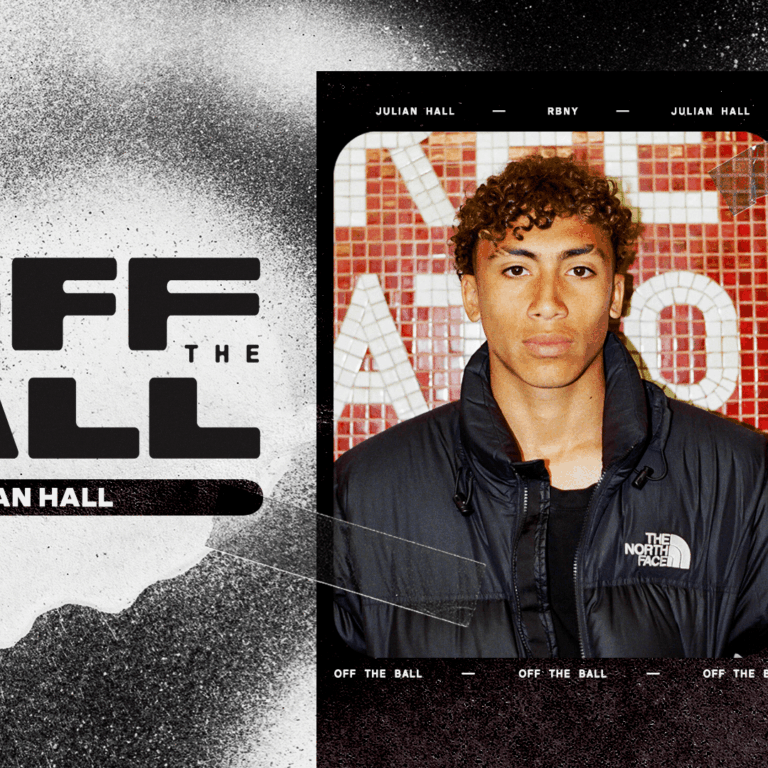
Touring the Big Apple with Julian Hall: How a New York Prodigy Became the Face of the New York Red Bulls’ Next Era

In a region where sports narratives are often defined by legacy franchises, historic rivalries, and global expectations, a new story is emerging just across the Hudson—one that feels distinctly modern, deeply local, and impossible to ignore. At the center of it is Julian Hall, the teenage phenom redefining what early success looks like in Major League Soccer and injecting a new level of energy into the New York Red Bulls’ identity.

Hall’s rise isn’t just impressive—it’s historically significant. At only 18 years old, he has already etched his name into league record books as the youngest player in MLS history to score five or more goals within the first six appearances of a season. That kind of immediate impact doesn’t just turn heads; it shifts expectations, not only for the player but for the club and the region rallying behind him.

For New Jersey and New York alike, this is more than a breakout story.

It’s a signal that the pipeline of elite soccer talent in the tri-state area is not only alive but thriving, and that the next generation of stars is being forged right here, within reach of fans who are increasingly invested in the global growth of the sport.

What makes Hall’s ascent particularly compelling is how deeply rooted it is in place. His connection to New York City isn’t a backdrop—it’s a defining force.

Growing up surrounded by the relentless pace, diversity, and street-level culture of the city, Hall developed not just technical skill but a creative instinct that translates seamlessly onto the pitch. Soccer, for him, wasn’t introduced in isolation; it was absorbed organically, shaped by pickup games, neighborhood competition, and the constant influence of a city where global cultures intersect daily.

That upbringing is evident in the way he plays. There’s a fluidity and confidence to his movement, an ability to read space and dictate tempo that feels instinctive rather than coached. It’s the kind of style that resonates with modern MLS fans—dynamic, fearless, and adaptable—and it aligns perfectly with the evolving philosophy of the New York Red Bulls as they continue to push toward a more aggressive, youth-driven model.

Yet Hall’s story isn’t confined to highlight reels or statistical milestones. It extends into the cultural fabric of the region. Ask him about New York, and the conversation quickly shifts from goals and assists to everyday rituals—like his go-to bagel order, a detail that might seem minor but speaks volumes about authenticity. It’s that blend of elite performance and grounded personality that makes him relatable, particularly to younger fans who see in him a version of themselves, only accelerated onto a professional stage.

For Explore New Jersey readers, there’s an added dimension to this narrative. The New York Red Bulls call Red Bull Arena home, placing one of MLS’s most exciting young stars just minutes from Newark, Jersey City, and Hoboken. This geographic proximity transforms Hall’s rise from a distant headline into a local experience. Fans don’t have to watch from afar—they can be part of it in real time, inside a venue that has become a cornerstone of the region’s sports and entertainment landscape.

The atmosphere at Red Bull Arena has evolved alongside the team, reflecting a broader shift in how soccer is consumed in the United States. It’s no longer niche or secondary; it’s immersive, communal, and increasingly central to the identity of younger audiences. Hall’s emergence accelerates that momentum, offering a focal point for fans who are eager to connect with a player whose career is just beginning but already feels consequential.

From an organizational standpoint, the timing couldn’t be more strategic. The New York Red Bulls have long emphasized development, investing in youth academies and international scouting to build a sustainable competitive model. Hall represents the payoff of that approach—a player who not only meets expectations but exceeds them in ways that elevate the club’s profile league-wide.

His early success also introduces a new layer of narrative intrigue within Major League Soccer itself. As MLS continues to expand its global footprint, players like Hall become essential ambassadors for the league’s future. They embody a hybrid identity: locally developed yet globally competitive, culturally grounded yet internationally relevant. That duality is precisely what MLS needs as it positions itself among the world’s premier soccer competitions.

There’s also a broader economic and cultural ripple effect to consider. Rising stars drive attendance, merchandise sales, and media engagement, all of which contribute to the overall vitality of the sport within the region. For New Jersey, having a player of Hall’s caliber anchored at Red Bull Arena reinforces the state’s role as a critical hub for major sporting events and emerging talent.

And then there’s the intangible element—the sense of momentum that comes with witnessing the early stages of a potentially transformative career. Fans who attend matches now aren’t just watching a game; they’re participating in the origin story of a player who could define an era for the club and leave a lasting imprint on the league.

What stands out most about Hall, beyond the statistics and accolades, is his trajectory. This isn’t a plateau moment; it’s a launch point. The combination of technical skill, mental composure, and cultural authenticity suggests a ceiling that extends far beyond his current achievements. For the New York Red Bulls, that represents both an opportunity and a responsibility—to nurture, protect, and amplify a talent that has the potential to reshape the club’s future.

For the region, it’s an invitation. An invitation to engage more deeply with the sport, to support a local team that is building something meaningful, and to witness firsthand the evolution of a player who embodies the spirit of New York while playing on New Jersey soil.

In a sports landscape often dominated by established narratives, Julian Hall offers something rare: a story that feels fresh, immediate, and entirely its own. And as his journey continues to unfold, one thing is becoming increasingly clear—this is no longer just a promising start. It’s the beginning of something that could define the next chapter of soccer in the region.

Public Hearing on the 2026 Camden County Budget Signals High-Stakes Moment for Transparency, Fiscal Strategy, and Community Voice in South Jersey

A pivotal moment in South Jersey’s civic and financial landscape is approaching as residents, stakeholders, and policymakers prepare for a consequential public hearing on the 2026 Camden County budget. Scheduled for Thursday, May 21, 2026, from 12:00 p.m. to 2:00 p.m. at Camden City Hall, this session is rapidly emerging as one of the most significant local government events of the year—one that could define not only fiscal priorities, but also the broader trajectory of public trust, accountability, and civic engagement across the region.

The hearing follows an April 14 caucus meeting of the Camden County Commissioners, during which officials introduced the first reading of two critical resolutions: one to approve the 2026 county budget and another to exceed statutory budget appropriation limits. Notably, both the budget itself and the accompanying resolution to exceed spending thresholds have yet to be publicly released, creating a growing sense of urgency among advocacy groups, policy observers, and residents seeking clarity on how taxpayer dollars will be allocated.

This lack of public availability has elevated the importance of the May 21 hearing beyond a routine procedural step. Instead, it now stands as a rare and crucial opportunity for direct civic engagement—an open forum where the people of Camden and the surrounding county can demand transparency, scrutinize fiscal decisions, and assert their role in shaping the economic priorities that will impact everything from infrastructure and public safety to education, health services, and economic development initiatives.

Organized in part by the South Jersey Progressive Democrats, the event underscores a broader movement gaining traction across New Jersey and beyond: the push for “budget justice.” This framework emphasizes equitable resource distribution, community-informed decision-making, and full transparency in government spending. At its core, it challenges traditional top-down budgeting models by asserting that those most affected by public policy—residents, workers, and local communities—should have a meaningful seat at the table.

The stakes surrounding the 2026 budget are particularly high given the evolving economic conditions facing Camden County. Like many regions, South Jersey continues to navigate the aftershocks of inflationary pressures, shifting federal funding landscapes, and long-term infrastructure demands. Decisions made within this budget cycle will not only address immediate fiscal realities but will also establish foundational priorities that shape the county’s resilience and competitiveness for years to come.

What makes this moment especially compelling is the intersection of policy opacity and public accountability. When budget proposals and spending expansions are introduced without immediate public disclosure, it fundamentally alters the dynamic between government and constituents. It raises essential questions: How are funds being prioritized? What programs or initiatives are being expanded—or potentially reduced? And perhaps most critically, whose voices are being included in these decisions?

The May 21 hearing offers a direct pathway to begin answering those questions. Public comment periods, when leveraged effectively, can influence outcomes, shift narratives, and introduce perspectives that may otherwise be absent from formal deliberations. For residents of Camden County, this is not merely a procedural event—it is an actionable moment to engage with governance at its most consequential level.

From an editorial and regional perspective, this hearing also reflects a broader trend unfolding across South Jersey, where civic participation is increasingly intersecting with economic policy. Communities are demanding not just visibility into government operations, but meaningful influence over them. This aligns with a growing recognition that sustainable regional growth depends not only on financial investment but on inclusive decision-making processes that reflect the realities of those living and working within the community.

For Sunset Daily News readers and the wider New Jersey audience, this hearing represents more than a localized government meeting—it is a case study in modern governance. It highlights the tension between administrative processes and public accountability, the importance of accessible information in democratic systems, and the evolving role of citizen engagement in shaping policy outcomes.

As the date approaches, attention will continue to build around what is ultimately revealed, discussed, and decided within the walls of Camden City Hall. Whether the hearing results in immediate clarity or raises further questions, one outcome is already certain: the conversation surrounding the 2026 Camden County budget has moved into the public arena, where scrutiny is higher, expectations are clearer, and the demand for transparency is no longer optional—it is essential.

For those invested in the future of Camden County and South Jersey at large, May 21 is not a date to overlook. It is a defining moment where fiscal policy meets public voice, and where the direction of a community’s future is, quite literally, up for discussion. Click here to register.

Jumpstart to Summer with Nelly, along with Corbyn Besson, Maleigh Zan & DJ sets from Disco Fries and Invida

0

Jumpstart to Summer 2026 at Jenkinson’s Boardwalk: The Jersey Shore’s Defining Kickoff to the Season Returns Bigger, Louder, and Unmatched

May 22 @ 7:00 AM 11:30 PM

The Jersey Shore does not ease into summer—it ignites, and nowhere is that ignition more electric than along the sands of Point Pleasant Beach when Z100 brings its flagship seasonal launch back to life. Jumpstart to Summer 2026 is not simply a concert, not merely a radio broadcast, and not just a crowd event—it is a full-scale cultural activation that transforms Jersey Shore into the epicenter of music, media, and momentum heading into Memorial Day weekend.

Set for Friday, May 22, 2026, this year’s edition arrives with the kind of anticipation that only a legacy event can command. Built on years of sold-out crowds, viral moments, and high-impact performances, Jumpstart to Summer has evolved into one of the most recognizable live music experiences in the region—an annual convergence where radio meets stage, and where the Shore becomes the soundtrack of the season.

From the earliest hours of the morning, the atmosphere begins to build. At precisely 6:00 a.m., Elvis Duran and the Elvis Duran and the Morning Show go live directly from the beachfront, broadcasting across the tri-state area and beyond. It is a defining moment that signals the official arrival of summer energy—live microphones, celebrity guests, crowd interaction, and the unmistakable pulse of a shoreline waking up to something major. By 7:00 a.m., doors open, and the boardwalk begins to fill with fans, many of whom have already secured their place hours—or even the night before—in anticipation of what follows.

By mid-morning, the transformation is complete. At 10:00 a.m., the event shifts into full concert mode, with the iconic boardwalk setting morphing into an open-air stage that rivals any major festival environment. The 2026 lineup is anchored by a true headliner with cross-generational impact: Nelly, whose catalog continues to define early-2000s hip-hop and remains a staple of live performance culture. His presence alone elevates the event into must-attend territory, delivering a set that blends nostalgia, chart dominance, and high-energy execution.

Supporting the headline performance is a carefully curated lineup that reflects both emerging talent and evolving pop sensibilities. Corbyn Besson brings a dedicated fanbase and a polished pop presence that resonates with younger audiences, while Maleigh Zan represents the next wave of breakout performers, offering a fresh and dynamic addition to the stage. The momentum never dips, thanks to continuous DJ-driven energy from Disco Fries and Invida, whose sets ensure that the boardwalk remains in motion from the first beat to the final drop.

What distinguishes Jumpstart to Summer from other live events across New Jersey is not just the lineup—it is the scale of accessibility and immersion. This is a fully free, all-ages event, a rarity in today’s live music economy, and one that reinforces its identity as a true community-driven celebration. There are no tickets, no paywalls, and no barriers to entry beyond arrival time and enthusiasm. It is an open invitation to experience the Shore at its most energized and inclusive.

Beyond the stage, the event extends into a full boardwalk takeover. Brand activations line the promenade, with interactive installations, pop-up experiences, and high-visibility sponsor integrations—most notably from presenting partner M&M’S—creating a festival ecosystem that blends entertainment, engagement, and visual spectacle. From giveaways to experiential booths, every corner of the boardwalk contributes to a larger narrative: summer has arrived, and it has arrived with force.

Operationally, the event runs with the precision expected of a production of this magnitude. Strict guidelines are in place to maintain flow and safety, including restrictions on chairs and oversized bags, ensuring that the standing-room format remains efficient and accessible. Veteran attendees understand the rhythm—arrive early, travel light, and be prepared to stay immersed. The density of the crowd, particularly as headline performances approach, reflects the event’s reputation as one of the most sought-after live experiences on the Shore.

For Explore New Jersey readers and the broader regional audience, Jumpstart to Summer is more than a single-day event—it is a signal. It marks the pivot from spring into peak season, from anticipation into action. It reinforces Point Pleasant Beach as a cornerstone destination for live entertainment and positions Jenkinson’s Boardwalk as not just a leisure location, but a stage capable of hosting nationally recognized programming at scale.

It also aligns seamlessly with the broader trajectory of New Jersey’s music and events landscape, where accessibility, high-impact programming, and destination-driven experiences continue to define growth. Events like this amplify the state’s visibility, drawing attention not only from local crowds but from across the tri-state region, reinforcing the Shore’s role as a cultural and entertainment hub.

As May 22 approaches, the message is clear: this is not an event to discover late. It is one to plan for, to arrive early for, and to experience fully. Whether drawn by the headline performance, the live broadcast energy, or simply the pull of the Shore itself, Jumpstart to Summer 2026 stands as one of the most definitive and high-profile seasonal launches anywhere in New Jersey.

For ongoing coverage of major live events, performances, and seasonal experiences shaping the state’s entertainment landscape, explore the latest in New Jersey music culture through Explore New Jersey’s dedicated music coverage hub.

Jenkinson’s Boardwalk

732-892-0600

View Organizer Website

Starland Ballroom

570 Jernee Mill Rd
Sayreville, New Jersey 08872 United States
+ Google Map
(732) 238-5500
View Venue Website

Silence, Service, and Scrutiny: Congressman Tom Kean Jr. Addresses Absence as Questions Mount in New Jersey’s 7th District

In a political environment where visibility often defines viability, the recent absence of Tom Kean Jr. from public-facing duties has become a focal point of discussion across New Jersey’s 7th Congressional District. Representing a region that spans a diverse cross-section of suburban and semi-rural communities, Kean’s role is not merely symbolic—it is structurally essential, tied directly to the legislative voice of approximately 760,000 constituents.

After several days of intensifying speculation, the congressman issued a carefully worded public statement acknowledging what he described as a “personal medical issue,” offering reassurance that his recovery is progressing and that a return to full capacity is imminent. The message struck a deliberate tone—measured, respectful, and forward-looking—but it also left significant gaps in detail that have only fueled further inquiry.

The statement emphasized confidence in a complete recovery and underscored Kean’s expectation of returning to a “full schedule” and operating at “100 percent” in the near future. He also highlighted the continuity of operations within both his congressional and campaign teams, framing their work as uninterrupted despite his absence. It was, in many respects, a strategic reaffirmation of institutional stability—a signal that governance has not stalled even as the elected official at its center temporarily steps away.

That reassurance matters. In the mechanics of federal representation, continuity of service is not optional—it is foundational. Congressional offices are tasked with a dual mandate: advancing legislative priorities in Washington while simultaneously managing constituent services at home. From casework assistance to federal agency navigation, these offices operate as direct conduits between citizens and government. Kean’s assertion that these systems remain intact is therefore more than a footnote—it is a central component of the narrative his office is presenting.
Still, the absence itself—and the limited specificity surrounding it—has raised legitimate questions about transparency, accountability, and the expectations placed on public officials. While privacy in matters of health is both legally protected and ethically respected, the public-facing nature of congressional service introduces a more complex dynamic. Elected officials occupy a space where personal circumstances intersect with public responsibility, and that intersection often demands a degree of disclosure that extends beyond the norms of private life.

The timing of the statement is also significant. Reports of Kean’s absence had already begun circulating widely, prompting commentary across political and media circles. In that context, the release reads as both a response and a recalibration—an effort to regain narrative control while addressing the immediate concerns of constituents and colleagues alike.

There is also a broader cultural dimension to how such situations unfold. Public reaction has ranged from measured concern to inappropriate speculation, particularly across social media platforms where the line between commentary and conjecture can quickly blur. The tone of Kean’s statement, notably, did not engage with that discourse directly. Instead, it leaned into gratitude—thanking constituents, colleagues on both sides of the aisle, and internal teams for their patience and support.

That approach aligns with a long-standing political instinct: acknowledge, reassure, and redirect. Yet it also underscores the delicate balance public figures must maintain when navigating personal health issues under public scrutiny. The expectation is not necessarily full disclosure, but rather a level of communication that aligns with the scale of responsibility inherent in the role.

In New Jersey, where political engagement remains high and district-level awareness is acute, the absence of a congressional representative—even temporarily—does not go unnoticed. The 7th District, in particular, has been a competitive and closely watched region in recent election cycles, adding an additional layer of visibility to Kean’s position and performance.

From a governance standpoint, the key question is not simply when Kean will return, but how effectively his office continues to function in the interim. By his own account, operations remain steady, and constituent services have not been disrupted. If that holds true, it reinforces a critical reality of modern congressional offices: they are designed to operate as institutions, not solely as extensions of an individual officeholder.

At the same time, representation is not purely administrative. Visibility, engagement, and presence—both in Washington and within the district—are integral to the role. Town halls, committee participation, legislative negotiations, and constituent outreach all contribute to the broader perception of effectiveness. An extended absence, even with operational continuity, inevitably creates a gap in that ecosystem.

Kean’s statement, while concise, signals an awareness of these dynamics. By emphasizing his commitment to returning at full strength and reaffirming his track record of “showing up and delivering,” he is positioning his absence as an exception rather than a pattern. It is a framing designed to preserve confidence while acknowledging disruption.

Looking ahead, the timeline of his return will be closely watched, not only by constituents but by political observers across the state. The phrase “very soon,” while reassuring in tone, remains undefined, leaving room for interpretation in a landscape where precision often matters.

For now, the focus remains on recovery, continuity, and the expectation of a near-term return to full engagement. In a system built on representation, even temporary absences carry weight—but so too does the manner in which they are communicated and managed.

As New Jersey’s 7th District continues to navigate this moment, the interplay between personal circumstance and public duty is once again on full display—a reminder that even within the structured world of federal governance, the human element remains unavoidable, and the expectations that come with elected office remain as exacting as ever.

Zebra Pen USA and Mental Health America Unite to Elevate Mental Wellness Awareness Across New Jersey and Beyond

As conversations around mental health continue to evolve from private struggle to public priority, strategic partnerships between the private sector and nonprofit leadership are playing an increasingly influential role in shaping awareness, access, and advocacy. This Mental Health Month, a notable collaboration is capturing attention across New Jersey and the broader national landscape, as Zebra Pen USA aligns with Mental Health America in a campaign designed to elevate the importance of mental well-being while encouraging tangible, everyday engagement.

The initiative arrives at a time when mental health is no longer viewed as a secondary component of overall wellness but as a foundational pillar that influences productivity, relationships, education outcomes, and long-term physical health. In a state like New Jersey—where fast-paced lifestyles intersect with high-performing professional and academic environments—the need for accessible, normalized mental health dialogue is particularly acute. This partnership reflects a growing recognition that wellness must be integrated into daily routines, not treated as an occasional intervention.

At its core, the collaboration between Zebra Pen USA and Mental Health America is built on a deceptively simple but deeply impactful concept: expression. Writing, journaling, note-taking, and creative reflection are not merely functional acts; they are therapeutic tools that help individuals process emotion, clarify thought, and create space for self-awareness. By positioning writing instruments as instruments of mental wellness, Zebra Pen USA is reframing how consumers engage with everyday products—transforming them from passive objects into active participants in personal well-being.

Mental Health America, long recognized as a national leader in advocacy, education, and early intervention, brings to the partnership a robust framework rooted in prevention and accessibility. The organization’s approach emphasizes proactive engagement—encouraging individuals to check in with themselves before challenges escalate into crises. Through screening tools, community programs, and public awareness campaigns, Mental Health America has consistently advanced the idea that mental health care should be as routine and normalized as physical health maintenance.

This alignment between a consumer brand and a mission-driven nonprofit reflects a broader shift within the health and wellness ecosystem—one that is increasingly visible across platforms like Explore New Jersey Health & Wellness. The modern wellness narrative is no longer siloed. It integrates mental, emotional, and physical health into a unified framework, supported by both community-based initiatives and corporate responsibility efforts. In this context, partnerships like this one serve as catalysts, bridging awareness with action and commerce with community impact.

Across New Jersey, where local wellness initiatives continue to expand—from mindfulness programs in schools to employer-sponsored mental health resources—this campaign resonates on multiple levels. It speaks directly to students navigating academic pressure, professionals balancing career demands with personal responsibilities, and families seeking tools to support emotional resilience. The accessibility of writing as a practice ensures that the campaign’s message is not limited by geography, income, or institutional access. A pen and a moment of reflection become entry points into a larger conversation about mental well-being.

What distinguishes this collaboration is its emphasis on participation rather than passive awareness. Mental Health Month campaigns often risk becoming symbolic gestures, but this initiative is structured to encourage real engagement. Whether through journaling prompts, reflective exercises, or community-driven storytelling, the focus remains on empowering individuals to take ownership of their mental health journey. This aligns seamlessly with the evolving expectations of today’s audiences, who increasingly seek authenticity and actionable value in wellness initiatives.

From a broader economic and cultural perspective, the involvement of a company like Zebra Pen USA underscores the expanding role of corporate actors in public health advocacy. Businesses are no longer confined to product delivery; they are expected to contribute meaningfully to societal well-being. This expectation is particularly pronounced in New Jersey, where community identity and local engagement remain defining characteristics of both consumer behavior and brand loyalty. Companies that demonstrate genuine commitment to causes like mental health are not only supporting their communities—they are strengthening their own relevance in a values-driven marketplace.

The timing of this partnership is equally strategic. Mental Health Month serves as a national focal point, amplifying messaging and creating opportunities for cross-sector collaboration. By aligning their efforts during this period, Zebra Pen USA and Mental Health America are leveraging heightened public attention to maximize impact. However, the true measure of success will extend beyond the calendar, reflecting the degree to which these conversations continue throughout the year.

Within the New Jersey context, the implications are clear. As the state continues to invest in health and wellness infrastructure, both at the policy level and within local communities, initiatives that normalize mental health practices are essential. They reduce stigma, increase access, and foster a culture where seeking support is viewed as strength rather than vulnerability. Partnerships like this one contribute to that cultural shift, reinforcing the idea that mental health is a shared responsibility—one that spans individuals, organizations, and communities alike.

The collaboration between Zebra Pen USA and Mental Health America ultimately represents more than a campaign. It is a reflection of where the conversation around mental health is heading—toward integration, accessibility, and everyday relevance. By connecting the act of writing with the process of self-reflection, the initiative offers a practical, scalable approach to wellness that can be adopted by anyone, anywhere.

For New Jersey residents, the message is both timely and actionable. Mental health does not require a grand gesture to begin improving. It starts with awareness, continues through small, consistent practices, and grows within supportive communities. Whether through a journal entry, a shared conversation, or participation in broader wellness initiatives highlighted across the Explore New Jersey Health & Wellness platform, the opportunity to engage is immediate and accessible.

As Mental Health Month unfolds, this partnership stands as a compelling example of how thoughtful collaboration can translate awareness into impact, turning everyday actions into meaningful steps toward a healthier, more resilient New Jersey.

Jersey Shore Wave Surge Into 2026 Season as New Jersey’s Premier Women’s Tackle Football Franchise Redefines the Game

New Jersey’s football identity has long been defined by its proximity to powerhouse franchises and its deep-rooted high school and collegiate traditions, but a new force is rapidly carving out its own space in the state’s sports landscape. The Jersey Shore Wave, competing in the Women’s National Football Conference, have entered the 2026 season not as a novelty or expansion curiosity, but as a legitimate, high-performance organization that is reshaping what football looks like in the Garden State and beyond.

From the opening kickoff of their 2026 campaign on March 28, the Wave have operated with the precision, physicality, and institutional ambition of a franchise that understands both its competitive ceiling and its cultural significance. This is not developmental football, nor is it symbolic participation. This is full-contact, pads-and-helmets, elite-level competition featuring athletes who bring professional intensity to every snap while simultaneously managing careers, families, and academic commitments.

At the center of the Wave’s identity is a roster that reflects both depth and diversity. More than 50 athletes, ranging in age from 18 to 50, form the backbone of the organization. These are not part-time participants in spirit, even if their lives demand it in structure. They are engineers, teachers, healthcare professionals, entrepreneurs, and mothers who step onto the field with the same tactical discipline and physical preparation expected at any high level of football. That duality—balancing real-world responsibility with elite athletic performance—has become one of the defining narratives of the franchise and a powerful point of connection with fans across New Jersey.

The Wave’s home field further amplifies their presence. Games are played at Hinchliffe Stadium in Paterson, a venue that carries its own legacy as one of the most historically significant stadiums in the region. The setting is more than symbolic; it reinforces the idea that this team is part of New Jersey’s broader sports heritage rather than operating on the margins of it. Every home game feels like a continuation of that legacy, now infused with a modern, forward-looking vision for the sport.

What distinguishes the Jersey Shore Wave from many emerging franchises is the clarity of their mission. While the pursuit of the WNFC’s championship—known as the IX Cup, a direct nod to Title IX—is central to the team’s competitive goals, the organization’s ambitions extend well beyond wins and losses. Ownership has made it clear that the Wave exist as a platform for structural change within athletics, particularly in expanding access and visibility for women in tackle football. That commitment is not abstract. It is embedded in the team’s operational strategy, community outreach, and player development initiatives.

The 2026 season has already introduced one of the most impactful programs in the franchise’s young history: a community-based youth scholarship initiative that awards a scholarship to a young female athlete at every home game. This is a deliberate investment in the next generation, designed to create a tangible pipeline for participation while addressing longstanding disparities in sports funding and opportunity. In practical terms, it means that every game day is not only a competitive event but also a catalyst for future growth in women’s athletics.

Accessibility has also been a priority. Fans across New Jersey and beyond can follow the team in real time through broadcasts on the Victory+ Sports Network, providing consistent visibility that has historically been lacking for women’s tackle football. This level of exposure is critical, not just for fan engagement but for legitimizing the league’s product in a crowded sports media ecosystem.

The Wave’s emergence aligns with a broader shift taking place across the football landscape, one that readers can continue to follow through coverage on Explore New Jersey’s dedicated football section, where the evolving storylines of the sport—at every level—are gaining increased attention. Within that ecosystem, the Jersey Shore Wave represent a particularly compelling case study: a team that is simultaneously building competitive credibility and advancing a larger conversation about equity, representation, and sustainability in sports.

What makes this moment especially significant is timing. The conversation around women’s sports has reached an inflection point nationally, with increased investment, media coverage, and fan engagement. The Wave are not simply beneficiaries of that momentum; they are active contributors to it. By delivering a product that is both authentic to the traditions of football and progressive in its mission, they are helping redefine the parameters of what professional sports organizations can and should be.

There is also a distinctly New Jersey dimension to their rise. The state has always thrived on underdog energy, on teams and communities that build something meaningful without waiting for national validation. The Jersey Shore Wave embody that ethos. They are constructing a model that prioritizes competitive excellence, community integration, and long-term impact, all while operating within the realities of a developing league.

For fans, the experience is immediate and tangible. Attending a game at Hinchliffe Stadium offers more than just football; it delivers a sense of participation in something that is actively evolving. The pace is fast, the hits are real, and the stakes—both on the field and off—are unmistakable. For those unable to attend in person, streaming access ensures that the connection remains intact, reinforcing the idea that this team is accessible, visible, and worthy of sustained attention.

As the 2026 season progresses, the Jersey Shore Wave are positioned not only to compete for the IX Cup but to continue expanding their influence across New Jersey’s sports culture. Their trajectory suggests a franchise that is not content with incremental progress. Instead, they are operating with a clear understanding that growth in this space requires both performance and purpose, both execution and advocacy.

In a state that has seen its share of iconic teams and unforgettable moments, the rise of the Jersey Shore Wave stands out as something distinctly modern and deeply consequential. This is not just the continuation of football tradition in New Jersey—it is the expansion of it, driven by athletes and leadership who are redefining the game on their own terms and ensuring that the future of football in the state is more inclusive, more dynamic, and more representative than ever before.

New Jersey Community Capital Secures Federal-Backed Funding Surge to Expand Affordable Housing, Fuel Economic Growth, and Redefine Impact Investing Across the Garden State

In a state where real estate pressures continue to reshape communities at every income level, a major infusion of federal-backed funding is positioning one organization at the center of New Jersey’s next phase of housing and economic development. New Jersey Community Capital (NJCC), a New Brunswick-based nonprofit and one of the most influential Community Development Financial Institutions in the region, has secured a $509,000 NeighborWorks Flexible Impact Grant—part of a sweeping $78.8 million national allocation designed to expand housing access, strengthen neighborhoods, and accelerate local economic resilience.

For a state grappling with affordability constraints, supply shortages, and uneven access to capital, this announcement is more than a funding update. It signals a strategic escalation in how New Jersey is approaching community development—through a model that blends financial rigor with measurable social impact.

Founded in 1987, NJCC has spent decades operating in the space where traditional finance often hesitates. As a certified Community Development Financial Institution, the organization functions as a specialized lender for communities that are routinely overlooked by conventional banks. Whether due to perceived risk, limited collateral, or structural inequities, many neighborhoods and small organizations struggle to access the capital necessary for growth. NJCC was built to solve that exact problem.

At its core, the institution deploys a capital-stacking strategy that pulls from socially responsible investors, government programs, and private financial partners. That capital is then reinvested directly into communities through targeted lending, technical assistance, and long-term development initiatives. The result is a financing ecosystem that does not simply fund projects—it builds sustainable economic pathways.

This latest grant, distributed through NeighborWorks America, represents a critical expansion of that model. NeighborWorks, a congressionally chartered nonprofit with a national footprint, designed the Flexible Impact Grant program to provide unrestricted operational capital to organizations capable of delivering scalable, community-driven solutions. Unlike traditional grants tied to narrow use cases, this funding allows recipients to respond dynamically to real-time needs, whether that means accelerating housing construction, stabilizing existing neighborhoods, or supporting new pathways to homeownership.

For NJCC, that flexibility is essential. The organization operates across several interconnected sectors, each of which plays a role in shaping long-term community outcomes. Affordable housing remains the most visible and urgent priority. Through its financing programs, NJCC supports the development of new rental units, rehabilitation of distressed properties, and direct assistance to first-time homebuyers—interventions that collectively address both supply and accessibility.

But the institution’s reach extends far beyond housing. NJCC has become one of the largest lenders to charter schools in the state, helping expand educational infrastructure in underserved communities. It also plays a significant role in early childhood development, financing facilities that provide foundational learning opportunities at a critical stage of growth. In parallel, its small business lending programs deliver fixed-rate capital to local entrepreneurs, with a particular focus on minority-owned enterprises and Main Street businesses that serve as economic anchors within their neighborhoods.

This multi-sector approach reflects a broader philosophy: community revitalization is not achieved through isolated interventions. It requires coordinated investment across housing, education, and local commerce—each reinforcing the other in a cycle of growth and stability.

The timing of the grant is particularly significant given NJCC’s recent activity across the state. Just days prior to the announcement, the organization closed a $2.3 million construction loan to Newark Community Health Centers, further demonstrating its capacity to deploy capital quickly and strategically in support of essential community infrastructure. Projects like this underscore NJCC’s role not just as a lender, but as a catalyst for broader neighborhood transformation.

Leadership at the organization has made clear that housing remains the central pillar of its mission. President and CEO Bernel Hall emphasized that preserving existing neighborhoods, expanding access to homeownership, and increasing the supply of affordable housing are foundational to NJCC’s long-term strategy. In a market where rising costs continue to outpace income growth, these priorities are not just aspirational—they are necessary interventions to maintain the fabric of New Jersey’s communities.

From a financial perspective, NJCC represents a compelling case study in what is often referred to as the “double bottom line.” Unlike traditional investment vehicles that measure success purely through financial return, NJCC’s model integrates both economic performance and social impact. Investors and partners are not only supporting viable, revenue-generating projects—they are directly contributing to measurable improvements in housing stability, educational access, and local economic vitality.

This approach places NJCC squarely within the rapidly evolving field of impact investing, where capital is increasingly directed toward initiatives that deliver both profit and purpose. As institutional and private investors continue to seek opportunities aligned with environmental, social, and governance (ESG) principles, organizations like NJCC are becoming central players in bridging the gap between capital markets and community needs.

For New Jersey, the implications are substantial. The state’s real estate landscape is among the most competitive in the country, with limited land availability, high construction costs, and persistent demand driving prices upward. At the same time, economic disparities remain pronounced across regions, creating uneven access to opportunity. NJCC’s work addresses both challenges simultaneously, injecting capital into underserved areas while supporting the development of housing and infrastructure that benefits a broader population.

The NeighborWorks grant enhances the organization’s ability to scale these efforts at a critical moment. By providing flexible funding that can be deployed where it is most needed, the program enables NJCC to act with speed and precision—qualities that are essential in a market defined by rapid change and complex constraints.

As New Jersey continues to navigate the intersection of growth, affordability, and equity, the role of mission-driven financial institutions is becoming increasingly central. NJCC’s latest funding milestone is not just a reflection of past success; it is a forward-looking indicator of how the state can leverage innovative financing models to build stronger, more inclusive communities.

In an era where access to capital often determines the trajectory of neighborhoods, organizations like New Jersey Community Capital are proving that strategic investment—when aligned with community needs—can deliver results that extend far beyond the balance sheet.

In New Jersey, Outdoor Space Comes at a Premium—And This Hoboken Luxury Duplex Proves Exactly Why

In a state where every square foot carries weight, New Jersey’s real estate market continues to redefine what buyers are truly paying for—and increasingly, it’s not just the home itself, but the land around it. A new analysis from the New Jersey Real Estate Network underscores a reality that residents already feel: yard space in the Garden State is among the most expensive in the nation, ranking eighth overall, with an average cost of $42.01 per square foot. That figure places New Jersey well above the national average by roughly 65%, signaling a fundamental shift in how outdoor living is valued across dense, high-demand markets.

This premium becomes even more striking when viewed in contrast. While states like California command the highest cost per square foot for yard space at over $80, New Jersey’s pricing still far exceeds that of sprawling, land-rich regions like Alaska, where comparable space costs just over $2 per square foot. Even neighboring New York—long associated with sky-high real estate—edges slightly higher in yard pricing, reinforcing the broader regional demand pressures across the Northeast corridor.

Yet data alone doesn’t fully capture the lived reality of this market. To understand the tangible value of outdoor space in New Jersey, one only needs to look at a standout new listing in Hoboken—a property that exemplifies how private yard access has become one of the most coveted and defining features in urban residential design.

At 509 Jefferson Street, Unit 1 introduces a rare blend of scale, design sophistication, and—most critically—private outdoor living. Listed at $2.7 million, this three-bedroom plus den duplex spans an impressive 2,655 square feet across three levels, delivering the kind of spatial flexibility more often associated with suburban homes, but situated firmly within one of New Jersey’s most competitive urban markets.

Constructed in 2022, the residence immediately distinguishes itself through its architectural intent. The main living level is designed as a full-width open-concept environment, seamlessly integrating living and dining spaces while maximizing natural light through an east-west orientation. Wide-plank white oak flooring, curated lighting elements, and custom millwork establish a clean, contemporary aesthetic that balances warmth with precision.

But it is the connection between interior and exterior space that elevates this property into a different category. Both the first and second floors offer direct access to a fully realized private backyard—a feature that, in a city like Hoboken, is not just desirable but increasingly rare. The outdoor area has been purposefully designed as an extension of the home itself, complete with an outdoor kitchen, built-in grill, turf, and paver layout that supports year-round usability. In a market where yard space is priced at a premium, this kind of integrated outdoor environment represents a significant value proposition.

Inside, the kitchen continues the home’s emphasis on functionality paired with high-end execution. A waterfall quartz island anchors the space, complemented by two-tone custom cabinetry, a farmhouse sink, and a full suite of stainless-steel appliances. The inclusion of a built-in butler’s bar—equipped with a wine refrigerator and ice maker—further enhances the home’s entertaining capacity, aligning with the broader trend of residential spaces designed for both daily living and social hosting.

The lower level introduces additional versatility, offering a bonus area with direct backyard access, a dedicated storage room, and a separate climate control system. This flexible space can easily adapt to evolving needs, whether for organization, recreation, or creative use, reinforcing the property’s multi-functional design philosophy.

Upstairs, the third level is dedicated to private living quarters, where three bedrooms and three full bathrooms provide a balanced layout for both comfort and privacy. The primary suite stands out with its inclusion of a separate den—an increasingly valuable feature in a post-remote-work world where hybrid living demands adaptable environments. Oversized windows flood the space with natural light, while a walk-in closet and spa-style ensuite bathroom complete the suite with a sense of refinement.

The additional bedrooms maintain the home’s standard of quality, featuring generous proportions, large windows, and thoughtfully designed bathrooms that ensure each space feels intentional rather than secondary. A dedicated laundry room on this level adds another layer of everyday convenience, reinforcing the home’s practicality alongside its design appeal.

Beyond the property itself, location remains a defining factor. Positioned within walking distance of the Hoboken Terminal, the residence offers seamless connectivity into New York City via PATH trains and ferry service—an essential advantage for commuters navigating the regional economy. The surrounding neighborhood further enhances the lifestyle offering, with a curated mix of cafés, restaurants, and green spaces contributing to Hoboken’s reputation as one of New Jersey’s most livable urban environments.

What this property ultimately illustrates is a broader truth about the New Jersey real estate landscape: space—particularly outdoor space—is no longer a secondary consideration. It is a primary driver of value, shaping pricing, design, and buyer expectations across the market. As demand continues to intensify and available land remains limited, properties that successfully integrate private outdoor environments into urban settings will command increasing attention—and increasingly, premium pricing.

For buyers navigating this environment, the message is clear. In New Jersey, you are not just purchasing square footage within walls; you are investing in the increasingly rare luxury of space itself. And in places like Hoboken, where density meets desirability, that investment is redefining what modern homeownership looks like in one of the most competitive regions in the country.

Sisters of St. Joseph of Peace Challenge Palantir’s Human Rights Stance, Raising Broader Questions Across New Jersey’s Ethical Innovation Landscape

In a sharply worded public statement that is reverberating far beyond corporate boardrooms, the Sisters of St. Joseph of Peace (CSJP) have taken a firm position against Palantir Technologies, expressing deep concern over the company’s recommendation that shareholders reject a proposal calling for an independent Human Rights Impact Assessment (HRIA). The dispute, while rooted in a single proxy vote, has rapidly evolved into a defining moment in the national conversation about artificial intelligence, corporate accountability, and the ethical responsibilities of technology firms—issues that carry growing relevance for New Jersey’s innovation economy and civic leadership.

At the center of the conflict is a shareholder resolution filed by the Sisters, developed in collaboration with Investor Advocates for Social Justice, urging Palantir to commission and publicly release an independent review of how its technologies may affect fundamental human rights. The proposal was ultimately included on the company’s proxy ballot as Proposal 5, a notable step that signaled its legitimacy within shareholder discourse. However, Palantir’s Board of Directors simultaneously advised investors to vote against the measure, setting the stage for a high-profile confrontation over transparency, risk, and the future of AI governance.

The Sisters’ position is grounded in a clear and structured argument: that companies operating at the intersection of data analytics, artificial intelligence, and government surveillance must be subject to rigorous, independent scrutiny. They point to mounting global concern that advanced analytics platforms—particularly those deployed in law enforcement, immigration enforcement, and national security contexts—carry the potential to infringe upon privacy rights, limit freedom of expression, and erode due process protections. In their view, these risks are not theoretical. They represent a measurable and growing exposure that demands proactive oversight.

From their perspective, the company’s reliance on confidentiality agreements tied to government contracts does not absolve it of broader responsibilities under international human rights standards. The Sisters have emphasized that transparency and accountability are not mutually exclusive with national security considerations, and that mechanisms exist to conduct meaningful independent assessments without compromising classified information. Indeed, they argue that if Palantir’s repeated assertions—that public criticism of its technologies is based on inaccurate or misleading information—are valid, then an independent HRIA would serve to validate and reinforce the company’s claims.

Equally significant is the long-term lens through which the Sisters are framing this issue. Their statement underscores the reputational and operational risks that companies face when they fail to engage with emerging ethical standards around artificial intelligence. In an era where ESG (Environmental, Social, and Governance) considerations are increasingly shaping investor behavior, the absence of credible human rights oversight can translate into tangible financial consequences. For shareholders, the question is no longer confined to quarterly performance metrics; it extends to how a company positions itself in a rapidly evolving regulatory and societal environment.

Palantir, for its part, has articulated a defense that reflects the unique nature of its business model. The company maintains that a standalone Human Rights Impact Assessment would not yield materially useful insights beyond what is already captured through its existing compliance frameworks. Executives have argued that the complexity and sensitivity of their work—much of which involves classified engagements with defense, intelligence, and law enforcement agencies—limits the feasibility of external audits. From the board’s perspective, the proposed assessment risks duplicating internal processes while producing limited actionable value.

This divergence in viewpoints highlights a broader structural tension within the technology sector. As companies increasingly operate within highly specialized and confidential domains, traditional mechanisms of accountability are being tested. The Palantir-CSJP dispute brings that tension into sharp focus, forcing investors, policymakers, and the public to grapple with a central question: how can transparency be achieved in environments where secrecy is often a prerequisite?

For New Jersey, the implications are particularly significant. The state has positioned itself as a hub for innovation across sectors ranging from fintech and health technology to advanced manufacturing and data science. With institutions, startups, and global firms continuing to expand their presence across the region, the ethical frameworks governing emerging technologies are no longer abstract policy debates—they are operational realities that shape investment decisions, workforce development, and community trust.

Through its ongoing coverage in Explore New Jersey’s The Humane State section, the platform has consistently examined how policy, ethics, and innovation intersect across the Garden State. The Palantir controversy aligns directly with this editorial focus, offering a timely case study in how global corporate decisions can influence local conversations about responsible growth and social impact.

What distinguishes this moment is not simply the substance of the disagreement, but the identity of the stakeholders driving it. The Sisters of St. Joseph of Peace represent a values-driven voice that is increasingly shaping shareholder activism. Their engagement reflects a broader trend in which faith-based and mission-oriented investors are leveraging their positions to influence corporate behavior on issues ranging from climate change to labor rights and, now, artificial intelligence. This evolution signals a shift in how influence is exercised within capital markets, expanding the definition of what constitutes a material concern.

At the same time, Palantir’s response underscores the challenges that companies face in navigating these expectations while maintaining operational integrity. The firm’s insistence that its current systems are sufficient—and that additional layers of review may not provide meaningful benefit—speaks to a broader industry sentiment that not all accountability mechanisms are equally effective. The debate, therefore, is not only about whether oversight is necessary, but about what form that oversight should take.

As shareholders prepare to weigh in on Proposal 5, the outcome will carry implications that extend well beyond a single vote. It will serve as a signal to the market about how investors are prioritizing human rights considerations within the rapidly expanding AI sector. It will also provide a benchmark for how companies engaged in sensitive government work can—or cannot—balance confidentiality with transparency.

For audiences across New Jersey and beyond, the story represents a critical inflection point. It is a reminder that the technologies shaping the future are not developed in isolation; they are embedded within systems of governance, accountability, and public trust. Whether through legislative action, corporate policy, or shareholder engagement, the frameworks established today will define how innovation is experienced tomorrow.

In that sense, the challenge issued by the Sisters of St. Joseph of Peace is not merely a critique of one company’s decision. It is an invitation to reexamine the standards by which progress is measured, and to ensure that the pursuit of technological advancement remains aligned with the fundamental principles that sustain an open and just society.

Freedom Fest with The Commodores

0

Freedom Festival Ignites New Jersey’s Fourth of July Celebration with The Commodores and Fireworks Over the Delaware

July 4 @ 6:00 PM 11:30 PM

New Jersey’s summer calendar reaches a defining moment on Saturday, July 4, as the annual Freedom Festival returns with a full-scale Independence Day celebration that blends live music, community energy, and a fireworks spectacle set against one of the region’s most iconic waterfront backdrops. Beginning at 6 PM, this highly anticipated event transforms the Delaware Riverfront into a destination experience, culminating in a headline performance by legendary Motown and funk icons The Commodores at 8 PM on the Roland Traynor River Stage, followed by a fireworks display that promises to light up the night sky in spectacular fashion.

The Freedom Festival has steadily evolved into more than just a holiday gathering—it is now a cornerstone cultural event that reflects the vibrancy, diversity, and musical heritage of New Jersey. Designed to deliver a fully immersive experience, the evening combines high-caliber live entertainment with curated food and beverage offerings, creating an environment where families, music enthusiasts, and visitors alike can engage with the celebration on multiple levels. From the first note of live music to the final burst of fireworks over the Delaware, the event is engineered to sustain energy and excitement throughout the night.

At the center of this year’s celebration is The Commodores, a group whose influence on American music remains both profound and enduring. Emerging in the late 1960s and rising to prominence through their association with Motown, the band became synonymous with a distinctive blend of funk, soul, and R&B that produced an extraordinary catalog of hits. Songs like “Brick House,” “Easy,” and “Three Times a Lady” are not simply nostalgic staples—they are foundational works that continue to shape the sound and structure of contemporary music. Their presence at the Freedom Festival elevates the event into a must-attend performance, offering audiences the rare opportunity to experience a legacy act whose music transcends generations.

The Roland Traynor River Stage serves as the ideal setting for such a performance, positioned to maximize both acoustics and atmosphere while maintaining a direct visual connection to the Delaware River. As the sun sets and the evening transitions into night, the stage becomes the focal point of the celebration, anchoring the festival’s musical identity while seamlessly leading into the fireworks display that follows. This integration of live performance and visual spectacle is a defining characteristic of the Freedom Festival, ensuring that the event resonates not just as a concert, but as a complete sensory experience.

Beyond the headline performance, the festival’s broader design reflects a commitment to showcasing the best of New Jersey’s live event culture. Food and drink offerings are curated to complement the evening’s atmosphere, providing a diverse selection that caters to a wide range of tastes while reinforcing the communal aspect of the celebration. The layout encourages movement and exploration, allowing attendees to engage with different elements of the festival while maintaining a cohesive overall experience.

New Jersey’s role in hosting events of this scale continues to strengthen its reputation as a premier destination for live entertainment. Through initiatives like the Explore New Jersey music platform, the state has positioned itself as a hub where major performances, cultural celebrations, and community-driven events intersect. The Freedom Festival exemplifies this approach, bringing together nationally recognized talent, local engagement, and a setting that highlights the natural beauty of the region.

What distinguishes this Fourth of July celebration is its ability to balance tradition with contemporary appeal. While the fireworks display remains a central feature—delivering the classic visual crescendo expected of Independence Day—the inclusion of a performance by The Commodores adds a layer of musical sophistication that broadens the event’s reach. It is this combination of familiarity and innovation that ensures the festival’s continued relevance, attracting both returning attendees and new audiences year after year.

As the evening unfolds, the transition from live music to fireworks creates a powerful narrative arc, moving from the rhythmic pulse of the stage to the expansive visual drama of the sky above the Delaware. This progression mirrors the broader spirit of the holiday itself, celebrating not only the nation’s history but its ongoing cultural evolution. In this context, the Freedom Festival becomes more than an event—it becomes a reflection of the dynamic, ever-changing identity of New Jersey and its role within the national cultural landscape.

For those seeking a Fourth of July experience that goes beyond the ordinary, the Freedom Festival offers a compelling alternative to traditional celebrations. It combines the energy of a major live performance with the communal atmosphere of a regional gathering, all set within a location that enhances every element of the evening. Attendees are not simply watching a show—they are participating in a shared experience that captures the essence of summer in New Jersey.

As Explore New Jersey continues to highlight events that define the state’s cultural identity, the Freedom Festival stands out as a flagship celebration, demonstrating the power of live music, community, and setting to create something truly memorable. On July 4, the Delaware Riverfront becomes the stage for a night that brings together past and present, sound and spectacle, tradition and innovation—delivering an Independence Day celebration that resonates long after the fireworks fade.

Camden County Board of Commissioners

1-866-226-3362

View Organizer Website

Starland Ballroom

570 Jernee Mill Rd
Sayreville, New Jersey 08872 United States
+ Google Map
(732) 238-5500
View Venue Website

Victor Wooten & The Wooten Brothers

0

Victor Wooten & The Wooten Brothers Bring Virtuosic Fusion and Family Legacy to New Jersey on September 14

September 14 @ 7:00 PM 11:30 PM

New Jersey’s live music calendar continues to distinguish itself with performances that merge technical brilliance, cultural depth, and undeniable stage energy, and on September 14, one of the most electrifying ensembles in modern music arrives to elevate that standard even further. Victor Wooten, the five-time Grammy Award-winning bassist whose influence extends across jazz, funk, bluegrass, and beyond, leads The Wooten Brothers into a highly anticipated performance that promises to be as musically sophisticated as it is viscerally engaging.

This is not simply a concert—it is a masterclass in musicianship delivered by a group whose chemistry is rooted in both familial connection and decades of collective experience. The Wooten Brothers represent a rare phenomenon in contemporary music: a band where technical mastery meets instinctive communication, where improvisation unfolds with an almost telepathic precision that can only come from a lifetime of playing together. Their performances are built on a foundation of trust, responsiveness, and a shared musical language that transcends genre boundaries.

At the center of it all is Victor Wooten, widely regarded as one of the most innovative bassists in the history of modern music. His approach to the instrument has redefined its role, transforming the bass from a supportive foundation into a dynamic lead voice capable of melody, harmony, and rhythm simultaneously. Wooten’s techniques—ranging from double-thumb slapping to intricate tapping and harmonic phrasing—have become essential study for aspiring musicians, but it is his musicality and sense of storytelling that truly set him apart. Every performance is not just technically impressive, but deeply expressive, driven by a philosophy that prioritizes feel, connection, and communication.

The Wooten Brothers’ sound is a seamless fusion of jazz improvisation, the rhythmic drive of funk, the storytelling traditions of bluegrass, and the expansive possibilities of contemporary fusion. This hybrid identity reflects both their individual influences and their collective vision, resulting in a sound that is at once complex and accessible. Audiences can expect a performance that moves fluidly between tightly arranged compositions and spontaneous improvisations, each moment infused with a palpable sense of joy and discovery.

For New Jersey, hosting an ensemble of this caliber reinforces the state’s role as a destination for artists who are pushing the boundaries of live performance. Through the ongoing efforts of the Explore New Jersey music platform, audiences are consistently given access to performances that not only entertain but challenge and inspire. The September 14 event stands as a clear example of that mission in action, bringing one of the most respected names in contemporary music to a stage that values artistry at the highest level.

What distinguishes the Wooten Brothers from other ensembles is not just their technical ability, but the narrative quality of their performances. Each show unfolds as a journey, with shifts in tempo, texture, and mood that keep audiences fully engaged from start to finish. There is an organic flow to their sets, where moments of high-energy virtuosity give way to introspective passages, only to build again into explosive collective improvisation. This dynamic range ensures that no two performances are ever the same, making each appearance a unique experience.

The familial aspect of the group adds another layer of depth to their music. Growing up together and developing their craft side by side, the Wooten Brothers have cultivated a level of cohesion that is nearly impossible to replicate. This connection is evident not only in their musical interplay but in the energy they bring to the stage—an energy that is both celebratory and deeply rooted in shared history. It is this combination of technical excellence and genuine connection that resonates so strongly with audiences.

Victor Wooten’s broader impact on the music world further elevates the significance of this performance. Beyond his work as a performer, he is a respected educator and author, known for his contributions to music pedagogy and his emphasis on the universal language of music. His philosophy—that music is a form of communication accessible to all—permeates every aspect of his performances, creating an environment where audiences are not just spectators, but participants in a shared experience.

As New Jersey continues to expand its reputation as a hub for exceptional live music, events like this underscore the depth and diversity of its offerings. From jazz and classical to rock and experimental fusion, the state’s music scene reflects a commitment to presenting artists who are shaping the future of their respective genres. The Wooten Brothers’ performance fits squarely within this vision, offering a program that is both rooted in tradition and boldly forward-thinking.

For those seeking a live music experience that combines technical mastery, emotional depth, and unfiltered energy, September 14 stands as a must-attend event. It is an opportunity to witness one of the most accomplished ensembles in modern music operating at the height of their powers, delivering a performance that is as intellectually engaging as it is exhilarating.

As audiences continue to explore the evolving landscape of live performance through the Explore New Jersey music platform, the arrival of Victor Wooten & The Wooten Brothers serves as a defining moment in the season’s lineup. It is a performance that captures the essence of what live music can achieve when artistry, innovation, and connection come together on a single stage—an experience that will resonate long after the final note is played.

Camden County Board of Commissioners

1-866-226-3362

View Organizer Website

Starland Ballroom

570 Jernee Mill Rd
Sayreville, New Jersey 08872 United States
+ Google Map
(732) 238-5500
View Venue Website

Miguel Zenón Quartet

0

Miguel Zenón Quartet Brings Grammy-Winning Puerto Rican Jazz Innovation to New Jersey on August 31

August 31 @ 7:00 PM 11:30 PM

New Jersey’s reputation as a premier destination for world-class live music continues to deepen with the arrival of one of the most intellectually rigorous and culturally significant ensembles in contemporary jazz. On August 31, the Miguel Zenón Quartet will take the stage for a performance that promises not only virtuosity, but a profound exploration of identity, heritage, and modern composition. Led by internationally acclaimed alto saxophonist Miguel Zenón—a Grammy Award winner and recipient of both the MacArthur Fellowship and Guggenheim Fellowship—this event stands as a defining moment in the state’s late-summer cultural calendar.

Zenón’s work exists at the intersection of tradition and innovation, where deeply rooted Puerto Rican musical forms are reimagined through the lens of advanced jazz composition and improvisation. His approach is neither nostalgic nor purely experimental; it is an evolving dialogue between past and present, structure and spontaneity. For audiences in New Jersey, this performance offers a rare opportunity to experience an artist who has redefined what it means to integrate cultural heritage into contemporary jazz without compromise.

The quartet format is central to Zenón’s artistic voice. Rather than relying on large ensembles or orchestration, he has refined a chamber-like dynamic that emphasizes interplay, precision, and collective storytelling. Each member of the Miguel Zenón Quartet operates with a high level of autonomy, yet the group functions as a cohesive unit capable of navigating intricate compositions with fluidity and purpose. This balance between individual expression and ensemble discipline is a hallmark of Zenón’s music and a key reason why his performances resonate so deeply with both critics and audiences worldwide.

Zenón’s compositions often draw from Puerto Rican folk traditions such as plena and bomba, transforming these rhythmic and melodic foundations into complex, contemporary frameworks. His music is as much an academic exploration as it is an emotional experience, reflecting years of research into the sociocultural dimensions of Puerto Rican identity. Yet despite this intellectual depth, his performances remain accessible, driven by rhythm, melody, and a palpable sense of urgency that connects immediately with listeners.

The significance of this performance within New Jersey’s broader music ecosystem cannot be overstated. Through platforms like the Explore New Jersey music hub, the state has positioned itself as a conduit for globally important artists who are shaping the future of live performance. By presenting the Miguel Zenón Quartet, New Jersey is not simply hosting a concert—it is facilitating a cultural exchange that brings international artistry directly to local audiences.

Zenón’s accolades underscore the magnitude of this event. The MacArthur Fellowship, often referred to as the “Genius Grant,” recognizes individuals who demonstrate exceptional creativity and the potential for continued contributions to their field. The Guggenheim Fellowship further affirms his standing as an artist whose work transcends performance, contributing meaningfully to the broader cultural and intellectual landscape. These honors, combined with his Grammy-winning recordings, position Zenón as one of the most important voices in modern jazz.

However, it is in the live setting where his work achieves its fullest expression. The quartet’s performances are known for their intensity and precision, with compositions unfolding in real time through a balance of written material and improvisational dialogue. Audiences can expect a program that moves seamlessly between tightly structured passages and expansive improvisations, each moment informed by Zenón’s distinctive compositional voice.

This event also reinforces New Jersey’s ongoing commitment to presenting music that challenges, inspires, and elevates. While the state has long been associated with a diverse array of genres—from rock and hip-hop to classical and electronic—it is performances like this that highlight its role in sustaining and advancing the jazz tradition. By bringing artists of Zenón’s caliber to local stages, New Jersey ensures that its music scene remains both historically grounded and forward-looking.

For those engaged with the evolving narrative of jazz, the August 31 performance represents more than a concert—it is an essential experience. It offers insight into how contemporary artists are redefining the genre, incorporating global influences while maintaining a deep respect for its foundational principles. Zenón’s work exemplifies this balance, demonstrating that jazz remains a vital and dynamic form of expression in the 21st century.

As audiences continue to seek out meaningful live experiences, the Miguel Zenón Quartet stands out as a must-see event, delivering a level of artistry that is both technically masterful and culturally resonant. Those looking to explore more performances of this caliber can stay connected through the Explore New Jersey music platform, where a growing calendar of events reflects the state’s expanding influence as a destination for exceptional live music.

On August 31, New Jersey will once again affirm its place on the global music map, hosting an artist whose work transcends borders and genres. Miguel Zenón and his quartet are not simply performing—they are redefining the possibilities of jazz, one composition at a time, and inviting audiences to be part of that evolution in real time.

Camden County Board of Commissioners

1-866-226-3362

View Organizer Website

Starland Ballroom

570 Jernee Mill Rd
Sayreville, New Jersey 08872 United States
+ Google Map
(732) 238-5500
View Venue Website

Will Calhoun: Celebrating the 100th Anniversary of Miles Davis

0

Will Calhoun Honors a Century of Miles Davis with a Landmark Tribute Performance on August 24

August 24 @ 7:00 PM 11:30 PM

Will Calhoun at the Highline Ballroom in New York on October 30, 2009. © Lia Chang

New Jersey’s music landscape continues to assert itself as one of the most culturally vital and creatively diverse ecosystems in the country, and this summer, it welcomes a performance that bridges eras, genres, and generations with uncommon authority. On August 24, acclaimed drummer and composer Will Calhoun—a two-time Grammy Award winner and a defining force behind the groundbreaking band Living Colour—will take the stage to present an ambitious and deeply reverent tribute celebrating the 100th anniversary of Miles Davis, one of the most transformative figures in the history of modern music.

This performance is not positioned as a conventional retrospective or a simple nod to legacy. Instead, it is conceived as a living, breathing reinterpretation of a catalog that fundamentally altered the trajectory of jazz, rock, fusion, and contemporary improvisational music. Calhoun, whose own career has been defined by rhythmic innovation and stylistic fluidity, is uniquely equipped to interpret the vast sonic universe Davis created across decades—from the cool minimalism of Kind of Blue to the electric experimentation of Bitches Brew and beyond.

For New Jersey audiences, the significance of this event extends beyond the individual artists involved. It reinforces the state’s position as a hub where musical traditions are not only preserved but actively reimagined. Through platforms like the Explore New Jersey music initiative, the region continues to amplify performances that carry both historical weight and forward-looking creative ambition, connecting local audiences to globally significant artistic moments without compromise.

Calhoun’s approach to this tribute reflects the same boundary-breaking philosophy that defined Davis himself. Rather than replicating familiar arrangements note-for-note, the performance is expected to lean into reinterpretation—honoring the spirit of improvisation that made Davis a perpetual innovator. This aligns with Calhoun’s own evolution as a musician, having seamlessly navigated the intersections of rock, jazz, world music, and avant-garde composition throughout his career. His work with Living Colour alone reshaped expectations for what a rock rhythm section could accomplish, blending technical precision with fearless experimentation.

The ensemble assembled for this tribute underscores the magnitude of the occasion. While the full lineup promises a “star-studded” configuration, the emphasis is not on spectacle for its own sake, but on assembling musicians capable of engaging with Davis’s material at the highest level—artists who understand that his compositions are frameworks for exploration rather than fixed endpoints. That distinction is critical. Miles Davis did not simply compose music; he created environments where musical language could evolve in real time. Any tribute worthy of his legacy must do the same.

The timing of this centennial celebration also resonates within a broader cultural context. As the music industry continues to navigate rapid technological shifts and changing consumption habits, returning to the work of artists like Davis offers a reminder of the enduring power of innovation rooted in artistry rather than algorithm. His willingness to challenge audiences, collaborate across genres, and continually reinvent his sound remains a blueprint for relevance in any era.

New Jersey’s role in hosting and supporting performances of this caliber speaks to its longstanding relationship with jazz and live music culture. From intimate clubs to major performance venues, the state has consistently provided a stage for both emerging voices and established legends. Events like this serve to strengthen that legacy while introducing new audiences to the depth and breadth of jazz as a living art form.

For fans of Davis, this performance offers an opportunity to experience his music not as archival material, but as something immediate and evolving. For followers of Will Calhoun, it is a chance to witness one of the most versatile drummers of his generation engage directly with one of his most profound influences. And for the broader New Jersey music community, it stands as a defining moment in the 2026 cultural calendar—a convergence of history, innovation, and world-class musicianship.

As Explore New Jersey continues to spotlight performances that matter, this tribute emerges as a centerpiece event, embodying everything that makes the state’s music scene dynamic and essential. Those looking to stay connected with the latest live music programming, artist features, and regional highlights can explore more through the Explore New Jersey music hub, where events like this are part of a larger, ongoing narrative celebrating the power and evolution of live performance.

On August 24, the music will not simply revisit the past—it will reassert why Miles Davis remains a singular force in the language of modern sound, interpreted through the vision of an artist who understands that true tribute lies not in imitation, but in fearless creation.

Camden County Board of Commissioners

1-866-226-3362

View Organizer Website

Starland Ballroom

570 Jernee Mill Rd
Sayreville, New Jersey 08872 United States
+ Google Map
(732) 238-5500
View Venue Website

Minute by Minute: The Music of Michael McDonald

0

“Minute by Minute: The Music of Michael McDonald” Arrives in New Jersey August 3, Delivering a Masterclass Tribute to One of America’s Most Distinctive Voices

August 3 @ 7:00 PM 11:30 PM

New Jersey’s summer concert slate continues to expand with programming that goes beyond standard touring cycles and into curated, experience-driven performances, and the arrival of Minute by Minute: The Music of Michael McDonald on August 3 stands as one of the most musically refined tributes of the season. Designed as a full-scale celebration of an artist whose voice and songwriting helped define multiple eras of American music, this production brings a level of precision and reverence that aligns with the growing demand for performances that are both nostalgic and musically substantive.

At the center of the show’s concept is the enduring influence of Michael McDonald, a vocalist and composer whose unmistakable baritone became a signature sound across decades of chart success. From his transformative role with The Doobie Brothers to his collaborative work with Steely Dan and his expansive solo catalog, McDonald’s contributions are not simply remembered—they are foundational to the architecture of soft rock, blue-eyed soul, and the broader evolution of adult contemporary music.

This August 3 performance is structured not as a loose tribute, but as a meticulously crafted musical narrative that traces McDonald’s influence across multiple phases of his career. The show’s title, “Minute by Minute,” draws directly from one of the defining albums of The Doobie Brothers’ catalog, signaling a commitment to authenticity and depth. Audiences can expect a setlist that reflects the full spectrum of McDonald’s work, from the polished, groove-driven hits that elevated The Doobie Brothers into a new era, to the intricate, jazz-influenced compositions associated with Steely Dan, and the introspective, soul-infused material that defined his solo output.

Within the broader context of New Jersey’s live music ecosystem, this event represents a distinct category of programming—one that prioritizes musical fidelity, arrangement accuracy, and vocal execution. Explore New Jersey’s ongoing coverage of the state’s music landscape highlights a growing appetite for these types of performances, where the objective is not reinvention but precise recreation. For audiences seeking a deeper connection to the music that shaped previous generations, tribute productions of this caliber offer an experience that is both immersive and technically compelling. The full range of concerts, legacy acts, and curated shows can be explored through the Explore New Jersey music section, where events like this continue to define the state’s cultural rhythm.

What sets “Minute by Minute: The Music of Michael McDonald” apart is its focus on the structural elements that made McDonald’s work so influential in the first place. His music is built on layered harmonies, complex chord progressions, and a rhythmic sensibility that draws equally from R&B and jazz traditions. Recreating that sound in a live setting requires more than surface-level familiarity; it demands a disciplined approach to arrangement and performance. The musicians behind this production operate within that framework, delivering a show that captures not just the songs themselves, but the tonal and emotional nuances that define them.

McDonald’s tenure with The Doobie Brothers marked a pivotal shift in the band’s direction, introducing a smoother, more groove-oriented sound that expanded their audience while maintaining musical integrity. Tracks from that era remain staples of radio and live performance, not simply because of their commercial success, but because of their compositional strength. His work with Steely Dan, meanwhile, reflects a different dimension of his artistry—one that emphasizes precision, subtlety, and an almost architectural approach to songwriting. These dual influences converge in his solo career, where his voice becomes the central instrument, carrying melodies that balance technical sophistication with emotional accessibility.

The August 3 performance brings all of these elements into a single, cohesive experience. For New Jersey audiences, it offers a rare opportunity to engage with a catalog that spans multiple genres and eras, presented in a format that respects its complexity. In a live environment, where dynamics, phrasing, and ensemble interplay become immediately tangible, the music takes on a renewed dimension. It is not simply heard—it is experienced in real time, with all the precision and depth that defines the original recordings.

New Jersey’s continued ability to attract and support programming of this nature speaks to the strength of its live music infrastructure. The state’s venues provide the acoustic environments and production capabilities necessary to deliver performances that meet the expectations of discerning audiences. At the same time, its proximity to major cultural centers ensures a steady flow of artists and productions that contribute to a diverse and evolving concert calendar.

As anticipation builds for “Minute by Minute: The Music of Michael McDonald,” the event stands as a clear reflection of where the live music experience is heading—toward performances that combine technical excellence with emotional resonance, and that treat the source material with both respect and rigor. For longtime fans, it offers a chance to revisit a catalog that has remained consistently relevant. For newer audiences, it provides an entry point into a body of work that continues to influence contemporary music across genres.

In the broader narrative of New Jersey’s summer concert season, August 3 is positioned as more than a date—it is a moment where legacy, musicianship, and audience engagement converge. Through continued coverage and curation, Explore New Jersey remains committed to spotlighting performances that elevate the standard of live music across the state, ensuring that events like this are not only attended, but fully appreciated for the artistry they represent.

Camden County Board of Commissioners

1-866-226-3362

View Organizer Website

Starland Ballroom

570 Jernee Mill Rd
Sayreville, New Jersey 08872 United States
+ Google Map
(732) 238-5500
View Venue Website

Boney James

0

Boney James Brings Signature Urban Jazz Sound to New Jersey on July 19 in a Landmark Live Performance

July 19 @ 7:00 PM 11:30 PM

New Jersey’s summer concert season continues to elevate its profile as a premier destination for world-class live music, and the arrival of Boney James on Sunday, July 19 represents a defining moment within that landscape. A Grammy-nominated saxophonist, composer, and producer whose work has reshaped the boundaries of contemporary jazz, Boney James is not simply another touring artist on the calendar—he is a cornerstone figure in the evolution of modern instrumental music, and his upcoming performance stands as one of the most significant jazz events to hit the Garden State this season.

For decades, Boney James has operated at the intersection of jazz, R&B, and hip-hop, crafting a sound that is both technically sophisticated and widely accessible. With more than three million records sold, his catalog reflects a rare combination of commercial success and artistic credibility, positioning him among the most influential instrumentalists of his generation. His music is not confined to traditional jazz frameworks; instead, it pushes forward into a hybridized space where groove, melody, and production converge. This approach has helped define what is now widely recognized as the urban-jazz movement—a style that continues to resonate with audiences across formats, from streaming platforms to live venues.

His July 19 appearance in New Jersey arrives at a moment when live jazz is experiencing a renewed cultural emphasis, driven by audiences seeking immersive, musicianship-driven performances that offer both depth and atmosphere. Within Explore New Jersey’s expanding coverage of the state’s music scene, events like this underscore a broader trend: the re-centering of instrumental artistry within a live context that prioritizes nuance, improvisation, and emotional connection. For those tracking the region’s evolving concert calendar, the full scope of performances shaping the state’s music identity can be explored through the Explore New Jersey music section, where established icons and emerging voices continue to define the rhythm of the season.

Boney James’s artistry is built on precision, but it is his phrasing—his ability to shape tone, space, and rhythm—that distinguishes his work at the highest level. His saxophone becomes more than an instrument; it becomes a narrative voice, capable of conveying both intensity and restraint within a single passage. His compositions often begin with groove-driven foundations, layering rhythmic elements that draw from R&B and hip-hop, before unfolding into melodic lines that retain the harmonic sophistication of jazz. This structural balance allows his music to function across multiple listening environments, from intimate settings to large-scale live performances.

The significance of his influence extends beyond his recordings. Boney James has helped redefine how jazz is marketed, performed, and consumed in the modern era. By integrating contemporary production techniques and collaborating across genres, he has expanded the audience for instrumental music without diluting its core identity. His work has opened pathways for a new generation of artists who operate within similar hybrid frameworks, reinforcing the idea that jazz is not a static genre but an evolving form capable of absorbing and reflecting contemporary culture.

In a live setting, that evolution becomes tangible. Boney James’s performances are characterized by a tight, cohesive band dynamic, where each musician operates with both independence and alignment. The arrangements are structured yet fluid, allowing for moments of improvisation that elevate the experience beyond the recorded versions of his work. For audiences in New Jersey, this translates into a performance that is both technically polished and emotionally immediate—a rare combination that defines the highest tier of live music.

New Jersey’s role in hosting artists of this caliber continues to reinforce its position as a critical node within the national touring circuit. The state’s venues—ranging from intimate theaters to expansive concert spaces—provide an environment where artists like Boney James can deliver performances that are both acoustically rich and culturally resonant. This infrastructure, combined with a diverse and engaged audience base, ensures that events of this magnitude are not only well-attended but deeply impactful.

The July 19 performance also highlights the broader diversity of New Jersey’s music programming. While the state is often associated with rock, pop, and mainstream touring acts, its commitment to jazz and instrumental music remains strong. Events like this serve as a reminder that the region’s musical identity is multifaceted, capable of supporting a wide spectrum of genres while maintaining a consistent standard of quality.

Audience expectations for this performance are naturally elevated, and for good reason. Boney James’s track record speaks to a level of consistency that few artists achieve over the course of a long career. His ability to deliver performances that meet—and often exceed—those expectations is a key factor in his sustained relevance. Whether performing signature tracks that have defined his career or introducing newer material that reflects his ongoing evolution, he approaches each set with a level of discipline and intention that aligns with his reputation.

As anticipation builds for July 19, the event stands as a clear example of what defines New Jersey’s current live music moment: a convergence of legacy, innovation, and audience engagement that positions the state as a destination for meaningful musical experiences. Through continued coverage and curation, Explore New Jersey remains at the forefront of documenting these moments, ensuring that audiences have access to the performances that shape the region’s cultural narrative.

Boney James’s upcoming appearance is not simply another date on the calendar—it is a statement performance, one that encapsulates the depth, versatility, and enduring appeal of contemporary jazz. For those who understand the significance of his work, and for those discovering it in real time, July 19 represents an opportunity to engage with an artist whose influence continues to define the sound of modern instrumental music.

Camden County Board of Commissioners

1-866-226-3362

View Organizer Website

Starland Ballroom

570 Jernee Mill Rd
Sayreville, New Jersey 08872 United States
+ Google Map
(732) 238-5500
View Venue Website

Kid ’N Play

0

Kid ’N Play Set to Ignite New Jersey with a High-Energy Return on July 13 as Hip-Hop Icons Bring Their Legacy to the Garden State

July 13 @ 7:00 PM 11:30 PM

New Jersey’s live music calendar continues to build momentum with a summer event that bridges generations of hip-hop fans and cultural enthusiasts alike, as the legendary duo Kid ‘N Play prepares to take the stage on July 13. Known for their unmistakable chemistry, feel-good lyricism, and a cultural footprint that extends far beyond music, the pairing of Christopher “Kid” Reid and Christopher “Play” Martin represents a defining era of late 1980s and early 1990s hip-hop that continues to resonate across audiences today.

As part of the broader surge of live performances shaping the region’s entertainment landscape, this upcoming appearance is more than a nostalgic revival—it is a reaffirmation of the enduring influence of artists who helped redefine the genre’s tone, accessibility, and crossover appeal. Through Explore New Jersey’s ongoing coverage of the state’s thriving live music ecosystem, audiences are increasingly reconnecting with acts that didn’t just contribute to hip-hop’s rise, but actively shaped its cultural identity in real time.

Kid ’N Play emerged during a pivotal moment in hip-hop history, when the genre was expanding beyond its foundational roots and into mainstream consciousness. At a time when lyrical content often leaned toward grit and intensity, the duo carved out a distinct lane built on positivity, humor, and relatability. Their music was celebratory without sacrificing authenticity, offering a sound that was both accessible and rooted in the evolving language of the streets. Tracks like “Rollin’ with Kid ’n Play” and “Funhouse” became synonymous with an era defined by dance, community, and a lighter, more inclusive expression of hip-hop culture.

What set Kid ’N Play apart was not just their music, but their ability to translate that energy into visual and cinematic storytelling. Their starring roles in the House Party film franchise elevated them from recording artists to cultural icons. The films themselves became generational touchstones, blending music, comedy, and youth culture into a format that captured the spirit of a movement. The now-iconic dance sequences, particularly those featuring Kid’s high-top fade and Play’s smooth choreography, became instantly recognizable symbols of the time—moments that continue to circulate across media platforms and influence contemporary artists and performers.

Their return to the stage in New Jersey arrives at a moment when audiences are increasingly drawn to live experiences that offer both authenticity and emotional connection. In an environment saturated with digital content, the opportunity to witness artists like Kid ’N Play perform in real time carries a unique value. It is not simply about revisiting familiar tracks; it is about engaging with a legacy that remains active, relevant, and deeply embedded in the broader narrative of American music.

New Jersey’s role in hosting events of this caliber reflects the state’s ongoing commitment to cultivating a dynamic and inclusive live music scene. From historic theaters to outdoor summer venues, the region continues to attract performers whose impact transcends genre boundaries. Explore New Jersey’s music coverage highlights this diversity, offering audiences a comprehensive view of the performances shaping the state’s cultural calendar. Those interested in exploring more of what’s happening across the scene can access the full lineup of concerts and events through the Explore New Jersey music section, where both emerging acts and established legends converge.

The July 13 performance is expected to draw a wide-ranging audience, from longtime fans who experienced the duo’s rise firsthand to younger listeners discovering their work through streaming platforms and cultural retrospectives. This cross-generational appeal underscores a key aspect of Kid ’N Play’s legacy: their ability to remain relevant without altering the core elements that defined their success. Their music, grounded in rhythm, humor, and a sense of community, continues to translate across time.

Beyond the performance itself, the event represents a broader cultural moment—one that acknowledges the foundational contributions of artists who helped shape hip-hop into a global force. Kid ’N Play’s influence can be traced through multiple layers of the industry, from the integration of music and film to the emphasis on performance as a holistic experience. Their work laid groundwork that contemporary artists continue to build upon, whether through visual storytelling, branding, or audience engagement.

For New Jersey, hosting an act of this significance reinforces its position as a key destination within the national live music circuit. The state’s proximity to major metropolitan hubs, combined with its own rich cultural identity, creates an environment where performances like this can thrive. It is a space where legacy acts are not just remembered—they are actively celebrated, reintroduced, and experienced in new ways.

As July 13 approaches, anticipation continues to build around what promises to be a high-energy, culturally resonant performance. Kid ’N Play’s return is not framed as a comeback, but as a continuation of a legacy that has never truly stepped away. Their presence on stage serves as a reminder that great music, when rooted in authenticity and connection, does not fade—it evolves, adapts, and finds new audiences while retaining its original spirit.

In the context of New Jersey’s ever-expanding live music landscape, this event stands out not only for its star power but for what it represents: a convergence of history, culture, and performance that defines the very essence of live entertainment. Through Explore New Jersey’s ongoing commitment to spotlighting events of this caliber, audiences are given access to experiences that are as meaningful as they are memorable, reinforcing the state’s role as a vibrant and essential hub for music lovers of every generation.

Camden County Board of Commissioners

1-866-226-3362

View Organizer Website

Starland Ballroom

570 Jernee Mill Rd
Sayreville, New Jersey 08872 United States
+ Google Map
(732) 238-5500
View Venue Website

Governor Mikie Sherrill Steps Into the Spotlight: Inside New Jersey’s Defining Political Moment as Budget Talks, Federal Tensions, and Leadership Strategy Converge

New Jersey’s political landscape is entering a pivotal phase as Mikie Sherrill approaches the 100-day milestone of her administration with a sharpened agenda, a widening national profile, and a clear willingness to engage directly with both the public and the broader political ecosystem shaping the state’s future. On April 29, Governor Sherrill will take part in a high-visibility, livestreamed conversation with NJ.com, an event that is rapidly becoming one of the most consequential public forums of her early tenure. Positioned at the intersection of fiscal policy, federal-state tensions, and long-term governance strategy, the discussion is expected to provide one of the most comprehensive looks yet at how her administration intends to navigate an increasingly complex political environment.

The timing of this conversation is not incidental. At just over three months into her term, Sherrill faces a convergence of pressures that define modern governance in New Jersey: budget negotiations that will shape economic priorities for years to come, intensifying friction with the federal government under Donald Trump, and a growing expectation that state leadership must operate not just reactively, but proactively, in a rapidly shifting national climate. This moment, therefore, is less about a routine update and more about establishing a governing doctrine—one that clarifies where New Jersey stands and how it intends to act.

At the center of the April 29 conversation will be the state budget, an issue that remains the most immediate and consequential test of any administration. For Sherrill, the budget is not simply a financial document; it is a strategic instrument that reflects priorities across infrastructure, education, healthcare, and public safety. Early signals from her administration suggest a focus on disciplined investment rather than reactive spending, with an emphasis on long-term structural stability. This approach aligns with her broader messaging around systemic problem-solving, a theme she has consistently reinforced in recent appearances and interviews.

That philosophy was on full display during her recent appearance on “The Best People,” hosted by Nicolle Wallace, where Sherrill articulated what she described as a deliberate shift away from superficial political conflicts toward deeper institutional challenges. In that conversation, she outlined what she characterized as a “playbook” for countering the modern GOP under Trump, emphasizing that effective governance requires identifying and addressing structural issues rather than engaging in symbolic or short-term disputes. Her framing was direct and unambiguous: leadership, in her view, is defined by the ability to prioritize systemic change over performative politics.

This distinction is critical in understanding how Sherrill is positioning both herself and New Jersey within the national conversation. While tensions with the Trump administration are expected to be a major topic during the NJ.com livestream, her approach suggests a calculated balance between confrontation and strategy. Rather than framing these tensions purely as partisan conflict, Sherrill has increasingly presented them as a question of state autonomy and governance capacity. Her administration is exploring how states can expand their operational influence in areas where federal policy may be inconsistent, delayed, or misaligned with local priorities.

That perspective reflects a broader trend across the country, where governors are assuming more prominent roles in shaping policy outcomes traditionally dominated by federal authorities. For New Jersey, this shift carries particular significance. As a densely populated, economically diverse state with deep ties to regional and national markets, New Jersey requires a governance model that is both responsive and resilient. Sherrill’s emphasis on expanding state power is not framed as an abstract concept but as a practical necessity—one that could redefine how policy is executed across multiple sectors.

Her willingness to engage directly with federal leadership has also been evident in her public critiques, including her recent comments on Defense Secretary Pete Hegseth, whom she described as emblematic of broader concerns about leadership effectiveness at the national level. These remarks are not isolated soundbites; they are part of a larger narrative in which Sherrill is positioning New Jersey as both a participant in and a counterbalance to federal policy decisions. This dynamic is expected to be explored in greater depth during the upcoming livestream, where questions around federal-state alignment, resource allocation, and policy implementation will likely take center stage.

Equally important is Sherrill’s leadership style, which has quickly become a defining feature of her administration. Frequently described through the lens of practicality and discipline, her approach has been characterized by a focus on execution rather than rhetoric. During her conversation with Wallace, she offered a metaphor that has since gained traction: governing, she suggested, is less about addressing superficial issues—“a patio off the White House that a good bulldozer can deal with in a week”—and more about confronting systemic challenges that require sustained attention and structural solutions. This framing not only reinforces her policy priorities but also signals how she intends to differentiate her administration in an era often dominated by rapid-response politics.

As the April 29 NJ.com event approaches, the stakes extend beyond a single conversation. For Sherrill, this is an opportunity to consolidate her messaging, clarify her policy direction, and engage directly with a public that is increasingly attuned to both state and national dynamics. For New Jersey residents, it represents a rare moment of access—an unfiltered look at how their governor is thinking about the issues that will shape the state’s trajectory.

The broader implications are equally significant. In a media environment where political narratives are often fragmented, a sustained, in-depth discussion offers a chance to reframe the conversation around governance itself. It allows for a more nuanced exploration of how decisions are made, how priorities are set, and how leadership is exercised in real time. For a state like New Jersey, which sits at the crossroads of regional influence and national relevance, that level of clarity is not just valuable—it is essential.

As Sherrill continues to define her administration in these early months, the April 29 livestream stands as a critical marker. It is where policy meets communication, where strategy is tested against public scrutiny, and where the future direction of New Jersey begins to take clearer shape. In a period defined by complexity and rapid change, the ability to articulate a coherent, forward-looking vision may ultimately prove to be one of the most important indicators of leadership.

Jersey Jazz LIVE! – T.K. Blue Quartet Celebrates NEA Jazz Master Dr. Randy Weston’s Centennial Birthday

0

Jersey Jazz LIVE! Honors NEA Jazz Master Randy Weston with Centennial Celebration at Madison Community Arts Center

May 3 @ 3:00 PM 10:00 PM

New Jersey’s jazz legacy—deep, influential, and continuously evolving—takes center stage on Sunday, May 3, 2026, as a powerful tribute unfolds in honor of one of the most globally significant figures in jazz history. At Madison Community Arts Center, the Jersey Jazz LIVE! concert series will present an immersive centennial celebration of Randy Weston, the NEA Jazz Master whose work redefined the relationship between American jazz and African musical traditions.

Beginning at 3:00 PM, this event is structured as more than a performance—it is a cultural and intellectual gathering that reflects the depth of Weston’s influence. The program combines scholarship, lived experience, and live music into a single, cohesive experience that captures both the spirit and the substance of Weston’s legacy. At the center of this tribute is T.K. Blue, a longtime collaborator and bandmate of Weston, whose personal connection to the pianist adds a rare level of authenticity and immediacy to the performance.

The afternoon opens with a hybrid conversation between Noal Cohen and T.K. Blue, creating a dynamic dialogue that bridges academic insight with firsthand musical history. Cohen, widely respected for his scholarship on jazz and its global dimensions, frames Weston’s career within a broader historical context, emphasizing the pianist’s unparalleled engagement with the African continent. Weston’s work was never confined to stylistic exploration; it was a deliberate, sustained cultural exchange that reshaped how jazz could function as a global language. As Cohen has articulated, few American musicians have forged a connection to Africa as deeply or as meaningfully as Weston, and this event is designed to unpack that legacy in real time.

Following the discussion, the focus shifts to performance as the T.K. Blue Quartet takes the stage. The ensemble—featuring T.K. Blue on saxophone and flute, Kalimba Santi Debriano on bass, George Coleman Jr. on drums, and Orrin Evans on piano—delivers a program that channels the rhythmic complexity, melodic depth, and cultural resonance that defined Weston’s compositions. Each musician brings a distinct voice to the ensemble, yet the collective sound remains rooted in the expansive, transcontinental vision that Weston championed throughout his career.

This centennial tribute arrives at a moment when New Jersey’s jazz ecosystem continues to assert its relevance within the national and international landscape. From historic venues to emerging performance spaces, the state has long served as both a proving ground and a sanctuary for jazz artists. Events like this reinforce that legacy, demonstrating how New Jersey not only preserves its musical heritage but actively reinterprets it for contemporary audiences.

The choice of venue further enhances the significance of the event. Madison Community Arts Center has established itself as a vital cultural hub, offering a setting that prioritizes both artistic excellence and community accessibility. With its intimate scale and strong connection to local audiences, the space allows for a level of engagement that larger venues often cannot replicate. This is particularly important for a tribute of this nature, where nuance, interaction, and attentiveness are central to the experience.

Accessibility remains a defining feature of the event. With tiered pricing that includes discounted admission for students and children, along with member and non-member options, the organizers have ensured that the celebration remains open to a broad audience. Free street parking along Kings Road further reinforces the event’s community-oriented approach, making it as logistically approachable as it is culturally significant. Given the consistent demand for Jersey Jazz LIVE! performances, early arrival is strongly encouraged, as attendance is expected to be high.

The program’s structure—combining conversation and performance—reflects a growing trend within New Jersey’s arts scene, where audiences are seeking deeper, more contextualized experiences. Rather than presenting music in isolation, events are increasingly designed to provide insight into the creative process, historical background, and cultural implications of the work being performed. This approach aligns seamlessly with the broader direction of Explore New Jersey’s music coverage, which continues to highlight events that offer both artistic excellence and intellectual engagement.

For those familiar with Weston’s work, this centennial celebration offers an opportunity to revisit a catalog that has shaped generations of musicians and listeners. For those encountering his music for the first time, it serves as an entry point into a body of work that transcends genre boundaries and geographic limitations. In either case, the event stands as a testament to the enduring power of jazz as a living, evolving art form.

As the afternoon unfolds on May 3, the convergence of scholarship, performance, and community at Madison Community Arts Center will underscore a simple but profound reality: the legacy of Randy Weston is not confined to history. It continues to resonate, adapt, and inspire, carried forward by artists like T.K. Blue and shared with audiences who understand that jazz, at its highest level, is both a reflection of the past and a blueprint for the future.

New Jersey Jazz Society

View Organizer Website

Starland Ballroom

570 Jernee Mill Rd
Sayreville, New Jersey 08872 United States
+ Google Map
(732) 238-5500
View Venue Website

Jersey Shore BlueClaws Return Home with High-Impact Homestand, Community-Focused Programming, and Exclusive Hideki Matsui Youth Clinic

The energy is shifting back to the Jersey Shore as the Jersey Shore BlueClaws prepare to open a highly anticipated six-game homestand beginning Tuesday, April 28, welcoming the Hudson Valley Renegades to town for a week that blends competitive baseball with one of the most expansive fan experience lineups in the region. This series is not simply a return to the field—it represents a full-scale activation of community engagement, youth development, themed entertainment, and accessible family programming that continues to define the BlueClaws as one of New Jersey’s most dynamic live sports properties.

Set against the backdrop of ShoreTown Ballpark, the homestand unfolds as a carefully structured sequence of events designed to appeal to every segment of the fanbase. From first pitch to postgame traditions, the organization has engineered an experience that goes far beyond the game itself, reinforcing its position at the intersection of sports, lifestyle, and regional culture.

The series opens with a 6:35 p.m. first pitch on Tuesday, April 28, immediately establishing the rhythm for a week of evening matchups that continue through Friday. Each night carries its own identity, building momentum toward a weekend slate that expands both in scope and audience reach. By Thursday, April 30, the return of Thirsty Thursday—presented in partnership with 95.9 WRAT and Coors Light—reintroduces one of the ballpark’s most recognizable social traditions, drawing fans for a blend of baseball and nightlife energy that has become a staple of the BlueClaws brand.

Friday night elevates the homestand’s purpose-driven dimension with Mental Health Awareness Night, an initiative that aligns with broader statewide and national conversations around wellness, access, and community support. By integrating this theme into the game environment, the BlueClaws continue to demonstrate how sports platforms can be leveraged to amplify meaningful causes while maintaining a compelling fan experience.

Saturday, May 2, marks a pivotal point in the homestand with a 4:05 p.m. first pitch that transitions into one of the most family-focused days on the calendar. Buster’s Birthday & Touch-Some-Trucks Day transforms the ballpark into an interactive space where younger fans can explore vehicles positioned throughout the concourse and plaza, meet mascot characters, and engage directly with the environment in a way that redefines what a day at the ballpark can be. It is an experiential model that reflects the evolving expectations of live entertainment, particularly for families seeking immersive, multi-layered outings.

That same day, the spotlight intensifies with the arrival of Hideki Matsui, whose presence adds a national-caliber dimension to the homestand. The Yankees legend will host an exclusive youth clinic at the ballpark for players aged 10 to 13, offering a rare opportunity for young athletes to learn directly from one of baseball’s most accomplished figures. Scheduled from 1:30 p.m. to 3:00 p.m., the clinic is structured as both a skills development session and an inspirational experience, connecting the next generation of players with the discipline, knowledge, and perspective of a World Series champion. Entry into the clinic is limited, with a nomination-based selection process that underscores the demand and prestige associated with the event.

Sunday, May 3, closes out the homestand with a 1:05 p.m. first pitch and a comprehensive lineup of community-driven initiatives. Monmouth County Day anchors the afternoon, offering specially priced tickets that reinforce the organization’s commitment to accessibility and local engagement. Programs such as the BlueClaws Kids Club, presented by Casino Pier & Breakwater Beach, and the Silver Sluggers initiative further extend that commitment, ensuring that both younger fans and senior attendees are fully integrated into the game-day experience. The addition of complimentary dining elements through established partnerships enhances the overall value proposition, creating an environment where attendance feels both inclusive and rewarding.

Across the entire homestand, one of the most consistent and anticipated features remains Kids Run the Bases, presented by RWJBarnabas Health. Taking place after games from Thursday through Sunday, this activation transforms the field into a shared space, allowing young fans to step directly onto the diamond and participate in a tradition that has become synonymous with the BlueClaws experience. It is a simple concept, executed with precision, that reinforces the emotional connection between the team and its audience.

Beyond the scheduled events, the infrastructure supporting the homestand reflects a level of operational sophistication that enhances every aspect of the fan journey. Digital integration through the MiLB app streamlines access to tickets, concessions, and in-game updates, while curated guides—from concessions to ballpark beverages—ensure that every detail of the experience is both accessible and optimized. Retail offerings at Claws Cove and flexible ticketing options, including single-game purchases, membership plans, and group outings, provide multiple entry points for engagement, accommodating a wide range of preferences and budgets.

What emerges from this homestand is a clear illustration of how the Jersey Shore BlueClaws continue to evolve within New Jersey’s broader sports and entertainment ecosystem. The organization is not merely hosting games; it is building a platform that integrates athletics, community programming, youth development, and lifestyle experiences into a cohesive, high-impact offering. This approach aligns seamlessly with the trajectory highlighted across Explore New Jersey’s coverage, where the emphasis is increasingly on destinations and events that deliver layered value and sustained engagement.

As the first pitch approaches on April 28, the return of baseball to ShoreTown Ballpark signals more than the start of a new series. It represents a continuation of a model that prioritizes connection, accessibility, and innovation—one that positions the BlueClaws not just as a team, but as a central force within the cultural fabric of the Jersey Shore.

Space To Exhale by Lisa Hurley Earns Gold and Ignites a New Literary Wellness Movement Across New Jersey

New Jersey’s literary and cultural landscape continues to evolve with purpose-driven storytelling that resonates far beyond the page, and few recent works embody that momentum more powerfully than Space To Exhale: A Handbook for Curating a Soft, Centered, Serene Life by Lisa Hurley. Now officially recognized with a Gold Medal from the Nonfiction Authors Association Book Awards on April 27, 2026, the book’s ascent signals more than a successful publication cycle—it marks a defining moment at the intersection of literature, wellness, leadership, and cultural transformation.

The recognition reinforces what has already been building across New Jersey and beyond: Space To Exhale is not simply a book, but a framework for rethinking how individuals, particularly Black women, navigate ambition, identity, and self-preservation in an increasingly demanding world. At a time when productivity culture often dominates both professional and personal narratives, Hurley’s work introduces a counterbalance rooted in intentional rest, clarity, and self-definition. It is a recalibration of priorities that aligns directly with the broader wellness conversations shaping communities throughout the state.

New Jersey has played a critical role in amplifying this message. The book’s official launch event at pocstock HQ on June 21, 2025, was more than a celebration—it was a cultural gathering point that brought together creatives, entrepreneurs, and wellness advocates in one of the state’s most dynamic urban centers. Newark has increasingly positioned itself as a hub for innovation across media, arts, and social impact, and Hurley’s presence within that environment underscores the organic connection between her work and the region’s evolving identity.

The book’s influence has also been felt throughout Jersey City, where local coverage and professional engagement have helped expand its reach within New Jersey’s diverse and highly connected communities. This regional footprint is significant. It demonstrates how a work grounded in personal transformation can scale into a broader cultural conversation when supported by engaged, forward-thinking audiences.

At the center of Space To Exhale is Hurley’s Exhalation Point™ framework—a structured yet deeply human approach to self-discovery that guides readers through the process of knowing, loving, and fully embodying themselves without the constant pressure to perform. It is a philosophy that directly challenges the entrenched norms of hustle culture, offering instead a model built on sustainability, presence, and intentional living. In practical terms, this translates into actionable strategies that readers can integrate into their daily lives, whether they are navigating high-pressure careers, managing personal transitions, or simply seeking a more balanced way of being.

Hurley’s credentials bring additional weight to the work. As a five-time Anthem Award-winning activist, writer, and podcaster, she has consistently operated at the forefront of conversations around equity, mental health, and community care. Her role as the founder of The Great Exhale—a virtual sanctuary dedicated to the wellness of Black women—extends the book’s impact beyond its pages, creating an ongoing ecosystem of support and engagement. This integrated approach reflects a broader trend within New Jersey’s wellness and literary spaces, where authors are increasingly building platforms that merge content, community, and lived experience.

Published by Wiley, Space To Exhale arrives with both institutional backing and grassroots credibility, a combination that has helped it resonate across multiple audiences. Its availability through major retailers and accessibility within local libraries ensures that the book is not confined to a niche readership. Instead, it is positioned as a widely accessible resource, capable of reaching individuals at various stages of their personal and professional journeys throughout New Jersey.

This accessibility is particularly relevant within the context of Explore New Jersey’s ongoing focus on books and literary culture, where the emphasis continues to shift toward works that do more than entertain—they inform, empower, and catalyze meaningful change. Space To Exhale fits squarely within this movement, offering readers a blueprint for redefining success on their own terms while contributing to a larger dialogue about well-being and societal expectations.

The Gold Medal recognition from the Nonfiction Authors Association serves as a formal acknowledgment of the book’s impact, but its true significance lies in how it is being received and applied in real-world contexts. Across New Jersey, readers are not just consuming the material—they are engaging with it, discussing it, and integrating its principles into their lives. This level of interaction transforms the book from a static product into a living, evolving influence.

In a state known for its diversity, resilience, and cultural depth, Space To Exhale arrives at precisely the right moment. It speaks to a population that is increasingly aware of the need for balance, authenticity, and intentional living, while providing the tools to achieve those outcomes. The book’s continued momentum suggests that its reach will only expand, further embedding its principles within New Jersey’s cultural and intellectual fabric.

As the literary and wellness landscapes continue to intersect, works like Hurley’s are setting a new standard for what it means to create impact through storytelling. In New Jersey, that impact is already visible—in conversations, in communities, and in the growing recognition that sometimes the most powerful step forward begins with the simple act of exhaling.

Five Independent Souls: The Signers from New Jersey — A Defining Exhibition Anchoring the State’s 250th Anniversary at Morven Museum & Garden

New Jersey’s role in the founding of the United States is about to be reframed, deepened, and brought into sharper focus with the debut of Five Independent Souls: The Signers from New Jersey, a landmark exhibition opening Sunday, May 3, 2026, at Morven Museum & Garden. Positioned as a central cultural pillar in the state’s commemoration of the Semiquincentennial—the 250th anniversary of American independence—this expansive and meticulously curated exhibition delivers a rare convergence of scholarship, storytelling, and place-based history that elevates New Jersey’s voice within the national narrative.

At its core, the exhibition examines the lives, decisions, and enduring contradictions of the five New Jersey delegates who signed the United States Declaration of Independence: Abraham Clark, John Hart, Francis Hopkinson, Richard Stockton, and John Witherspoon. While their names have long been etched into American history, this exhibition refuses to present them as static icons. Instead, it reconstructs them as fully realized figures navigating the volatile terrain of revolution, loyalty, personal risk, and moral complexity.

This is not a surface-level historical presentation. It is an immersive, interpretive experience designed to challenge assumptions and invite deeper engagement. Through more than 100 rare and significant artifacts—on loan from nationally recognized institutions including the National Gallery of Art and the Museum of the American Revolution—visitors are given unprecedented access to the material culture of the Revolutionary era. Manuscripts, portraits, personal correspondence, and period objects collectively reconstruct a world in flux, revealing not only the public actions of these figures but also the private dimensions of their lives.

What distinguishes Five Independent Souls is its commitment to confronting the full historical record. The exhibition does not shy away from the central contradiction embedded in the founding era: that men who championed liberty and self-governance simultaneously participated in and benefited from systems that denied those same rights to enslaved individuals. By presenting this tension directly and without dilution, the exhibition aligns with a broader evolution in public history—one that prioritizes accuracy, accountability, and intellectual rigor over mythmaking.

The choice of venue amplifies the exhibition’s significance. Morven Museum & Garden is not simply a gallery space; it is itself a living artifact. As the former home of Richard Stockton, Morven stands as the only surviving residence of a New Jersey signer that is open to the public. This singular connection transforms the exhibition from a curated experience into an encounter with history in situ. Visitors are not just observing the past—they are stepping directly into it, occupying the same physical environment where decisions of consequence were made and lived.

The opening weekend is designed to reflect the exhibition’s stature within the state’s broader cultural calendar. On Saturday, May 2, the 250th Exhibition Premiere & Founding Feast will offer an exclusive first look at the exhibition, paired with a curated dining experience that draws inspiration from the era. This benefit gala serves both as a celebratory launch and as a signal of the exhibition’s importance within New Jersey’s Semiquincentennial programming. The following day, Sunday, May 3, marks the official public opening, inviting residents, historians, educators, and visitors from across the region to engage with a redefined understanding of New Jersey’s founding legacy. A dedicated member reception on May 7 further reinforces the institution’s commitment to its community of supporters and patrons.

Beyond its immediate impact, Five Independent Souls positions New Jersey as a leader in how states can approach the 250th anniversary with both ambition and integrity. Rather than defaulting to commemorative nostalgia, this exhibition leverages the moment to reexamine foundational narratives, elevate underexplored perspectives, and create a more inclusive and intellectually honest account of the past. It reflects a broader cultural momentum across the state—one visible throughout the evolving programming found within Explore New Jersey’s coverage of arts and culture, where institutions are increasingly blending historical preservation with contemporary relevance.

For audiences seeking a deeper connection to the origins of the United States, this exhibition offers a rare combination of scholarly depth and experiential resonance. It is as much about the present as it is about the past—an invitation to consider how the ideals articulated in 1776 continue to shape, challenge, and define the nation today. By grounding that exploration in New Jersey’s unique historical footprint, Five Independent Souls ensures that the state is not a footnote in the story of American independence, but a central chapter—one that is now being told with greater clarity, nuance, and authority than ever before.

As the Semiquincentennial unfolds, exhibitions like this will define how history is remembered and understood. At Morven Museum & Garden, that process begins with five individuals whose signatures helped launch a nation—and whose stories, finally, are being told in full.

Kean–NJCU Merger Cleared for Completion, Reshaping the Future of Public Higher Education in New Jersey

New Jersey’s higher education landscape is undergoing a decisive transformation as the long-anticipated merger between Kean University and New Jersey City University moves from concept to execution. With formal approval now secured from the Middle States Commission on Higher Education, the deal has cleared one of its most consequential regulatory hurdles, positioning the combined institution for a targeted July 1 closing that will redefine access, scale, and academic opportunity across the state.

The agreement represents more than an administrative consolidation—it is a strategic recalibration of public higher education in one of New Jersey’s most densely populated and economically dynamic regions. Under the terms of the merger, Kean University will assume operational control of NJCU, integrating its academic programs, faculty, and student body into a unified system designed to serve approximately 24,500 students. Pending final federal review by the U.S. Department of Education, expected later in the summer, NJCU will formally transition into its new identity as “Kean Jersey City,” anchoring a two-campus model with expanded reach and institutional resilience.

This milestone caps over a year of intensive planning, negotiation, and structural design, driven by both urgency and opportunity. NJCU’s financial instability—long a concern among state leaders—accelerated discussions around sustainable solutions. Rather than allowing one of the state’s key urban institutions to falter, policymakers and higher education leadership converged on a model centered on preservation through integration. The result is a merger engineered not only to stabilize NJCU, but to amplify its mission within a stronger, research-driven framework.

The legislative dimension played a critical role in enabling this outcome. Earlier in the year, Governor Phil Murphy signed Senate Bill 4881/Assembly Bill 6212 into law, providing the structural and financial support necessary to facilitate the merger. This intervention underscores a broader policy objective: safeguarding equitable access to public higher education in communities where it serves as a critical economic and social engine. Jersey City, in particular, stands at the intersection of workforce development, urban growth, and educational demand, making the continuity of NJCU’s presence essential.

Institutional leadership has framed the merger as a forward-looking evolution rather than a reactive measure. Kean University President Lamont Repollet characterized the approval as a defining moment, emphasizing the institution’s ability to expand its academic footprint while maintaining a commitment to inclusivity and innovation. His vision reflects Kean’s standing as a Carnegie-classified R2 research university, a designation that signals a growing emphasis on research activity alongside its longstanding role in undergraduate and professional education.

From NJCU’s perspective, the transition is being positioned as both a continuation and an expansion of its legacy. Interim President Andres Acebo articulated a framework in which NJCU’s nearly century-long history is not erased, but extended—embedded within a larger institutional structure capable of delivering broader academic offerings, enhanced student services, and increased institutional stability. The rebranding to Kean Jersey City is expected to reflect this dual identity: honoring local roots while aligning with a statewide academic network.

Behind the scenes, the operational complexity of the merger has been substantial. Fifteen advisory teams spanning both universities have been engaged in aligning academic programs, administrative systems, faculty governance structures, and student services. This level of coordination is essential in higher education consolidations, where the margin for disruption must be minimized to protect student progression, accreditation continuity, and institutional reputation. With accreditation now formally secured, the focus shifts to execution—ensuring that the transition is seamless for current students and staff while laying the groundwork for long-term integration.

State-appointed monitor Henry Amoroso emphasized the broader implications of the agreement, pointing to its role in creating a stable, sustainable path forward that prioritizes student outcomes. His involvement reflects the degree of oversight applied to the process, reinforcing confidence among stakeholders that the merger is being executed with both fiscal discipline and academic integrity.

Leadership at Kean has also highlighted the strategic upside. Board of Trustees Chair Steve Fastook underscored the collaborative nature of the effort, noting that the merger expands the university’s reach while positioning it to serve a broader cross-section of New Jersey’s population. In practical terms, this means increased program diversity, expanded research opportunities, and a more robust infrastructure for student support—factors that collectively enhance institutional competitiveness in a rapidly evolving higher education market.

For students, the implications are immediate and tangible. The combined institution is expected to deliver a wider array of academic pathways, greater access to faculty expertise, and improved support services, all within a system designed to scale efficiently. For faculty and staff, the transition presents both challenges and opportunities, as integration efforts reshape departmental structures and administrative processes. For the state, the merger represents a test case in proactive intervention—demonstrating how strategic consolidation can preserve access while strengthening institutional viability.

At a national level, the Kean–NJCU merger aligns with a growing trend of higher education consolidation driven by financial pressures, demographic shifts, and evolving workforce demands. What distinguishes this case is the deliberate emphasis on maintaining access in an urban center where higher education serves as a critical gateway to upward mobility. Rather than reducing capacity, the merger is designed to expand it—leveraging scale to deliver more, not less.

As the July 1 closing approaches, attention now turns to implementation. Academic alignment, systems integration, and community engagement will define the next phase of the transition. The months that follow will determine how effectively the vision translates into operational reality. If executed as designed, the creation of Kean Jersey City will not only stabilize a legacy institution, but also establish a new model for how public universities in New Jersey—and potentially beyond—adapt to a changing educational and economic landscape.

This is not merely a merger; it is a structural reset with statewide implications. In a sector often defined by incremental change, the Kean–NJCU integration stands out as a decisive move—one that positions New Jersey at the forefront of reimagining public higher education for the next generation.

New Study Reveals the U.S. Counties Most Impacted by Accidental Poisoning Deaths, Underscoring a Growing Public Health Crisis with Direct Implications for New Jersey

A newly released analysis from Sadaka Law is forcing a sharper national conversation around one of the most persistent and often misunderstood public health challenges in the United States: accidental poisoning deaths. While frequently associated with isolated incidents, the data presents a far more systemic issue, revealing geographic concentrations where fatalities linked to alcohol, narcotics, and medication misuse are occurring at disproportionately high rates. The findings do more than rank counties—they expose patterns that demand a deeper examination of prevention, access to care, and the evolving risks embedded in everyday life.

Across the country, accidental poisoning has steadily climbed into the category of leading causes of injury-related death, a shift driven largely by the intersection of prescription drug availability, illicit substance use, and the widespread normalization of alcohol consumption. What distinguishes this latest data is its precision. By identifying the counties experiencing the highest fatality rates, the study highlights not just where the crisis is most acute, but also where intervention strategies are either failing to keep pace or have yet to be effectively deployed.

This is not a distant issue for New Jersey. In fact, the state sits at a critical crossroads within the broader national trend. With its dense population, extensive transportation networks, and proximity to major metropolitan areas, New Jersey faces a unique set of vulnerabilities that mirror—and in some cases amplify—the conditions seen in the hardest-hit counties. The implications extend well beyond emergency response. They touch healthcare infrastructure, community outreach, mental health services, and the daily decisions individuals make around substance use and medication management.

The data underscores three primary drivers behind accidental poisoning deaths: alcohol-related toxicity, narcotic overdoses, and complications arising from prescription or over-the-counter medications. Each category represents a distinct but interconnected risk profile. Alcohol, often perceived as the most socially acceptable substance, continues to contribute to a significant share of fatalities, particularly when combined with other depressants or used in high quantities over short periods. Narcotics, including both prescription opioids and illicit drugs, remain the most visible component of the crisis, but the study makes clear that they are only part of a much broader equation. Medication-related incidents—ranging from dosage errors to dangerous drug interactions—are emerging as an increasingly significant factor, particularly among older populations and individuals managing multiple health conditions.

For New Jersey residents, these findings align closely with ongoing discussions within the state’s health and wellness ecosystem. Coverage across Explore New Jersey’s health and wellness category has consistently emphasized the importance of preventative care, education, and early intervention. What this study adds is a sense of urgency and specificity. It is no longer sufficient to address substance use as a generalized issue; targeted, data-driven strategies are required to reduce risk at the community level.

One of the most critical takeaways from the report is the role of accessibility—both in terms of substances and healthcare resources. Counties with elevated poisoning death rates often share common characteristics: higher availability of prescription medications, increased presence of illicit drug markets, and gaps in access to addiction treatment or mental health services. In some cases, socioeconomic factors compound these challenges, limiting individuals’ ability to seek help before a crisis occurs. In others, the issue is one of awareness, where individuals underestimate the risks associated with substances they use regularly.

New Jersey’s response framework has evolved in recent years, with expanded access to naloxone, increased public awareness campaigns, and a growing network of treatment providers. However, the study suggests that continued adaptation is essential. The nature of accidental poisoning is constantly changing, influenced by shifts in drug composition, prescribing practices, and consumer behavior. Synthetic opioids, for example, have introduced a level of unpredictability that complicates both prevention and treatment efforts. At the same time, the rise of poly-substance use—where multiple drugs or alcohol are consumed together—has created scenarios where traditional risk assessments may no longer apply.

Beyond the clinical and policy dimensions, there is a cultural component that cannot be ignored. The normalization of certain behaviors, particularly around alcohol and prescription medication use, plays a significant role in shaping outcomes. In many cases, individuals do not perceive themselves to be at risk until it is too late. This disconnect between perception and reality is one of the most challenging barriers to overcome, requiring sustained efforts in education and community engagement.

The Sadaka Law data also highlights the importance of localized solutions. While national trends provide context, effective intervention must be tailored to the specific conditions of each region. For New Jersey, this means leveraging its existing healthcare infrastructure while addressing gaps that may exist in underserved areas. It also means fostering collaboration between public agencies, private organizations, and community groups to create a more cohesive response system.

Technology and data analytics are poised to play an increasingly important role in this effort. Real-time monitoring of overdose incidents, predictive modeling, and improved data sharing between institutions can enhance the ability to identify emerging hotspots and respond proactively. At the same time, these tools must be complemented by human-centered approaches that prioritize trust, accessibility, and cultural competence.

The broader significance of the study lies in its ability to reframe accidental poisoning as a multifaceted issue that extends beyond any single category of substance or behavior. It is a convergence of medical, social, and economic factors, each contributing to an environment where risk can escalate rapidly. Addressing it requires a level of coordination and commitment that matches its complexity.

For readers and communities across New Jersey, the message is clear: awareness alone is not enough. The data demands action, whether through policy changes, community initiatives, or individual choices. The state has already demonstrated a capacity for innovation in health and wellness, and the challenge now is to build on that foundation with strategies that are as dynamic and adaptive as the problem itself.

As this issue continues to evolve, it will remain a central focus within the broader conversation about public health in New Jersey. The findings from Sadaka Law provide a critical benchmark, offering both a warning and an opportunity—to confront the realities of accidental poisoning with clarity, precision, and a renewed commitment to protecting lives across the state.

New Jersey Weather Outlook: Calm Spring Conditions Today Give Way to Rain, Cooler Temperatures, and a Prolonged Shift into an Unsettled Early May Pattern

Across New Jersey, Tuesday, April 28, 2026, is delivering exactly the kind of transitional spring day that often precedes a meaningful pattern change. The atmosphere is stable, the temperatures are moderate, and while cloud cover is gradually building, the state remains dry—for now. Beneath this relatively quiet surface, however, a more dynamic setup is organizing, one that will redefine the region’s weather heading into the final days of April and the opening stretch of May.

Today’s Hourly Forecast

HourSky ConditionTemperatureChance of Rain
10 AMweatherIconMostly cloudy59°F10%
12 PMweatherIconCloudy64°F10%
2 PMweatherIconCloudy64°F10%
4 PMweatherIconCloudy61°F10%
6 PMweatherIconCloudy56°F10%
8 PMweatherIconPartly cloudy52°F5%

Daily Outlook

Day Sky ConditionTemperatureChance of Rain
Tue, Apr 28weatherIconCloudy65°F / 43°F10%
Wed, Apr 29weatherIconLight rain56°F / 47°F75%
Thu, Apr 30weatherIconPartly sunny62°F / 41°F20%
Fri, May 1weatherIconLight rain61°F / 43°F70%

As of this morning, conditions across much of the state are characterized by cloudy skies, temperatures hovering around the mid-50s, and light westerly winds that are barely registering. Humidity levels remain moderate, contributing to a comfortable feel despite the increasing cloud presence. Through the late morning and into the afternoon, temperatures are expected to climb into the mid-60s inland, with coastal areas holding closer to the low 60s, reinforcing the typical spring gradient between interior and shoreline climates.

The hourly progression today remains largely uneventful in terms of precipitation risk. Skies will stay predominantly cloudy, with only minimal breaks possible late in the day. Temperatures will peak in the mid-60s early this afternoon before gradually cooling into the 50s by evening. By nightfall, partial clearing may emerge in some regions, though the broader trend favors lingering cloud cover as the next system begins to approach from the west.

This calm window, however, is limited. Beginning Wednesday afternoon and intensifying into the evening hours, a developing cold front will begin to assert itself across the region. This system is expected to bring a widespread, steady rainfall event that could deliver between half an inch to a full inch of precipitation statewide. While not a severe storm system by classic standards, it is significant in context—particularly given the ongoing concerns surrounding dry ground conditions across parts of New Jersey.

There is also a non-zero risk of embedded thunderstorms Wednesday evening, especially as the frontal boundary interacts with modest instability in the atmosphere. These would likely be scattered and brief, but they underscore the evolving nature of the system as it moves through. Rainfall is expected to continue overnight into early Thursday before gradually tapering off from south to north by late morning.

Behind this system, the broader atmospheric pattern becomes the defining story. Forecast models consistently indicate the establishment of a prolonged trough across the eastern United States, including New Jersey. In practical terms, this means a sustained period of below-average temperatures, increased cloud cover, and a recurring threat of scattered showers rather than singular, large-scale storm events.

This shift is being driven by a series of upper-level disturbances—commonly referred to as “swinging troughs”—that will cycle through the region over the coming days and potentially into the following week. These features allow cooler air aloft to filter downward, reducing atmospheric stability and making it easier for showers to develop during the daytime heating cycle. Unlike the intense, capped environments that produce isolated severe weather, this setup favors frequent, lighter, and more widespread springtime showers.

The result is a classic unsettled spring regime. While temperatures at the surface will still respond to solar heating—especially as the sun angle strengthens heading into May—the presence of cooler air aloft will limit how warm conditions can become. Most high temperatures through the remainder of the week are expected to remain in the low 60s, with some areas struggling to move beyond the upper 50s, particularly in northern elevations.


Looking at the day-by-day breakdown, Wednesday will bring increasing clouds and the onset of rain later in the day, with highs ranging from the mid-50s along the coast to the low-to-mid 60s inland. Thursday begins with lingering rainfall before gradual clearing takes hold, especially across southern portions of the state first. Temperatures will remain subdued, generally in the upper 50s to mid-60s depending on location, with breezy conditions developing as the system exits.

Friday continues the cooler trend, with highs near 60 degrees statewide and a mix of sun and clouds. Winds will remain active early before calming later in the day, reinforcing the transitional feel of the atmosphere as it attempts to stabilize—though only briefly. By the weekend, early indications suggest continued cool conditions, with highs in the mid-50s Saturday and near 60 on Sunday, accompanied by mostly sunny skies but persistent breeziness.

Beyond the weekend, the pattern shows little indication of a rapid warm-up. Instead, the continuation of this trough-dominated setup suggests that early May will lean cooler and wetter than average. However, it is important to contextualize what “wetter” means in this scenario. Rather than large, soaking storm systems, the expectation is for periodic, passing showers—often driven by daytime heating and localized instability. These showers, while scattered, are expected to occur frequently enough to provide meaningful cumulative rainfall.

From a broader environmental perspective, this pattern carries a notable upside. The incoming precipitation—beginning with this midweek system and extending through next week’s intermittent showers—will contribute to alleviating moderate to severe drought conditions that have persisted across parts of the state. Recent rainfall over the past weekend marked the beginning of this recovery trend, and the upcoming stretch of unsettled weather is expected to build upon that progress.

Temperature variability remains a key variable moving forward. If the upper-level troughs remain relatively shallow, daytime highs could push into the mid-to-upper 60s, occasionally touching the low 70s in more favorable inland areas. However, if deeper troughing develops, colder air aloft could suppress temperatures further, keeping highs constrained to the mid-50s to low 60s. This distinction will ultimately depend on the amplitude and frequency of the disturbances moving through the region—an evolving detail that forecasters will continue to refine in the coming days.

For residents across New Jersey, the takeaway is clear: today represents a brief window of stability before a more complex and active spring pattern takes hold. The shift will not bring extreme weather, but it will introduce variability—cooler temperatures, increased cloud cover, and a near-daily chance of passing showers that define the season at its most transitional.

In the balance between inconvenience and necessity, this pattern leans toward the latter. The return of consistent precipitation, even in fragmented form, plays a critical role in stabilizing soil moisture levels, supporting vegetation growth, and resetting the environmental baseline as the state moves deeper into spring.