
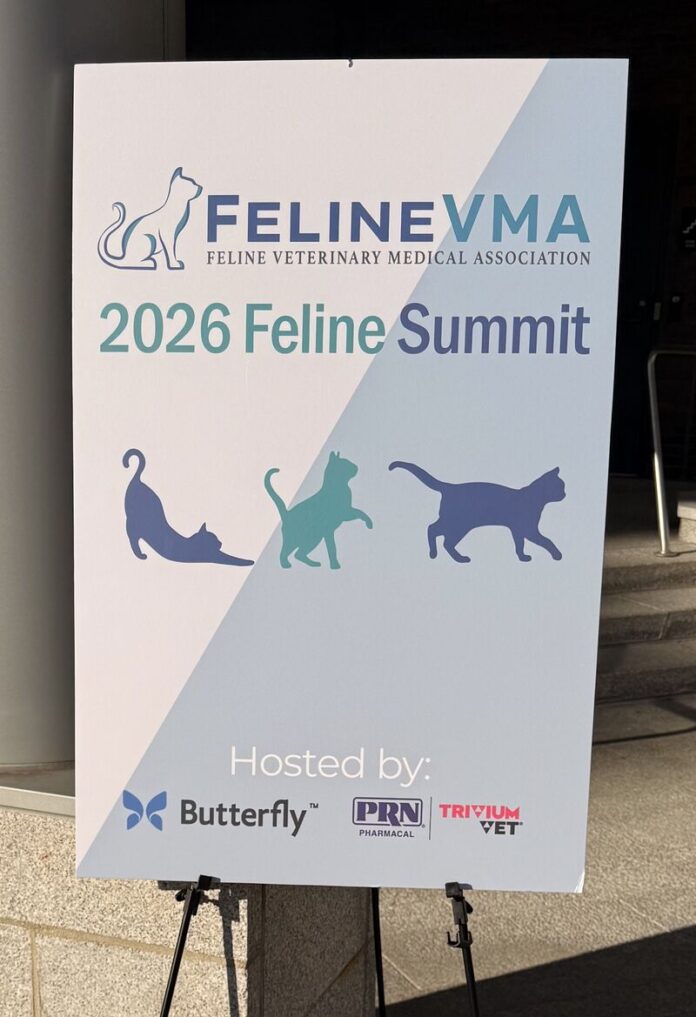

The Feline Veterinary Medical Association convened the inaugural Feline Summit from July 19 through 21, bringing together clinical innovators, animal welfare organizations, and pharmaceutical developers for a high-level executive forum focused entirely on addressing systemic gaps in feline healthcare. Held alongside industry partners Butterfly Network and TriviumVet and PRN Pharmacal, the summit centered on a genuinely persistent industry puzzle, why domestic cats continue receiving veterinary care substantially less often than dogs, despite now living in more American households than any other companion animal.
Because the event operated as an invitation-only, business-to-business executive forum rather than a public trade show, there are no traditional consumer reviews or ticket marketplace ratings to draw on. Attending researchers and corporate leaders have nonetheless shared genuinely enthusiastic professional commentary across platforms like LinkedIn and Instagram, praising the summit’s direct focus on fostering industry-wide clinical collaboration rather than treating the feline care gap as an issue any single organization could solve alone.
According to official recaps published by the FelineVMA, the summit’s collaborative panels centered on several major trends currently reshaping feline medicine. One significant focus involved planning for a genuine lifespan extension surge among domestic cats, as evolving treatments for chronic illness mean cats are living considerably longer than in previous generations, requiring practices to rethink long-term diagnostic and business strategies built around an aging feline population rather than the shorter lifespans clinics have traditionally planned around.
A second major theme centered on how practices can meaningfully improve feline care without necessarily requiring massive capital investment. Rather than treating better cat medicine as something that demands an expensive equipment overhaul, summit discussions emphasized smaller, genuinely achievable adjustments, including redesigning clinic environments to reduce feline stress, adopting specialized handling techniques suited specifically to cats, and modernizing communication workflows between clinics and cat owners, changes that can meaningfully improve the care experience without requiring a complete practice redesign.
Digital technology emerged as a third major discussion point, with clinicians evaluating how rapidly advancing artificial intelligence diagnostics and mobile, text-based telehealth networks are reshaping both who accesses feline care and how easily they’re able to do so. That kind of technology driven accessibility shift carries genuine potential to reach cat owners who might otherwise skip routine veterinary visits entirely, whether due to the logistical difficulty of transporting a stressed cat to a clinic or simply limited access to a nearby veterinary practice.
The summit also addressed a genuinely pressing structural challenge facing the entire veterinary industry, severe ongoing workforce shortages. Panel discussions focused specifically on strategies for empowering veterinary technicians to manage more complex feline care responsibilities directly, an approach aimed at both improving patient care and helping prevent burnout among veterinary staff working under increasingly strained conditions industry wide.
Heather O’Steen, CEO of the FelineVMA, framed cat medicine as representing one of the single greatest opportunities currently available within veterinary medicine, emphasizing the urgent need to break down the consumer barriers that continue keeping routine feline checkups less common than they should be. Dr. Joshua Stern, Associate Dean for Research, shared his own reflections on the summit directly on LinkedIn, describing a schedule genuinely packed with practical innovation and framing the event as the starting point for the kind of deliberate, systemic change feline medicine still needs.
For veterinary professionals looking for open-registration continuing education credits rather than an executive-level strategic summit, the FelineVMA’s broader annual conference offers a considerably more accessible entry point. That public conference is currently booking registrations ahead of its launch September 24 through 27 in Fort Lauderdale, Florida, giving practicing veterinarians and technicians a direct opportunity to engage with many of the same themes explored at this inaugural executive summit, delivered in a format built specifically for the broader veterinary community rather than an invitation-only industry audience.
















