


New

Subculture Artisan Ales Brings International Recognition to New Jersey Brewing With World Beer Cup Medal for Burton Reynolds. For years, New Jersey’s craft beer scene existed in the shadow of larger brewing regions that dominated national attention. Conversations about elite American beer culture often centered on Colorado, California, Oregon, Michigan, or Vermont while many of the country’s most ambitious small breweries quietly emerged elsewhere, building loyal followings without the same level of national visibility. That perception has steadily changed over the past decade as independent New Jersey breweries began producing increasingly sophisticated lagers, barrel-aged ales, hop-forward experimental releases, and historically rooted European styles capable of competing with breweries anywhere in the world.
At the 2026 World Beer Cup, one South Jersey brewery delivered another major reminder that New Jersey’s beer culture now belongs firmly inside that international conversation.
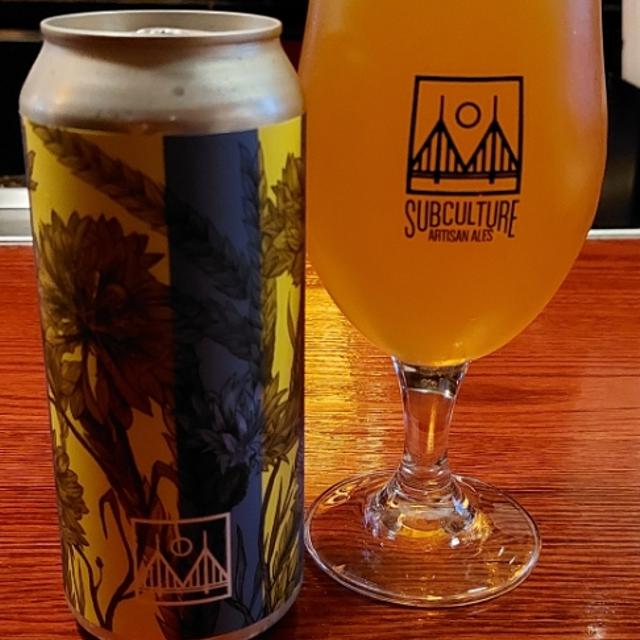
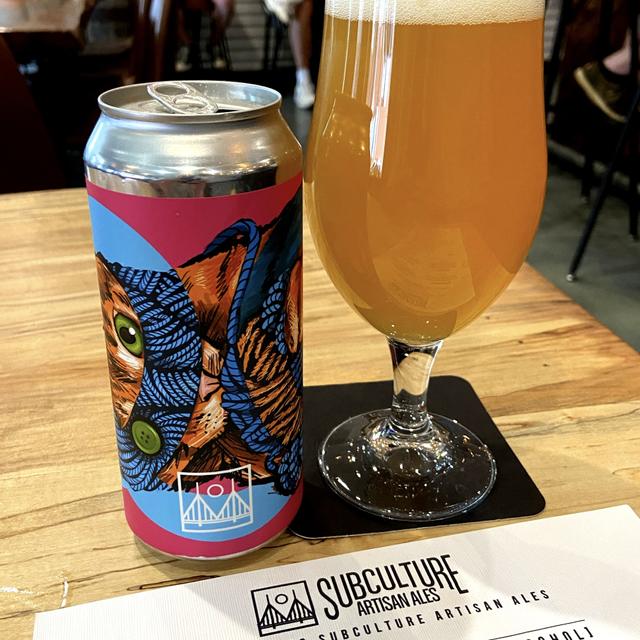
Subculture Artisan Ales in Florence earned a bronze medal at the World Beer Cup for Burton Reynolds, its historically inspired Burton Ale that stood out among more than 8,000 entries submitted from 50 countries. Widely regarded throughout the brewing industry as the “Olympics of Beer,” the World Beer Cup remains one of the most technically demanding and globally respected brewing competitions anywhere in the world. Winning at that level requires more than popularity or creative branding. It requires precision, execution, stylistic understanding, and the ability to produce beer capable of impressing some of the most experienced judges in modern brewing.
For Subculture Artisan Ales, the recognition also represents something particularly significant about where New Jersey brewing culture currently stands.
Burton Reynolds did not win for being flashy.
It did not win because it chased current brewing trends.
It won because it successfully revived and executed a deeply traditional historical beer style that many modern breweries rarely even attempt.
That distinction matters enormously.
At a time when much of contemporary craft beer continues revolving around aggressively hopped IPAs, pastry stouts, smoothie-style sours, and social-media-driven novelty releases, Burton Reynolds succeeds by embracing patience, restraint, historical inspiration, and layered complexity rooted in brewing traditions dating back generations.
The beer itself draws inspiration from the strong Burton Ales that became popular throughout Victorian-era England, particularly during the 19th century when the brewing city of Burton upon Trent established itself as one of the most influential beer-producing regions in the world. Those ales were known for their rich malt depth, elevated strength, balanced sweetness, and distinct earthy hop structure shaped by the region’s famously mineral-rich water profile.
Subculture’s interpretation honors that lineage while still feeling fully alive inside the modern craft beer landscape.
Burton Reynolds pours as a rich, dark ale layered with deep malt character, dark fruit notes, subtle sweetness, and earthy English hop balance. Cherry, plum, toffee, treacle, and marmalade-like citrus complexity emerge throughout the drinking experience without overwhelming the beer’s structure or drinkability. At approximately 6% ABV, it avoids the heavy-handed excess that often dominates stronger dark ales today, instead leaning into balance and texture in a way that rewards slower, more attentive drinking.
It is a beer built for people who genuinely love beer.
And perhaps more importantly, it is a beer that demonstrates confidence.
Brewing historically rooted styles at an elite level requires tremendous technical discipline because there are fewer shortcuts available. Brewers cannot simply overwhelm flaws with excessive adjuncts, sweetness, or aggressive dry hopping. Historical ales expose balance problems immediately. Judges evaluating those styles tend to be particularly knowledgeable about brewing history and traditional execution. Winning in that category therefore reflects not only creativity but deep understanding of brewing itself.
That commitment to brewing tradition has become central to Subculture Artisan Ales’ identity.
Located along the Delaware River in Florence, the brewery has steadily developed one of New Jersey’s more respected reputations among serious beer drinkers through its combination of classic European influences, hop-forward modern brewing, and meticulous attention to presentation. Founded by David Williams, a former head brewer from Chicago, Subculture approaches brewing with a philosophy that values craftsmanship and technical authenticity over trend chasing.
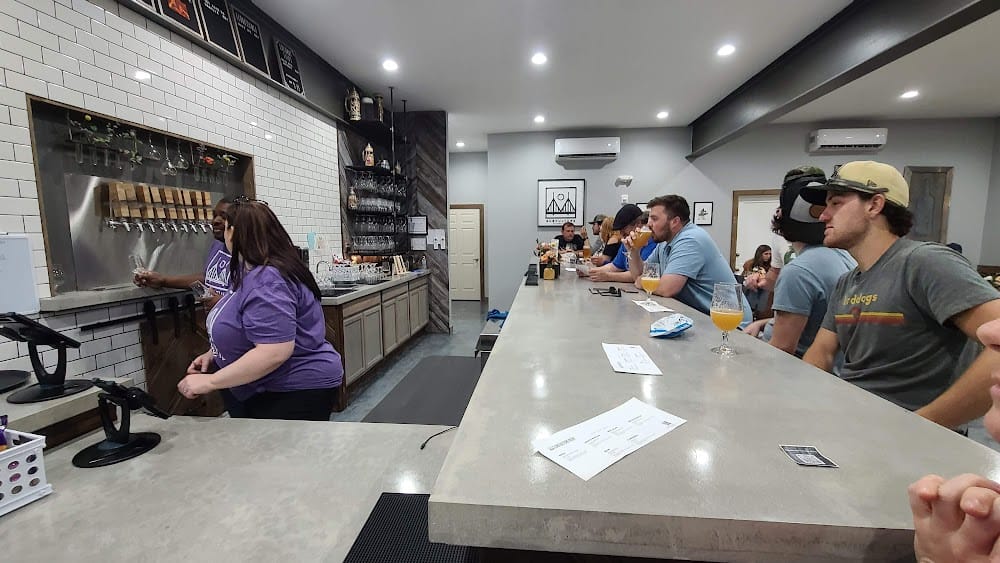
Inside the brewery’s taproom, that philosophy becomes visible almost immediately.
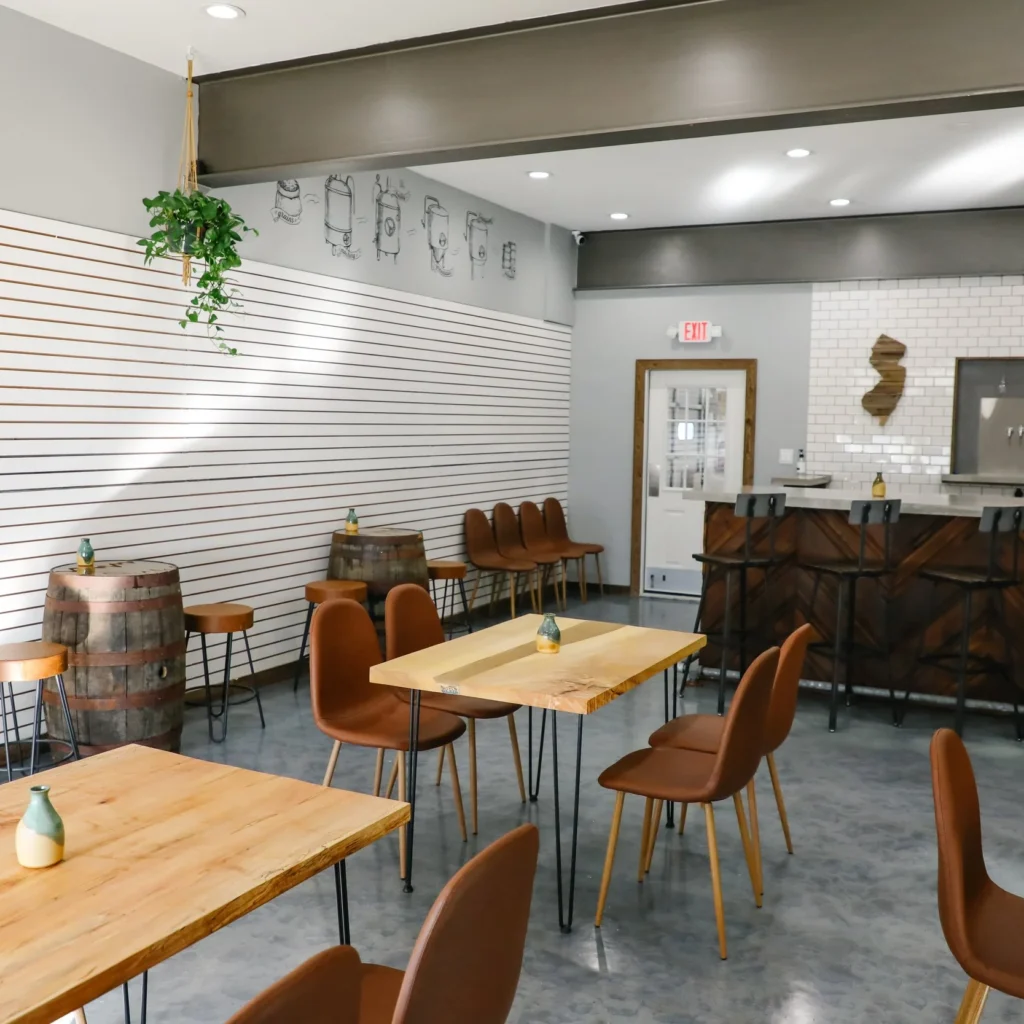
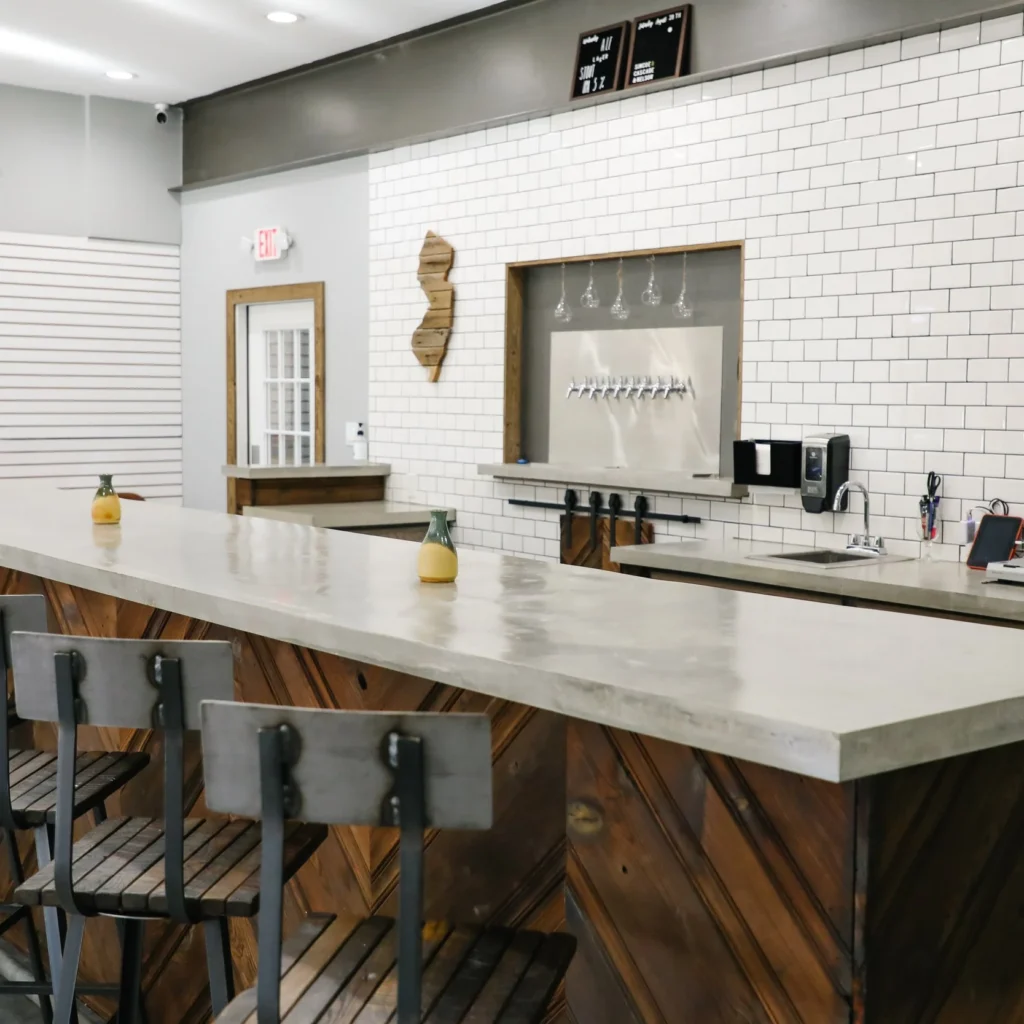
The industrial-inspired space balances a polished modern brewery aesthetic with a community-oriented atmosphere that feels rooted in local culture rather than corporate branding. Local artwork frequently lines the walls. Vinyl nights and rotating events reinforce the brewery’s connection to independent creative culture. Conversations between staff and customers often extend well beyond basic ordering, reflecting a beer program designed around education and appreciation rather than volume alone.
Even the taproom service itself reflects a level of seriousness rarely seen consistently across smaller breweries.
Subculture’s taproom staff are Cicerone-certified beer servers, meaning employees receive formal training in beer styles, presentation, flavor profiles, draft systems, and service standards. That attention to detail may sound small to casual visitors, but within the brewing industry it reflects a broader operational philosophy centered around respecting the beer itself.
The result is a brewery experience that feels intentionally curated rather than improvised.
That same mentality appears throughout Burton Reynolds and the brewery’s broader approach to specialty releases. Beyond the standard version, Subculture has also experimented with cask-conditioned and wine cask-aged variations of the beer, further exploring the style’s historical roots while allowing different characteristics to emerge through alternative conditioning methods. The cask-conditioned release reportedly leans even further into earthy, leathery, and toffee-driven characteristics that evoke traditional English pub cellar service rarely experienced authentically in the United States.
That willingness to experiment within historical frameworks is part of what increasingly separates serious breweries from breweries simply producing content for online hype cycles.
Importantly, Subculture’s World Beer Cup recognition arrives during a particularly important period for New Jersey brewing as a whole.
The state’s independent beer industry has entered a new phase of maturity. The early expansion boom that defined much of the 2010s has evolved into a more competitive environment where breweries increasingly differentiate themselves through quality, identity, hospitality, and technical execution rather than simply existing within an expanding market. Consumers have become more educated. Expectations have risen dramatically. Brewery taprooms now compete not only with each other but with restaurants, bars, entertainment venues, wineries, cocktail programs, and changing consumer habits overall.
In that environment, international recognition matters.
Awards like the World Beer Cup reinforce that New Jersey breweries are not merely participating in the national craft beer movement but actively shaping it. They are producing beers capable of standing alongside respected breweries from Belgium, Germany, England, the Czech Republic, Canada, and elite American brewing regions long considered industry benchmarks.
That evolution continues reshaping how outsiders view New Jersey’s food and beverage culture more broadly.
For decades, many people underestimated the state’s independent culinary identity despite its extraordinary diversity, immigrant influences, agricultural history, restaurant culture, and proximity to major metropolitan centers. Craft brewing has increasingly become part of that larger reevaluation. Breweries throughout the state now function not only as producers but as tourism destinations, local gathering spaces, live music venues, arts hubs, and community anchors woven directly into the cultural identity of their towns.
Subculture Artisan Ales reflects that transformation perfectly.
Its success is not rooted in mass production or aggressive national distribution. It is rooted in craftsmanship, atmosphere, authenticity, and a willingness to take beer seriously as both cultural tradition and creative expression.
And at the 2026 World Beer Cup, the international brewing community officially took notice.
For New Jersey beer lovers, Burton Reynolds’ bronze medal represents more than a single award. It represents another confirmation that some of the most compelling breweries in America are no longer confined to the industry’s traditional power centers. They are being built in places like Florence, New Jersey by brewers willing to honor brewing history while pushing the state’s independent beer culture toward an increasingly respected national future.
Because today, New Jersey brewing is no longer trying to prove it belongs on the world stage.
It already does.












Your source for everything happening in the Garden State. Enjoy live music year-round, skiing, hiking, beaches, rivers, and mountains. Explore New Jersey’s wine scene by visiting top wineries and vineyards offering award-winning wines. Check out reviews and photos of the best places to sip and sample. Love beer? Discover New Jersey’s breweries — currently home to 123 licensed breweries — and explore the highest-rated beers brewed in the state.
© 2026 Explore New Jersey, a Sunset Entertainment & Media Company | 1928 The Woods II - Cherry Hill, New Jersey 08003. All Rights Reserved.