
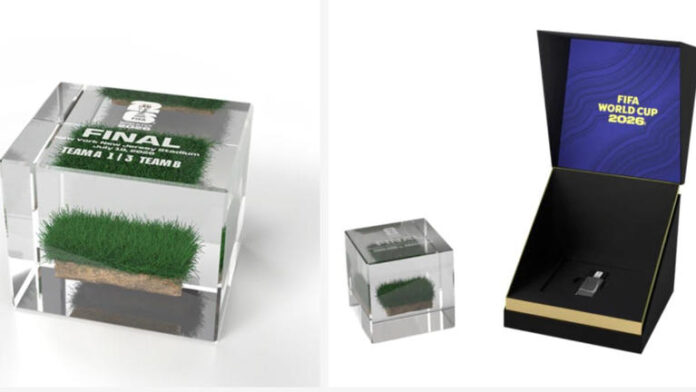

FIFA has begun selling preserved, physical pieces of the actual grass used in the 2026 World Cup Final at MetLife Stadium, offering the fragments as limited edition souvenirs to fans looking to own a literal piece of the historic match. The sale has quickly turned into a genuine political controversy in New Jersey, where lawmakers argue the state’s own taxpayers, not FIFA or its partners, should be the ones profiting from a field that public money helped build in the first place.
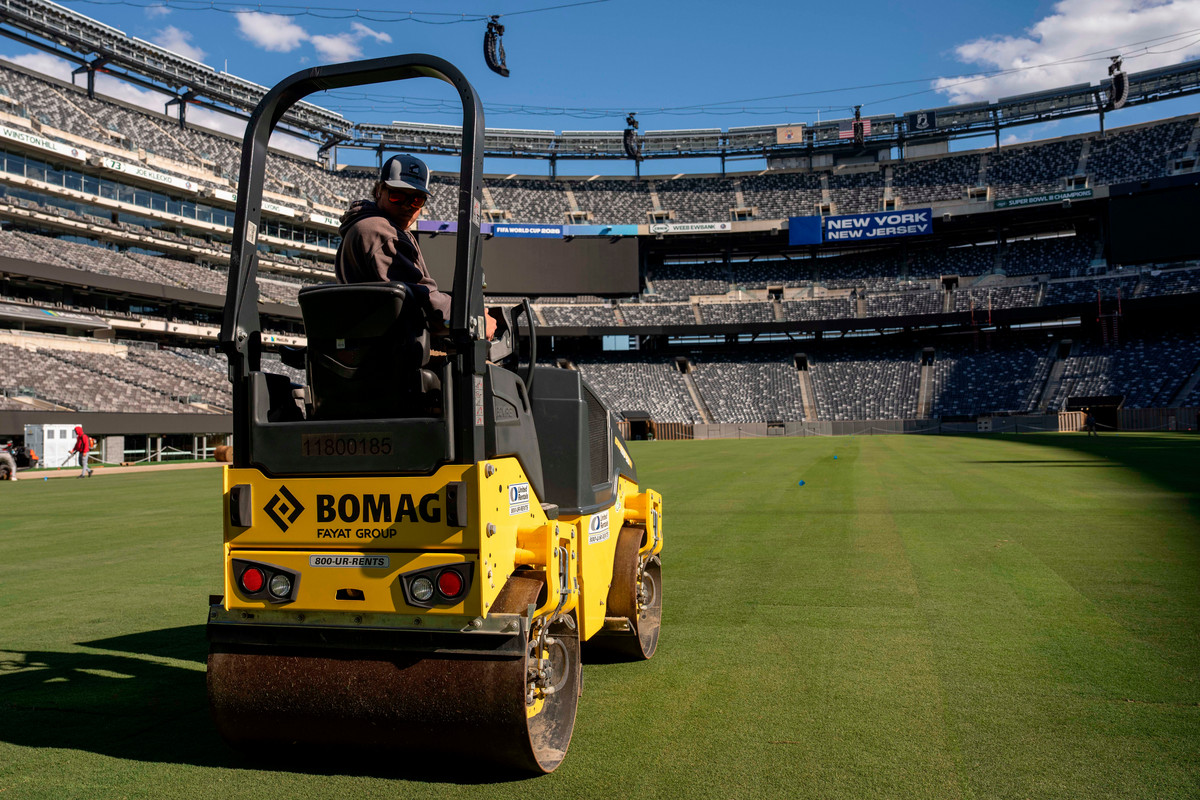
The grass itself carries a genuinely unusual backstory. MetLife Stadium normally operates on artificial turf for its regular slate of NFL and other events, meaning a temporary natural grass system had to be custom grown and installed specifically to meet FIFA’s requirements for the tournament. Rather than simply discarding that field once the July 19 final between Spain and Argentina concluded, FIFA partnered with UK based manufacturer Keep Stub to harvest and monetize roughly five yards of the actual playing surface, transforming what would otherwise have been waste into a genuine collector’s item.
Each collectible fragment comes encased in a premium, clear resin cube measuring 17.5 centimeters on each side, complete with official World Cup branding, full match details, the final score, and a USB keepsake containing a digital film specifically certifying the piece’s authenticity. FIFA structured the collection across four distinct pricing tiers, each strictly limited to 2,026 individual units. The entry level Foundation Edition was priced at $450 and has already sold out entirely on the official FIFA Store, while two mid tier options run $900 and $1,200 respectively, and a Premium Edition tops the collection at $3,000.
The commercial rollout has triggered genuine political backlash, concentrated primarily in New Jersey, where lawmakers have raised pointed questions about exactly who should be profiting from a field the state helped fund. The New Jersey Sports and Exposition Authority spent more than $13 million in taxpayer money to design, construct, and maintain the temporary grass field used for the tournament, and state lawmakers have argued directly that New Jersey taxpayers, having funded the field’s creation in the first place, deserve a genuine share of whatever profit that same field generates once monetized as a collectible.
That frustration has already produced concrete political action. Assemblymember Mike Inganamort publicly called on the administration to pursue a restraining order specifically to halt the turf sale, describing the monetization of publicly funded grass as illegal and characterizing the arrangement as a bad deal for New Jersey taxpayers. Republican congressional candidate Rosie Pino has also weighed in, accusing FIFA of profiting directly off New Jersey taxpayers and publicly calling on other regional officials to speak out against the arrangement as well.
Much of the public anger has centered on early reporting suggesting the full sell-out would net FIFA as much as $11 million in profit. That figure, however, has since been directly disputed by FIFA itself. According to statements obtained by The Athletic, a FIFA spokesperson clarified that the entire initiative is actually host city led rather than centrally run by FIFA, and that FIFA itself takes only a single digit percentage, under 5 percent, specifically as a licensing fee for the use of its intellectual property on the collectibles. According to that same clarification, the majority of the proceeds from the grass sale are directed instead to the NYNJ Host City Committee, which has stated its intention to reinvest that revenue into local regional programs throughout the greater New York and New Jersey area.
That distinction sits at the very center of the current dispute. Critics of the sale argue that regardless of exactly how the revenue split works out between FIFA and the host city committee, New Jersey taxpayers who directly funded the field’s construction and upkeep were never given a formal stake in the resulting collectible program, and that the state’s own contribution to making the field possible in the first place has gone essentially unacknowledged in how the proceeds are being distributed. Defenders of the arrangement, based on FIFA’s own clarification, would likely counter that the bulk of the money is in fact flowing back into the same regional community that hosted the tournament, just through the Host City Committee rather than directly through the state government itself, a distinction that may satisfy some critics while doing little to address the specific taxpayer accountability concerns lawmakers like Inganamort have raised directly.
As the political fight over New Jersey’s so-called turf war continues playing out, the underlying collectibles themselves remain a genuinely popular draw for soccer fans, with the entry level tier already sold out and demand showing little sign of slowing for the higher priced options still available. Whether that continued demand eventually prompts any formal change to how the proceeds get distributed, or whether New Jersey lawmakers pursue further legal action beyond Inganamort’s initial call for a restraining order, remains an open question as both fans and state officials continue watching how this particular souvenir controversy ultimately gets resolved.
















