

RPM Healthcare is headquartered right here in Newark, with an active office in Fair Lawn, and its name overlaps almost perfectly with the medical field it operates in, since RPM is also the universal clinical shorthand for Remote Patient Monitoring. The company is now pushing federal regulators not to unravel the reimbursement model that makes that entire field possible for New Jersey patients.
The Newark Company Called RPM Just Went to Washington to Defend What RPM Actually Means
RPM Healthcare is headquartered right here in Newark, with an active office in Fair Lawn, and its name overlaps almost perfectly with the medical field it operates in, since RPM is also the universal clinical shorthand for Remote Patient Monitoring. The company is now pushing federal regulators not to unravel the reimbursement model that makes that entire field possible for New Jersey patients.
RPM Healthcare builds the technology that lets a clinical practice keep tabs on a patient long after they’ve left the exam room, and it does that work out of a genuinely New Jersey home base. The company’s corporate headquarters sits in Newark, with an active business office in Fair Lawn, and its signature platform, RPM365, exists specifically to close the gap between office visits, the stretch of time where a patient’s blood pressure spikes, a glucose reading drifts, or a heart rhythm does something worth flagging, and nobody in the practice finds out until the next scheduled appointment weeks later. That gap is exactly where a lot of preventable hospitalizations quietly happen, and it’s the entire reason remote patient monitoring exists as a clinical discipline in the first place.
The company’s ties to New Jersey run deeper than an office address, too. RPM Healthcare works directly with regional health networks across the state, including a well-documented partnership with Englewood Health, to manage remote patient monitoring for local clinics and their patients. That kind of embedded, hands-on relationship with New Jersey providers is exactly why a federal policy fight over reimbursement rules matters so directly here at home.
Connected Medical Devices
Cellular-enabled monitors that transmit real patient data automatically, without requiring a smartphone pairing step most elderly patients would struggle with.
EHR-Integrated Dashboard
An interactive clinical view that plugs directly into a practice’s existing Electronic Health Records system rather than forcing staff to check a separate portal.
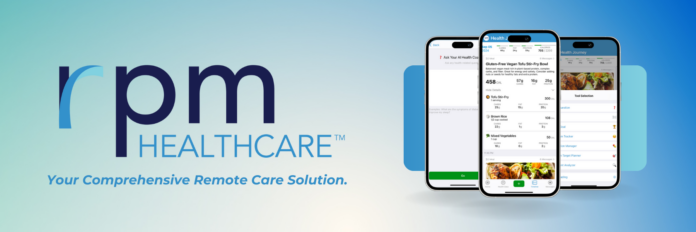
AI Health Coach App
A consumer-facing companion tool that gives patients real-time feedback and guidance between the moments a clinician is actually watching.
Device Ships Directly to the Patient
RPM Healthcare handles the logistics on behalf of the clinical practice, shipping a cellular-enabled device straight to the patient’s home.
Patient Gets Onboarded
The company walks the patient through setup, removing the burden from already-stretched clinical staff who don’t have hours to spend on tech support.
Data Flows Back to the Practice
Incoming readings populate the clinical dashboard continuously, giving providers a genuine early-warning system instead of a once-a-month snapshot.
RPM Healthcare has formally urged the Centers for Medicare and Medicaid Services to preserve the current remote monitoring reimbursement structure as the agency considers changes for 2027. The company’s position centers on three pillars, the clinical outcomes data collected across its patient base, the role of nursing oversight in actually reviewing incoming readings rather than letting them sit unread in a queue, and the risk that patients, including plenty right here in New Jersey, could lose meaningful access to this kind of continuous monitoring if reimbursement rules shift underneath the model that currently supports it.
It’s worth being straightforward about what this actually is. This is one company’s advocacy position submitted during a federal comment period, not a settled outcome. CMS is weighing a genuinely complex set of tradeoffs here, program costs, fraud prevention, clinical evidence quality, and patient access all factor into how a fee schedule like this ultimately gets finalized, and reasonable people inside and outside the industry can land in different places on where those priorities should sit. What RPM Healthcare is arguing is that the current model works clinically, and that unwinding it now would cost patients real, demonstrated benefit rather than closing some loophole.
Here’s my honest take on why this fight matters beyond one company’s bottom line, and why it’s worth New Jersey readers paying attention specifically. Remote patient monitoring only works at scale if the reimbursement math actually supports it, clinics won’t ship devices, staff won’t review incoming vitals, and companies won’t build the infrastructure if the federal payment model underneath it evaporates. This isn’t an abstract policy fight happening somewhere else. It’s a Newark-based company defending a care model already embedded in New Jersey health networks like Englewood Health. Whatever CMS ultimately decides for 2027, the underlying clinical logic is hard to argue with directly. Catching a dangerous blood pressure trend three weeks earlier because a nurse saw it on a dashboard instead of waiting for the next office visit is exactly the kind of quiet, unglamorous intervention that keeps people out of emergency rooms. That’s the case RPM Healthcare is making to federal regulators right now, and it’s a case worth understanding clearly regardless of which side of the policy debate you ultimately land on.
















