Home Blog Page 79

Historic Grove Street Mixed-Use Building Trades for $6.25 Million as Downtown Jersey City Investment Demand Accelerates

A prominent mixed-use property in the heart of Downtown Jersey City’s Powerhouse Arts District has closed for $6.25 million, underscoring continued investor confidence in one of New Jersey’s most competitive urban real estate markets.

The four-story brick building at 358–362 Grove Street spans approximately 16,050 square feet and features a diversified layout that includes 19 residential apartments and three street-level retail spaces. The transaction reflects sustained demand for well-located, income-producing properties in transit-oriented neighborhoods that continue to draw both residents and commercial tenants.

Situated just steps from the Grove Street PATH station, the property offers direct access to Manhattan and remains strategically positioned within Jersey City’s core commercial and cultural corridor. The building’s proximity to restaurants, arts venues, nightlife and office centers makes it especially attractive to renters seeking walkable, commuter-friendly housing options, while retailers benefit from consistent pedestrian traffic throughout the day and evening.

The sale was brokered by Marcus & Millichap, whose New Jersey investment sales team represented the seller and procured the buyer. The brokerage team was led by Devin Perez, Alan Cafiero and Dean Matuszewicz, all of whom specialize in urban mixed-use and multifamily transactions across the region.

According to market participants involved in the transaction, the property generated multiple competitive offers, highlighting the depth of capital actively pursuing stabilized assets in Jersey City’s downtown core. Despite higher interest rates and cautious underwriting across the broader commercial real estate landscape, investor appetite remains especially strong for assets that combine residential density with street-level retail in highly visible, transit-served locations.

Built in 1900, the Grove Street building retains much of its original architectural character while functioning as a modern income-producing property. The combination of historic construction, durable brick exterior and flexible mixed-use layout continues to resonate with buyers seeking long-term value and resilience in high-demand submarkets.

The retail portion of the property is currently occupied by popular neighborhood tenants, including Jibeichuan Ramen and Chicken & Co., both of which draw consistent foot traffic from commuters and nearby residential developments. Being positioned directly along one of Downtown Jersey City’s most active commercial blocks allows retailers to capture daily patronage from residents, office workers and visitors moving through the district.

From an investment perspective, properties such as 358–362 Grove Street represent a particularly attractive segment of the market. Mixed-use assets provide diversified income streams and tend to outperform single-use buildings during periods of market uncertainty, especially when residential occupancy remains strong and retail tenancy is supported by a dense, growing population base.

Downtown Jersey City continues to benefit from sustained population growth, new residential development and a steady influx of professionals drawn by its proximity to New York City and expanding local employment opportunities. The Powerhouse Arts District, in particular, has evolved into one of the city’s most sought-after neighborhoods, blending residential towers, converted industrial buildings, creative spaces and destination dining.

Industry professionals point to transit-oriented development as one of the most powerful drivers behind continued pricing strength in the submarket. With the Grove Street PATH station only steps away, residents of the building enjoy rapid connections into Manhattan’s financial and technology hubs, while maintaining access to the expanding amenities of Jersey City’s downtown waterfront and cultural districts.

The closing also highlights how older, well-maintained properties continue to compete effectively with newly delivered developments. While new construction remains active throughout Jersey City, buyers increasingly recognize the value of established buildings that offer immediate cash flow, proven tenant demand and long-term appreciation potential within already-mature corridors.

Commercial brokers active in the market note that mixed-use assets located near major transit lines are drawing interest from both regional and national buyers seeking stable returns and portfolio diversification. The combination of residential demand, resilient retail tenancy and limited supply of comparable downtown properties continues to place upward pressure on pricing.

The Grove Street transaction further reflects a broader trend across Hudson County, where well-located multifamily and mixed-use properties are increasingly viewed as defensive investments amid evolving economic conditions. As financing markets remain selective, buyers are gravitating toward properties that demonstrate consistent occupancy and long-term market fundamentals rather than speculative repositioning plays.

Jersey City’s downtown investment environment remains closely watched by developers, lenders and institutional capital, particularly as infrastructure improvements and continued residential development reshape the city’s urban footprint. The successful sale of 358–362 Grove Street reinforces the strength of this corridor and signals that demand for centrally located, transit-adjacent mixed-use assets remains firmly intact.

For ongoing coverage of major transactions, development trends and investment activity shaping the region’s commercial and residential markets, readers can explore Sunset Daily’s dedicated New Jersey real estate and property market coverage within our real estate reporting section.

As Downtown Jersey City continues to mature into one of the state’s most active urban centers, transactions such as this $6.25 million Grove Street sale illustrate how historic properties—when paired with modern tenancy and unmatched transit access—remain at the forefront of investor strategies in New Jersey’s evolving real estate landscape.

Ibexlabs Names Sriram Gosala as CEO in Strategic Leadership Move to Accelerate Cloud and AI Growth

Ibexlabs, a fast-growing cloud, data and artificial intelligence consulting and managed services firm serving organizations across New Jersey and beyond, has announced the appointment of Sriram Gosala as its new Chief Executive Officer, effective immediately, marking a pivotal moment in the company’s next phase of expansion and innovation.

The leadership change comes as demand continues to surge for enterprise modernization, cloud migration, advanced analytics and AI-driven transformation across healthcare, financial services, logistics and public sector organizations throughout the Northeast. With digital infrastructure now central to competitiveness, Ibexlabs is positioning itself to scale its delivery capabilities, deepen client partnerships and broaden its technology portfolio under Gosala’s leadership.

Gosala steps into the role at a time when consulting and managed services firms are being asked to move far beyond implementation work and into long-term strategic partnerships focused on automation, data engineering, AI readiness and operational resilience. Industry analysts increasingly point to the need for executive leadership that can unify technical execution with business strategy, particularly as organizations navigate multi-cloud environments, security challenges and the rapid adoption of generative AI tools.

In assuming the chief executive role, Gosala is expected to guide Ibexlabs through a period of accelerated growth, with a focus on building scalable delivery models, expanding advisory services and strengthening the firm’s ability to help clients move from experimentation to enterprise-wide adoption of data and AI platforms. Company leaders say the appointment reflects a long-term commitment to helping organizations translate emerging technologies into measurable business outcomes, rather than short-term pilot projects.

For New Jersey companies in particular, the appointment signals an important alignment with the state’s expanding digital economy. From life sciences and advanced manufacturing to fintech and higher education, organizations across the region are investing heavily in cloud infrastructure and analytics platforms to modernize operations, support remote and hybrid workforces, and improve decision-making through real-time data. Ibexlabs has positioned itself as a partner for organizations seeking both technical expertise and operational continuity through managed services.

Gosala’s appointment also comes as technology consulting firms face growing pressure to address data governance, regulatory compliance and cybersecurity in parallel with innovation initiatives. As more businesses deploy AI-driven systems, executive oversight has become critical to ensuring responsible use, transparency and long-term sustainability of digital transformation programs.

The company’s leadership transition aligns with broader trends shaping the technology sector in 2026, including the convergence of cloud engineering, machine learning, data architecture and automation into unified digital platforms. Ibexlabs has indicated that its strategic roadmap under Gosala will prioritize integrated service offerings designed to streamline modernization efforts and reduce operational complexity for enterprise clients.

Readers following executive leadership shifts and enterprise technology strategy can find ongoing coverage of similar developments in cloud computing, artificial intelligence and digital transformation through Sunset Daily’s dedicated technology reporting, available within our embedded technology and innovation coverage.

With Sriram Gosala now at the helm, Ibexlabs enters its next chapter focused on scaling impact, strengthening client outcomes and advancing enterprise adoption of cloud, data and AI solutions across New Jersey and national markets.

How Grands Digital Founder Alamgir Rajab Is Redefining Mental Health Marketing Through Purpose-Driven SEO

At a time when digital marketing is increasingly shaped by automation, analytics dashboards, and performance shortcuts, a growing number of organizations in the mental health and wellness space are demanding something more thoughtful, more ethical, and far more human. That shift is precisely where Alamgir Rajab, founder of Grands Digital, has built a distinct and fast-growing reputation—by reshaping how mental health–focused organizations are discovered online without compromising compassion, accuracy, or community responsibility.

Rajab’s leadership at Grands Digital centers on a deceptively complex challenge: helping mental health providers, counseling practices, behavioral health startups, and wellness organizations reach the people who need them most—while navigating an industry where language, visibility, and trust carry real-world consequences. Unlike traditional SEO models that prioritize volume-driven keywords and aggressive lead funnels, Rajab’s approach is grounded in clinical sensitivity, ethical messaging standards, and long-term audience engagement strategies that mirror how individuals actually seek support.

In New Jersey, where mental health access and public awareness remain critical priorities across both urban and suburban communities, this philosophy has found strong traction. Behavioral health practices, teletherapy platforms, community outreach programs, and nonprofit initiatives increasingly face the challenge of competing online with national brands and venture-backed platforms. Rajab’s work helps level that digital playing field by equipping smaller, mission-driven organizations with tailored search and content strategies designed specifically for mental health discovery behaviors.

At the core of Grands Digital’s mental health initiative is a specialized SEO framework built around user intent mapping rather than keyword dominance. Rajab and his team analyze how people search when they are experiencing stress, anxiety, burnout, trauma, or family-related concerns. Those patterns are dramatically different from standard consumer search behavior. Queries are often uncertain, fragmented, and emotionally driven. Instead of optimizing content around transactional phrases, the agency structures digital ecosystems that prioritize educational clarity, accessible language, and reassurance-based messaging.

This model also incorporates medically reviewed content pipelines, compliance-conscious publishing processes, and ongoing performance monitoring tied not only to traffic growth but also to meaningful engagement indicators such as time-on-page, resource downloads, appointment inquiries, and referral retention. For mental health brands, visibility alone is not success—responsible visibility is.

Rajab’s leadership has positioned Grands Digital at the intersection of digital innovation and social impact, particularly as demand for mental health services continues to rise nationwide. In New Jersey, employers, school districts, healthcare systems, and community coalitions are increasingly seeking partners who understand how digital storytelling, local SEO, and community-focused content can expand awareness without trivializing mental health experiences. The firm’s campaigns often integrate hyperlocal optimization, community resource mapping, and neighborhood-level search visibility, ensuring that residents searching for support are guided toward credible, geographically relevant providers.

Beyond technical optimization, Rajab emphasizes narrative integrity as a strategic pillar. Mental health organizations face unique reputational risks when messaging becomes overly promotional or algorithmically driven. Grands Digital addresses this through brand voice development that balances professional authority with emotional authenticity. Client campaigns frequently incorporate clinician perspectives, lived-experience insights, and culturally responsive language models that reflect New Jersey’s diverse population.

This emphasis on culturally adaptive marketing is particularly relevant across the state’s multilingual communities, immigrant populations, and multi-generational households. Rajab’s campaigns often include multilingual SEO structures, culturally contextual keyword frameworks, and regional outreach strategies that help reduce digital barriers to care. For families navigating mental health services for the first time, clarity and cultural understanding can be as important as clinical availability.

Grands Digital’s mental health marketing initiatives also extend into data privacy and platform responsibility. With growing scrutiny around how sensitive health-related search data is tracked and utilized, Rajab has prioritized ethical analytics configurations that minimize invasive tracking while still allowing organizations to measure campaign effectiveness. This privacy-first approach aligns with emerging expectations across healthcare marketing and strengthens long-term trust between providers and the communities they serve.

In practical terms, this means redesigning analytics systems around anonymized engagement signals, implementing consent-forward content experiences, and avoiding retargeting tactics that may feel intrusive to users seeking emotional or psychological support. Rajab views this restraint not as a limitation, but as a competitive advantage in a sector where credibility directly influences patient decision-making.

As part of a broader wellness-driven digital strategy, Grands Digital frequently collaborates with healthcare professionals, advocacy groups, and community educators to ensure that public-facing content supports prevention, awareness, and early intervention efforts. Educational hubs, long-form mental health guides, and interactive self-assessment resources are structured to function as both SEO assets and public health tools. For readers interested in broader statewide perspectives on wellness and care access, Grands Digital’s work aligns closely with New Jersey’s expanding focus on health and wellness resources across digital platforms.

Rajab’s leadership style blends technical rigor with sector-specific fluency. He routinely works alongside clinicians, practice administrators, and nonprofit directors to translate complex clinical services into searchable, understandable, and respectful online narratives. This collaborative approach helps organizations articulate their specialties—whether trauma-informed therapy, adolescent mental health services, addiction recovery, or workplace mental health programs—without resorting to generic or oversimplified messaging.

From a business development perspective, the results have positioned Grands Digital as a specialized growth partner rather than a conventional marketing vendor. Mental health organizations working with Rajab report stronger local discovery performance, improved appointment conversion pathways, and higher engagement with educational content. More importantly, campaigns are structured to remain adaptable as clinical offerings, insurance partnerships, and regulatory environments evolve.

Looking ahead, Rajab is expanding Grands Digital’s mental health initiatives into emerging areas such as AI-supported content quality control, voice search optimization for healthcare discovery, and predictive analytics for community outreach planning. As conversational search and virtual assistants become increasingly integrated into how people seek help, ensuring that accurate and responsible mental health information surfaces in those environments is quickly becoming a new frontier for digital ethics.

In New Jersey’s evolving healthcare and wellness landscape, Alamgir Rajab’s work represents a forward-looking model of what mental health marketing can—and should—be. By fusing search engine expertise with compassion-centered strategy, Grands Digital is helping organizations move beyond clicks and impressions toward measurable community impact. The firm’s mental health–focused SEO and digital engagement programs demonstrate that growth and responsibility are not mutually exclusive, and that digital visibility, when guided by integrity, can become a powerful tool for connection, education, and healing.

From World Cup Access to Year-Round Player Development to Red Bull New York Secureing Jorge Ruvalcaba as Designated Player

Red Bull New York has delivered one of its most significant roster moves in recent seasons, completing the signing of Mexican international forward Jorge Ruvalcaba and assigning him to the club’s third Designated Player slot, a clear signal that the organization is investing heavily in reshaping its attacking identity ahead of a pivotal campaign.

At 24 years old, Ruvalcaba arrives in the New York–New Jersey market at a defining stage of his career. After five seasons competing in Liga MX with UNAM Pumas, he brings both top-flight experience and international exposure to a Red Bull side that has made speed, pressing, and positional fluidity central to its playing model.

Over the course of his time in Mexico, Ruvalcaba accumulated 100 senior appearances across domestic league play and cup competitions, producing 16 goals and nine assists while operating in multiple attacking roles. That versatility is expected to be one of his most valuable attributes in Major League Soccer, where tactical flexibility and quick in-game adjustments often determine results.

For Red Bull New York, the move represents far more than an individual acquisition. By committing a Designated Player position to Ruvalcaba, the club is effectively placing him at the core of its offensive rebuild, entrusting him with both creative responsibility and consistent production in the final third.

Ruvalcaba is widely recognized for his explosive pace and ability to attack defenders directly in space. He is comfortable operating on either flank, cutting inside onto goal, or drifting centrally to combine with midfield runners. That adaptability aligns closely with Red Bull New York’s high-tempo pressing philosophy, which relies on wide attackers who can both initiate defensive pressure and transition rapidly into attacking positions.

In recent seasons, Red Bull New York has focused on restoring the aggressive, vertically oriented style that defined the club during its most competitive stretches. Ruvalcaba’s profile fits that objective precisely. His ability to stretch back lines, exploit transitional moments, and create separation in one-on-one situations adds a dimension that has often been missing when the club has faced compact defensive blocks.

Head coach Michael Bradley emphasized that point when discussing the club’s newest addition, highlighting how Ruvalcaba’s pace and positional flexibility will allow the coaching staff to deploy him across multiple attacking configurations. The expectation is that he will not be limited to a single role, but instead function as a movable piece capable of reshaping the attacking structure during matches.

From a broader strategic perspective, the signing reflects a growing trend across Major League Soccer toward targeting players who arrive with meaningful experience in competitive international leagues while still remaining young enough to adapt and grow within the league. Ruvalcaba’s background in Liga MX, widely regarded as one of the strongest leagues in the Americas, offers immediate credibility and a proven foundation for success in a physically demanding environment.

His international exposure also adds an important layer of maturity to Red Bull New York’s locker room. Competing at the national team level requires tactical discipline, emotional composure, and adaptability under pressure—qualities that can be invaluable during MLS playoff races and congested fixture schedules.

For supporters in New Jersey, the arrival of Ruvalcaba strengthens the region’s growing profile within the North American soccer landscape. As the sport continues to expand its footprint across the state, high-profile signings such as this one reinforce the importance of Red Bull New York as a centerpiece of the local and regional game, a role frequently explored through Explore New Jersey’s ongoing soccer coverage.

Tactically, Ruvalcaba offers the coaching staff several immediate options. He can be deployed as a traditional winger tasked with isolating fullbacks and delivering service into the box. He can also operate as an inverted attacker, drifting into half spaces to link play and create shooting lanes. In pressing sequences, his acceleration allows him to close down defenders quickly, an essential requirement in Red Bull’s aggressive defensive structure.

Perhaps most importantly, Ruvalcaba arrives with a track record of functioning within systems that demand constant movement off the ball. At UNAM Pumas, he was frequently asked to rotate positions during attacking phases, interchange with overlapping fullbacks, and contribute to defensive recoveries. That experience should help ease his transition into the Red Bull model, which prioritizes collective movement and coordinated pressing triggers.

The timing of the transfer also matters. Red Bull New York enters the new campaign determined to reassert itself as a contender in the Eastern Conference after periods of inconsistency in attacking output. While the club has maintained a reputation for defensive organization and work rate, converting possession and pressure into consistent goals has remained a challenge.

Ruvalcaba’s arrival directly addresses that concern. His willingness to attack the penalty area, combined with his comfort carrying the ball at speed through central channels, gives Red Bull New York a forward who can both create and finish chances without requiring extensive buildup around him.

From a roster construction standpoint, using the club’s third Designated Player slot on a wide attacking player underscores how seriously Red Bull New York views the need for dynamic, match-altering speed in its front line. It also suggests that the organization envisions Ruvalcaba as a long-term contributor rather than a short-term depth addition.

For Ruvalcaba himself, the move represents an important step into a new competitive environment. Major League Soccer’s physical demands, travel schedule, and tactical diversity present unique challenges even for experienced international players. But his combination of athleticism, adaptability, and experience against high-level opposition positions him well to make an immediate impact.

As preseason integration begins and tactical relationships develop, Red Bull New York will be focused on accelerating Ruvalcaba’s chemistry with the club’s midfield creators and overlapping fullbacks. The success of the move will ultimately be measured not only in goals and assists, but in how effectively he elevates the entire attacking unit.

For New Jersey soccer fans, the signing of Jorge Ruvalcaba represents more than a headline transaction. It signals a renewed commitment to attacking ambition and competitive relevance. In a league defined by rapid evolution and increasingly sophisticated roster strategies, Red Bull New York has made a decisive move—bringing in a player whose speed, versatility, and international experience could reshape the club’s attacking identity and redefine its trajectory in the seasons ahead.

From World Cup Access to Year-Round Player Development: How Red Bull New York Is Redefining the Soccer Experience in New Jersey. As global soccer momentum builds toward the FIFA World Cup 2026, Red Bull New York is positioning itself at the center of a rapidly expanding matchday and development culture across New Jersey and the greater region. From premium hospitality experiences tied directly to World Cup access, to season-long membership privileges and elite youth goalkeeper training pathways, the club is creating a comprehensive soccer ecosystem that extends far beyond the ninety minutes on the field.

For fans determined to secure entry to one of the most anticipated sporting events in modern history, Red Bull New York is offering a streamlined and secure approach through official, ticket-inclusive hospitality packages connected to the FIFA World Cup 2026. These packages are designed for supporters who want more than a seat inside the stadium—they deliver a complete matchday experience that removes uncertainty and replaces it with comfort, access, and service.

Hospitality guests receive guaranteed entry to their selected matches along with premium seating, curated food and beverage offerings, dedicated stadium entrances, and on-site service designed to keep the experience effortless from arrival through the final whistle. In a tournament where availability is limited and global demand is unprecedented, the club is emphasizing that hospitality access through official providers is the most reliable way to secure attendance without risking invalid or unverified tickets.

The emphasis on certainty has become a defining part of Red Bull New York’s approach to major international events. With matchday demand expected to surge throughout 2026, hospitality access allows fans to focus on the atmosphere, the competition, and the moment—rather than logistics and availability.

That same philosophy of elevated access continues into the club’s domestic experience through its 2026 Red Membership program. For supporters in New Jersey, becoming a Red Member represents far more than simply holding a season ticket. Membership opens the door to behind-the-scenes opportunities that are rarely available to the public, including exclusive training sessions, private team events, and player interaction nights that bring fans directly into the club’s inner circle.

Red Bull New York has steadily reshaped what fan engagement looks like in the modern soccer landscape. Members are invited to witness first-team practices, attend closed-door experiences, and build personal connections with players and staff that deepen loyalty and strengthen the relationship between club and community. The result is a season-long experience rooted in access, transparency, and inclusion.

In a unique incentive for supporters who commit early, Red Bull New York is also offering an Away Trip Sweepstakes tied to 2026 membership enrollment. Fans who secure their Red Membership by the designated deadline are automatically entered for a chance to travel with the first team to a select regular-season away match in 2026, giving one supporter an unprecedented opportunity to experience professional soccer from the inside.

While premium hospitality and membership programs enhance the supporter experience, Red Bull New York is also placing significant focus on the next generation of players across New Jersey—particularly goalkeepers looking to remain competitive between spring and fall seasons.

Through its partnership with Regional Development School, the club is supporting high-level summer goalkeeper training pathways designed to maintain form, sharpen technical ability, and prepare players for fall tryouts and league play. These programs are structured to meet the needs of both aspiring elite goalkeepers and players seeking focused development during the offseason.

The RDS Residential Camps offer a fully immersive training environment where goalkeepers receive daily, position-specific sessions led by specialized goalkeeper coaches. Training emphasizes core performance areas including shot stopping, footwork patterns, distribution under pressure, reading game situations, and decision-making in high-tempo scenarios. Camp participants also train alongside elite field players, allowing goalkeepers to experience realistic match demands and build chemistry within competitive team settings.

Residential camp environments replicate many of the physical and mental demands young players will encounter at higher levels of competition. Extended training days, structured recovery, tactical classroom sessions, and continuous feedback from coaching staff create an atmosphere designed to accelerate long-term development rather than deliver short-term instruction.

For players seeking a more targeted and flexible option, RDS Technical Camps provide goalkeeper-specific training in shorter formats. These sessions concentrate on high-repetition technical work, individualized correction, and focused performance feedback. The technical camps are particularly valuable for players looking to refine specific elements of their game, such as distribution accuracy, reaction timing, or handling under traffic, without committing to a full residential schedule.

Both training pathways serve as a strategic bridge between spring competition and fall preseason, helping goalkeepers sustain rhythm, confidence, and physical readiness during a period when many young athletes traditionally lose momentum. By offering structured development during the summer window, Red Bull New York and its training partners are addressing one of the most common gaps in youth soccer development.

This dual emphasis on elite fan engagement and structured player development reflects a broader shift in how professional clubs in New Jersey are building sustainable soccer communities. The region’s growing influence on the national game—spanning professional, youth, and supporter culture—is increasingly visible through Explore New Jersey’s ongoing soccer coverage.

Taken together, Red Bull New York’s hospitality offerings, membership experiences, and goalkeeper development programs represent a comprehensive vision for the sport in New Jersey. Whether securing a premium seat for the world’s biggest tournament, gaining unprecedented access to a professional club’s daily operations, or preparing young goalkeepers for their next competitive leap, the organization is creating year-round pathways for participation at every level of the game.

As the countdown to the FIFA World Cup 2026 continues, Red Bull New York is not simply preparing for an influx of international attention. It is building a connected soccer ecosystem—one that brings global events, local supporters, and developing players into a single, continuously growing community rooted firmly in New Jersey.

New Jersey Basketball and Wrestling Are Powering a Breakout Winter Sports Season

New Jersey’s winter sports landscape is delivering one of its most compelling storylines in years, stretching from the college hardwood in Newark to packed high school gyms and wrestling rooms across the state. At every level, programs that were once overlooked or underestimated are now reshaping expectations—and in doing so, reinforcing New Jersey’s reputation as one of the most competitive high school and collegiate sports environments in the region.

New Jersey high school sports are entering a pivotal “Championship February.” Here is the latest update on the teams and athletes dominating the headlines as of February 9, 2026:

Boys Basketball: Bergen County Jamboree & Statewide Rankings 

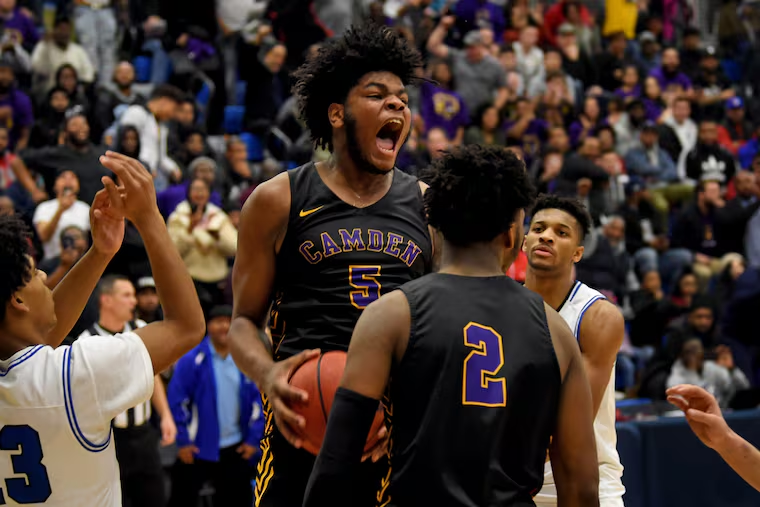
Bergen Catholic remains the undisputed No. 1 team in the state, recently cruising into the Bergen County Jamboree semifinals after a 77–39 quarterfinal win over Northern Highlands on February 8. 

Statewide Top 10 (as of Feb 9, 2026):

Rank SchoolRecord
1Bergen Catholic20–3
2Tenafly19–0
3St. Mary (Ruth.)20–3
4Teaneck17–3
5St. Peter’s Prep17–2
6Gill St. Bernard’s18–2
7St. Joseph (Met.)21–1
8Plainfield17–2
9Linden10–4
10Montgomery17–3
  • Jamboree Matchups: The semifinals are set for Sunday, February 15 at FDU. Undefeated No. 2 Tenafly—who just knocked off powerhouse Don Bosco Prep—will face No. 3 St. Mary (Ruth.), while No. 1 Bergen Catholic takes on No. 4 Teaneck

Wrestling: State Tournament Seeding

The road to Atlantic City is intensifying as the NJSIAA prepares to release official Team State Tournament seeds on February 10, 2026

  • Key Standouts: Nick Garreffi (Vineland) remains a top contender in South Jersey at 120 lbs, recently going 3-0 with two pins. Jayden James (Delbarton) is currently regarded as the top-ranked wrestler in the state at any weight.
  • Team News: Mount Olive is the projected top seed for the North 1, Group 4 section, while Delbarton is the heavy favorite for the Non-Public A title.
  • Milestone: Junior Logan Forgatch (Parsippany Hills) became the fastest wrestler in his school’s history to reach 100 career wins on February 8. 

Winter Season Milestones

  • Swimming: Longtime Mainland Regional coach Brian Booth announced his retirement effective March 2026, ending a legendary 33-season career that included 12 sectional and five state titles.
  • Indoor Track: Westfield maintained its dominance by winning the North 2, Group 4 title this past weekend. 

At the center of the collegiate conversation sits NJIT’s men’s basketball program, which has emerged as one of the most surprising and impressive teams in the America East Conference this season. After being projected near the bottom of the league in preseason evaluations, the Highlanders have authored a dramatic reversal of fortune. With an 8–2 conference record, NJIT has surged into first place, delivering a statement season that has redefined both internal expectations and how the program is viewed nationally.

The significance of the turnaround cannot be overstated. Being selected to finish eighth in the conference before the season began placed NJIT firmly outside the projected championship conversation. Instead, the team has produced a disciplined, defensively committed style of basketball built on ball movement, pace control, and late-game execution. Their rise is not the product of a single breakout player or short-lived scoring run, but rather a cohesive identity that has allowed them to close out tight games and maintain consistency against a wide range of opponents.

Equally important is what this moment represents for the broader athletic profile of the university. In a conference where continuity and experience often decide standings, NJIT’s climb to the top reflects a program that has matured together and learned how to win on the road, protect home court, and handle the pressure that comes with being a target instead of a sleeper. For student-athletes and recruits watching from across the state, the message is clear: meaningful, competitive Division I basketball is thriving in Newark.

While NJIT’s success highlights New Jersey’s growing collegiate footprint, the heartbeat of the state’s sports culture continues to pulse through its high school programs.

In North Jersey, Bergen Catholic remains the standard-bearer on the boys’ basketball scene. The Crusaders enter the Bergen County Jamboree semifinals holding the top ranking in the region, reaffirming a reputation built on depth, physicality, and relentless defensive pressure. Year after year, Bergen Catholic produces teams capable of competing with the best programs not only in New Jersey, but across the Northeast, and this season has been no exception.

The current roster reflects the program’s longstanding commitment to development and structure. Veteran leadership, disciplined shot selection, and an ability to control tempo have once again placed the Crusaders in position to contend for county and postseason honors. Their continued dominance also reinforces why Bergen Catholic remains a proving ground for players seeking collegiate opportunities and national exposure.

The excitement surrounding Bergen Catholic’s run is mirrored throughout the state, where high school athletics continue to drive community engagement and rivalries that define winter sports in New Jersey. Coverage of programs like these remains central to the broader conversation around youth development and competitive balance highlighted across Explore New Jersey’s high school sports reporting.

While basketball headlines dominate gymnasiums, wrestling rooms across South Jersey are producing their own stars—and doing so with a level of consistency that speaks to the depth of the region’s programs.

At Vineland, junior Nick Garreffi has emerged as one of the area’s most reliable and technically sound competitors. His performances this season have showcased a blend of positional discipline, mat awareness, and physical endurance that has allowed him to separate himself during tight matches. As the postseason approaches, Garreffi’s steady progression has positioned him as a legitimate threat in a field that grows deeper every year.

Just a short distance away, St. Augustine’s Chase Sudano has been building a résumé that belies his youth. The sophomore enters the postseason carrying a 24–9 record, an accomplishment made even more impressive by the level of competition he has faced throughout the season. Sudano’s development has been marked by a growing confidence in neutral positions, improved transition defense, and the ability to dictate match tempo—traits that often define elite high school wrestlers long before they reach their junior and senior campaigns.

Together, Garreffi and Sudano represent the next wave of South Jersey wrestling talent, continuing a regional tradition that has long produced state champions and collegiate competitors. Their success is not isolated. It reflects a broader ecosystem of dedicated coaches, youth programs, and offseason training cultures that keep wrestling deeply embedded in New Jersey’s athletic identity.

What connects these stories—NJIT’s unexpected conference dominance, Bergen Catholic’s sustained excellence, and the emergence of standout wrestlers in South Jersey—is a shared commitment to development over hype. None of these programs relied on preseason projections or reputation alone. They have earned their place through preparation, competitive scheduling, and an understanding that success in New Jersey is rarely accidental.

This winter has also reinforced how closely connected the state’s athletic pipeline has become. High school gyms and wrestling rooms remain the foundation for collegiate success, and college programs like NJIT increasingly draw attention back to the local talent base that feeds them. The relationship is reciprocal, and its impact is visible in the way communities rally around both campus teams and hometown schools.

As the postseason approaches across multiple sports, New Jersey’s athletes and programs are positioned not merely to participate, but to contend. From first place in a Division I conference to county semifinals and state-bound wrestling brackets, the Garden State continues to demonstrate why its competitive culture remains one of the most demanding—and most rewarding—in the region.

This season is not defined by a single headline or championship chase. It is defined by momentum, by emerging leaders, and by programs that are rewriting expectations in real time. For New Jersey sports fans, the winter calendar has become a showcase of what sustained investment in youth and collegiate athletics can achieve—and why the next generation of standout performers is already stepping into the spotlight.

New Jersey’s Biggest Transportation Projects Enter a High-Stakes Moment as Tunnels Stall, Bridges Advance, and Highway Work Pushes Forward

Some of New Jersey’s most critical transportation and infrastructure projects are now moving in sharply different directions, creating a moment of uncertainty—and opportunity—for commuters, contractors, and local governments across the state.

As of February 6, construction activity tied to the long-anticipated Hudson Tunnel Project has been suspended following a federal funding freeze, abruptly halting one of the most important rail infrastructure efforts in the Northeast Corridor. The pause comes despite a recent court ruling that blocked the federal administration from withholding funds, leaving project partners and regional transit leaders navigating a legal and financial gray zone while work remains on hold.

The Hudson Tunnel Project is designed to replace and expand the century-old rail tunnels that carry Amtrak and NJ Transit trains beneath the Hudson River between New Jersey and New York. The existing tunnels, heavily damaged during Superstorm Sandy and now operating well beyond their intended lifespan, represent one of the region’s most significant transportation vulnerabilities. Any prolonged disruption threatens not only daily commutes for tens of thousands of riders but also the reliability of the entire Northeast rail network, which serves as the backbone of interstate passenger and freight movement.

Construction teams and project managers have been instructed to suspend major field operations while funding questions are resolved. Industry sources indicate that the uncertainty is already rippling through subcontractor scheduling, workforce planning, and material procurement pipelines. Even a short-term suspension can generate long-term cost escalation, particularly for large-scale tunneling, utility relocation, and staging work that must be carefully sequenced.

Regional transportation planners warn that further delays could push back the long-term rehabilitation schedule for the existing tunnels—an outcome that carries elevated operational risk for both Amtrak and NJ Transit. The tunnels currently handle hundreds of trains each day, and their age and condition have been cited repeatedly in federal and state infrastructure assessments as one of the most urgent transit bottlenecks in the country.

While the tunnel work has entered an unexpected holding pattern, another signature North Jersey rail project has reached a major construction milestone.

The Portal North Bridge replacement, a cornerstone of the Gateway Program, is now entering its final phase of construction. The project will retire the 114-year-old swing bridge spanning the Hackensack River in Secaucus and replace it with a modern, high-level, fixed-span structure designed to eliminate one of the most notorious choke points on the Northeast Corridor.

The bridge is currently undergoing what engineers refer to as “cutover” operations—the highly complex process of transferring live rail traffic from the existing bridge to the newly constructed structure. This phase involves signal system integration, power and communications testing, track alignment verification, and round-the-clock coordination between construction crews and railroad operations teams.

Once fully completed, the new bridge will allow trains to pass over the river without the mechanical openings that have routinely disrupted service for decades. The aging swing bridge has been a frequent source of delays due to mechanical failures and river traffic conflicts, creating cascading impacts throughout the regional rail system.

Transportation officials describe the Portal North Bridge as one of the most operationally transformative rail upgrades in New Jersey in a generation, with long-term benefits for reliability, travel times, and on-time performance for both commuter and intercity service.

Together, the stalled tunnel work and advancing bridge replacement highlight the uneven progress now shaping the state’s transportation landscape—where legal, financial, and political factors can carry as much weight as engineering readiness.

Beyond rail, New Jersey’s highway construction program continues to move forward on multiple major corridors, reflecting the state’s parallel focus on road infrastructure as freight movement, suburban commuting, and regional growth continue to place pressure on aging roadway systems.

In Middlesex County, long-term rehabilitation work along the Route 18 corridor in East Brunswick remains active. The project includes extensive drainage upgrades, pavement reconstruction, and roadway resurfacing designed to address chronic flooding issues and deteriorating subbase conditions that have contributed to congestion and recurring maintenance needs.

Transportation officials indicate that construction activity along Route 18 is progressing on schedule, with substantial completion currently targeted for fall 2026. Once finished, the corridor is expected to deliver smoother traffic flow, improved stormwater management, and enhanced safety features for one of central New Jersey’s busiest north–south routes.

In Somerset County, widening work on Route 206 continues as part of a multi-year effort to expand capacity and modernize one of the region’s primary arterial highways. The project includes additional travel lanes, redesigned intersections, upgraded pedestrian accommodations, and drainage improvements intended to reduce long-standing bottlenecks and improve access for both residential and commercial traffic.

State transportation officials now project completion of the Route 206 improvements in 2027, positioning the corridor to better support future development and regional mobility while reducing accident-prone merge and turning zones that have historically challenged drivers.

Across all three projects, construction leaders emphasize that modern transportation infrastructure is increasingly interdependent. Rail capacity constraints can shift commuters to highways, while highway congestion can affect access to major rail stations and transit hubs. In that context, maintaining balanced progress across rail and roadway investments has become a central objective for state and regional planners.

The current funding disruption affecting the Hudson Tunnel Project has also renewed broader conversations within the construction and transportation sectors about how federal policy uncertainty can directly impact state-level delivery schedules, workforce stability, and private-sector investment decisions. Contractors working on large public projects typically rely on predictable funding flows to maintain staffing levels, long-lead equipment procurement, and subcontractor commitments.

New Jersey’s construction industry, which supports tens of thousands of skilled trade workers and professional staff, is closely watching how quickly federal funding questions can be resolved. Any prolonged pause risks creating ripple effects across supplier networks and future bid pricing as firms attempt to hedge against uncertainty.

For residents and businesses, the stakes are practical and immediate: reliable rail service into New York City, reduced highway congestion, safer bridges, and infrastructure that can support long-term economic growth.

State and regional officials have reiterated that the Hudson Tunnel Project remains a top priority despite the current suspension, and legal proceedings related to the funding freeze are expected to continue in the coming weeks. Whether construction can restart quickly will depend on how rapidly federal funding assurances can be restored and contracts reactivated.

As these projects evolve, New Jersey’s infrastructure outlook continues to be shaped by a mix of engineering progress and political reality, underscoring why major transportation investment remains one of the most closely watched areas within the state’s broader construction landscape.

Readers following the progress of large-scale transportation and public works initiatives across the state can continue tracking in-depth reporting on New Jersey construction and infrastructure projects through Sunset Daily News’ ongoing construction coverage, which monitors how shifting funding, regulatory decisions, and project delivery timelines are reshaping the region’s built environment.

Olympic Spotlight, Local Stakes: How the 2026 Winter Games Are Reshaping a Crucial Moment for New Jersey Hockey

As the NHL pauses for the 2026 Winter Olympics in Milan and Cortina d’Ampezzo, the international stage is offering New Jersey hockey fans a rare mix of pride, pressure, and perspective. While league play takes a temporary back seat, the Garden State remains deeply woven into the global tournament through a wide group of players and programs with direct ties to the New Jersey Devils, the Philadelphia Flyers, and the growing women’s professional game centered in Newark.

The Olympic break arrives at a complicated moment for both regional NHL clubs. For the Devils and Flyers, recent results have created an uneasy backdrop to what should be a celebratory international showcase. Yet the number of players representing their countries also underscores how deeply this corner of the hockey world continues to influence the global game.

For New Jersey, the pause in the schedule is less about a vacation and more about a strategic reset.

The Devils enter the Olympic window searching for stability after a stretch of results that sharply narrowed their postseason outlook. The loss that closed their pre-break schedule further emphasized how thin the margin for error has become. Despite the difficult timing, the organization remains one of the most internationally represented clubs in the entire league, with players skating for six different nations across the Olympic field.

The United States roster features Jack Hughes, who has been cleared to compete after recently working his way back from injury. His presence alone ensures that New Jersey remains firmly part of the Olympic spotlight. Hughes continues to be one of the league’s most dynamic offensive engines, and his speed and creativity are expected to be central to Team USA’s push for gold.

Switzerland will lean heavily on its Devils contingent, led by captain Nico Hischier, joined by Timo Meier and defenseman Jonas Siegenthaler. That trio represents the core of both Switzerland’s identity and New Jersey’s own leadership structure. Their chemistry at the NHL level now becomes a valuable advantage for a national program that increasingly expects to contend deep into international tournaments.

Sweden’s roster features Jesper Bratt, whose skating and playmaking have quietly become among the Devils’ most reliable offensive weapons, along with veteran goaltender Jacob Markström, whose international experience adds a stabilizing presence in high-pressure elimination games. Slovakia is represented by Simon Nemec, one of the organization’s most important young defensemen, while Ondřej Palát skates for Czechia, bringing championship experience and postseason credibility to a national lineup built around structure and disciplined two-way play.

The sheer scale of New Jersey’s Olympic presence is striking, even as the team itself heads into the break in need of answers. For a roster still built around a long-term competitive window, the Games offer both a chance for individual players to gain confidence and an unavoidable risk of fatigue or injury as the Devils prepare for a critical stretch run.

Across the Delaware River, the Philadelphia Flyers are experiencing a similar emotional split.

The club reached the break having dropped the majority of its recent games, a slide that has pulled them outside the playoff picture at a time when consistency was becoming essential. Still, the Flyers remain visible on the Olympic stage through a smaller but impactful group of players and staff.

Defenseman Travis Sanheim represents Canada, skating under a coaching staff that includes Flyers head coach Rick Tocchet serving as an assistant behind the Canadian bench. That dual role gives Philadelphia a unique vantage point on the tournament, with both player and coaching insight flowing directly back into the organization.

Rasmus Ristolainen joins Finland’s roster, bringing size and physicality to a blue line that values structure and heavy defensive zone coverage. Czechia includes goaltender Dan Vladař, while Latvia features Rodrigo Ābols, who, despite being sidelined by a lower-body injury, remains closely connected to the Olympic story after receiving recognition from his national program.

For both franchises, the break offers a moment to breathe and reassess. But for fans, the story of New Jersey hockey during this Olympic cycle extends well beyond the NHL.

The women’s game, increasingly central to the state’s identity in the sport, carries just as much significance during this international tournament. Much of that attention is focused on the New York Sirens of the Professional Women’s Hockey League, who play their home games at the Prudential Center in Newark, quietly transforming the building into a year-round hub for elite hockey.

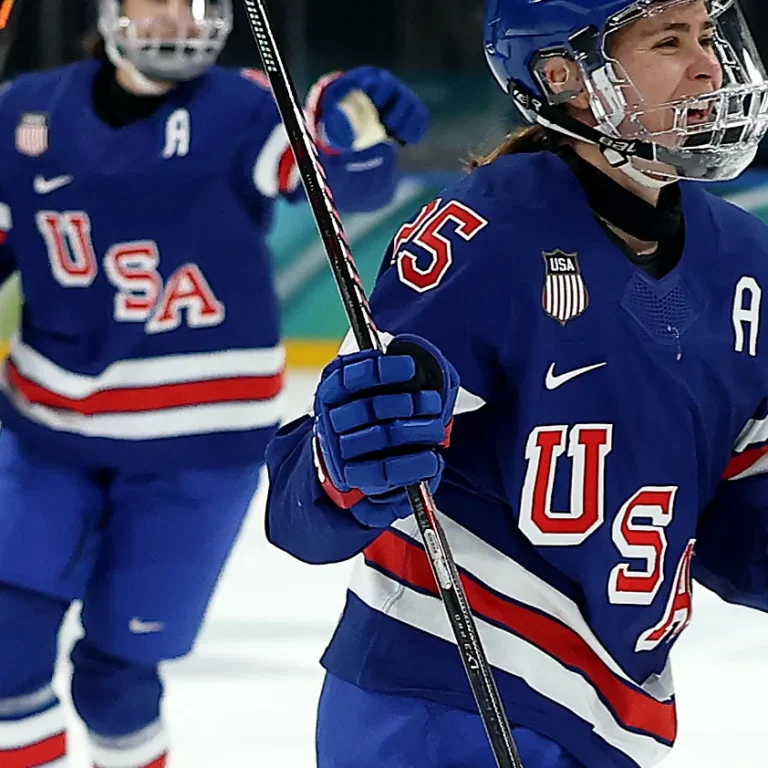
One of the most compelling local stories belongs to Alex Carpenter, a Morristown native and a cornerstone of Team USA’s roster. Competing in her third Olympic Games, Carpenter represents both national excellence and the deep developmental roots of hockey in New Jersey. Her journey—from youth programs in the state to international stardom—has become a blueprint for what sustained investment in women’s hockey can produce.

The Sirens themselves are heavily represented in Milan, with six players skating across multiple national teams. Among them are Canadian forward Sarah Fillier and Switzerland’s Nicole Vallario, reinforcing the idea that Newark is no longer simply a regional home for professional women’s hockey, but a meaningful contributor to the international talent pool.

Perhaps the most symbolic moment for New Jersey’s future arrived just ahead of the Games, when forward Elle Hartje was named the first-ever female ambassador for Hockey in New Jersey. The role centers on expanding access to the sport, especially for girls and underserved communities, and reflects a broader cultural shift that places growth and inclusivity alongside competitive success.

This growing connection between elite competition and grassroots development is reshaping how the state views its hockey identity. What once revolved almost exclusively around the Devils now spans youth programs, women’s professional hockey, international competition, and long-term community engagement.

That broader perspective is increasingly reflected in statewide coverage of the sport, particularly through Explore New Jersey’s ongoing reporting on the evolving hockey landscape, player development, and regional impact found throughout its hockey coverage.

For the Devils, the break represents both a physical pause and a psychological checkpoint. The organization enters this window knowing that the remaining schedule leaves little room for extended slumps. While players carry their responsibilities into Olympic competition, the coaching staff and front office will use the downtime to evaluate lineup balance, special teams performance, and the consistency of defensive structure that has wavered during recent losses.

The hope internally is that the Olympic stage provides more than visibility—it delivers momentum. For younger players such as Nemec, the experience of high-pressure international games can accelerate development in ways that regular-season NHL minutes simply cannot replicate. For veterans like Palát and Markström, leadership responsibilities in national jerseys may help reinforce habits the Devils desperately need when league play resumes.

Philadelphia faces a similar crossroads. With their postseason position already compromised, the Flyers must determine whether the stretch run becomes a late push for relevance or a transition period that prioritizes long-term roster clarity. Tocchet’s exposure to international coaching environments and systems during the tournament may also influence tactical decisions when the NHL calendar restarts.

The Olympic Games, however, are not merely a temporary diversion from difficult standings.

They serve as a reminder of how deeply New Jersey is embedded in the global hockey ecosystem. From star forwards and veteran goaltenders to emerging defensemen and rising women’s professionals, the state’s influence stretches far beyond its borders.

When NHL play resumes, the Devils and Flyers will return to a schedule defined by urgency. But for the moment, the focus shifts to Milan, where New Jersey’s players carry more than national colors. They carry the reputation of a region that continues to shape the future of the sport—on the ice, in the community, and on the world’s biggest hockey stage.

New Jersey’s Multilingual Classroom Boom Reshapes Public Education as Schools Confront a Growing Language Gap

New Jersey’s public school system is undergoing one of the most significant demographic shifts in its modern history, as more than 130,000 students—nearly one in every eleven children enrolled statewide—now arrive at school each day still learning how to speak, read, and write in English.

During the 2023–2024 school year, roughly nine percent of New Jersey’s public school population was formally identified as Multilingual Learners, also known as English Language Learners. Behind that statewide figure is a deeper transformation unfolding inside classrooms across urban, suburban, and even rural districts, reshaping instructional models, staffing needs, curriculum design, and family engagement strategies.

Multilingual Learners are students whose primary language at home is not English and who require additional instructional support to fully participate in academic coursework. In practice, the designation reflects a wide range of lived experiences—from newly arrived refugee children entering American schools for the first time, to U.S.-born students raised in bilingual households, to students who have spent years in New Jersey classrooms but are still developing academic English fluency.

District leaders say the surge in multilingual enrollment reflects both global migration patterns and the evolving linguistic diversity of New Jersey communities.

A growing share of students entering New Jersey schools in recent years have arrived from countries affected by war, political instability, and economic disruption. Districts across the state report enrolling new students from Ukraine and Afghanistan, alongside continued arrivals from Central and South America and the Caribbean. Many students come with interrupted formal schooling, limited literacy in their first language, or trauma-related learning challenges that complicate language acquisition.

At the same time, New Jersey’s long-established immigrant communities continue to expand. Approximately 27 percent of all public school students in the state now speak a language other than English at home, making multilingualism an everyday reality inside many school buildings.

Spanish remains by far the most common home language among multilingual learners, accounting for roughly 70 percent of identified students. However, districts are also serving rapidly growing populations of Arabic, Portuguese, Haitian Creole, Chinese, and Korean speakers, as well as students who speak dozens of less common languages that may only appear in small numbers within a single school.

The complexity of this population is one of the defining challenges facing New Jersey educators.

Contrary to common assumptions, learning English is rarely a quick process. Education researchers consistently find that while students may acquire conversational English within a year or two, full academic proficiency—especially the language required for reading complex texts, writing essays, and understanding advanced math and science concepts—can take five to seven years or more.

Even after five years in U.S. schools, only a small share of New Jersey’s multilingual learners are officially classified as fully proficient in English. For many students, especially those who arrive at older ages or with limited prior schooling, progress unfolds gradually and unevenly.

State education leaders emphasize that this reality does not reflect a lack of ability. Instead, it underscores how demanding academic language development truly is, particularly when students are simultaneously expected to master grade-level content across all subjects.

Under New Jersey’s Bilingual Education Code, school districts are legally required to identify and serve students who need language support. Every student entering a public school completes a home language survey, which helps determine whether additional screening is necessary. Students who indicate exposure to a language other than English at home are then assessed using state-approved language proficiency tools.

Once identified, students must be placed into appropriate language support programs. In most districts, that includes English as a Second Language instruction integrated into the school day. Larger districts and those with higher concentrations of multilingual students are also required to operate bilingual education programs that allow students to learn academic content in both English and their native language.

In recent years, a growing number of districts have also invested in dual-language immersion programs. These programs intentionally mix native English speakers and multilingual learners in classrooms where instruction is delivered in both English and a partner language—often Spanish or Mandarin—with the long-term goal of producing students who are fluent, biliterate, and academically prepared in both languages.

Advocates say dual-language models offer benefits well beyond language acquisition, including improved cultural awareness, stronger literacy skills, and long-term academic advantages for both multilingual learners and native English speakers.

Still, implementation remains uneven across the state.

District administrators consistently cite staffing shortages as one of the most serious barriers to fully meeting students’ needs. Certified bilingual teachers and ESL specialists remain in short supply, particularly in high-need districts where multilingual enrollment is growing fastest.

In some schools, a single ESL teacher may be responsible for supporting dozens of students spread across multiple grade levels and classrooms. That reality can limit the amount of individualized instruction students receive and make it difficult to align language development with grade-level academic expectations.

Recruitment challenges are compounded by rising costs of living in many parts of New Jersey, which make it difficult for districts to compete with neighboring states or private-sector opportunities. Teacher preparation programs have also struggled to produce enough bilingual-certified educators to meet statewide demand.

Beyond staffing, districts face mounting pressure to provide culturally responsive instruction that recognizes students’ linguistic and cultural backgrounds as assets rather than obstacles. Educators are increasingly trained to integrate students’ home languages into classroom discussions, encourage family participation, and adapt curriculum materials to reflect diverse communities.

Family engagement has become another critical pillar of multilingual education. Many parents of multilingual learners face language barriers themselves when navigating school systems, attending meetings, or accessing special education and academic support services. Districts are expanding translation services, multilingual parent liaisons, and community partnerships to bridge those gaps.

School leaders say effective communication with families often determines whether students receive timely academic interventions, social-emotional support, and consistent attendance.

Technology is also playing a growing role. Digital translation tools, multilingual learning platforms, and adaptive literacy programs are increasingly used to supplement classroom instruction, particularly in districts with limited staffing. While these tools cannot replace certified educators, administrators say they help close access gaps and provide students with additional practice outside traditional instructional periods.

Despite progress, equity concerns remain.

Education advocates warn that multilingual learners are more likely than their peers to experience academic delays, higher rates of chronic absenteeism, and lower access to advanced coursework if support systems are stretched too thin. In districts already facing budget constraints, language services can compete with other high-need priorities such as special education, mental health services, and building improvements.

State officials continue to review how funding formulas and accountability systems address the unique needs of multilingual students. Policymakers are also examining how language proficiency data is used to evaluate school performance, arguing that traditional assessment models often fail to capture the full scope of academic growth among students still acquiring English.

The rapid rise in multilingual enrollment has also intensified broader conversations about how teacher training programs, certification pathways, and professional development must evolve to prepare educators for increasingly diverse classrooms.

Colleges and universities across New Jersey are expanding bilingual education pipelines and alternative certification routes, aiming to attract multilingual professionals into teaching careers. District leaders say sustained investment in those pipelines will be essential if the state hopes to keep pace with demographic change over the next decade.

The classroom realities now unfolding across New Jersey reflect a permanent shift, not a temporary surge. Demographers project that language diversity will continue to expand statewide as new families arrive and established communities grow.

For New Jersey’s public schools, multilingual education is no longer a specialized service operating on the margins. It is becoming a central component of how the state delivers instruction, builds curriculum, and prepares students for a multilingual global economy.

Ongoing statewide coverage of instructional policy, student outcomes, and school innovation—including the expanding role of language education—can be followed through Sunset Daily News’ education reporting, which continues to track how districts adapt to one of the most consequential transformations in New Jersey’s public education system.

Bagel Bazaar Moves From Local Favorite to Franchise Powerhouse as New Jersey Brand Sets Ambitious Growth Path Under CEO Paul Salas

In a state where bagels are not simply a breakfast choice but a cultural standard, a longtime New Jersey institution is positioning itself for its most ambitious chapter yet.

Bagel Bazaar, a brand that began nearly four decades ago with a single store in Edison, has officially launched a full-scale franchising model designed to transform a well-known regional name into a multi-state, nationally distributed operation—without losing the handcrafted, community-centered identity that built its reputation across New Jersey.

The shift marks a strategic turning point for the company, which for years expanded through licensing agreements that allowed independent operators to run locations under the Bagel Bazaar name. Now, under a newly structured franchise system, the company is placing tighter controls on training, operations, sourcing, design, and customer experience in order to create a consistent brand standard across every store.

Chief executive officer Paul Salas, who has spent more than 30 years inside the business and rose through the ranks from teenage counter worker to company leader, says the move is about building long-term stability—for the brand, its partners, and its customers.

Bagel Bazaar’s growth targets are deliberately aggressive. The company is aiming to establish 50 franchise locations by 2030, with a long-range goal of reaching 250 locations by 2040. The initial geographic focus will remain close to home, concentrating on New Jersey and Pennsylvania before expanding into additional regional and national markets.

According to Salas, franchising gives the company the operational authority it previously lacked, while creating a clearer pathway for entrepreneurs who want to invest in a proven food concept supported by centralized systems and training.

For a food brand built on precision and repetition, control matters.

Under the former licensing structure, individual operators maintained wide discretion over daily decisions, from ingredient brands to layout choices and service procedures. While that flexibility helped the company grow quickly in its early years, Salas believes it eventually limited Bagel Bazaar’s ability to protect what truly defines the brand.

Franchising now allows the company to standardize everything from store design and equipment specifications to ingredient sourcing and workflow systems. That includes decisions as granular as which condiments are used, how stations are laid out, and how products are presented to customers.

For Salas, those details are not cosmetic—they are central to customer trust.

He points to consistency as the single most critical factor in modern food franchising. Customers should receive the same quality, the same flavors, and the same experience whether they walk into a Bagel Bazaar in central New Jersey or eventually in another region of the country.

That operational philosophy now extends to every aspect of the company’s infrastructure.

Bagel Bazaar, which is currently headquartered in Hamilton, also operates a major production and distribution facility that began shipping bagels nationwide in 2024. The facility supports the brand’s growing direct-to-consumer business, allowing customers across the United States and Canada to receive its products through e-commerce channels while also providing centralized supply support for retail locations.

The numbers behind the brand underscore the scale of the operation.

Across its ten current New Jersey locations, Bagel Bazaar produces roughly 10 million bagels each year, prepares more than 200,000 pounds of cream cheese, cracks approximately 2 million eggs, grills more than 50,000 pounds of pork roll, and cooks over one million slices of bacon annually. Those figures reflect not only demand, but also the operational systems now being formalized for franchise replication.

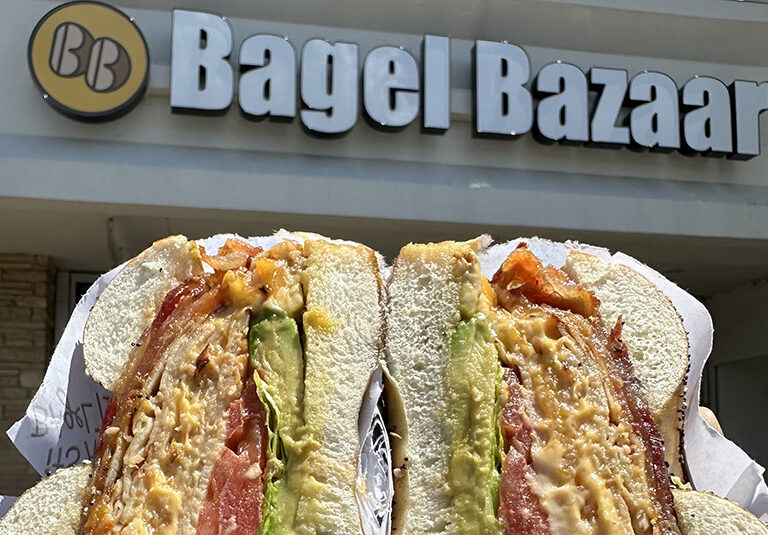
The company’s menu remains anchored in traditional methods—stone-baked, water-boiled bagels prepared fresh daily—but has evolved into a broad breakfast platform that includes about 30 bagel varieties, more than two dozen cream cheese spreads, specialty breakfast sandwiches, and fair-trade coffee.

Salas’s own story is tightly interwoven with the brand’s evolution.

Raised in New Brunswick, he began working at the Franklin Park location in 1994 at just 15 years old. By the time he was 20, he had invested in his first store and committed fully to a career inside the company. Today, after more than three decades in operations, training, management, and product development, Salas is leading Bagel Bazaar through its first fully structured national expansion strategy.

He often describes the bagel itself as a uniquely powerful product—simple, familiar, and endlessly adaptable—and credits his multicultural family background, with roots in Puerto Rico and Peru, for shaping his people-first leadership style.

That emphasis on people extends beyond customers.

Bagel Bazaar operates as a minority-owned business and employs approximately 200 people across its locations and production operations. Nearly half of its workforce is made up of women, many of whom serve in leadership and decision-making roles throughout the company. Salas describes the organization as “people-driven,” placing equal focus on career development, workplace culture, and leadership training.

The company actively promotes internal growth, creating career paths that can accommodate high school students seeking part-time work, college graduates pursuing restaurant management careers, and older workers looking to remain professionally engaged.

Environmental responsibility is also becoming a more visible component of the brand’s operating strategy. Bagel Bazaar eliminated foam packaging in 2020 and continues to transition toward more sustainable materials and reduced reliance on non-renewable resources. While packaging may not define the customer experience, Salas believes environmental stewardship is increasingly part of how modern brands are judged.

Community engagement remains a cornerstone as well.

Bagel Bazaar routinely supports local schools, nonprofit organizations, churches, and community groups, and offers discounts to first responders and civic organizations. Leadership views those efforts not as marketing tactics, but as an extension of the company’s identity as a neighborhood-based business.

As part of preparing for franchising, the company has spent the past two years comprehensively reengineering its menu and production formulas.

Every core bagel recipe was reformulated with the goal of achieving what Salas calls a “perfectly balanced bite.” While the foundational ingredients remain traditional—high-gluten flour, malt syrup, yeast, salt, and water—the proportions, fermentation timing, and baking methods were refined to enhance texture, flavor consistency, and production efficiency.

At the same time, leadership has taken a disciplined approach to menu expansion, carefully balancing innovation with operational simplicity. Salas notes that overly complex menus can strain training programs, slow production lines, and complicate franchise execution.

That restraint, however, has not dampened creativity.

Product innovation has become one of the brand’s most visible growth drivers, particularly through limited-edition flavors and seasonal offerings. Salas personally leads flavor development and oversees new product formulation before handing concepts to the marketing and production teams.

Bagel Bazaar now introduces one to two new bagel varieties each month. Recent launches have included a protein-focused bagel and a cranberry maple oat variety, with sourdough bagels scheduled to join the lineup. The company also continues to release themed products, such as its red heart-shaped Valentine’s bagels.

Social media has amplified the impact of those creations.

The brand’s Halloween “Monster Mash” bagel—a five-color rainbow bagel—has repeatedly sold out after being highlighted by national food media and online influencers. The product became one of Bagel Bazaar’s most successful e-commerce offerings, with shipments reaching customers across the country. Salas credits both the distinctive color profile and the company’s digital marketing strategy for the bagel’s unexpected breakout success.

Customer participation plays a growing role in innovation as well. Bagel Bazaar actively invites followers on social platforms to suggest new flavors and cream cheese concepts. Many menu additions now originate directly from customer feedback and online polls.

The cream cheese lineup alone ranges from classic plain to jalapeño, blueberry, walnut raisin, sun-dried tomato and basil, and even dessert-inspired flavors such as Oreo cookie.

The franchising initiative has also coincided with a broader brand refresh.

Bagel Bazaar recently unveiled a redesigned logo, launched a national direct-to-consumer website, and introduced branded merchandise. E-commerce has become an increasingly important revenue channel, with Texas and Florida emerging as two of the company’s strongest out-of-state markets.

Industry challenges remain.

Rising food costs, labor availability, and competitive saturation—particularly in New Jersey’s dense bagel market—continue to pressure operators across the quick-service restaurant sector. Salas believes that a well-supported franchise system offers a meaningful competitive advantage, providing training infrastructure, purchasing power, and standardized processes that independent operators struggle to replicate.

Rather than focusing on competitors, leadership is concentrating on operational excellence, employee development, and continuous learning as the primary levers of growth.

Salas often points to his early years on the production line as the foundation of his leadership philosophy. He understands firsthand the pace, pressure, and complexity of a bagel shop environment—from managing multiple stations during peak morning rush to maintaining cleanliness, presentation, and product consistency under constant demand.

Those realities now inform the company’s franchise training programs, workflow design, and staffing models.

Looking ahead, Bagel Bazaar’s expansion strategy is built not only on unit growth, but on partnership. The company is actively seeking franchisees who align with its mission of community engagement, quality-first operations, and employee development.

Franchising, Salas says, allows the brand to share its operational blueprint with entrepreneurs who want to build successful businesses while strengthening their own local communities.

For prospective operators and industry observers following how established New Jersey brands are scaling into national platforms, Bagel Bazaar’s transition reflects a broader trend shaping the regional restaurant economy—one that continues to redefine small business growth across the state’s evolving food and retail landscape, a topic closely tracked within Sunset Daily’s ongoing business coverage.

With nearly 40 years of history behind it and a rapidly expanding infrastructure ahead, Bagel Bazaar is positioning itself to move far beyond its original footprint—one bagel, one community, and one franchise partner at a time.

Revolutionary Rhythms and Living History: Washington’s Birthday Comes to Life at Historic New Bridge Landing

This winter, one of Bergen County’s most treasured historic sites will transform into a living stage for music, movement, and storytelling as the Bergen County Historical Society invites the public to experience a richly immersive celebration honoring the legacy of General George Washington at Historic New Bridge Landing in River Edge.

Timed to coincide with Washington’s Birthday, the special afternoon program centers on a rare live performance by the Tricorne Dance Ensemble, whose historically informed presentation brings the spirit of the Revolutionary era to life through period song and dance. The ensemble will appear inside the storied Steuben House, the iconic 1752 stone residence that once served as a strategic meeting place during the American Revolution and today stands as one of New Jersey’s most significant surviving colonial landmarks.

The hour-long performance will be presented twice during the afternoon, offering audiences the opportunity to experience an intimate, small-capacity program that reflects how music and dance would have been enjoyed in Washington’s time. Each presentation highlights the cultural world that surrounded the general and his contemporaries, using authentic choreography, traditional melodies, and narrative context to illustrate how entertainment, patriotism, and social life intersected during the struggle for independence.

Musical accompaniment will be provided live by Ridley and Anne Enslow, whose performances on the fiddle and hammered dulcimer add remarkable depth and authenticity to the program. The pairing of these historic instruments creates a distinctive soundscape that echoes the taverns, parlors, and gathering rooms of 18th-century America, giving audiences an opportunity to hear the rhythms and harmonies that once filled similar spaces during Washington’s lifetime.

Rather than presenting history as a distant subject, the Tricorne Dance Ensemble’s performance places visitors directly inside the story. Through costumed interpretation, expressive movement, and carefully selected musical arrangements, the ensemble celebrates Washington not simply as a military leader, but as a central figure within a vibrant and evolving cultural world. The program explores how music and dance were used to mark important events, foster community, and strengthen shared identity during the Revolutionary era.

Because the performances take place inside the Steuben House itself, space is intentionally limited for each showing, creating an up-close and personal experience that mirrors the scale of colonial-era gatherings. Guests are encouraged to plan ahead, as each presentation is designed to preserve the intimate setting that makes the program so impactful.

In addition to the live performances, visitors will be able to explore a special display of artifacts and interpretive materials drawn from the Bergen County Historical Society’s Washington collection. These carefully curated items offer a rare glimpse into the personal, political, and military world of the first president and the people who shaped the Revolution alongside him. The exhibit is complemented by a selection of authentic Revolutionary War–era objects that illustrate daily life, military service, and domestic culture during one of the most pivotal periods in American history.

Together, the performance and exhibition create a layered experience that blends visual history with living interpretation. Guests can move seamlessly from watching period dance and music to examining historical artifacts, gaining a fuller understanding of how cultural traditions and national identity evolved side by side during the birth of the United States.

Historic New Bridge Landing itself adds powerful context to the celebration. The site played a crucial strategic role during the American Revolution and remains one of Bergen County’s most important heritage locations. The Steuben House, where the performance takes place, is closely associated with General George Washington’s military movements in the region and stands today as a tangible link to New Jersey’s role in the fight for independence.

Beyond the formal programming, the event also invites visitors to enjoy the welcoming atmosphere of the site’s historic tavern, where seasonal refreshments will be available for purchase throughout the afternoon. Guests can relax between activities, share conversation, and soak in the setting in much the same way travelers and local residents would have done centuries ago.

The on-site gift shop will also be open, offering a thoughtfully selected collection of history-inspired items, books, and locally themed gifts. Whether searching for educational materials, unique souvenirs, or keepsakes connected to New Jersey’s Revolutionary heritage, visitors will find an opportunity to extend their experience beyond the event itself.

Programs such as this reflect a growing commitment across the state to create dynamic, accessible heritage experiences that combine scholarship, performance, and community engagement. New Jersey’s historic sites are increasingly reimagining how stories of the past are presented, placing emphasis on participation and interpretation rather than static displays. This approach aligns closely with the broader celebration of New Jersey’s creative and historical landscape featured throughout Explore New Jersey’s Art & Culture coverage.

For families, history enthusiasts, and visitors seeking meaningful seasonal programming, the Washington’s Birthday celebration at Historic New Bridge Landing offers a rare opportunity to engage with Revolutionary history in a way that is both entertaining and educational. The fusion of live music, traditional dance, authentic setting, and curated artifacts transforms a familiar historical figure into a living presence within the walls of one of the state’s most important colonial structures.

As the Tricorne Dance Ensemble, Ridley and Anne Enslow, and the Bergen County Historical Society come together to honor Washington’s legacy, the event stands as a reminder that history is most powerful when it is experienced—not simply observed. Through sound, movement, and story, this special afternoon invites the public to step into the world of 18th-century New Jersey and rediscover the cultural heartbeat that helped shape a nation.

New Jersey’s Bald Eagle Comeback Reaches a Historic New Chapter as Communities Celebrate a Conservation Victory

For the first time in more than four decades, New Jersey is officially celebrating one of the most remarkable wildlife recoveries in state history — the return of the bald eagle as a thriving, statewide breeding species and a powerful symbol of environmental resilience.

In January 2025, state wildlife officials formally removed the bald eagle from New Jersey’s endangered species list, marking a turning point that conservationists, birders, and environmental educators had worked toward for generations. The decision followed an extraordinary population rebound, growing from a single nesting pair in the early 1980s to a record-setting 293 active nesting pairs documented across the state in 2024.

The eagle’s recovery represents far more than a statistical milestone. It reflects decades of coordinated habitat protection, water quality improvements, public education, nest monitoring, and community-driven stewardship that transformed once-fragile river corridors and coastal marshes into functioning wildlife strongholds.

While the bald eagle is no longer designated as endangered, it has been reclassified as a species of special concern — a status designed to ensure that monitoring, habitat safeguards, and public awareness remain firmly in place. Conservation leaders emphasize that the comeback, while extraordinary, still depends on continued vigilance in the face of development pressure, climate impacts, and human disturbance.

That message was front and center across New Jersey this winter as communities came together to celebrate the eagle’s recovery — and to reinforce the responsibility that comes with success.

Just this past weekend, Cumberland County hosted one of the state’s most significant public conservation events of the season with the Cumberland County Winter Eagle Festival, drawing residents and visitors to Mauricetown for a day focused entirely on eagle ecology, field observation, and environmental education.

Based at the Mauricetown Firehall, the festival anchored a full slate of outdoor and educational programming. Participants joined guided nature walks through Glades Wildlife Refuge, where naturalists highlighted nesting habitat, shoreline food sources, and the subtle landscape features that make the Delaware Bay region so productive for raptors. Along the Delaware River, five staffed viewing stations were positioned at strategic overlooks, each equipped with high-powered spotting scopes and volunteers trained to help visitors identify eagles in flight, perched adults, and active nest sites across the river corridor.

One of the most popular features of the day was a series of live raptor presentations delivered by the Woodford Cedar Run Wildlife Refuge, where audiences had an opportunity to learn about bald eagle behavior, injury rehabilitation, and the increasingly complex challenges wildlife centers face as human and wildlife activity overlap more frequently.

For families, the festival offered an accessible way to experience conservation firsthand — not in a classroom or exhibit hall, but within the very landscapes that helped make the species’ recovery possible.

The celebration followed another major winter observance in northern New Jersey. In mid-January, Bergen County once again marked its annual Save the Bald Eagle Day, organized by the Bergen County Audubon Society. The most recent event, observed on January 17, 2026, underscored just how far eagles have expanded beyond their historic strongholds along the southern Delaware Bay.

Volunteer monitors documented 85 bald eagles in Bergen County alone — a number that would have been unthinkable in New Jersey only a generation ago. Local educators and conservation advocates used the occasion to spotlight how urban-suburban landscapes, when managed thoughtfully, can still support top-tier wildlife species.

Together, the two celebrations reflected a statewide narrative: the bald eagle has returned not just to remote wetlands and protected preserves, but to riverbanks, reservoirs, agricultural lands, and mixed-use environments throughout the state.

February now stands out as one of the most compelling times of year to witness that recovery firsthand. It is peak nesting season in New Jersey, when adult pairs are actively incubating eggs, reinforcing nest structures, and performing dramatic courtship flights over rivers and forested shorelines.

The epicenter of eagle activity remains the Delaware Bay region, where Cumberland and Salem counties collectively support nearly half of all known nests in the state. The wide tidal creeks, expansive marsh systems, and abundant fish populations along the bay continue to provide ideal conditions for breeding pairs. For wildlife observers, this region offers some of the most reliable viewing opportunities in New Jersey, particularly along quieter stretches of the river and bayfront where eagles are less likely to be disturbed.

In central New Jersey, Duke Farms in Hillsborough has emerged as one of the most recognizable public viewing locations for the species. The site’s long-running Eagle Cam has once again become a focal point of the 2026 nesting season, allowing residents across the state — and far beyond — to follow the daily rhythms of a breeding pair from home. Eagles at the site have been active since the fall, reinforcing nests and defending territory well ahead of the spring hatch window.

For many New Jersey families, the live camera has become an entry point into conservation awareness, connecting children to real-time wildlife behavior while reinforcing the importance of preserving open space, water quality, and undisturbed nesting habitat.

Those broader conservation connections are increasingly shaping how the state tells the bald eagle’s story. Wildlife managers now emphasize that the eagle’s success is inseparable from the protection of rivers, wetlands, forests, and public open space across New Jersey. From restored shorelines and reforested buffers to carefully managed recreation corridors, the landscapes supporting eagles also safeguard drinking water, flood resilience, and biodiversity statewide.

Residents interested in exploring the wider network of natural areas that support wildlife recovery can find inspiration through New Jersey’s extensive system of publicly accessible natural lands and conservation sites, including many of the destinations highlighted through Explore New Jersey’s coverage of parks and preserved open spaces.

That interconnected approach is especially critical as New Jersey enters a new phase of wildlife management. With more eagles occupying a wider range of habitats, conservation agencies are expanding nest monitoring programs, refining seasonal buffer zones around active nests, and increasing public outreach to prevent unintentional disturbances during sensitive breeding periods. Recreational boating, shoreline construction, drone use, and trail expansion all present modern challenges that require careful planning to ensure that the recovery does not stall.

Climate variability also adds uncertainty to long-term nesting success. Rising temperatures, shifting fish populations, and more frequent extreme weather events can directly affect both prey availability and nest stability along exposed shorelines. Conservation planners are now integrating climate adaptation strategies into habitat management plans, reinforcing shoreline vegetation, and prioritizing landscape connectivity to help wildlife populations adjust over time.

What makes the bald eagle’s return especially meaningful in New Jersey is how deeply it reflects the state’s environmental transformation. Once burdened by industrial pollution, degraded waterways, and unregulated land use, many of the same river systems that now support breeding eagles have undergone decades of restoration and regulatory reform. The eagle’s recovery has become a visible measure of that progress — one that residents can see overhead, perched along tidal creeks, or soaring above winter marshes.

As winter gives way to early spring, more hatchlings will soon emerge across the state, adding to a population that only forty years ago was on the brink of disappearing from New Jersey altogether. The gatherings in Mauricetown and Bergen County are not simply celebrations of a bird, but of a long-term commitment to stewardship that continues to reshape the state’s relationship with its natural environment.

The bald eagle may no longer be listed as endangered in New Jersey, but its presence remains a living reminder that conservation success is never a finished project. It is an ongoing partnership between science, community engagement, and the landscapes New Jersey continues to protect — one nesting pair at a time.

A Clearer Path to a Confident Smile: How Advanced Smile Dentistry Is Redefining Dental Implant Planning in New Jersey

For New Jersey residents considering dental implants, the process can feel overwhelming long before treatment even begins. Questions about bone structure, healing timelines, long-term success, and overall cost often create hesitation, even for patients who know that replacing missing teeth can dramatically improve their health and quality of life. Advanced Smile Dentistry is working to remove that uncertainty by introducing a complimentary 3D scan and implant consultation program designed to give patients a clearer, more accurate understanding of their individual needs before any procedures are scheduled.

The practice’s new initiative centers on the use of advanced cone beam computed tomography, commonly known as CBCT technology, to create highly detailed three-dimensional images of a patient’s jaw, surrounding bone, nerve pathways, and sinus anatomy. Unlike traditional two-dimensional dental X-rays, which flatten complex structures into a single image, CBCT scans provide a precise, spatial view that allows clinicians to evaluate the mouth in layers and from multiple angles. This level of visualization is especially critical for dental implant planning, where millimeters can make the difference between an ideal outcome and a compromised result.

By offering these scans and consultations at no cost to implant candidates, Advanced Smile Dentistry is opening the door for more patients to explore restorative options without financial pressure at the earliest stage of care. The goal is not simply to introduce a new piece of technology, but to shift how patients engage with the decision-making process. Instead of relying on estimates and general assessments, individuals can now review their own digital scans alongside a clinical team and see exactly what conditions exist beneath the surface.

Dental implants require sufficient bone density and strategic positioning to support long-term stability. In the past, limited imaging could make it difficult to identify bone loss, hidden infections, nerve proximity, or sinus placement concerns until later in the treatment process. With CBCT-based scans, clinicians can map the ideal implant location before any surgical step is taken, determine whether bone grafting may be needed, and anticipate challenges that could otherwise emerge unexpectedly.

This approach allows treatment plans to be developed with far greater precision. It also supports safer procedures by reducing the risk of nerve involvement and ensuring that implant placement avoids sensitive anatomical structures. Patients benefit not only from improved clinical accuracy, but also from increased confidence in their care plan. Seeing their own oral anatomy rendered in three dimensions often makes complex recommendations easier to understand and far less intimidating.

At Advanced Smile Dentistry, the complimentary consultation that accompanies the 3D scan is designed to be educational rather than sales-driven. During the visit, patients receive a personalized review of their scan results, an explanation of potential treatment pathways, and a realistic overview of expected outcomes. This includes discussions about implant materials, restoration options such as crowns or bridges, and how implant therapy can integrate with broader oral health needs.

For many patients, dental implants are not pursued solely for cosmetic reasons. Missing teeth can contribute to shifting bite alignment, uneven chewing forces, jawbone deterioration, and increased strain on remaining teeth. Over time, these changes may impact speech, digestion, and facial structure. By using advanced imaging to assess the entire oral environment, the clinical team can design restorative solutions that support both appearance and long-term function.

The practice also emphasizes that implant planning should be individualized. No two mouths are the same, and factors such as bone volume, prior extractions, gum health, and overall medical history play an important role in determining whether implants are the right solution. The free 3D scan initiative allows patients to explore their options with clarity, rather than relying on generic assumptions or one-size-fits-all recommendations.

In New Jersey, where patients have access to a wide range of dental providers, transparency and technology-driven care are becoming increasingly important differentiators. Advanced Smile Dentistry’s investment in CBCT imaging reflects a broader shift within modern dentistry toward precision diagnostics and digitally guided treatment planning. These tools are now considered essential in implant dentistry, particularly for practices that aim to deliver predictable and minimally invasive outcomes.

The introduction of complimentary scans also addresses a common barrier to care: hesitation caused by uncertainty. Many individuals delay implant consultations because they fear being pressured into immediate procedures or costly commitments. By removing the initial financial hurdle and offering detailed visual information during the consultation, the practice allows patients to move forward at their own pace, equipped with accurate data and a clearer understanding of what treatment would involve.

This patient-centered approach aligns closely with the evolving expectations of today’s healthcare consumers, who increasingly seek providers that prioritize education, informed consent, and collaborative treatment planning. It also reflects a growing recognition that oral health is deeply connected to overall wellness, an idea regularly explored in Explore New Jersey’s coverage of regional health initiatives and preventive care within its Health and Wellness section.

Beyond the technical advantages, the real impact of the free 3D scan program lies in how it reshapes the patient experience. Visualizing bone structure, implant positioning, and restorative outcomes in advance helps demystify the process and reduces anxiety surrounding surgical procedures. Patients can ask informed questions, weigh alternative solutions such as removable prosthetics or fixed bridges, and fully understand the long-term maintenance involved with implant care.

Advanced Smile Dentistry’s new offering is also particularly valuable for patients who may have been told in the past that they were not candidates for implants. With improved imaging and digital planning tools, clinicians can now identify opportunities for bone grafting, sinus lift procedures, or alternative implant techniques that may expand eligibility for treatment. The free consultation provides an opportunity to revisit those possibilities with updated diagnostic insight.

As dental technology continues to evolve, practices that integrate advanced imaging into everyday patient care are redefining what modern dentistry looks like across New Jersey. The introduction of complimentary CBCT-based scans and consultations at Advanced Smile Dentistry represents more than a promotional initiative. It signals a commitment to accuracy, transparency, and personalized care at a time when patients are actively seeking higher standards from healthcare providers.

For residents exploring dental implants, this program offers an accessible starting point, allowing them to evaluate their options with confidence and clarity. By placing advanced diagnostic tools directly into the hands of patients and using them as a foundation for collaborative treatment planning, Advanced Smile Dentistry is helping to set a new benchmark for implant dentistry in the Garden State—one that places education, precision, and patient trust at the center of every smile transformation.

Bad Bunny Redefines Super Bowl History With a Culture-Forward Halftime Spectacle That Put Puerto Rico Center Stage

On February 8, 2026, the Super Bowl stage finally reflected the sound, language, and cultural influence that have dominated global music for more than a decade. At Super Bowl LX inside Levi’s Stadium in Santa Clara, California, Bad Bunny delivered a landmark halftime performance that rewrote the playbook for what the NFL’s most-watched entertainment moment can look and sound like. The Puerto Rican superstar became the first solo Latin artist to headline the Super Bowl halftime show, and he did it almost entirely in Spanish—without compromise, without translation, and without diluting the identity that built his career.

For millions watching across the United States, including fans throughout New Jersey who have long embraced Latin pop and reggaetón as part of the state’s cultural fabric, the moment felt less like a breakthrough and more like a long-overdue recognition. From Newark to Paterson to Union City, Bad Bunny’s music has already been woven into everyday life, nightlife, and local radio rotations for years. Sunday night simply brought that reality to the center of the sports world.

The 13-minute performance unfolded as a carefully staged tribute to Puerto Rico, blending contemporary pop spectacle with unmistakable cultural symbolism. Instead of opening with pyrotechnics and spectacle alone, the show introduced a visual narrative built around familiar island imagery—sugar cane fields stretching across the stage, domino tables set with animated players, and a piragua cart serving shaved ice at the edge of the performance space. The design choices were deliberate and unmistakable, transforming the NFL’s biggest platform into a living, moving neighborhood scene that echoed street life and community traditions.

Bad Bunny’s story-driven Super Bowl halftime show redefined what the biggest stage in sports can mean—and honestly, what I think was overlooked is how family-driven the messaging in that production was, which I found genuinely entertaining.

Full disclosure: I had never heard a note of his music before last night. I get it. It’s good—it’s alive, it’s likable—and it would probably resonate even more if I remembered any Spanish. But what truly stood out to me was the emphasis on family within the Latino community. The kids, the adults dancing with the kids, the cake being cut, and the family gatherings from scene to scene were what stayed with me. That’s what I took away from the performance, which is a complete irony considering what some people were opposed to about him performing in the first place.

What also made Bad Bunny’s Super Bowl halftime performance resonate far beyond its chart-topping soundtrack was not just who was on the stage, or even how historic the moment itself was. It was the way the entire production unfolded like a living narrative. This was not a static concert dropped into the middle of a football broadcast. It was a carefully built, scene-by-scene story that moved with purpose, emotion, and cultural intention, creating one of the most immersive halftime shows the NFL has ever presented.

From the opening visual, it was clear that the performance was designed to communicate something larger than a setlist. The staging felt closer to a short film or theatrical production than a traditional pop spectacle. Each segment transitioned into the next with visual continuity, as if the audience was being guided through a neighborhood, a memory, and a shared cultural experience rather than simply watching an artist perform hit songs on a massive platform.

That storytelling approach is what separated this show from the long history of halftime productions that rely heavily on overwhelming scale, extreme lighting effects, and rapid-fire medleys designed primarily to dazzle. Bad Bunny’s performance did not abandon spectacle, but it placed narrative at the center. The environment itself became a character. The audience moved from scene to scene through symbolic representations of everyday Puerto Rican life, community gathering spaces, and cultural traditions that are rarely given this kind of international spotlight during a global sporting event. Actually, I took it as that this is a typical slice of life omn a Sunday in Los Angeles or in any place where Latinos are populated in America.

The production design told its own story before a single lyric was sung. Sugarcane fields, domino tables filled with animated players, and the presence of a piragua cart were not decorative details—they were deliberate cultural signposts. For viewers who recognize those images instantly, the message was personal and unmistakable. For those encountering them for the first time, the show became an invitation to understand a culture that exists well beyond stereotypes and surface-level references.

They also took a page from the old Survivor TV show finales, when Jeff Probst would walk with the urn through the actual forest and then emerge into the CBS studio “jungle” with the audience and contestants. That’s how this production began, which threw me for a second. Then it moved into the stadium sets built as sugarcane fields.

Also—does Puerto Rico actually have a lot of sugarcane? I once visited a plantation in Hawaii a long time ago. I had no clue it was part of the industry in PR.

Anyway, what made the experience especially powerful was how naturally the transitions unfolded. Instead of abrupt lighting changes and sudden camera cuts, the performance flowed with cinematic pacing. Each visual shift mirrored the emotional arc of the music itself. High-energy sequences gave way to reflective moments, then returned to celebration without breaking the narrative thread. It felt like watching a story evolve rather than simply watching a performance change tempo.

This approach elevated the music in a way that pure production scale never could. Songs were not isolated moments. They were chapters. The choreography, camera movement, and staging worked together to support a broader emotional rhythm. The result was a halftime show that demanded attention not only for its sound, but for its meaning.

For many viewers across New Jersey, where Latin music and Caribbean culture are deeply woven into daily life, the show landed with particular resonance. In communities throughout the state, Spanish-language music has long dominated playlists, local festivals, nightclubs, and community events. Seeing that sound and identity presented without compromise on the world’s largest sports stage was both validating and overdue.

The performance quietly but decisively reinforced a cultural shift that has already been underway for years. Spanish-language music is no longer positioned as a crossover experiment or a secondary market. It is global pop culture. The halftime show did not attempt to translate that reality for mainstream audiences. Instead, it trusted viewers to meet the music where it already exists.

That confidence extended to the language itself. The overwhelming majority of the performance remained in Spanish, and it never treated that fact as a barrier to accessibility. The production assumed that rhythm, visual storytelling, and emotional connection would carry the moment forward. And they did.

The presence of high-profile guest performers and celebrity cameos added energy and visibility, but they never overtook the central narrative. Each appearance felt integrated into the story rather than inserted for social media impact. The set’s central “La Casita” concept created a shared space where artists, actors, and performers existed within the same cultural environment instead of orbiting around the star of the show.

That sense of community is what gave the production its emotional depth. It did not frame success as an individual achievement. It framed it as collective identity reaching a global platform together.

The creative direction also reflected a larger evolution in how halftime shows are being conceptualized. In recent years, the NFL has increasingly leaned into performances that acknowledge cultural history and musical legacy. This show went even further by placing lived cultural experience at the center of its creative vision. It did not rely on nostalgia. It relied on representation.

For Explore New Jersey readers who closely follow how sports, culture, and entertainment intersect, the performance felt especially aligned with how local fandom continues to evolve. New Jersey’s sports culture has become inseparable from the music, fashion, and global influences that shape younger generations of fans. That same cultural crossover continues to influence how football is consumed and celebrated across the state, a connection regularly explored in Explore New Jersey’s football coverage, where the relationship between community identity and professional sports is becoming increasingly visible.

Beyond its artistic success, the halftime show also carried a subtle but powerful industry message. It demonstrated that an artist can lead the world’s most visible entertainment platform without reshaping their sound to fit traditional expectations of what mass-market American pop is supposed to look like. The production trusted authenticity as its commercial engine.

That trust was rewarded with overwhelming audience engagement, immediate online conversation, and a cultural moment that extended well beyond the confines of the broadcast itself. Clips of the performance circulated instantly across social platforms, not because of pyrotechnics or shock value, but because of how clearly the story came through on screen.

The closing visual, paired with the message that “The only thing more powerful than hate is love,” did not feel like an obligatory sign-off. It felt like the final line of a carefully written script. After a performance centered on community, heritage, and shared identity, the message landed with emotional clarity rather than generic optimism.

What ultimately made Bad Bunny’s halftime show exceptional was not its scale, its celebrity presence, or even its historical significance as a milestone for Latin artists. It was the creative choice to treat the stage as a narrative platform. It showed that halftime entertainment can be cinematic, culturally specific, and emotionally grounded without sacrificing energy or mass appeal.

This performance will be remembered not simply as a breakthrough moment for Spanish-language music, but as a blueprint for how the NFL and its entertainment partners can rethink what storytelling looks like at the intersection of sports and culture. It confirmed that authenticity does not limit reach. It expands it.

Bad Bunny opened the show with Tití Me Preguntó, instantly igniting the crowd and setting a playful, high-energy tone. The track’s opening beats reverberated through the stadium as dancers flooded the field, dressed in bright, street-inspired outfits that mirrored the everyday fashion and movement of Puerto Rican youth culture. From there, the performance flowed seamlessly into Yo Perreo Sola, leaning into the artist’s long-standing commitment to gender expression, autonomy, and social visibility through his music and visual presentation.

As the show built momentum, Bad Bunny transitioned into a tightly choreographed medley that included Safaera, Party, and Voy a Llevarte a PR, each segment layered with shifting lighting effects and moving stage platforms that recreated neighborhood blocks and open-air party spaces. Rather than isolating individual hits, the medley format highlighted how his catalog functions as a cultural ecosystem—one sound feeding into another, one era blending into the next.

Midway through the set, the atmosphere shifted with EoO, offering a moment of rhythmic reset before the first surprise guest took the stage. Lady Gaga emerged for a salsa-inspired reinterpretation of Die With a Smile, marking one of the most unexpected and stylistically ambitious collaborations ever attempted during a halftime show. I would also say to them, “Get a room, please,” because I think she really wants him—and if she is married, I’m sorry to the husband. But, instead of leaning into pop spectacle, the arrangement introduced live percussion, brass flourishes, and a distinctly Caribbean rhythmic backbone, creating a bilingual performance that honored both artists’ musical identities while allowing the Latin arrangement to take the lead.

The collaboration was followed by Baile Inolvidable, one of the emotional anchors of the set, before Bad Bunny pivoted to Nuevayol, delivering a subtle nod to the long-standing connection between Puerto Rico and New York—a cultural bridge that remains deeply relevant to New Jersey communities shaped by both migration and music. The moment resonated strongly for viewers across the region, where Latin heritage and East Coast identity continue to intersect in everyday life, from local clubs to college campuses and professional sports venues.

The second guest appearance further solidified the show’s cultural weight. Ricky Martin joined Bad Bunny on stage for Lo Que Le Pasó a Hawaii, creating a generational crossover that symbolized the evolution of Latin pop from its late-1990s mainstream breakthrough to its current era of global dominance. The pairing connected two artists who represent different chapters of the same cultural ascent, standing together on the sport’s most visible platform.

Beyond the music, the performance was packed with recognizable faces woven directly into the set. The show’s centerpiece, a stylized neighborhood home known as La Casita, became a focal point for celebrity cameos that included Pedro Pascal, Jessica Alba, Cardi B, and Karol G. Rather than serving as detached celebrity cutaways, the appearances were integrated into the scene itself, reinforcing the concept of community gathering and shared cultural space.

The final stretch of the performance returned to Bad Bunny’s socially conscious catalog. El Apagón brought its familiar political and infrastructural undertones into the halftime spotlight, reminding viewers that his music frequently doubles as cultural commentary. Café Con Ron followed, restoring celebratory energy while maintaining the performance’s distinctly Latin sonic palette.

The finale, DtMF, closed the show on an emotional high, bringing dancers, musicians, and guest performers together across the field in a unified visual tableau. As the last notes faded, a massive screen rose above the stage, delivering a clear and deliberate message to the global audience: “The only thing more powerful than hate is love.”

In a year when social division continues to dominate headlines, the message carried added weight—particularly within a performance that centered Spanish-language music, immigrant identity, and Caribbean heritage without framing them as novelty or exception.

From a broader cultural and industry standpoint, the halftime show represented a significant shift for the NFL and its entertainment partners. For decades, Latin artists have appeared as collaborators, guest performers, or crossover novelties. This performance placed a Spanish-speaking global superstar at the center of the production, on his own terms, supported by his own catalog, his own imagery, and his own narrative.

For New Jersey audiences—especially those who closely follow how music, sports, and culture intersect across the state’s diverse communities—the moment also reflected how Latin influence has already become a foundational part of mainstream American entertainment. That same cultural crossover can be seen throughout the region’s professional sports scene and fan communities, a connection regularly explored in Explore New Jersey’s football coverage, where local passion and global influence increasingly share the same stage.

While the halftime performance dominated conversation across social media and broadcast recaps, the game itself delivered a decisive outcome. The Seattle Seahawks defeated the New England Patriots 29–13, closing Super Bowl LX with a clear statement on the field. Yet by the time the final whistle sounded, the night had already secured its place in history for reasons that extended well beyond the scoreboard.

Bad Bunny’s halftime show will be remembered not simply as a musical milestone, but as a cultural realignment. It proved that Spanish-language music no longer needs translation to command the world’s largest stages. It showed that authenticity, when presented without dilution, can resonate across borders, demographics, and fan bases. And for millions of viewers—including those watching from New Jersey’s living rooms, sports bars, and community spaces—the performance offered a powerful reminder that the future of American pop culture is not defined by one language, one genre, or one background, but by the diversity that has already reshaped it.

For viewers watching from New Jersey living rooms, packed sports bars, and community spaces throughout the state, the show offered more than a halftime distraction. It offered representation, creative ambition, and a powerful reminder that the future of American pop culture is not defined by one sound, one language, or one identity. It is being shaped, scene by scene, by the diversity that has already transformed the country’s cultural landscape.


Jon Bon Jovi Just Opened the Patriots’ Night on Football’s Biggest Stage

For a brief, electric moment before kickoff at Super Bowl LX on Sunday night, the spotlight wasn’t on a quarterback, a coach, or a Hall of Fame broadcaster. It belonged to a New Jersey icon.

As the New England Patriots gathered at the mouth of the tunnel and the stadium settled into a roar that only the Super Bowl can generate, Jon Bon Jovi stepped forward and introduced the team to the world—live, in real time, and on the largest television stage in American sports. On February 8, 2026, one of New Jersey’s most recognizable cultural figures quite literally gave the Patriots their voice.

The moment landed with immediate weight. Bon Jovi’s announcement marked the franchise’s entrance into Super Bowl LX and formally signaled how dramatically the NFL’s presentation of its biggest event has evolved. Once defined by legendary broadcast calls and network polish, the league’s modern team introductions now center on celebrity superfans—high-profile cultural ambassadors whose personal ties to franchises add emotional credibility to the spectacle.

For New England, the choice was not symbolic. It was personal.

Bon Jovi’s relationship with the Patriots is not a casual celebrity fandom. It is a long-running, deeply rooted bond shaped by years of access, friendship, and shared history inside the organization. His connection to owner Robert Kraft has quietly placed him inside the inner circle for decades, while his rapport with former head coach Bill Belichick has made him a familiar presence in spaces most fans never see.

Tonight’s introduction wasn’t a cameo. It was the culmination of a relationship that has grown alongside the Patriots’ modern dynasty.

From the opening syllables of his announcement, the moment carried a layer of irony that only New Jersey sports fans could fully appreciate. Bon Jovi is, and always will be, a Jersey original. His music, philanthropy, and public identity are inseparable from the state that shaped him. Yet on football’s biggest night, his voice represented Foxborough, not the Meadowlands.

In many ways, this has been a long time coming.

Within Patriots circles, Bon Jovi’s presence has become so familiar that it barely registers anymore. He has been a regular on the sidelines and at training camp practices for years, often staying long enough to be mistaken for part of the football operation itself. Team insiders have quietly noted that his access has extended well beyond casual meet-and-greets. He has been seen watching film with staff, spending time inside coaches’ offices, and holding long, low-key conversations with Belichick during the height of New England’s championship run.

That unusually close relationship became something of folklore among fans and beat reporters alike.

It is not uncommon, even now, for spectators at Gillette Stadium to glance up at the owner’s box and notice a familiar figure standing next to Kraft—hoodie pulled tight, sunglasses on, blending into the background with almost intentional anonymity. Longtime Patriots fans joke that if you spot someone quietly leaning on the rail beside the owner, there is an overwhelming chance it’s Bon Jovi.

His integration into the franchise’s culture reached its most visible point during the 2017 season, when his song “This House Is Not for Sale” became an unofficial soundtrack for the team. The message of resilience and defiance resonated inside the building during a defining stretch of the Patriots’ post-dynasty transition, and Bon Jovi later appeared at the Super Bowl LI ring ceremony, reinforcing just how embedded he had become in the organization’s identity.

That history is what gave tonight’s introduction its emotional credibility.

This was not a celebrity lending star power to a football broadcast. It was a longtime insider stepping forward to represent a franchise he has quietly supported through multiple eras of leadership, locker room turnover, and postseason runs.

The NFL, however, has been moving steadily in this direction.

Once upon a time, team introductions at the Super Bowl were the domain of broadcast legends. Patriots fans still remember when Pat Summerall delivered the franchise’s first full-team introduction during their early championship rise in 2002, lending his unmistakable voice to a moment that helped define the dynasty’s public identity.

In the modern Super Bowl era, the league has intentionally shifted that responsibility to recognizable cultural figures whose loyalty to teams extends beyond marketing.

Bon Jovi’s appearance tonight is part of a wider, deliberate trend.

Earlier this evening, actor Chris Pratt took on the same role for the Seattle Seahawks, introducing the NFC champions moments before their own tunnel entrance. The pairing—Bon Jovi for New England and Pratt for Seattle—underscored how the league now frames its biggest pregame moments around narrative and personality as much as tradition.

That approach follows directly from last season’s championship game, when Bradley Cooper and Jon Hamm introduced their respective teams in a move that signaled the NFL’s full embrace of celebrity superfans as ceremonial anchors for Super Bowl broadcasts.

The league has discovered that fans respond to authenticity. A recognizable voice means more when it belongs to someone who genuinely lives within the orbit of the franchise.

For Bon Jovi, the irony remains unavoidable.

Despite growing up in New Jersey and spending his life championing the communities and causes of his home state, his football allegiance quietly shifted years ago. The Giants and Jets, geographically closer and historically tied to the state’s fan base, never truly became his professional home. Instead, Bon Jovi found his football family north of the border in Foxborough, where relationships—not geography—cemented his loyalty.

For New Jersey sports culture, the moment lands as both a point of pride and a reminder of how intertwined regional identity and professional fandom have become. The Garden State may not have its own NFL franchise, but its influence continues to echo through the league’s most visible personalities, players, and cultural figures. That ongoing connection to the sport is explored regularly through coverage of New Jersey’s evolving football landscape, including features and reporting found throughout Explore New Jersey’s dedicated football coverage.

Beyond the introductions, Super Bowl LX has leaned fully into the modern fusion of entertainment and professional football.

The halftime show tonight features Bad Bunny as the headlining act, making history as the first solo Spanish-language artist to lead the Super Bowl’s marquee performance. The selection reflects the league’s continued push to expand its cultural footprint and global relevance, especially among younger and international audiences.

The pregame ceremony set the tone long before Bon Jovi stepped to the microphone. Green Day opened the festivities with a high-energy medley of their signature hits, bringing arena-level intensity to the opening moments of the broadcast. Charlie Puth followed with a performance of the national anthem, delivering a stripped-down, vocal-forward rendition of “The Star-Spangled Banner” in front of a worldwide audience. Brandi Carlile took the stage for “America the Beautiful,” while Coco Jones performed “Lift Every Voice and Sing,” rounding out one of the most stylistically diverse pregame lineups in Super Bowl history.

The halftime production itself is being presented by Roc Nation in partnership with Apple Music and is scheduled to begin roughly between 8:00 and 8:30 p.m. Eastern Time, depending on the length and flow of the first half.

Yet for New England fans—and for New Jersey viewers watching one of their own command the stage—the emotional center of the night arrived before a single snap was taken.

When Bon Jovi introduced the Patriots just moments ago, he did more than announce a roster. He bridged two worlds that rarely overlap so cleanly: the cultural legacy of a Jersey-born rock star and the competitive mythology of one of the NFL’s most influential franchises.

In a league increasingly driven by storylines, visibility, and personality, his voice carried something deeper than celebrity recognition. It carried history, familiarity, and genuine connection.

For a few charged seconds, the roar of the crowd, the glare of the cameras, and the weight of Super Bowl tradition all passed through a microphone held by a New Jersey legend—standing at the edge of a Patriots tunnel, welcoming his adopted football family to the biggest night of their season.

New Jersey Athletes Continue Leave Their Mark on the 2026 Winter Games Today

As the world turns its attention to the 2026 Winter Olympics in Milano Cortina, New Jersey is once again proving that elite athletic talent thrives far beyond traditional winter sports hotbeds. From international hockey dominance to first-time Olympic appearances in figure skating, skeleton, and snowboarding, athletes with deep Garden State roots are shaping the early narrative of the Games and carrying New Jersey pride onto one of the world’s largest sporting stages.

At the 2026 Winter Olympics in Milano Cortina, New Jersey is well-represented by several elite athletes competing for both Team USA and other nations. The games, running from February 6–22, have already seen significant action from Garden State natives. 

Early Olympic Highlights

  • Sarah Fillier (Ice Hockey, Team Canada): A Princeton University alumna, Fillier scored a power-play goal and recorded an assist in Canada’s opening 4-0 shutout victory against Switzerland on February 7.
  • Alex Carpenter (Ice Hockey, Team USA): The Morristown native has already scored in both of Team USA’s opening games—a 5-1 win over Czechia and a 5-0 shutout of Finland. 

New Jersey Athletes to Watch

Beyond the early hockey success, several other NJ locals are scheduled to compete or have begun their events: 

Athlete SportHometownStatus/Notes
Isabeau LevitoFigure SkatingMount LaurelMaking her Olympic debut in Women’s Singles.
Kelly CurtisSkeletonPrincetonRepresenting Team USA in her first Olympic Games.
Jess PerlmutterSnowboardingMillburnCompeting in Slopestyle and Big Air; she is one of the youngest on Team USA.
Brianna SchnorrbuschSnowboardingMonroe TwpCompeting in Snowboard Slopestyle and Big Air.
Kelsey O’DriscollPara Alpine SkiingCaldwellScheduled for the Paralympics; she is a registered nurse and ski patroller.
Josh PaulsSled HockeyGreen BrookThe “Spuds” veteran and 4-time Paralympic gold medalist returns for his 5th games.
Jack WallaceSled HockeyFranklin LakesTwo-time Paralympic gold medalist competing in his 3rd Games.

The 2026 Winter Games, running from February 6 through February 22, have already delivered meaningful moments for New Jersey-connected athletes competing for both the United States and international teams. For a state better known nationally for its professional sports franchises and collegiate rivalries, the growing presence of New Jersey athletes in global winter competition reflects years of investment in youth programs, private training centers, and community-based development.

One of the most immediate impacts has come on the ice.

Princeton University alumna Sarah Fillier, skating for Team Canada, opened her Olympic campaign in commanding fashion. In Canada’s opening game against Switzerland, Fillier delivered a power-play goal and added an assist in a decisive 4–0 shutout on February 7. Her performance reinforced her reputation as one of the most complete forwards in international women’s hockey and underscored the strength of New Jersey’s connection to the collegiate hockey pipeline.

On the opposite bench, Morristown native Alex Carpenter has been equally electric for Team USA. Carpenter found the net in both of the Americans’ opening contests, first in a 5–1 victory over Czechia and then again in a dominant 5–0 shutout against Finland. Her ability to generate offense in transition and capitalize in tight scoring areas has immediately positioned her as one of Team USA’s most dangerous forwards during the tournament’s opening stretch.

For New Jersey fans, the significance of those early goals goes well beyond box scores. Carpenter’s continued presence as a national team leader and Fillier’s rapid rise through collegiate and international ranks reflect how New Jersey athletes increasingly occupy central roles on the world’s most competitive rosters.

Beyond the spotlight of Olympic hockey, a new generation of New Jersey athletes is preparing to make its own mark across multiple disciplines.

Mount Laurel’s Isabeau Levito enters the Olympic stage as one of the most closely followed American figure skaters in women’s singles. Making her Olympic debut, Levito represents a new era of U.S. skating built on technical consistency and artistic maturity. Trained through years of national and international competition, her presence in Milano Cortina signals both personal achievement and the growing reach of elite figure skating programs within New Jersey and the surrounding region.

In a very different corner of winter sport, Princeton native Kelly Curtis is set to make her Olympic debut in skeleton for Team USA. Competing in one of the most physically and mentally demanding disciplines of the Games, Curtis brings a unique background rooted in academic excellence and high-performance training. Skeleton remains one of the least familiar sports for many American audiences, yet it requires extraordinary start speed, fearless course navigation, and razor-sharp technical control. Curtis’ Olympic qualification reflects years of international circuit competition and a steady climb through the sport’s highly selective development pathway.

Snowboarding, meanwhile, continues to be one of New Jersey’s fastest-growing Olympic pipelines.

Millburn’s Jess Perlmutter enters the Games as one of the youngest members of Team USA’s snowboard contingent. Competing in both slopestyle and big air, Perlmutter is part of a generation that grew up training on advanced indoor and regional facilities before breaking onto the global contest circuit at an early age. Her Olympic debut represents a milestone for New Jersey’s youth snow sports culture, particularly in communities that have expanded access to freestyle training and year-round coaching.

Joining her on the snowboarding side is Brianna Schnorrbusch of Monroe Township, who is also scheduled to compete in slopestyle and big air. Schnorrbusch’s Olympic journey has been defined by progressive technical development and resilience across multiple competitive seasons. With both riders representing New Jersey in the same disciplines, the state will have a visible presence during some of the most dynamic and youth-driven events of the Games.

New Jersey’s reach at Milano Cortina extends beyond the Olympic program itself.

Caldwell native Kelsey O’Driscoll is preparing to compete in para alpine skiing at the upcoming Paralympic Games. A registered nurse and ski patroller, O’Driscoll’s path to elite competition blends professional service with high-performance sport. Her dual career highlights one of the most inspiring elements of the Paralympic movement: athletes balancing demanding professional lives while training at the highest levels of international competition.

The state’s long-standing legacy in sled hockey also continues on the global stage.

Green Brook’s Josh Pauls, widely known as “Spuds” throughout the sport, returns for his fifth Paralympic Games as a cornerstone of the U.S. sled hockey program. Already a four-time Paralympic gold medalist, Pauls brings leadership, tactical intelligence, and championship experience to a roster that continues to define international excellence in the sport.

Franklin Lakes native Jack Wallace joins him once again, competing in his third Paralympic Games as a two-time gold medalist. Together, Pauls and Wallace represent the continuity of New Jersey’s influence within U.S. sled hockey and serve as role models for adaptive athletes across the region.

What makes New Jersey’s presence at the 2026 Winter Games particularly compelling is its diversity across disciplines and pathways. These athletes did not emerge from a single centralized system. Instead, they reflect a statewide ecosystem that includes youth clubs, private coaching networks, collegiate programs, regional training centers, and adaptive sports organizations working in parallel to support athletes with vastly different needs and goals.

From the structured development model of collegiate hockey to the decentralized, athlete-driven culture of snowboarding and freestyle training, New Jersey’s Olympic and Paralympic representatives showcase how modern athlete development now flourishes far beyond traditional winter sport regions.

Their success also mirrors the broader growth of high-performance culture across the state, where sports science, nutrition, mental performance coaching, and community-based support systems increasingly intersect. For families and young athletes watching these Games, Milano Cortina provides more than inspiration—it offers proof that international success can begin in local rinks, regional hills, and community programs throughout the Garden State.

Readers interested in following how New Jersey continues to shape elite competition at every level can explore ongoing coverage of the state’s evolving athletic landscape through Explore New Jersey’s dedicated sports reporting, which highlights both emerging talent and established professionals across disciplines.

As competition continues through the heart of the 2026 Winter Olympics, New Jersey athletes remain firmly in the mix—not simply as participants, but as contributors, leaders, and medal contenders. Whether it is Alex Carpenter driving Team USA’s offense, Sarah Fillier anchoring Canada’s attack, Isabeau Levito stepping onto Olympic ice for the first time, or veteran champions like Josh Pauls and Jack Wallace once again chasing gold, the Garden State’s imprint on Milano Cortina is unmistakable.

For a state that has long balanced professional sports identity with grassroots athletic culture, the 2026 Winter Games stand as a powerful reminder that New Jersey’s reach now extends across the full spectrum of global competition—on ice, snow, track, and course—at the very highest level.

NJ-11 Democratic Primary Remains Undecided as Ballot Counting Continues Across North Jersey

Unfinished Count Keeps NJ-11 in Limbo as Voters and Campaigns Await Final Democratic Primary Results

The race to determine the Democratic nominee for New Jersey’s 11th Congressional District remains unresolved, with election officials continuing to count ballots days after polls closed in a contest that has emerged as one of the closest and most closely watched congressional primaries in the state this cycle.

The open seat, previously held by Mikie Sherrill, has drawn intense attention from party leaders, national strategists and voters across Morris, Essex and Passaic counties, where turnout exceeded many early projections and placed immediate pressure on local election boards to process a high volume of ballots.

As of February 6 through February 8, the margin separating the leading Democratic candidates remains razor thin, leaving the outcome officially too close to call and prolonging uncertainty for both campaigns and party officials preparing for the general election.

According to officials overseeing the tabulation process, thousands of votes remain under review, including mail-in ballots postmarked by Election Day, provisional ballots cast by voters whose eligibility must still be verified, and ballots requiring standard curing procedures. Each category must be carefully examined before final totals can be certified, a process that is now central to determining who will advance as the Democratic standard-bearer in one of New Jersey’s most politically influential districts.

The delay has placed the NJ-11 contest at the center of broader statewide political conversation, with analysts closely tracking how prolonged ballot processing may shape future election administration and campaign strategy in competitive districts. More ongoing coverage of New Jersey elections and public affairs can be found in Sunset Daily News’ dedicated politics reporting.

The primary is being watched well beyond district boundaries, in part because NJ-11 has long served as a bellwether for shifting suburban voting patterns. The district’s changing demographics and evolving priorities have made it a focal point for party leaders attempting to refine messaging on economic stability, public safety, education funding and infrastructure investment.

Campaigns involved in the tight race have maintained public confidence in the counting process while simultaneously preparing for every possible scenario. Staff members continue to monitor daily updates from county election offices, while legal and compliance teams stand ready should recount thresholds be triggered once unofficial results are finalized.

Election administrators emphasize that the slow pace is not the result of irregularities but of standard safeguards built into New Jersey’s voting system. Provisional ballots must be cross-checked against voter registration databases, signature verification must be completed for vote-by-mail submissions, and any ballot requiring voter correction must follow strict timelines before it can be added to the official total.

For voters across the district, the uncertainty has extended an already emotionally charged election season. Community groups, local party organizations and civic leaders have continued urging patience as officials work through what they describe as an unusually complex post-election review period.

The significance of this race is amplified by the political weight carried by the seat itself. NJ-11 has been a major voice in federal discussions affecting transportation funding, economic development and public safety initiatives tied directly to North Jersey communities. With the district set to send a new representative to Washington, the identity of the Democratic nominee is expected to play a decisive role in shaping policy priorities for the region over the next several years.

Political observers note that the extremely narrow margin between the candidates highlights how deeply competitive the primary field became in the final weeks of campaigning. Both contenders invested heavily in voter outreach, digital advertising and ground operations, particularly targeting independent-leaning Democratic voters and high-turnout suburban precincts that ultimately proved decisive.

The continuing count has also renewed debate around election logistics in densely populated counties, where mail-in participation remains high and provisional ballot usage has increased steadily since the pandemic-era expansion of alternative voting options. State and county officials have acknowledged that while these systems have broadened access, they also require more time-intensive post-election verification.

At this stage, no timeline has been set for a final certified result. Election officials caution that certification can only occur after every outstanding ballot category is processed and all statutory review requirements are met.

Until then, the future of the Democratic nomination in New Jersey’s 11th Congressional District remains unsettled — and one of the most closely monitored unresolved races in the state as the 2026 election cycle continues to take shape.

Gateway Rail Tunnel Project Back on Track After Emergency Court Order, Protecting New Jersey Jobs and Critical Infrastructure

A major federal court ruling has cleared the way for construction activity to resume on the long-awaited Gateway rail tunnel project linking New Jersey and New York, restoring billions in funding and stabilizing one of the most consequential transportation investments in the region’s modern history.

The decision comes after a brief but disruptive halt in work earlier this month that sent shockwaves through the construction and transportation sectors, raised alarms among state officials, and placed hundreds of New Jersey workers in immediate uncertainty.

The multi-billion-dollar Gateway Tunnel initiative, designed to build new rail tubes beneath the Hudson River and overhaul aging infrastructure along the Northeast Corridor, had been moving toward its most technically demanding phase, including the start of tunnel boring operations on the New Jersey side.

That momentum was suddenly interrupted on February 6, when construction activity was ordered to pause amid a federal funding dispute, freezing access to a massive portion of the project’s financial support and placing active contracts in limbo.

The stoppage threatened to derail more than just timelines.

Project partners warned that roughly 1,000 construction and engineering jobs tied directly to the Gateway work in New Jersey were placed at immediate risk. Contractors were forced to suspend crews, idle heavy equipment, and delay subcontractor schedules across multiple staging locations connected to the tunnel approach and associated infrastructure.

Within days, the situation escalated into federal court.

A U.S. judge issued an emergency temporary restraining order requiring the Trump administration to restore approximately $16 billion in previously approved funding for the project. The court action effectively reversed the freeze and authorized construction operations to resume while the underlying legal challenge continues.

The ruling stabilized funding for the Gateway project at a moment when crews were preparing to transition from preparatory work into full-scale underground construction, including the long-anticipated deployment of tunnel boring machines on the New Jersey side of the Hudson.

Officials familiar with the project say early-stage boring activities in New Jersey remain on schedule to begin once final equipment positioning and site readiness checks are completed, despite the brief interruption.

The Gateway Tunnel program represents one of the largest and most complex infrastructure efforts ever undertaken in the state. It is centered on constructing two new rail tunnels beneath the Hudson River to supplement and eventually replace the existing century-old North River Tunnel, which continues to carry hundreds of daily passenger and freight movements between New Jersey and Manhattan.

The new tunnel is designed to dramatically improve reliability for NJ Transit and Amtrak passengers, reduce chronic congestion, and protect the Northeast Corridor from catastrophic service failures tied to aging infrastructure and storm vulnerability.

Transportation planners have repeatedly warned that the existing tunnels—severely damaged during Superstorm Sandy—operate at reduced capacity and remain among the most fragile choke points in the entire national rail network.

In addition to the tunnel bores themselves, the Gateway program includes major supporting construction across northern New Jersey, including approach tracks, ventilation and safety systems, power upgrades, and extensive structural work near rail yards and rights-of-way.

The temporary shutdown on February 6 immediately disrupted those supporting packages, creating a ripple effect across the regional construction economy.

Industry leaders say the court-ordered restoration of funding has prevented what could have become a cascading shutdown of suppliers, fabricators, transportation firms, and skilled trades across multiple counties.

New Jersey labor organizations had warned that even a short pause would have long-term consequences, including workforce dislocation and increased costs associated with restarting highly specialized underground construction operations.

With funding restored, project managers have begun reactivating suspended contracts and mobilizing crews back to staging and access sites along the New Jersey side of the Hudson River corridor.

The legal dispute, however, underscores the growing vulnerability of large-scale infrastructure projects to political and administrative shifts at the federal level, even after funding has been formally awarded.

State transportation officials stressed that the Gateway tunnel is not a discretionary expansion project but a core replacement and resiliency investment for a corridor that carries more than 200,000 passenger trips on a typical weekday and supports a massive share of the Northeast’s economic activity.

Beyond commuter rail reliability, the tunnel is widely viewed as essential to New Jersey’s long-term economic competitiveness, particularly for businesses that rely on predictable access to New York City’s labor market.

From an engineering standpoint, the project is now entering one of its most technically intensive periods.

Tunnel boring operations in New Jersey will require continuous, round-the-clock excavation, sophisticated ground stabilization measures, and constant monitoring to protect nearby transportation infrastructure and utilities. The machines will advance beneath a complex urban and riverbed environment, demanding precise control over alignment, pressure, and soil conditions.

Construction specialists say the resumption of work also allows long-lead manufacturing orders—such as custom tunnel segments, electrical systems, and ventilation components—to proceed without costly renegotiations or delays.

The Gateway restart is also expected to preserve training pipelines for specialized underground construction crews, a workforce segment that New Jersey officials have prioritized as part of the state’s broader infrastructure modernization strategy.

More statewide coverage on major infrastructure projects, large-scale development, and public works across New Jersey can be found in Sunset Daily’s ongoing construction and development reporting.

While the temporary restraining order restores funding and allows work to continue, the underlying court case remains active. Legal and policy experts caution that the broader funding dispute could still evolve, placing added pressure on project leadership to maintain schedule discipline and demonstrate continued progress.

For now, however, the immediate threat to the Gateway Tunnel project has been lifted.

With billions in funding reinstated, nearly a thousand New Jersey jobs protected, and tunnel boring operations in New Jersey once again moving forward, one of the region’s most vital transportation investments remains alive—and firmly back on track.

A Landmark Sopranos Celebration Brings New Life to New Jersey’s Most Influential TV Legacy

New Jersey’s most iconic television series is about to receive an unusually deep and immersive tribute, as the Museum of the Moving Image in Astoria, Queens prepares to unveil a two-part, multi-month celebration honoring the 25th anniversary of the iconic third season of The Sopranos, widely regarded by critics and fans alike as the creative turning point that elevated the series from a hit drama into a defining work of American television.

1. “Stories and Sets for The Sopranos” (Exhibition)

  • Dates: February 14 – May 31, 2026.
  • What’s Inside: Curated by Barbara Miller, the exhibit features over 50 pieces from series creator David Chase’s personal archives, including original scripts, production notes, and wardrobe items like those worn by James Gandolfini.
  • Behind the Scenes: It focuses on the development of the show’s four main settings—Tony’s homeDr. Melfi’s officeSatriale’s Pork Store, and the Bada Bing—revealing how they were created using a mix of real NJ locations and studio sets. 

2. “Celebrating Season 3” (Screening Series)

The museum will host three special evenings from February 26–28, 2026, featuring screenings of legendary episodes followed by live Q&A sessions with the cast and creator. 

Date Featured EpisodeSpecial Guests (In Person)
Feb 26“University”David Chase, Steven Van Zandt
Feb 27“A Second Opinion”David Chase, Edie FalcoDominic Chianese
Feb 28“Amour Fou”David Chase, Annabella Sciorra

Beginning in February 2026, the museum will launch a major original exhibition and a rare in-person screening and conversation series that together explore how a story rooted so deeply in New Jersey locations, culture, and identity reshaped the language of modern television.

For New Jersey audiences, this moment carries special significance. While the museum itself sits just across the river in Queens, the heart of The Sopranos remains firmly planted in North Jersey, from its suburban streets and storefronts to the emotional and cultural texture that shaped the show’s storytelling. The upcoming presentation places those New Jersey connections front and center—both through physical artifacts and through detailed behind-the-scenes documentation of how the series was conceived, written, staged, and produced.

At the core of the celebration is a new exhibition titled Stories and Sets for The Sopranos, opening February 14 and running through May 31, 2026. Curated by Barbara Miller, the exhibition offers an unprecedented look inside the personal creative archive of series creator David Chase. More than fifty original items drawn directly from Chase’s own collection form the backbone of the show, allowing visitors to follow the series’ development from early drafts through finished episodes that would go on to define a generation of television.

Original scripts and handwritten notes trace how characters evolved, scenes were reworked, and emotional arcs were refined over time. Production materials reveal how tonal shifts—especially those introduced in season three—helped deepen the show’s psychological complexity and sharpen its social commentary. The exhibition also includes wardrobe pieces used on screen, including clothing worn by James Gandolfini in his career-defining portrayal of Tony Soprano, offering an unusually tangible connection to the series’ central figure.

What sets this exhibition apart from standard television retrospectives is its focus on physical space and visual storytelling. Stories and Sets for The Sopranos examines the creation of four locations that became emotional and narrative anchors of the show: Tony Soprano’s family home, Dr. Jennifer Melfi’s office, Satriale’s Pork Store, and the Bada Bing.

Through production photographs, design documents, and annotated scripts, the exhibition reveals how each of these environments was carefully constructed through a hybrid approach that blended real New Jersey locations with meticulously designed studio sets. Visitors will be able to see how exterior shots filmed across North Jersey were paired with interior stages built to preserve continuity, lighting control, and performance dynamics. The result was a visual realism that felt authentic to New Jersey life while allowing the creative team full cinematic flexibility.

For fans who know these locations by heart, the exhibition pulls back the curtain on how architecture, layout, and even furniture placement were used to shape power dynamics, vulnerability, and character relationships. Tony’s home becomes a controlled domestic arena where authority and family tension collide. Dr. Melfi’s office evolves into a neutral, restrained environment built to amplify emotional exposure. Satriale’s functions as a communal nerve center tied directly to New Jersey’s street culture and working-class rhythms, while the Bada Bing becomes a stylized performance space designed to reflect both fantasy and moral contradiction.

While the exhibition provides months of access to rare material, the museum is also presenting a limited three-night event series titled Celebrating Season 3, scheduled for February 26 through February 28, 2026. Each evening centers on a landmark episode from the third season, followed by live, in-person conversations with the creative team and cast members who helped define the show’s legacy.

The first evening features the episode “University,” with David Chase joined by Steven Van Zandt. The second night highlights “A Second Opinion,” followed by a live discussion with Chase, Edie Falco, and Dominic Chianese. The closing night presents “Amour Fou,” with Chase appearing alongside Annabella Sciorra. Together, the three evenings examine how season three expanded the emotional and thematic reach of the series, pushing its characters into darker, more psychologically complex territory while deepening its commentary on family, power, and identity.

Demand for the screening events has already proven intense, with reports indicating that several of the live programs sold out quickly after being announced. However, general museum admission continues to provide full access to the Stories and Sets exhibition throughout its multi-month run, giving fans and cultural visitors a meaningful opportunity to experience the celebration even if they are unable to secure tickets for the live conversations.

For New Jersey, the timing of this anniversary underscores how deeply The Sopranos remains woven into the state’s cultural reputation. Long before New Jersey became a regular filming destination for prestige television, the series placed the region at the center of the national entertainment conversation, portraying suburban life, immigrant identity, and regional business culture with a specificity that felt unmistakably local.

The third season, in particular, is often credited with cementing the show’s reputation as a creative risk-taker. It expanded narrative structures, introduced more morally ambiguous storylines, and deepened character psychology in ways that influenced countless series that followed. Today’s streaming-era dramas—many of which now film across New Jersey itself—owe a creative debt to the structural innovations pioneered during this period of the show.

For readers interested in how New Jersey continues to play a growing role in screen production, industry history, and location-based storytelling, Explore New Jersey’s coverage of the state’s expanding film and television scene provides a broader look at how productions continue to shape communities and creative careers across the state.

The MoMI exhibition and screening series arrive at a moment when New Jersey’s own film and television infrastructure has never been stronger. New soundstages, tax incentives, and workforce development programs have transformed the state into a competitive production hub. Revisiting The Sopranos through the lens of craft and production design offers both fans and industry professionals a powerful reminder of how New Jersey stories helped lay the groundwork for today’s production renaissance.

By centering the exhibition on creative process rather than nostalgia alone, Stories and Sets for The Sopranos positions the series not simply as a beloved pop-culture phenomenon, but as a master class in long-form television storytelling. From script revisions and set design strategies to wardrobe choices and location integration, the exhibition illustrates how hundreds of small creative decisions combined to form one of the most influential series in television history.

As the anniversary celebration unfolds from February through late spring, the Museum of the Moving Image is offering something rare: a sustained, in-depth exploration of a show whose DNA is inseparable from New Jersey’s cultural landscape. For longtime fans, it is an opportunity to reconnect with the world of Tony Soprano on a deeper level. For newer audiences discovering the series for the first time, it is an invitation to understand how a story born in North Jersey reshaped the future of television, one carefully crafted scene at a time.
AirTag Signal Guides First Responders to Man Trapped in Icy Ravine Along Hoboken–Jersey City Border

A missing man was pulled to safety Friday morning after a digital location signal from an Apple AirTag helped New Jersey Transit Police and the Hoboken Fire Department pinpoint his position deep inside a steep, frozen ravine near the 9th Street light rail station, ending an overnight search and launching a complex technical rescue operation along one of the region’s busiest transit corridors.

The incident unfolded along the border of Jersey City and Hoboken, just off Paterson Plank Road, where the man had fallen more than 40 feet down a wooded embankment sometime Thursday and remained stranded for hours in dangerously cold conditions.

According to emergency officials, the man had been reported missing the previous day after he failed to return home and could not be reached. With limited information and a difficult terrain area stretching below elevated roadways and rail infrastructure, early search efforts were slowed by poor visibility and the sheer depth of the ravine.

At approximately 8:40 a.m. Friday, a breakthrough came when a location ping from the man’s Apple AirTag registered in the area. Investigators were able to use the digital signal to narrow the search zone to a tight section of the ravine, allowing responders to move directly toward the steep drop-off below the light rail station.

Once crews visually confirmed the man’s position far below street level, it became clear that a standard rescue approach would not be possible.

New Jersey Transit’s Emergency Services Unit was activated and coordinated with Hoboken firefighters to conduct a full technical rope rescue. Responders established a secure anchor system using a nearby vehicle positioned along Paterson Plank Road, converting it into a stable tie-off point for the rope system. Specialized rescue lines were then lowered down the embankment as personnel carefully navigated the ice-coated slope.

The man, who had suffered injuries from the fall and prolonged exposure to freezing temperatures, was placed onto a rescue board and stabilized before being slowly hoisted up the nearly vertical terrain. The operation required precise coordination between ground crews and rope technicians, as well as continuous monitoring of the unstable footing below.

Rescuers worked methodically to prevent further injury, controlling the ascent inch by inch while maintaining constant communication between the team members at the top of the ravine and those assisting below.

Once brought safely to roadway level, the man was immediately transferred to emergency medical personnel and transported to a nearby hospital for treatment. Officials confirmed that he sustained injuries related to the fall and hypothermia exposure, but his condition is not believed to be life-threatening, and he is expected to recover.

Authorities emphasized that without the location data provided by the AirTag, the outcome could have been far more serious.

The area where the man fell is heavily wooded and sharply sloped, with limited sightlines from above and frequent noise from nearby rail and traffic corridors, making it extremely difficult for search teams to hear calls for help or spot movement from street level. The ravine also contains multiple ledges and uneven drop-offs, complicating both search and rescue operations.

First responders credited the rapid digital location alert for allowing them to focus their efforts in the correct section of the embankment instead of continuing a broad, time-consuming sweep of the surrounding infrastructure.

Public safety officials say the incident underscores how consumer tracking technology is increasingly becoming an unexpected but valuable tool in missing person cases and emergency response, particularly in urban environments where difficult terrain can exist just feet away from busy roads and transit stations.

While officials cautioned that personal tracking devices should never replace situational awareness or emergency communication, they acknowledged that in this case, the AirTag signal provided a critical link between the missing man and the rescue teams working to locate him.

The successful rescue also highlighted the specialized role of New Jersey Transit’s Emergency Services Unit, which is trained for high-angle and confined-space rescues in rail-adjacent and infrastructure-heavy environments across the state.

As authorities continue to review the circumstances surrounding how the man came to fall into the ravine, officials are reminding residents to exercise extreme caution near elevated roadways, rail corridors and wooded embankments—especially during winter weather, when ice and snow can make already hazardous areas significantly more dangerous.

More developing public safety coverage and breaking local reporting across the state can be found in Sunset Daily News’ ongoing New Jersey news coverage.

Haddon Township Charts a New Course on Route 130 as Its First Cannabis Retailers Prepare to Open

Haddon Township is quietly positioning itself for a major shift in its local business landscape, with two long-awaited cannabis dispensaries expected to open along the Route 130 corridor in the early months of 2026. After years of deliberate debate and cautious planning, the township is now moving from policy to reality, setting the stage for a carefully managed retail cannabis presence that reflects both redevelopment goals and community priorities.

For a municipality that initially chose to sit out New Jersey’s recreational cannabis rollout, this moment represents a significant pivot. Township leaders formally revised their local ordinances in 2024 to allow a limited number of cannabis businesses, but only within clearly defined redevelopment zones along Route 130. Rather than dispersing retail locations across commercial strips or near traditional downtown areas, officials structured the program to concentrate activity within a corridor already shaped by large-scale commercial traffic and underutilized parcels.

The result is a tightly focused plan that will bring exactly two dispensaries into Haddon Township—both tied directly to redevelopment projects designed to modernize aging properties and stimulate new investment.

One of the two approved operators is Brotherly Bud, a company that already operates in nearby Mount Ephraim and has spent months working through site planning and community review in Haddon Township. Township officials have been evaluating Brotherly Bud’s proposed redevelopment design for a Route 130 location, focusing on traffic flow, parking layout, building appearance, lighting, and operational logistics. According to local officials, the goal has been to ensure that the business integrates cleanly into the corridor without creating congestion or altering the character of nearby residential neighborhoods.

The second dispensary, while not always identified by name in public-facing announcements, is tied to a high-profile redevelopment project at the corner of Route 130 and Nicholson Road in the West Collingswood Heights section of the township. That plan calls for the demolition of two long-standing commercial properties—the former Whata-Weiner restaurant and the Edwards Books building—to make way for a purpose-built dispensary facility. Township officials have described the approval process as clearing the path for redevelopment that had stalled for years, replacing aging structures with a modern retail site designed specifically for cannabis operations.

Both locations are now moving through final development and permitting stages, and township leaders expect the two stores to open within the coming months of 2026. When they do, they will mark the first time Haddon Township has allowed retail cannabis businesses to operate within its borders.

The measured approach is no accident. Mayor Randy Teague and other township officials have openly acknowledged that Haddon Township’s delay in entering the market was intentional. By waiting while neighboring communities moved ahead more quickly, the township was able to observe how dispensaries functioned in real-world settings, how traffic patterns evolved, and how local zoning strategies performed.

That experience helped shape a regulatory model that limits the number of licenses, confines locations to redevelopment areas, and avoids placing cannabis retailers in established business districts or near residential corridors. It is a strategy similar to one used by nearby municipalities such as Collingswood, which also directed dispensary activity toward Route 130 rather than its walkable downtown core.

Beyond land use and community planning, there is also a clear economic rationale driving the township’s decision. Municipal officials have pointed to regional estimates suggesting that a single dispensary can generate roughly $240,000 per year in local taxes and municipal fees. While actual revenue will depend on sales volume and final operating structures, township leaders view cannabis retail as a long-term fiscal tool that can support local services without raising property taxes.

Just as importantly, redevelopment-driven dispensary projects offer an opportunity to reinvest in underperforming commercial sites that have struggled to attract traditional retail tenants. New construction, updated infrastructure, and improved site design are expected to raise surrounding property values and improve the visual quality of the corridor.

Haddon Township’s move also reflects a broader transformation taking place along Route 130 throughout South Jersey. The highway has rapidly emerged as one of the region’s most concentrated corridors for cannabis retail, largely because its commercial zoning, traffic volume, and distance from residential centers make it attractive to both operators and local governments.

In nearby communities, several dispensaries are already operating within a short drive of Haddon Township, and they are often mistakenly assumed to be part of the township itself due to the continuous nature of the Route 130 strip. In Collingswood, a dispensary operates at 35 East Crescent Boulevard in a redeveloped former commercial building along the highway. In Camden, a drive-through cannabis retailer serves customers from a site just off the corridor near Mount Ephraim Avenue, offering an alternative retail model that emphasizes convenience and rapid customer turnover.

The corridor continues to expand north and south as well. Hamilton Township recently opened a dispensary inside a repurposed restaurant building along Route 130, while Cinnaminson now hosts a cannabis retailer just off the highway on Taylors Lane. Delran has developed multiple operating dispensaries, and Willingboro has introduced a drive-through model designed to accommodate high-volume traffic without impacting local streets.

Collectively, these projects have reshaped Route 130 into a regional destination for regulated cannabis retail, with municipalities using the industry as a redevelopment engine rather than a standalone retail category. Haddon Township’s decision to enter the market now places it squarely within that evolving regional framework.

What distinguishes Haddon Township’s rollout, however, is its emphasis on limited scale. By approving only two locations and tying both to redevelopment sites, township leaders are signaling that cannabis retail is being treated as a targeted economic development strategy—not a broad expansion of commercial use.

For residents, the coming months will bring the visible transformation of familiar properties. The former Whata-Weiner and Edwards Books buildings, long part of the local commercial landscape, will give way to new construction. Landscaping, lighting, and traffic improvements will reshape the Nicholson Road intersection, while the second site along Route 130 will similarly undergo redevelopment designed to modernize an aging parcel.

For consumers, the arrival of two new retailers will add to a growing network of licensed options across Camden County and Burlington County. Shoppers seeking to explore regulated cannabis retail across the state can follow coverage and updates on new openings, approvals, and market trends through Explore New Jersey’s ongoing reporting on New Jersey’s expanding dispensary scene.

As Haddon Township prepares for its first dispensary doors to open, officials remain focused on execution rather than expansion. Inspections, final site approvals, and operational readiness reviews are expected to continue through the winter, with opening dates announced as construction milestones are reached.

In a region where Route 130 has become synonymous with the rapid rise of cannabis commerce, Haddon Township’s carefully timed entry reflects a more deliberate philosophy—one that blends redevelopment, fiscal responsibility, and long-term community planning. By confining its first two dispensaries to purpose-built projects and limiting their footprint, the township is attempting to capture the economic upside of a growing industry while maintaining the character of its neighborhoods and commercial centers.

When the lights turn on and the first customers arrive in early 2026, the opening of these two stores will represent more than just new retail options. They will signal a new chapter for Haddon Township’s redevelopment strategy—and its place within South Jersey’s fast-evolving cannabis corridor.

A New Language of Black: Art House Productions Brings a Powerful Monochrome Exhibition to Jersey City

Art House Productions is set to open one of its most conceptually ambitious exhibitions to date with Black Is The New Black, a group show curated by Bryant Small that places the visual and philosophical force of monochrome at the center of a deeply contemporary conversation. On view at the Art House Gallery from Saturday, February 7 through Sunday, March 1, 2026, the exhibition assembles six artists whose practices collectively challenge how black is understood in art, culture, identity, and design, transforming a single color into a dynamic field of storytelling, memory, and critique.

Rather than treating black as a neutral or minimal aesthetic choice, the exhibition frames it as an active material and a cultural language. Each artist approaches monochrome not as a restriction, but as an expansive creative territory. Across painting, mixed media, and experimental surface work, black becomes texture, architecture, atmosphere, and emotional register. It absorbs light and meaning, reveals gesture and absence, and heightens every mark placed upon it.

Curator Bryant Small describes the exhibition as an exploration of how a singular visual framework can open multiple conceptual pathways. By uniting six distinct voices within the shared discipline of monochrome, the exhibition demonstrates how limitation can become a powerful catalyst for invention. The works on view push past traditional associations of black with minimalism or formal reduction and instead use the color as a site of complexity, tension, and visual depth.

The artists featured in Black Is The New Black represent a range of stylistic approaches and personal narratives, yet their practices intersect around a shared interest in how black functions as both material and metaphor. Some employ dense, layered surfaces that create nearly sculptural depth, inviting viewers to move physically closer to the work to discover subtle shifts in tone and texture. Others use sharp contrasts, polished finishes, and graphic composition to emphasize the emotional clarity and visual authority that monochrome can command. In several works, the absence of color intensifies the presence of form, shadow, and gesture, turning quiet visual moments into striking focal points.

What distinguishes this exhibition is not simply its unified palette, but the way each artist redefines what monochrome can express. Black becomes a carrier of cultural memory, resilience, spirituality, political reflection, and personal identity. In some pieces, it operates as a protective veil, shielding fragile imagery beneath. In others, it becomes confrontational and bold, insisting on visibility and recognition. The exhibition presents black not as a backdrop, but as a living, responsive space where ideas are layered and contested.

Within the context of New Jersey’s rapidly evolving contemporary arts scene, Black Is The New Black arrives as a timely and necessary contribution. Jersey City has become a regional destination for experimental and socially engaged visual art, and Art House Productions has played a critical role in shaping that creative momentum. Known for its commitment to elevating underrepresented voices and fostering cross-disciplinary collaboration, the organization continues to expand its mission beyond performance and into visual culture with growing national relevance.

The Art House Gallery itself has emerged as a flexible and community-oriented exhibition space, designed to encourage sustained engagement rather than fleeting visits. Visitors to Black Is The New Black will encounter an environment that invites slow looking and personal interpretation. The exhibition’s layout emphasizes intimacy and proximity, allowing viewers to study surface details, trace compositional decisions, and experience how light interacts differently across varied blackened materials.

For audiences familiar with Art House Productions primarily through its stage programming, this exhibition also reinforces the organization’s broader cultural reach. As part of a creative ecosystem that includes theatre, education, and community partnerships, Art House continues to blur the boundaries between disciplines. The exhibition complements the organization’s commitment to storytelling in all its forms, aligning visually with the narratives and emotional resonance often found in its performing arts programming. Readers interested in exploring the wider performing arts landscape connected to this creative mission can discover additional programming through Explore New Jersey’s coverage of the state’s theatre community embedded within its broader arts and culture features.

Black Is The New Black also speaks directly to the evolving role of monochrome in contemporary art discourse. Historically associated with movements such as abstraction, modernist reduction, and conceptual minimalism, monochrome has increasingly become a platform for reexamining social and cultural narratives. In this exhibition, black is treated not only as a formal strategy but as a conceptual tool capable of holding layered meaning. The artists challenge viewers to reconsider how color, or the deliberate absence of it, shapes emotional response, perception, and interpretation.

Small’s curatorial vision prioritizes dialogue between the works. While each artist maintains a distinct voice, the exhibition is carefully orchestrated to reveal visual and thematic relationships across pieces. Repeated motifs of erasure, fragmentation, repetition, and subtle illumination emerge throughout the gallery, creating a rhythm that guides visitors through the show. The experience becomes cumulative, encouraging reflection on how different artists use similar visual constraints to articulate vastly different ideas.

The exhibition also invites broader conversations about visibility within the art world itself. By centering artists who operate within and beyond traditional institutional spaces, Black Is The New Black underscores Art House Productions’ ongoing commitment to equity, representation, and access. The show is designed to be welcoming to first-time gallery visitors as well as seasoned collectors and critics, offering multiple entry points into both visual and conceptual engagement.

Educational programming and community conversations surrounding the exhibition are expected to further deepen its impact. Art House Productions continues to emphasize public dialogue as a core component of its visual arts initiatives, using exhibitions as platforms for discussion around creative process, cultural identity, and the role of contemporary art in civic life.

Ultimately, Black Is The New Black stands as a bold statement about the expressive range of monochrome and the power of curatorial intention. By transforming a single color into a complex, multidimensional narrative field, the exhibition challenges conventional expectations and affirms the role of visual art as a space for inquiry, connection, and shared experience.

Black Is The New Black will be on view at the Art House Gallery from Saturday, February 7 through Sunday, March 1, 2026. The exhibition is curated by Bryant Small and presented by Art House Productions. Admission details and additional programming information will be available through Art House Productions as the opening approaches, marking this exhibition as one of the most anticipated visual arts events in New Jersey’s 2026 cultural calendar.

From Psychedelic Pop to Progressive Metal, New Jersey’s 2026 Release Calendar Signals a Creative Surge Across the State

New Jersey’s music ecosystem is entering 2026 with uncommon momentum, as independent artists, national stars with Garden State roots, and long-running regional bands are all releasing new material that reflects both the state’s diversity and its growing influence beyond local scenes. From intimate singer-songwriter projects and genre-blurring R&B to aggressive metal and modern blues, the current release cycle offers a wide-angle view of how New Jersey continues to reinvent itself as one of the Northeast’s most productive and stylistically fearless music hubs.

For listeners tracking what is new, what is next and what is shaping the statewide conversation, ongoing coverage of releases, artists and live performances can be found throughout Explore New Jersey’s music coverage, where the evolving sound of the Garden State is documented year-round.

At the center of the early 2026 release wave is a growing class of New Jersey artists pushing beyond traditional genre lines while still leaning into deeply personal and literary influences. The Melancholy Kings opened the year with the single “UV,” a swirling, psychedelic-leaning track built around dreamlike production textures and dense lyrical imagery inspired by the surreal and fragmented narrative world of novelist Thomas Pynchon. Rather than relying on conventional verse-chorus structure, the band layers drifting guitar tones and pulsing synth lines into a cinematic arrangement that feels more like a short film than a standard radio track. The release signals a creative pivot toward more conceptual songwriting and positions the group as one of the state’s most forward-thinking indie projects moving into the spring.

In a very different lane, longtime blues and roots performer John Brennan is enjoying one of the strongest moments of his career. His new album Bring It on Back to Me, released through Guitar One Records, surged to the top of New Jersey album charts in early February, fueled by a return-to-form sound that blends traditional blues structures with modern Americana polish. The record’s success highlights a continued appetite within the state for authentic, performance-driven songwriting and reinforces Brennan’s standing as a staple of New Jersey’s working-musician circuit. In an era dominated by algorithm-driven playlists, the album’s chart performance underscores the enduring power of local audiences and regional radio in shaping success.

Hard-edged rock is also asserting itself in the 2026 conversation. Who On Earth, widely known in New Jersey’s underground as unapologetic, high-energy live performers, released the single “Vigilance” on February 6, following their 2025 EP Smoke & Mirrors. The new track leans into confrontational lyrics and tightly wound riffs, capturing a band that thrives on urgency rather than polish. “Vigilance” arrives as both a stylistic continuation and a statement of intent, reinforcing the group’s reputation for channeling frustration, social tension and personal defiance into concise, explosive songwriting.

On the heavier and more technical side of the spectrum, progressive metal project CrowsvsRavens continues to build momentum following the recent critical attention surrounding The Grey, their sophomore full-length record that officially arrived at the end of 2025 and gained broader exposure through early-February reviews. The album expands the project’s sonic identity with complex rhythmic patterns, layered guitar harmonies and extended compositions that reward repeat listening. The growing recognition surrounding The Grey reflects a larger trend within New Jersey’s metal community, where independent projects increasingly find national and international audiences through digital platforms and genre-specific media.

While 2026 is already shaping its own narrative, much of the current excitement is rooted in the remarkable run of releases that defined New Jersey’s music landscape throughout 2025. Industry observers and regional tastemakers repeatedly cited Arlan Feiles’ album Diaspora as one of the year’s most ambitious and emotionally layered projects. The record explored themes of history, displacement and reconciliation, weaving personal storytelling into broader reflections on global conflict and social responsibility. Its recognition as Album of the Year by prominent New Jersey music outlets reflected both its artistic depth and its willingness to confront complex subject matter through songwriting rather than slogans.

R&B and contemporary pop also experienced a breakout year through Asbury Park singer Honey Bxby. Her track “Left Eye,” particularly the remix featuring hip-hop icon Lil’ Kim, became one of the most talked-about collaborations connected to the state in 2025. The pairing bridged generational audiences and elevated Honey Bxby’s profile beyond regional recognition. The success of the remix demonstrated how New Jersey’s artists continue to find creative ways to blend legacy voices with emerging talent, building cultural continuity while remaining commercially relevant.

Global pop audiences were also reminded of New Jersey’s influence on mainstream music through the release of a Decade Edition Anthology of Halsey’s debut album Badlands. Issued in August 2025, the expanded collection introduced previously unreleased orchestral versions and rare recordings, reframing the record through a more cinematic lens. The anthology served both as a celebration of a career that began in New Jersey’s DIY scenes and as a reminder of how foundational early local support can be in shaping artists who ultimately reach international stages.

Another artist whose 2025 release resonated strongly across the state was Red Bank native Sam MacPherson. His debut album American Dream Trajectory offered a deeply autobiographical portrait of personal ambition, identity and emotional growth, anchored by the standout track “Whatever You Are.” The record’s vulnerability and conversational lyricism attracted listeners well beyond traditional pop audiences, positioning MacPherson as one of New Jersey’s most promising crossover storytellers.

The broader independent landscape in 2025 further illustrated how stylistically wide New Jersey’s creative community has become. Nefesh Mountain delivered Beacons, a bold fusion of rock instrumentation and bluegrass tradition that challenged rigid genre boundaries and brought new audiences into the Americana and roots space. Brielle Brown released In Art & Soil the Same, a collaborative and introspective album co-written with her husband, Grammy-winning producer Marc Swersky, blending folk-leaning songwriting with layered studio craftsmanship. Meanwhile, Highland Park’s veteran rock outfit The Grip Weeds issued Soul Bender through Jem Records, reinforcing their enduring presence in the regional power-pop and garage-rock circuit with both a full album and a companion single that reintroduced the band to a younger generation of listeners.

Taken together, the momentum from late 2025 and the fast-developing release schedule of early 2026 point to a New Jersey music scene that is no longer defined by a single sound or dominant genre. Instead, it thrives on creative range, technical experimentation and the steady exchange between local venues, independent studios and global streaming platforms.

What separates New Jersey’s current moment from previous cycles is not simply the volume of releases, but the clarity of artistic identity behind them. Whether artists are channeling literary inspiration, revisiting traditional blues frameworks, amplifying social urgency through aggressive rock, or constructing intricate progressive compositions, the common thread is intention. These projects are not chasing trends. They are building sustainable careers and creative ecosystems rooted in community, collaboration and long-term vision.

As 2026 continues to unfold, the state’s musicians are poised to further redefine how regional scenes operate in a national and international marketplace. For fans, industry professionals and emerging artists alike, New Jersey is once again proving that its most important contributions to the music world are not limited to nostalgia or legacy names—but are actively being written, recorded and released right now.

Conference Pressure, Rivalry Drama and a Trenton Senior’s Breakout Night Define a Pivotal Weekend for New Jersey College and Prep Basketball

The heart of the winter schedule has arrived across New Jersey’s college campuses, and the stakes could not be higher. Conference races are tightening, postseason résumés are being shaped in real time, and every result now carries implications far beyond a single night’s scoreboard. From Big Ten and Big East battles to Ivy League rivalry games and Division III dominance, the state’s college programs are navigating the most demanding stretch of the season while a rising senior from Trenton delivered a defining performance that already points toward the next level.

At the top tier of the state’s college basketball landscape, Rutgers continues to search for stability during one of the most difficult conference slates in the country. The Scarlet Knights absorbed an 80–68 home loss to ninth-ranked Nebraska, a result that extended a painful seven-game slide and underscored how thin the margin for error has become in Big Ten play. Rutgers showed signs of life after halftime, sparked by a determined scoring push from Tariq Francis, who finished with 16 points, but defensive breakdowns and stalled possessions down the stretch allowed Nebraska to maintain control. With the league standings compressing and road games looming, Rutgers now faces the challenge of translating second-half energy into full-game execution before postseason hopes slip further out of reach.

Just across the state line in Newark, Seton Hall experienced one of the most gut-wrenching finishes of its season. The Pirates appeared poised to protect a late nine-point advantage against Creighton, only to watch the final 90 seconds unravel. A barrage of late threes flipped the momentum, and a game-winning shot with just 2.5 seconds remaining sealed a 69–68 defeat. Adam “Budd” Clark delivered a standout effort, pouring in 20 points and repeatedly creating offense when the Pirates needed it most, but the collapse served as a harsh reminder of how unforgiving Big East play can be when closing discipline falters.

In Philadelphia, one of college basketball’s most historic rivalries added another chapter to an already legendary series. Princeton’s 14-game winning streak against Penn came to a sudden halt in a dramatic 61–60 decision inside the Palestra. The loss not only snapped a long run of dominance but also pulled the all-time series between the two programs into a dead-even tie. For the Tigers, the narrow defeat stung not simply because of the rivalry implications, but because it tightened the Ivy League standings at a moment when positioning for the conference tournament has become increasingly volatile.

Rider continued to battle through a challenging MAAC schedule, falling 83–58 to Marist despite a strong individual showing from Rhyjon Blackwell, who led all scorers with 23 points. The Broncs have leaned heavily on Blackwell’s scoring versatility, but consistency at the defensive end and secondary production remain critical issues as the calendar turns toward late February.

While the men’s side of the college game delivered heartbreak and rivalry drama, the women’s programs across the state provided balance through poise and control. Princeton’s nationally ranked women’s team produced one of its most complete performances of the season with a commanding 69–50 victory over Penn. Olivia Hutcherson set the tone with 19 points, and the Tigers imposed their will at both ends of the floor, stretching the lead through defensive pressure and disciplined half-court execution. Their next test comes on the road against Columbia, where league positioning and potential tiebreakers will again be in play.

Rutgers’ women’s team continues to serve as a central attraction at Jersey Mike’s Arena, hosting Minnesota in a critical midday conference matchup as the Scarlet Knights look to solidify their place in the Big Ten pecking order. Seton Hall’s women, meanwhile, faced a difficult outing against St. John’s, falling 76–61 in a game that highlighted how rapidly momentum can shift in the middle of conference play.

Wrestling has also become a major point of pride for New Jersey’s flagship programs, and Rutgers delivered one of its strongest dual performances of the season with a 30–9 win over Maryland. A technical fall by Anthony White ignited the match and provided early separation, reinforcing Rutgers’ growing confidence as the team builds toward the postseason phase of its schedule.

For deeper daily coverage, features and conference race breakdowns from across the state’s college programs, readers can follow ongoing reporting through Explore New Jersey’s college sports coverage, where basketball, wrestling and emerging postseason storylines continue to take center stage.

Beyond the Division I spotlight, New Jersey’s Division III programs are producing performances that demand statewide attention. Montclair State’s men’s basketball team remains unbeaten after an emphatic 103–75 victory over Ramapo, showcasing depth, pace and offensive efficiency that has made the Red Hawks one of the most dangerous small-college teams in the region. Kean’s men celebrated Senior Day in style with a 65–49 win over Rutgers–Camden, while the Rutgers–Camden women answered later with a composed 76–61 victory of their own. At The College of New Jersey, the Lions extended their momentum with a fifth straight win, defeating Rutgers–Newark and reinforcing their emergence as a late-season contender.

Yet one of the most compelling stories of the weekend unfolded not inside a packed college arena, but on a high school floor where the next generation of New Jersey college talent made its presence impossible to ignore.

Inside Sparks Gymnasium, Pennington senior Dylan Napoleon delivered the kind of performance that permanently defines a high school career. The 6-foot-4 guard, already committed to continue his playing career at Drew University, erupted for 26 points to lead Pennington to a 57–44 Senior Night victory over longtime rival Lawrenceville. The night was punctuated by three thunderous fast-break dunks, relentless defensive pressure and a steady command of tempo that lifted both teammates and the home crowd.

For Napoleon, a Trenton native who has spent four seasons grinding through varsity competition, the moment carried meaning far beyond the final score. It marked Pennington’s first Mid-Atlantic Prep League win of the season and snapped a six-game skid that had tested the resolve of a young roster navigating a transition year under first-year head coach Fred Falchi, a respected figure in Mercer County basketball circles.

From the opening tip, Napoleon attacked the game with urgency. Whether slashing through the lane, finishing above the rim in transition or creating open looks for teammates, he set the tone for a group determined to reclaim its identity. Joshua Benka-Coker and Noah Johnson each added eight points, providing timely support in key stretches as Pennington steadily pulled away late.

The victory was not simply a feel-good Senior Night celebration. It was also a public showcase of a player who has transformed his role and elevated his game during a breakout season. Napoleon is averaging 21.6 points per game, nearly doubling his output from a year ago, and recently surpassed the 1,000-point career milestone — an achievement that reflects both his consistency and his ability to evolve.

That growth has not come easily. Napoleon entered the season as part of a retooled lineup and embraced expanded responsibilities under Falchi, who placed the ball in his hands and challenged him to become a more assertive decision-maker. The result has been a player who now dictates pace, reads defensive rotations and embraces late-game pressure.

The second half against Lawrenceville offered a snapshot of that development. Pennington carried a slim 26–24 halftime edge before Lawrenceville opened the third quarter with a quick run to seize momentum. Falchi stopped play, and out of the huddle Napoleon delivered back-to-back finishes — a layup followed by a dunk — that immediately restored control. A three-pointer from Jonathan Benka-Coker added another surge, and the Red Hawks never relinquished their composure.

The fourth quarter became a showcase of balance and execution. Jamir Conover and Jordan Murray connected from beyond the arc, Pennington forced a critical shot-clock violation, and Napoleon repeatedly found teammates in scoring positions before converting another layup that pushed the lead into double figures. With under four minutes remaining, the outcome was no longer in doubt.

Napoleon’s journey to this moment has been rooted in patience and persistence. Encouraged by his father, a former high school player, he gravitated toward basketball early while also playing soccer alongside his brothers. A growth spurt in middle school reshaped his trajectory, and years of training with local development programs and AAU competition helped refine his footwork, shooting mechanics and court awareness. This season, his jump shot — a focus point throughout the summer — has become one of his most reliable weapons.

His commitment to Drew University represents both a basketball opportunity and an academic pathway. Napoleon has expressed interest in pursuing studies connected to sport, including kinesiology or sports psychology, and was drawn to the program by its family atmosphere and the chance to contribute immediately at the collegiate level.

For Pennington, the Senior Night win offered more than a brief spark. It reinforced a culture that has remained intact despite injuries, lineup changes and early-season frustration. For Napoleon, it was the perfect closing chapter to a high school career defined by steady progress and relentless work.

As New Jersey’s college programs fight for conference positioning and Division III contenders continue to surge, the pipeline that connects high school gyms to college arenas remains as vibrant as ever. The weekend’s results, from heartbreaking buzzer-beaters to dominant unbeaten runs, reflect a state that continues to produce competitive teams, resilient athletes and future college contributors — many of whom, like Dylan Napoleon, are already proving they belong on the next stage.

New Jersey High School Winter Sports Surge Into Championship Mode as Tournament Brackets, Milestones and Playoff Races Intensify Statewide

As New Jersey’s winter calendar hits its most demanding and decisive stretch, high school gyms, rinks and natatoriums across the state are no longer just hosting games — they are defining seasons. County and conference tournaments are now in full swing, and with NJSIAA seeding meetings rapidly approaching in mid-February, every possession, every pin and every split second on the clock is shaping postseason paths in real time.

This is the annual moment when New Jersey high school athletics narrows from broad promise into sharp reality. Brackets are tightening. Rivalries are intensifying. Programs are either confirming their place among the state’s elite or fighting to keep championship dreams alive. It is also the stretch that reminds families, fans and college recruiters alike why comprehensive, statewide coverage of New Jersey high school sports remains essential to understanding the depth and competitiveness of the Garden State’s athletic landscape.

On the hardwood, milestone performances are highlighting just how experienced and battle-tested many of this winter’s contenders have become. Hudson Catholic’s Kharington Schwindt and Spotswood’s Brianna Hill both reached the coveted 1,000-point career scoring plateau this week, a benchmark that reflects not only individual scoring ability but consistency over multiple varsity seasons. In tournament environments where defenses tighten and scouting is relentless, veteran scorers capable of carrying late-game possessions become invaluable. For both players, the timing of their achievements could not be more fitting, arriving just as postseason pressure reaches its peak.


Tournament action across multiple regions continues to reshape local power structures. In the Hunterdon, Warren and Sussex tournament, the Voorhees girls delivered a commanding performance to move into the semifinals, controlling tempo and exploiting transition opportunities to overwhelm Delaware Valley. On the boys’ side of that same regional bracket, Hackettstown advanced with a gritty victory over Vernon, leaning on defensive stops and disciplined half-court execution to survive and advance.

Somerset County has followed a similar script of high-level play, with third-seeded Gill St. Bernard’s pushing into the semifinal round after knocking off Ridge in a tightly contested matchup that showcased depth, patience and perimeter shooting. In Essex County, quarterfinals have been equally unforgiving, as St. Benedict’s, West Orange and Caldwell all secured wins to keep championship hopes intact in one of the state’s deepest and most talent-rich tournaments.

Beyond the brackets themselves, the standings have produced two storyline-making breakthroughs. Colts Neck’s girls captured their first division championship since 2022, restoring a program standard that had narrowly slipped away in recent seasons. Meanwhile, Perth Amboy’s boys secured a division title that had eluded the program for decades — a result that instantly becomes part of school athletic history and a defining achievement for the current roster and coaching staff.

While basketball continues to command center stage, winter sports across New Jersey are simultaneously reaching their own competitive crescendos.

On the wrestling mats, Red Bank Catholic has taken another significant step forward as a rising Shore Conference power, defeating Point Pleasant Borough 36–19 in a matchup that further confirms the program’s momentum heading into sectional and state competition. The calendar now points directly toward the NJSIAA Wrestling State Championships, scheduled for March 12 through March 14 at Boardwalk Hall in Atlantic City — a venue that has become synonymous with New Jersey’s highest level of scholastic wrestling.

Ice hockey postseason play is already underway, and early rounds have delivered decisive performances. Madison’s 8–1 win over Bernards in the Halvorsen Cup quarterfinals was a statement result, built on sustained offensive pressure and disciplined defensive zone play. As tournament brackets narrow, special teams execution and goaltending consistency are expected to play an increasingly pivotal role.

In the pool, sectional races are tightening as the NJSIAA Swimming Team Sectionals move toward their mid-February finals. Programs are now relying heavily on lineup versatility and relay depth, knowing that a single point swing in finals sessions can separate sectional champions from early exits. Indoor track athletes are also facing their defining weekend, with sectional championships taking place at the Bennett Center in Toms River, where New Jersey’s fastest sprinters, most explosive jumpers and most tactically sound distance runners will compete for advancement and statewide recognition.

Amid this statewide surge of postseason activity, one of the most dramatic results of the week unfolded on the wrestling mat in Central Jersey.

Hightstown delivered a narrow but season-defining 39–37 victory over Edison, improving to 16–9 and strengthening its positioning ahead of the Central Jersey Group 4 sectional tournament. What made the win particularly compelling was the adversity Hightstown faced before the first whistle even sounded. With Jordon Corzo and Iker Ryes unavailable, the Rams entered the dual meet short-handed, forced to adjust their lineup strategy and rely heavily on their middle and upper weights to generate scoring momentum.

That decision proved decisive.

After Edison built its advantage through the lower and middle portions of the lineup, Hightstown mounted a late surge that completely reshaped the match. The Rams rattled off a run of falls from 165 through 215 pounds, turning a looming defeat into a dramatic comeback. Emerson Guerra Ordonez ignited the rally with a pin at 165, setting the tone for what quickly became a momentum swing the entire gym could feel. Antonio Arroyo followed with a lightning-fast fall at 175, and Jaiker Fabian-Valle kept the surge alive at 190.

The decisive moment arrived at 215 pounds, when Jacob Kramer delivered the clinching pin in just 1 minute and 17 seconds. The sequence flipped the team score and sealed one of Hightstown’s most emotionally charged victories of the season — a win that will likely be remembered well beyond this winter as the group heads toward postseason competition.

Around the state, other dual meets underscored both the depth and disparity that can exist during late-season matchups.

Matawan overwhelmed Ewing in a 77–0 sweep that showcased dominance across nearly every weight class, combining early pins with technical falls and forfeits to generate a runaway team total. Haddonfield edged Shawnee 39–24 in a closely contested dual that featured multiple lead changes and bonus-point swings, while Kingsway controlled its matchup with Lenape, earning a 48–18 victory behind strong performances in the middle of the lineup.

These results, taken collectively, highlight one of the defining traits of New Jersey high school wrestling — parity at the top and extreme competitiveness across sectional fields. As programs transition from dual-meet strategy to individual bracket tactics, coaching adjustments, weight-management decisions and health management will increasingly dictate postseason success.

The broader winter calendar now moves swiftly toward several critical administrative and competitive milestones. Basketball and ice hockey seeding meetings are scheduled for February 17, setting the official brackets that will govern postseason paths statewide. Both basketball and ice hockey tournaments are slated to begin on February 24, compressing preparation windows and amplifying the importance of every remaining regular-season contest.

For athletes across the state — from 1,000-point scorers on packed gym floors to wrestlers grinding through late-season weigh-ins — the coming days will define legacies, rewrite record books and elevate new programs into statewide relevance. New Jersey’s winter sports scene is not simply approaching its finish line. It is accelerating toward it.

For ongoing statewide coverage, schedules and postseason context throughout the winter season, readers can follow expanded reporting and features across our comprehensive New Jersey high school sports coverage.

Upcoming Key Dates

Event Date
Basketball Seeding MeetingFebruary 17, 2026
Ice Hockey Seeding MeetingFebruary 17, 2026
Basketball Tournament StartFebruary 24, 2026
Ice Hockey Tournament StartFebruary 24, 2026

Hightstown 39, Edison 37

  • 106 – Angelo Randolph (HIGH) pin Shaheryar Khan (EDIS), 1:35
  • 113 – Justin Sanmartin (HIGH) dec. Jonas Nunez (EDIS), 8-3
  • 120 – Tyler Northern (EDIS) pin Ryan Velez (HIGH), 0:55
  • 126 – Chris Florian (HIGH) pin Peter Terranova (EDIS), 3:36
  • 132 – Jeremy Negron (EDIS) pin Alex Mikita (HIGH), 0:27
  • 138 – Andrew Latham (EDIS) md. Joseph Valente (HIGH), 10-1
  • 144 – Matthew Weinbrenner (EDIS) dec. Damian Mora (HIGH), 6-1
  • 150 – Ali Altairi (EDIS) pin Jefferson Bautista (HIGH), 2:44
  • 157 – Fernando Avellan (EDIS) won by forfeit
  • 165 – Emerson Guerra Ordonez (HIGH) pin Ibrahim Kureshy (EDIS), 3:18
  • 175 – Antonio Arroyo (HIGH) pin Anthony Sarni (EDIS), 0:49
  • 190 – Jaiker Fabian-Valle (HIGH) pin Quordell Lyles (EDIS), 3:23
  • 215 – Jacob Kramer (HIGH) pin Zion Pearson (EDIS), 1:17
  • 285 – Brayden Roma (EDIS) pin Branden Martinez (HIGH), 2:33

Matawan 77, Ewing 0

  • 106 – Tyler Toth (MARE) md. Bryce Wittkop (EWIN), 10-1
  • 113 – Dylan Sierra (MARE) won by forfeit
  • 120 – Michael Kelly (MARE) pin Makai Hill (EWIN), 1:09
  • 126 – Dean Cuiffo (MARE) pin Joshua Grose (EWIN), 0:44
  • 132 – Graysen Monchik (MARE) dec. Joseph Lichtmann (EWIN), 14-7
  • 138 – Dante Marsh (MARE) won by forfeit
  • 144 – Devin Martin (MARE) won by medical forfeit
  • 150 – Adham Wahby (MARE) pin Juan Morera (EWIN), 0:23
  • 157 – Alexander Liss (MARE) tech fall Christopher Reeves (EWIN), 21-5
  • 165 – Antonio Bruno (MARE) pin Elijah Savage (EWIN), 1:03
  • 175 – Tyheed Richardson (MARE) pin Danny Umana-De la Rosa (EWIN), 0:40
  • 190 – Pedro Serrano (MARE) pin Aden Vega (EWIN), 1:00
  • 215 – Ajibola Oshin (MARE) pin Mason Waterhouse (EWIN), 1:57
  • 285 – Mohammad Targali (MARE) tech fall Cephus Horton (EWIN), 22-7

Haddonfield 39, Shawnee 24

  • 106 – Matt Hart (SHAW) dec. Michael Scocca (HHS), 7-1
  • 113 – Benjamin Pollock (SHAW) tech fall Harrison Carroll (HHS), 21-6
  • 120 – Cole Spence (HHS) dec. Nathan Hunnewell (SHAW), 9-3
  • 126 – Alexandar Frey (HHS) won by forfeit
  • 132 – Michael Lamb (HHS) pin Owen Siena (SHAW), 1:34
  • 138 – Pierce Hoffman (HHS) md. Ryan Hoerst (SHAW), 16-4
  • 144 – Jordan Segal (SHAW) pin Charlie Falco (HHS), 1:07
  • 150 – William Dietz (HHS) pin Jack Caldwell (SHAW), 1:35
  • 157 – Oleksandr “Sasha” Yurovskyi (SHAW) md. William Barker (HHS), 20-8
  • 165 – Max Spitznas (SHAW) dec. Thomas Reilly (HHS), 4-0
  • 175 – Hutch Rhyne (HHS) tech fall Trevor Sieben (SHAW), 15-0 (3:12)
  • 190 – Parker Bawidamann (HHS) dec. Rowan Nix (SHAW), 8-3
  • 215 – Logan Rhea (HHS) pin Collin McHugh (SHAW), 5:40
  • 285 – William (Liam) McSorley (SHAW) dec. Michael Grant-Hines (HHS), 1-0

Kingsway 48, Lenape 18

  • 106 – Jowell Alfonso (KIRE) md. Graysan Reynolds (LENA), 19-6
  • 113 – Evan Villecco (KIRE) tech fall Eric LaGrotta (LENA), 15-0
  • 120 – Griffin Preziosi (KIRE) pin Aaron Smith (LENA), 2:55
  • 126 – Owen Boyle (LENA) md. Landon Pallies (KIRE), 16-4
  • 132 – Roman Villecco (KIRE) md. Talon Shugar (LENA), 14-1
  • 138 – Ryan Preziosi (KIRE) pin Jake Gluszek (LENA), 2:26
  • 144 – Jayden Watson (KIRE) tech fall Anthony Martinez (LENA), 21-5
  • 150 – Ryan Glenn (KIRE) tech fall Aidan Bronk (LENA), 17-2
  • 157 – Matthew Miranda (KIRE) won by forfeit
  • 165 – Reid Angermeier (LENA) tech fall Gabe Eisenhart (KIRE), 21-6
  • 175 – Jamar Greaves (KIRE) tech fall Jaiden Savoy (LENA), 20-5
  • 190 – Tristan Owen (KIRE) dec. Malachi Taylor-Williams (LENA), 6-4
  • 215 – Jackson Wheeler (LENA) dec. Chris Owen (KIRE), 8-5
  • 285 – Quinton Richardson-Wright (LENA) pin Nathan Warming (KIRE), 0:01
  • Team note: Kingsway –1 (unsportsmanlike conduct)

How New Jersey Athletes Are Stepping Into the Olympic Spotlight at the 2026 Winter Games

As the opening days of the 2026 Winter Olympics unfold in northern Italy, New Jersey’s presence on the world’s largest sporting stage is both unmistakable and deeply personal. From figure skating to sliding sports and multiple snow disciplines, athletes with roots across the Garden State are carrying hometown pride into the Milano-Cortina Games—and doing so at pivotal moments in their young careers.

At the center of that spotlight stands Isabeau Levito, the Mount Holly-based figure skating standout whose long journey toward Olympic ice has become one of the most compelling New Jersey sports stories of the decade.+

Still only 18 years old, Levito arrives in Italy as the youngest member of the U.S. figure skating team, yet her competitive résumé already reflects a maturity well beyond her age. A World Championship silver medalist and one of the most technically refined skaters in the American program, Levito now transitions from rising star to Olympic debutant—an achievement shaped by more than a decade of relentless discipline.

For South Jersey skating families, her rise has been a point of inspiration. Levito first stepped onto the ice as a toddler, and by the time she reached elementary school, skating had already become central to daily life. When she was nine years old, her family made the difficult and uncommon decision to remove her from traditional schooling so she could fully commit to elite-level training. That choice reshaped every part of her childhood—but also accelerated her development within one of the most demanding individual sports in the world.

Her home rink at the Igloo in Mount Laurel became the backdrop for countless early-morning practices, off-ice conditioning sessions, and choreography work that would gradually build the foundation of her international career.

Levito’s competitive breakthrough began early. She captured the U.S. juvenile national title in 2018, followed by an intermediate silver medal the next season. By 2021, she had risen to claim the national junior championship, signaling that her transition to the senior ranks was not far behind.

The following year, she delivered one of the defining moments of modern U.S. junior skating by winning the World Junior Championship in Estonia—becoming the first American woman in 14 years to claim that title. The victory elevated her instantly from promising prospect to international contender.

Her rapid ascent continued in dramatic fashion when she captured the U.S. women’s national championship in January 2022. The win represented more than a medal. It marked her arrival among the country’s elite, and it confirmed that her blend of technical consistency, musical sensitivity, and calm under pressure could withstand the intensity of senior competition.

Two months later, she finished just outside the podium at the World Championships—another indication that her long-term trajectory was firmly pointed toward Olympic ice.

What has consistently separated Levito from many of her peers is not only her skating quality, but her composure. In a discipline where athletes perform entirely alone and every element is judged in real time, mental stability becomes as critical as physical execution. Throughout her career, she has spoken openly about the psychological demands of competition—recognizing that managing nerves and maintaining clarity under pressure can ultimately determine whether years of preparation translate into clean performances.

That mental framework becomes even more vital at the Olympic Games.

In Milano-Cortina, Levito is scheduled to compete in the women’s short program on Tuesday, February 17, followed by the women’s free skate on Thursday, February 19. Both segments will place her directly under global scrutiny, with millions of viewers watching each jump, spin, and step sequence.

Adding an emotional layer to the moment is the setting itself. Italy is her mother’s birthplace, creating a rare and meaningful personal connection to the host country. For Levito and her family, the Olympic stage carries not only professional significance, but a deeply symbolic sense of heritage.

While Levito’s debut anchors New Jersey’s figure skating presence, she is far from the only Garden State athlete competing in Italy.

Princeton native Kelly Curtis enters the Olympic spotlight at age 37 as a member of the U.S. skeleton team. In one of the most physically demanding and technically unforgiving sports at the Games, Curtis represents the perseverance of an athlete who has remained competitive well into a discipline where fractions of a second—and fearless precision—define success. Skeleton athletes hurtle headfirst down icy tracks at highway speeds, relying on finely tuned start technique and flawless control through every curve. Curtis’ Olympic appearance reflects years of refinement in a sport that rewards both experience and resilience.

Snowboarding also features prominently in New Jersey’s Olympic footprint.

Millburn’s Jess Perlmutter, just 16 years old, arrives in Milano-Cortina as one of the youngest competitors in the field, taking part in both big air and slopestyle events. Her presence highlights the accelerating youth movement within U.S. snowboarding, where technical innovation and creative expression are advancing at remarkable speed. Competing against seasoned international veterans, Perlmutter brings a fearless approach shaped by years of progressive training in terrain parks and international competition circuits.

Monroe native Brianna Schnorrbusch, 19, represents another powerful chapter in New Jersey’s snow sport story as she prepares to compete in snowboard cross. Unlike freestyle disciplines, snowboard cross combines technical riding with aggressive head-to-head racing, demanding split-second decision-making in chaotic, high-contact environments. Schnorrbusch’s qualification underscores both her physical strength and her tactical race awareness—two qualities essential for navigating one of the Olympics’ most unpredictable events.

The Garden State’s Olympic impact even extends onto the sliding track beyond skeleton.

Former Monmouth University track standout Bryan Sosoo, now 29, joins the U.S. bobsled program, translating elite sprint speed into one of the most specialized roles in winter sport. As a former collegiate sprinter, Sosoo’s explosive start ability is critical to generating early velocity in bobsled runs, where tenths of a second at the push can determine podium placement.

Together, these athletes form one of the most diverse Olympic delegations New Jersey has produced in a single Winter Games cycle—spanning figure skating artistry, gravity-driven sliding sports, and high-risk snowboarding disciplines.

Their collective presence reflects the evolving identity of New Jersey’s athletic development pipeline. Long known for producing elite competitors in traditional high school and collegiate sports, the state has steadily expanded its influence across Olympic and international training pathways. Local clubs, private coaching networks, and university programs now feed directly into national teams across multiple winter disciplines.

For readers following how New Jersey athletes continue to shape national and international competition across a wide range of sports, ongoing coverage can be found through Explore New Jersey’s comprehensive sports reporting, which tracks the athletes, programs, and hometown stories driving the state’s presence on the world stage.

As competition continues in Italy, the achievements of Levito, Curtis, Perlmutter, Schnorrbusch, and Sosoo are already reshaping how New Jersey’s role in winter sports is perceived nationally. Their journeys—rooted in rinks, tracks, and training centers across the Garden State—now converge on Olympic venues where decades of preparation are distilled into a handful of defining moments.

For New Jersey families watching from home, these athletes offer more than medal hopes. They provide living proof that world-class careers can begin in local facilities, suburban neighborhoods, and college programs—and still reach the most demanding arena sport has to offer.

Dangerous Arctic Air Grips New Jersey as Extreme Cold and Ice Emergencies Strike the Region

North Jersey braces for life-threatening wind chills near minus 25 as rescues follow ice collapse on Raritan Bay

A powerful Arctic outbreak is tightening its grip on New Jersey, triggering extreme cold warnings across North Jersey and prompting urgent safety alerts after multiple ice-related emergencies unfolded along the coast and inland waterways Friday.

Meteorologists are warning residents to prepare for some of the most dangerous cold conditions of the season, with wind chills expected to plunge as low as minus 25 degrees in parts of Bergen, Passaic, Morris, Sussex, and Warren counties through the weekend. The combination of bitter temperatures and gusty winds is creating life-threatening exposure risks for anyone outdoors for even short periods of time.

State and local emergency management officials say the Arctic air mass is arriving at a time when much of New Jersey is still recovering from recent winter storms, increasing the likelihood of travel disruptions, frozen infrastructure, and localized power outages. Crews are already monitoring vulnerable electrical and water systems as subzero wind chills stress utility equipment and frozen lines become more likely.

Public safety officials are urging residents to closely monitor the latest weather conditions and warnings as the cold intensifies, especially for rapidly changing advisories tied to wind, ice, and potential service interruptions.

The extreme cold arrives as New Jersey authorities continue responding to a series of dangerous ice incidents that underscore how quickly winter conditions can turn life-threatening.

On Raritan Bay, a popular fishing pier collapsed into icy water, sending emergency crews rushing to the scene. Officials confirmed that the structure gave way under winter conditions, forcing first responders to secure the area and prevent additional access while safety inspections are conducted. While no fatalities were reported at the pier, authorities described the collapse as a close call and a stark reminder of how winter weather weakens shoreline infrastructure.

In a separate and far more perilous incident, three people were rescued by helicopter after falling through ice in a nearby area. First responders coordinated a multi-agency operation that included aerial support due to the unstable surface and rapidly deteriorating conditions. Emergency officials say the victims were pulled from frigid water where cold shock and hypothermia can become fatal within minutes.

Rescue teams emphasized that ice thickness can vary dramatically, even in areas that appear frozen and stable. Shifting tides, fluctuating temperatures, underwater currents, and recent thaw-freeze cycles can leave large sections of ice dangerously thin.

With weekend temperatures expected to remain far below normal, authorities across New Jersey are renewing warnings about venturing onto frozen lakes, ponds, bays, and rivers—regardless of how solid the surface may appear.

Forecasters say the Arctic blast will deliver sustained temperatures in the single digits overnight and teens during the day, while strong winds continue to drive wind chill values into extreme and potentially deadly territory. Prolonged exposure can result in frostbite on exposed skin in as little as 15 minutes, and even shorter in higher wind conditions.

Transportation officials are also preparing for hazardous travel conditions as icy patches persist on secondary roads, bridges, and untreated surfaces. The extreme cold can reduce the effectiveness of road treatment chemicals and allow ice to reform quickly, especially during overnight and early morning hours.

Emergency management officials are encouraging residents to take immediate precautions, including limiting outdoor exposure, dressing in layered cold-weather gear, checking on elderly neighbors and vulnerable individuals, and ensuring pets are brought indoors. Homeowners are advised to protect plumbing by insulating exposed pipes and allowing a slow drip in extremely cold conditions to reduce the risk of freezing.

Local governments are also coordinating with shelters and community centers to ensure warming locations remain available for residents without adequate heat or housing.

Officials say this weekend’s Arctic event is not simply uncomfortable winter weather—it represents a high-risk period for cold-related injuries, infrastructure failures, and ice emergencies across the state. With temperatures expected to remain well below seasonal averages, emergency responders are urging residents to stay informed, avoid unnecessary travel, and treat all frozen waterways as unsafe.

As New Jersey faces another round of severe winter conditions, authorities stress that vigilance, preparation, and caution will be critical in preventing further rescues and tragedies as the deep freeze continues to dominate the region.

New Jersey Auto Body Leaders Les and Mike Daniels Complete Strategic Acquisition of Bodymotion Inc.

Hammer Group Holdings and Zoran Advisors guide Mt View Auto Body owners through a growth-focused deal strengthening New Jersey’s collision repair market

A significant ownership transaction in New Jersey’s automotive services sector is reshaping the regional collision repair landscape, as Les and Mike Daniels, the owners of Mt View Auto Body, have completed the acquisition of Bodymotion Inc., marking a major expansion of their footprint and service capacity across the state.

The transaction was facilitated by Hammer Group Holdings in partnership with Zoran Advisors, whose advisory teams structured and executed the deal on behalf of the buyers, guiding the parties through valuation, negotiation, and closing in a market that continues to see rising consolidation activity.

For the Daniels brothers, the acquisition represents a carefully planned step in a long-term growth strategy aimed at strengthening operational scale, geographic reach, and technical capabilities within New Jersey’s competitive automotive repair industry. By bringing Bodymotion Inc. into the Mt View Auto Body platform, the organization significantly broadens its access to specialized repair expertise, advanced equipment, and an established customer base.

Industry analysts say the deal reflects a wider shift underway across the regional collision repair sector, where independently owned operators are increasingly pursuing strategic acquisitions to remain competitive amid rising technology costs, evolving insurance requirements, and growing consumer expectations for faster and more transparent repair experiences.

Mt View Auto Body has built its reputation in New Jersey on a high-service, quality-first model, focusing on advanced structural repair, modern refinishing processes, and OEM-aligned repair procedures. The addition of Bodymotion Inc. is expected to further enhance those capabilities, particularly in areas requiring specialized diagnostics, complex body reconstruction, and next-generation vehicle repair techniques.

Company leadership indicated that the transaction is designed to preserve both organizations’ operational strengths while aligning systems, vendor relationships, and training programs to support future expansion. Customers of both businesses are expected to see broader service options, expanded appointment availability, and improved turnaround times as the two operations integrate.

The acquisition also carries workforce implications across the region. With skilled technicians in short supply throughout the automotive repair sector, the combined organization plans to prioritize technician retention, apprenticeship development, and in-house training programs aimed at strengthening the local labor pipeline. Industry observers note that workforce stability has become a central driver of acquisition strategy in this sector, often rivaling real estate and equipment value as a key deal consideration.

Hammer Group Holdings and Zoran Advisors played central roles in navigating the financial, operational, and strategic aspects of the transaction. Their advisory teams supported the Daniels brothers in evaluating market positioning, growth potential, and operational synergies between Mt View Auto Body and Bodymotion Inc., helping structure a deal framework designed to support sustainable, long-term performance rather than short-term consolidation.

As merger and acquisition activity accelerates across New Jersey’s service-based industries, advisors with deep operational and sector-specific expertise are becoming increasingly critical to successful transactions. The collision repair and automotive services market, in particular, has attracted sustained interest due to stable demand, recurring insurance-driven revenue, and rising investment in vehicle technology and safety systems.

For New Jersey’s broader business community, the acquisition signals continued confidence in the state’s automotive services sector and highlights how locally owned companies are positioning themselves to compete in a more technologically advanced and consolidated marketplace.

Economic development officials and industry leaders say deals like this play an important role in preserving local ownership while enabling growth that can otherwise be dominated by national chains and private equity-backed platforms. By expanding through targeted acquisitions rather than wholesale rollups, companies such as Mt View Auto Body are helping retain regional decision-making authority and long-standing customer relationships.

The integration of Bodymotion Inc. into the Mt View Auto Body organization is expected to proceed in phases, focusing first on operational alignment, shared procurement systems, and technician training standards before broader brand and market expansion initiatives are rolled out.

For Les and Mike Daniels, the acquisition represents more than a simple expansion. It is a strategic investment in operational resilience, workforce development, and long-term competitiveness in a market where vehicle complexity continues to rise and customer expectations continue to evolve.

As New Jersey’s collision repair sector adapts to the rapid transformation of modern vehicles, advanced safety systems, and increasingly digital customer engagement, the newly expanded Mt View Auto Body platform is positioning itself to remain a locally driven, growth-oriented leader in the state’s automotive services economy.

A Smarter, Calmer Summer in Bergen County: How Fountain Ridge Day Camp in Ramsey Is Changing the Way Local Families Plan Camp

For many Bergen County parents, summer camp planning has become its own seasonal stress cycle. Early alarms, rushed lunches, rigid weekly commitments, and nonstop scheduling conflicts can turn what should be an exciting experience for kids into a logistical marathon for families. In Ramsey, Fountain Ridge Day Camp is quietly offering a different model—one designed around real family routines, not unrealistic expectations.

little kids swimming in pool underwater.

Located inside the Fountain Fitness Center in Ramsey, Fountain Ridge Day Camp delivers a full-day summer experience for children entering kindergarten through sixth grade, while removing many of the daily pain points parents have come to accept as normal. The result is a local camp program built around flexibility, convenience, and consistent quality—without sacrificing the energy, creativity, and social growth children look forward to every summer.

The philosophy behind Fountain Ridge is refreshingly straightforward: kids should have an unforgettable camp experience, and parents should not have to restructure their entire workday to make it happen.

At its core, the camp provides a well-rounded schedule filled with swimming, team sports, creative projects, cooperative games, and outdoor play. Each day is designed to blend movement, imagination, and social connection, allowing children to rotate through activities that support both physical development and creative expression. Whether campers gravitate toward athletic challenges, art stations, group games, or simply being active with friends, the program offers space for different personalities to thrive.

What truly separates Fountain Ridge from many traditional day camps across North Jersey is how it approaches family logistics.

Parents are not locked into rigid multi-week commitments. Instead, families can register by the week and select only the sessions that align with their schedules. For households balancing travel, work obligations, and other summer activities, that flexibility becomes one of the camp’s most valuable features. It allows families to customize their child’s summer instead of designing their calendar around camp contracts.

Drop-off is equally accommodating. Fountain Ridge offers flexible arrival times, eliminating the pressure of hitting an early-morning cutoff that can derail an entire day when traffic, meetings, or younger siblings enter the picture. For working parents in Bergen County, that difference alone can turn camp from a daily scramble into a smooth routine.

The second major advantage families consistently point to is lunch.

Every camper receives a daily lunch provided by the program. No packing. No rushed grocery runs. No last-minute sandwich assembly at dawn. For parents who already juggle work schedules, commuting, and childcare coordination, removing lunch preparation from the daily routine becomes a surprisingly powerful quality-of-life upgrade. It is a small operational detail that delivers a very real impact over the course of an entire summer.

Beyond scheduling and meals, the structure of the camp day is built to support meaningful engagement rather than rigid blocks of activity. Children are grouped by age, ensuring that games, crafts, and sports remain developmentally appropriate and socially comfortable. Counselors focus on fostering collaboration, positive behavior, and confidence-building interactions, helping new campers feel welcome while encouraging returning campers to step into leadership roles among peers.

The environment itself plays a major role in the experience. With access to both indoor and outdoor facilities inside the Fountain Fitness Center campus, the camp is well positioned to adapt to weather changes without compromising the quality of the day. Indoor activity spaces allow for creative workshops, movement games, and group projects, while outdoor areas support active play and sports-based programming. This versatility keeps daily schedules consistent even when summer weather becomes unpredictable.

Safety and supervision remain central to the program’s design. Staff members are trained to manage structured activities, free play transitions, and group movement throughout the facility, providing parents with confidence that children are supported in an organized, welcoming environment throughout the day.

Fountain Ridge also recognizes that not every child approaches camp the same way.

Some arrive ready to run onto the field and join the next game. Others need time to warm up, observe, and gradually find their social footing. The program’s emphasis on variety allows children to move comfortably between energetic activities and calmer creative sessions, creating natural opportunities for self-discovery and connection. Over the course of the summer, many campers build friendships outside of their school circles—one of the most lasting benefits of a well-designed local day camp.

For Ramsey-area families, the convenience of a centrally located, full-day camp inside a well-established community fitness facility adds another layer of reassurance. Parents appreciate knowing their children are spending the day in a professional, well-maintained setting that prioritizes both physical wellness and emotional comfort.

The camp is designed specifically for children entering grades K through 6, making it an ideal option for families navigating the transitional years between preschool programs and more specialized older youth camps. It fills a critical gap for parents who want a consistent, reliable full-day solution that still feels fun, dynamic, and age-appropriate.

In a region where family schedules continue to grow more complex, Fountain Ridge Day Camp represents a shift in how summer programming can serve modern households. Instead of forcing families into rigid systems, it adapts to the realities of working parents and evolving routines—while still delivering the joyful, memory-making experiences children deserve.

For parents who follow broader family, parenting, and community trends across the state, Explore New Jersey’s lifestyle coverage continues to highlight programs and local organizations shaping how New Jersey families live, work, and raise children.

With weekly registration options, daily lunch included, flexible drop-off, and a full-day schedule packed with swimming, sports, crafts, and social activities, Fountain Ridge Day Camp in Ramsey is redefining what a stress-free summer can look like in Bergen County.

As registration continues and weekly sessions fill quickly, many local families are discovering that a smoother summer does not require sacrificing fun. It simply requires a camp built around real life—one that allows kids to grow, play, and connect, while parents finally start their mornings without chaos.

New Jersey Executive Ashley N. Robertson Earns Statewide Recognition for Redefining Payroll Leadership and Workforce Strategy

Oakhurst-based business innovator Ashley N. Robertson is honored as a trailblazer for advancing human capital management, client advocacy, and sustainable growth across New Jersey

A nationally respected payroll and workforce strategy leader with deep roots in New Jersey is being recognized for reshaping how organizations manage people, operations, and long-term growth.

Ashley N. Robertson of Oakhurst has been named a trailblazer by Influential Women for her impact on business expansion, client advocacy, and modern human capital management—an honor that places her among a select group of executives driving meaningful change in how companies build resilient, people-centered organizations.

Robertson has emerged as a trusted authority in payroll systems and workforce operations at a time when New Jersey employers face unprecedented complexity in compliance, hiring, and employee retention. Her work has focused on aligning payroll infrastructure with broader organizational strategy, helping businesses streamline operations while maintaining regulatory accuracy and employee trust in fast-moving and highly regulated environments.

Based in Monmouth County, Robertson’s leadership extends well beyond traditional payroll services. She has become known for guiding organizations through integrated workforce solutions that connect payroll accuracy, human resources technology, benefits administration, and performance data into unified operational platforms. For many mid-sized and growth-stage companies, that integration has become a foundational requirement for scaling responsibly in today’s labor market.

Industry peers cite Robertson’s ability to translate technical payroll and compliance requirements into practical executive decision-making tools as one of her defining strengths. Rather than positioning payroll as a back-office function, she has elevated it into a strategic business asset that supports hiring velocity, employee experience, and financial forecasting.

Her recognition as a trailblazer also reflects her consistent focus on client advocacy. Robertson has built a reputation for acting as a direct operational partner to leadership teams, guiding organizations through audits, regulatory shifts, multistate expansion challenges, and workforce restructuring with a level of transparency and responsiveness that is increasingly rare in enterprise service environments.

In New Jersey, where businesses must navigate complex employment regulations and rapidly changing workforce expectations, her approach has resonated across industries including professional services, healthcare, construction, technology, and logistics.

Robertson’s influence has grown alongside a broader shift in how organizations think about human capital management. Employers are no longer measuring success solely by payroll accuracy or compliance checklists. Instead, they are demanding workforce systems that deliver real-time insight into labor costs, productivity trends, turnover risk, and employee engagement—metrics that directly affect profitability and long-term competitiveness.

Her leadership philosophy centers on sustainable business practices that balance operational efficiency with human-centered design. By prioritizing clear communication, proactive compliance management, and ethical data stewardship, Robertson has helped organizations reduce administrative burden while strengthening internal trust between leadership teams and employees.

Colleagues say her work has also contributed to the professional development of emerging payroll and HR leaders across New Jersey. Through mentorship initiatives and internal training programs, Robertson has invested heavily in cultivating the next generation of workforce operations professionals, helping them build fluency in evolving payroll technology, regulatory compliance frameworks, and data-driven decision-making.

That commitment to leadership development is one of the factors that set her apart in a competitive and rapidly evolving sector.

The recognition from Influential Women underscores the growing importance of payroll and workforce strategy leaders in shaping the future of New Jersey’s economy. As employers continue to grapple with remote work structures, cross-border hiring, automation, and rising compliance requirements, executives like Robertson are increasingly central to how organizations adapt and grow.

Her work also aligns with broader conversations unfolding across New Jersey’s expanding business community, where leaders are seeking new models for operational resilience, employee engagement, and responsible growth in an unpredictable economic environment.

For Robertson, the honor represents more than personal achievement. It highlights a broader transformation in how companies view the relationship between people, technology, and sustainable performance. By redefining payroll and human capital management as strategic drivers rather than administrative necessities, she has helped New Jersey organizations build stronger internal cultures while positioning themselves for scalable, long-term success.

As New Jersey continues to attract new enterprises and investment across multiple sectors, leaders like Ashley N. Robertson are quietly reshaping the infrastructure behind that growth—ensuring that businesses not only expand, but do so with accountability, stability, and a workforce-first mindset.

New Jersey’s Political Crossroads: Immigration Tensions, School Budget Shockwaves, and a New Push for Reentry Jobs

From rising opposition to ICE practices to school funding emergencies and workforce reintegration grants, a turbulent moment is reshaping New Jersey’s political landscape

New Jersey is entering a volatile stretch in its state and local political climate, as voter anger over immigration enforcement tactics, mounting fiscal stress in public schools and city government, and a renewed focus on second-chance employment programs converge into a single, fast-moving policy moment.

The signals are emerging simultaneously from ballot boxes, classrooms, and Trenton.

Special primary election results in the district once represented by Gov. Mikie Sherrill are being widely interpreted by political observers as an unmistakable shift in voter mood—one driven largely by escalating backlash against federal immigration enforcement activity in local communities. The results followed a series of student-led protests and walkouts at multiple New Jersey high schools, where young organizers voiced opposition to immigration raids and the perceived climate of fear created by federal operations.

What is particularly notable to party leaders is not only the turnout pattern, but the demographic composition of the voters driving the outcome. Younger voters and first-time primary participants played a visible role in the race, underscoring how immigration enforcement has rapidly evolved into a mobilizing issue for a new generation of New Jersey residents who increasingly expect state and local leaders to take a public stance.

That shift is now spilling directly into legislative and municipal conversations across the state.

Momentum is growing inside New Jersey’s political circles for a statewide prohibition on Immigration and Customs Enforcement agents wearing masks during enforcement actions. Supporters of the proposal argue that concealed identities during raids undermine transparency and erode public trust, particularly when operations occur in residential neighborhoods, near schools, or at workplaces.

Advocates for the ban say the practice of masked agents complicates accountability, heightens fear in immigrant communities, and creates confusion for bystanders and local law enforcement. Critics, however, contend that masking can be necessary for agent safety in volatile situations. The debate has become one of the most emotionally charged policy flashpoints in New Jersey’s current immigration dialogue, signaling that federal enforcement practices are increasingly becoming a state-level political issue rather than a distant federal concern.

As lawmakers weigh the limits of state authority over federal operations, the issue is reshaping broader conversations about public safety, civil liberties, and the role of local governments in protecting residents during federal actions. For many voters, immigration enforcement is no longer viewed as an abstract national debate—it has become a daily, neighborhood-level concern.

These immigration tensions are unfolding alongside deepening financial distress in local government and public education systems, intensifying the political pressure on state leaders.

One New Jersey school district is confronting what officials describe as a dire $4.8 million budget gap that could result in sweeping reductions to student transportation and extracurricular athletics. District leaders warn that without immediate fiscal relief or structural changes, families could see busing routes eliminated and sports programs drastically reduced or suspended altogether.

Administrators say the shortfall reflects a combination of rising operational costs, contractual obligations, and limited flexibility within existing state aid formulas. For parents and educators, the looming cuts are more than line items—they represent potential losses in student engagement, academic performance, and access to opportunities that help keep students connected to school life.

The fiscal stress is not isolated.

Jersey City has confirmed an eye-opening projected budget shortfall approaching $250 million, sending shockwaves through municipal leadership and the broader North Jersey policy community. City officials are now scrambling to evaluate service reductions, revenue strategies, and long-term structural reforms to prevent widespread impacts to public safety, infrastructure, and community services.

Urban finance analysts say Jersey City’s challenge highlights the growing disconnect between fast-rising labor and benefit costs and the slower pace of sustainable local revenue growth. With multiple municipalities facing similar pressures statewide, budget stability is rapidly becoming one of the defining political issues of the coming legislative cycle.

At the same time, Trenton is advancing a parallel policy priority aimed at addressing one of New Jersey’s most persistent workforce challenges: employment access for residents returning from the justice system.

The New Jersey Department of Labor has announced $6 million in new grant funding to expand job training, placement, and supportive services for justice-impacted individuals. The program is designed to help nonprofit organizations, workforce development agencies, and community partners connect formerly incarcerated residents with stable employment pathways in high-demand sectors such as construction, logistics, healthcare support, and skilled trades.

State officials say the grants will focus not only on job placement but also on wraparound services including transportation assistance, soft-skills training, and employer partnerships that are critical to long-term employment success. Workforce specialists emphasize that sustainable reentry employment reduces recidivism, strengthens families, and alleviates long-term costs associated with repeated incarceration.

For business leaders and local governments struggling with labor shortages, the reentry workforce initiative is also being positioned as an economic strategy—one that can help stabilize local hiring pipelines while addressing deep-rooted inequities in employment access.

Together, these four developments—shifting voter sentiment on immigration enforcement, the expanding debate over ICE operational practices, escalating municipal and school funding crises, and targeted reentry workforce investments—are shaping a rapidly evolving policy environment that will define New Jersey’s legislative agenda in the months ahead.

For residents following the changing dynamics of state leadership and public policy, these developments are increasingly intersecting inside New Jersey’s broader politics, where questions of accountability, economic sustainability, and community protection are colliding in real time.

What is emerging is a clear message from voters and institutions alike: New Jersey’s leaders are being asked to respond simultaneously to civil rights concerns, financial instability, and workforce transformation—while navigating some of the most complex and emotionally charged issues facing the state in years.