Home Blog Page 72

Performance Orthopaedics & Sports Medicine in New Jersey Helps Patients Live Pain-Free, Active Lives with Prescribe FIT

New Jersey’s healthcare landscape continues to evolve — not only in how injuries are treated, but in how long-term musculoskeletal health is preserved. Performance Orthopaedics & Sports Medicine is leading that evolution by integrating Prescribe FIT into patient care, delivering measurable, life-changing outcomes for individuals struggling with joint pain, mobility limitations, and chronic musculoskeletal stress.

The results are more than clinical statistics. They represent restored movement, reduced inflammation, increased strength, and renewed confidence. To date, more than 250 patients have collectively lost over 2,500 pounds through the Prescribe FIT program — dramatically reducing musculoskeletal load, easing chronic pain, and improving overall wellness outcomes across New Jersey.

For a state known for its active lifestyle, youth sports culture, and year-round recreational opportunities, this represents a transformative shift in how orthopedic medicine intersects with health and wellness.

A New Standard in Orthopaedic Care in New Jersey

Across New Jersey, orthopedic practices have traditionally focused on surgical precision, rehabilitation protocols, and injury management. Performance Orthopaedics & Sports Medicine is expanding that framework.

Instead of treating symptoms alone, the practice is addressing one of the most overlooked drivers of musculoskeletal (MSK) strain: excess body weight.

Every additional pound of body weight places increased compressive force on the knees, hips, ankles, and spine. Research consistently shows that even modest weight reduction can dramatically decrease joint stress. In the knee, for example, each pound lost can reduce joint pressure by up to four pounds during movement.

For patients dealing with osteoarthritis, degenerative disc disease, chronic back pain, or sports-related wear and tear, this relationship is critical.

By integrating Prescribe FIT into orthopedic treatment plans, Performance Orthopaedics & Sports Medicine is reframing weight management as a musculoskeletal intervention — not simply a cosmetic or general wellness goal.

What Is Prescribe FIT and Why It Matters

Prescribe FIT is a physician-guided, remote weight loss and lifestyle modification program designed to help patients lose weight safely and sustainably under medical supervision.

Within the orthopedic setting, it becomes a targeted tool to:

Reduce joint inflammation
Lower mechanical stress on cartilage
Improve post-surgical recovery outcomes
Delay or prevent joint replacement
Enhance mobility and balance
Support long-term pain management

The program pairs patients with health coaches and structured digital support, ensuring accountability while aligning with the orthopedic team’s care plan.

For New Jersey patients, this means they are not navigating weight loss independently. It is prescribed, monitored, and clinically integrated into their musculoskeletal care strategy.

Measurable Impact: 2,500 Pounds Lost, 250 Lives Improved

The numbers speak loudly.

More than 250 patients enrolled through Performance Orthopaedics & Sports Medicine have collectively lost over 2,500 pounds. That translates into tens of thousands of pounds of reduced cumulative joint stress across knees, hips, and spines throughout daily movement.

But the impact extends beyond biomechanics.

Patients report:

Improved energy levels
Reduced need for pain medication
Greater range of motion
Enhanced athletic performance
Lower blood pressure
Improved metabolic health markers

For many, this has meant returning to activities they had abandoned — hiking in the Watchung Reservation, playing pickleball in Bergen County, running along the Jersey Shore boardwalk, or coaching youth sports without chronic discomfort.

In a state where active living defines quality of life, these outcomes are profound.

The MSK-Obesity Connection: A Critical Health Issue in New Jersey

New Jersey, like much of the nation, faces rising obesity rates. While the public conversation often focuses on cardiovascular disease or diabetes, the orthopedic consequences are equally significant.

Excess weight accelerates cartilage degradation, increases spinal compression, and exacerbates inflammatory pathways that contribute to chronic joint pain.

Orthopedic surgeons and sports medicine physicians are increasingly recognizing that surgical intervention alone cannot solve systemic musculoskeletal strain if biomechanical overload persists.

By proactively addressing weight through Prescribe FIT, Performance Orthopaedics & Sports Medicine is intervening upstream — before irreversible joint damage demands more invasive solutions.

This integrated approach aligns seamlessly with the broader Health & Wellness mission at Explore New Jersey, where we consistently spotlight innovative care models that elevate community well-being.

Readers exploring our Health & Wellness coverage will see a recurring theme: prevention, performance optimization, and long-term vitality.

This program embodies that philosophy.

Supporting Surgical Outcomes and Delaying Joint Replacement

One of the most compelling advantages of structured medical weight loss within orthopedics is its effect on surgical candidacy and recovery.

Patients preparing for joint replacement surgery often face higher complication risks when obesity is present. Weight reduction before surgery can:

Lower infection risk
Improve wound healing
Enhance rehabilitation speed
Increase implant longevity
Reduce anesthesia complications

In many cases, meaningful weight loss can delay — or entirely eliminate — the immediate need for joint replacement.

For New Jersey residents seeking alternatives to invasive procedures, this represents a powerful option.

Elevating Sports Medicine Across the Garden State

Performance Orthopaedics & Sports Medicine serves a wide spectrum of patients — from high school athletes to weekend warriors to retirees committed to staying active.

In sports medicine, excess weight can:

Increase ACL injury risk
Intensify plantar fasciitis symptoms
Aggravate shoulder instability
Slow post-injury recovery

Integrating Prescribe FIT into athlete and adult patient programs enhances conditioning, improves biomechanics, and reduces repetitive strain injuries.

This is not merely weight loss. It is performance optimization.

New Jersey’s dense network of youth leagues, adult rec programs, and competitive athletics creates enormous demand for forward-thinking sports medicine strategies. By embedding structured metabolic support into orthopedic care, Performance Orthopaedics & Sports Medicine positions itself at the forefront of that movement.

A Holistic Model of Orthopedic Wellness

The future of orthopedic medicine is integrative.

It is no longer enough to repair ligaments or replace joints. The highest-performing practices are treating the full patient ecosystem — movement patterns, inflammation, nutrition, metabolic health, and lifestyle factors.

Prescribe FIT enables orthopedic physicians to extend their impact beyond the exam room, guiding patients toward sustainable behavioral change.

For New Jersey residents balancing demanding careers, family life, and active lifestyles, having medical professionals align weight management with pain relief removes fragmentation from the healthcare journey.

It becomes cohesive. Coordinated. Intentional.

Why This Matters for New Jersey Communities

Healthcare innovation does not always arrive with dramatic headlines. Often, its significance is found in steady, measurable outcomes.

Over 2,500 pounds lost across 250 patients means:

Fewer emergency room visits
Lower long-term healthcare costs
Reduced opioid dependency risk
Improved workplace productivity
Healthier aging trajectories

For communities across Bergen County, Middlesex County, Monmouth County, and beyond, that ripple effect strengthens both individual lives and public health infrastructure.

Explore New Jersey continues to highlight organizations that push boundaries in patient-centered care. Performance Orthopaedics & Sports Medicine’s adoption of Prescribe FIT is a model of how specialty medicine can integrate preventive health without sacrificing clinical excellence.

Living Pain-Free and Staying Active in the Garden State

At its core, this story is about reclaiming movement.

It is about patients walking without limping.
About parents returning to playgrounds with their children.
About retirees rediscovering golf, cycling, or tennis.
About athletes extending their competitive longevity.

In New Jersey, where coastal runs, mountain hikes, and community sports are woven into daily life, pain-free mobility is not a luxury — it is foundational.

Performance Orthopaedics & Sports Medicine’s measurable success with Prescribe FIT represents a pivotal advancement in orthopedic health strategy.

More than numbers, it is momentum.

And for New Jersey residents committed to living active, pain-free lives, that momentum is just beginning.

Circus Vazquez Brings Its Legendary Big Top Spectacle to Woodbridge Center Mall in New Jersey

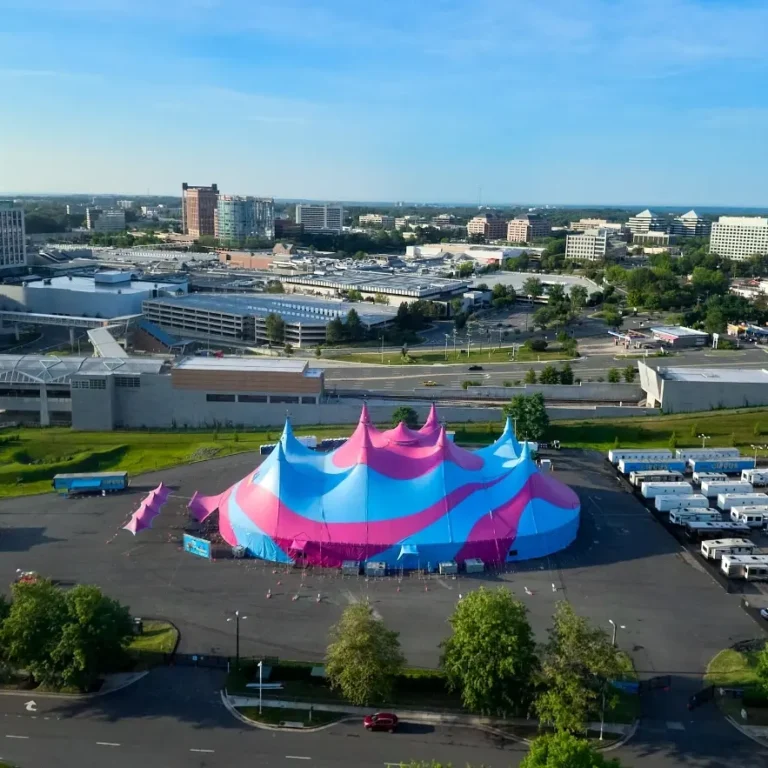
New Jersey’s live entertainment calendar just added one of its most dynamic, multigenerational spectacles: Circus Vazquez is coming to Woodbridge Center Mall, bringing with it more than five decades of tradition, innovation, and world-class performance under the iconic blue-and-white big top.

For families, thrill-seekers, and anyone searching for unforgettable things to do in Woodbridge, NJ, this is not simply another event — it is a landmark cultural moment. The 2026 production introduces an entirely new cast of global talent while honoring a 50+ year entertainment legacy that has transformed the American circus experience.

As New Jersey continues to solidify its position as a premier destination for arts, culture, and live events, the arrival of Circus Vazquez at Woodbridge Center Mall reinforces the state’s role as a major touring hub for elite international productions.

A 56-Year Legacy of Family-Owned Circus Excellence

Founded in 1969 in Mexico City as Circo Hermanos Vazquez, Circus Vazquez has grown into the largest family-owned big top circus in the United States. Now in its fifth generation of performers, the Vazquez family has maintained complete creative control over its productions — preserving the intimacy and authenticity that many modern touring shows have lost.

This is not a corporate circus. It is a living, breathing family tradition.

Over time, the show transitioned from being presented entirely in Spanish to offering performances in English or bilingually, ensuring accessibility for audiences across the United States. That evolution mirrors the circus’s broader philosophy: honor tradition while embracing innovation.

The 2026 edition arriving in Woodbridge represents a full reinvention of the lineup, with newly assembled international performers joining seasoned Vazquez family artists for a production engineered to captivate modern audiences.

The Intimate Big Top Experience in Woodbridge

Unlike arena-scale touring productions, Circus Vazquez performs inside its signature climate-controlled blue-and-white big top tent — a distinctive structure designed so every seat feels close to the action.

That intimacy matters.

From aerialists soaring overhead to motorcyclists racing inside a steel sphere, the proximity intensifies the experience. Audiences don’t watch from a distance; they feel immersed in the spectacle.

At Woodbridge Center Mall, the big top transforms a familiar retail destination into a vibrant live performance venue, reinforcing the mall’s role as a community gathering space and entertainment anchor in Middlesex County.

For residents searching for family events near Woodbridge Center, this engagement delivers both nostalgia and adrenaline in equal measure.

The 2026 Cast: A Global Assembly of Human Phenoms

Circus Vazquez has leaned into what it calls an “old-fashioned circus in the best sense” — with a modern performance philosophy centered primarily on elite human talent.

While select traditional novelty acts have appeared in recent tours, the core of the show is unmistakably human-driven athleticism and artistry.

The Vazquez Family Performers

The Vazquez lineage remains front and center. Among the featured family performers:

  • Valentina Vazquez, performing high-wire and aerial feats that demand precision and nerve.
  • Jan and Carolina, representing the youngest generation and continuing the family’s performance heritage.
  • Memo Vazquez, the beloved ringmaster and emotional heartbeat of the production, known for blending humor, warmth, and audience engagement into every performance.

Memo’s presence alone elevates the experience beyond spectacle. He is not simply an announcer; he is a storyteller who guides audiences through an immersive narrative arc of danger, laughter, and triumph.

International Headliners

The 2026 production also features globally recognized acts, including:

  • The Flying Caceres, a high-altitude trapeze troupe delivering split-second timing and gravity-defying catches.
  • Boris Nikishkin, combining classical clowning with handstand mastery and physical comedy.
  • The Bingo Troupe, fusing dance, acrobatics, and choreography into high-energy performance sequences.
  • The Globe of Death riders, executing high-speed motorcycle choreography inside a steel sphere, often with up to five riders racing simultaneously.

The Globe of Death remains one of the most searched and talked-about circus acts in the United States — and in Woodbridge, audiences will witness it at full throttle.

Why Circus Vazquez Matters for New Jersey’s Entertainment Scene

New Jersey has long supported touring productions, but few traveling shows deliver the scale, authenticity, and sustained family ownership that Circus Vazquez brings.

Its arrival complements the broader entertainment ecosystem across the state — from mall-based pop-up events to major arena tours — and strengthens Woodbridge’s position as a regional attraction hub.

At Explore New Jersey, our ongoing coverage of live performances and cultural events highlights the growing demand for experiential entertainment. Circus Vazquez aligns perfectly with that trend: immersive, high-energy, and multigenerational.

Families searching for “circus near me in NJ,” “things to do with kids in Woodbridge,” or “big top circus New Jersey 2026” will find this event at the top of must-see lists.

Touring Momentum: New Jersey and Beyond

As of February 2026, Circus Vazquez is actively touring through New Jersey and Virginia, reinforcing the Garden State’s importance on the national touring circuit.

Current and upcoming stops include:

  • Paramus, NJ – Garden State Plaza (through March 9, 2026)
  • Lawrenceville, NJ – Quaker Bridge Mall (March 13–24, 2026)
  • Burlington, MA – June 12–29, 2026
  • Tysons, VA – August 14–31, 2026
  • Atlanta, GA – September 18–October 5, 2026

The Woodbridge Center Mall engagement positions Middlesex County squarely within that elite touring map.

The Evolution of the Modern Human-Only Circus

Circus Vazquez’s emphasis on human performance reflects a broader shift in the industry. Contemporary audiences increasingly seek high-skill artistry without reliance on large-scale animal acts.

The result is a faster-paced, athletically driven production that merges traditional circus aesthetics with modern stagecraft.

The lighting, choreography, pacing, and talent curation in the 2026 show demonstrate how legacy circuses can adapt while preserving their soul.

For New Jersey audiences, this means a refined spectacle that honors nostalgia while delivering contemporary intensity.

What to Expect at Woodbridge Center Mall

Visitors can expect:

  • A climate-controlled tent environment suitable for all weather conditions.
  • Multiple showtimes designed for flexible family scheduling.
  • A two-hour immersive performance blending comedy, acrobatics, aerial artistry, and high-speed thrills.
  • A close-up viewing experience rarely found in larger arenas.

For parents planning weekend activities in Woodbridge, date-night planners looking for something different, or multigenerational families seeking shared experiences, Circus Vazquez provides a rare live event that genuinely spans age groups.

Strengthening the Local Entertainment Economy

When touring productions choose New Jersey stops, they bring more than performances — they bring economic activity. Dining, retail traffic, and regional tourism benefit from major entertainment activations like this one.

Woodbridge Center Mall’s hosting of Circus Vazquez enhances its profile as more than a retail center; it becomes a cultural venue, reinforcing Middlesex County’s entertainment footprint.

At Explore New Jersey, our coverage emphasizes the interconnected nature of arts, commerce, and community. Circus Vazquez is a textbook example of that synergy.

A Defining 2026 Entertainment Moment in Middlesex County

This is not a nostalgic revival tour. It is a forward-facing, reinvented spectacle rooted in a 56-year legacy.

Circus Vazquez at Woodbridge Center Mall stands as one of the most compelling family entertainment events of 2026 in New Jersey — a rare opportunity to witness five generations of artistry converging with elite international talent under one unforgettable big top.

For residents across Woodbridge, Edison, Iselin, Perth Amboy, and beyond, this is the kind of cultural activation that defines a season.

Explore New Jersey will continue delivering comprehensive coverage of major live events across the state — and Circus Vazquez’s Woodbridge engagement is poised to be one of the most talked-about attractions of the year.

International Women’s Day Celebration at MonmouthFlow on March 8 Elevates Women’s Health, Wellness, and Community in New Jersey

New Jersey’s thriving arts and culture landscape is not confined to galleries, theaters, and concert halls. It lives in community studios, wellness centers, and gathering spaces where education, empowerment, and creativity converge. On March 8, that spirit takes center stage at MonmouthFlow Yoga + Wellness, where an International Women’s Day Celebration will unite thought leaders, practitioners, and community members for a dynamic afternoon dedicated to women’s health, resilience, and holistic wellbeing.

This is not simply an event. It is a curated experience designed to reflect the evolving role of wellness in New Jersey’s cultural fabric.

Hosted at MonmouthFlow Yoga + Wellness, the March 8 celebration will feature headline speakers Natanya Wachtel and Ellyn Ito leading a powerful women’s health talk, complemented by free themed classes, raffles, immersive mindvybe™ sessions, and product samples from Griffy’s Organics. The program aligns seamlessly with Explore New Jersey’s commitment to spotlighting transformative art, culture, and community experiences across the Garden State.

A Cultural Movement Rooted in Wellness

Across New Jersey, wellness is becoming a defining cultural pillar. From Asbury Park to Montclair, from Red Bank to Jersey City, residents are increasingly seeking experiences that blend education, movement, mindfulness, and community engagement.

MonmouthFlow Yoga + Wellness stands at the center of that evolution. The studio has positioned itself not merely as a place to practice yoga, but as a hub for integrated wellbeing — where physical strength, mental clarity, and community connection intersect.

International Women’s Day provides a powerful framework for that mission. Observed globally, March 8 honors women’s achievements while advocating for equity, leadership, and health access. At MonmouthFlow, that global movement translates into a locally rooted, highly intentional experience.

Headlining Voices: Natanya Wachtel and Ellyn Ito

The women’s health discussion led by Natanya Wachtel and Ellyn Ito is expected to be a centerpiece of the celebration. The talk will explore modern women’s health challenges through an integrative lens, addressing topics that may include hormonal balance, stress physiology, preventative wellness, and sustainable self-care strategies.

Rather than offering surface-level inspiration, this session aims to provide actionable insight. Today’s health-conscious audiences are seeking substance: research-backed approaches, integrative frameworks, and practical tools for daily life. This keynote conversation positions MonmouthFlow as a thought-forward wellness authority in Monmouth County and beyond.

For New Jersey residents navigating busy careers, family obligations, and evolving personal goals, the opportunity to engage directly with experienced wellness voices adds depth to what might otherwise be a celebratory event.

Free Themed Classes and Experiential Programming

A defining feature of the March 8 celebration is accessibility. Offering free themed classes ensures that community members can engage without financial barriers, reinforcing the inclusive ethos of the event.

Expect a thoughtfully curated lineup that may include:

• Women-centered yoga flows
• Restorative and breathwork sessions
• Guided meditation experiences
• Functional movement workshops
• Mind-body resilience training

The inclusion of mindvybe™ sessions adds a modern dimension to the programming. Designed to support nervous system regulation and cognitive clarity, these sessions integrate mindfulness with contemporary wellness techniques, offering participants a deeper sensory and emotional reset.

In today’s high-stress environment, this kind of experiential wellness is not a luxury — it is essential infrastructure for mental health and productivity.

Community Engagement Through Raffles and Organic Partnerships

Community events thrive on energy and connection. Raffles and giveaways add an interactive component, while partnerships with brands such as Griffy’s Organics reinforce the holistic theme of the day.

Griffy’s Organics samples will allow attendees to explore plant-based, wellness-forward products aligned with clean living principles. This integration of nutrition, movement, and education reflects a broader trend across New Jersey’s wellness sector — collaboration between local businesses that share a commitment to sustainable health.

By weaving together educational talks, movement classes, wellness technology, and organic products, MonmouthFlow is delivering a multidimensional event rather than a single-session workshop.

Why This Event Matters in New Jersey’s Cultural Landscape

Explore New Jersey has long highlighted the intersection of art, culture, and community transformation. The state’s cultural economy extends beyond performing arts and visual exhibitions. It includes the spaces where identity, empowerment, and shared experience are cultivated.

Women’s wellness events like this contribute to:

• Strengthening local wellness economies
• Supporting women-led businesses and initiatives
• Building cross-generational community dialogue
• Expanding access to preventative health education
• Promoting holistic, integrative approaches to care

Monmouth County in particular has become a growing hub for boutique wellness studios and experiential programming. Events like the International Women’s Day Celebration at MonmouthFlow demonstrate how local spaces can deliver programming that rivals national wellness conferences — without losing the intimacy and authenticity of community-based engagement.

The Growing Demand for Women-Focused Health Conversations

Across New Jersey, women are demanding more comprehensive health conversations. Traditional healthcare models often compartmentalize care. Integrative wellness environments allow for broader discussions about hormonal health, stress management, nutrition, movement science, and emotional resilience.

By creating space for these conversations, MonmouthFlow is responding to a clear community need.

Search trends across New Jersey show rising interest in:

• Women’s hormone health
• Holistic wellness programs
• Yoga and mindfulness for stress reduction
• Functional movement therapy
• Natural and organic lifestyle products

The March 8 event directly intersects with these high-interest areas, positioning it as not only culturally relevant but SEO-aligned with what New Jersey residents are actively seeking.

A Destination Experience for International Women’s Day in Monmouth County

For those looking to celebrate International Women’s Day in New Jersey, this event offers more than symbolism. It delivers tangible value: education, movement, connection, and rejuvenation.

Located in Monmouth County, MonmouthFlow Yoga + Wellness provides a welcoming environment where seasoned practitioners and newcomers alike can participate comfortably. Whether attending the keynote talk, sampling organic wellness products, engaging in themed classes, or experiencing mindvybe™ sessions, participants will leave with practical tools and renewed perspective.

This is a celebration grounded in substance.

Elevating Explore New Jersey’s Art & Culture Narrative

At Explore New Jersey, our Art & Culture coverage continues to expand beyond traditional definitions. Culture is created wherever people gather to exchange ideas, elevate voices, and foster growth.

The International Women’s Day Celebration at MonmouthFlow embodies that broader vision. It demonstrates how local wellness spaces can function as cultural catalysts — advancing conversations about health equity, empowerment, and community resilience.

As New Jersey continues to redefine what cultural leadership looks like in 2026, events like this set the standard. They are locally driven, strategically curated, and deeply aligned with the needs of modern audiences.

March 8 at MonmouthFlow is not simply a date on the calendar. It is a reflection of a statewide movement toward integrated wellness, women-led dialogue, and community-centered growth.

For those seeking a meaningful International Women’s Day event in New Jersey that blends thought leadership, experiential wellness, and vibrant community energy, this celebration stands out as one of the most comprehensive and forward-thinking gatherings of the season.

Explore New Jersey will continue spotlighting the people, places, and programs shaping the Garden State’s cultural future — and on March 8, that future looks centered, empowered, and unapologetically strong.

Winter Road Salt Will Linger in New Jersey Waterways for Months — Here’s What It Means for Drinking Water, Infrastructure, and the Environment

In New Jersey, winter does not end when the snow melts.

Long after the final plow clears the highways and sidewalks, the environmental consequences of road salt continue moving quietly through the state’s rivers, reservoirs, groundwater systems, and drinking water supplies. The issue is no longer seasonal — it is structural, cumulative, and increasingly urgent.

Each year, tens of thousands of tons of sodium chloride are applied to New Jersey roadways to keep drivers and pedestrians safe. The practice is effective. It reduces ice formation, lowers accident risk, and protects public safety during severe winter weather. But once that salt dissolves and runoff begins, the chemistry shifts. What protects motorists in January can remain embedded in waterways well into spring — and in some cases, far longer.

This is not speculation. Environmental monitoring across the region has shown that chloride levels spike dramatically during winter storms — and then remain elevated for months afterward. Unlike many pollutants, chloride does not biodegrade. It does not evaporate. It does not break down naturally. It persists.

Why Road Salt Stays in the System

When snow and ice melt, road salt travels in three primary directions:

• Into storm drains and surface waterways
• Into soil systems along roadways
• Into groundwater aquifers beneath developed areas

Once chloride enters groundwater, it can slowly discharge into streams over extended periods. That means even during dry weather in April or May, waterways can still show elevated salinity because of winter applications.

The hydrologic cycle does not reset with the calendar. The chemistry lingers.

Implications for Drinking Water in New Jersey

New Jersey relies heavily on a combination of reservoirs, rivers, and groundwater wells for public water supply. When chloride concentrations increase in source waters, treatment becomes more complex.

While current drinking water systems are generally operating within regulatory standards, elevated sodium levels can pose concerns for:

• Individuals on low-sodium diets
• Residents with hypertension or cardiovascular conditions
• Households relying on private wells

Unlike certain contaminants that can be filtered out through conventional treatment, dissolved chloride is difficult and expensive to remove. As concentrations increase over time, utilities may need to invest in blending strategies, infrastructure upgrades, or advanced treatment technologies — all of which can translate into higher operational costs.

The long-term trend is what matters most. Chloride accumulation is cumulative. Once it builds up in aquifers, reversing that trend is challenging.

Ecological Consequences in Freshwater Systems

Freshwater ecosystems are calibrated for stability. Even small shifts in salinity can alter biological balance.

Elevated chloride levels can affect:

• Macroinvertebrates such as mayflies and stoneflies
• Amphibians during breeding cycles
• Fish populations sensitive to chemical changes
• Aquatic vegetation critical to oxygen production

As biodiversity declines, entire aquatic food webs can destabilize. That affects recreational fishing, ecological resilience, and the overall health of watershed systems across the state.

In addition, increased salinity can alter soil structure along streambanks, reducing vegetation health and increasing erosion risks. Over time, this contributes to sedimentation issues that further degrade water quality.

Infrastructure and Long-Term Asset Impacts

The implications are not limited to ecology.

Salt accelerates corrosion in:

• Bridges
• Reinforced concrete
• Stormwater systems
• Underground utilities

As chloride infiltrates infrastructure systems, it reduces service life and increases maintenance costs. For municipalities already managing tight budgets, the long-term fiscal implications are significant.

This is where environmental impact intersects directly with construction, infrastructure resilience, and public works planning — a critical issue across New Jersey’s urban and suburban development corridors.

Can Road Salt Use Be Reduced?

Public safety remains non-negotiable. Roads must be treated during hazardous winter conditions. However, experts increasingly point toward smarter application methods rather than higher volumes.

Strategies gaining traction include:

• Pre-treatment with liquid brine to reduce total salt required
• Precision application technologies
• Updated municipal contracting standards based on calibrated spreading
• Increased training for public works departments
• Private property best-practices for commercial lots and residential driveways

Many property owners unknowingly apply far more salt than necessary. In most cases, a light, measured application is sufficient once surfaces are cleared of snow.

Small changes, multiplied across millions of driveways and commercial properties, can significantly reduce chloride runoff statewide.

A Growing Policy Conversation in New Jersey

State agencies and watershed groups are now evaluating long-term chloride trends more closely than ever before. The issue is moving beyond environmental advocacy and into infrastructure planning and regulatory discussions.

As development continues across northern and central New Jersey, stormwater systems are already under pressure. Adding persistent chloride accumulation to that equation complicates future planning.

New Jersey’s dense population, extensive roadway network, and proximity to sensitive water bodies — including tributaries feeding into major river systems — make this a uniquely regional challenge.

The Reality: This Is Not a One-Season Issue

The critical takeaway is simple:

Winter road salt does not disappear in March.

It remains in waterways for months. It migrates through groundwater. It accumulates year after year. And the long-term trajectory depends on how the state adapts its practices now.

Balancing roadway safety with environmental stewardship will require coordination between:

• State transportation departments
• Municipal public works
• Water utilities
• Construction planners
• Environmental regulators
• Private property owners

The solution is not elimination — it is optimization.

New Jersey’s winter safety strategy must evolve with data, technology, and forward-thinking infrastructure policy. As climate patterns shift and storm intensity fluctuates, adaptive management will become even more important.

For residents, the message is practical and immediate:

Use only what you need. Clear surfaces before salting. Consider alternative de-icing strategies where appropriate. Be aware that what goes on pavement today can end up in waterways tomorrow.

The snow may be gone, but the impact remains — moving quietly through the systems that sustain drinking water, wildlife, and infrastructure across the Garden State.

And this spring, as New Jersey transitions from thaw to bloom, the chemistry of winter will still be with us.

New Jersey Devils Return to Action at Prudential Center: Jack Hughes’ Olympic Gold, Sabres Showdown, and the Debut of the Michelob Ultra Lounge

The New Jersey Devils are back. The Olympic break is over. And tonight in Newark, the energy inside Prudential Center will feel different—charged not just by a divisional matchup against the Buffalo Sabres, but by the return of a player who just authored one of the most iconic moments in American hockey history.

Jack Hughes is coming home a gold medalist.

As first reported across the sports world, including coverage from Yahoo Sports, Hughes scored the overtime game-winning goal for Team USA to defeat Canada and secure the first U.S. men’s Olympic hockey gold medal since 1980. For Devils fans, it was more than a national milestone. It was confirmation that the face of the franchise has officially stepped onto the global stage.

Now, the Devils return to NHL regular-season action tonight at 7:00 PM EST against the Sabres—with playoff positioning, momentum, and a revitalized fan base all in play.

This is not just another February game in Newark. It is a reset moment for the franchise and the fan experience.

Jack Hughes: From Franchise Star to Olympic Hero

Jack Hughes’ overtime goal will live in U.S. hockey lore. The stakes were immense. The opponent was Canada. The setting was the Winter Olympic Games. And in sudden death, Hughes delivered.

The significance extends beyond one highlight.

• First U.S. men’s Olympic gold since 1980
• Overtime winner against Canada
• Global validation of Hughes’ elite status
• A defining chapter in Devils franchise history

For New Jersey, the Olympic break was not downtime. It was a showcase.

Hughes’ performance elevated the Devils brand internationally while reaffirming what fans at Prudential Center have known for years: this is one of the most dynamic offensive talents in the NHL.

Now, he returns to Newark not just as a top-line center—but as an Olympic gold medal hero.

Expect the atmosphere tonight to reflect that reality.

Devils vs. Sabres: Momentum Meets Urgency

The Buffalo Sabres arrive in Newark looking to disrupt the post-break surge. Divisional matchups in late February are rarely passive. With playoff positioning tightening, every two points matter.

The Devils return refreshed but not complacent. The Olympic break offers physical recovery, but the psychological effect may be even more important. A team watching its franchise cornerstone deliver on the world stage often responds with renewed confidence.

Key storyline factors tonight:

• How quickly the Devils regain game rhythm
• Whether Hughes’ Olympic momentum translates immediately
• Defensive structure against Buffalo’s transition speed
• Special teams execution after time off

The Sabres will not hand over momentum. But the Devils carry emotional leverage—and home ice.

Prudential Center Unveils the Michelob Ultra Lounge

Tonight is also about the fan experience.

The Devils and Prudential Center have officially unveiled the all-new Michelob Ultra Lounge, located on the Main Concourse outside Sections 17 and 18. The debut aligns perfectly with the team’s return and the heightened buzz surrounding Hughes’ Olympic heroics.

To celebrate:

• $8.60 Michelob Ultras are available at the lounge
• Special pricing is also offered at locations throughout Prudential Center
• Artist Cody Sabol will be live painting an iconic image of Jack Hughes from the Winter Olympic Games

This is a layered activation—sports, culture, community, and brand experience intersecting in one night.

The Michelob Ultra Lounge represents more than a concession upgrade. It reflects the Devils’ continued investment in elevating the in-arena environment. Modern NHL franchises compete not only on the ice but also in hospitality innovation.

By pairing a marquee game with a premium fan space launch and live art activation, the Devils organization is signaling that Prudential Center remains one of the premier destinations for hockey in the Northeast.

Cody Sabol’s Live Art: Capturing a Moment in Real Time

Few things resonate like live artistry during a live sporting event.

Cody Sabol will be painting an iconic portrait of Jack Hughes’ Olympic moment in real time at the arena. The visual storytelling element adds permanence to what is otherwise a fleeting highlight.

It is symbolic:

Hughes’ goal was an instant.
The painting becomes a legacy piece.

For fans in attendance, it creates a tangible bridge between global Olympic triumph and local franchise pride.

The Broader New Jersey Sports Narrative

Across the state, the return of the Devils intersects with broader winter narratives unfolding in New Jersey—from late-season weather transitions to playoff races in multiple sports.

Coverage within the Explore New Jersey Weather Report has highlighted the shifting late-February climatology across the state, reinforcing that winter is entering its transitional phase. But inside Prudential Center, the atmosphere tonight will feel anything but transitional.

It will feel urgent.

It will feel loud.

It will feel like hockey in Newark matters deeply again.

Why This Game Matters in the Standings

While the Olympic storyline dominates headlines, the NHL calendar remains unforgiving.

Late February games often determine April seeding. Momentum gained immediately after a break can set tone for the final stretch.

The Devils must:

• Convert emotional energy into disciplined play
• Avoid sluggish starts common after extended breaks
• Protect home ice
• Capitalize on scoring depth beyond the top line

The Sabres will attempt to spoil the narrative. Divisional opponents relish playing spoiler against emotionally elevated teams.

That tension creates compelling hockey.

The Economic and Cultural Impact in Newark

When a franchise player wins Olympic gold and returns home, ripple effects extend beyond the arena.

Increased merchandise sales.
National media coverage.
Enhanced sponsorship value.
Boosted ticket demand.

Prudential Center becomes a stage not only for a game, but for a brand statement.

The Devils are not rebuilding.
They are ascending.

The unveiling of the Michelob Ultra Lounge further reinforces the organization’s commitment to premium fan engagement and hospitality modernization.

SEO Authority Focus: New Jersey Devils, Jack Hughes, Prudential Center, Sabres, Olympic Gold

For fans searching:

New Jersey Devils vs Sabres
Jack Hughes Olympic gold goal
Prudential Center Michelob Ultra Lounge
Devils game tonight Newark
Jack Hughes Team USA overtime winner

This matchup sits at the intersection of international hockey achievement and NHL regular-season urgency.

The Devils return to action not quietly—but with national spotlight momentum and enhanced in-arena experiences.

What to Watch Tonight

• Hughes’ first shift back at Prudential Center
• Crowd reaction during introductions
• Special teams sharpness post-break
• Defensive structure against Buffalo’s rush
• Energy levels in the first 10 minutes

Early tempo will tell the story.

If the Devils dictate pace and capitalize on early chances, the post-Olympic surge narrative strengthens.

If Buffalo slows the game down and forces structural breakdowns, momentum could shift quickly.

Winter Break Is Over. The Stretch Run Begins.

The Olympic break provided a global stage for Jack Hughes. Now, the NHL stretch run provides the proving ground for the Devils’ playoff ambitions.

Newark will be loud tonight.

The gold medal glow will still be visible.

And the Devils have an opportunity to convert national heroics into local momentum.

Puck drops at 7:00 PM EST.

The message is clear:
The Devils are back.

Late-February Sun Angle Is Changing New Jersey’s Snow Game: What It Means for the Rest of Winter

New Jersey can feel it. Even before you look at a thermometer, even before you scan a radar loop, you can sense the seasonal pivot underway. The higher late-February sun angle has officially entered the chat, and it is quietly, methodically changing the way snow behaves across the Garden State.

After a winter defined by legitimate cold, repeated snow opportunities, and persistent snowpack in many communities, we are now entering a transitional stretch. The atmosphere still supports snowfall. The calendar still says winter. But climatology, solar geometry, and boundary layer thermodynamics are beginning to work against meaningful accumulation.

This is not the end of winter. But it is winter’s sunset phase.

The Higher Sun Angle Effect: Why Snow Is Struggling to Stick

The first sign was subtle but telling. On February 15, 3–6 inches of snow fell from the sky across parts of New Jersey, yet only 1–3 inches actually stuck — primarily on grassy surfaces. That discrepancy was not a forecast bust. It was physics.

As we move deeper into late February, the sun climbs higher in the sky, increasing incoming solar radiation even when air temperatures hover near or below freezing. Pavement, rooftops, and other dark surfaces absorb and retain heat more efficiently. Snowfall rates must be more intense — and temperatures meaningfully colder — to overcome this effect.

We saw this again with the recent major snowstorm. Temperatures struggled to crash below freezing despite heavy snowfall overnight. In late December or mid-January, that same synoptic setup likely would have driven readings into the lower 20s. Instead, temperatures hovered just below freezing. Then during the daytime snowfall, readings of 33–34°F inhibited further accumulation.

The result? Compaction. Rapid settlement. Reduced snow-to-liquid ratios. And a snowpack that feels noticeably “milder” even when thermometers remain below freezing.

This is classic late-season snow climatology for New Jersey.

For regular updates and deeper weather analysis across the state, visit the Explore New Jersey Weather Report.

The Baseball Game Analogy: Where We Are in Winter’s Timeline

If winter were a baseball game, we are somewhere in the late innings — perhaps the 7th or 8th. There is still time on the board. Comebacks are possible. But the margin for meaningful impact is shrinking.

For lighter snow events to accumulate meaningfully from here on out, one or more of the following must occur:

• Cold air already entrenched ahead of the system (New Jersey inside a trough or behind a recent cold front)
• Overnight snowfall to avoid daytime solar heating
• A strong, dynamically forced storm capable of overcoming marginal surface temperatures

Absent those ingredients, snowfall becomes more cosmetic than consequential — more “snow on the grass” than widespread measurable accumulation.

Wednesday Morning Clipper: Routine, Quick-Hitting, Visibility Impacts Possible

The next snowfall potential arrives in the form of a classic Alberta clipper — a colder northern-stream system riding along the southern flank of low pressure positioned well into Canada.

Clippers are moisture-starved by nature. They move fast, drop quick bursts of snow, and rarely deliver major totals unless unusually amplified.

Timing: 2:00 a.m. to 9:00 a.m. Wednesday
Highs Today: 29–33°F (north to south)
Overnight Lows: 24–28°F, potentially a few degrees colder via radiational cooling

With existing snowpack and clear skies, localized colder pockets are possible overnight.

Expected Snowfall Totals

• Coating to 1 inch across much of North and Central New Jersey
• 1–3 inches possible in Northern/Northwestern NJ
• Less accumulation expected in South Jersey
• Absolute upside ceiling: 3 inches in isolated northern zones

The primary hazard is not accumulation — it is visibility reduction during periods of heavier snowfall rates. Clippers can briefly “dump” snow hard enough to create hazardous driving conditions before sunrise.

Untreated surfaces may become slick until temperatures climb above freezing by mid-morning. However, with afternoon highs surging into the 40s — possibly mid-to-upper 40s — expect a rapid melt, especially on paved surfaces.

Bottom line: This is a nuisance event, not a high-impact storm. But morning commuters in North and Central NJ should stay alert.

Thursday Afternoon and Evening: Boundary Placement Is Everything

Another system follows quickly on Thursday afternoon into Thursday evening (February 26). This one tracks along the frontal boundary dragged south by Wednesday’s clipper.

The latitude of that boundary will determine where the snow swath sets up.

Currently:

• The GFS tracks the system farther north, favoring South Jersey with a 1–3 inch scenario, possibly 2–4 in an upside case
• The European and Canadian guidance are far less enthusiastic, showing little to no precipitation except perhaps grazing extreme southern zones

This system arrives during the warmest part of the day and transitions into evening — again raising surface temperature concerns.

If accumulation occurs, it likely favors grassy surfaces. Pavement stickage would improve only after sunset as temperatures feather downward.

Maximum upside potential: 2–4 inches
Most likely outcome: Light hit or graze, especially across South Jersey

Model consensus remains weak. Much depends on how Wednesday’s clipper reshapes the frontal boundary.

March 2–4: The Next Legitimate Signal

Looking beyond these minor waves, the period of March 2–4 shows a more potent synoptic signal. Models hint at a stronger system, but thermal profiles remain marginal.

If a significant late-season snow is to occur, this window holds the most intrigue.

However, even here:

• Surface temperatures will likely hover near freezing
• Daytime accumulation would be challenging
• Strong dynamics would be required to overcome solar and climatological resistance

After that, March 5–7 currently trends toward a warmer rainmaker that could usher in a prolonged mild stretch. If that verifies, it would further reduce the probability of meaningful snow through mid-March.

And by that point, the sun angle becomes even more hostile to accumulation.

Historical Perspective: March Can Still Deliver

New Jersey residents know better than to declare winter over prematurely.

March 1993.
March 2014.
March 2017.

Each delivered significant late-season snowfall events that reshaped expectations. But those setups featured strong cold air advection and robust storm dynamics — not marginal boundary layer temperatures fighting daytime solar radiation.

So yes — we remain “in the baseball game.” But it would take a powerful, well-timed system to produce a memorable late-season snow.

What This Means for New Jersey Residents

• Expect lighter snow events to struggle during daylight hours
• Overnight systems have a better chance to accumulate
• Grass-first accumulation is increasingly common
• Rapid compaction and melt cycles will dominate
• The pattern is transitioning, not collapsing

For snow enthusiasts, this is a bittersweet phase. After a winter that delivered legitimate cold and frequent snow opportunities, even dedicated winter lovers are beginning to eye spring.

For others, the thaw cannot come soon enough.

Either way, New Jersey is entering a climatological pivot point.

SEO Focus: New Jersey Weather Forecast, NJ Snowfall, Late-Season Snow

This late-February forecast highlights a critical seasonal inflection point in New Jersey weather patterns. As the sun angle increases and climatology shifts, snowfall behavior changes across North Jersey, Central Jersey, and South Jersey.

While minor clipper systems may bring coatings and conversational snowfall totals, meaningful accumulation now requires stronger atmospheric dynamics and well-timed overnight windows.

We continue monitoring:

• Wednesday morning clipper system
• Thursday afternoon/evening boundary wave
• March 2–4 potential snow system
• March 5–7 warmer synoptic setup

Winter is not over. But it is evolving.

Stay tuned for continued in-depth analysis and real-time updates as New Jersey navigates the closing innings of the 2026 winter season.

Camden County Health Department Tracking TB, Bird Flu, Measles Clusters as Flu Season Lingers Across New Jersey

As New Jersey moves through the late stretch of winter, the Camden County Health Department is intensifying surveillance of tuberculosis (TB), avian influenza (bird flu), measles clusters, and seasonal influenza — underscoring a reality public health officials know well: respiratory and communicable disease threats do not move in isolation, and flu season is not over.

For residents across Camden County and throughout the Garden State, this moment is less about alarm and more about awareness. The county’s public health infrastructure is operating in real time, mapping patterns, investigating clusters, coordinating with state and federal partners, and reinforcing preventive behaviors that remain the most effective tools available to individuals and families.

In an environment shaped by post-pandemic vigilance, evolving pathogens, and fluctuating vaccination rates, Camden County’s approach reflects a layered strategy — epidemiological monitoring, laboratory confirmation, rapid response investigation, community outreach, and cross-sector coordination. For New Jersey communities paying attention to health and wellness trends, the message is direct: prevention and participation matter.

A Multi-Threat Public Health Landscape in Camden County

Communicable diseases often rise and fall seasonally, but the convergence of several reportable illnesses requires sustained tracking. The Camden County Health Department’s epidemiology team continuously collects and analyzes case data through mandatory reporting systems, laboratory results, school notifications, hospital partnerships, and direct provider communication.

Tuberculosis (TB): Containment Through Precision

Tuberculosis remains a reportable disease in New Jersey due to its airborne transmission potential and the need for targeted contact tracing. While overall TB rates in the United States are significantly lower than historical peaks, localized cases can require extensive investigation.

When a case is identified, health officials conduct structured contact tracing to identify individuals who may have been exposed in workplaces, schools, healthcare facilities, or residential settings. Latent TB infection screening, diagnostic imaging, and antibiotic regimens are deployed as needed. Public health nurses work directly with patients to ensure medication adherence — a critical factor in preventing drug-resistant TB strains.

The approach is methodical, evidence-driven, and community-centered. TB surveillance is not reactive; it is anticipatory.

Avian Influenza (Bird Flu): Monitoring Animal-to-Human Risk

Avian influenza, commonly referred to as bird flu, has prompted monitoring efforts across the country due to outbreaks among poultry and wild birds. While human cases remain rare, public health agencies monitor potential zoonotic transmission risks closely.

Camden County officials coordinate with agricultural, veterinary, and state-level partners to monitor poultry facilities, investigate potential exposure events, and ensure rapid reporting. Preparedness protocols include personal protective guidance for workers in agricultural settings and situational awareness messaging for residents who may encounter sick or dead birds.

Public health’s role here is strategic surveillance — identifying risks before they escalate.

Measles Clusters: Preventing Community Spread

Measles remains one of the most contagious viral diseases known, with the capacity to spread rapidly in under-vaccinated populations. Even a small cluster can require swift public health mobilization.

The Camden County Health Department tracks confirmed and suspected measles cases, reviews immunization records in affected schools or community settings, and works to notify exposed individuals. Vaccination — particularly adherence to the MMR (measles, mumps, rubella) schedule — remains the most effective preventive measure.

When clusters appear, officials focus on containment: identifying exposure windows, offering vaccination clinics, and reinforcing exclusion guidance for unvaccinated contacts during incubation periods.

Flu Season Isn’t Over — and That Matters

Seasonal influenza continues to circulate statewide. Public health experts consistently emphasize that flu activity can persist into late winter and early spring. Hospitalization rates often fluctuate in waves, and co-circulation with other respiratory viruses complicates diagnosis and response.

Symptoms such as fever, cough, fatigue, and body aches can overlap across influenza, COVID-19, and other respiratory illnesses. That overlap makes ongoing testing and provider consultation essential when symptoms escalate or high-risk individuals are involved.

Vaccination remains recommended throughout flu season, particularly for:

• Adults over 65
• Young children
• Individuals with chronic health conditions
• Pregnant individuals
• Immunocompromised residents

The Camden County Health Department’s messaging is consistent: it is not too late to vaccinate, and preventive hygiene behaviors — frequent handwashing, respiratory etiquette, staying home when ill — are foundational.

The Infrastructure Behind Disease Surveillance

Public health monitoring is not a passive activity. It involves:

• Mandatory disease reporting by healthcare providers and laboratories
• Case investigation interviews
• Data analysis and trend mapping
• School and workplace coordination
• Cross-county and state-level information exchange
• Public communication strategies

These systems allow officials to detect anomalies — spikes in case counts, unusual clustering patterns, demographic trends — and respond accordingly.

In Camden County, this work is supported by epidemiologists, nurses, environmental health specialists, communications teams, and administrative staff. Surveillance dashboards are updated routinely. Cases are classified based on laboratory confirmation and clinical criteria. Patterns are reviewed for geographic and demographic clustering.

It is a highly technical operation grounded in public trust.

Preventive Behaviors: The Individual Role in Public Health

Across New Jersey, health and wellness conversations increasingly emphasize personal responsibility within community frameworks. The preventive behaviors highlighted by the Camden County Health Department align closely with broader wellness priorities often covered in the state’s health reporting ecosystem.

For readers seeking expanded coverage on preventive care, community fitness, immunization access, and holistic wellness initiatives, explore the growing archive in the Health & Wellness section, where statewide health developments and proactive strategies are examined in depth.

The overlap between public health surveillance and personal wellness is direct. Vaccination schedules, routine check-ups, hygiene practices, and informed decision-making form the backbone of community resilience.

Why Ongoing Monitoring Is Essential

Communicable diseases are dynamic. Migration patterns, travel, vaccination trends, seasonal shifts, and social behavior all influence transmission risk.

When agencies like the Camden County Health Department track TB, bird flu, measles, and influenza simultaneously, they are not signaling crisis. They are demonstrating preparedness.

This vigilance allows for:

• Early containment of clusters
• Reduced strain on healthcare systems
• Protection of vulnerable populations
• Transparent public communication
• Data-informed policy adjustments

It also reinforces a critical principle: public health is not episodic. It is continuous.

The Broader New Jersey Context

New Jersey’s dense population, interconnected transportation networks, and regional proximity to major metropolitan hubs create unique public health considerations. County-level monitoring feeds into state-level analysis, ensuring coordinated response strategies across jurisdictions.

Camden County’s current tracking efforts reflect this statewide model — localized investigation integrated into a broader epidemiological framework.

Residents, healthcare providers, school administrators, and employers each play a role. Reporting symptoms early, adhering to exclusion guidance when advised, maintaining vaccination records, and practicing everyday hygiene all contribute to transmission reduction.

Staying Informed, Staying Prepared

For Camden County residents and the wider New Jersey community, the message is balanced and pragmatic: infectious disease surveillance is active, preventive behaviors remain critical, and flu season has not concluded.

Public health agencies are doing the technical work behind the scenes — analyzing case counts, mapping clusters, coordinating investigations. The community’s responsibility is equally clear: stay informed, follow evidence-based guidance, and prioritize preventive care.

As respiratory viruses continue circulating and isolated clusters require containment, the partnership between public health infrastructure and community participation remains the most powerful defense.

Sunset Daily News New Jersey will continue tracking developments in public health, preventive care initiatives, and statewide wellness strategies to ensure readers receive comprehensive, actionable insight into the issues shaping the Garden State’s health landscape.

A Titanic Treasure in Jersey City: Liberty Science Center Showcases a 20-Pound Gold Chandelier Recovered From the Ocean Floor

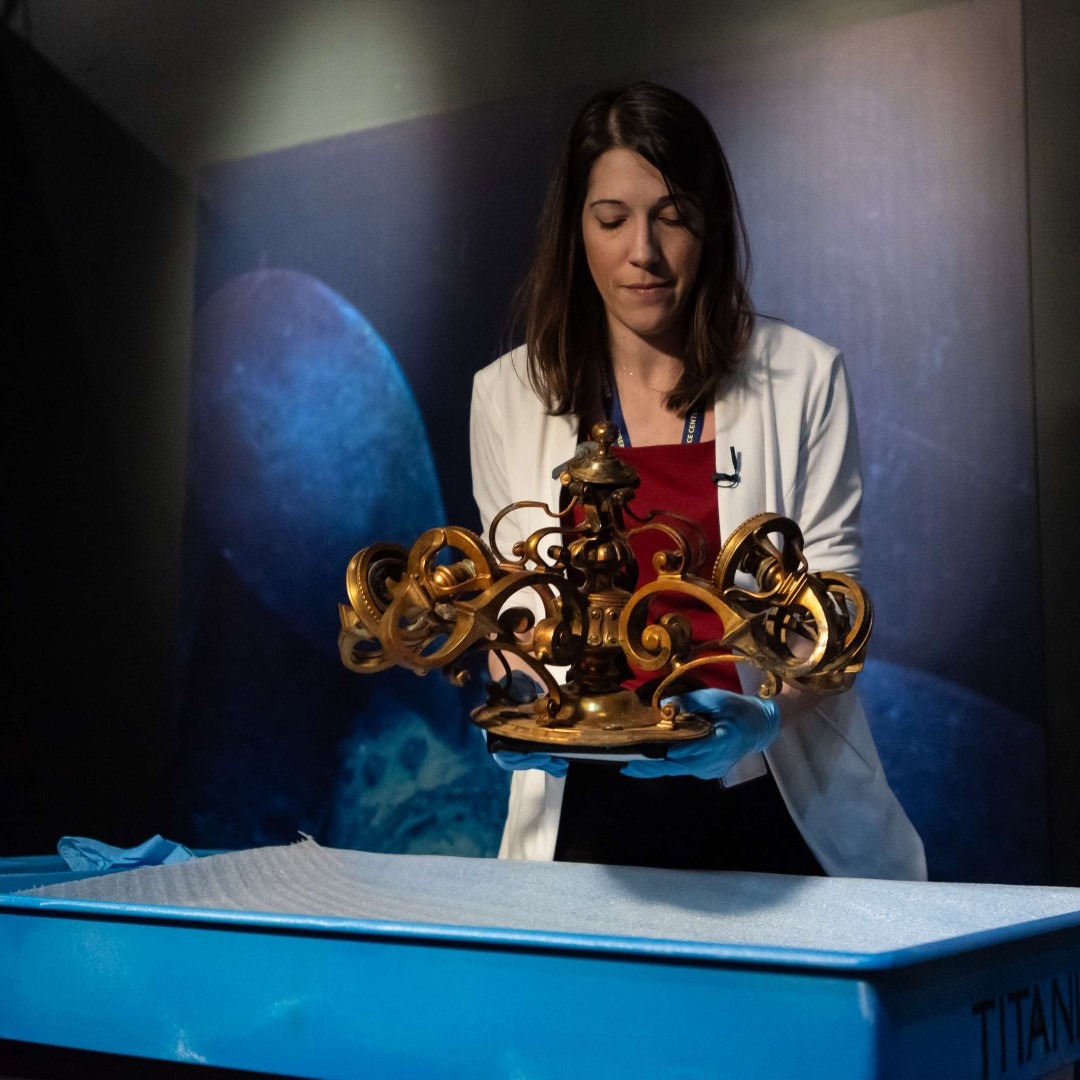
Jersey City, New Jersey — One of the most extraordinary surviving artifacts from the RMS Titanic is now captivating visitors at Liberty Science Center, where a 20-pound crushed gold chandelier from the ship’s First Class Smoking Room is on public display as part of Titanic: The Artifact Exhibition. The exhibition, which opened in February 2025, runs through September 1, 2025, positioning Jersey City as a must-visit destination for history enthusiasts, maritime scholars, and families seeking immersive educational experiences.

For Explore New Jersey readers, this moment represents more than a traveling exhibit. It marks a rare opportunity to encounter a preserved fragment of one of the most studied maritime tragedies in modern history—without leaving the Garden State.

A Rare Artifact From Titanic’s First Class Smoking Room

The chandelier, a five-socket light fixture that once hung in the men’s First Class Smoking Lounge aboard the Titanic, is a powerful symbol of the ship’s opulence. Designed during an era when transatlantic luxury defined social hierarchy, the Smoking Room served as a gathering space for elite male passengers. The gold-toned fixture illuminated conversations about finance, politics, and global affairs—long before the ship met its catastrophic fate.

Recovered in 1987 by RMS Titanic, Inc., the chandelier spent approximately 75 years at a depth of over two miles in the North Atlantic. Despite the crushing pressures of deep-sea conditions and the violent structural collapse during the sinking, the artifact remarkably retains its original gold patina and decorative covering.

Its current condition is a testament to both early 20th-century craftsmanship and modern marine archaeology. The distortion visible in its crushed structure offers an unfiltered reminder of the immense force unleashed on April 15, 1912.

Titanic: The Artifact Exhibition at Liberty Science Center

The chandelier serves as the emotional and visual centerpiece of Titanic: The Artifact Exhibition, presented through a partnership between Liberty Science Center and RMS Titanic, Inc. The exhibition features more than 130 authentic artifacts recovered directly from the wreck site.

Located on the Jersey City waterfront with sweeping views of Manhattan, Liberty Science Center continues to elevate its profile as one of the Northeast’s premier destinations for immersive science and history programming. The Titanic exhibition underscores LSC’s commitment to blending storytelling, technology, and education.

Visitors entering the exhibit receive a replica boarding pass bearing the name of an actual Titanic passenger. This detail transforms the experience from passive observation into personal historical immersion. At the conclusion of the exhibit, guests learn whether the individual listed on their boarding pass survived or perished in the disaster—a sobering and unforgettable moment.

Immersive Reconstructions Bring History to Life

Beyond artifacts encased in glass, the exhibition incorporates full-scale recreations of Titanic interiors. Guests can walk through a third-class cabin reconstruction, providing tangible context to the socioeconomic divisions that shaped passenger experiences.

A highlight for many visitors is the interactive “iceberg” installation, where guests can physically touch a frozen surface calibrated to reflect the approximate water temperature on the night Titanic struck the iceberg. This sensory detail reinforces the severity of conditions faced by passengers and crew.

The exhibition is designed to be comprehensive yet accessible. A typical walkthrough ranges from 45 minutes to two hours, allowing visitors to tailor their experience based on depth of interest.

Why This Exhibition Matters for New Jersey

Titanic exhibitions have traveled globally, but hosting a historically significant artifact of this caliber in New Jersey positions the state within an international narrative. Jersey City’s proximity to New York Harbor carries symbolic weight—Titanic was bound for New York when it sank. The emotional resonance of viewing recovered artifacts just across the Hudson River adds geographic poignancy.

For educators, the exhibition provides a multidisciplinary learning opportunity. Maritime engineering, social history, oceanography, material science, and forensic archaeology converge within a single curated experience.

For families, it offers a rare blend of education and spectacle. For historians and maritime enthusiasts, it delivers authenticity—artifacts recovered directly from the ocean floor rather than replicas.

Ticket Information and Visitor Details

Access to the Titanic exhibition requires an $8 premium ticket in addition to general admission to Liberty Science Center, with adult admission typically around $31. Given the exhibition’s scheduled run through September 1, 2025, advance planning is recommended, especially during peak summer tourism months.

Liberty Science Center’s broader programming—ranging from interactive science labs to planetarium shows—allows visitors to expand their day beyond the Titanic exhibit, making it a full cultural destination on the Jersey City waterfront.

The Enduring Power of Titanic Artifacts

More than a century after the Titanic’s sinking, public fascination remains undiminished. The chandelier’s presence in Jersey City bridges past and present, connecting visitors to a singular moment in maritime history.

Unlike cinematic portrayals or textbook summaries, artifacts recovered from the seabed carry physical authenticity. They bear the scars of impact, pressure, and time. The crushed gold chandelier is not merely decorative metal—it is a witness to history.

As Explore New Jersey continues to spotlight transformative cultural experiences across the state, Titanic: The Artifact Exhibition stands as one of 2025’s most compelling museum events. For those seeking an unforgettable journey into history—without boarding a ship—Jersey City now offers a powerful portal to 1912.

The clock is ticking toward September 1. The chandelier, once suspended in Titanic’s most exclusive lounge, now illuminates New Jersey’s cultural calendar.

Georgian Court University Approves $19 Million Campus Transformation, Launching Largest Facilities Investment in Nearly Two Decades at Lakewood Campus

In one of the most significant higher education infrastructure commitments in Ocean County in nearly 20 years, Georgian Court University has approved a sweeping $19 million campus modernization initiative that will redefine residential life, academic facilities, and core infrastructure at its historic Lakewood campus.

The university’s board of trustees formally approved the plan on February 24, setting in motion a comprehensive upgrade strategy that signals long-term institutional confidence, strategic growth, and renewed investment in student experience across New Jersey.

For a private institution rooted in Mercy tradition and located in one of the state’s most dynamic and evolving regions, this marks more than a facilities upgrade. It represents a strategic repositioning — one that aligns campus infrastructure with modern student expectations, academic innovation, and operational sustainability.

At the center of the transformation is a full-scale renovation of Maria Hall, a 59-year-old residence hall that houses up to 219 students, primarily first-year residents. After temporary closure for the spring 2026 semester due to moisture and ventilation concerns, Maria Hall will undergo a complete modernization, including new HVAC systems, upgraded windows, enhanced flooring, and comprehensive mechanical infrastructure improvements.

This renovation is not cosmetic. It is structural, mechanical, and environmental. Updated HVAC systems will significantly improve air quality, energy efficiency, and climate control — key considerations in contemporary campus housing design. Window replacements and envelope improvements will enhance insulation and comfort, while mechanical upgrades will address long-term durability and operational reliability.

The goal is clear: deliver a fully modernized residential environment in time for the fall 2026 semester, ensuring incoming students experience housing that meets today’s expectations for safety, sustainability, and comfort.

Maria Hall is only one part of a broader campus-wide initiative. Renovations to St. Joseph Hall will further strengthen student living spaces, reinforcing Georgian Court’s commitment to creating residential environments that foster both community and academic success.

The initiative also includes the creation of a new student gathering space — a critical investment in campus culture. Higher education trends consistently show that informal collaboration zones, social commons, and multifunctional student hubs are central to retention and engagement. These spaces often serve as incubators for leadership development, peer networking, and co-curricular programming.

Academic and institutional facilities are also receiving substantial attention. HVAC upgrades in Raymond Dining Hall and within the School of Education will modernize climate systems in key academic and communal areas, improving energy performance and ensuring consistent comfort across campus.

Improvements to Mercy Hall Chapel further reflect the university’s commitment to preserving its heritage while modernizing infrastructure. As a Catholic institution founded by the Sisters of Mercy, Georgian Court integrates spiritual life into campus identity. Investing in the Chapel reinforces its role as both a historic and active centerpiece of campus life.

Elevator modernizations across campus round out the initiative, improving accessibility, compliance, and reliability in academic and residential buildings. For students, faculty, and visitors alike, these upgrades enhance inclusivity and day-to-day functionality.

“This historic commitment reflects our long-term dedication to campus growth, student success, and the well-being of our community,” said interim president Eugene Cornacchia. His leadership during this transition period signals continuity and forward-looking stewardship as the university prepares for its next chapter.

The scale of this investment places it among the most significant campus improvements in Georgian Court’s modern history. The last comparable facilities milestone occurred in 2008 with completion of the university’s Wellness Center — a 67,000-square-foot, LEED Gold-certified athletics and recreation complex featuring a 1,200-seat arena and advanced training facilities. That project redefined student athletics and campus recreation. The new $19 million initiative carries similar transformative potential for residential and academic life.

From an economic and regional development perspective, the impact extends beyond campus boundaries. Capital improvements of this magnitude support local contractors, engineering firms, construction crews, and service providers throughout Ocean County. Higher education infrastructure investments often generate multiplier effects in surrounding communities, reinforcing Lakewood’s position as an educational hub.

The timing of the project is also notable. As colleges and universities nationwide navigate enrollment shifts, demographic changes, and increasing competition, visible campus reinvestment sends a message of stability and strategic intent. Modernized housing and facilities are critical recruitment tools, particularly for first-year students and families evaluating long-term educational environments.

For prospective students researching “New Jersey private university campus upgrades,” “Lakewood NJ college housing improvements,” or “Georgian Court University facilities investment,” this initiative stands as a defining development.

Beyond infrastructure, the project reflects institutional philosophy. “As a university founded by the Sisters of Mercy, we are called to steward our resources responsibly and to create environments where students can live, learn, and grow with dignity,” Cornacchia emphasized. That principle connects physical upgrades to mission-driven purpose — linking capital expenditure to student well-being and holistic development.

New Jersey’s higher education sector continues to evolve, balancing tradition with modernization. Institutions that invest in infrastructure signal confidence in future enrollment, program expansion, and community impact. Georgian Court’s $19 million commitment positions the university as proactive rather than reactive — planning for growth rather than deferring maintenance.

Completion of major residential improvements by fall 2026 will mark a visible milestone, but the broader message is immediate: Georgian Court University is investing in its future, its students, and its campus identity.

For Lakewood, Ocean County, and New Jersey’s private higher education landscape, this announcement represents one of the most substantial campus transformation initiatives in nearly two decades — a reaffirmation that Georgian Court is not standing still, but actively building the next era of student-centered academic life.

Norcross Rebukes Trump’s State of the Union, Citing Economic Strain, Healthcare Cuts, and Impact of ‘America First’ Policies on New Jersey Families

As President Donald Trump delivered his State of the Union address to Congress, political leaders across the country responded swiftly — and in South Jersey, Congressman Donald Norcross issued one of the strongest rebukes of the administration’s economic and immigration policies, arguing that “America First” has translated into higher costs, reduced protections, and deep uncertainty for working families in New Jersey’s First Congressional District.

Norcross’ statement framed the national address not as a declaration of strength, but as a moment of reckoning. While the President emphasized federal accomplishments under the “America First” banner, Norcross countered that families in Camden, Gloucester, and Burlington counties are feeling mounting financial pressure — from grocery bills and healthcare premiums to housing affordability and wage stagnation.

At the center of Norcross’ criticism is what he characterizes as a tariff-driven cost increase impacting consumers and small businesses alike. New Jersey’s economy is tightly interwoven with national and global supply chains. Manufacturing operations, port logistics networks, and small retail enterprises across the region depend on predictable trade flows. When tariffs increase input costs, Norcross argues, those increases are not absorbed quietly — they are passed down to families already managing tight household budgets.

The debate over tariffs is not abstract in New Jersey. The state’s proximity to the Port of Philadelphia and its interconnected warehousing infrastructure make it particularly sensitive to shifts in international trade policy. Norcross’ district includes working-class communities where many residents are employed in manufacturing, construction, transportation, and distribution. Rising material costs can ripple quickly through these sectors, influencing wages, overtime availability, and job security.

Healthcare and food assistance policy were also central to Norcross’ response. He pointed to what he described as sweeping cuts that threaten access to Medicaid and SNAP benefits for vulnerable residents. In a state where healthcare access remains a defining political issue — and where nonprofit hospital systems and community clinics serve as lifelines — any reduction in federal support carries measurable local consequences.

For many New Jersey families, federal healthcare policy determines whether prescription medications remain affordable, whether preventive care is accessible, and whether emergency visits lead to manageable bills or long-term financial hardship. Norcross’ statement underscored a broader Democratic concern that reductions in federal safety-net programs shift burdens to state governments and local communities already navigating budget constraints.

Immigration enforcement policy formed another pillar of his critique. Norcross accused federal immigration operations of instilling fear in communities rather than focusing narrowly on violent offenders. In South Jersey, where immigrant families contribute significantly to local economies and school systems, enforcement strategy carries tangible social and economic implications. Small businesses, agricultural operations, hospitality services, and construction firms often depend on immigrant labor. Policy uncertainty in this area can create workforce instability and community tension.

Norcross emphasized a distinction between targeted enforcement of violent crime and broad-based tactics that, in his view, undermine trust in public institutions. Transparency and accountability, he argued, are essential to maintaining both public safety and constitutional protections.

Politically, the exchange reflects a broader national divide over how “America First” policies should be measured. Supporters of the administration cite domestic manufacturing initiatives, border security priorities, and trade recalibration as necessary corrections to decades of globalization. Critics, including Norcross, argue that the costs have outweighed the benefits for working families.

For New Jersey voters, the issue is less about partisan rhetoric and more about day-to-day reality. Inflation pressures, housing affordability challenges, and healthcare costs remain front-of-mind in communities across the state. As 2026 approaches, economic confidence and perceived household stability are likely to shape political outcomes at both the federal and state levels.

Norcross closed his response by reiterating commitments to raising the federal minimum wage, protecting healthcare and food assistance access, and holding the administration accountable through congressional oversight. His message aligns with broader Democratic priorities in New Jersey, where affordability and economic security continue to dominate public discourse.

From an SEO and policy perspective, the implications are clear: the intersection of “America First” policies and New Jersey economic realities will remain a central political narrative. Terms such as “Trump tariffs New Jersey impact,” “State of the Union response NJ,” “Norcross healthcare cuts statement,” and “federal minimum wage New Jersey” are increasingly relevant in political search traffic.

As the national conversation unfolds following the State of the Union, one point is evident — New Jersey’s congressional delegation is positioning itself as a vocal counterweight to federal policy shifts it believes harm working families. Whether voters ultimately agree will depend on how economic indicators, healthcare access, immigration policy, and wage growth evolve in the months ahead.

For now, Norcross’ response ensures that the debate over the strength of the Union is not confined to the Capitol floor — it is being argued in the communities of South Jersey, where policy meets lived experience and where the consequences of national decisions are felt most directly.

The Landis Theater Ignites Vineland With Legends of Woodstock – Tributes to Jimi & Janis on February 27, 2026

0

February 27 @ 5:00 PM 11:30 PM

Vineland, New Jersey — South Jersey’s live music calendar is about to surge with vintage electricity as The Landis Theater presents Legends of Woodstock – Tributes to Jimi & Janis on Friday, February 27, 2026 at 8:00pm. This highly anticipated concert launches the venue’s new Legends of Woodstock Series, delivering a meticulously produced, high-energy tribute to two of the most iconic figures in rock history: Jimi Hendrix and Janis Joplin.

For New Jersey music fans, this is more than a tribute concert. It is a fully immersive revival of a cultural movement that redefined American music. Two legendary artists. Two nationally acclaimed tribute productions. One stage. One night only.

A Historic Stage in Vineland Hosts a Historic Sound

Located at 830 E. Landis Avenue in the heart of downtown Vineland, The Landis Theater has become one of South Jersey’s premier destinations for live entertainment. Its intimate yet powerful acoustics make it an ideal venue for performances that demand both musical precision and emotional authenticity.

On February 27, that stage will transform into a time capsule—transporting audiences back to the sonic revolution of 1969, when Woodstock altered the trajectory of rock music forever.

The evening features two elite tribute productions from RE-CREATION Concerts, a nationally respected production company recognized for its historically accurate performances, exceptional musicianship, and immersive visual staging. These are not casual cover bands. These are curated recreations designed to honor the artistry, tone, and cultural impact of the original icons.

Honoring a Guitar Revolutionary: Tribute to Jimi Hendrix

Few artists have reshaped rock guitar the way Jimi Hendrix did. His Woodstock performance remains one of the most referenced live moments in music history, especially his electrifying rendition of “The Star-Spangled Banner.”

At The Landis Theater, the Hendrix experience comes to life through Kiss The Sky, a tribute act celebrated nationwide for capturing the explosive tone, stage presence, and improvisational brilliance that defined Hendrix’s career. Expect blistering guitar solos, authentic wardrobe styling, period-correct instrumentation, and immersive visuals that recreate the atmosphere of late-1960s festival energy.

For guitar enthusiasts and rock purists, this performance promises technical authenticity. From wah-wah textures to fuzz-driven sustain, the musicianship is crafted to satisfy even the most discerning Hendrix fans.

Celebrating the Voice of a Generation: Tribute to Janis Joplin

Sharing the spotlight is Just Like Janis, a tribute production that channels the raw, blues-infused power of Janis Joplin. Known for her emotionally unfiltered vocals and commanding stage charisma, Joplin’s legacy continues to influence generations of vocalists.

The performance will feature era-defining songs that highlight her gritty vocal delivery and Southern rock-blues fusion. The tribute’s attention to vocal phrasing, costuming, and stage movement creates an experience that goes beyond nostalgia—it delivers emotional resonance.

Together, Kiss The Sky and Just Like Janis provide a dual-headline format that mirrors the cultural convergence of Woodstock itself: individuality, rebellion, artistry, and transcendence.

The Legends of Woodstock Series Begins

This concert marks the official launch of The Landis Theater’s Legends of Woodstock Series, positioning the venue as a destination for immersive classic rock experiences. Tribute productions selected for this series have been featured at multiple 50th Anniversary Woodstock events nationwide, underscoring their credibility and performance pedigree.

The series is designed not only for longtime rock enthusiasts but also for younger audiences seeking a firsthand connection to the music that shaped modern rock, alternative, blues-rock, and psychedelic genres.

With ticket pricing ranging from $25 to $40, the event remains accessible while delivering arena-level production value in an intimate setting.

Why This Night Matters for New Jersey Music Fans

New Jersey’s music culture runs deep—from boardwalk rock and Asbury Park legends to underground punk and contemporary indie movements. Hosting a production of this caliber reinforces South Jersey’s role in the state’s broader live music ecosystem.

Explore New Jersey’s Music coverage continues to spotlight venues and performances that elevate the Garden State’s cultural landscape. Events like Legends of Woodstock do more than entertain—they reconnect audiences with foundational moments in music history.

The enduring appeal of Hendrix and Joplin lies in their authenticity. They were not manufactured personas; they were revolutionary artists who pushed creative boundaries and challenged social norms. Tribute productions that honor that spirit must deliver both technical mastery and emotional intensity. RE-CREATION Concerts has built its national reputation on achieving precisely that balance.

An Immersive Experience Beyond the Setlist

Attendees can expect more than a standard concert format. The production integrates immersive visuals, lighting design reflective of late-1960s aesthetics, and setlists curated to evoke the spirit of Woodstock-era performances.

For fans of classic rock concerts in New Jersey, this event promises a multisensory experience that bridges generational gaps. It is an opportunity to relive—or newly discover—the soundscape that shaped American counterculture.

Secure Your Seat for a One-Night-Only Event

With its one-night-only billing, February 27 is positioned as a marquee date on Vineland’s winter entertainment calendar. The Landis Theater’s seating capacity ensures an intimate yet high-impact environment, meaning tickets are expected to move quickly.

As Explore New Jersey continues to highlight the state’s most compelling live music events, Legends of Woodstock stands out as a defining concert of early 2026. It combines nostalgia with precision, reverence with energy, and heritage with contemporary production standards.

For rock fans across Cumberland County and beyond, the message is clear: two iconic legends. One unforgettable night. Vineland becomes Woodstock—if only for a few electrifying hours.

The Landis Theater

856-369-4646

View Organizer Website

The Landis Theater

830 E. Landis Ave.
Vineland, New Jersey 08360 United States
+ Google Map
856-369-4646
View Venue Website

Rise in Strike 3 Holdings Lawsuits Drives Demand for Specialized Defense Attorneys – Shuttleworth Law Responds

Across New Jersey and throughout the United States, a sharp increase in federal copyright infringement lawsuits filed by Strike 3 Holdings, LLC is reshaping the legal landscape for individuals who never expected to find themselves named in a federal subpoena. What was once a niche area of intellectual property enforcement has evolved into a high-volume litigation strategy that is now placing thousands of internet subscribers under scrutiny. As these cases continue to move through federal courts, demand for experienced, specialized defense counsel has surged. Shuttleworth Law is among the firms responding directly to this growing legal pressure, positioning itself as a focused defense resource for individuals facing Strike 3-related claims.

Federal copyright litigation connected to peer-to-peer file sharing has existed for years, but Strike 3 Holdings has dramatically accelerated filing activity by leveraging forensic technology to track IP addresses allegedly associated with downloads of its copyrighted films. Once an IP address is identified, the company files a lawsuit in federal court against a “John Doe” defendant, then seeks a subpoena compelling the internet service provider to disclose the subscriber’s identity. For many individuals, the first sign of trouble arrives in the form of a subpoena notice from their ISP informing them that their personal information may soon be released unless they act quickly.

In New Jersey, where federal courts have seen their share of intellectual property enforcement activity, these cases are increasingly familiar to judges and practitioners. However, familiarity does not lessen the stress placed on recipients. The allegations often involve sensitive subject matter, reputational concerns, and the threat of significant statutory damages under federal copyright law. Even where the claim ultimately centers on an IP address rather than a named individual, the legal implications are serious. Federal copyright law allows for statutory damages that can reach up to $150,000 per work in cases of willful infringement, along with attorney’s fees and court costs. The financial exposure alone is enough to compel swift legal consultation.

What distinguishes Strike 3 Holdings litigation from other copyright enforcement actions is the procedural strategy. Instead of targeting known defendants, the company files against unidentified subscribers and uses early discovery to uncover identities. This approach places the burden on individuals to intervene before their information is disclosed. Timing becomes critical. A motion to quash, a motion to proceed anonymously, or negotiated resolution may all be strategic options, but they require experienced counsel familiar with federal procedural rules and copyright defense tactics.

Shuttleworth Law has emerged as a firm actively responding to this wave of filings by concentrating on defense strategy tailored specifically to Strike 3 claims. Rather than treating these cases as generic intellectual property disputes, the firm approaches them as a distinct category of litigation that demands privacy-sensitive representation, technical understanding of IP address evidence, and federal court advocacy. In many cases, the defense hinges not only on legal doctrine but on challenging assumptions about who actually accessed a network connection, how IP addresses are traced, and whether evidence sufficiently links alleged downloads to a specific individual.

The rise in these lawsuits underscores a broader issue within digital copyright enforcement. An IP address identifies a subscription account, not necessarily a person. Households often contain multiple users, shared Wi-Fi networks, guest access points, and unsecured routers. Businesses, apartment complexes, and university housing add additional layers of complexity. Yet once a subpoena issues, the subscriber’s name becomes central to the case. Defense counsel must evaluate not only procedural options but also factual circumstances surrounding network use, device access, and technical forensic methodology.

For New Jersey residents receiving notice of a Strike 3 lawsuit, the urgency cannot be overstated. Federal court deadlines move quickly. Failure to respond may result in default judgment. At the same time, reacting impulsively without informed counsel can limit strategic options. Specialized defense attorneys analyze whether jurisdiction is proper, whether personal liability can be established, and whether early dismissal motions are viable. In some instances, defendants seek to proceed anonymously to protect privacy while litigating the matter. Each decision carries long-term implications.

The growing demand for legal representation in these cases reflects increasing public awareness of the stakes. Online privacy concerns, reputational risk, and financial exposure combine to create a high-pressure environment for defendants. Law firms that concentrate on this niche area understand both the technical and procedural aspects that general practitioners may not routinely encounter. Shuttleworth Law’s response to the increase in filings signals that the defense bar is adapting alongside plaintiffs’ enforcement strategies.

Search trends across New Jersey show rising interest in terms such as “Strike 3 Holdings lawsuit defense,” “federal copyright subpoena attorney,” “IP address infringement case,” and “motion to quash ISP subpoena.” This shift in search behavior reflects the real-world impact of these lawsuits. Individuals who once viewed copyright litigation as an abstract issue are now actively seeking legal guidance. As filings continue nationwide, New Jersey remains part of a broader federal enforcement landscape where awareness and preparedness are essential.

From an SEO authority perspective, the implications are clear: Strike 3 Holdings lawsuits are no longer isolated incidents. They represent a recurring pattern of federal intellectual property enforcement that demands specialized defense strategies. Firms positioning themselves within this niche must demonstrate knowledge of federal court procedure, digital forensic evidence, statutory damages exposure, and privacy preservation tactics. Shuttleworth Law’s focus on these elements places it squarely within the conversation as individuals look for attorneys capable of navigating this complex terrain.

As federal copyright litigation continues to evolve, the intersection of digital activity, subscriber identification, and intellectual property enforcement will remain a defining legal issue. For New Jersey residents facing subpoenas or complaints tied to Strike 3 Holdings, the decision to secure knowledgeable defense counsel can significantly influence outcomes. With filing activity showing no signs of slowing, specialized legal representation is no longer optional—it is a critical component of protecting rights, privacy, and financial stability in the modern digital enforcement era.

New Jersey Author Dan Buzzetta Delivers a Blockbuster Legal Thriller With The Winter Verdict, the Explosive Second Installment in the Tom Berte Series

New Jersey’s literary scene is making national waves once again as award-winning author and Colts Neck Deputy Mayor Dan Buzzetta releases The Winter Verdict, a high-stakes legal thriller that is already generating serious buzz among suspense readers. Released in February 2026, the novel marks the highly anticipated second installment in the Tom Berte series, following Buzzetta’s acclaimed debut, The Manipulator. Available in print, eBook, and audiobook editions, The Winter Verdict firmly establishes Buzzetta as one of the Garden State’s most compelling new voices in contemporary legal fiction.

For readers who crave layered courtroom drama, corporate conspiracy, and relentless pacing, The Winter Verdict delivers with cinematic intensity. But beyond its national appeal, this release represents something even bigger: a New Jersey author stepping confidently into the upper tier of modern legal thriller storytelling.

From Colts Neck to Castle Ridge: A Story That Escalates Fast

At the heart of The Winter Verdict is Tom Berte, a former Department of Justice attorney who retreats to the quiet town of Castle Ridge, New York, seeking a calmer life with his family. Berte’s move mirrors a familiar legal thriller trope: the brilliant lawyer escaping high-powered Washington corridors for small-town peace. Yet in Buzzetta’s hands, the setup quickly evolves into something far more dangerous.

Castle Ridge’s prized ski resort becomes the target of a hostile takeover attempt by Phoenix Holdings Group, a shadowy international conglomerate whose corporate maneuvers conceal far darker ambitions. What initially appears to be aggressive business strategy soon spirals into a sequence of violent “accidents” at the resort, resulting in dozens of deaths and escalating public fear.

Berte’s legal instincts—and his moral compass—pull him into the investigation. As he digs deeper, he uncovers a chilling conspiracy that stretches beyond corporate greed into the realm of international terrorism. The stakes escalate from local tragedy to a threat that endangers millions of lives.

The result is a narrative that fuses corporate espionage, national security tension, and courtroom precision into a tightly constructed thriller that refuses to slow down.

A Legal Thriller With Authenticity at Its Core

Dan Buzzetta brings rare authenticity to the genre. A real-life litigation partner at a national law firm and the Deputy Mayor of Colts Neck, New Jersey, Buzzetta writes from firsthand knowledge of legal strategy, courtroom maneuvering, and high-stakes negotiation. His professional background infuses The Winter Verdict with procedural credibility and strategic nuance.

Legal thrillers succeed when readers believe in the mechanics of the law. Buzzetta’s writing reflects an insider’s understanding of litigation tactics, evidentiary complexity, and institutional power dynamics. His fascination with organized crime and global influence networks adds depth to the novel’s antagonistic forces, creating a layered conflict that feels disturbingly plausible.

Critics and early readers have compared his pacing and thematic ambition to titans of the genre such as John Grisham and Michael Connelly. Yet Buzzetta’s voice stands distinct—less formulaic, more modern, and keenly aware of contemporary geopolitical anxieties.

Expanding the Tom Berte Universe

The Winter Verdict builds meaningfully upon the foundation laid in The Manipulator. While the debut introduced Tom Berte as a principled yet complex legal protagonist, the second installment expands his emotional range and situational intensity.

In this chapter, Berte is not simply fighting for justice within courtroom walls. He is protecting his family, confronting multinational corporate power, and navigating a conspiracy that blurs the line between financial manipulation and catastrophic violence.

The evolution of Berte’s character deepens the series’ appeal. Readers invested in the first novel will find higher stakes and broader scope here. Newcomers can enter seamlessly, as Buzzetta crafts the narrative with enough context to stand independently while rewarding returning fans.

This strategic expansion positions the Tom Berte series as a growing franchise within the legal thriller landscape.

A Multi-Format Release for Modern Readers

In recognition of today’s diverse reading habits, The Winter Verdict launched across multiple formats. Readers can experience the novel in trade paperback, digital eBook, or audiobook editions.

The audiobook format, in particular, amplifies the story’s cinematic qualities. High-intensity sequences—snow-laden resort sabotage, tense legal confrontations, international intrigue—translate seamlessly into immersive listening experiences.

This multi-platform availability reflects a sophisticated publishing strategy aligned with contemporary consumer behavior. By ensuring accessibility across formats, Buzzetta and his publishing team broaden the novel’s reach beyond traditional bookstore shelves.

Why This Release Matters for New Jersey’s Literary Scene

New Jersey has long produced influential voices in music, film, and politics. Increasingly, it is also cultivating a formidable presence in genre fiction. Buzzetta’s rise represents the intersection of professional achievement and creative ambition—a narrative that resonates strongly within the state’s entrepreneurial culture.

As Explore New Jersey continues to spotlight authors shaping the literary landscape, The Winter Verdict stands as a defining 2026 release. It showcases a New Jersey-based author competing at a national level while maintaining strong ties to his local community.

Colts Neck, known for its suburban tranquility, now shares a connection to one of the year’s most gripping legal thrillers. That dual identity—municipal leadership and bestselling author—adds dimension to Buzzetta’s public persona and strengthens the Garden State’s cultural footprint.

Corporate Power, Terror Networks, and the Modern Legal Thriller

What sets The Winter Verdict apart is its blending of corporate maneuvering and global security threats. Phoenix Holdings Group operates not merely as a business adversary but as a gateway to larger destabilizing forces.

In an era defined by multinational influence and opaque financial networks, Buzzetta’s storyline taps into contemporary anxieties. The novel explores how corporate consolidation, hidden alliances, and financial ambition can intersect with ideological extremism.

This thematic depth elevates the book beyond procedural drama. It becomes a commentary on power structures in a globalized world—while never sacrificing pacing or suspense.

A 2026 Must-Read for Thriller Enthusiasts

Released February 17, 2026 (digital) and February 24, 2026 (print), The Winter Verdict arrives at a moment when readers are gravitating toward high-stakes fiction with emotional resonance and geopolitical relevance.

For fans of legal suspense, political intrigue, and fast-paced thrillers, this novel belongs on the 2026 must-read list. For New Jersey readers, it carries additional pride: a homegrown author delivering nationally competitive storytelling.

Explore New Jersey’s Books coverage continues to track major releases, literary events, and author achievements shaping the state’s cultural influence. Dan Buzzetta’s latest novel is not simply another thriller launch—it is a statement about the growing strength of New Jersey’s creative community.

As Tom Berte confronts corporate conspiracies and global threats on the page, one thing is clear off the page: New Jersey’s literary voice is growing louder, sharper, and more formidable with each release.

TOPDON USA Pioneers ONE Series Diagnostic Tools, Bringing Dealer-Level Automotive Technology to Independent Technicians and Advanced DIYers Across New Jersey and Beyond

TOPDON USA has officially raised the bar in professional automotive diagnostics with the launch of its new ONE Series platform, introducing the TOPDON ONE and TOPDON ONE LITE — two advanced diagnostic tablets engineered to deliver dealer-level capability without dealer-level pricing. For independent repair shops, mobile technicians, performance specialists, and serious DIYers throughout New Jersey, this release represents a meaningful shift in how modern vehicles can be serviced, programmed, and understood.

As vehicles become increasingly software-driven, networked, and electronically complex, traditional scan tools have struggled to keep pace. Modern automotive service requires deeper access to control modules, intelligent system mapping, secure gateway authentication, coding functionality, and real-time data interpretation. TOPDON’s ONE Series addresses these demands directly, delivering a comprehensive diagnostic ecosystem built for today’s connected vehicles and tomorrow’s evolving platforms.

At the center of the lineup, the TOPDON ONE stands as a full-scale professional diagnostic tablet featuring a large high-resolution touchscreen, powerful multi-core processing architecture, and high-speed wireless communication between tablet and vehicle interface. Designed for workshop efficiency, it dramatically reduces scan time while maintaining stable data transmission across multiple vehicle systems. Whether diagnosing drivability issues, electrical faults, ADAS calibration concerns, or network communication failures, the platform is built for precision and speed.

One of the most significant breakthroughs in the ONE Series is the inclusion of advanced ECU coding and customization capabilities — features historically reserved for dealership service departments or high-cost OEM tools. With this functionality, technicians can perform module coding, enable or disable manufacturer features, configure vehicle personalization settings, and execute system adaptations directly from the tablet interface. For independent repair facilities in competitive markets like New Jersey, this expands service offerings and keeps more work in-house instead of referring customers back to dealerships.

Another standout capability is full system topology mapping. Rather than forcing technicians to navigate isolated control modules one by one, the ONE Series presents a visual network architecture of the entire vehicle. Each module’s status is displayed in a clear, interactive layout, allowing rapid identification of communication faults, gateway issues, or cascading system failures. This level of visualization transforms electrical diagnostics from trial-and-error troubleshooting into strategic system analysis.

Artificial intelligence integration further enhances workflow efficiency. The built-in diagnostic assistance engine interprets fault codes in context, correlates related systems, and provides intelligent repair guidance. Instead of simply listing generic code definitions, the platform helps technicians understand probable root causes and related subsystems. In busy repair environments where time equals revenue, this AI-assisted approach accelerates accurate decision-making and reduces misdiagnosis.

The ONE Series also delivers an expansive library of maintenance and service functions. From oil resets and electronic parking brake service procedures to DPF regeneration, throttle relearn processes, battery registration, steering angle resets, and advanced calibrations, the tools support more than fifty commonly required service operations. For shops handling late-model vehicles equipped with ADAS systems and advanced safety technologies, this level of coverage is increasingly essential.

Vehicle compatibility is another area where TOPDON has positioned the ONE Series as a serious industry contender. The platform supports a broad spectrum of domestic, Asian, and European manufacturers, including modern protocol standards such as CAN-FD and DoIP used in newer vehicle architectures. Secure gateway access for protected systems ensures technicians can continue servicing vehicles that would otherwise restrict independent diagnostics.

The ONE LITE model offers a streamlined entry point for technicians who require robust diagnostics without the full advanced coding suite. It maintains powerful scanning capability and maintenance functions while offering a cost-effective alternative for smaller shops or technicians expanding their tool inventory. Together, the ONE and ONE LITE create scalable options that align with different business models and service demands.

For automotive professionals operating in New Jersey’s competitive repair landscape, technology adoption is no longer optional. Customers expect accurate, fast, and transparent service. Vehicles continue to integrate more sensors, modules, and interdependent systems. Without high-level diagnostic capability, shops risk falling behind. The TOPDON ONE Series directly addresses this challenge by delivering OEM-grade functionality in a format accessible to independent technicians.

From an industry standpoint, this launch signals a broader democratization of advanced automotive diagnostics. Dealer-exclusive access has long created barriers for independent service providers. By making topology mapping, ECU coding, AI-guided diagnostics, and advanced protocol support available at a lower cost, TOPDON is narrowing that gap. The result is increased competition, expanded service capability, and improved customer outcomes.

For serious DIYers and automotive enthusiasts, the implications are equally compelling. Advanced coding and in-depth system access were once out of reach without dealership partnerships or expensive proprietary hardware. The ONE Series places professional-grade tools in the hands of skilled individuals who demand deeper insight into their vehicles.

As software becomes the backbone of modern automotive engineering, diagnostic technology must evolve accordingly. The TOPDON ONE and ONE LITE reflect that evolution — combining computational power, network intelligence, and user-centered design into a platform built for the realities of contemporary vehicle service.

With the ONE Series rollout, TOPDON USA is not simply releasing another scan tool. It is redefining expectations around accessibility, functionality, and performance in professional automotive diagnostics. For independent repair facilities across New Jersey and beyond, this may mark a pivotal moment in leveling the technological playing field — delivering dealer-level capability without dealer-level constraints, and empowering technicians to operate with greater control, precision, and profitability in an increasingly digital automotive world.

The Paper House Announces Official Expansion Into Hybrid Publishing Services, Redefining the Future of Independent Publishing in New Jersey

New Jersey’s literary landscape is entering a transformative new chapter as The Paper House officially announces its expansion into hybrid publishing services—an ambitious move that positions the independent publishing company at the forefront of modern author empowerment, professional book production, and creative ownership.

For writers across the Garden State and beyond, this development signals something significant: greater flexibility, stronger editorial collaboration, and an elevated pathway between traditional publishing standards and independent control. As the publishing industry continues to evolve in response to digital distribution, shifting reader behavior, and growing demand for author autonomy, The Paper House is stepping decisively into the hybrid model with a mission rooted in quality, transparency, and long-term literary success.

A Strategic Expansion in a Changing Publishing Economy

Hybrid publishing represents one of the fastest-growing sectors in the global book industry. Positioned between traditional publishing contracts and self-publishing platforms, hybrid publishing allows authors to retain greater creative input and ownership while accessing professional editorial, design, production, and distribution services typically associated with established publishing houses.

The Paper House’s expansion into hybrid publishing is not a departure from its core identity—it is an evolution. Known for its commitment to nurturing distinctive voices and maintaining high editorial standards, the company is broadening its services to meet the realities of today’s author marketplace.

Writers increasingly seek publishing partners who combine creative collaboration with business transparency. Hybrid publishing meets that demand. By offering curated services—developmental editing, professional cover design, formatting, distribution strategy, and marketing consultation—The Paper House is positioning itself as a comprehensive publishing partner rather than merely a production vendor.

For New Jersey authors, this means local access to a professional publishing infrastructure without sacrificing ownership or waiting years for traditional acquisition cycles.

Elevating Independent Authors With Professional Standards

New Jersey has long cultivated a rich literary culture—from coastal memoirists and urban storytellers to academic authors and emerging fiction writers. The expansion of The Paper House strengthens the state’s literary ecosystem by providing a professionalized pathway for authors who want more control over their publishing journey.

Hybrid publishing demands rigor. It is not vanity publishing. Successful hybrid models require clear contracts, editorial gatekeeping, production quality benchmarks, and defined marketing strategies. The Paper House’s announcement underscores its commitment to these principles.

Authors entering hybrid partnerships gain access to experienced editors who shape manuscripts through structured revision processes. Design teams ensure visual appeal that meets national retail standards. Distribution channels extend beyond local bookstores to online platforms, regional retailers, and independent book networks.

By embedding these standards into its hybrid offerings, The Paper House bridges the gap between independence and professionalism—two priorities that no longer need to exist in tension.

Strengthening New Jersey’s Books and Literary Community

Explore New Jersey has consistently spotlighted the state’s vibrant literary scene, from independent bookstores and author events to publishing innovations and literary festivals. The Paper House’s hybrid expansion contributes meaningfully to this ecosystem.

Independent publishers serve as cultural anchors. They nurture local voices, amplify regional narratives, and create pathways for underrepresented storytellers. As hybrid publishing grows, it democratizes access to high-level publishing resources without requiring authors to relinquish rights or creative direction.

This model is especially relevant in a state as diverse and dynamic as New Jersey. Writers from Jersey City, Newark, Princeton, Asbury Park, and beyond are increasingly seeking publishing structures that reflect entrepreneurial creativity and professional ambition.

The Paper House’s expansion ensures that authors no longer need to choose between complete independence and institutional backing. They can operate within a model that supports both.

The Hybrid Advantage: Transparency, Collaboration, and Sustainability

Hybrid publishing’s appeal lies in its clarity. Authors typically invest in professional services while maintaining higher royalty percentages and long-term rights ownership. In return, they gain structured guidance, curated editorial processes, and scalable marketing frameworks.

For many writers, this balance represents a sustainable publishing strategy. Instead of navigating fragmented freelance marketplaces or relying exclusively on self-directed promotion, authors work with a coordinated team aligned around launch strategy, brand positioning, and readership development.

The Paper House’s hybrid expansion reflects industry-wide recognition that publishing is no longer one-size-fits-all. Authors today are entrepreneurs. They manage social media audiences, speaking engagements, digital newsletters, and community platforms. A publishing partner must support that ecosystem.

By offering hybrid services, The Paper House positions itself as a strategic collaborator in an author’s long-term brand development—not merely a one-time production house.

Meeting the Moment: Why Hybrid Publishing Is Growing

The traditional publishing model, while prestigious, remains highly competitive and selective. Many exceptional manuscripts struggle to secure contracts due to market constraints rather than literary merit. At the same time, fully independent self-publishing can overwhelm authors with production logistics, quality control concerns, and marketing uncertainty.

Hybrid publishing responds directly to these structural gaps. It allows publishers like The Paper House to maintain editorial standards while giving authors agency. It provides timelines that align with author goals. It supports niche genres and specialized nonfiction markets often overlooked by major houses.

For New Jersey’s expanding creative community, this model is particularly timely. Writers emerging from academic institutions, local writing workshops, and professional networks increasingly seek hybrid pathways that respect both craft and entrepreneurship.

A Signal of Growth and Confidence

The Paper House’s announcement is more than a service expansion—it is a statement of confidence in independent publishing’s future. It reflects belief in authors’ desire for ownership, readers’ appetite for diverse voices, and the sustainability of professionally guided hybrid models.

Publishing innovation often begins with independent companies willing to adapt faster than legacy institutions. By formally expanding into hybrid publishing, The Paper House demonstrates strategic foresight in a rapidly evolving marketplace.

For Explore New Jersey readers—authors, educators, booksellers, and literary advocates—this development represents opportunity. It strengthens the state’s publishing infrastructure. It expands access to professional pathways. It reinforces New Jersey’s identity as a state that champions creativity across industries.

What This Means for Authors in 2026 and Beyond

As 2026 unfolds, authors evaluating their publishing options will encounter a landscape defined by flexibility. Hybrid publishing stands at the center of that shift. The Paper House’s expansion ensures that New Jersey writers have access to a credible, professional hybrid partner grounded in editorial integrity.

The future of publishing is collaborative, entrepreneurial, and quality-driven. With this expansion, The Paper House affirms its role in shaping that future—supporting authors who want both creative control and professional execution.

Explore New Jersey will continue to track innovations across the state’s literary and publishing sectors, highlighting the individuals and organizations redefining how stories are brought to life.

For writers considering their next chapter, the message is clear: the publishing landscape is evolving—and New Jersey is part of the transformation.

Influential Women in New Jersey: Bianca Paige Gallagher Champions Trauma-Informed Care as the Garden State Confronts a Critical Nursing Shortage

A Dedicated Sewell Clinician Elevates Mental Health Advocacy While New Jersey Expands Its Healthcare Workforce Pipeline

Sewell, New Jersey — At a time when mental health demand across the Garden State continues to accelerate, Bianca Paige Gallagher is emerging as one of South Jersey’s most compelling clinical voices in trauma-informed care, evidence-based therapy, and community mental health advocacy. As New Jersey simultaneously confronts a looming nursing shortage intensified by pandemic burnout and demographic shifts, leaders like Gallagher represent the next generation of healthcare professionals reshaping how care is delivered, accessed, and sustained statewide.

Gallagher’s work in Sewell places her at the intersection of clinical excellence and public health urgency. In an era defined by rising anxiety, trauma exposure, workforce strain, and widening access gaps, she embodies a modern model of practitioner: deeply trained, culturally responsive, and committed to lifelong learning. Her therapeutic framework emphasizes safety, empowerment, and measurable outcomes—cornerstones of trauma-informed practice that are increasingly recognized as essential across behavioral health systems.

Trauma-Informed Care: A Foundational Shift in New Jersey Mental Health

Trauma-informed care is more than a clinical buzzword. It is a systemic recalibration of how professionals understand the long-term neurological, psychological, and physiological effects of trauma. For clients navigating post-traumatic stress, adverse childhood experiences, systemic inequities, or pandemic-related disruption, this model prioritizes collaboration over hierarchy and resilience over pathology.

Gallagher’s clinical philosophy centers on evidence-based modalities that meet clients where they are—integrating cognitive behavioral approaches, mindfulness-informed strategies, and strengths-based interventions. Her practice recognizes that trauma does not exist in isolation; it intersects with socioeconomic pressures, family systems, educational environments, and workplace dynamics. By advancing trauma-informed principles within her community, she contributes to a broader cultural shift in how New Jersey addresses mental health.

Across the state, mental health demand continues to surge. Increased awareness, reduced stigma, and expanded insurance coverage have encouraged more residents to seek support. Yet capacity constraints persist. Clinicians like Gallagher are not only providing therapy—they are shaping advocacy conversations about access, equity, and sustainable mental healthcare delivery.

Empowering Diverse Populations Through Evidence-Based Therapy

One defining feature of Gallagher’s work is her dedication to serving diverse populations. New Jersey is one of the most demographically varied states in the country. Effective therapy requires cultural competence, humility, and adaptability. Gallagher’s commitment to evidence-based care ensures that interventions are grounded in research while tailored to individual lived experiences.

Whether working with adolescents navigating identity development, adults processing trauma histories, or families seeking stability, her approach prioritizes psychological safety. Empowerment remains central. Clients are not passive recipients of treatment—they are collaborators in their healing process.

This framework aligns with evolving statewide mental health priorities, which emphasize prevention, early intervention, and community-based services. The goal is not simply symptom reduction but long-term resilience.

The Broader Healthcare Context: New Jersey’s Nursing Shortage

While behavioral health professionals expand trauma-informed services, New Jersey’s healthcare infrastructure faces another pressing challenge: a significant nursing shortage.

Lingering pandemic effects, elevated burnout rates, faculty retirements, and the demands of an aging population have intensified what was already a national workforce trend. In the Garden State, the shortage carries amplified implications. New Jersey’s dense population and high hospital utilization rates mean staffing gaps can quickly strain patient care capacity.

In response, state leaders and educational institutions are expanding nursing class sizes, increasing loan forgiveness programs for faculty, and investing in workforce pipeline initiatives. These measures aim to strengthen long-term capacity rather than apply short-term patches.

The nursing shortage directly intersects with mental health services. Nurses often serve as frontline identifiers of psychological distress in hospitals, schools, and primary care settings. Strengthening the nursing workforce indirectly reinforces behavioral health access. Integrated care models—where mental health professionals collaborate closely with primary care teams—depend on robust staffing across disciplines.

A New Generation of Healthcare Leadership

Gallagher’s trajectory reflects a broader generational shift in healthcare leadership. Today’s clinicians are not confined to traditional therapeutic roles. They engage in advocacy, community education, interdisciplinary collaboration, and policy awareness. Lifelong learning is not optional; it is foundational.

As healthcare systems adapt to workforce shortages, rising patient acuity, and evolving community needs, professionals who embrace interdisciplinary collaboration will define the future. Trauma-informed frameworks are increasingly being integrated into nursing education, hospital administration, and public health programming. The synergy between behavioral health advocacy and nursing workforce expansion represents a pivotal opportunity for systemic transformation.

In Sewell and beyond, Gallagher’s work demonstrates how individual clinicians contribute to statewide resilience. Her dedication to continued professional development ensures that her practice evolves alongside emerging research and shifting community realities.

Mental Health Advocacy in a Post-Pandemic Landscape

The pandemic permanently altered New Jersey’s healthcare landscape. Burnout, grief, and prolonged uncertainty left lasting marks on providers and patients alike. Behavioral health utilization surged. Telehealth adoption accelerated. Conversations about systemic inequities intensified.

Gallagher’s advocacy reflects this new landscape. Trauma-informed care acknowledges collective trauma—community-wide stressors that require nuanced, compassionate response. Advocacy in this context includes education, stigma reduction, and collaboration with other healthcare providers to create seamless referral networks.

As New Jersey expands nursing programs and strengthens healthcare staffing pipelines, integrating mental health literacy into workforce training will be critical. Nurses equipped with trauma-informed awareness can identify distress earlier, support patient stabilization, and collaborate more effectively with therapists and social workers.

Building a Sustainable Future for New Jersey Healthcare

New Jersey stands at a defining moment. The nursing shortage demands aggressive recruitment, educational expansion, and faculty support. Simultaneously, mental health needs require scalable, culturally competent, evidence-based care.

Professionals like Bianca Paige Gallagher represent a model of forward-thinking clinical leadership—grounded in research, responsive to community needs, and committed to advocacy beyond the therapy room. Her presence in Sewell underscores South Jersey’s role in the statewide healthcare ecosystem.

Healthcare sustainability will depend on coordinated investment across disciplines. Trauma-informed therapy, nursing education expansion, loan assistance for faculty, and cross-sector collaboration are not isolated solutions; they are interconnected strategies within a broader resilience framework.

As Explore New Jersey continues spotlighting influential women shaping the Garden State’s future, Gallagher’s work exemplifies the power of dedication, education, and advocacy to strengthen communities from the inside out. In a period marked by workforce strain and rising mental health demand, her commitment to empowerment and evidence-based care offers a blueprint for how New Jersey can move forward—stronger, smarter, and more compassionate than ever before.

For readers seeking more coverage on statewide wellness initiatives, professional spotlights, and healthcare developments, visit our Health & Wellness section at Explore New Jersey and stay connected to the voices redefining care across the Garden State.

New Jersey Infrastructure Crisis Deepens: I-80 Sinkhole in Wharton Triggers Ongoing Lane Closures as Morris Township Launches Gaston Road Bridge Replacement

New Jersey’s transportation network is under extraordinary strain as two major infrastructure events unfold simultaneously in Morris County: the continuing stabilization of a massive subsurface void beneath Interstate 80 eastbound in Wharton and the scheduled three-month closure of Gaston Road in Morris Township for a full bridge replacement beginning Monday, March 2, 2026.

Together, these developments underscore a larger reality facing the Garden State — aging infrastructure, legacy industrial impacts, and the accelerating urgency of long-deferred capital investment.

I-80 Eastbound in Wharton: Abandoned Mine Collapse Creates Major Subsurface Void

Interstate 80 eastbound in Wharton remains one of the most closely monitored highway corridors in New Jersey following the discovery of a significant underground void caused by the collapse of an abandoned mine shaft beneath the roadway.

The issue first emerged when a sinkhole opened under the eastbound lanes, prompting immediate emergency response and lane closures. Subsequent geotechnical investigations revealed that the initial collapse was not isolated. Engineers identified a broader underground cavity system — a substantial void beneath portions of the roadway — requiring extensive stabilization before full traffic restoration could safely occur.

This section of Morris County sits atop a historic mining region dating back more than a century. While many abandoned shafts were mapped, not all were reinforced to modern engineering standards. The collapse beneath I-80 reflects the long-term risks posed by dormant subsurface infrastructure intersecting with modern transportation demands.

Repair operations have included deep drilling, pressure grouting to fill underground cavities, soil compaction, structural reinforcement, and continuous structural monitoring. Because stabilization must ensure long-term roadway integrity rather than temporary patchwork, the timeline has extended beyond initial projections.

Lane closures and traffic shifts remain in effect while crews continue remediation. Motorists traveling eastbound through the Wharton corridor are urged to anticipate congestion, particularly during peak commuting hours. Regional detours and alternate routes have absorbed overflow traffic, impacting surrounding municipalities and increasing travel times across northern New Jersey.

The scale of the void beneath I-80 represents more than a traffic inconvenience. It highlights the intersection of geological legacy conditions and modern infrastructure load demands — a combination that requires sophisticated engineering response and sustained public investment.

Regional Impact: Commuter Delays and Economic Pressure

Interstate 80 is not merely a local roadway; it is a critical freight and commuter artery linking western New Jersey to the greater New York metropolitan area. Extended lane restrictions have produced ripple effects across Morris County and neighboring communities.

Morning and evening congestion patterns have shifted dramatically. Secondary roads are carrying increased traffic volumes. Commercial delivery schedules have required adjustments. Small businesses near affected interchanges report fluctuating customer flow due to altered travel patterns.

Public safety officials have also modified routing protocols to maintain emergency response times in areas influenced by traffic diversion.

State transportation officials emphasize that safety and structural permanence remain the primary objectives. Restoring full capacity prematurely could risk additional collapse, compounding disruption. The ongoing stabilization effort is therefore proceeding methodically to ensure durable reconstruction.

Gaston Road Bridge Replacement Begins March 2 in Morris Township

While I-80 repairs continue to command statewide attention, Morris Township is preparing for its own significant infrastructure milestone: the complete replacement of the Gaston Road Bridge.

Beginning Monday morning, March 2, 2026, Gaston Road will be closed to through traffic for approximately three months as the County of Morris undertakes a $641,487 bridge reconstruction project.

Gaston Road is a one-mile connector between Sussex Turnpike and Washington Valley Road. The bridge, located just north of Jonathan Smith Road and spanning a tributary of the Whippany River, effectively divides the roadway. Once closed, the project will split Gaston Road access into north and south segments.

Residents south of the bridge will access their neighborhoods via Washington Valley Road. Residents north of the bridge will enter via Sussex Turnpike.

A clearly marked detour will guide motorists from the south end of Gaston Road along Washington Valley Road, Schoolhouse Lane, and Mount Pleasant Road before reconnecting with Sussex Turnpike approximately one mile west of the north terminus of Gaston Road.

Why the Bridge Is Being Replaced

The existing Gaston Road Bridge is a short concrete slab structure supported by stone masonry abutments and wingwalls. Though modest in span — roughly five feet in length — the structure has experienced progressive deterioration. Multiple prior repairs have extended its lifespan, but engineering assessments determined that complete replacement is the most practical and cost-effective solution.

Rather than continue incremental maintenance, Morris County elected to construct a new four-sided precast structure featuring stone-faced walls and a picket-style railing. The design balances modern structural integrity with aesthetic sensitivity appropriate to the surrounding landscape.

CMS Construction, Inc. of Plainfield, New Jersey, will spearhead the project. Construction is scheduled for completion within approximately three months, barring severe weather or unforeseen site conditions.

A Defining Moment for New Jersey Infrastructure

Taken together, the I-80 subsurface collapse in Wharton and the Gaston Road Bridge replacement in Morris Township represent two different expressions of the same challenge: infrastructure built decades ago now confronting contemporary demands.

In one case, historic mining activity has resurfaced — literally — beneath a major interstate. In the other, a small but aging county bridge has reached the end of its service life after years of patchwork repair.

Both projects demonstrate the importance of proactive capital planning, structural evaluation, and engineering oversight. They also reinforce the reality that infrastructure modernization often requires temporary inconvenience to prevent larger, more costly failures.

For residents and commuters across Morris County, the coming months will require patience, route flexibility, and awareness of changing traffic patterns. For policymakers and transportation planners, these projects serve as tangible reminders that the resilience of New Jersey’s economy and daily life depends on sustained infrastructure investment.

The Garden State’s roadways carry millions of vehicles every week. Ensuring their structural integrity is not optional — it is foundational.

As crews continue stabilizing the void beneath I-80 and heavy equipment mobilizes along Gaston Road, Morris County stands at the center of a broader statewide conversation about infrastructure reliability, geological risk, and long-term transportation resilience.

Sunset Daily News will continue to monitor developments as repairs progress and traffic conditions evolve.

Fiddler on the Roof

0

Fiddler on the Roof Returns to the New Jersey Stage May 1–17, 2026: A Timeless Broadway Classic Reimagined for Today

May 1 @ 5:00 PM May 17 @ 11:30 PM

Few musicals carry the emotional weight, cultural resonance, and generational impact of Fiddler on the Roof. This spring, New Jersey audiences will once again experience one of Broadway’s most beloved classics when Fiddler on the Roof takes the stage May 1–17, 2026, delivering a theatrical event that is as powerful today as it was at its debut.

For families, theatre enthusiasts, and students of musical history, this production is more than a revival. It is a reminder of why live theatre continues to shape conversations about identity, faith, migration, and resilience.

As Explore New Jersey continues to expand coverage across our Theatre section, productions like this underscore the Garden State’s ability to present Broadway-caliber storytelling with depth, scale, and authenticity.

A Story That Defines Musical Theatre

Fiddler on the Roof is the multi-award-winning tale of Tevye the Dairyman and his family navigating life in a changing Russia. Based on the stories of Sholem Aleichem, with a book by Joseph Stein, music by Jerry Bock, and lyrics by Sheldon Harnick, the musical explores the delicate balance between tradition and transformation.

At its heart, Tevye is a father attempting to maintain faith and family unity as his daughters challenge longstanding customs in pursuit of love and independence. Against the backdrop of rising political tension and displacement, the story unfolds with humor, heartbreak, and humanity.

Songs like “Tradition,” “If I Were a Rich Man,” “Matchmaker,” and “Sunrise, Sunset” are not simply showstoppers. They are cultural touchstones that have transcended theatre.

Why Fiddler Still Matters in 2026

Themes of migration, cultural identity, and generational conflict feel particularly relevant today. The musical’s examination of what we hold onto and what we must release continues to resonate across communities.

This is why Fiddler on the Roof remains both timeless and timely.

In a state as culturally diverse as New Jersey, the story of preserving heritage while adapting to change reflects lived experience for countless families. The musical does not offer simplistic answers. It offers perspective, empathy, and resilience.

A Strong Creative Vision Anchors the Production

This New Jersey production is led by Director and Choreographer Emma Taylor Schwartz, whose dual role ensures cohesion between narrative movement and physical storytelling. Producer Joel Redmount oversees the staging, with music direction by Christynn Morris and stage management by Daria Davidoff.

The choreography, originally conceived by Jerome Robbins in the Broadway production, remains a defining element of Fiddler. Movement in this show is not decorative. It expresses cultural tension, celebration, and survival.

With a unified creative team, this staging aims to honor tradition while energizing it for contemporary audiences.

A Cast Ready to Carry the Legacy

Leading the cast as Tevye is Larry Brustofski, taking on one of musical theatre’s most demanding and beloved roles. Opposite him, Elle Michaeli plays Golde, grounding the production in emotional authenticity.

The ensemble brings depth and dimension to the community of Anatevka, including:

Mark Zebro Jr as Lazar Wolf
Gabrielle Traub as Tzeitel
Katherine Hope Stelma as Hodel
Nina Randazzo as Chava
Bill Geltzeiler as Motel
Max Kopla as Perchik
Gloria Schnure as Yente

The Fiddler, portrayed by Tess Engst-Mansilla, remains a symbolic presence throughout the show, representing continuity, fragility, and hope.

A full ensemble supports the narrative, ensuring that Anatevka feels lived-in and dynamic rather than static.

Spectacle and Intimacy Combined

Fiddler on the Roof succeeds because it blends large-scale musical numbers with intimate character moments.

The wedding scene delivers celebratory spectacle.
The bottle dance tests balance and precision.
Tevye’s monologues offer humor laced with vulnerability.

It is rare for a musical to sustain both theatrical grandeur and personal introspection with equal strength. Fiddler achieves that balance consistently.

For audiences searching “Fiddler on the Roof New Jersey 2026,” “family-friendly musicals NJ,” or “Broadway classics in New Jersey,” this production stands out as a cornerstone event of the spring theatre calendar.

An Experience for All Generations

Unlike many contemporary productions, Fiddler on the Roof is truly multigenerational. Grandparents who saw early stagings can attend with children experiencing the story for the first time.

The narrative bridges decades.

Its humor remains sharp. Its music remains stirring. Its message remains urgent.

Performance Dates and Ticket Information

Fiddler on the Roof runs May 1–17, 2026.

With strong advance interest expected, securing tickets early is strongly recommended. Whether you are a lifelong theatre devotee or introducing a younger audience member to classic musical theatre for the first time, this production promises an immersive and emotionally resonant evening.

New Jersey continues to prove that you do not need to travel into Manhattan to witness iconic Broadway storytelling performed with excellence.

This spring, tradition takes the stage once again.

And when the music begins, you will understand why this story endures.

The Cranford Dramatic Club

(908) 276-7611

View Organizer Website

The Landis Theater

830 E. Landis Ave.
Vineland, New Jersey 08360 United States
+ Google Map
856-369-4646
View Venue Website

Closing Weekend Alert: ‘It Shoulda Been You’ Takes Its Final Bow in New Jersey — Don’t Miss the Wedding of the Century

The aisle is set. The families are arguing. The secrets are barely contained.

And the curtain is about to fall.

After weeks of laughter, musical fireworks, and audience buzz, It Shoulda Been You enters its closing weekend in New Jersey — and if you have not experienced this unforgettable wedding celebration yet, this is your last chance.

For theatre lovers following Explore New Jersey’s expanding Theatre coverage, this production has become one of the standout ensemble comedies of the season. Now it heads into its grand finale with performances beginning Friday, February 27 at 8:00 PM and culminating in an ASL-interpreted performance on Sunday, March 1 at 2:00 PM.

Tickets are on sale now at cdctheatre.org.

The Wedding That Goes Gloriously Wrong

Written by Brian Hargrove with music by Barbara Anselmi, It Shoulda Been You is a modern Broadway musical farce built around one deceptively simple premise: a wedding day.

But this is no ordinary ceremony.

Two families — one Jewish, one Catholic — collide in a whirlwind of cultural clashes, overbearing parents, fragile egos, and long-buried secrets. What begins as a carefully orchestrated celebration quickly spirals into chaos.

That chaos is the point.

The show thrives on rapid-fire dialogue, layered ensemble numbers, and escalating reveals that keep audiences leaning forward. It is funny. It is sharp. And beneath the farce, it is deeply human.

As audience members across New Jersey have discovered, the twists are not just punchlines. They are emotional pivots that transform what appears to be a wedding meltdown into a story about acceptance, identity, and unconditional love.

Why Closing Weekend Hits Different

There is something electric about final performances.

Cast members play with heightened confidence. Ensemble timing tightens. Emotional beats land harder. The laughter from the audience feels bigger because everyone in the room knows it is the last chance.

Closing weekend for It Shoulda Been You begins Friday, February 27, 2026 at 8:00 PM, with additional performances through Sunday.

The March 1 performance at 2:00 PM will be ASL interpreted, expanding access and reinforcing the inclusive commitment that defines much of New Jersey’s evolving theatre landscape.

For anyone searching “best theatre in New Jersey this weekend,” “musical comedy NJ February 2026,” or “closing weekend shows near me,” this production deserves immediate attention.

A Production That Earned Its Buzz

Audience reaction throughout the run has centered on two themes:

The comedy is relentless.
The heart is genuine.

Musical farce is not easy. It demands precision. It demands trust between actors. It demands rhythm that never stalls.

This production delivered.

Under the leadership of its creative team and a cast fully committed to the material, It Shoulda Been You balanced physical comedy with emotional authenticity. It never allowed the wedding-day mayhem to overshadow the deeper message: families are complicated, love is unpredictable, and sometimes the plan you thought you wanted is not the plan you actually need.

That is what elevates it beyond a simple comedy.

A Standout in New Jersey’s Theatre Season

New Jersey’s theatre scene continues to expand in scope and ambition. From large-scale musicals to intimate dramas, the Garden State has proven it can deliver professional-caliber performances without requiring audiences to cross into Manhattan.

It Shoulda Been You stands as another example of that strength.

For local performers, closing weekend is a celebration of collaboration and endurance. For audiences, it is the final opportunity to be in the room when the laughter crests and the final bow lands.

Secure Your Seats Before the Curtain Falls

The final weekend begins Friday, February 27 at 8:00 PM.

The ASL-interpreted performance takes place Sunday, March 1 at 2:00 PM.

Tickets are available now at cdctheatre.org.

If you have already attended, this is your chance to return for one more round of beautifully orchestrated chaos. If you have not, this is your moment.

Because once the bouquet is tossed and the curtain drops, this wedding celebration becomes part of New Jersey theatre memory.

And you do not want to be the one who says, “It shoulda been me.”

It Shoulda Been You

0

‘It Shoulda Been You’ Brings Broadway-Level Wedding Chaos to New Jersey Stage Through March 1

February 27 @ 4:00 PM March 1 @ 11:30 PM

Wedding bells are ringing — but not everything is going according to plan.

It Shoulda Been You, the Broadway musical farce packed with blushing brides, nervous grooms, overbearing mothers, unexpected guests, and rapid-fire twists, is now lighting up the New Jersey theatre scene through March 1. For audiences who love high-energy ensemble comedies with heart, this production delivers a fast-paced night of laughter, emotional surprises, and musical storytelling that feels both modern and timeless.

As Explore New Jersey continues expanding coverage across our Theatre section, productions like this represent exactly why the Garden State remains a dynamic hub for live performance.

A Wedding Day You’ll Never Forget

Written by Brian Hargrove (Book & Lyrics) with music by Barbara Anselmi, It Shoulda Been You is structured around one of the most pressure-filled events imaginable: a wedding.

Two families — one Jewish, one Catholic — gather for what should be a joyous celebration. Instead, secrets unravel, tensions escalate, identities are questioned, and carefully constructed expectations collapse in spectacular fashion.

The premise is simple. The execution is anything but.

This is musical theatre engineered for momentum. The show moves quickly, leaning into sharp dialogue, layered ensemble numbers, and escalating situational comedy. Yet beneath the farce is something more grounded — a story about acceptance, forgiveness, and redefining what family truly means.

Creative Team Elevates the Production

This New Jersey staging is produced by Elizabeth Howard and directed by Zachary Mazouat, with music direction by Catherine Corcoran and stage management by Dana Dispoto.

That leadership structure matters. Musical farce is not easy. Timing is critical. Ensemble chemistry is essential. Musical transitions must feel seamless rather than chaotic.

When done correctly, the result is exhilarating.

When done poorly, it feels forced.

Early audience reaction suggests this production hits its marks, balancing humor with sincerity while maintaining the high-energy pace that defines the script.

Performance Schedule and Accessibility

Performance Dates:
February 13
February 14
February 20
February 21
February 22
February 27
February 28
March 1

The March 1 performance will be ASL-interpreted, with interpreters made possible in part through the support of the Cranford JayCees. That inclusion reinforces New Jersey theatre’s growing commitment to accessibility and audience expansion.

In a state where live arts continue to rebound strongly, accessible programming is not optional — it is essential.

Why ‘It Shoulda Been You’ Resonates Now

At its core, It Shoulda Been You is about expectations.

Families expect tradition. Parents expect control. Couples expect perfection. Reality rarely cooperates.

In 2026, audiences respond strongly to stories that acknowledge complexity without sacrificing humor. This show does exactly that. It allows characters to be flawed, loud, stubborn, and loving — often simultaneously.

The Jewish-Catholic family dynamic provides cultural specificity, but the themes are universal. Identity. Pride. Generational tension. Letting go.

And, of course, the unpredictability of weddings.

Broadway DNA, Jersey Energy

Originally produced on Broadway, the musical carries professional pedigree. Bringing that caliber of writing and composition to a New Jersey stage reinforces the state’s role as more than a satellite to New York theatre. It is an active participant.

New Jersey’s theatre ecosystem has evolved significantly, with regional companies consistently staging productions that rival larger metropolitan offerings in professionalism and polish.

Productions like It Shoulda Been You demonstrate that Broadway-quality storytelling thrives right here at home.

The Power of Ensemble Comedy

Unlike star-driven musicals, this show lives and dies on ensemble strength. The farce requires synchronized chaos — characters colliding, reacting, revealing, and regrouping at breakneck speed.

The music underscores that momentum, weaving comedic timing into melodic structure.

For theatre enthusiasts searching for “musical comedy New Jersey,” “wedding comedy musical NJ,” or “Broadway-style theatre February events,” this production checks every box.

It is fast. It is funny. It is heartfelt.

A Timely Reminder About Love and Family

What begins as a ceremony on the verge of collapse evolves into something unexpectedly affirming.

Love does not always arrive on schedule. Family does not always look traditional. Acceptance is rarely tidy.

That emotional pivot gives the musical staying power beyond its punchlines.

In a performance calendar filled with dramas and revivals, a sharp, modern farce with genuine warmth offers welcome balance.

Closing Weekend Approaches

With performances running through March 1, audiences have a limited window to experience this production live.

For couples planning weddings, families navigating generational dynamics, or anyone who has ever attended a ceremony where something went sideways, It Shoulda Been You offers both catharsis and comedy.

New Jersey’s theatre scene continues to prove that you do not need to cross the Hudson for Broadway-caliber entertainment.

Sometimes, the wedding chaos — and the applause — are happening right here in the Garden State.

The Cranford Dramatic Club

(908) 276-7611

View Organizer Website

The Landis Theater

830 E. Landis Ave.
Vineland, New Jersey 08360 United States
+ Google Map
856-369-4646
View Venue Website

Paramus Native Jake Thistle Electrifies ‘American Idol’ as New Jersey Rallies Behind Its Next Breakout Star

New Jersey has always produced performers who know how to command a stage.

Now Paramus native Jake Thistle is proving that point on national television.

The Season 24 contestant has quickly emerged as one of the most talked-about voices on American Idol, advancing through the first stage of Hollywood Week and drawing significant praise from the judging panel — including a powerful endorsement from Luke Bryan.

“You’re so ready for this… let me go win this thing,” Bryan told Thistle after his most recent performance.

For New Jersey’s music community, that moment landed.

The Audition That Put Paramus on the Map

When Thistle first appeared on the February 16, 2026 episode, he chose “Can’t Find My Way Home” by Blind Faith — a bold, classic-rock selection that showcased restraint and control rather than vocal theatrics.

The result was immediate.

He earned unanimous yes votes from Bryan, Lionel Richie, and Carrie Underwood, securing a Golden Ticket to Hollywood.

Richie went further, comparing Thistle’s tone and style to a blend of Billy Joel, Bon Jovi, and Bryan Adams — a comparison that resonates strongly in a state that treats those names as cultural pillars.

For Explore New Jersey readers who follow our Music coverage, that type of stylistic DNA matters. It signals a performer grounded in melody, storytelling, and arena-ready hooks.

Hollywood Week: “Seventeen Going Under” and a Standing Ovation

If the audition introduced him, Hollywood Week solidified him.

During the Nashville-based “Music City Takeover” round, Thistle delivered an emotionally resonant performance of “Seventeen Going Under” by Sam Fender on February 23.

The choice was smart. The execution was better.

The performance earned a standing ovation from the judges — a pivotal moment in a competition designed to test not just vocals, but stage maturity and emotional connection.

Bryan’s comment about Thistle being ready for the big stage was not casual praise. It was recognition that he did not look overwhelmed. He looked prepared.

Where Things Stand Now

As of the most recent episode, Thistle survived the initial large-scale cuts and advanced into the “Golden Room,” the holding space for contestants still in contention.

However, the broadcast ended on a cliffhanger, leaving his official Top 30 placement pending until the next episode.

That suspense has only amplified interest across New Jersey.

Paramus, Bergen County, and Rutgers alumni circles are watching closely.

A Real New Jersey Foundation

Jake Thistle is not an overnight discovery.

He is a Paramus High School graduate (Class of 2022) and a recent Rutgers University graduate. Before national television exposure, he was a regular presence in New Jersey’s live music circuit.

That includes performances at The Stone Pony — a venue synonymous with career launches and generational moments in New Jersey music history.

Playing The Stone Pony is not a symbolic checkbox. It is a rite of passage. It means you have tested your sound in front of discerning audiences who expect authenticity.

Thistle also performed at Bergen County events and local showcases, building an audience organically before stepping into the Idol spotlight.

That matters in a state where credibility is earned on stage, not manufactured online.

New Music Drops at the Right Time

On February 20, 2026 — strategically timed with his Hollywood Week exposure — Thistle released a new single titled “Sleep On Me.”

The move signals that he is not simply competing for a title. He is building a career.

For emerging artists, national television exposure can create a spike. Sustained momentum requires original content.

“Sleep On Me” positions him as a songwriter, not just an interpreter of covers.

Why This Matters for New Jersey’s Music Pipeline

New Jersey’s musical legacy is well documented. From arena rock to singer-songwriter traditions, the state consistently produces artists capable of scaling nationally.

What makes Thistle’s run compelling is that it reflects the current evolution of that pipeline.

He blends classic influences with modern indie sensibilities. He navigates high-pressure televised competition while maintaining composure. He leverages local roots while expanding digitally.

That formula aligns with how breakout artists develop in 2026.

For Explore New Jersey’s readership — particularly those tracking emerging local talent — this is not just another Idol storyline. It is a real-time case study of a Jersey artist transitioning from regional venues to national exposure.

The Road Ahead

Advancing into the Top 30 would mark a significant milestone. Beyond that, the competition intensifies quickly.

But whether he ultimately wins the season or not, Jake Thistle has already accomplished something important: he has introduced a national audience to a New Jersey musician who feels ready.

Luke Bryan’s words were simple but direct.

“You’re so ready for this.”

New Jersey is watching to see just how far that readiness takes him.

Jersey Native Zach Braff Brings ‘Scrubs’ Back to Life: Revival Streams on Sunset and Hulu with 24/7 Dedicated Channel

New Jersey’s own Zach Braff is back in scrubs — and for Garden State fans, this is more than a reboot. It is a homecoming.

The South Orange and Maplewood native, who first became a household name as John “J.D.” Dorian on the original Scrubs, is leading a full-scale revival of the beloved medical comedy. And this time, New Jersey is not just watching. It is part of the story.

The revival premieres Wednesday, February 25 with two back-to-back episodes on ABC, streams next day on Hulu, and — in a first-of-its-kind move — will stream live on Sunset with a dedicated 24/7 Scrubs channel on Sunset’s standalone Hulu Sunset platform at Sunset-TV. That channel will run every episode consecutively around the clock, giving fans constant access to one of television’s most enduring comfort shows.

For Explore New Jersey readers who follow our expanding Film & TV coverage, this revival represents a powerful intersection of nostalgia, innovation, and Garden State pride.

I’ve been on the original Scrubs set. I was actually there when the show was being taped many times. I even attended one of the holiday parties during its run.

Now Jersey native Zach Braff is officially back as J.D. in a new Scrubs revival, premiering Wednesday, February 25 with two episodes on ABC. It will stream the next day on Hulu. On top of that, it will stream live on Sunset, and there will be a dedicated 24/7 Scrubs channel on Sunset-TV running every episode consecutively.

“A Warm Hug” Returns at the Right Time

“I think Scrubs is kind of like a warm hug for people,” Braff recently said, reflecting on the show’s legacy.

Few series managed to balance absurdist fantasy, sharp single-camera comedy, and deeply human drama the way Scrubs did across nine seasons. Premiering in the shadow of September 11, 2001, the series became a cultural anchor — blending levity with emotional realism at a time when audiences needed it most.

Now, in what Braff calls “topsy-turvy” times, the tone feels newly relevant.

The revival reunites Braff with longtime co-star Donald Faison, who reprises his role as Christopher Turk. Their on-screen friendship as J.D. and Turk remains one of television’s most iconic bromances — equal parts ridiculous and heartfelt.

A Jersey Story at Its Core

Braff’s connection to New Jersey has always been central to his creative identity. Before directing his breakout film Garden State, he honed his craft in Essex County schools. His collaboration with John C. McGinley — who grew up in Short Hills — adds another layer of local pride.

McGinley returns as Perry Cox, the sharp-tongued chief of medicine whose brutal mentorship defined much of the original series’ emotional arc.

Braff has promised New Jersey fans that McGinley’s presence will expand as the season unfolds.

For longtime viewers in Essex County and beyond, that reunion carries weight.

Streaming Reinvented: Sunset’s 24/7 Scrubs Channel

In a major distribution development, the Scrubs revival will not only stream on Hulu but also live on Sunset, accompanied by a dedicated standalone Scrubs channel on Hulu Sunset at Sunset-TV.

This channel will run every episode — original and revival — consecutively and continuously, 24 hours a day.

In an era of fragmented viewing, the always-on format taps directly into Scrubs’ status as a comfort series. Whether viewers want to revisit classic J.D. fantasy sequences at midnight or binge revival episodes on a Sunday afternoon, the content remains perpetually accessible.

For New Jersey’s growing production and streaming footprint, the partnership underscores how the state’s creative influence extends beyond filming locations into platform innovation.

The Revival: Where Sacred Heart Meets 2026

The revival begins with J.D. working as a concierge physician serving high-end patients before circumstances pull him back to Sacred Heart Hospital.

Turk senses his return instinctively — sliding out of surgery for an ecstatic reunion that reminds audiences why their chemistry became television canon.

Sarah Chalke returns as Elliot Reid, now married to J.D., and joins Braff and Faison as an executive producer. Judy Reyes reprises her role as Carla Espinosa. Neil Flynn returns as Janitor. Familiar faces including Todd Quinlan and Hooch reappear, recontextualized for modern sensibilities.

New additions address the evolving landscape of medicine in 2026: social media influence, crushing pharmaceutical costs, HR oversight, and generational workplace tension. Vanessa Bayer joins as a wellness-focused HR manager keeping once-unchecked behavior in line.

The tonal blueprint remains unmistakably Scrubs — bittersweet humor grounded in real-world healthcare dilemmas.

Bill Lawrence’s Influence and Creative Evolution

Series creator Bill Lawrence returns as executive producer, balancing his Warner Bros. commitments with oversight of the revival. His distinctive tonal blend — visible in hits like Ted Lasso — continues shaping the DNA of Scrubs.

Braff, who directed the revival’s premiere episode titled “My Return,” draws on years of collaborative growth with Faison, including their rewatch podcast Fake Doctors, Real Friends. That unscripted improvisation experience sharpened their comedic timing and deepened their on-screen instincts.

The result is a revival that feels less like a cash-in and more like a recalibration.

Cultural Timing and Audience Demand

The Scrubs revival arrives after nearly 16 years off-air. Yet the show never truly disappeared. Streaming re-discovery, commercial collaborations, and podcast engagement kept the fanbase active.

Braff has acknowledged that conversations about revisiting the series circulated for years — from potential Hulu movies to limited series concepts. Once corporate logistics aligned between Disney and Warner Bros., the revival became real.

Its return to primetime ABC adds another layer of nostalgia.

For New Jersey audiences, this moment blends personal pride with national cultural resonance.

Why This Matters for New Jersey’s Film & TV Landscape

New Jersey’s film and television resurgence has accelerated in recent years, fueled by tax incentives, infrastructure investment, and creative talent with deep state roots.

Braff’s revival adds a symbolic layer to that resurgence. A Jersey-raised actor reclaims one of television’s defining series, expands its streaming footprint, and delivers it through innovative platform distribution that includes Sunset.

It reinforces the state’s role not merely as a filming backdrop but as a source of creative leadership.

The Hug Returns

Scrubs always balanced irreverence with vulnerability. Its cutaway fantasies never obscured its emotional core. J.D.’s journey from insecure intern to confident physician mirrored the growth of an entire generation of viewers.

Now, that generation — many of whom grew up in New Jersey watching from dorm rooms, apartments, and childhood living rooms — can return to Sacred Heart.

Two premiere episodes air Wednesday at 8 PM on ABC. The series streams next day on Hulu. And for those who want uninterrupted nostalgia, the 24/7 Scrubs channel awaits on Sunset-TV.

For New Jersey, this is not just a revival.

It is a full-circle moment.

New Jersey’s Golden Ice: Alex Carpenter, Megan Keller, and Deep Garden State Roots Power U.S. Women’s Olympic Hockey Triumph in Milan

The United States Women’s Olympic Hockey Team delivered a dramatic 2–1 overtime victory over Canada on February 19, 2026, capturing gold in Milan and once again redefining excellence on the international stage. But for New Jersey, this championship was more than a national triumph. It was personal.

From Morristown to Newark, from youth rinks to the professional stage at the Prudential Center, the Garden State’s fingerprints are all over this gold medal moment.

As Explore New Jersey continues to expand its Hockey coverage, one truth is undeniable: New Jersey is not merely a spectator in the global hockey conversation. It is a contributor.

Alex Carpenter: Morristown’s Olympic Standard-Bearer

Alex Carpenter has long been a foundational figure in U.S. women’s hockey, but her role in the 2026 Olympic run carries added resonance for New Jersey.

Raised in Morristown, Carpenter grew up immersed in the state’s hockey culture. She is the daughter of former New Jersey Devils standout Bobby Carpenter, whose tenure in New Jersey embedded the family deeply within the local hockey fabric.

Carpenter’s formative years included youth hockey in New Jersey during a period when the Devils organization was both competitive and culturally influential. Watching her father play and later coach in the system created an environment where elite performance was normalized.

Now, as a veteran forward and alternate captain on the gold medal-winning squad, Carpenter represents a full-circle moment for the Garden State. From Morristown youth ice to Olympic glory, her journey underscores the development pathways that New Jersey continues to produce.

Her leadership presence in Milan was not incidental. It was foundational.

Megan Keller’s Overtime Winner and the Golden Standard

While Carpenter’s legacy anchors the New Jersey connection, it was Megan Keller who scored the overtime game-winner that sealed the gold medal against Canada.

Keller’s decisive goal immediately entered Olympic lore. But its impact resonated strongly in New Jersey’s hockey community, particularly because of the cross-team bond between the U.S. men’s and women’s squads.

Following the victory, Devils star Jack Hughes publicly praised Keller’s performance, emphasizing the shared pride between programs and the close-knit nature of Team USA’s hockey ecosystem.

That acknowledgment matters. It signals an interconnected culture in which elite athletes across genders support, celebrate, and elevate each other.

For New Jersey fans who recently witnessed Hughes deliver his own Olympic golden goal, Keller’s overtime strike reinforced the state’s connection to both sides of the American hockey story.

A Coaching and Development Presence Rooted in Newark

The New Jersey ties extend beyond the roster.

Josh Sciba, an assistant coach for the Olympic gold medal team, also serves as an assistant coach for the New York Sirens, the Professional Women’s Hockey League franchise that calls Newark home.

The Sirens play their home games at Prudential Center, further embedding Olympic-level influence into New Jersey’s professional hockey infrastructure.

This is not a casual association. It is a pipeline.

When Olympic-caliber coaching expertise directly intersects with Newark-based professional hockey, the benefits cascade into youth development programs, community engagement, and long-term athlete cultivation throughout the state.

Ellen Weinberg-Hughes: A Development Bridge

Another critical New Jersey thread runs through Ellen Weinberg-Hughes, who served as a player development consultant for the Olympic team. She is the mother of Devils star Jack Hughes, further reinforcing the intertwined nature of New Jersey’s hockey lineage.

The Hughes family’s impact on the sport is already substantial. Ellen’s involvement at the Olympic level deepens that narrative, illustrating how leadership, mentorship, and developmental insight rooted in New Jersey contribute to international success.

This layered influence — players, coaches, consultants — positions New Jersey not as a peripheral contributor but as an integrated component of USA Hockey’s competitive architecture.

Professional Women’s Hockey and Newark’s Expanding Role

The Olympic gold arrives at a moment when professional women’s hockey is expanding its footprint in New Jersey.

The New York Sirens’ presence at Prudential Center creates direct visibility for the sport at the highest professional level. Several Olympic gold medalists maintain affiliations with the Sirens, strengthening the credibility and appeal of Newark as a hockey destination.

For young athletes attending games in Newark, the connection is tangible. Olympic champions skate on the same ice where professional women’s hockey now thrives.

That synergy accelerates participation, ambition, and belief.

Youth Hockey Momentum Across the Garden State

Programs throughout New Jersey are already capitalizing on the Olympic surge.

Organizations working closely with Sirens players are using the gold medal victory as a catalyst to inspire young female athletes. Increased enrollment inquiries, expanded youth clinics, and heightened community engagement are natural byproducts of global success stories with local ties.

The message is clear: Olympic dreams can begin in New Jersey.

Morristown. Newark. Community rinks across Bergen, Essex, Morris, and beyond.

The State of the Union Headline

The team also made national news after declining an invitation to attend the State of the Union address on February 24, citing previously scheduled academic and professional commitments. With the PWHL season resuming on February 26, players prioritized league obligations.

Regardless of political framing, the decision underscores the professionalism and scheduling demands facing elite athletes in today’s evolving hockey landscape.

For New Jersey, the key takeaway remains the same: many of these athletes and staff members maintain direct ties to the state’s professional and developmental hockey ecosystem.

Why This Gold Matters for New Jersey Hockey

The 2026 Olympic gold medal was not simply a win for Team USA. It was validation of a developmental structure that includes New Jersey at multiple levels.

Alex Carpenter’s Morristown upbringing.
Josh Sciba’s Newark-based coaching influence.
Ellen Weinberg-Hughes’ developmental role.
The Sirens’ presence at Prudential Center.
Jack Hughes’ public recognition of Megan Keller’s golden goal.

These are not isolated data points. They form a pattern.

New Jersey hockey is increasingly integrated into national and international success stories.

As Explore New Jersey continues spotlighting the state’s evolving hockey culture, one theme remains constant: the Garden State produces, develops, and supports elite talent capable of winning on the world stage.

In Milan, that truth crystallized in gold.

And back home in New Jersey, the ripple effects are only beginning.

Jack Hughes’ Golden Goal Ignites The Rock: Devils Return From Olympic Break with Momentum, Urgency, and Something to Prove

We are still buzzing.

The world watched as Jack Hughes delivered a moment that will live in American hockey history. In overtime against Canada on February 22, Hughes scored the golden goal for Team USA, clinching the nation’s first Olympic men’s hockey gold medal since 1980. It was not luck. It was not a fluke. It was the culmination of elite skill, timing, and star power on the biggest international stage.

Now, that same energy returns to New Jersey.

The New Jersey Devils resume play at Prudential Center this Wednesday, February 25 at 7:00 PM against the Buffalo Sabres, and the building known as The Rock is expected to be electric.

It is Devils Down The Shore Night. The first 9,000 fans will receive a Jack “Hughes in the Box” giveaway. And fans are urged to be in their seats early for a special pregame ceremony that promises to capture the magnitude of what Hughes just accomplished.

This is not just another regular season game. It is a cultural moment for New Jersey hockey.

The Golden Goal That Changed Everything

Hughes did not simply score in the Gold Medal Game. He owned the tournament.

Despite limited ice time in certain situations, he produced at an elite level throughout the Olympics. Two goals in the semifinal against Slovakia. Dynamic zone entries. Playmaking that forced defensive breakdowns. Then the overtime winner against Canada, a shot that instantly etched his name into USA Hockey mythology.

The Miracle on Ice in 1980 is hockey folklore. Hughes’ golden goal now sits in that lineage.

And here is the most important takeaway for Devils fans: He did it against the best players in the world.

That matters.

Devils Core Shines on the Global Stage

While Hughes grabbed headlines, he was far from the only Devils player to thrive internationally.

Simon Nemec played a pivotal role in Slovakia’s surprising run to the semifinals, showcasing poise and offensive instincts from the blue line.

Nico Hischier and Timo Meier posted strong performances for Switzerland, reinforcing their value as high-end two-way contributors.

Jacob Markstrom delivered a stellar .936 save percentage in his appearances, flashing the form that once made him one of the league’s most reliable goaltenders.

Even players like Jesper Bratt, who received surprisingly limited minutes, demonstrated effectiveness in the time they were given. Across the board, Devils players generated offense, created high-danger chances, and played assertive hockey.

For a team that has struggled offensively this season, that contrast is striking.

Back to Reality: The Devils’ Uphill Battle

The Devils return from the Olympic break with a 28–27–2 record and 58 points, sitting seventh in the Metropolitan Division. They entered the break on a three-game losing streak. Playoff probability hovers around 2.4 percent.

Let us be honest. The postseason path is extremely narrow.

And yet, this is where the Olympic performances matter most.

The central question surrounding this season has been simple: Is this roster flawed, or is the system holding it back?

Offensive production has cratered compared to expectations. Based on talent alone, this team should not be among the league’s lowest-scoring units. The Olympics offered a revealing counterpoint. When placed in different systems, with varied coaching approaches, many of these same players flourished.

That does not erase structural issues. It does not guarantee a turnaround. But it reinforces a belief that the core remains legitimate.

Key Storylines Entering Wednesday

Jack Hughes’ Health
Although he played through the Olympics, Hughes missed three Devils games prior to the break due to a lower-body injury. His availability Wednesday is being monitored, particularly with travel delays from a recent blizzard affecting logistics.

Nico Hischier’s Return
Captain Nico Hischier returned to Devils practice after representing Switzerland, signaling leadership stability as the stretch run begins.

Roster Adjustment
Forward Dylan Wendt was assigned to the Adirondack Thunder (ECHL), a minor move that signals roster fine-tuning ahead of the restart.

Trade Deadline Pressure
With the March 6 NHL trade deadline approaching, GM Tom Fitzgerald is reportedly active. Speculation has included potential seller scenarios involving names like Dougie Hamilton or Ondrej Palat, while high-profile targets such as Robert Thomas have surfaced in rumors. The roster freeze has lifted. The phones are active.

This is a franchise at a crossroads.

Devils Down The Shore Night: More Than a Promotion

Wednesday is not just about hockey analytics and playoff math.

Devils Down The Shore Night brings energy, regional pride, and community identity into the building. The first 9,000 fans receiving the Jack “Hughes in the Box” giveaway adds collectible excitement to an already charged atmosphere.

The pregame ceremony will celebrate Olympic achievement and remind fans that elite talent resides in this locker room.

The Rock will not be quiet.

The Core Question: Is This Still a Team You Can Win With?

Strip away emotion and examine the evidence.

Jack Hughes: Olympic hero, elite offensive driver.
Nico Hischier: Two-way captain with international pedigree.
Timo Meier: Proven scorer capable of physical dominance.
Simon Nemec: High-upside defenseman growing into his role.
Jacob Markstrom: Goaltender who has shown he can regain form.

This is not an empty roster.

Yes, there are legitimate concerns. Health consistency. Offensive structure. Defensive depth. Coaching philosophy. Front office direction.

But replacing management is structurally easier than rebuilding an entire core.

The Olympics did not solve the Devils’ problems. What they did was remind everyone that the players still possess elite ability.

That is not insignificant.

Upcoming Matchups Raise the Stakes

If you cannot make it to Wednesday’s game against Buffalo, the Devils have high-intensity matchups ahead against the New York Rangers, Florida Panthers, Washington Capitals, and more.

These games will determine whether the season quietly fades or ignites into a late push.

What Happens Next

The Devils’ season has been defined by disappointment relative to expectation. Entering 2025-26, this team was widely projected as a playoff lock with potential Eastern Conference aspirations.

Instead, they face long odds.

And yet, something shifted over the past two weeks.

Jack Hughes reminded the hockey world what elite looks like. His teammates validated their skill on international ice. Confidence, whether publicly admitted or not, travels back with them to Newark.

Wednesday night at Prudential Center is more than a restart.

It is a test of whether Olympic momentum can spark domestic urgency.

Be in your seats early. Witness the ceremony. Feel the building.

Because if the Devils core truly still has the juice, as the Olympics suggest, the final stretch of this season might not be quiet after all.

Harlem Globetrotters 100 Year Tour Ignites New Jersey with Golden Basketball Debut and a Century of Game-Changing Basketball Entertainment

Harlem Globetrotters 100 Year Tour Brings Centennial Celebration to New Jersey with Historic Residency, Major Partnerships, and Statewide Games

For a franchise that has redefined basketball entertainment for a century, there is perhaps no more fitting place to amplify its legacy than New Jersey — a state with deep sports roots, iconic venues, and a global entertainment footprint. The Harlem Globetrotters’ 100 Year Tour is not simply passing through the Garden State. It is embedding itself into it.

From sold-out arenas to a groundbreaking permanent residency in East Rutherford, the centennial celebration of the Harlem Globetrotters has transformed New Jersey into one of the most important hubs of this historic tour.

As Explore New Jersey continues to expand its basketball coverage across professional, collegiate, and global exhibitions, this moment represents far more than a tour stop. It is a convergence of history, innovation, and community impact — all unfolding in our backyard.

Trenton and Atlantic City Take Center Stage

The Globetrotters’ 100 Year Tour is actively energizing New Jersey arenas this February.

On Saturday, February 28, 2026, the team brings its signature high-flying theatrics, precision passing, and crowd-driven entertainment to the CURE Insurance Arena in Trenton for a 2:00 PM showcase that blends nostalgia with modern basketball artistry.

Earlier this month, Atlantic City played host to a centennial celebration game at the iconic Jim Whelan Boardwalk Hall on Monday, February 16, 2026. That event served as both a tribute to the Globetrotters’ historic past and a demonstration of how the brand continues to evolve in today’s sports entertainment landscape.

Boardwalk Hall, long known for championship boxing, concerts, and marquee sporting events, provided a fitting stage for a franchise that has spent 100 years redefining what a basketball experience can be.

These appearances reinforce what we have consistently highlighted in our basketball coverage at Explore New Jersey: the state is not just a participant in national sports culture — it is a driver of it.

A Sports First: Permanent Residency at American Dream

The most significant New Jersey connection in this centennial year may not be a single game at all. It is a permanent footprint.

In a first-of-its-kind sports residency, the Harlem Globetrotters launched an exclusive, ongoing presence at the American Dream in East Rutherford. This groundbreaking partnership introduces live performances, interactive fan engagements, and immersive historical exhibits inside one of the largest entertainment and retail destinations in North America.

The centerpiece of this residency is the “Globetrotter Experience,” an interactive attraction that allows fans to test their skills, explore the team’s century-long legacy, and engage directly with the techniques that made the Globetrotters global icons.

This is not a pop-up activation. It is a permanent New Jersey installation.

From a strategic standpoint, the move is transformational. East Rutherford already sits at the crossroads of sports and entertainment, anchored by major venues and high-profile events. Adding a live Globetrotters residency strengthens the Meadowlands corridor as a year-round basketball destination.

For families, tourists, and basketball enthusiasts across New Jersey, it creates something previously unavailable: continuous access to the Globetrotters’ brand, history, and on-court artistry without waiting for a scheduled tour date.

A New Jersey Corporate Powerhouse at the Center

The centennial season also features a major New Jersey corporate partnership that further cements the state’s influence on the tour.

The primary partner for the 100 Year Tour is Jersey Mike’s Subs, headquartered in Manasquan, New Jersey. This alignment is more than branding synergy. It reflects shared community values and national reach built from Garden State roots.

Together, the Globetrotters and Jersey Mike’s launched the “Great Assist” initiative — a community-focused campaign designed to support local organizations during tour stops. As the team travels city to city, the initiative extends the impact beyond the hardwood, reinforcing both organizations’ emphasis on giving back.

For New Jersey, this partnership is particularly symbolic. It showcases how a homegrown brand can play a central role in a global centennial sports celebration.

The Cultural Impact of 100 Years

The Harlem Globetrotters are not merely an exhibition team. They are cultural ambassadors of basketball. Over the last century, they have:

Elevated trick basketball into an art form
Helped globalize the sport long before international leagues flourished
Bridged entertainment and athleticism in ways that influenced modern fan engagement

In the context of New Jersey’s basketball ecosystem — from grassroots youth leagues to high-profile arenas — the Globetrotters’ centennial presence underscores how deeply embedded the sport is in the state’s identity.

The tour’s stop in Trenton connects with local families and youth programs. The Atlantic City celebration highlights the region’s historic event infrastructure. The American Dream residency transforms the Meadowlands into a continuous basketball entertainment destination.

This is statewide impact, not isolated promotion.

Economic and Tourism Momentum

The Harlem Globetrotters’ 100 Year Tour arrives at a moment when experiential sports entertainment is surging. Fans increasingly seek interactive and immersive events rather than passive viewing.

New Jersey is uniquely positioned to capitalize on that shift.

With its dense population, tourism corridors, and world-class venues, the state offers an ideal platform for hybrid sports-entertainment models. The American Dream residency alone drives foot traffic, multi-day tourism, and family-centered visitation that extends beyond game day.

Meanwhile, major arena events in Trenton and Atlantic City stimulate local hospitality sectors, from restaurants to hotels, reinforcing basketball’s role in the state’s broader economic engine.

Why This Matters for New Jersey Basketball

At Explore New Jersey, we consistently emphasize that basketball in the Garden State is layered. It is professional and grassroots. It is developmental and global. It is historic and innovative.

The Harlem Globetrotters’ 100 Year Tour touches all of those dimensions simultaneously.

It honors tradition while introducing immersive technology-driven fan engagement.
It supports local communities through corporate partnerships rooted in New Jersey.
It establishes a permanent residency that transforms East Rutherford into a live basketball entertainment hub.

For residents searching for upcoming basketball events in New Jersey, for families planning interactive sports experiences, and for fans tracking the Harlem Globetrotters’ centennial celebration, this tour represents one of the most dynamic basketball stories unfolding in 2026.

The Garden State is not just hosting a centennial tour stop. It is helping define how the next 100 years of basketball entertainment will look.

From Trenton to Atlantic City to East Rutherford, the Harlem Globetrotters’ 100 Year Tour is a full-court celebration — and New Jersey is running the offense.

For 100 years, the Harlem Globetrotters have done more than play basketball. They have reimagined it. Now, with the launch of the Harlem Globetrotters 100 Year Tour, the most legendary exhibition team in sports history is celebrating a century of innovation, athletic excellence, and over-the-top entertainment — and New Jersey is at the center of the celebration.

This milestone tour is not simply a nostalgic look back. It is a bold, high-energy, next-generation showcase featuring all-new surprises, including the debut of the Golden Basketball by Spalding — a dazzling symbol of 100 years of global impact on the hardwood.

At Explore New Jersey, we cover basketball from every angle — professional, grassroots, collegiate, and international exhibitions. The Harlem Globetrotters’ centennial tour stands at the intersection of all of it: heritage, spectacle, skill, and community.

A Century That Redefined the Game

Since their founding in 1926, the Harlem Globetrotters have transformed basketball into a hybrid of elite athleticism and theatrical mastery. Long before modern sports entertainment blurred the line between competition and showmanship, the Globetrotters were executing gravity-defying dunks, precision passing exhibitions, and trick shots that seemed to defy physics.

Over the decades, they have toured globally, broken cultural barriers, and inspired generations of players who grew up mimicking behind-the-back passes and half-court magic.

The 100 Year Tour is a culmination of that legacy — and a platform to push it forward.

The Golden Basketball by Spalding: A Centennial Statement

One of the signature elements of this historic tour is the introduction of the Golden Basketball by Spalding.

More than a commemorative prop, the Golden Basketball represents a symbolic throughline from the team’s origins to its present-day innovation. Spalding, one of the most recognized names in basketball equipment manufacturing, collaborated with the Globetrotters to produce a ball that captures the grandeur of the centennial moment.

Visually striking and instantly iconic, the Golden Basketball is woven directly into the live performance experience, elevating trick shots, high-wire dunks, and choreographed sequences into a spectacle worthy of a 100-year celebration.

For fans attending New Jersey stops, the Golden Basketball is not just a centerpiece — it is a photo-worthy emblem of basketball history in motion.

The Most Legendary Tour Ever

The Harlem Globetrotters describe the 100 Year Tour as their most legendary tour ever, and that designation is not hyperbole.

This year’s show integrates:

All-new trick shot sequences
Expanded audience participation moments
Next-level dunk choreography
Interactive halftime skills challenges
Enhanced lighting and arena production

The experience blends nostalgia with innovation. Longtime fans will recognize the signature comedic timing and crowd engagement that define every Globetrotters performance. First-time attendees will witness a modernized, fast-paced basketball event that feels as immersive as it is athletic.

New Jersey audiences are uniquely positioned to appreciate that evolution. The state’s basketball culture runs deep — from youth leagues to professional arenas — and the Globetrotters’ show taps directly into that passion.

New Jersey as a Centennial Hub

The Garden State has emerged as one of the key regions in the 100 Year Tour rollout. With a dense population, world-class arenas, and a basketball-savvy audience, New Jersey provides an ideal stage for this milestone.

As Explore New Jersey continues to expand its basketball coverage, including feature stories, event previews, and athlete spotlights in our Basketball section, the Globetrotters’ centennial presence underscores how exhibition basketball remains a powerful force within the broader sports landscape.

From family outings to multi-generational fan experiences, the 100 Year Tour is designed to resonate across age groups. Parents who grew up watching the Globetrotters can now bring their children to experience the same energy — amplified by modern production and the Golden Basketball spectacle.

Beyond the Court: Community and Cultural Impact

The Harlem Globetrotters’ influence extends beyond entertainment. For decades, the organization has served as ambassadors for the sport, promoting inclusivity, global outreach, and youth engagement.

The 100 Year Tour continues that mission.

Live games are structured to maximize fan interaction. Players routinely break the fourth wall — pulling spectators into the action, leading on-court challenges, and creating moments that transcend a traditional sporting event.

In an era dominated by digital viewing and streaming, the Globetrotters’ live model stands out. It prioritizes presence. It rewards participation. It celebrates shared experience.

New Jersey, with its strong community-centered sports culture, provides fertile ground for that engagement.

Why the 100 Year Tour Matters in 2026

Basketball today is global, data-driven, and commercially expansive. Yet the Harlem Globetrotters remain one of the most recognizable brands in the sport’s history.

Their 100 Year Tour is a reminder that innovation did not begin with analytics or social media virality. It began with creativity, performance, and the courage to evolve.

The Golden Basketball by Spalding encapsulates that arc — a tribute to the past and a beacon for the future.

For fans searching for Harlem Globetrotters New Jersey tickets, centennial tour dates, Golden Basketball appearances, or family-friendly basketball events in NJ, this tour represents one of the most dynamic live sports experiences of the year.

The Harlem Globetrotters are not simply celebrating 100 years. They are proving that even after a century, they can still redefine what basketball entertainment looks like.

In New Jersey, that celebration becomes more than a tour stop. It becomes a landmark moment in the state’s ongoing relationship with the game.

Harlem Globetrotters 100 Year Tour

0

Harlem Globetrotters 100 Year Tour Lands in Trenton: CURE Insurance Arena Hosts Centennial Basketball Spectacle on February 28, 2026

February 28 @ 3:00 PM 6:00 PM

New Jersey’s capital city is about to become center court for one of the most historic celebrations in basketball entertainment history. The Harlem Globetrotters 100 Year Tour will make a marquee stop at the CURE Insurance Arena on Saturday, February 28, 2026, bringing a century of gravity-defying dunks, trick-shot mastery, and interactive fan energy to the Garden State.

Image

For Explore New Jersey readers who follow our comprehensive Basketball coverage, this is more than a tour date. It is a milestone event — a celebration of 100 years of innovation, showmanship, and global basketball influence arriving in one of New Jersey’s most dynamic live-event venues.

Event Schedule: What to Expect on Game Day

The February 28 experience is designed to be immersive from the moment doors open.

Magic Pass Doors: 12:00 PM
General Doors: 1:00 PM
Event Start: 2:00 PM

Fans who secure the Magic Pass gain early arena access and step directly onto the hardwood for an exclusive pre-game experience. General admission doors open at 1:00 PM, giving attendees time to settle in before tip-off at 2:00 PM.

With the Globetrotters’ centennial production incorporating upgraded lighting, arena theatrics, and interactive segments, early arrival is strongly recommended to fully experience the event environment.

Ticket Information: Packages and Premium Experiences

Standard tickets for the Trenton stop start at approximately $47.20 including fees when purchased through Ticketmaster. Demand is expected to be strong given the historic nature of the 100 Year Tour.

For families, the “Me + 3” 4-pack offer provides a bundled option ideal for group attendance, reinforcing the Globetrotters’ reputation as one of the most family-friendly live sports experiences in New Jersey.

Premium Add-Ons Elevate the Experience

Magic Pass
This 30-minute pre-game, on-court experience begins 90 minutes before tip-off. Fans can interact with players, practice tricks, shoot hoops, and capture unforgettable photo opportunities. A game ticket and Magic Pass ticket are both required for entry.

Celebrity Court Pass
This exclusive access pass offers a center-court vantage point for warm-ups, providing an up-close look at the athletic precision behind the Globetrotters’ signature performances. Check-in must occur no later than 45 minutes before the game.

For basketball enthusiasts across Mercer County and beyond, these add-ons transform the afternoon into more than a show — they create direct access to a century-old global sports brand.

Venue and Parking Details: What Fans Need to Know

Parking
On-site parking at CURE Insurance Arena is available for $25 and is CASH ONLY. Parking lots typically open two hours before the event, aligning with Magic Pass entry timing. Fans should plan accordingly to avoid delays.

Bag Policy
Bags up to 12” x 14” are permitted. Clear bags are not mandatory but are strongly encouraged to expedite entry. Outside food and beverages are not allowed inside the venue.

Special Effects Notice
The show will include strobe lighting and high-volume sound elements. Families with sensory sensitivities should plan appropriately.

CURE Insurance Arena continues to solidify its reputation as a premier mid-sized venue in New Jersey, hosting everything from major sporting events to national tours. The Harlem Globetrotters’ centennial stop adds another high-profile chapter to its growing event portfolio.

Why This Stop Matters for New Jersey Basketball

The Harlem Globetrotters are not merely an exhibition team. They are cultural ambassadors who helped globalize basketball long before modern media amplified the sport.

Their 100 Year Tour features:

All-new trick sequences
Enhanced audience interaction
Signature comedic timing
High-wire dunk choreography
Special centennial production elements

For New Jersey’s basketball community — from youth leagues to high school programs and lifelong fans — this event reinforces the sport’s ability to entertain, inspire, and connect generations.

As we continue expanding Explore New Jersey’s Basketball coverage, events like this illustrate how the state remains a vital hub for marquee basketball experiences.

Trenton’s central location makes it accessible to fans from North Jersey, South Jersey, and neighboring Pennsylvania, positioning this February 28 showcase as one of the most anticipated basketball events in the region.

A Century of Over-the-Top Fun Comes to the Capital City

From behind-the-back passes that defy logic to half-court shots that electrify arenas, the Harlem Globetrotters’ brand has endured because it evolves without losing its core identity.

The 100 Year Tour is not a nostalgic farewell. It is a forward-looking statement that basketball entertainment continues to innovate — blending athletic excellence with theatrical brilliance.

For families searching for things to do in Trenton on February 28, for basketball fans looking for live events in New Jersey, and for anyone wanting to experience one of the most iconic brands in sports history up close, the Harlem Globetrotters at CURE Insurance Arena delivers a rare opportunity.

On Saturday afternoon, February 28, 2026, Trenton becomes part of a 100-year legacy.

And in true Globetrotter fashion, the celebration will be anything but ordinary.

CURE Insurance Arena

609-656-3200

View Organizer Website

The Landis Theater

830 E. Landis Ave.
Vineland, New Jersey 08360 United States
+ Google Map
856-369-4646
View Venue Website

U.S. News Names 8 New Jersey Agencies Among Nation’s Best in First-Ever Home Health Ratings as At-Home Care Market Surges Toward $239 Billion

U.S. News & World Report has officially entered the rapidly expanding world of post-acute, in-home care evaluation — and New Jersey is firmly on the map.

In its first-ever Best Home Health ratings, released February 24, the publication evaluated more than 5,200 home health agencies nationwide using federal quality data and patient experience metrics. Of the 43 New Jersey agencies analyzed, eight earned the coveted “High Performing” distinction, signaling exceptional outcomes and strong patient satisfaction in a sector that is quickly becoming central to the future of healthcare delivery.

For families across the Garden State navigating recovery after hospitalization, surgery, or serious illness, this marks a defining moment. Home health is no longer a secondary option — it is an essential pillar of modern health care strategy, cost containment, and patient-centered recovery.

The Eight New Jersey Agencies Recognized as “High Performing”

The following organizations earned “High Performing” status in the inaugural ratings:

  • Cape Regional Home Health Care, Cape May Court House
  • Hunterdon Medical Center Home Health, Flemington
  • Amedisys Home Health of Hackensack NJ, Hackensack
  • Bayada at Inspira, Home Health and Hospice, Millville
  • Atlantic Visiting Nurse, Morristown
  • Valley Home Care of Paramus, Paramus
  • Bayada Home Health Care of Pennsauken, Pennsauken
  • Bayada Home Health Care of Whiting, Whiting

These agencies distinguished themselves by exceeding expectations in clinical quality measures and patient-reported experiences — two metrics that increasingly define value-based healthcare performance.

How the Ratings Were Determined

The methodology leveraged two core datasets from the Centers for Medicare & Medicaid Services:

  • Care quality measures and clinical outcomes
  • Patient experience surveys

By combining these, U.S. News created a composite evaluation that identifies agencies consistently delivering strong outcomes in mobility recovery, independence restoration, medication management, and timely care initiation.

According to Ben Harder, chief of health analysis and managing editor at U.S. News, the ratings are designed to serve as a practical starting point for families seeking at-home care options after hospitalization.

For New Jersey residents, that guidance is especially relevant. The state’s healthcare ecosystem — from its nationally ranked hospitals to its rehabilitation centers — increasingly depends on seamless transitions from inpatient to home-based care. As Explore New Jersey has chronicled extensively in our Health & Wellness coverage, the next frontier in care delivery is not confined to hospital walls.

County-Level Breakdown: A Statewide Presence

All 21 New Jersey counties have at least one home health agency. Notably:

  • Passaic and Burlington counties had the highest agency volume (15 combined), each with three high-performing agencies
  • Cape May County had the fewest agencies (three), yet two earned high-performing status — one of the strongest proportional showings in the state

While New Jersey ranked in the lower third nationally by total agency volume, the state’s quality footprint is more nuanced. In contrast, California led the nation with 151 agencies earning distinction, while Arkansas, Montana, Vermont, and Washington, D.C., recorded none.

The takeaway is clear: New Jersey may not dominate by volume, but quality performance in select counties is highly competitive.

Why Home Health Is Surging in Importance

The home health sector is no longer a niche adjunct to hospital care. According to projections from PwC, the U.S. home health market is expected to reach $239 billion by 2030, reflecting a compound annual growth rate of 7.7%.

Several forces are accelerating this expansion:

  • Consumer preference for aging and recovering at home
  • A rapidly aging population
  • Advances in digital health monitoring and telehealth
  • Regulatory momentum, including Medicare reimbursement structures and value-based payment models

New Jersey’s demographic profile — with a significant senior population and dense suburban communities — positions it at the epicenter of this shift.

Home health agencies today are not simply providing wound care or medication oversight. They are coordinating multidisciplinary recovery plans, leveraging remote monitoring technologies, and helping reduce costly hospital readmissions.

Measurable Outcomes That Matter

U.S. News highlighted how top-performing agencies compare with national averages based on CMS data. High-performing home health agencies demonstrate:

Faster start times
Prompt initiation of care following hospital discharge, reducing complications and emergency readmissions.

Improved mobility
Patients are more likely to regain movement lost during hospitalization — a critical indicator of functional recovery.

Greater daily independence
Patients show measurable improvement in getting out of bed, bathing, managing medications, and performing essential daily activities.

These are not abstract metrics. They directly influence hospital length of stay, readmission rates, caregiver burden, and long-term health trajectories.

The Workforce and Technology Challenge

Growth in the sector does not come without strain.

The PwC analysis underscores persistent challenges facing the industry:

  • Workforce shortages in skilled nursing and home-based therapy
  • Fragmented infrastructure between hospitals and home providers
  • Lack of scalable, tech-enabled administrative systems

To remain competitive, health systems must clearly define their care-at-home strategies, invest in digital infrastructure, and build operational models capable of supporting expansion without sacrificing quality.

In New Jersey, where hospital systems are increasingly integrated and regionally dominant, the ability to scale home health services will determine future competitive positioning. Agencies that combine clinical excellence with technology adoption will lead the next phase of post-acute care.

The Bigger Picture: Post-Acute Care Evolution

The Best Home Health ratings now join U.S. News’ broader suite of post-acute evaluations, including Best Nursing Homes and Best Hospitals for Rehabilitation. Together, these rankings create a continuum view of recovery pathways.

For New Jersey families, that continuity matters. A patient discharged from a leading rehabilitation hospital in the state may transition to one of these high-performing home health agencies, completing a care cycle designed for better outcomes and improved patient satisfaction.

Healthcare is no longer episodic. It is longitudinal, coordinated, and increasingly home-based.

What This Means for New Jersey Residents

For seniors, caregivers, and families across the Garden State, the new ratings provide clarity in what has historically been an opaque marketplace.

When a hospital discharge planner recommends a home health provider, families can now cross-reference nationally evaluated performance data.

When evaluating long-term recovery options, patients can identify agencies with demonstrated mobility improvements and independence gains.

And as the home health market approaches a projected $239 billion valuation by the end of the decade, New Jersey’s recognized agencies stand positioned to lead within a rapidly evolving care ecosystem.

At Explore New Jersey, we continue to track the intersection of healthcare innovation, senior wellness, and community-based services shaping life across the state. The rise of home health is not simply a healthcare trend. It is a structural transformation of how care is delivered, financed, and experienced.

Eight New Jersey agencies have now earned national validation in that transformation. The question is no longer whether home health will expand. It is how quickly the Garden State will scale to meet the demand.

For families planning recovery, for providers adapting to value-based care, and for policymakers monitoring healthcare costs, this milestone signals one thing clearly: home is becoming the new center of care in New Jersey.

Student-Led “Walk in Our Shoes” Demonstration Exposes Dangerous Commute to Collingswood High School, Ignites Broader Education and Safety Debate in South Jersey

On a cold, rain-soaked Sunday morning, a single high school senior transformed a routine commute into a civic statement. In the February 22, 2026 “Walk in Our Shoes” event, Collingswood High School senior Andrea Trifundio led community members, parents, and elected officials along her daily route from Woodlynne to Collingswood High School — a journey that includes crossing Route 130, navigating high-traffic corridors, and traversing infrastructure many describe as outdated and unsafe.

The demonstration was not symbolic. It was evidentiary.

By physically retracing the route in inclement weather conditions, participants experienced firsthand the hazards that more than 100 students reportedly face each day when commuting on foot or by bicycle to CHS. The walk has now catalyzed renewed scrutiny of student transportation equity, infrastructure safety, and district-level responsibility in Camden County.

For readers tracking education policy, student advocacy, and community accountability through the Education section at Sunset Daily, this event represents more than a local story. It highlights a statewide conversation about safe access to public education.

The Route: A Risk Assessment in Real Time

Trifundio’s daily commute begins in Woodlynne and extends into Collingswood, requiring students to cross heavily trafficked arteries including Route 130 — one of South Jersey’s busiest commercial corridors.

Participants in the walk observed:
• High vehicle speeds with limited pedestrian buffer zones
• Inconsistent sidewalk continuity
• Narrow or poorly marked crossings
• Limited pedestrian signal timing
• A footbridge described as structurally intimidating during wet conditions

The rainy-day conditions of the event amplified visibility concerns and roadway hazards, providing what advocates described as an accurate representation of daily risks.

This is not an abstract safety issue. It is a lived experience repeated hundreds of times each week during the academic year.

Attendance, Tardiness, and Structural Barriers

Reports previously presented to the local Board of Education linked travel distance and commute hazards to chronic tardiness and attendance disruptions among students residing in Woodlynne. When a commute becomes unpredictable due to traffic congestion, inclement weather, or pedestrian infrastructure gaps, academic punctuality becomes directly tied to municipal design.

The implications extend beyond inconvenience:
• Chronic lateness can affect academic performance
• Attendance records influence scholarship eligibility
• Safety fears can impact mental well-being
• Weather-dependent commute risks increase injury exposure

The district has reportedly explored low-cost safety interventions, yet has not committed to full-scale busing for the affected students.

The core question emerging from the walk is whether safe access to public education should depend on zip code, municipal boundaries, or transportation funding formulas.

Student Activism as Civic Leadership

The “Walk in Our Shoes” event reflects a broader culture of student activism at Collingswood High School. In recent years, students have organized walkouts addressing racial bias in discipline, gun control legislation, and federal immigration enforcement actions.

This latest initiative continues that tradition — positioning students not merely as stakeholders, but as advocates capable of mobilizing community dialogue and elected officials.

Trifundio’s leadership underscores a growing generational expectation that public institutions respond to documented lived experience, particularly when safety is implicated.

Infrastructure Equity and Regional Planning

The commute between Woodlynne and Collingswood highlights a common South Jersey dynamic: municipal fragmentation paired with shared school districts.

Students cross town lines daily, yet infrastructure funding, sidewalk maintenance, and roadway improvements may fall under different jurisdictions. Without coordinated planning between municipalities, transportation gaps can persist.

Infrastructure equity requires:
• Inter-municipal collaboration
• County-level roadway audits
• Pedestrian-focused traffic engineering
• School district engagement in transportation policy
• State grant exploration for Safe Routes to School funding

New Jersey has long invested in highway modernization and bridge repair. Increasingly, communities are recognizing the need to apply similar capital discipline to pedestrian corridors serving students.

Safe Routes to School and Policy Opportunities

The Safe Routes to School framework — adopted in many states — promotes walking and biking safety through engineering improvements, traffic calming measures, and educational campaigns.

Potential interventions include:
• Flashing pedestrian beacons at high-risk crossings
• Extended crosswalk signal timing during school hours
• Raised crosswalks or speed tables
• Sidewalk continuity expansions
• Protective barriers separating pedestrians from traffic

If over 100 students are disproportionately affected, the scale meets thresholds often required for state and federal infrastructure grants.

The February 22 demonstration could serve as a catalyst for formal feasibility studies or transportation impact assessments.

Education Access as a Public Safety Issue

Public education policy typically centers on curriculum, funding formulas, and academic performance metrics. However, physical access to school buildings remains foundational.

Unsafe commutes create barriers before the school day even begins.

When students must navigate:
• Major state highways
• Weather-exposed crossings
• Poorly lit pedestrian routes
• Inconsistent traffic enforcement

the conversation shifts from convenience to duty of care.

New Jersey consistently ranks among top-performing states academically. Sustaining that ranking requires ensuring that infrastructure aligns with student needs.

Rain as a Revealer

Holding the walk in rainy conditions was not incidental. Wet pavement increases braking distances. Visibility drops. Crosswalk paint becomes slick. Footbridges become slippery.

Rain exposes vulnerabilities in pedestrian systems that may be less apparent during dry weather.

By replicating real-world conditions, the event functioned as a live demonstration rather than a theoretical discussion.

The Role of Elected Officials

Community members and elected officials who participated in the walk now possess firsthand observational evidence. That visibility alters the policy conversation.

Decision-makers who experience infrastructure shortcomings directly are more likely to:
• Prioritize funding allocations
• Initiate engineering reviews
• Request safety audits
• Advocate for intergovernmental coordination

Public accountability often begins with proximity.

A Statewide Reflection

While this event centers on Collingswood High School, similar commuting challenges exist across New Jersey where district boundaries intersect with high-traffic corridors.

Urban and suburban communities alike face:
• Legacy roadway design prioritizing vehicles over pedestrians
• Incomplete sidewalk networks
• Insufficient pedestrian lighting
• Transportation policy gaps

As residential development expands and enrollment patterns shift, transportation equity will remain central to educational access discussions.

Looking Ahead: What Comes Next?

The immediate outcomes could include:
• Formal safety assessments of the Route 130 crossings
• Review of district transportation eligibility thresholds
• Exploration of shared-cost busing agreements
• Engineering modifications funded through county or state programs

Long-term solutions will likely require multi-agency collaboration.

Andrea Trifundio’s “Walk in Our Shoes” event demonstrates how student-led civic engagement can elevate infrastructure safety to the forefront of educational policy discourse.

In an era when public trust in institutions depends on responsiveness and transparency, experiential advocacy carries weight. When elected officials walk the same path students travel daily, the conversation becomes grounded in observable fact.

Safe access to education is not an auxiliary concern. It is foundational.

South Jersey’s rainy Sunday walk may ultimately become a case study in how localized student leadership can prompt broader policy evaluation — reinforcing that education does not begin at the classroom door, but at the curb where students first step into their day.

New Jersey’s $58.4 Billion Real Estate Surge: High-Rise Groundbreakings, Waterfront Luxury at Vista Pointe, and a Recalibrated Housing Market Redefine 2026–2027

New Jersey’s real estate and construction sectors are entering one of the most capital-intensive cycles in state history, fueled by a projected $58.4 billion in investment across 2026–2027. From towering high-rises in Jersey City to waterfront luxury condominiums along the Gold Coast, from billion-dollar mixed-use redevelopments to infrastructure modernization and PFAS water treatment plants, the Garden State is not merely building — it is reshaping its economic and residential identity.

At the center of this transformation lies a recalibrated housing market, a surge in transit-oriented development, and large-scale infrastructure spending that collectively signal structural momentum rather than speculative excess.

For readers following development, infrastructure, and quality-of-life policy through The Humane State coverage at Explore New Jersey, this is a defining moment for how growth intersects with livability.

$58.4 Billion in Capital Investment: A Historic Build Cycle

The projected $58.4 billion in capital investment for 2026–2027 reflects synchronized expansion across residential, industrial, retail, and public works sectors. Roughly $29.6 billion is being deployed in 2026 alone for utilities, transit, highways, and environmental infrastructure.

Of that:
• $17.7 billion is dedicated to water, sewer, gas, and electric upgrades
• $2.2 billion is managed by the New Jersey Turnpike Authority for improvements including the Newark Bay Bridge and Garden State Parkway
• $98 million in Ridgewood is allocated to bring seven PFAS water treatment plants online

This scale of investment indicates systemic modernization rather than incremental growth.

North Jersey and Transit Corridors Dominate Development

Development intensity is heavily concentrated in North Jersey and along transit corridors, shaped in part by affordable housing mandates under A4 legislation. Builders are responding by targeting urban centers with rail, ferry, and highway access.

Jersey City’s High-Rise Momentum

Jersey City remains the epicenter of vertical expansion.

• Harborside 4 broke ground on January 23, 2026 — a 50-story residential tower featuring 800 units and a public plaza
• 165 Newark Avenue secured $35.4 million in financing, reviving a long-stalled 51-unit mixed-use project
• A 490-unit high-rise on Giles Avenue in the Marion section was approved, incorporating retail and affordable housing components

Meanwhile, Newark’s ambitious “Halo” three-tower complex faces renewed uncertainty following a $92 million lawsuit from lenders, underscoring the financial complexity of mega-scale urban redevelopment.

Bergen County’s Billion-Dollar Pipeline

In Edgewater, work continues on a transformative $1 billion mixed-use redevelopment at 615 River Road — the former Hess site — which will ultimately deliver 1,200 residential units and a new ferry terminal, strengthening Hudson River commuter connectivity.

In Saddle River, a 275-unit AvalonBay complex and a 54-unit townhouse development on the former Rosie O’Donnell estate are among projects awaiting 2026 starts, reflecting suburban densification trends.

Industrial and Transit-Oriented Projects Expand

Transit-oriented development remains a defining strategy.

In Denville, the 60-unit Station Village rental community opened adjacent to the NJ Transit rail line, reinforcing the demand for rail-accessible living.

In Hamilton, a 36-acre speculative industrial development recently broke ground, capitalizing on logistics demand tied to New Jersey’s strategic port and highway network.

The Recalibrated Housing Market of Early 2026

Unlike the frenzied pandemic-era buying cycle, 2026’s housing market is described by experts as “matured” and “recalibrated.”

Key data points:
• Median New Jersey sale price: $554,000 (up 3.0% year-over-year as of January 2026)
• Inventory improved slightly (up 4.1%), though entry-level homes remain tight
• Fastest-growing sales price markets include Bayonne (+28.3%), Sewell (+28.1%), and Atlantic City (+27.6%)

Today’s buyers are more analytical. Inspection scrutiny has increased. Energy efficiency is under greater evaluation. Appraisal discipline has returned.

This recalibration suggests stability — not contraction — with long-term fundamentals driving price growth.

Vista Pointe at Port Imperial: Gold Coast Luxury Reaches New Heights

Against this backdrop of large-scale investment, luxury development along the Hudson River remains a defining narrative.

Nestled within Port Imperial in West New York, Vista Pointe represents one of the last remaining waterfront parcels on New Jersey’s Gold Coast. Developed as a joint venture between Toll Brothers and Daiwa House, the project delivers 73 open-concept residences with panoramic Manhattan skyline views.

Positioned along the Hudson River waterfront esplanade, which stretches more than 18 miles, Vista Pointe offers a rare ownership opportunity in a corridor historically dominated by rental high-rises.

Luxury Residences Designed for Light and Views

Homes range from one- to four-bedroom floorplans, each designed to maximize natural light and riverfront sightlines.

Interior features include:
• Hardwood flooring and neutral contemporary palettes
• Oversized windows framing Manhattan and river views
• Quartz countertops and custom cabinetry
• Paneled Bosch and Thermador appliances
• Open living and dining spaces anchored by large kitchen islands

Primary suites emphasize skyline views, while flexible secondary bedrooms accommodate home offices or guest accommodations.

Each residence includes one onsite garage parking space with EV-enabled infrastructure, reflecting the continued adoption of electric vehicle readiness in new construction.

Amenity-Rich Waterfront Living

Vista Pointe’s lifestyle positioning extends beyond interior design.

Amenities include:
• Rooftop terrace with grills, lounges, and outdoor television
• Resort-style pool deck with skyline views
• Fitness center, sauna, and steam rooms
• Library, makerspace, and demonstration kitchen
• Game room, screening room, and children’s playroom
• Co-working lounges for hybrid professionals

Proximity to the Port Imperial Ferry ensures streamlined Manhattan commuting, while garage parking and optional additional spaces maintain suburban convenience.

Sales are underway starting in the low $1 million range — pricing that reflects the scarcity of remaining waterfront parcels along the Gold Coast.

Retail and Recreation Redevelopment

Large-scale redevelopment extends beyond housing.

Westfield Garden State Plaza is preparing for a major retail and residential redevelopment groundbreaking in early 2026, reinforcing the shift toward mixed-use experiential retail.

In Parsippany, four office buildings were demolished to make way for North Jersey’s first TopGolf location — a signal of how entertainment-driven redevelopment is replacing traditional office space amid changing workplace dynamics.

Infrastructure Modernization: The Foundation Beneath Growth

Real estate growth is sustainable only when infrastructure keeps pace.

New Jersey’s investment in:
• Water treatment
• Sewer modernization
• Electric grid resilience
• Bridge and highway rehabilitation

creates the operational backbone necessary for vertical density and suburban expansion alike.

The $98 million Ridgewood PFAS treatment initiative highlights the environmental component of development — ensuring clean drinking water while accommodating population growth.

A State in Strategic Expansion

New Jersey’s development narrative in 2026–2027 is not defined by speculative bubbles. It is characterized by strategic densification, transit integration, waterfront luxury positioning, and public infrastructure alignment.

From Jersey City’s 50-story towers to West New York’s waterfront condominiums, from Edgewater’s billion-dollar redevelopment to suburban transit villages, the Garden State is balancing growth with modernization.

The $58.4 billion pipeline signals confidence — from developers, lenders, municipalities, and infrastructure authorities.

For investors, homeowners, policymakers, and residents alike, the message is clear: New Jersey’s real estate ecosystem has matured into a disciplined, infrastructure-supported growth cycle.

As residential demand recalibrates, transit-oriented living expands, and luxury waterfront inventory tightens, 2026 marks not just another building year — but a transformative chapter in the Garden State’s economic and architectural evolution.

NJACP CEO Elizabeth Vinson Calls for a Systemwide “Reset” to Strengthen Care for New Jersey Residents with Intellectual and Developmental Disabilities

New Jersey stands at a pivotal moment in how it supports residents with intellectual and developmental disabilities (IDD). As a new administration shapes statewide priorities, New Jersey Association of Community Providers CEO Elizabeth Vinson is calling for what she describes as a long-overdue “reset” of the state’s system of care — one that prioritizes sustainability, workforce stability, smart technology integration, and stronger oversight mechanisms to protect the state’s most vulnerable citizens.

The proposal is not incremental. It is structural. It addresses funding, workforce retention, accountability, and modernization in equal measure. And it arrives at a time when community-based disability service providers across New Jersey face mounting pressure from inflation, staffing shortages, and growing service demand.

For readers who follow public policy and human services coverage across The Humane State section at Explore New Jersey, this moment represents a defining policy crossroads for New Jersey’s disability services infrastructure.

A Critical Juncture for New Jersey’s IDD System of Care

New Jersey’s community-based care model has long emphasized deinstitutionalization and integration — ensuring that individuals with intellectual and developmental disabilities live, work, and participate in their communities rather than in isolated facilities. However, providers report that reimbursement rates have not kept pace with inflation, housing costs, and workforce demands.

Vinson’s call for a reset centers on three major pillars:
• A 3% cost-of-living adjustment (COLA) for frontline workers
• Adoption of smart-home and assistive technologies
• Strengthened oversight and accountability frameworks

These reforms aim to improve quality of life for individuals receiving services while stabilizing the workforce that delivers those services.

Workforce Stability: A 3% Cost-of-Living Increase

Direct support professionals (DSPs) form the backbone of New Jersey’s IDD care system. They provide daily assistance with mobility, personal care, communication support, medication management, and life-skills development. Yet the sector continues to experience significant turnover due to wage compression and competitive labor markets.

A 3% cost-of-living increase may appear modest, but in a workforce strained by pandemic-era burnout and private-sector competition, incremental wage stabilization can be the difference between retention and vacancy.

Providers argue that without consistent COLA adjustments:
• Staff shortages will deepen
• Overtime costs will increase
• Continuity of care will suffer
• Safety risks may escalate

Vinson’s recommendation frames compensation not merely as an employment issue, but as a patient safety imperative. Stable staffing directly correlates with improved health outcomes, reduced emergency interventions, and higher satisfaction for families.

Modernizing Care Through Smart-Home Technology

One of the most forward-looking elements of the reset proposal involves integrating smart-home technologies and assistive devices into residential settings. Technology-driven independence has become increasingly feasible through advancements in voice activation, remote monitoring, wearable safety devices, and AI-assisted alert systems.

Smart-home adaptations can include:
• Automated lighting and temperature controls
• Voice-activated communication systems
• Medication reminder platforms
• Fall detection sensors
• Secure remote caregiver check-ins

These tools promote autonomy while maintaining safety. For individuals with IDD, technology can expand independence without sacrificing oversight.

Modernization also aligns with broader healthcare digitization trends discussed across Sunset Daily News’ coverage of technology and innovation. New Jersey has the infrastructure capacity to deploy scalable assistive technology frameworks — but doing so requires policy support and funding alignment.

Strengthening Oversight and Accountability

Beyond wages and technology, Vinson emphasizes the importance of improving oversight mechanisms to ensure quality, compliance, and fiscal transparency across the system of care.

Effective oversight involves:
• Regular compliance audits
• Outcome-based performance measurement
• Data transparency dashboards
• Enhanced training standards
• Cross-agency coordination

Oversight is not punitive. It is protective. For individuals who rely on structured supports, accountability safeguards dignity, health, and civil rights.

New Jersey has historically ranked among states investing heavily in community-based disability services, yet stakeholders argue that fragmented oversight can create inconsistencies in service delivery.

A reset would aim to standardize monitoring while supporting providers rather than burdening them with duplicative reporting requirements.

The Economic and Social Impact of Disability Services in New Jersey

The IDD sector is not only a healthcare issue; it is an economic ecosystem. Community providers collectively employ thousands of New Jersey residents and manage residential facilities, day programs, employment support initiatives, and therapeutic services.

Stabilizing the system yields ripple effects:
• Workforce growth in healthcare and human services
• Reduced hospitalizations and emergency costs
• Increased employment participation among individuals with disabilities
• Lower long-term institutional care expenditures

Investing in preventative and community-based services is widely recognized as more cost-effective than reactive institutional interventions.

By strengthening the IDD system, New Jersey reinforces both fiscal responsibility and social equity.

Supporting Families and Guardians

Families of individuals with intellectual and developmental disabilities often navigate complex service coordination systems. Delays in staffing, inconsistent care continuity, and funding shortfalls can create significant emotional and logistical burdens.

A stabilized system would:
• Reduce waiting lists
• Improve service consistency
• Increase family confidence in provider reliability
• Enhance long-term planning for guardians

For aging parents of adult children with IDD, system predictability is critical. Policy resets that prioritize sustainability can alleviate uncertainty and strengthen long-term care continuity.

Aligning With a New Administration’s Priorities

As New Jersey’s new administration sets legislative and budgetary priorities, disability services present an opportunity to demonstrate commitment to vulnerable populations. A 3% COLA, smart technology adoption, and stronger oversight mechanisms are actionable policy levers.

These measures align with broader state priorities:
• Workforce development
• Technology innovation
• Fiscal accountability
• Healthcare modernization
• Equity-focused public policy

Vinson’s call to action positions the disability services sector as an essential component of New Jersey’s healthcare and social infrastructure.

A Human-Centered Reset

At its core, the proposal seeks to better the lives of individuals who have intellectual and developmental disabilities while boosting the professionals who stand beside them.

Improving compensation acknowledges the value of direct support professionals. Integrating smart-home technology promotes independence. Strengthening oversight safeguards dignity and safety.

The phrase “reset” implies recalibration — not dismantling. It suggests refining what works, correcting what falters, and modernizing what has become outdated.


For New Jersey, this moment offers an opportunity to reaffirm its identity as a state committed to humane, community-centered care.

As policy discussions advance, stakeholders across healthcare, nonprofit leadership, technology innovation, and public administration will be watching closely. The decisions made in the coming months could shape the future of disability services in the Garden State for decades.

Strengthening the system of care for New Jersey’s most vulnerable residents is not merely a policy objective. It is a measure of the state’s collective priorities — and its commitment to ensuring that every resident, regardless of ability, has access to dignity, stability, and opportunity.