Home Blog Page 51

New Jersey Devils Surge Late With Statement Wins, But Playoff Odds Remain a Long Shot as Urgency Defines the Final Stretch

The New Jersey Devils are not going quietly. Not now, not with momentum building, not with their young core producing at an elite level, and certainly not with pride, identity, and the expectations of a franchise still very much in transition shaping every shift. As of March 30, 2026, the Devils sit seventh in the Metropolitan Division with a 38-33-2 record, their playoff probability reduced to a razor-thin margin. Yet what is unfolding on the ice tells a far more compelling story than the standings alone suggest.

This is a team playing its most cohesive, urgent hockey of the season at precisely the moment when the stakes are highest—even if the math suggests the climb is nearly impossible. And in New Jersey, that matters.

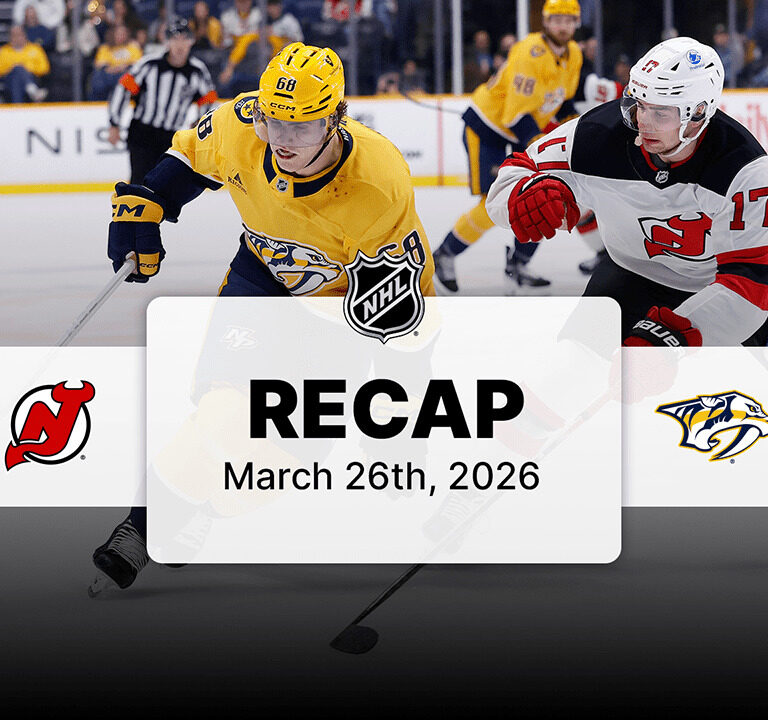
Returning home after a difficult road loss to the Carolina Hurricanes, the Devils had no luxury of reflection. The turnaround was immediate, the response required instant. Less than 24 hours later, they faced the Chicago Blackhawks in a game that demanded energy, execution, and resilience. What followed was one of the most telling performances of their season—a 5-3 comeback victory that underscored exactly who this team is becoming.

At the center of it all is Jack Hughes, who continues to redefine what elite offensive leadership looks like in New Jersey. Since returning from international play, Hughes has been operating at a pace that places him among the league’s most dangerous playmakers, compiling 27 points in just 16 games. Against Chicago, he once again dictated tempo, controlled possession, and elevated the attack in critical moments. His performance was not just productive—it was commanding, the kind that shifts momentum across an entire bench.

But the Devils’ recent surge is not a one-player narrative. It is structural. It is cultural. It is the result of a roster that, despite adversity, is finding rhythm late in the year. Over their last eight games, the Devils have gone 6-2-0, a stretch that reflects improved defensive discipline, opportunistic scoring, and a renewed commitment to pace. These are not empty wins—they are hard-earned, system-driven results that hint at a team beginning to align with its long-term identity.

Captain Nico Hischier continues to anchor that identity. Recently reaching the 600-game milestone in his NHL career, Hischier represents the connective tissue of this roster—a two-way presence whose leadership extends far beyond the scoresheet. His consistency, positional awareness, and ability to stabilize key moments have been instrumental during this late-season push, reinforcing the foundation the Devils are building around.

The current roster configuration reflects both necessity and forward-thinking management. Injuries have tested depth, most notably with Luke Hughes landing on long-term injured reserve earlier this year. Yet the response from the front office has been decisive. The additions of Nick Bjugstad and Maxim Tsyplakov have provided complementary depth, size, and situational versatility, while the departure of Ondrej Palat signals a continued recalibration of the team’s competitive window and roster balance.

What emerges from these moves is a clearer picture of intent. The Devils are not clinging to the present—they are shaping the future in real time. Every lineup adjustment, every call-up, every transaction reflects an organization that understands where it stands and where it needs to go.

Still, the immediate focus remains on the ice, and the schedule offers no relief. A high-stakes matchup against the New York Rangers looms next, a game that carries both competitive and emotional weight. Rivalry games at this stage of the season amplify everything—intensity, execution, consequence. For the Devils, it is another opportunity to validate their late-season surge against one of the league’s most recognizable opponents.

For fans across the state, this stretch has taken on a different meaning. It is no longer solely about postseason qualification. It is about witnessing growth, resilience, and the emergence of a team that refuses to disengage, regardless of the odds. It is about seeing a young core translate potential into performance, night after night, against opponents with far more immediate stakes.

And that is why attention around the Devils continues to build, both inside arenas and across platforms like <a href=”https://explorenewjersey.org/new-jersey-devils/”>Explore New Jersey’s Devils coverage</a>, where the evolving narrative of this team is being tracked in real time. Because what is happening now is not a footnote—it is a signal.

The numbers may say the path to the playoffs is nearly closed. The projections may place the Devils on the outside looking in. But inside the locker room, and increasingly on the ice, there is a different reality taking shape. This is a team accelerating, not retreating. A roster discovering its edge. A franchise leaning into its next era with conviction.

And if this late-season surge is any indication, the most important chapters of Devils hockey are not behind them—they are just beginning to take form.

Bruce Springsteen Ignites National Spotlight with “Streets of Minneapolis” Performance Ahead of American Tour Launch

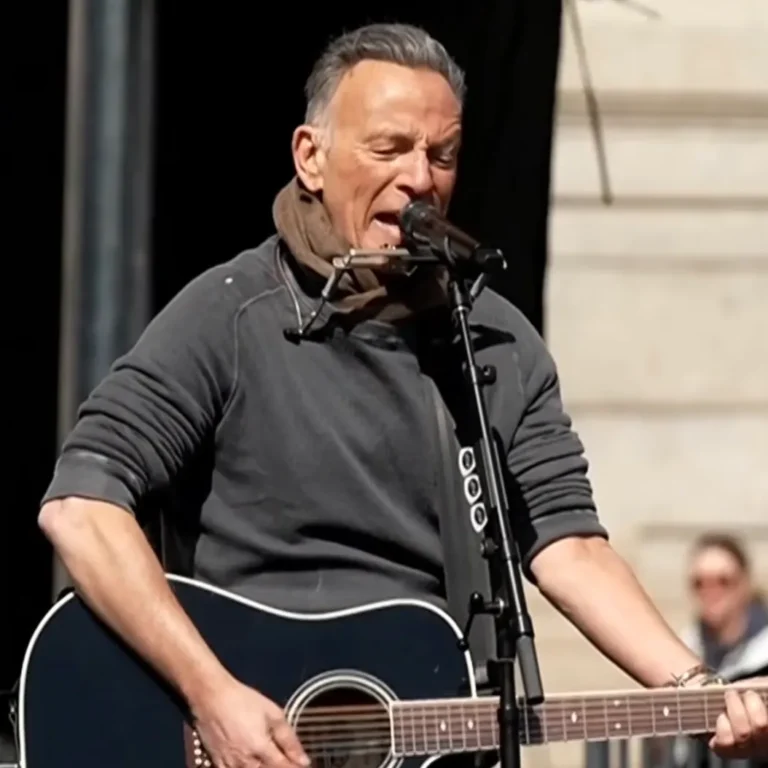
New Jersey’s most iconic voice once again stepped onto a national stage and reminded the world why his influence extends far beyond music. On March 28, 2026, Bruce Springsteen delivered a powerful live performance of his protest song “Streets of Minneapolis” before an estimated crowd of more than 200,000 people at the “No Kings” rally in St. Paul, Minnesota. The moment was not just a performance—it was a cultural flashpoint, a statement, and a defining prelude to his upcoming “Land of Hope and Dreams American Tour,” which is set to officially begin in Minneapolis on March 31.

For a state that continues to shape the national entertainment conversation, Springsteen’s presence on this stage reinforces New Jersey’s enduring cultural reach. His performance serves as both a continuation of his legacy and a reminder that artists from the Garden State remain deeply embedded in the broader dialogue shaping music, identity, and expression.

Readers tracking the pulse of live performance, artist impact, and major cultural moments can explore more through the music section, where New Jersey’s influence continues to resonate across every genre and stage.

The rally itself was part of a massive nationwide movement that brought millions into the streets across more than 3,000 coordinated events, with the Minnesota gathering serving as the flagship. Against that backdrop, Springsteen’s appearance carried a weight that extended well beyond entertainment. Taking the stage in front of a sea of demonstrators, he performed “Streets of Minneapolis,” a song written earlier this year in response to federal actions and the deaths of civilians during immigration enforcement operations in the city.

The performance was marked by both intensity and clarity, with Springsteen delivering the song in a stripped-down, emotionally direct style that emphasized its message. The inclusion of guitarist Tom Morello—long associated with politically charged music—added an additional layer of urgency and collaboration, reinforcing the moment as one rooted in both artistic expression and shared purpose. Together, they transformed the rally stage into something closer to a live broadcast of conviction, where music and message became inseparable.

For Springsteen, this was not a departure but a continuation of a career defined by engagement with the American experience in all its complexity. From the earliest days of his songwriting, he has consistently addressed themes of struggle, resilience, and justice, often reflecting the realities of working-class communities and the broader national landscape. “Streets of Minneapolis” fits squarely within that lineage, drawing on the same storytelling tradition that has defined his catalog while responding directly to contemporary events.

What makes this moment particularly significant is its timing. The performance arrives just days before the launch of a major national tour, effectively setting the tone for what audiences can expect as Springsteen returns to arenas and stages across the country. Rather than separating the live show from the cultural climate, he has chosen to integrate the two, signaling that the upcoming tour will not simply revisit past successes, but engage with the present moment in a meaningful way.

This approach aligns with the evolving expectations of live music audiences, who increasingly seek experiences that go beyond entertainment and offer a sense of connection to larger narratives. In New Jersey and beyond, the demand for concerts that carry both emotional and cultural weight continues to grow, and Springsteen’s latest performance underscores his ability to meet that demand without compromising authenticity.

The scale of the rally itself further amplifies the significance of the performance. With hundreds of thousands in attendance in St. Paul and millions participating nationwide, the event has been described as one of the largest coordinated demonstrations in recent history. (The Guardian) Within that context, Springsteen’s set functioned as both a focal point and a unifying element, bringing together diverse audiences through a shared moment of music and reflection.

At the same time, the performance highlights the enduring role of artists in shaping public discourse. In an era where platforms are fragmented and attention is constantly divided, moments like this cut through the noise, creating a shared experience that resonates across audiences and geographies. Springsteen’s ability to command that space—without spectacle, without excess—speaks to the strength of both his voice and his message.

For New Jersey, the significance is equally profound. Springsteen remains one of the state’s most recognizable cultural ambassadors, and each major moment in his career continues to reflect back on the region that shaped him. His connection to New Jersey is not merely biographical; it is embedded in the sound, themes, and perspective that define his work. As he prepares to embark on another national tour, that connection remains central to his identity as an artist.

The upcoming “Land of Hope and Dreams American Tour” now carries an added dimension, shaped by the events of March 28. What begins in Minneapolis will carry forward the energy and message established at the rally, creating a throughline between protest and performance, between moment and movement. For audiences, this represents an opportunity to witness not just a concert, but an artist actively engaging with the world around him.

As New Jersey continues to assert its presence across the national entertainment landscape, moments like this reinforce the state’s role as a source of influence, creativity, and cultural leadership. Bruce Springsteen’s performance in Minnesota was more than a headline—it was a reminder that the voice of New Jersey still carries, still resonates, and still has the power to shape the conversation on the biggest stages in the country.

Hamm in Newark Issues Direct Warning to Trump as Mass “No Kings” Rally Ignites New Jersey’s Political Frontline

NEWARK, NJ — In a forceful and highly charged demonstration that underscored New Jersey’s growing role as a national political battleground, longtime civil rights leader Lawrence Hamm delivered a sweeping rebuke of former President Donald Trump while standing before a large and energized crowd gathered at the Lincoln Statue in Newark. The rally, organized under the banner of the “No Kings” movement, was not framed as a symbolic protest—it was presented as a direct, coordinated response to what organizers described as escalating threats to democracy, civil liberties, and electoral integrity ahead of the upcoming midterm elections.

Hamm, who serves as chairman of the People’s Organization for Progress, set the tone early with a message that was as expansive as it was uncompromising. Addressing a coalition of activists, labor leaders, elected officials, and community organizers, he outlined a sweeping indictment of Trump’s political agenda, his administration’s legacy, and what he characterized as a broader institutional alignment involving Congress and the Supreme Court. The rally, he emphasized, was rooted in opposition to what he described as “racist, fascist, and unjust policies” both domestically and internationally, positioning the gathering as part of a larger national resistance movement.

The Newark event was not an isolated demonstration but a coordinated mobilization backed by a broad coalition of organizations spanning labor unions, civil rights groups, political advocacy networks, and grassroots community organizations. More than 40 groups endorsed the rally, signaling a level of organizational density and political alignment that reflects a deeply interconnected progressive infrastructure across New Jersey. This included major labor entities, education associations, civil liberties advocates, and long-standing community organizations, all converging under a unified message centered on voting rights, economic justice, and systemic reform.

The presence of Newark Mayor Ras Baraka further elevated the political significance of the event, reinforcing the city’s role as both a symbolic and operational hub for progressive activism in the state. Alongside him were key voices from the American Civil Liberties Union, the Newark NAACP, and organized labor leadership, each contributing to a program that blended policy demands with ideological framing. The rally’s structure was deliberate—less a spontaneous protest and more a strategic demonstration designed to amplify specific legislative and political objectives.

At the core of Hamm’s address was a detailed list of demands that extended far beyond electoral concerns. While the headline message centered on a call for Trump to cease any attempts to interfere with midterm elections, the broader platform touched nearly every major fault line in contemporary American politics. From immigration enforcement and federal policing to economic inequality, labor rights, and healthcare access, the rally functioned as a comprehensive articulation of progressive priorities heading into a critical election cycle.

One of the most urgent themes was the protection of voting rights and the integrity of the electoral process. Hamm accused Trump and his allies of attempting to undermine democratic systems through policy proposals and administrative actions, specifically calling for an immediate halt to any efforts that could impede voter participation. He also demanded the return of ballots allegedly seized in Georgia, framing the issue as part of a broader pattern of interference. The call for legislative action was equally clear, with support voiced for expanded voter access measures, same-day registration, and the overturning of campaign finance rulings that have allowed significant financial influence in elections.

Economic issues were also front and center, with Hamm advocating for a $20 minimum wage, the restoration of federal budget cuts, and stronger protections for workers. The rally’s alignment with organized labor was evident not just in attendance but in messaging, as speakers emphasized the need for pro-union legislation and the rebuilding of workforce stability following widespread layoffs and policy shifts. The economic argument was framed not only in terms of wages but also cost-of-living pressures, with criticism directed at tariff policies and broader fiscal strategies.

Immigration policy emerged as another focal point, with particularly strong language directed at federal enforcement agencies. Hamm called for the abolition of Immigration and Customs Enforcement, the closure of detention facilities, and accountability for alleged abuses. Specific cases were cited to underscore claims of systemic harm, and demands were made for the removal of federal enforcement presence from local communities and transportation hubs. These positions reflect an increasingly assertive stance among progressive organizations in New Jersey, where immigration remains a deeply contested issue with both local and national implications.

Healthcare, education, and taxation rounded out the platform, with calls for universal healthcare, the elimination of student debt, and increased tax contributions from high-income individuals. These proposals were presented not as aspirational goals but as necessary corrections to what speakers described as systemic inequities exacerbated by federal policy decisions.

Perhaps the most politically explosive element of the rally was the explicit call for impeachment—not only of Trump but also members of his administration and sitting Supreme Court justices. This demand, while unlikely to materialize in the immediate term, signals the intensity of opposition and the willingness of organizers to push beyond conventional political boundaries. It also reflects a broader trend in progressive activism toward more aggressive institutional challenges.

The Newark rally illustrates a critical shift in how political movements are organizing at the state level. New Jersey, often viewed as a reliably blue state, is increasingly positioning itself as a staging ground for national political narratives, particularly as the country approaches another high-stakes election cycle. Events like the “No Kings” rally are not just expressions of dissent—they are strategic interventions aimed at shaping public discourse, influencing policy, and mobilizing voters.

What emerged in Newark was not a fragmented protest but a highly coordinated demonstration of political intent. The convergence of labor, civil rights organizations, elected officials, and grassroots activists signals a level of alignment that could have significant implications in the months ahead. As midterm tensions escalate nationwide, New Jersey is making it clear that it will not remain on the sidelines—and voices like Lawrence Hamm are ensuring that message resonates far beyond the city limits.

New Jersey Devils Face Harsh Reality as Playoff Hopes Fade—But the Foundation for the Future Is Already Taking Shape

The New Jersey Devils find themselves at a defining crossroads as the 2025–26 NHL season enters its final stretch, a moment where the urgency of the present collides directly with the long-term vision of the franchise. Sitting seventh in the Metropolitan Division with a 37-33-2 record as of March 29, the Devils remain technically alive in the playoff race—but only in the most mathematical sense. With postseason odds reduced to a fraction of a percent, the conversation has shifted from chasing a near-impossible berth to evaluating what this stretch run reveals about the roster, the system, and the organization’s trajectory heading into next season.

For those following the evolution of the franchise and its long-term outlook, the New Jersey Devils coverage continues to track every development, from roster construction to organizational strategy, as the team navigates this critical inflection point.

The latest setback came in a 5-2 loss to the Carolina Hurricanes, a game that encapsulated both the promise and the frustration that have defined this Devils season. New Jersey opened with purpose, taking a 1-0 lead into the first intermission and showing the kind of structured, fast-paced hockey that had fueled a recent surge. But the second period unraveled quickly, with Carolina responding with three goals that shifted momentum decisively. Goals from Timo Meier and Evgenii Dadonov ultimately proved insufficient, as the Devils were unable to recover from the Hurricanes’ push. The loss not only halted a stretch in which the team had won five of seven games, but also reinforced the steep climb that remains in front of them.

That climb, at this stage, is almost entirely theoretical. To secure a playoff position, the Devils would need to win out while relying on multiple teams ahead of them to collapse simultaneously—a scenario that underscores just how narrow the margin for error has been throughout the season. What makes the situation particularly complex is that the team is not trending downward in terms of effort or structure. In fact, their post-Olympic break performance has been among their most cohesive of the year, suggesting that the system itself is not broken. Instead, it is a case of timing—of momentum arriving too late to fully alter the standings.

This late-season push has also brought individual storylines into sharper focus, none more notable than Dawson Mercer’s continued durability. Reaching the 400-game milestone at such a young age places Mercer in rare territory, not only within the current roster but in franchise history. His consistency, availability, and ability to contribute across situations have made him a foundational piece for the Devils moving forward. In a season marked by injuries and lineup instability, Mercer’s presence has been a constant, reinforcing his value beyond traditional scoring metrics.

Yet while some players are solidifying their roles in the team’s future, others have become central to more immediate roster questions. Evgenii Dadonov’s usage, in particular, has emerged as a point of strategic tension. Inserted into the lineup amid injuries—including the absence of Arseny Gritsyuk—Dadonov has now reached 19 games played this season, a threshold that carries significant contractual implications. His incentive-laden deal includes performance bonuses tied to games played, meaning that each additional appearance increases the financial burden carried into next season’s salary cap.

With the Devils already projected to exceed the cap ceiling, those bonuses translate into overage penalties that will directly impact roster flexibility moving forward. The difference between Dadonov remaining below or surpassing key appearance thresholds is not marginal—it is material, potentially affecting how the organization approaches contract negotiations and roster construction in the offseason. In a league where cap management is as critical as on-ice performance, these decisions carry long-term consequences.

From a performance standpoint, the situation becomes even more complex. Despite his experience and reputation, Dadonov has yet to record a point this season, averaging just under 11 minutes of ice time per game. Advanced metrics further complicate the picture, suggesting that his impact on possession and scoring chances has been limited, particularly when separated from more productive linemates. While there have been isolated moments where the line combinations have shown promise, the broader trend raises legitimate questions about whether his continued presence in the lineup aligns with the team’s immediate and future priorities.

In contrast, younger players within the organization are making a compelling case for increased opportunity. Prospects and AHL contributors such as Angus Crookshank, Brian Halonen, and Xavier Parent have demonstrated both productivity and energy at the AHL level, with each player contributing significantly to the Utica Comets’ offensive output. Their ability to generate scoring chances, combined with their relative youth and development trajectory, positions them as logical candidates for late-season evaluation at the NHL level.

Crookshank, in particular, represents a profile that aligns with the Devils’ evolving identity—speed, forechecking intensity, and a willingness to engage physically. His prior appearances with the Devils have shown flashes of that potential, especially within depth roles that require adaptability and effort. In a season where results are no longer the sole priority, providing extended opportunities to players like Crookshank could offer valuable insight into how the roster should be constructed moving forward.

The broader implication is clear: the Devils are transitioning, whether by design or necessity, into a phase where evaluation outweighs immediate results. The remaining games on the schedule—beginning with a home matchup against the Chicago Blackhawks at the Prudential Center, followed by key divisional and conference games against the Rangers, Capitals, and Canadiens—will serve as a testing ground. These are not meaningless games; they are data points, opportunities to assess combinations, roles, and readiness under NHL conditions.

For fans, this shift requires a recalibration of expectations. The focus is no longer on chasing a playoff berth that has slipped out of reach, but on understanding what this roster can become. The Devils have already demonstrated that they possess the core elements of a competitive team—speed, skill, and a system capable of producing results when executed consistently. What remains is the refinement of that identity, the alignment of personnel with philosophy, and the management of resources in a way that maximizes long-term potential.

There is also a broader organizational context to consider. The Devils are not operating in isolation; they are part of a competitive Metropolitan Division where margins are razor-thin and progression requires both internal development and external strategy. Decisions made in the coming weeks—whether related to lineup usage, call-ups, or contract management—will reverberate well beyond this season, shaping the trajectory of the franchise for years to come.

In that sense, this moment, while disappointing in the standings, is far from lost. It is, instead, a critical phase of definition. The Devils are being forced to confront difficult questions about roster construction, player utilization, and financial strategy—questions that every contending team must eventually answer. The difference lies in how those answers are implemented.

As the season winds down, the narrative surrounding the New Jersey Devils is no longer about what might have been, but about what comes next. The foundation remains intact, the talent pipeline is active, and the organizational vision is still within reach. What unfolds over the final stretch will not determine a playoff berth—but it will help define the team that returns to the ice next season, with expectations reset and opportunity fully in front of them.

Date OpponentTime (ET)Location
Mar 29Chicago Blackhawks7:00 PMPrudential Center
Mar 31@ New York Rangers7:00 PMMadison Square Garden
Apr 2Washington Capitals7:30 PMPrudential Center
Apr 4Montreal Canadiens7:00 PMPrudential Center
Apr 5@ Montreal Canadiens7:00 PMCentre Bell

New Jersey Repertory Company Secures $500,000 State Grant to Expand West End Arts Center—A Transformational Investment in the Future of Theatre on the Jersey Shore

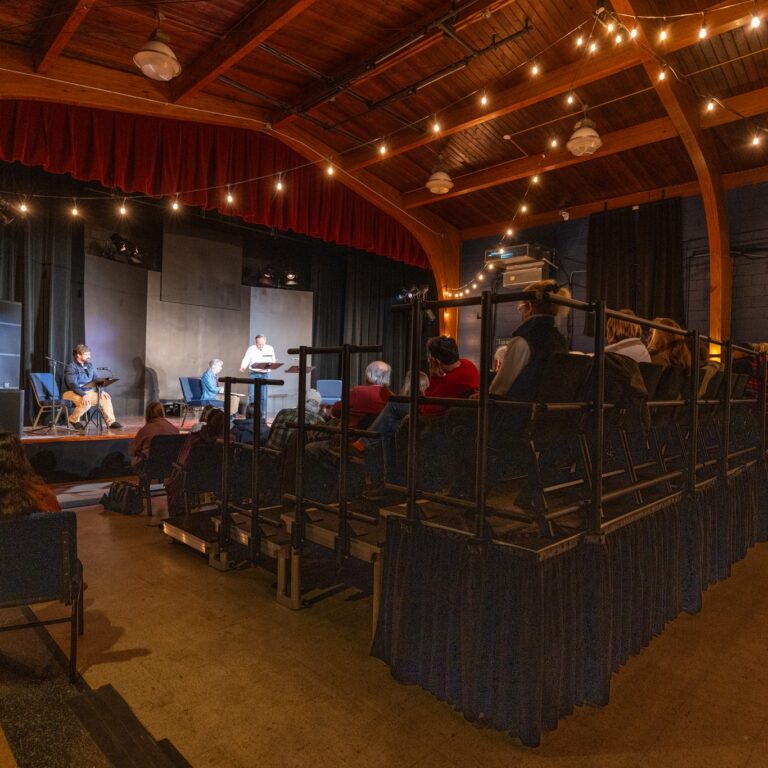
New Jersey’s cultural landscape continues to gain momentum as one of the most dynamic and forward-thinking in the country, and a major new investment in Long Branch is set to accelerate that trajectory in a meaningful way. New Jersey Repertory Company (NJ Rep), the acclaimed professional theatre company led by Artistic Director SuzAnne Barabas and Executive Producer Gabe Barabas, has been awarded a $500,000 grant from the State of New Jersey, administered through the New Jersey Economic Development Authority. This funding will directly support the continued development and programming of the West End Arts Center, positioning it as NJ Rep’s second performance and education venue and significantly expanding the organization’s role as a cultural engine along the Jersey Shore.

This milestone arrives at a pivotal moment for the state’s performing arts sector, where investment in infrastructure, programming, and accessibility is reshaping how audiences engage with live theatre. Across New Jersey, venues are evolving beyond traditional models, becoming multi-dimensional spaces that support not only performances, but also education, community engagement, and artistic development. Readers following this evolution can explore the broader scope of venues and productions shaping the region through the theatre section, where NJ Rep’s expansion stands as one of the most significant developments in recent memory.

For NJ Rep, the grant represents both validation and opportunity. Long recognized for its commitment to producing new works and championing emerging voices, the company has built a national reputation for artistic excellence while maintaining a deeply local identity. Its productions consistently draw audiences seeking original storytelling, innovative staging, and performances that challenge and inspire. With the addition of the West End Arts Center as a fully realized second venue, NJ Rep is now poised to extend that impact even further, creating a more expansive platform for artists and audiences alike.

The vision for the West End Arts Center is both ambitious and strategically aligned with the future of theatre. Rather than functioning solely as an auxiliary stage, the space is being developed as a comprehensive hub for performance, education, and community interaction. This dual focus reflects a broader shift within the performing arts industry, where organizations are increasingly prioritizing accessibility and engagement alongside artistic output. By integrating educational programming into the fabric of the venue, NJ Rep is ensuring that the next generation of artists, writers, and theatre professionals will have direct access to mentorship, resources, and real-world experience.

At its core, NJ Rep’s approach to theatre has always been defined by its dedication to new work. Unlike institutions that rely heavily on established titles, the company has built its identity around the development and presentation of original plays, often working closely with playwrights to bring new stories to the stage. This commitment has not only distinguished NJ Rep within the state, but has also positioned it as a key contributor to the national theatre ecosystem. The expansion into the West End Arts Center will allow for an increased volume of productions, as well as greater flexibility in scheduling, rehearsal, and experimentation.

Equally important is the role that the Arts Center will play in strengthening NJ Rep’s connection to the community. Long Branch, with its evolving cultural and economic landscape, provides an ideal setting for a project of this scale. The addition of a second venue enhances the area’s appeal as a destination for arts and entertainment, drawing both local residents and visitors from across the region. This, in turn, contributes to a broader economic impact, supporting surrounding businesses and reinforcing the importance of the arts as a driver of growth and revitalization.

The leadership of SuzAnne Barabas and Gabe Barabas has been instrumental in bringing NJ Rep to this point. Their ability to balance artistic vision with operational strategy has allowed the company to grow sustainably while maintaining a clear and consistent identity. The securing of this grant is a direct reflection of that leadership, demonstrating both the organization’s credibility and its capacity to deliver on ambitious initiatives. It is also indicative of a wider recognition at the state level of the value that institutions like NJ Rep bring to New Jersey’s cultural and economic landscape.

From a programming perspective, the expansion into the West End Arts Center opens the door to a range of possibilities. In addition to increasing the number of productions, the venue can support workshops, readings, and developmental performances that are critical to the lifecycle of new work. Educational initiatives, including classes, seminars, and outreach programs, will further deepen the organization’s impact, creating opportunities for individuals of all ages to engage with theatre in meaningful ways. This layered approach ensures that the Arts Center will function not just as a performance space, but as a living, evolving institution.

The significance of this development extends beyond NJ Rep itself. It reflects a broader commitment within New Jersey to invest in the arts as a cornerstone of community identity and economic vitality. As audiences continue to return to live performance in greater numbers, the demand for high-quality, accessible theatre experiences is growing. Facilities like the West End Arts Center are essential in meeting that demand, providing the infrastructure necessary to support both established companies and emerging artists.

In an era where the arts must continually adapt to changing audience expectations and technological advancements, NJ Rep’s expansion represents a forward-looking model for how theatre organizations can thrive. By combining artistic integrity with a commitment to education and community engagement, the company is setting a standard that extends well beyond state lines. The West End Arts Center is not simply an addition to NJ Rep’s portfolio—it is a transformative step that redefines what the organization can achieve.

As this next chapter begins, the impact will be felt not only on stage, but throughout the broader cultural landscape of New Jersey. With the support of this significant state investment, New Jersey Repertory Company is positioned to deepen its influence, expand its reach, and continue delivering the kind of theatre that resonates long after the curtain falls.

New Jersey Devils Close Critical Five-Game Road Trip in Raleigh with Playoff Momentum on the Line

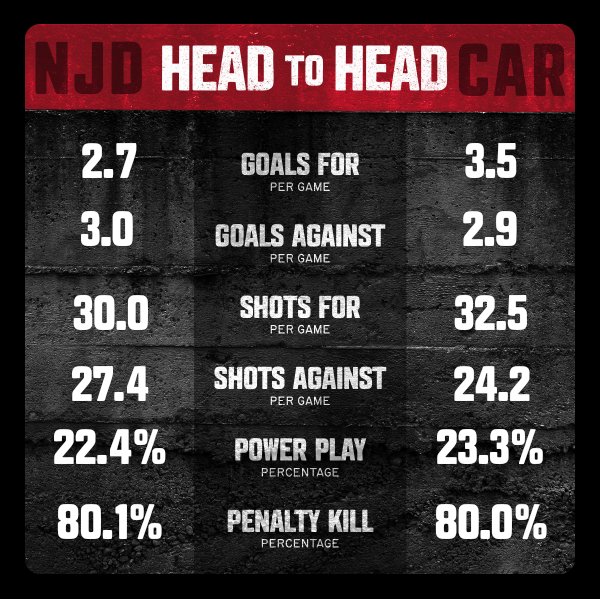
As the regular season sharpens into its most consequential stretch, the New Jersey Devils arrive in Raleigh for the final test of a demanding five-game road trip, facing the Carolina Hurricanes in a matchup that carries both immediate and long-term implications. With puck drop set for 5:08 p.m. ET, this game represents more than just the closing chapter of a multi-city swing—it is a defining moment in a season where consistency, resilience, and identity are being tested against elite competition. For a deeper look at the team’s trajectory and ongoing developments, coverage continues to expand across New Jersey Devils news and analysis, where the evolution of this roster remains one of the most closely followed stories in the region.

Road trips of this magnitude are rarely neutral in their impact. They either expose vulnerabilities or solidify cohesion, and for the Devils, this five-game stretch has served as a proving ground. Navigating hostile environments, compressed travel schedules, and playoff-caliber opponents demands more than talent—it requires structural discipline, mental durability, and the ability to execute under pressure. By the time a team reaches the final stop of such a trip, fatigue is a factor, but so is clarity. Roles become more defined, systems tighten, and the margin for error narrows.

Raleigh presents a particularly complex challenge. The Hurricanes have built a reputation as one of the most system-driven teams in the league, combining aggressive forechecking with disciplined defensive coverage and sustained offensive zone pressure. Their ability to control pace and dictate territorial play forces opponents into reactive hockey, making transitional execution and puck management critical areas of focus for New Jersey. For the Devils, success in this matchup will hinge on their ability to break that cycle—moving the puck efficiently through the neutral zone, limiting turnovers, and capitalizing on speed where opportunities emerge.

From a tactical standpoint, this game is likely to highlight the Devils’ evolving identity. The team has increasingly leaned into a high-tempo style built around speed, skill, and quick-strike offense. When executed effectively, this approach can disrupt even the most structured opponents, creating mismatches and forcing defensive breakdowns. However, against a team like Carolina, that style must be balanced with patience and positional awareness. The Hurricanes thrive on forcing mistakes, and any lapse in structure can quickly turn into sustained pressure or scoring chances against.

Goaltending and defensive zone coverage will be central to the outcome. As the season progresses, the importance of a reliable net presence becomes magnified, particularly in road environments where momentum can shift rapidly. The Devils’ ability to manage rebounds, clear traffic, and maintain composure under sustained pressure will be tested against a Hurricanes offense that excels in generating high-volume, high-quality chances. At the same time, disciplined defensive play—particularly in limiting second opportunities—will be essential in keeping the game within controllable parameters.

Offensively, the Devils’ success will depend on their ability to generate sustained pressure of their own. Quick transitions, effective zone entries, and net-front presence will be key components in challenging Carolina’s defensive structure. Special teams may also play a decisive role, with power play efficiency and penalty kill discipline often serving as the difference in tightly contested matchups. In a game where margins are expected to be thin, execution in these situations can shift momentum in a matter of seconds.

Beyond the immediate tactical considerations, this game carries broader significance within the Devils’ season narrative. The team has positioned itself as a rising force within the Eastern Conference, blending a core of emerging talent with strategic additions designed to enhance depth and versatility. Recent roster moves and lineup adjustments reflect a commitment to both short-term competitiveness and long-term sustainability, reinforcing the organization’s belief that the window for contention is not a distant goal, but a present reality.

Closing out a road trip with a strong performance in Raleigh would serve as both a statement and a springboard. It would validate the team’s ability to compete in high-pressure environments and provide momentum heading into the final phase of the season. Conversely, it also presents an opportunity to refine areas that require adjustment, ensuring that lessons learned on the road translate into more consistent execution moving forward.

For fans and observers, this matchup encapsulates what makes late-season hockey compelling. Every shift carries weight, every decision is amplified, and every result contributes to the broader arc of the season. The Devils are no longer a team defined by potential alone; they are operating within a competitive framework where expectations are tangible and outcomes matter.

As the puck drops in Raleigh, the focus will be on execution, discipline, and the ability to rise to the moment. The conclusion of this five-game road trip is not simply an endpoint—it is a benchmark, offering a clear measure of where the Devils stand and where they are capable of going. In a season defined by progression and ambition, this game represents another step in the ongoing effort to establish New Jersey as a consistent and formidable presence in the NHL landscape.

New Jersey Erupts in Statewide “No Kings! III” Protests as Tens of Thousands Mobilize Across 65+ Communities in Defining Political Moment

New Jersey is emerging today as one of the most active and visibly engaged states in a sweeping national day of protest, as more than 65 coordinated rallies and marches unfold from Bergen County to the southern shoreline under the banner of “No Kings! III.” What began as a loosely organized response to growing concerns over executive authority has now evolved into a fully scaled, highly coordinated civic mobilization, drawing tens of thousands of participants into streets, parks, and town centers across the Garden State. From major urban corridors like Newark and Jersey City to suburban hubs and smaller municipalities, the breadth and density of today’s demonstrations reflect a moment that is as much about political identity as it is about policy, governance, and the future direction of American democracy.

The movement behind today’s actions is not spontaneous, but rather the product of an expanding coalition of advocacy organizations that have steadily built infrastructure, messaging discipline, and grassroots reach over the past several election cycles. Anchored by nationally recognized progressive networks, the “No Kings” coalition has framed its mission around what organizers describe as resistance to centralized executive power, a defense of institutional checks and balances, and a broader push for civic accountability. In New Jersey, that message has resonated across a diverse cross-section of communities, producing one of the most geographically widespread protest turnouts the state has seen in recent years.

The largest gatherings have anchored themselves in key population centers, with Newark serving as a focal point for North Jersey. A major march beginning at the Lincoln Statue on Springfield Avenue drew early crowds that quickly expanded into a sustained afternoon presence, blending organized speeches, coordinated chants, and visible signage that underscored the protest’s central themes. In Morristown, demonstrators assembled at Town Hall, transforming a traditionally civic space into an active platform for political expression, while in Jersey City, a later rally at Berry Lane Park is expected to draw continued participation well into the afternoon and early evening.

Across Central and South Jersey, the scale of engagement has been equally notable. Trenton, as the state’s political epicenter, has seen consistent turnout near government buildings, reinforcing the symbolic connection between protest activity and legislative oversight. In Camden, Roosevelt Plaza Park has become a gathering point for participants seeking to align local concerns with national discourse, while additional events in Atlantic City, Lacey Township, and Rahway extend the day’s footprint into coastal and suburban regions. Evening visibility actions, including a scheduled demonstration in Secaucus, ensure that the momentum of the day will carry beyond daylight hours.

What distinguishes today’s mobilization is not only the size of individual events, but the density of participation across smaller municipalities that are often absent from large-scale protest narratives. Towns such as Teaneck, Weehawken, Paramus, Bloomfield, Glen Ridge, Princeton, Highland Park, Glassboro, and Ocean City are all hosting their own rallies, signaling a level of distributed engagement that reflects deep organizational reach. These localized demonstrations, while smaller in scale, contribute to a broader statewide presence that amplifies the movement’s visibility and reinforces its claim to represent a wide-ranging constituency.

At the core of the debate surrounding today’s protests is a fundamental disagreement over the role and limits of executive power. Organizers have framed the demonstrations as a necessary response to what they characterize as overreach, positioning the movement within a larger national conversation about constitutional norms, institutional independence, and democratic accountability. Participants on the ground are articulating a range of concerns that extend beyond a single policy or directive, encompassing issues such as electoral integrity, judicial independence, civil liberties, and the balance of power between federal branches.

At the same time, the protests are unfolding within a politically complex environment, particularly in a state like New Jersey where diverse ideological perspectives coexist within close geographic proximity. For some residents, the demonstrations represent a critical exercise of First Amendment rights and civic participation, reinforcing the state’s longstanding tradition of political engagement. For others, the scale and tone of the protests raise questions about polarization, the effectiveness of public demonstrations in shaping policy, and the broader trajectory of political discourse in the United States.

Law enforcement agencies and municipal officials across New Jersey have spent the past several days preparing for the logistical demands of such a widespread mobilization. Traffic management, public safety coordination, and crowd control measures have been implemented in major event zones, with an emphasis on maintaining orderly conditions while respecting the rights of participants. Early reports from across the state indicate that events have proceeded largely without incident, reflecting both effective planning and the generally peaceful nature of the gatherings.

The timing of “No Kings! III” is also significant, arriving at a moment when political energy is building ahead of key electoral cycles and legislative debates. Movements of this scale often serve as both a barometer and a catalyst, capturing existing sentiment while also shaping future engagement strategies among advocacy groups, political campaigns, and policy stakeholders. In New Jersey, where voter participation and civic activism have historically played a decisive role in shaping statewide outcomes, today’s events are likely to reverberate beyond the immediate moment.

From a strategic perspective, the distributed nature of today’s protests offers insight into how modern political movements are evolving. Rather than concentrating exclusively in major cities, organizers have prioritized simultaneous actions across a wide geographic area, leveraging digital coordination tools and local networks to maximize reach. This approach not only increases visibility but also lowers barriers to participation, enabling individuals to engage within their own communities rather than traveling long distances to centralized events.

As the day continues to unfold, the full scope of participation and its potential impact will become clearer. What is already evident, however, is that New Jersey has positioned itself at the center of a national moment, demonstrating both the scale and intensity of contemporary civic engagement. Whether viewed as a powerful expression of democratic participation or as a reflection of deepening political divisions, the “No Kings! III” protests represent a defining snapshot of where the public conversation stands today—and where it may be headed next.

For continued coverage of political developments shaping New Jersey and the broader national landscape, readers can explore ongoing reporting in the Politics section of Sunset Daily News, where the intersection of policy, public sentiment, and real-time events is examined with depth, clarity, and a focus on what it means for communities across the state.

Stockton University Expands Arts and Culture Summit into a Two-Day, Multi-Campus Experience Elevating New Jersey’s Creative Economy

New Jersey’s cultural landscape continues to gain momentum as institutions across the state invest in programming that not only celebrates artistic expression but also strengthens the infrastructure behind it. This year, Stockton University is making a significant statement with the expansion of its annual Arts and Culture Summit, transforming what has traditionally been a single-day gathering into a two-day, dual-location event spanning both its Galloway and Atlantic City campuses. The move represents more than a scheduling adjustment—it reflects a strategic evolution designed to deepen engagement, broaden access, and amplify the role of the arts within New Jersey’s economic and cultural framework.

Positioned within the broader ecosystem of New Jersey arts and culture, the summit has steadily grown into a cornerstone event for artists, educators, policymakers, and creative entrepreneurs. By extending the summit across two days and activating two distinct geographic hubs, Stockton University is effectively doubling its reach while creating a more dynamic and layered experience. The Galloway campus, known for its expansive academic setting, provides a foundation for in-depth discussions, workshops, and institutional collaboration. Atlantic City, by contrast, offers a vibrant, real-world backdrop where creative industries intersect with tourism, entertainment, and urban revitalization. Together, these locations form a complementary framework that mirrors the diversity and complexity of New Jersey’s cultural economy.

The expanded format allows for a more comprehensive exploration of the issues shaping the arts today. Panels and discussions are expected to address topics that range from funding models and public-private partnerships to the integration of digital platforms and the evolving role of cultural institutions in community development. By creating space for both macro-level strategy and grassroots perspectives, the summit positions itself as a forum where ideas are not only exchanged but actively developed into actionable pathways.

Equally important is the summit’s role in fostering cross-sector collaboration. The arts do not exist in isolation, and Stockton’s approach reflects an understanding that creative output is deeply connected to education, economic development, tourism, and public policy. Bringing together stakeholders from these varied fields encourages a level of dialogue that is often difficult to achieve in more siloed environments. It is within these intersections that new opportunities emerge—whether in the form of partnerships, funding initiatives, or innovative programming that extends beyond traditional boundaries.

Atlantic City’s inclusion as a primary host location adds a particularly compelling dimension to this year’s summit. As the city continues to redefine itself beyond its historical identity, the arts have become an increasingly vital component of its transformation. Public art installations, live performance venues, and cultural programming are playing a growing role in attracting visitors and engaging residents, and the summit’s presence reinforces that trajectory. By situating part of the event within this evolving urban landscape, Stockton University underscores the tangible impact that arts and culture can have on economic revitalization and community identity.

The decision to expand also reflects a broader trend within New Jersey, where there is a renewed emphasis on accessibility and inclusivity in cultural programming. A two-day format allows for greater participation, accommodating a wider range of schedules and making it easier for attendees from different regions to engage. It also enables a more diverse lineup of speakers, performers, and contributors, ensuring that the summit reflects the full spectrum of voices that define the state’s creative community.

For emerging artists and students, the summit offers a rare opportunity to connect directly with established professionals and industry leaders. These interactions are not merely inspirational; they are practical, providing insight into career pathways, funding opportunities, and the operational realities of sustaining a creative practice. Stockton University’s role as both an academic institution and a cultural convener places it in a unique position to bridge the gap between education and professional development, creating a pipeline that supports the next generation of talent.

The expanded summit also places a strong emphasis on experiential programming. Beyond traditional panels and lectures, attendees can expect interactive sessions, live performances, and immersive installations that bring the conversation into a tangible, sensory space. This approach aligns with a growing recognition that engagement with the arts is most impactful when it is participatory, allowing audiences to move beyond observation and into direct interaction.

From a statewide perspective, the growth of the Stockton Arts and Culture Summit signals a broader commitment to positioning New Jersey as a leader in creative innovation. The state’s proximity to major cultural centers like New York and Philadelphia has long been an advantage, but it has also, at times, overshadowed the depth of talent and activity within New Jersey itself. Events like this summit play a critical role in shifting that narrative, highlighting the state as a destination for artistic excellence and cultural dialogue in its own right.

The economic implications are equally significant. The arts are not only a cultural asset but also a driver of economic activity, contributing to job creation, tourism, and local business development. By expanding the summit, Stockton University is effectively investing in the infrastructure that supports this sector, creating a platform where ideas can translate into measurable impact. This alignment between cultural and economic priorities is essential for long-term sustainability, ensuring that the arts remain a viable and thriving component of New Jersey’s future.

As anticipation builds for this year’s event, the expanded Arts and Culture Summit stands as a clear reflection of where New Jersey is headed—toward a more integrated, inclusive, and forward-thinking approach to the arts. It is a gathering that not only celebrates creativity but also challenges participants to think critically about its role in shaping communities, economies, and identities. By extending its reach across two days and two campuses, Stockton University is not simply growing an event; it is redefining what a cultural summit can achieve when ambition meets execution.

New Jersey Weekend Weather Outlook: Cold, Dry Start Gives Way to Spring Warmth Surge and Midweek Storm Threat

New Jersey is heading into a weekend defined by contrast, a transitional stretch that captures the push and pull of late March across the Garden State. The immediate outlook delivers a colder-than-average but notably dry pattern, driven by a strong high-pressure system descending from southwestern Canada and now influencing much of the Northeast. That system is firmly in control as the weekend begins, locking in crisp air, clear skies, and a noticeable drop in temperatures across North, Central, and South Jersey. While the chill may feel like a step backward for residents eager to fully embrace spring, the broader trajectory of the forecast tells a more dynamic story—one that includes a rapid warming trend, a surge toward near-summer warmth early next week, and a return to unsettled conditions by midweek.

Today’s Hourly Forecast

Expect mostly sunny to partly cloudy skies throughout the afternoon, with temperatures peaking in the mid-40s before dropping after sunset. 

Hour Sky ConditionTemperature
1 PMweatherIconPartly sunny42°F
4 PMweatherIconMostly cloudy44°F
7 PMweatherIconSunny41°F
10 PMweatherIconClear36°F

10-Day Daily Forecast 

A significant warming trend begins tomorrow, with temperatures surging into the 70s by early next week.  Channel +3

Day Sky ConditionTemperature (High/Low)Chance of Rain
Sat, Mar 28weatherIconSunny44°F / 30°F10% (Snow)
Sun, Mar 29weatherIconPartly sunny54°F / 30°F10%
Mon, Mar 30weatherIconCloudy68°F / 46°F10%
Tue, Mar 31weatherIconRain77°F / 58°F75%
Wed, Apr 1weatherIconRain75°F / 46°F45%
Thu, Apr 2weatherIconLight rain45°F / 41°F40%
Fri, Apr 3weatherIconLight rain50°F / 41°F35%
Sat, Apr 4weatherIconMostly cloudy48°F / 42°F20%
Sun, Apr 5weatherIconLight rain64°F / 44°F40%
Mon, Apr 6weatherIconPartly sunny59°F / 44°F0%

Important Conditions

  • Winds: Breezy conditions will persist all day with gusts potentially reaching 30–35 mph, contributing to a high wildfire threat in some areas.
  • Frost: Temperatures tonight will drop to near or below freezing, so frost is possible across the state.
  • Humidity: Very low today at 29%, making the air feel quite dry.

As of Saturday, March 28, conditions across New Jersey reflect the firm grip of that high-pressure system. Afternoon temperatures are struggling to climb beyond the mid-40s statewide, landing roughly 8 to 12 degrees below seasonal norms. Despite the sunshine, a persistent northwest wind—gusting at times between 30 and 35 miles per hour—adds an additional layer of discomfort, driving real-feel temperatures down into the low-to-mid 30s. The combination of low humidity, hovering near 30 percent, and gusty winds has also elevated wildfire risk in several parts of the state, particularly in more rural and wooded regions.

The atmosphere remains largely stable and dry, with skies alternating between mostly sunny and partly cloudy through the afternoon and into the evening hours. As the sun sets, temperatures will drop quickly, setting the stage for another widespread frost event overnight. Lows are expected to fall into the mid-20s to mid-30s, with many inland locations dipping below freezing. For much of New Jersey, this could mark one of the final widespread sub-freezing nights of the season, though it arrives with enough intensity to warrant attention for early-season vegetation and outdoor planning.

Saturday continues this pattern of cool, dry weather, with highs again topping out in the mid-40s across most regions. The day will feature a mix of sun and passing cloud cover, but the dominant narrative remains the persistence of colder air being funneled into the region from the north. Winds will stay active, maintaining a steady northwest flow that reinforces the below-average temperature profile. By Saturday night, temperatures once again retreat into the 20s and low 30s across North and Central Jersey, with slightly milder conditions along the immediate coast where marine influence helps moderate the cold.

By Sunday, however, the pattern begins to shift in a meaningful way. As the high-pressure system slides offshore toward the southeastern United States, the wind direction pivots from northwesterly to a more southerly and southwesterly flow. This transition is critical, as it opens the door for warmer air to begin advancing into New Jersey. Daytime highs are expected to rebound into the mid-50s across much of the state, with some interior portions of Central and South Jersey potentially pushing toward the upper-50s or even touching 60 degrees. While elevated terrain in Northwest New Jersey may remain slightly cooler, the overall feel of the day will be markedly more comfortable and aligned with early spring expectations.

Cloud cover will increase slightly on Sunday, producing a mix of sun and clouds, while breezy conditions persist. Overnight lows will also moderate, settling into the mid-30s to mid-40s, signaling the beginning of a broader warming trend that will accelerate as the new week unfolds.

Looking ahead to Monday through Wednesday, the forecast pivots decisively toward a warmer regime, with temperatures climbing steadily each day. Monday will introduce a noticeable jump, with highs reaching into the upper 60s across much of the state. By Tuesday, the warming trend intensifies, with widespread 70s expected and the potential for some inland areas of Central and South Jersey to approach or exceed the 80-degree mark. Even typically cooler coastal zones and higher elevations could see readings surge into the mid-60s to mid-70s, underscoring the strength of the incoming warm air mass.

This period will also bring increased atmospheric moisture, raising the potential for dense fog development during the overnight and early morning hours, particularly Sunday night into Monday morning and again Monday night into Tuesday morning. These fog events could impact visibility during peak commuting hours, adding another layer of complexity to an otherwise tranquil weather pattern.

The warm stretch, however, is not expected to last uninterrupted. By Wednesday afternoon into Wednesday night, a cold front is projected to sweep through the region, introducing the next round of active weather. Showers are likely to develop ahead of the front, with the potential for embedded thunderstorms depending on how atmospheric instability evolves. This system represents the next significant opportunity for precipitation following an extended dry period that dominates the weekend and early week.

In the wake of the front, conditions will reset once again, with cooler air returning for Thursday and into the following weekend. Temperatures are expected to drop back into the 40s and 50s, accompanied by lingering cloud cover and the potential for additional light rain. While not a return to the sharp cold of the current weekend, the shift will serve as a reminder that early spring in New Jersey remains a season of variability, where rapid transitions are the norm rather than the exception.

From a broader perspective, this evolving pattern reflects the classic late-March dynamic across the Northeast—where cold, dry high-pressure systems still have the ability to deliver brief but impactful shots of winter-like air, even as longer-term trends push steadily toward warmer, more humid conditions. For residents, businesses, and event planners across New Jersey, the coming days will require a flexible approach, balancing near-term chill with the promise of a dramatic warm-up and the likelihood of midweek disruptions.

For continued in-depth coverage of weather trends, seasonal shifts, and how evolving conditions are impacting communities across the state, explore the latest weather updates and regional coverage sections at Sunset Daily News, where New Jersey’s changing environment is analyzed with the depth and clarity readers expect.

New Jersey Strengthens Mental Health Protections for First Responders with Landmark PTSD Law

New Jersey has taken a decisive and long-overdue step in recognizing the full scope of risks carried by those who serve on the front lines of public safety. Beyond the visible dangers that define their professions, first responders across the state—police officers, firefighters, EMTs, and other emergency personnel—operate under a sustained psychological burden that has historically been underacknowledged and, in many cases, insufficiently protected. A new state law now directly addresses that gap, establishing clear protections for first responders seeking treatment for work-related post-traumatic stress disorder (PTSD) and reinforcing their right to pursue care without fear of retaliation, stigma, or professional consequence.

This legislative advancement signals a meaningful shift in how New Jersey approaches behavioral health within its workforce, particularly among those whose daily responsibilities place them in high-trauma environments. The law recognizes PTSD not as an abstract or secondary concern, but as a legitimate occupational hazard—one that requires the same seriousness, structural support, and legal backing as physical injury. In doing so, the state is aligning its policies with a growing body of medical and occupational research that underscores the cumulative psychological toll of emergency response work.

For years, first responders have navigated an unspoken paradox. While they are trained to respond to crisis, absorb trauma, and maintain composure under extreme pressure, the systems surrounding them have not always provided adequate pathways for recovery. Concerns over job security, departmental perception, and career advancement have often discouraged individuals from seeking help, even when symptoms of PTSD—such as chronic anxiety, sleep disruption, emotional withdrawal, or intrusive memories—become impossible to ignore. The result has been a silent crisis, one that impacts not only individual health but also team cohesion, long-term retention, and overall public safety outcomes.

The new law directly confronts this reality by codifying protections that eliminate ambiguity around mental health care access. First responders can now pursue diagnosis, counseling, and treatment for PTSD with reinforced assurance that doing so will not jeopardize their employment status or professional standing. This is not merely a policy adjustment; it is a structural recalibration of workplace culture, designed to normalize behavioral health care as a standard component of occupational wellness.

Importantly, the law also reinforces the concept of parity between physical and mental health in workplace protections. Just as an injury sustained in the line of duty would be treated without question, psychological trauma resulting from repeated exposure to emergencies is now afforded the same legitimacy. This alignment is critical in reshaping institutional attitudes and reducing the stigma that has historically surrounded mental health within high-performance, high-resilience professions.

Across New Jersey, this development integrates seamlessly into a broader and increasingly visible emphasis on health and wellness initiatives. The state has expanded its focus on comprehensive well-being, recognizing that physical fitness, mental resilience, and emotional stability are interconnected pillars of a functional and sustainable workforce. Within the context of health and wellness in New Jersey, the law stands as a cornerstone policy—one that not only protects individuals but also elevates the standard for how organizations support their personnel.

From an operational standpoint, the implications are substantial. Departments and agencies are now encouraged—and in many cases required—to ensure that mental health resources are accessible, confidential, and integrated into existing support frameworks. This includes partnerships with licensed professionals, peer support programs, and structured pathways for early intervention. The emphasis shifts from reactive care to proactive engagement, enabling first responders to address symptoms before they escalate into more severe conditions.

The cultural impact may ultimately prove even more significant than the legal protections themselves. By removing barriers to care, the law fosters an environment where seeking help is viewed not as a weakness, but as a responsible and necessary action. This shift has the potential to improve morale, reduce burnout, and enhance overall job performance, creating a more resilient workforce capable of sustaining the demands of public safety over the long term.

New Jersey’s action also positions it as a leader in a national conversation that is gaining urgency. Across the country, states are grappling with how best to support first responders in the face of rising mental health challenges, increased call volumes, and the lingering effects of high-profile crises. By establishing clear, enforceable protections, New Jersey provides a model that other jurisdictions can evaluate and potentially replicate.

At its core, this law is about acknowledgment—acknowledgment that the cost of service extends beyond what is visible, and that those who protect the public deserve comprehensive protection in return. It affirms that mental health is not ancillary to the mission of public safety; it is central to it. By safeguarding the rights of first responders to seek help without fear, New Jersey is not only addressing an urgent need but also redefining what it means to truly support those who stand on the front lines every day.

As awareness continues to grow and implementation unfolds across agencies statewide, the long-term effects of this legislation will be measured not only in compliance but in lives improved, careers sustained, and communities strengthened. In elevating behavioral health to a position of equal importance, New Jersey is setting a new standard—one rooted in responsibility, respect, and an evolving understanding of what it takes to serve and to endure.

New Jersey Spring Festivals, Family Experiences, and Must-See Events Across the Garden State

As winter finally releases its grip and the Garden State reawakens, New Jersey transforms into one of the most dynamic seasonal destinations in the Northeast. Spring is not just a transition here—it’s a full-scale cultural and outdoor revival. From late March through May, the state becomes a living showcase of color, flavor, music, and community, with festivals that stretch from scenic arboretums and historic river towns to beachside boardwalks and bustling downtown corridors. For families, couples, and day-trippers alike, this is the moment when New Jersey delivers one of its strongest annual experiences, blending natural beauty with high-energy public events and deeply rooted local traditions.

New Jersey Spring Festival Calendar 2026 (March–May)

APRIL 2026 – PEAK BLOOM & SIGNATURE EVENTS

Essex County Cherry Blossom Festival

📍 Branch Brook Park, Newark
📅 April 11–April 19, 2026
🎟️ Mostly Free (select events optional)

  • Cherry Blossom Challenge Bike Race: April 11
  • 10K Run: April 12
  • Family Day + Fun Run: April 18
  • Bloomfest (Main Event): April 19 (11 AM–5 PM)

New Jersey’s most iconic spring festival returns for its milestone celebration, transforming Branch Brook Park into a canopy of more than 5,000 cherry blossom trees. The week-long schedule blends athletic events, cultural programming, and family-friendly activities, culminating in Bloomfest—an all-day public celebration featuring live music, food vendors, and artisan markets.


Daffodil Days & Daffodil Day Festival

📍 Reeves-Reed Arboretum, Summit
📅 April 1–April 15, 2026 (Festival Day: April 12)
🎟️ Ticketed Event

  • Daily garden viewing: April 1–15
  • Festival Day: April 12 (11 AM–3 PM)

One of New Jersey’s most refined spring garden experiences, featuring more than 50,000 blooming daffodils. The featured festival day includes curated family programming, live music, art exhibits, and seasonal vendors in a historic arboretum setting.


New Jersey Punk Rock Flea Market

📍 Trenton
📅 April 2026 (Dates vary annually)
🎟️ Ticketed

A large-scale alternative marketplace bringing together hundreds of independent vendors, vintage dealers, artists, and live music acts. One of the most unique cultural events in the region, blending underground energy with festival-scale attendance.


Lambertville Shad Festival

📍 Lambertville
📅 April 25–April 26, 2026 (Typical Late-April Weekend)
🎟️ Free Entry

A historic river-town celebration marking the seasonal return of shad fish to the Delaware River. Expect a strong mix of regional art, food vendors, live music, and street-level festival energy across Lambertville’s walkable downtown.


Haddonfield Music Festival

📍 Haddonfield
📅 Late April 2026 (Typically final weekend)
🎟️ Free

A high-caliber outdoor music showcase featuring original artists across multiple stages. This event transforms downtown Haddonfield into a pedestrian-friendly live music corridor.


Rutgers Day

📍 New Brunswick / Piscataway
📅 April 25, 2026 (Last Saturday in April)
🎟️ Free

One of the largest free public events in New Jersey, Rutgers Day delivers hundreds of hands-on experiences across science, culture, agriculture, and the arts. The event routinely draws tens of thousands of visitors and includes live performances, exhibits, and family programming across multiple campuses.


APRIL–MAY 2026 – FLOWER & FARM EXPERIENCES

Holland Ridge Farms Tulip Festival

📍 Cream Ridge
📅 Mid-April through early May 2026
🎟️ Ticketed

Featuring over 8 million tulips, this is one of the largest tulip festivals in the United States. Visitors can walk through expansive fields, pick flowers, and experience one of the most visually immersive spring attractions in the region.


Dino & Tulip Festival (Family Hybrid Event)

📍 Manalapan
📅 Select Dates: April 9 – May 3, 2026 (approximate seasonal window)
🎟️ Ticketed

A hybrid family experience combining tulip fields with interactive dinosaur exhibits, fossil digs, and live shows—designed specifically for younger audiences and family engagement.


MAY 2026 – COASTAL EVENTS, FOOD & LARGE-SCALE FESTIVALS

Wildwoods International Kite Festival

📍 Wildwood
📅 Memorial Day Weekend (May 22–25, 2026 est.)
🎟️ Free

One of the largest kite festivals in North America, featuring massive display kites, competitive flying, illuminated night shows, and beachside demonstrations. A signature Jersey Shore spring event.


New Jersey Wine & Food Festival

📍 Crystal Springs Resort, Hamburg
📅 Early May 2026
🎟️ Ticketed (Premium Experience)

A multi-day culinary event featuring top chefs, curated tastings, wine pairings, and luxury dining experiences—positioned as one of the state’s most elevated food festivals.


BaconFest at Laurita Winery

📍 New Egypt
📅 Multiple Weekends (April–May 2026)
🎟️ Ticketed

A recurring spring favorite combining themed food menus, live music, winery views, and food trucks in a relaxed vineyard setting.


Collingswood May Fair

📍 Collingswood
📅 May 23, 2026 (Typical date range)
🎟️ Free

A large-scale downtown festival stretching along Haddon Avenue, featuring hundreds of artists, crafters, food vendors, and live performers. One of South Jersey’s highest-attended spring events.


Cape May Earth Day Celebration

📍 Cape May
📅 Mid-to-Late April / Early May 2026
🎟️ Free

A family-focused environmental festival highlighting sustainability, nature education, eco-friendly vendors, and interactive exhibits for children.


New Jersey Renaissance Faire

📍 Burlington County Fairgrounds
📅 Begins Late May 2026 (Runs into June)
🎟️ Ticketed

An immersive, theatrical festival experience featuring live performances, period costumes, artisan vendors, and themed entertainment.


OUR QUICK HITS:

  • Best Overall Spring Event: Essex County Cherry Blossom Festival
  • Best Visual Experience: Holland Ridge Farms Tulip Festival
  • Best Family Event: Rutgers Day
  • Best Shore Experience: Wildwoods International Kite Festival
  • Best Food Festival: NJ Wine & Food Festival / BaconFest
  • Best Small-Town Festival: Lambertville Shad Fest

Across the state, spring festivals serve as both a celebration of renewal and a reminder of New Jersey’s unique identity—diverse, creative, and always active. Whether you’re drawn by fields of tulips stretching endlessly toward the horizon, the delicate bloom of thousands of cherry blossom trees, or the unmistakable energy of food trucks, live bands, and artisan markets, this season offers a curated lineup of experiences that consistently outperform expectations. For a deeper dive into year-round experiences and seasonal activities, exploring things to do across New Jersey reveals just how expansive the state’s recreational and cultural landscape truly is.

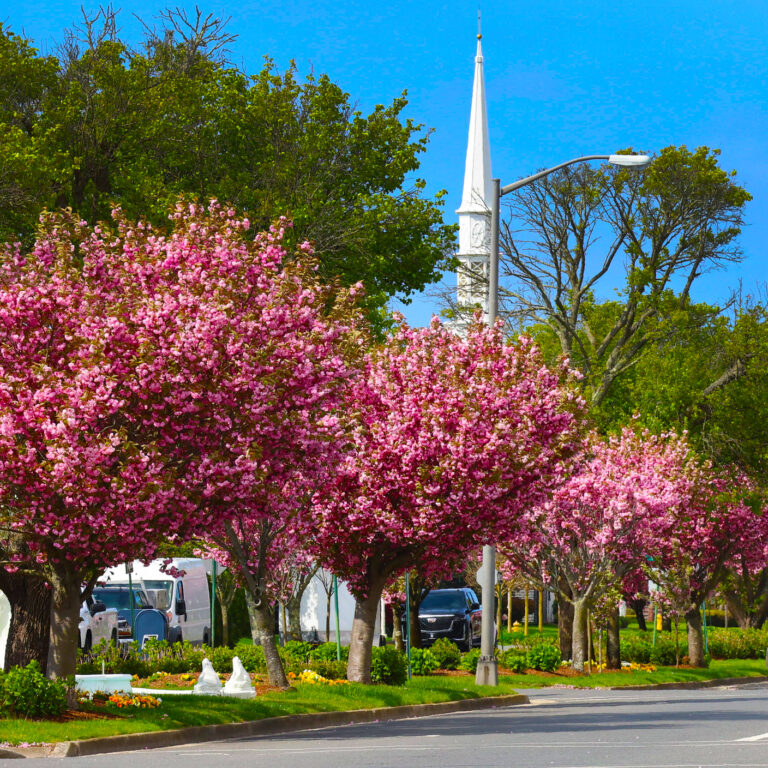
At the center of the spring calendar is one of New Jersey’s most visually striking and widely celebrated events: the Essex County Cherry Blossom Festival in Newark’s Branch Brook Park. This is not a modest local bloom—it is one of the largest collections of cherry blossom trees in the United States, surpassing even Washington, D.C. in sheer volume. When peak bloom arrives in early to mid-April, the park becomes an immersive spectacle of soft pink and white canopies, drawing photographers, families, and festival-goers from across the region. The culmination, Bloomfest, brings together live entertainment, food vendors, and community programming in a setting that feels both serene and electric. It is easily one of the most Instagrammable—and genuinely breathtaking—experiences in the entire state.

Further south, another floral phenomenon commands attention at Holland Ridge Farms in Cream Ridge. This tulip festival has rapidly positioned itself as one of the premier spring attractions in the country, featuring more than eight million tulips planted across expansive farmland. Visitors are not just spectators—they are participants, walking through rows of vibrant color, picking their own blooms, and capturing moments that feel closer to the Netherlands than New Jersey. The scale alone makes it a must-visit, but it’s the immersive quality—the ability to step into the landscape—that elevates it into something far more memorable than a typical seasonal event.

Complementing these large-scale floral showcases are more intimate yet equally compelling celebrations like Daffodil Day at Reeves-Reed Arboretum in Summit. With tens of thousands of bulbs in bloom, this event offers a more curated and tranquil experience, ideal for families looking to blend education, nature, and hands-on activities. It reinforces a key aspect of New Jersey’s spring identity: accessibility. These events are not exclusive—they are designed to bring communities together in meaningful, engaging ways.

Beyond flowers, New Jersey’s spring calendar thrives on its ability to fuse culture, cuisine, and local character into highly distinctive festivals. The Lambertville Shad Festival stands out as one of the most unique. Rooted in the historic river town’s connection to the Delaware River, the festival celebrates the annual return of shad fish with a blend of culinary offerings, fine art, live music, and street-level energy. It is both a heritage event and a modern-day street festival, capturing the essence of small-town New Jersey while attracting a regional audience.

Food-centric events continue to dominate the spring landscape, with experiences like the New Jersey Wine & Food Festival at Crystal Springs Resort offering a more elevated, curated take on seasonal indulgence. This is not a casual tasting—it’s a full-scale culinary event that brings together chefs, winemakers, and enthusiasts in a refined setting. At the same time, festivals like BaconFest at Laurita Winery lean into playful, crowd-pleasing themes, combining gourmet food trucks, live entertainment, and vineyard views into an experience that feels both relaxed and indulgent.

Meanwhile, along the Jersey Shore, the Wildwoods International Kite Festival delivers one of the most visually dynamic spectacles of the season. Massive kites—some choreographed, some freestyle—fill the sky above the beach, creating a kinetic display that is as mesmerizing as it is family-friendly. Nighttime illuminations add another layer, turning the shoreline into a glowing canvas of motion and color. It’s a reminder that New Jersey’s coastal towns are not just summer destinations—they are vibrant well before Memorial Day.

Spring in New Jersey also brings a strong emphasis on music and creative expression. The Haddonfield Music Festival transforms a charming downtown into a multi-stage showcase of live performances, featuring original artists and a wide range of genres. Similarly, the New Jersey Punk Rock Flea Market in Trenton offers a completely different energy—raw, eclectic, and unapologetically alternative—combining vintage vendors, independent artists, and live music into one of the most distinctive events on the calendar. This diversity is not accidental; it reflects a state that embraces both tradition and counterculture with equal enthusiasm.

For families seeking educational and interactive experiences, Rutgers Day in New Brunswick stands as one of the most comprehensive public events in the state. With hundreds of hands-on activities spanning science, culture, agriculture, and the arts, it turns a major university campus into an open-access playground of discovery. Paired with the New Jersey Folk Festival, it also highlights the state’s rich cultural tapestry, offering performances, crafts, and food that represent communities from across the region.

As May approaches, events like the Collingswood May Fair expand the scale even further, transforming entire streets into pedestrian-friendly corridors lined with artists, musicians, and vendors. It is a full-day immersion into local creativity, drawing thousands of visitors and reinforcing the importance of Main Street-style events in New Jersey’s spring identity.

What ultimately defines spring festival season in New Jersey is not just the quantity of events—it’s the intentional layering of experiences. A single weekend can include a morning spent walking through tulip fields, an afternoon exploring artisan markets, and an evening enjoying live music or coastal views. The state’s compact geography allows for this kind of multi-stop exploration, making it uniquely suited for both spontaneous day trips and carefully planned itineraries.

As the days grow longer and the weather stabilizes, New Jersey does more than shake off winter—it accelerates into one of its most vibrant and engaging periods of the year. Spring festivals are not a niche offering here; they are a cornerstone of the state’s cultural calendar, delivering consistent, high-quality experiences that appeal to every demographic. For those looking to reconnect with the outdoors, explore local communities, or simply experience something new, there is no better time to step into what New Jersey does best—bring people together through shared, unforgettable moments.

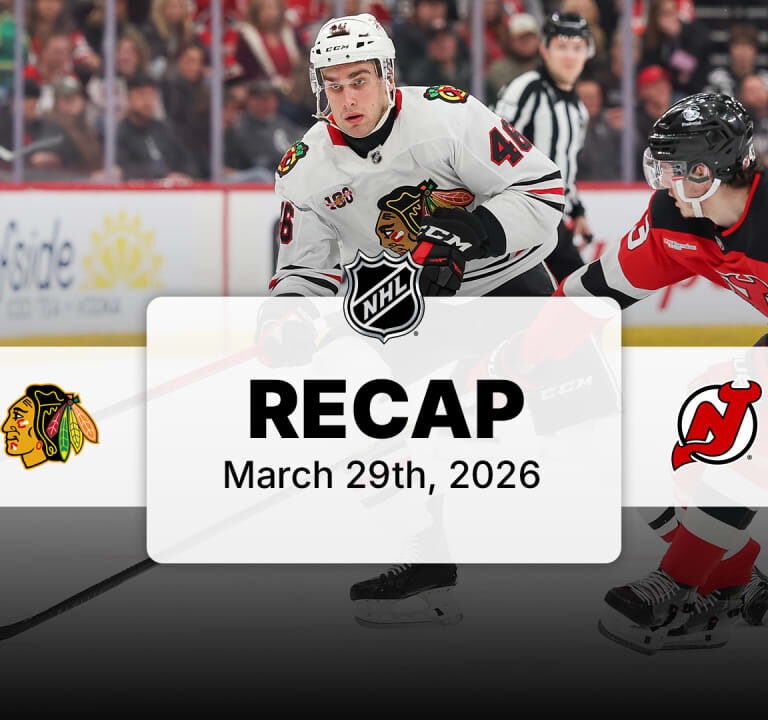
Montclair Greenlights 30-Year Tax Break to Transform Lackawanna Terminal into 300-Unit Mixed-Use Hub with Grocery Anchor

Montclair has taken a decisive and highly consequential step toward reshaping one of its most historically significant yet long-dormant properties, formally approving a 30-year financial agreement that clears the path for a sweeping redevelopment of the former Lackawanna Terminal. The township council’s 6-1 vote signals more than a routine approval of a payment-in-lieu-of-taxes structure; it marks the culmination of decades of stalled visions, contested proposals, and evolving priorities surrounding a site that has sat largely underutilized for generations despite its central location and architectural legacy.

The agreement with BDP Holdings establishes the framework for a mixed-use transformation that aims to inject new life into Montclair’s downtown corridor through a carefully scaled combination of residential, commercial, and retail development. At its core, the project proposes approximately 300 residential units, including a defined affordable housing component, alongside a substantial grocery store footprint and tens of thousands of square feet of office and commercial space. The design calls for multiple mid-rise buildings rising five to six stories, integrated with structured parking and incorporating modern green building technologies that reflect current sustainability expectations in New Jersey’s redevelopment landscape.

This decision follows extensive deliberation by township leadership, reflecting both the complexity of the financial structure and the intensity of public engagement surrounding the project. Over the course of multiple council meetings, residents, stakeholders, and local advocates voiced sharply contrasting perspectives on the merits of granting long-term tax incentives in a municipality widely regarded as one of the most desirable—and expensive—real estate markets in the state. With median home values reaching well into seven figures, critics argued that developers should not require financial concessions to build in such a high-demand environment. Concerns were also raised about historical precedents, where previous projects benefitting from similar agreements were later sold, limiting long-term fiscal upside for the township.

At the same time, supporters of the redevelopment emphasized the strategic importance of finally activating a site that has remained economically dormant despite its potential. The argument in favor of the agreement is grounded in the belief that new ratables, increased housing supply, and the introduction of a full-service grocery anchor will generate sustained economic and community benefits. For many, the presence of a major supermarket within walking distance represents a transformative amenity that aligns with Montclair’s evolving identity as a dense, transit-oriented, and lifestyle-driven community.

The approved plan outlines a two-phase construction timeline that will unfold over several years. The initial phase includes the development of four buildings that will establish the core residential and retail components, while the second phase introduces an additional structure and expanded office space layered above one of the earlier buildings. Municipal projections suggest the redevelopment could generate hundreds of construction jobs over the course of nearly a decade, followed by a significant number of permanent positions tied to retail, office, and service operations once the project reaches full occupancy.

Yet even with formal approval secured, the project remains in a critical pre-development stage. Notably, a full site plan application has not yet been submitted to the township’s planning board, and the timeline for that submission has already been extended multiple times. This next phase will be pivotal, as it will provide the first detailed look at architectural design, traffic impacts, environmental considerations, and the integration of the project into the surrounding neighborhood fabric. It is at this stage where both supporters and opponents are expected to re-engage with renewed intensity, as the conceptual vision transitions into tangible specifications.

The historical context surrounding the Lackawanna Terminal underscores why this moment carries such weight. Originally opened in 1930, the station served as a key transit hub before ceasing operations decades ago. Subsequent attempts to reimagine the property have reflected shifting economic conditions and planning philosophies—from early proposals that prioritized residential density to later retail-driven concepts anchored by large-format grocery tenants. While earlier redevelopment efforts achieved partial success, including the introduction of a supermarket-driven shopping center, those gains ultimately proved unsustainable as anchor tenants departed and the site gradually lost relevance within Montclair’s commercial ecosystem.

The current plan, therefore, represents both a continuation of past ambitions and a recalibration toward a more diversified, mixed-use model that aligns with contemporary urban planning principles. By blending housing, retail, and office uses within a single integrated development, the project seeks to create a more resilient economic environment capable of adapting to changing market conditions over time.

From a fiscal standpoint, the 30-year PILOT agreement introduces a structured alternative to traditional property taxation, allowing the township to negotiate predictable revenue streams while providing developers with financial certainty during the project’s lifecycle. This mechanism has become increasingly common across New Jersey, particularly in large-scale redevelopment zones where upfront costs and long timelines can complicate conventional financing models. However, as demonstrated throughout Montclair’s public discourse, the use of such agreements remains a point of contention, particularly in communities with strong tax bases and engaged constituencies.

The political dynamics surrounding the vote further reflect the complexity of balancing long-term planning objectives with immediate community concerns. While the majority of council members ultimately aligned in support of the agreement, the dissenting vote underscores that questions around equity, fiscal impact, and community benefit remain unresolved for some stakeholders. Issues such as direct contributions to the school district, long-term affordability, and the preservation of Montclair’s character continue to shape the broader conversation around growth and development within the township.

As the project advances toward the planning board review process, attention will increasingly shift toward execution—how the vision translates into built form, how infrastructure and traffic are managed, and how effectively the development integrates into Montclair’s established urban fabric. The eventual submission of a detailed site plan will serve as the definitive blueprint that determines whether the redevelopment fulfills its promise as a catalyst for revitalization or becomes another chapter in the site’s long and complex history.

For ongoing coverage of major real estate developments shaping New Jersey’s future, explore the latest reporting in the Real Estate section of Sunset Daily News, where projects like this are analyzed in depth as they move from concept to construction and ultimately redefine the communities they inhabit.

Rider University Expands Its Commitment to Veterans with a Transformational Entrepreneurship Training Program Now Accepting Applications Across New Jersey

In a state defined by innovation, resilience, and a deep-rooted respect for service, Rider University is once again positioning itself at the intersection of opportunity and impact. With applications now open for its highly regarded Veteran Entrepreneurship Training Program, Rider is offering more than a course—it is delivering a launchpad for veterans, military spouses, and dependents ready to translate discipline, leadership, and real-world experience into sustainable business success.

This six-week immersive initiative, housed within the university’s Rider University Center for Entrepreneurial Studies, represents one of the most focused and accessible pathways in the region for veterans seeking to enter the entrepreneurial ecosystem. Offered at no cost to participants, the program reflects a broader mission across New Jersey to empower those who have served with tangible economic mobility and long-term career independence.

The structure of the program is deliberate and refined. With enrollment capped at just 20 participants, Rider has engineered an environment where individualized attention is not a luxury but a guarantee. This intimate cohort model ensures that each participant moves beyond theoretical learning into applied business development, receiving consistent, actionable feedback as they shape their concepts into viable ventures. Whether entering with a raw idea or an existing small business in need of refinement, participants are guided through a disciplined process of feasibility analysis, strategic planning, and execution modeling.

At the center of this experience is Dr. Ron Cook, a longtime professor of entrepreneurship whose leadership has shaped the program’s reputation over more than a decade. Now entering its 13th year, the Veteran Entrepreneurship Training Program has quietly become one of New Jersey’s most effective incubators for veteran-led startups. Cook’s approach is grounded not in abstract theory but in practical decision-making frameworks—teaching participants how to rigorously evaluate opportunities, mitigate risk, and build ventures with durability in mind. The results are measurable, with multiple businesses launched and scaled by alumni who first tested their ideas within this exact program.

What distinguishes Rider’s initiative from traditional business courses is the depth of support that surrounds the curriculum. Participants are not navigating the entrepreneurial journey in isolation. Each individual is paired with a dedicated business mentor, often drawn from the university’s advisory board or its growing network of successful alumni. These mentors provide targeted insight, helping participants refine their strategies, challenge assumptions, and identify pathways to market entry that align with real-world conditions.

Beyond mentorship, participants gain access to Rider’s broader academic and professional resources—an ecosystem that includes research tools, strategic guidance, and exposure to a network that extends well beyond the classroom. This layered support structure reflects a broader understanding: entrepreneurship is not simply about ideas, but about execution, access, and sustained guidance.

Rider University’s leadership in this space is not incidental. The institution has consistently demonstrated a deep institutional commitment to veterans and military families. As a designated Yellow Ribbon school, Rider actively works to reduce financial barriers and expand educational access for those who have served. That commitment has translated into national recognition, including a strong placement among the Best Colleges for Veterans in the Regional Universities North category by U.S. News & World Report, as well as honors from Colleges of Distinction for its continued support of service members.

This program arrives at a critical moment in New Jersey’s economic landscape. Veteran entrepreneurship is increasingly recognized as a powerful driver of local economic growth, bringing leadership-tested individuals into the small business ecosystem with a mindset built on accountability, adaptability, and mission execution. By investing directly in these individuals, Rider is not only supporting veterans—it is strengthening the broader New Jersey business community.

The timing and structure of the program are designed to accommodate working professionals and those balancing multiple responsibilities. Sessions will take place on Wednesday evenings from 6:00 to 9:00 p.m. on Rider’s campus, running from May 13 through June 24. This evening format allows participants to fully engage without disrupting existing commitments, making the program accessible to a wide range of applicants across the state.

Applications are currently open and will be accepted through May 8, though prospective participants are strongly encouraged to apply early due to the program’s limited capacity. Interest in the program continues to grow each year, reflecting both its proven outcomes and the increasing demand for structured, high-impact entrepreneurial training tailored specifically to veterans.

For those tracking innovation, workforce development, and higher education leadership across the state, this initiative reinforces Rider University’s expanding role as a catalyst for real-world opportunity. It is not simply about education—it is about transformation, about equipping individuals with the tools to build something enduring, and about ensuring that the leadership forged through military service continues to shape the economic future of New Jersey.

To explore more opportunities, updates, and initiatives connected to Rider University and its growing impact across the region, visit Explore New Jersey Rider University coverage and stay connected to one of the state’s most dynamic pipelines for innovation, education, and community advancement.

New Jersey’s Policy Crossroads Comes Into Focus as NJ Spotlight News Frames a High-Stakes Week in Government, Transit, Education, and Emerging Technology

New Jersey enters the final days of March with a convergence of political pressure points, policy recalibration, and public accountability debates that are rapidly defining the state’s trajectory for 2026 and beyond. The latest statewide broadcast from NJ Spotlight News, released Friday, March 27, delivers a comprehensive snapshot of a government ecosystem navigating fiscal tension, infrastructure urgency, and a fast-moving legislative agenda shaped by both traditional governance and emerging technological realities. As of the morning of March 28, no Saturday broadcast has aired—consistent with the outlet’s weeknight schedule—but the Friday program stands as a dense and consequential briefing on the issues now dominating New Jersey’s public discourse. Viewers can access the full episode through the platform’s official coverage hub on NJ Spotlight News, where extended reporting continues to deepen the context behind each headline.

At the center of the current political landscape is a rapidly escalating controversy in Newark, where scrutiny has intensified around a proposed $500 million elementary school project. Ras Baraka has publicly denied any involvement in what has been characterized as a potential no-bid contract tied to a developer with past financial connections to his gubernatorial campaign. The optics alone have ignited a broader conversation about procurement transparency, campaign finance influence, and the structural safeguards—or lack thereof—governing large-scale public infrastructure deals in New Jersey’s urban centers. This issue is not unfolding in isolation; it is feeding into a wider voter sensitivity around ethics, accountability, and the integrity of public-private partnerships, particularly as municipalities face mounting pressure to modernize educational facilities without compromising oversight.

Simultaneously, Trenton is engaged in a consequential debate over the future of property tax relief, a perennial issue that continues to define New Jersey’s economic identity. Under the leadership of Mikie Sherrill, lawmakers are dissecting a revised framework for the Anchor and Stay NJ programs, with the administration positioning the proposal as a more equitable recalibration of relief distribution. The discussion is not merely technical; it represents a philosophical divide over how the state balances fiscal responsibility with affordability in one of the nation’s most expensive housing markets. Legislators are weighing whether the proposed adjustments truly deliver on the promise of fairness or simply redistribute existing constraints in a different configuration, leaving core affordability challenges unresolved.

Transportation infrastructure, long a defining issue for New Jersey residents, has also re-emerged as a focal point of executive action. Governor Sherrill has issued a directive imposing a June 22 deadline for NJ Transit to implement measurable improvements across safety, cleanliness, and operational reliability. The mandate specifically targets persistent issues such as malfunctioning elevators, inconsistent maintenance standards, and the need for an increased law enforcement presence across transit hubs. For commuters who rely daily on the system’s performance, this directive signals a shift toward accountability benchmarks that extend beyond rhetoric, potentially redefining how transit agencies are evaluated and managed at the state level.

In parallel, a more systemic financial concern is unfolding within the state’s public sector workforce: the sustainability of teacher health insurance. The New Jersey Treasury has issued a stark warning that the current structure is approaching what analysts describe as a “death spiral,” driven by escalating costs and diminishing participation. This scenario presents a complex policy challenge, as any corrective measures will require coordination between state officials, educators, and unions, all while maintaining the balance between fiscal solvency and the preservation of benefits that are central to workforce stability. The implications extend beyond budgetary spreadsheets; they touch on recruitment, retention, and the broader perception of public sector employment in New Jersey.

Overlaying these traditional policy arenas is a rapidly advancing legislative push into the governance of artificial intelligence, signaling New Jersey’s intent to position itself at the forefront of regulatory innovation. Lawmakers are actively developing measures aimed at curbing deceptive uses of AI in real estate advertising, where manipulated imagery and synthetic representations have the potential to mislead consumers. At the same time, the legislature is confronting the ethical and legal boundaries of AI-driven “companion chatbots” designed for children, with proposed statutes introducing criminal penalties for the generation of explicit or exploitative content involving minors. These initiatives reflect a recognition that technological acceleration is outpacing existing legal frameworks, requiring proactive intervention to safeguard both consumers and vulnerable populations.

Beyond the primary policy narratives, NJ Spotlight News continues to capture the human dimension of life across the state, reinforcing its role as both a political and cultural lens. A recent special edition titled “Painting Community” explored the role of public art as a unifying force in municipalities across New Jersey, highlighting how creative expression intersects with civic identity and local investment. Meanwhile, a deeply local story out of Deptford—centered on the loss of a beloved unofficial mascot known as “Fred the Turkey”—has resonated with residents, illustrating how even small, community-driven narratives contribute to the broader emotional fabric of the state.

What emerges from this moment is a New Jersey defined not by a single headline, but by a layered and interconnected set of challenges and opportunities. Governance is being tested simultaneously across ethics, economics, infrastructure, healthcare, and technology, with each domain influencing the others in ways that demand coordinated leadership and sustained public engagement. The reporting delivered through NJ Spotlight News provides not just a summary of events, but a structured understanding of how these issues are evolving in real time, offering residents, policymakers, and stakeholders a critical vantage point into the decisions that will shape the state’s near-term future.

For readers seeking a deeper, continuously updated perspective on these developments, ongoing coverage is available through the NJ Spotlight News platform, where each of these stories continues to unfold with additional reporting, analysis, and context.

Morris County Marks the Retirement of Detective Captain Denise Thornton, Celebrating a Career That Helped Shape Modern Law Enforcement in New Jersey

Morris County has formally recognized the retirement of Detective Captain Denise Thornton of the Morris County Sheriff’s Office, closing the chapter on a distinguished career that spanned more than a quarter century and helped define the county’s evolution in public safety, leadership development, and community-focused policing. The honor came during a ceremonial walkout held at the Morris County Administration and Records Building, a setting that underscored both the institutional significance of her service and the deep respect she earned across every level of county government and law enforcement.

Surrounded by colleagues, county officials, and community leaders, Thornton was presented with a Resolution of Honor by Commissioner Director Stephen Shaw, alongside Sheriff James M. Gannon, who recognized her legacy with both a retirement plaque and a commemorative piece engraved with the historic Morris County Courthouse—an emblem of the justice system she served with consistency and precision. The ceremony opened with remarks from Chief Warrants Officer Jack Ambrose, who traced Thornton’s professional trajectory with clarity and admiration, followed by reflections from Chief Sheriff’s Officer Aaron Tomasini, who emphasized the operational and cultural impact of her leadership within the agency.

From the outset of her career, Thornton’s entry into public safety aligned with a transformative period in American law enforcement. Beginning in 2000 as a police dispatcher with the Bernards Township Police Department, she was positioned on the front lines of emergency response during the September 11, 2001 terrorist attacks—an experience that would permanently redefine the expectations, responsibilities, and strategic frameworks of public safety nationwide. That early exposure to crisis management and high-stakes coordination established a foundation of resilience and situational awareness that would carry through every stage of her career.

Shortly thereafter, in January 2002, Thornton was sworn in as a Morris County Sheriff’s Officer following her graduation from the Morris County Police Academy. What followed was a steady and deliberate ascent through the ranks, marked by both operational excellence and a commitment to institutional advancement. She served as acting sergeant in 2011 before earning promotion to sergeant in 2012, transitioned into the investigative command structure as detective lieutenant in 2016, and ultimately reached the rank of detective captain in 2019. Each promotion reflected not only tenure, but a sustained record of performance in policy development, personnel training, and cross-agency coordination.

Within the Sheriff’s Office, Thornton became synonymous with strategic oversight and modernization. Her work in developing and refining departmental policies ensured that the agency remained aligned with evolving standards in law enforcement accountability and effectiveness. She played a central role in advancing training initiatives that strengthened officer readiness while also integrating community-facing programs designed to build trust and expand public engagement. Among the initiatives she supported were Project Lifesaver, CrimeStoppers, and the Hope One/Police Assisted Addiction and Recovery Initiative (PAARI), each representing a critical intersection between enforcement and community care.

Her leadership extended into one of the most technically demanding and detail-driven roles within law enforcement administration: accreditation management. In this capacity, Thornton guided the Morris County Sheriff’s Office through multiple national reaccreditation processes, reinforcing the agency’s adherence to best practices and nationally recognized standards. Accreditation is not merely procedural; it is a comprehensive validation of operational integrity, and Thornton’s stewardship in this area ensured that Morris County maintained a position of credibility and excellence within the broader law enforcement community.

In addition to her administrative leadership, Thornton served as a public information officer, managing communications during both routine operations and critical incidents. Her ability to translate complex law enforcement activity into clear, accurate public messaging strengthened transparency and reinforced public confidence. Simultaneously, she oversaw the Criminal Investigations Division, including Crime Scene Investigation, Evidence Management, Professional Standards, and Community Outreach. This portfolio required not only investigative expertise but also an understanding of the interconnected systems that support justice, accountability, and community relations across municipalities throughout Morris County.

Her influence extended beyond her immediate department through her involvement in professional development at the state level. As both a graduate and instructor of the New Jersey State Association of Chiefs of Police Command and Leadership Program, Thornton contributed to shaping the next generation of law enforcement leaders. Her dual role as both student and educator in this program highlights a career defined not just by participation, but by mentorship and institutional investment.

Thornton’s academic and professional achievements further underscore the breadth of her qualifications. In 2004, she completed specialized training in drug evaluation and classification, graduating as class valedictorian and earning the Sheriff’s Office Academic Excellence Award. This distinction was particularly significant, as she became the first female and first Sheriff’s Officer to achieve that honor. Her academic foundation began at Madison High School, followed by her graduation from Norwich University in 2000, where she earned a Bachelor of Arts in criminal justice, cum laude, and served as chair of the Civilian Honor Council—an early indication of her leadership capabilities.

Beyond her professional responsibilities, Thornton maintained a strong presence in civic life. As a Randolph resident, she balanced her law enforcement career with public service as a township councilwoman, demonstrating a commitment to governance and community advocacy beyond the scope of her official duties. Her involvement with the Ironia Ladies Auxiliary, where she served as past president and continues as a trustee, as well as her role as vice president of the Randolph Township Public Library Board of Trustees, reflects a sustained dedication to local engagement and institutional stewardship.

The retirement ceremony drew attendance from Randolph Township leadership, including Mayor Mark Forstenhausler, Deputy Mayor Lou Nisivoccia, Councilwoman Christine Carey, and Councilman Joe Hathaway, reinforcing the deep ties between Thornton’s professional career and her community presence. Their attendance was not ceremonial alone; it represented a recognition of the tangible impact her work has had on both public safety and civic life in Morris County.

As Morris County continues to evolve within a rapidly changing public safety landscape, the legacy of Detective Captain Denise Thornton remains embedded in its operational framework, its leadership culture, and its community relationships. Her career reflects a model of law enforcement that integrates discipline with empathy, technical expertise with public accountability, and leadership with service. While her departure from uniform marks the end of an era, the systems she strengthened and the standards she upheld will continue to influence the Sheriff’s Office and the broader region for years to come.

For continued coverage of public safety, law enforcement leadership, and community initiatives across New Jersey, explore the latest updates in Sunset Daily News’ Law & Order section.

Passover 2026 in New Jersey: A New Era of Kosher Wine Excellence Emerges From Bayonne to the Garden State’s Vineyards

As Passover 2026 approaches with the holiday beginning on April 1, New Jersey is once again positioned at the center of a global conversation—this time through wine. What has traditionally been a deeply rooted cultural and religious celebration is now intersecting with a modern, elevated wine movement that stretches from international vineyards to local tasting rooms across the Garden State. At the heart of this evolution is Royal Wine Corp, headquartered in Bayonne, a global force that continues to redefine what kosher wine means for contemporary audiences while maintaining the integrity and traditions that define Passover observance.

This year’s Passover wine landscape is not simply about selection—it is about curation at the highest level. Royal Wine Corp, recognized as the world’s largest producer and importer of kosher wines and spirits, has introduced a portfolio that reflects both global sophistication and local accessibility. Their 2026 releases, previewed earlier this year at the prestigious Kosher Food & Wine Experience in East Rutherford, have set a new benchmark for quality, diversity, and cultural relevance. Often described as the “Super Bowl” of kosher wine, the event served as the definitive unveiling of bottles that will now define Seders not just in New Jersey, but across the country.

What makes this moment particularly significant for Explore New Jersey readers is the direct connection between global wine culture and local identity. Bayonne is not simply a headquarters—it is a hub. From this New Jersey base, curated collections featuring internationally recognized names are being distributed nationwide, reinforcing the state’s growing influence in the premium wine space. Among the most talked-about releases this year are collaborations that bridge lifestyle, sport, and craftsmanship. Vera Wang introduces two refined Provençal rosés that bring elegance and balance to the Passover table. Isiah Thomas presents ultra-premium Champagnes developed in partnership with Champagne Cheurlin, offering both Brut Spéciale and the Thomas Célébrité cuvée as standout celebratory options. Meanwhile, Amar’e Stoudemire expands his commitment to kosher winemaking with a collection of bold, structured reds produced alongside Herzog Winery, delivering depth and complexity that align with both traditional and modern Seder menus.

While these global selections command attention, the story does not end at international acclaim. New Jersey’s own wine scene continues to rise in parallel, offering residents and visitors an opportunity to explore locally crafted wines that complement the holiday experience. The state’s diverse terroir, ranging from coastal influences to inland vineyard regions, has supported a growing network of wineries producing everything from crisp whites to robust reds. For those seeking to deepen their connection to local wine culture, Explore New Jersey’s curated guide to New Jersey wineries provides an essential entry point into vineyards and tasting experiences that reflect the state’s expanding reputation in the industry.

This dual narrative—global excellence meeting local craftsmanship—has created a uniquely rich environment for Passover 2026. Across the state, opportunities to engage with these wines have already begun to take shape. Community tastings, such as the recent event at Congregation B’nai Israel in Emerson, have allowed participants to experience selections firsthand, while upcoming resort-style Passover programs in destinations like Somerset and Wildwood are incorporating these curated bottles into immersive Seder experiences. These events are not merely tastings; they are cultural touchpoints that bring together tradition, innovation, and community.

What distinguishes this year’s offerings is not just the caliber of the wines but the intentionality behind them. Kosher wine has undergone a transformation over the past decade, shedding outdated perceptions and emerging as a category defined by quality, diversity, and global relevance. The 2026 selections exemplify this shift, with winemakers and collaborators prioritizing terroir expression, balanced structure, and modern winemaking techniques while adhering to strict kosher standards. The result is a portfolio that appeals equally to seasoned collectors, casual enthusiasts, and families seeking to elevate their holiday table.

For New Jersey, this moment represents more than seasonal relevance—it signals a broader positioning within the national and international wine landscape. The presence of a global leader like Royal Wine Corp within the state, combined with the continued growth of local wineries, creates a dynamic ecosystem where innovation and tradition coexist. It is a model that reflects the diversity and ambition of New Jersey itself, where global connections and local pride intersect in meaningful ways.

As families prepare for Passover, the role of wine extends beyond ritual—it becomes an expression of celebration, identity, and shared experience. Whether selecting a refined rosé from Provence, a meticulously crafted Champagne, or a locally produced vintage discovered through Explore New Jersey’s winery network, the options available this year offer an unprecedented level of choice and quality.

Passover 2026 is not just another holiday on the calendar. It is an opportunity to experience the convergence of heritage and modern excellence, with New Jersey at the center of it all.

New Jersey Devils Surge at the Right Moment: Star Power, Momentum, and a Defining Stretch Ahead

The New Jersey Devils are beginning to look like a team unwilling to let the 2025–26 season fade quietly. At 37–32–2 and riding a two-game winning streak as of March 27, the Devils are not just collecting points—they are rediscovering identity, structure, and, most importantly, the high-end offensive execution that has long defined this roster. Their latest statement came in a 4–2 road victory over the Nashville Predators, a performance that underscored a simple but decisive truth: when New Jersey’s elite talent dictates the pace, the outcome shifts in their favor.

This recent surge, which also includes a 6–4 win over the Dallas Stars, has seen the Devils outscore opponents 10–6 over their last two contests. While they remain seventh in the Metropolitan Division with 76 points, the trajectory is beginning to matter as much as the standings themselves. Momentum in late March is not cosmetic—it is foundational. And right now, the Devils are building something that feels increasingly sustainable.

The Nashville victory was a blueprint of what this team is capable of when its core is fully engaged. Captain Nico Hischier delivered a commanding performance with two goals, including the decisive marker late in the third period. His production was not the result of isolated brilliance but rather a reflection of consistent positioning, awareness, and relentless puck pursuit. Hischier’s ability to influence the game beyond the scoresheet continues to define his leadership, and in Nashville, those details translated directly into results.

Alongside him, Jesper Bratt orchestrated one of the most dynamic performances of the season. With three points on the night, including his 19th goal, Bratt blended creativity with decisiveness, attacking from angles that forced defensive breakdowns and creating opportunities that extended beyond traditional playmaking lanes. His evolution into a dual-threat offensive catalyst is one of the most important developments for New Jersey as they push toward the final stretch.

Then there is Jack Hughes, whose influence on the game continues to operate at a different level entirely. Recording two assists and extending his point streak to six games, Hughes dictated tempo with his skating, vision, and ability to maintain possession under pressure. His playmaking instincts were on full display, particularly on Hischier’s game-winning goal, where his ability to generate chaos in the offensive zone resulted in another critical breakthrough. Since his widely discussed “Golden Goal” moment, Hughes has elevated his game even further, reinforcing his status as one of the league’s most impactful offensive forces.

The supporting cast also delivered in meaningful ways. Timo Meier sealed the game with an empty-net goal, while Jonas Siegenthaler continued an unexpected offensive surge with two assists, marking consecutive multi-point games. While Siegenthaler is not traditionally known for offensive production, his recent contributions highlight a broader trend: players throughout the lineup are finding ways to influence outcomes beyond their expected roles.

That adaptability becomes even more critical when considering the current injury landscape. Arseny Gritsyuk is sidelined week-to-week, a significant disruption to a third line that had been building chemistry. Brett Pesce remains uncertain with a lower-body injury, while Stefan Noesen and Zack MacEwen have been ruled out for the season. These absences are not minor—they directly impact depth, physicality, and lineup stability.

Yet even within those constraints, the Devils are finding solutions. The reconfigured third line, featuring Cody Glass and Lenni Hämeenaho alongside Evgenii Dadonov, delivered a quietly dominant performance in Nashville at even strength, controlling play and suppressing chances against at an elite rate. It was not a perfect showing, but it was an effective one, demonstrating that the Devils can still generate structural success even when key pieces are missing.

Dadonov’s presence, however, introduces a layer of complexity that extends beyond the ice. With performance bonuses tied to games played, the Devils face a potential cap implication if he crosses certain thresholds. For a team already navigating a tight salary structure—with emerging players approaching new contracts and strategic decisions looming—every financial detail matters. Whether management continues to deploy Dadonov or pivots toward evaluating younger talent will be one of the more subtle but significant storylines as the season winds down.

Another defining element of this Devils team is their dominance against Western Conference opponents. With a 21–10–0 record against the West following the Nashville win, New Jersey has consistently found success outside its own conference. This trend is not incidental—it reflects a style of play that translates effectively against different systems and travel conditions, reinforcing the team’s broader potential when operating at full capacity.

All of this now leads to a pivotal matchup against the Carolina Hurricanes on March 28, a game that represents more than just another entry on the schedule. It is an opportunity to extend momentum, to challenge a divisional opponent, and to further solidify the identity that has begun to reemerge over the past week.

For fans tracking every shift, every development, and every turning point, the full scope of this evolving story can be followed through Explore New Jersey Devils coverage, where the season’s defining moments continue to take shape in real time.

What is becoming increasingly clear is that this Devils team, even in a crowded and competitive Metropolitan Division, still possesses the most critical ingredient required to shift outcomes late in the season: elite, game-breaking talent. When that talent is aligned—as it was in Nashville and Dallas—the Devils are not simply competitive. They are dangerous. And as the regular season approaches its conclusion, that distinction may ultimately define how far this team can go.

Montclair’s American Legion Reimagined: Landmark Redevelopment to Deliver Veteran Housing, Services, and a New Standard for Community Investment in New Jersey

In Montclair, a historic address long tied to service, sacrifice, and civic leadership is entering a defining new chapter—one that aligns preservation with purpose and transforms legacy into tangible impact. The redevelopment of the American Legion Crawford Crews Post 251 at 210 Bloomfield Avenue is not simply a construction project; it is a strategic response to one of New Jersey’s most urgent challenges: veteran homelessness. With a design-led approach that integrates supportive housing, wraparound services, and community engagement into a single, thoughtfully planned facility, the project signals a broader shift in how the state approaches infrastructure, social responsibility, and long-term veteran care.

At the center of this transformation is a collaboration between DIGroup Architecture and project liaison James Evers, whose vision for the site extends well beyond replacing a deteriorating structure. Instead, the redevelopment introduces a fully realized Montclair Veterans Service Center—an environment designed to support not just housing needs, but the full continuum of transition for veterans navigating post-service life. The plan includes 11 supportive housing units, each intended to provide stability and dignity for veterans who are homeless, at risk, or aging out of traditional support systems. Yet the project’s scope is far more expansive than its residential component alone.

What is emerging on Bloomfield Avenue is a multi-story, multi-use facility that integrates education, outreach, and community programming into its core design. This is not housing in isolation—it is housing embedded within a network of services, creating an ecosystem where veterans can access the tools necessary to rebuild, reconnect, and thrive. The architectural philosophy guiding the project reflects that ambition, emphasizing accessibility, sustainability, and modern living standards while maintaining a deep respect for the site’s historical significance.

That balance between past and future is particularly important given the legacy of Crawford Crews Post 251, which has served Montclair since 1935. The building itself carries even deeper roots, originally constructed in the late 19th century as Washington Hose Company No. 3, an Italian Renaissance-style structure that has stood as a quiet landmark through generations of change. Over time, the building transitioned into a vital gathering space for African-American veterans, including those connected to the Harlem Hellfighters and the Tuskegee Airmen—units whose contributions were long underrecognized despite their extraordinary service.

Rather than erase that history, the redevelopment is designed to elevate it. Key architectural elements, including signature stonework, will be preserved and incorporated into the new structure, ensuring continuity between what the site has been and what it is becoming. Plans also include formal historical documentation and the installation of a commemorative plaque, reinforcing the project’s role as both a living facility and a permanent tribute.

This approach reflects a larger trend visible across New Jersey’s evolving development landscape—one that Sunset Daily News continues to track closely through its ongoing coverage of the state’s construction and infrastructure initiatives, including projects highlighted in the Explore New Jersey construction coverage. Increasingly, redevelopment efforts are being shaped by dual mandates: preserve cultural identity while delivering forward-thinking solutions to modern challenges. The Montclair project exemplifies that model at its highest level.

Equally critical to the project’s momentum is the network of partnerships supporting it. The redevelopment has already secured historic preservation review and key regulatory approvals at the state level, positioning it as one of the more advanced veteran housing initiatives currently in development. Collaboration with organizations such as Soldier On and Monarch Housing Associates ensures that the supportive housing component is not merely structural, but operationally effective—anchored by proven strategies in veteran outreach and housing stability. Additional backing from the U.S. Department of Veterans Affairs, combined with pre-development funding from the State of New Jersey, underscores the project’s alignment with broader policy goals.

Those policy goals are becoming increasingly urgent. New Jersey has intensified its focus on eliminating veteran homelessness, with state leadership identifying it as a core priority. Recent data has shown hundreds of veterans across the state still without stable housing, a reality that has driven renewed investment in programs designed to close that gap. Initiatives like Bringing Veterans Home, backed by significant state funding, are working to ensure that every known homeless veteran is identified, supported, and ultimately housed. Projects like the Montclair redevelopment are essential to achieving that objective, providing the physical infrastructure required to translate policy into real-world outcomes.

What makes this particular redevelopment especially significant is its scalability. Similar efforts are already underway in other municipalities, including Hoboken and Westfield, indicating a replicable model that could be expanded statewide. By combining permanent supportive housing with integrated services and community engagement, the American Legion redevelopment framework offers a blueprint for addressing veteran homelessness in a way that is both humane and sustainable.

At a design level, the Montclair Veterans Service Center is being positioned as more than a solution—it is being framed as a destination. Project leaders have described the vision as a “forward-thinking sanctuary,” a space where veterans are not only housed but empowered. That distinction matters. Too often, housing initiatives focus solely on shelter; this project is structured around opportunity, connection, and long-term success.

The cultural significance of the site adds another layer of importance. Named for Crawford Crews, one of several Montclair residents who served with distinction in the Harlem Hellfighters during World War I, Post 251 has long been a symbol of both military service and community leadership. Over decades, it has provided emergency shelter, supported local initiatives, and served as a gathering place for veterans whose stories might otherwise have gone unheard. The redevelopment ensures that this legacy is not only preserved but amplified, connecting past contributions to future impact.

As the project advances toward final zoning approvals and housing voucher allocations, the path toward construction is becoming increasingly clear. What follows will be closely watched—not just in Montclair, but across New Jersey and beyond—as communities look for effective ways to address veteran housing needs without sacrificing history or identity.

In a state where construction is often measured in square footage and timelines, this project stands apart by redefining success in human terms. It is about stability for those who have served, recognition for those whose contributions shaped history, and a commitment to building spaces that reflect both responsibility and respect.

Montclair’s American Legion redevelopment is not simply rebuilding a structure. It is reconstructing a promise—one that ensures the men and women who served are met with the same level of dedication when they return home.

Rider University Expands Its National Reach and Educational Impact with Membership in the Council of Independent Colleges

In a significant development that reinforces its standing within the national higher education landscape, Rider University has officially joined the Council of Independent Colleges (CIC), a respected national association dedicated to strengthening nonprofit colleges and universities through collaboration, leadership development, and shared institutional advancement. This move marks more than a new affiliation—it represents a strategic expansion of Rider’s influence, resources, and long-term value for its academic community.

Positioned in Lawrenceville, New Jersey, Rider University has long maintained a reputation for balancing strong liberal arts foundations with forward-looking professional programs. Its inclusion in CIC places the university among a network of peer institutions that are deeply committed to educational excellence, innovation, and student-centered outcomes. This membership signals Rider’s continued evolution as a university that not only serves New Jersey but actively participates in shaping the broader national dialogue around higher education.

At the core of this development is access to the CIC Tuition Exchange Program (CIC–TEP), a powerful benefit that extends beyond traditional academic offerings. Through this program, Rider’s full-time employees—and in many cases their spouses and dependents—gain the opportunity to attend nearly 420 participating colleges and universities without paying tuition. This network spans 47 states and includes international institutions, effectively opening doors to a wide spectrum of academic pathways and experiences that would otherwise be out of reach for many families.

The impact of this program is both immediate and far-reaching. For faculty and staff, it introduces a meaningful and tangible benefit that enhances recruitment, retention, and long-term engagement. For their families, it creates access to a diverse array of undergraduate and graduate programs across disciplines such as business, health professions, technology, the arts, and the humanities. In practical terms, it transforms Rider’s employment ecosystem into a gateway to a national educational network, strengthening the university’s value proposition in a competitive higher education market.

This expansion aligns directly with Rider’s broader mission. The university has consistently emphasized experiential learning, personalized education, and career readiness. By joining CIC, Rider extends these principles beyond its own campus, allowing its community to tap into a broader academic ecosystem while maintaining its identity as a close-knit, student-focused institution.

Leadership at Rider has framed this move as both a connection and an opportunity. By entering the CIC network, the university gains access to a collaborative environment where institutional leaders share strategies, participate in professional development, and engage in conversations that shape the future of higher education. These opportunities are not abstract—they translate into stronger academic programs, improved operational practices, and enhanced student outcomes.

The Council of Independent Colleges, founded in 1956, has built its reputation on precisely this kind of impact. Its focus on supporting leadership, advancing academic quality, and strengthening institutional performance makes it one of the most influential organizations serving private, nonprofit colleges. Membership is not automatic; it reflects a demonstrated commitment to the principles of independent higher education, particularly the enduring value of the liberal arts as a foundation for critical thinking and lifelong learning.

For Rider University, this alignment is both natural and strategic. The university’s academic structure—blending liberal arts education with specialized professional training—fits squarely within CIC’s framework. More importantly, Rider’s emphasis on adaptability and innovation positions it to fully leverage the resources and relationships that come with membership.

From a regional perspective, this development also reinforces New Jersey’s growing presence within the national higher education landscape. Institutions like Rider are not operating in isolation; they are part of a broader ecosystem that includes research universities, liberal arts colleges, and specialized institutions across the state. By joining CIC, Rider strengthens that ecosystem, bringing additional visibility and connectivity to New Jersey’s academic community.

The timing of this announcement is also notable. As higher education continues to navigate shifting demographics, rising costs, and evolving student expectations, partnerships and networks like CIC are becoming increasingly important. They provide institutions with the flexibility and support needed to adapt while maintaining their core missions. Rider’s decision to join now reflects a proactive approach—one that prioritizes long-term resilience and growth over short-term positioning.

For prospective students and families, the implications are equally compelling. While the CIC Tuition Exchange Program is specifically designed for employees and their families, its existence signals a broader institutional strength. It indicates that Rider is deeply integrated into a network of respected colleges and universities, enhancing its credibility and expanding its reach. That kind of connectivity often translates into stronger academic partnerships, expanded opportunities, and a more dynamic educational environment overall.

As this new chapter begins, Rider University is not simply adding a credential to its institutional profile. It is redefining the scope of what it offers—both internally to its community and externally to the broader higher education landscape. The combination of national affiliation, expanded access, and strengthened leadership resources positions Rider to continue its upward trajectory while remaining grounded in the values that have defined it for decades.

In an era where higher education is being reexamined and reimagined, Rider’s move into the Council of Independent Colleges stands as a clear statement of intent. It is a commitment to growth, collaboration, and excellence—one that will shape the university’s future while delivering immediate and meaningful benefits to those who are part of it.

Howard’s Van Line in Garfield, New Jersey: Growth, Reach, and Rising Scrutiny in the Garden State’s High-Stakes Moving Industry

In the highly competitive and often unpredictable world of interstate moving, few sectors in New Jersey are as consequential to everyday residents as transportation and relocation services. From families transitioning between cities to businesses repositioning operations across state lines, the reliability of a moving company is not just a convenience—it is a critical component of life logistics. Within this landscape, Howard’s Van Line, also known as Howard’s Vanline LLC, has emerged as a notable, fast-scaling operator headquartered in Garfield, New Jersey, positioning itself as a full-service, licensed interstate carrier with direct operational control over its moves rather than functioning as a broker.

Operating out of its base at 141 Lanza Avenue in Garfield, the company has built a footprint that extends well beyond Bergen County. Its presence is particularly visible across Clifton, Newark, and Jersey City—urban corridors where population movement, apartment turnover, and commercial transitions generate consistent demand for moving services. By emphasizing its New Jersey roots, Howard’s Van Line has attempted to differentiate itself in a crowded field, presenting a localized, service-oriented identity while executing relocations nationwide.

This positioning aligns with broader transportation trends across the region, where demand for dependable logistics providers continues to intensify. Coverage across the transportation section of Sunset Daily underscores how critical infrastructure, mobility services, and regional transit ecosystems intersect with private-sector operators like moving companies. In New Jersey, where proximity to New York City amplifies relocation frequency, the stakes are even higher. Every move becomes part of a larger economic rhythm that includes housing markets, employment shifts, and urban development.

Howard’s Van Line has leaned into this environment with a business model centered on direct handling of interstate moves. Unlike broker-based operations that outsource jobs to third-party carriers, the company maintains that it manages logistics internally. This distinction is significant within the industry, as it implies a higher degree of accountability and operational oversight—two factors that consumers increasingly prioritize when entrusting companies with their personal belongings.

Recent company messaging and public-facing communications have highlighted a period of growth marked by positive customer feedback. Clients have cited professional crews, organized scheduling, and transparent pricing structures as key strengths. In an industry frequently criticized for inconsistency, these attributes represent meaningful differentiators. The ability to deliver predictable pricing and coordinated service execution has become a central selling point, particularly for long-distance moves where uncertainty can quickly escalate costs and stress.

However, the narrative surrounding Howard’s Van Line is not without complexity. As the company has expanded its visibility, it has also encountered increased scrutiny, reflecting a broader pattern seen across the moving and logistics sector. As of early 2026, reports have surfaced indicating significant customer complaints and legal challenges that present a more nuanced picture of the company’s operations.

A legal case filed in Bergen County, New Jersey, with proceedings scheduled for March 25, 2026, has brought additional attention to the company. While litigation in the moving industry is not uncommon, the presence of active legal action introduces questions about service consistency and dispute resolution practices. At the same time, records from the Better Business Bureau have documented complaints that include allegations of bait-and-switch pricing, delivery delays, and instances of double-charging—issues that strike at the core of consumer trust in relocation services.

Public sentiment, particularly across local social media communities in New Jersey, has further complicated the company’s profile. Some users have raised concerns about communication breakdowns, difficulty reaching management, and challenges navigating the claims process after moves are completed. These experiences stand in contrast to the company’s promotional messaging and underscore the variability that can exist within high-volume service operations.

This dual narrative—growth and positive feedback on one side, complaints and legal scrutiny on the other—places Howard’s Van Line at a pivotal moment. It reflects not only the trajectory of a single company but also the broader dynamics of the moving industry in New Jersey and beyond. As demand for relocation services continues to rise, so too does the expectation for transparency, accountability, and customer-first practices.

For consumers across the Garden State, this evolving story reinforces the importance of due diligence when selecting a moving provider. Verifying licensing status, understanding contract terms, and reviewing both positive and negative customer experiences are essential steps in navigating an industry where outcomes can vary widely. In a region as densely populated and economically active as North Jersey, the margin for error in relocation services is minimal.

At the same time, the presence of companies like Howard’s Van Line highlights the ongoing transformation of transportation-related services in New Jersey. The intersection of local identity and national reach is becoming increasingly common, with businesses striving to maintain community ties while scaling operations across state lines. This hybrid approach mirrors broader trends documented throughout Sunset Daily’s transportation coverage, where regional expertise and logistical scalability are no longer mutually exclusive—they are expected.

As 2026 unfolds, the trajectory of Howard’s Van Line will be closely watched, both by industry observers and by the communities it serves. Whether the company can reconcile its growth narrative with the challenges it currently faces will ultimately define its long-term position within New Jersey’s transportation ecosystem. In a sector where reputation is everything, the ability to deliver consistent, transparent, and reliable service will determine whether it remains a rising force—or becomes a cautionary example in one of the most competitive service industries in the region.

Working Dog Winery Sets the Stage for a Standout Spring Weekend and a Must-Experience 21+ Cork Hunt in Central New Jersey

New Jersey’s wine scene continues to surge into the spotlight as spring 2026 unfolds, and few destinations are capturing that seasonal energy quite like Working Dog Winery in Hightstown. With a full weekend of live music, food trucks, and vineyard experiences leading directly into one of the most creative adult-only events of the season, this Mercer County favorite is positioning itself as a centerpiece of the state’s early spring wine calendar.

As the final weekend of March arrives, Working Dog Winery is already drawing attention with a lineup that blends relaxed outdoor enjoyment with curated live entertainment. On Friday, March 27, the winery welcomes Rob Silvers for an afternoon performance from 4:00 to 7:30 PM, setting the tone for a laid-back evening among the vines. The weekend continues on Saturday, March 28, with Chris Swatt performing from 1:00 to 5:00 PM, followed by Sunday’s set from Patty Blee, also from 1:00 to 5:00 PM. Each performance is designed to complement the winery’s tasting experience, giving visitors the chance to settle in, sip, and take in the landscape as winter finally gives way to spring.

Adding to the atmosphere, Dani’s Dogs will be on-site both Saturday and Sunday beginning at 12:00 PM, offering a classic food truck pairing that fits perfectly with an afternoon of wine tasting. It’s a simple but effective formula—live music, approachable food, and estate-grown wines—all coming together in a setting that feels distinctly New Jersey yet elevated enough to compete with any regional wine destination.

Upcoming Events This Weekend (March 27–29, 2026)

  • Port Release Weekend (Unionville Vineyards, Ringoes): Friday, March 27. Celebrate the annual release of their VAT #31 port wine.
  • Country Line Dancing (Laurita Winery, New Egypt): Friday, March 27, 7:00 PM – 11:00 PM. Includes beginner lessons from BTK Entertainment.
  • Live Music Series (Working Dog Winery, Hightstown): Saturday, March 28, 1:00 PM. Enjoy live performances during wine tastings. Working Dog Winery Friday, Mar 27th – 4:00 to 7:30 – Rob Silvers, Working Dog Winery Saturday, Mar 28th – 1:00 to 5:00 – Chris Swatt & Working Dog Winery Sunday, Mar 29th – 1:00 to 5:00 – Patty Blee
  • Kricket Comedy Night (Laurita Winery, New Egypt): Saturday, March 28, 7:30 PM. Features comedians Eddie Gallagher, Raj Belani, and Jerrold Benford.
  • Sips & Sounds (Tomasello Winery, Hammonton): Sunday, March 29, 2:00 PM – 5:00 PM. Free admission for live music by Mike Gibbons and a tapas menu.
  • A Taste of Fire and Vine (Autumn Lake Winery, Williamstown): Sunday, March 29, 4:30 PM. A five-course wood-fired pairing dinner at Ash & Oak.
  • Stretch the Mozz Class (Four Sisters Winery, Belvidere): Sunday, March 29, 1:00 PM. A mozzarella-making class paired with wine and cheese ($52).

Featured April 2026 Events

  • Arbor Opening Weekend (Alba Vineyard & Winery, Milford): Saturday, April 4 – Sunday, April 5. Features music, pizza, and charcuterie to kick off the spring season.
  • Adult Cork Hunt (Working Dog Winery, Hightstown): Thursday, April 2 – Saturday, April 4. A vineyard scavenger hunt for guests 21+.
  • Girl’s Getaway Weekend (Laurita Winery, New Egypt): April 11–12 and 18–19. Free admission featuring local artisan vendors, live music, and psychic readers.
  • Uncork Spring (Carteret PAC): An indoor celebration of the 2026 NJ wine season with multiple wineries and specialty vendors.
  • Spring Hunter Pace (Unionville Vineyards, Ringoes): Saturday, April 18, 9:00 AM. A unique event combining trail rides with wine sampling stations.
  • Bacon Fest Food Truck & Music Festival (Laurita Winery, New Egypt): April 25–26. A massive event with food trucks, fire pits, and fireworks on Saturday night. 

Major Upcoming Festivals

  • NJ Wine & Food Festival (Crystal Springs Resort, Hamburg): May 1–3, 2026. This premier event features guest of honor Marco Pierre White and a Grand Tasting with 200+ selections.
  • Down and Derby Wine Festival (Cooper River Park, Pennsauken): Saturday, May 2. An annual celebration with regional food and music.
  • Mother’s Day Wine Trail Weekend: May 8–10, 2026. Special tastings and events for moms at over 60 wineries across the state.

What truly sets this moment apart, however, is what comes next.

As April begins, Working Dog Winery transitions from traditional weekend programming into something far more interactive and memorable with its highly anticipated 21+ Cork Hunt. Designed as a grown-up twist on a classic spring tradition, the event transforms the vineyard into a playful, immersive experience where guests search among the vines for hidden corks, each one offering the potential for prizes, surprises, and exclusive winery perks.

Scheduled for multiple sessions—Thursday, April 2 at 5:00 PM, Friday, April 3 at 5:00 PM, and Saturday, April 4 at both 11:00 AM and 4:00 PM—the Cork Hunt is structured to give guests flexibility while maintaining an intimate, limited-capacity experience. This is not a drop-in event; tickets are required, and availability is intentionally restricted to preserve the quality and atmosphere of the hunt.

The concept itself is deceptively simple but highly effective. Guests move through the vineyard, guided by curiosity and a sense of competition, searching for corks hidden throughout the property. Some are straightforward finds, while others are more elusive, encouraging exploration and engagement with the landscape. The payoff comes in the form of prizes that range from small treats to more significant winery rewards, adding a layer of anticipation to every discovery.

More than just an activity, the Cork Hunt taps into something deeper about the winery experience. It invites guests to interact with the vineyard in a way that goes beyond tasting and touring. It’s about movement, discovery, and the shared energy of a group experience—all set against the backdrop of one of Central New Jersey’s most scenic winery properties.

That setting matters. Working Dog Winery has built its reputation not just on its wines but on the environment it has created. The property offers a balance of open vineyard views and welcoming gathering spaces, making it equally suited for casual visits and structured events. As the weather warms, the outdoor areas come alive, and events like the Cork Hunt take full advantage of that seasonal shift.

This approach reflects a broader trend across New Jersey’s wine industry, where wineries are increasingly becoming experiential destinations rather than just tasting rooms. From interactive workshops to large-scale festivals, the calendar across the state is filled with opportunities for visitors to engage with wine culture in new ways. But what distinguishes Working Dog Winery’s Cork Hunt is its ability to feel both novel and authentic—something that enhances the winery’s identity rather than distracting from it.

The timing is also strategic. Early April represents a turning point in the region’s tourism cycle, as visitors begin to look for outdoor activities and weekend getaways after the winter months. By launching a signature event during this window, Working Dog Winery is not only attracting attention but setting a tone for the rest of the season.

For those planning their spring outings, the combination of this weekend’s live music lineup and the upcoming Cork Hunt creates a compelling reason to visit more than once. The transition from a relaxed music-driven experience to an interactive vineyard event showcases the versatility of the winery and reinforces its role as a destination that evolves with the season.

There is also a broader takeaway here about where New Jersey’s wine scene stands today. The level of programming, creativity, and attention to detail being seen at wineries like Working Dog is not accidental. It reflects a maturing industry that understands the importance of experience, storytelling, and connection. Visitors are no longer just looking to taste wine—they are looking to spend time, create memories, and return.

Working Dog Winery is clearly leaning into that reality.

From the sounds of live music drifting across the vineyard this weekend to the anticipation of discovering hidden corks in early April, the experience being offered is both immediate and forward-looking. It’s about enjoying the present moment while also building momentum for the months ahead.

For anyone watching the evolution of New Jersey’s wine culture—or simply looking for a standout way to spend a spring afternoon—this is one of those moments worth paying attention to.

New Jersey Wellness Movement: Health for Humanity Yogathon Unites Participants Nationwide with Over 911,000 Sun Salutations

New Jersey’s wellness community continues to play a defining role in a growing national movement centered on mindfulness, physical health, and collective purpose, and the latest Health for Humanity Yogathon stands as a powerful example of that momentum in action. Spanning from January 14 through February 1, 2026, this year’s initiative brought together participants across the United States in a coordinated effort that combined personal wellness with a broader humanitarian mission, culminating in an extraordinary total of 911,340 sun salutations performed nationwide.

With strong participation anchored in communities like Rockaway, New Jersey, the Yogathon continues to expand its footprint as both a physical and cultural event, drawing individuals, families, and organizations into a shared practice rooted in discipline, focus, and intentional movement. Now in its 19th year, the annual event has evolved into a cornerstone of wellness programming, reflecting a sustained commitment to promoting holistic health while fostering a sense of unity that extends beyond geographic boundaries.

At the center of the Yogathon is the practice of Surya Namaskar, or sun salutations, a sequence of movements that integrates breath, flexibility, and strength into a continuous flow. While widely recognized within yoga traditions, the scale at which these movements were performed during the event transforms an individual practice into a collective achievement, reinforcing the idea that wellness can be both deeply personal and broadly communal. The cumulative total of more than 911,000 sun salutations is not only a testament to the dedication of participants but also an indicator of the growing interest in structured, purpose-driven wellness initiatives.

In New Jersey, the event’s impact is particularly significant, aligning with a statewide expansion of yoga and wellness programming that continues to gain traction across communities. Through resources like the Explore New Jersey yoga directory, residents have increasing access to studios, instructors, and events that support both beginners and experienced practitioners. The Yogathon fits naturally within this landscape, offering an entry point for participation that emphasizes inclusivity and accessibility while maintaining a clear focus on discipline and personal growth.

The Health for Humanity framework adds an additional layer of meaning to the event, positioning yoga not only as a physical practice but as a vehicle for broader social impact. Participants engage not just for individual benefit but as part of a coordinated effort to support humanitarian causes, reinforcing the connection between personal well-being and collective responsibility. This dual focus has become a defining characteristic of the Yogathon, distinguishing it from traditional fitness events and elevating it into a platform for meaningful engagement.

The structure of the event encourages participation at multiple levels, allowing individuals to set personal goals while contributing to a larger national total. This flexibility is key to its continued growth, enabling participants of varying skill levels to engage in a way that is both challenging and achievable. For some, the Yogathon represents an opportunity to deepen an existing practice; for others, it serves as an introduction to yoga within a supportive and goal-oriented environment.

New Jersey’s role in hosting and supporting this initiative reflects a broader trend within the state’s wellness sector, where community-based programming is increasingly integrated into everyday life. Studios, community centers, and local organizations have embraced events like the Yogathon as a way to bring people together around shared goals, creating spaces where physical activity and social connection intersect. This alignment between local infrastructure and national initiatives is a key factor in the sustained success of programs like Health for Humanity.

The timing of the Yogathon, beginning in mid-January and extending into early February, also reinforces its positioning as a catalyst for new-year wellness commitments. By providing a structured, time-bound challenge, the event offers participants a clear framework for building consistency and accountability, two elements that are often critical to establishing long-term habits. The collective nature of the challenge further enhances this effect, creating a sense of momentum that carries participants through the duration of the program.

Beyond the physical benefits, the Yogathon emphasizes mental clarity and focus, encouraging participants to approach the practice with intention and awareness. The repetitive nature of sun salutations, combined with controlled breathing, creates a meditative rhythm that supports both physical endurance and mental resilience. This integration of mind and body is central to the philosophy behind the event, reinforcing the idea that wellness extends beyond measurable outcomes into the realm of sustained balance and well-being.

The scale of participation in the 2026 Yogathon underscores the growing recognition of yoga as a foundational element of modern wellness culture. What was once considered a niche practice has become a widely embraced discipline, supported by a network of studios, instructors, and community initiatives that continue to expand its reach. In New Jersey, this evolution is particularly evident, with an increasing number of residents incorporating yoga into their daily routines and seeking out opportunities to engage with the practice in both structured and informal settings.

As the 19th annual Yogathon concludes, its impact resonates not only in the impressive total of sun salutations performed but in the broader sense of connection and purpose it has fostered among participants. In communities across New Jersey and beyond, the event has reinforced the idea that wellness is not an isolated pursuit but a shared endeavor, one that thrives on participation, intention, and collective effort.

CD-11 in Flux: New Jersey’s Most Unpredictable Congressional Battleground Enters a Two-Election Showdown with High Stakes, Party Fractures, and Strategic Uncertainty

New Jersey’s 11th Congressional District has officially entered one of the most complex and strategically layered political cycles in recent memory, and the fallout from this week’s filing deadline has only deepened the intrigue. What should have been a routine transition following the departure of a high-profile incumbent has instead become a multi-front contest defined by overlapping elections, intra-party tensions, and a rapidly evolving narrative that is capturing attention across the state’s political landscape. For voters across Essex, Morris, and Passaic counties, CD-11 is no longer just another congressional seat—it is a live case study in how modern electoral dynamics, messaging, and timing collide.

At the center of this unfolding story is a rare dual-election structure that is reshaping campaign strategy on both sides of the aisle. The April 16 special election will determine who fills the remainder of the current congressional term through 2026, while the June primary launches an entirely separate contest for the full term beginning in January 2027. This bifurcated timeline has created a scenario where candidates are simultaneously competing in different political realities, forcing campaigns to calibrate their messaging, resources, and voter outreach with unusual precision.

Democrat Analilia Mejia enters the April special election as the clear front-runner, backed by a substantial voter registration advantage that continues to define the district’s electoral math. CD-11, once more competitive, shifted further toward Democrats following the 2020 Census, reinforcing a trend that began with Mikie Sherrill’s decisive victories dating back to 2018. Despite occasional narratives suggesting Republican resurgence, the underlying numbers tell a more consistent story: Democrats hold a structural advantage exceeding 60,000 registered voters, a margin that significantly shapes the strategic ceiling for any Republican challenger.

That challenger, Republican Joe Hathaway, is approaching the race with a sharply defined contrast strategy. A former Randolph mayor and councilman, Hathaway is positioning himself as a pragmatic, experienced alternative while framing Mejia as ideologically out of step with the district. His messaging has focused on portraying Mejia as aligned with progressive policies that he argues do not reflect the priorities of suburban voters. It is a familiar playbook in competitive districts, but one that must overcome both demographic realities and recent voting patterns that have consistently favored Democrats.

Mejia, for her part, has largely dismissed these attacks as predictable partisan rhetoric, choosing instead to lean into the coalition that propelled her to an unexpected primary victory in a crowded field. Her campaign narrative emphasizes grassroots support and a connection to everyday voters rather than institutional party backing, a positioning that has allowed her to maintain momentum even amid internal Democratic scrutiny. That scrutiny intensified when Mejia declined an early debate invitation from the League of Women Voters, a decision that raised eyebrows not only among Republicans but within her own party. The optics of bypassing a traditionally nonpartisan forum created a temporary vulnerability, offering Hathaway an opportunity to question her willingness to engage in open dialogue.

However, the political calculus shifted again when both campaigns agreed to participate in a rescheduled debate sponsored by the New Jersey Globe, now set for April 1 at 4 p.m. The timing adjustment, made to accommodate the first night of Passover, reflects the kind of logistical nuance that can influence voter engagement in a district as diverse as CD-11. The confirmation of a debate has effectively neutralized some of the earlier criticism directed at Mejia, while setting the stage for a high-visibility confrontation that could shape late-stage voter perceptions heading into the special election.

Yet even as the April race commands immediate attention, the June primary introduces an entirely separate layer of complexity—one that is almost entirely internal to the Democratic Party. Former Morristown mayor Donald Cresitello and political newcomer Justin Strickland have both filed to challenge Mejia for the full-term nomination, creating a scenario in which the party’s presumed frontrunner must defend her position just weeks after potentially winning the special election. This dynamic is highly unusual and underscores a broader uncertainty within segments of the Democratic base regarding Mejia’s long-term viability.

Cresitello’s candidacy reflects a more traditional intra-party critique, centered on ideological positioning and electability. He has openly questioned whether Mejia’s policy orientation aligns with the district’s broader electorate, signaling a potential divide between progressive energy and moderate pragmatism. Strickland, meanwhile, is advancing a data-driven argument rooted in the February primary results, noting that a majority of voters supported candidates other than Mejia. While that statistic is technically accurate, it coexists with the fundamental reality that Mejia secured the largest share of votes in a crowded field—a distinction that remains politically decisive.

On the Republican side, the absence of a June primary challenger to Hathaway is equally telling. It suggests both confidence in his candidacy and a pragmatic recognition of the district’s electoral landscape. CD-11 presents a steep climb for Republicans under current conditions, particularly against the backdrop of national political headwinds that continue to influence local races. Economic concerns, including persistent pressure from energy costs and broader geopolitical instability, are expected to factor into campaign messaging, but whether those issues can override the district’s structural partisan lean remains an open question.

What makes this moment particularly significant is how these overlapping dynamics are converging to create a fluid and unpredictable environment. The outcome of the April special election will not only determine immediate representation but could also reshape the narrative heading into June. A strong performance by Mejia would likely consolidate her position within the party, discouraging further challenges and reinforcing her status as the Democratic standard-bearer. Conversely, any signs of underperformance could embolden her primary opponents, transforming the June race into a referendum on both ideology and electability.

This layered electoral structure is also amplifying the importance of voter engagement across multiple timelines. Campaigns must now operate with dual objectives: mobilizing turnout for an off-cycle special election while simultaneously laying the groundwork for a traditional primary contest. The logistical and strategic demands of this approach are significant, requiring disciplined messaging, targeted outreach, and a deep understanding of voter behavior across different electoral contexts.

For Sunset Daily News readers tracking New Jersey’s political landscape, CD-11 represents a defining contest that extends beyond a single race. It is a microcosm of broader trends shaping state and national politics, from shifting district demographics to the evolving balance between grassroots movements and institutional influence. Those looking to follow ongoing developments, candidate positioning, and policy debates can explore additional coverage through the Sunset Daily News politics section, where continuous reporting is capturing the real-time evolution of races like this one.

As the April 16 special election approaches and the June primary looms just weeks behind it, one thing is certain: CD-11 is no longer a predictable district operating on a standard electoral calendar. It is a high-stakes, multi-layered battleground where timing, strategy, and narrative will determine not just who wins, but how the next chapter of representation in northern New Jersey is defined.

Bragging Rights Sketch Comedy

0

Red Bank Comedy Theatre Event: “Bragging Rights Sketch Comedy” Brings NYC’s Hottest Competitive Comedy Show to the Basie Center on March 28

March 27 @ 8:00 AM 5:00 PM

New Jersey’s theatre and live comedy scene continues to evolve as a destination for innovative, high-energy performance, and on March 28, 2026, at 8:00 p.m., Red Bank becomes the epicenter of that momentum with the arrival of “Bragging Rights Sketch Comedy” at the Hackensack Meridian Health Theatre. Priced accessibly between $15 and $20, this event represents more than a night of laughs—it introduces a competitive, audience-driven format that redefines how sketch comedy is experienced, blending theatrical performance with the unpredictability of live competition.

Hosted at the Basie Center Theatre, one of New Jersey’s most respected cultural venues, this production reflects the continued expansion of the state’s performing arts landscape, where traditional theatre, stand-up, and experimental comedy formats intersect to create something entirely new. The Basie Center, located in the heart of Red Bank, has built its reputation on presenting a diverse range of programming that appeals to both dedicated theatre audiences and those seeking fresh, contemporary entertainment. “Bragging Rights Sketch Comedy” fits squarely within that mission, delivering a format that is as interactive as it is entertaining.

Created by Matt Algozzini, the show arrives with a proven track record as one of New York City’s longest-running and most talked-about sketch comedy competitions. Its transition into New Jersey signals a significant moment for the region’s comedy scene, bringing a format that has thrived in one of the most competitive entertainment markets in the world directly to local audiences. Unlike traditional sketch comedy, which follows a linear performance structure, “Bragging Rights” introduces a dynamic, head-to-head competition where performers are divided into two teams and tasked with winning over both the audience and a panel of guest judges.

This competitive structure transforms the theatre into an active arena of creativity, where each sketch becomes a strategic play in a larger battle for comedic dominance. The influence of fantasy sports and live competition formats is evident, with the drafting of performers into teams adding an element of unpredictability before the first sketch even begins. As the show unfolds, the energy builds with each performance, culminating in a final decision where one team claims victory and earns the title of sketch comedy champions for the month.

What sets this production apart is its emphasis on immediacy and audience engagement. The outcome is not predetermined; it is shaped in real time by the reactions and votes of those in attendance. This creates a feedback loop between performers and audience that heightens the stakes of every moment, ensuring that each sketch is delivered with maximum energy and precision. It is theatre that thrives on responsiveness, where timing, delivery, and originality are not just artistic choices but competitive advantages.

The lineup for this performance reflects a diverse group of comedic voices, each bringing their own perspective and style to the stage. Featuring Matt Algozzini alongside Tommy Biggiani, Dan Conroy, Daniel Michael Gregory, Sierra Joy, Juan Carlos Merino, Sean Newman, Obi O’Brien, Martyna Reczka, Nikki Shah, Taylor Simon, Michael Wien, and Audrey Yeoman, the ensemble represents a cross-section of emerging and established talent. This diversity is central to the show’s appeal, allowing for a wide range of comedic approaches that keep the performance fresh and unpredictable from start to finish.

Within the broader context of New Jersey’s theatre ecosystem, events like “Bragging Rights Sketch Comedy” highlight the increasing demand for programming that breaks from convention while maintaining a strong connection to live performance. Through platforms like the Explore New Jersey theatre directory, audiences can discover a growing number of events that push the boundaries of traditional theatre, incorporating elements of competition, improvisation, and audience participation. This evolution reflects a shift toward more immersive and interactive experiences, where the line between performer and spectator becomes increasingly fluid.

The Basie Center Theatre’s role in hosting this production reinforces its position as a leader in presenting forward-thinking programming. By bringing a New York-based concept into the New Jersey market, the venue not only expands its own offerings but also contributes to the broader cultural dialogue, positioning the state as a space where innovative performance formats can thrive. This alignment between venue and production is a key factor in the continued growth of New Jersey’s reputation as a destination for cutting-edge live entertainment.

At its core, “Bragging Rights Sketch Comedy” is about more than competition—it is about creativity under pressure, collaboration within constraints, and the ability to connect with an audience in real time. The show’s format demands quick thinking, strong ensemble work, and a willingness to take risks, all of which contribute to a performance that feels alive and constantly evolving. For audiences, this translates into an experience that is both engaging and unpredictable, where no two shows are exactly the same.

As March 28 approaches, Red Bank is set to host an event that captures the energy and innovation driving today’s comedy scene. “Bragging Rights Sketch Comedy” brings with it the excitement of competition, the artistry of sketch performance, and the communal experience of live theatre, all within one cohesive production. At the Basie Center Theatre, this event stands as a testament to the continued evolution of New Jersey’s performing arts landscape, offering an evening that is as dynamic as it is entertaining.

Hackensack Performing Arts Center

(201) -820-3007

View Organizer Website

Hackensack Performing Arts Center (HACPAC)

102 State St
Hackensack, New Jersey 07601 United States
+ Google Map
(201) -820-3007
View Venue Website

Morris County’s 2025 Development Report Reveals Surging Housing Growth, Major Redevelopment Shifts, and Intensifying Affordability Pressures

Morris County is no longer just evolving—it is recalibrating at scale, and the newly released 2025 Development Activity Report makes that reality unmistakably clear. Presented by the Morris County Office of Planning and Preservation during a public session of the Board of County Commissioners in Morristown, the report delivers a data-rich, forward-facing snapshot of how one of New Jersey’s most economically influential regions is reshaping its housing stock, commercial footprint, and long-term land use strategy. What emerges is not a story of incremental growth, but one of structural transformation driven by shifting demographics, changing workplace dynamics, and an increasingly urgent demand for housing across multiple price points.

At the center of the report is a dramatic surge in multi-family and mixed-use development, signaling a decisive pivot away from traditional suburban expansion toward denser, transit-oriented, and integrated community models. In 2025, the Morris County Planning Board reviewed 26 applications for multi-family and mixed-use projects totaling 2,028 proposed residential units—more than double the 923 units proposed just one year earlier. This sharp escalation is not evenly distributed; rather, it is concentrated in a handful of large-scale developments that collectively account for the majority of new housing volume. Four projects alone generated more than 60 percent of all proposed units, underscoring a development environment increasingly defined by high-impact, high-density proposals rather than smaller, fragmented builds.

This trend is not occurring in isolation. It is directly aligned with broader statewide and national patterns in real estate, where demand for flexible living environments, proximity to transportation infrastructure, and access to mixed-use amenities continues to intensify. Municipalities with direct connectivity to major highways and commuter rail lines are absorbing the bulk of this growth, reinforcing the long-standing relationship between mobility and real estate value. Hanover Township, for example, emerged as a focal point in 2025, leading the county with 405 proposed housing units and illustrating how strategic location continues to dictate development momentum.

At the same time, the report reinforces a persistent and increasingly complex challenge: housing affordability. Despite the surge in new construction, cost pressures remain firmly entrenched across both ownership and rental markets. The median sales price for new single-family attached homes approached $774,000, while detached homes surpassed the $1 million threshold, reaching a median of over $1.01 million. On the rental side, the median monthly cost for a two-bedroom apartment climbed to $2,216, with nearly half of renters allocating more than 30 percent of their income to housing expenses. These figures underscore a critical imbalance between supply expansion and price accessibility, raising important questions about how future development strategies can more effectively address affordability without constraining growth.

The composition of new housing also reflects a nuanced response to demographic shifts. Approximately 14 percent of proposed units in 2025 were designated for age-restricted or assisted living communities, indicating a growing emphasis on accommodating an aging population while maintaining independence and access to services. This segment of development is becoming an essential component of the broader housing ecosystem, particularly in counties like Morris where long-term residents are seeking to remain within their communities while transitioning into different stages of life.

Beyond residential construction, the report highlights a substantial acceleration in non-residential development activity, driven largely by the logistics and industrial sectors. Submissions for new commercial and industrial projects reached approximately 1.8 million square feet in 2025, a significant increase from just over 726,000 square feet in 2024. A single project—the redevelopment of the Riverdale Quarry—accounts for nearly 1.2 million square feet of proposed warehouse space, illustrating the outsized influence of major redevelopment initiatives on annual totals. This surge reflects the continued expansion of distribution networks and last-mile logistics infrastructure, as well as the strategic repositioning of underutilized land assets to meet evolving economic demands.

Equally important is the ongoing transformation of obsolete office campuses and aging commercial properties into dynamic mixed-use environments. As hybrid and remote work models continue to redefine how space is utilized, large-scale office complexes that once anchored suburban business corridors are being reimagined as multi-dimensional developments that integrate residential units, retail offerings, flexible office space, and light industrial components. This adaptive reuse strategy is not only revitalizing underperforming properties but also contributing to a more resilient and diversified local economy.

While density and redevelopment are on the rise, the report confirms that traditional suburban subdivision activity continues its long-term decline. Only 23 new single-family residential lots were created through major subdivisions in 2025, extending a downward trajectory that predates the temporary uptick seen during the pandemic-era housing surge of 2021 and 2022. This sustained contraction reflects both market realities and planning priorities, as municipalities increasingly favor redevelopment and infill projects over greenfield expansion.

In total, the Morris County Planning Board reviewed 235 building-related applications in 2025, a slight decrease from the previous year’s 244 submissions. However, the modest dip in application volume is offset by a significant increase in project scale and complexity. Parsippany-Troy Hills once again led all municipalities with 26 submissions, followed by Randolph Township with 18 and Hanover Township with 17, reinforcing their roles as key development hubs within the county.

Over a longer horizon, the cumulative impact of these trends becomes even more pronounced. Between 2016 and 2025, nearly 17,500 multi-family housing units have been reviewed across Morris County, with the highest concentrations consistently emerging in areas with strong transportation access. This sustained pipeline of development signals a fundamental redefinition of the county’s residential landscape, moving away from low-density suburban patterns toward a more interconnected, mixed-use framework designed to support modern lifestyles.

What distinguishes the 2025 Development Activity Report is not simply the volume of data it presents, but the clarity with which it captures a county in transition. Morris County is actively navigating the intersection of growth, affordability, infrastructure, and economic adaptation, and the decisions being made today will shape its trajectory for decades to come. The increasing dominance of large-scale mixed-use projects, the intensification of industrial redevelopment, and the persistent challenge of housing costs all point to a region that is both thriving and confronting the complexities that accompany that success.

For readers tracking the evolution of New Jersey’s real estate landscape, this report is essential context. It provides a grounded, data-driven understanding of where development is accelerating, where pressures are mounting, and where opportunities are emerging. Those looking to explore broader coverage and ongoing analysis of regional housing and development trends can access additional reporting through the Sunset Daily News real estate section, where continued updates on projects, market dynamics, and policy shifts are shaping the future of communities across the state.

Morris County’s latest report does more than document a year of activity—it defines a pivotal moment in the region’s ongoing transformation, offering a clear view into how one of New Jersey’s most important counties is building its next chapter.

Gipsy Kings featuring Tonino Baliardo – Historia tour

0

Red Bank Concert Event: Gipsy Kings Featuring Tonino Baliardo Bring the “Historia Tour” to the Basie Center Theatre on March 29

March 27 @ 8:00 AM 5:00 PM

New Jersey’s global music footprint continues to expand as internationally celebrated artists bring world-class performances to stages across the state, and on March 29 at 7:00 p.m., Red Bank will host one of the most distinctive and culturally resonant concerts of the season. The Gipsy Kings, led by founding member Tonino Baliardo, arrive at the Hackensack Meridian Health Theatre at the Basie Center Campus with their “Historia Tour,” delivering a performance that blends decades of musical legacy with the enduring power of flamenco-infused rhythms that have captivated audiences worldwide.

Set inside the Basie Center Theatre at 99 Monmouth Street, with doors opening at 6:00 p.m., the evening is positioned as more than a concert—it is a celebration of a musical movement that has transcended borders, genres, and generations. The Basie Center continues to stand as one of New Jersey’s premier destinations for live performance, offering a stage where globally recognized acts can connect with audiences in a setting known for its acoustic clarity and intimate atmosphere. Hosting the Gipsy Kings further reinforces the venue’s role as a cultural anchor within the state’s evolving music landscape.

At the center of this performance is Tonino Baliardo, a guitarist, composer, and visionary whose work has defined the sound and identity of the Gipsy Kings for more than three decades. As the creative force behind some of the group’s most iconic songs, including “Bamboleo” and “Djobi Djoba,” Baliardo has shaped a musical style that seamlessly merges traditional gypsy influences with contemporary global sounds. His approach to composition and performance is rooted in authenticity while remaining forward-looking, allowing the music to evolve without losing its cultural foundation.

The Gipsy Kings’ impact on the global music scene is both extensive and enduring. With more than 20 million albums sold and a catalog that has achieved gold, platinum, and diamond certifications, the group has established itself as a defining presence in world music. Their accolades include a Grammy Award for Best World Music Album for “Savor Flamenco,” a recognition that underscores both their artistic excellence and their ability to bring a deeply rooted musical tradition to an international audience. Their work has also extended into film and popular culture, from reinterpretations like their rendition of “Hotel California” to contributions to major motion pictures, further expanding their reach and influence.

The “Historia Tour” is designed to encapsulate this journey, offering audiences a curated experience that spans the breadth of the group’s career while highlighting the evolution of their sound. It is a performance that moves fluidly between classic hits and newer material, creating a narrative that reflects both legacy and progression. The music itself—driven by intricate guitar work, rhythmic precision, and passionate vocal delivery—creates an atmosphere that is both celebratory and deeply immersive, inviting audiences to engage not just as listeners but as participants in a shared cultural experience.

A defining element of the current iteration of the Gipsy Kings is the emphasis on family and continuity. Baliardo is now joined on stage by his sons, Mikaël and Cosso, bringing a new generation into the fold while preserving the traditions that have defined the group’s identity. This dynamic adds a layer of depth to the performance, reinforcing the idea that the music is not static but living, evolving, and being passed forward with intention and care. It is this balance between heritage and innovation that has allowed the Gipsy Kings to remain relevant across decades, appealing to audiences both familiar with their catalog and those discovering it for the first time.

The group’s global touring history further underscores the significance of their appearance in Red Bank. Having performed at some of the world’s most prestigious venues, including Radio City Music Hall, the Hollywood Bowl, the Greek Theatre in Los Angeles, the Royal Albert Hall in London, and the Olympia in Paris, the Gipsy Kings bring a level of experience and professionalism that elevates every performance. Their presence in New Jersey reflects the state’s growing ability to attract and host internationally acclaimed artists, positioning it as a key destination within the broader live music circuit.

Within the context of New Jersey’s diverse music ecosystem, events like this highlight the state’s commitment to showcasing a wide range of genres and cultural influences. Through platforms like the Explore New Jersey music directory, audiences can discover performances that span everything from local acts to global icons, reinforcing the depth and accessibility of the region’s live music offerings. The inclusion of a world music powerhouse like the Gipsy Kings adds another dimension to this landscape, broadening the scope of what audiences can experience within the state.

The appeal of the “Historia Tour” lies not only in its musical excellence but in its ability to create a sense of connection that transcends language and geography. Baliardo himself has often emphasized that music has no borders, a philosophy that is evident in every performance. The rhythms, melodies, and energy of the Gipsy Kings’ music resonate on a universal level, drawing audiences into a shared experience that feels both personal and expansive.

As March 29 approaches, the Basie Center Theatre is set to host an evening that reflects the very best of what live music can offer—technical mastery, cultural richness, and an unmistakable sense of authenticity. The Gipsy Kings featuring Tonino Baliardo bring with them not just a catalog of globally recognized hits, but a living musical tradition that continues to evolve while staying true to its roots. In Red Bank, this performance stands as a powerful reminder of the enduring impact of music that is both deeply rooted and universally embraced, reinforcing New Jersey’s place as a destination for world-class live entertainment.

Count Basie Center for the Arts

732.842.9000

View Organizer Website

Hackensack Performing Arts Center (HACPAC)

102 State St
Hackensack, New Jersey 07601 United States
+ Google Map
(201) -820-3007
View Venue Website

Heather McMahan: The Bamboozled Tour

0

Red Bank Comedy Event: Heather McMahan Brings “The Bamboozled Tour” to the Basie Center Theatre on March 28

March 28 @ 5:00 PM 11:30 PM

New Jersey’s comedy scene continues to surge with nationally recognized talent, and on March 28 at 8:00 p.m., Red Bank becomes a prime destination for live stand-up as Heather McMahan brings her highly anticipated “The Bamboozled Tour” to the Hackensack Meridian Health Theatre at the Basie Center Campus. Known for her commanding stage presence, sharp observational humor, and deeply relatable storytelling, McMahan arrives at one of New Jersey’s premier venues with a performance that reflects both her meteoric rise and her ability to connect with audiences on a personal, unfiltered level.


Set at 99 Monmouth Street in the heart of Red Bank, the Basie Center Theatre continues to define the standard for live entertainment in the region, seamlessly hosting top-tier comedy, music, and theatrical performances in a space designed for both intimacy and scale. With doors opening at 7:00 p.m. and showtime set for 8:00 p.m., the evening is positioned to deliver a full-length, high-energy stand-up experience that aligns with the venue’s reputation for presenting nationally touring headliners in an environment that enhances both performance and audience engagement.

Heather McMahan’s trajectory in comedy has been nothing short of remarkable. With two breakout stand-up specials—“Son I Never Had” on Netflix and “Breadwinner” on Hulu—both reaching top 10 streaming status for consecutive days, she has solidified her place as one of the most compelling voices in contemporary comedy. Her material, often drawn from personal experiences, relationships, and the complexities of modern life, resonates with audiences because it is delivered with authenticity, precision, and a fearless comedic voice that refuses to hold back.

“The Bamboozled Tour” represents McMahan’s third national tour and builds on the momentum of her previous sold-out runs, bringing a new layer of storytelling that reflects both her evolving career and her expanding audience. Her ability to move seamlessly between self-deprecating humor and sharply observed cultural commentary creates a performance style that feels both polished and spontaneous, allowing each show to maintain a sense of immediacy that keeps audiences fully engaged from start to finish.

Beyond the stage, McMahan has cultivated a multi-platform presence that extends her brand far beyond stand-up. Her podcast, “Absolutely Knot,” has become a defining element of her connection with fans, offering an unfiltered look into her personality and perspective while reinforcing the comedic voice that audiences experience live. This connection was further amplified through her “Absolutely Knot” comedy cruise, a four-day immersive event that brought thousands of fans together for a curated experience blending stand-up, entertainment, and lifestyle programming. This level of engagement speaks to her ability to build not just an audience, but a community centered around her unique comedic identity.

Her reach extends into television and hosting, where she has become a recognizable presence as a red carpet correspondent and personality for E!, showcasing a versatility that complements her work in stand-up. This cross-platform visibility has contributed to her rapid ascent, positioning her as a performer who can command both live audiences and digital viewership with equal impact.

The Red Bank performance offers fans more than a standard stand-up set. A VIP add-on experience provides exclusive access to a post-show Q&A talkback with McMahan, creating an opportunity for deeper engagement with her creative process and perspective. The package also includes a VIP lanyard and an autographed tour poster, adding a collectible element to the evening while reinforcing the premium nature of the experience. For audiences seeking a more interactive connection with the performer, this offering enhances the overall event and reflects the growing demand for immersive live entertainment experiences.

Within the broader context of New Jersey’s comedy landscape, events like this highlight the state’s ability to attract top-tier talent while maintaining a strong connection to local audiences. Through platforms like the Explore New Jersey comedy directory, residents and visitors can navigate a diverse range of performances, from emerging comedians to nationally recognized headliners. McMahan’s appearance at the Basie Center is a clear example of how the state continues to position itself as a key stop on major comedy tours, offering audiences access to performers who are shaping the future of the genre.

The Basie Center Theatre’s role in hosting events of this caliber reinforces its standing as a cultural anchor in Red Bank and across New Jersey. Its ability to consistently present high-profile performances across multiple disciplines ensures that audiences have access to a wide spectrum of live entertainment, all within a venue that prioritizes both quality and experience.

As March 28 approaches, “The Bamboozled Tour” stands as one of the most anticipated comedy events in the region, bringing Heather McMahan’s distinctive voice and dynamic performance style to a stage that has become synonymous with excellence. In Red Bank, audiences can expect an evening that blends humor, storytelling, and personality into a cohesive and unforgettable live experience—one that reflects not only McMahan’s rising influence but the continued strength of New Jersey’s live comedy scene.

Count Basie Center for the Arts

732.842.9000

View Organizer Website

Hackensack Performing Arts Center (HACPAC)

102 State St
Hackensack, New Jersey 07601 United States
+ Google Map
(201) -820-3007
View Venue Website

Best of the Eagles

0

Red Bank Live Music Spotlight: “Best of the Eagles” Delivers a Premier Tribute Experience at the Basie Center Theatre on March 27

March 27 @ 5:30 PM 11:30 PM

New Jersey’s live music scene continues to thrive as one of the most vibrant and diverse in the region, and on March 27 at 7:30 p.m., Red Bank becomes a focal point for that momentum as “Best of the Eagles” takes over the Hackensack Meridian Health Theatre at the Basie Center Campus. This performance is not simply another stop on the tribute circuit—it is a fully realized concert experience that captures the sound, spirit, and legacy of one of America’s most influential bands with remarkable precision and authenticity.

Set within the Basie Center Theatre at 99 Monmouth Street, a venue long recognized for its exceptional acoustics and rich performance history, the evening is structured to deliver a complete live music experience from the moment doors open at 6:30 p.m. to the first notes at showtime. The Basie Center has consistently positioned itself as a cornerstone of New Jersey’s cultural infrastructure, hosting a wide range of performances that reflect the state’s evolving music landscape. Events like this reinforce its role as a destination where audiences can engage with high-caliber productions that resonate across generations.

“Best of the Eagles” was formed in 2012 by a collective of veteran musicians rooted in central New Jersey, each bringing a deep familiarity with the intricate arrangements and vocal layering that define the Eagles’ signature sound. Rather than approaching the material as a simple tribute, the group has built its reputation on delivering a faithful and technically precise recreation of the band’s catalog, drawing primarily from “Their Greatest Hits Volumes 1 and 2,” albums that collectively represent one of the highest-selling compilations in music history. The performance also extends into the Joe Walsh era and incorporates select solo material from Glenn Frey and Don Henley, creating a setlist that feels both comprehensive and thoughtfully curated.

What distinguishes this production is its commitment to vocal integrity. With six members contributing lead and harmony vocals, the ensemble is able to replicate the layered harmonies that are central to the Eagles’ identity, achieving a level of cohesion that is rarely matched in tribute performances. This vocal precision is supported by disciplined instrumentation, where every guitar line, keyboard texture, and rhythmic detail is executed with a focus on authenticity. The result is a sound that does not merely reference the original recordings but brings them to life in a way that feels immediate and immersive.

For this Red Bank performance, the production is elevated even further through the addition of a horn section and a violinist, expanding the sonic palette and introducing new dimensions to the live experience. These elements are designed to echo the scale and richness of the Eagles’ “Farewell 1 Tour,” one of the band’s most ambitious live presentations, allowing audiences to experience the music in a format that goes beyond the standard tribute framework. This attention to detail transforms the concert into a multi-layered performance that honors the original material while enhancing it for a contemporary audience.

A dedicated tribute to Glenn Frey adds emotional depth to the evening, integrating visual components with live performance to create a moment of reflection within the broader set. This segment not only acknowledges Frey’s role in shaping the Eagles’ sound but also reinforces the enduring impact of his songwriting and artistry. It is a carefully constructed element that balances reverence with performance, ensuring that the tribute feels both meaningful and seamlessly integrated into the show.

The lineup behind “Best of the Eagles” reflects a high level of musicianship and cohesion. Featuring Anthony Krizan on drums and vocals, Dan “Dano” Miller on bass and vocals, Jerry Steele on guitars, pedal steel, and vocals, Dave “Squiggy” Biglin on keyboards and vocals, Joe Vadala on guitars and vocals, and John Bushnell on guitars and vocals, the group operates with the precision of a seasoned touring act. Each member contributes to the overall sound with a clear understanding of the material, resulting in a performance that is both technically refined and energetically engaging.

Within the broader context of New Jersey’s music ecosystem, events like this highlight the state’s ability to support a wide spectrum of live performance, from emerging artists to established tribute productions that celebrate iconic catalogs. Through platforms like the Explore New Jersey music directory, audiences can explore the depth of this scene, discovering events that reflect the diversity and vitality of the region’s cultural offerings. “Best of the Eagles” fits squarely within this landscape, offering a performance that bridges nostalgia and contemporary live music production.

The appeal of this event extends beyond fans of the Eagles themselves. It speaks to a broader audience that values craftsmanship, musicianship, and the communal experience of live performance. In a time where digital access to music is ubiquitous, concerts like this reaffirm the unique energy of a live setting, where sound, space, and audience interaction combine to create something that cannot be replicated elsewhere.

As March 27 approaches, the Basie Center Theatre is set to host an evening that encapsulates the strength of New Jersey’s live music scene. “Best of the Eagles” delivers not only a faithful recreation of a legendary band’s catalog but a fully immersive concert experience that honors the past while engaging the present. In Red Bank, this performance stands as a testament to the enduring power of great music and the continued evolution of live entertainment across the state.

Count Basie Center for the Arts

732.842.9000

View Organizer Website

Hackensack Performing Arts Center (HACPAC)

102 State St
Hackensack, New Jersey 07601 United States
+ Google Map
(201) -820-3007
View Venue Website

Staged Reading – Shake Rag Hollow

0

Long Branch Theatre Event: “Shake Rag Hollow” Staged Reading Brings a Powerful Story of Family, Trauma, and Redemption to the West End Arts Center on March 30

March 30 @ 4:00 PM 11:30 PM

New Jersey’s theatre landscape continues to deepen its reputation as a destination for serious, story-driven work, and on March 30 at 7:00 p.m., Long Branch becomes the focal point for a compelling new staged reading that underscores the emotional power and artistic importance of live theatre in its most essential form. Taking place at the West End Arts Center, “Shake Rag Hollow” arrives as an intimate and gripping theatrical experience that places language, performance, and human complexity at the forefront.

Hosted inside the West End Arts Center Auditorium at 132 West End Avenue, this staged reading represents more than a single-night event—it reflects the continued momentum of New Jersey’s theatre community as a space where new work is explored, developed, and presented with purpose. With tickets priced between $15 and $20, the evening offers audiences access to a high-caliber performance experience while maintaining the accessibility that has become a defining strength of the region’s arts programming.

At the center of “Shake Rag Hollow” is Denise, a woman returning home after serving eighteen years in prison for the murder of her uncle. What unfolds from that moment is not a simple story of release, but a layered and emotionally charged confrontation between past and present. Denise’s return forces her into direct conflict with the two people most affected by her absence—her daughter Laurel, who carries a deep sense of anger and betrayal, and her mother Pauline, whose inability to forgive has hardened into a defining emotional barrier.

The narrative is driven by the tension between these three women, each representing a different generation shaped by the same traumatic event. As the story progresses, memories resurface and long-buried truths begin to emerge, challenging each character’s perception of what really happened and what responsibility they carry. The play does not rely on spectacle or distraction; instead, it leans into the rawness of its subject matter, allowing the emotional stakes to build organically through dialogue and performance.

This is where the staged reading format becomes especially powerful. Stripped of elaborate production elements, the focus remains entirely on the actors and the text, creating a direct and unfiltered connection between the story and the audience. It is a format that demands attention and rewards it, offering a level of intimacy that fully staged productions often cannot replicate. For a work like “Shake Rag Hollow,” that intimacy is essential, drawing audiences into the emotional core of the story and inviting them to engage with its themes on a deeper level.

The inclusion of this event within the broader New Jersey theatre ecosystem reflects a continued commitment to supporting new voices and complex storytelling. Through platforms like the <a href=”https://explorenewjersey.org/theatre/”>Explore New Jersey theatre directory</a>, audiences are increasingly discovering that the state’s theatre offerings extend far beyond traditional productions, encompassing readings, workshops, and developmental work that shape the future of the stage. “Shake Rag Hollow” stands firmly within that movement, representing the kind of work that challenges audiences while contributing to the ongoing evolution of contemporary theatre.

The West End Arts Center, in collaboration with New Jersey Repertory Company, has established itself as a key venue for this type of programming. Its focus on new work and artist development has made it a cornerstone of the region’s cultural infrastructure, attracting audiences who are interested not only in polished productions but in the creative process itself. Hosting “Shake Rag Hollow” reinforces that identity, positioning the venue as a place where important stories are given the space and attention they deserve.

At its core, the play is an exploration of accountability, memory, and the possibility of healing in the aftermath of trauma. Denise’s return is not framed as a resolution but as a catalyst—an event that forces each character to confront what has been left unsaid for nearly two decades. Laurel’s anger, Pauline’s refusal to forgive, and Denise’s attempt to reconcile with both are presented without simplification, creating a narrative that feels both authentic and deeply human.

For audiences, the experience offers more than passive observation. It is an opportunity to witness a story in its formative stage, to engage with its themes in real time, and to become part of the conversation that surrounds it. This level of engagement is a defining characteristic of New Jersey’s theatre scene, where the relationship between artist and audience is increasingly collaborative rather than distant.

As March 30 approaches, “Shake Rag Hollow” stands as a clear example of the kind of work that continues to elevate the state’s cultural profile. It is thoughtful, challenging, and rooted in a commitment to storytelling that does not shy away from difficult truths. In Long Branch, at the West End Arts Center, audiences will encounter a performance that is as emotionally resonant as it is artistically significant—an evening of theatre that reflects exactly why New Jersey remains a vital and evolving force in the performing arts.

NJRep

732-229-3166

View Organizer Website

Hackensack Performing Arts Center (HACPAC)

102 State St
Hackensack, New Jersey 07601 United States
+ Google Map
(201) -820-3007
View Venue Website

Puppetonia! – Animal Safari

0

Free Family Puppet Show in Long Branch: “Puppetonia! – Animal Safari” Brings Wild Adventure to the West End Arts Center on March 29

March 29 @ 1:00 PM 7:00 PM

New Jersey’s theatre scene continues to expand its reach and impact with programming that doesn’t just entertain—it introduces young audiences to the magic of live performance in ways that are imaginative, accessible, and unforgettable. On March 29 at 2:00 p.m., the West End Arts Center in Long Branch becomes the stage for exactly that kind of experience as “Puppetonia! – Animal Safari” arrives for a free, family-friendly performance that blends storytelling, puppetry, and playful education into a vibrant afternoon event on the Jersey Shore.

Set inside the West End Arts Center Auditorium at 132 West End Avenue, this production transforms a traditional theatre setting into a lively safari of creativity, where children and families are invited to explore the animal kingdom through movement, character, and narrative. Presented at no cost, the event reflects a growing commitment across New Jersey’s performing arts landscape to ensure that high-quality cultural experiences remain accessible to all communities, reinforcing the state’s reputation as a destination where the arts are both celebrated and shared.

“Puppetonia! – Animal Safari” centers on a whimsical journey led by Lucky Duck, a curious and engaging character who discovers that adventure doesn’t require distant travel—it can be found in the smallest details of the natural world. From earthworms beneath our feet to the towering presence of dinosaurs in imagination, the performance unfolds as a dynamic exploration of animals both familiar and fantastical. Through a sequence of imaginative encounters, young audiences are guided into a world where learning and entertainment are seamlessly intertwined, encouraging curiosity, empathy, and a deeper appreciation for the diversity of life.

The production’s structure is carefully designed to captivate younger viewers while maintaining a level of theatrical sophistication that resonates with families. Puppetry, as an art form, occupies a unique space within the performing arts, combining visual storytelling, physical performance, and narrative clarity in a way that is immediately engaging. In “Animal Safari,” this tradition is elevated through expressive characters, interactive moments, and a pacing that keeps audiences fully immersed from beginning to end. It is theatre that meets children where they are—energetic, inquisitive, and eager to participate.

A highlight of the performance is its adaptation of “The Lion and the Mouse,” one of Aesop’s most enduring fables. Reimagined through puppetry, the story introduces timeless themes of kindness, humility, and unexpected strength in a format that is both accessible and memorable for young viewers. By integrating classic storytelling into a contemporary performance framework, the production bridges generations, offering parents a familiar narrative while presenting it in a fresh and engaging way for children experiencing it for the first time.

Events like this are a reflection of the broader momentum within New Jersey’s theatre community, where organizations and venues are increasingly focused on cultivating the next generation of arts audiences. Through platforms like the <a href=”https://explorenewjersey.org/theatre/”>Explore New Jersey theatre directory</a>, families and residents can discover a wide range of performances, workshops, and cultural events that span the state, from large-scale productions to intimate community experiences. The inclusion of accessible programming such as “Puppetonia! – Animal Safari” underscores the importance of early exposure to the arts, ensuring that creativity becomes a foundational part of a child’s development.

The West End Arts Center continues to play a pivotal role in this ecosystem, serving as a venue where artistic innovation and community engagement intersect. By hosting events that are both professionally produced and family-oriented, the center reinforces its position as a cultural anchor in Long Branch, offering residents and visitors alike a consistent pipeline of meaningful programming. Its collaboration with organizations like New Jersey Repertory Company further enhances its ability to bring diverse performances to the region, creating a dynamic environment where theatre thrives.

The decision to offer this event free of charge is particularly significant in today’s cultural landscape. Accessibility remains one of the defining challenges for arts organizations, and removing financial barriers ensures that participation is driven by interest and enthusiasm rather than limitation. For families seeking enriching activities that combine entertainment with educational value, opportunities like this are both rare and impactful, providing a gateway into the world of live performance without the constraints often associated with ticketed events.

From a broader perspective, “Puppetonia! – Animal Safari” represents more than a single afternoon of entertainment—it is part of a larger movement that positions New Jersey as a leader in community-driven arts programming. By prioritizing inclusivity, creativity, and engagement, events like this contribute to a cultural environment where the arts are not confined to traditional spaces but are actively integrated into everyday life. They create moments of connection, spark imagination, and lay the groundwork for a lifelong appreciation of theatre.

For those planning to attend, the performance begins at 2:00 p.m., with seating available on a first-come basis given the free admission. Families are encouraged to arrive early to secure their place and fully experience the welcoming atmosphere that defines events at the West End Arts Center. Additional information, including directions and contact details, can be accessed through the venue’s official site, ensuring a seamless and enjoyable visit.

As March 29 approaches, Long Branch is set to host an event that captures the essence of what makes New Jersey’s arts scene so compelling—an ability to blend creativity, community, and accessibility into experiences that resonate across generations. “Puppetonia! – Animal Safari” stands as a vivid example of how storytelling, when brought to life through performance, can transform a simple afternoon into something truly memorable, inviting audiences of all ages to step into a world where imagination leads the way.

NJRep

732-229-3166

View Organizer Website

Hackensack Performing Arts Center (HACPAC)

102 State St
Hackensack, New Jersey 07601 United States
+ Google Map
(201) -820-3007
View Venue Website