Home Blog Page 45

Attorney General Jennifer Davenport Challenges Federal Election Order in High-Stakes Constitutional Showdown

New Jersey has stepped squarely into the center of a defining national legal battle, with Attorney General Jennifer Davenport joining a powerful multistate coalition to challenge what is being framed as one of the most consequential federal election directives in recent memory. Filed in the U.S. District Court for the District of Massachusetts, the lawsuit targets President Donald Trump’s executive order titled “Ensuring Citizenship Verification and Integrity in Federal Elections,” setting the stage for a constitutional confrontation that could reshape the balance of power between states and the federal government ahead of the 2026 midterm elections.

This is not a routine policy disagreement. It is a structural dispute over who controls the mechanics of American democracy. At its core, the case raises fundamental questions about state sovereignty, executive authority, and the operational independence of federal institutions—questions that have long existed beneath the surface but are now being forced into direct legal scrutiny.

New Jersey’s participation in the lawsuit signals both legal conviction and strategic positioning. By aligning with attorneys general from states such as California, Massachusetts, Nevada, and Washington, Davenport is placing the state firmly within a coalition that is not only contesting the legality of the executive order but also asserting a broader principle: that the architecture of federal elections cannot be unilaterally redesigned by the executive branch. The argument is rooted in the Elections Clause of the U.S. Constitution, which explicitly delegates the authority to determine the “times, places, and manner” of elections to the states, subject only to congressional oversight—not presidential decree.

The coalition’s legal framework is methodical and expansive. It contends that the executive order represents a direct violation of separation of powers by attempting to bypass Congress, which has already legislated extensively in the area of voter registration and election procedures through statutes such as the National Voter Registration Act. In this view, the order is not merely an overreach—it is an attempt to rewrite established federal election law without legislative approval, effectively consolidating authority within the executive branch in a manner that the Constitution does not permit.

Equally significant is the challenge to the order’s directives involving the United States Postal Service. The attorneys general argue that the order improperly seeks to compel an independent federal agency to act as an enforcement mechanism within state-run election systems. By mandating restrictions on the delivery of mail-in and absentee ballots based on a federally compiled voter list, the order introduces a level of federal intervention that the coalition claims is both unlawful and operationally disruptive. For states like New Jersey, where mail-in voting has become a central component of electoral participation, this issue is not theoretical—it is immediate and tangible.

The executive order itself introduces a series of provisions that, taken together, would significantly alter how federal elections are administered. Among the most controversial is the directive for the Department of Homeland Security to create a national registry of eligible voters. This centralized database would serve as the foundation for determining who can receive and return mail-in ballots, effectively shifting a critical aspect of election administration from the states to the federal government. The order also requires the implementation of unique barcode systems on ballot envelopes, enabling federal-level tracking mechanisms that would integrate with this registry.

From a policy standpoint, these measures are being framed by the administration as necessary safeguards to ensure that only eligible citizens participate in federal elections. The White House has positioned the order as a corrective step toward election integrity, emphasizing verification and uniformity as key objectives. However, the coalition of states sees the same provisions through a fundamentally different lens—one that emphasizes disruption, legal overreach, and the potential for widespread disenfranchisement.

In New Jersey, the practical implications are particularly pronounced. State officials have indicated that compliance with the order would require a substantial overhaul of the existing election infrastructure, especially the mail-in voting system that has been refined and expanded in recent election cycles. More than 840,000 New Jersey residents utilized mail-in ballots in 2024, a figure that underscores the system’s scale and significance. Integrating a federally mandated registry and barcode system within a compressed timeline would not only strain administrative capacity but also introduce new layers of complexity that could impact voter access.

One of the most critical points of contention centers on timing. The executive order’s requirement to finalize the federal voter list within 60 days creates a misalignment with New Jersey’s established voter registration deadlines. This discrepancy raises the possibility that eligible voters who register in accordance with state law could be excluded from the federal registry, effectively preventing them from participating in federal elections via mail-in ballots. For the state, this is not a procedural nuance—it is a direct challenge to voter inclusion and electoral integrity as defined under existing law.

Governor Mikie Sherrill has been unequivocal in her response, framing the order as both inconsistent and impractical. Her criticism highlights a broader narrative emerging within the state’s leadership: that the order imposes a rigid federal framework onto a system that is designed to be flexible, responsive, and locally administered. The tension here is not simply political; it is structural. It reflects two competing visions of how elections should be governed—one centralized and standardized, the other decentralized and state-driven.

From a Sunset Daily perspective, what makes this moment particularly significant is how it encapsulates the evolving relationship between federal authority and state autonomy in the modern era. New Jersey’s decision to take a leading role in this legal challenge is not just about opposing a single executive order; it is about asserting a broader position within a national dialogue that is becoming increasingly defined by questions of jurisdiction, governance, and institutional boundaries.

This case also arrives at a time when public confidence in election systems remains a central issue across the country. Any changes to how elections are conducted—especially those introduced through executive action—carry heightened scrutiny and political sensitivity. For New Jersey, maintaining the integrity and accessibility of its election process is not only a legal obligation but also a strategic priority, particularly as the state navigates its role within a highly competitive and closely watched electoral environment.

The outcome of this lawsuit will have implications that extend far beyond the immediate parties involved. A ruling in favor of the coalition could reaffirm the primacy of state authority in election administration and reinforce the limits of executive power. Conversely, a ruling that upholds the executive order would represent a significant shift toward federal centralization, potentially redefining how elections are conducted across all states.

As the legal process unfolds, New Jersey’s position places it at the forefront of a pivotal constitutional debate—one that will shape not only the mechanics of the 2026 midterm elections but also the broader framework within which American democracy operates. In stepping into this role, the state is not simply reacting to federal action; it is actively shaping the conversation about where authority resides, how power is exercised, and what principles will guide the future of elections in the United States.


Why You Still Can’t Pump Your Own Gas in New Jersey: The Law, the Legacy, and the Lifestyle That Keeps It Alive in 2026

In a state defined by dense infrastructure, fast-moving commerce, and a population that rarely slows down, one of New Jersey’s most enduring—and often debated—laws continues to stand apart from the rest of the country: you still cannot pump your own gas. For residents and visitors alike, the experience feels uniquely “Jersey”—pulling up, staying in your car, and having an attendant handle the fill-up regardless of weather, time, or price. But behind that everyday convenience is a layered story that blends legislation, economic protectionism, cultural identity, and a modern-day debate that refuses to go away.

The law at the center of it all is the Retail Gasoline Dispensing Safety Act of 1949, a statute that has shaped daily life in New Jersey for more than seven decades. Officially, the reasoning remains rooted in safety. Lawmakers have long argued that gasoline is a volatile substance, and that trained attendants reduce the risk of fire hazards, spills, and unsafe behavior at the pump. The logic is straightforward: with a professional overseeing the process, there is less likelihood of accidents caused by distractions, improper handling, or environmental exposure. In a densely populated state where fuel stations often sit close to residential areas and commercial corridors, that argument has maintained its relevance in legislative circles.

Yet the origin story behind the law reveals a far more complex—and distinctly New Jersey—dynamic. In 1949, a gas station owner in Hackensack disrupted the market by introducing self-service fueling, allowing customers to pump their own gas at significantly lower prices. His model cut costs and undercut competitors, sparking what became known as a “gas war.” Unable to compete on price, rival station owners turned to political pressure, lobbying for legislation that would eliminate self-service entirely. The result was the statewide ban that remains in place today, effectively protecting the traditional full-service model and stabilizing pricing structures across the industry.

This dual narrative—safety on the surface, economic protection at its core—has defined the law’s longevity. While other states once maintained similar restrictions, New Jersey now stands alone as the only state in the country with a full prohibition on self-service gasoline. Oregon, which held out for decades, officially lifted its ban in 2023, leaving New Jersey as the last holdout and reinforcing its reputation for doing things differently.

What is perhaps most striking is that the law persists not because of neglect, but because of active public support. In a political environment where most regulations are constantly reassessed, this one has become what many insiders refer to as a “third rail” issue—something elected officials are reluctant to touch due to its popularity among voters. Recent polling indicates that a strong majority of residents still prefer full-service fueling, citing convenience as the primary reason. In a state where winters can be harsh and schedules are tight, the ability to remain in your vehicle while someone else handles the transaction is not just a luxury—it is a lifestyle expectation.

That lifestyle component cannot be overstated. New Jersey’s identity is built on a series of small but defining differences, and the gas station experience is one of them. It has become part of the state’s cultural fabric, reinforced through humor, tradition, and a sense of pride that residents carry with them. The phrase “Jersey doesn’t pump gas” is not just a statement—it is a shorthand for a broader way of life that values efficiency, service, and a certain refusal to conform to national norms.

At the same time, economic pressures in 2026 are bringing renewed scrutiny to the law. Gas prices across New Jersey have climbed above the $4 mark per gallon, aligning closely with neighboring states like Pennsylvania and New York. While some argue that allowing self-service could reduce costs by cutting labor expenses, the reality is more nuanced. Industry groups suggest potential savings of 10 to 15 cents per gallon under a hybrid model, but broader market forces—such as global oil supply disruptions, geopolitical tensions, and seasonal demand—continue to play a far larger role in pricing than local service structures.

Regional Gas Price Comparison (Regular Unleaded)

State / Area [1, 2, 3, 4, 5, 6, 7, 8]Average Price (Per Gallon)Notable Details
New Jersey$4.09Statewide average recently crossed the $4 mark.
Pennsylvania$4.07Slightly lower than NJ’s average, though Philly remains higher.
New York$4.07Matches PA’s average; NYC boroughs like Manhattan are much higher.
National Avg$4.12Highest national average in nearly four years.

These factors have fueled discussion around proposed legislation such as the Motorist Fueling Choice and Convenience Act, a bill that seeks to introduce a compromise rather than a full repeal. Under this framework, gas stations would be allowed to offer self-service alongside full-service, giving drivers the option to choose while maintaining the traditional model during peak hours. The proposal also includes provisions to ensure accessibility, requiring assistance for drivers with disabilities regardless of service type. Despite these efforts to modernize the system without dismantling it, the bill remains in committee, facing resistance from both political leadership and a public that remains largely satisfied with the status quo.

The broader context of New Jersey’s lifestyle landscape helps explain why change has been so difficult to implement. Across the state, there is a consistent emphasis on curated, experience-driven living—from dining and entertainment to travel and recreation. That same philosophy extends to everyday interactions, including something as routine as refueling a car. For many residents, the presence of an attendant is not seen as outdated, but as part of a service standard that enhances daily life.

This perspective aligns with the broader themes explored throughout the lifestyle section on Explore New Jersey, where the focus remains on how people live, move, and experience the state in ways that are both practical and distinctive. Whether it is the convenience of full-service fueling or the accessibility of local amenities, the throughline is clear: New Jersey prioritizes function, efficiency, and a certain level of built-in service that shapes how residents engage with their environment.

Of course, the debate is far from settled. As prices fluctuate and economic pressures evolve, the question continues to resurface: would allowing self-service actually make a meaningful difference? For some, the answer is yes—any potential savings, however small, are worth pursuing. For others, the trade-off is not compelling enough to disrupt a system that already works. The memory of occasional mishaps—like leaving a pump engaged and causing damage—only reinforces the argument that not every driver wants the responsibility.

What remains clear is that New Jersey’s approach to gasoline service is not simply a regulatory anomaly; it is a reflection of the state itself. It is practical, it is rooted in history, and it is shaped by the preferences of the people who live there. While the rest of the country has moved toward self-service as the default, New Jersey continues to define its own path, holding onto a system that blends convenience with tradition in a way that feels distinctly its own.

As 2026 unfolds, the law remains intact, the debate continues, and the experience at the pump stays unchanged. Pull in, roll down your window, and let someone else take care of it—because in New Jersey, that is not just how it’s done, it is part of what makes the state exactly what it is.

New Jersey Devils Surge into Season’s Final Stretch: Playoff Pressure Mounts as Key Injuries, Breakout Performances, and a Critical Week Define the Road Ahead

The New Jersey Devils are entering one of the most pivotal weeks of the 2025–26 NHL season with urgency, momentum, and a narrowing window that leaves no margin for error. Coming off a commanding 3–0 shutout victory over the Montreal Canadiens on April 5—snapping one of the league’s hottest winning streaks—the Devils have injected life into their late-season push, positioning themselves as a team that refuses to fade quietly as the playoff race intensifies. With a 6–3–1 record over their last ten games and renewed energy throughout the lineup, the Devils are no longer just competing—they are pressing, responding, and fighting for relevance in one of the tightest Eastern Conference wild-card races in recent memory.

The victory over Montreal was more than just another win—it was a statement. Against a Canadiens team riding an eight-game surge, the Devils delivered one of their most disciplined and complete performances of the season. Anchoring that effort was goaltender Jacob Markstrom, who turned aside 18 shots to secure his first shutout of the year. While the save total may not jump off the page, the composure, positioning, and control Markstrom displayed reinforced the stability the Devils have been searching for in net. At a time when consistency between the pipes can define a season’s outcome, this performance arrives as both reassurance and a potential turning point.

Offensively, the Devils continue to find their identity through explosive, high-skill performances led by Jack Hughes, whose recent five-point outing in a dominant 7–3 win over the Washington Capitals underscored his role as the engine driving this team forward. Hughes’ ability to dictate pace, create space, and convert opportunities has elevated the Devils during this late push, and his presence is increasingly critical as the team navigates a schedule filled with playoff-caliber opponents. Alongside him, the chemistry emerging within the forward group—often referred to internally as the “PB&J” dynamic—has provided the Devils with a balanced offensive attack that can shift momentum quickly and decisively.

Despite the upward trajectory, the Devils’ playoff outlook remains complicated. As of April 6, the team sits seventh in the Metropolitan Division with 83 points, still mathematically alive but facing steep odds. The Eastern Conference wild-card race has compressed into a high-stakes cluster where every point carries amplified importance. With only five games remaining, the Devils are effectively in a must-win scenario, needing to close the season with near perfection while relying on favorable outcomes from teams above them.

The standings reflect just how unforgiving the situation has become. The Boston Bruins have established control of the top wild-card position, while the Ottawa Senators currently occupy the second spot with a critical edge in regulation wins—a key tiebreaker that could ultimately determine postseason qualification. Just ahead of the Devils, a tightly packed group including the New York Islanders, Detroit Red Wings, Columbus Blue Jackets, and Washington Capitals continues to shuffle positions, creating a volatile landscape where a single result can shift the entire race. For New Jersey, sitting seven points back, the path is narrow but not impossible—one that demands immediate execution and sustained intensity.

That urgency is reflected in the week ahead, which presents one of the most consequential stretches of the Devils’ season. The team returns to the Prudential Center for a critical home stand beginning April 7 against the Philadelphia Flyers, followed by another key matchup against the Pittsburgh Penguins on April 9. Both games carry significant implications, not only in terms of points but in establishing momentum heading into a challenging back-to-back scenario. The Devils then travel to face the Detroit Red Wings on April 11 before returning home to host the Ottawa Senators on April 12—a matchup that could directly impact the wild-card standings. The week concludes with a road test against the Boston Bruins on April 14, a game that may ultimately serve as a defining moment in the Devils’ postseason pursuit.

Complicating matters is a roster that continues to absorb the impact of injuries at a critical juncture. The loss of Arseny Gritsyuk to upper-body surgery and Zack MacEwen to a season-ending ACL injury removes depth and physical presence from the lineup, forcing adjustments that test the team’s resilience. Defenseman Brett Pesce remains questionable with a lower-body issue, further challenging the Devils’ defensive stability. In response, the organization has turned to its development pipeline, recalling Brian Halonen and Marc McLaughlin from the Utica Comets. These moves signal both necessity and opportunity, as younger players are now positioned to contribute in meaningful, high-pressure situations.

Beyond the on-ice narrative, the Devils continue to push forward as an organization committed to innovation and fan engagement. The recent unveiling of a new NHL Innovation Lab at the Prudential Center, developed in partnership with Verizon, represents a forward-looking initiative aimed at enhancing the game-day experience through advanced technology. This development underscores the franchise’s broader vision—not just competing on the ice, but redefining how fans interact with the sport in real time.

For New Jersey sports fans and those following the state’s broader cultural landscape, the Devils’ late-season surge aligns with the ongoing momentum across the region’s live entertainment and event scene. Whether it’s high-stakes NHL action or the dynamic offerings found throughout the state’s performing arts venues, New Jersey continues to deliver compelling, must-see experiences. Fans looking to explore additional events and cultural programming can discover more through the sports section on Explore New Jersey, which highlights the depth and diversity of entertainment across the Garden State.

As the Devils prepare for the final stretch, the narrative is clear: this is a team that refuses to concede, even in the face of long odds. The combination of emerging chemistry, elite individual performances, and a renewed defensive focus has created a foundation that, while tested, remains capable of delivering meaningful results. Every shift, every save, and every goal now carries amplified significance, with the margin between contention and elimination thinner than ever.

What unfolds over the next several days will not only determine the Devils’ postseason fate but will also define the identity of this team moving forward. Whether they complete the climb or fall just short, the effort, intensity, and resilience displayed during this stretch are shaping a narrative that extends beyond the standings—a reflection of a franchise determined to compete, evolve, and remain firmly in the conversation when it matters most.

Governor Mikie Sherrill’s Opening Chapter with New Jersey Business Signals a Strategic Reset—But the Real Test Is Just Beginning

In the early days of any administration, perception often moves faster than policy. In New Jersey, that dynamic is now playing out in real time as Governor Mikie Sherrill steps into office with a tone that—at least initially—has caught the state’s business community off guard in the best possible way. For a state long defined by friction between Democratic leadership and corporate stakeholders, the early read on Sherrill is not just positive—it is notably different. But beneath the optimism lies a more complex reality: New Jersey may be entering a new phase of alignment, yet the structural tensions that define its economic landscape have not disappeared. They’ve simply been deferred.

From the outset, Sherrill has approached Trenton with a posture that signals engagement over entrenchment. Business leaders, particularly those representing influential organizations like the state’s major chambers and industry groups, have responded with a level of enthusiasm that has been rare in recent political cycles. The language coming from executives and lobbyists has been unusually direct—describing her opening stretch as both aggressive in intent and constructive in tone. That distinction matters. In a state where policy debates often become adversarial by default, the willingness to open channels of communication early has created a sense of momentum that extends beyond optics.

This is not accidental. Sherrill’s early moves reflect a calculated understanding of New Jersey’s economic pressures. The state sits at a crossroads where affordability, competitiveness, and long-term fiscal stability are no longer abstract policy goals—they are immediate concerns for employers, workers, and investors alike. By prioritizing dialogue and signaling a willingness to listen, her administration is attempting to reshape the traditional narrative. The message is clear: economic growth and regulatory governance do not have to exist in opposition.

However, tone alone does not sustain momentum. The substance of Sherrill’s agenda is already beginning to introduce friction points that will ultimately define her relationship with the business community. Her proposed $60.7 billion budget is both ambitious and revealing. On one hand, it reinforces core Democratic priorities, including record levels of school funding and full commitments to pension obligations—areas that have long demanded attention and carry significant political weight. On the other hand, it introduces targeted measures that have raised immediate concern among large employers, most notably a proposed fee tied to companies whose employees rely on Medicaid.

That proposal, while framed within a broader effort to stabilize state finances, touches on a longstanding fault line in New Jersey’s economic model: how to balance social investment with business competitiveness. For employers already navigating high operating costs, the introduction of new fees—regardless of intent—signals potential headwinds. The concern is not just about the immediate financial impact, but about the precedent it sets in a state where cost structure is already a defining challenge.

At the same time, Sherrill’s early approval ratings suggest that the broader electorate is willing to give her the space to navigate these complexities. The first independent polling snapshot of her administration paints a picture of a governor benefiting from both momentum and measured expectations. With a clear majority of voters expressing approval and a relatively modest share voicing disapproval, Sherrill is operating within what political analysts often describe as a “benefit of the doubt” window. That window is critical—but it is also temporary.

What makes these numbers particularly notable is not just their strength, but their breadth. Support appears to extend beyond traditional party lines, with independents and even some opposition voters signaling openness to her leadership. This reflects a broader appetite among New Jersey residents for pragmatism over partisanship. It also places a unique kind of pressure on the administration: maintaining bipartisan credibility while advancing policies that inevitably carry ideological weight.

That balancing act becomes even more pronounced when viewed through the lens of federal-state dynamics. A meaningful portion of voters has indicated that they expect Sherrill to pursue a working relationship with President Donald Trump rather than defaulting to opposition. This expectation introduces another layer of strategic complexity. Navigating that relationship will require precision—aligning where beneficial, resisting where necessary, and doing so without undermining either political base or economic priorities.

Beyond the budget, one of the most immediate and consequential policy arenas facing the administration is energy. New Jersey’s electricity costs are rising, driven in part by the rapid expansion of data infrastructure and the increasing demand placed on the grid. Sherrill’s commitment to addressing utility affordability is both politically and economically significant, but it is also one of the most difficult promises to operationalize. Freezing or stabilizing rates in a market defined by rising demand and constrained supply is not simply a policy decision—it is a structural challenge that will require coordination across regulators, providers, and long-term infrastructure planning.

For the business community, energy costs are not a secondary concern; they are central to operational viability. Industries ranging from manufacturing to technology are acutely sensitive to fluctuations in utility pricing. If the administration can deliver measurable stability in this area, it would represent a meaningful competitive advantage for the state. If not, it risks reinforcing one of the very pressures that have historically driven companies to reconsider their footprint in New Jersey.

What emerges from this early phase of Sherrill’s governorship is a picture of controlled optimism layered over structural reality. The improved rapport with business leaders is real, but it is also fragile. It is built on expectations that have yet to be tested by the full weight of policy implementation. The administration’s willingness to engage is a critical first step, but sustained alignment will depend on outcomes—on whether businesses see tangible improvements in cost structure, regulatory clarity, and long-term economic positioning.

From a broader Sunset Daily perspective, the significance of this moment extends beyond New Jersey. What is unfolding in Trenton reflects a larger national trend in which traditional political boundaries are being reexamined through the lens of economic necessity. States are competing more aggressively for investment, talent, and innovation. In that environment, the ability to align government priorities with business realities is not just advantageous—it is essential.

Governor Mikie Sherrill’s early tenure suggests that she understands this dynamic. The question now is whether that understanding can translate into execution at scale. The decisions made in the coming months—particularly around budget finalization, energy policy, and business taxation—will define not only her administration’s trajectory, but also New Jersey’s position in an increasingly competitive economic landscape.

For now, the state finds itself in a rare position: cautiously optimistic, broadly attentive, and fully aware that the real story is just beginning.

Cronus Capital Management LLC Signals Strategic Reset with Asset Preservation Mandate and Founder-Led Reorganization

In a decisive move that underscores both discipline and long-term vision in an increasingly volatile financial landscape, Cronus Capital Management LLC has formally announced a sweeping strategic reorganization designed to recalibrate its operational structure, protect core holdings, and position the firm for sustained performance across evolving market cycles. The announcement reflects a deliberate pivot toward asset preservation, capital efficiency, and founder-led oversight—an approach that signals both caution and conviction at a time when many firms are struggling to balance growth ambitions with macroeconomic uncertainty.

At the center of this transformation is a philosophy that prioritizes control, resilience, and strategic patience over rapid expansion. Cronus is not merely restructuring for efficiency; it is redefining how capital is deployed, protected, and compounded. The firm’s leadership has made it clear that this is not a reactionary adjustment, but rather a proactive recalibration—one rooted in a deep understanding of market dynamics and a commitment to safeguarding investor value over the long term.

This reorganization places a renewed emphasis on asset preservation as a foundational principle. In practical terms, that means a tighter alignment between investment strategy and risk management, with heightened scrutiny applied to portfolio exposure, liquidity positioning, and capital allocation. Rather than chasing short-term returns in unpredictable environments, Cronus is doubling down on disciplined stewardship—ensuring that every deployed dollar is backed by a clear thesis, measurable downside protection, and a defined pathway to value creation.

Driving this initiative is a founder-led approach that brings decision-making closer to the core of the firm’s original vision. The leadership structure is being streamlined to enable faster, more informed decisions, while also reinforcing accountability at the highest level. This model reflects a broader trend among elite investment firms, where founder involvement is increasingly viewed as a competitive advantage—particularly in periods of economic transition. By consolidating strategic authority, Cronus is positioning itself to act with both agility and precision, eliminating bureaucratic friction and aligning execution with intent.

The reorganization also introduces a more selective investment framework, with an emphasis on high-conviction opportunities that align with the firm’s long-term outlook. This includes a sharper focus on sectors and asset classes where Cronus believes it can generate asymmetric returns while maintaining strong risk controls. The firm is expected to reduce exposure to speculative or non-core positions, reallocating capital toward investments that offer durability, scalability, and strategic relevance.

Operationally, the restructuring is designed to enhance efficiency across all levels of the organization. Internal processes are being refined to support faster analysis, clearer communication, and more effective deployment of resources. This includes the integration of advanced analytics, improved reporting mechanisms, and a more cohesive alignment between investment teams and executive leadership. The goal is not just to operate leaner, but to operate smarter—leveraging data, insight, and experience to drive superior outcomes.

From a broader perspective, Cronus’s announcement arrives at a moment when the investment management industry is undergoing significant transformation. Market volatility, shifting interest rate environments, and global economic uncertainty have forced firms to reevaluate traditional strategies. In this context, Cronus’s focus on preservation and precision stands out as a calculated response to a complex landscape. Rather than attempting to outpace the market through aggressive positioning, the firm is choosing to outmaneuver it through discipline and foresight.

The implications of this strategy extend beyond internal operations. For investors and stakeholders, the message is clear: Cronus is committed to protecting capital, optimizing performance, and maintaining transparency throughout this transition. The firm’s leadership has emphasized that this reorganization is designed to strengthen trust, reinforce stability, and deliver consistent value—even in challenging conditions.

Equally important is the cultural shift embedded within this initiative. By returning to a founder-driven model, Cronus is reaffirming its core identity—one built on strategic thinking, calculated risk-taking, and a relentless focus on outcomes. This cultural alignment is expected to influence every aspect of the firm’s operations, from investment selection to client engagement, creating a more unified and purpose-driven organization.

Looking ahead, Cronus Capital Management LLC is positioning itself not just to weather uncertainty, but to capitalize on it. The firm’s leadership believes that periods of disruption often create the most compelling opportunities—provided that capital is preserved, strategy is clear, and execution is disciplined. With this reorganization, Cronus is laying the groundwork for exactly that kind of positioning.

In a financial environment where many firms are forced into reactive measures, Cronus’s proactive approach sets a distinct tone. It is a statement of intent—one that prioritizes longevity over immediacy, substance over speculation, and strategy over noise. As the firm moves forward under this renewed framework, it does so with a clear mandate: protect what matters, invest with purpose, and build a foundation that can endure across market cycles.

This strategic reset is not just a moment of transition for Cronus Capital Management LLC; it is a defining step in its evolution. By aligning its structure, philosophy, and leadership around the principles of preservation and precision, the firm is charting a course that reflects both confidence and clarity—qualities that will be essential as it navigates the next phase of its growth.

Solid Gold: A Show-Stopping Cabaret

0

Solid Gold: A Dazzling 50-Year Celebration of New Jersey Theater Takes the Stage This Holiday Season

November 19 @ 8:00 PM December 5 @ 11:30 PM

As the holiday season approaches and New Jersey’s cultural calendar shifts into one of its most vibrant periods, a landmark theatrical event is set to captivate audiences with a rare combination of nostalgia, star power, and musical excellence. Solid Gold: A Show-Stopping Cabaret, running from November 19 through December 5, arrives as a definitive celebration of five decades of stage history, bringing together the most iconic songs, unforgettable performances, and defining moments that have shaped one of the region’s most enduring theatrical legacies.

This is not simply a cabaret—it is a meticulously crafted retrospective that honors the artistry, ambition, and audience connection that have fueled New Jersey theater for half a century. Designed as both a tribute and a celebration, Solid Gold transforms the stage into a living archive of performance, where the past and present converge through music, storytelling, and dynamic live talent. Every number is carefully selected to reflect the productions that have left a lasting imprint, offering audiences a rare opportunity to experience the highlights of fifty years in one electrifying evening.

The structure of the show allows it to move seamlessly across eras, genres, and styles, capturing the evolution of musical theater while maintaining a cohesive, high-energy flow. From beloved show tunes that defined entire seasons to standout solos that brought audiences to their feet, the performance is built around moments that resonate deeply with longtime patrons while remaining accessible and engaging for new audiences. It is this balance—between reverence for tradition and a contemporary sense of performance—that gives Solid Gold its distinctive appeal.

What sets this production apart is its emphasis on performance excellence. Cabaret, as a format, demands a level of intimacy and precision that places performers directly in front of the audience, stripping away the distance that often exists in larger productions. In Solid Gold, that immediacy becomes a strength, allowing each performer to connect on a personal level while delivering the kind of vocal and theatrical power typically associated with full-scale musicals. The result is an experience that feels both grand and deeply personal, a rare combination that defines the best of live theater.

The musical journey itself spans five decades of theatrical innovation, reflecting shifts in style, tone, and audience expectation. As the production moves through time, it highlights how musical storytelling has evolved, from classic Broadway influences to more contemporary, genre-blending compositions. This progression not only showcases the diversity of the repertoire but also reinforces the enduring relevance of live performance as an art form that continually reinvents itself while honoring its roots.

Audiences can expect an evening filled with laughter, emotional resonance, and moments of pure theatrical spectacle. The show’s pacing ensures that no single tone dominates for long, moving fluidly between high-energy ensemble numbers, poignant solos, and comedic interludes that keep the experience engaging from start to finish. It is a celebration that acknowledges the emotional range of theater itself—its ability to entertain, to move, and to connect audiences across generations.

Importantly, Solid Gold arrives during one of the most significant times of year for live performance in New Jersey. The holiday season has long been a cornerstone of the state’s theater economy, drawing audiences from across the region and reinforcing New Jersey’s position as a destination for high-quality productions. With its limited run and broad appeal, this cabaret is positioned to become a centerpiece of that seasonal landscape, offering a unique alternative to traditional holiday programming while still capturing the spirit of celebration that defines the time of year.

For those exploring the full scope of what New Jersey theater has to offer, the theatre section on Explore New Jersey provides a comprehensive guide to the state’s performing arts scene. From classic revivals to contemporary premieres, the platform highlights the venues, productions, and creative voices that continue to drive the region’s cultural momentum.

One notable aspect of this production is its thoughtful scheduling, including a pause on Thanksgiving Day, allowing both performers and audiences to embrace the holiday while maintaining the integrity of the run. This attention to detail reflects a broader commitment to creating an experience that is both artistically ambitious and audience-focused.

At its core, Solid Gold is about legacy. It is about the performances that linger in memory long after the curtain falls, the songs that define eras, and the audiences who return season after season to be part of something meaningful. By bringing these elements together into a single, cohesive production, the show achieves something rare—it transforms a retrospective into a living, breathing performance that feels immediate, relevant, and essential.

As November unfolds and the stage lights rise on this remarkable cabaret, Solid Gold stands ready to deliver one of the most compelling theatrical experiences of the season. It is a celebration of artistry, a tribute to history, and a testament to the enduring power of live performance in New Jersey. For audiences seeking a show that combines musical excellence, emotional depth, and a sense of occasion, this is a production that defines what it means to experience theater at its very best.

The Road Company Theater Group

(856) 728-2120

View Organizer Website

Grand Theatre

405 S. Main Street
Williamstown, New Jersey 08094 United States
+ Google Map
(856) 728-2120
View Venue Website

Shrek: The Musical

0

Shrek: The Musical Brings a Bold, Family-Fueled Theatrical Spectacle to New Jersey This October

October 8 @ 8:00 PM October 24 @ 11:30 PM

New Jersey’s theater season takes a vibrant, high-energy turn this fall as Shrek: The Musical arrives for a limited engagement from October 8 through October 24, delivering a production that blends Broadway-caliber storytelling with the irreverent humor and heart that made the original story a global sensation. As audiences across the state continue to seek out immersive, high-quality live entertainment, this production stands out as one of the most anticipated family-friendly theatrical events of the year—an experience designed to captivate longtime theatergoers while welcoming a new generation into the world of live performance.

At its core, Shrek: The Musical is a masterclass in adaptation, transforming a beloved animated film into a fully realized stage production that expands its emotional depth while retaining its unmistakable charm. Featuring music by Jeanine Tesori and a book and lyrics by David Lindsay-Abaire, the show brings a sophisticated musical language to a story that is as comedic as it is heartfelt. The result is a production that resonates far beyond its fairy tale premise, offering a layered exploration of identity, acceptance, and the courage to embrace what makes us different.

The narrative begins with a simple yet iconic premise—“Once upon a time, there was a little ogre named Shrek”—but quickly evolves into something far more expansive. Shrek, an unlikely and self-proclaimed outsider, is thrust into a journey that challenges his isolation and forces him into unexpected companionship. Alongside him is Donkey, a fast-talking, relentlessly optimistic counterpart whose comedic timing and emotional sincerity create one of the most dynamic duos in modern musical theater. Their journey leads them to Princess Fiona, a character whose strength, wit, and defiance of traditional expectations redefine what it means to be rescued.

What unfolds on stage is a richly textured theatrical experience populated by an eclectic cast of characters, including a sharp-tongued Gingerbread Man, a host of displaced fairy tale figures, and a villain whose exaggerated bravado underscores the show’s satirical edge. Each character contributes to a narrative that balances humor with genuine emotional stakes, ensuring that the production never loses its sense of purpose beneath its spectacle.

Musically, Shrek: The Musical is both ambitious and accessible. Tesori’s score moves seamlessly between high-energy ensemble numbers and intimate character-driven moments, creating a sonic landscape that supports the story’s emotional arc. The songs are crafted not only to entertain but to deepen the audience’s connection to the characters, offering insight into their motivations, fears, and transformations. It is this musical sophistication that elevates the production from a simple adaptation to a fully realized theatrical work.

Visually, the production is designed to be nothing short of immersive. From elaborate set pieces that bring the swamp, the kingdom, and a host of fantastical locations to life, to costume design that captures the exaggerated whimsy of a fractured fairy tale universe, every element is engineered to create a world that feels both larger-than-life and intimately engaging. The staging invites audiences to suspend disbelief and fully invest in the journey, making it an ideal entry point for younger viewers while still delivering the technical excellence expected by seasoned theater enthusiasts.

This upcoming run also reinforces New Jersey’s position as a dynamic hub for live theater. The state’s performing arts ecosystem continues to thrive, offering a diverse range of productions that rival those found in major metropolitan centers. From reimagined classics to contemporary works, New Jersey’s stages are alive with creativity and innovation. Audiences looking to explore the full breadth of what the region has to offer can access a curated lineup of performances, venues, and upcoming events through the theatre section on Explore New Jersey, a comprehensive resource that highlights the depth and diversity of the state’s cultural landscape.

Shrek: The Musical arrives at a moment when live entertainment is reclaiming its role as a cornerstone of community engagement. Families are returning to theaters, educators are recognizing the value of live performance as a tool for inspiration, and audiences are once again embracing the shared experience that only the stage can provide. This production embodies that resurgence, offering a show that is as entertaining as it is meaningful.

Thematically, the story’s message of self-acceptance and the rejection of superficial standards feels particularly resonant in today’s cultural climate. Shrek’s journey from isolation to connection mirrors a broader narrative about belonging, while Fiona’s character challenges outdated notions of identity and expectation. Together, their story creates a powerful reminder that true heroism often comes from embracing authenticity rather than conforming to convention.

As October approaches, anticipation continues to build for what promises to be a standout event in New Jersey’s fall theater season. With its limited run, broad appeal, and exceptional creative pedigree, Shrek: The Musical is positioned to draw audiences from across the region, offering a theatrical experience that is both entertaining and enduring.

This is more than a family outing or a nostalgic revisit of a beloved story—it is a full-scale production that demonstrates the transformative power of live theater. For those seeking a performance that delivers laughter, spectacle, and genuine emotional impact, Shrek: The Musical stands ready to take center stage as one of the defining cultural experiences of the season in New Jersey.

The Road Company Theater Group

(856) 728-2120

View Organizer Website

Grand Theatre

405 S. Main Street
Williamstown, New Jersey 08094 United States
+ Google Map
(856) 728-2120
View Venue Website

One-Night-Only: A Grand Thanks

0

A Grand Thanks: New Jersey Theater Celebrates 50 Years with an Exclusive One-Night-Only Subscriber Event

September 23 @ 8:00 PM 11:30 PM

New Jersey’s theater community has long been defined by its passion, its loyalty, and its unwavering support from audiences who don’t just attend performances—they sustain an entire cultural ecosystem. This summer, that relationship takes center stage in a way that is both meaningful and unforgettable as a landmark 50th Anniversary Season reaches its pinnacle with an extraordinary one-night-only celebration: A Grand Thanks. Designed as a deeply personal tribute to the subscribers who have helped shape decades of artistic excellence, this exclusive event stands as one of the most unique and heartfelt experiences in the state’s performing arts calendar.

Set against the backdrop of New Jersey’s thriving live performance scene, A Grand Thanks is more than a celebration—it is a recognition of the vital role that audiences play in the success of theater itself. For fifty years, dedicated patrons have filled seats, supported productions, and contributed to a legacy that continues to elevate the Garden State as a premier destination for live entertainment. This event turns that spotlight outward, placing the audience at the very center of the experience.

The evening promises an atmosphere that blends elegance, intimacy, and celebration. Guests will be welcomed with a curated lite dinner, complemented by drinks and dessert, creating a setting that feels both refined and inviting. This is not a traditional theater night; it is a red-carpet moment crafted specifically for those who have made the season possible. Every detail is designed to reflect appreciation—from the ambiance to the programming—ensuring that attendees feel the full weight of the gratitude being expressed.

At the heart of the evening is a specially curated live performance that captures the spirit of the past fifty years while looking forward to the future of New Jersey theater. Music, storytelling, and emotional resonance will come together in a presentation that is as celebratory as it is reflective. Rather than focusing on any single production, this performance serves as a tribute to the collective journey—honoring the artists, the stages, and most importantly, the audience members whose continued support has made it all possible.

This milestone event arrives at a time when the performing arts in New Jersey are experiencing a powerful resurgence. Across the state, theaters are reenergized, audiences are returning in force, and there is a renewed appreciation for the communal experience that only live performance can deliver. From historic venues to contemporary performance spaces, the state’s cultural landscape remains as dynamic as ever. Those exploring the broader scope of what’s happening across the region can discover a wide range of productions, venues, and experiences through the theatre hub, which continues to showcase the depth and diversity of New Jersey’s performing arts scene.

What sets A Grand Thanks apart is its exclusivity and its intention. This is not a public event, nor is it a ticketed production in the traditional sense. It is a private celebration reserved solely for 2026 season subscribers—a gesture that underscores the importance of loyalty and long-term engagement in sustaining the arts. Attendance is limited, reinforcing the intimate nature of the evening and ensuring that every guest is part of a truly special experience. Participation requires advance RSVP, with access granted on a first-come, first-served basis until capacity is reached.

In an era where entertainment options are endless and often impersonal, events like this serve as a reminder of what makes theater unique. It is not just about the performances on stage, but about the relationships built over time—the shared moments, the standing ovations, and the sense of belonging that comes from being part of something larger. A Grand Thanks embodies that philosophy, transforming a milestone anniversary into a living, breathing celebration of community.

For those fortunate enough to attend, the evening will offer more than just a night out—it will be a recognition of their role in shaping one of New Jersey’s most enduring cultural institutions. It is a moment to reflect on the past, celebrate the present, and look ahead to the next chapter of live theater in the state. As the curtain rises on this one-night-only event, the message is clear: the true stars of the season are not just the performers, but the people in the seats who make every performance possible.

With limited availability and a once-in-a-lifetime atmosphere, A Grand Thanks stands as one of the most meaningful and memorable events of the year—an elegant, heartfelt tribute that captures the essence of New Jersey’s theater community and honors the audience that has sustained it for fifty remarkable years.

The Road Company Theater Group

(856) 728-2120

View Organizer Website

Grand Theatre

405 S. Main Street
Williamstown, New Jersey 08094 United States
+ Google Map
(856) 728-2120
View Venue Website

Jesus Christ Superstar

0

Jesus Christ Superstar Returns to New Jersey: A Landmark Rock Opera Experience Takes Center Stage This Spring

April 23 @ 8:00 PM May 9 @ 11:30 PM

New Jersey’s vibrant theater scene is set to deliver one of its most electrifying and emotionally charged productions of the year as Jesus Christ Superstar arrives for a highly anticipated run from April 23 through May 9. A defining work in modern musical theater, this legendary rock opera continues to resonate across generations, and its return to the Garden State signals a major cultural moment for audiences seeking powerful storytelling, iconic music, and a theatrical experience that transcends tradition.

For decades, Jesus Christ Superstar has stood as a bold reimagining of one of history’s most widely known narratives, reframing the final days of Jesus Christ through the perspective of Judas Iscariot. This unique narrative lens gives the production a dramatic urgency that remains as compelling today as when it first debuted. Rather than presenting a conventional retelling, the show immerses audiences in the emotional and political complexities surrounding Jesus, his disciples, and the forces that ultimately shape their destinies.

What distinguishes this production—and what continues to captivate theatergoers worldwide—is its complete reliance on music to drive the story forward. Composed by Andrew Lloyd Webber with lyrics by Tim Rice, the score is a groundbreaking fusion of rock, gospel, and classical influences. It shattered expectations when it first emerged in the early 1970s and remains one of the most recognizable and influential musical compositions in theater history.

Audiences attending this New Jersey engagement can expect to experience the full force of that score, brought to life through powerful live performances. Signature songs such as “Superstar,” “I Don’t Know How to Love Him,” and “Gethsemane” are not simply highlights—they are emotional anchors that define the show’s intensity and its enduring cultural relevance. Each number carries a weight that elevates the narrative, offering insight into the internal conflicts of its central characters while delivering unforgettable musical moments.

The production’s thematic depth is equally compelling. At its core, Jesus Christ Superstar is not just a retelling of biblical events; it is an exploration of human relationships under extraordinary pressure. The bond between Jesus and Judas forms the emotional backbone of the story, presenting a nuanced portrayal of loyalty, doubt, and betrayal. Mary Magdalene’s perspective introduces an additional layer of vulnerability and compassion, while the broader ensemble reflects the tension between faith, power, and societal expectation.

Set against the backdrop of Roman-occupied Judea, the production also delves into the intersection of politics and belief. The presence of authority figures and the looming influence of empire create an atmosphere of inevitability, heightening the stakes and reinforcing the urgency of every interaction on stage. It is this blend of personal drama and larger historical forces that gives the show its timeless resonance.

This upcoming run in New Jersey arrives at a time when live theater continues to reassert its importance as a shared cultural experience. Across the state, audiences are rediscovering the impact of live performance, and productions like Jesus Christ Superstar are leading that resurgence. The region’s theaters have long been recognized as incubators of both classic and contemporary works, offering audiences access to world-class productions without leaving the state.

Those looking to explore more of what New Jersey’s thriving performing arts landscape has to offer can find a wide range of productions, venues, and upcoming shows through the theatre section on Explore New Jersey. From historic playhouses to cutting-edge performance spaces, the state continues to serve as a dynamic hub for theater lovers.

The return of Jesus Christ Superstar is more than just another entry on the calendar—it is a reaffirmation of the power of live storytelling. Its music, its perspective, and its emotional intensity combine to create an experience that is as thought-provoking as it is entertaining. For longtime fans, this production offers a chance to revisit a beloved classic in a fresh and immediate way. For newcomers, it presents an opportunity to encounter one of the most influential works in musical theater history in its most authentic form—on stage, in real time, and surrounded by the energy of a live audience.

As April approaches, anticipation continues to build across New Jersey’s theater community. With its limited engagement running through early May, Jesus Christ Superstar stands poised to be one of the defining theatrical events of the season—an unforgettable production that captures the essence of what makes live performance so powerful, enduring, and essential.

The Road Company Theater Group

(856) 728-2120

View Organizer Website

Grand Theatre

405 S. Main Street
Williamstown, New Jersey 08094 United States
+ Google Map
(856) 728-2120
View Venue Website

Indigo Girls

0

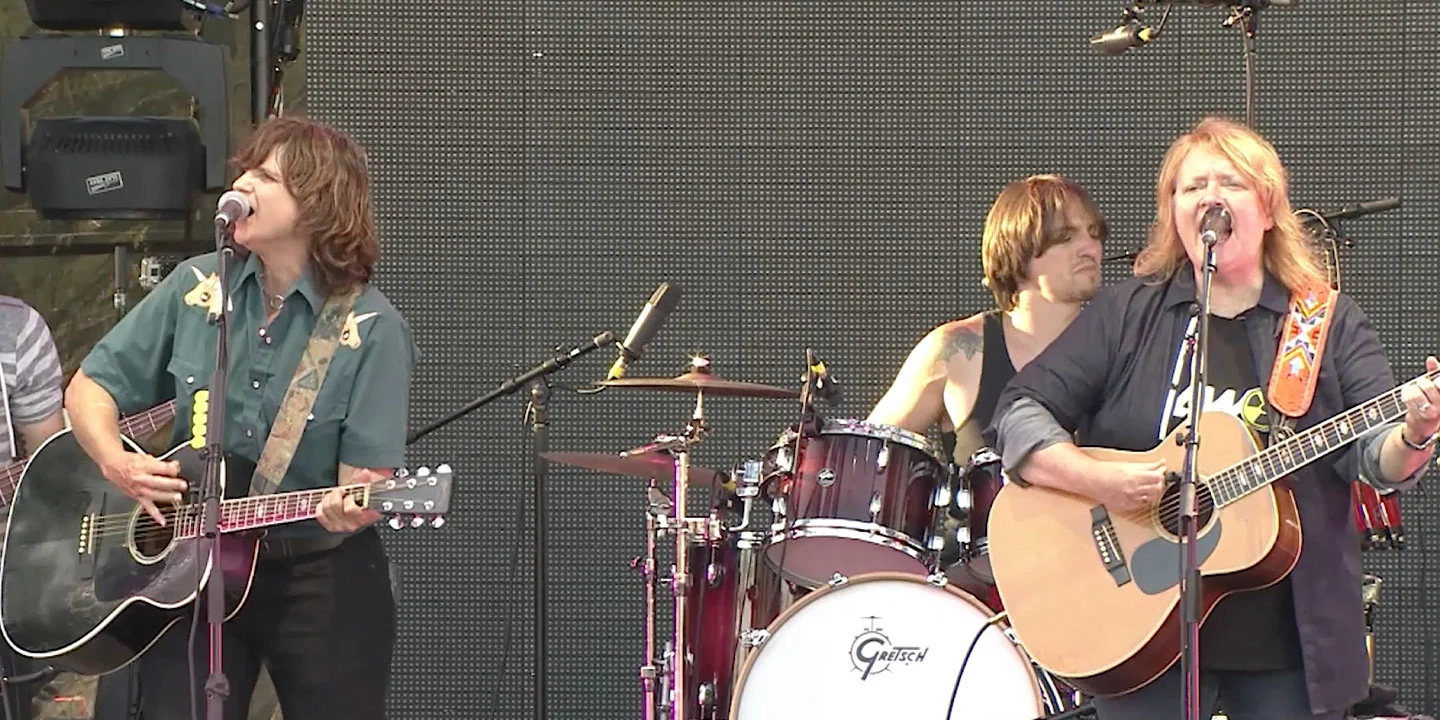
Indigo Girls Return to New Jersey: A Defining Night of Music, Activism, and Enduring Connection at State Theatre New Jersey

June 6 @ 8:00 PM 11:30 PM

New Jersey’s summer music season takes on a deeper resonance on Saturday, June 6, 2026, as the Indigo Girls arrive at State Theatre New Jersey for a 7:30 PM performance that is far more than a concert—it is a cultural event shaped by four decades of artistry, advocacy, and unwavering connection with audiences around the world. With ticket pricing starting at $47 and demand already building, this performance stands as one of the most significant live music experiences on the state’s calendar, reflecting both the enduring power of the duo and the evolving landscape of live performance highlighted across Explore New Jersey’s music coverage.

For over 40 years, Emily Saliers and Amy Ray have defined what it means to build a career rooted in authenticity. From their early days performing in clubs and bars in Atlanta’s emerging alternative scene to their global success as Grammy Award-winning artists, the Indigo Girls have maintained a singular artistic identity—one that prioritizes songwriting, harmony, and a direct, unfiltered connection with their audience. Their journey is not simply a story of longevity; it is a case study in consistency, evolution, and the ability to remain relevant across multiple generations of listeners.

Their breakthrough came with their self-titled major-label debut, a release that introduced their distinctive sound to a global audience and established a foundation that would support a remarkable run of success. The album’s defining tracks, including “Closer to Fine” and “Kid Fears,” showcased a combination of intricate harmonies and emotionally precise songwriting that quickly became their signature. That record was the first in a series of Gold and Platinum-certified releases, a trajectory that would ultimately lead to more than 15 million records sold and a catalog that continues to resonate with both longtime fans and new listeners.

What distinguishes the Indigo Girls within the broader music landscape is not only their catalog, but the way that catalog is experienced live. Their performances are not structured as traditional concerts with a clear divide between artist and audience. Instead, they function as communal gatherings, where songs become shared expressions and the line between performer and listener dissolves. The collective voice of the audience—singing along, often louder than the band itself—transforms each show into a participatory experience that feels both intimate and expansive.

This dynamic is particularly relevant in the current cultural moment, where audiences are increasingly seeking live experiences that offer connection and authenticity. The Indigo Girls deliver precisely that, creating an environment where music serves as both a personal and collective outlet. Their ability to sustain this level of engagement over decades speaks to the depth of their songwriting and the trust they have built with their audience.

Their most recent work, including the album Look Long, demonstrates that their creative energy remains as vital as ever. The record reflects a band that continues to explore new ideas while staying grounded in the elements that have always defined their sound. Reuniting with a strong backing band, the album expands their sonic palette while maintaining the lyrical clarity and emotional directness that have become hallmarks of their work. As Saliers has noted, the passage of time has not diminished their passion—it has refined it, allowing them to approach their music with both experience and renewed perspective.

Beyond their musical achievements, the Indigo Girls have established themselves as committed and influential advocates for social change. Their work extends into areas including racial justice, reproductive rights, immigration reform, LGBTQ advocacy, education, and environmental and Indigenous rights. This activism is not separate from their music—it is embedded within it, shaping both their lyrics and their public presence. Each performance carries with it an awareness of these broader issues, creating a context in which music and message are intrinsically linked.

This commitment to purpose is reflected even in the structure of their tours, with a portion of ticket proceeds directed toward charitable initiatives. It is a model that reinforces the idea that live music can function as both entertainment and a vehicle for impact, aligning with a growing expectation among audiences that cultural experiences should carry meaning beyond the immediate moment.

The continued expansion of their audience is another defining aspect of their legacy. While their early success established a dedicated following, recent developments have introduced their music to a new generation. The inclusion of “Closer to Fine” in a major contemporary film brought renewed visibility to their work, demonstrating its ability to resonate across different cultural contexts. At the same time, the release of their documentary Indigo Girls: It’s Only Life After All offered an in-depth look at their career, combining archival footage with present-day reflections to create a comprehensive portrait of their journey. The film’s reception, including recognition at major festivals and its subsequent streaming release, further underscores the ongoing relevance of their story.

The State Theatre New Jersey provides an ideal setting for this performance, offering both the scale and the intimacy required to support the unique dynamic of an Indigo Girls show. As one of the state’s premier venues, it continues to host events that define New Jersey’s cultural identity, bringing together artists and audiences in a space that emphasizes both excellence and accessibility. The theatre’s role as a cultural anchor is reinforced by performances like this, which combine artistic significance with broad audience appeal.

From a broader perspective, the Indigo Girls’ return to New Jersey represents a convergence of history, artistry, and community. It highlights the enduring value of songwriting as a form of communication and the power of live performance to create shared experiences that resonate long after the final note. In a landscape where trends shift rapidly and attention spans are increasingly fragmented, their work stands as a reminder of what it means to build a lasting connection through music.

As June 6 approaches, anticipation continues to build around what promises to be one of the most meaningful concerts of the season. This is not simply an opportunity to hear familiar songs performed live—it is an invitation to participate in a tradition that has been evolving for decades, shaped by artists who have remained true to their vision while continually expanding their reach.

For those seeking a live music experience that combines artistic integrity, emotional depth, and a genuine sense of community, the Indigo Girls’ performance at State Theatre New Jersey offers a definitive answer. It is an evening that captures the essence of what live music can achieve when it is rooted in purpose, connection, and an unwavering commitment to the craft.

State Theatre New Jersey

732-246-7469

View Organizer Website

Grand Theatre

405 S. Main Street
Williamstown, New Jersey 08094 United States
+ Google Map
(856) 728-2120
View Venue Website

Season Finale: Symphonie Fantastique

0

New Jersey Symphony Closes the Season in Grand Form with Symphonie fantastique at State Theatre New Jersey

June 4 @ 8:00 PM 11:30 PM

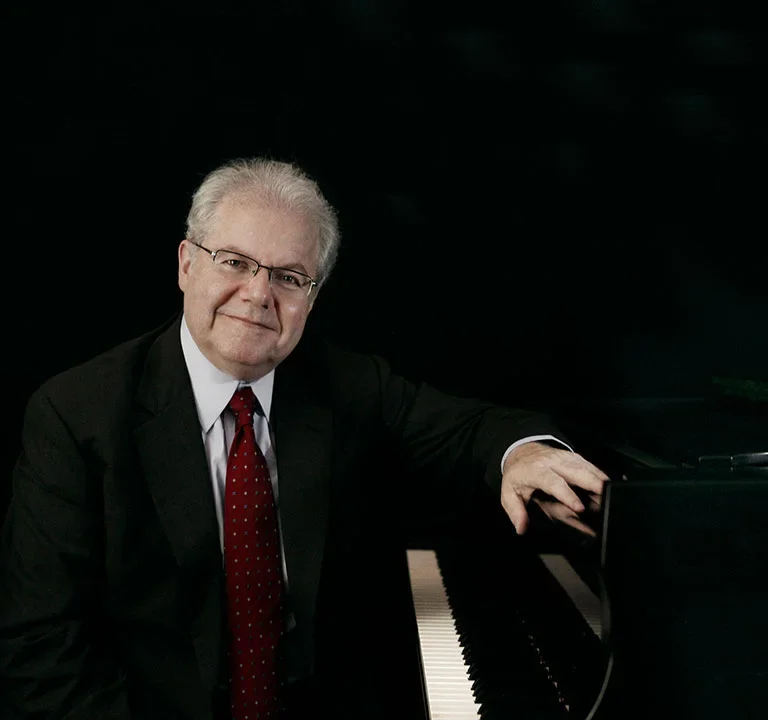
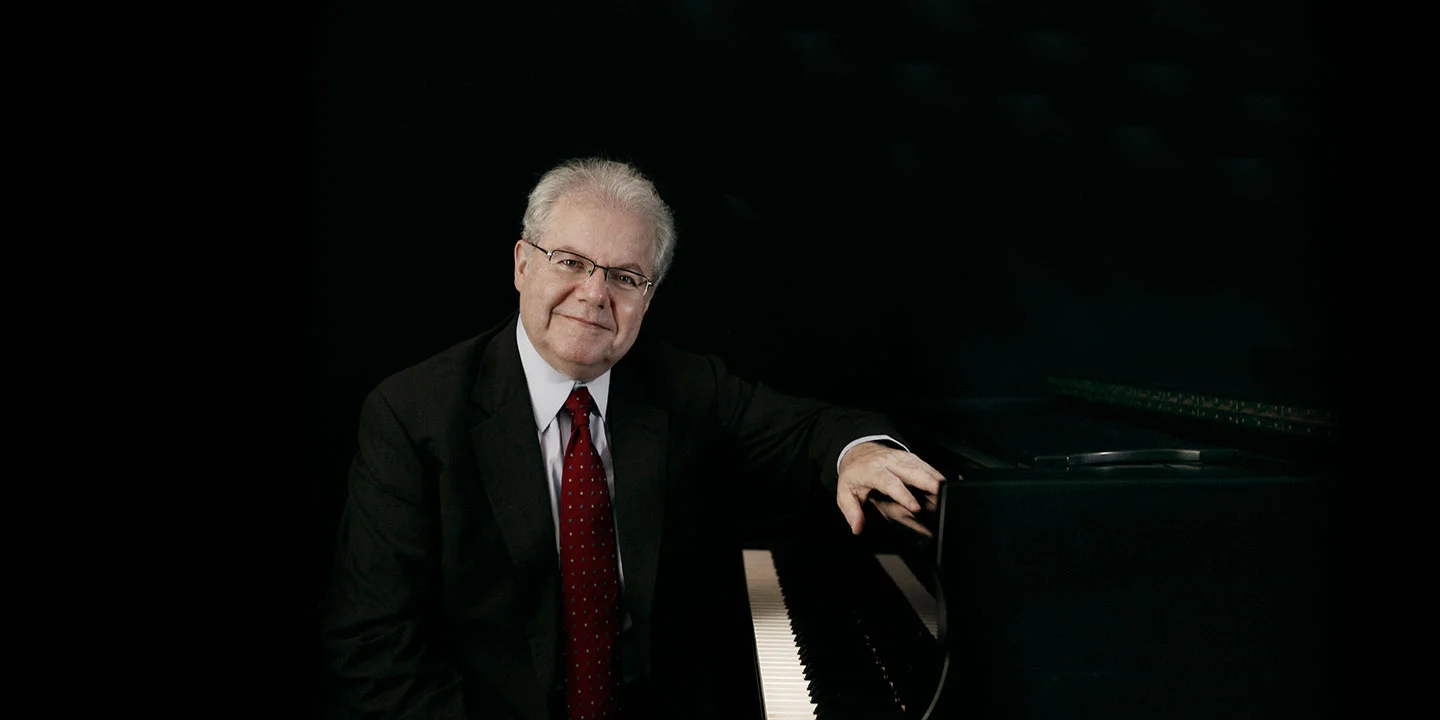
New Jersey’s classical music season reaches a powerful and defining conclusion on Thursday, June 4, 2026, as the New Jersey Symphony presents its highly anticipated Season Finale: Symphonie fantastique at 7:00 PM at State Theatre New Jersey. With conductor Xian Zhang leading the orchestra and internationally celebrated pianist Emanuel Ax featured as soloist, this performance is positioned not simply as the end of a season, but as a statement of artistic ambition, orchestral excellence, and the evolving future of symphonic programming in the state.

This finale represents a carefully constructed program that bridges centuries of musical innovation, combining a world premiere, a cornerstone of classical elegance, and one of the most imaginative orchestral works ever composed. It is a concert designed to showcase the full expressive range of the orchestra while reinforcing New Jersey’s growing reputation as a destination for high-caliber live music experiences, a trajectory consistently reflected across Explore New Jersey’s music coverage.

At the heart of the program is Hector Berlioz’s Symphonie fantastique, a work that remains one of the most daring and influential compositions in the orchestral canon. Written as a vivid, almost cinematic narrative, the symphony traces the emotional and psychological journey of an artist consumed by passion, obsession, and imagination. Berlioz’s approach to orchestration was revolutionary, expanding the sonic possibilities of the orchestra in ways that continue to influence composers today. His use of recurring thematic material, dramatic contrasts, and unconventional instrumentation creates a sound world that feels both expansive and deeply personal.

In performance, Symphonie fantastique demands not only technical precision but also interpretive depth. Under Xian Zhang’s direction, the New Jersey Symphony brings a level of clarity and intensity that allows the work’s intricate details to emerge with striking impact. Zhang’s leadership has been instrumental in shaping the orchestra’s identity, balancing respect for tradition with a commitment to innovation. Her ability to navigate the complexities of Berlioz’s score ensures that the performance captures both its structural brilliance and its emotional immediacy.

Complementing this monumental work is Wolfgang Amadeus Mozart’s Piano Concerto No. 22, a composition that represents the height of classical refinement and balance. Performed by Emanuel Ax, one of the most respected pianists of his generation, the concerto provides a counterpoint to Berlioz’s dramatic intensity. Ax’s playing is defined by its clarity, sensitivity, and nuanced phrasing, qualities that align perfectly with Mozart’s compositional style. His interpretation brings a sense of elegance and introspection to the program, creating a dynamic contrast that enhances the overall experience.

The inclusion of a world premiere further elevates the significance of this concert. Allison Loggins-Hull’s Doublespeak, commissioned by the New Jersey Symphony, represents the orchestra’s ongoing commitment to contemporary music and the cultivation of new voices. As Resident Artistic Partner, Loggins-Hull has been a key figure in expanding the orchestra’s repertoire, bringing a fresh perspective that reflects the diversity and complexity of modern musical expression. The premiere of Doublespeak is not only a highlight of the evening but also a clear indication of the orchestra’s forward-looking vision.

The structure of the program is both deliberate and impactful. By placing a new work alongside established masterpieces, the concert creates a dialogue between past and present, tradition and innovation. This approach reflects a broader shift within classical music programming, where the goal is not simply to preserve the canon but to expand it, ensuring that it remains relevant and responsive to contemporary audiences.

The State Theatre New Jersey provides an ideal setting for this performance, offering both the acoustic clarity and the architectural presence necessary to support a program of this scale. As one of the state’s premier venues, it continues to play a central role in hosting events that define New Jersey’s cultural identity, bringing together artists and audiences in a space that emphasizes both excellence and accessibility.

From a broader perspective, this season finale represents more than a single evening of music. It is the culmination of a year-long journey, reflecting the growth, exploration, and achievements of the New Jersey Symphony. It highlights the orchestra’s ability to engage audiences across a wide spectrum, from those drawn to the timeless beauty of Mozart to those intrigued by the bold, expressive language of Berlioz and the innovative voice of Loggins-Hull.

Ticket pricing, starting at $36, positions the event as both a premium and accessible cultural experience, ensuring that a diverse audience can participate in what promises to be a landmark performance. This balance between quality and accessibility is essential to the continued vitality of the state’s arts ecosystem, reinforcing the idea that world-class programming can and should be available to a broad community.

As June 4 approaches, anticipation continues to build around what is set to be one of the most significant classical music events of the year in New Jersey. The combination of a world premiere, a masterwork of the classical repertoire, and a groundbreaking symphonic narrative creates a program that is both cohesive and expansive.

For audiences seeking a concert experience that embodies the full spectrum of orchestral music—from innovation to tradition, from introspection to dramatic intensity—this season finale delivers with precision and purpose. It is an evening that captures the essence of what live music can achieve when artistry, vision, and execution align, offering a performance that resonates long after the final note.

State Theatre New Jersey

732-246-7469

View Organizer Website

Grand Theatre

405 S. Main Street
Williamstown, New Jersey 08094 United States
+ Google Map
(856) 728-2120
View Venue Website

Star Wars: The Last Jedi in Concert with New Jersey Symphony

0

Star Wars: The Last Jedi in Concert with New Jersey Symphony Brings Cinematic Power and Live Orchestra to State Theatre New Jersey

May 31 @ 8:00 PM 11:30 PM

New Jersey’s live entertainment calendar reaches a cinematic and symphonic peak on Sunday, May 31, 2026, as Star Wars: The Last Jedi in Concert arrives at State Theatre New Jersey for a 2:00 PM performance that merges blockbuster storytelling with the full force of live orchestral performance. Featuring the New Jersey Symphony under the direction of conductor Constantine Kitsopoulos, this event transforms one of the most iconic modern film scores into a fully immersive, large-scale concert experience that redefines how audiences engage with film and music.

At a time when live music programming across the state is increasingly focused on innovation and audience connection, this performance stands as a definitive example of that evolution. By pairing a full-length cinematic presentation with a live orchestra performing the score in real time, the event creates a dual-layered experience that is both visually and sonically expansive. This approach aligns with the broader trajectory highlighted across Explore New Jersey’s music coverage, where the integration of disciplines is driving some of the most compelling programming in the region.

The Last Jedi, a pivotal chapter in the Star Wars saga, is defined not only by its narrative scope but also by its musical identity. The score, composed within the legendary framework established across the franchise, plays a central role in shaping the film’s emotional and thematic impact. Performed live by the New Jersey Symphony, the music takes on a new dimension, moving from background accompaniment to a fully realized, front-and-center presence that amplifies every moment on screen.

The structure of the event is both ambitious and meticulously executed. As the film unfolds on the big screen, the orchestra performs in perfect synchronization, bringing each cue to life with precision and intensity. This level of coordination requires not only technical mastery but also a deep understanding of the film’s pacing and emotional arc. Under Kitsopoulos’ direction, the performance becomes a seamless integration of cinema and concert, where the boundaries between the two mediums effectively disappear.

The narrative of The Last Jedi provides a dynamic framework for this experience. The Resistance, under relentless pursuit by the First Order, faces a series of escalating challenges that drive the film’s tension and momentum. Rey’s journey to the remote planet Ahch-To in search of Luke Skywalker introduces a contemplative, character-driven dimension, while the parallel mission of Finn and Rose adds urgency and complexity to the unfolding story. The film’s climax on the stark, visually striking planet of Crait delivers a powerful culmination that is elevated even further by the presence of a live orchestra.

What distinguishes this presentation is not simply the scale of the production, but the way it recontextualizes familiar material. For audiences who know the film, the live performance offers a new perspective, highlighting musical details that may have been less apparent in a traditional viewing. For those experiencing it for the first time, the combination of visual and live auditory elements creates an entry point that is both immediate and impactful. In both cases, the result is a deeper, more engaged form of storytelling.

The New Jersey Symphony’s involvement is central to the success of the event. As one of the state’s leading cultural institutions, the orchestra brings a level of expertise and artistic integrity that ensures the performance meets the highest standards. Their ability to navigate the complexities of a film score—balancing precision with expressive nuance—underscores the broader role of orchestras in contemporary programming. No longer confined to traditional repertoire, ensembles like the New Jersey Symphony are increasingly engaging with film, popular music, and cross-disciplinary projects that expand their reach and relevance.

The venue itself, State Theatre New Jersey, provides an ideal setting for this type of production. Its scale and technical capabilities support the demands of both the cinematic and orchestral components, while its design maintains a sense of connection between performers and audience. This balance is critical to the overall experience, ensuring that the event feels both grand and accessible.

From a broader cultural perspective, Star Wars: The Last Jedi in Concert reflects the ongoing evolution of how audiences consume and experience media. As digital platforms continue to dominate, live events must offer something distinct—something that cannot be replicated on a screen alone. This performance delivers precisely that, creating a shared, communal experience that combines the familiarity of a beloved film with the immediacy of live music.

The presentation, licensed through Disney Concerts in association with major industry partners, ensures that the production maintains the highest level of quality and authenticity. Every element, from the film projection to the orchestral arrangement, is designed to meet the expectations of both fans and newcomers, resulting in an experience that is as polished as it is powerful.

As May 31 approaches, anticipation continues to build around what promises to be one of the most significant events on New Jersey’s spring cultural calendar. This is not simply a screening or a concert—it is a convergence of art forms that highlights the potential of live performance to transform familiar narratives into something entirely new.

For audiences seeking a large-scale, immersive experience that combines cinematic storytelling with the emotional depth of live orchestral music, Star Wars: The Last Jedi in Concert offers a compelling and definitive answer. It is an event that captures the essence of modern entertainment while honoring the traditions that continue to shape it, delivering a performance that resonates on both an artistic and experiential level.

State Theatre New Jersey

732-246-7469

View Organizer Website

Grand Theatre

405 S. Main Street
Williamstown, New Jersey 08094 United States
+ Google Map
(856) 728-2120
View Venue Website

A Night In Lights: Annual Benefit Gala

0

A Night In Lights 2026: State Theatre New Jersey’s Signature Gala Elevates Arts Access, Community Impact, and an Unforgettable Evening of Music and Celebration

May 30 @ 4:30 PM 7:00 PM

New Jersey’s cultural calendar reaches one of its most meaningful and high-impact moments on Saturday, May 30, 2026, as State Theatre New Jersey hosts A Night In Lights: Annual Benefit Gala, an event that seamlessly blends elevated live entertainment, culinary excellence, and philanthropic purpose into a single, defining evening. Taking place from 4:30 PM to 7:00 PM, this year’s gala is positioned not only as a celebration, but as a strategic investment in the future of arts accessibility across the state.

Chaired by Johnson & Johnson alumnae Eileen Harkins and Alma Scott, A Night In Lights reflects a carefully curated vision—one that recognizes the essential role of live performance in shaping communities while addressing the need to expand access to those experiences. At its core, the gala is about impact. Every element of the evening, from programming to participation, is designed to support State Theatre New Jersey’s education initiatives and community engagement efforts, reinforcing its mission to ensure that the arts remain accessible, inclusive, and transformative.

The structure of the evening reflects a modern approach to benefit events, where atmosphere, engagement, and purpose are fully integrated. Guests will enter into a refined cocktail hour that sets the tone for the experience, offering a space for connection, conversation, and anticipation. This is followed by a thoughtfully composed tasting menu of small plates, accompanied by curated desserts that elevate the culinary dimension of the event. The emphasis is not simply on presentation, but on creating a sensory environment that complements the artistic focus of the evening.

Live entertainment serves as the connective thread throughout the gala, reinforcing the very mission the event is designed to support. Rather than existing as a standalone performance, the entertainment is woven into the flow of the evening, creating moments that resonate with both energy and intention. This integration reflects a broader trend within New Jersey’s cultural programming, where events are increasingly designed to be immersive, multi-dimensional experiences—an approach consistently reflected across Explore New Jersey’s music coverage.

One of the defining features of this year’s gala is the introduction of the Spotlight Awards, a new initiative that recognizes New Jersey artists and community leaders who are actively expanding access to the arts. This addition signals a forward-looking perspective, highlighting not only established contributions but also the ongoing work required to ensure that artistic opportunities reach underserved communities. By honoring individuals who are driving this change, the gala reinforces its commitment to both recognition and action.

The Silent Auction further extends the evening’s impact, offering guests the opportunity to engage with a curated selection of exclusive experiences. These offerings, which span both local and destination opportunities, are designed to appeal to a wide range of interests while generating critical support for the theatre’s programs. The auction is not merely an ancillary component—it is a central mechanism through which attendees can directly contribute to the mission.

Equally significant is the annual Mission Drive, a focused effort to secure the funding necessary to sustain and expand State Theatre New Jersey’s core initiatives. This segment of the evening brings the purpose of the gala into sharp focus, connecting guests directly with the outcomes their contributions support. From arts education programs that reach students across the region to affordable ticketing initiatives that remove financial barriers, the impact of these efforts is both immediate and long-term.

What distinguishes A Night In Lights from other benefit events is its ability to maintain a clear alignment between experience and purpose. The elegance of the evening is not separate from its mission—it is an expression of it. By creating an environment that reflects the quality and vitality of live performance, the gala reinforces the value of the arts while simultaneously working to make them more accessible.

The evening’s programming does not end with the gala itself. Attendees have the option to extend their experience by joining the performance of The Beach Boys on the State Theatre stage immediately following the event. This seamless transition from celebration to live concert creates a unique continuity, allowing guests to move directly from supporting the arts to experiencing them in action. It is a fitting conclusion to an evening centered on the power of performance, offering a moment of shared enjoyment that underscores the importance of the cause.

From a broader perspective, A Night In Lights represents a key moment within New Jersey’s cultural ecosystem. It highlights the role of institutions like State Theatre New Jersey in not only presenting high-caliber programming but also in fostering community engagement and educational outreach. In a landscape where access to the arts remains uneven, events like this play a critical role in bridging gaps and creating opportunities for broader participation.

The impact of the gala extends far beyond a single evening. The funds raised support initiatives that operate year-round, reaching audiences across age groups and backgrounds. These programs are designed to inspire, educate, and connect, ensuring that the benefits of live performance are not limited to those who can easily access them. By participating in the gala, attendees become part of a larger effort to sustain and expand these opportunities.

As May 30 approaches, anticipation continues to build around what promises to be one of the most significant cultural and philanthropic events of the year. A Night In Lights is not simply a gathering—it is a statement about the value of the arts and the importance of ensuring their accessibility for all. It is an evening where celebration and purpose converge, creating an experience that resonates on both a personal and community level.

For those seeking to engage with New Jersey’s arts scene in a meaningful way, this event offers a clear and compelling opportunity. It is a chance to support a mission that extends far beyond the stage while experiencing the very artistry that mission seeks to sustain. In doing so, A Night In Lights affirms the enduring power of live performance—not only as entertainment, but as a force for connection, education, and lasting impact.

State Theatre New Jersey

732-246-7469

View Organizer Website

Grand Theatre

405 S. Main Street
Williamstown, New Jersey 08094 United States
+ Google Map
(856) 728-2120
View Venue Website

Magical Mystery Doors

0

Magical Mystery Doors Take Over State Theatre New Jersey: A Genre-Bending Tribute Experience Reimagines The Beatles, Led Zeppelin, and The Doors

May 29 @ 8:00 PM 11:30 PM

New Jersey’s live music calendar continues to push beyond expectation, and on Friday, May 29, 2026, one of the most inventive tribute experiences on the road arrives at State Theatre New Jersey with a concept that goes far deeper than nostalgia. Magical Mystery Doors Presents: Beatles / Zeppelin / Doors is not a conventional tribute show—it is a fully realized, musically intricate production that fuses the catalogs of three of the most influential bands in modern history into a single, immersive performance environment.

With a 7:30 PM start time and ticket pricing beginning at $34, this event stands as one of the most compelling hybrid concert experiences of the spring, offering audiences not only the songs they know and love, but entirely new interpretations that reveal fresh connections between iconic works. It is a format that reflects a broader evolution in live music programming across the state, where innovation and audience engagement are increasingly driving the experience, a trend consistently highlighted throughout Explore New Jersey’s music coverage.

At the center of the performance is the bold creative premise that defines Magical Mystery Doors: rather than presenting the music of The Beatles, Led Zeppelin, and The Doors in isolation, the band interweaves their catalogs into layered arrangements that transform familiar songs into something entirely new. This is not a medley-driven show built on quick transitions; it is a carefully constructed musical architecture where melodies, rhythms, and themes from different songs coexist, interact, and evolve in real time.

The result is a performance that feels both recognizable and unpredictable. Audiences may hear the unmistakable melodic structure of The Doors’ “Hello, I Love You” seamlessly integrated with the rhythmic drive of Led Zeppelin’s “Misty Mountain Hop,” or experience the thunderous pulse of “When The Levee Breaks” reframed through the introspective acoustic textures of The Beatles’ “Dear Prudence.” These combinations are not arbitrary—they are thoughtfully designed to highlight the shared DNA between these bands, revealing how their influences and innovations intersect across genre and era.

One of the most striking elements of the show is its ability to construct narrative sequences from these combined works. A progression such as “The Rain Song,” “Riders On The Storm,” and “Here Comes The Sun” becomes more than a series of songs—it becomes a thematic journey, moving from introspection to atmosphere to renewal. This approach elevates the performance beyond a standard concert, creating a sense of cohesion and storytelling that keeps audiences fully engaged from beginning to end.

The significance of bringing together The Beatles, Led Zeppelin, and The Doors in this way cannot be overstated. Each of these bands represents a distinct pillar of modern music history. The Beatles redefined songwriting and studio production, Led Zeppelin expanded the boundaries of rock with power and technical innovation, and The Doors introduced a darker, more poetic dimension to the genre. By blending these influences, Magical Mystery Doors creates a composite sound that captures the essence of an entire era while simultaneously reimagining it for contemporary audiences.

This reinterpretation is particularly resonant in today’s live music landscape, where audiences are increasingly drawn to experiences that offer both familiarity and discovery. The songs themselves are deeply embedded in cultural memory, but the arrangements challenge listeners to hear them in new ways. It is this balance—between recognition and reinvention—that defines the success of the performance.

Beyond the music, the production incorporates a visual component that enhances the immersive quality of the show. Modern video displays and a sophisticated lighting design transform the stage into a dynamic environment where sound and visuals operate in tandem. This integration of technology is not merely decorative; it is an extension of the music, amplifying mood, texture, and energy in a way that aligns with the band’s conceptual approach. The result is a multi-sensory experience that engages both the auditory and visual senses, creating a fully realized performance space.

The State Theatre New Jersey provides an ideal setting for this type of production. As one of the state’s premier venues, it offers the scale and technical capabilities necessary to support a show of this complexity while maintaining the sense of connection that defines live performance. Its role as a cultural anchor within the region is reinforced by events like this, which bring innovative programming to a diverse audience and contribute to the ongoing evolution of New Jersey’s music scene.

From a broader perspective, Magical Mystery Doors Presents: Beatles / Zeppelin / Doors reflects a shift in how tribute acts are perceived and executed. No longer limited to replication, the most compelling acts are those that reinterpret and expand upon the source material, creating something that stands on its own artistic merit. This performance exemplifies that shift, offering a show that honors its influences while simultaneously pushing beyond them.

Accessibility remains a key factor in the event’s appeal. With ticket pricing starting at $34, the performance is positioned to attract a wide audience, from dedicated fans of classic rock to younger listeners discovering these songs for the first time. This inclusivity is essential to the continued vitality of live music, ensuring that iconic works remain relevant and accessible across generations.

As May 29 approaches, anticipation continues to build around what promises to be one of the most distinctive live music events of the season. Magical Mystery Doors is not simply revisiting the past—it is reshaping it, offering a performance that captures the spirit of three legendary bands while presenting their music in a form that feels immediate, dynamic, and entirely new.

For those seeking a live music experience that goes beyond expectation, this event delivers a rare combination of technical precision, creative vision, and immersive production. It is a night where history, innovation, and performance converge, creating an experience that resonates long after the final note fades.

State Theatre New Jersey

732-246-7469

View Organizer Website

Grand Theatre

405 S. Main Street
Williamstown, New Jersey 08094 United States
+ Google Map
(856) 728-2120
View Venue Website

New Jersey’s Medicaid Crisis Comes Into Focus as Federal Cuts, Political Fallout, and Health System Strain Collide

As Medicaid Awareness Month begins, New Jersey finds itself at the center of a rapidly intensifying health care and political crisis that is reshaping access to care for seniors, working families, and vulnerable communities across the state. What was once viewed as a stable foundation of the public health safety net is now under mounting pressure, with federal policy decisions, economic realities, and local political accountability converging in ways that are impossible to ignore.

At the heart of the issue is a sweeping reduction in federal Medicaid funding tied to broader fiscal legislation backed by national Republican leadership and supported by members of New Jersey’s congressional delegation, including Representative Tom Kean Jr. The scale of the cuts—approaching $1 trillion nationwide over the coming decade—marks one of the most significant restructurings of the program since its modern expansion under the Affordable Care Act. For New Jersey, where more than 1.48 million residents rely on Medicaid for access to essential care, the implications are immediate, measurable, and deeply consequential.

Across the state, the early signs of strain are already visible. Within just a four-month period in 2025, more than 9,000 New Jersey residents lost Medicaid coverage, contributing to a broader national contraction that has removed over 1.8 million individuals from the program. Analysts and health policy advocates warn that this is only the beginning of a much larger shift, with projections indicating that as many as 173,000 New Jerseyans could ultimately lose coverage due to new administrative requirements and eligibility barriers embedded within the policy changes.

These barriers, often described as procedural safeguards, are increasingly being characterized by critics as systemic obstacles that disproportionately impact low-income individuals and families. Expanded documentation requirements, periodic eligibility reviews, and stricter compliance thresholds are creating a landscape where maintaining coverage is becoming as challenging as qualifying for it in the first place. For many households, this translates into delayed care, missed prescriptions, and a growing reliance on emergency services as preventive access declines.

The long-term outlook presents an even more sobering picture. By 2034, estimates suggest that more than 211,000 additional New Jersey residents could lose Medicaid coverage as the full impact of funding reductions takes hold. This trajectory is not only a health care issue but a broader economic concern, as the ripple effects extend into hospital systems, local employment, and community stability.

New Jersey’s health care infrastructure—long regarded as one of the most comprehensive in the region—is now facing unprecedented financial pressure. Hospitals across the state are bracing for a combined loss of more than $825 million in funding, a figure that is forcing administrators to reevaluate service lines, staffing levels, and long-term viability. Facilities that serve as critical access points for underserved populations are particularly vulnerable, with some already reducing services and others facing the possibility of closure.

The stakes are especially high for institutions that anchor both care delivery and local economies. Hospitals such as Hudson Regional Health, University Hospital, and Secaucus University Hospital are among those identified as being at elevated risk, reflecting a broader pattern in which financial instability within the health sector translates directly into community-wide consequences. The closure of multiple care facilities and medical offices, including a network of outpatient locations, has further compounded access challenges, leaving gaps that are not easily filled.

This contraction is expected to extend into the workforce, with projections indicating that New Jersey could lose more than 11,000 health care jobs by the end of the decade as funding declines and operational costs rise. In a state already navigating economic uncertainty, these losses represent more than employment statistics—they signal a reduction in capacity at a time when demand for services remains high.

The economic implications are equally significant at the state level. Over the next ten years, New Jersey is projected to lose nearly $200 million from its general fund as a direct result of reduced federal Medicaid support. This loss of revenue places additional pressure on state budgeting decisions, potentially forcing trade-offs that extend beyond health care into education, infrastructure, and other public services.

For residents, however, the most immediate impact is personal. Families across New Jersey are increasingly finding themselves in difficult positions, forced to make choices that were once unthinkable: delaying doctor visits, rationing medications, or prioritizing basic living expenses over health care needs. Seniors, particularly those who rely on Medicaid for long-term care services, are facing heightened anxiety about the stability of the support systems that allow them to maintain independence and dignity.

This moment also carries significant political weight. The debate over Medicaid funding has become a focal point within New Jersey’s broader political discourse, raising questions about representation, accountability, and the role of federal decision-making in shaping local outcomes. As coverage losses mount and system pressures intensify, elected officials are facing increased scrutiny over their positions and the tangible effects those positions are having on constituents.

Coverage and analysis across the politics landscape continue to reflect how deeply intertwined health policy has become with electoral dynamics, particularly in a state where access to care is widely viewed as a fundamental expectation rather than a variable benefit. The current environment underscores a broader shift in which voters are not only evaluating policy outcomes but also demanding greater transparency around how those outcomes are produced.

Amid the challenges, the broader legacy of Medicaid expansion remains a critical point of reference. Since its implementation, expansion has extended coverage to millions of Americans, improved access to preventive care, and strengthened financial security for families facing medical uncertainty. In New Jersey, the program has become an essential component of the health care ecosystem, supporting children, individuals with disabilities, and seniors while serving as a primary funding source for long-term care services.

The contrast between that trajectory and the current direction of policy underscores the magnitude of what is at stake. As funding reductions take effect and administrative barriers reshape eligibility, the question facing New Jersey is not simply how to manage the immediate fallout but how to preserve the core function of a system that has become indispensable to so many.

What is unfolding is more than a policy shift—it is a structural transformation that will define the future of health care access in the state. The decisions made in Washington are now being felt in hospitals, clinics, and households across New Jersey, creating a chain reaction that connects federal legislation to local reality in unmistakable ways.

As the state navigates this evolving landscape, the path forward will require a level of coordination, clarity, and leadership that matches the scale of the challenge. For the more than one million residents who depend on Medicaid—and for the communities that rely on the stability it provides—the outcome of this moment will shape not only the accessibility of care but the broader trajectory of New Jersey’s social and economic health.

Film: Frida Viva la Vida

0

Frida Kahlo Comes to Life on Screen in New Jersey: “Frida: Viva La Vida” Delivers a Powerful Cinematic Portrait of Art, Identity, and Resilience – Two Screenings at 2:00 PM and 7:00 PM

June 3 @ 2:00 PM 10:30 PM

New Jersey’s cultural programming continues to deepen its commitment to meaningful, immersive film experiences, and on Wednesday, June 3, 2026, that vision is brought into focus with Frida: Viva La Vida, presented in two screenings at 2:00 PM and 7:00 PM. With a runtime of 93 minutes, this cinematic event transcends the traditional documentary format, offering audiences a layered and emotionally charged exploration of one of the most influential artists of the 20th century. It is not simply a recounting of Frida Kahlo’s life—it is a carefully constructed encounter with her voice, her vision, and the enduring impact of her work.

At the center of the film is a dual narrative that reflects the complexity of Kahlo herself. On one side stands the revolutionary artist, a figure whose work challenged conventions and helped shape the language of modern art and contemporary feminism. On the other is the deeply human individual, navigating physical pain, emotional intensity, and a life marked by both passion and struggle. Frida: Viva La Vida does not separate these identities; it weaves them together, presenting a portrait that is as intimate as it is expansive.

What distinguishes this film from conventional biographical storytelling is its reliance on Kahlo’s own words as a guiding thread. Through letters, diary entries, and personal writings, the narrative unfolds with a sense of authenticity that feels immediate and unfiltered. These materials are not treated as historical artifacts—they are brought forward as living expressions of thought and emotion, allowing audiences to engage directly with Kahlo’s inner world. The result is a film that feels less like an external analysis and more like a dialogue across time.

The visual structure of the documentary reinforces this approach. By integrating interviews, archival materials, and carefully crafted reconstructions, the film creates a dynamic interplay between past and present. Kahlo’s paintings, housed in some of Mexico’s most significant museums, are presented not as static works but as active elements within the narrative. Each piece becomes a point of entry into her psyche, revealing layers of meaning that extend beyond the canvas. The camera lingers on texture, color, and detail, translating the visual language of her art into a cinematic experience that captures both its intensity and its nuance.

Asia Argento’s narration adds another dimension to the film, providing a voice that bridges the historical and the contemporary. Her delivery carries a sense of gravity and intimacy, guiding viewers through the narrative without overshadowing Kahlo’s own voice. This balance is critical to the film’s success, ensuring that the focus remains on the artist while still offering a cohesive and accessible structure.

From a broader perspective, Frida: Viva La Vida aligns with a growing trend in New Jersey’s film programming, where screenings are curated to offer more than entertainment. As reflected across Explore New Jersey’s film and TV coverage, there is a clear emphasis on events that engage audiences intellectually and emotionally, creating experiences that resonate beyond the screen. This film exemplifies that approach, combining artistic excellence with cultural relevance in a way that speaks to a wide and diverse audience.

Kahlo’s significance within the global art landscape continues to expand, and this film arrives at a moment when her influence is more visible than ever. Her work, characterized by its exploration of identity, gender, and personal experience, has become a touchstone for contemporary discussions around representation and self-expression. By focusing on both her artistic achievements and her lived experiences, the film provides a comprehensive view of why her work continues to resonate across generations.

The dual screening format on June 3 reflects both accessibility and demand, offering audiences flexibility while maintaining the integrity of the presentation. With ticket pricing set at $18 for general admission and $15 for members, the event is positioned to reach a broad audience without compromising quality. The inclusion of a standard service fee aligns with industry practices, and box office support ensures a seamless purchasing process. This balance between accessibility and excellence is a defining characteristic of New Jersey’s current cultural offerings.

The significance of this event extends beyond the film itself. It represents a broader commitment to presenting stories that challenge, inspire, and engage. By bringing Kahlo’s life and work into a cinematic context, the screening creates a space for reflection and conversation, encouraging audiences to consider not only the art but also the conditions under which it was created. It is an invitation to explore themes of resilience, creativity, and the enduring power of self-expression.

In the context of New Jersey’s evolving cultural identity, events like Frida: Viva La Vida play a crucial role. They position the state as a destination for thoughtful, high-quality programming that bridges disciplines and fosters engagement. By combining film, art, and historical narrative, this screening offers a multidimensional experience that reflects the richness and diversity of the state’s cultural landscape.

As June 3 approaches, Frida: Viva La Vida stands out as one of the most compelling film events of the season. It offers a rare opportunity to engage with one of the most iconic figures in art history through a format that is both immersive and deeply personal. For audiences seeking a film experience that goes beyond the surface and into the heart of artistic expression, this event delivers with clarity, depth, and lasting impact.

The Morris Museum

(973) 971-3700

View Organizer Website

Grand Theatre

405 S. Main Street
Williamstown, New Jersey 08094 United States
+ Google Map
(856) 728-2120
View Venue Website

Film: Water Lilies by Monet – The Magic of Water and Light

0

Monet on Screen in New Jersey: “Water Lilies by Monet” Transforms Film into a Living Canvas of Light, Art, and Legacy – Two Screenings at 2:00 PM and 7:00 PM

May 13 @ 2:00 PM 8:00 PM

New Jersey’s film programming continues to expand beyond traditional screenings into immersive cultural experiences, and on Wednesday, May 13, 2026, that evolution is brought into sharp focus with Water Lilies by Monet, presented in two showtimes at 2:00 PM and 7:00 PM. With a runtime of 94 minutes, this cinematic event is not simply a documentary—it is a visually rich, intellectually driven exploration of one of the most influential artists in history, delivered through a format that merges film, fine art, and global cultural storytelling into a single, cohesive experience.

At its core, Water Lilies by Monet is a journey into the mind and method of Claude Monet, the pioneering force behind Impressionism whose work reshaped the trajectory of modern art. Rather than approaching Monet through a conventional historical lens, the film constructs a sensory narrative—one that mirrors the artist’s own obsession with capturing fleeting moments of light, reflection, and movement. It is an experience designed not just to inform, but to immerse, allowing audiences to engage with Monet’s work in a way that feels immediate, expansive, and deeply resonant.

The film’s structure is anchored in access. Guided by leading Monet scholars, it offers an exclusive visual tour of the institutions that house the most significant collections of his water lilies series, including the Musée Marmottan Monet, the Musée d’Orsay, and the monumental panels at L’Orangerie. These locations are not presented as static backdrops but as living environments, each contributing to a broader understanding of how Monet’s work evolved and how it continues to be interpreted. The journey culminates at Giverny, Monet’s home and gardens, where his fascination with water lilies began and where the boundaries between art and environment dissolve entirely.

What distinguishes this film from standard art documentaries is its emphasis on experience over explanation. Monet’s work, defined by its focus on light and atmosphere, is inherently difficult to translate into words alone. By leveraging cinematic techniques—movement, framing, and pacing—the film recreates the conditions under which Monet’s paintings are best understood. The viewer is not simply observing the artwork; they are placed within its context, experiencing the interplay of water, sky, and reflection that defines the series.

This approach aligns seamlessly with the broader direction of New Jersey’s film and cultural programming, where curated events are increasingly designed to bridge disciplines and deepen engagement. As reflected across Explore New Jersey’s film and TV coverage, there is a clear emphasis on presentations that combine artistic excellence with intellectual depth, creating experiences that resonate across multiple audiences. Water Lilies by Monet exemplifies this model, offering a program that appeals equally to art enthusiasts, film lovers, and those seeking a more immersive cultural encounter.

Monet’s significance within the history of art cannot be overstated. At the turn of the 20th century, his work challenged established conventions, rejecting rigid formality in favor of perception, movement, and the transient qualities of light. The water lilies series, in particular, represents the culmination of this philosophy—a body of work that moves beyond representation into abstraction, anticipating many of the developments that would define modern art in the decades to follow. By focusing on this series, the film captures not only Monet’s technical mastery but also his willingness to push the boundaries of what painting could achieve.

The dual showtimes on May 13 reflect both the demand for and accessibility of this type of programming. With ticket pricing set at $18 for general admission and $15 for members, the event is positioned to reach a wide audience while maintaining the quality and integrity of the presentation. The inclusion of a standard service fee aligns with industry norms, and box office support ensures a straightforward purchasing process. This balance between accessibility and excellence is a defining feature of New Jersey’s current cultural landscape, where high-level programming is made available to a broad and diverse audience.

From a broader perspective, events like Water Lilies by Monet signal a shift in how film is being utilized within the arts ecosystem. No longer confined to narrative storytelling, cinema is increasingly serving as a medium for exploration, education, and cross-disciplinary engagement. By bringing the world’s most significant artworks into a cinematic context, this film expands access in a way that is both practical and profound, allowing audiences to experience masterpieces that might otherwise remain geographically out of reach.

The significance of this event is further amplified by its timing within New Jersey’s spring cultural calendar. As audiences seek experiences that offer both depth and inspiration, this screening provides a rare opportunity to engage with one of the foundational figures of modern art through a format that feels both contemporary and timeless. It is a reminder that the intersection of film and art is not only possible but essential, creating new pathways for understanding and appreciation.

As May 13 approaches, Water Lilies by Monet stands as one of the most compelling film events in New Jersey’s 2026 lineup. It offers a journey that is as much about perception as it is about history, inviting audiences to see—not just the paintings themselves, but the ideas and obsessions that brought them into being. In doing so, it transforms a film screening into a fully realized cultural experience, one that reflects the evolving role of cinema in capturing and conveying the essence of artistic innovation.

The Morris Museum

(973) 971-3700

View Organizer Website

Grand Theatre

405 S. Main Street
Williamstown, New Jersey 08094 United States
+ Google Map
(856) 728-2120
View Venue Website

An Evening with Martin Guitar

0

An Evening with Martin Guitar: Chris Martin IV Brings Legacy, Craftsmanship, and Storytelling to New Jersey

May 7 @ 8:00 PM 11:30 PM

New Jersey’s music culture has long been defined by its deep connection to craftsmanship, artistry, and the instruments that shape the sound of generations, and on Thursday, May 7, 2026, that connection takes center stage with “An Evening with Martin Guitar.” Scheduled for 7:00 PM, this event offers something far more meaningful than a standard performance—it is an intimate, insider’s look into one of the most influential names in music history, led by Chris Martin IV, the sixth-generation steward of C.F. Martin & Co.

For nearly two centuries, Martin guitars have served as the backbone of acoustic music across genres, from folk and blues to rock, country, and beyond. Their unmistakable tone has defined recordings, live performances, and songwriting traditions that continue to influence artists around the world. This event brings that legacy directly to New Jersey audiences, offering a rare opportunity to hear firsthand how one of the most iconic instrument makers has navigated both tradition and innovation across decades of musical evolution.

Chris Martin IV’s presence alone positions this evening as a landmark event within the state’s cultural calendar. With more than 35 years leading the company, he represents not only continuity but also transformation. Under his leadership, C.F. Martin & Co. has maintained its reputation for uncompromising quality while adapting to a rapidly changing industry. His perspective is uniquely valuable, shaped by direct experience with the artists, technologies, and market forces that have redefined music over the past several decades. This is not a scripted corporate presentation; it is a personal narrative delivered by someone who has lived at the intersection of heritage and progress.

Joining Martin is Craig Thatcher, a musician whose career reflects the real-world impact of Martin guitars on working artists. As a bandleader, recording artist, educator, and international ambassador for the company, Thatcher brings a performer’s perspective that complements Martin’s executive insight. His extensive performance history—sharing stages with legends across blues, rock, and Americana—adds a layer of authenticity that grounds the evening in lived musical experience. Together, Martin and Thatcher create a dialogue that moves fluidly between storytelling and demonstration, offering audiences both context and sound.

The format of the evening is designed to be immersive and engaging, blending conversation with live musical moments that illustrate the evolution of the Martin sound. Attendees can expect to hear not only about the company’s history but also about the craftsmanship that defines each instrument—from wood selection and construction techniques to tonal shaping and sustainability practices. This level of detail is rarely accessible outside of specialized industry circles, making the event particularly compelling for musicians, collectors, and anyone interested in the mechanics behind great music.

What distinguishes this event within New Jersey’s broader music programming is its focus on the instrument as both object and idea. While live performances often center on the artist, “An Evening with Martin Guitar” shifts the lens to the tools that make those performances possible. It highlights the relationship between musician and instrument, exploring how design, materials, and craftsmanship influence not only sound but also creative expression. This perspective aligns with a growing appreciation for the technical and artistic processes that underpin live music, a trend increasingly reflected across Explore New Jersey’s music coverage.

C.F. Martin & Co.’s commitment to sustainability and community also plays a central role in the narrative. In an era where environmental considerations are becoming integral to manufacturing, the company has positioned itself as a leader in responsible sourcing and production. This commitment extends beyond materials to include a broader philosophy of stewardship—ensuring that the resources and traditions that define the craft are preserved for future generations. For audiences, this adds an additional dimension to the evening, connecting the music they love to the values that sustain it.

The setting for this event enhances its impact. Designed to foster connection and engagement, the venue allows for a level of intimacy that is essential to the experience. This is not a distant, large-scale production; it is a conversation-driven evening where attendees can feel directly connected to the stories being shared. The combination of narrative and live demonstration creates a dynamic environment where information and emotion intersect, making the experience both educational and deeply resonant.

From a regional standpoint, hosting an event of this caliber reinforces New Jersey’s position as a destination for meaningful, high-level music programming. The state’s proximity to major cultural centers has often placed it in a supporting role, but increasingly, New Jersey is asserting its own identity—one defined by curated experiences that prioritize depth and authenticity. Events like this are a clear indication of that shift, bringing global industry figures into local spaces and creating opportunities for audiences to engage with them directly.

Ticket pricing reflects the premium nature of the experience while remaining accessible, with general admission set at $43 and a reduced rate of $38 for members. The inclusion of a standard service fee aligns with industry norms, and box office support ensures a straightforward purchasing process. This balance between value and accessibility is critical to maintaining the inclusive nature of New Jersey’s cultural offerings.

As May 7 approaches, “An Evening with Martin Guitar” stands out as one of the most distinctive events on the state’s spring music calendar. It offers a rare convergence of history, craftsmanship, and live performance, delivered by individuals whose influence extends far beyond the stage. For those who understand that great music begins long before the first note is played, this event provides an unparalleled opportunity to explore the origins of sound itself.

In a landscape where live music continues to evolve, this evening serves as a reminder of the enduring importance of the instrument, the maker, and the stories that connect them. It is an experience that resonates not only with musicians but with anyone who appreciates the artistry and intention behind the music that defines our lives.

The Morris Museum

(973) 971-3700

View Organizer Website

Grand Theatre

405 S. Main Street
Williamstown, New Jersey 08094 United States
+ Google Map
(856) 728-2120
View Venue Website

Rio Clemente at 88

0

Rio Clemente at 88: A Landmark Celebration of New Jersey Jazz Excellence Returns to the Morris Museum

May 3 @ 8:00 PM 11:30 PM

New Jersey’s live music identity has always been rooted in authenticity, legacy, and innovation, and on Sunday, May 3, 2026, that identity takes center stage in Morristown as Rio Clemente returns to the Morris Museum for a performance that is as historic as it is deeply personal. Titled “Rio Plays Rio on the 88s at 88,” this 4:00 PM event is not simply a concert—it is a milestone celebration of one of the state’s most accomplished and enduring musical voices, marking Clemente’s 88th birthday with a program that reflects the full arc of an extraordinary career.

For audiences across New Jersey, Rio Clemente is more than a performer; he is a defining figure within the region’s jazz tradition. Known widely as the “Bishop of Jazz,” Clemente has spent decades shaping the sound and direction of jazz performance both locally and on some of the most prestigious stages in the world. His résumé includes appearances at Carnegie Hall, Lincoln Center, the Newport Jazz Festival, the White House, and the United Nations—credentials that place him among an elite class of musicians whose work transcends geography and genre. Yet despite this global reach, Clemente’s connection to New Jersey has remained central, making this return to the Morris Museum not only a celebration of his life’s work but also a reaffirmation of his roots.

The concept behind “Rio Plays Rio on the 88s at 88” is as elegant as it is meaningful. The performance focuses exclusively on Clemente’s own compositions, offering a curated journey through the music that has defined his artistic voice. This is not a retrospective built on reinterpretation; it is a direct expression of authorship, where each piece reflects a specific moment, influence, or evolution within his career. For listeners, the experience becomes both musical and narrative, revealing the progression of an artist who has consistently balanced technical mastery with emotional depth.

Backing Clemente is a formidable ensemble that brings both precision and personality to the stage. Guitarist Flip Peters provides harmonic texture and rhythmic interplay, while bassist Alex Gressel and drummer Gordon Lane anchor the performance with a dynamic and responsive foundation. The addition of Danny Tobias on trumpet and Peter Lin on trombone introduces a brass dimension that expands the sonic palette, complemented by Marty Eigen’s woodwind work, which adds layers of tonal color and expressive nuance. Arranger Regan Rysak contributes structural cohesion, ensuring that each piece unfolds with clarity and intention, while vocalists Laurie Vega and Stephen Fuller bring a human, lyrical dimension that elevates the program beyond instrumental performance.

This ensemble is not merely supporting Clemente—they are participating in a collective interpretation of his work, creating a dialogue that reflects both respect for the original compositions and a willingness to explore their possibilities in real time. This balance between fidelity and improvisation is a hallmark of jazz at its highest level, and it is precisely what makes this performance so compelling.

The setting of the Morris Museum adds an additional layer of significance. As one of New Jersey’s most respected cultural institutions, the museum has consistently positioned itself as a space where art, history, and performance intersect. Hosting an event of this caliber reinforces its role as a central hub for live music in the region, while also highlighting the importance of preserving and celebrating local artistic legacy. In a state where the music scene continues to evolve, venues like the Morris Museum provide a crucial link between past and present, ensuring that foundational figures like Clemente remain integral to the conversation.

From a broader perspective, this event aligns with a growing emphasis on legacy programming within New Jersey’s music landscape. As highlighted across Explore New Jersey’s music coverage, there is an increasing recognition of the importance of honoring artists whose contributions have shaped the state’s cultural identity. These performances are not simply nostalgic—they are vital, living expressions of a tradition that continues to influence new generations of musicians and audiences.

The timing of this concert also underscores the enduring relevance of live jazz performance. In an era where digital consumption dominates, the immediacy and spontaneity of jazz offer a counterpoint that feels both refreshing and necessary. Clemente’s performance, with its emphasis on original composition and real-time interaction, exemplifies the qualities that make live music irreplaceable. Each moment is unique, shaped by the interplay between musicians and the energy of the audience, creating an experience that cannot be replicated or recorded in its entirety.

Accessibility remains a key component of the event’s appeal. With ticket pricing set at $43 for general admission and $38 for members, the performance is positioned as a premium yet attainable cultural experience. The inclusion of a standard service fee reflects industry norms, while box office support ensures that ticket purchasing remains straightforward. This approach balances the value of the experience with the need to maintain accessibility, allowing a wide audience to participate in what promises to be a landmark event.

For Morristown and the surrounding region, the return of Rio Clemente represents more than a single afternoon of music—it is a moment of cultural recognition. It highlights the depth of talent that has emerged from New Jersey and the importance of creating spaces where that talent can be celebrated in meaningful ways. For longtime fans, the concert offers an opportunity to reconnect with an artist whose work has been a constant presence in their lives. For new audiences, it provides an entry point into a legacy that continues to resonate with clarity and power.

As May 3 approaches, “Rio Plays Rio on the 88s at 88” stands as one of the most significant live music events on New Jersey’s spring calendar. It is a celebration of artistry, longevity, and the enduring power of jazz to communicate across generations. In honoring Rio Clemente, the Morris Museum is not only recognizing an individual achievement—it is affirming the value of a musical tradition that remains as vital today as it has ever been.

The Morris Museum

(973) 971-3700

View Organizer Website

Grand Theatre

405 S. Main Street
Williamstown, New Jersey 08094 United States
+ Google Map
(856) 728-2120
View Venue Website

Learn from a Composer: A Workshop with Garrett Fisher

0

Inside the Creative Process: Composer Garrett Fisher Brings a Transformative “Learn from a Composer” Workshop to New Jersey

April 25 @ 1:00 PM 9:00 PM

New Jersey’s music and arts ecosystem continues to expand beyond performance into deeper, more participatory experiences, and on Saturday, April 25, 2026, that evolution takes a compelling and highly personal turn with “Learn from a Composer,” an interactive workshop led by acclaimed composer and pianist Garrett Fisher. Scheduled for 1:00 PM, this event is not simply a class or lecture—it is a rare opportunity to step directly into the creative process itself, to witness how music begins, and to experience firsthand how ideas are transformed into sound.

Positioned within a broader movement toward immersive and educational programming across the state, this workshop reflects a growing demand for experiences that go beyond passive observation. Audiences are no longer satisfied with simply attending performances; they are increasingly seeking insight into how those performances come to life. This shift is evident across Explore New Jersey’s music coverage, where programming continues to emphasize connection, accessibility, and creative engagement. “Learn from a Composer” stands at the intersection of these priorities, offering a format that is both approachable and deeply substantive.

At the center of the experience is Garrett Fisher, a composer whose work spans opera, film, and concert music, and whose artistic philosophy is rooted in exploration and process. His compositions have been presented internationally and recognized for their originality and cohesion, with critical acclaim highlighting the distinctive voice that defines his work. Yet what sets Fisher apart is not only what he creates, but how he approaches creation itself. His focus on process—on the earliest stages of an idea and the pathways through which it develops—forms the foundation of this workshop.

Inspired by the “Notes on Napkins” exhibition, the workshop is built around a deceptively simple concept: that the origins of meaningful artistic work are often small, intuitive, and immediate. Rather than beginning with fully formed compositions, Fisher invites participants to engage with the earliest sparks of creativity—marks on paper, fragments of melody, single words, or abstract drawings. These initial gestures, often overlooked or dismissed, become the raw material for exploration.

During the session, Fisher will demonstrate at the piano how he translates these fragments into musical ideas, offering a live, unfolding view of composition in action. This is not a scripted presentation; it is a dynamic process where participants’ contributions directly shape the direction of the music. Attendees are encouraged to create their own “notes on napkins,” which Fisher will then interpret and develop in real time, effectively turning the room into a collaborative creative space.

What emerges from this format is a powerful redefinition of authorship and creativity. Participants are not merely observers—they are contributors, witnessing how their own ideas can evolve into something larger and more complex. This approach demystifies the act of composition, breaking down the perception that music creation is reserved for those with formal training or technical expertise. In reality, as the workshop demonstrates, creativity begins with attention, curiosity, and a willingness to engage with the present moment.

The accessibility of the workshop is a key component of its design. Open to both teens and adults, and requiring no prior musical experience, the event is structured to welcome a wide range of participants. This inclusivity aligns with a broader cultural shift toward democratizing the arts, ensuring that creative opportunities are not limited by background or training. By removing barriers to entry, the workshop invites a more diverse audience to explore their own creative potential.

Fisher’s concept of the “Blueprint” plays a central role in this philosophy. Developed as a form of open, flexible score, the Blueprint is designed to encourage participation, adaptability, and discovery. Rather than dictating a fixed outcome, it provides a framework within which performers and participants can explore possibilities. This approach reflects a larger trend within contemporary music, where structure and improvisation coexist, and where the process of creation is valued as highly as the final product.

In addition to his compositional work, Fisher is also a co-creator of Cultivating Feedback, a practice that reimagines how artists and organizations engage with critique. Instead of viewing feedback as a judgment, this method treats it as a generative force—an integral part of the creative process that can guide and enhance development. This perspective is woven into the workshop’s structure, creating an environment where ideas are shared, explored, and refined collaboratively.

From a regional standpoint, events like “Learn from a Composer” underscore New Jersey’s growing commitment to fostering not only artistic excellence but also artistic participation. The state’s venues and institutions are increasingly embracing programming that invites audiences into the creative process, transforming them from spectators into active participants. This approach not only enriches the cultural landscape but also builds a more engaged and informed audience base.

The workshop’s ticketing structure reflects this commitment to accessibility, with general admission priced at $28 and a reduced rate of $25.50 for members. The inclusion of a modest service fee aligns with standard practices, while box office support ensures that registration remains straightforward. This balance between affordability and quality is essential to the continued growth of participatory arts programming.

As April 25 approaches, “Learn from a Composer” stands out as a defining example of what modern arts programming can achieve. It offers a space where creativity is not only observed but experienced, where the boundaries between artist and audience are intentionally blurred, and where the act of beginning—often the most challenging part of any creative endeavor—is explored with clarity and purpose.

In a cultural moment where authenticity and connection are increasingly valued, this workshop delivers both. It invites participants to slow down, to notice, and to engage with the earliest stages of creation in a way that feels both immediate and meaningful. For those seeking a deeper understanding of music—not just as a finished product, but as a living, evolving process—this is an experience that resonates far beyond the confines of a single afternoon.

The Morris Museum

(973) 971-3700

View Organizer Website

Grand Theatre

405 S. Main Street
Williamstown, New Jersey 08094 United States
+ Google Map
(856) 728-2120
View Venue Website

Film: Basquiat

0

Basquiat Returns to the Big Screen in New Jersey: A Defining Cinematic Experience Anchoring Art, Film, and Cultural Legacy

April 22 @ 2:00 PM 4:00 PM

New Jersey’s film and cultural programming continues to operate at a level of depth and intention that places it firmly within the national conversation, and on Wednesday, April 22, 2026, that commitment is brought into sharp focus with a special screening of Basquiat at 2:00 PM. More than a film presentation, this event represents a layered cultural experience—one that bridges cinema, visual art, and critical dialogue while reinforcing the state’s growing role as a destination for meaningful, curated film programming.

Directed by Julian Schnabel, Basquiat stands apart from conventional biographical storytelling. Rather than constructing a linear narrative, the film immerses audiences in the fragmented, electric world of 1980s downtown Manhattan, capturing the energy, volatility, and artistic revolution that defined the era. At its center is Jean-Michel Basquiat, portrayed with striking depth by Jeffrey Wright in his first leading role, whose performance anchors the film with both intensity and vulnerability. The portrayal does not attempt to simplify or sanitize Basquiat’s life; instead, it presents a complex portrait of an artist navigating the intersecting pressures of sudden fame, systemic racism, creative identity, and personal struggle.

What makes this particular screening especially significant is its presentation format. The film is shown in Schnabel’s own black-and-white remastering, a visual reinterpretation that transforms the viewing experience into something more contemplative and texturally rich. The absence of color shifts the focus toward composition, movement, and emotional resonance, allowing audiences to engage with the material in a way that feels both immediate and reflective. It is a deliberate artistic choice that aligns with the film’s overall approach—less about documenting a life and more about evoking its essence.

The film’s ensemble cast further deepens its impact, most notably through David Bowie’s portrayal of Andy Warhol. Bowie’s performance is not merely an impression but a nuanced embodiment that captures Warhol’s presence within the art world while also highlighting his relationship with Basquiat. Their dynamic becomes a central thread within the film, reflecting broader themes of mentorship, influence, and the shifting power structures within the art scene of the time.

This screening is also uniquely positioned within a broader cultural framework. Selected by film historian and educator Gerard Amsellem in response to the exhibition Iconic: Kathleen Gilje Repaints Art History, the event extends beyond the screen into a larger conversation about art, reinterpretation, and legacy. Amsellem’s involvement is not incidental; it is integral to the experience. Following the screening, he will lead a moderated Q&A, offering audiences an opportunity to engage directly with the film’s themes and contextual significance.

Amsellem’s background reinforces the depth of this engagement. As an artist, filmmaker, and educator, he has dedicated his career to advancing film as a serious artistic medium. His work spans short films, educational initiatives, and ongoing independent projects, all rooted in a philosophy that emphasizes accessibility and intellectual rigor. His production company, New Waves Productions, operates with a clear mission: to elevate cinema as an art form while ensuring that high-quality film remains accessible to a broad audience. His presence at this event transforms the screening from a passive viewing into an active dialogue, where interpretation and insight become part of the experience.

From a programming standpoint, this event reflects a broader trend within New Jersey’s cultural institutions—one that prioritizes curated, interdisciplinary experiences over isolated presentations. The integration of film, visual art, and academic discussion creates a multidimensional environment that appeals to a diverse audience, from cinephiles and art historians to students and casual attendees seeking a deeper engagement with the material. This approach is increasingly evident across Explore New Jersey’s film and TV coverage, where events are designed not only to entertain but to inform and inspire.

Accessibility remains a key component of the event’s structure. With ticket pricing set at $18 for general admission and $15 for members, the screening is positioned to reach a wide audience without compromising the quality of the experience. The inclusion of a modest handling fee aligns with industry standards, while box office support ensures that purchasing remains straightforward. This balance between accessibility and excellence is a defining characteristic of New Jersey’s current cultural programming, reflecting a commitment to both inclusivity and artistic integrity.

The choice of Basquiat as the centerpiece of this event is particularly resonant in today’s cultural climate. The film’s exploration of identity, authorship, and the commodification of art remains as relevant now as it was at the time of its release. Basquiat’s journey—from graffiti artist to internationally recognized figure—continues to serve as both inspiration and caution, highlighting the opportunities and challenges that come with visibility in the art world. The film does not offer easy answers; instead, it invites viewers to grapple with these complexities, making it an ideal subject for post-screening discussion.

In the context of New Jersey’s evolving cultural identity, events like this signal a clear direction. The state is no longer simply a peripheral player in the arts landscape; it is actively shaping conversations and creating platforms for meaningful engagement. By hosting screenings that combine cinematic excellence with intellectual discourse, New Jersey is positioning itself as a hub for thoughtful, high-impact cultural experiences.

As April 22 approaches, this screening of Basquiat stands out as a defining entry in the state’s spring cultural calendar. It offers more than a film—it delivers an immersive encounter with art, history, and the enduring question of what it means to create under the pressures of recognition and expectation. For audiences seeking a film experience that extends beyond the screen and into a broader cultural dialogue, this event represents a rare and compelling opportunity to engage with one of the most influential artistic narratives of the modern era.

The Morris Museum

(973) 971-3700

View Organizer Website

Grand Theatre

405 S. Main Street
Williamstown, New Jersey 08094 United States
+ Google Map
(856) 728-2120
View Venue Website

Cerus Quartet

0

Cerus Quartet Arrives in New Jersey: A Defining Moment for the Saxophone’s Rise in 21st-Century Classical Music

April 9 @ 8:00 PM 11:30 PM

New Jersey’s live music landscape continues to assert its sophistication and forward momentum, and on Thursday, April 9, 2026, that evolution takes center stage with the arrival of the Cerus Quartet—one of the most decorated and rapidly ascending chamber ensembles in the country. Scheduled for a 7:00 PM performance, this concert is far more than a traditional recital; it is a statement about where classical music is heading and how New Jersey is positioning itself at the forefront of that transformation.

At a time when audiences are increasingly seeking performances that challenge expectations and expand the boundaries of genre, the Cerus Quartet delivers a program that is both intellectually rigorous and emotionally resonant. Founded in 2022 and already carrying a résumé defined by major national competition victories and high-profile premieres, the ensemble has quickly established itself as a defining voice in contemporary chamber music. Their mission is precise and ambitious: to elevate the saxophone quartet from a niche configuration to a central force within the classical canon of the 21st century.

That mission is not theoretical—it is actively unfolding in real time. Cerus Quartet’s trajectory includes top honors at the 2025 Concert Artists Guild Louis and Susan Meisel Competition, a Gold Medal at the 2025 Fischoff Chamber Music Competition, and first-place finishes at the 2024 MTNA National Chamber Music Competition and the 2023 Briggs Competition. These accolades are not simply markers of success; they represent a broader validation of the ensemble’s artistic approach and the growing relevance of the saxophone within serious classical performance contexts.

The quartet’s name, drawn from Greek mythology, encapsulates its philosophy. Cerus, a wild bull transformed by Persephone, symbolizes the conversion of chaos into controlled beauty—a concept that directly informs the ensemble’s sound. The saxophone, long associated with jazz and popular music, becomes in their hands a refined, expressive instrument capable of delivering the nuance, precision, and depth traditionally reserved for strings or piano. This transformation is not merely technical; it is conceptual, redefining how audiences perceive the instrument itself.

The ensemble—Roberto Campa on soprano saxophone, Laura Ramsay on alto, Kyle Kato on tenor, and Samuel Dishon on baritone—operates with a level of cohesion that reflects both technical mastery and a shared artistic vision. Each player brings a distinct tonal identity, yet the group functions as a unified organism, capable of navigating complex arrangements and dynamic shifts with remarkable clarity. Their collective sound is both expansive and controlled, allowing them to move seamlessly between stylistic eras and compositional languages.

The April 9 program is structured as a comprehensive exploration of that versatility. It opens with Pedro Iturralde’s “Pequeña Czarda,” a work that blends classical structure with folkloric influence, immediately establishing the quartet’s ability to balance precision with expressive freedom. From there, the program moves into a series of transcriptions that highlight the ensemble’s adaptability, including selections from Cecile Chaminade that translate piano-driven textures into a multi-layered saxophone dialogue.

Astor Piazzolla’s “Milonga del Angel” introduces a different emotional register, drawing on the rhythmic and harmonic language of Argentine tango while allowing the quartet to explore phrasing and tonal color in a way that feels both intimate and expansive. This is followed by one of the program’s central pillars: Alexander Glazunov’s Saxophone Quartet in B-flat Major, Op. 109, a work that stands as one of the few canonical pieces written specifically for the ensemble’s instrumentation. Through its series of variations and stylistic references, the piece becomes a showcase for the quartet’s interpretive range, moving from lyrical passages to technically demanding scherzo sections with fluid precision.

The program’s second half continues to push boundaries, incorporating contemporary work such as Emma O’Halloran’s “Night Music,” which introduces modern harmonic language and atmospheric textures that align with the quartet’s forward-looking identity. The performance concludes with a transcription of Felix Mendelssohn’s String Quartet No. 6 in F minor, a bold choice that underscores the ensemble’s commitment to reimagining classical masterworks. By translating a piece originally conceived for strings into the language of saxophones, Cerus not only demonstrates technical prowess but also invites audiences to hear familiar compositions through an entirely new lens.

This kind of programming reflects a broader trend within the classical music world, where innovation is no longer optional—it is essential. Audiences are increasingly drawn to performances that offer both familiarity and discovery, and the Cerus Quartet delivers on both fronts. Their ability to juxtapose canonical works with contemporary compositions creates a listening experience that feels cohesive yet constantly evolving.

From a regional perspective, this performance reinforces New Jersey’s growing role as a destination for high-caliber live music. The state’s venues are no longer simply hosting touring acts; they are curating experiences that align with global artistic movements while maintaining a strong connection to local audiences. This alignment is evident across Explore New Jersey’s music coverage, where programming consistently reflects a balance between tradition and innovation.

Accessibility remains a key component of this event’s appeal. With ticket pricing structured at $28 for general admission, $23 for members, and a reduced rate of $18 for attendees under 25, the performance is positioned to reach a broad audience. This pricing strategy not only encourages attendance but also supports the long-term sustainability of live music by fostering engagement across generations. The inclusion of a modest service fee reflects standard industry practice, while box office support ensures that ticket purchasing remains straightforward and accessible.

The significance of this performance extends beyond a single evening. It represents a convergence of artistic excellence, institutional support, and audience engagement that defines the current moment in New Jersey’s cultural evolution. The Cerus Quartet is not simply performing—they are participating in a larger dialogue about what classical music can be and who it is for.

As the ensemble takes the stage on April 9, the expectation is not just for a technically flawless performance, but for an experience that challenges, inspires, and redefines. In a landscape where the boundaries of genre continue to blur and the definition of classical music expands, the Cerus Quartet stands as a clear example of what is possible when tradition meets innovation with purpose and precision.

The Morris Museum

(973) 971-3700

View Organizer Website

Grand Theatre

405 S. Main Street
Williamstown, New Jersey 08094 United States
+ Google Map
(856) 728-2120
View Venue Website

New Jersey at a Crossroads: Budget Battles, Transparency Fights, and High-Stakes Elections Define a Pivotal Moment Across the Garden State

As New Jersey moves deeper into 2026, a convergence of high-impact policy decisions, legal disputes, and political realignment is shaping what may become one of the most consequential periods in recent state history. From a record-setting state budget proposal to escalating tensions over public transparency and a closely watched congressional race, the Garden State is navigating a complex landscape where fiscal pressure, governance, and public trust are all on the line.

Across the latest reporting featured within the broader Sunset Daily News & NJ Spotlight News coverage ecosystem, one theme is unmistakable: New Jersey is entering a defining chapter where long-standing systems are being tested, recalibrated, and, in some cases, fundamentally challenged.

At the center of the current discourse is Governor Mikie Sherrill’s proposed $60.7 billion budget for Fiscal Year 2027—a figure that underscores both the ambition and the strain embedded in the state’s financial strategy. Positioned as a forward-looking plan designed to sustain investment in critical sectors such as public education and mass transit, the budget simultaneously confronts a nearly $2 billion structural gap inherited from prior fiscal cycles. The solution, however, has sparked immediate debate: targeted reductions in key programs that have long served as lifelines for vulnerable populations and regional development initiatives.

Among the most closely scrutinized proposals are cuts to senior property tax relief programs, a move that lands at the intersection of affordability and demographic stability in a state already defined by some of the highest property taxes in the nation. For many residents, particularly those on fixed incomes, these programs represent more than financial assistance—they are a mechanism that determines whether remaining in their homes is viable. The proposed scaling back of this support introduces a new layer of uncertainty for a population that has historically relied on predictable relief amid rising costs.

Equally significant is the reconsideration of state support for the planned veterinary school at Rowan University, a project that has been positioned as a cornerstone of South Jersey’s academic and economic expansion. The proposed reduction in aid reflects a broader recalibration of priorities as the administration seeks to balance record expenditures in transportation infrastructure and K–12 education with the realities of fiscal constraint. This tension between investment and restraint is likely to define the budget debate in the months ahead, as lawmakers, stakeholders, and residents weigh immediate needs against long-term growth.

Beyond the numbers, however, the broader implications of the budget proposal extend into questions of governance and accountability. In a climate where public confidence is increasingly tied to transparency and responsiveness, the decisions embedded within this spending plan are being evaluated not only on their economic impact but also on the clarity and openness with which they are communicated and implemented.

That issue of transparency is now at the forefront of a high-profile legal battle unfolding in Cherry Hill, where a local school district has taken the extraordinary step of suing a journalist over a series of Open Public Records Act requests. The case, which centers on 14 requests filed over a 13-month period, has quickly become a flashpoint in the ongoing debate over access to public information and the boundaries of oversight.

District officials argue that the volume and scope of the requests constitute an undue burden, describing them as disruptive to daily operations and potentially intended to harass. Advocates for open government, however, see the situation through a markedly different lens, framing the requests as a legitimate exercise of a statutory right designed to ensure accountability in how public funds are managed. The outcome of this case could carry significant implications for how OPRA is interpreted and enforced across New Jersey, potentially reshaping the relationship between public institutions and those who seek to scrutinize them.

As this legal confrontation unfolds, it intersects with a broader statewide conversation about trust in public systems—a conversation that is also playing out in Newark, where a proposed $500 million lease agreement for a new elementary school in the Ironbound neighborhood has drawn intense public scrutiny. Residents and community advocates are demanding greater transparency around the terms of the deal, particularly given the involvement of a developer with established political ties.

The scale of the project alone positions it as a major investment in the city’s educational infrastructure, yet the lack of clarity surrounding its financial structure and procurement process has raised concerns about oversight and equitable decision-making. For many in Newark, the issue is not solely about the school itself but about the principles guiding its development—principles that must balance urgency with accountability in a city where public investment carries profound implications for community stability and growth.

While fiscal and legal challenges dominate headlines, New Jersey’s political landscape is also undergoing a significant transition. The upcoming April 16 special election in the state’s 11th Congressional District represents more than a routine contest; it is a referendum on direction and identity following the departure of Mikie Sherrill from the seat she once held.

Republican candidate Joe Hathaway and Democratic candidate Analilia Mejia are now vying to represent a district that has become increasingly emblematic of the state’s evolving political dynamics. The race is being closely watched not only for its immediate outcome but also for what it signals about voter sentiment in a year already defined by heightened engagement and shifting allegiances. In a state where local and national issues often intersect, the results of this election could provide early insight into broader electoral trends heading into future cycles.

Amid these developments, there are also signs of progress that reflect the impact of sustained policy efforts. Notably, new data indicates that levels of PFAS—commonly referred to as “forever chemicals”—in New Jersey’s drinking water have been reduced by approximately half. This achievement follows the implementation of some of the nation’s most stringent water quality standards, underscoring the potential for targeted regulation to deliver measurable public health benefits.

The reduction in PFAS levels represents a rare point of consensus in an otherwise divided landscape, highlighting how science-driven policy can yield tangible results when supported by consistent enforcement and public investment. For residents across the state, it is a reminder that even amid fiscal and political challenges, progress remains possible when priorities align with long-term well-being.

Taken together, these developments paint a portrait of a state in transition—one where competing demands are forcing difficult choices and where the outcomes of those choices will shape New Jersey’s trajectory for years to come. From Trenton to Cherry Hill, from Newark to the 11th Congressional District, the threads connecting these stories are clear: accountability, sustainability, and the ongoing effort to balance ambition with responsibility.

As coverage continues to expand across Sunset Daily News sand on the NJ Spotlight News, the focus remains on delivering a comprehensive view of the issues that matter most to New Jersey residents. In a moment defined by complexity and consequence, the need for clear, authoritative reporting has never been greater—and the stakes for getting it right have never been higher.

The Devils’ Playoff Push Hits Critical Mass: Inside New Jersey’s High-Stakes Stretch Run as the Season Nears Its Breaking Point

The urgency is no longer building—it has arrived. With a 39–34–3 record and just a handful of games left on the 2025–26 regular season calendar, the New Jersey Devils find themselves locked in a defining moment that will ultimately determine whether this season extends into the postseason or ends as a near-miss in one of the NHL’s most competitive conferences. Every shift, every possession, and every decision now carries amplified weight, and the margin for error has effectively disappeared.

The Devils’ recent 4–3 shootout loss to the Montreal Canadiens at Prudential Center on April 4 encapsulated the current state of this team: resilient, dangerous, but still searching for the consistency required to close out critical games. After falling behind 3–0, New Jersey mounted a determined comeback fueled by Jack Hughes, Timo Meier, and Dawson Mercer, demonstrating the offensive firepower that has defined this roster when operating at full capacity. Yet despite forcing overtime and pushing the game to a shootout, the Devils ultimately came up short, leaving a crucial point on the table at a time when every point carries playoff implications.

That game did more than impact the standings—it set the tone for what has effectively become a playoff series within the regular season. The immediate rematch on April 5 at the Bell Centre against the Canadiens represents not just another game, but a continuation of a high-intensity, emotionally charged battle that mirrors postseason hockey. Montreal’s presence in the race adds an additional layer of pressure, with both teams fighting to remain relevant in the Eastern Conference playoff picture.

As it stands, the Devils sit eight points back of the second wild-card position, holding 81 points and positioned seventh in the Metropolitan Division. The teams ahead—Philadelphia, Columbus, and Washington—have created a narrow corridor through which New Jersey must now navigate with near-perfect execution. The margin is unforgiving, and the path forward requires not only victories but also favorable outcomes across the scoreboard. This is the reality of the Eastern Conference this season: depth, parity, and relentless competition have compressed the standings to a point where late-season surges must be both immediate and sustained.

The upcoming schedule offers both opportunity and pressure. Following the Montreal rematch, the Devils return home to face the Philadelphia Flyers on April 7 in what could prove to be one of the most consequential games of the season. Philadelphia currently sits ahead in the standings, and any head-to-head matchup carries a four-point swing dynamic that can dramatically alter positioning in the wild-card race. For New Jersey, these are no longer routine divisional games—they are direct confrontations with postseason implications.

However, the Devils’ push has been complicated by a series of significant injuries that have tested the organization’s depth and resilience. Arseny Gritsyuk has been ruled out for the remainder of the season following upper-body surgery, removing a developing offensive contributor from the lineup at a critical time. Stefan Noesen’s absence due to complications from knee surgery further limits the team’s physical presence and net-front effectiveness, while Brett Pesce’s uncertain status continues to create instability on the blue line. The loss of Zack MacEwen earlier in the season following ACL surgery adds another layer to the challenge, particularly in terms of physicality and depth.

Despite these setbacks, the Devils have continued to rely on their core group to carry the load. Jack Hughes remains the centerpiece of the offense, capable of shifting the momentum of a game with a single sequence. Timo Meier’s power and finishing ability provide a complementary edge, while Dawson Mercer continues to evolve into a dependable two-way presence who can contribute in critical moments. This core has shown flashes of elite-level play, particularly in high-pressure situations, but the challenge now lies in sustaining that level across the remaining schedule.

What has become increasingly evident is that the Devils are not lacking in talent—they are navigating the fine line between potential and execution. The comeback against Montreal is a perfect example: the ability to erase a three-goal deficit speaks to the team’s offensive ceiling and competitive resolve, but the inability to secure the win highlights the small details that separate playoff teams from those left just outside the picture. In this phase of the season, those details—faceoff wins, defensive coverage, special teams efficiency—become decisive factors.

From a broader perspective, this stretch run represents more than just a fight for a playoff berth; it is a measure of the team’s trajectory and identity. The Devils have spent recent seasons building toward sustained contention, assembling a roster that blends high-end skill with emerging depth. This moment, with its pressure and stakes, serves as a proving ground for that vision. Can this group translate its talent into results when the margin for error is at its smallest? Can it deliver under conditions that replicate the intensity of postseason hockey?

The atmosphere surrounding recent games suggests that the stakes are not lost on the players or the fan base. The energy at Prudential Center during the Montreal game carried a playoff-like intensity, driven in part by the presence of Canadiens supporters but also by the recognition that each game now carries outsized importance. That energy will only increase as the schedule winds down, particularly for home matchups where the Devils have an opportunity to leverage crowd support as a competitive advantage.

For fans tracking every development, every score, and every shift in the standings, this is the phase of the season where engagement reaches its peak. The unpredictability of the playoff race, combined with the immediacy of each game’s impact, creates a narrative that evolves in real time. Those looking to stay fully connected to the team’s progress and the broader context of the season can follow ongoing coverage through Explore New Jersey’s Devils coverage, where analysis and updates continue to track this critical stretch.

As the Devils prepare for the final segment of their schedule, the equation is clear but demanding. Points are no longer optional—they are mandatory. Performances must be complete, not partial. Opportunities must be converted, not deferred. The path to the playoffs remains open, but it requires a level of execution that leaves little room for anything less than the team’s best.

This is the defining stretch of the season, where identity is solidified and outcomes are determined. For the New Jersey Devils, the next six games are not just a continuation of the schedule—they are the season itself, condensed into a series of must-win moments that will ultimately define where this team stands when the final horn sounds.

The Sound Studio – Rock Series Features Adoraborealis

0

Adoraborealis Brings a Psychedelic Rock Immersion to State Theatre New Jersey’s Sound Studio Series

April 5 @ 8:00 AM 5:00 PM

New Jersey’s live music evolution continues to accelerate in 2026, and nowhere is that transformation more tangible than inside the intimate confines of the State Theatre Studio in New Brunswick. On Thursday, May 28, 2026, at 7:30 PM, the Sound Studio Series expands its sonic range with a bold entry in its Rock Series programming as Adoraborealis takes the stage with “Live and in Two Persons,” a performance concept that promises to dissolve the traditional boundaries between artist and audience while delivering a fully immersive, genre-defying musical experience.

Positioned within a carefully curated slate of performances that are redefining how live music is experienced across the state, this event stands as a clear signal that New Jersey’s music scene is not just thriving—it is innovating. The Sound Studio Series has quickly established itself as a cornerstone of that movement, offering audiences an environment where proximity, acoustics, and authenticity converge. Within this setting, performances are no longer distant spectacles viewed from afar, but shared moments unfolding in real time, where every chord, lyric, and rhythmic shift resonates with heightened clarity and emotional immediacy. This philosophy aligns seamlessly with the broader trajectory of programming highlighted across Explore New Jersey’s music coverage, where intimacy and originality are increasingly defining the state’s cultural identity.

Adoraborealis enters this space with a concept that is as intriguing as it is musically expansive. “Live and in Two Persons” is not simply a duo performance—it is a layered, multidimensional presentation driven by the creative interplay between singer-songwriter Mike Messer and guitarist Tom McCaffrey. Together, they construct a soundworld that feels both meticulously crafted and spontaneously alive, blending psychedelic textures with grounded, groove-driven rhythms in a way that challenges conventional genre classifications. Their music exists in the space between structure and improvisation, where melodic clarity meets exploratory sound design.

At the center of this performance is Messer’s vocal and songwriting approach, which balances sharp wit with abstract narrative. His lyrics move fluidly between humor and introspection, often delivering unexpected turns that reward close listening. This is not songwriting built on predictable frameworks; it is constructed with a sense of curiosity and a willingness to push beyond traditional forms. McCaffrey’s guitar work operates as both a complement and a counterpoint, weaving together swirling electric tones and intricate acoustic patterns that expand the duo’s sonic footprint far beyond what might be expected from two performers. The result is a dynamic interplay that feels expansive without ever losing its sense of intimacy.

The Sound Studio environment amplifies every aspect of this interaction. With a runtime of approximately 60 to 70 minutes, the performance is designed to sustain momentum while allowing for moments of nuance and subtlety. The absence of physical distance between performer and audience transforms the listening experience into something far more immediate. Listeners are not just hearing the music—they are inside it, experiencing the interplay of sound, space, and energy as a unified whole. This format is particularly well-suited to Adoraborealis, whose music thrives on detail, texture, and the kind of spontaneous connection that only emerges in close quarters.

Beyond the performance itself, the evening extends into a post-show meet-and-greet that reinforces the series’ commitment to accessibility and community engagement. Attendees are invited to remain in the space, where conversations with the artists unfold organically and the boundaries between performer and audience continue to dissolve. With concessions remaining open and the atmosphere shifting into a more relaxed, social setting, the event becomes more than a concert—it becomes a shared cultural experience that lingers well beyond the final note.

This approach reflects a broader shift within the live music industry, where audiences are increasingly drawn to experiences that feel personal, curated, and distinct from large-scale productions. While arena shows and major festivals continue to play a vital role in the ecosystem, there is a growing demand for performances that prioritize connection over scale. The Sound Studio Series addresses this demand with precision, offering a model that is both artistically compelling and operationally sustainable. It is a format that allows artists to take creative risks while giving audiences access to performances that feel rare and unfiltered.

Adoraborealis’ inclusion in the Rock Series also speaks to the evolving definition of rock music itself. No longer confined to traditional instrumentation or stylistic boundaries, rock has become a fluid, adaptive genre that absorbs influences from across the musical spectrum. In this context, the duo’s blend of psychedelic elements, rhythmic experimentation, and narrative-driven songwriting represents a contemporary interpretation of rock’s core ethos: exploration, expression, and a refusal to remain static.

From a regional standpoint, this event reinforces New Jersey’s position as a critical hub for innovative live music programming. The state’s proximity to major metropolitan markets has historically been viewed as both an advantage and a challenge, but increasingly, New Jersey is carving out its own identity—one defined by venues and organizations that are willing to invest in forward-thinking concepts. State Theatre New Jersey’s commitment to initiatives like the Sound Studio Series demonstrates a clear understanding of where the industry is heading and how to meet audiences at that intersection of tradition and innovation.

Ticketing for the event remains accessible, with general admission priced at $30, making it an attainable entry point for audiences seeking a high-caliber live music experience without the barriers often associated with larger productions. This accessibility is a key component of the series’ success, ensuring that a diverse audience can engage with programming that might otherwise feel out of reach.

As May 28 approaches, Adoraborealis’ “Live and in Two Persons” stands out as one of the most compelling entries in New Jersey’s spring music calendar. It is a performance that encapsulates the essence of what the Sound Studio Series aims to achieve: a reimagining of live music that prioritizes immersion, interaction, and artistic authenticity. For those seeking an experience that moves beyond the conventional and into something more immediate, more connected, and more resonant, this event offers a clear and definitive answer.

State Theatre New Jersey

732-246-7469

View Organizer Website

Grand Theatre

405 S. Main Street
Williamstown, New Jersey 08094 United States
+ Google Map
(856) 728-2120
View Venue Website

The Sound Studio – Classical Series Featuring The X Ensemble

0

An Immersive Musical Experience in STNJ’s Studio Space – Inside the Sound Studio: The X Ensemble Brings a Bold, Immersive Classical Experience to State Theatre New Jersey

May 17 @ 3:00 PM 11:30 PM

New Jersey’s live music landscape continues to evolve with intention and sophistication, and this spring, one of the state’s most compelling performance concepts returns with a program that redefines what a classical concert can be. On Sunday, May 17, 2026, at 3:00 PM, the State Theatre Studio in New Brunswick will host The X Ensemble as part of the Sound Studio Series—an initiative that is quietly reshaping the relationship between artist, audience, and environment. With tickets priced at $30 and already on sale, this performance is positioned as both a cultural moment and a forward-looking statement about the future of intimate live music experiences in New Jersey.

The Sound Studio Series is built on a premise that feels increasingly essential in today’s performance ecosystem: proximity matters. Rather than placing audiences at a distance, this series brings listeners directly into the performance space, eliminating traditional barriers and allowing for a deeper, more immediate connection with the music. Inside the State Theatre’s Studio, every note resonates differently. The acoustics are unfiltered, the visual experience is unobstructed, and the performers are not elevated on a distant stage but instead exist within the same shared space as the audience. It is an approach that transforms passive listening into active engagement, and it is precisely why this series has become a standout within the broader programming featured across Explore New Jersey’s music coverage.

At the center of this upcoming performance is The X Ensemble, a trio that operates at the intersection of classical tradition and contemporary experimentation. This is not a conventional chamber group content to revisit the canon in predictable ways. Instead, The X Ensemble approaches classical music as a living, evolving form—one that invites reinterpretation, reinvention, and, in this case, the unveiling of entirely new work. Their May 17 program is anchored by two premieres, signaling a commitment not just to performance, but to creation.

The first of these premieres is a newly composed work by pianist Neil Alexander, whose compositional voice draws from a wide spectrum of influences while maintaining a strong foundation in classical technique. Alexander’s approach to the piano extends beyond traditional boundaries, often incorporating rhythmic complexity, tonal exploration, and a sense of narrative progression that invites listeners into a more expansive sonic experience. His role within The X Ensemble is both structural and exploratory, providing a harmonic framework while simultaneously pushing the music into unexpected territory.

Joining Alexander are two artists whose reputations in the global music community bring additional depth and dimension to the ensemble’s sound. Violinist Fung Chern Hwei, known for his work with the Sirius Quartet, brings a distinctive voice that blends classical precision with improvisational fluency. His playing is characterized by a fluidity that allows him to move seamlessly between composed passages and spontaneous expression, creating a sense of immediacy that aligns perfectly with the immersive nature of the Sound Studio setting. Alongside him is multi-reed artist Brad Hubbard, whose work with the World Saxophone Quartet has established him as a versatile and forward-thinking performer. Hubbard’s presence introduces a broader tonal palette, incorporating saxophone and other reed instruments in ways that challenge traditional expectations of a classical trio.

The second premiere within the program takes a different but equally compelling approach, offering inventive variations on a familiar traditional theme. This piece functions as both homage and transformation, using recognizable material as a foundation for creative reinterpretation. For audiences, this provides a unique entry point into the performance—something familiar enough to ground the experience, yet reimagined in a way that highlights the ensemble’s collective ingenuity.

What makes this concert particularly significant is not just the repertoire, but the context in which it is presented. The State Theatre Studio is intentionally designed to foster intimacy, and that intimacy extends beyond the performance itself. Following the concert, attendees are invited to remain in the space for a post-show meet-and-greet, where they can engage directly with the artists. This continuation of the experience—supported by open concessions and a relaxed, conversational atmosphere—turns a single performance into a broader cultural exchange. It is an opportunity for audiences to gain insight into the creative process, ask questions, and build a more personal connection with the musicians.

This format reflects a broader shift within the live music industry, where audiences are increasingly seeking experiences that feel authentic, interactive, and distinct from large-scale productions. While New Jersey continues to host major concerts and arena events, there is a parallel movement toward curated, high-impact performances in smaller venues. The Sound Studio Series exists squarely within this movement, offering an alternative that prioritizes depth over scale and connection over spectacle.

From an artistic standpoint, The X Ensemble’s appearance in this series underscores the growing importance of hybrid performance models that blur the lines between genres. Classical music, long associated with tradition and formality, is being recontextualized by artists who are unafraid to incorporate elements of jazz, world music, and contemporary composition. This cross-pollination is not only expanding the audience for classical music, but also redefining what the genre can encompass. In the hands of performers like Alexander, Hwei, and Hubbard, classical music becomes a dynamic, living practice rather than a static repertoire.

The timing of this performance also aligns with a renewed emphasis on regional cultural identity. New Jersey’s music scene, often overshadowed by its proximity to New York City and Philadelphia, is increasingly asserting itself as a destination in its own right. Venues like State Theatre New Jersey are central to this evolution, offering programming that is both locally grounded and internationally relevant. By hosting artists of this caliber in an intimate setting, the theatre is reinforcing its role as a bridge between global artistry and local audiences.

For those navigating the state’s cultural calendar, this event represents a precise convergence of innovation, accessibility, and artistic excellence. It is a concert designed not just to be heard, but to be experienced—to place listeners inside the music rather than in front of it. With a runtime of approximately 60 to 70 minutes, the performance is structured to maintain intensity and focus, ensuring that every moment contributes to a cohesive and immersive arc.

As anticipation builds, The X Ensemble’s Sound Studio performance stands as a defining example of where live music in New Jersey is headed. It reflects a commitment to new work, a respect for tradition, and a willingness to challenge the boundaries that have historically defined classical performance. For audiences seeking something beyond the expected—for those interested in experiencing music as a shared, immediate, and evolving art form—this is an event that delivers on every level.

State Theatre New Jersey

732-246-7469

View Organizer Website

Grand Theatre

405 S. Main Street
Williamstown, New Jersey 08094 United States
+ Google Map
(856) 728-2120
View Venue Website

Jersey Talent

0

Jersey Talent Returns to State Theatre New Jersey: The Garden State’s Premier Youth Showcase Takes Center Stage in 2026

May 16 @ 8:00 PM 11:30 PM

New Jersey’s creative pipeline is stepping back into the spotlight in a major way as Jersey Talent, widely recognized as one of the state’s most dynamic youth performance showcases, makes its highly anticipated return on Saturday, May 16, 2026, at the historic State Theatre New Jersey. With a 7:00 PM curtain and a tightly produced 90-minute runtime designed for maximum energy and impact, this year’s edition is positioned to elevate not only the performers themselves, but the broader conversation around arts accessibility, youth development, and the future of live performance in Central New Jersey.

At its core, Jersey Talent is more than a traditional talent competition—it is a curated, community-driven platform that places young artists between the ages of 8 and 25 directly onto one of the state’s most respected stages. Set inside the iconic downtown New Brunswick venue, the event transforms the State Theatre into a launchpad for emerging voices across disciplines, including vocal performance, instrumental music, dance, spoken word, and multidisciplinary acts that reflect the evolving creative identity of the region.

Tickets for Jersey Talent will be released to the general public on April 10 at 10:00 AM, with early access reserved for top-tier supporters of the theatre’s nonprofit mission. Benefactor donors and members at the $500 level and above will gain priority access beginning April 8, reinforcing the organization’s ongoing commitment to sustaining arts programming through community-backed investment. Those looking to secure seats early or support the venue’s long-term initiatives can explore membership opportunities through the State Theatre’s official platform, while broader theatre programming across the region can be discovered through Explore New Jersey’s theatre coverage.

What distinguishes Jersey Talent within the crowded landscape of youth performance events is its intentional design. This is not a fragmented open-mic environment or a loosely organized recital; it is a professionally staged production that mirrors the pacing, technical sophistication, and audience engagement of a full-scale live show. Participants perform under professional lighting rigs, high-fidelity sound systems, and in front of a capacity audience that reflects the diversity and enthusiasm of Central New Jersey’s arts community. The result is an experience that simultaneously challenges and empowers performers while delivering a compelling night of entertainment for attendees.

The significance of hosting this event at State Theatre New Jersey cannot be overstated. As one of the state’s most storied performing arts venues, the theatre has consistently functioned as both a cultural anchor and a forward-looking incubator for new talent. Its programming spans internationally recognized touring productions, symphonic performances, film events, and community-driven showcases like Jersey Talent, all of which contribute to a layered ecosystem where emerging artists can share space—both literally and symbolically—with established professionals.

Jersey Talent’s return also reflects a broader resurgence in live, community-based arts programming following years of disruption across the entertainment industry. In an era increasingly dominated by digital platforms and algorithm-driven exposure, events like this reintroduce the irreplaceable value of live performance: immediacy, authenticity, and human connection. For young artists, particularly those navigating early stages of creative identity, the opportunity to perform in front of a live audience at a venue of this caliber represents a formative milestone that extends far beyond a single evening.

From a regional perspective, the event underscores Central New Jersey’s growing reputation as a fertile ground for artistic development. The area’s proximity to major cultural hubs like New York City and Philadelphia is complemented by its own expanding infrastructure of venues, educational programs, and community organizations that collectively support a new generation of performers. Jersey Talent operates within this ecosystem as both a showcase and a signal—highlighting not only individual acts, but the collective strength of New Jersey’s youth arts movement.

The format of the evening, with no intermission and a streamlined 90-minute runtime, reflects a modern approach to live event production. Audiences can expect a fast-paced sequence of performances that maintain momentum from start to finish, ensuring that each act contributes to a cohesive, high-energy experience. This structure aligns with contemporary audience expectations while preserving the theatrical integrity that defines the State Theatre’s programming.

Equally important is the environment that Jersey Talent cultivates behind the scenes. Organizers emphasize a safe, inclusive, and supportive atmosphere where participants are encouraged to take creative risks and present authentic expressions of their artistry. This ethos is central to the event’s identity and differentiates it from more competitive, high-pressure formats that can overshadow the developmental value of performance. Here, the emphasis is on growth, exposure, and community recognition rather than elimination or ranking.

For families, educators, and arts advocates, Jersey Talent offers a rare opportunity to witness the next wave of performers before they transition to larger stages and broader audiences. Historically, platforms like this have served as early proving grounds for artists who go on to pursue professional careers in music, theatre, and beyond. While not every participant will follow that trajectory, the skills developed—confidence, stage presence, discipline, and creative collaboration—carry lasting impact across any path they choose.

The return of Jersey Talent in 2026 also reinforces the importance of sustained investment in nonprofit arts institutions. State Theatre New Jersey’s ability to host events of this scale is directly tied to community support, including memberships, donations, and attendance. By engaging with programs like Jersey Talent, audiences are not only experiencing a night of entertainment—they are actively contributing to the continuation of accessible, high-quality arts programming throughout the region.

As May 16 approaches, anticipation continues to build around what promises to be one of the most vibrant youth-driven events on New Jersey’s cultural calendar. Jersey Talent stands as a definitive example of what can happen when infrastructure, community, and emerging creativity align under one roof. For those looking to experience the future of New Jersey’s arts scene in real time, this is not just an event—it is a statement about where the state’s creative momentum is headed next.

State Theatre New Jersey

732-246-7469

View Organizer Website

Grand Theatre

405 S. Main Street
Williamstown, New Jersey 08094 United States
+ Google Map
(856) 728-2120
View Venue Website

Montclair’s School Funding Crisis Reaches a Breaking Point as Taxpayers, Families, and Educators Confront an Uncertain Future

Montclair, New Jersey—long regarded as one of the state’s most academically ambitious and culturally vibrant communities—is now facing a defining fiscal reckoning that is reshaping its public education system in real time. What began as a concerning budget imbalance has evolved into a full-scale financial crisis, exposing structural weaknesses in school funding, intensifying pressure on taxpayers, and forcing difficult decisions that will reverberate across classrooms, households, and the broader local economy for years to come.

At the center of the crisis is a staggering deficit that has climbed to nearly $20 million, a figure that reflects not a single-year anomaly but a cumulative failure of financial oversight, escalating operational costs, and the abrupt expiration of temporary pandemic-era funding streams. The discovery of the shortfall in 2025 set off a chain reaction that continues to unfold, revealing deeper concerns about budgeting practices, long-term planning, and the sustainability of Montclair’s education model.

The financial gap is rooted in several converging factors. Years of unbudgeted expenditures, including rising health insurance obligations and unpaid transportation contracts, quietly eroded the district’s fiscal stability. At the same time, federal relief funds that had temporarily masked underlying imbalances expired, leaving a structural deficit exposed. Reports of questionable accounting methods—described by some as “creative math”—have further fueled public skepticism and raised urgent questions about governance and accountability.

In response, the district turned to voters in March 2026 with a two-part referendum designed to stabilize finances and chart a path forward. The results reflected a community deeply divided over how to address the crisis. Voters approved a one-time tax levy totaling $12.6 million, providing immediate relief to cover prior-year obligations. For the average homeowner, this translated into an additional tax burden of over $1,000, layered onto property tax bills that already rank among the highest in New Jersey.

However, the second—and arguably more consequential—question was narrowly rejected. That proposal sought to implement a permanent $5 million annual tax increase to support ongoing operating expenses and prevent recurring deficits. Its failure has left the district with a persistent funding gap, forcing officials to consider stopgap measures, including the possibility of a state loan that would trigger formal oversight through a fiscal monitor.

This outcome has intensified an already fraught conversation within Montclair. Residents are now grappling with the reality that the one-time tax infusion, while necessary, does not resolve the underlying structural imbalance. Instead, it postpones a larger reckoning, one that will require either sustained revenue increases or continued reductions in services—choices that carry significant social and economic consequences.

The impact on the district’s schools has been immediate and profound. In late 2025, more than 100 positions were eliminated, marking one of the most significant workforce reductions in the district’s history. Additional cuts are now on the table for the 2026–2027 academic year, including the elimination of dozens of teaching roles across middle schools, high schools, and elementary levels. These reductions are not abstract line items; they translate directly into larger class sizes, diminished course offerings, and reduced support for students.

Programmatic changes are also reshaping the educational landscape. Plans to repurpose Renaissance at Rand Middle School into a dedicated pre-kindergarten center are projected to generate meaningful cost savings, but they also signal a broader shift in how the district allocates resources and prioritizes programming. Meanwhile, transportation services are being scaled back, with stricter eligibility thresholds that will require more families to manage their own logistics.

Extracurricular activities—often considered essential to student engagement and development—are not immune. The proposed elimination of freshman sports underscores the extent to which the district is being forced to reconsider even its most foundational offerings. For many families, these changes represent a tangible loss of opportunity and a departure from the comprehensive educational experience that has long defined Montclair’s public schools.

Beyond the classroom, the financial crisis is reshaping the fabric of the community itself. Montclair’s property taxes have long been a point of contention, but the current situation has amplified concerns about affordability and long-term residency. With average annual tax bills exceeding $22,000, the addition of new levies—even temporary ones—has pushed some households to the brink. Longtime residents, including retirees and those without school-aged children, are increasingly questioning whether they can remain in the community.

This tension has created a deeply polarized local environment. On one side are residents who view increased investment in schools as essential to preserving property values, community identity, and educational excellence. On the other are those who argue that the current trajectory is unsustainable, advocating for fiscal restraint and structural reform. The result is a civic landscape marked by passionate debate, competing priorities, and no easy consensus.

The prospect of state intervention looms as a critical inflection point. Should the district pursue a loan to cover its remaining deficit, the appointment of a state fiscal monitor would introduce a new layer of oversight, potentially reshaping decision-making authority and limiting local control. For some, this represents a necessary corrective measure; for others, it raises concerns about autonomy and the long-term implications of external governance.

Looking ahead, the preliminary budget for the 2026–2027 school year signals that financial pressures are far from easing. A tax rate increase approaching 4 percent is already anticipated, alongside additional annual cost increases for homeowners. These projections underscore the reality that Montclair’s fiscal challenges are not confined to a single budget cycle but are part of a broader structural issue that will require sustained attention and strategic planning.

Within this context, the broader conversation around education funding in New Jersey is gaining renewed urgency. Montclair’s experience is not isolated; it reflects systemic challenges faced by districts across the state, including rising costs, fluctuating funding streams, and the complex interplay between local taxation and educational equity. As communities seek solutions, the need for transparent governance, responsible budgeting, and innovative approaches to funding has never been more apparent.

Coverage across the education section continues to highlight how districts statewide are navigating similar pressures, adapting to shifting economic realities while striving to maintain academic standards and student support systems. Montclair’s situation, however, stands out for its scale, visibility, and the intensity of its community response.

What emerges from this moment is not simply a financial crisis but a pivotal test of how a community defines its priorities and navigates competing demands. The decisions made in the months ahead will shape not only the future of Montclair’s schools but also the character and accessibility of the town itself.

As residents, educators, and policymakers continue to confront these challenges, one reality is clear: the path forward will require more than temporary fixes. It will demand a comprehensive reassessment of funding structures, accountability mechanisms, and the shared commitment to sustaining a public education system that meets the expectations of one of New Jersey’s most engaged—and now most tested—communities.

Governor Mikie Sherrill Relocates to Drumthwacket Full Time, Reframing Executive Leadership at the Heart of New Jersey Government

A notable shift in the operational and symbolic center of New Jersey’s executive leadership is set to take place this summer as Governor Mikie Sherrill and her family prepare to relocate full time to Drumthwacket, the historic official residence of the governor in Princeton. The move represents more than a change of address; it signals a deliberate recalibration of proximity, presence, and executive function at a time when governance in New Jersey is increasingly defined by immediacy, coordination, and accessibility to the State House.

For decades, Drumthwacket has stood as both a ceremonial landmark and a functional residence, yet its full-time use by sitting governors has been the exception rather than the rule. Sherrill’s decision places her among a very limited group of modern governors who have chosen to make the residence their primary home, joining only a handful of predecessors since it was formally designated as the governor’s residence in 1981. In doing so, she is not only reviving the original intent behind the property but also redefining how the space can be integrated into the day-to-day realities of governing.

Located in Princeton, just minutes from Trenton, Drumthwacket occupies a strategic position within the state’s political geography. Its proximity to the State House allows for a level of logistical efficiency that is difficult to replicate from more distant parts of the state. For an administration that has emphasized execution, responsiveness, and continuity, the move is a practical decision as much as it is symbolic. By situating the governor’s residence within immediate reach of the capital, the administration is effectively compressing the distance between policy formation and implementation.

In announcing the relocation, Governor Sherrill and First Gentleman Jason Hedberg framed the decision as an extension of their broader commitment to public service. The language surrounding the move emphasizes not only operational efficiency but also a deeper connection to the institutional heart of New Jersey government. Living at Drumthwacket is positioned as a way to reinforce that connection, embedding the executive branch more fully within the physical and historical landscape of state governance.

There is also a deliberate effort to reassert the identity of Drumthwacket as “the people’s house.” This characterization carries weight, particularly in a political climate where transparency and accessibility are increasingly central to public expectations. By occupying the residence full time, the governor’s office has the opportunity to transform Drumthwacket from a largely ceremonial venue into a more active civic space—one that can host events, engage communities, and serve as a visible extension of state leadership.

The timing of the move is notable in light of the recent renovations and modernization efforts completed at Drumthwacket during the previous administration. Those upgrades, led in part by former First Lady Tammy Murphy, were designed to preserve the historic character of the residence while enhancing its functionality for contemporary use. The result is a property that is not only architecturally significant but also equipped to support the demands of modern governance, from hosting official functions to accommodating the daily routines of a working executive household.

By choosing to reside there full time, Sherrill’s administration is effectively activating those investments, bringing the residence into closer alignment with its intended purpose. It also underscores a broader theme emerging across New Jersey’s law and order and governance landscape: the importance of infrastructure—not just physical, but institutional—in enabling effective leadership. Just as courts, agencies, and enforcement bodies rely on well-designed systems to function efficiently, so too does the executive branch benefit from a centralized, purpose-built environment.

The move also carries implications for how the governor’s office interacts with stakeholders across the state. With Drumthwacket serving as both a residence and a working hub, it becomes a more accessible venue for meetings, briefings, and events involving legislators, agency leaders, and community representatives. This centralization has the potential to streamline coordination and foster a more cohesive approach to policy development and implementation.

At the same time, the decision reflects an understanding of the symbolic power of place in governance. Residences like Drumthwacket are not merely functional spaces; they are embodiments of institutional continuity and public trust. By inhabiting the residence fully, the governor is reinforcing its role as a living part of New Jersey’s political identity, rather than a backdrop for occasional events.

For Princeton, the arrival of the state’s first family introduces a new dimension to a community already known for its academic, cultural, and historical significance. While the presence of the governor’s residence has long been a defining feature of the area, its full-time occupancy adds a layer of visibility and engagement that may further integrate the property into the life of the town and the broader region.

Within the wider context of New Jersey’s governance and legal landscape, the move can be seen as part of a broader emphasis on alignment—bringing leadership physically closer to the institutions and processes it oversees. This approach mirrors trends observed across multiple sectors, where proximity and integration are increasingly viewed as critical to effectiveness. Whether in law enforcement coordination, judicial administration, or executive decision-making, the ability to operate within a tightly connected framework is becoming a defining characteristic of successful governance.

As the transition unfolds, attention will naturally turn to how Drumthwacket is utilized under its renewed role as a full-time residence. The potential for expanded public engagement, enhanced operational efficiency, and a more visible executive presence all point to a period of evolution for the property and the office it represents. What is clear is that the move is not merely logistical; it is strategic, reflecting a broader vision of governance that prioritizes connection, accessibility, and the effective use of institutional resources.

For continued coverage of leadership decisions, public policy, and the legal and governance developments shaping New Jersey, explore more in the Sunset Daily News law and order section, where the state’s most consequential stories are examined with depth, clarity, and authority.

Federal Lawsuit Targets Morris Township’s All-Electric Building Mandate, Setting the Stage for a High-Stakes Legal Battle Over Energy Policy and Local Authority in New Jersey

A consequential legal confrontation is now unfolding in Morris Township, where the U.S. Department of Justice has initiated a lawsuit challenging the municipality’s “all-electric” building mandate—a policy that has positioned the township at the forefront of New Jersey’s evolving energy and construction landscape. What began as a localized environmental initiative has rapidly escalated into a nationally significant dispute, raising fundamental questions about federal preemption, municipal authority, and the future direction of building standards across the state.

At the center of the conflict is Morris Township’s effort to require new construction to rely exclusively on electric energy systems, effectively prohibiting the installation of natural gas infrastructure in newly developed buildings. The policy reflects a broader movement among municipalities seeking to reduce greenhouse gas emissions by accelerating the transition away from fossil fuels. In New Jersey, where climate policy has become an increasingly prominent driver of local governance, such measures have been framed as necessary steps toward long-term environmental sustainability and resilience.

The federal government, however, is taking a sharply different view. In its complaint, the Department of Justice argues that the township’s mandate conflicts with federal law, particularly statutes that regulate energy efficiency standards and consumer choice in energy systems. The core legal argument centers on preemption—the principle that federal law supersedes state or local regulations when the two are in conflict. By restricting the types of energy systems that can be installed in new buildings, the federal government contends, Morris Township has overstepped its authority and encroached upon a regulatory domain governed at the national level.

This legal theory is not without precedent, and its implications extend far beyond a single municipality. Across the country, similar local ordinances have faced scrutiny and, in some cases, legal challenges, as jurisdictions attempt to balance environmental objectives with existing regulatory frameworks. What makes the Morris Township case particularly significant is its location within New Jersey, a state that has been actively encouraging electrification and clean energy adoption through both policy and incentive structures. The outcome of this lawsuit could therefore have a direct impact on how aggressively municipalities within the state can pursue similar initiatives moving forward.

For Morris Township, the mandate represents a deliberate policy choice rooted in long-term planning. Local officials have emphasized the importance of aligning building standards with the state’s broader climate goals, including reductions in carbon emissions and increased reliance on renewable energy sources. From this perspective, the all-electric requirement is not an isolated regulation but part of a coordinated effort to modernize infrastructure, improve energy efficiency, and reduce environmental impact at the community level.

The federal challenge introduces a competing framework—one that prioritizes uniformity in energy regulation and seeks to prevent what it views as a patchwork of local rules that could disrupt national markets and limit consumer options. This tension between localized innovation and centralized regulation is a defining feature of contemporary energy policy debates, and the Morris Township case encapsulates that dynamic with unusual clarity.

The construction industry is watching closely. Developers, builders, and property owners operating in New Jersey are already navigating a complex regulatory environment shaped by evolving codes, sustainability requirements, and market expectations. An all-electric mandate introduces additional considerations, from design and engineering to cost structures and supply chain logistics. While some in the industry view electrification as an inevitable and necessary transition, others have raised concerns about feasibility, affordability, and the pace at which such changes are being implemented.

The lawsuit adds another layer of uncertainty, potentially influencing how projects are planned and executed not only in Morris Township but across the region. If the federal government prevails, it could limit the ability of municipalities to impose similar requirements, reinforcing a more standardized approach to energy systems in new construction. Conversely, if the township’s position is upheld, it could embolden other local governments to adopt comparable policies, accelerating the shift toward electrification at the municipal level.

This legal battle also intersects with broader economic considerations. Energy policy is not just an environmental issue; it is a central component of economic development, infrastructure investment, and long-term cost management. Decisions about how buildings are powered have cascading effects on everything from utility markets and construction costs to consumer pricing and regional competitiveness. In this context, the Morris Township case is as much about economic strategy as it is about legal interpretation.

Within New Jersey, the dispute reflects the state’s increasingly prominent role in national policy conversations. From climate initiatives and infrastructure development to law enforcement and regulatory frameworks, New Jersey has become a testing ground for ideas that often extend beyond its borders. The Morris Township lawsuit reinforces that position, placing a local ordinance at the center of a debate with national implications.

The timing of the case is also notable. As the state continues to pursue ambitious clean energy targets, including expanded electrification and renewable energy adoption, the legal parameters within which those goals can be achieved remain in flux. The outcome of this lawsuit could either clarify or complicate that path, shaping how policymakers, municipalities, and industry stakeholders approach energy transition strategies in the years ahead.

From a legal standpoint, the case will likely hinge on a detailed analysis of statutory language, regulatory intent, and the balance of authority between federal and local governments. It will test the boundaries of preemption doctrine in a context that is both technically complex and politically charged. For attorneys, policymakers, and industry leaders, the proceedings will offer critical insights into how similar disputes may be resolved in other jurisdictions.

For residents and businesses in Morris Township, the immediate implications are more tangible. The lawsuit introduces uncertainty around current and future development projects, raising questions about compliance, timelines, and potential changes to local regulations. At the same time, it underscores the broader reality that decisions made at the municipal level can have far-reaching consequences, attracting attention and intervention from federal authorities.

As the case moves forward, it will be closely monitored not only within New Jersey but across the country. Its outcome has the potential to influence the trajectory of energy policy, the scope of local governance, and the future of building standards in a rapidly changing regulatory landscape. In that sense, the Morris Township lawsuit is more than a legal dispute—it is a defining moment in the ongoing effort to reconcile environmental ambition with legal and economic realities.

For continued coverage of legal developments, regulatory actions, and public safety issues shaping communities across the state, explore more in the Sunset Daily News law and order section, where the intersection of policy, enforcement, and real-world impact is examined with clarity and authority.