

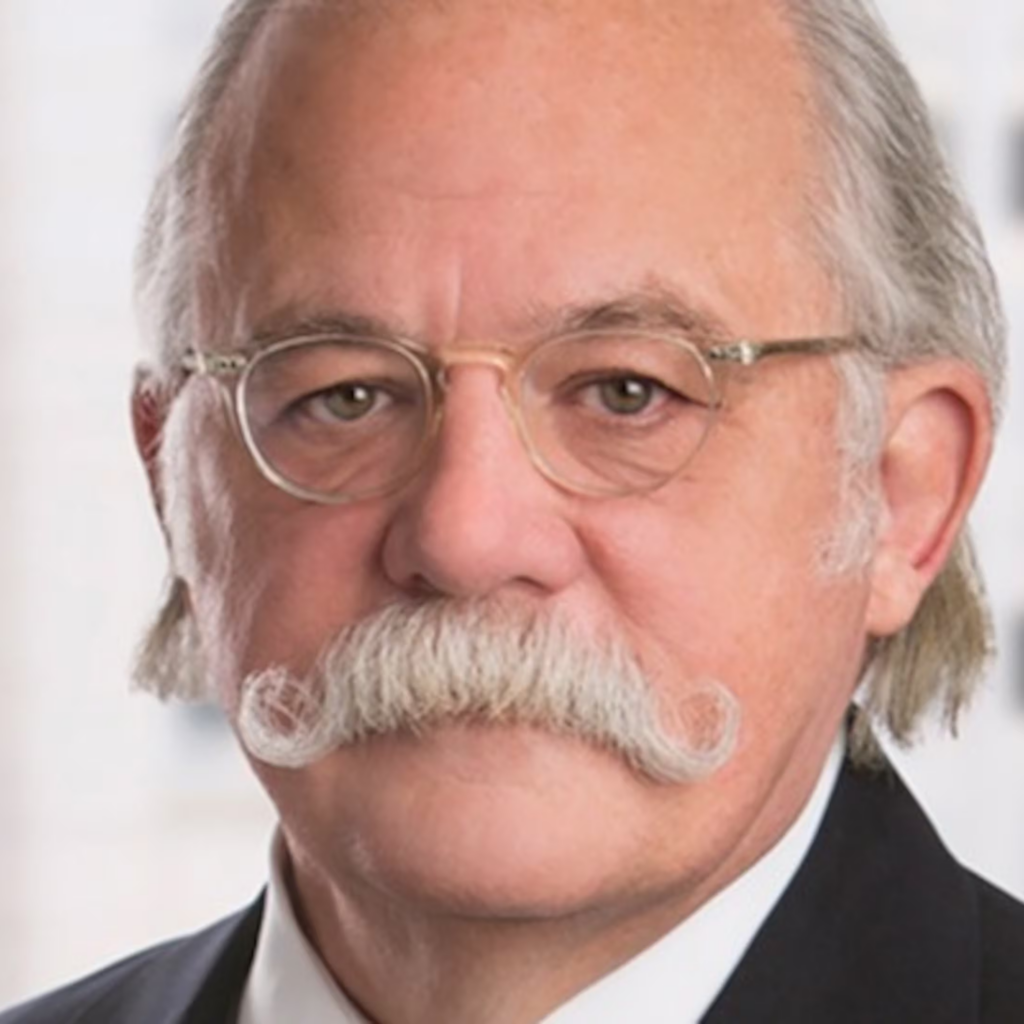
That’s right. Not only is there a Ty Cobb in law and politics today, but there is also a Wyatt Earp here in New Jersey. In a political environment where party organizations across New Jersey continue to grapple with questions of leadership, modernization, grassroots engagement, and electoral strategy, Ocean County Democrats delivered a clear message this week: experience and organizational continuity still carry significant weight.
Tuesday night’s leadership election within the Ocean County Democratic organization resulted in the reelection of longtime Chairman Wyatt Earp, extending a tenure that has now surpassed two decades. While the margin was not overwhelming, it was decisive enough to reinforce the confidence that a majority of county committee members continue to place in the existing leadership structure.
The contest had evolved into one of the more closely watched internal Democratic battles in New Jersey this year, not because of the immediate implications for statewide politics, but because it represented a larger debate taking place inside political organizations throughout the country. At its core, the race was about whether institutional experience or organizational change offered the better path forward in a county that remains one of the strongest Republican strongholds in the Garden State.
Earp ultimately prevailed with approximately 55 percent of the vote, defeating challenger Alison Miller and a reform-minded coalition operating under the banner of Ocean County Democrats for Progress. The outcome demonstrated that while there is clearly an appetite among some Democrats for new approaches and fresh leadership, a majority of voting members remain convinced that continuity remains the most practical strategy heading into future election cycles.
The challenge mounted by Miller was significant because it reflected concerns that have become increasingly common among grassroots activists throughout New Jersey. Supporters of her campaign argued that the county party needed a more aggressive, modernized approach to voter outreach, candidate recruitment, communication, and organizational growth. They contended that despite years of effort, Democratic gains within Ocean County have remained limited and that a new generation of leadership could potentially create fresh opportunities for expansion.
Those arguments resonated with a substantial segment of the electorate participating in the organizational vote. Capturing roughly 45 percent of the vote against a sitting chairman with more than twenty years of institutional support is not an insignificant accomplishment. It suggests that discussions regarding party direction, messaging, and strategy are likely to continue long after the ballots have been counted.
Yet the outcome also highlights the realities facing Democrats in Ocean County. Unlike more competitive regions of New Jersey where party organizations may focus primarily on expanding existing advantages, Ocean County presents a different challenge altogether. Democrats there are operating in territory where Republican dominance remains deeply entrenched at multiple levels of government. Winning elections often requires a combination of patience, coalition building, long-term voter engagement, and organizational stability.
For many committee members, that reality likely contributed to their decision to support the incumbent leadership. Experience matters in politics, particularly in difficult political environments where progress often occurs incrementally rather than dramatically. Supporters of Earp argued that maintaining an established organizational structure provides the party with institutional knowledge, fundraising relationships, volunteer networks, and operational continuity that could prove valuable as Democrats seek future opportunities in the county.
Perhaps the most noteworthy development of the evening, however, occurred after the votes had been counted.
Rather than allowing divisions to deepen, members of the victorious slate made a point of publicly thanking their opponents for conducting what they described as a well-run campaign. The gesture may seem routine on the surface, but in an era where internal party disputes frequently escalate into long-lasting fractures, it represented an important acknowledgment that everyone involved shares the same broader political goals.
The significance of that moment should not be underestimated. Political organizations often emerge from contested internal elections weakened by lingering resentment, factional disputes, and competing agendas. Those divisions can become particularly damaging when parties must immediately pivot toward larger electoral battles.
For Ocean County Democrats, unity may be more important than ever.
The county’s political landscape presents challenges that require maximum organizational cooperation. Democrats attempting to build momentum in Ocean County face obstacles ranging from voter registration disparities to longstanding Republican infrastructure and electoral advantages. Internal divisions consume time, resources, and energy that might otherwise be directed toward candidate development, voter engagement, fundraising, and issue advocacy.
The results therefore create an interesting dynamic moving forward. Earp’s victory validates the confidence many members continue to have in the current leadership structure, but the size of the opposition vote also demonstrates that a meaningful segment of the organization wants to see new ideas incorporated into future planning. Successful leaders often emerge strongest from competitive races when they recognize both messages simultaneously.
The challenge now becomes translating the lessons of the election into practical organizational growth. Party leaders will likely need to balance continuity with innovation, experience with fresh perspectives, and institutional knowledge with grassroots energy. Accomplishing that balance may ultimately determine whether the organization can broaden its reach and strengthen its position in future election cycles.
More broadly, the contest reflects an ongoing conversation occurring throughout New Jersey politics. Democratic organizations in counties large and small continue examining how they can adapt to changing demographics, evolving communication platforms, shifting voter expectations, and increasingly competitive political environments. Questions about leadership succession, grassroots participation, and organizational modernization are not unique to Ocean County. They are being debated in party organizations across the state.
For now, however, the immediate question has been answered.
Ocean County Democrats have chosen stability over disruption, continuity over transition, and experience over experimentation. Wyatt Earp will remain at the helm of the organization, carrying forward more than two decades of leadership into another chapter of county politics.
Whether that decision ultimately proves transformative or simply preserves the status quo remains to be seen. What is already clear is that the debate itself revealed a politically engaged Democratic organization wrestling with important questions about its future. The election may be over, but the conversations it sparked about growth, strategy, outreach, and organizational effectiveness are likely only beginning.
In a county where Democrats face an uphill climb every election cycle, one lesson emerged clearly from Tuesday night: regardless of which slate prevailed, the path forward will almost certainly require cooperation, unity, and a recognition that internal victories mean little unless they ultimately translate into broader success at the ballot box. For Ocean County Democrats, the next challenge begins now.