Home Blog Page 44

New Jersey’s Infopro Learning Named Strategic Leader in 2026 Fosway 9-Grid™, Reinforcing Global Influence in Digital Learning Transformation

A New Jersey-headquartered company is once again asserting its influence on the global stage, as Infopro Learning has been officially recognized as a Strategic Leader in the 2026 Fosway 9-Grid™ for Digital Learning—one of Europe’s most established and analytically rigorous benchmarks for evaluating enterprise learning providers. The designation is not a routine industry accolade; it reflects sustained performance across innovation, delivery capability, client impact, and long-term strategic vision in a sector undergoing rapid transformation.

For Infopro Learning, the recognition signals more than market validation. It confirms the company’s position at the center of a global shift in how organizations approach workforce development, digital enablement, and enterprise learning ecosystems. Operating from its New Jersey base, the company has built a cross-continental delivery model that supports Fortune-level enterprises, high-growth organizations, and complex, multi-market clients navigating the realities of hybrid work, automation, and continuous reskilling.

The Fosway 9-Grid™ framework evaluates providers based on five core dimensions: performance, potential, market presence, total cost of ownership, and future trajectory. Being placed in the Strategic Leader quadrant indicates that Infopro Learning is not only delivering measurable outcomes today but is also architecting solutions designed to evolve alongside enterprise needs. In a market where many providers offer fragmented or point-based solutions, this positioning underscores a comprehensive approach—integrating learning strategy, content development, platform delivery, and analytics into a unified operating model.

At the core of Infopro Learning’s differentiation is its ability to align learning infrastructure directly with business outcomes. Rather than treating training as a standalone function, the company’s model embeds learning into operational workflows, enabling organizations to deploy targeted, role-specific programs that drive performance improvements in real time. This is particularly relevant in sectors where digital transformation is compressing timelines and increasing the demand for agile, highly skilled workforces.

The company’s leadership in digital learning is also closely tied to its investment in adaptive technologies and data-driven design. By leveraging advanced analytics, AI-supported content personalization, and scalable learning experience platforms, Infopro Learning enables enterprises to move beyond static training modules toward dynamic, continuously evolving learning environments. These systems are designed to respond to user behavior, performance metrics, and organizational priorities, ensuring that learning is not only delivered efficiently but also retained and applied effectively.

From a New Jersey perspective, Infopro Learning’s recognition reinforces the state’s growing role as a hub for enterprise technology, digital services, and innovation-led organizations. The company’s headquarters anchors a broader operational network that spans North America, Europe, and Asia, illustrating how New Jersey-based firms are increasingly influencing global markets through specialized expertise and scalable delivery models. This aligns with broader coverage across the Technology & Tech section of Sunset Daily News, where enterprise transformation, digital infrastructure, and innovation strategy continue to define the evolving business landscape.

The implications of this recognition extend directly to enterprise clients. Organizations partnering with Infopro Learning gain access to a provider that has been independently validated for both execution and forward-looking strategy. This includes the ability to design learning ecosystems that support large-scale change initiatives, integrate with existing enterprise systems, and deliver measurable returns on investment through improved employee performance, engagement, and retention.

Equally important is the company’s approach to scalability. As enterprises expand across geographies and business units, the complexity of delivering consistent, high-quality learning experiences increases exponentially. Infopro Learning addresses this challenge through a combination of centralized strategy and localized execution, ensuring that programs remain relevant to regional contexts while maintaining global consistency. This capability is a critical factor in its Strategic Leader designation, reflecting the ability to operate effectively at scale without sacrificing precision or impact.

The broader digital learning market is currently defined by a convergence of technologies and expectations. Artificial intelligence, automation, and data analytics are reshaping how learning is created and delivered, while employees increasingly expect personalized, on-demand experiences that mirror consumer-grade digital platforms. Providers that fail to adapt to these expectations risk becoming obsolete. Infopro Learning’s recognition within the Fosway 9-Grid™ indicates that it is not only adapting but actively shaping the direction of the market.

From a strategic standpoint, the company’s trajectory suggests continued expansion into areas such as immersive learning, advanced simulation environments, and deeper integration with enterprise performance systems. These developments are likely to further blur the lines between learning, operations, and business strategy, positioning digital learning as a core driver of organizational success rather than a supporting function.

For New Jersey’s technology and business community, this milestone represents a clear example of how locally anchored companies can achieve global relevance through specialization, execution excellence, and sustained innovation. Infopro Learning’s recognition as a Strategic Leader is a reflection of disciplined growth, technical sophistication, and a deep understanding of the evolving needs of modern enterprises.

As organizations worldwide continue to invest in workforce transformation and digital capability building, the role of trusted, high-performance learning partners becomes increasingly critical. Infopro Learning’s placement in the 2026 Fosway 9-Grid™ confirms its position as one of those partners—delivering not only solutions, but a framework for how enterprises can navigate the complexities of a rapidly changing digital economy while maintaining a competitive edge from New Jersey to the global stage.

Ishan Technologies and New Jersey-Based Aarav Solutions Align on Oracle Communications Transformation, Advancing Global Digital Infrastructure from Iselin to India

A significant international technology collaboration is now linking New Jersey’s enterprise innovation ecosystem directly to one of India’s fastest-growing digital infrastructure providers, as Ishan Technologies formalizes a strategic partnership with Aarav Solutions to overhaul its OSS/BSS operations on the Oracle Communications platform. The deal is more than a standard systems upgrade—it is a full-scale modernization initiative designed to unify broadband, enterprise, and smart city service delivery under a single, scalable digital architecture, positioning both companies at the forefront of next-generation telecom and ICT transformation.

At the center of this initiative is Aarav Solutions, headquartered in Iselin, New Jersey, a firm that has steadily built a global reputation for deep specialization in Oracle Communications environments. With more than a decade of implementation experience, Aarav has been selected as the delivery partner responsible for executing a complex transformation that will redefine how Ishan Technologies provisions, manages, and monetizes its services. This New Jersey-based leadership role underscores the state’s continued influence in global enterprise technology, particularly in areas where telecommunications, cloud infrastructure, and digital service platforms intersect.

Ishan Technologies, founded in Gujarat and now serving more than one million users across India, has reached a pivotal growth stage. Its portfolio spans broadband connectivity, enterprise-grade ICT solutions, and emerging smart city infrastructure—each of which requires increasingly sophisticated backend systems to operate efficiently at scale. Legacy OSS/BSS environments, while functional, often limit agility, slow service deployment, and create fragmentation across business units. The decision to transition to an Oracle Communications-powered platform reflects a deliberate move toward consolidation, automation, and long-term scalability.

The transformation centers on reengineering both Operations Support Systems (OSS) and Business Support Systems (BSS), the foundational layers that govern network operations, service provisioning, customer lifecycle management, billing, and revenue assurance. By modernizing these systems, Ishan aims to eliminate silos between its broadband, enterprise, and municipal service offerings, enabling a unified operational model that can support rapid expansion without compromising performance or customer experience.

From a technical standpoint, the Oracle Communications platform introduces a modular, cloud-ready architecture capable of handling high-volume service orchestration and real-time data processing. This allows Ishan to deploy new services faster, integrate with third-party ecosystems more seamlessly, and maintain greater visibility across its entire operational footprint. For a company scaling across diverse markets—from residential broadband users to enterprise clients and smart city deployments—this level of control and flexibility is essential.

Aarav Solutions’ role in this transformation is both strategic and execution-driven. Its New Jersey headquarters serves as a hub for global delivery operations, enabling coordination across time zones and project phases. The company’s specialization in Oracle Communications ensures that implementation is not merely technical but aligned with business outcomes, including reduced time-to-market, improved service reliability, and enhanced customer engagement. By leveraging its experience across similar deployments, Aarav is positioned to accelerate Ishan’s transition while minimizing disruption to existing services.

The New Jersey connection is particularly notable in the broader context of global technology partnerships. Iselin has quietly become a node in the international ICT landscape, housing firms that deliver high-impact solutions far beyond regional boundaries. Aarav Solutions exemplifies this dynamic, operating from New Jersey while executing projects that influence digital infrastructure across continents. This collaboration reinforces the state’s role as a strategic base for companies driving transformation in telecommunications and enterprise technology.

For Ishan Technologies, the benefits of this initiative extend beyond operational efficiency. A modernized OSS/BSS framework enables the company to pursue new revenue streams, particularly in areas such as smart city services, IoT integration, and enterprise digital solutions. As urban centers in India continue to invest in connected infrastructure, the ability to deliver integrated services—ranging from connectivity to data-driven applications—becomes a competitive differentiator. The Oracle Communications platform, implemented by Aarav, provides the foundation for this next phase of innovation.

Equally important is the impact on customer experience. In today’s digital economy, service providers are evaluated not only on network performance but on the seamlessness of their interactions with customers. Unified OSS/BSS systems enable real-time billing, personalized service offerings, and faster issue resolution, all of which contribute to higher customer satisfaction and retention. For a provider with a rapidly growing user base, these capabilities are critical to sustaining long-term growth.

This partnership also reflects a broader industry trend toward convergence. Telecommunications providers are increasingly expected to function as integrated digital service platforms, supporting everything from traditional connectivity to advanced enterprise solutions and smart infrastructure. Achieving this level of integration requires a fundamental rethinking of backend systems, moving away from fragmented architectures toward unified, cloud-enabled platforms. The collaboration between Ishan Technologies and Aarav Solutions is a clear example of how this transition is being executed at scale.

Within the context of Sunset Daily News New Jersey’s ongoing coverage of technology and digital transformation, this development highlights the global reach of New Jersey-based firms and their role in shaping the future of telecommunications infrastructure. Readers can explore more industry developments and regional innovation through the Technology & Tech section on Sunset Daily, where ongoing coverage continues to track the evolution of enterprise platforms, cloud ecosystems, and digital service delivery models.

As the project moves forward, the focus will remain on execution—ensuring that the new OSS/BSS environment delivers measurable improvements in efficiency, scalability, and service quality. For Aarav Solutions, the successful delivery of this initiative further solidifies its position as a trusted partner for Oracle Communications transformations. For Ishan Technologies, it marks the beginning of a new operational era, one defined by agility, integration, and the ability to scale in step with the demands of a rapidly digitizing market.

This collaboration, anchored in New Jersey and extending across global markets, represents a precise alignment of technical expertise and strategic ambition. It is a case study in how regional innovation hubs can drive international impact, and how the right partnership—built on specialization, execution capability, and shared vision—can redefine the trajectory of a growing technology enterprise.

The Vienna Lessons

0

The Vienna Lessons Brings Mozart and Beethoven to Life in a Bold, Music-Driven Stage Production at New Jersey Repertory Company

June 25 @ 8:00 PM June 28 @ 11:30 PM

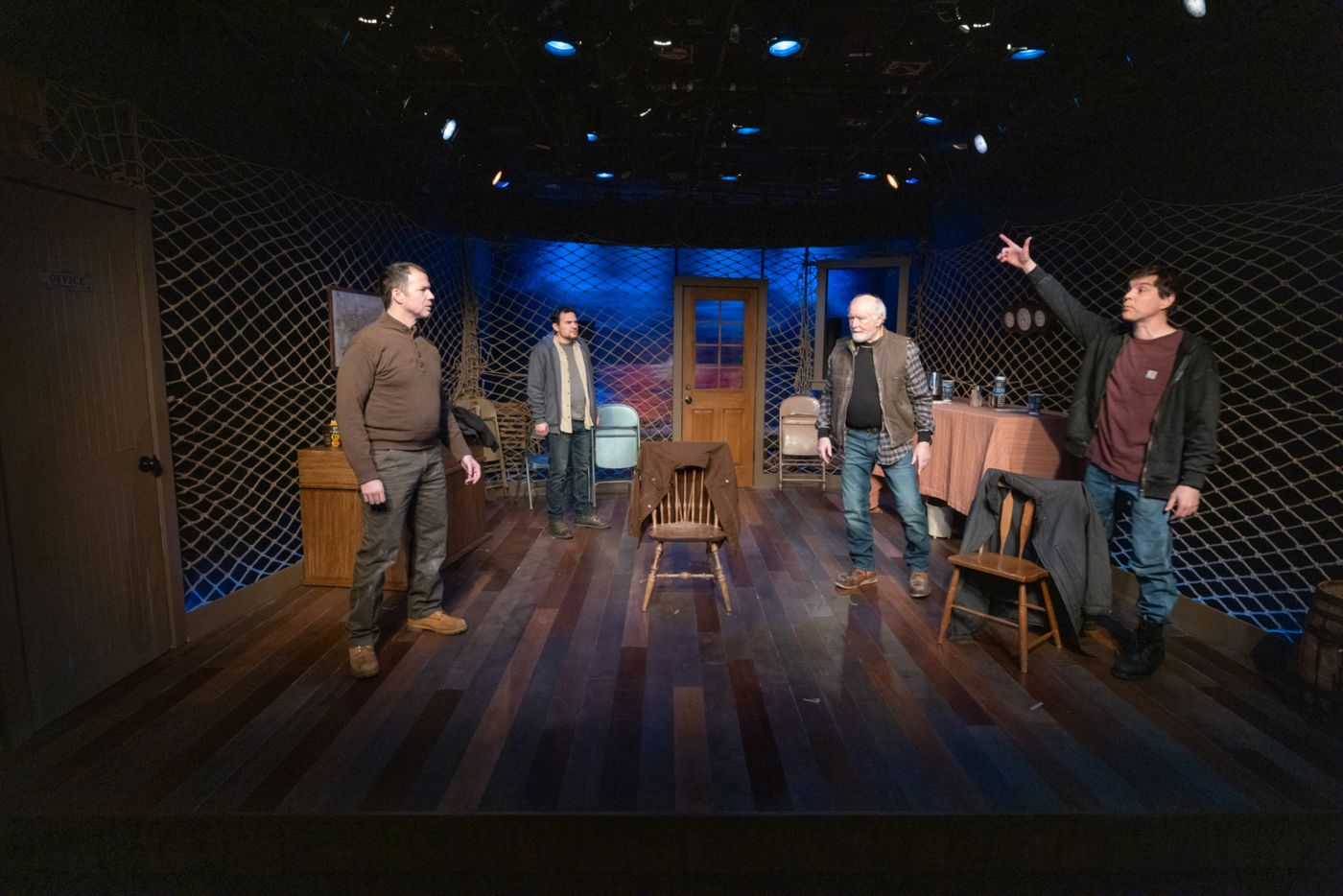
New Jersey’s cultural calendar continues to evolve with programming that merges intellectual depth with performance precision, and on June 4 at 7:00 PM, New Jersey Repertory Company in Long Branch will present The Vienna Lessons, a sharply constructed comedic drama that imagines a pivotal and often-debated moment in music history. Set in Vienna in 1787, the production explores a speculative encounter between Wolfgang Amadeus Mozart and a young Ludwig van Beethoven, two figures whose influence on Western music remains unmatched. Within the broader framework of live performance across the state—consistently reflected in Explore New Jersey’s music coverage—this production stands out as a hybrid theatrical experience, combining narrative, historical interpretation, and live musical integration.

At its foundation, The Vienna Lessons is built around a single premise with expansive implications: the meeting of two composers at dramatically different points in their lives. Mozart, already an established and prolific composer yet facing financial instability, represents artistic maturity shaped by experience and contradiction. Beethoven, portrayed as a driven and highly self-assured young musician, embodies ambition, discipline, and the early formation of a revolutionary voice. The dramatic tension of the piece emerges from this contrast—one artist navigating decline despite mastery, the other ascending with untested certainty.

The play’s structure leverages this dynamic to explore broader questions about mentorship, legacy, and creative identity. Rather than presenting a straightforward historical narrative, the work operates within a speculative framework, constructing dialogue and interaction that reflect what such a meeting could have revealed about both composers. This approach allows the production to move beyond biography into interpretation, using character-driven exchanges to examine how artistic influence is transmitted, challenged, and ultimately transformed.

A defining feature of The Vienna Lessons is its integration of music into the dramatic framework. The inclusion of compositions from both Mozart and Beethoven is not ornamental—it is structural. These works function as extensions of character, reinforcing emotional states, thematic transitions, and the evolving relationship between the two figures. The performance also introduces imagined collaborative elements, creating a conceptual space where the musical languages of both composers intersect. This aspect of the production requires careful coordination, ensuring that the musical components align with the narrative arc rather than operating independently.

From a performance standpoint, the material demands a high level of control and interpretive clarity. The dialogue is constructed to balance humor with intellectual engagement, requiring actors to navigate shifts in tone while maintaining consistency in character portrayal. Timing becomes critical, particularly in scenes where comedic elements are layered over deeper thematic content. In a venue like New Jersey Repertory Company, where audience proximity heightens the impact of performance detail, these elements are amplified, creating an environment where subtle shifts in delivery carry significant weight.

The Long Branch location of New Jersey Repertory Company provides an ideal setting for a production of this nature. Known for its focus on new works and playwright-driven programming, the theatre offers a space where narrative and performance can operate without distraction. Its scale supports an intimate viewing experience, allowing audiences to engage directly with both the dialogue and the musical elements of the production. This alignment between venue and material is central to the effectiveness of The Vienna Lessons, ensuring that the conceptual framework of the play is fully realized in performance.

Thematically, the production engages with the enduring relevance of Mozart and Beethoven within contemporary culture. While their work is often associated with historical distance, The Vienna Lessons positions them as immediate and relatable figures, defined not only by their achievements but by their struggles, ambitions, and interactions. This approach reflects a broader trend within live performance, where historical subjects are reinterpreted through a modern lens to emphasize their continued significance. As highlighted across Explore New Jersey’s music platform, this type of programming contributes to a more dynamic understanding of classical music, bridging the gap between past and present.

Ticket pricing for the June 4 performance is set at $65, reflecting the level of production and the specialized nature of the work. This positions the event within the upper tier of regional theatre offerings while maintaining accessibility for audiences seeking a performance that combines intellectual rigor with artistic execution. The single-evening format further reinforces its status as a focused engagement, encouraging early planning for those interested in attending.

Within the broader context of New Jersey’s 2026 performance calendar, The Vienna Lessons occupies a distinct position. It is neither purely theatrical nor strictly musical; it exists at the intersection of both, requiring an audience willing to engage with its hybrid structure. This positioning aligns with the continued diversification of programming across the state, where venues are increasingly presenting work that challenges conventional categorization while maintaining a high standard of execution.

As the performance unfolds on June 4 in Long Branch, The Vienna Lessons will offer a carefully constructed exploration of artistic connection, conflict, and influence. It is a production that leverages historical imagination, musical integration, and disciplined performance to create an experience that is both engaging and analytically rich. Within New Jersey’s evolving cultural landscape, it stands as a clear example of how live theatre can intersect with musical history to produce work that is both intellectually grounded and theatrically compelling.

New Jersey Repertory Company

732-229-3166

View Organizer Website

New Jersey Repertory Company

179 Broadway
Long Branch, New Jersey 07740 United States
+ Google Map
732-229-3166
View Venue Website

The Vienna Lessons

0

The Vienna Lessons Brings Mozart and Beethoven to Life in a Bold, Music-Driven Stage Production at New Jersey Repertory Company

June 18 @ 8:00 PM June 21 @ 11:30 PM

New Jersey’s cultural calendar continues to evolve with programming that merges intellectual depth with performance precision, and on June 4 at 7:00 PM, New Jersey Repertory Company in Long Branch will present The Vienna Lessons, a sharply constructed comedic drama that imagines a pivotal and often-debated moment in music history. Set in Vienna in 1787, the production explores a speculative encounter between Wolfgang Amadeus Mozart and a young Ludwig van Beethoven, two figures whose influence on Western music remains unmatched. Within the broader framework of live performance across the state—consistently reflected in Explore New Jersey’s music coverage—this production stands out as a hybrid theatrical experience, combining narrative, historical interpretation, and live musical integration.

At its foundation, The Vienna Lessons is built around a single premise with expansive implications: the meeting of two composers at dramatically different points in their lives. Mozart, already an established and prolific composer yet facing financial instability, represents artistic maturity shaped by experience and contradiction. Beethoven, portrayed as a driven and highly self-assured young musician, embodies ambition, discipline, and the early formation of a revolutionary voice. The dramatic tension of the piece emerges from this contrast—one artist navigating decline despite mastery, the other ascending with untested certainty.

The play’s structure leverages this dynamic to explore broader questions about mentorship, legacy, and creative identity. Rather than presenting a straightforward historical narrative, the work operates within a speculative framework, constructing dialogue and interaction that reflect what such a meeting could have revealed about both composers. This approach allows the production to move beyond biography into interpretation, using character-driven exchanges to examine how artistic influence is transmitted, challenged, and ultimately transformed.

A defining feature of The Vienna Lessons is its integration of music into the dramatic framework. The inclusion of compositions from both Mozart and Beethoven is not ornamental—it is structural. These works function as extensions of character, reinforcing emotional states, thematic transitions, and the evolving relationship between the two figures. The performance also introduces imagined collaborative elements, creating a conceptual space where the musical languages of both composers intersect. This aspect of the production requires careful coordination, ensuring that the musical components align with the narrative arc rather than operating independently.

From a performance standpoint, the material demands a high level of control and interpretive clarity. The dialogue is constructed to balance humor with intellectual engagement, requiring actors to navigate shifts in tone while maintaining consistency in character portrayal. Timing becomes critical, particularly in scenes where comedic elements are layered over deeper thematic content. In a venue like New Jersey Repertory Company, where audience proximity heightens the impact of performance detail, these elements are amplified, creating an environment where subtle shifts in delivery carry significant weight.

The Long Branch location of New Jersey Repertory Company provides an ideal setting for a production of this nature. Known for its focus on new works and playwright-driven programming, the theatre offers a space where narrative and performance can operate without distraction. Its scale supports an intimate viewing experience, allowing audiences to engage directly with both the dialogue and the musical elements of the production. This alignment between venue and material is central to the effectiveness of The Vienna Lessons, ensuring that the conceptual framework of the play is fully realized in performance.

Thematically, the production engages with the enduring relevance of Mozart and Beethoven within contemporary culture. While their work is often associated with historical distance, The Vienna Lessons positions them as immediate and relatable figures, defined not only by their achievements but by their struggles, ambitions, and interactions. This approach reflects a broader trend within live performance, where historical subjects are reinterpreted through a modern lens to emphasize their continued significance. As highlighted across Explore New Jersey’s music platform, this type of programming contributes to a more dynamic understanding of classical music, bridging the gap between past and present.

Ticket pricing for the June 4 performance is set at $65, reflecting the level of production and the specialized nature of the work. This positions the event within the upper tier of regional theatre offerings while maintaining accessibility for audiences seeking a performance that combines intellectual rigor with artistic execution. The single-evening format further reinforces its status as a focused engagement, encouraging early planning for those interested in attending.

Within the broader context of New Jersey’s 2026 performance calendar, The Vienna Lessons occupies a distinct position. It is neither purely theatrical nor strictly musical; it exists at the intersection of both, requiring an audience willing to engage with its hybrid structure. This positioning aligns with the continued diversification of programming across the state, where venues are increasingly presenting work that challenges conventional categorization while maintaining a high standard of execution.

As the performance unfolds on June 4 in Long Branch, The Vienna Lessons will offer a carefully constructed exploration of artistic connection, conflict, and influence. It is a production that leverages historical imagination, musical integration, and disciplined performance to create an experience that is both engaging and analytically rich. Within New Jersey’s evolving cultural landscape, it stands as a clear example of how live theatre can intersect with musical history to produce work that is both intellectually grounded and theatrically compelling.

New Jersey Repertory Company

732-229-3166

View Organizer Website

New Jersey Repertory Company

179 Broadway
Long Branch, New Jersey 07740 United States
+ Google Map
732-229-3166
View Venue Website

The Vienna Lessons

0

The Vienna Lessons Brings Mozart and Beethoven to Life in a Bold, Music-Driven Stage Production at New Jersey Repertory Company

June 11 @ 8:00 PM June 14 @ 11:30 PM

New Jersey’s cultural calendar continues to evolve with programming that merges intellectual depth with performance precision, and on June 4 at 7:00 PM, New Jersey Repertory Company in Long Branch will present The Vienna Lessons, a sharply constructed comedic drama that imagines a pivotal and often-debated moment in music history. Set in Vienna in 1787, the production explores a speculative encounter between Wolfgang Amadeus Mozart and a young Ludwig van Beethoven, two figures whose influence on Western music remains unmatched. Within the broader framework of live performance across the state—consistently reflected in Explore New Jersey’s music coverage—this production stands out as a hybrid theatrical experience, combining narrative, historical interpretation, and live musical integration.

At its foundation, The Vienna Lessons is built around a single premise with expansive implications: the meeting of two composers at dramatically different points in their lives. Mozart, already an established and prolific composer yet facing financial instability, represents artistic maturity shaped by experience and contradiction. Beethoven, portrayed as a driven and highly self-assured young musician, embodies ambition, discipline, and the early formation of a revolutionary voice. The dramatic tension of the piece emerges from this contrast—one artist navigating decline despite mastery, the other ascending with untested certainty.

The play’s structure leverages this dynamic to explore broader questions about mentorship, legacy, and creative identity. Rather than presenting a straightforward historical narrative, the work operates within a speculative framework, constructing dialogue and interaction that reflect what such a meeting could have revealed about both composers. This approach allows the production to move beyond biography into interpretation, using character-driven exchanges to examine how artistic influence is transmitted, challenged, and ultimately transformed.

A defining feature of The Vienna Lessons is its integration of music into the dramatic framework. The inclusion of compositions from both Mozart and Beethoven is not ornamental—it is structural. These works function as extensions of character, reinforcing emotional states, thematic transitions, and the evolving relationship between the two figures. The performance also introduces imagined collaborative elements, creating a conceptual space where the musical languages of both composers intersect. This aspect of the production requires careful coordination, ensuring that the musical components align with the narrative arc rather than operating independently.

From a performance standpoint, the material demands a high level of control and interpretive clarity. The dialogue is constructed to balance humor with intellectual engagement, requiring actors to navigate shifts in tone while maintaining consistency in character portrayal. Timing becomes critical, particularly in scenes where comedic elements are layered over deeper thematic content. In a venue like New Jersey Repertory Company, where audience proximity heightens the impact of performance detail, these elements are amplified, creating an environment where subtle shifts in delivery carry significant weight.

The Long Branch location of New Jersey Repertory Company provides an ideal setting for a production of this nature. Known for its focus on new works and playwright-driven programming, the theatre offers a space where narrative and performance can operate without distraction. Its scale supports an intimate viewing experience, allowing audiences to engage directly with both the dialogue and the musical elements of the production. This alignment between venue and material is central to the effectiveness of The Vienna Lessons, ensuring that the conceptual framework of the play is fully realized in performance.

Thematically, the production engages with the enduring relevance of Mozart and Beethoven within contemporary culture. While their work is often associated with historical distance, The Vienna Lessons positions them as immediate and relatable figures, defined not only by their achievements but by their struggles, ambitions, and interactions. This approach reflects a broader trend within live performance, where historical subjects are reinterpreted through a modern lens to emphasize their continued significance. As highlighted across Explore New Jersey’s music platform, this type of programming contributes to a more dynamic understanding of classical music, bridging the gap between past and present.

Ticket pricing for the June 4 performance is set at $65, reflecting the level of production and the specialized nature of the work. This positions the event within the upper tier of regional theatre offerings while maintaining accessibility for audiences seeking a performance that combines intellectual rigor with artistic execution. The single-evening format further reinforces its status as a focused engagement, encouraging early planning for those interested in attending.

Within the broader context of New Jersey’s 2026 performance calendar, The Vienna Lessons occupies a distinct position. It is neither purely theatrical nor strictly musical; it exists at the intersection of both, requiring an audience willing to engage with its hybrid structure. This positioning aligns with the continued diversification of programming across the state, where venues are increasingly presenting work that challenges conventional categorization while maintaining a high standard of execution.

As the performance unfolds on June 4 in Long Branch, The Vienna Lessons will offer a carefully constructed exploration of artistic connection, conflict, and influence. It is a production that leverages historical imagination, musical integration, and disciplined performance to create an experience that is both engaging and analytically rich. Within New Jersey’s evolving cultural landscape, it stands as a clear example of how live theatre can intersect with musical history to produce work that is both intellectually grounded and theatrically compelling.

New Jersey Repertory Company

732-229-3166

View Organizer Website

New Jersey Repertory Company

179 Broadway
Long Branch, New Jersey 07740 United States
+ Google Map
732-229-3166
View Venue Website

The Vienna Lessons

0

The Vienna Lessons Brings Mozart and Beethoven to Life in a Bold, Music-Driven Stage Production at New Jersey Repertory Company

June 4 @ 8:00 PM June 7 @ 11:30 PM

New Jersey’s cultural calendar continues to evolve with programming that merges intellectual depth with performance precision, and on June 4 at 7:00 PM, New Jersey Repertory Company in Long Branch will present The Vienna Lessons, a sharply constructed comedic drama that imagines a pivotal and often-debated moment in music history. Set in Vienna in 1787, the production explores a speculative encounter between Wolfgang Amadeus Mozart and a young Ludwig van Beethoven, two figures whose influence on Western music remains unmatched. Within the broader framework of live performance across the state—consistently reflected in Explore New Jersey’s music coverage—this production stands out as a hybrid theatrical experience, combining narrative, historical interpretation, and live musical integration.

At its foundation, The Vienna Lessons is built around a single premise with expansive implications: the meeting of two composers at dramatically different points in their lives. Mozart, already an established and prolific composer yet facing financial instability, represents artistic maturity shaped by experience and contradiction. Beethoven, portrayed as a driven and highly self-assured young musician, embodies ambition, discipline, and the early formation of a revolutionary voice. The dramatic tension of the piece emerges from this contrast—one artist navigating decline despite mastery, the other ascending with untested certainty.

The play’s structure leverages this dynamic to explore broader questions about mentorship, legacy, and creative identity. Rather than presenting a straightforward historical narrative, the work operates within a speculative framework, constructing dialogue and interaction that reflect what such a meeting could have revealed about both composers. This approach allows the production to move beyond biography into interpretation, using character-driven exchanges to examine how artistic influence is transmitted, challenged, and ultimately transformed.

A defining feature of The Vienna Lessons is its integration of music into the dramatic framework. The inclusion of compositions from both Mozart and Beethoven is not ornamental—it is structural. These works function as extensions of character, reinforcing emotional states, thematic transitions, and the evolving relationship between the two figures. The performance also introduces imagined collaborative elements, creating a conceptual space where the musical languages of both composers intersect. This aspect of the production requires careful coordination, ensuring that the musical components align with the narrative arc rather than operating independently.

From a performance standpoint, the material demands a high level of control and interpretive clarity. The dialogue is constructed to balance humor with intellectual engagement, requiring actors to navigate shifts in tone while maintaining consistency in character portrayal. Timing becomes critical, particularly in scenes where comedic elements are layered over deeper thematic content. In a venue like New Jersey Repertory Company, where audience proximity heightens the impact of performance detail, these elements are amplified, creating an environment where subtle shifts in delivery carry significant weight.

The Long Branch location of New Jersey Repertory Company provides an ideal setting for a production of this nature. Known for its focus on new works and playwright-driven programming, the theatre offers a space where narrative and performance can operate without distraction. Its scale supports an intimate viewing experience, allowing audiences to engage directly with both the dialogue and the musical elements of the production. This alignment between venue and material is central to the effectiveness of The Vienna Lessons, ensuring that the conceptual framework of the play is fully realized in performance.

Thematically, the production engages with the enduring relevance of Mozart and Beethoven within contemporary culture. While their work is often associated with historical distance, The Vienna Lessons positions them as immediate and relatable figures, defined not only by their achievements but by their struggles, ambitions, and interactions. This approach reflects a broader trend within live performance, where historical subjects are reinterpreted through a modern lens to emphasize their continued significance. As highlighted across Explore New Jersey’s music platform, this type of programming contributes to a more dynamic understanding of classical music, bridging the gap between past and present.

Ticket pricing for the June 4 performance is set at $65, reflecting the level of production and the specialized nature of the work. This positions the event within the upper tier of regional theatre offerings while maintaining accessibility for audiences seeking a performance that combines intellectual rigor with artistic execution. The single-evening format further reinforces its status as a focused engagement, encouraging early planning for those interested in attending.

Within the broader context of New Jersey’s 2026 performance calendar, The Vienna Lessons occupies a distinct position. It is neither purely theatrical nor strictly musical; it exists at the intersection of both, requiring an audience willing to engage with its hybrid structure. This positioning aligns with the continued diversification of programming across the state, where venues are increasingly presenting work that challenges conventional categorization while maintaining a high standard of execution.

As the performance unfolds on June 4 in Long Branch, The Vienna Lessons will offer a carefully constructed exploration of artistic connection, conflict, and influence. It is a production that leverages historical imagination, musical integration, and disciplined performance to create an experience that is both engaging and analytically rich. Within New Jersey’s evolving cultural landscape, it stands as a clear example of how live theatre can intersect with musical history to produce work that is both intellectually grounded and theatrically compelling.

New Jersey Repertory Company

732-229-3166

View Organizer Website

New Jersey Repertory Company

179 Broadway
Long Branch, New Jersey 07740 United States
+ Google Map
732-229-3166
View Venue Website

Puppetonia! The Missing Magician

0

Puppetonia! The Missing Magician Brings Interactive Family Theatre to Long Branch with a Creative, Community-Focused Performance

April 26 @ 1:00 PM 11:30 PM

New Jersey’s theatre landscape continues to expand its reach with programming designed to engage audiences at every level, and on April 26 at 2:00 PM, the West End Arts Center Auditorium in Long Branch will host Puppetonia! – The Missing Magician, a live, interactive puppet performance built around imagination, participation, and narrative-driven play. Offered as a free event, this production reflects a growing emphasis on accessible family theatre—an approach that continues to shape the state’s cultural programming as highlighted across Explore New Jersey’s theatre coverage.

At its core, The Missing Magician is structured as a participatory storytelling experience rather than a passive performance. The narrative follows Lucky Duck, an aspiring young magician, who eagerly awaits the arrival of Mini Bunny the Magician for a long-anticipated show. When Mini Bunny fails to appear, the story shifts into a problem-solving framework, with Lucky Duck and Mr. Chris stepping into the role of investigators. This transition from expectation to action is central to the production’s design, creating a storyline that unfolds through discovery, interaction, and audience engagement.

The use of puppetry as the primary storytelling medium introduces a level of visual and performative flexibility that is particularly effective in family theatre. Puppets allow for exaggerated expression, rapid scene transitions, and a direct connection between performer and audience that traditional staging can’t always achieve. In Puppetonia!, this medium is leveraged not only for entertainment but as a tool for engagement, encouraging younger audience members to follow the narrative actively rather than passively observing it.

As the story develops, the performance expands beyond the initial mystery into a broader exploration of creativity. Along the way, Lucky Duck and Mr. Chris encounter elements of magic embedded in everyday experiences—nature, art, construction, and personal imagination. This thematic progression is deliberate, shifting the focus from the absence of a single character to the discovery of creative potential within the world around them. The narrative structure reinforces the idea that magic is not confined to performance alone, but exists within curiosity, problem-solving, and self-expression.

From a production standpoint, The Missing Magician operates within a framework that prioritizes clarity, pacing, and accessibility. The storyline is designed to be easily understood while still offering enough variation to maintain engagement across its runtime. Dialogue, movement, and interactive moments are calibrated to keep younger audiences focused without overwhelming them, a balance that requires careful coordination between performers and technical elements. The result is a performance that is both structured and flexible, capable of adapting to audience response in real time.

The West End Arts Center Auditorium provides an ideal setting for this type of production. Its scale allows for close audience proximity, which is essential for interactive theatre where visual detail and performer-audience connection are key components of the experience. The venue’s layout supports clear sightlines and consistent acoustics, ensuring that both dialogue and movement remain accessible to all attendees, regardless of seating position.

The decision to offer this performance free of charge further reinforces its role within the community. By removing financial barriers, the event invites a broader audience to engage with live theatre, particularly families who may be exploring performance-based experiences for the first time. This approach aligns with a larger trend across New Jersey’s arts programming, where accessibility and audience development are increasingly integrated into event design rather than treated as secondary considerations.

Within the broader context of New Jersey’s performing arts ecosystem, productions like Puppetonia! – The Missing Magician play a critical role in cultivating future audiences. By introducing younger viewers to live performance in an environment that is engaging, interactive, and welcoming, these events help establish a foundation for long-term cultural participation. As reflected throughout Explore New Jersey’s theatre platform, the growth of family-oriented programming is not simply about expanding offerings—it is about building continuity within the audience base.

On April 26 in Long Branch, The Missing Magician will deliver a performance that combines storytelling, puppetry, and interactive exploration into a cohesive theatrical experience. It is a production designed to entertain while also encouraging curiosity and creative thinking, offering audiences a clear and accessible entry point into live theatre. Within the 2026 calendar, it stands as a well-positioned example of how community-focused programming can operate with both purpose and precision, contributing to the ongoing development of New Jersey’s dynamic and inclusive arts landscape.

New Jersey Repertory Company

732-229-3166

View Organizer Website

New Jersey Repertory Company

179 Broadway
Long Branch, New Jersey 07740 United States
+ Google Map
732-229-3166
View Venue Website

Winard Harper & Jeli Posse

0

Winard Harper & Jeli Posse Bring Rhythm, Legacy, and Global Jazz Energy to Long Branch This April

April 15 @ 8:00 PM 11:30 PM

New Jersey’s live music calendar continues to deepen with artist-driven performances that honor tradition while pushing creative boundaries, and on April 15 at 7:00 PM, acclaimed drummer Winard Harper and his ensemble Jeli Posse will take the stage at the West End Arts Center Auditorium in Long Branch. This performance represents a focused expression of modern jazz rooted in historical awareness, rhythmic complexity, and cross-cultural influence—an approach that aligns directly with the evolving live music landscape highlighted across Explore New Jersey’s music coverage.

At the center of this performance is Winard Harper, a musician whose career reflects both technical command and a clear philosophical commitment to the role of jazz within American culture. His work is built on the premise that jazz is not simply a genre, but a living tradition—one that continues to evolve through performance, collaboration, and community engagement. Harper’s approach to drumming emphasizes precision, dynamic control, and rhythmic layering, creating a foundation that supports both structured composition and open improvisation. This balance is essential to the sound of Jeli Posse, an ensemble designed to operate as a cohesive unit while allowing individual voices to emerge within the collective framework.

Jeli Posse’s musical identity is defined by its integration of classic jazz elements with global rhythmic influences. The ensemble’s arrangements often draw from African, Caribbean, and Latin traditions, incorporating polyrhythms and tonal variations that expand the harmonic and rhythmic vocabulary of the performance. This is not fusion for its own sake; it is a deliberate extension of jazz’s historical roots, reconnecting the music to its broader cultural lineage while maintaining the structural integrity of the form. The result is a sound that is both grounded and expansive, capable of shifting between tightly controlled passages and more fluid, improvisational sequences without losing coherence.

The live performance environment is central to this approach. Jazz, by its nature, is built on interaction—between musicians, between sections, and between the ensemble and the audience. In a venue like the West End Arts Center Auditorium, this interaction becomes more immediate and tangible. The space allows for a level of proximity that enhances the listening experience, making the subtleties of timing, phrasing, and dynamic variation more apparent. For a rhythm-driven ensemble like Jeli Posse, this setting supports the clarity and responsiveness required to fully realize the music’s intent.

From a structural standpoint, the performance is expected to move through a range of tempos and tonalities, reflecting the ensemble’s versatility. Up-tempo compositions driven by complex rhythmic patterns are balanced with more reflective pieces that emphasize melodic development and harmonic exploration. Harper’s leadership ensures that these transitions are executed with precision, maintaining continuity while allowing the program to evolve organically. This type of performance requires not only technical skill but a shared understanding among the musicians, where listening becomes as important as playing.

Beyond the musical execution, this event carries a broader cultural significance. Harper has consistently emphasized the importance of bringing jazz back into the communities from which it originated, positioning the music as both an artistic and social force. This perspective informs the structure of Jeli Posse’s performances, which are designed to be accessible without sacrificing complexity. The goal is not to simplify the music, but to present it in a way that invites engagement, encouraging audiences to connect with the rhythms, the improvisation, and the underlying narrative of the performance.

The Long Branch location further reinforces this connection. As part of New Jersey’s coastal arts corridor, the West End Arts Center serves as a venue where local and regional audiences can experience high-level performances in an environment that remains grounded in community. This alignment between artist intent and venue context is a key factor in the effectiveness of the event, ensuring that the performance is not isolated from its audience but integrated into the cultural fabric of the area.

Ticket pricing, ranging from $30 to $40 including fees, positions the event within an accessible range while reflecting the level of musicianship and production involved. This balance is consistent with broader trends across New Jersey’s live music scene, where venues and artists are increasingly focused on delivering high-quality performances that remain within reach for a wide audience base. As reflected throughout Explore New Jersey’s music platform, this approach is contributing to a more dynamic and inclusive live music environment across the state.

Within the context of the 2026 performance calendar, Winard Harper & Jeli Posse stand out as a program that prioritizes rhythm, interaction, and cultural continuity. It is a performance built on the understanding that jazz is not static—it is a form that adapts, absorbs, and responds, shaped by the musicians who engage with it and the audiences who experience it. On April 15 in Long Branch, that process will unfold in real time, offering a performance that is both technically refined and deeply connected to the traditions from which it emerges.

New Jersey Repertory Company

732-229-3166

View Organizer Website

New Jersey Repertory Company

179 Broadway
Long Branch, New Jersey 07740 United States
+ Google Map
732-229-3166
View Venue Website

Sins of the Mother

0

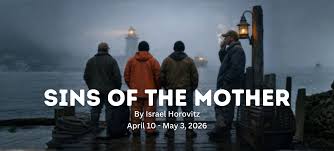
New Jersey Repertory Company Presents Sins of the Mother, A Taut Psychological Drama Opening April 10 in Long Branch

April 30 @ 8:00 PM May 3 @ 11:30 PM

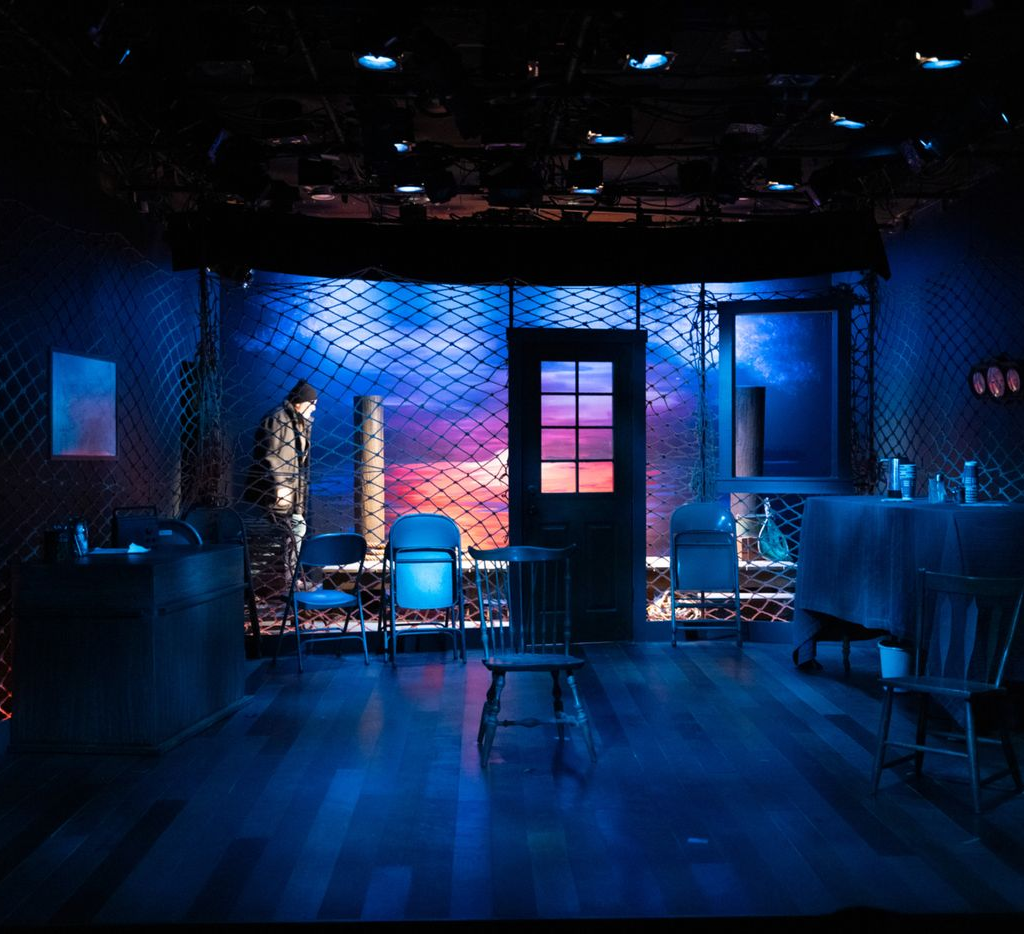
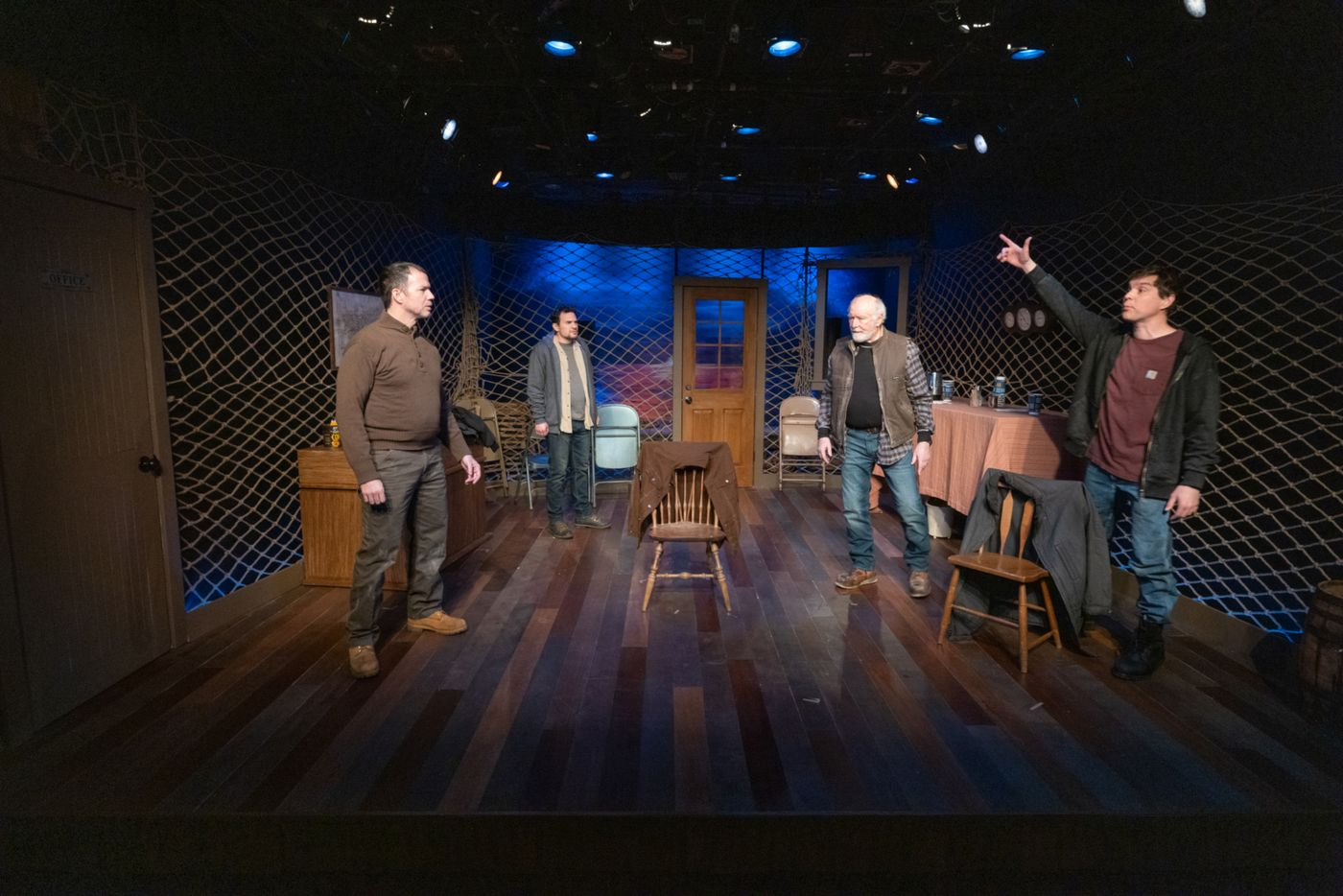
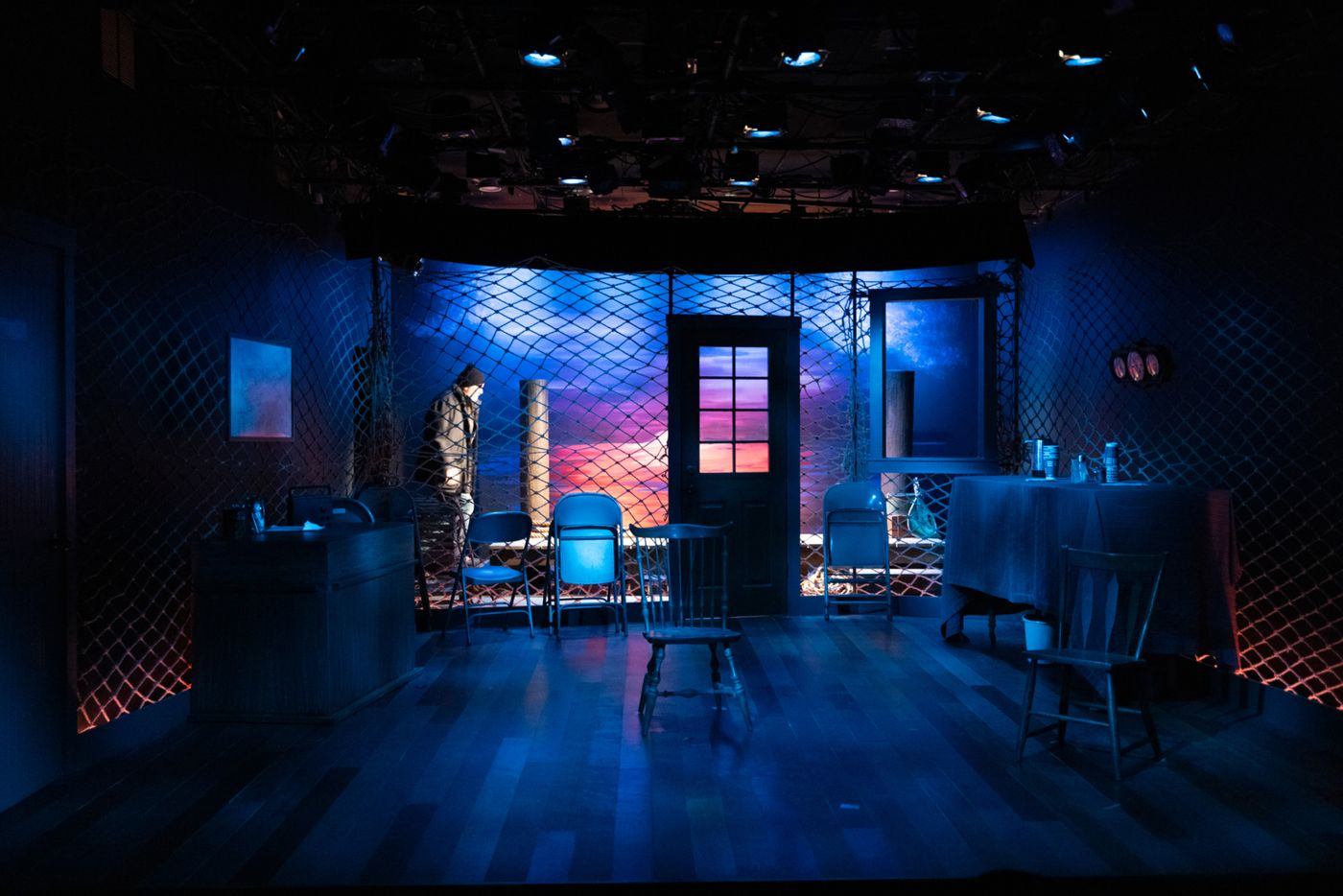
New Jersey’s theatre scene continues to assert its depth with intimate, writer-driven productions that prioritize narrative precision and performance discipline, and on April 10 at 7:00 PM, New Jersey Repertory Company will present Sins of the Mother, a gripping new staging of a work by acclaimed playwright Israel Horovitz. Set at the company’s Long Branch venue at 179 Broadway, this production reinforces the role of regional theatre as a space for focused storytelling, where character, structure, and thematic tension take precedence over spectacle. Within the broader framework of programming highlighted across Explore New Jersey’s theatre coverage, this performance stands as a clear example of how smaller venues continue to deliver work with significant dramatic weight.

At its core, Sins of the Mother is constructed around return and revelation. The narrative follows a young man who comes back to the coastal town where he was raised, only to find himself drawn into a layered mystery that intersects with his own history. This is not a plot driven by external action alone; it is built on psychological progression, where each interaction introduces new information, reframes prior assumptions, and incrementally exposes the underlying structure of the story. Horovitz’s writing is known for its economy and precision, and this work reflects that approach, using dialogue and character dynamics to generate tension rather than relying on overt exposition.

Thematically, the play operates within a tightly defined framework—revenge, forgiveness, and the ambiguity that exists between them. Rather than presenting these concepts as opposites, the narrative explores their overlap, examining how personal history, memory, and perception influence moral judgment. The coastal setting is not incidental; it functions as an extension of the narrative, reinforcing the sense of isolation and continuity that defines the protagonist’s experience. Small-town environments in Horovitz’s work often serve as containers for unresolved history, where past actions remain present beneath the surface, shaping current events in subtle but persistent ways.

From a performance standpoint, Sins of the Mother demands a high level of control from its cast. The dialogue is structurally tight, requiring precise timing and an understanding of subtext that allows meaning to emerge through delivery rather than explanation. This type of material places emphasis on actor discipline—pauses, shifts in tone, and physical presence become critical tools in conveying the progression of the story. In a venue like New Jersey Repertory Company, where audience proximity is a defining characteristic, these elements are amplified, creating a direct connection between performer and audience that heightens the impact of each moment.

The New Jersey Repertory Company itself is a key factor in the production’s positioning within the state’s theatre landscape. Known for its commitment to new works and playwright-driven programming, the company has established a reputation for presenting material that prioritizes narrative integrity and character development. Its Long Branch space is designed to support this approach, offering an environment where the scale of the production aligns with the intensity of the storytelling. The result is a theatre experience that is immediate and concentrated, where the audience is engaged not through visual scale but through the unfolding of the narrative itself.

The April 10 opening positions Sins of the Mother as an early highlight within the spring theatre calendar, offering a production that contrasts with larger-scale programming by focusing on psychological depth and thematic clarity. Ticket pricing, set at $65 including fees, reflects the level of production and the company’s standing within the regional theatre circuit, while maintaining accessibility for audiences seeking a more intimate and intellectually engaged performance experience.

Within the broader context of New Jersey’s performing arts ecosystem, productions like Sins of the Mother play a critical role in maintaining balance across the spectrum of available programming. As Explore New Jersey continues to document the state’s theatre offerings, it becomes increasingly clear that the strength of the region lies not only in its large venues and touring productions, but in its ability to support work that operates on a more focused scale. These productions provide space for playwrights and performers to explore complex material in an environment that supports nuance, experimentation, and precision.

Horovitz’s work, in particular, aligns with this framework. His plays often examine human relationships through a lens that is both direct and layered, allowing audiences to engage with the material on multiple levels. In Sins of the Mother, that approach is evident in the way the narrative unfolds, revealing connections between past and present that challenge both the characters and the audience to reconsider their assumptions. The balance between tension and subtlety is a defining characteristic of the piece, requiring a production that is both disciplined and responsive to the material’s demands.

As the curtain rises in Long Branch on April 10, Sins of the Mother enters the New Jersey theatre calendar as a work that prioritizes structure, performance, and thematic exploration. It is a production that leverages the strengths of its venue, its company, and its source material to deliver a focused and engaging theatrical experience. For audiences seeking a performance that moves beyond surface-level storytelling into a more deliberate and carefully constructed narrative, this staging offers a clear and compelling opportunity to engage with contemporary theatre at a high level.

New Jersey Repertory Company

732-229-3166

View Organizer Website

New Jersey Repertory Company

179 Broadway
Long Branch, New Jersey 07740 United States
+ Google Map
732-229-3166
View Venue Website

Sins of the Mother

0

New Jersey Repertory Company Presents Sins of the Mother, A Taut Psychological Drama Opening April 10 in Long Branch

April 23 @ 8:00 PM April 26 @ 11:30 PM

New Jersey’s theatre scene continues to assert its depth with intimate, writer-driven productions that prioritize narrative precision and performance discipline, and on April 10 at 7:00 PM, New Jersey Repertory Company will present Sins of the Mother, a gripping new staging of a work by acclaimed playwright Israel Horovitz. Set at the company’s Long Branch venue at 179 Broadway, this production reinforces the role of regional theatre as a space for focused storytelling, where character, structure, and thematic tension take precedence over spectacle. Within the broader framework of programming highlighted across Explore New Jersey’s theatre coverage, this performance stands as a clear example of how smaller venues continue to deliver work with significant dramatic weight.

At its core, Sins of the Mother is constructed around return and revelation. The narrative follows a young man who comes back to the coastal town where he was raised, only to find himself drawn into a layered mystery that intersects with his own history. This is not a plot driven by external action alone; it is built on psychological progression, where each interaction introduces new information, reframes prior assumptions, and incrementally exposes the underlying structure of the story. Horovitz’s writing is known for its economy and precision, and this work reflects that approach, using dialogue and character dynamics to generate tension rather than relying on overt exposition.

Thematically, the play operates within a tightly defined framework—revenge, forgiveness, and the ambiguity that exists between them. Rather than presenting these concepts as opposites, the narrative explores their overlap, examining how personal history, memory, and perception influence moral judgment. The coastal setting is not incidental; it functions as an extension of the narrative, reinforcing the sense of isolation and continuity that defines the protagonist’s experience. Small-town environments in Horovitz’s work often serve as containers for unresolved history, where past actions remain present beneath the surface, shaping current events in subtle but persistent ways.

From a performance standpoint, Sins of the Mother demands a high level of control from its cast. The dialogue is structurally tight, requiring precise timing and an understanding of subtext that allows meaning to emerge through delivery rather than explanation. This type of material places emphasis on actor discipline—pauses, shifts in tone, and physical presence become critical tools in conveying the progression of the story. In a venue like New Jersey Repertory Company, where audience proximity is a defining characteristic, these elements are amplified, creating a direct connection between performer and audience that heightens the impact of each moment.

The New Jersey Repertory Company itself is a key factor in the production’s positioning within the state’s theatre landscape. Known for its commitment to new works and playwright-driven programming, the company has established a reputation for presenting material that prioritizes narrative integrity and character development. Its Long Branch space is designed to support this approach, offering an environment where the scale of the production aligns with the intensity of the storytelling. The result is a theatre experience that is immediate and concentrated, where the audience is engaged not through visual scale but through the unfolding of the narrative itself.

The April 10 opening positions Sins of the Mother as an early highlight within the spring theatre calendar, offering a production that contrasts with larger-scale programming by focusing on psychological depth and thematic clarity. Ticket pricing, set at $65 including fees, reflects the level of production and the company’s standing within the regional theatre circuit, while maintaining accessibility for audiences seeking a more intimate and intellectually engaged performance experience.

Within the broader context of New Jersey’s performing arts ecosystem, productions like Sins of the Mother play a critical role in maintaining balance across the spectrum of available programming. As Explore New Jersey continues to document the state’s theatre offerings, it becomes increasingly clear that the strength of the region lies not only in its large venues and touring productions, but in its ability to support work that operates on a more focused scale. These productions provide space for playwrights and performers to explore complex material in an environment that supports nuance, experimentation, and precision.

Horovitz’s work, in particular, aligns with this framework. His plays often examine human relationships through a lens that is both direct and layered, allowing audiences to engage with the material on multiple levels. In Sins of the Mother, that approach is evident in the way the narrative unfolds, revealing connections between past and present that challenge both the characters and the audience to reconsider their assumptions. The balance between tension and subtlety is a defining characteristic of the piece, requiring a production that is both disciplined and responsive to the material’s demands.

As the curtain rises in Long Branch on April 10, Sins of the Mother enters the New Jersey theatre calendar as a work that prioritizes structure, performance, and thematic exploration. It is a production that leverages the strengths of its venue, its company, and its source material to deliver a focused and engaging theatrical experience. For audiences seeking a performance that moves beyond surface-level storytelling into a more deliberate and carefully constructed narrative, this staging offers a clear and compelling opportunity to engage with contemporary theatre at a high level.

New Jersey Repertory Company

732-229-3166

View Organizer Website

New Jersey Repertory Company

179 Broadway
Long Branch, New Jersey 07740 United States
+ Google Map
732-229-3166
View Venue Website

Sins of the Mother

0

New Jersey Repertory Company Presents Sins of the Mother, A Taut Psychological Drama Opening April 10 in Long Branch

April 16 @ 8:00 PM April 19 @ 11:30 PM

New Jersey’s theatre scene continues to assert its depth with intimate, writer-driven productions that prioritize narrative precision and performance discipline, and on April 10 at 7:00 PM, New Jersey Repertory Company will present Sins of the Mother, a gripping new staging of a work by acclaimed playwright Israel Horovitz. Set at the company’s Long Branch venue at 179 Broadway, this production reinforces the role of regional theatre as a space for focused storytelling, where character, structure, and thematic tension take precedence over spectacle. Within the broader framework of programming highlighted across Explore New Jersey’s theatre coverage, this performance stands as a clear example of how smaller venues continue to deliver work with significant dramatic weight.

At its core, Sins of the Mother is constructed around return and revelation. The narrative follows a young man who comes back to the coastal town where he was raised, only to find himself drawn into a layered mystery that intersects with his own history. This is not a plot driven by external action alone; it is built on psychological progression, where each interaction introduces new information, reframes prior assumptions, and incrementally exposes the underlying structure of the story. Horovitz’s writing is known for its economy and precision, and this work reflects that approach, using dialogue and character dynamics to generate tension rather than relying on overt exposition.

Thematically, the play operates within a tightly defined framework—revenge, forgiveness, and the ambiguity that exists between them. Rather than presenting these concepts as opposites, the narrative explores their overlap, examining how personal history, memory, and perception influence moral judgment. The coastal setting is not incidental; it functions as an extension of the narrative, reinforcing the sense of isolation and continuity that defines the protagonist’s experience. Small-town environments in Horovitz’s work often serve as containers for unresolved history, where past actions remain present beneath the surface, shaping current events in subtle but persistent ways.

From a performance standpoint, Sins of the Mother demands a high level of control from its cast. The dialogue is structurally tight, requiring precise timing and an understanding of subtext that allows meaning to emerge through delivery rather than explanation. This type of material places emphasis on actor discipline—pauses, shifts in tone, and physical presence become critical tools in conveying the progression of the story. In a venue like New Jersey Repertory Company, where audience proximity is a defining characteristic, these elements are amplified, creating a direct connection between performer and audience that heightens the impact of each moment.

The New Jersey Repertory Company itself is a key factor in the production’s positioning within the state’s theatre landscape. Known for its commitment to new works and playwright-driven programming, the company has established a reputation for presenting material that prioritizes narrative integrity and character development. Its Long Branch space is designed to support this approach, offering an environment where the scale of the production aligns with the intensity of the storytelling. The result is a theatre experience that is immediate and concentrated, where the audience is engaged not through visual scale but through the unfolding of the narrative itself.

The April 10 opening positions Sins of the Mother as an early highlight within the spring theatre calendar, offering a production that contrasts with larger-scale programming by focusing on psychological depth and thematic clarity. Ticket pricing, set at $65 including fees, reflects the level of production and the company’s standing within the regional theatre circuit, while maintaining accessibility for audiences seeking a more intimate and intellectually engaged performance experience.

Within the broader context of New Jersey’s performing arts ecosystem, productions like Sins of the Mother play a critical role in maintaining balance across the spectrum of available programming. As Explore New Jersey continues to document the state’s theatre offerings, it becomes increasingly clear that the strength of the region lies not only in its large venues and touring productions, but in its ability to support work that operates on a more focused scale. These productions provide space for playwrights and performers to explore complex material in an environment that supports nuance, experimentation, and precision.

Horovitz’s work, in particular, aligns with this framework. His plays often examine human relationships through a lens that is both direct and layered, allowing audiences to engage with the material on multiple levels. In Sins of the Mother, that approach is evident in the way the narrative unfolds, revealing connections between past and present that challenge both the characters and the audience to reconsider their assumptions. The balance between tension and subtlety is a defining characteristic of the piece, requiring a production that is both disciplined and responsive to the material’s demands.

As the curtain rises in Long Branch on April 10, Sins of the Mother enters the New Jersey theatre calendar as a work that prioritizes structure, performance, and thematic exploration. It is a production that leverages the strengths of its venue, its company, and its source material to deliver a focused and engaging theatrical experience. For audiences seeking a performance that moves beyond surface-level storytelling into a more deliberate and carefully constructed narrative, this staging offers a clear and compelling opportunity to engage with contemporary theatre at a high level.

New Jersey Repertory Company

732-229-3166

View Organizer Website

New Jersey Repertory Company

179 Broadway
Long Branch, New Jersey 07740 United States
+ Google Map
732-229-3166
View Venue Website

Sins of the Mother

0

New Jersey Repertory Company Presents Sins of the Mother, A Taut Psychological Drama Opening April 10 in Long Branch

April 10 @ 8:00 PM April 12 @ 11:30 PM

New Jersey’s theatre scene continues to assert its depth with intimate, writer-driven productions that prioritize narrative precision and performance discipline, and on April 10 at 7:00 PM, New Jersey Repertory Company will present Sins of the Mother, a gripping new staging of a work by acclaimed playwright Israel Horovitz. Set at the company’s Long Branch venue at 179 Broadway, this production reinforces the role of regional theatre as a space for focused storytelling, where character, structure, and thematic tension take precedence over spectacle. Within the broader framework of programming highlighted across Explore New Jersey’s theatre coverage, this performance stands as a clear example of how smaller venues continue to deliver work with significant dramatic weight.

At its core, Sins of the Mother is constructed around return and revelation. The narrative follows a young man who comes back to the coastal town where he was raised, only to find himself drawn into a layered mystery that intersects with his own history. This is not a plot driven by external action alone; it is built on psychological progression, where each interaction introduces new information, reframes prior assumptions, and incrementally exposes the underlying structure of the story. Horovitz’s writing is known for its economy and precision, and this work reflects that approach, using dialogue and character dynamics to generate tension rather than relying on overt exposition.

Thematically, the play operates within a tightly defined framework—revenge, forgiveness, and the ambiguity that exists between them. Rather than presenting these concepts as opposites, the narrative explores their overlap, examining how personal history, memory, and perception influence moral judgment. The coastal setting is not incidental; it functions as an extension of the narrative, reinforcing the sense of isolation and continuity that defines the protagonist’s experience. Small-town environments in Horovitz’s work often serve as containers for unresolved history, where past actions remain present beneath the surface, shaping current events in subtle but persistent ways.

From a performance standpoint, Sins of the Mother demands a high level of control from its cast. The dialogue is structurally tight, requiring precise timing and an understanding of subtext that allows meaning to emerge through delivery rather than explanation. This type of material places emphasis on actor discipline—pauses, shifts in tone, and physical presence become critical tools in conveying the progression of the story. In a venue like New Jersey Repertory Company, where audience proximity is a defining characteristic, these elements are amplified, creating a direct connection between performer and audience that heightens the impact of each moment.

The New Jersey Repertory Company itself is a key factor in the production’s positioning within the state’s theatre landscape. Known for its commitment to new works and playwright-driven programming, the company has established a reputation for presenting material that prioritizes narrative integrity and character development. Its Long Branch space is designed to support this approach, offering an environment where the scale of the production aligns with the intensity of the storytelling. The result is a theatre experience that is immediate and concentrated, where the audience is engaged not through visual scale but through the unfolding of the narrative itself.

The April 10 opening positions Sins of the Mother as an early highlight within the spring theatre calendar, offering a production that contrasts with larger-scale programming by focusing on psychological depth and thematic clarity. Ticket pricing, set at $65 including fees, reflects the level of production and the company’s standing within the regional theatre circuit, while maintaining accessibility for audiences seeking a more intimate and intellectually engaged performance experience.

Within the broader context of New Jersey’s performing arts ecosystem, productions like Sins of the Mother play a critical role in maintaining balance across the spectrum of available programming. As Explore New Jersey continues to document the state’s theatre offerings, it becomes increasingly clear that the strength of the region lies not only in its large venues and touring productions, but in its ability to support work that operates on a more focused scale. These productions provide space for playwrights and performers to explore complex material in an environment that supports nuance, experimentation, and precision.

Horovitz’s work, in particular, aligns with this framework. His plays often examine human relationships through a lens that is both direct and layered, allowing audiences to engage with the material on multiple levels. In Sins of the Mother, that approach is evident in the way the narrative unfolds, revealing connections between past and present that challenge both the characters and the audience to reconsider their assumptions. The balance between tension and subtlety is a defining characteristic of the piece, requiring a production that is both disciplined and responsive to the material’s demands.

As the curtain rises in Long Branch on April 10, Sins of the Mother enters the New Jersey theatre calendar as a work that prioritizes structure, performance, and thematic exploration. It is a production that leverages the strengths of its venue, its company, and its source material to deliver a focused and engaging theatrical experience. For audiences seeking a performance that moves beyond surface-level storytelling into a more deliberate and carefully constructed narrative, this staging offers a clear and compelling opportunity to engage with contemporary theatre at a high level.

New Jersey Repertory Company

732-229-3166

View Organizer Website

New Jersey Repertory Company

179 Broadway
Long Branch, New Jersey 07740 United States
+ Google Map
732-229-3166
View Venue Website

Stories of a Lifetime Writing Workshop for Seniors Ages 55+ Second Session

0

Stories of a Lifetime Returns to UCPAC with Expanded Second Session, Elevating Senior Voices Through Live Storytelling and Performance

May 17 @ 12:00 PM 3:00 PM

New Jersey’s performing arts landscape continues to broaden not only in scale but in purpose, and this spring, the Union County Performing Arts Center (UCPAC) reinforces that momentum with the return of Stories of a Lifetime, a six-week in-person writing workshop designed specifically for seniors age 55 and older. Due to strong demand, a second session has been added, running weekly from April 15 through May 13, 2026, with a culminating live performance on May 17. This initiative represents a focused investment in community-driven storytelling, aligning with the broader expansion of inclusive and participatory programming highlighted across Explore New Jersey’s theatre coverage.

Structured as a continuous six-week experience rather than a series of independent sessions, Stories of a Lifetime is built around progression, not introduction. Participants commit to a guided creative process that develops over time, allowing for depth, refinement, and narrative cohesion. Each weekly session, held from noon to 3 PM, introduces thematic prompts and structured discussion designed to unlock personal narratives while maintaining a clear framework for development. The emphasis is not on casual writing exercises but on constructing meaningful, performance-ready material grounded in lived experience.

The workshop’s methodology reflects a disciplined approach to storytelling. Participants are guided through the mechanics of narrative construction, including voice development, character perspective, structural pacing, and the integration of emotional stakes. This is supported by experienced instructors who provide direct feedback and strategic guidance, ensuring that each piece evolves with intention rather than remaining in a draft state. The result is a body of work that carries both personal authenticity and technical clarity, positioning participants not simply as contributors, but as storytellers with a defined narrative voice.

A defining element of the program is its culmination in a live performance on May 17, from 4 PM to 6 PM. This final presentation transforms the workshop from a private creative exercise into a public theatrical event. Professional actors collaborate with participants to bring each piece to life on stage, creating a layered performance dynamic where original writing is translated into live interpretation. This integration of writing and performance is central to the program’s structure, reinforcing the idea that storytelling exists not only on the page but within a shared audience experience.

The decision to focus on seniors age 55 and older is both intentional and strategically aligned with the evolving priorities of New Jersey’s arts programming. This demographic represents a significant reservoir of lived experience, often underrepresented in traditional performance spaces. Stories of a Lifetime addresses that gap by providing a platform that values depth of perspective and personal history, allowing participants to engage with the creative process in a way that is both structured and accessible. The workshop also fosters community connection, creating an environment where participants engage with one another’s stories, building a collective narrative that reflects a wide range of experiences and viewpoints.

UCPAC’s role as host venue further reinforces the program’s significance within the state’s cultural infrastructure. Known for balancing professional productions with community-focused initiatives, the venue provides a setting that supports both the developmental and performance aspects of the workshop. Its facilities accommodate small-group instruction as well as staged presentations, allowing the program to transition seamlessly from workshop environment to live performance setting.

The free admission model, with registration required, ensures that access remains a central component of the program’s design. By removing financial barriers while maintaining a structured enrollment process, the workshop is able to attract participants who are committed to the full six-week experience. This approach also ensures continuity within the group, allowing relationships and collaborative dynamics to develop over the duration of the program. With limited spots available, the structure emphasizes quality of engagement over volume, maintaining an environment that supports focused creative work.

Feedback from previous participants underscores the program’s impact. Many describe the workshop as a catalyst for unlocking stories that had remained unspoken, providing both the tools and the confidence to articulate personal narratives. Others highlight the role of the group environment in fostering connection, emphasizing that the process of sharing and listening becomes as significant as the writing itself. These outcomes are not incidental—they are the result of a program designed to balance creative exploration with disciplined structure.

Within the broader context of New Jersey’s performing arts ecosystem, Stories of a Lifetime represents a clear evolution in how programming is conceived and delivered. As reflected across Explore New Jersey’s theatre platform, there is an increasing emphasis on initiatives that extend beyond traditional audience models, inviting participation and creating pathways for new voices to enter the performance space. This workshop exemplifies that shift, demonstrating how institutions can integrate community engagement with artistic development in a way that produces tangible, performance-ready outcomes.

From April through May, participants will move through a process that is both introspective and collaborative, culminating in a live event that reflects not only individual stories but a collective creative journey. Stories of a Lifetime is positioned not simply as a workshop, but as a structured narrative experience—one that captures the depth of personal history, refines it through disciplined writing, and ultimately brings it to the stage in a form that is both authentic and theatrically realized.

Wed. April 15 – Noon – 3 PM
Wed. April 22- Noon – 3 PM
Wed. April 29 – Noon – 3 PM
Wed. May 6 – Noon – 3 PM
Wed. May 13 – Noon – 3 PM
Sun. May 17 – 4 PM – 6 PM (Performance)

Free In-Person Workshop – Registration Required

Union County Performing Arts Center (UCPAC)

732-499-8226

View Organizer Website

New Jersey Repertory Company

179 Broadway
Long Branch, New Jersey 07740 United States
+ Google Map
732-229-3166
View Venue Website

Stories of a Lifetime Writing Workshop for Seniors Ages 55+ Second Session

0

Stories of a Lifetime Returns to UCPAC with Expanded Second Session, Elevating Senior Voices Through Live Storytelling and Performance

May 13 @ 12:00 PM 3:00 PM

New Jersey’s performing arts landscape continues to broaden not only in scale but in purpose, and this spring, the Union County Performing Arts Center (UCPAC) reinforces that momentum with the return of Stories of a Lifetime, a six-week in-person writing workshop designed specifically for seniors age 55 and older. Due to strong demand, a second session has been added, running weekly from April 15 through May 13, 2026, with a culminating live performance on May 17. This initiative represents a focused investment in community-driven storytelling, aligning with the broader expansion of inclusive and participatory programming highlighted across Explore New Jersey’s theatre coverage.

Structured as a continuous six-week experience rather than a series of independent sessions, Stories of a Lifetime is built around progression, not introduction. Participants commit to a guided creative process that develops over time, allowing for depth, refinement, and narrative cohesion. Each weekly session, held from noon to 3 PM, introduces thematic prompts and structured discussion designed to unlock personal narratives while maintaining a clear framework for development. The emphasis is not on casual writing exercises but on constructing meaningful, performance-ready material grounded in lived experience.

The workshop’s methodology reflects a disciplined approach to storytelling. Participants are guided through the mechanics of narrative construction, including voice development, character perspective, structural pacing, and the integration of emotional stakes. This is supported by experienced instructors who provide direct feedback and strategic guidance, ensuring that each piece evolves with intention rather than remaining in a draft state. The result is a body of work that carries both personal authenticity and technical clarity, positioning participants not simply as contributors, but as storytellers with a defined narrative voice.

A defining element of the program is its culmination in a live performance on May 17, from 4 PM to 6 PM. This final presentation transforms the workshop from a private creative exercise into a public theatrical event. Professional actors collaborate with participants to bring each piece to life on stage, creating a layered performance dynamic where original writing is translated into live interpretation. This integration of writing and performance is central to the program’s structure, reinforcing the idea that storytelling exists not only on the page but within a shared audience experience.

The decision to focus on seniors age 55 and older is both intentional and strategically aligned with the evolving priorities of New Jersey’s arts programming. This demographic represents a significant reservoir of lived experience, often underrepresented in traditional performance spaces. Stories of a Lifetime addresses that gap by providing a platform that values depth of perspective and personal history, allowing participants to engage with the creative process in a way that is both structured and accessible. The workshop also fosters community connection, creating an environment where participants engage with one another’s stories, building a collective narrative that reflects a wide range of experiences and viewpoints.

UCPAC’s role as host venue further reinforces the program’s significance within the state’s cultural infrastructure. Known for balancing professional productions with community-focused initiatives, the venue provides a setting that supports both the developmental and performance aspects of the workshop. Its facilities accommodate small-group instruction as well as staged presentations, allowing the program to transition seamlessly from workshop environment to live performance setting.

The free admission model, with registration required, ensures that access remains a central component of the program’s design. By removing financial barriers while maintaining a structured enrollment process, the workshop is able to attract participants who are committed to the full six-week experience. This approach also ensures continuity within the group, allowing relationships and collaborative dynamics to develop over the duration of the program. With limited spots available, the structure emphasizes quality of engagement over volume, maintaining an environment that supports focused creative work.

Feedback from previous participants underscores the program’s impact. Many describe the workshop as a catalyst for unlocking stories that had remained unspoken, providing both the tools and the confidence to articulate personal narratives. Others highlight the role of the group environment in fostering connection, emphasizing that the process of sharing and listening becomes as significant as the writing itself. These outcomes are not incidental—they are the result of a program designed to balance creative exploration with disciplined structure.

Within the broader context of New Jersey’s performing arts ecosystem, Stories of a Lifetime represents a clear evolution in how programming is conceived and delivered. As reflected across Explore New Jersey’s theatre platform, there is an increasing emphasis on initiatives that extend beyond traditional audience models, inviting participation and creating pathways for new voices to enter the performance space. This workshop exemplifies that shift, demonstrating how institutions can integrate community engagement with artistic development in a way that produces tangible, performance-ready outcomes.

From April through May, participants will move through a process that is both introspective and collaborative, culminating in a live event that reflects not only individual stories but a collective creative journey. Stories of a Lifetime is positioned not simply as a workshop, but as a structured narrative experience—one that captures the depth of personal history, refines it through disciplined writing, and ultimately brings it to the stage in a form that is both authentic and theatrically realized.

Wed. April 15 – Noon – 3 PM
Wed. April 22- Noon – 3 PM
Wed. April 29 – Noon – 3 PM
Wed. May 6 – Noon – 3 PM
Wed. May 13 – Noon – 3 PM
Sun. May 17 – 4 PM – 6 PM (Performance)

Free In-Person Workshop – Registration Required

Union County Performing Arts Center (UCPAC)

732-499-8226

View Organizer Website

New Jersey Repertory Company

179 Broadway
Long Branch, New Jersey 07740 United States
+ Google Map
732-229-3166
View Venue Website

Stories of a Lifetime Writing Workshop for Seniors Ages 55+ Second Session

0

Stories of a Lifetime Returns to UCPAC with Expanded Second Session, Elevating Senior Voices Through Live Storytelling and Performance

May 6 @ 12:00 PM 3:00 PM

New Jersey’s performing arts landscape continues to broaden not only in scale but in purpose, and this spring, the Union County Performing Arts Center (UCPAC) reinforces that momentum with the return of Stories of a Lifetime, a six-week in-person writing workshop designed specifically for seniors age 55 and older. Due to strong demand, a second session has been added, running weekly from April 15 through May 13, 2026, with a culminating live performance on May 17. This initiative represents a focused investment in community-driven storytelling, aligning with the broader expansion of inclusive and participatory programming highlighted across Explore New Jersey’s theatre coverage.

Structured as a continuous six-week experience rather than a series of independent sessions, Stories of a Lifetime is built around progression, not introduction. Participants commit to a guided creative process that develops over time, allowing for depth, refinement, and narrative cohesion. Each weekly session, held from noon to 3 PM, introduces thematic prompts and structured discussion designed to unlock personal narratives while maintaining a clear framework for development. The emphasis is not on casual writing exercises but on constructing meaningful, performance-ready material grounded in lived experience.

The workshop’s methodology reflects a disciplined approach to storytelling. Participants are guided through the mechanics of narrative construction, including voice development, character perspective, structural pacing, and the integration of emotional stakes. This is supported by experienced instructors who provide direct feedback and strategic guidance, ensuring that each piece evolves with intention rather than remaining in a draft state. The result is a body of work that carries both personal authenticity and technical clarity, positioning participants not simply as contributors, but as storytellers with a defined narrative voice.

A defining element of the program is its culmination in a live performance on May 17, from 4 PM to 6 PM. This final presentation transforms the workshop from a private creative exercise into a public theatrical event. Professional actors collaborate with participants to bring each piece to life on stage, creating a layered performance dynamic where original writing is translated into live interpretation. This integration of writing and performance is central to the program’s structure, reinforcing the idea that storytelling exists not only on the page but within a shared audience experience.

The decision to focus on seniors age 55 and older is both intentional and strategically aligned with the evolving priorities of New Jersey’s arts programming. This demographic represents a significant reservoir of lived experience, often underrepresented in traditional performance spaces. Stories of a Lifetime addresses that gap by providing a platform that values depth of perspective and personal history, allowing participants to engage with the creative process in a way that is both structured and accessible. The workshop also fosters community connection, creating an environment where participants engage with one another’s stories, building a collective narrative that reflects a wide range of experiences and viewpoints.

UCPAC’s role as host venue further reinforces the program’s significance within the state’s cultural infrastructure. Known for balancing professional productions with community-focused initiatives, the venue provides a setting that supports both the developmental and performance aspects of the workshop. Its facilities accommodate small-group instruction as well as staged presentations, allowing the program to transition seamlessly from workshop environment to live performance setting.

The free admission model, with registration required, ensures that access remains a central component of the program’s design. By removing financial barriers while maintaining a structured enrollment process, the workshop is able to attract participants who are committed to the full six-week experience. This approach also ensures continuity within the group, allowing relationships and collaborative dynamics to develop over the duration of the program. With limited spots available, the structure emphasizes quality of engagement over volume, maintaining an environment that supports focused creative work.

Feedback from previous participants underscores the program’s impact. Many describe the workshop as a catalyst for unlocking stories that had remained unspoken, providing both the tools and the confidence to articulate personal narratives. Others highlight the role of the group environment in fostering connection, emphasizing that the process of sharing and listening becomes as significant as the writing itself. These outcomes are not incidental—they are the result of a program designed to balance creative exploration with disciplined structure.

Within the broader context of New Jersey’s performing arts ecosystem, Stories of a Lifetime represents a clear evolution in how programming is conceived and delivered. As reflected across Explore New Jersey’s theatre platform, there is an increasing emphasis on initiatives that extend beyond traditional audience models, inviting participation and creating pathways for new voices to enter the performance space. This workshop exemplifies that shift, demonstrating how institutions can integrate community engagement with artistic development in a way that produces tangible, performance-ready outcomes.

From April through May, participants will move through a process that is both introspective and collaborative, culminating in a live event that reflects not only individual stories but a collective creative journey. Stories of a Lifetime is positioned not simply as a workshop, but as a structured narrative experience—one that captures the depth of personal history, refines it through disciplined writing, and ultimately brings it to the stage in a form that is both authentic and theatrically realized.

Wed. April 15 – Noon – 3 PM
Wed. April 22- Noon – 3 PM
Wed. April 29 – Noon – 3 PM
Wed. May 6 – Noon – 3 PM
Wed. May 13 – Noon – 3 PM
Sun. May 17 – 4 PM – 6 PM (Performance)

Free In-Person Workshop – Registration Required

Union County Performing Arts Center (UCPAC)

732-499-8226

View Organizer Website

New Jersey Repertory Company

179 Broadway
Long Branch, New Jersey 07740 United States
+ Google Map
732-229-3166
View Venue Website

Stories of a Lifetime Writing Workshop for Seniors Ages 55+ Second Session

0

Stories of a Lifetime Returns to UCPAC with Expanded Second Session, Elevating Senior Voices Through Live Storytelling and Performance

April 29 @ 12:00 PM 3:00 PM

New Jersey’s performing arts landscape continues to broaden not only in scale but in purpose, and this spring, the Union County Performing Arts Center (UCPAC) reinforces that momentum with the return of Stories of a Lifetime, a six-week in-person writing workshop designed specifically for seniors age 55 and older. Due to strong demand, a second session has been added, running weekly from April 15 through May 13, 2026, with a culminating live performance on May 17. This initiative represents a focused investment in community-driven storytelling, aligning with the broader expansion of inclusive and participatory programming highlighted across Explore New Jersey’s theatre coverage.

Structured as a continuous six-week experience rather than a series of independent sessions, Stories of a Lifetime is built around progression, not introduction. Participants commit to a guided creative process that develops over time, allowing for depth, refinement, and narrative cohesion. Each weekly session, held from noon to 3 PM, introduces thematic prompts and structured discussion designed to unlock personal narratives while maintaining a clear framework for development. The emphasis is not on casual writing exercises but on constructing meaningful, performance-ready material grounded in lived experience.

The workshop’s methodology reflects a disciplined approach to storytelling. Participants are guided through the mechanics of narrative construction, including voice development, character perspective, structural pacing, and the integration of emotional stakes. This is supported by experienced instructors who provide direct feedback and strategic guidance, ensuring that each piece evolves with intention rather than remaining in a draft state. The result is a body of work that carries both personal authenticity and technical clarity, positioning participants not simply as contributors, but as storytellers with a defined narrative voice.

A defining element of the program is its culmination in a live performance on May 17, from 4 PM to 6 PM. This final presentation transforms the workshop from a private creative exercise into a public theatrical event. Professional actors collaborate with participants to bring each piece to life on stage, creating a layered performance dynamic where original writing is translated into live interpretation. This integration of writing and performance is central to the program’s structure, reinforcing the idea that storytelling exists not only on the page but within a shared audience experience.

The decision to focus on seniors age 55 and older is both intentional and strategically aligned with the evolving priorities of New Jersey’s arts programming. This demographic represents a significant reservoir of lived experience, often underrepresented in traditional performance spaces. Stories of a Lifetime addresses that gap by providing a platform that values depth of perspective and personal history, allowing participants to engage with the creative process in a way that is both structured and accessible. The workshop also fosters community connection, creating an environment where participants engage with one another’s stories, building a collective narrative that reflects a wide range of experiences and viewpoints.

UCPAC’s role as host venue further reinforces the program’s significance within the state’s cultural infrastructure. Known for balancing professional productions with community-focused initiatives, the venue provides a setting that supports both the developmental and performance aspects of the workshop. Its facilities accommodate small-group instruction as well as staged presentations, allowing the program to transition seamlessly from workshop environment to live performance setting.

The free admission model, with registration required, ensures that access remains a central component of the program’s design. By removing financial barriers while maintaining a structured enrollment process, the workshop is able to attract participants who are committed to the full six-week experience. This approach also ensures continuity within the group, allowing relationships and collaborative dynamics to develop over the duration of the program. With limited spots available, the structure emphasizes quality of engagement over volume, maintaining an environment that supports focused creative work.

Feedback from previous participants underscores the program’s impact. Many describe the workshop as a catalyst for unlocking stories that had remained unspoken, providing both the tools and the confidence to articulate personal narratives. Others highlight the role of the group environment in fostering connection, emphasizing that the process of sharing and listening becomes as significant as the writing itself. These outcomes are not incidental—they are the result of a program designed to balance creative exploration with disciplined structure.

Within the broader context of New Jersey’s performing arts ecosystem, Stories of a Lifetime represents a clear evolution in how programming is conceived and delivered. As reflected across Explore New Jersey’s theatre platform, there is an increasing emphasis on initiatives that extend beyond traditional audience models, inviting participation and creating pathways for new voices to enter the performance space. This workshop exemplifies that shift, demonstrating how institutions can integrate community engagement with artistic development in a way that produces tangible, performance-ready outcomes.

From April through May, participants will move through a process that is both introspective and collaborative, culminating in a live event that reflects not only individual stories but a collective creative journey. Stories of a Lifetime is positioned not simply as a workshop, but as a structured narrative experience—one that captures the depth of personal history, refines it through disciplined writing, and ultimately brings it to the stage in a form that is both authentic and theatrically realized.

Wed. April 15 – Noon – 3 PM
Wed. April 22- Noon – 3 PM
Wed. April 29 – Noon – 3 PM
Wed. May 6 – Noon – 3 PM
Wed. May 13 – Noon – 3 PM
Sun. May 17 – 4 PM – 6 PM (Performance)

Free In-Person Workshop – Registration Required

Union County Performing Arts Center (UCPAC)

732-499-8226

View Organizer Website

New Jersey Repertory Company

179 Broadway
Long Branch, New Jersey 07740 United States
+ Google Map
732-229-3166
View Venue Website

Stories of a Lifetime Writing Workshop for Seniors Ages 55+ Second Session

0

Stories of a Lifetime Returns to UCPAC with Expanded Second Session, Elevating Senior Voices Through Live Storytelling and Performance

April 22 @ 12:00 PM 3:00 PM

New Jersey’s performing arts landscape continues to broaden not only in scale but in purpose, and this spring, the Union County Performing Arts Center (UCPAC) reinforces that momentum with the return of Stories of a Lifetime, a six-week in-person writing workshop designed specifically for seniors age 55 and older. Due to strong demand, a second session has been added, running weekly from April 15 through May 13, 2026, with a culminating live performance on May 17. This initiative represents a focused investment in community-driven storytelling, aligning with the broader expansion of inclusive and participatory programming highlighted across Explore New Jersey’s theatre coverage.

Structured as a continuous six-week experience rather than a series of independent sessions, Stories of a Lifetime is built around progression, not introduction. Participants commit to a guided creative process that develops over time, allowing for depth, refinement, and narrative cohesion. Each weekly session, held from noon to 3 PM, introduces thematic prompts and structured discussion designed to unlock personal narratives while maintaining a clear framework for development. The emphasis is not on casual writing exercises but on constructing meaningful, performance-ready material grounded in lived experience.

The workshop’s methodology reflects a disciplined approach to storytelling. Participants are guided through the mechanics of narrative construction, including voice development, character perspective, structural pacing, and the integration of emotional stakes. This is supported by experienced instructors who provide direct feedback and strategic guidance, ensuring that each piece evolves with intention rather than remaining in a draft state. The result is a body of work that carries both personal authenticity and technical clarity, positioning participants not simply as contributors, but as storytellers with a defined narrative voice.

A defining element of the program is its culmination in a live performance on May 17, from 4 PM to 6 PM. This final presentation transforms the workshop from a private creative exercise into a public theatrical event. Professional actors collaborate with participants to bring each piece to life on stage, creating a layered performance dynamic where original writing is translated into live interpretation. This integration of writing and performance is central to the program’s structure, reinforcing the idea that storytelling exists not only on the page but within a shared audience experience.

The decision to focus on seniors age 55 and older is both intentional and strategically aligned with the evolving priorities of New Jersey’s arts programming. This demographic represents a significant reservoir of lived experience, often underrepresented in traditional performance spaces. Stories of a Lifetime addresses that gap by providing a platform that values depth of perspective and personal history, allowing participants to engage with the creative process in a way that is both structured and accessible. The workshop also fosters community connection, creating an environment where participants engage with one another’s stories, building a collective narrative that reflects a wide range of experiences and viewpoints.

UCPAC’s role as host venue further reinforces the program’s significance within the state’s cultural infrastructure. Known for balancing professional productions with community-focused initiatives, the venue provides a setting that supports both the developmental and performance aspects of the workshop. Its facilities accommodate small-group instruction as well as staged presentations, allowing the program to transition seamlessly from workshop environment to live performance setting.

The free admission model, with registration required, ensures that access remains a central component of the program’s design. By removing financial barriers while maintaining a structured enrollment process, the workshop is able to attract participants who are committed to the full six-week experience. This approach also ensures continuity within the group, allowing relationships and collaborative dynamics to develop over the duration of the program. With limited spots available, the structure emphasizes quality of engagement over volume, maintaining an environment that supports focused creative work.

Feedback from previous participants underscores the program’s impact. Many describe the workshop as a catalyst for unlocking stories that had remained unspoken, providing both the tools and the confidence to articulate personal narratives. Others highlight the role of the group environment in fostering connection, emphasizing that the process of sharing and listening becomes as significant as the writing itself. These outcomes are not incidental—they are the result of a program designed to balance creative exploration with disciplined structure.

Within the broader context of New Jersey’s performing arts ecosystem, Stories of a Lifetime represents a clear evolution in how programming is conceived and delivered. As reflected across Explore New Jersey’s theatre platform, there is an increasing emphasis on initiatives that extend beyond traditional audience models, inviting participation and creating pathways for new voices to enter the performance space. This workshop exemplifies that shift, demonstrating how institutions can integrate community engagement with artistic development in a way that produces tangible, performance-ready outcomes.

From April through May, participants will move through a process that is both introspective and collaborative, culminating in a live event that reflects not only individual stories but a collective creative journey. Stories of a Lifetime is positioned not simply as a workshop, but as a structured narrative experience—one that captures the depth of personal history, refines it through disciplined writing, and ultimately brings it to the stage in a form that is both authentic and theatrically realized.

Wed. April 15 – Noon – 3 PM
Wed. April 22- Noon – 3 PM
Wed. April 29 – Noon – 3 PM
Wed. May 6 – Noon – 3 PM
Wed. May 13 – Noon – 3 PM
Sun. May 17 – 4 PM – 6 PM (Performance)

Free In-Person Workshop – Registration Required

Union County Performing Arts Center (UCPAC)

732-499-8226

View Organizer Website

New Jersey Repertory Company

179 Broadway
Long Branch, New Jersey 07740 United States
+ Google Map
732-229-3166
View Venue Website

Stories of a Lifetime Writing Workshop for Seniors Ages 55+ Second Session

0

Stories of a Lifetime Returns to UCPAC with Expanded Second Session, Elevating Senior Voices Through Live Storytelling and Performance

April 15 @ 12:00 PM 3:00 PM

New Jersey’s performing arts landscape continues to broaden not only in scale but in purpose, and this spring, the Union County Performing Arts Center (UCPAC) reinforces that momentum with the return of Stories of a Lifetime, a six-week in-person writing workshop designed specifically for seniors age 55 and older. Due to strong demand, a second session has been added, running weekly from April 15 through May 13, 2026, with a culminating live performance on May 17. This initiative represents a focused investment in community-driven storytelling, aligning with the broader expansion of inclusive and participatory programming highlighted across Explore New Jersey’s theatre coverage.

Structured as a continuous six-week experience rather than a series of independent sessions, Stories of a Lifetime is built around progression, not introduction. Participants commit to a guided creative process that develops over time, allowing for depth, refinement, and narrative cohesion. Each weekly session, held from noon to 3 PM, introduces thematic prompts and structured discussion designed to unlock personal narratives while maintaining a clear framework for development. The emphasis is not on casual writing exercises but on constructing meaningful, performance-ready material grounded in lived experience.

The workshop’s methodology reflects a disciplined approach to storytelling. Participants are guided through the mechanics of narrative construction, including voice development, character perspective, structural pacing, and the integration of emotional stakes. This is supported by experienced instructors who provide direct feedback and strategic guidance, ensuring that each piece evolves with intention rather than remaining in a draft state. The result is a body of work that carries both personal authenticity and technical clarity, positioning participants not simply as contributors, but as storytellers with a defined narrative voice.

A defining element of the program is its culmination in a live performance on May 17, from 4 PM to 6 PM. This final presentation transforms the workshop from a private creative exercise into a public theatrical event. Professional actors collaborate with participants to bring each piece to life on stage, creating a layered performance dynamic where original writing is translated into live interpretation. This integration of writing and performance is central to the program’s structure, reinforcing the idea that storytelling exists not only on the page but within a shared audience experience.

The decision to focus on seniors age 55 and older is both intentional and strategically aligned with the evolving priorities of New Jersey’s arts programming. This demographic represents a significant reservoir of lived experience, often underrepresented in traditional performance spaces. Stories of a Lifetime addresses that gap by providing a platform that values depth of perspective and personal history, allowing participants to engage with the creative process in a way that is both structured and accessible. The workshop also fosters community connection, creating an environment where participants engage with one another’s stories, building a collective narrative that reflects a wide range of experiences and viewpoints.

UCPAC’s role as host venue further reinforces the program’s significance within the state’s cultural infrastructure. Known for balancing professional productions with community-focused initiatives, the venue provides a setting that supports both the developmental and performance aspects of the workshop. Its facilities accommodate small-group instruction as well as staged presentations, allowing the program to transition seamlessly from workshop environment to live performance setting.

The free admission model, with registration required, ensures that access remains a central component of the program’s design. By removing financial barriers while maintaining a structured enrollment process, the workshop is able to attract participants who are committed to the full six-week experience. This approach also ensures continuity within the group, allowing relationships and collaborative dynamics to develop over the duration of the program. With limited spots available, the structure emphasizes quality of engagement over volume, maintaining an environment that supports focused creative work.

Feedback from previous participants underscores the program’s impact. Many describe the workshop as a catalyst for unlocking stories that had remained unspoken, providing both the tools and the confidence to articulate personal narratives. Others highlight the role of the group environment in fostering connection, emphasizing that the process of sharing and listening becomes as significant as the writing itself. These outcomes are not incidental—they are the result of a program designed to balance creative exploration with disciplined structure.

Within the broader context of New Jersey’s performing arts ecosystem, Stories of a Lifetime represents a clear evolution in how programming is conceived and delivered. As reflected across Explore New Jersey’s theatre platform, there is an increasing emphasis on initiatives that extend beyond traditional audience models, inviting participation and creating pathways for new voices to enter the performance space. This workshop exemplifies that shift, demonstrating how institutions can integrate community engagement with artistic development in a way that produces tangible, performance-ready outcomes.

From April through May, participants will move through a process that is both introspective and collaborative, culminating in a live event that reflects not only individual stories but a collective creative journey. Stories of a Lifetime is positioned not simply as a workshop, but as a structured narrative experience—one that captures the depth of personal history, refines it through disciplined writing, and ultimately brings it to the stage in a form that is both authentic and theatrically realized.

Wed. April 15 – Noon – 3 PM
Wed. April 22- Noon – 3 PM
Wed. April 29 – Noon – 3 PM
Wed. May 6 – Noon – 3 PM
Wed. May 13 – Noon – 3 PM
Sun. May 17 – 4 PM – 6 PM (Performance)

Free In-Person Workshop – Registration Required

Union County Performing Arts Center (UCPAC)

732-499-8226

View Organizer Website

New Jersey Repertory Company

179 Broadway
Long Branch, New Jersey 07740 United States
+ Google Map
732-229-3166
View Venue Website

NJ Ballet: Sleeping BeautyA Sensory Friendly Theater Performanceat UCPAC’s Main Stage

0

New Jersey Ballet Presents Sensory-Friendly Sleeping Beauty at UCPAC, Expanding Access to Classical Performance Across New Jersey

April 12 @ 1:00 PM 11:30 PM

New Jersey’s performing arts landscape continues to evolve with a growing emphasis on accessibility without compromise, and on Sunday, April 12, the New Jersey Ballet will present a sensory-friendly performance of Sleeping Beauty at UCPAC’s Main Stage. Supported in part by the Union County Board of County Commissioners and the New Jersey Economic Development Authority’s A.R.T. Phase II Grant Program, this production is positioned as both a high-quality artistic presentation and a carefully structured inclusive experience. Within the broader context of statewide programming highlighted across Explore New Jersey’s theatre coverage, this event reflects a meaningful shift toward making classical performance available to audiences who have historically faced barriers to entry.

At its core, Sleeping Beauty remains one of the most recognized works in the classical ballet repertoire, set to Pyotr Ilyich Tchaikovsky’s score and built around a narrative that has endured across generations. The story of Princess Aurora, placed under an enchanted sleep and ultimately awakened through an act of true love, is presented through choreography that emphasizes precision, musical alignment, and visual storytelling. Traditionally staged as a full-length production, the ballet is known for its structured sequences, ensemble coordination, and thematic continuity. In this adaptation, those foundational elements are preserved while the performance is recalibrated to meet the needs of a sensory-sensitive audience.

The sensory-friendly format is not an afterthought—it is embedded into the production design. This version of Sleeping Beauty is intentionally structured as a 60-minute continuous performance with no intermission, ensuring a predictable and manageable experience from start to finish. Lighting levels within the auditorium will remain at approximately 25% brightness throughout the performance, eliminating the abrupt transitions associated with full blackouts and allowing audience members to maintain visual orientation within the space. Sound levels are carefully moderated and stabilized, avoiding sudden changes in volume that can be disruptive, while still preserving the integrity of Tchaikovsky’s score.

Equally important is the overall atmosphere of the performance. Unlike traditional theatre settings, where stillness and silence are expected, this event is designed to be flexible and accommodating. Audience members are free to move as needed, and the environment is intentionally structured to reduce pressure and create a sense of comfort. Seating is general admission, with attendance capped to maintain a manageable audience size, ensuring that the space remains calm and navigable. This approach transforms the theatre from a rigid performance environment into a more adaptable and welcoming setting without diminishing the artistic content.

The New Jersey Ballet’s role in presenting this production underscores its ongoing commitment to both artistic excellence and community engagement. As a company that operates at a professional level while maintaining strong ties to educational and outreach initiatives, it is uniquely positioned to deliver programming that balances technical quality with accessibility. The decision to present a sensory-friendly Sleeping Beauty reflects a broader understanding of how the arts can function as an inclusive platform, extending beyond traditional audience demographics while maintaining the standards expected of classical performance.

UCPAC’s Main Stage provides an appropriate venue for this type of production, offering the spatial configuration and technical capability required to support both the choreography and the modified performance conditions. The theatre’s design allows for clear sightlines and consistent acoustics, ensuring that even with adjusted lighting and sound levels, the performance remains visually and aurally coherent. Doors will open at 1:00 PM, with the performance beginning at 2:00 PM, allowing for a structured but unhurried arrival process that aligns with the event’s overall emphasis on comfort and accessibility.

From a broader perspective, this performance represents a significant development within New Jersey’s cultural framework. As highlighted across Explore New Jersey’s theatre platform, there is a growing recognition that access to the arts must extend beyond physical availability to include environmental and sensory considerations. Productions like this demonstrate that inclusion does not require simplification; rather, it involves thoughtful adaptation that preserves artistic integrity while accommodating a wider range of audience needs.

Ticket pricing for this event is set at $8, reinforcing its accessibility while maintaining a formal ticketing structure that supports planning and attendance management. Registration ensures that capacity remains controlled, contributing to the overall effectiveness of the sensory-friendly design. For families and individuals seeking a live performance experience that is both high-quality and accommodating, this production offers a rare combination of both.

Within the trajectory of New Jersey’s performing arts development, the New Jersey Ballet’s sensory-friendly Sleeping Beauty stands as a clear example of how institutions can evolve to meet changing audience expectations while maintaining a strong artistic foundation. It is a production that respects the tradition of classical ballet while redefining how that tradition can be experienced, ensuring that the stage remains open, relevant, and accessible to all.

Union County Performing Arts Center (UCPAC)

732-499-8226

View Organizer Website

New Jersey Repertory Company

179 Broadway
Long Branch, New Jersey 07740 United States
+ Google Map
732-229-3166
View Venue Website

NJ Ballet Free Public Performanceat UCPAC’s Main Stage

0

New Jersey Ballet Announces Free Public Performance at UCPAC Featuring Landmark Works by Twyla Tharp and Justin Peck

April 11 @ 1:00 PM 11:30 PM

New Jersey’s performing arts calendar continues to expand its accessibility and artistic reach with a major public event that underscores both. On Saturday, April 11, the New Jersey Ballet will present a free public performance at UCPAC’s Main Stage, offering audiences an opportunity to experience a program built on technical excellence, choreographic significance, and contemporary relevance. Supported through the New Jersey Economic Development Authority’s A.R.T. – Phase II Grant Program, this performance represents a strategic investment in public access to high-level dance, aligning with the broader mission of elevating and expanding live performance across the state as consistently reflected in Explore New Jersey’s theatre coverage.

The structure of this program is deliberate, combining works that carry both historical weight and modern creative energy. At the center is Twyla Tharp’s Nine Sinatra Songs, a piece that has become a defining work within American dance repertoire. Known for its precise musicality and stylized partnering, the choreography operates within a framework that blends ballroom influence with contemporary movement language. The work’s construction demands a high degree of control, timing, and interpretive clarity, as dancers navigate shifts in tone and tempo across a series of Frank Sinatra recordings. Its inclusion signals a commitment to presenting material that is both widely recognized and technically rigorous.

Alongside Tharp’s work is Justin Peck’s In Creases, a composition that reflects a distinctly modern approach to choreography. Set to a dynamic and rhythmically driven score, the piece is structured around pattern, repetition, and spatial design, requiring dancers to execute rapid directional changes and complex formations with precision. Where Nine Sinatra Songs emphasizes connection and narrative suggestion, In Creases operates through abstraction and kinetic energy, creating a contrast that highlights the breadth of the Company’s capabilities. The pairing of these two works is not incidental; it is designed to showcase versatility across stylistic boundaries, from classic American choreography to contemporary innovation.

The New Jersey Ballet’s role within the state’s cultural infrastructure is central to understanding the significance of this event. As a company with a sustained presence in both performance and education, it operates at the intersection of artistic production and community engagement. Programs like this free public performance extend that mission, removing traditional barriers to entry while maintaining the standards expected of a professional company. This approach reflects a broader shift within New Jersey’s performing arts sector, where accessibility is increasingly integrated into programming strategy rather than treated as an auxiliary component.

The venue, UCPAC’s Main Stage, provides a setting that supports both the technical and visual demands of the program. With a stage configuration designed for dance performance and a seating layout that maintains clear sightlines, the theatre allows audiences to engage directly with the movement and spatial design of each piece. The acoustical environment supports the integration of recorded scores with live performance, ensuring that musical detail translates effectively throughout the space. Doors will open at 1:00 PM, with the performance beginning at 2:00 PM, structured as a continuous presentation designed to maintain engagement and flow.

From an audience perspective, the free admission model—paired with required registration—positions the event to reach a broad demographic, from dedicated dance patrons to first-time attendees. This is particularly significant in the context of works like Nine Sinatra Songs and In Creases, which offer distinct entry points for different segments of the audience. The familiarity of the Sinatra catalog provides immediate accessibility, while Peck’s contemporary choreography introduces a more experimental dimension, creating a balanced program that engages both traditional and modern sensibilities.

Within the larger framework of New Jersey’s arts landscape, this performance reflects a continued emphasis on quality-driven programming that remains publicly accessible. As highlighted across Explore New Jersey’s theatre platform, institutions and companies are increasingly aligning their artistic output with initiatives that broaden audience reach while maintaining professional standards. The support of the New Jersey Economic Development Authority’s A.R.T. – Phase II Grant Program is a key factor in enabling this alignment, providing the resources necessary to present work of this caliber without the constraints of traditional ticketing models.

The New Jersey Ballet’s April 11 performance is structured to deliver a cohesive, high-level presentation that emphasizes both the discipline and expressive range of contemporary dance. It is a program built on contrast, precision, and intentional design, offering audiences a clear view of how choreography operates across different stylistic frameworks while maintaining a consistent level of execution. For those tracking the development of live performance in New Jersey, this event stands as a direct example of how public access and artistic rigor can operate in parallel, reinforcing the state’s position as an active and evolving center for the performing arts.

Union County Performing Arts Center (UCPAC)

732-499-8226

View Organizer Website

New Jersey Repertory Company

179 Broadway
Long Branch, New Jersey 07740 United States
+ Google Map
732-229-3166
View Venue Website

Bluey’s Big Play

0

Bluey’s Big Play Comes to State Theatre New Jersey for a Two-Day Family Theatre Event This June

June 16 @ 8:00 PM June 17 @ 11:30 PM

New Jersey’s theatre calendar continues to expand with programming that reaches across generations, and on June 16 and 17, 2026, the State Theatre New Jersey will host Bluey’s Big Play, a live theatrical production based on one of the most widely recognized and culturally impactful children’s television series of the past decade. Presented by BBC Studios and Andrew Kay in association with Windmill Theatre Co., this production represents a precise translation of a globally successful animated property into a live stage environment, combining puppetry, original music, and narrative structure designed specifically for theatrical performance. As part of the broader family-focused programming highlighted across Explore New Jersey’s theatre coverage, this engagement reflects the increasing demand for high-quality live experiences tailored to younger audiences without compromising production standards.

At its core, Bluey’s Big Play is built on adaptation discipline. Rather than replicating the television format directly, the production introduces an original story developed by Bluey creator Joe Brumm, ensuring that the narrative is structurally aligned with live performance rather than episodic animation. This distinction is critical. Theatre requires continuity, pacing, and spatial awareness that differ from screen-based storytelling, and the production’s design reflects a deliberate approach to those requirements. The result is a performance that maintains the tone, humor, and emotional clarity of the original series while functioning as a cohesive stage experience.

The integration of new music by Bluey composer Joff Bush further reinforces that alignment. Music in this production is not supplemental—it is embedded within the storytelling framework, supporting transitions, character interaction, and audience engagement. For younger audiences in particular, musical structure plays a key role in maintaining attention and reinforcing narrative beats, and this production is engineered to use that dynamic effectively within a 50-minute runtime. The absence of an intermission is also a calculated decision, ensuring continuity and sustained engagement without disrupting pacing.

One of the defining technical elements of Bluey’s Big Play is its use of large-scale, articulated puppetry. These are not static representations of animated characters; they are engineered performance instruments requiring coordinated operation, precise timing, and an understanding of physical storytelling. The puppetry design allows Bluey, Bingo, Bandit, and Chilli to exist in a three-dimensional space with a level of expressiveness that supports both comedic timing and emotional nuance. This approach places the production within a specialized category of theatre that merges visual design with performance technique, demanding a high level of coordination between performers and technical crew.

The narrative itself centers on a familiar dynamic within the Bluey universe: imaginative play as a mechanism for connection. When Dad decides to take a moment of rest, Bluey and Bingo respond with a series of inventive strategies to re-engage him, turning a simple domestic scenario into an evolving sequence of games, challenges, and playful negotiation. While the premise is straightforward, its execution relies on pacing, interaction, and the ability to translate animated energy into live performance without losing clarity or control. This balance is central to the production’s effectiveness, particularly in a theatre setting where audience response becomes part of the experience.

The State Theatre New Jersey provides an ideal venue for this type of production. Its layout supports strong sightlines across all seating levels, which is essential for a performance built around visual storytelling and movement. The theatre’s acoustics also ensure that dialogue, music, and sound design remain clear and balanced, allowing younger audiences to follow the narrative without difficulty while still delivering a polished audio experience for accompanying adults. With ticket pricing starting at $39.50, the event is positioned to remain accessible while maintaining the production standards expected of a touring theatrical presentation of this scale.

From a broader industry perspective, Bluey’s Big Play reflects a significant trend within live theatre: the expansion of premium children’s programming that operates at the same level of technical and creative investment as adult-oriented productions. This shift is evident across Explore New Jersey’s theatre platform, where family programming is increasingly treated as a core component of the state’s cultural offerings rather than a secondary category. Productions like this are designed not only to entertain but to introduce younger audiences to the structure and experience of live theatre, building familiarity and engagement that can extend into future attendance across multiple genres.

The partnership between BBC Studios, Andrew Kay, and Windmill Theatre Co. further reinforces the production’s credibility. Each entity brings a distinct layer of expertise, from content development to live production execution, ensuring that the transition from screen to stage is handled with precision. This level of coordination is necessary for maintaining brand integrity while delivering a performance that stands on its own within a theatrical context.

Across its two-day run, Bluey’s Big Play is expected to draw significant interest from families throughout New Jersey and the surrounding region. The combination of a widely recognized property, a purpose-built theatrical adaptation, and a venue capable of supporting its technical requirements positions this engagement as one of the more strategically aligned family events on the state’s 2026 calendar. It is a production that understands its audience, respects its source material, and executes its concept with a level of detail that reflects the evolving standards of live theatre programming.

As New Jersey continues to broaden its cultural reach, events like Bluey’s Big Play demonstrate how the state’s venues are adapting to meet the expectations of diverse audiences, offering programming that is both accessible and technically refined. For families seeking a live performance that combines familiarity with professional execution, this June engagement at State Theatre New Jersey stands as a clear and well-constructed entry within the region’s theatre season.

State Theatre New Jersey

732-246-7469

View Organizer Website

New Jersey Repertory Company

179 Broadway
Long Branch, New Jersey 07740 United States
+ Google Map
732-229-3166
View Venue Website

Ben Folds in Concert with New Jersey Symphony

0

Ben Folds Joins New Jersey Symphony for a Genre-Defining Performance at State Theatre New Jersey

June 14 @ 8:00 PM 11:30 PM

New Jersey’s live music calendar continues to assert its range and sophistication with programming that bridges genres and elevates performance standards, and on Sunday, June 14, 2026 at 2:00 PM, the State Theatre New Jersey will host a concert that exemplifies that trajectory. Ben Folds in Concert with New Jersey Symphony, co-presented with the New Jersey Symphony and conducted by Edwin Outwater, brings together one of the most distinctive voices in modern songwriting with a full symphonic ensemble in a performance designed to merge contemporary composition with orchestral precision. As part of the evolving landscape of live music experiences across the state—consistently reflected through Explore New Jersey’s music coverage—this event stands as a clear example of how traditional and modern forms are increasingly intersecting on major stages.

At the center of this performance is Ben Folds, an artist whose career has consistently resisted categorization. Emerging as the frontman of Ben Folds Five, he established a signature style built around piano-driven arrangements, sharp lyrical structure, and an ability to shift seamlessly between humor, introspection, and narrative storytelling. His solo career expanded that framework, incorporating orchestral elements, collaborative projects, and a compositional approach that reflects both classical training and contemporary sensibility. This breadth is not incidental—it is structural to his work, allowing his music to translate effectively across different performance environments, including the symphonic setting that defines this concert.

The integration of Folds’ catalog with a full orchestra introduces a different level of musical architecture. Songs originally constructed around piano, bass, and drums are reimagined through layered orchestration, requiring detailed arrangement work to preserve melodic identity while expanding harmonic depth. This process is not simply additive; it involves recalibrating dynamics, redistributing musical roles across sections, and aligning tempo and phrasing with the precision required in orchestral performance. Under the direction of Edwin Outwater, a conductor known for navigating the intersection of classical and contemporary repertoire, the New Jersey Symphony is positioned to deliver that balance with technical clarity.

Folds’ compositional work outside of traditional pop formats further reinforces the compatibility of this collaboration. His Concerto for Piano and Orchestra, which reached the top position on both the Billboard classical and classical crossover charts, demonstrates a clear understanding of orchestral structure and form. That background informs how his broader catalog can be adapted for symphonic performance, ensuring that the transition from studio recording to live orchestral arrangement maintains coherence rather than fragmentation. His more recent projects, including the 2023 album What Matters Most and ongoing live recordings with major orchestras, reflect a continued commitment to expanding the scope of his work without abandoning its core identity.

The State Theatre New Jersey provides a venue capable of supporting this level of musical complexity. Its acoustical design allows for the precise balance required between soloist and orchestra, ensuring that Folds’ piano and vocal delivery remain distinct within the larger ensemble while still integrating fully into the overall sound. This balance is critical in a performance that depends on both intimacy and scale—where nuanced phrasing must coexist with the full dynamic range of a symphonic arrangement.

From a programming perspective, this concert represents a deliberate shift toward hybrid performance models that appeal to both traditional symphony audiences and contemporary music listeners. The inclusion of a figure like Ben Folds within a symphonic context is not a novelty; it is part of a broader movement to expand the repertoire and audience reach of orchestral institutions. By presenting familiar material in a new format, the performance creates multiple points of entry—drawing in audiences who may not typically attend symphony concerts while offering existing patrons a reinterpretation of modern songwriting through a classical lens.

Within New Jersey’s broader music ecosystem, events of this nature reinforce the state’s ability to host programming that is both technically ambitious and culturally relevant. As highlighted across Explore New Jersey’s music section, the region continues to position itself as a destination for performances that move beyond standard touring formats, instead offering curated experiences that emphasize arrangement, collaboration, and execution at a high level.

The collaboration between Ben Folds and the New Jersey Symphony is structured to deliver a performance that is cohesive, technically sound, and musically expansive. It reflects an understanding that audiences are increasingly seeking concerts that offer more than replication of recorded material—performances that reinterpret, reframe, and elevate the music through new contexts and formats. This approach requires a high degree of coordination between artist, conductor, and orchestra, ensuring that each element contributes to a unified result rather than operating independently.

On June 14, the State Theatre stage will function as a meeting point between compositional precision and live performance energy, where piano-driven songwriting is expanded through orchestral arrangement without losing its defining characteristics. Ben Folds in Concert with New Jersey Symphony is positioned as one of the more technically compelling events on New Jersey’s 2026 music calendar, offering a performance that is structured, deliberate, and fully aligned with the continued evolution of live music presentation across the state.

State Theatre New Jersey

732-246-7469

View Organizer Website

New Jersey Repertory Company

179 Broadway
Long Branch, New Jersey 07740 United States
+ Google Map
732-229-3166
View Venue Website

Generations of Glory: Karen Clark-Sheard & Jekalyn Carr

0

Generations of Glory Brings Karen Clark Sheard and Jekalyn Carr to State Theatre New Jersey for a Landmark Gospel Event

June 11 @ 8:00 PM 11:30 PM

New Jersey’s live music landscape continues to evolve with programming that carries both cultural depth and spiritual resonance, and on Thursday, June 11, 2026 at 8:00 PM, the State Theatre New Jersey will host one of the most significant gospel events on the calendar. Generations of Glory: Karen Clark Sheard & Jekalyn Carr, presented by Georges Destin / DESTIN Enterprises, LLC, is positioned as more than a concert—it is a structured, multi-generational showcase of gospel excellence, bringing together two of the most influential voices in the genre for a single night of performance, ministry, and musical authority. Within the broader framework of New Jersey’s live music ecosystem, consistently documented across Explore New Jersey’s music coverage, this event represents a high-level convergence of legacy and forward momentum.

At its core, Generations of Glory is designed around continuity. Gospel music, unlike many other genres, is built on lineage—on the transmission of style, message, and musical language across generations. This production formalizes that connection on stage, pairing Karen Clark Sheard, a defining figure in contemporary gospel history, with Jekalyn Carr, one of the most impactful voices of the current era. The result is not a contrast, but a continuum, where foundational influence and modern interpretation operate in alignment rather than opposition.

Karen Clark Sheard’s presence anchors the performance in historical significance. As the youngest member of The Clark Sisters, she played a central role in reshaping gospel music’s sonic identity, integrating traditional church-rooted vocal structures with contemporary arrangements that expanded the genre’s reach without diluting its spiritual core. Her vocal technique—marked by exceptional range, agility, and control—has become a benchmark within gospel performance. Songs such as “You Brought the Sunshine,” “Is My Living in Vain,” and “Blessed & Highly Favored” are not simply widely recognized; they are structurally influential recordings that continue to inform how gospel music is arranged and performed today. Her solo catalog further reinforces that impact, with projects that demonstrate both technical command and thematic consistency centered on faith, resilience, and testimony.

Jekalyn Carr represents the next phase of that evolution. Emerging at a young age with a fully developed vocal identity, she has established herself as a leading figure in contemporary gospel through a combination of disciplined vocal delivery and message-driven songwriting. Her recordings, including “You Will Win,” “You’re Bigger,” “It’s Yours,” and “My Portion,” are built on clear melodic frameworks and direct lyrical messaging, designed to engage both traditional gospel audiences and a broader contemporary listenership. Her performance style is precise and intentional, balancing vocal power with clarity of message, a combination that has positioned her as both an artist and a communicator within the genre.

The structural design of Generations of Glory allows these two approaches to intersect in a live setting. Rather than operating as separate headline performances, the program is constructed to emphasize thematic continuity—songs, arrangements, and moments that reflect both the origins and the ongoing trajectory of gospel music. This approach requires a high level of musical coordination, from band arrangements to vocal transitions, ensuring that the performance maintains cohesion while allowing each artist’s individual strengths to remain distinct.

The State Theatre New Jersey provides a venue capable of supporting this level of production. Known for hosting a wide range of high-caliber performances, the theatre offers the acoustical precision necessary for gospel music, where vocal clarity and dynamic range are essential. The room’s design supports both intimate moments of controlled delivery and full-scale ensemble performance, allowing the program to move fluidly between reflective and high-energy segments without compromising sound quality or audience engagement. With an approximate runtime of two hours and thirty minutes, the event is structured as a complete performance experience rather than a condensed showcase, giving space for both artists to fully develop their sets within the broader framework of the program.

What distinguishes this event within New Jersey’s 2026 music calendar is its emphasis on purpose as well as performance. Gospel music operates within a dual framework—artistic and spiritual—and Generations of Glory is explicitly designed to engage both. The language surrounding the event makes clear that this is intended as a participatory experience, where audience response is not passive but active, reflecting the communal nature of gospel performance. This dimension adds a layer of complexity to the production, requiring not only musical precision but an understanding of pacing and engagement that aligns with the expectations of a gospel audience.

From an industry perspective, the pairing of Karen Clark Sheard and Jekalyn Carr is strategically significant. It reflects a recognition that gospel music’s continued relevance depends on both preservation and progression. By presenting these artists within a single program, the production reinforces the idea that the genre’s strength lies in its ability to evolve without losing its foundational identity. That balance is increasingly important as gospel music continues to expand its reach while maintaining its core message.

Within the broader context of New Jersey’s live entertainment infrastructure, events like Generations of Glory demonstrate the state’s capacity to host programming that carries both artistic credibility and cultural significance. As Explore New Jersey continues to document the region’s music scene, performances of this caliber reinforce the state’s position as a destination for serious, message-driven live experiences that extend beyond conventional concert formats.

On June 11, the stage at State Theatre New Jersey will serve as a meeting point between legacy and future, where two distinct but connected voices deliver a program built on excellence, discipline, and purpose. Generations of Glory is positioned not simply as a concert, but as a fully realized live experience that reflects the depth, structure, and enduring impact of gospel music at the highest level.

State Theatre New Jersey

732-246-7469

View Organizer Website

New Jersey Repertory Company

179 Broadway
Long Branch, New Jersey 07740 United States
+ Google Map
732-229-3166
View Venue Website

The Linda Ronstadt Experience

0

The Linda Ronstadt Experience Featuring Tristan McIntosh Brings a Landmark Tribute Performance to the Shea Center for Performing Arts in Wayne

May 1 @ 8:00 PM 11:30 PM

New Jersey’s live music calendar continues to expand with high-caliber, artist-driven programming, and on May 1, 2026 at 8:00 PM, the Shea Center for Performing Arts in Wayne will host a performance that merges legacy, precision, and contemporary vocal power. The Linda Ronstadt Experience, featuring American Idol standout Tristan McIntosh, arrives as a fully realized concert event dedicated to one of the most influential vocalists in modern American music. Within the broader context of the state’s evolving music scene—consistently tracked across Explore New Jersey’s music coverage—this performance stands as a focused and technically grounded tribute that prioritizes authenticity and execution.

At its foundation, The Linda Ronstadt Experience is structured around the recreation of a specific era in Ronstadt’s career, when her vocal command, genre versatility, and commercial reach positioned her at the forefront of popular music. This is not a loosely interpreted homage; it is a disciplined reconstruction of sound, phrasing, and arrangement, delivered by a performer whose vocal profile aligns closely with the demands of the material. Tristan McIntosh brings a controlled, resonant tone and a stage presence built on clarity rather than excess, allowing the music itself to remain the central driver of the performance.

Ronstadt’s catalog presents a unique set of technical challenges. Her recordings span rock, country, pop, and folk, requiring not only vocal range but stylistic adaptability. Songs such as “You’re No Good,” “When Will I Be Loved,” “That’ll Be the Day,” “Blue Bayou,” and “Different Drum” are structurally distinct, each demanding a different approach to phrasing, dynamics, and emotional delivery. A successful performance of this material depends on precision—tight band coordination, accurate harmonic support, and a vocalist capable of transitioning seamlessly between genres without compromising tonal consistency. Backed by a seasoned live band, this production is engineered to meet those requirements, recreating the layered instrumentation and rhythmic control that defined Ronstadt’s recordings and live performances.

The inclusion of material written by some of the most respected songwriters in modern music further elevates the program. Ronstadt’s interpretations of works by artists such as Jackson Browne, Elvis Costello, Tom Petty, Neil Young, The Rolling Stones, and Warren Zevon were central to her identity as a performer—taking already strong compositions and redefining them through vocal interpretation. This concert retains that framework, presenting a setlist that reflects both the breadth of her catalog and the depth of her influence.

The Shea Center for Performing Arts, located at 300 Pompton Road in Wayne, provides a venue capable of supporting the sonic demands of a performance built on vocal clarity and live instrumentation. Its acoustical design allows for balanced sound distribution across the room, ensuring that both subtle vocal phrasing and full-band dynamics translate effectively to the audience. For a show that depends on fidelity to the original arrangements while maintaining the energy of a live concert, this level of technical support is essential.

From a performance standpoint, Tristan McIntosh’s role is central to the success of the production. Her approach is measured and controlled, avoiding overextension in favor of accuracy and tonal consistency. This is particularly important when working within a catalog as recognizable as Ronstadt’s, where deviations in phrasing or pitch are immediately noticeable to audiences familiar with the original recordings. The result is a performance that prioritizes musical integrity while still delivering the immediacy and presence expected from a live concert environment. Recognition from figures directly connected to Ronstadt’s career, including producer Peter Asher, underscores the level of execution achieved by this production.

Beyond the performance itself, this event reflects a broader trend within New Jersey’s live music infrastructure: the increasing demand for concerts that combine legacy material with contemporary performance standards. Audiences are not simply looking for recognition of familiar songs—they expect accuracy, professionalism, and a level of musicianship that respects the source material. Events like The Linda Ronstadt Experience meet that expectation, positioning themselves as both entertainment and preservation of musical history.

Accessibility remains a key component of the event’s structure. Ticketing options include senior discounts, WP community pricing for faculty, staff, and alumni, and group rates designed to accommodate larger audiences. The Shea Center box office provides direct support for group ticket purchases, as well as assistance with accessible seating arrangements, ensuring that the performance is available to a wide and diverse audience base.

Within the larger framework of New Jersey’s music scene, this performance represents a convergence of legacy artistry and modern execution. It is a program built with clear intent—delivering a faithful, technically sound presentation of a catalog that continues to influence performers across multiple genres. As Explore New Jersey continues to document and elevate the state’s live music offerings, events like this reinforce the region’s position as a destination for serious, well-produced concert experiences.

On May 1 in Wayne, audiences will not simply attend a tribute—they will engage with a performance designed to capture the structure, sound, and emotional clarity of Linda Ronstadt’s music at its peak. Through disciplined musicianship, strong vocal execution, and a commitment to authenticity, The Linda Ronstadt Experience stands as one of the more precise and compelling live music events on New Jersey’s 2026 calendar.

Shea Center for Performing Arts

(973) 720-2000

View Organizer Website

New Jersey Repertory Company

179 Broadway
Long Branch, New Jersey 07740 United States
+ Google Map
732-229-3166
View Venue Website

2026 NJ All State Band Gala

0

2026 NJ All-State Band Gala Registration Opens at the Shea Center for Performing Arts as New Jersey’s Premier Student Musicians Take Center Stage – Two (2) shows at 2PM & 6PM

April 26 @ 2:00 PM 9:00 PM

New Jersey’s reputation as a national leader in music education and performance excellence will be on full display on April 26, 2026, as the NJ All-State Band Gala Registration takes place at 9:00 AM at the Shea Center for Performing Arts in Wayne. More than a procedural checkpoint, this event represents the formal launch of one of the most respected and competitive student performance programs in the state, bringing together elite young musicians from across New Jersey into a unified, high-level ensemble environment. As part of the broader performing arts landscape consistently highlighted across Explore New Jersey’s theatre coverage, the All-State Band Gala stands as a foundational pillar in the state’s cultural and educational infrastructure.

The NJ All-State Band program is widely recognized for its rigorous selection standards and its role in shaping the next generation of professional and collegiate-level musicians. Admission into the ensemble is not incidental; it is earned through a structured audition process that evaluates technical proficiency, sight-reading ability, tone quality, rhythmic precision, and overall musical interpretation. By the time participants arrive at the Shea Center for registration, they have already distinguished themselves among the top student instrumentalists in the state, representing a cross-section of New Jersey’s strongest high school music programs.

The April 26 registration event serves as the operational starting point for what is ultimately a performance cycle built on discipline, collaboration, and advanced musical development. Students will engage with a level of rehearsal intensity that mirrors professional ensemble standards, often working under the direction of guest conductors and clinicians with national or international credentials. This structure is intentional. The All-State framework is designed not only to showcase talent, but to refine it—placing students in an environment where expectations are elevated, rehearsal efficiency is critical, and musical interpretation is treated with professional seriousness.

The Shea Center for Performing Arts, located at 300 Pompton Road, provides an appropriate and technically capable setting for an initiative of this scale. Its performance infrastructure supports large ensemble configurations, allowing for full band instrumentation without compromising acoustical balance. For a program centered on symphonic band performance—where clarity across woodwinds, brass, and percussion sections must be maintained—the venue’s design plays a critical role in enabling both rehearsal effectiveness and eventual performance quality.

From a broader perspective, the NJ All-State Band Gala is not simply an educational milestone; it is a reflection of New Jersey’s sustained investment in arts education as a core component of its cultural identity. Programs like this reinforce the state’s position as a pipeline for musical excellence, consistently producing students who advance to top conservatories, university music programs, and professional careers. The Gala itself marks the point at which individual achievement transitions into collective performance, where selected musicians must quickly adapt to ensemble dynamics, conductor expectations, and the technical demands of advanced repertoire.

This event also underscores the interconnected nature of New Jersey’s performing arts ecosystem. While professional productions, touring acts, and institutional theatre continue to define the public-facing side of the industry, programs like the All-State Band operate as the developmental backbone—ensuring that the next generation of performers, composers, and educators is being trained at a level that sustains and elevates the entire system. That alignment between education and performance is evident throughout Explore New Jersey’s theatre section, where emerging talent and established programming exist within the same cultural framework.

For participants, the April 26 registration is a decisive moment. It initiates a process that demands focus, adaptability, and a high level of personal accountability. Students are expected to arrive prepared, not only technically but mentally, ready to engage with complex repertoire and collaborative performance at an accelerated pace. The environment is structured, the expectations are clear, and the margin for error is intentionally narrow—conditions that mirror the realities of professional ensemble work.

For families, educators, and the broader community, the NJ All-State Band Gala represents a visible affirmation of what disciplined arts education can produce. It is a gathering of talent that has been cultivated over years of instruction, practice, and performance, now concentrated into a single program that operates at the highest level available to student musicians within the state.

As New Jersey continues to expand and refine its position within the national arts landscape, events like the 2026 NJ All-State Band Gala Registration serve as critical indicators of long-term strength. They demonstrate that the state’s commitment to performance excellence is not limited to the stage—it is embedded in the systems that develop, support, and advance the artists who will define its future.

Shea Center for Performing Arts

(973) 720-2000

View Organizer Website

New Jersey Repertory Company

179 Broadway
Long Branch, New Jersey 07740 United States
+ Google Map
732-229-3166
View Venue Website

Harry Chapin’s Greatest Stories Live

0

Harry Chapin’s Greatest Stories LIVE Comes to Wayne, NJ for a One-Night Performance at the Shea Center for Performing Arts

April 25 @ 8:00 PM 11:30 PM

New Jersey’s live performance calendar continues to deepen in both scope and substance this spring with the arrival of Harry Chapin’s Greatest Stories LIVE, set for April 25, 2026 at 8:00 PM at the Shea Center for Performing Arts in Wayne. This one-night engagement is more than a concert—it is a carefully constructed legacy performance that brings together two generations of the Chapin family to present the music, message, and enduring cultural relevance of one of America’s most distinctive singer-songwriters. As part of the broader ecosystem of performances shaping the state’s cultural identity, this event reflects the type of programming consistently elevated across Explore New Jersey’s theatre coverage.

At its core, Harry Chapin’s Greatest Stories LIVE is built around authenticity. Rather than a tribute in the conventional sense, this production is delivered by the artists most directly connected to the material—family members who have not only preserved Harry Chapin’s catalog but have actively extended its reach through their own careers. Tom Chapin, Steve Chapin, and Jen Chapin, alongside Abigail and Lily Chapin, bring a collective depth of musicianship that spans decades of recording, touring, and live performance. Their approach is not interpretive from a distance; it is rooted in lived experience, musical continuity, and a shared understanding of the original work’s intent and construction.

Harry Chapin’s songwriting catalog remains structurally unique within American roots and folk traditions. His compositions are narrative-driven, often unfolding as detailed character studies that balance melodic accessibility with lyrical density. Songs such as “Cat’s in the Cradle,” “Taxi,” “Mr. Tanner,” “W•O•L•D,” “Mail Order Annie,” and “Circle” are not simply recognizable titles—they are compositions that require precise phrasing, dynamic control, and an understanding of pacing that allows the storytelling to land with clarity. This performance is expected to maintain those standards, supported by The Harry Chapin Band, including long-time collaborators Big John Wallace and Howard Fields, whose familiarity with the original arrangements ensures musical continuity at a high level.

The Shea Center for Performing Arts, located at 300 Pompton Road in Wayne, provides a technically appropriate environment for a performance of this nature. Known for accommodating both theatrical productions and live music events, the venue offers the acoustical balance necessary for vocal-forward performances, where lyrical clarity is as critical as instrumental support. For a catalog like Chapin’s—where narrative detail is central—the ability to maintain sonic precision within a live setting is not optional; it is essential to the success of the performance.

What distinguishes this event within the broader New Jersey live entertainment landscape is its integration of purpose with performance. Harry Chapin’s legacy extends beyond music into sustained humanitarian work, particularly his efforts to combat hunger. In keeping with that commitment, this performance will include a coordinated food drive, with attendees encouraged to bring non-perishable items for donation to a local food bank. This element is not peripheral—it is consistent with the original ethos of Chapin’s career, where music and advocacy operated in tandem rather than as separate initiatives.

From an audience standpoint, this is a finite opportunity to experience a catalog that continues to resonate across generations, performed by those with the closest artistic and personal connection to its origin. The one-night format inherently creates demand, particularly for a program built around widely recognized material delivered in an authentic framework. Ticketing options reflect a broad accessibility strategy, with senior discounts, WP community pricing for faculty, staff, and alumni, and group rates available for larger parties. The Shea Center box office is also equipped to assist with group ticket purchases and accessible seating accommodations, ensuring that the event remains inclusive across multiple audience segments.

Within the context of New Jersey’s evolving arts infrastructure, events like Harry Chapin’s Greatest Stories LIVE signal a continued expansion in programming that prioritizes substance, legacy, and execution over novelty alone. The state’s venues are increasingly hosting performances that carry both artistic weight and cultural relevance, reinforcing New Jersey’s position as a viable and active market for meaningful live experiences. This trajectory is consistently reflected across Explore New Jersey’s theatre platform, where programming of this caliber is becoming a defining characteristic rather than an exception.

As April 25 approaches, this performance stands as a precise convergence of music, history, and purpose. It offers a structurally sound, musically rigorous presentation of a catalog that remains deeply embedded in American songwriting, delivered by artists uniquely qualified to carry it forward. For audiences seeking a performance grounded in authenticity, narrative clarity, and technical execution, Harry Chapin’s Greatest Stories LIVE at the Shea Center for Performing Arts represents one of the most compelling single-night engagements on New Jersey’s 2026 calendar.

Shea Center for Performing Arts

(973) 720-2000

View Organizer Website

New Jersey Repertory Company

179 Broadway
Long Branch, New Jersey 07740 United States
+ Google Map
732-229-3166
View Venue Website

Rent: School Edition

0

WP Music Department Brings Rent: School Edition to the Shea Center for Performing Arts This April

April 17 @ 8:00 PM April 19 @ 11:30 PM

The WP Music Department will present Rent: School Edition from April 17 through April 19, 2026 at the Shea Center for Performing Arts in Wayne, New Jersey, delivering a technically ambitious and musically disciplined production of one of modern theatre’s most influential works. Positioned within New Jersey’s increasingly competitive live performance landscape, this staging reflects the continued rise of high-caliber institutional theatre—an evolution consistently reflected across Explore New Jersey’s theatre coverage.

This production is grounded in a structured interpretation of Jonathan Larson’s original score and book, maintaining the integrity of its musical architecture while adapting the material for a student-led cast through the School Edition format. The narrative remains intact: a portrait of young artists navigating financial instability, creative identity, relationships, and loss within New York City’s East Village. The material is not simplified—it is recalibrated for accessibility while preserving its emotional and musical demands, requiring precision across vocal performance, timing, and ensemble cohesion.

From a production standpoint, Rent: School Edition is a complex undertaking. The score requires layered vocal arrangements, sustained energy across ensemble numbers, and a cast capable of balancing character-driven storytelling with technically demanding musical passages. The WP Music Department’s involvement signals a commitment to execution at a level that goes beyond standard academic theatre, emphasizing rehearsal discipline, musical accuracy, and performance continuity across all three dates.

The Shea Center for Performing Arts, located at 300 Pompton Road in Wayne, provides the necessary infrastructure to support this level of production. With a stage designed for multi-layered performances and acoustics suited for live vocal projection, the venue enables both clarity and scale—two essential components for a show that relies heavily on ensemble dynamics and musical transitions. Its configuration also allows for audience proximity, ensuring that the emotional weight of the material is not lost within the technical execution.

The significance of this production extends beyond the performance itself. Across New Jersey, theatre programming has shifted toward higher expectations in both presentation and execution, with school and university departments playing a larger role in shaping the state’s cultural output. Productions like this are no longer secondary to touring acts or legacy venues—they are part of the core infrastructure of live entertainment in the region. That shift is evident throughout Explore New Jersey’s theatre section, where institutional productions are consistently featured alongside larger commercial runs.

For audiences, the April 17–19 schedule presents a limited engagement with a well-recognized title that continues to draw consistent interest. Rent carries built-in audience familiarity, but its success in any given production depends entirely on execution. This staging is expected to prioritize musical precision and narrative clarity, offering a version of the show that is grounded, controlled, and performance-driven rather than stylized for effect.

At a broader level, this production reinforces a clear trend: New Jersey’s theatre scene is becoming more technically refined, more ambitious in programming, and more consistent in delivery. The WP Music Department’s presentation of Rent: School Edition is a direct reflection of that trajectory—a production that emphasizes structure, performance quality, and relevance without relying on excess or abstraction.

As the April run approaches, this is positioned not simply as a school production, but as a serious entry into the state’s 2026 theatre calendar—one that contributes to the ongoing elevation of live performance standards across New Jersey while providing audiences with a focused, well-executed interpretation of a modern classic.

Shea Center for Performing Arts

(973) 720-2000

View Organizer Website

New Jersey Repertory Company

179 Broadway
Long Branch, New Jersey 07740 United States
+ Google Map
732-229-3166
View Venue Website

Philadelphia Flyers Surge Into Playoff Position: Late-Season Momentum, Rising Stars, and a Defining Final Stretch

The Philadelphia Flyers have transformed the narrative of their 2025–26 season in a matter of weeks, surging into third place in the Metropolitan Division and firmly planting themselves in the Eastern Conference playoff picture. What once appeared to be a fading postseason bid has become one of the most compelling late-season turnarounds in the NHL, punctuated by a dramatic 2–1 overtime victory against the Boston Bruins on April 5. That win not only delivered two critical points—it symbolized a team that has found its identity at precisely the moment it matters most.

Sitting at 90 points with a 39–26–12 record, the Flyers now control their own destiny with five games remaining. This is a remarkable shift for a team that was eight points out of a playoff spot just three weeks ago. The climb has been fueled by a combination of disciplined coaching, timely offensive production, and elite goaltending, all converging to create a late-season push that has reshaped the Metropolitan Division standings.

At the center of this resurgence is first-year head coach Rick Tocchet, whose influence has been immediate and decisive. Since the Olympic break, the Flyers have compiled a 14–7 record, reflecting a team that has embraced structure, accountability, and a more consistent approach to both ends of the ice. Tocchet’s system has emphasized smart puck management, situational awareness, and defensive responsibility, allowing the Flyers to convert tight games into wins—a critical factor in their rise up the standings.

One of the most electrifying developments during this stretch has been the emergence of 19-year-old prospect Porter Martone. In just his fourth professional game, Martone delivered a defining moment, scoring the overtime winner against Boston for his first NHL goal. His arrival has injected energy and confidence into the lineup, signaling the kind of impact young talent can have when given the opportunity at the right time. Martone’s presence not only strengthens the current roster but also offers a glimpse into the future direction of the franchise.

Goaltending has been equally instrumental in the Flyers’ surge, with Dan Vladar delivering performances that have elevated the team during critical moments. His ability to make high-pressure saves and maintain composure in tight situations has provided the Flyers with a level of stability that is essential in late-season hockey. In several recent games, Vladar has effectively carried the team through challenging stretches, turning potential losses into momentum-building victories.

Offensively, the Flyers have found additional firepower through the return of Tyson Foerster, who has quickly reestablished himself as a key contributor. Since rejoining the lineup ahead of schedule, Foerster has scored seven goals in his last ten games, providing consistent production and helping to balance the team’s attack. His scoring touch has complemented the broader offensive structure, ensuring that the Flyers remain dangerous across multiple lines.

Despite their current position, the Flyers face a critical challenge in the form of tiebreakers. Their total of 24 regulation wins trails several direct competitors, meaning they must maintain a clear points advantage to secure their playoff spot. Teams like the New York Islanders and Columbus Blue Jackets remain within reach, creating a tightly contested race where every point carries amplified significance. In this environment, the Flyers cannot afford to rely on tiebreak scenarios—they must continue to win.

The schedule ahead reflects the intensity of that challenge. Four of the Flyers’ final five games come against teams either currently in playoff position or actively fighting for one. This closing stretch will test the team’s resilience, depth, and ability to perform under pressure. Each game represents not just an opportunity to gain points, but a chance to solidify their standing in a volatile and highly competitive division.

Injuries remain a factor as the Flyers navigate this final stretch. Nikita Grebenkin is currently listed as week-to-week with an upper-body issue, while Rodrigo Abols remains on injured reserve with a fractured right ankle, targeting a return on April 14. Managing these absences while maintaining performance levels will be essential as the team approaches the finish line.

Beyond the numbers and standings, the Flyers’ resurgence reflects a broader shift in identity. This is a team that has embraced its role as a competitor, responding to adversity with urgency and cohesion. The combination of veteran leadership, emerging talent, and strong coaching has created a foundation that is both stable and dynamic—qualities that are essential for success in the postseason.

For fans following the Flyers’ late-season push and its implications across the region, ongoing coverage and updates can be found through the Philadelphia Flyers section on Explore New Jersey. As the playoff race continues to evolve, the focus remains on how teams like Philadelphia navigate the final stretch and position themselves for a potential postseason run.

As the regular season enters its final days, the Flyers have placed themselves in a position that few would have predicted just weeks ago. The margin for error remains slim, but the momentum is undeniable. Every shift, every save, and every goal now carries heightened importance, with the outcome of each game shaping the trajectory of the season.

What lies ahead is a defining moment—not just for the standings, but for the identity of the team itself. The Flyers have proven they can rise when challenged. Now, with the postseason within reach, the question is whether they can sustain that level of performance and complete one of the most impressive late-season turnarounds in recent memory.

Remaining Schedule

The Flyers face a difficult road to the finish line, with four of their final five games against teams currently in or fighting for playoff positions. [1]

Date [1, 2]OpponentVenueTime (ET)
April 7@ New Jersey DevilsPrudential Center7:00 PM
April 9@ Detroit Red WingsLittle Caesars Arena7:00 PM
April 11@ Winnipeg JetsCanada Life Centre7:00 PM
April 13Carolina HurricanesXfinity Mobile Arena7:00 PM
April 14Montreal CanadiensXfinity Mobile Arena7:00 PM

Attorney General Jennifer Davenport Challenges Federal Election Order in High-Stakes Constitutional Showdown

New Jersey has stepped squarely into the center of a defining national legal battle, with Attorney General Jennifer Davenport joining a powerful multistate coalition to challenge what is being framed as one of the most consequential federal election directives in recent memory. Filed in the U.S. District Court for the District of Massachusetts, the lawsuit targets President Donald Trump’s executive order titled “Ensuring Citizenship Verification and Integrity in Federal Elections,” setting the stage for a constitutional confrontation that could reshape the balance of power between states and the federal government ahead of the 2026 midterm elections.

This is not a routine policy disagreement. It is a structural dispute over who controls the mechanics of American democracy. At its core, the case raises fundamental questions about state sovereignty, executive authority, and the operational independence of federal institutions—questions that have long existed beneath the surface but are now being forced into direct legal scrutiny.

New Jersey’s participation in the lawsuit signals both legal conviction and strategic positioning. By aligning with attorneys general from states such as California, Massachusetts, Nevada, and Washington, Davenport is placing the state firmly within a coalition that is not only contesting the legality of the executive order but also asserting a broader principle: that the architecture of federal elections cannot be unilaterally redesigned by the executive branch. The argument is rooted in the Elections Clause of the U.S. Constitution, which explicitly delegates the authority to determine the “times, places, and manner” of elections to the states, subject only to congressional oversight—not presidential decree.

The coalition’s legal framework is methodical and expansive. It contends that the executive order represents a direct violation of separation of powers by attempting to bypass Congress, which has already legislated extensively in the area of voter registration and election procedures through statutes such as the National Voter Registration Act. In this view, the order is not merely an overreach—it is an attempt to rewrite established federal election law without legislative approval, effectively consolidating authority within the executive branch in a manner that the Constitution does not permit.

Equally significant is the challenge to the order’s directives involving the United States Postal Service. The attorneys general argue that the order improperly seeks to compel an independent federal agency to act as an enforcement mechanism within state-run election systems. By mandating restrictions on the delivery of mail-in and absentee ballots based on a federally compiled voter list, the order introduces a level of federal intervention that the coalition claims is both unlawful and operationally disruptive. For states like New Jersey, where mail-in voting has become a central component of electoral participation, this issue is not theoretical—it is immediate and tangible.

The executive order itself introduces a series of provisions that, taken together, would significantly alter how federal elections are administered. Among the most controversial is the directive for the Department of Homeland Security to create a national registry of eligible voters. This centralized database would serve as the foundation for determining who can receive and return mail-in ballots, effectively shifting a critical aspect of election administration from the states to the federal government. The order also requires the implementation of unique barcode systems on ballot envelopes, enabling federal-level tracking mechanisms that would integrate with this registry.

From a policy standpoint, these measures are being framed by the administration as necessary safeguards to ensure that only eligible citizens participate in federal elections. The White House has positioned the order as a corrective step toward election integrity, emphasizing verification and uniformity as key objectives. However, the coalition of states sees the same provisions through a fundamentally different lens—one that emphasizes disruption, legal overreach, and the potential for widespread disenfranchisement.

In New Jersey, the practical implications are particularly pronounced. State officials have indicated that compliance with the order would require a substantial overhaul of the existing election infrastructure, especially the mail-in voting system that has been refined and expanded in recent election cycles. More than 840,000 New Jersey residents utilized mail-in ballots in 2024, a figure that underscores the system’s scale and significance. Integrating a federally mandated registry and barcode system within a compressed timeline would not only strain administrative capacity but also introduce new layers of complexity that could impact voter access.

One of the most critical points of contention centers on timing. The executive order’s requirement to finalize the federal voter list within 60 days creates a misalignment with New Jersey’s established voter registration deadlines. This discrepancy raises the possibility that eligible voters who register in accordance with state law could be excluded from the federal registry, effectively preventing them from participating in federal elections via mail-in ballots. For the state, this is not a procedural nuance—it is a direct challenge to voter inclusion and electoral integrity as defined under existing law.

Governor Mikie Sherrill has been unequivocal in her response, framing the order as both inconsistent and impractical. Her criticism highlights a broader narrative emerging within the state’s leadership: that the order imposes a rigid federal framework onto a system that is designed to be flexible, responsive, and locally administered. The tension here is not simply political; it is structural. It reflects two competing visions of how elections should be governed—one centralized and standardized, the other decentralized and state-driven.

From a Sunset Daily perspective, what makes this moment particularly significant is how it encapsulates the evolving relationship between federal authority and state autonomy in the modern era. New Jersey’s decision to take a leading role in this legal challenge is not just about opposing a single executive order; it is about asserting a broader position within a national dialogue that is becoming increasingly defined by questions of jurisdiction, governance, and institutional boundaries.

This case also arrives at a time when public confidence in election systems remains a central issue across the country. Any changes to how elections are conducted—especially those introduced through executive action—carry heightened scrutiny and political sensitivity. For New Jersey, maintaining the integrity and accessibility of its election process is not only a legal obligation but also a strategic priority, particularly as the state navigates its role within a highly competitive and closely watched electoral environment.

The outcome of this lawsuit will have implications that extend far beyond the immediate parties involved. A ruling in favor of the coalition could reaffirm the primacy of state authority in election administration and reinforce the limits of executive power. Conversely, a ruling that upholds the executive order would represent a significant shift toward federal centralization, potentially redefining how elections are conducted across all states.

As the legal process unfolds, New Jersey’s position places it at the forefront of a pivotal constitutional debate—one that will shape not only the mechanics of the 2026 midterm elections but also the broader framework within which American democracy operates. In stepping into this role, the state is not simply reacting to federal action; it is actively shaping the conversation about where authority resides, how power is exercised, and what principles will guide the future of elections in the United States.

Why You Still Can’t Pump Your Own Gas in New Jersey: The Law, the Legacy, and the Lifestyle That Keeps It Alive in 2026

In a state defined by dense infrastructure, fast-moving commerce, and a population that rarely slows down, one of New Jersey’s most enduring—and often debated—laws continues to stand apart from the rest of the country: you still cannot pump your own gas. For residents and visitors alike, the experience feels uniquely “Jersey”—pulling up, staying in your car, and having an attendant handle the fill-up regardless of weather, time, or price. But behind that everyday convenience is a layered story that blends legislation, economic protectionism, cultural identity, and a modern-day debate that refuses to go away.

The law at the center of it all is the Retail Gasoline Dispensing Safety Act of 1949, a statute that has shaped daily life in New Jersey for more than seven decades. Officially, the reasoning remains rooted in safety. Lawmakers have long argued that gasoline is a volatile substance, and that trained attendants reduce the risk of fire hazards, spills, and unsafe behavior at the pump. The logic is straightforward: with a professional overseeing the process, there is less likelihood of accidents caused by distractions, improper handling, or environmental exposure. In a densely populated state where fuel stations often sit close to residential areas and commercial corridors, that argument has maintained its relevance in legislative circles.

Yet the origin story behind the law reveals a far more complex—and distinctly New Jersey—dynamic. In 1949, a gas station owner in Hackensack disrupted the market by introducing self-service fueling, allowing customers to pump their own gas at significantly lower prices. His model cut costs and undercut competitors, sparking what became known as a “gas war.” Unable to compete on price, rival station owners turned to political pressure, lobbying for legislation that would eliminate self-service entirely. The result was the statewide ban that remains in place today, effectively protecting the traditional full-service model and stabilizing pricing structures across the industry.

This dual narrative—safety on the surface, economic protection at its core—has defined the law’s longevity. While other states once maintained similar restrictions, New Jersey now stands alone as the only state in the country with a full prohibition on self-service gasoline. Oregon, which held out for decades, officially lifted its ban in 2023, leaving New Jersey as the last holdout and reinforcing its reputation for doing things differently.

What is perhaps most striking is that the law persists not because of neglect, but because of active public support. In a political environment where most regulations are constantly reassessed, this one has become what many insiders refer to as a “third rail” issue—something elected officials are reluctant to touch due to its popularity among voters. Recent polling indicates that a strong majority of residents still prefer full-service fueling, citing convenience as the primary reason. In a state where winters can be harsh and schedules are tight, the ability to remain in your vehicle while someone else handles the transaction is not just a luxury—it is a lifestyle expectation.

That lifestyle component cannot be overstated. New Jersey’s identity is built on a series of small but defining differences, and the gas station experience is one of them. It has become part of the state’s cultural fabric, reinforced through humor, tradition, and a sense of pride that residents carry with them. The phrase “Jersey doesn’t pump gas” is not just a statement—it is a shorthand for a broader way of life that values efficiency, service, and a certain refusal to conform to national norms.

At the same time, economic pressures in 2026 are bringing renewed scrutiny to the law. Gas prices across New Jersey have climbed above the $4 mark per gallon, aligning closely with neighboring states like Pennsylvania and New York. While some argue that allowing self-service could reduce costs by cutting labor expenses, the reality is more nuanced. Industry groups suggest potential savings of 10 to 15 cents per gallon under a hybrid model, but broader market forces—such as global oil supply disruptions, geopolitical tensions, and seasonal demand—continue to play a far larger role in pricing than local service structures.

Regional Gas Price Comparison (Regular Unleaded)

State / Area [1, 2, 3, 4, 5, 6, 7, 8]Average Price (Per Gallon)Notable Details
New Jersey$4.09Statewide average recently crossed the $4 mark.
Pennsylvania$4.07Slightly lower than NJ’s average, though Philly remains higher.
New York$4.07Matches PA’s average; NYC boroughs like Manhattan are much higher.
National Avg$4.12Highest national average in nearly four years.

These factors have fueled discussion around proposed legislation such as the Motorist Fueling Choice and Convenience Act, a bill that seeks to introduce a compromise rather than a full repeal. Under this framework, gas stations would be allowed to offer self-service alongside full-service, giving drivers the option to choose while maintaining the traditional model during peak hours. The proposal also includes provisions to ensure accessibility, requiring assistance for drivers with disabilities regardless of service type. Despite these efforts to modernize the system without dismantling it, the bill remains in committee, facing resistance from both political leadership and a public that remains largely satisfied with the status quo.

The broader context of New Jersey’s lifestyle landscape helps explain why change has been so difficult to implement. Across the state, there is a consistent emphasis on curated, experience-driven living—from dining and entertainment to travel and recreation. That same philosophy extends to everyday interactions, including something as routine as refueling a car. For many residents, the presence of an attendant is not seen as outdated, but as part of a service standard that enhances daily life.

This perspective aligns with the broader themes explored throughout the lifestyle section on Explore New Jersey, where the focus remains on how people live, move, and experience the state in ways that are both practical and distinctive. Whether it is the convenience of full-service fueling or the accessibility of local amenities, the throughline is clear: New Jersey prioritizes function, efficiency, and a certain level of built-in service that shapes how residents engage with their environment.

Of course, the debate is far from settled. As prices fluctuate and economic pressures evolve, the question continues to resurface: would allowing self-service actually make a meaningful difference? For some, the answer is yes—any potential savings, however small, are worth pursuing. For others, the trade-off is not compelling enough to disrupt a system that already works. The memory of occasional mishaps—like leaving a pump engaged and causing damage—only reinforces the argument that not every driver wants the responsibility.

What remains clear is that New Jersey’s approach to gasoline service is not simply a regulatory anomaly; it is a reflection of the state itself. It is practical, it is rooted in history, and it is shaped by the preferences of the people who live there. While the rest of the country has moved toward self-service as the default, New Jersey continues to define its own path, holding onto a system that blends convenience with tradition in a way that feels distinctly its own.

As 2026 unfolds, the law remains intact, the debate continues, and the experience at the pump stays unchanged. Pull in, roll down your window, and let someone else take care of it—because in New Jersey, that is not just how it’s done, it is part of what makes the state exactly what it is.