Home Blog Page 3

Rutgers Football Elevates Homecoming to a National Stage as Defending Champion Indiana Headlines a Defining 2026 Showdown at SHI Stadium

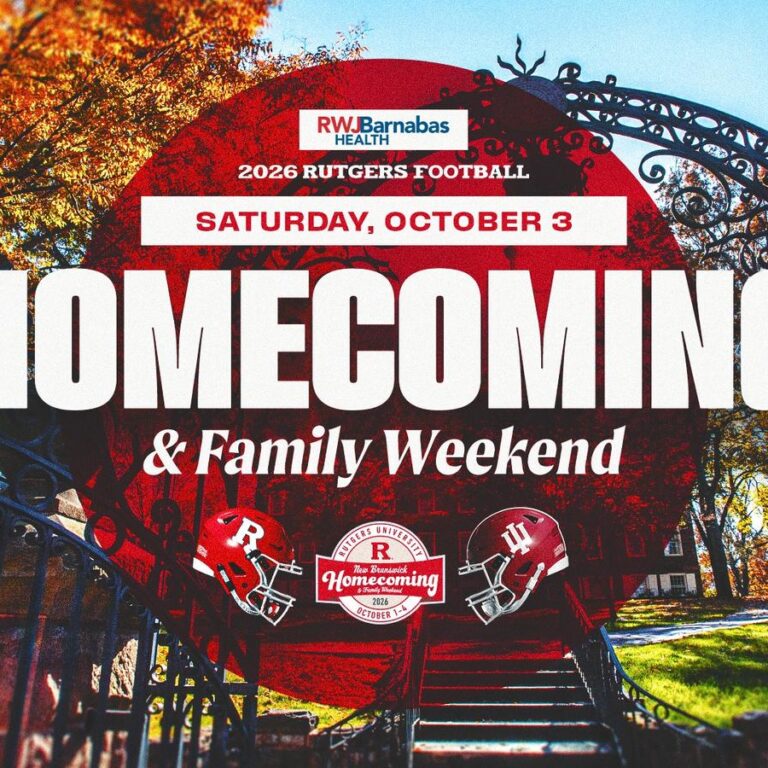
Rutgers football is no longer scheduling seasons—it is shaping moments. On Saturday, October 3, 2026, the Scarlet Knights will host one of the most consequential Homecoming matchups in program history, welcoming Indiana to SHI Stadium in Piscataway in what is expected to be a clash with the defending national champions. The announcement, made on April 14, immediately reframes the trajectory of Rutgers football, positioning the program not as a participant in the national conversation, but as a stage where it unfolds.

This will mark the 92nd Homecoming game in Rutgers history, a tradition that dates back generations and has consistently served as a cornerstone of the university’s identity. Yet this year carries a different weight. The opponent, the stakes, and the timing converge to create a game that extends beyond ceremony and into the realm of national relevance. Indiana, under head coach Curt Cignetti, is coming off a historic 16–0 season that culminated in the program’s first national championship, a rise that has redefined the balance of power within college football. For Rutgers, the opportunity is immediate and undeniable: host the reigning champions, on Homecoming, in front of a home crowd that has been steadily re-engaging with a program on the rise.

The matchup itself carries built-in symmetry. This will be the 11th meeting between Rutgers and Indiana, with the all-time series evenly split at 5–5. That balance introduces a level of narrative tension that fits the moment—two programs meeting at a point where history is acknowledged, but the future is very much in play. For Rutgers, the significance lies not just in the opponent, but in what the game represents internally: validation of progress, visibility on a national stage, and the ability to deliver a statement performance in a high-pressure environment.

Homecoming at Rutgers has always been more than a game, and in 2026, that tradition expands into a full-scale campus-wide activation. SHI Stadium will anchor a weekend that includes the Rutgers Boardwalk, opening four hours before kickoff and transforming the pregame experience into a curated blend of food, music, and fan engagement. Tailgating culture, already a defining element of college football Saturdays in Piscataway, will be amplified by the scale of the opponent and the national attention surrounding the event. The university will also honor its 2026 Athletics Hall of Fame class, reinforcing the connection between past achievement and present ambition.

Historically, Rutgers has thrived in this environment. The Scarlet Knights hold a 55–35–1 all-time record on Homecoming weekend, a statistic that reflects both familiarity and consistency in a setting designed to celebrate the program. That foundation becomes critical when paired with the magnitude of this year’s opponent. Homecoming is no longer just about tradition—it is about execution under a spotlight that extends well beyond New Jersey.

The broader 2026 home schedule further contextualizes the significance of the Indiana game. Rutgers opens its season at SHI Stadium on Thursday, September 3 against UMass, establishing an early tone before transitioning into its Big Ten home opener against USC on September 19. A matchup with Howard on September 26 serves as a build-up to Homecoming, creating a layered progression that leads directly into the October 3 centerpiece. Later in the season, a Halloween showdown against Michigan on October 31 adds another high-profile moment, reinforcing the strength and visibility of Rutgers’ home slate.

What separates this schedule from previous years is its cohesion. Each game builds toward something larger, and the Homecoming matchup against Indiana sits at the center of that structure. It is not an isolated highlight—it is the pivot point of the season.

This moment also aligns with a broader recognition of Rutgers football’s upward trajectory. The program recently led all FBS schools in achieving a major honor that underscores its operational and competitive progress, signaling that the foundation being built in Piscataway is both measurable and sustainable. That recognition, combined with strategic scheduling and increased national exposure, positions Rutgers as a program that is no longer rebuilding, but actively ascending.

For fans, alumni, and the wider New Jersey sports community, the October 3 game represents a convergence of identity and opportunity. Rutgers is not just hosting a top opponent—it is hosting the defending national champion at a moment when the program is equipped to respond. The environment will reflect that reality, with SHI Stadium expected to deliver one of its most energized atmospheres in recent memory.

The significance extends beyond the field. Rutgers football operates within a broader cultural ecosystem that defines New Jersey, where sports, community, and lifestyle intersect daily. Coverage and ongoing analysis of the Scarlet Knights can be followed through Explore New Jersey’s Rutgers Scarlet Knights coverage, where the program’s evolution is documented in real time as it continues to build momentum.

Tickets for the Homecoming game are already available through Rutgers Athletics, and demand is expected to reflect the scale of the moment. This is not simply a date on the schedule—it is an event that captures where Rutgers football stands today and where it is positioned to go next.

As October approaches, the narrative is clear. Rutgers will take the field not as an undercard, but as a program ready to meet the moment head-on. The opponent is the defending national champion. The stage is Homecoming. The setting is Piscataway. And the expectation is that this is exactly the kind of game that defines what comes next.

Bruce Springsteen, Jon Bon Jovi, Kenny Chesney and an All-Star Lineup Set to Define a Historic Moment at Monmouth University’s “Music America” Concert Series

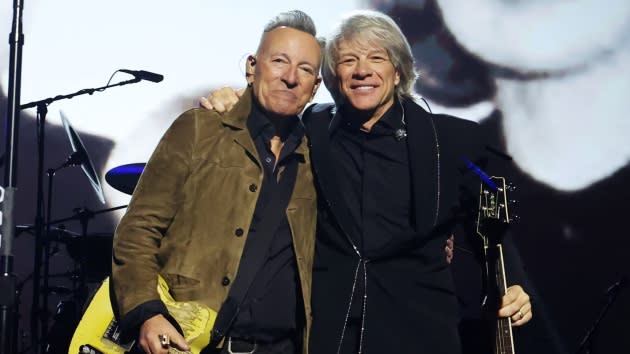
New Jersey is preparing to take center stage in a way that reflects not only its cultural identity, but its enduring influence on the sound of America itself. On June 4 and 5, 2026, Monmouth University in West Long Branch will host one of the most significant live music events in the state’s modern history—a two-night concert series titled “Music America: The Songs That Shaped Us.” Anchored by Bruce Springsteen, Jon Bon Jovi, and Kenny Chesney, and supported by a deep, genre-spanning roster of iconic performers, the event is positioned as both a celebration and a statement: a defining cultural milestone tied to the nation’s 250th anniversary and the official opening of the newly expanded Bruce Springsteen Center for American Music.

This is not simply another concert announcement. It is the convergence of legacy, infrastructure, storytelling, and performance—executed on a scale that places New Jersey at the center of a national conversation about music, identity, and history. For a state that has consistently produced and supported artists who shape global culture, the significance of this moment is both symbolic and tangible.

The lineup alone reflects the breadth of American music. Springsteen, whose connection to the Jersey Shore is foundational to his work, returns not just as a performer but as a living pillar of the institution being celebrated. Jon Bon Jovi brings his unmistakable voice and New Jersey roots into the fold, while Kenny Chesney expands the reach of the event into country and arena-scale storytelling. Supporting them is a carefully curated group of artists who collectively represent the evolution of American sound: Jackson Browne’s introspective songwriting, Mavis Staples’ gospel-driven soul, Public Enemy’s revolutionary hip-hop, Gary Clark Jr.’s modern blues, Rosanne Cash’s country lineage, Darlene Love’s timeless vocal power, Dion’s enduring influence, and the Dropkick Murphys’ Celtic-punk intensity.

Layered into these performances are special appearances from key members of the E Street Band—Stevie Van Zandt, Nils Lofgren, and David Sancious—ensuring that the DNA of Springsteen’s most iconic work is embedded throughout the experience. Van Zandt’s Disciples of Soul will serve as the house band, creating continuity across both nights and reinforcing the musical throughline that connects each artist and genre.

What distinguishes “Music America” from a traditional festival format is its intentional structure. Each performance will center on landmark songs that have shaped American culture, with curated introductions providing historical and cultural context. This transforms the event into something closer to a live documentary—where music is not only performed but interpreted, framed, and understood in real time. It is an approach that aligns directly with the mission of the Bruce Springsteen Center for American Music: to preserve, explore, and elevate the broader narrative of American music through education, archives, and public programming.

The venue itself, the OceanFirst Bank Center, offers a controlled, immersive environment with a 4,100-seat capacity that prioritizes experience over scale. In an era dominated by massive stadium shows, this setting creates a rare level of proximity between artist and audience, allowing the storytelling element of the performances to resonate more deeply.

Beyond the concerts, the timing of the event is critical. June 7, just days after the final performance, marks the official opening of the Bruce Springsteen Center for American Music’s new home—a $50 million, 30,000-square-foot facility designed to function as a national hub for music history and education. The building itself is a physical extension of the philosophy behind the concerts. Its architecture draws directly from New Jersey’s identity, incorporating industrial materials that reflect the state’s working-class roots while integrating design elements inspired by the Asbury Park boardwalk, a location inseparable from Springsteen’s early career.

Inside, the center is built to operate at scale. It will house archives, rotating exhibitions, educational programming, and research initiatives that collectively aim to tell the story of American music in a way that has never been fully realized at the institutional level. Under the leadership of executive director Bob Santelli, a veteran music historian with experience spanning the Rock & Roll Hall of Fame and major national cultural initiatives, the center is positioned not as a static museum but as an evolving platform.

The ambition behind the project is clear. Rather than allowing the narrative of American music to be fragmented across regions and institutions, the goal is to centralize and elevate it—rooted in New Jersey, but expansive in scope. For Springsteen, whose career has consistently bridged the personal and the universal, the alignment is exact. His reaction during early tours of the facility—described as being genuinely overwhelmed by its scale and vision—underscores the magnitude of what is being built.

For New Jersey residents and visitors, the impact extends beyond a single weekend. The concerts serve as an entry point into a larger ecosystem that will continue to develop long after the final note is played. The state’s cultural infrastructure is expanding, and with it comes increased opportunity for engagement, tourism, and creative growth.

This moment also reinforces New Jersey’s broader lifestyle narrative, where music, food, and community intersect daily. The same audiences attending “Music America” are the ones exploring local dining, experimenting with new culinary ideas, and engaging with the state’s evolving identity. For those looking to extend that experience beyond the venue, resources like Explore New Jersey’s recipes reflect how culture is not only consumed but created at home, reinforcing the idea that lifestyle and artistry are deeply connected.

Ticket demand for both nights is expected to be immediate and sustained, with sales opening on April 21, 2026 at 12:00 PM ET through the Springsteen Center’s official platform. Each night will be sold separately, allowing audiences to engage with the event in different ways while maintaining the integrity of each curated lineup.

What ultimately defines “Music America: The Songs That Shaped Us” is not just the caliber of its performers, but the clarity of its purpose. It is a deliberate, thoughtfully constructed event that recognizes music as one of the most powerful forces in shaping identity—personal, regional, and national. By placing that event in New Jersey, at this moment, the message is unmistakable: this is where the story lives, and this is where it continues to be written.

Radhi Devlukia-Shetty Brings Her Global Wellness Movement to New Jersey: Inside the Philosophy, the Recipes, and the Ocean County Library Virtual Event on May 5

New Jersey’s evolving wellness culture is stepping into a broader, more intentional era, and this spring, it intersects directly with one of the most influential voices in modern holistic living. Radhi Devlukia-Shetty, the British-born plant-based chef, nutrition expert, and globally recognized wellness entrepreneur, is set to connect with Garden State audiences through a highly anticipated virtual event hosted by the Ocean County Library on Tuesday, May 5, 2026 at 2:00 PM. For a region already embracing clean eating, mindful routines, and experiential health practices, this moment lands with precision, offering both inspiration and practical application rooted in daily life.

At the center of Radhi Devlukia-Shetty’s influence is a philosophy that does not separate food from emotional wellbeing, nor nutrition from ritual. Her approach is layered, drawing from clinical training as a dietitian and nutritionist while integrating the foundational principles of Ayurveda, one of the world’s oldest holistic healing systems. The result is not a trend-driven framework, but a structured, sustainable lifestyle model that resonates with audiences seeking both clarity and balance in how they eat, think, and live.

Her New York Times bestselling cookbook, JoyFull: Cook Effortlessly, Eat Freely, Live Radiantly, has become a defining entry point for many discovering plant-based living beyond restriction. With more than 125 recipes, the book reframes food as both nourishment and experience, emphasizing accessibility without sacrificing depth. It is not built for specialists—it is built for real life, where time, stress, and routine intersect with intention. That same philosophy aligns naturally with the growing demand across New Jersey for elevated yet approachable home cooking, something consistently reflected in the state’s expanding culinary landscape and resources such as Explore New Jersey’s recipe collection, where everyday meals are increasingly shaped by global influence and mindful preparation.

The upcoming Ocean County Library event, titled “Joyfully Set Daily Rituals to Eat Freely and Live Radiantly,” is structured as more than a traditional author talk. It is designed as an immersive introduction to the rituals that underpin Radhi’s methodology. Attendees will explore how small, intentional shifts—breathwork before meals, mindful pacing, and even unconventional practices like singing or expressing gratitude toward food—can materially impact digestion, skin health, and overall wellbeing. These concepts, while rooted in ancient Ayurvedic understanding, are presented through a contemporary lens that makes them both relatable and actionable.

This is where Radhi Devlukia-Shetty’s work separates itself from the broader wellness marketplace. Rather than focusing solely on ingredients or macronutrients, she addresses the full sensory and emotional experience of eating. The act of nourishment becomes participatory, not passive. In practice, that means rethinking long-held habits—such as rushing meals or compartmentalizing indulgence—and replacing them with a more fluid, intuitive approach. Her perspective on eating dessert before dinner, for example, is not about defying convention for novelty’s sake, but about recalibrating the body’s response to pleasure, digestion, and satisfaction.

New Jersey, with its dense network of food culture—from coastal seafood traditions to urban dining corridors and suburban home kitchens—is uniquely positioned to absorb and apply these ideas. The state’s residents are already navigating a hybrid culinary identity, blending heritage cooking with modern dietary awareness. Radhi’s framework enhances that dynamic, offering a way to elevate what already exists rather than replace it.

Beyond the kitchen, her influence extends into broader conversations around mental health and emotional resilience. As the host of the widely followed podcast A Really Good Cry, she engages directly with topics that intersect with daily life—relationships, stress, self-worth—creating a feedback loop between internal wellbeing and external habits. This multidimensional approach is particularly relevant in a region like New Jersey, where fast-paced living often requires intentional counterbalance.

Her entrepreneurial work further reinforces this ecosystem. As co-founder of Juni, a brand centered on adaptogenic sparkling teas, she has translated her philosophy into a product experience designed to support energy, focus, and calm without the volatility of traditional stimulants. It reflects a larger shift in consumer behavior—away from extremes and toward equilibrium.

The timing of this New Jersey-focused event also aligns with her increasing visibility on the global stage. In early 2026, Radhi Devlukia-Shetty has appeared at major cultural moments, including the Grammy Awards and the Hollywood premiere of The Bluff, signaling a continued expansion of her influence beyond wellness circles into mainstream media and lifestyle culture. Yet despite that scale, her messaging remains grounded in daily practice, reinforcing the idea that transformation is built through repetition, not spectacle.

For those engaging with her work for the first time, the Ocean County Library event offers a direct entry point into a system that is both structured and adaptable. Registration is required through the library’s event portal, and demand is expected to reflect the growing interest in integrated wellness across the region.

What ultimately defines this moment for New Jersey is not simply the presence of a high-profile wellness figure, but the alignment between her philosophy and the state’s current trajectory. Residents are not just looking for information—they are looking for systems that work within the realities of their lives. Radhi Devlukia-Shetty’s approach delivers exactly that, bridging the gap between knowledge and execution in a way that feels both immediate and sustainable.

As May 5 approaches, this event stands as more than a date on the calendar. It represents a shift toward a more intentional way of living, where food, mindset, and daily rituals are no longer separate conversations, but part of a unified, evolving lifestyle taking shape across New Jersey.

New Jersey’s Ultimate Tax Day Reset: Where to Eat, Save, and Celebrate Across the Garden State on April 15, 2026

Tax Day has long carried a reputation for stress, deadlines, and financial pressure—but across New Jersey, April 15, 2026 is being redefined as something entirely different. This year, the end of tax season is transforming into a statewide moment of relief, where restaurants, retailers, and national brands with deep local footprints are rolling out aggressive promotions, limited-time bundles, and experiential giveaways designed to reward residents for getting through it all.

From the Shore to North Jersey, and everywhere in between, this is not just a day of discounts—it’s a full-scale “tax relief” activation across food, retail, and lifestyle experiences. And for those looking to maximize the moment, the opportunity is substantial. New Jersey’s unique blend of national chains, regional favorites, and community-driven experiences makes April 15 one of the most unexpectedly dynamic days on the calendar.

For a broader look at year-round activities, events, and destinations, explore everything happening across the state through things to do in New Jersey, where this Tax Day surge fits into a much larger lifestyle landscape.

What makes this year stand out is the depth and structure of the offers themselves. These are not surface-level discounts—they are engineered promotions designed to drive real traffic, create urgency, and reward loyalty across multiple consumer touchpoints.

At the center of it all is food, where New Jersey’s restaurant ecosystem is delivering some of the most compelling value plays of the year. Jersey Mike’s Subs, headquartered in Manasquan and deeply embedded in the state’s identity, is bringing back its Boardwalk Bundle, a tightly packaged $10.99 offering that includes a regular sub, chips, and a drink. It’s a strategic return to a proven format—simple, recognizable, and priced to move volume.

Paris Baguette, with strong ties to Moonachie, is leaning into its rewards ecosystem, offering members a free pastry with any beverage purchase. This type of promotion reinforces repeat behavior while introducing customers to its expanding menu lineup, which continues to evolve seasonally.

Grimaldi’s Pizzeria is taking a more transaction-driven approach, offering a $10.40 discount on purchases of $40 or more, positioning itself as a group dining destination for Tax Day gatherings. Meanwhile, Krispy Kreme is doubling down on one of the most aggressive consumer incentives of the day—buy one dozen doughnuts, get a second Original Glazed dozen free. It’s a high-impact, high-visibility offer that consistently drives both in-store and digital traffic.

Subway is activating its loyalty base with a buy-one-get-one footlong promotion tied to its Sub Club membership, while also introducing a nationwide rebate-style incentive where select customers may see their entire order refunded. White Castle extends its reach across multiple days, offering 15% off orders through April 17, ensuring continued engagement beyond the single-day spike.

QDOBA introduces a forward-looking incentive model, encouraging customers to participate in a “guac relief” survey to unlock a future reward. This approach reflects a broader shift toward post-event retention rather than one-day conversion alone.

Beyond these core players, additional brands are layering in targeted promotions that reinforce the overall ecosystem. BJ’s Restaurant & Brewhouse is offering $10 off $40 purchases, Capriotti’s Sandwich Shop is enhancing value through free combo upgrades, and Dickey’s Barbecue Pit is applying a write-off themed discount on larger orders. Freddy’s Frozen Custard & Steakburgers is rewarding app engagement with bonus points, while Nothing Bundt Cakes is incentivizing loyalty through delayed rewards that extend engagement into May.

Pizza Hut simplifies its offer with a straightforward value proposition—large three-topping pizzas starting at $10—while Wendy’s leverages its mobile app to drive digital ordering through a free nuggets promotion tied to a minimum spend.

Layered into this food-driven surge are experiential activations that elevate the day beyond transactions. Kona Ice’s “Chill Out Day” is one of the most visible, with trucks distributing free shaved ice throughout participating locations, creating a literal and symbolic release from Tax Day stress. Travelin’ Tom’s Coffee mirrors that strategy with free frozen beverages, targeting high-traffic areas and commuter corridors.

Office Depot and OfficeMax introduce a practical utility angle with free document shredding, allowing residents to physically clear out paperwork tied to tax season. Petco adds a lifestyle component by offering free dog treats, ensuring that even pets are part of the day’s reward cycle.

Digital platforms are also participating in meaningful ways. Grubhub’s “Fee Return” initiative introduces a sweepstakes-style mechanic where users can upload delivery receipts for a chance to receive credits, effectively gamifying the post-tax experience.

Retail is not left behind. Wayfair’s “Tax Refund Sale” is running concurrently, with discounts reaching up to 70% across home categories. This aligns with a broader consumer pattern—using tax refunds for home upgrades, furniture, and lifestyle investments—making it one of the most strategically timed sales windows of the year.

What emerges from all of this is a coordinated, multi-industry response to what was once a purely financial deadline. In New Jersey, Tax Day has evolved into a hybrid consumer holiday—part relief, part reward, and part economic activation.

The significance goes deeper than the deals themselves. This moment reflects how brands are increasingly aligning with real-world stress points and converting them into engagement opportunities. Tax Day is no longer just about filing—it’s about recovery, reset, and re-entry into everyday life with a sense of momentum.

For New Jersey residents, the advantage is clear. The density of participating locations, combined with the state’s proximity-driven consumer behavior, means that multiple offers can be stacked, sequenced, and experienced within a single day. It’s entirely possible to move from a discounted lunch to a free dessert, pick up a retail deal, and finish with an experiential giveaway—all within a few miles.

That level of accessibility is what makes New Jersey uniquely positioned for a day like this. It’s not just about what’s available—it’s about how easily it can all be reached.

As April 15 unfolds, the takeaway is simple: this is one of the most opportunistic days of the year to step out, explore, and take advantage of a system that is, for once, designed entirely in your favor.

Cigar Night with War Cannon Bourbon at Olde Silver Tavern Headlines a Refined Spring Social Season Across New Jersey

New Jersey’s social and hospitality scene continues to evolve with a level of sophistication that reflects both tradition and modern taste, and this April, one event rises above the rest as a defining experience for those who value craftsmanship, atmosphere, and elevated leisure. On Thursday, April 16, 2026, Olde Silver Tavern hosts Cigar Night with War Cannon Bourbon, an evening designed with precision for guests who appreciate the intersection of fine cigars, curated spirits, and thoughtfully prepared cuisine. Running from 7:00 PM to 11:00 PM, the event offers more than a night out—it presents a fully realized sensory experience built around quality, pairing, and community.

At its core, this event reflects a broader shift in how New Jersey audiences engage with nightlife. The demand is no longer for volume or novelty alone; it is for experiences that feel intentional, layered, and memorable. Cigar Night at Olde Silver Tavernn answers that demand directly, combining artisanal cigars with a guided bourbon tasting anchored by War Cannon Bourbon, all complemented by a four-course dining experience that is structured to enhance and elevate each pairing.

The appeal of an event like this lies in its balance. It is at once relaxed and refined, social yet focused. Guests are invited into an environment where the pace slows, where conversations unfold naturally, and where each element—from the aroma of a carefully selected cigar to the finish of a well-aged bourbon—is given the space to be fully appreciated. This is not a rushed or transactional evening; it is curated, deliberate, and designed to reward attention to detail.

Olde Silver Tavern itself provides the ideal setting. Known for its ability to blend classic tavern warmth with a more polished dining experience, the venue has become a destination for those seeking something beyond the expected. Its atmosphere lends itself to events that require both intimacy and energy, making it a natural fit for a gathering that revolves around shared appreciation and elevated taste.

What distinguishes this particular evening is the integration of multiple elements into a cohesive experience. The cigar selection is not an afterthought—it is central to the event’s identity, offering guests access to premium options that complement the bourbon’s profile. War Cannon Bourbon, in turn, brings a layered character to the tasting, with notes that are designed to evolve alongside both the cigar and the meal. The four-course menu ties these components together, ensuring that each progression of the evening builds on the last, creating a narrative that unfolds across the duration of the event.

For New Jersey Craft Beer members, the added benefit of a 15% savings introduces an additional layer of accessibility, reinforcing the idea that premium experiences can still remain within reach for a broad audience. It also reflects the interconnected nature of New Jersey’s beverage community, where craft beer, spirits, and hospitality venues often intersect to create a more unified cultural landscape.

This event does not exist in isolation. It is part of a much larger and increasingly dynamic spring season across New Jersey, where breweries, festivals, and social gatherings are redefining how residents and visitors engage with local culture. From immersive tastings to large-scale festivals, the state’s calendar is filled with opportunities that cater to a wide spectrum of interests while maintaining a consistent emphasis on quality and experience.

Across late April and into May, New Jersey’s brewery scene is particularly active, offering a diverse range of events that highlight both innovation and tradition. The Beer Run 5K & Craft Beer Fest at Allaire Village, scheduled for April 25, merges fitness with celebration, inviting participants to move through a historic 1800s setting before transitioning into a festival atmosphere featuring a curated selection of breweries such as Carton Brewing, Icarus Brewing, and Asbury Park Brewery. It is an event that captures the state’s ability to combine heritage with contemporary social culture.

In Atlantic City, the 4/20 Weekend Bud Crawl from April 18 through April 20 expands the concept of a traditional crawl into a multi-day experience, blending dispensary releases with brewery collaborations in a format that reflects the evolving landscape of both industries. Meanwhile, returning favorites like Ales on the Rails in Mount Ephraim continue to provide community-driven environments where local drafts and social connection remain the focus.

Looking ahead, the Meadowlands Racetrack Beer Fest on May 16 introduces a large-scale sampling experience with more than 60 producers, live horse racing, and music, reinforcing the idea that New Jersey’s events can operate at both intimate and expansive levels. The Asbury Park Beer, Wine & Spirit Festival on June 27 further builds on that momentum, combining live music, local vendors, and a wide array of beverages into a single destination event that draws audiences from across the region.

Individual breweries are also contributing to the season’s energy with milestone celebrations and unique programming. River Horse Brewing Co. marks its 30th anniversary on April 25 with new releases and live entertainment, while Toms River Brewing hosts a Grateful Dead-inspired 420 celebration featuring music, food trucks, and artisan vendors. In Clifton, Ghost Hawk Brewery’s seventh anniversary transforms into a full-scale block party, and Glenbrook Brewery’s Boozy Book Fair in Morristown introduces a hybrid event that blends literary culture with craft beer, supporting local organizations in the process.

Even recurring weekly and monthly events are contributing to the broader ecosystem. Trivia nights, karaoke evenings, and seasonal reopenings like the beer garden at Invertase Brewing Company in May demonstrate the consistency and depth of New Jersey’s social calendar. These events may vary in scale, but they share a common thread: a commitment to creating spaces where people can gather, connect, and engage with local culture in meaningful ways.

Within this larger context, Cigar Night with War Cannon Bourbon stands out not because it is louder or larger, but because it is more focused. It represents a different kind of experience—one that prioritizes quality over quantity, depth over distraction. It is an event that speaks to a growing audience seeking refinement without pretension, an evening where every detail is considered and every element contributes to a cohesive whole.

For those looking to explore more of what New Jersey’s evolving music, Beer & Brewery and social scene has to offer, the broader landscape continues to expand through Explore New Jersey Beer & Brewery, where events like this exist alongside concerts, festivals, and cultural programming that collectively define the state’s identity as a destination for live experiences.

As April 16 approaches, Cigar Night at Olde Silver Tavern positions itself as one of the most distinctive offerings of the season. It is an invitation to step into an environment where time slows, flavors deepen, and conversation becomes part of the experience. In a state that continues to push the boundaries of what live events can be, this is a reminder that sometimes the most powerful experiences are the ones built on simplicity, craftsmanship, and the shared appreciation of something done exceptionally well.

Joshua Bell Leads Beethoven Commemorating the 200th Anniversary of Ludwig van Beethoven’s Passing

0

Joshua Bell Leads Beethoven in a Landmark New Jersey Symphony Event Commemorating 200 Years of Musical Legacy

March 11, 2027 @ 20:00 23:30

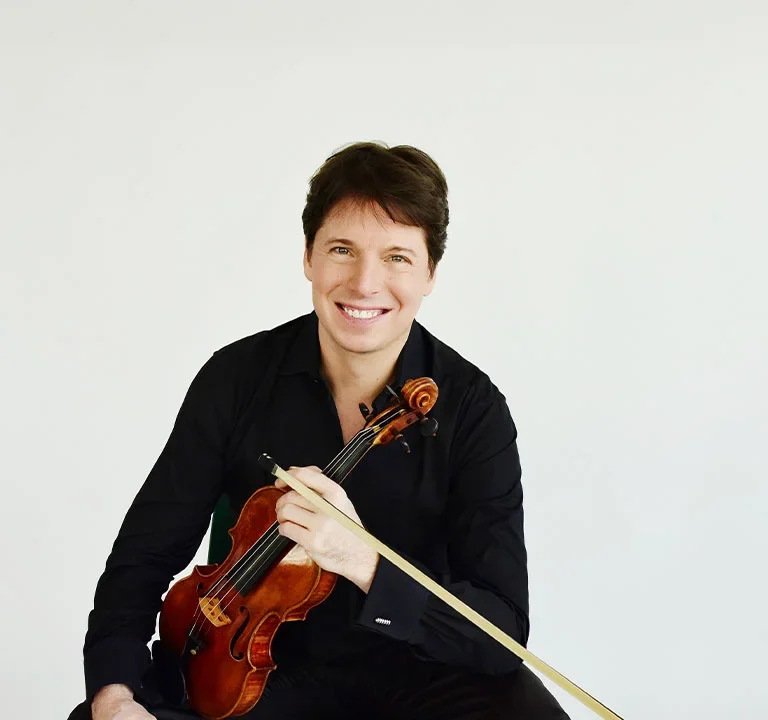
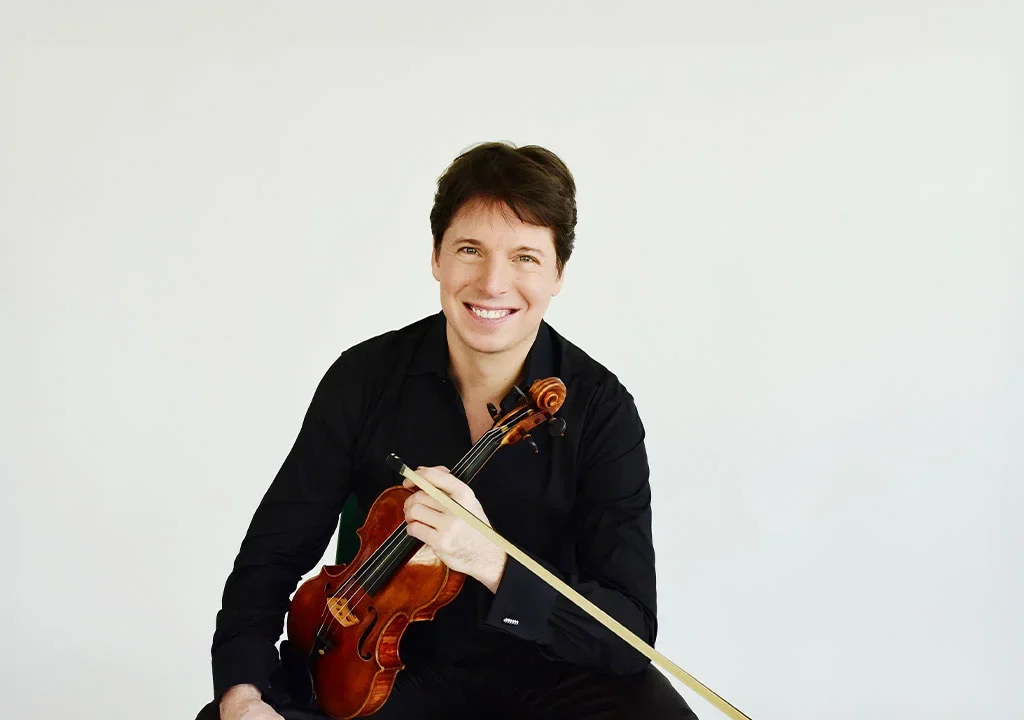
New Jersey’s classical music calendar reaches a defining moment in early 2027 as the New Jersey Symphony presents an extraordinary program honoring the 200th anniversary of the passing of Ludwig van Beethoven, one of the most transformative figures in the history of music. On Thursday, March 11, 2027, the stage of State Theatre New Jersey becomes the setting for a performance that is both a tribute and a reexamination, led by internationally celebrated violinist and conductor Joshua Bell.

This is not simply a commemorative concert. It is a program constructed with precision and intention, designed to illuminate the depth, range, and enduring relevance of Beethoven’s work through three of his most powerful compositions. With Bell serving in the dual role of conductor and soloist, the performance offers a rare opportunity to experience Beethoven’s music through the lens of one of today’s most accomplished interpreters—an artist whose relationship with this repertoire is both deeply personal and globally recognized.

The evening begins with the Coriolan Overture, a work that immediately establishes Beethoven’s dramatic voice. Written with a sense of urgency and psychological intensity, the overture captures the internal conflict of its titular character with striking clarity. Its sharp contrasts, forceful rhythms, and tightly structured motifs create an opening that is as commanding as it is concise, setting the stage for a program that moves seamlessly between tension and transcendence.

From there, the focus shifts to Beethoven’s Violin Concerto, a composition that stands as one of the most revered works in the violin repertoire. Its opening measures—subtle, almost understated—give way to a structure that unfolds with remarkable balance and emotional depth. The concerto is not built on virtuosity alone; it is defined by its lyricism, its dialogue between soloist and orchestra, and its ability to sustain a sense of introspection even within moments of technical brilliance.

Joshua Bell’s interpretation of this work has long been recognized for its clarity and expressive nuance. His ability to navigate the concerto’s architectural complexity while maintaining a sense of immediacy allows the music to resonate on multiple levels. As both soloist and conductor, Bell shapes the performance from within, creating a unified interpretation that aligns the orchestra’s voice with his own. This dual role introduces a level of cohesion that transforms the concerto into a fully integrated experience rather than a simple showcase of individual performance.

The program culminates with Beethoven’s Symphony No. 7, a work often described as one of the most rhythmically dynamic pieces in the orchestral canon. From its expansive introduction to the relentless energy of its final movement, the symphony is driven by a sense of motion that feels almost physical. Its second movement, with its steady pulse and evolving textures, remains one of Beethoven’s most recognizable and emotionally resonant creations, while the concluding passages deliver a level of propulsion that continues to captivate audiences centuries after its premiere.

Under Bell’s direction, the New Jersey Symphony brings a level of precision and vitality to this repertoire that reflects the ensemble’s continued evolution. The orchestra’s ability to balance technical rigor with expressive flexibility ensures that each work is presented not as a historical artifact, but as a living composition—one that speaks directly to contemporary audiences while honoring its origins.

The significance of this performance extends beyond the music itself. It represents a broader commitment by the New Jersey Symphony to present programming that is both historically meaningful and artistically ambitious. By marking the bicentennial of Beethoven’s passing with a program of this caliber, the Symphony reinforces its role as a leading cultural institution within the state, capable of delivering performances that resonate on a national and international level.

The setting of State Theatre New Jersey further enhances the experience. Known for its acoustical excellence and architectural presence, the venue provides an environment that supports the full dynamic range of orchestral performance. Its location within New Brunswick’s cultural corridor positions it as a central hub for the arts, drawing audiences from across the region and contributing to the city’s ongoing transformation into a destination for high-level live entertainment.

This event also reflects the continued expansion of New Jersey’s music ecosystem. Across the state, audiences are engaging with a growing range of performances that span genres, formats, and traditions, creating a cultural landscape that is both diverse and interconnected. For those looking to explore the full breadth of live music offerings, the evolving scene can be experienced through Explore New Jersey Music, where performances like this stand as pillars within a broader network of artistic activity.

The availability of subscriptions for the New Jersey Symphony underscores the long-term vision behind programming of this scale. It invites audiences to engage not just with a single performance, but with an entire season of curated experiences that build on one another, reinforcing the idea that classical music remains a vital and evolving art form.

As March 11, 2027 approaches, this performance stands as a defining moment within New Jersey’s cultural calendar. It is an opportunity to experience Beethoven’s music at its highest level, interpreted by an artist whose connection to the repertoire brings both authority and insight. With Joshua Bell leading from the violin and the New Jersey Symphony delivering the full force of the orchestral tradition, audiences can expect an evening that is as intellectually compelling as it is emotionally powerful—an event that honors the past while affirming the enduring relevance of one of music’s greatest voices.

State Theatre New Jersey

732-246-7469

View Organizer Website

State Theatre New Jersey

15 Livingston Avenue , NJ
New Brunswick, NJ 08901 United States
+ Google Map
(732) 246-7469
View Venue Website

New Jersey Symphony at the Movies: Pirates of the Caribbean: The Curse of the Black Pearl in Concert

0

Pirates of the Caribbean in Concert Sets Sail in New Jersey with the Symphony Experience Event of 2027

February 27, 2027 @ 20:00 23:30

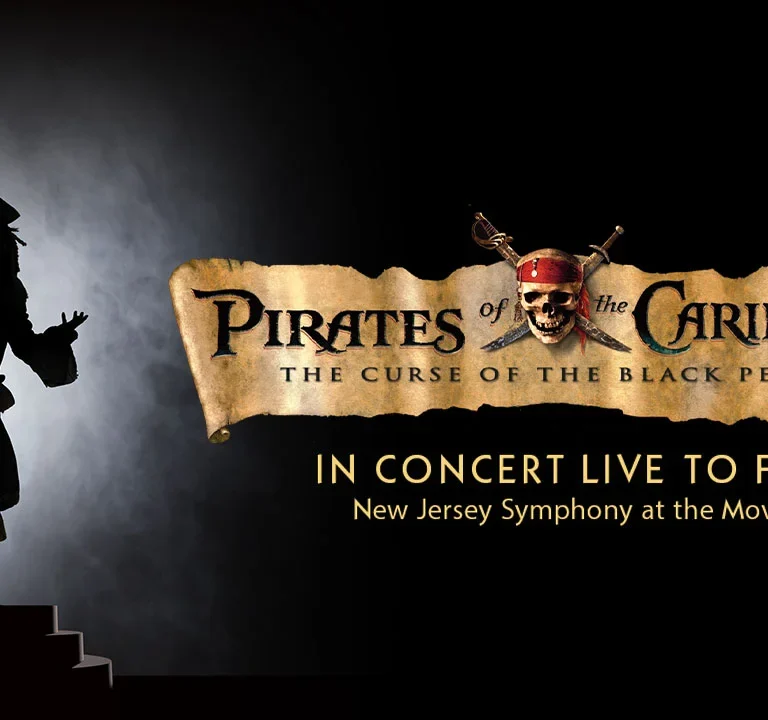
New Jersey’s live music and cinematic performance landscape continues to redefine what audiences can expect from a night at the theatre, and in early 2027, one of the most immersive experiences ever staged in the region arrives with scale, spectacle, and precision. On Sunday, February 28, 2027, the New Jersey Symphony transforms the historic State Theatre New Jersey into a full-scale cinematic concert hall for Pirates of the Caribbean: The Curse of the Black Pearl in Concert, delivering a live-to-picture performance that merges blockbuster filmmaking with the raw power of a world-class orchestra.

This is not a traditional film screening. It is a fully synchronized orchestral event where the complete score by Klaus Badelt is performed live in real time as the film unfolds on screen, creating a heightened sensory experience that places the audience inside the action. Under the baton of Lawrence Loh, the Symphony brings every moment of tension, adventure, and cinematic sweep to life with precision timing and dynamic musical force.

At the center of this production is one of the most recognizable modern adventure films, Pirates of the Caribbean: The Curse of the Black Pearl, starring the unforgettable character Jack Sparrow. The story follows Sparrow alongside blacksmith Will Turner as they pursue the rescue of Elizabeth Swann, confronting Captain Barbossa and a cursed crew bound by supernatural forces that transform them into skeletal figures under moonlight. While the film itself has become a cultural staple, it is the score that elevates the narrative into something mythic, driving each scene with urgency, rhythm, and emotional weight.

Hearing that score performed live fundamentally changes the experience. Every swell of the orchestra, every percussive strike, every thematic motif becomes immediate and tangible. The music no longer sits behind the image—it becomes part of the physical environment, surrounding the audience and amplifying the stakes of every moment on screen. This is where the New Jersey Symphony distinguishes itself, executing the score with the level of discipline and expressive range required to match the film frame for frame while still delivering the energy of a live performance.

Lawrence Loh’s role as conductor is central to this balance. Live-to-picture performances demand absolute synchronization, requiring the conductor to align the orchestra with the film’s timing down to the fraction of a second. Loh’s expertise ensures that the music and visuals move as one, preserving the integrity of the film while enhancing its emotional impact through live interpretation. The result is an experience that feels both familiar and entirely new.

This event is presented in collaboration with Disney Concerts, a partnership that underscores the production’s scale and authenticity. Every detail, from the orchestration to the projection, is executed under the highest standards, ensuring that audiences receive a presentation that reflects the original cinematic vision while elevating it through live performance.

The choice of venue further reinforces the significance of this event. State Theatre New Jersey has long served as one of the state’s premier destinations for large-scale productions, offering the acoustics, sightlines, and atmosphere required to support an experience of this magnitude. Located in the heart of New Brunswick’s cultural district, the theatre continues to anchor a growing ecosystem of performances that position New Jersey as a destination for world-class entertainment.

This performance also reflects a broader evolution within the state’s music scene. Increasingly, audiences are seeking hybrid experiences that blend disciplines—film, music, theatre—into a single cohesive event. The New Jersey Symphony has been at the forefront of this movement, expanding its programming to include live film concerts that attract both traditional classical audiences and new generations of attendees.

For those exploring the full scope of live music and performance opportunities across the state, the expanding landscape can be navigated through Explore New Jersey Music, where events like this represent a growing category of high-impact productions that redefine audience expectations. These are not passive viewing experiences; they are participatory, immersive, and designed to engage audiences on multiple levels simultaneously.

The accessibility of this event further broadens its appeal. With ticket pricing starting at $41, it offers an entry point into a premium live performance experience that might otherwise feel out of reach for many audiences. This aligns with a larger commitment within New Jersey’s arts community to make high-caliber programming available to a diverse and expanding audience base.

What ultimately sets Pirates of the Caribbean in Concert apart is its ability to bridge worlds. It connects the cinematic universe with the orchestral tradition, the familiar with the unexpected, the visual with the auditory. It invites audiences to revisit a story they know while experiencing it in a way that transforms their relationship to it.

As February 28, 2027 approaches, this event stands as one of the most anticipated performances on New Jersey’s cultural calendar. It is a statement about where live entertainment is headed and a demonstration of how orchestral music continues to evolve in relevance and reach. With the New Jersey Symphony at full force and one of modern cinema’s most iconic scores brought to life on stage, audiences can expect an afternoon that is as exhilarating as it is immersive—an experience that captures the spirit of adventure and delivers it with unmistakable power.

State Theatre New Jersey

732-246-7469

View Organizer Website

State Theatre New Jersey

15 Livingston Avenue , NJ
New Brunswick, NJ 08901 United States
+ Google Map
(732) 246-7469
View Venue Website

New Jersey Symphony Presents Rhapsody on a Theme of Paganini

0

New Jersey Symphony Brings Rhapsodic Brilliance and Orchestral Storytelling to State Theatre New Jersey

January 24, 2027 @ 22:30 23:30

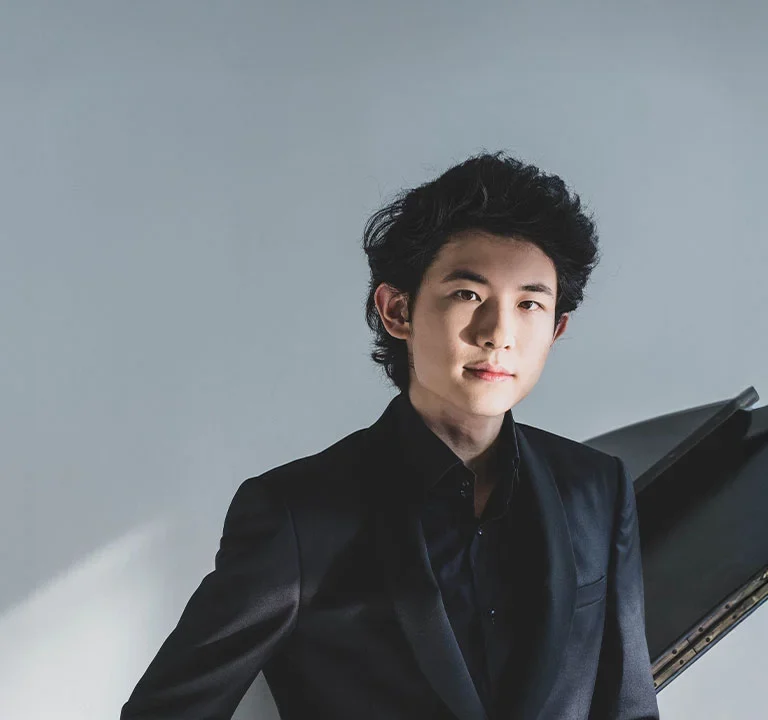
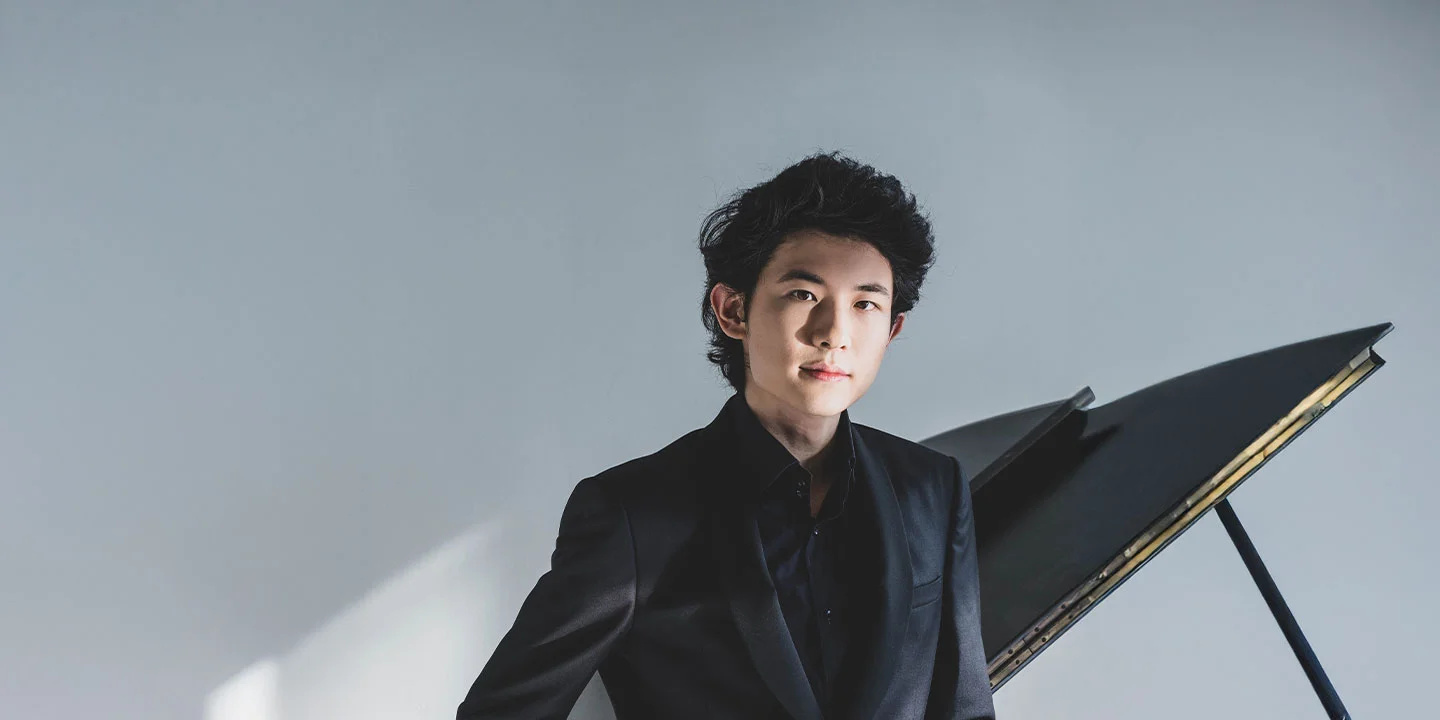
New Jersey’s classical music landscape enters a new level of artistic momentum as the New Jersey Symphony announces a landmark winter performance that positions the state at the forefront of orchestral excellence. On Sunday, January 24, 2027, the Symphony returns to the historic State Theatre New Jersey with a program that blends technical virtuosity, sweeping narrative, and emotional depth—anchored by Sergei Rachmaninoff’s towering Rhapsody on a Theme of Paganini and brought to life under the direction of internationally acclaimed conductor Xian Zhang alongside rising piano phenomenon Tony Siqi Yun.

This performance is not simply another date on the calendar. It represents a convergence of world-class talent, masterworks of the orchestral canon, and a continued commitment by the New Jersey Symphony to deliver programming that resonates far beyond the concert hall. With subscriptions now available and anticipation already building, this event stands as one of the most significant classical offerings in the region’s 2027 cultural calendar.

From the moment the orchestra takes the stage, the program is designed to unfold as a cohesive artistic journey. It opens with the overture to Die Meistersinger von Nürnberg by Richard Wagner, a work that immediately establishes scale and grandeur. Wagner’s only comedic opera begins here not with subtlety, but with confidence—bold brass lines, expansive orchestration, and a melodic richness that captures the spirit of celebration and craftsmanship embedded within the opera itself. It is an overture that demands precision and authority, setting the tone for an afternoon where every detail matters.

At the center of the program is Sergei Rachmaninoff’s Rhapsody on a Theme of Paganini, widely regarded as one of the most sophisticated and technically demanding works in the piano and orchestral repertoire. Structured as a series of variations on a theme by Niccolò Paganini, the piece moves seamlessly between brilliance and introspection, virtuosity and vulnerability. It is a composition that requires not only technical command but interpretive maturity—qualities that Tony Siqi Yun brings to the stage with remarkable clarity.

Yun’s ascent in the international classical music world has been defined by a rare combination of precision and expressive depth. His ability to navigate the intricate architecture of Rachmaninoff’s writing while maintaining emotional immediacy positions him as an ideal interpreter for this work. Audiences can expect a performance that does more than execute—it communicates, drawing listeners into the evolving dialogue between piano and orchestra that defines the Rhapsody’s enduring appeal.

Under Xian Zhang’s direction, the New Jersey Symphony continues to refine its identity as an ensemble capable of delivering performances that are both technically exacting and emotionally resonant. Zhang’s leadership has been instrumental in shaping the orchestra’s contemporary voice, emphasizing clarity, balance, and a deep understanding of the repertoire. Her approach to this program ensures that each work is not presented in isolation, but as part of a broader narrative arc that connects tradition with innovation.

The program’s final major work, The Mermaid by Alexander Zemlinsky, introduces a different dimension entirely—one rooted in fantasy, atmosphere, and orchestral color. Inspired by Hans Christian Andersen’s tale of longing and transformation, Zemlinsky’s tone poem is a richly textured exploration of emotion and imagination. Its inclusion in this program marks a significant moment for New Jersey audiences, as the work receives its first performance in the Garden State, further reinforcing the Symphony’s commitment to expanding the repertoire presented locally.

What distinguishes this concert is not only the caliber of the works being performed, but the way they interact with one another. Wagner’s overture establishes a foundation of grandeur and tradition. Rachmaninoff’s Rhapsody introduces complexity and virtuosity, bridging classical structure with modern sensibility. Zemlinsky’s The Mermaid expands the emotional landscape, offering a cinematic, almost otherworldly conclusion that lingers long after the final note.

The setting itself plays a critical role in shaping the experience. State Theatre New Jersey, long recognized as one of the region’s premier performing arts venues, provides an acoustic and architectural environment that enhances the impact of live orchestral performance. Its presence within New Brunswick’s cultural corridor underscores the city’s ongoing evolution as a destination for high-level artistic programming, drawing audiences from across the state and beyond.

This performance also reflects a broader trend within New Jersey’s music ecosystem—one that continues to elevate the state’s profile as a destination for world-class live performance. From orchestral programming to contemporary concerts and genre-spanning events, the state’s music scene has become increasingly diverse and ambitious. Audiences looking to explore the full scope of what New Jersey has to offer can navigate the expanding landscape through Explore New Jersey Music, where performances like this serve as anchor points within a rapidly growing cultural network.

The availability of subscriptions for the New Jersey Symphony further signals a long-term investment in audience engagement, offering patrons the opportunity to experience a curated season of performances that build on one another. This model not only strengthens the relationship between the orchestra and its audience but also reinforces the idea that classical music remains a vital, evolving art form—one that continues to adapt while honoring its traditions.

As January 24, 2027 approaches, this performance stands as a defining moment within New Jersey’s cultural calendar. It is an opportunity to experience orchestral music at its highest level, presented with intention, expertise, and a clear understanding of its relevance in today’s artistic landscape. With Xian Zhang guiding the New Jersey Symphony and Tony Siqi Yun bringing Rachmaninoff’s masterwork to life, audiences can expect an afternoon that is as intellectually engaging as it is emotionally powerful—an event that not only showcases the strength of classical music in New Jersey but elevates it to a place of national significance.

State Theatre New Jersey

732-246-7469

View Organizer Website

State Theatre New Jersey

15 Livingston Avenue , NJ
New Brunswick, NJ 08901 United States
+ Google Map
(732) 246-7469
View Venue Website

The ‘Last Waltz’ Celebration

0

The ‘Last Waltz’ Celebration Comes to New Jersey: A 50-Year Tribute to Rock’s Most Legendary Farewell Concert

June 27 @ 20:00 23:30

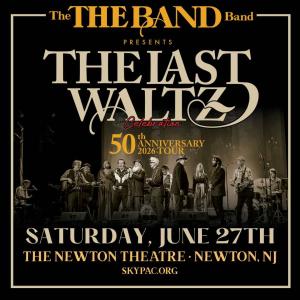
New Jersey’s live music and theatre landscape continues to distinguish itself as one of the most culturally resonant in the country, and this summer it welcomes a production that stands at the intersection of history, storytelling, and musical reverence. On Saturday, June 27, 2026, The ‘Last Waltz’ Celebration arrives for a powerful one-night engagement, commemorating the 50th anniversary of one of the most iconic performances ever staged—The Last Waltz, the legendary farewell concert by The Band that redefined how live music could be experienced, documented, and remembered.

This is not merely a concert recreation. It is a carefully constructed, emotionally charged live production that revisits a defining moment in rock history while expanding it into a fully immersive theatrical experience designed for today’s audiences. In a state where live performance is both heritage and innovation, this event represents one of the most significant musical tributes to arrive on a New Jersey stage in 2026.

Reexamining a Moment That Changed Music Forever

On Thanksgiving Day in 1976, inside San Francisco’s Winterland Ballroom, The Band took the stage for what would become one of the most celebrated concerts of all time. What unfolded that evening was far more than a farewell—it was a gathering of musical titans, a convergence of artistry that brought together an extraordinary lineup including Bob Dylan, Neil Young, Eric Clapton, Van Morrison, Joni Mitchell, and Ronnie Hawkins.

The performance was later immortalized by Martin Scorsese in the groundbreaking concert film The Last Waltz, a work widely regarded as one of the greatest music films ever created. The film did more than document a concert—it elevated the form, blending cinematic storytelling with live performance to capture the essence of a cultural turning point.

Half a century later, that moment continues to resonate. Its influence is evident not only in how concerts are staged and filmed, but in how audiences understand the relationship between artist and performance. The ‘Last Waltz’ Celebration brings that moment back into focus, not as a static tribute, but as a living, breathing experience.

A Direct Line to the Original Event

What sets this production apart is its authenticity and lineage. Gary Solomon, co-founder of The THE BAND Band, was present at the original 1976 performance. His firsthand experience informs every aspect of this tribute, grounding it in a perspective that few productions can claim.

Solomon’s recollection of that night is not framed as nostalgia—it is framed as recognition. He understood, even in the moment, that he was witnessing something singular. That realization became the foundation for a project that would eventually evolve into one of the most respected tributes to The Band in the country.

Since its founding in 2007, The THE BAND Band has performed more than 400 shows across the United States, building a reputation for musical integrity and deep respect for the source material. In 2012, they introduced The ‘Last Waltz’ Celebration, expanding their focus from a band tribute into a full-scale production that captures the scope and ambition of the original concert.

A Two-Part Production Designed for Immersion

The structure of The ‘Last Waltz’ Celebration is intentionally designed to mirror the progression of the original event while offering a modern theatrical framework that enhances audience engagement.

The evening begins with a dedicated set performed by The THE BAND Band, focusing on the core catalog that defined The Band’s sound. This opening segment establishes the musical foundation of the production, delivering the songs with precision, texture, and emotional depth that reflect the group’s enduring influence on American music.

Following a brief intermission, the production transitions into a multi-media presentation that contextualizes the historical significance of The Last Waltz. Where supported, visual elements are integrated to deepen the narrative, creating a bridge between the original event and its contemporary reinterpretation.

The second half of the show introduces a rotating ensemble of musicians—many of whom lead their own acclaimed tribute acts—each stepping into the roles of the guest artists who appeared in the 1976 concert. This dynamic structure ensures that the performance remains fluid and expansive, capturing the collaborative spirit that defined the original event.

Throughout the run of this production, special guest appearances have elevated the experience even further. Artists such as Tom Chapin, Rex Fowler, and Larry Packer—who performed with The Band during the original Last Waltz—have joined the stage, reinforcing the production’s connection to its historical roots.

The show culminates in a full-cast finale, recreating the sense of collective celebration that defined the closing moments of the original concert. It is a conclusion designed not just to entertain, but to resonate—to leave audiences with a sense of having participated in something larger than a performance.

Why This Production Matters in New Jersey Right Now

New Jersey’s theatre and live music ecosystem continues to evolve, with audiences increasingly seeking experiences that offer depth, narrative, and authenticity. The ‘Last Waltz’ Celebration aligns perfectly with this shift, delivering a production that is both historically grounded and theatrically ambitious.

Across the state, venues are embracing programming that bridges generations and genres, ensuring that legacy performances remain accessible while also appealing to new audiences. For those exploring the full scope of what New Jersey has to offer in live theatre and music, the expanding network of venues and productions can be explored through Explore New Jersey Theatre, where events like this stand alongside a diverse and growing lineup of performances.

This production also reinforces New Jersey’s role as a destination for nationally touring acts that carry both cultural significance and artistic credibility. It is not simply about hosting events—it is about curating experiences that contribute to the state’s identity as a hub for live performance.

A Shared Experience Across Generations

One of the defining qualities of The ‘Last Waltz’ Celebration is its ability to connect audiences across generations. For those who experienced the original era of The Band and their contemporaries, the performance offers a return to a moment that shaped their musical identity. For younger audiences, it serves as an introduction to a pivotal chapter in music history—one that continues to influence artists today.

The communal nature of the event mirrors the spirit of the original concert. It is not a passive experience; it is participatory, drawing audiences into a shared appreciation of music that transcends time.

Revisiting the Legacy, Reigniting the Moment

The significance of The Last Waltz lies not only in its scale or its roster of performers, but in its sense of finality and celebration. It marked the end of an era while simultaneously preserving it, creating a legacy that has endured for five decades.

The ‘Last Waltz’ Celebration does not attempt to replicate that moment exactly. Instead, it reinterprets it with care, precision, and respect, allowing audiences to experience its impact in a contemporary setting.

On June 27, 2026, New Jersey becomes part of that continuing story. For one night, the music, the collaboration, and the spirit of one of rock’s most defining events will return to the stage—reimagined, revitalized, and delivered with the kind of authenticity that ensures its legacy remains as powerful today as it was in 1976.

Skylands Performing Arts Center (SkyPAC)

(973) 940-6398

View Organizer Website

State Theatre New Jersey

15 Livingston Avenue , NJ
New Brunswick, NJ 08901 United States
+ Google Map
(732) 246-7469
View Venue Website

The Australian Bee Gees

0

The Australian Bee Gees Bring a Global Las Vegas Phenomenon to New Jersey for One Night Only

June 26 @ 20:00 23:30

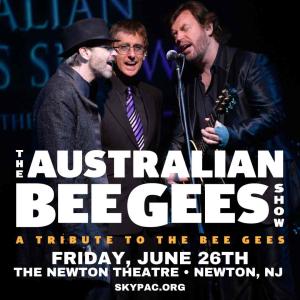
New Jersey’s live entertainment calendar continues to expand with world-class productions that bridge generations, genres, and global audiences, and this summer delivers one of the most celebrated tribute experiences on the international stage. On Friday, June 26, 2026, The Australian Bee Gees Show arrives for a single-night performance that promises to transform a New Jersey theatre into a time capsule of rhythm, harmony, and era-defining sound—reintroducing audiences to the unmistakable catalog of Bee Gees with a level of precision and energy that has made this production a Las Vegas institution.

This is not a simple tribute performance. It is a fully realized, meticulously crafted stage production that has evolved over more than two decades into one of the most recognized and respected shows of its kind anywhere in the world. With over 6,500 performances across more than 55 countries and a long-running residency on the Las Vegas Strip, The Australian Bee Gees have built a reputation that extends far beyond imitation—they deliver an immersive musical experience that captures the essence of one of the most successful groups in recording history.

A Las Vegas Residency Meets New Jersey’s Theatre Stage

Since February 2011, The Australian Bee Gees Show has been a cornerstone attraction at Excalibur Resort & Casino, where it has consistently drawn audiences from around the world. In a city known for its relentless competition and high production standards, longevity is the ultimate validation. This show has not only endured—it has thrived, earning multiple honors including recognition as one of the best tribute productions in Las Vegas.

The impact of the show’s success was further solidified when Carolyn Goodman officially proclaimed July 7 as “The Australian Bee Gees Show Day” in the City of Las Vegas, a distinction that underscores the production’s cultural and economic contribution to one of the world’s most competitive entertainment markets.

Now, that same production—refined through years of global touring and Las Vegas excellence—comes to New Jersey, offering audiences a rare opportunity to experience a show that has already proven itself on one of the biggest stages in entertainment.

Recreating the Soundtrack of a Generation

At the heart of The Australian Bee Gees Show is an unwavering commitment to authenticity. The production traces the full musical journey of the Bee Gees, from their early harmonically rich ballads to the era-defining disco anthems that reshaped pop music and dance culture worldwide.

The setlist reads like a definitive anthology of modern music history. Songs such as “More Than a Woman,” “Night Fever,” “Stayin’ Alive,” and “How Do You Mend a Broken Heart” are not simply performed—they are reconstructed with extraordinary attention to vocal arrangement, instrumentation, and tonal fidelity. The layered harmonies that defined the Bee Gees’ signature sound are delivered with clarity and precision, allowing audiences to hear these songs as they were originally intended.

What elevates this production is its ability to move beyond technical accuracy into emotional resonance. Each performance is structured to reflect the energy of its era, capturing not just how the music sounded, but how it felt—whether it is the introspective melancholy of a ballad or the kinetic pulse of a disco anthem that once dominated dance floors around the world.

More Than Music—A Complete Theatrical Experience

The Australian Bee Gees Show is built as a theatrical production, not just a concert. From costuming and staging to lighting and pacing, every element is designed to immerse the audience in the timeline of the Bee Gees’ career. The performers embody the distinct personalities and stylistic evolution of the Gibb brothers, creating a sense of continuity that carries the audience from one musical era to the next.

Critics and audiences alike have consistently recognized the show’s ability to capture what many tribute acts cannot: the intangible qualities that made the original artists iconic. It is not just about recreating songs—it is about recreating presence, charisma, and connection.

This is why the production has earned accolades describing it as one of the most outstanding tribute shows ever assembled. It offers something that resonates on multiple levels, appealing to longtime fans who lived through the Bee Gees’ rise as well as newer audiences discovering the music for the first time.

A Perfect Fit for New Jersey’s Expanding Theatre Landscape

New Jersey has steadily positioned itself as a premier destination for live performance, with a theatre ecosystem that supports both large-scale touring productions and intimate, artist-driven experiences. The arrival of The Australian Bee Gees Show reinforces the state’s ability to attract internationally recognized productions that meet the expectations of a discerning audience.

For those exploring the breadth of live entertainment across the region, the statewide theatre network continues to grow in both scope and ambition, offering everything from Broadway-caliber productions to globally touring tribute acts. Audiences looking to explore additional performances and venues can navigate the evolving theatre scene through Explore New Jersey Theatre, where the depth and diversity of programming reflect the state’s commitment to live arts.

The inclusion of a production with such a strong Las Vegas pedigree signals not only the strength of New Jersey’s market but also its ability to host performances that carry international credibility.

One Night, One Experience, Endless Recognition

What makes this event particularly compelling is its exclusivity. This is a one-night-only performance—an opportunity that will not repeat itself in the immediate future. In an era where entertainment options are abundant but truly memorable experiences are increasingly rare, events like this carry a heightened sense of urgency.

For audiences, it is a chance to step into a production that has been refined over decades, shaped by global audiences, and validated by one of the most competitive entertainment markets in the world. It is also an opportunity to reconnect with a catalog of music that continues to influence contemporary artists and define entire genres.

The Enduring Legacy of the Bee Gees, Reimagined Live

The Bee Gees were more than a band; they were architects of a sound that transcended genres and eras. Their influence extends across pop, R&B, disco, and beyond, shaping the direction of modern music in ways that continue to be felt today.

The Australian Bee Gees Show does not attempt to replace that legacy. Instead, it honors it with a level of craftsmanship and respect that allows audiences to experience it anew. Through precision, passion, and an unwavering commitment to authenticity, the production creates a bridge between past and present—bringing the music of the Bee Gees into a live setting that feels both timeless and immediate.

On June 26, 2026, New Jersey becomes the next stop in that global journey. For one night, the harmonies, the rhythm, and the unmistakable sound that defined a generation will take center stage once again—delivered with the kind of excellence that has made The Australian Bee Gees Show a phenomenon around the world.

Skylands Performing Arts Center (SkyPAC)

(973) 940-6398

View Organizer Website

State Theatre New Jersey

15 Livingston Avenue , NJ
New Brunswick, NJ 08901 United States
+ Google Map
(732) 246-7469
View Venue Website

Jim Barone: A Tribute To The King

0

Jim Barone: A Tribute To The King Brings Elvis Presley’s Legacy Back to Life in New Jersey

June 20 @ 20:00 23:30

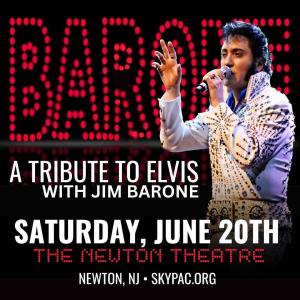
New Jersey’s theatre scene continues to elevate its reputation as one of the most dynamic and culturally rich in the country, and this summer adds another must-see performance to its growing list of standout events. On Saturday, June 20, 2026, audiences will have the opportunity to experience something far beyond a traditional tribute show when Jim Barone takes the stage with A Tribute To The King—a full-bodied, deeply authentic celebration of Elvis Presley that channels the voice, energy, and emotional resonance of one of the most influential artists in music history.

This is not simply nostalgia. It is a revival of presence, a reawakening of the sound and spirit that transformed popular culture forever. And in a state like New Jersey—where live performance is both tradition and identity—this event lands at exactly the right moment.

A Performance That Goes Beyond Tribute

Jim Barone has earned his place among the most respected Elvis Tribute Artists in the world, not by imitation, but by immersion. His approach is rooted in musical precision and emotional authenticity, recreating the sonic depth and stage command that defined Elvis Presley’s career without falling into caricature.

From the first note, Barone delivers a performance that captures the full spectrum of Elvis: the early rockabilly fire, the polished charisma of the Hollywood years, and the powerful, soulful intensity of the Las Vegas era. What distinguishes Barone is not just vocal accuracy—it is the ability to translate Presley’s artistry into a living, breathing experience that resonates with both longtime fans and first-time listeners.

Audiences can expect a setlist that spans the Presley catalog, honoring classics while preserving the integrity of the original arrangements. The phrasing, the timing, the emotional cadence—it is all there, reconstructed with a level of care that elevates the performance into something closer to a theatrical event than a concert.

The Artist Behind the Voice

Barone’s journey into the world of Elvis tribute performance began long before he stepped onto professional stages. As a teenager immersed in musical theatre, he developed a foundation in performance that emphasized storytelling, discipline, and connection with an audience. That training would prove essential.

The turning point came with a single song: “Return to Sender.” What started as admiration quickly evolved into a calling. When Barone was asked to perform at an Oldies show, the fusion of his theatrical background and his passion for Elvis Presley created something undeniable. That moment launched a career that would take him across the United States and internationally, building not only a following but a community rooted in shared musical reverence.

Over the years, Barone has refined his craft into a signature style that avoids the clichés often associated with tribute acts. Instead, he focuses on authenticity—capturing the subtle details that made Elvis a once-in-a-generation performer: the phrasing of a lyric, the controlled power of a sustained note, the interplay between vulnerability and command.

Why This Show Matters Now

There is a reason Elvis Presley continues to resonate across generations. His music was not just innovative—it was transformative. He bridged genres, redefined performance, and introduced a level of emotional immediacy that still shapes modern music.

In today’s live entertainment landscape, where spectacle often overshadows substance, a performance like Jim Barone’s offers something increasingly rare: a return to artistry. It invites audiences to reconnect with the raw energy and emotional truth that made Elvis a cultural force.

New Jersey’s theatre ecosystem is uniquely positioned to host experiences like this. Across the state, venues continue to invest in programming that balances heritage and innovation, creating a space where iconic legacies can be revisited with fresh perspective. For audiences exploring the depth of live performance options across the state, the broader theatre landscape can be explored through Explore New Jersey Theatre, which highlights the venues and productions shaping the region’s cultural identity.

A Night Designed for Every Generation

One of the defining strengths of A Tribute To The King is its accessibility. This is an all-ages event, designed to bring together audiences who may have experienced Elvis Presley in real time alongside those discovering his music for the first time.

For longtime fans, the performance offers a powerful sense of return—an opportunity to relive the soundtracks that defined eras of their lives. For younger audiences, it provides a gateway into understanding why Elvis remains a foundational figure in modern music.

The communal aspect of the show cannot be overstated. These performances often become shared experiences, where audiences are not just spectators but participants in a collective appreciation of music history.

The Enduring Power of Live Theatre in New Jersey

Events like Jim Barone’s tribute underscore a broader truth about New Jersey’s cultural landscape: live theatre here is not static. It is evolving, expanding, and continuously redefining what audiences can expect from a night out.

From historic playhouses to contemporary performance spaces, the state offers a range of venues that support both emerging artists and established acts. Tribute performances, in particular, have become an essential part of this ecosystem, serving as both celebration and preservation of musical heritage.

What sets New Jersey apart is its audience. There is an expectation of quality, of authenticity, of performances that deliver more than surface-level entertainment. Jim Barone’s work meets that expectation head-on, offering a production that is as technically impressive as it is emotionally engaging.

Returning to the Sound That Changed Everything

At its core, A Tribute To The King is about more than honoring a legend. It is about reconnecting with a moment in time when music shifted, when performance took on new meaning, and when an artist redefined what it meant to stand on a stage.

Jim Barone does not attempt to replace Elvis Presley—no one could. Instead, he creates a space where that legacy can be experienced again, not as memory, but as presence.

On June 20, 2026, New Jersey audiences will have the chance to step into that space. For one night, the voice, the fire, and the unmistakable energy of Elvis will return—faithfully, powerfully, and with the kind of authenticity that only a true artist can deliver.

Skylands Performing Arts Center (SkyPAC)

(973) 940-6398

View Organizer Website

State Theatre New Jersey

15 Livingston Avenue , NJ
New Brunswick, NJ 08901 United States
+ Google Map
(732) 246-7469
View Venue Website

Flyers End Playoff Drought, Ignite Regional Hockey Shift as New Jersey Attention Turns to a Revived Rival

The balance of power—and attention—across the region’s hockey landscape has shifted in a way few could have predicted even a season ago. On April 13, 2026, the Philadelphia Flyers secured their place in the Stanley Cup Playoffs with a 3–2 shootout victory over the Carolina Hurricanes, officially ending a five-year postseason absence and reintroducing one of the NHL’s most historic franchises into meaningful spring hockey. It represents a recalibration of regional narratives, a resurgence of a rival, and a renewed layer of intrigue as playoff hockey returns to the Northeast corridor.

The significance of the Flyers’ return is rooted not only in the fact that they are back, but in how they arrived. With a final regular-season record of 42–27–12 and 96 points, the team secured third place in the Metropolitan Division, positioning themselves for an immediate and high-stakes first-round matchup against the Pittsburgh Penguins. The “Battle of Pennsylvania,” one of the NHL’s most enduring and volatile rivalries, will now be revisited on the playoff stage for the eighth time, injecting the opening round with a level of intensity that extends well beyond standard postseason competition.

For a franchise that had not appeared in the playoffs since the 2019–20 season—when it advanced to the Eastern Conference Second Round before falling in a seven-game series—the return marks the end of a stretch that tied the longest postseason drought in team history. That absence has reshaped expectations, recalibrated roster construction, and ultimately set the stage for a season defined by disciplined progression rather than short-term volatility.

Central to that progression has been goaltender Dan Vladar, whose performance down the stretch anchored the Flyers’ push into the postseason. His statistical profile reflects not just consistency, but control. With 29 wins and a 2.42 goals-against average—ranking among the league’s top tier—Vladar has established himself as the structural backbone of the team’s defensive identity. His ability to limit scoring opportunities and stabilize high-pressure moments has translated directly into results, particularly in late-season scenarios where margins are minimal and execution is non-negotiable.

The recognition of that impact was formalized through the announcement of the Bobby Clarke Trophy, awarded to Vladar as the team’s Most Valuable Player. His contributions extend beyond numerical output, encompassing leadership, composure, and an ability to maintain performance levels across extended stretches. The additional acknowledgment of his character within the locker room reinforces a broader understanding of his role—not just as a goaltender, but as a central figure in the team’s internal structure.

The Flyers’ roster adjustments following their playoff clinch provide further insight into their strategic positioning. By recalling multiple players from the AHL’s Lehigh Valley Phantoms—including defensive prospects Oliver Bonk and Hunter McDonald, both set to make their NHL debuts—the organization is signaling a willingness to manage veteran workloads while simultaneously evaluating emerging talent in a live-game environment. This approach reflects a dual objective: preserving core contributors for the demands of playoff hockey while maintaining organizational depth and readiness.

The decision to integrate younger players at this stage of the season is not without risk, but it underscores a level of confidence in the team’s established framework. It also reinforces a broader trend within the NHL, where the line between development and deployment continues to narrow, particularly for teams transitioning from rebuilding phases into competitive contention.

The upcoming playoff series against Pittsburgh introduces a set of variables that will define the Flyers’ postseason trajectory. With the Penguins holding second place in the division and home-ice advantage, the structural advantage lies with Pittsburgh. However, the regular-season series between the two teams was evenly split at two games apiece, with both Flyers victories coming via shootout—an indication of how closely matched these teams have been in critical situations.

The format of the series, scheduled to begin on April 18, will follow the traditional best-of-seven structure, with games alternating between Pittsburgh’s PPG Paints Arena and Philadelphia’s Xfinity Mobile Arena. The distribution of home and away games introduces logistical and psychological dynamics that often shape the outcome of tightly contested series. Travel, crowd influence, and momentum shifts become as significant as on-ice execution, particularly in rivalry matchups where emotional intensity is consistently elevated.

For New Jersey audiences, the implications of this series extend beyond the immediate participants. Regional hockey culture is inherently interconnected, with fan bases, media coverage, and developmental pipelines overlapping across state lines. The Flyers’ return to the playoffs reintroduces a familiar tension into that ecosystem, creating new points of engagement and renewed relevance for a rivalry that has historically drawn significant attention.

This renewed focus also aligns with broader developments in the region’s sports landscape. As New Jersey continues to strengthen its position as a central hub for major sporting events—most notably with the upcoming FIFA World Cup 2026—the visibility and importance of high-level competition across all sports are increasing. Hockey, with its established infrastructure and passionate following, remains a critical component of that identity.

The Flyers’ season finale, scheduled as an “Orange Out” home game against the Montreal Canadiens, serves as both a celebration and a transition point. It marks the conclusion of a regular season that has redefined the team’s trajectory and sets the stage for a postseason that will test the durability of that progress. The environment in Philadelphia is expected to reflect that dual significance, combining acknowledgment of the achievement with anticipation of what lies ahead.

From a broader analytical perspective, the Flyers’ return to the playoffs illustrates the cyclical nature of professional sports, where periods of absence can lead to recalibration and eventual resurgence. The organization’s ability to navigate that cycle—balancing roster development, strategic patience, and performance execution—has positioned it to re-enter the postseason with a foundation that appears both stable and scalable.

For Explore New Jersey, the shift in focus toward this storyline represents more than a temporary adjustment in coverage. It reflects an understanding of how regional narratives evolve, how rivalries regain relevance, and how moments of resurgence can reshape the broader sports conversation. The Flyers’ playoff berth is not just a milestone for one team—it is a catalyst for renewed engagement across the entire region.

As the postseason begins, the variables will multiply, the margins will narrow, and the intensity will escalate. The Flyers have re-entered the conversation, and with that return comes a new chapter in one of the NHL’s most competitive divisions. For a region that thrives on proximity, rivalry, and high-stakes competition, that chapter is already underway.

Seton Hall Prep’s Mike Sheppard Jr. Reaches 900 Wins: A Landmark Achievement That Defines New Jersey High School Baseball Excellence

In a state where high school athletics are deeply embedded in community identity, few milestones carry the weight, longevity, and credibility of what unfolded on April 13, 2026. On that afternoon, Mike Sheppard Jr., the architect of one of the most consistent and respected programs in New Jersey history, secured his 900th career victory as head coach of Seton Hall Prep with a commanding 14–2 win over Millburn. The number itself is staggering, but the context surrounding it elevates the achievement into a rarefied space within the state’s athletic legacy.

For those who follow the evolving narrative of scholastic competition across Explore New Jersey’s coverage of high school sports, this milestone is not an isolated accomplishment. It is the culmination of four decades of sustained excellence, defined by discipline, continuity, and an unwavering commitment to player development at the highest level of the high school game.

Sheppard’s record—900 wins against just 240 losses and 7 ties—translates to a .785 winning percentage across 1,147 games. That level of consistency, maintained over nearly 40 years, places him among the most accomplished high school baseball coaches not only in New Jersey, but nationally. The milestone positions him alongside Ken Frank of Toms River South as one of only two coaches in state history to reach the 900-win threshold, a benchmark that has long been viewed as the upper limit of career achievement within this level of the sport.

The path to 900 has been defined by more than just wins. Under Sheppard’s leadership, Seton Hall Prep has captured seven state championships, establishing itself as a perennial contender across multiple eras of competition. The program’s ability to remain relevant, competitive, and structurally sound through changing player cycles and evolving styles of play speaks to a coaching philosophy rooted in adaptability and precision.

Equally significant is the program’s track record in developing talent beyond the high school level. Eighteen players have advanced to professional baseball during Sheppard’s tenure, a statistic that underscores the program’s role as both a competitive force and a developmental pipeline. This dual identity—winning games while preparing athletes for the next stage—is a defining characteristic of elite high school programs, and it has been consistently realized in West Orange.

The milestone game itself offered a fitting reflection of the program’s current state. The 14–2 victory over Millburn was not a narrow, symbolic win, but a decisive performance that reinforced the team’s competitive standard. Senior standout Jordan Burwell, a West Virginia commit, delivered a three-RBI performance that highlighted the caliber of talent currently moving through the program. The result was a game that balanced historical significance with present-day execution, ensuring that the milestone was achieved in a manner consistent with the program’s identity.

What distinguishes Sheppard’s career, however, extends beyond statistical achievement. His approach to coaching has long been defined by a balance between rigor and relatability. Known for demanding a high level of accountability from his players, he has simultaneously cultivated an environment that allows for personality, energy, and connection. This combination has contributed to a program culture that is both disciplined and resilient, capable of sustaining success without losing cohesion.

Influence has also played a critical role in shaping that approach. Sheppard has often cited Harry Shatel, the longtime Morristown coach, as a foundational figure in his development. That lineage is evident in the structure and philosophy of the Seton Hall Prep program, where fundamentals, preparation, and situational awareness are emphasized as core components of the game.

Perhaps the most telling aspect of this milestone is what it does not represent. For many coaches, 900 wins would serve as a natural endpoint, a moment to step away after achieving a career-defining benchmark. For Sheppard, it appears to function differently. In the immediate aftermath of the victory, he made it clear that retirement is not part of the current equation. His stated intention to continue coaching—as long as he remains healthy and effective—signals that the program’s trajectory is still very much forward-facing.

This perspective aligns with a broader understanding of coaching at the high school level, where longevity is often tied to purpose rather than milestones. The ability to remain engaged, to continue contributing meaningfully to player development, and to sustain competitive standards year after year is what ultimately defines a career of this magnitude.

Within the larger context of New Jersey high school sports, Sheppard’s achievement reinforces the state’s reputation as one of the most competitive and structurally sound environments for scholastic athletics in the country. Baseball, in particular, has long held a prominent position within that ecosystem, producing players, coaches, and programs that consistently operate at a high level. Milestones like this do not emerge in isolation—they are the product of a system that values preparation, competition, and continuity.

For Explore New Jersey, documenting moments like this is central to understanding the state’s athletic identity. While professional and collegiate sports often dominate headlines, it is at the high school level where many of the foundational narratives are formed. These are the programs that shape athletes at critical stages of development, where coaching influence extends beyond the field and into long-term personal growth.

Mike Sheppard Jr.’s 900th win is, in that sense, both a singular achievement and a reflection of something larger. It represents a standard that has been built over decades, maintained through consistency, and validated through results that speak for themselves. It is a benchmark that will stand for years to come, not simply because of the number, but because of the sustained excellence required to reach it.

As the season continues and the program moves forward, the focus will inevitably return to the next game, the next opponent, and the next opportunity to compete. That is the nature of the sport, and it is the environment in which Sheppard has operated for nearly four decades. The milestone has been reached, but the work—by all indications—continues.

Red Bulls Open Cup Run Begins in Harrison: A Defining Midweek Moment for New Jersey Soccer at Sports Illustrated Stadium

New Jersey’s soccer identity continues to sharpen in real time, and on Wednesday, April 15, 2026, that identity will be on full display under the lights in Harrison as the New York Red Bulls open their Lamar Hunt U.S. Open Cup campaign. This is not simply another fixture on the calendar. It is a tournament entry point with tangible stakes, a direct path to silverware, and a reminder that some of the most consequential matches in American soccer unfold outside the traditional weekend spotlight.

For those tracking the club’s trajectory through Explore New Jersey’s ongoing coverage of the New York Red Bulls, the significance of this match is immediate. The Open Cup is the oldest continuous soccer competition in the United States, structured as a knockout tournament that compresses pressure into every ninety-minute window. There are no extended series, no margin for recovery—just advancement or elimination. That structure alone changes the tone. It demands urgency, precision, and a level of focus that often produces performances distinct from league play.

The setting for this opening clash is Sports Illustrated Stadium in Harrison, a venue that has quietly become one of the most important soccer environments in the region. Formerly known as Red Bull Arena, the rebranded stadium reflects a broader evolution in how the club and its partners are positioning the space—not just as a home field, but as a multi-layered sports and media destination. Its location, directly accessible via the PATH system and integrated into one of the most connected transit corridors in the Northeast, makes it uniquely suited for high-intensity midweek matches where timing and accessibility matter.

Kickoff is scheduled for 7:30 PM, a time slot that reinforces the distinct character of Open Cup soccer. Midweek matches carry a different energy—more focused, more deliberate, and often more volatile. The crowd that fills the stadium on nights like this tends to be deeply engaged, composed of supporters who understand the stakes and the structure of the competition. The atmosphere reflects that understanding, creating an environment where every phase of play is amplified.

The opponent, Pittsburgh Riverhounds, arrives as a disciplined and organized side with a history of competing effectively in knockout formats. Clubs from outside Major League Soccer often approach the Open Cup with a different calculus, viewing these matches as opportunities to disrupt hierarchy and establish credibility on a national stage. That dynamic introduces an additional layer of unpredictability. For the Red Bulls, the challenge is not only to assert their technical and tactical advantages, but to match the intensity and focus of a team that enters the match with nothing to lose.

From a tactical perspective, the Open Cup frequently serves as a platform for strategic variation. Squad rotation, lineup experimentation, and the integration of emerging players are all common elements, but they must be balanced against the immediate objective of advancement. This is where depth becomes a defining factor. The ability to maintain structural integrity while introducing new personnel is often what separates teams that make extended runs from those that exit early.

For the Red Bulls, this match also represents an opportunity to reinforce their identity within a broader competitive framework. The club’s approach—built on high pressing, transitional speed, and disciplined defensive organization—translates particularly well to knockout scenarios, where controlling tempo and forcing errors can quickly shift momentum. The question is not whether the system works, but how effectively it is executed under the specific pressures of tournament play.

Beyond the tactical and competitive elements, the match carries broader significance for New Jersey’s role in the American soccer landscape. With the region preparing to host multiple matches in the 2026 FIFA World Cup, including the final, every high-profile game at Sports Illustrated Stadium contributes to a growing narrative. These matches are not isolated events; they are part of a continuum that is positioning New Jersey as a central hub for the sport at both the national and global levels.

The accessibility of this particular fixture reinforces that positioning. With ticket prices starting at just $15, the match offers one of the most direct entry points into high-stakes professional soccer available anywhere in the region. This pricing structure is not incidental—it reflects an understanding that building a sustained soccer culture requires consistent engagement, not just marquee events. By lowering barriers to entry, the club is creating opportunities for new audiences to experience the intensity and immediacy of live competition.

The stadium experience itself is calibrated to support that engagement. Sightlines, acoustics, and proximity to the pitch all contribute to an environment where the game can be experienced with clarity and immediacy. Unlike larger, multi-purpose venues, Sports Illustrated Stadium is designed specifically for soccer, and that design choice is evident in every aspect of the matchday experience. The result is a setting where the connection between player and supporter is direct and unfiltered.

As the Red Bulls step onto the field on April 15, they do so within a framework that extends beyond a single match. This is the opening chapter of a tournament run that has the potential to define the club’s season, a test of depth and discipline, and a moment that contributes to the broader evolution of soccer in New Jersey. The opponent is set, the stakes are clear, and the stage is fully prepared.

Midweek under the lights in Harrison is not an anomaly—it is a proving ground.

Cardinal Tobin Rebukes Trump AI Image Controversy: Faith, Media, and Power Collide in a Defining Cultural Flashpoint with New Jersey at the Center on 60 Minutes

New Jersey has long operated as more than a geographic corridor between major media markets—it is a place where national narratives are often clarified, challenged, and reframed. On April 13, 2026, that dynamic was once again brought into sharp focus as Cardinal Joseph W. Tobin, Archbishop of Newark and the highest-ranking Catholic leader in the state, issued a direct and unambiguous condemnation of a viral AI-generated image shared by former President Donald Trump. The image, which depicted Trump in a Christ-like role performing what appeared to be a healing act, triggered immediate backlash across religious, political, and media communities, igniting a national conversation that sits squarely at the intersection of technology, faith, and representation.

Within the broader lens of Explore New Jersey’s coverage of cultural narratives and media influence across the film & tv landscape, this moment is not isolated. It reflects a rapidly evolving environment where digital imagery, synthetic media, and platform-driven amplification are reshaping how symbolic content is created, distributed, and interpreted. What distinguishes this particular incident is not simply its virality, but the institutional response it provoked—and the clarity with which that response was delivered from within New Jersey.

Cardinal Tobin’s statement characterized the image as a “graphic exploitation of sacred imagery,” emphasizing the degree to which it crossed established boundaries between political messaging and religious symbolism. His reaction was not framed as a partisan critique, but as a defense of theological integrity and the sanctity of imagery that holds profound meaning for millions of believers. The language was deliberate, measured, and precise, reflecting a broader concern about how emerging technologies are being deployed in ways that can distort or trivialize deeply held traditions.

The timing of the controversy amplified its impact. The image was shared during a period of heightened tension between Trump and Pope Leo XIV, the first American-born pontiff, whose leadership has already introduced a new dynamic into global religious discourse. Public criticism from Trump had targeted the Pope’s positions on international conflict and immigration, framing them as politically weak or strategically flawed. In response, members of the American Catholic hierarchy—including Cardinal Tobin—moved to clarify the distinction between spiritual leadership and political governance.

This distinction became a central theme during a nationally broadcast appearance on 60 Minutes just one day prior to the image controversy. Cardinal Tobin, alongside Cardinals Blase Cupich and Robert McElroy, articulated a consistent message: the role of the Pope is not to operate as a political strategist, but as a moral and pastoral voice addressing global human concerns. Tobin’s description of Pope Leo XIV as “the right man” for the current moment underscored a belief that leadership in this context must be evaluated through a different lens—one grounded in ethical guidance rather than policy execution.

The conversation extended beyond abstract principles into specific policy critiques, particularly around immigration enforcement practices and the broader implications of international conflict. These positions, while aligned with longstanding Vatican perspectives, have taken on renewed visibility given the Pope’s American origin and the current geopolitical climate. The result is a layered dialogue in which religious leadership, political authority, and public perception intersect in increasingly complex ways.

The AI-generated image introduced a new dimension to that dialogue. Unlike traditional political messaging, which relies on language and rhetoric, this form of content operates visually and symbolically, often bypassing analytical filters in favor of immediate emotional response. The depiction of a public figure in a Christ-like role carries inherent theological implications, regardless of the creator’s stated intent. This is precisely the space in which Cardinal Tobin’s critique is situated—not as a reaction to political positioning, but as a response to the misuse of imagery that holds sacred significance.

Trump’s subsequent explanation added another layer of complexity. In remarks delivered later that day, he suggested that he did not interpret the image as religious, instead framing it as a representation of healing or service, akin to that of a medical professional. He stated that he believed the image portrayed him “as a doctor” or in connection with humanitarian symbolism, and maintained that his actions were intended to reflect his broader narrative of improving conditions for others. The image was ultimately removed approximately 13 hours after it was posted, though no formal apology was issued.

The response from within political circles was notably varied. While some figures defended the President’s actions as misinterpreted or exaggerated, others—including voices typically aligned with his positions—expressed discomfort with the imagery, describing it in terms that echoed the concerns raised by religious leaders. This divergence highlights the broader challenge of navigating symbolic content in an era where boundaries between satire, messaging, and representation are increasingly fluid.

Pope Leo XIV’s own response, delivered during an international trip, reinforced the distinction between political discourse and spiritual mission. His remarks emphasized a lack of concern for political criticism, redirecting attention toward the core principles of his role. By framing his work as fundamentally rooted in the message of the Gospel rather than political alignment, he underscored the conceptual divide that has become central to this unfolding narrative.

Within New Jersey, Cardinal Tobin’s position carries particular weight. As Archbishop of Newark, his influence extends across one of the most diverse and densely populated Catholic communities in the country. His decision to address the issue directly reflects both the significance of the moment and the responsibility of leadership within that context. It also reinforces New Jersey’s role as a place where national conversations are not only observed, but actively shaped.

From a media perspective, this controversy illustrates the accelerating convergence of technology and storytelling. AI-generated imagery is no longer confined to experimental spaces—it is now embedded within mainstream communication channels, capable of reaching global audiences within minutes. The implications for film, television, and digital content creation are substantial, as the tools used to craft narratives become more sophisticated and more accessible.

At the same time, the incident raises fundamental questions about authorship, intent, and accountability. When an image is created through artificial intelligence, the lines between creator and distributor can become blurred. Yet the impact of that image—particularly when it engages with culturally or religiously sensitive material—remains very real. This tension is likely to define the next phase of media evolution, as institutions, creators, and audiences work to establish new frameworks for interpretation and responsibility.

For Explore New Jersey, this moment aligns with a broader commitment to examining how media and culture intersect across disciplines. Whether through film, television, or emerging digital platforms, the stories that shape public perception are increasingly complex, requiring analysis that goes beyond surface-level interpretation. The events of April 13 serve as a case study in how quickly those narratives can develop—and how essential it is to approach them with clarity, context, and precision.

As the conversation continues to unfold, one element remains constant: the role of New Jersey as a place where these issues are engaged with seriousness and depth. From the statements issued in Newark to the national platforms that amplify them, the state is not on the periphery of this dialogue. It is at its center, contributing perspective, leadership, and a clear articulation of the values at stake in an era defined by rapid technological and cultural change.

American Music Honors 2026 at Monmouth University: A Defining Night for American Sound, Legacy, and New Jersey’s Cultural Authority

New Jersey’s position at the center of American music history is not theoretical—it is lived, documented, and continuously reinforced through events that elevate artistry beyond commercial metrics and into the realm of cultural permanence. On Saturday, April 18, 2026, that legacy comes sharply into focus as the Bruce Springsteen Archives & Center for American Music hosts the fourth annual American Music Honors at the Pollak Theatre in West Long Branch, delivering one of the most intellectually grounded and artistically significant music events in the country.

Within the broader framework of Explore New Jersey’s ongoing coverage of the state’s live performance ecosystem through our music platform, the American Music Honors stands apart as a program defined not by spectacle, but by substance. This is not an awards show driven by chart performance, viral traction, or industry campaigning. It is a curated recognition of artists whose work has fundamentally shaped the sound, direction, and identity of American music across generations.

That distinction is critical. The honorees are not selected through public voting or commercial benchmarks, but through a deliberate process that evaluates long-term artistic contribution, cultural impact, and creative integrity. The result is a ceremony that functions less as a typical gala and more as a living archive—one that actively connects past influence with present relevance.

The 2026 edition of the American Music Honors introduces a structural evolution that reflects the expanding scope of its mission. For the first time, bands will be recognized alongside individual artists, acknowledging the collaborative frameworks that have defined much of American music’s most enduring work. This shift signals a broader understanding of how influence operates—not solely through singular voices, but through collective identities that have shaped entire movements.

The honorees themselves represent a cross-section of American music that is both expansive and deeply interconnected. Dionne Warwick and Patti Smith, two artists whose careers have navigated entirely different sonic landscapes while maintaining uncompromising artistic identities, will be honored in a moment that bridges soul, pop, and punk-inflected poetry. Their awards will be presented by Bruce Springsteen, whose own work exists at the intersection of those traditions, reinforcing the continuity that defines the evening.

Dr. Dre’s inclusion underscores the ceremony’s recognition of hip-hop as a foundational component of American music’s modern era. His influence extends beyond production and performance into the architecture of the industry itself, shaping how music is created, distributed, and consumed. The presentation by Jimmy Iovine adds another layer to that narrative, highlighting the partnership that helped redefine the relationship between artist and infrastructure.

The honoring of The E Street Band marks a particularly significant moment, not only because of their role in shaping one of the most iconic catalogs in American music, but because it acknowledges the importance of ensemble dynamics in sustaining long-term artistic output. Presented by Jon Landau, whose relationship with the band has been central to its evolution, the recognition serves as both tribute and documentation of a collaborative model that has endured for decades.

The Doors’ inclusion extends the ceremony’s reach into the legacy of American rock’s most transformative period, with Stevie Van Zandt presenting the award. This choice is not incidental. Van Zandt’s own work—as a musician, producer, and curator—positions him as a connective figure between eras, capable of articulating the band’s lasting impact within a contemporary context.

The evening will also feature a posthumous tribute to The Band, an acknowledgment of a group whose influence on American roots music continues to resonate across genres. This segment reinforces the ceremony’s broader objective: to ensure that foundational contributions are not only remembered, but actively engaged with through performance and interpretation.

Musically, the structure of the event is designed to maintain cohesion while allowing for individual expression. Stevie Van Zandt’s Disciples of Soul will serve as the house band, providing a consistent musical framework that supports performances and transitions throughout the evening. This approach ensures that the event operates as a unified experience rather than a sequence of disconnected segments, with each performance building on the last to create a sustained narrative.

The presence of veteran journalist Brian Williams as host further defines the tone of the ceremony. Since taking on the role in 2024, Williams has brought a measured, narrative-driven approach that aligns with the event’s emphasis on context and storytelling. His involvement reinforces the idea that the American Music Honors is as much about documenting history as it is about celebrating it.

The Pollak Theatre itself plays a crucial role in shaping the experience. Unlike large-scale arenas or broadcast-focused venues, the theatre offers an environment that prioritizes intimacy and clarity. This setting allows for a level of engagement that is rarely achievable in larger spaces, where distance can dilute the immediacy of performance. Here, the audience is positioned to experience each moment with precision, whether through live music, spoken reflection, or the subtle dynamics that define great performance.

This focus on environment aligns with the broader philosophy of the Bruce Springsteen Archives & Center for American Music. Located at Monmouth University, the center operates as both a repository and an active cultural institution, preserving the history of American music while simultaneously contributing to its ongoing evolution. The American Music Honors is a direct extension of that mission, translating archival intent into a live, experiential format.

For New Jersey, the significance of this event extends beyond the confines of a single evening. It reinforces the state’s role as a critical node within the national music landscape, a place where history is not only preserved but actively interpreted and presented. In a region often overshadowed by neighboring markets, events like this serve as definitive statements of cultural authority.

The timing of the 2026 ceremony further amplifies its impact. As the state prepares for a series of high-profile global events and increased international attention, the American Music Honors provides a counterpoint—an assertion that New Jersey’s cultural value is not dependent on external validation, but rooted in a long-standing tradition of artistic contribution.

Within the broader ecosystem of live music and cultural programming highlighted across Explore New Jersey, this event represents a peak moment. It is a convergence of artistry, history, and place, executed with a level of precision that reflects the seriousness of its intent.

What ultimately distinguishes the American Music Honors is its refusal to reduce music to metrics. It recognizes that influence cannot be measured solely through sales or streams, but through the ways in which artists shape thought, identity, and collective experience. By centering its selections on those criteria, the ceremony establishes a standard that is both rigorous and necessary.

On April 18, in West Long Branch, that standard will be fully realized. The stage at Pollak Theatre will not simply host performances—it will serve as a platform for acknowledging the enduring structures of American music, the artists who built them, and the ongoing dialogue between past and present that continues to define the sound of the nation.

The Definitive Fan Experience Guide to Festivals, Watch Parties, Transportation, and the State’s Global Moment in the World Cup 2026

New Jersey is no longer simply adjacent to the world’s biggest sporting event—it is central to it. As the countdown to FIFA World Cup 2026 accelerates, the Garden State is positioning itself as one of the most dynamic, accessible, and culturally vibrant host regions in the entire tournament footprint. With eight matches scheduled at MetLife Stadium—including the Final—and a sweeping network of fan activations, watch zones, and regional celebrations unfolding across the state, New Jersey is preparing to operate at a scale rarely seen in its modern history.

World Cup Match Schedule (MetLife Stadium)

Across Explore New Jersey’s expanding coverage of the World Cup 2026, one reality is becoming unmistakably clear: this is not a single-site event. It is a statewide experience, designed to engage millions of visitors and residents alike through a layered ecosystem of festivals, public viewing environments, transportation infrastructure, and cultural programming that stretches from the Hudson waterfront to South Jersey.

At the center of this effort is Liberty State Park in Jersey City, which will serve as the primary gathering point for fans throughout the duration of the tournament. Running from June 11 through July 19, this expansive fan festival transforms one of New Jersey’s most iconic public spaces into a global stage. Positioned directly along the Hudson River with unobstructed views of the Manhattan skyline and the Statue of Liberty, the setting alone establishes a sense of scale and significance. Over the course of 39 days, all 104 matches will be broadcast live on massive screens, creating a continuous, immersive viewing environment that operates as both a sports destination and a cultural hub.

MetLife Stadium (referred to as “New York New Jersey Stadium” for the tournament) will host five group stage games and three knockout rounds.

Date MatchupRoundTime (ET)
June 13Brazil vs. MoroccoGroup C6:00 PM
June 16France vs. SenegalGroup I3:00 PM
June 22Norway vs. SenegalGroup I8:00 PM
June 25Ecuador vs. GermanyGroup E4:00 PM
June 27Panama vs. EnglandGroup L5:00 PM
June 30TBD vs. TBDRound of 325:00 PM
July 5TBD vs. TBDRound of 164:00 PM
July 19World Cup FinalFinal3:00 PM

The footprint of the festival is equally ambitious. Spanning hundreds of thousands of square feet, the site is designed to accommodate tens of thousands of visitors per day, with projections exceeding one million total attendees across the tournament. This is not a passive viewing space—it is a fully realized fan environment, incorporating live performances, curated food and beverage programs, international vendor villages, and interactive installations that reflect the global nature of the event.

A major component of this experience is the integration of Sports Illustrated as the Official Fan Experience Supporter for the New York/New Jersey host region. Their presence introduces a distinct editorial and historical dimension to the festival, including a large-scale exhibit showcasing decades of iconic sports photography and storytelling. In addition, fans will have the opportunity to create personalized magazine-style covers, effectively placing themselves within the visual legacy of the sport. These activations are designed not only as entertainment, but as cultural touchpoints that connect the present tournament to the broader history of soccer on the world stage.

While Liberty State Park anchors the statewide experience, it is far from the only destination. In Harrison, the rebranded Sports Illustrated Stadium—formerly Red Bull Arena—emerges as a secondary hub that brings fans even closer to the action. Throughout the tournament, the venue will host a series of structured watch parties and live events, offering a more contained but equally engaging environment. With a 60-foot viewing screen positioned on the pitch itself and additional viewing zones throughout the facility, the experience blends stadium energy with accessibility. The pricing model reinforces that accessibility, with modest admission costs for adults and free entry for younger fans, ensuring that the event remains inclusive without sacrificing production quality.

The strategic importance of this location extends beyond programming. Situated within walking distance of the Harrison PATH station, the stadium is directly connected to one of the most efficient transit corridors in the region, allowing fans to move seamlessly between New Jersey and New York City. That connectivity becomes a defining feature of the broader World Cup experience, particularly as transportation planning emerges as one of the most critical operational components of the tournament.

For match days at MetLife Stadium—rebranded as New York New Jersey Stadium during the tournament—the emphasis is clear: public transit is not just recommended, it is essential. With no general parking and strict limitations on vehicle access, fans are expected to rely heavily on NJ Transit rail and bus services. The system is being scaled accordingly, with high-frequency bus routes operating at near-continuous intervals and rail connections running through Secaucus Junction into the Meadowlands. Travel times from Manhattan are estimated between 30 and 60 minutes, though demand will require careful planning and early departure for all attendees.

Complementing these major hubs is a distributed network of localized fan experiences known as “Flag Cities” events. These are designed to bring the World Cup atmosphere directly into communities across North Jersey, transforming public spaces into vibrant, soccer-centric street festivals. Scheduled across multiple municipalities—including Jersey City, Bergen County, Secaucus, Newark, and the Rutherford area—these events combine live match screenings with interactive soccer zones, international cuisine, and entertainment programming that reflects the diversity of the global game.

Each location offers a distinct expression of the tournament’s energy, but collectively they serve a broader purpose: decentralizing access and ensuring that the World Cup experience is not confined to a single venue or ticketed audience. These events create entry points for families, casual fans, and local communities to engage with the tournament in a way that feels both immediate and inclusive.

Further expanding the experience is the integration of large-scale commercial and entertainment destinations, most notably the American Dream complex in East Rutherford. Located adjacent to MetLife Stadium, this expansive retail and entertainment hub is positioning itself as a continuous fan destination throughout the tournament. With indoor theme parks, a full-scale water park, indoor skiing, and a range of hospitality offerings, the venue is developing its own extended programming slate that includes watch parties, live appearances, and branded activations designed to operate in parallel with official FIFA events.

This layered approach—combining centralized festivals, secondary hubs, community-based activations, and commercial entertainment zones—reflects a deliberate strategy. Rather than concentrating activity in a single location, New Jersey is distributing the experience across multiple environments, each tailored to different types of fans and levels of engagement. The result is a system that can absorb massive attendance while maintaining a sense of accessibility and flow.

Beyond the fan-facing infrastructure, the broader economic and cultural impact of the World Cup on New Jersey is already taking shape. Investments in community initiatives, including the development of mini-pitches and youth programming, signal a long-term commitment to expanding the sport’s footprint at the grassroots level. State-led funding initiatives are further reinforcing this effort, channeling resources into local projects that align with the tournament’s legacy goals.

At the same time, the region is preparing for a surge in global visibility that extends far beyond the matches themselves. The convergence of international tourism, media coverage, and parallel national celebrations—particularly those tied to the United States’ 250th anniversary—positions New Jersey at the center of a historic moment. Hospitality, transportation, and public space management are all being recalibrated to meet this demand, with an understanding that the success of the tournament will be measured not only by what happens inside the stadium, but by how effectively the region performs as a host.

For residents and visitors navigating this landscape, preparation becomes part of the experience. Securing accommodations early, understanding transit routes, and identifying preferred fan zones are no longer optional considerations—they are essential components of participating in the event at scale. The sheer volume of activity ensures that every corner of the region will feel the impact, from major urban centers to suburban communities and waterfront destinations.

What ultimately defines New Jersey’s role in World Cup 2026 is not just its proximity to New York City or its hosting of the Final. It is the state’s ability to transform itself into a fully integrated platform for global sport, culture, and community engagement. From Liberty State Park’s skyline-framed festival grounds to the energy of neighborhood watch parties and the precision of its transportation network, the state is building an experience that operates on multiple levels simultaneously.

As the tournament approaches, the infrastructure is aligning, the programming is expanding, and the narrative is solidifying. New Jersey is not preparing to support the World Cup—it is preparing to shape it.

New Jersey Repertory Company Unveils Sins of the Mother in Long Branch: A Riveting Psychological Drama Anchors the State’s Spring Theatre Season

New Jersey’s theatre landscape continues to distinguish itself through precision-driven storytelling and fearless new work, and this spring, one of its most respected companies delivers a production that exemplifies that strength. Opening April 10 in Long Branch, Sins of the Mother arrives as a defining moment in the regional theatre calendar—an intense, character-centered drama presented by New Jersey Repertory Company that underscores exactly why audiences are increasingly turning their attention to the Garden State’s most intimate stages.

Showtimes are on April 10 – April 12, April 16 – April 19, April 23 – April 26 & April 30 – May 3

For those following the evolution of live performance across the state through Explore New Jersey’s ongoing coverage of the theatre scene, this production represents more than just another opening night. It is a clear statement about the power of disciplined writing, controlled performance, and the enduring relevance of psychologically driven narratives in an era often dominated by spectacle.

Set within the insular world of Gloucester, Massachusetts, Sins of the Mother unfolds in a coastal community defined by loyalty, labor, and long memory. At the center of the story is Douggie, a young man returning home after time away, intent on reclaiming his place among a group of hardened locals who measure identity through endurance and shared history. What begins as a homecoming quickly transforms into something far more complex—an unraveling of buried truths, shifting allegiances, and the quiet but persistent force of the past asserting itself in the present.

This is theatre that operates with surgical precision. The narrative does not rely on overt action or grand staging; instead, it builds tension through language, rhythm, and the gradual revelation of information. Each exchange carries weight. Every pause, every hesitation, every shift in tone becomes part of the architecture of the story. The result is a work that draws the audience inward, demanding attention not through spectacle, but through the slow tightening of emotional and psychological stakes.

Playwright Israel Horovitz’s signature approach is fully realized here—lean, exacting, and deeply attuned to the complexities of human behavior. His work resists simplification. Themes of revenge and forgiveness are not presented as opposing forces, but as intertwined realities shaped by memory, perception, and personal history. In Sins of the Mother, moral clarity is elusive by design. Characters operate within shades of gray, and the audience is invited to navigate that ambiguity alongside them.

The coastal setting plays a critical role in this dynamic. Gloucester is not merely a backdrop; it functions as an extension of the narrative itself. The rhythms of the town—the isolation, the generational continuity, the unspoken codes that govern relationships—inform every interaction. In this environment, the past is never fully past. It lingers beneath the surface, influencing decisions, shaping identities, and ultimately driving the story forward in ways that feel both inevitable and unpredictable.

Under the direction of Evan Bergman, the production leans into this tension with deliberate control. The staging is intentionally restrained, allowing the performances to carry the full weight of the material. This approach aligns seamlessly with the philosophy that has defined New Jersey Repertory Company for years: a commitment to playwright-driven work where the integrity of the text and the precision of the performances take precedence over visual excess.

That philosophy is particularly effective within the company’s Long Branch venue. Known for its intimate configuration, the space creates an environment where distance between performer and audience is virtually nonexistent. This proximity transforms the viewing experience. Subtle gestures become magnified. Emotional shifts register immediately. The audience is not observing from afar—they are embedded within the unfolding drama, experiencing each moment with an immediacy that larger venues simply cannot replicate.

It is within this context that Sins of the Mother achieves its full impact. The demands placed on the cast are significant. The dialogue requires exact timing and a deep understanding of subtext, where meaning often exists between the lines rather than within them. Performers must navigate complex emotional terrain while maintaining the structural discipline the text demands. When executed effectively, as it is here, the result is a production that feels both tightly controlled and emotionally expansive.

The timing of this opening further positions the production as a cornerstone of the spring theatre season in New Jersey. As audiences look beyond large-scale touring shows and commercial programming, there is a growing appetite for work that engages on a deeper intellectual and emotional level. Productions like this meet that demand, offering an experience that is as thought-provoking as it is immersive.

New Jersey Repertory Company has long been at the forefront of this movement. Its reputation for developing and presenting new work has made it a critical institution within the state’s cultural ecosystem. By consistently prioritizing narrative depth and artistic integrity, the company has helped redefine expectations for what regional theatre can achieve. Sins of the Mother continues that trajectory, reinforcing the idea that some of the most compelling work in the country is being produced not in massive auditoriums, but in focused, carefully curated spaces like this one.

For Explore New Jersey readers and theatre enthusiasts tracking the most essential productions across the state, this is a performance that demands attention. It encapsulates the qualities that have come to define New Jersey’s theatre renaissance: precision, authenticity, and a commitment to storytelling that resonates long after the final moment on stage.

As the production runs through early May, it stands as both a singular artistic achievement and a broader reflection of the state’s thriving theatre culture. In Long Branch, within the walls of New Jersey Repertory Company, Sins of the Mother is not simply being performed—it is being fully realized, offering audiences a rare opportunity to engage with theatre at its most focused and impactful.

Devils Close Out Prudential Center Schedule with Statement OT Win

The New Jersey Devils delivered one final surge of energy and execution at Prudential Center, closing out their home schedule with a 4–3 overtime victory against the Ottawa Senators that felt far more significant than a typical late-season result. In a year where expectations outpaced outcomes, the performance served as both a reminder of the team’s ceiling and a clear illustration of the inconsistencies that ultimately defined their season. The full scope of what this game represents, and what comes next, continues to unfold across New Jersey Devils coverage as the organization transitions into one of its most important offseasons in recent memory.

From the opening puck drop, the Devils showed flashes of the structure and offensive identity that once positioned them as a legitimate contender. Nico Hischier set the tone early, capitalizing on sustained offensive zone pressure and finishing a net-front opportunity that reflected both awareness and execution. That line, anchored by physical play along the boards and quick puck movement through the slot, established early control and hinted at a game that could have easily turned into a dominant performance.

That early momentum extended into one of the more telling sequences of the night, a shorthanded goal that captured the team’s ability to generate offense under pressure. Jack Hughes created space through anticipation and touch, sending a controlled pass into open ice that allowed the play to develop at speed. The finish that followed was clinical, reinforcing the idea that this roster, when engaged and connected, can produce offense in multiple situations without relying solely on structured power play setups.

And yet, the second period exposed the exact issues that have lingered throughout the season. The Devils lost their pace, their urgency, and ultimately their grip on the game. Shot generation stalled, defensive structure loosened, and Ottawa took full advantage. What had been a controlled game quickly turned into a deficit, not because of a lack of talent, but because of a lapse in focus and execution. It was a sequence that has repeated itself too often this season, and one that underscores why this team is not preparing for playoff hockey.

What followed in the third period and overtime was a response that defines the dual nature of this roster. The Devils reasserted control, drove possession, and generated high-quality chances at a level that few teams in the league can match when they are fully engaged. Dawson Mercer’s equalizer showcased composure and skill, while the overtime period became a clinic in puck control and sustained offensive pressure. When the opportunity finally opened on the power play, Hischier once again delivered, finishing the sequence with authority and closing out the home schedule on a high note.

Beyond the result, several individual performances carried meaningful weight. Nico Daws provided stability in net, avoiding overcommitment and delivering key saves at critical moments. Defensive prospect Topias Vilen, making his NHL debut, displayed composure and positional awareness that suggest a player capable of contributing at this level moving forward. These are not just isolated positives. They are indicators of depth and development that will factor into offseason planning.

That planning is already underway. The Devils have finalized several roster moves heading into the season finale, including the reassignment of Lenni Hameenaho to Utica and the placement of Brian Halonen on waivers with the expectation of further AHL movement. More notably, Jacob Markstrom has been shut down for the final game as the organization prioritizes long-term health over short-term availability. These decisions reflect a team that has shifted fully into evaluation mode, balancing immediate performance with broader organizational strategy.

The larger context surrounding this moment cannot be ignored. The Devils will finish the season outside of the playoff picture, a result that has already triggered significant organizational change, including the departure of General Manager Tom Fitzgerald. The search for new leadership is underway, with a clear mandate to stabilize a roster that has demonstrated both high-end capability and frustrating inconsistency. With current draft lottery positioning offering a modest chance at a top selection, the front office will need to maximize every available asset in order to recalibrate the team’s trajectory.

Statistically, the foundation remains strong. Jack Hughes continues to drive elite-level production, while Hischier and Jesper Bratt provide consistent offensive support. The issue has never been the absence of talent. It has been the inability to sustain performance across all three periods and across the full season. That gap between potential and execution is what defines this offseason.

There is also a broader emotional layer to this moment. The final home game marked the end of an era in more ways than one, including the retirement of the controversial alternate jerseys that have been a point of debate throughout the fan base. While cosmetic, even that detail reflects a franchise in transition, one that is reassessing identity both on and off the ice.

As the Devils prepare for their season finale in Boston, the focus is no longer on standings but on direction. The overtime win against Ottawa does not change the outcome of the season, but it reinforces what this team can be when it plays with structure, urgency, and purpose. The challenge now is turning that version of the Devils into the standard rather than the exception.

For a team with this level of talent, the margin between disappointment and contention is thinner than it appears. What happens next will determine which side of that line the Devils occupy moving forward.

The search for the New Jersey Devils’ next General Manager is moving quickly following the firing of Tom Fitzgerald on April 6, 2026. Ownership is reportedly considering whether to split the roles of President of Hockey Operations and General Manager or keep them combined.

Confirmed & High-Interest Candidates

Sunny Mehta (Florida Panthers Assistant GM): A Wyckoff, NJ native and data science expert who previously worked for the Devils. The team has officially received permission to interview him.

Brendan Shanahan (Former Toronto Maple Leafs President): A former Devils player widely linked to the President of Hockey Operations role. Reports suggest there is a high probability of him joining the organization in some capacity.

Tyler Dellow (Carolina Hurricanes Assistant GM): Another former Devils analytics head with deep ties to the organization.

Jamie Langenbrunner (Boston Bruins Assistant GM): A fan favorite and former Devils captain.

John Chayka (Former Arizona Coyotes GM): Mentioned as a “wild card” candidate who was nearly hired by the team in 2020.

Secondary & Rumored Names

Mike Gillis: The former Vancouver Canucks GM is considered a candidate for a front-office makeover due to his previous success building contenders.

Jason Spezza (Pittsburgh Penguins Assistant GM): Viewed as a rising star in management, though his lack of experience might require a senior President like Shanahan above him.

Doug Armstrong (St. Louis Blues President/GM): Considered a long-shot “home run” hire, as he is relinquishing GM duties in St. Louis at the end of the season.

Interim Leadership

The Devils did not name an official interim GM for the remainder of the season. However, Martin Brodeur is currently serving as the unofficial acting General Manager and is heavily involved in the search committee alongside owners Josh Harris and David Blitzer.

Alastair Greene

0

Alastair Greene Brings Blues-Rock Precision and Guitar Firepower to the Lizzie Rose Music Room on April 30, 2026

April 30 @ 19:30 23:30

New Jersey’s live music circuit continues to assert itself as a destination for serious musicianship and intentionally curated performances, and on Thursday, April 30, 2026, that trajectory accelerates with the arrival of Alastair Greene at the Lizzie Rose Music Room. With doors opening at 7:00 PM and showtime set for 7:30 PM, this performance is positioned as a high-impact, tightly focused evening built around one of the most respected guitarists working within the modern blues-rock landscape. At a ticket price point of $35.00, the event delivers exceptional value while maintaining the venue’s uncompromising standard for artist quality and audience experience.

Alastair Greene’s career has been defined by a relentless commitment to the craft of guitar-driven music. Known for his work both as a solo artist and as a collaborator with major acts, Greene has developed a style that blends traditional blues foundations with a contemporary rock edge. His playing is characterized by technical clarity, dynamic phrasing, and a deep understanding of tone—elements that separate proficient guitarists from those who command a stage. Greene does not rely on excess; his performances are built on precision, control, and an ability to construct solos that feel both spontaneous and structurally sound.

In a venue like the Lizzie Rose Music Room, those qualities are not just preserved—they are magnified. The room has established itself as one of New Jersey’s premier listening environments, a space where every note, every inflection, and every subtle shift in dynamics is fully realized. Unlike larger venues where volume and scale can obscure detail, the Lizzie Rose operates with a different set of priorities. It is engineered for clarity, for connection, and for the kind of immersive engagement that defines truly effective live music. For a guitarist of Greene’s caliber, this setting provides an ideal platform to showcase the full range of his abilities.

The April 30 performance also reflects a broader movement within New Jersey’s music ecosystem, where audiences are increasingly drawn to events that emphasize authenticity and musicianship over spectacle. As consistently highlighted across Explore New Jersey’s music coverage, there is a growing demand for shows that offer depth, intention, and a clear connection between artist and audience. The Lizzie Rose Music Room has become a central figure in this movement, presenting a steady stream of performers who meet those criteria and elevating the overall standard for live music in the region.

Greene’s presence on this stage reinforces that trajectory. His approach to performance is inherently aligned with the venue’s philosophy—focused, disciplined, and built around a respect for both the material and the audience. His sets are constructed with a clear sense of pacing, moving between high-energy passages and more restrained, expressive moments that allow the music to breathe. This balance is critical in a room where listeners are fully engaged, where the absence of distraction places the music itself at the forefront.

From a structural standpoint, the evening is designed with precision. Doors open at 7:00 PM, providing a measured entry into the space, followed by a prompt 7:30 PM start that reflects the venue’s commitment to professionalism and consistency. This adherence to schedule is not incidental—it is a core component of the Lizzie Rose experience, ensuring that performances unfold exactly as intended without unnecessary delay or disruption.

Ticketing for the event is streamlined and clearly defined. At $35.00 per ticket, with purchasing facilitated through a system that accepts all major credit cards, the process is both accessible and efficient. A modest processing fee is applied per ticket, consistent with industry standards, and all sales are final, reinforcing the expectation that attendance is a commitment to the experience being offered. Admission is handled through printed or digital receipts, eliminating the need for physical ticket distribution and ensuring a smooth entry process.

The venue’s policies further underscore its focus on maintaining a controlled, high-quality environment. The absence of ticket exchanges, the requirement for timely seating—particularly for premium front-row positions—and the clear communication regarding cancellations or schedule changes all contribute to a system that prioritizes reliability and consistency. These elements are not merely administrative; they are integral to creating an atmosphere where both artist and audience can engage without distraction.

From a broader cultural perspective, the significance of this event extends beyond a single performance. It represents a continued investment in a model of live music that values craftsmanship, intimacy, and intentional programming. In a landscape often dominated by large-scale productions, the success of venues like the Lizzie Rose Music Room demonstrates that there is a substantial and growing audience for experiences that operate on a different level—one where the focus is on the music itself rather than the surrounding spectacle.

Alastair Greene’s April 30 performance fits squarely within this framework. It is an event that highlights the enduring power of blues-rock as a genre while also showcasing the evolution of that sound through a contemporary lens. For audiences, it offers an opportunity to engage with a performer who brings both technical excellence and genuine artistic expression to the stage, delivered in a setting that is specifically designed to support that level of performance.

As the date approaches, this show stands out as one of the most compelling live music events on New Jersey’s spring calendar. It is not simply another tour stop, but a carefully constructed evening that reflects the best of what the state’s music scene has to offer. In an environment where authenticity and precision are increasingly valued, the combination of Alastair Greene and the Lizzie Rose Music Room delivers a performance that is both immediate and lasting, reinforcing New Jersey’s position as a destination for serious live music.

Lizzie Rose Music Room

609-276-6758

View Organizer Website

State Theatre New Jersey

15 Livingston Avenue , NJ
New Brunswick, NJ 08901 United States
+ Google Map
(732) 246-7469
View Venue Website

0

Jonatha Brooke Brings Songwriting Precision and Intimate Power to the Lizzie Rose Music Room for a Defining New Jersey Performance on April 24, 2026

April 24 @ 20:00 23:30

New Jersey’s reputation as a destination for serious, artist-driven live music continues to strengthen, and on Friday, April 24, 2026, that momentum takes center stage as Jonatha Brooke arrives at the Lizzie Rose Music Room for a performance that exemplifies the depth and sophistication of the state’s listening-room circuit. With doors opening at 7:00 PM and a prompt 7:30 PM start, this event is positioned not as a casual night out, but as a carefully constructed musical experience built around one of the most accomplished and respected singer-songwriters of her generation.

Jonatha Brooke’s career has long been defined by a level of songwriting craftsmanship that places her in a distinct category within contemporary American music. Her work operates at the intersection of folk, pop, and theatrical composition, combining intricate melodic structures with lyrics that balance emotional vulnerability and intellectual precision. Over the course of her career, she has consistently demonstrated an ability to evolve without losing the core identity that defines her sound. Whether performing solo or in more expansive arrangements, Brooke’s approach remains rooted in storytelling, with each song functioning as a self-contained narrative that contributes to a larger artistic vision.

In a venue like the Lizzie Rose Music Room, that level of detail is not only preserved but elevated. The room itself has become synonymous with a particular kind of live music experience—one that prioritizes clarity, connection, and intentionality. Unlike larger venues where production scale can dilute nuance, the Lizzie Rose is engineered for focus. Every seat is positioned to maximize engagement, every performance begins on time, and every element of the evening is structured to support the artist’s work. This environment is particularly well-suited to Brooke’s style, where subtle shifts in phrasing, tone, and dynamics carry as much weight as the songs themselves.

The April 24 performance reflects a broader trend within New Jersey’s live music ecosystem, where audiences are increasingly gravitating toward experiences that offer depth rather than distraction. As documented across Explore New Jersey’s music coverage, there is a growing emphasis on venues and programming that highlight artistry in its purest form. The Lizzie Rose Music Room stands at the forefront of this movement, consistently presenting performers who bring both technical excellence and emotional authenticity to the stage.

Brooke’s presence in this setting underscores the venue’s commitment to that standard. Her ability to engage directly with an audience, to shift seamlessly between performance and storytelling, and to create a sense of immediacy within each song makes her an ideal fit for a room designed around listening. This is not a performance built on spectacle; it is built on substance, on the careful construction of moments that resonate long after the final note.

The structure of the evening reinforces this approach. Doors open at 7:00 PM, allowing attendees to settle into the space without rush, followed by a precisely timed 7:30 PM start that reflects the venue’s disciplined programming. This adherence to schedule is more than operational—it is part of a broader philosophy that treats each show as a cohesive, uninterrupted experience. For artists like Brooke, whose performances rely on continuity and flow, this level of organization is essential.

Ticketing for the event is straightforward, with a set price of $55.00 and a purchasing process designed for accessibility while maintaining clear expectations. All sales are final, emphasizing the commitment inherent in attending a performance of this nature. Admission is handled through printed or digital receipts, ensuring efficiency at entry and minimizing disruptions once the performance begins. The inclusion of a modest processing fee reflects standard industry practices, while the acceptance of all major credit cards ensures that access remains broad.

The Lizzie Rose Music Room’s policies further reinforce its focus on maintaining a high-quality experience. The absence of ticket exchanges, the requirement for prompt seating—particularly for premium front-row tickets—and the clear communication regarding cancellations or schedule changes all contribute to an environment where both artist and audience can operate with confidence. These details, while procedural, are integral to the overall experience, ensuring that the performance unfolds exactly as intended.

From a broader cultural perspective, events like this highlight the ongoing evolution of New Jersey’s music scene. While large-scale venues and major tours continue to draw significant attention, there is a parallel and increasingly influential movement centered on smaller, more curated experiences. These shows prioritize connection over capacity, craftsmanship over spectacle, and authenticity over scale. The Lizzie Rose Music Room has become a cornerstone of this movement, offering a platform for artists who value those principles.

Jonatha Brooke’s April 24 performance fits seamlessly into this framework. It represents a convergence of artist and venue that is both intentional and impactful, creating an experience that stands apart from more conventional concert formats. For audiences, this is an opportunity to engage with music in a way that feels immediate and unfiltered, to experience the full range of an artist’s capabilities in a setting that supports every nuance of their performance.

As the date approaches, the significance of this event becomes increasingly apparent. It is not simply another entry in a busy concert calendar, but a reflection of what live music in New Jersey can achieve when it is approached with care, precision, and a clear understanding of both artist and audience. In a landscape where those qualities are often difficult to maintain, the Lizzie Rose Music Room continues to set a standard, and Jonatha Brooke’s return to its stage is a direct extension of that standard in practice.

Lizzie Rose Music Room

609-276-6758

View Organizer Website

State Theatre New Jersey

15 Livingston Avenue , NJ
New Brunswick, NJ 08901 United States
+ Google Map
(732) 246-7469
View Venue Website

“Painting Community – Jersey City” Elevates Public Art as a Cultural Force Shaping New Jersey’s Urban Identity

New Jersey’s cultural narrative continues to evolve through a powerful intersection of art, identity, and place, and few projects capture that transformation with as much clarity and intention as NJ Spotlight News’ special edition of “Painting Community – Jersey City,” released April 10, 2026. This installment of the ongoing digital documentary series moves beyond surface-level appreciation of murals and instead positions public art as a defining force in how communities express themselves, preserve their histories, and shape their future. Centered on the work of internationally influenced artist El Cekis, the episode delivers a layered exploration of how large-scale street art operates not only as visual expression but as cultural infrastructure within one of New Jersey’s most dynamic cities.

Jersey City has long been a focal point for artistic experimentation, but in recent years it has emerged as one of the most significant hubs for public art in the region. The city’s walls, facades, and overlooked spaces have been transformed into canvases that reflect a broad spectrum of voices, styles, and narratives. Within this environment, El Cekis stands out as an artist whose work carries both global perspective and local resonance. Born and raised in Santiago, Chile, Cekis developed his artistic voice in a context where murals were deeply tied to political expression, social commentary, and community identity. That foundation continues to inform his work today, even as his canvas has expanded to include cities like Jersey City, where the cultural landscape is equally complex and layered.

The documentary situates Cekis’ work within this broader context, emphasizing how his murals do more than decorate urban space—they activate it. His pieces are characterized by bold color palettes, intricate character design, and a visual language that blends surrealism with grounded human emotion. These elements are not purely aesthetic; they are intentional, designed to engage viewers on multiple levels. In Jersey City, where neighborhoods are defined by a convergence of cultures, histories, and economic realities, this kind of work becomes a point of connection. It invites interpretation, encourages dialogue, and ultimately contributes to a shared sense of place.

What makes “Painting Community – Jersey City” particularly effective is its ability to frame public art as a living, evolving dialogue rather than a static installation. The documentary captures not just the finished murals, but the process behind them—the planning, the execution, and the interaction between artist and environment. This process is critical to understanding the role of public art in a city like Jersey City, where each mural exists within a specific social and physical context. The act of creating the work becomes as important as the work itself, reinforcing the idea that art is not something imposed on a community, but something developed in conversation with it.

This perspective aligns closely with the broader cultural framework highlighted through Explore New Jersey’s art and culture coverage, which consistently emphasizes the importance of accessible, community-driven artistic expression. Across the state, public art has become a key component of cultural development, transforming spaces that were once overlooked into destinations that attract both local engagement and regional attention. Jersey City represents a particularly strong example of this trend, with initiatives that support artists while also integrating their work into the fabric of the city.

The influence of artists like El Cekis extends beyond individual murals. Their work contributes to a larger ecosystem in which art becomes a catalyst for economic activity, tourism, and community pride. Murals draw visitors, create opportunities for local businesses, and redefine how neighborhoods are perceived both internally and externally. In this sense, public art operates as both cultural expression and strategic development, offering a model for how cities can invest in creativity as a means of growth.

At the same time, the documentary does not shy away from the deeper implications of this transformation. It acknowledges the tension that can exist between artistic expansion and the realities of urban change, where increased visibility and desirability can lead to shifts in demographics and economic dynamics. By focusing on the artist’s perspective, “Painting Community – Jersey City” provides insight into how creators navigate these complexities, striving to maintain authenticity and connection even as their work gains broader recognition.

Cekis’ journey from Santiago to Jersey City underscores the global nature of contemporary public art. While his influences are rooted in Chilean mural traditions, his work in New Jersey reflects a dialogue between cultures, demonstrating how artistic language can transcend geographic boundaries while remaining deeply tied to local context. This duality is one of the defining characteristics of modern public art—it is simultaneously global and hyper-local, informed by diverse influences yet shaped by the specific environment in which it exists.

The production quality of the documentary further reinforces its impact. Through thoughtful cinematography and narrative pacing, the episode captures the scale and detail of Cekis’ work while also providing a sense of the surrounding environment. The visuals are complemented by a narrative structure that prioritizes clarity and depth, ensuring that the viewer not only sees the art but understands its significance. This approach elevates the documentary beyond a simple profile, positioning it as a meaningful contribution to the ongoing conversation about art and community in New Jersey.

From a broader perspective, “Painting Community – Jersey City” reflects a shift in how media platforms approach cultural storytelling. Rather than focusing solely on established institutions or traditional forms of art, the series highlights work that exists in public, accessible spaces, redefining what constitutes a cultural landmark. This shift is essential in a state as diverse as New Jersey, where artistic expression often emerges outside conventional venues and thrives in the spaces where people live and interact daily.

The timing of this release is particularly relevant. As cities across the region continue to invest in cultural programming and public art initiatives, there is a growing need for documentation and analysis that captures not just the outcomes, but the processes and motivations behind them. “Painting Community – Jersey City” meets that need, offering a detailed, thoughtful examination of how art functions within a real-world context.

For audiences, the documentary provides both inspiration and insight. It invites viewers to look more closely at the environments they move through every day, to recognize the layers of meaning embedded in the artwork that surrounds them, and to consider the role they play in shaping and sustaining their communities. It also reinforces the idea that art is not confined to galleries or museums—it exists wherever creativity intersects with public space.

In positioning Jersey City as a focal point for this conversation, NJ Spotlight News has effectively highlighted one of New Jersey’s most compelling cultural assets. The city’s commitment to public art, combined with the presence of artists like El Cekis, creates a model that other communities can look to as they develop their own approaches to cultural engagement. It is a reminder that the most impactful art is often the most accessible, existing not behind walls, but within the shared spaces that define everyday life.

“Painting Community – Jersey City” ultimately stands as a testament to the power of public art to shape identity, foster connection, and transform perception. It captures a moment in time while also pointing toward the future, where art continues to play an integral role in how New Jersey defines itself culturally. For those paying attention to the evolution of the state’s creative landscape, this is not just a documentary—it is a clear signal of where that landscape is heading and why it matters.

New Jersey Symphony Presents Rick Steves’ Europe: A Symphonic Journey

0

New Jersey Symphony and Rick Steves Redefine the Concert Experience with “A Symphonic Journey” at State Theatre New Jersey This November

November 8 @ 14:00 16:00

New Jersey’s cultural calendar continues to distinguish itself through programming that transcends traditional performance boundaries, and on Sunday, November 8, 2026 at 2:00 PM, State Theatre New Jersey will host one of the most conceptually ambitious events of the year. “Rick Steves’ Europe: A Symphonic Journey,” presented by the New Jersey Symphony, is not merely a concert—it is a fully integrated artistic experience that merges live orchestral performance, cinematic storytelling, and historical narrative into a single, cohesive production. Now on sale and positioned as a centerpiece of the fall season, this event reflects a broader shift in how audiences engage with classical music, transforming it from a passive listening experience into something immersive, educational, and emotionally resonant.

At the center of this production is Rick Steves, a figure widely recognized for reshaping how Americans experience Europe through travel, storytelling, and cultural interpretation. For decades, Steves has built a reputation not just as a guide, but as a curator of perspective—someone who contextualizes destinations through history, art, and human experience. “A Symphonic Journey” extends that philosophy into a live performance environment, where his insights are woven directly into the fabric of the concert. Rather than serving as a simple narrator, Steves functions as a connective thread, guiding the audience through Europe’s cultural landscape while the orchestra brings its musical heritage to life.

The New Jersey Symphony anchors the production with a repertoire that draws heavily from the romantic era, a period defined by emotional intensity, national identity, and sweeping musical expression. These compositions are not selected arbitrarily; they are integral to the storytelling structure of the performance. Each piece corresponds to a geographic and historical moment, allowing the audience to experience Europe not as a static map, but as a dynamic, evolving narrative. The orchestra’s role, therefore, extends beyond execution—it becomes a vehicle for translation, converting history and place into sound.

What distinguishes this event is its integration of high-definition cinematography, projected in synchronization with the music. These visuals are not background elements; they are central to the experience, offering a visual counterpart to the orchestral performance. From the architectural grandeur of Europe’s historic cities to the landscapes that have inspired generations of artists and composers, the imagery deepens the audience’s connection to the music. The result is a multi-sensory journey where sound and sight operate in tandem, reinforcing the emotional and intellectual impact of each segment.

This approach aligns with a broader evolution within the classical music space, where institutions are increasingly exploring ways to expand audience engagement without compromising artistic integrity. By incorporating narrative and visual elements, productions like “A Symphonic Journey” create entry points for audiences who may not traditionally attend orchestral performances, while still offering depth and sophistication for seasoned listeners. It is a model that reflects both innovation and respect for tradition, ensuring that classical music remains relevant in a rapidly changing cultural landscape.

State Theatre New Jersey provides an ideal setting for this type of production. With its historic architecture and acoustical precision, the venue enhances both the auditory and visual components of the performance. The theater’s scale allows for a sense of intimacy while still accommodating the full scope of the production’s technical requirements. This balance is essential for an event that relies on synchronization between orchestra, visuals, and narration, ensuring that every element is experienced with clarity and impact.

The significance of this event also extends into New Jersey’s broader music ecosystem. As platforms like Explore New Jersey’s music coverage continue to highlight the depth and diversity of live programming across the state, events like this reinforce the region’s position as a destination for innovative cultural experiences. It is not simply about hosting performances; it is about presenting work that challenges expectations and expands the definition of what a concert can be.

From a programming standpoint, the timing of “A Symphonic Journey” is particularly strategic. Positioned in early November, it arrives at a moment when audiences are transitioning into a season traditionally associated with cultural engagement and indoor performance. This timing allows the event to stand out within a crowded calendar, offering something distinct from both standard orchestral concerts and mainstream touring productions. It is an experience that appeals to a wide spectrum of attendees—classical music enthusiasts, travel aficionados, history buffs, and those simply seeking a unique and enriching live event.

The collaboration between Rick Steves and the New Jersey Symphony also underscores the value of interdisciplinary partnerships in contemporary arts programming. By combining expertise from different domains—music, travel, history, and visual media—the production achieves a level of depth that would be difficult to replicate within a single discipline. This kind of collaboration is increasingly important as audiences seek experiences that are both intellectually engaging and emotionally compelling.

At its core, “Rick Steves’ Europe: A Symphonic Journey” is about connection—connection to music, to history, and to the broader cultural narratives that shape our understanding of the world. It invites the audience to move beyond passive observation and into active engagement, to experience Europe not just as a destination, but as a living, breathing continuum of artistic expression. Through the combined power of orchestral performance, cinematic imagery, and insightful narration, the event creates a space where education and entertainment coexist seamlessly.

For New Jersey, hosting a production of this caliber reinforces its role as a leader in presenting forward-thinking cultural programming. It demonstrates a commitment to offering audiences experiences that are not only high-quality but also meaningful, positioning the state as a hub for innovation within the performing arts. As the date approaches, “A Symphonic Journey” stands as one of the most anticipated events of the season—a performance that promises to redefine expectations and deliver a concert experience unlike any other currently on the calendar.

State Theatre New Jersey

732-246-7469

View Organizer Website

State Theatre New Jersey

15 Livingston Avenue , NJ
New Brunswick, NJ 08901 United States
+ Google Map
(732) 246-7469
View Venue Website

Devon Allman’s Blues Summit

0

Devon Allman’s Blues Summit at The Newton Theatre Signals a Defining Night for Live Blues in New Jersey This June featuring the Devon Allman Project, Larry McCray, Jimmy Hall & Luka Soul with special guest GA-20

June 17 @ 20:00 23:30

New Jersey’s live music landscape continues to sharpen its identity as a serious destination for roots-driven performance, and on Wednesday, June 17, 2026, that evolution takes center stage at The Newton Theatre with the arrival of Devon Allman’s Blues Summit. Scheduled for 8:00 PM and open to all ages, this event is not simply another date on the calendar—it is a meticulously assembled convergence of lineage, musicianship, and genre authenticity that places the blues, in all of its forms, squarely in the spotlight. In a state increasingly recognized for its depth of live programming, this summit represents a benchmark moment where tradition and forward momentum meet in a single, immersive performance.

At the center of the evening is Devon Allman, a musician whose name carries both legacy weight and contemporary relevance. As the son of Gregg Allman and a torchbearer for the Allman musical lineage, Devon has carved out his own identity not by imitation, but through expansion—blending blues, rock, and soul into a sound that respects its origins while pushing outward. His leadership of the Blues Summit reflects a broader vision: not just performing, but curating a collective of artists who represent different eras and interpretations of the genre. This approach transforms the show into something larger than a headlining set; it becomes a living, breathing exploration of blues music across generations.

The lineup surrounding Allman is constructed with precision. Larry McCray brings a level of guitar mastery and emotional depth that has defined his career and solidified his status as one of the most respected voices in modern blues. His playing is rooted in tradition but carries a contemporary edge, allowing him to connect with both longtime blues audiences and newer listeners discovering the genre’s power for the first time. McCray’s presence ensures that the night maintains a strong connection to the authentic, storytelling core that has always defined blues music.

Jimmy Hall adds another dimension entirely, bridging blues with Southern rock and soul through a career that spans decades. Known for his commanding vocals and unmistakable harmonica work, Hall’s contributions to the genre extend beyond performance into influence. His collaborations with iconic artists and his role in shaping the sound of bands like Wet Willie position him as a figure who understands the genre from both a historical and a functional standpoint. On a stage like The Newton Theatre, that experience translates into a performance that is as technically refined as it is emotionally resonant.

Luka Soul, representing a newer wave of blues and soul interpretation, introduces a modern voice that expands the summit’s reach. Her presence is critical to the overall structure of the evening—it ensures that the performance is not locked in nostalgia, but instead reflects the ongoing evolution of blues as a living genre. Her vocal style, rooted in the traditions of St. Louis soul, adds texture and contrast to the lineup, reinforcing the idea that blues is not static, but constantly reshaping itself through new artists and perspectives.

Special guest GA-20 further deepens the evening’s commitment to authenticity while simultaneously pushing the genre forward. Since emerging in 2018, the trio has established itself as one of the most compelling forces in the contemporary blues revival. Their approach is deliberate: strip the music back to its essentials, emphasize storytelling and groove, and deliver it with a raw, unfiltered intensity that feels both vintage and immediate. Drawing inspiration from foundational artists like Howlin’ Wolf, Junior Wells, and Hound Dog Taylor, GA-20 channels the spirit of classic electric blues while avoiding pastiche. Their use of vintage instruments and traditional recording techniques is not aesthetic nostalgia—it is a functional choice designed to capture the sonic integrity that defines the genre’s origins. The result is a sound that resonates with authenticity while remaining accessible to modern audiences.

The significance of this event extends beyond the performers themselves. It reflects a broader movement within New Jersey’s music ecosystem, where venues and promoters are increasingly prioritizing curated, genre-specific experiences over generic touring packages. Platforms like Explore New Jersey’s music coverage have played a central role in amplifying this shift, connecting audiences with events that emphasize quality, context, and cultural relevance. The Blues Summit fits squarely within this framework—it is not designed as a one-off spectacle, but as part of a larger narrative that positions New Jersey as a hub for serious live music.

The Newton Theatre’s role in this equation cannot be overstated. Its scale and acoustics create an environment where blues music can be experienced in its intended form—intimate, dynamic, and deeply connected to the audience. Unlike larger venues where subtlety can be lost, Newton allows for the full range of expression that defines the genre, from quiet, introspective passages to explosive, high-energy crescendos. This setting is essential for a show like the Blues Summit, where the interplay between musicians and audience is as important as the individual performances themselves.

From a timing perspective, the mid-June date positions the event at a strategic point in the summer calendar. As audiences begin to shift toward live experiences that offer depth and authenticity, the Blues Summit provides an alternative to large-scale festival programming. It offers something more focused, more intentional—a night built around musicianship rather than spectacle. This distinction is increasingly important in a market where audiences are seeking experiences that feel both meaningful and memorable.

The Blues Summit also underscores the enduring relevance of blues music within the broader American musical landscape. While the genre’s roots are firmly planted in history, its influence continues to permeate modern music across multiple styles. Events like this serve as both celebration and continuation, ensuring that the traditions of blues are not only preserved but actively expanded. By bringing together artists who represent different facets of the genre, the summit creates a dialogue between past and present, highlighting the ways in which blues continues to evolve.

For New Jersey, hosting an event of this caliber reinforces the state’s growing reputation as a destination for high-quality live music. It signals to both audiences and artists that the region is capable of supporting programming that goes beyond the mainstream, offering experiences that are curated, intentional, and artistically significant. This is the kind of event that elevates the entire ecosystem, setting a standard for what live music in the state can—and should—be.

As June 17 approaches, Devon Allman’s Blues Summit stands as one of the most compelling live music events on the New Jersey calendar. It is a night defined by collaboration, authenticity, and a deep respect for the craft of performance. For those who understand the power of blues music—and for those looking to experience it at its highest level—The Newton Theatre will be the place where that connection becomes undeniable.

Big Apple Comedy Club #67

0

Big Apple Comedy Club #67 Brings a Powerhouse Night of Stand-Up to The Newton Theatre This June

June 13 @ 20:00 23:30

New Jersey’s live entertainment calendar continues to expand with purpose and precision, and this summer delivers another high-impact addition as the Big Apple Comedy Club returns to The Newton Theatre for its latest installment. Scheduled for Saturday, June 13, 2026 at 8:00 PM, Big Apple Comedy Club #67 is positioned as more than just another touring comedy stop—it is a curated, high-caliber showcase that reflects the growing demand for premium stand-up experiences across the state. With an all-ages format and a lineup built on proven national talent, this event reinforces New Jersey’s evolving identity as a serious destination for live comedy.

The Newton Theatre, long recognized as one of North Jersey’s most intimate and acoustically refined venues, provides the ideal backdrop for a night structured around timing, delivery, and connection. Unlike larger arenas where comedy can lose its immediacy, Newton’s setting allows each performer to operate within a space that amplifies nuance—every pause, every callback, every layered punchline lands with clarity. This environment is precisely what elevates the Big Apple Comedy Club series beyond a standard multi-comic bill and into something that feels deliberate, polished, and built for audiences who understand the craft.

At the top of the lineup is Sean Donnelly, a veteran performer whose career has consistently bridged traditional late-night television and the modern stand-up circuit. With appearances spanning major platforms including Letterman, Conan, and NBC’s Last Comic Standing, Donnelly represents a generation of comedians who refined their voice through both network exposure and relentless touring. His comedic style leans into sharp observational humor, often delivered with a laid-back confidence that disarms audiences before landing precisely structured jokes. Beyond television, his presence on podcasts and comedy albums has allowed him to cultivate a following that values both his writing and his ability to adapt material across formats. His inclusion in this lineup signals a commitment to delivering performers who are not only recognizable but also technically strong in a live setting.

Carmen Lynch brings a distinctly different but equally compelling dynamic to the stage. As a New York-based comedian with multiple late-night appearances, including Fallon and Colbert, Lynch has developed a voice that blends self-awareness with cultural commentary. Her bilingual performances and ability to move seamlessly between English and Spanish material add a layer of versatility that resonates with increasingly diverse audiences. Her recent work, including a widely distributed comedy album and participation in high-profile comedy specials, underscores her continued relevance in a rapidly shifting comedy landscape. Lynch’s presence in this lineup is strategic—she brings both established credibility and a contemporary edge that aligns with where stand-up is heading.

Kyle Mara represents the next wave, a rising performer whose trajectory reflects the modern pathway of comedy development. Rooted in the New York City club circuit, Mara has refined a conversational style that prioritizes rhythm and relatability while maintaining a sharp comedic structure. His work in television and independent film, along with his podcast presence, demonstrates a multi-platform approach that is increasingly essential for emerging comedians. What makes Mara particularly effective in a live setting is his ability to build momentum through smaller, tightly constructed bits that accumulate into a strong, cohesive set. For audiences, this translates into a performance that feels immediate and current, capturing the energy of a comedian actively ascending.

Rounding out the lineup is Brian Scolaro, a performer whose résumé alone signals the depth of experience he brings to the stage. With an extensive list of television credits across major networks and streaming platforms, Scolaro has built a career that extends far beyond stand-up while remaining firmly rooted in it. His comedic voice is defined by a combination of high-energy delivery and carefully honed material, often drawing from personal experience and industry insight. His appearances on major sitcoms and dramas have expanded his visibility, but it is his consistency as a stand-up that anchors his reputation. Scolaro’s inclusion adds a layer of veteran authority to the night, ensuring that the lineup is balanced between established excellence and emerging talent.

What distinguishes Big Apple Comedy Club #67 is not just the individual strength of its performers, but the intentional construction of the lineup as a whole. Each comedian occupies a different position within the comedy ecosystem—seasoned headliner, late-night staple, rising voice, and crossover television talent—creating a progression that keeps the audience engaged from start to finish. This is not a random assortment of acts; it is a deliberately structured evening designed to showcase the range and depth of contemporary stand-up.

The broader context of this event also speaks to the continued growth of comedy as a central pillar of New Jersey’s live entertainment scene. Across the state, venues are increasingly prioritizing stand-up as a core offering, recognizing both its commercial viability and its ability to draw diverse audiences. Platforms like <a href=”https://explorenewjersey.org/stand-up-comedy/”>Explore New Jersey’s stand-up comedy hub</a> have become essential in connecting audiences with events like this, highlighting not just major headliners but the full spectrum of comedy experiences available throughout the region. This ecosystem is critical—it ensures that events like Big Apple Comedy Club are not isolated moments but part of a sustained, evolving cultural presence.

Timing also plays a significant role in the impact of this event. Positioned in mid-June, the show arrives at a moment when audiences are actively seeking live experiences that feel both accessible and elevated. Summer programming often leans heavily into large-scale concerts and festivals, but comedy offers a different kind of engagement—one that is immediate, personal, and uniquely interactive. In a venue like The Newton Theatre, that interaction becomes even more pronounced, creating an environment where the audience is not just observing but actively participating in the rhythm of the performance.

From a market perspective, the continued success of recurring series like Big Apple Comedy Club indicates a clear demand for consistency paired with quality. Audiences are not simply attending one-off shows; they are returning for a brand that delivers a reliable level of excellence. This consistency builds trust, and in the live entertainment space, trust translates directly into attendance. By maintaining a high standard of talent and presentation, the series has positioned itself as a dependable fixture within New Jersey’s cultural calendar.

Ultimately, Big Apple Comedy Club #67 represents a convergence of factors that define successful live programming: a carefully curated lineup, a venue that enhances the performance experience, and a regional audience that is increasingly engaged with stand-up as a primary form of entertainment. It is an event that reflects both where New Jersey’s comedy scene currently stands and where it is heading—toward a more refined, more ambitious, and more consistently high-quality future.

As June approaches, this show stands out not just as a night of laughs, but as a clear example of how comedy, when executed at a high level, can anchor an entire evening of live entertainment. For audiences looking to experience that level of craft in an environment built to support it, The Newton Theatre on June 13 offers exactly that opportunity.

Skylands Performing Arts Center (SkyPAC)

(973) 940-6398

View Organizer Website

State Theatre New Jersey

15 Livingston Avenue , NJ
New Brunswick, NJ 08901 United States
+ Google Map
(732) 246-7469
View Venue Website

New Jersey Devils Face a Defining Finish as Season Ends and a Critical Offseason Begins

The New Jersey Devils enter the final stretch of the 2025–26 season with clarity, urgency, and a rapidly shifting organizational landscape. With just two games remaining on the schedule, the focus has already moved beyond standings and into something far more consequential: evaluation, accountability, and the blueprint for what comes next.
The reality is now official. Following their April 7 loss to Philadelphia, the Devils have been eliminated from Stanley Cup Playoff contention. It is a stark outcome for a team that entered the season with expectations of progression and consistency. Instead, the year has unfolded into a case study in missed opportunities, inconsistency, and structural questions that now demand answers at every level of the organization.

The immediate task is to close out the season with purpose. The Devils return home on April 12 to face the Ottawa Senators in what will serve as both their final game at Prudential Center and a symbolic moment for the fanbase. Marketed as “Jersey Appreciation Night,” the event carries added weight this year, as it represents a direct connection between a frustrated but loyal audience and a team that must now recalibrate. Two days later, the Devils will travel to Boston for their final game of the season against the Bruins, bringing an end to a campaign that never fully found its rhythm.

In the standings, the Devils sit in seventh place in the Metropolitan Division, a position that reflects not just where they are, but how far they are from where they intended to be. The numbers reinforce the narrative. This is a team that will fall short of the benchmarks typically required for postseason contention, with a likely negative goal differential underscoring the imbalance between offensive potential and defensive execution.

Yet, within this disappointing conclusion lies an opportunity—one that may ultimately define the organization’s trajectory more than the season itself.

The most immediate and visible shift has already taken place at the executive level. The departure of General Manager Tom Fitzgerald marks a turning point that extends beyond a single decision. It signals a willingness to reassess direction, leadership, and long-term strategy. With no interim GM formally installed, the current structure places increased responsibility on the remaining leadership group, including assistant general managers and key figures within the organization. This transitional period is not without risk, but it also creates space for decisive action.

On the ice, that action has already begun to take shape. The call-ups of goaltender Nico Daws and defenseman Topias Vilen represent more than routine roster adjustments—they are indicators of a philosophical shift toward evaluation and development. With the postseason no longer a factor, the remaining games become a controlled environment for testing players who may play significant roles in the near future.

Daws, in particular, represents a compelling case. While his numbers at the AHL level this season reflect the challenges faced by the Utica Comets as a whole, his previous NHL appearances have demonstrated a level of composure and effectiveness that warrants further examination. In limited action over the past two seasons, he has delivered strong performances, suggesting that his development curve may not be fully captured by traditional statistics. Giving him meaningful minutes in the final games is not simply a reward—it is a necessary step in determining his place within the organization’s goaltending hierarchy.

The broader goaltending situation remains one of the most pressing issues facing the Devils. The current tandem has shown flashes of reliability but has ultimately failed to provide the consistency required for sustained success. Performance trends throughout the season reveal a pattern of early promise followed by gradual decline, a trajectory that has contributed directly to the team’s inability to maintain momentum. As the offseason approaches, the organization must evaluate not only individual performance but the overall structure of its goaltending strategy.

On the defensive side, the introduction of Vilen offers a glimpse into the next layer of depth within the system. His steady presence in Utica, combined with positive underlying metrics, positions him as a player worth extended evaluation. The same logic applies to other young defensemen who have yet to receive NHL opportunities. With veteran players occupying significant minutes, the final games present a rare window to assess how these prospects perform against top-level competition.

The argument for expanding this evaluation extends beyond the blue line. Up front, the Devils have a collection of developing forwards whose potential remains largely untested at the NHL level. Players who have shown flashes of energy, physicality, and offensive instinct in limited roles should be given the opportunity to contribute in more meaningful situations. The current lineup, while familiar, has not produced the results required, making experimentation not only logical but necessary.

This approach is not about short-term gains. It is about information. Every shift, every matchup, and every in-game decision becomes part of a larger dataset that will inform offseason planning. Which players can handle increased responsibility? Which combinations generate chemistry? Which areas require external reinforcement? These are the questions that must be answered before the next season begins.

Injuries have also played a role in shaping the team’s late-season strategy. The decision to shut down Luke Hughes for a medical procedure reflects a broader emphasis on long-term health over short-term participation. With no playoff implications remaining, there is little value in risking further injury. This philosophy should extend across the roster, ensuring that players enter the offseason in the best possible condition to prepare for the demands ahead.

Amid these challenges, there are still moments of individual achievement that deserve recognition. Jack Hughes’ nomination for the King Clancy Memorial Trophy highlights his leadership and contributions beyond the ice, reinforcing the idea that the organization’s core still possesses both talent and character. Performances like Jesper Bratt’s recent multi-goal effort against Detroit serve as reminders of the offensive capability that remains within the roster, even in a difficult season.

What emerges from this moment is a clear narrative: the Devils are at a crossroads. The foundation is not broken, but it is incomplete. The talent is present, but the structure requires refinement. The final games of the season are not about salvaging standings—they are about setting the tone for what comes next.
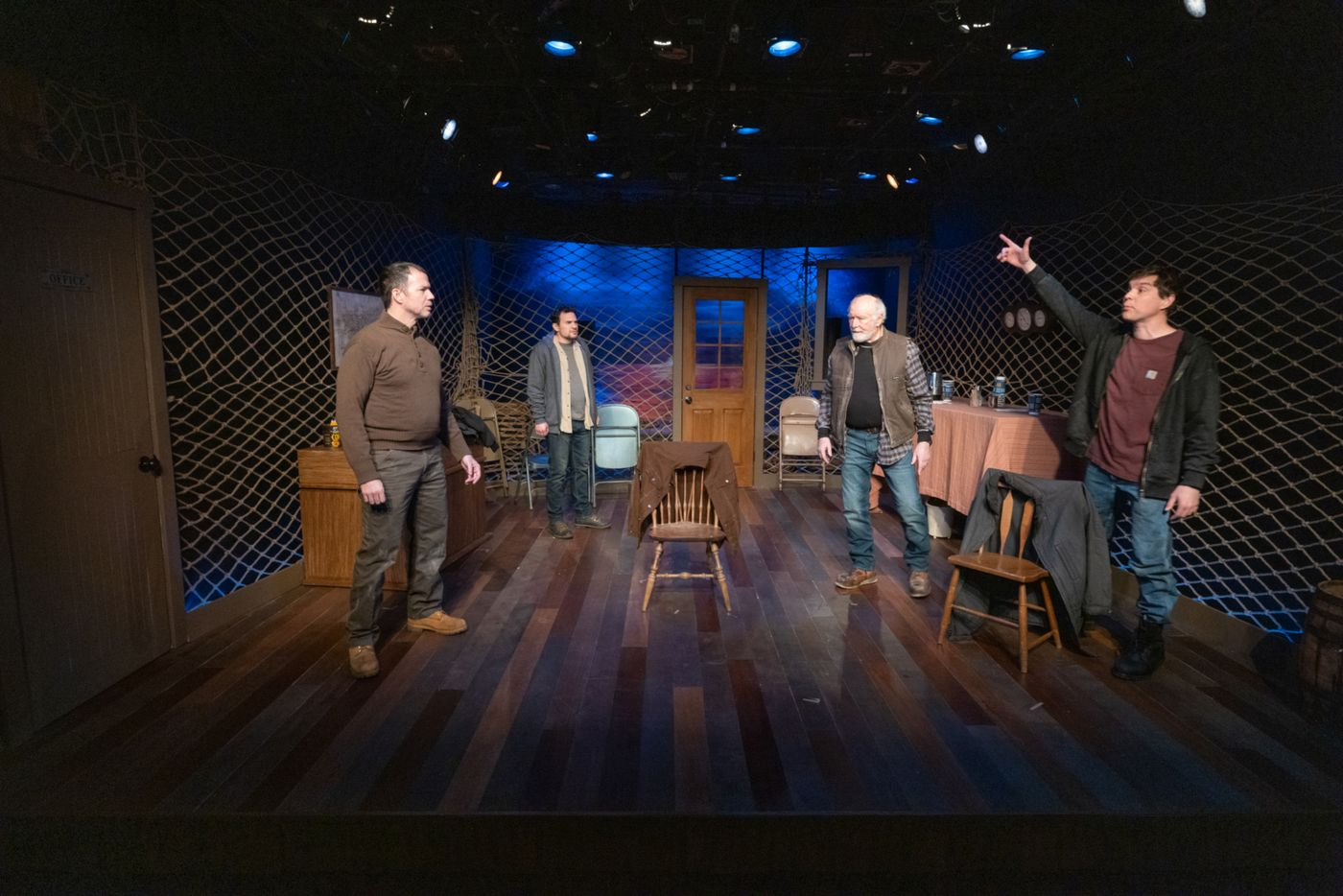
For fans and observers, the focus now shifts toward the offseason, where decisions made in the coming months will shape the trajectory of the franchise. The search for a new general manager, the evaluation of roster composition, and the integration of young talent will all play critical roles in determining whether this season becomes a temporary setback or a turning point.
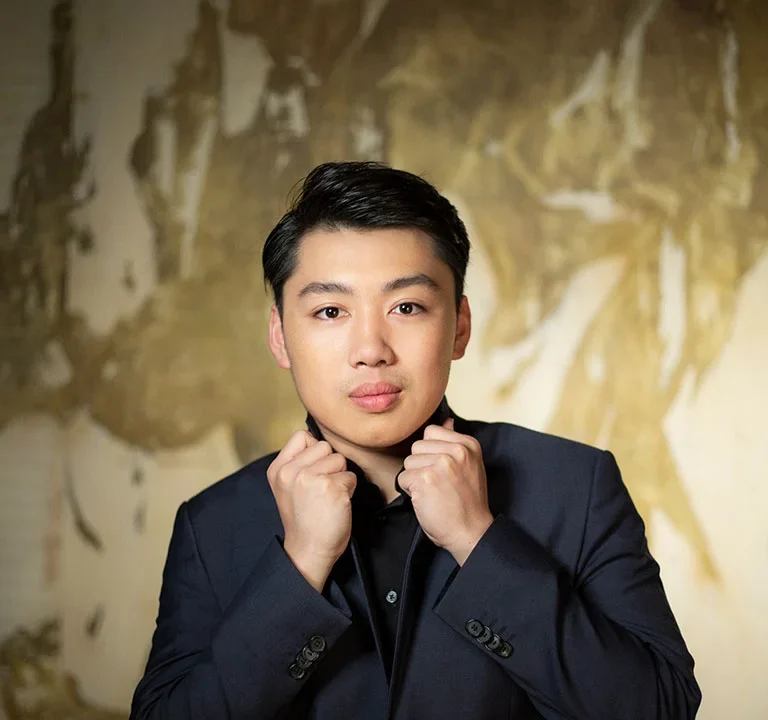
As the Devils take the ice for their final home game and prepare for the closing chapter in Boston, the message is clear. The season may be ending, but the real work is just beginning.
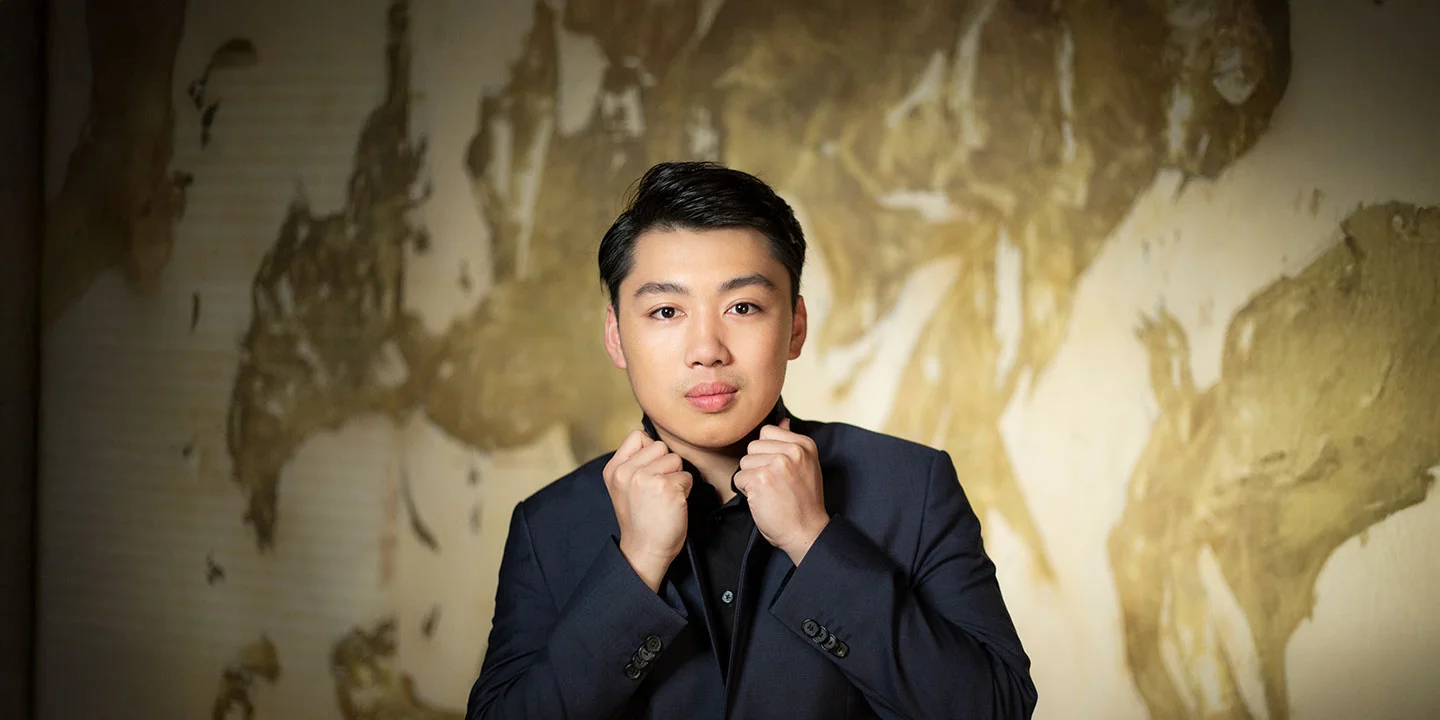
For continued coverage, analysis, and updates on the team’s direction, developments, and future outlook, follow the latest through Explore New Jersey New Jersey Devils, where the conversation around this pivotal moment continues to unfold.

New Jersey Farmers Market Season 2026 Begins: The Garden State’s Most Anticipated Outdoor Tradition Returns

As April unfolds across New Jersey, a familiar and highly anticipated transition is underway—one that signals not just a change in weather, but a shift in lifestyle, community engagement, and local commerce. Farmers’ market season has officially arrived, marking the beginning of a statewide movement that will carry through late fall and redefine weekends, weekdays, and neighborhood gathering spaces from April through November.

April Openings / Early Season

  • Summit Farmers Market – Sundays (launches mid-April)
  • Historic Downtown Jersey City Farmers Market – Mondays & Thursdays at Grove St PATH Plaza
  • Burlington County Agricultural Center Farmers Market – Pre-season April; full launch in May
  • Bell Works FRESH Market – Wednesdays + select spring Saturdays
  • Haddon Heights Farmers Market – Late April start

May Kickoff Markets (Peak Season Launch)

  • Collingswood Farmers Market – Saturdays (one of NJ’s largest)
  • Ramsey Farmers Market – Sundays (year-round, expands in May)
  • Asbury Fresh Market – Sundays (downtown + boardwalk events)
  • Marlboro Farmers Market – Late May regular season
  • Westfield Farmers Market – Tuesdays (downtown)
  • Morristown Farmers Market – Sundays (Morristown Green)
  • Red Bank Farmers Market – Sundays (spring–fall)
  • Metuchen Farmers Market – Saturdays (downtown)
  • Highland Park Farmers Market – Fridays

Year-Round / Indoor Markets (Always Active)

  • Trenton Farmers Market – Thurs–Sun indoor staple
  • Columbus Farmers Market – Large indoor/outdoor complex
  • Greater Bridgeton Amish Market – Thurs–Sat
  • Cowtown Farmers Market – Tues & Sat flea/farm market
  • Montclair Farmers Market – Saturdays year-round (Walnut St Station)
  • Stangl Factory Farmers Market – Saturdays indoor

Additional Notable Markets Across NJ

(Added for broader coverage and depth)

  • Princeton Farmers Market – Hinds Plaza (seasonal + winter sessions)
  • Englewood Farmers Market – Fridays
  • Maplewood Farmers Market – Mondays (very popular North Jersey stop)
  • South Orange Farmers Market – Wednesdays
  • Ridgewood Farmers Market – Sundays
  • Paramus Farmers Market – Seasonal (often Bergen Community College area)
  • Hoboken Farmers Market (Greenmarket) – Multiple days/locations (seasonal rotations)
  • Jersey City Riverview Farmers Market – Sundays (Riverview Park)
  • Ocean City Farmers Market – Wednesdays (summer staple)
  • Stone Harbor Farmers Market – Tuesdays (shore season)
  • Cape May Farmers Market – Seasonal (summer/fall)
  • Atlantic City Farmers Market – Historic indoor market
  • Vineland Farmers Market – Year-round (South Jersey staple)
  • Denville Farmers Market – Sundays
  • Sparta Farmers Market – Seasonal Sundays
  • Chatham Farmers Market – Saturdays
  • Livingston Farmers Market – Seasonal (Sundays)

Key Takeaways

  • Peak density: May–October (full statewide activation)
  • Shoulder season: mid-April + November
  • Year-round coverage: Anchored by indoor + hybrid markets
  • Total ecosystem: ~130+ markets statewide when fully active

Across the Garden State, more than 100 outdoor markets are preparing to reopen, expand, or transition from pre-season operations into full weekly schedules. While a network of indoor and year-round markets continues to serve communities throughout the winter and early spring, the arrival of outdoor market season represents something distinct—an alignment with the rhythms of local agriculture, a return to open-air commerce, and a renewed focus on regional food systems that have become central to New Jersey’s identity.

What makes this moment particularly significant is the scale and structure of the transition. Unlike other seasonal industries, New Jersey’s farmers’ markets operate on a staggered rollout, beginning with early openings and preview events in mid-to-late April before expanding into a full statewide schedule by early May. This phased approach allows vendors, farmers, and organizers to build momentum while responding directly to the availability of early-season crops and products.

Several of the state’s most prominent markets are already stepping into their 2026 schedules, offering a preview of what will soon become a weekly routine for thousands of residents. In Jersey City, the Historic Downtown Farmers’ Market is returning to the Grove Street PATH Plaza, reestablishing itself as one of the region’s most accessible urban markets. Operating on Mondays and Thursdays, it serves as a vital connection point between local producers and a densely populated community that increasingly prioritizes fresh, locally sourced food.

In Summit, one of the state’s largest and most established markets is preparing to launch its full season, drawing visitors to Park & Shop Lot #1 with a wide selection of produce, baked goods, and specialty items. Its Sunday morning schedule reflects the broader trend of markets becoming anchor events within their communities, shaping how residents structure their weekends and engage with local commerce.

Further south, markets in Haddon Heights and Moorestown are building toward their own seasonal openings, with the Burlington County Agricultural Center playing a particularly important role in bridging the gap between pre-season and full operation. Its early spring events serve as both a preview and a testing ground, allowing vendors to reestablish their presence while introducing new products ahead of the official May launch.

The transition into May represents the true inflection point for New Jersey’s farmers’ market ecosystem. This is when the majority of outdoor markets move into full operation, creating a statewide network of weekly events that span urban centers, suburban communities, and rural areas. In Collingswood, the return of its highly regarded market along Atlantic Avenue signals the beginning of a sustained run that attracts both local residents and visitors from across the region. Similarly, markets in Asbury Park, Ramsey, and Marlboro expand the geographic reach of the season, ensuring that nearly every part of the state has access to fresh, locally produced goods.

At the same time, year-round indoor markets continue to provide continuity and stability within the system. Locations such as the Trenton Farmers Market, Columbus Farmers Market, and Cowtown Farmers Market remain active regardless of season, offering a consistent supply of produce, prepared foods, and specialty items. These markets serve as foundational elements within New Jersey’s agricultural economy, supporting vendors and consumers even as the outdoor season fluctuates.

What distinguishes New Jersey’s farmers’ market landscape is not simply its size, but its integration into the broader agricultural framework of the state. The Garden State’s long-standing commitment to farming, supported by a diverse range of crops and producers, creates a supply chain that is both resilient and adaptable. Markets function as the public-facing component of this system, translating agricultural output into direct consumer engagement while reinforcing the value of local production.

This connection is increasingly important as consumer preferences continue to shift toward transparency, sustainability, and quality. Farmers’ markets offer a level of access and accountability that is difficult to replicate in traditional retail environments. Shoppers are able to interact directly with growers, understand the origins of their food, and make informed decisions based on freshness and seasonality. This dynamic not only supports local farmers but also fosters a deeper understanding of the agricultural process.

The cultural impact of these markets extends beyond food. They have become gathering spaces that reflect the character and diversity of their communities, incorporating elements such as live music, artisan vendors, and educational programming. In many cases, they serve as informal town centers, where social interaction and economic activity intersect in a way that strengthens community identity.

For those looking to explore the full scope of New Jersey’s agricultural offerings, the evolving landscape of farms, markets, and seasonal events can be accessed through the Explore New Jersey agriculture hub, where ongoing coverage highlights the developments shaping the state’s farming and food sectors. From large-scale agricultural centers to small, community-driven markets, the range of options reflects a system that is both expansive and deeply interconnected.

As the 2026 season gains momentum, New Jersey’s farmers’ markets stand as more than a seasonal attraction—they represent a critical link between land, community, and economy. They are spaces where local agriculture is not only supported but celebrated, where the act of shopping becomes an experience, and where the rhythms of the growing season are translated into daily life.

With markets opening across the state and schedules expanding week by week, the return of farmers’ market season signals a renewed opportunity to engage with New Jersey at its most authentic level. It is a season defined by freshness, accessibility, and connection—one that continues to grow in both scale and significance with each passing year.

Theresa Caputo Live: The Experience

0

Theresa Caputo Live Brings an Unforgettable Night of Connection, Healing, and Personal Revelation to State Theatre New Jersey

November 4 @ 19:30 23:30

On Wednesday, November 4, 2026, at 7:30 p.m., State Theatre New Jersey will host an event that transcends traditional live entertainment and enters a deeply personal, emotionally resonant space. Theresa Caputo Live: The Experience arrives as one of the most anticipated appearances of the fall season, offering audiences a rare opportunity to witness a live event that blends storytelling, spirituality, and human connection in a way that few performances can replicate.

For more than two decades, Theresa Caputo has built a global following as one of the most widely recognized mediums in modern culture. Known to millions through her long-running television presence as the Long Island Medium, she has established a reputation not only for her claimed ability to communicate with those who have passed, but for her uniquely accessible and relatable approach to what is often considered an intensely personal and private subject. Her work has consistently focused on delivering comfort, clarity, and a sense of continuity to those seeking reassurance about life beyond loss.

Theresa Caputo Live: The Experience translates that deeply personal work into a live, shared environment, where audience members become part of an unfolding, unscripted evening. Unlike traditional stage productions or concerts, this event is built around unpredictability. Each performance evolves in real time, guided by Caputo’s interactions with the audience and the messages she conveys. It is this spontaneity that defines the experience, creating moments that feel immediate, authentic, and often profoundly moving.

The structure of the evening combines elements of personal narrative, humor, and live readings, allowing Caputo to connect with the audience on multiple levels. She shares stories from her own life and journey, offering insight into how she discovered and developed her abilities, while also addressing the emotional complexities that come with them. These moments of reflection are balanced by her signature candid humor, which serves to ground the experience and make it accessible to a wide range of attendees.

At the heart of the event are the live readings themselves. Throughout the approximately 120 to 140-minute performance, Caputo moves through the audience, delivering messages that she describes as coming from loved ones who have passed on. While not every attendee will receive a direct reading, the collective nature of the experience allows the entire audience to engage with the themes of connection, remembrance, and healing. It is this shared emotional space that transforms the event from a series of individual interactions into a broader communal experience.

State Theatre New Jersey provides an ideal setting for this type of performance. As one of the state’s premier cultural venues, it offers both the scale necessary to accommodate a large audience and the intimacy required for an event centered on personal connection. The theatre’s design allows for clear sightlines and strong acoustics, ensuring that each moment—whether a quiet exchange or a more expansive story—is fully experienced by those in attendance.

The demand for Theresa Caputo Live reflects a broader cultural interest in experiences that go beyond conventional entertainment. In an era where audiences are increasingly drawn to events that offer emotional depth and personal relevance, Caputo’s live appearances occupy a unique space. They are not defined by spectacle or production value, but by the authenticity of the interaction and the impact it has on those present.

Ticket pricing for the event begins at $58.75, with availability already generating significant interest. An eight-ticket limit per order has been established, underscoring the high demand and the desire to ensure broad access to the experience. Co-presented with Mills Entertainment, the event represents a collaboration that brings a nationally recognized figure into one of New Jersey’s most respected venues.

This performance also contributes to the expanding scope of live programming across the state, where the definition of what constitutes a “live event” continues to evolve. While music and theatre remain central pillars, experiences like Theresa Caputo Live demonstrate how storytelling, personality-driven performance, and audience interaction are reshaping the landscape. For those exploring the full range of live entertainment options across New Jersey, the breadth of offerings can be further discovered through the Explore New Jersey music hub, where diverse events continue to highlight the state’s growing cultural influence.

As November 4 approaches, Theresa Caputo Live: The Experience stands as one of the most distinctive events on New Jersey’s calendar. It is an evening defined not by scripted performance, but by the unpredictable and deeply human moments that emerge when stories, memories, and emotions intersect in real time.

For audiences, the experience offers more than entertainment—it provides an opportunity to engage with questions of connection, loss, and continuity in a setting that is both supportive and communal. Whether approached with curiosity, belief, or simply an openness to the experience, the event invites attendees to participate in something that resonates on a level far beyond the stage.

State Theatre New Jersey

732-246-7469

View Organizer Website

State Theatre New Jersey

15 Livingston Avenue , NJ
New Brunswick, NJ 08901 United States
+ Google Map
(732) 246-7469
View Venue Website

New Jersey Symphony Presents Opening Weekend: Beethoven’s “Emperor” & Schubert’s “Great”

0

New Jersey Symphony Launches a Monumental New Season with Beethoven’s “Emperor” and Schubert’s “Great” at State Theatre New Jersey

October 25 @ 20:00 23:30

On Sunday, October 25, 2026, at 2:00 p.m., the New Jersey Symphony opens its new season with a program that immediately signals both artistic ambition and cultural significance. Taking place at the historic State Theatre New Jersey, this opening weekend performance brings together two of the most expansive and emotionally resonant works in the orchestral repertoire—Beethoven’s Piano Concerto No. 5, widely known as the “Emperor,” and Schubert’s Symphony No. 9 in C Major, often referred to as “The Great.” Together, these works form a program that is not only musically commanding but deeply symbolic of the orchestra’s continued evolution and commitment to excellence.

Under the direction of Music Director Xian Zhang, the New Jersey Symphony continues to refine its identity as one of the most dynamic orchestras in the region. Zhang’s leadership has consistently emphasized both precision and expressive depth, qualities that are essential for a program of this magnitude. Her longstanding relationship with pianist George Li adds an additional layer of continuity and anticipation to the performance. Introduced to New Jersey audiences a decade ago, Li has since developed into a globally recognized artist whose technical mastery and interpretive insight have earned him a devoted following. His return for this opening program represents not only a reunion but a reaffirmation of the orchestra’s commitment to presenting artists who evolve alongside its audience.

Beethoven’s “Emperor” Concerto stands as one of the most celebrated works in the piano repertoire, a composition that redefined the relationship between soloist and orchestra. From its commanding opening gestures to its lyrical central movement and triumphant finale, the concerto embodies a sense of scale and confidence that continues to resonate across centuries. In performance, it demands both virtuosity and restraint, requiring the soloist to navigate intricate passages while maintaining a cohesive dialogue with the orchestra. Li’s approach to this work is expected to highlight both its technical brilliance and its emotional architecture, bringing clarity and nuance to a piece that has become synonymous with grandeur.

The second half of the program shifts into the expansive world of Franz Schubert’s Symphony No. 9, a work whose history is as compelling as its sound. Known as “The Great,” the symphony was never performed during Schubert’s lifetime, remaining hidden until its rediscovery years later. Today, it is recognized as one of the defining achievements of the Romantic era, a composition that bridges classical form with an emerging sense of emotional and structural freedom. Its sweeping melodies, extended development, and cumulative intensity create an experience that is both immersive and transformative.

In presenting these two works together, the New Jersey Symphony constructs a program that explores not only the evolution of orchestral music but the broader narrative of artistic ambition. Beethoven’s concerto represents a moment of innovation and assertion within the Classical period, while Schubert’s symphony points toward the expansive possibilities of Romantic expression. The pairing creates a dialogue between composers who, though separated by style and circumstance, share a commitment to pushing the boundaries of their art.

The State Theatre New Jersey provides an ideal setting for this opening performance. As one of the state’s most prominent cultural venues, it offers both the scale and the acoustical refinement necessary to support works of this magnitude. The hall’s design allows for a full orchestral sound that retains clarity and balance, ensuring that every section contributes distinctly to the overall texture. For audiences, this translates into a listening experience that is both powerful and detailed, where the interplay between soloist and ensemble can be fully appreciated.

This opening weekend concert also reflects the broader trajectory of New Jersey’s live music ecosystem, where classical programming continues to play a central role in shaping the state’s cultural identity. The New Jersey Symphony’s commitment to presenting major works within accessible and thoughtfully curated programs reinforces its position as a cornerstone institution within the region. At the same time, the availability of subscriptions for the new season signals an ongoing investment in audience engagement, inviting both longtime supporters and new listeners to participate in a full season of performances that build upon this opening statement.

For those seeking to explore the wider landscape of live music across the state, the range of performances and venues can be further discovered through the Explore New Jersey music hub, where ongoing coverage highlights the depth and diversity of New Jersey’s musical offerings. From orchestral performances and chamber concerts to contemporary and genre-spanning events, the state continues to expand its reach as a destination for high-caliber live music.

As October 25 approaches, this opening weekend program stands as a defining moment for the New Jersey Symphony’s new season. It is a performance that brings together history, artistry, and community in a way that underscores the enduring relevance of classical music. Through the combined forces of Xian Zhang, George Li, and the orchestra, audiences will experience works that have shaped the course of musical history, presented with a level of insight and intensity that reflects the very best of live performance in New Jersey today.

State Theatre New Jersey

732-246-7469

View Organizer Website

State Theatre New Jersey

15 Livingston Avenue , NJ
New Brunswick, NJ 08901 United States
+ Google Map
(732) 246-7469
View Venue Website

Direct from Sweden: The Music of ABBA

0

Direct from Sweden: The Music of ABBA Brings a Full-Scale Pop Spectacle to New Jersey with Unmatched Authenticity and Energy

June 12 @ 20:00 23:30

On Friday, June 12, 2026, at 8:00 p.m., New Jersey audiences will be transported into one of the most iconic musical catalogs ever created as Direct from Sweden: The Music of ABBA arrives for a high-energy, all-ages performance that captures the sound, style, and global phenomenon of ABBA with remarkable precision. This is not a casual tribute—it is a meticulously crafted live production designed to recreate the full ABBA experience with an attention to detail that elevates it into a category of its own.

For decades, ABBA’s music has transcended generations, cultures, and musical trends, establishing itself as a permanent fixture in the global pop landscape. With more than 400 million records sold, their influence is not simply historical—it is ongoing, continuously rediscovered by new audiences while remaining deeply embedded in the memories of those who first experienced it. Direct from Sweden taps directly into that enduring legacy, offering a performance that is both a celebration and a re-creation of one of the most successful musical acts in history.

What distinguishes this production is its commitment to authenticity at every level. From the intricate costume design to the vocal arrangements and stage choreography, every element is engineered to reflect the original ABBA aesthetic with striking accuracy. The costumes themselves are created by the same designer responsible for ABBA’s original stage wardrobe, adding a level of visual credibility that immediately sets the tone for the performance. Combined with precise musical arrangements and synchronized movement, the result is a show that feels less like a tribute and more like a direct continuation of the original experience.

The performers bring a depth of connection to the material that further enhances the production’s authenticity. Members of the cast have appeared in Mamma Mia! The Musical and have collaborated with original ABBA affiliates, ensuring that the interpretation of the music remains faithful while still delivering the energy required for a live audience. Backed by a full band and supported by additional vocalists, the show incorporates live instrumentation and layered harmonies that recreate the richness of ABBA’s studio recordings while adding the spontaneity and immediacy of a live performance.

The setlist reads like a definitive anthology of pop music, featuring an uninterrupted sequence of songs that have become cultural touchstones. Audiences can expect to hear “Dancing Queen,” “Mamma Mia,” “Waterloo,” “Fernando,” “The Winner Takes It All,” “SOS,” “Take a Chance on Me,” “Money, Money, Money,” “Knowing Me, Knowing You,” “Super Trouper,” “Gimme! Gimme! Gimme!,” and “Voulez-Vous,” among many others. Each song is presented not as an isolated performance, but as part of a continuous, high-energy narrative that keeps the audience engaged from the opening number through the final encore.

What makes these songs endure is their ability to balance emotional depth with melodic accessibility. ABBA’s catalog is built on songwriting that is both structurally sophisticated and immediately memorable, allowing it to resonate across generations. Direct from Sweden honors this duality, delivering performances that capture both the technical precision and the emotional core of the music. Ballads are rendered with the intimacy and nuance they require, while up-tempo tracks are driven by a level of energy that transforms the venue into a fully interactive environment.

This interaction is a defining feature of the show. Unlike more passive concert experiences, Direct from Sweden actively invites audience participation, encouraging singing, dancing, and full immersion in the performance. The structure of the show is designed to build momentum, creating a collective atmosphere where the boundary between performer and audience becomes increasingly fluid. By the midpoint of the performance, the experience shifts from observation to participation, reinforcing the communal nature of live music.

The timing of this performance within New Jersey’s live music calendar further underscores its significance. As the state continues to expand its cultural footprint, productions like Direct from Sweden highlight the diversity of offerings available to audiences. From classical concerts and jazz ensembles to large-scale tribute productions and contemporary touring acts, New Jersey’s venues are increasingly presenting a wide spectrum of musical experiences that cater to varied tastes while maintaining a high standard of quality.

For those looking to explore the full scope of live music across the region, the evolving landscape can be accessed through the Explore New Jersey music hub, where performances across genres and venues are continuously featured. This growing ecosystem reflects a broader commitment to positioning New Jersey as a destination for both established and emerging live entertainment.

As June 12 approaches, Direct from Sweden: The Music of ABBA stands as one of the most engaging and accessible performances of the season. It is a production that combines technical excellence with pure entertainment value, delivering a show that is as visually compelling as it is musically satisfying. For longtime fans, it offers a chance to relive the music that defined an era; for newer audiences, it provides an entry point into a catalog that continues to shape the sound of popular music.

In bringing this production to New Jersey, the performance does more than celebrate ABBA’s legacy—it reinforces the enduring power of live music to connect, energize, and inspire. It is an evening built on familiarity, elevated by execution, and driven by the kind of energy that only a truly iconic body of work can generate.

Skylands Performing Arts Center (SkyPAC)

(973) 940-6398

View Organizer Website

State Theatre New Jersey

15 Livingston Avenue , NJ
New Brunswick, NJ 08901 United States
+ Google Map
(732) 246-7469
View Venue Website