
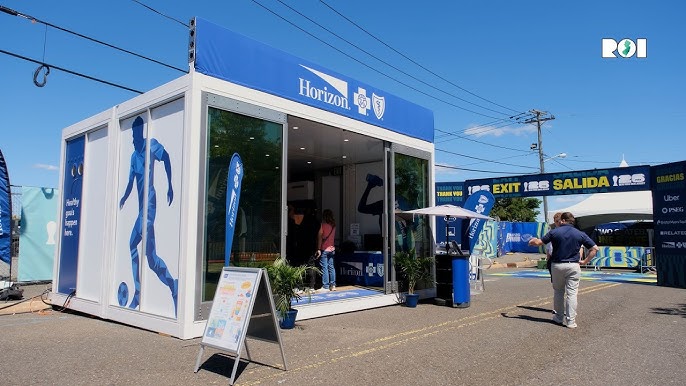

The 2026 FIFA World Cup has transformed New Jersey into one of the world’s great gathering places. Every match, every fan festival, every international visitor, and every community celebration has reinforced the state’s role as a global destination during the largest sporting event on the planet. Yet while millions of people are focused on the excitement unfolding on the pitch, another effort is quietly gaining momentum behind the scenes—one that views the World Cup as an opportunity to address challenges that exist long after the tournament’s final whistle.
For Horizon Blue Cross Blue Shield of New Jersey, the global spotlight created by the World Cup represents more than a celebration of sport. It offers an unprecedented opportunity to elevate conversations surrounding food insecurity, health equity, preventive care, community wellness, and the social conditions that influence health long before someone ever walks into a doctor’s office. As New Jersey welcomes visitors from around the globe, Horizon is using one of the world’s largest sporting events to shine a light on issues affecting families in communities across the Garden State every day of the year.
That philosophy reflects a broader transformation occurring throughout modern healthcare.
For decades, healthcare systems measured success largely by the treatment patients received once they became ill. Increasingly, however, physicians, insurers, hospitals, and public health organizations recognize that medical care represents only one piece of overall health. The circumstances surrounding where people live, what they eat, how easily they can reach healthcare providers, whether they have reliable transportation, stable housing, safe neighborhoods, and access to nutritious food often influence health outcomes as much as clinical treatment itself.
Those broader influences have become known throughout healthcare as the social determinants of health, and addressing them has become one of Horizon’s central priorities as the organization continues serving approximately 3.5 million members throughout New Jersey.
Speaking during World Cup activities at Sports Illustrated Stadium in Harrison, Horizon Vice President and Chief Medical Officer Dr. Joshua Ardise described the organization’s mission as extending well beyond traditional insurance coverage. Improving health outcomes, he explained, requires understanding the everyday realities that shape people’s lives and then working with community partners to address those challenges before they become medical emergencies.
That perspective places food security near the center of Horizon’s current community initiatives.
While many people naturally think of hunger as primarily an economic issue, healthcare professionals increasingly view reliable access to nutritious food as fundamental to disease prevention, healthy childhood development, chronic disease management, and overall quality of life. Medical research continues demonstrating strong relationships between nutrition and conditions including diabetes, heart disease, obesity, hypertension, maternal health, and numerous other long-term health outcomes.
The concept is straightforward.
Food is not simply nourishment.
It is prevention.
It is treatment.
It is long-term wellness.
It is one of the most important building blocks of public health.
That understanding has helped reshape Horizon’s approach to community investment. Through partnerships with New Jersey’s network of Feeding America food banks, including the Community FoodBank of New Jersey and organizations serving every region of the state, Horizon supports initiatives designed to expand access to healthy food while strengthening local food distribution systems and increasing the capacity of community food pantries. Rather than focusing solely on emergency food assistance, many of these partnerships also emphasize nutritious options, expanded choice for families, and sustainable community support.
The work extends well beyond distributing meals.
Many food pantry partners now incorporate nutrition education, health screenings, wellness programming, and connections to additional social services that help families address multiple challenges simultaneously. This integrated approach recognizes that food insecurity rarely exists in isolation. Families struggling to afford groceries may also face transportation barriers, housing instability, healthcare access challenges, or financial pressures that influence their overall well-being.
For Horizon, identifying those needs has become an increasingly data-driven process.
The organization surveys members, analyzes population health information, evaluates community needs, and works to identify gaps in available resources. When those unmet needs become apparent, Horizon connects members with local organizations capable of providing assistance, whether through food programs, community services, health education, or additional support networks. That coordinated strategy reflects one of healthcare’s most significant shifts over the past decade: treating community health as a shared responsibility extending beyond hospitals and physicians’ offices.
The World Cup provides an especially effective platform for delivering that message.
With international media focused on New Jersey and hundreds of thousands of visitors participating in matches, fan festivals, public viewing events, and community celebrations, organizations throughout the state have recognized an opportunity to introduce broader conversations about health, wellness, and community resilience to audiences that extend far beyond traditional healthcare settings.
For Horizon, that includes highlighting another major priority: health equity.
Health equity involves ensuring that every individual has a fair opportunity to achieve their highest possible level of health regardless of geography, income, race, ethnicity, language, disability, or socioeconomic circumstances. Achieving that objective requires more than expanding insurance coverage. It demands investments in neighborhoods, educational resources, community partnerships, public spaces, preventive care, and accessible wellness opportunities that help eliminate barriers before health disparities emerge.
One visible example of that investment can be found in Horizon Fitness Courts located throughout New Jersey.
These free outdoor fitness facilities encourage residents of all ages to remain physically active by providing accessible exercise spaces within local communities. Rather than requiring expensive gym memberships or specialized equipment, the Fitness Courts place opportunities for movement, recreation, and healthy lifestyles directly inside neighborhoods where residents already live, work, and gather.
The initiative reflects another evolving principle in public health: wellness becomes far more attainable when healthy choices are both accessible and convenient.
The organization’s community partnerships extend into arts and culture as well.
Working alongside the New Jersey Performing Arts Center, Horizon supports Arts on Prescription, an innovative initiative recognizing that emotional well-being, creativity, social connection, and cultural engagement all contribute to healthier lives. Participants gain access to artistic and cultural experiences as part of a broader approach to wellness, acknowledging that mental health, emotional resilience, and community participation remain essential components of overall health.
Programs such as these illustrate how significantly healthcare has evolved.
Today’s conversations extend far beyond insurance cards, physician visits, and prescription medications. They increasingly include nutrition, exercise, mental health, social engagement, transportation, housing stability, environmental conditions, and educational opportunity. Together, these factors shape the health of entire communities while influencing long-term healthcare outcomes.
For New Jersey, the timing of these initiatives carries additional significance.
The FIFA World Cup has introduced millions of people worldwide to the Garden State, showcasing not only its stadiums and sporting venues but also its communities, diversity, hospitality, and civic partnerships. Organizations across New Jersey have embraced the tournament as an opportunity to demonstrate leadership in areas extending well beyond athletics. Economic development agencies have highlighted investment opportunities. Tourism organizations have promoted destinations throughout the state. Cultural institutions have celebrated New Jersey’s extraordinary diversity. Healthcare organizations, including Horizon, have chosen to focus attention on strengthening community well-being.
That broader perspective aligns naturally with the values embodied by international sport.
The World Cup celebrates teamwork, preparation, perseverance, resilience, and community. Those same principles guide successful public health initiatives. Building healthier communities requires long-term partnerships among healthcare providers, nonprofit organizations, educators, local governments, volunteers, businesses, and residents working toward shared goals. Progress rarely comes through a single program or isolated initiative. Instead, it develops gradually through sustained investment and collaborative leadership.
For Explore New Jersey, Horizon’s World Cup initiatives tell an important story about how major international events can generate lasting local impact.
While visitors understandably focus on matches, fan festivals, concerts, and celebrations, organizations throughout the state are also using this historic moment to strengthen community programs that will continue serving residents long after the tournament concludes. Food banks receive greater visibility. Community wellness initiatives reach new audiences. Preventive healthcare messages gain broader attention. Local partnerships expand. Families become more aware of resources available within their own neighborhoods.
The legacy of the World Cup will ultimately be measured by more than attendance figures, television audiences, or championship celebrations.
It will also be reflected in the partnerships strengthened, the communities supported, the conversations started, and the investments made while the world’s attention focused on New Jersey. Horizon Blue Cross Blue Shield of New Jersey’s continued emphasis on food security, health equity, preventive care, and community wellness demonstrates how one of the world’s largest sporting events can become a catalyst for meaningful change far beyond the stadium gates.
As international supporters continue gathering throughout the Garden State to celebrate the beautiful game, another equally important effort continues unfolding alongside the tournament—one focused on building healthier communities, expanding access to essential resources, and ensuring that the benefits of this extraordinary global moment extend well beyond soccer. In doing so, New Jersey is demonstrating that hosting the FIFA World Cup is not only about welcoming the world for a month of competition, but also about using that opportunity to invest in the long-term health, resilience, and well-being of the people who call the Garden State home.
















