
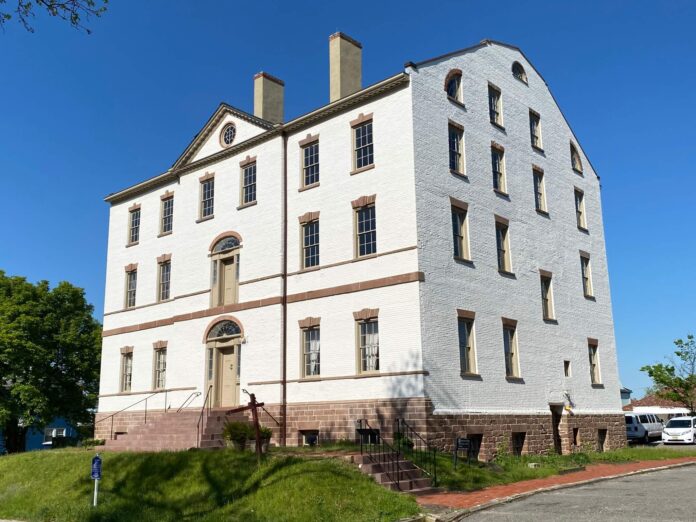

Historic preservation is far more than protecting old buildings. It is an investment in community identity, economic vitality, educational opportunity, tourism, and the stories that continue to shape future generations. Morris County has once again demonstrated why it remains one of New Jersey’s leading advocates for preserving local history by approving nearly $5 million in Historic Preservation Trust Fund grants that will support dozens of significant projects throughout the county.
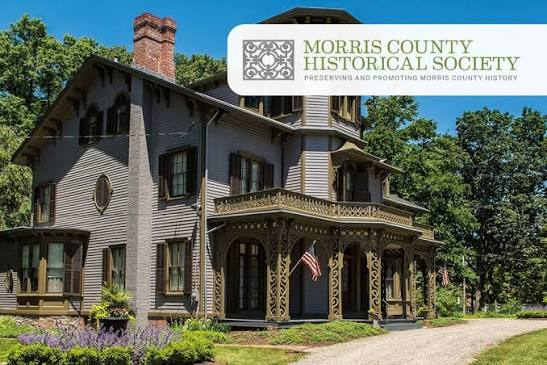
The Morris County Board of County Commissioners has officially approved $4.92 million in preservation funding that will help restore, document, acquire, and protect 35 historic projects located across 20 municipalities. The investment represents another major milestone in one of New Jersey’s most successful county-level historic preservation programs and reinforces Morris County’s long-standing commitment to safeguarding the places that define its remarkable past.
The latest round of funding follows recommendations from the Morris County Historic Preservation Trust Fund Review Board after its annual evaluation process. Approximately 86 percent of the funding has been dedicated to construction-related preservation work involving 16 historic properties, while the remaining allocation supports 19 additional initiatives focused on preservation planning, architectural documentation, construction preparation, and one strategic acquisition that will ensure an important historic property remains available for public use.
The announcement arrives during an especially meaningful period as communities throughout New Jersey commemorate the 250th anniversary of American independence. Few counties possess the Revolutionary War heritage of Morris County, whose towns, villages, churches, homes, military encampments, transportation corridors, and public spaces played critical roles during the nation’s founding. These preservation investments ensure that the physical reminders of those defining moments will continue educating residents and welcoming visitors for decades to come.
Since voters overwhelmingly supported establishing the Morris County Preservation Trust Fund in 2003, the county has invested more than $61 million toward restoring and protecting 142 historic sites. That extraordinary record illustrates how consistent public investment can transform preservation from a reactive effort into a long-term strategy that strengthens communities while protecting irreplaceable cultural resources.
Unlike one-time restoration projects, the Trust Fund creates lasting momentum by allowing municipalities, nonprofit organizations, and preservation groups to plan comprehensive improvements over multiple years. Historic structures often require phased restoration, detailed architectural studies, engineering assessments, and specialized conservation techniques before construction even begins. Morris County’s program recognizes these realities by funding every stage of the preservation process rather than limiting support solely to construction.
The result is a preservation model that has become one of the strongest examples of local government protecting historic resources while encouraging thoughtful community development. Every restoration project not only stabilizes aging structures but also creates opportunities for heritage tourism, educational programming, public engagement, downtown revitalization, and local economic activity.
Historic preservation continues to prove that protecting the past can also strengthen the future. Restored landmarks frequently become cultural destinations, museums, event spaces, educational centers, community gathering places, and tourism assets that generate sustained economic benefits. Visitors traveling to experience historic districts often support local restaurants, retailers, hotels, and small businesses, extending the impact of preservation well beyond the buildings themselves.
This year’s funding includes several projects that showcase the remarkable diversity of Morris County’s historical landscape.
One of the most intriguing initiatives focuses on Camp Jefferson in Jefferson Township, formerly known as Camp Ranger and later Camp Clifton. The site traces its origins to 1926 when the Boy Rangers of Montclair and Glen Ridge acquired 33 acres to establish a youth camp dedicated to outdoor education and leadership development. The property eventually became Camp Clifton after ownership transferred to the Boys’ Club of Clifton, serving generations of young people before entering a new chapter in its history.
A grant of $101,800 will support preparation of a comprehensive Preservation Plan along with documentation necessary for nomination to the National Register of Historic Places. While preservation planning often receives less public attention than physical restoration, it is one of the most important investments any historic property can receive. Detailed planning identifies significant architectural features, establishes preservation priorities, documents historical significance, and creates a roadmap that guides future restoration while maintaining historical integrity.
Another especially meaningful project centers on the New Jersey Merci Train Boxcar in the Town of Boonton. This remarkable artifact represents far more than a railroad car. It stands as a tangible symbol of international gratitude, humanitarian cooperation, and postwar friendship.
The French “40 & 8” railcar belongs to a unique collection distributed across the United States in 1949 as part of the Merci Train initiative. Following World War II, France presented one railcar to each state and the District of Columbia in appreciation for the American-led Friendship Train, which had delivered desperately needed humanitarian supplies to Europe during the difficult years following the war.
Originally designed to transport either 40 soldiers or eight horses, these military railcars became enduring symbols of resilience and international goodwill. Today, only a limited number survive in preserved condition, making New Jersey’s example an exceptionally valuable piece of transportation and diplomatic history.
The latest grant will fund completion of construction documents needed for comprehensive interior and exterior preservation work, including structural stabilization through steel bracing. The project, led by the United Railroad Historical Society of New Jersey, will help ensure that future restoration efforts preserve one of the state’s most distinctive historical artifacts while allowing future generations to better understand its extraordinary international significance.
Religious history also plays an important role in this year’s preservation funding.
East Hanover Township has received significant support for preserving the historic First Presbyterian Church of Hanover along with its adjoining burial ground. The property represents one of the earliest centers of settlement in Morris County and occupies an important place within New Jersey’s colonial and Revolutionary-era history.
The church’s current sanctuary, constructed in 1835, remains an outstanding example of Greek Revival architecture, reflecting one of America’s defining nineteenth-century architectural movements. Beyond its architectural significance, the church and surrounding cemetery document generations of local families whose lives helped shape the development of Hanover Village and the surrounding region.
A grant of $330,000 supports the township’s acquisition of the church property following its purchase in 2025. Plans call for continued community use through municipal programming and activities serving local senior residents, illustrating how historic preservation and modern community needs can successfully coexist. Rather than allowing an important landmark to lose its public purpose, the investment creates new opportunities for residents to experience history within an active civic setting.
Projects like these illustrate why preservation funding extends well beyond bricks, mortar, stone, and timber. Every restored building protects original craftsmanship that cannot easily be replicated today. Every documented site contributes new historical research. Every stabilized structure prevents irreversible deterioration that would become increasingly expensive or impossible to reverse in the future.
Preservation also serves an educational mission. Historic buildings provide immersive learning environments where students, researchers, families, and visitors encounter history in authentic settings rather than solely through textbooks or photographs. Walking through preserved churches, historic homes, military sites, railroad facilities, schools, civic buildings, and community landmarks creates a deeper understanding of New Jersey’s development and America’s broader story.
For Morris County, this investment reinforces a broader vision that values responsible stewardship alongside continued growth. Communities continue evolving, yet preserving historically significant places ensures that modernization never comes at the expense of losing the physical connections that define local identity.
That philosophy has helped Morris County build one of New Jersey’s strongest preservation records over the past two decades. By combining public investment, expert review, municipal partnerships, nonprofit leadership, and long-range planning, the county has established a sustainable framework capable of protecting hundreds of years of architectural, cultural, military, transportation, religious, agricultural, and civic history.
The impact reaches well beyond individual municipalities. Heritage tourism remains one of the fastest-growing segments of domestic travel, with visitors increasingly seeking authentic experiences rooted in local culture and historical significance. Morris County’s preserved sites contribute to regional tourism while complementing museums, parks, historic downtowns, Revolutionary War landmarks, and cultural institutions throughout northern New Jersey.
As preparations continue nationwide to commemorate America’s Semiquincentennial, Morris County’s latest preservation investment demonstrates that honoring history requires more than celebration. It requires sustained commitment, thoughtful planning, and meaningful financial support that transforms historic preservation into a lasting public responsibility.
The nearly $5 million approved this year represents another chapter in a preservation success story that has already protected more than 140 historic sites across the county. From Revolutionary-era churches and nineteenth-century architecture to rare international artifacts and beloved community landmarks, these projects ensure that Morris County’s rich history remains visible, accessible, and relevant for generations still to come.
Across New Jersey, communities continue searching for ways to balance growth with preservation. Morris County’s Historic Preservation Trust Fund offers a proven example of how strategic investment can accomplish both. By restoring treasured landmarks, encouraging public engagement, supporting heritage tourism, and preserving the stories embedded within every historic structure, the county continues building a legacy that extends far beyond today’s restoration projects.
History is ultimately measured not only by what survives but by what communities choose to protect. Morris County’s latest investment affirms that preserving the past remains one of the strongest commitments any community can make toward shaping a stronger and more connected future.
















