
In a food culture increasingly dominated by oversized restaurant creations, social-media-driven recipes, and elaborate home cooking trends built around excess, one of the most satisfying dishes making a major comeback throughout New Jersey kitchens right now is also one of the simplest.
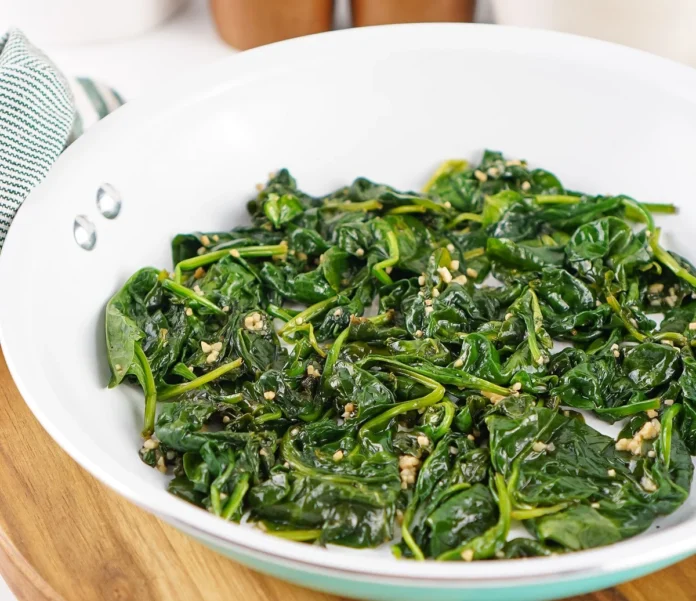
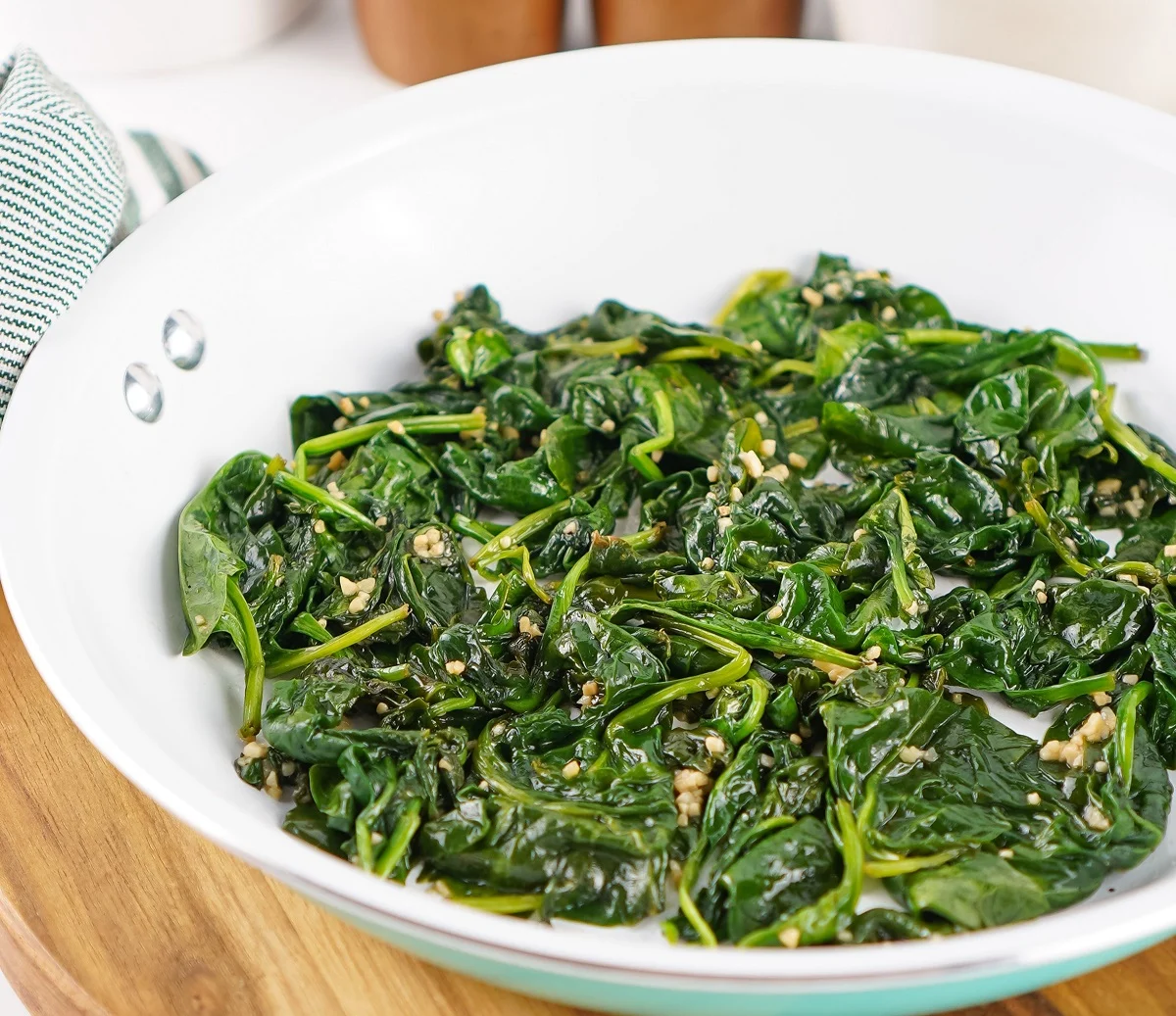
Sautéed spinach.
Not the soggy cafeteria version many people remember from childhood. Not the overworked steakhouse side drowned in butter and salt. And not a decorative afterthought pushed to the edge of a dinner plate beside a larger entrée.
What is quietly returning to prominence in kitchens throughout the Garden State is a fresher, cleaner, more intentional version of sautéed spinach rooted in simplicity, balance, and ingredient-driven cooking that reflects where modern home dining culture is heading overall.
At a time when New Jersey’s food scene continues evolving toward fresher ingredients, lighter comfort meals, and practical weeknight cooking that still delivers restaurant-quality flavor, easy sautéed spinach has become one of the most versatile and quietly essential dishes home cooks can master.
And the reason goes far beyond nutrition alone.
The dish succeeds because it solves a problem modern families constantly face: how to create something fast, flavorful, adaptable, affordable, and genuinely satisfying without turning dinner into a multi-hour production.
That balance matters enormously in 2026.
Across New Jersey, home cooking habits continue shifting dramatically as consumers move away from heavily processed convenience meals while simultaneously searching for recipes that remain realistic for busy schedules. People want food that feels intentional without becoming exhausting. They want dishes that taste fresh and comforting while still fitting naturally into weeknight routines.
Simple sautéed spinach fits perfectly into that modern cooking philosophy.
The entire dish revolves around just a handful of ingredients: fresh spinach, olive oil, garlic, salt, and pepper. Yet when handled correctly, those few components produce something deeply flavorful, aromatic, and surprisingly elegant in its simplicity.
That is partly because spinach itself remains one of the most adaptable ingredients in contemporary cooking.
Fresh spinach works across virtually every type of meal structure. It can support heavier comfort foods, brighten rich pasta dishes, complement seafood, balance roasted meats, or function as the centerpiece of lighter Mediterranean-inspired dinners increasingly popular throughout New Jersey households. It transitions effortlessly between casual family meals and elevated dinner-party presentations without requiring major adjustment.
The cooking method itself is equally important.
One of the biggest mistakes inexperienced cooks make with spinach is treating it too aggressively. Proper sautéed spinach is not supposed to collapse into overcooked greens stripped of texture and color. The best versions maintain brightness, softness, and gentle structure while allowing garlic and olive oil to coat the leaves naturally rather than overwhelm them.
That process begins with the garlic.
Starting minced garlic in a cool pan alongside olive oil rather than dropping it into high heat immediately creates a slower flavor release that prevents bitterness and scorching. As the oil warms gradually, the garlic infuses the base of the dish instead of dominating it. The spinach then enters in batches, allowing each handful to wilt naturally without steaming excessively or releasing too much moisture all at once.
That detail matters more than many people realize.
Spinach shrinks dramatically during cooking, and overcrowding the pan too quickly often creates watery texture rather than clean sautéing. Gentle movement inside the skillet helps preserve the integrity of the leaves while ensuring even cooking throughout.
The result, when executed properly, feels light yet deeply savory at the same time.
It is the kind of side dish capable of elevating an entire meal without demanding attention away from the main course itself.
That versatility explains why sautéed spinach continues appearing across so many corners of New Jersey’s restaurant and home dining culture. Italian restaurants pair it beside seafood and pasta. Modern American kitchens use it alongside steak and roasted chicken. Diners fold it into omelets and breakfast platters. Mediterranean restaurants incorporate it into grain bowls and lighter entrées. Even sandwich shops increasingly use sautéed spinach to add freshness and depth to wraps, cheesesteaks, and grilled sandwiches.
At home, the possibilities become even broader.
Leftover sautéed spinach works exceptionally well folded into scrambled eggs, layered into breakfast sandwiches, mixed with tortellini, stirred into soups, or added to quesadillas and paninis. Some home cooks pair it with creamy risottos or baked chicken dishes, while others use it to balance heavier comfort meals where a fresh vegetable component prevents the plate from feeling overly dense.
That adaptability has become especially valuable as New Jersey’s home cooking culture grows increasingly hybridized.
Modern kitchens no longer operate strictly within single culinary traditions. Families regularly combine Italian, Mediterranean, Latin, Asian, and classic American influences throughout the same weekly meal rotation. Dishes capable of moving fluidly across those styles naturally become staples.
Sautéed spinach succeeds because it belongs almost everywhere.
The dish also aligns perfectly with another major shift currently happening throughout food culture: ingredient-forward minimalism.
After years dominated by overcomplicated recipes and maximalist presentation trends online, many home cooks are rediscovering the appeal of recipes built around a few properly handled ingredients rather than endless layers of unnecessary additions. Fresh spinach, quality olive oil, garlic, and careful seasoning often produce more satisfying results than heavier recipes overloaded with competing flavors.
That does not mean the dish lacks flexibility.
Far from it.
Many cooks expand the recipe through small additions that personalize the flavor profile without compromising the dish’s simplicity. Lemon juice brightens the greens and cuts through richer meals beautifully. Red pepper flakes introduce subtle heat. Parmesan adds saltiness and depth. Mushrooms and onions create heartier texture. Toasted pine nuts bring contrast and nuttiness that work especially well alongside Mediterranean-style dinners.
Even the oil itself can change the character of the dish.
Butter creates a richer steakhouse-inspired finish, while avocado oil offers a more neutral alternative for cooks seeking cleaner flavor profiles. Some kitchens use combinations of butter and olive oil together, balancing richness with brightness.
But the core identity of the dish remains rooted in restraint.
That restraint is exactly what makes sautéed spinach so effective.
In many ways, the recipe reflects where New Jersey’s broader food culture is evolving overall. The state’s culinary identity has always balanced sophistication with practicality. New Jersey diners appreciate elevated cooking, but they also value authenticity, familiarity, and meals that feel genuinely livable rather than performative.
Sautéed spinach fits naturally into that sensibility.
It is approachable without feeling boring.
Comforting without becoming heavy.
Healthy without sacrificing flavor.
Simple without feeling incomplete.
That balance becomes especially important as consumers continue reevaluating what everyday eating should look like after years of restaurant inflation, fast-food fatigue, and shifting nutritional priorities. More people are cooking at home again not merely out of necessity, but because they increasingly want meals that feel fresher, more personal, and more adaptable to their own lifestyles.
Recipes like this support that shift perfectly.
For Explore New Jersey readers following the continuing evolution of food, dining, and home cooking culture throughout the Garden State, easy sautéed spinach represents something larger than a basic side dish recipe. It reflects a broader return to ingredient-driven cooking built around flexibility, freshness, and sustainable everyday meals that still feel satisfying and elevated.
Sometimes the dishes that endure longest are not the loudest ones.
Sometimes they are the recipes quietly sitting beside the main course making the entire meal better.
And in kitchens throughout New Jersey right now, sautéed spinach is doing exactly that.
Easy Sauteed Fresh Spinach
Sauteed Fresh Spinach is an easy vegetable side dish that provides freshness to your dinner. The garlic and oil provides maximum flavor. The Easy Sauteed Fresh Spinach Recipe is Jersey Girl Cooks Recipe.
Prep Time5minutes mins
Cook Time10minutes mins
Course: Side Dish
Cuisine: American
Servings: 3
Calories: 63kcal
Ingredients
- 9-10 Ounces Fresh Spinach
- 1 Tablespoon Olive Oil
- 1 Teaspoon Minced Garlic
- ¼ Teaspoon Salt plus more if needed
- ¼ Teaspoon Pepper
nstructions
- Place a medium sized skillet over medium heat, on the stove, and add the olive oil and garlic, while the pan is still cool.
- As the pan starts to warm up and thin the oil, add the spinach, a handful at a time. As it shrinks a bit and makes more room, add more spinach, until all the spinach has been added. Gently move the spinach around so it doesn’t burn, but don’t beat it up.
- Cook the spinach for 3 to 4 more minutes or until the desired texture has been reached. Season with salt and pepper.
Notes
Baby spinach works best for this recipe as it is easy to clean.
Spinach can be purchased in 9-10 ounce bags or plastic containers. It is reduced in volume when cooked so recipe can also be doubled if you need a larger portion.
Nutrition
Calories: 63kcal | Carbohydrates: 4g | Protein: 3g | Fat: 5g | Saturated Fat: 1g | Polyunsaturated Fat: 1g | Monounsaturated Fat: 3g | Sodium: 261mg | Potassium: 481mg | Fiber: 2g | Sugar: 0.4g | Vitamin A: 7976IU | Vitamin C: 24mg | Calcium: 87mg | Iron: 2mg