
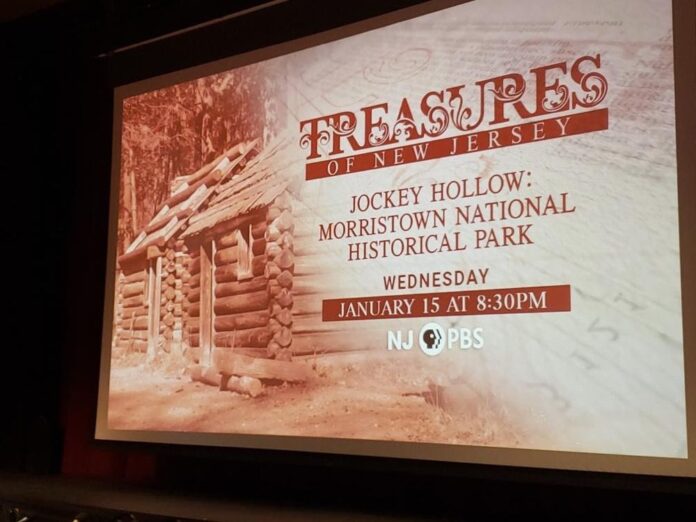

As America continues its commemoration of the 250th anniversary of the Revolutionary War, few places hold greater historical significance than Morristown, New Jersey. Long regarded by historians as the military heart of the American Revolution, Morris County once served as the location where the dream of independence nearly froze beneath snow-covered forests, dwindling supplies, and unimaginable hardship. Now, that extraordinary chapter of American history is set to reach a new generation of viewers as PBS series Drive By History opens its eighth season with a powerful examination of Jockey Hollow and the brutal winter encampment of 1779-1780.
Premiering June 3 on NJ PBS, the episode, titled The Worst Winter of the Revolution: 1779–80, transports audiences back to one of the most difficult periods faced by General George Washington and the Continental Army. While many Americans recognize famous Revolutionary War battlefields such as Lexington, Concord, Saratoga, and Yorktown, fewer fully understand the immense sacrifices made during the winter encampments that ultimately allowed the young nation to survive.
That story is deeply connected to New Jersey.
In fact, few locations in the United States can claim a more direct connection to the survival of the American cause than Jockey Hollow, the sprawling wooded landscape located within what is now the historic Morristown National Historical Park. During the winter of 1779 and 1780, approximately 12,000 Continental soldiers endured what many historians consider the harshest winter of the entire Revolutionary War. Temperatures plummeted. Snowfall accumulated in staggering amounts. Supply chains collapsed. Food shortages became severe. Disease spread throughout the camps. Yet despite these overwhelming challenges, Washington’s army endured.
The significance of that endurance cannot be overstated.
Had the Continental Army fractured during that winter, the course of American history might have changed forever.
The season premiere of Drive By History seeks to tell that story not simply through dates and military movements but through the experiences of the people who lived it. Hosted by acclaimed storyteller and Mendham Township resident Ken Magos, the series has built a reputation for transforming roadside markers, overlooked landmarks, and historic locations into compelling narratives that connect local history to the broader American experience.
Over the years, Drive By History has become one of public television’s most engaging explorations of regional heritage. Rather than presenting history as something distant or abstract, the series brings viewers directly to the places where history happened. Through interviews with historians, preservationists, researchers, authors, and community leaders, each episode uncovers stories that often remain hidden in plain sight.
For Magos, focusing on Jockey Hollow during America’s semiquincentennial celebration carries special significance.
As both a historian and Morris County resident, he understands that the landscapes surrounding modern-day Morristown are far more than scenic parkland. They are places where ordinary people endured extraordinary circumstances in pursuit of an unprecedented idea: a free and independent nation.
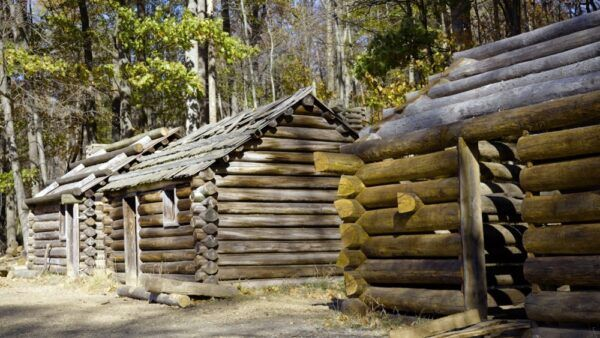
The winter encampment at Jockey Hollow represented far more than a military encampment. It became a test of endurance, leadership, and commitment. Soldiers constructed thousands of log huts by hand. They battled starvation, illness, and severe weather. Many lacked adequate clothing and footwear. Yet they remained committed to a cause that was far from guaranteed to succeed.
Today, visitors walking through Jockey Hollow encounter peaceful trails, reconstructed soldier huts, and rolling woodlands. The tranquility of the site can make it difficult to imagine the suffering that once unfolded there. One of the strengths of Drive By History is its ability to bridge that gap between present and past, helping audiences visualize what these historic landscapes looked like during pivotal moments in American history.
The timing of the episode is particularly meaningful.
Across New Jersey, communities are actively participating in America 250 initiatives designed to commemorate the nation’s founding while encouraging residents and visitors to explore the places where history occurred. Morris County has emerged as one of the leading participants in those efforts, using educational programming, tourism initiatives, preservation projects, public events, and community partnerships to highlight its critical Revolutionary War role.
The county’s contribution to the war effort extended far beyond Jockey Hollow.
Morristown served as a strategic military headquarters, earning the nickname “The Military Capital of the American Revolution.” Washington and his commanders repeatedly relied upon the region because of its geographic advantages, supportive local population, and relative protection from British forces operating near New York City. From military planning and logistics to intelligence gathering and troop coordination, the area became indispensable to the Revolutionary cause.
That historical importance continues to shape Morris County today.
Heritage tourism remains one of the region’s strongest attractions, drawing visitors interested in exploring Revolutionary War sites, historic homes, museums, preserved landscapes, and educational experiences. The story of America’s founding is not confined to textbooks in Morris County—it remains woven into the physical environment itself.
Programs like Drive By History help expand that connection.
By bringing these stories to television audiences throughout New Jersey and beyond, the series creates opportunities for viewers to discover destinations they may never have considered visiting. A single episode can inspire families to explore local history, encourage students to engage more deeply with the past, and remind residents that some of the nation’s most important historical landmarks exist within their own communities.
The upcoming season premiere also highlights the evolving role of public television in historical storytelling.
In an era dominated by fast-moving digital content, programs like Drive By History demonstrate that audiences still value thoughtful, well-researched narratives that provide context, depth, and perspective. Rather than sensationalizing history, the series seeks to humanize it, showing how the decisions, sacrifices, and experiences of individuals continue to shape modern life.
That approach feels especially important during the nation’s 250th anniversary observance.
The Revolutionary War was not merely a sequence of battles. It was a prolonged struggle involving communities, families, soldiers, political leaders, and ordinary citizens. Places like Jockey Hollow remind us that independence was not inevitable. It required perseverance under circumstances that many would have found impossible.
The men who endured the winter of 1779-1780 did not know they would ultimately prevail. They did not know future generations would celebrate their sacrifices. They simply continued forward despite overwhelming adversity.
That lesson remains relevant today.
As New Jersey continues to celebrate its unparalleled role in the nation’s founding, stories like those featured in The Worst Winter of the Revolution: 1779–80 serve as powerful reminders of the resilience that helped define the American experience. They also reinforce why preserving historic sites remains so important. Without places like Jockey Hollow, many of these stories risk fading from public memory.
Fortunately, Morris County’s commitment to preservation, education, and heritage tourism ensures that these landmarks continue serving as living classrooms for future generations.
When viewers tune in to the season premiere of Drive By History on June 3, they will encounter more than a television program. They will experience a journey into one of the most consequential winters in American history, a story of endurance that unfolded in the forests of New Jersey and helped shape the future of a nation.
At a moment when America reflects on 250 years of independence, there may be no better place to begin than the snow-covered hills of Jockey Hollow, where the survival of a revolution once hung in the balance and where history continues to speak to those willing to listen.
















