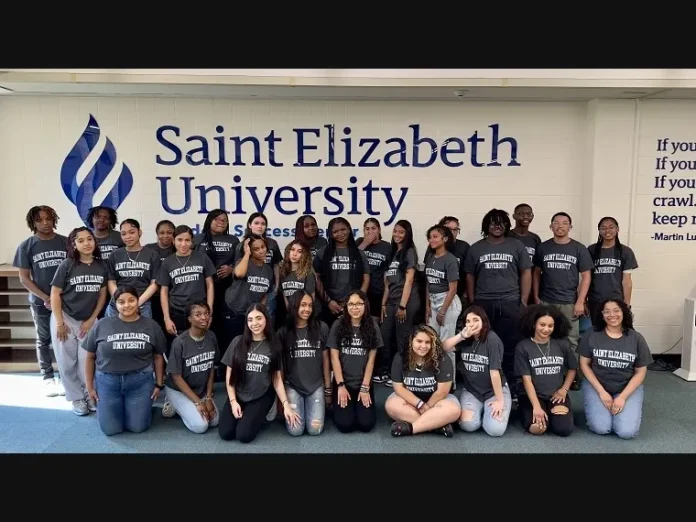

Across the United States, higher education is confronting one of the most consequential periods in its modern history. Colleges and universities are facing declining birth rates, shifting student demographics, changing workforce expectations, rising operational costs, increasing skepticism about the value of a traditional degree, and intense competition for enrollment. Headlines about budget reductions, program eliminations, institutional mergers, and even campus closures have become increasingly common. Yet amid these challenges, one New Jersey institution is charting a markedly different course. Saint Elizabeth University in Morris County continues to demonstrate growth, innovation, and adaptability at a time when many colleges are struggling simply to maintain stability.
The success story unfolding at Saint Elizabeth University reflects more than favorable enrollment numbers. It represents a broader transformation in how institutions of higher learning can respond to rapidly changing educational, economic, and workforce realities. Rather than resisting change, the university has embraced a model focused on accessibility, career readiness, community engagement, academic innovation, and student-centered learning. In doing so, it has positioned itself as an example of how smaller private universities can thrive in an increasingly competitive environment.
The challenges facing higher education today are significant and well documented. Demographic shifts have reduced the number of traditional college-age students in many regions of the country. The so-called enrollment cliff, long anticipated by educational researchers, is beginning to impact institutions across multiple states. Families are scrutinizing tuition costs more closely than ever before, while employers increasingly prioritize skills, certifications, experiential learning, and workforce preparedness alongside traditional academic credentials. These forces have created a highly competitive marketplace where colleges must continuously demonstrate both value and relevance.
Against that backdrop, Saint Elizabeth University’s continued momentum stands out. Located on a historic campus in Morris County, the university has steadily evolved while remaining rooted in its longstanding educational mission. What began as a women’s college more than a century ago has transformed into a modern, inclusive institution serving undergraduate, graduate, professional, and adult learners across a diverse range of disciplines. That evolution has allowed the university to remain responsive to contemporary student needs while preserving the values and sense of community that have long defined its identity.
One of the primary factors contributing to the institution’s growth is its focus on meeting students where they are rather than expecting students to adapt to outdated educational models. Today’s learners often balance academics with work responsibilities, family obligations, internships, and professional development goals. Traditional four-year residential experiences remain important, but they are no longer the only pathway through higher education. Universities that recognize this reality and develop flexible options are increasingly better positioned to attract and retain students.
Saint Elizabeth University has embraced this shift through expanded academic offerings, innovative degree pathways, flexible learning formats, and workforce-focused programming designed to align education with real-world opportunities. Students increasingly seek programs that provide direct connections to employment, professional advancement, and meaningful career outcomes. Institutions capable of creating those connections gain a competitive advantage in a marketplace where return on investment has become a central consideration for prospective students and families.
The university’s location within New Jersey’s highly educated and economically dynamic region also provides unique opportunities. Morris County and the surrounding areas are home to major healthcare systems, pharmaceutical companies, technology firms, financial organizations, educational institutions, and nonprofit organizations. These industries create valuable partnerships that enhance experiential learning opportunities, internships, research projects, clinical placements, and career pathways for students. By maintaining strong relationships with employers and community organizations, the university helps bridge the gap between classroom learning and professional success.
Healthcare education remains a particularly important area of growth. Across New Jersey and the nation, demand continues to increase for nurses, healthcare administrators, public health professionals, behavioral health specialists, and related occupations. Saint Elizabeth University has responded by expanding programs that prepare students to enter some of the fastest-growing sectors of the workforce. As healthcare systems confront workforce shortages and evolving patient needs, educational institutions capable of producing highly trained professionals play a critical role in both economic development and community well-being.
The university’s emphasis on social mobility also distinguishes it within the higher education landscape. Increasingly, colleges are evaluated not only by academic prestige but by their ability to transform lives through education. Students want institutions that provide support, mentorship, accessibility, and pathways toward upward mobility. Saint Elizabeth University has cultivated a reputation for personalized attention and student engagement, creating an environment where learners often benefit from closer faculty relationships and individualized guidance than may be available at larger institutions.
This student-centered approach resonates particularly strongly with first-generation college students, adult learners, transfer students, and individuals pursuing career changes. As the traditional definition of a college student continues to evolve, institutions that successfully support diverse educational journeys are likely to experience stronger enrollment outcomes and greater long-term sustainability.
The university’s commitment to innovation extends beyond academics. Investments in campus infrastructure, student services, technology integration, and community partnerships have helped position the institution for future growth. Modern students expect educational experiences that combine academic rigor with technological sophistication, wellness resources, professional development opportunities, and meaningful community engagement. Universities that view these elements as interconnected rather than separate priorities are increasingly better equipped to attract prospective students.
Another factor contributing to Saint Elizabeth University’s success is its ability to maintain a strong sense of mission during a period when many institutions struggle to differentiate themselves. In an era of abundant educational options, students often seek campuses where they feel connected to a larger purpose. Institutions that clearly communicate their values, educational philosophy, and commitment to student success tend to foster stronger engagement and retention. Saint Elizabeth University’s longstanding emphasis on service, leadership, ethics, and community remains relevant in a world where employers increasingly value not only technical skills but also emotional intelligence, communication, collaboration, and civic engagement.
The university’s continued growth also carries broader implications for New Jersey. Higher education remains one of the state’s most important economic drivers, contributing talent development, workforce training, research activity, cultural programming, and community investment. Strong colleges and universities help attract businesses, support innovation ecosystems, and create opportunities for residents seeking to advance their careers and improve their quality of life. Institutions that successfully adapt to changing market conditions strengthen not only their own futures but also the communities they serve.
As conversations about the future of higher education continue, Saint Elizabeth University offers an instructive example of what adaptation can look like. Rather than viewing demographic shifts and enrollment challenges solely as obstacles, the university has approached them as opportunities to rethink educational delivery, strengthen partnerships, expand access, and align programs with evolving workforce demands. That willingness to evolve has allowed the institution to remain competitive while preserving the personalized educational experience that continues to attract students.
The story emerging from Morris County is not simply one of enrollment growth. It is a story about resilience, innovation, and strategic transformation during a period of significant disruption across higher education. While many institutions continue searching for answers to the challenges reshaping the academic landscape, Saint Elizabeth University is demonstrating that growth remains possible when universities focus on relevance, flexibility, student success, and meaningful connections to the communities they serve.
At a moment when the future of higher education is being actively debated across the country, Saint Elizabeth University stands as a reminder that institutions willing to evolve can not only survive change but emerge stronger because of it. As New Jersey continues investing in education, workforce development, and economic opportunity, the university’s trajectory offers a compelling example of how thoughtful leadership and student-centered innovation can create lasting success in a rapidly changing world.