
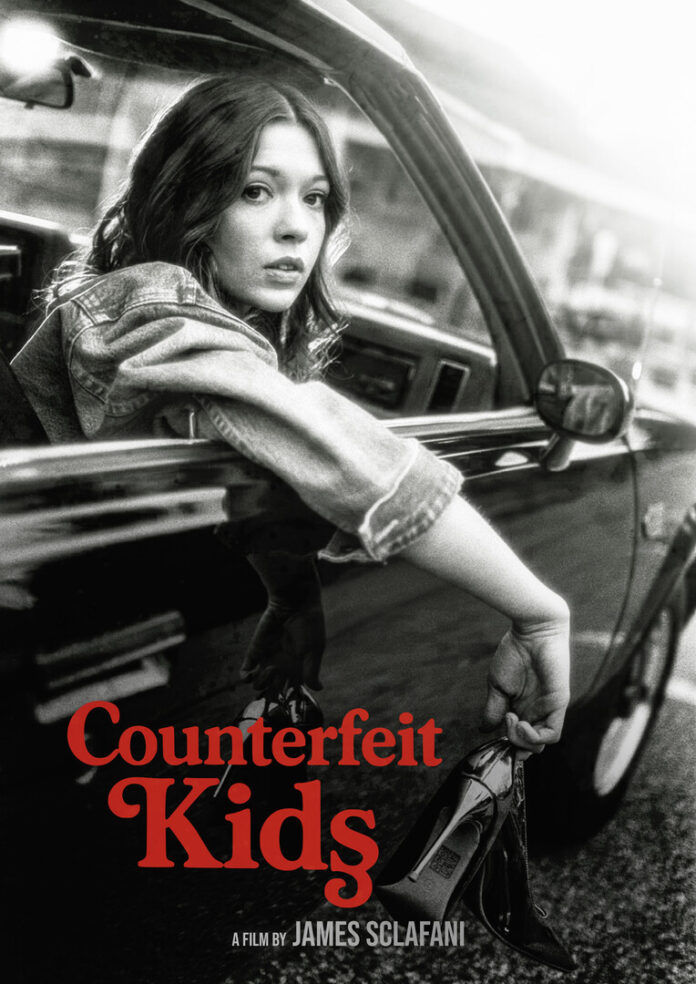

Independent filmmaking has always thrived on urgency, improvisation, personal obsession, and the willingness to create something meaningful before the opportunity disappears. That spirit sits at the center of Counterfeit Kids, the emotionally layered new short film from writer and director James Sclafani that arrives as one of the most talked-about selections in the 2026 New Jersey International Film Festival. Ahead of its May 30 screening in New Brunswick, the film is already drawing significant attention not only because of its cinematic style and deeply personal storytelling, but because of the remarkable story behind how the project came to life in the first place.
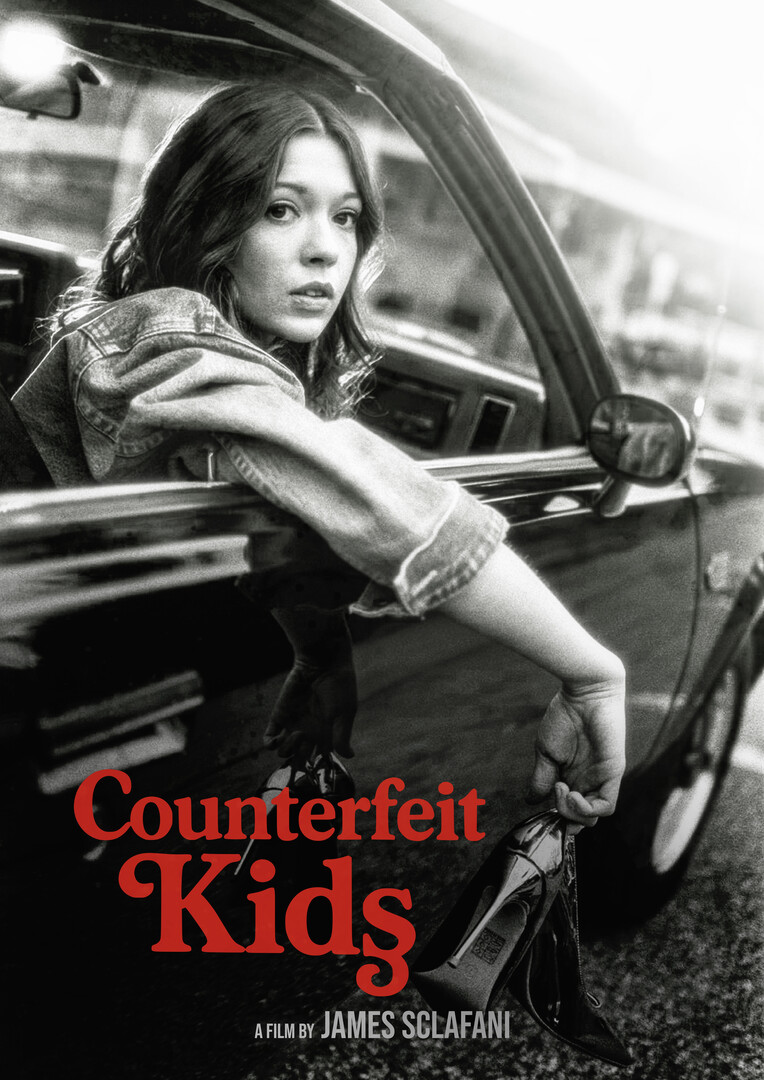
The film will screen during the second night of the festival as part of a major Saturday evening showcase at Rutgers University’s Voorhees Hall, where audiences will experience Counterfeit Kids alongside the animated short Sundays and the feature film Middle Life. Yet even within a lineup filled with ambitious independent productions, Counterfeit Kids stands apart because of the unusual combination of Hollywood connections, family tragedy, underground punk influence, and autobiographical emotional weight that helped shape its creation.
At its core, Counterfeit Kids is an 11-minute short set during a sweltering Baltimore summer in 1980, following a group of neighborhood children navigating class divides, fractured households, emotional confusion, and the strange, often uncomfortable realities of childhood perspective. The film’s atmosphere appears dreamlike and nostalgic at first glance, but beneath that surface sits a darker emotional current involving family instability, economic tension, and the way children quietly absorb the chaos surrounding them.
That emotional realism is precisely what gives the project its resonance. Rather than romanticizing childhood through sanitized nostalgia, Sclafani appears far more interested in exploring how memory actually functions — fragmented, emotionally contradictory, funny one moment and painful the next. The children in Counterfeit Kids exist in a world where social status, family dysfunction, and neighborhood dynamics collide constantly, yet they continue navigating that reality with the strange resilience only children seem capable of possessing.
What makes the film’s backstory even more fascinating is that Counterfeit Kids was never originally supposed to exist at all.
The project emerged indirectly from a much larger screenplay titled King of Counterfeit, a feature-length script written by Sclafani that eventually caught the attention of legendary actor and cultural icon Bill Murray. According to details revealed during a major interview conducted by New Jersey International Film Festival Director Albert Gabriel Nigrin, Murray ultimately purchased the feature screenplay directly from Sclafani, launching a long development process that remains ongoing.
However, independent film development timelines can stretch endlessly, particularly when larger studios, financing structures, scheduling logistics, and international casting become involved. Rather than simply waiting for the feature project to move forward, Sclafani approached Murray with an entirely different idea. He asked permission to create an original short film functioning as a personal proof of concept and directorial showcase separate from the feature screenplay itself.
That distinction matters because Counterfeit Kids is not a condensed version of King of Counterfeit. None of its scenes are directly lifted from the larger screenplay. Instead, the short became an entirely independent creative exercise designed to establish Sclafani’s filmmaking voice and demonstrate his instincts as a director.
Murray reportedly supported the effort enthusiastically behind the scenes. Beyond receiving a “Special Thanks” credit in the film, the Hollywood legend allegedly became actively involved in helping the production navigate logistical obstacles, even personally contacting a major production company while attempting to help secure an international visa for one of the filmmakers’ desired actors. It is the kind of behind-the-scenes mentorship that rarely becomes public but often plays an enormous role in helping independent filmmakers survive the brutal realities of production.
Yet the emotional center of Counterfeit Kids ultimately reaches far beyond celebrity involvement or industry connections. The film became deeply intertwined with one of the most painful periods of Sclafani’s personal life.
During production, the filmmaker’s father was terminally ill. According to Sclafani, his father strongly encouraged him to complete the film and remained emotionally invested throughout the entire process despite his declining health. He reportedly visited the set during filming and later watched the completed cut of the movie before passing away.
Those details reshape the emotional context surrounding the project entirely. Suddenly, Counterfeit Kids becomes more than an independent short film screening at a respected regional festival. It becomes part memorial, part creative survival story, and part artistic promise fulfilled under impossible emotional circumstances.
There is something profoundly human about the image of a father serving as a “tough critic” while simultaneously encouraging his son to finish the work before time runs out. That emotional layer inevitably changes how audiences will experience the film itself because the themes of memory, childhood, family instability, and emotional inheritance now feel inseparable from the real-life circumstances surrounding its creation.
The production itself also faced major instability before cameras even rolled. Just one week before filming began, the actress originally cast to portray the character Trisha — the film’s emotionally volatile mother figure — unexpectedly exited the production because of a scheduling conflict. For most independent shorts operating on limited budgets and compressed timelines, losing a lead actor days before filming can destroy the project entirely.
Instead, Sclafani’s cousin, television writer Elizabeth Beckwith, stepped in to help save the film by connecting the production with actress Clodagh Boyer, who had recently appeared in an Irish feature earning Oscar-shortlist attention. Boyer ultimately joined the production at the last minute and now anchors one of the film’s most emotionally important performances.
That kind of improvisational problem-solving has long defined independent filmmaking at its highest level. Productions survive not because everything unfolds perfectly, but because filmmakers remain adaptable enough to recover from disasters in real time. In many ways, Counterfeit Kids seems built from exactly that spirit.
Music also plays a critical role in establishing the film’s emotional identity and sense of place. Rather than treating the soundtrack as simple background decoration, Sclafani uses music as an extension of the film’s personality and atmosphere. The movie draws heavily from the energy of 1980s punk and glam culture, particularly through the inclusion of songs connected directly to Sclafani’s own family history.
His uncle, Joe “TV” Guido, was a founding member of the influential punk and glam band The Brats, whose music appears prominently throughout the film. Songs including Right on the Money and Rock Candy inject the production with raw energy and period authenticity while simultaneously grounding the story in a very personal musical lineage.
Additional soundtrack choices, including Joey Ramone recordings and Money Changes Everything, further reinforce the restless emotional tension running throughout the film. The soundtrack does not merely recreate 1980 Baltimore aesthetically. It captures the emotional unpredictability of the era itself — rebellious, messy, loud, uncertain, and emotionally volatile beneath the surface.
All of this now converges at the 2026 New Jersey International Film Festival, which continues strengthening its reputation as one of the region’s most important showcases for ambitious independent filmmaking. Organized by the Rutgers Film Co-op, the festival’s hybrid format allows audiences to experience films both in person and through virtual streaming access, expanding its reach far beyond New Jersey while still preserving the communal energy that makes festival screenings special.
Counterfeit Kids screens Saturday, May 30 at 7:00 PM at Rutgers University’s Voorhees Hall #105 in New Brunswick as part of a triple-feature program that also includes Sundays and Middle Life. Festival attendees arriving early will be able to participate in pre-show gatherings beginning at 5:00 PM before the evening screening block officially begins.
Following the screenings, Festival Director Albert Gabriel Nigrin will host a live Q&A session featuring Sclafani and members of the cast, giving audiences additional insight into both the production process and the deeply personal experiences that shaped the project.
The film will also stream virtually for a single 24-hour window beginning at 12:01 AM on May 30 and expiring later that evening, continuing the festival’s commitment to making independent cinema accessible to wider audiences while still preserving the urgency and exclusivity associated with festival screenings.
For Explore New Jersey readers following the state’s growing film culture, Counterfeit Kids represents the exact kind of project that reminds audiences why film festivals still matter. The movie is not simply content engineered for algorithms or disposable streaming consumption. It is personal filmmaking created under emotional pressure, built from lived experience, artistic instinct, family memory, and creative risk.
The New Jersey International Film Festival has long served as an incubator for exactly these kinds of voices — filmmakers still discovering themselves publicly while simultaneously creating work capable of resonating far beyond local audiences. Counterfeit Kids arrives carrying all the unpredictability, emotional honesty, and artistic ambition that define the best independent cinema.
And perhaps that is what makes the story surrounding the film feel so compelling. Beneath the Bill Murray connection, the punk soundtrack, the production chaos, and the festival attention sits something much simpler and far more powerful: a filmmaker determined to finish the work, a father determined to see it completed, and a deeply personal story now finding its audience under the lights of one of New Jersey’s most respected independent film festivals.
















