
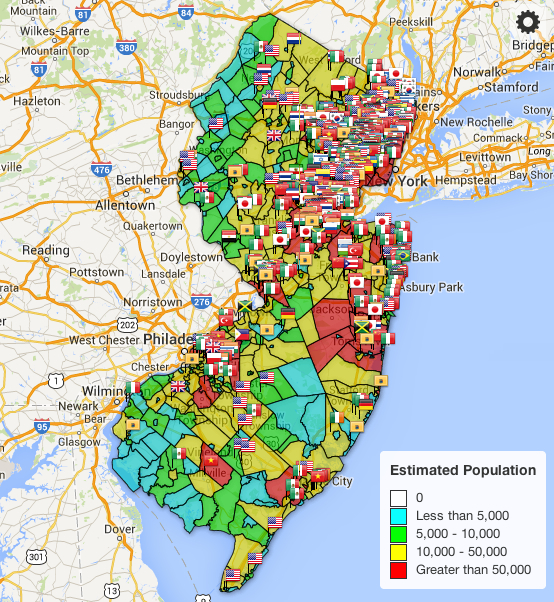

A new op-ed lays out the numbers plainly, and they’re hard to argue with. Latino population growth is filling labor gaps, launching businesses at three times the national rate, and pumping more than $100 billion a year into the regional economy.
New Jersey’s Fastest-Growing Economic Engine Isn’t a Company. It’s a Community.
A new op-ed lays out the numbers plainly, and they’re hard to argue with. Latino population growth is filling labor gaps, launching businesses at three times the national rate, and pumping more than $100 billion a year into the regional economy.
An aging workforce is a quiet problem until it isn’t. New Jersey has one, and for years the conversation around it has stayed mostly abstract, projections, worried op-eds, vague warnings about a coming labor crunch. A recent analysis grounds that abstract worry in something concrete. Latino population growth across New York and New Jersey isn’t a side story running alongside the region’s economy anymore. It’s actively propping a meaningful share of it up, filling critical labor shortages, launching new businesses at a pace other demographic groups aren’t matching, and generating spending power that’s already crossed the hundred billion dollar mark annually.
The Boost
A younger, working-age population is filling critical roles in healthcare, logistics, construction, and hospitality, exactly the industries an aging state workforce was starting to struggle to staff.
Latino entrepreneurs are opening restaurants, grocery stores, construction firms, and tech startups at three times the national average, generating local jobs and tax revenue in the process.
Combined Latino purchasing power across New York and New Jersey has crossed $100 billion annually, flowing directly into local real estate, retail, and supermarkets.
The Growing Pains
A disproportionate share of these jobs sit in lower-paying service industries, leaving many families facing high poverty rates despite the region’s steep cost of living.
Traditional banks deny business loans to Latino-owned businesses at notably higher rates than white-owned businesses, pushing owners toward high-interest personal credit as a substitute.
Rapid growth in specific North and Central Jersey hubs is squeezing affordable housing while local schools and community health clinics scramble to fund the capacity to keep up.
The labor piece of this story is the part that should reshape how people think about New Jersey’s economic future. A state with an aging workforce needs younger workers from somewhere, and this is exactly where a meaningful share of them are coming from, stepping directly into healthcare, logistics, construction, and hospitality roles that would otherwise sit unfilled. That’s not a marginal contribution propping up a few struggling sectors. It’s foundational labor supply for industries this region genuinely cannot function without.
The entrepreneurship number deserves equal attention. Businesses launching at three times the national rate isn’t a rounding error or a statistical quirk, it’s a genuine surge, and it shows up in the kind of everyday commercial activity that actually defines a neighborhood, the new restaurant that becomes a local favorite, the grocery store that finally fills a retail gap, the construction firm bidding on local contracts, the tech startup nobody expected to come out of a town people don’t usually associate with venture funding. Every one of those businesses creates jobs and generates tax revenue that funds the exact schools and services every resident depends on, regardless of background.
Here’s where I’ll offer a direct opinion rather than just laying out both columns and walking away. The wage gap and capital access problems aren’t side notes to this story, they’re the part that determines whether this economic engine keeps accelerating or eventually stalls out under its own weight. A community generating this much spending power and business formation deserves banking systems that actually extend credit at fair rates, not a system that quietly pushes entrepreneurs toward high-interest personal credit cards because traditional loan approval odds are stacked against them. That’s not a minor inefficiency. It’s leaving real growth on the table, growth that would benefit the entire regional economy, not just the business owners directly affected. [Your Story Here]
The infrastructure strain is the other half of that same coin. Housing, schools, and health clinics in the fastest-growing hubs need funding that actually keeps pace with population growth rather than perpetually playing catch-up a budget cycle behind. Population growth this significant is a genuine asset to a regional economy. Whether that asset compounds into long-term prosperity or gets undercut by underfunded infrastructure and unequal access to capital depends entirely on choices state and regional leaders make in the next few years, not on the demographic trend itself. The trend is already here, and the numbers back it up plainly. What happens next is a policy question, not a demographic one.
















